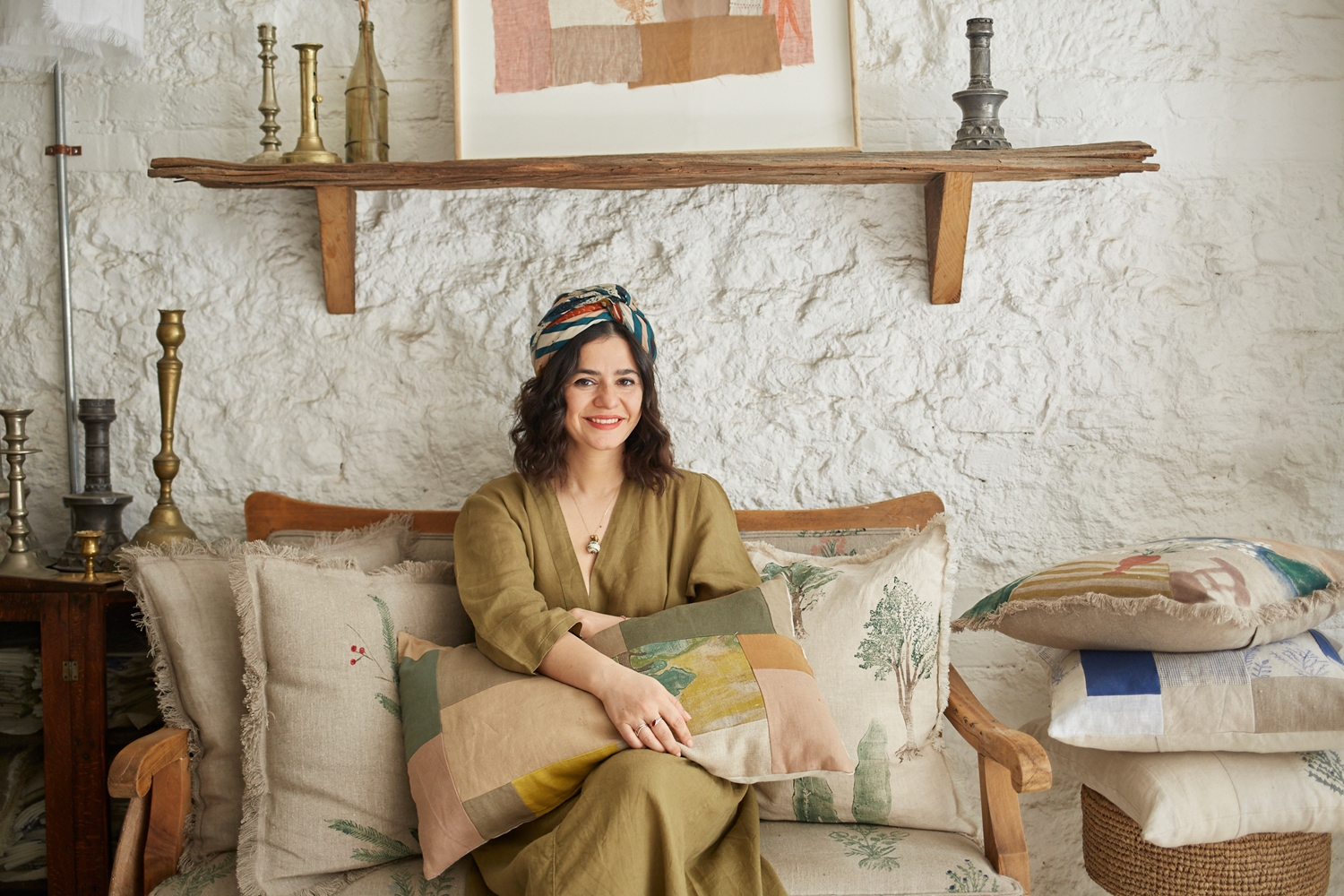
Malin Mena
Glassblower
Nättraby, Sweden
Recommended by Konsthantverkcentrum
Complex creations born from contrasts
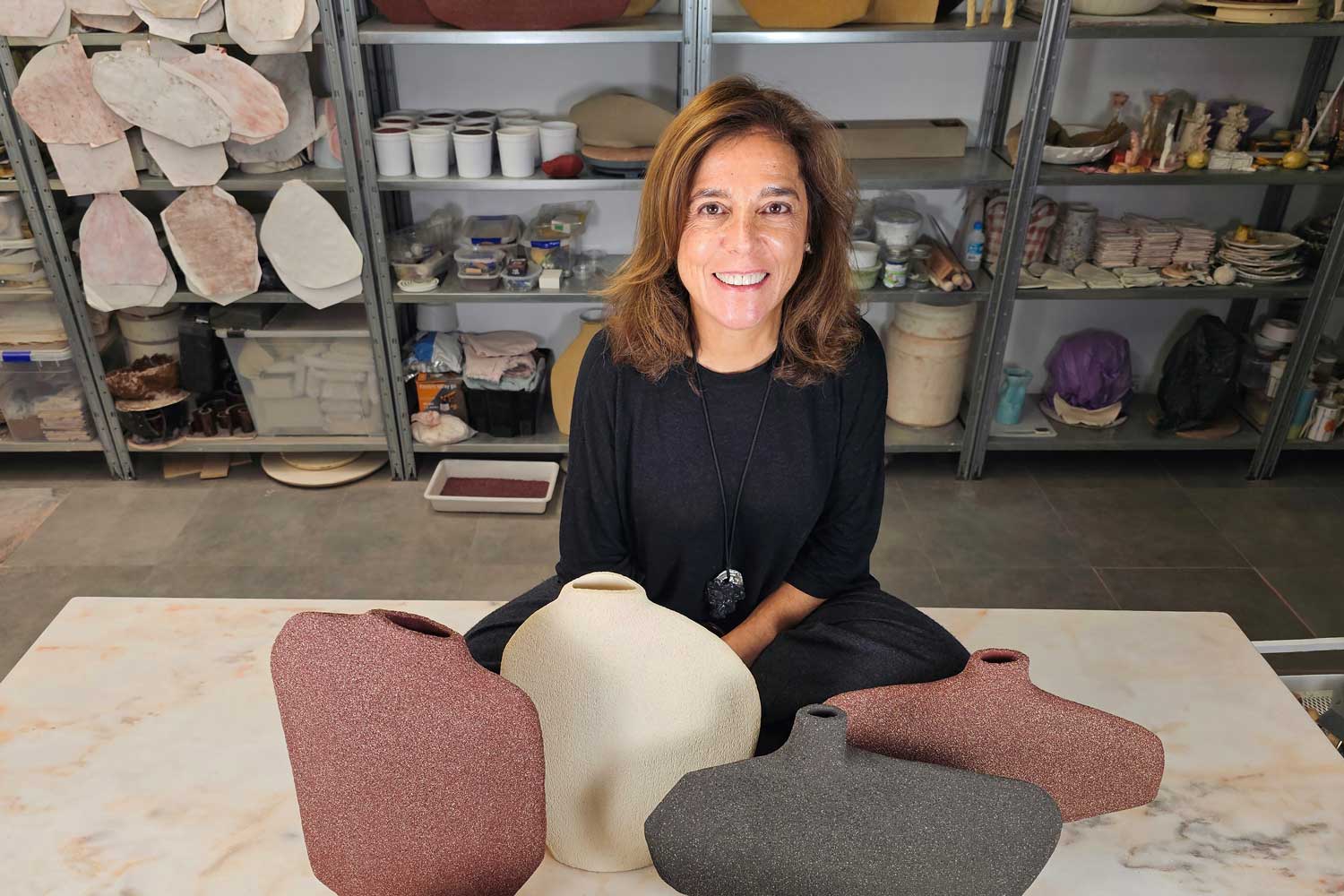
- Malin Mena is both a glassblower and a ceramicist
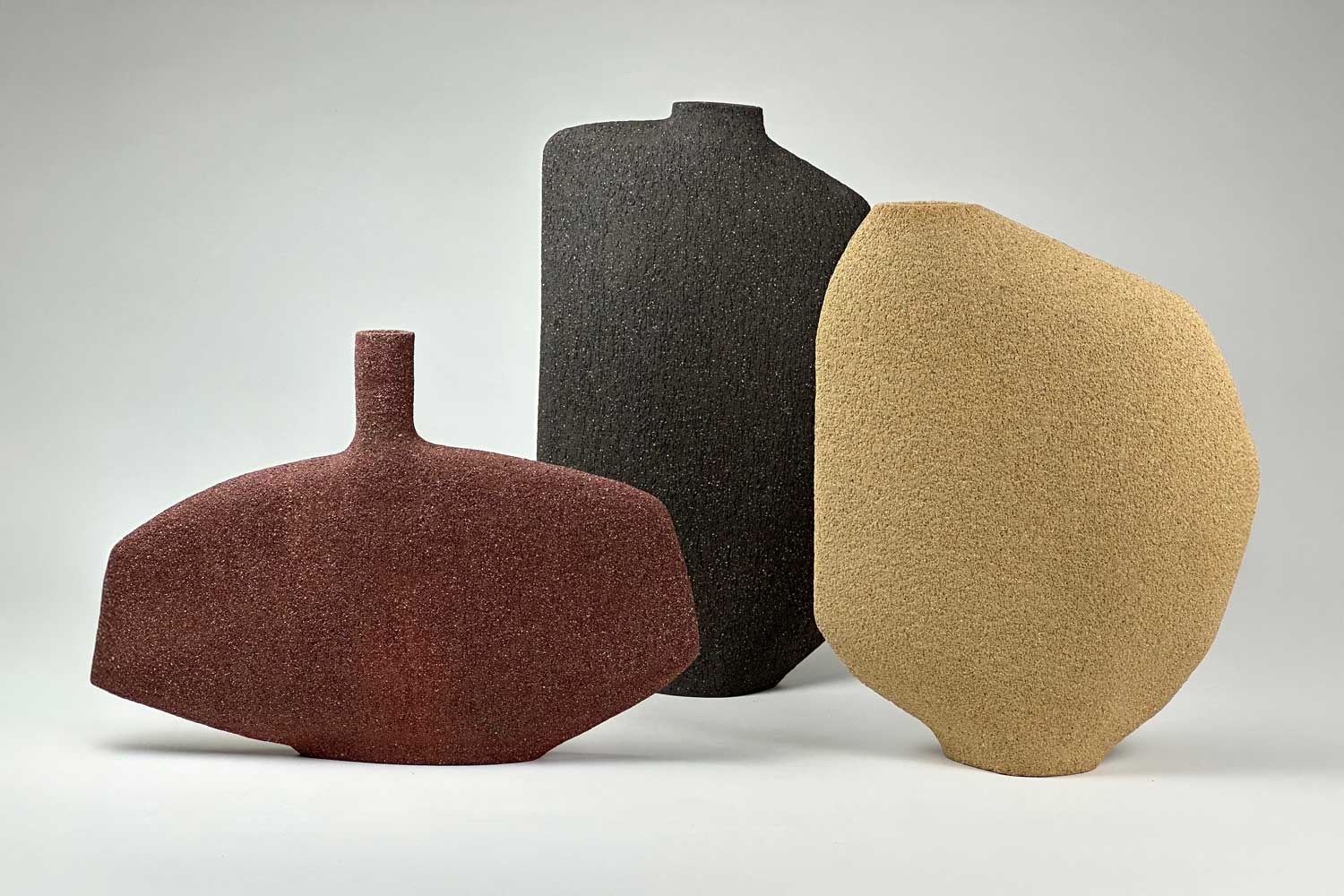
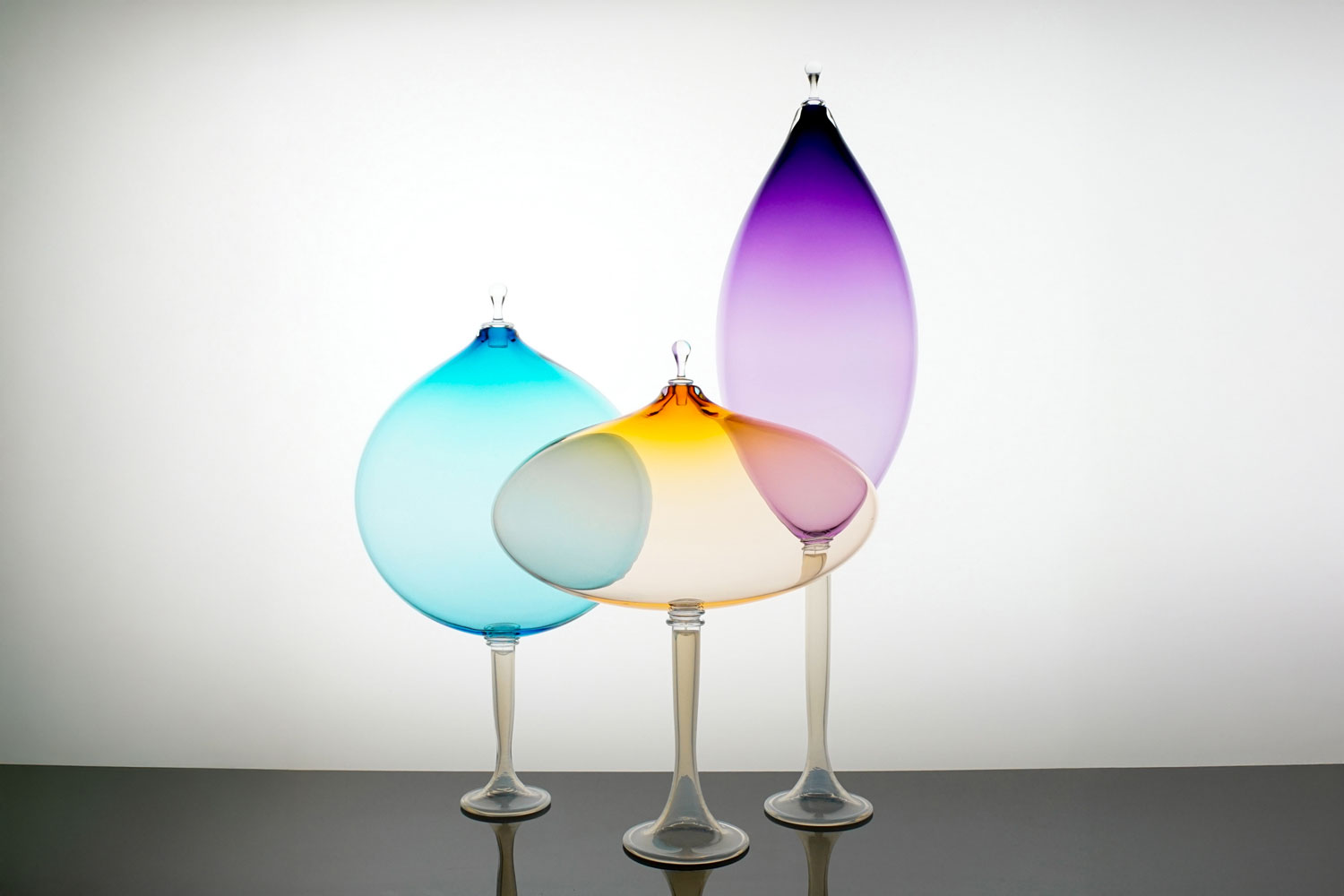
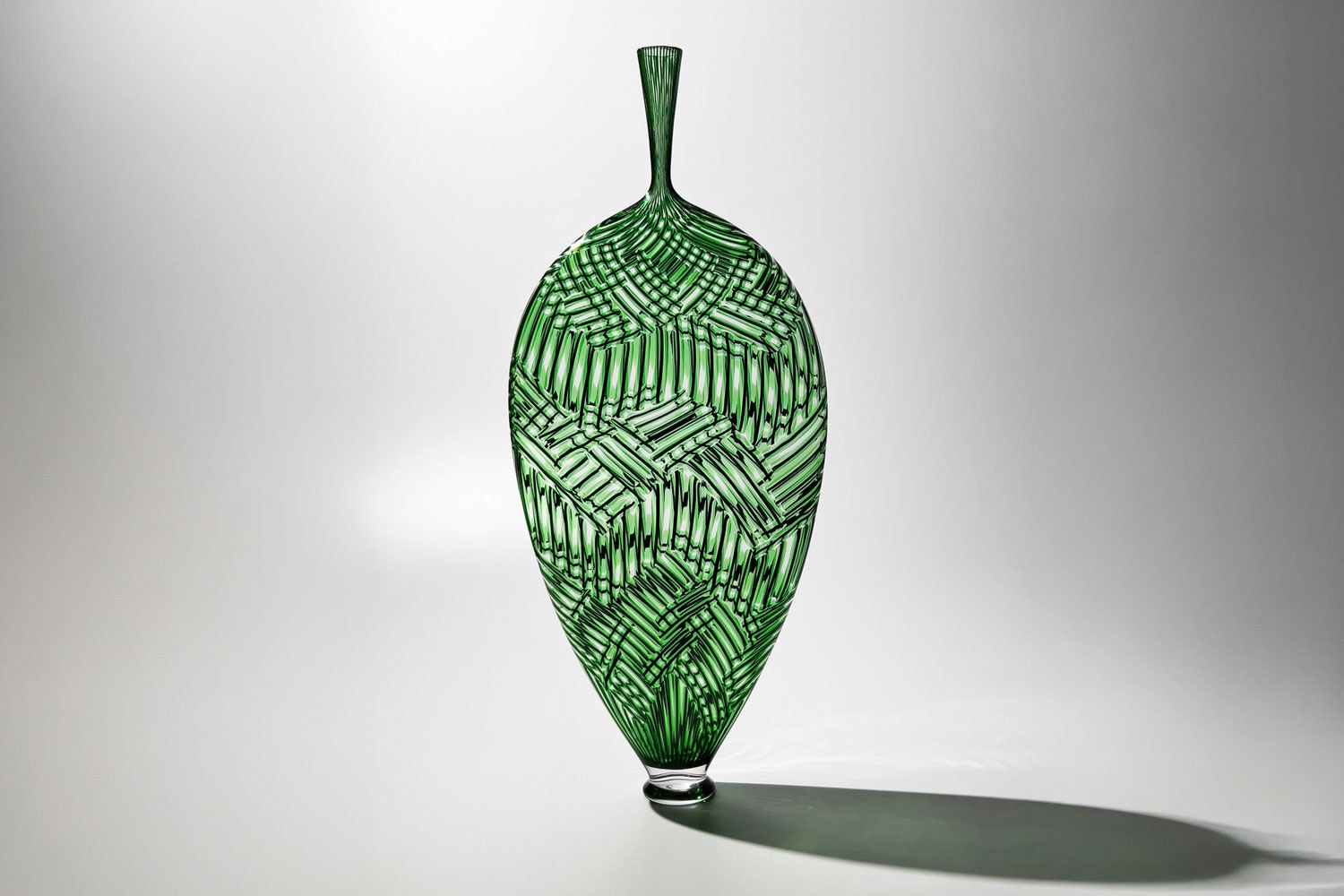
- Her works range from minimalistic everyday items to big sculptures
- She is fascinated by contrasts and plays with them in her practice
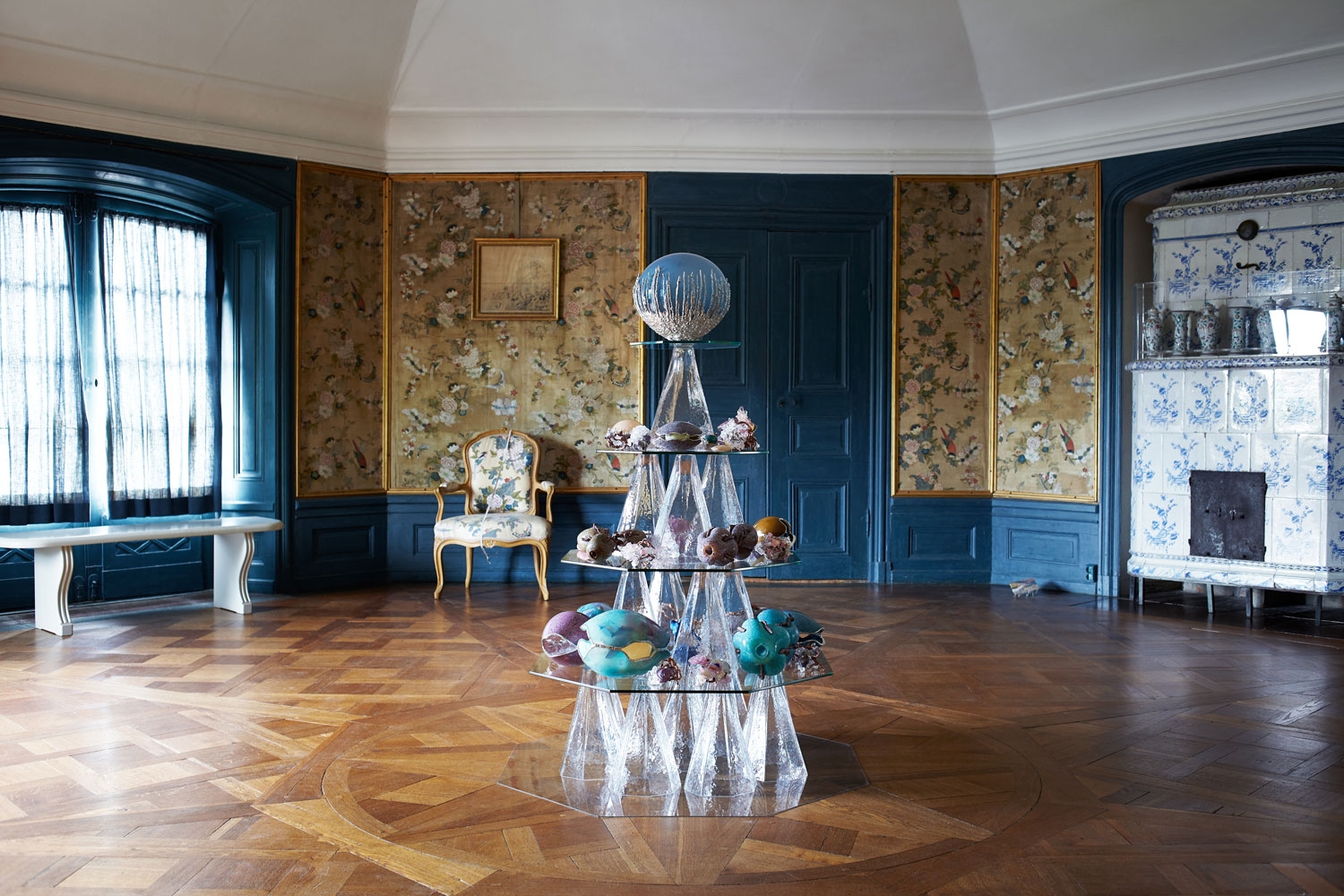
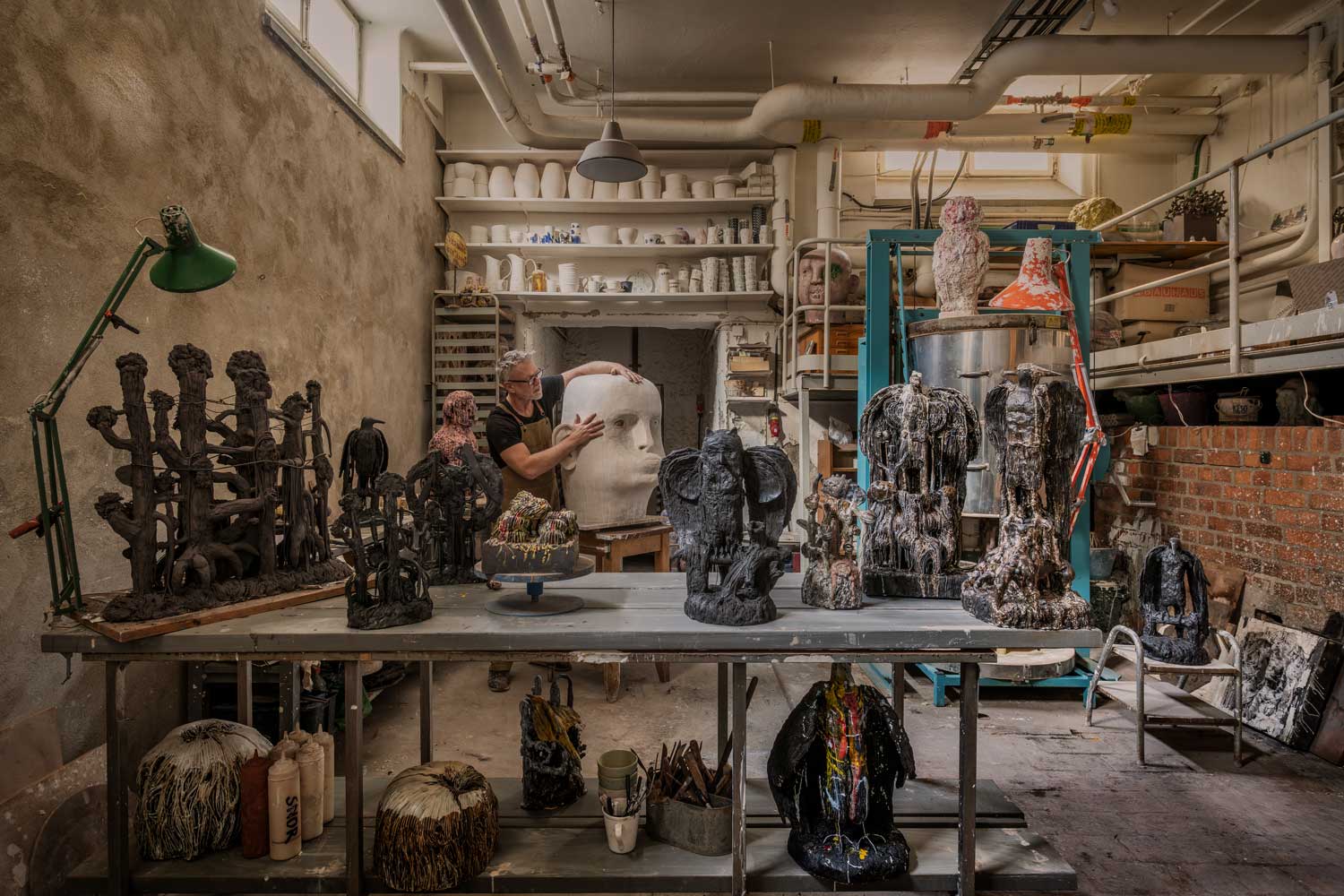
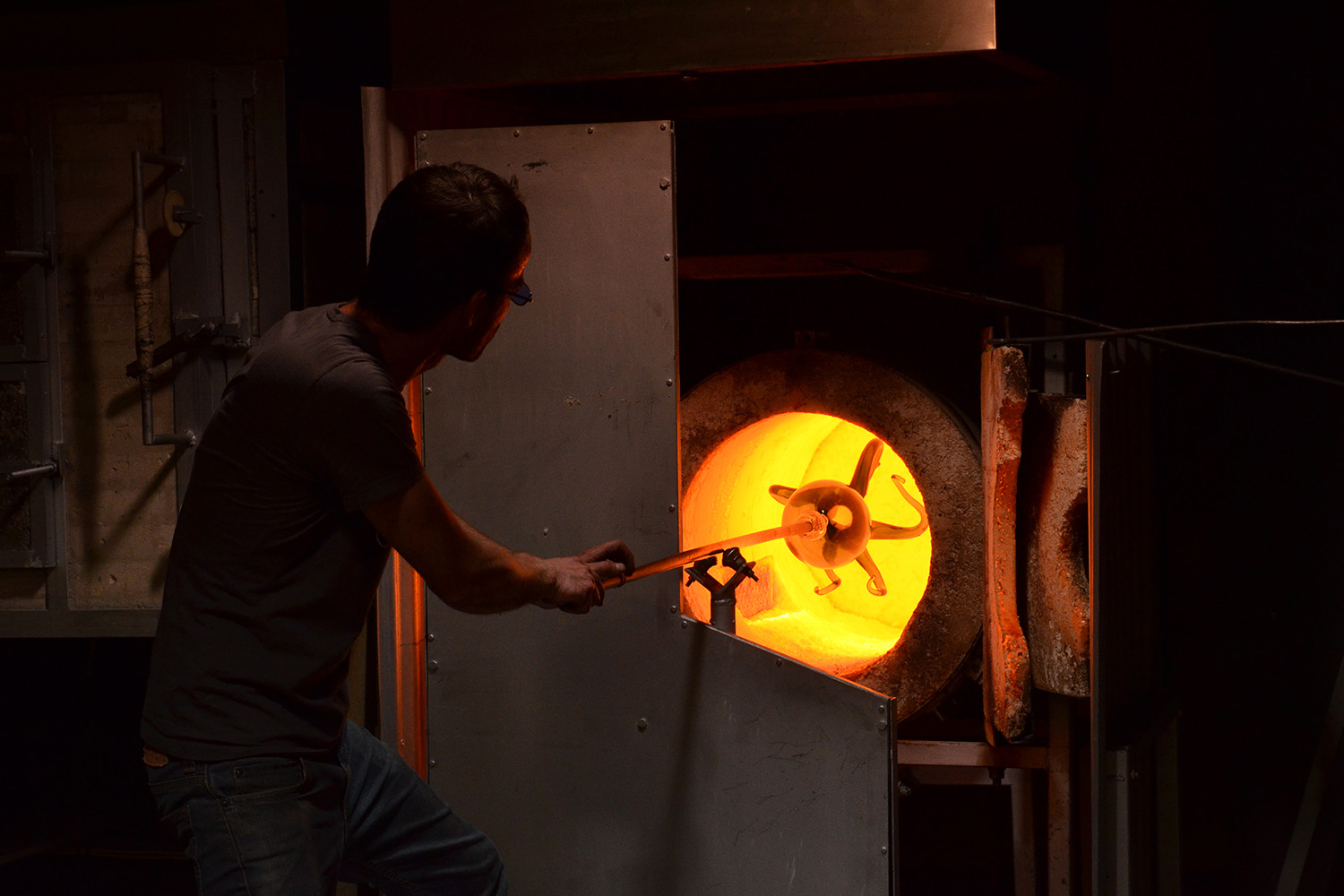
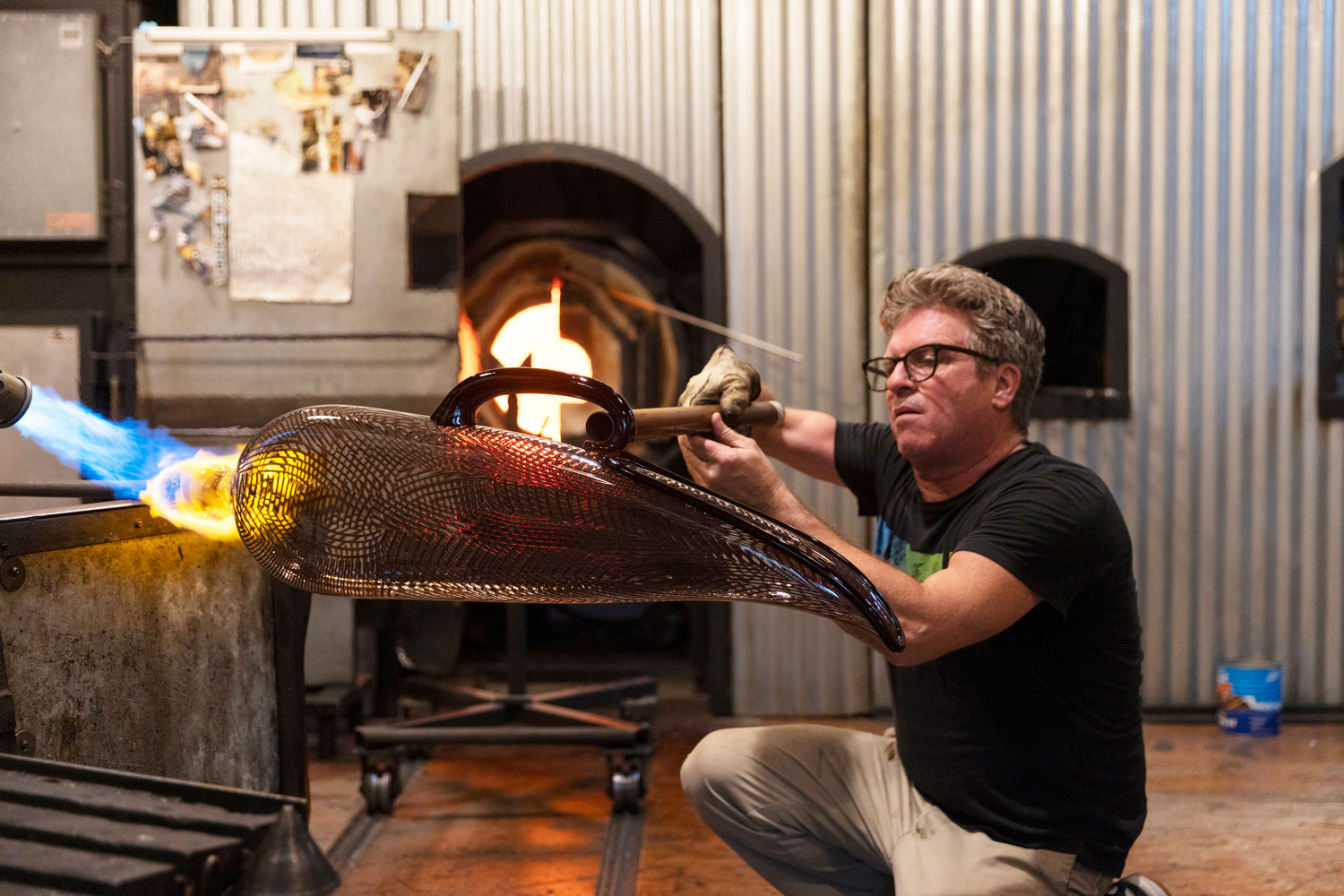
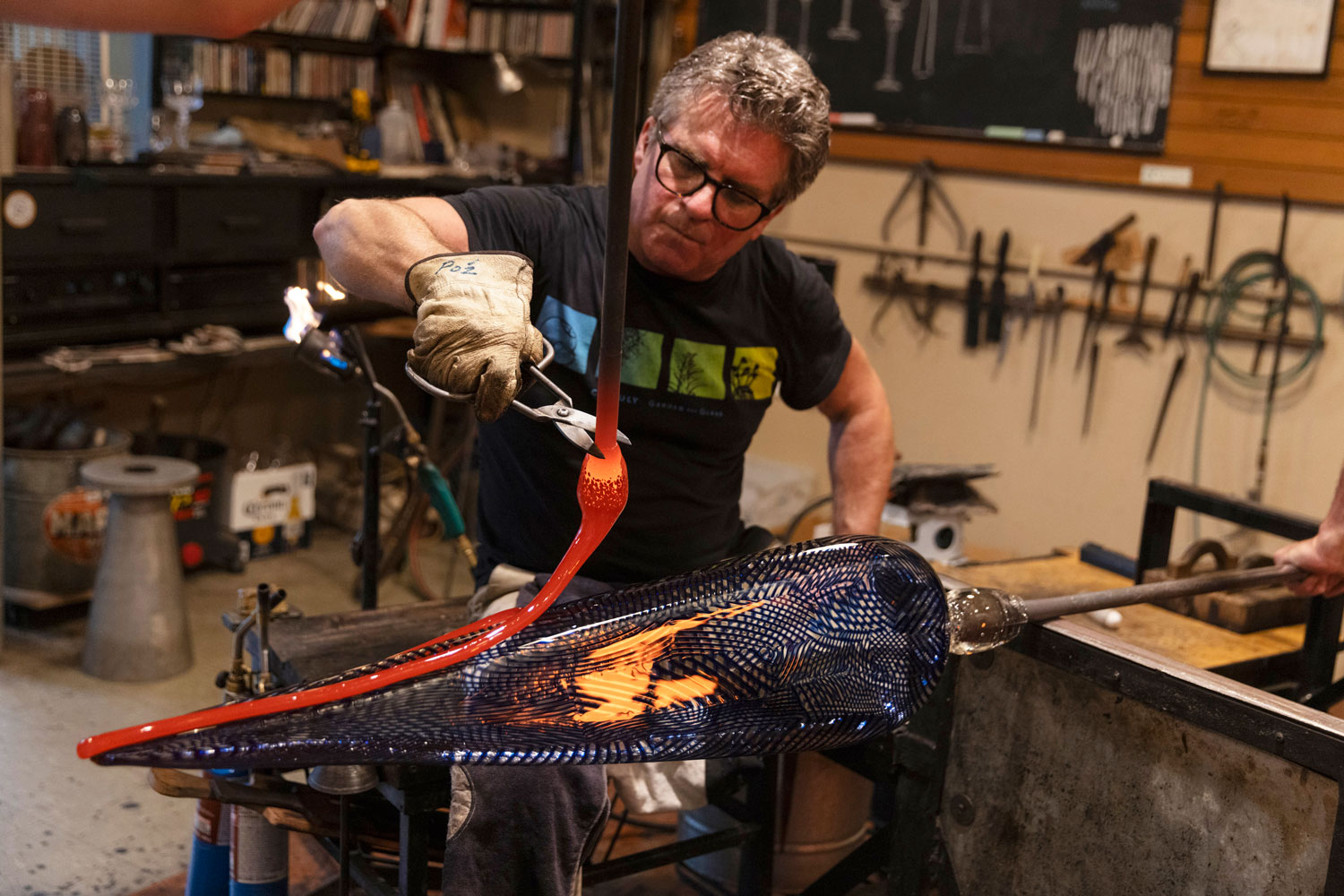
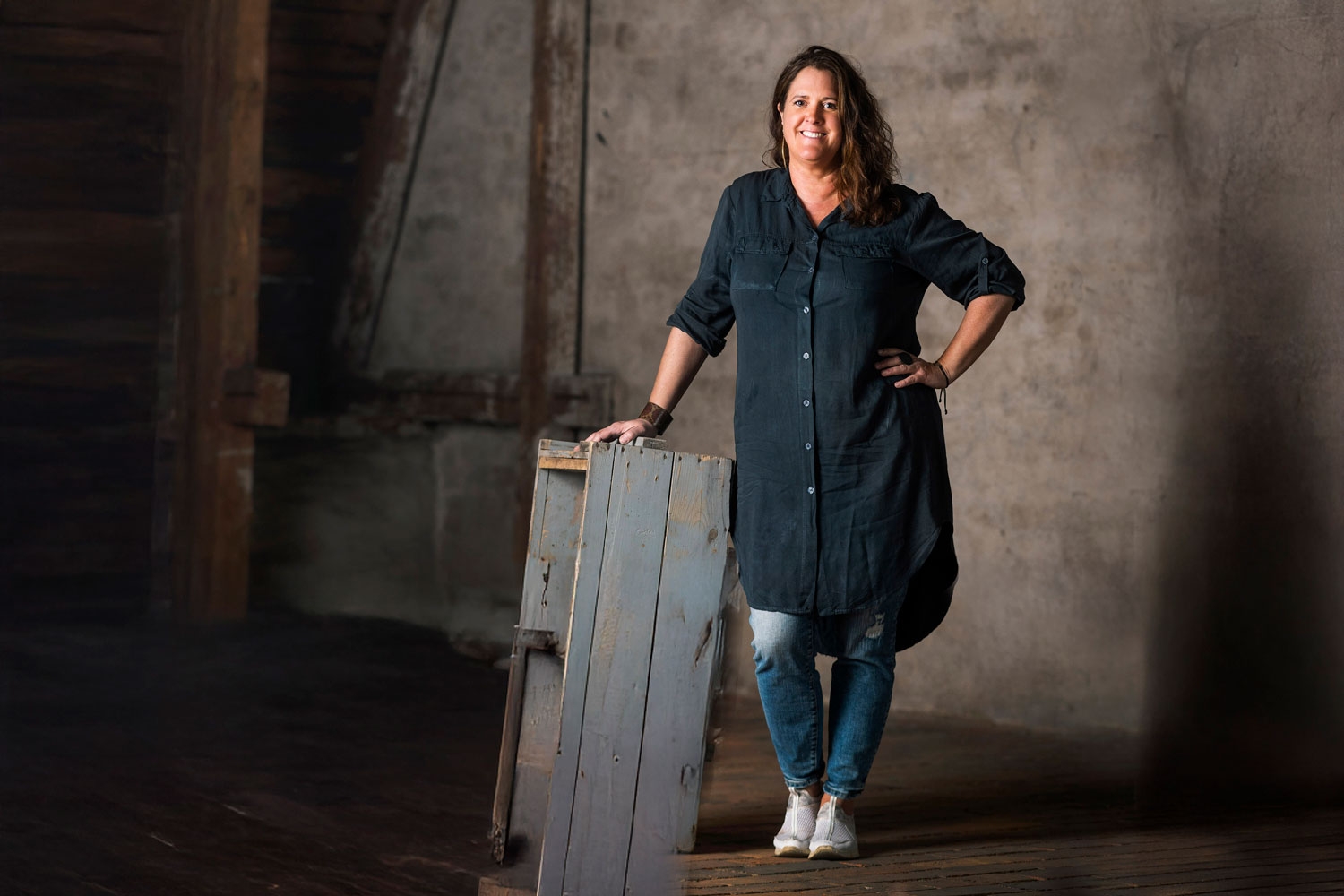
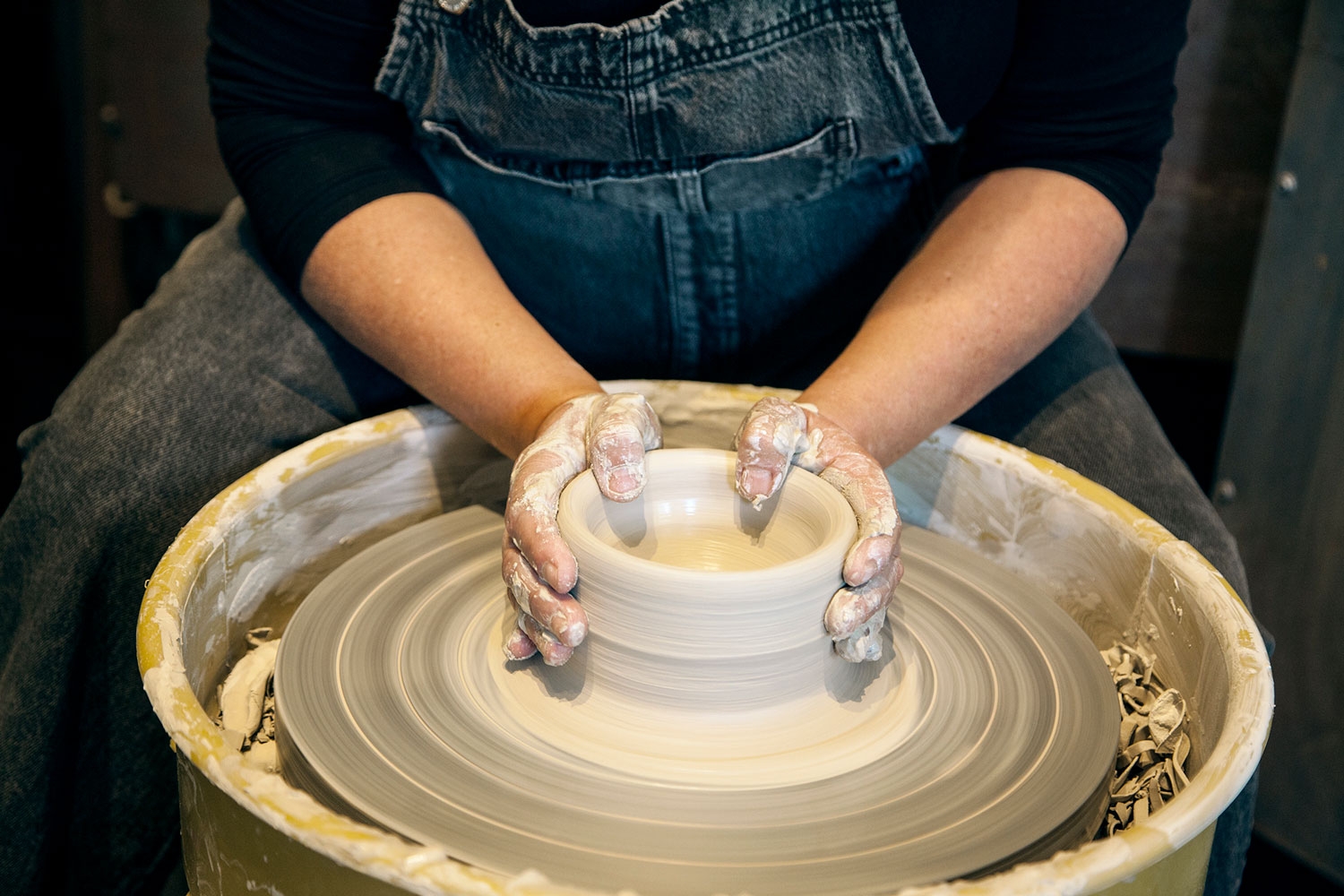
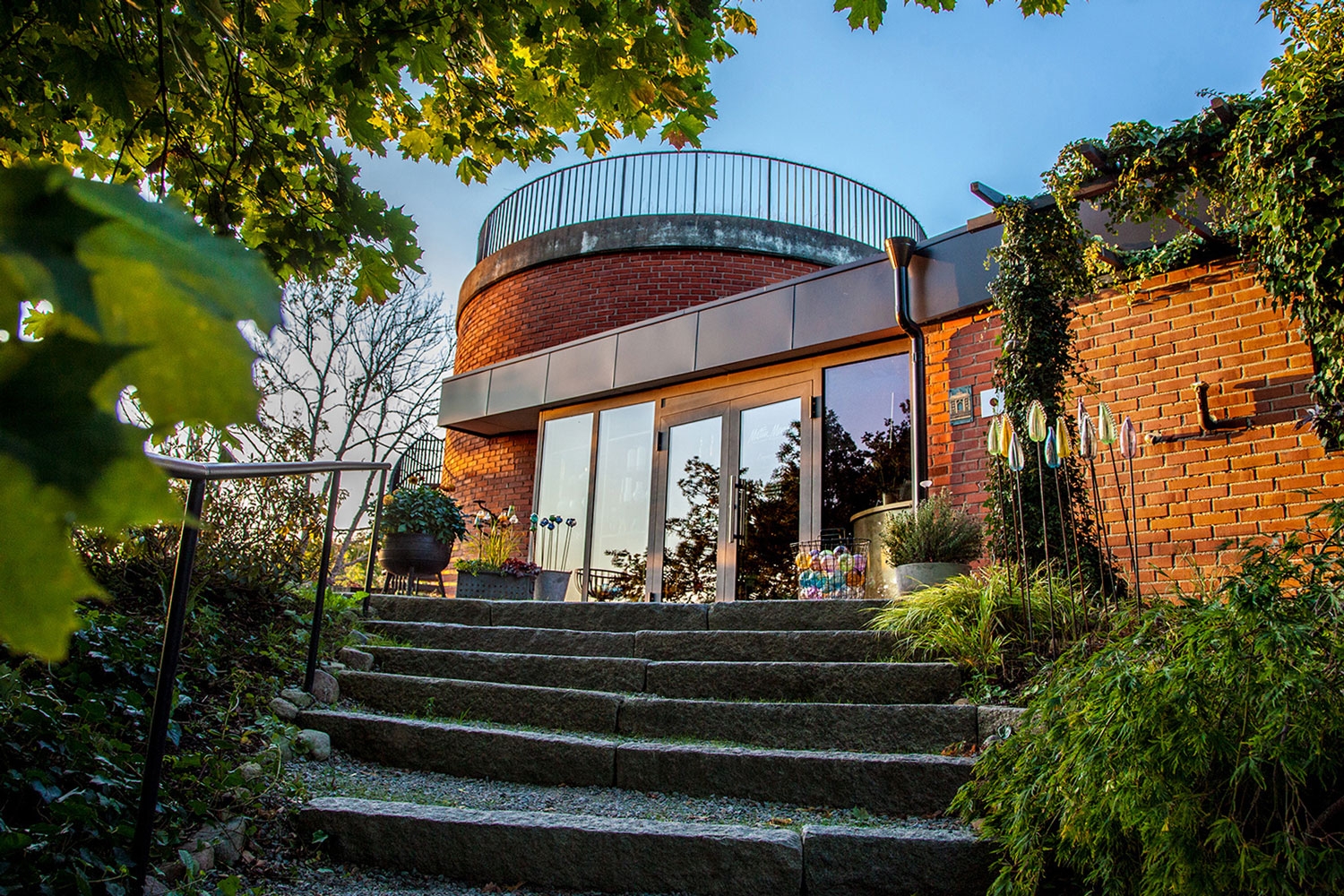
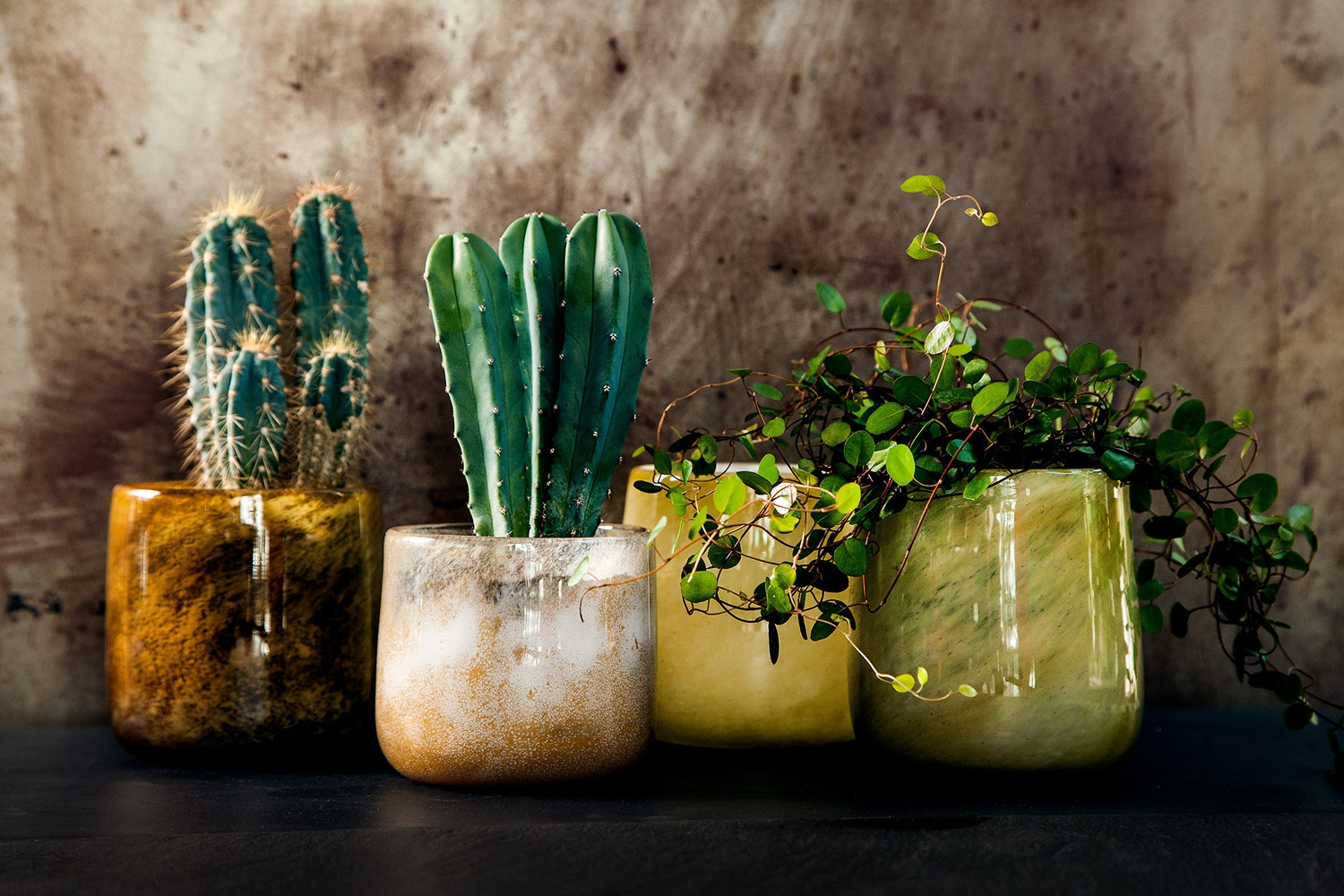
Out of her unique workshop, Malin Mena practises glass blowing, creating both functional and sculptural works of art. In Nättraby, just outside the coastal town of Karlkrona in Sweden, she found an abandoned water tower dating back to the 1950s, and thought it would be make a perfect studio. "It took me several years to renovate it, but eventually, I managed to turn it into my glass tower – that is, a workshop, gallery and shop all in one," Malin says. Her journey with art began with ceramics, a craft she has not stopped practising, even after studying for five years in Orrefors, the Swedish centre for glassmaking traditions. Because of her dual vocation, her glass tower is a fascinating world of encounters and contrasts, where different crafts and materials converge and complex creations are born.
INTERVIEW
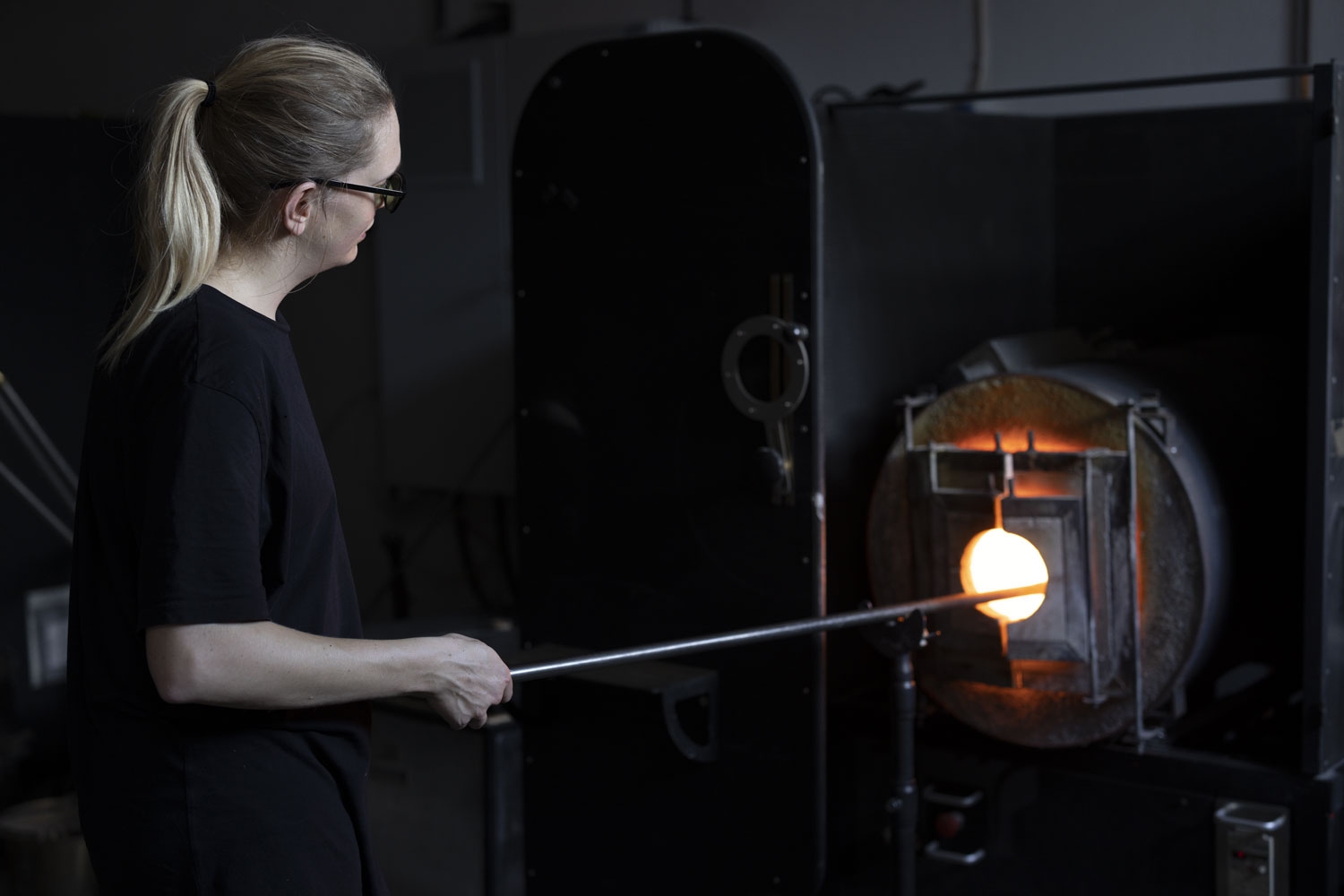
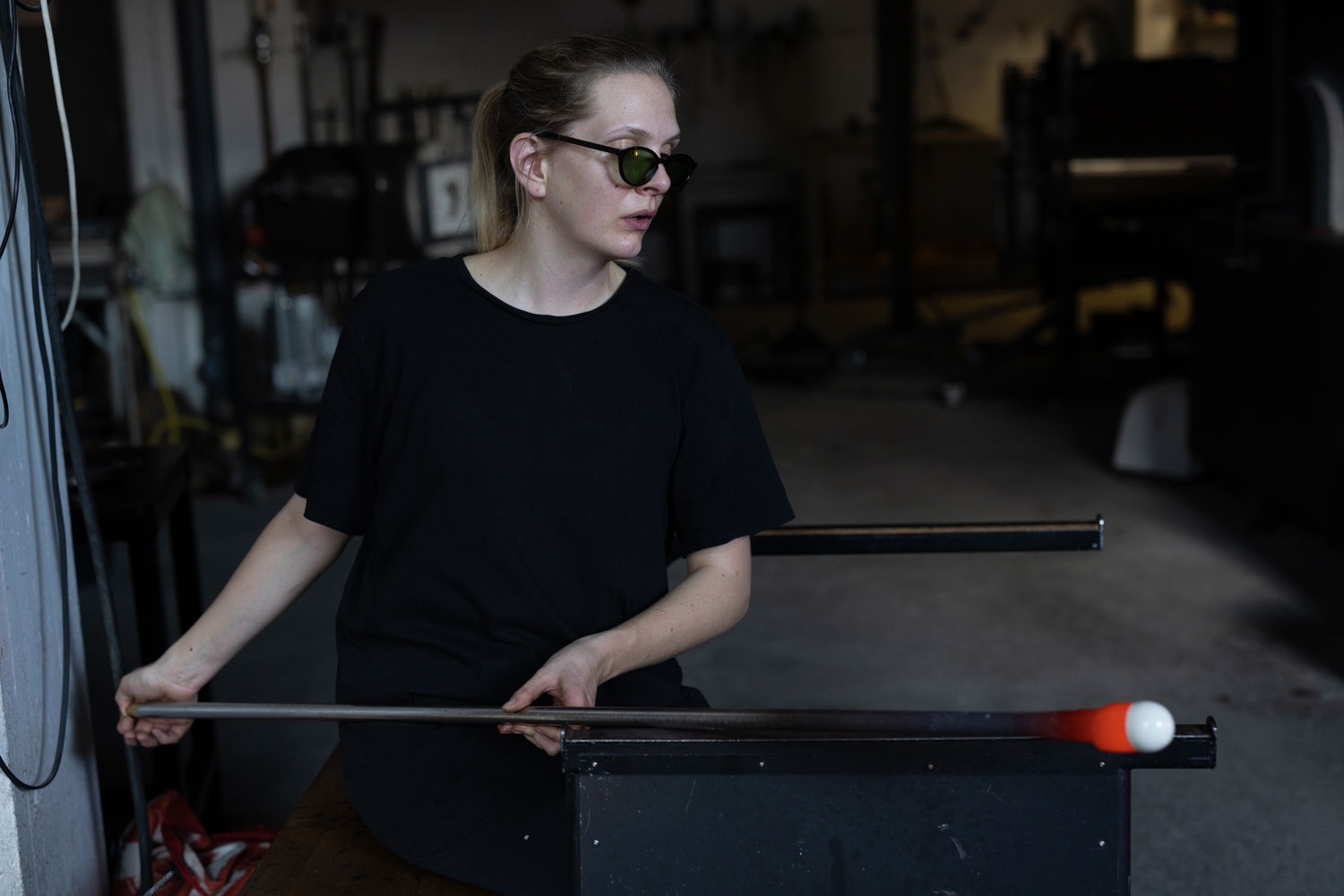
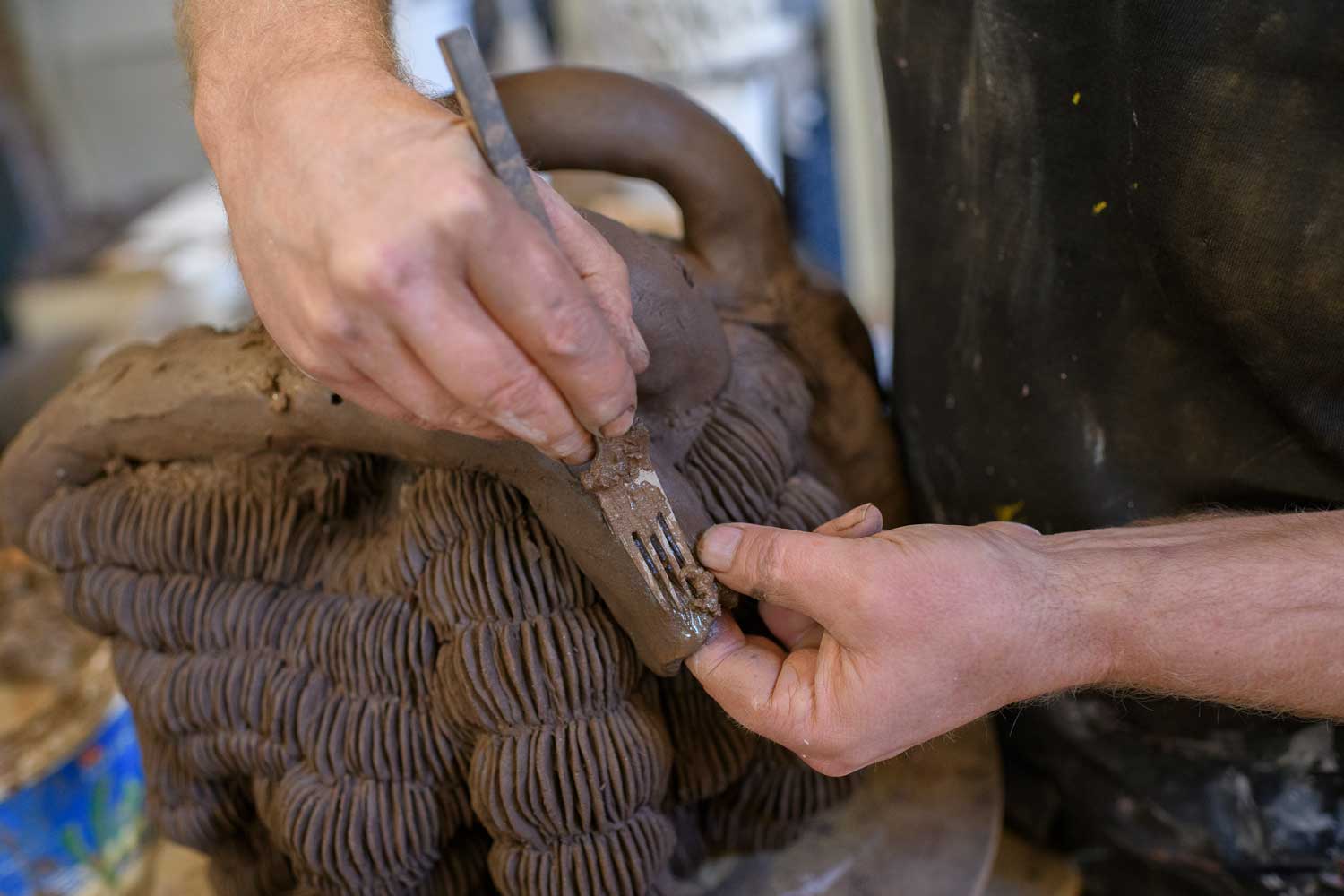
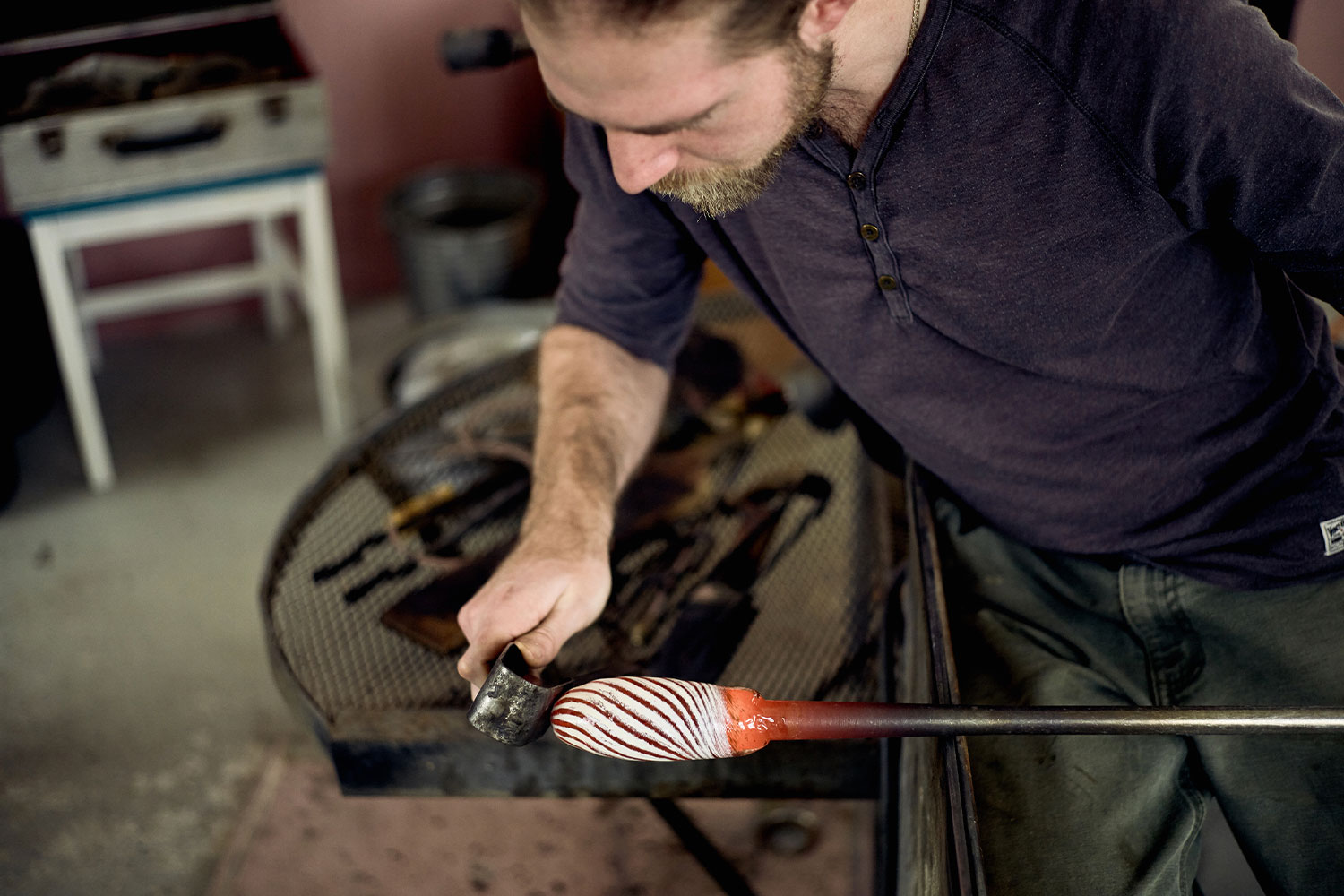
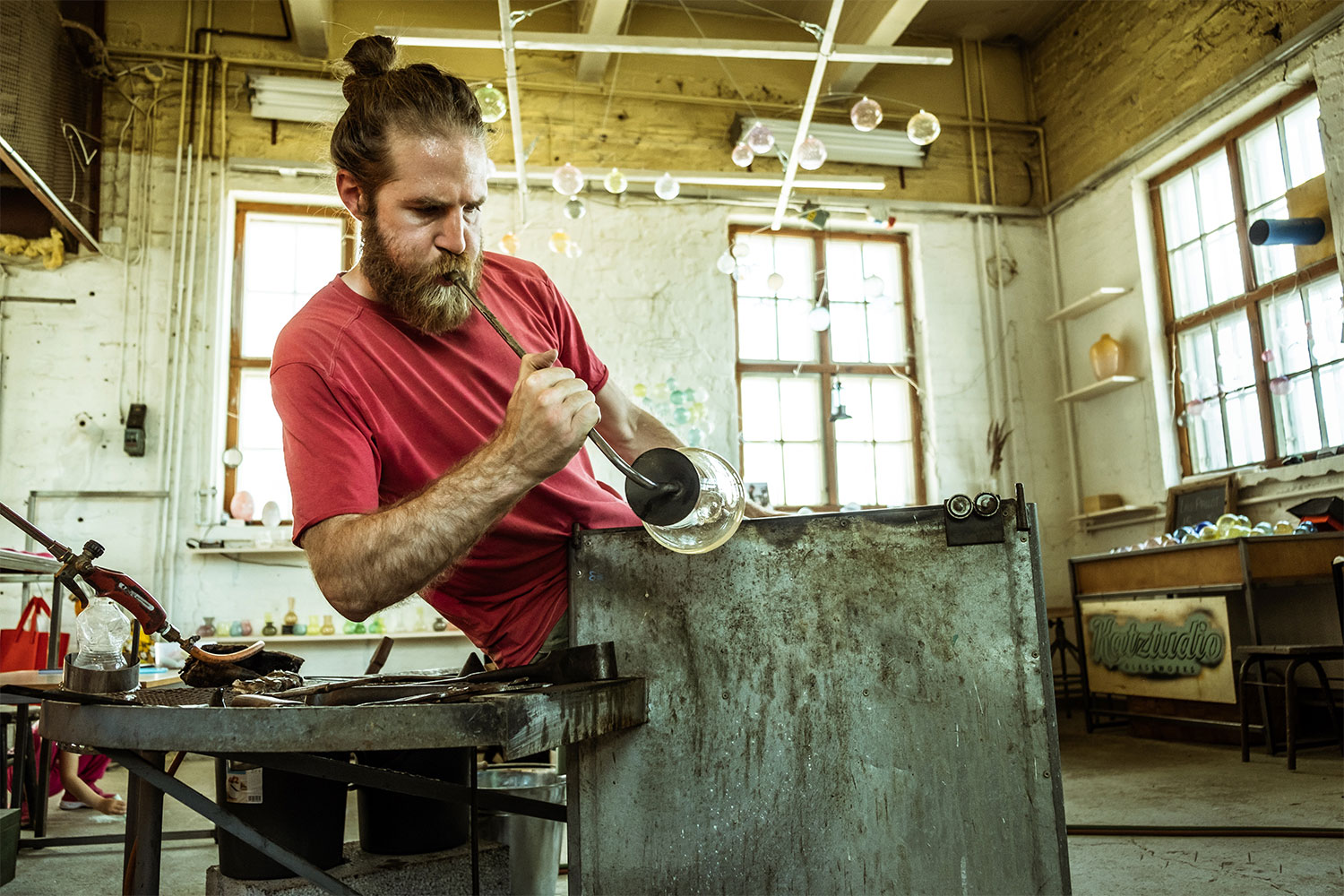
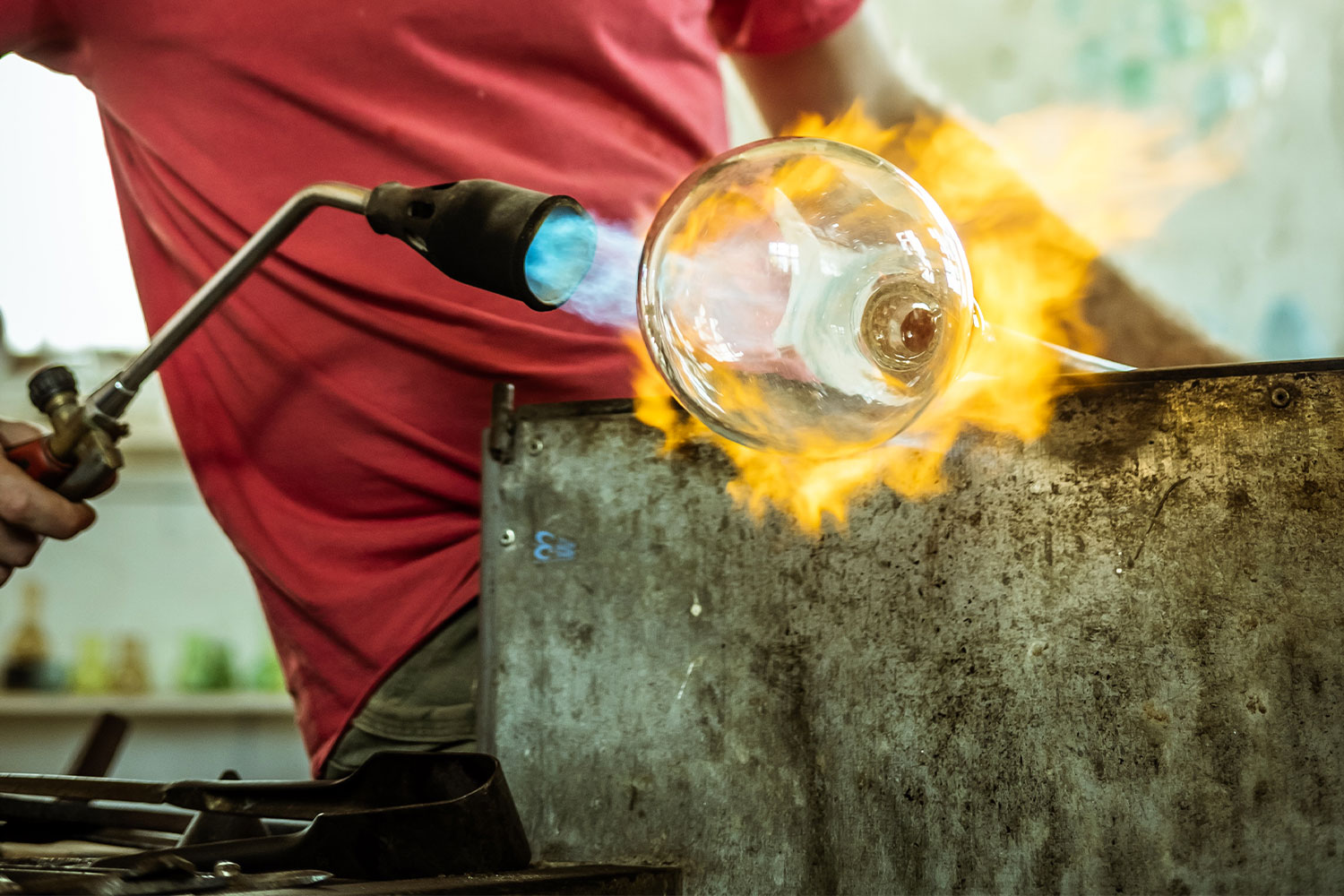
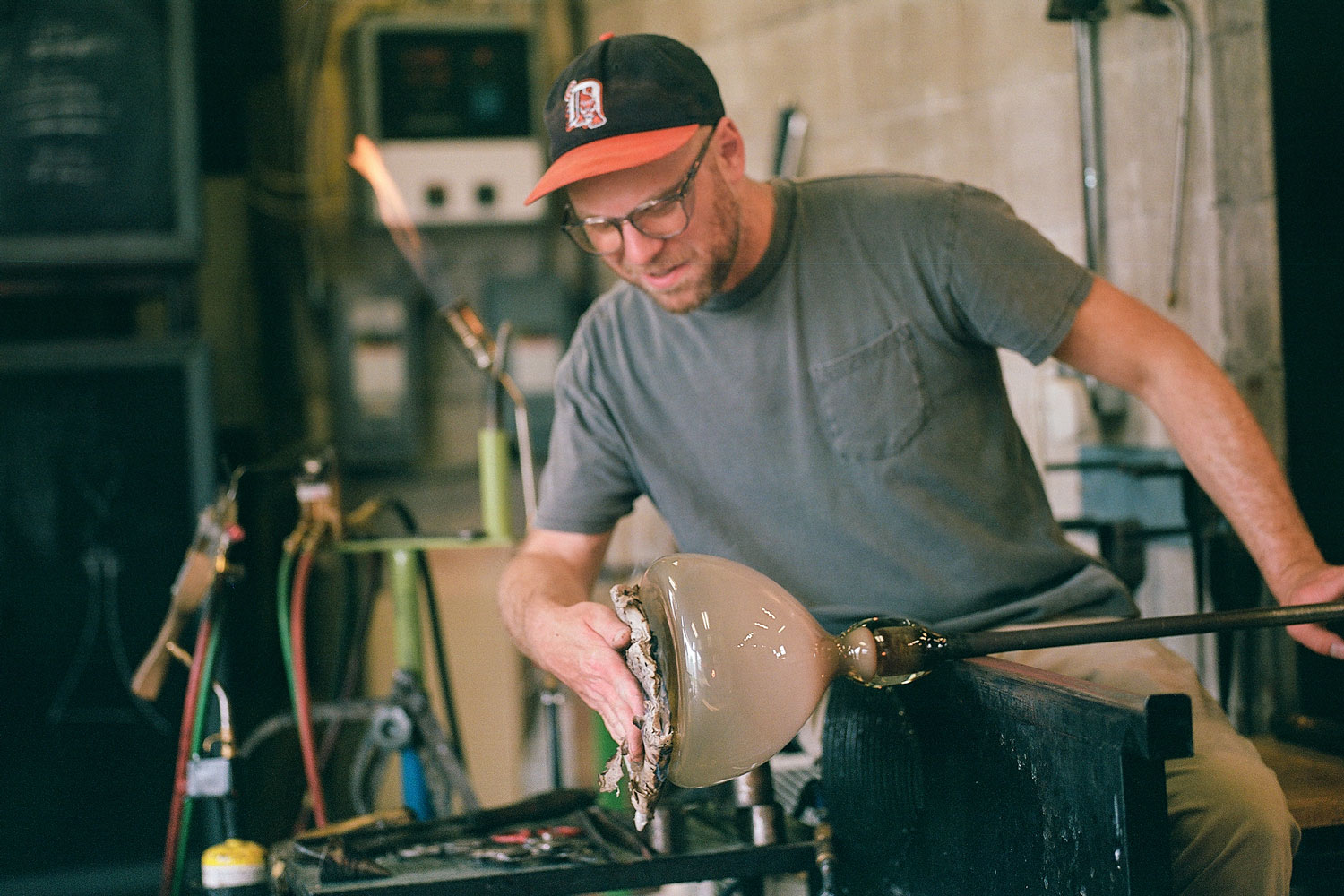
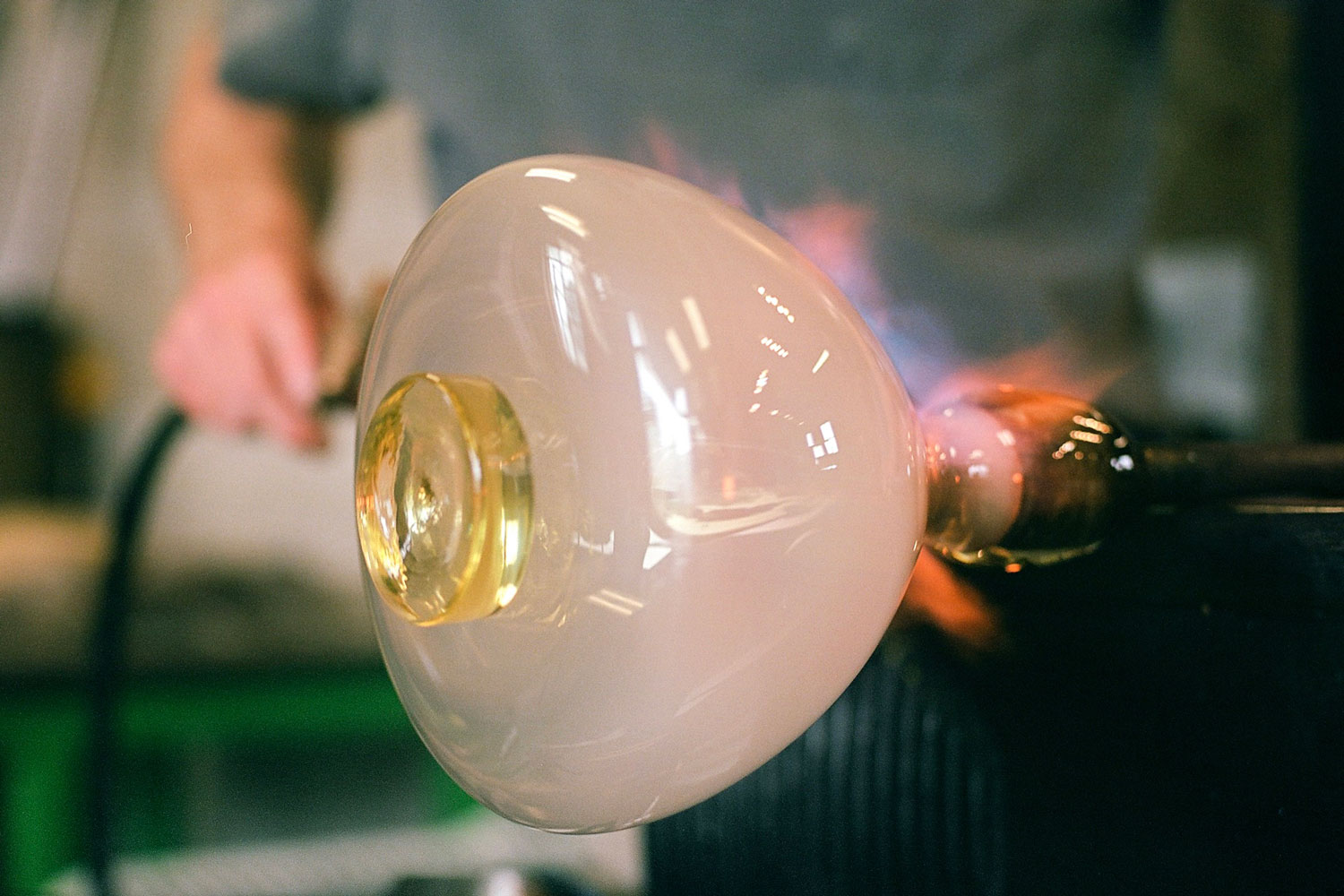
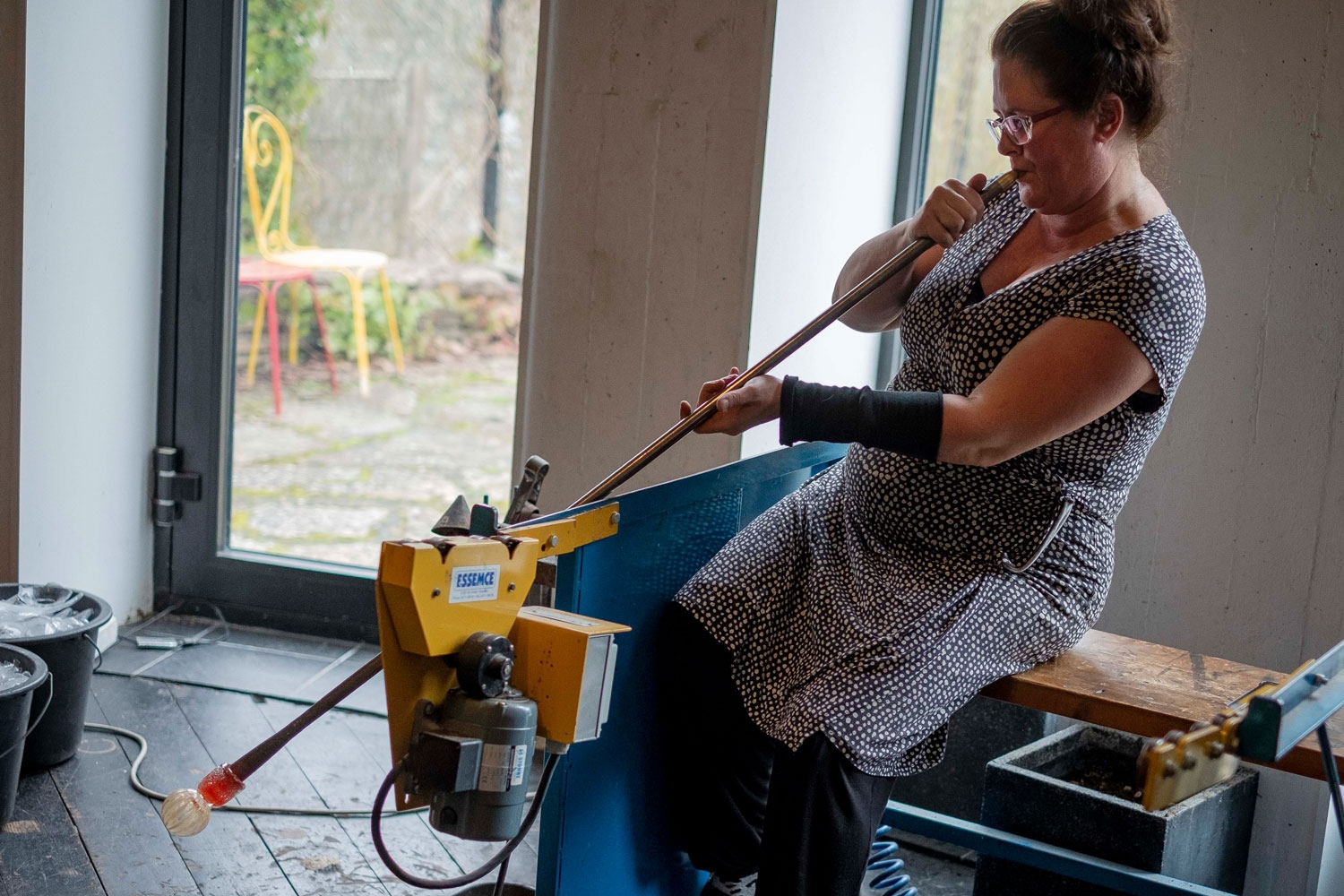
The act of creating something without directly touching it. In ceramics, you shape an object with your hands in a very relaxing process. By contrast, glasswork is intense, hot, physically exhausting and requires a lot of focus. The adrenaline is high, and I love it.
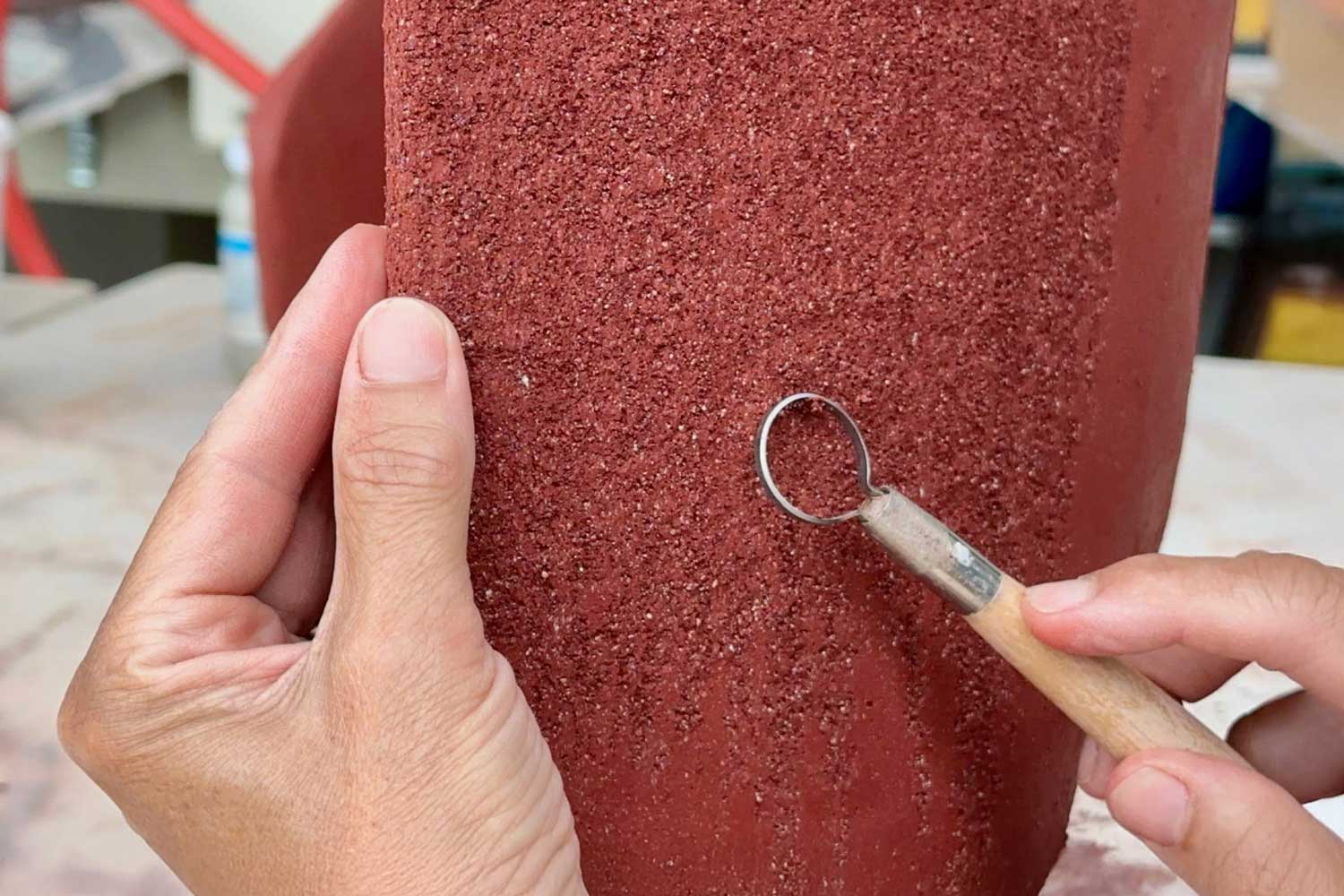
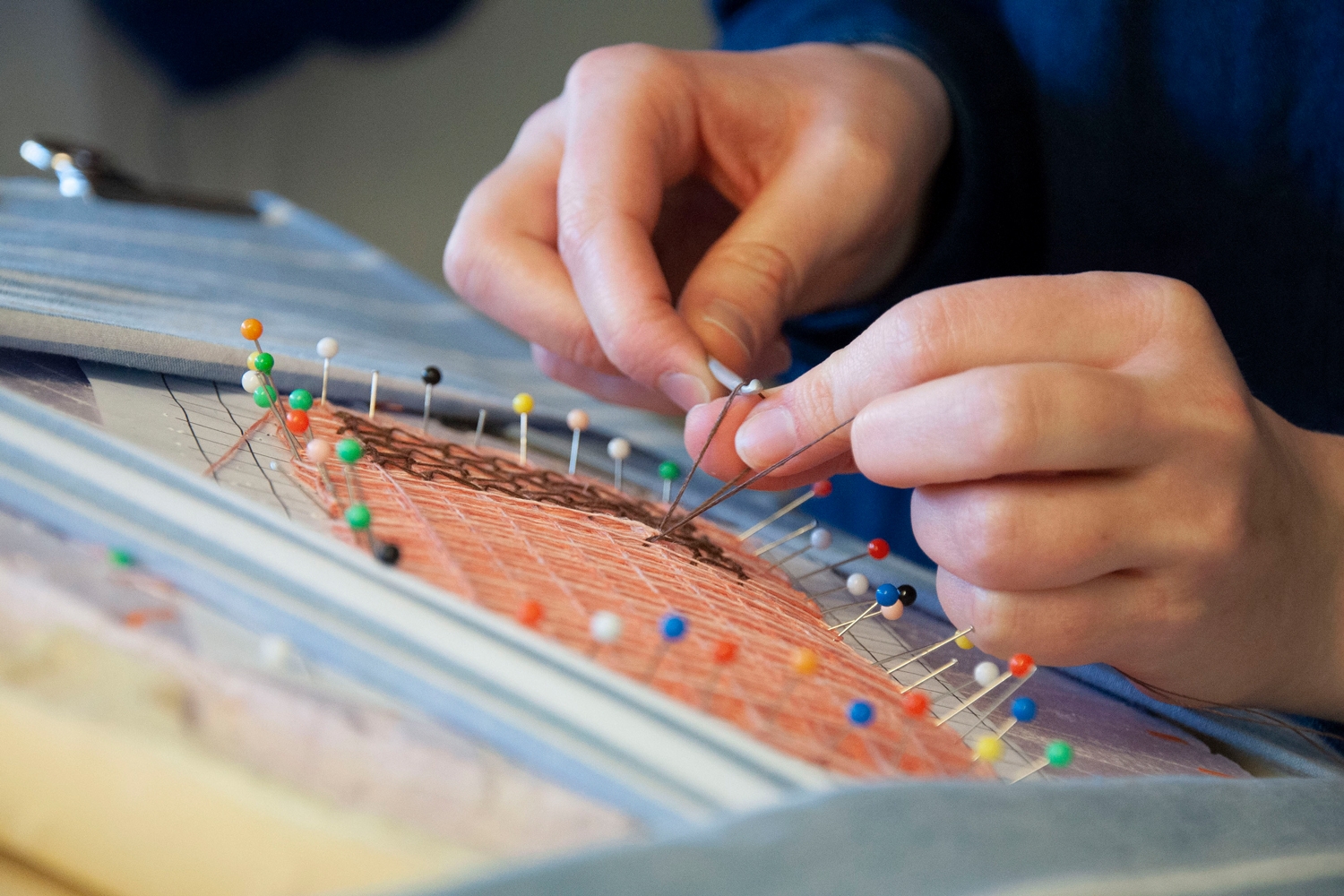
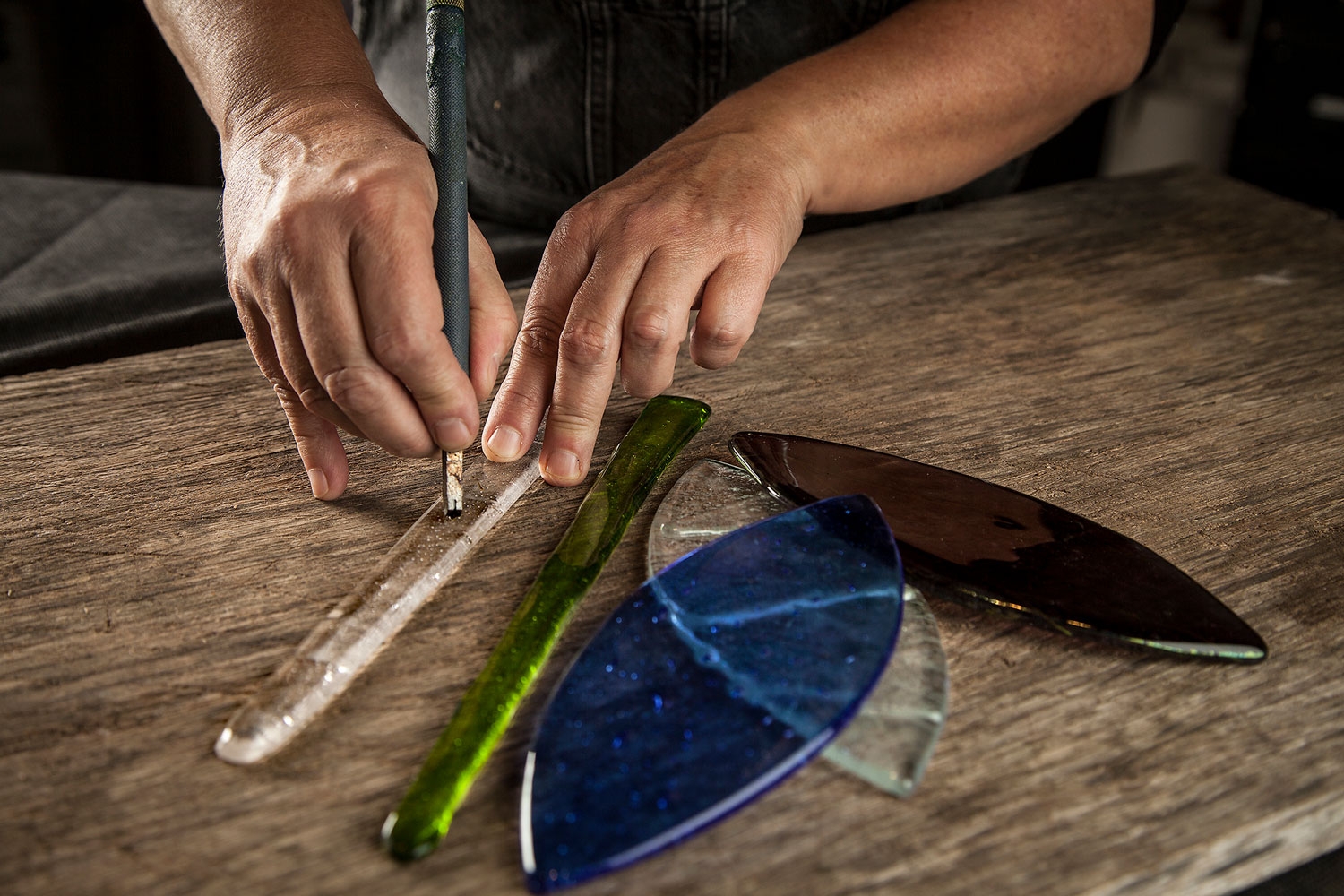
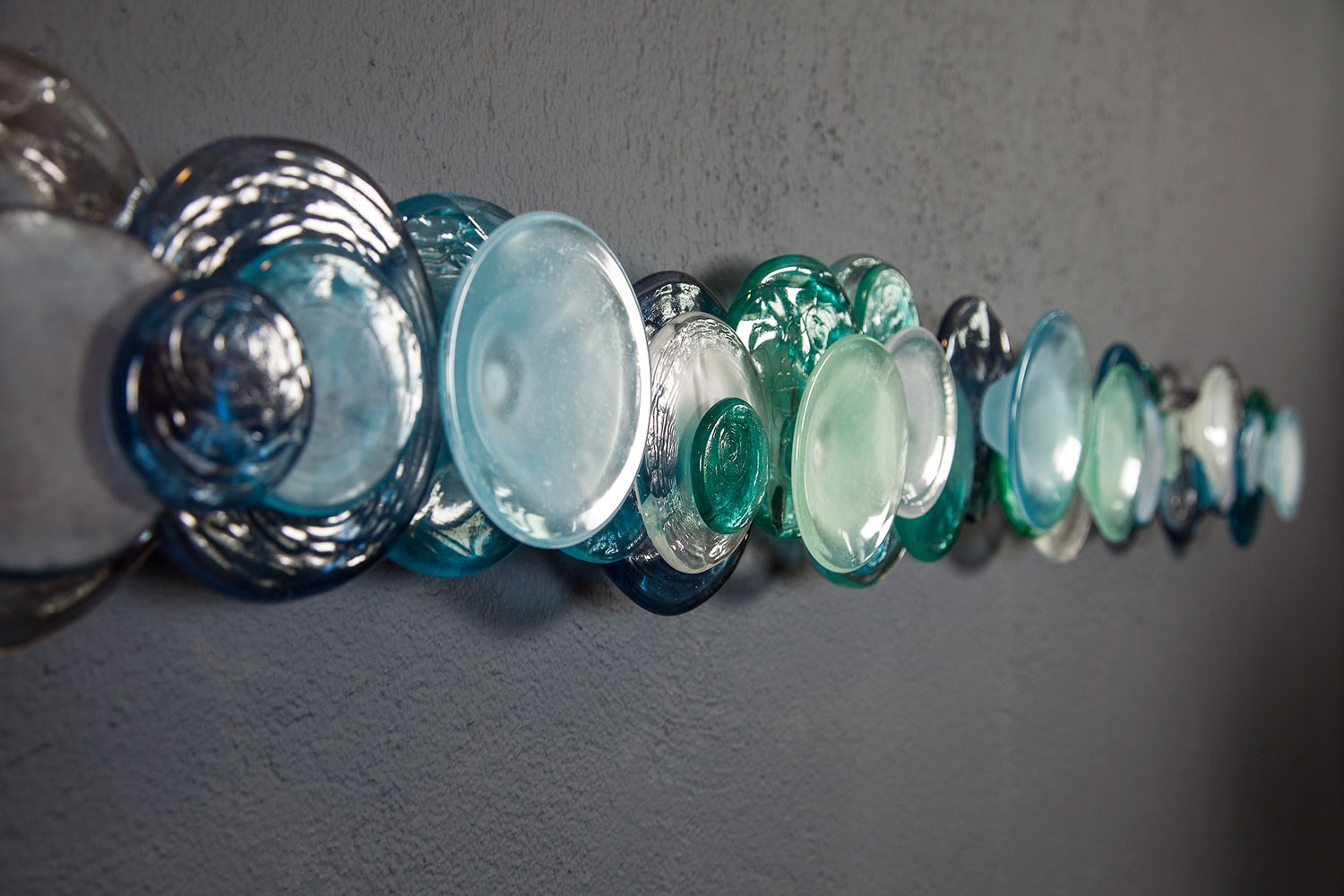
I enjoy hot glass techniques, such as traditional glassblowing, glass fusing and sand casting. But I have experimented with others techniques too, to explore contrasts and incorporate metals and textiles into my works.
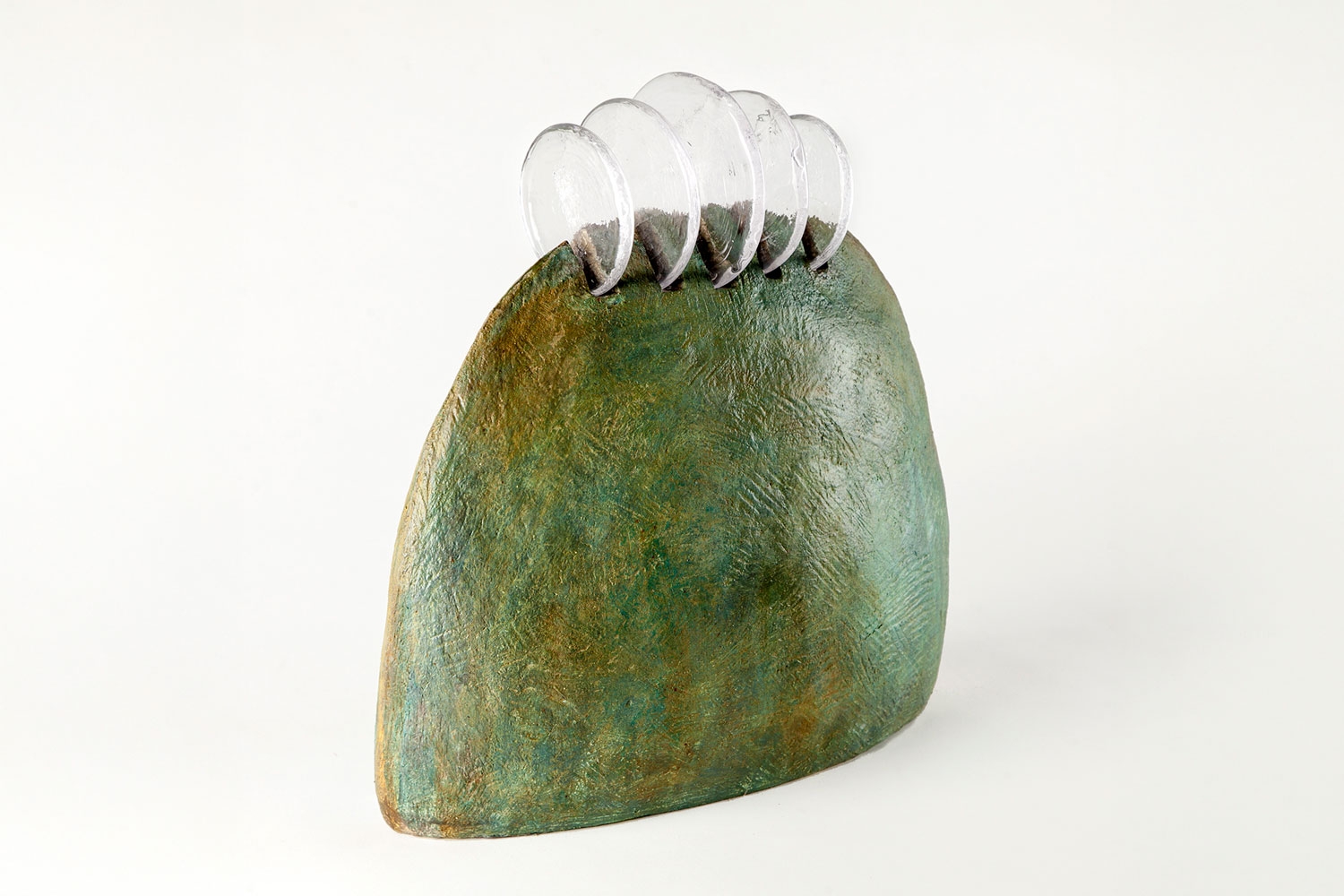
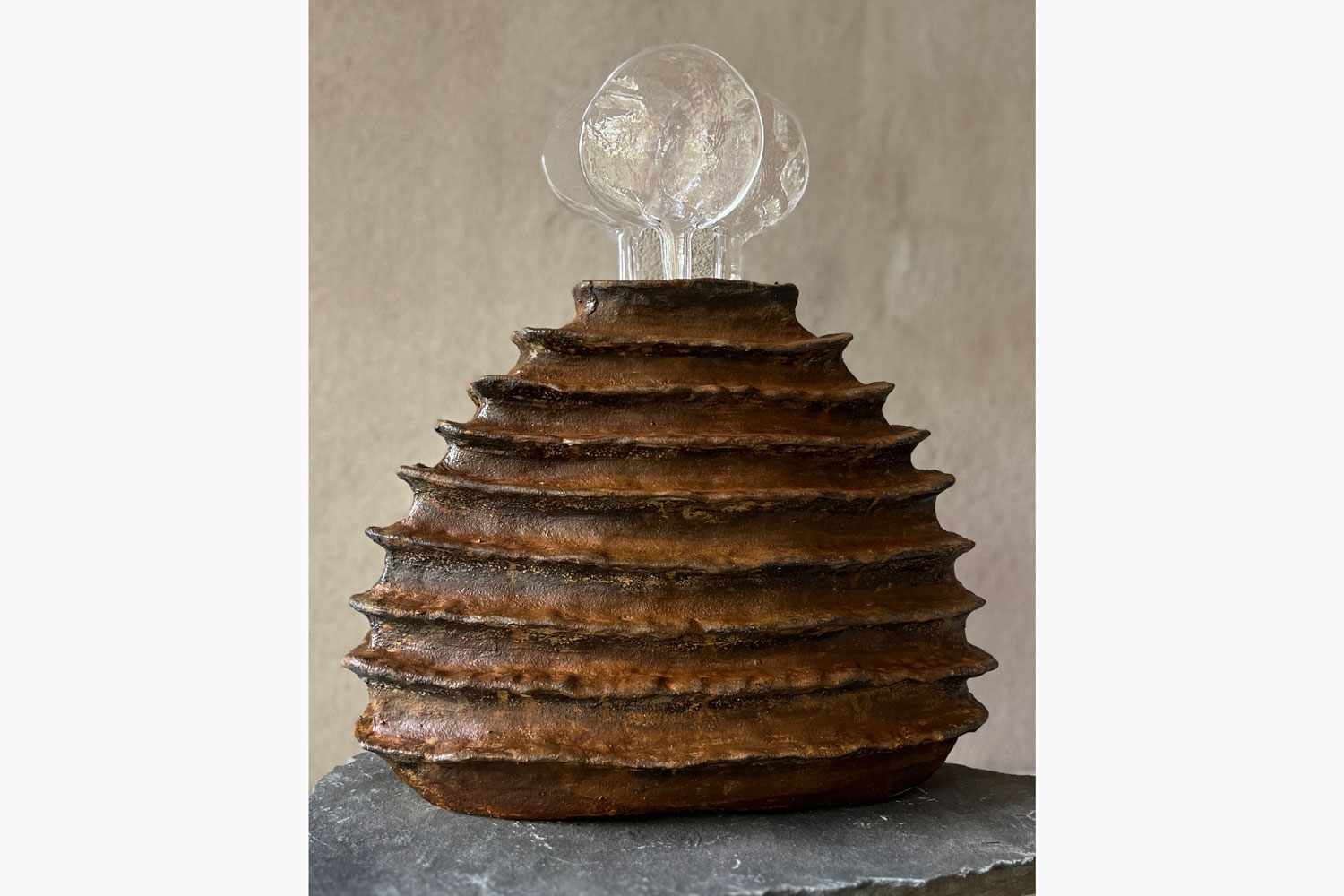
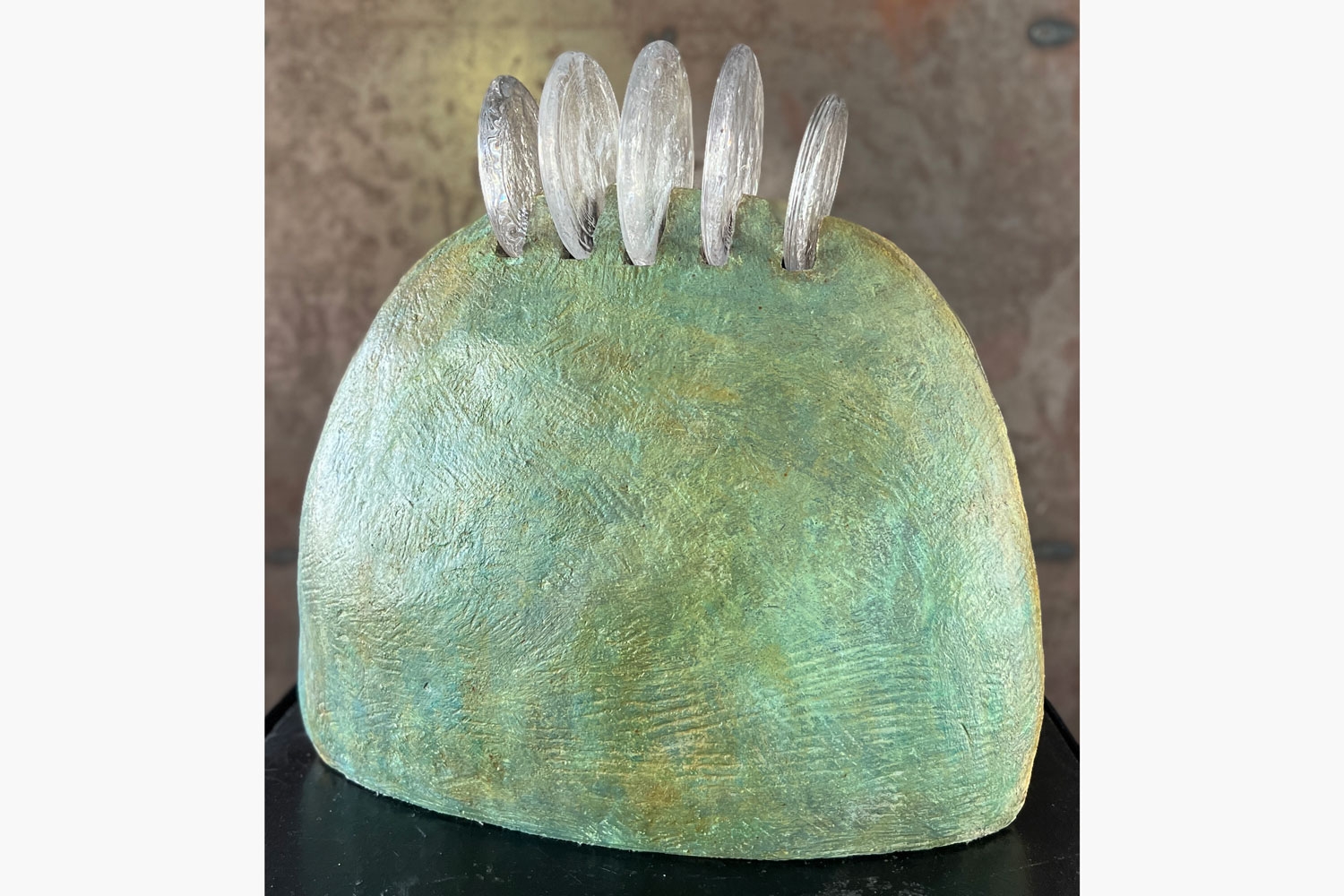
I am intrigued by contrasts – light and dark, male and female, rough and smooth. Everything has two sides. Glass is airy and transparent, clay is dark and heavy. I create each element separately, then fit them together to obtain the most striking effect.
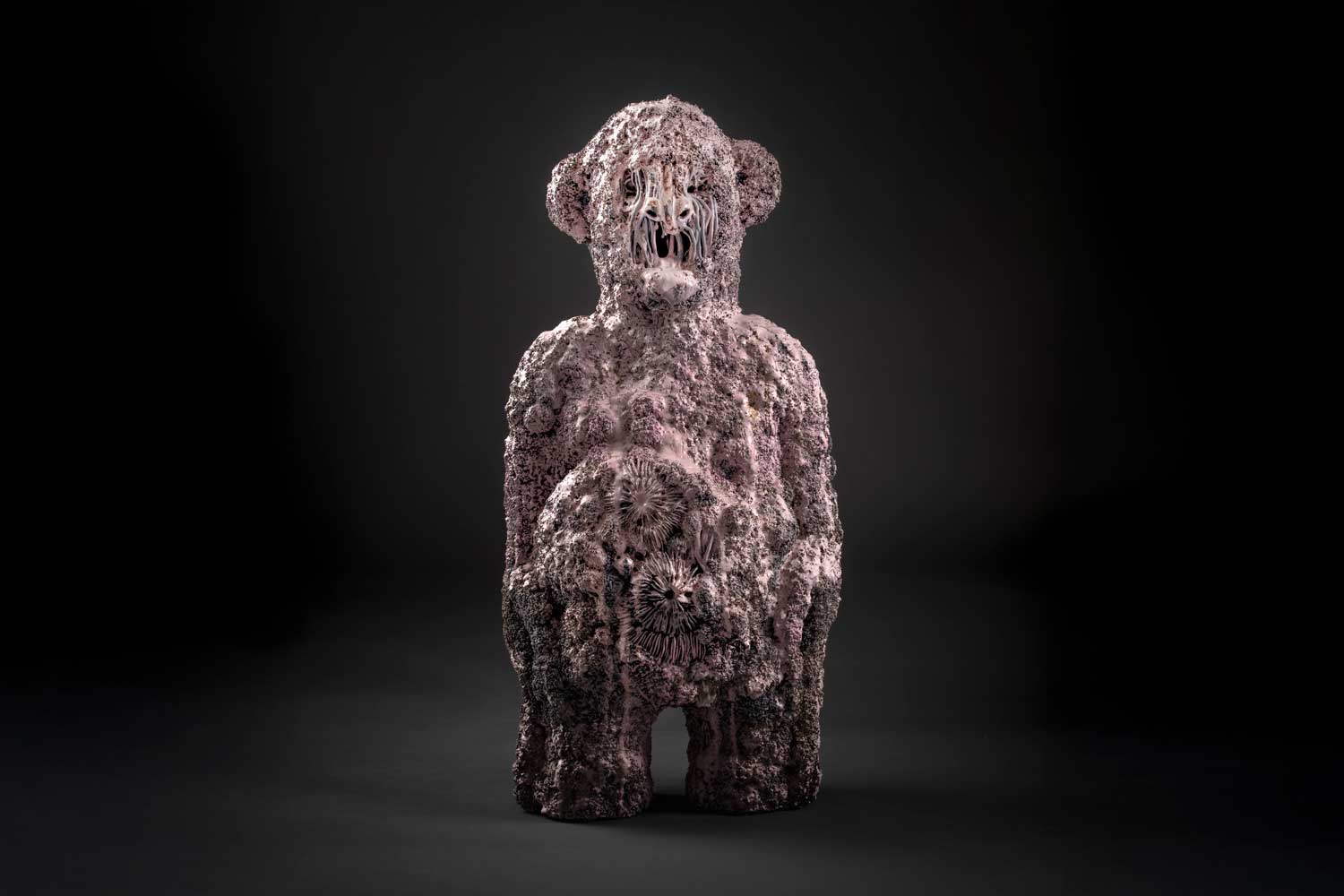
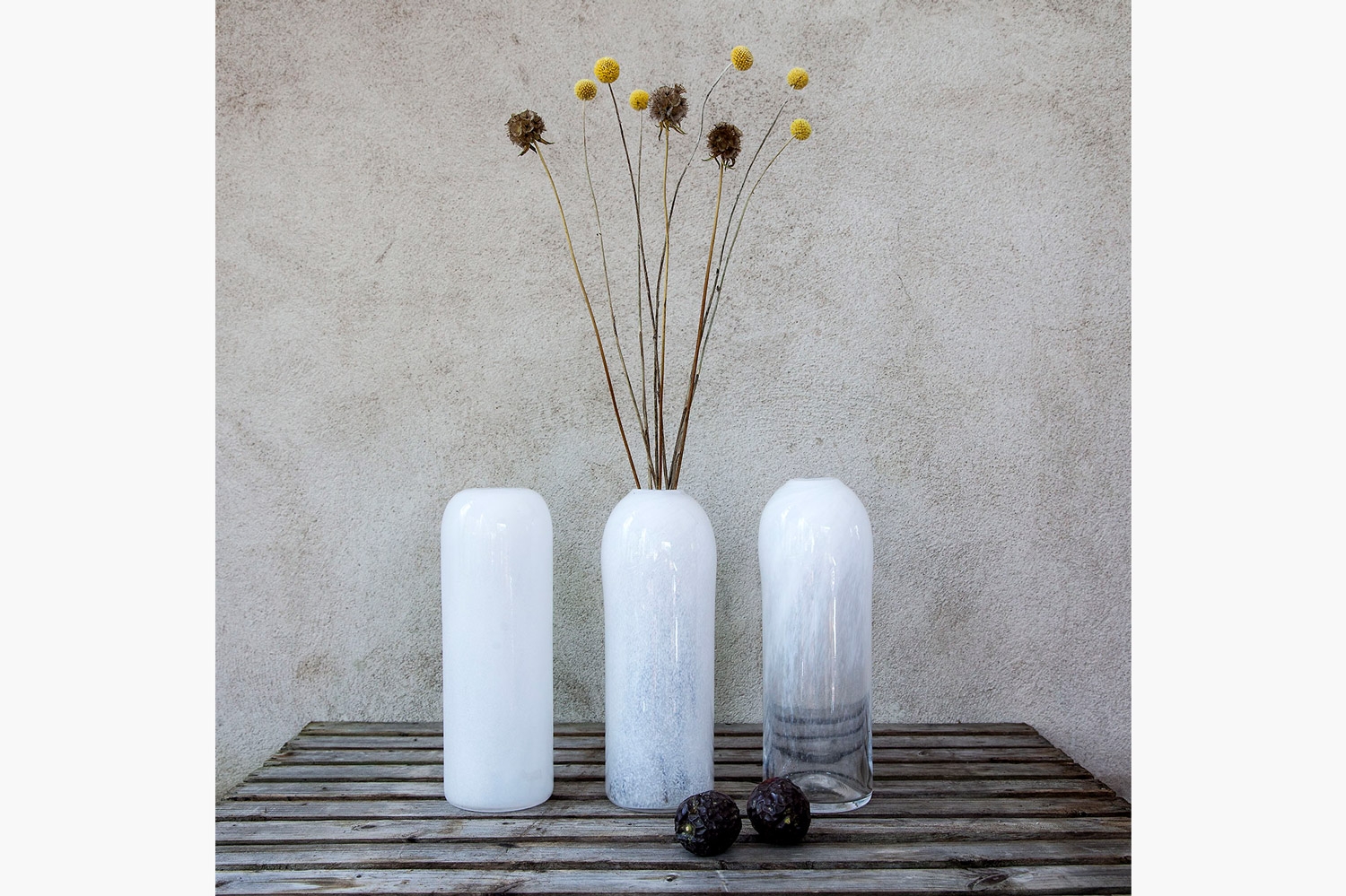
When I create wine glasses, bowls and other everyday items, I am quite minimalistic. I work with simple lines, thin engravings and no colours. When I am making sculptures, I work on larger volumes and draw inspiration from nature, stones, trees and water, which results in something quite different.
Malin Mena
Glassblower
Nättraby, Sweden
Recommended by Konsthantverkcentrum
AVAILABILITY
By appointment only
PHONE
+46 736200857
LANGUAGES
Swedish, English
Homo Faber Finds is a new service aiming to inspire admirers of craft to connect and collaborate with exceptional artisans.
We invite you to submit an enquiry here.