Nune Malakyan
Nush Enamel
Enameller
Yerevan, Armenia
Reviving traditional ornamentation
- Nune was an eye surgeon by profession
- Traditional Armenian symbols are the root of her work
- She treasures the delicate technique of enamelling
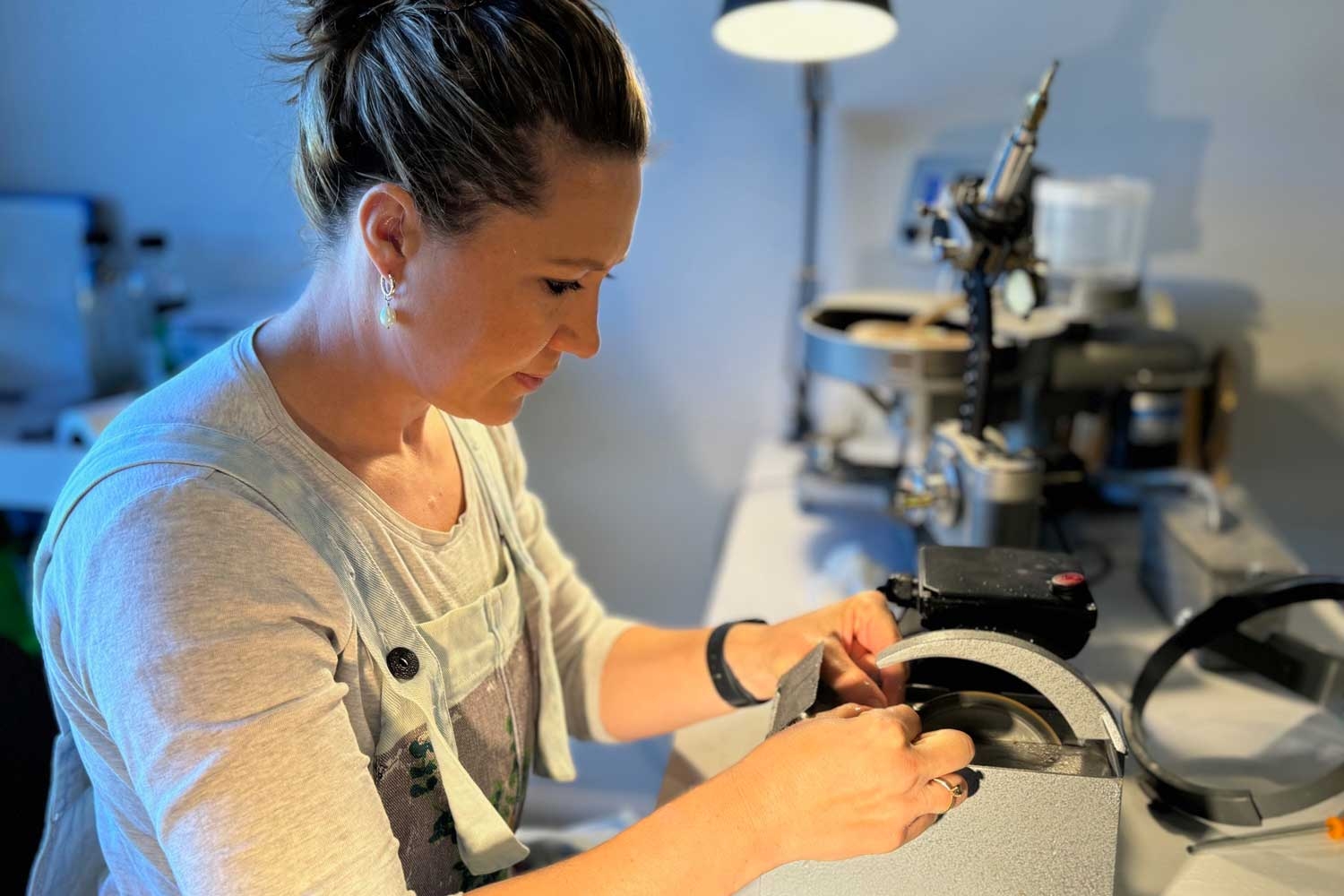
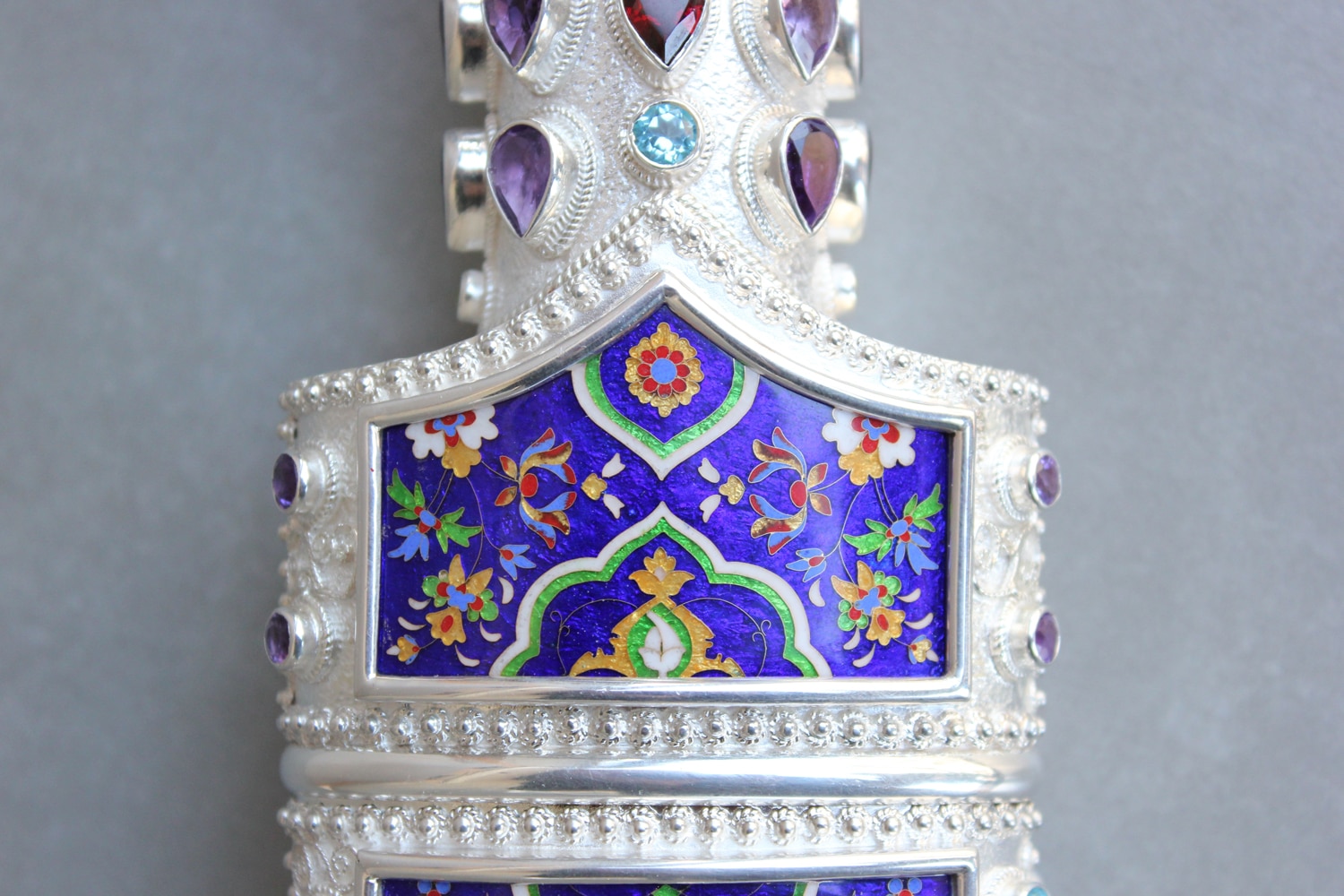
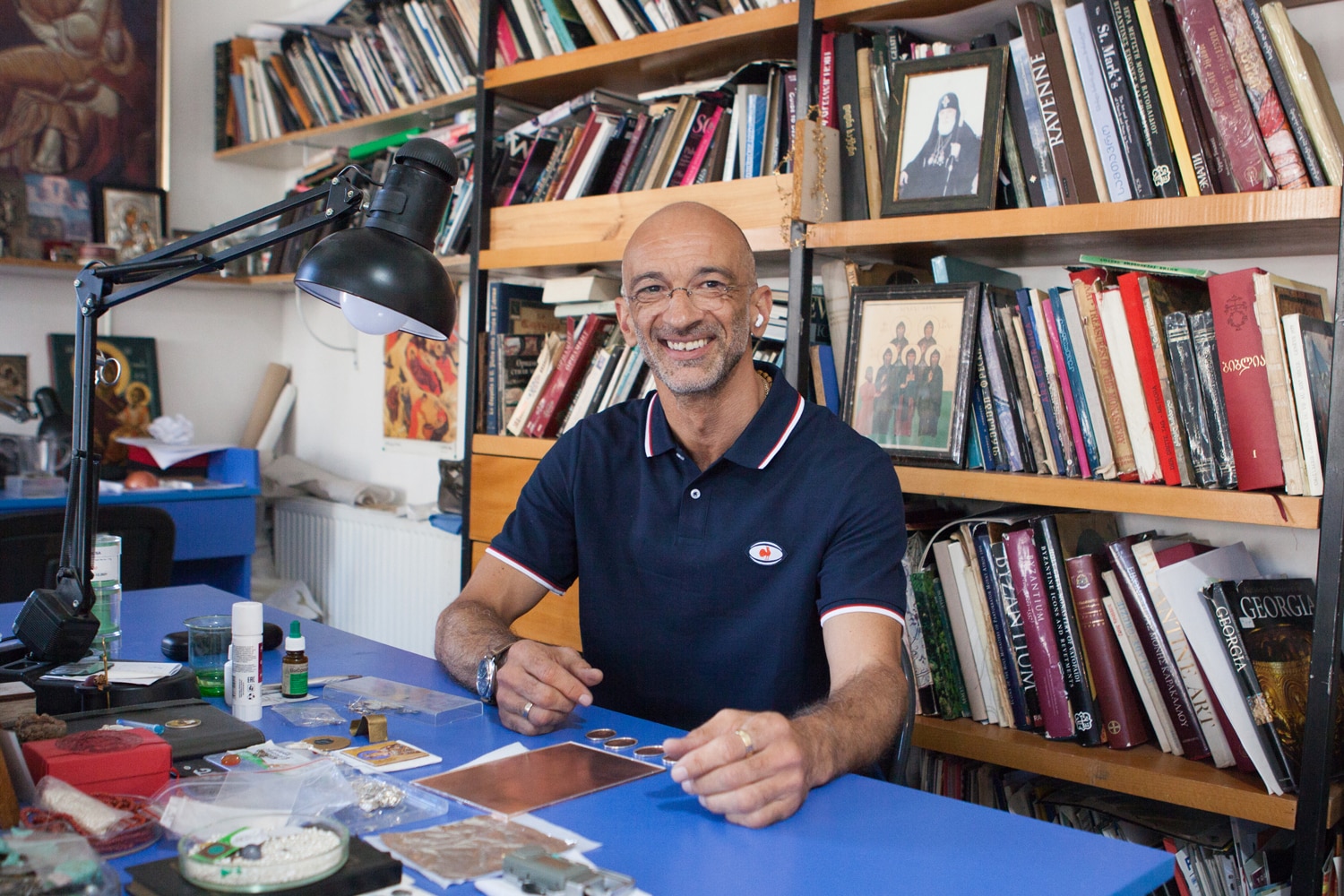
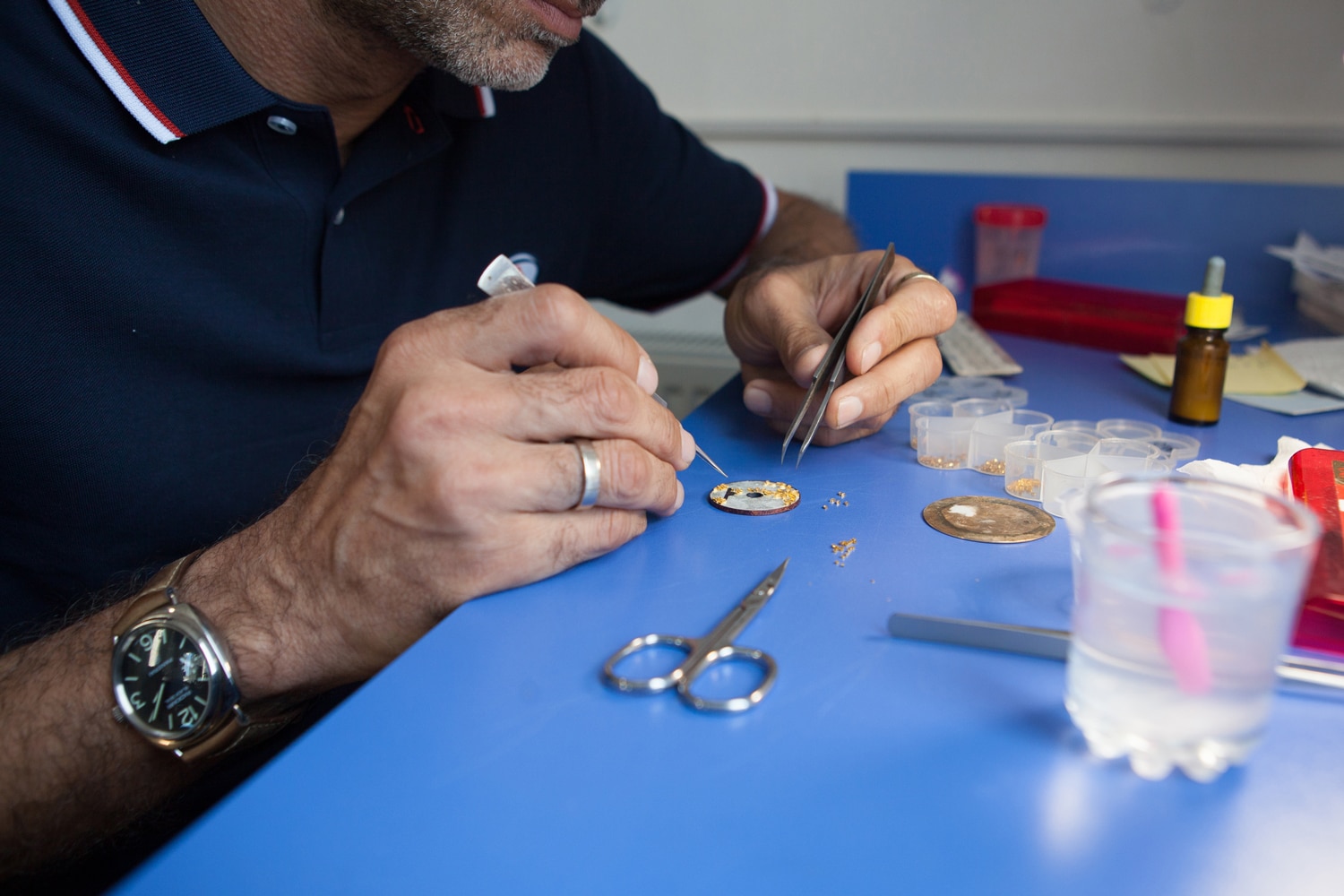
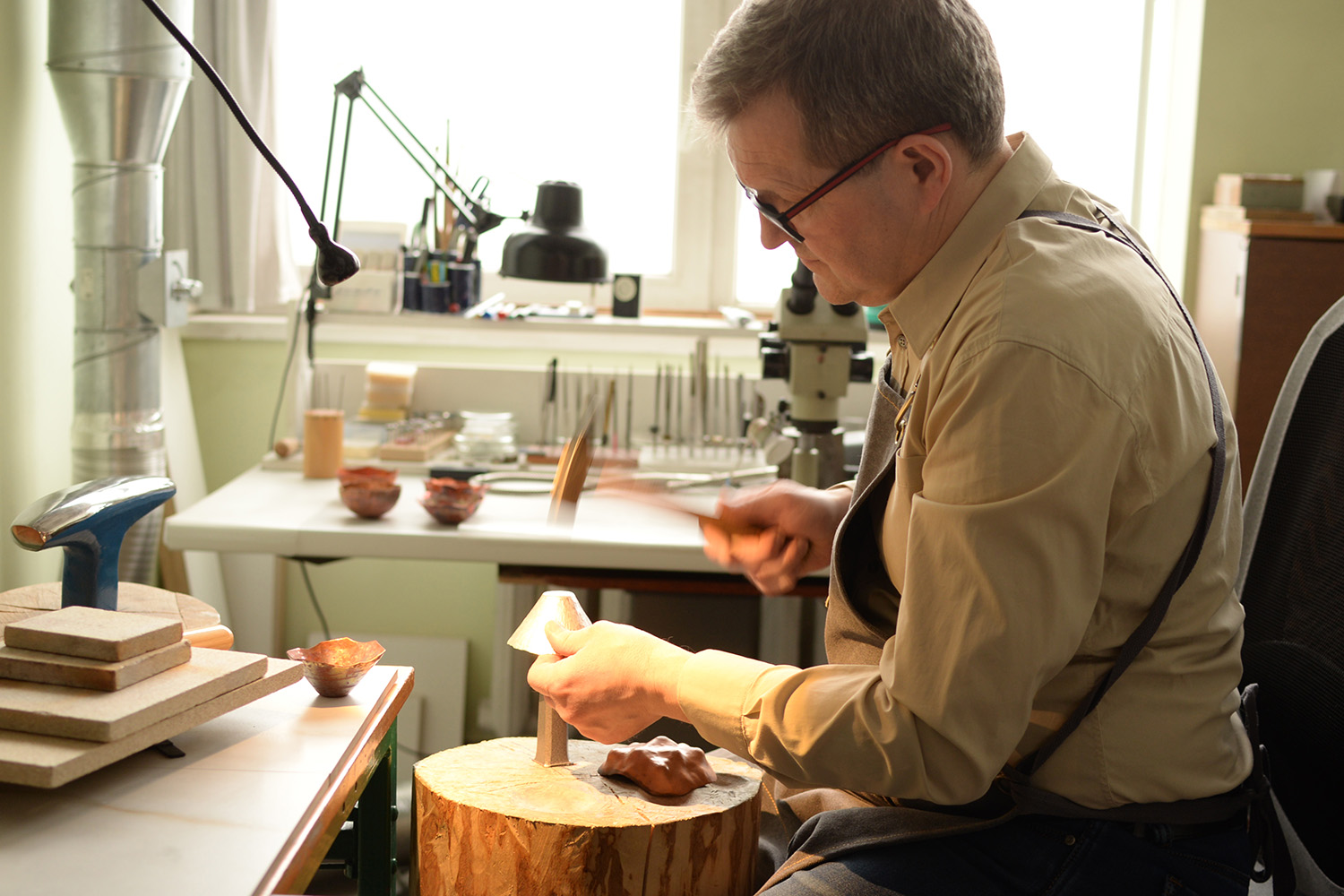
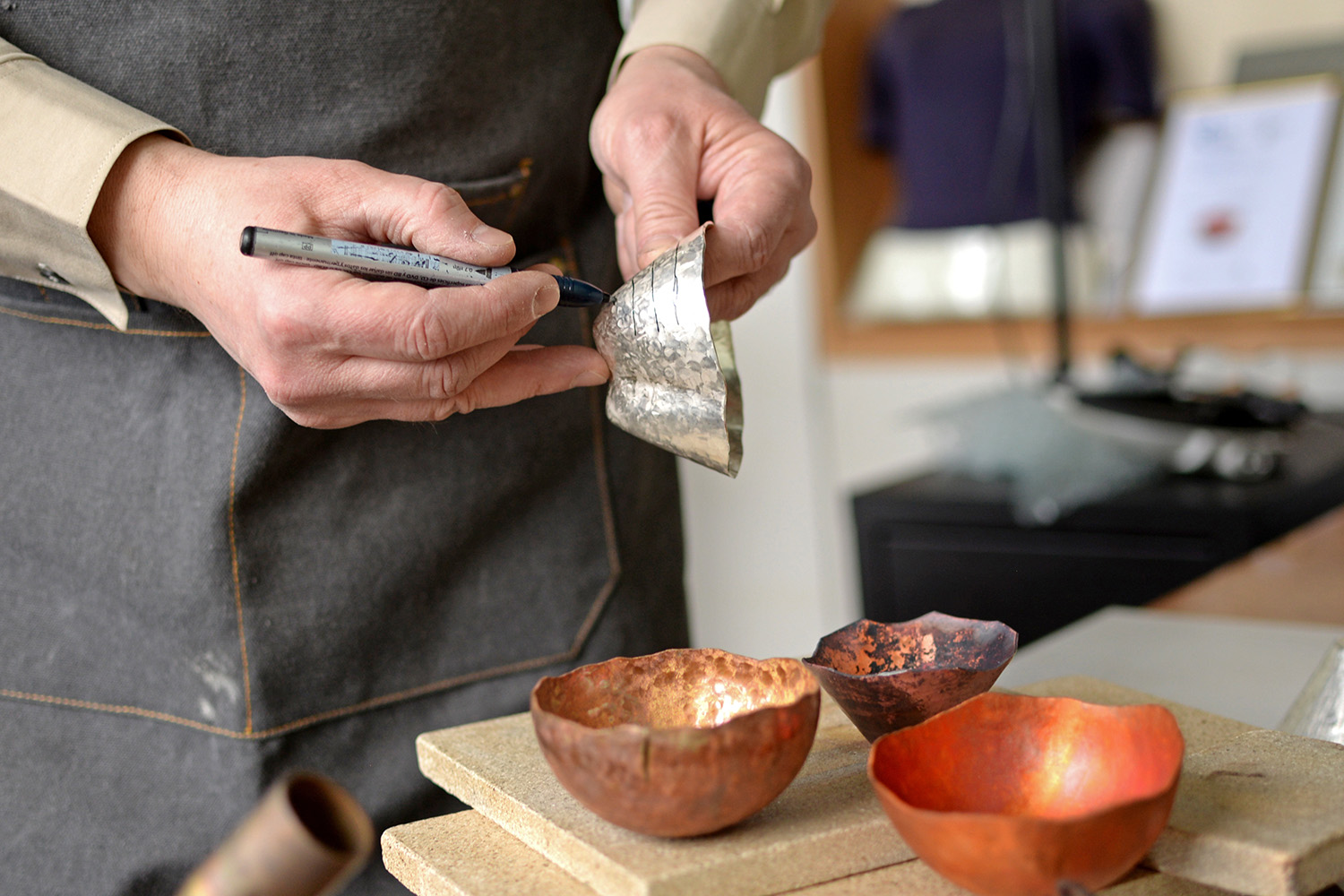
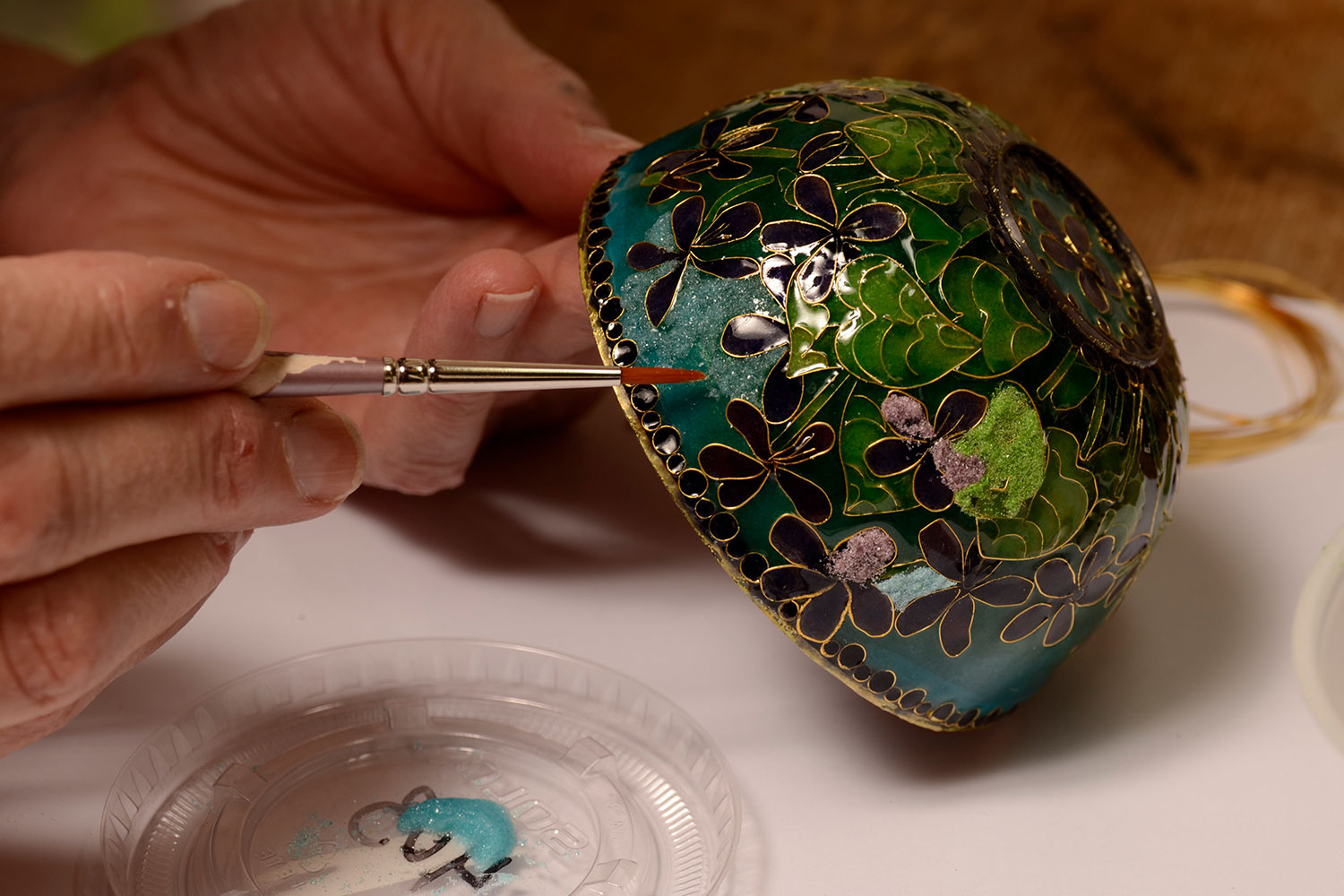
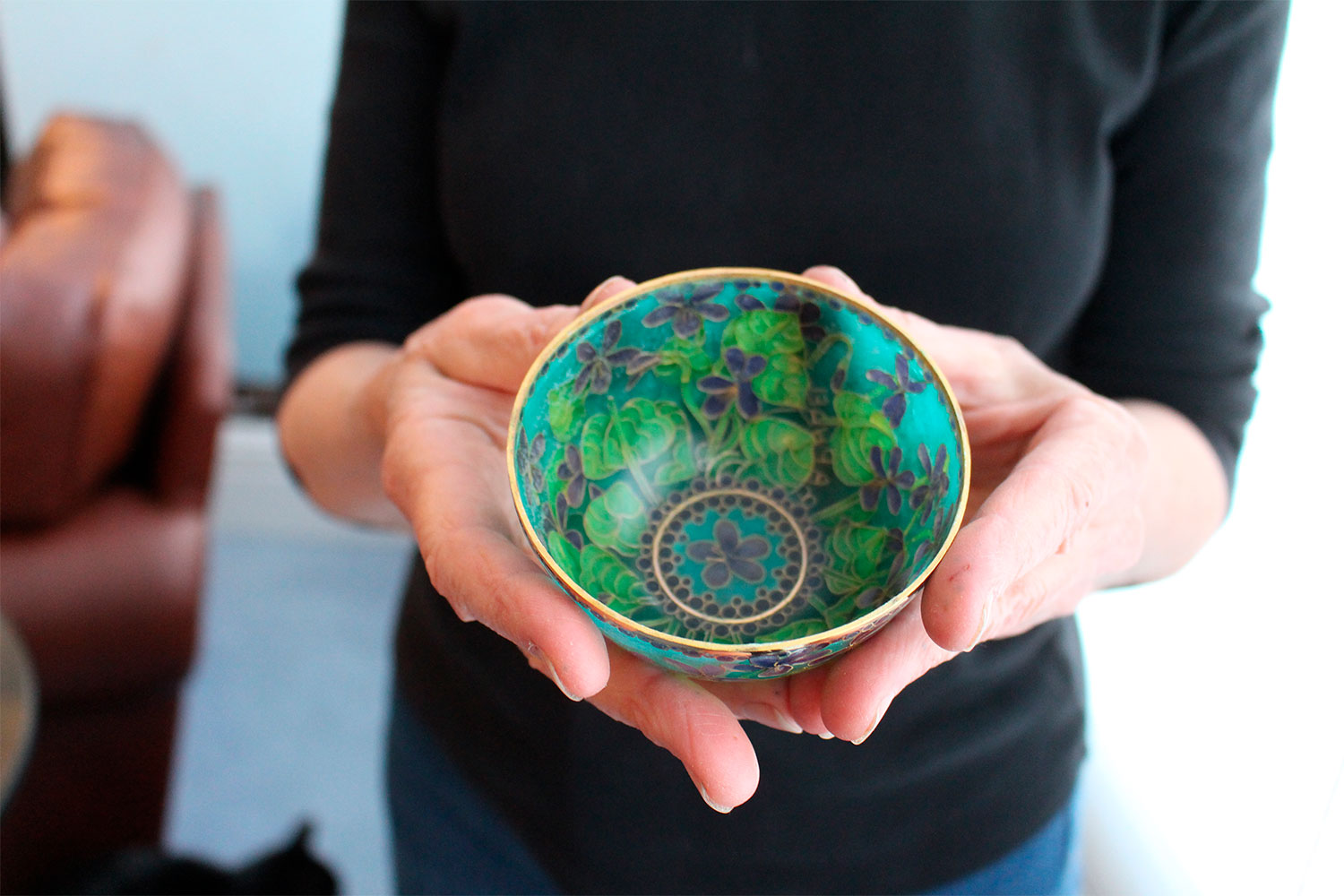
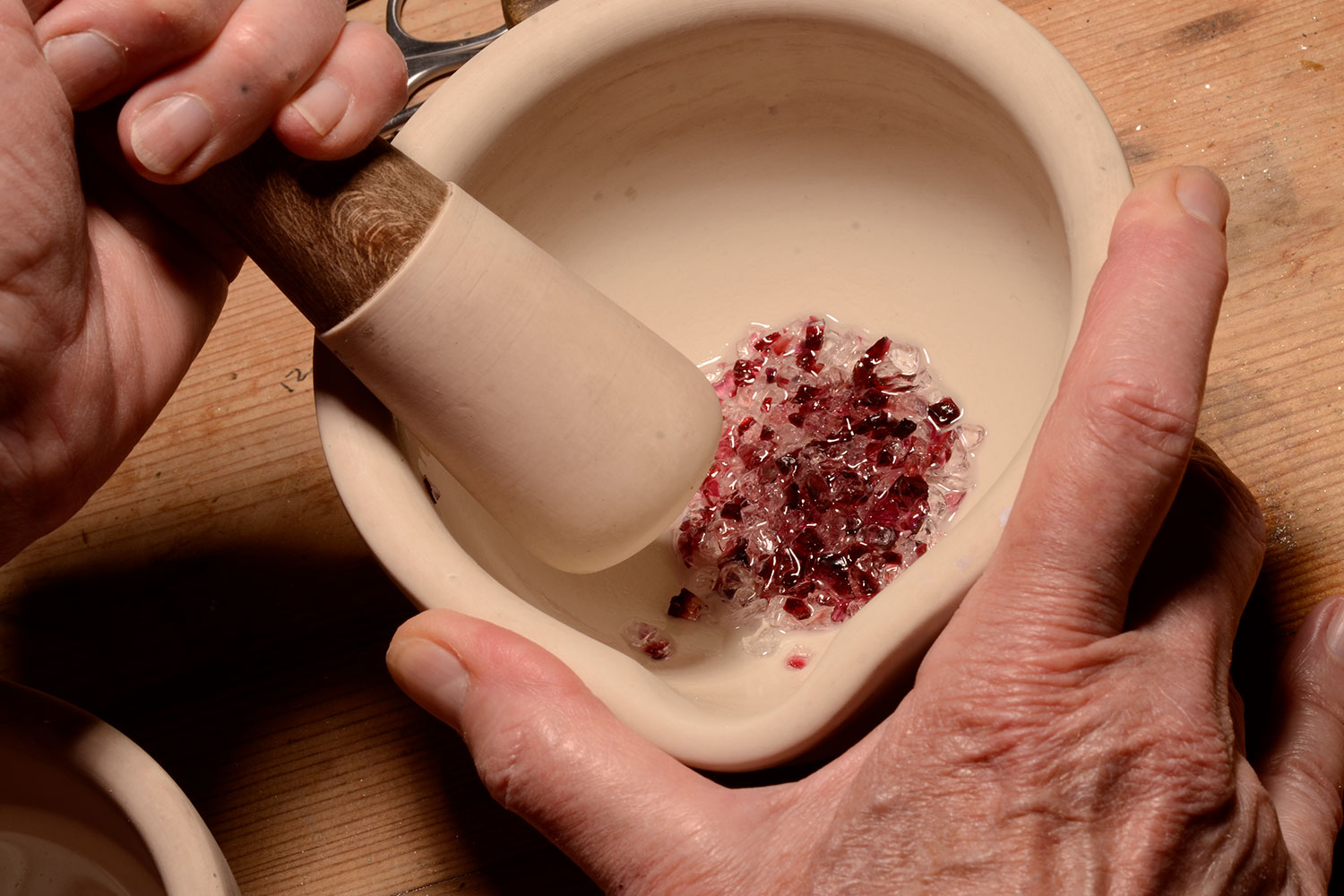
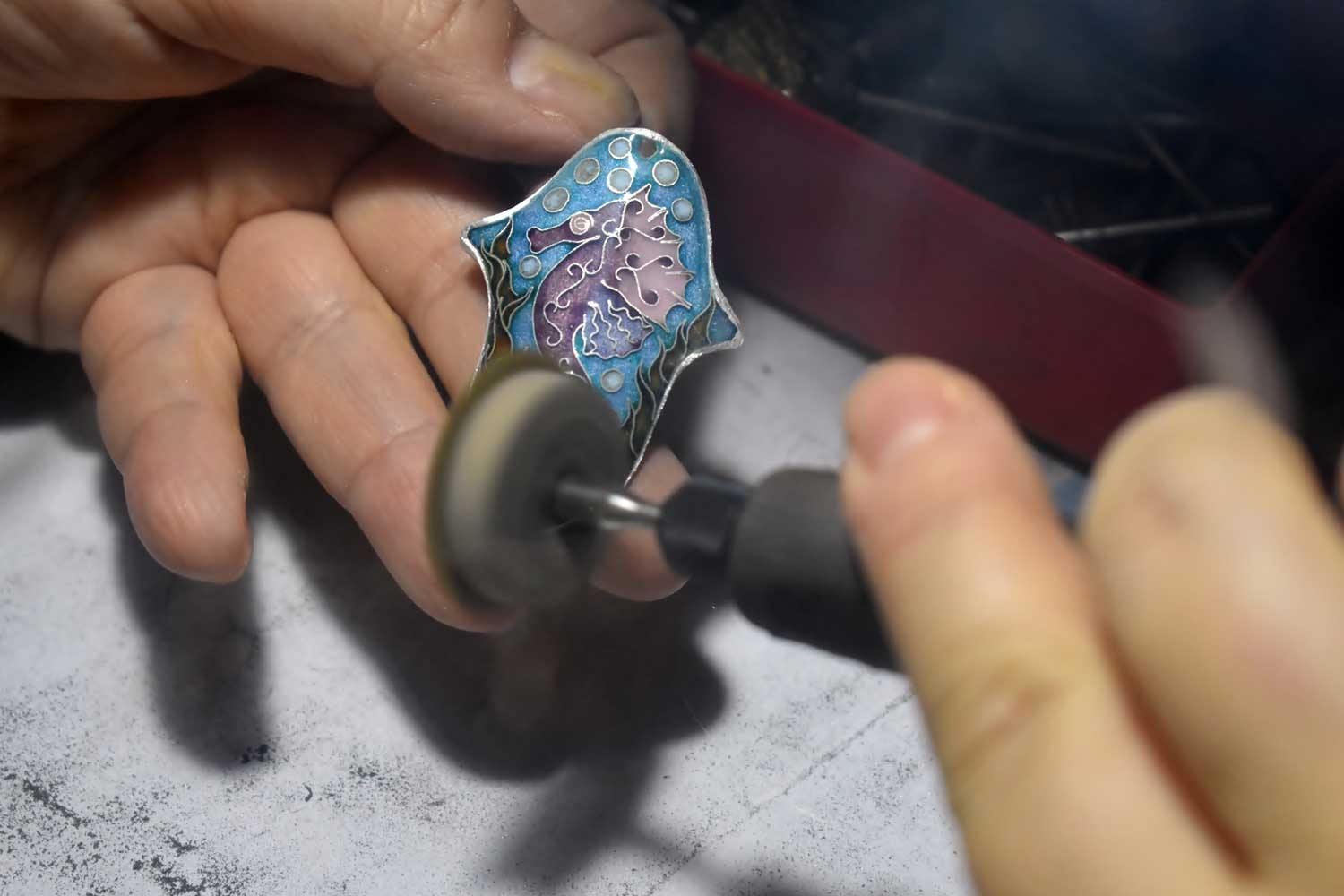
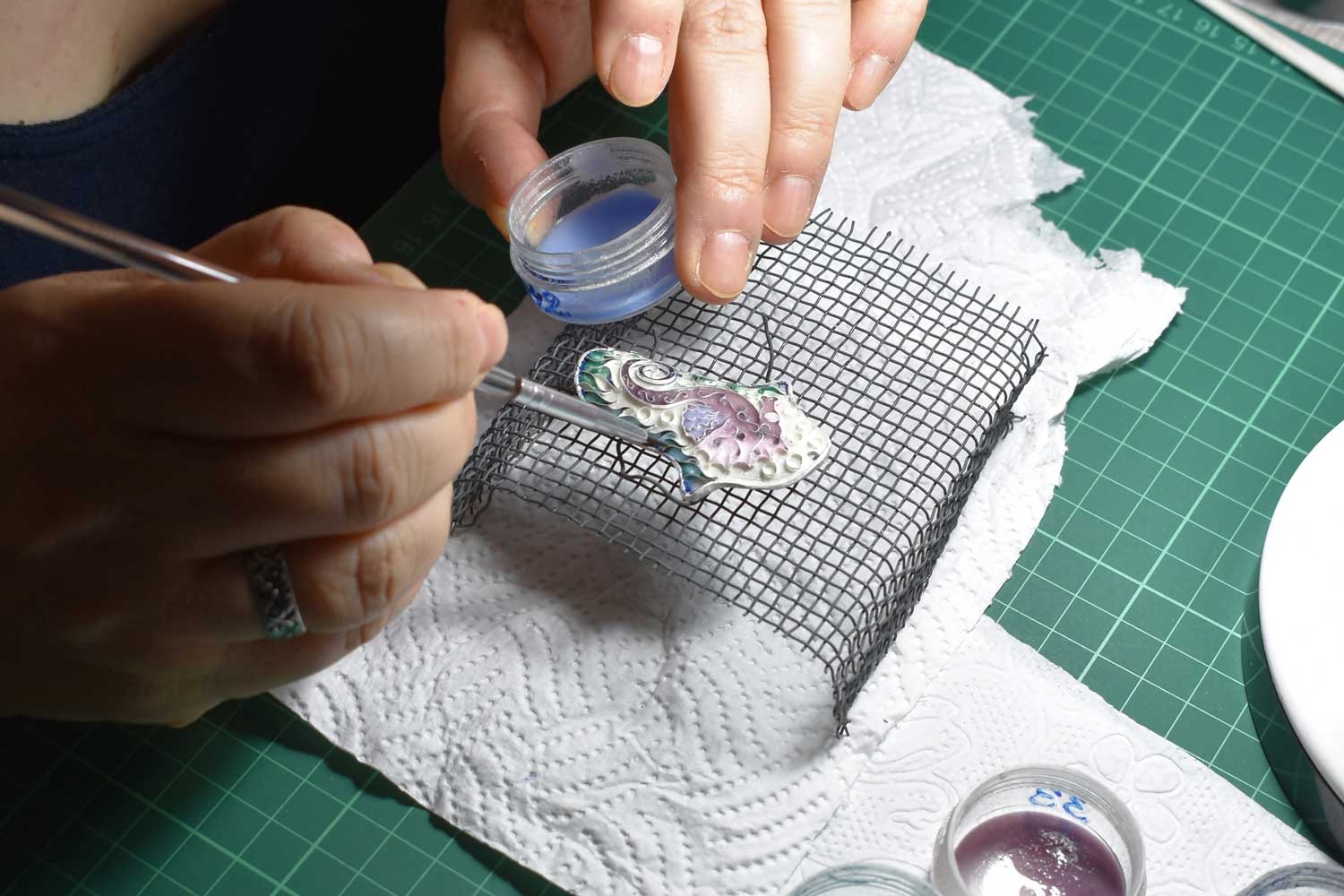
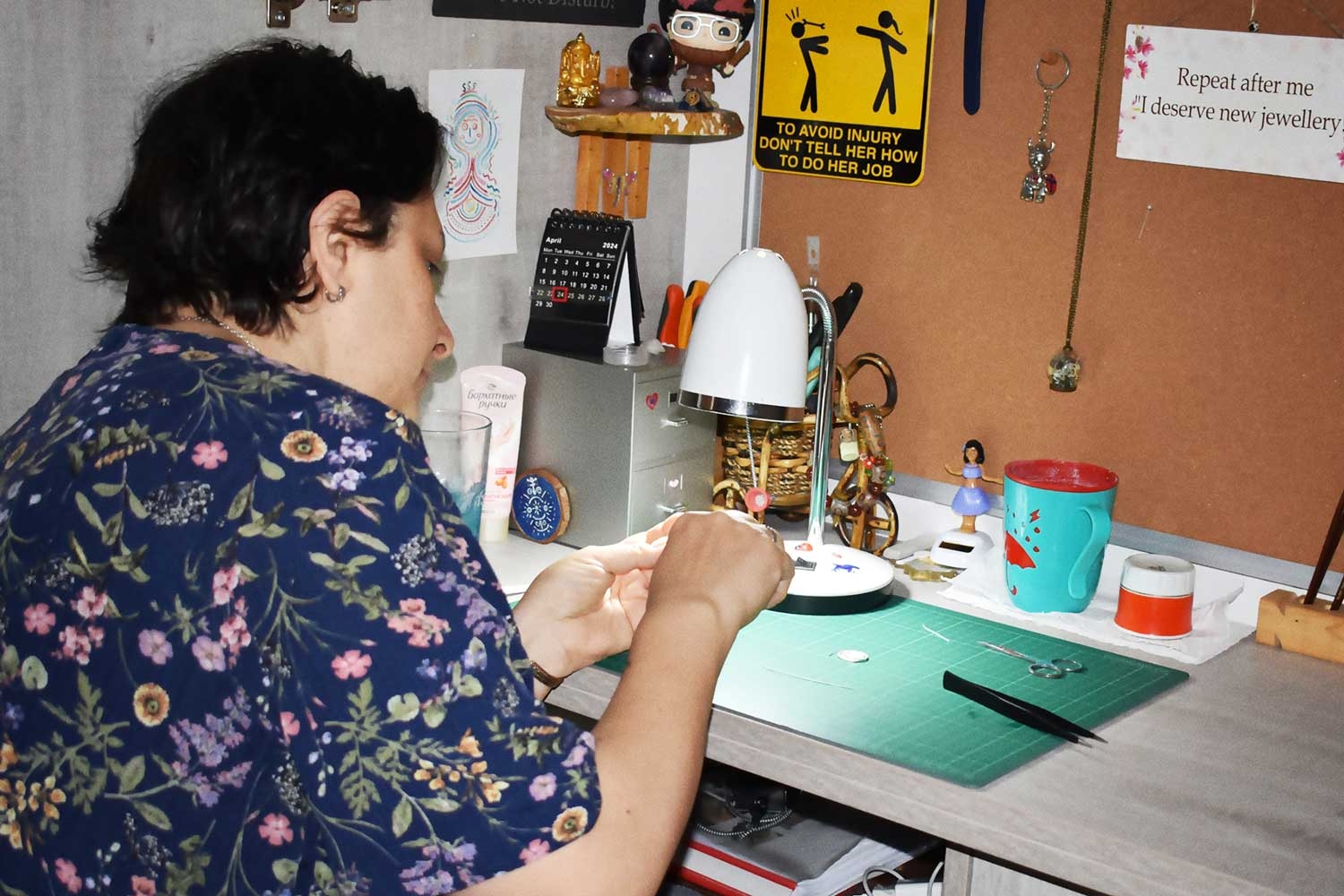
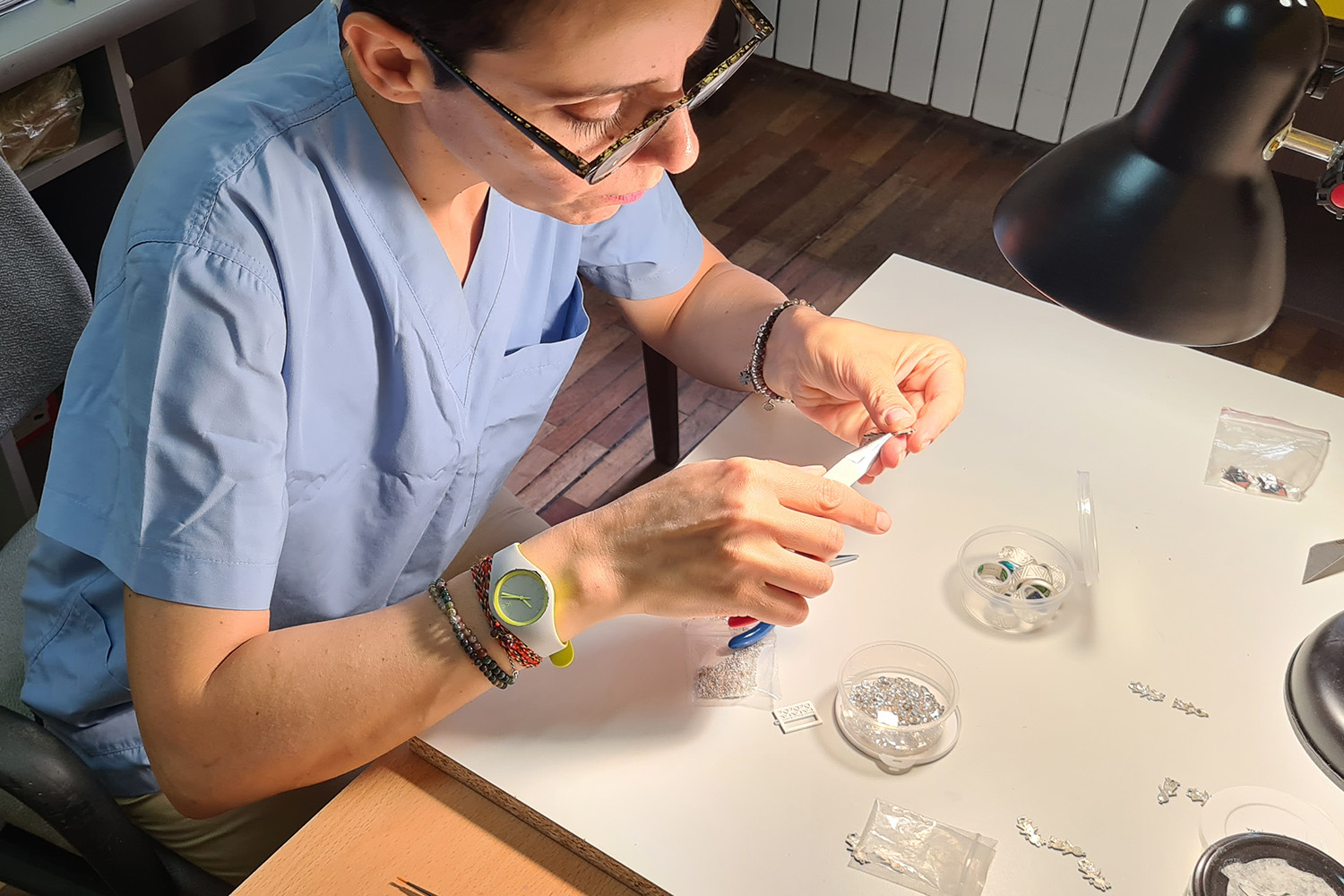
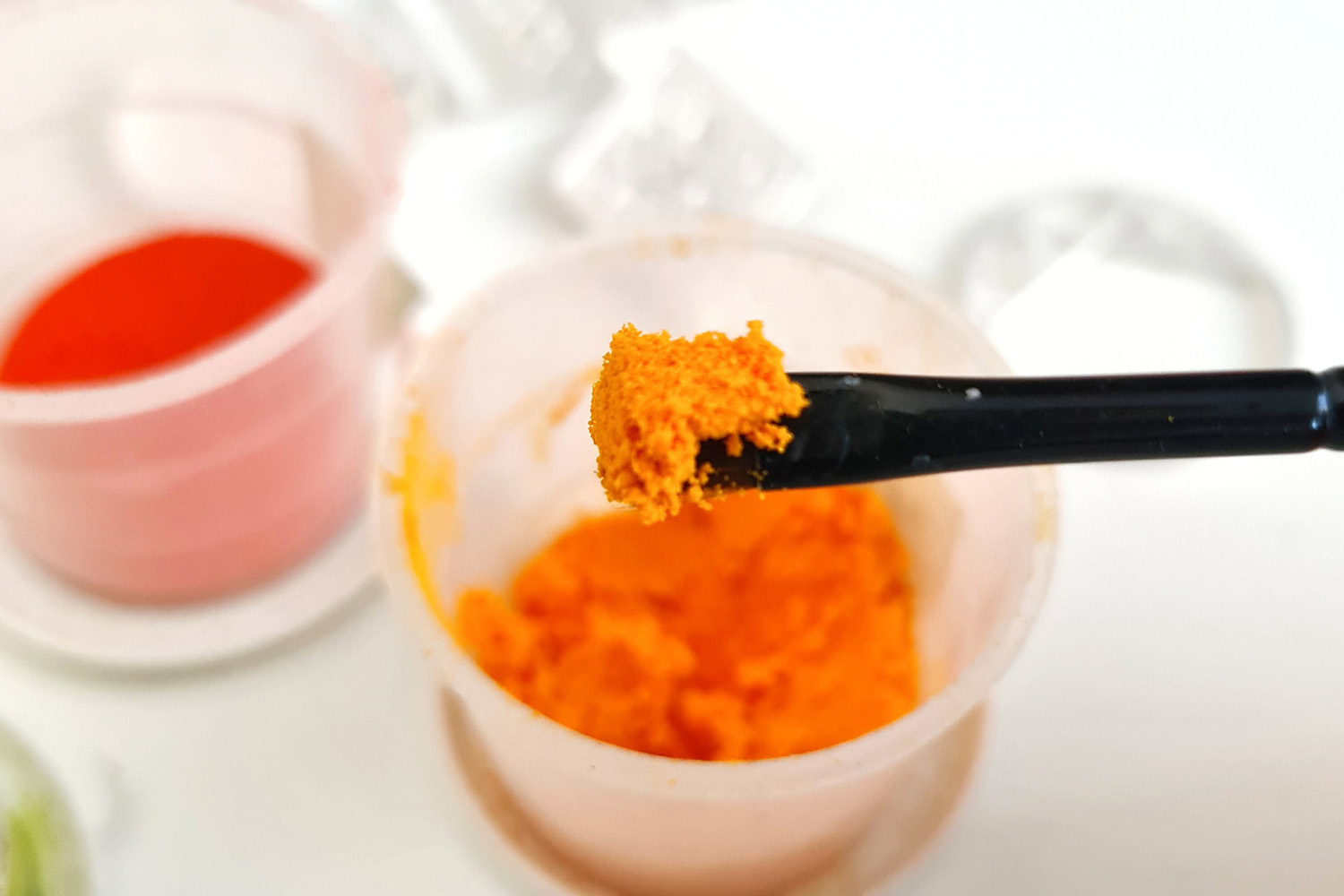
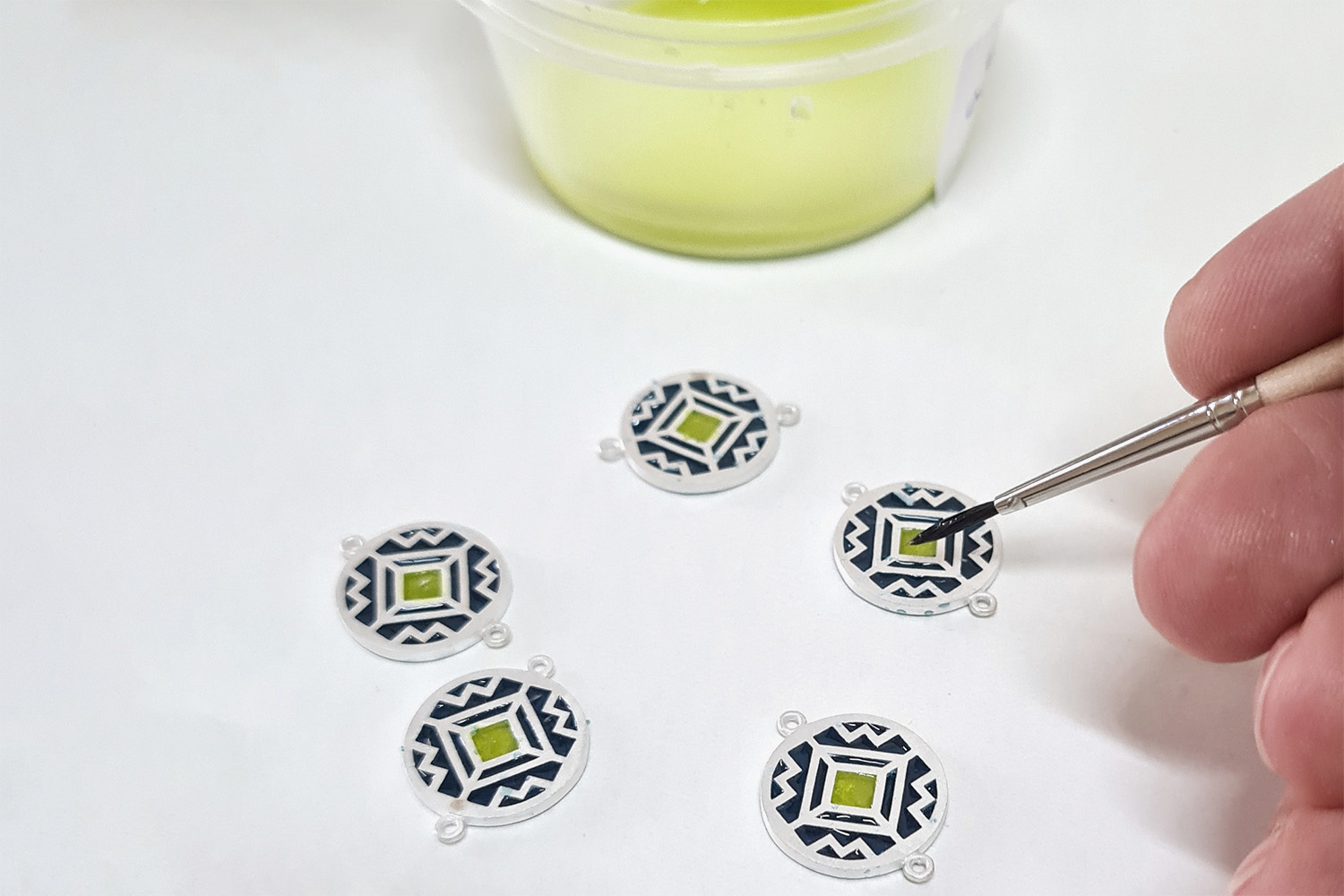
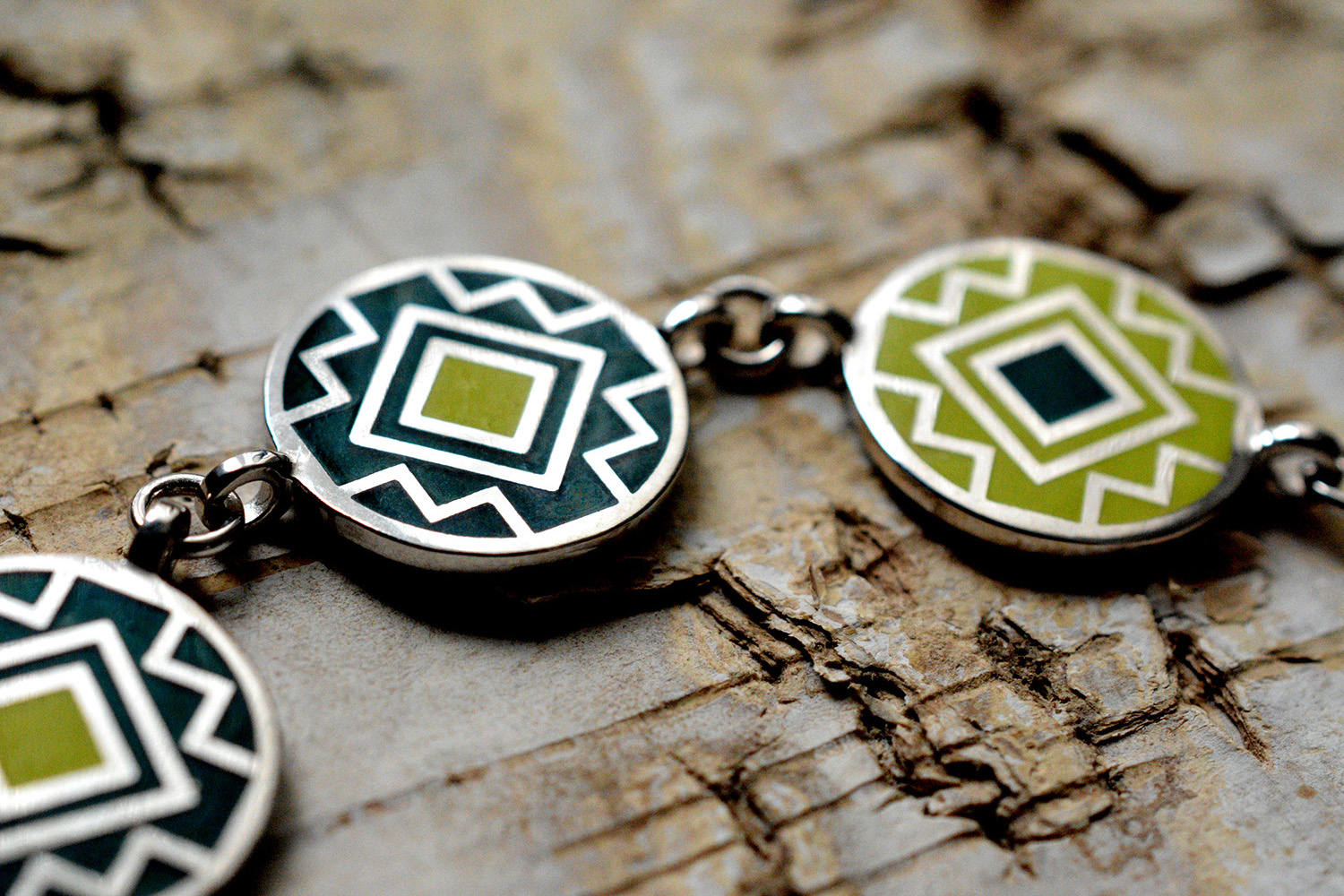
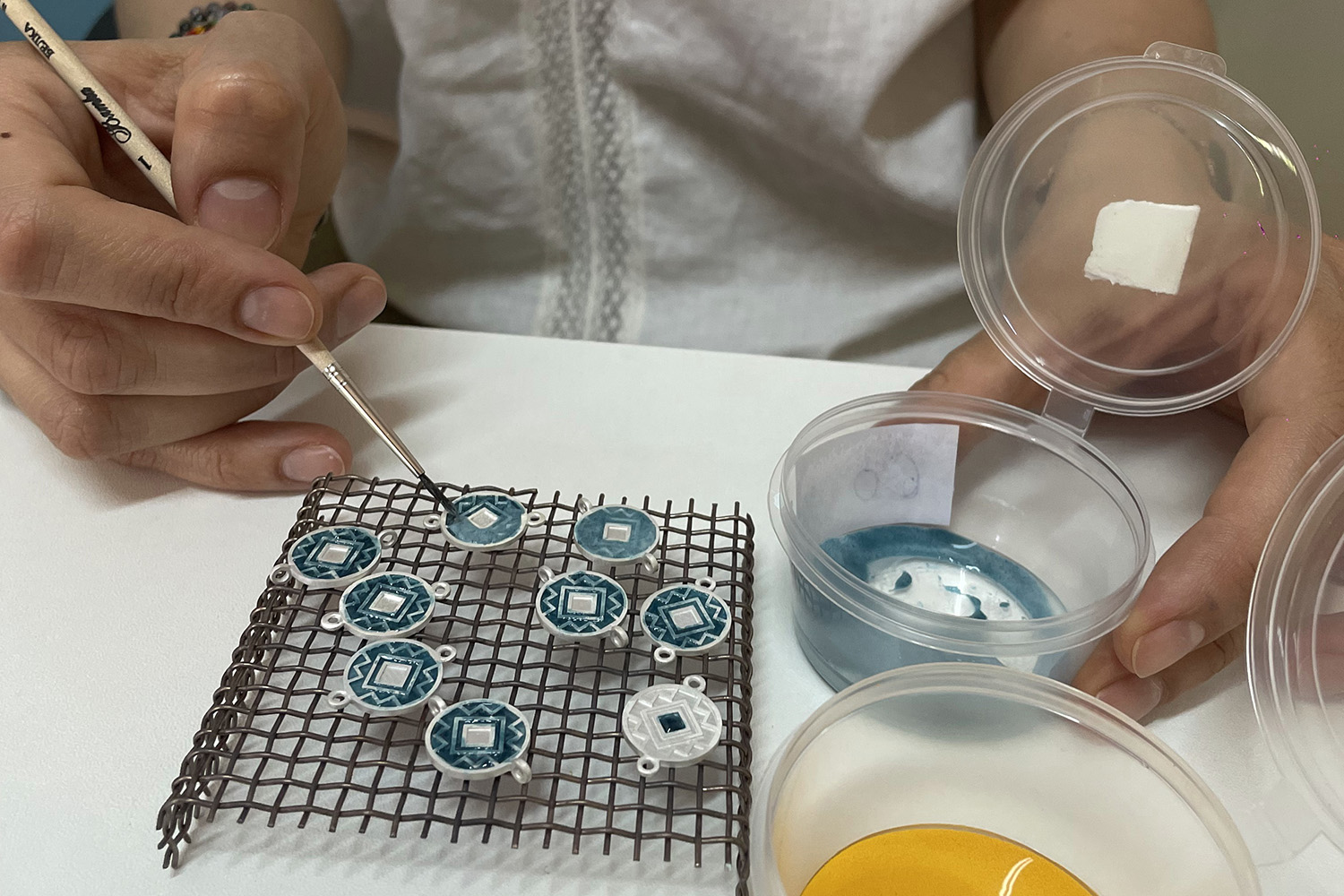
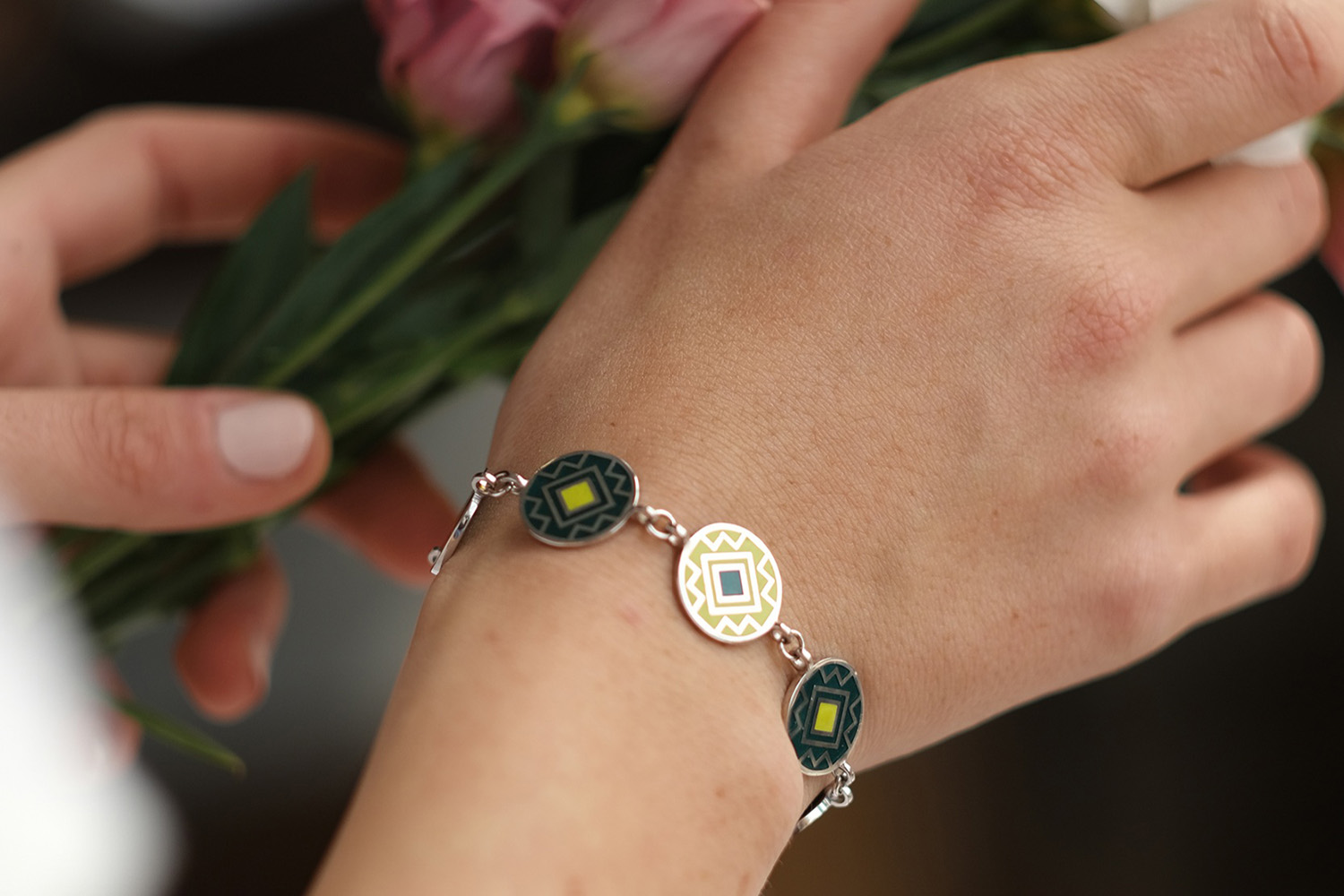
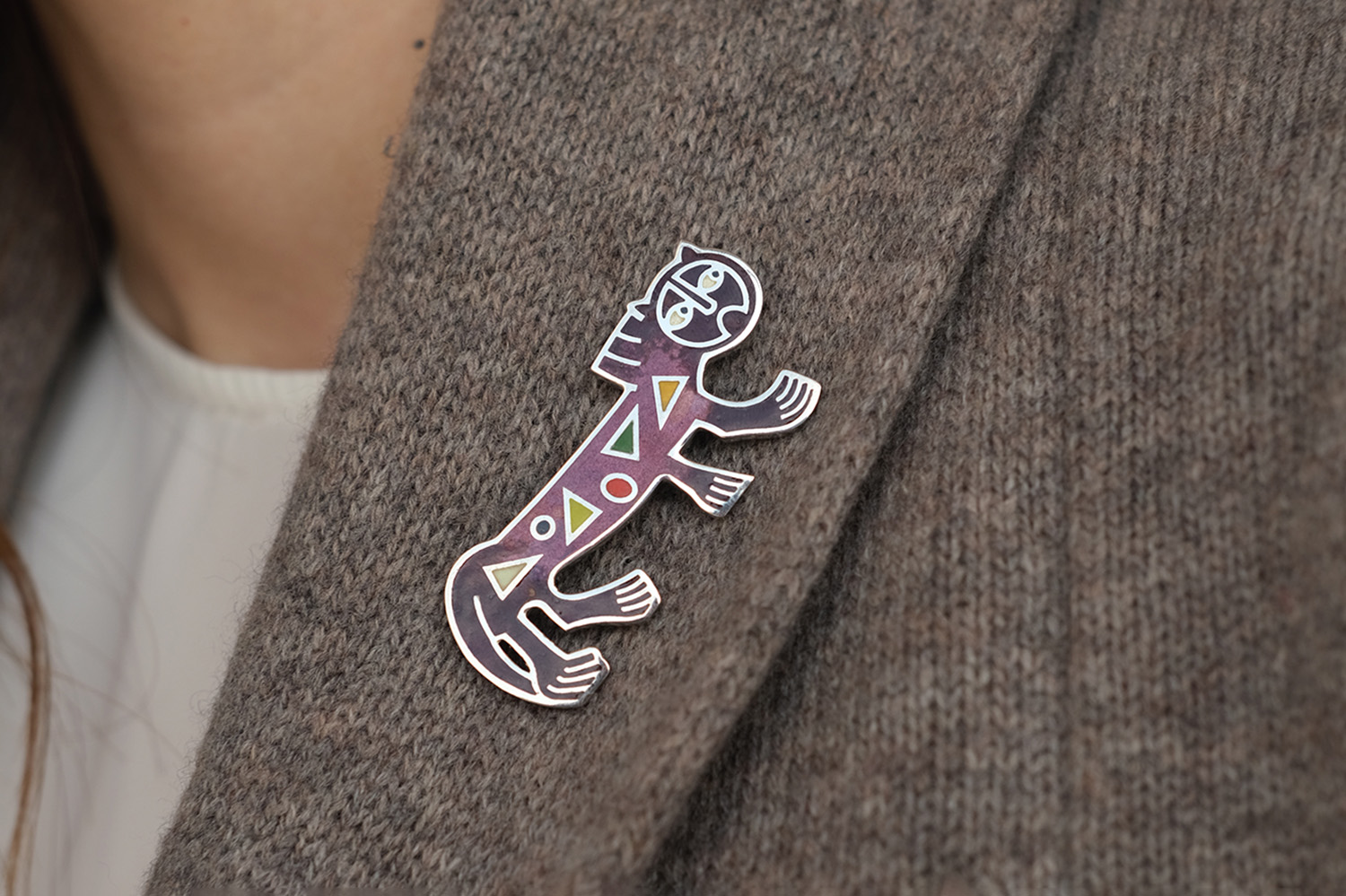
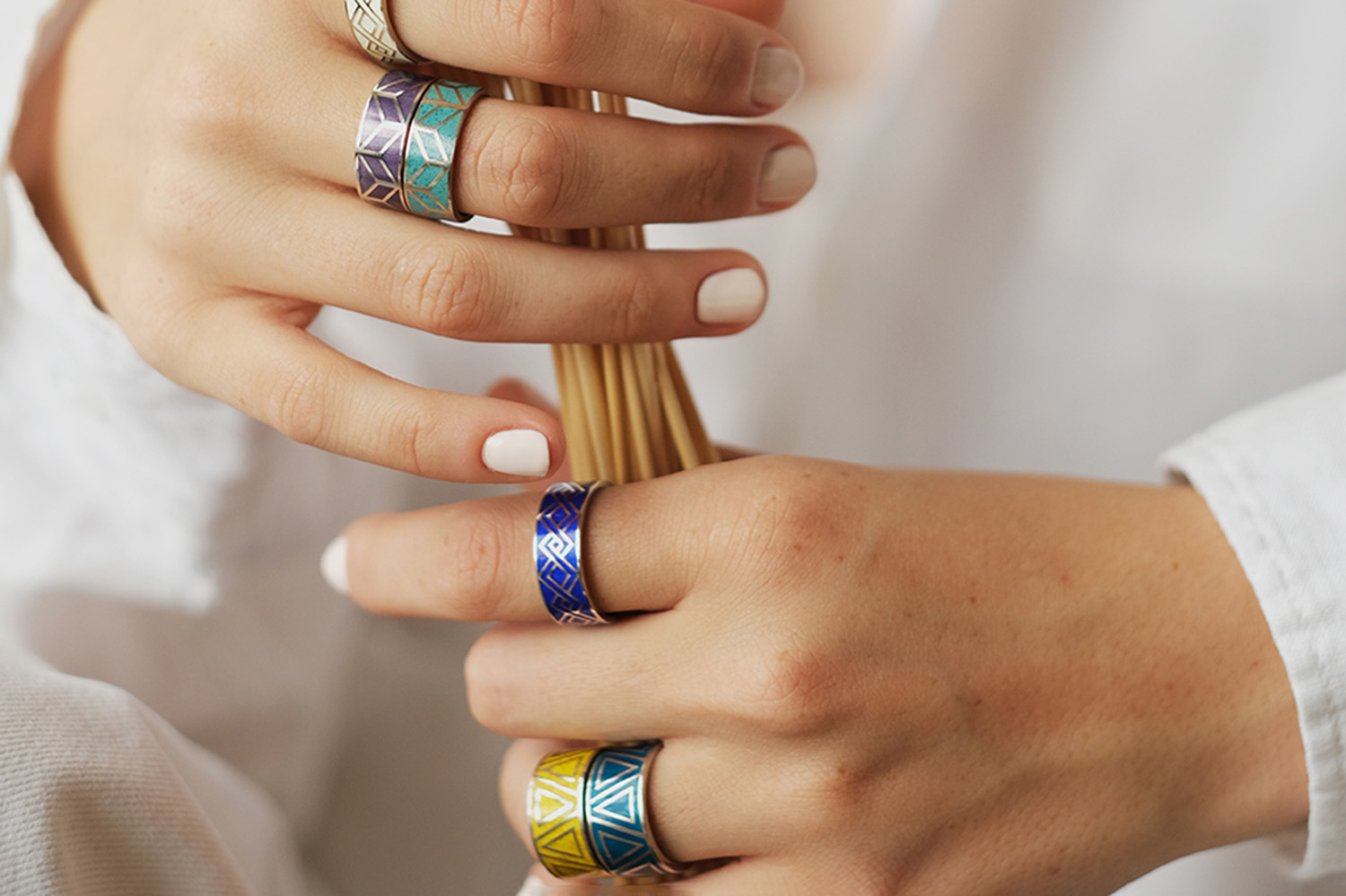
Nune Malakyan was a successful ophthalmologist and eye surgeon in Moscow when she decided to move to Armenia and start making jewellery. Nune is inspired by the potential to revive Armenian ornamental elements and to display them in bright and modern colours through vitreous enamelling. This craft can only be carried out by hand, one piece at a time, and therefore each piece is wholly unique and exclusive. Nune describes vitreous enamel as a technique worthy of traditional Armenian ornaments, as it is delicate and precise, and requires lots of work. Vitreous enamel is formed by grinding coloured glass down to a desired colour and texture, applying the powdery mixture to a base, and firing the piece in a muffle furnace. Nune works from a cosy studio in the centre of Yerevan and offers visits for small groups.
Discover her work
INTERVIEW
It is an unbelievable story. I used to be an eye surgeon and on one of my birthdays my husband gave me a book on Armenian ornaments. I was so fascinated with the book, and constantly thought about giving colours to the elements in the book.
When I moved to Armenia I spent lots of time exploring different methods of jewellery making. I came to the conclusion that the hot vitreous technique is the only one that preserves colours for thousands of years.
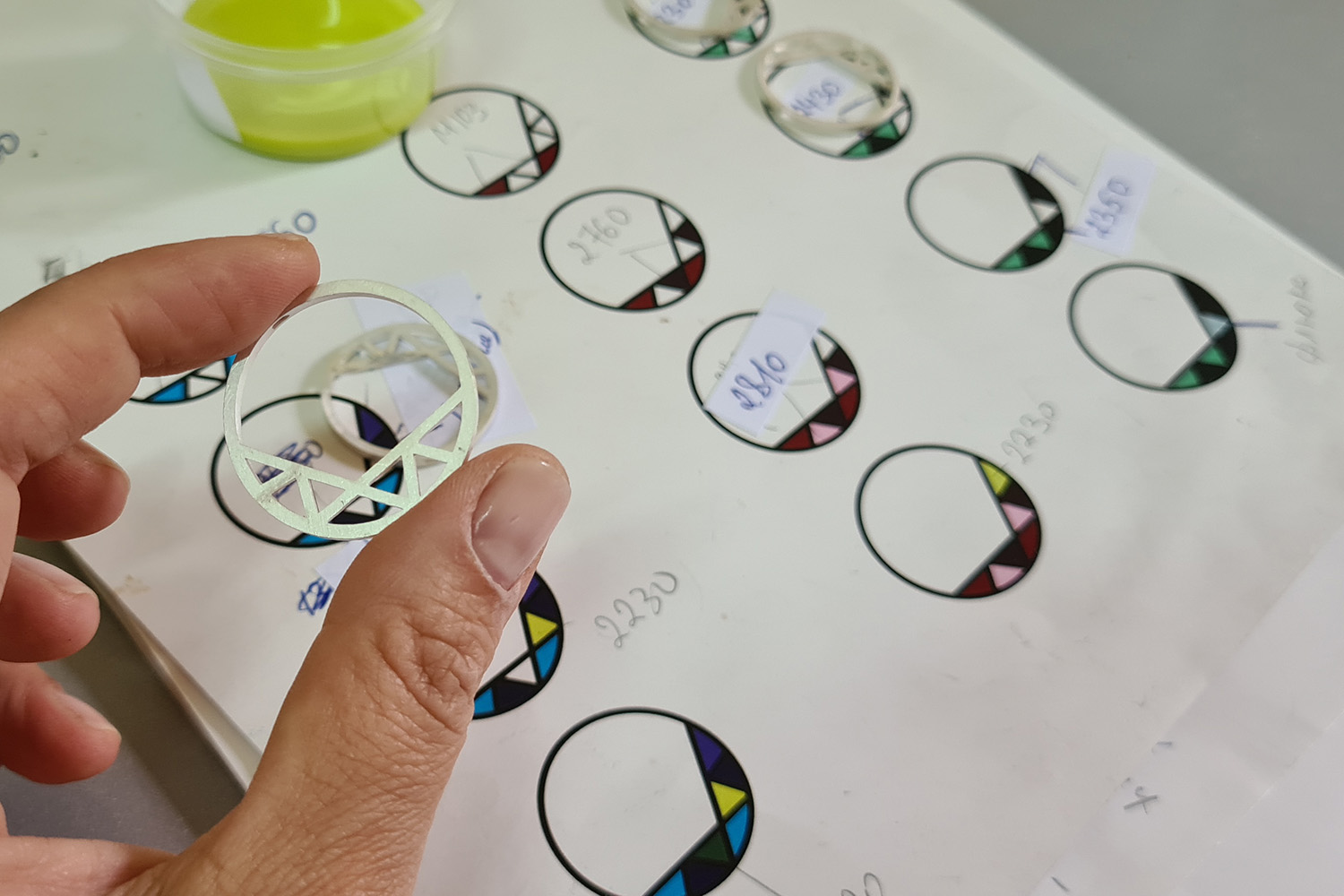
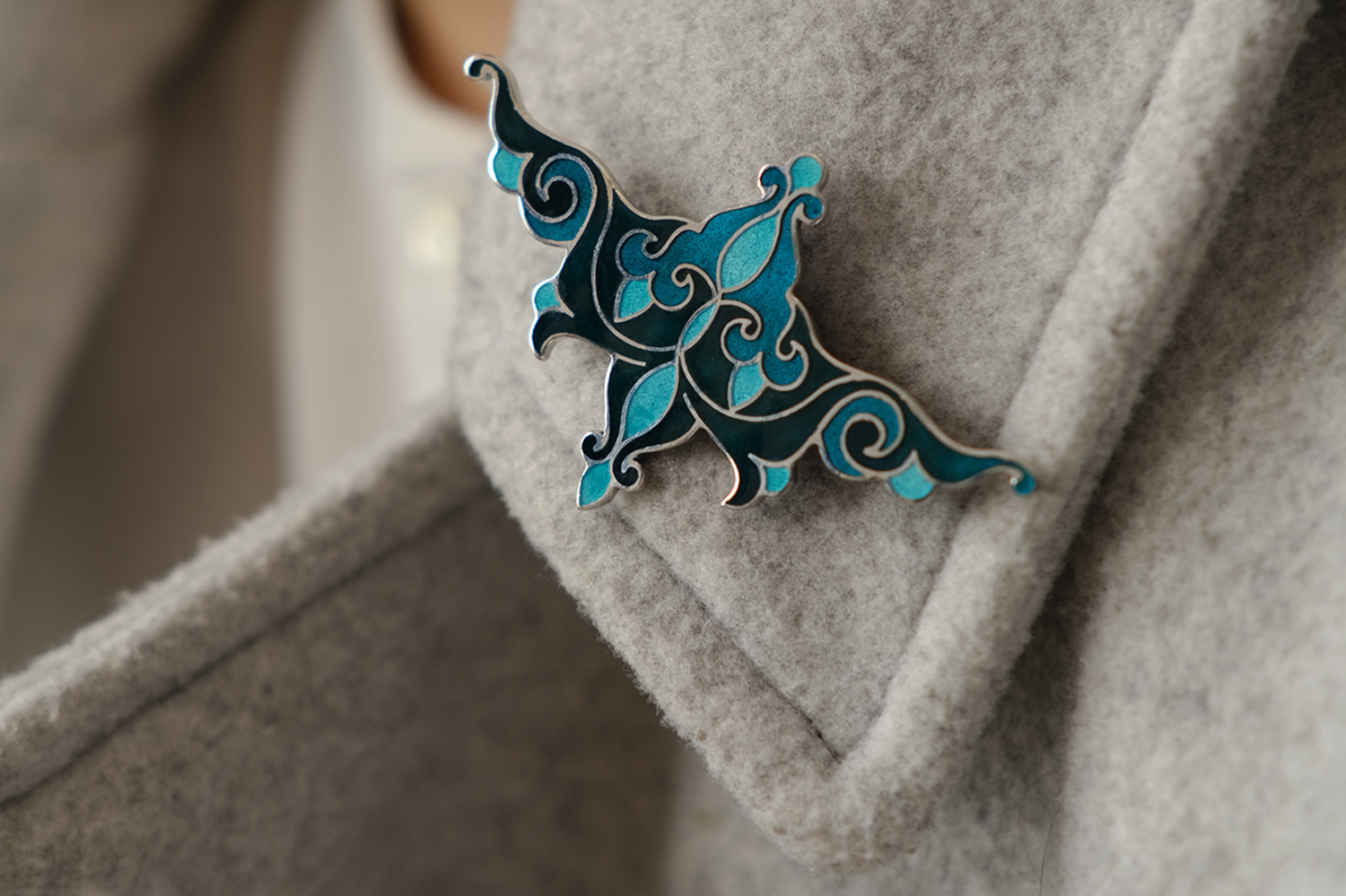
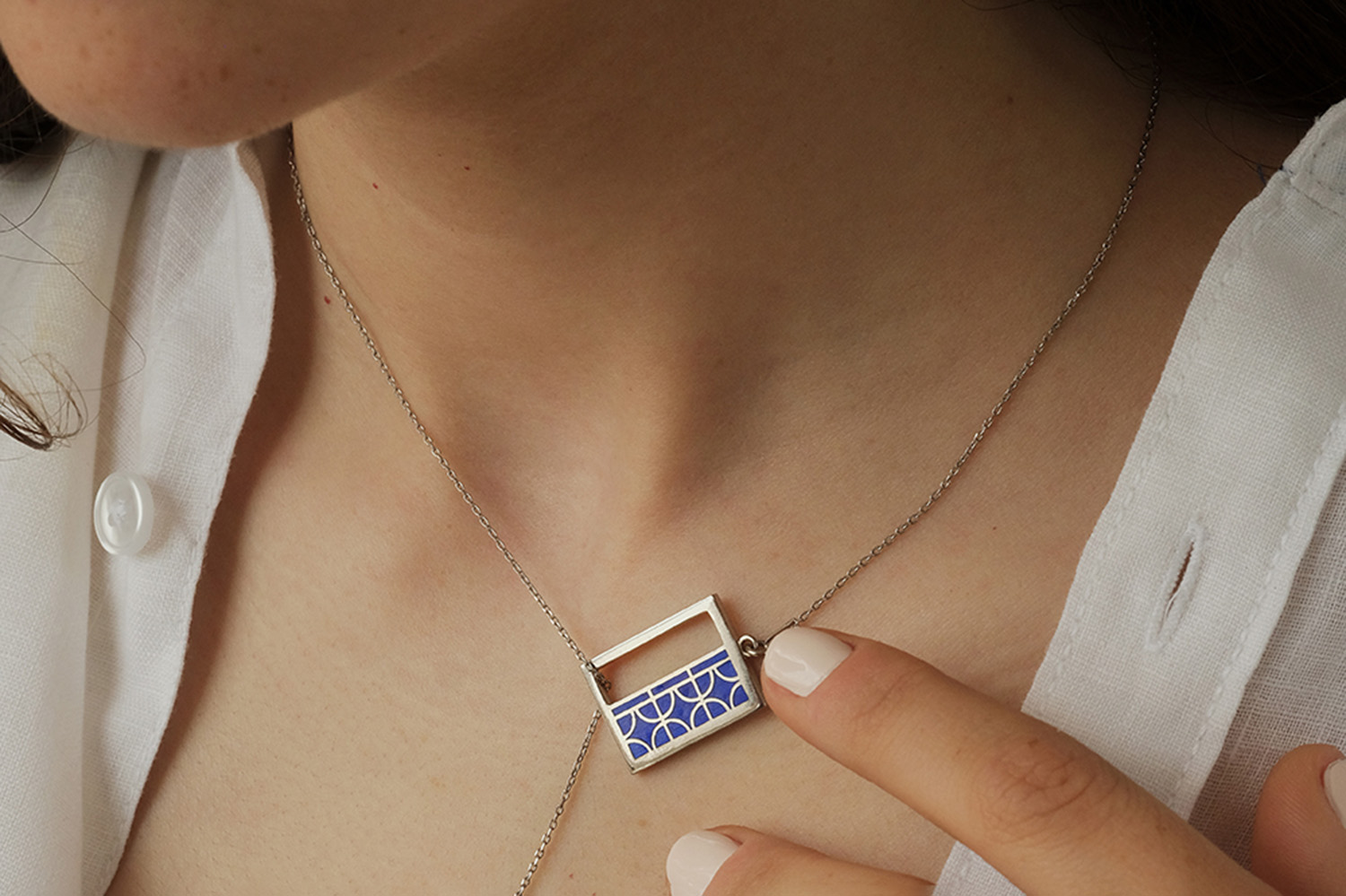
My pieces are intended to revive the variety of Armenian ornaments and to display them in bright and modern colours using a rich palette of vitreous enamel. Vitreous enamel is an entirely handmade process. Therefore, each piece is singular.
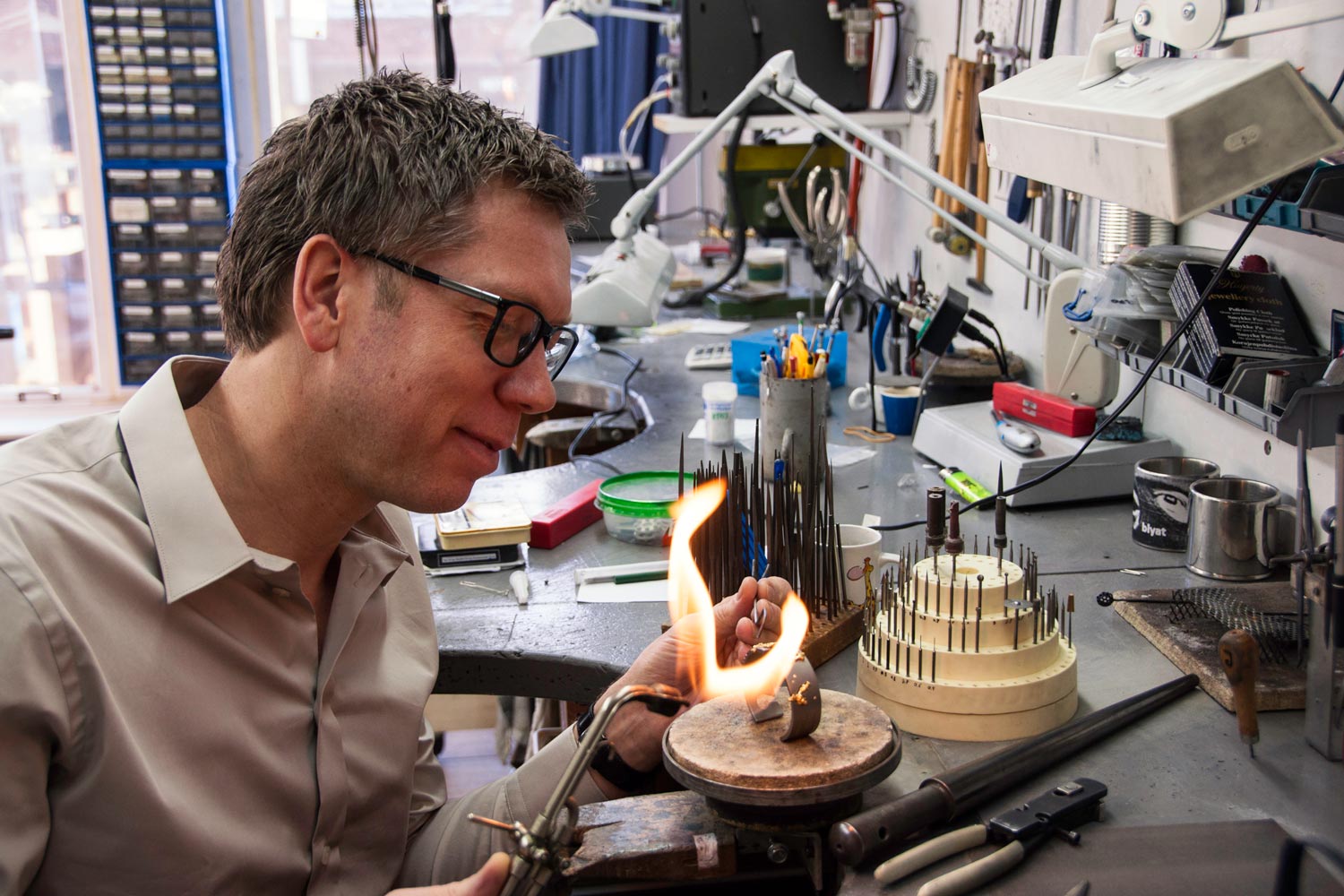
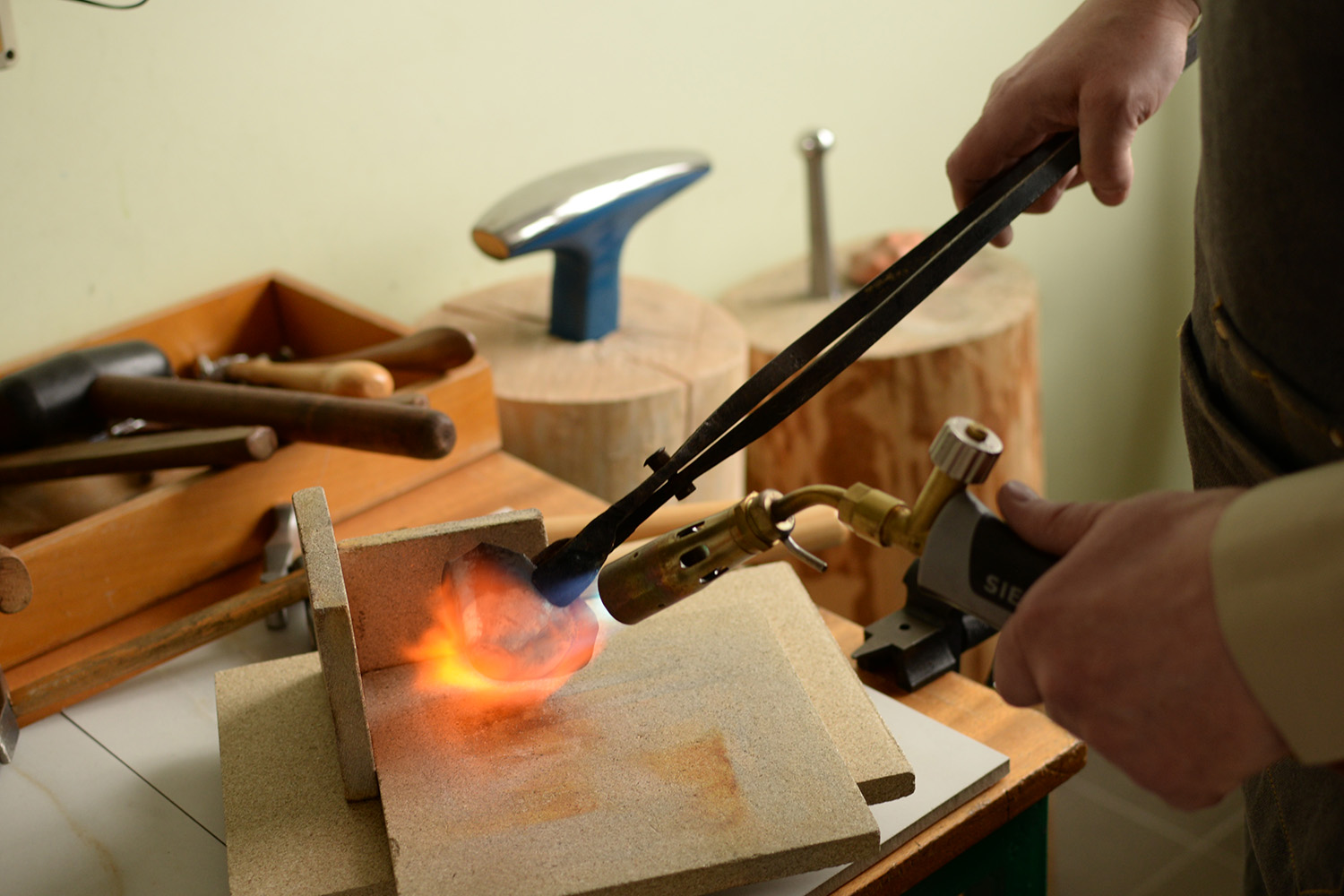
Vitreous enamel itself is created by grinding coloured glass to the desired uniformity. Then, the piece is heated in a muffle furnace. Different types and colours of enamel require different temperatures, from 700°C to 900°C. From this heating, the enamel turns into a uniform cell.
Nune Malakyan
Nush Enamel
Enameller
Yerevan, Armenia
AVAILABILITY
By appointment only
PHONE
+374 99218076
LANGUAGES
Armenian, English, Russian
Homo Faber Finds is a new service aiming to inspire admirers of craft to connect and collaborate with exceptional artisans.
We invite you to submit an enquiry here.