Maggie Jalbert
Ceramicist
Sainte-Pétronille, Canada
Atmospheric ceramic
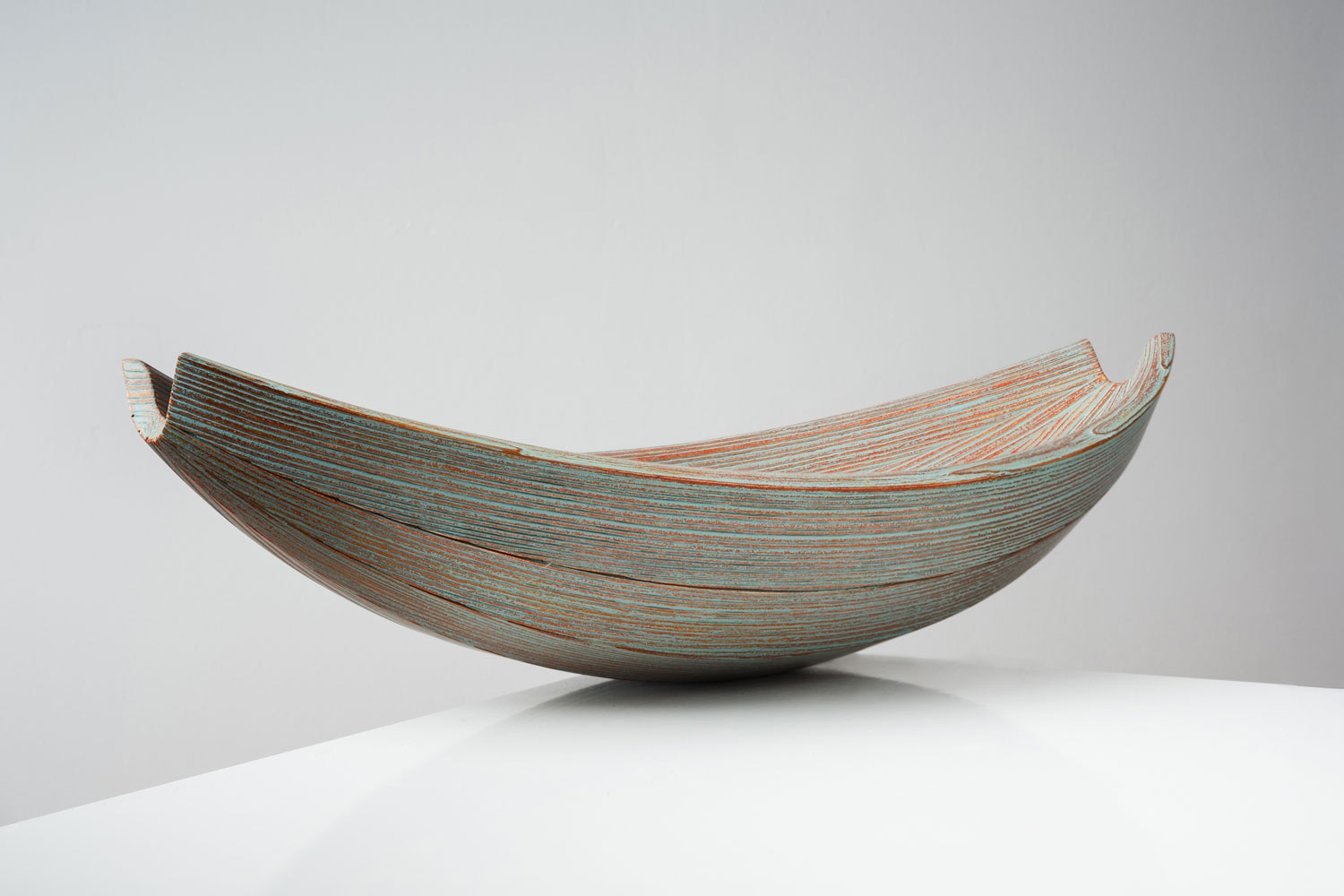
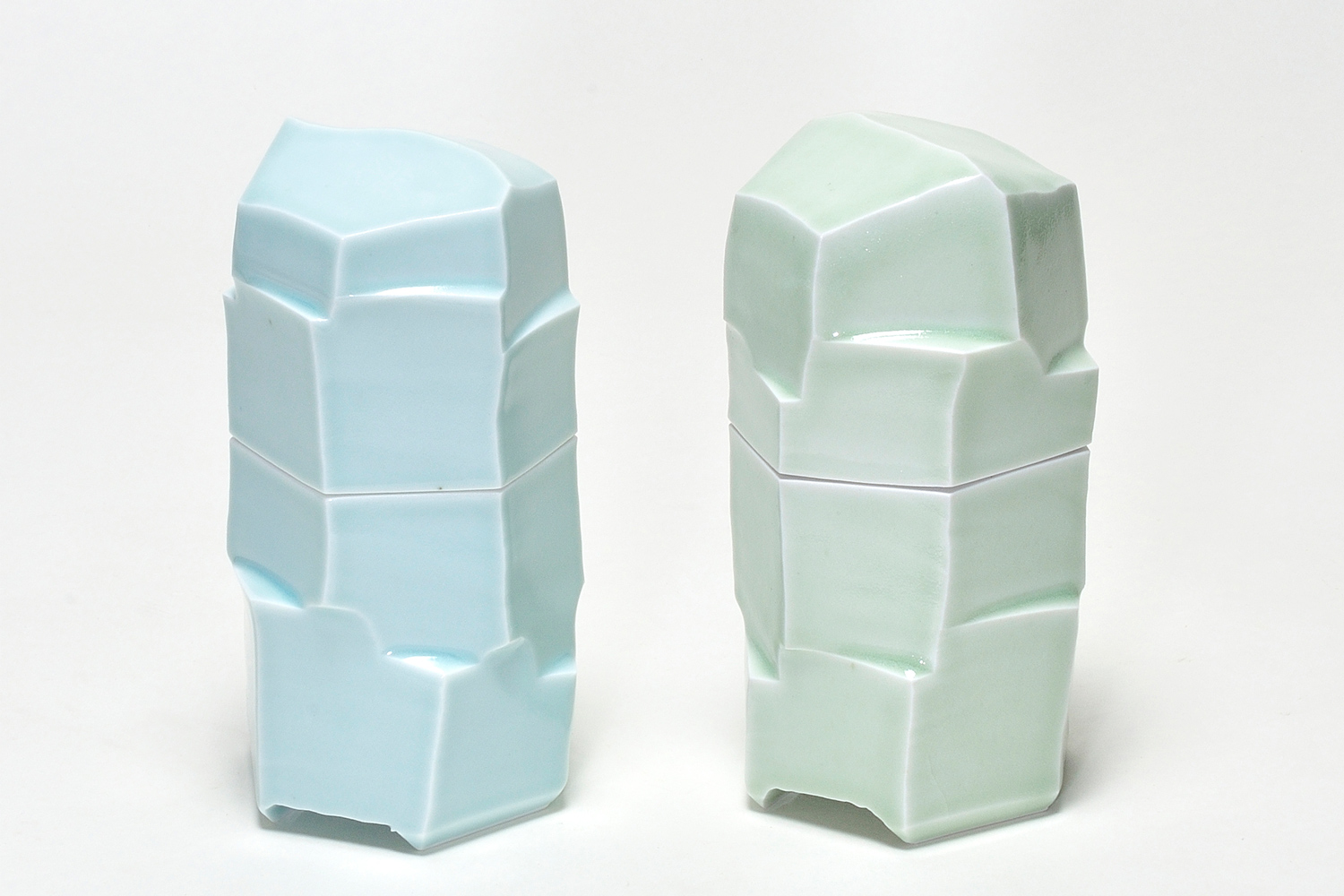
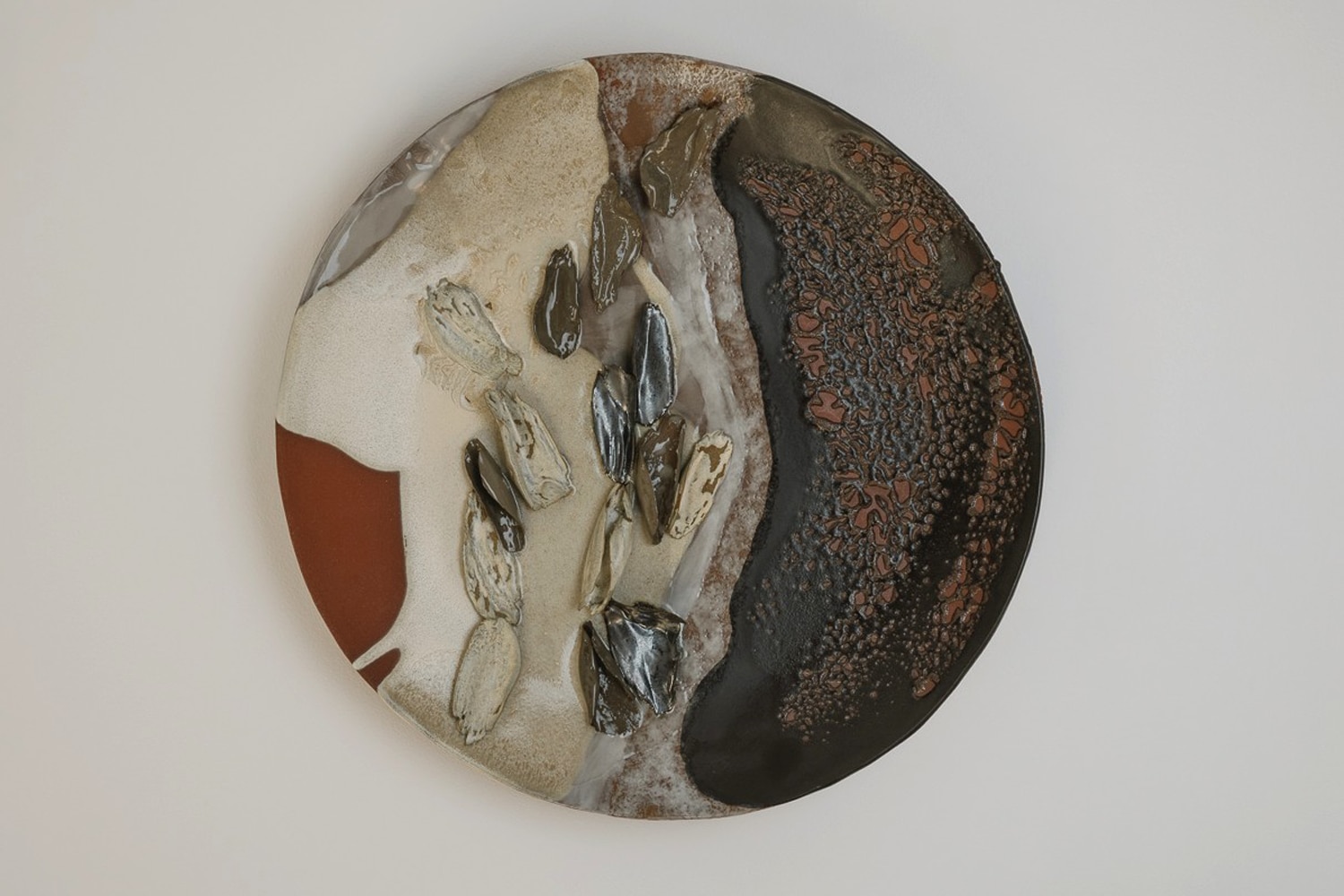
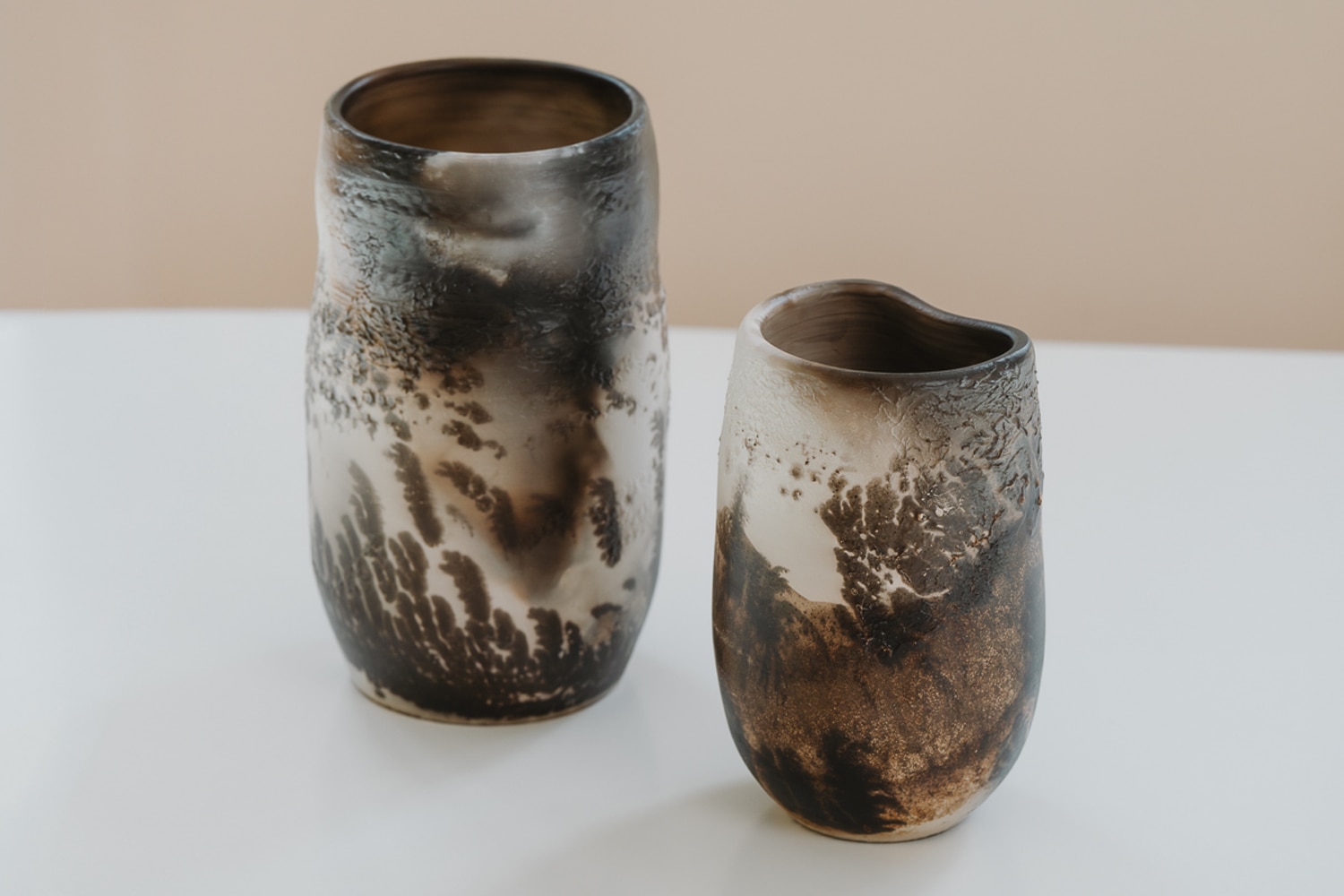
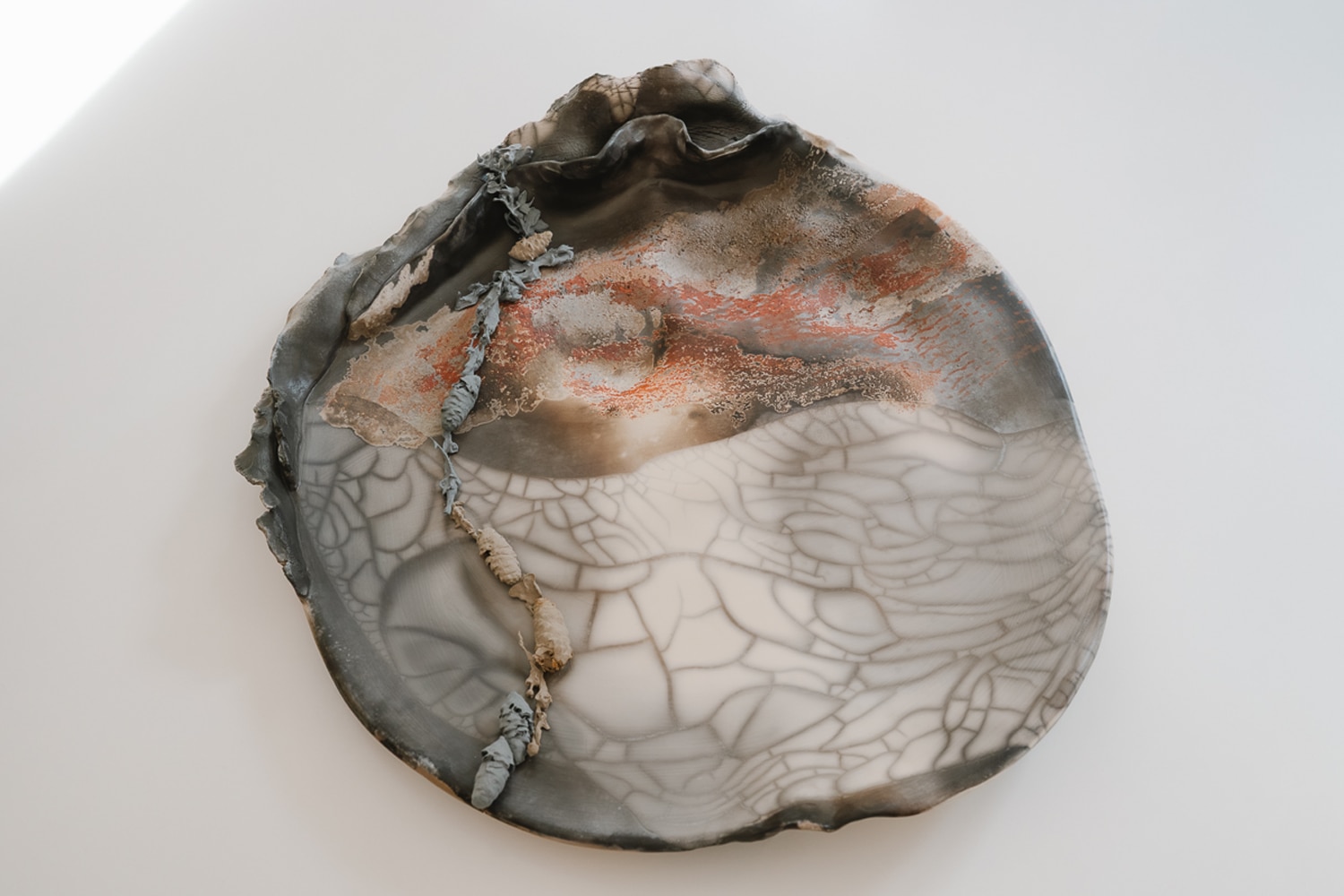
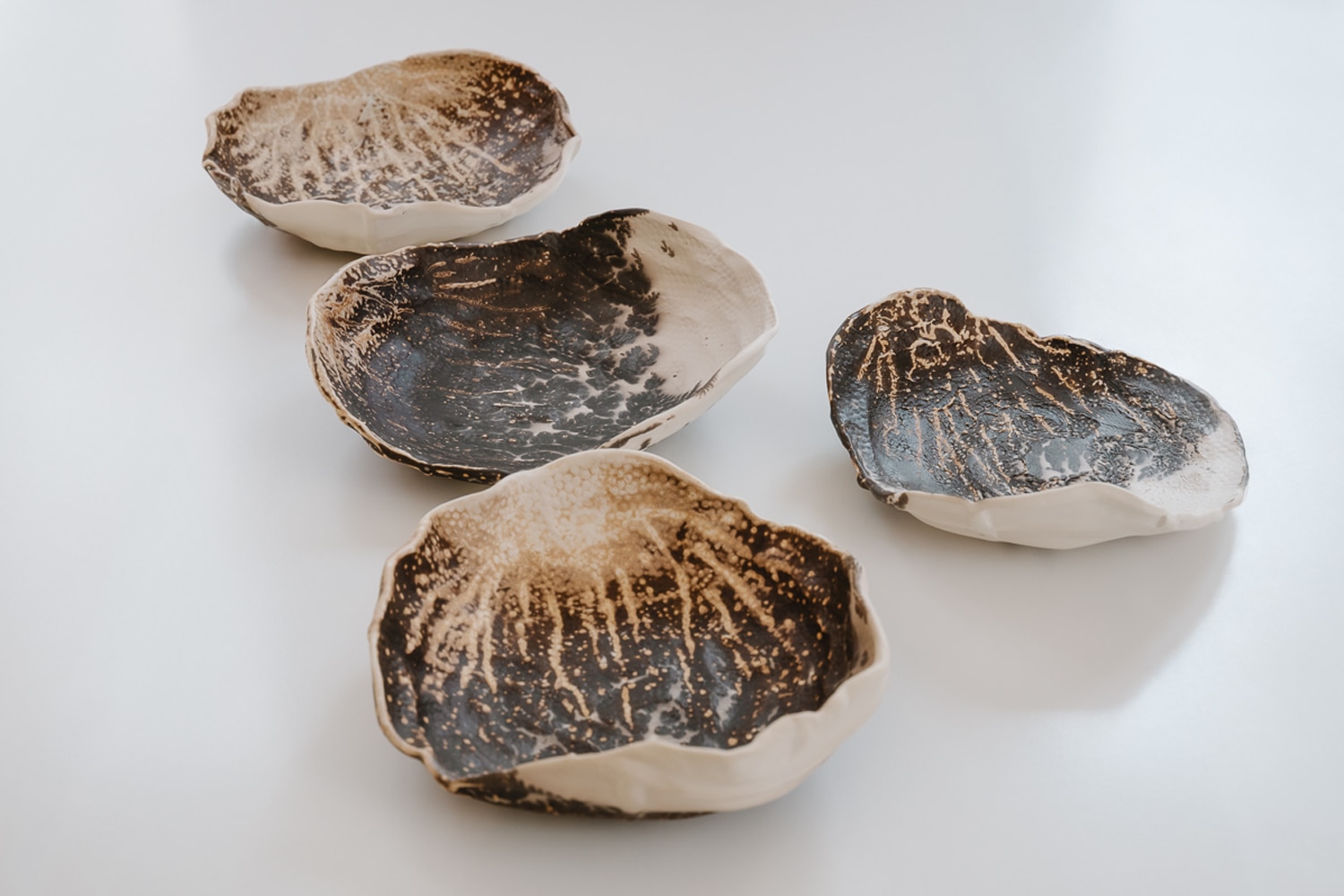
- Maggie ensures that process and flame are visible on her ceramics' surfaces
- She uses wild clay and local materials in small, carefully measured quantities
- Her works are influenced by her background in painting and glass
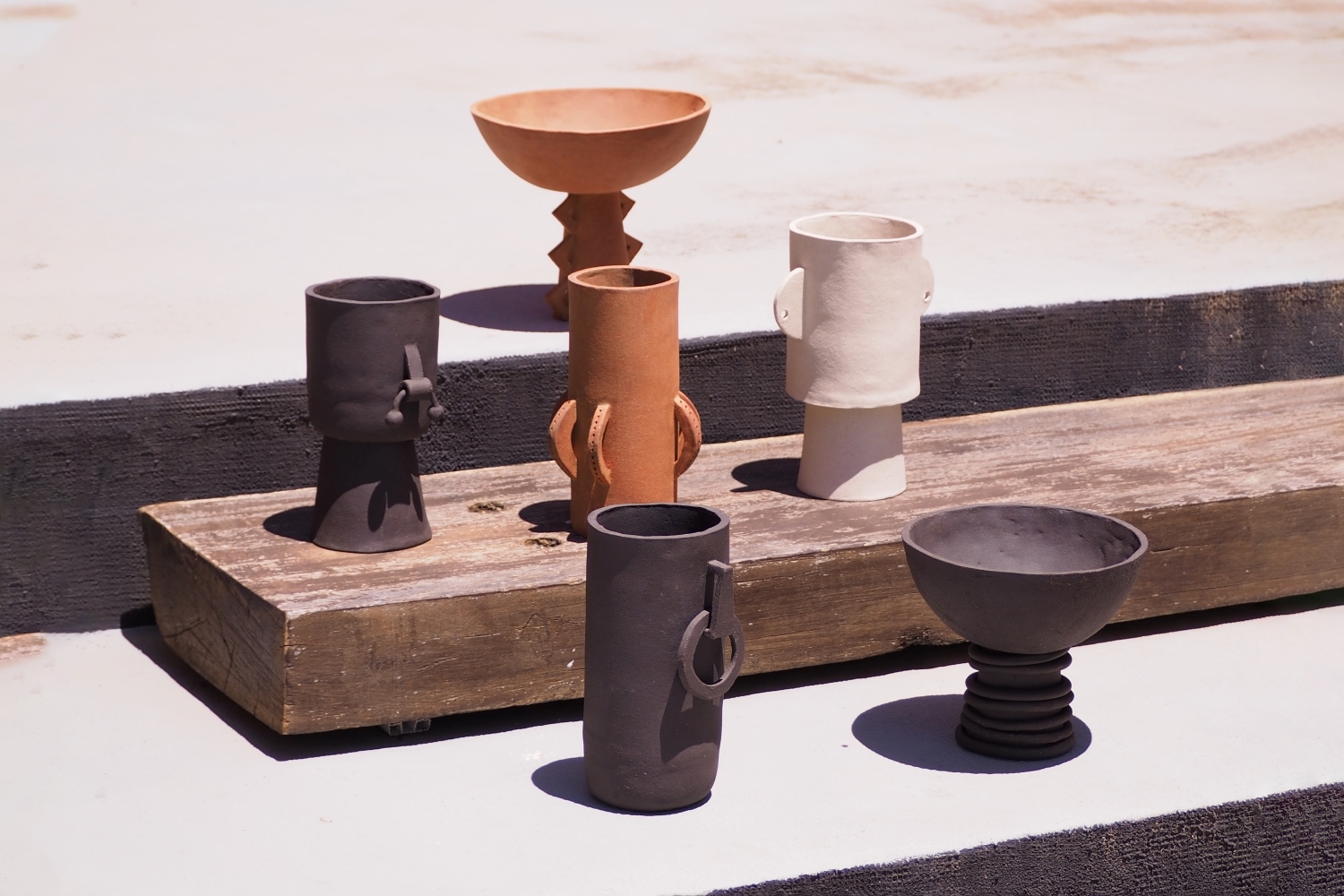
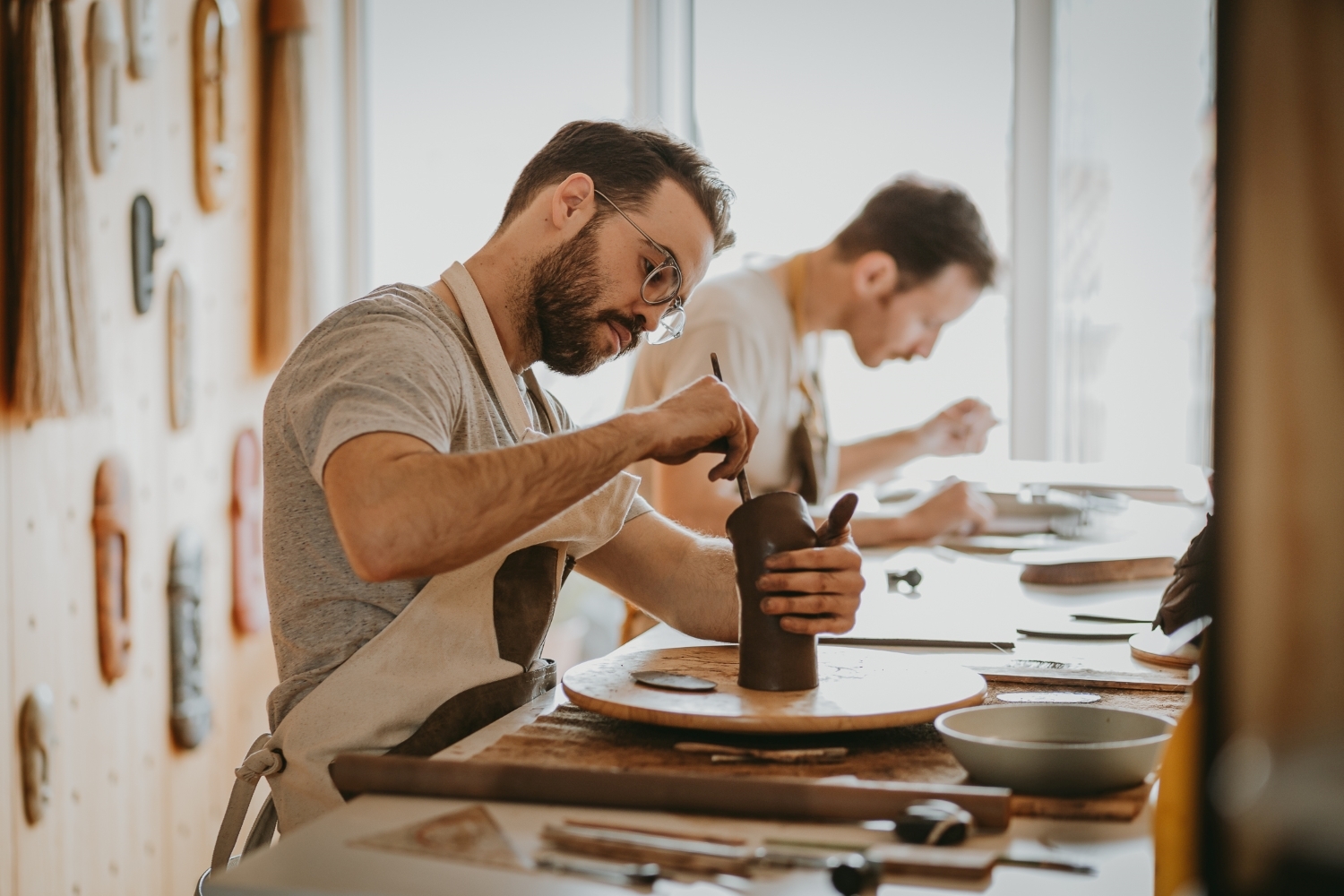
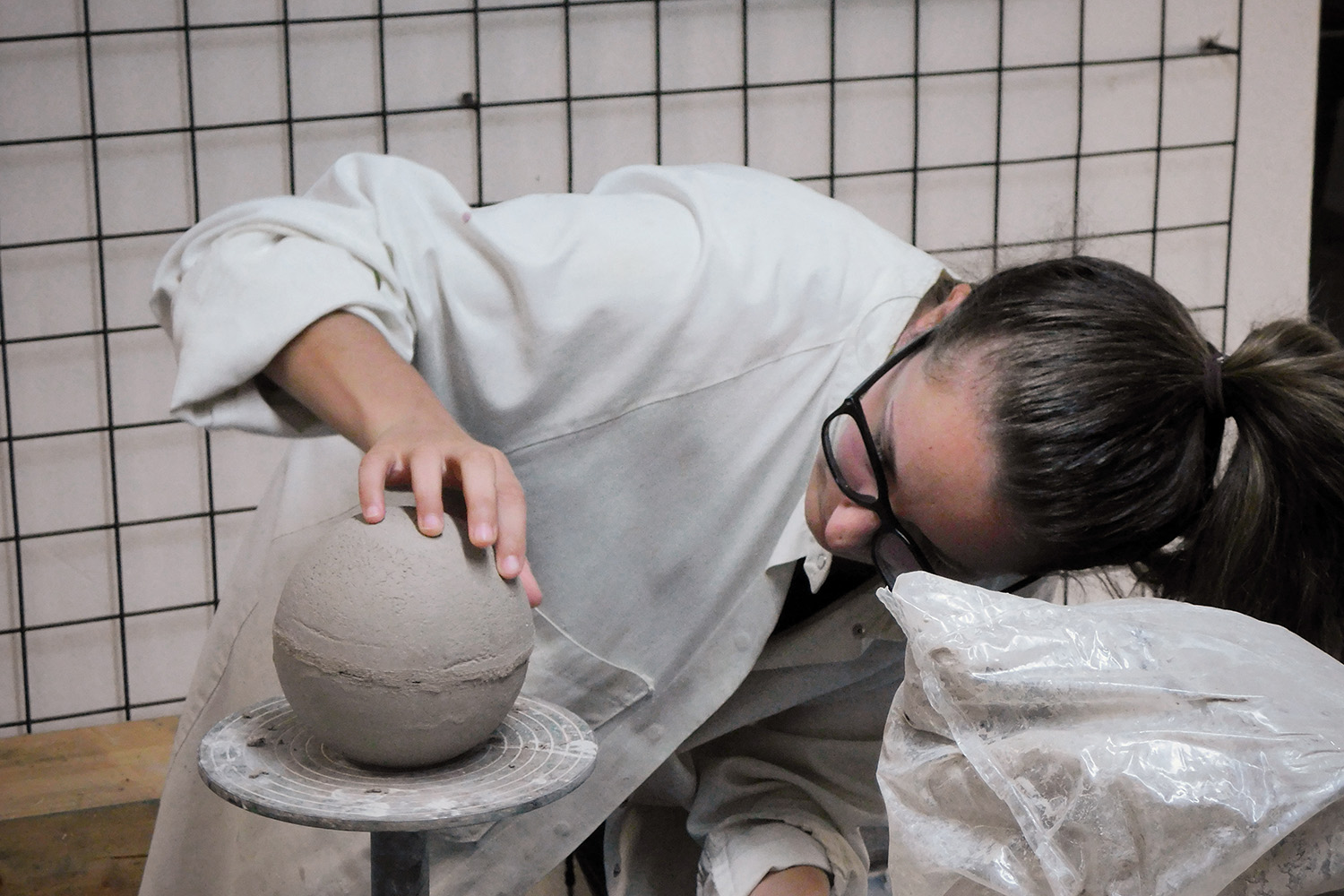
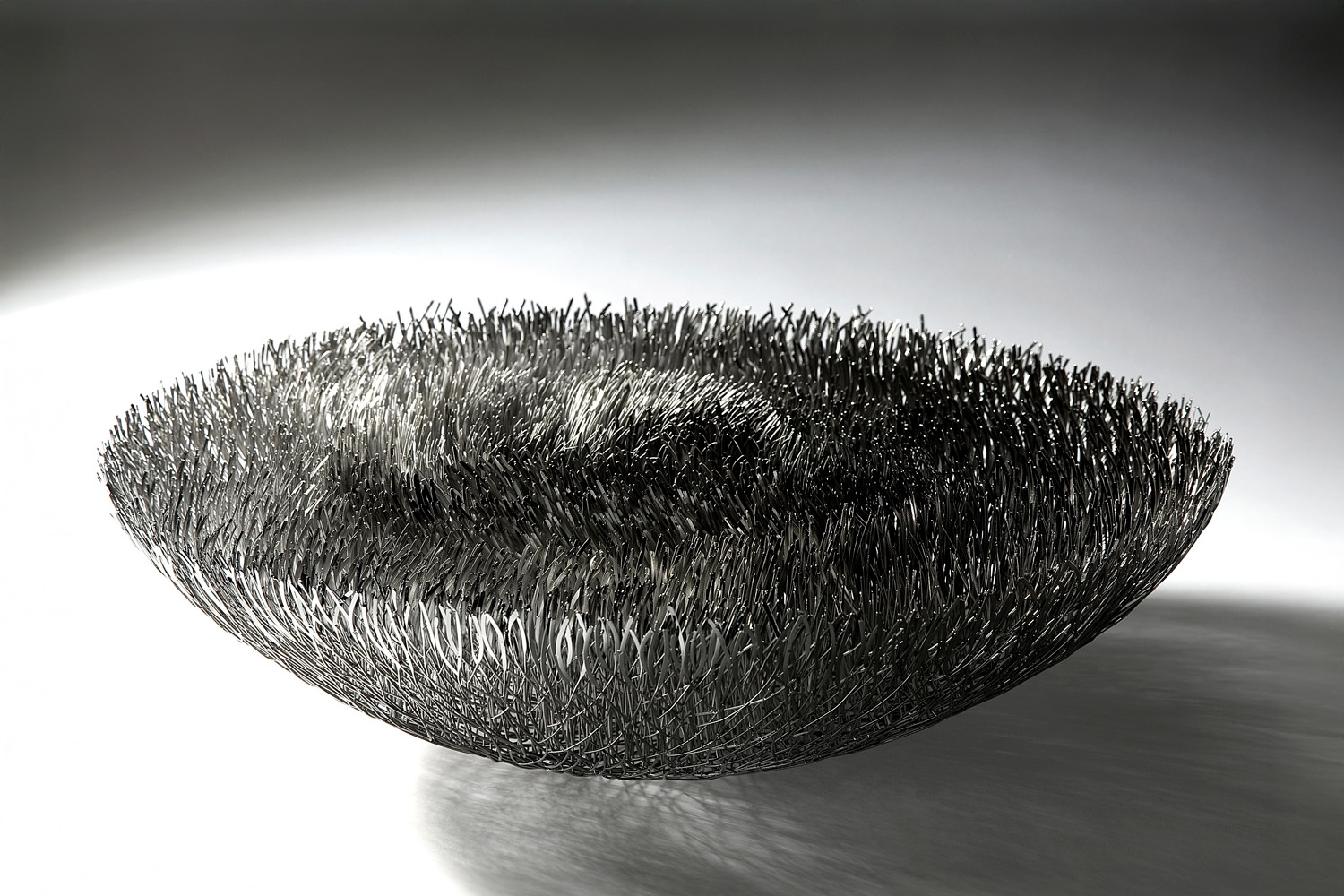
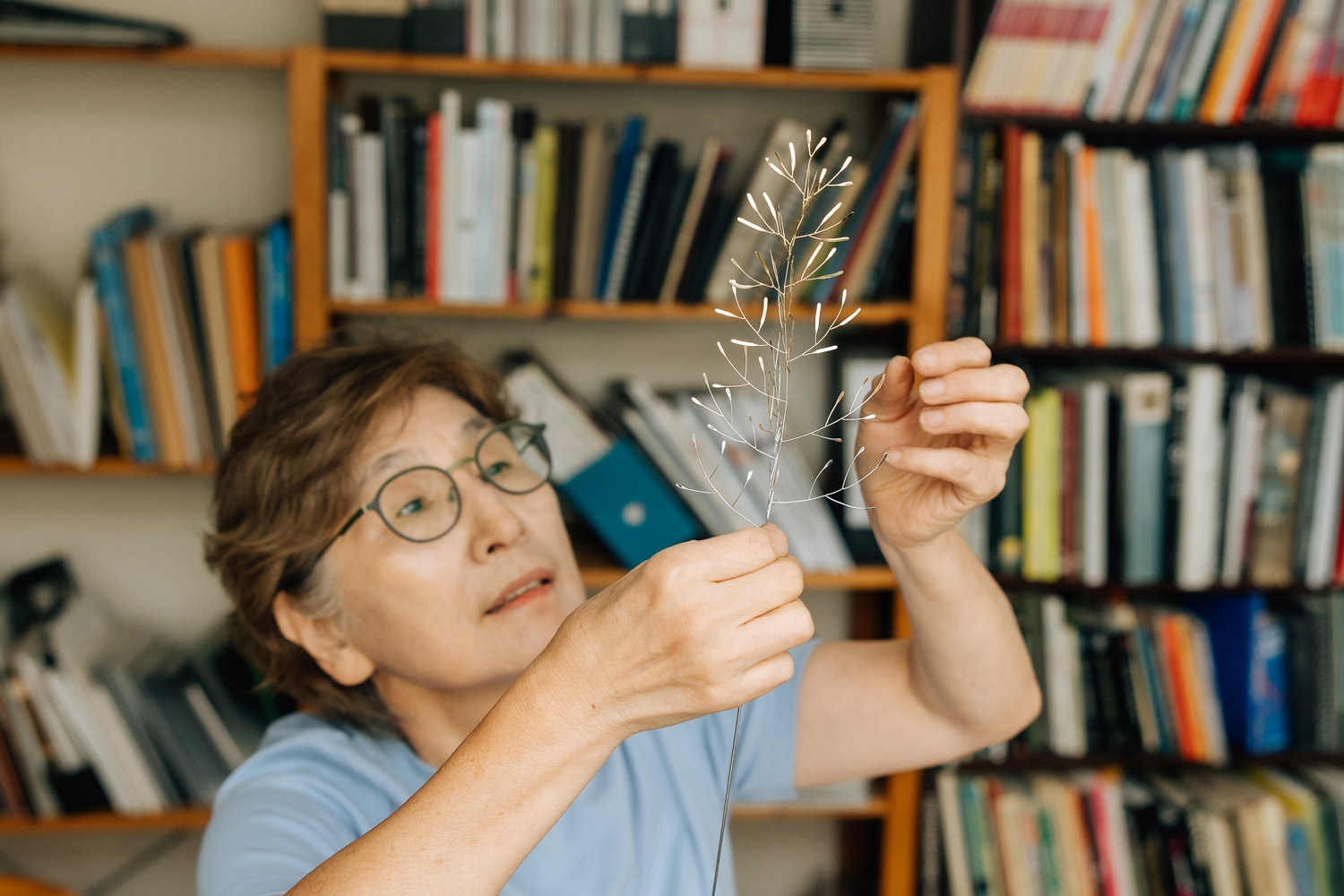
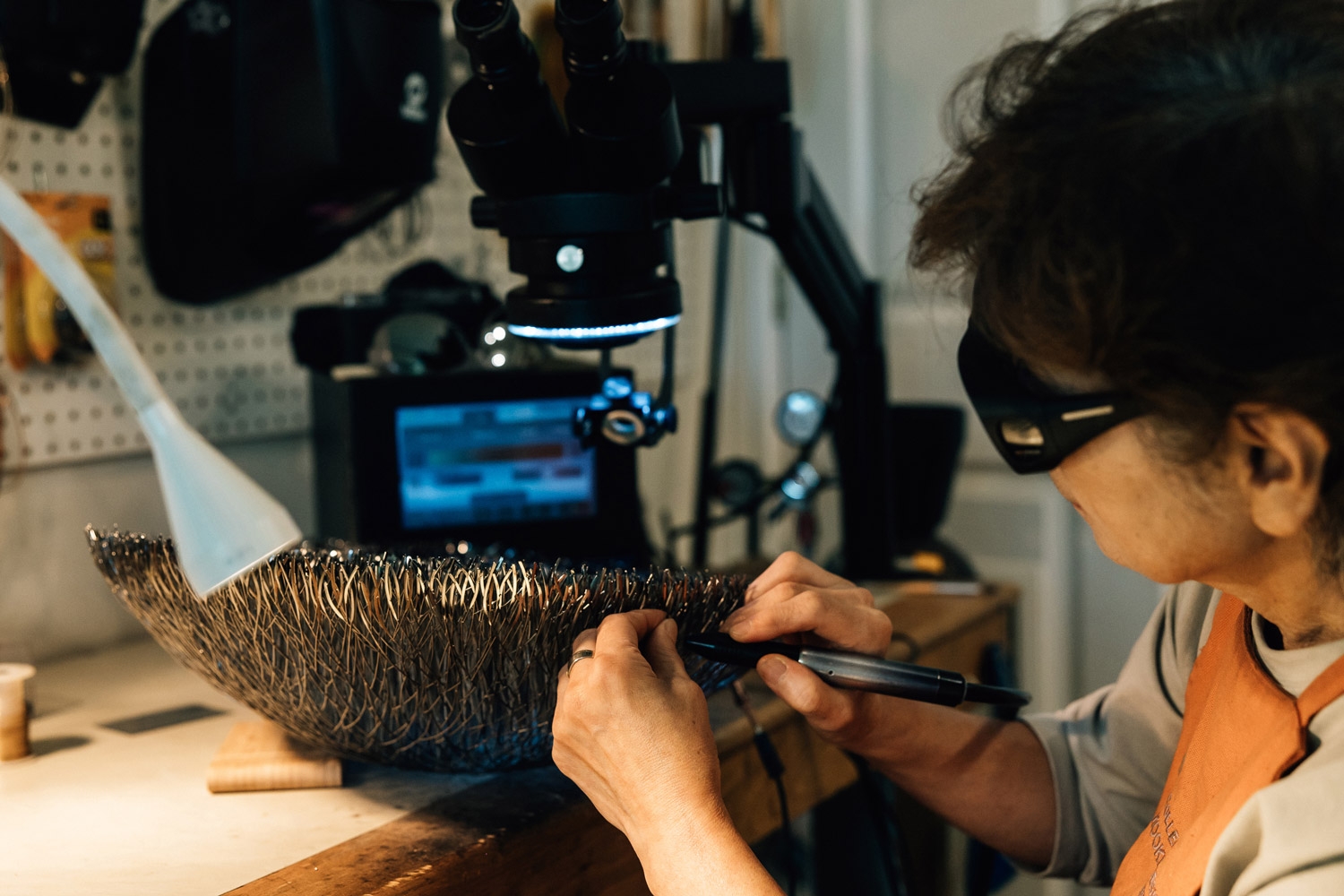
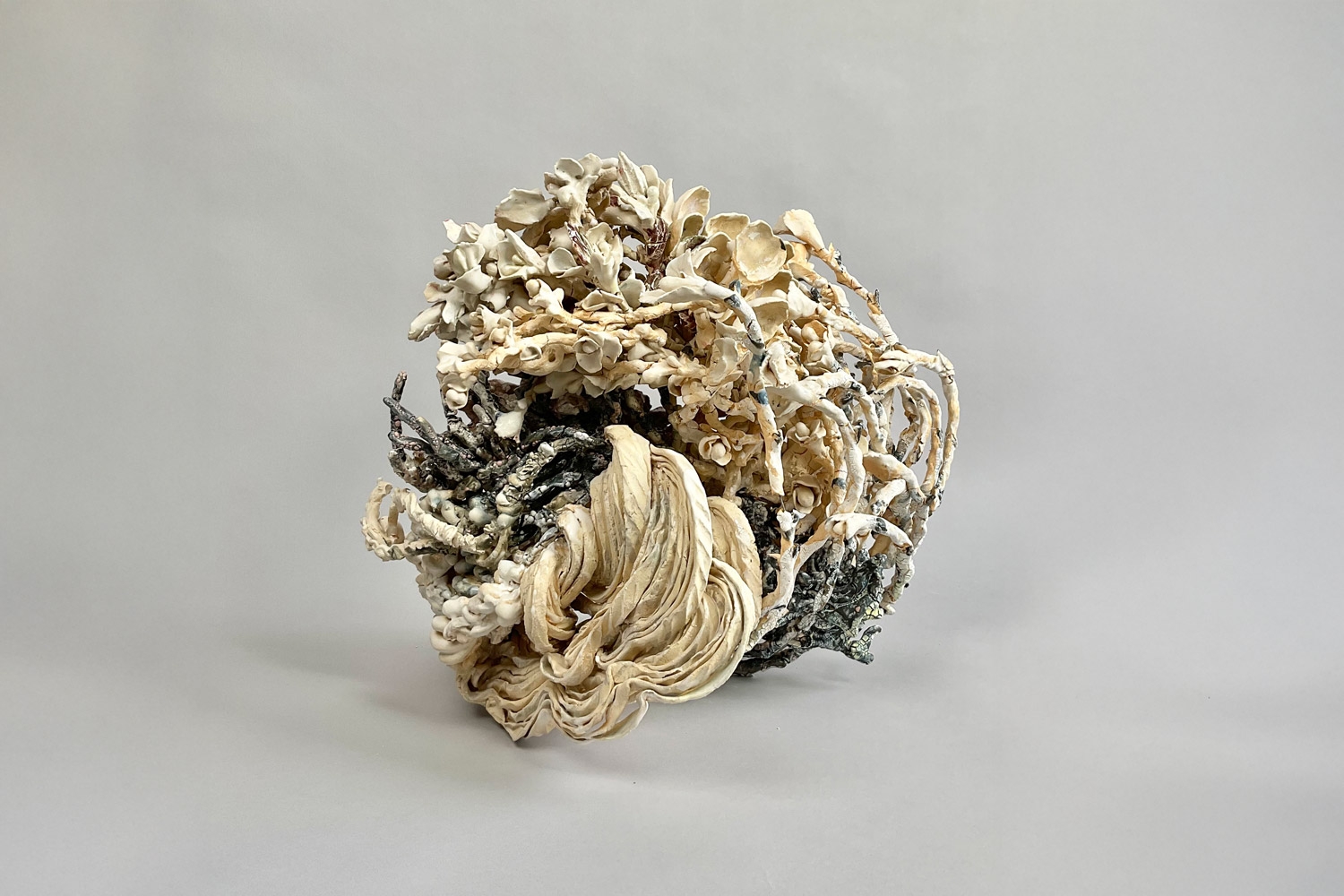
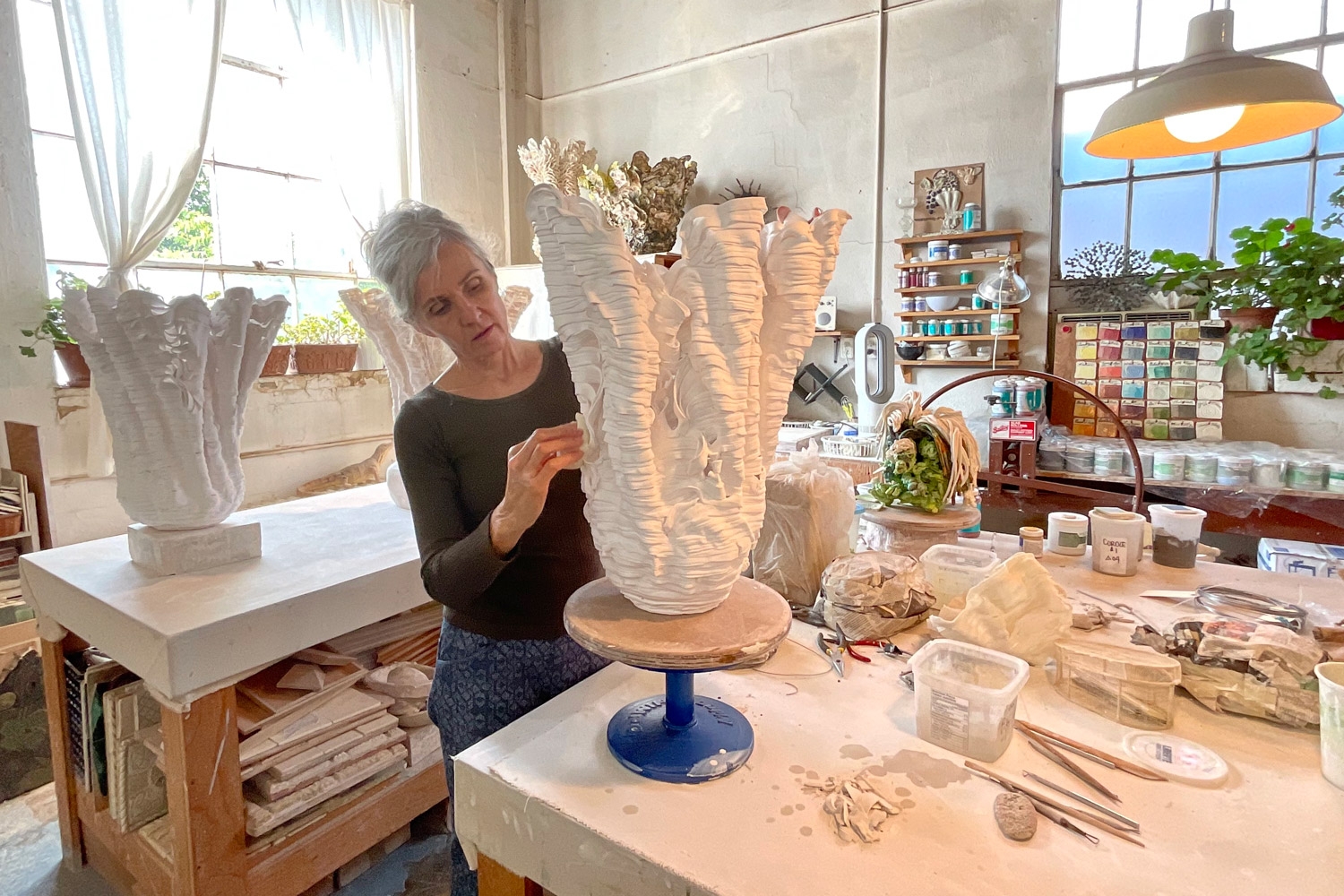
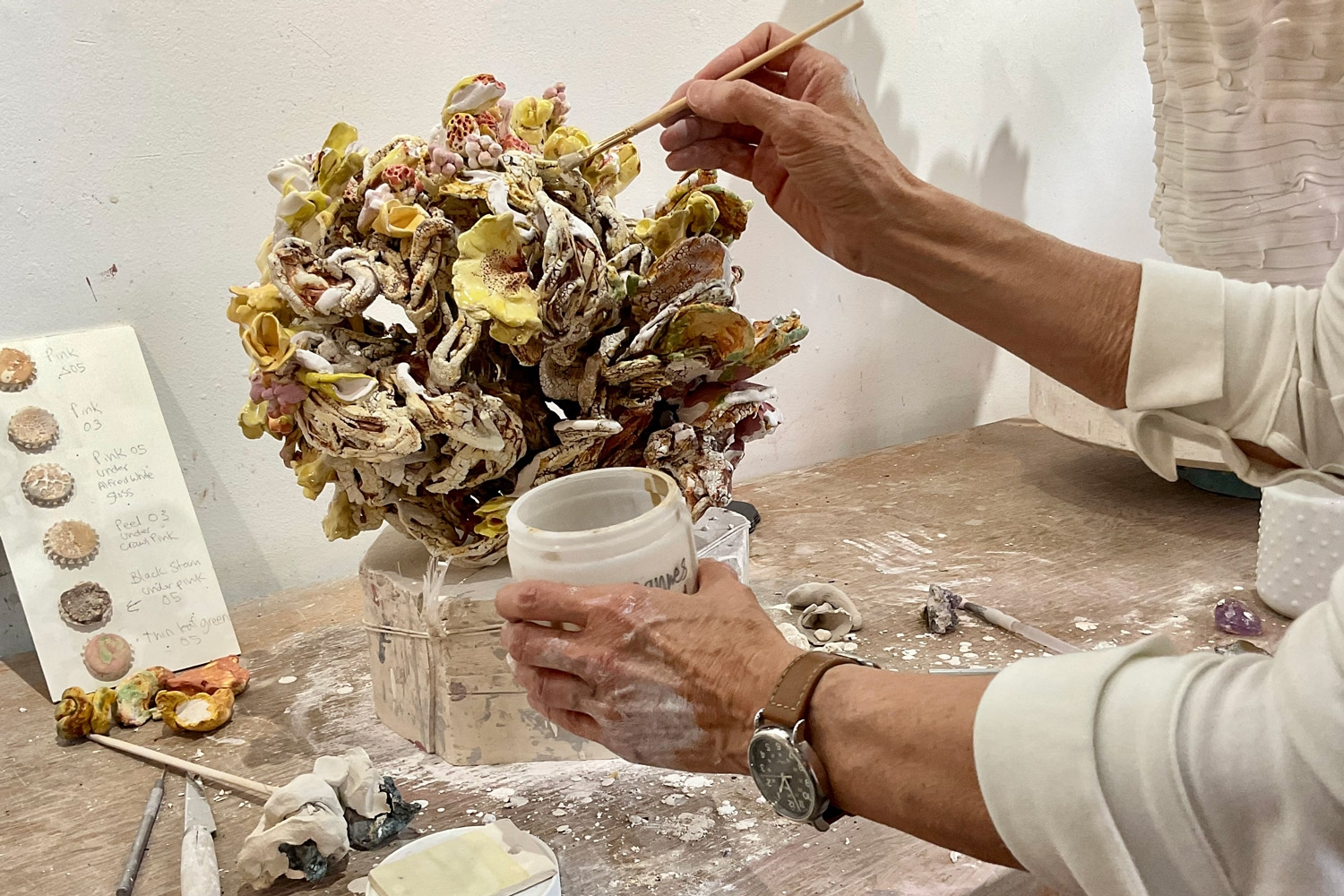
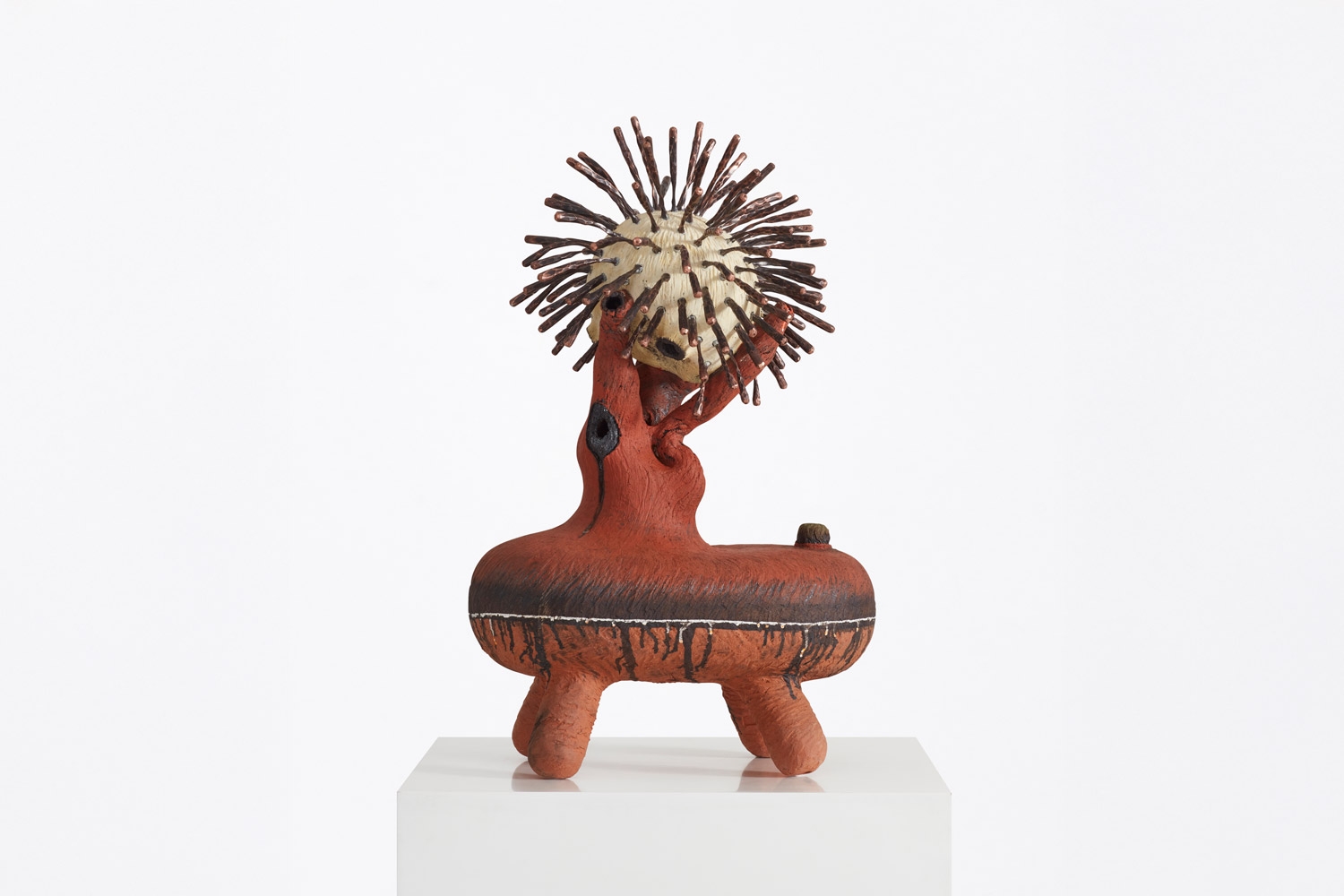
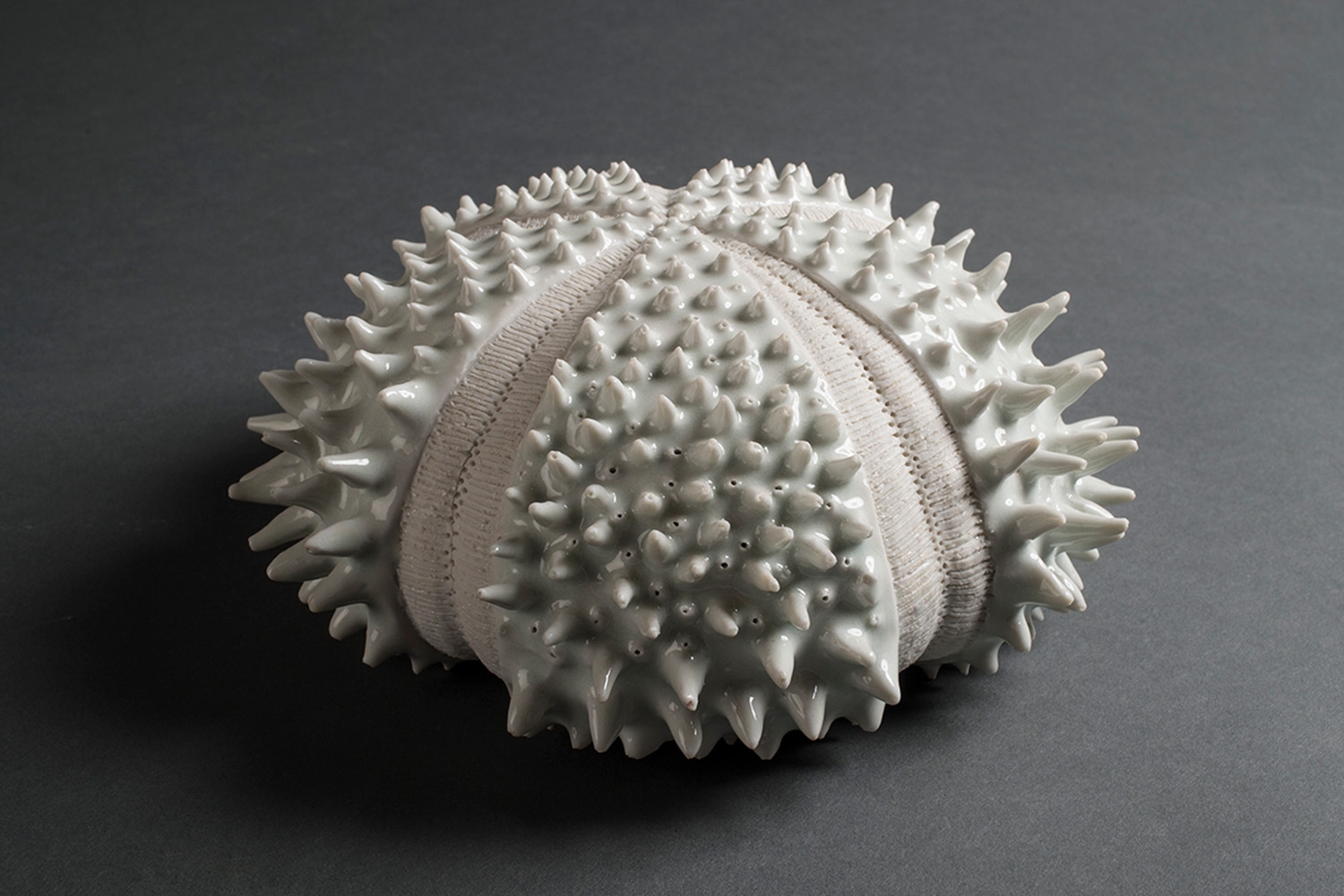
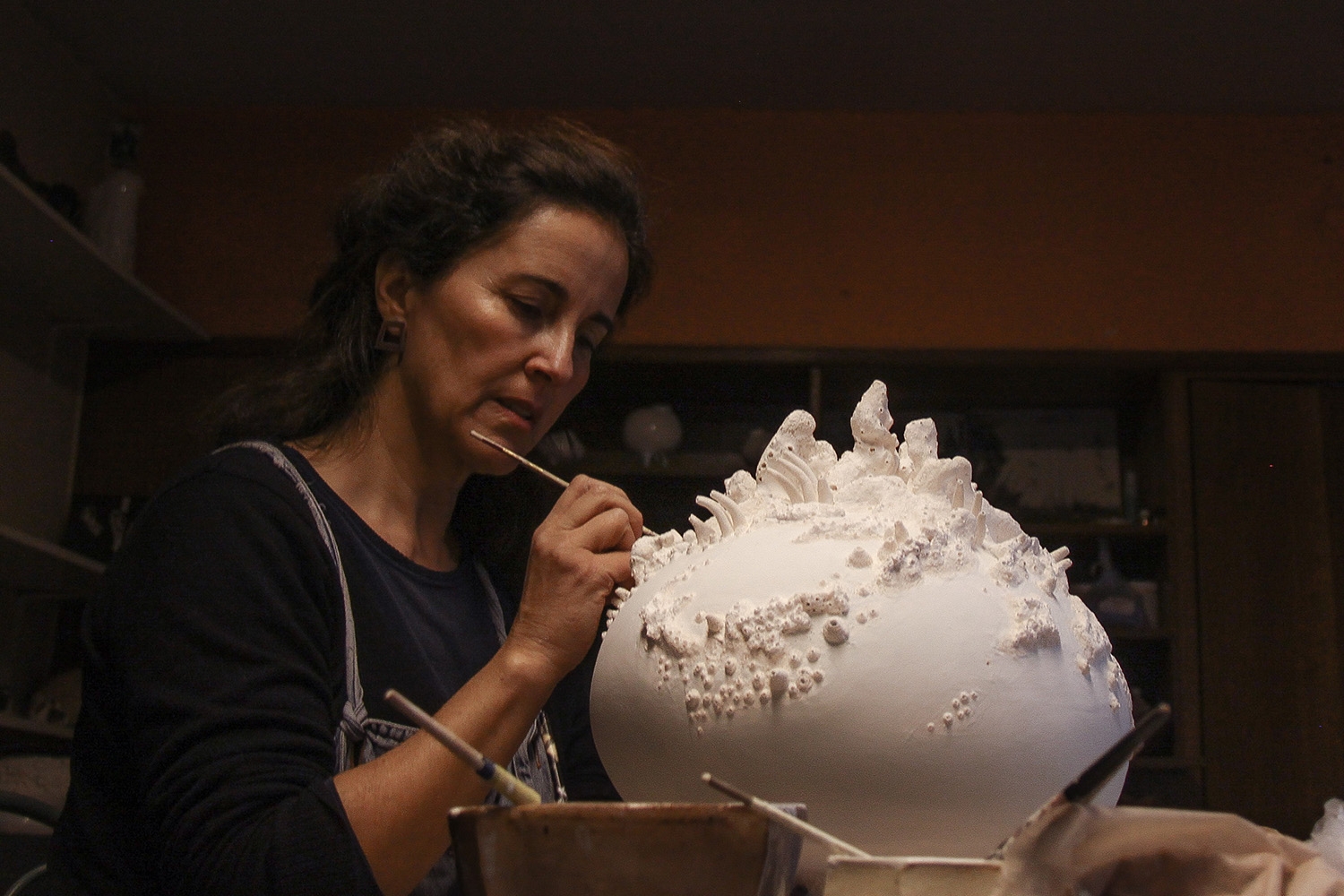
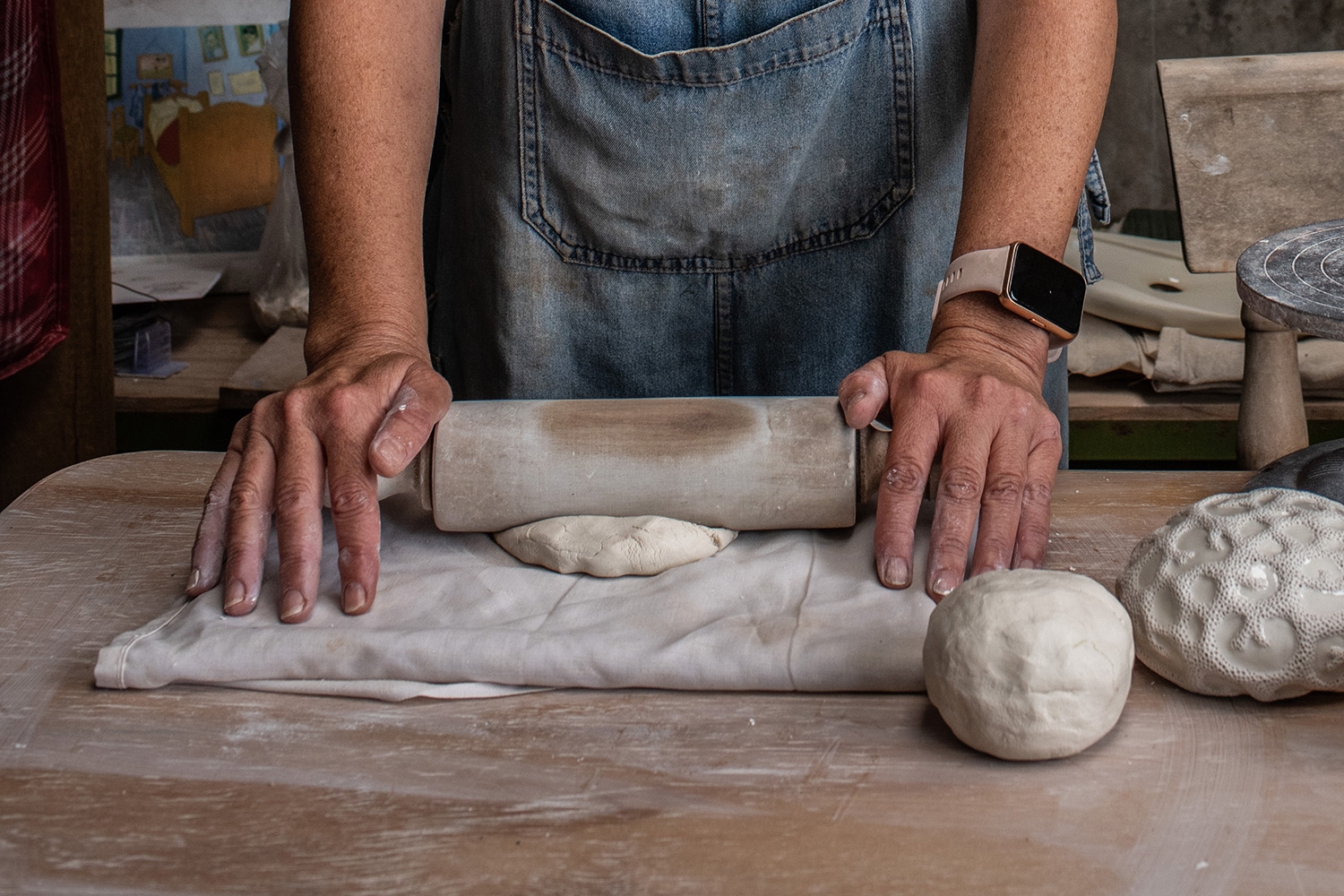
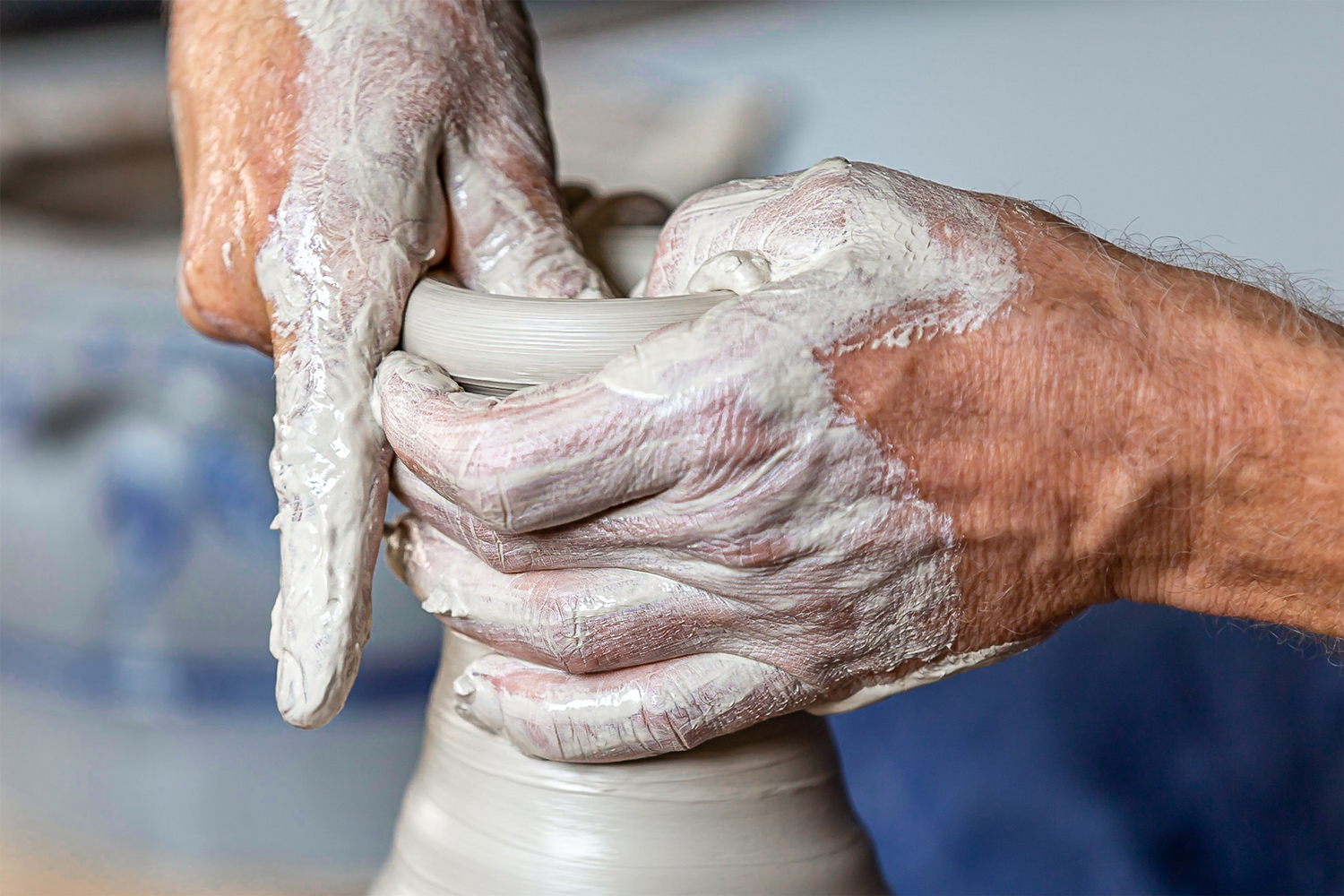
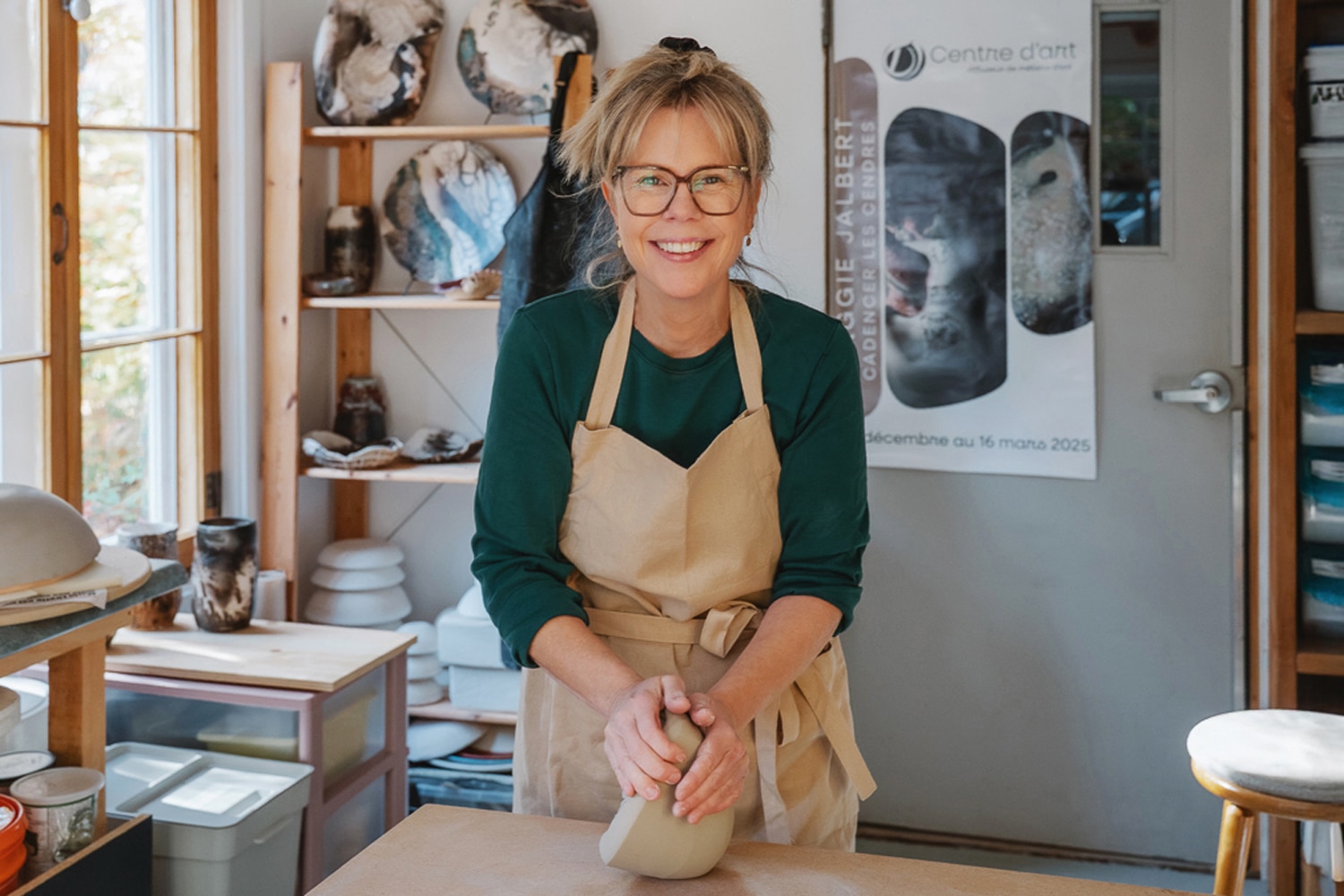
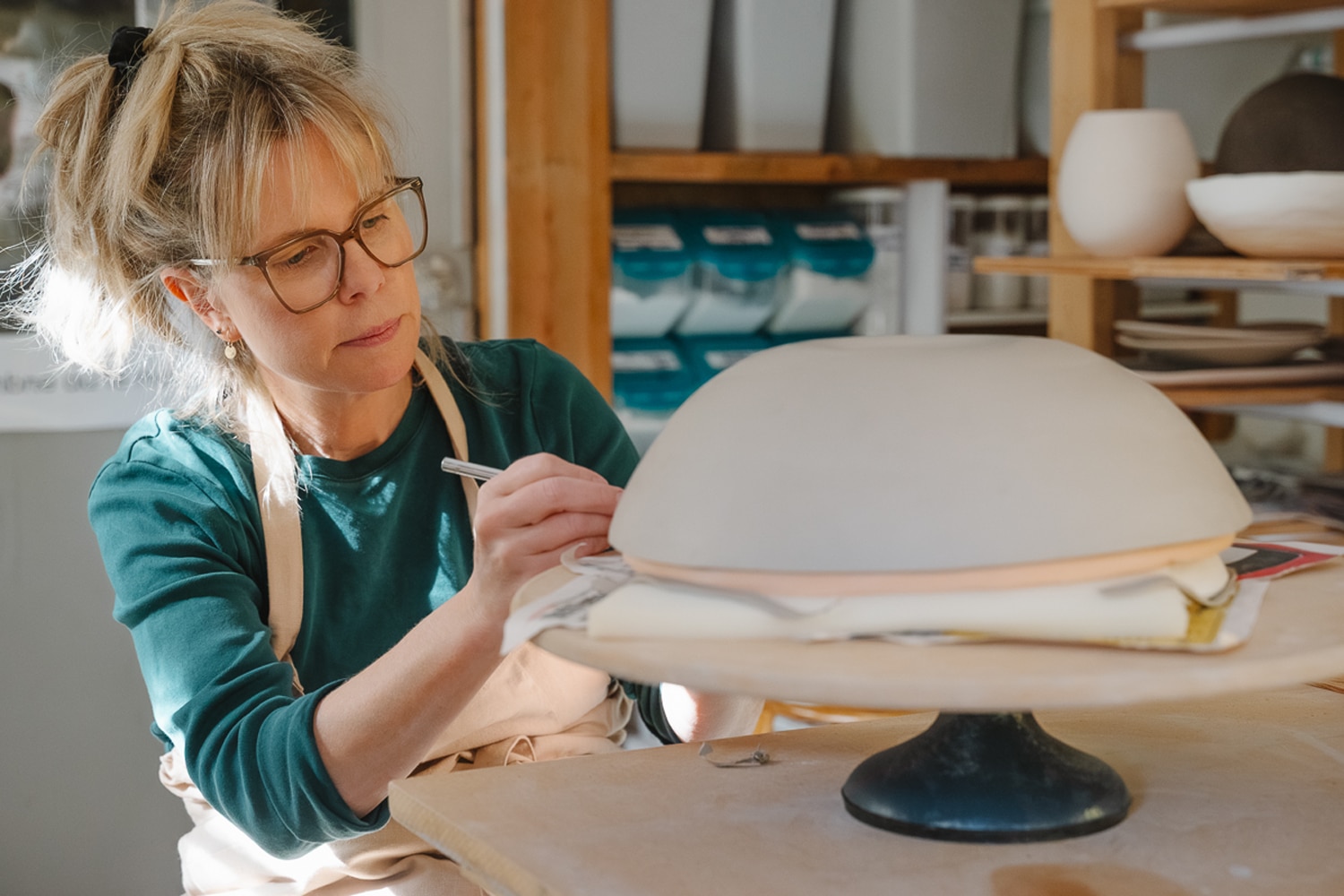
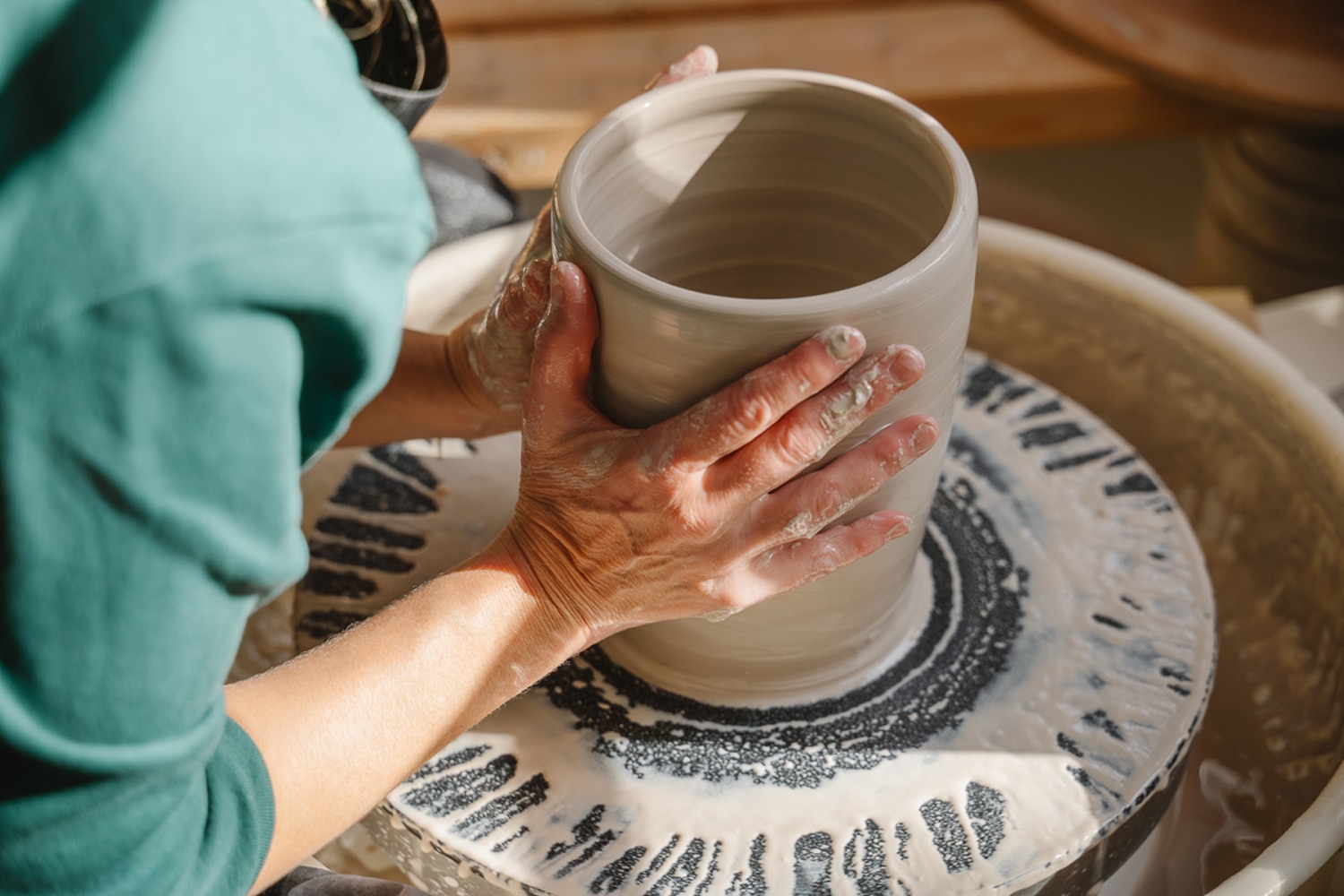
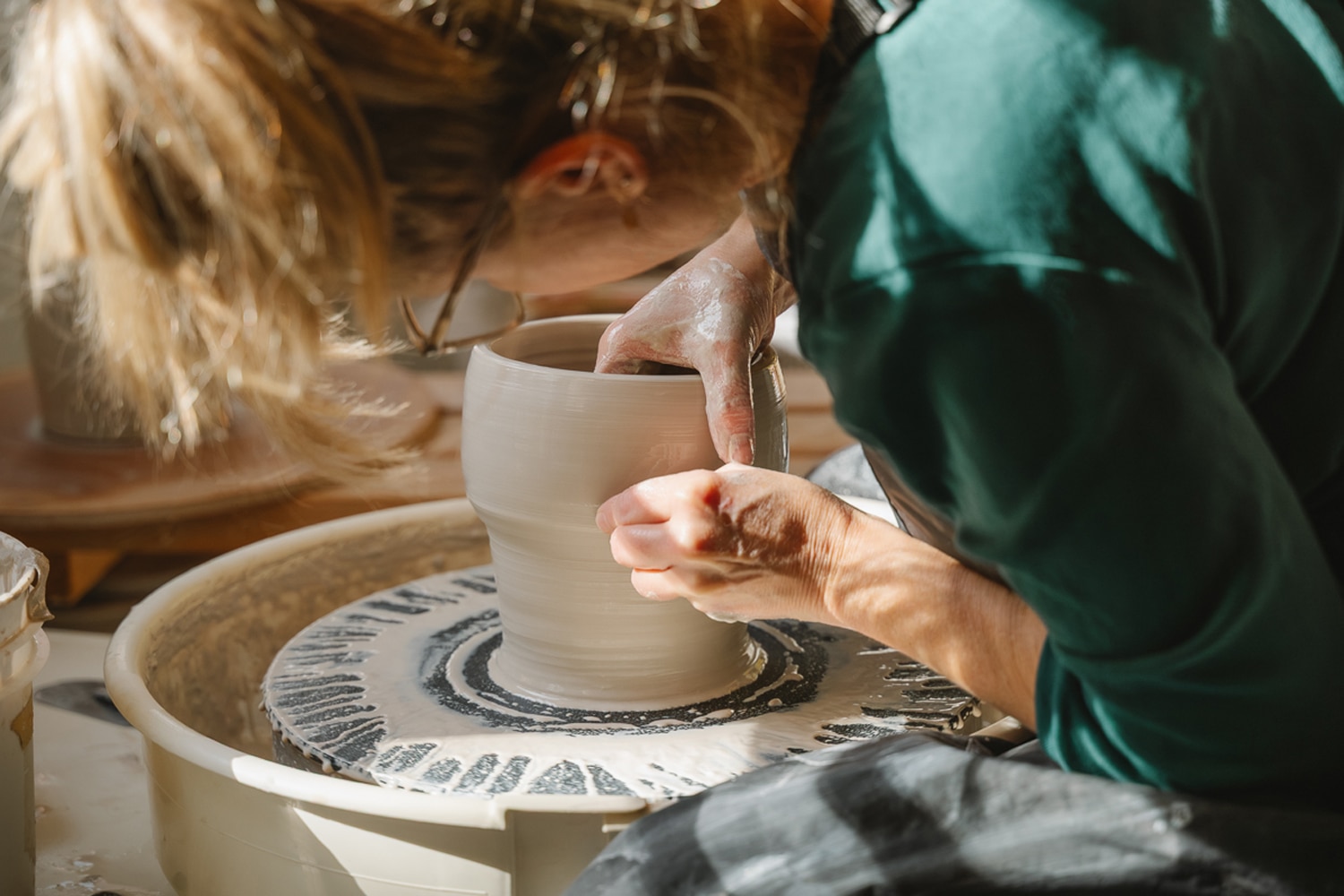
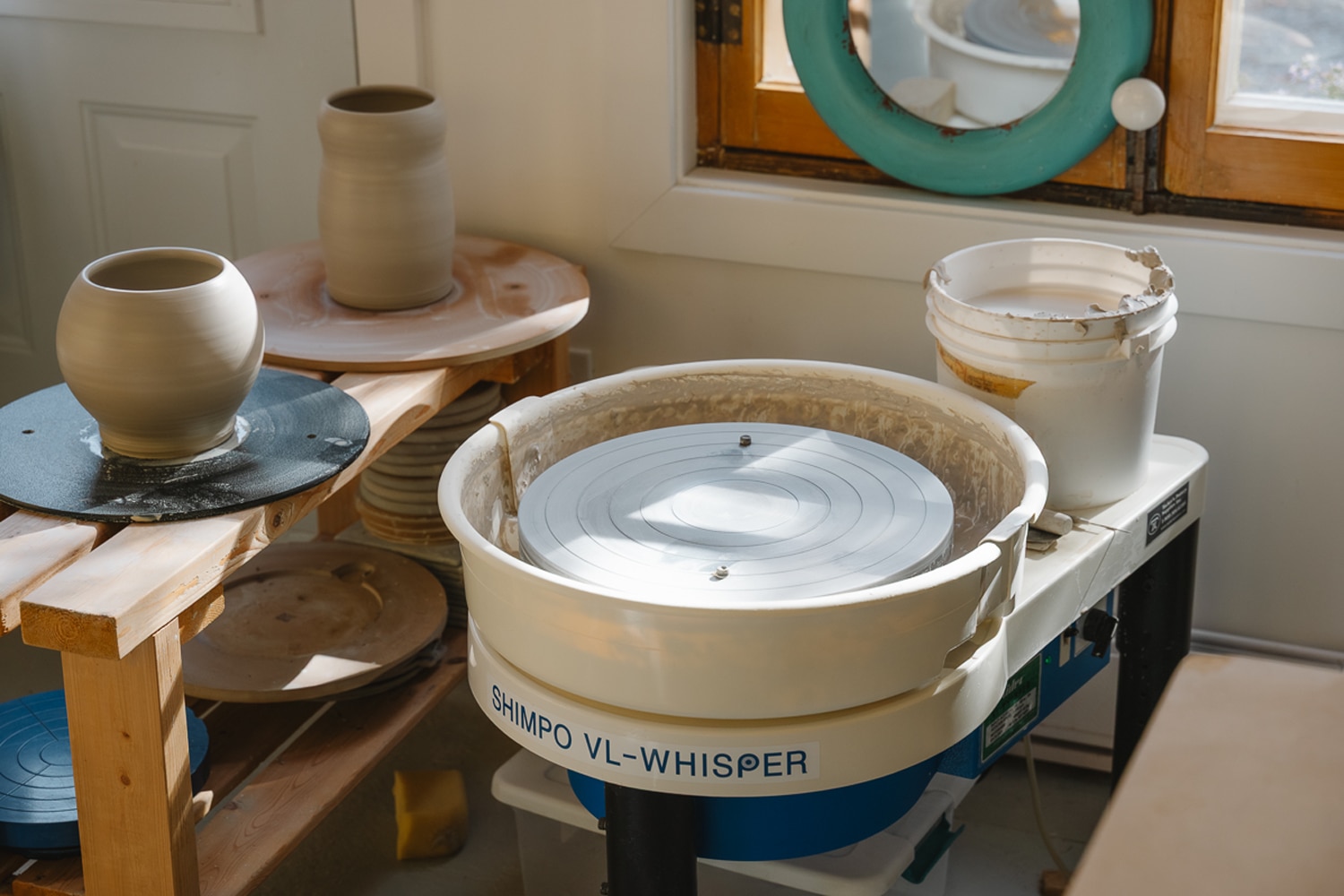
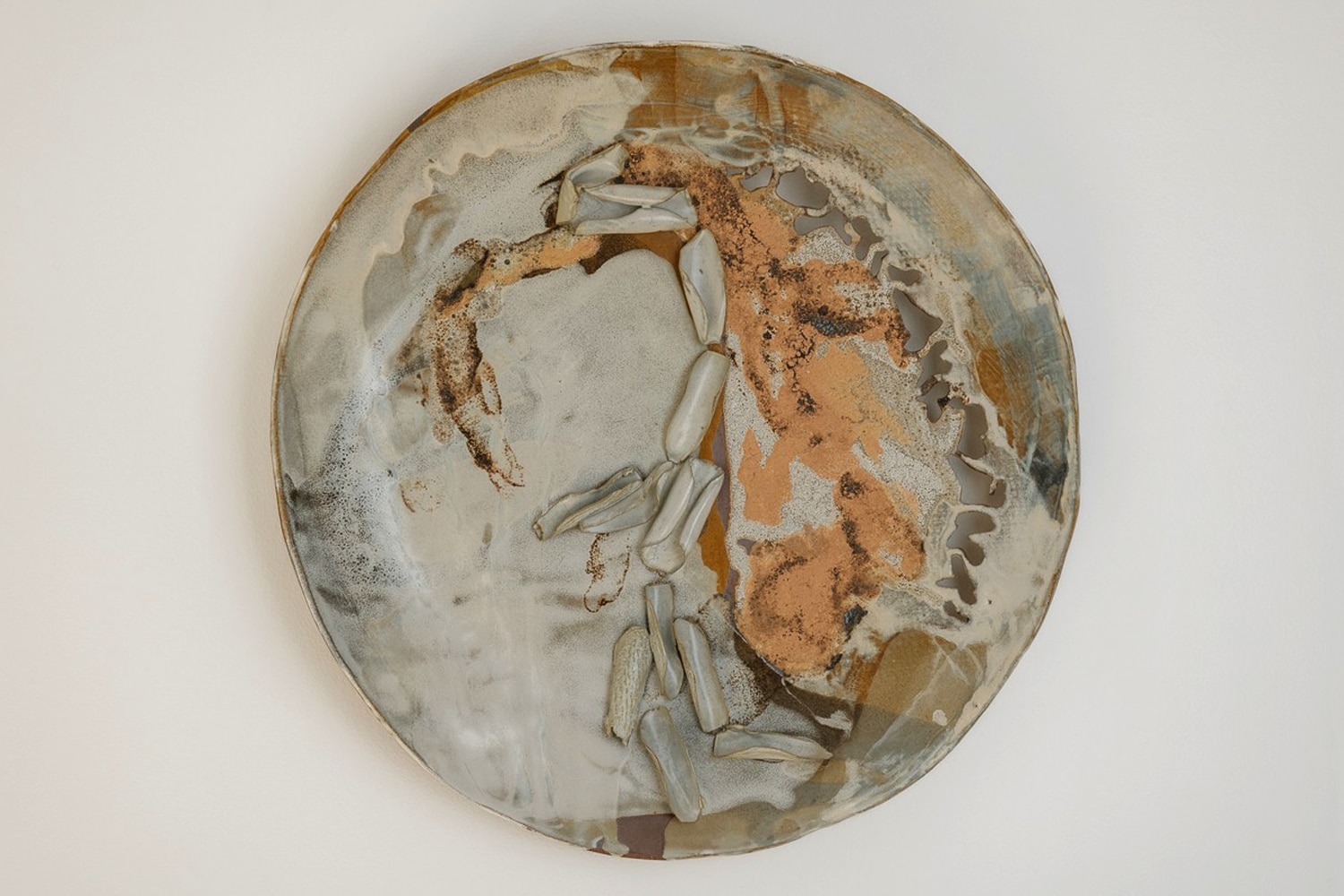
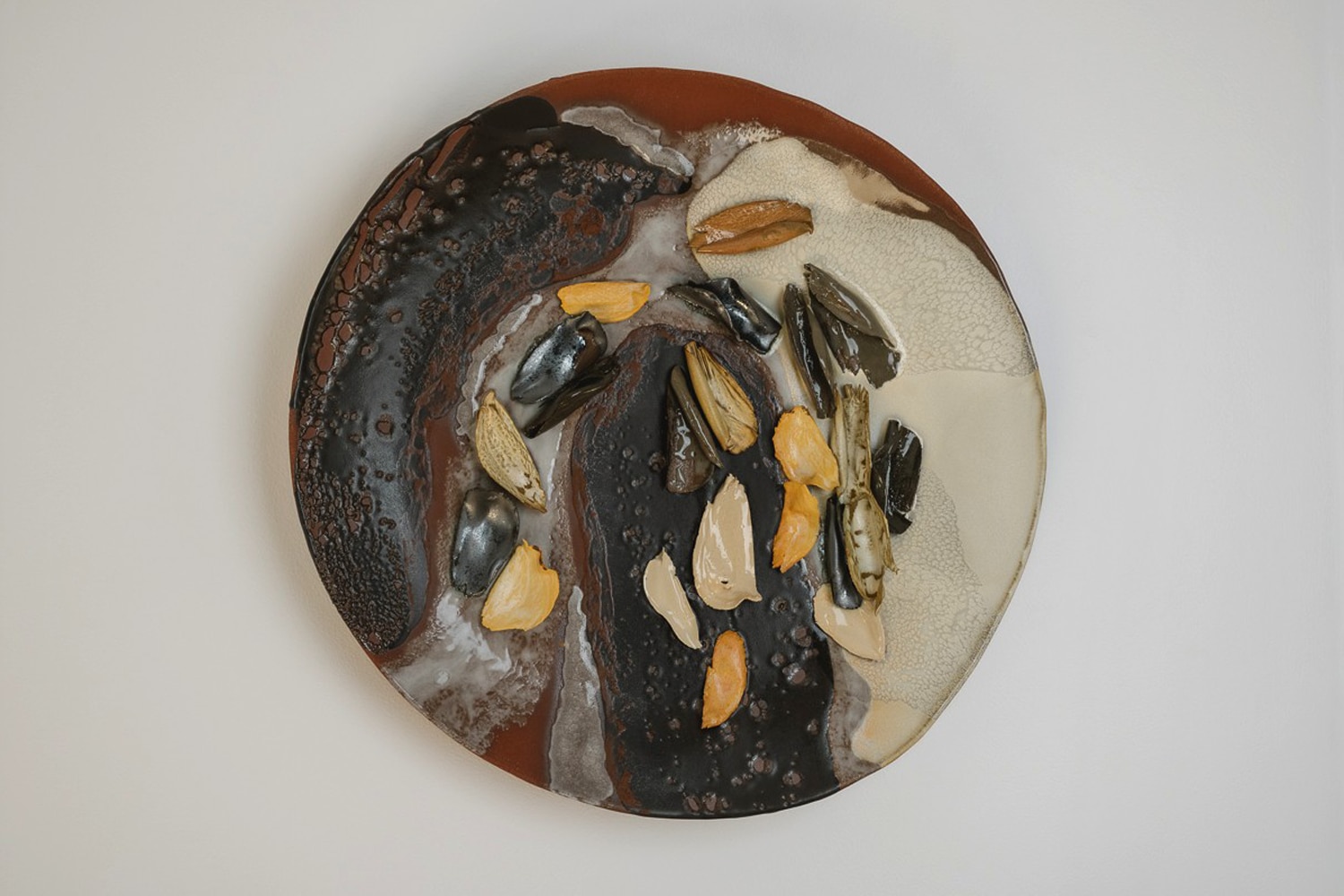
Based on Île d’Orléans near Québec City, Maggie Jalbert works at the meeting point of material research, atmospheric firing and landscape influence. After training in visual arts and glass, she turned to clay at the Maison des métiers d’art de Québec, where she now also teaches glaze chemistry. Maggie’s practice spans wall-mounted tondos, sculptural forms and selected functional commissions, often incorporating wild clay and local ceramic materials. Wood, gas and smoke firings are central to her work, extending her physical engagement with the kiln and allowing fire, ash and chance to leave visible traces of process on the finished surface. In Maggie’s work, she captures the island light, river trees and natural environment surrounding her studio.
Discover her work
INTERVIEW
My journey began with visual arts, a field I taught in before returning to a material-based practice through hot glass. When I moved to Île d’Orléans, I lost my studio network, but the Maison des métiers d’art de Québec opened a new path for me. I discovered that clay could be both functional and sculptural, with a far broader field of possibilities than I had imagined.
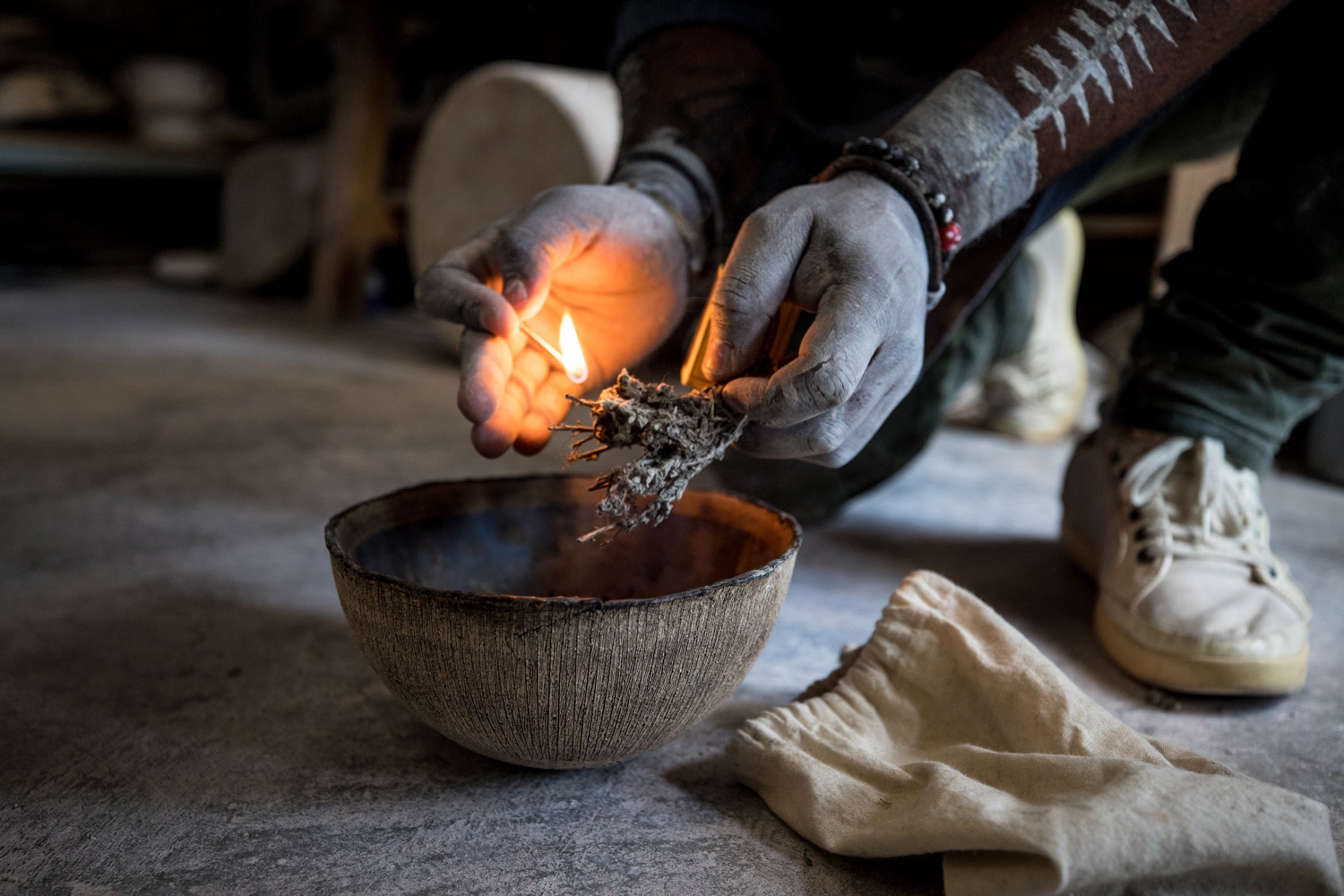
These firings demand active participation. I have to adjust, stoke and observe the firing process, not simply programme a kiln and wait. Atmosphere, pressure and humidity all leave their mark on the clay and glaze. I am interested in the balance between informed control and variables that remain beyond us.
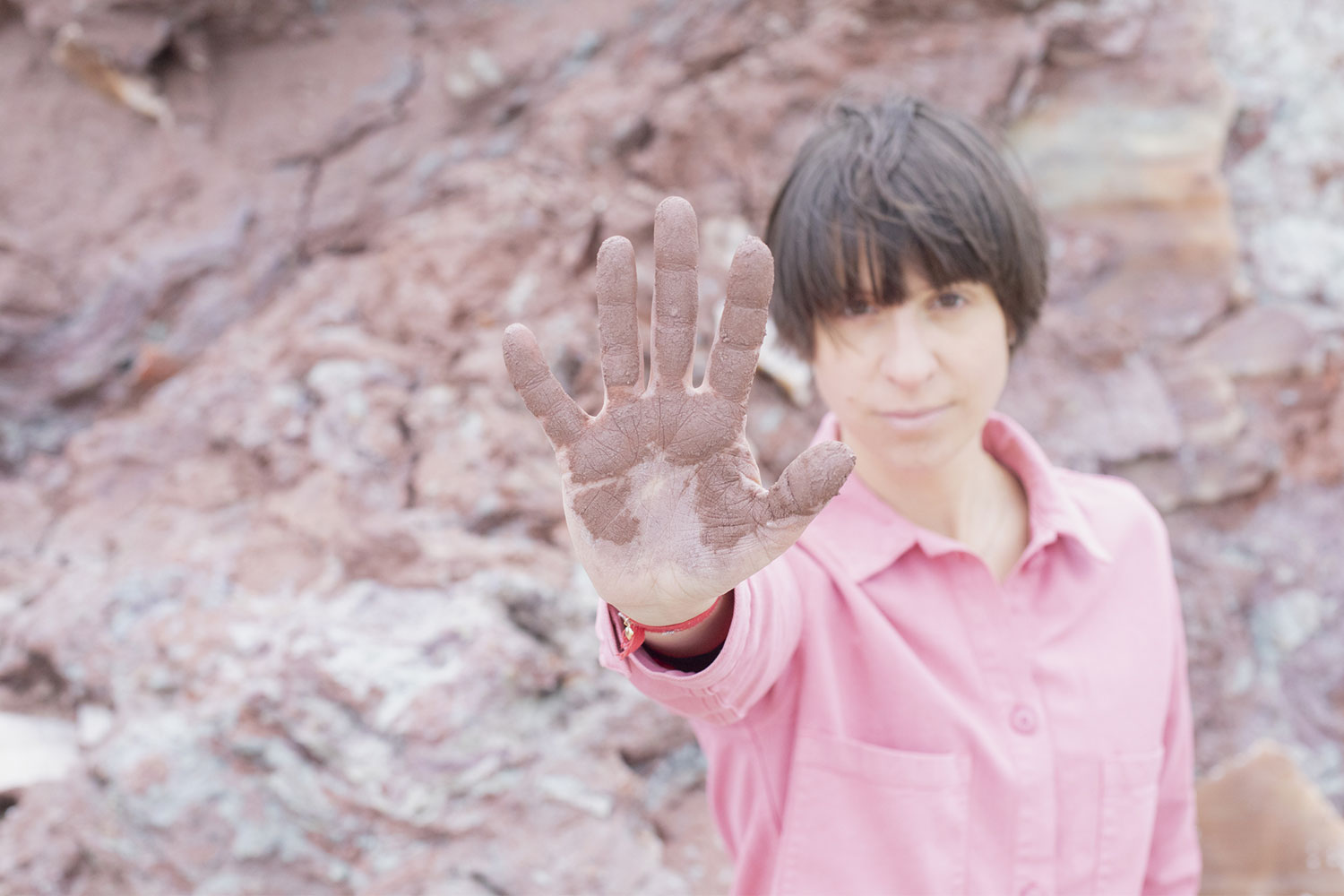
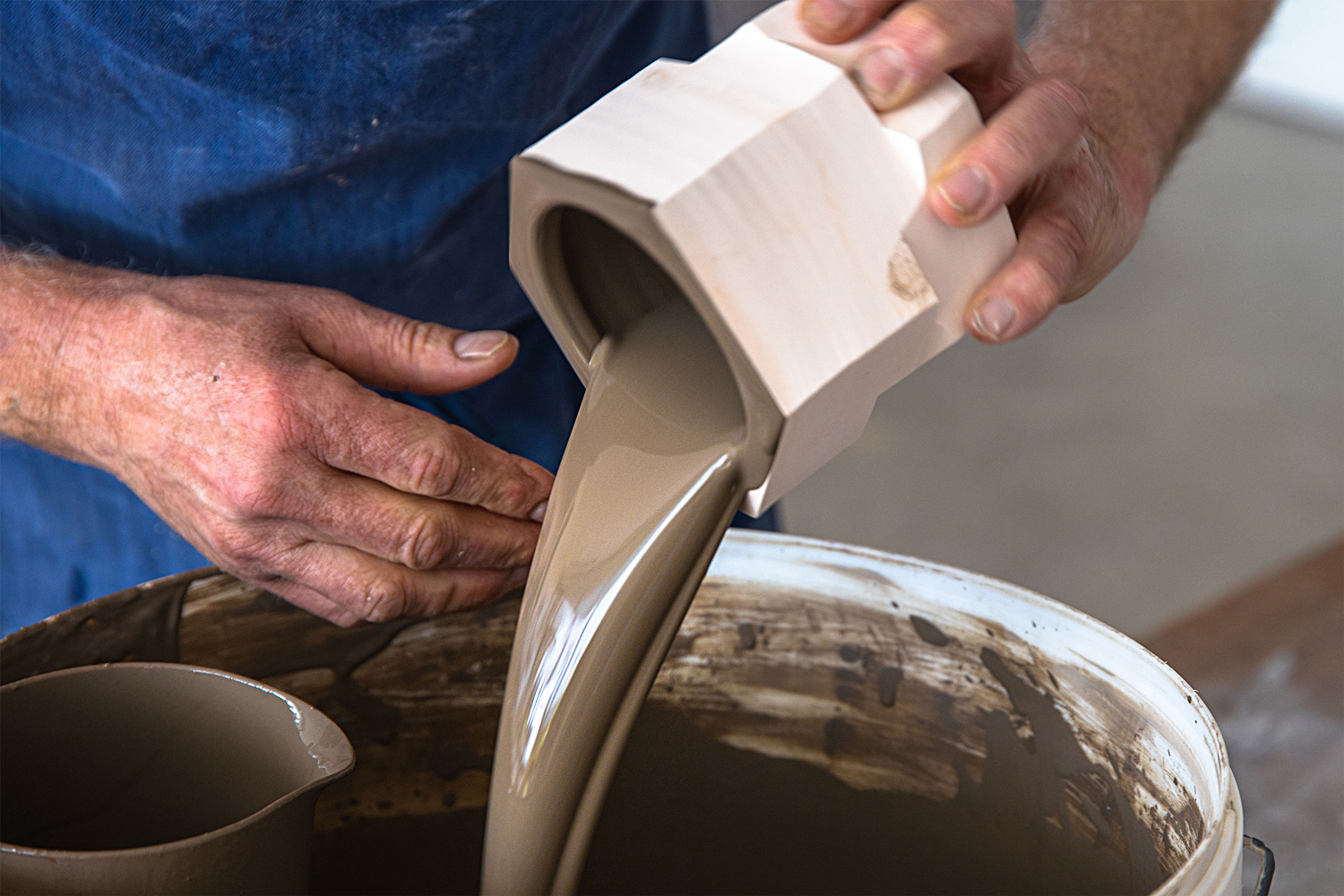
I use wild clay and argillaceous rocks in small quantities, often as slips, inclusions or glaze components, rather than as a primary body. This creates a precise link between object and place without turning it into a production material. The work is then also a record of the geology under my feet.
I am surrounded by the island’s trees, river and changing light, so shifts in season, shadow and transparency inevitably enter my work. Living slightly away also suits a reflective studio rhythm. I am developing atmospheric firings on site, and I aim to create a small circle of makers who can fire together here.
Maggie Jalbert
Ceramicist
Sainte-Pétronille, Canada
ADDRESS
Address upon request, Sainte-Pétronille, Canada
AVAILABILITY
By appointment only
PHONE
+1 4185699031
LANGUAGES
French, English
Homo Faber Finds is a new service aiming to inspire admirers of craft to connect and collaborate with exceptional artisans.
We invite you to submit an enquiry here.