Liz Clay
Felt maker
Westbury-Sub-Mendip, United Kingdom
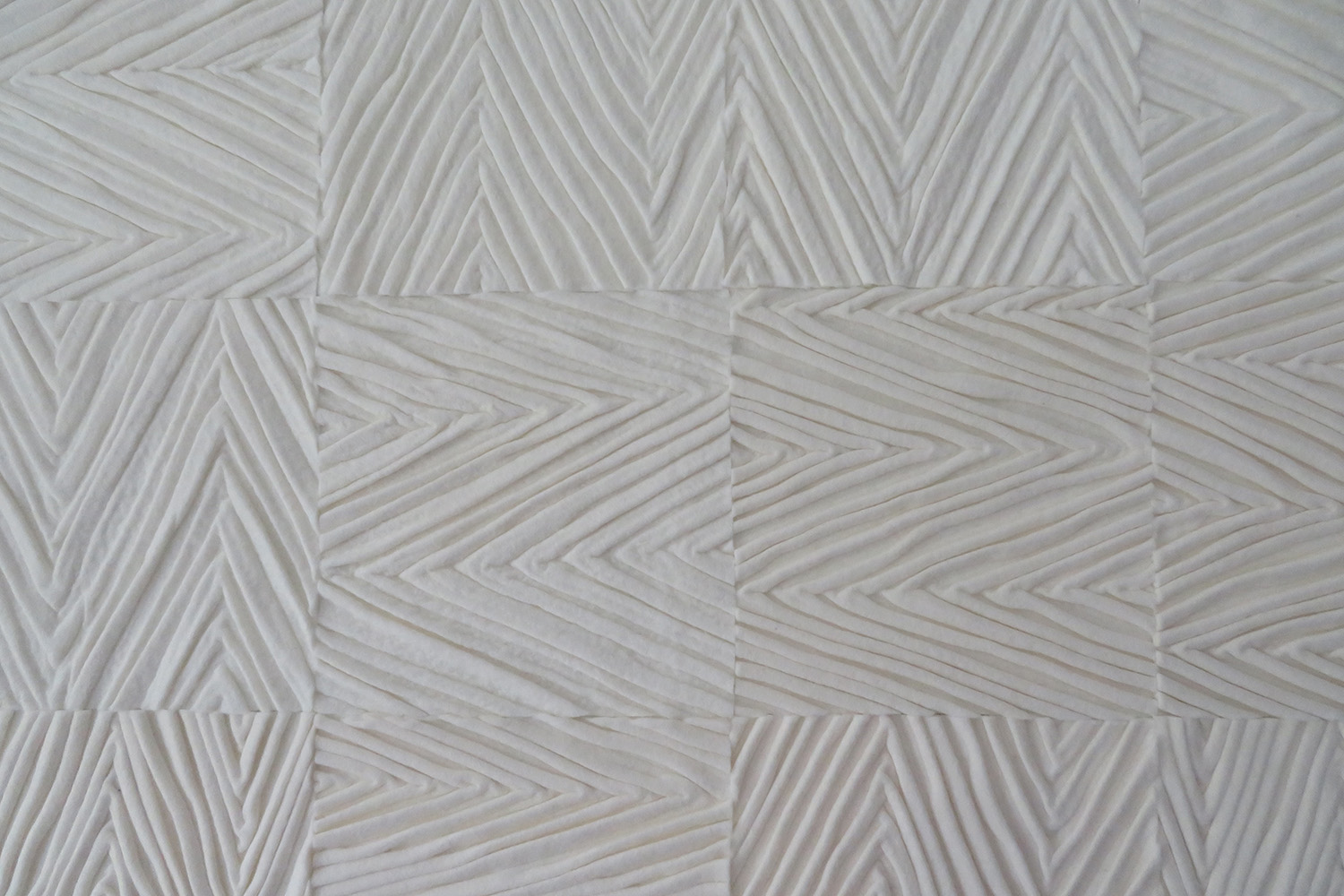
Elevating the potential of wool
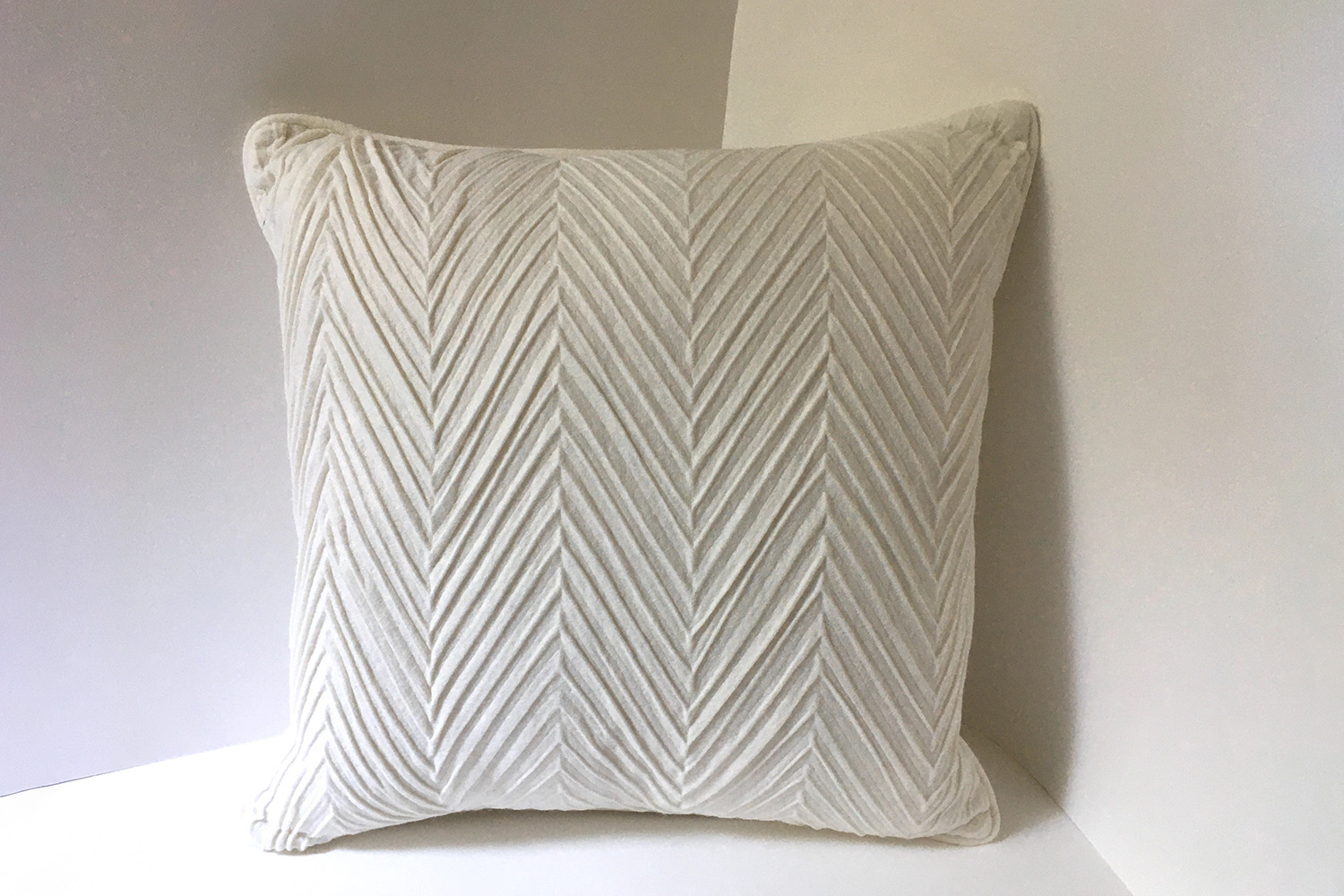
- Fine felt cloth is Liz’s signature fabric
- She sources wool from local farms and sheep farmers
- She claims some of her best work was the result of errors
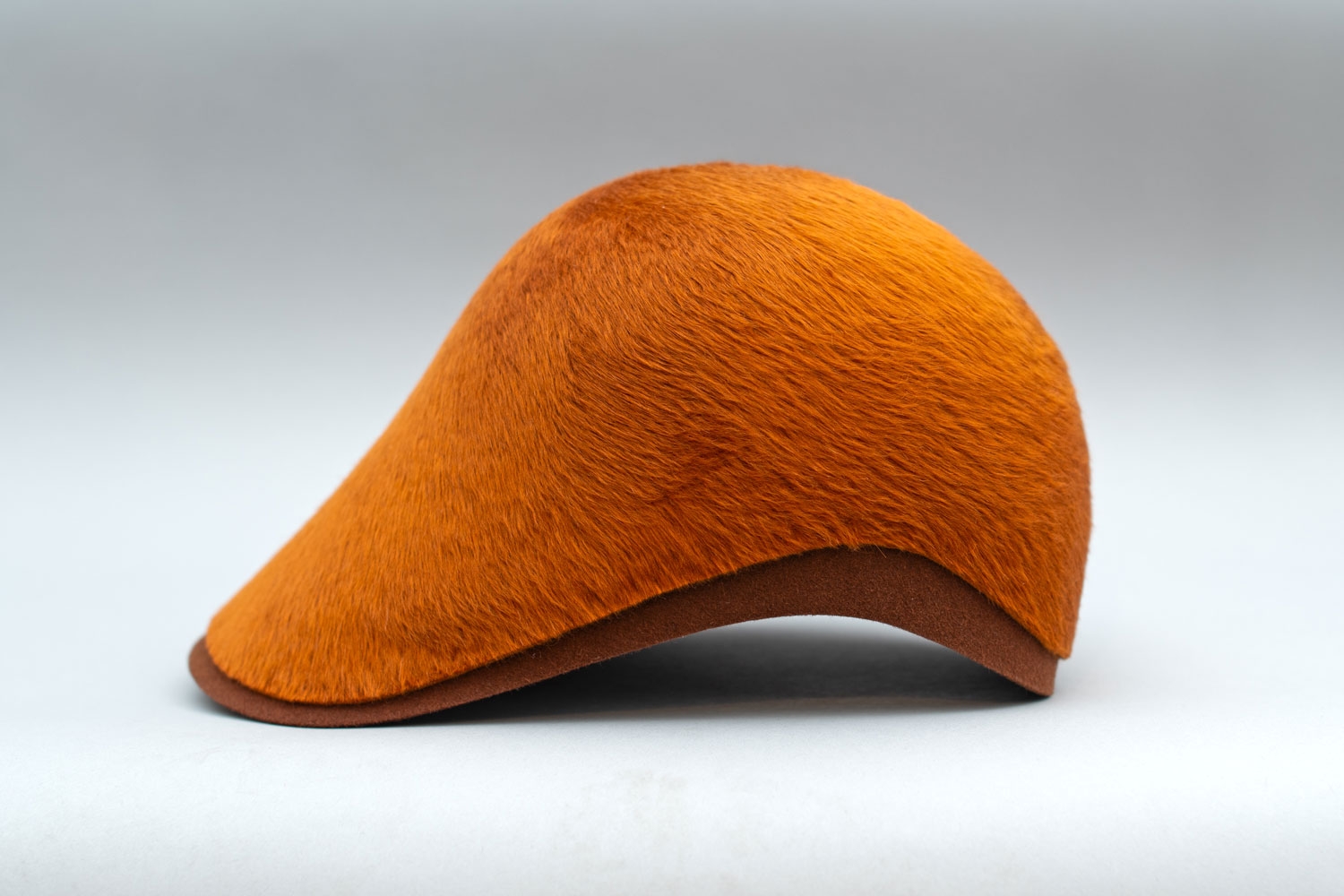
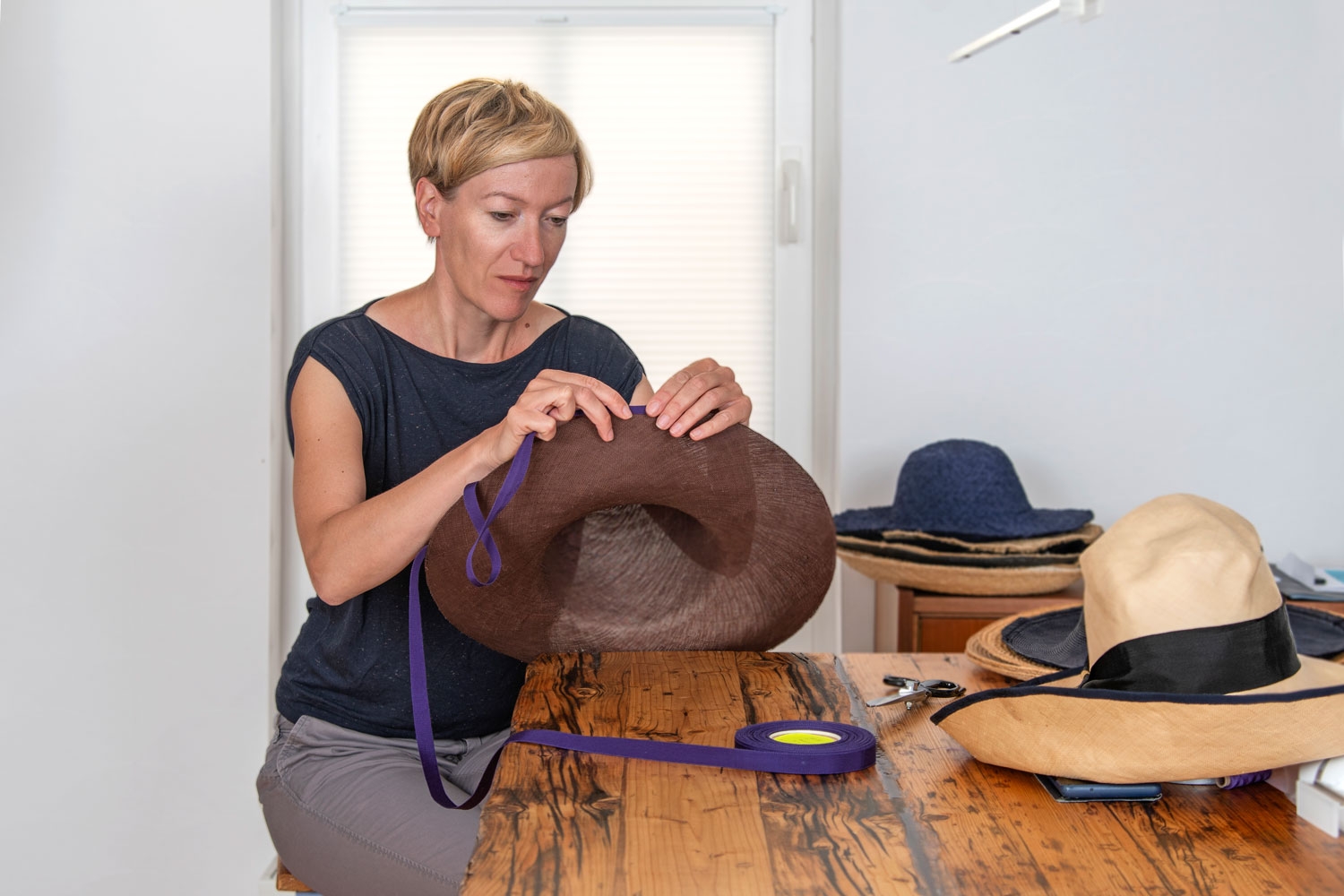
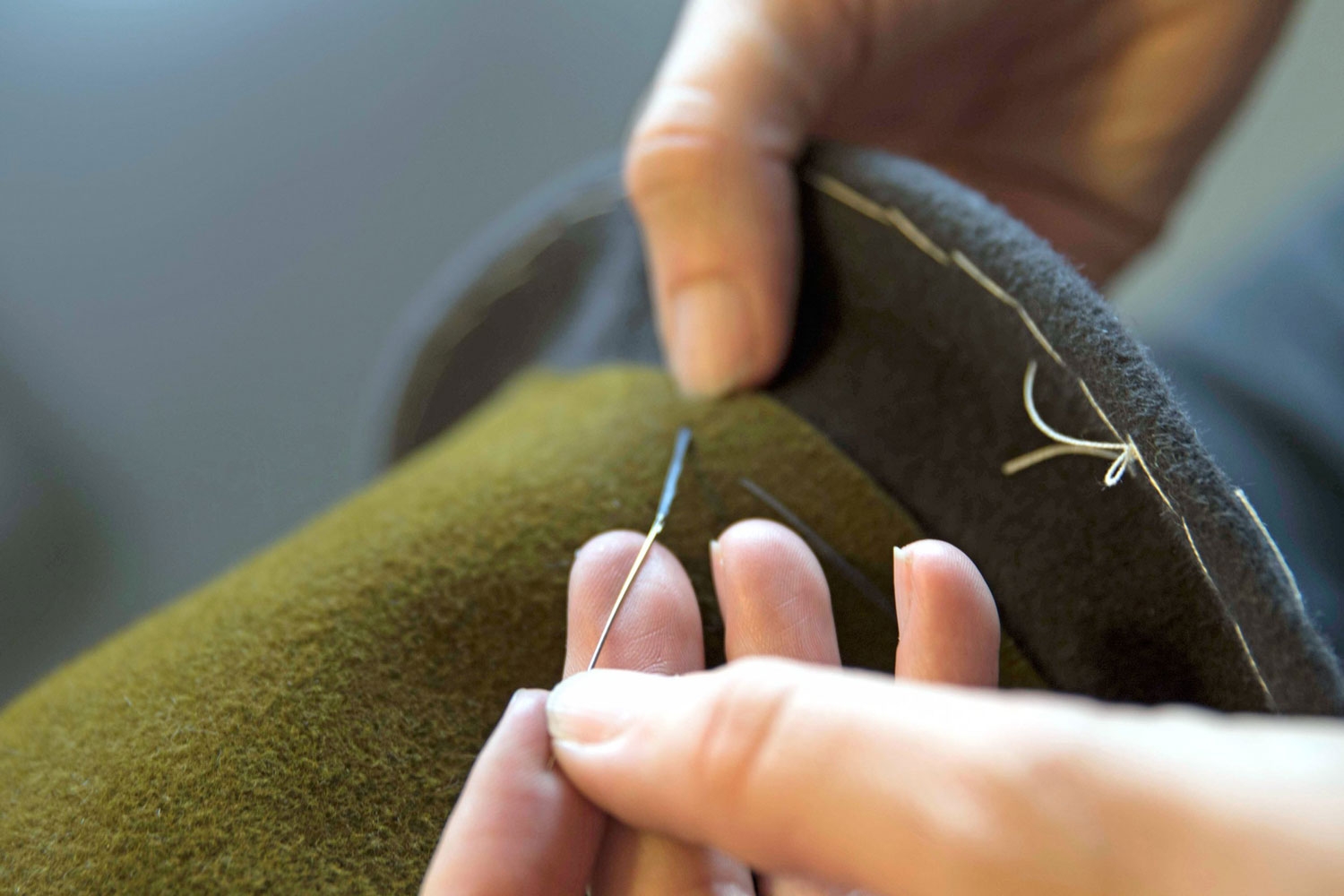
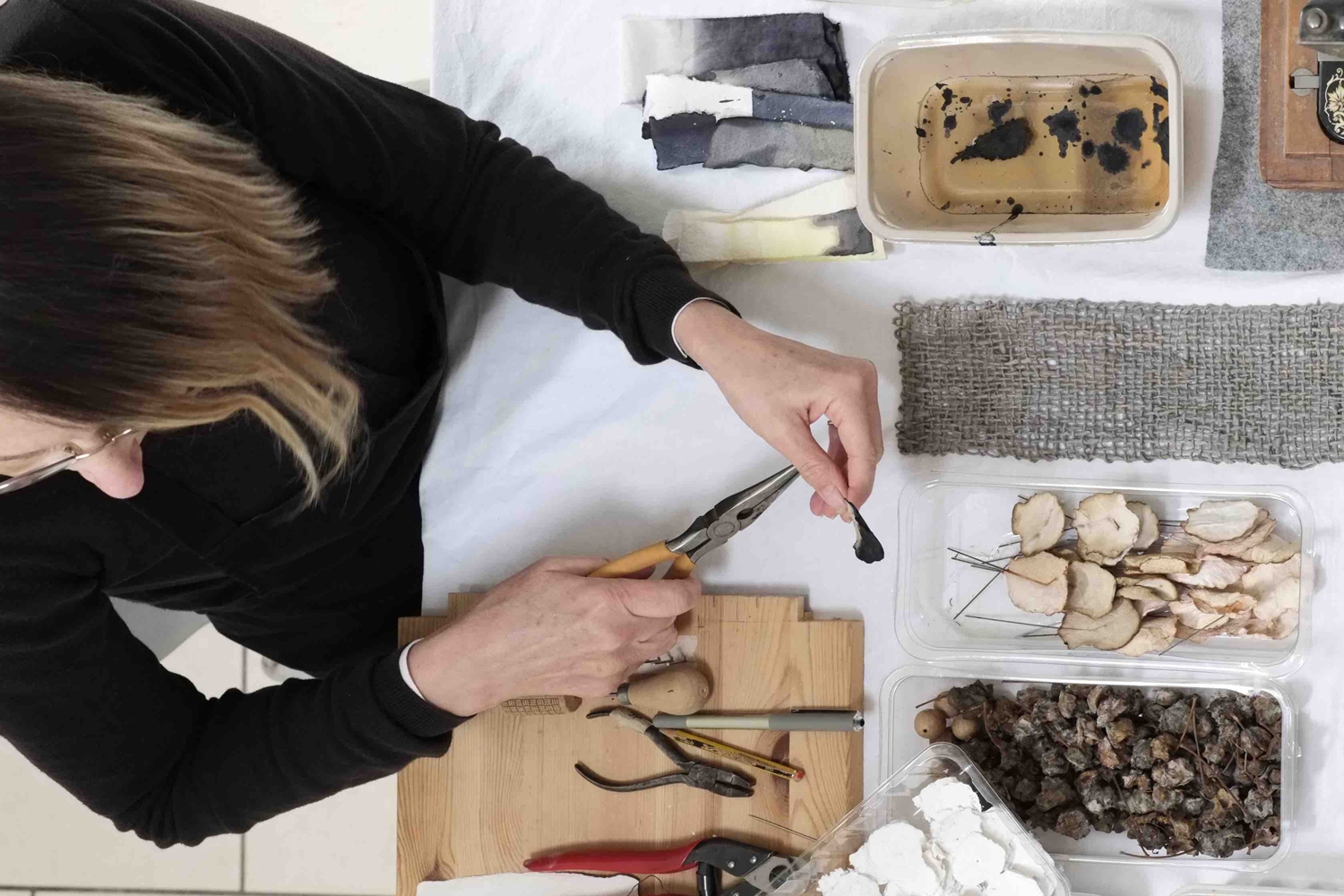
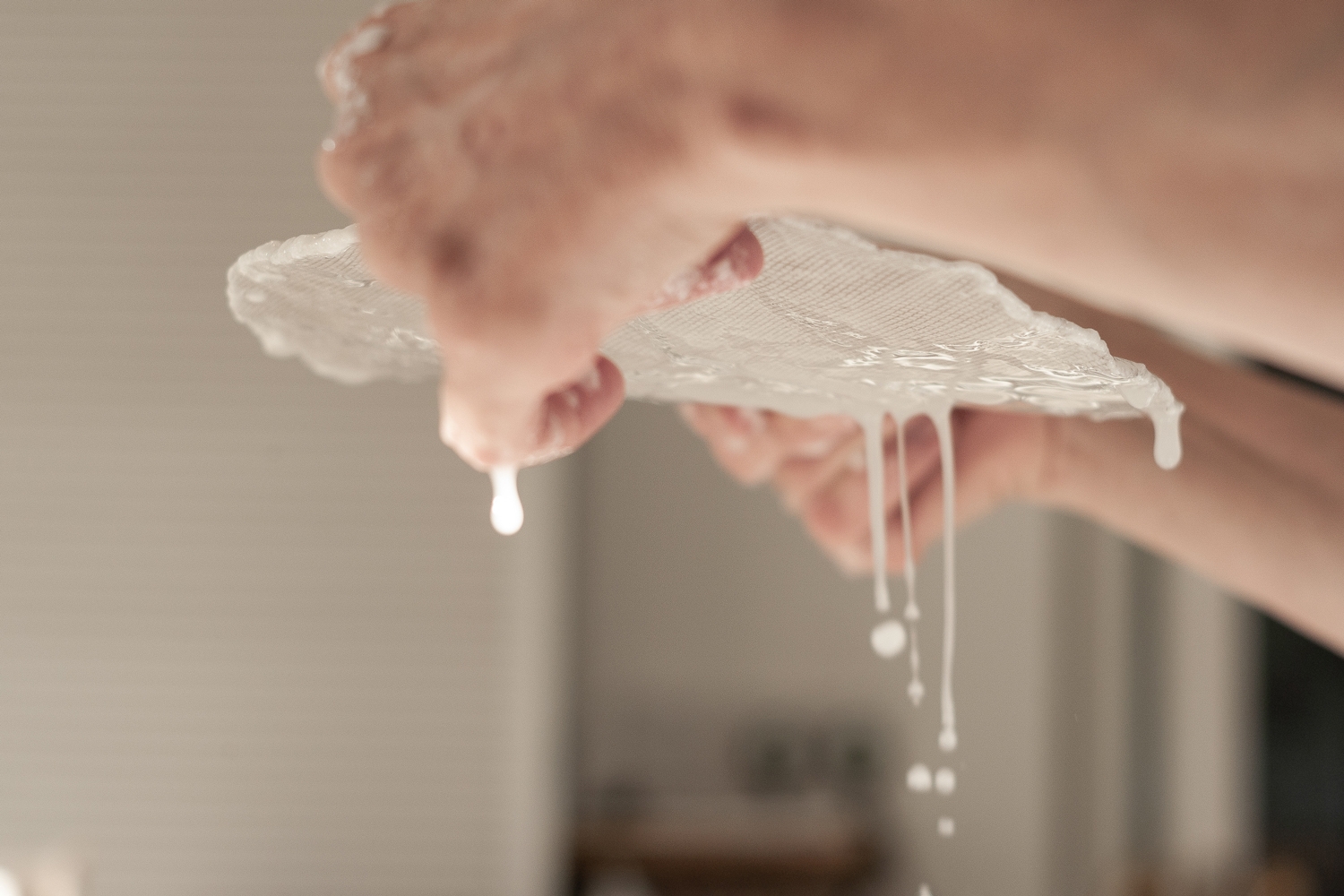
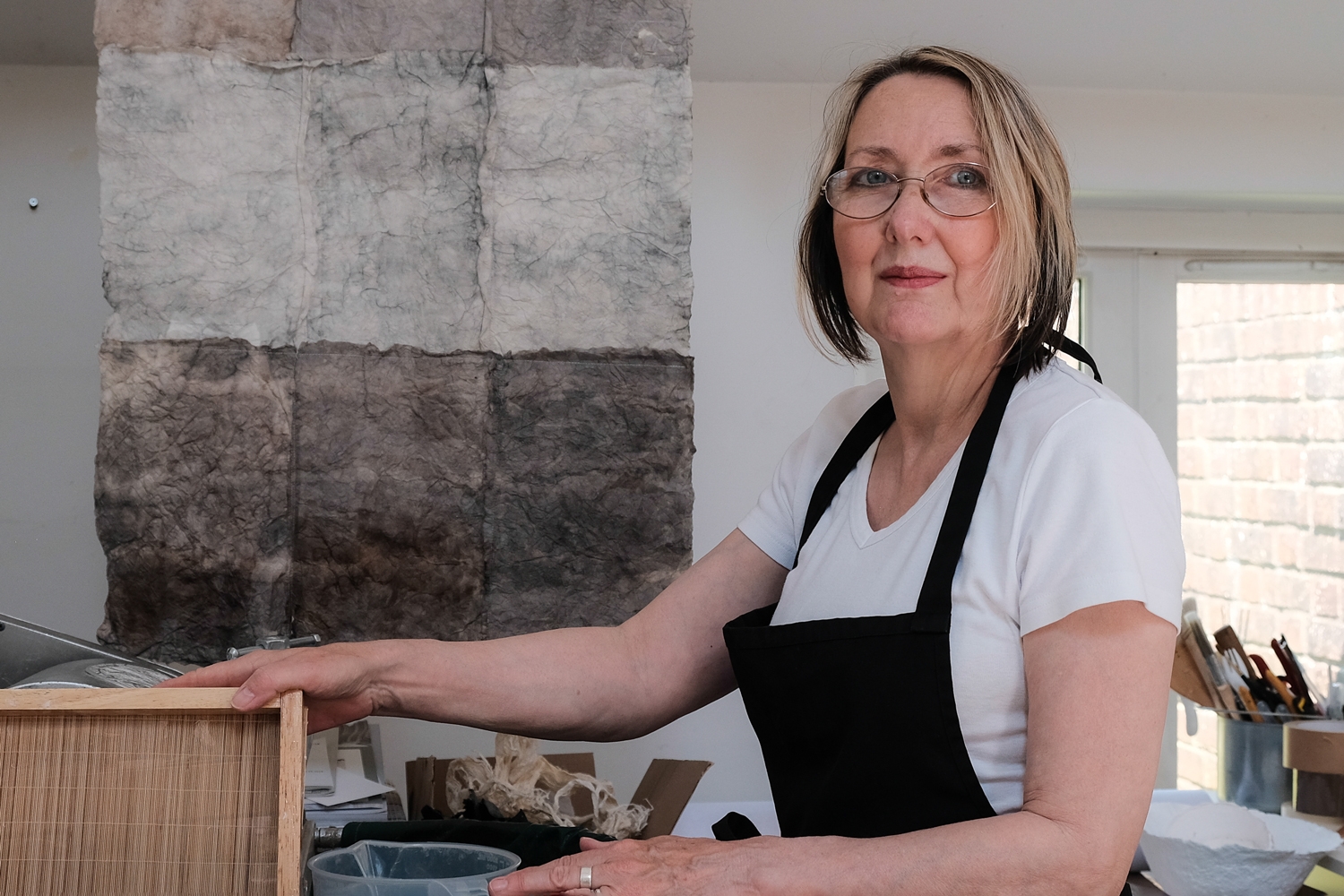
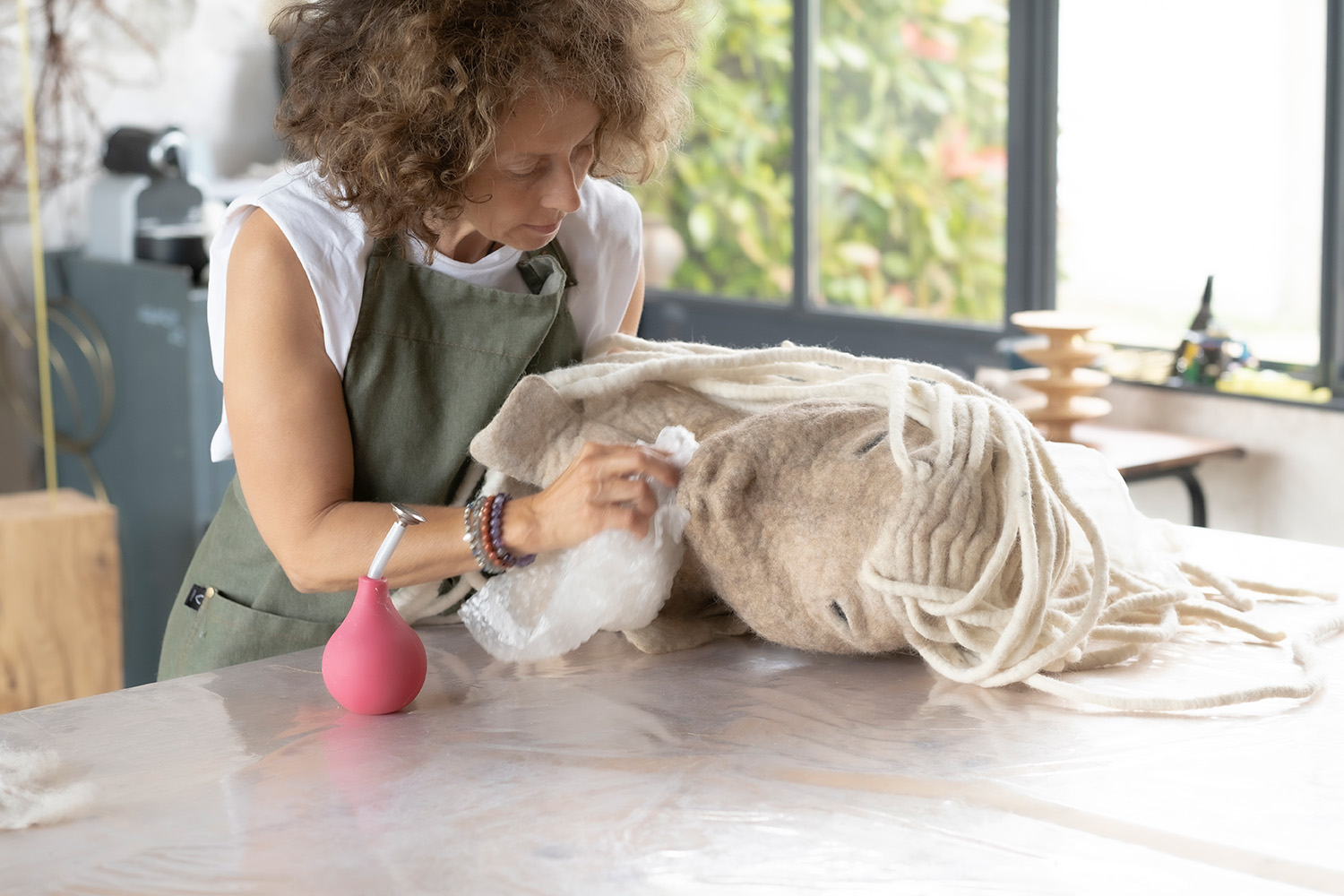
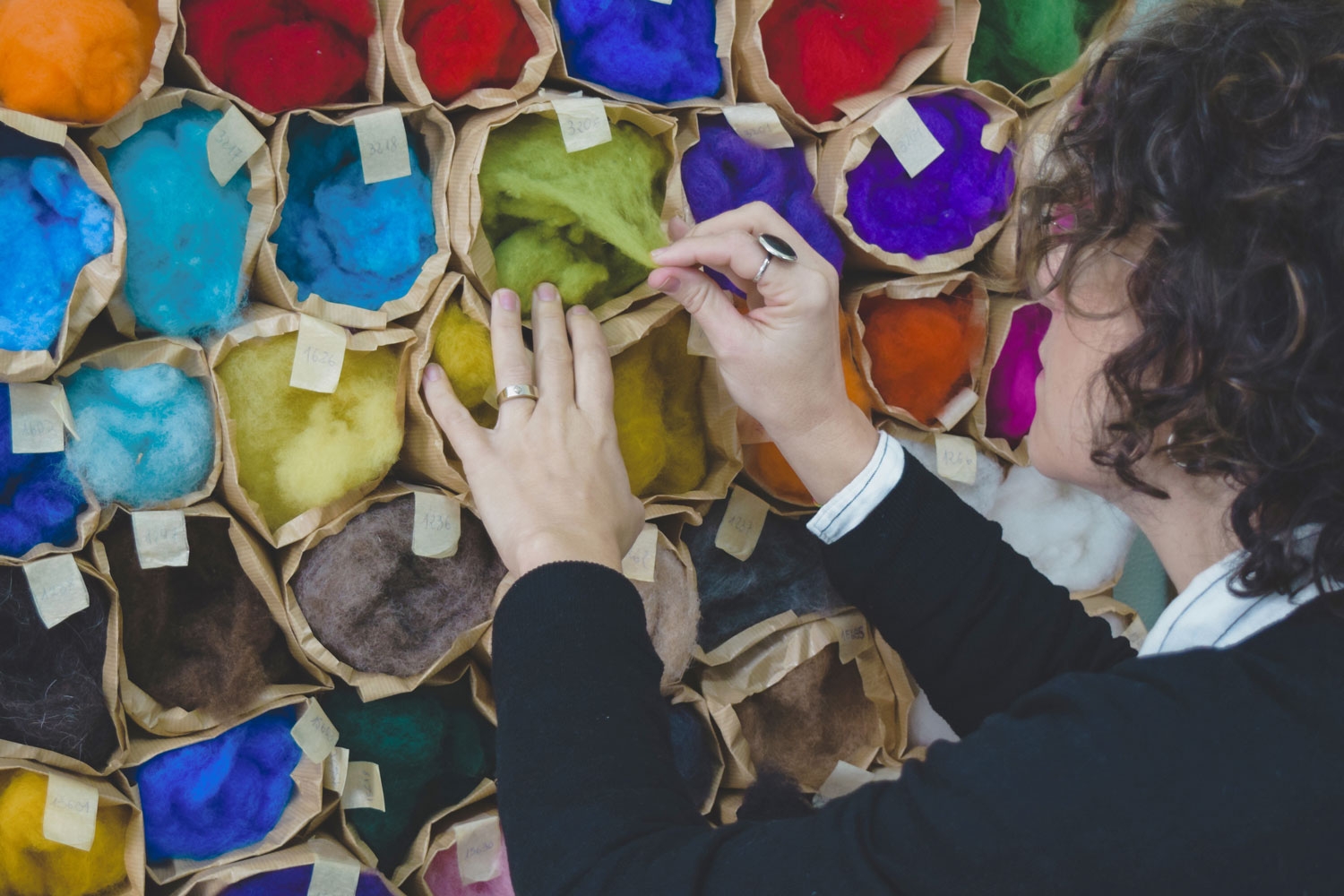
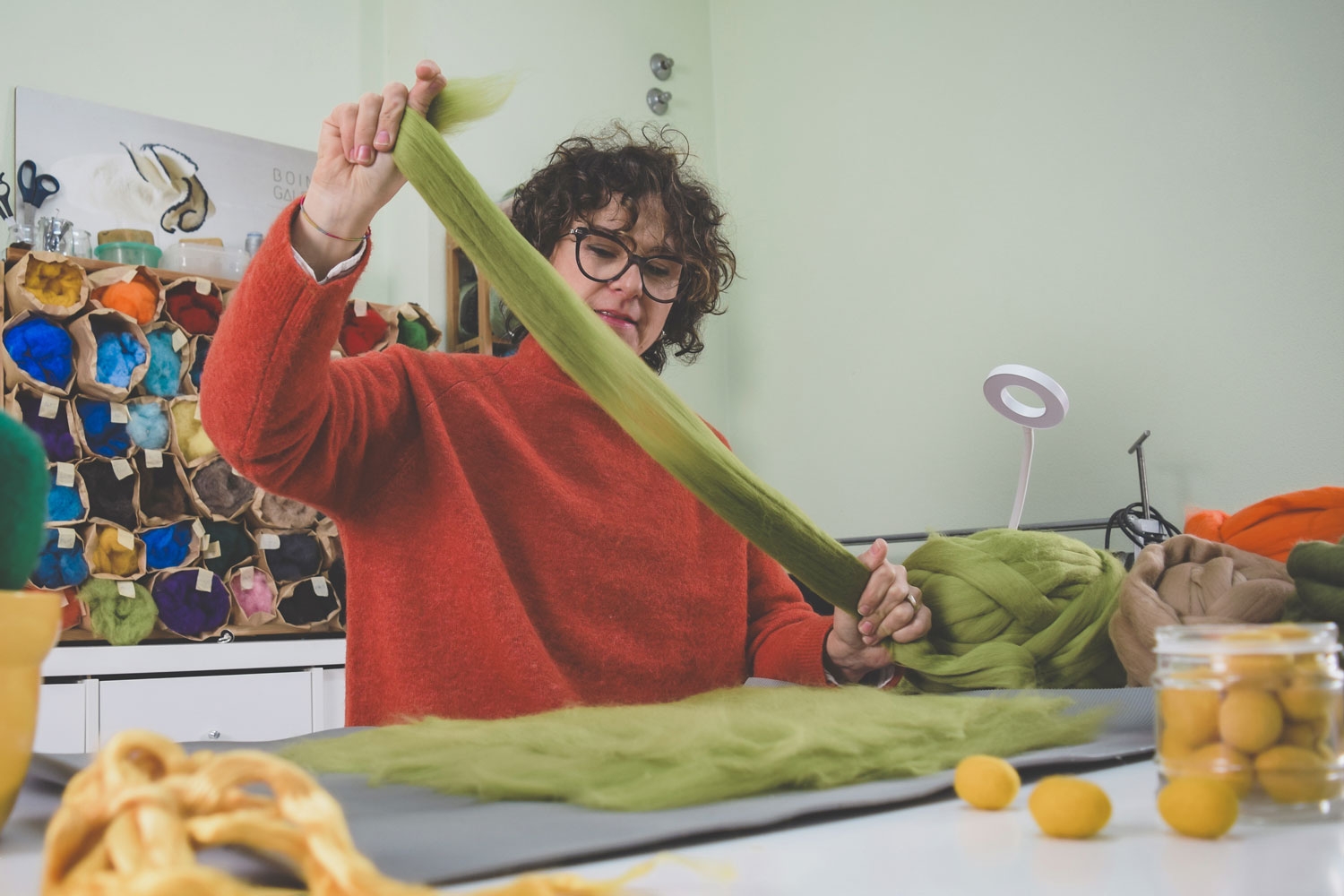
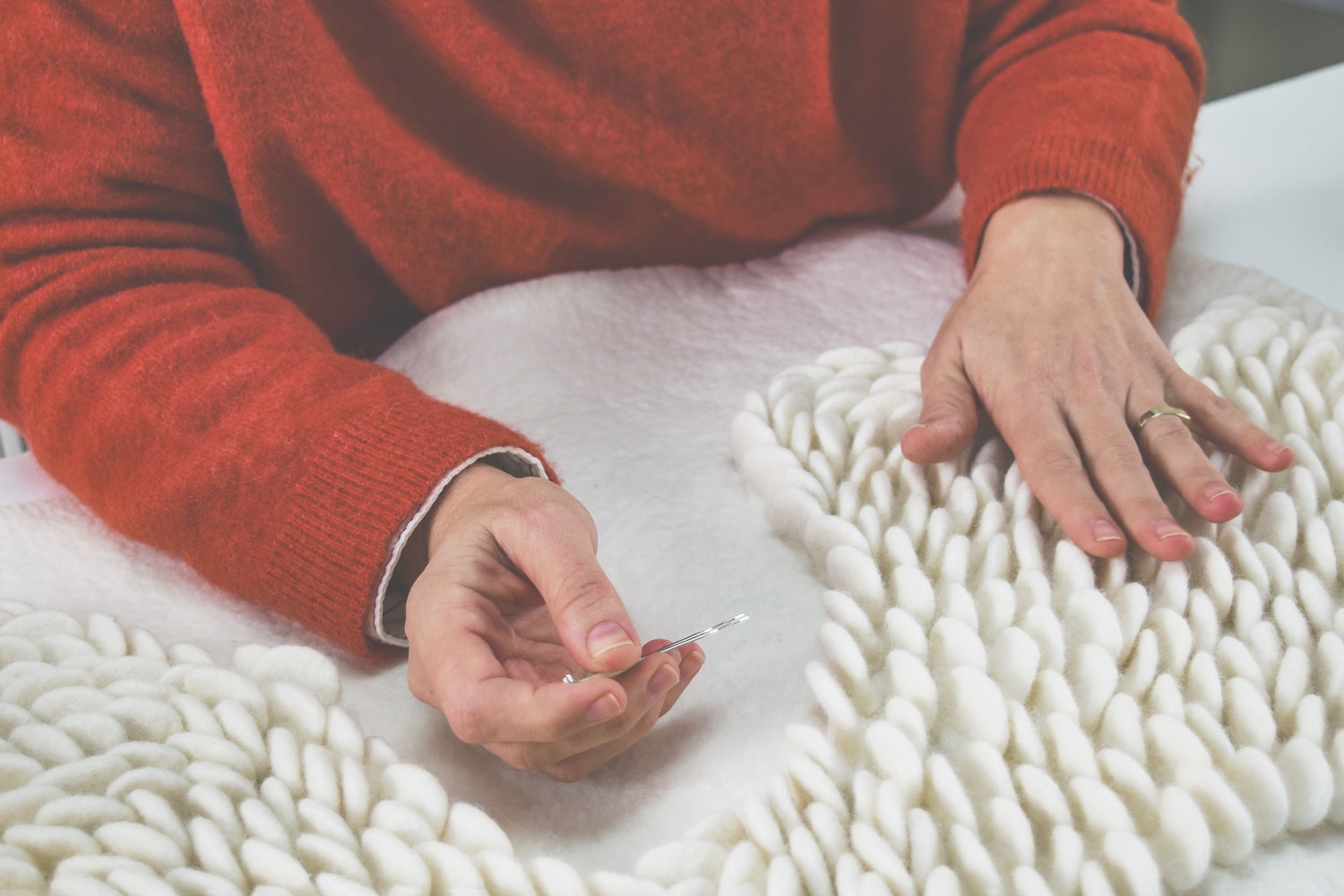
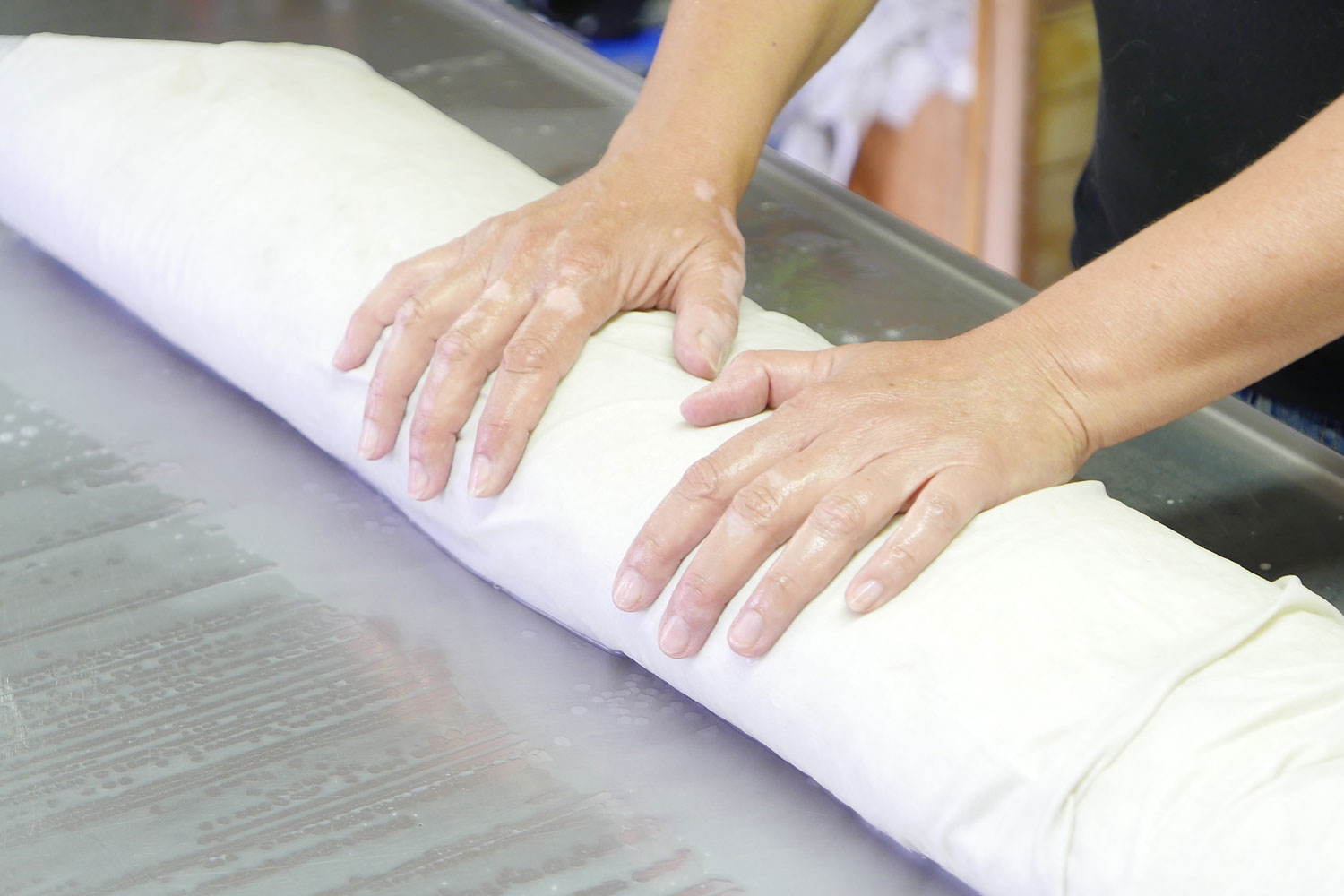
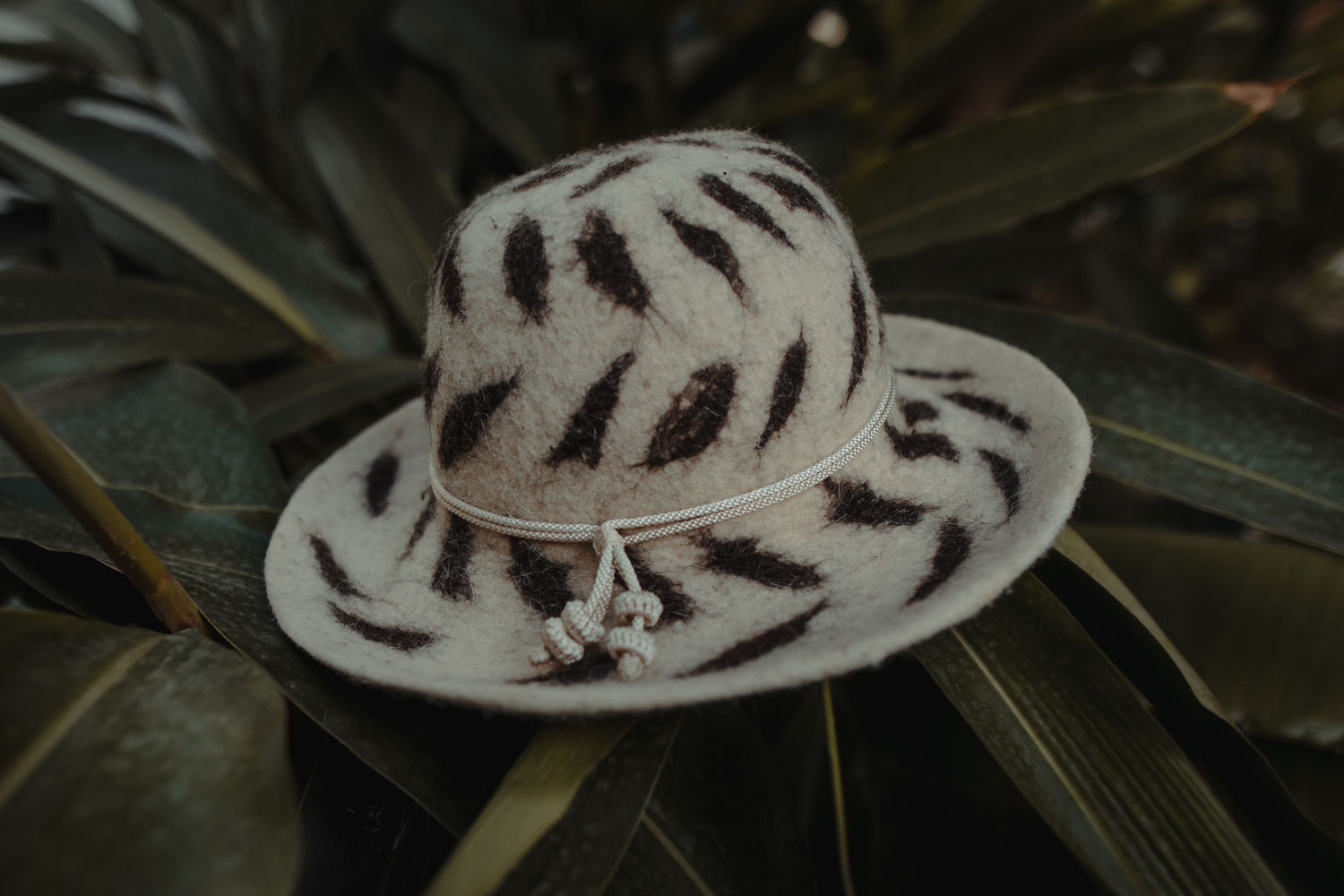
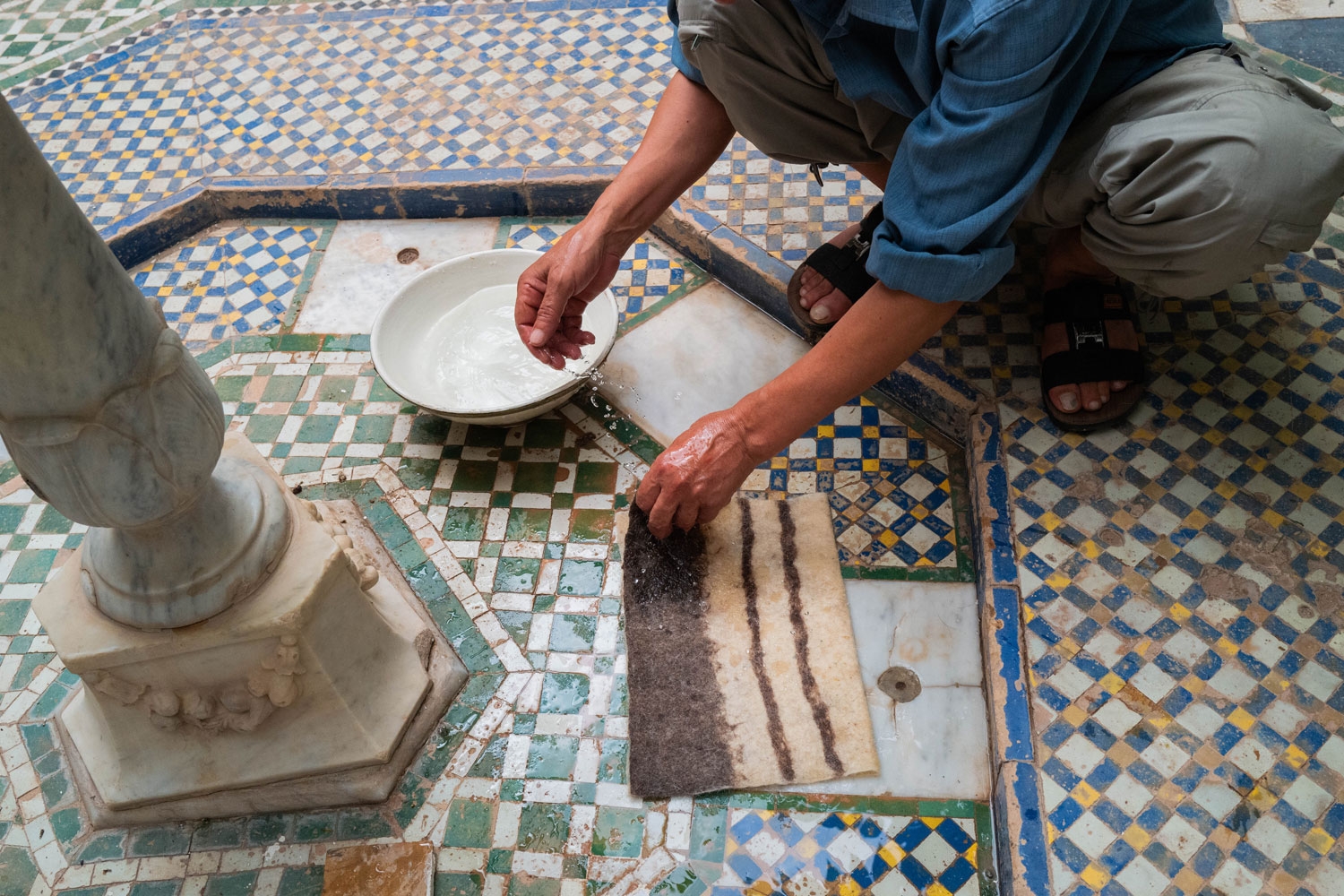
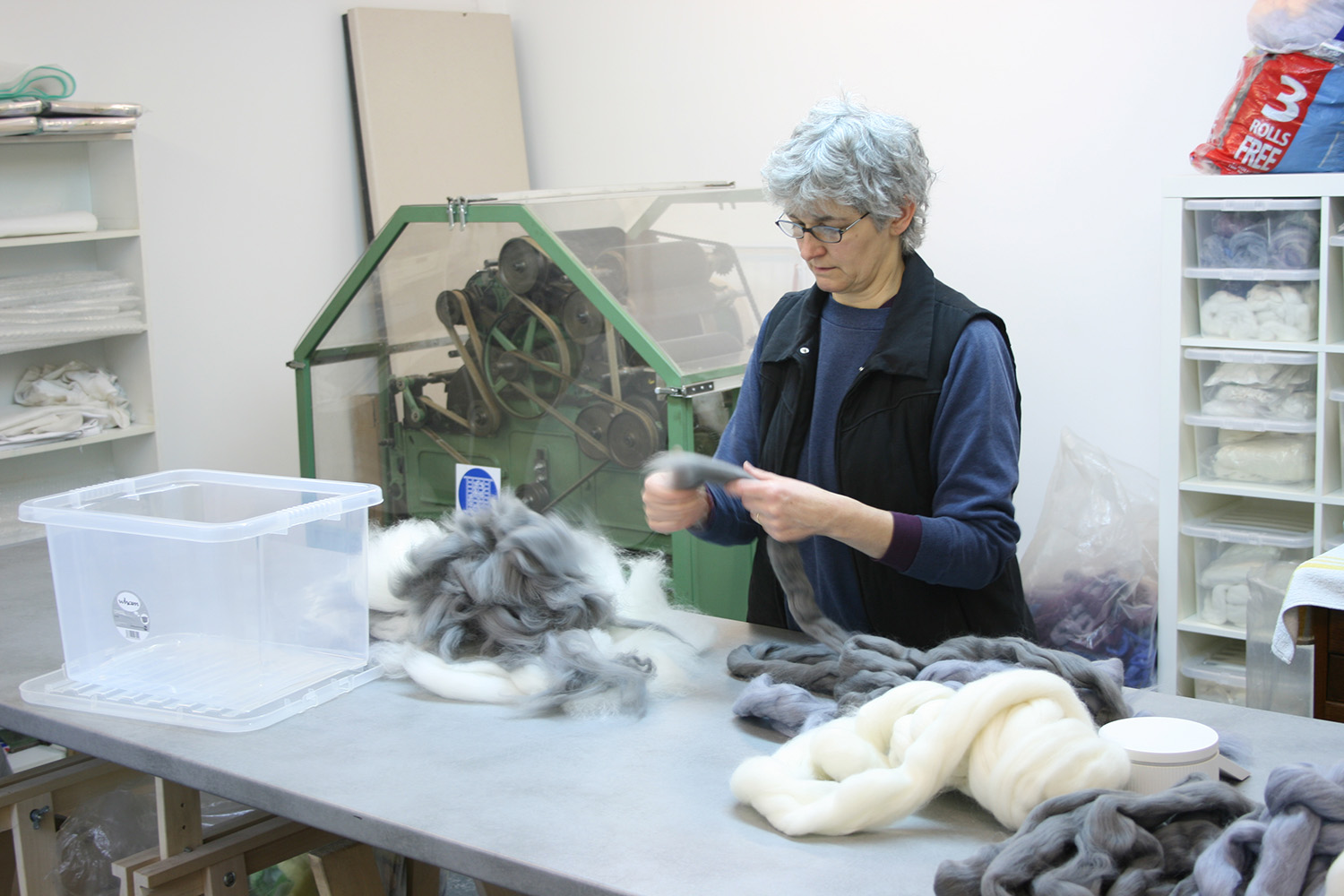
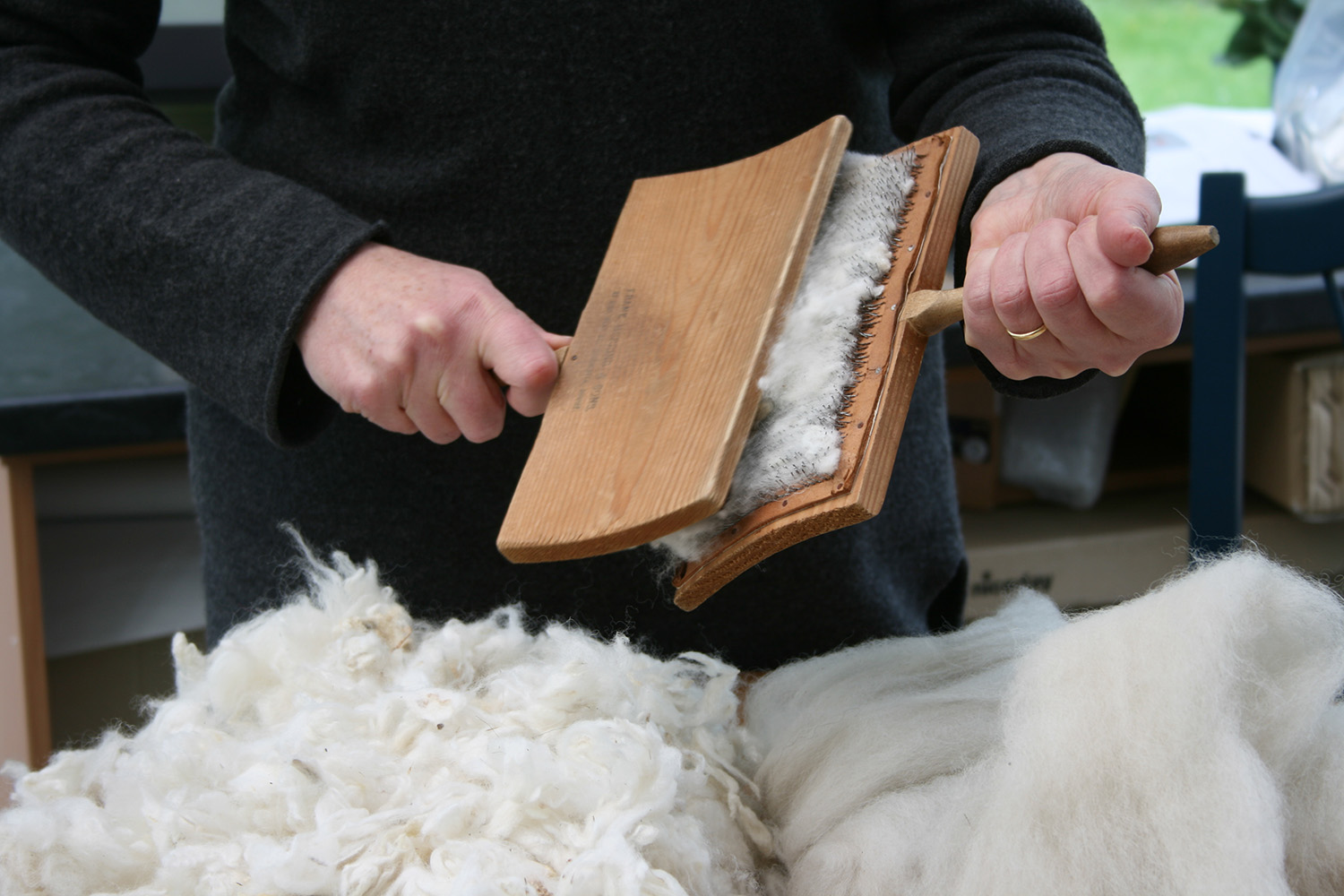
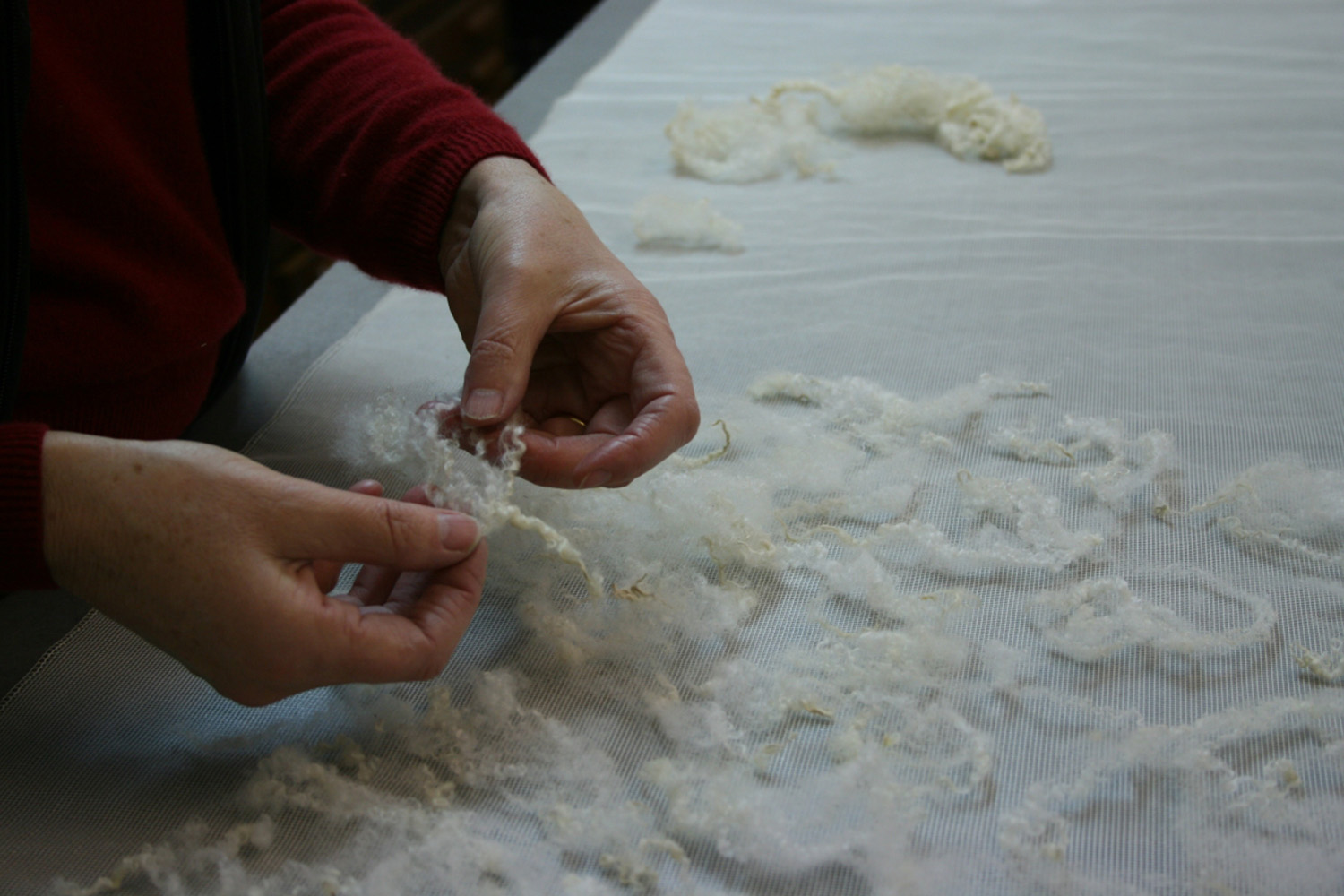
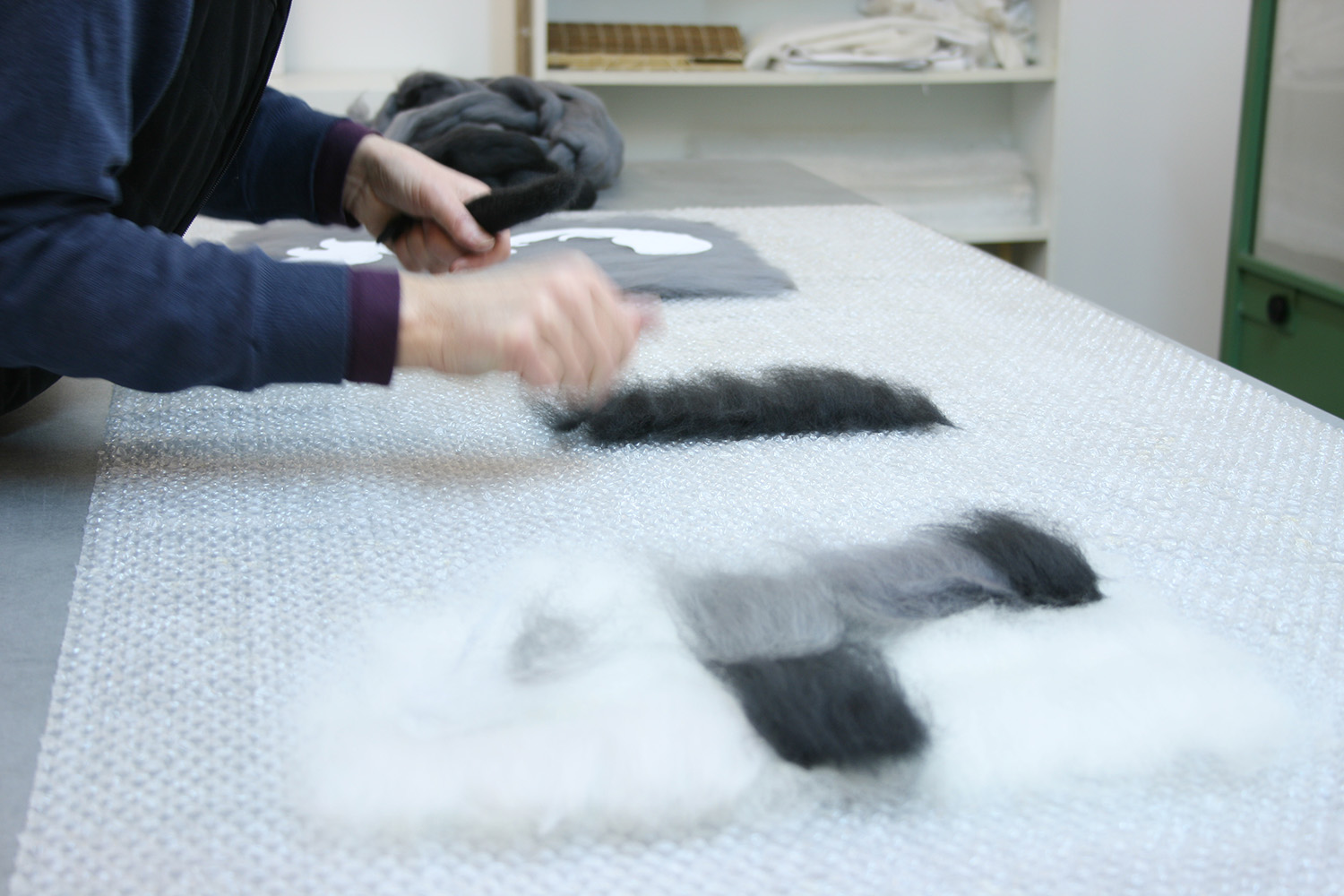
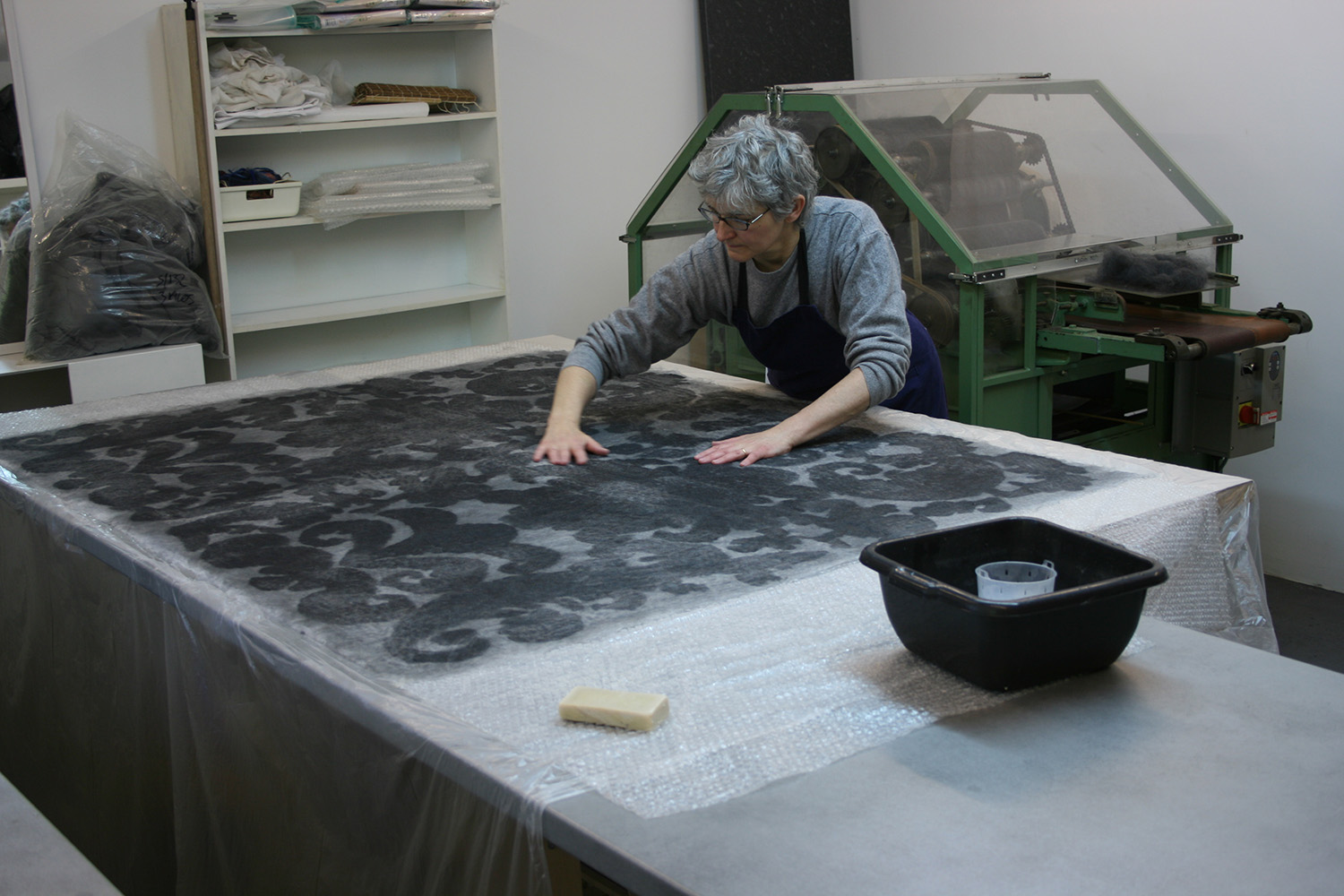
“I have always loved the process of making with my hands. As a child it was basic knitting and sewing, and now it is the transformation of fibre into felt,” says experienced felt maker Liz Clay. After exploring different wools during her PhD and discovering felt in Kyrgyzstan, Liz taught herself felt making. In 2001 she opened her studio. Two decades on and Liz’s textiles, with their unmistakable identities, have adorned high fashion catwalks, from Givenchy and Balenciaga to Stella McCartney. Her work is driven by a persistent curiosity for the endless potential of wool and by her experimentation around ways to create felt products that break expectations. “Felt making becomes a dialogue between hands and material, and my aim is to surprise and delight.”
Discover her work
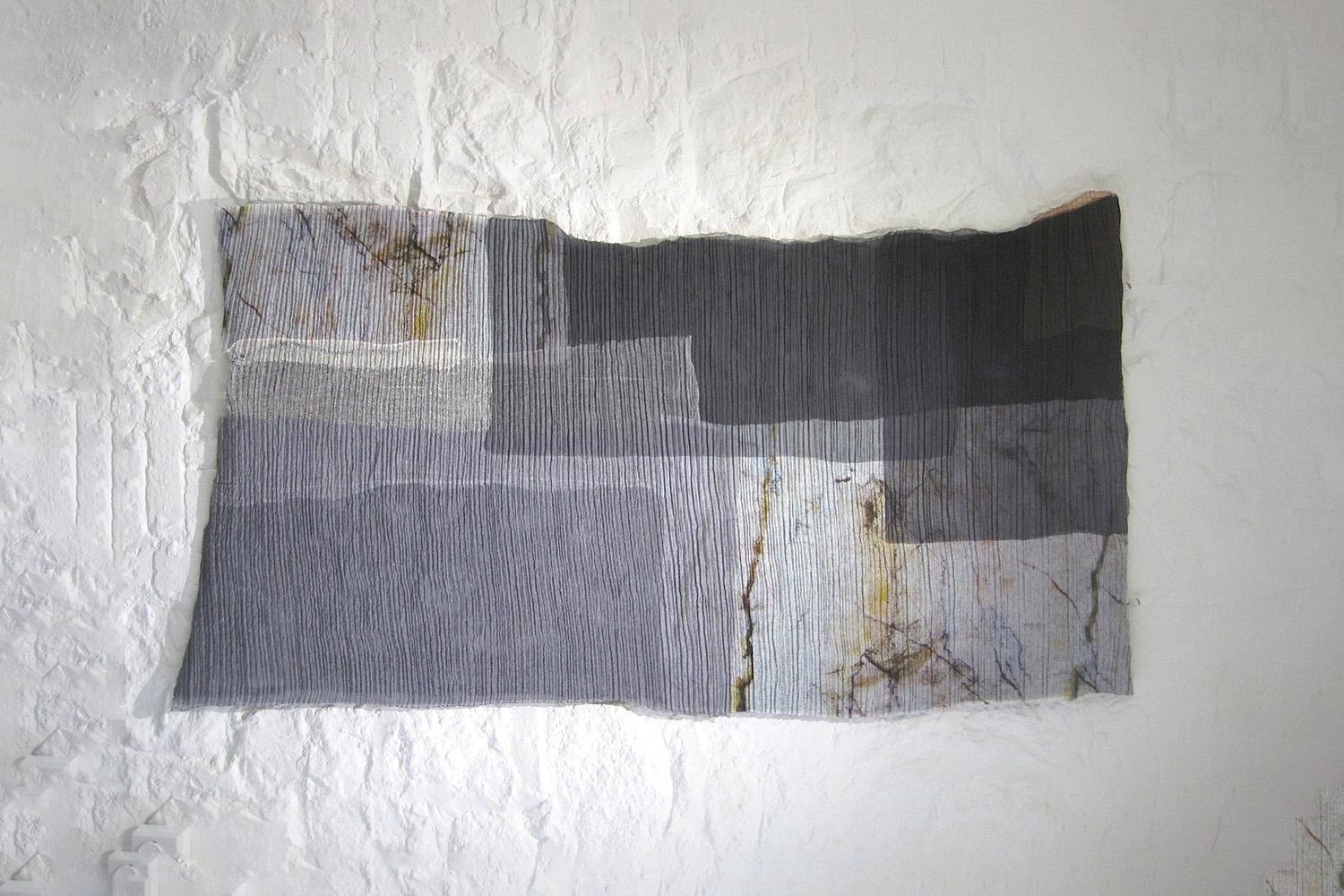
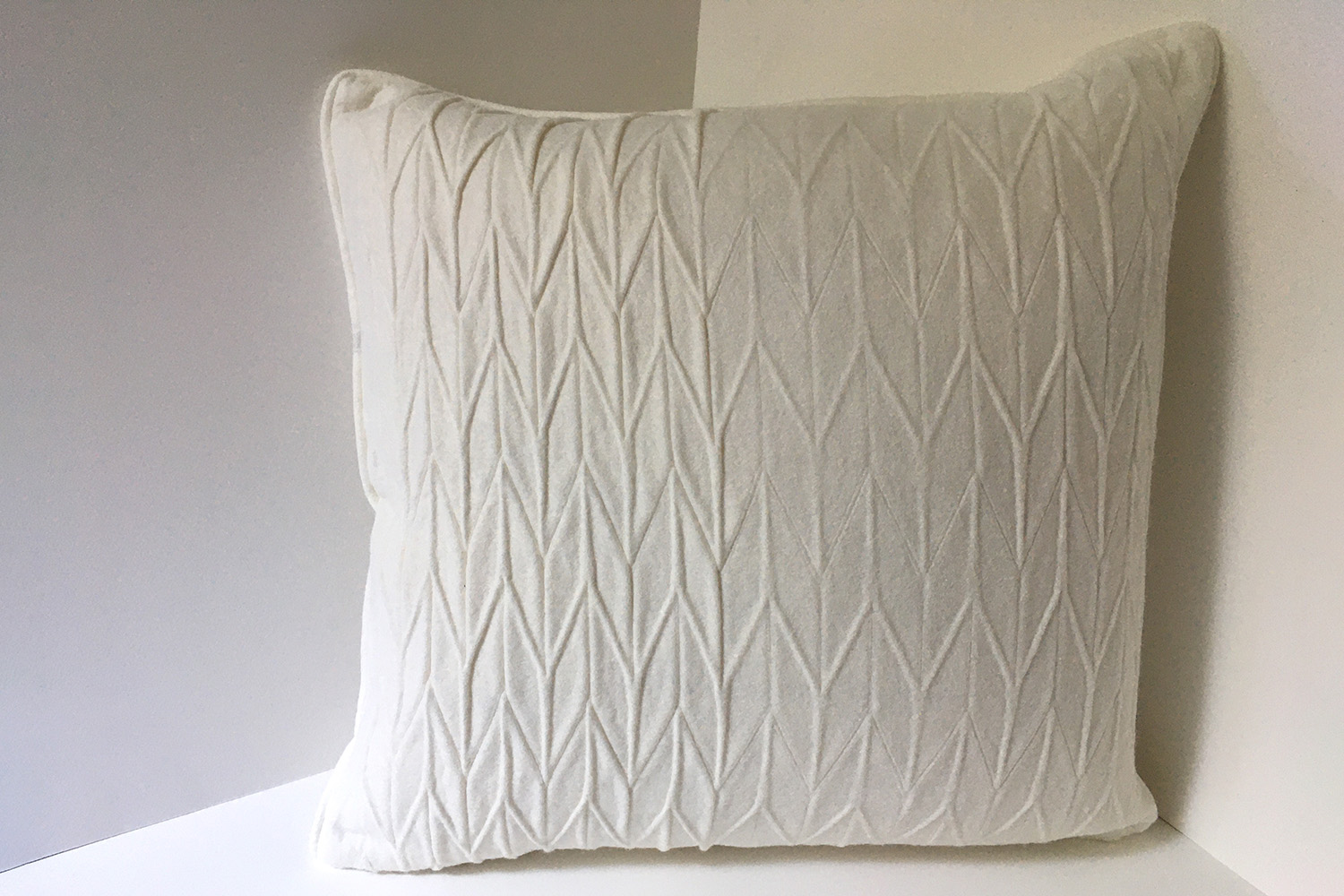
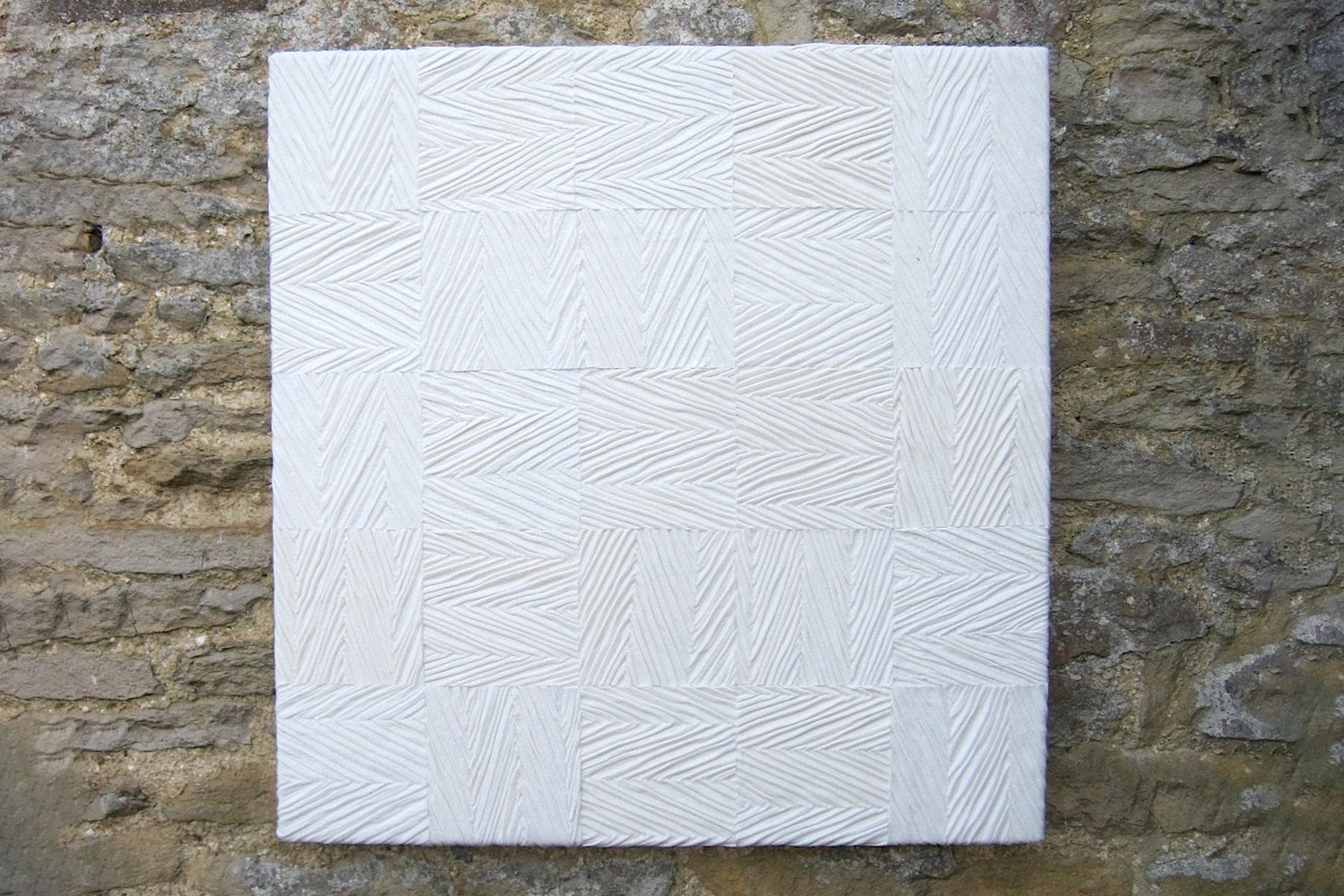
INTERVIEW
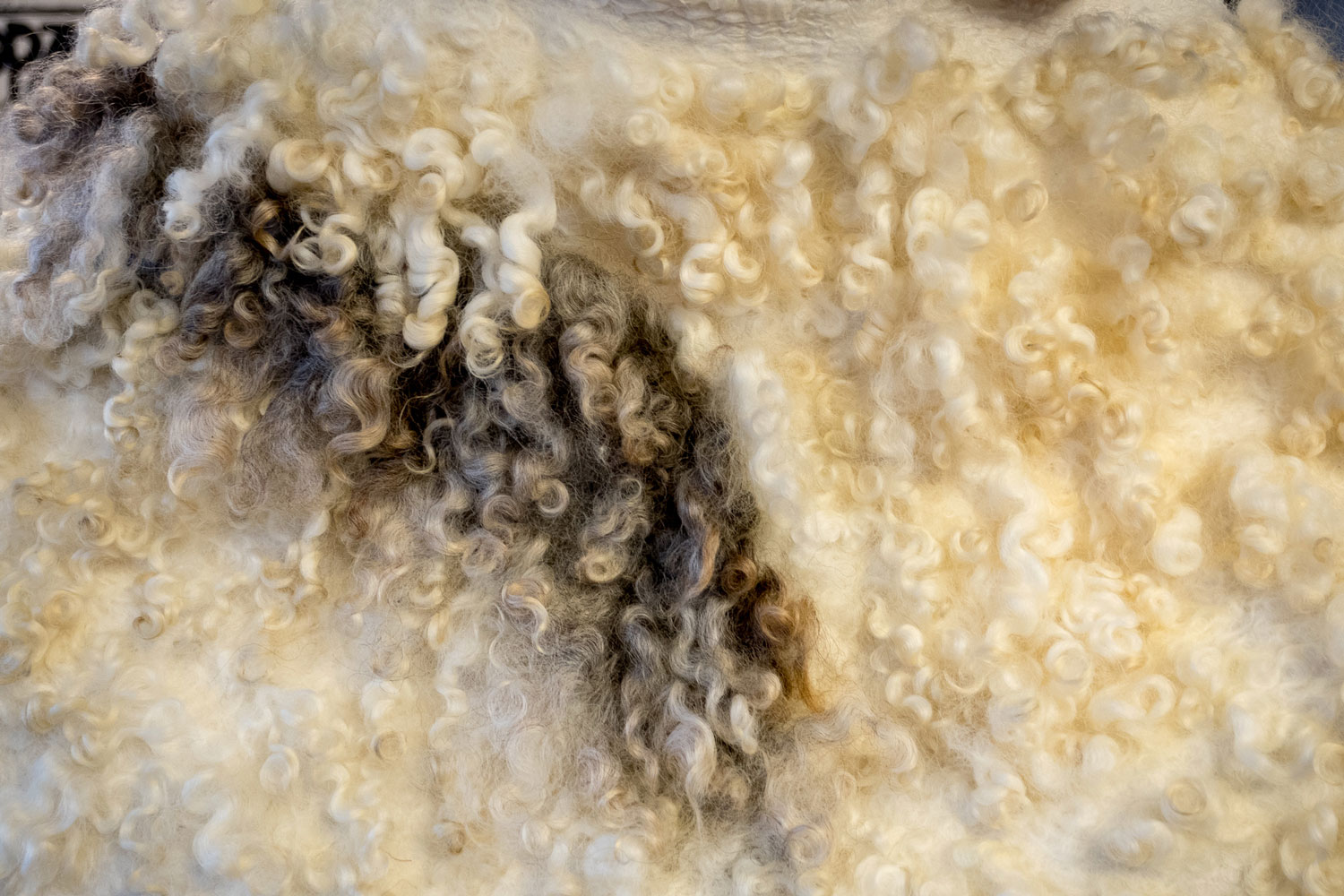
My designs are material-led, since various types of wool perform differently even within the same breed of sheep, depending on the geography and diet, according to which the flock is farmed. Travel also plays a key part in influencing the way I process my ideas.
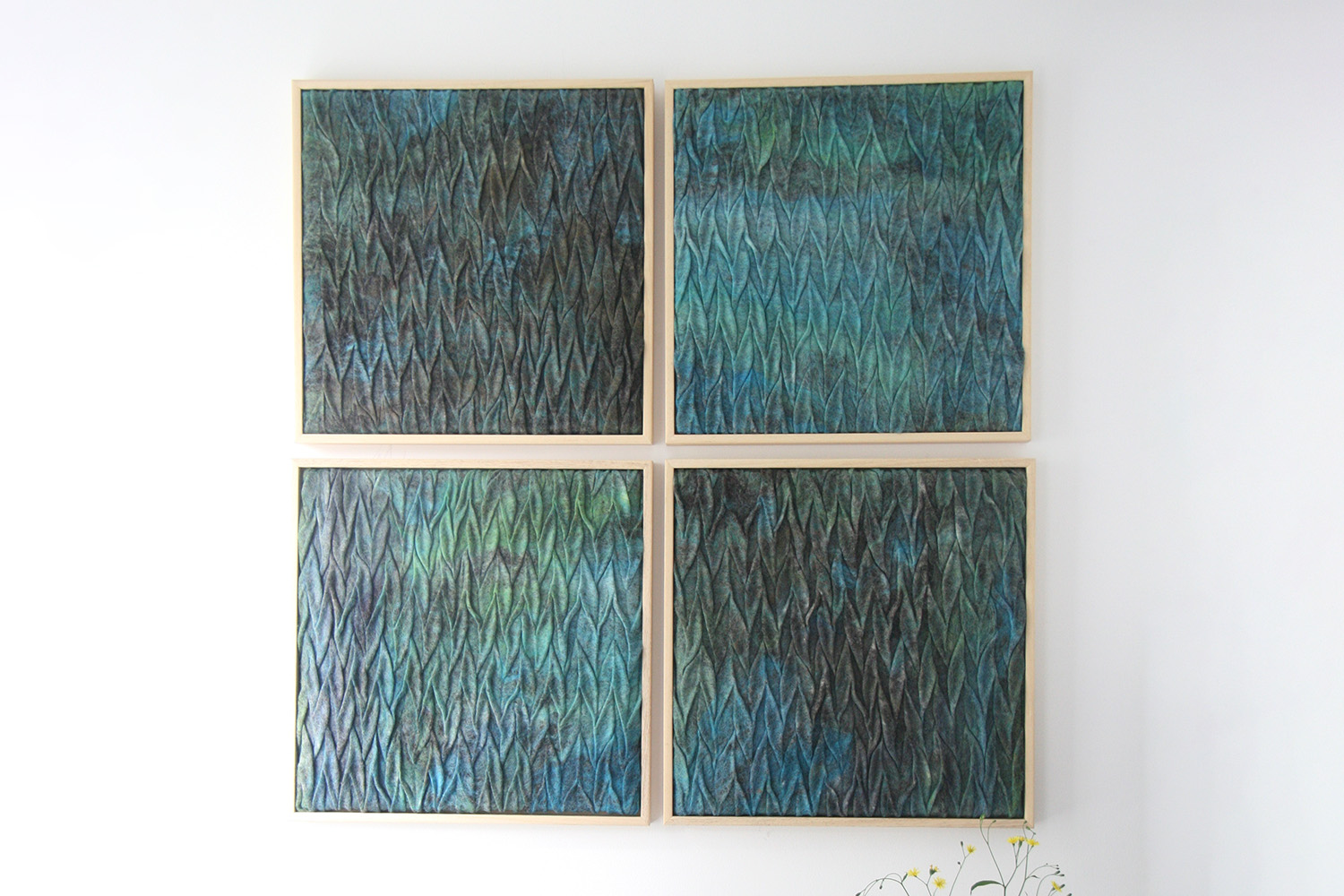
I have great respect for traditional felt making techniques. However, I like to push boundaries within the craft, to create unexpected outcomes and to be experimental.
Working for haute couture. My first introduction to high fashion was a commission for Givenchy and I was proud to see the garment featured in Vogue magazine in shots taken by a leading French fashion photographer.
I do not envisage this, although I am aware that ancient and associated traditional skills are being lost as cultural changes emerge and populations adopt different lifestyles and needs. It is important we do not lose this heritage.
Liz Clay
Felt maker
Westbury-Sub-Mendip, United Kingdom
AVAILABILITY
By appointment only
PHONE
+44 1749870648
LANGUAGES
English
Homo Faber Finds is a new service aiming to inspire admirers of craft to connect and collaborate with exceptional artisans.
We invite you to submit an enquiry here.