©Kazunori Obara
©Kazunori Obara
©Kazunori Obara
©Kazunori Obara
©Kazunori Obara
©Kazunori Obara
Junpei Kawaguchi
Basketweaver
Yonago, Japan
©Kazunori Obara
©Kazunori Obara
©Kazunori Obara
©Kazunori Obara
©Kazunori Obara
©Kazunori Obara
©Kazunori Obara
©Kazunori Obara
©Kazunori Obara
©Kazunori Obara
©Kazunori Obara
©Kazunori Obara
New horizons with hanamusubi
- Junpei is an eighth-generation Matsue-han rattan weaver
- His current practice is preceded by a career as a leatherworking specialist
- He won the 2025 Kogei World Competition in Kanazawa
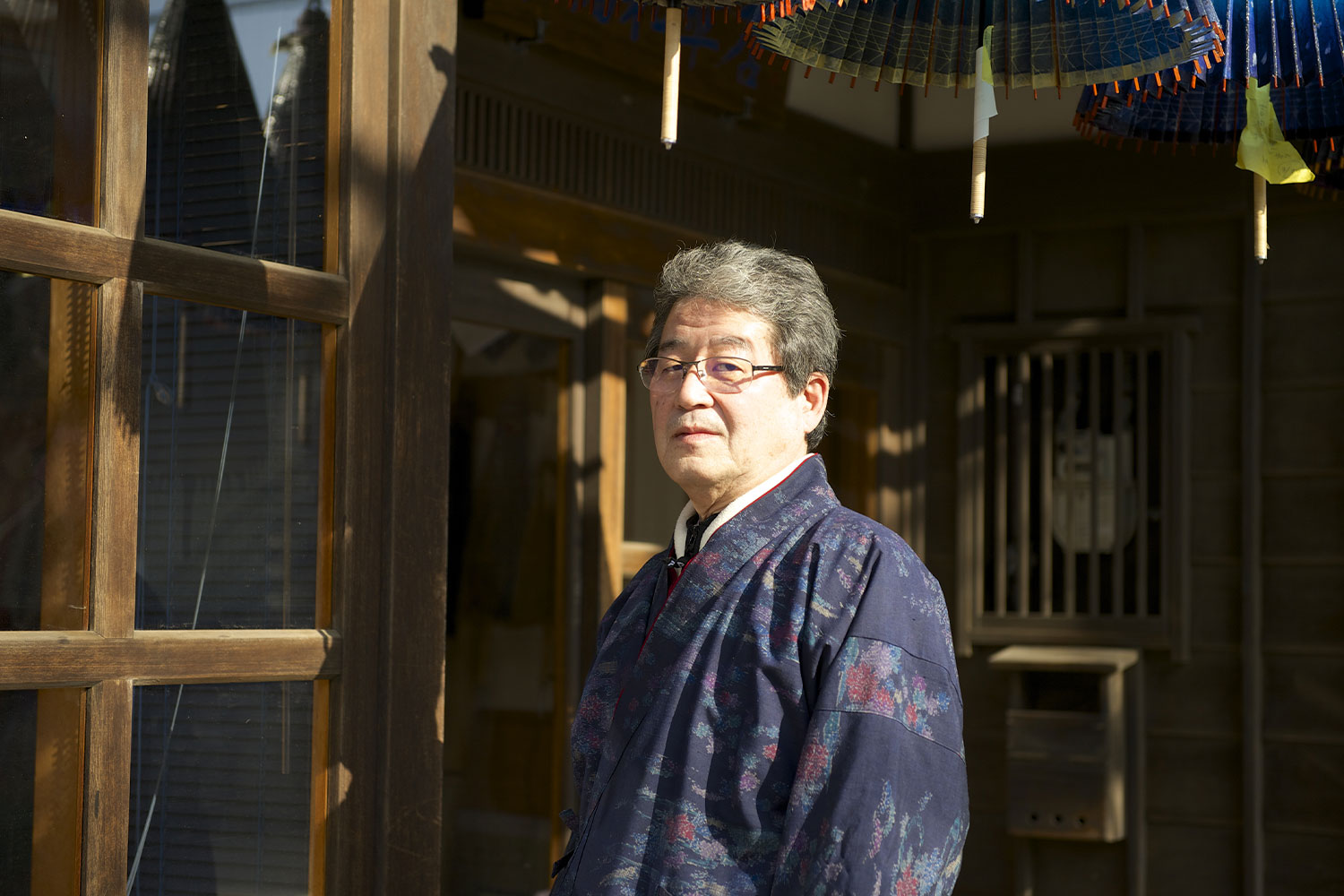
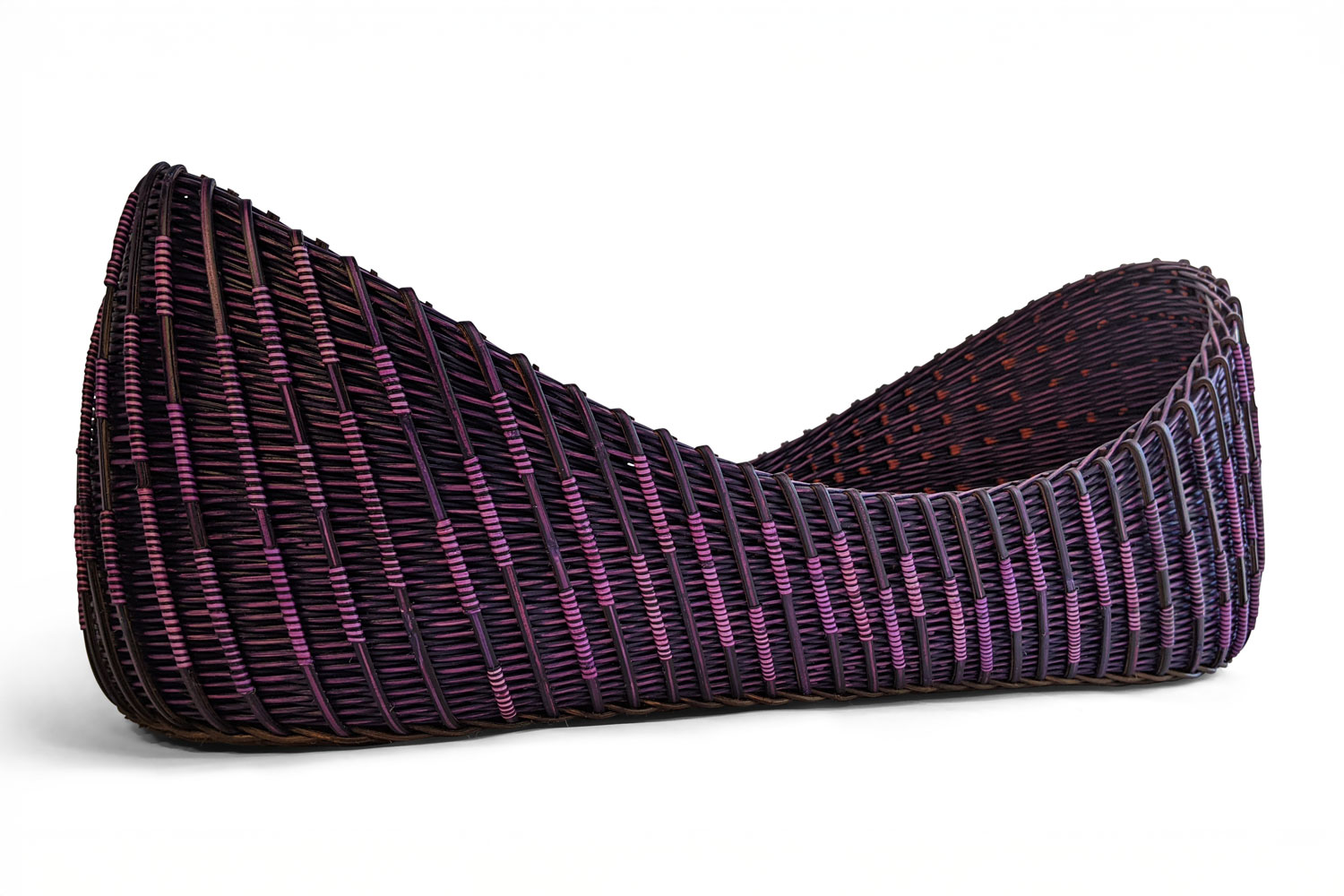
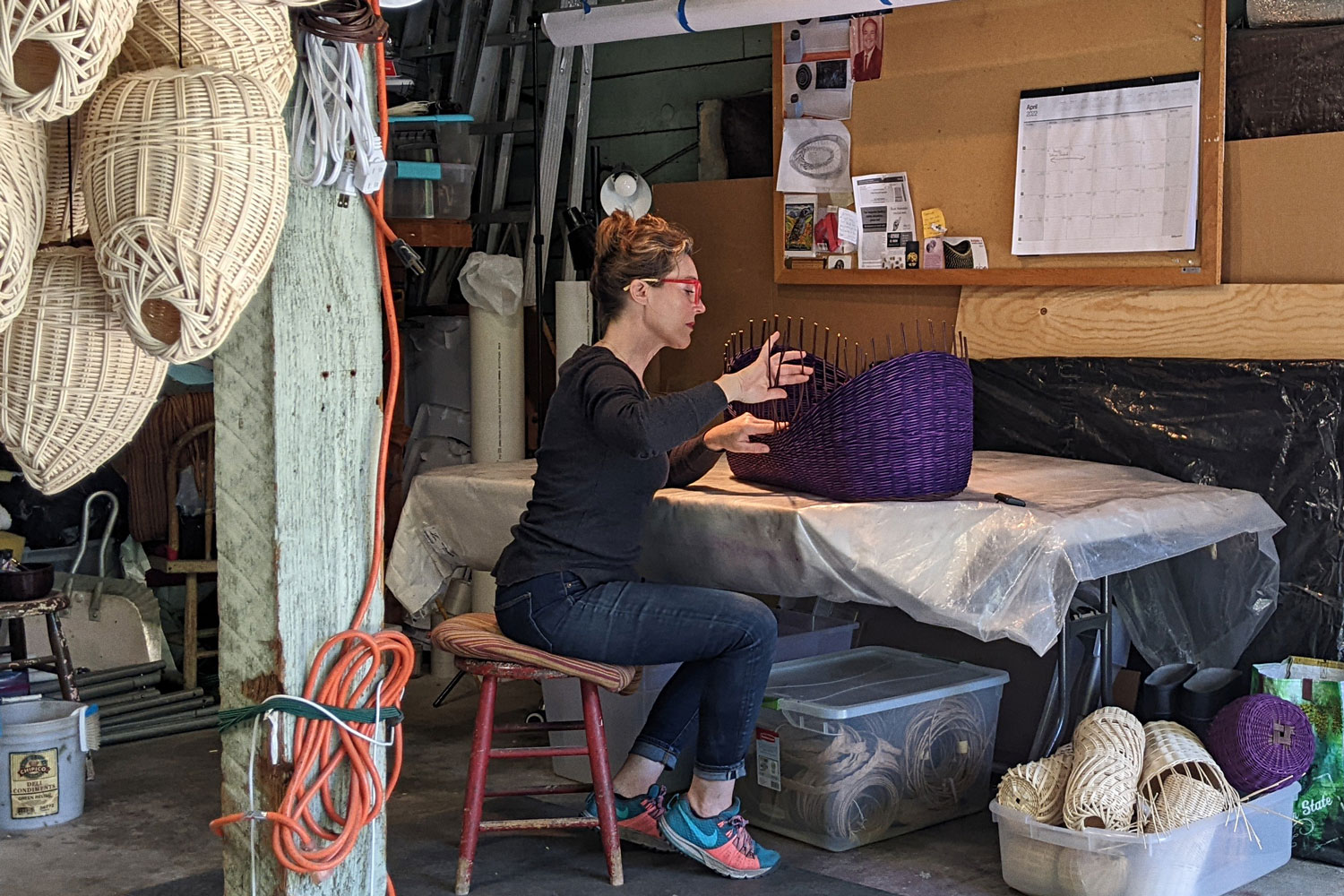
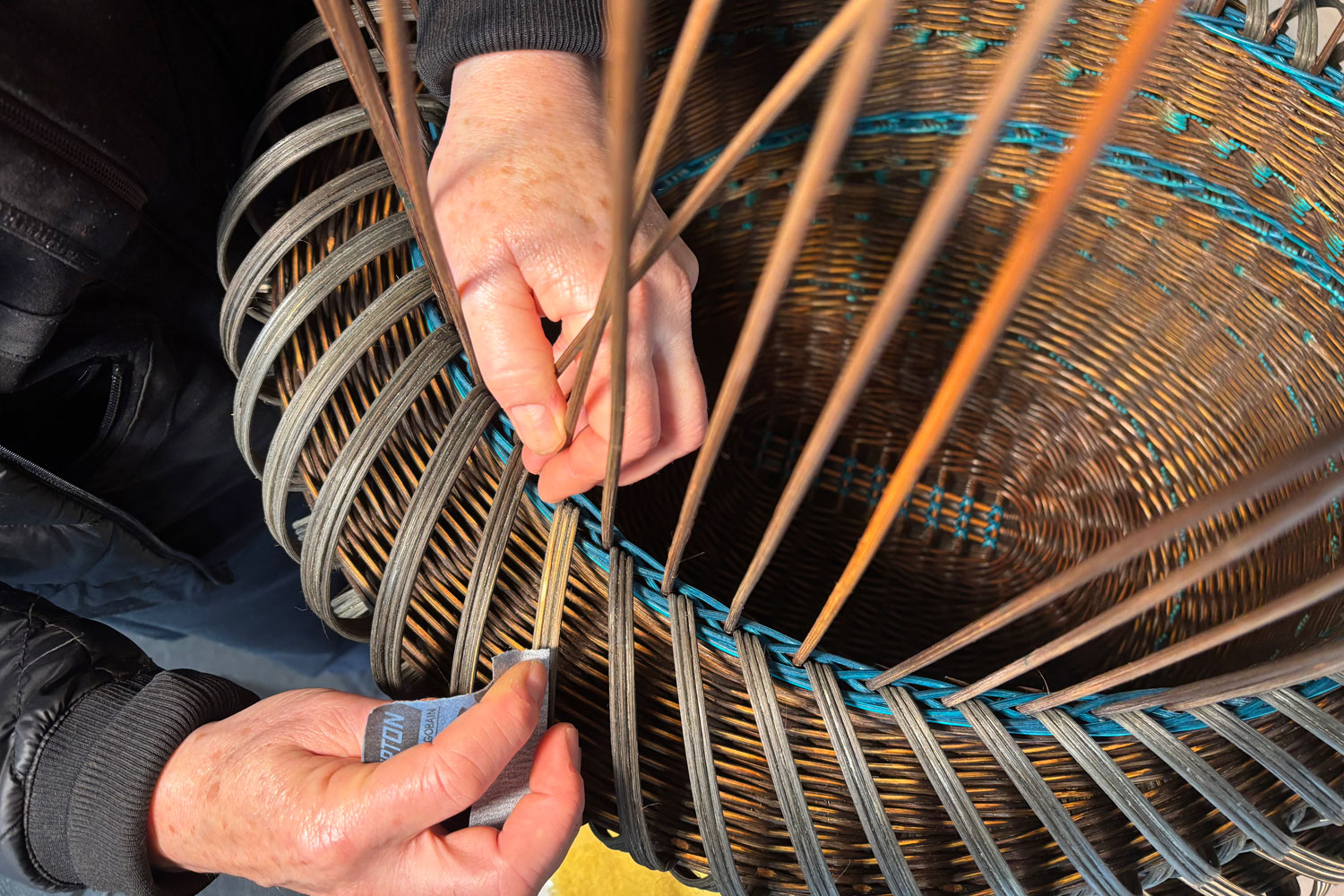
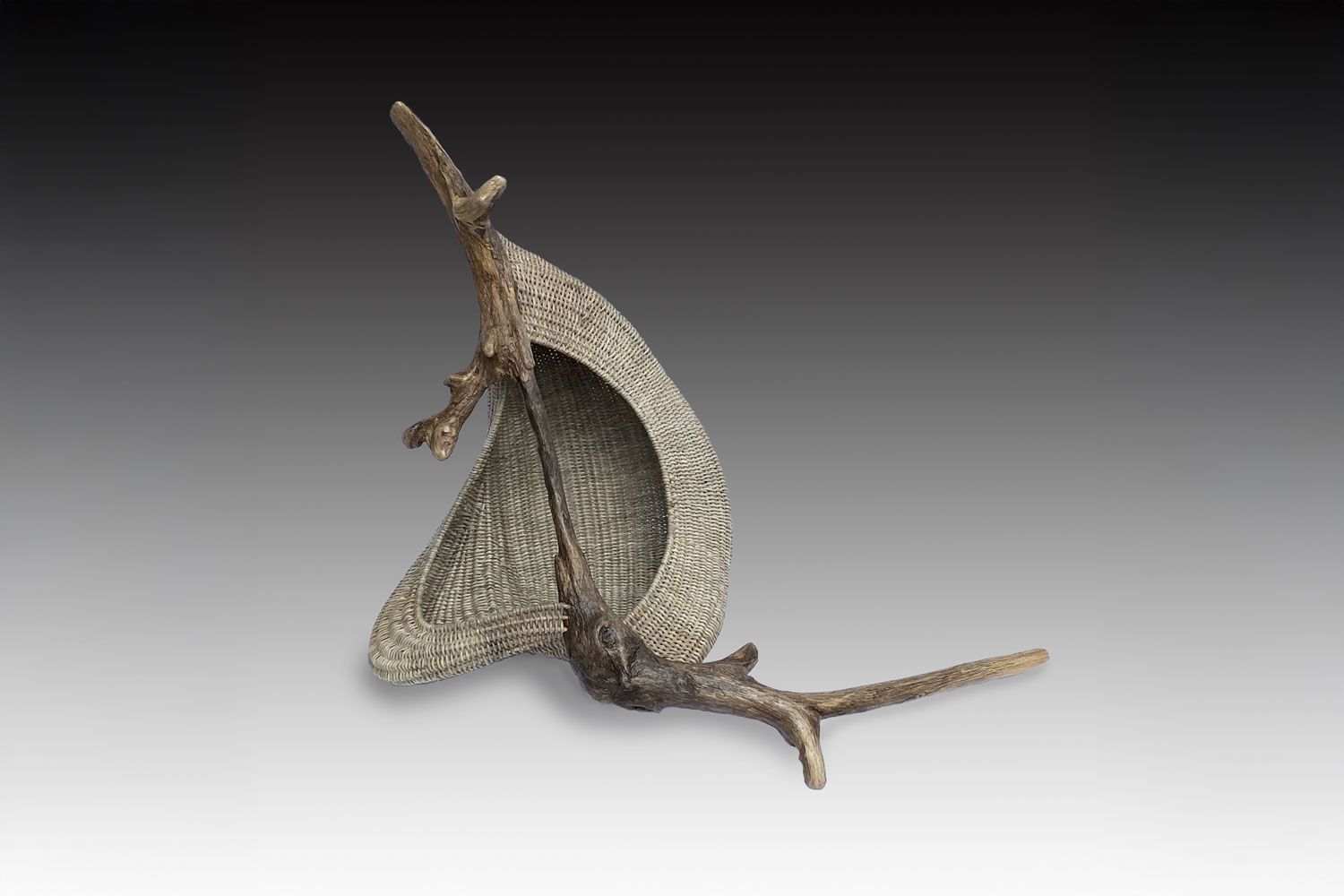
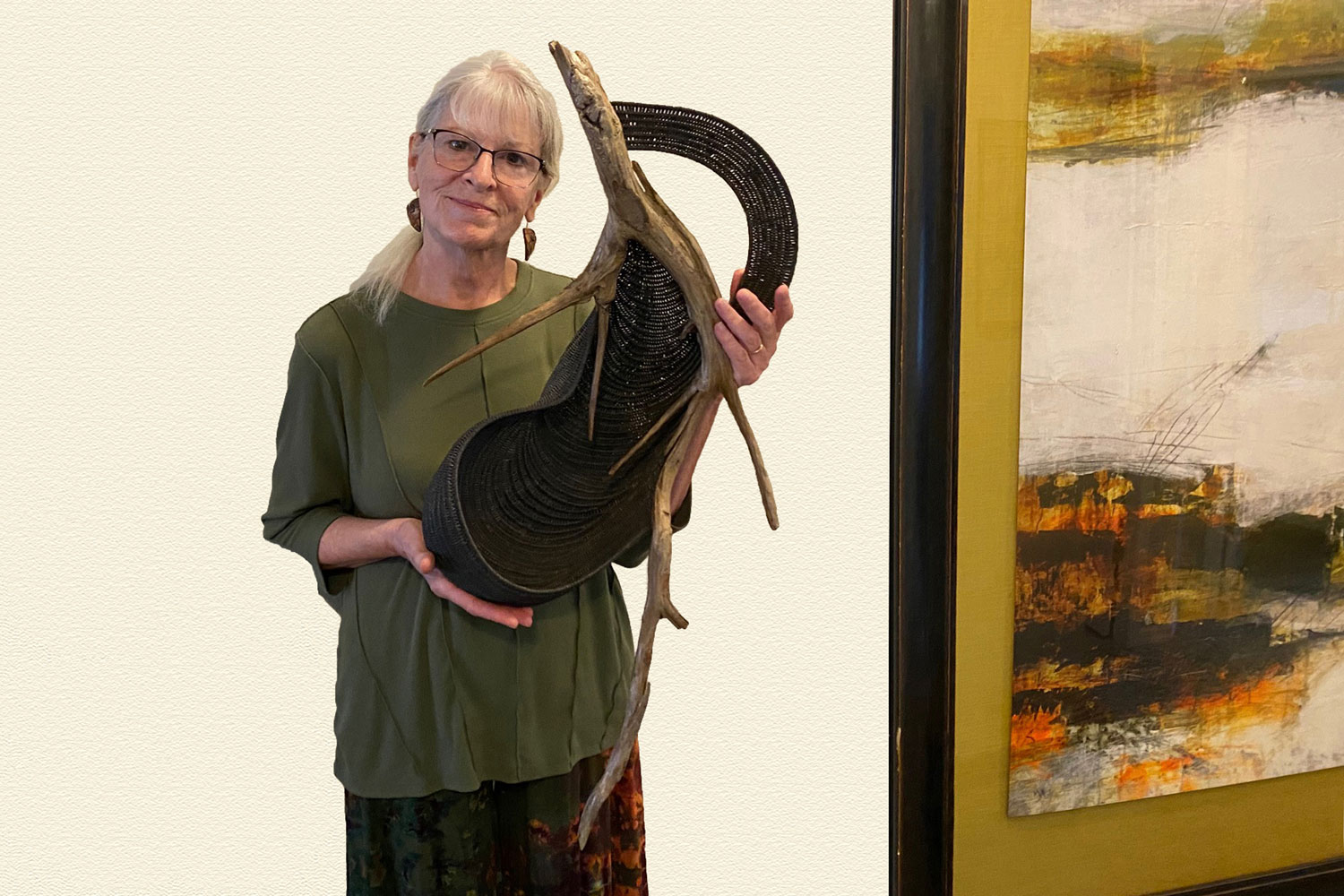
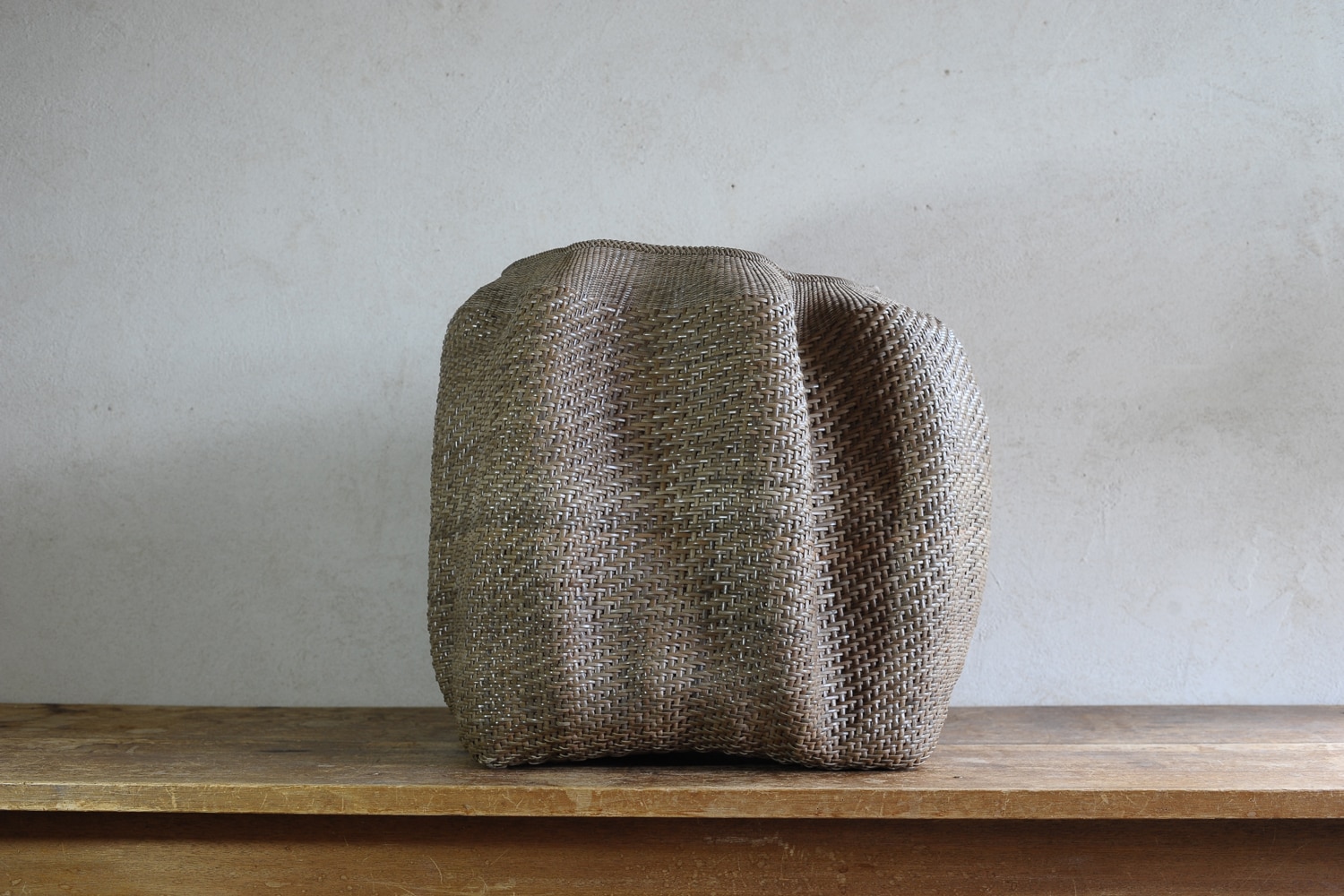
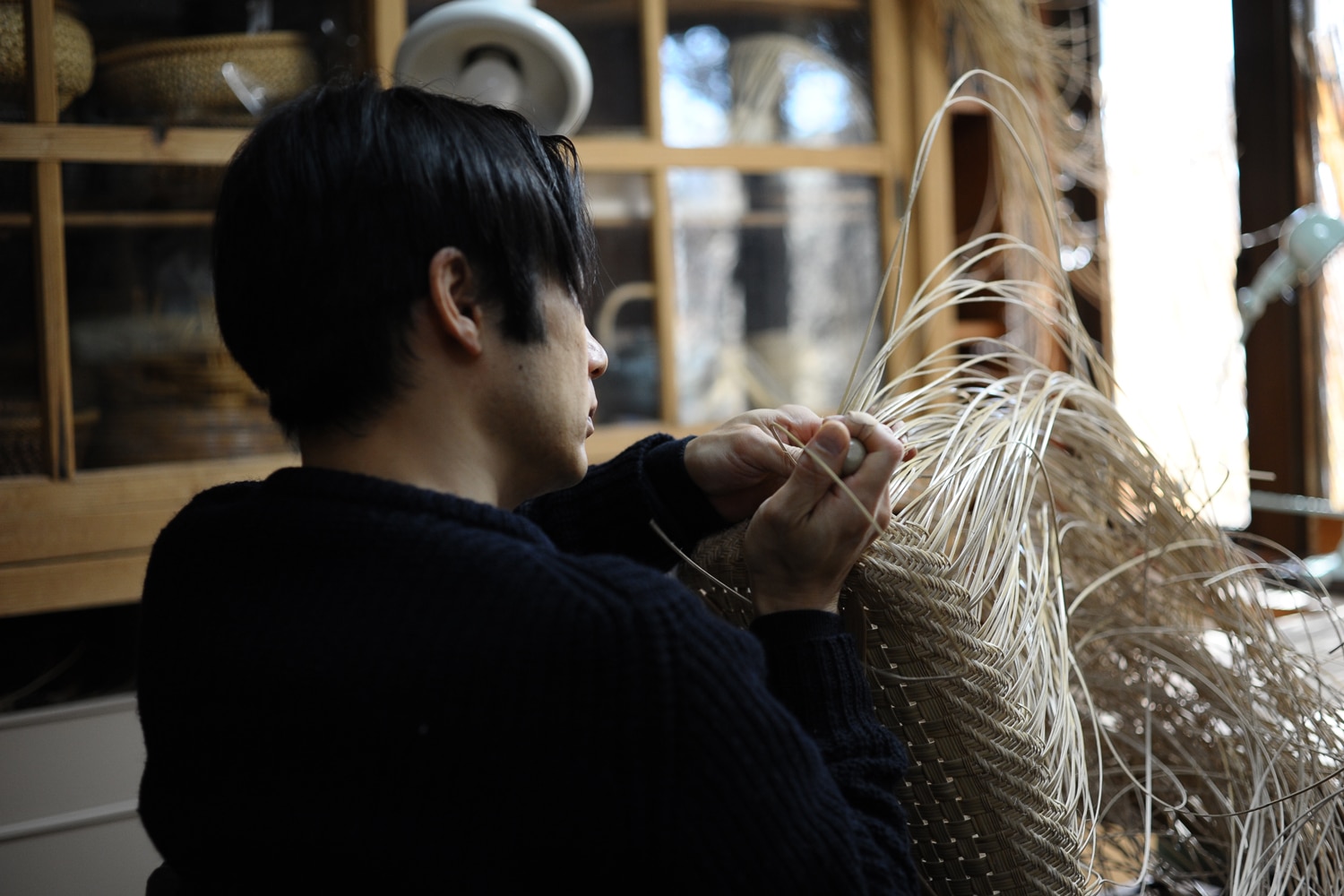
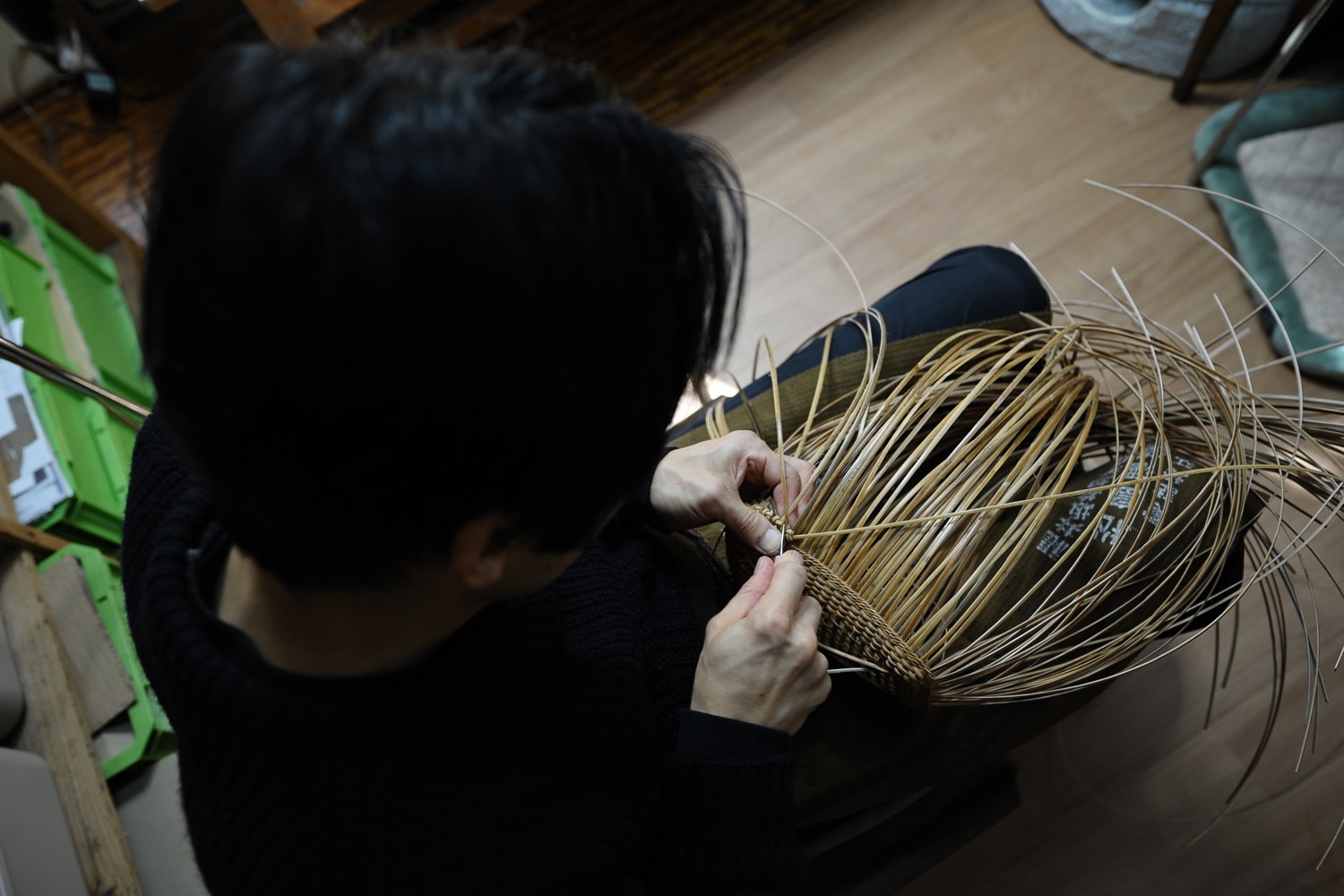
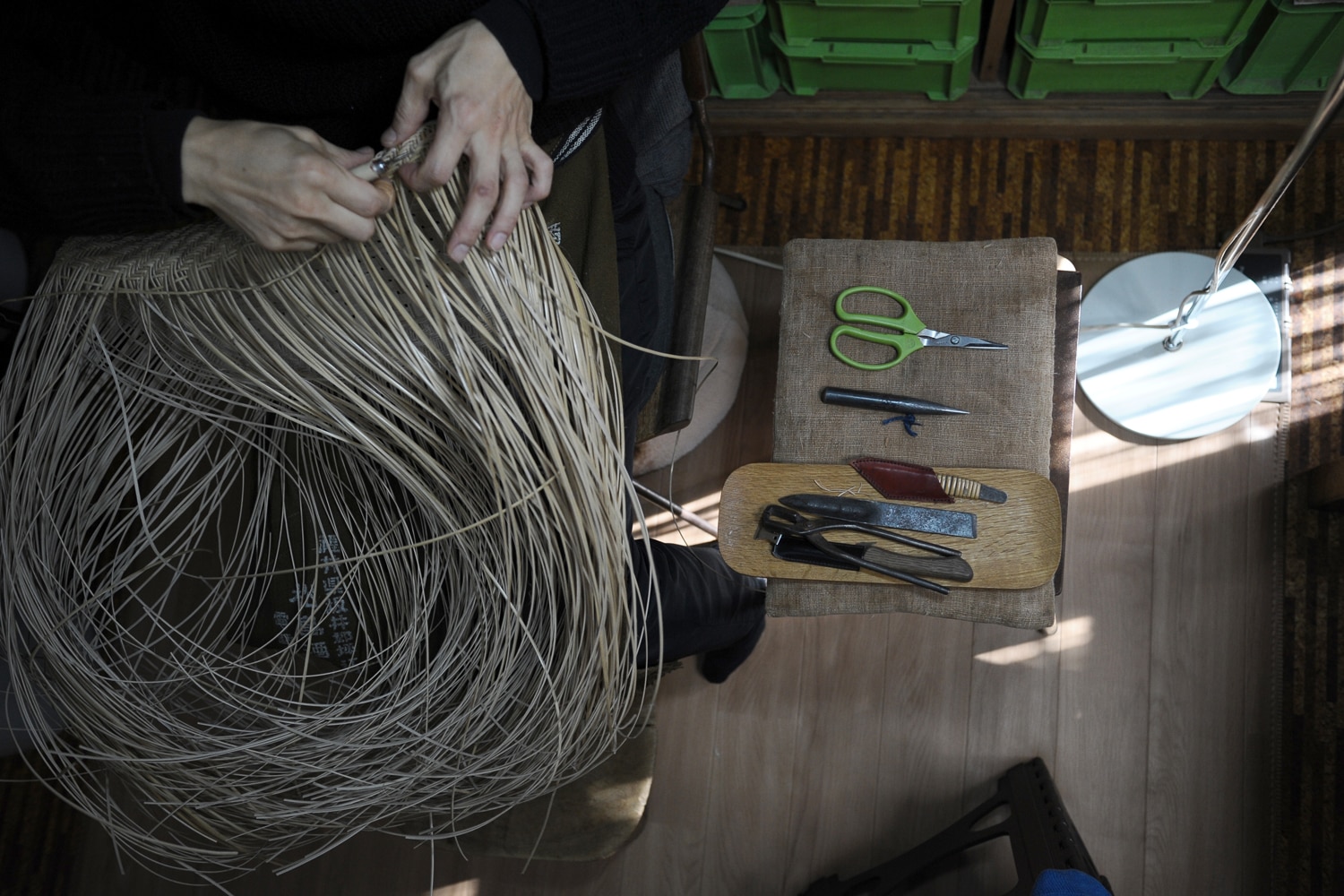
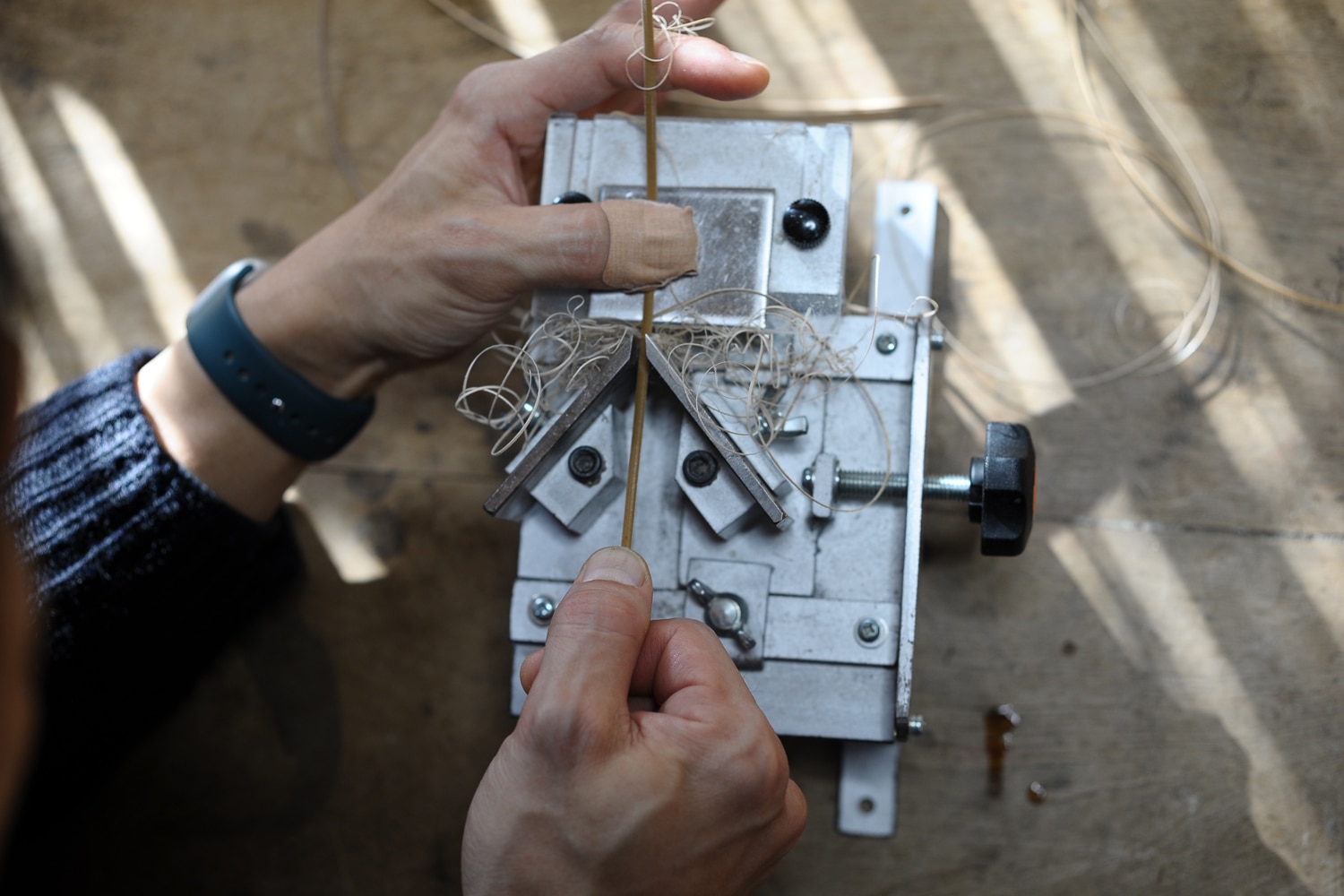
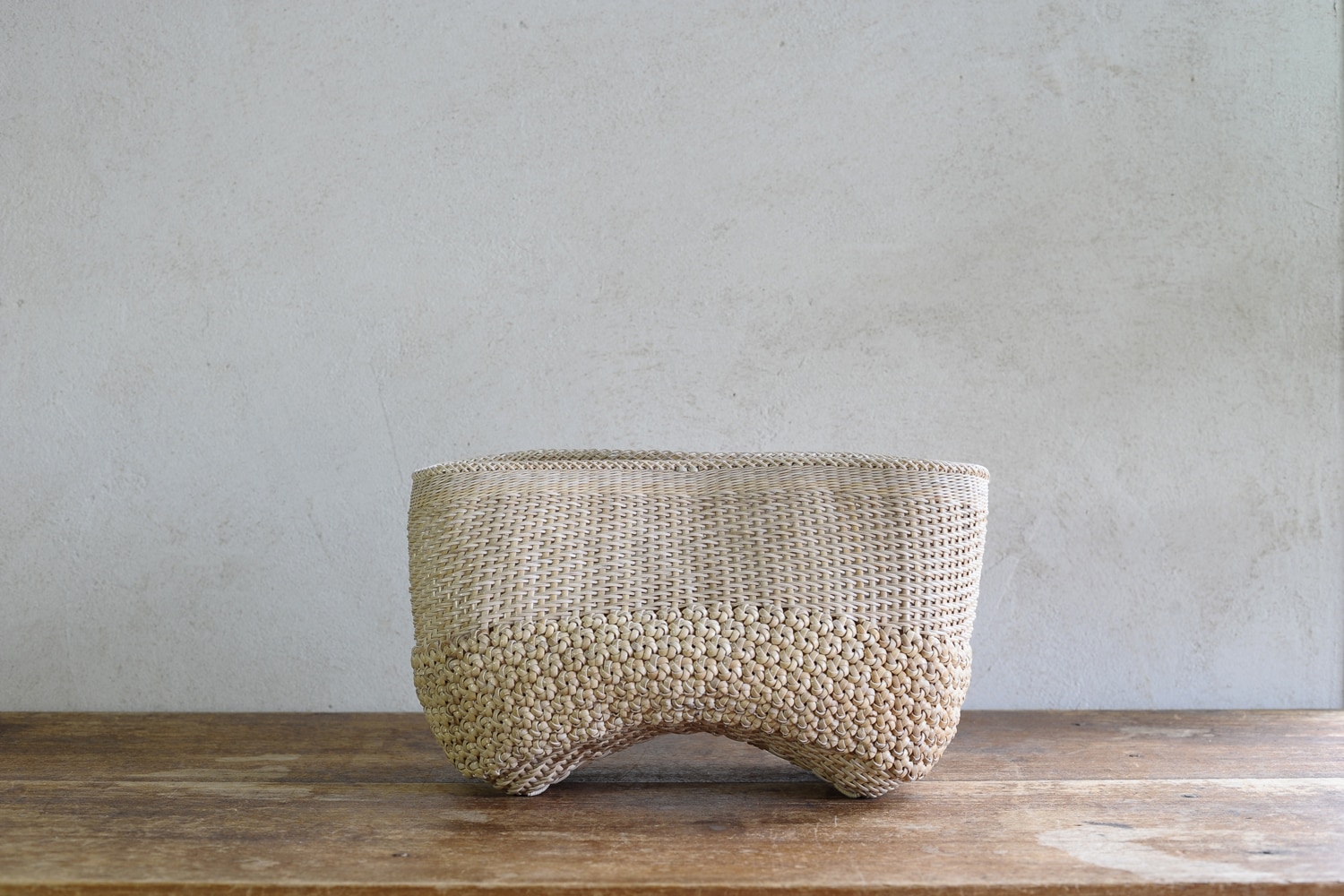
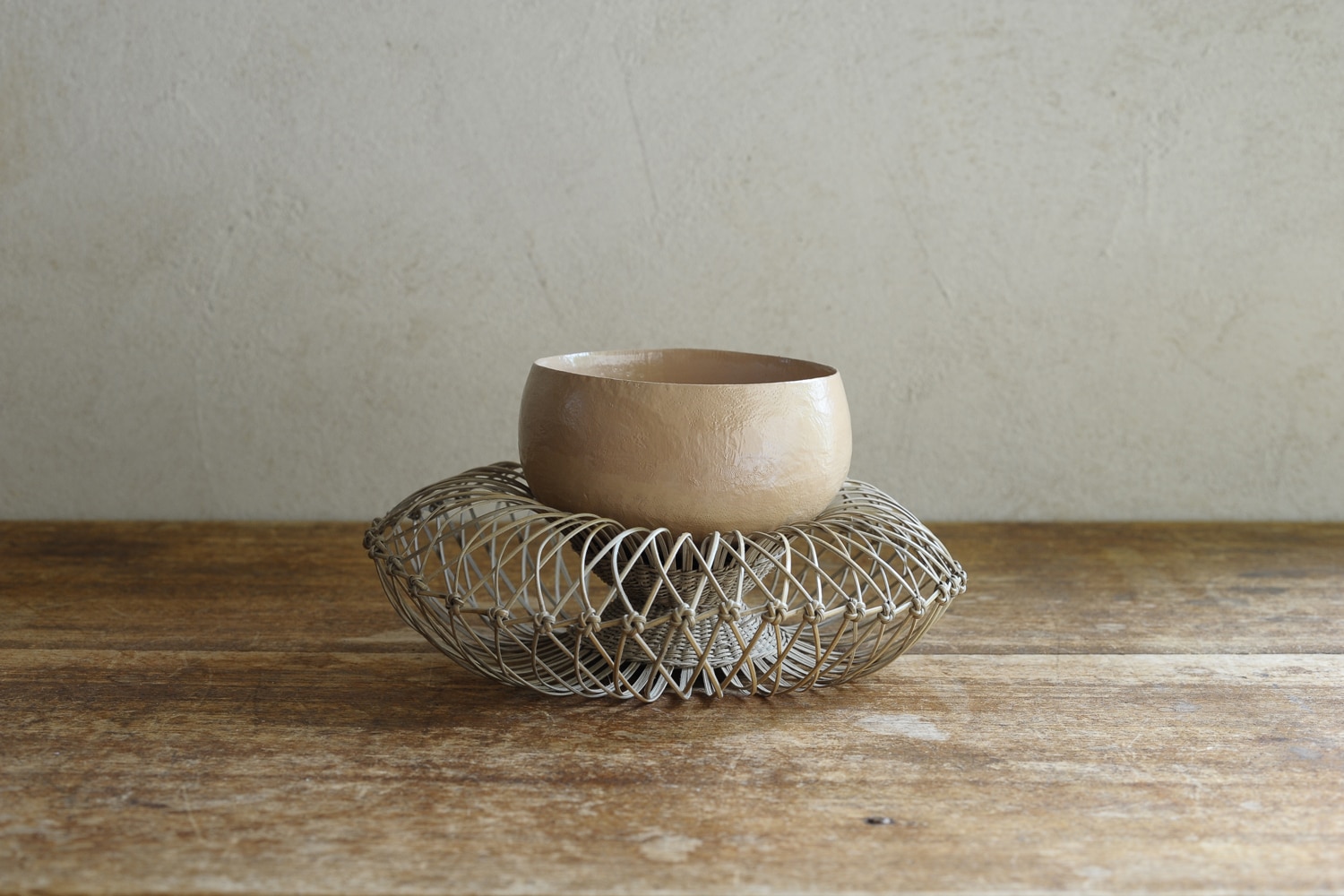
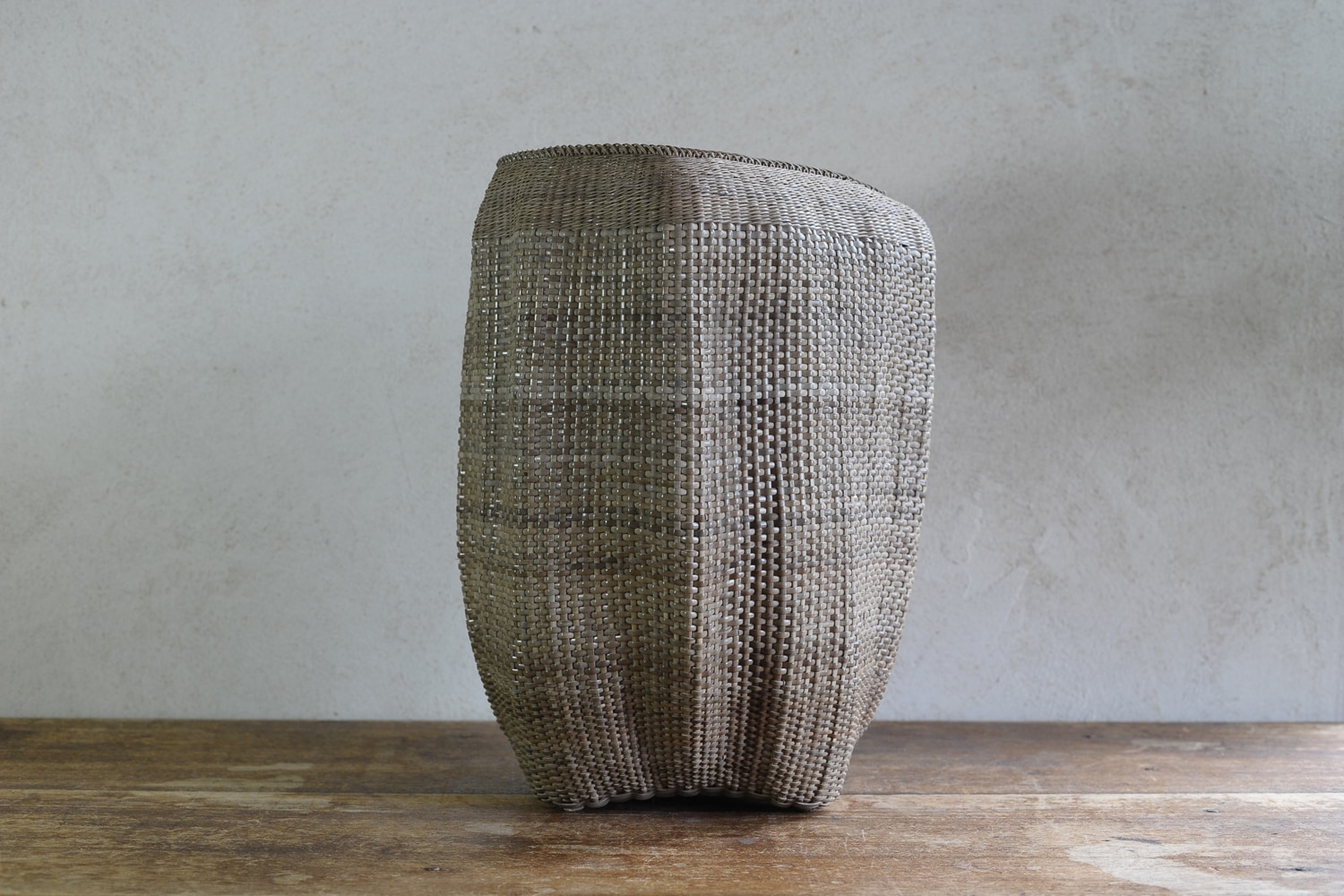
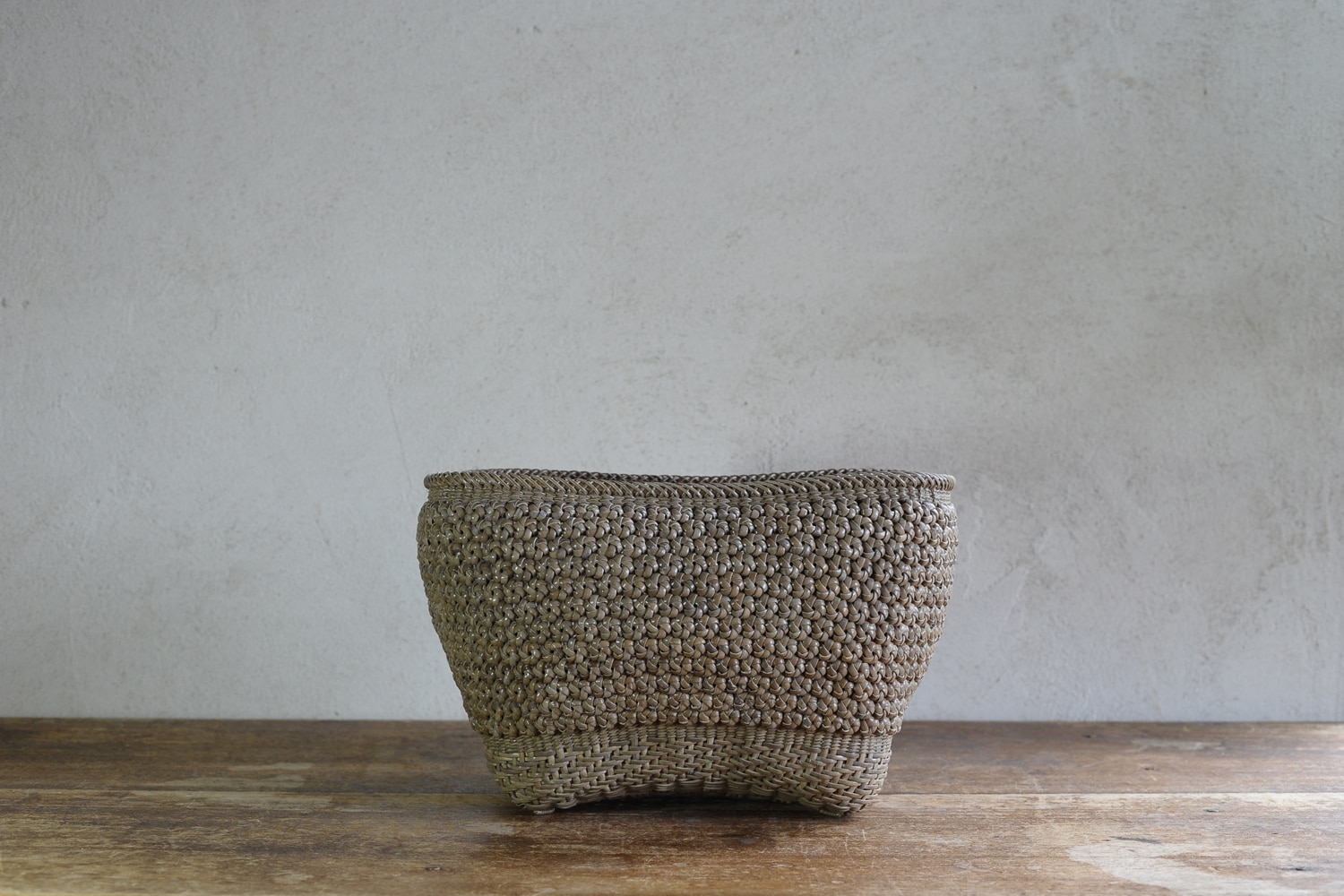
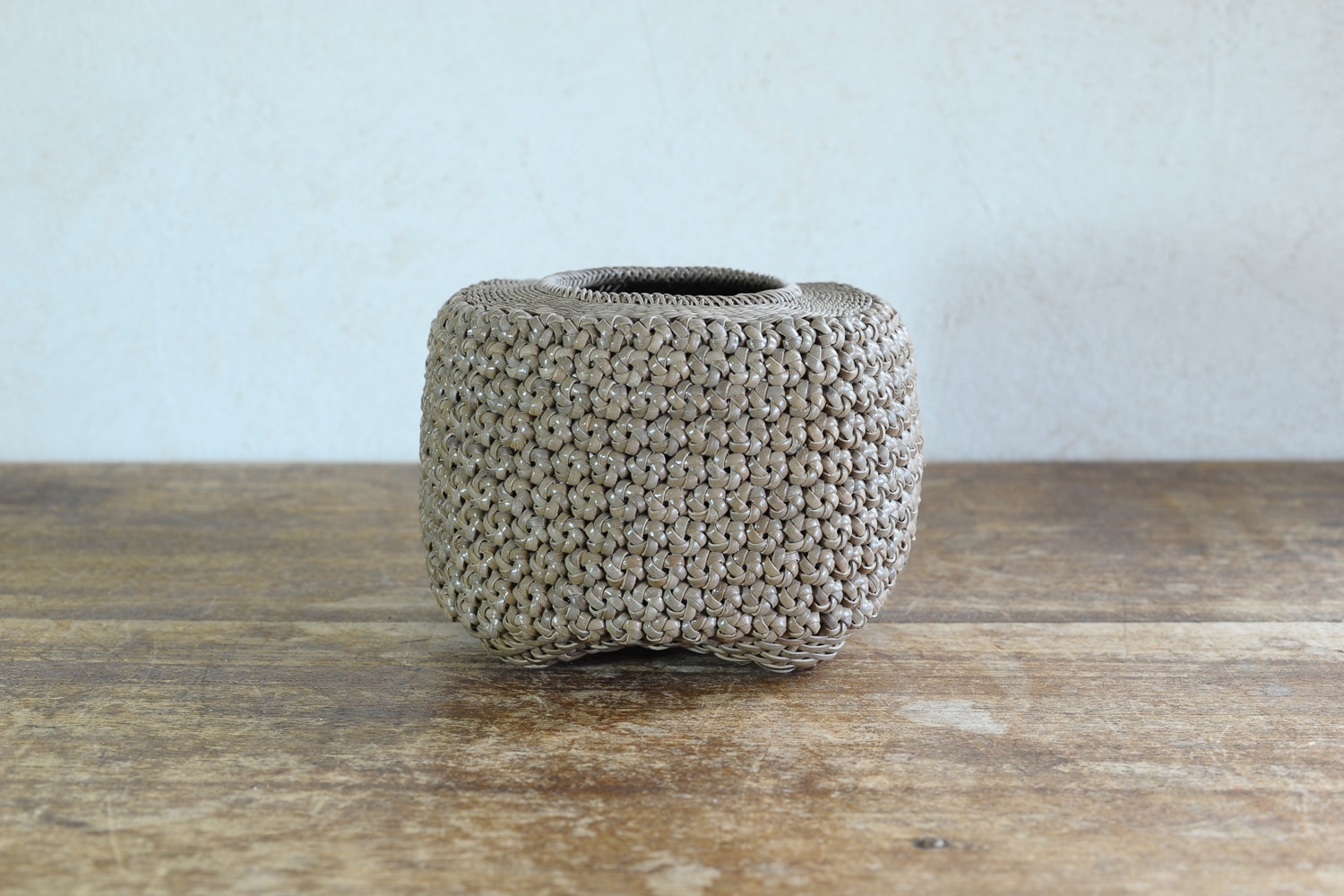
Junpei Kawaguchi did not originally set out to be a rattan weaver, he became an apprentice only when his master sought a successor to inherit the hanamusubi technique. Through his practice today, he creates works that celebrate the material characteristics of rattan through a distinctive wave pattern that undulates across the surface of his works. “My master never insisted that I create precise shapes. He simply taught me the fundamentals,” Junpei explains. “As a result, my making process is guided entirely by my imagination.” Working without any moulds or forms, he chooses to embrace the unique variations in every piece, allowing them to inspire the direction of his future creations.
Junpei Kawaguchi is an expert artisan: he began his career in 2009.
INTERVIEW
My master had only a small reference photo to guide me when teaching me the hanamusubi pattern weaving technique. He specified the number of rattan strands to use, but I struggled initially. Through these early trials, I developed a deep understanding of the material I otherwise would not have acquired.
In this region, rattan is deeply tied to the tradition of tea ceremony. The craft developed in Shimane Prefecture under a feudal lord who loved the ritual. Rattan pieces were created for use in these ceremonies, which eventually led to the craft spreading throughout the area.
My work is often mistaken for bamboo. While bamboo is known for its strength and structural clarity, rattan is far softer and more flexible. Many rattan weavers aim to minimise these supple qualities, but I prefer to embrace them. The signature waves in my baskets are possible because I emphasise the unique, fluid characteristics of rattan.
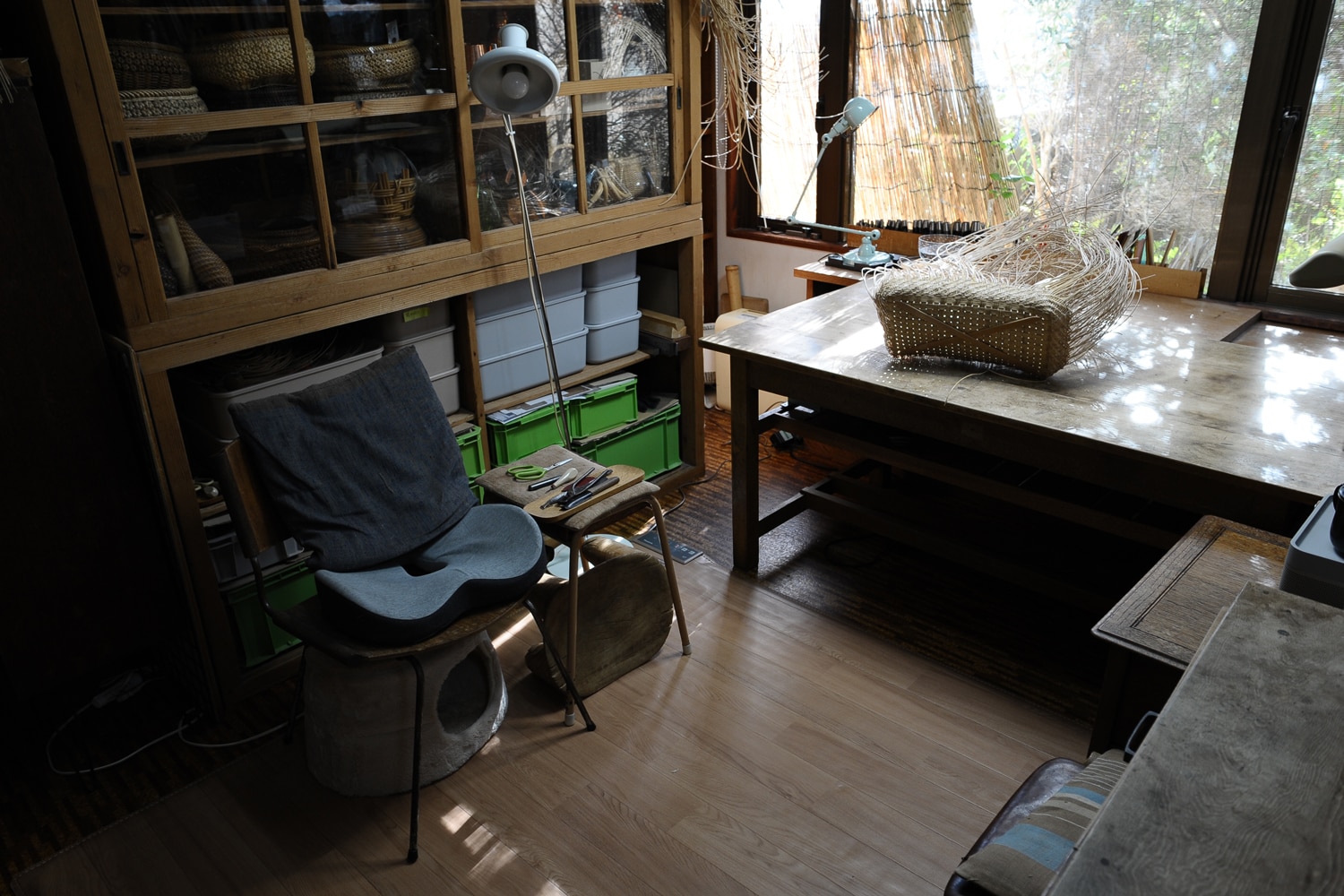
I feel it is important to teach hanamusubi weaving, though I have not yet reached the stage of taking an apprentice. My current practice demands 12 to 13-hour days without breaks, a pace I sustain out of love for the craft. However, I worry that those accustomed to a more conventional work-life balance might find this lifestyle difficult to maintain.
Junpei Kawaguchi
Basketweaver
Yonago, Japan
AVAILABILITY
By appointment only
PHONE
+81 859328650
LANGUAGES
Japanese
HOMO FABER FINDS
Homo Faber Finds is a new service aiming to inspire admirers of craft to connect and collaborate with exceptional artisans.
We invite you to submit an enquiry here.