Noboru Fujinuma
Basketweaver
Otawara, Japan
The colourful strength of bamboo
- Noboru practises the ancient Japanese craft of bamboo art
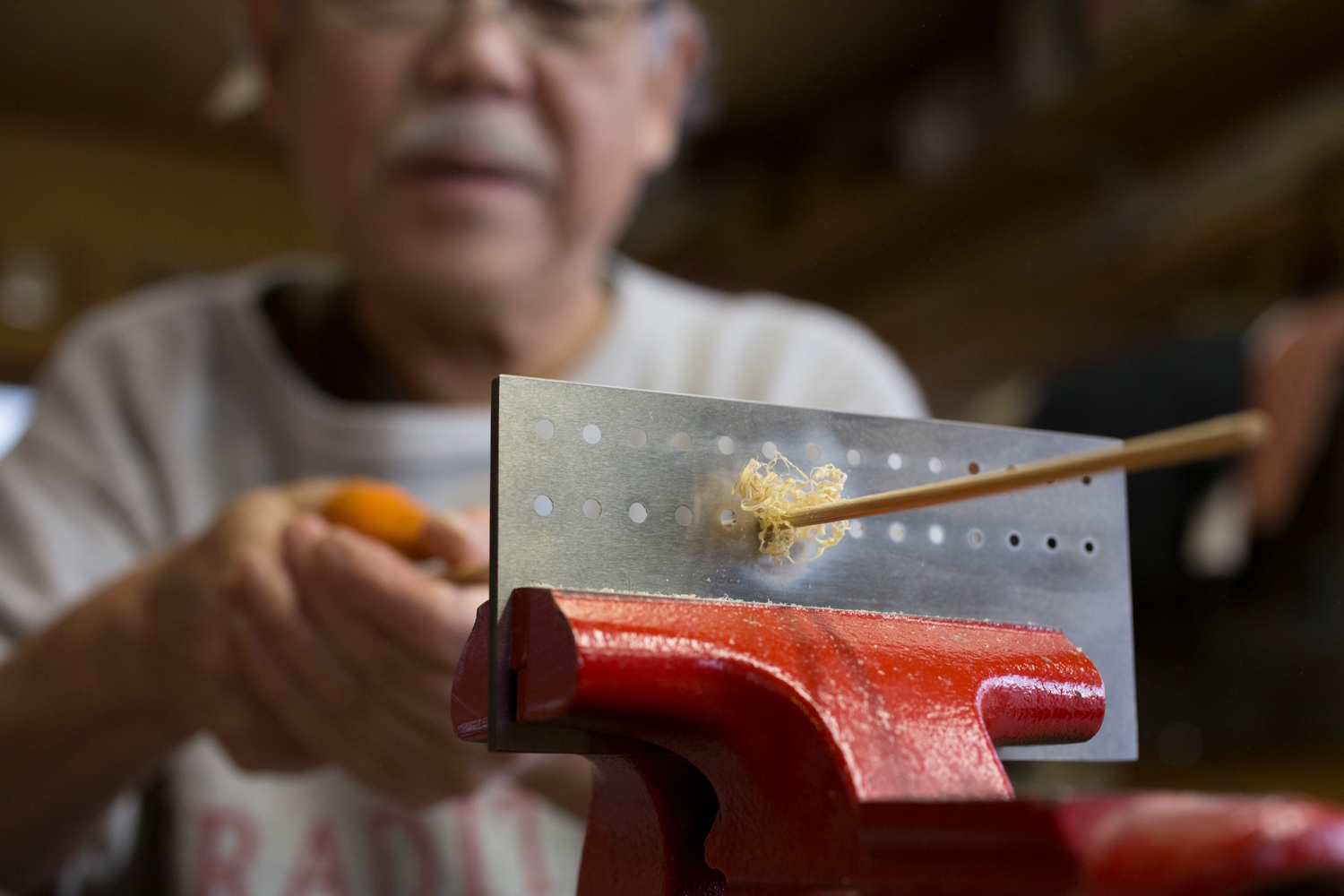
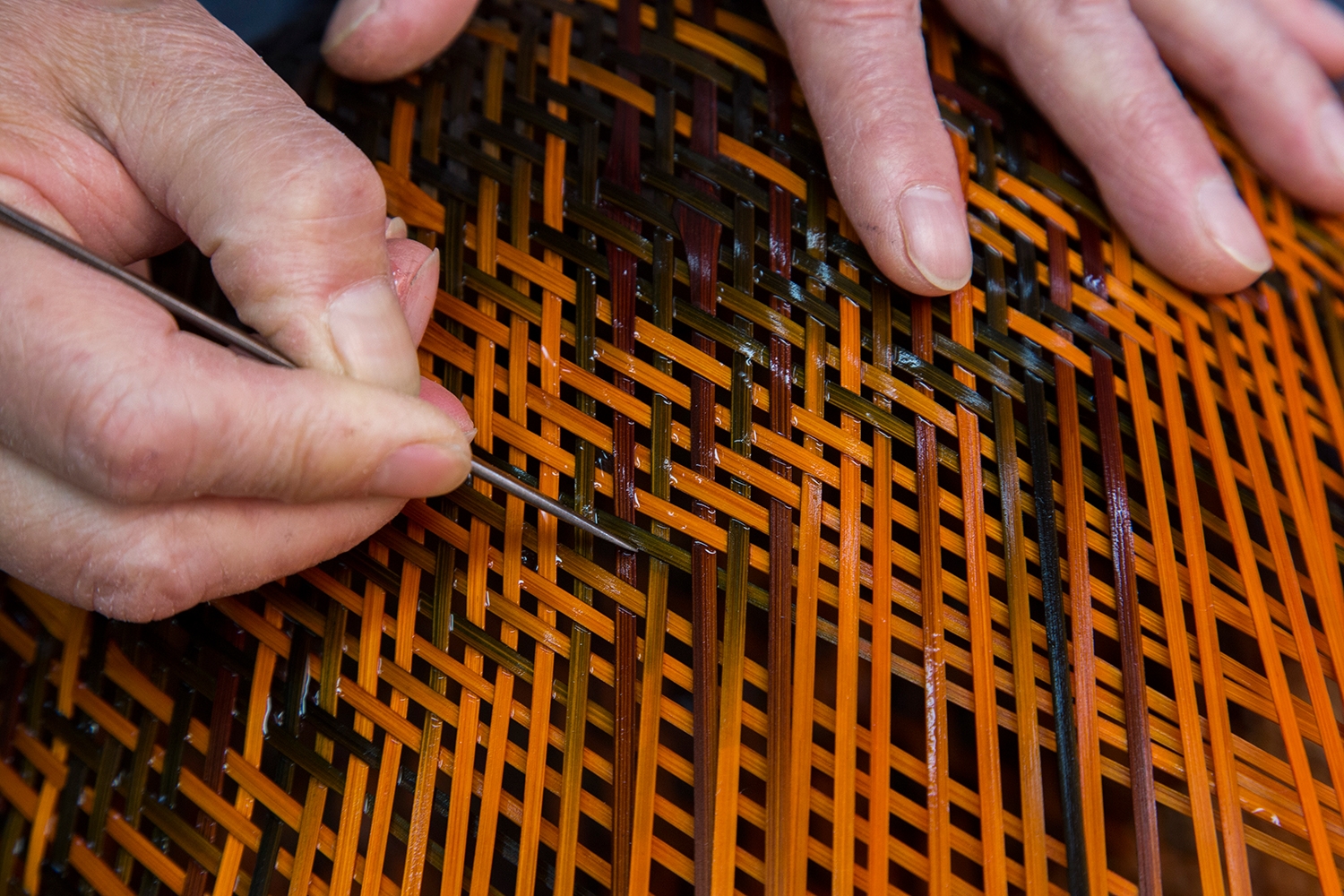
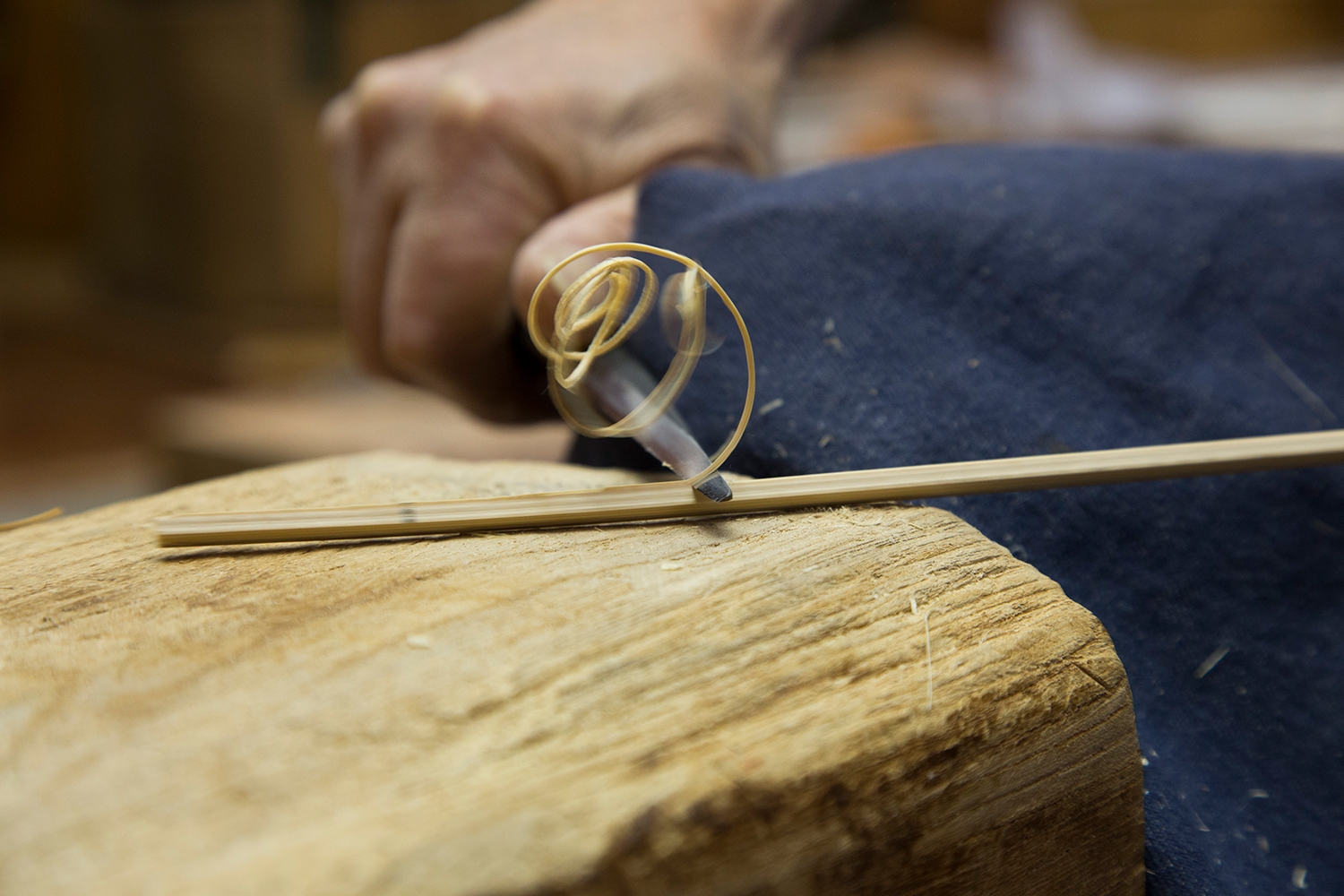
- Bamboo is a versatile material that requires harvesting, drying as well as weaving and lacquering
- He developed his skills through experience and practice on his own
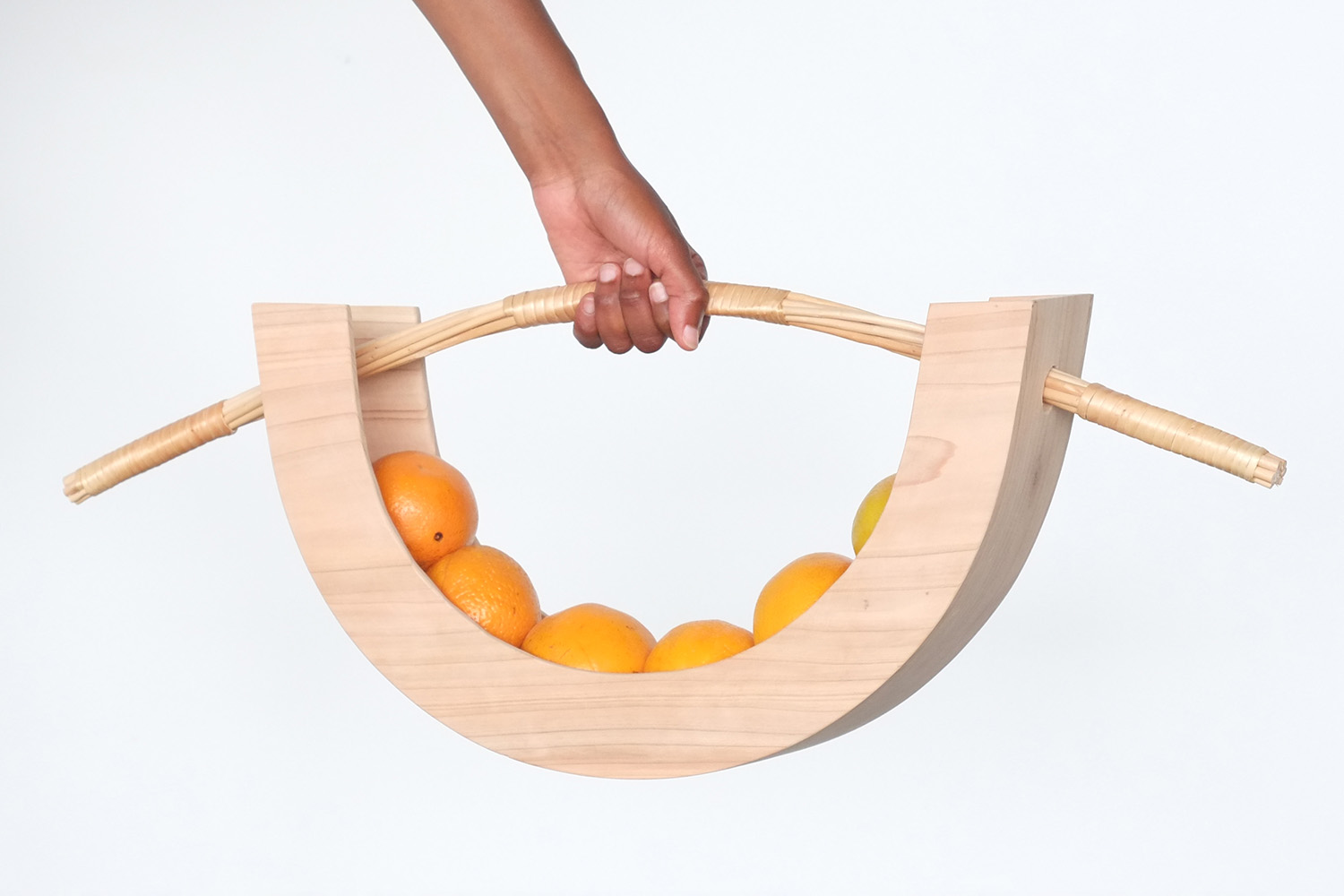
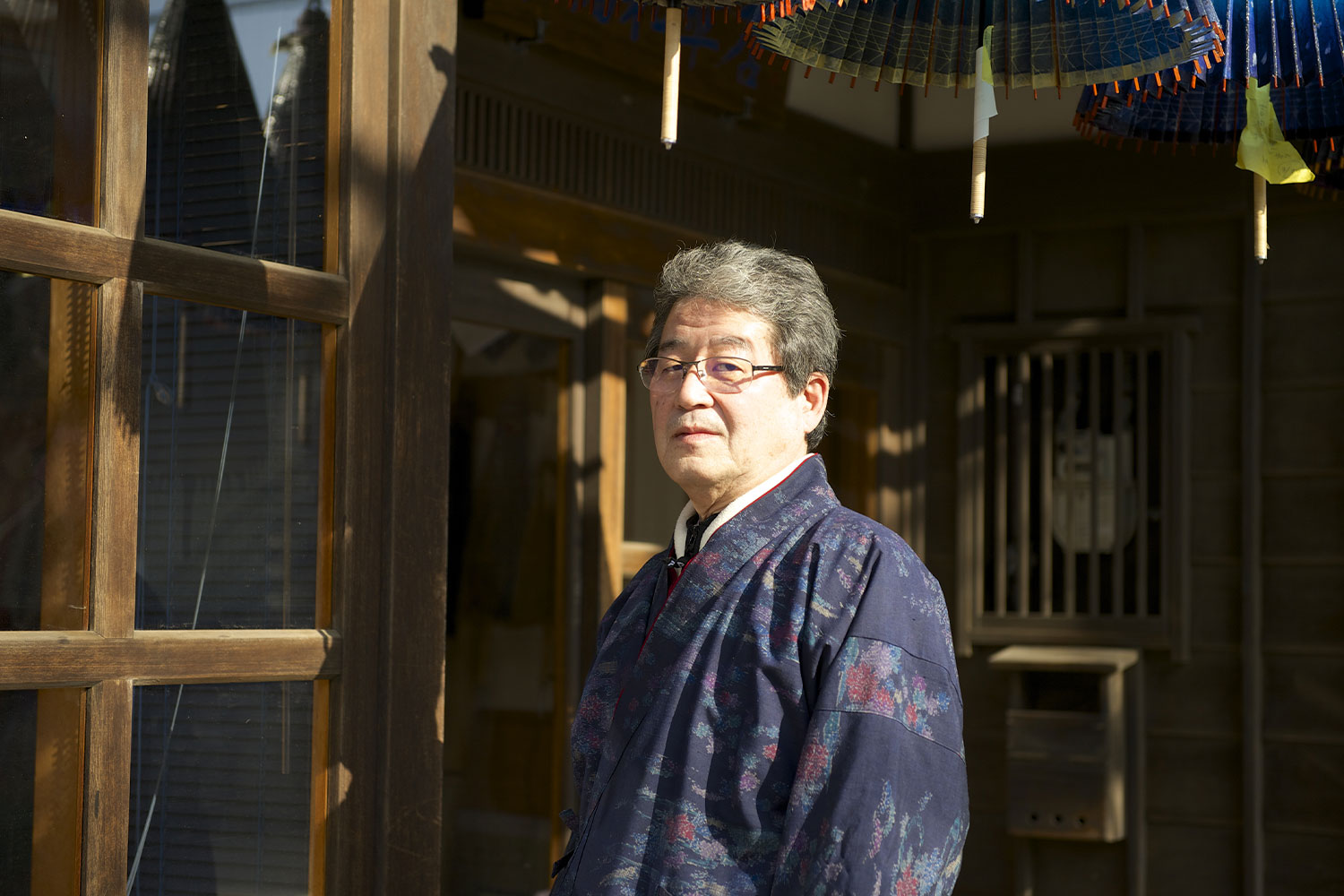
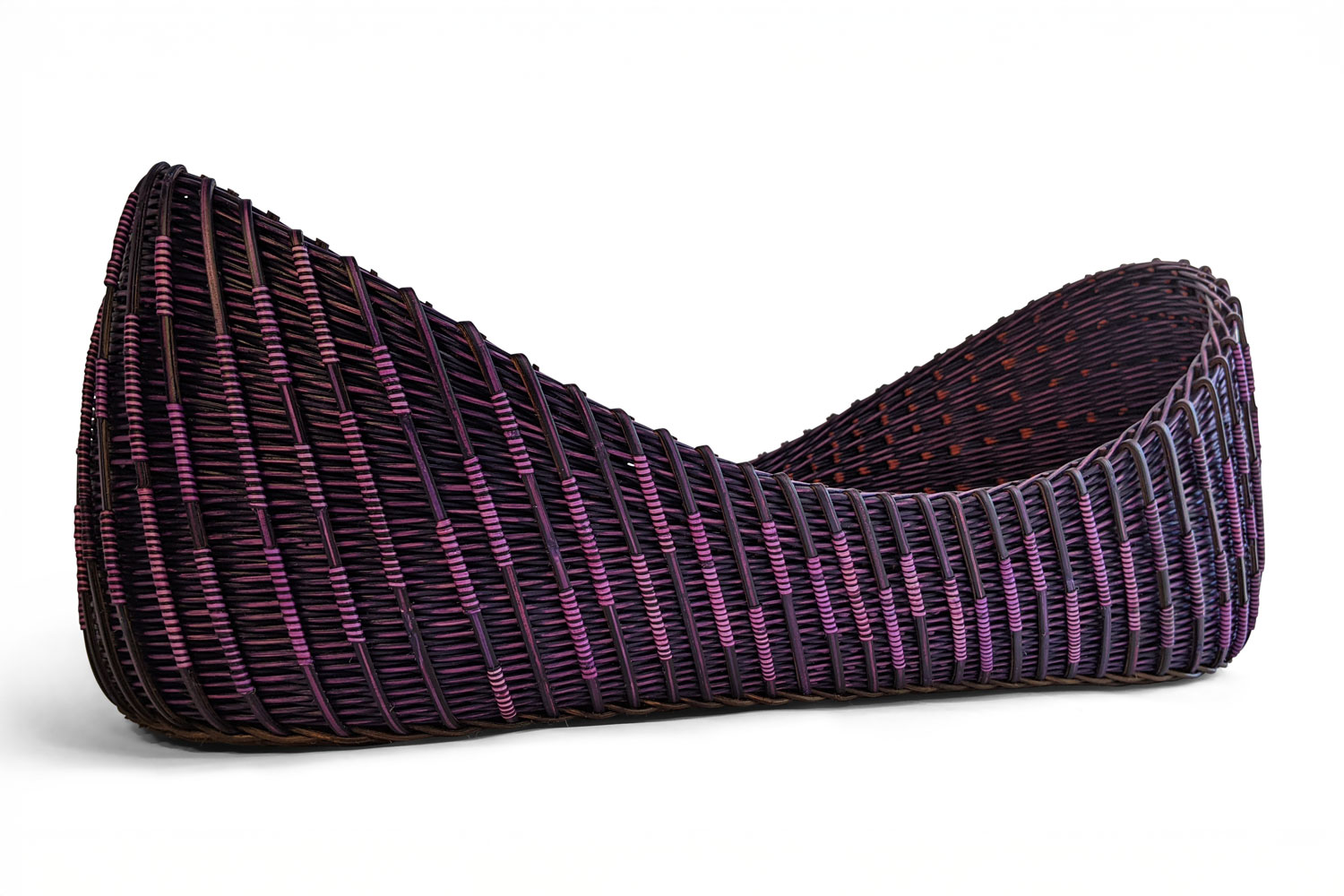
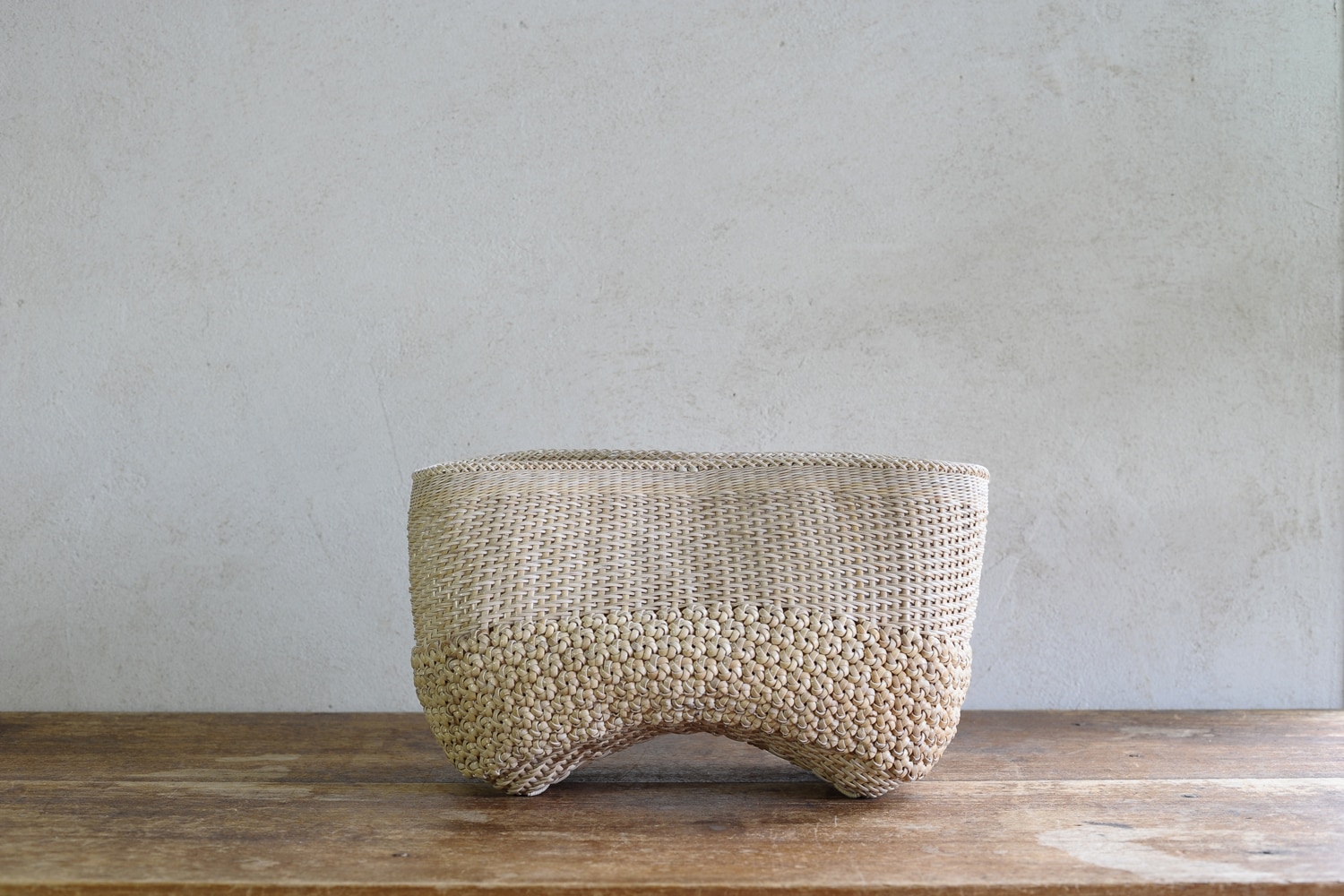
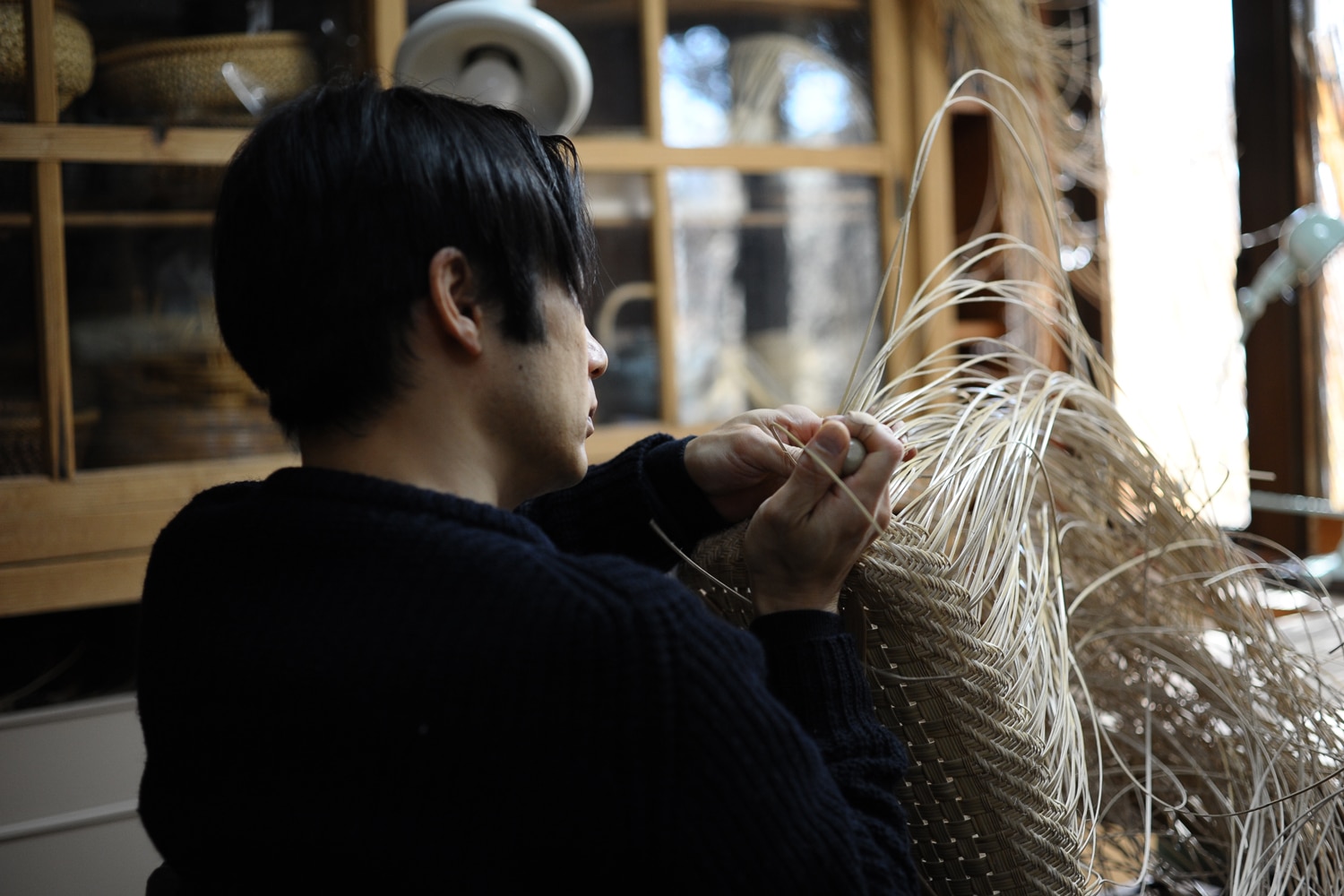
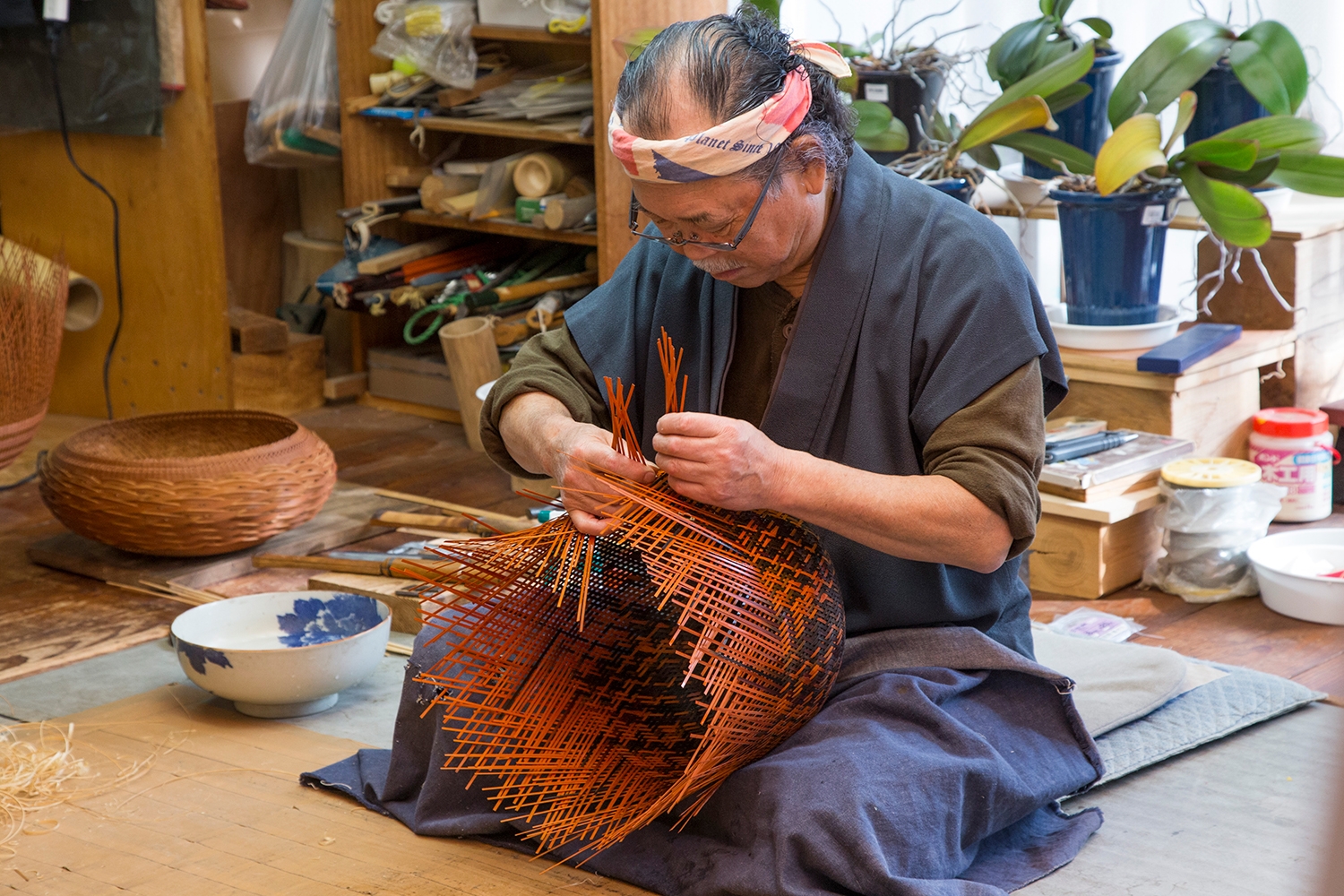
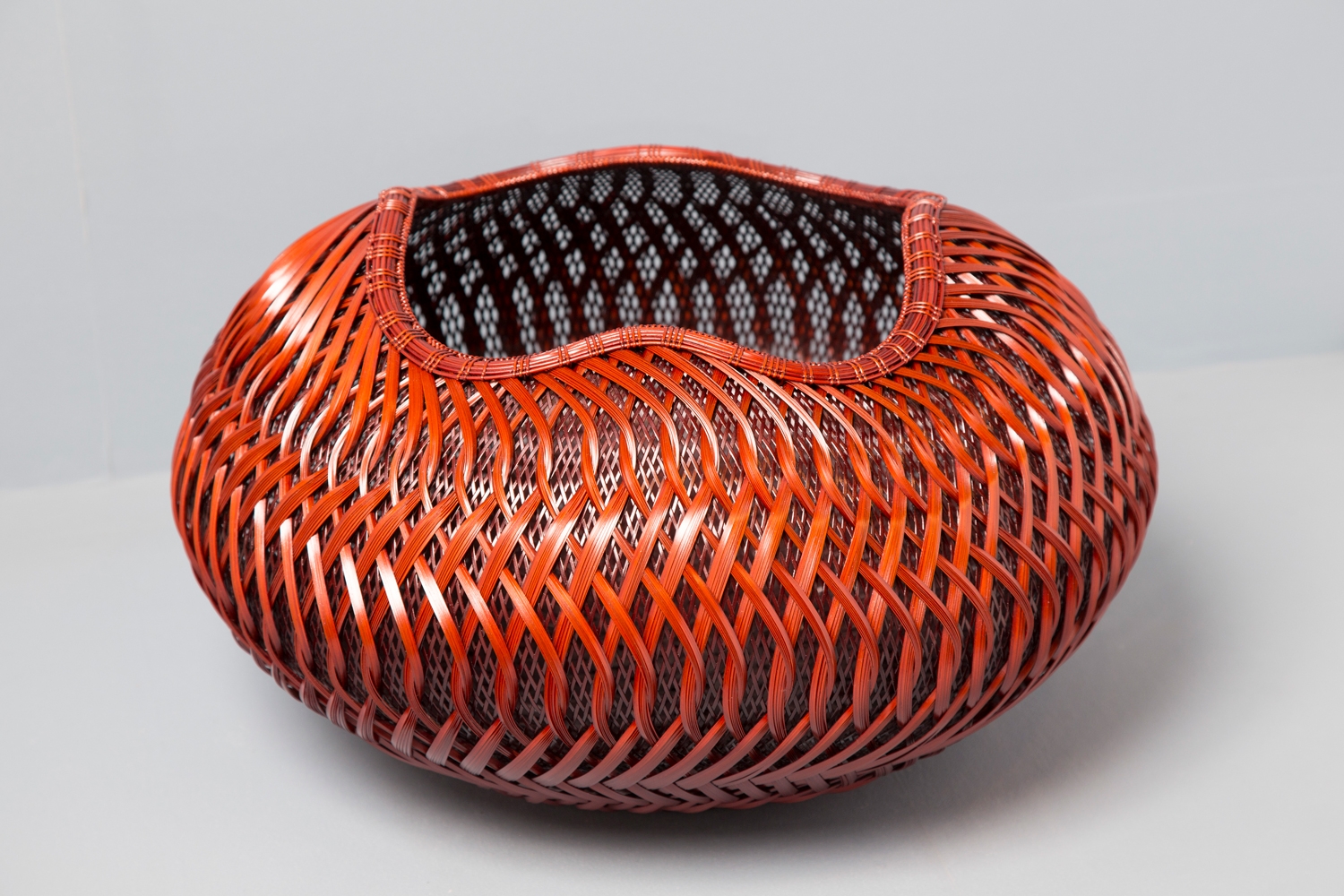
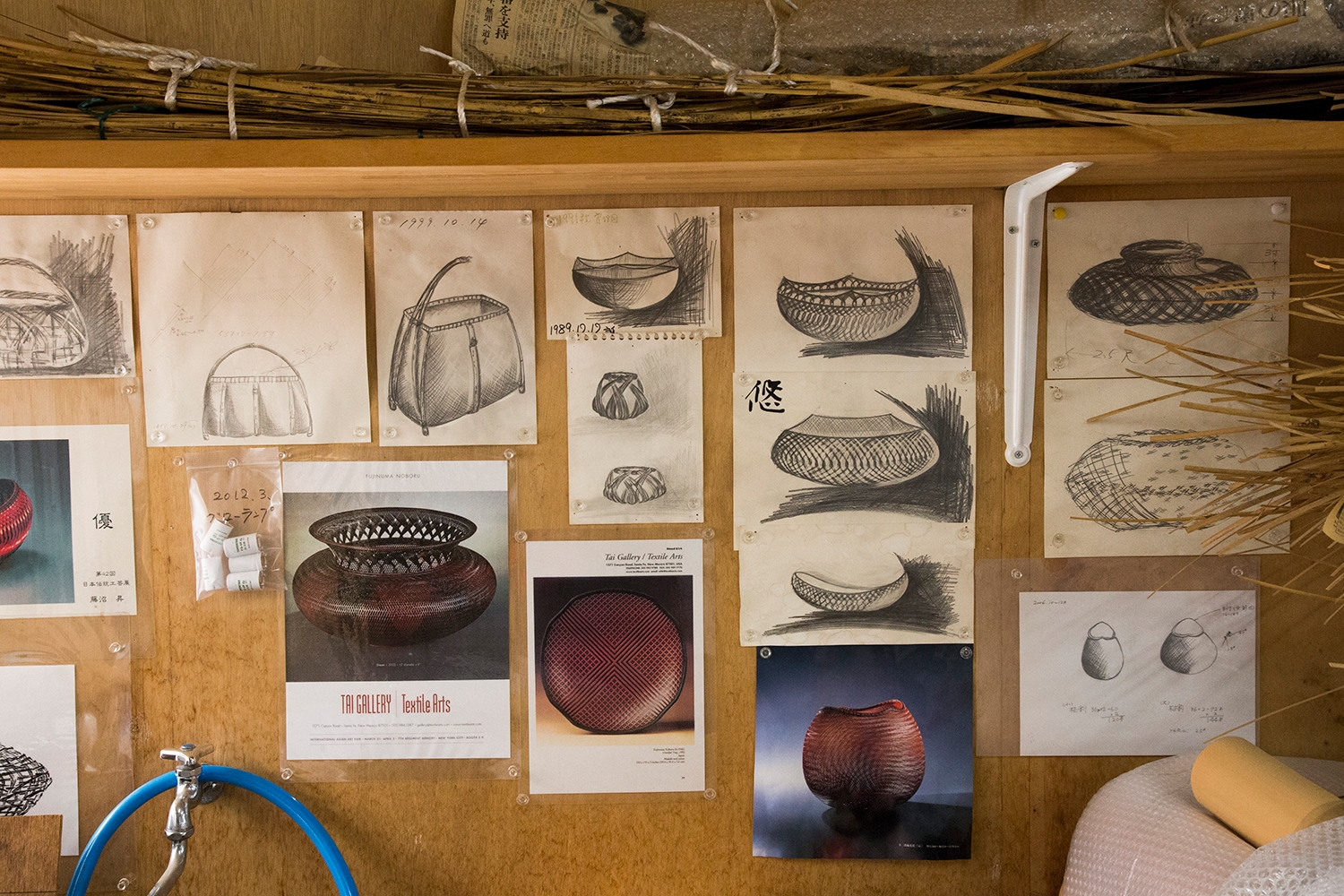
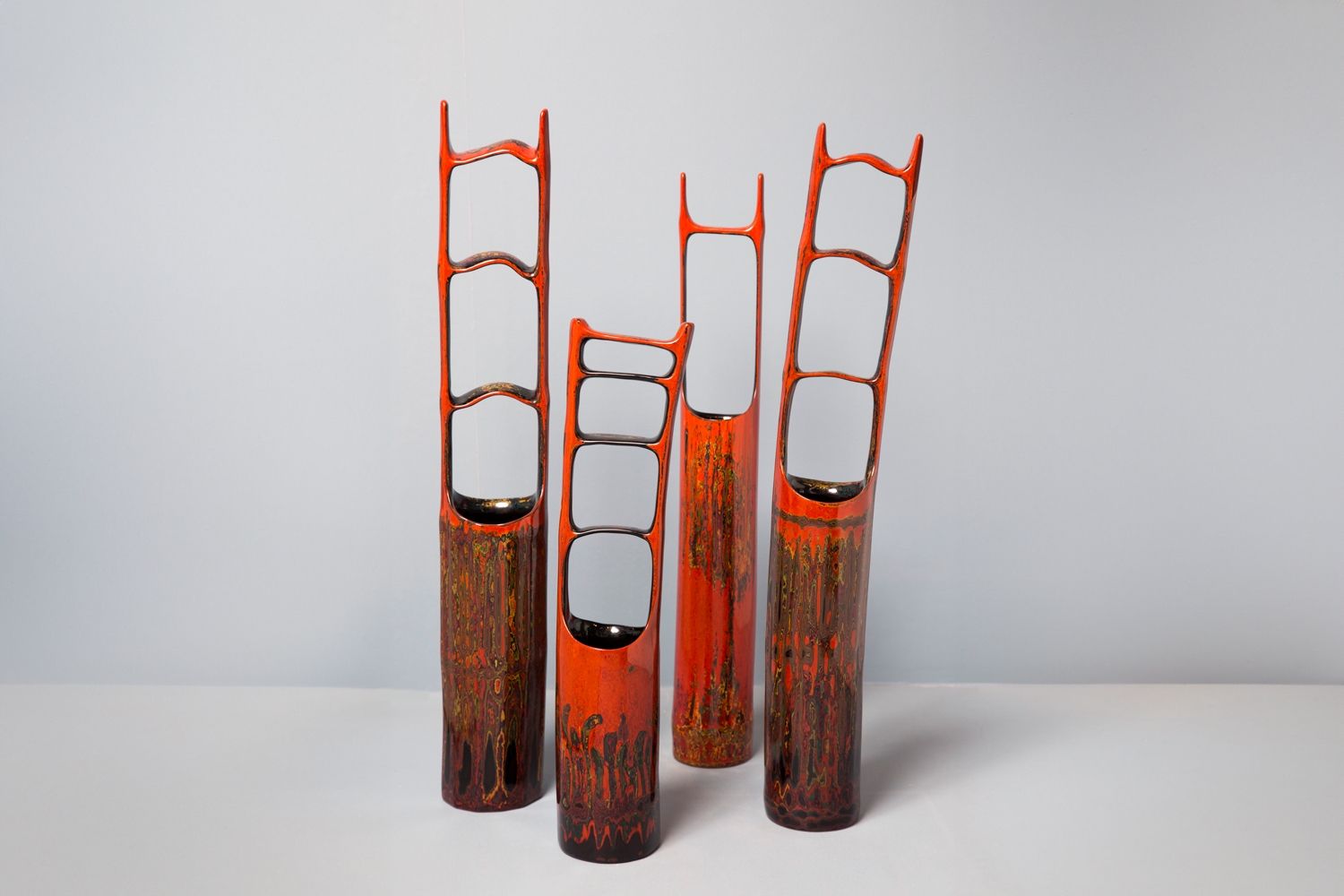
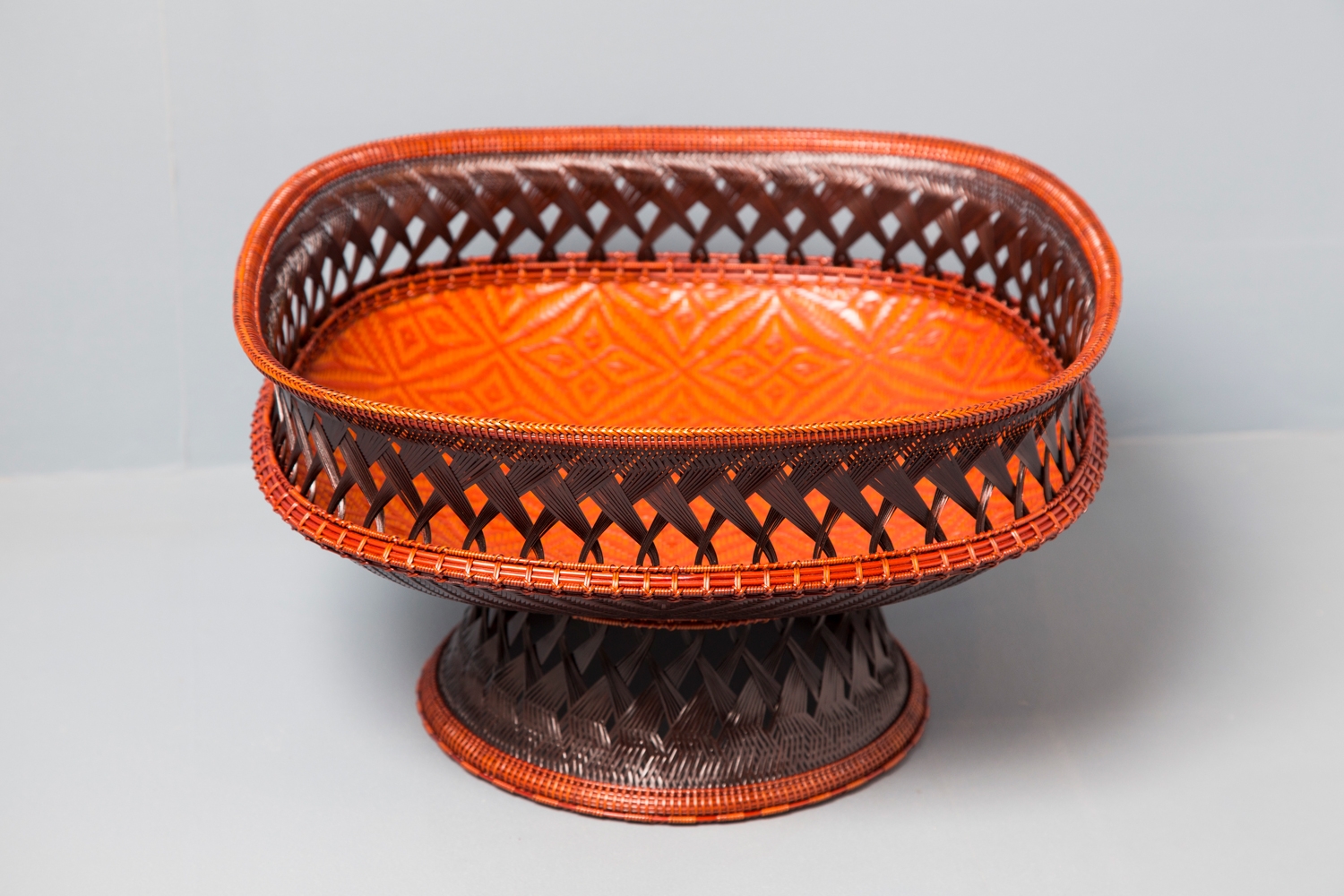
Noboru Fujinuma, born in Otawara City in 1945, is a revered bamboo artist and a Living National Treasure of Japan. Inspired by Japanese culture after a trip to Paris, Noboru pursued traditional arts, finding his passion in bambooworking. He specialises in lacquered bamboo cylinders and woven baskets. His meticulous process involves harvesting wild-growing bamboo in Otawara, drying, and carving it before applying over 100 layers of urushi lacquer. His works are characterised by a unique twist technique that reveals stunning multicoloured and rhythmical patterns. Noboru's creations are celebrated both in Japan and internationally, and are part of prestigious collections including the Metropolitan Museum of Art and the British Museum.
Discover his work
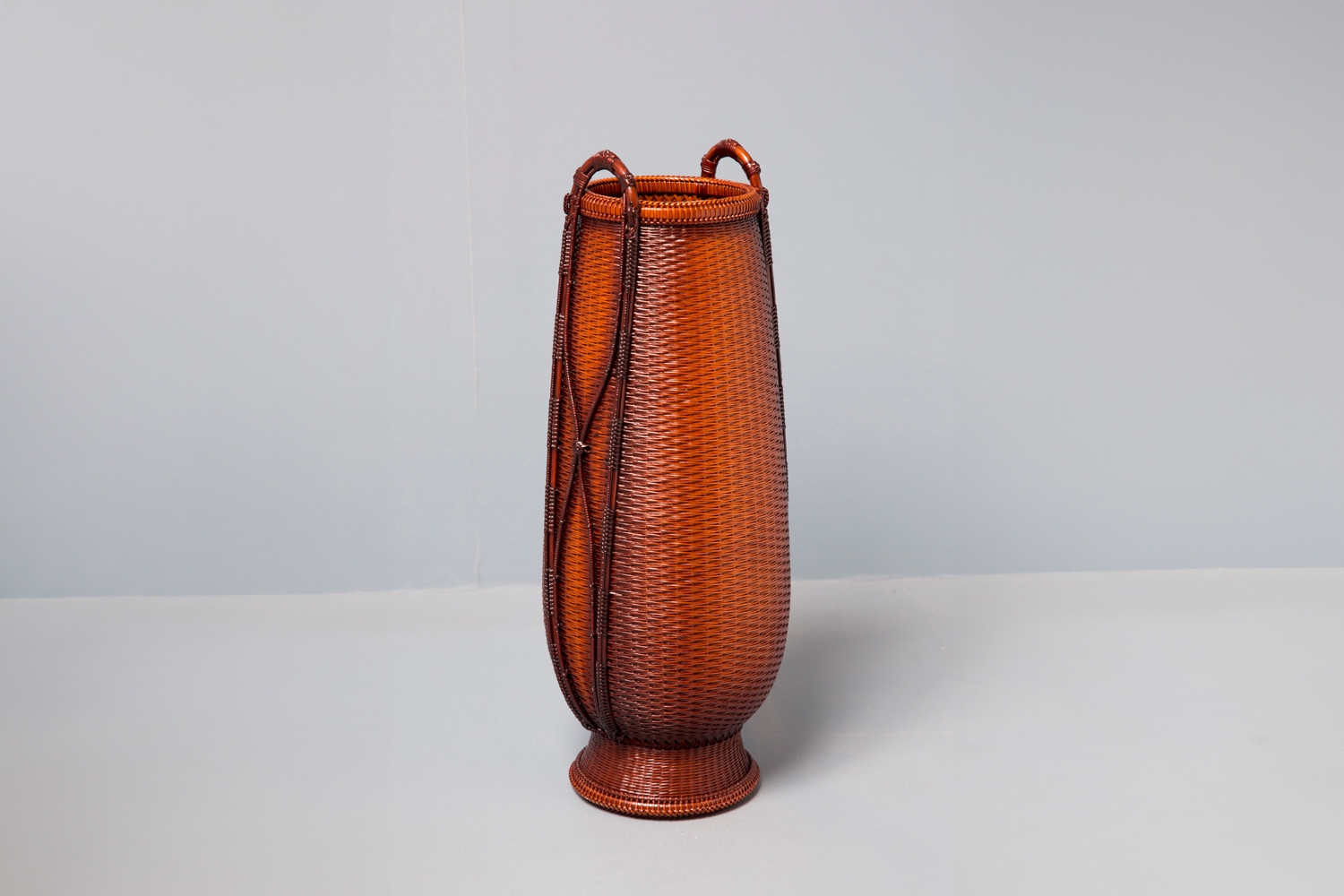
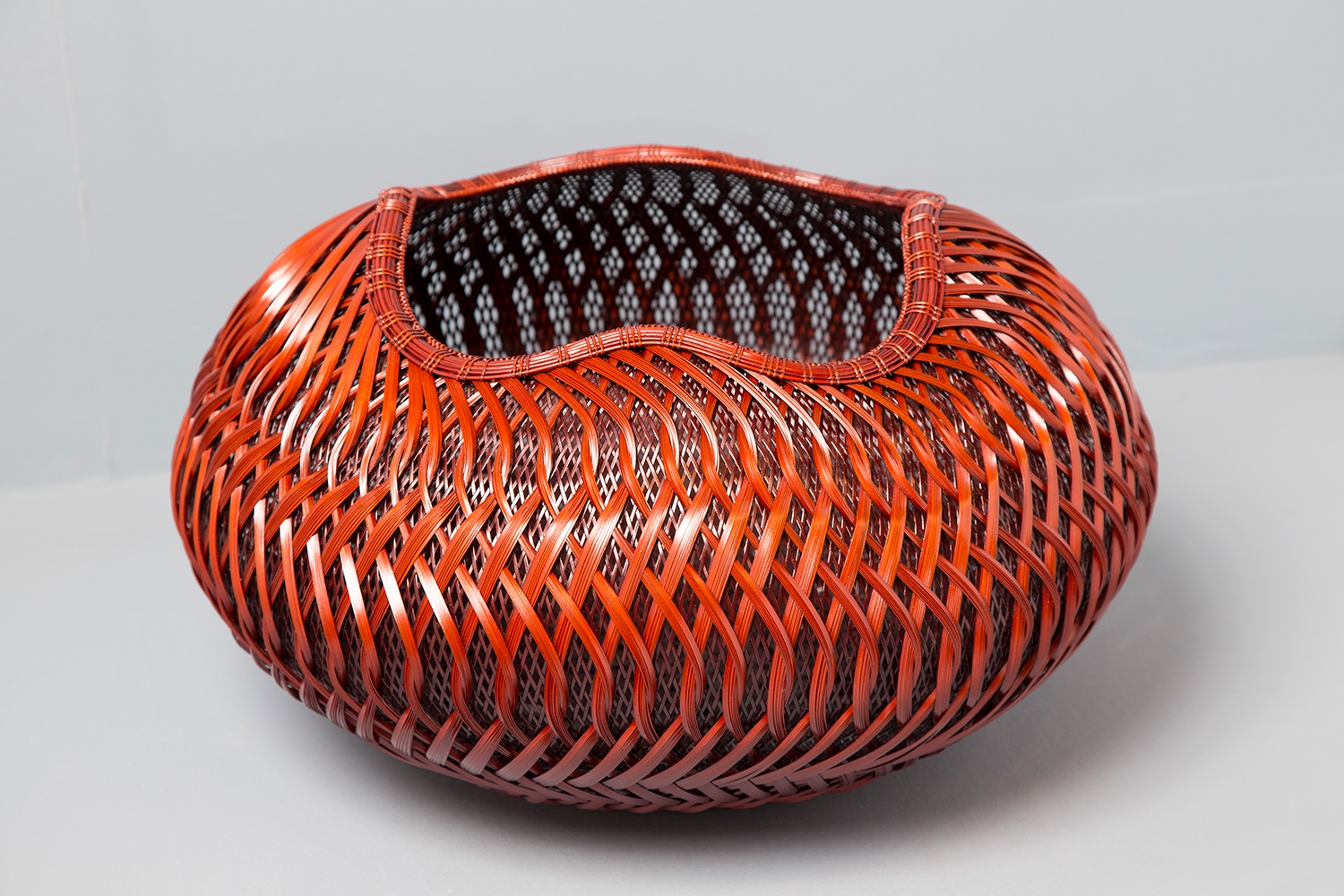
INTERVIEW
A trip to Europe at the age of 28 made me ponder Japanese culture. Upon returning, I saw a decline in bamboo artists who designed and created their own works. Deeply inspired by Shōno Shōunsai's collection of works, I chose the path of bamboo craftsmanship.
I started at Master Keizo Yagisawa's workshop on my 30th birthday. I began with a bamboo splitting hatchet and apprenticed for 18 months, learning bamboo preparation and weaving techniques. Afterwards, I continued through self-study.
There are no secrets; my works reveal everything. By embracing the unique characteristics of bamboo and connecting with it from my heart, I believe unique expressions emerge. I love seeing my thoughts and feelings reflected in the finished piece.
I believe tradition is, or should be, the foundation when crafting with bamboo, while innovation is in the design of a piece that express one’s heart and mind without imitating anyone else.
Noboru Fujinuma
Basketweaver
Otawara, Japan
ADDRESS
Address upon request, Otawara, Japan
AVAILABILITY
By appointment only
LANGUAGES
Japanese
Homo Faber Finds is a new service aiming to inspire admirers of craft to connect and collaborate with exceptional artisans.
We invite you to submit an enquiry here.