John Shea
Ceramicist
Little Rock, AR, USA
Ceramic paradoxes large and small
- John creates ceramic pieces that combine abstraction with naturalism
- His colour combinations are inspired by Japanese colour theory
- The names of his pieces draw on archaic language to evoke obscurity
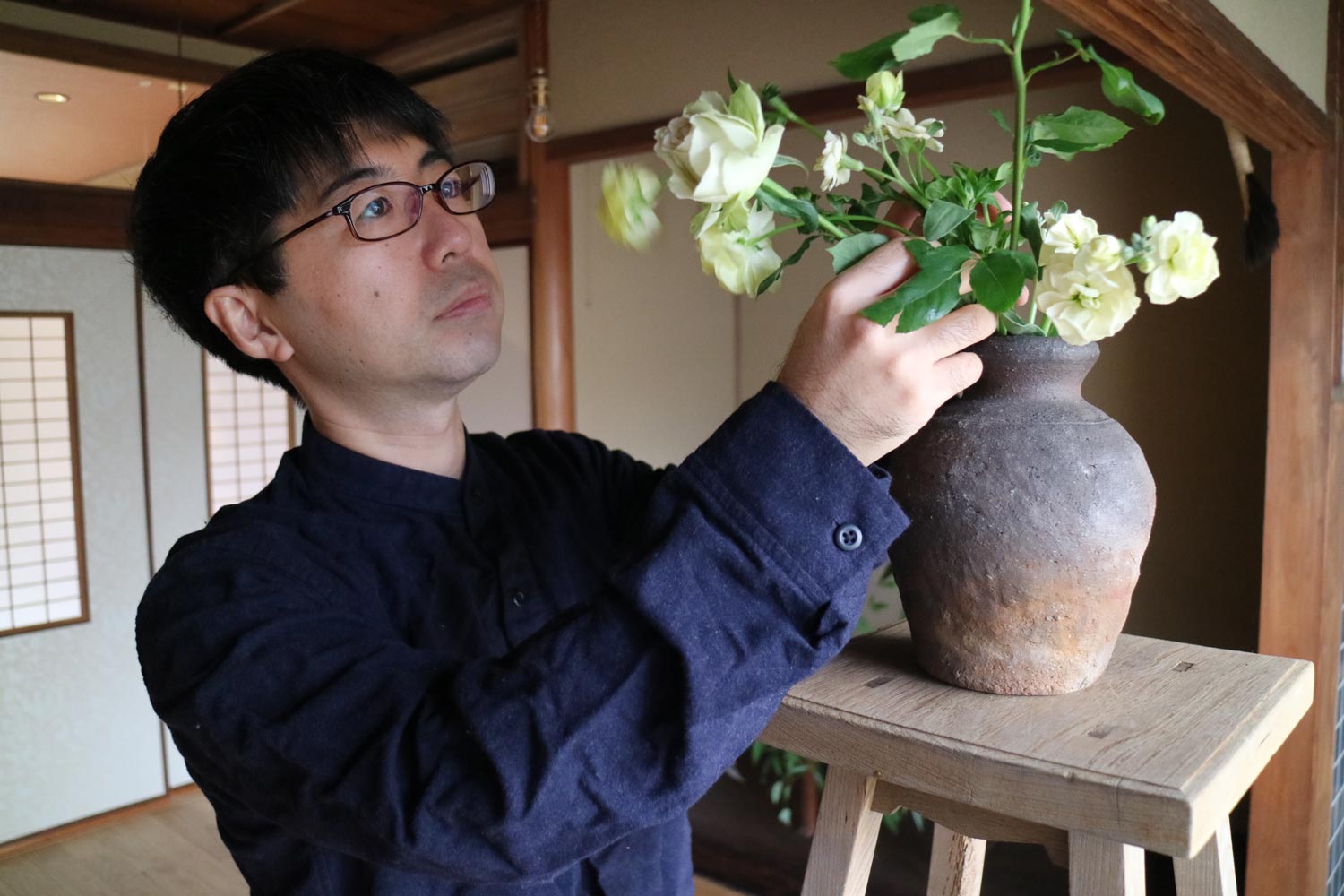
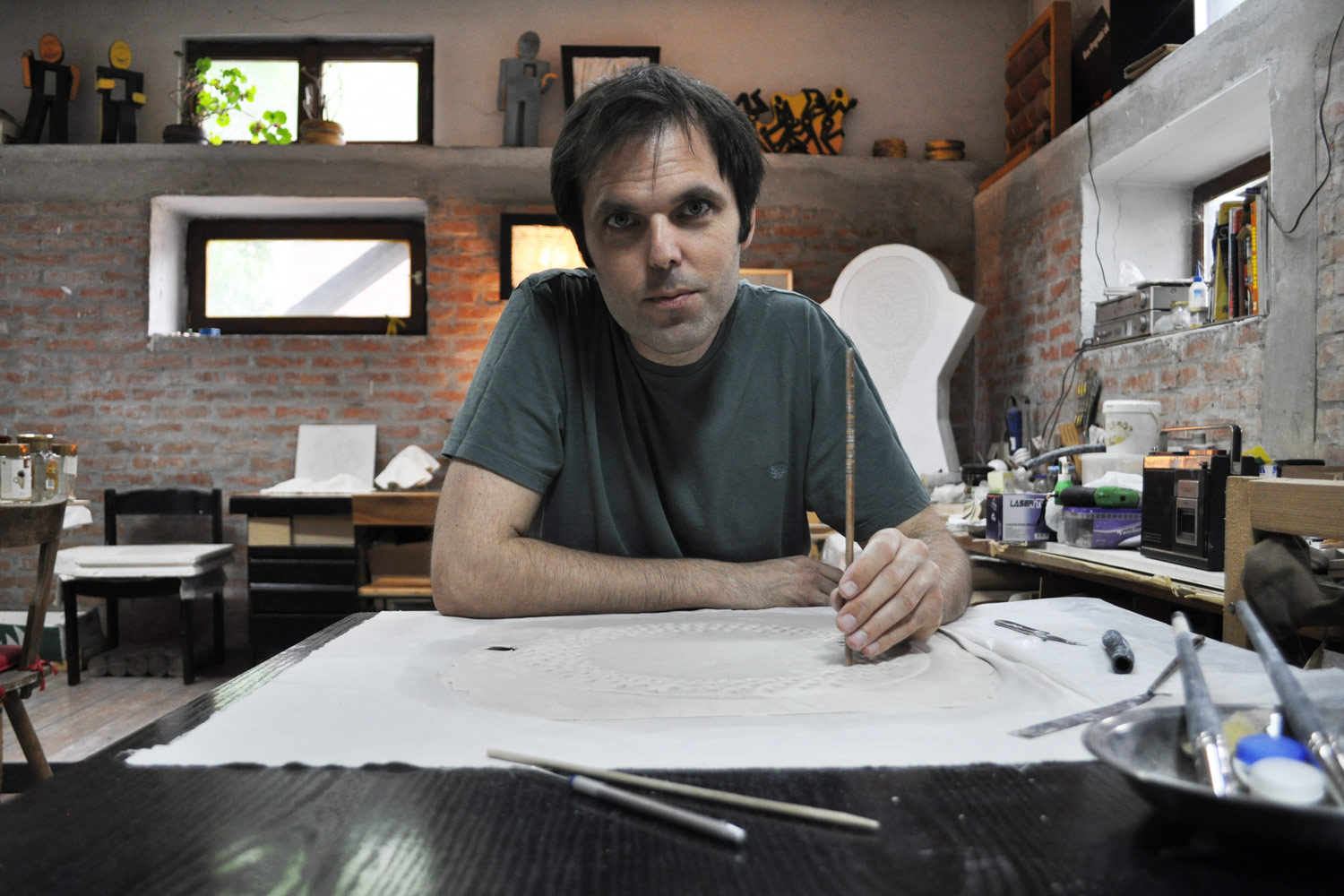
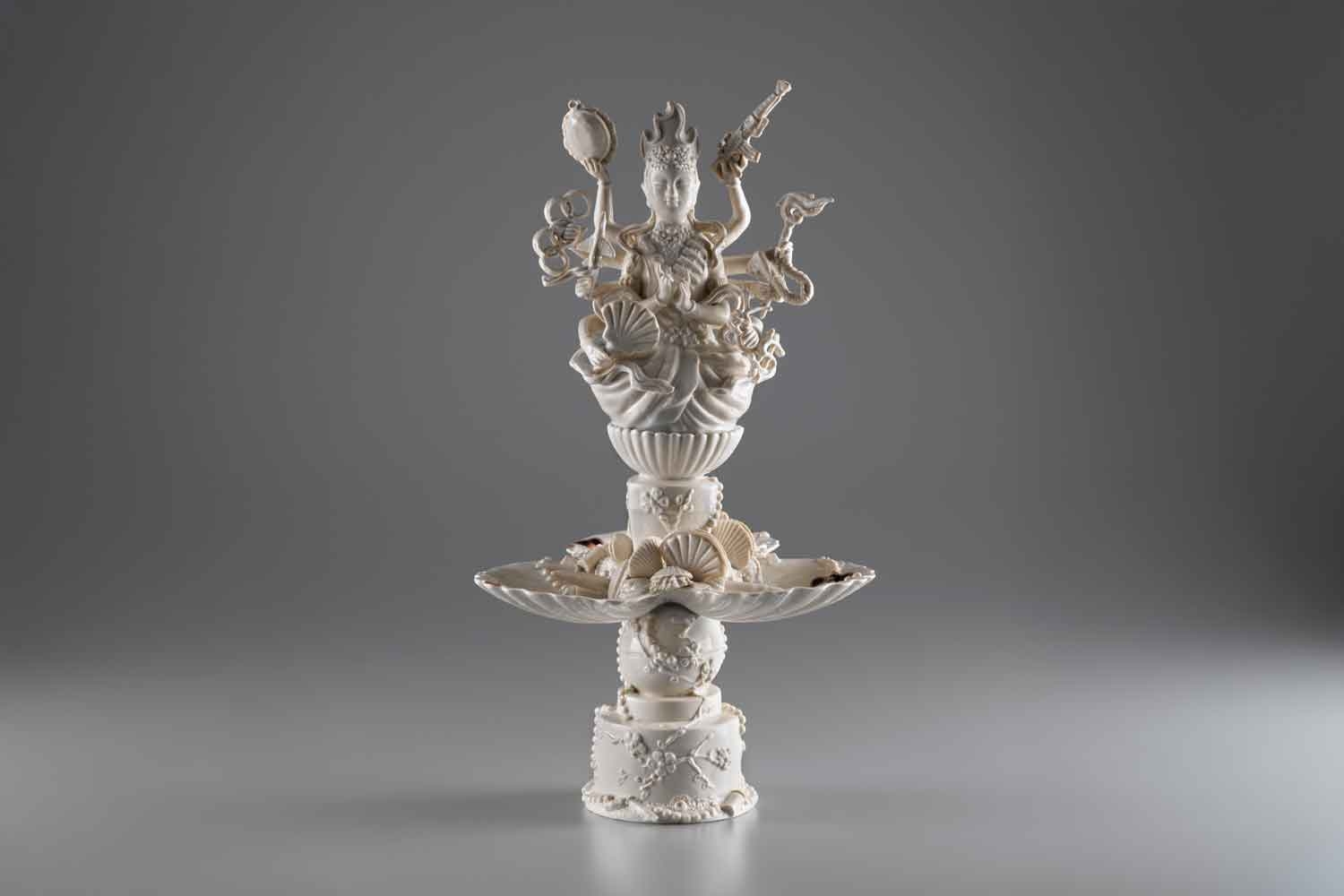
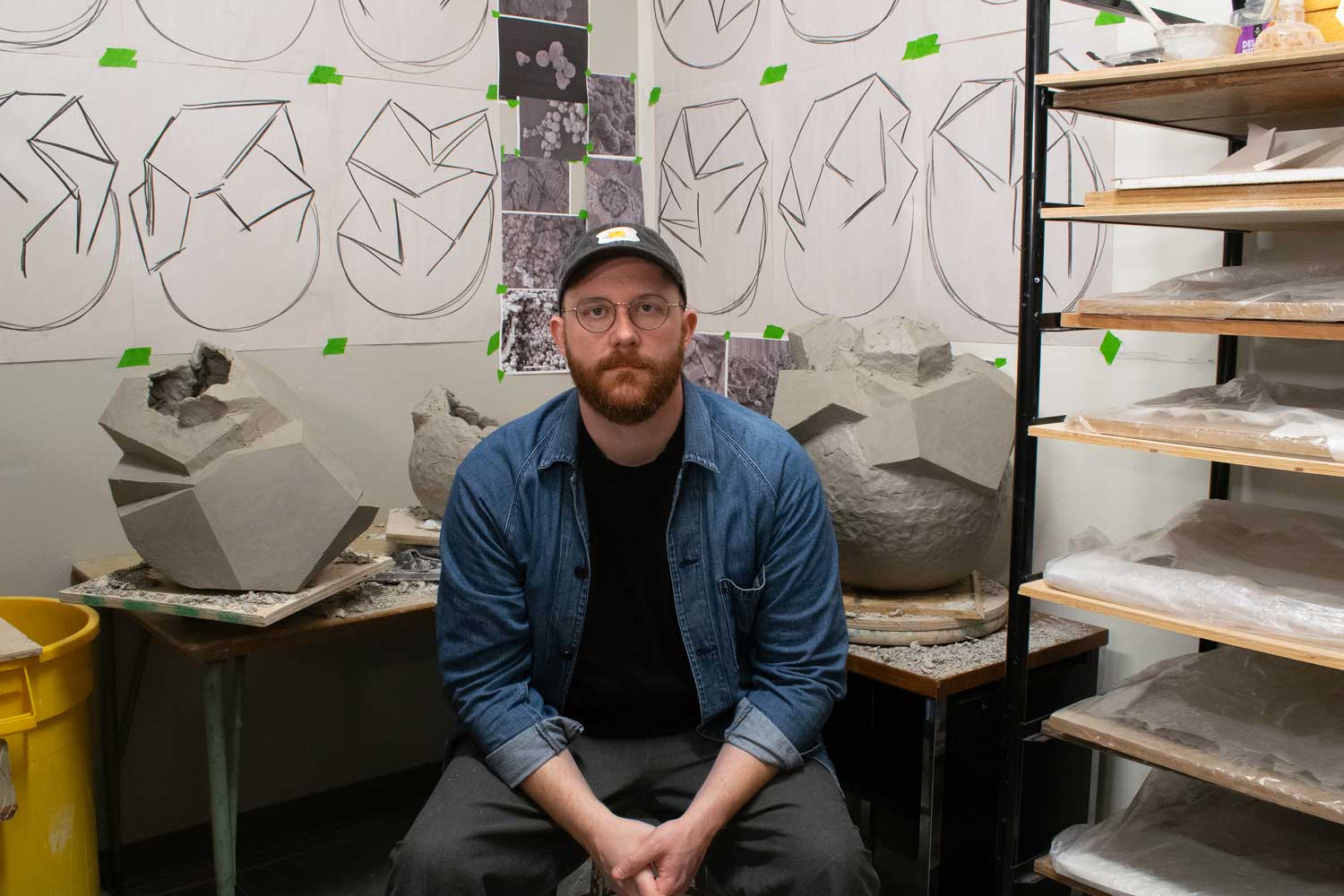
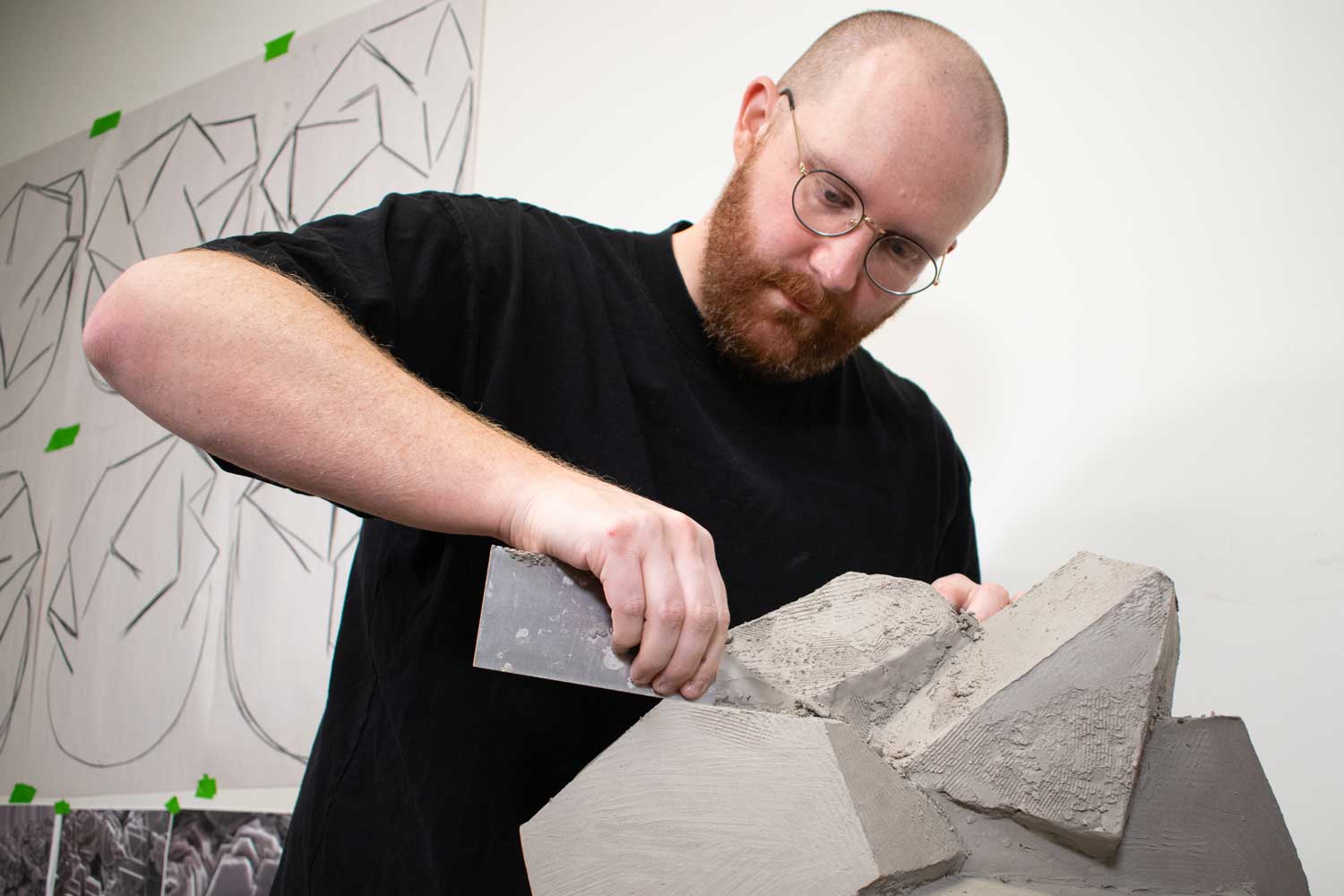
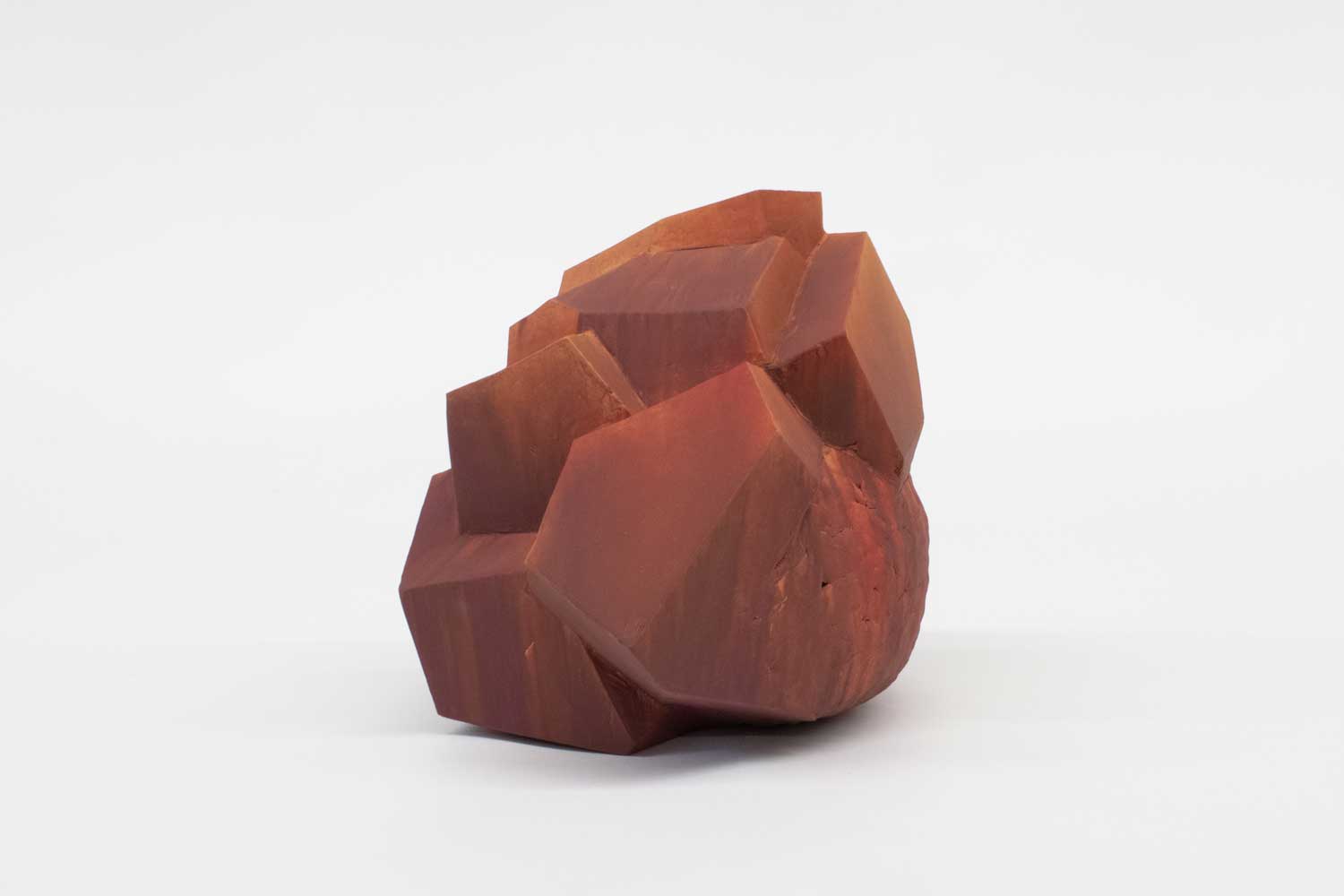
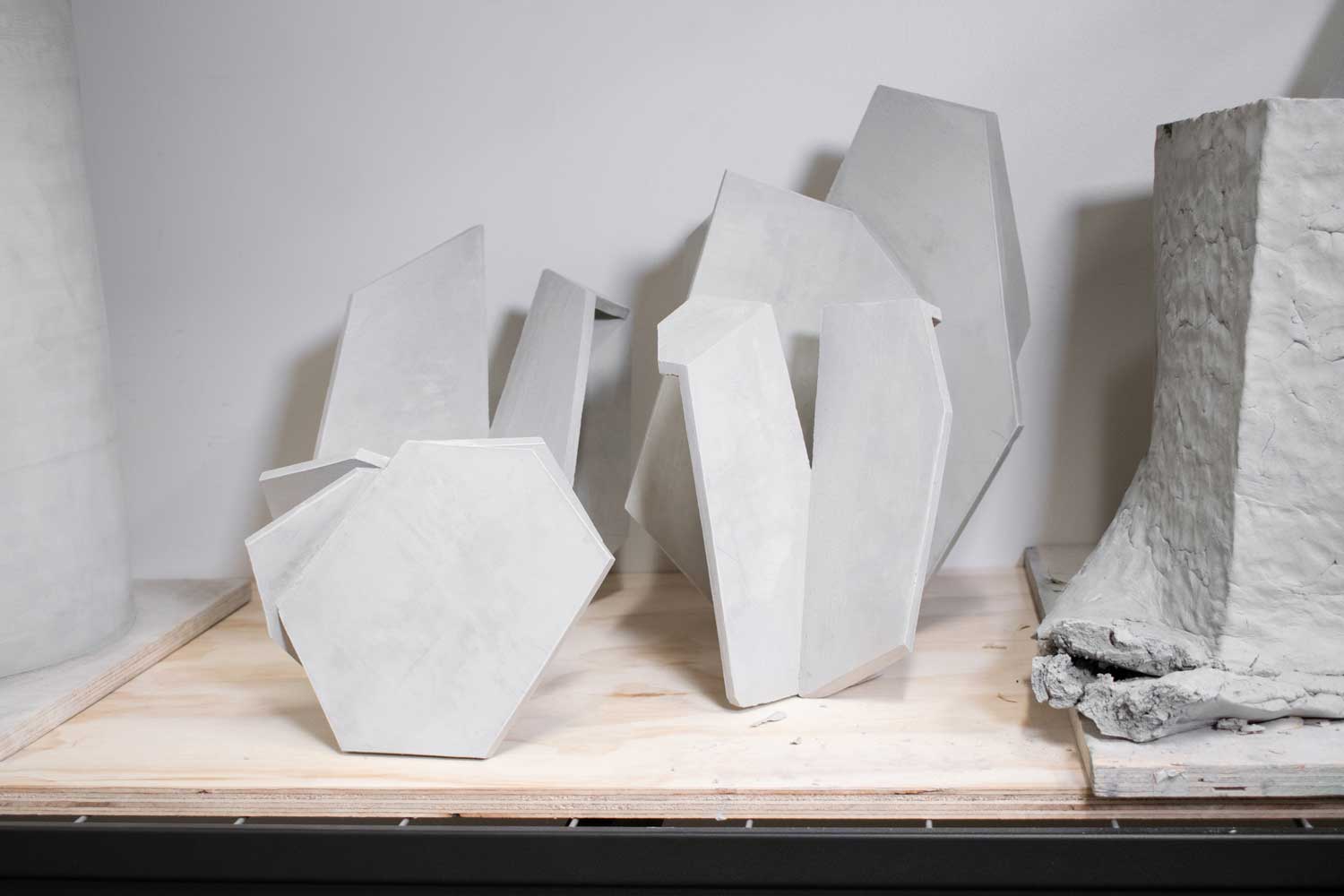
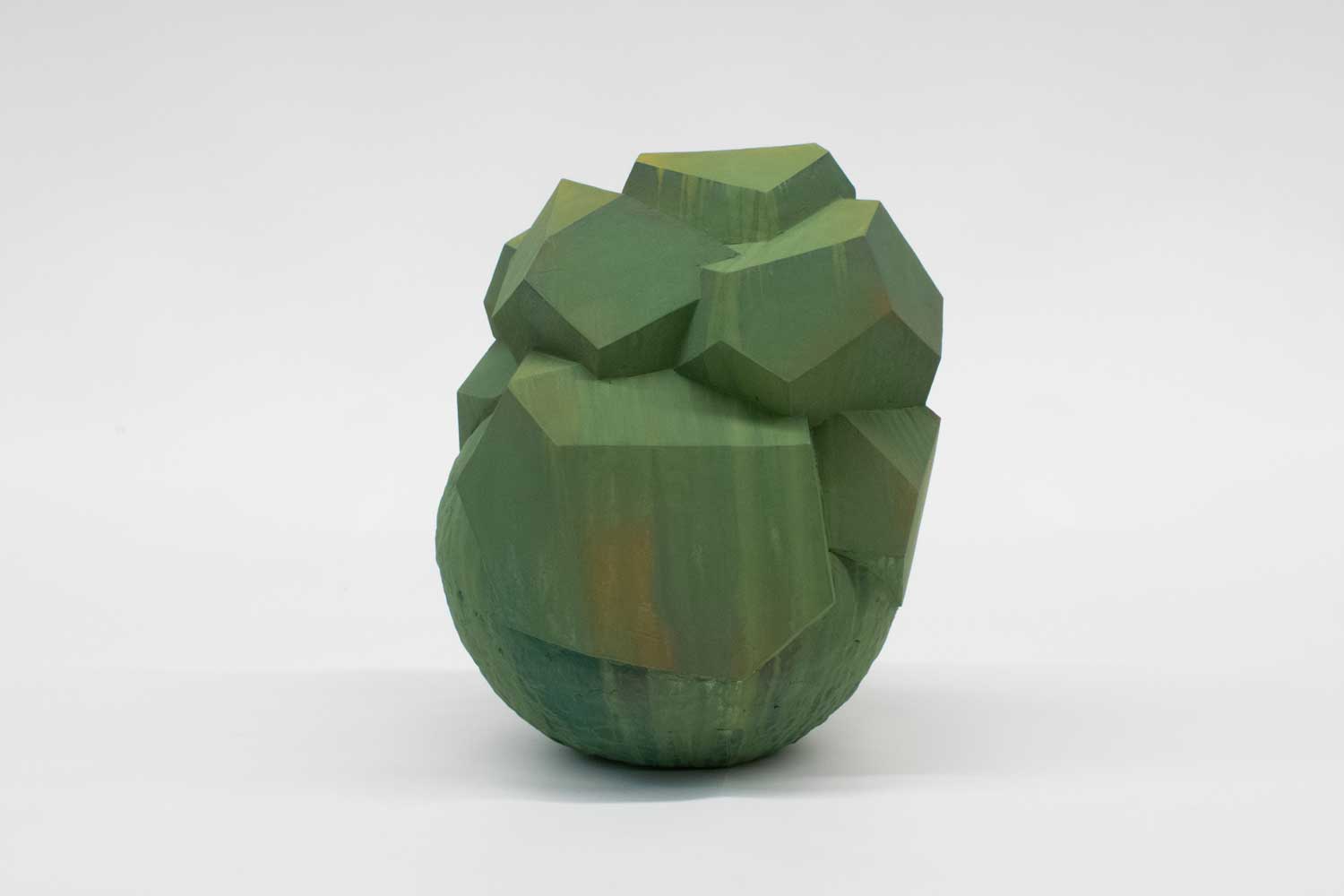
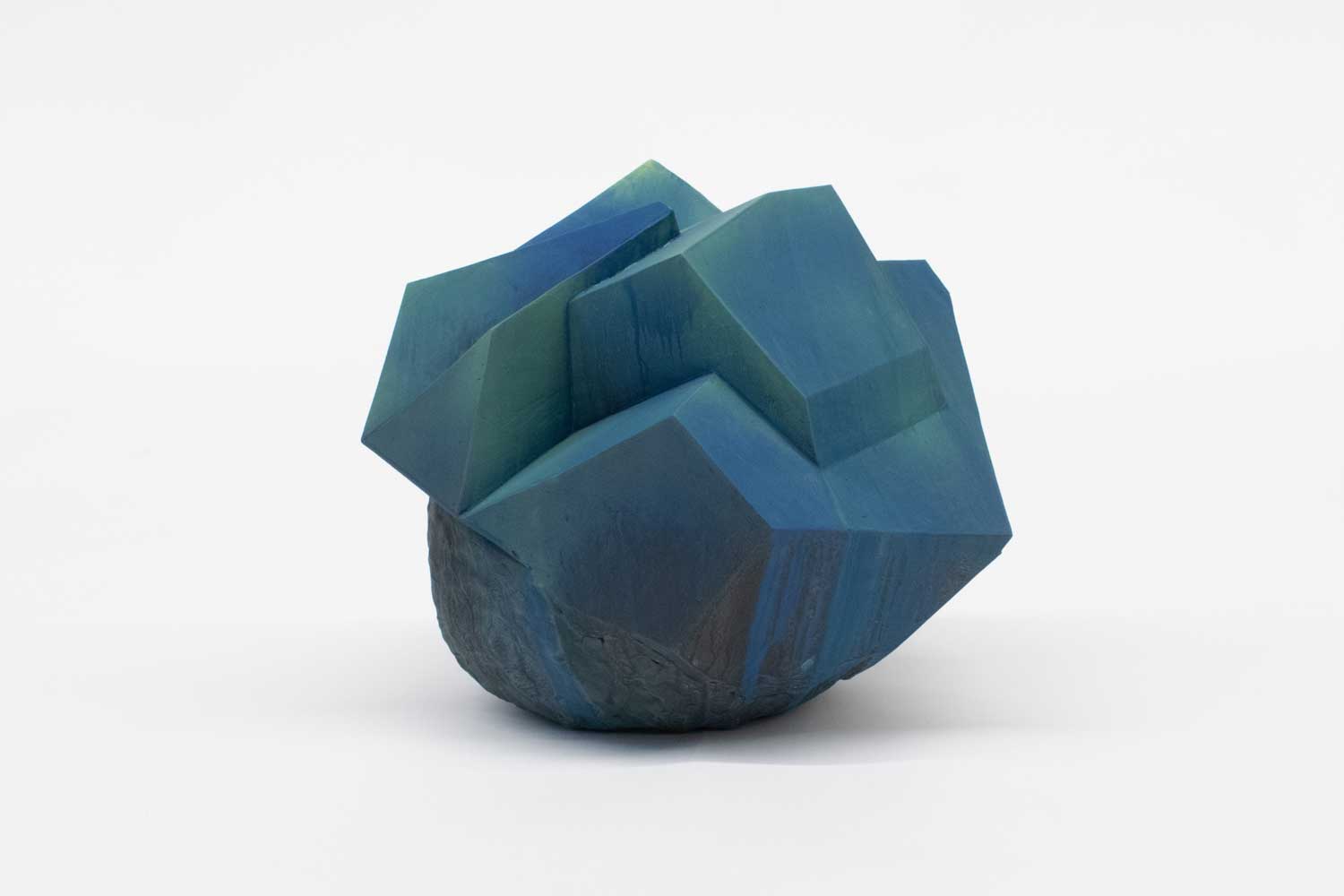
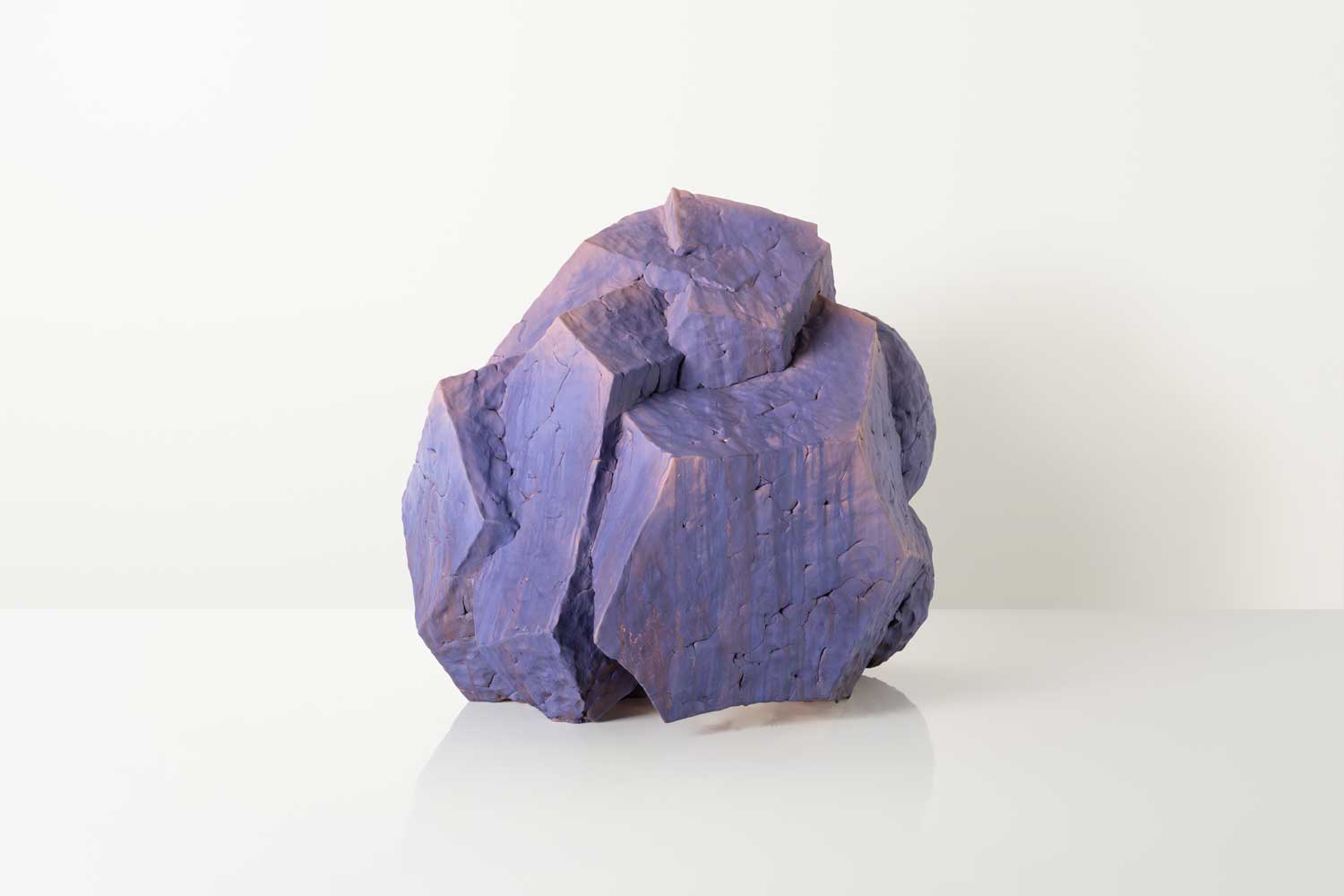
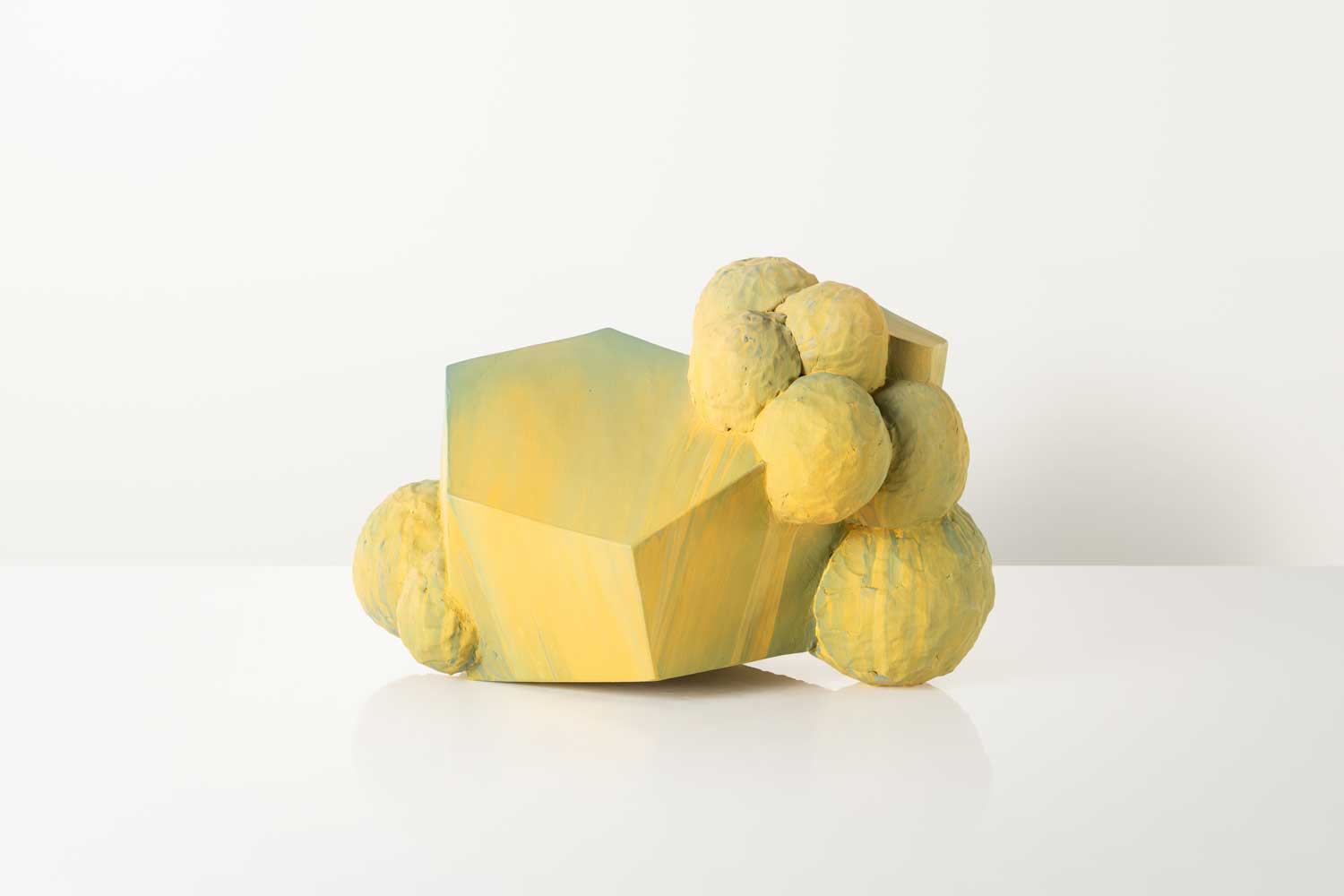
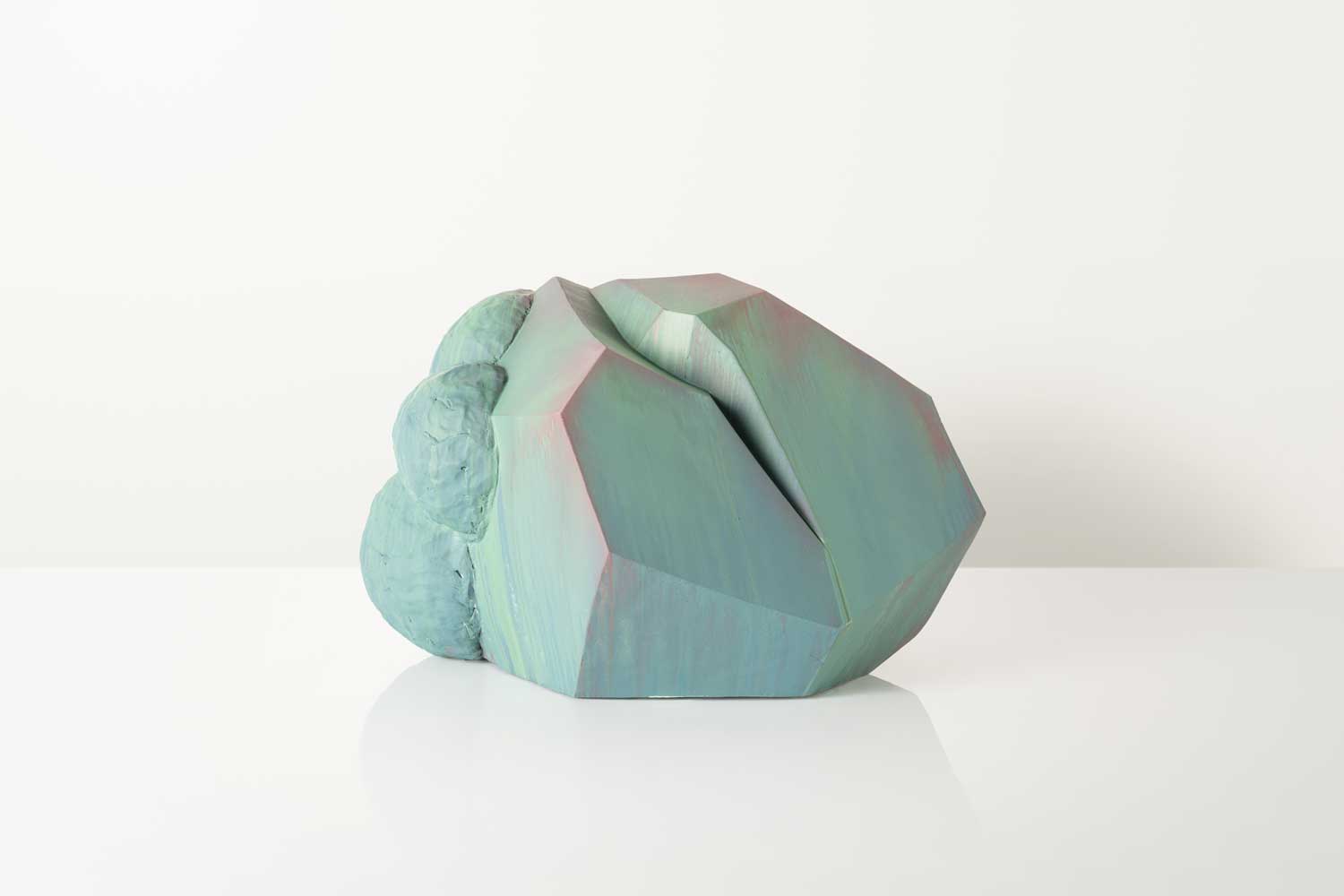
John Shea's ceramic practice is influenced by the massive and the miniscule, from the bluffs and valleys of where he currently works in Arkansas to the molecular structure of clay. His sculptures represent a series of micro and macro decisions that go into the making of each piece. "Clay is a lovable material," John says. "There is something romantic about it.” Before firing, his works are mostly grey. When they come out of the kiln, John draws on Japanese colour theory to adorn their surfaces. Instead of using glazes, he hand paints his vessels in jewel tones reminiscent of sunsets, geodes and flora. The shades he works with create contrast on his raw sculptures, which feature angular planes and globular orbs.
INTERVIEW
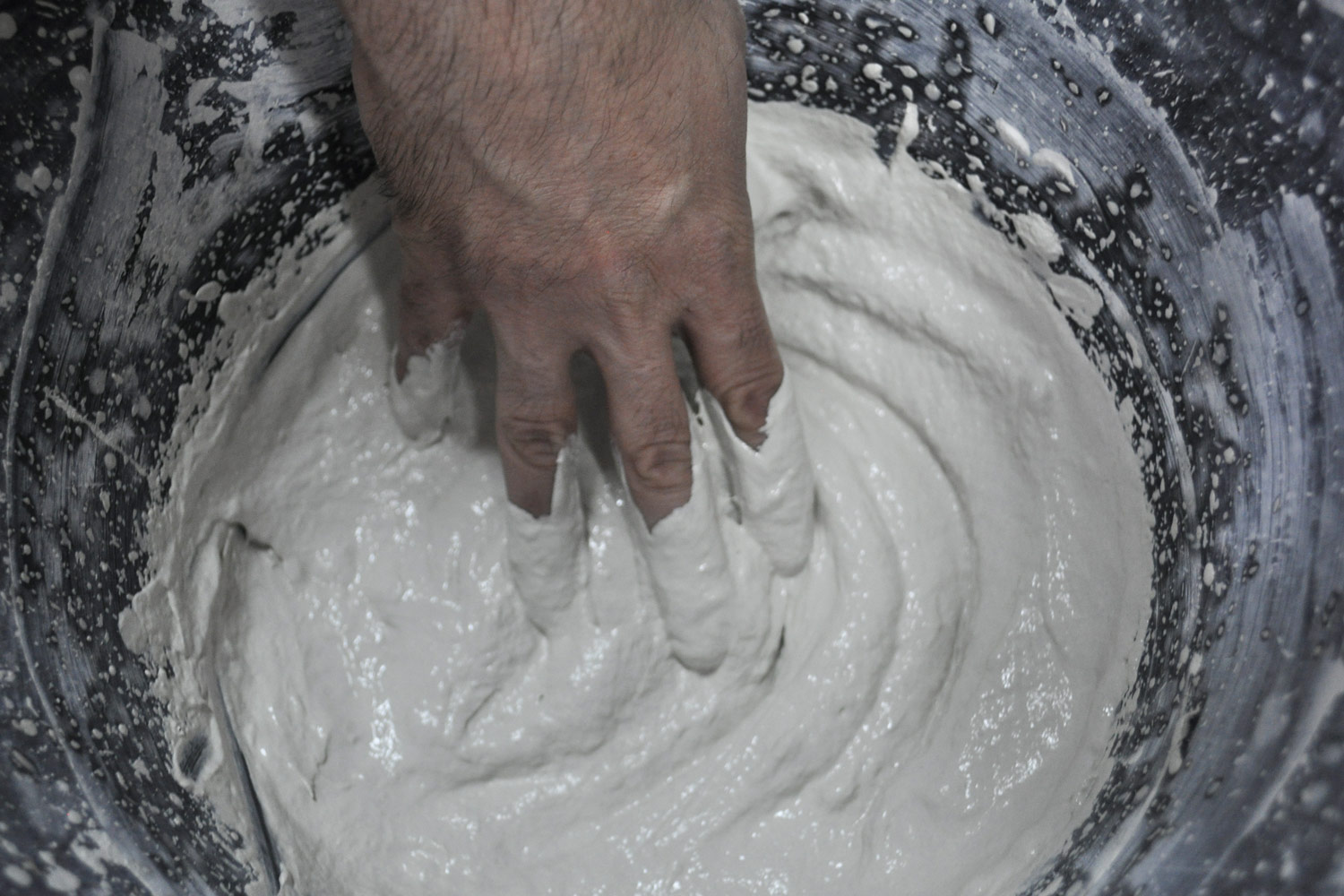
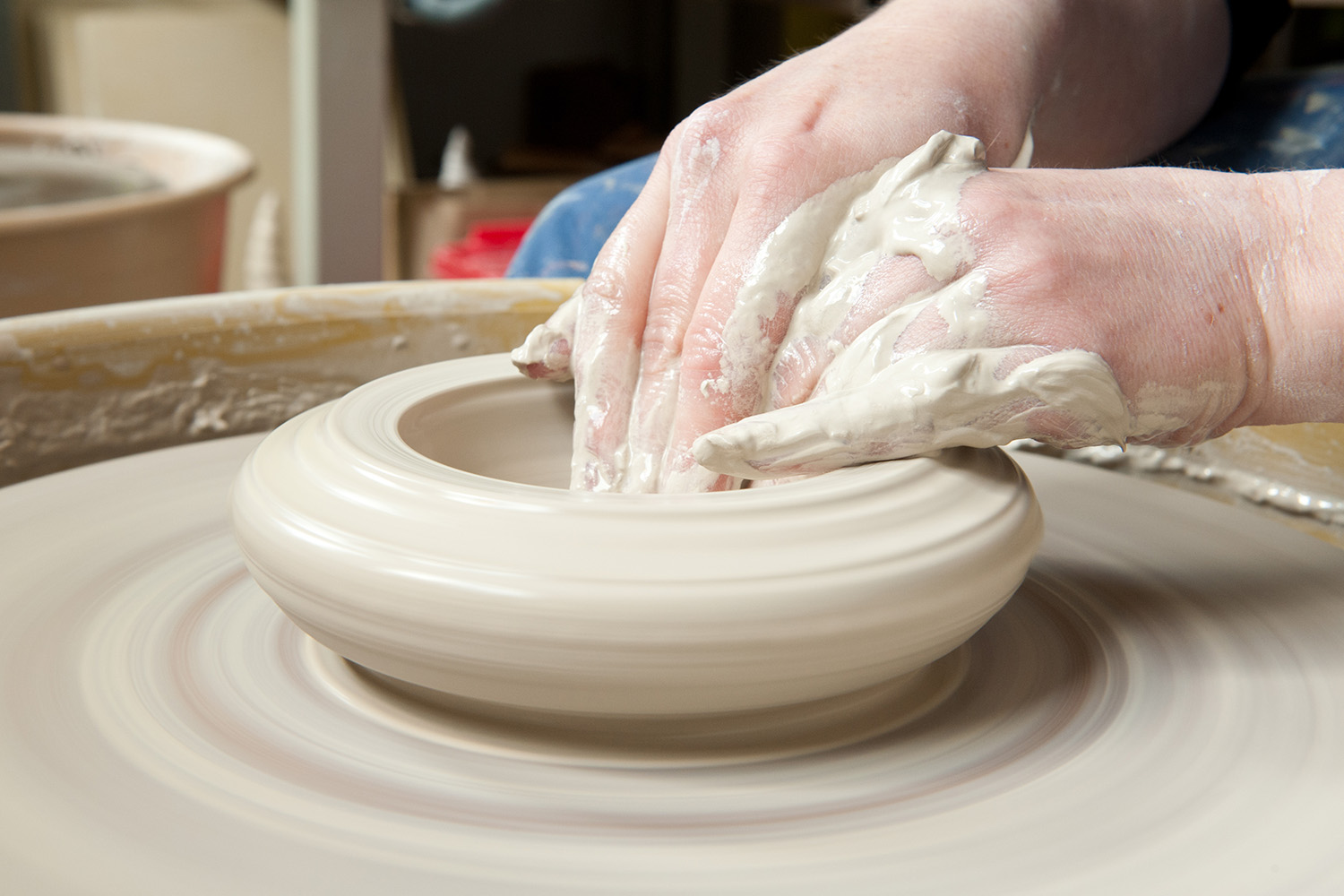
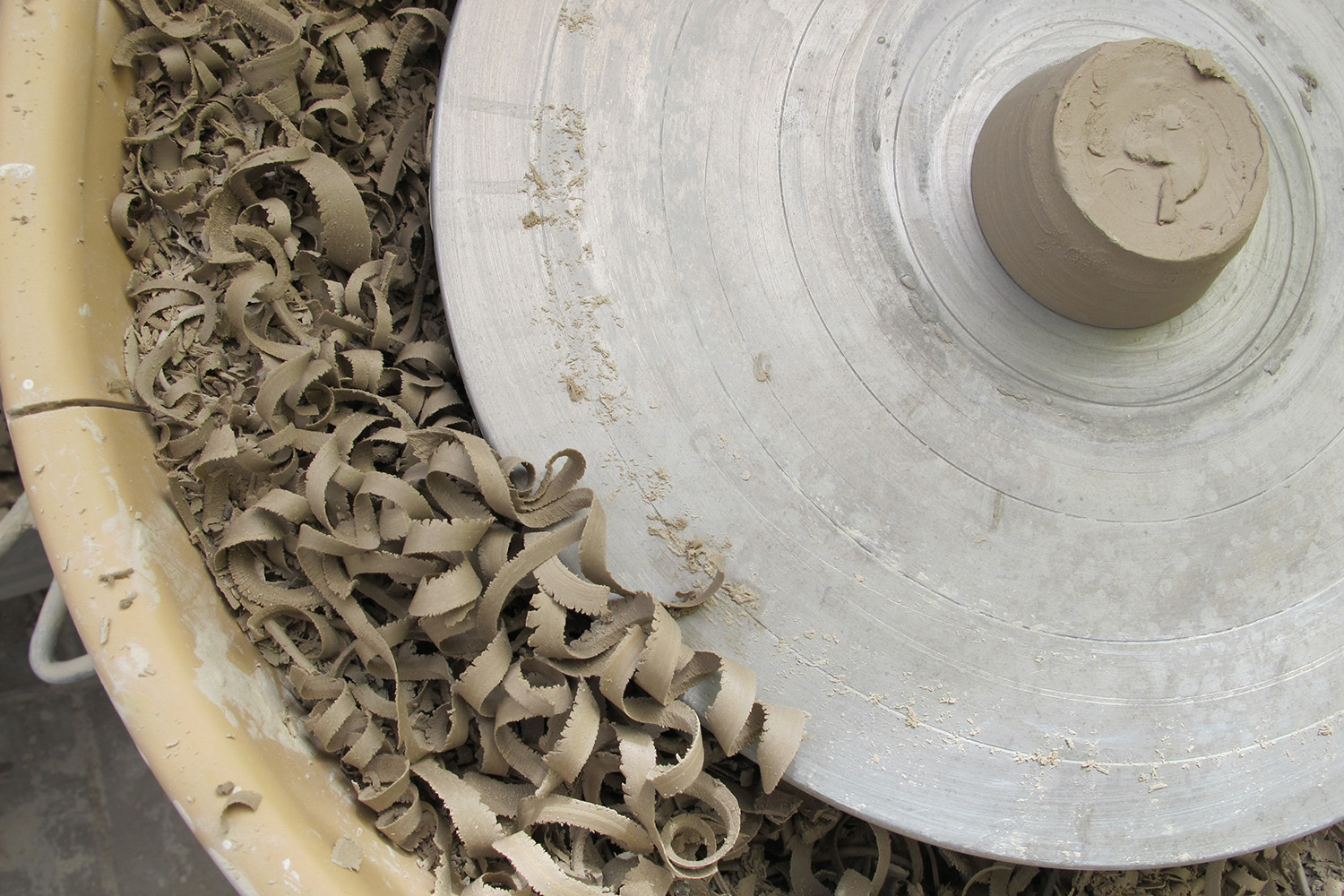
There exists a paradox in ceramics when clay goes from being extremely pliable to very static. I am drawn to the change and contradiction that exist within the material: as clay, it is infinitely recyclable, but as a ceramic object, it becomes a fixed piece.
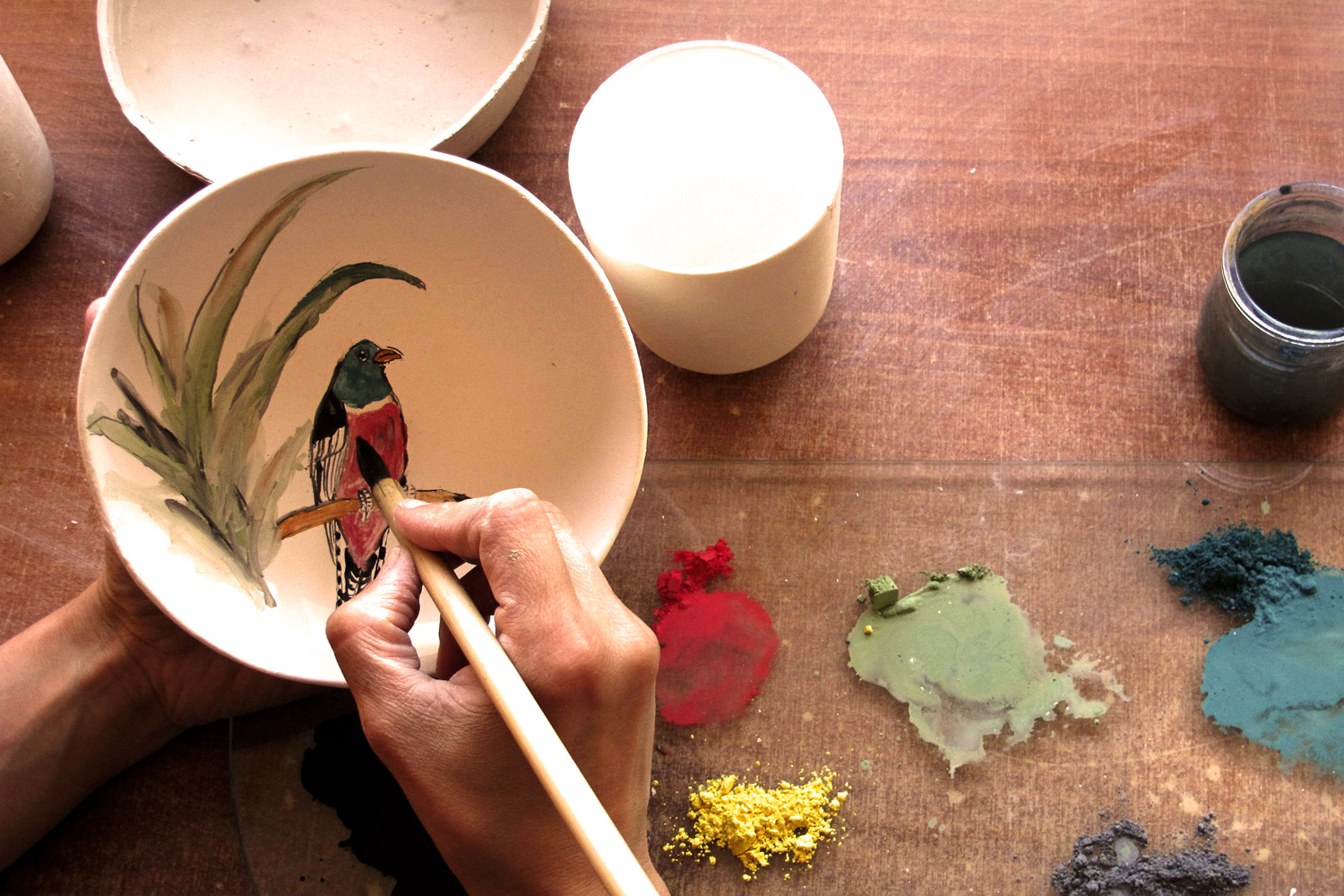
I started painting my work because I was not satisfied with the results I got with traditional ceramic glazes. I wanted a surface that could both reveal and flatten the forms, and glazes would often overshadow the work. Through painting, I directly interact with the surface in the same way I interact with clay in its pliable states.
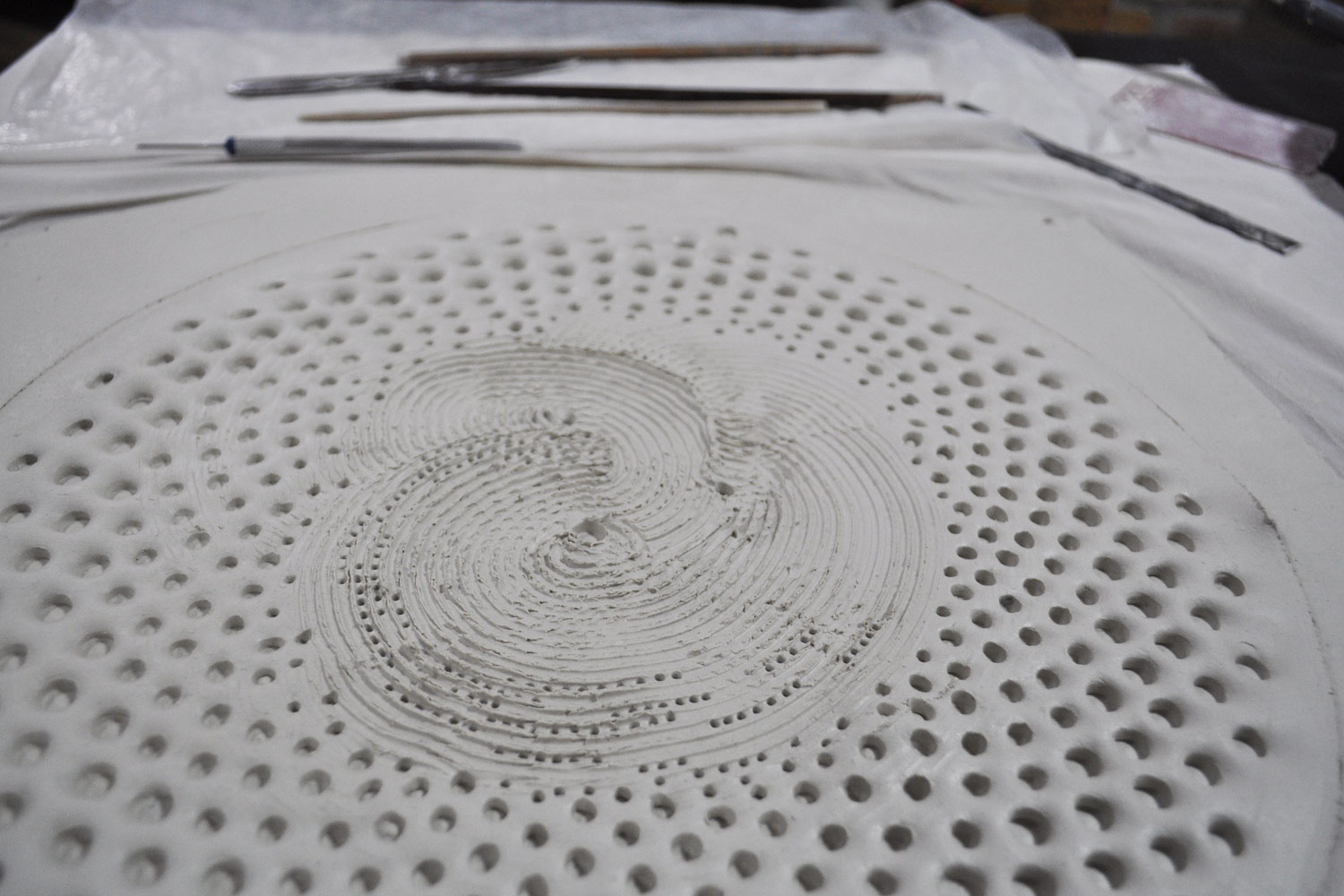
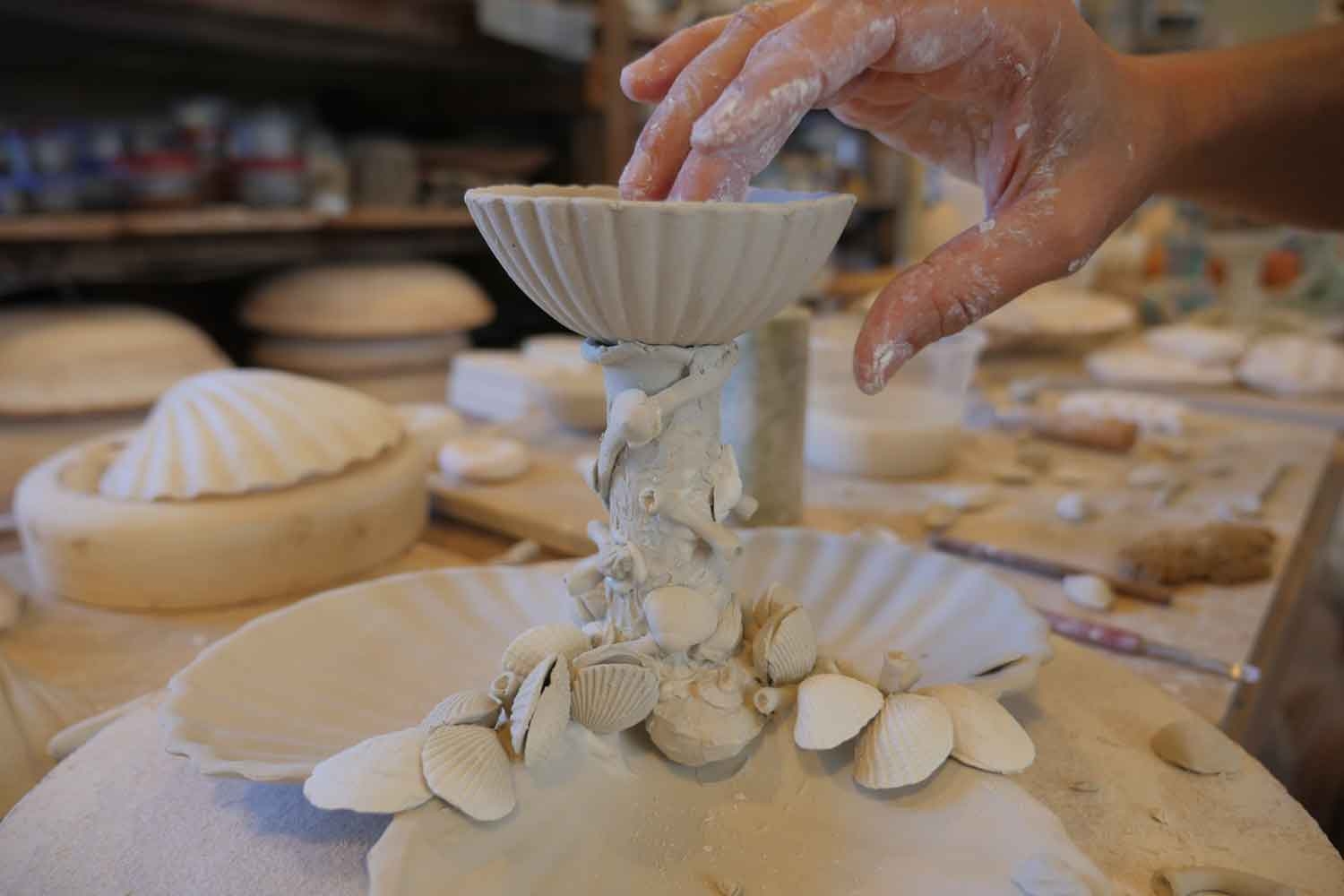
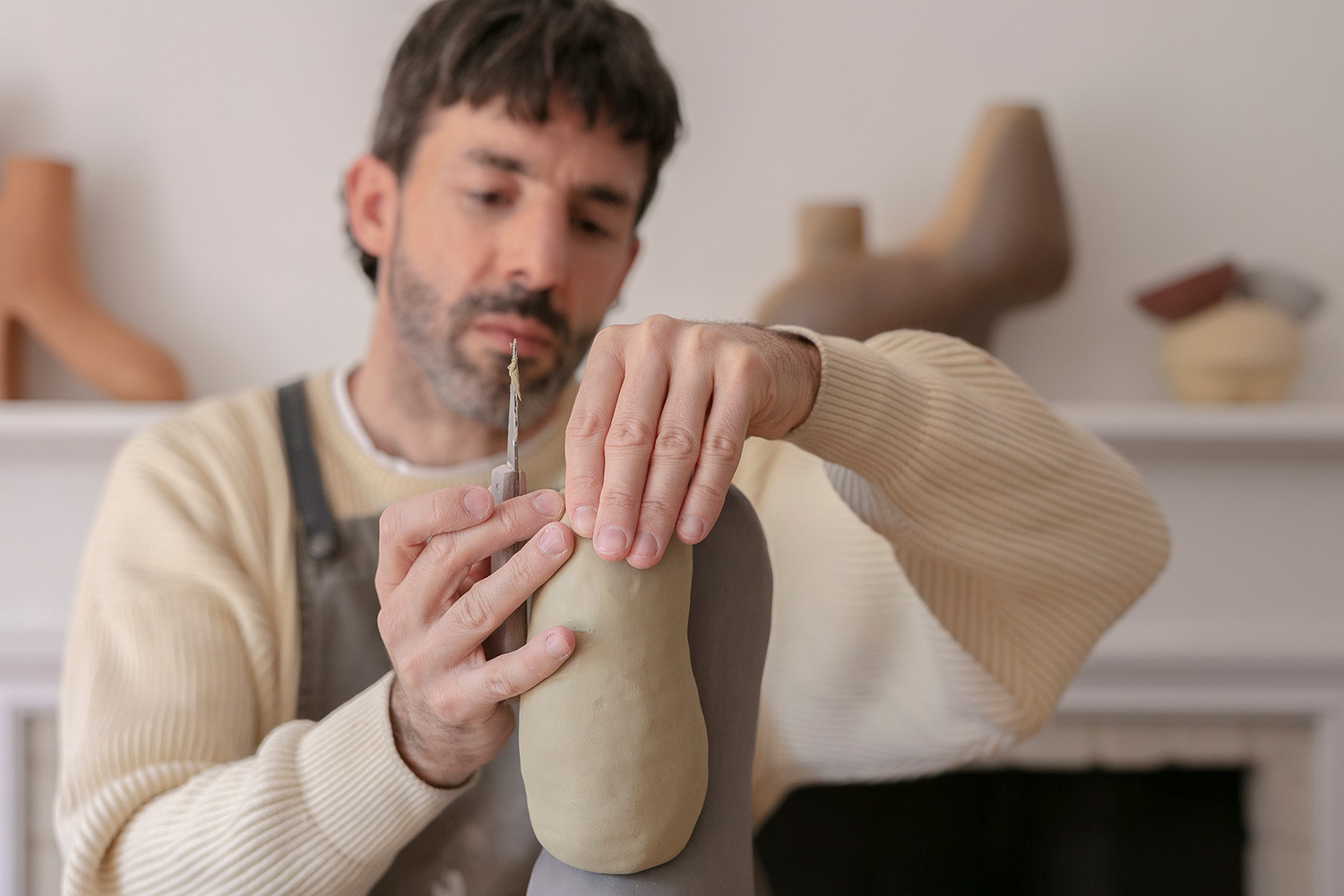
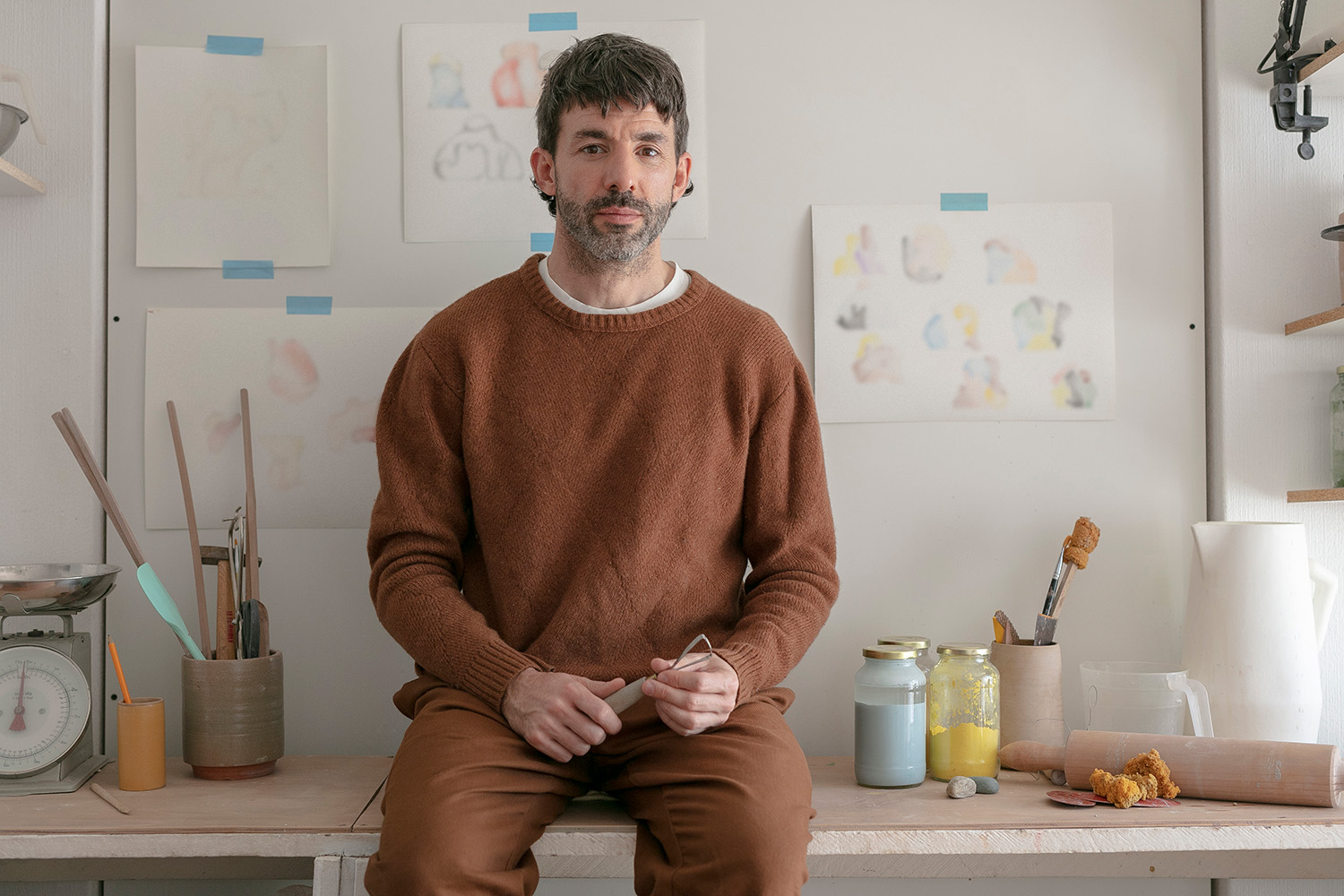
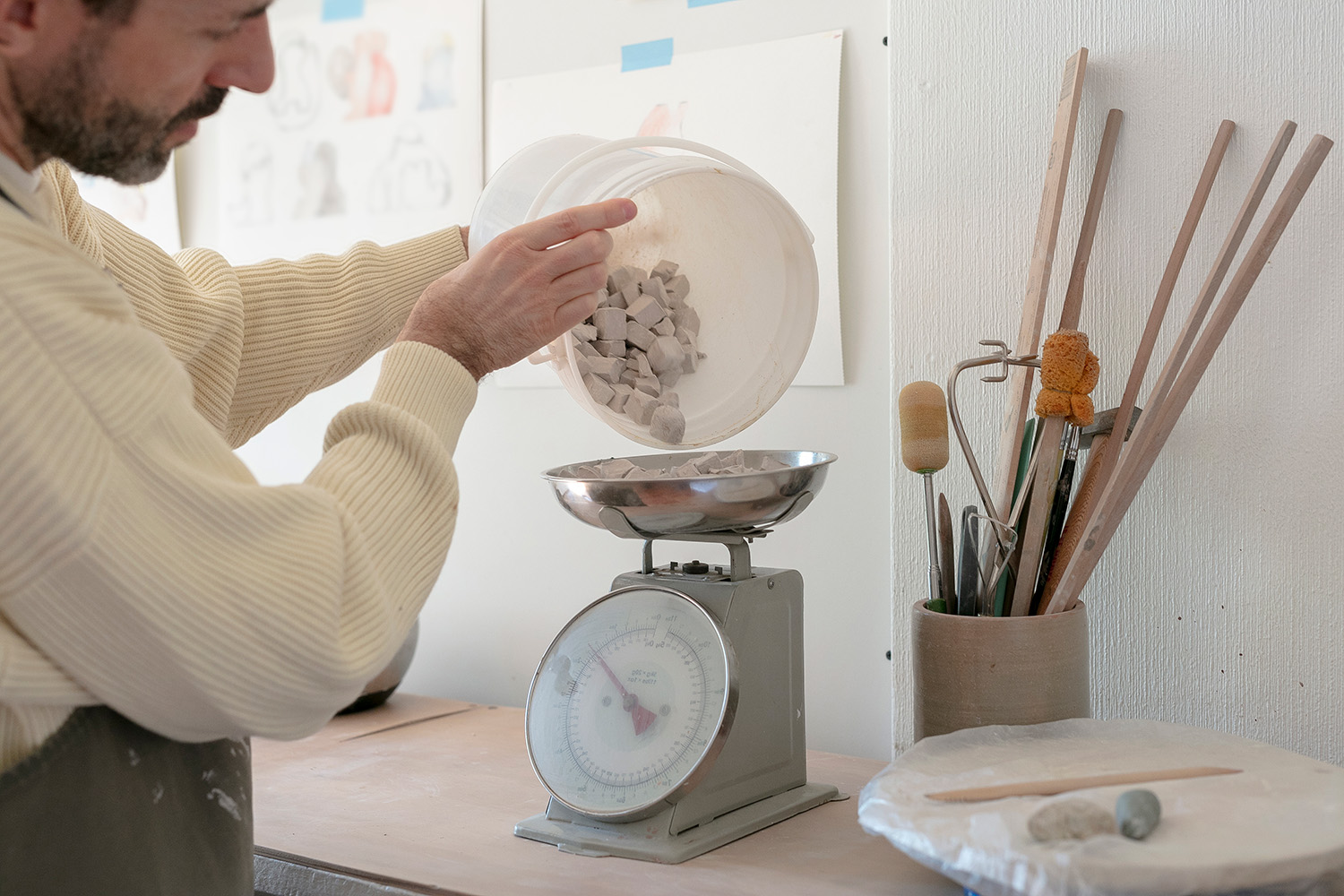
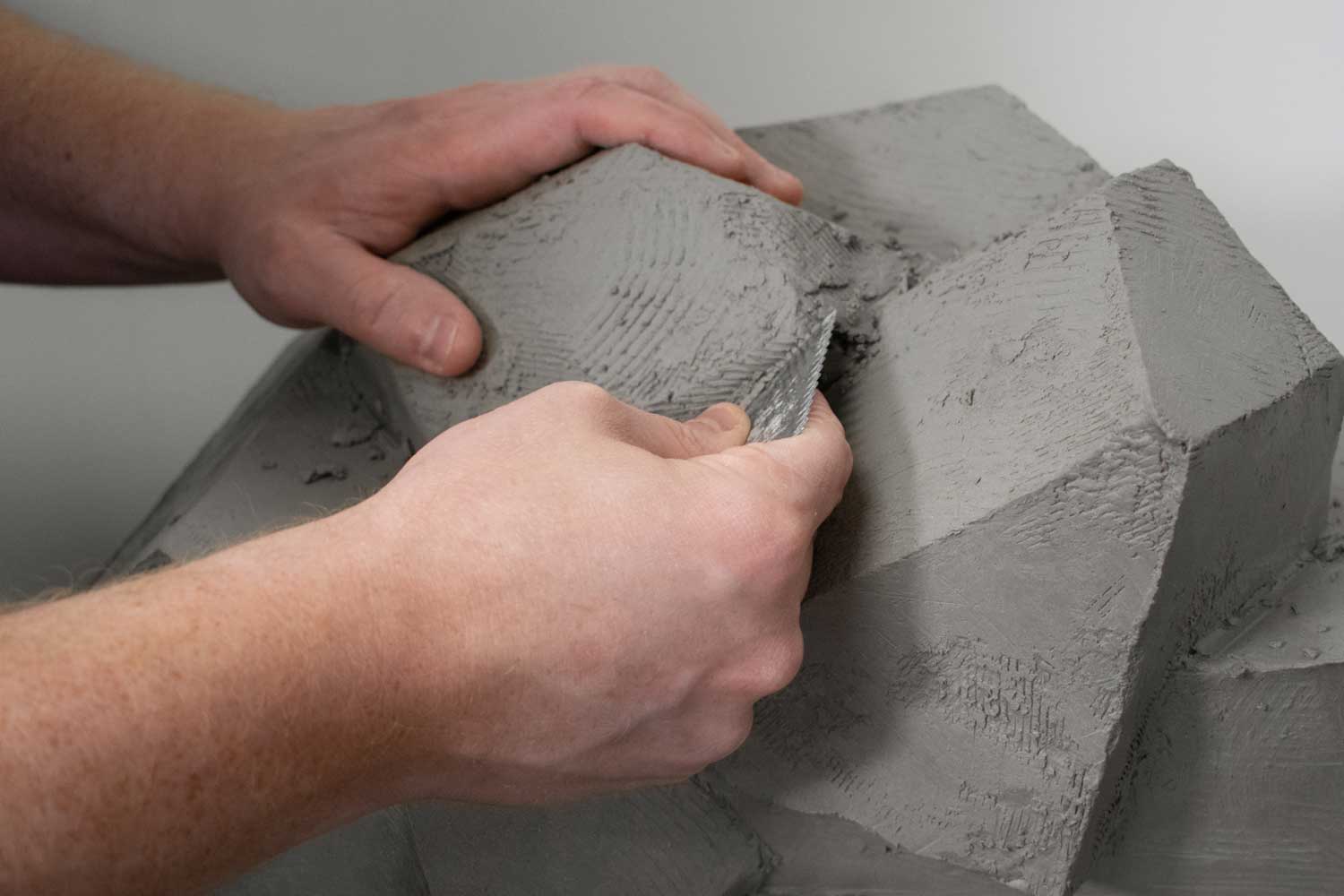
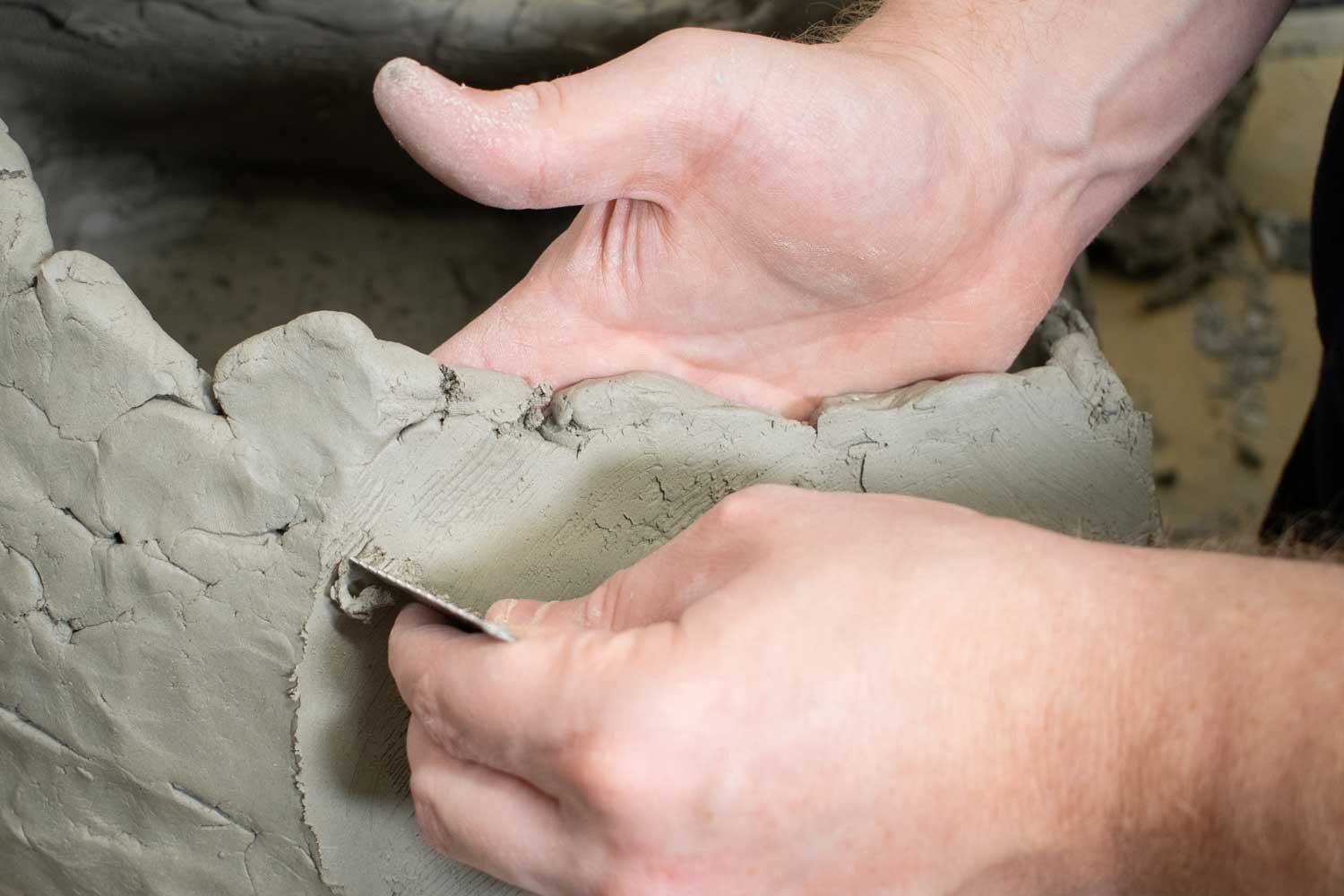
My drawings are guideposts, not final destinations: pieces often look nothing like them. My process is very intuitive, a particular shape in a drawing might become a form's fixation. I make each piece by pinching small balls of clay together. In organic or older work, viewers can see individual pieces that have been pushed together. I think of the works as giant pinch pots.
So much of my practice is shaped by the time I spent working with my first professor, Richard Hirsch. I admire many artists, including Ken Price and Martin Puryear. Clay itself is a crucial inspiration to my pieces. Its crystalline forms, revealed in microscopic images, guide my work. I strive to form clay that mirrors how it is shaped in the natural world.
John Shea
Ceramicist
Little Rock, AR, USA
ADDRESS
Address upon request, Little Rock, AR, USA
AVAILABILITY
By appointment only
LANGUAGES
English
Homo Faber Finds is a new service aiming to inspire admirers of craft to connect and collaborate with exceptional artisans.
We invite you to submit an enquiry here.