
John McKeag
Studio 1+1
Ceramicist
Bryansford, United Kingdom
Recommended by Design & Crafts Council Ireland
Thinking through clay
- John's pieces investigate form and colour
- He often uses multiple firings to achieve the final look
- He pushes his ceramics to the limit
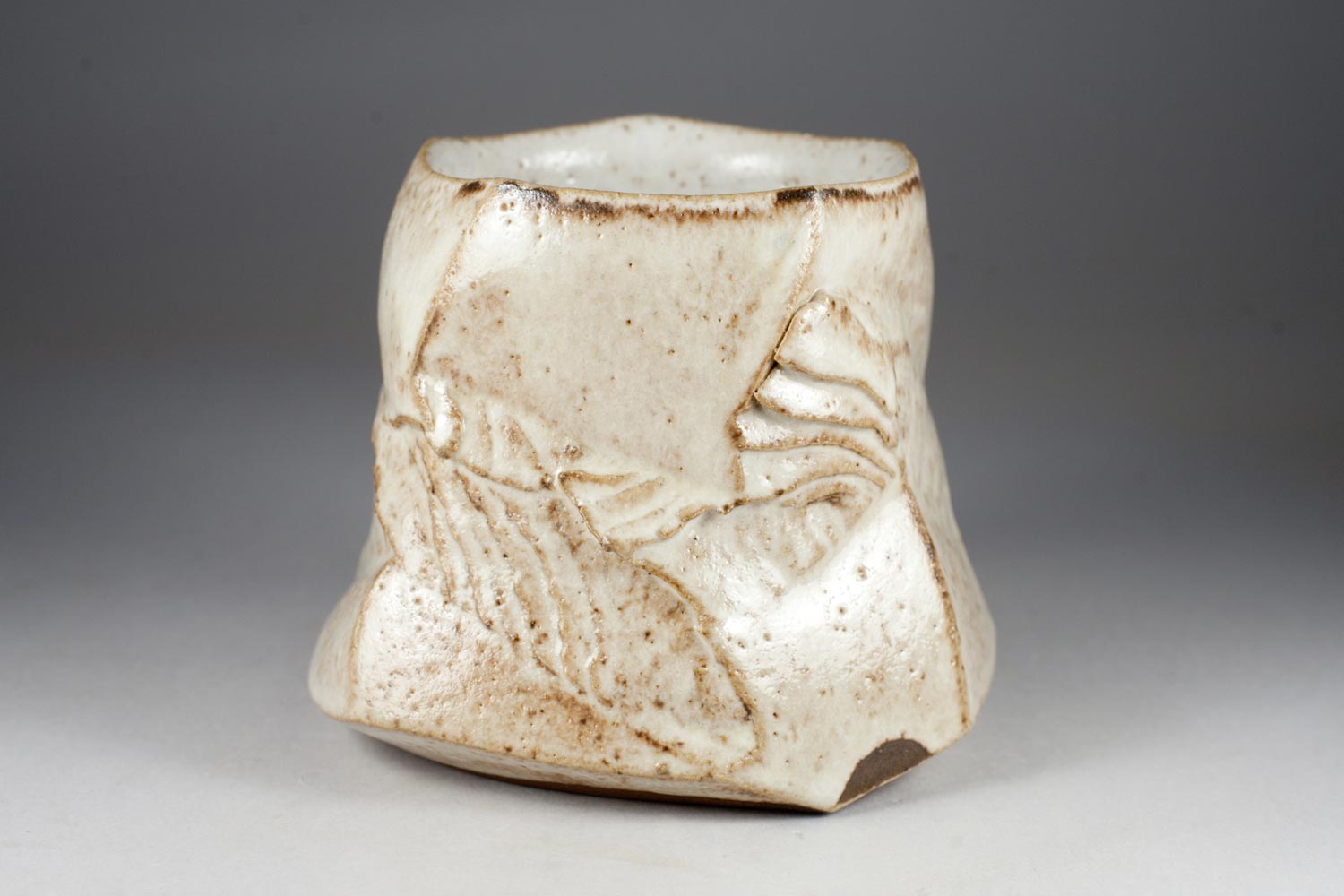
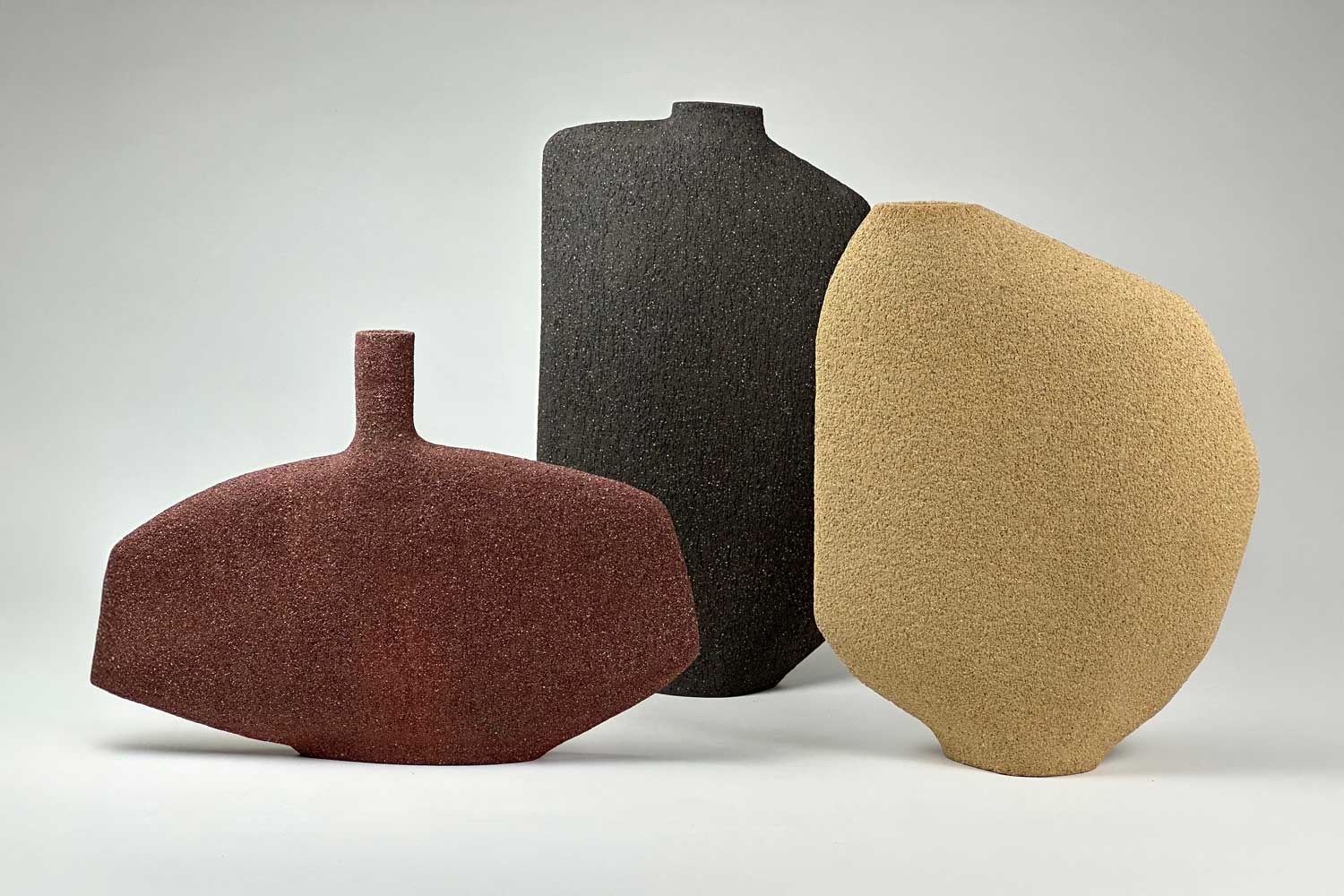
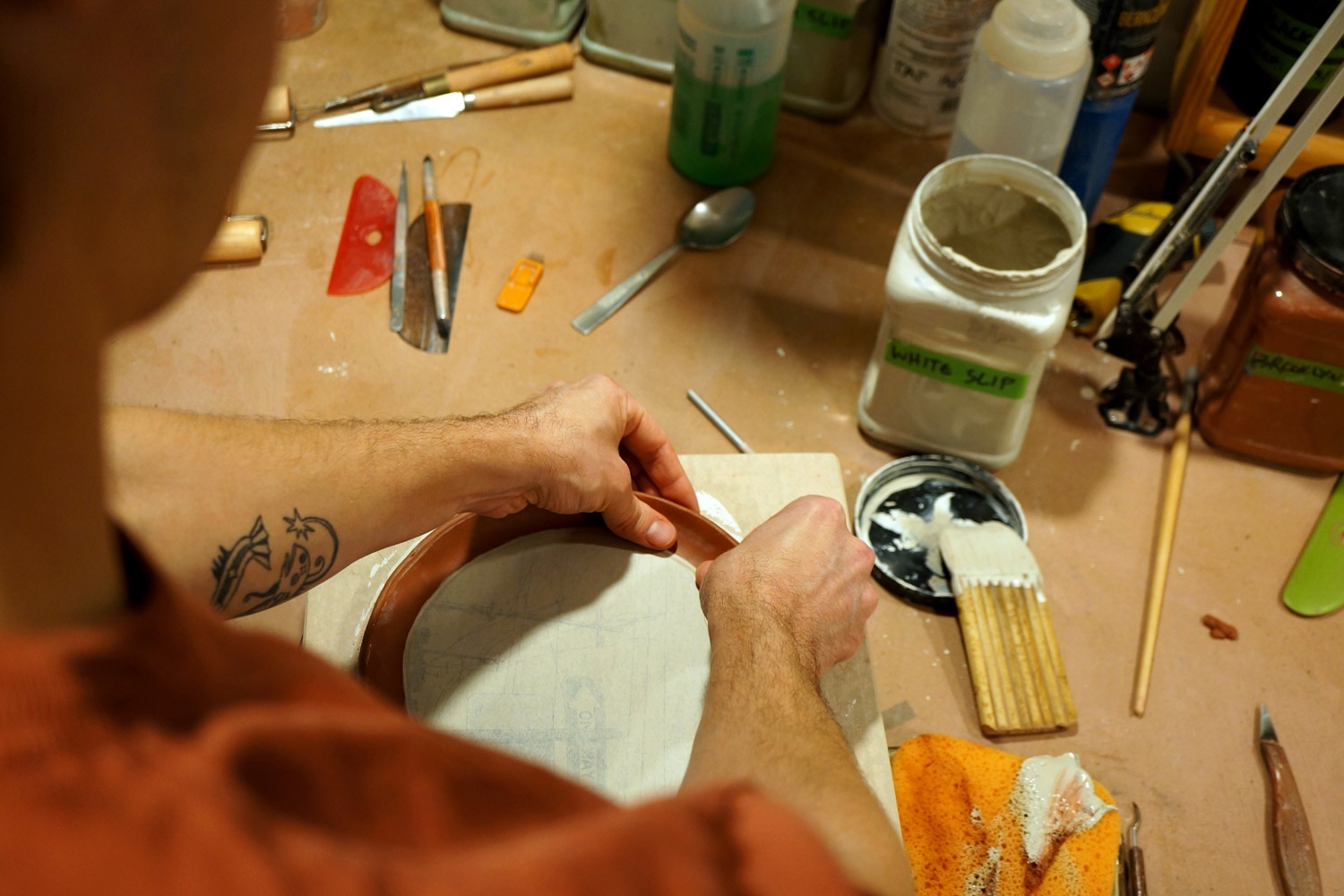
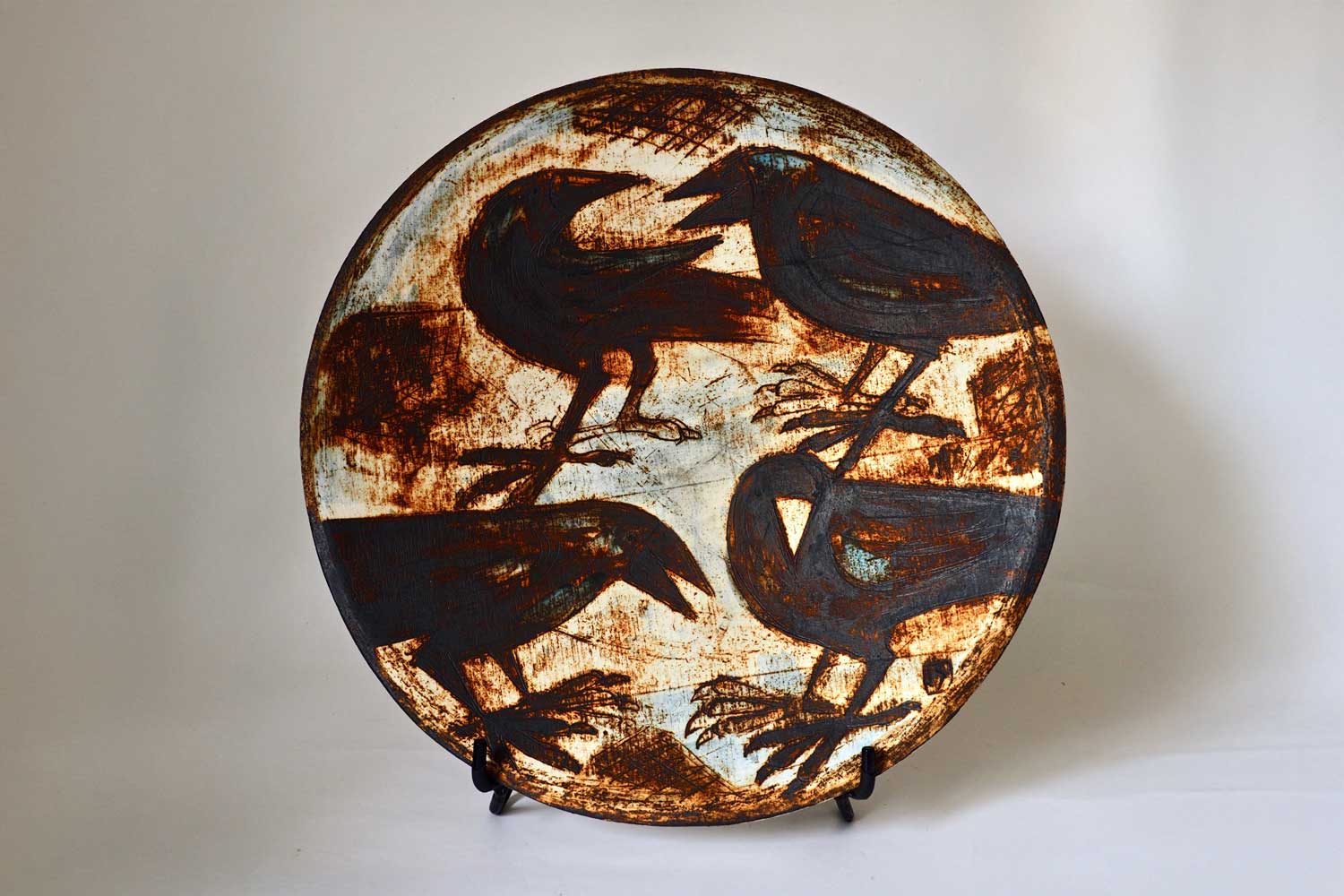
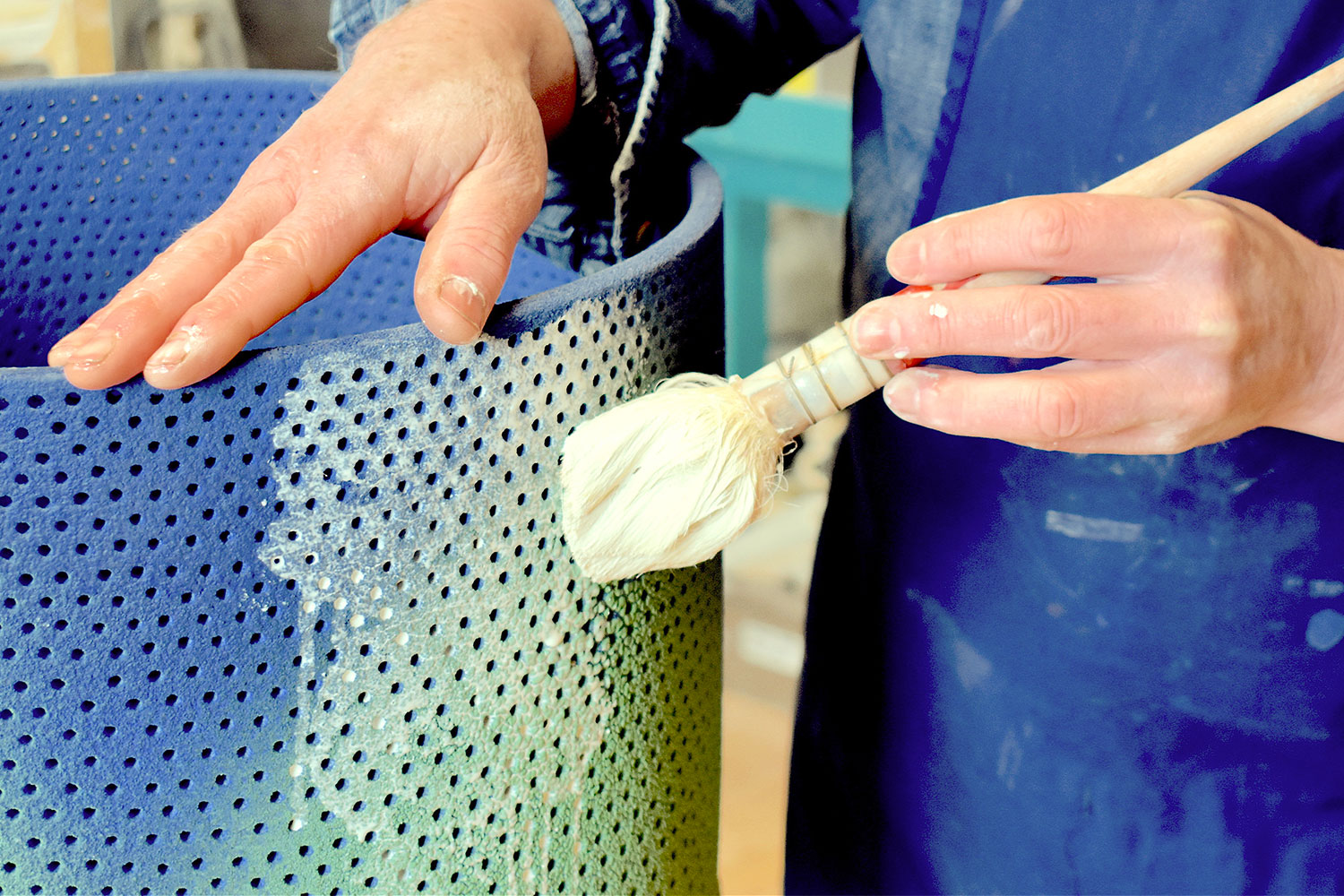
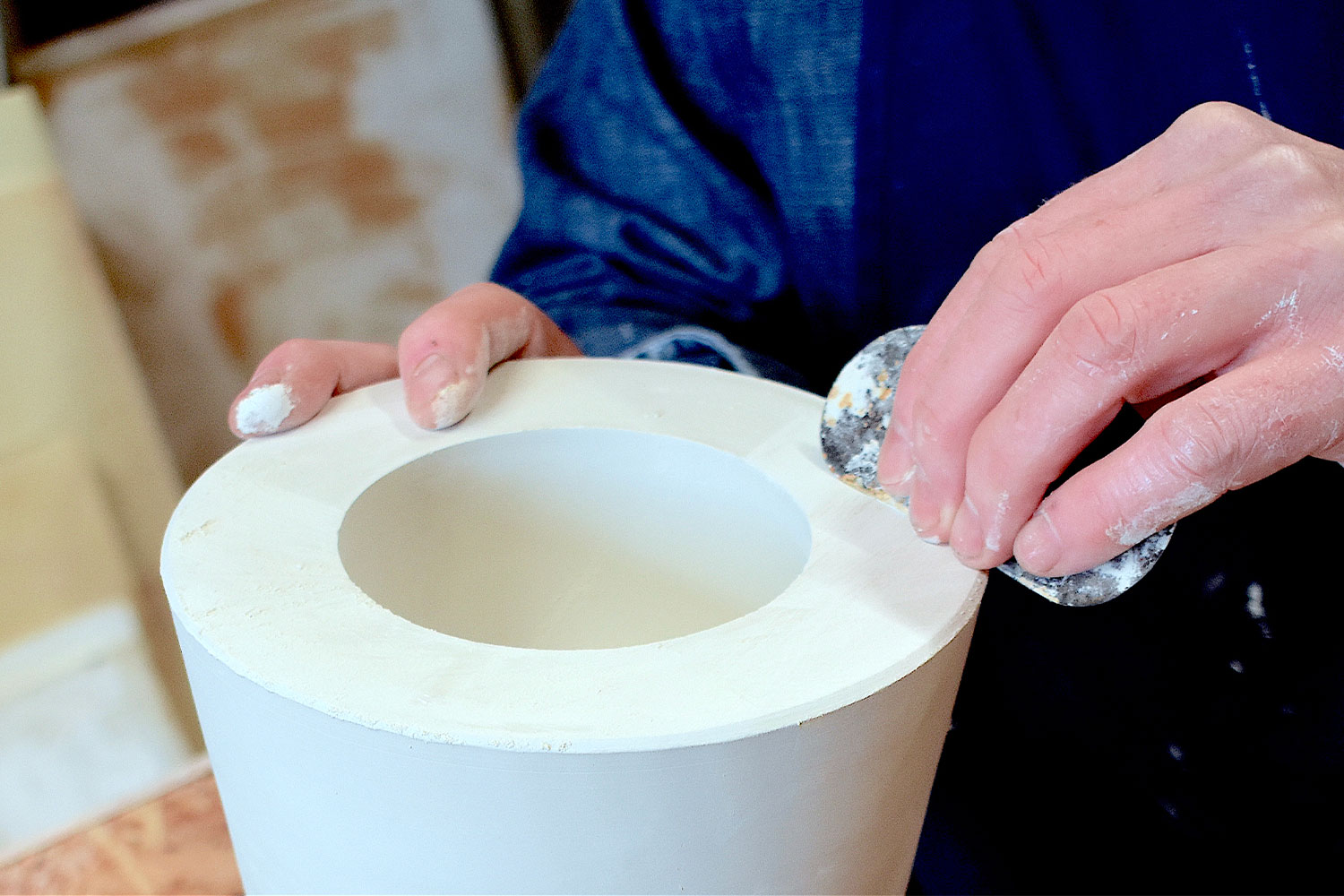
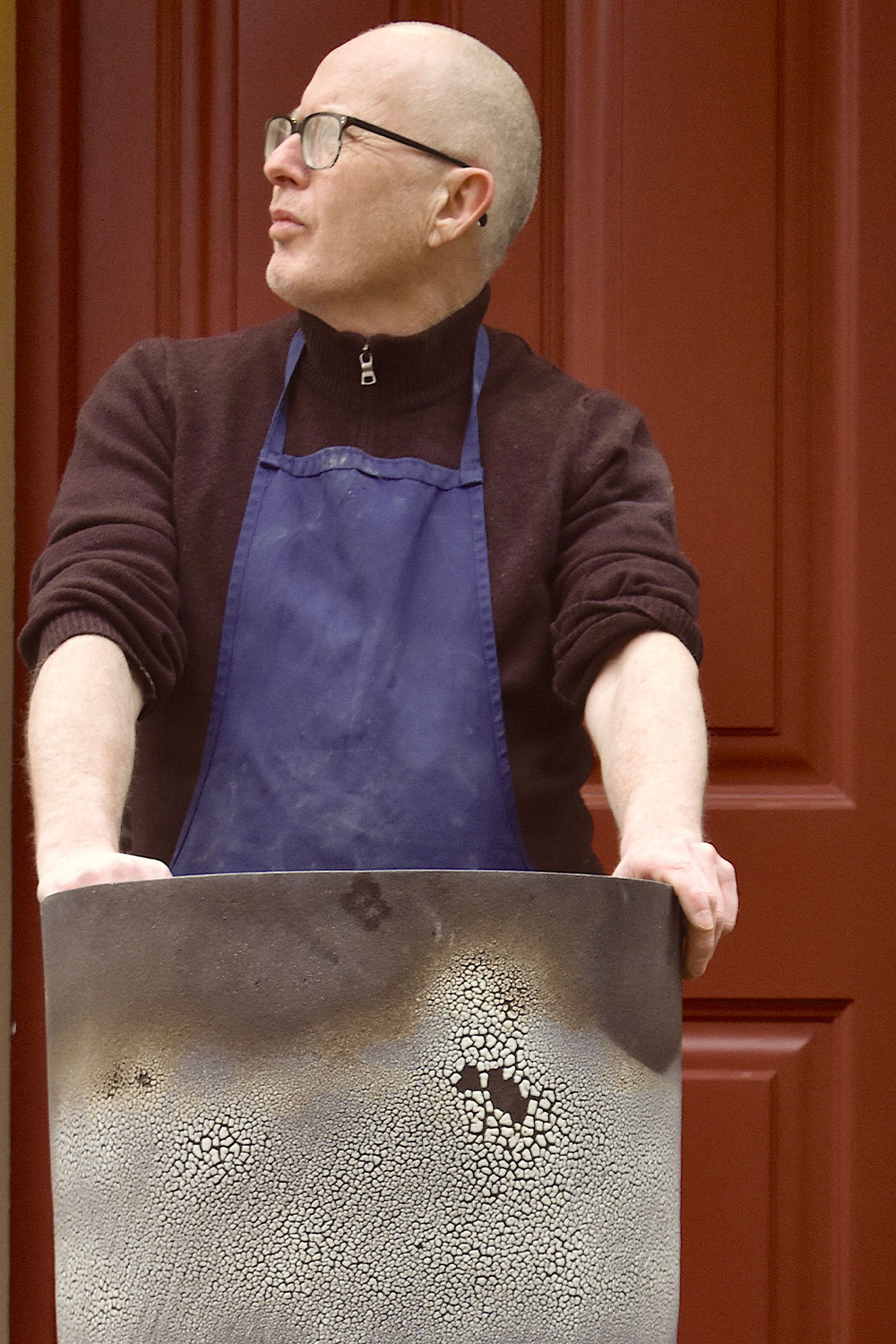
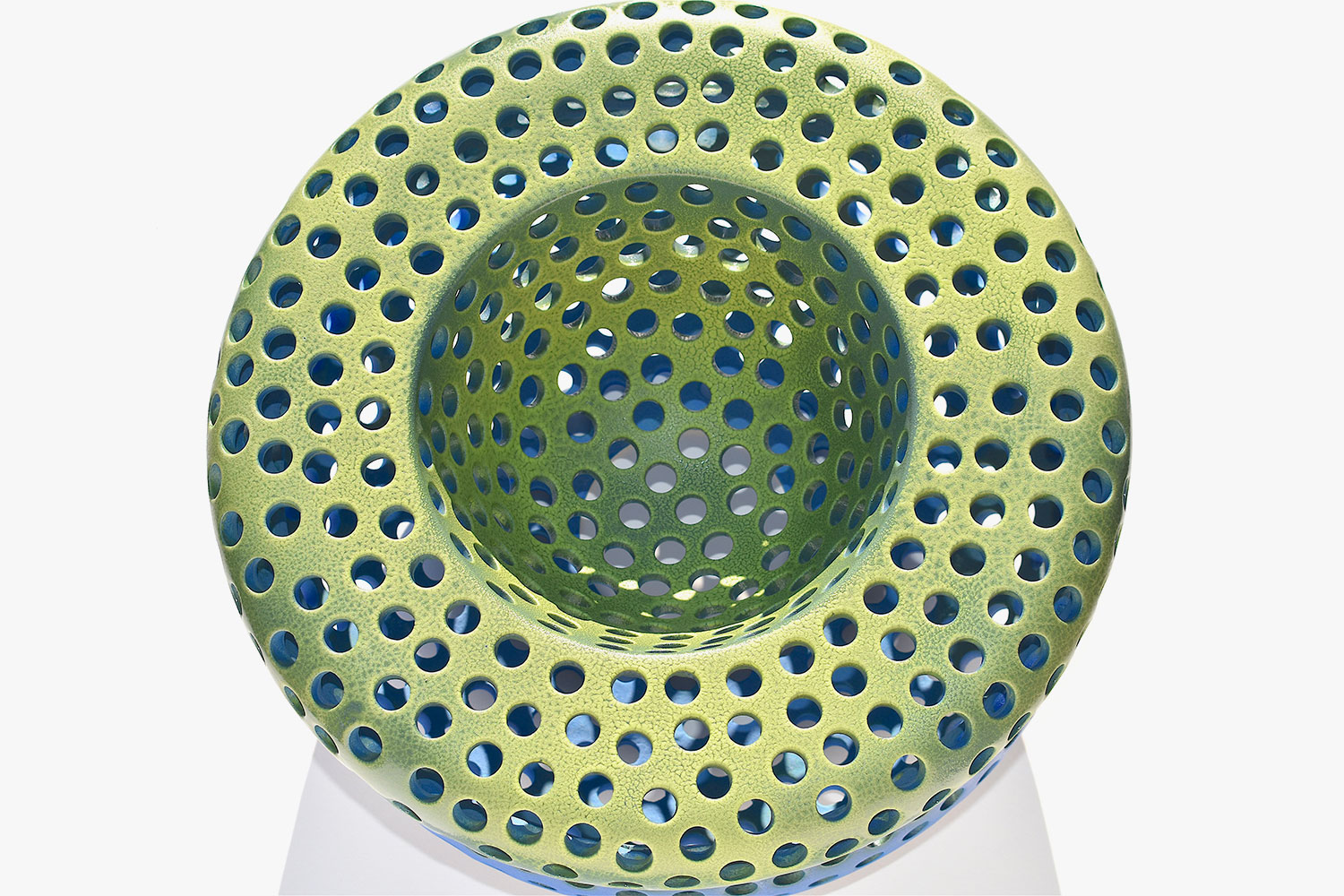
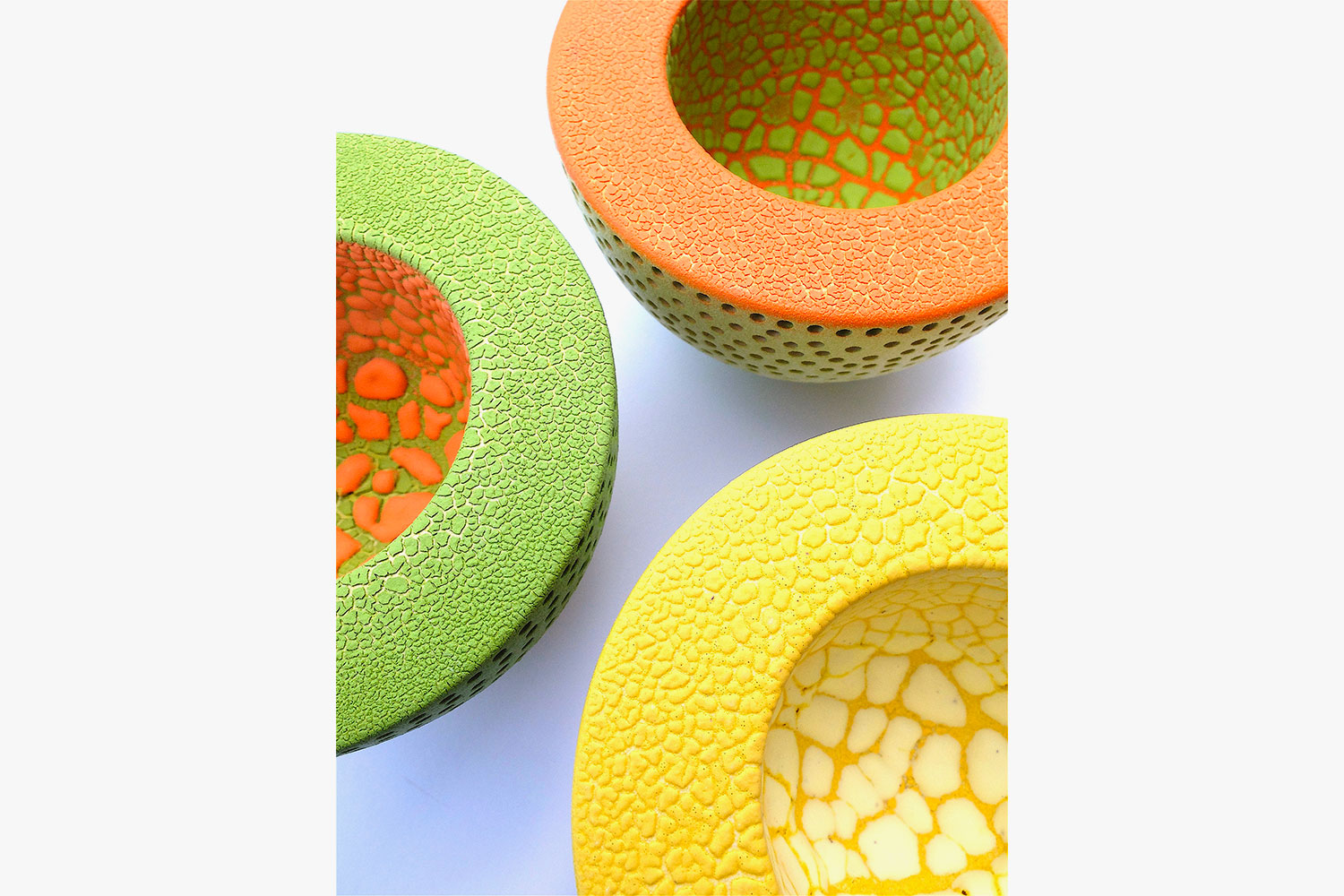
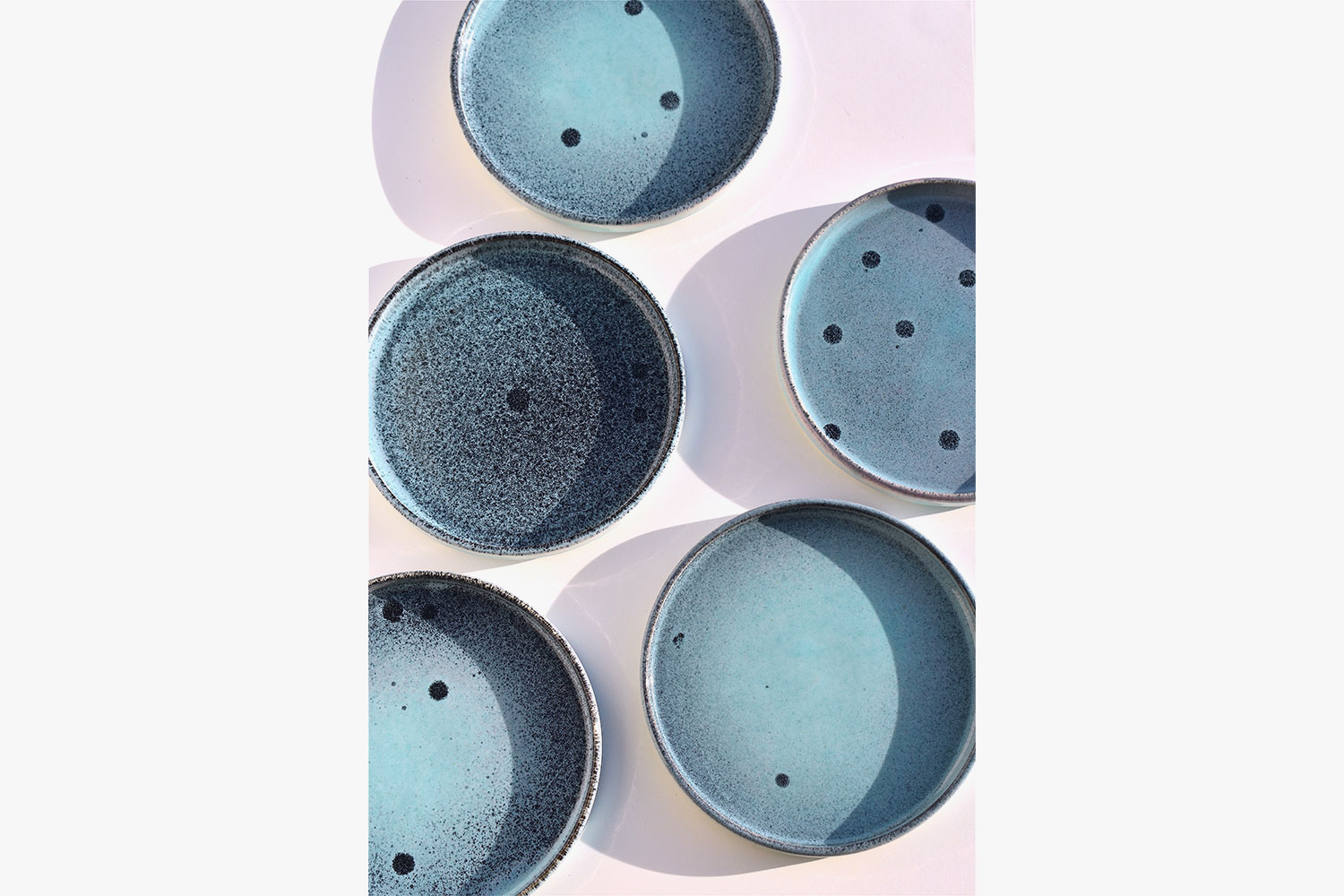
John McKeag is a maker who thinks through clay. He works intuitively, allowing room in his approach for ‘things to happen’. He often leaves a piece to sit for weeks, months or years until he is ready to return to it. Using multiple firings, he creates textured and brightly coloured surfaces; a signature influenced by his training as a painter. His most recent work looks at the vessel as a form that occupies space and contains space. He creates double walled vessels which play with the solidity of the form by perforating the surface; creating small windows into the interior. His passion for his material is clear and he described it as allowing him to live a creative life, connect on a deeper level to himself and the world around him.


INTERVIEW
I remember carving small boats out of balsa wood, I think I was around nine years old. I wasn’t very adept, and the knife was very sharp. With time and practice, it became a more enjoyable and less painful experience. An early lesson in persistence perhaps!
Aged six I moved with my family from Ireland to Australia. I spent the first few weeks squinting and keeping my head to the ground. It was another world of colour, texture and space; a sensory overload. At first it was too much, but later I couldn’t get enough.
A comment from a gallery owner at one of my first big shows. After looking at the work, he uttered, “nearly, but not quite,” then walked away. I remember being upset at the time, but criticism is part of the deal and has to be accepted, and can lead to improvement.
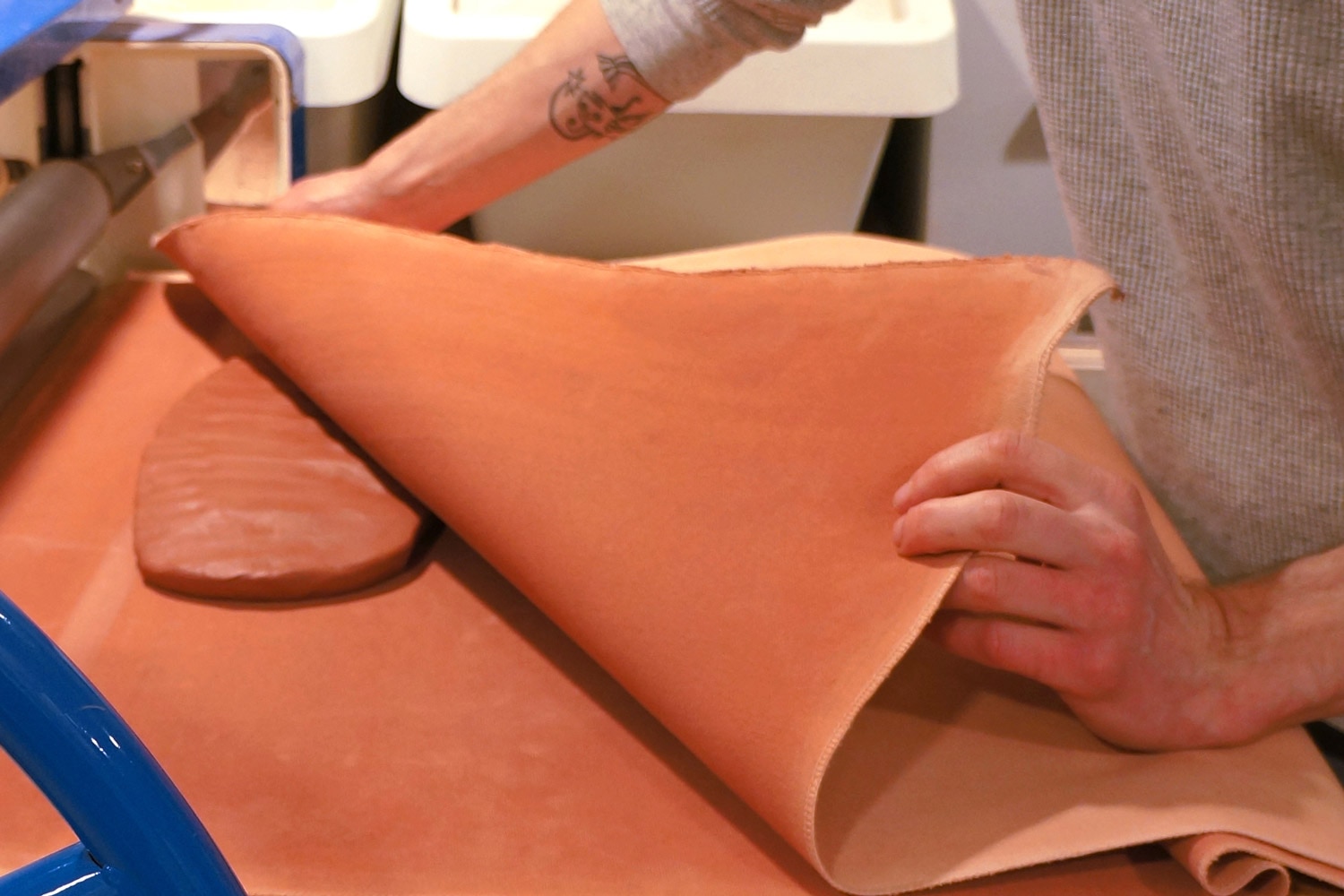
What is special, is that, as a material, its nothing special. It’s the earth beneath our feet. Used through the ages by diverse cultures, to produce a staggering variety of objects for all aspects of life. From the start I was attracted to its malleability and mutability.
John McKeag
Studio 1+1
Ceramicist
Bryansford, United Kingdom
Recommended by Design & Crafts Council Ireland
ADDRESS
Address upon request, Bryansford, United Kingdom
AVAILABILITY
By appointment only
PHONE
+44 7931299008
LANGUAGES
English
Homo Faber Finds is a new service aiming to inspire admirers of craft to connect and collaborate with exceptional artisans.
We invite you to submit an enquiry here.