Jan Waterston
Furniture maker
Birmingham, United Kingdom
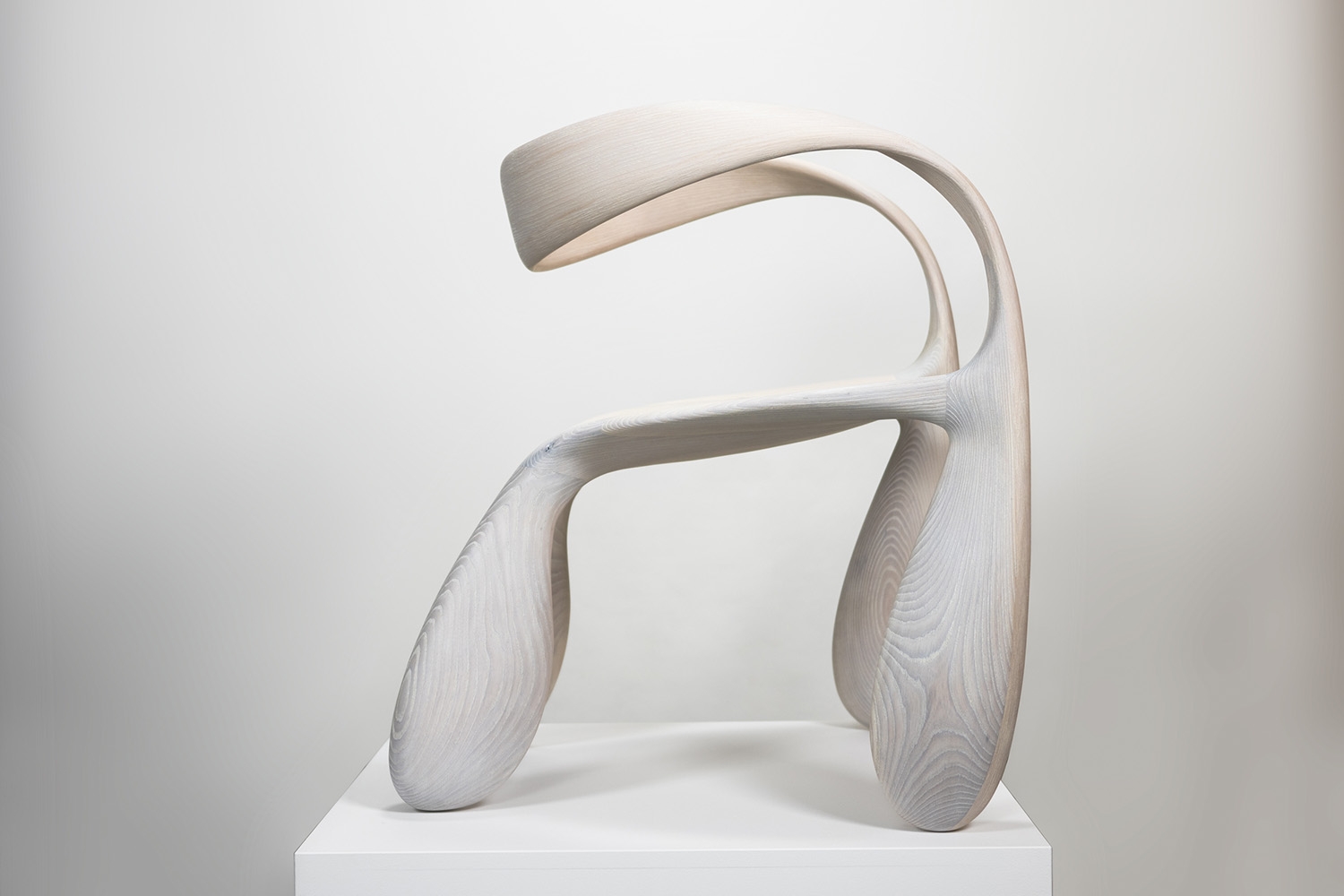
Flow and transition drawn in space
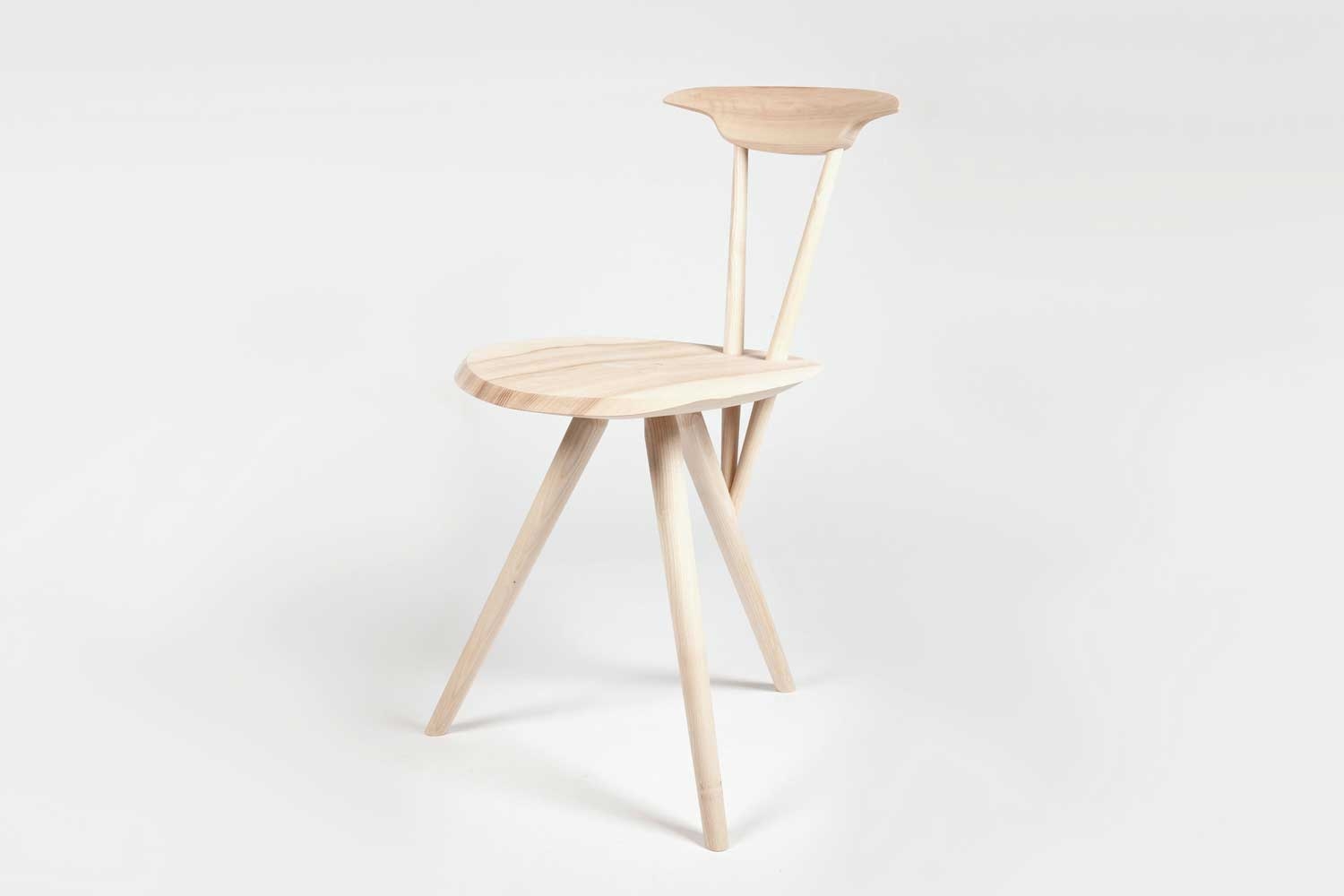
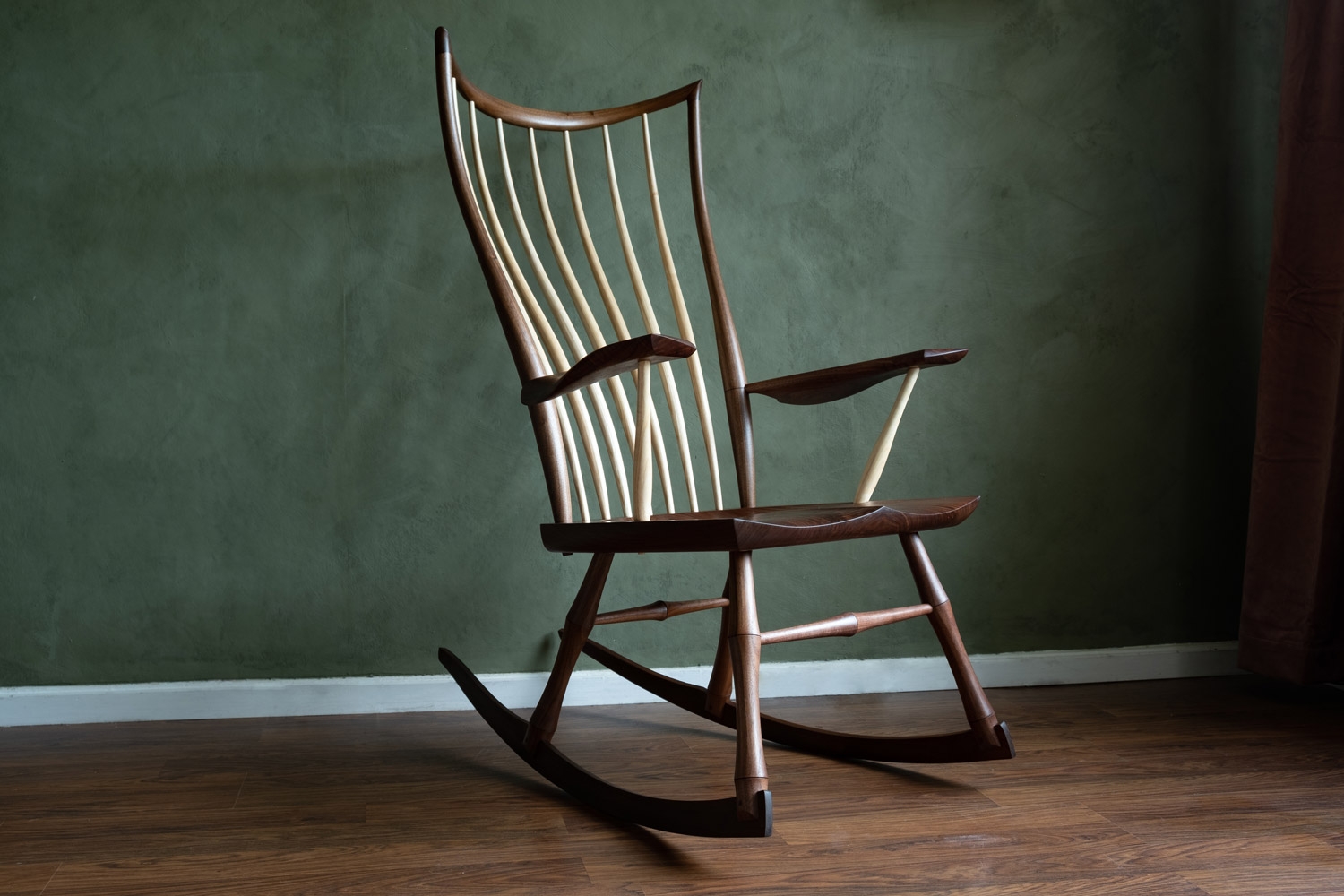
- Jan is recognised for his freeform laminate work and sculpturally light shapes
- Woodworking led him from city life to a profound connection with nature
- He enthusiastically integrates innovative techniques into craftsmanship
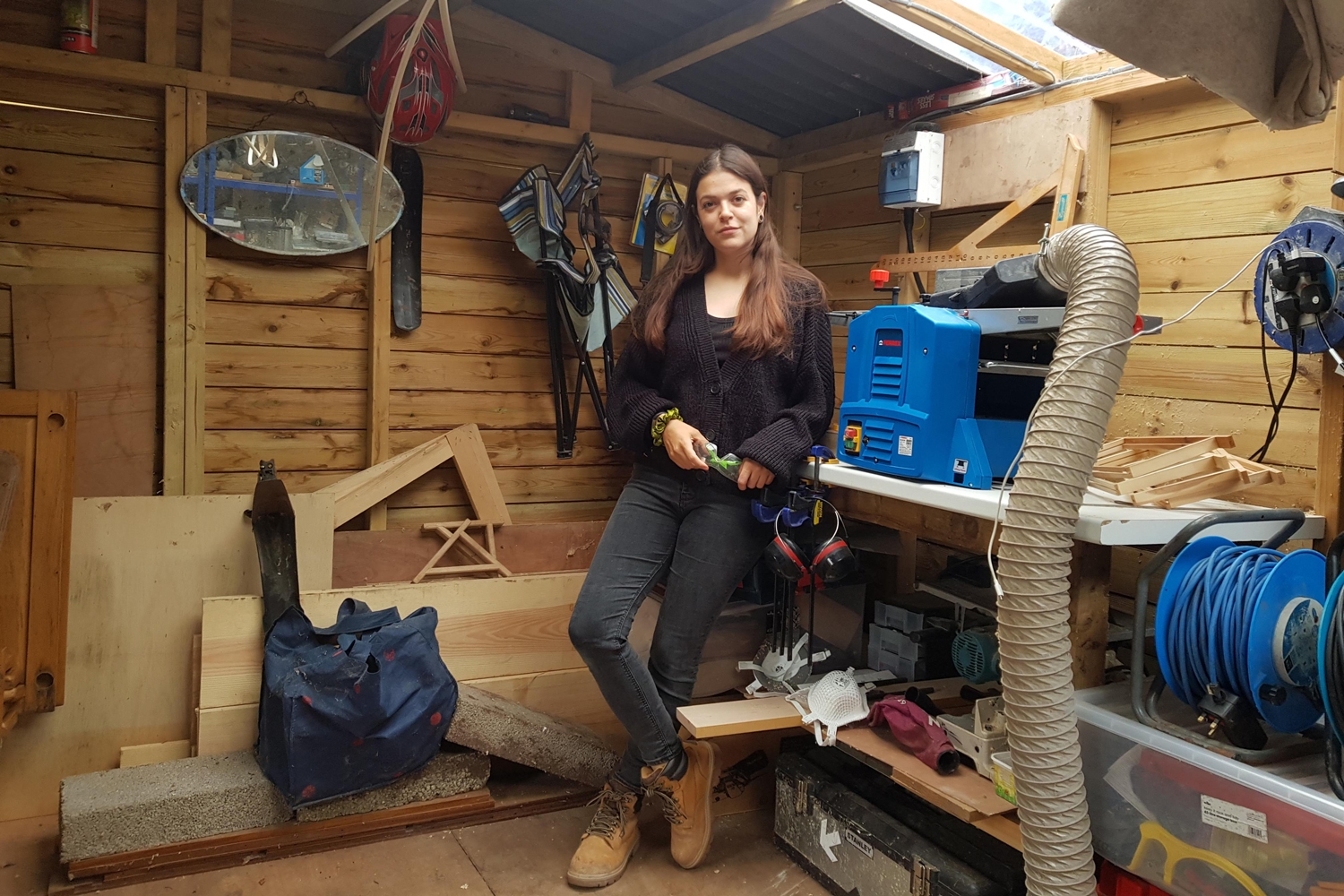
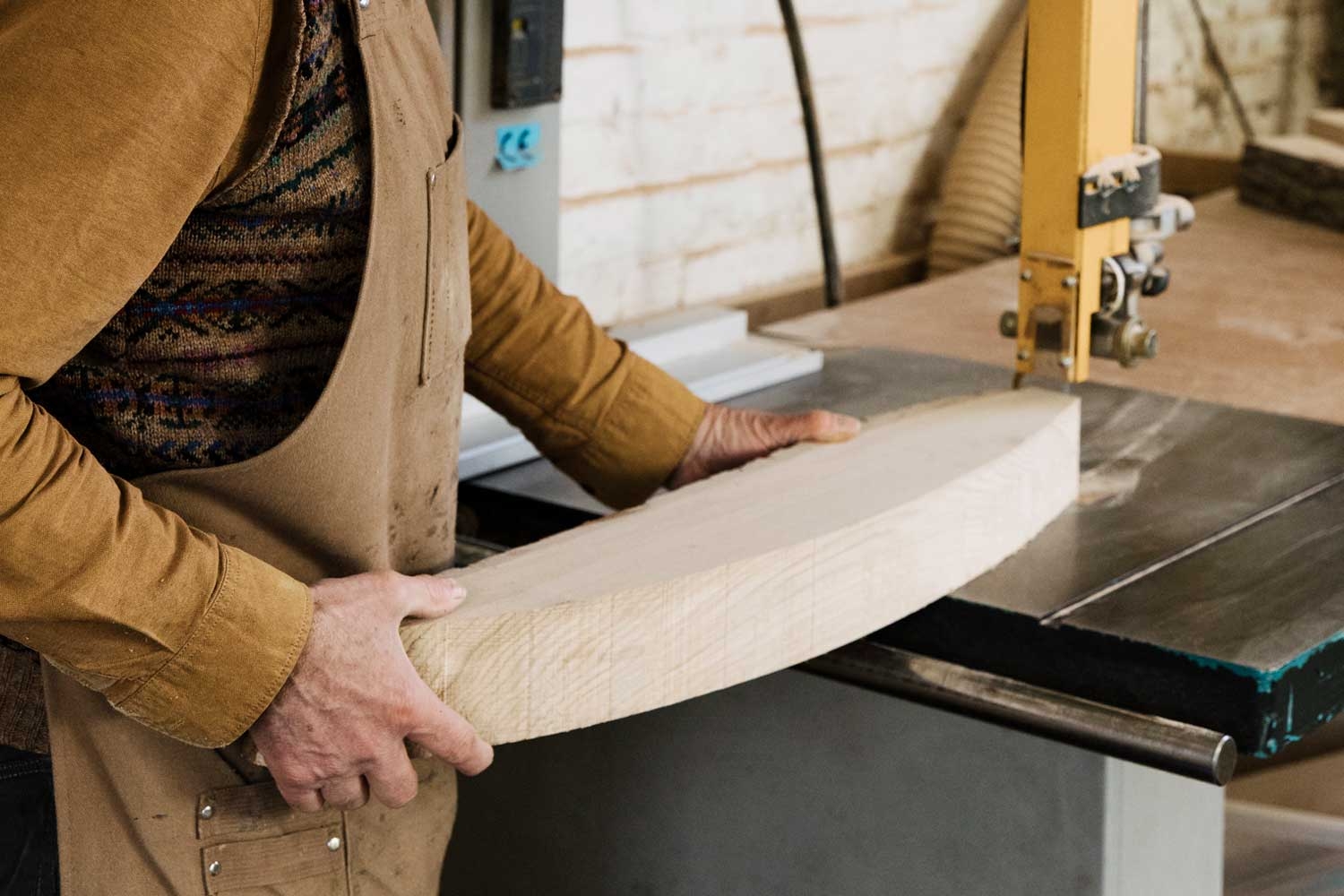
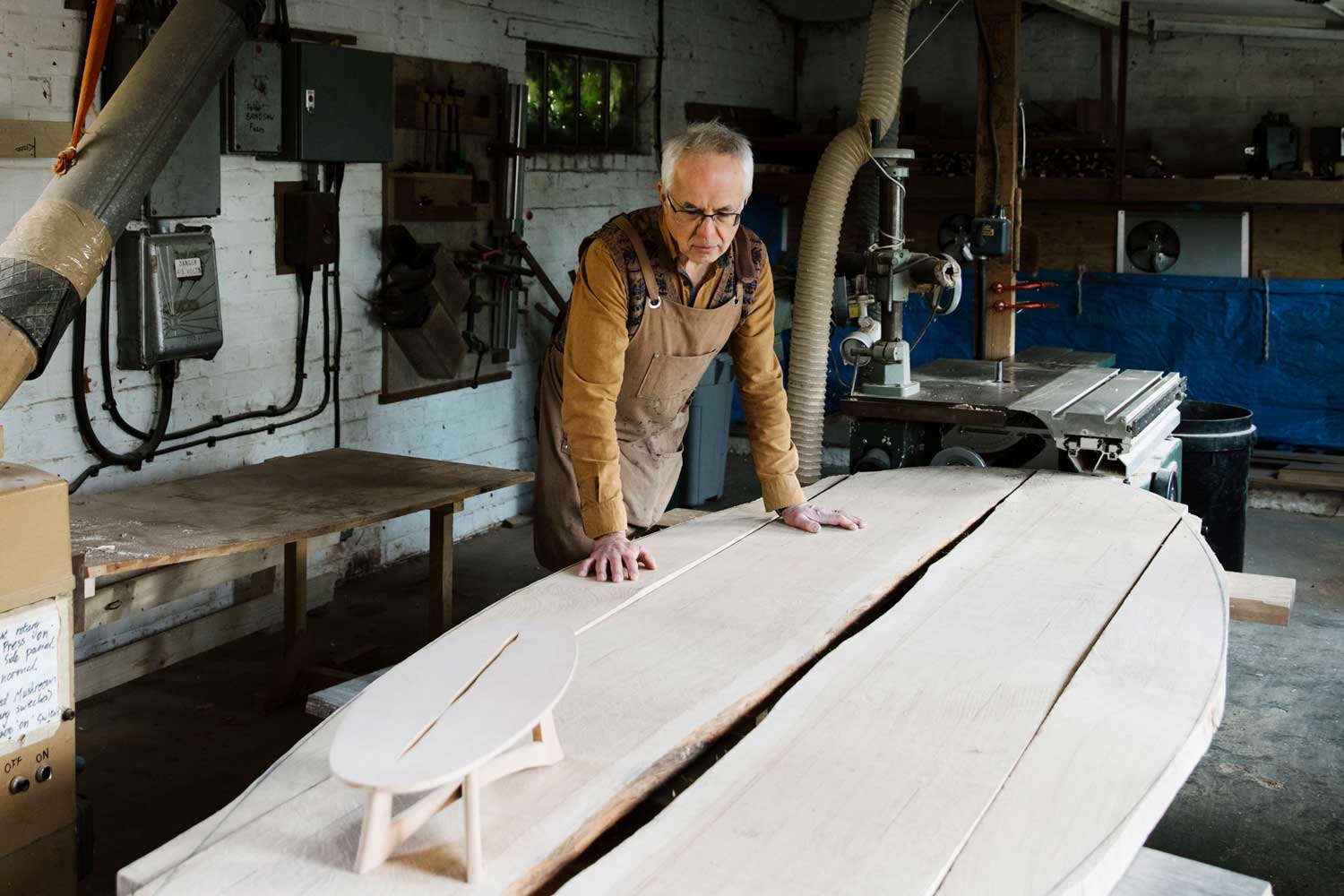
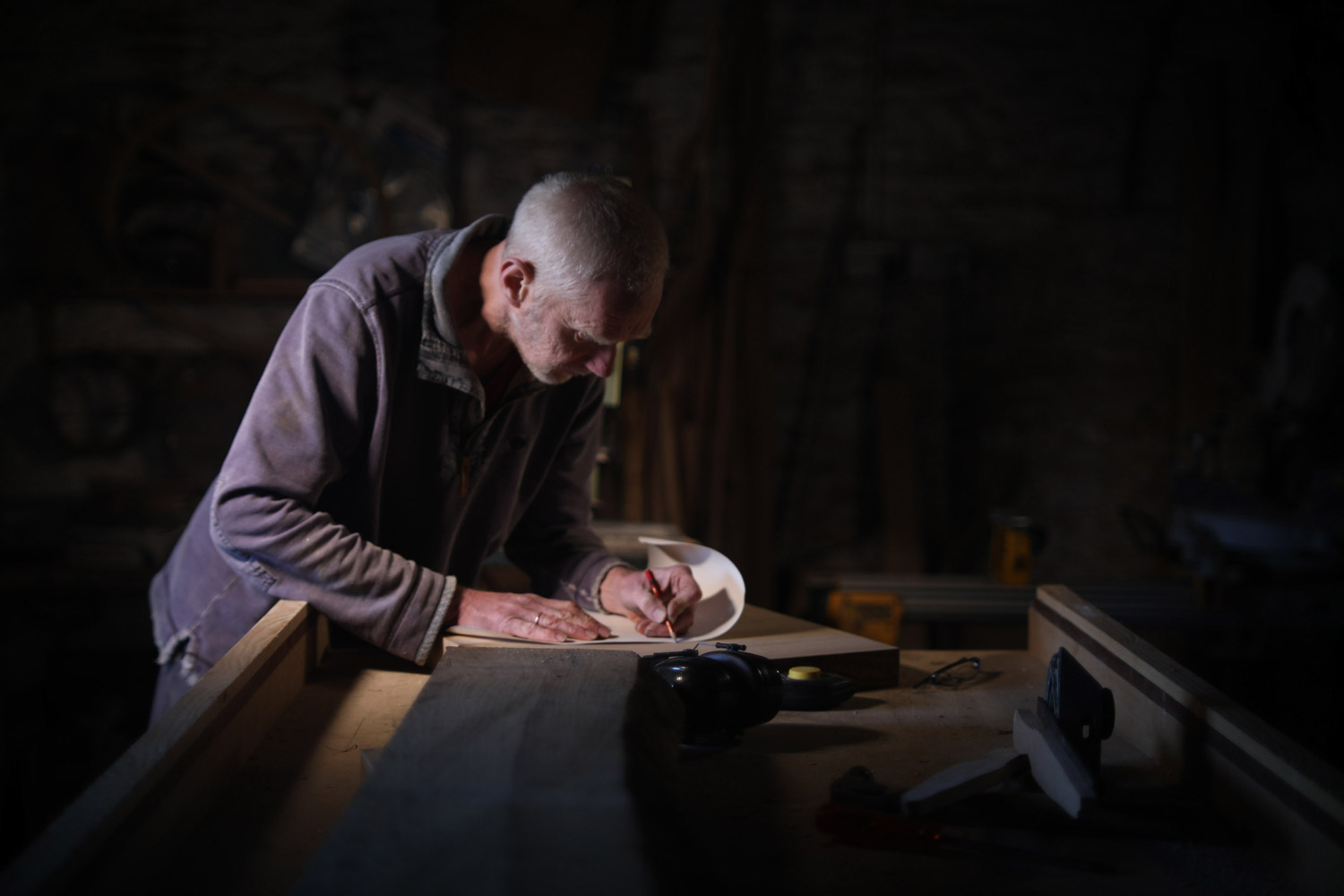
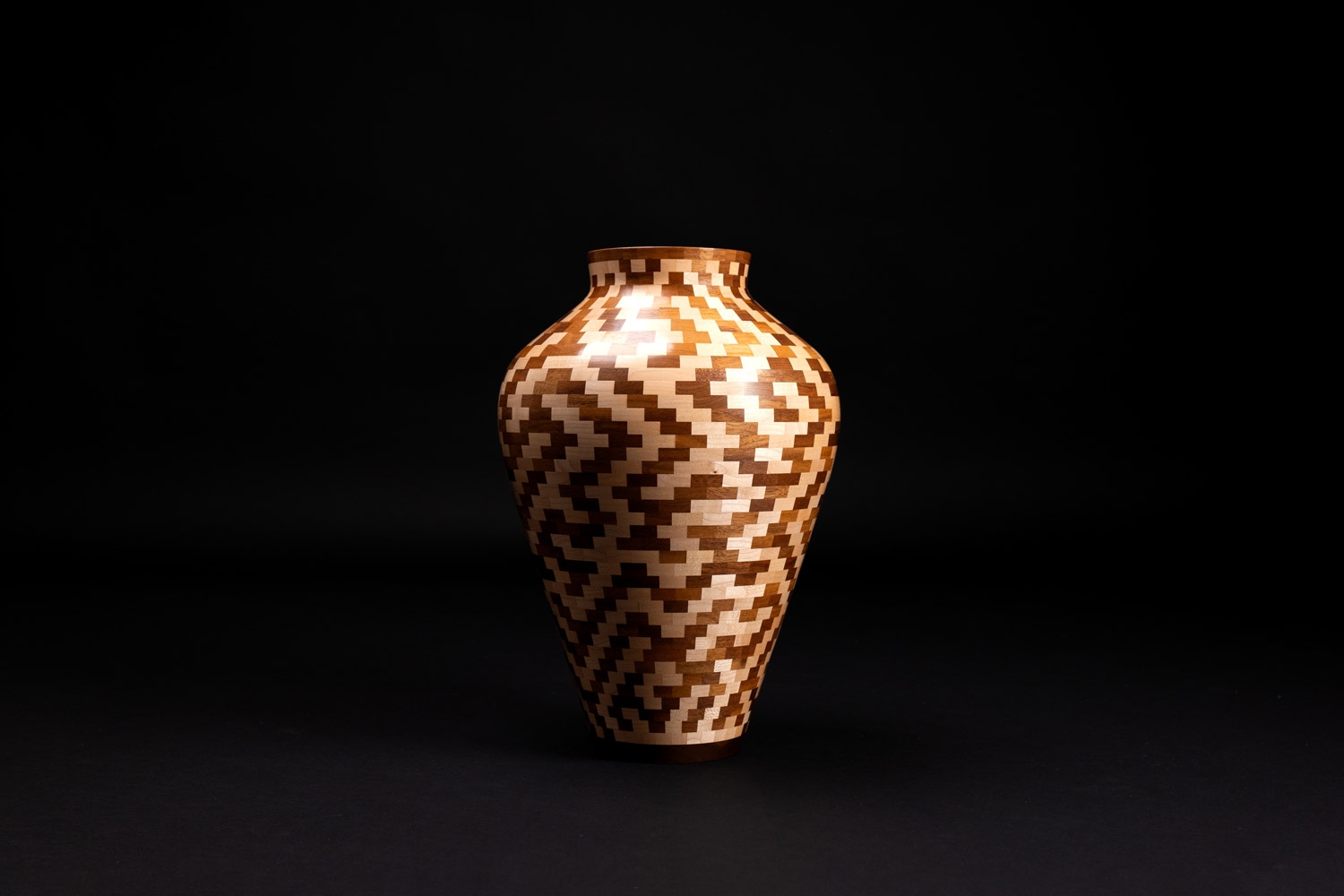
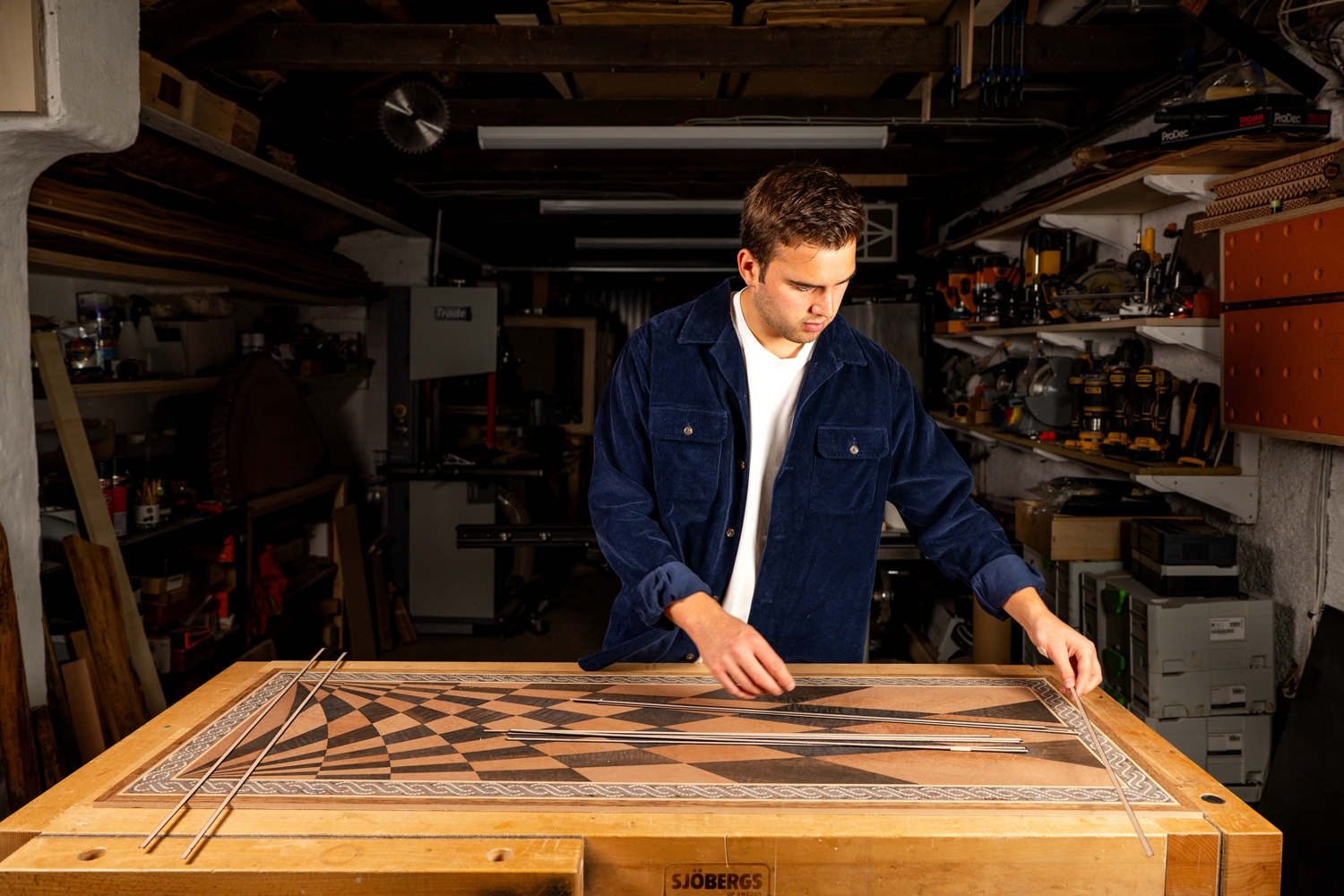
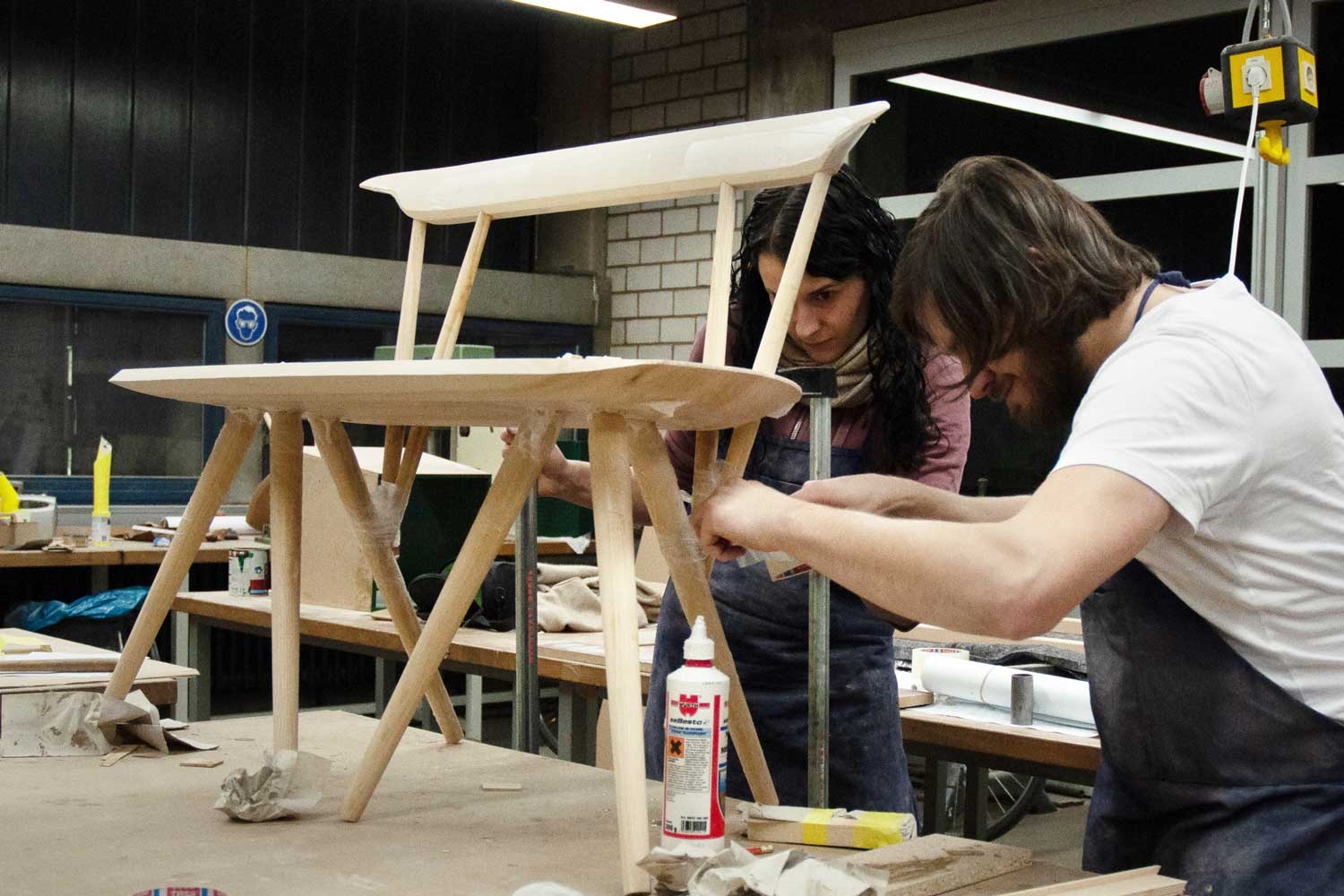
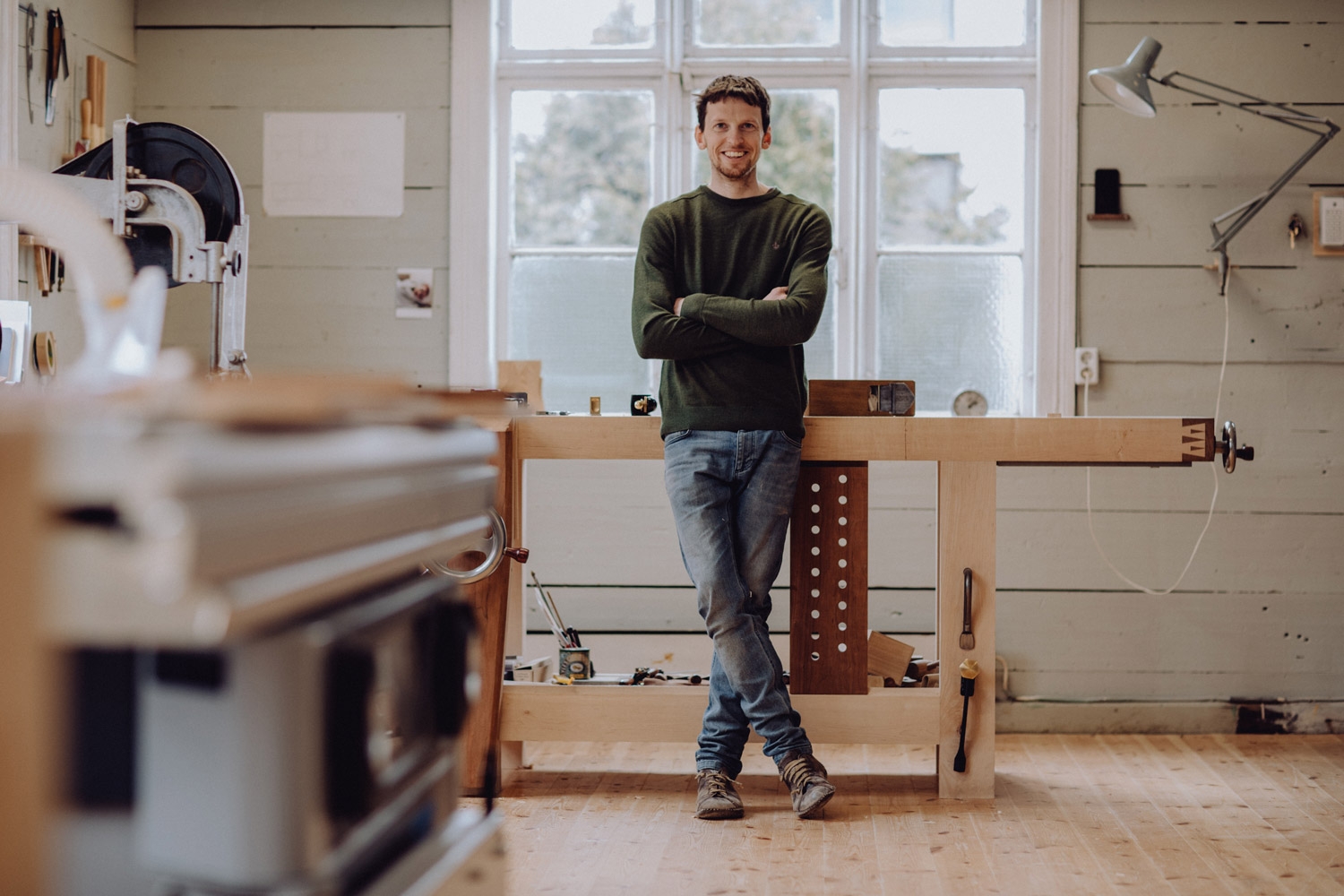
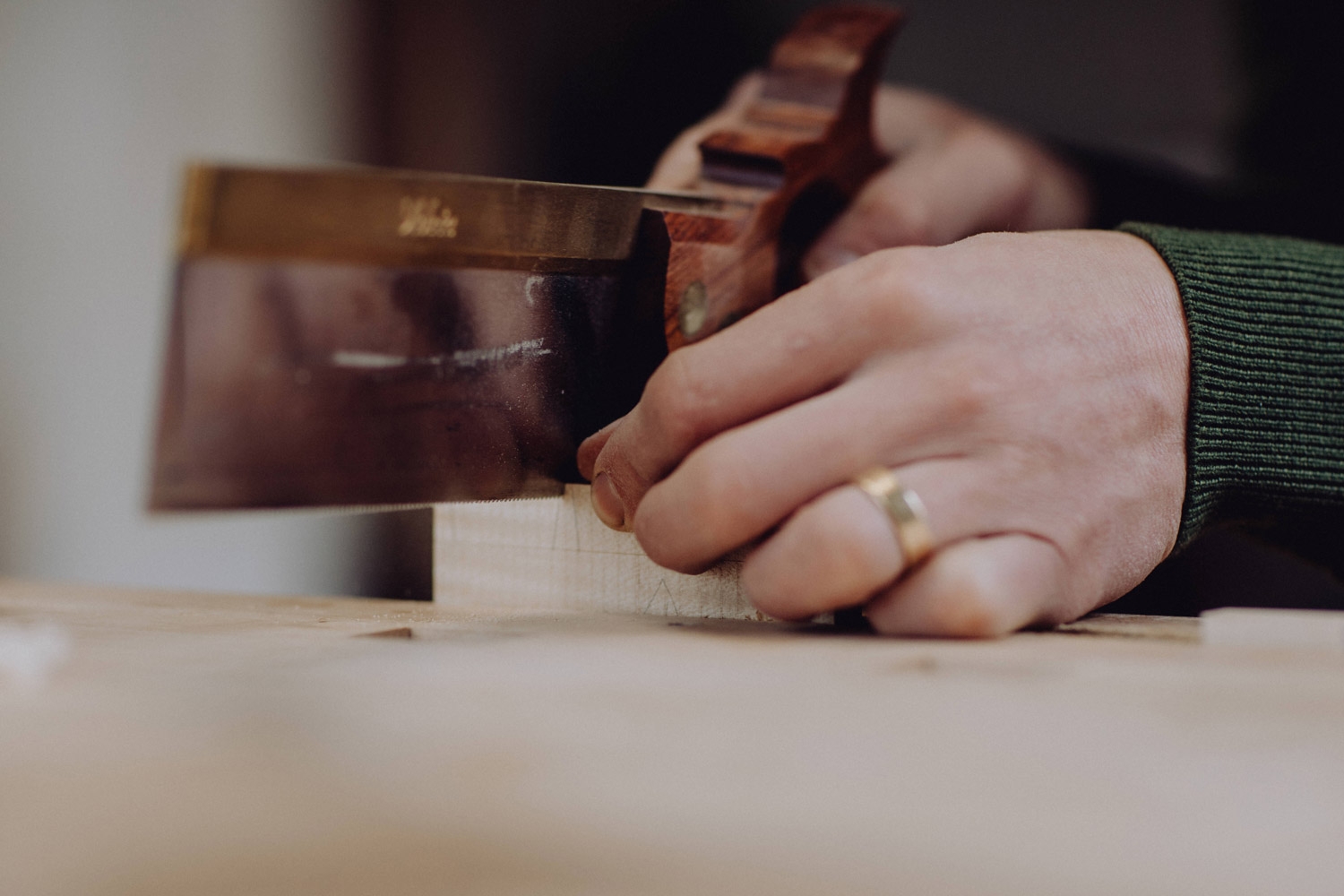
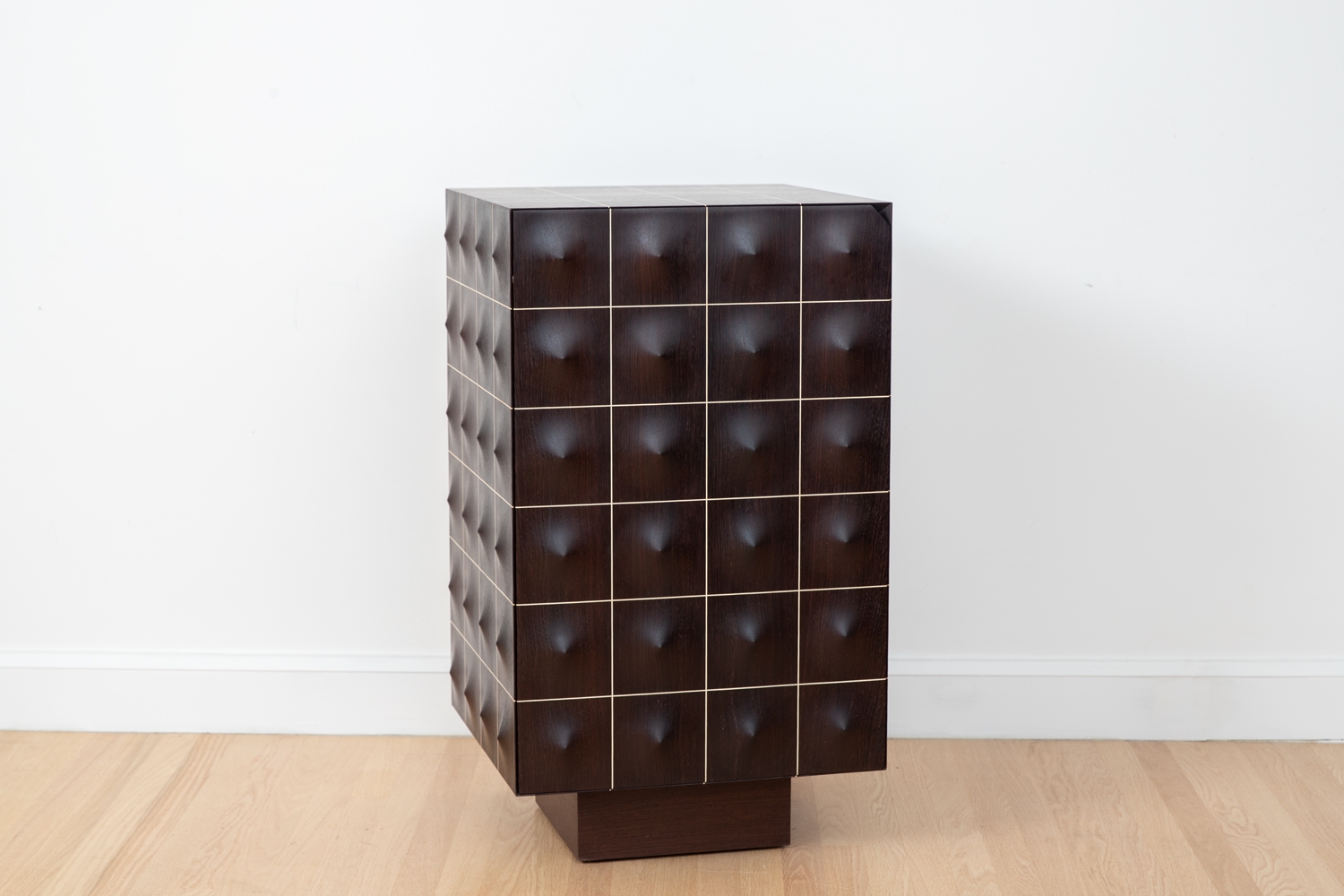
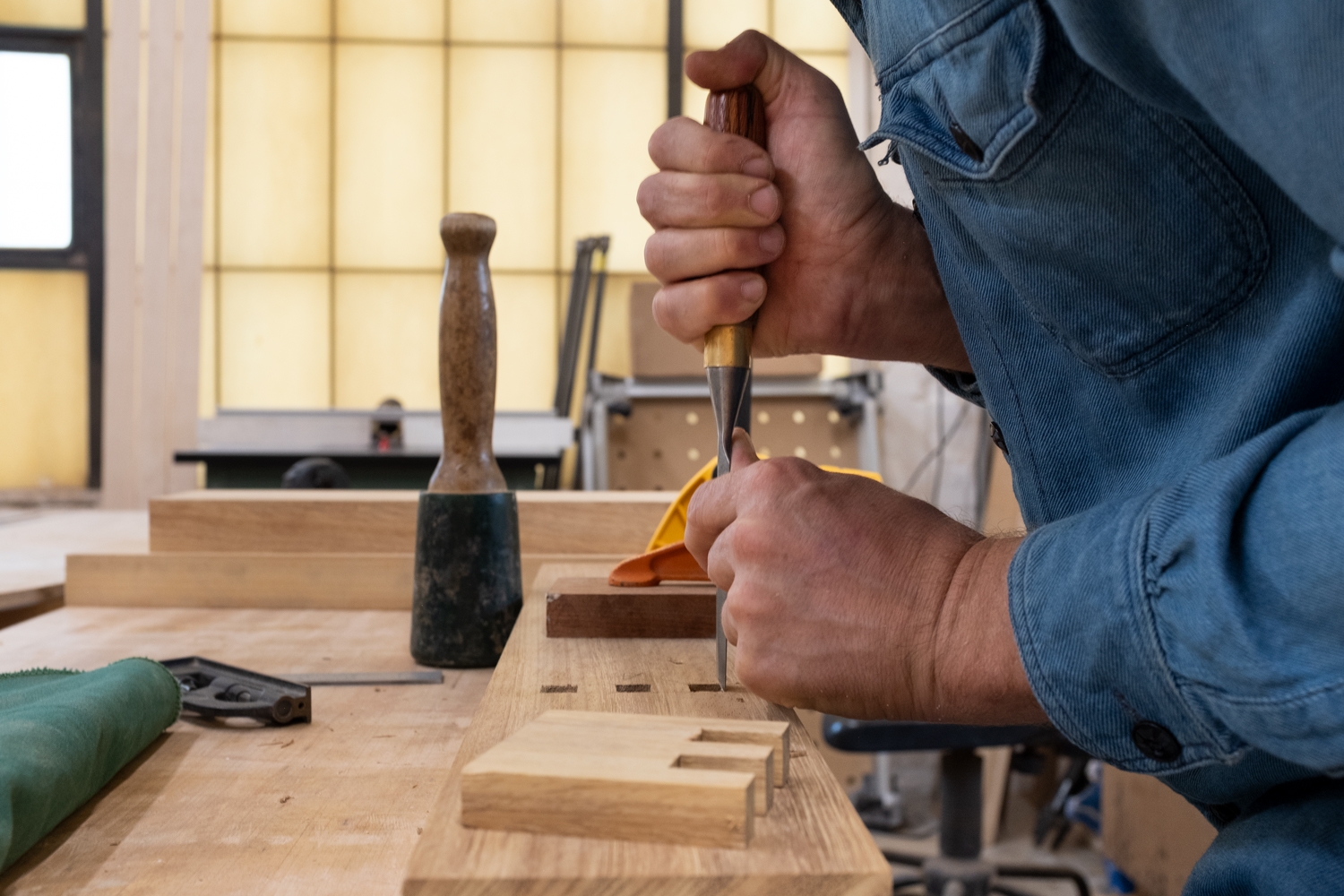
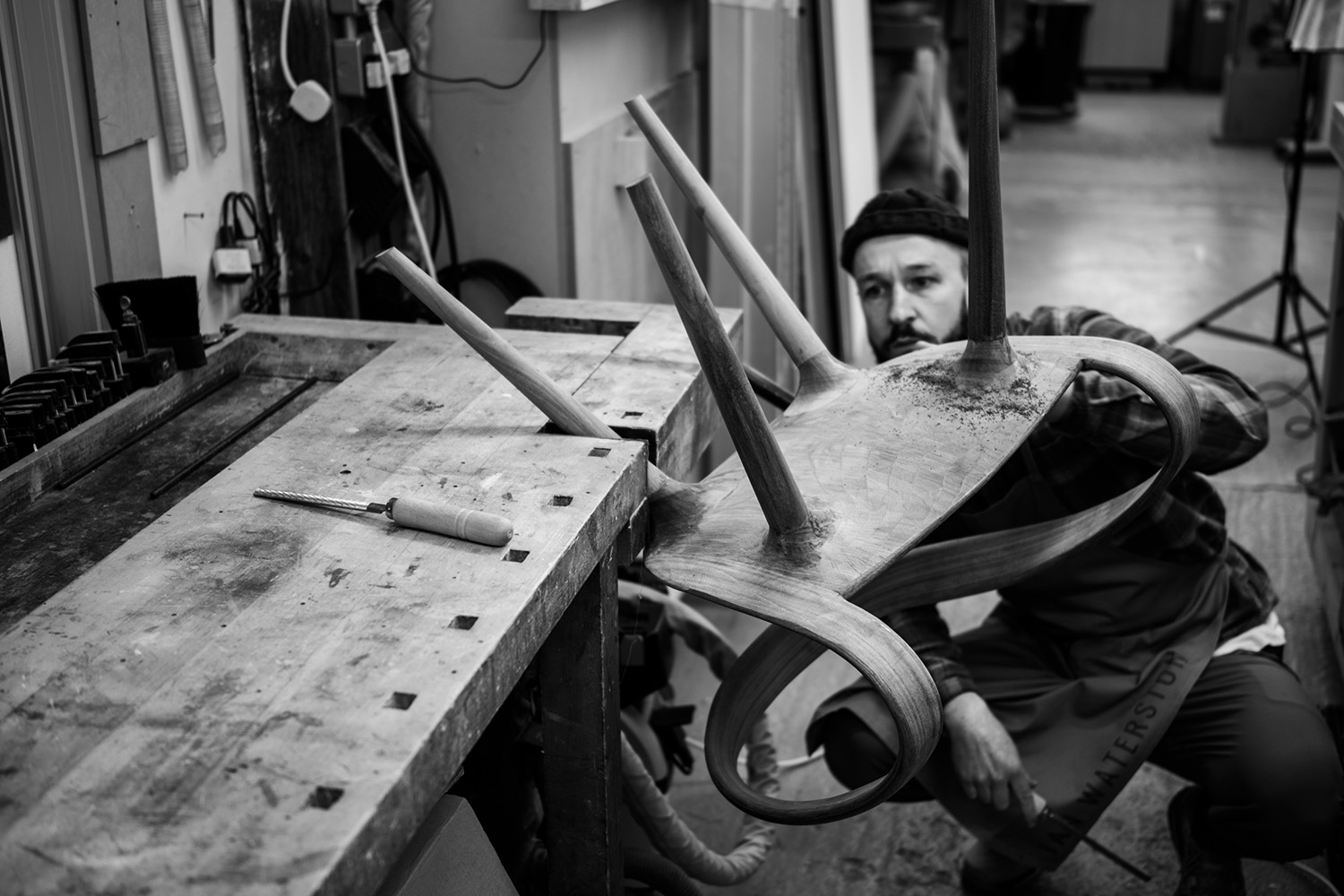
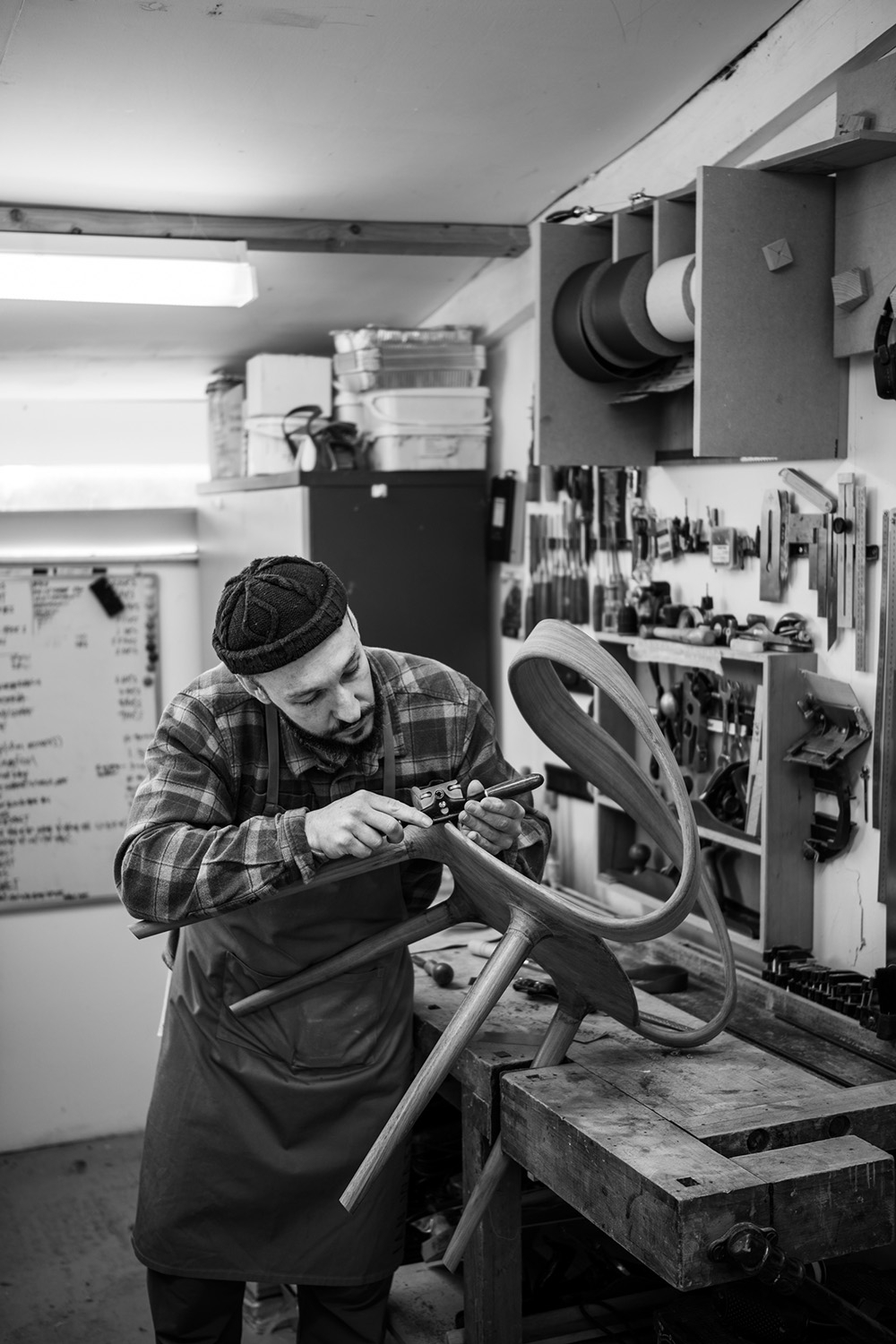
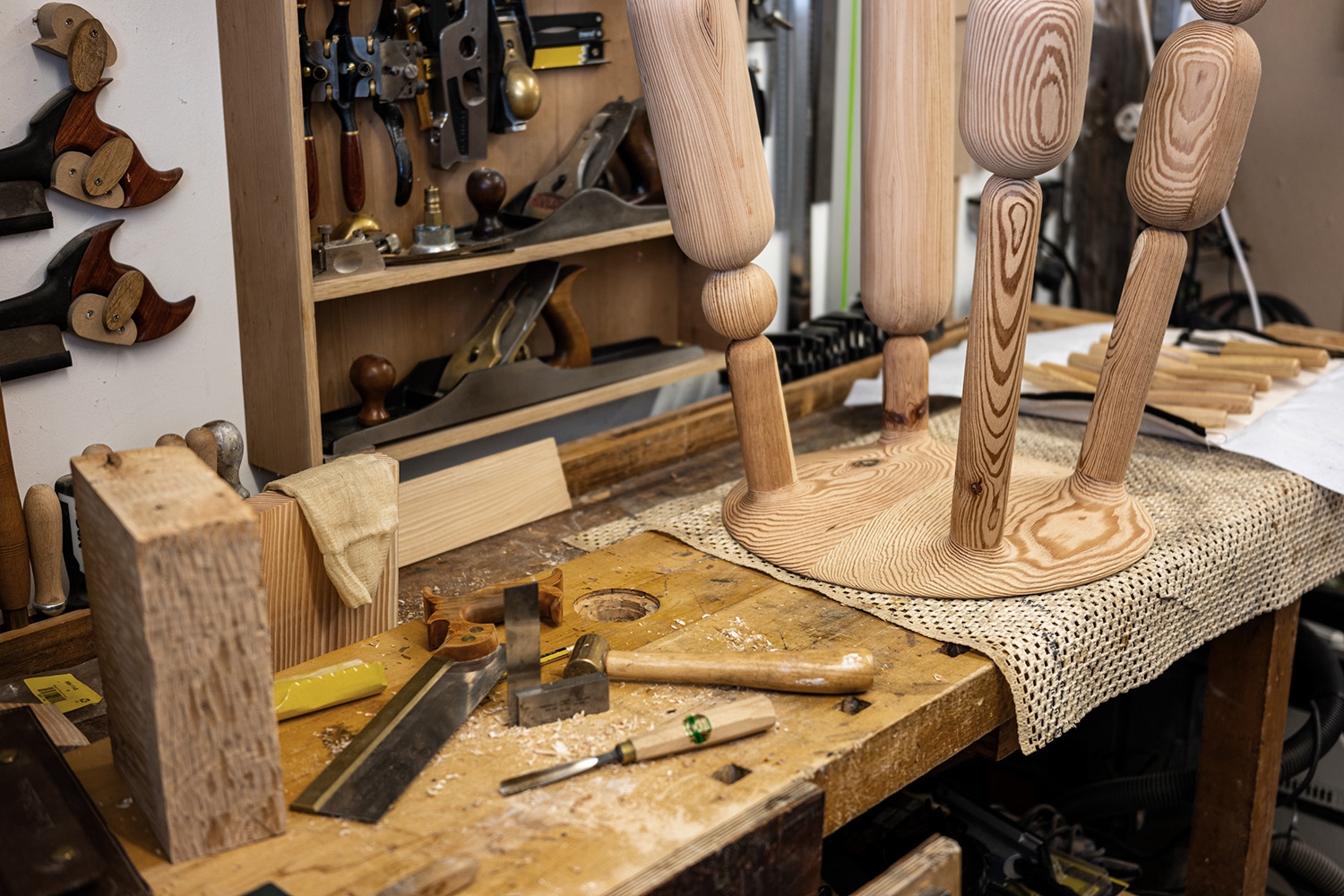
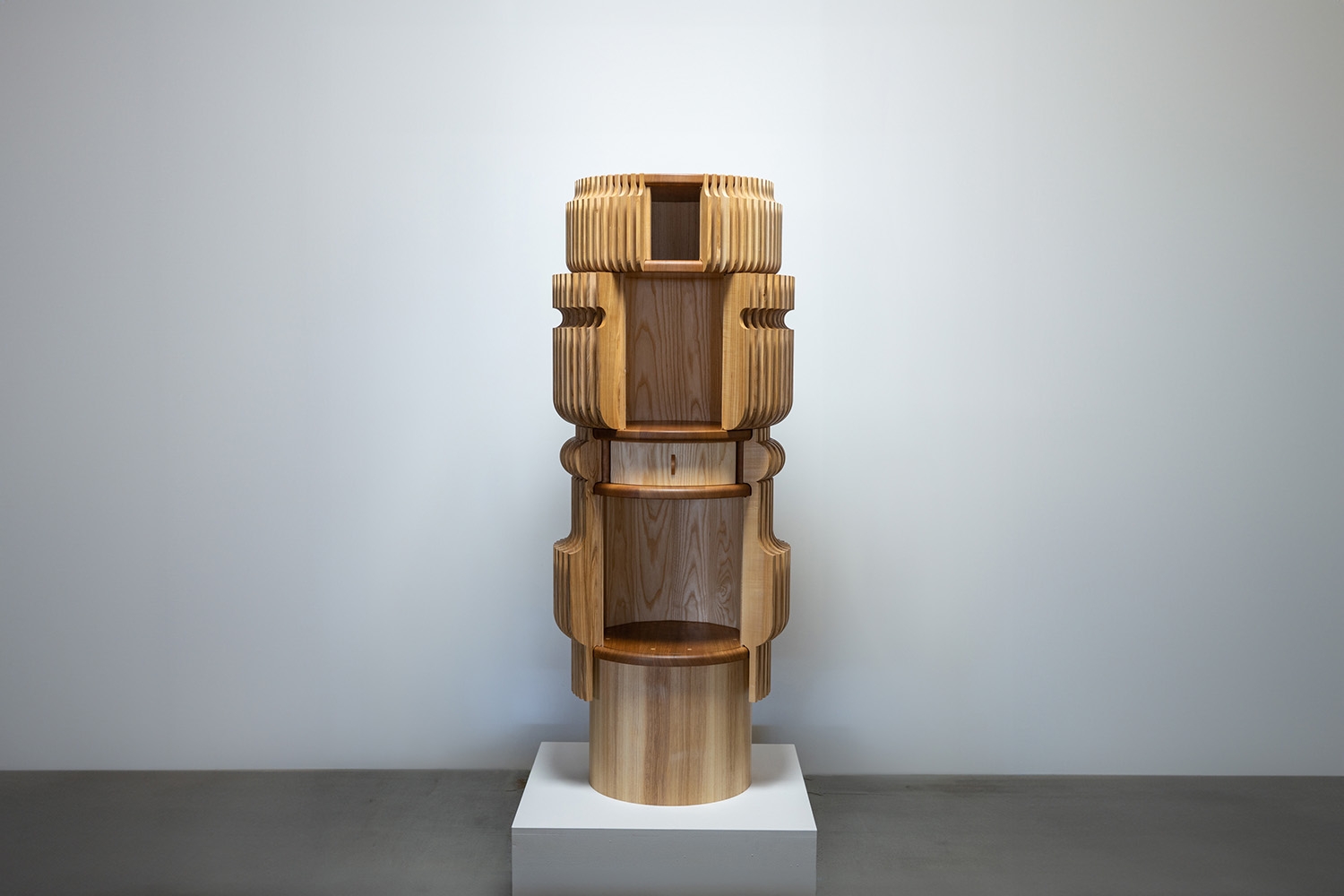
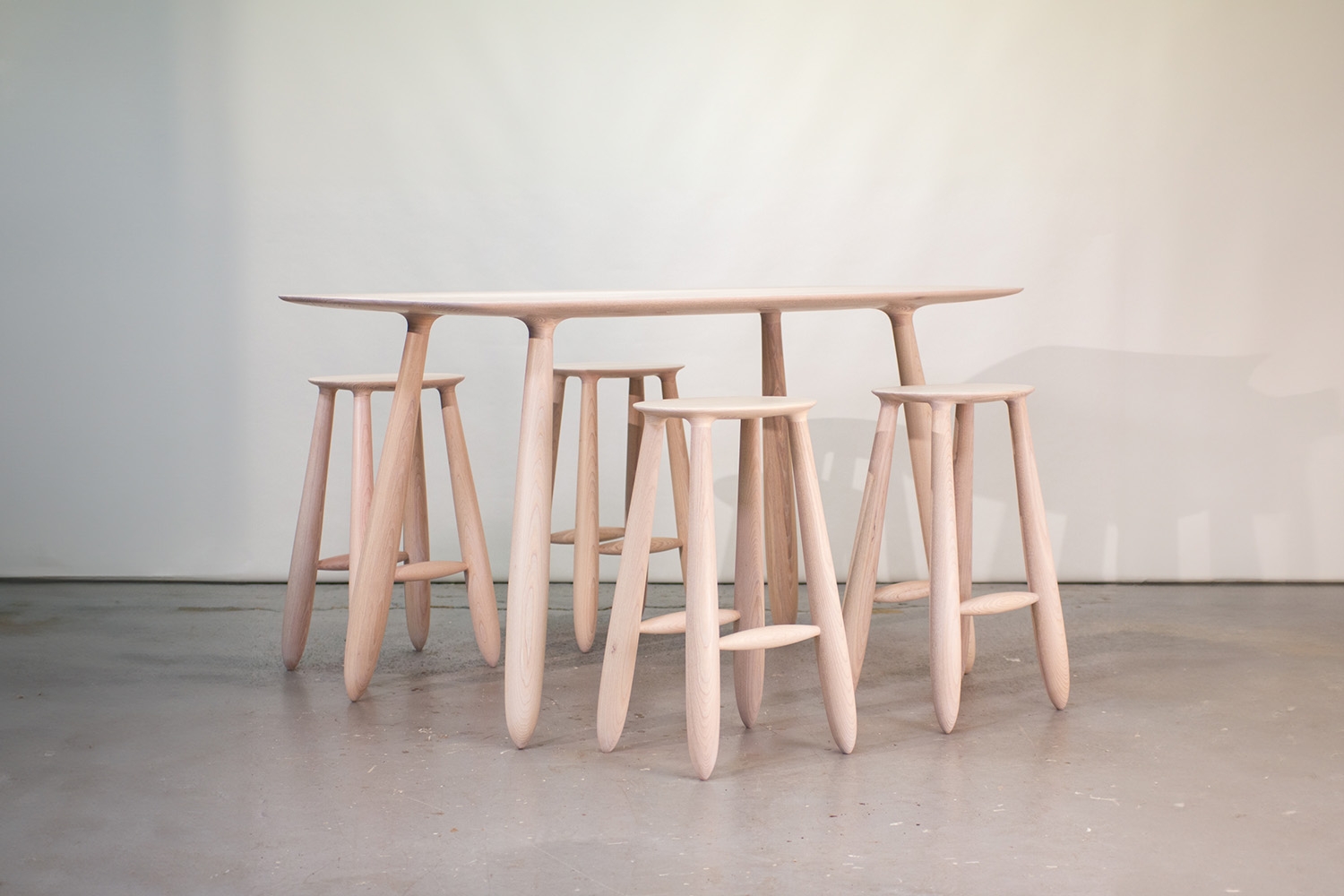
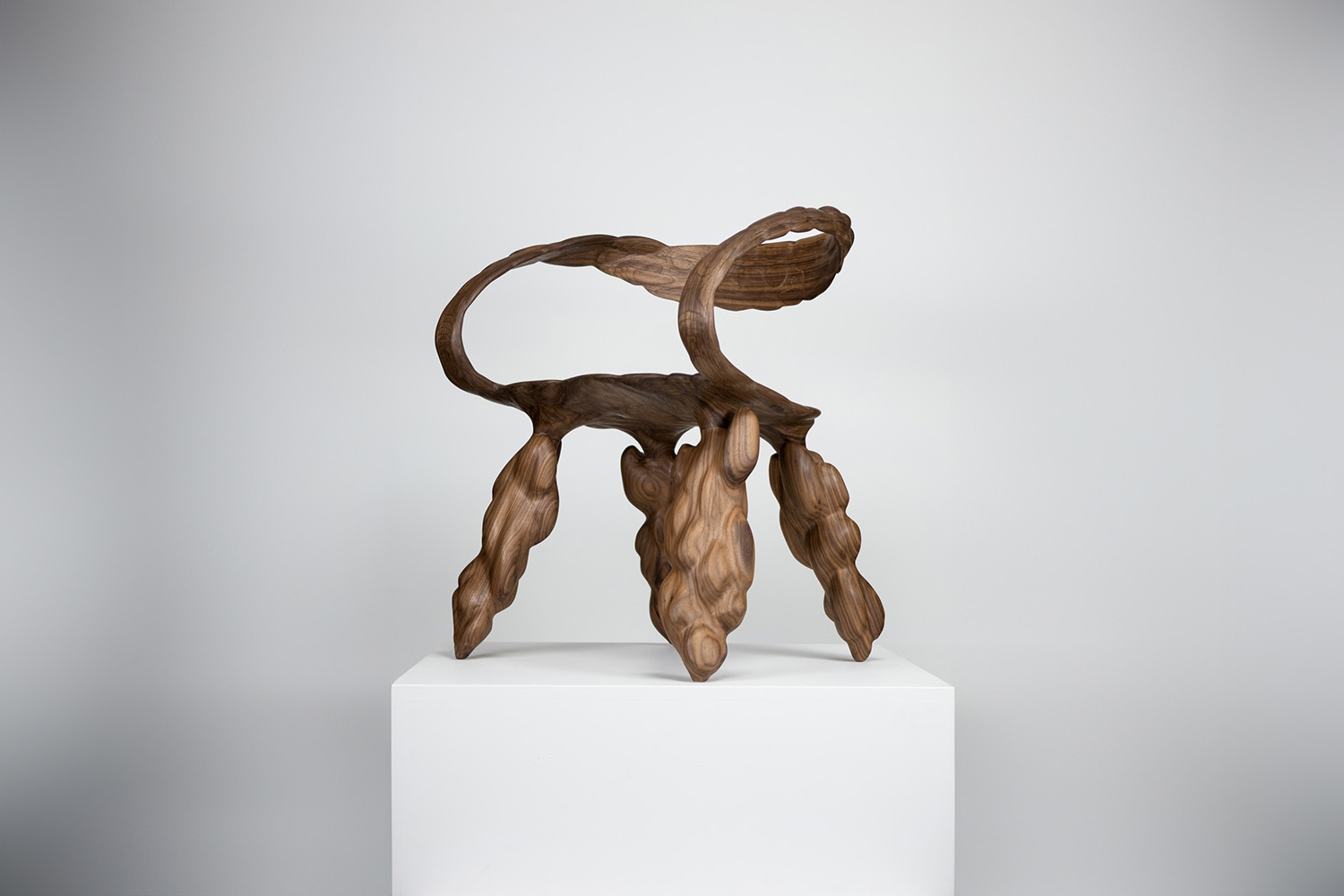
Jan Waterston grew up in Birmingham during the 1990s and 2000s, surrounded by urban landscapes and immersed in subcultures like graffiti and skateboarding. When he set up a workbench in his shared flat and delved into woodworking in his mid-twenties, it was a purely intuitive decision, as he now comprehends. At the time, Jan was exploring where his creativity found the best outlet, discovering that working with a material offered a perfect balance between cognitive conceptualisation and intuitive processing. After completing a formal training and design studies at Oxford’s Rycotewood Furniture Center, this blend of mental and physical engagement became a core aspect of his designs. Jan's unwavering curiosity for innovation is palpable in his conscious incorporation of new technologies into his craft. His designs, defined by a dynamic sculptural style, embody a harmonious mix of modernity and organic beauty.
INTERVIEW
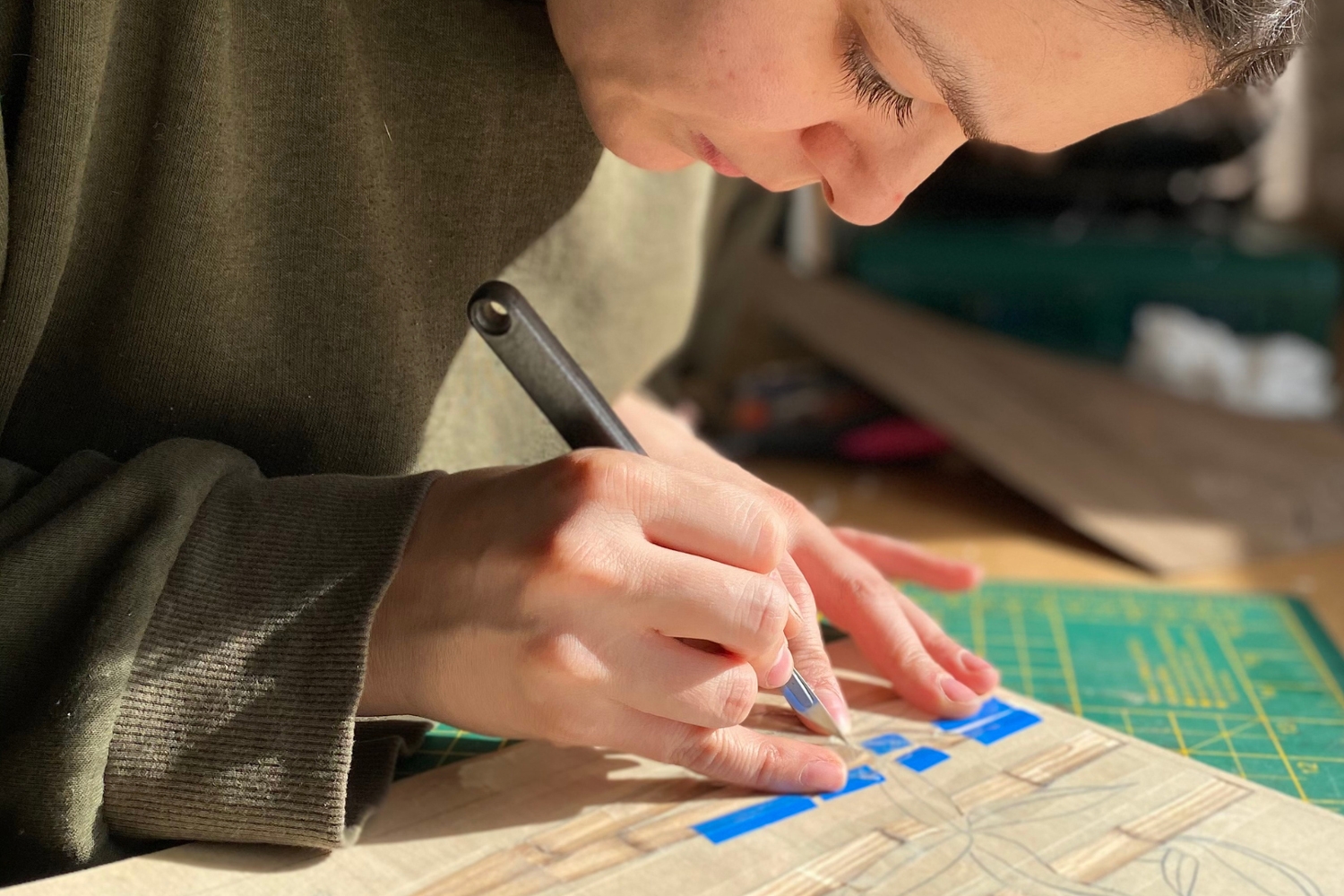
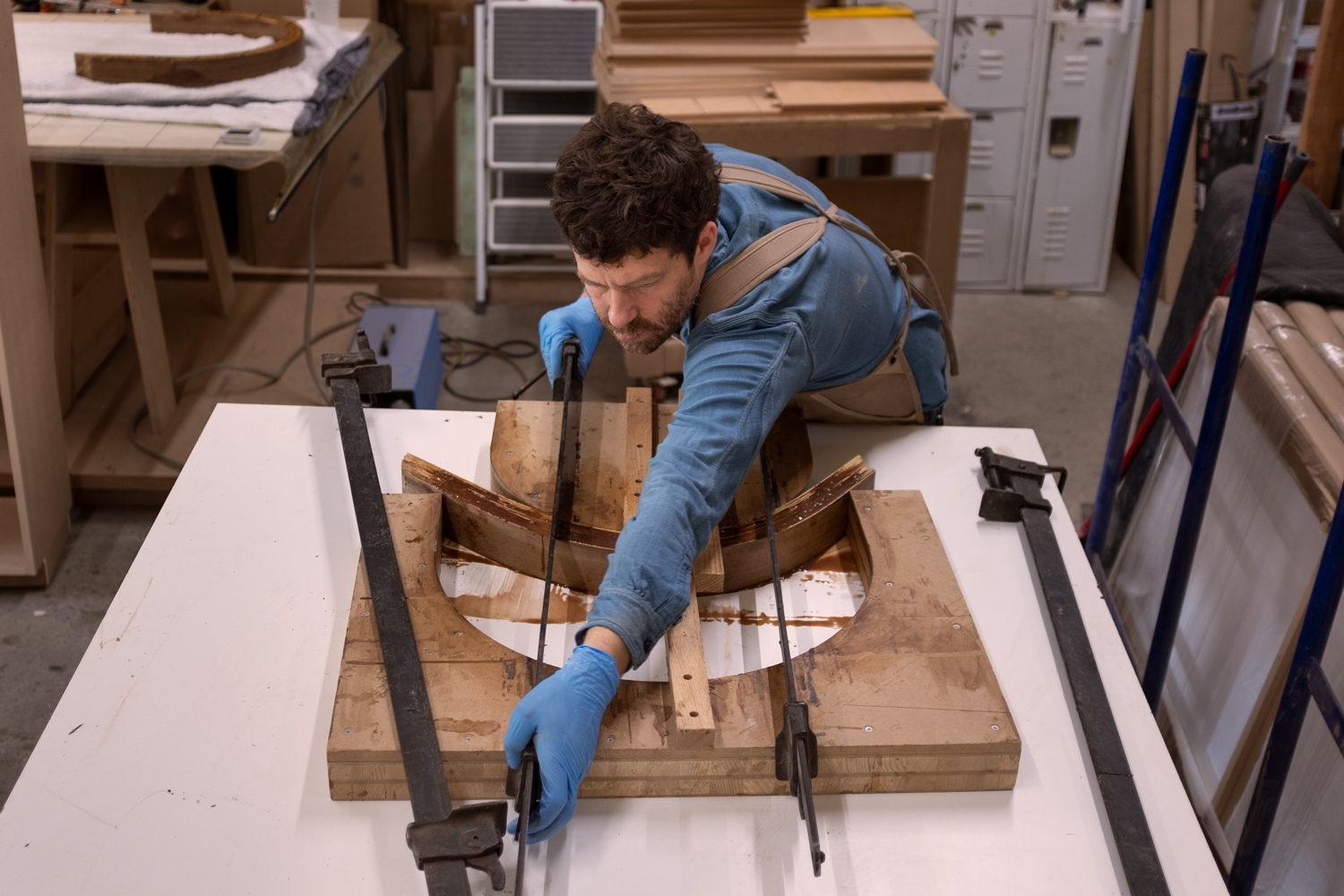
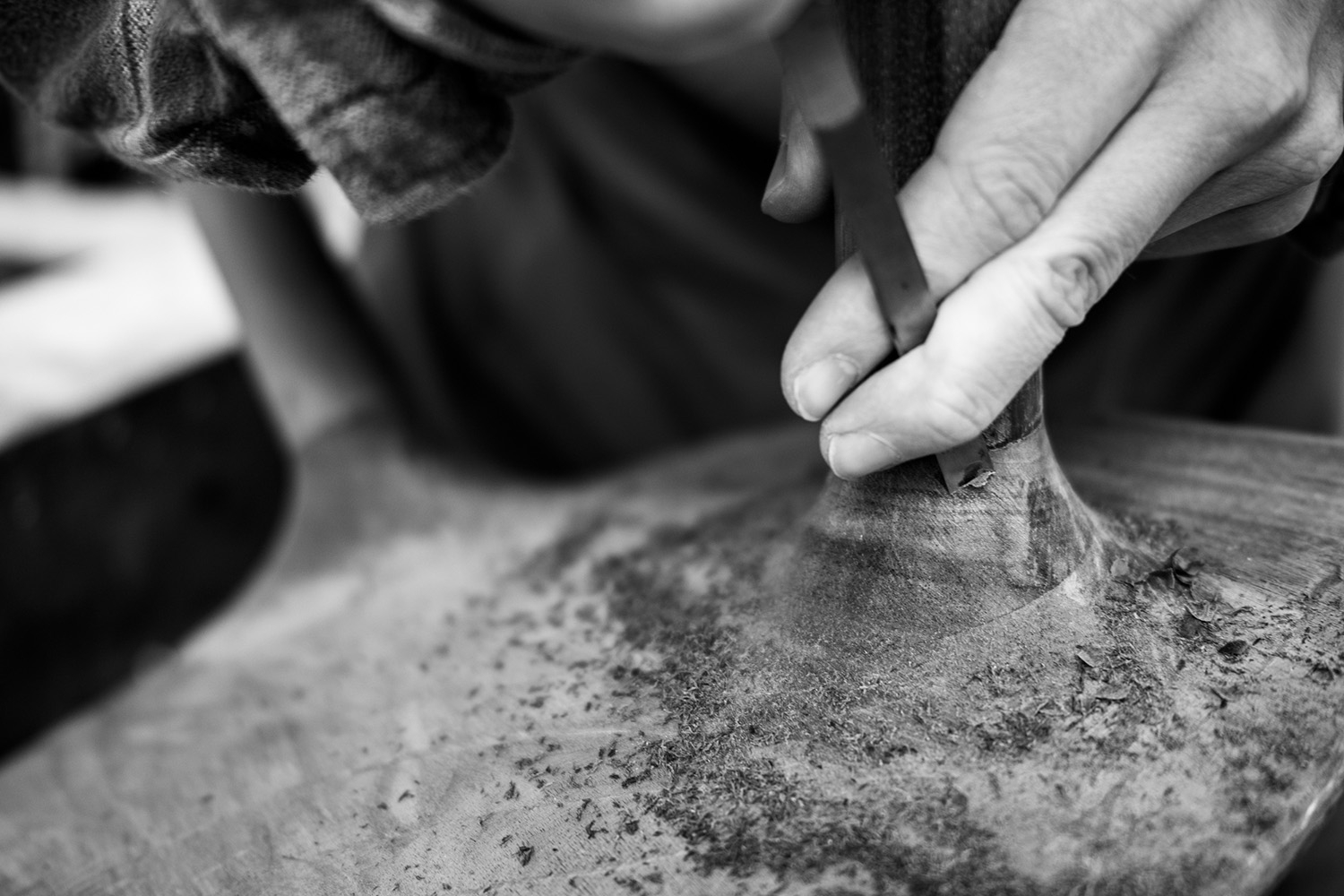
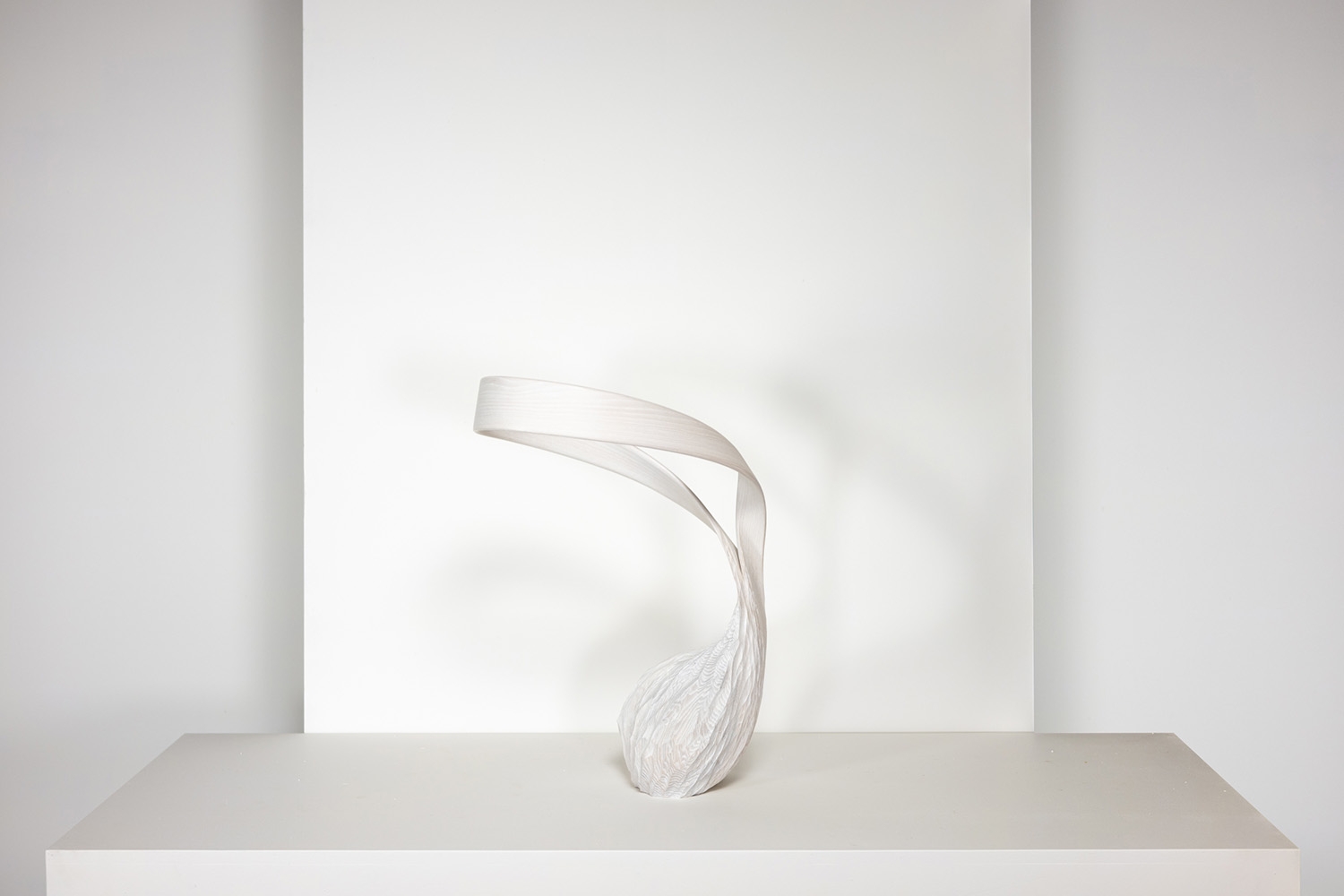
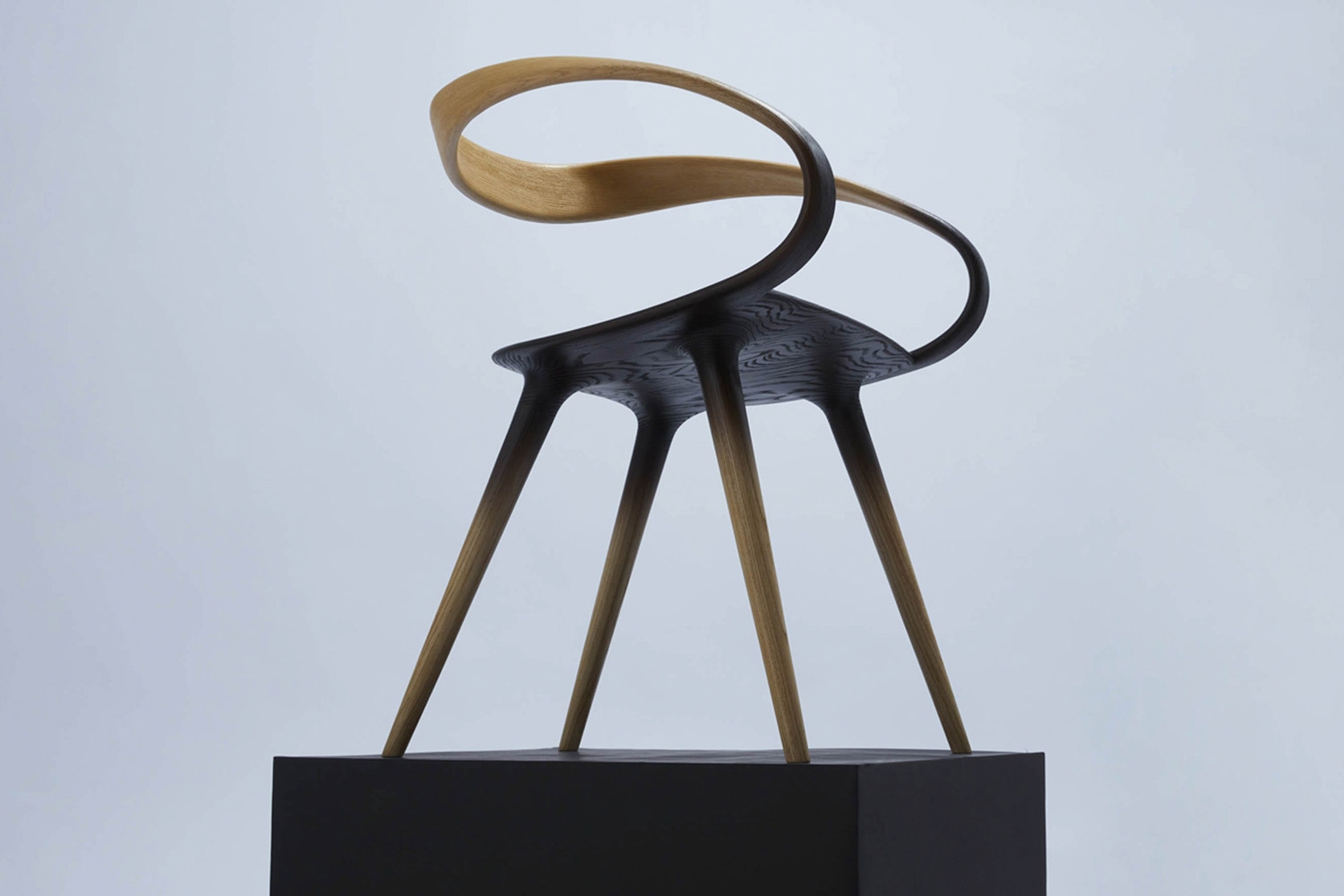
I am inherently drawn to mastering artisanal techniques and discovering new ones. From this passion, I cultivate my own methods. One technique I particularly employ in freeform work involves the deliberate bending of wood, honouring its natural movement in the process.
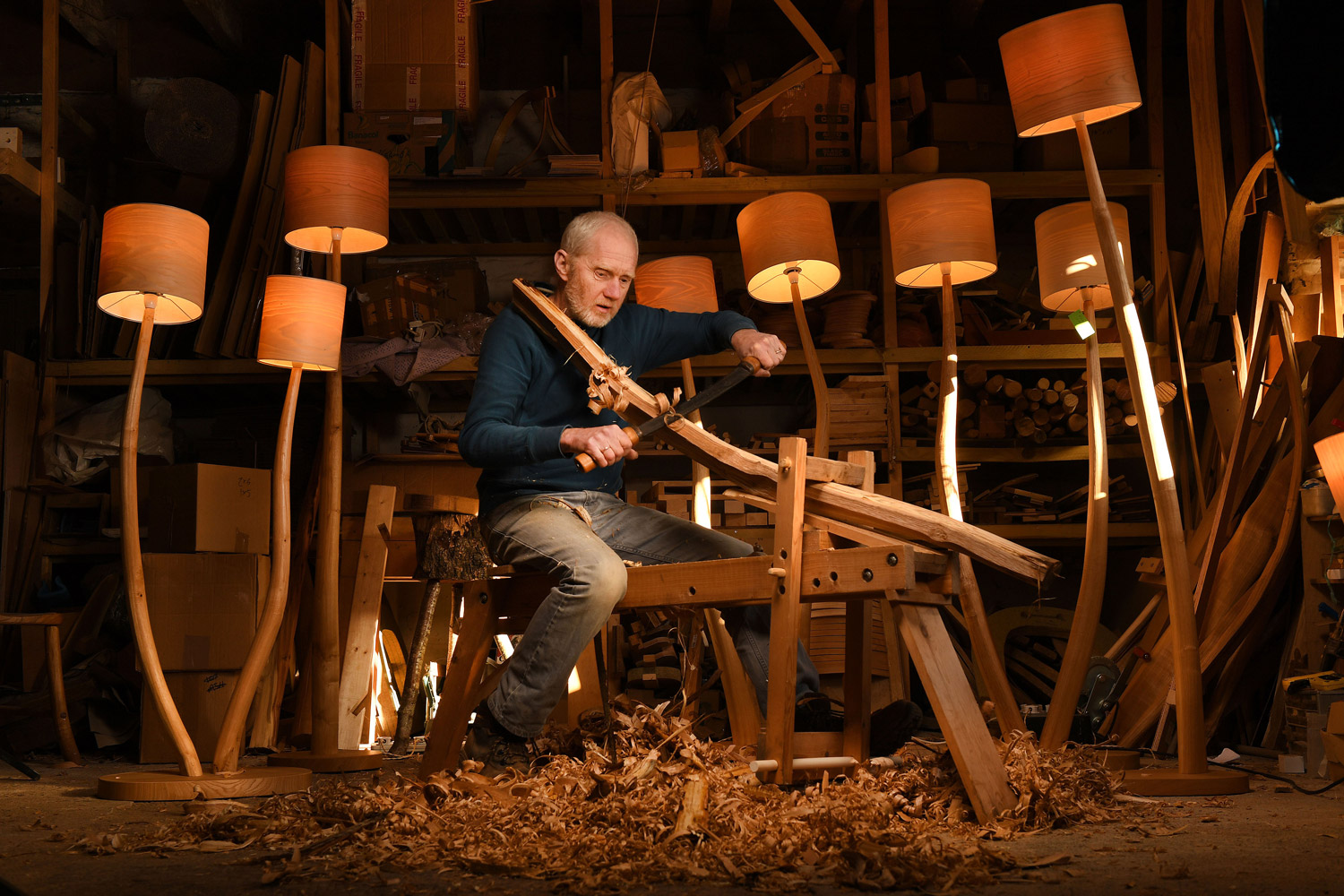
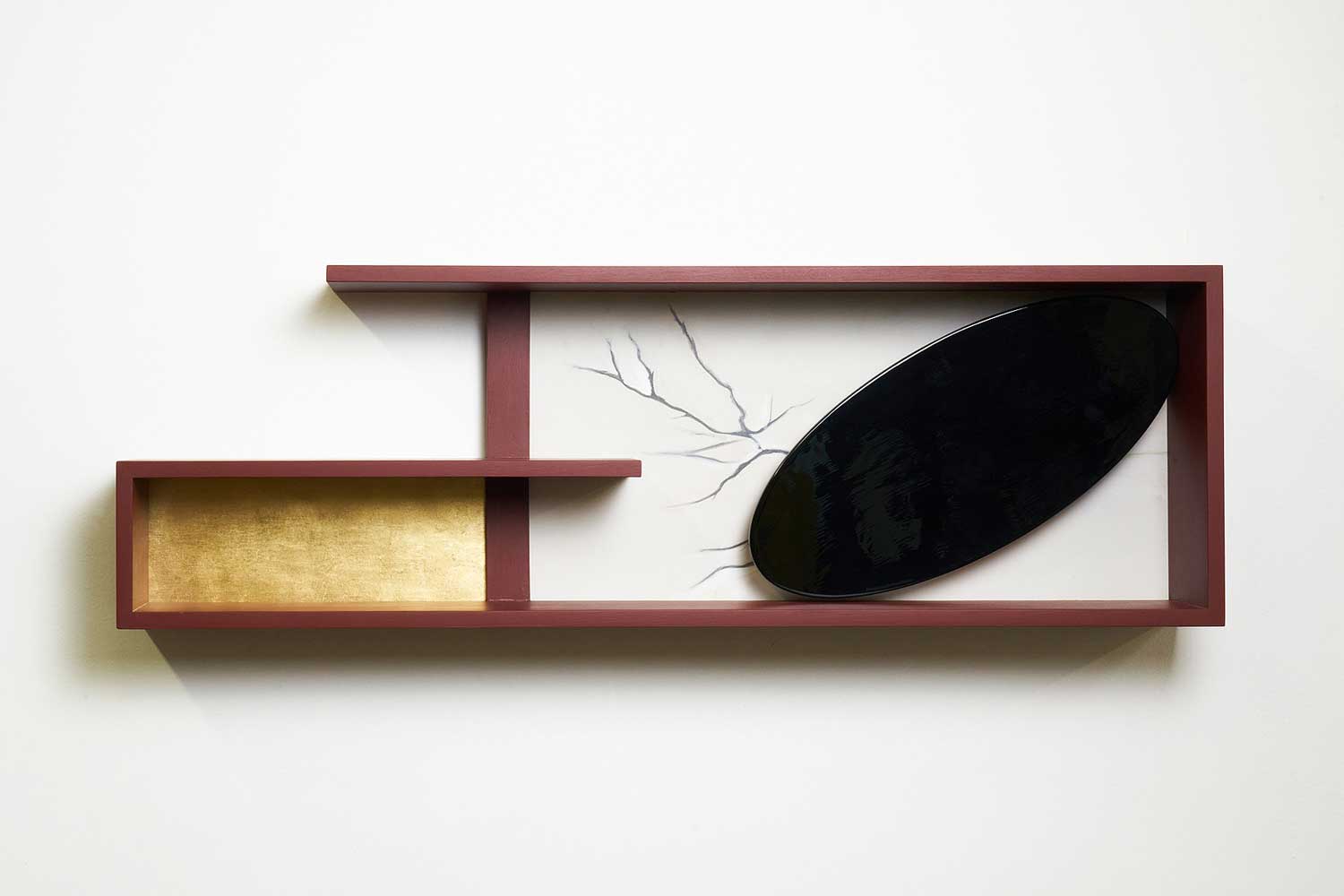
I like the concept of my furniture appearing as if sketched into a space. This involves integrating lively curves. Besides employing conventional methods like carving, I also manipulate the wood under high pressure. I can only impose my will on the wood to a certain extent. In order to achieve the best results, I let the wood itself have the final say in shaping.
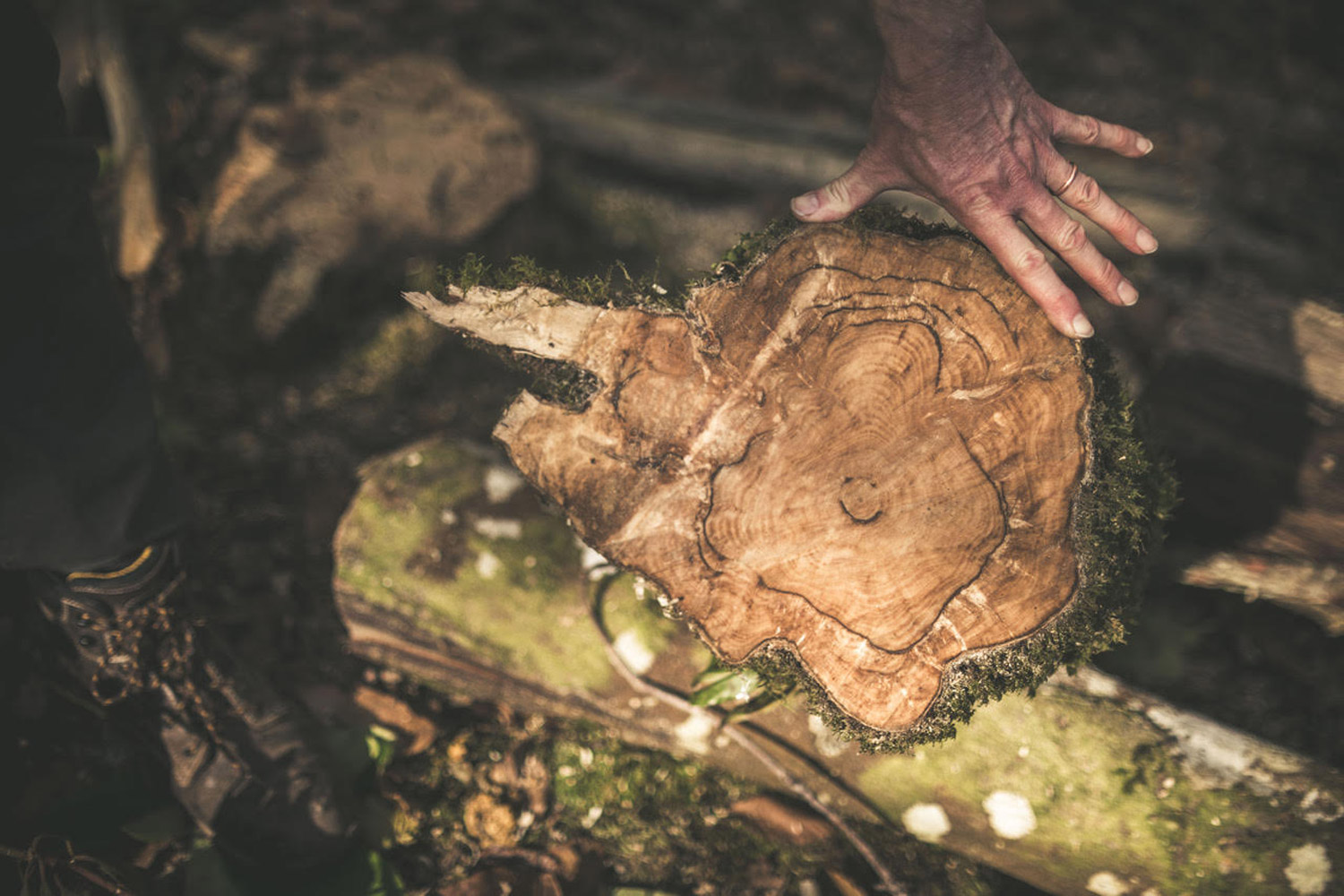
I would say that working with wood has transported me from my urban confines into a profound connection with nature. I envision that many woodworkers experience the phenomenon of engaging in a dialogue with the material, where the material teaches them how to interact with it.
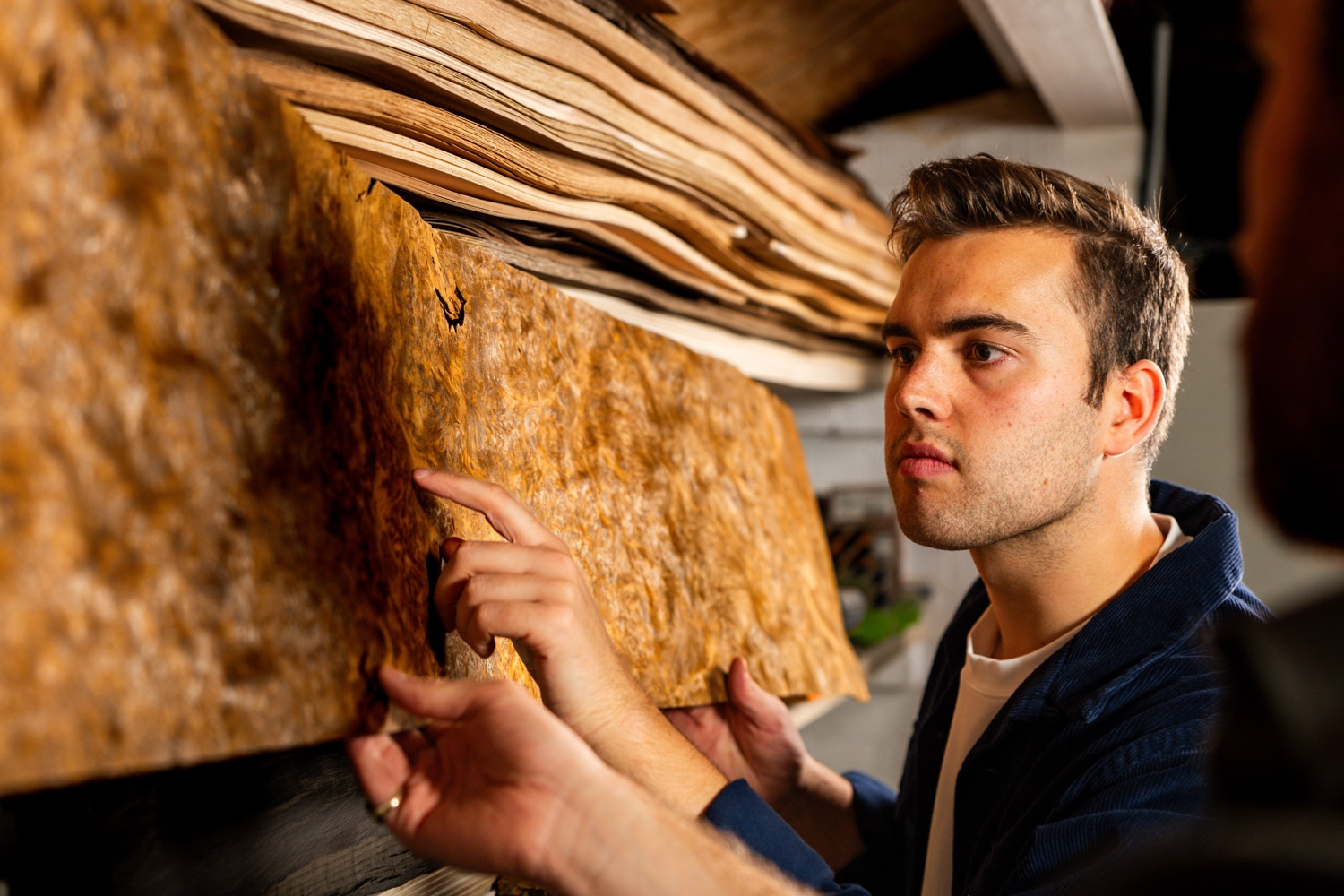
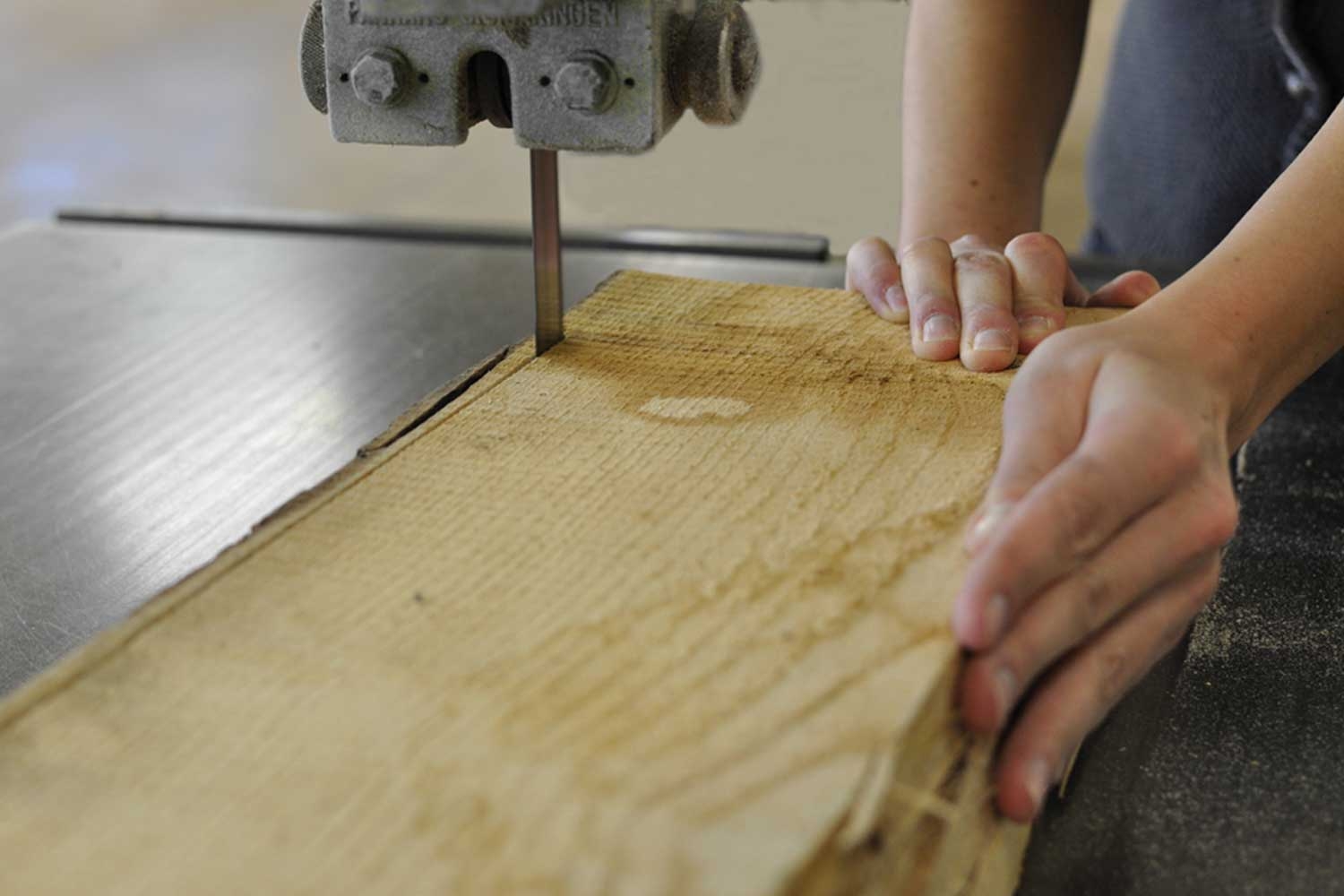
I primarily use British wood and I especially favour ash because of its excellent bending properties. I engage with various forms of wood, from solid blocks to delicate veneers. My current fascination lies in exploring innovative methods to repurpose wood waste into new creations.
Jan Waterston
Furniture maker
Birmingham, United Kingdom
AVAILABILITY
By appointment only
PHONE
+44 7817223331
LANGUAGES
English
Homo Faber Finds is a new service aiming to inspire admirers of craft to connect and collaborate with exceptional artisans.
We invite you to submit an enquiry here.