James B. Young
Elbow Workshop
Leatherworker
Ciccone, Australia
Leather crafting with Australian soul
- James comes from a long line of shoemakers
- His craft allows for rewarding relationships while keeping tradition alive
- His objects are distinctively Australian, created through a connection to the landscape
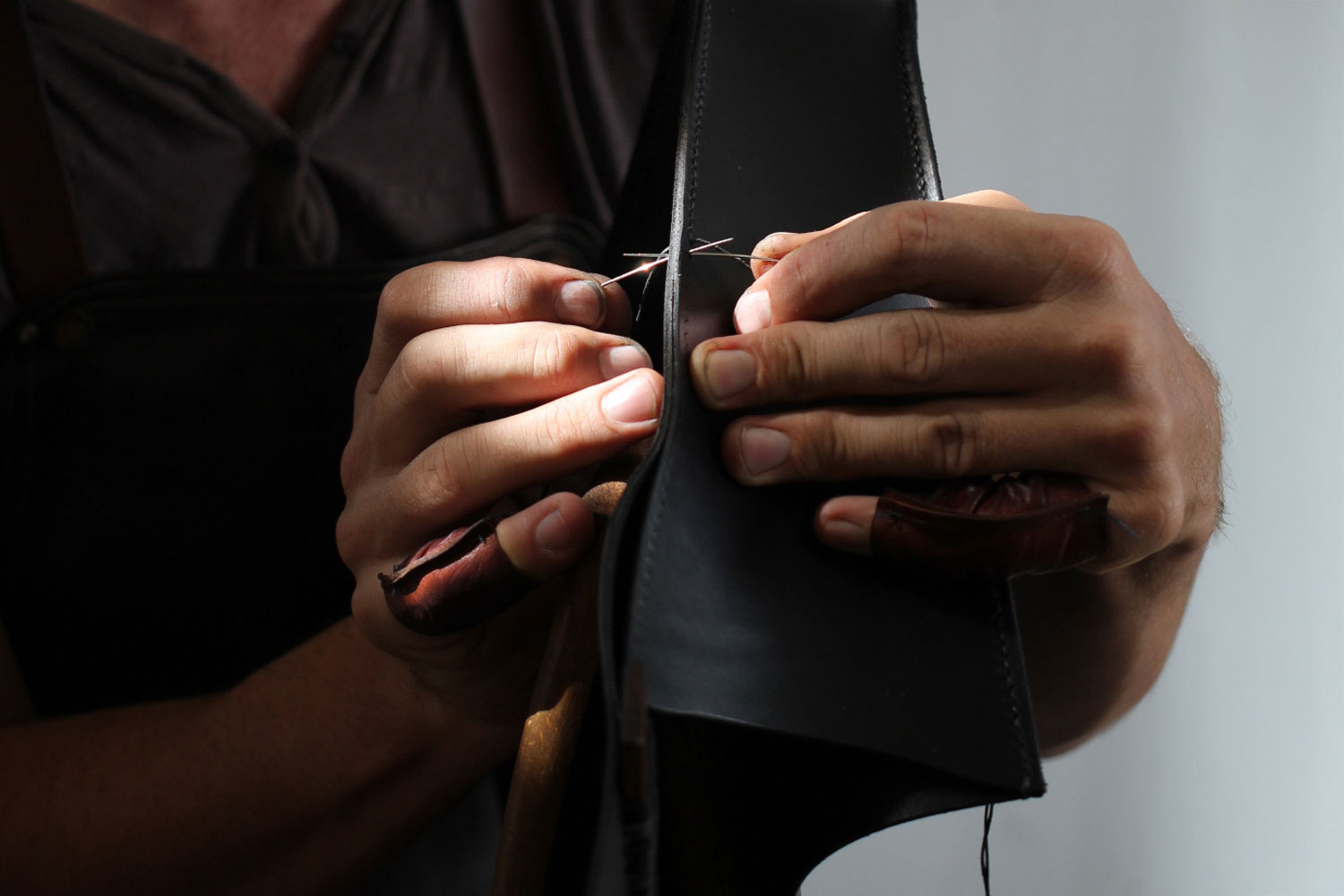
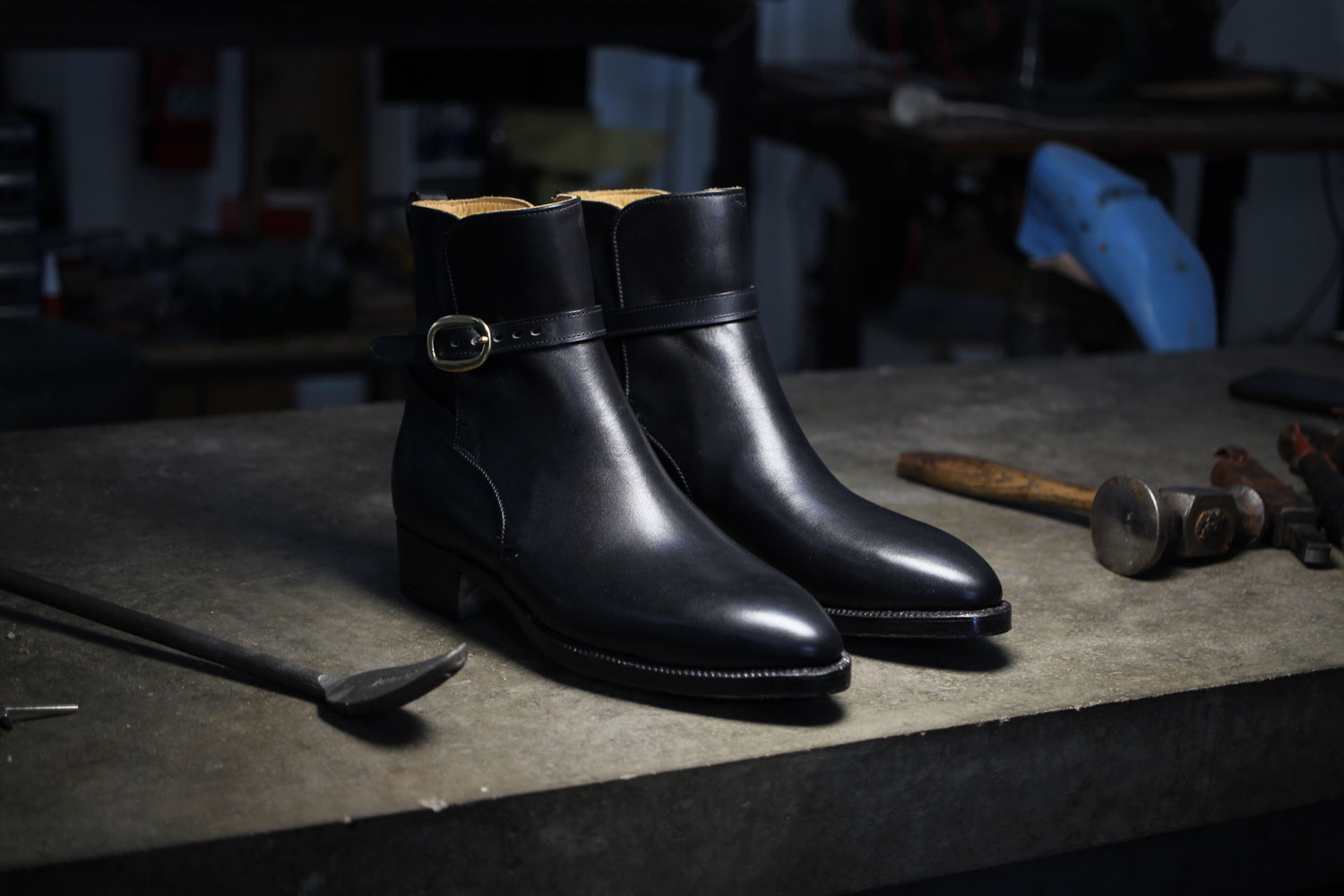
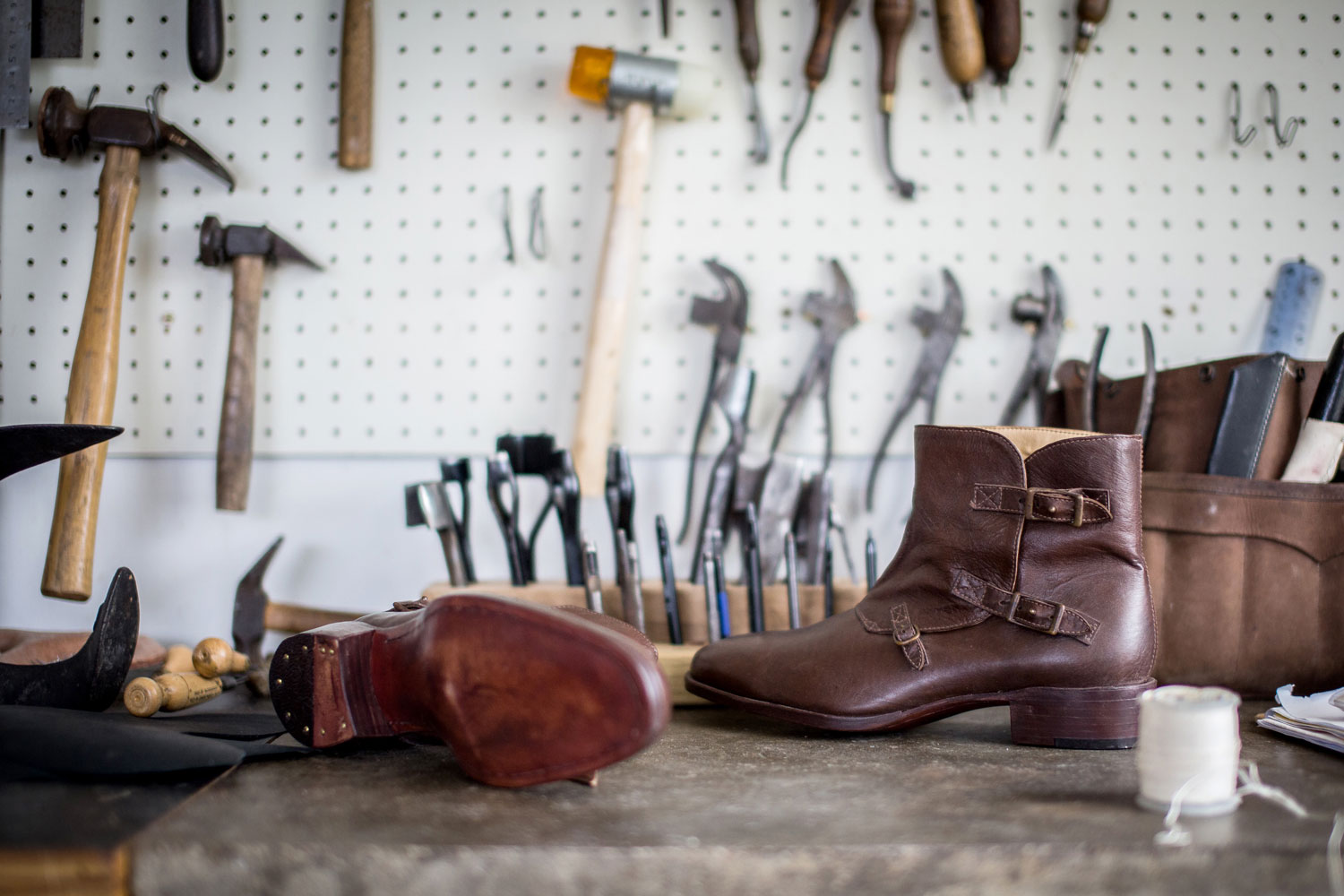
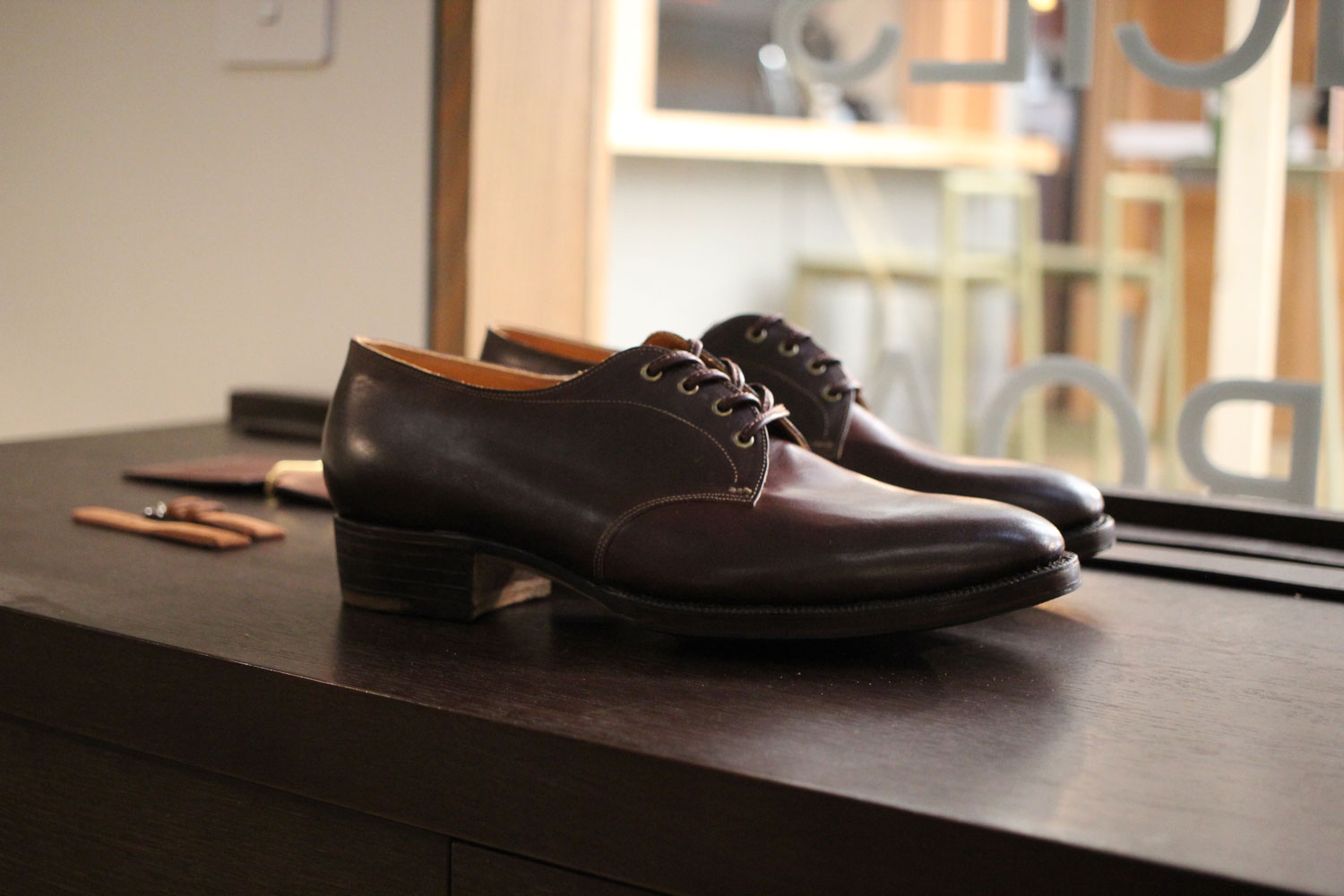
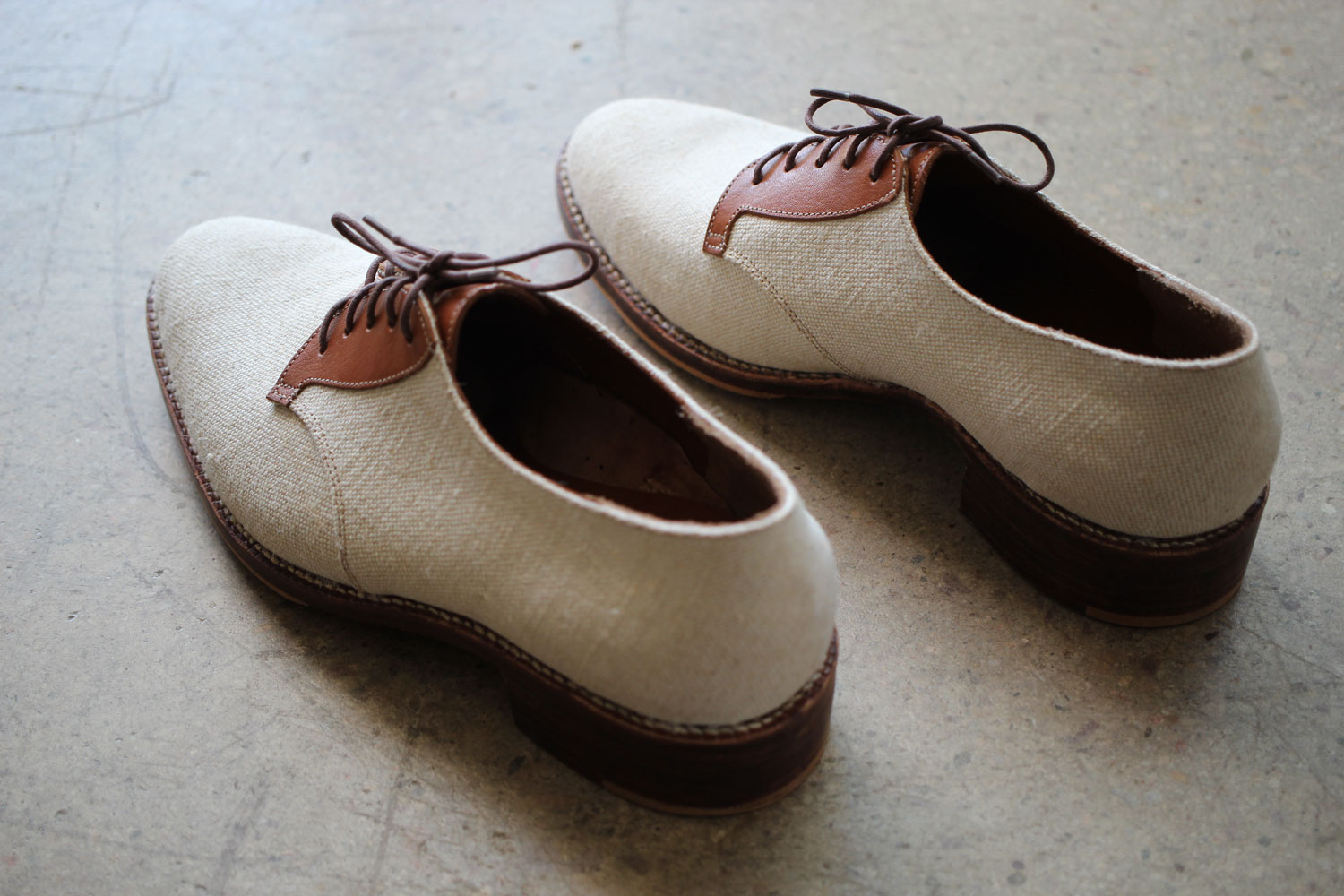
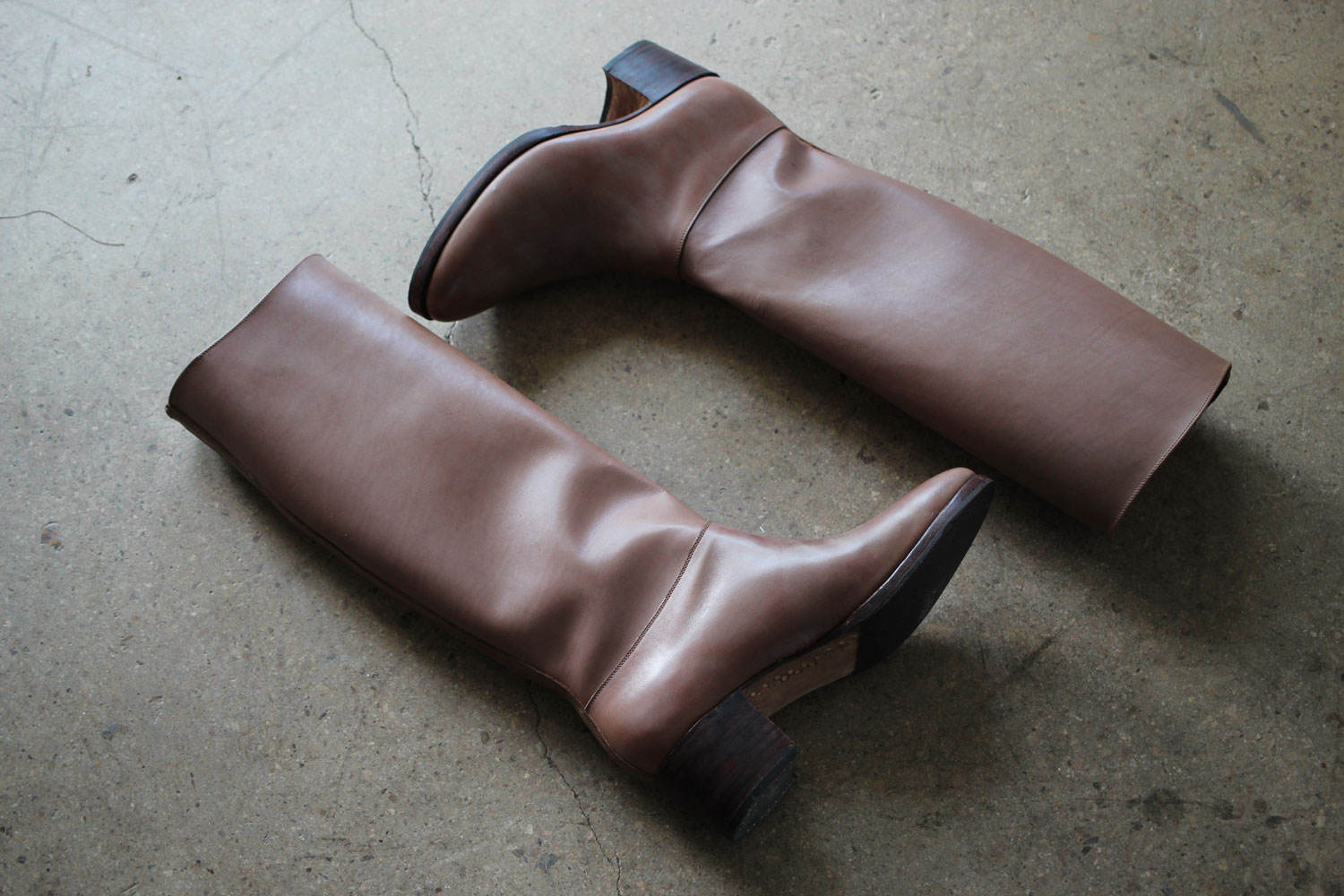
James B. Young’s background began in design, but he had a yearning for hands-on work. After a long history of working with camels, making utility items and camel saddlery, followed by a career in land management, he relocated to Adelaide to undertake an 18-month course in custom footwear making. James worked with master shoemaker Eugenia Neave. "The first time I lasted a pair of shoes, it felt as though I had done this before," he explains. He found out shortly after that his mother’s side of the family had all been shoemakers up until 1978. James specialises in crafting traditional hand welted footwear for a bespoke fit. “I generally only work on one pair at a time, so I am not stuck on one stage for longer than a day and I am able to give each pair my intense and dedicated focus,” he says.
Discover his work
INTERVIEW
When I was 21, I made a set of camel saddles and pack bags with my partner, Elliat Rich, for a 12-month, 3,000-km journey of walking with pack animals. We used her grandfather’s old tailoring machine by asking it to do more than it was ever intended for! The resultant gear held up to the rigours of life on the road.
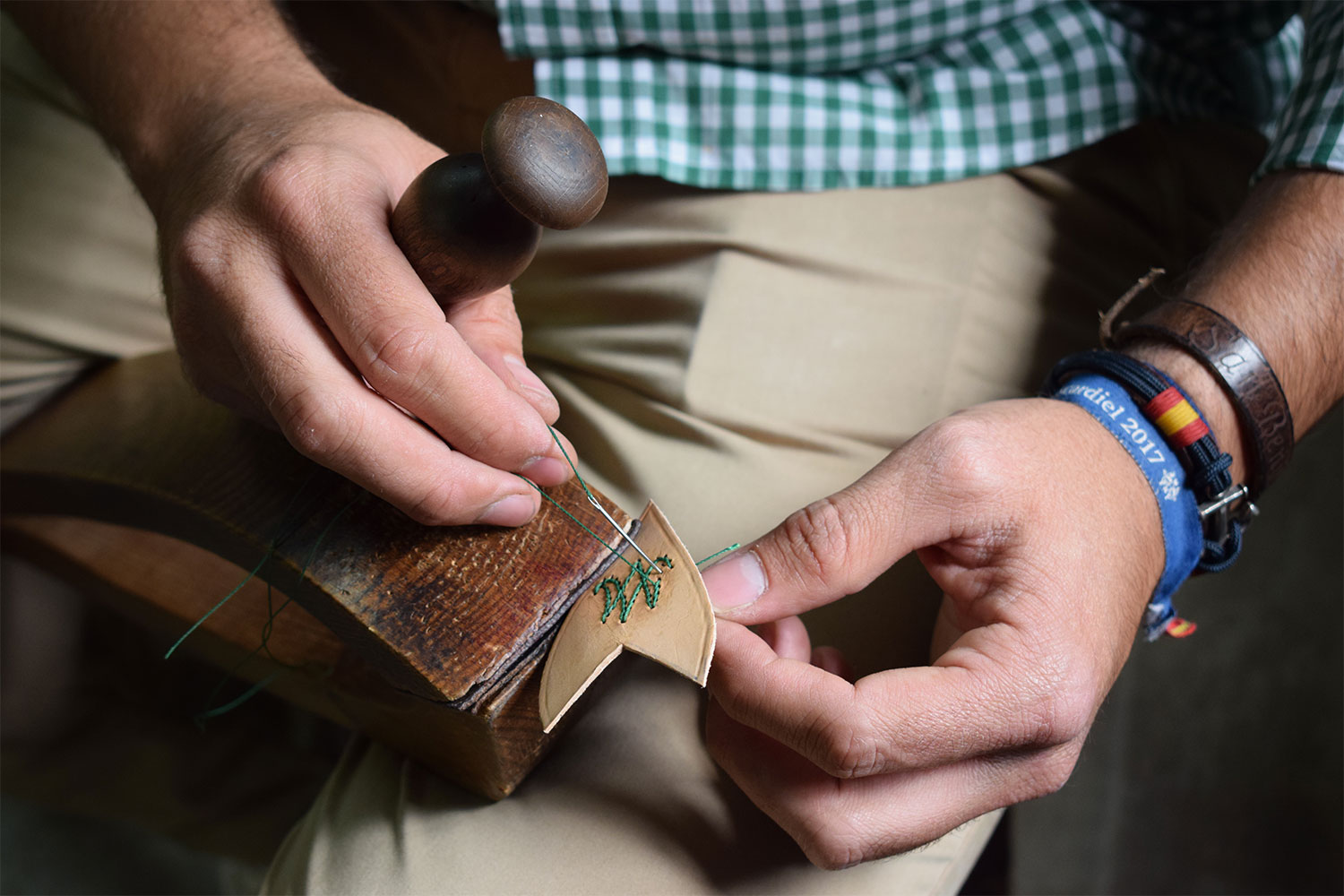
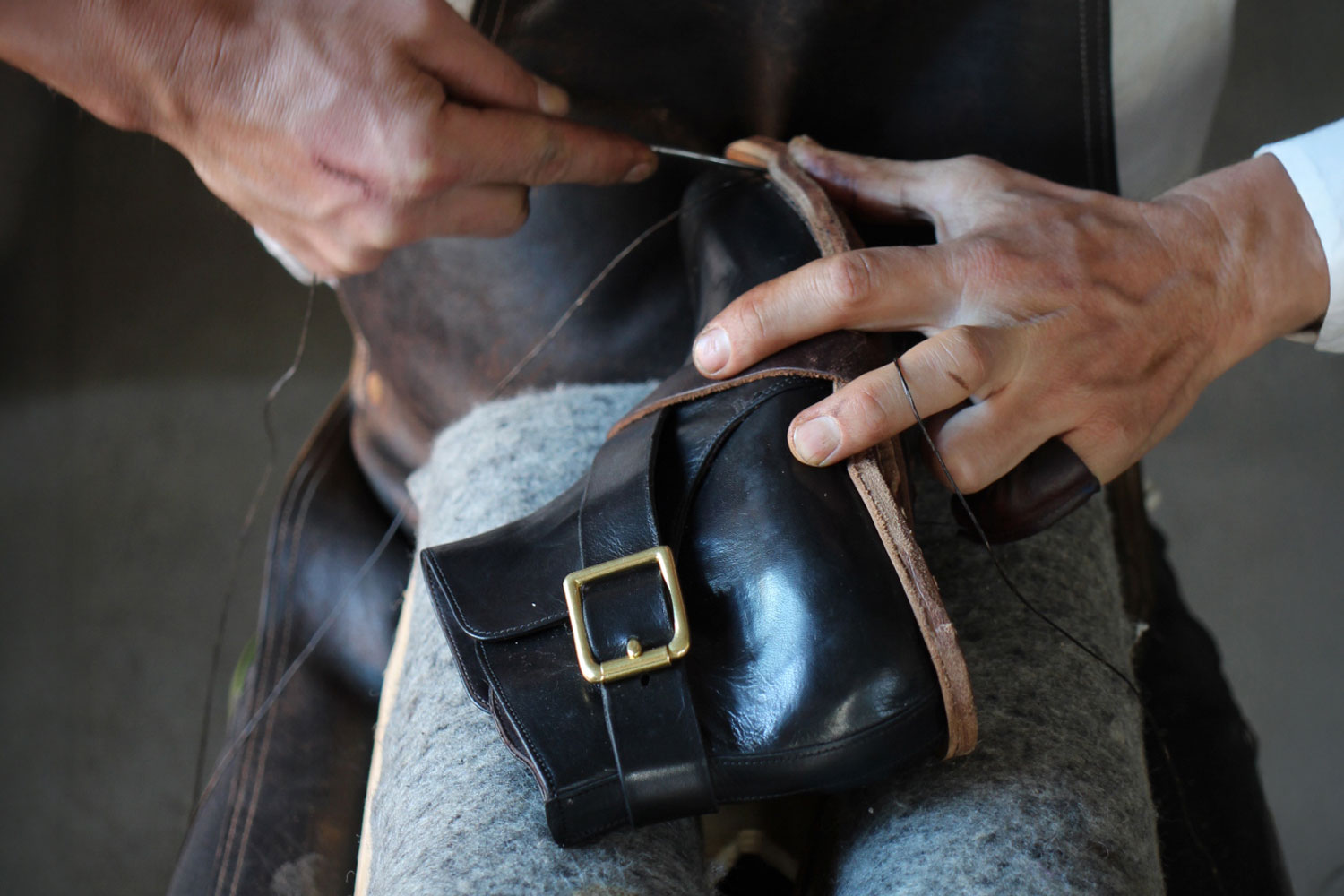
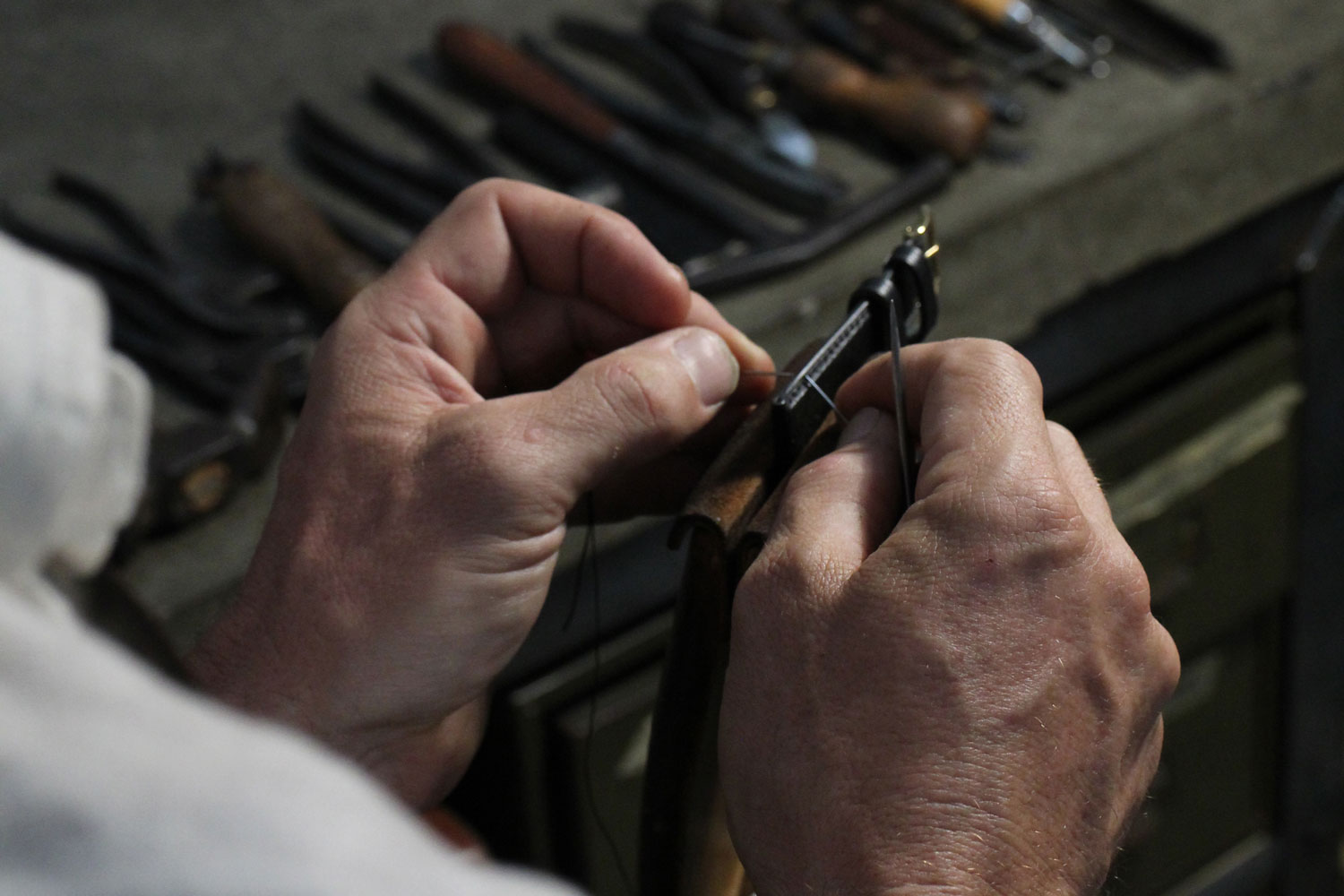
As a shoemaker, I specialise in traditional hand welted footwear. The welt is a flat strip of leather that is hand stitched to both the insole of the shoe and the upper. This was the technical innovation before industrial glues that enabled the making of a re-soleable shoe. It remains the benchmark construction for luxury and bespoke footwear.
The shoemaking threads used in welting and soleing are all rolled by hand – by me – in such a way that a flexible needle can be attached using nothing more than wax. It is a very specialised and integrated technique that was refined over centuries and yields an incredibly strong stitch that is also eminently repairable when the time comes.
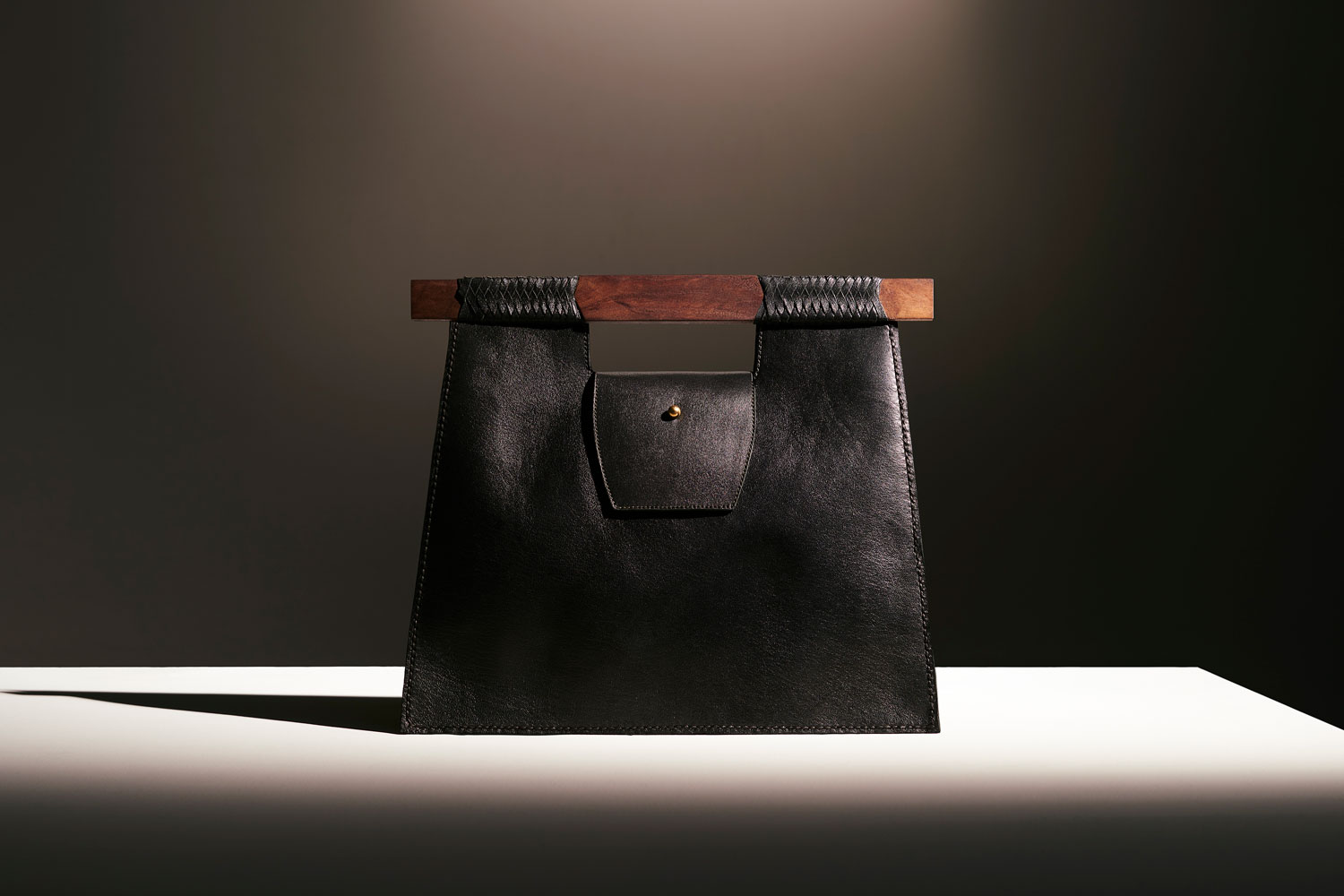
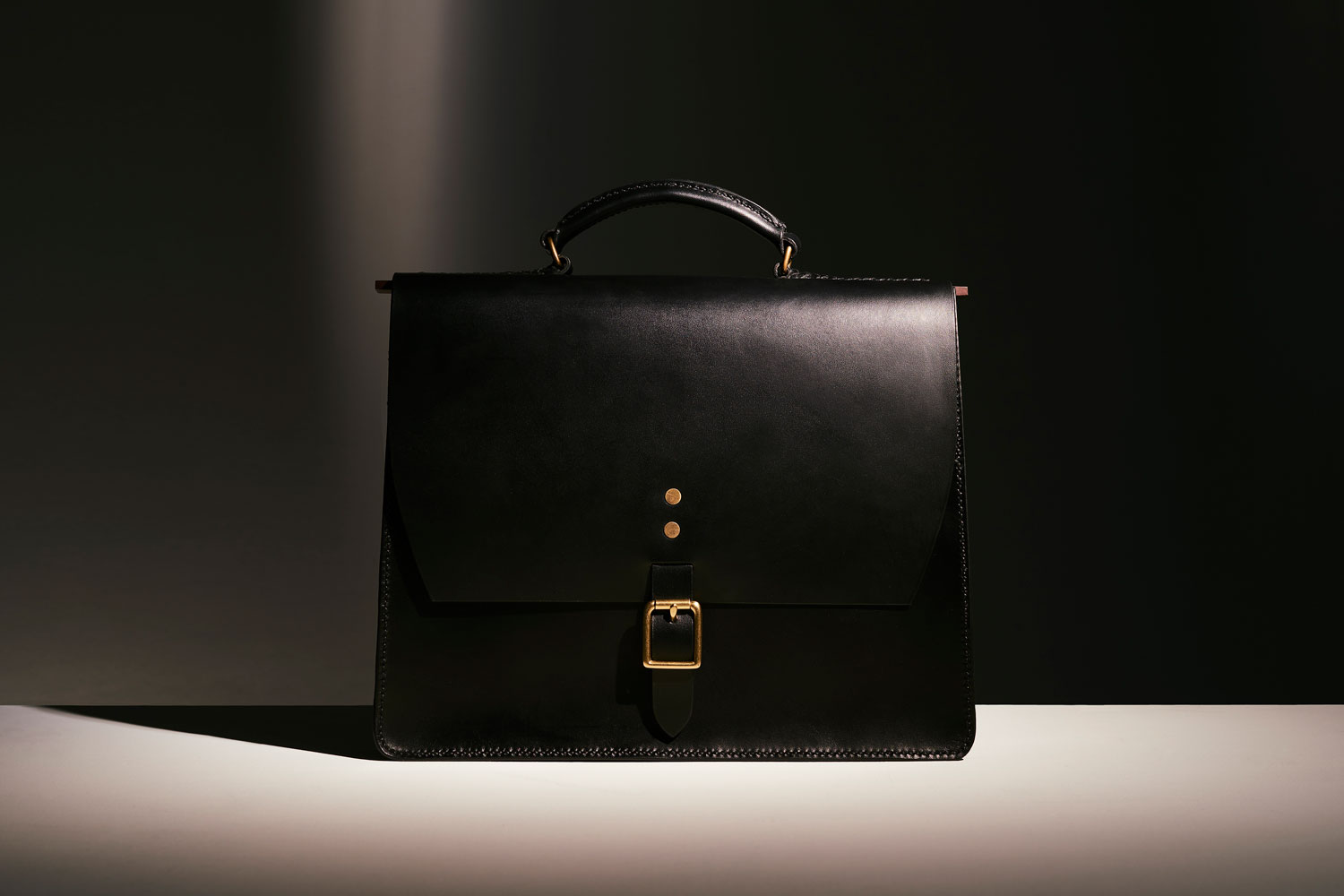
I use a lot of vegetable tanned kangaroo leather for uppers. It is both the lightest leather and the one with the highest tensile strength, a unique grain pattern, often showing marks from its previous life. Vegetable tanned leathers are entirely non-toxic and are made with nothing more than native acacia barks and water.
James B. Young
Elbow Workshop
Leatherworker
Ciccone, Australia
AVAILABILITY
By appointment only
PHONE
+61 437890289
LANGUAGES
English
Homo Faber Finds is a new service aiming to inspire admirers of craft to connect and collaborate with exceptional artisans.
We invite you to submit an enquiry here.
Bottle Marsupial 2017 Tom Moore.jpg)
Studio Portrait Tom Moore.jpg)
Blowing Glass 4 Tom Moore.jpg)