Ida Netterberg
Ceramicist
Trosa, Sweden
Recommended by Konsthantverkcentrum
Shaping ideas with bare hands
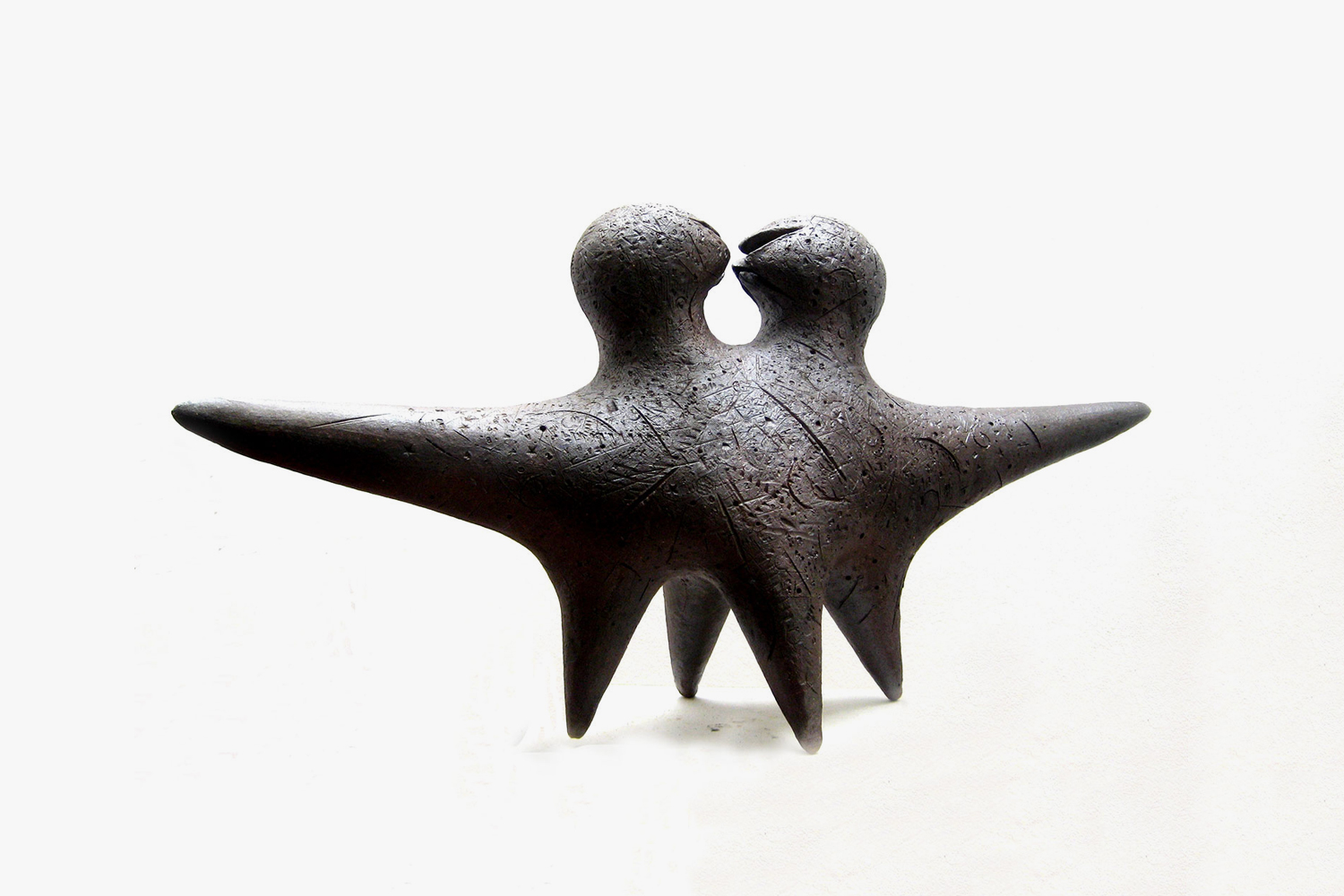
- Ida creates ceramic sculptures and objects loaded with symbolism
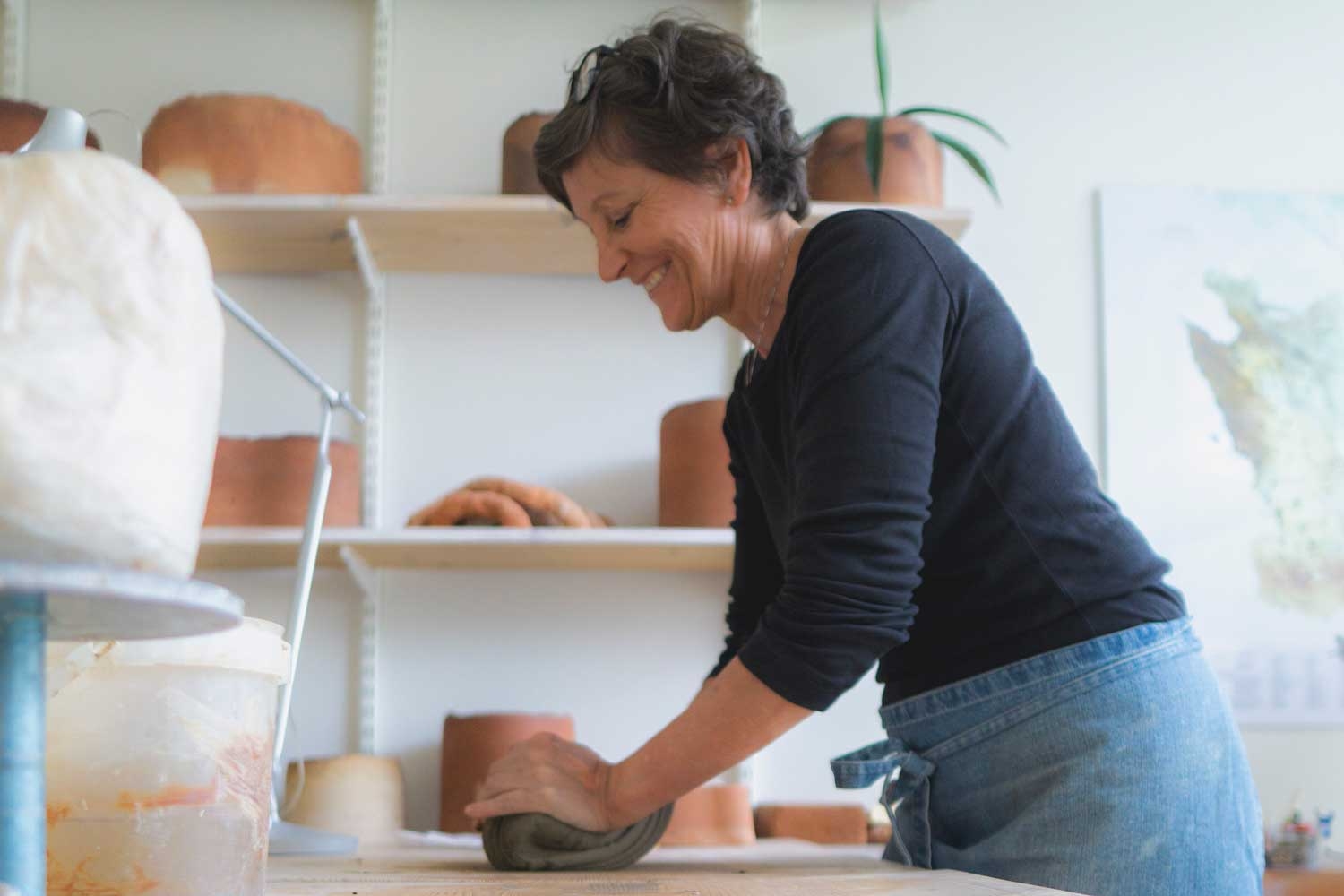
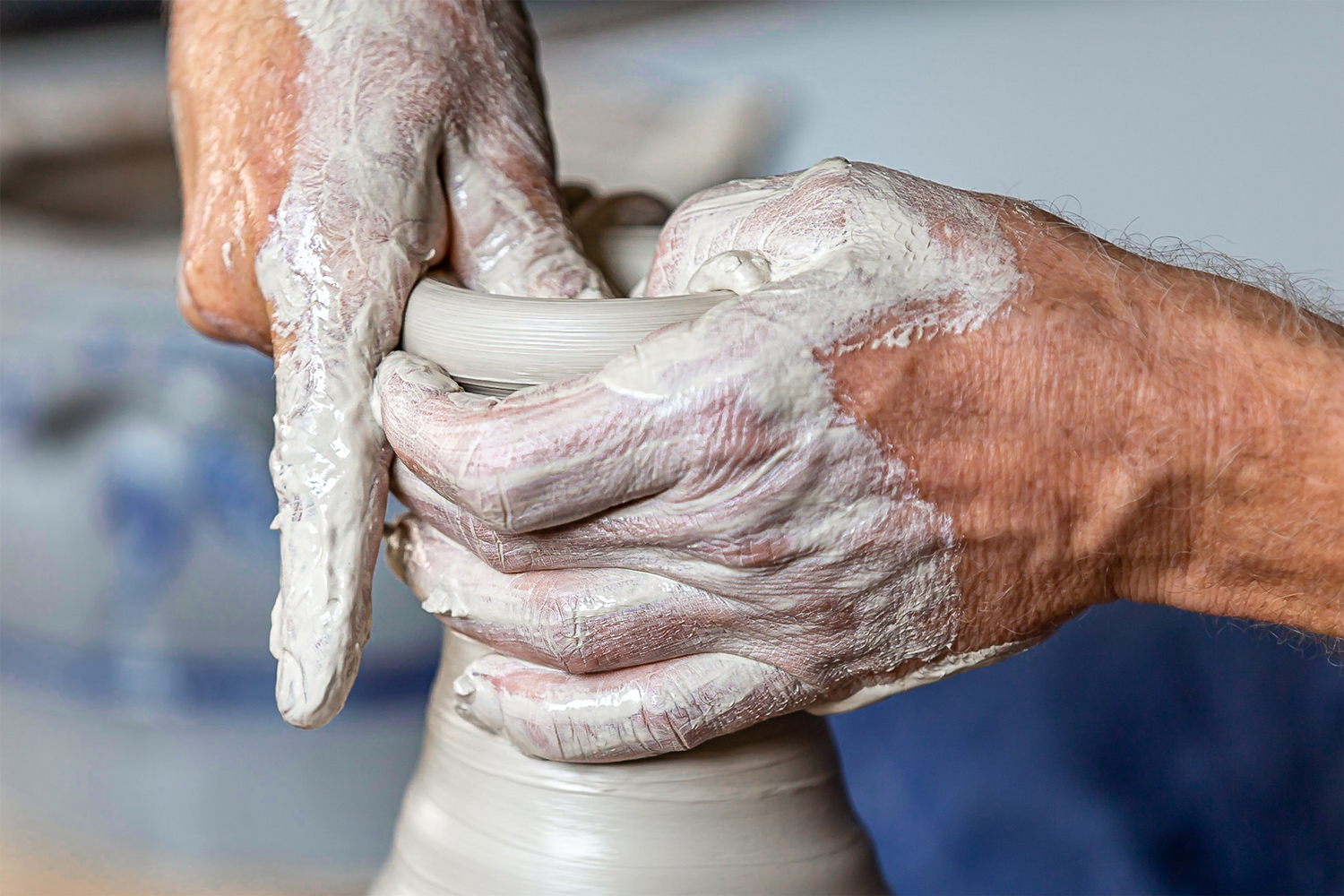
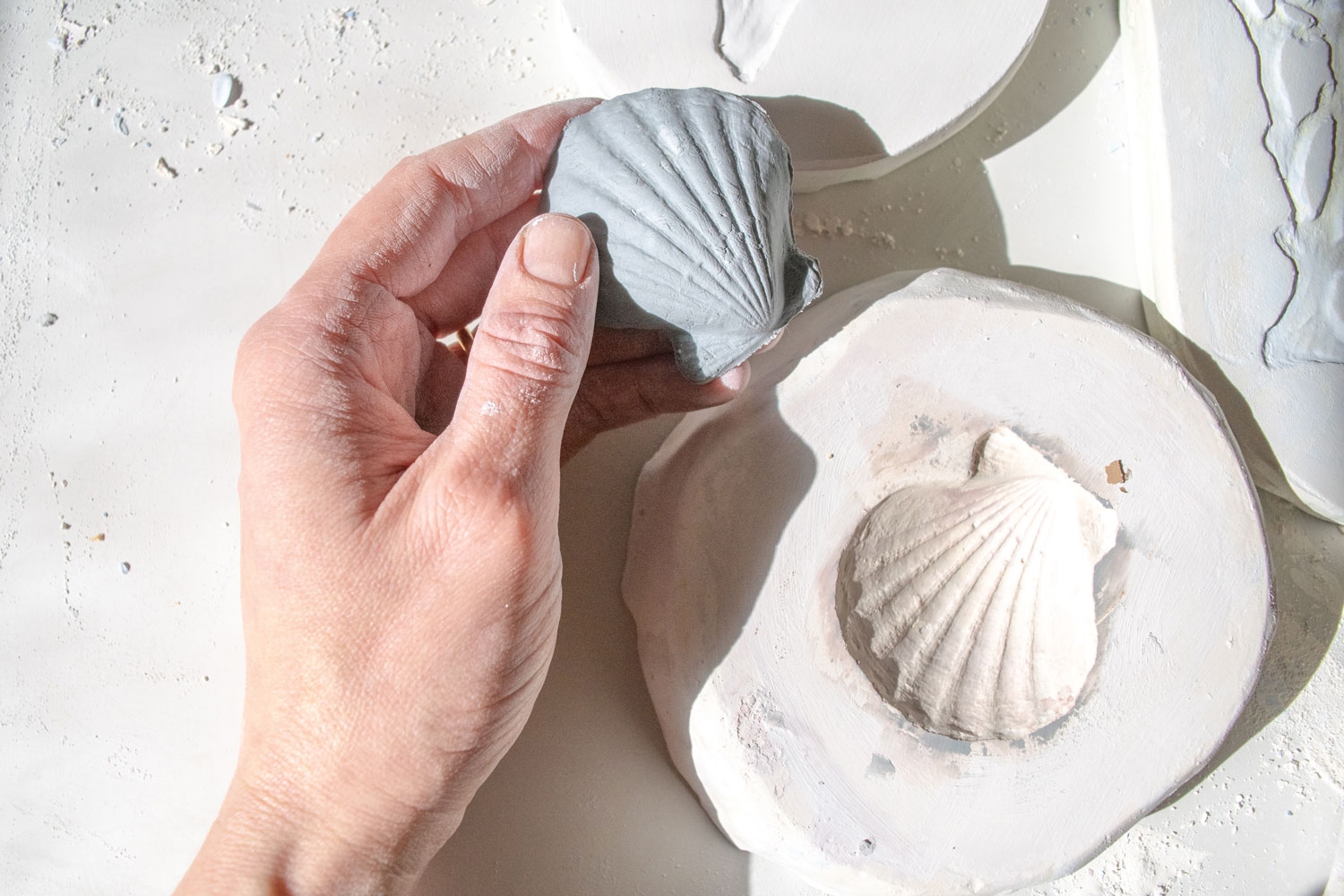
- She is fascinated by the idea of shaping clay with her hands
- Her pieces are influenced by the location they are exhibited in
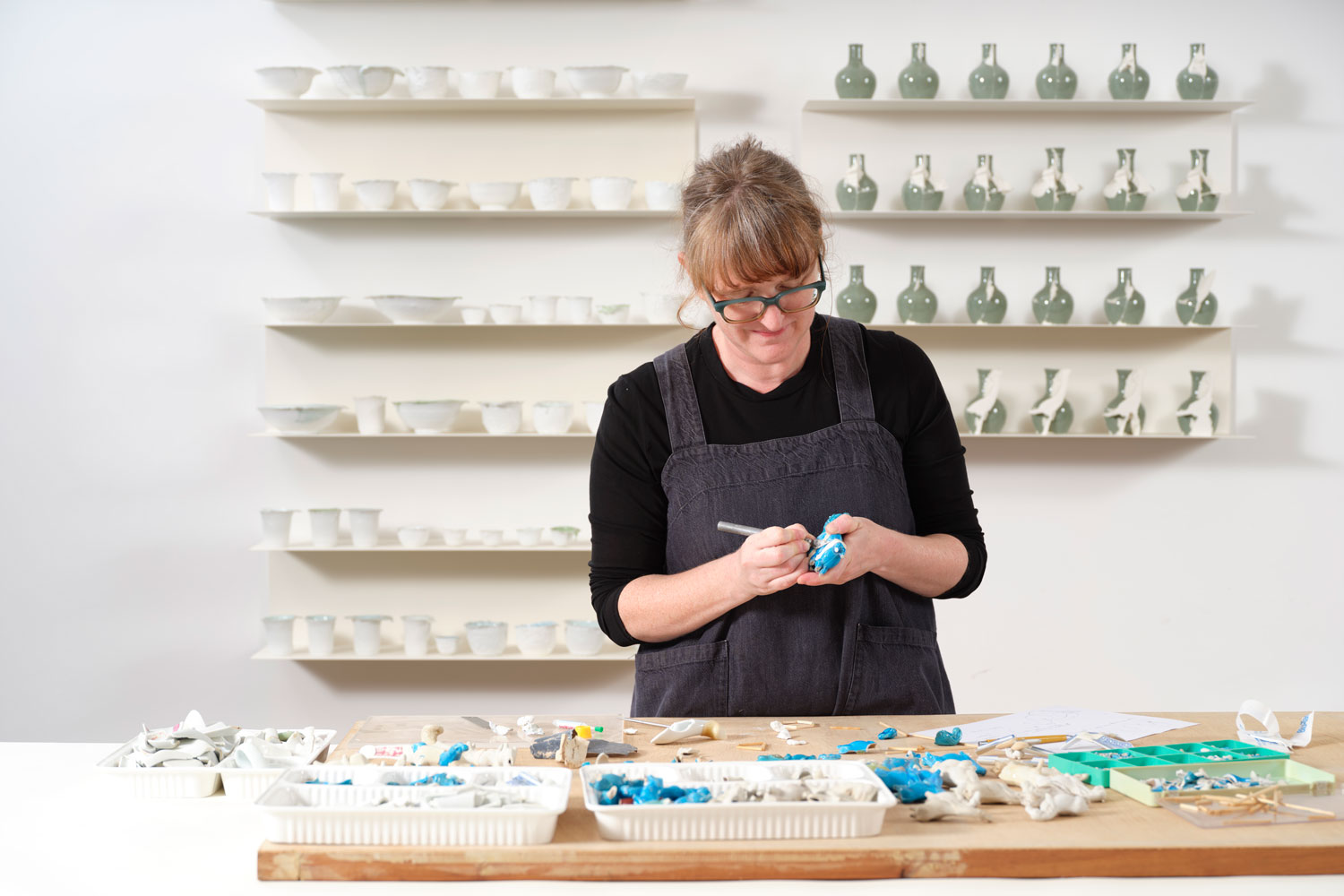
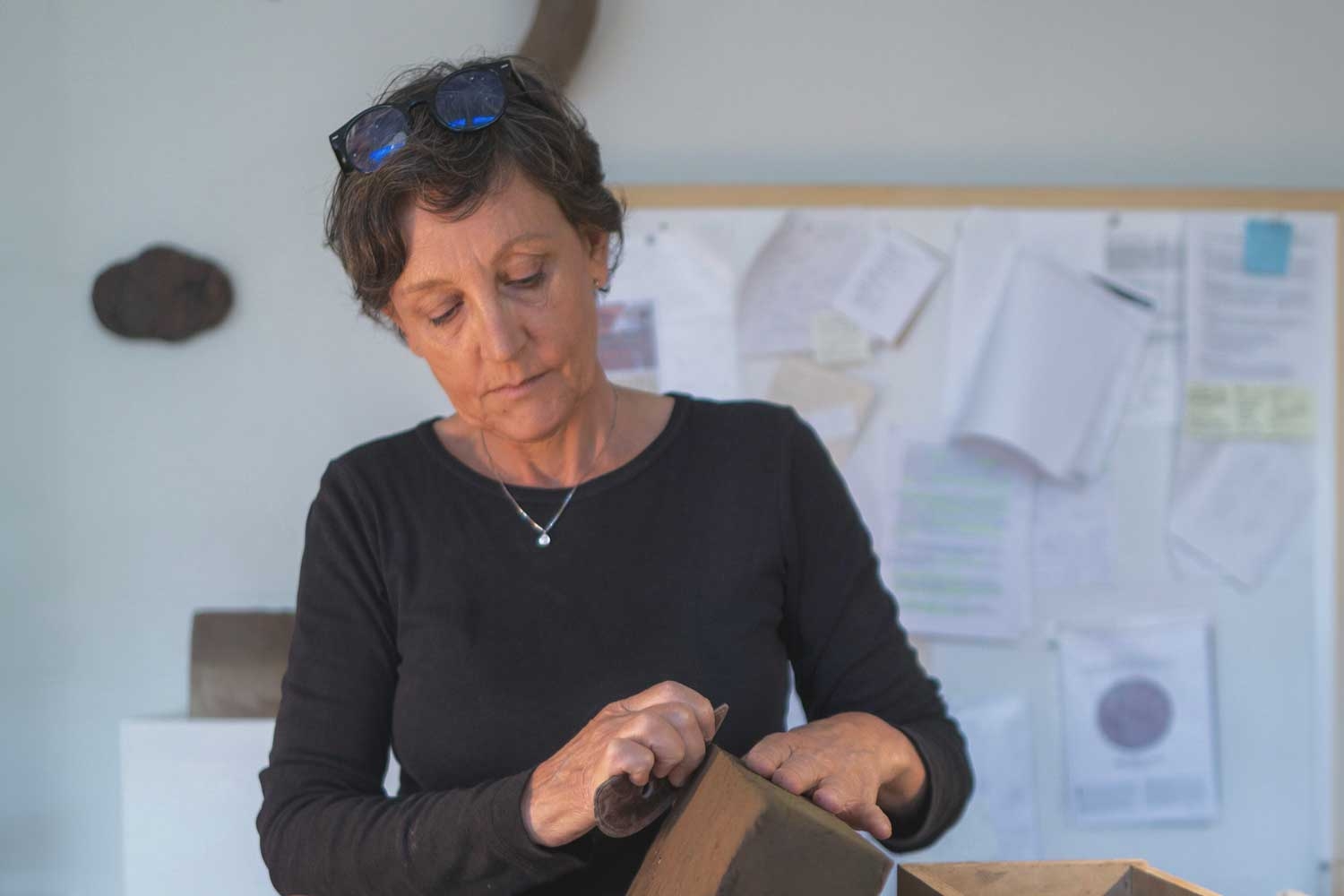
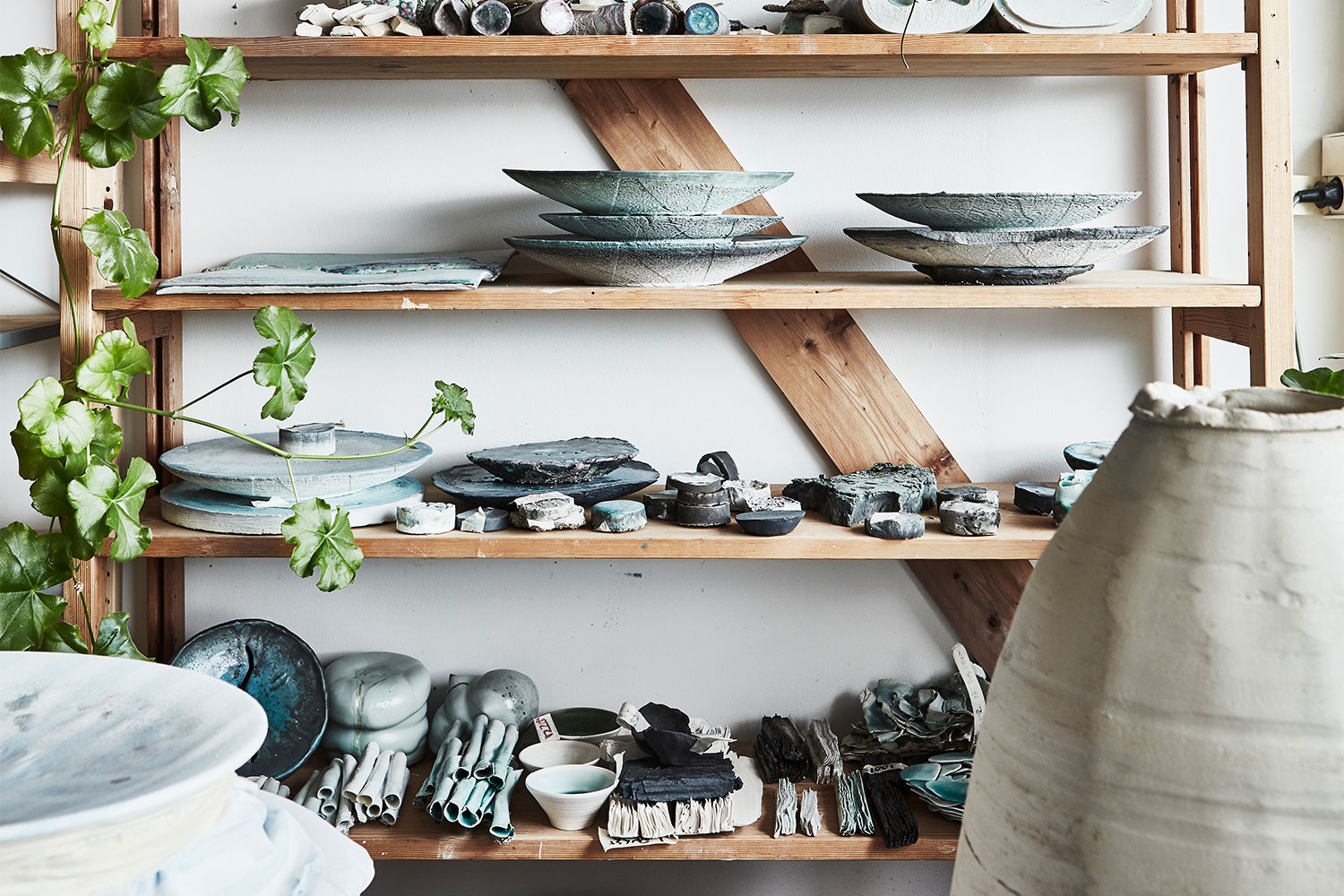
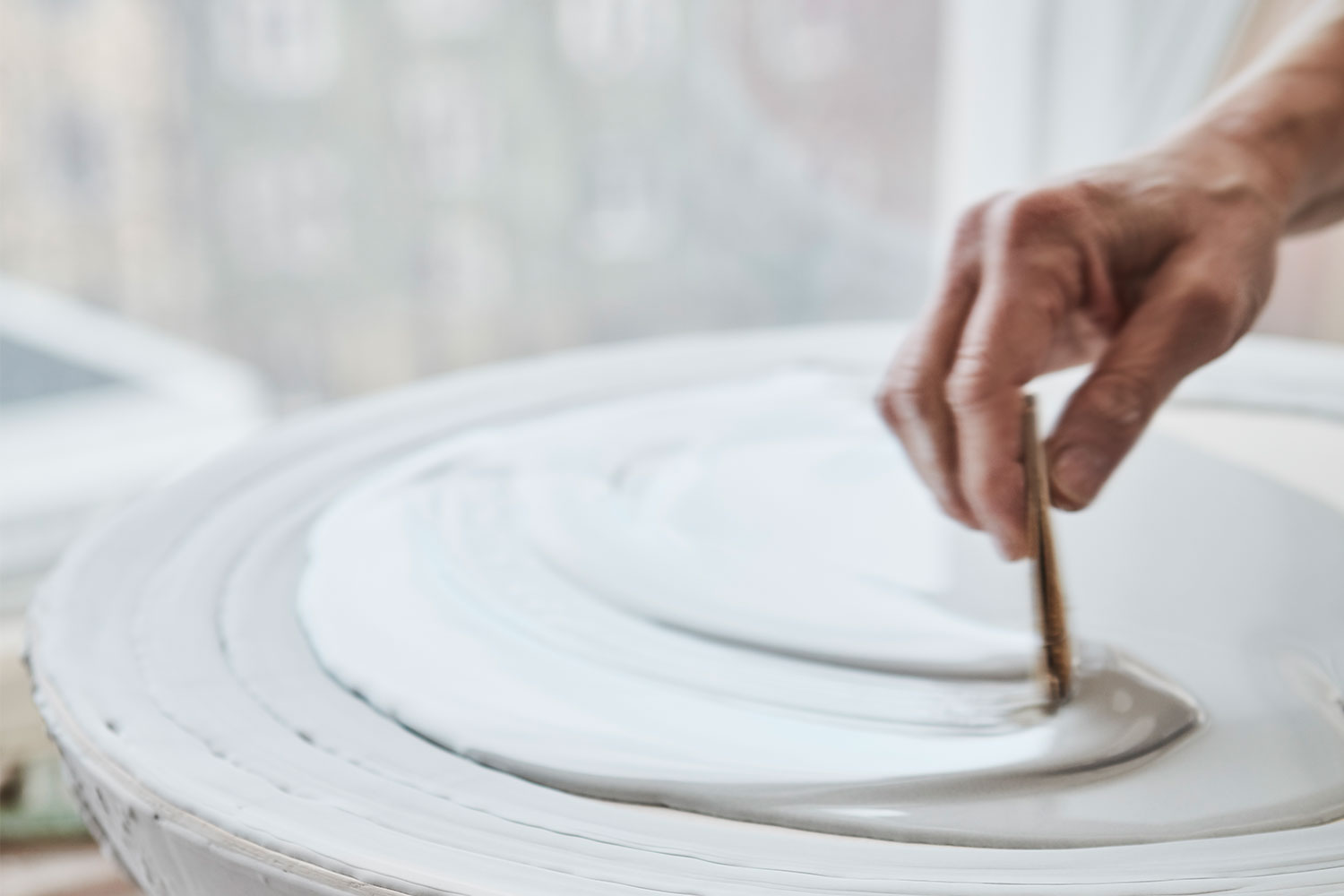
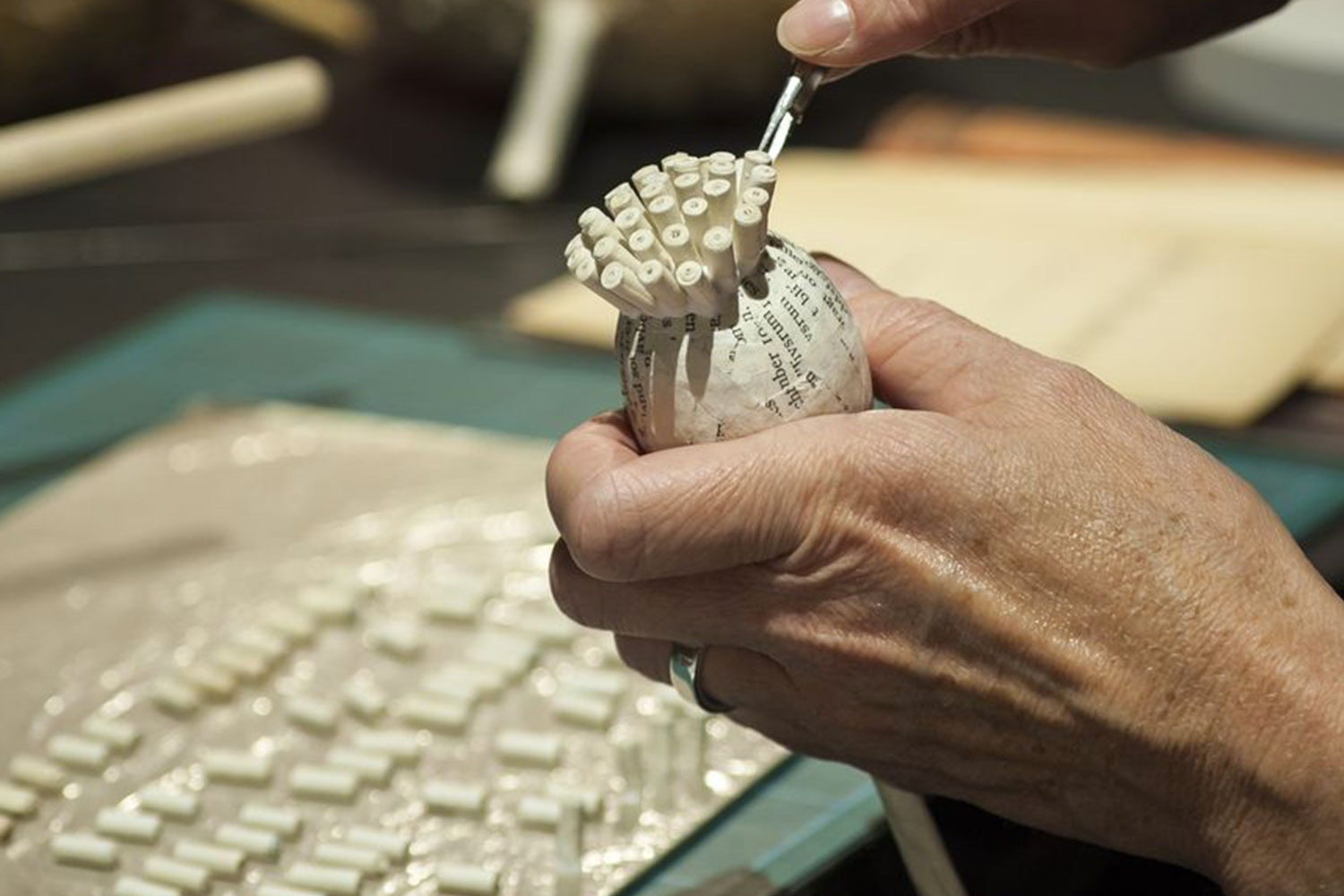
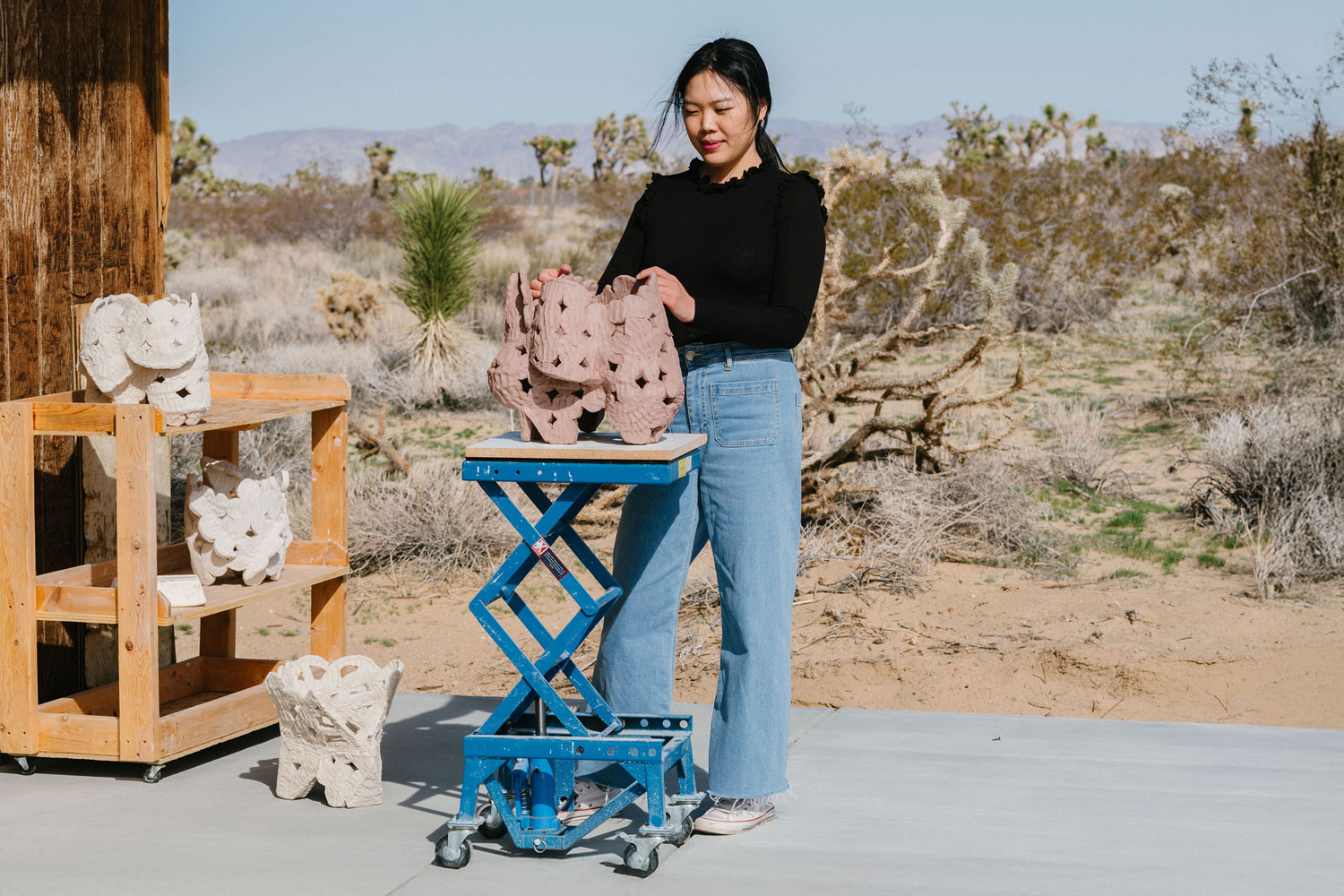
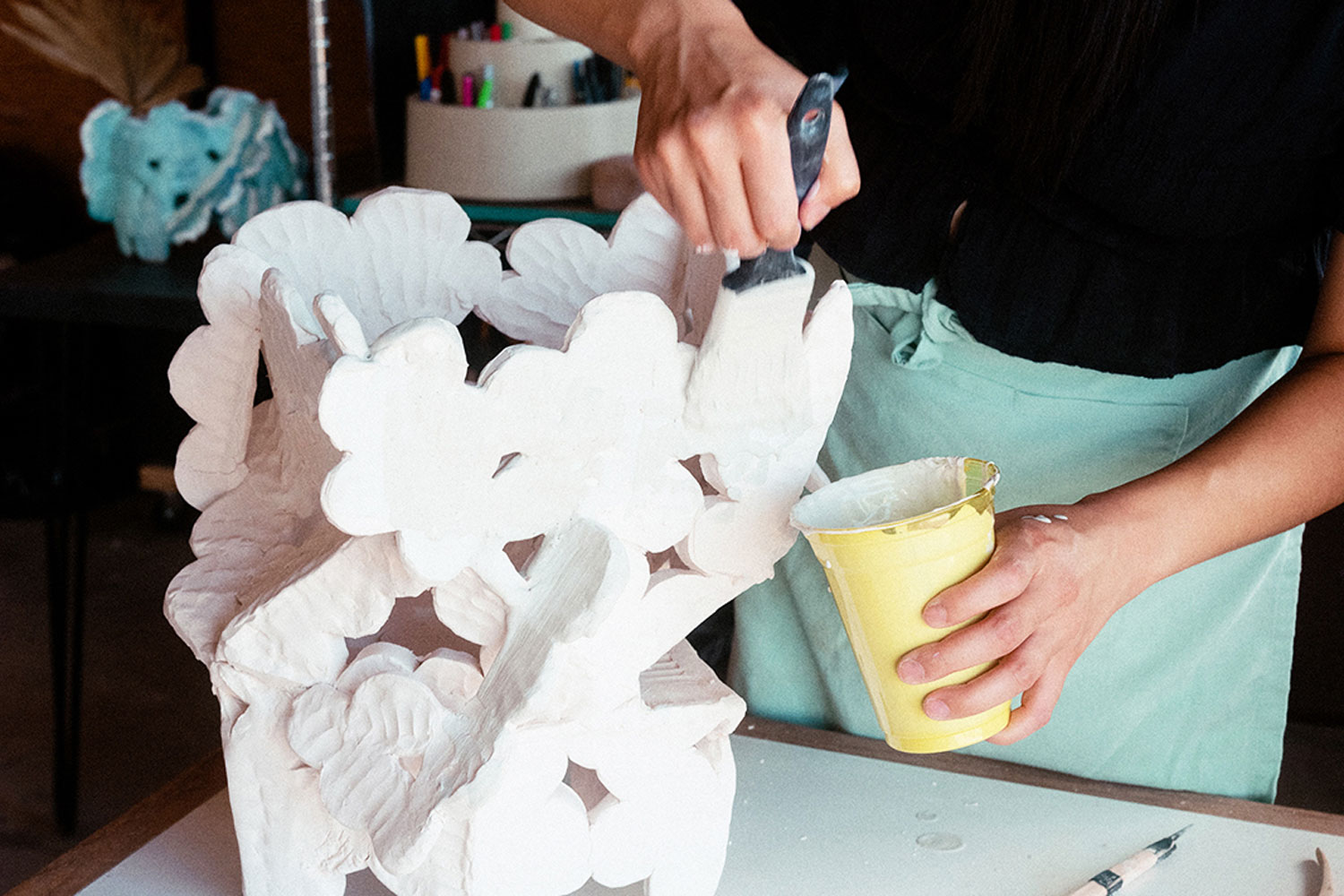
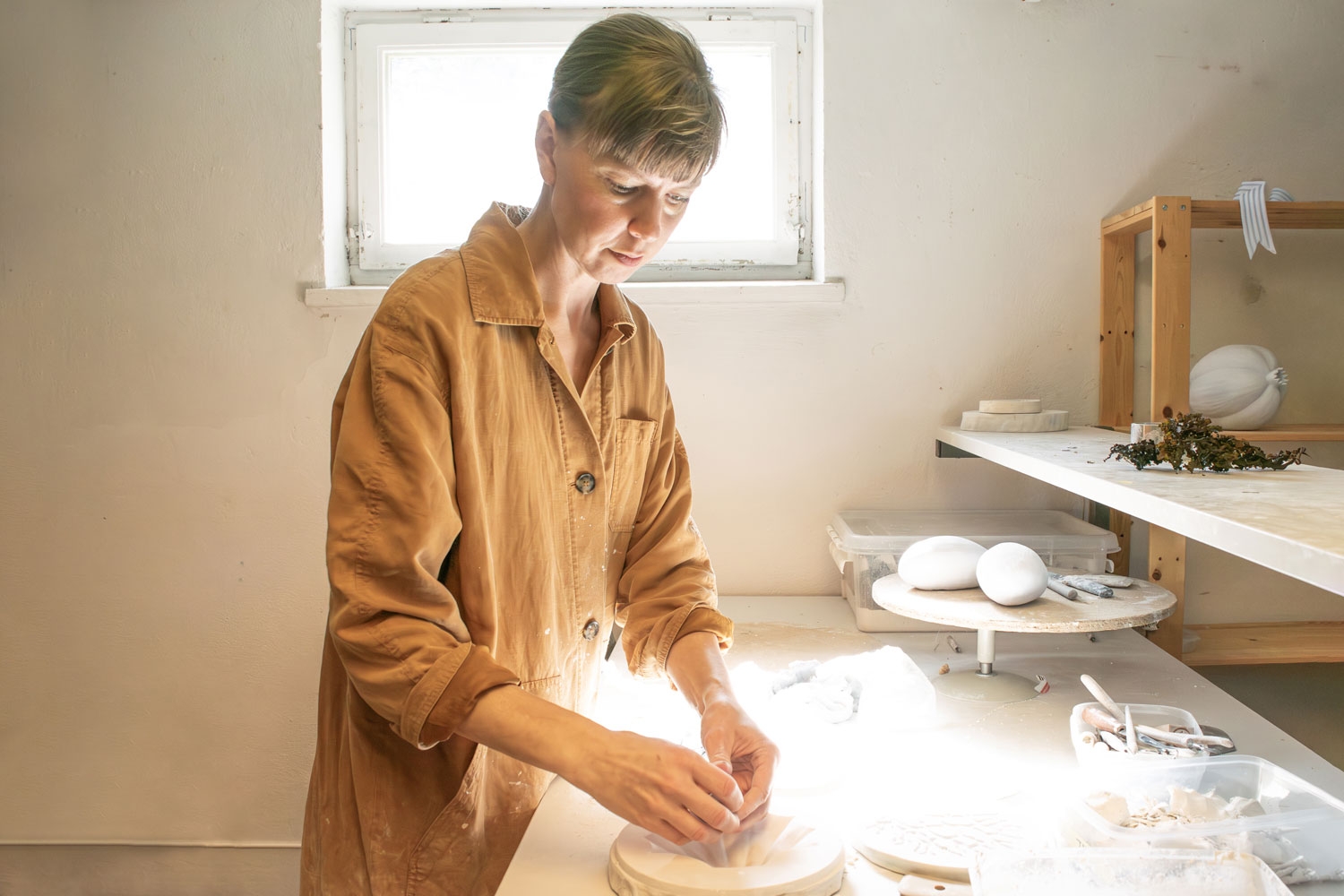
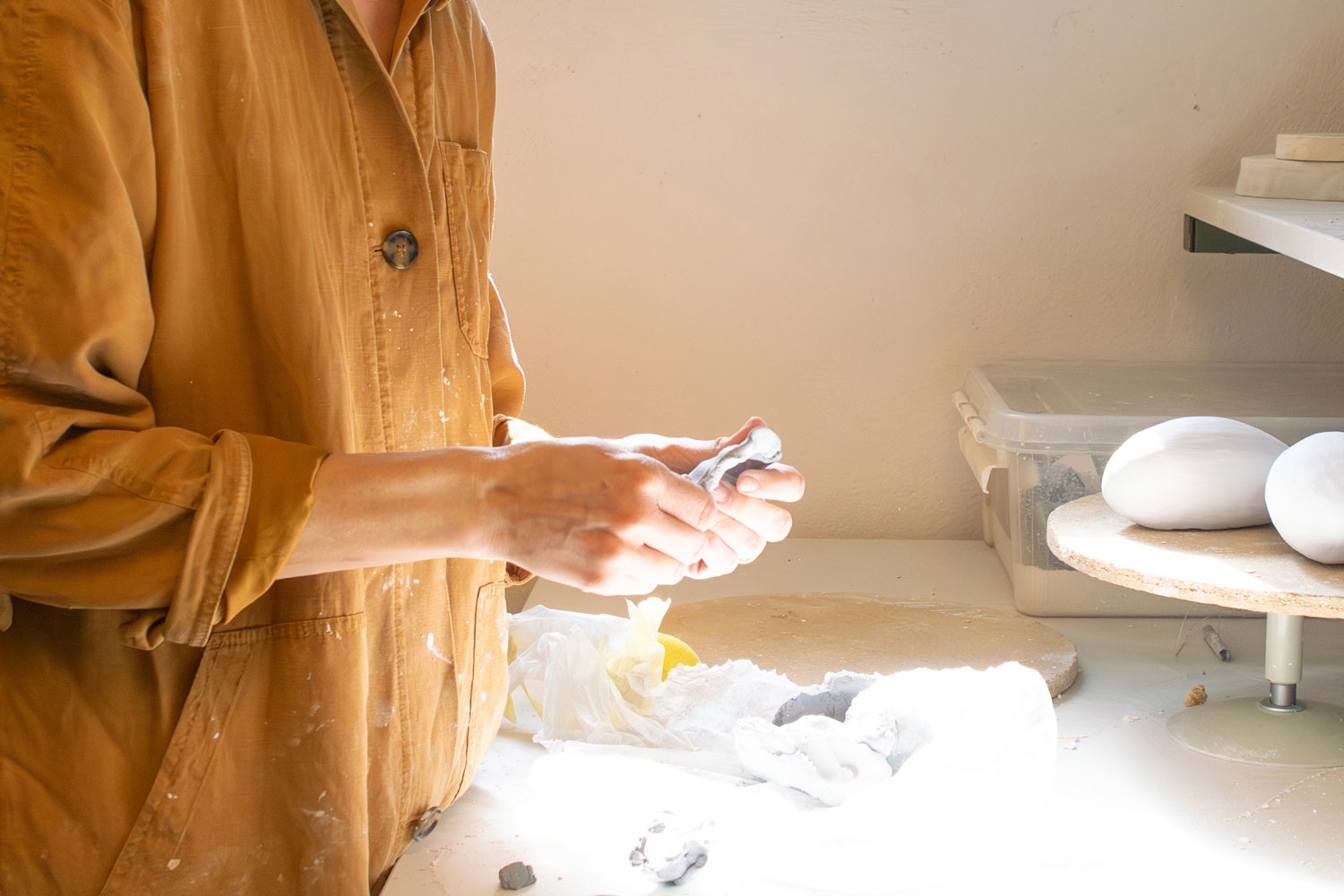
Ida Netterberg's fascination with the creative process itself led her to become a ceramicist. Hooked by the possibility of shaping materials to her liking, she started her journey with a course in silversmithing. Then, Ida discovered clay and its endless potential, and decided she would study ceramics instead. “What I love about clay is that I can shape it with my bare hands, no tools required. There is no distance between me and the material, which creates a directness that I really enjoy,” she says. The other aspect of ceramics that Ida appreciates is its versatility. “You can easily spend a lifetime investigating ceramic techniques and still master just a small part of its world,” she says. And indeed, Ida's creations reflect this versatility, from her everyday objects to her one-of-a-kind sculptural pieces.
INTERVIEW
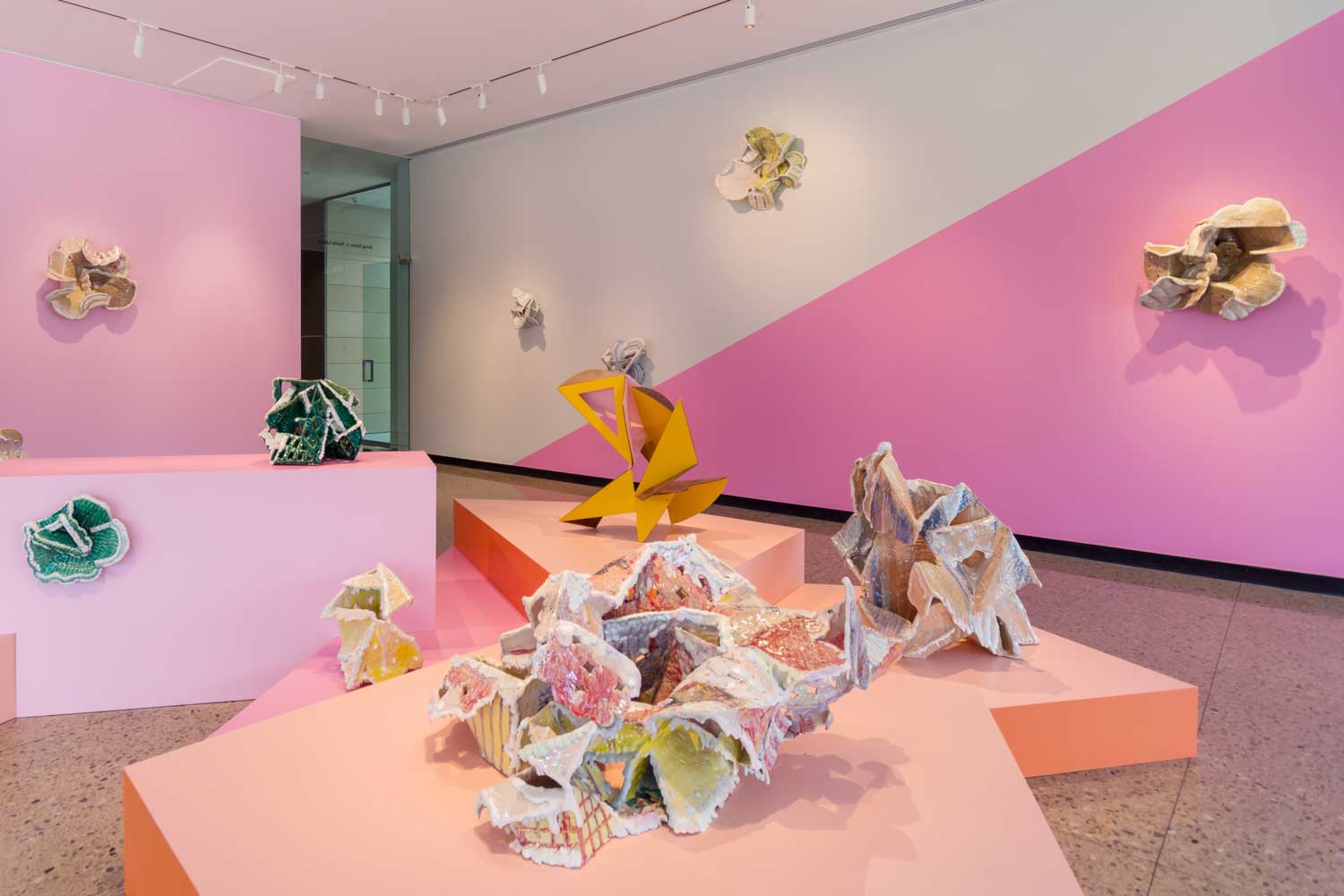
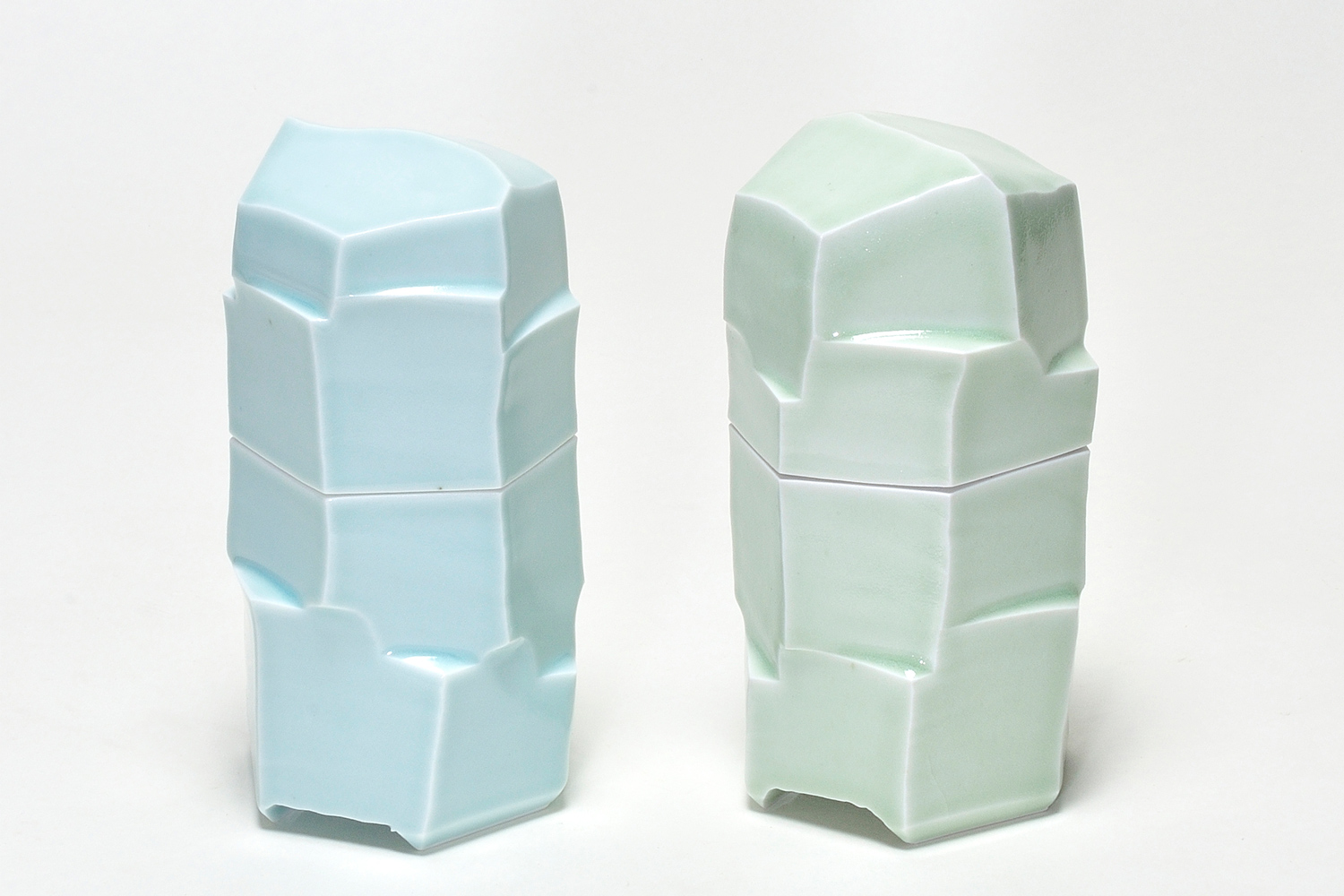
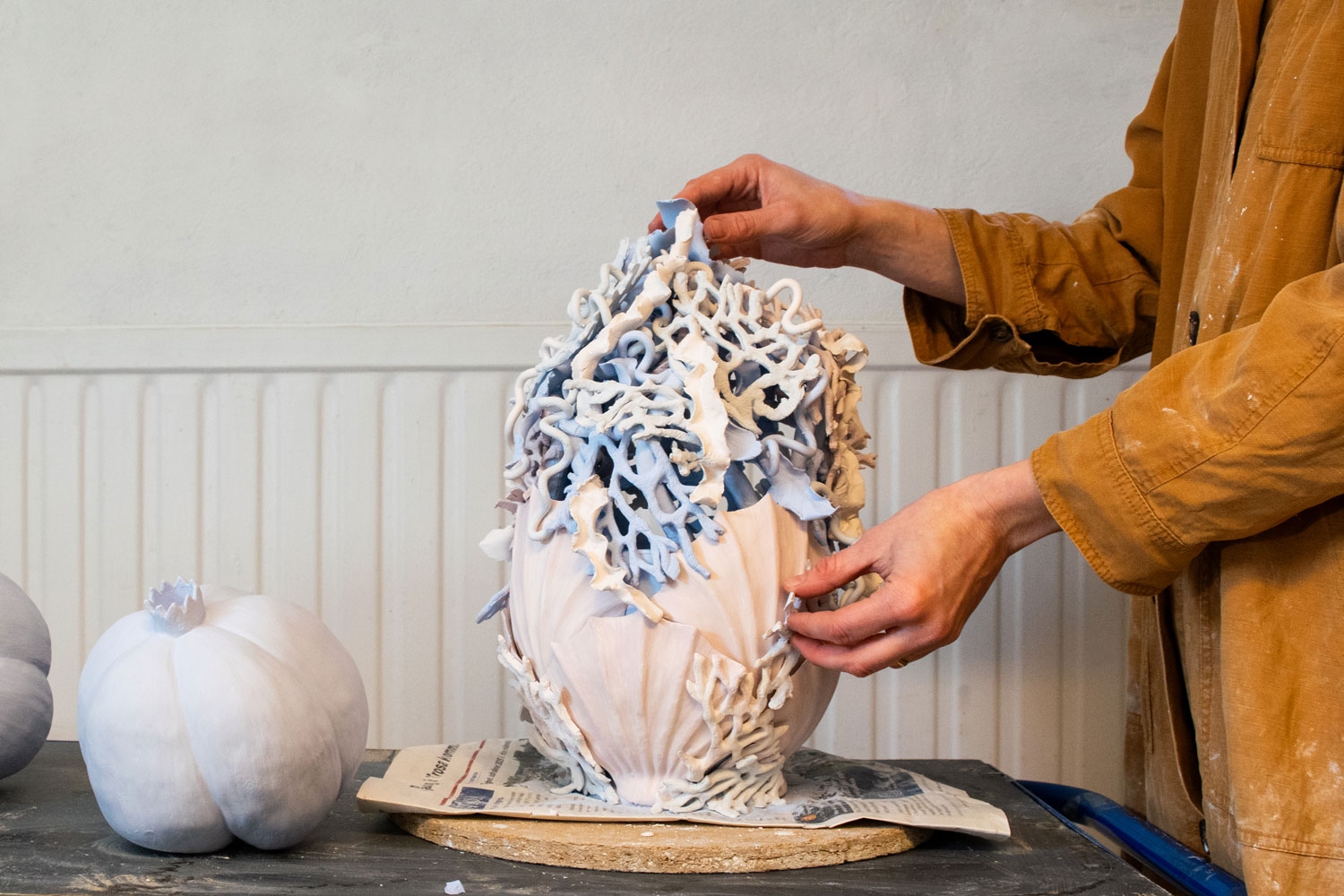
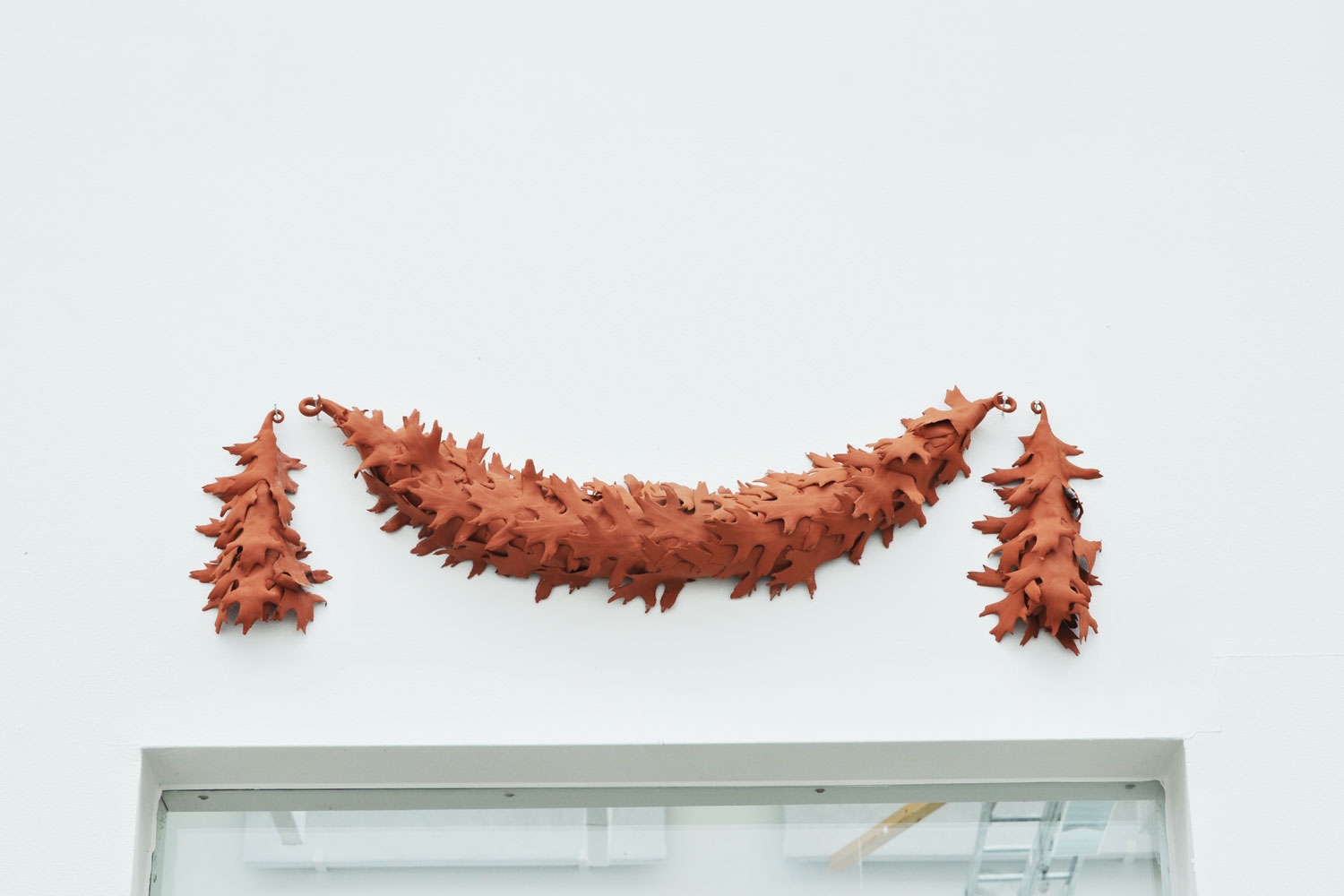
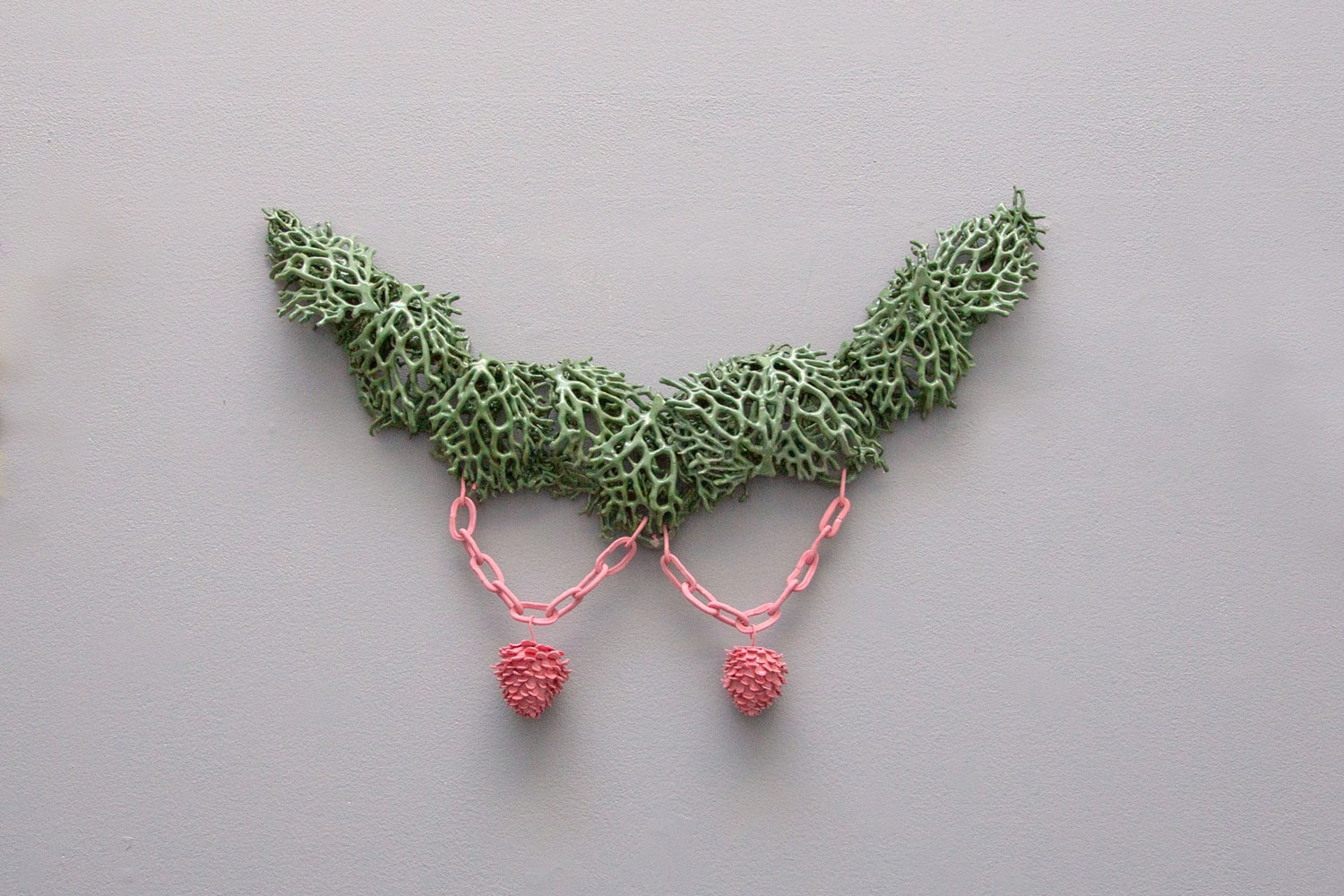
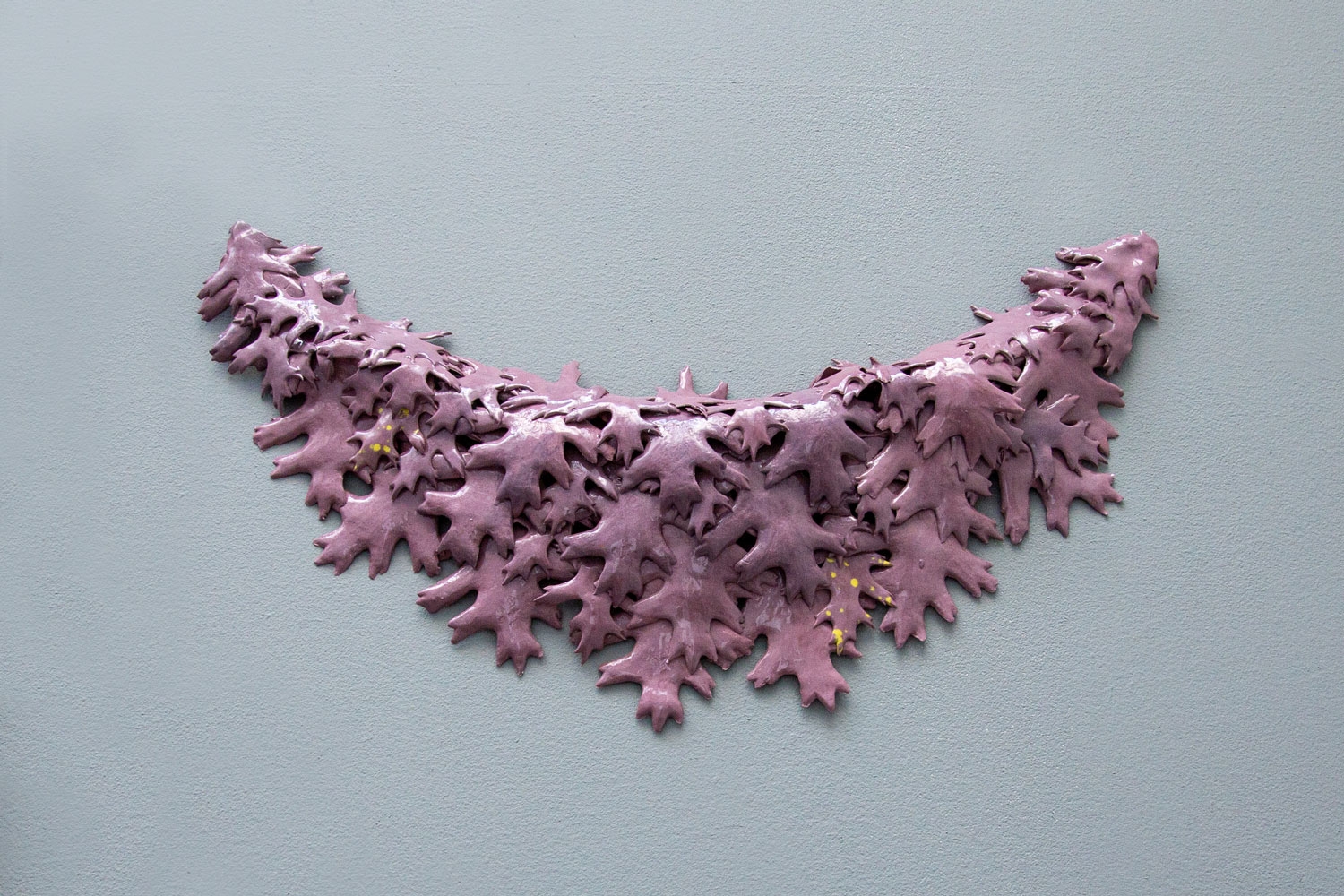
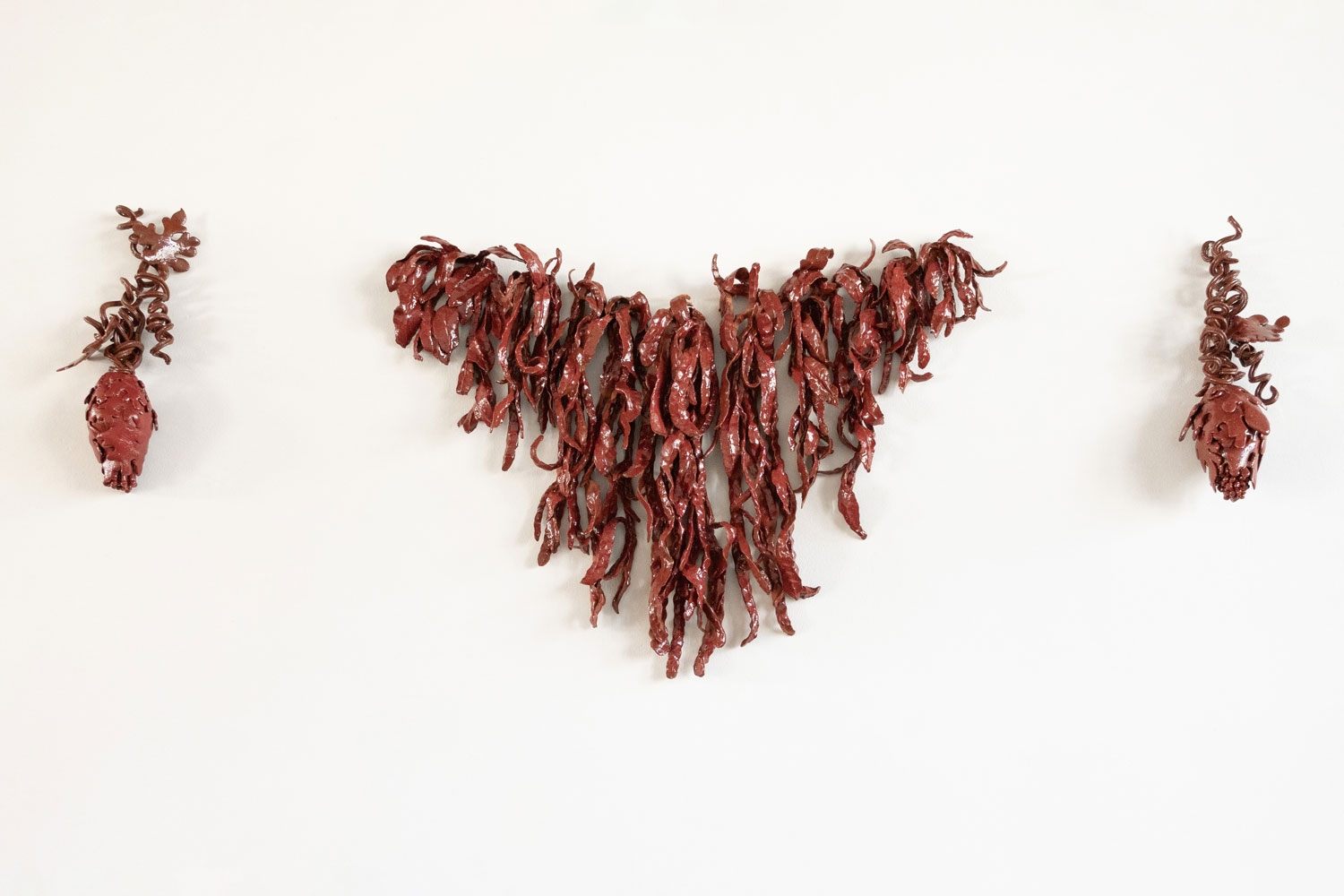
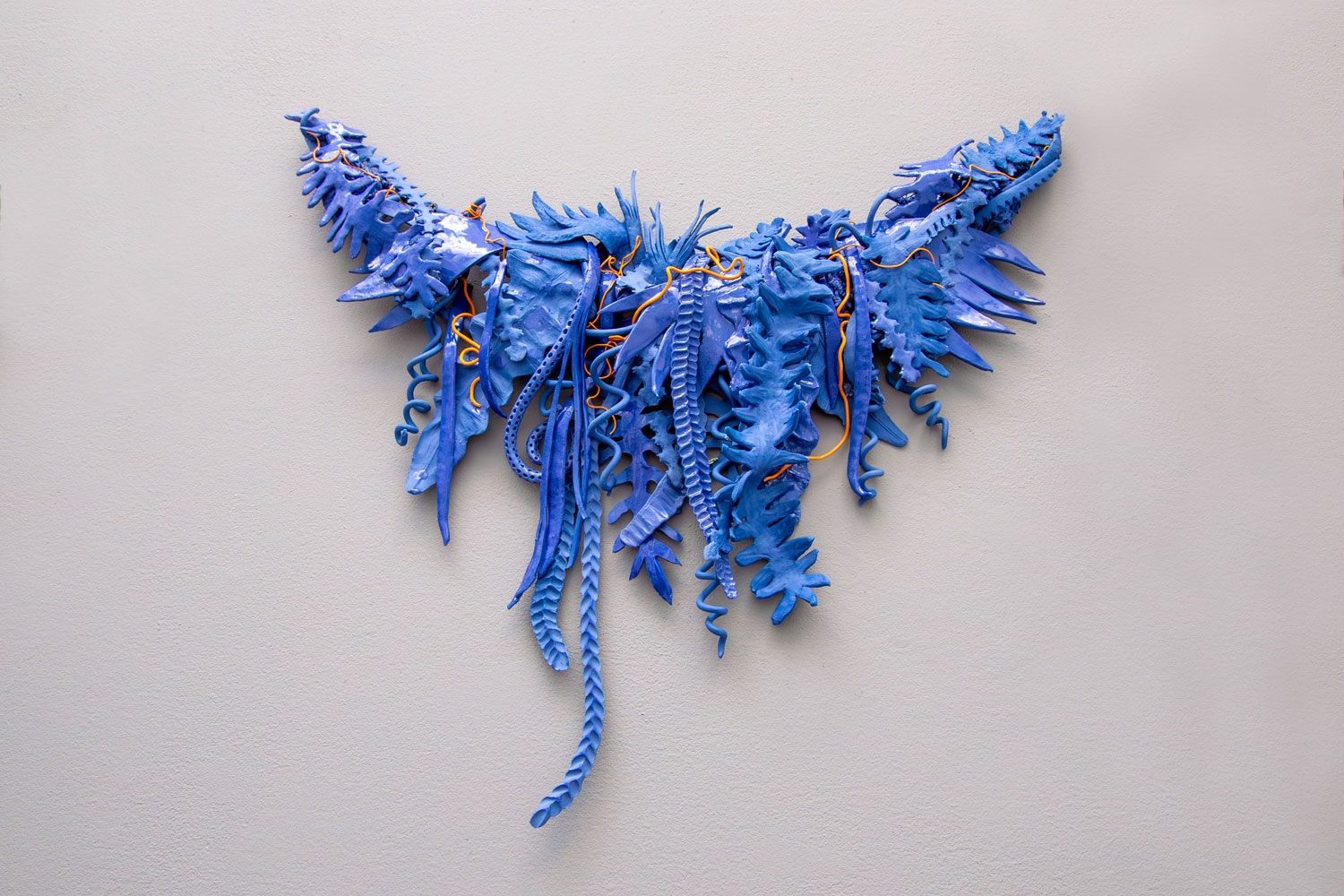
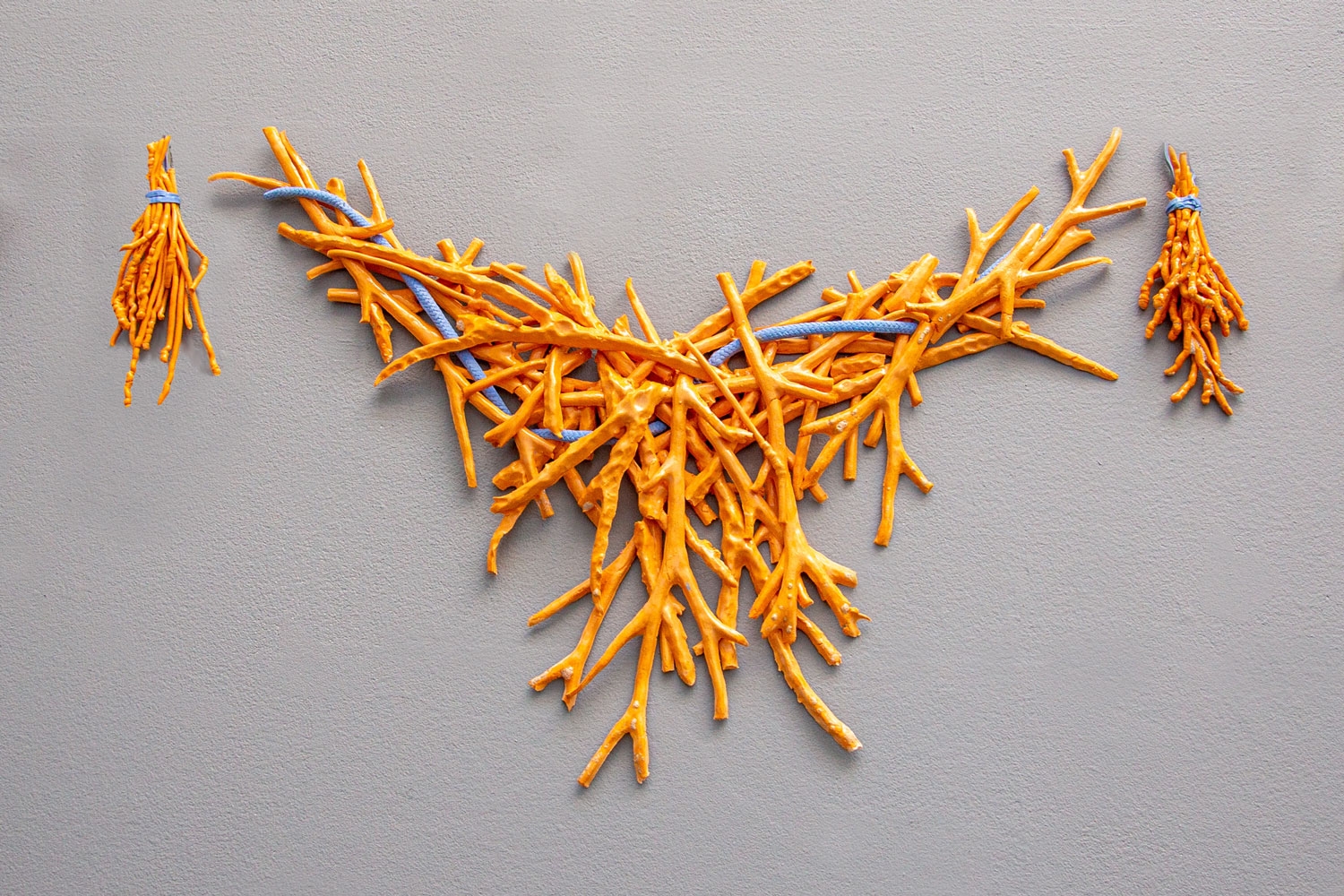
My main research is on ornaments. Loaded with history, status, symbolism and spiritual references, ornaments offer me a timeless and wordless language to express myself on many themes, from politics to romance.
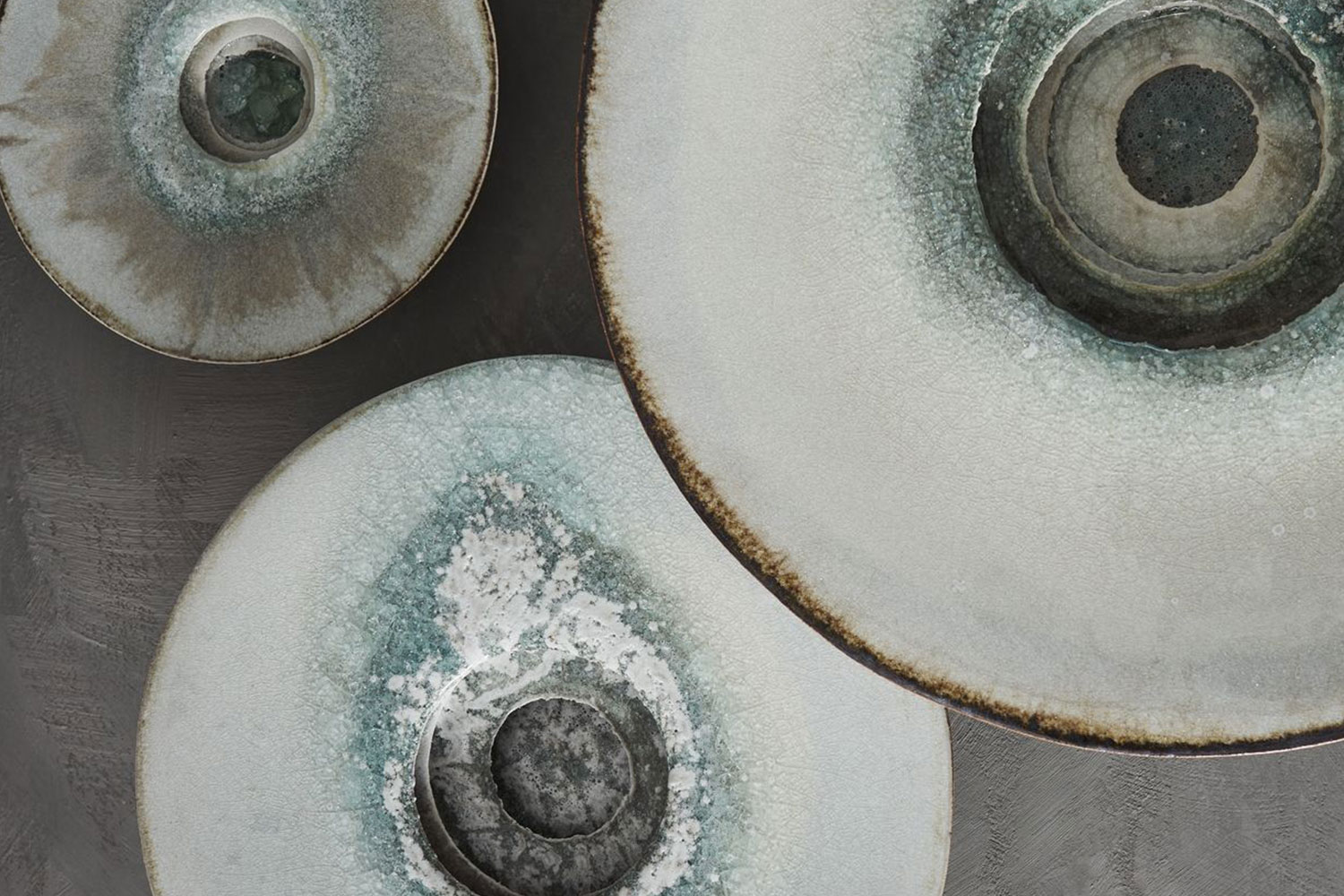
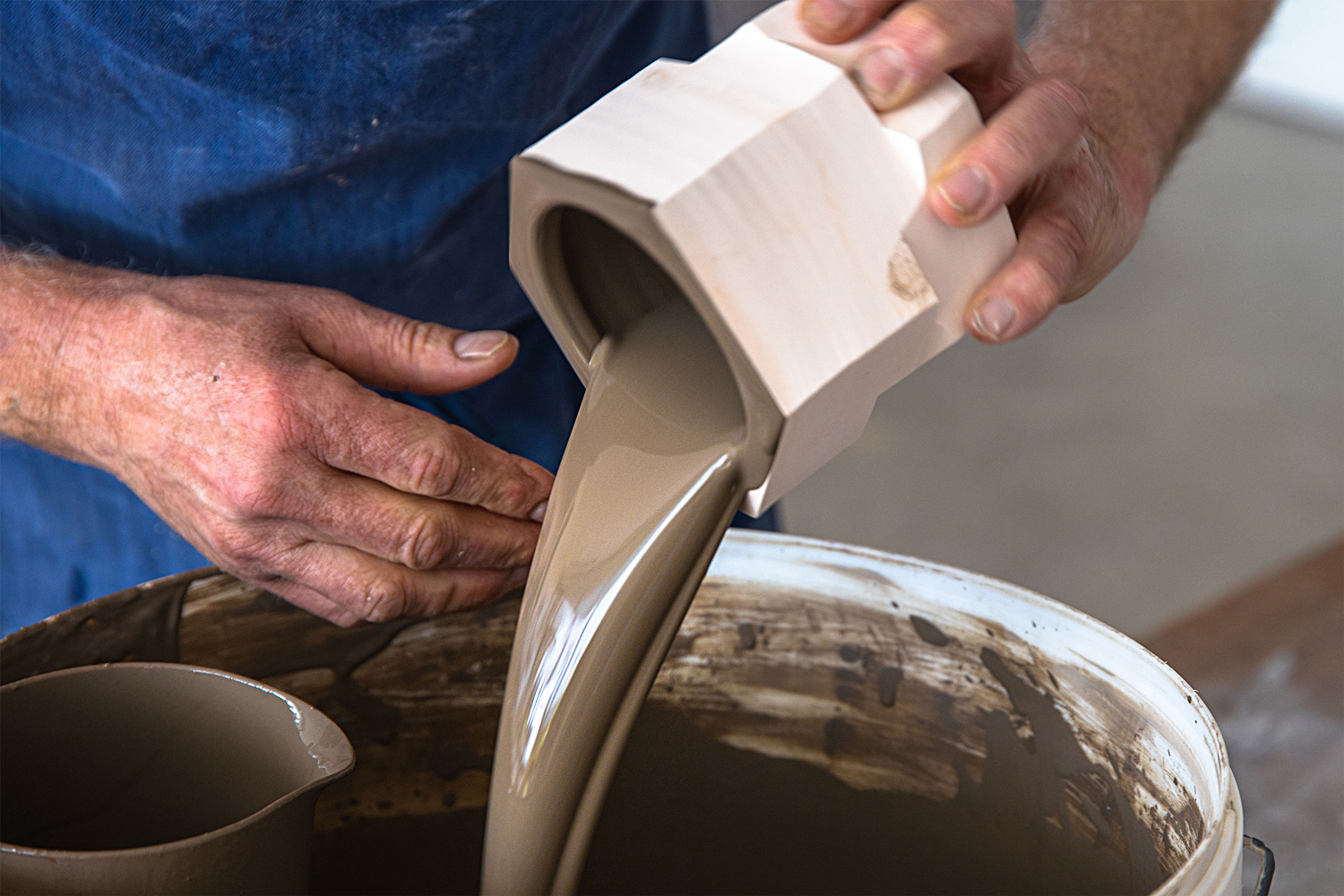
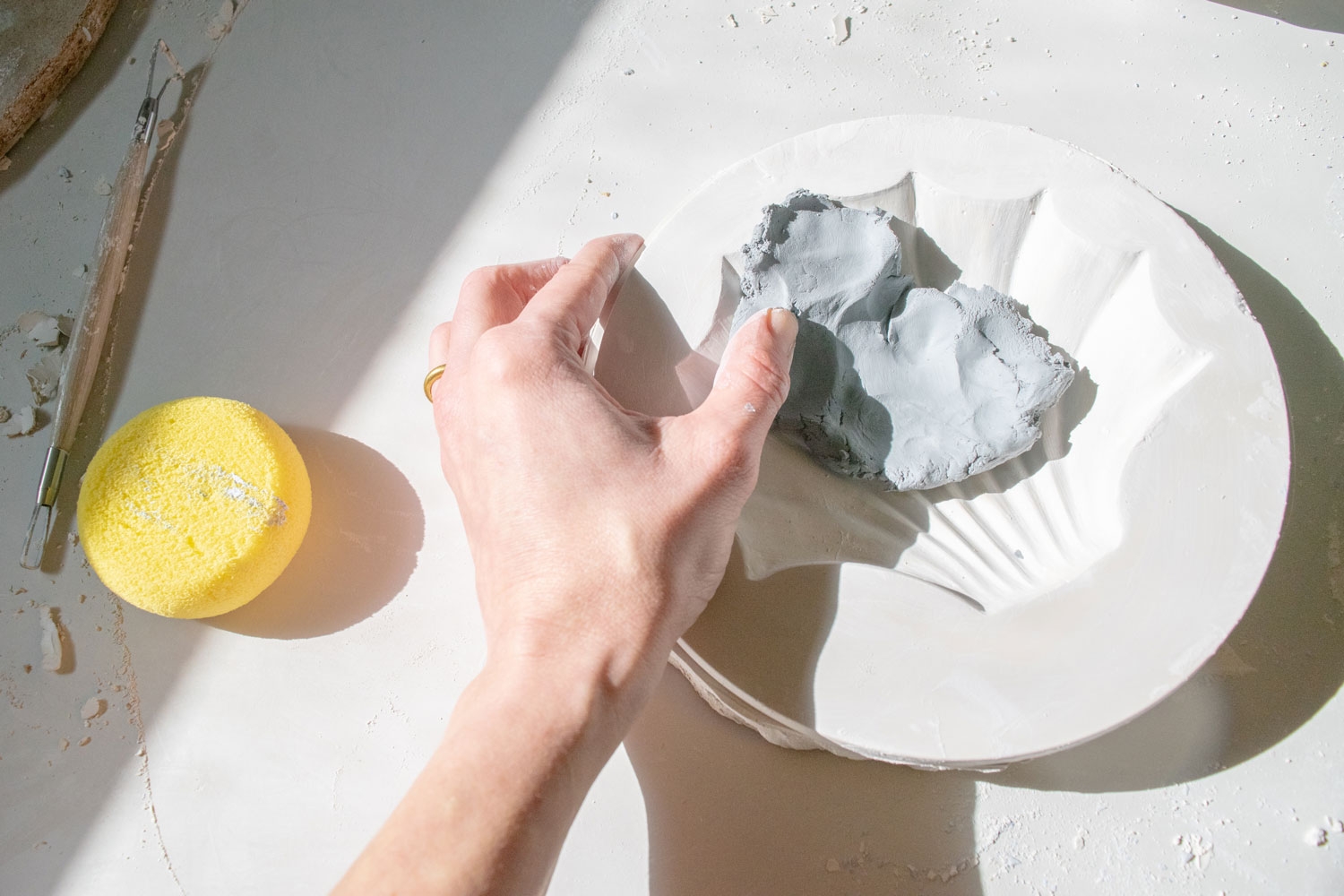
I use porcelain for most of my sculptures because the fired result is so special and expressive. I usually handcraft my pieces and use plaster forms for details. I also like to colour the clay body with a layer of glaze or engobe to prevent the details from disappearing.
A couple of years ago, I rarely used colours in my work. However, in my master’s project at the art academy, I decided to challenge myself and bring the whole rainbow into my palette. Since then, colour has been an important part of my practice, both as a symbolic language and as a method of expression.
I would not describe my style as Swedish because I work in opposition to minimalism, a typical Swedish concept. My creations are usually site specific, influenced by the architecture, surroundings and history of the place where they are exhibited.
Ida Netterberg
Ceramicist
Trosa, Sweden
Recommended by Konsthantverkcentrum
ADDRESS
Address upon request, Trosa, Sweden
AVAILABILITY
By appointment only
PHONE
+46 736916034
LANGUAGES
Swedish, English
Homo Faber Finds is a new service aiming to inspire admirers of craft to connect and collaborate with exceptional artisans.
We invite you to submit an enquiry here.