James O'Riordan & Gus Knight
Leeside Forge
Blacksmith
Cork, Ireland
Forging steel locally, forging bonds internationally
- James and Gus first trained as engineers before turning to professional blacksmithing
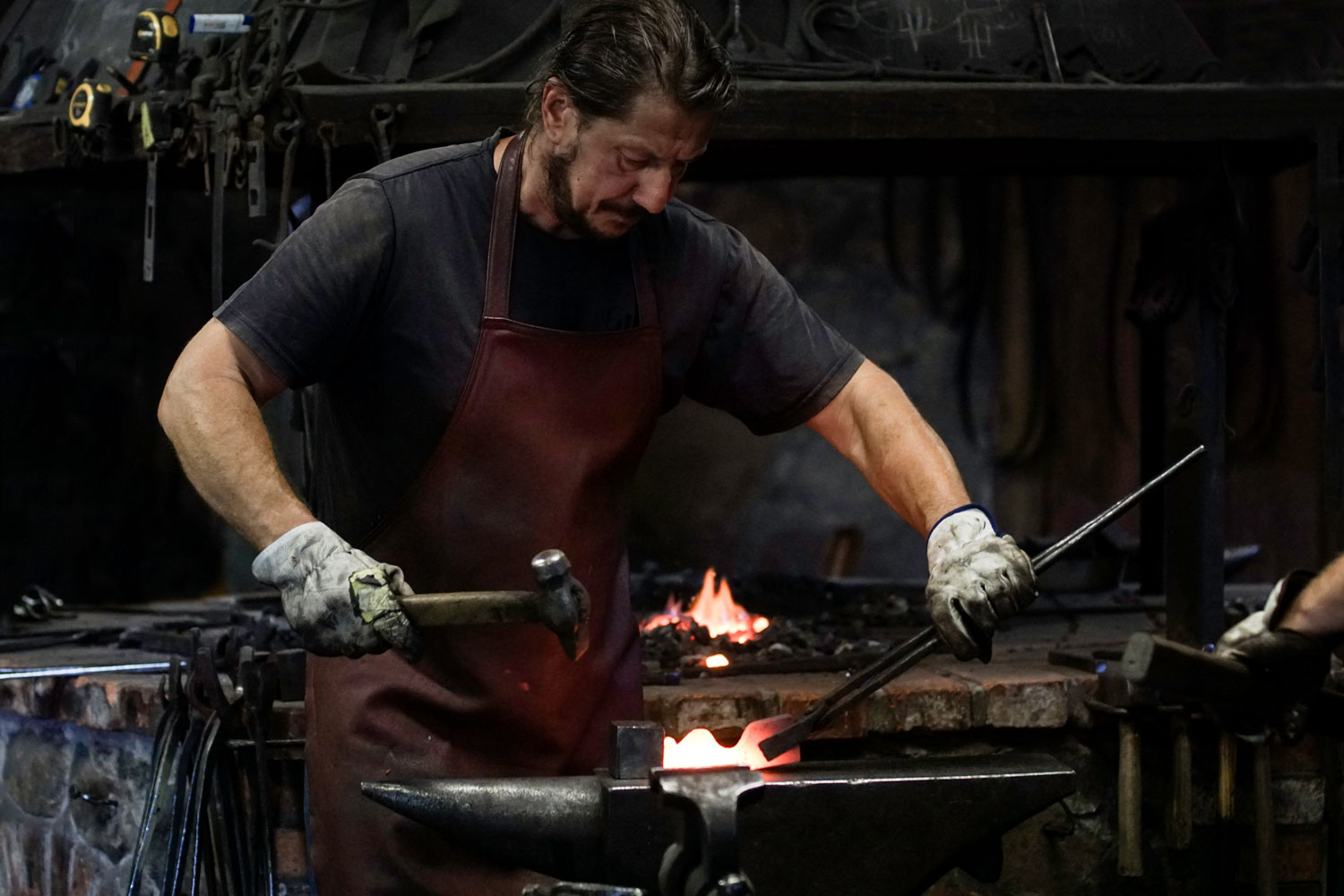
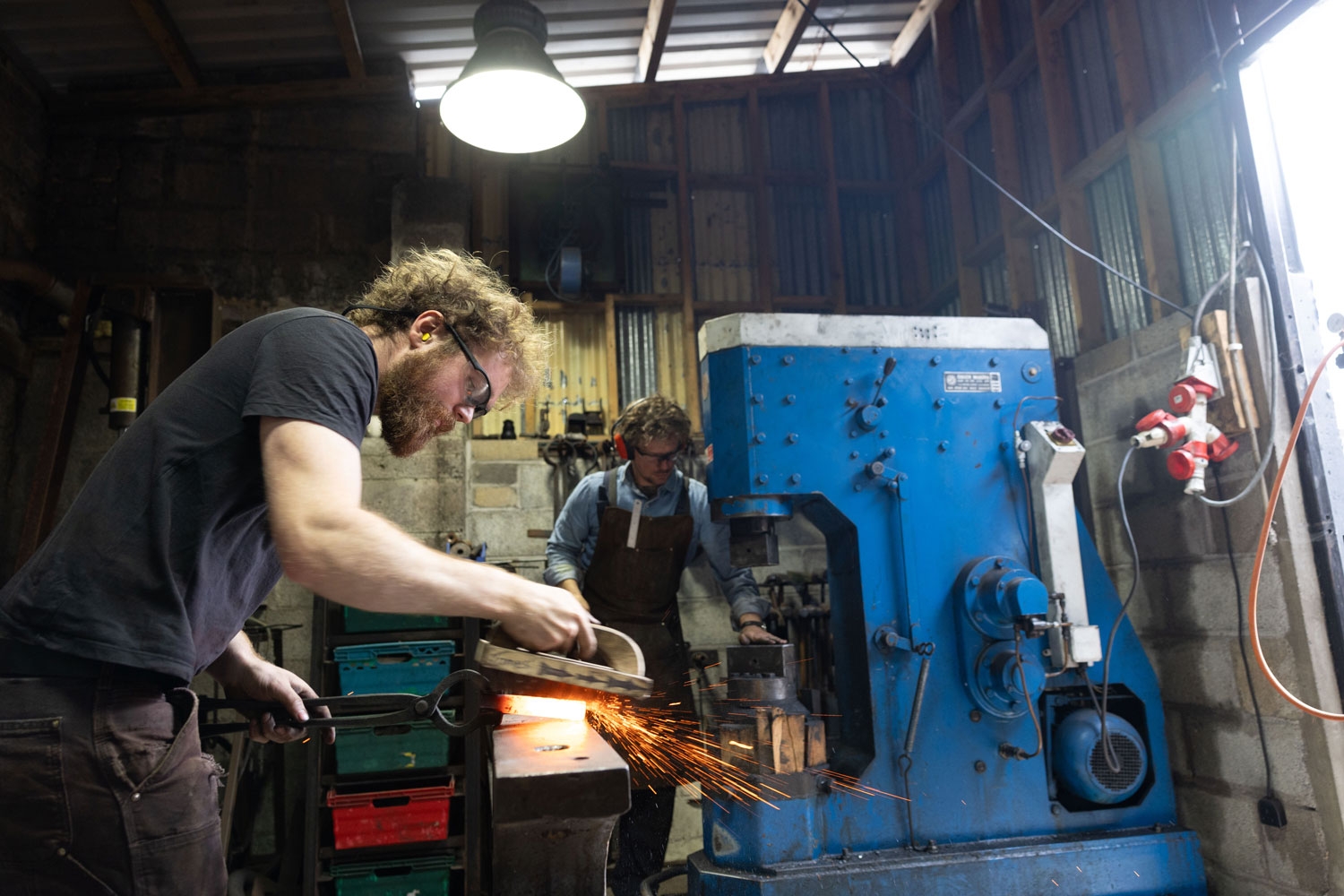
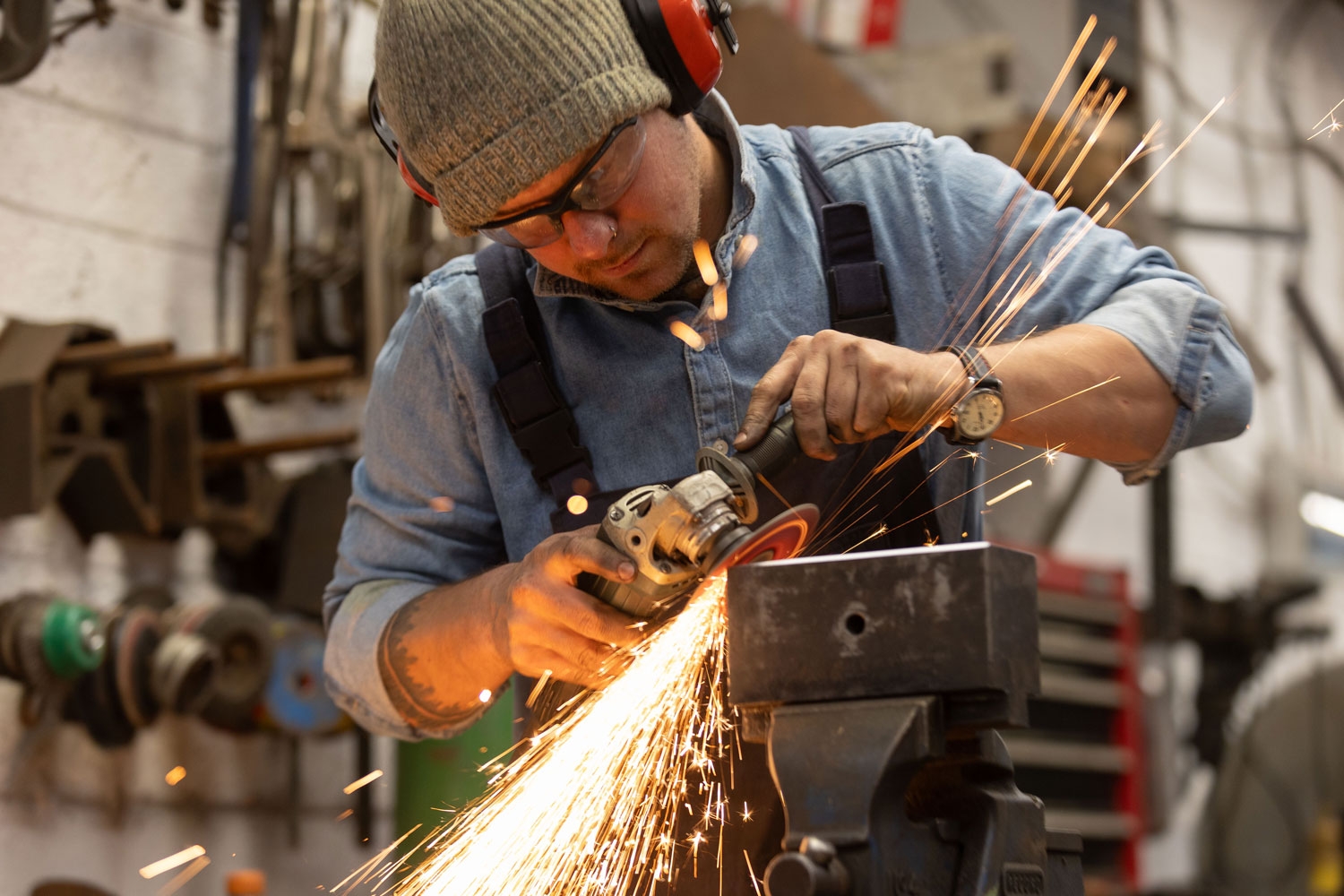
- Their work is the result of combining traditional forging techniques with modern machines and new tools
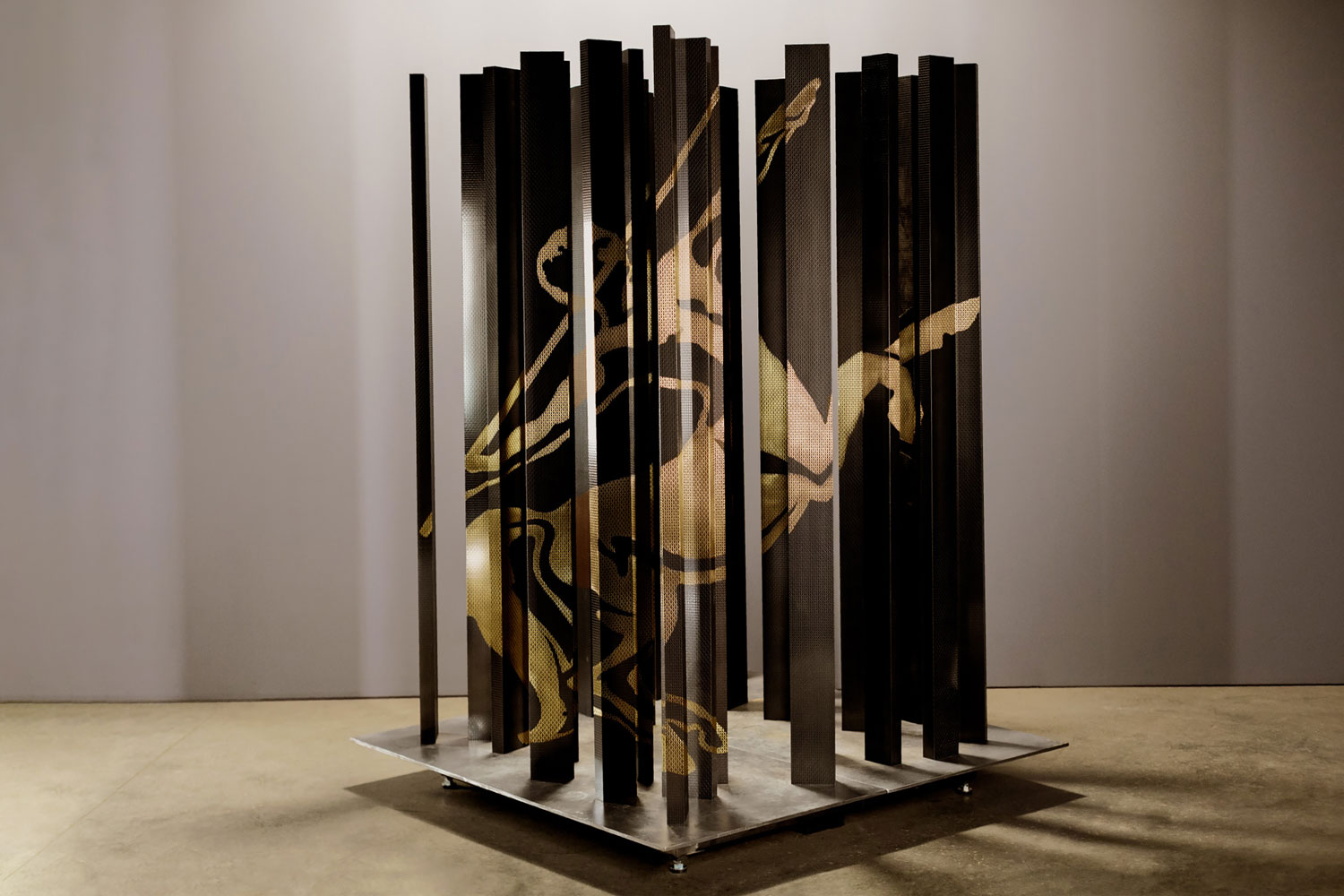
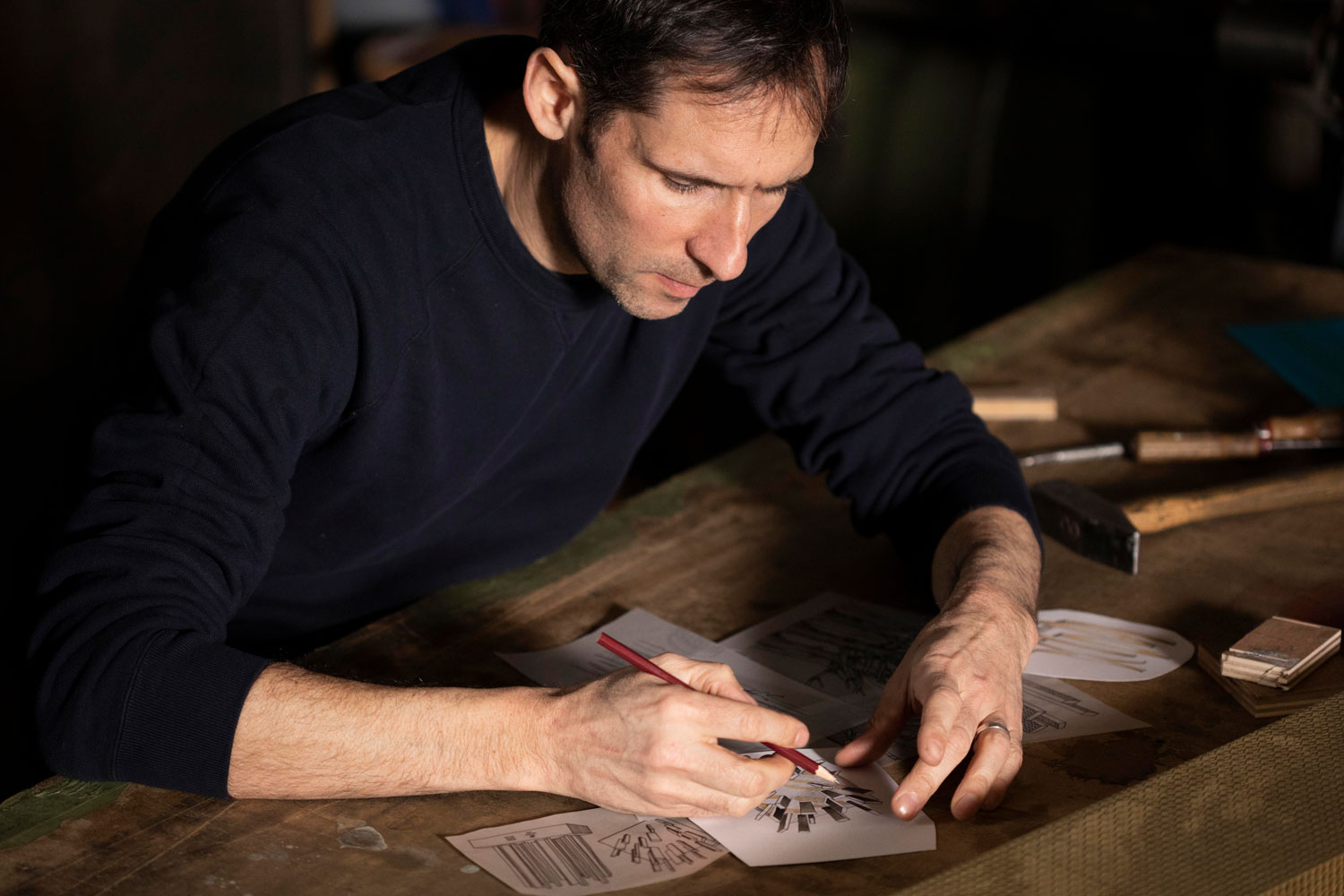
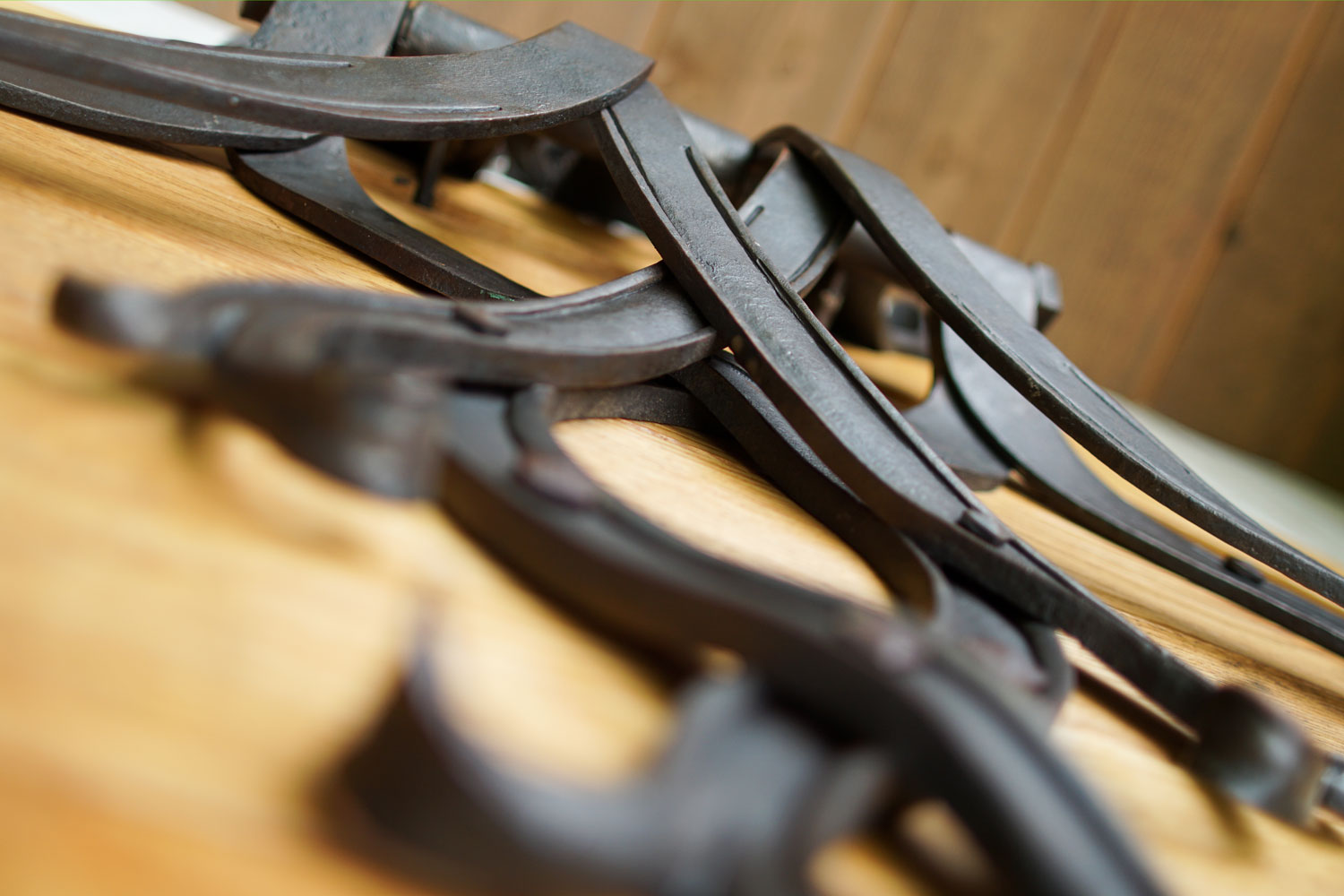
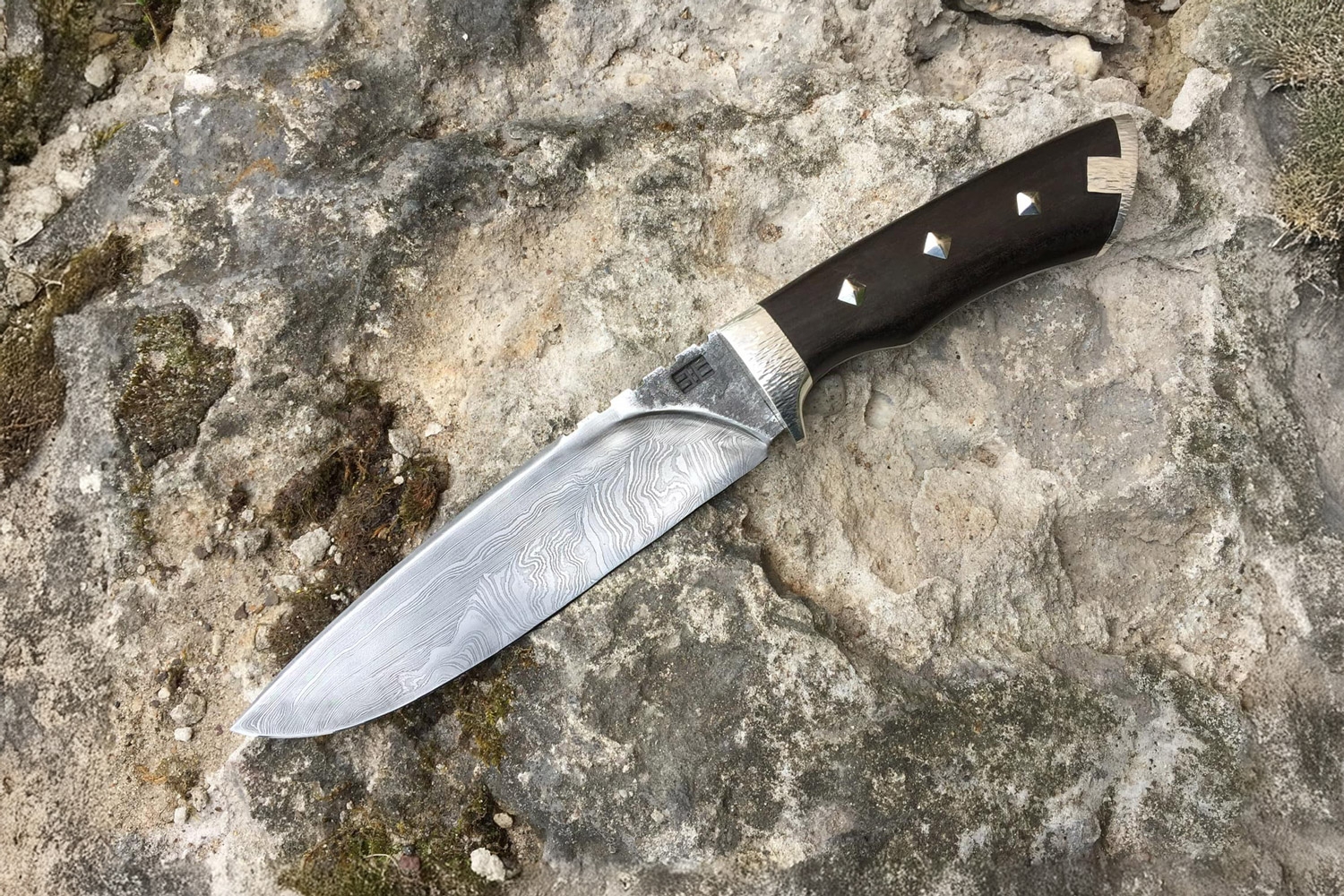
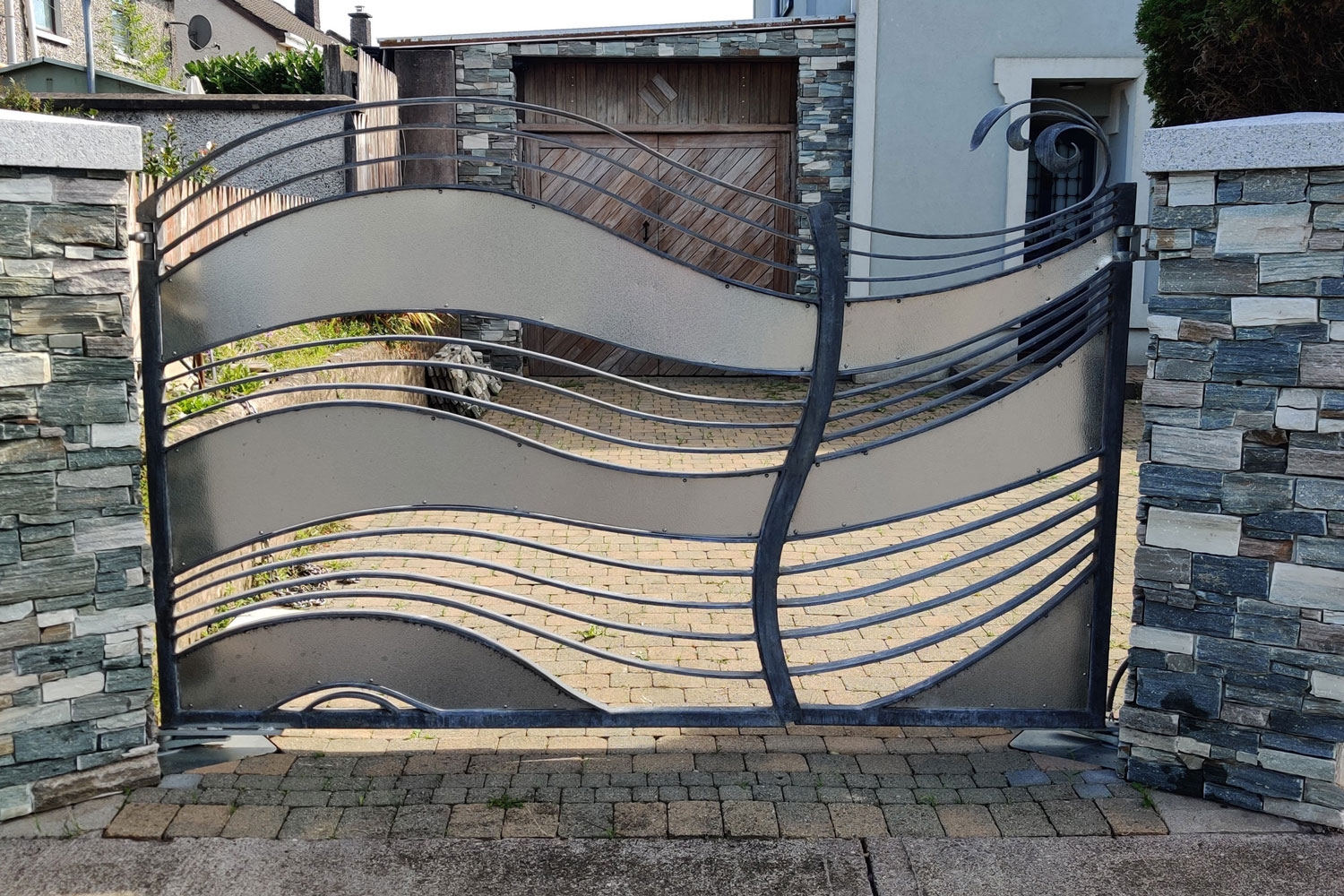
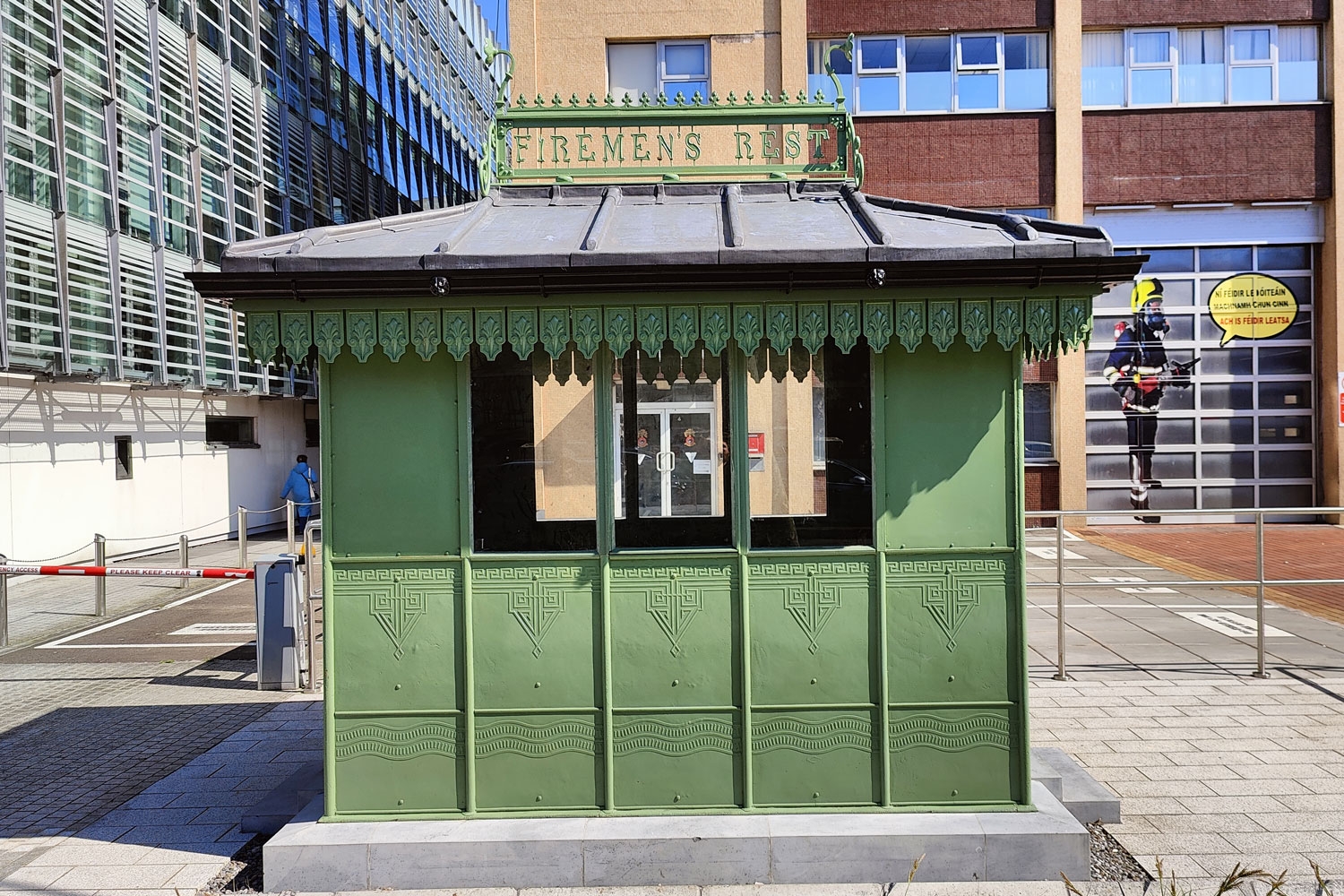
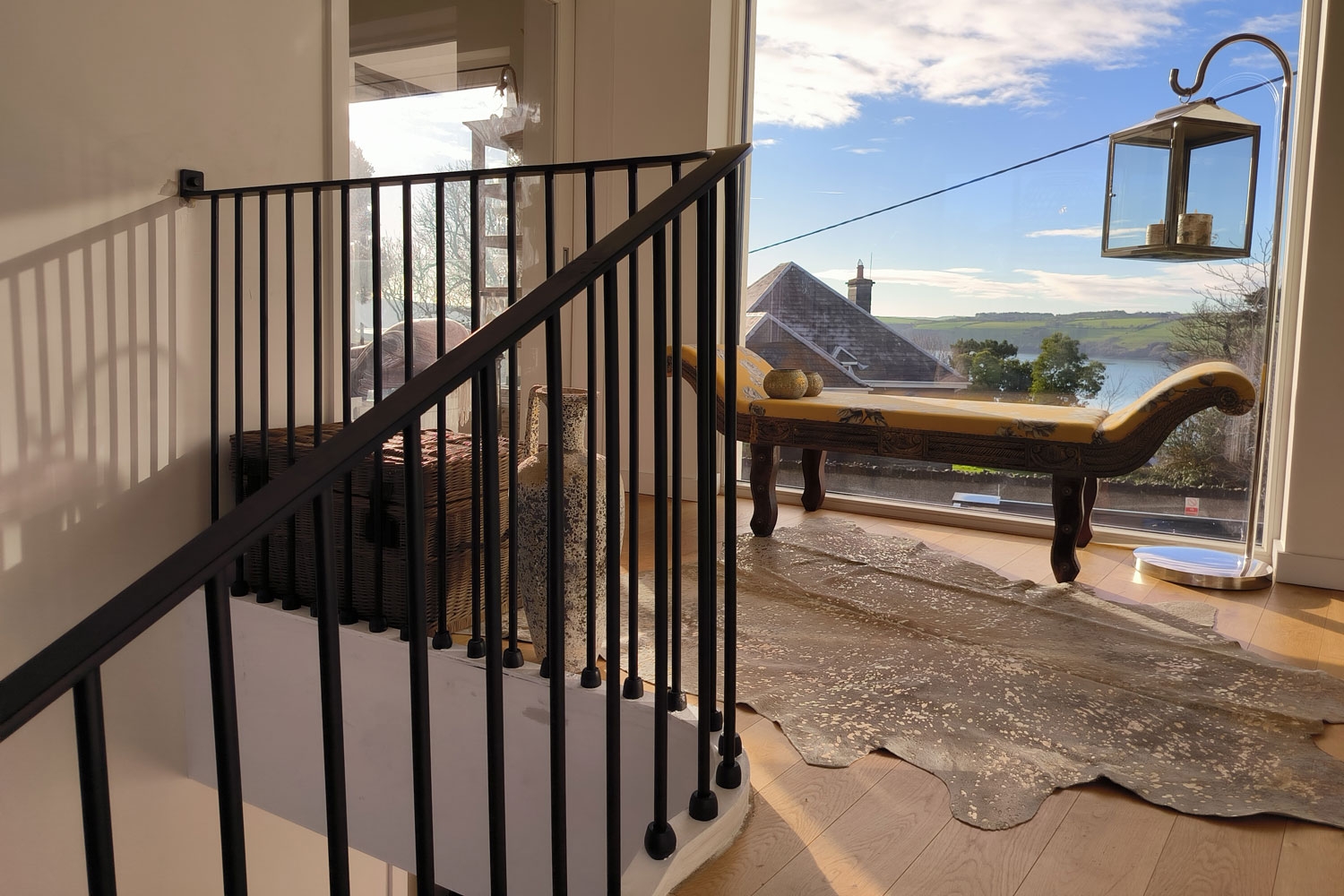
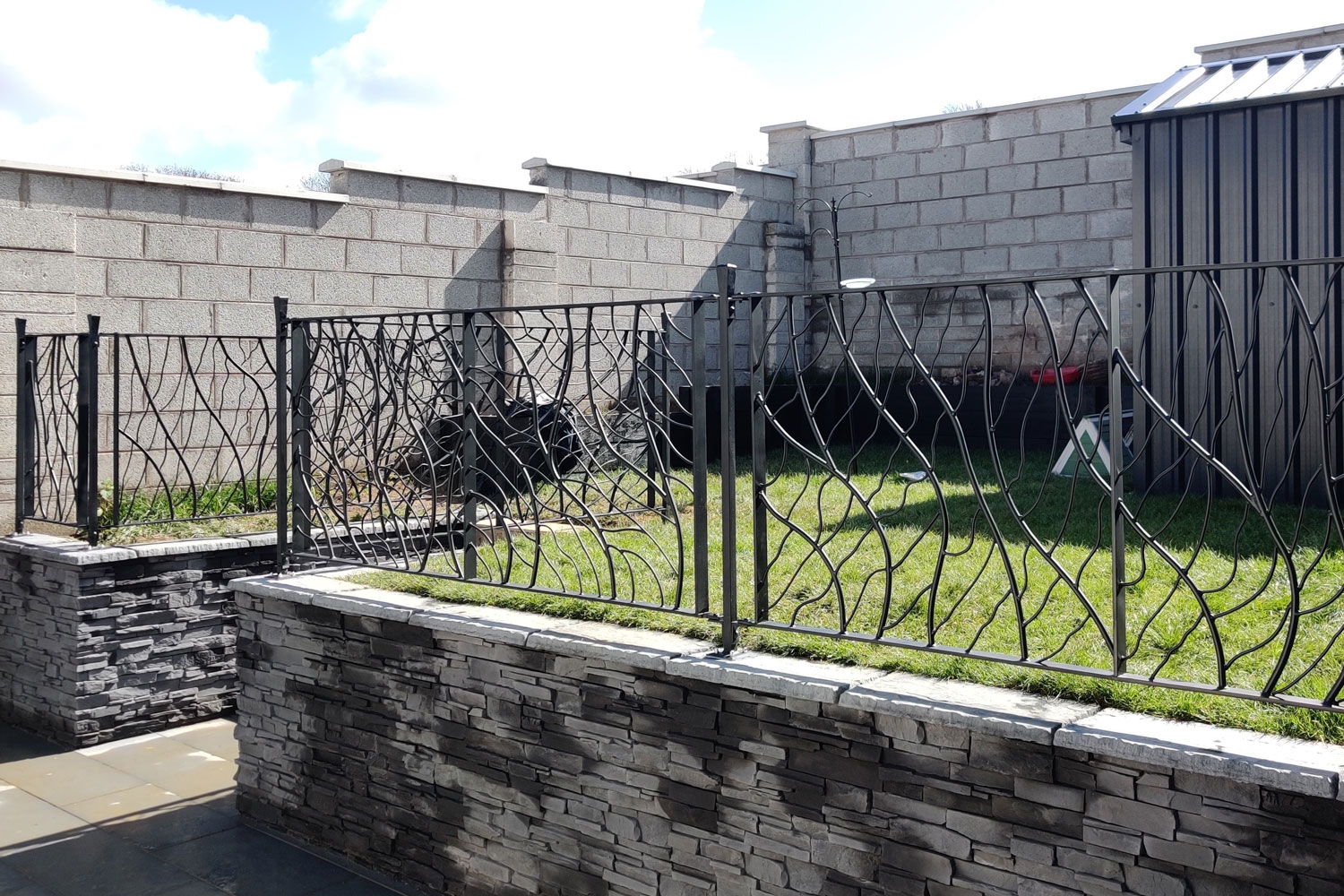
- They restore heritage ironwork but also design and make commissioned architectural pieces and sculptures
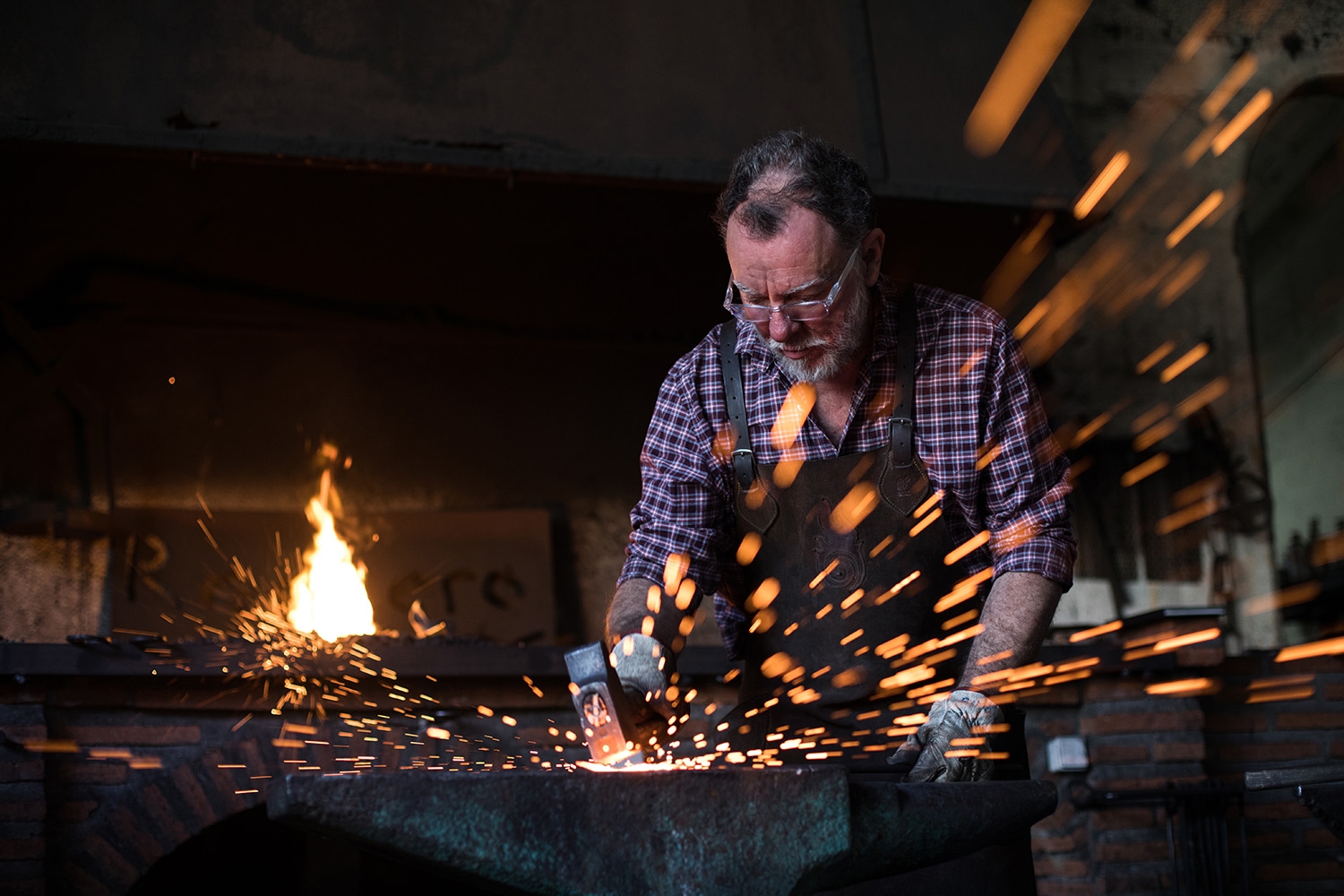
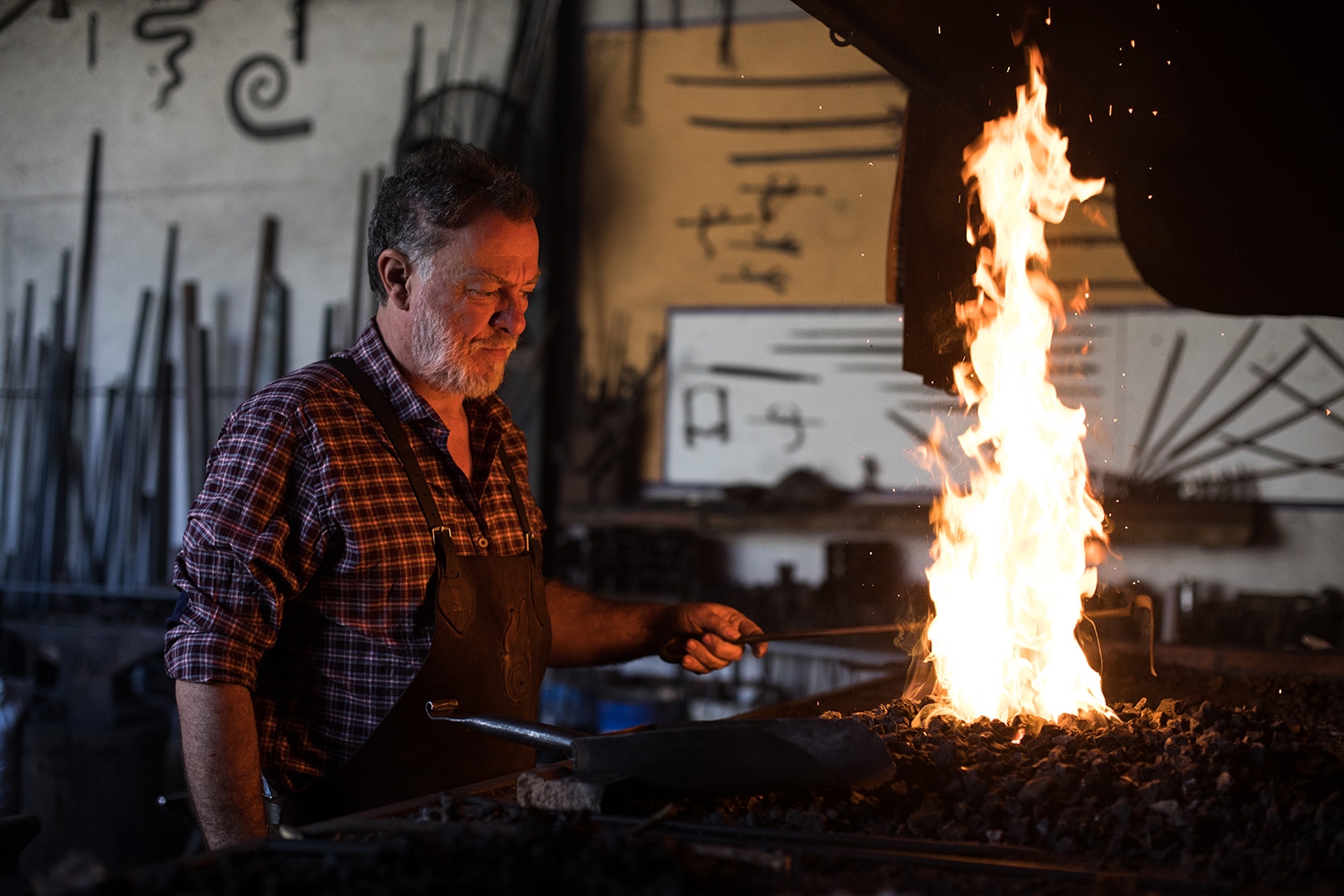
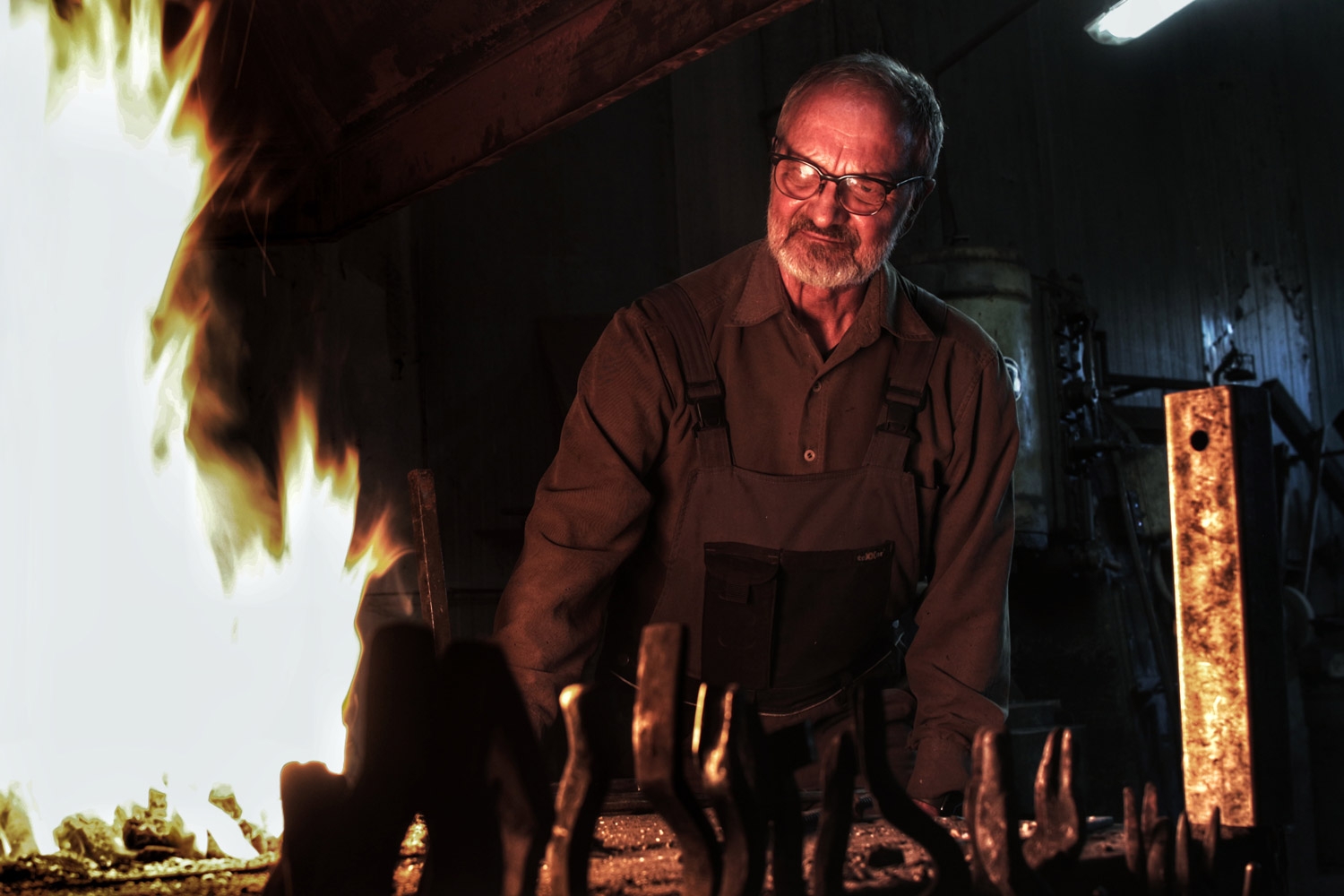
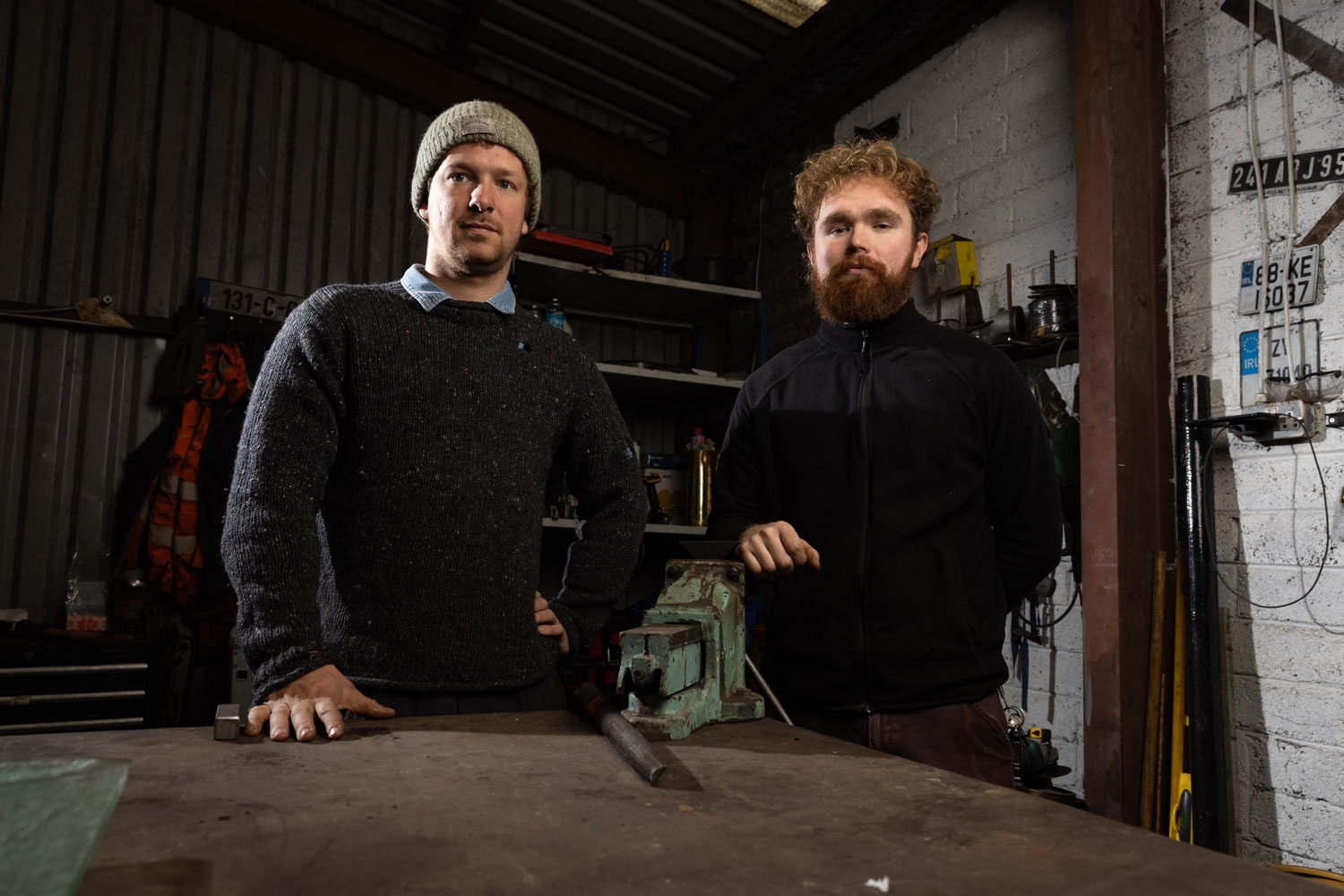
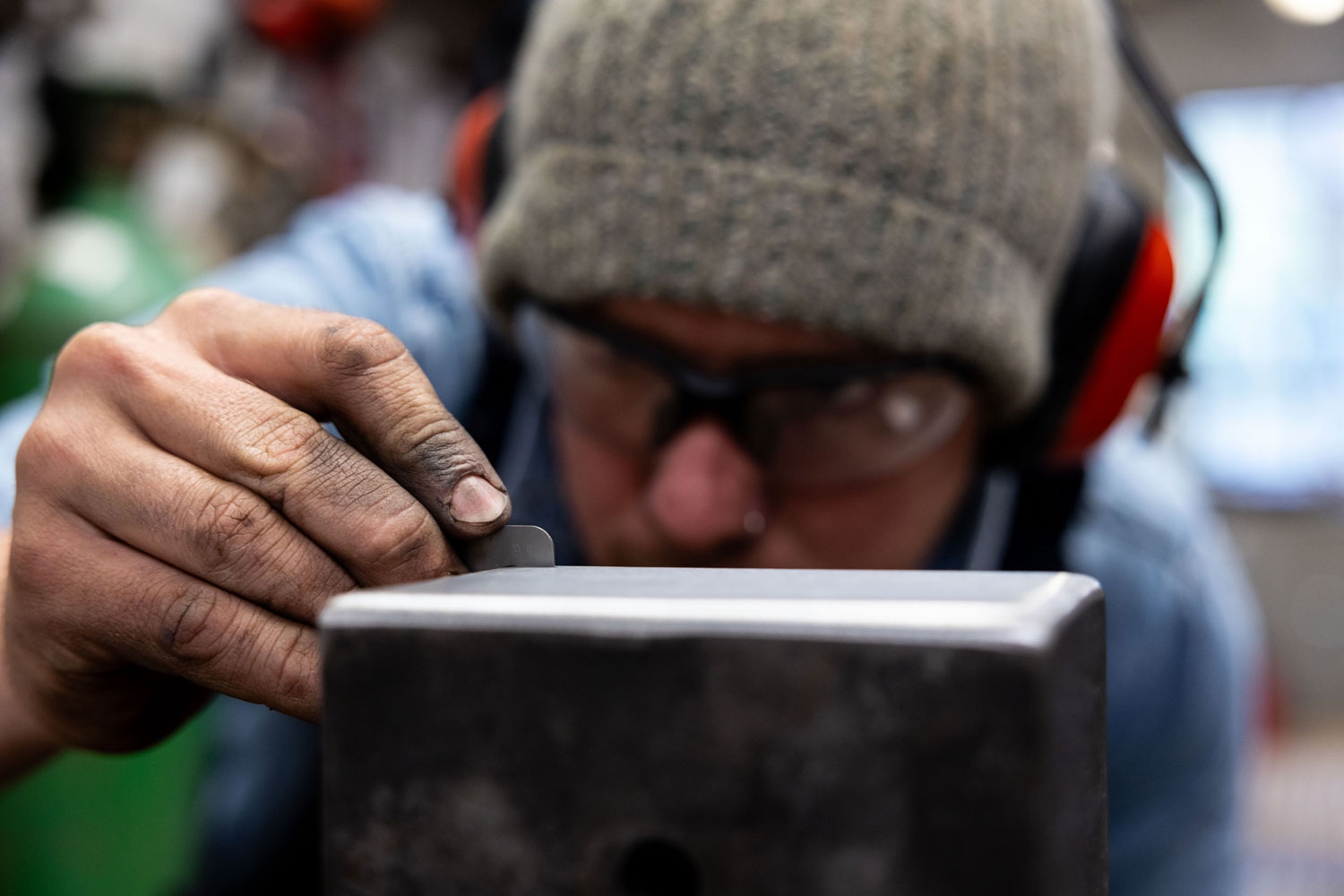
Sharing an engineering background and a passion for ironwork, blacksmiths James O'Riordan and Gus Knight opened Leeside Forge together in 2020. James is mostly self-taught, while Gus attended the National Blacksmithing College in Hereford. Together, they were originally known for their restoration work. “We are lucky to have a large amount of heritage ironwork in Cork and around the country, especially Victorian and Edwardian periods,” explains James. "The global blacksmithing community is a rich network that shares work and processes," adds Gus. The duo has a relationship with a craft school in Prague that sends blacksmithing students to Leeside Forge on apprenticships. James was selected as a master artisan in the 2024-25 Homo Faber Fellowship programme and welcomed Michal Halvonik from Prague, an example of how invested the duo is in transmitting their blacksmithing knowhow beyond Ireland.
INTERVIEW
James: Blacksmithing will always have an element of tradition. For example, we employ traditional riveted joinery over modern electric welding for its aesthetic quality and robustness. Innovation comes with design and using modern techniques to achieve a particular forged shape or element.
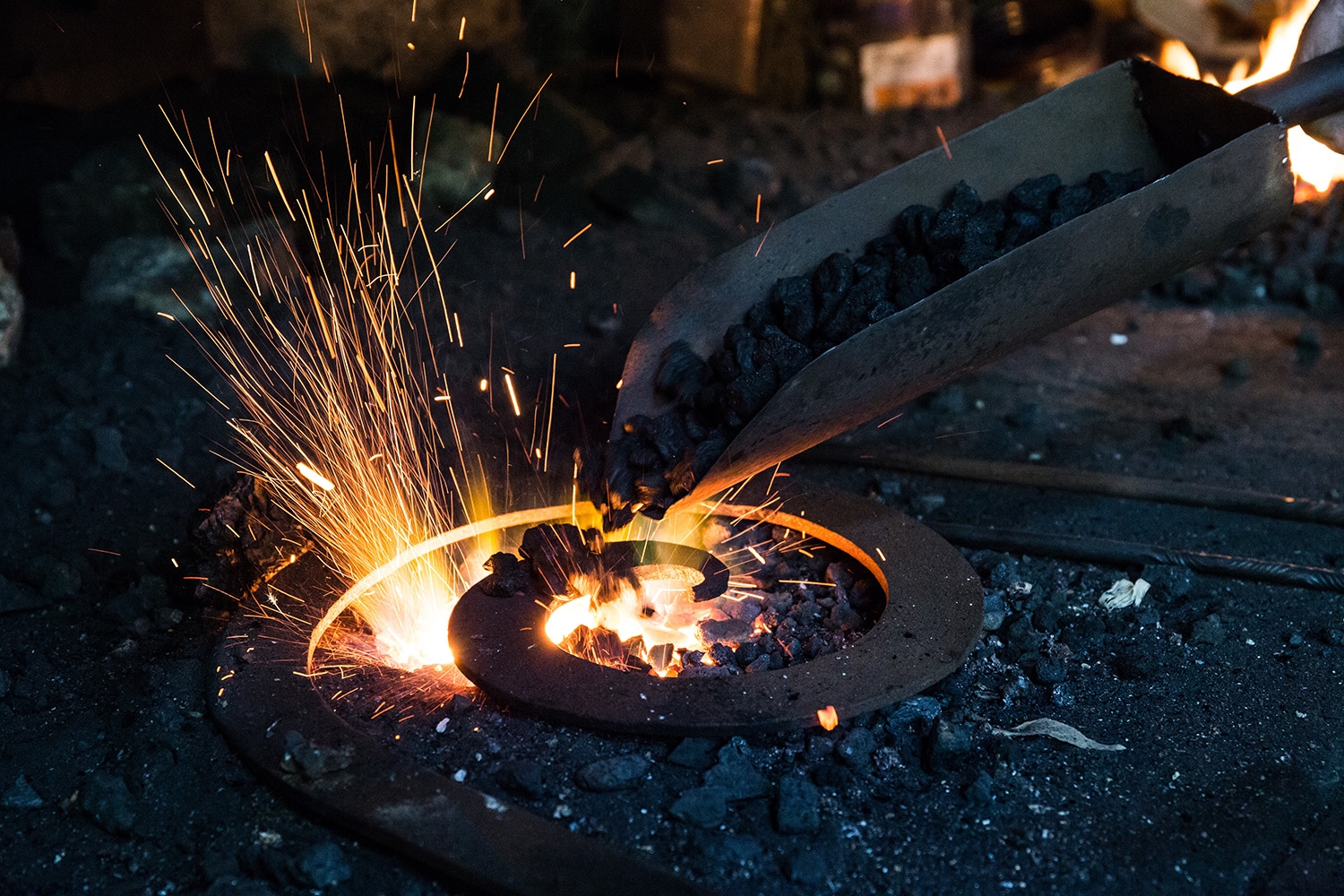
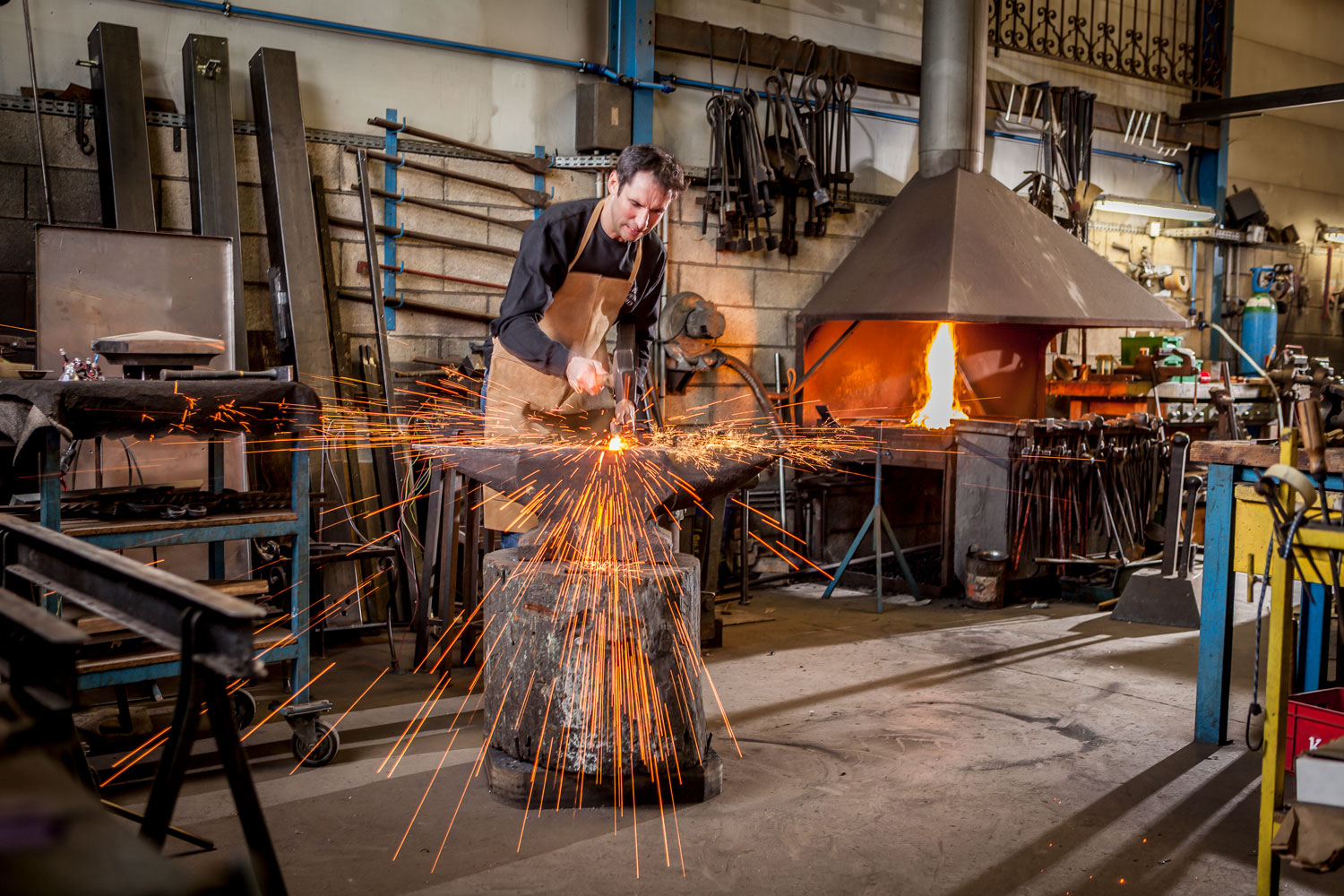
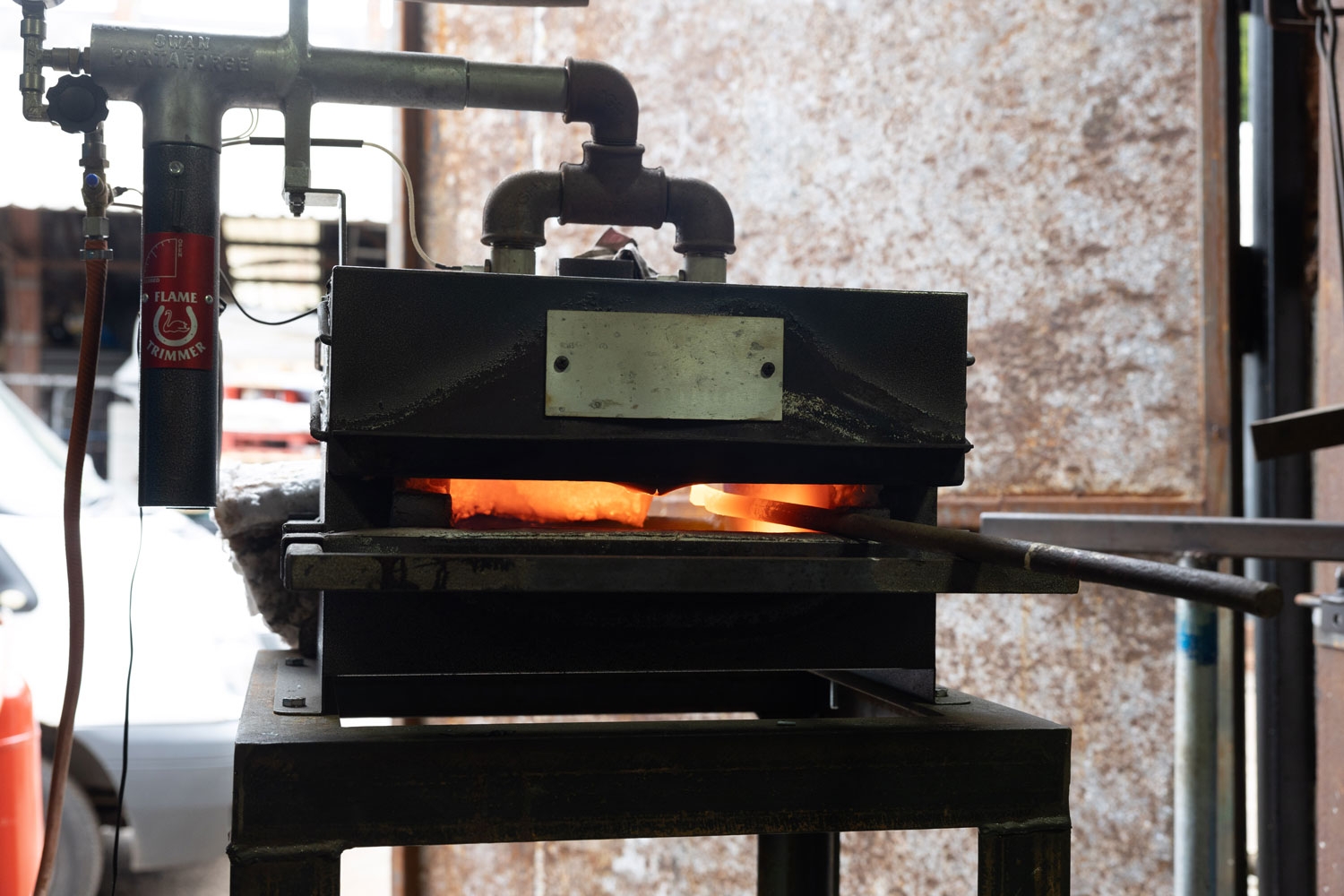
Gus: After weeks of building the new forge extension onto our workshop, we finally opened the doors, lit the forge and fired up the power hammer for the first time. Having this space to work on conscientious design and manufacturing that will prolong an object’s life for generations to come was a great achievement.
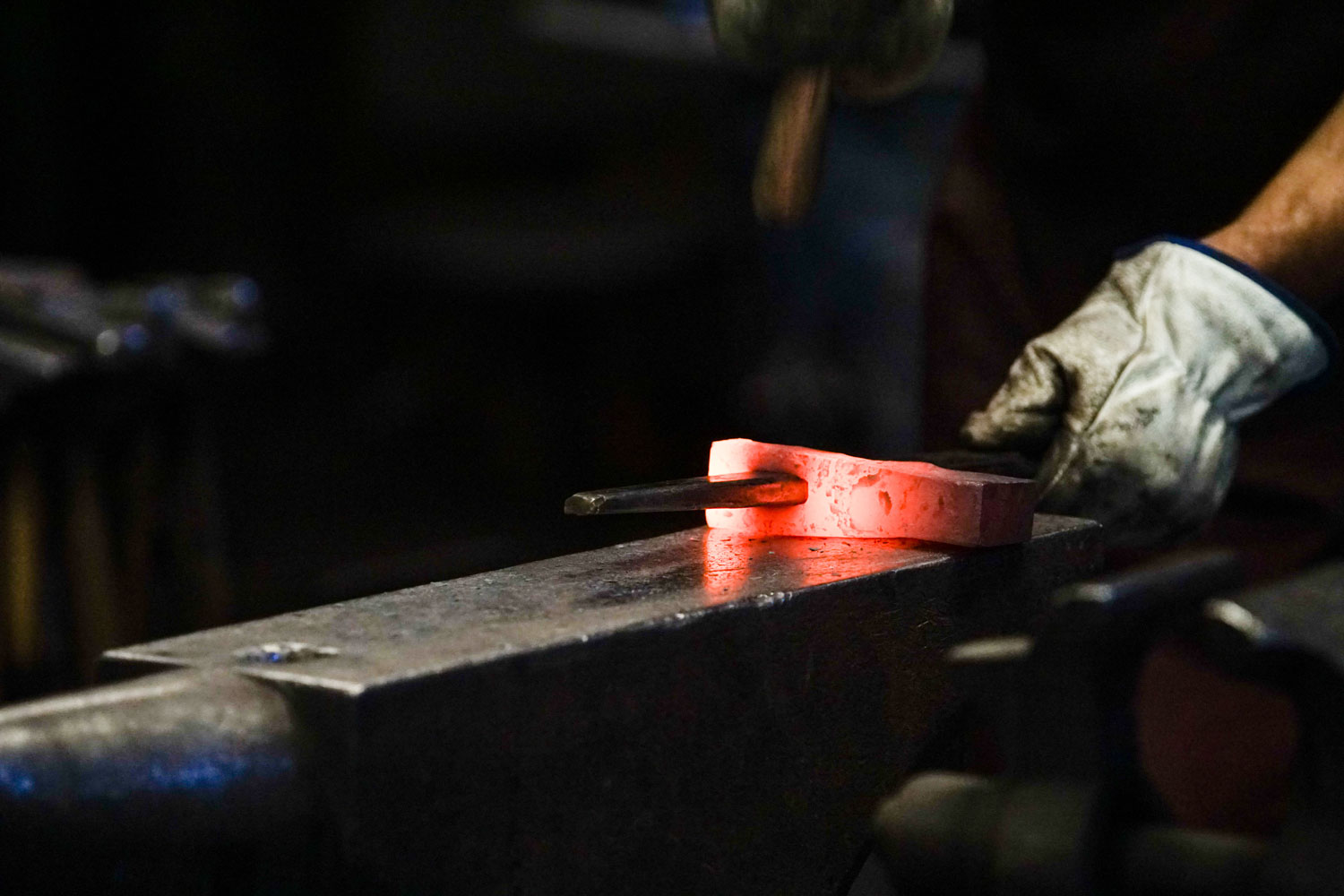
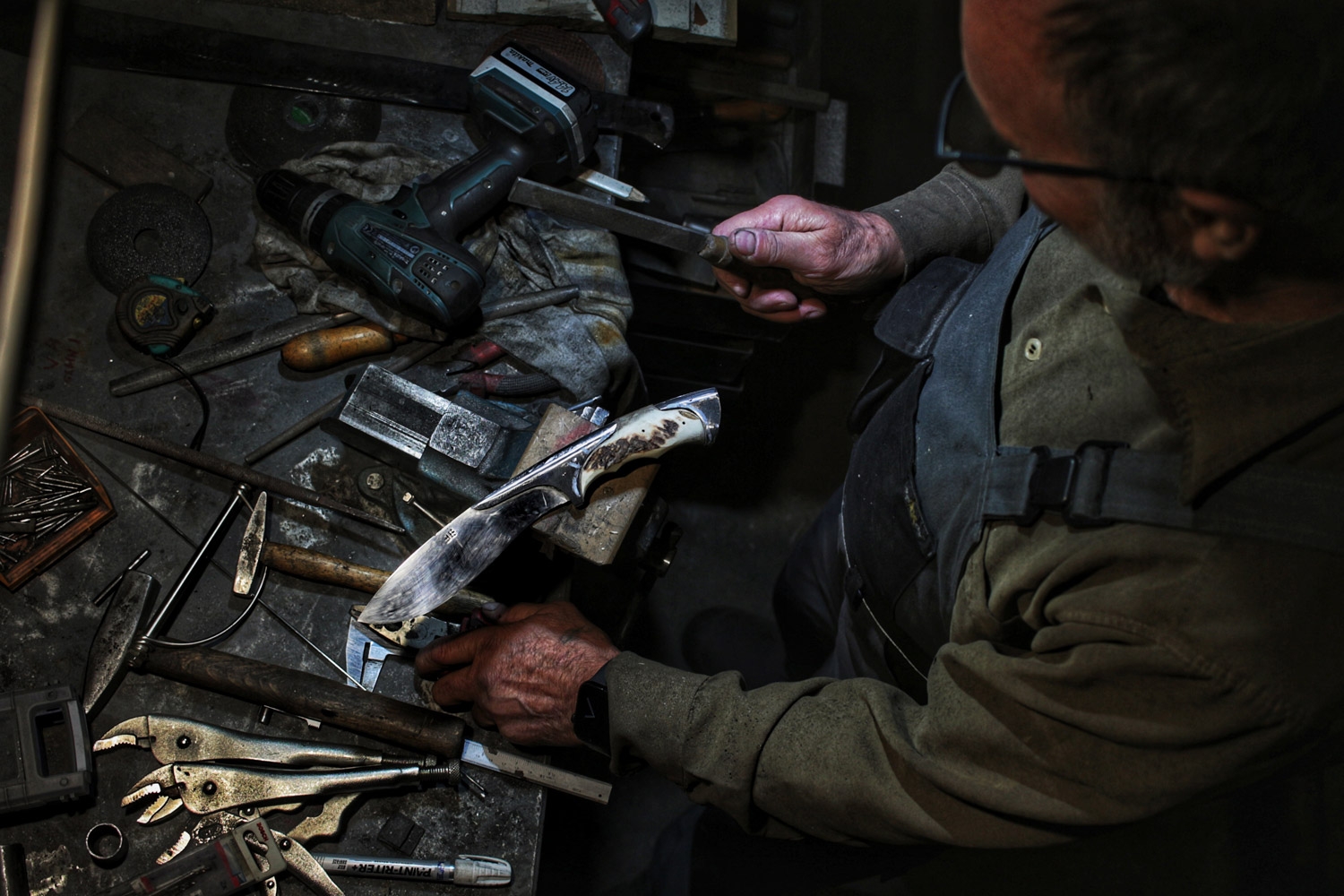
James: One preconceived notion is that we melt down metal and pour it into a mould to achieve the pieces that we make. What we actually do in blacksmithing is far closer to shaping the hot metal like clay, using hammers and other tools to manipulate the volume of the metal.
Gus: There is no more efficient way to acquire skill than formal training. YouTube is a great resource, however being taught something face to face by a master is the only way to learn certain techniques. Do not be afraid to call in to see us!
James O'Riordan & Gus Knight
Leeside Forge
Blacksmith
Cork, Ireland
AVAILABILITY
Monday to Friday 09:00-17:00
PHONE
+353 858215212
LANGUAGES
English, Spanish, Irish
Homo Faber Finds is a new service aiming to inspire admirers of craft to connect and collaborate with exceptional artisans.
We invite you to submit an enquiry here.
Suzanne-O-Sullivan-,-Daydreaming-.-12-x-12-inch--IMG_6446.jpg)
IMG_20210526_104951~2-copy.jpg)
IMG_20250718_181155-copy.jpg)