Ina Woelk & Philipp Hinderer
res anima
Furniture maker
Dießen am Ammersee, Germany
Four hands, two souls, one studio
- For Ina and Philipp the crafting hand and feeling heart are connected
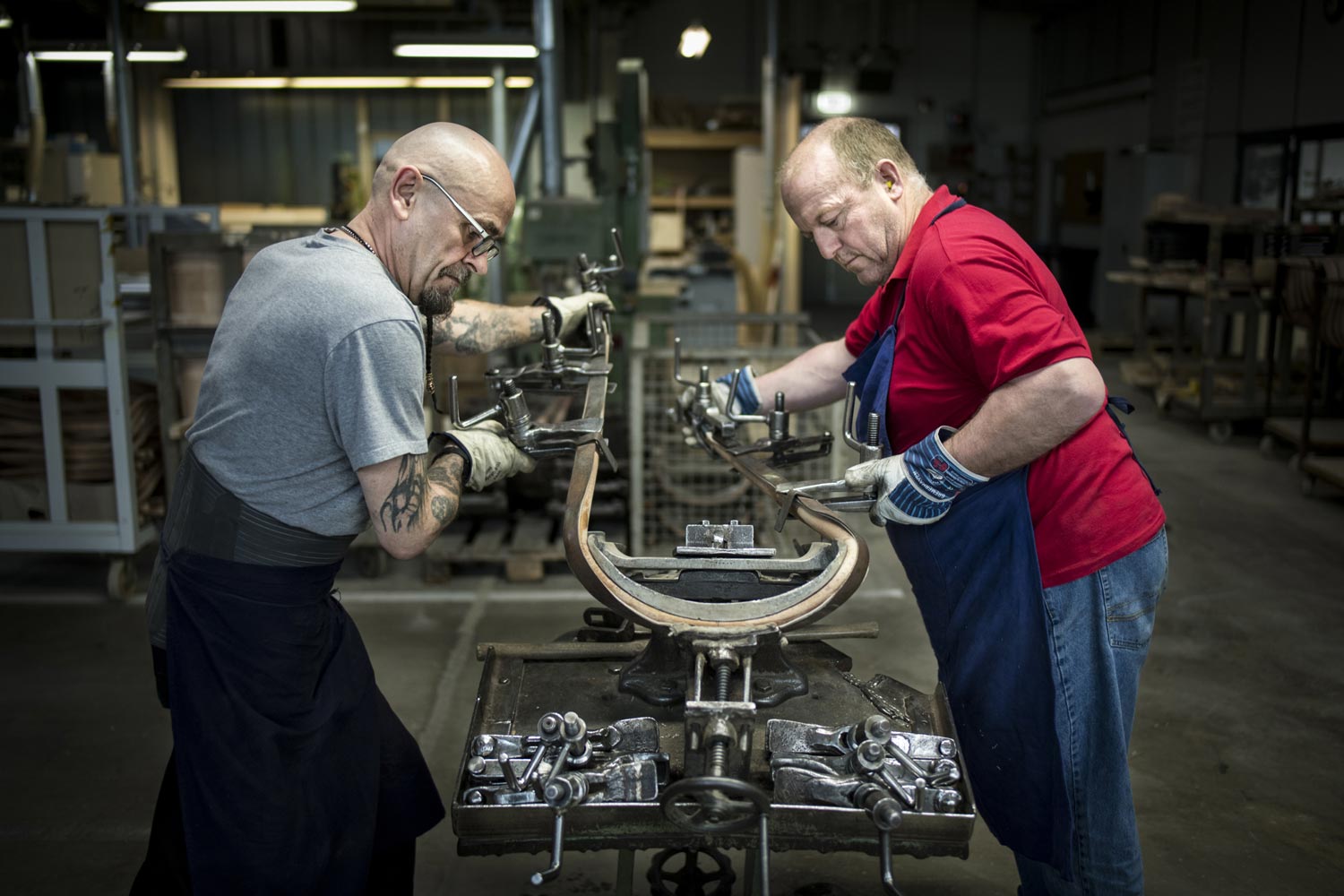
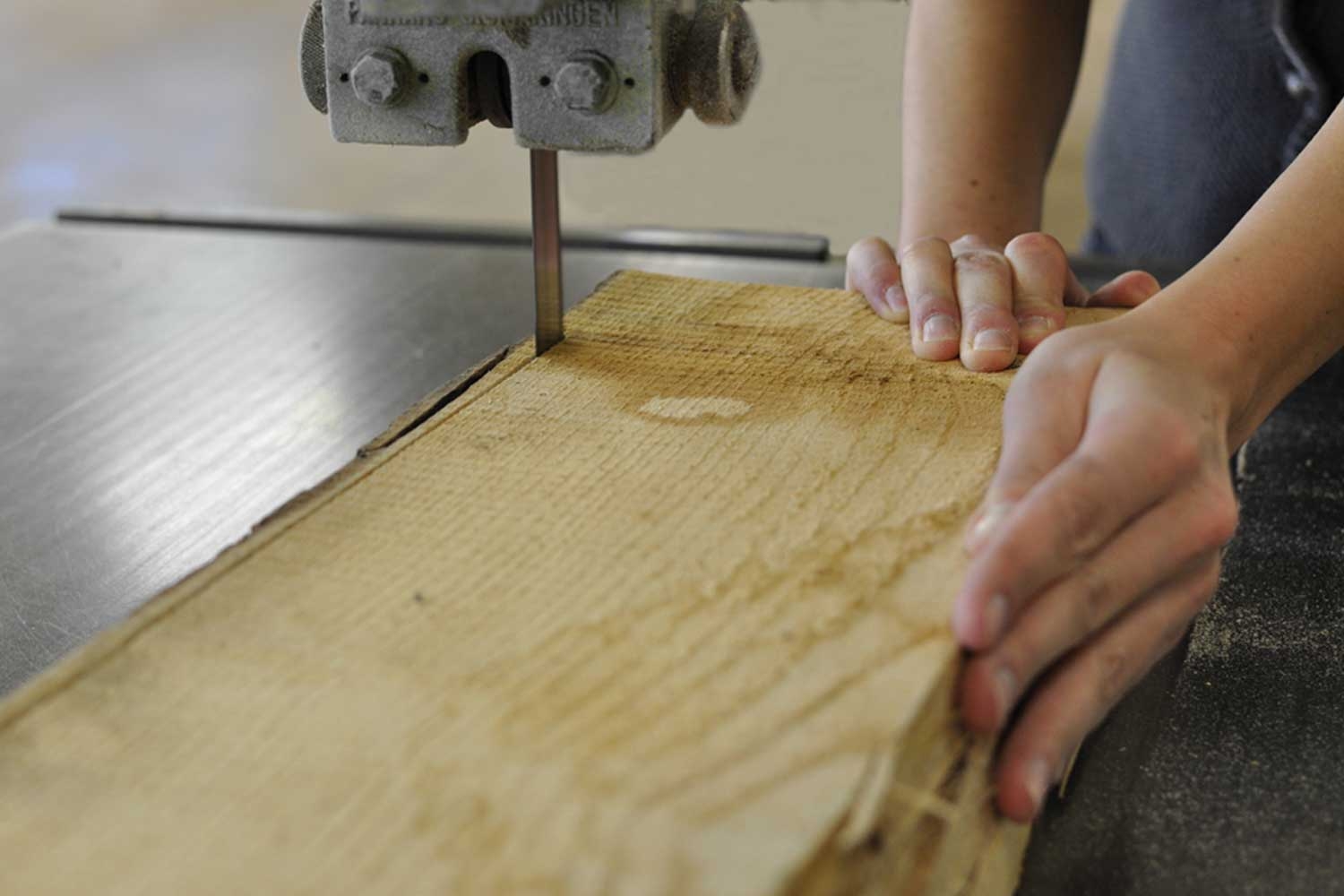
- They combine traditional craftsmanship with unconventional production
- They are equally involved in every step of the process
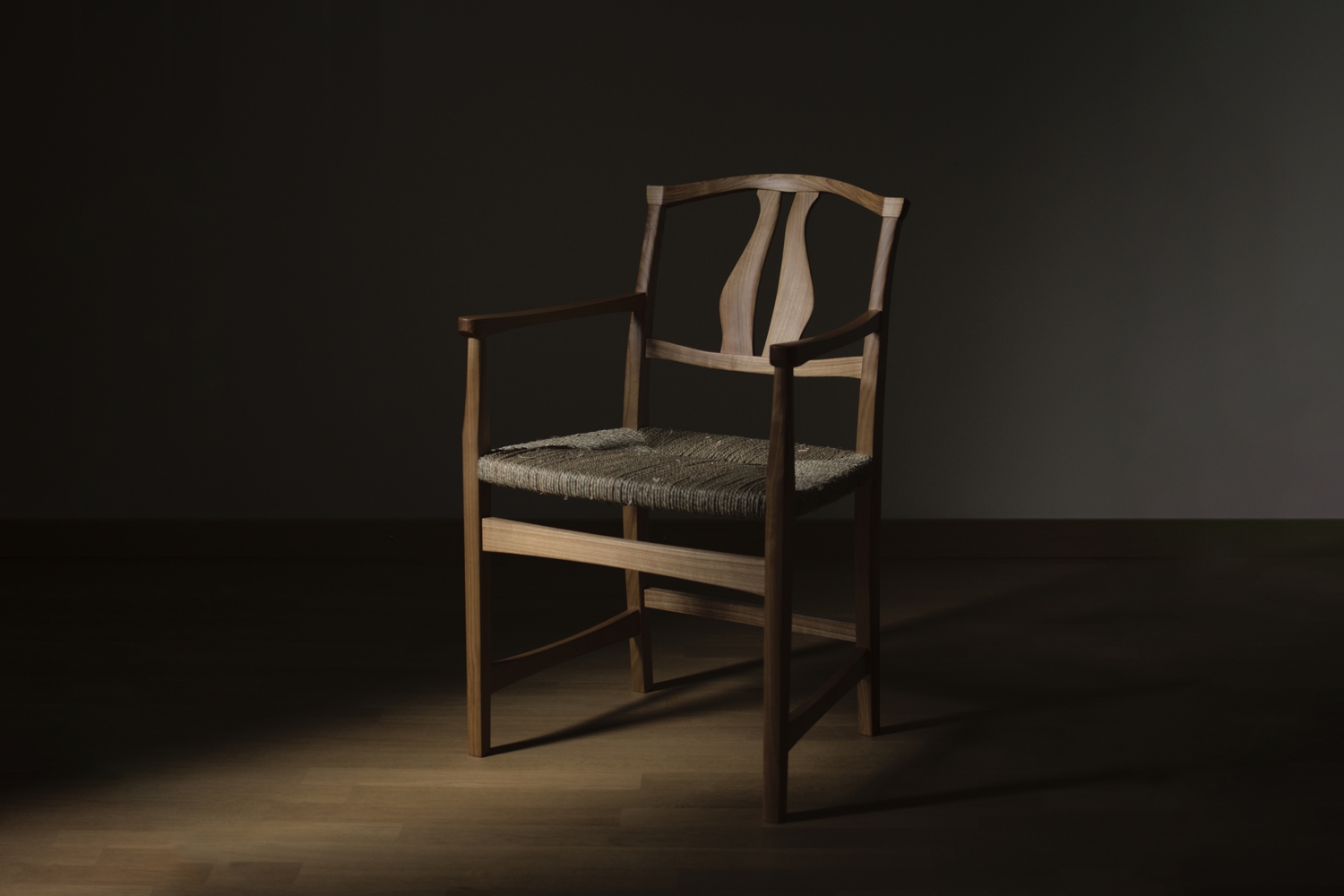
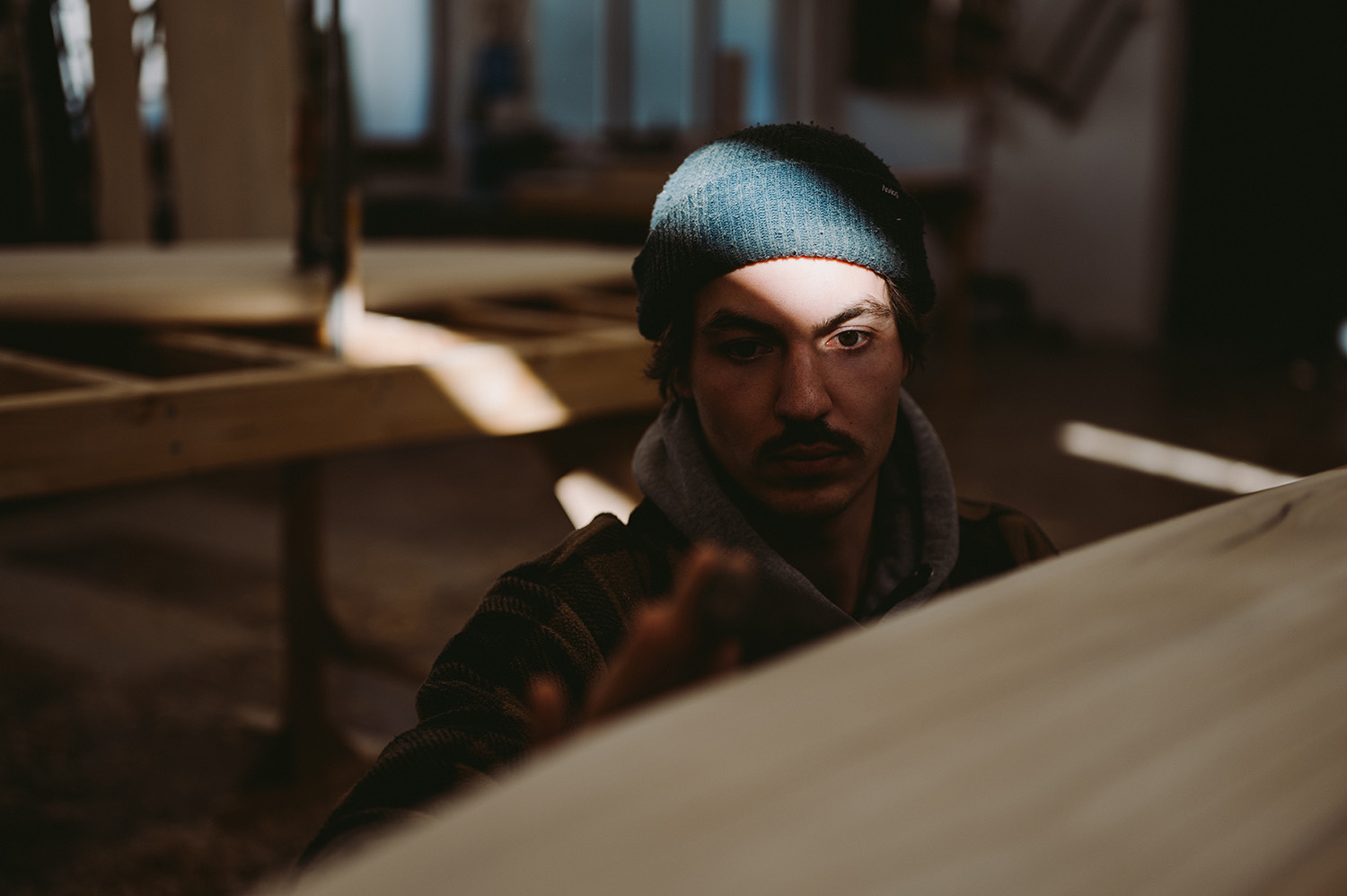
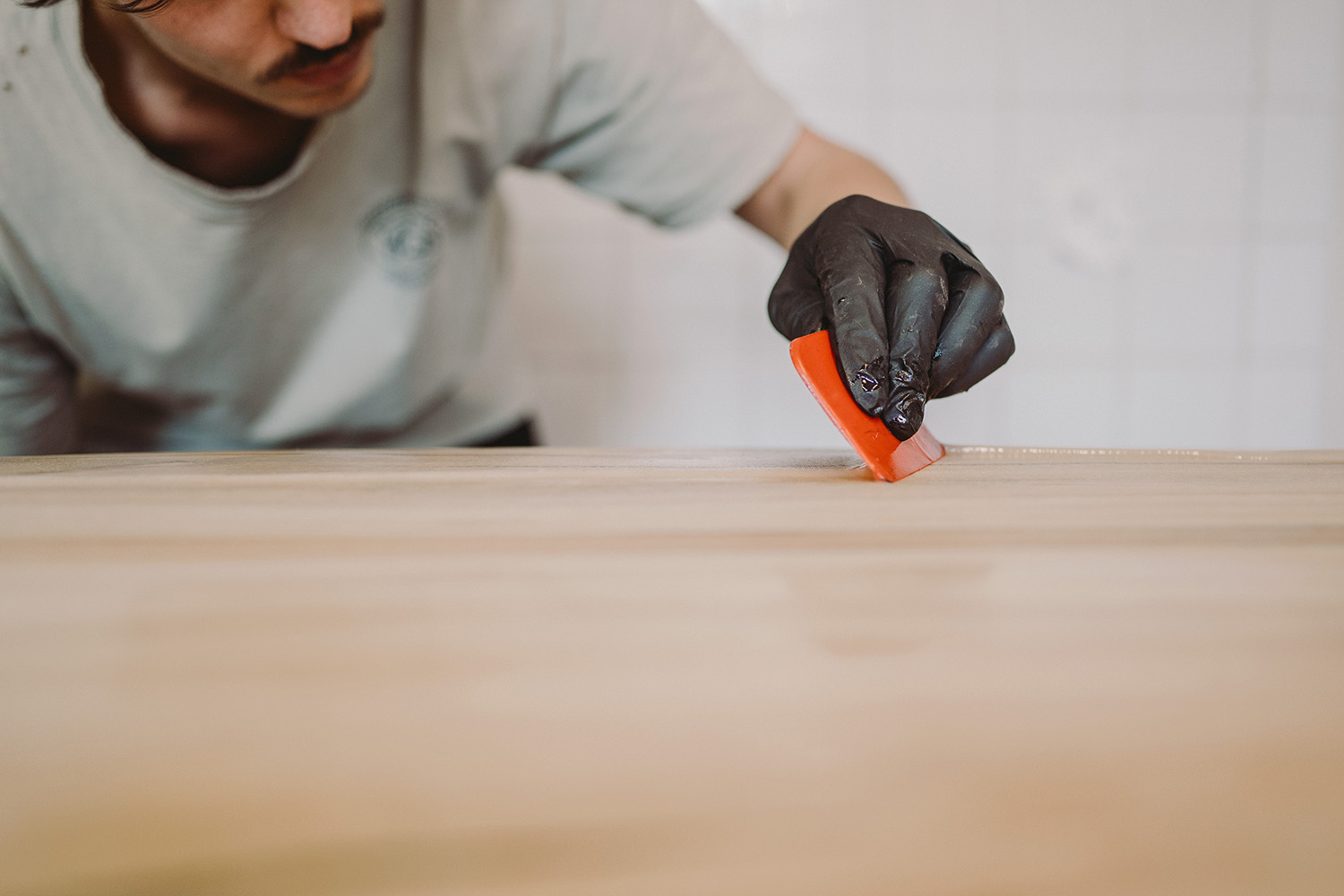
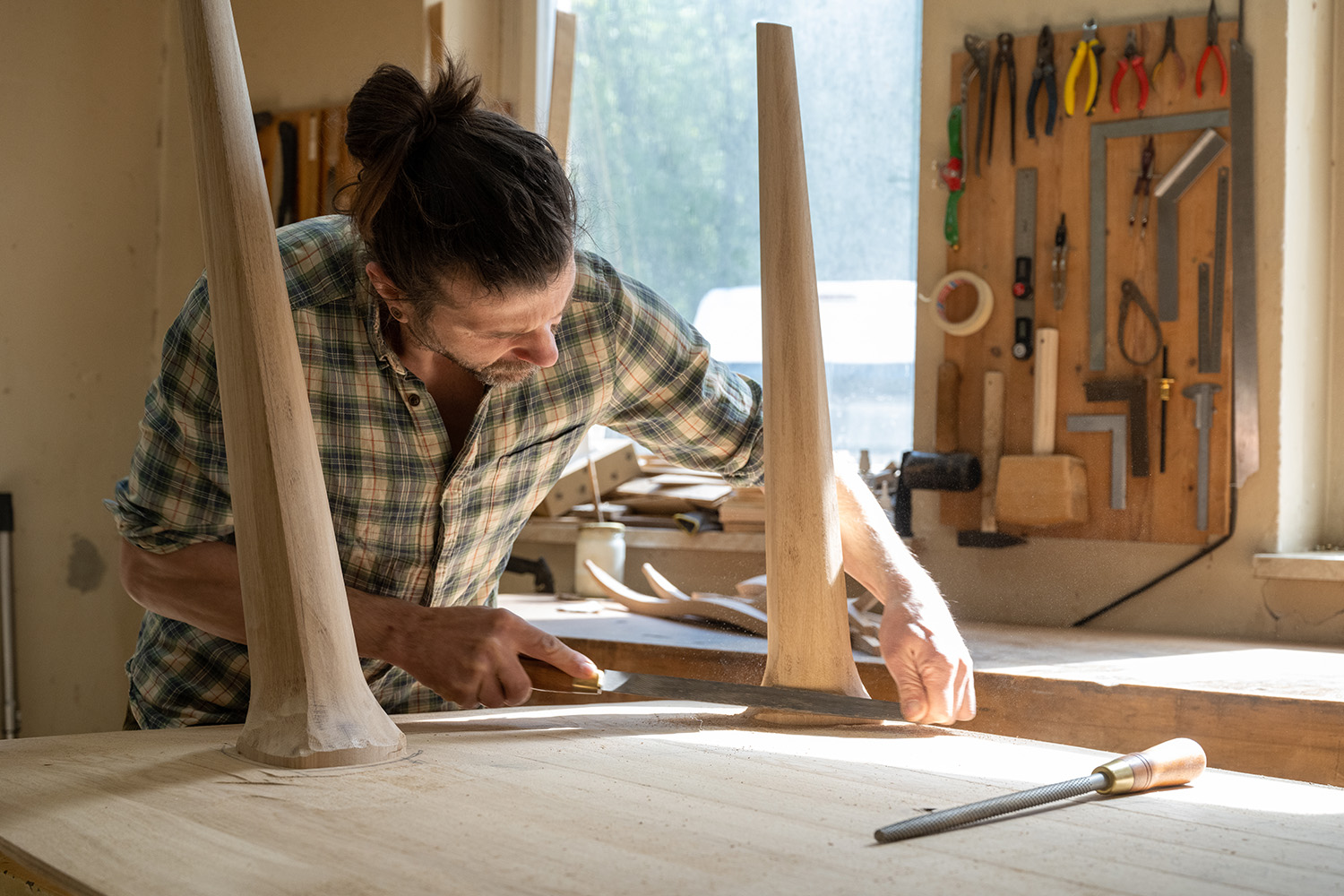
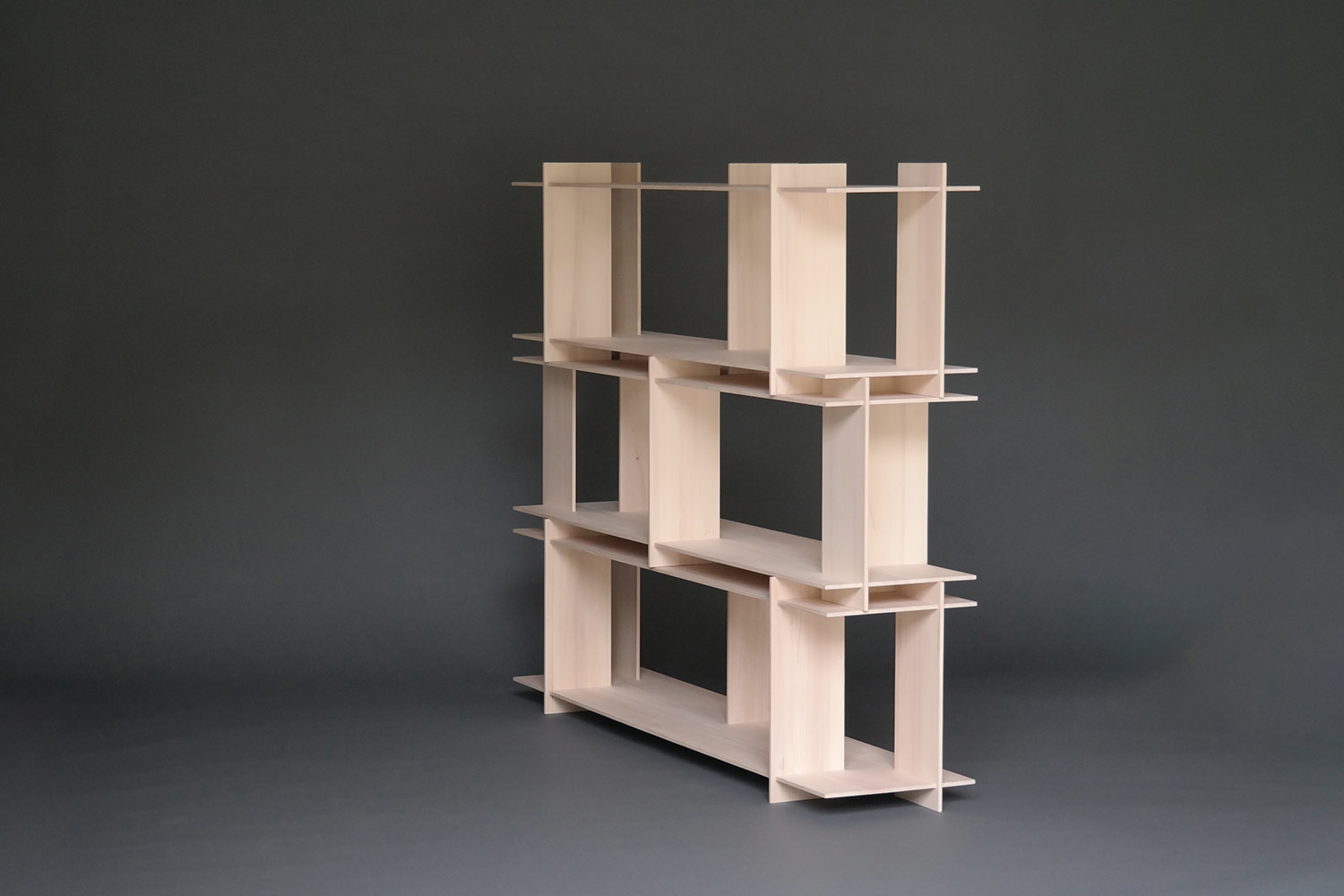
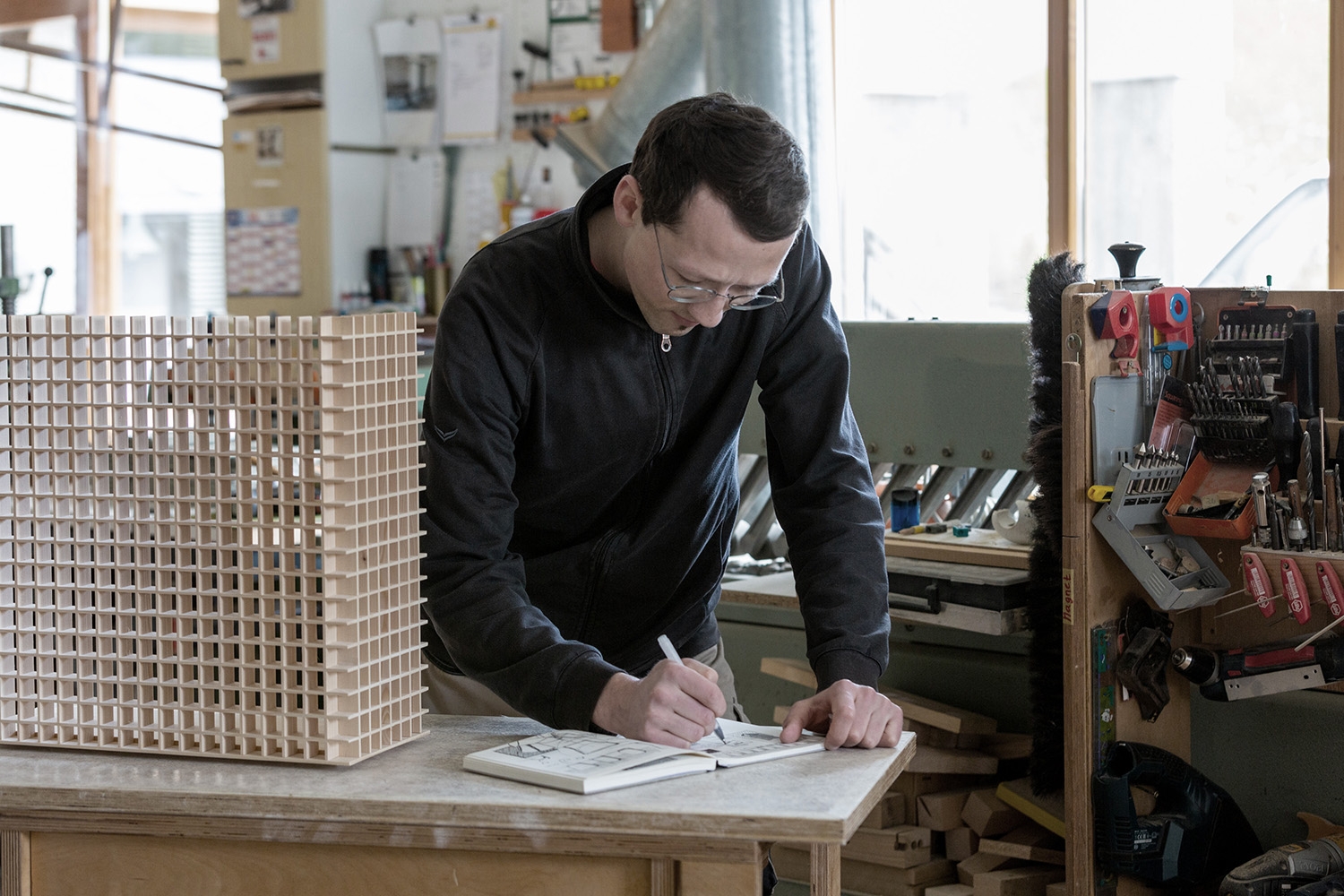
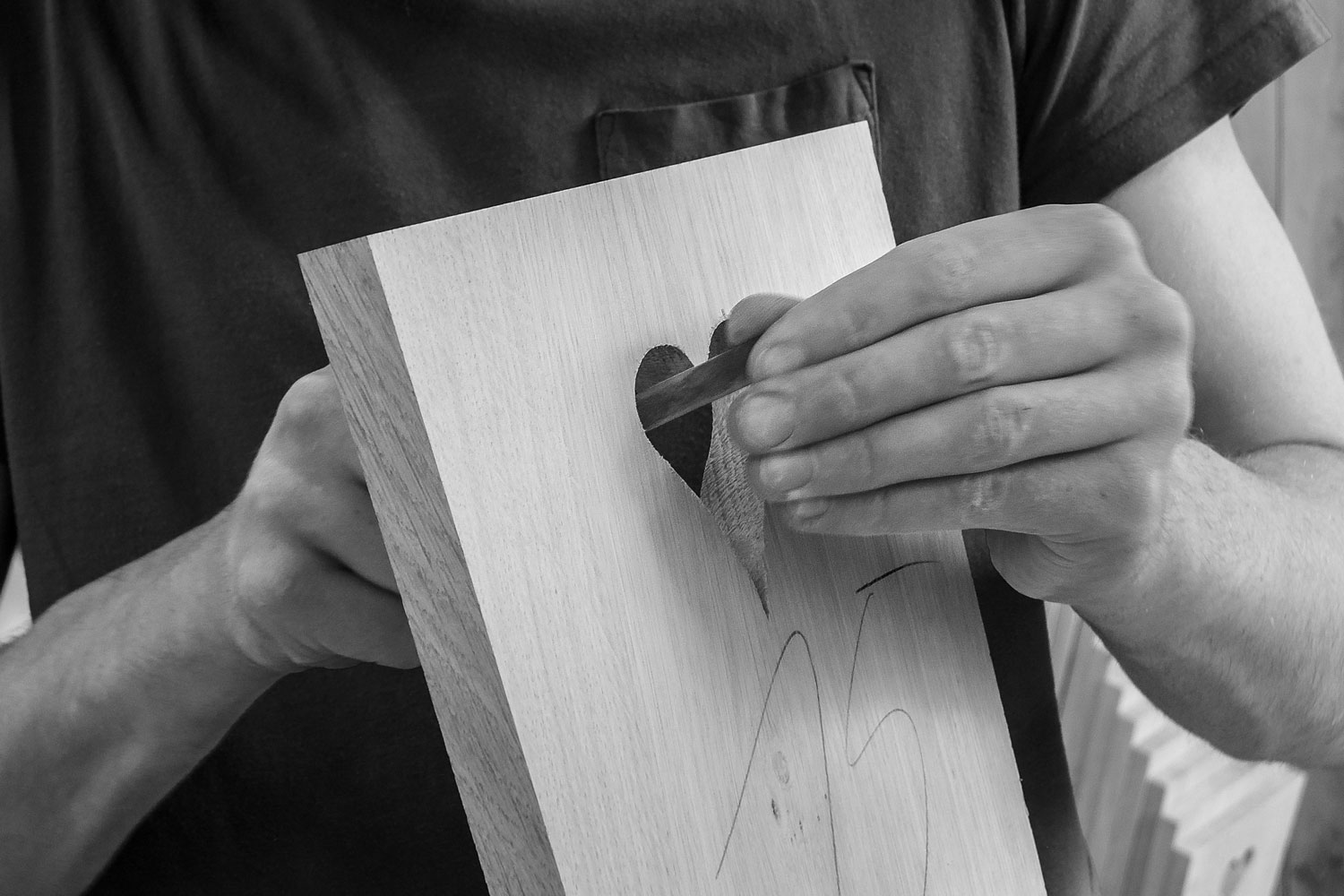
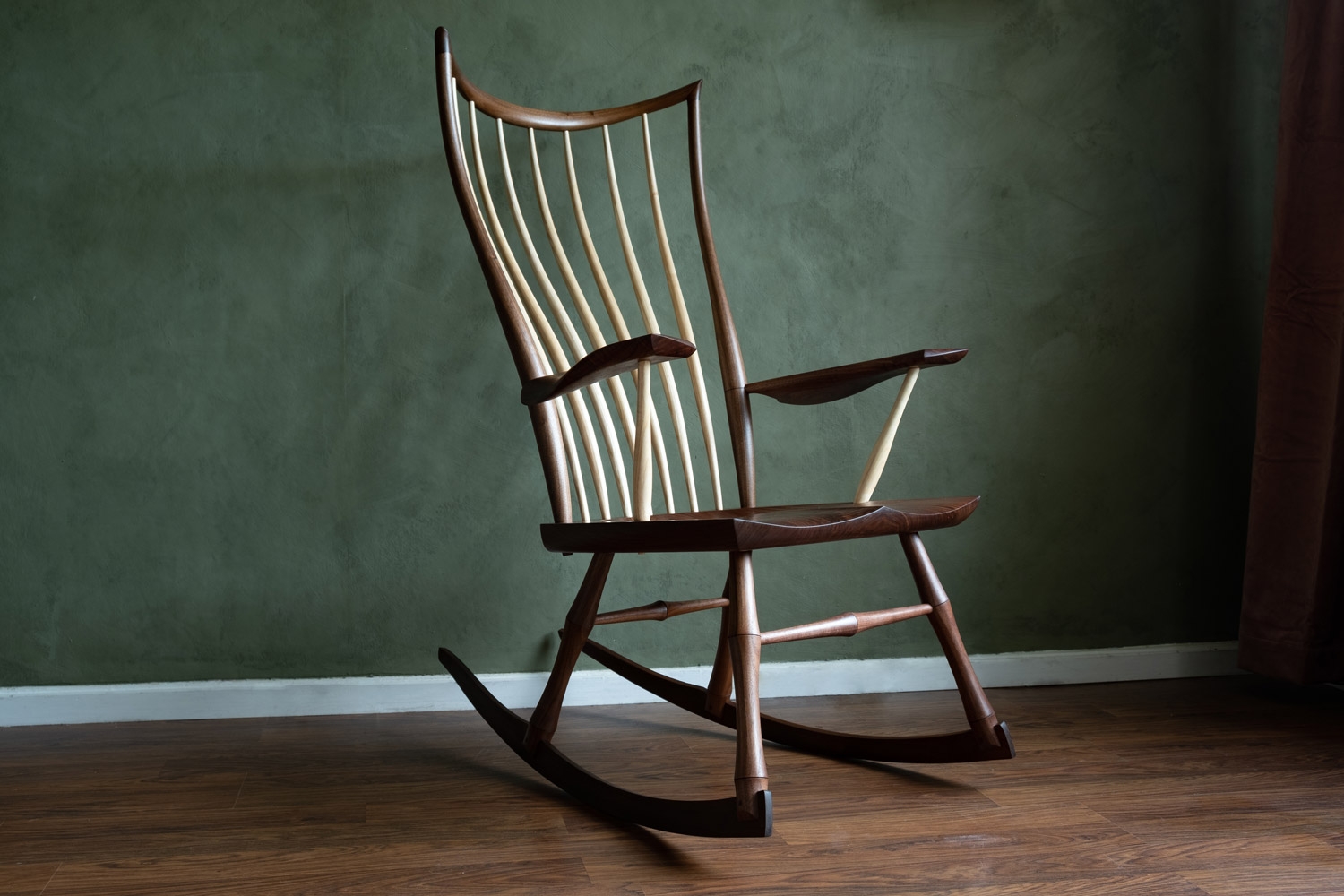
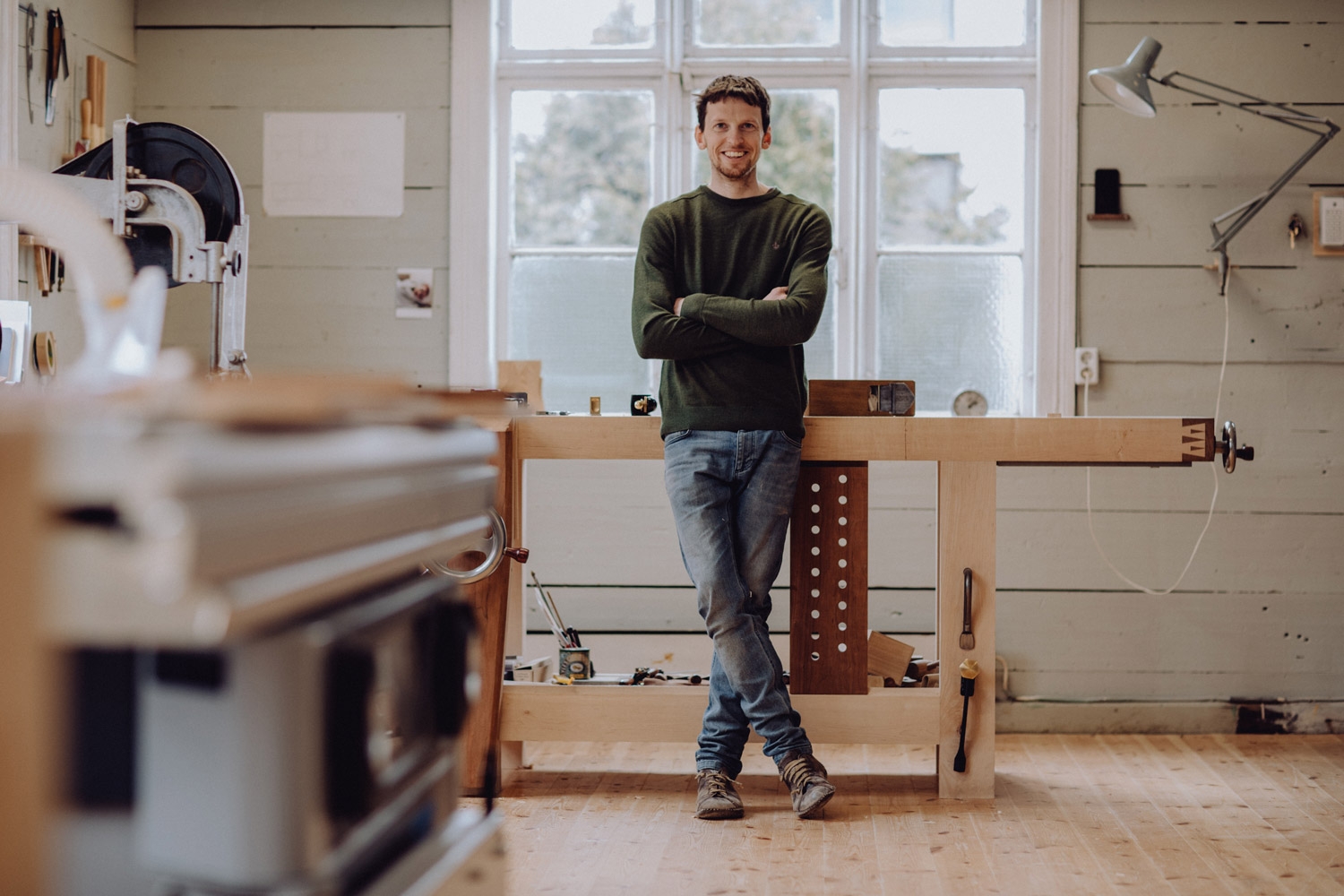
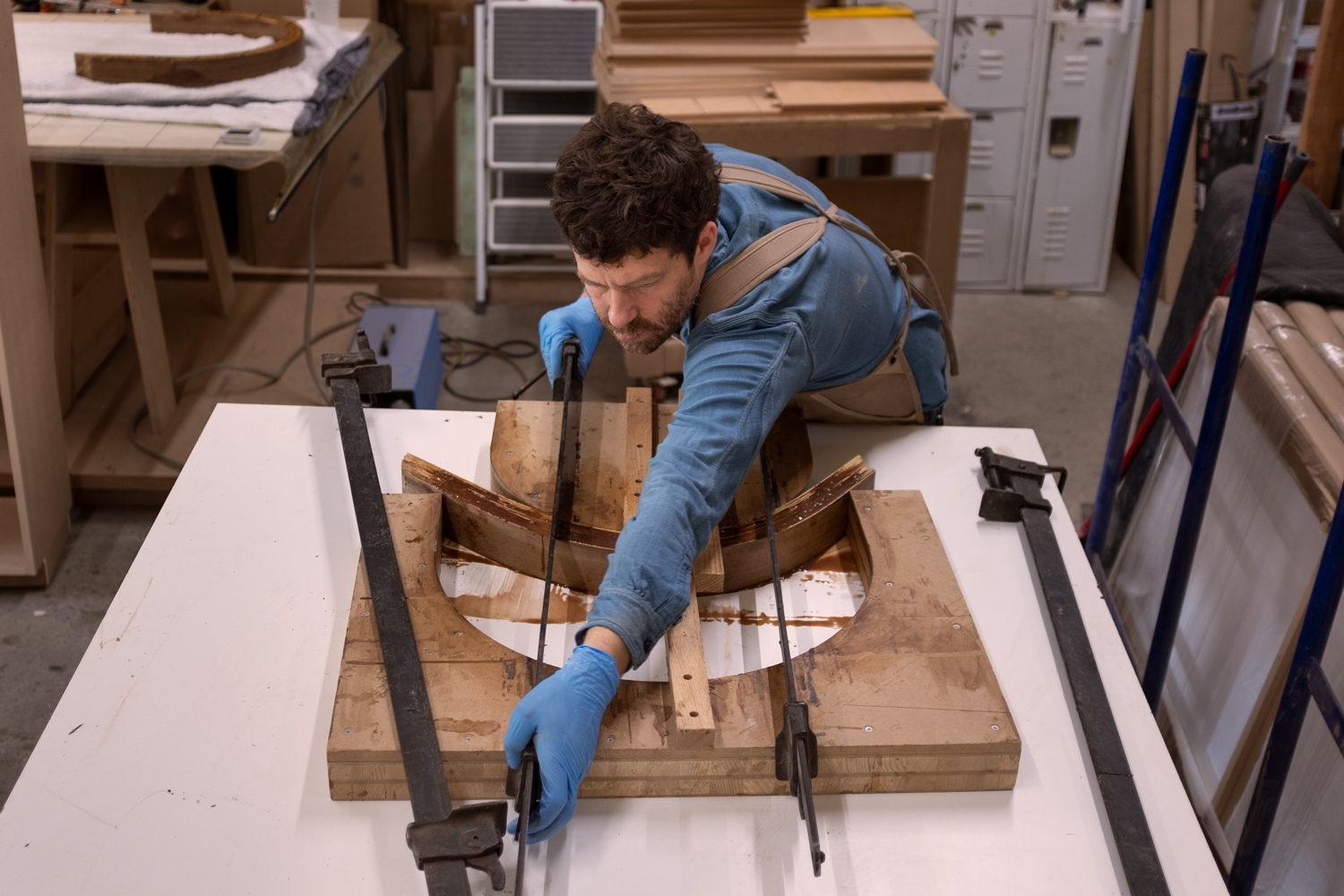
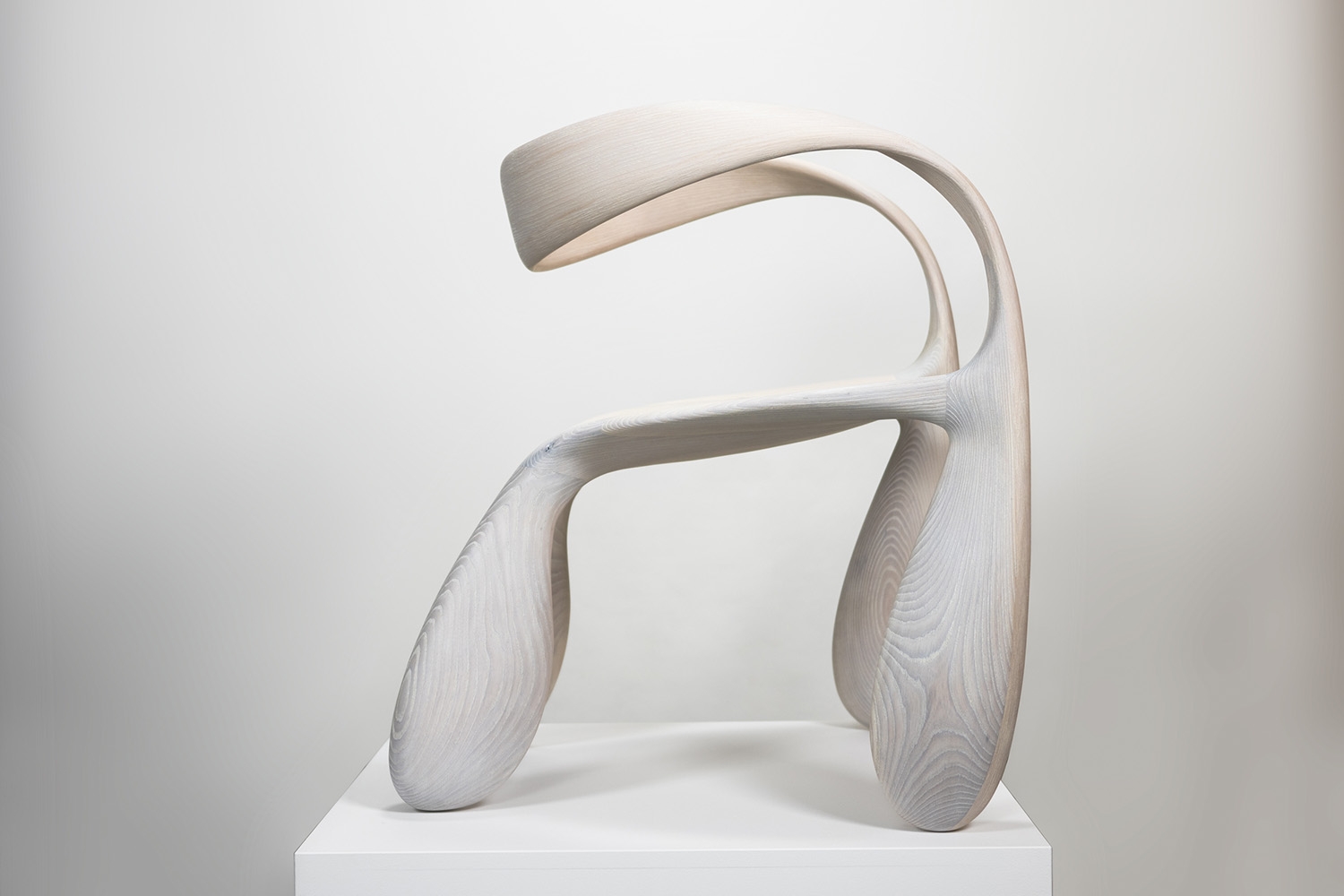
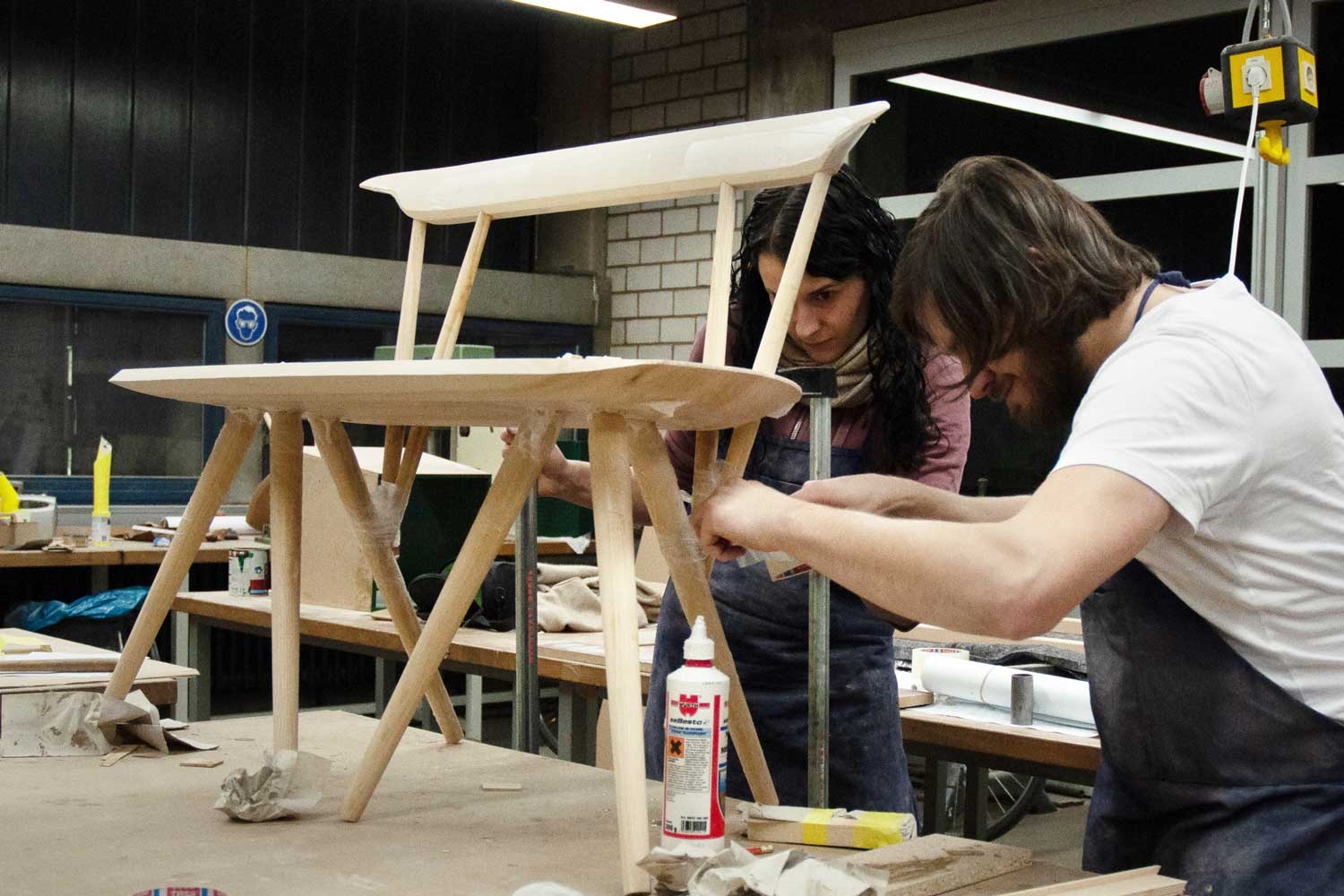
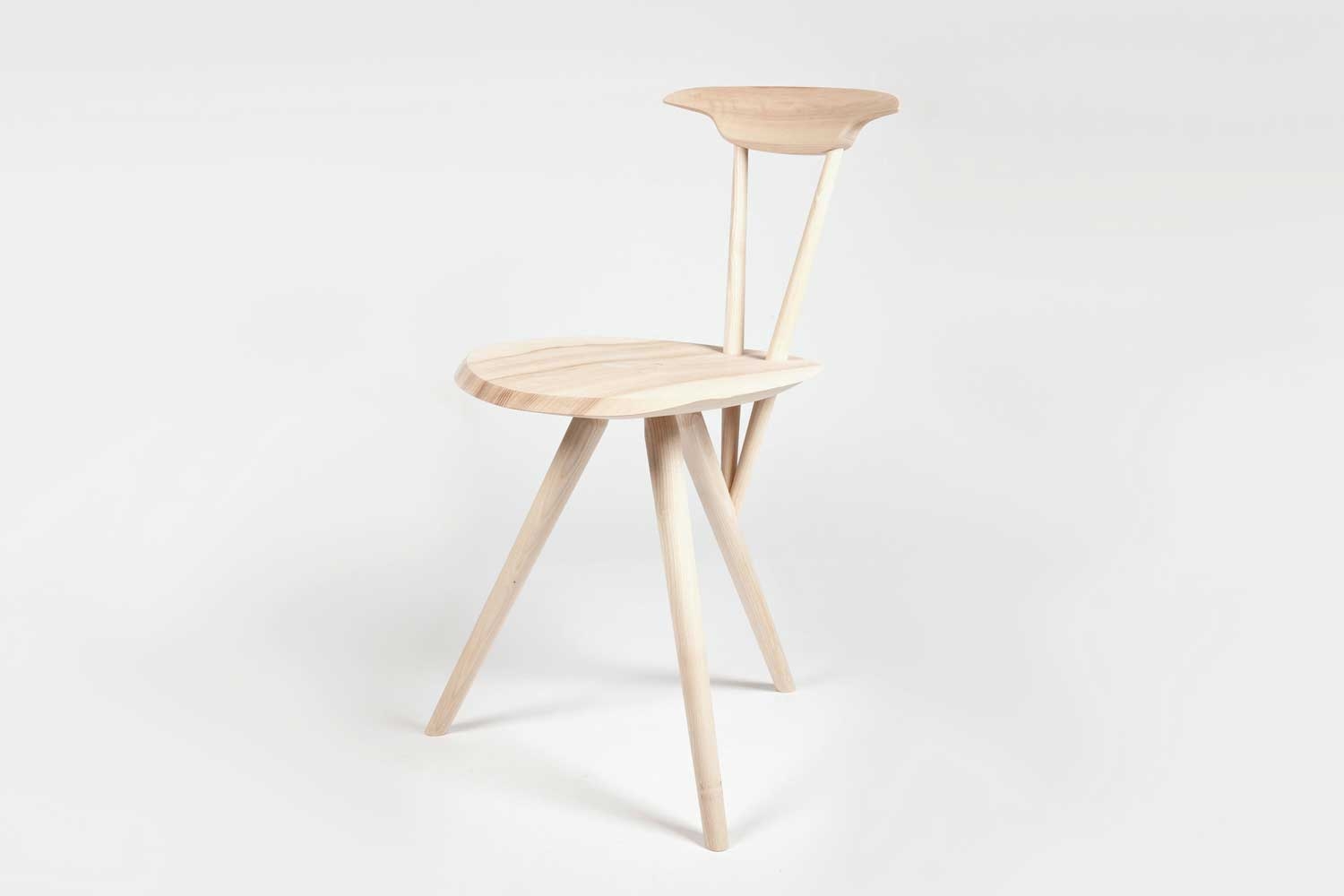
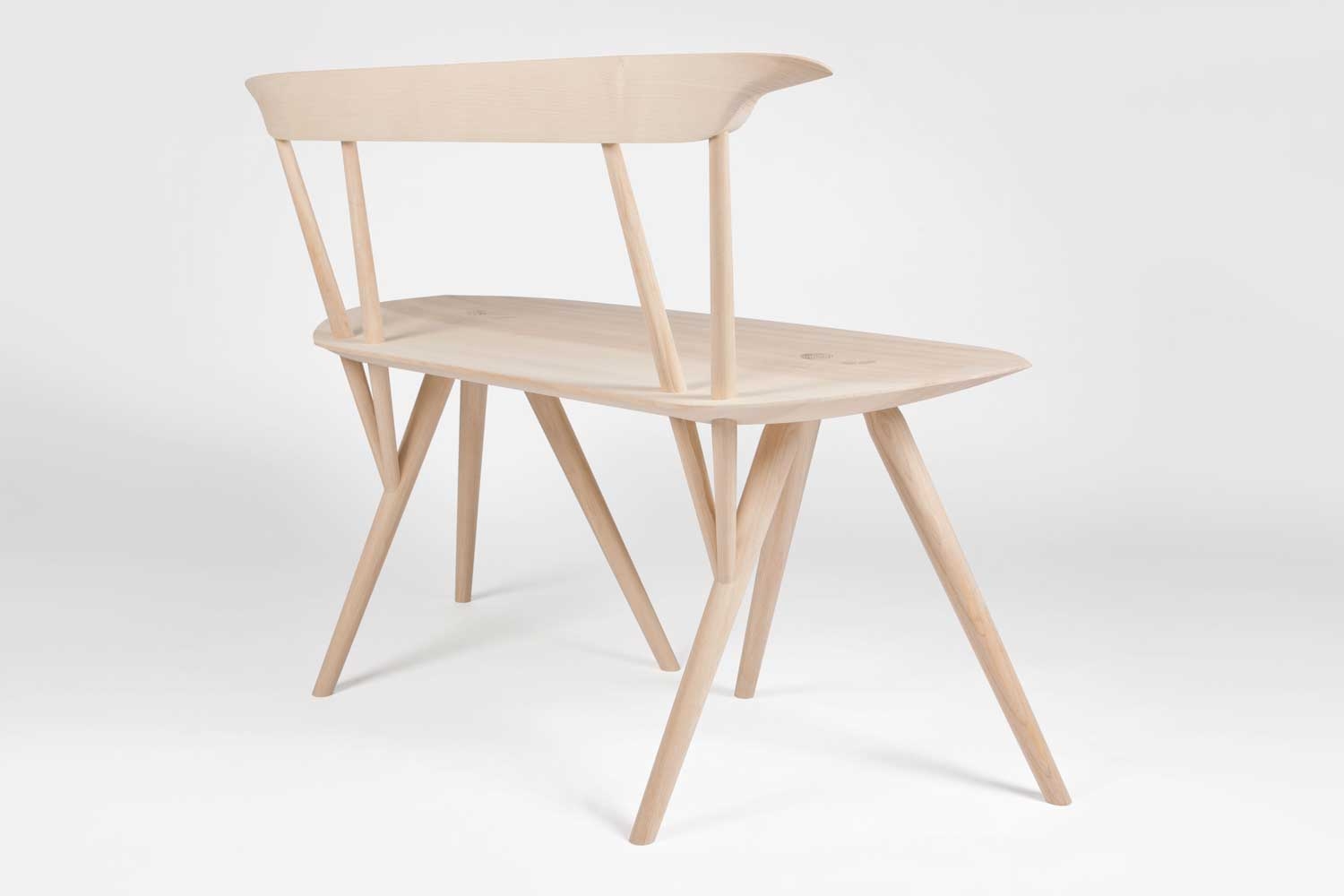
In 2014, Philipp Hinderer and Ina Woelk opened their design studio and workshop, Res anima, which signifies ‘things with a soul’ in Latin, in a small basement workshop. The two artisans had both carried out a journeyman carpenter apprenticeship followed by a diploma in Industrial Design at the ABK Stuttgart. Philipp passed his master craftsman examination in 2007. Their first ever object together was the Hockl prototype, a three-legged stool with backrest used in many traditional farmhouses – reimagined by Ina and Philipp. "This piece is a perfect example of our realisation that even if many things can no longer be improved, we should not stop learning from them, perhaps developing and reinterpreting them," they explain. Ever since, they have collaborated on all areas, from design to making and marketing, without a fixed allocation of tasks between them.
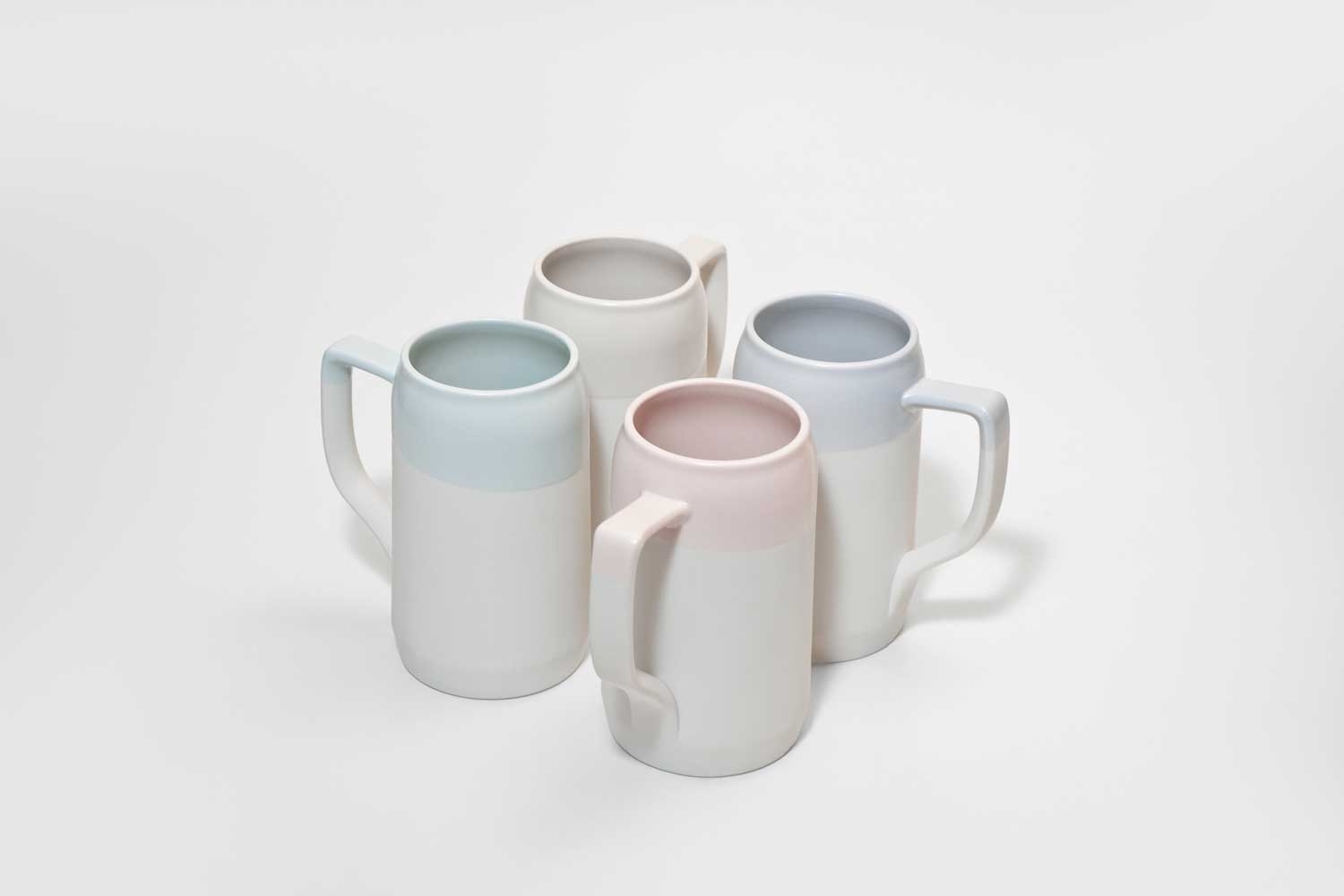
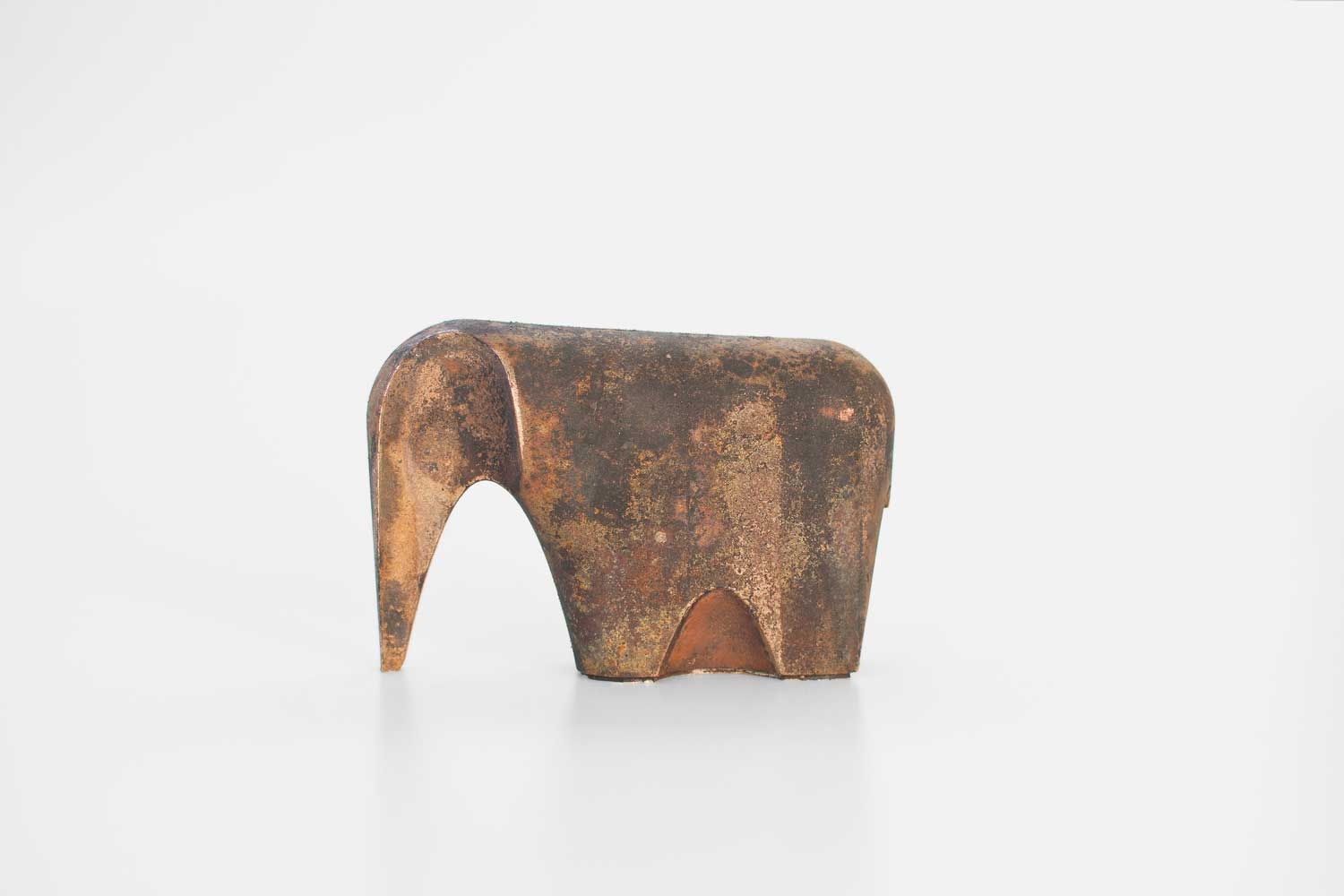
INTERVIEW
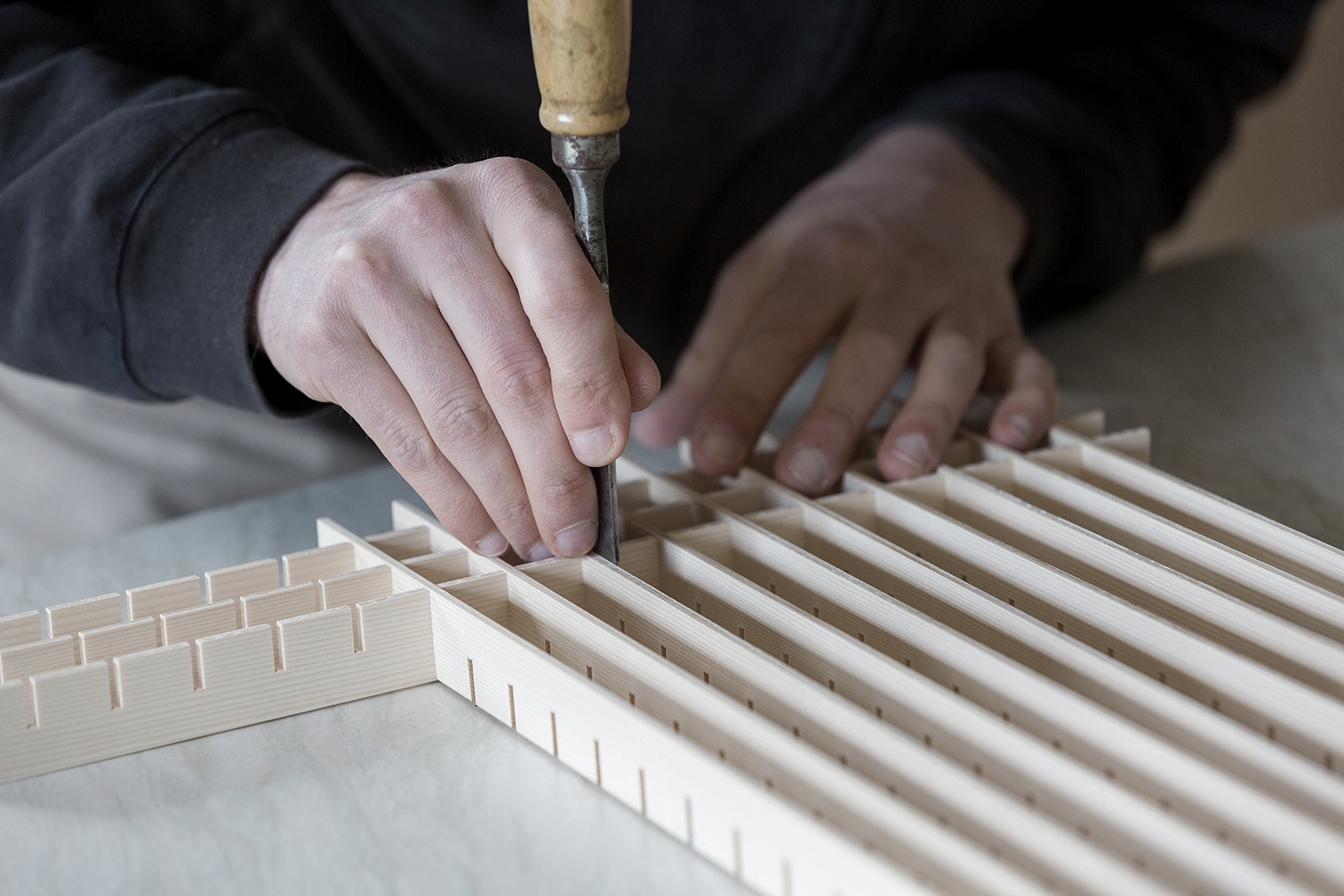
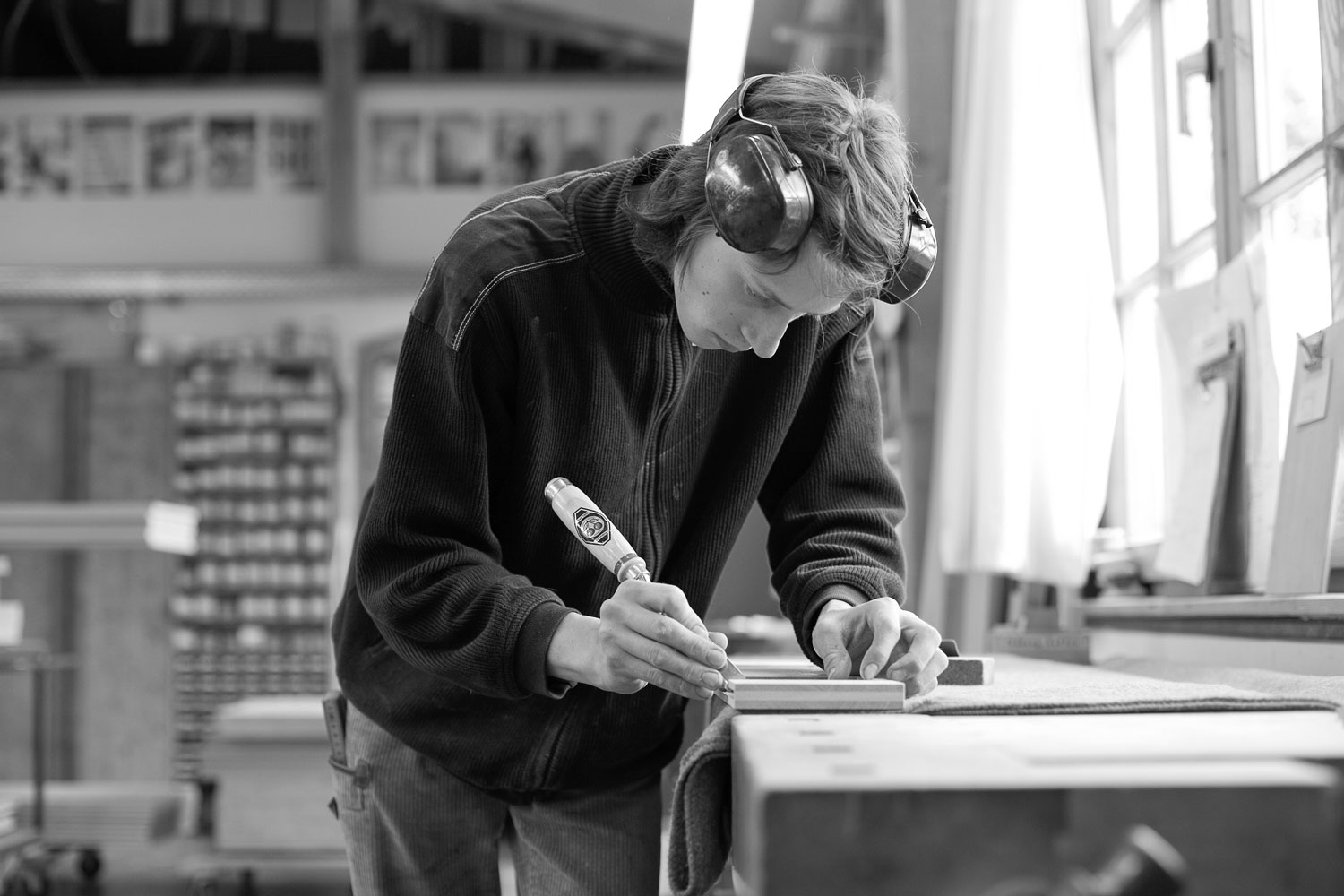
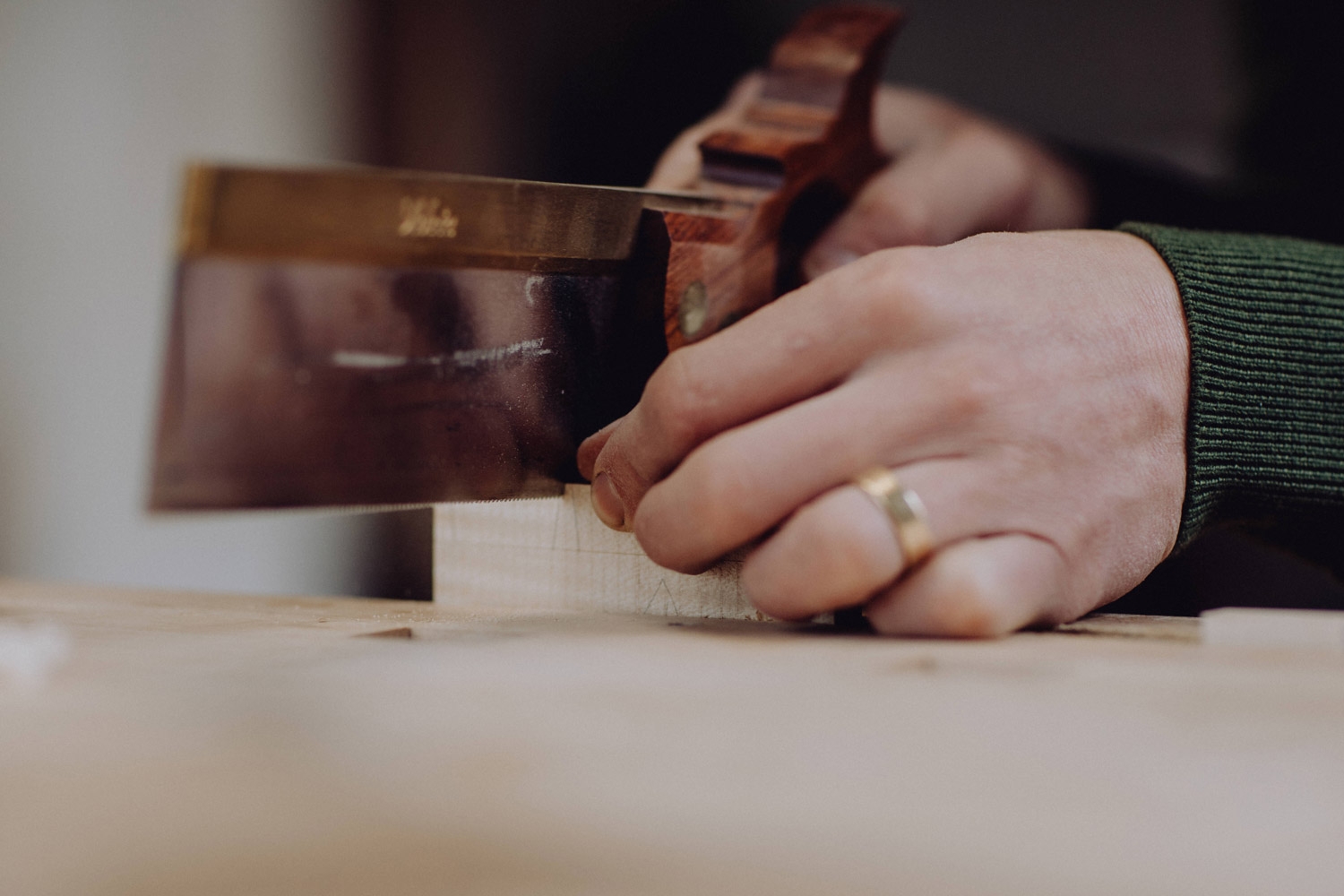
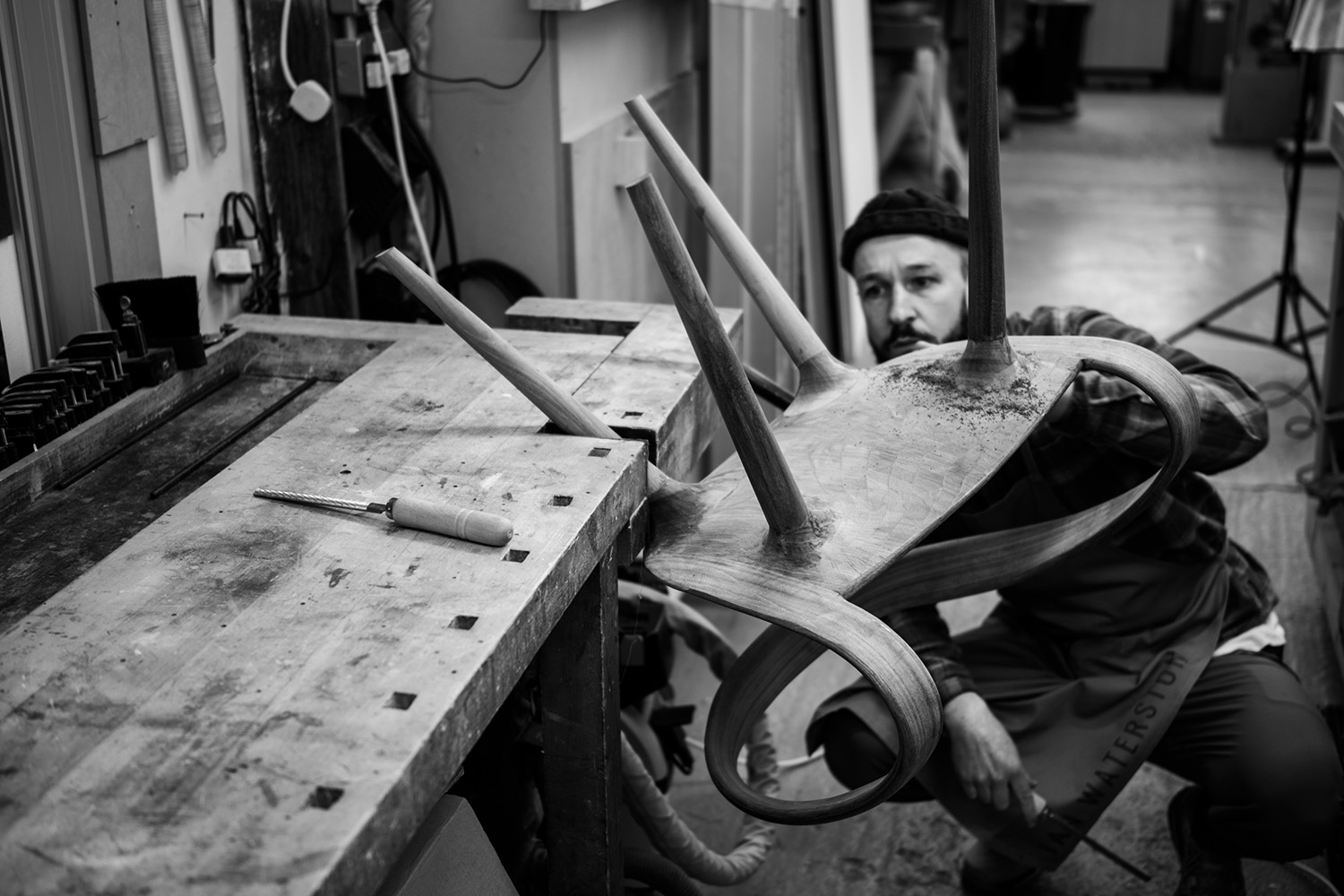
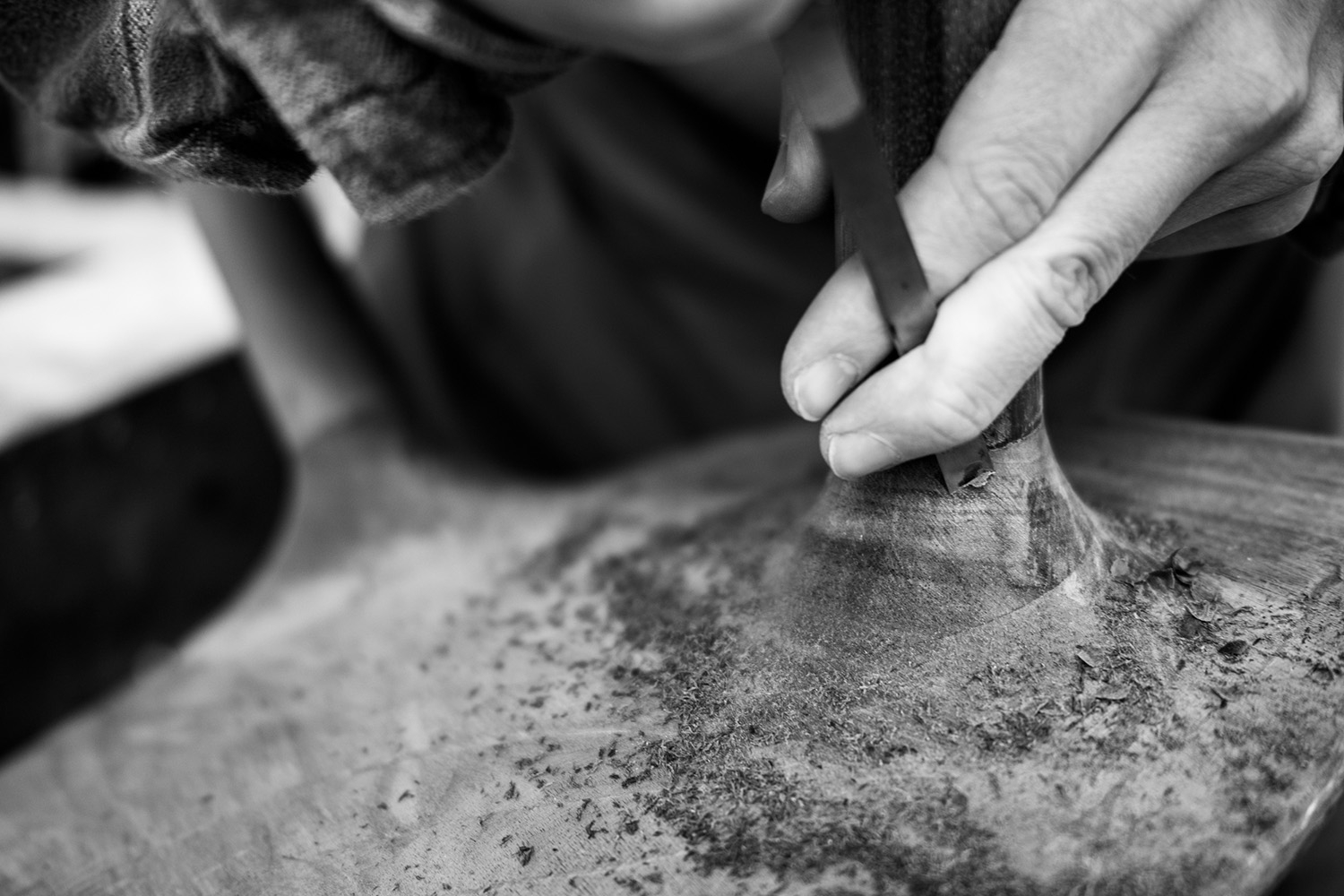
We are certain that human hands are directly connected to the heart. Craftsmanship is therefore the expression of inner feelings. Craftsmanship has always produced the most useful objects. Being able to assign passion and dignity to a useful product makes us passionate and proud, and gives us an inner satisfaction.
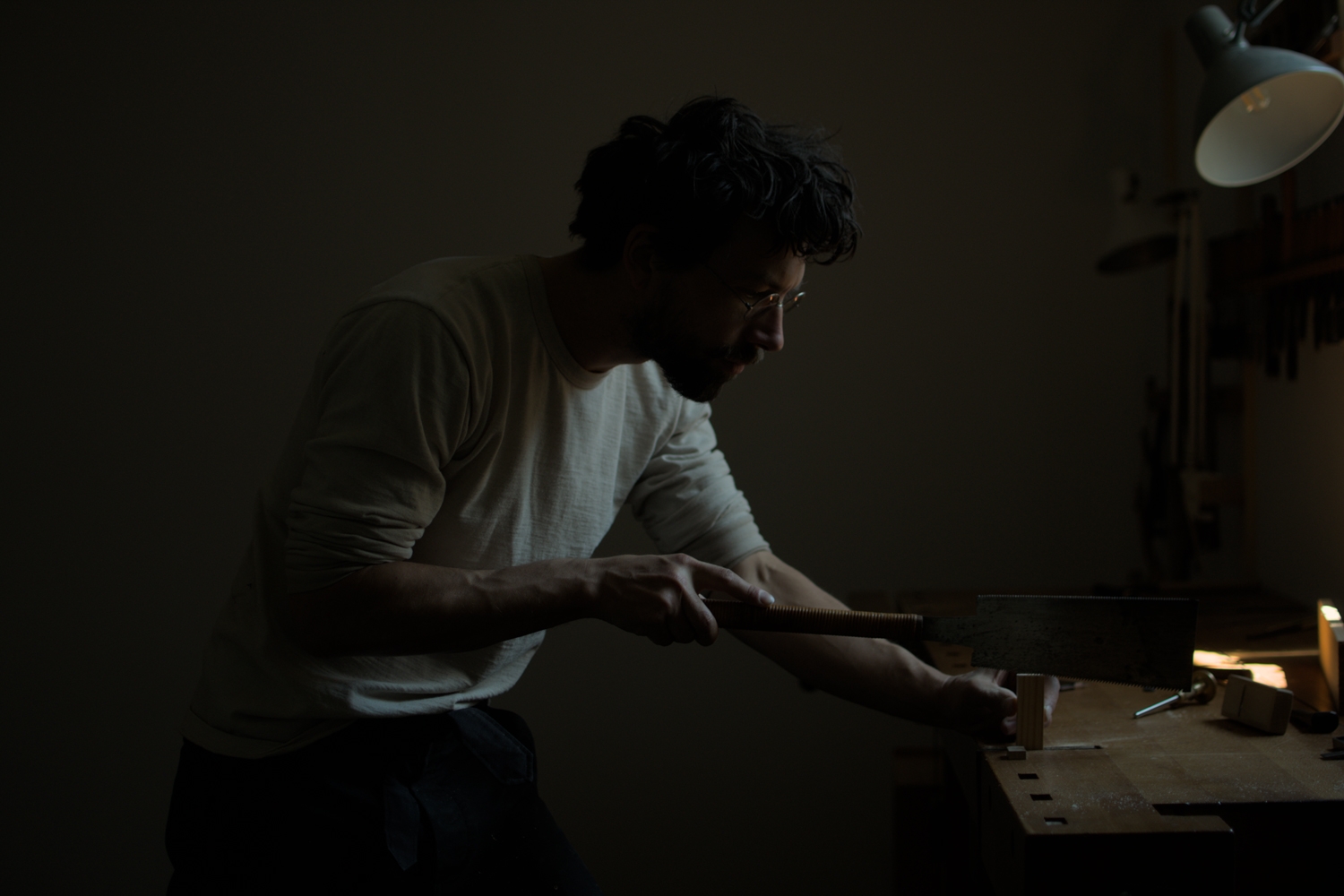
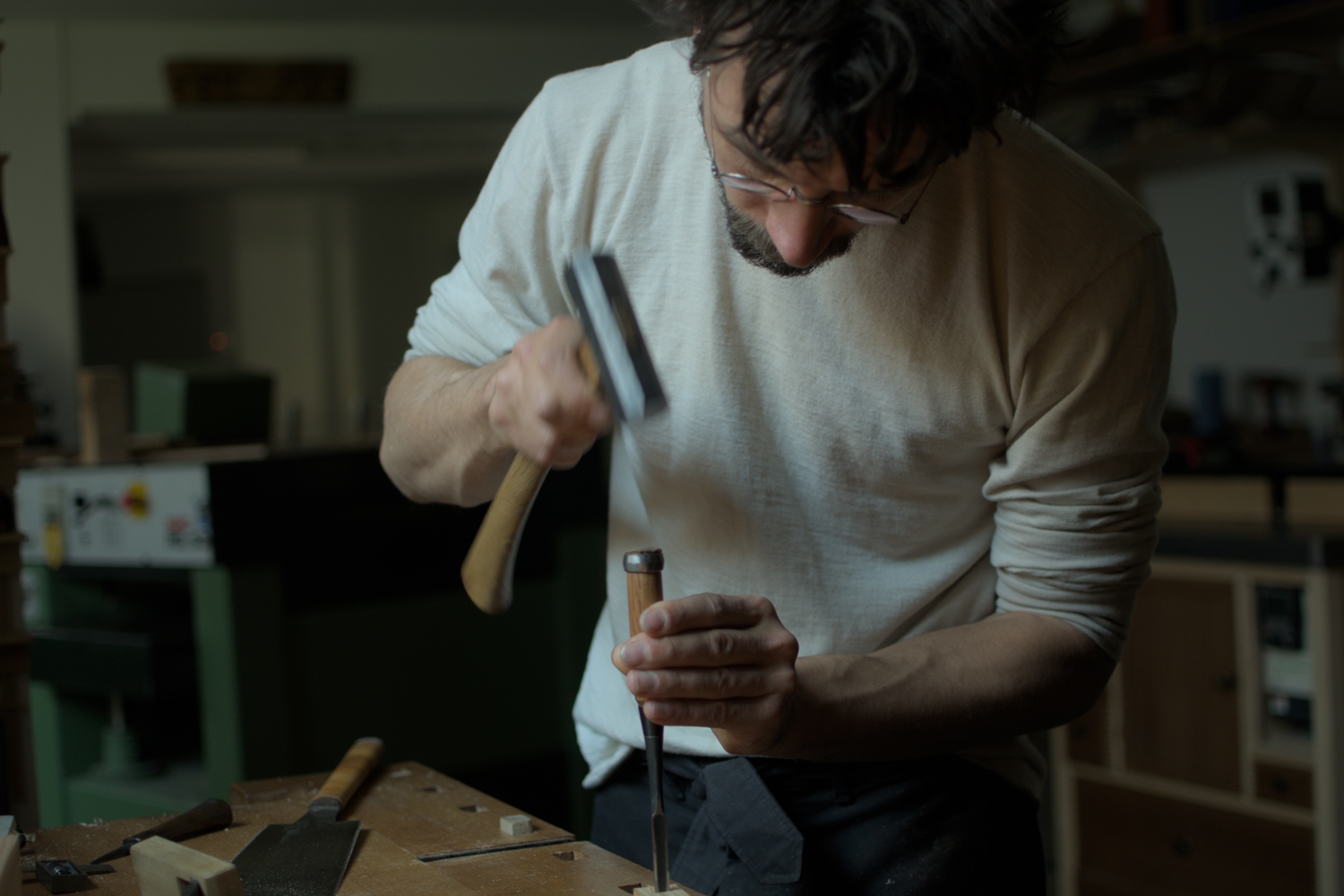
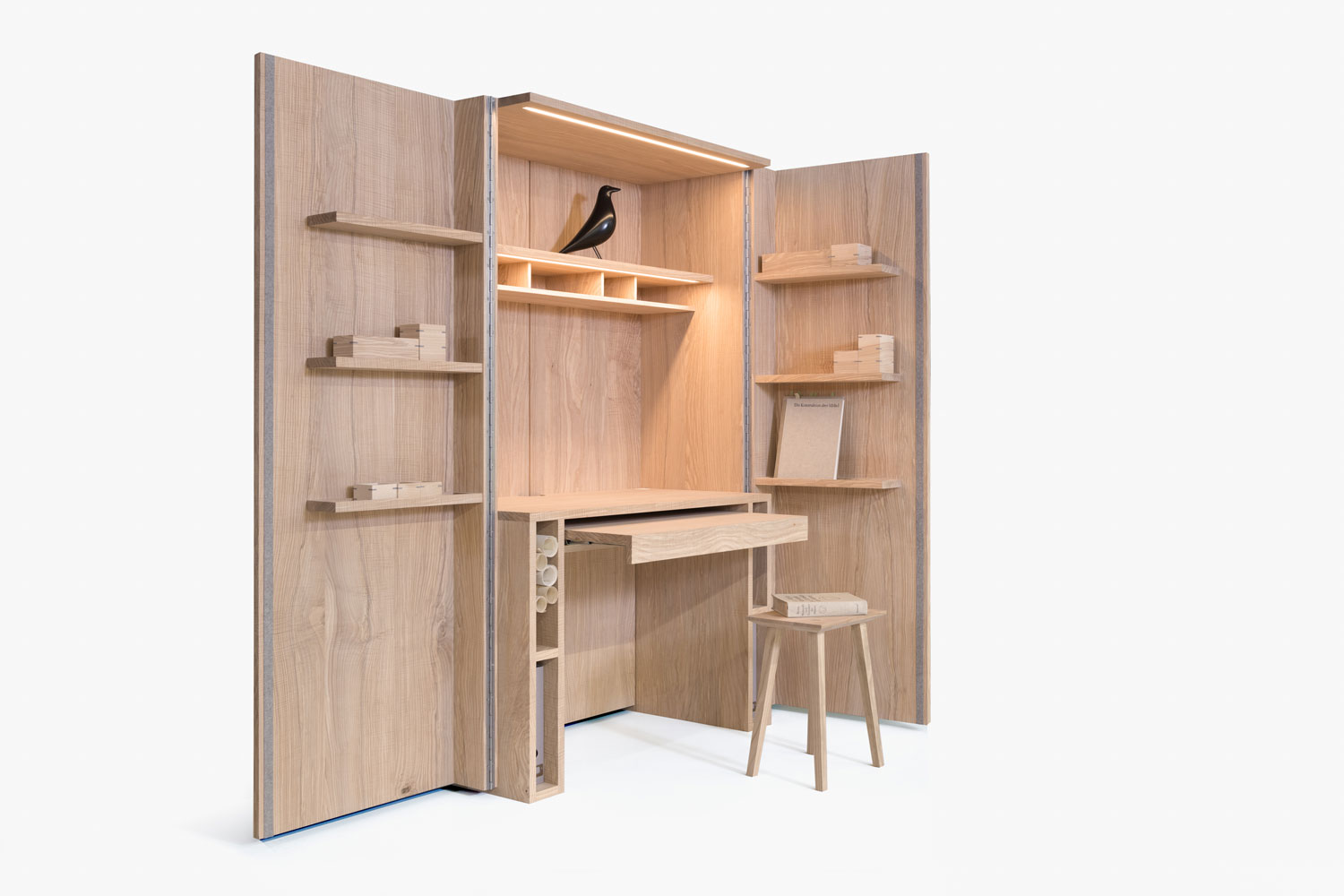
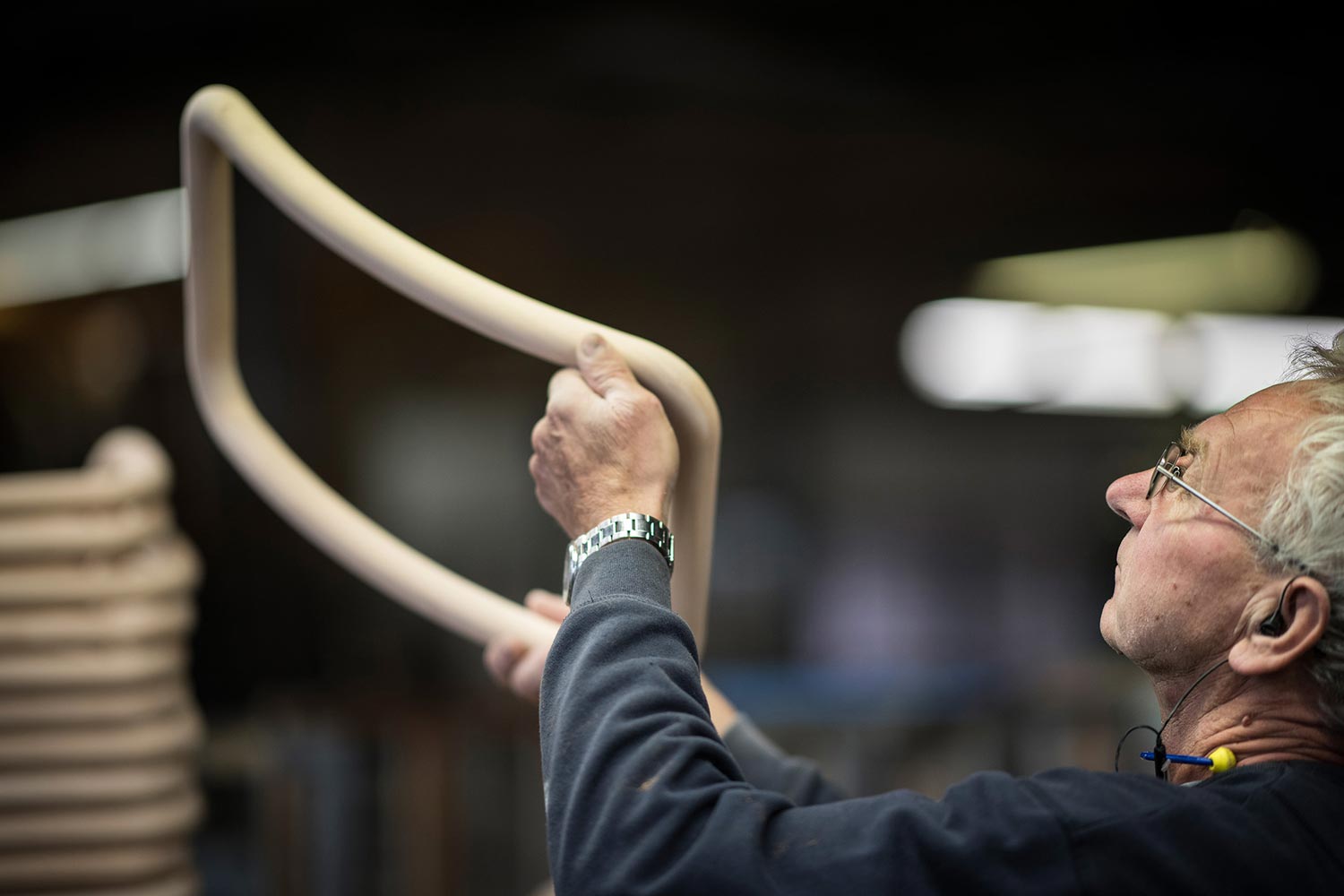
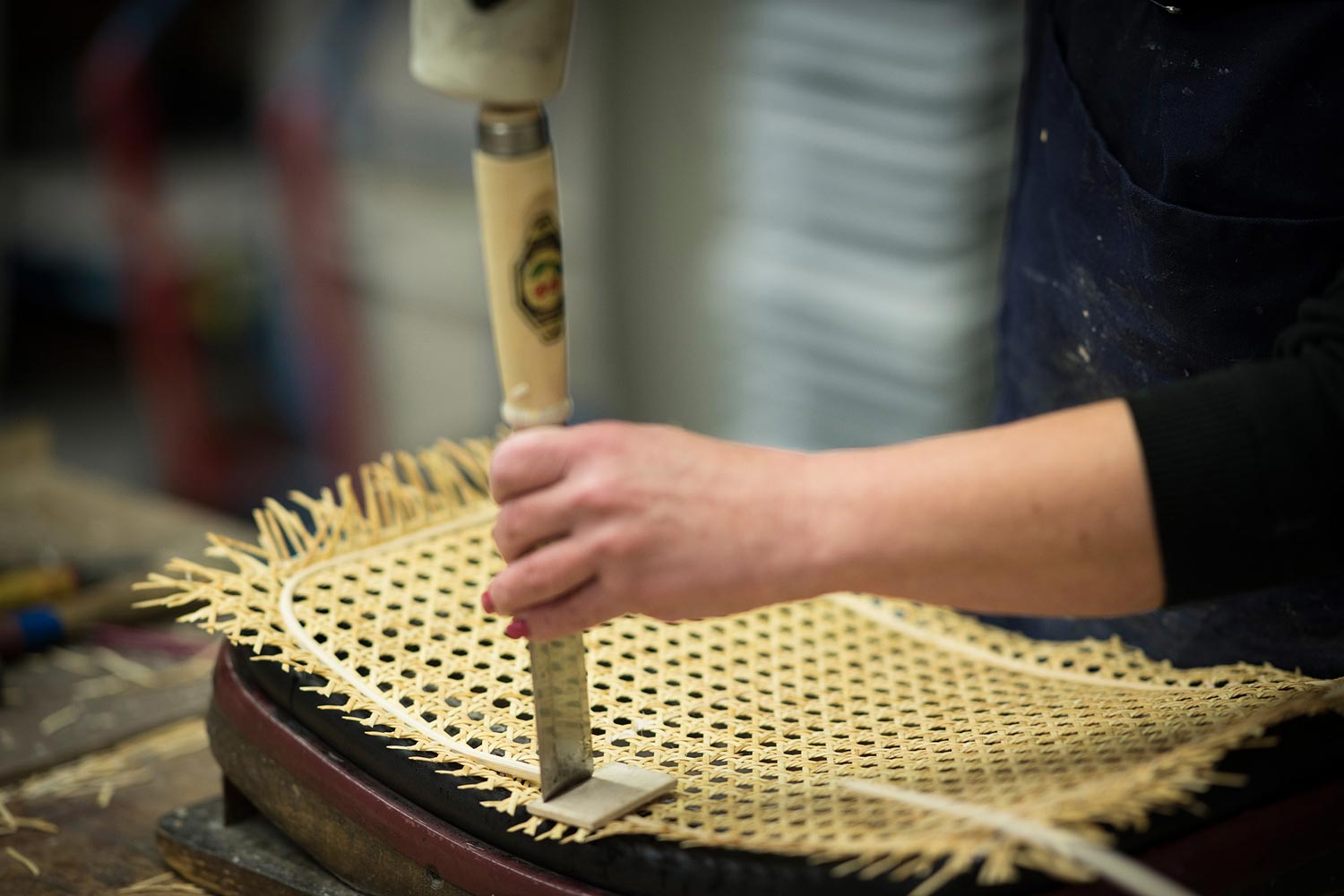
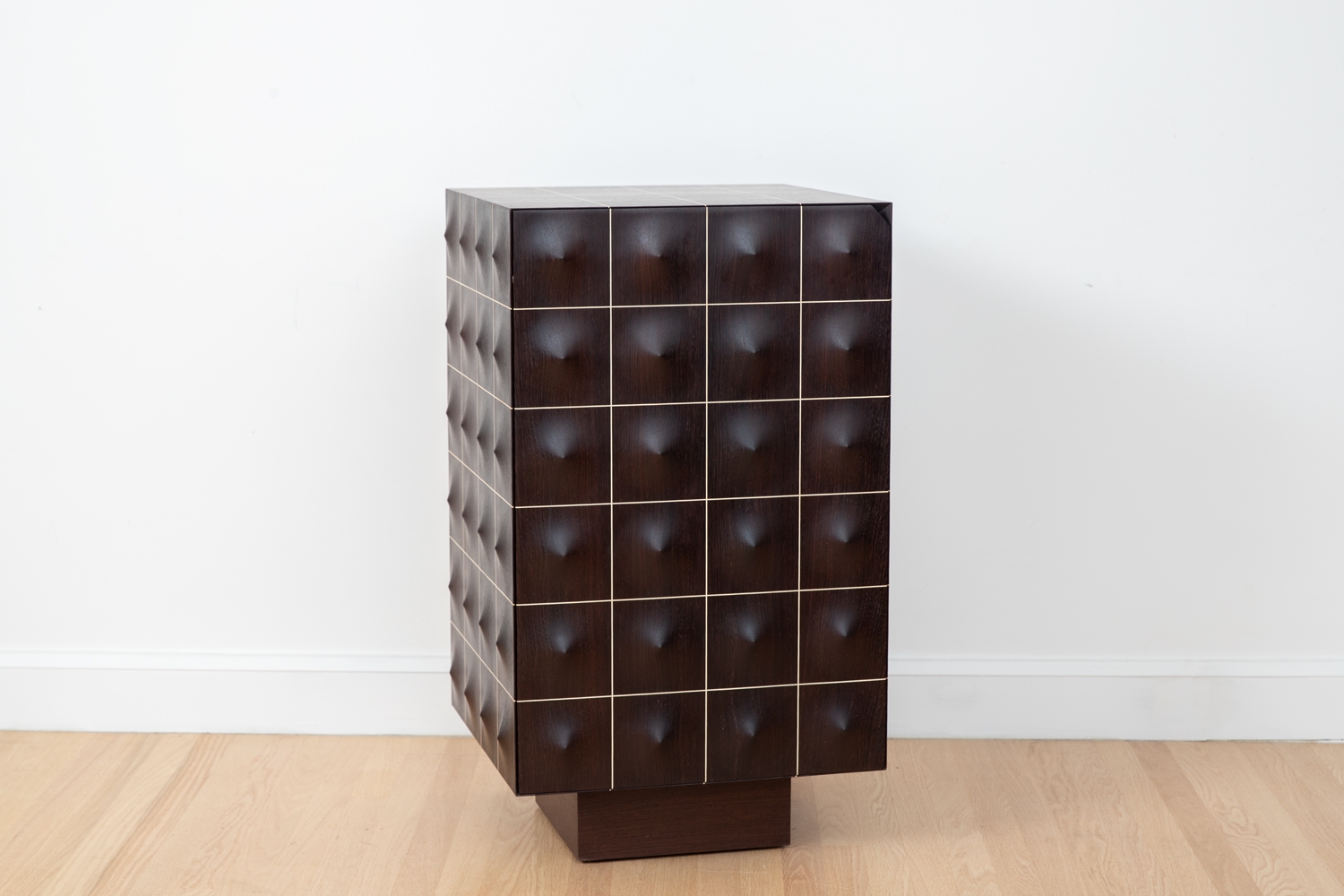
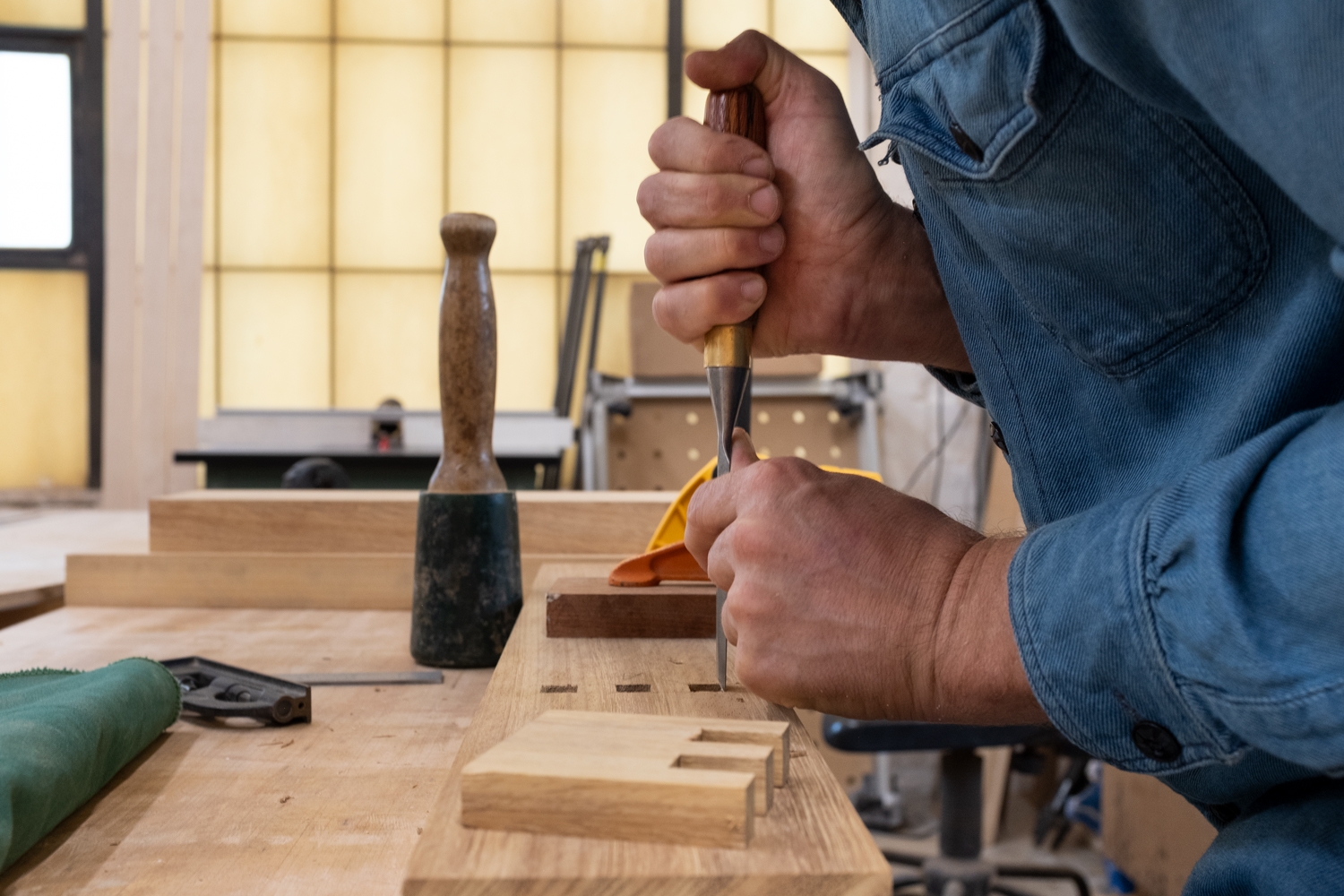
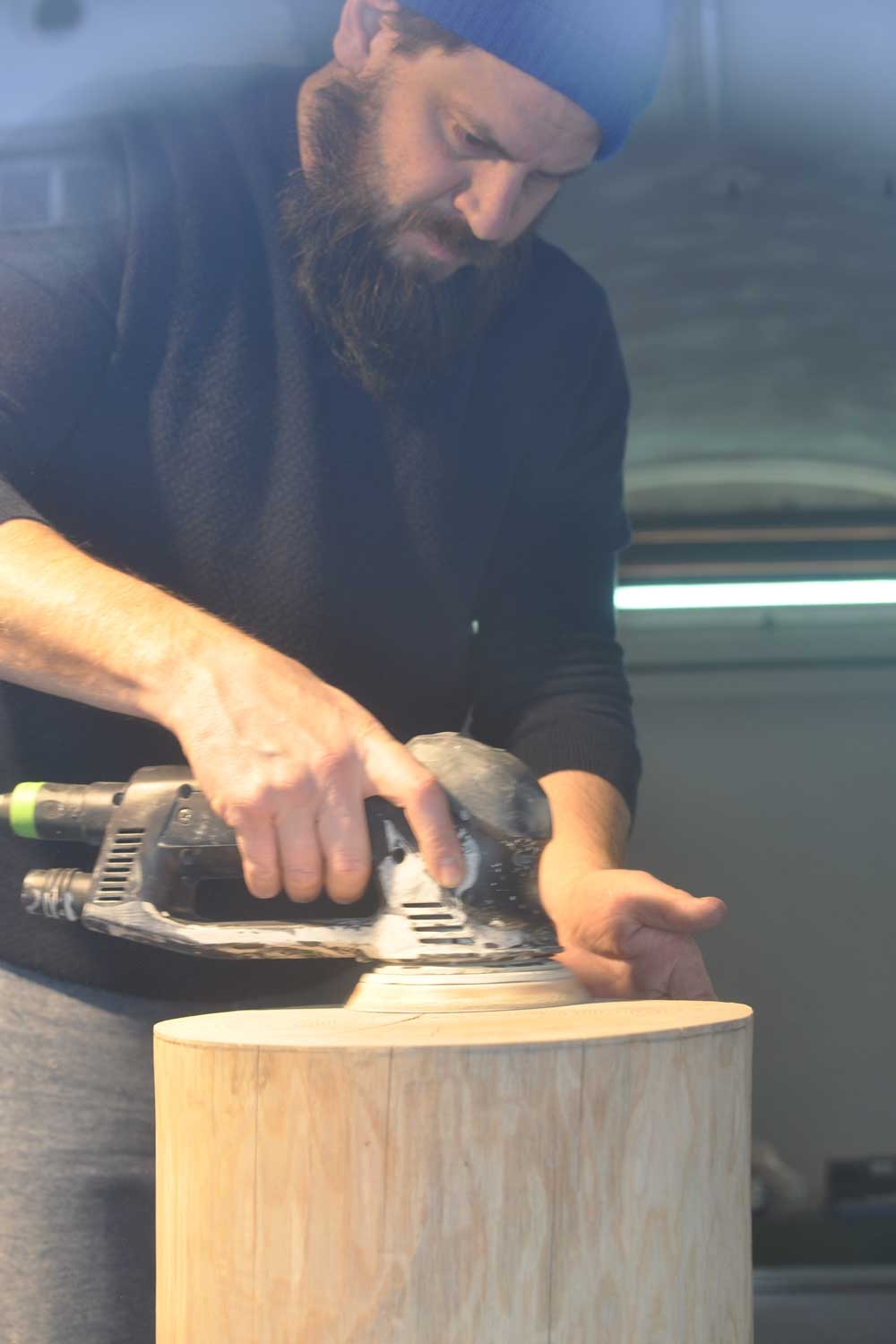
As designers, we are very visual, as carpenters we see with our hands. We have a keen eye for materials and technologies and are always on the lookout for unusual materials and techniques. In addition to this, we attach great importance to finding the right application for each object in order to harmonise design, material and production.
Beloved objects describe the ideal state of the human-object relationship. These objects can be as different as their owners. They create identity and give people a sense of security through emotional attachment. The return to existing values and carrying these into the future are a central goal of our work and an essential trend of our time.
A key component is certainly our shared philosophy in terms of design and craftsmanship. We might have different perspectives on questions and solutions. The best ideas often emerge from this interaction.
Ina Woelk & Philipp Hinderer
res anima
Furniture maker
Dießen am Ammersee, Germany
AVAILABILITY
Monday to Friday 10:00-13:00 / 14:30-18:00
PHONE
+49 88074390519
LANGUAGES
German, English
Homo Faber Finds is a new service aiming to inspire admirers of craft to connect and collaborate with exceptional artisans.
We invite you to submit an enquiry here.