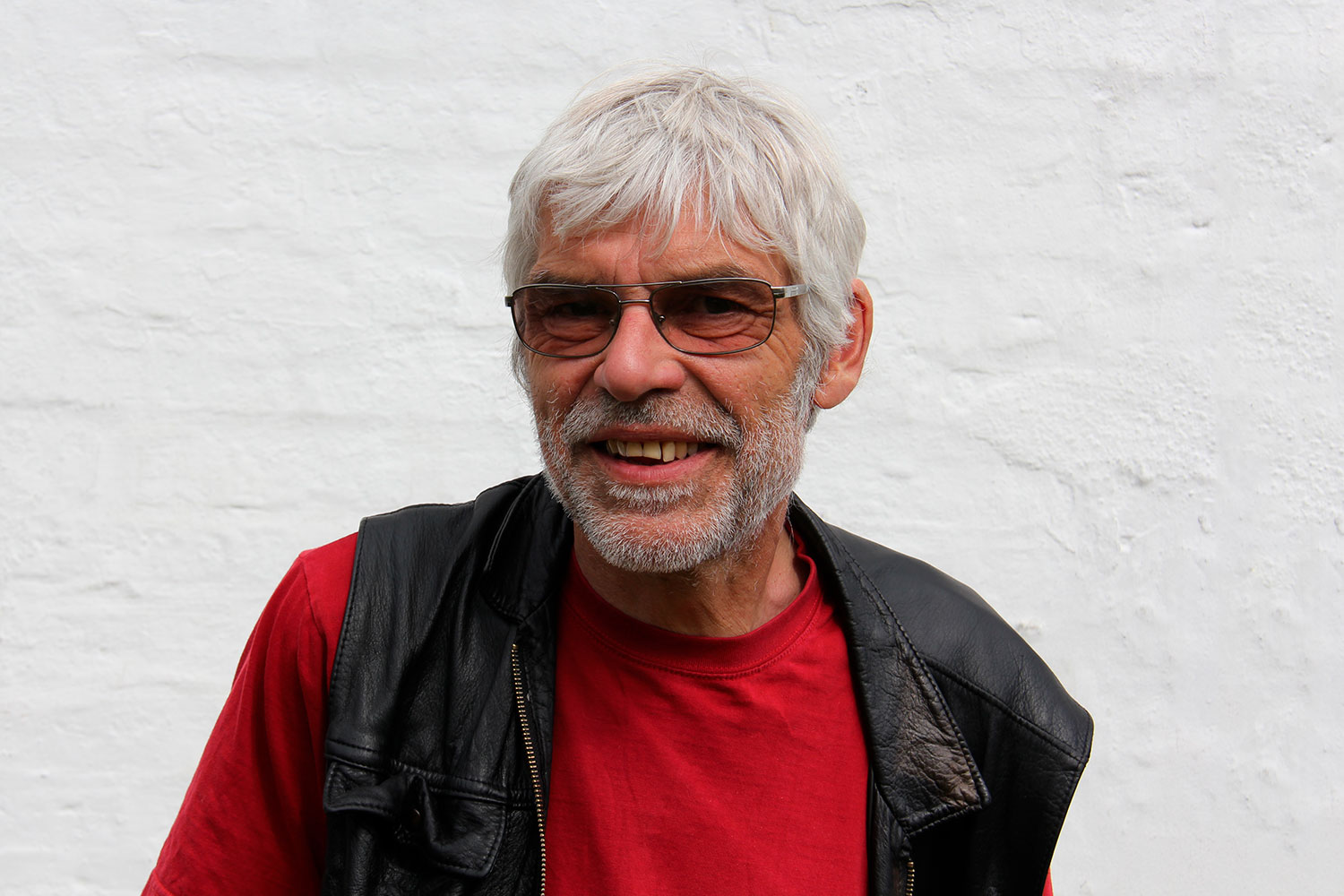


Hans Henning Pedersen
Woodturner
Gudhjem, Denmark
Recommended by Danish Crafts & Design Association
The beauty of imperfection
- Hans Henning finds inspiration in nature
- He uses local wood, especially oak and beech
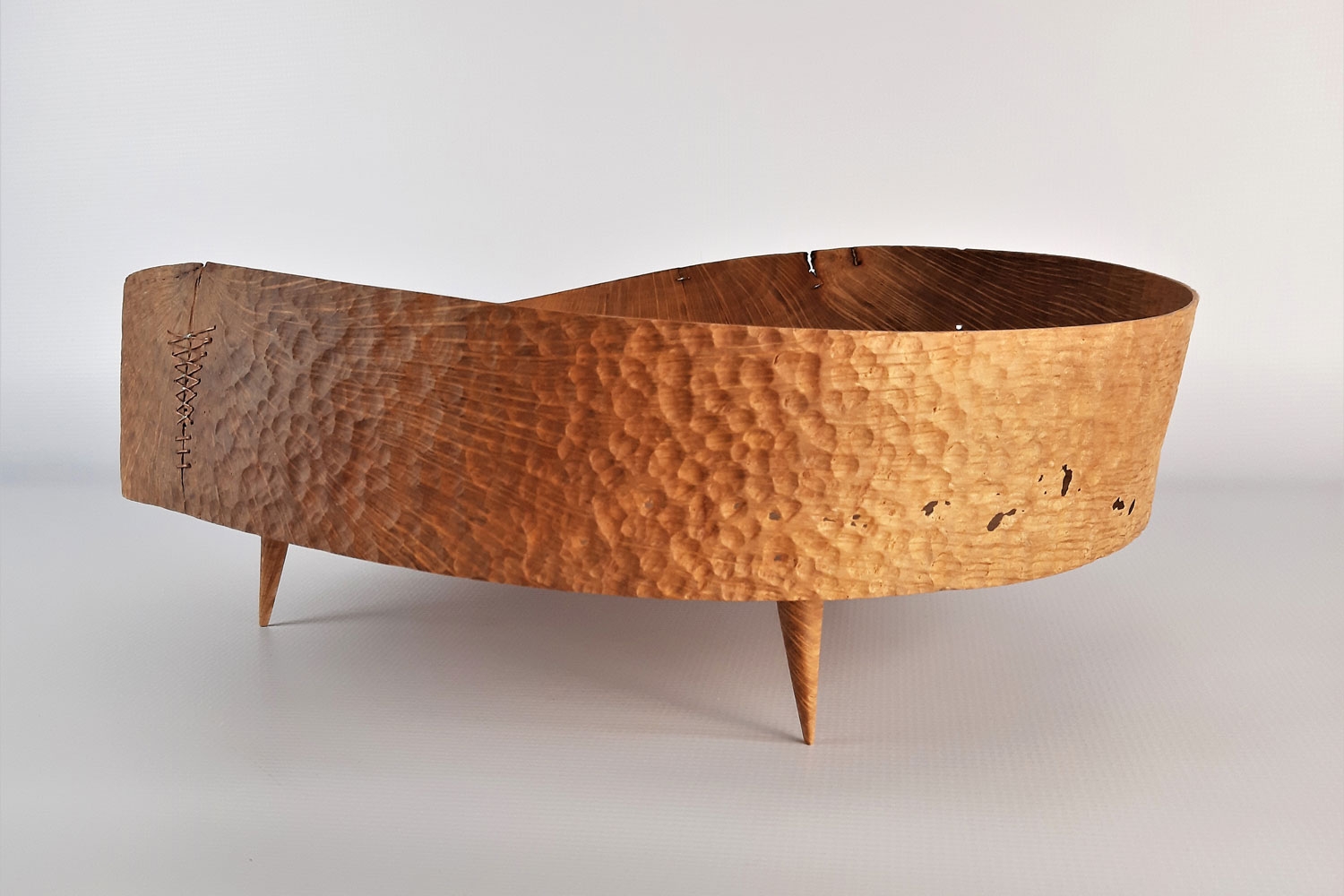
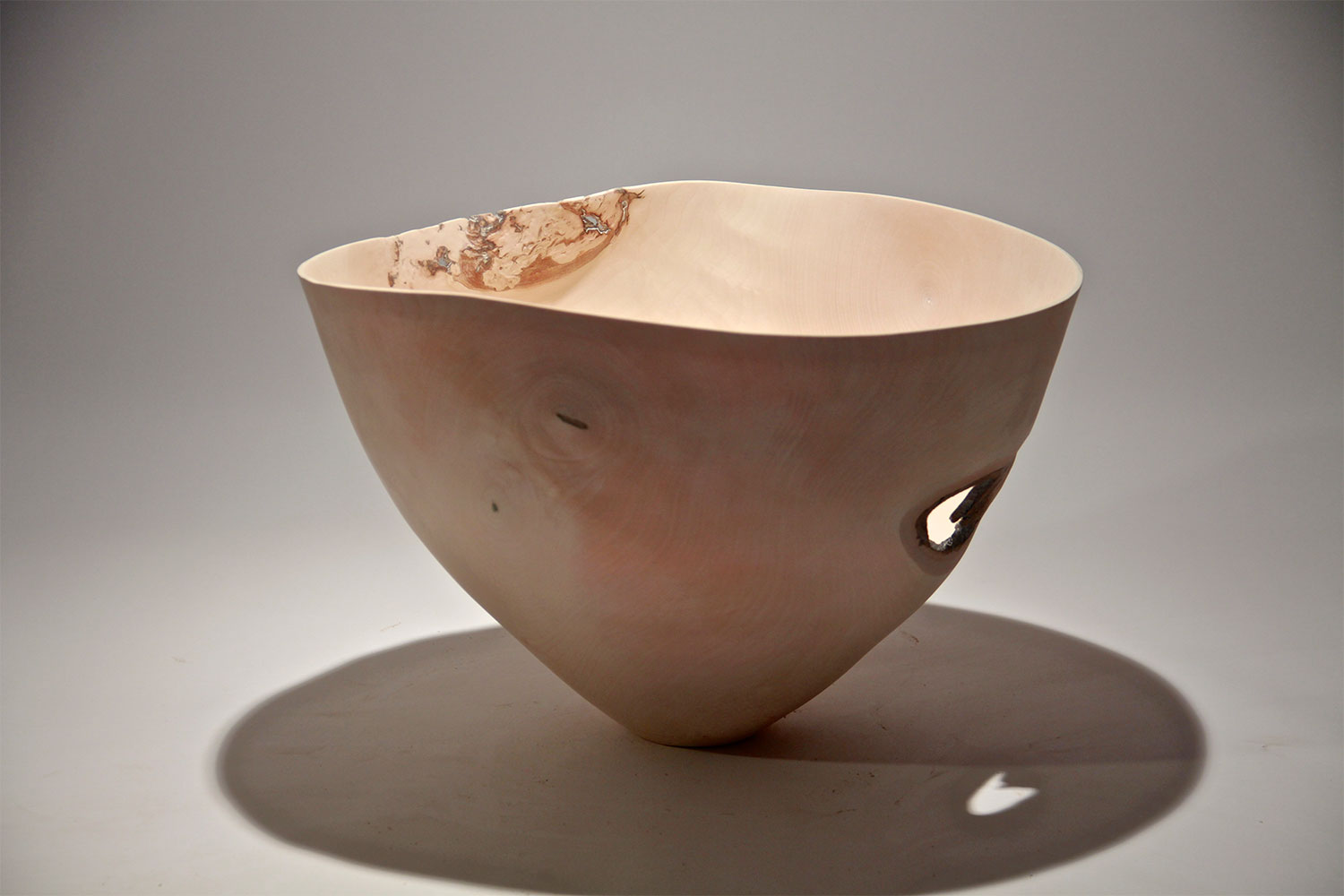
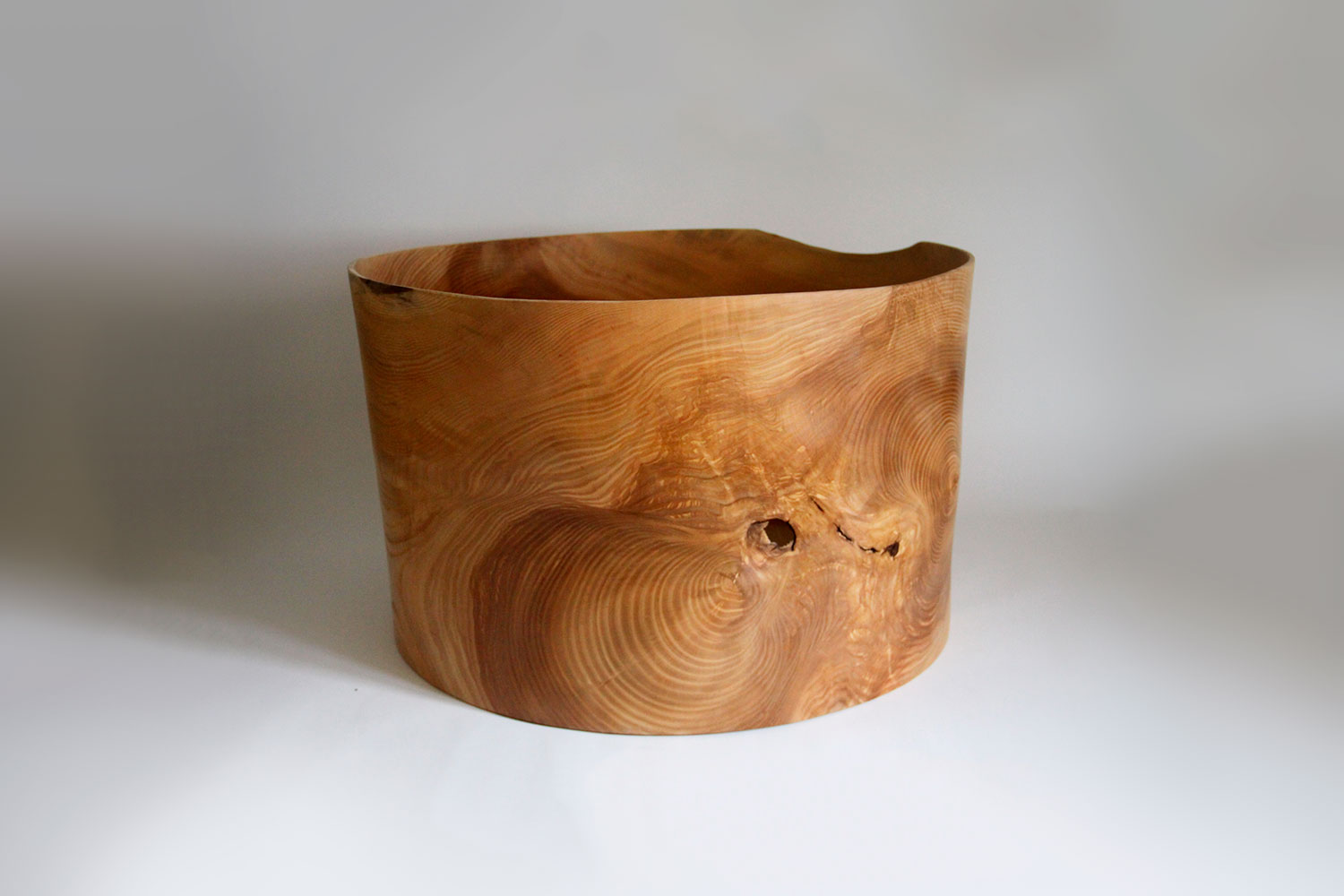
- Some of his bowls are only 3mm thin
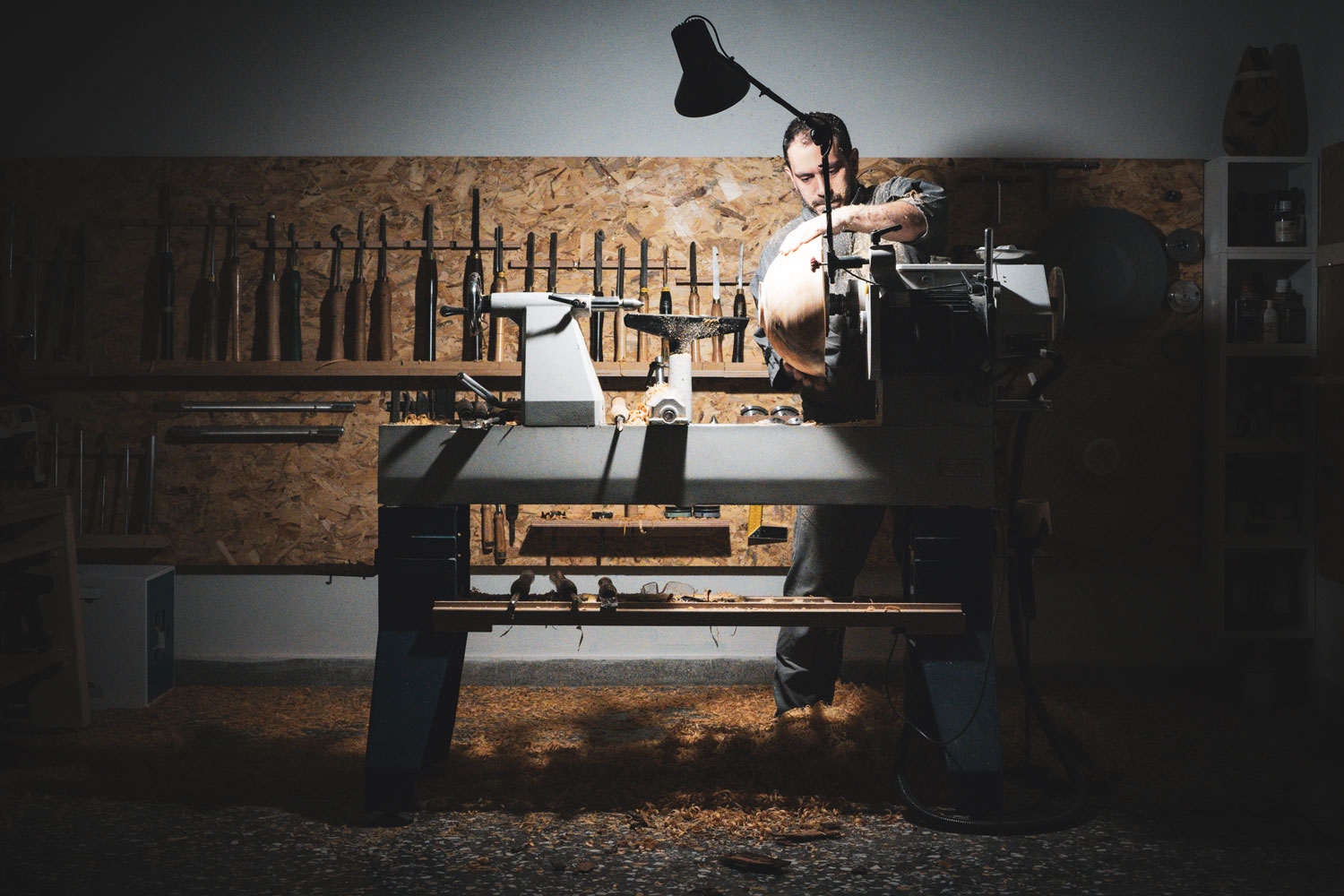
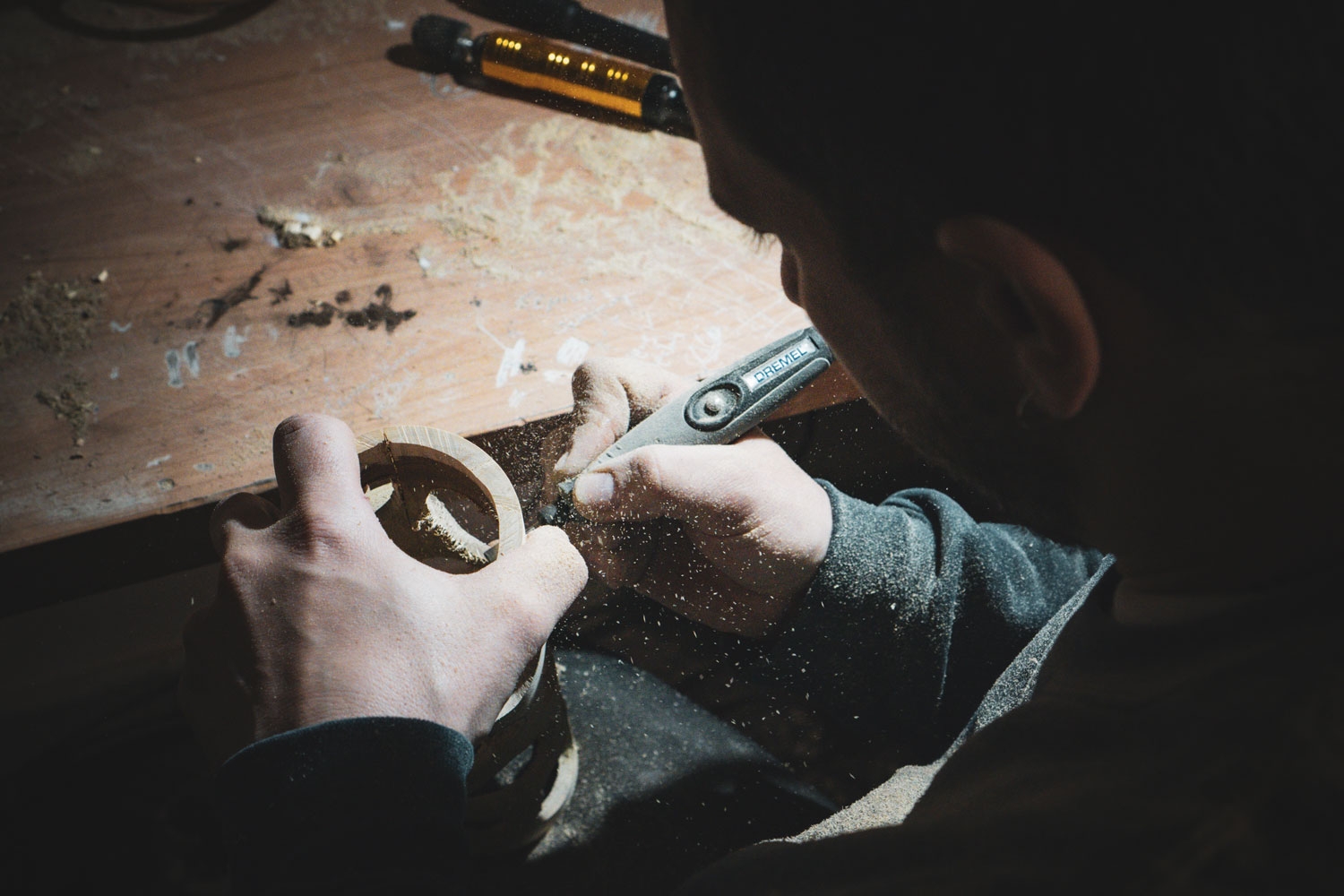
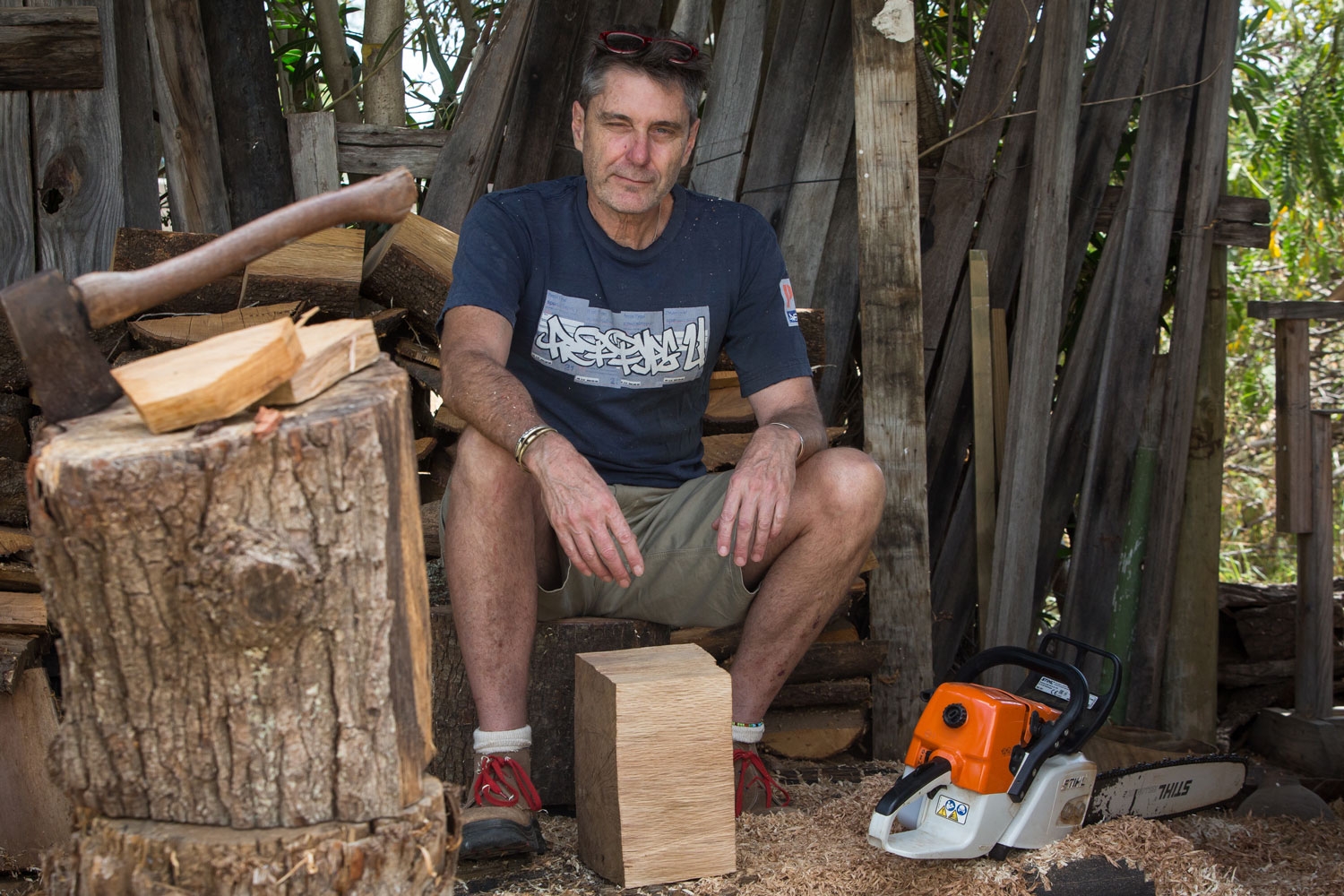
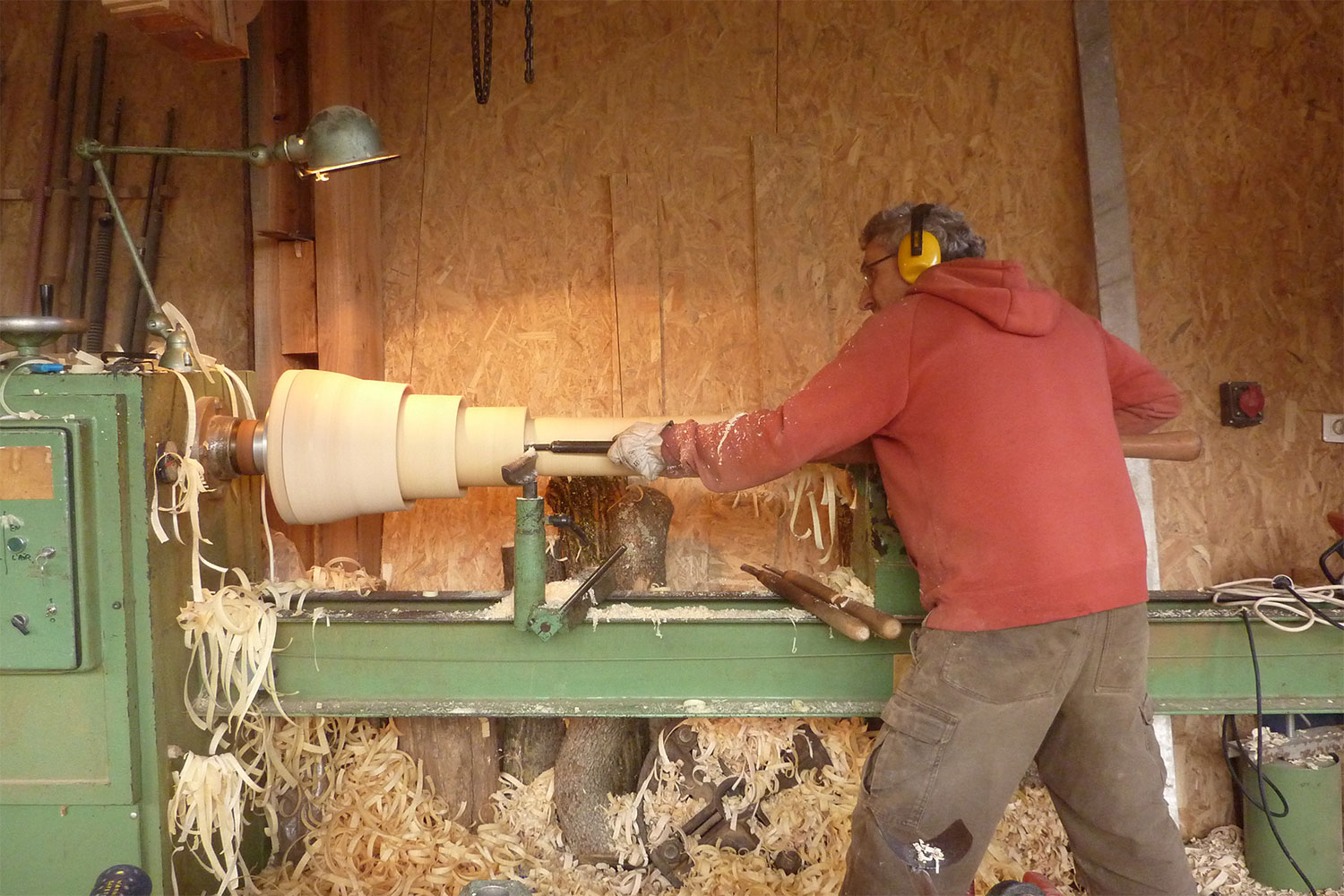
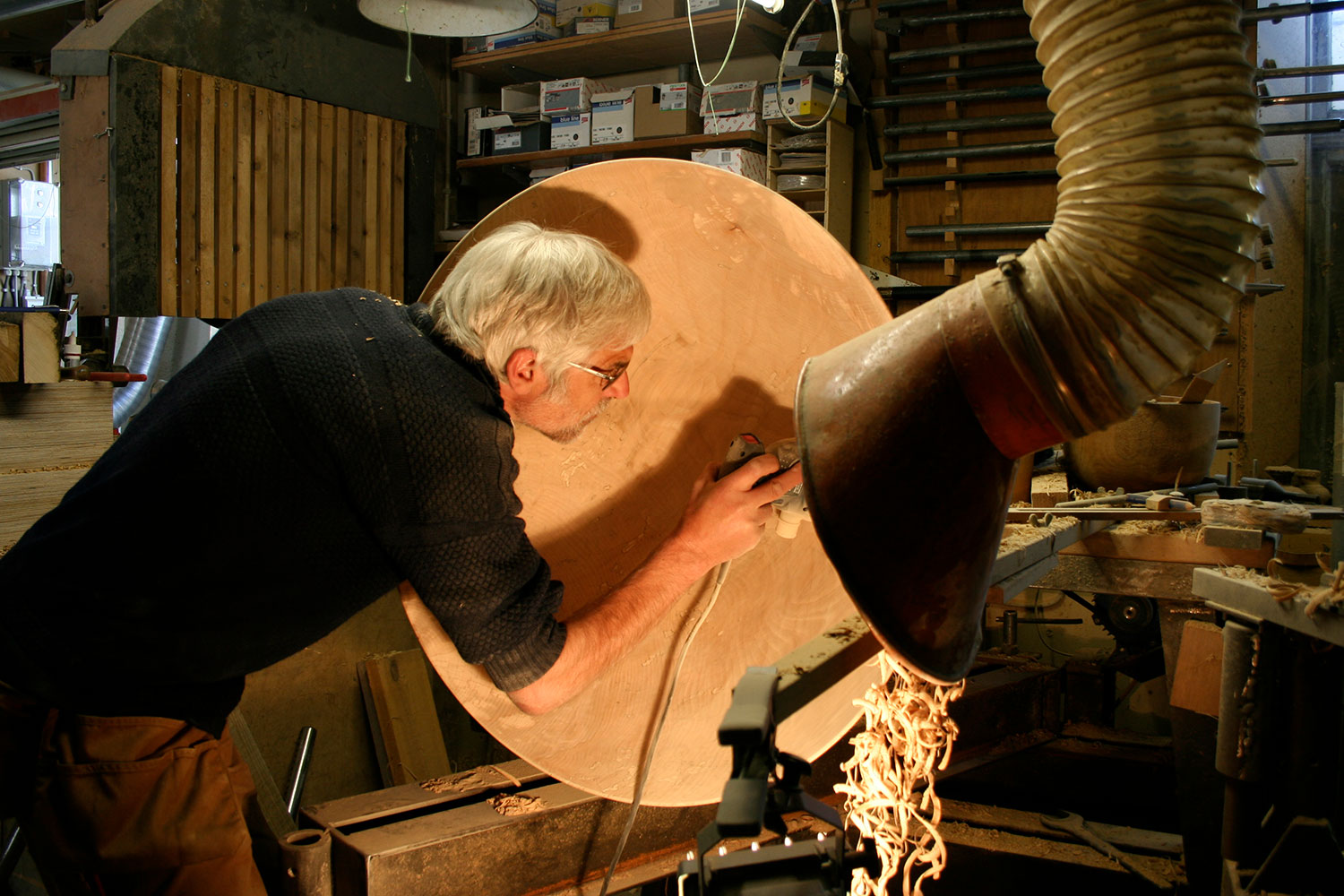
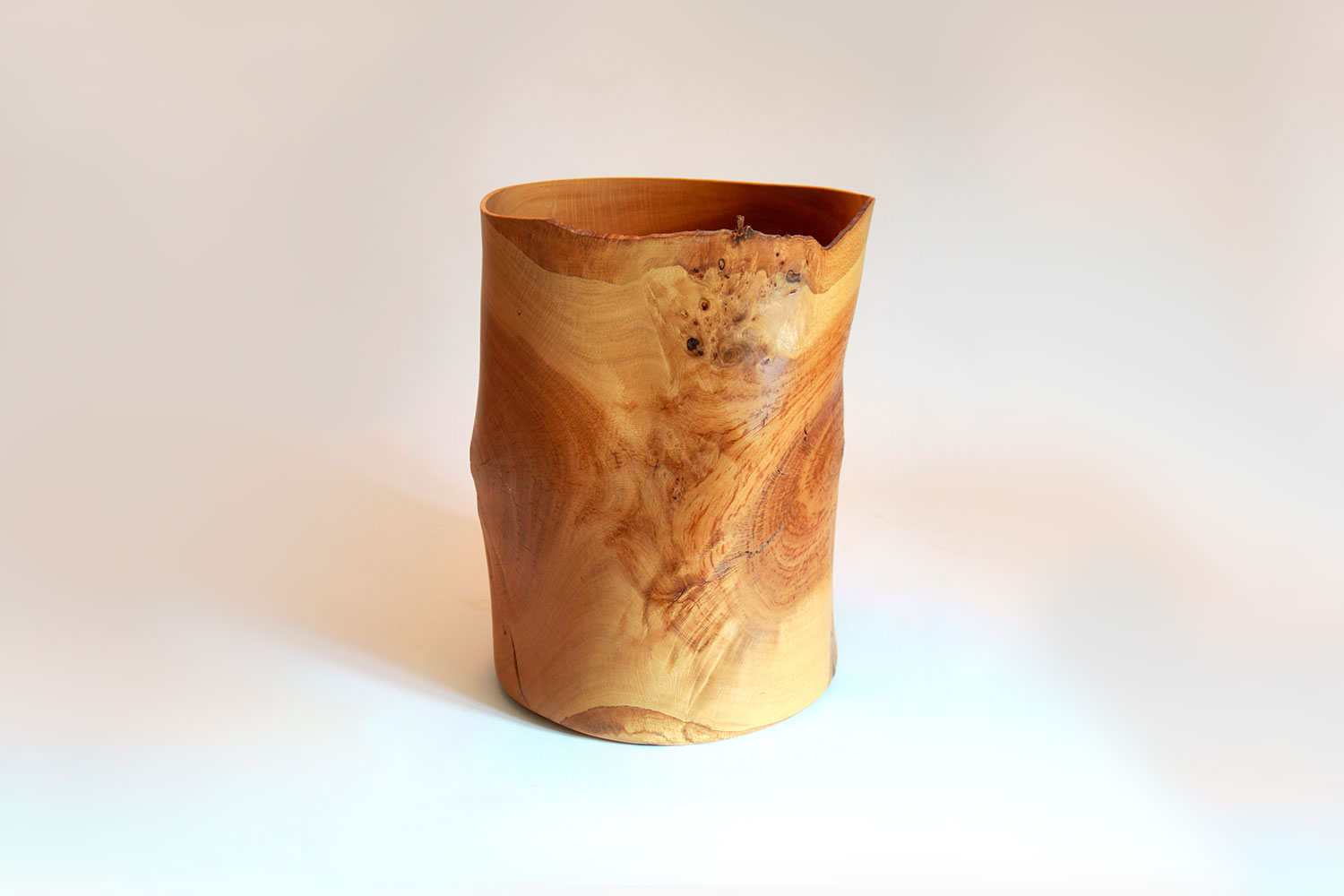
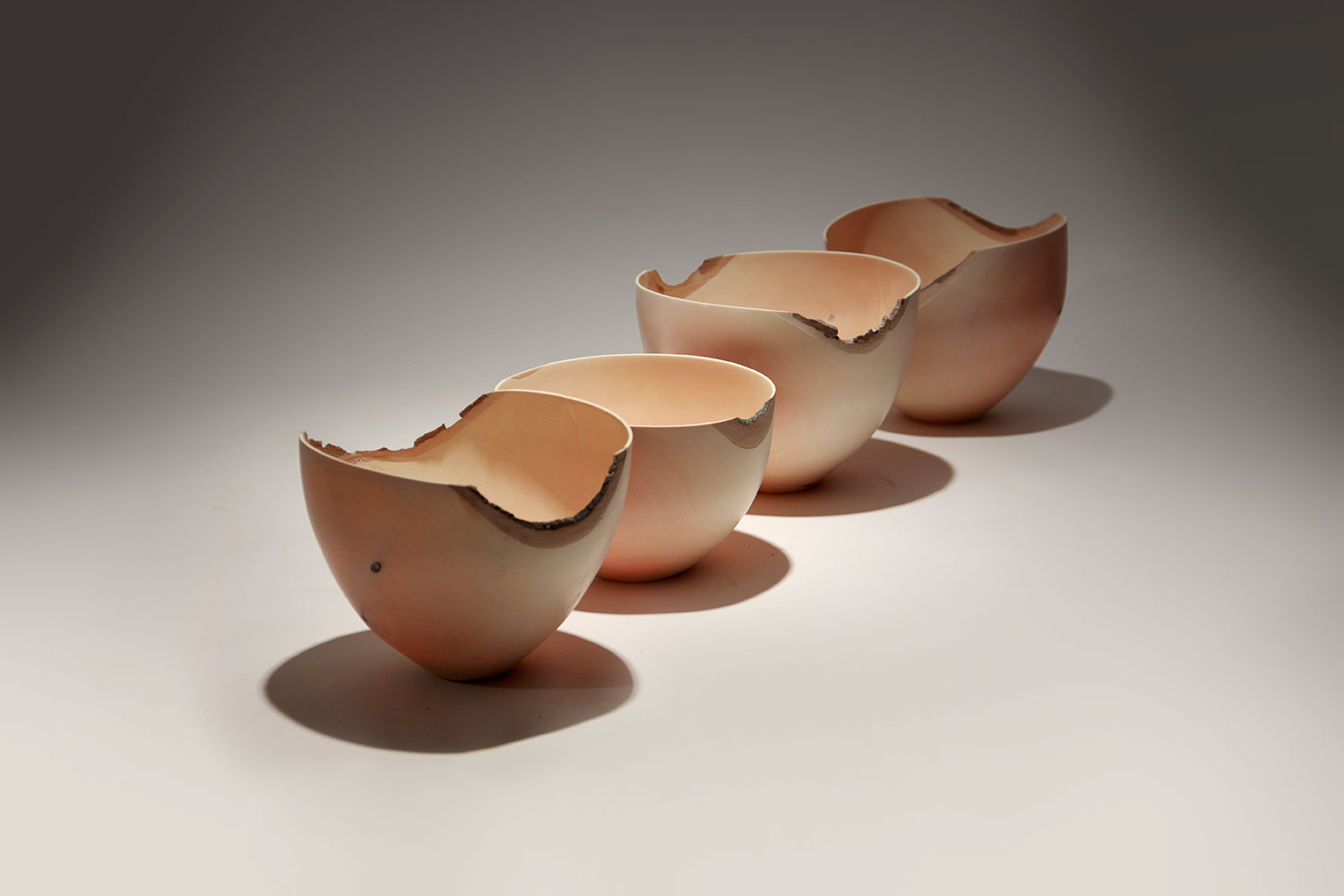
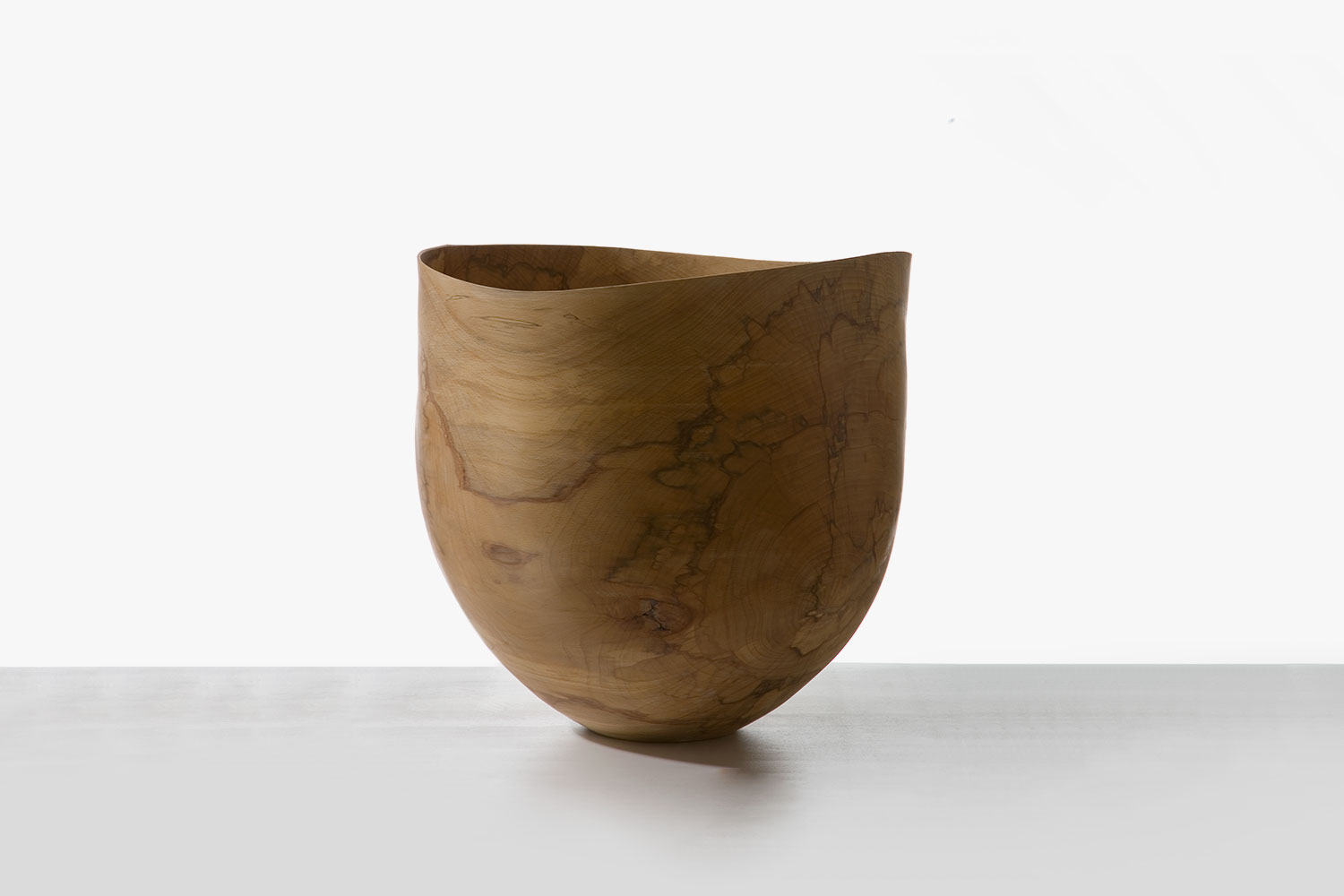
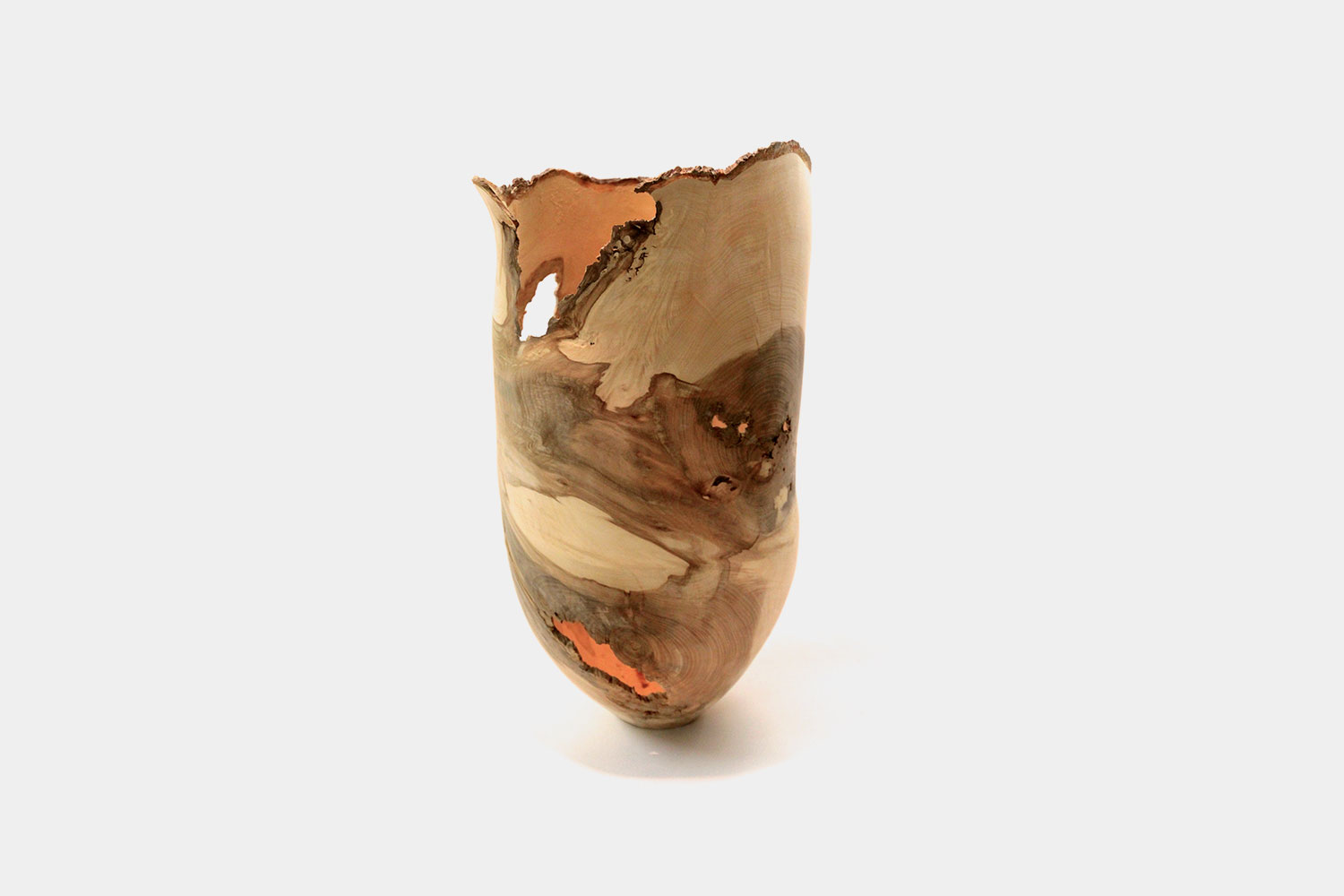
Hans Henning Pedersen was born in 1950 on Bornholm island, in Denmark, where he still lives and works in the small fishing town of Gudhjem. He has been working as a carpenter, cabinetmaker and woodturner since 1975. His artworks show a deep respect toward nature and wood in particular. He works mainly with freshly felled tree trunks, and purposely chooses wood with imperfections and damage to highlight the beautifully imperfect nature of his chosen material. In 1972, after being employed as a carpenter, he opened his own studio in order to have the freedom of overseeing the entire creative process himself.
INTERVIEW
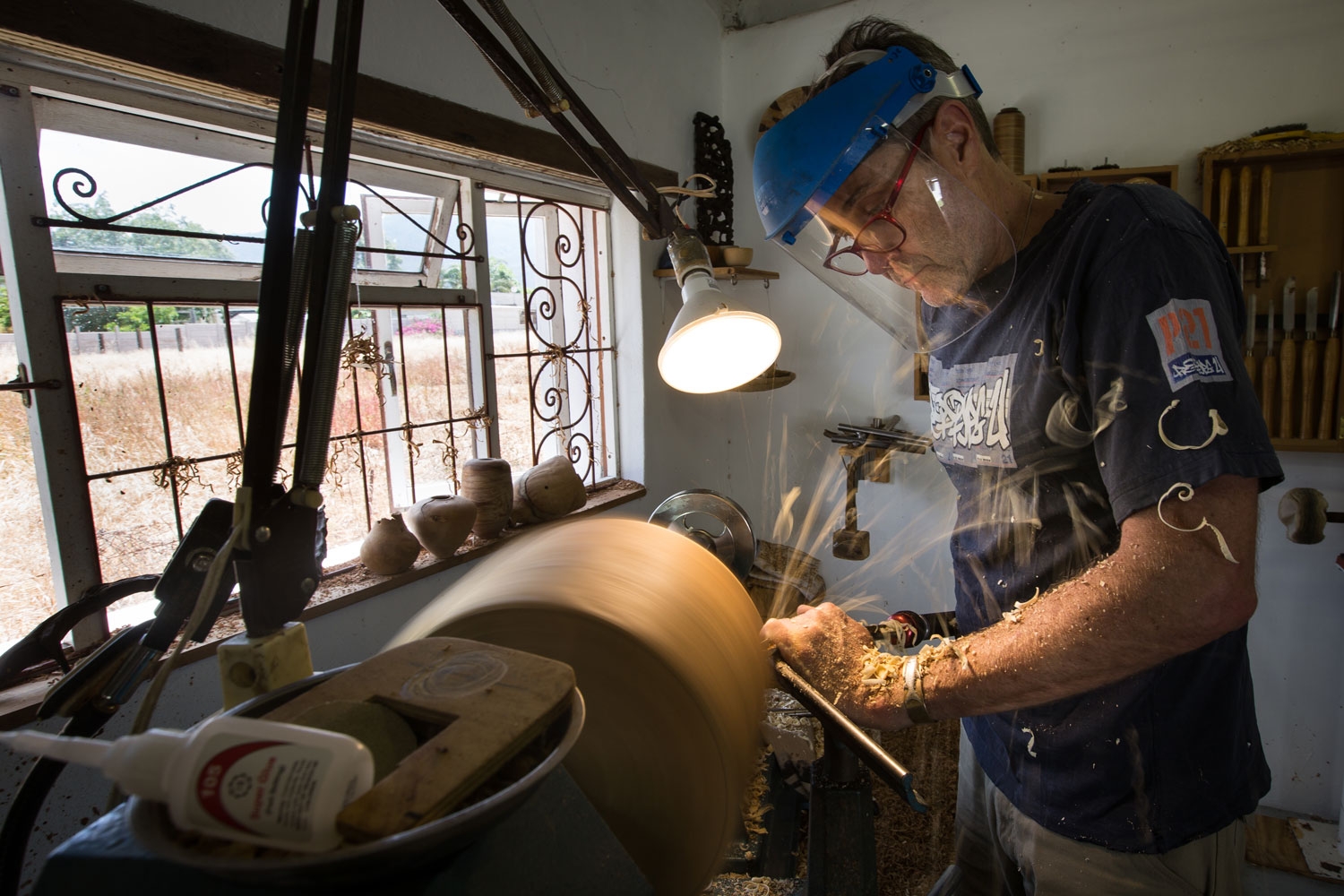
I was supposed to join the army but instead I was working for a museum in Denmark. One day they asked me to fix some pieces of furniture using their lathe, and so I did. It was love at first sight.
I liked being a carpenter, but my boss always decided what to do and so I didn’t have creative freedom. It was the British woodturner Anthony Bryan who inspired me to start working with wood creatively. The funny thing is that now we are both exhibiting at the same gallery.
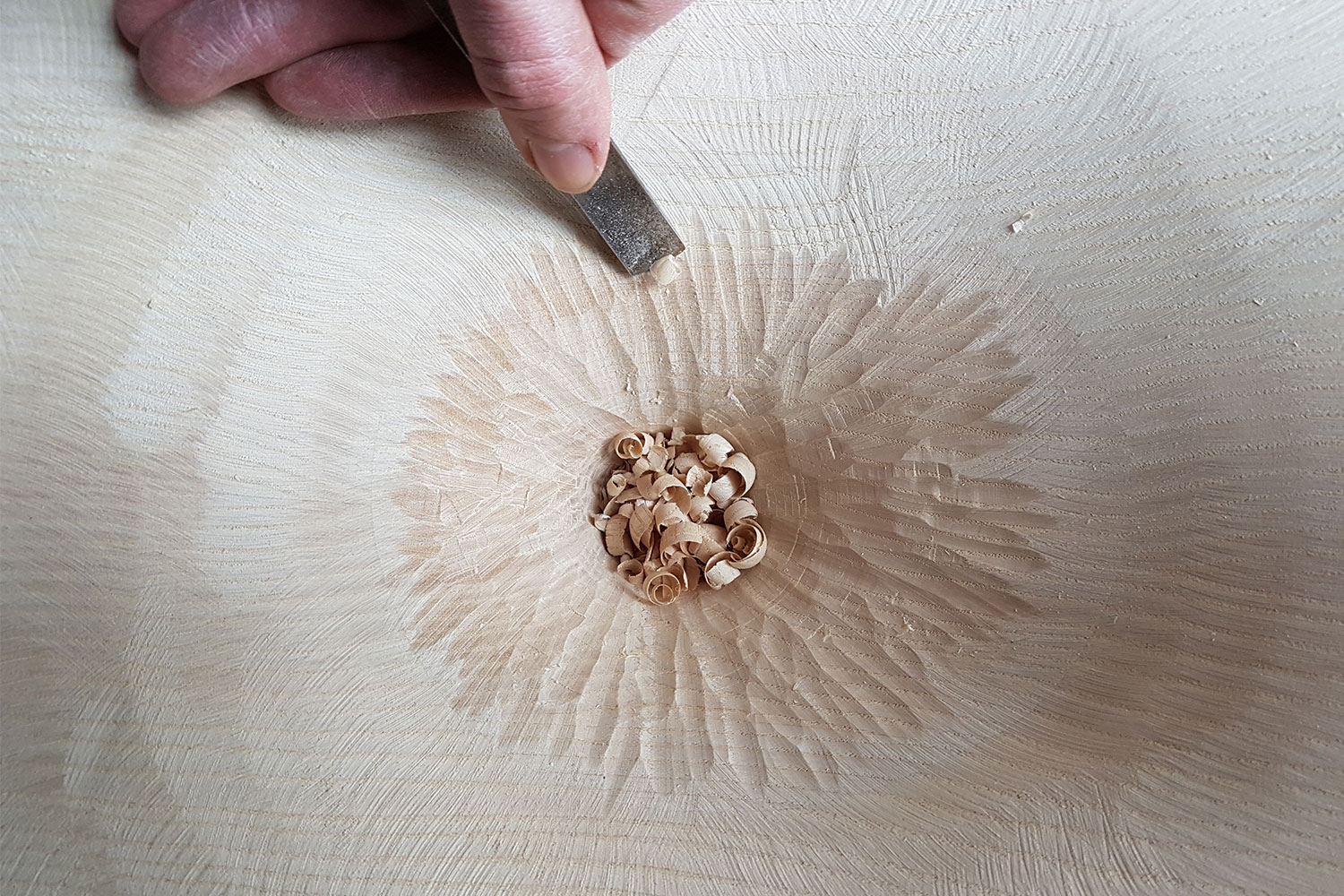
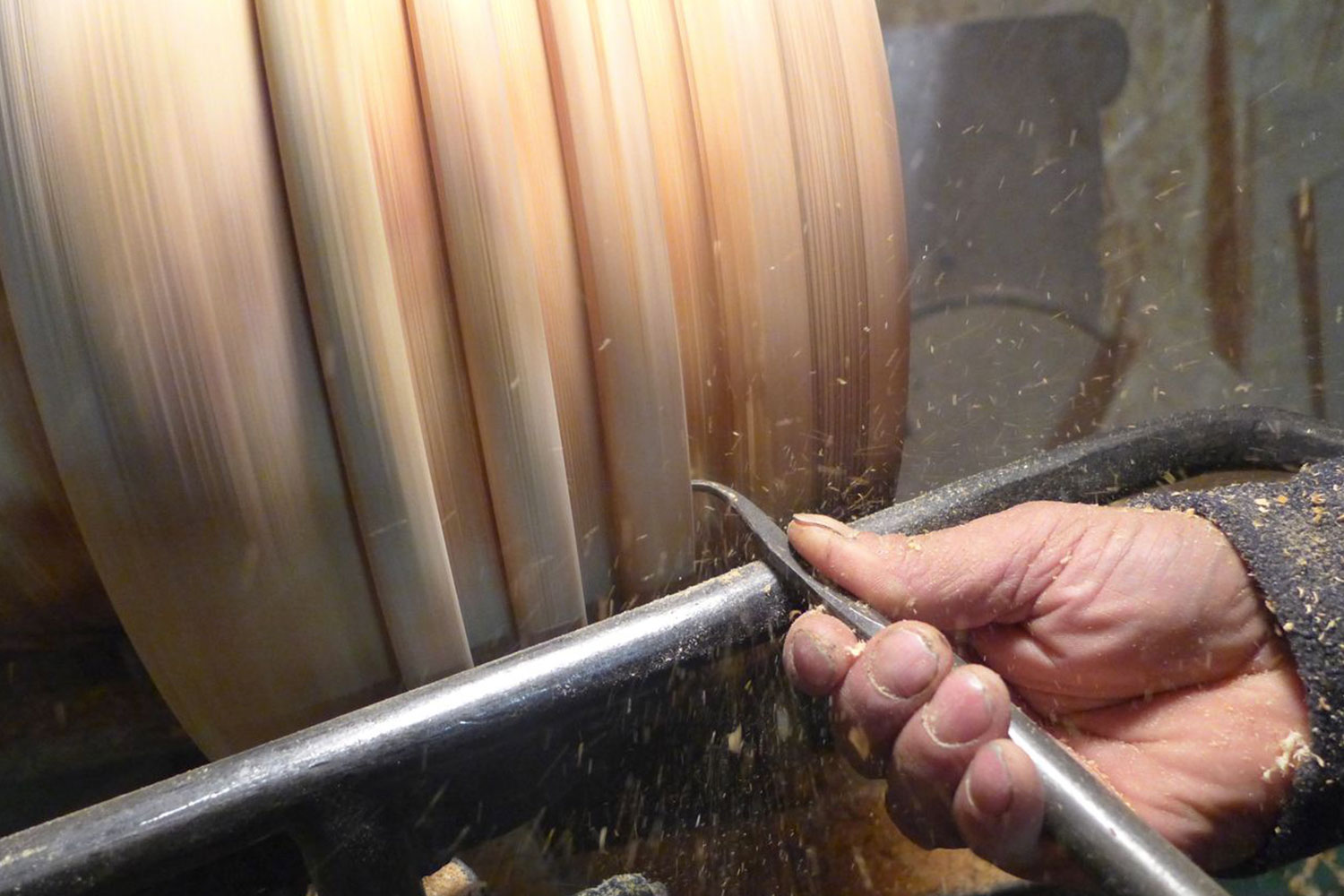
I create them using local wood that I collect in the forest. Working with a living material and its imperfections is often unpredictable. I choose wet wood because when it dries it changes its shape, looks more natural and its beauty comes through.
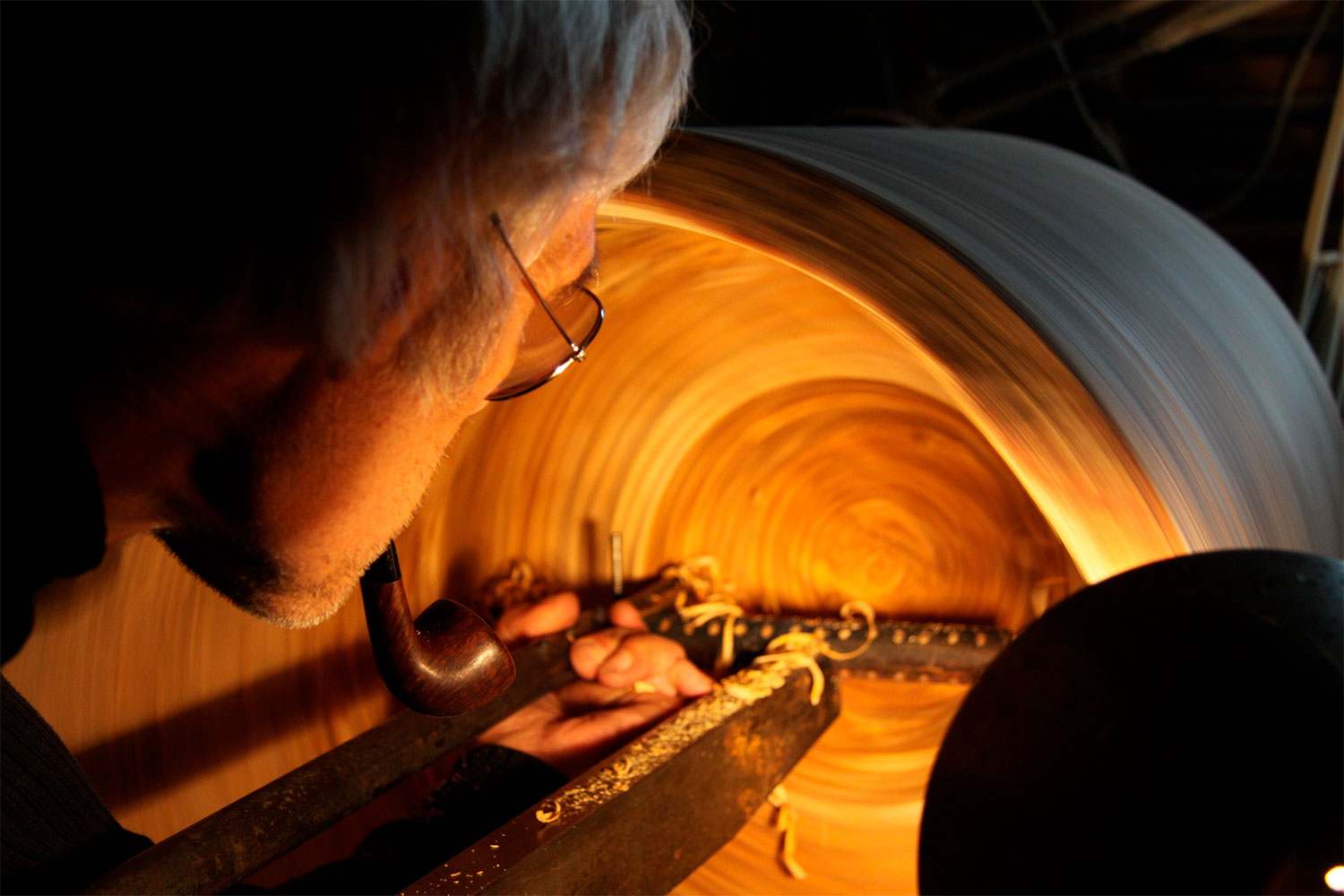
Sometimes months. The biggest problem is that the wood dries while I’m working on it. That means that the final turning must be done continuously, without stopping. When the piece is finished, I sand it and then I let it dry for one to four months.

Hans Henning Pedersen
Woodturner
Gudhjem, Denmark
Recommended by Danish Crafts & Design Association
AVAILABILITY
By appointment only
PHONE
+45 20295519
LANGUAGES
Danish, German, English
Homo Faber Finds is a new service aiming to inspire admirers of craft to connect and collaborate with exceptional artisans.
We invite you to submit an enquiry here.