Stefania Giannici
Paperoowl
Paper artist
Venice, Italy
Recommended by Laura Scarpa & Lorenzo Cinotti
Papers with a strong personality
- Stefania is a self-taught paper artist
- Her creative method is experimental
- She uses papers from all over the world
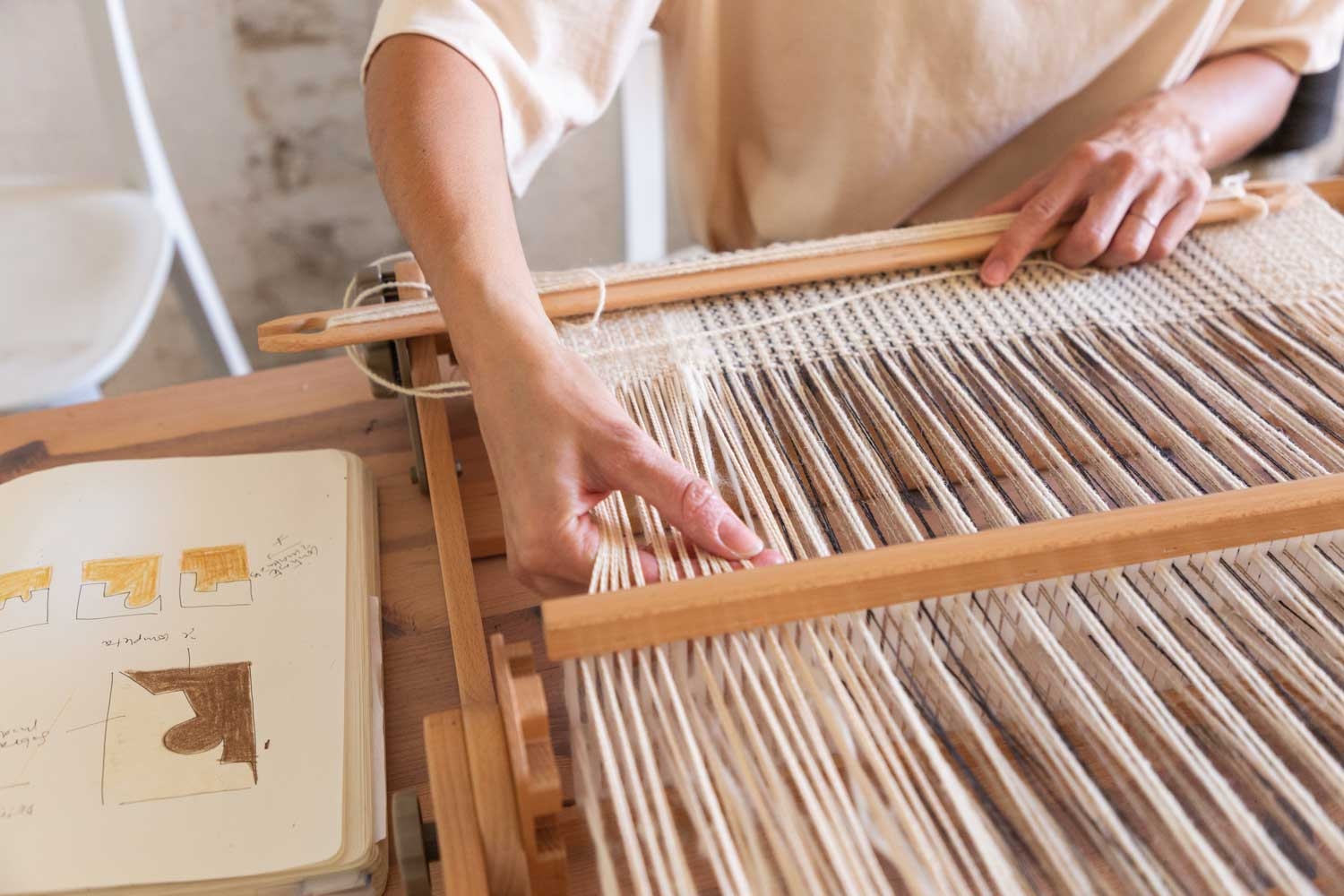
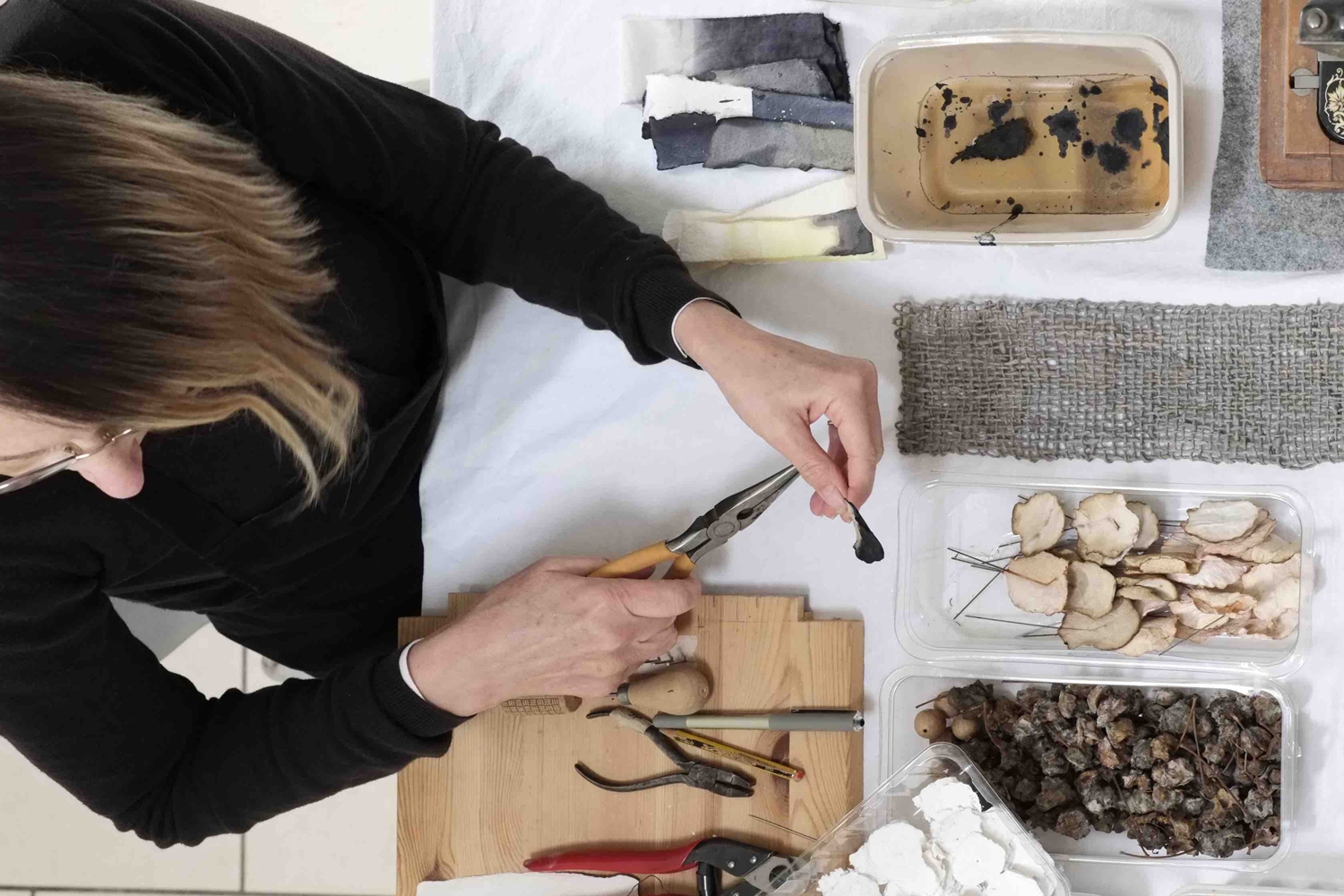
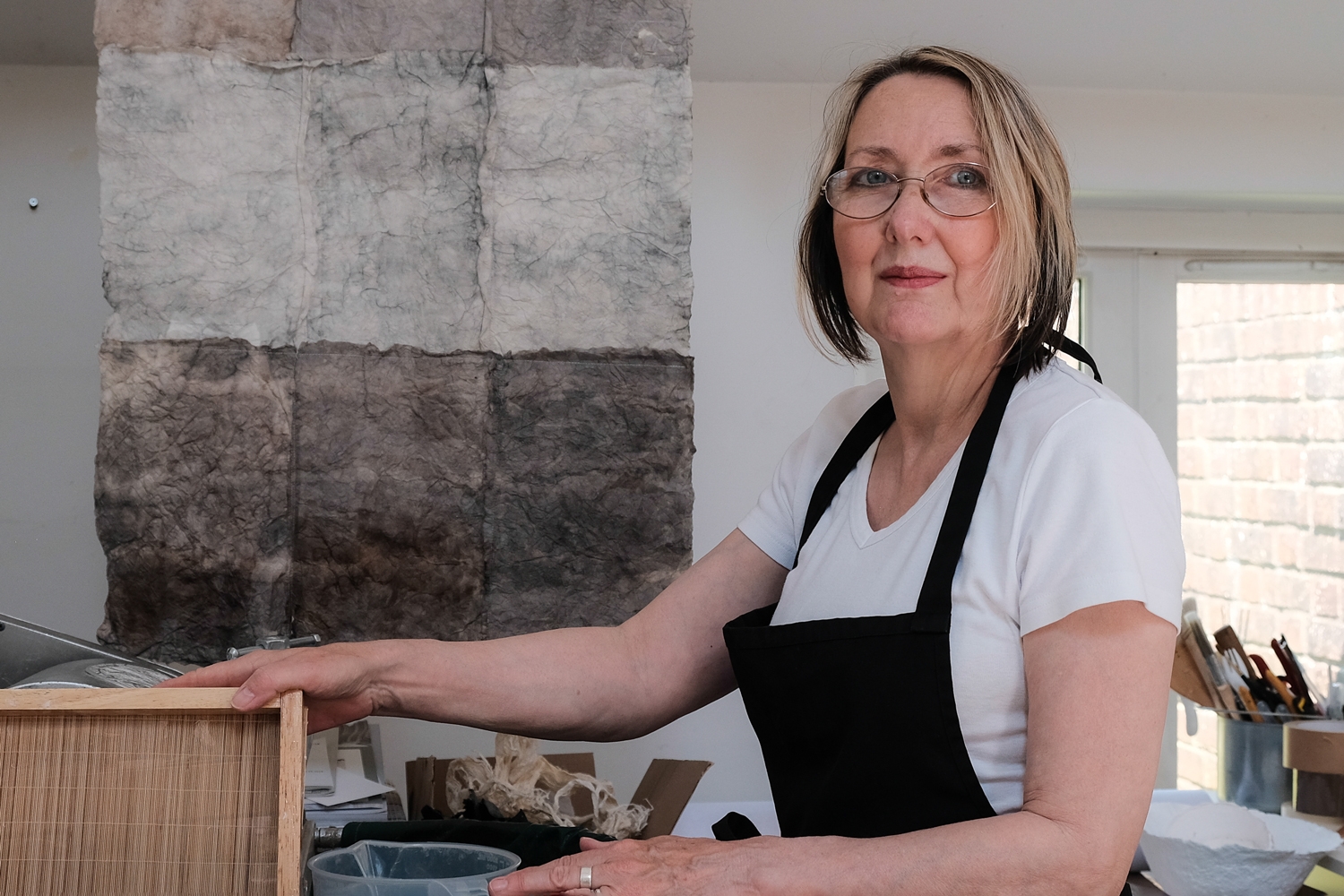
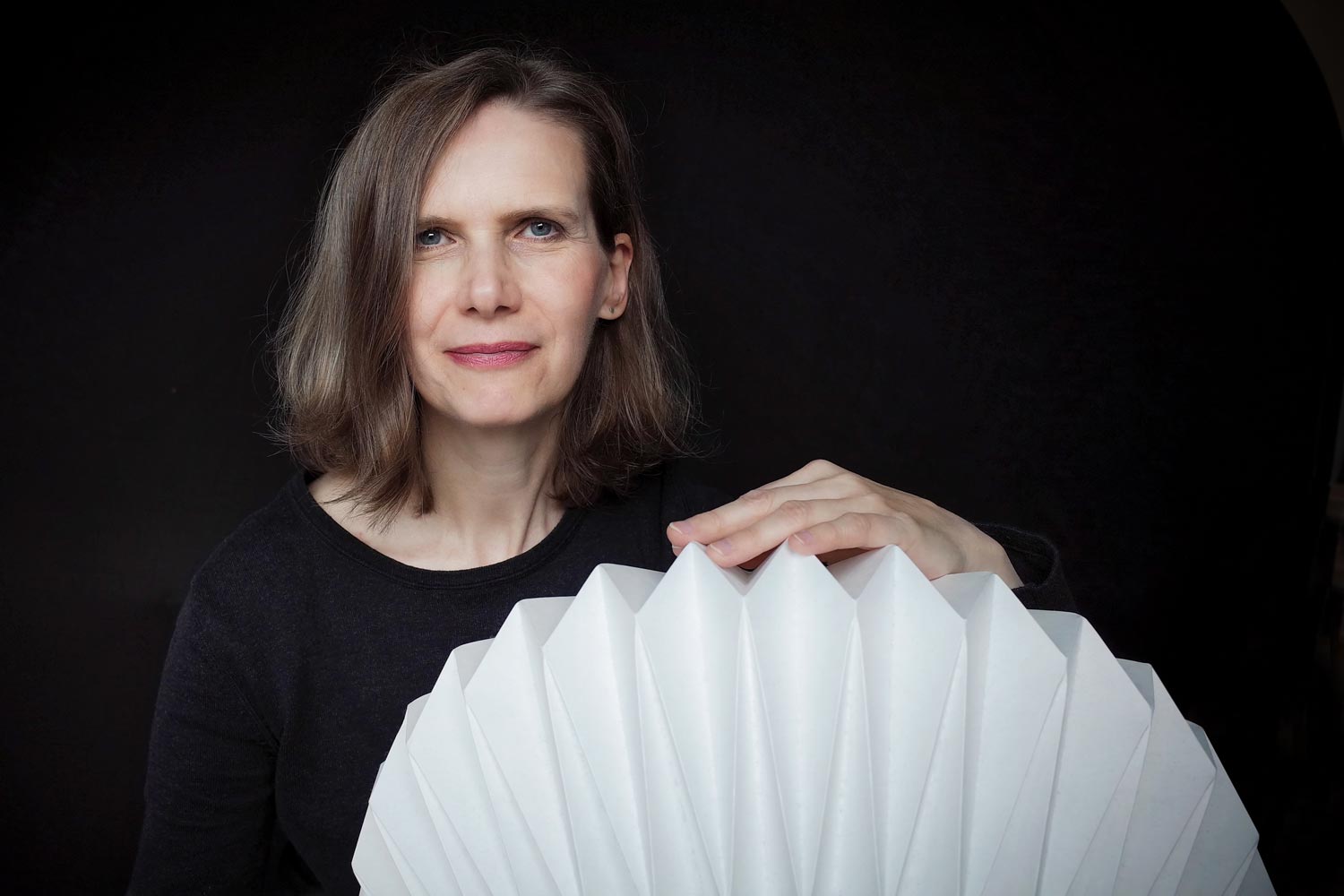
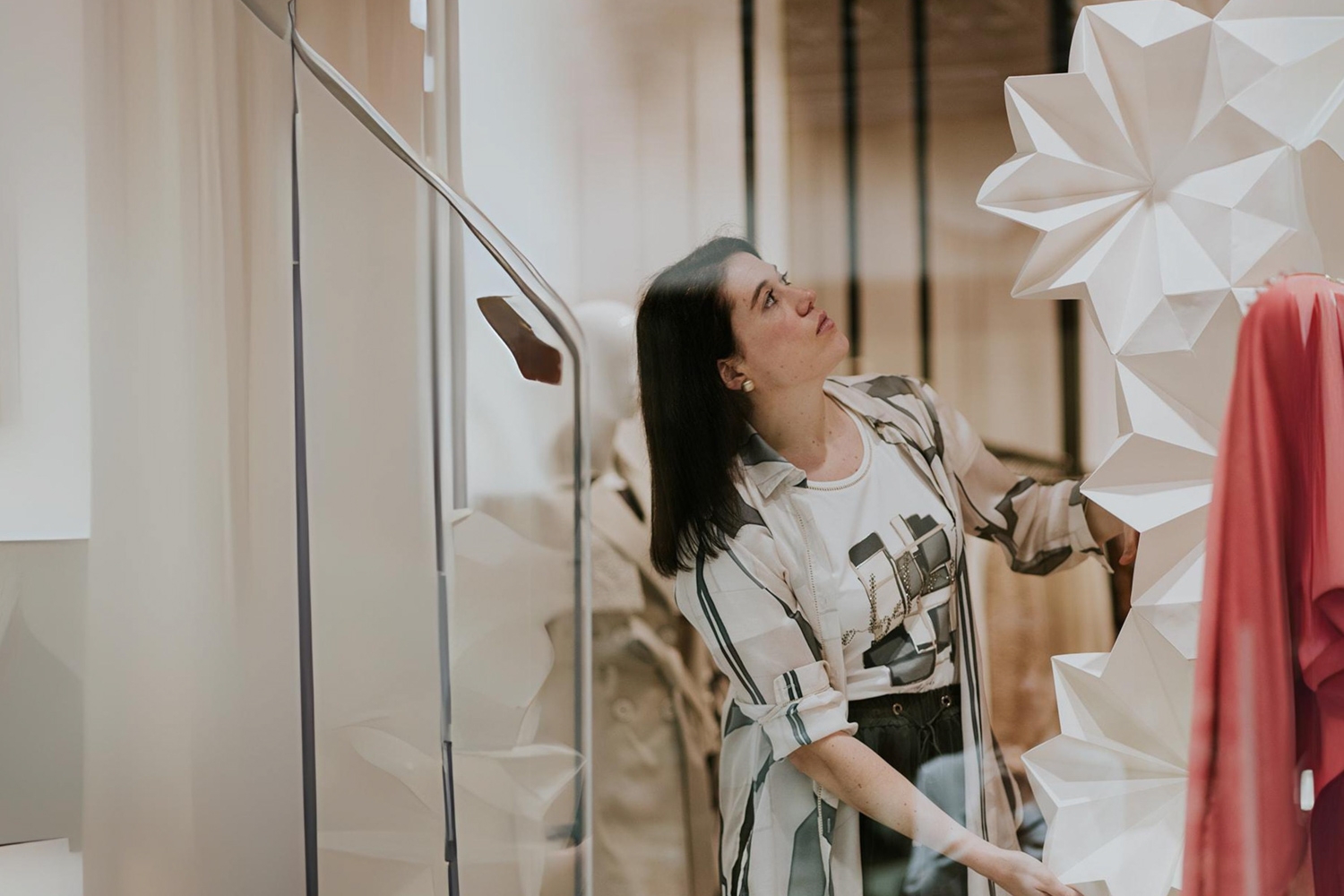
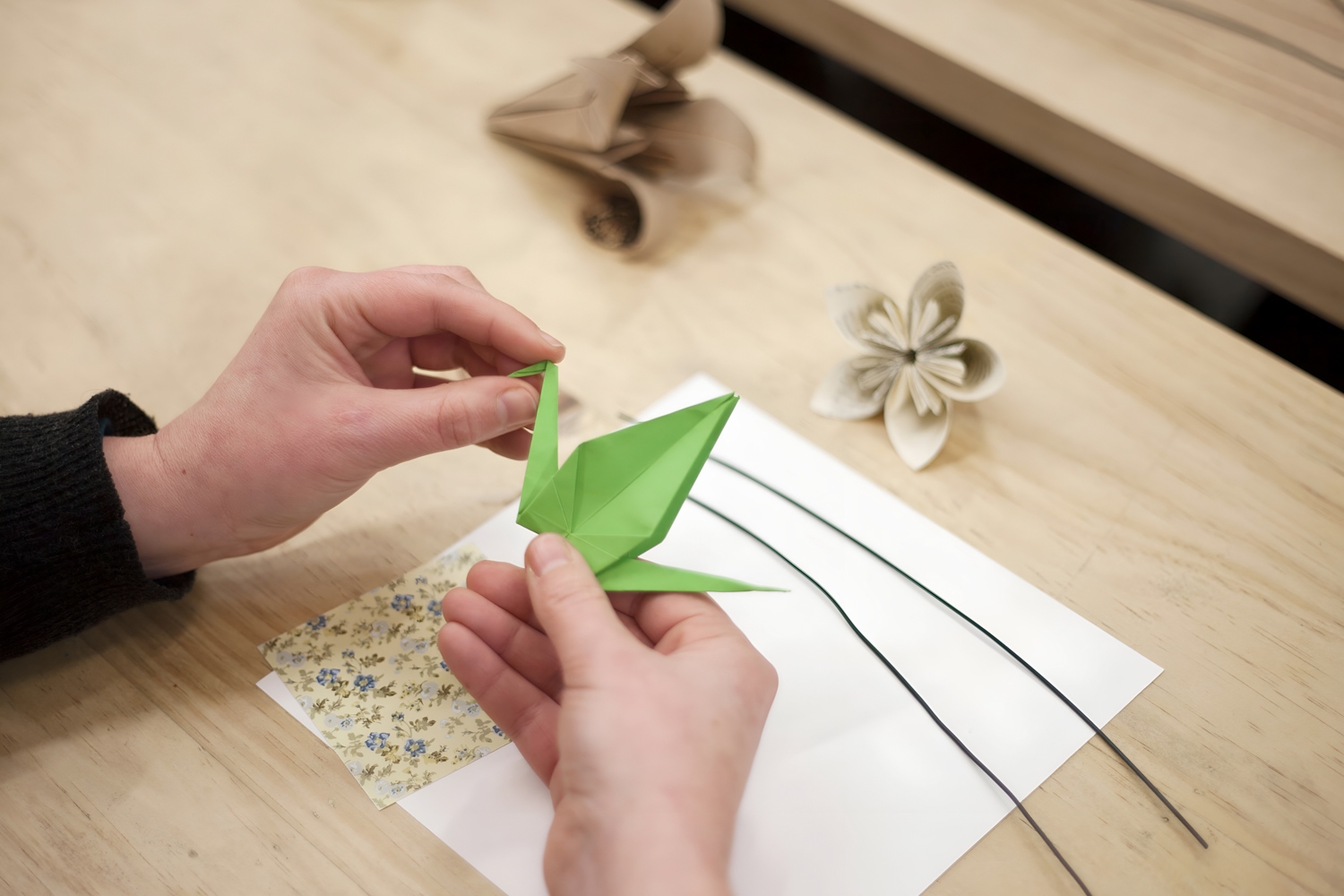
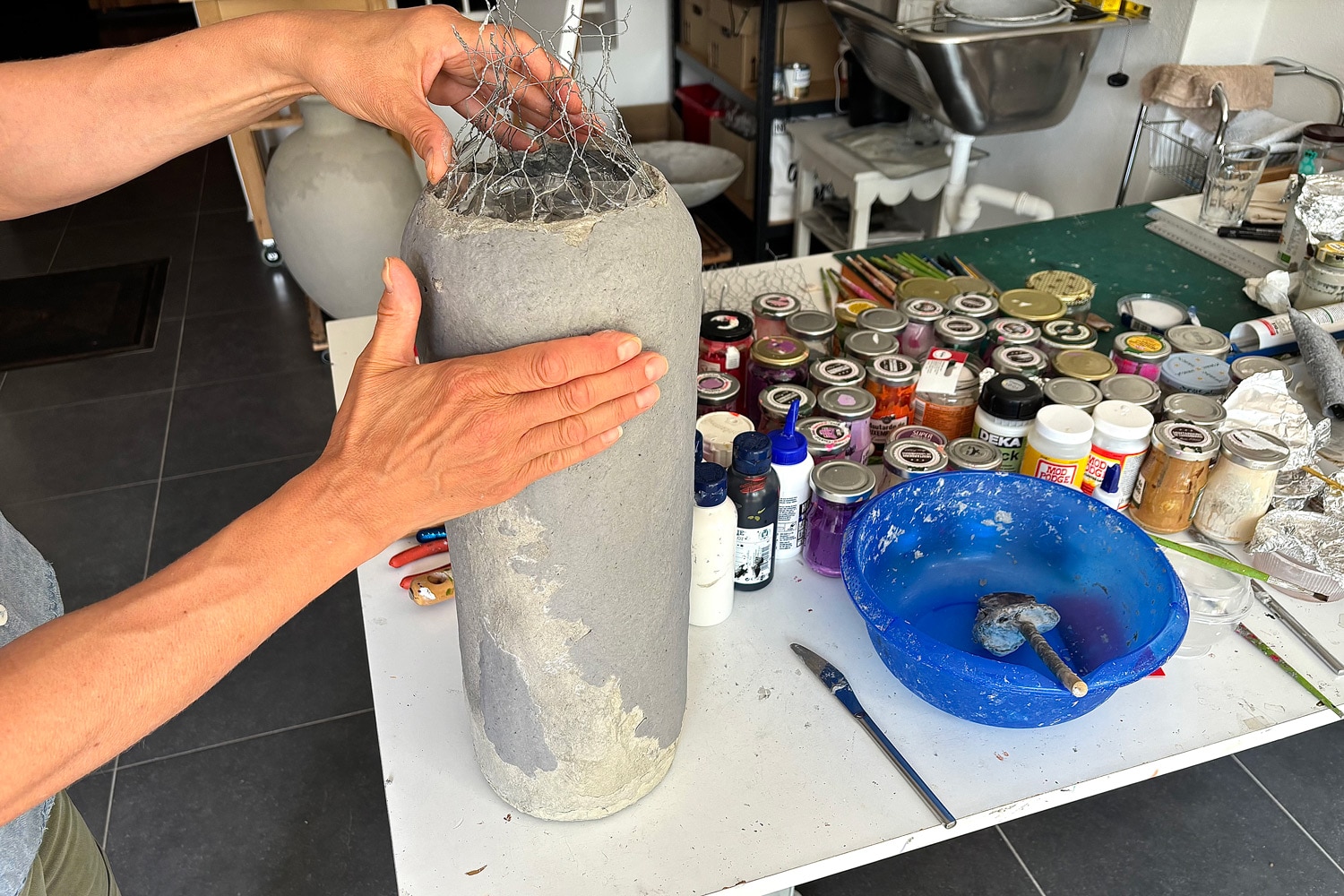
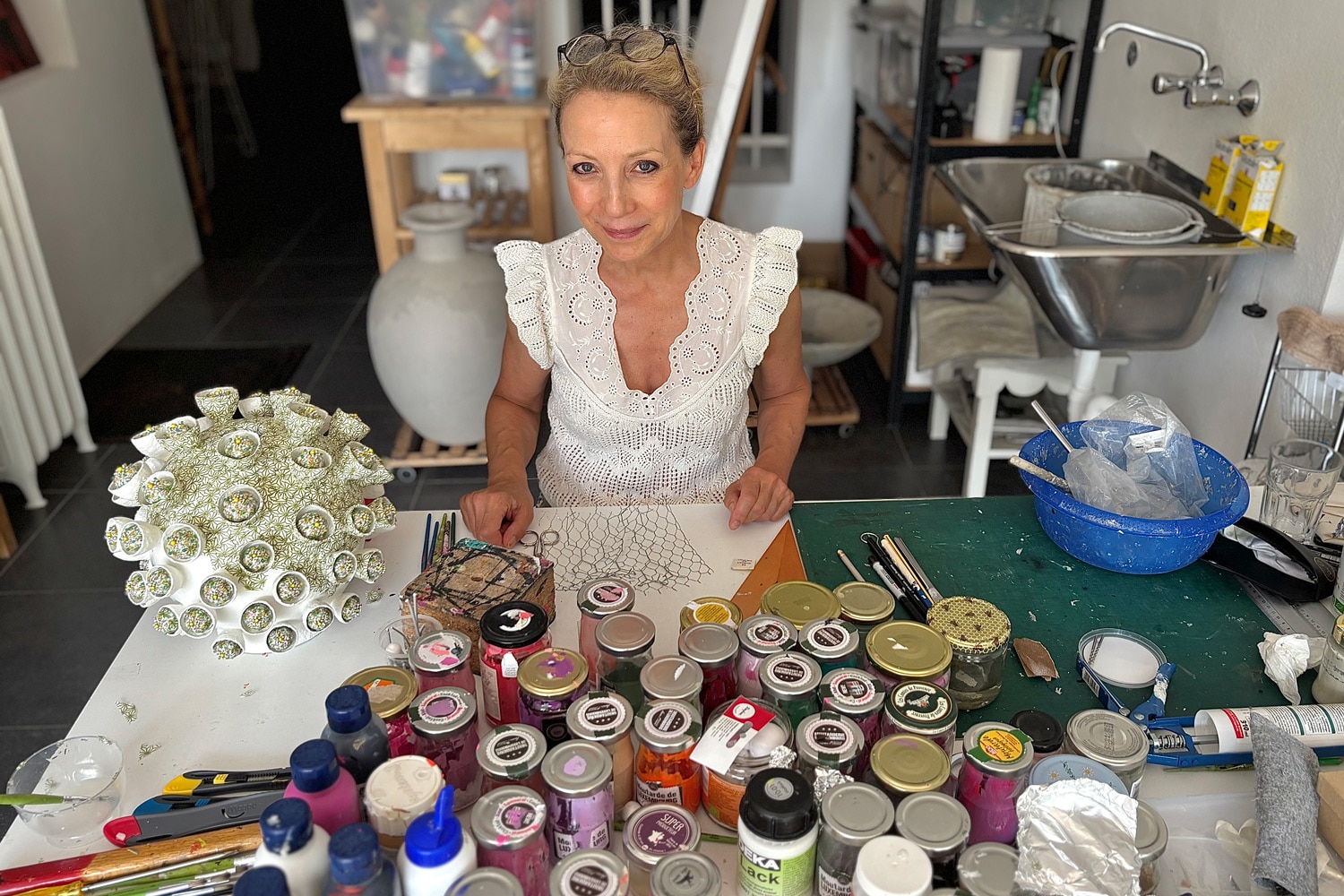
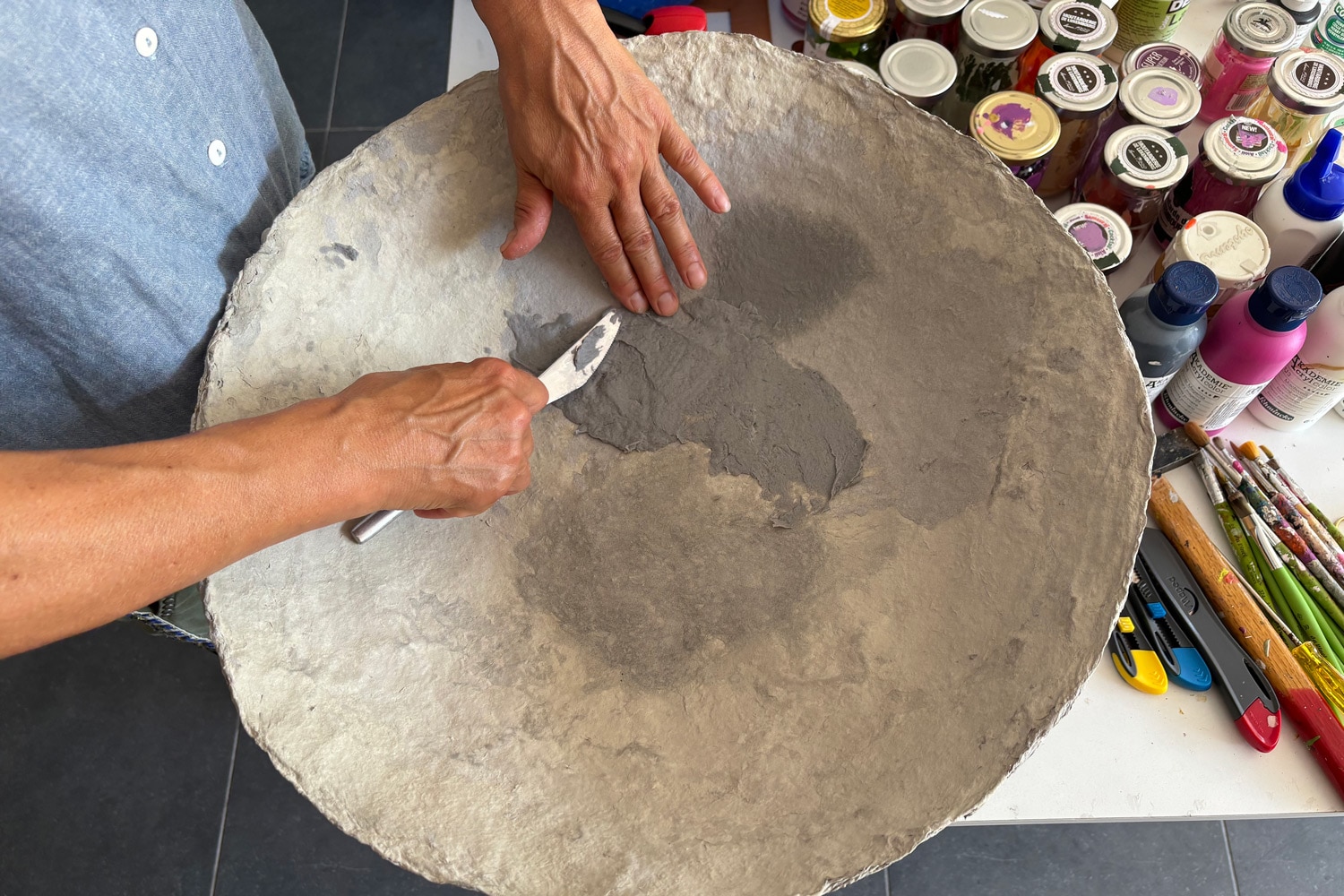
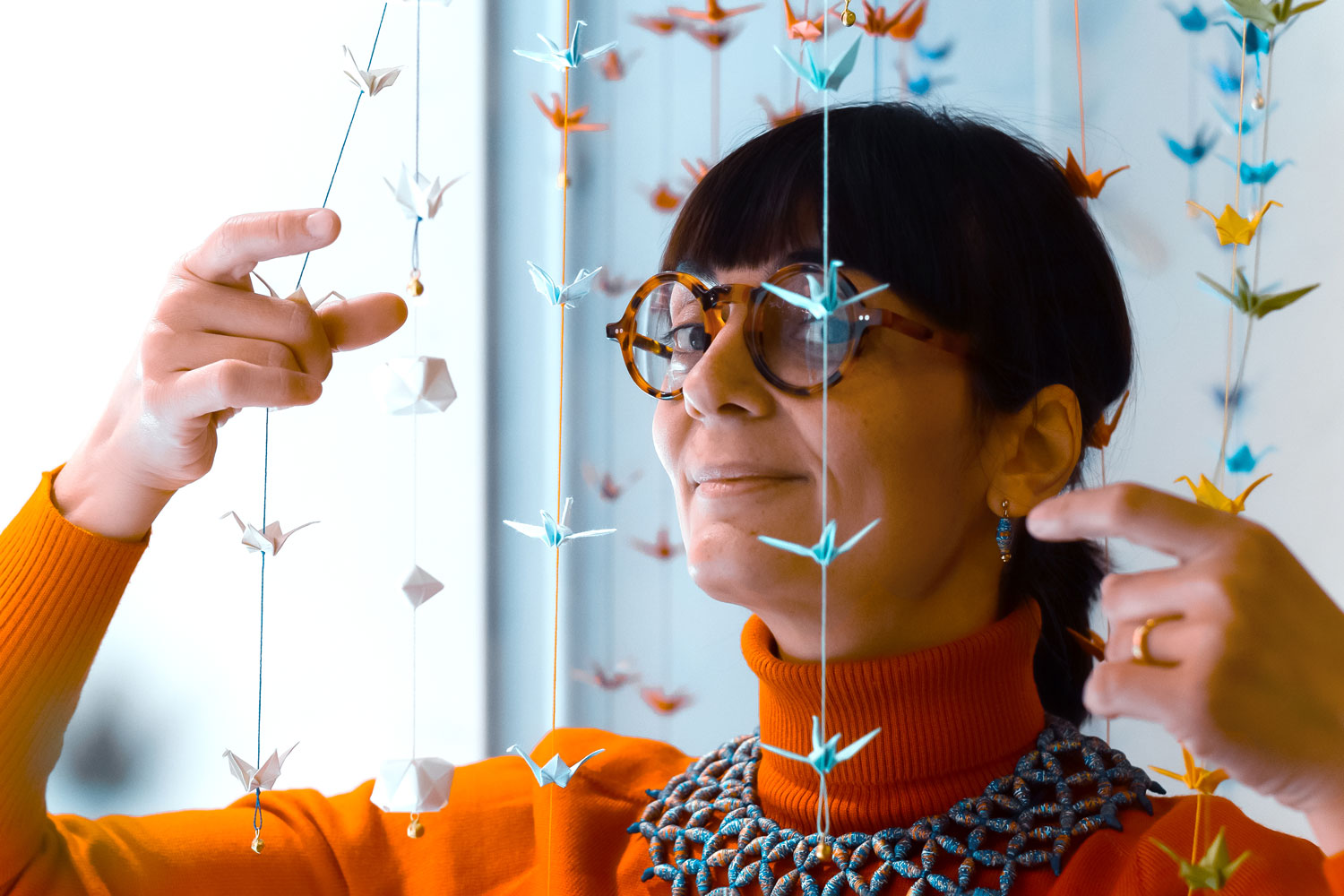
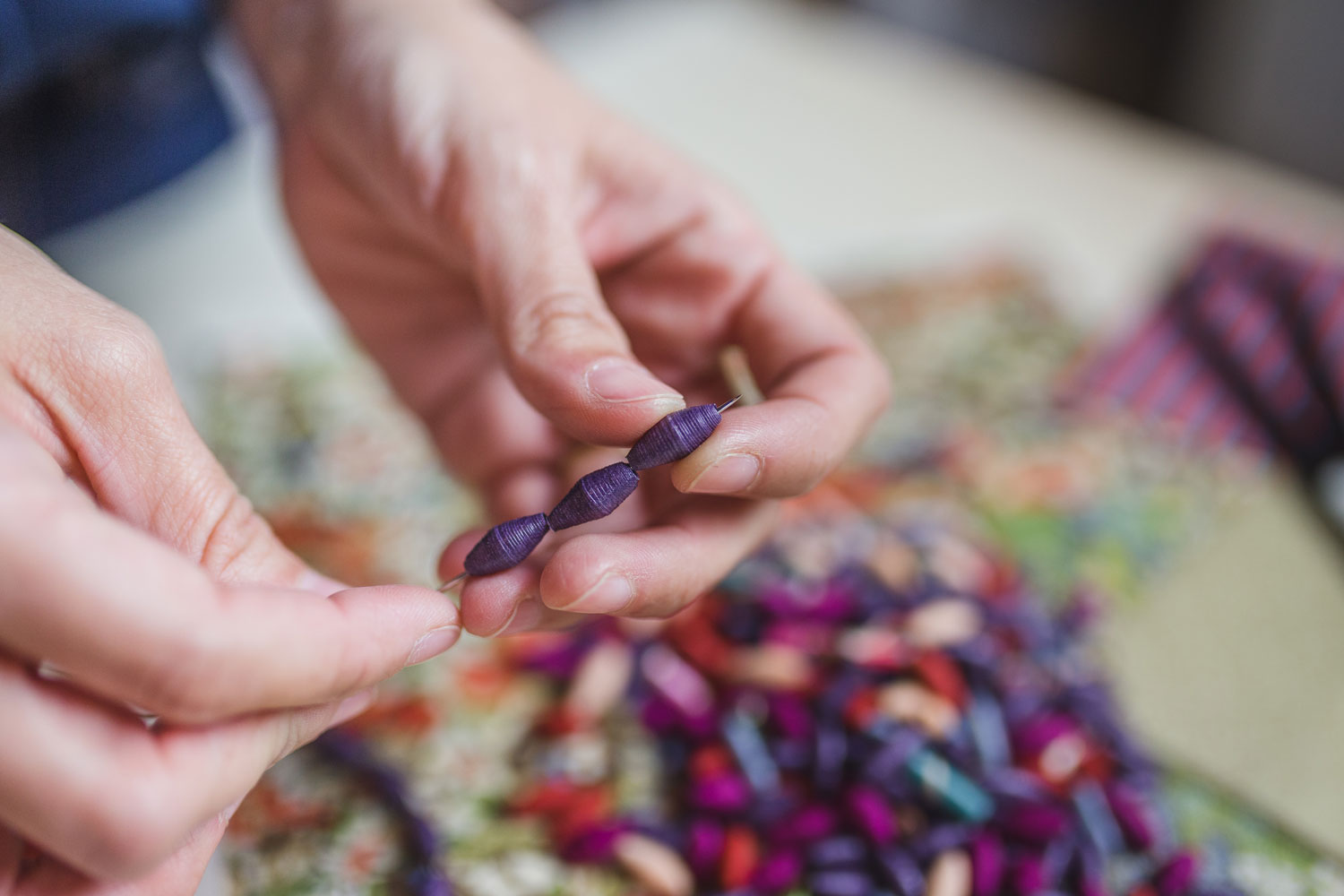
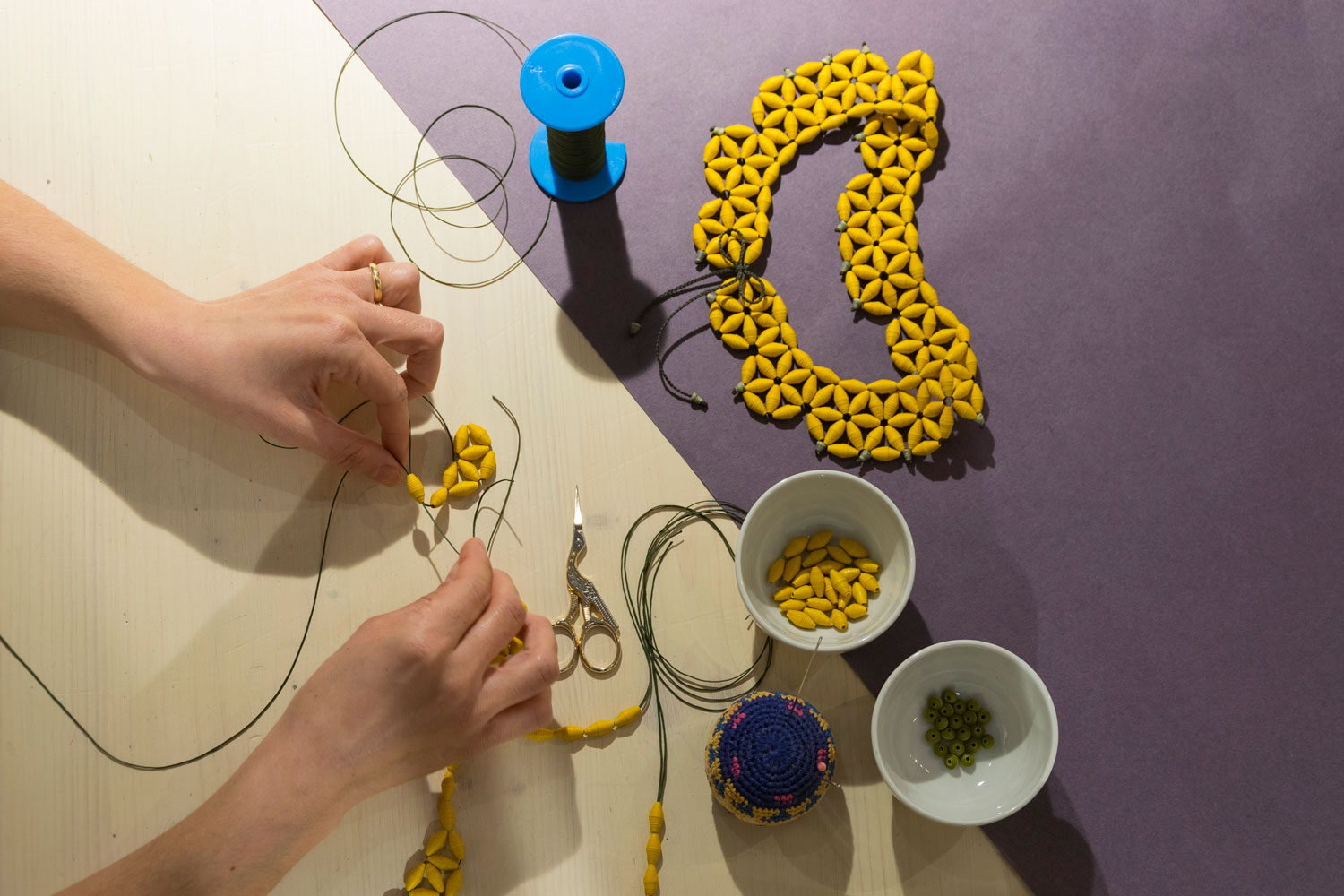
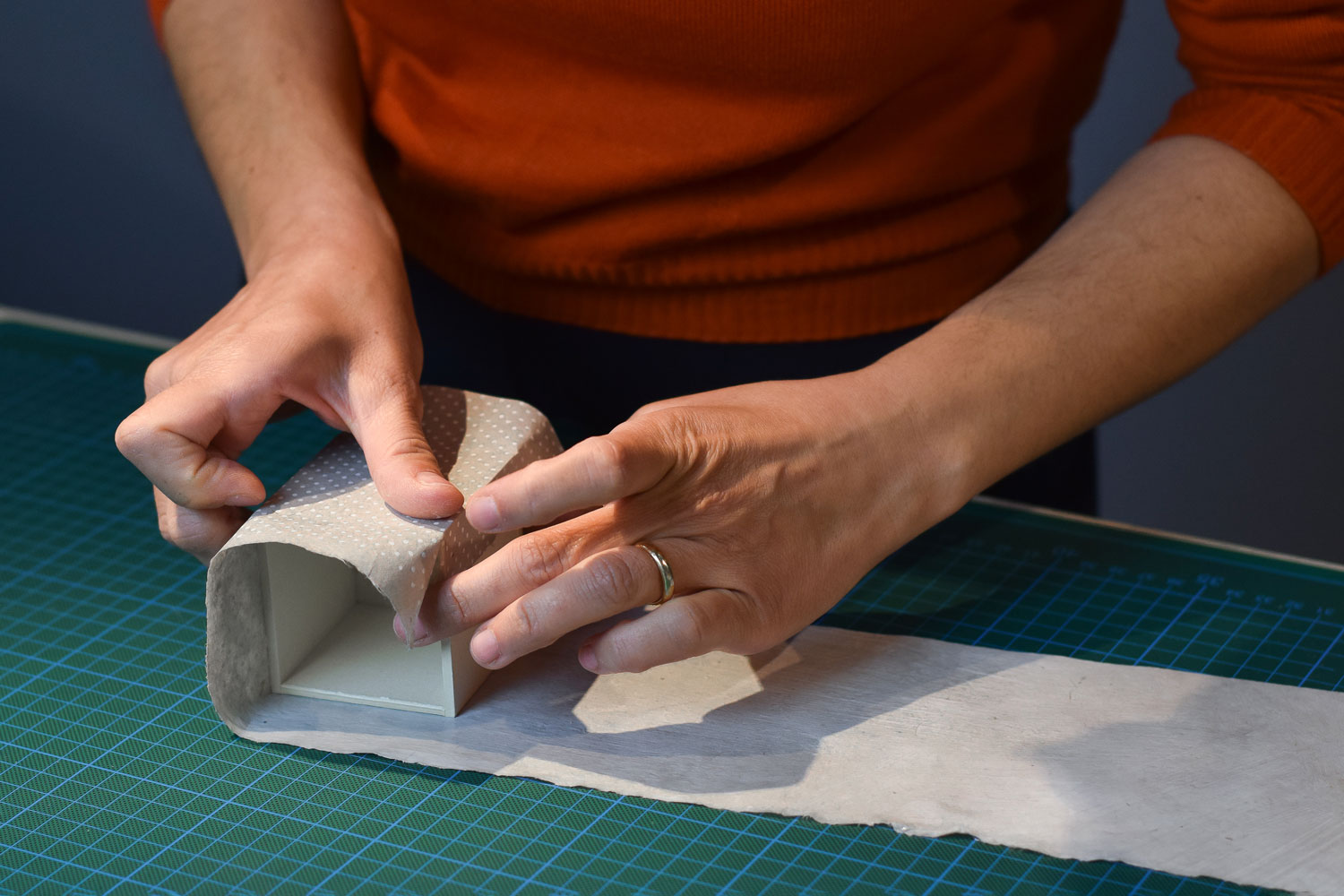
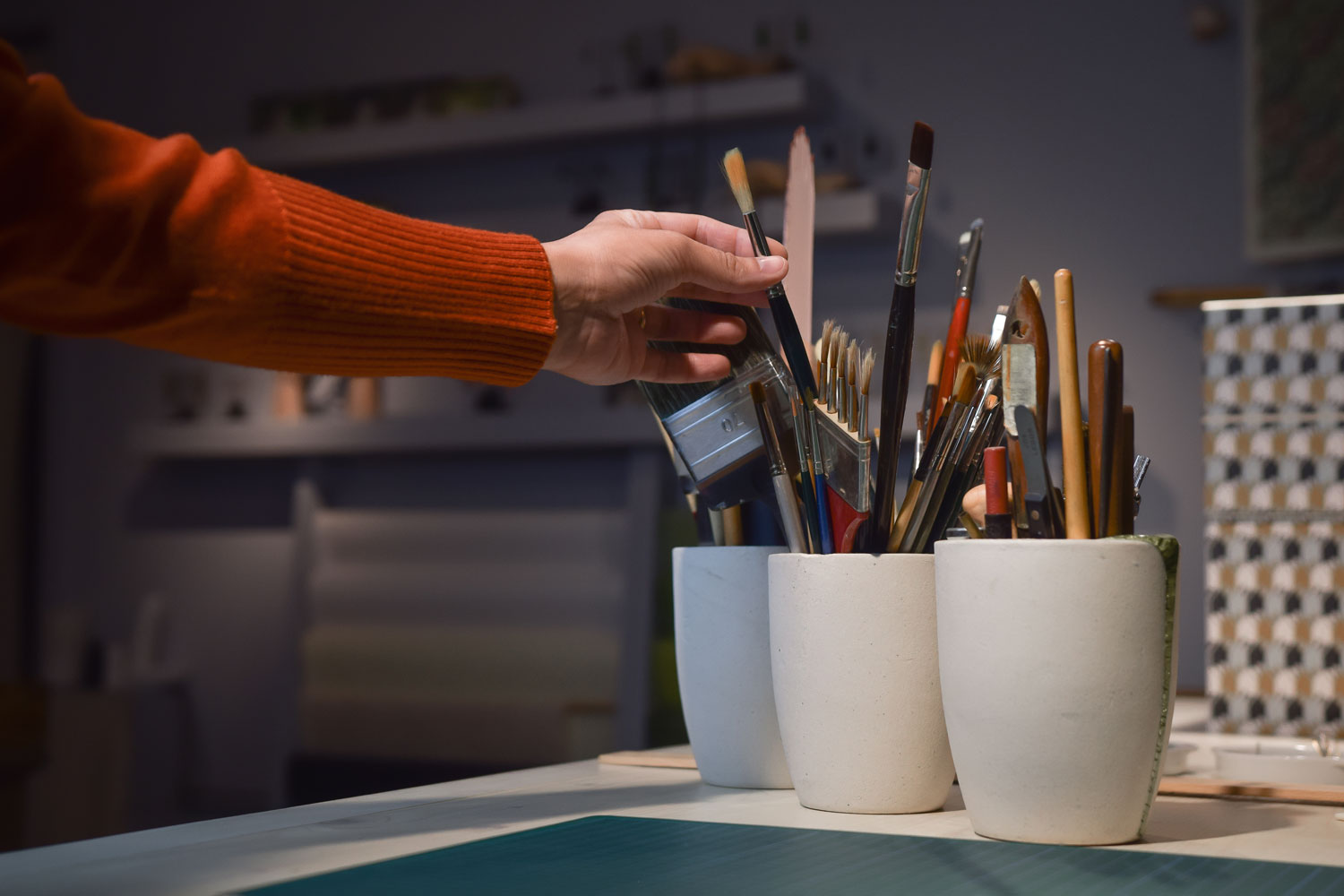
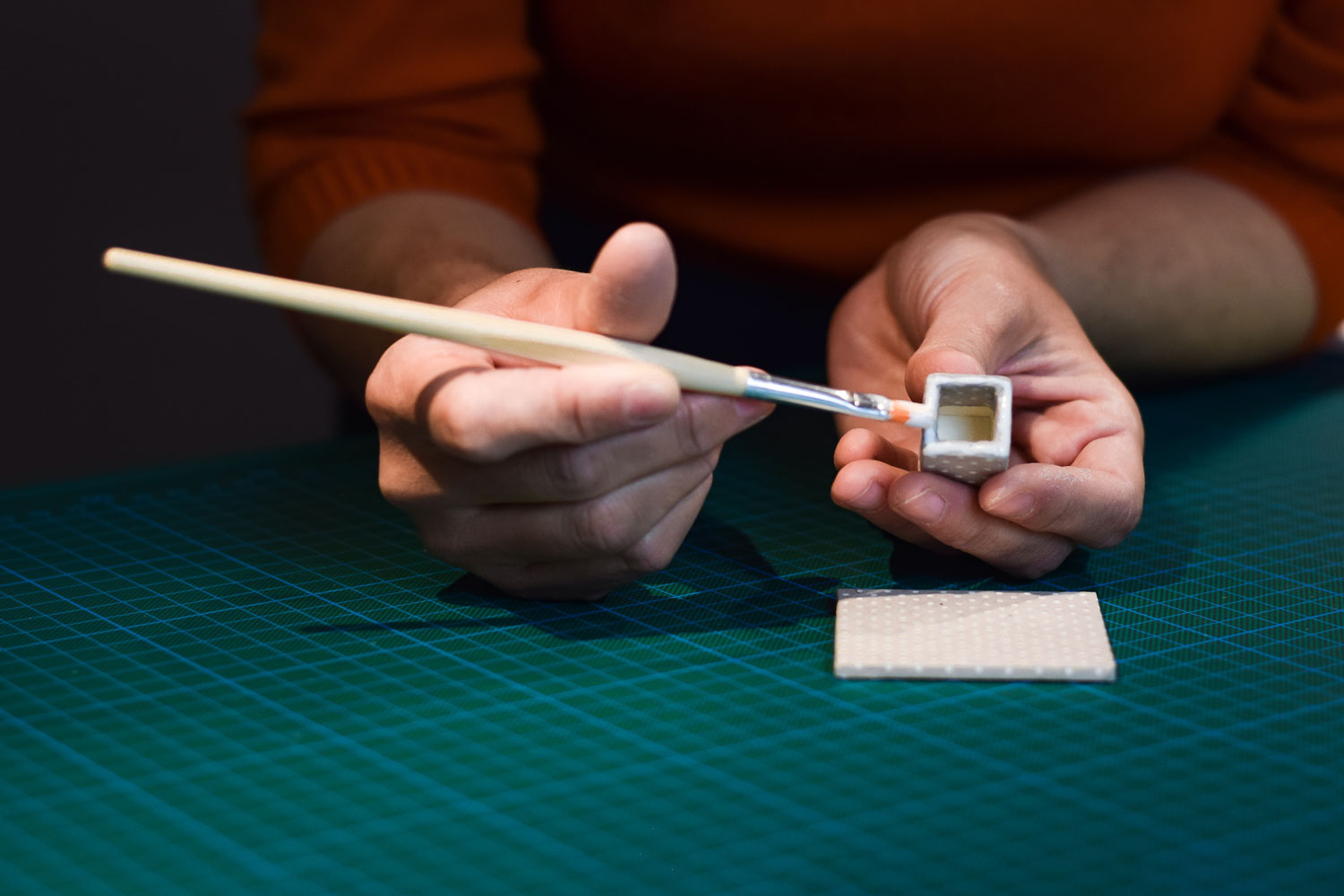
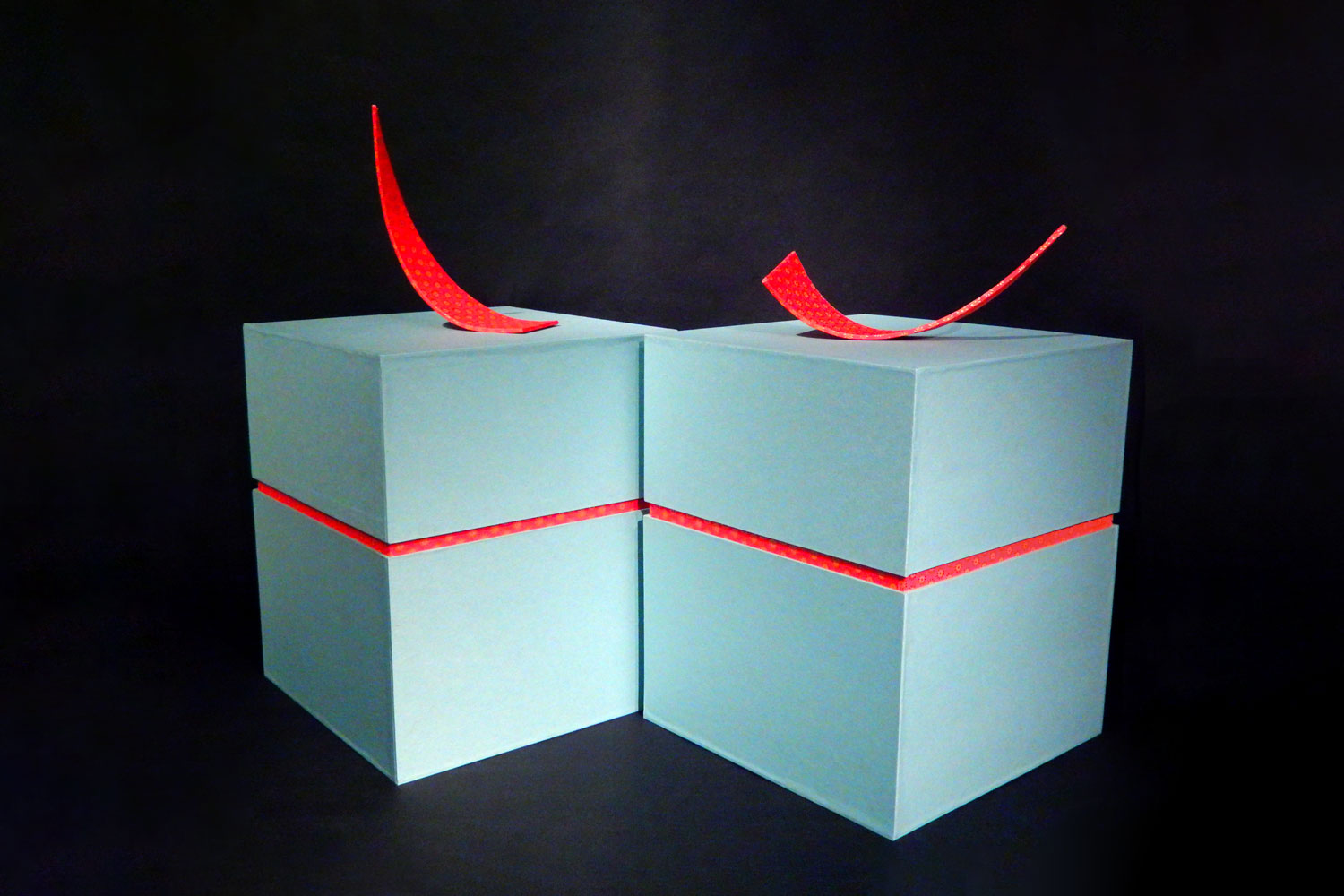
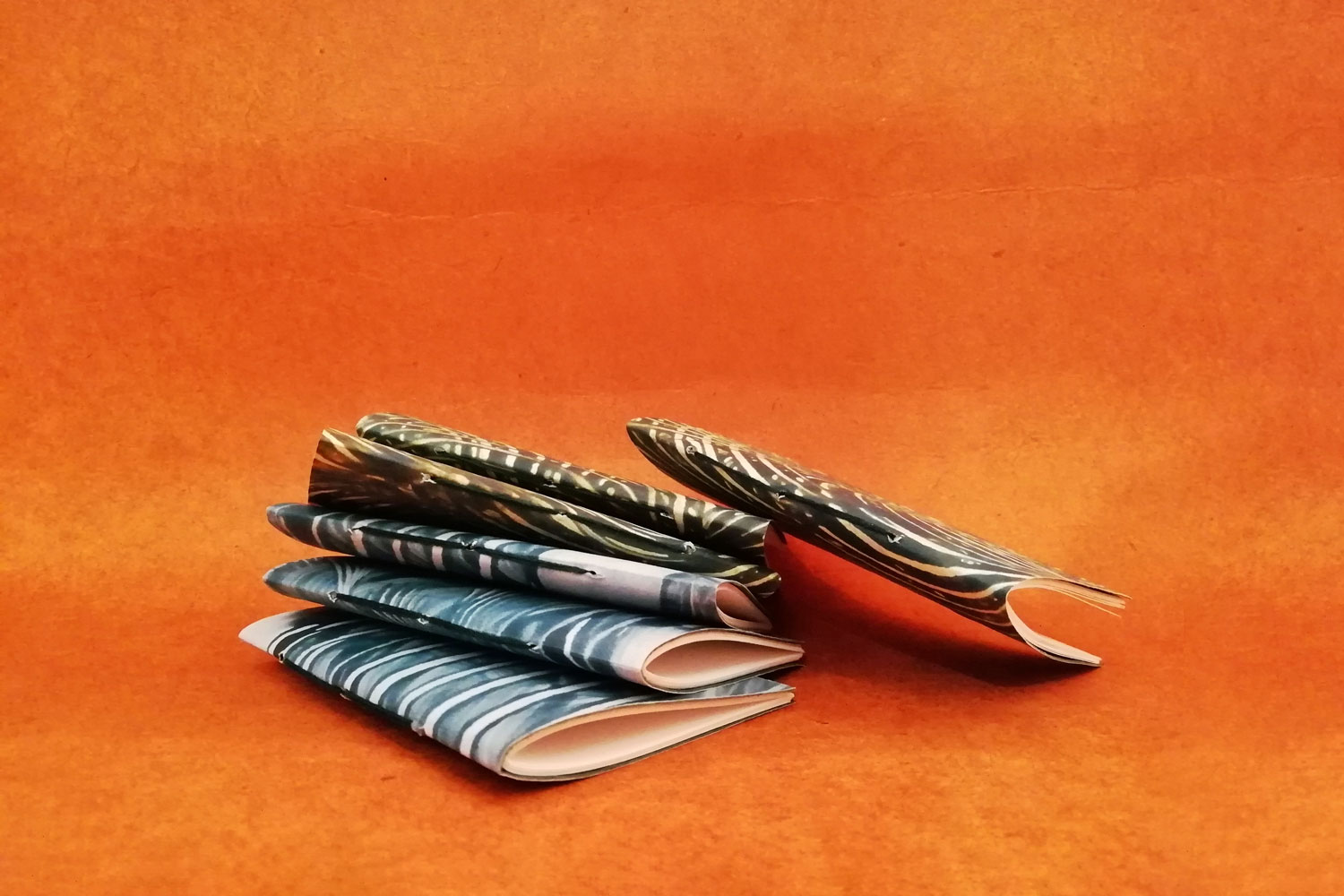
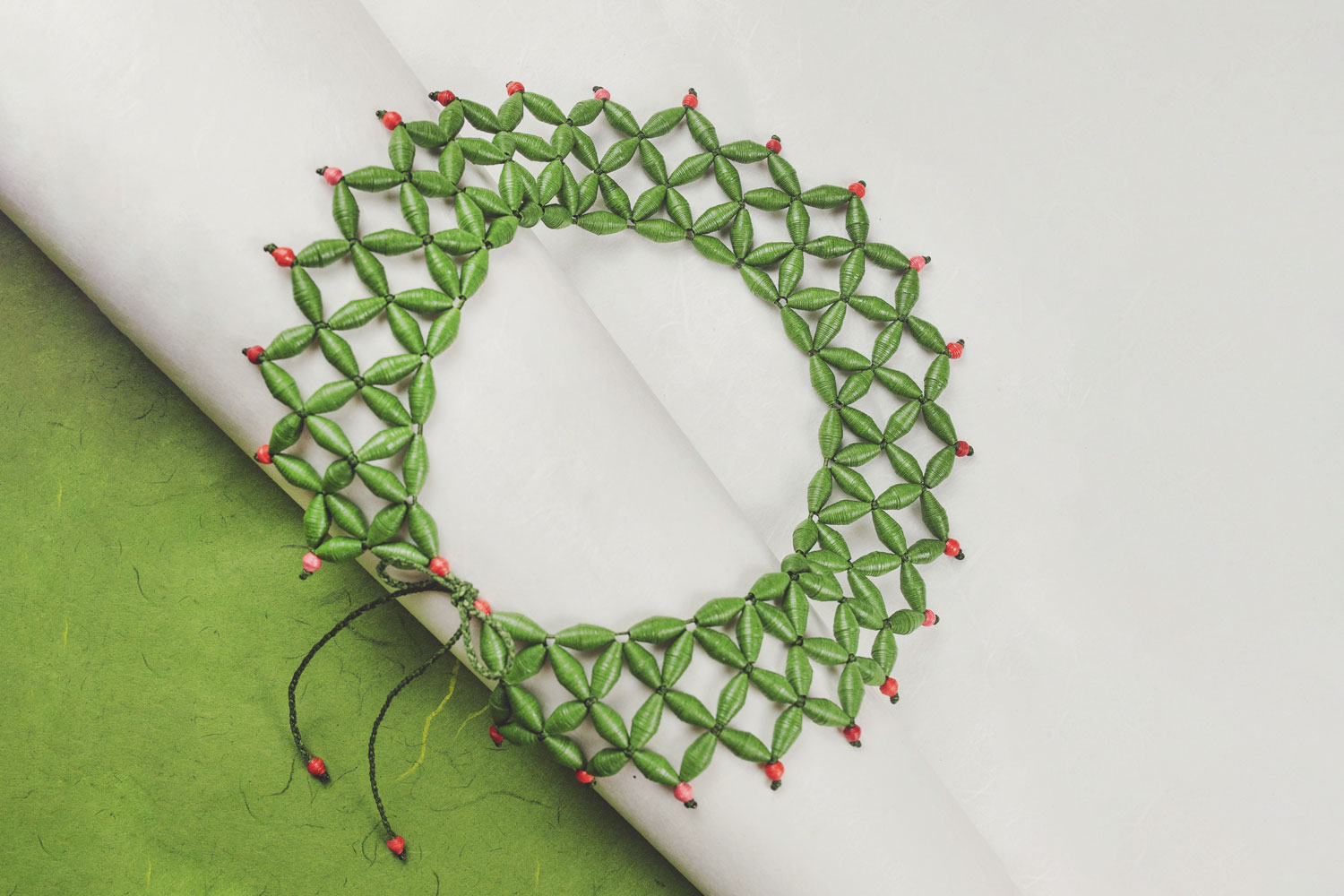
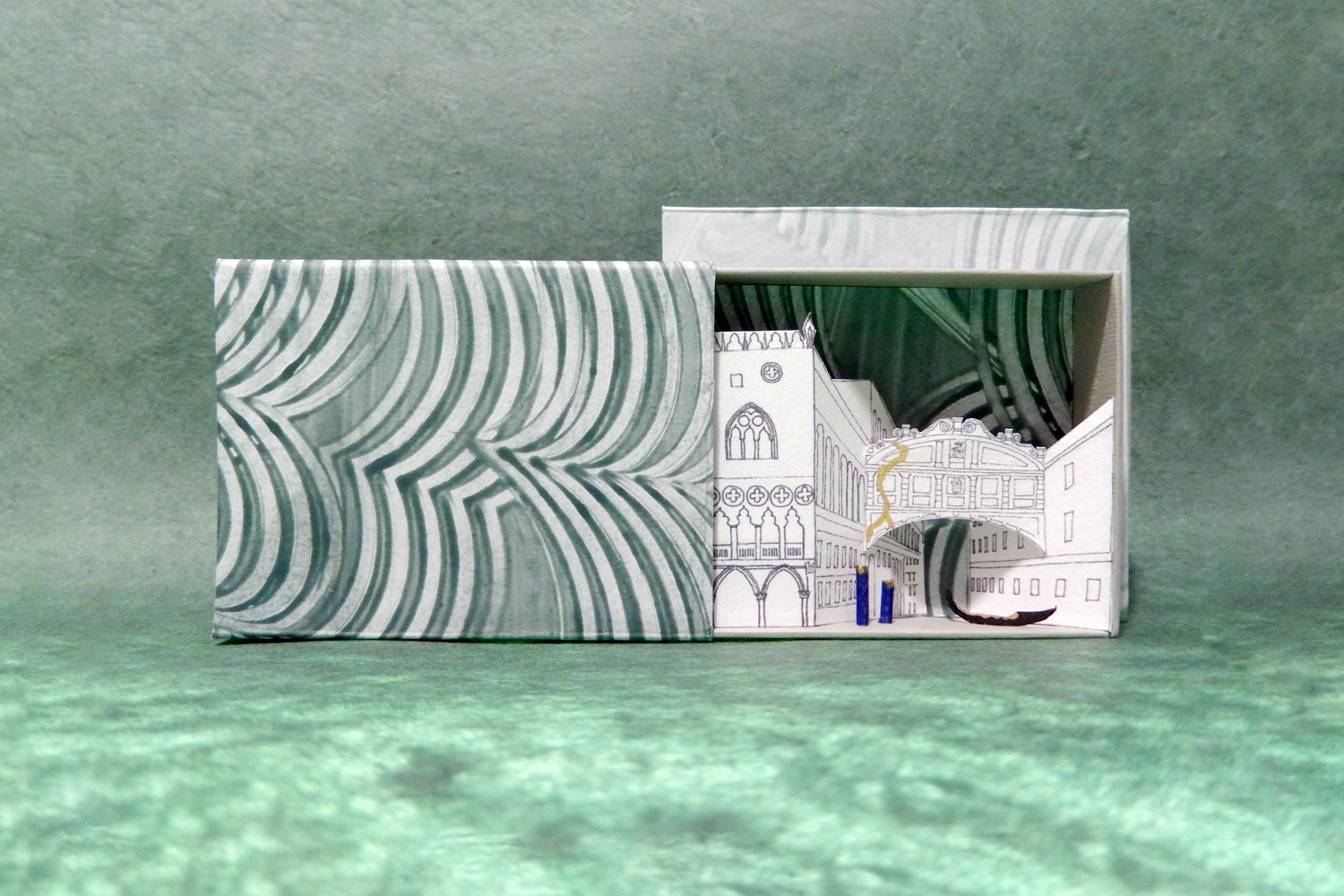
In her paper art studio and shop in Venice, Stefania Giannici creates home design objects, boxes, notebooks, jewels, origami, custom pieces and even some Venice landscapes “in a box”. Bewitched by paper and its huge creative potential since she was a child, Stefania attended origami, bookbinding and decoration courses while studying communication and art events management. Only years later, has paper become her job. Now Stefania designs and makes original articles, renowned for being enchanting and resistant at the same time, starting from the choice of the paper, among a wide variety of precious productions from all over the world: “Every kind of high quality paper has its special personality I have to listen to”, she says.
INTERVIEW
I am a self-taught paper artist, with a precocious passion for this material. While I was working as an event manager, I had the chance to exhibit some paper earrings I made, in an antique shop, next to some Japanese katagami: it was an unexpected success. That’s how I began.
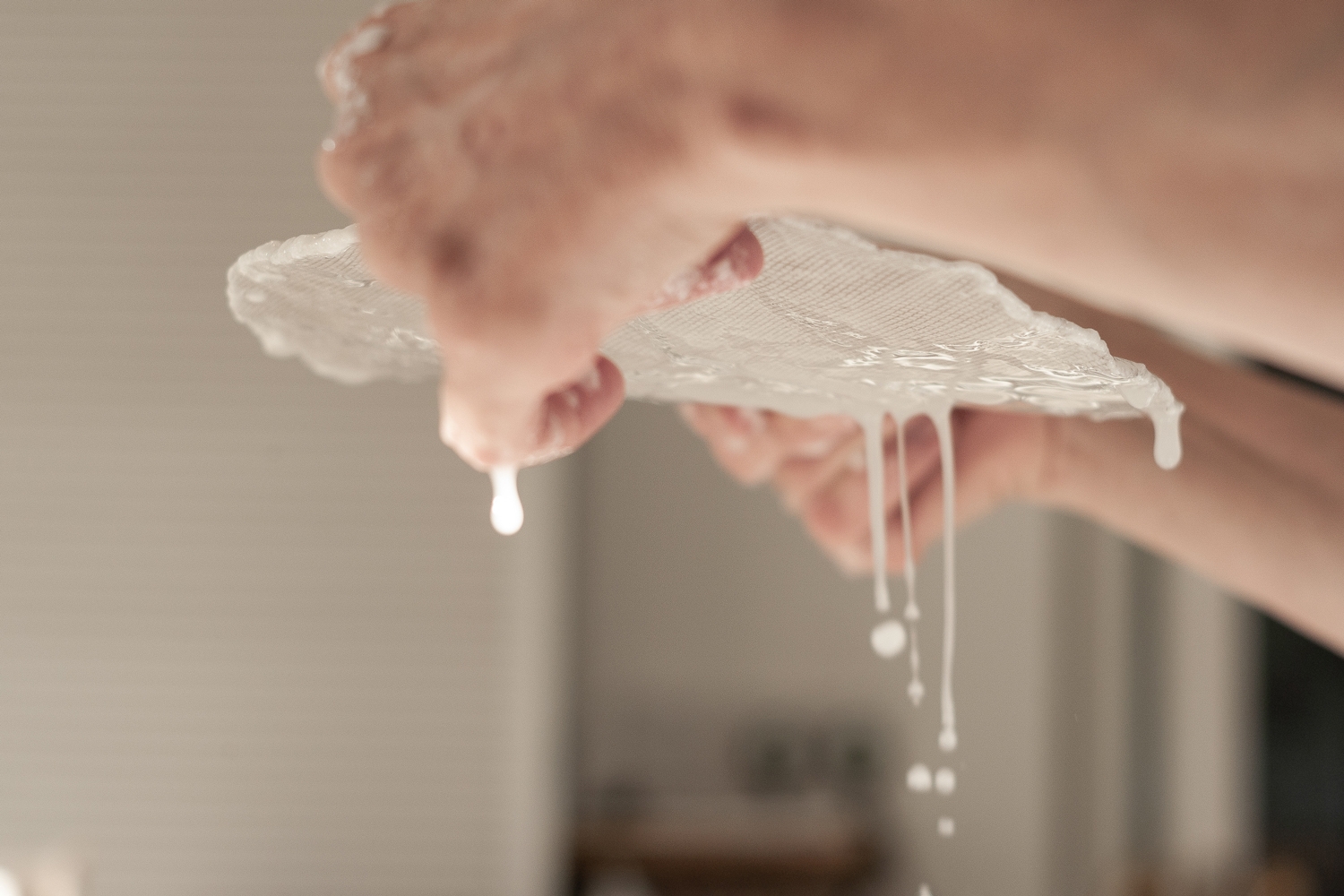
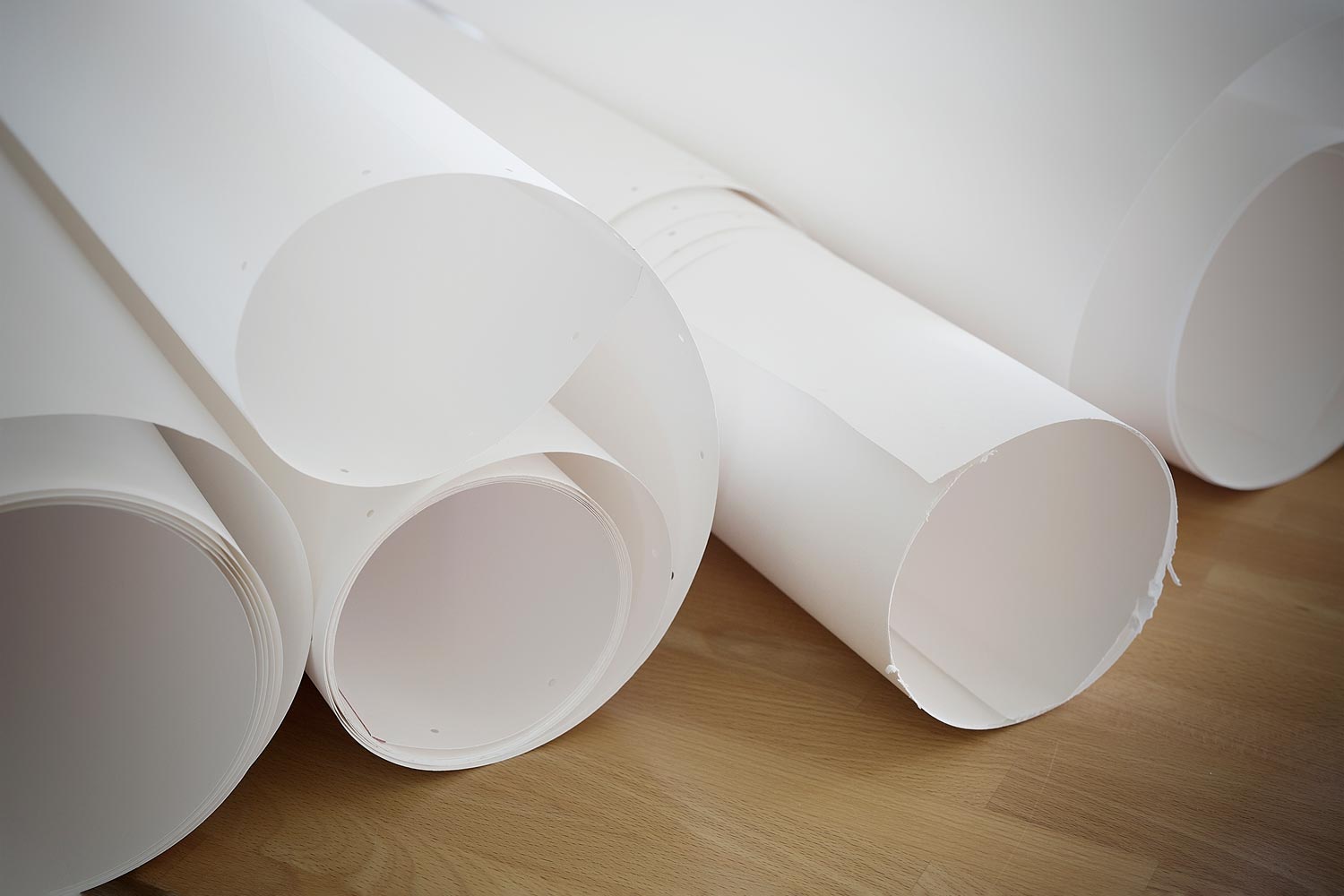
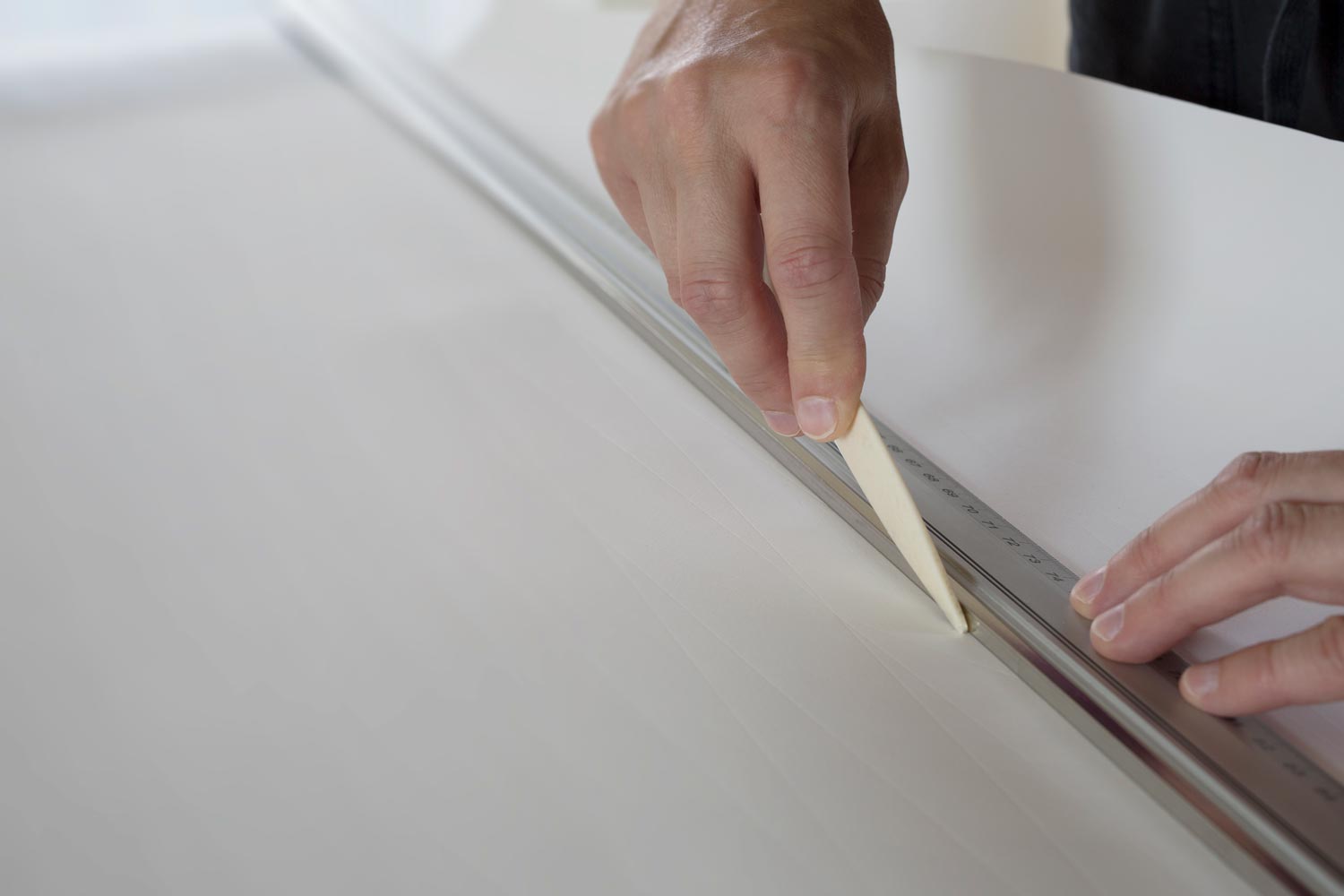
Paper is a very eclectic material, much more than usually appreciated. Some Japanese handmade papers – I discovered thanks to origami – are very strong, even if subtle and silky. So in one material you can find lightness, countless decorative options, resistance.
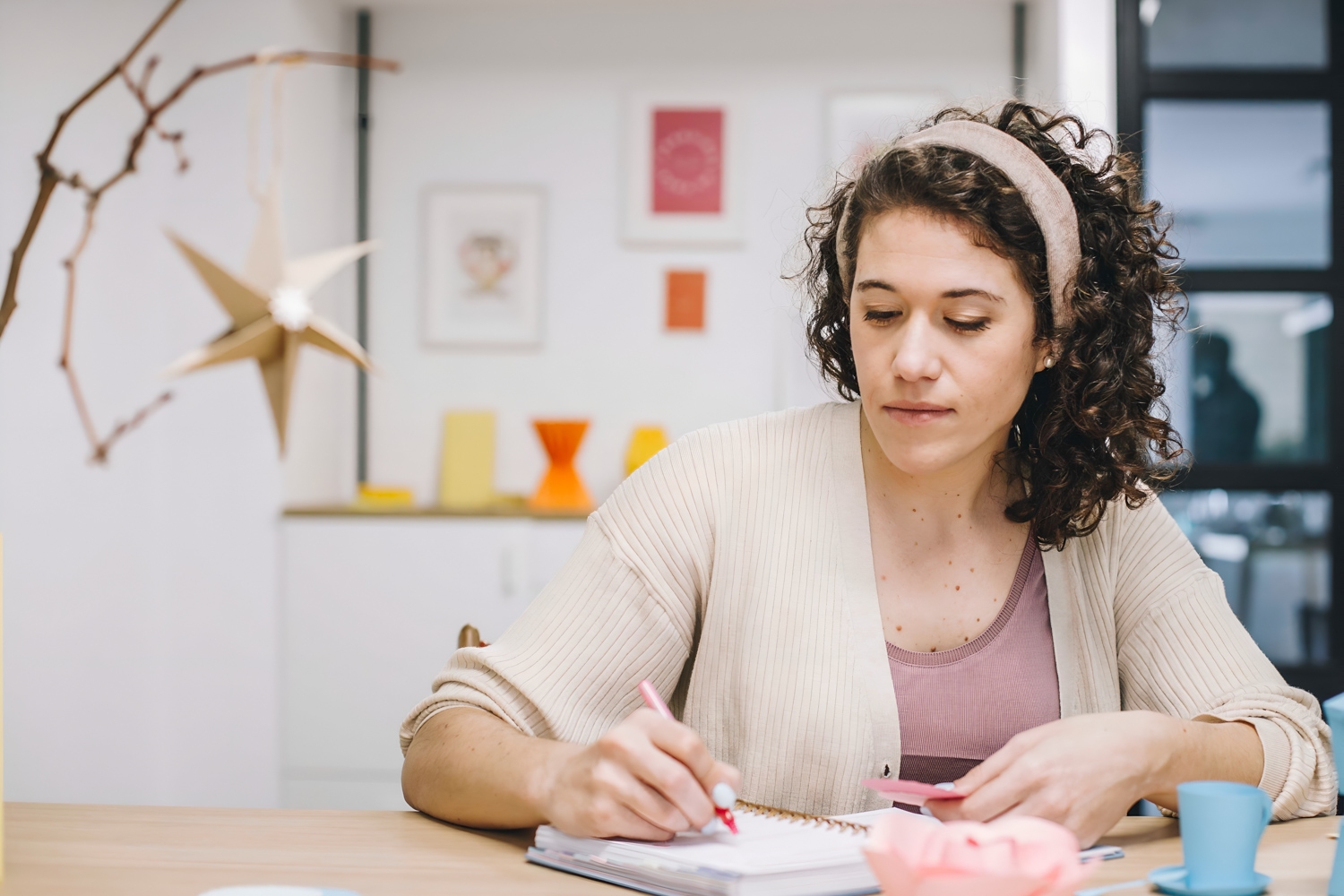
Actually, anything can be a source of inspiration. I am definitely omnivorous. I listen to some aspects of reality and then I elaborate and rework them, through my continuous tendency to make links between different things. I build a theme, then I develop it, making it grow.
My approach is experimental: I always feel the need to “go beyond”, looking for new expressive outcomes. I am not afraid of making mistakes, on the contrary mistakes are precious, they’re the most fascinating part of the process. Then paper tells me what to do.
Stefania Giannici
Paperoowl
Paper artist
Venice, Italy
Recommended by Laura Scarpa & Lorenzo Cinotti
AVAILABILITY
Monday 13:00-18:00 (closed in January and February); Tuesday to Friday 10:30-18:00; Saturday 11:00-14:00 (closed in January and February); Sunday 11:00-14:00 (December only).
PHONE
+39 0412993398
LANGUAGES
Italian, English
Homo Faber Finds is a new service aiming to inspire admirers of craft to connect and collaborate with exceptional artisans.
We invite you to submit an enquiry here.
chanel_goossens-savoir-faire-©alix-marnat_18-HD.jpg)
chanel_maison_goossens_©alix-marnat-11-HD.jpg)
chanel_goossens-©alix-marnat_17-HD.jpg)