Eva Kengen
Ceramicist
Vaux-sur-Sûre, Belgium
The careful crafting of clay
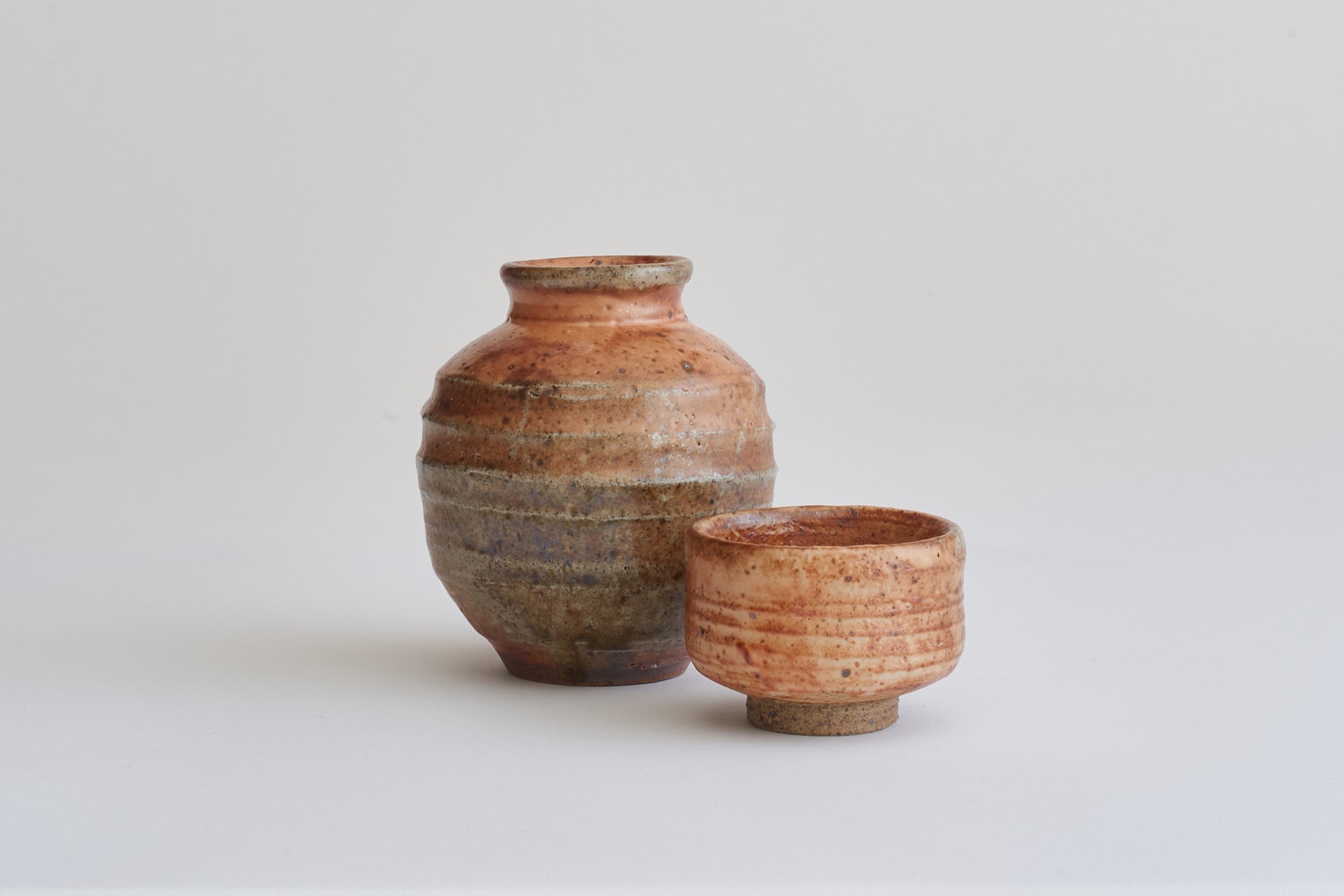
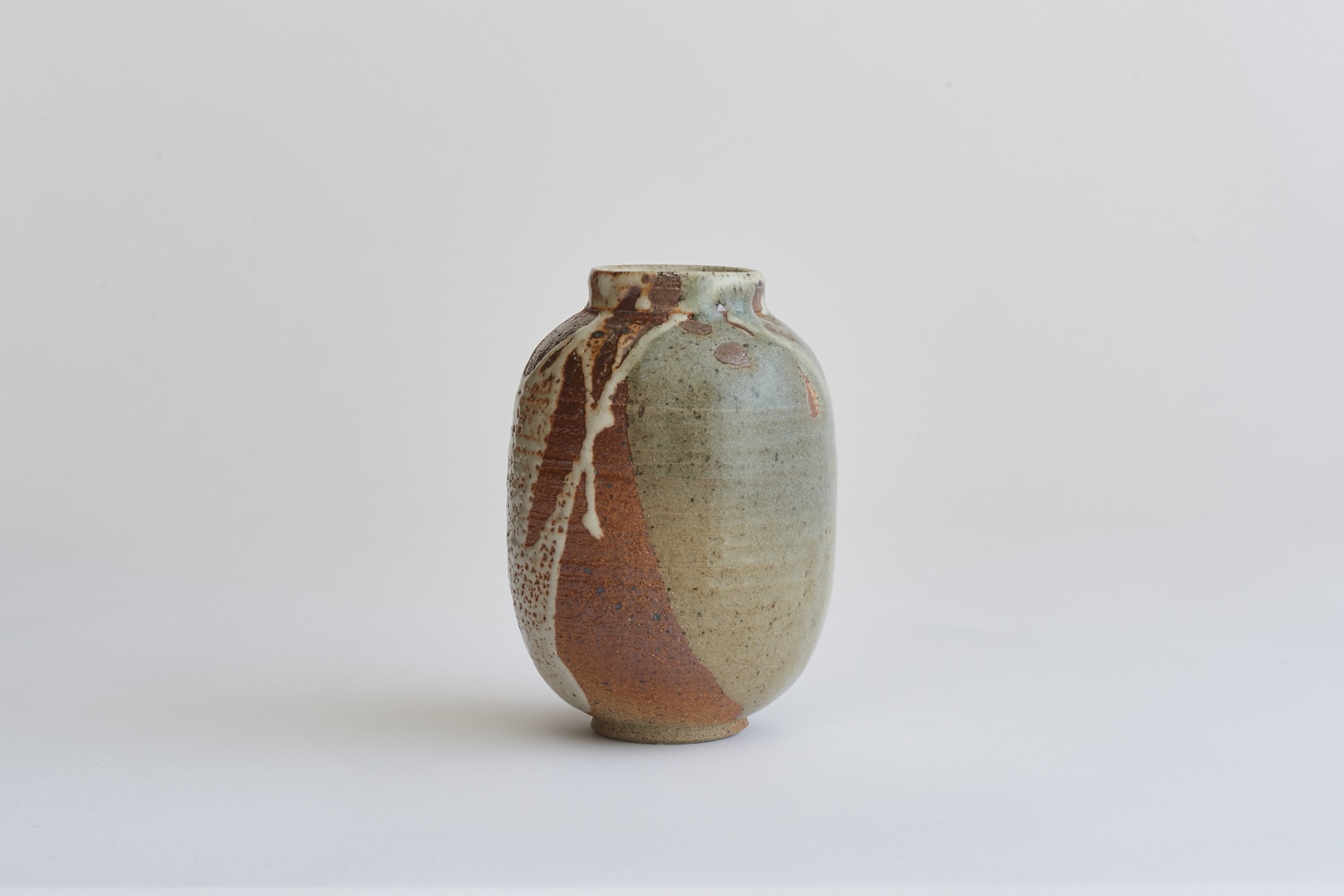
- Eva is a ceramicist with an expertise in plant and wood ash glazes
- She is inspired by Japanese artist Shirobey Kobayashi
- Her practice is a response to the digital era, valuing handmade art over mass production
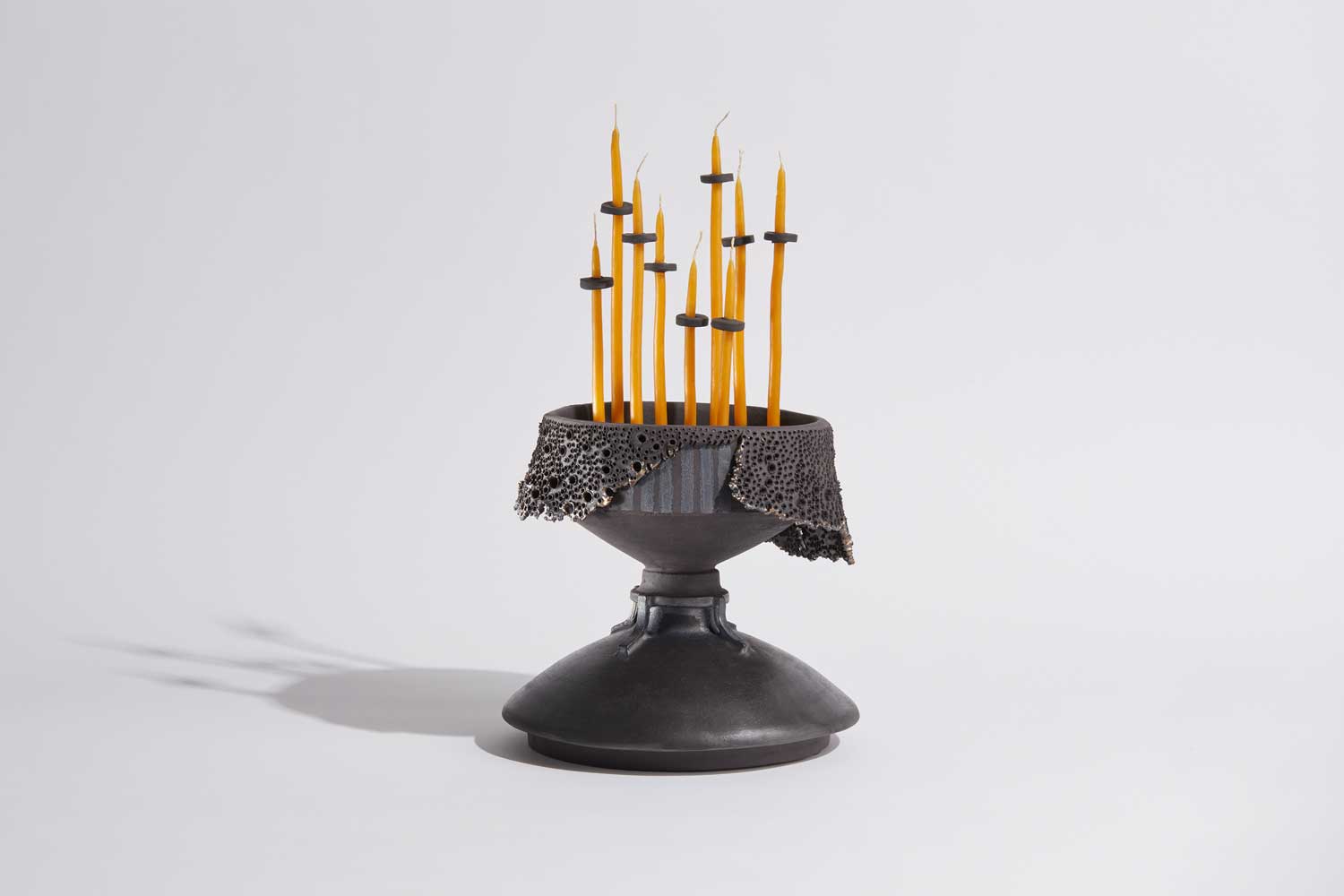
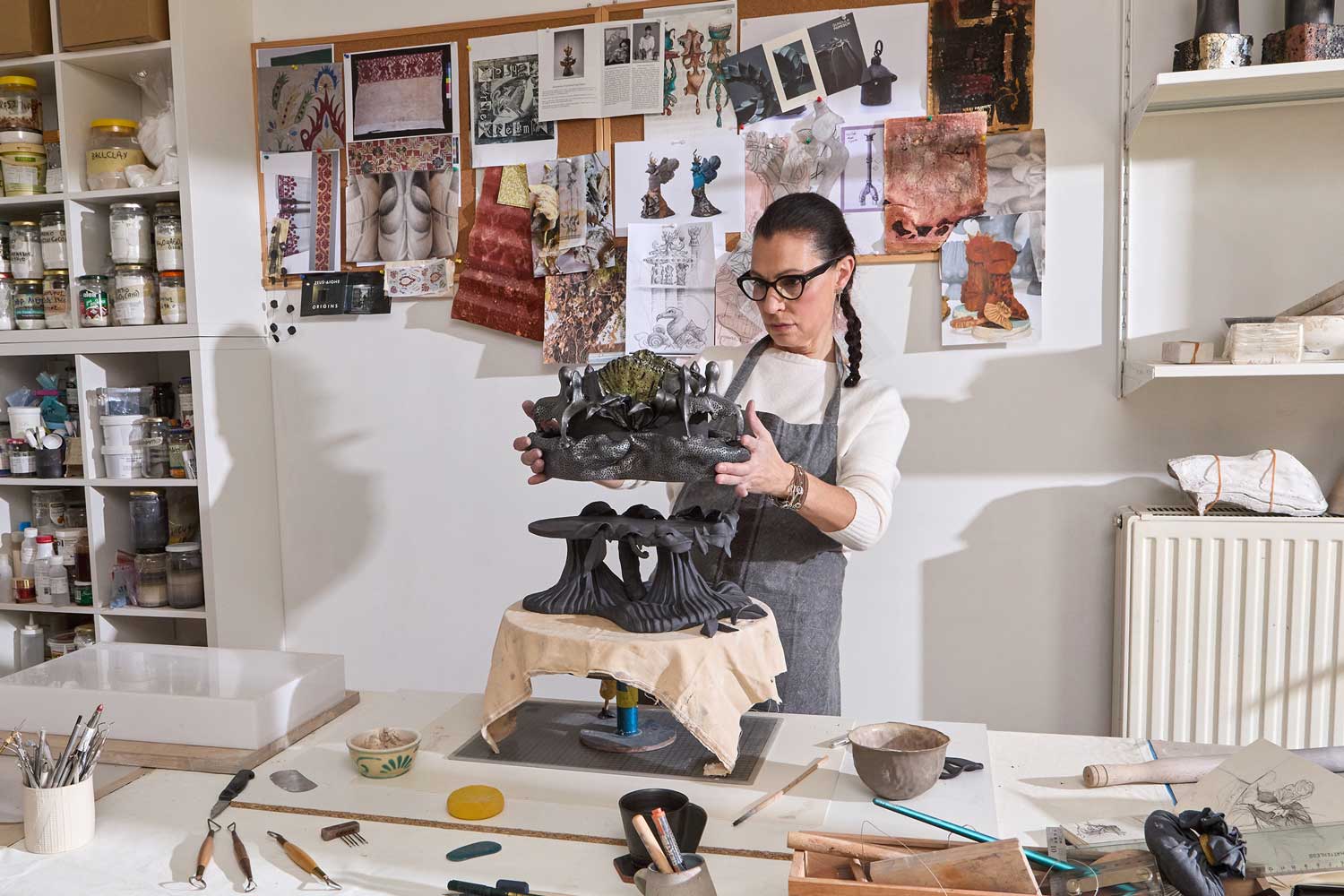
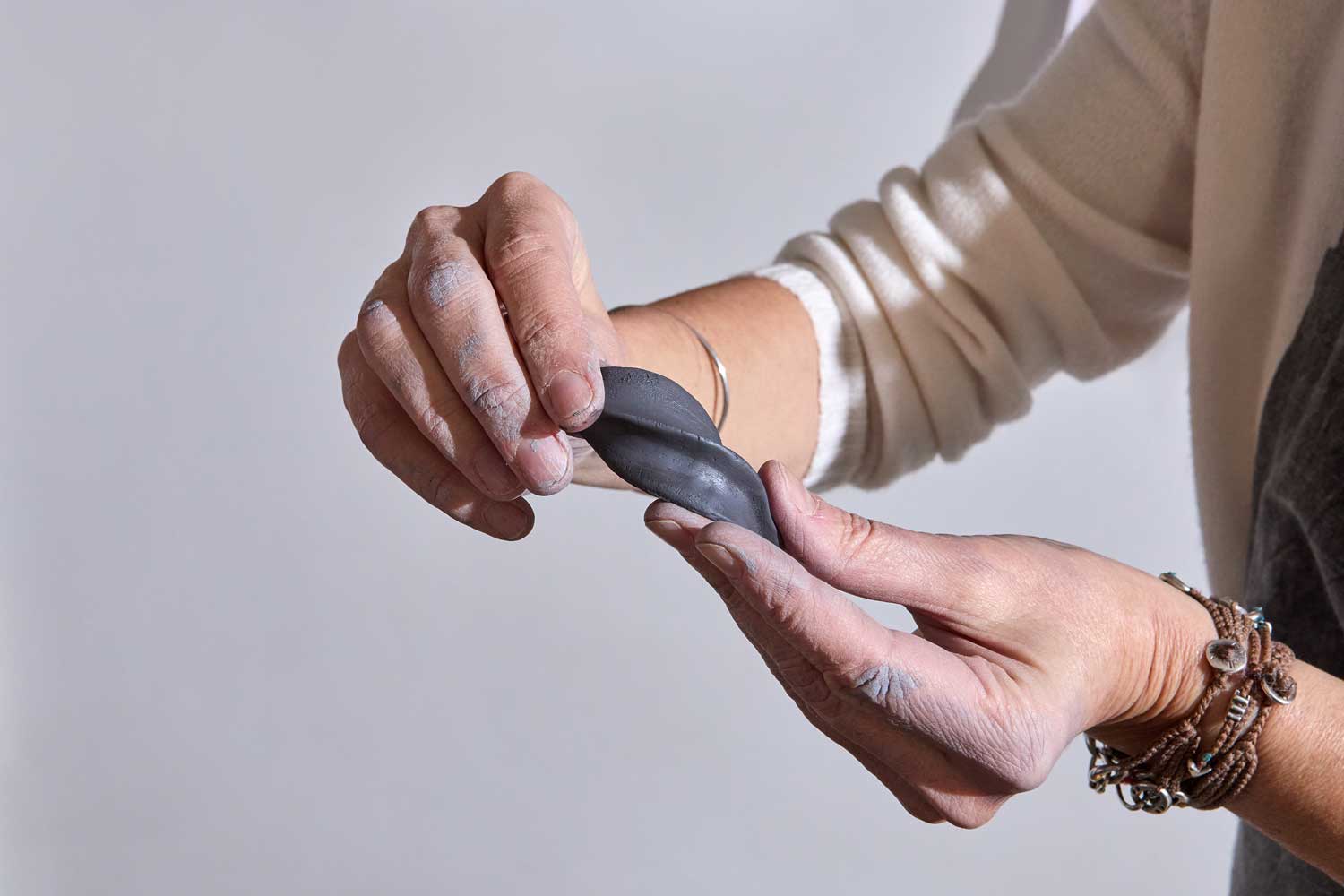
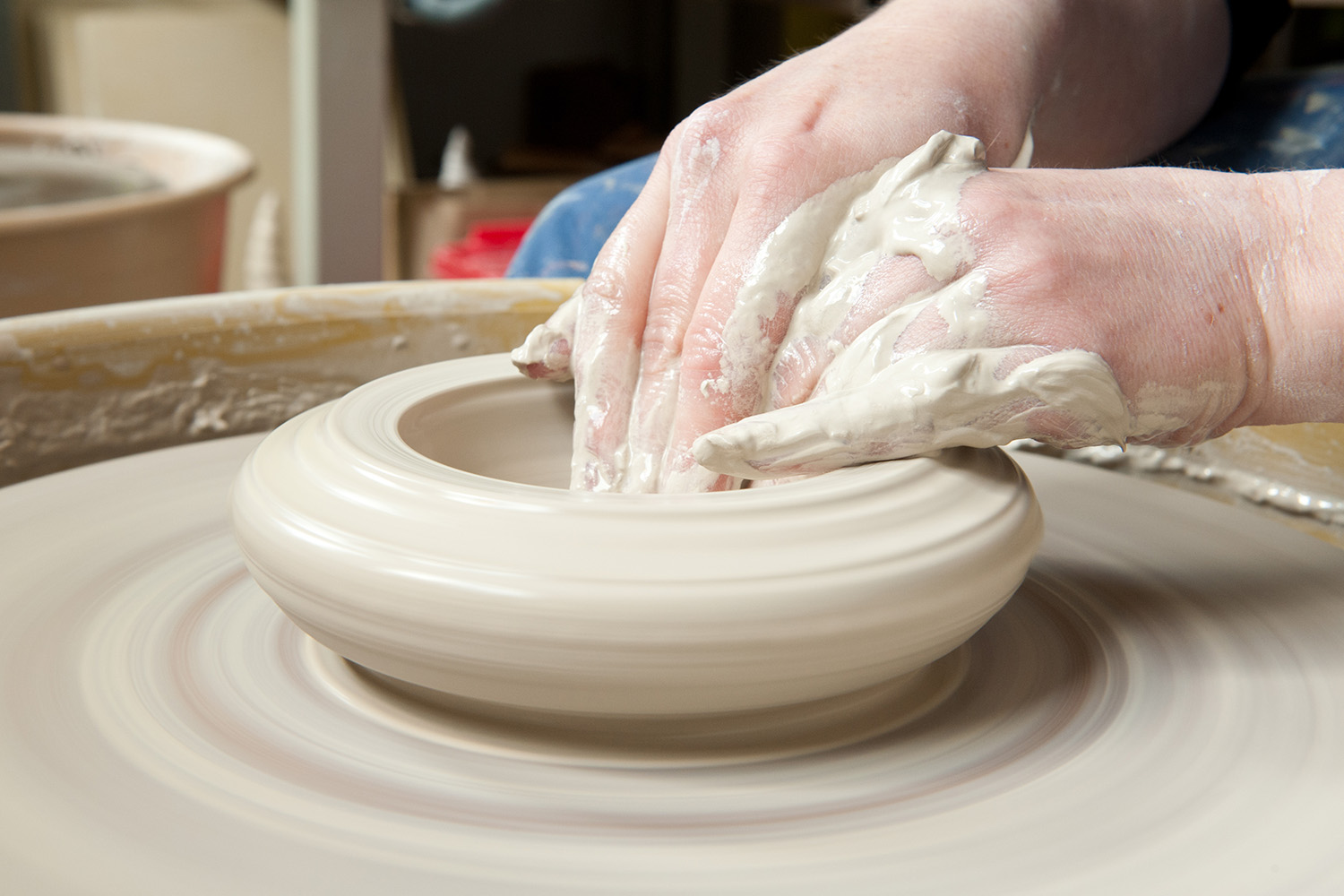
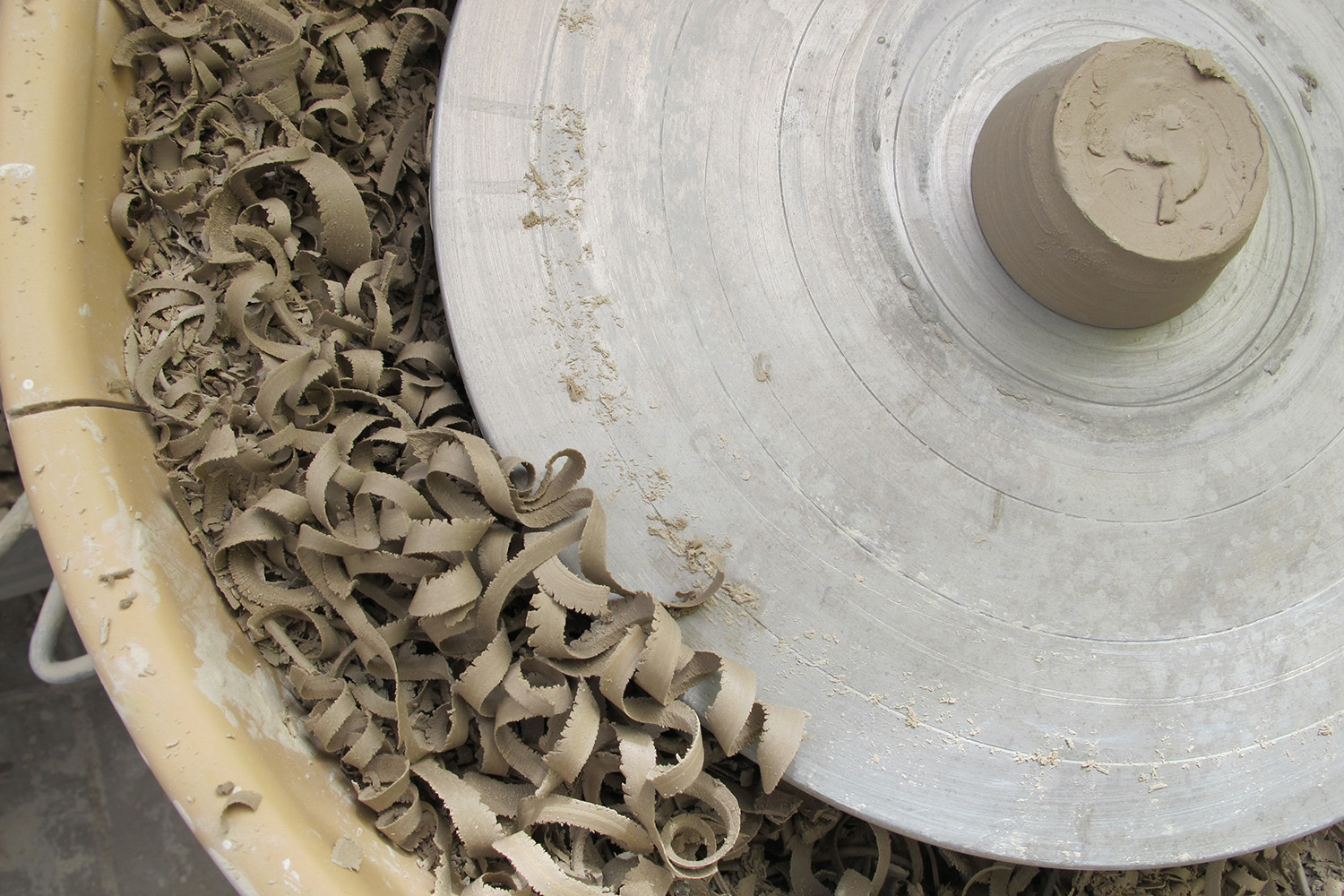
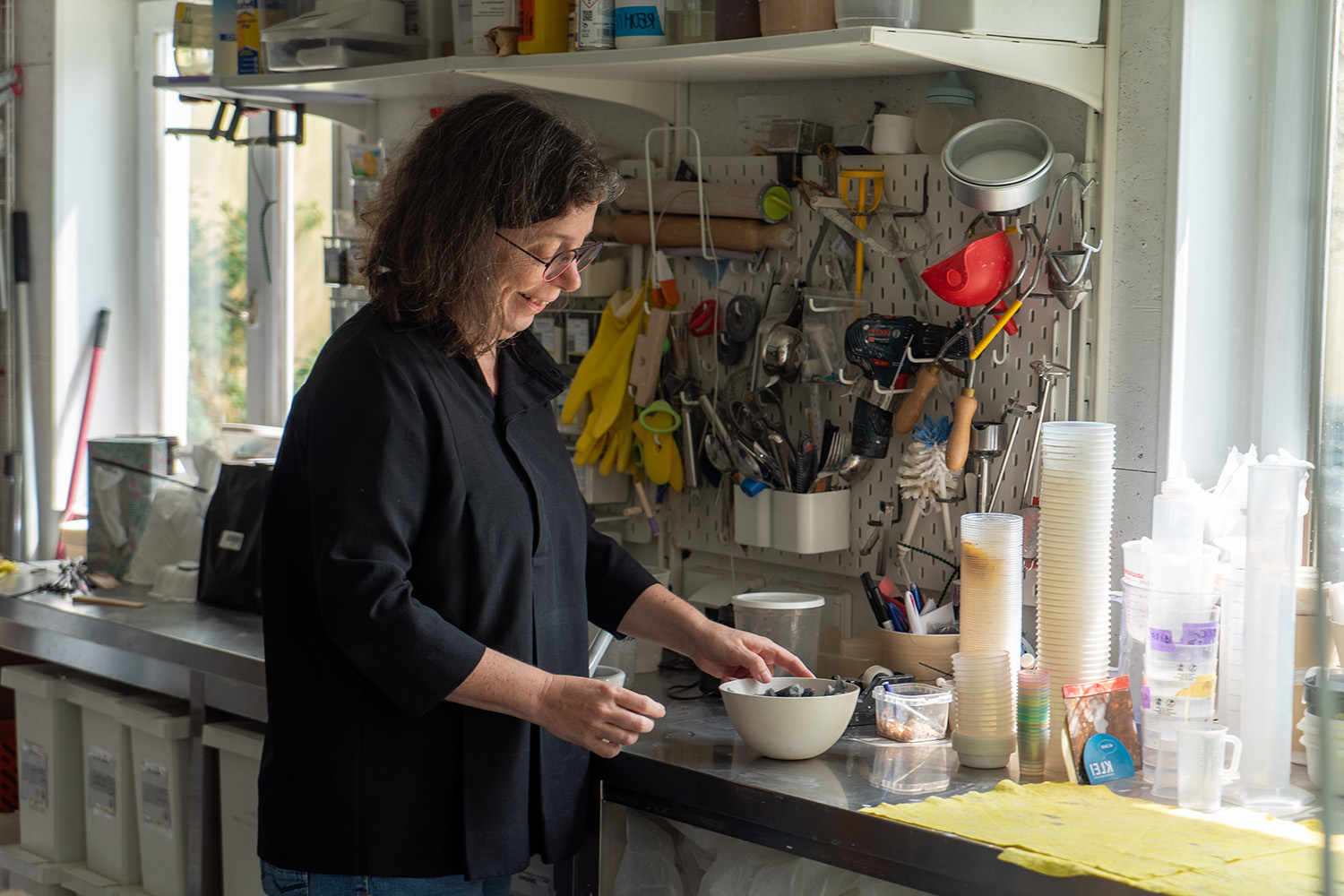
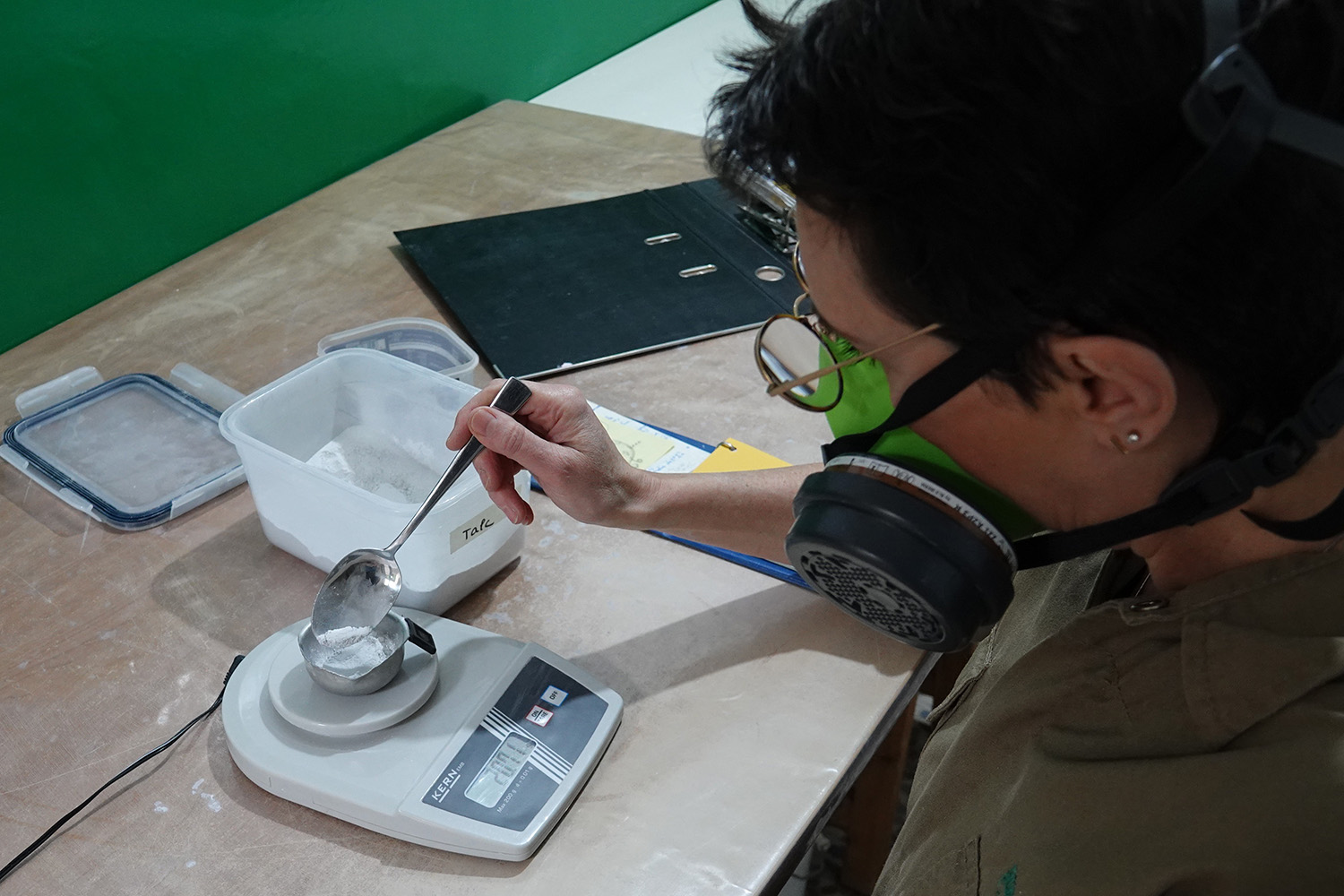
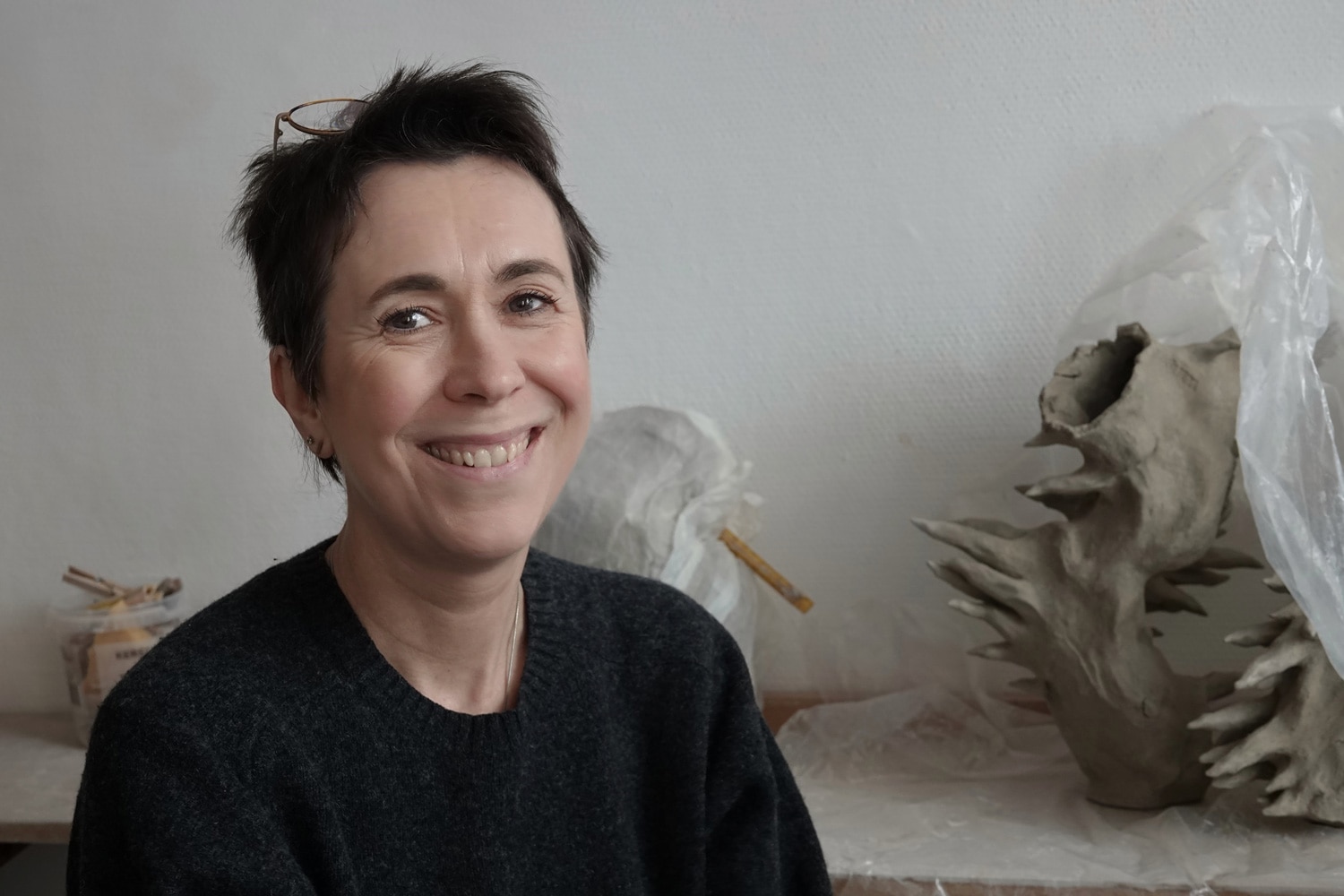
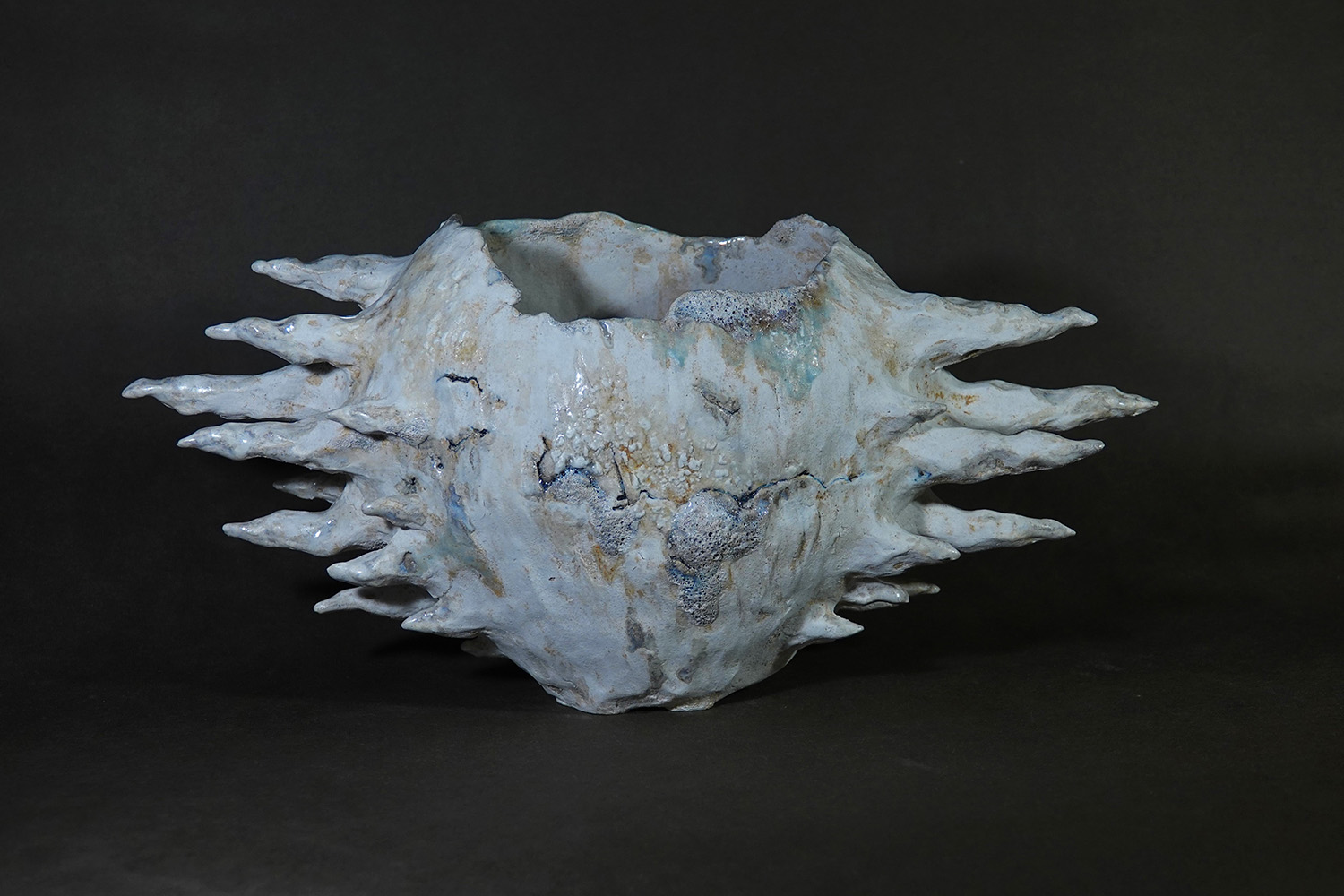
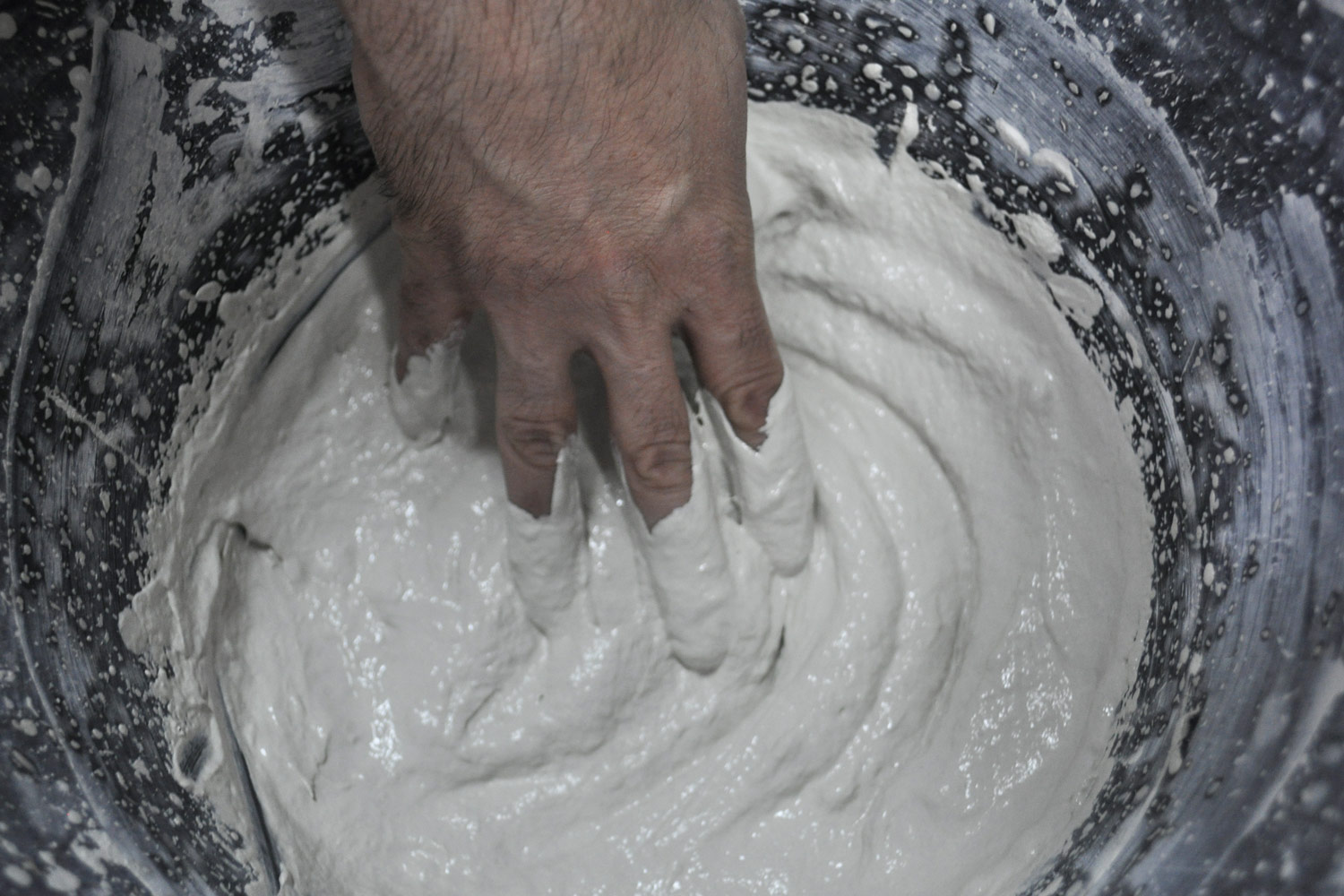
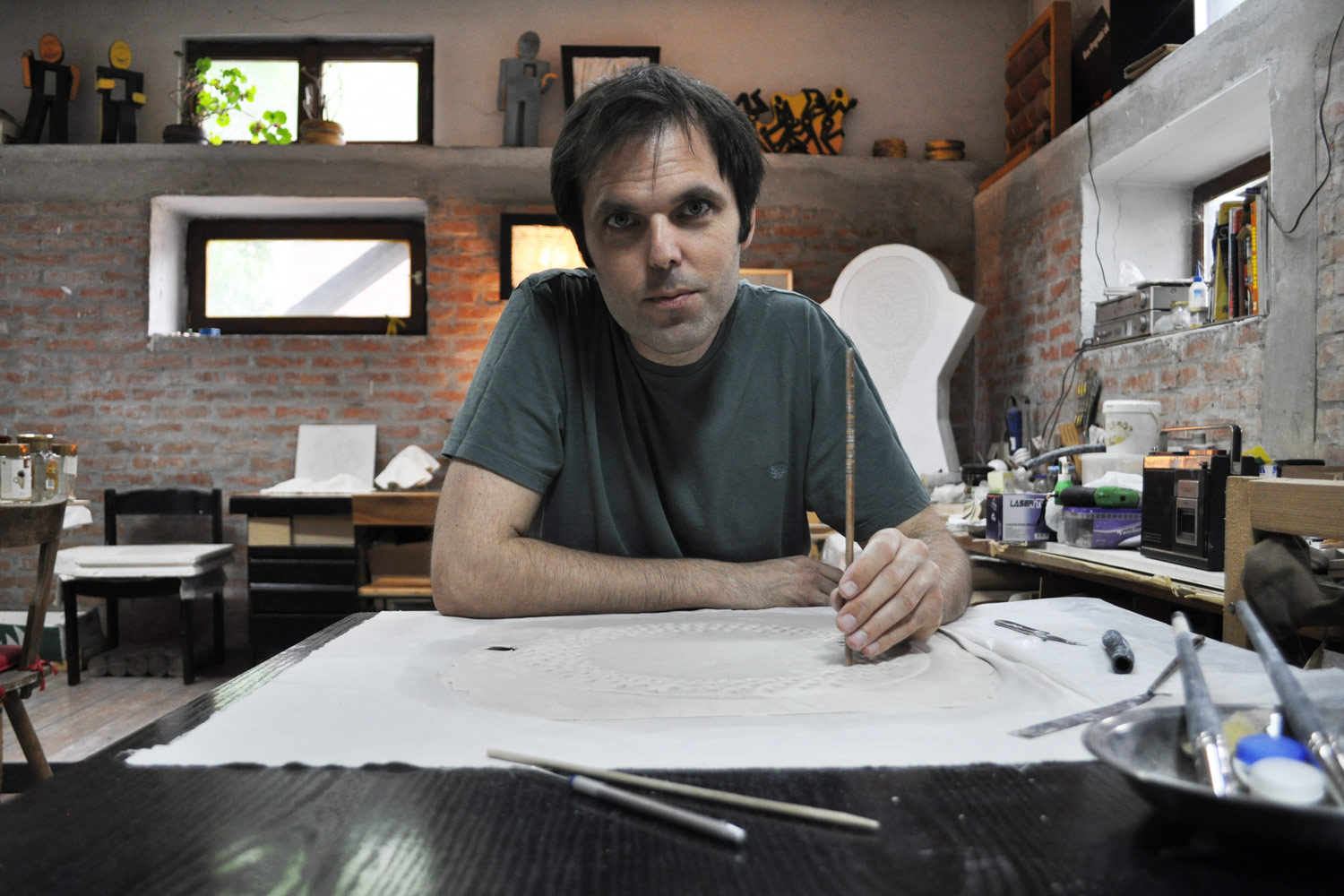
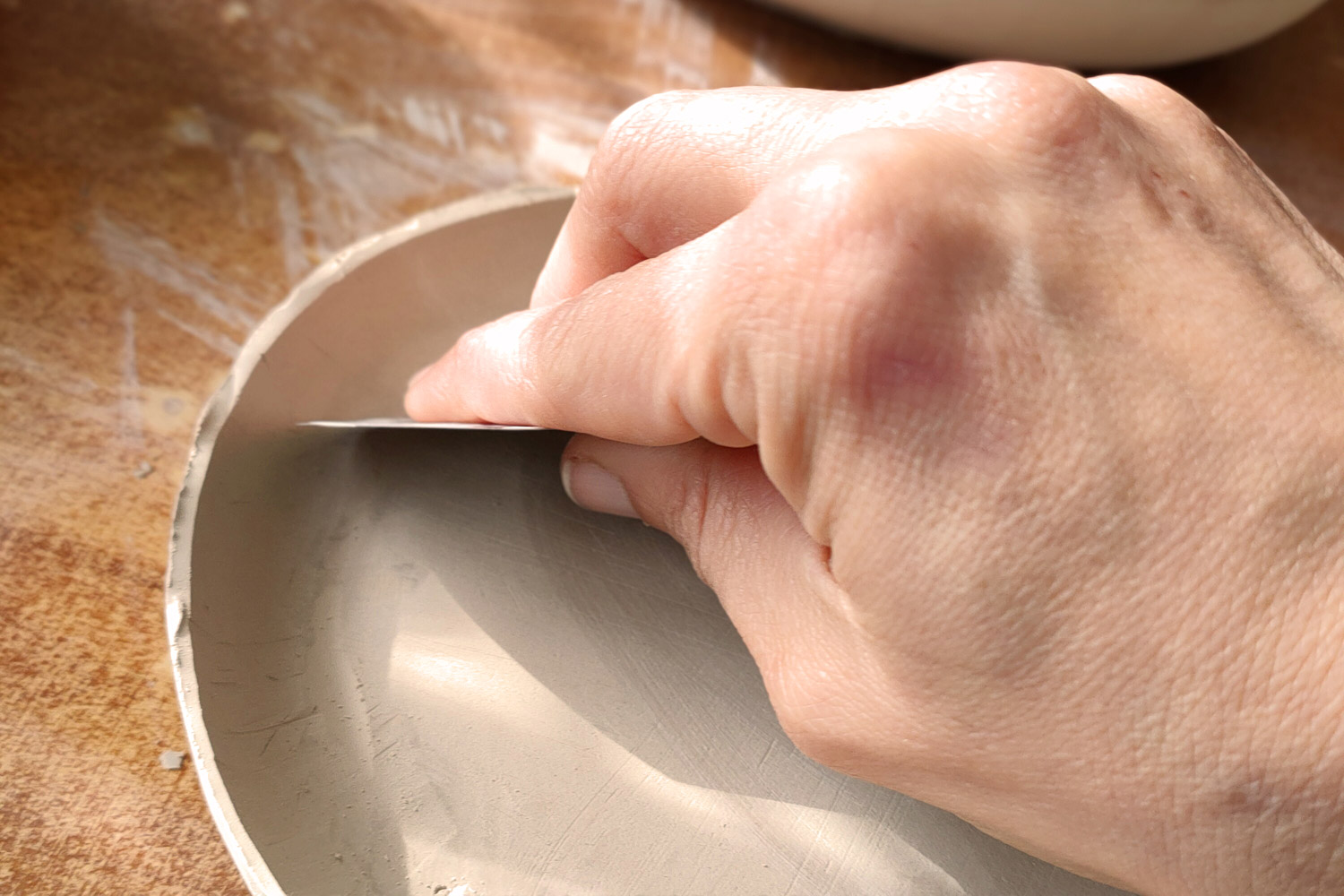
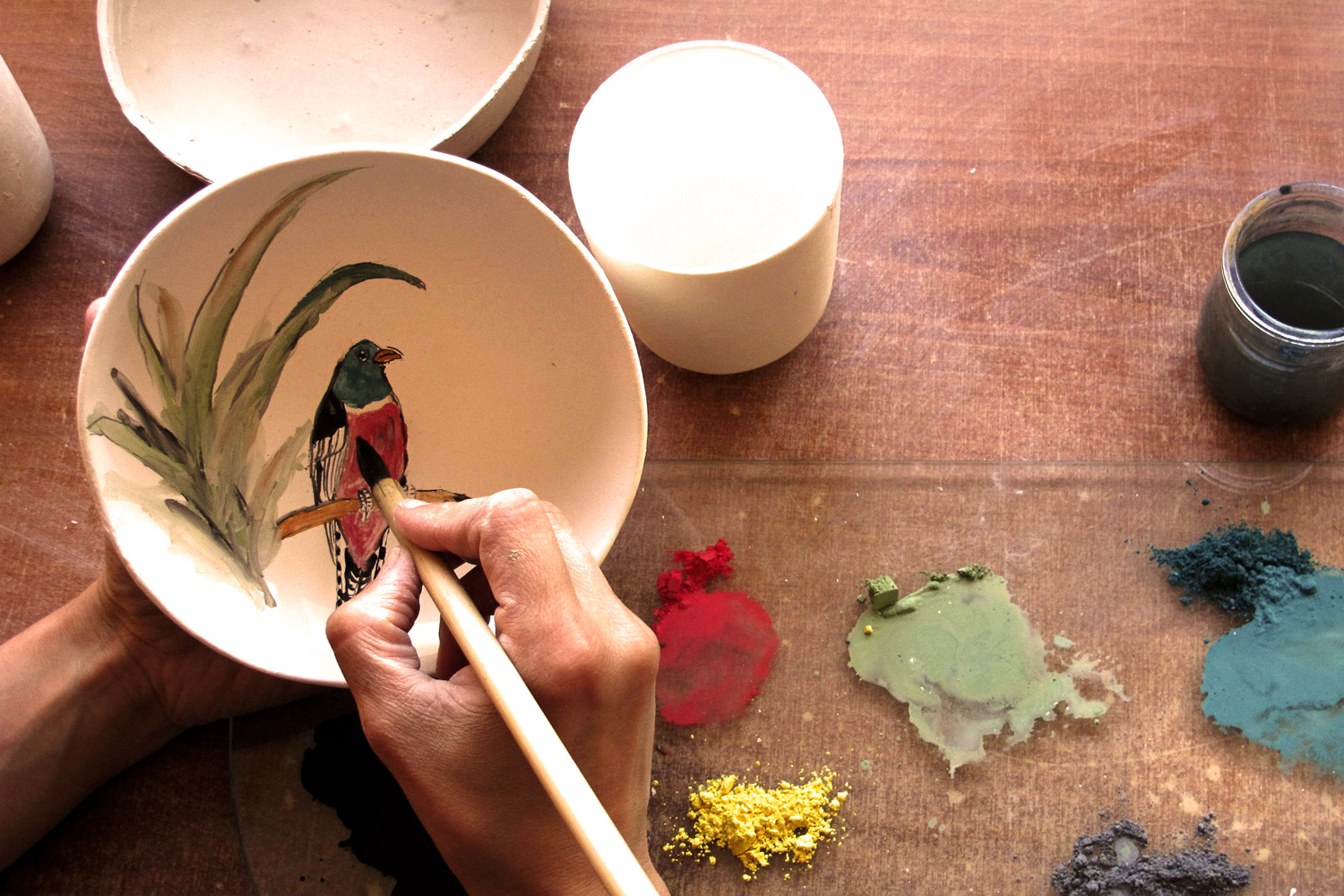
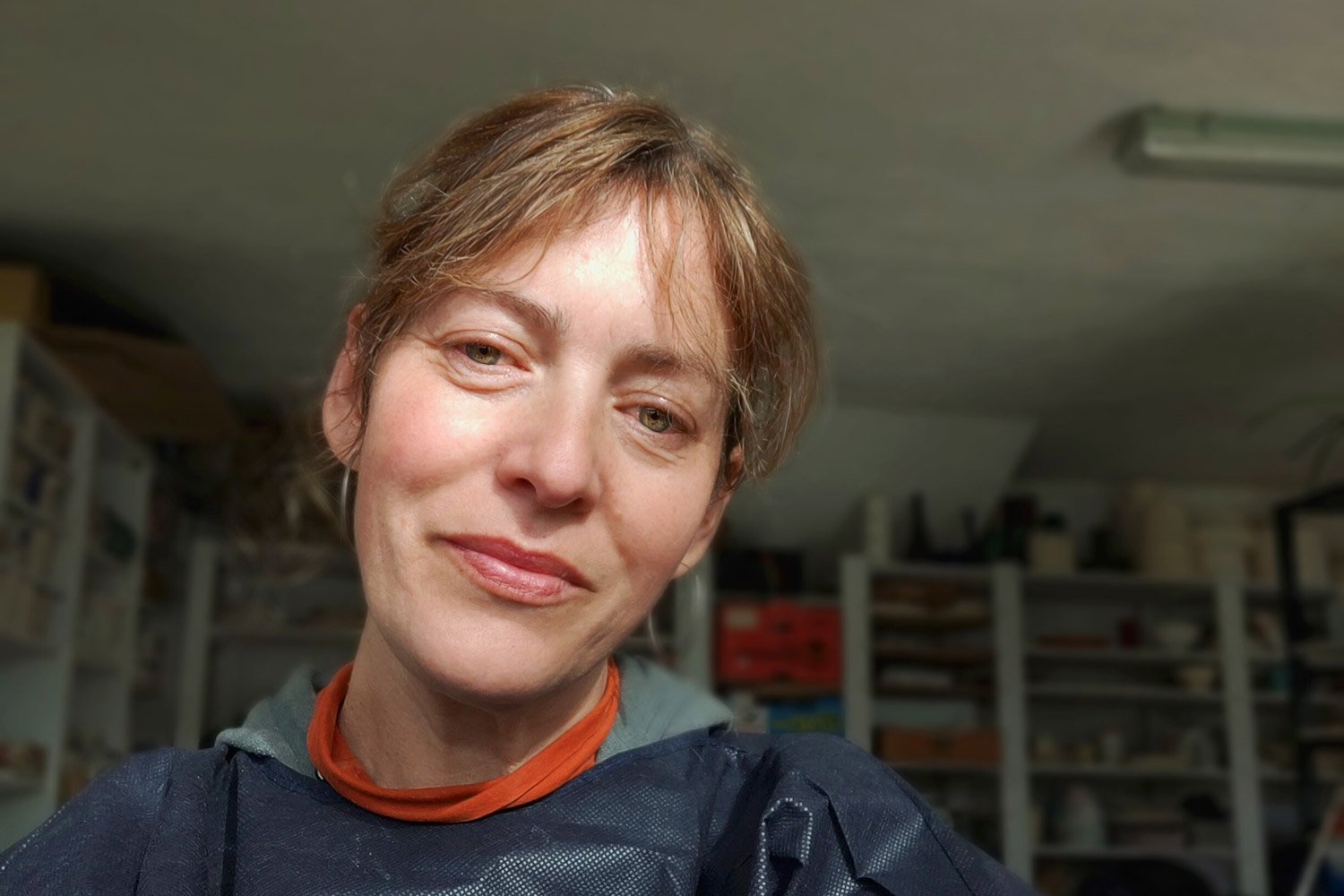
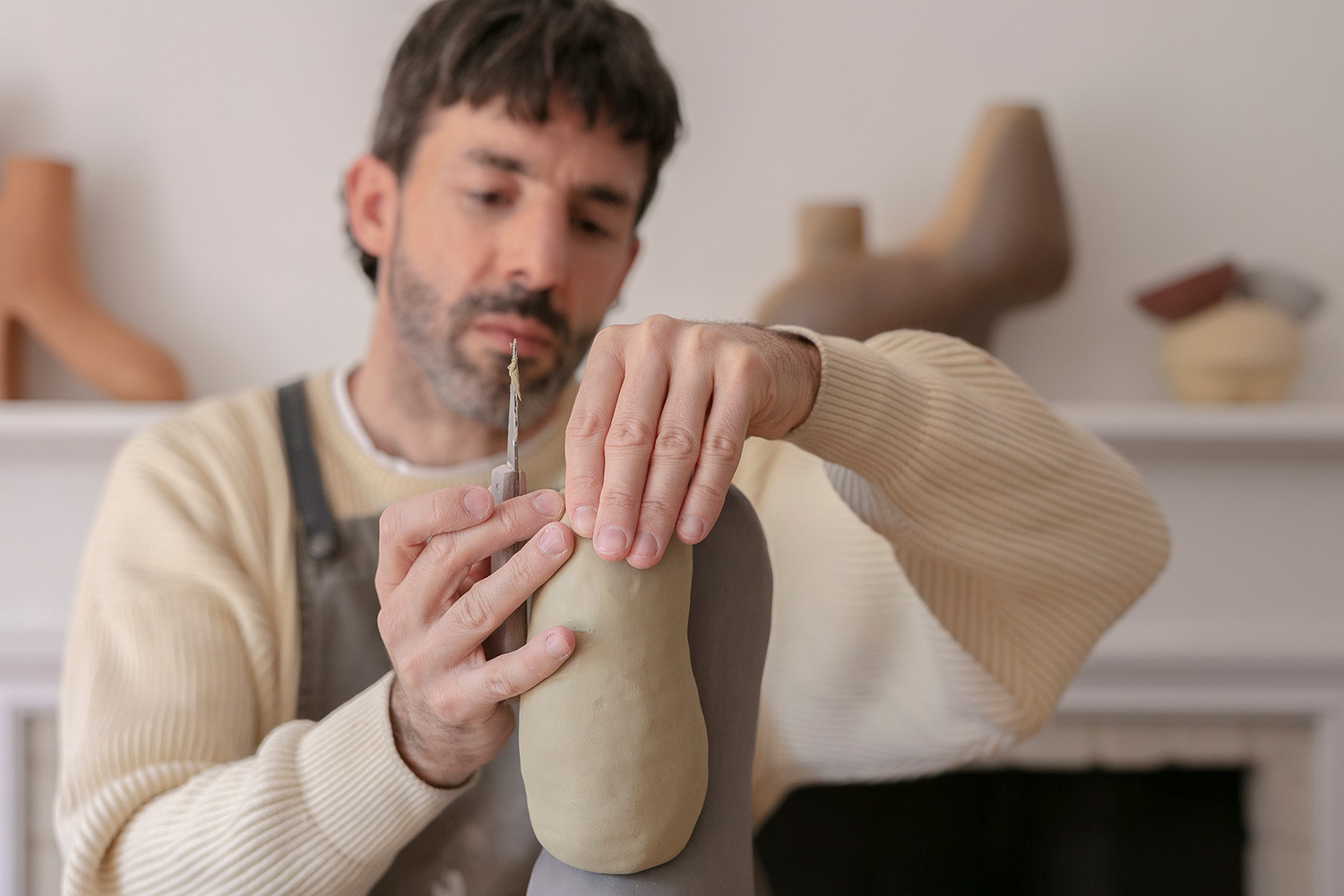
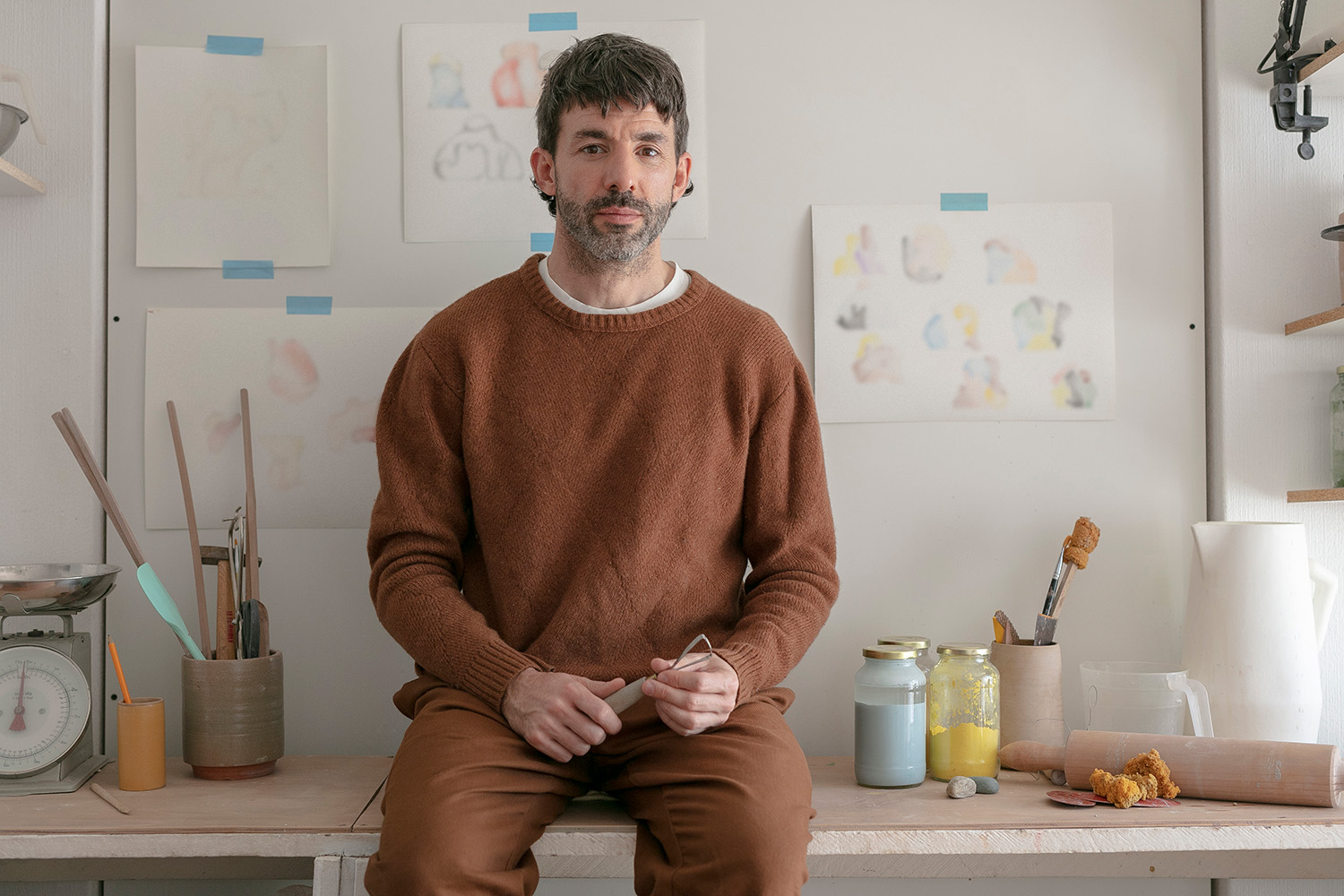
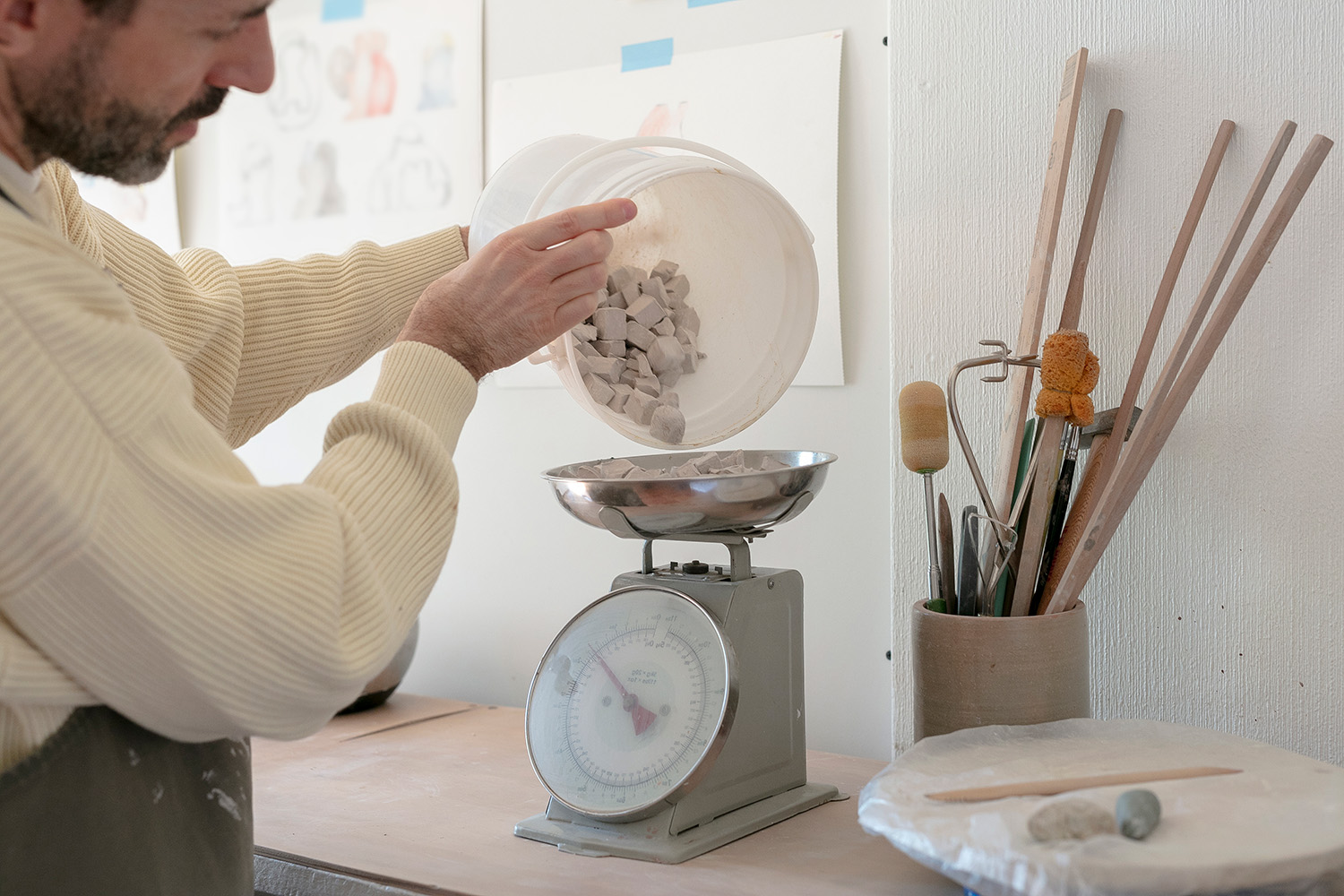
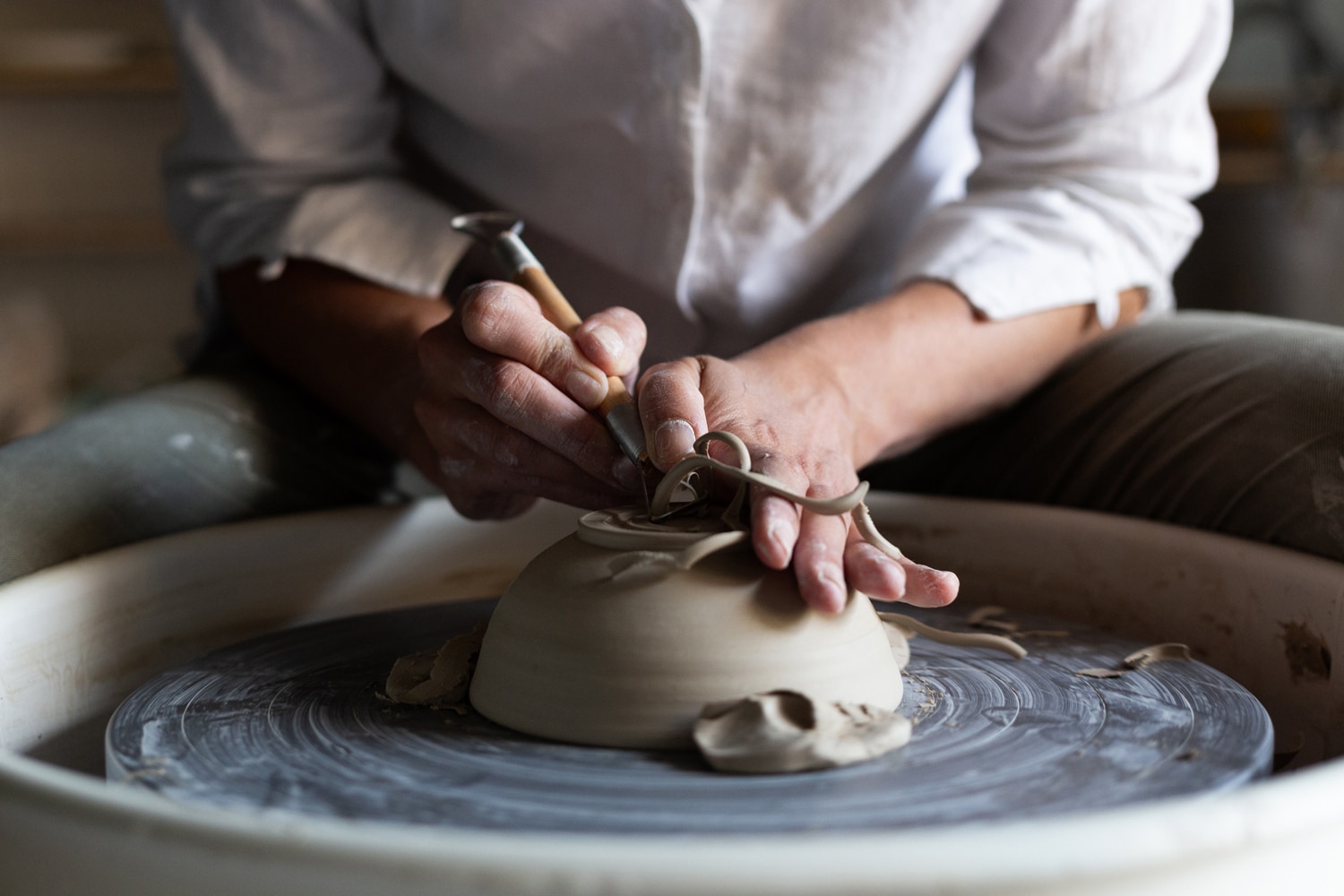
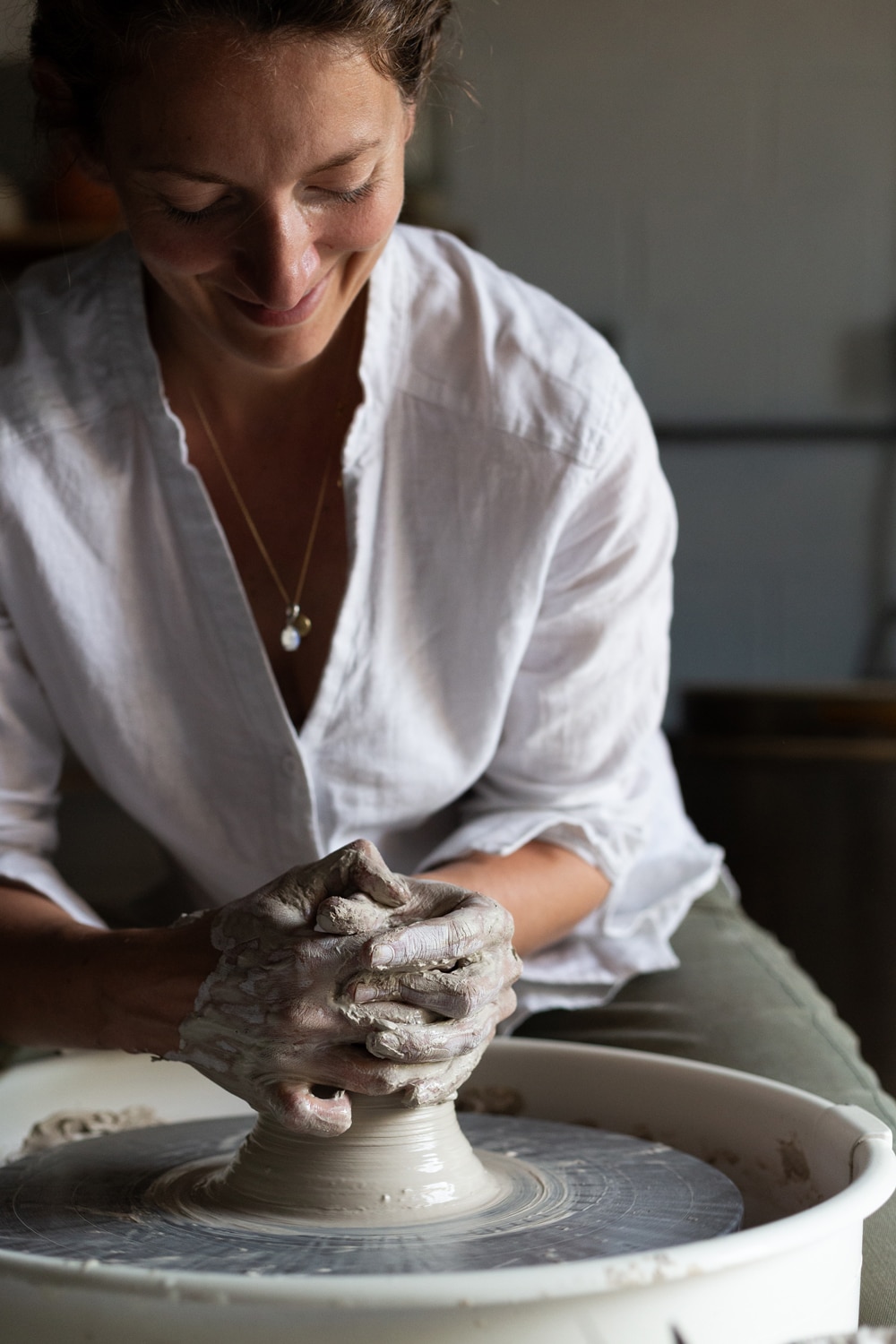
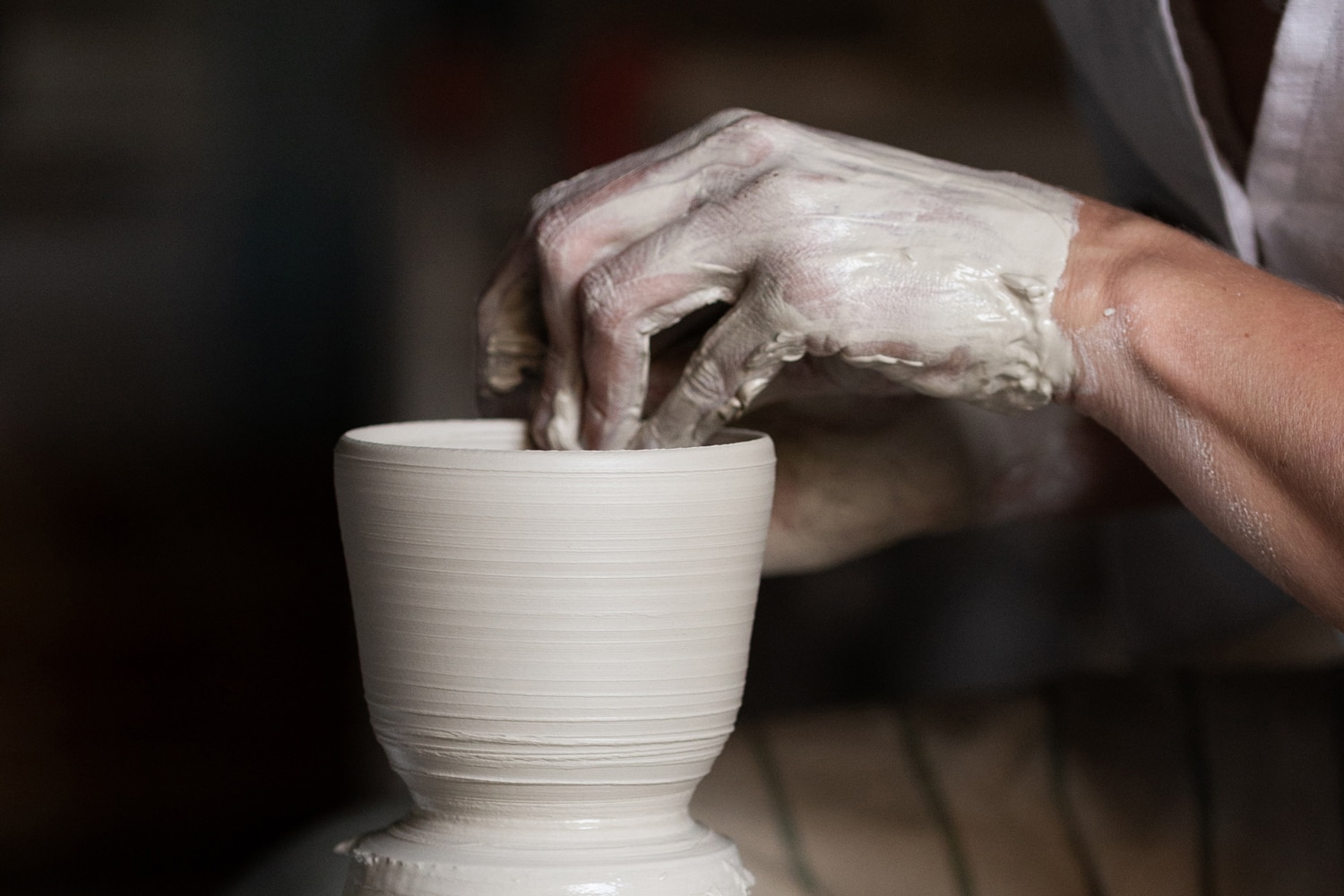
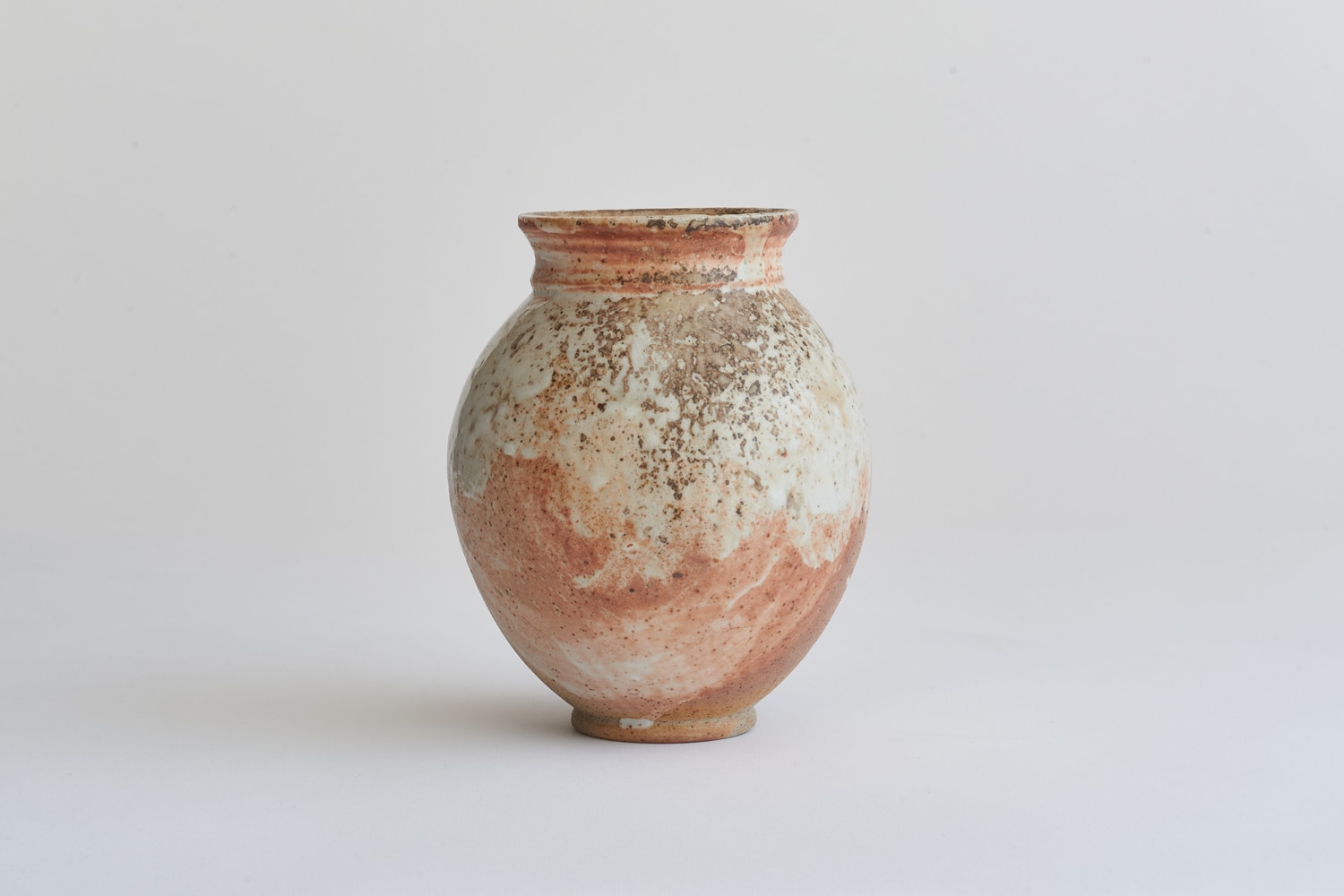
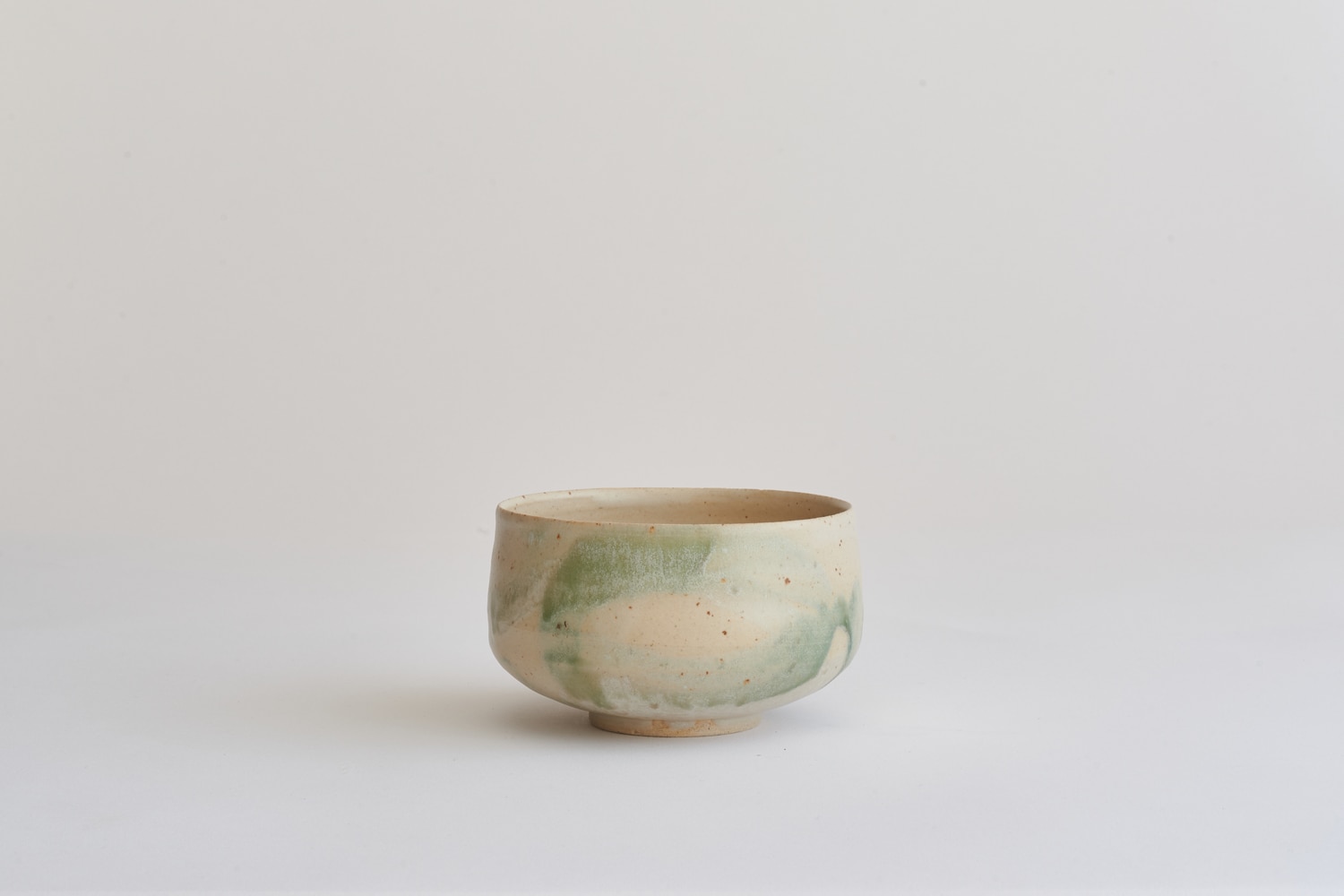
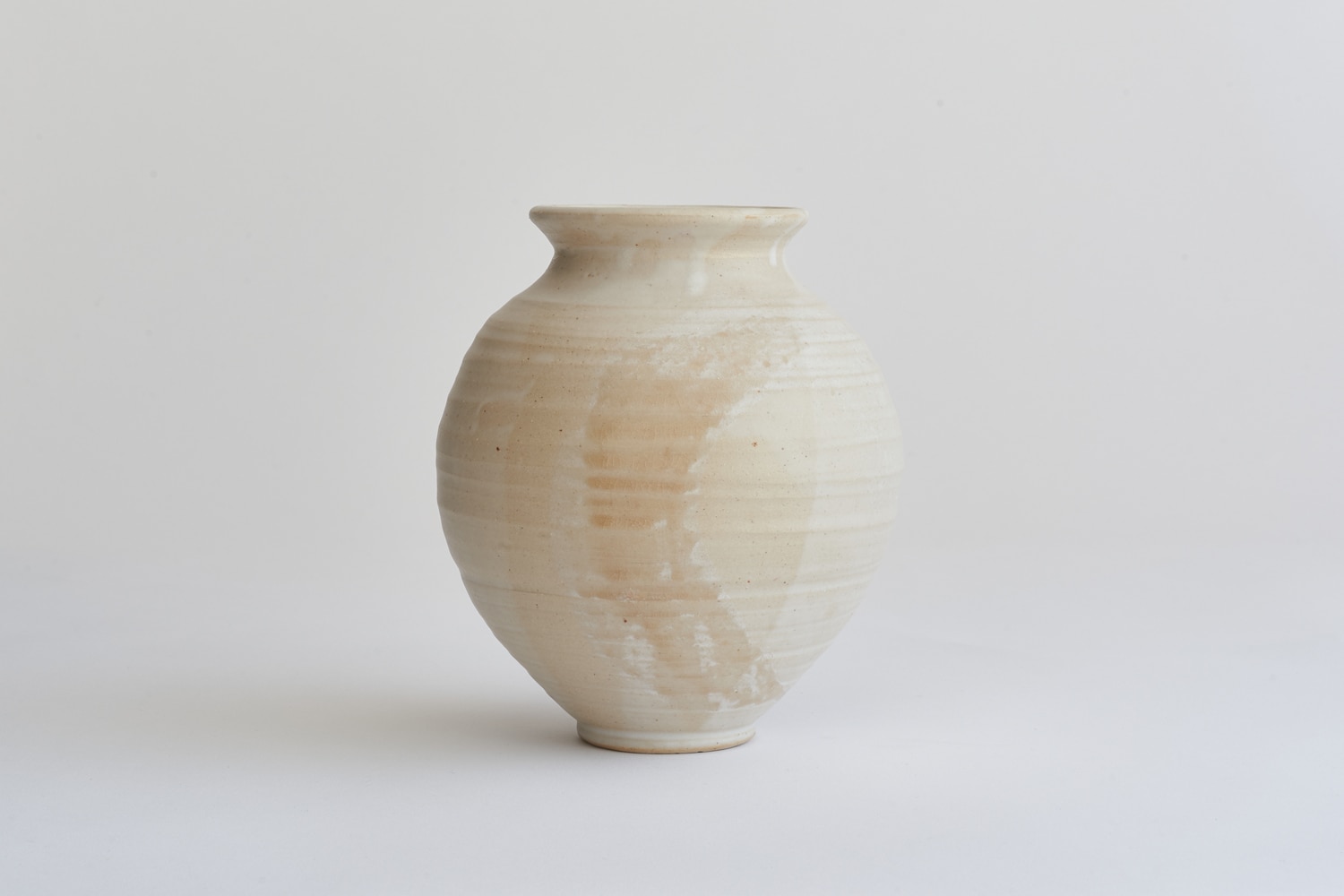
The daughter of a painter, Belgian ceramicist Eva Kengen grew up in a house full of art. The spark that ignited her own artistic calling was a stay far from home in Japan. While on a sabbatical, Eva volunteered in the studio of the potter Shirobey Kobayashi. The experience ignited a passion for wheel throwing and brought a rustic, Japanese influence to her work. In Eva’s own studio, surrounded by nature, she makes functional ceramic art, with particular attention to plant and wood ash glazes. Sensitive to the value of patience, she resists the pull of the fast-paced world and mass-produced consumerism. “I respect the rhythm of clay and am on a lifelong learning journey. Hopefully, I also help other people to slow down and reconnect with the essence of objects,” she says.
INTERVIEW
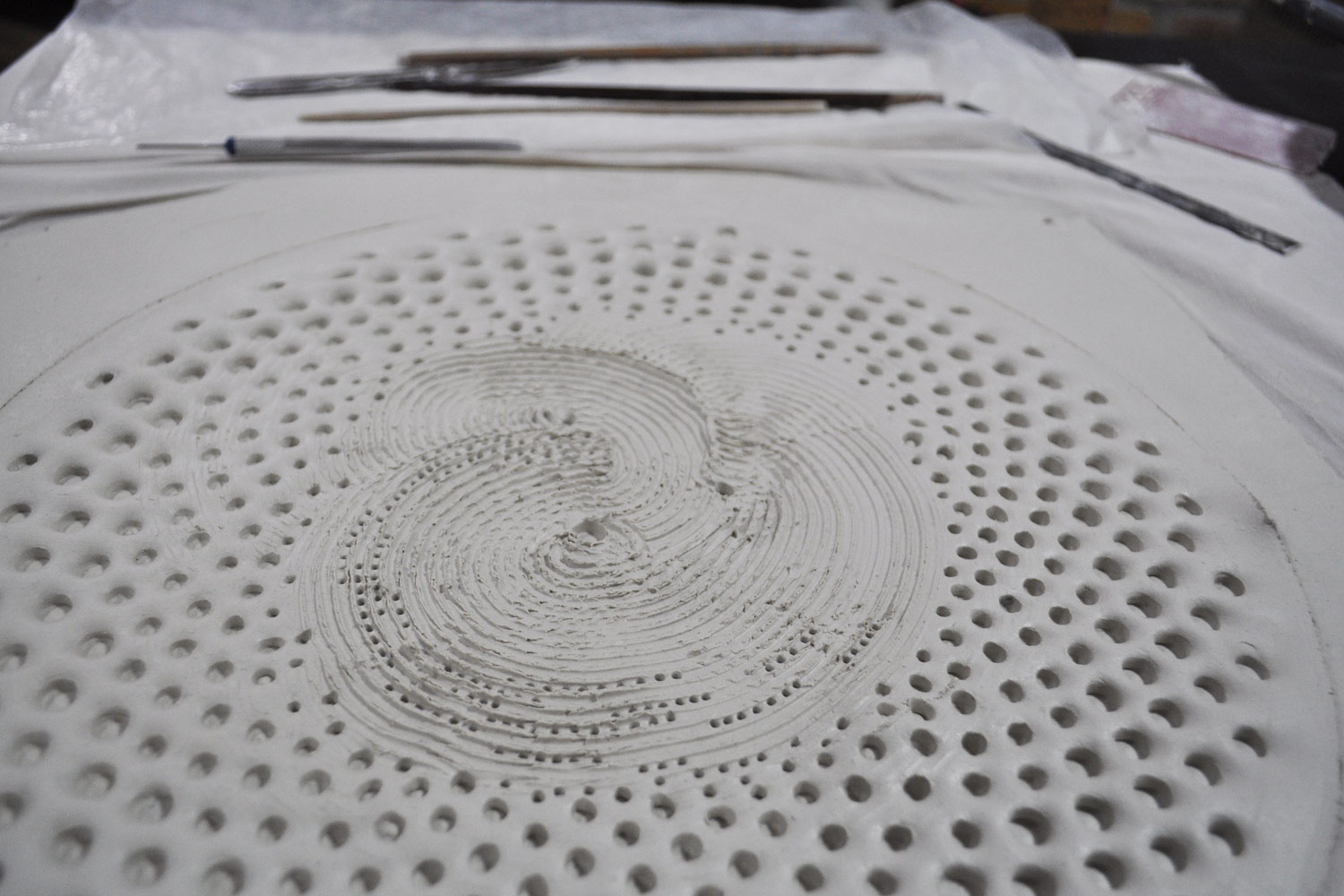
When I collaborate with another creative, perhaps a chef or interior designer, I first make a prototype and then we exchange ideas over textures, colours and materials. In my personal practice, I also create spontaneously, often shaping clay without any previous drawings.
Working with the unpredictability of the firings is challenging, especially when I am experimenting a lot and working on commissions at the same time. That said, it might very well be the most rewarding part of my craft, too.
I follow research about discarded materials, reclaimed construction site materials and wood ash or wild clays with interest. Developments around 3D printing or mixed media do not really appeal to me, even if the results are interesting. I deeply believe in the power of handmade objects to transmit the maker’s energy and intentions.
Just as the Arts & Crafts movement in the UK was a reaction to industrialisation, my practice is a response to the digital era. It is also linked to the Mingei Movement in early 20th-century Japan, which focused on the beauty of everyday, anonymous folk craft, with deep ties to a specific region and its natural resources.
Eva Kengen
Ceramicist
Vaux-sur-Sûre, Belgium
AVAILABILITY
By appointment only
PHONE
+32 471605807
LANGUAGES
French, English, Dutch, Spanish
Homo Faber Finds is a new service aiming to inspire admirers of craft to connect and collaborate with exceptional artisans.
We invite you to submit an enquiry here.