
Eszter Révész
Dreaming Threads
Weaver
Budapest, Hungary
Recommended by Judit Osvárt
Rethinking and reweaving
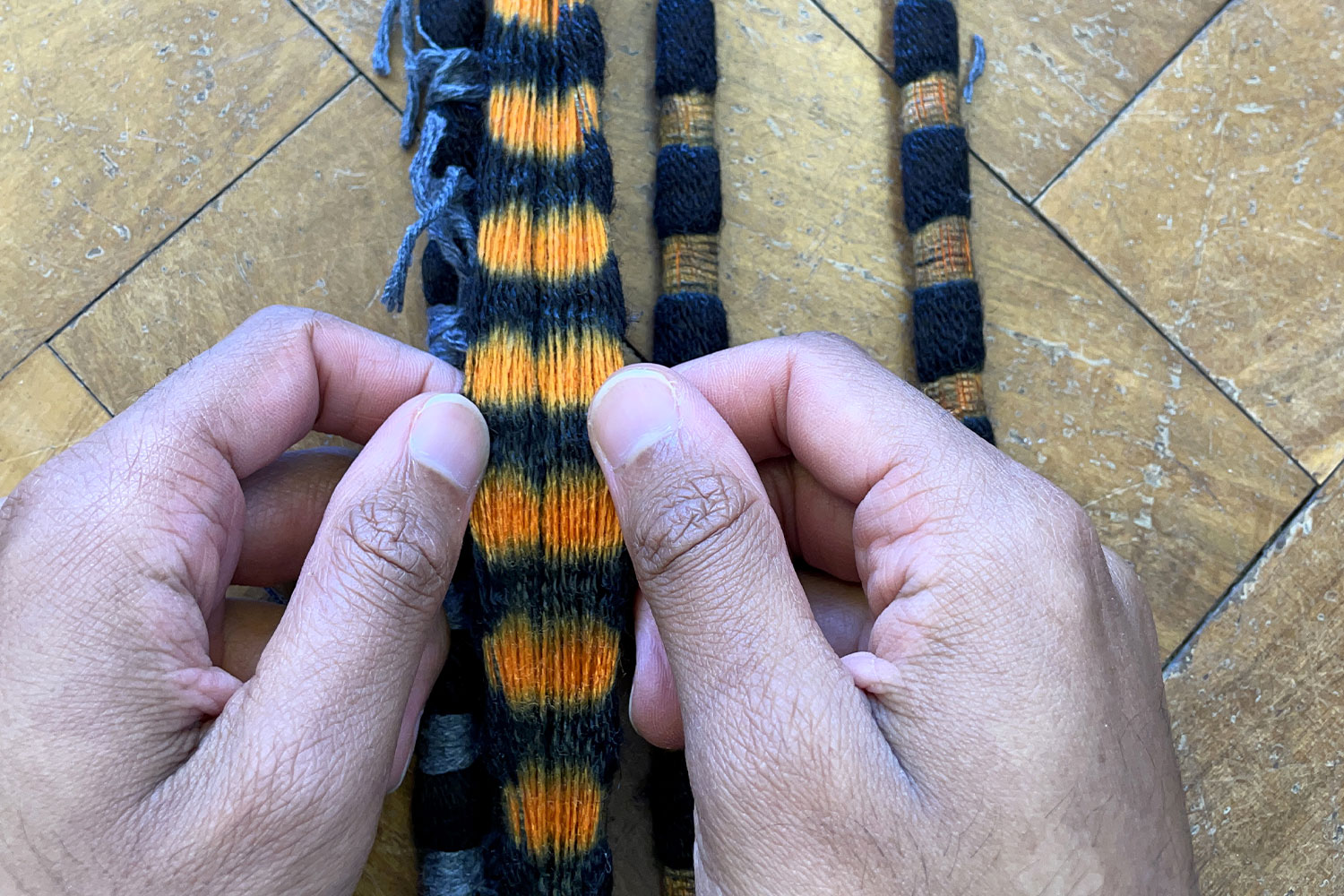
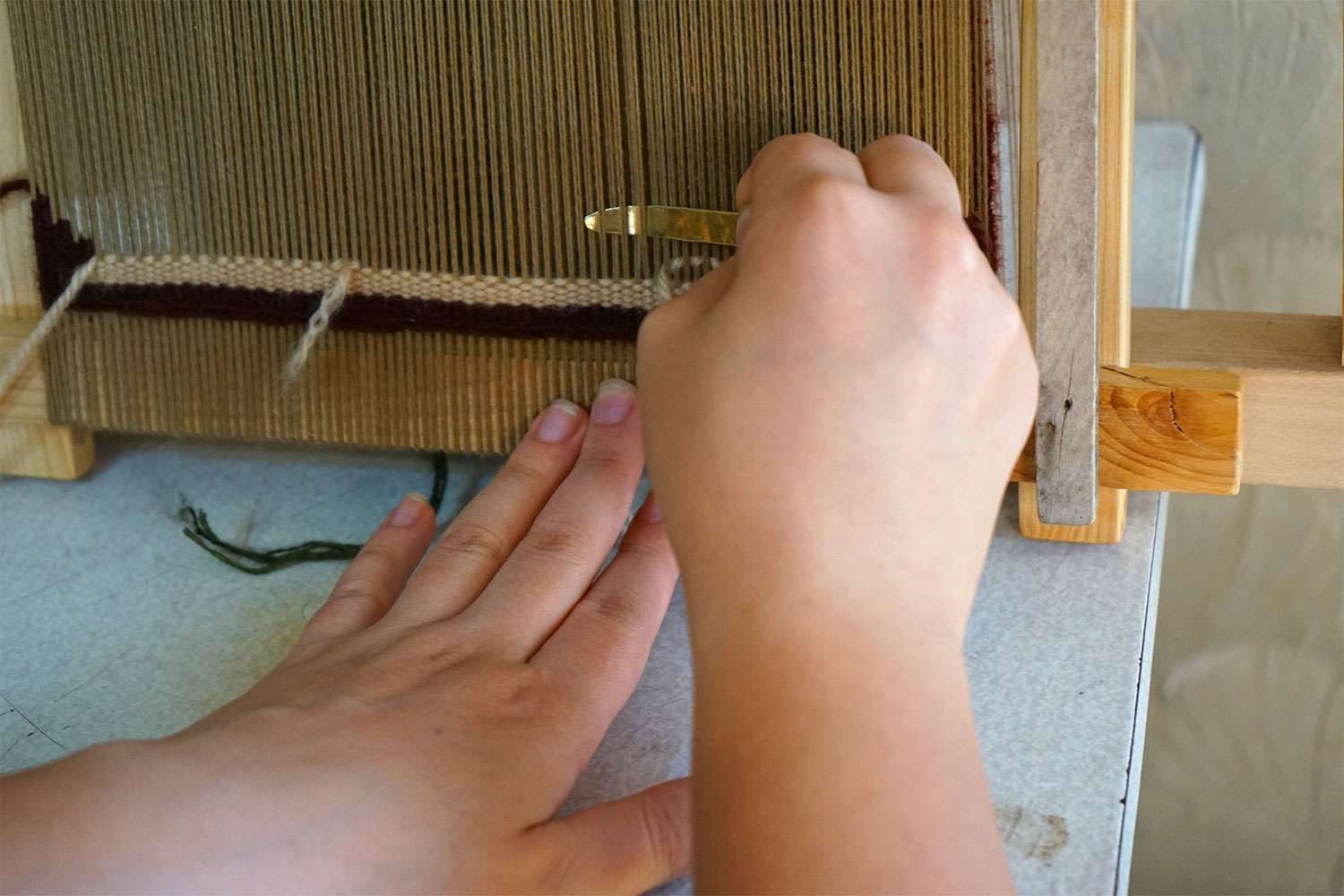
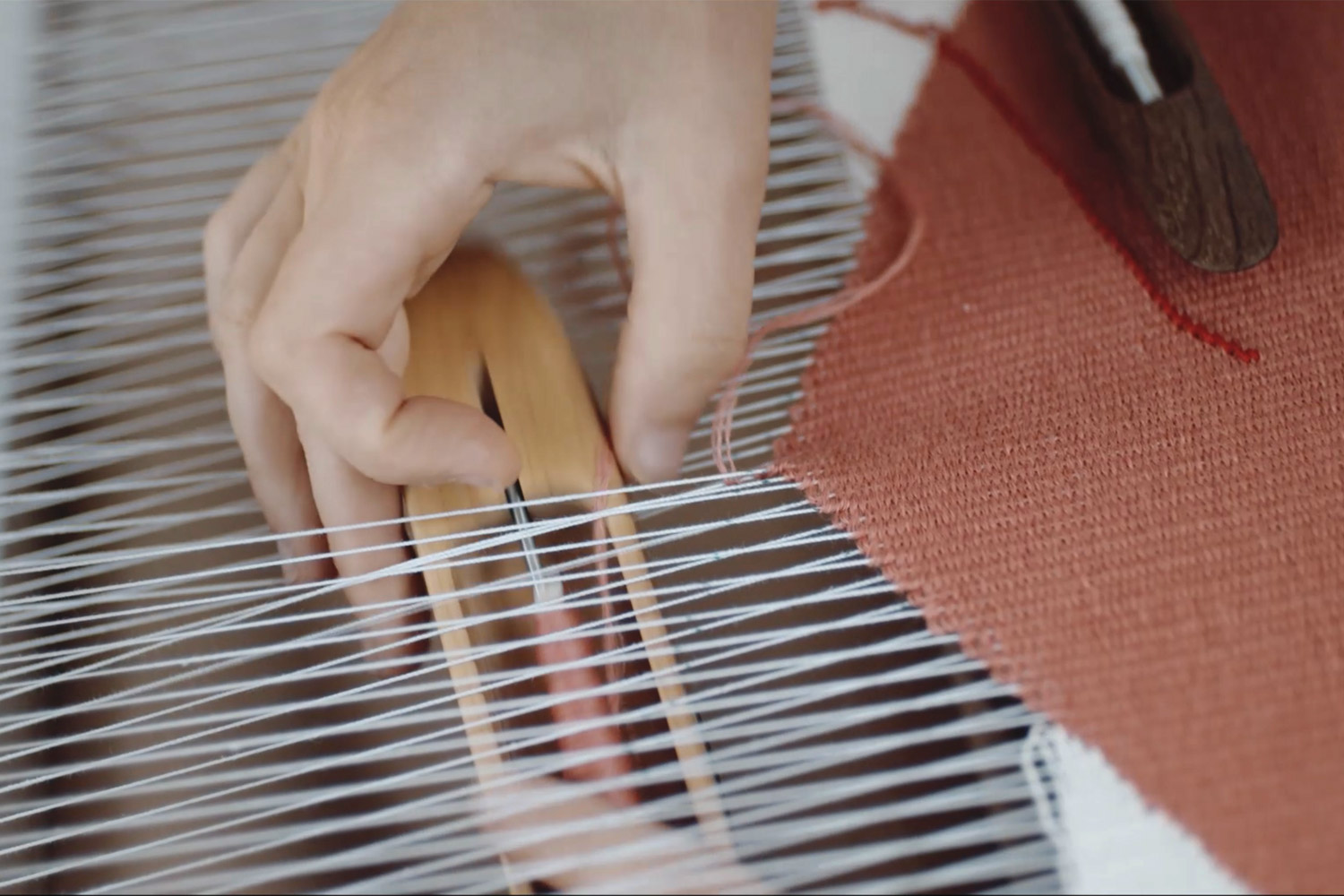
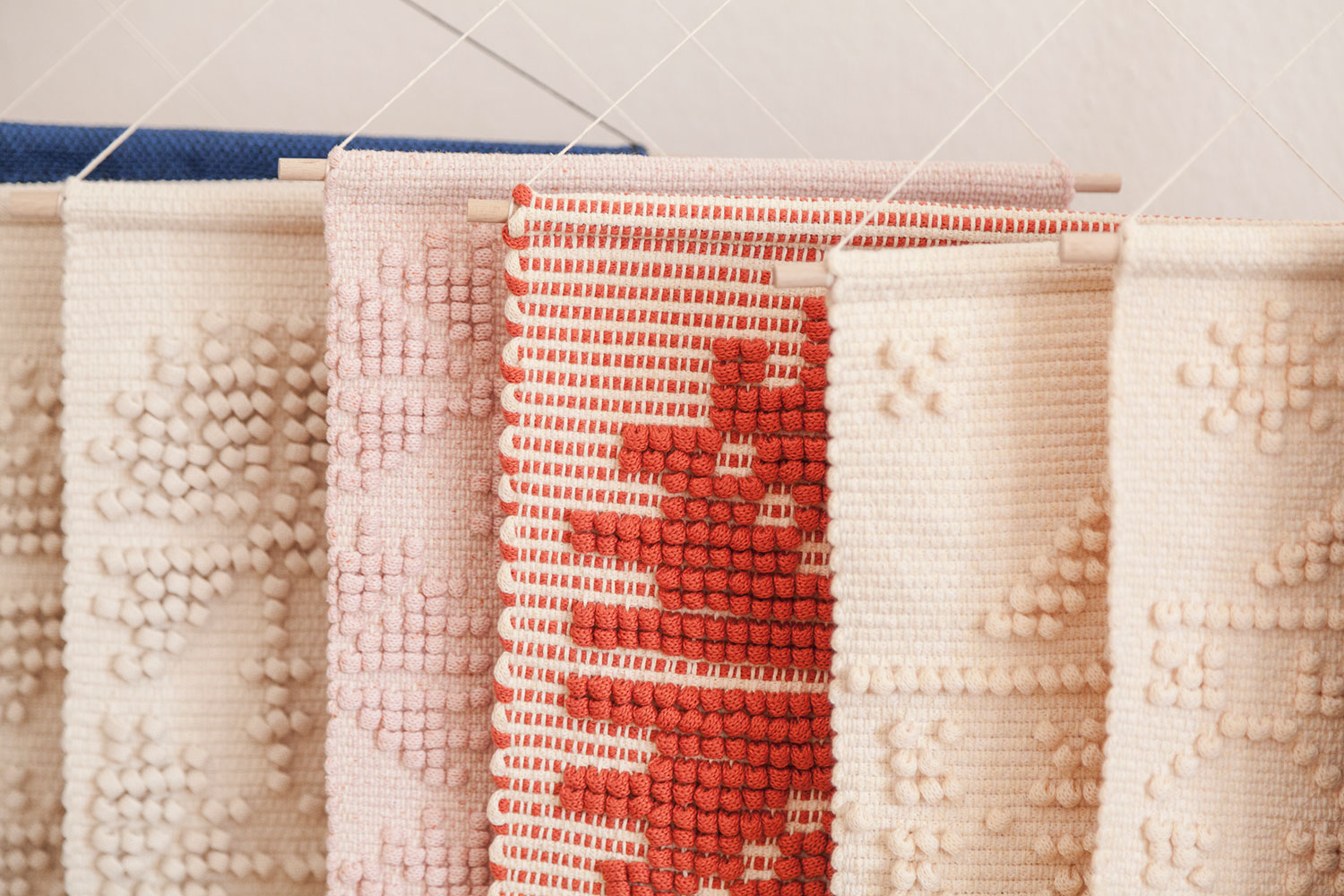
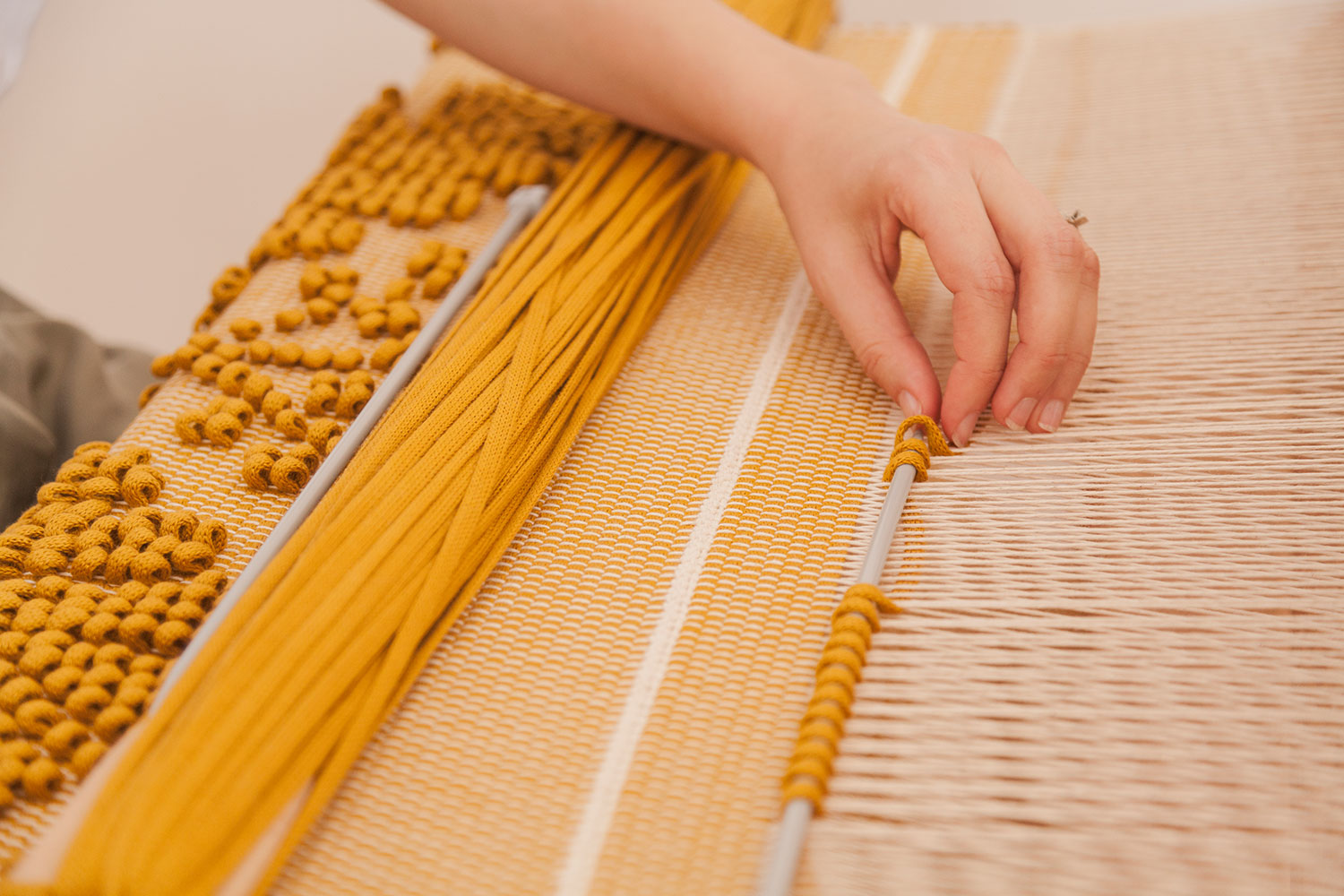
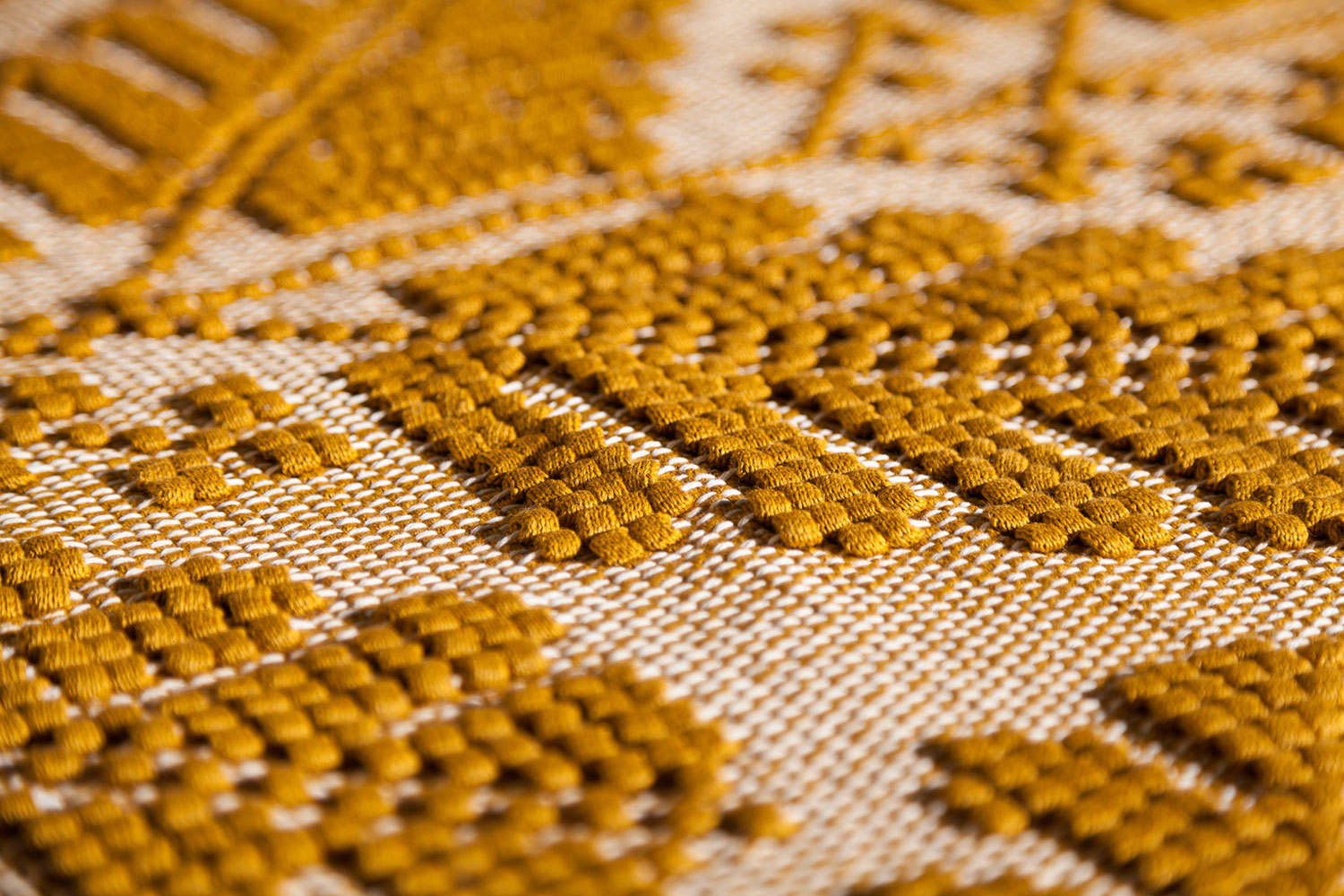
- Eszter works mainly with the pibione weaving technique
- She won the Hungarian Design Award in 2018
- She holds workshops and also teaches in schools
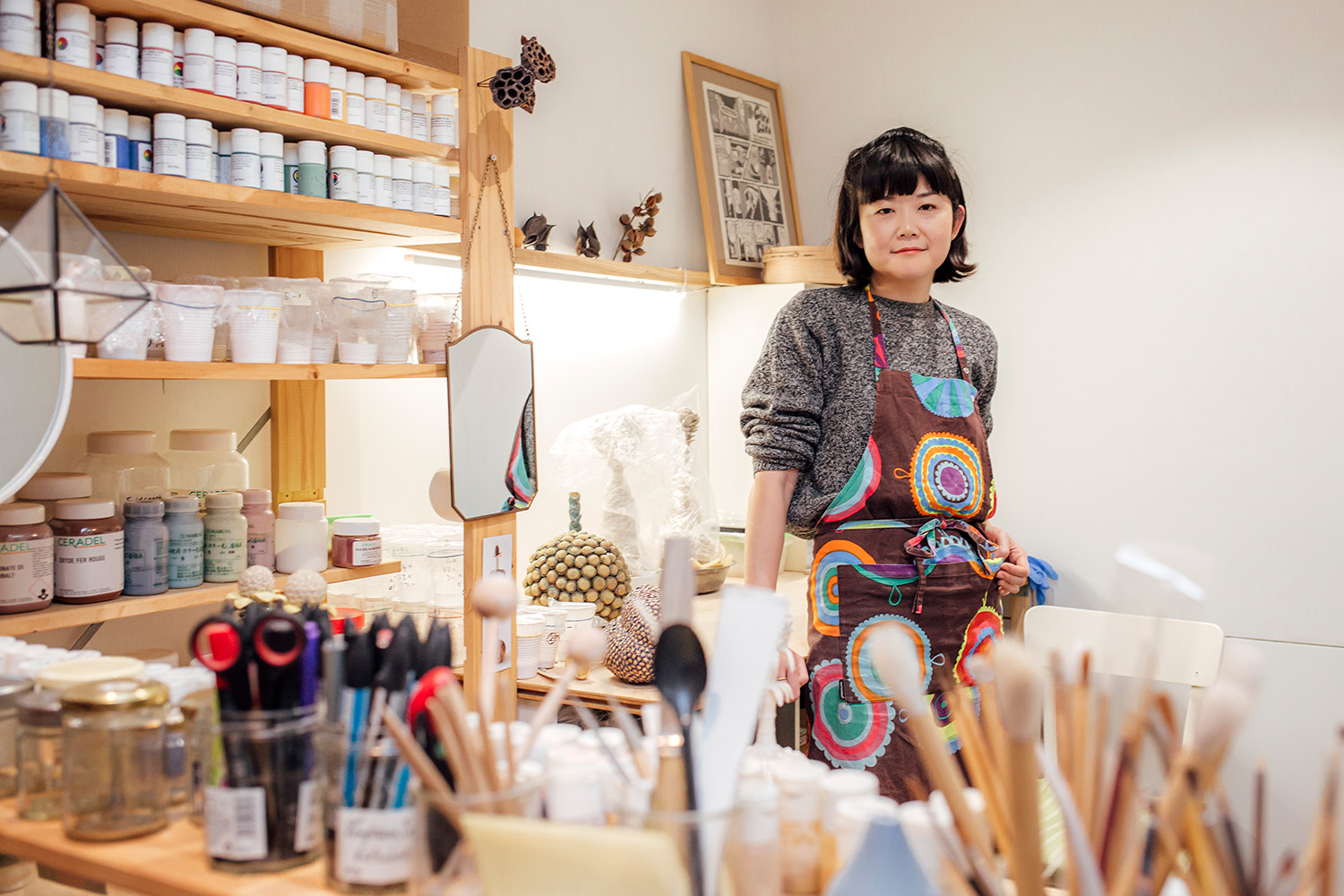
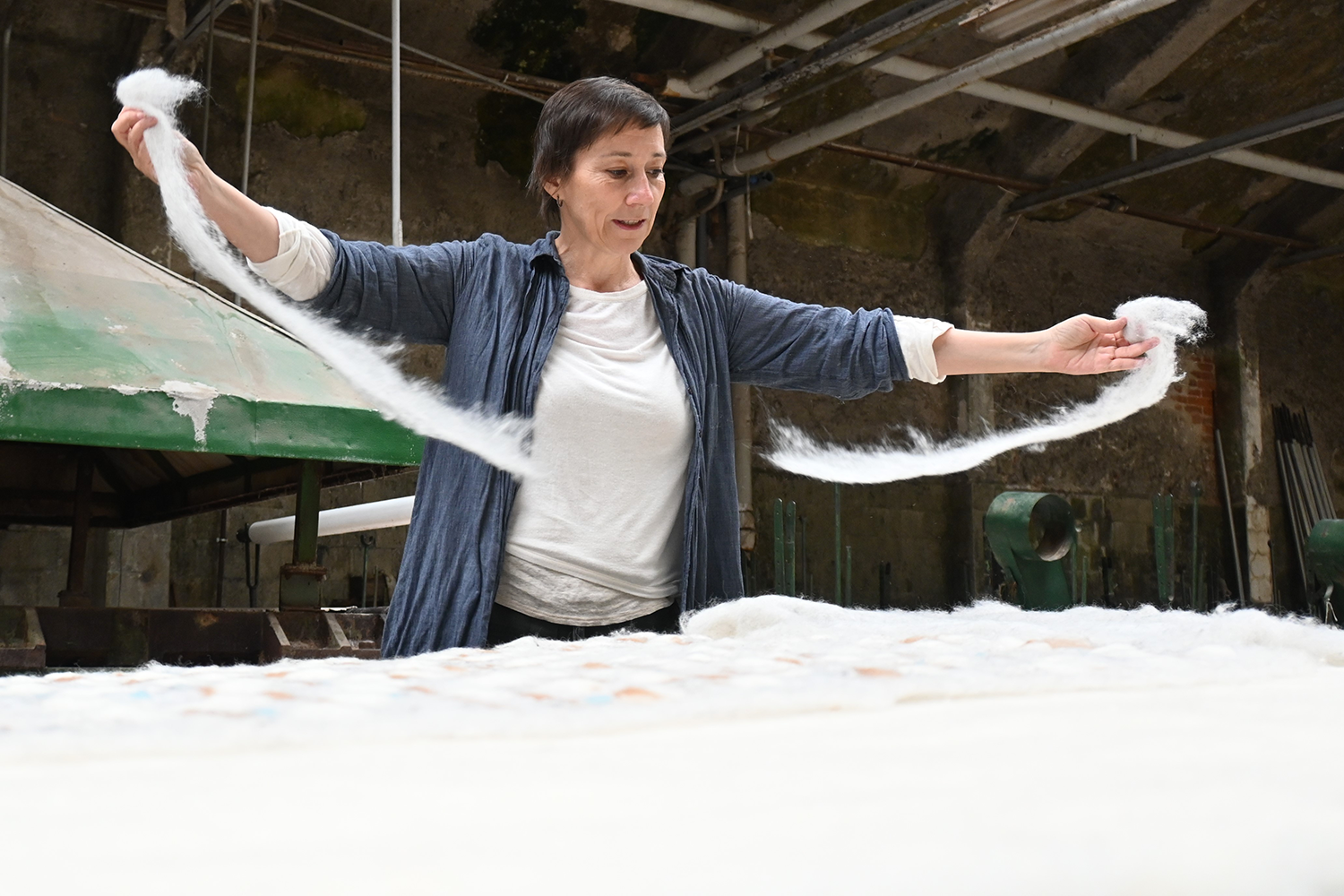
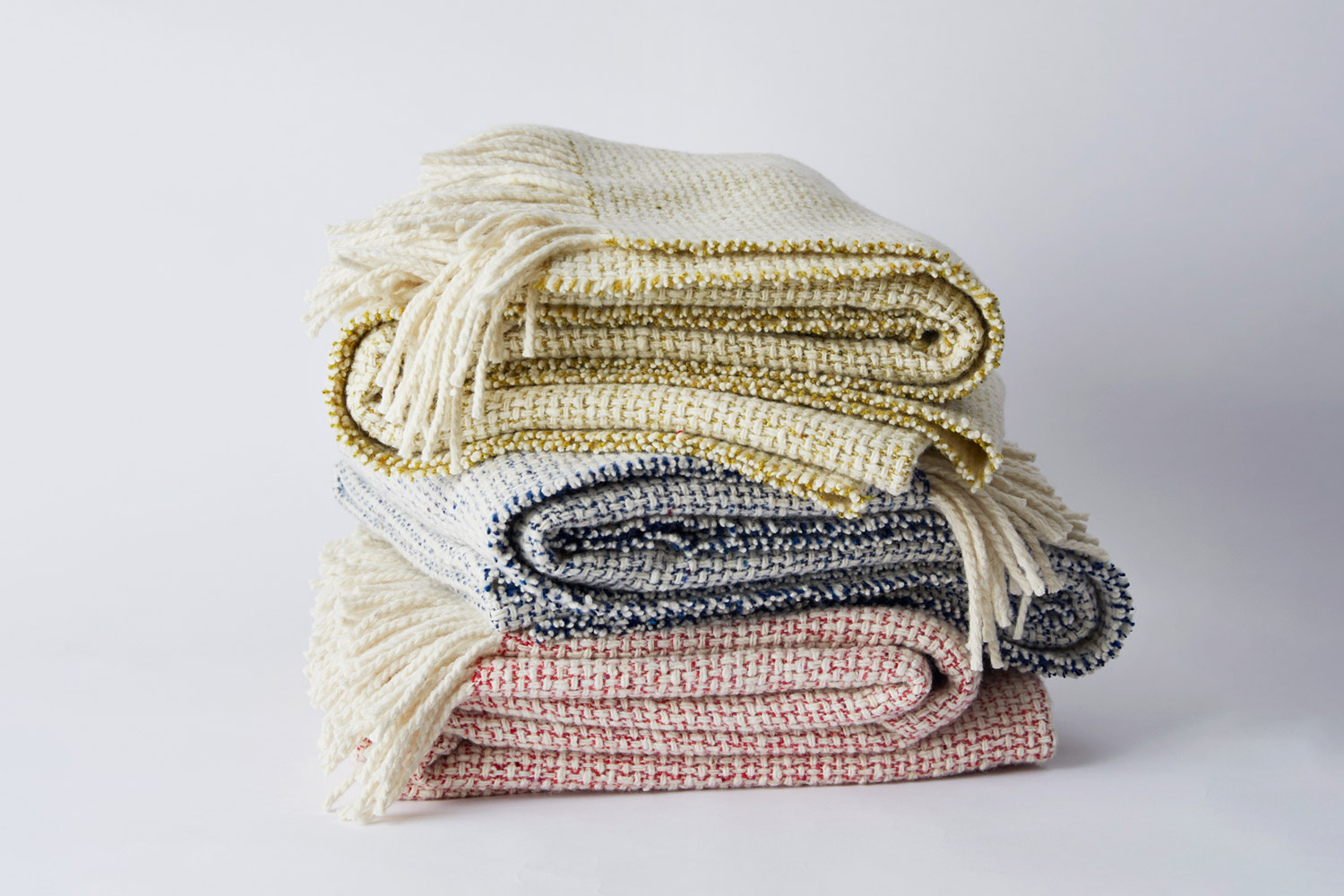
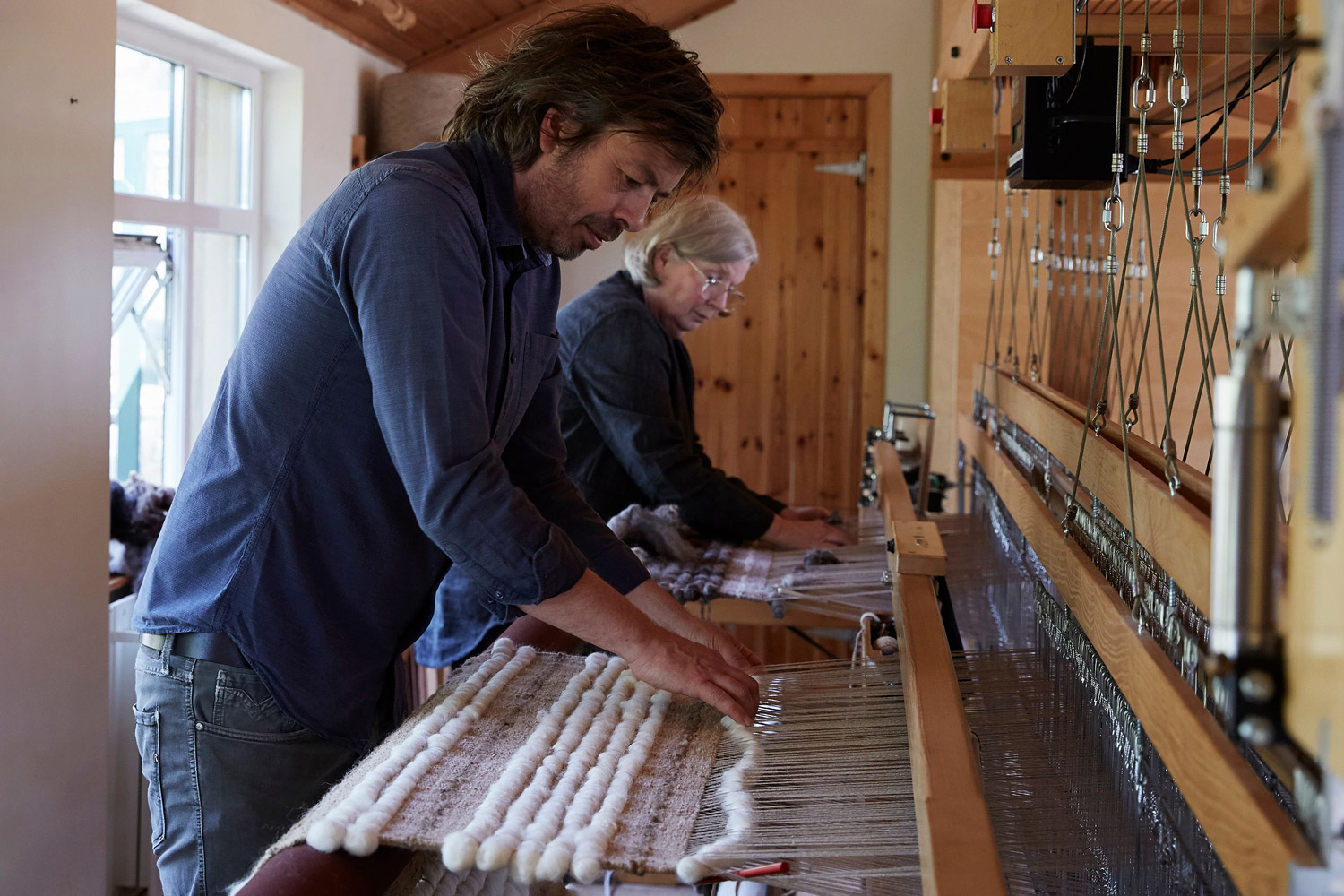
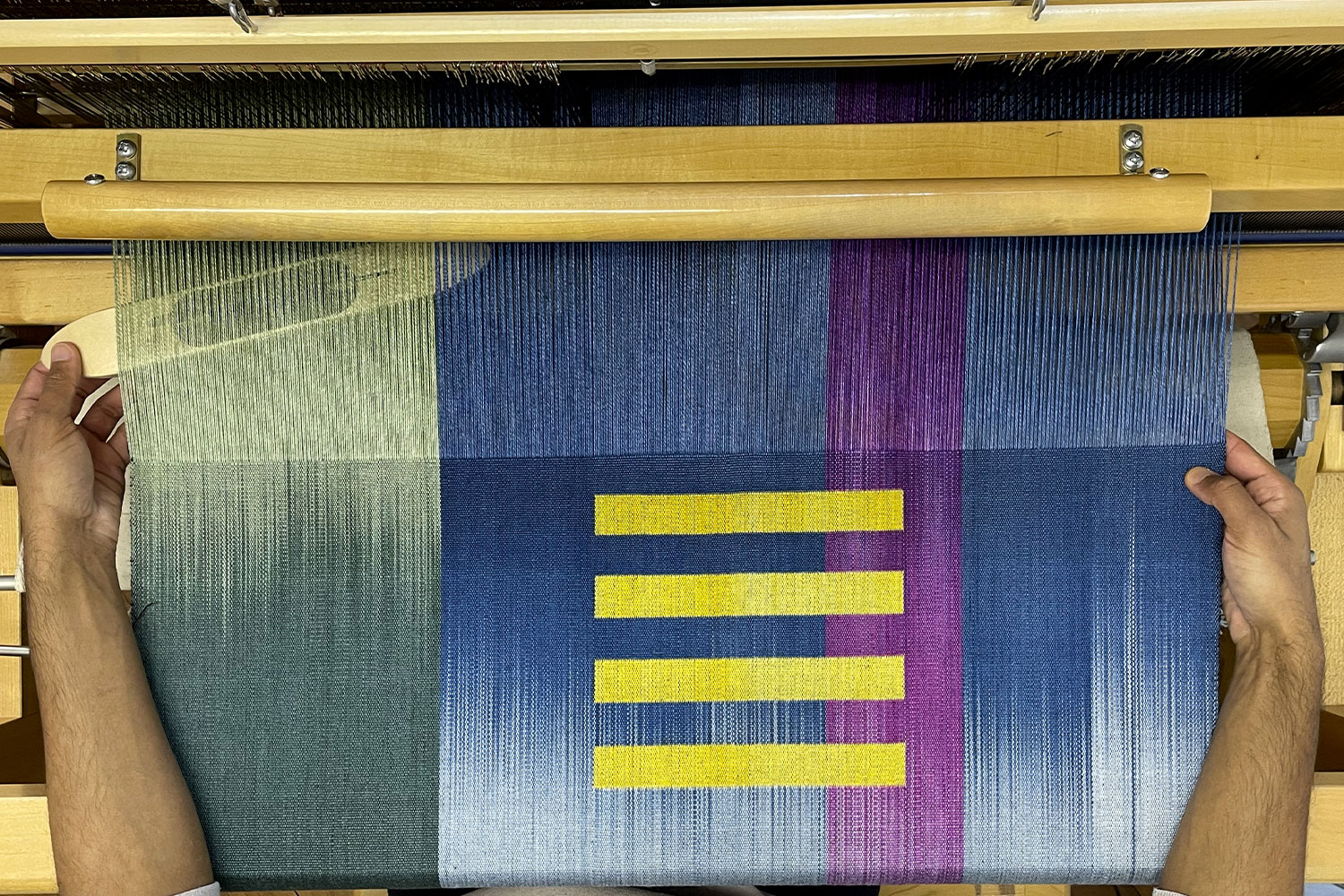
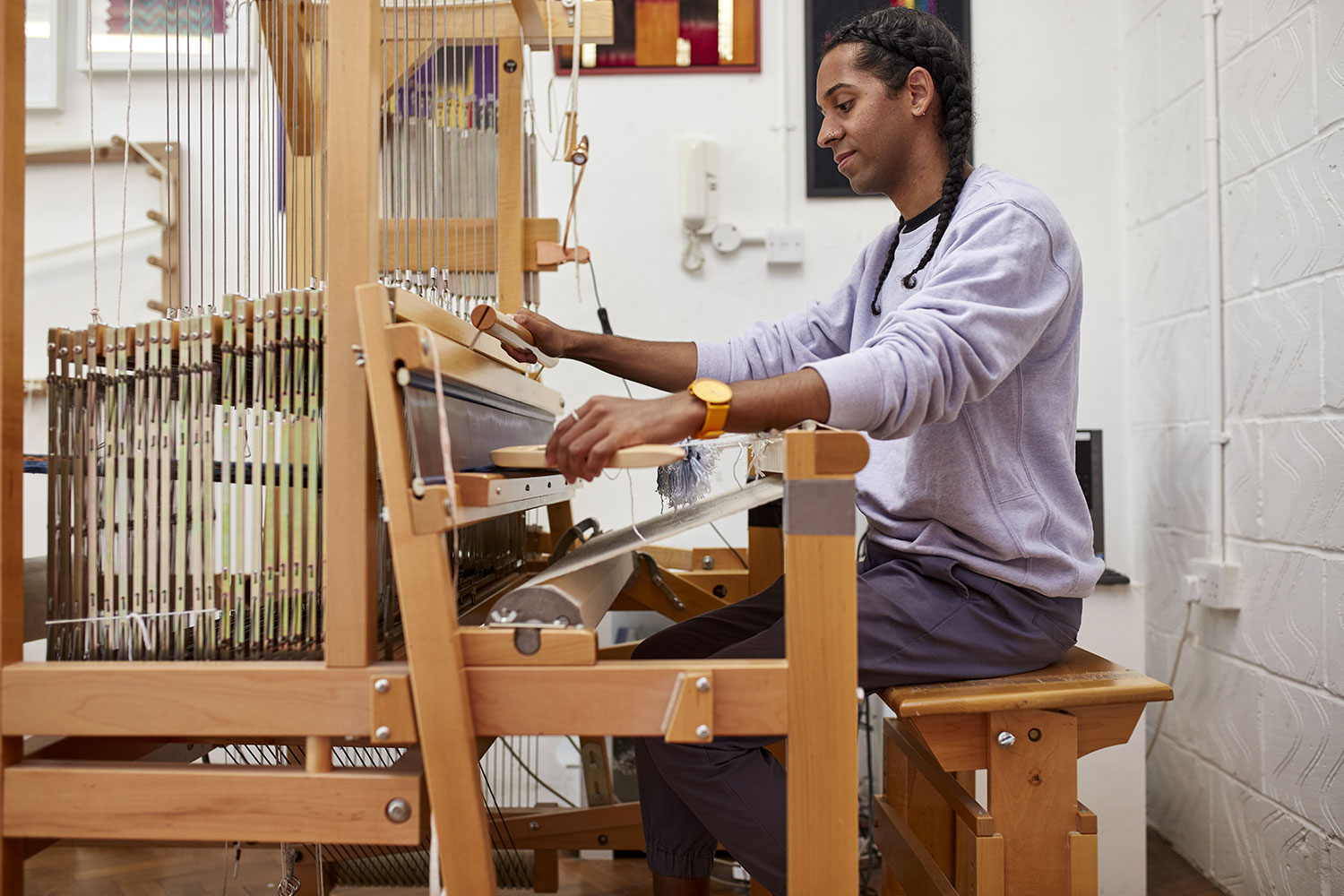
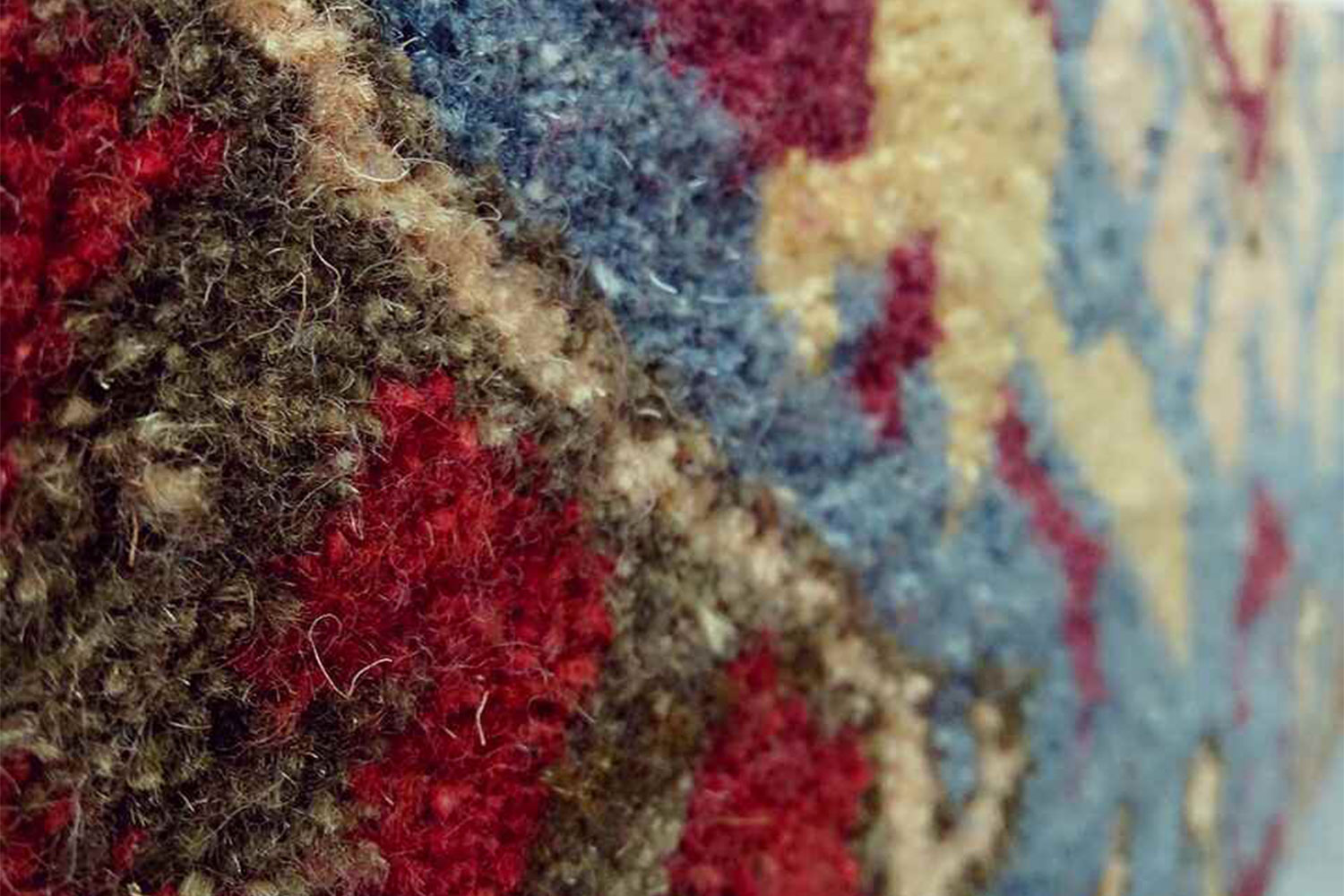
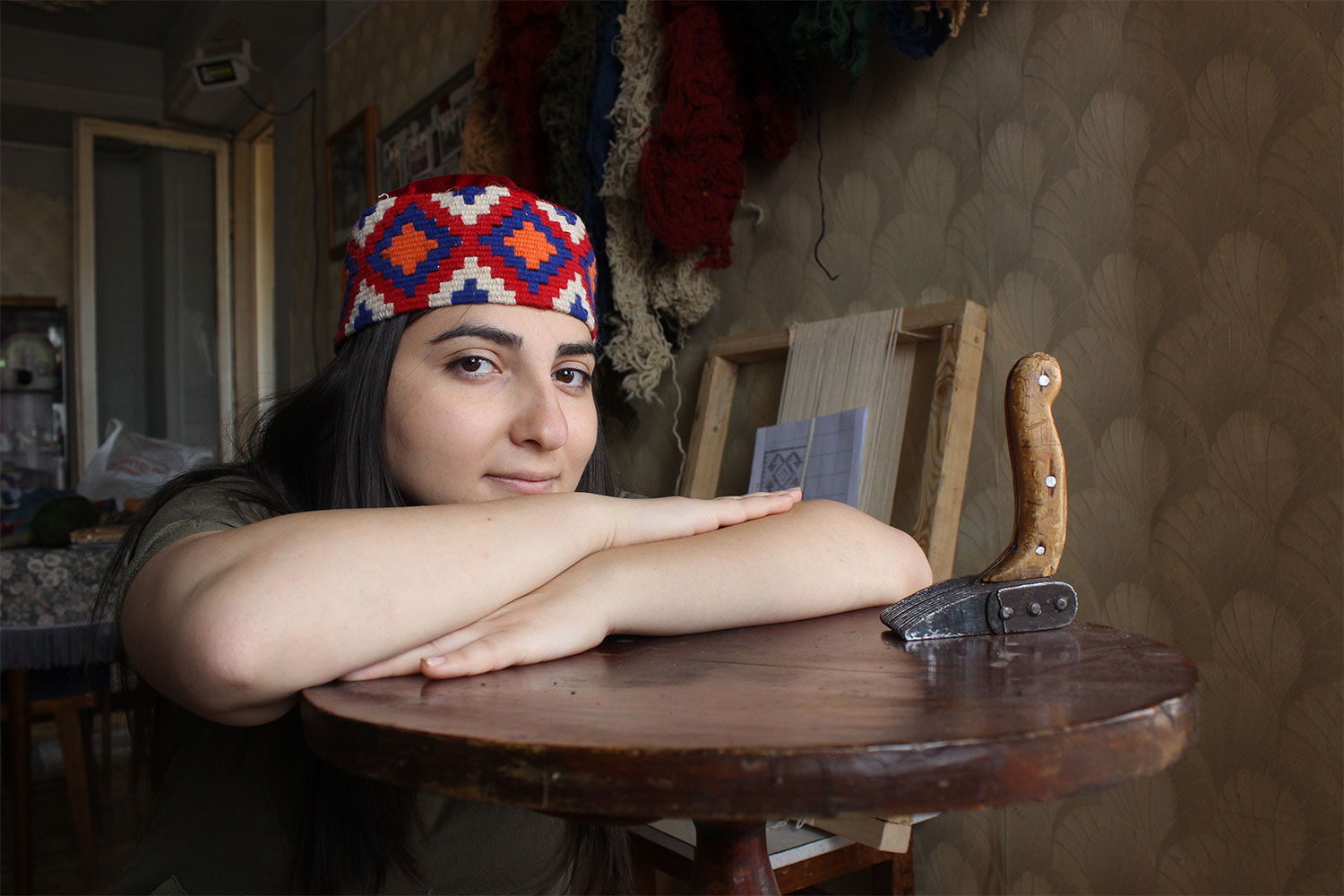
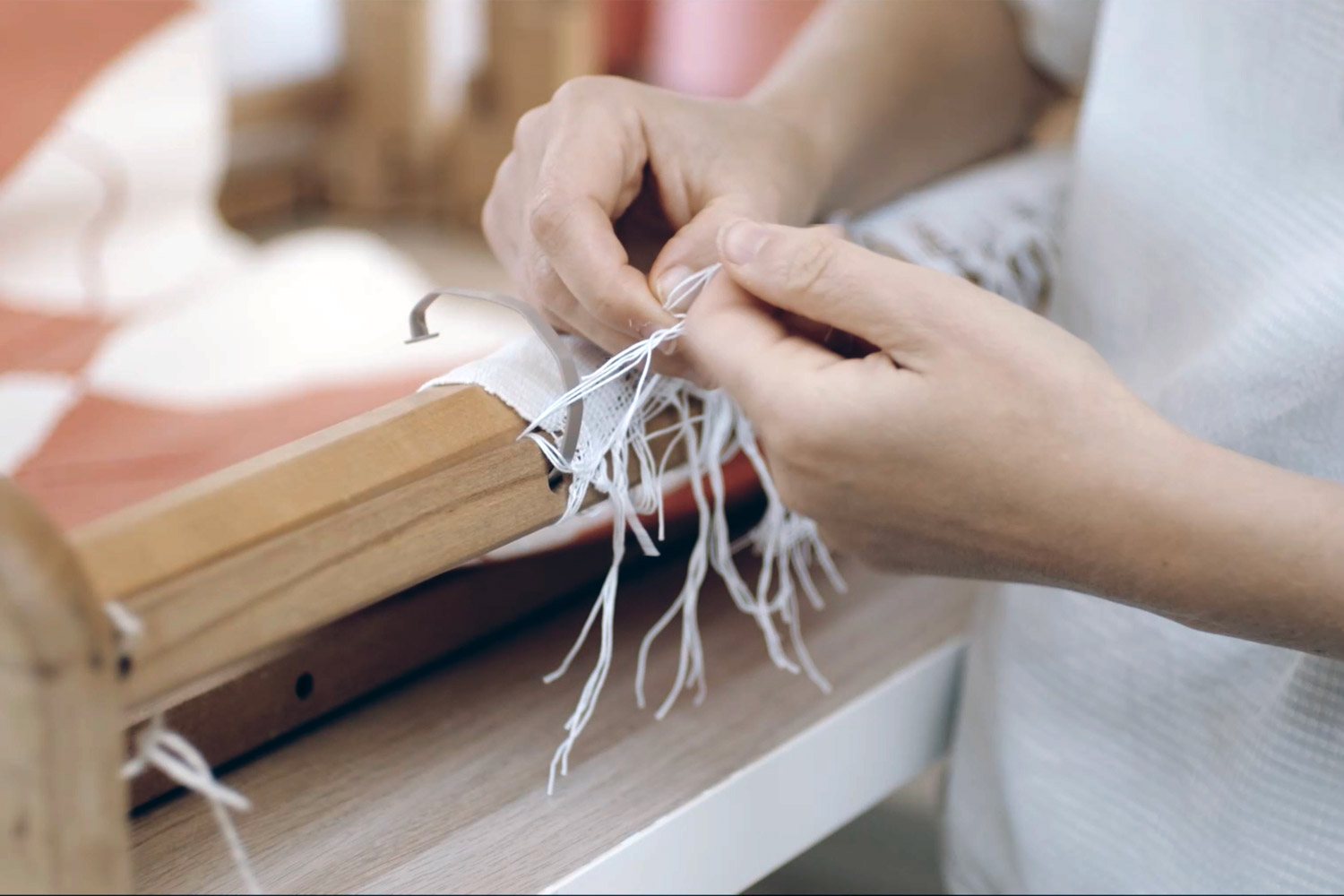
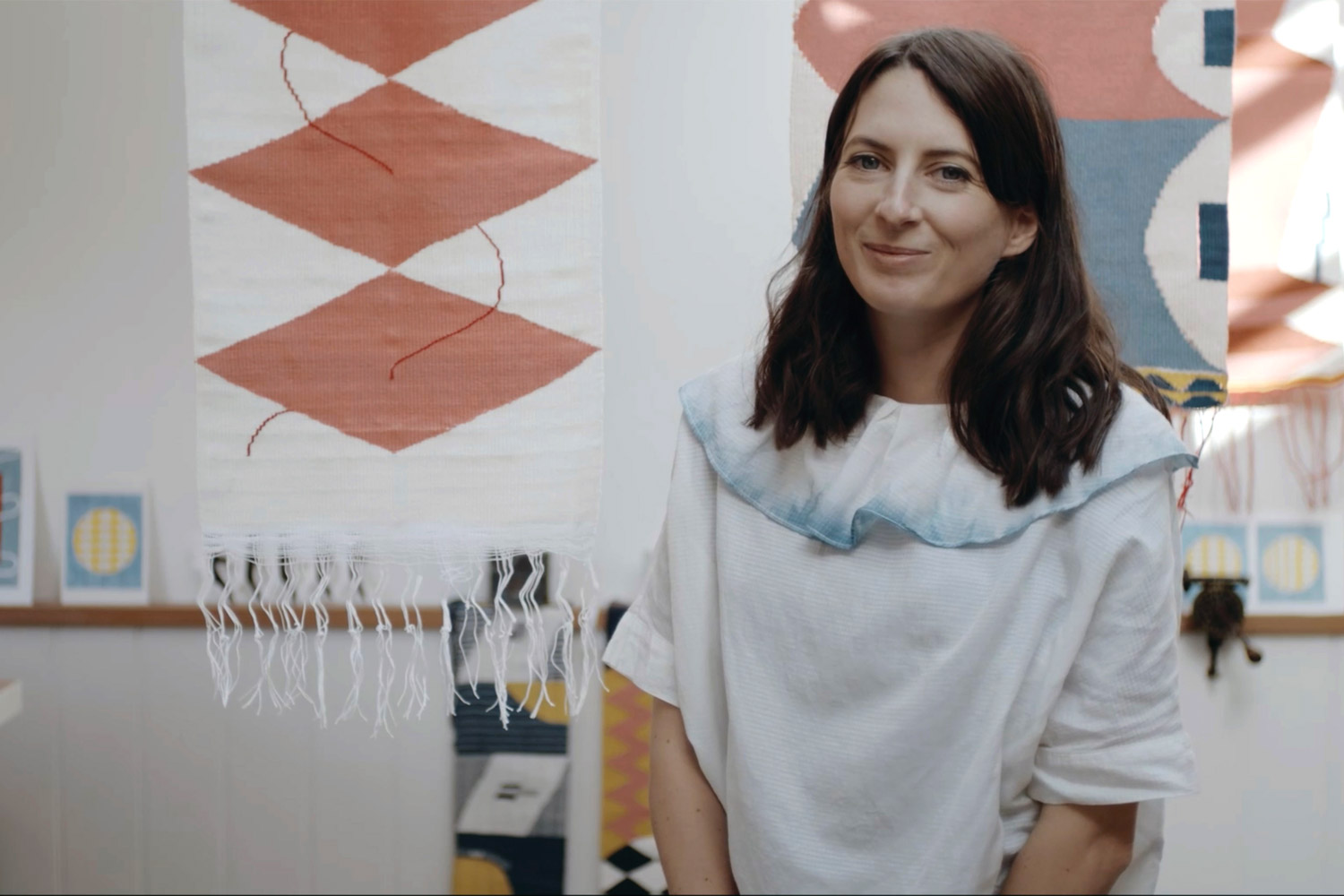
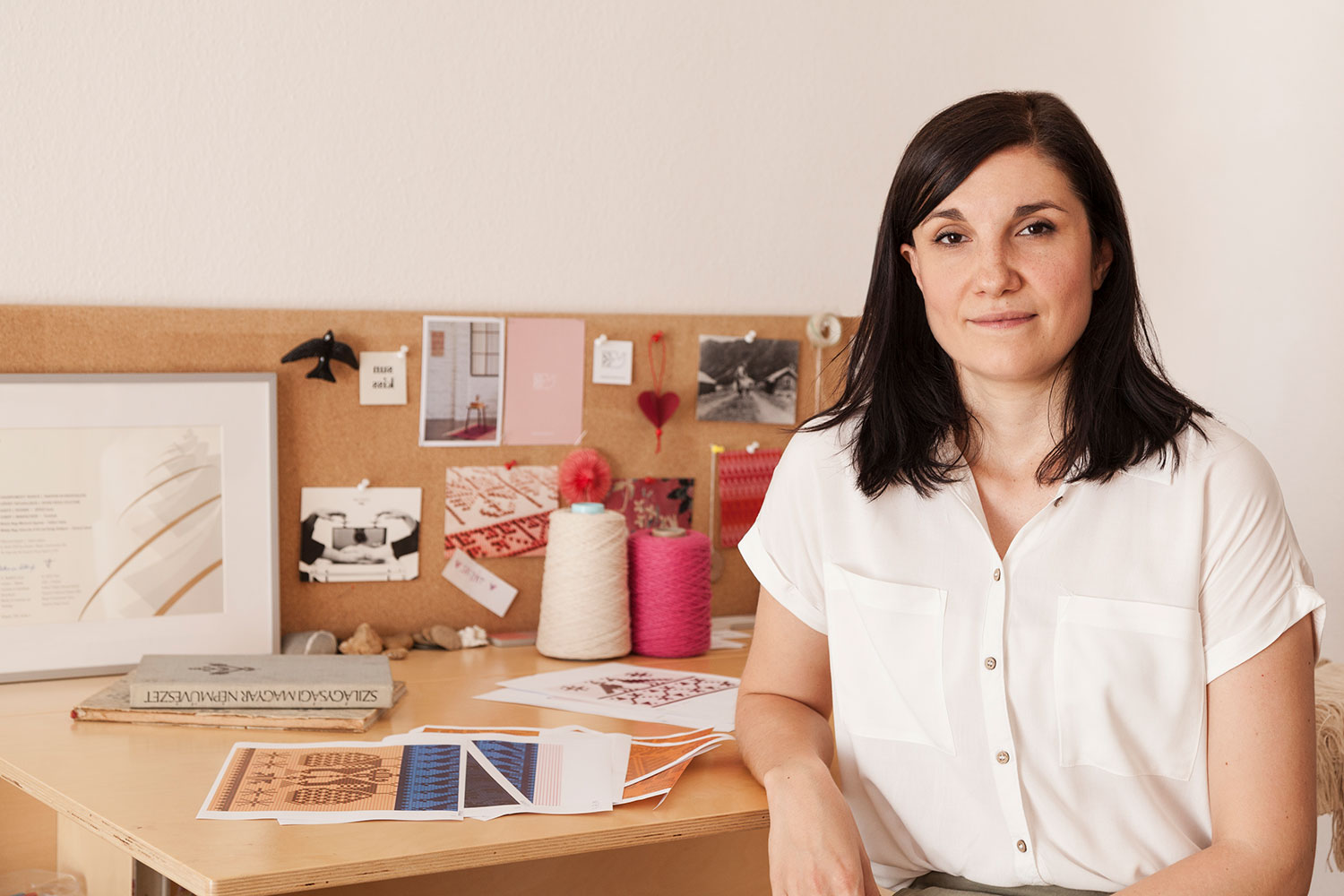
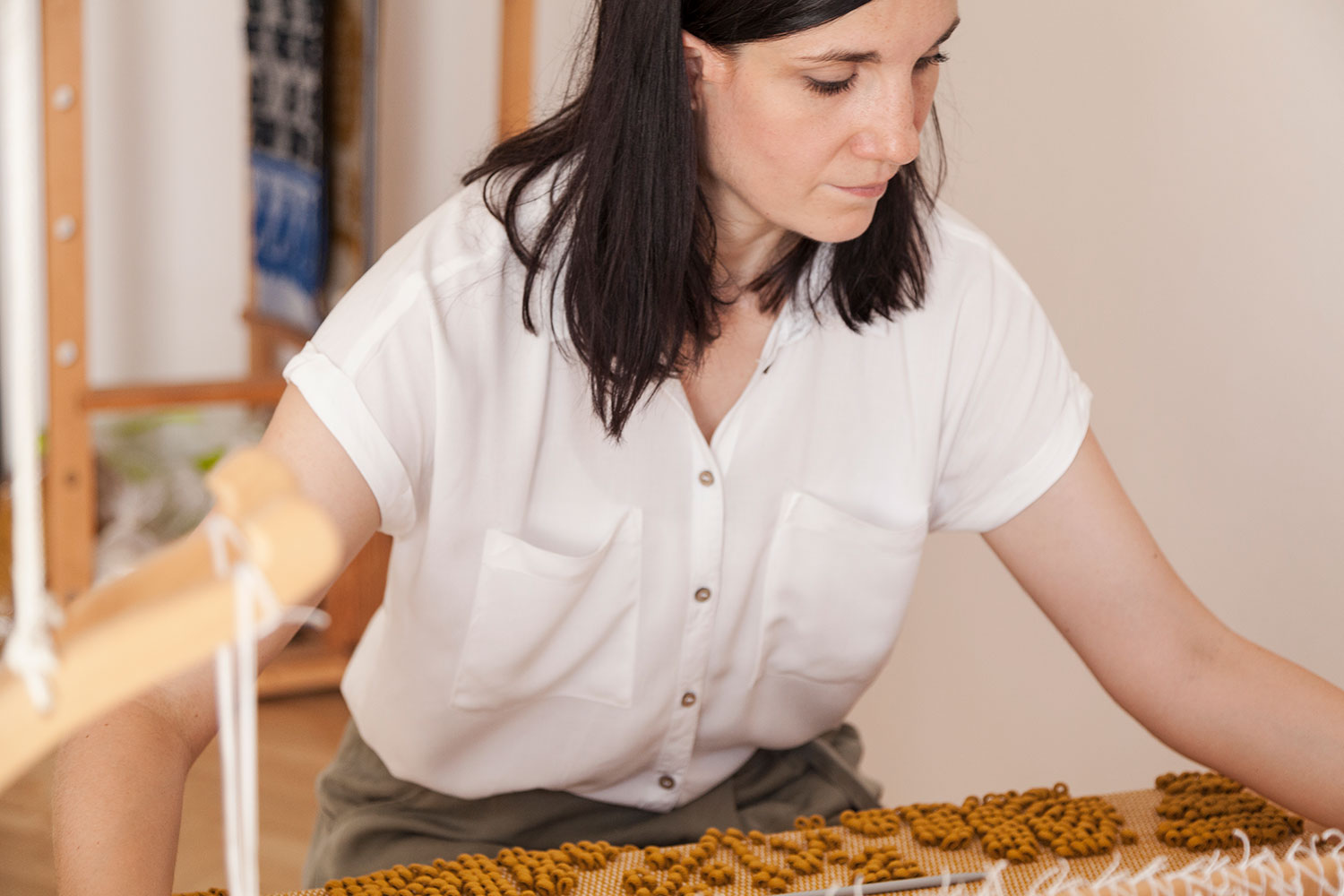
Even as a child, Eszter Révész was fascinated by the beautiful embroidery and weaving made by her grandmother. She loved handicraft summer camps, where she learned basic textile techniques, dyeing and beading. Always enchanted by colours and soft textile materials, after studying textiles in high school, she moved to the weaving department of MOME (Moholy-Nagy University). In 2011, after graduating, she started working as a freelance designer. After winning the Hungarian Design Award in 2018 with her folk-inspired textile collection “Tradition Recontextualized”, she created her own brand, working with a variety of weaving techniques. Currently, she mainly uses folk techniques such as pibione weaving or extra weft weaving, but she also has experience with hand manipulated lace weaving and ikat weaving. Eszter creates unique handmade rugs, pillowcases and other pieces



INTERVIEW
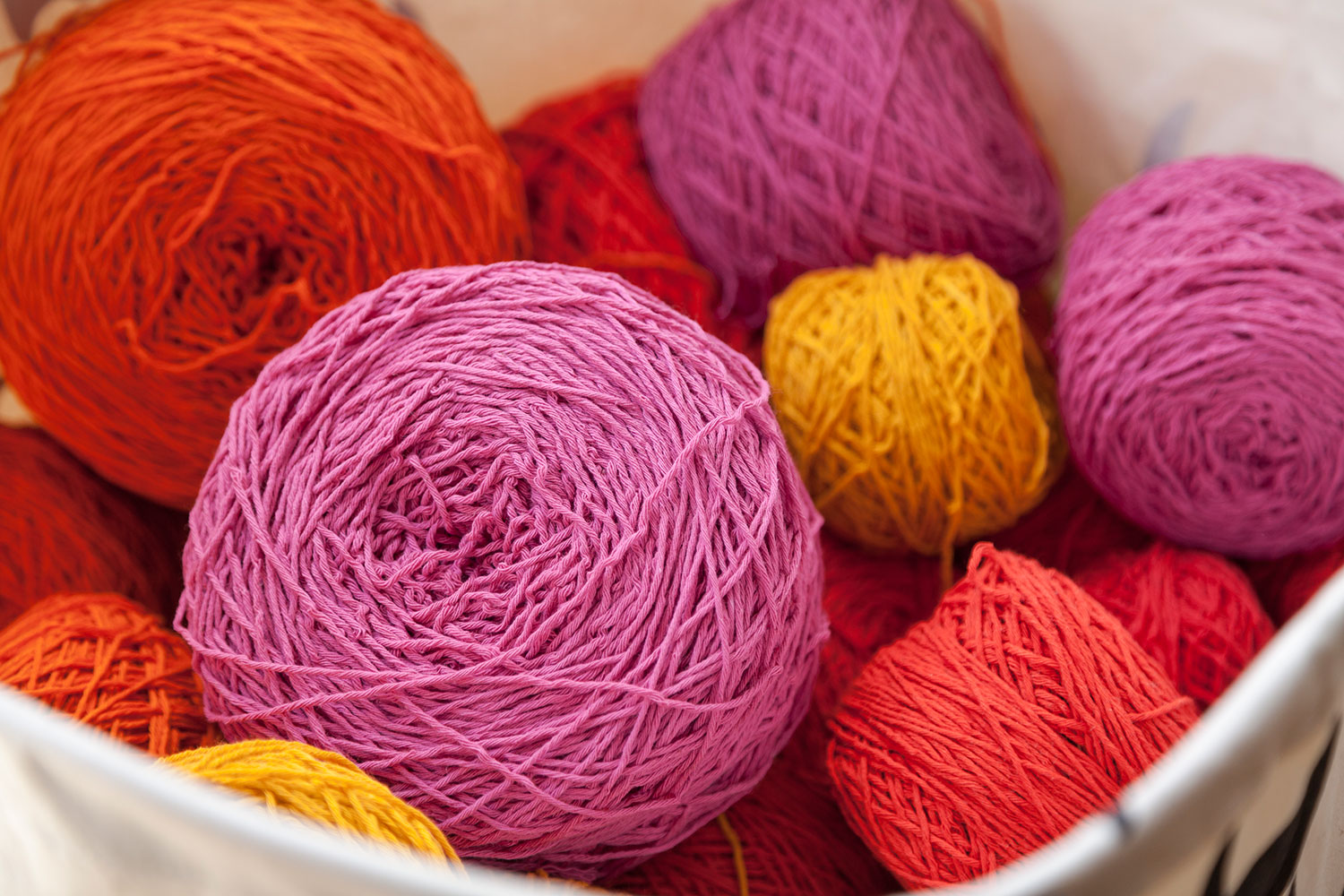
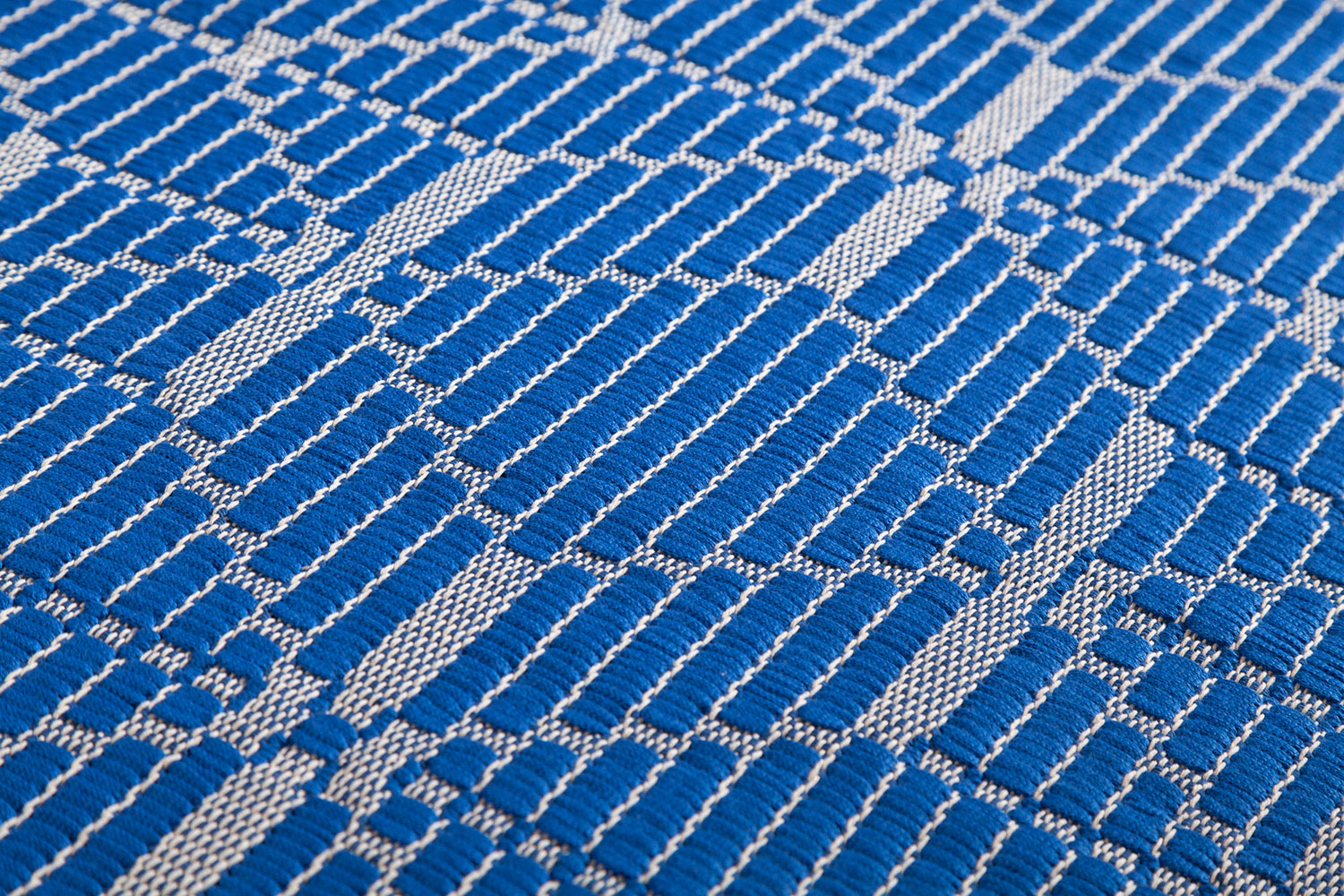
In the case of handmade textiles, I combine traditional techniques with a fresh design vision, individual raw materials and contemporary colours. In the case of factory made textiles, I associate plastic surfaces with folk motifs.
If you can address people. If the design and the craft are in harmony and if the story you are telling is exciting. With the textiles I make, my experience is that they can reach a wide range of ages and it’s very interesting to see how many ways they can relate to them, who sees what in them.
The treasure trove and technique of Hungarian folk textiles currently occupies a central place in my work. I combine these traditional patterns with plastic surfaces and contemporary colours because I find the heritage of my folk culture extremely rich and inspiring.
The continuous possibility for renewal. I’ve been involved in textile design and manufacturing for quite some time, but I keep coming across a new technique, pattern, or raw material. I have a lot of ideas, research and design work is constantly going on in my head.
Eszter Révész
Dreaming Threads
Weaver
Budapest, Hungary
Recommended by Judit Osvárt
AVAILABILITY
By appointment only
PHONE
+36 303423688
LANGUAGES
Hungarian, English
Homo Faber Finds is a new service aiming to inspire admirers of craft to connect and collaborate with exceptional artisans.
We invite you to submit an enquiry here.