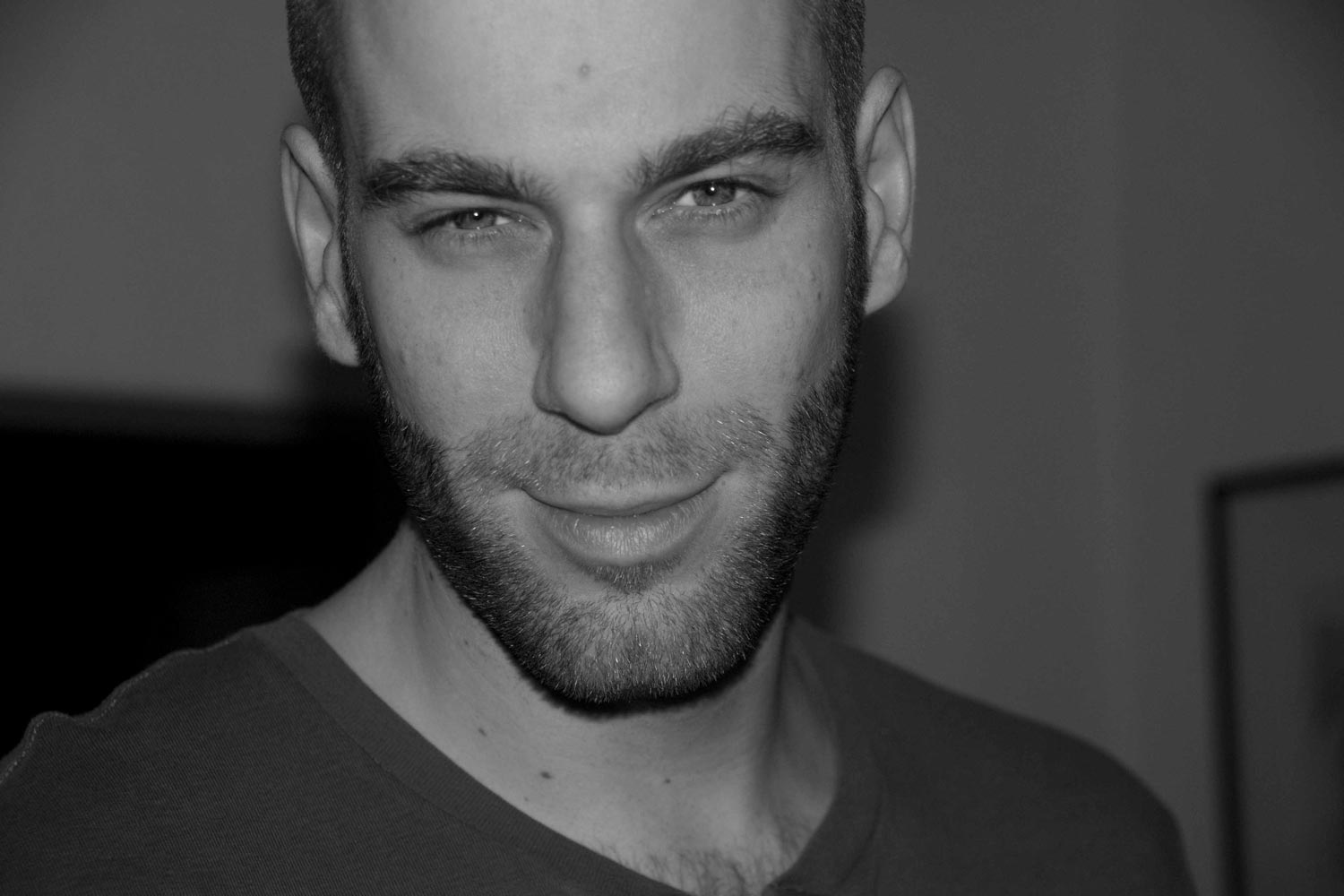
Erich Orris
Fudo Forge
Knife maker
Cosby, TN, USA
Crafting custom knives with character
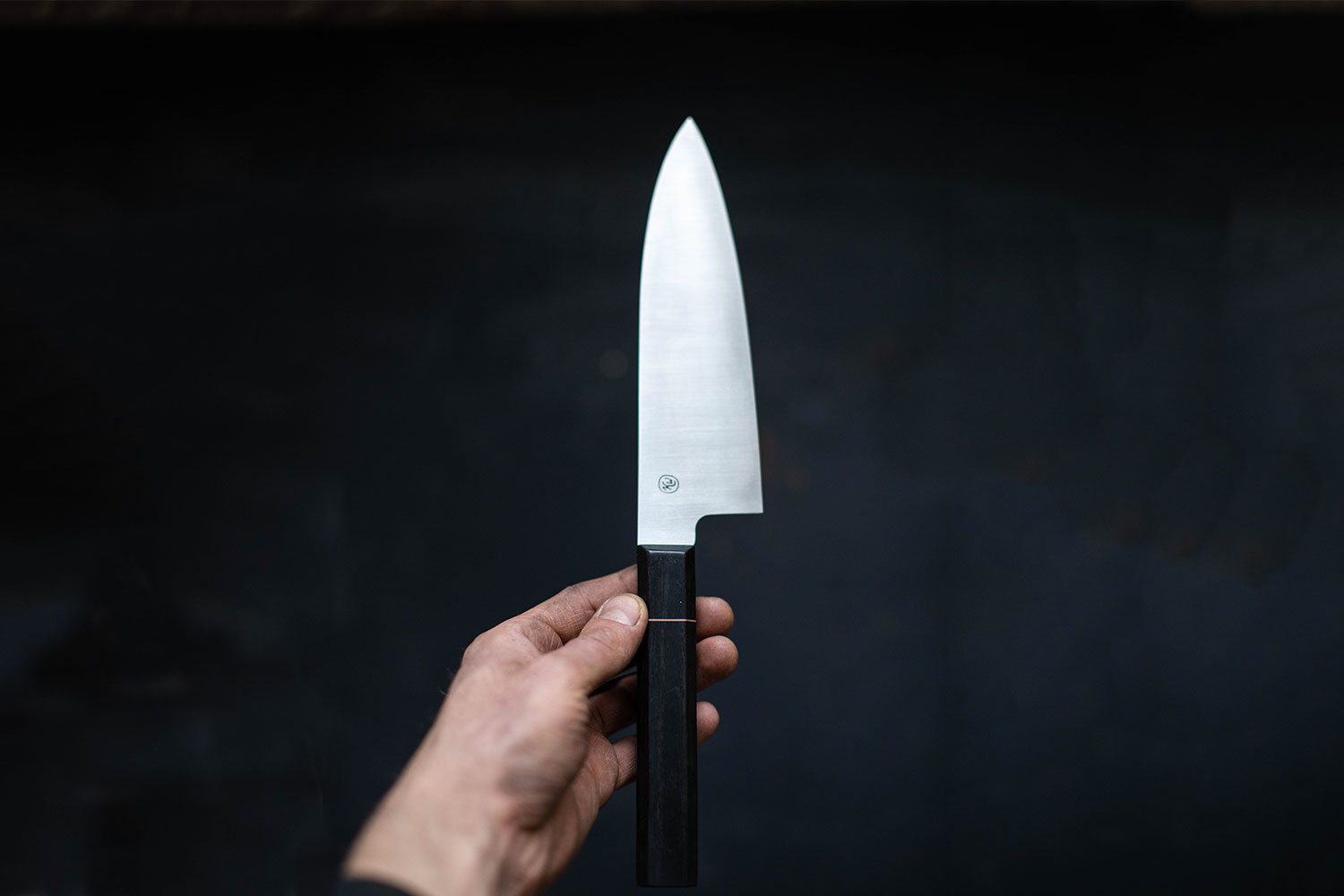
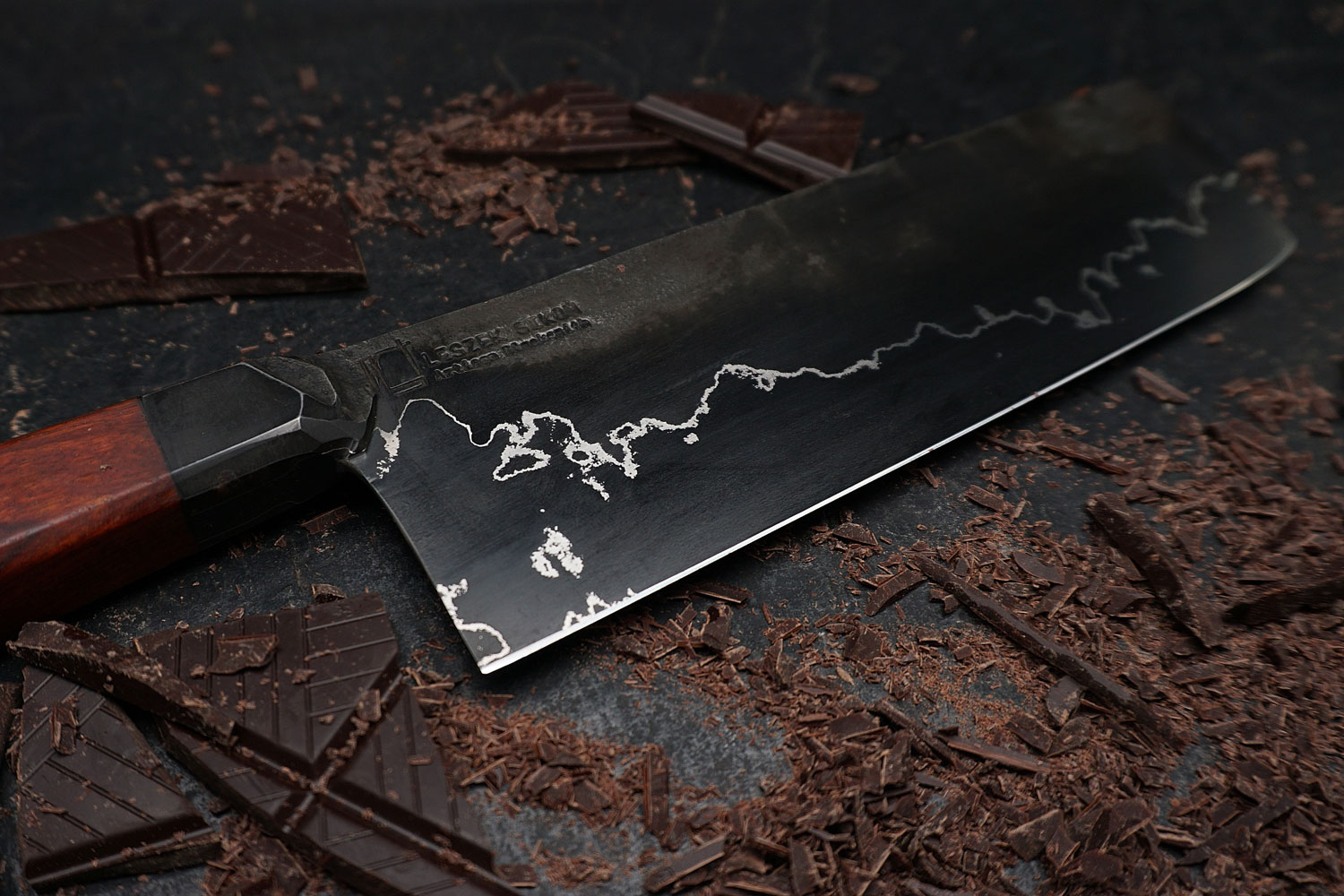
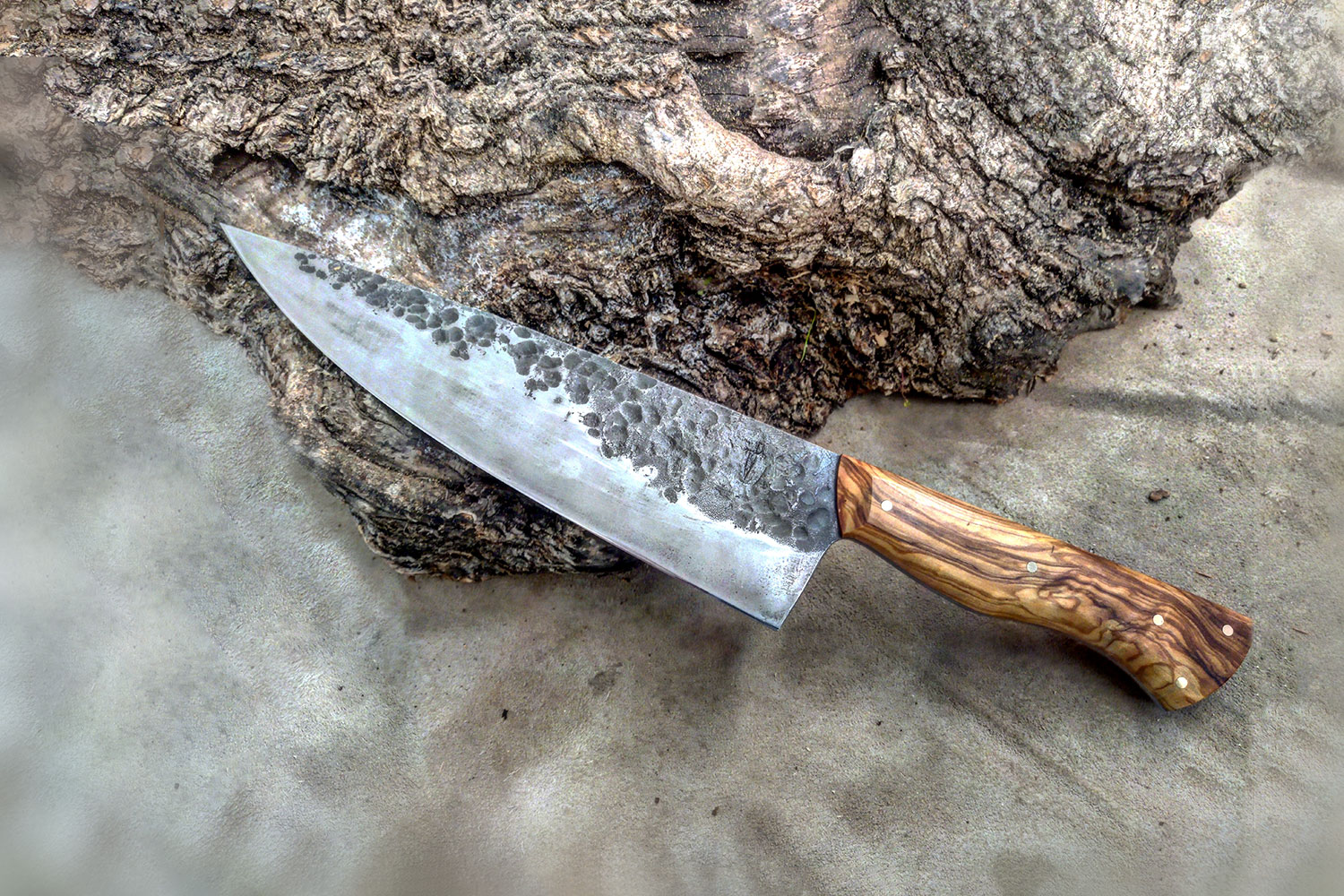
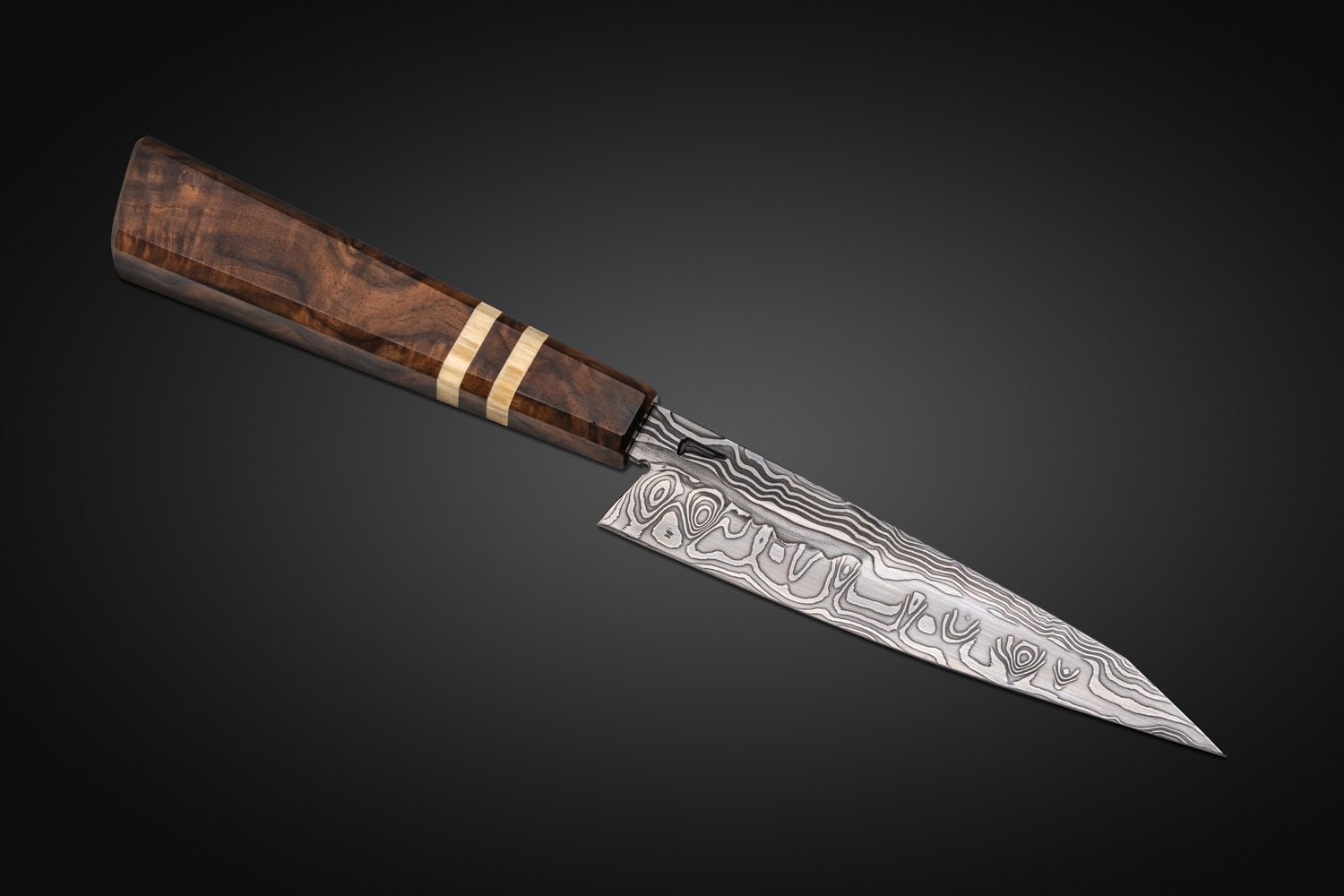
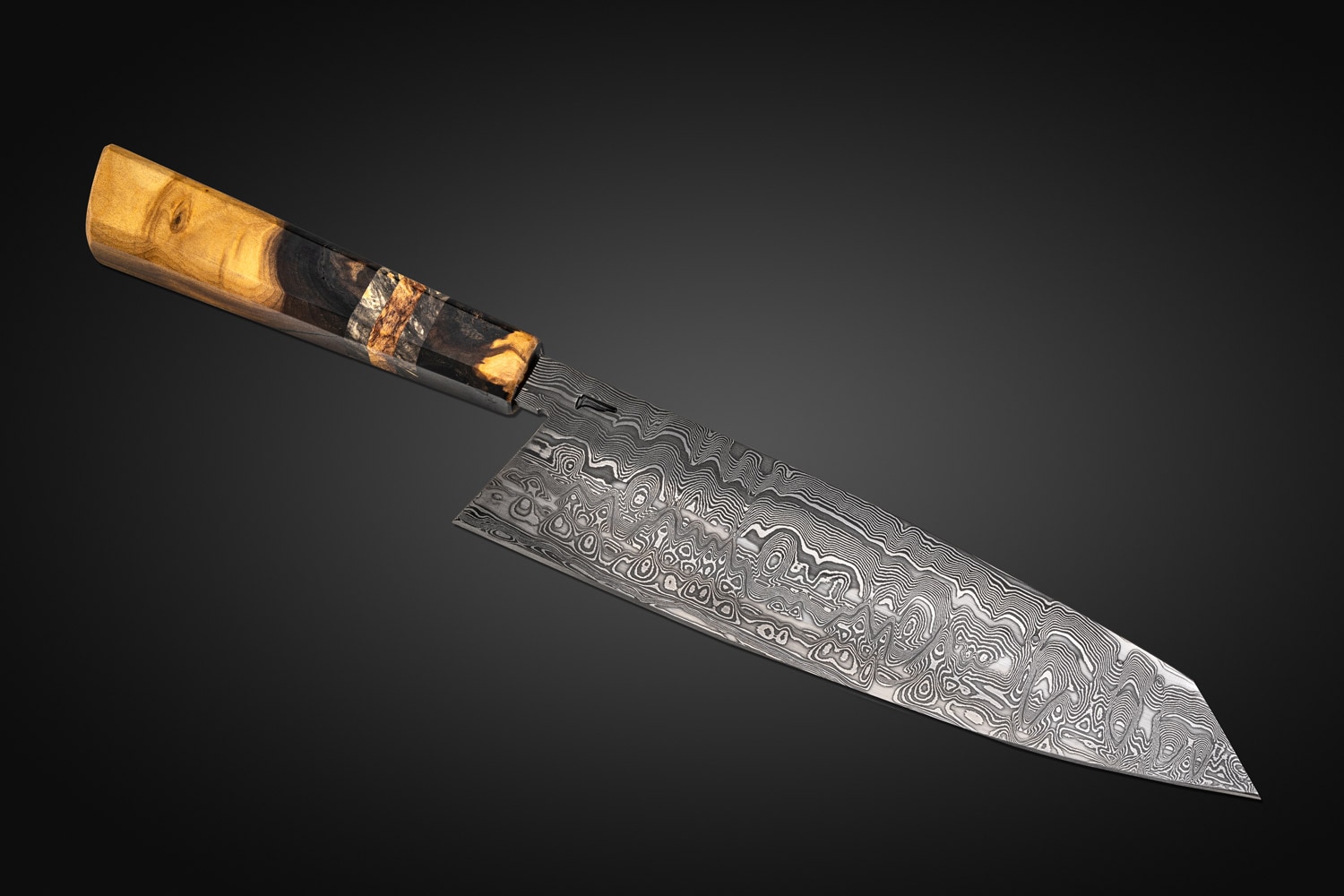
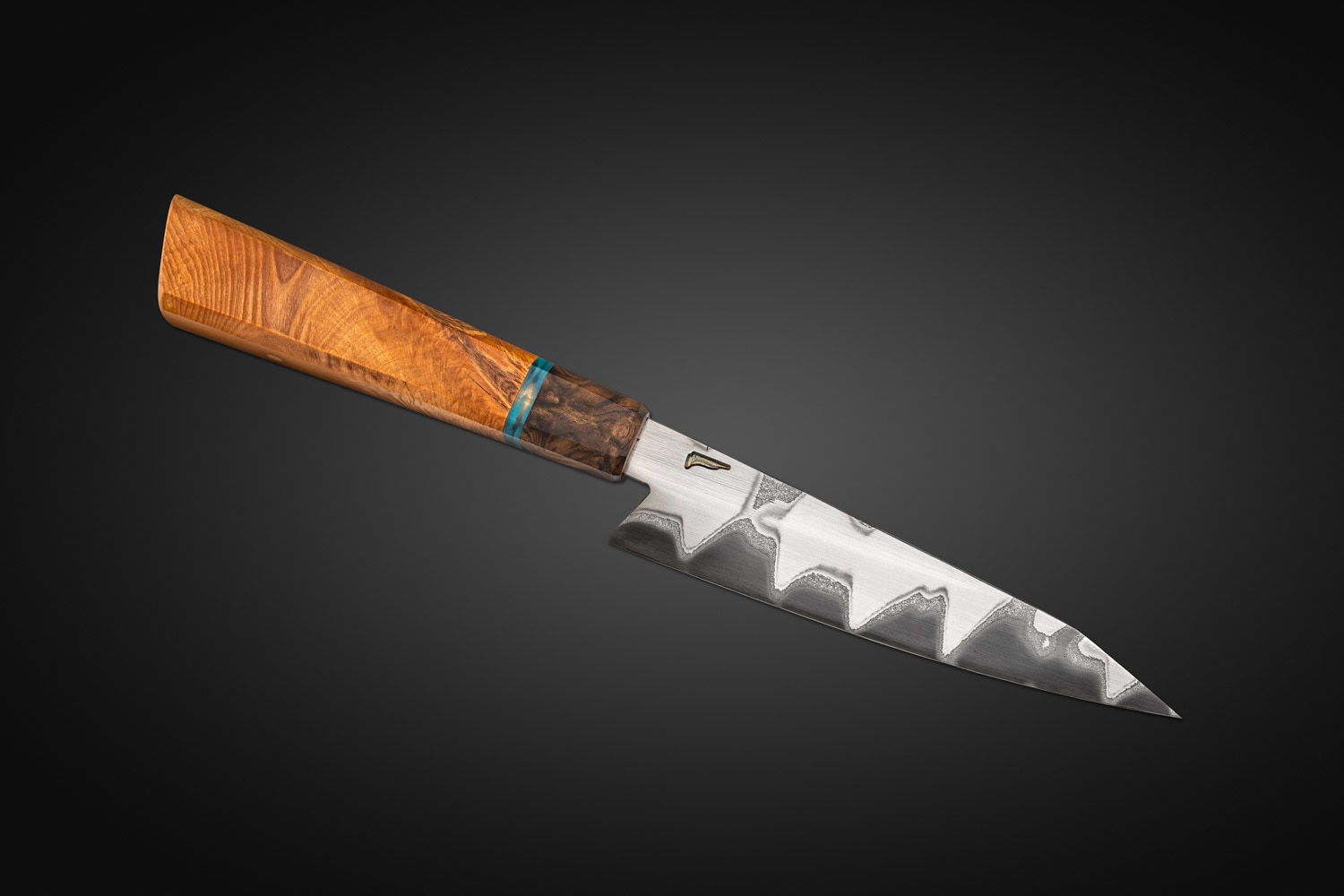
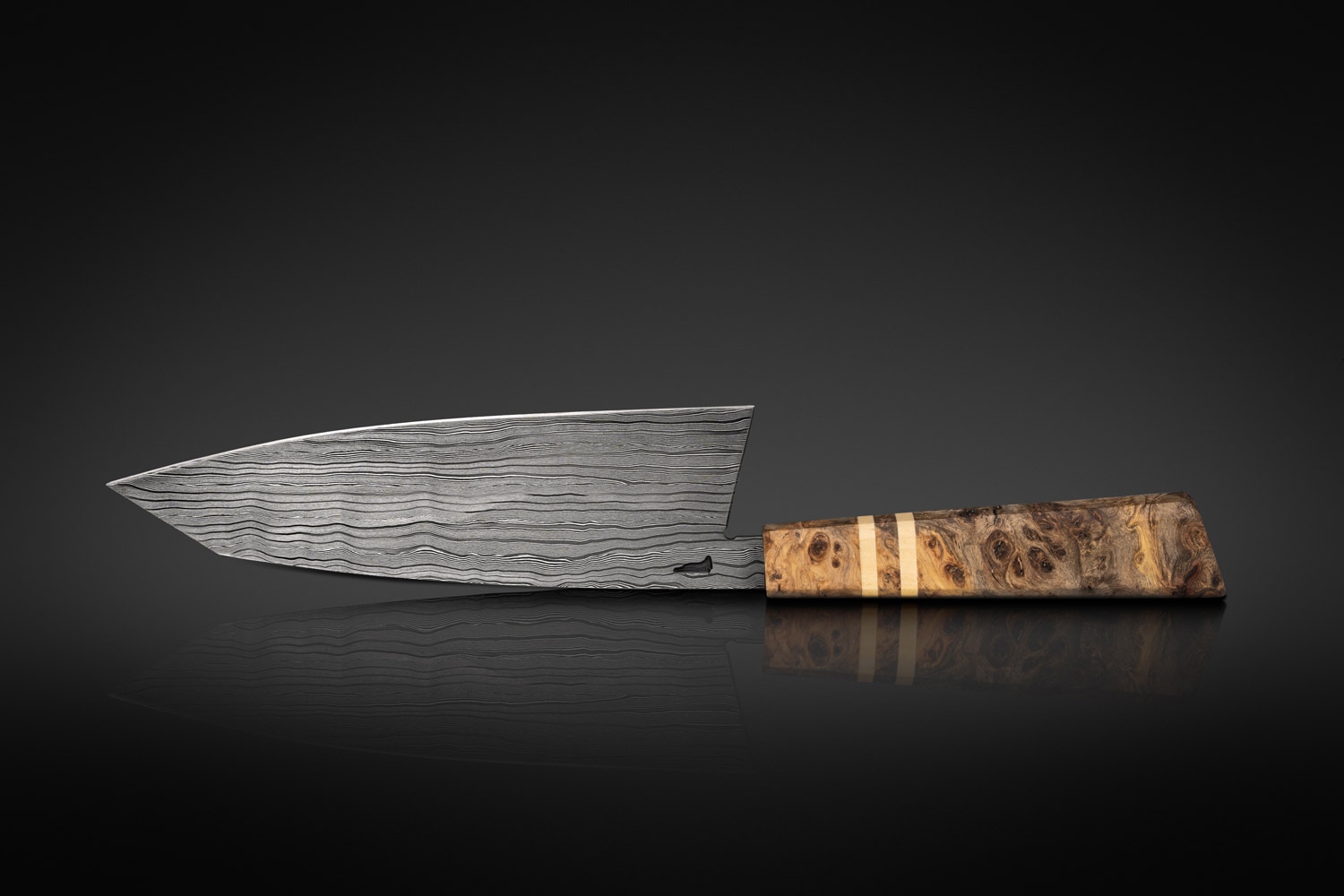
- Erich is a second-generation blacksmith who focuses on custom kitchen knives
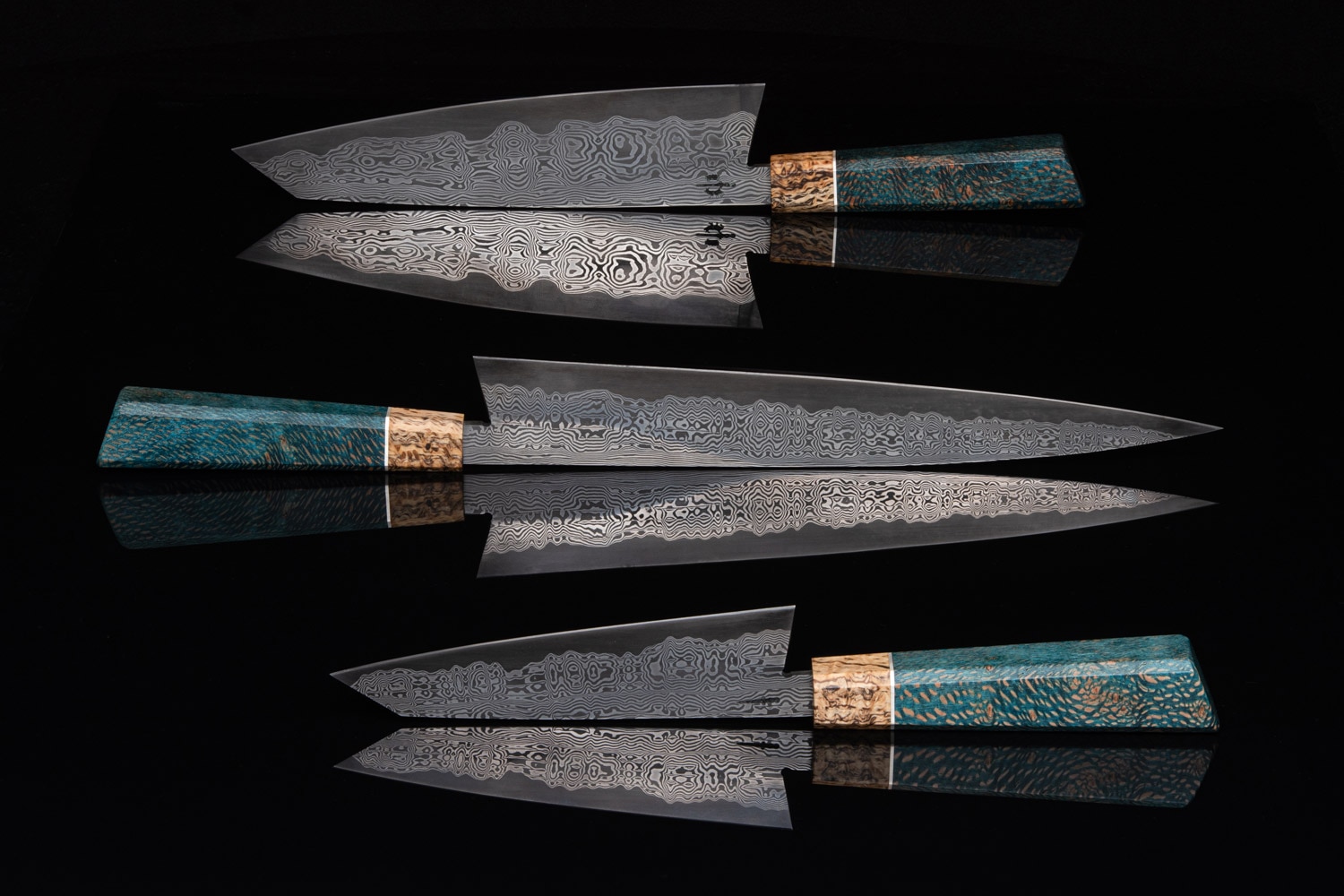
- His blades are forged from pattern-welded Damascus steel
- He came to knife making after a corporate career and serving in the Marines
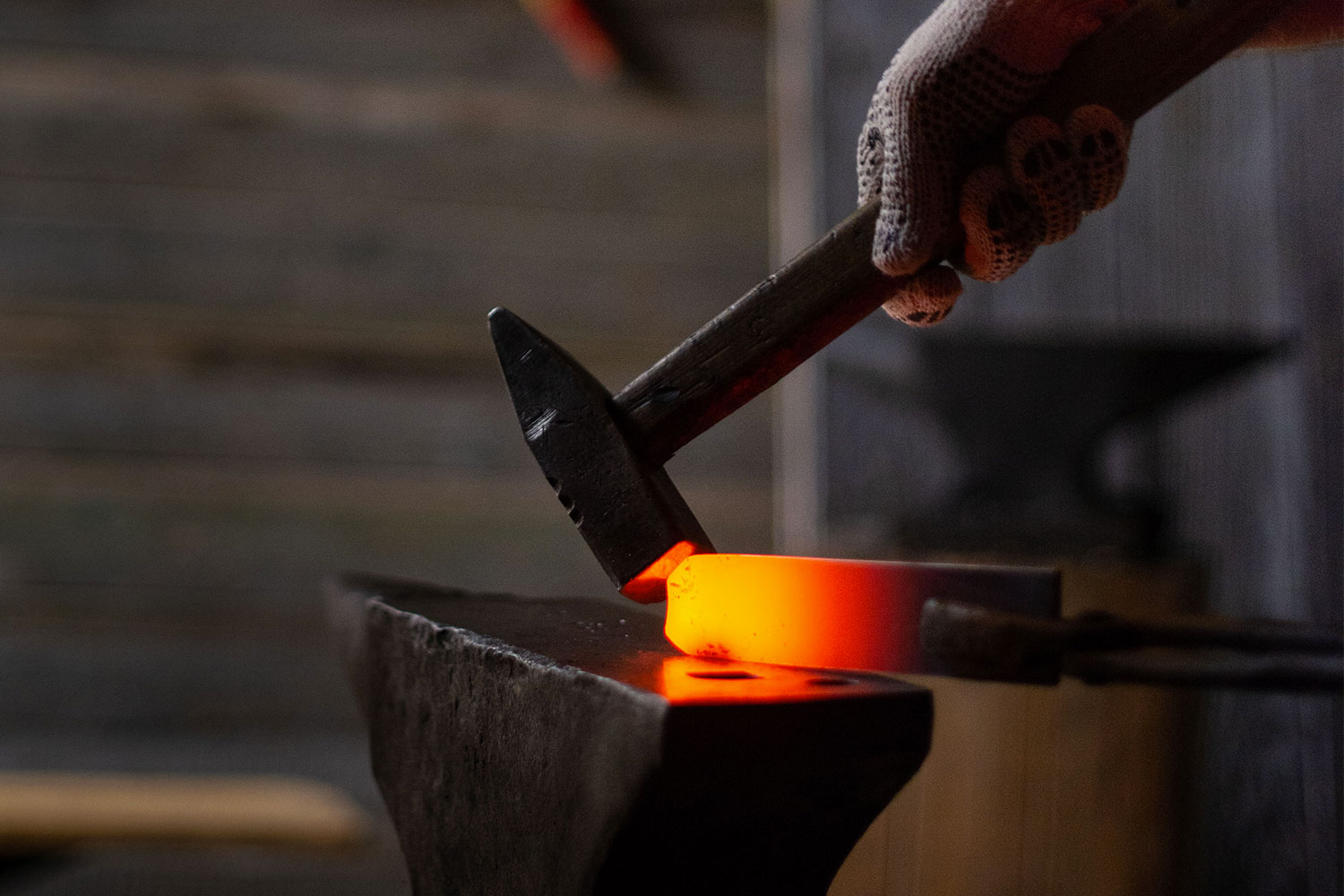
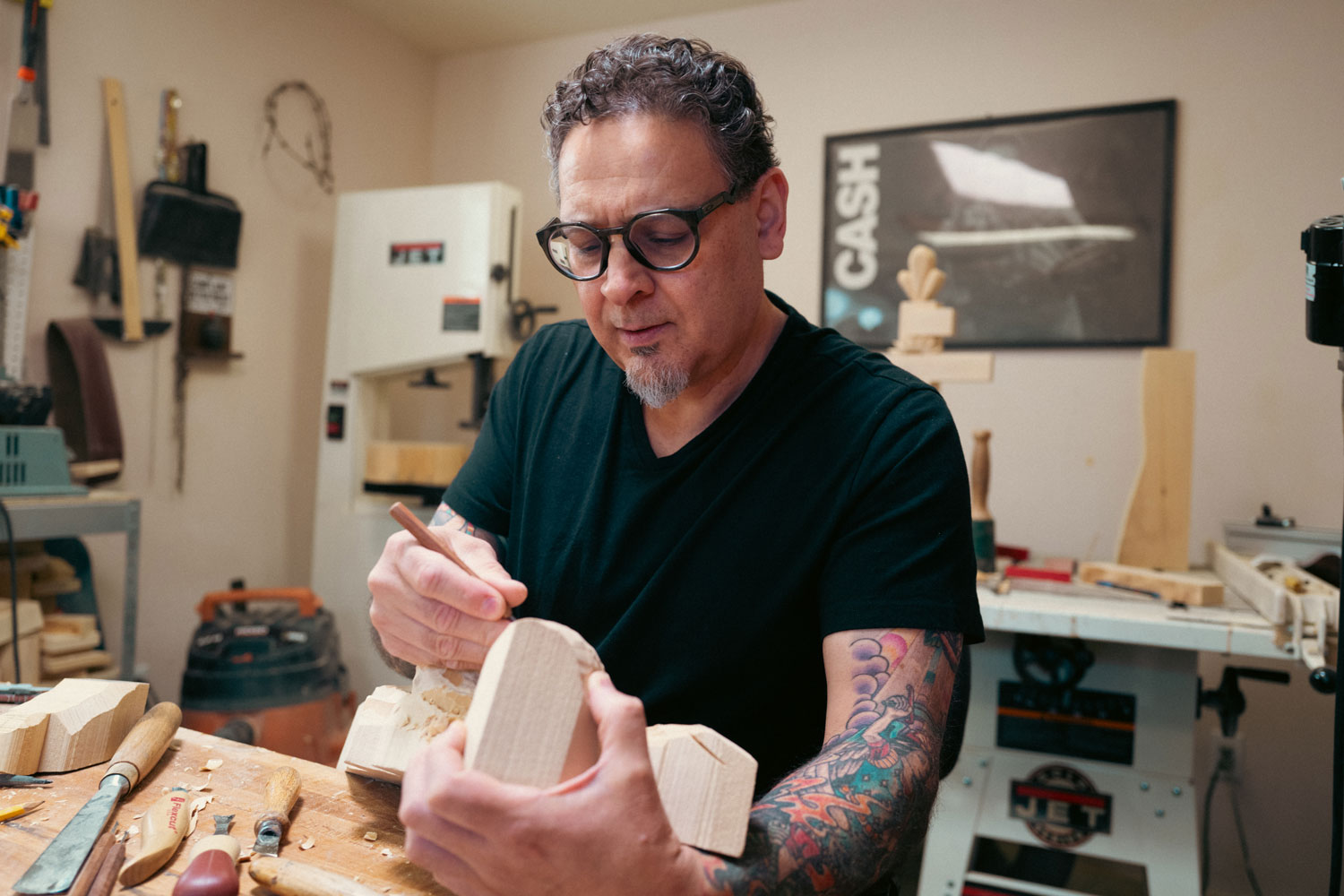
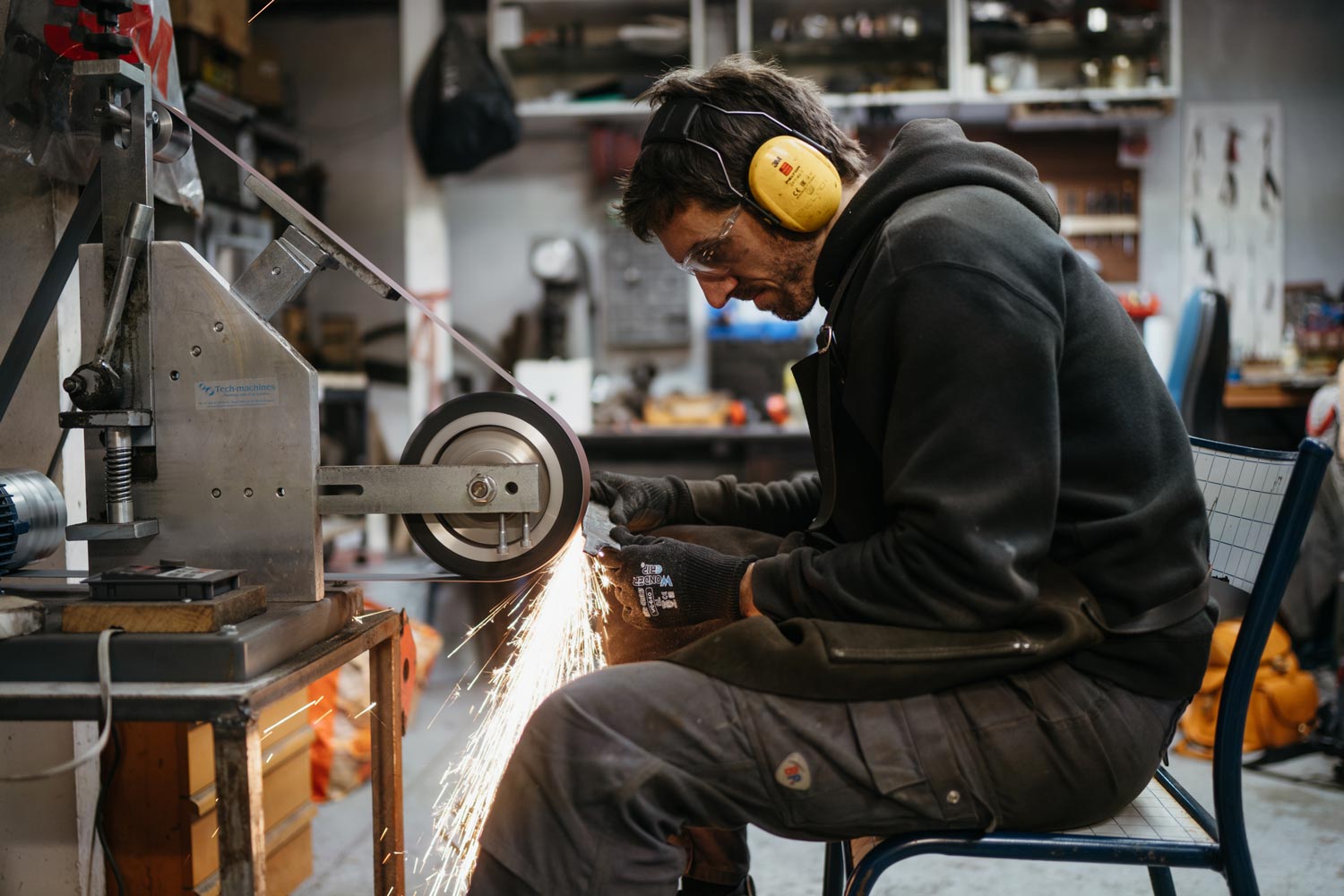
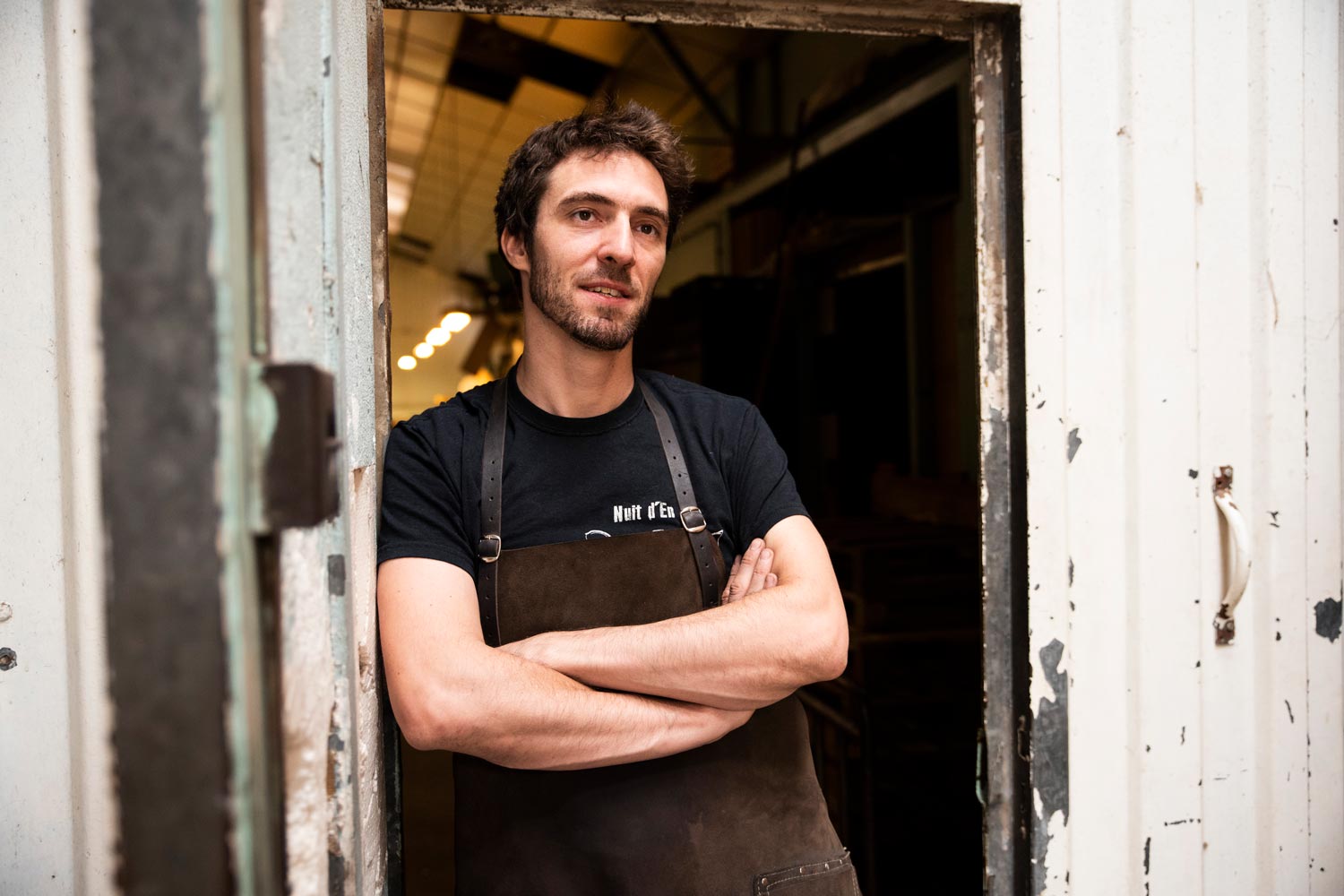
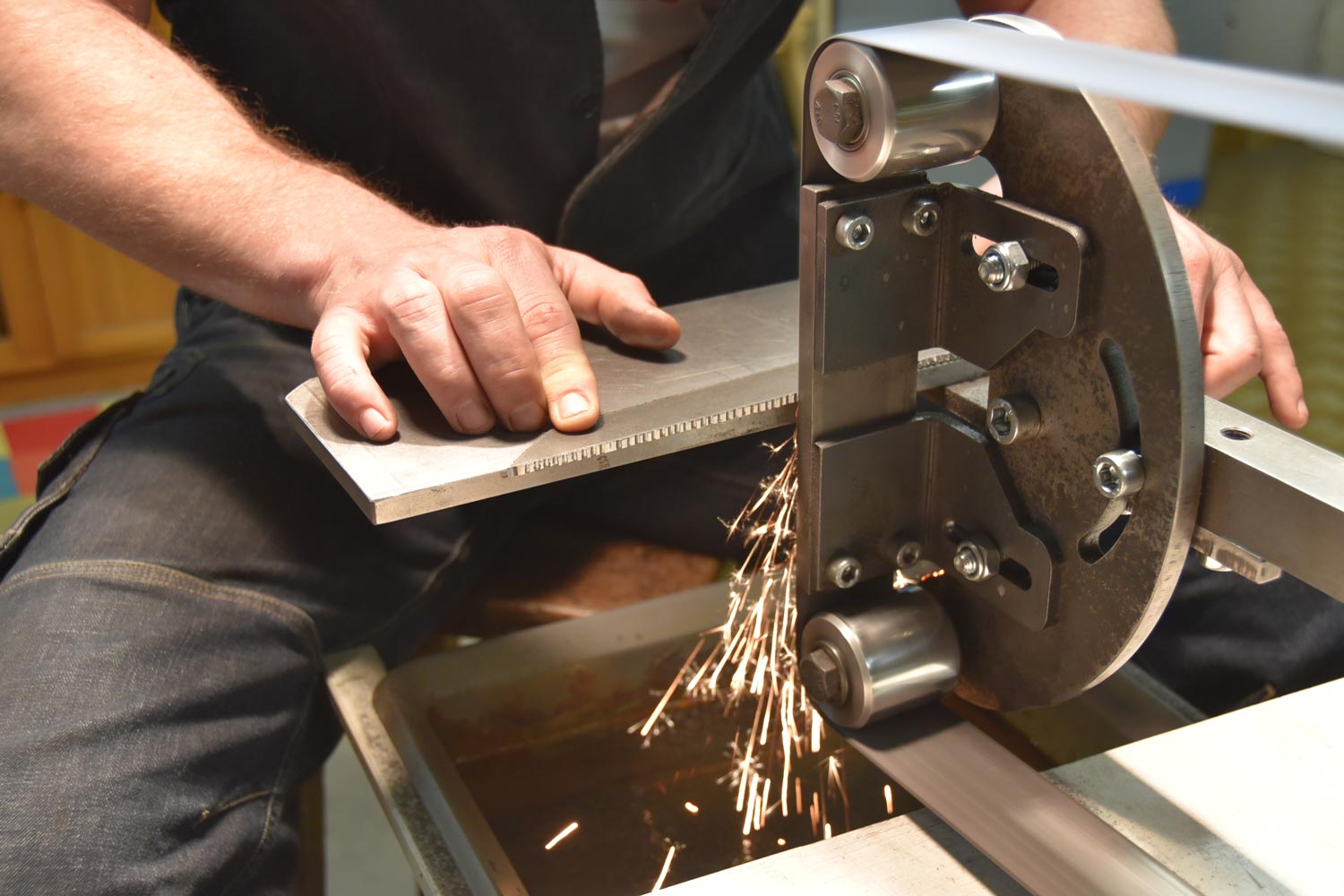
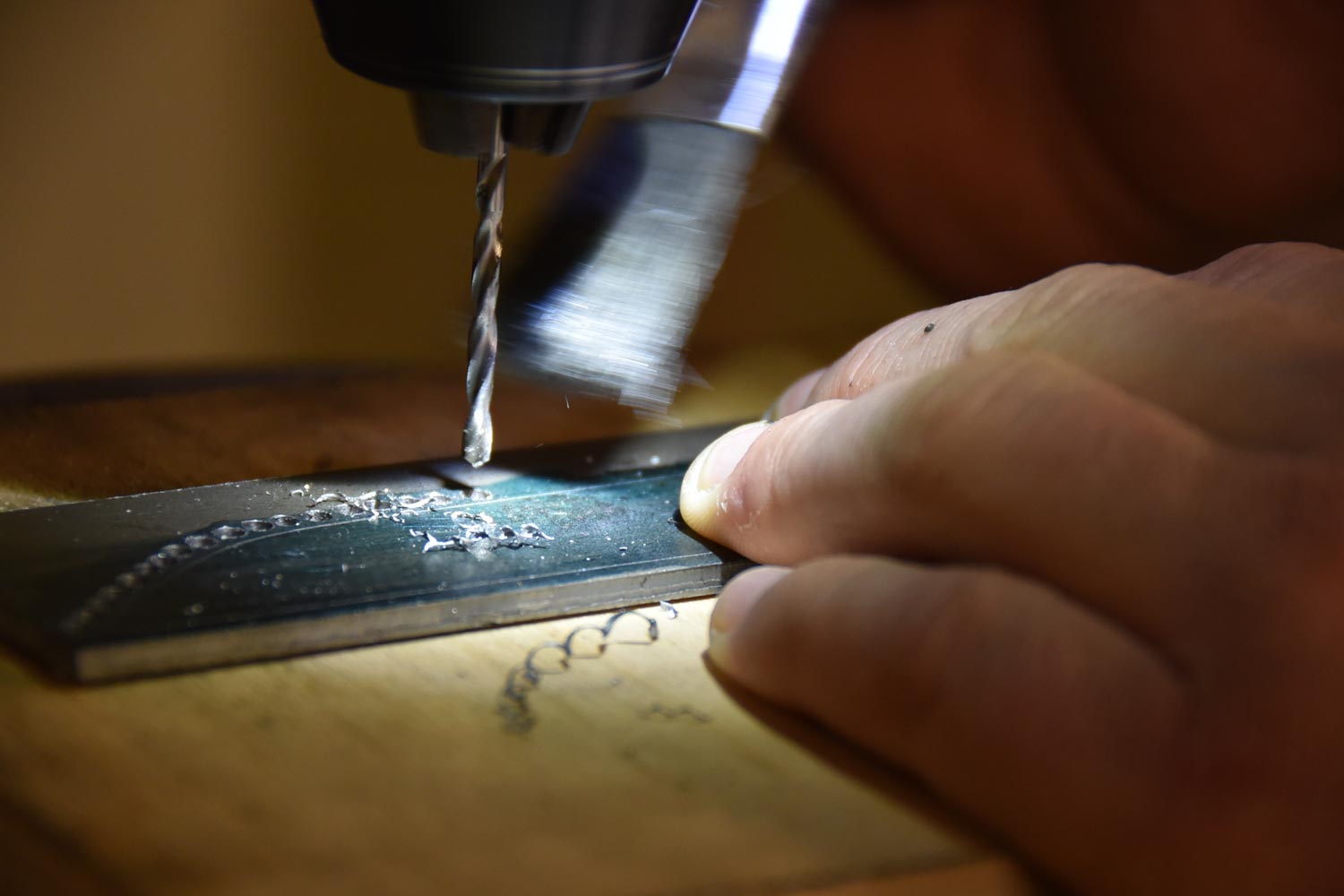
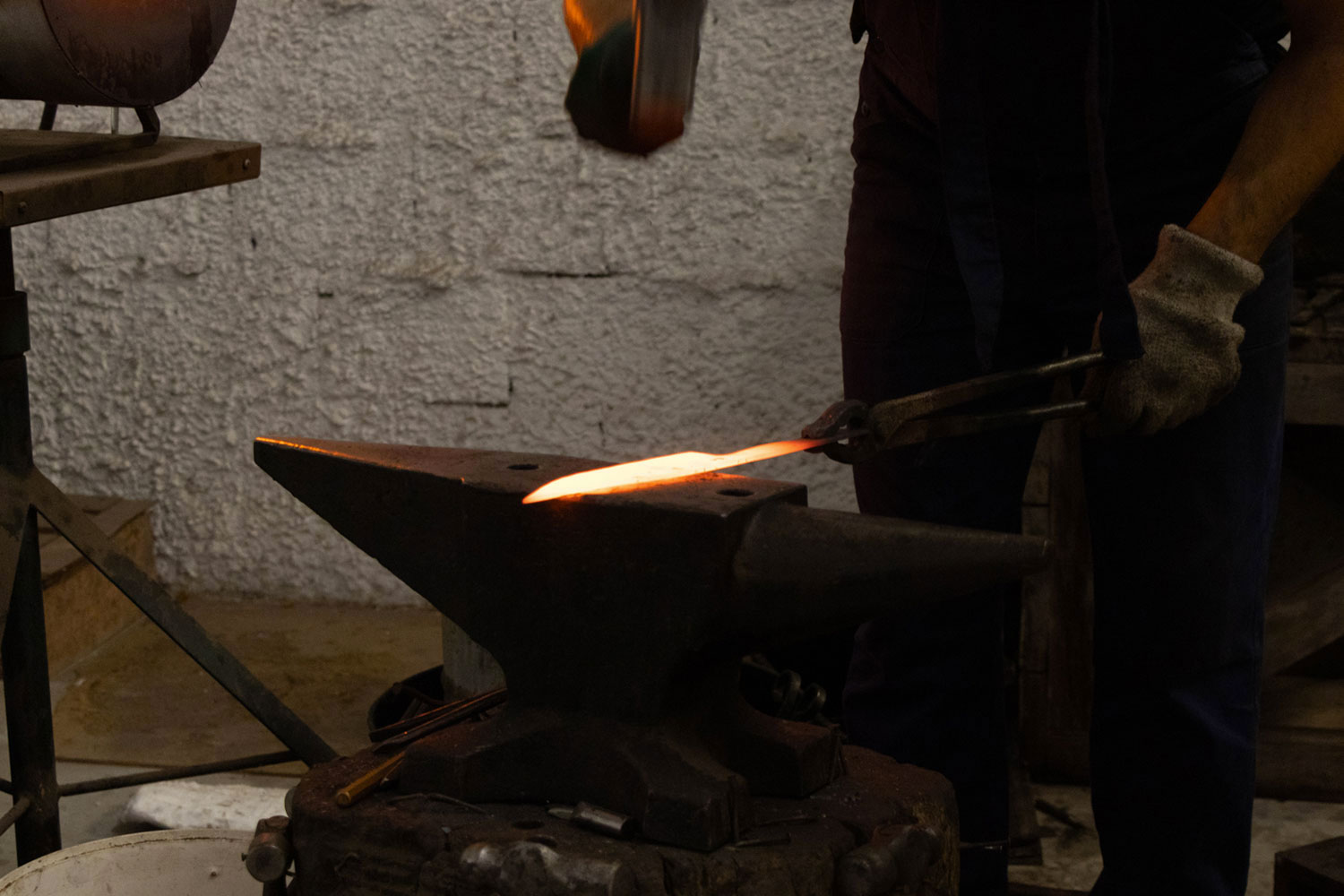
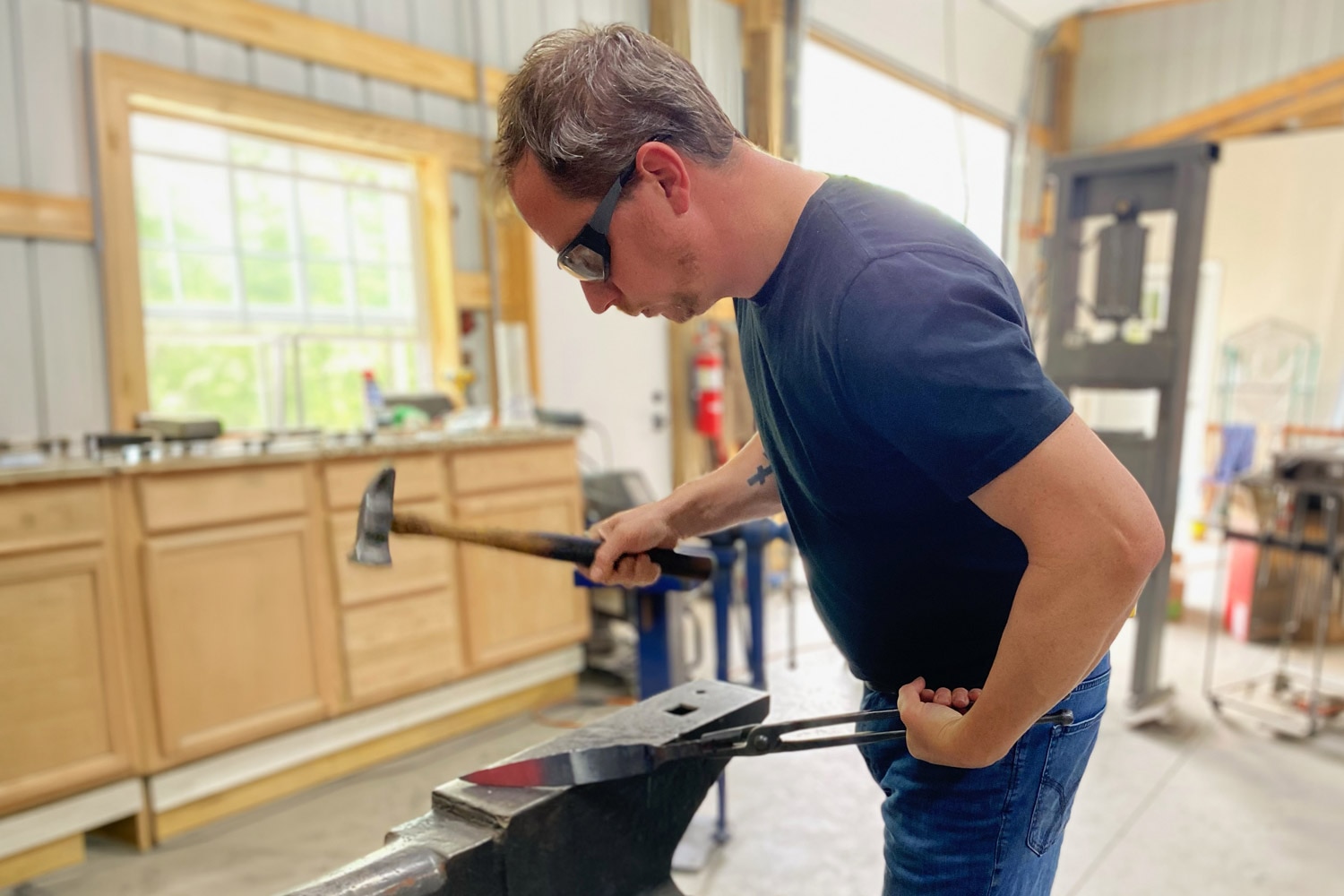
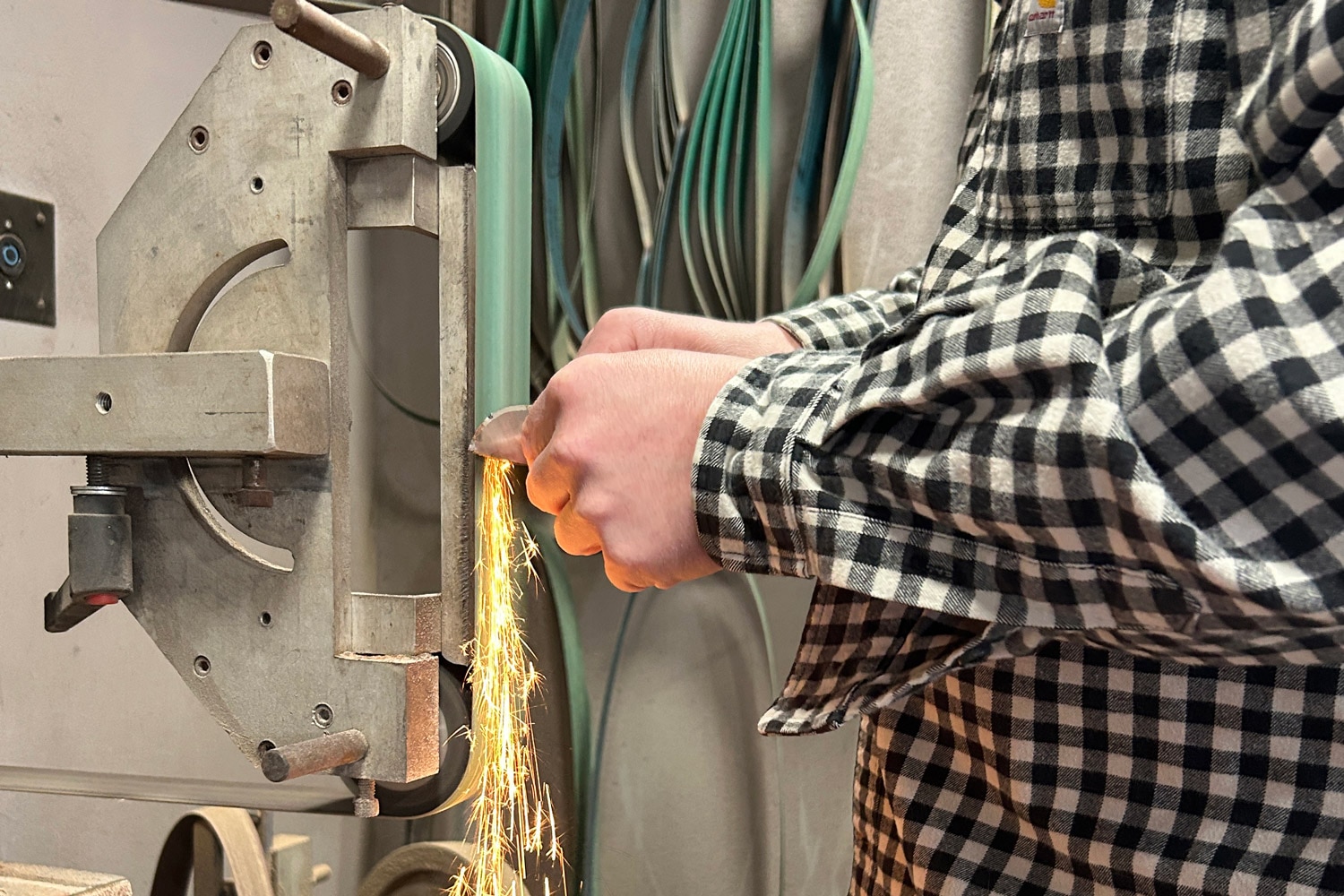
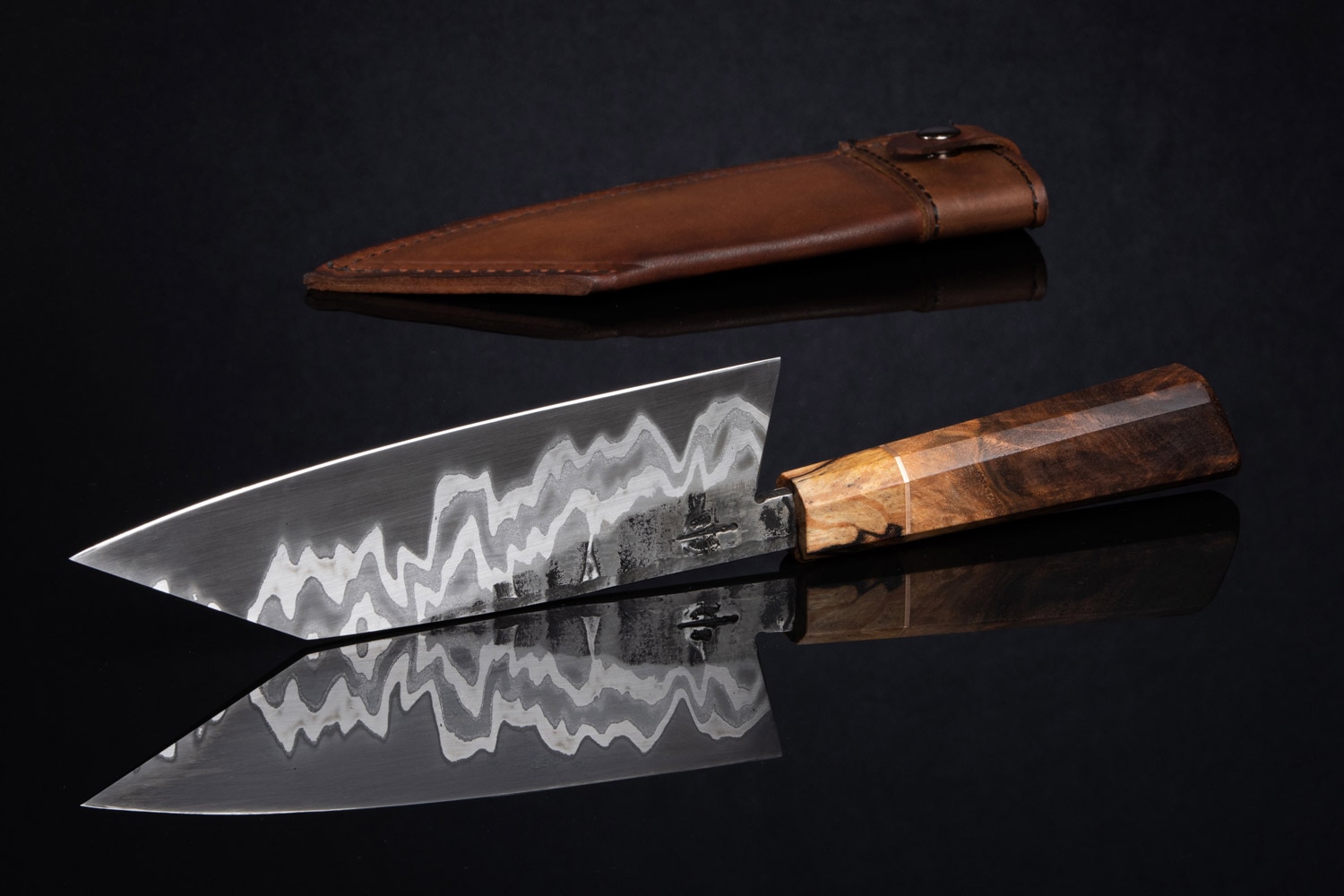
Raised in a family with strong steel working traditions, Erich Orris spent evenings and holidays as a child learning the basics of blacksmithing in his uncle’s workshop. Though life later took him in a different direction, knife making continued to draw him back until it gradually became a central part of his life. Today, Erich specialises in making custom kitchen knives. His unique style focuses on blades forged from pattern-welded Damascus steel. Inspired by both Japanese and European traditions, Erich combines techniques to create knives whose function shapes design. For him, knife making remains a constant process of trial and error. “A real craftsman is someone who knows how to fix what he messed up,” he says.
Discover his work
INTERVIEW
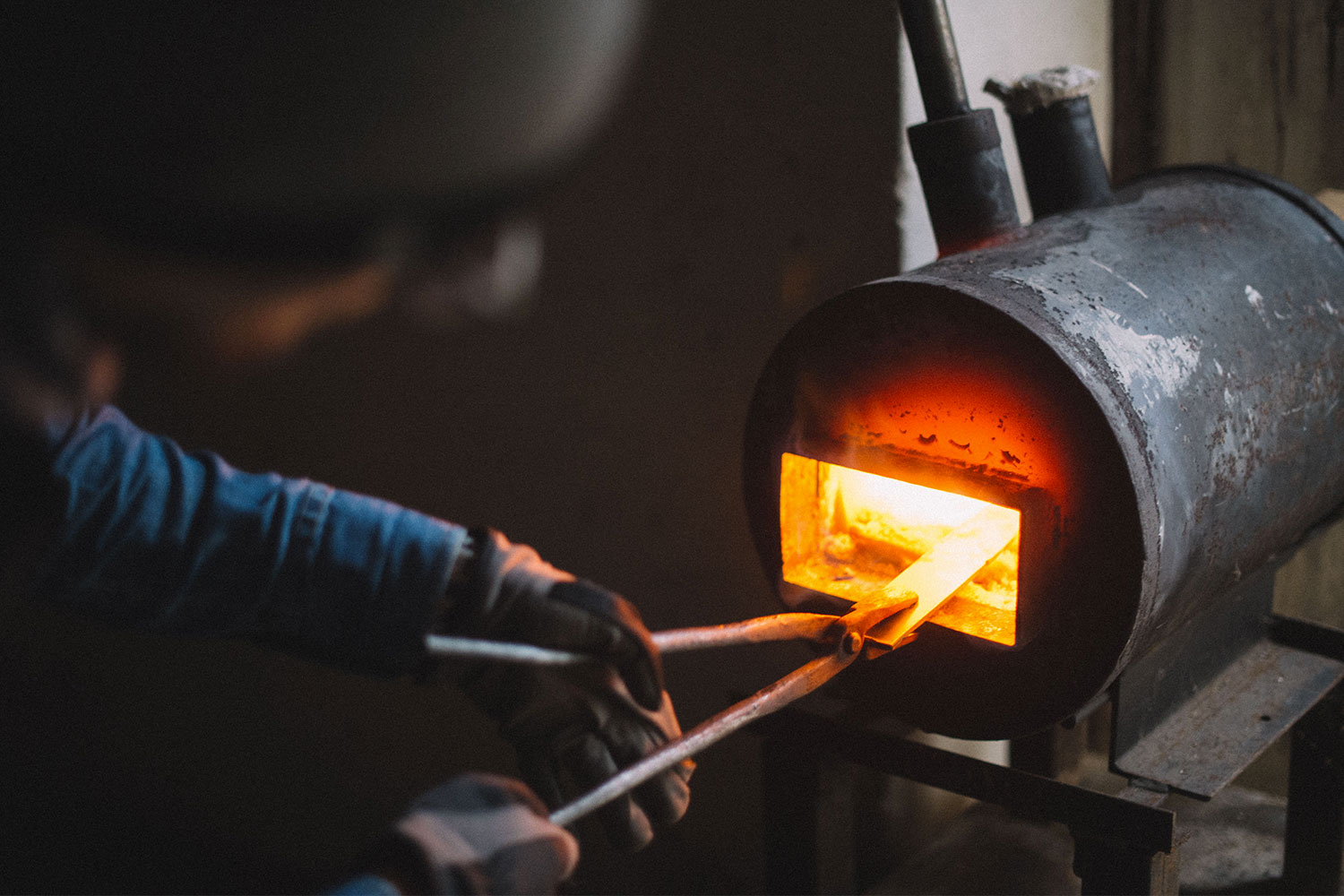
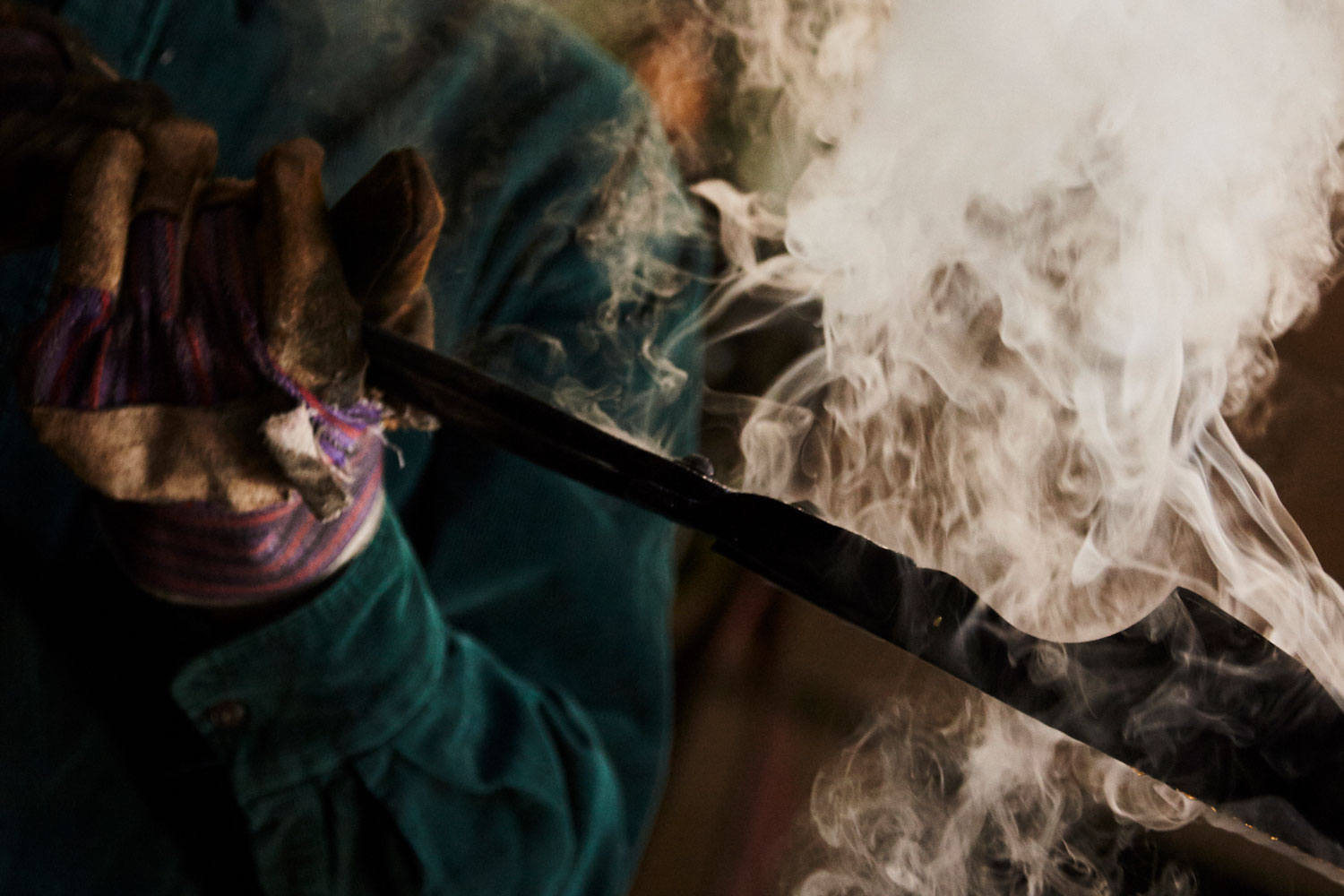
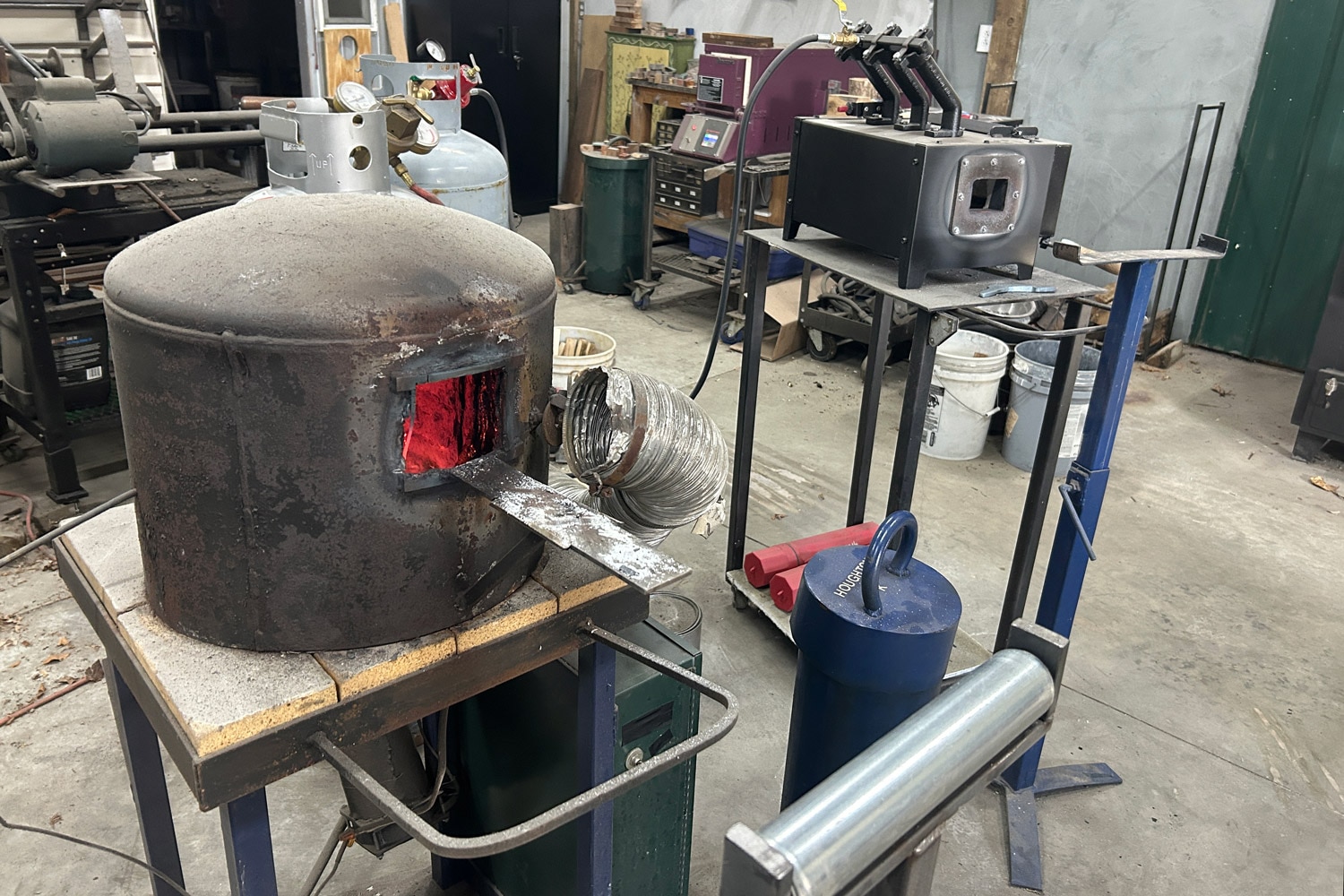
I always enjoyed forging, but life took me in a different direction. I served as a Marine and later had a corporate career, but knife making was always there in the background. When my uncle sent me a small propane burner forge with an encouraging note, it gave me the push I needed to take it up full time.
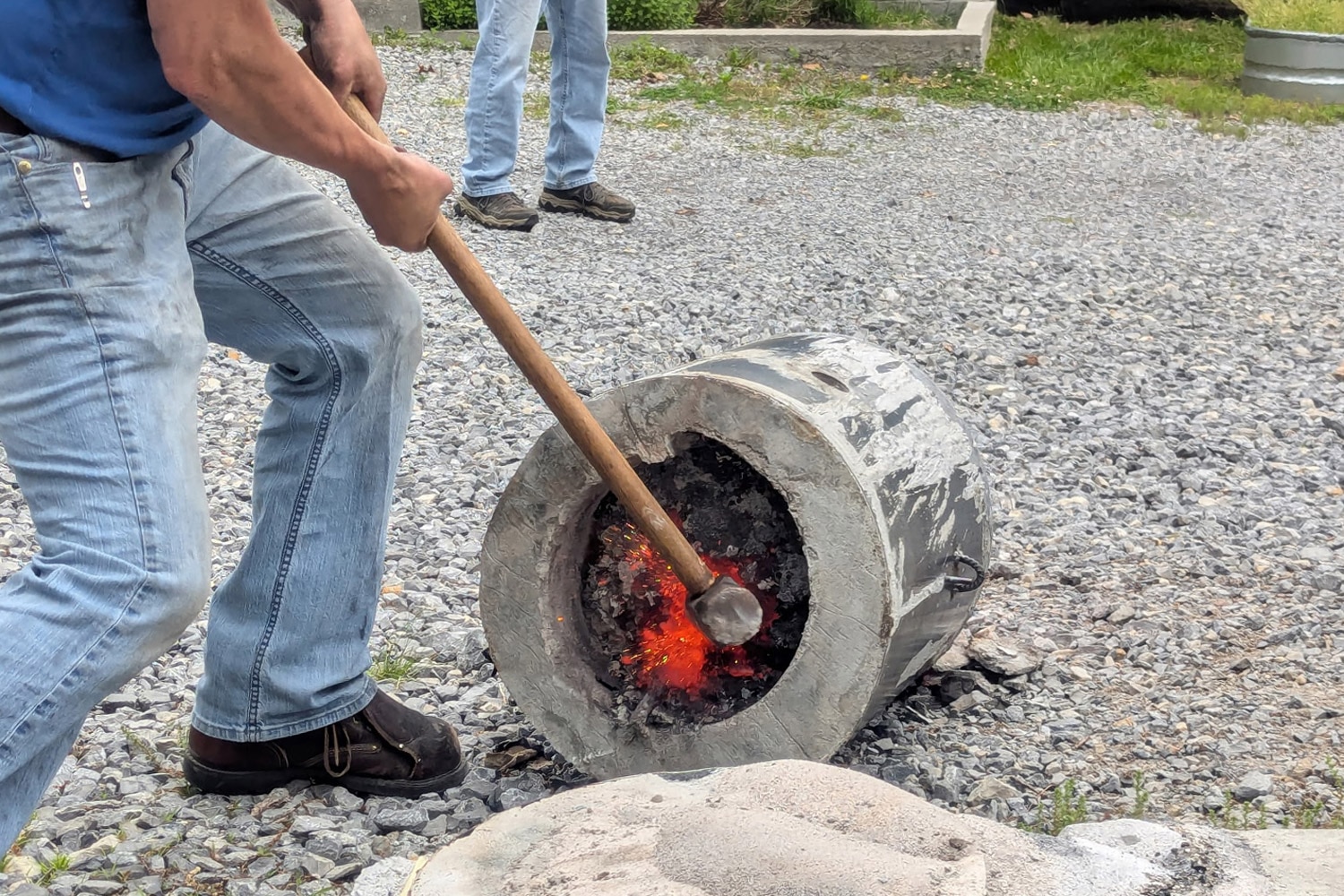
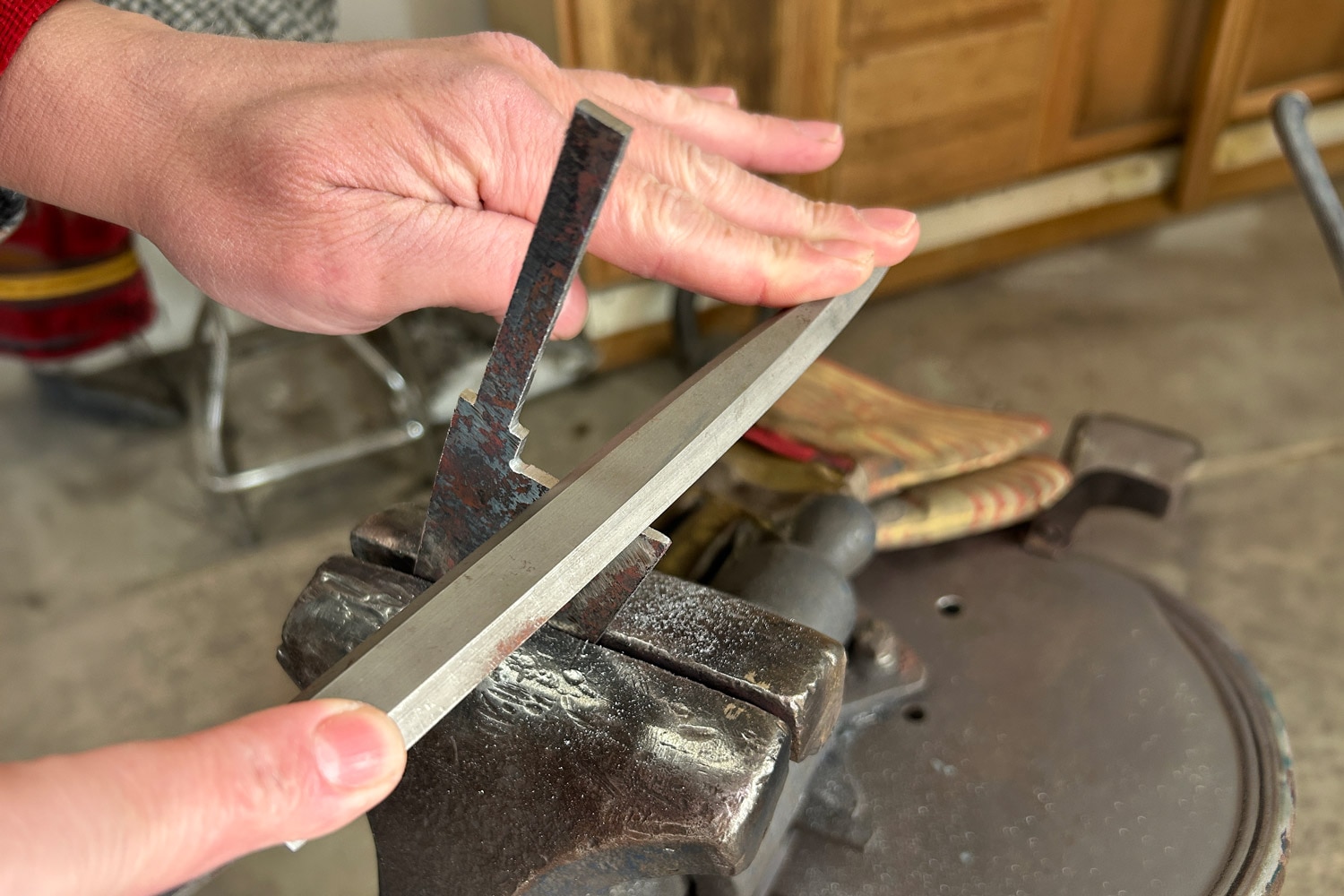
It took a long time and a steep learning curve to learn pattern-welding Damascus steel. It is slow work and you have to pay attention to every step. But that is what gives the blade both its strength and its unique pattern. I like that balance between performance and character.
A knife always has to function first. It is a tool, and if it does not perform well, nothing else matters. But when the craftsmanship is pushed far enough, the object begins to carry a beauty of its own. That is where craft and art meet.
I believe that we are standing on the shoulders of giants. The great smiths of the past set extraordinary standards, and we learn by studying their work. Today, we also understand much more about the science behind steel, which allows us to build on those traditions and push the craft a little further.
Erich Orris
Fudo Forge
Knife maker
Cosby, TN, USA
AVAILABILITY
By appointment only
PHONE
+1 8654157234
LANGUAGES
English, French
Homo Faber Finds is a new service aiming to inspire admirers of craft to connect and collaborate with exceptional artisans.
We invite you to submit an enquiry here.