Encarna Soler
Ceramicist
Senija, Spain
Ceramics that teach us how to live
- Encarna makes tableware for haute cuisine restaurants
- She specialises in oriental ceramics for the millenary tea ceremony
- She draws her inspiration from the Zen influence on art and craftsmanship
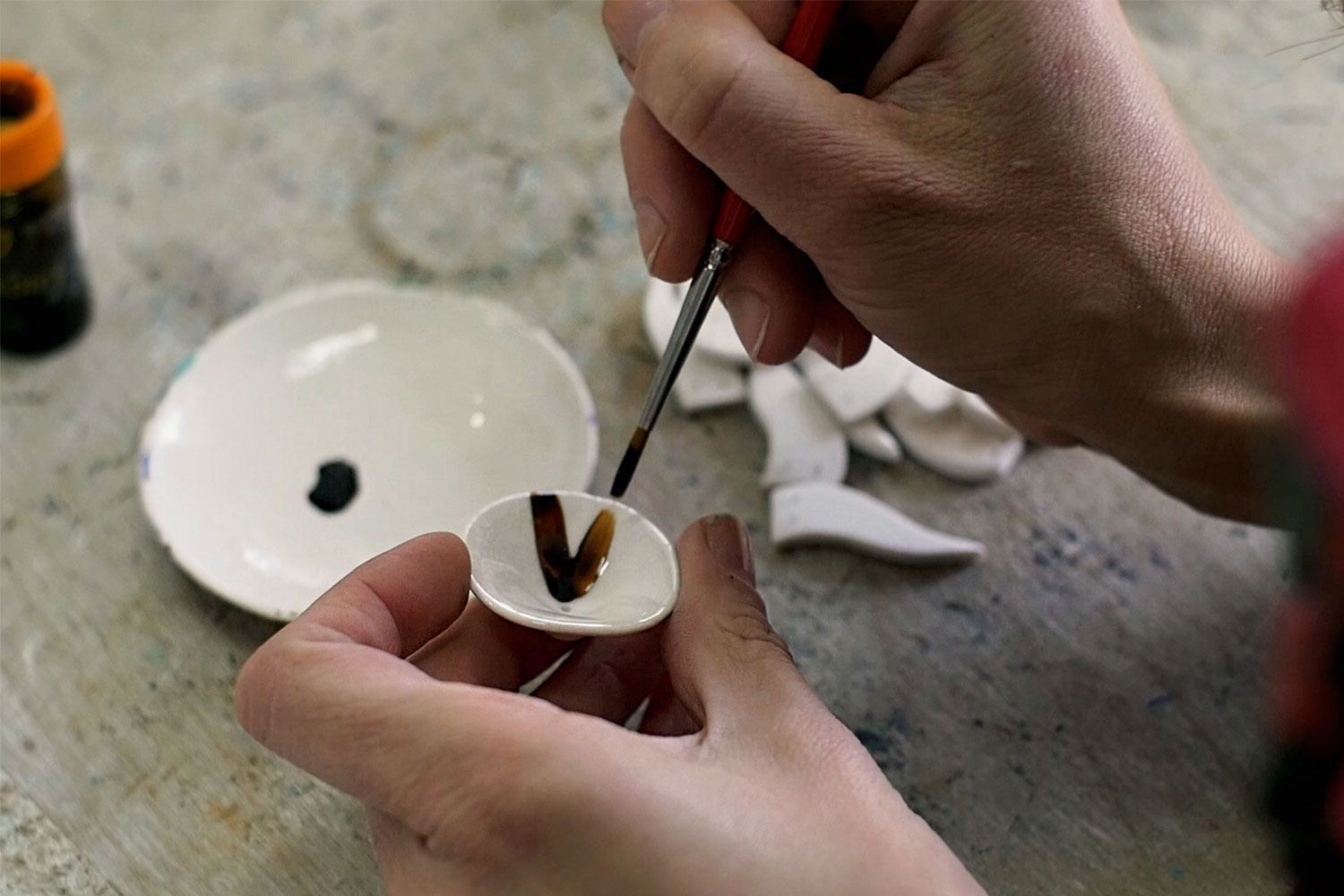
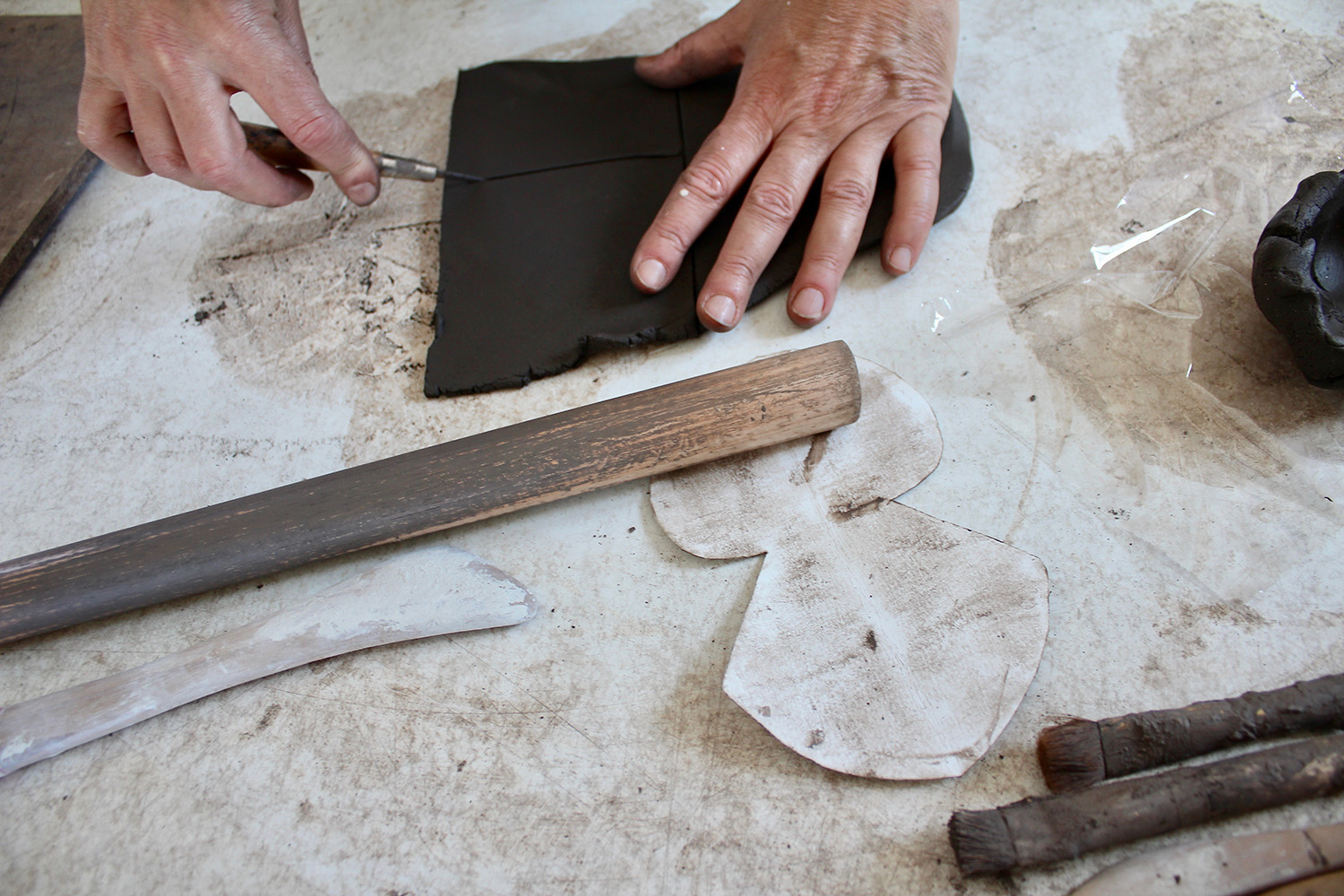
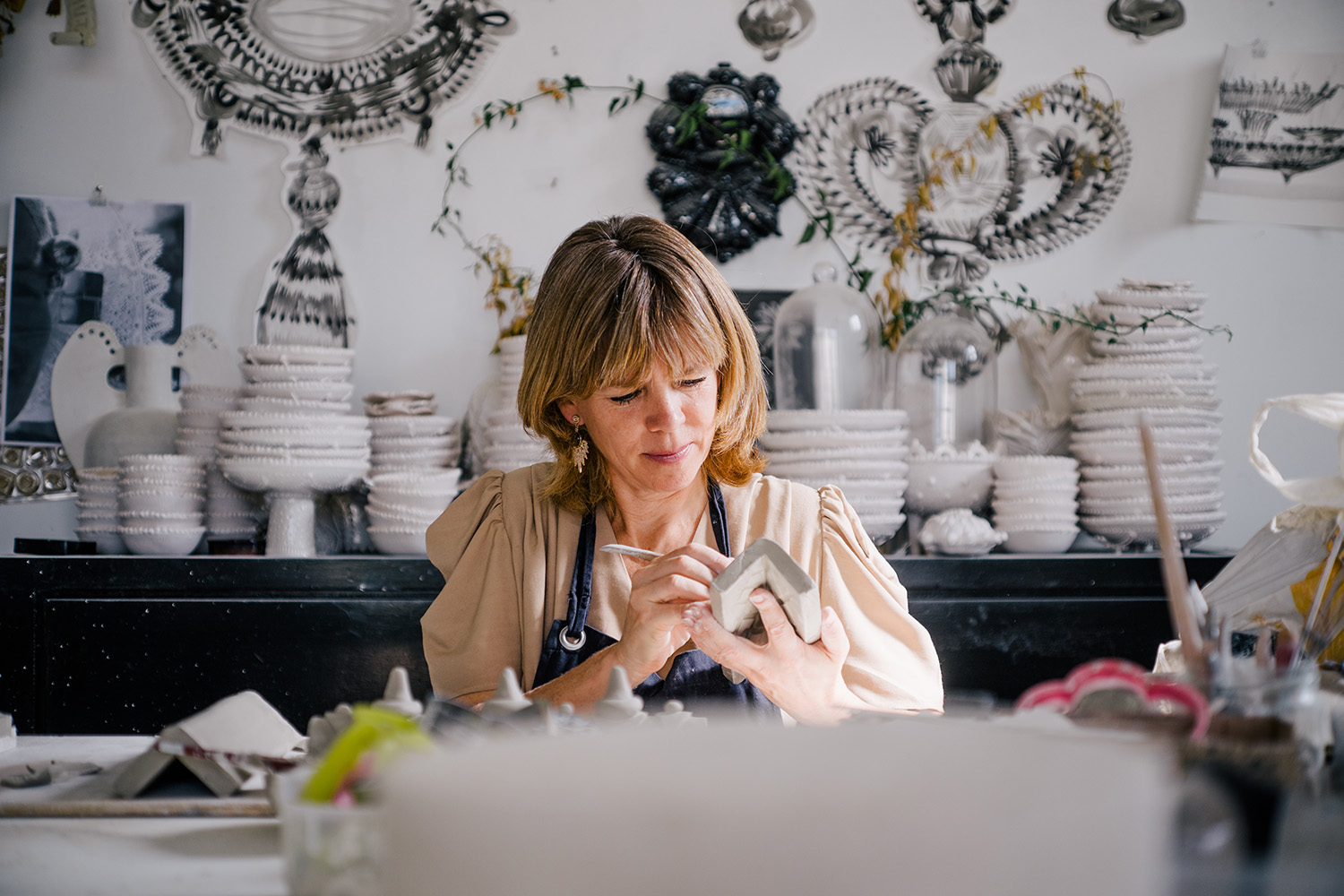
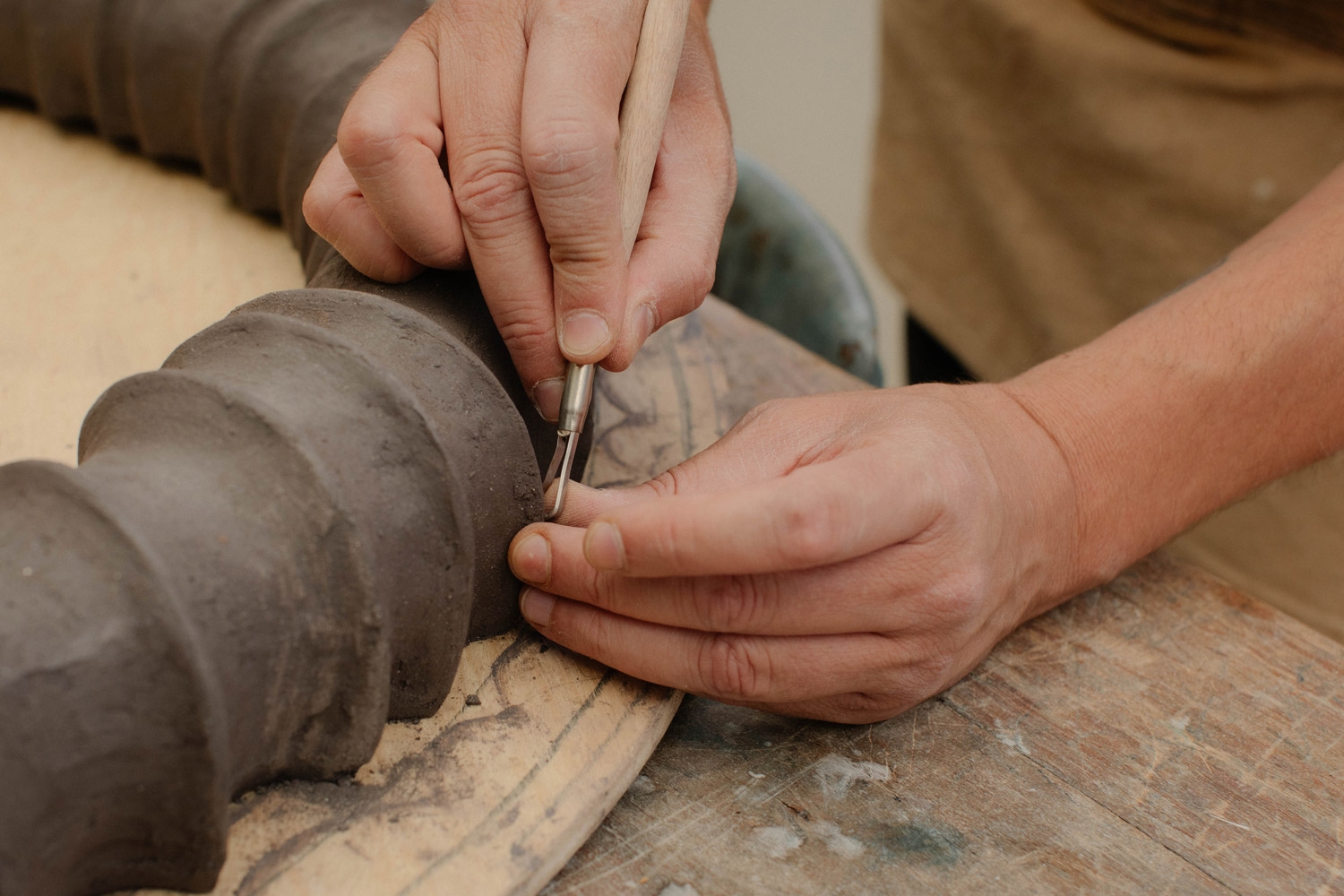
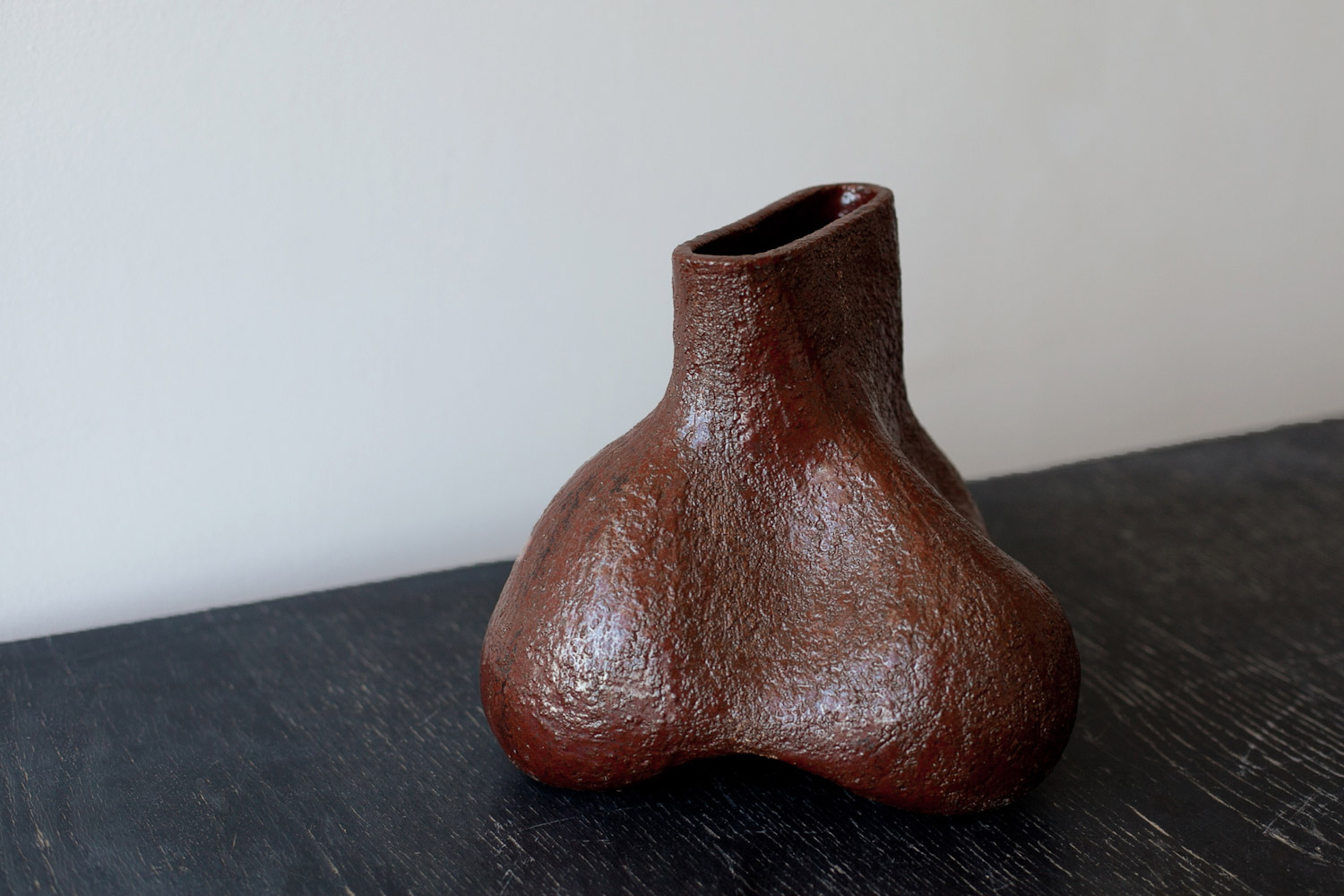
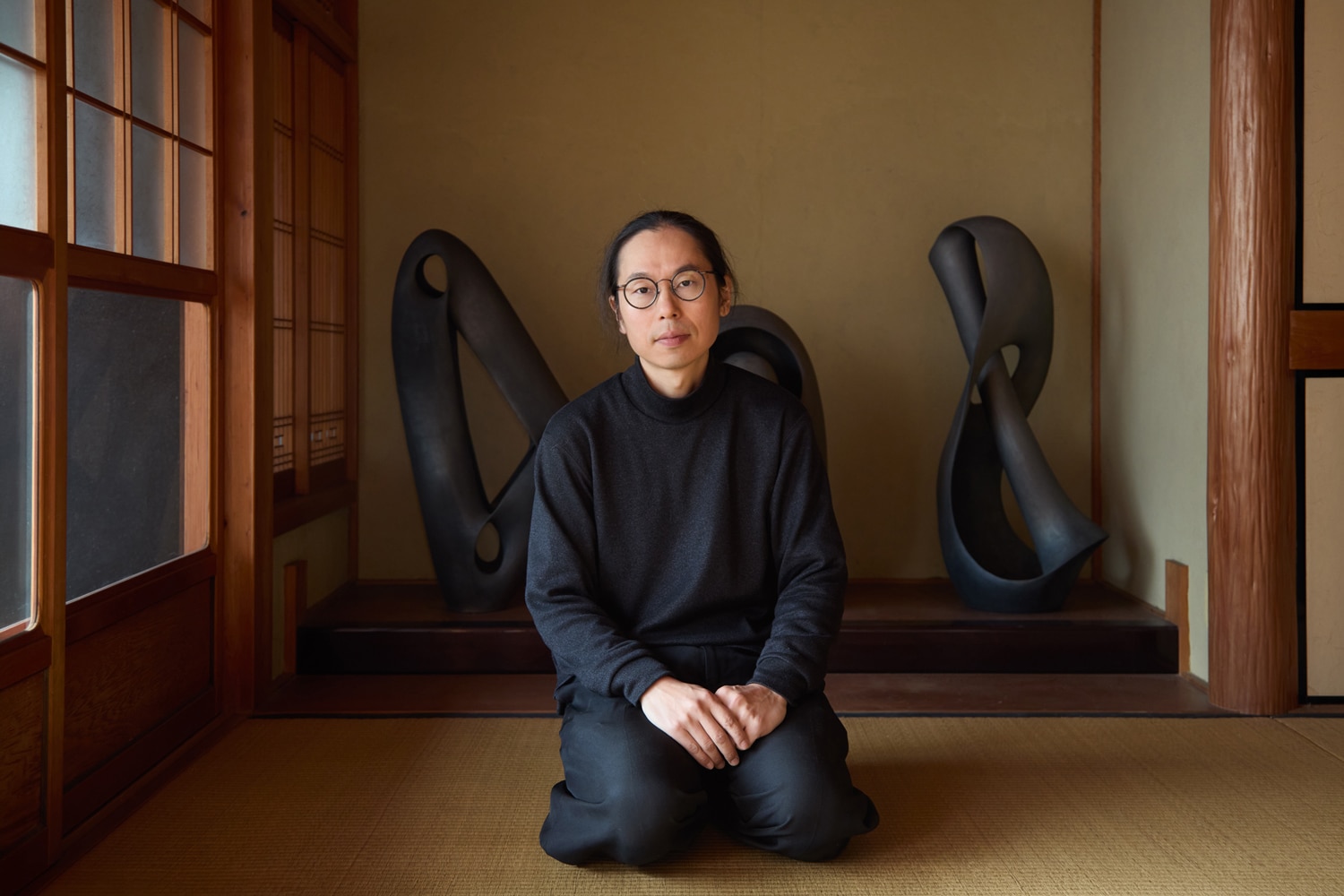
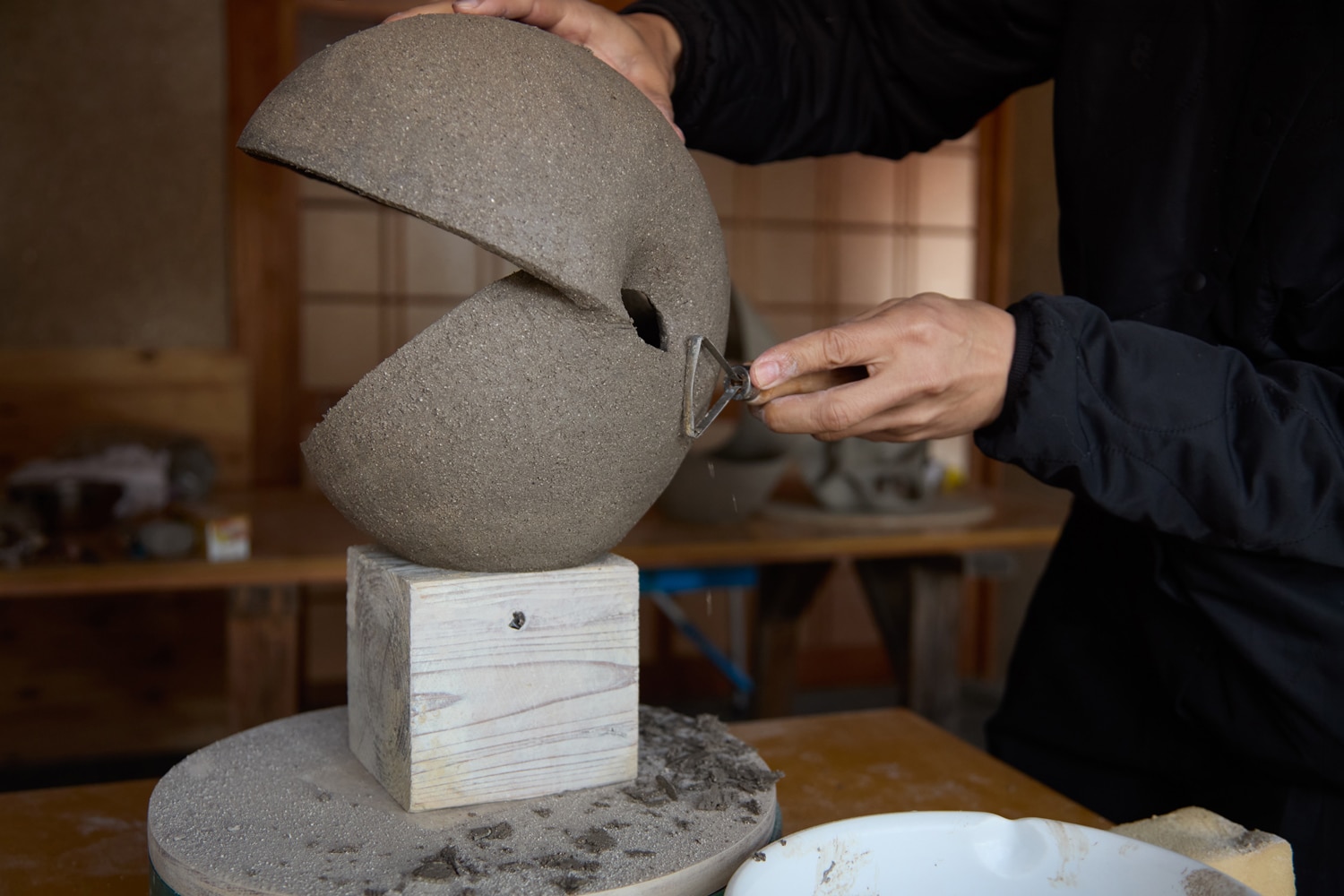
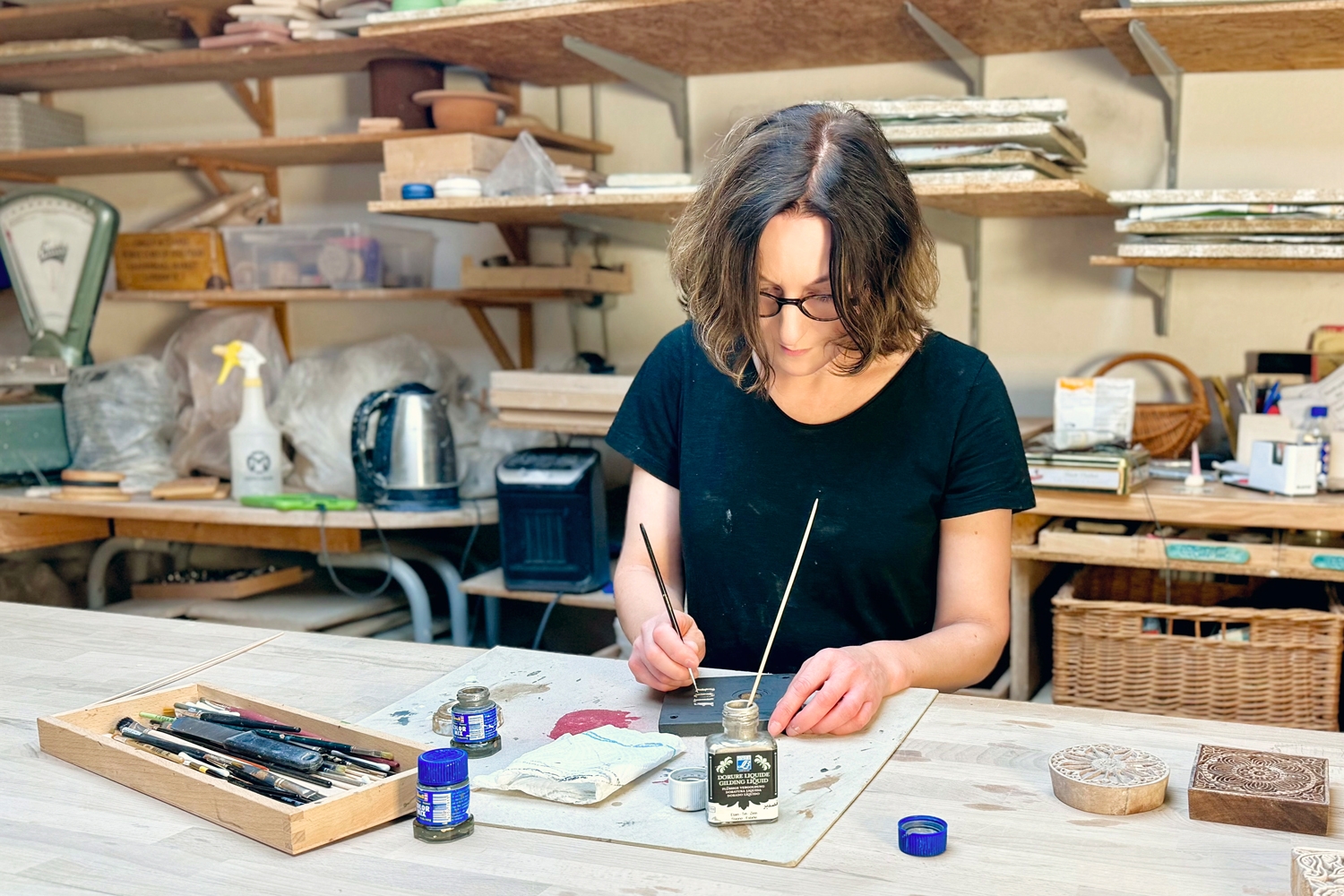
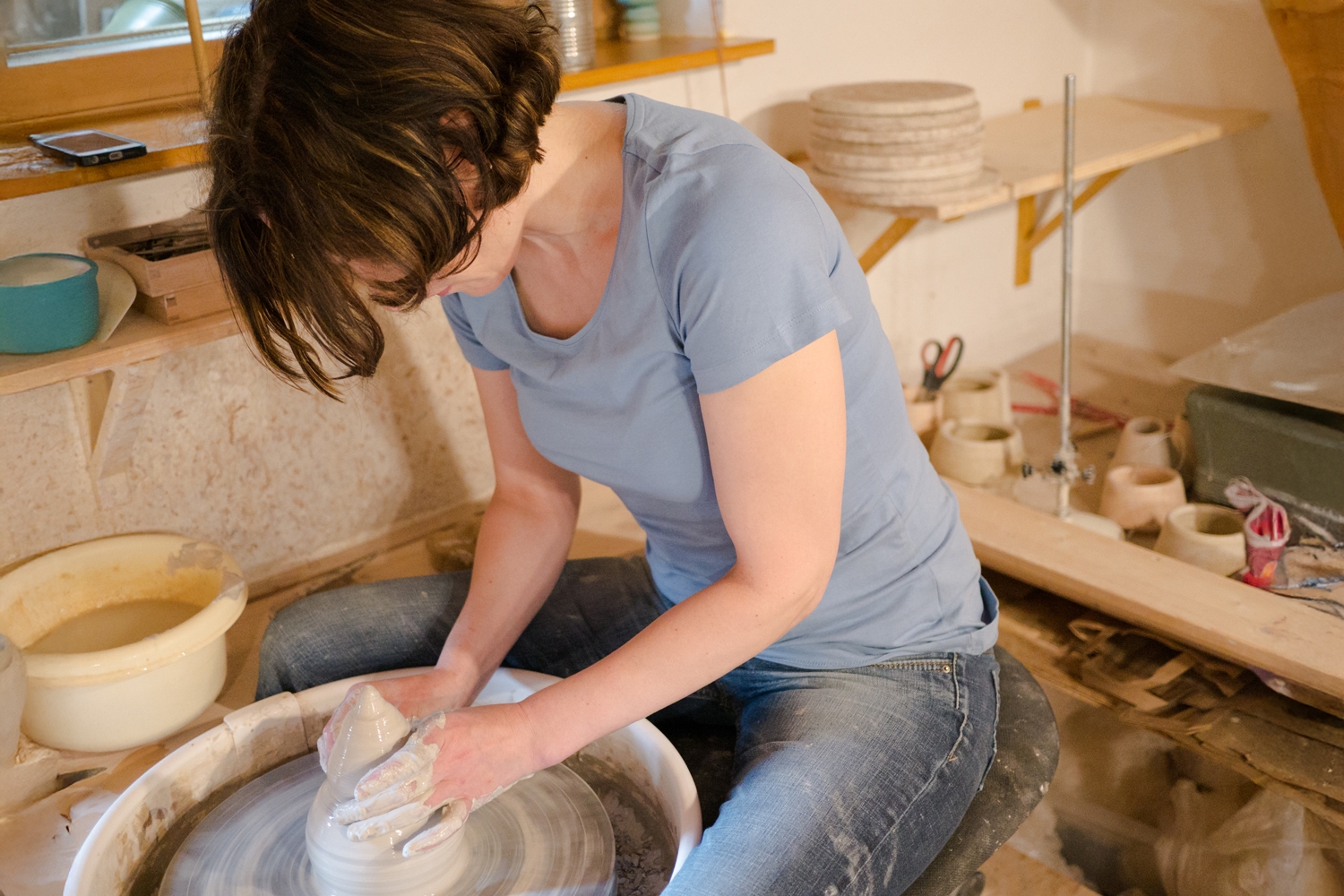
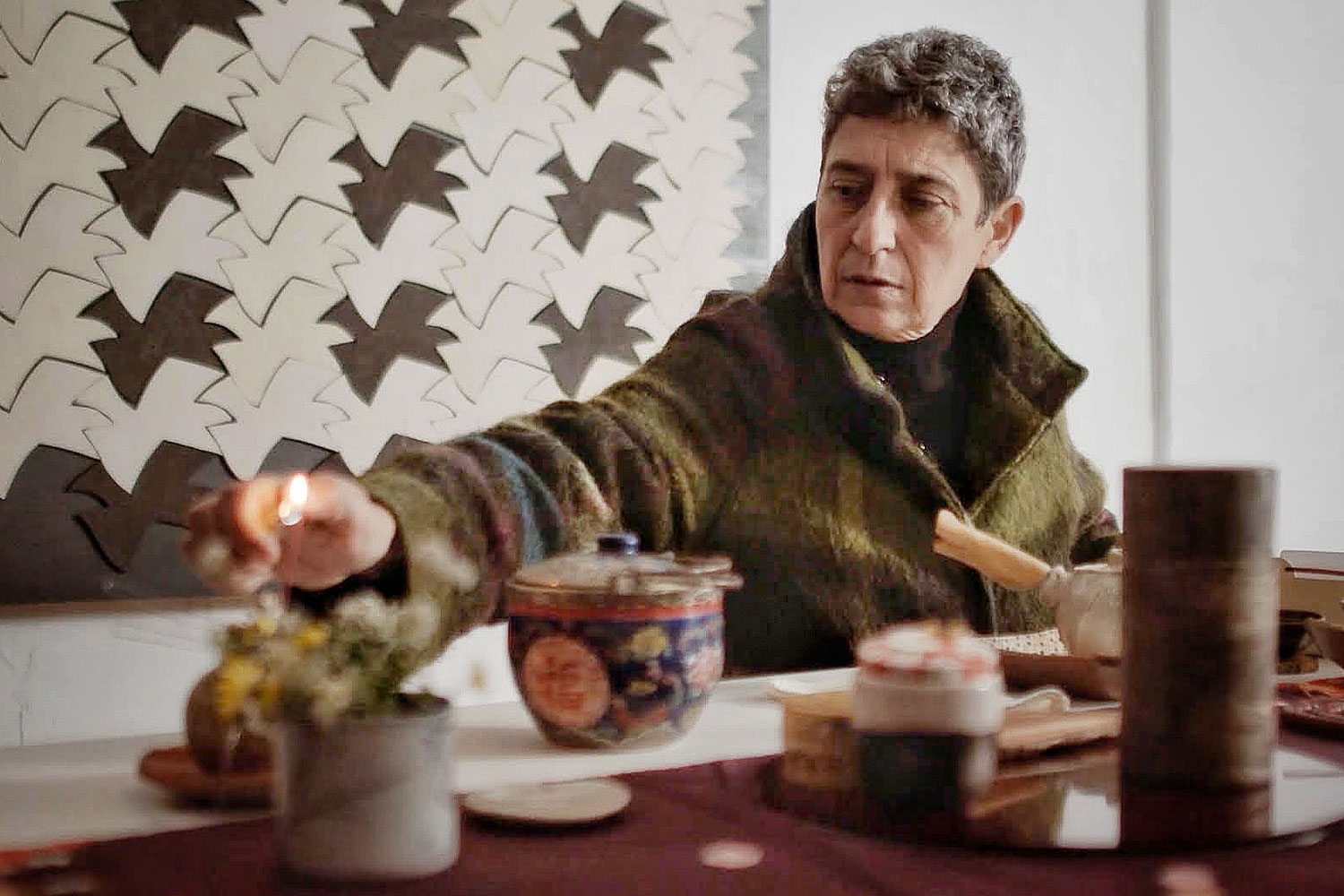
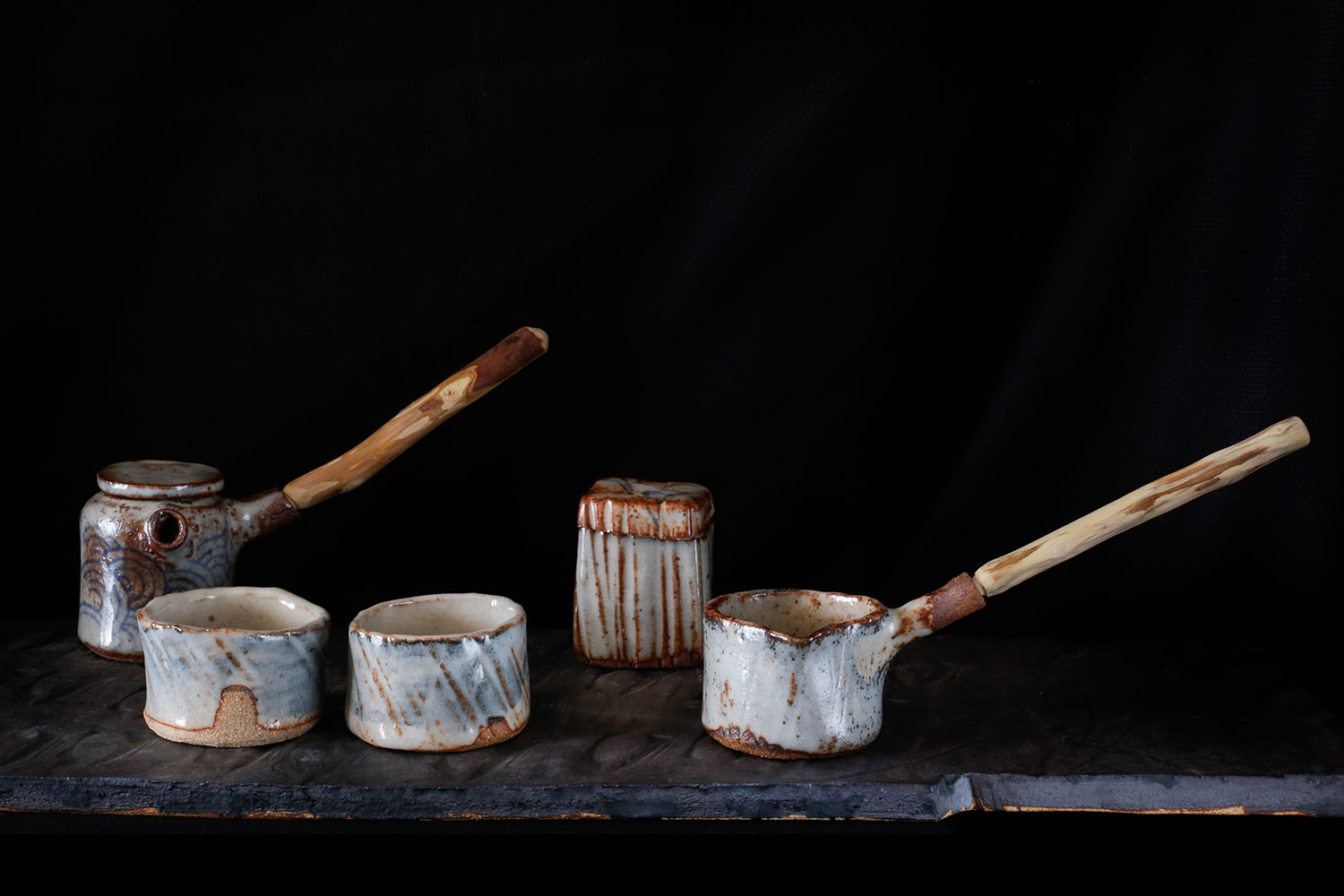
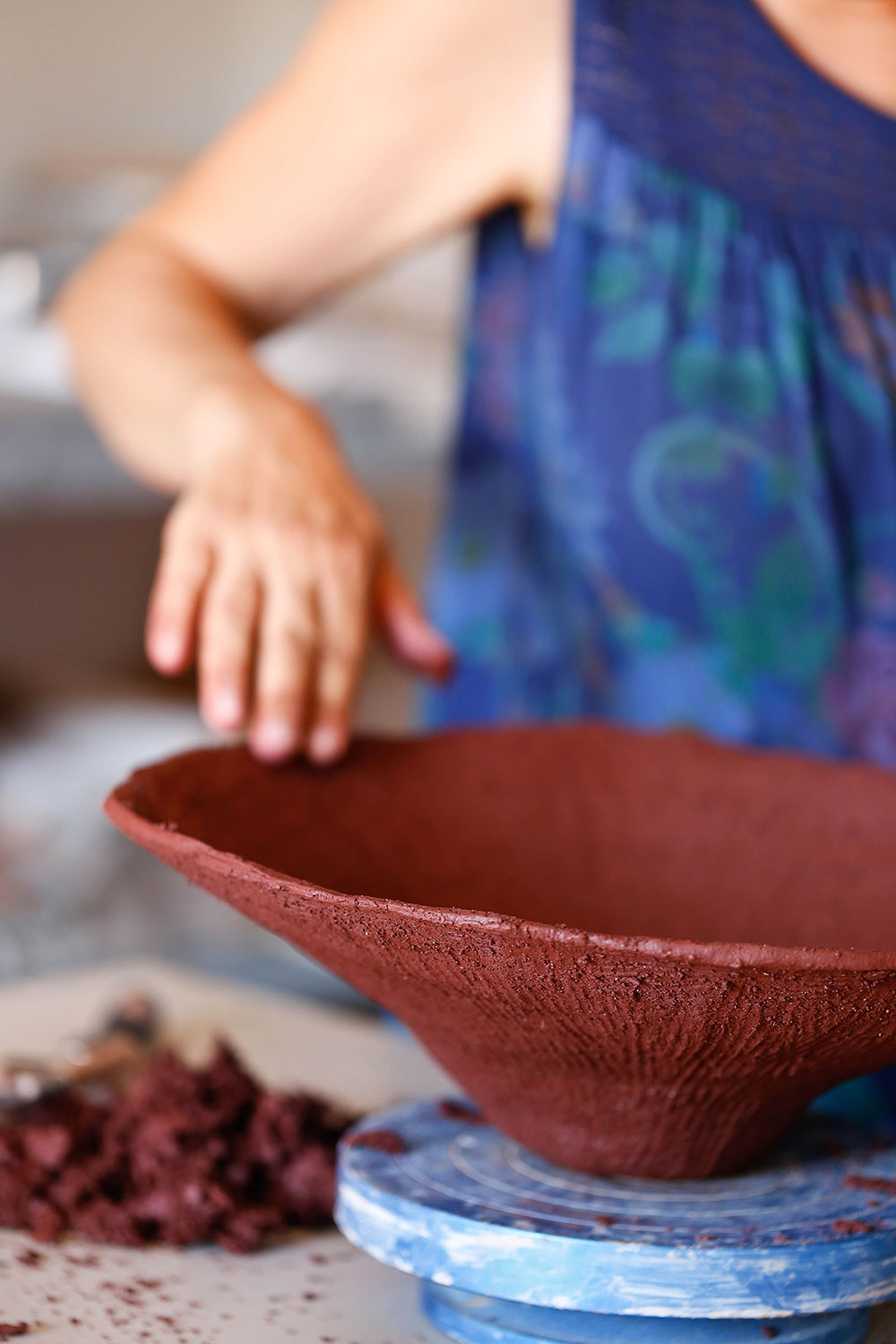
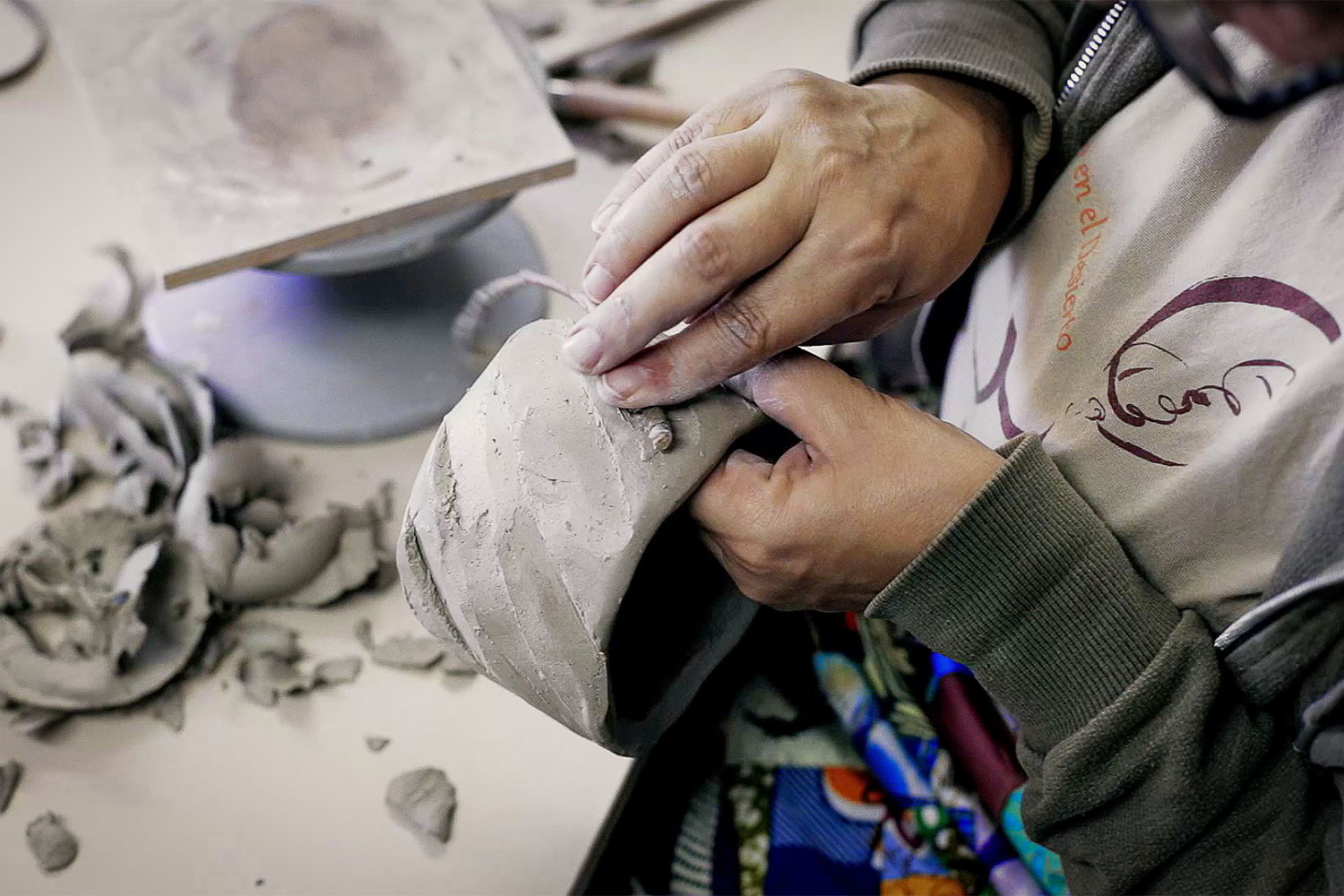
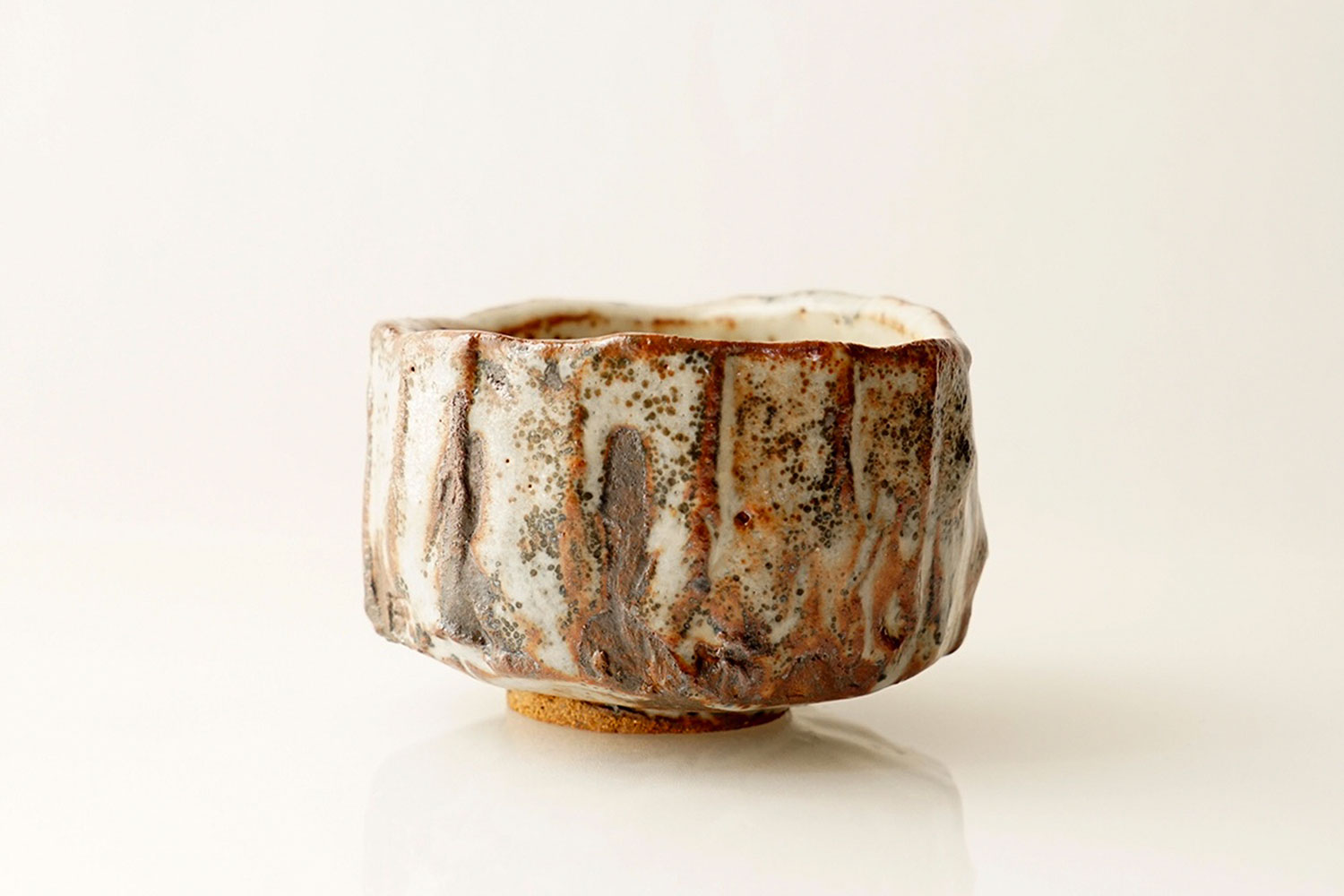
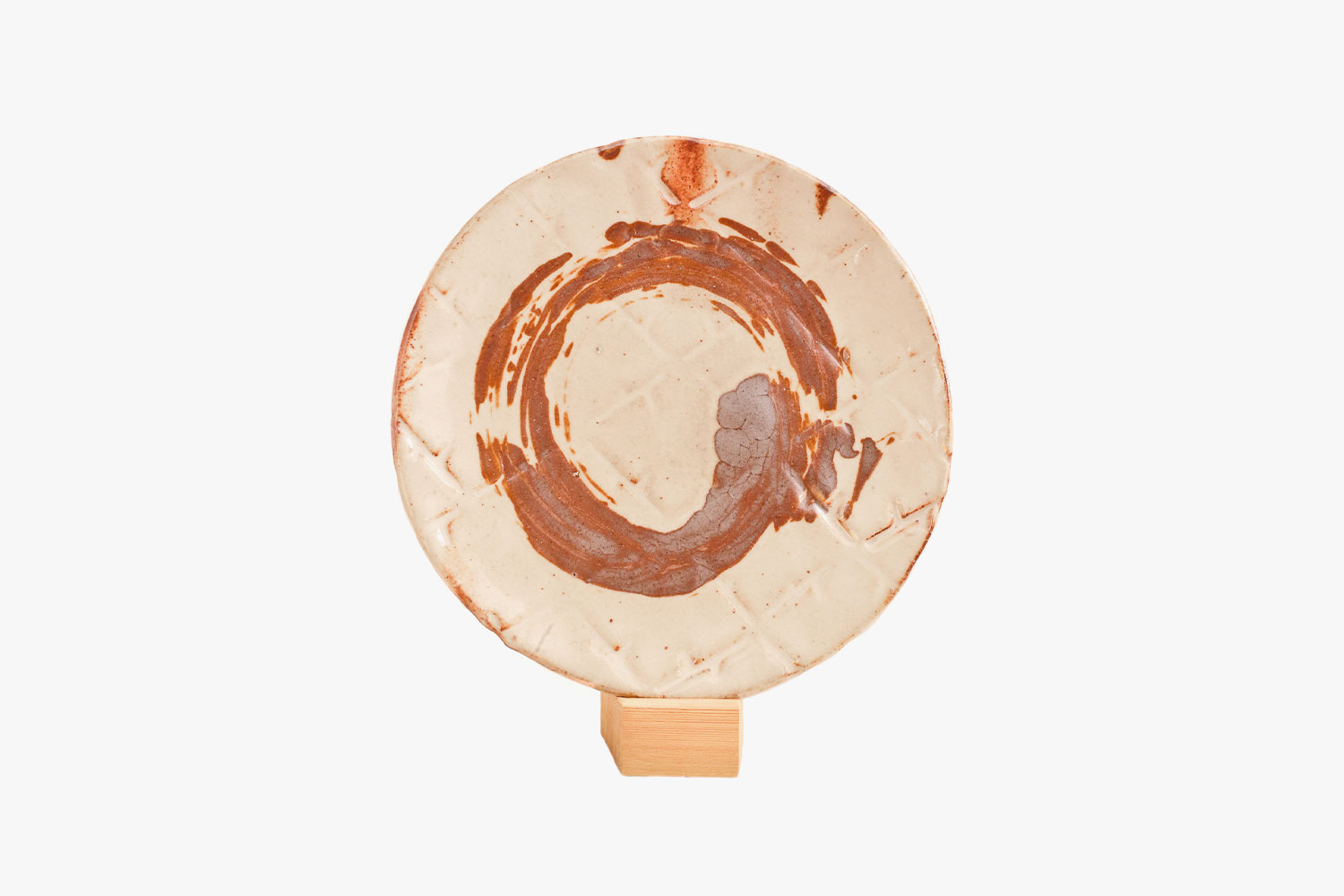
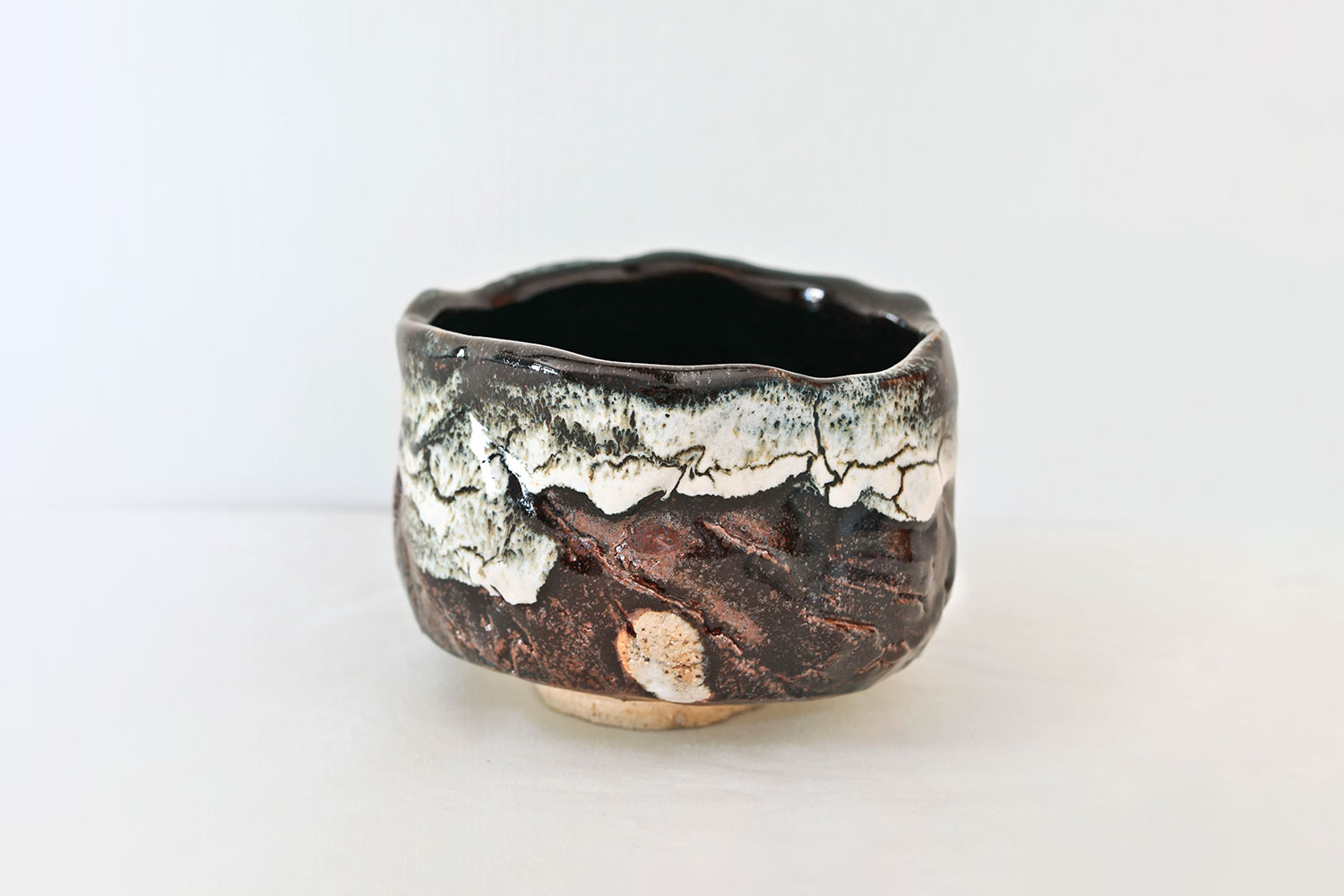
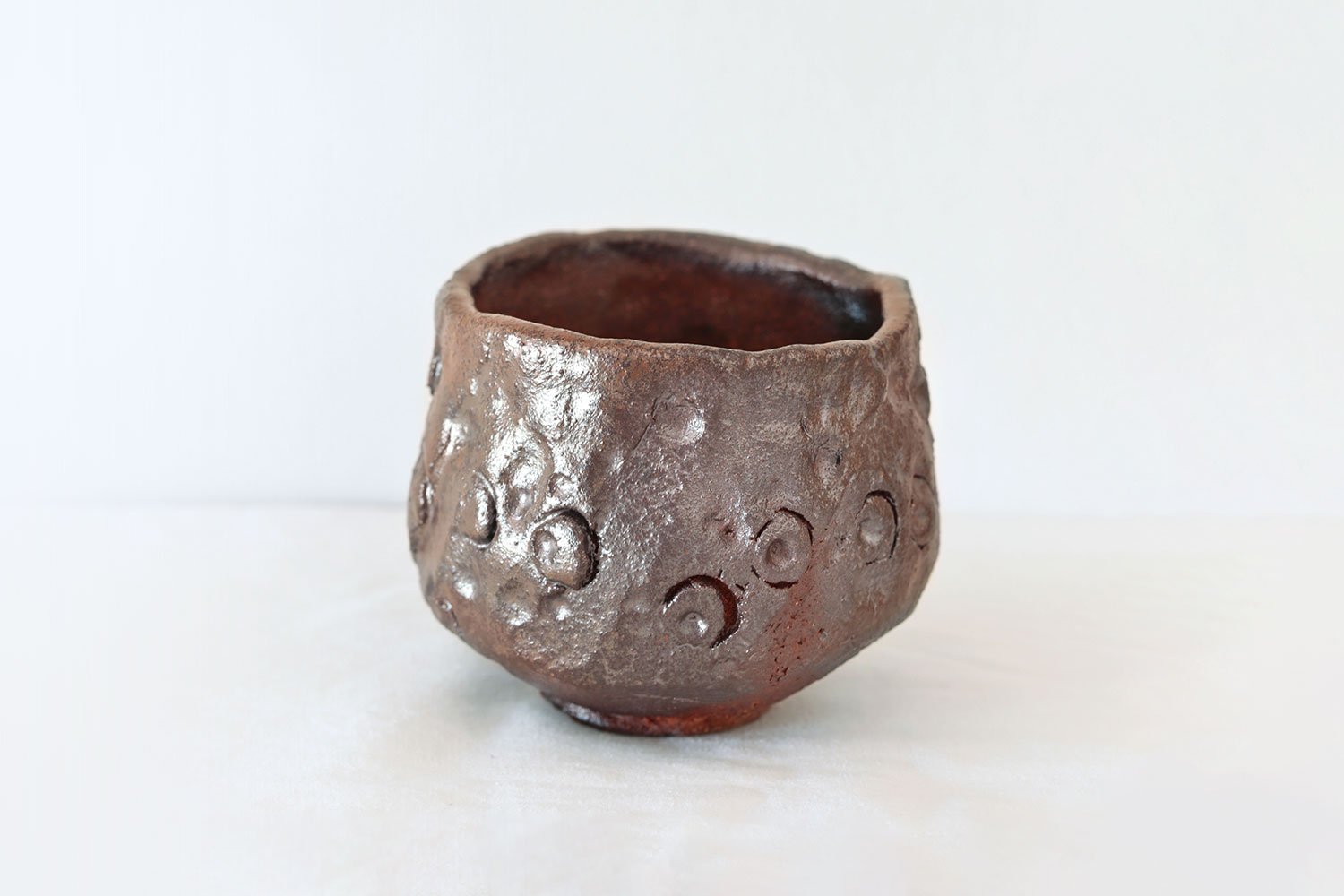
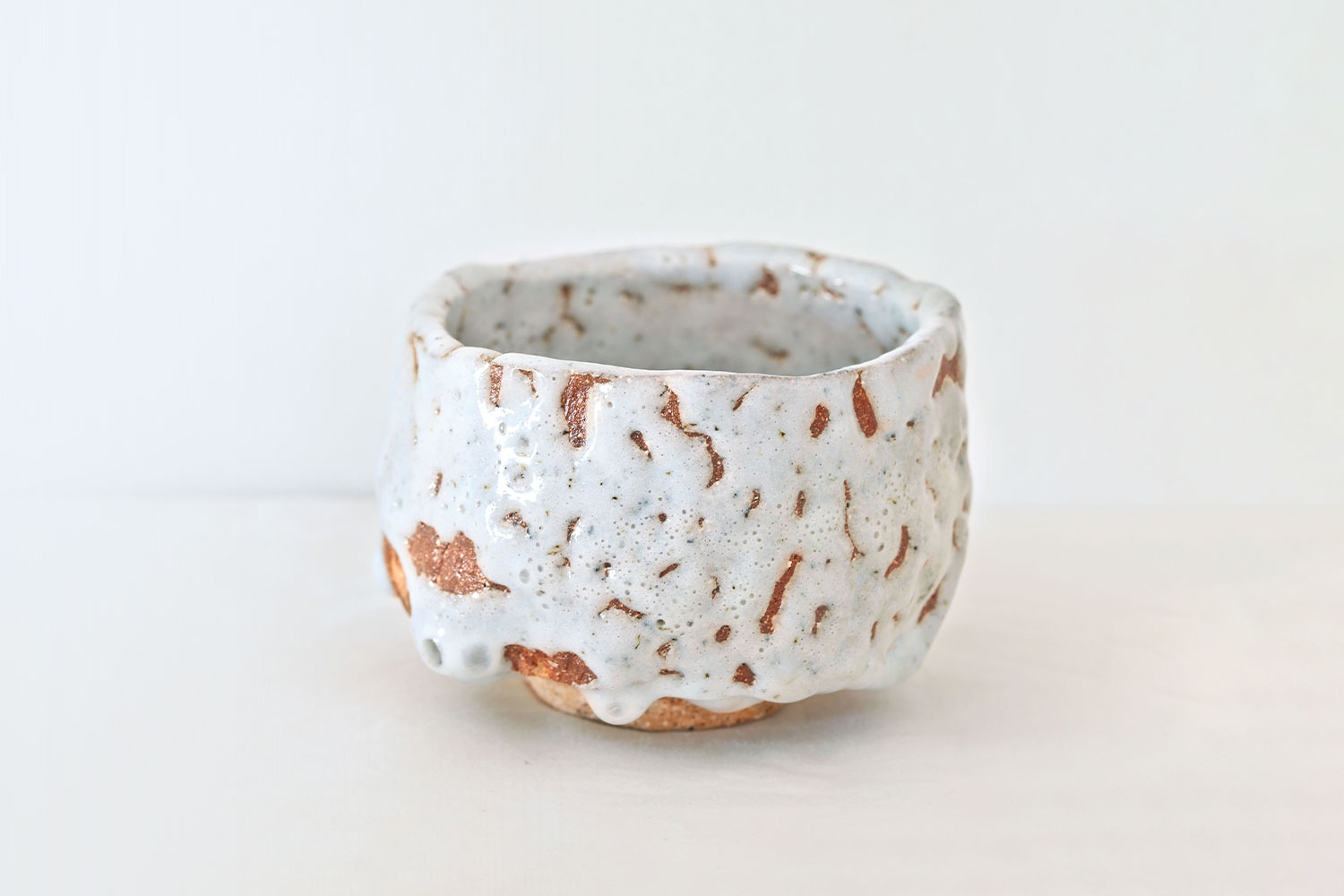
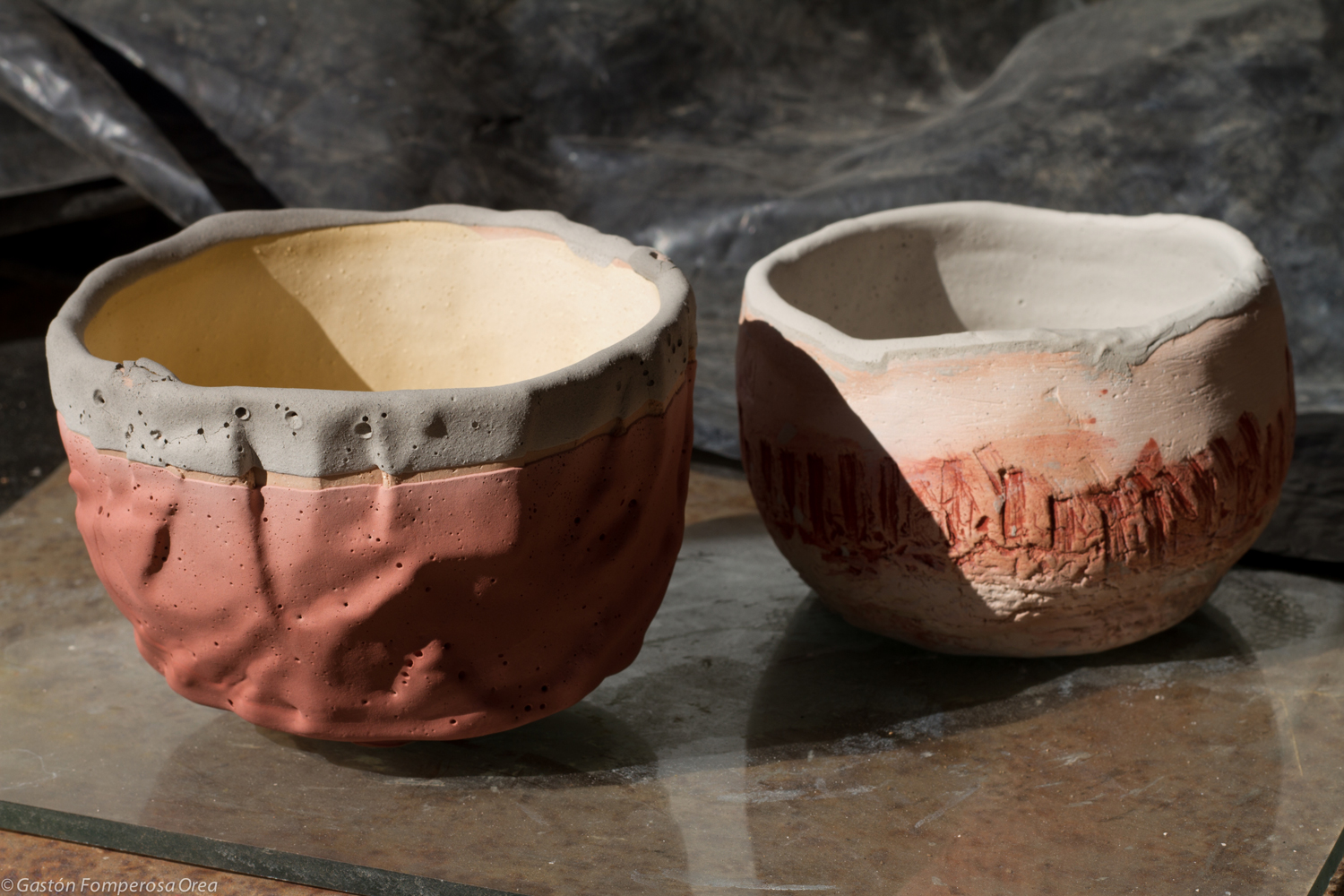
Encarna Soler lives and works between Benissa and Senija, two idyllic villages in Alicante, Spain. She produces tableware for haute cuisine restaurants, including Bon Amb, Quique Dacosta and +Qi, among others. She specialises in making chawans, the bowls used for the green tea ceremony, and chai-res, the small boxes to preserve it in powder form. After training in Raku techniques with artisans José Antonio Sarmiento, Jean Francois Dolorme and Ingrid Lilligren, she improved her salt, soda and anagram kiln firing techniques with ceramicist Gregory Miller. He perfected her chawans and chai-res manufacturing processes with master Minoru Suzuki. Now, alongside her studio work, she teaches ceramics at her local gallery and has also been a guest lecturer at The Manises School of Ceramics in Spain as well as other centres in Denmark, Mexico and Belgium. In 2015, she won the gold medal at the Mungyeong Traditional Tea Bowl Festival in South Korea for a Shino glazed chawan she later exhibited at the Ceramics Museum of Barcelona.
INTERVIEW
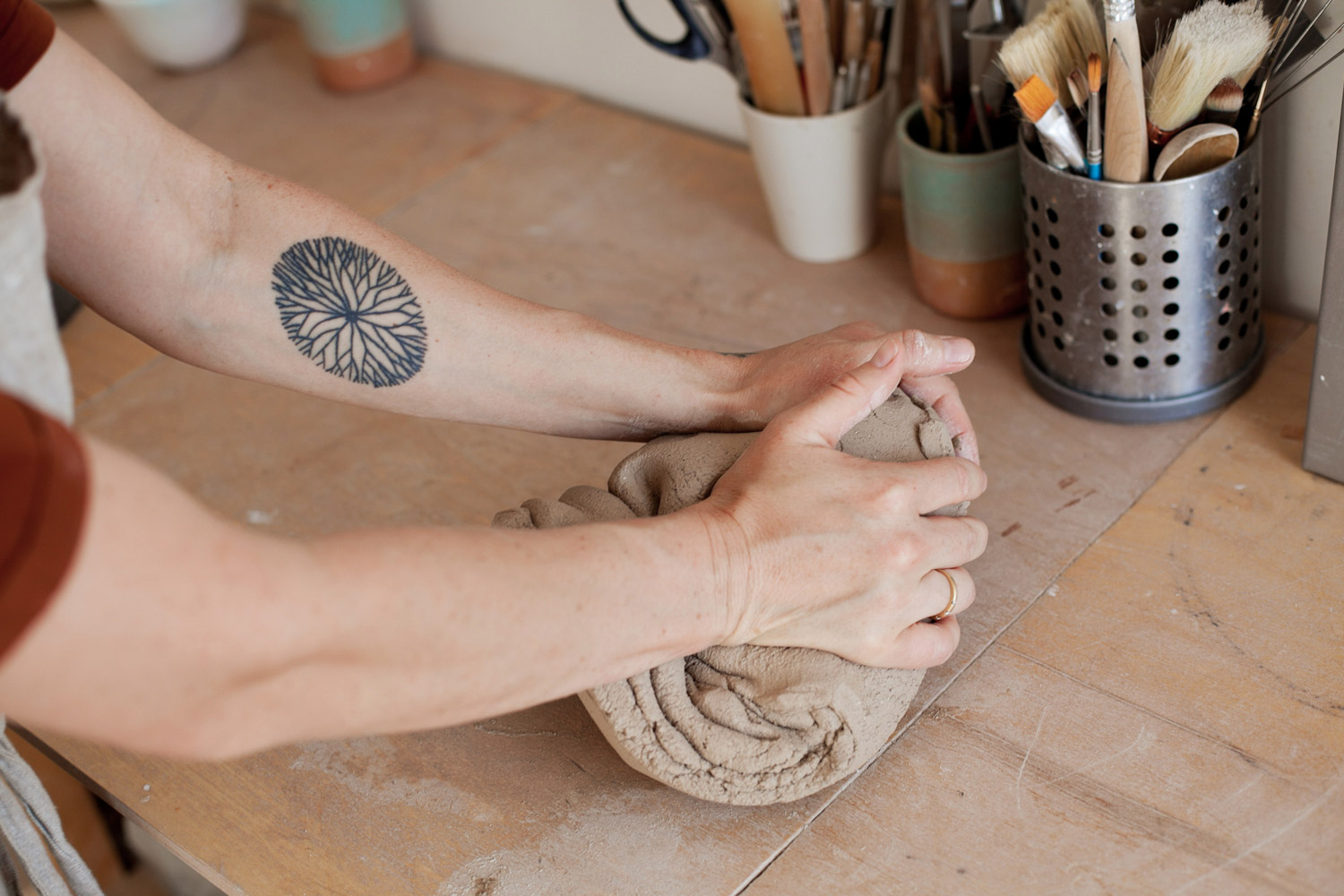
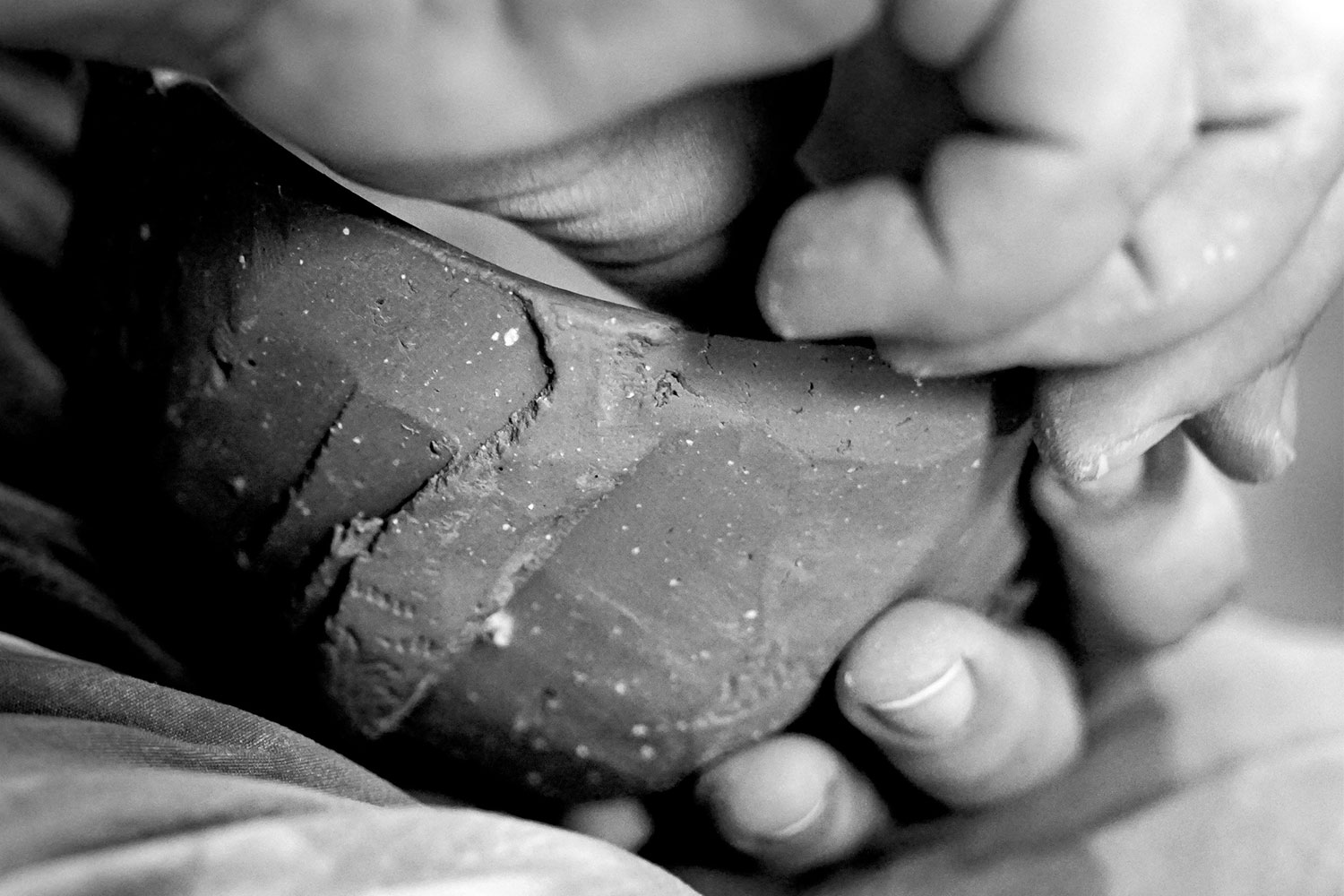
Crafts teach us how to live. All manual arts are essential in our daily lives. Making ceramic bowls is the best thing that has ever happened to me. I consider it a blessing that people elsewhere can caress my ceramic pieces and be touched and moved by them.
The Mexican poet Octavio Paz describes a continuous back-and-forth between usefulness and beauty in arts and craftsmanship. This balance produces pleasure. My job is one of those valuable and beautiful crafts from which one never has to retire.
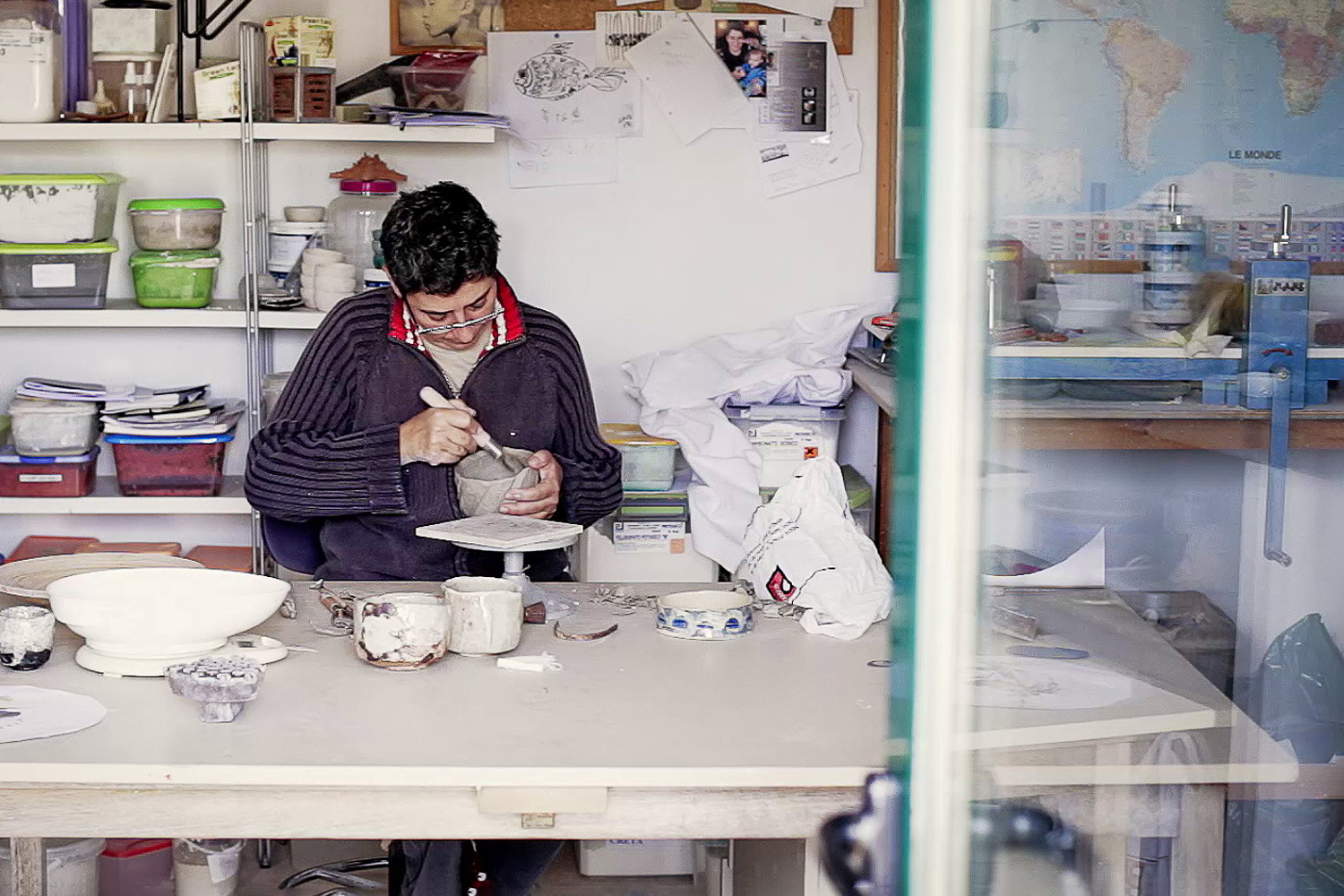
Buddhists say that the world of beauty is our home. Desiring beauty, in this sense, is the same as wishing to return home. I just hope always to have a table on which I can continue making bowls for the tea ceremony.
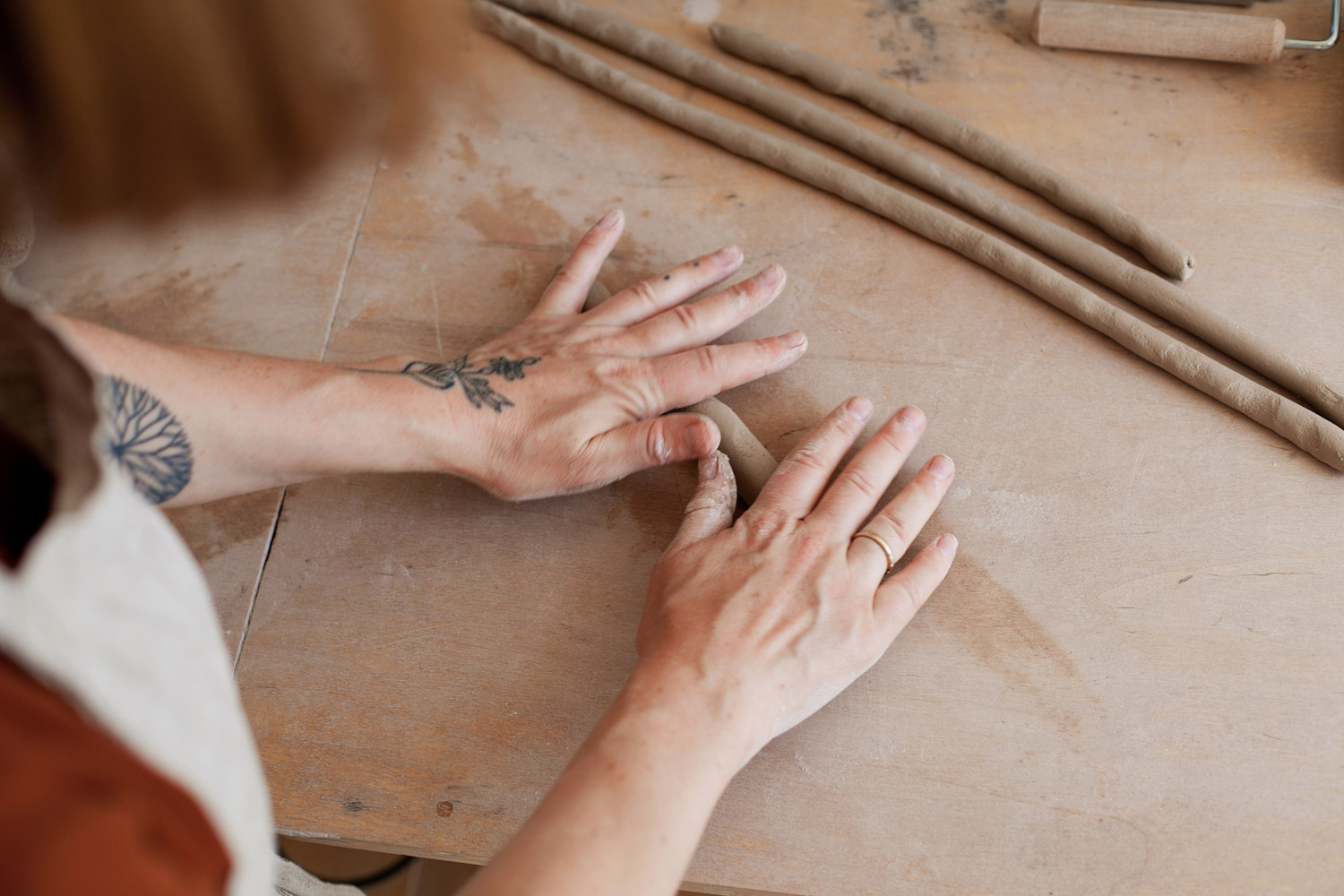
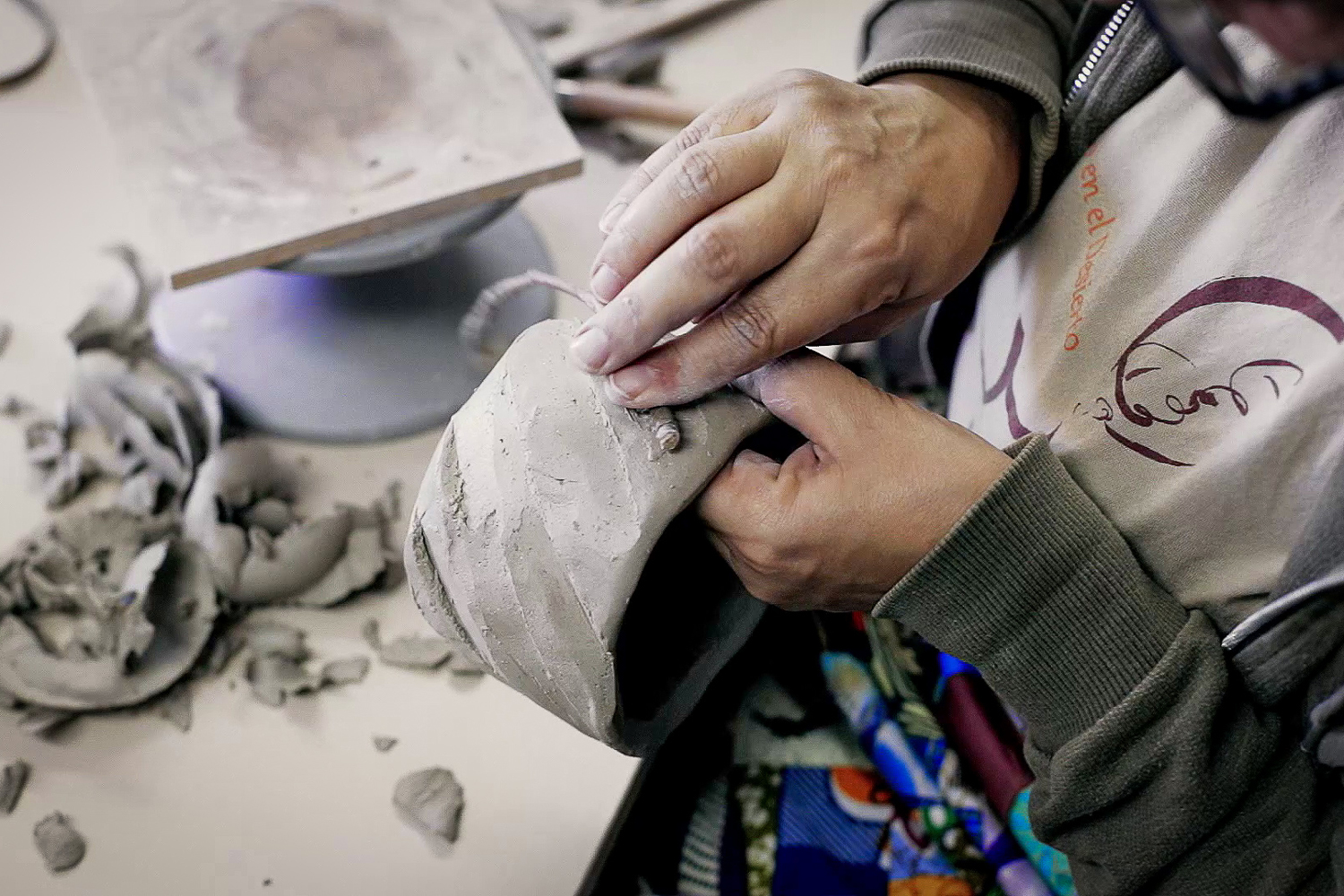
In Asia, when students finish at a ceramics school, they go to a workshop to continue training as an apprentice. They learn the small details of their craft by watching the masters at work. Young artisans must be patient, constant and observant.
1 EXPERIENCE
Encarna Soler
Ceramicist
Senija, Spain
AVAILABILITY
By appointment only
PHONE
+34 690610505
LANGUAGES
Spanish
Homo Faber Finds is a new service aiming to inspire admirers of craft to connect and collaborate with exceptional artisans.
We invite you to submit an enquiry here.