Emil Yanos
Ceramicist
Napa, CA, USA
Recommended by Nest
Ceramic portals to a new way of seeing
- Emil creates textured ceramic sculptures inspired by nature
- His experience as a professional graphic designer and floral designer informs his approach
- The irregular and organic forms of geology are echoed in his pieces
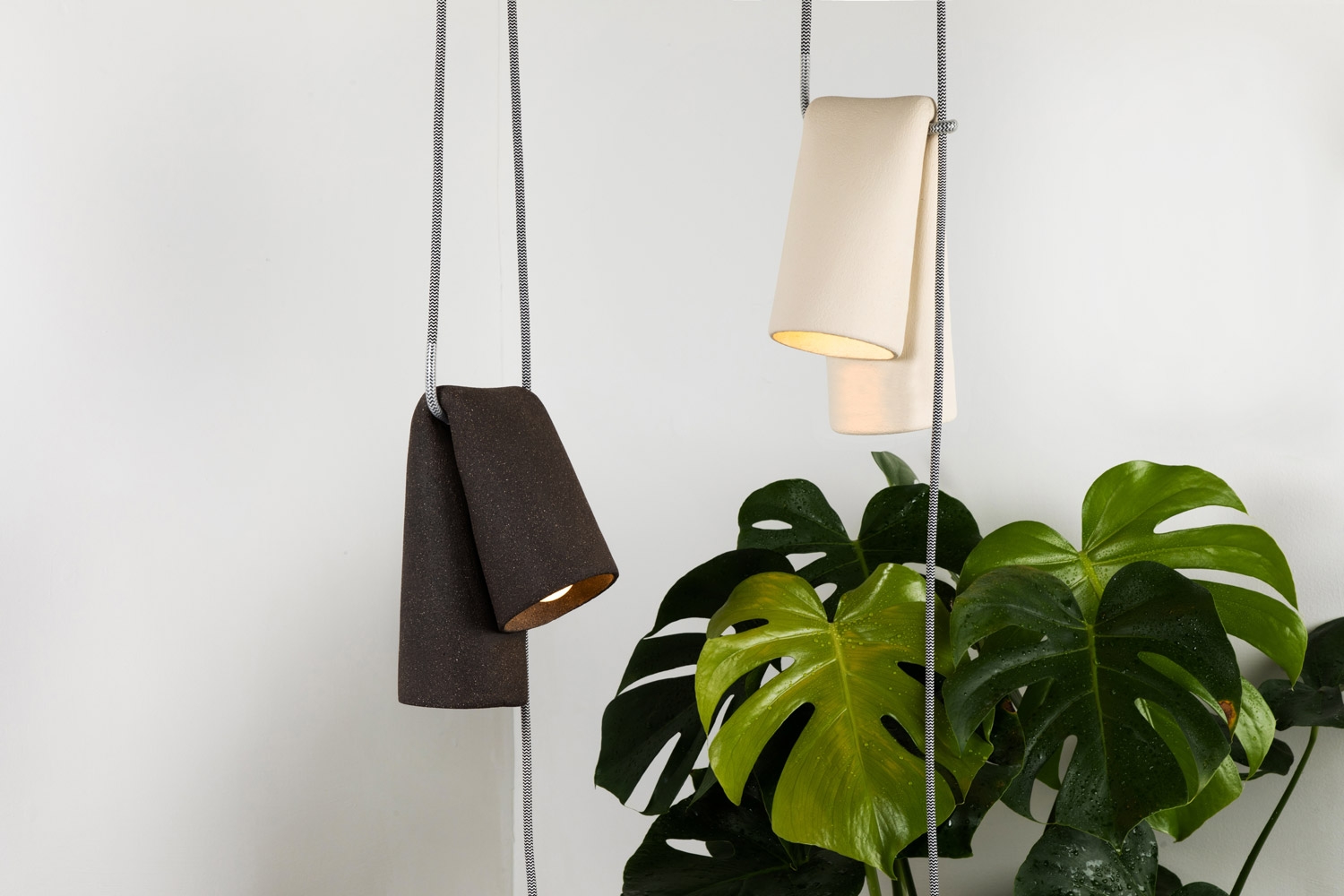
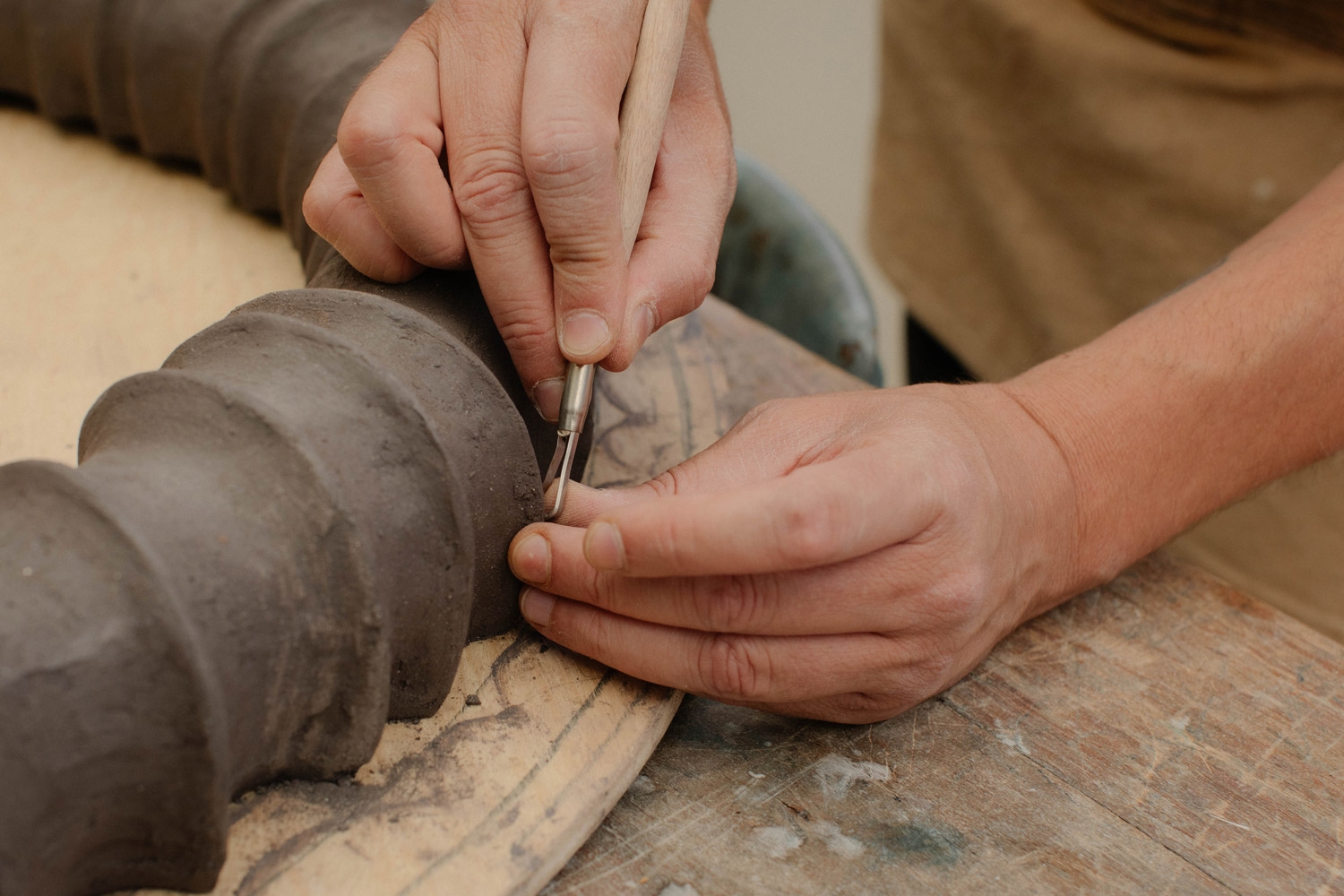
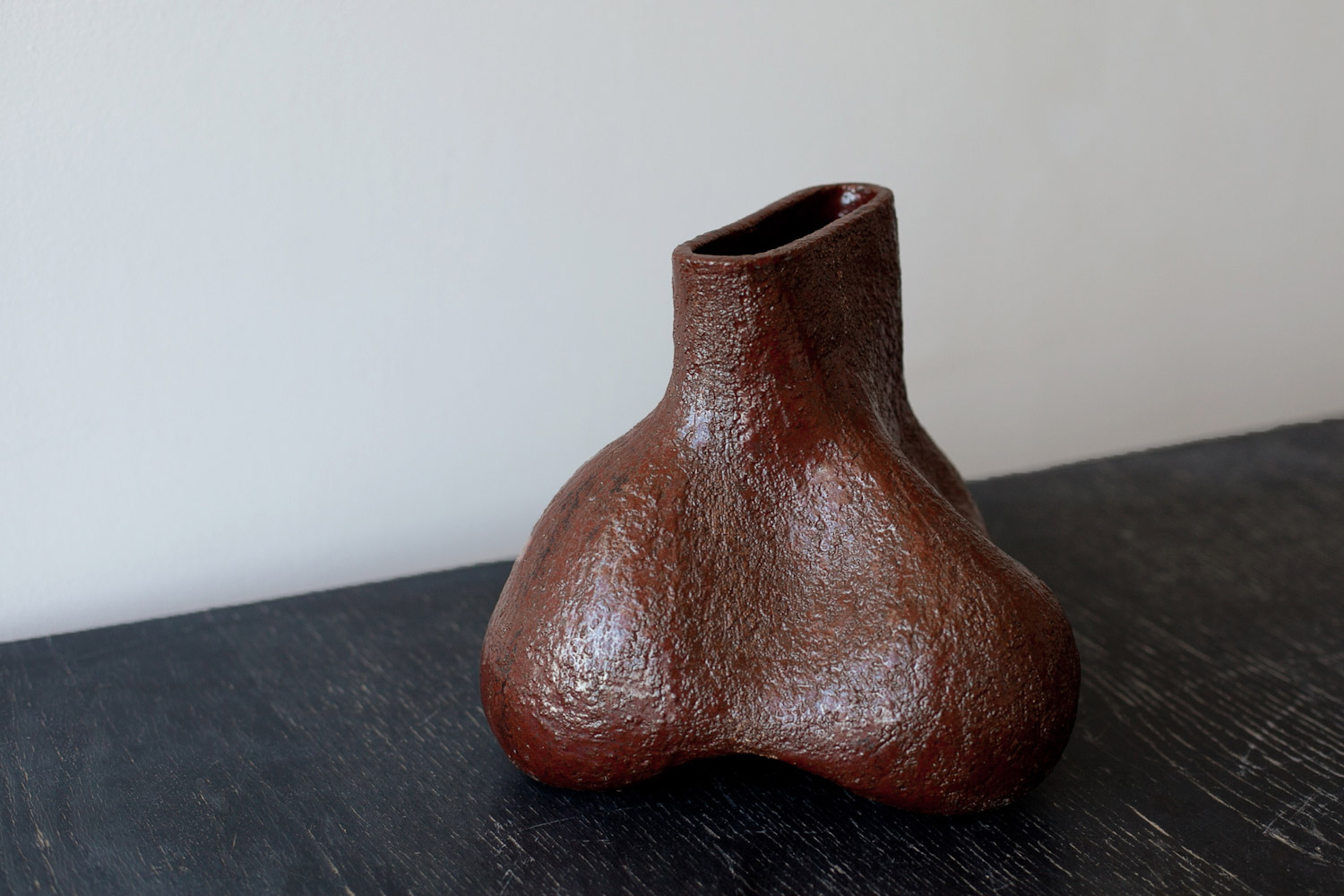
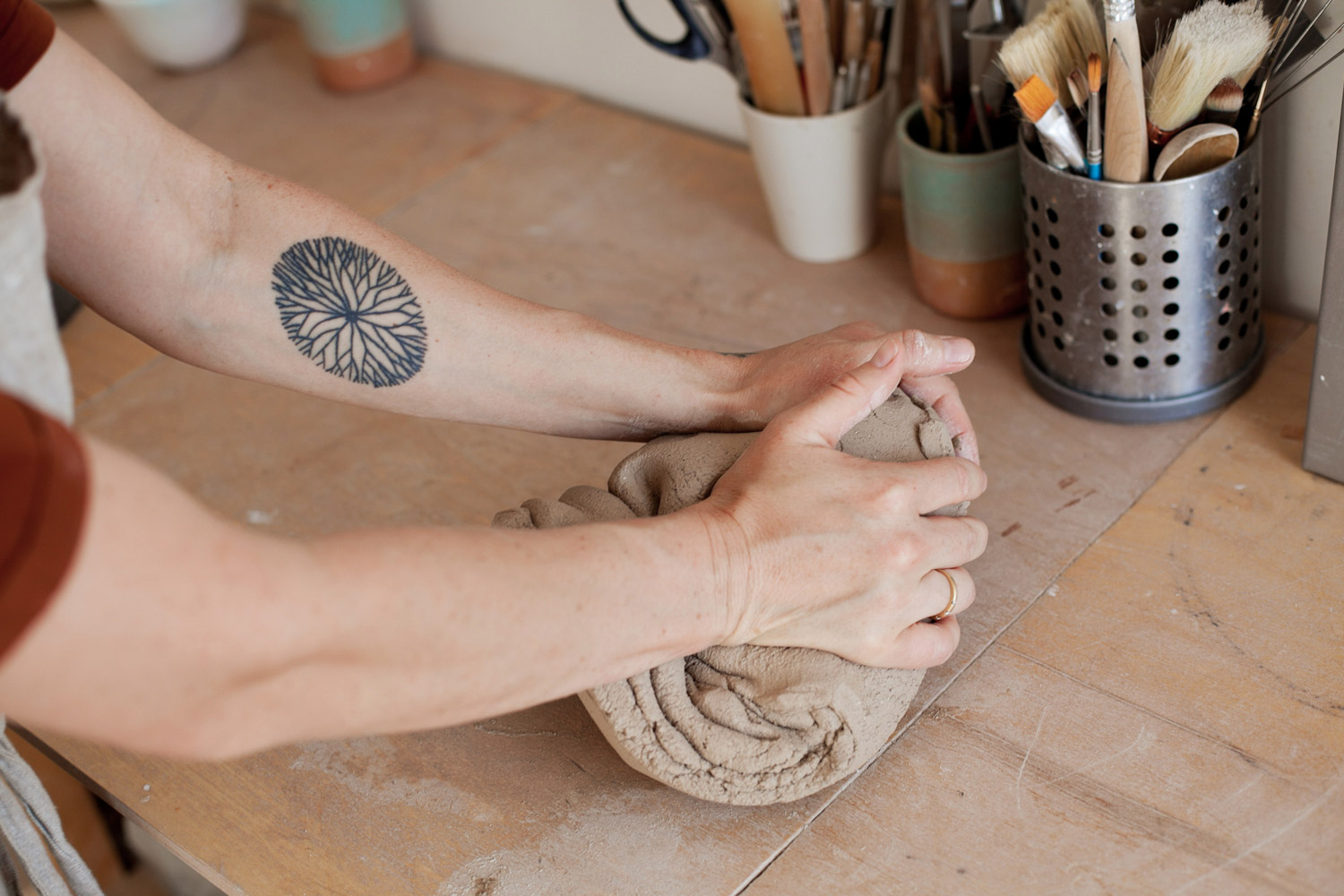
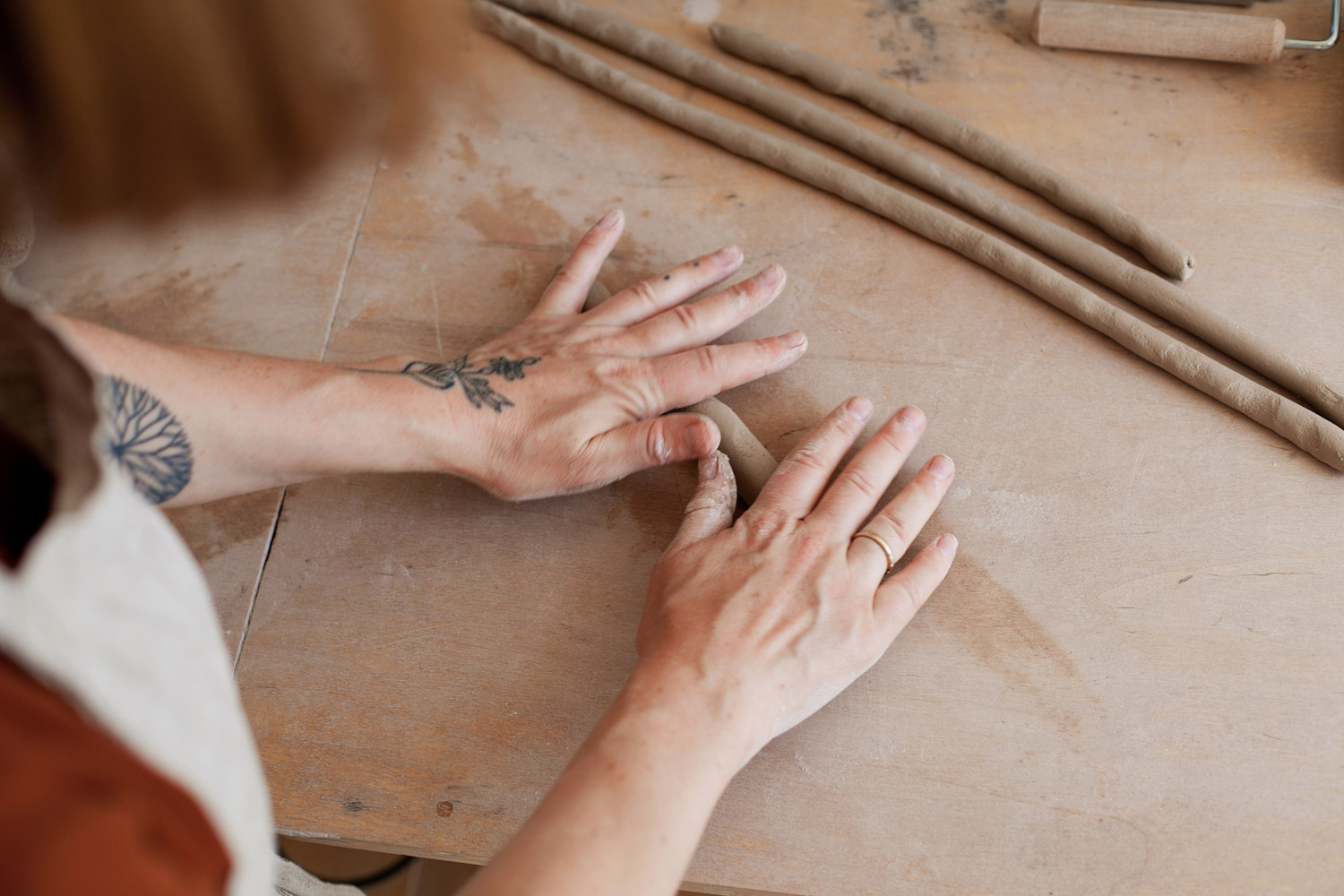
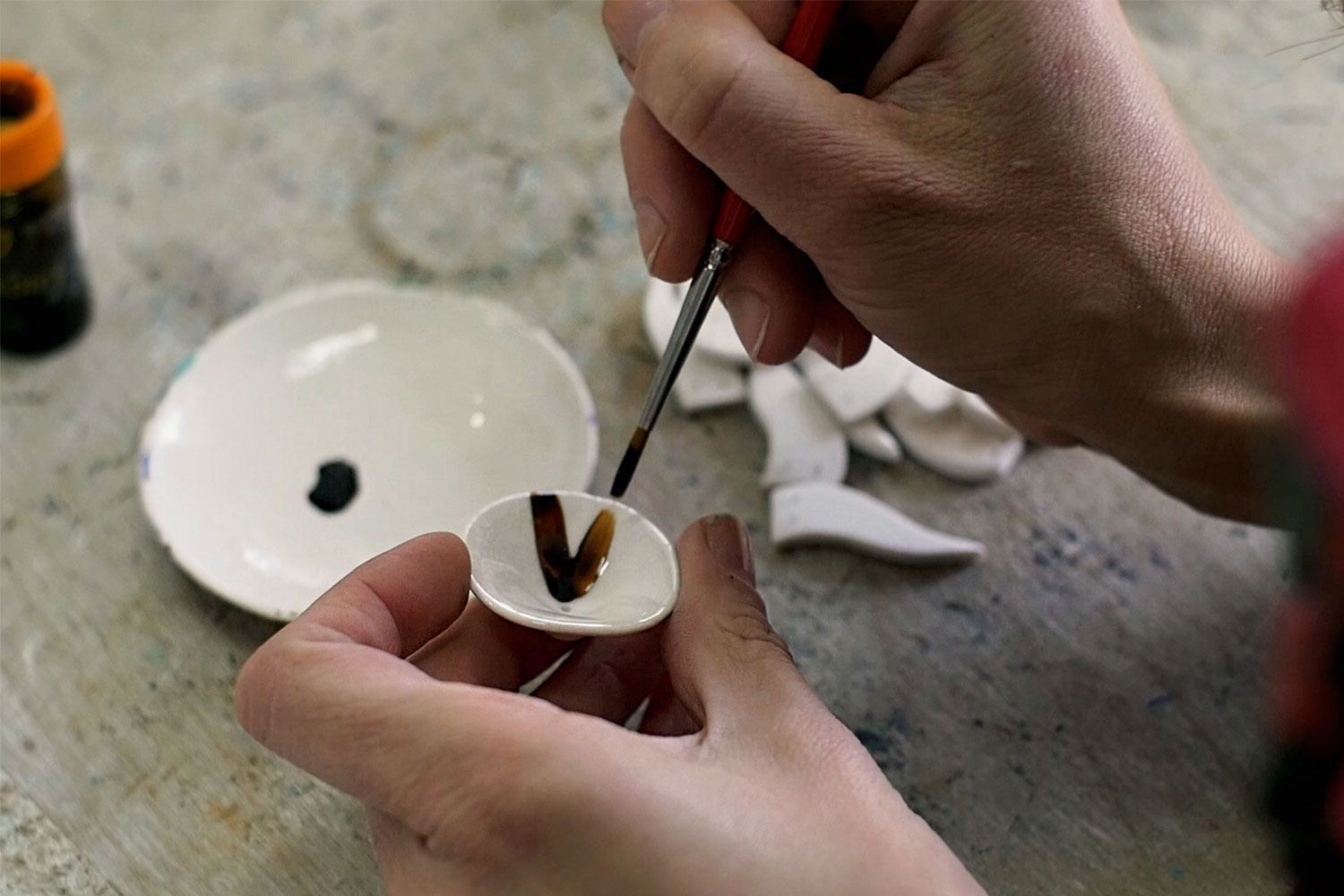
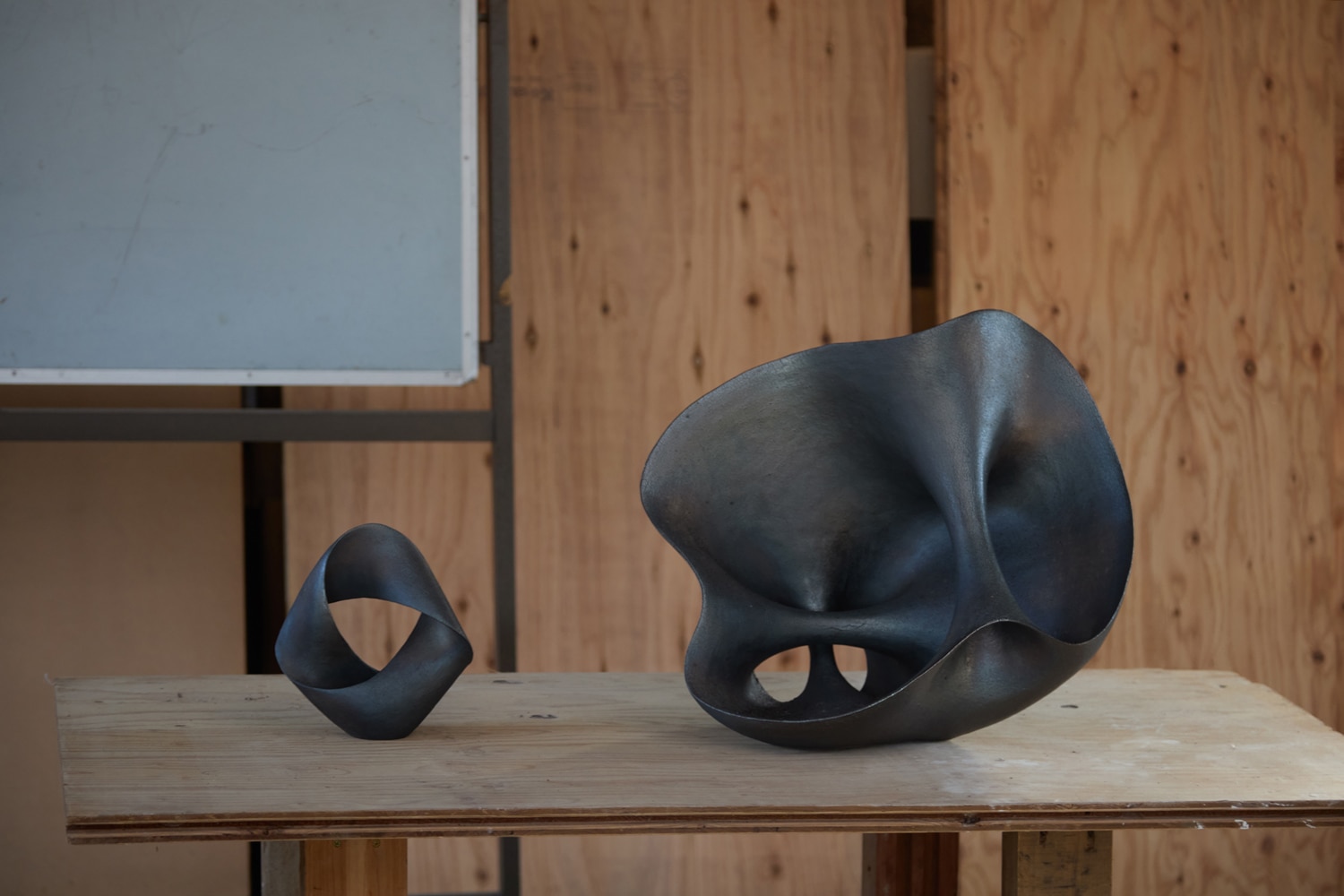
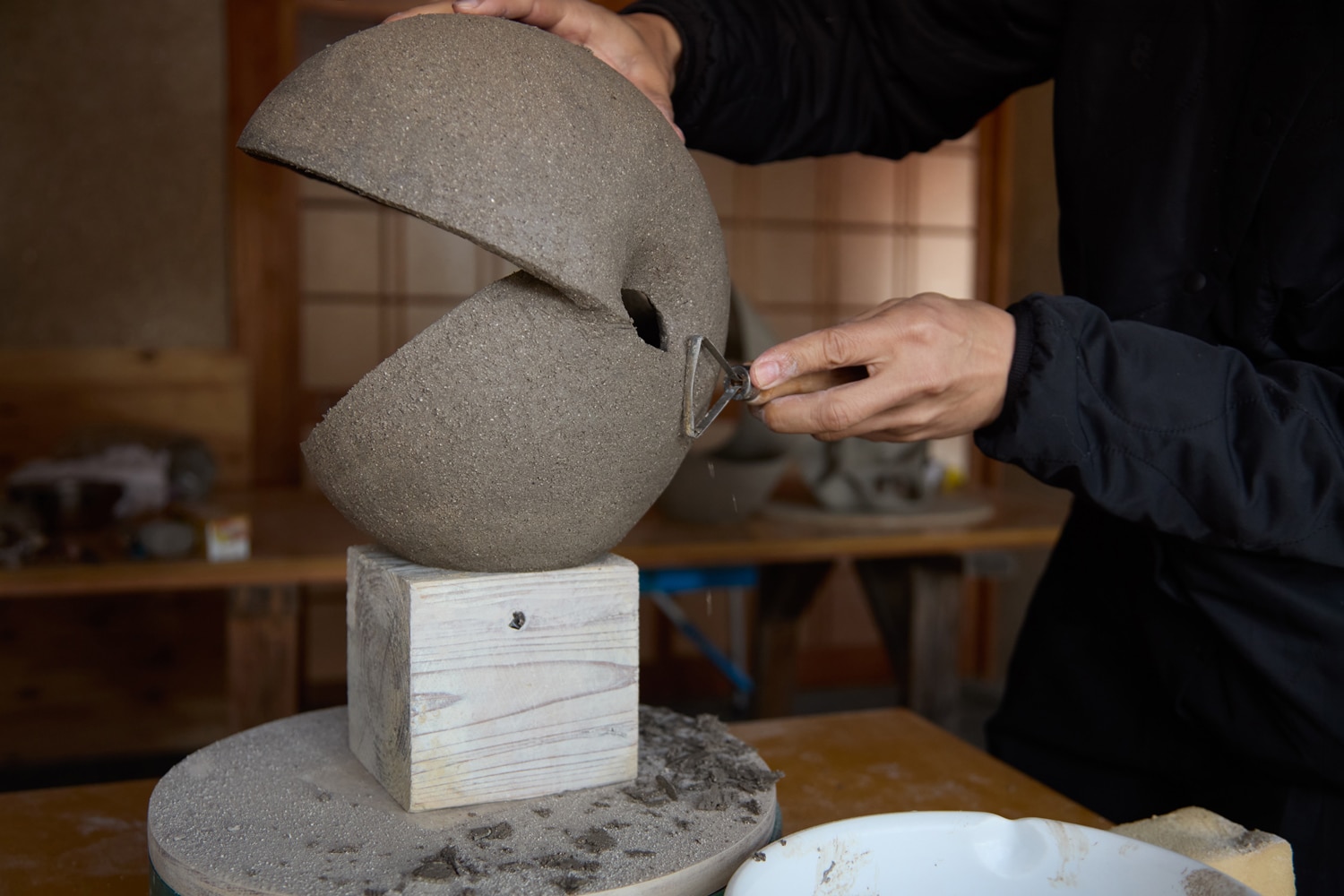
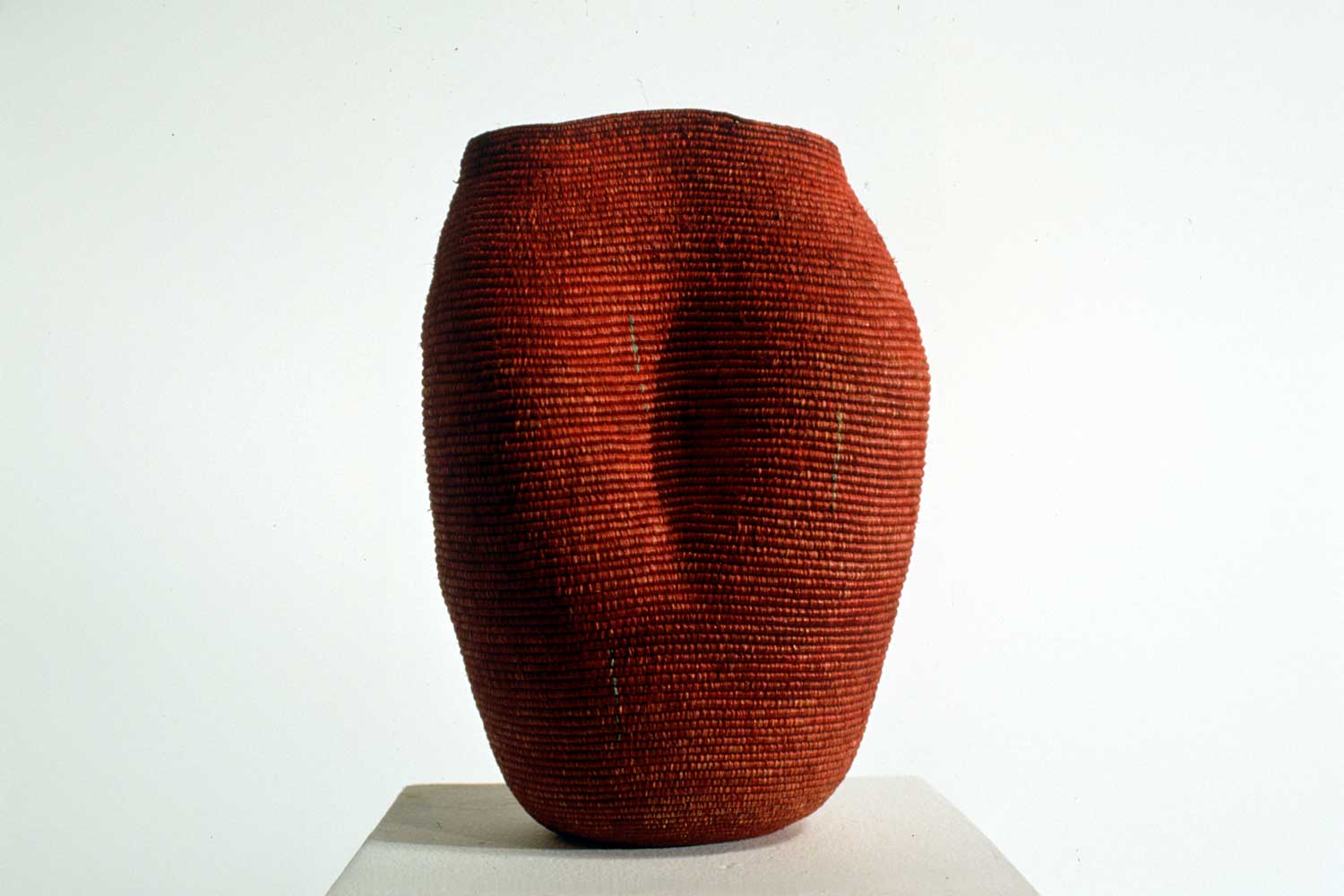
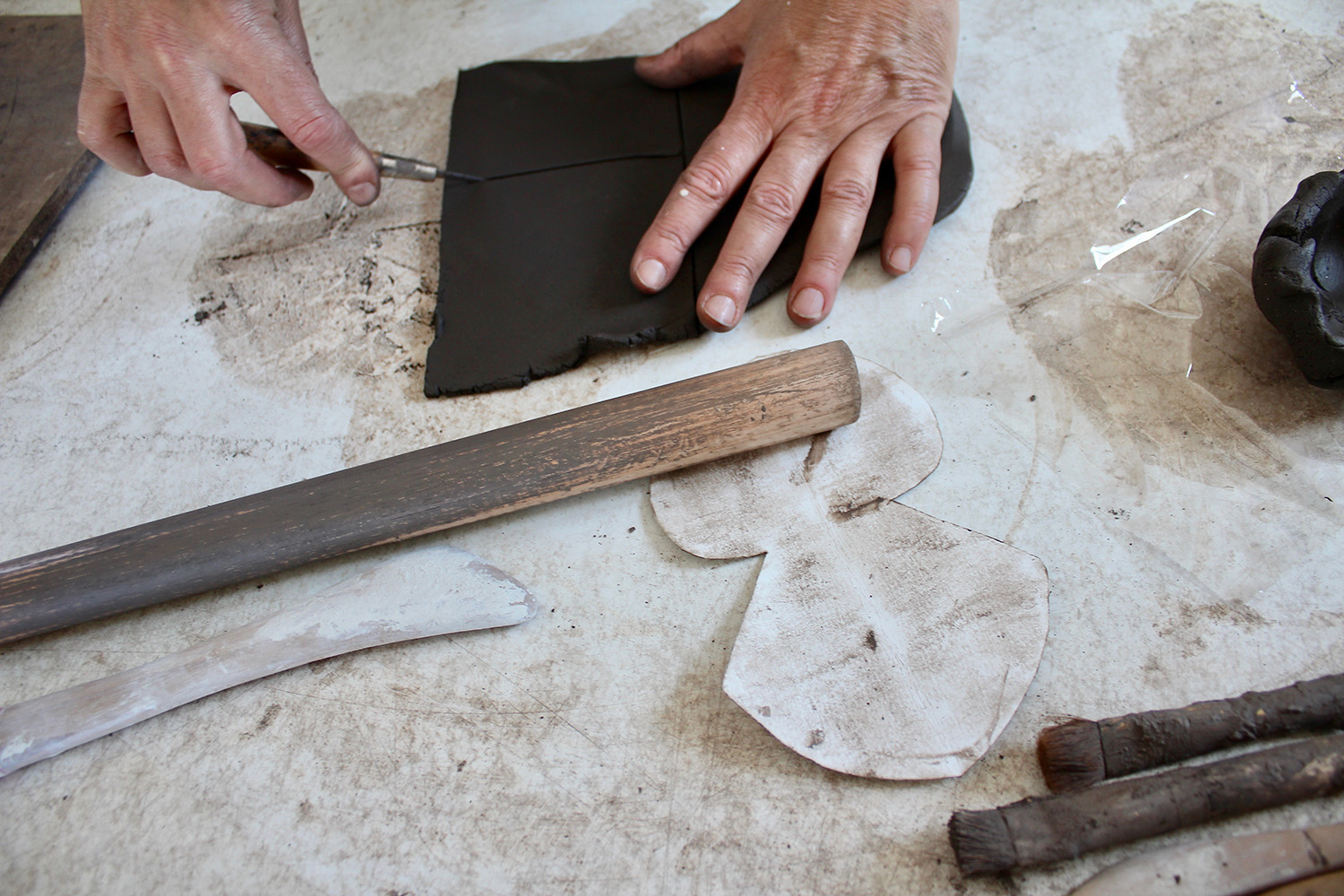
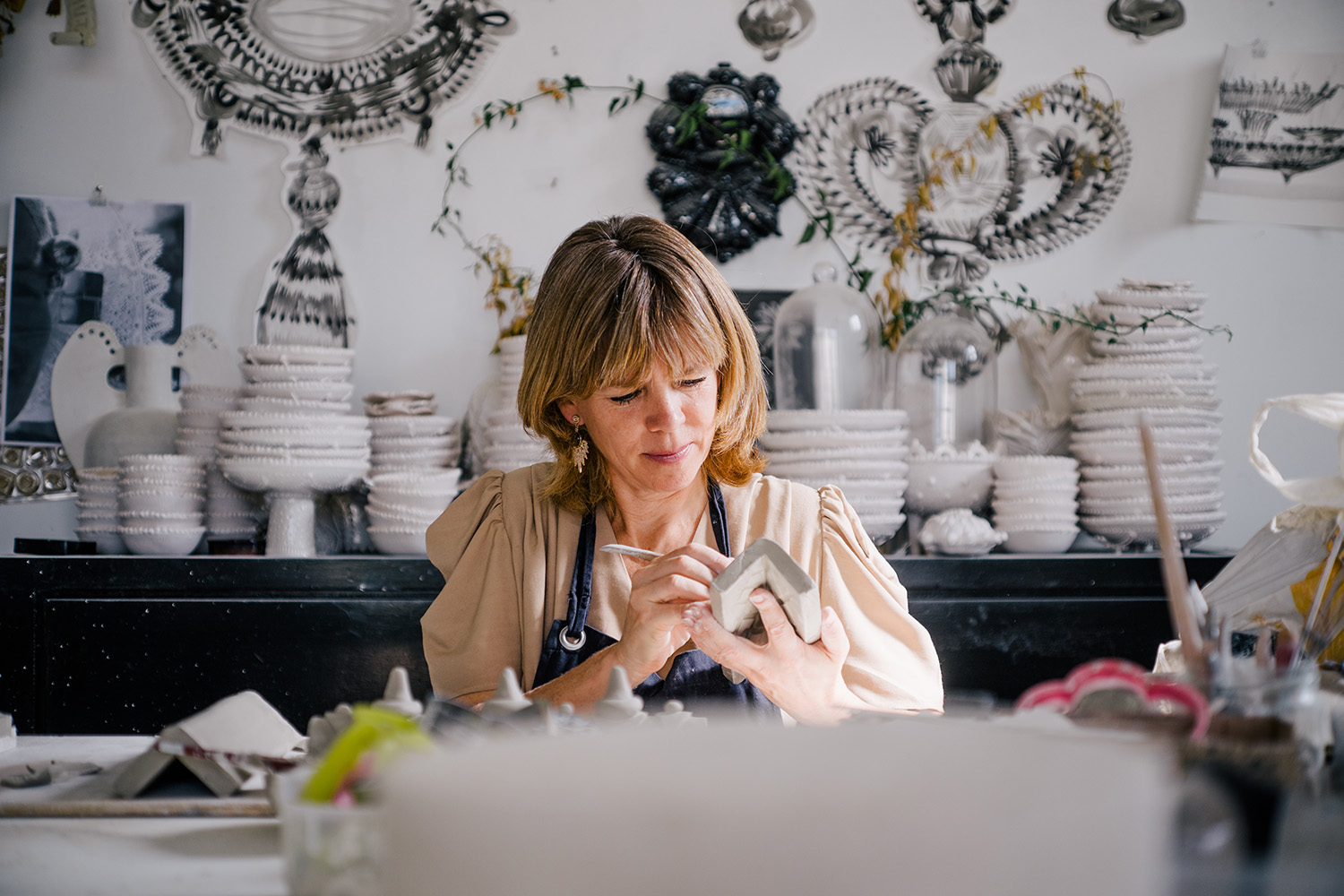
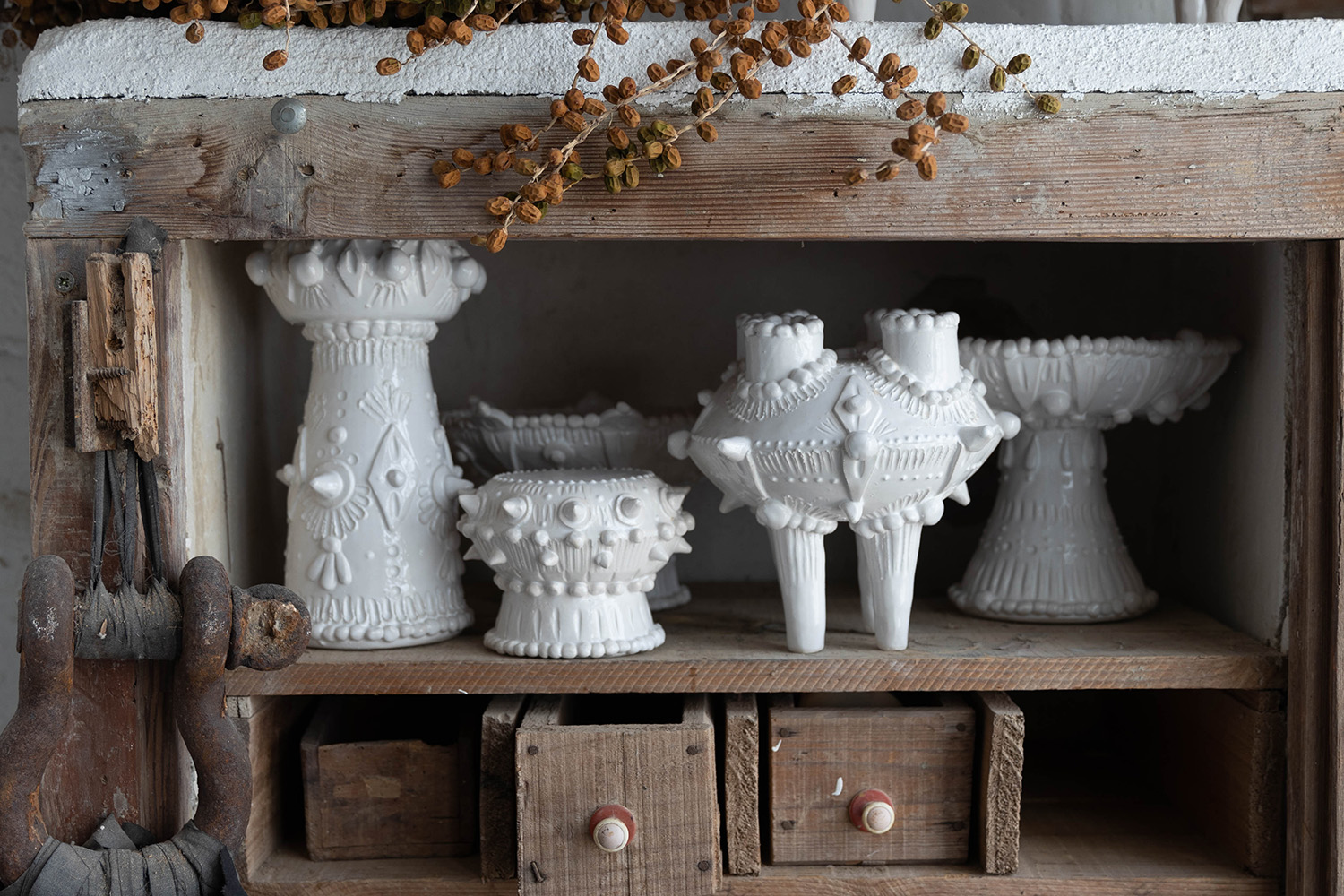
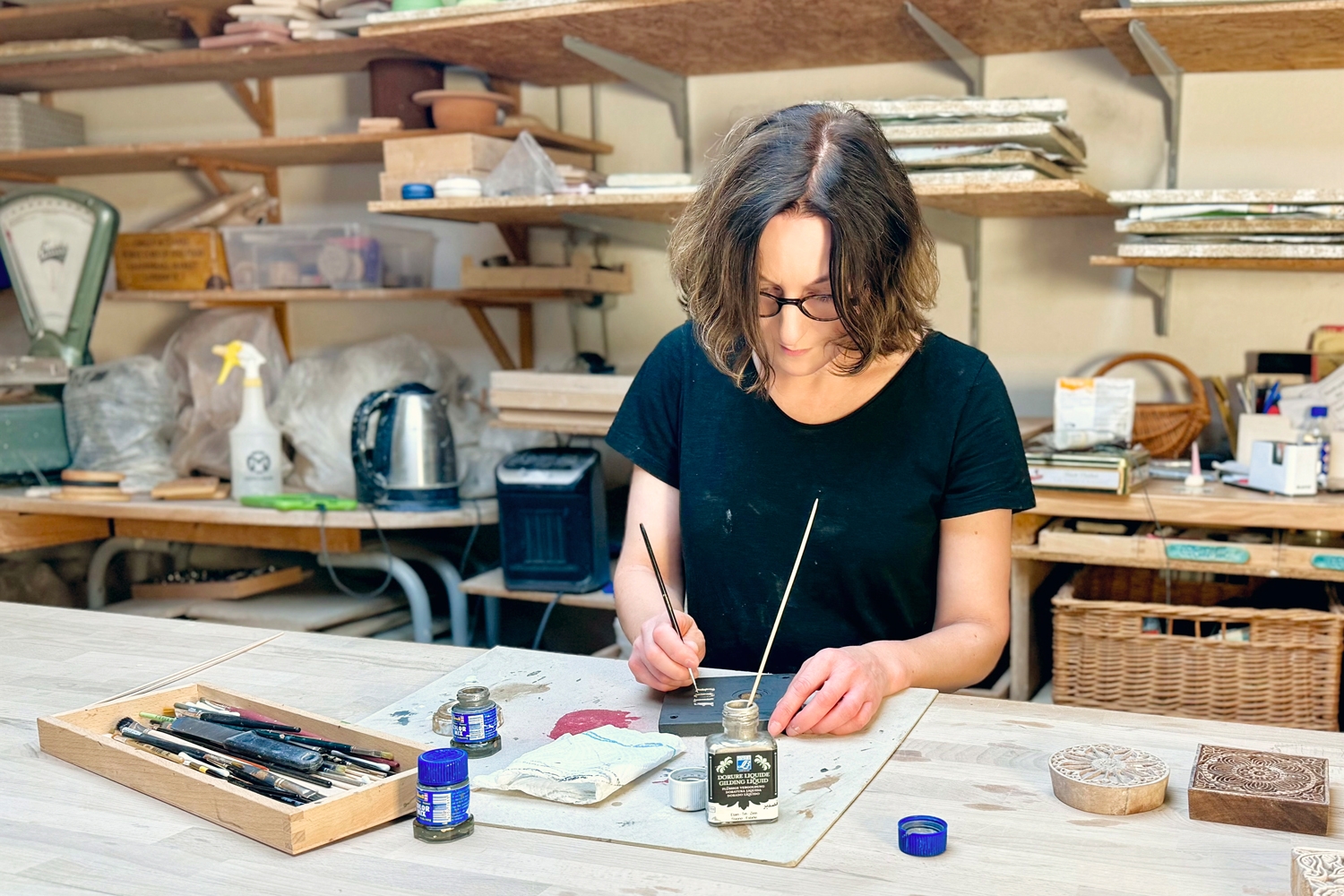
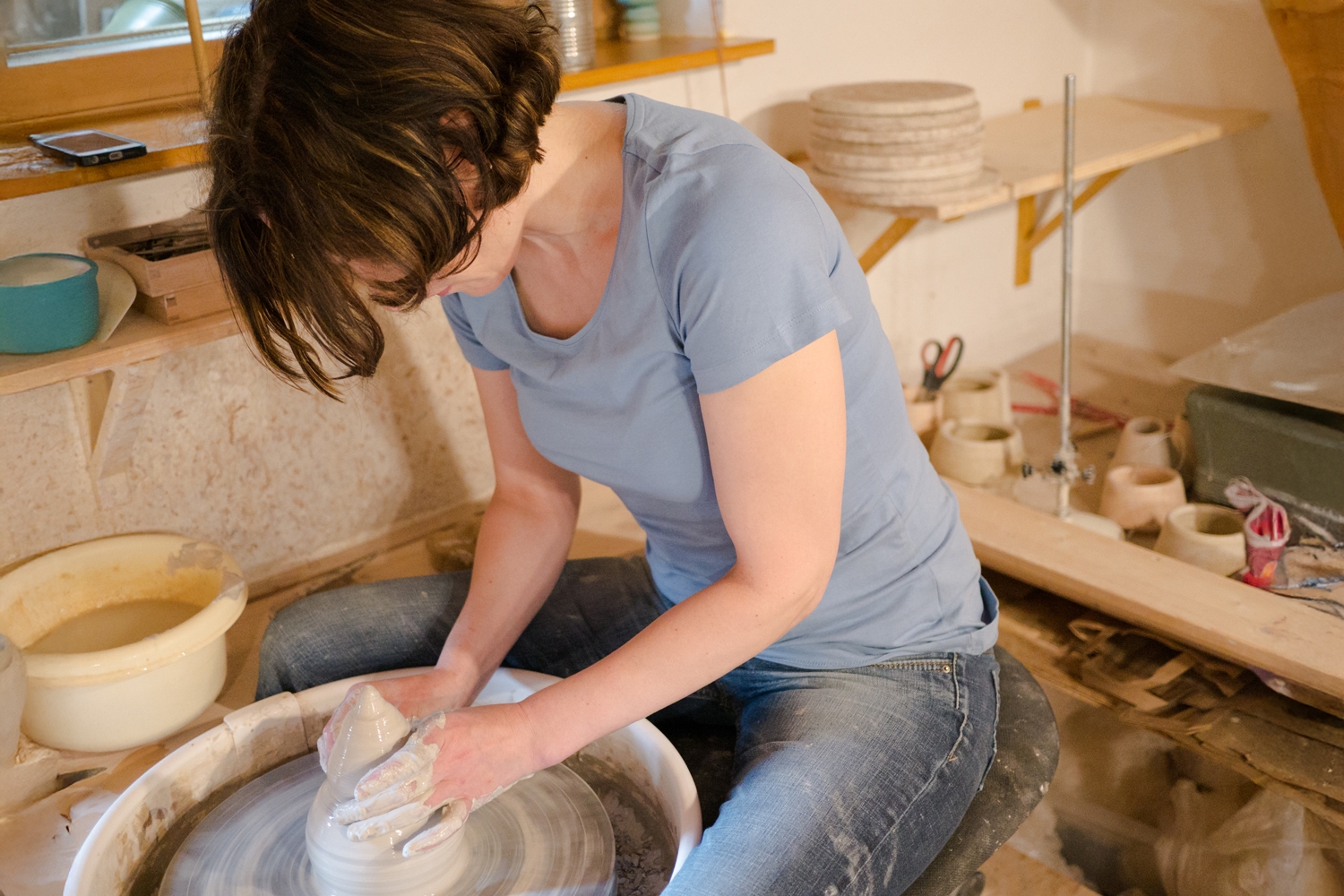
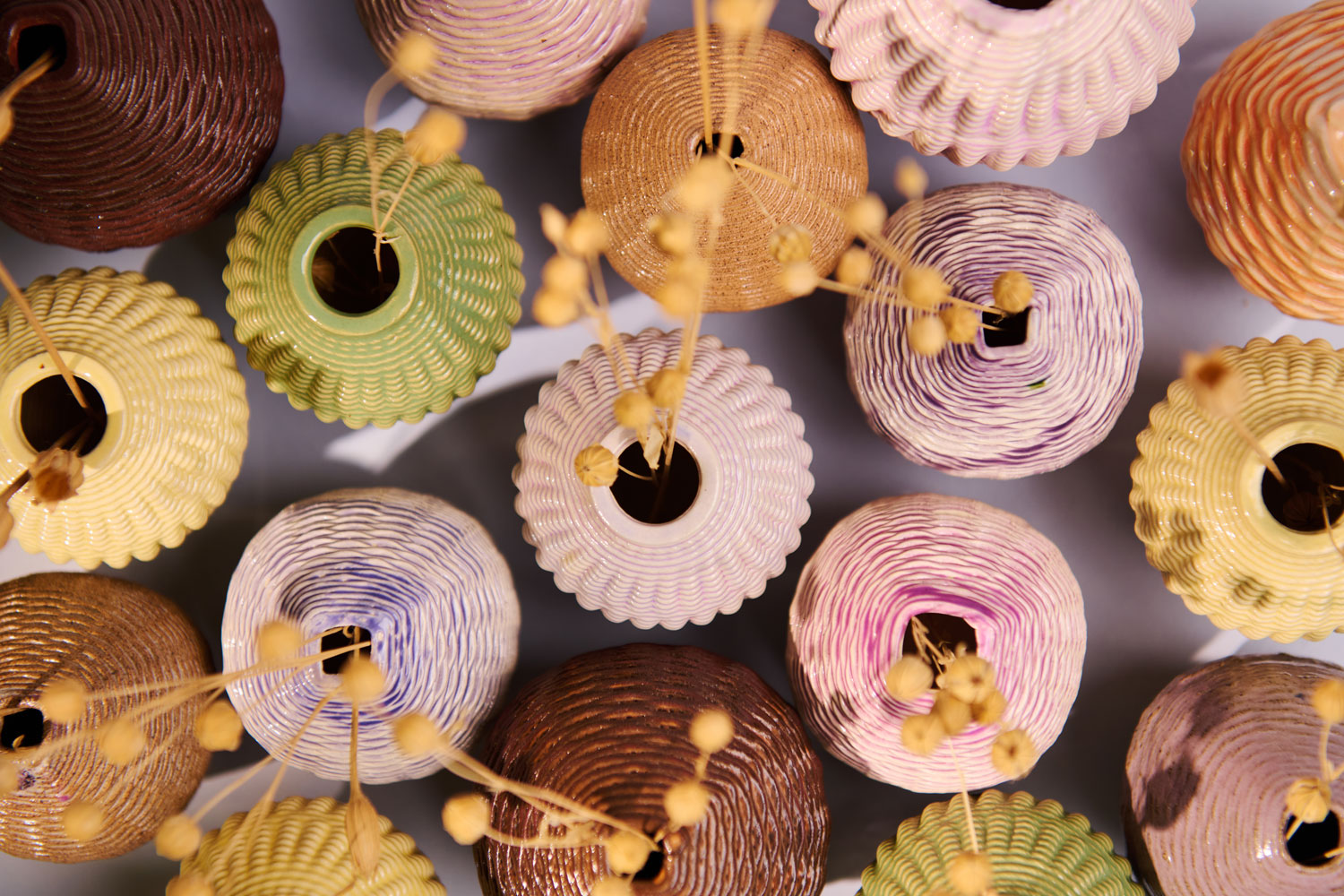
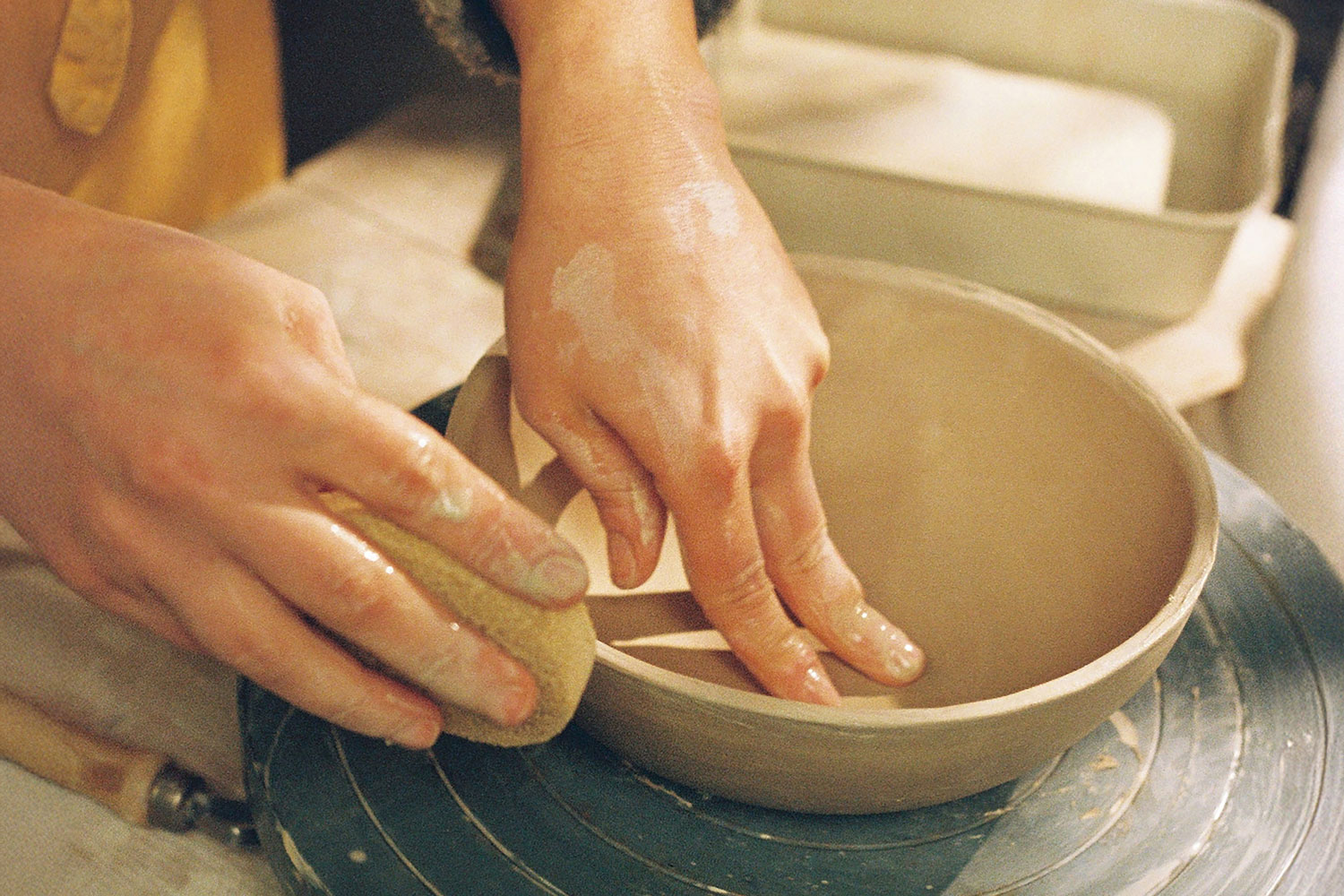
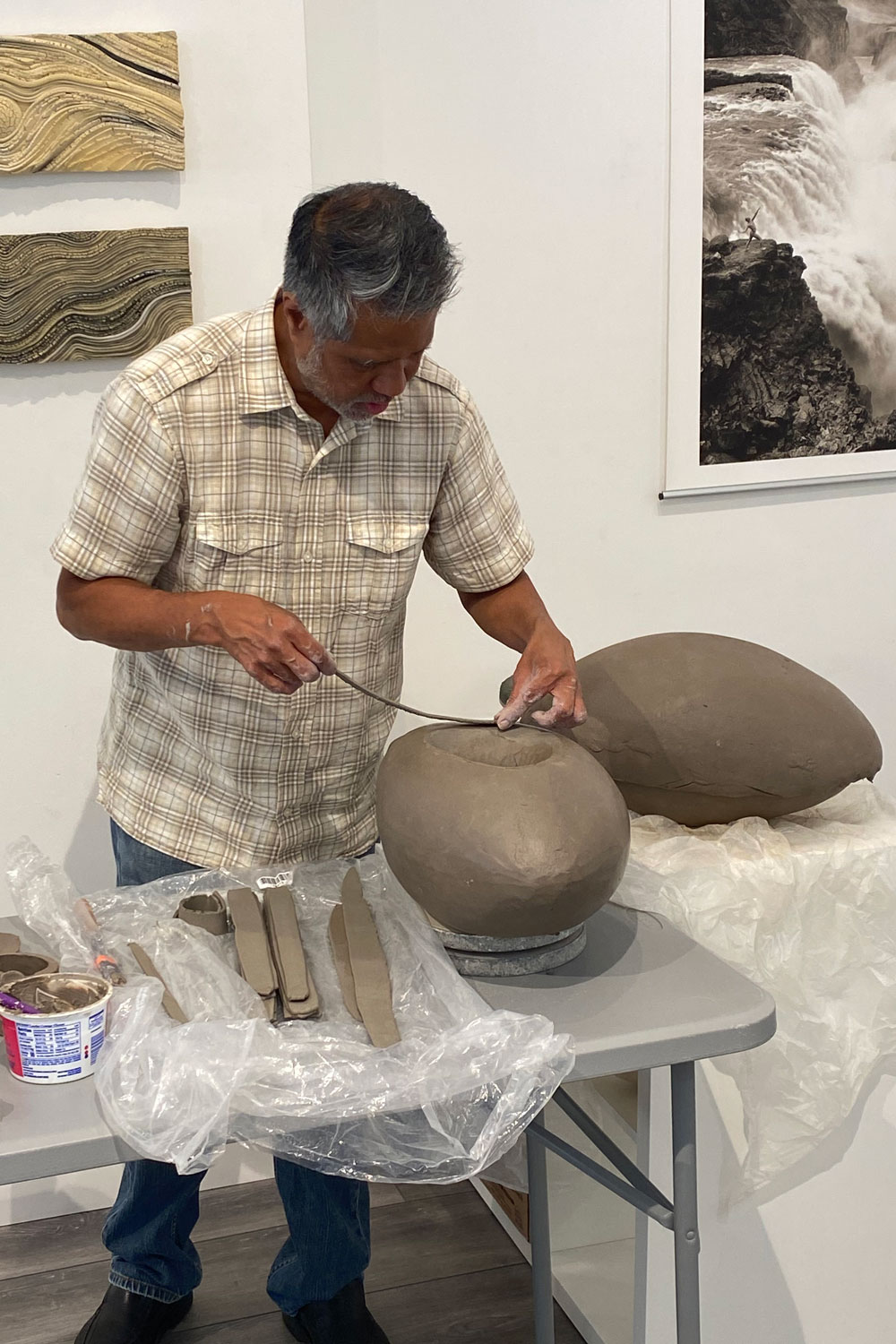
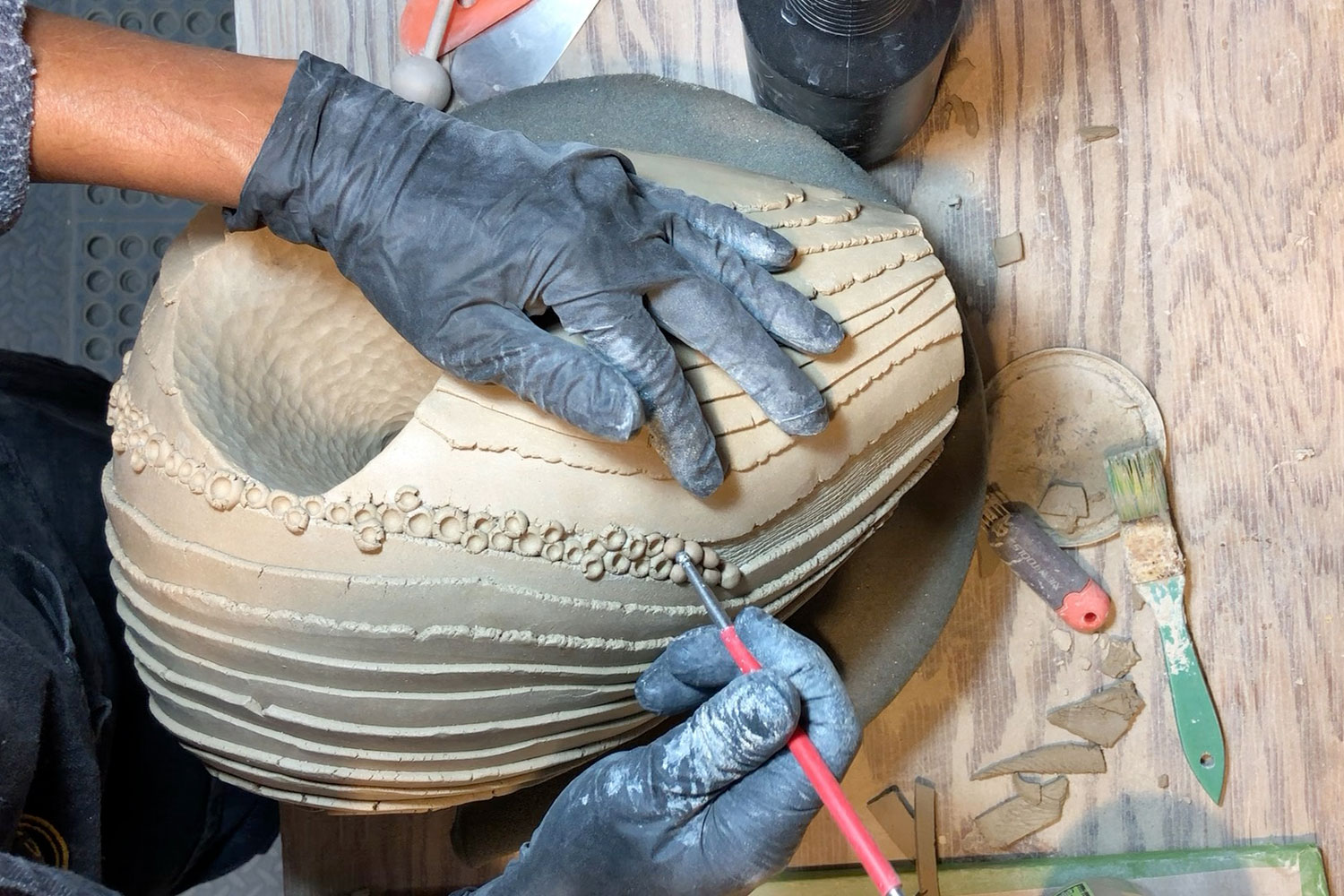
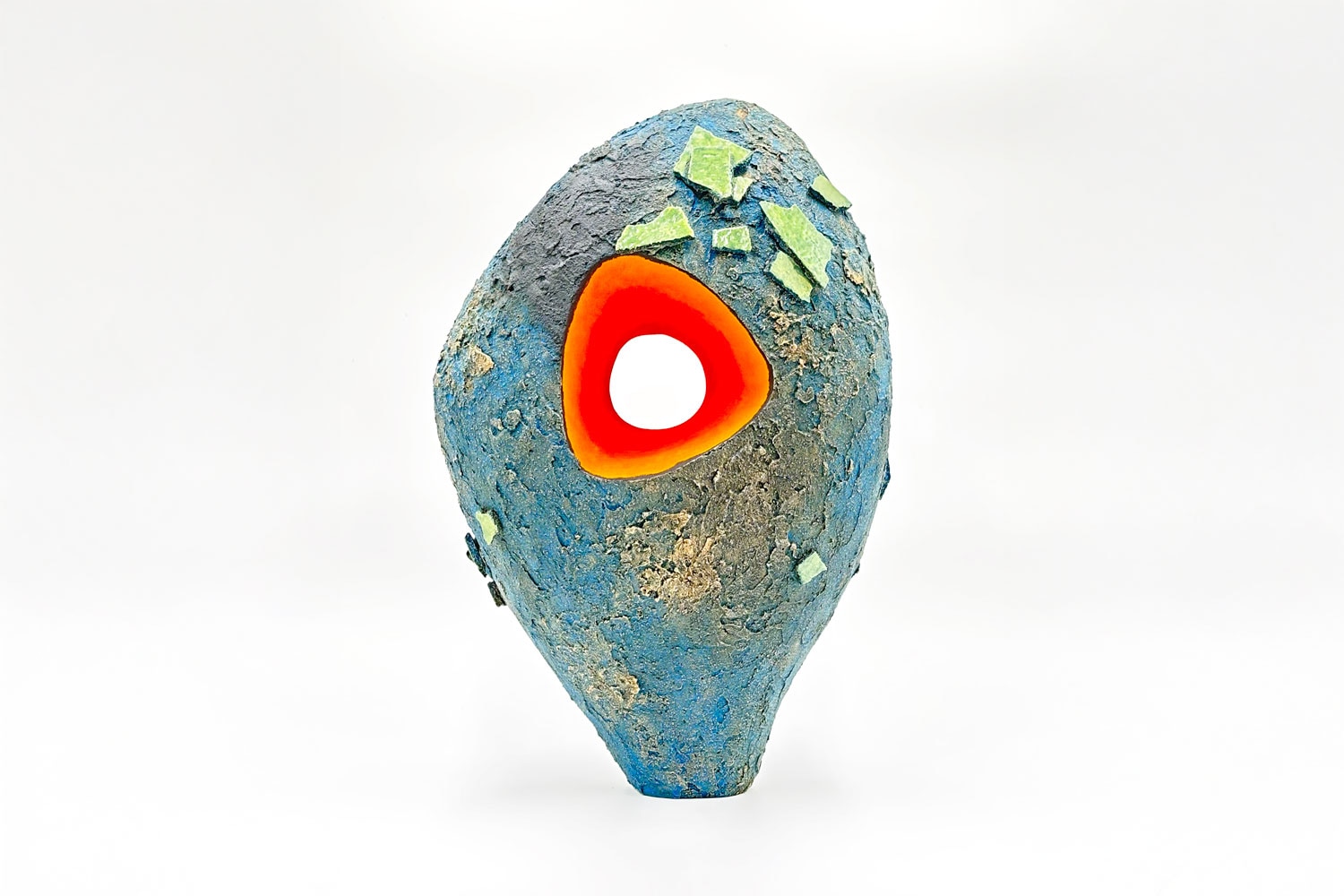
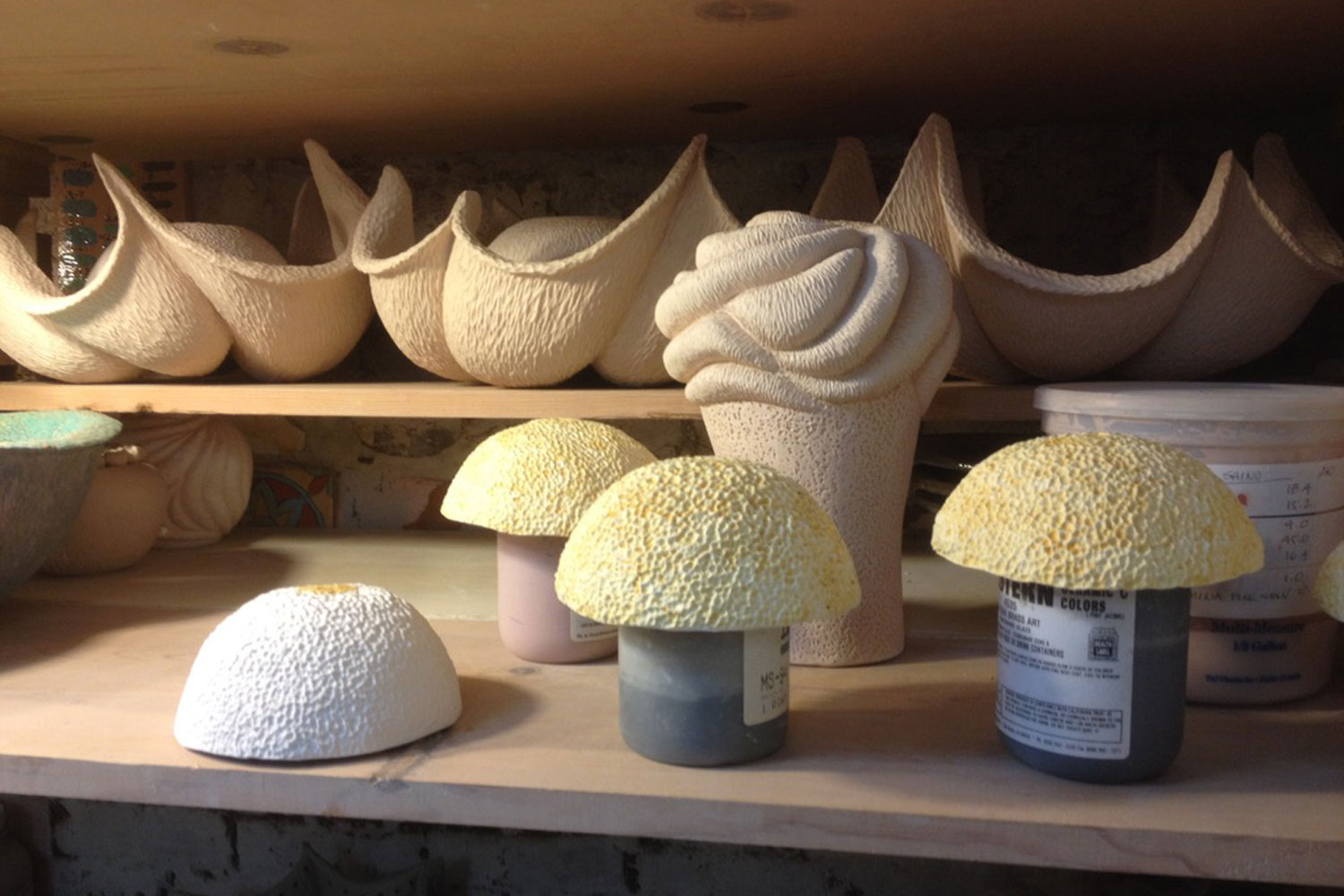
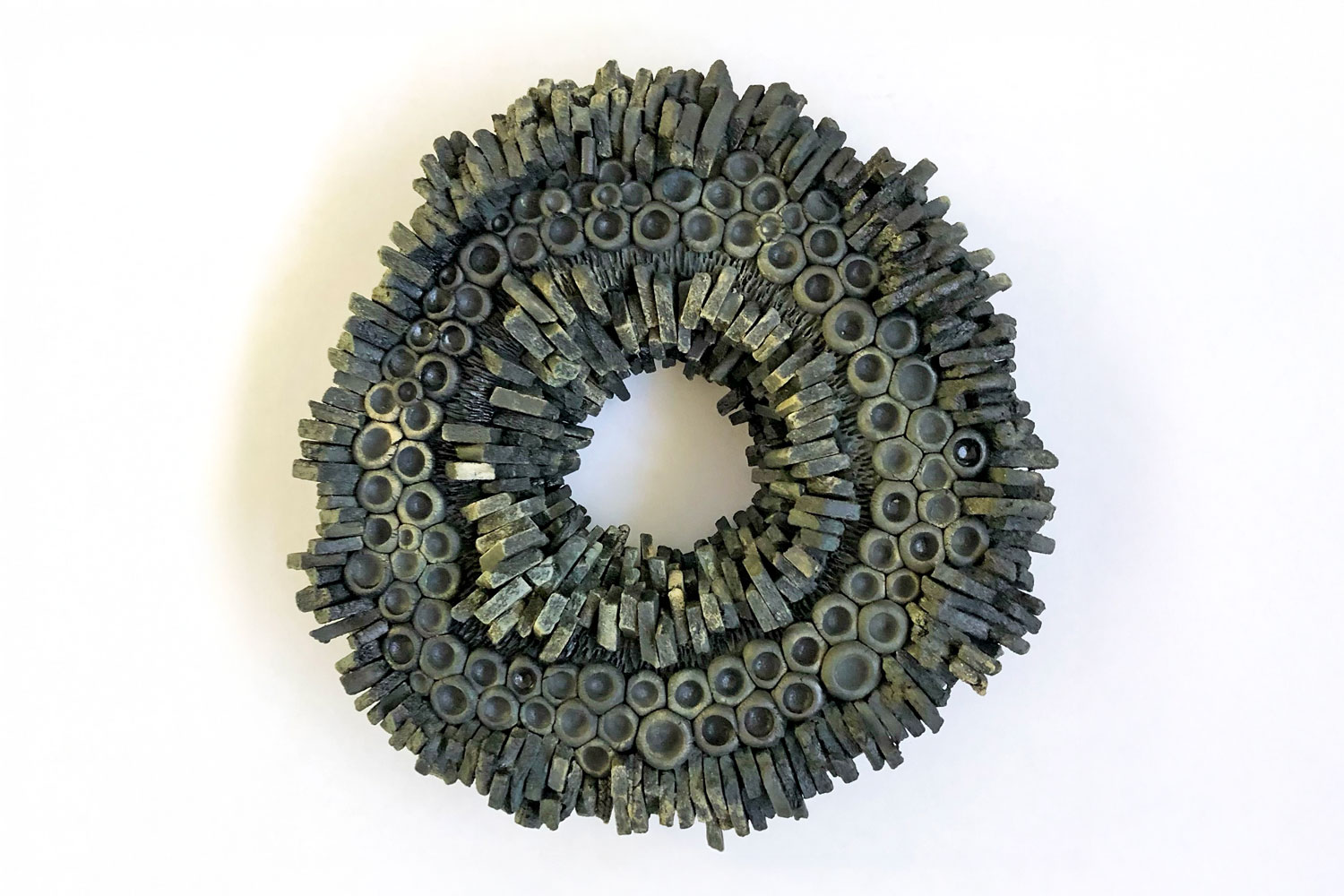
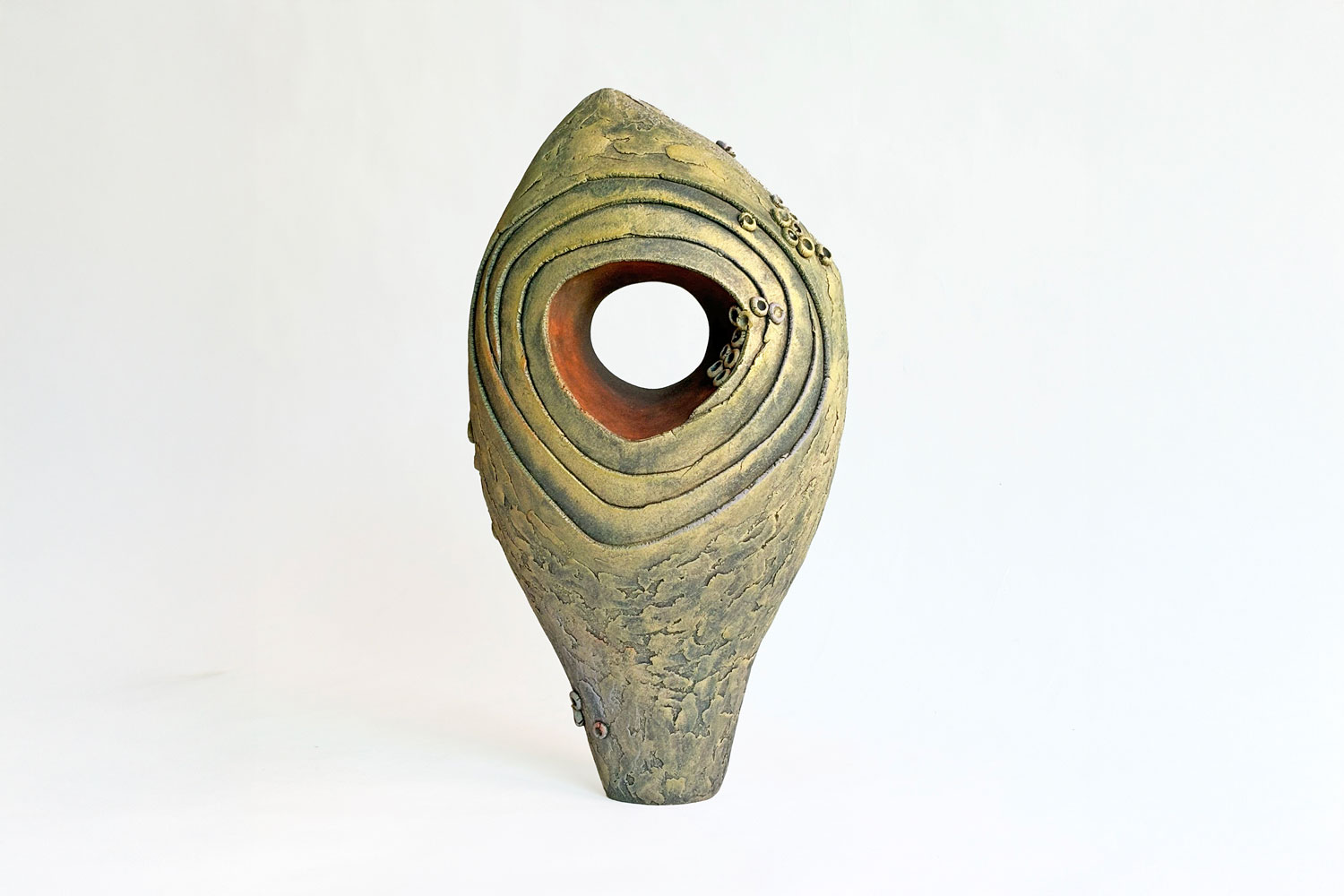
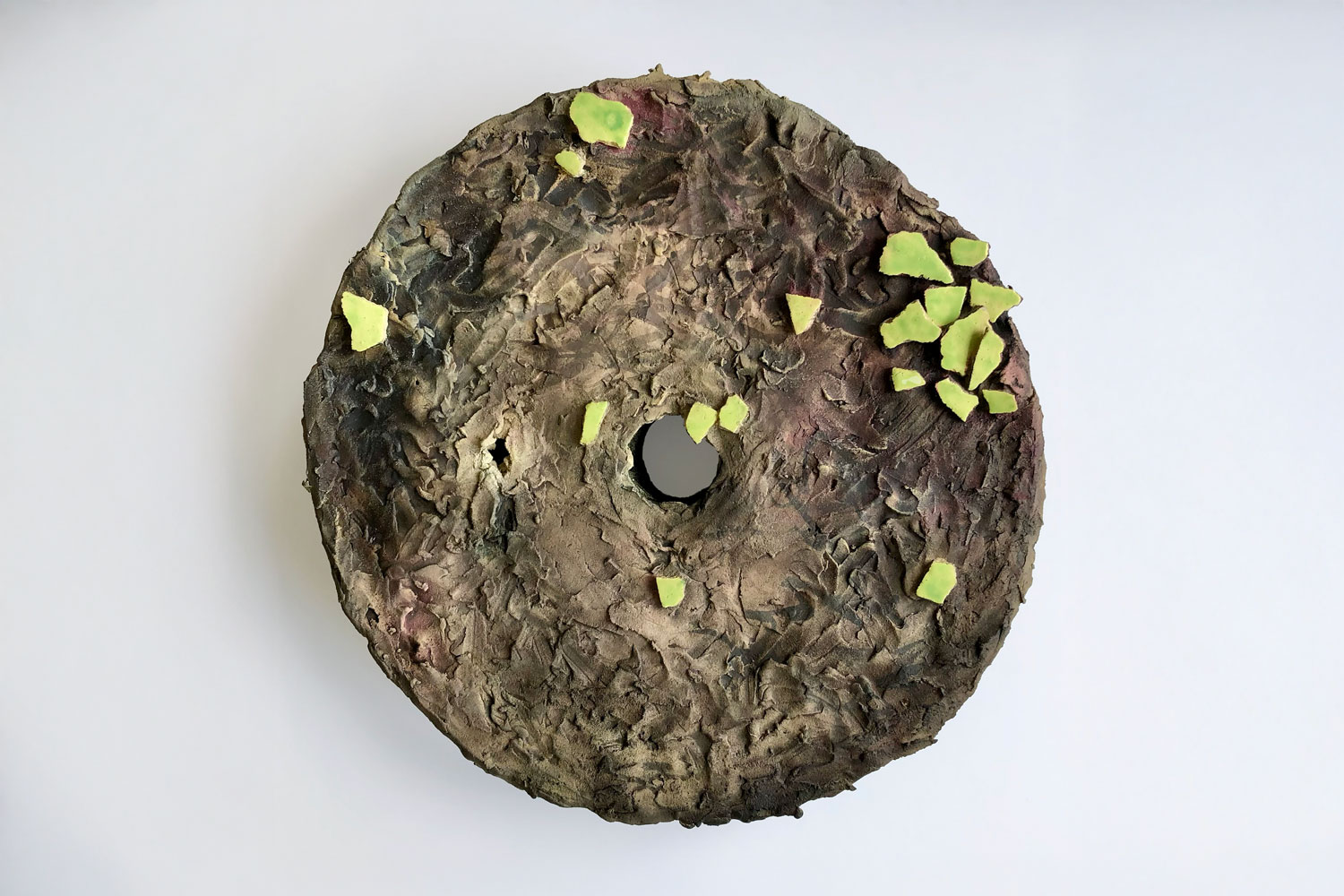
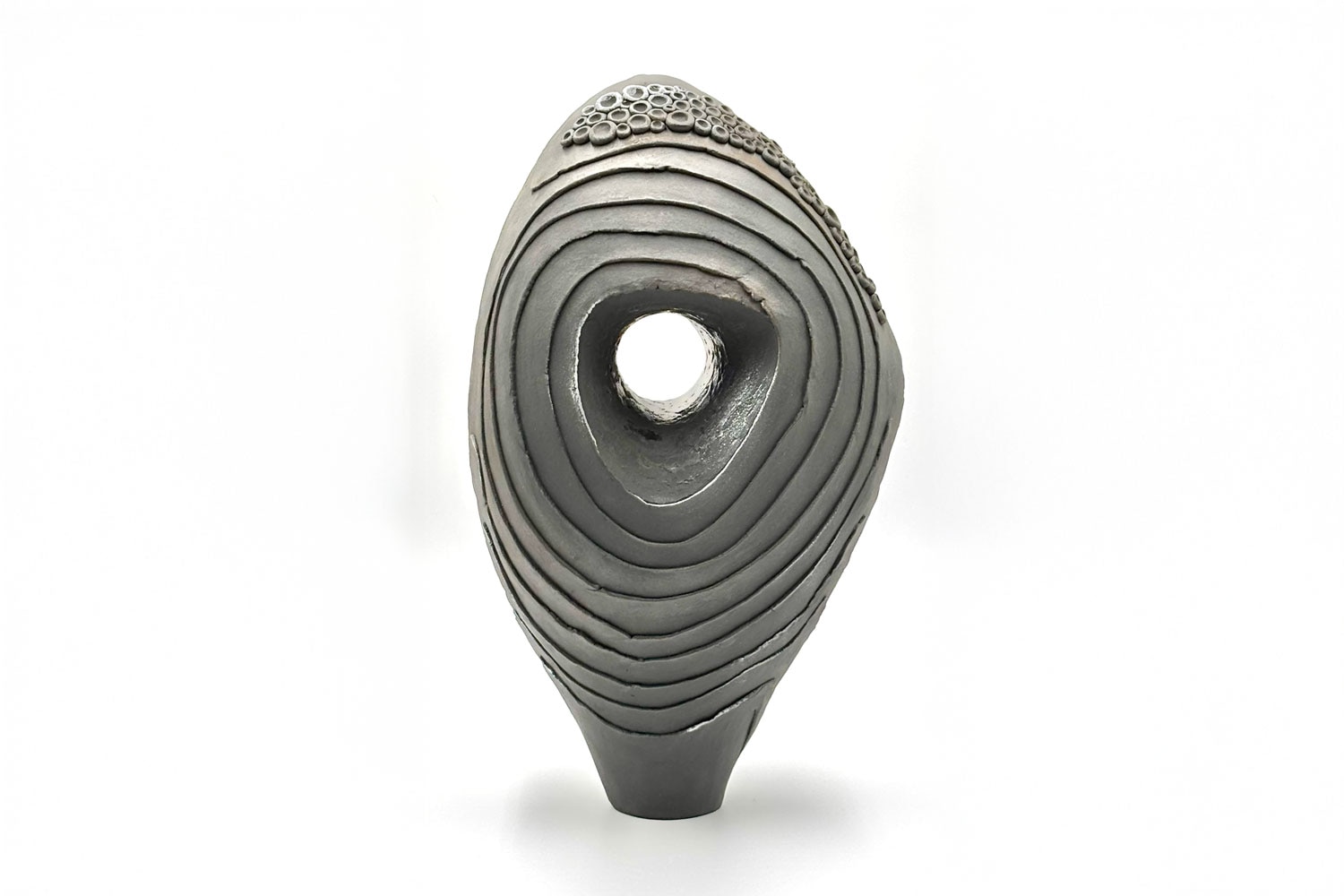
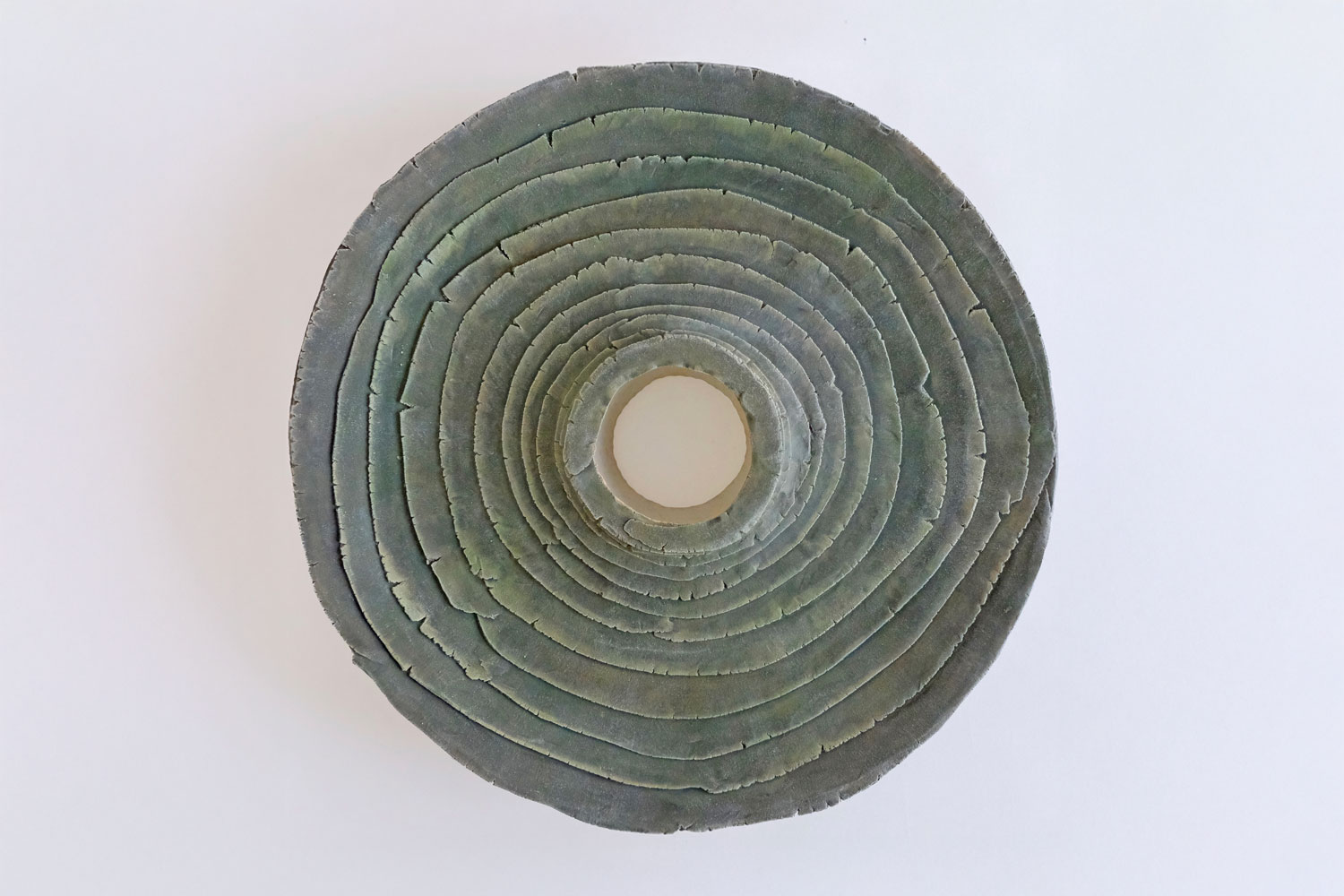
Emil Yanos’ path to ceramics began with random choices, experiments and chance. A creative polymath born in Hawaii, he initially studied art and fashion merchandising before working as a graphic designer and a floral designer. Emil discovered ceramics while relaxing between jobs, and became a full time ceramicist in 2014. His process follows an experimental approach, sometimes throwing pieces and adding clay to create a compound form, or creating pieces from moulded slabs or tiles. The form is then carved, added to and layered with colourants before being fired, often multiple times. Emil explores contrast and tactility as he creates textural artworks reminiscent of geological formations. “The marks and textures help to create sensations that I want people to experience both through my sculptures and in nature,” he says.
INTERVIEW
In my early life, I did crafts and art-related activities, but my high school focus was on college prep and vocational courses. In retrospect, living in Hawaii has greatly influenced my work. The ocean and the area’s geography are referenced in my sculptures.
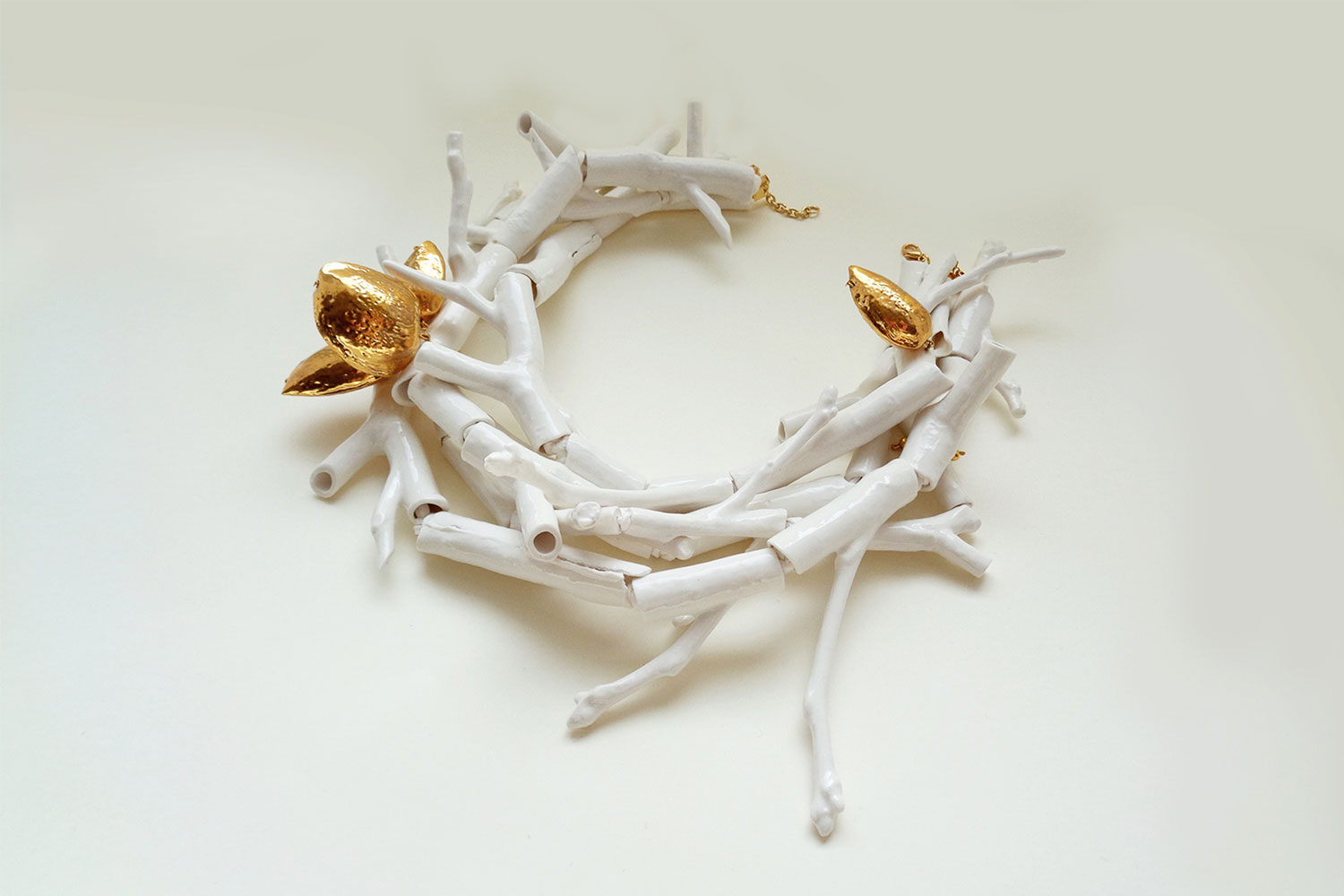
Observing plant structures has informed my compound ceramic forms. As new leaves and buds develop, the entire plant works in unison and with integrity, keeping the whole in mind. I strive to emulate that process as I create.
During Covid, supplies were limited. I resorted to working with scrap clay in various states of dryness, and experimented with this rather than rehydrating the clay. I found the compressed edges formed shapes and textures reminiscent of erosion and geological effects.
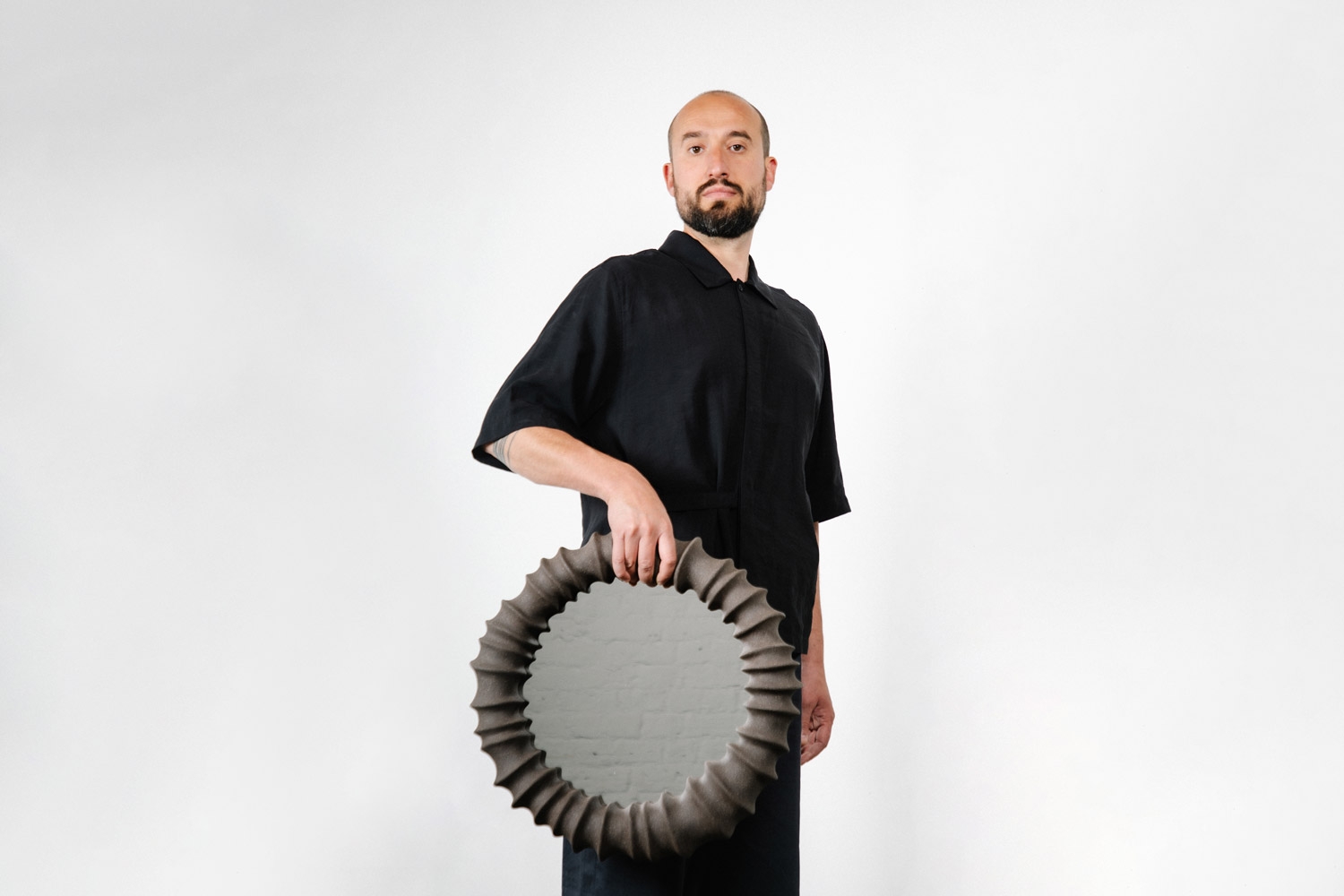
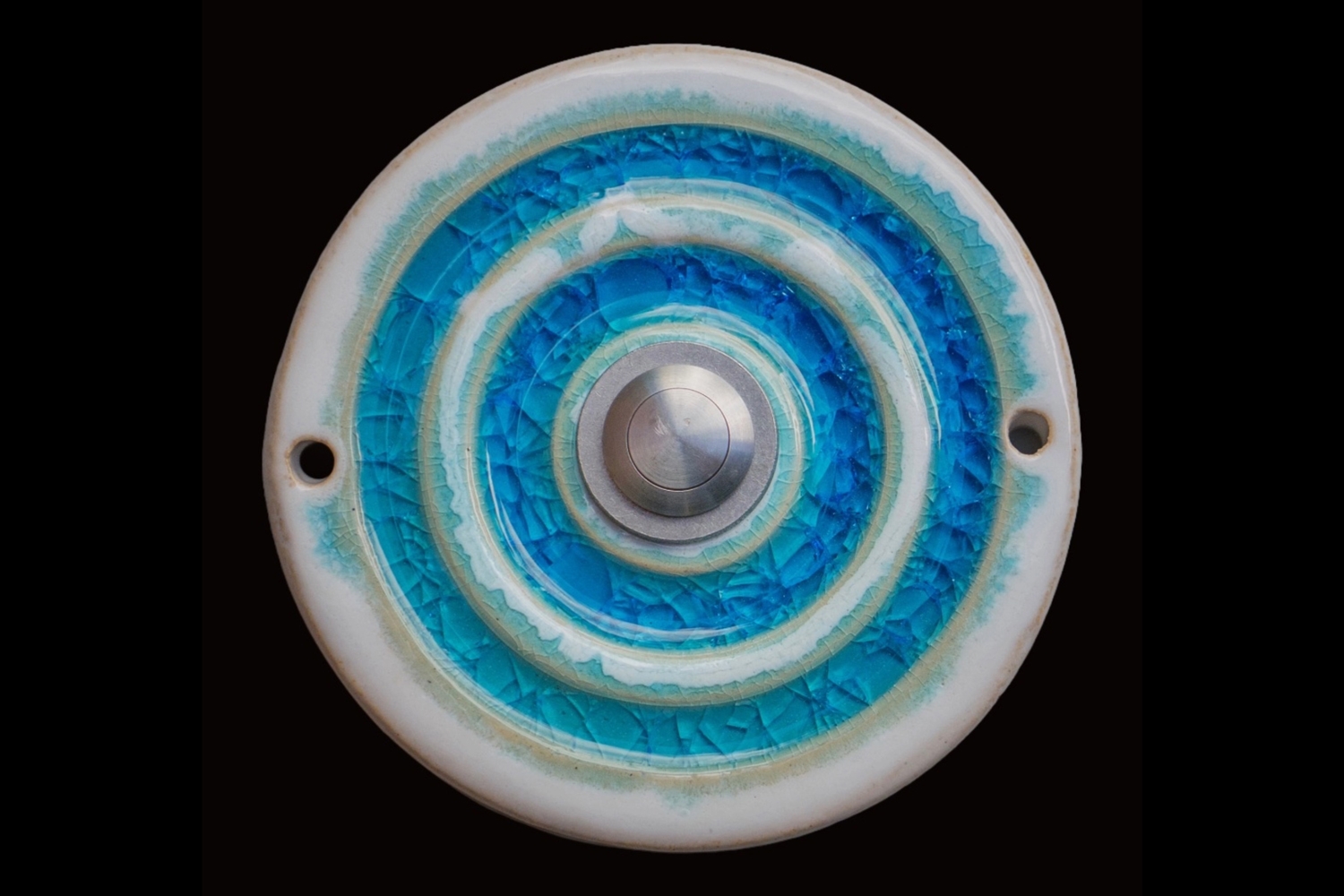
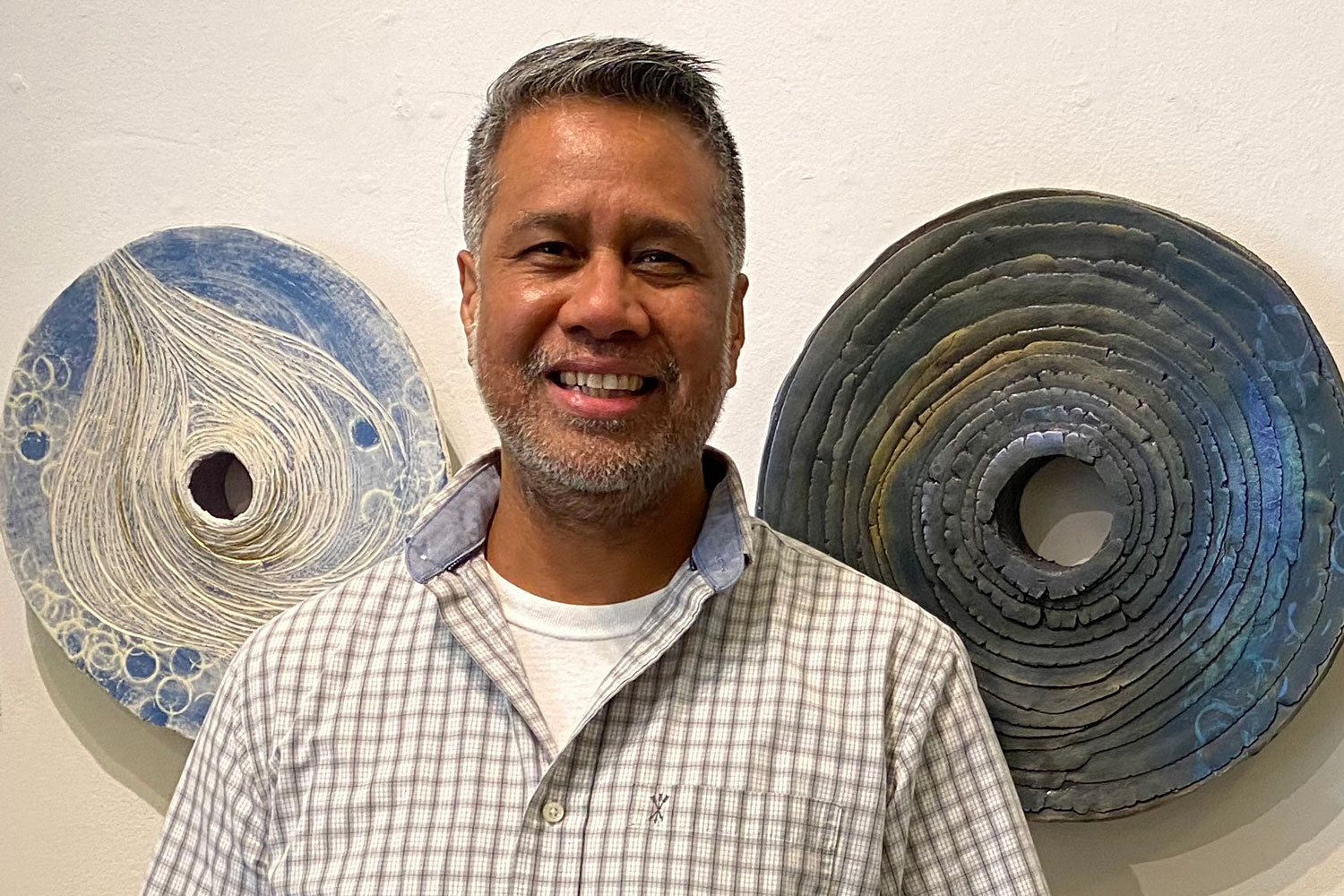
I find the circular form soothing and somewhat hypnotic. In any culture, circles are inviting and approachable. At the centre, I create a void which acts as a portal, taking you from the surface of the piece and moving you to what lies beyond.
Emil Yanos
Ceramicist
Napa, CA, USA
Recommended by Nest
ADDRESS
Address upon request, Napa, CA, USA
AVAILABILITY
By appointment only
PHONE
+1 4157583639
LANGUAGES
English
Homo Faber Finds is a new service aiming to inspire admirers of craft to connect and collaborate with exceptional artisans.
We invite you to submit an enquiry here.