Elisa Pantazopoulos
ELI-O
Jewellery maker
Carouge, Switzerland
Jewels with a twist
- Elisa’s jewellery is inspired by her Greek roots
- She creates her pieces with the lost wax casting technique
- She uses locally sourced recycled silver and gold
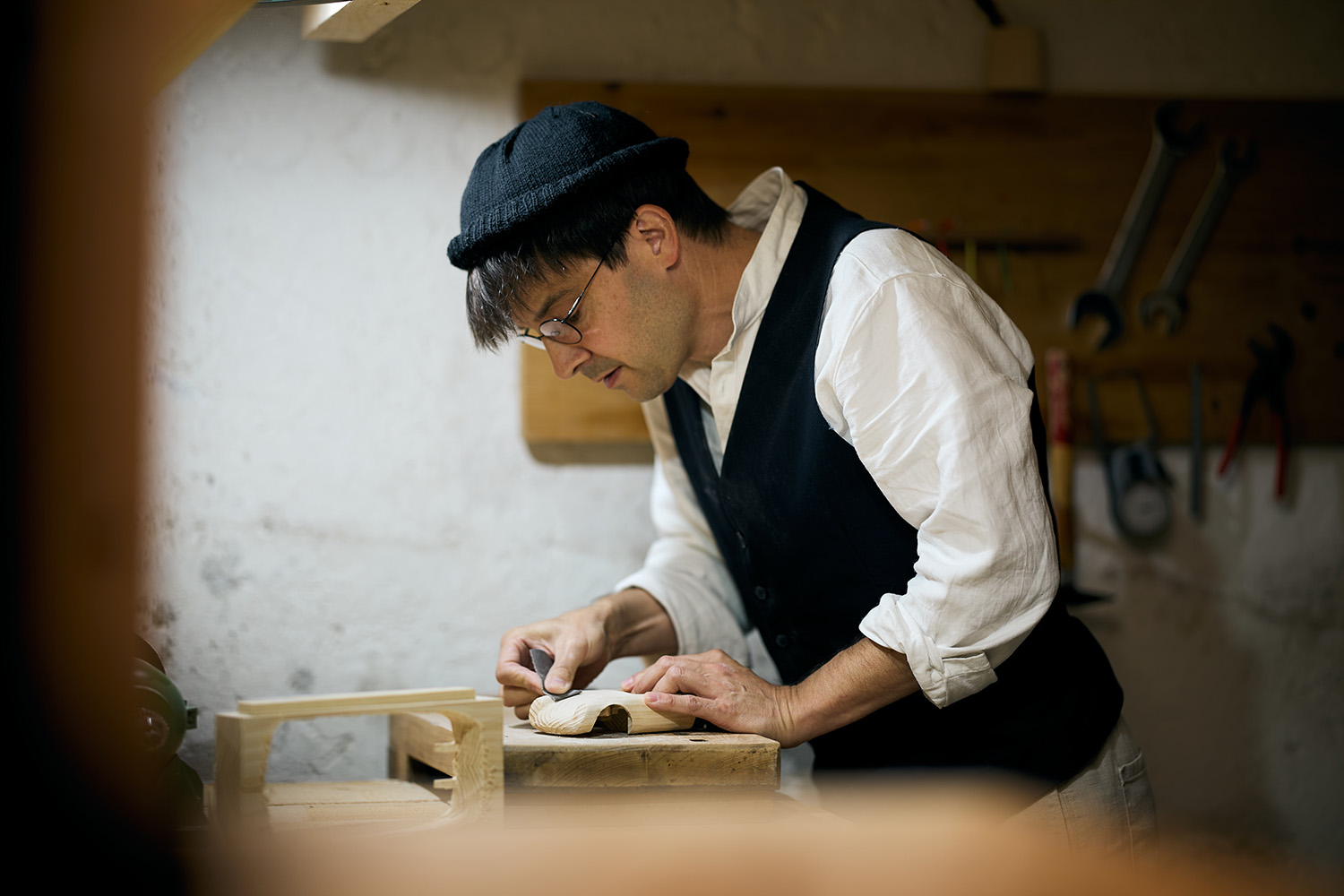
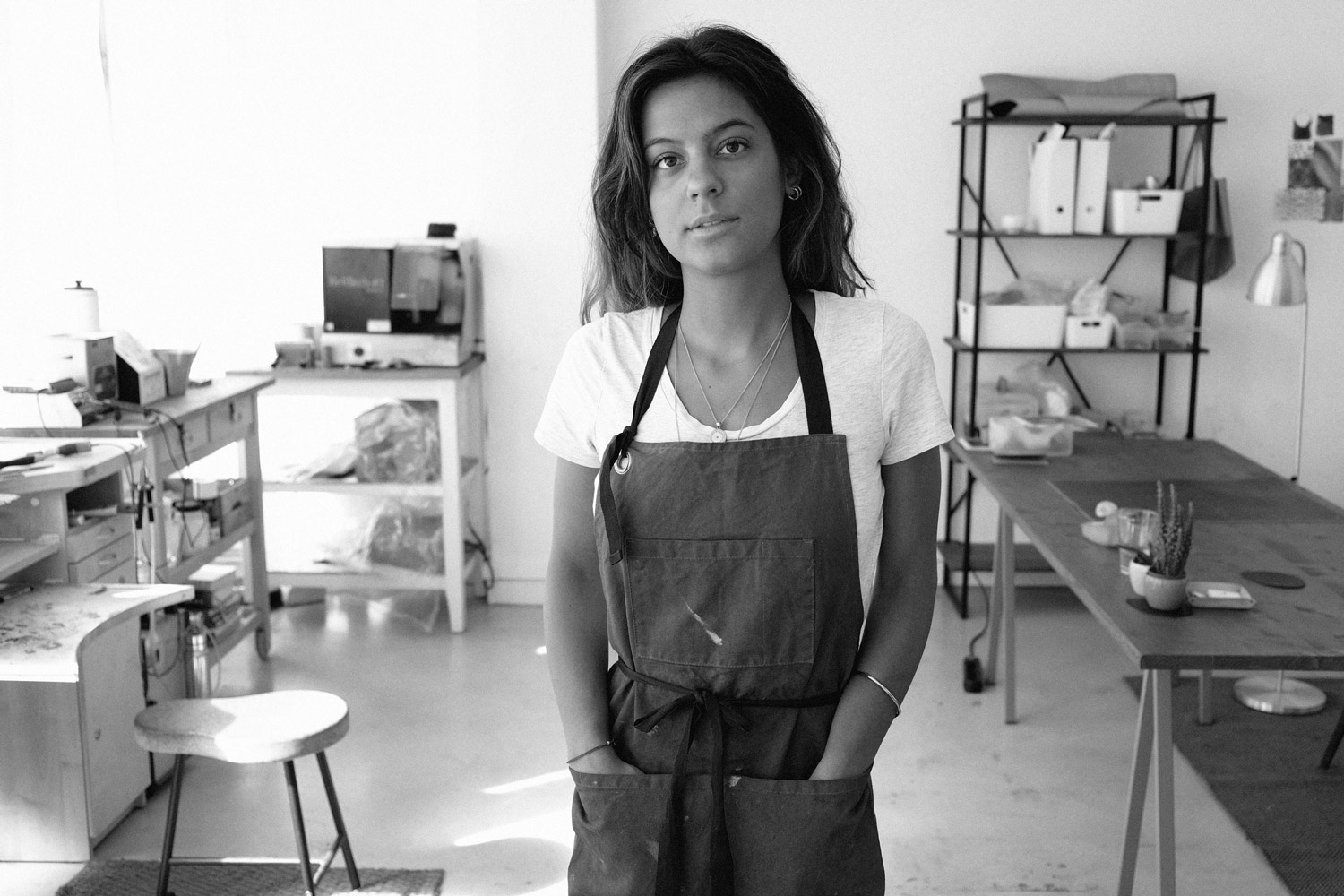
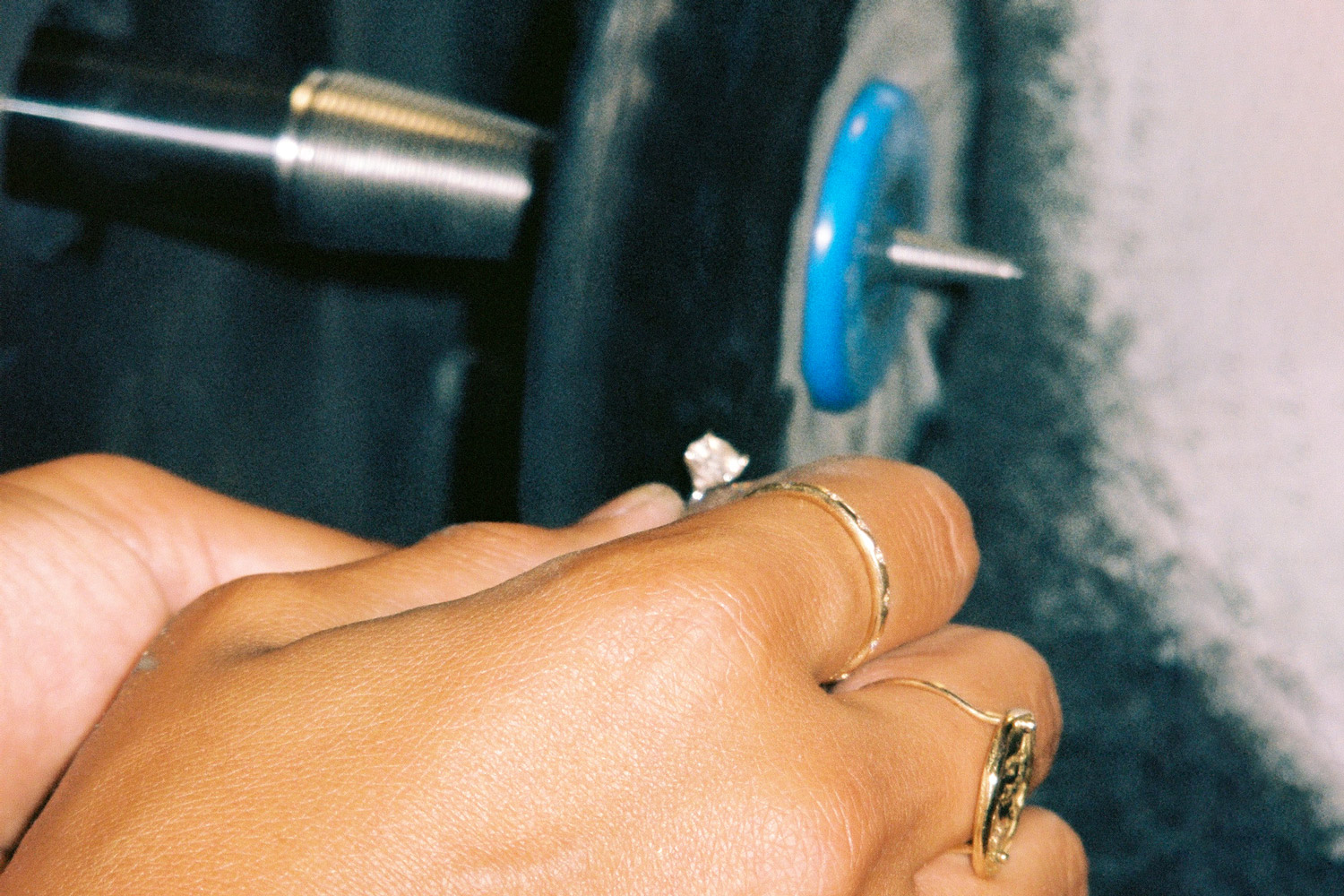
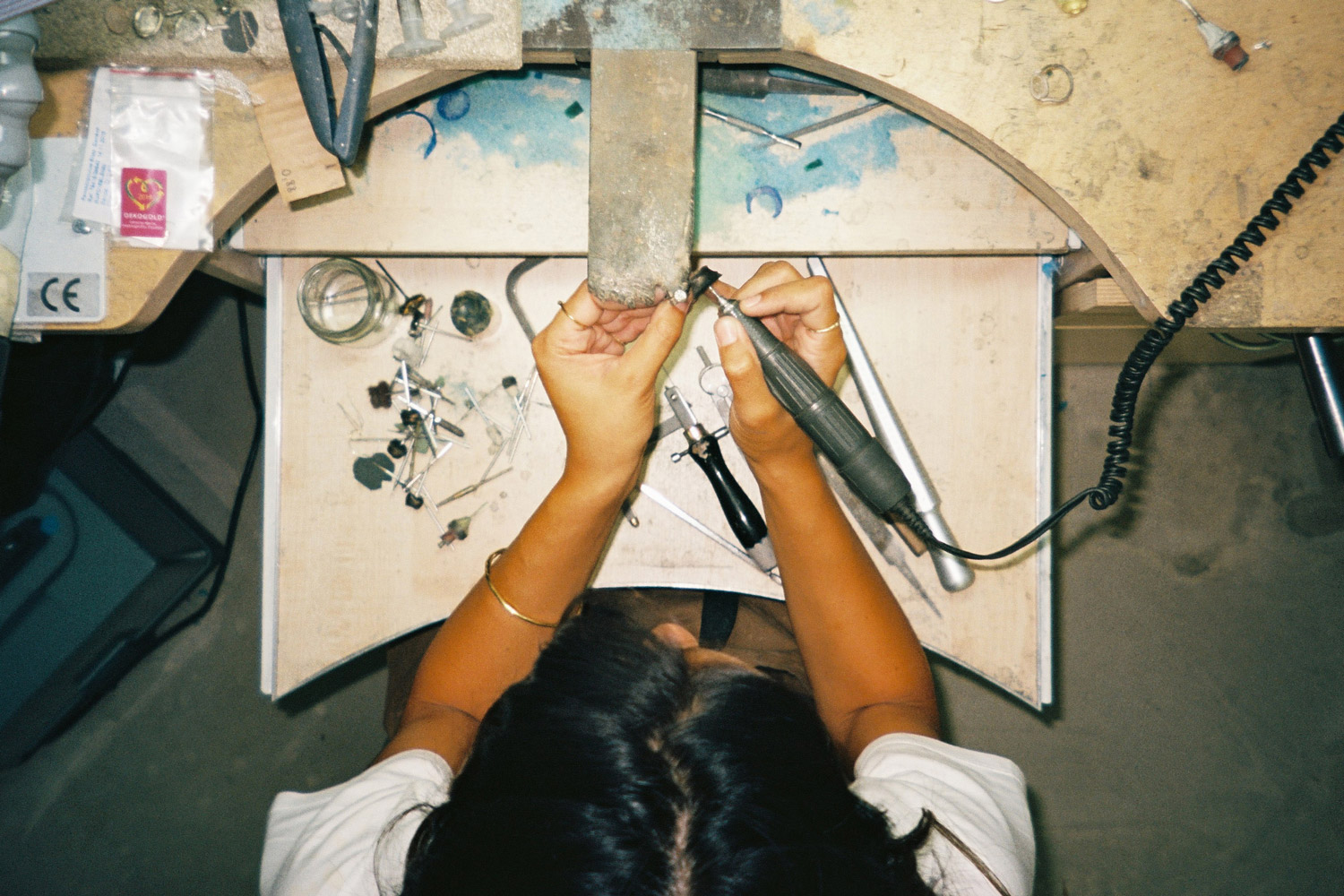
While Elisa Pantazopoulos was studying at the University of Law in Fribourg, she was fascinated by the jewellery world. She used to spend hours watching videos about jewellery making. As she continued her studies, she realized that she wanted to do something with her hands. When she moved to London, she enrolled in night courses for jewellery making. That was the turning point. She still remembers the powerful feeling she had the day she made her first ring. Once graduated, Elisa studied jewellery making at Holt’s Academy and in 2016, she launched her own jewellery business ELI-O. For Elisa, the beauty of jewellery is that you can keep it forever, and the strong connection between the jewel and its wearer.
Discover her work
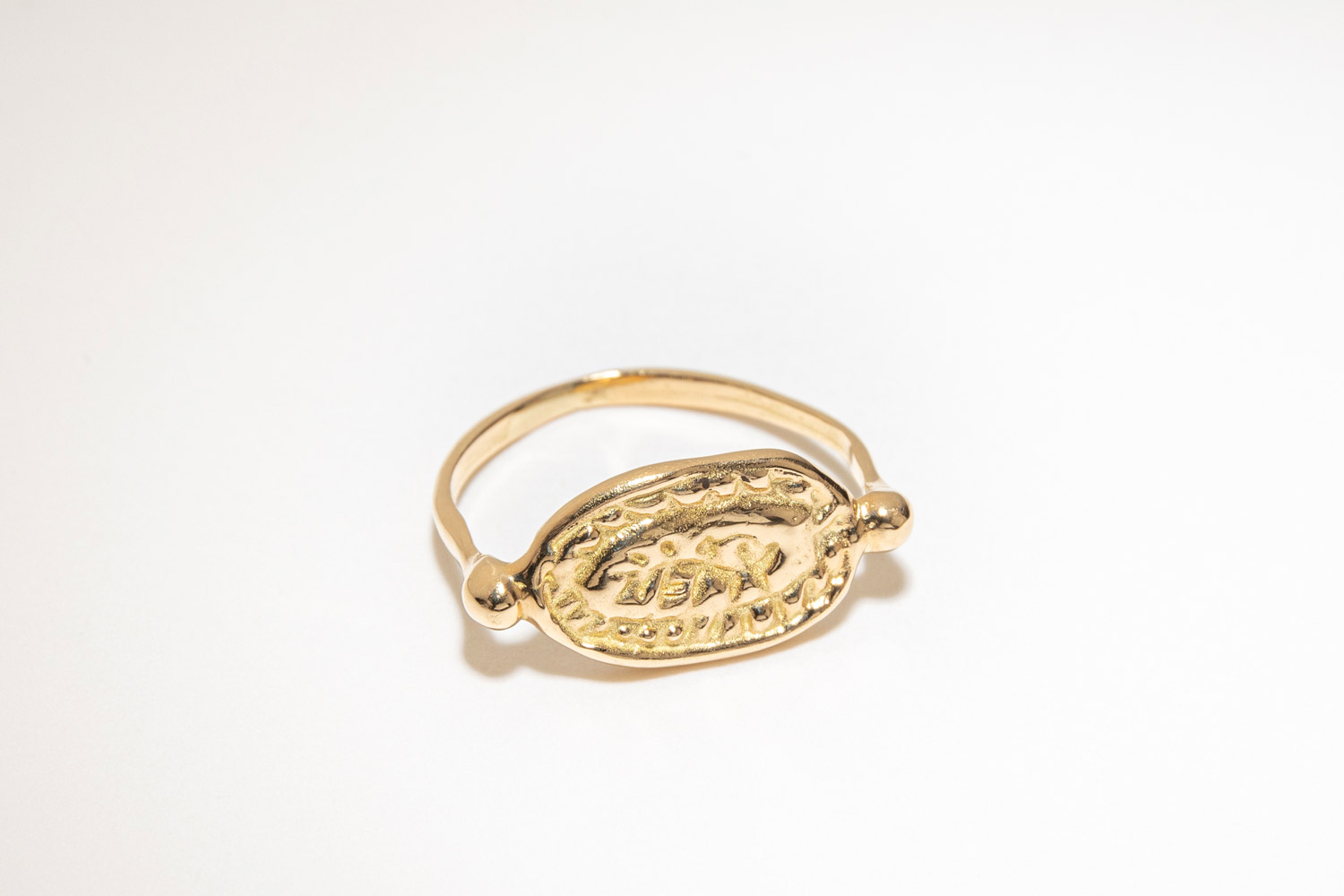
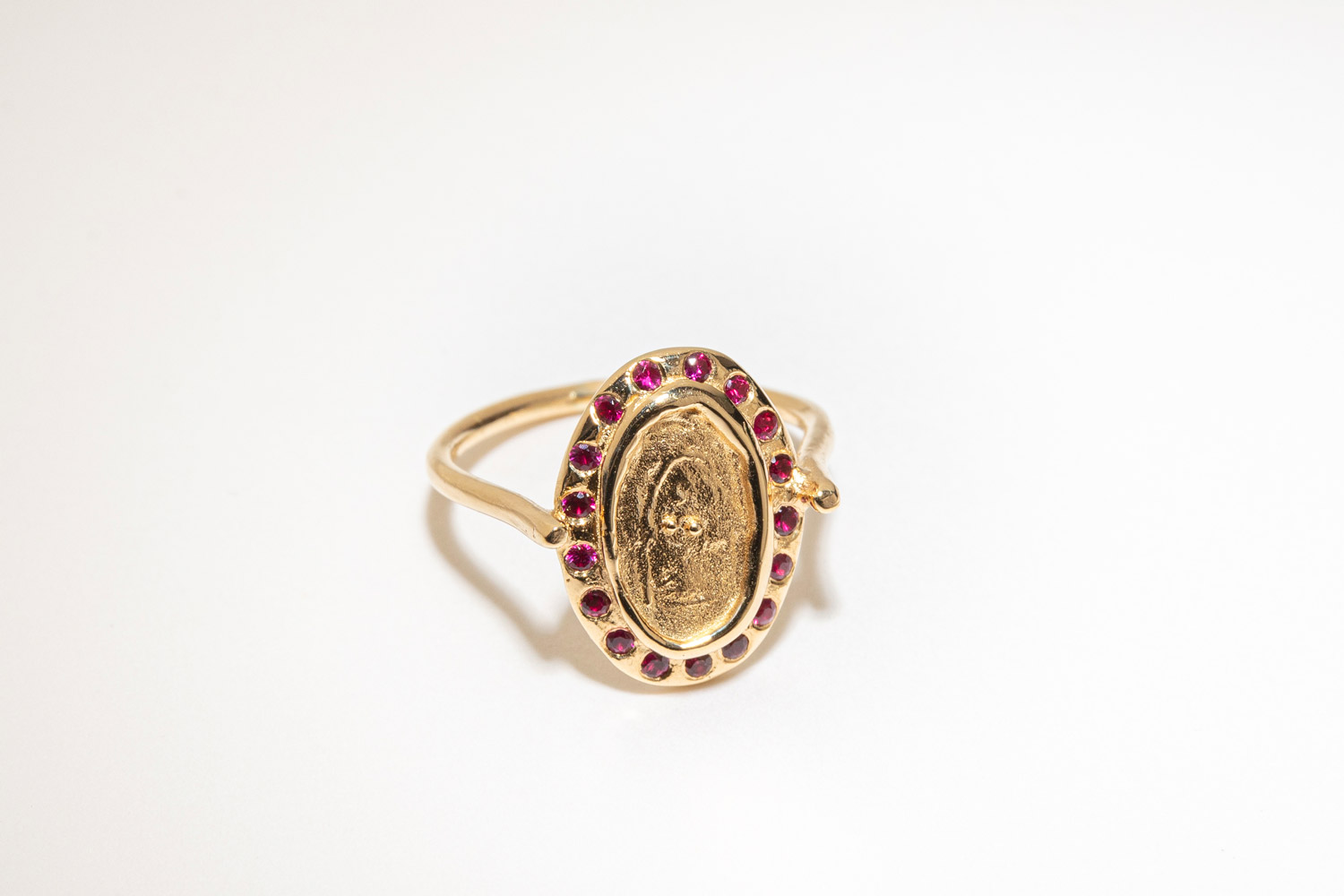
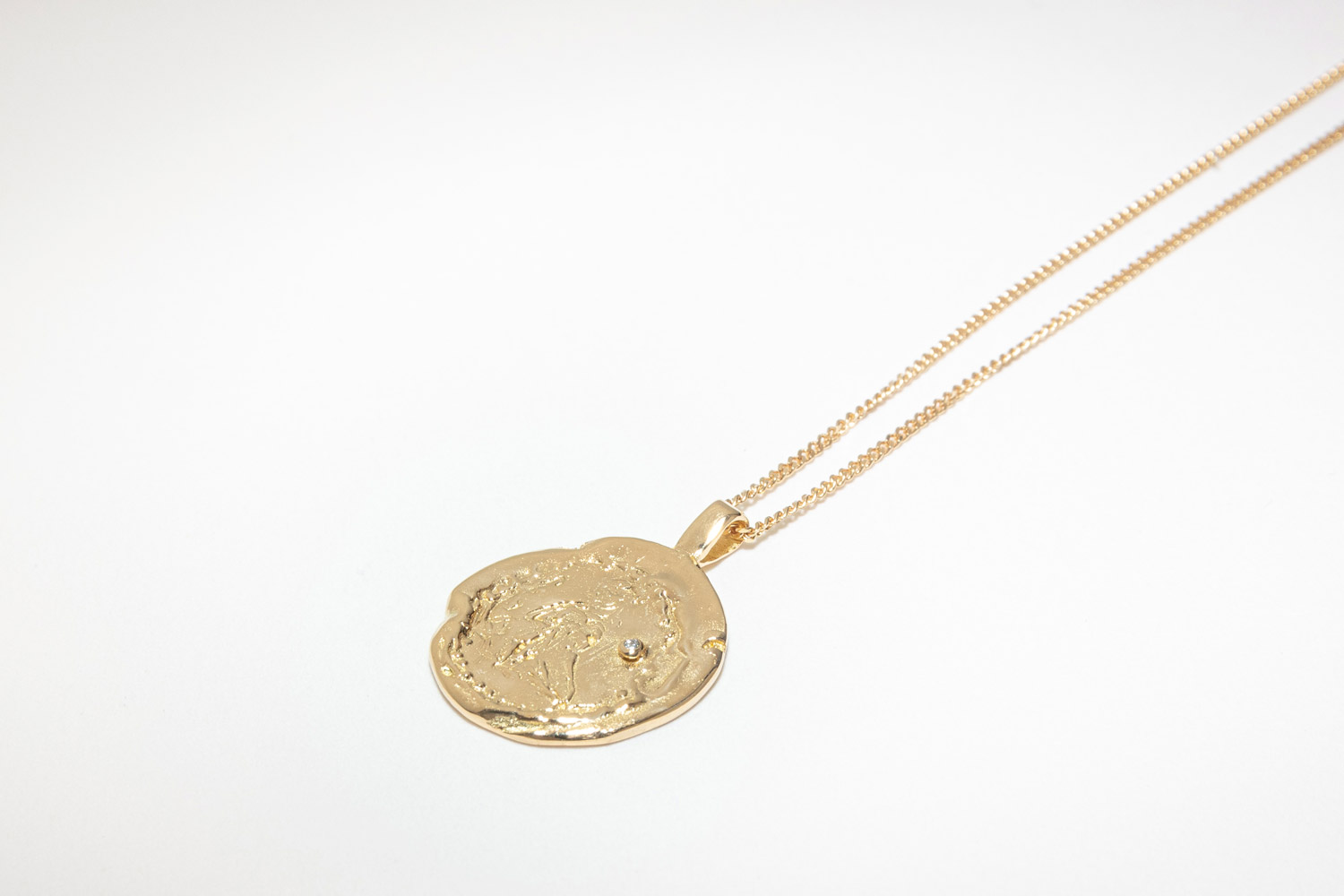
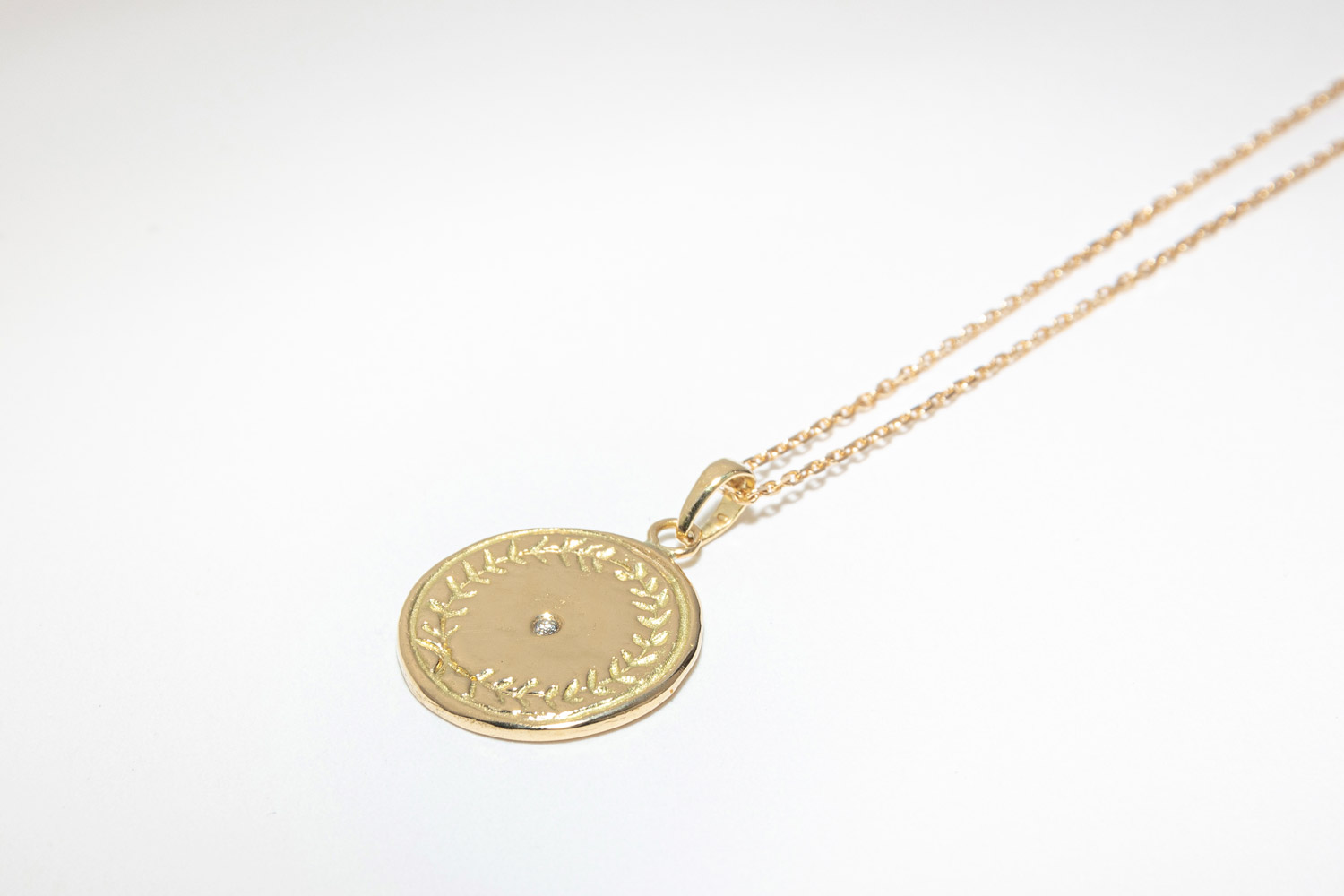
INTERVIEW
Now more than ever, we need to change the way we consume. A piece of jewellery is only beautiful if the process used to produce it preserves the integrity and beauty of nature and the people that made that piece.
I appreciate considerate craftsmanship. To minimise my environmental footprint and support local designers, my pieces are cast in Geneva and made with recycled sterling silver 925 and 18-carat gold from local suppliers. The pouches they are presented in are finalised in collaboration with EPI and Trajet, local organisations that promote the social and professional integration of people with disabilities.
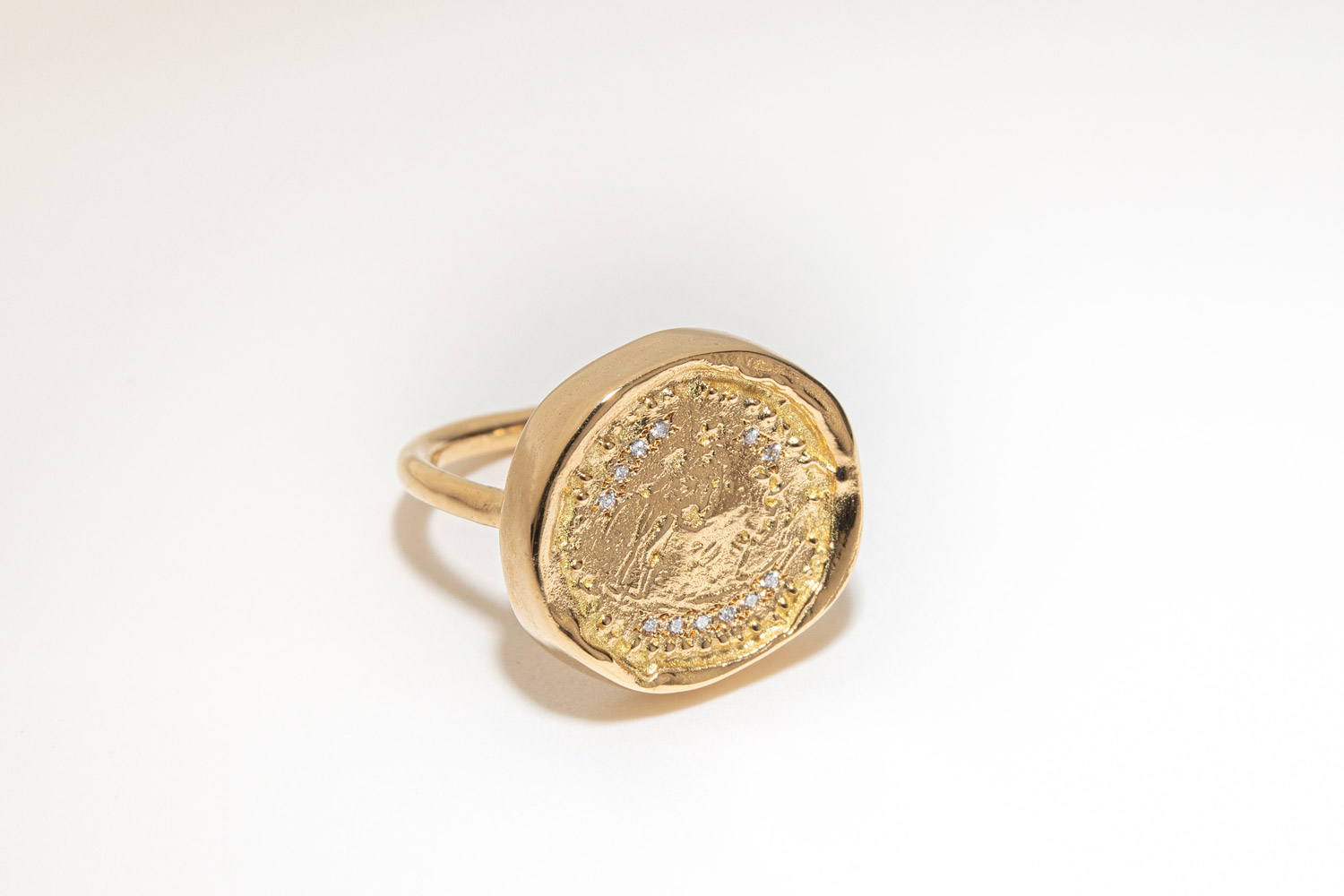
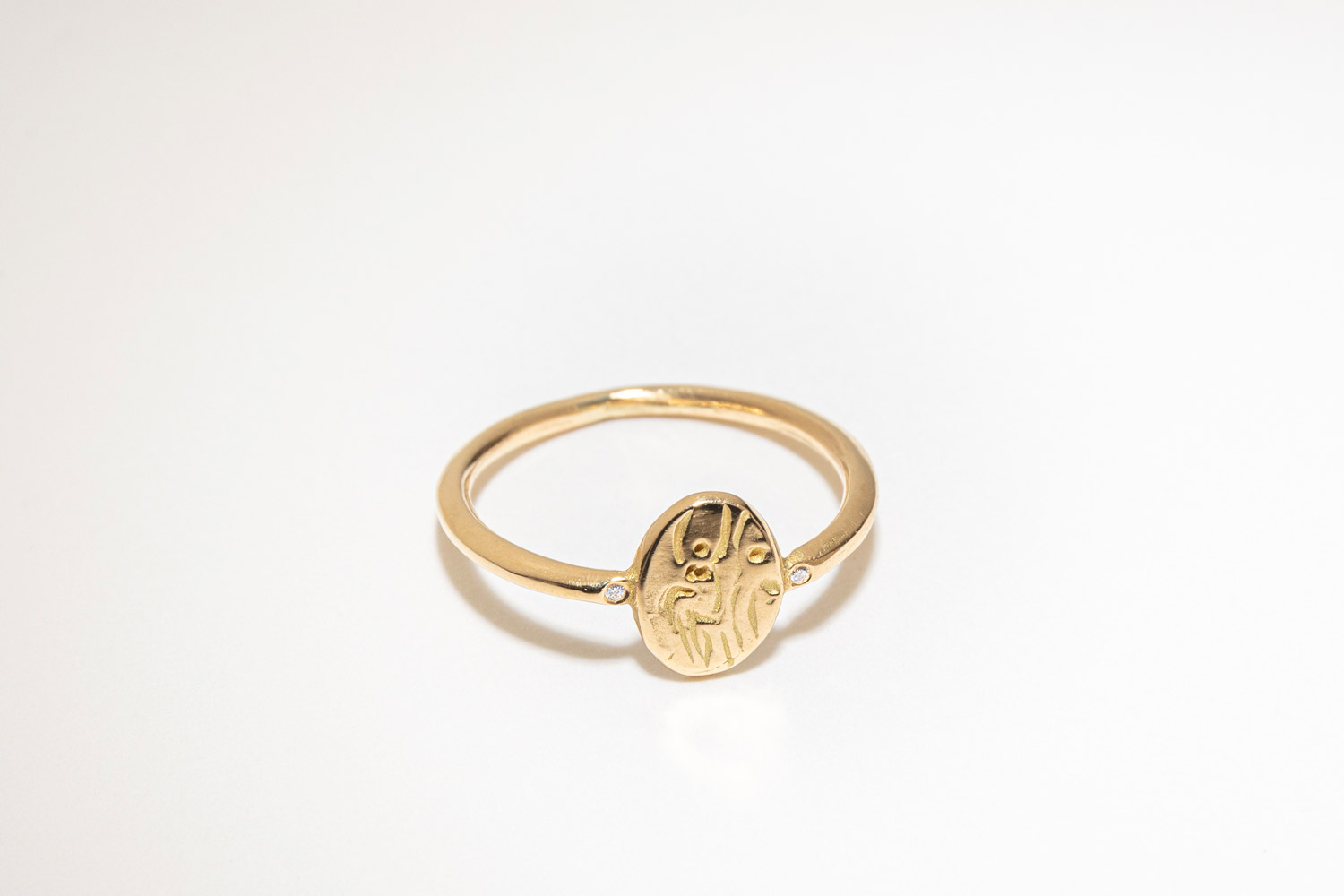
I am inspired by my Greek roots. I love the country's atmosphere, and the authentic feel emanating from its nature and buildings. I have always been fascinated by its ancient jewellery, which is characterised by timeless beauty. This inspires my perfectly imperfect handmade pieces, each with their own story to tell, ready to be passed down through generations.
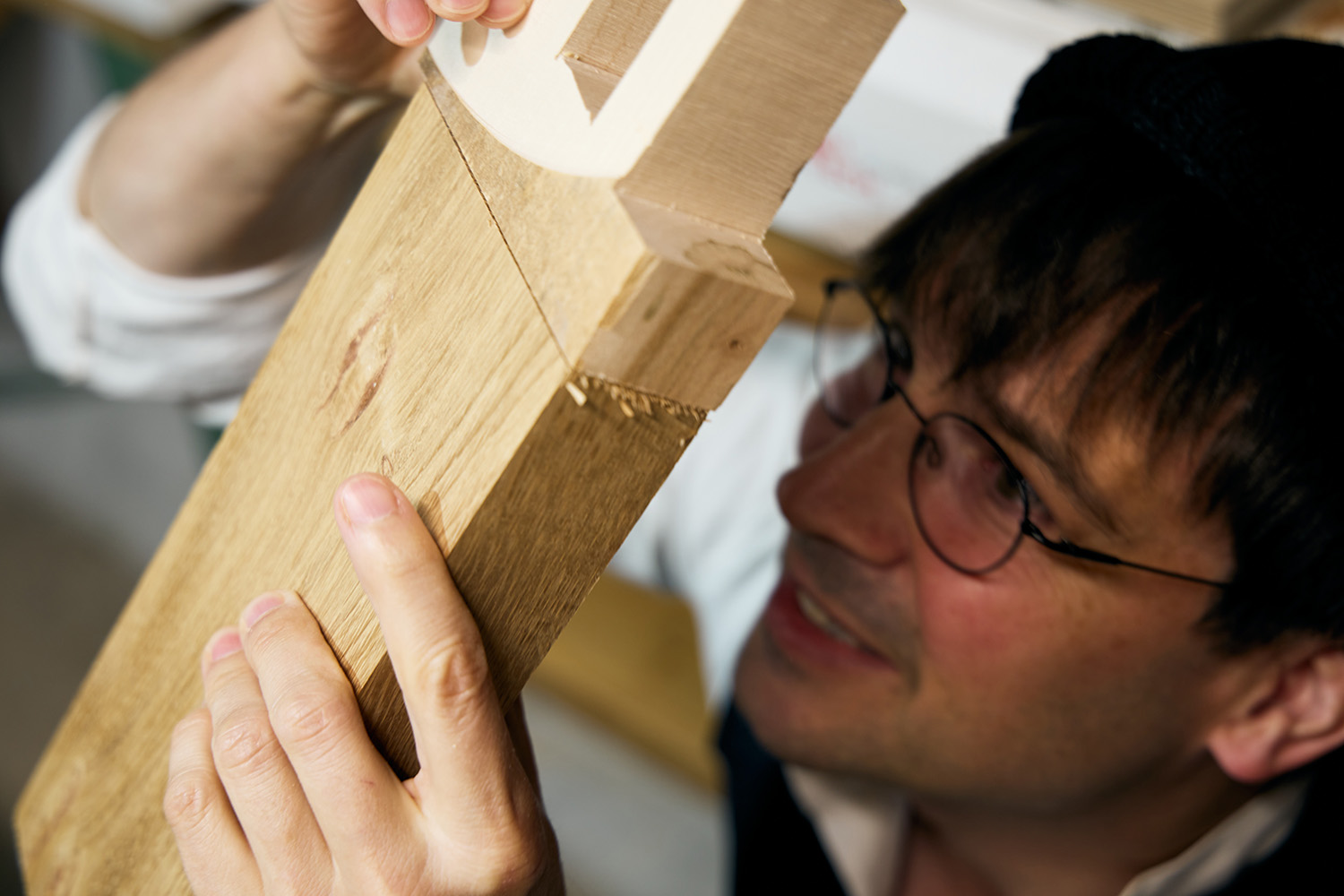
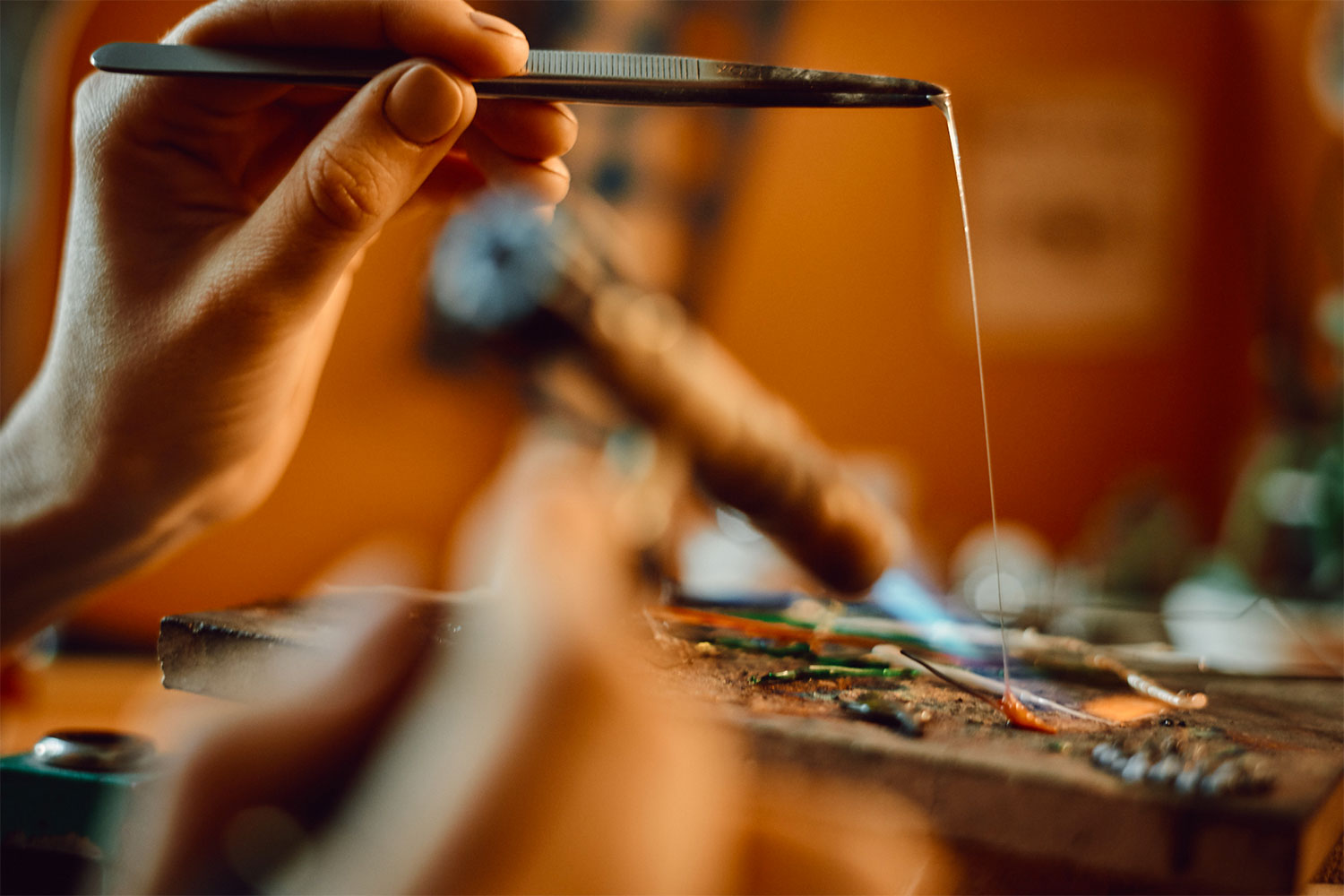
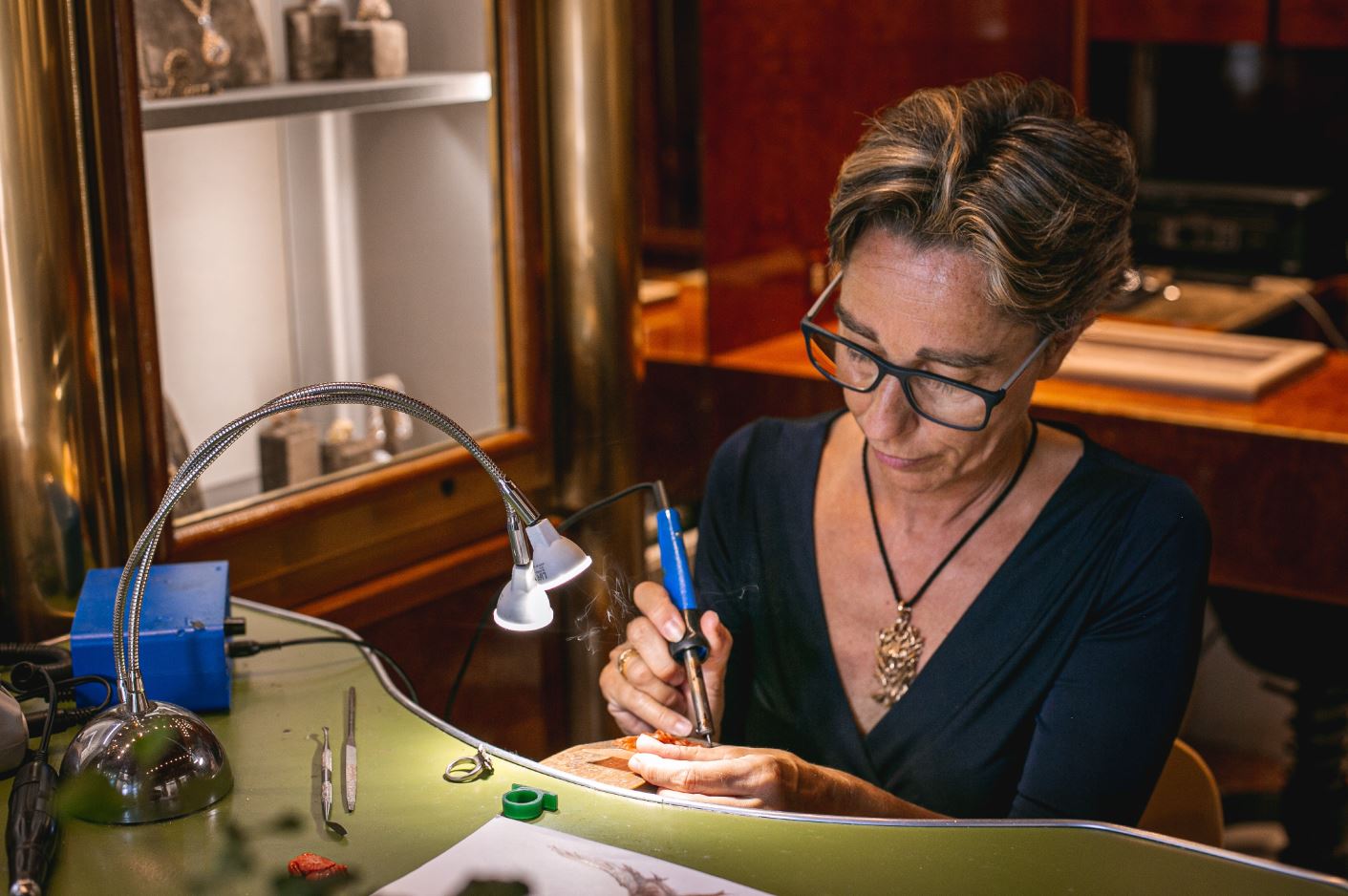
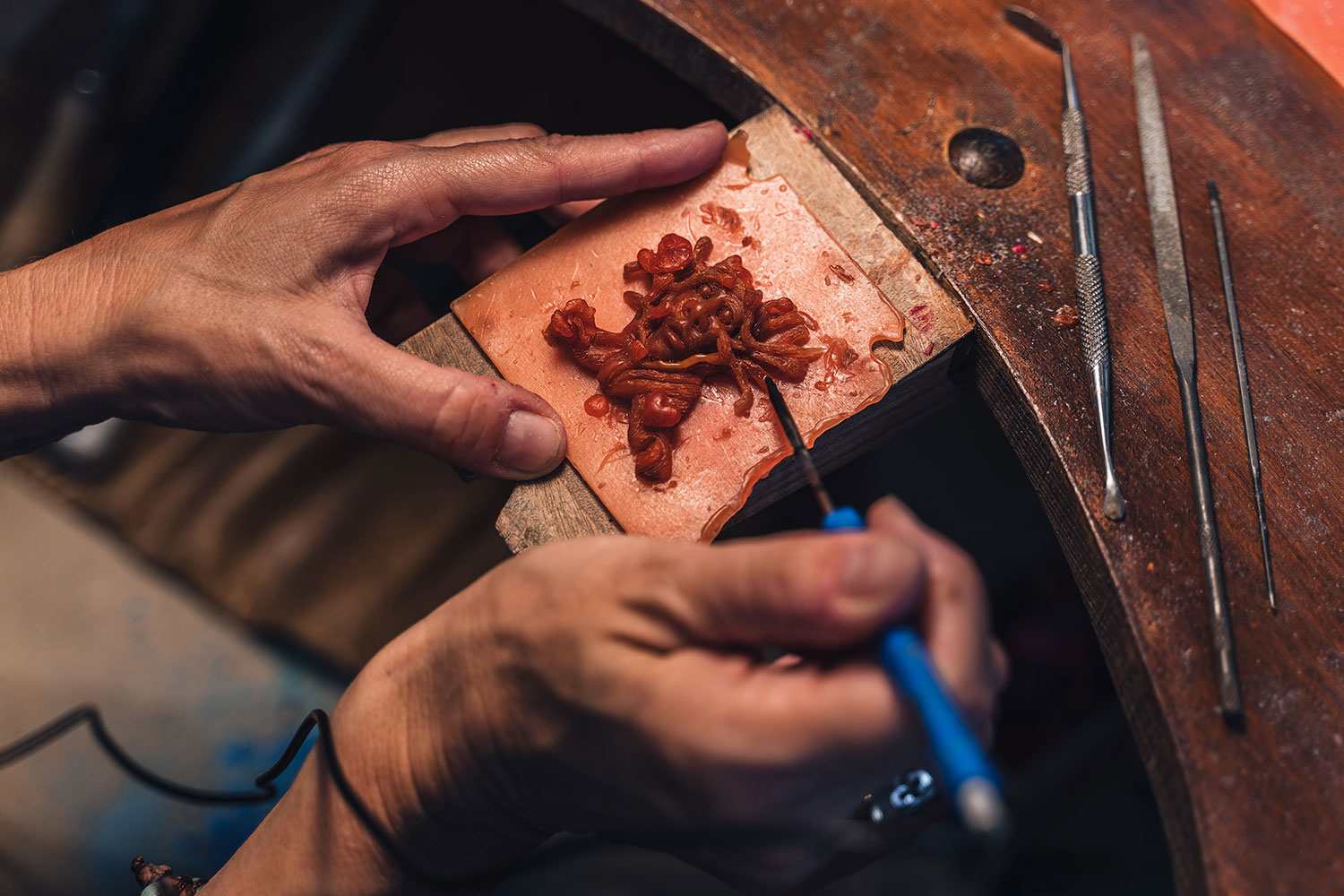
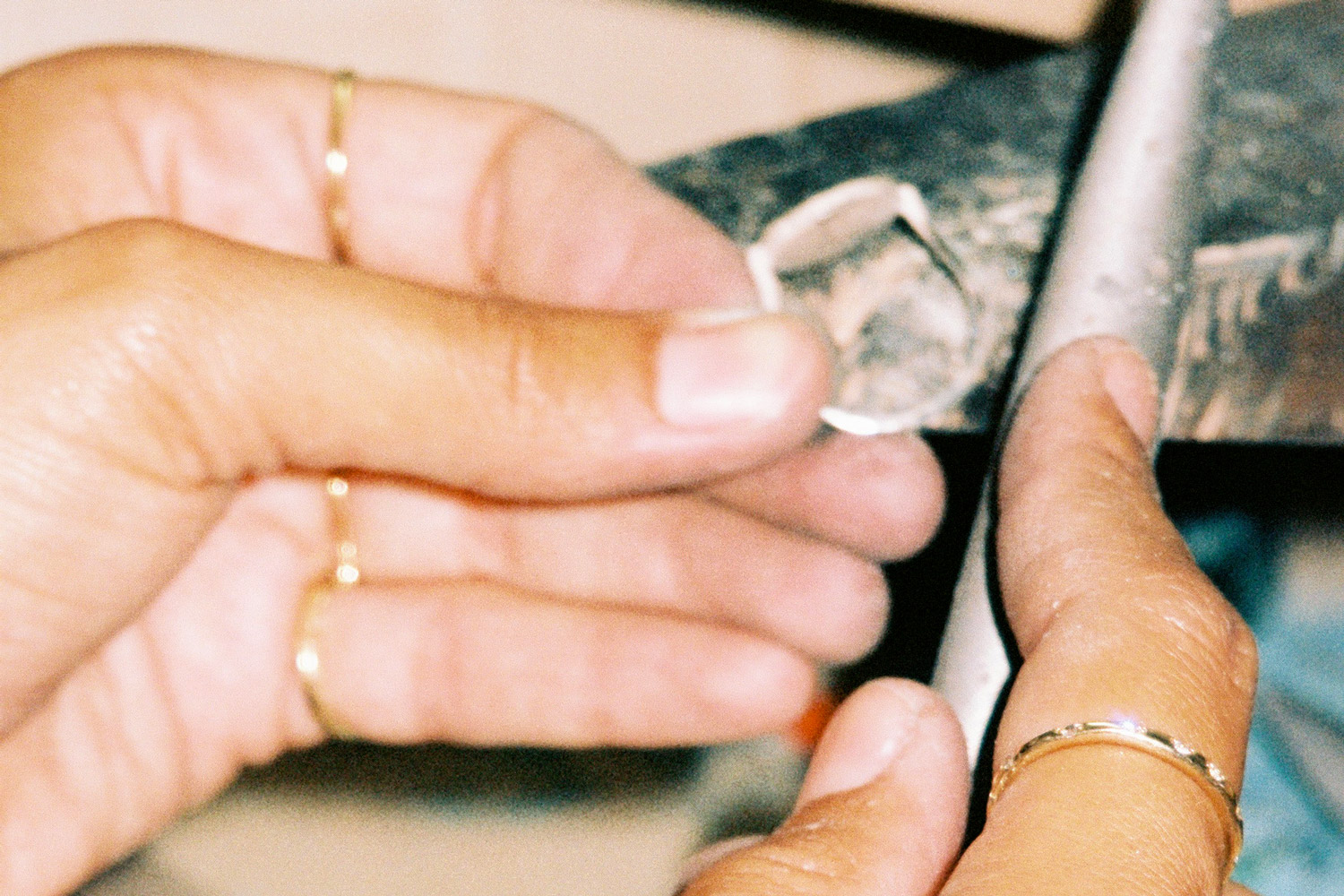
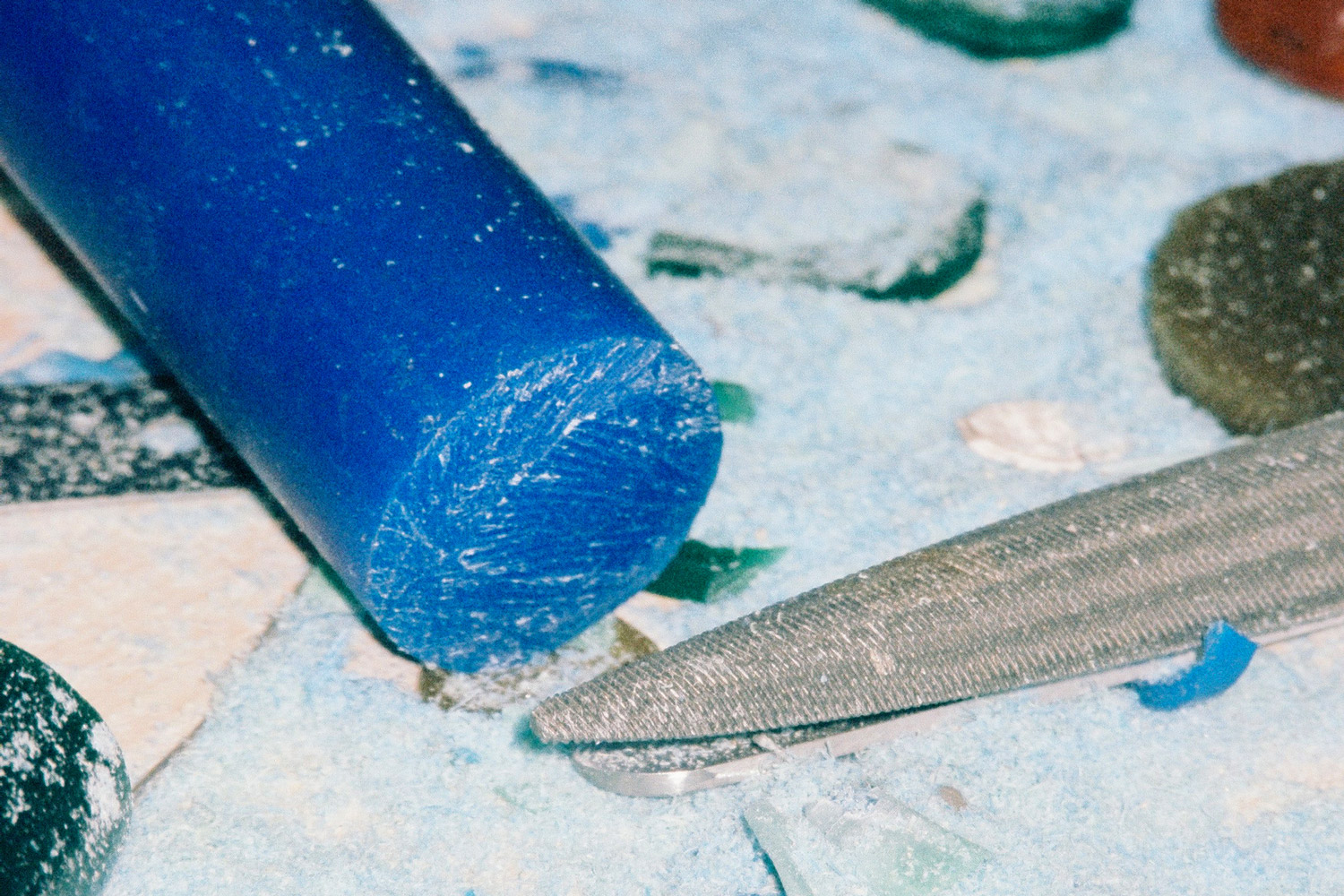
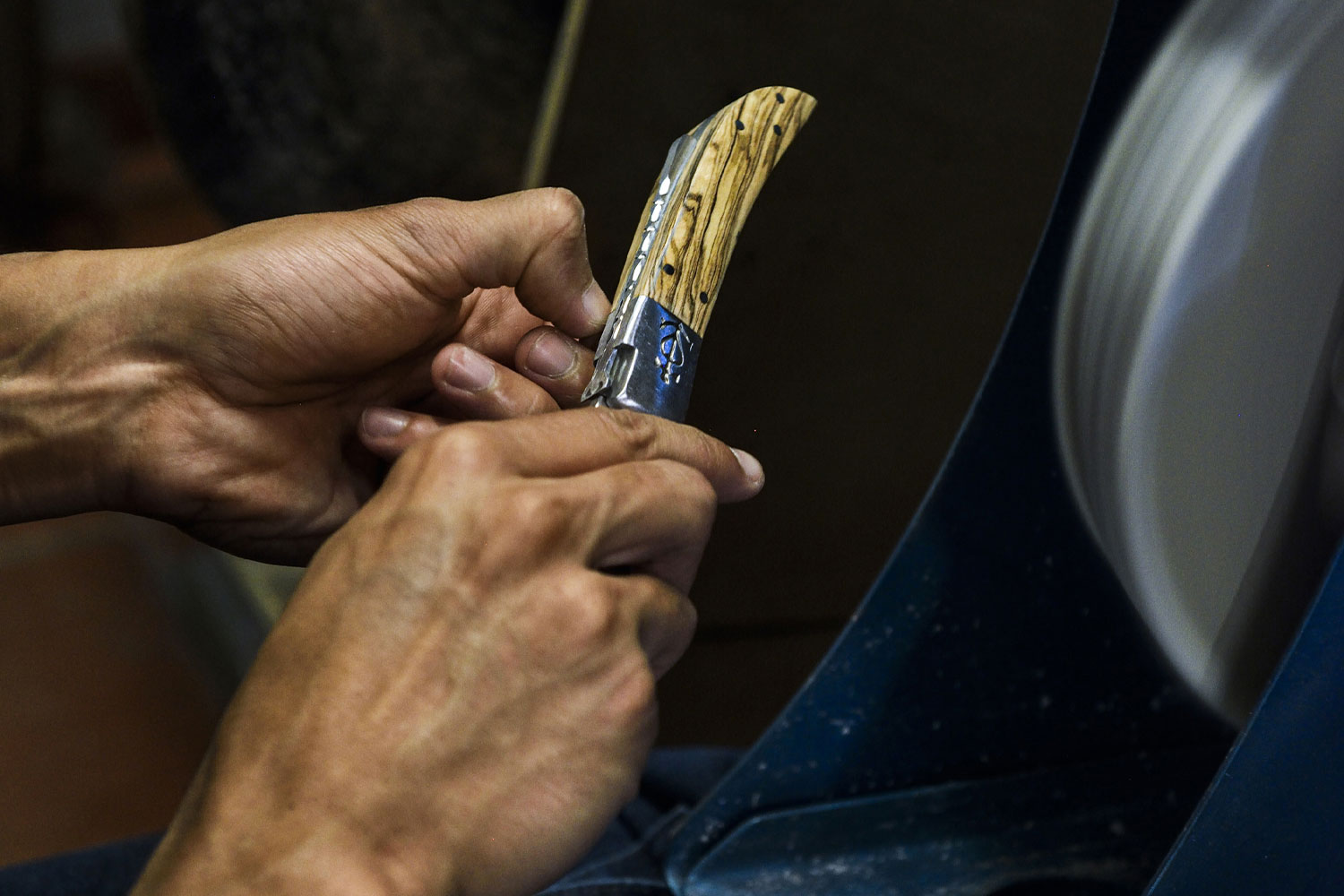
I use the ancient technique of wax carving. I love sculpting and hand carving the wax to create unique pieces, and I never use or make a mould of existing antique coins. The hand worked wax model is either cast in silver or 18-carat gold, following the traditional lost wax method.
Elisa Pantazopoulos
ELI-O
Jewellery maker
Carouge, Switzerland
AVAILABILITY
Tuesday to Friday 10:30-18:00
LANGUAGES
French, English, Greek, Italian
Homo Faber Finds is a new service aiming to inspire admirers of craft to connect and collaborate with exceptional artisans.
We invite you to submit an enquiry here.
DSC02402_©Meg-Lovell.jpg)
DSC01379_©Meg-Lovell.jpg)
DSC01458_©Meg-Lovell.jpg)