
Edoardo Avellino
Ceramicist
Cisternino, Italy
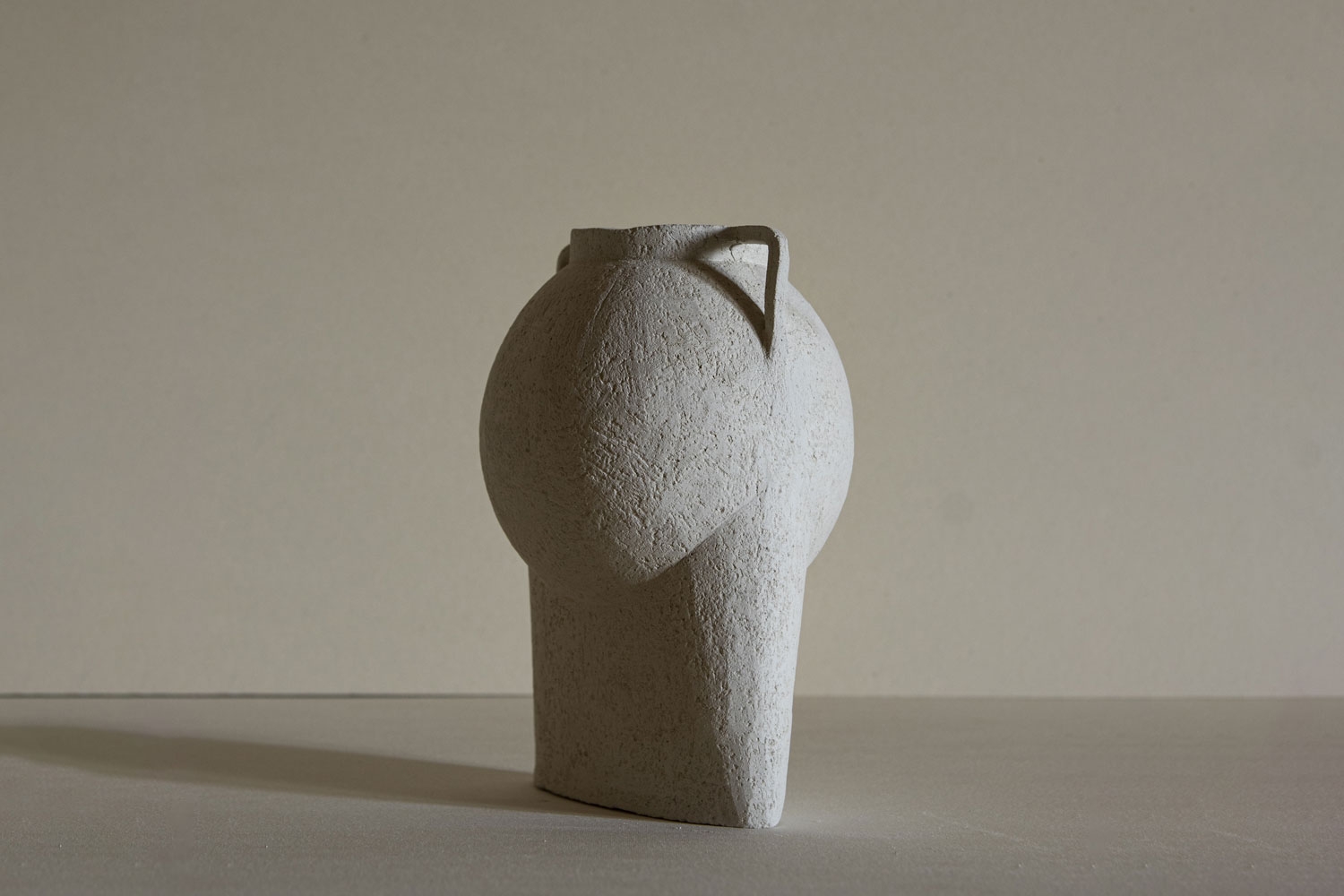
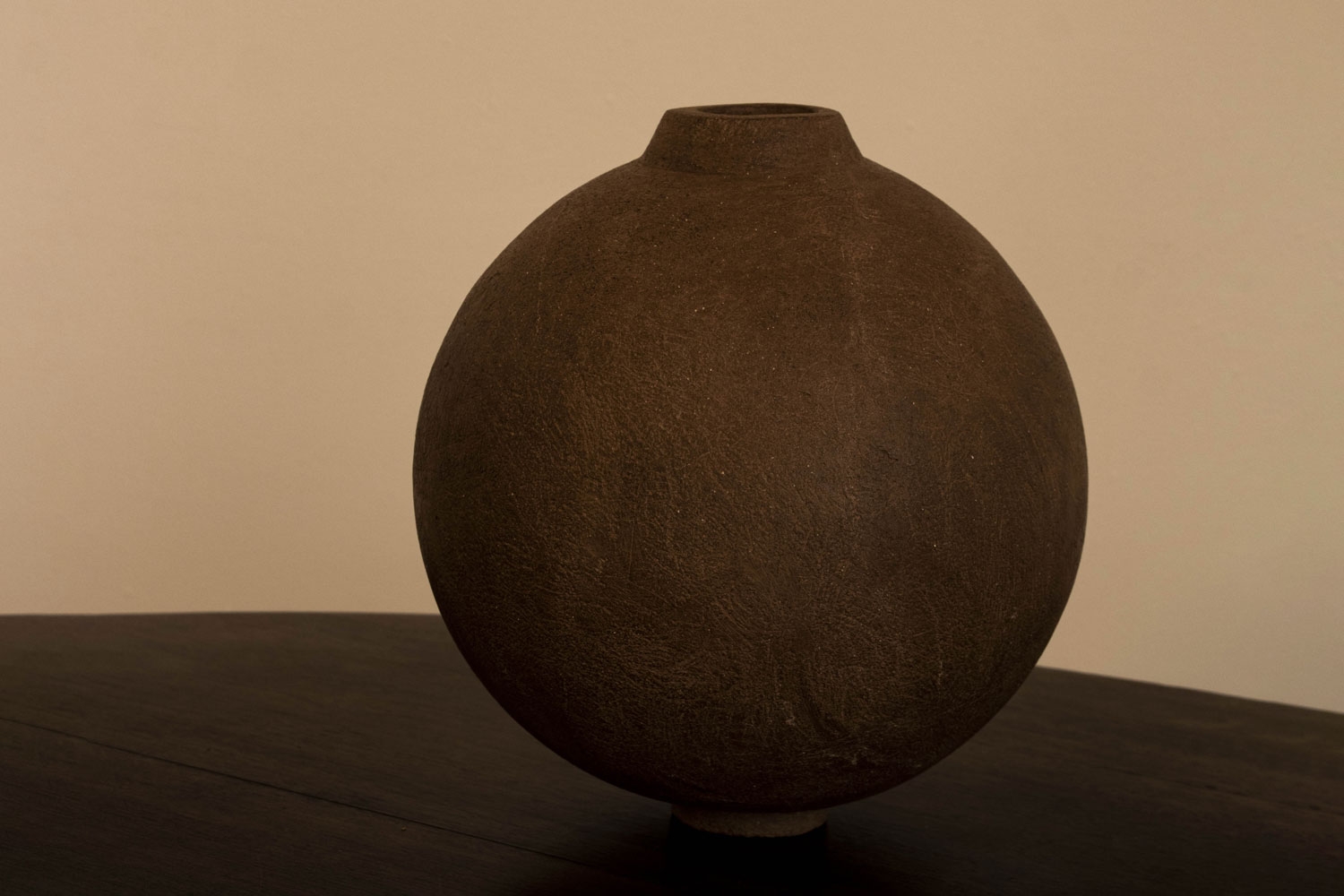
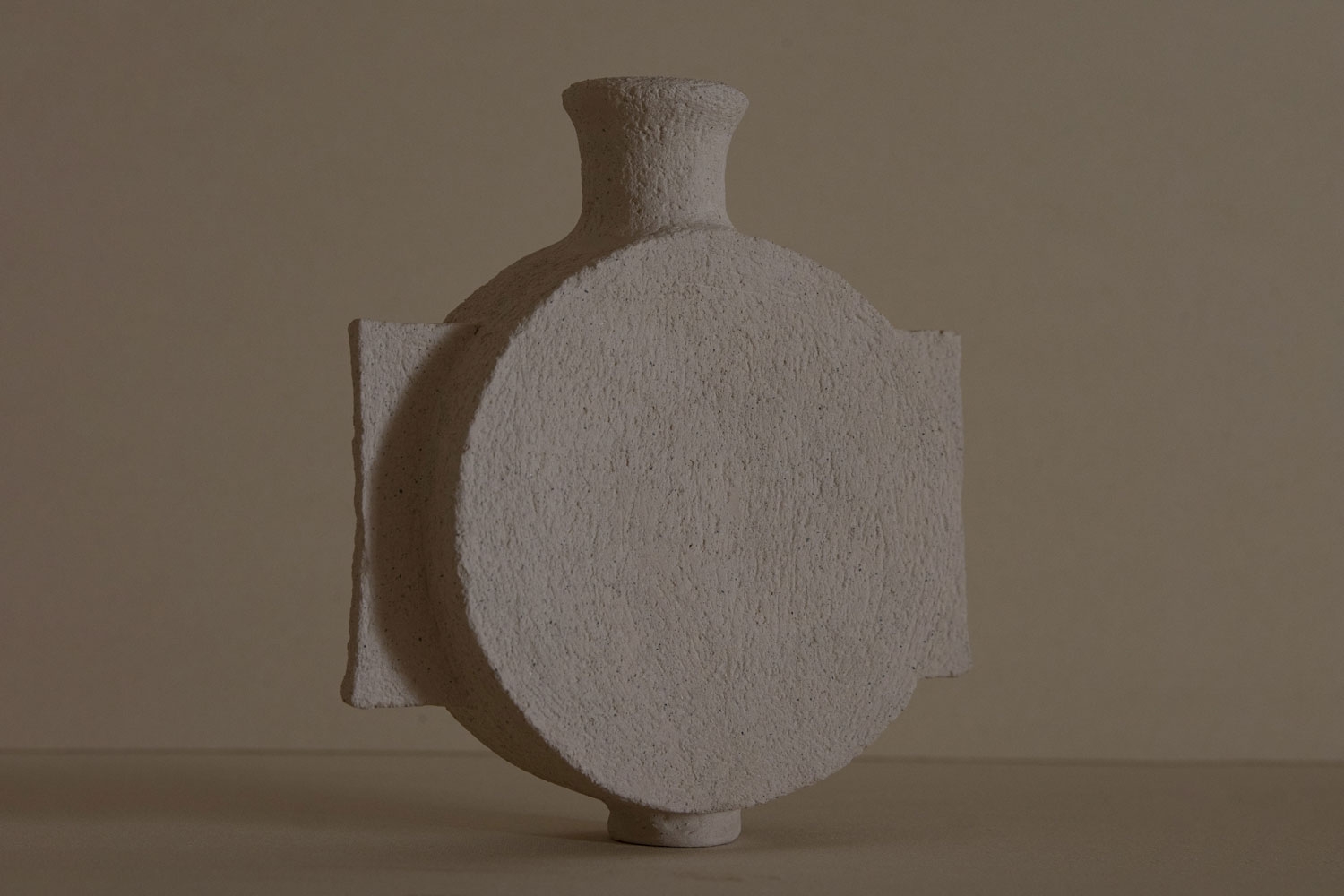
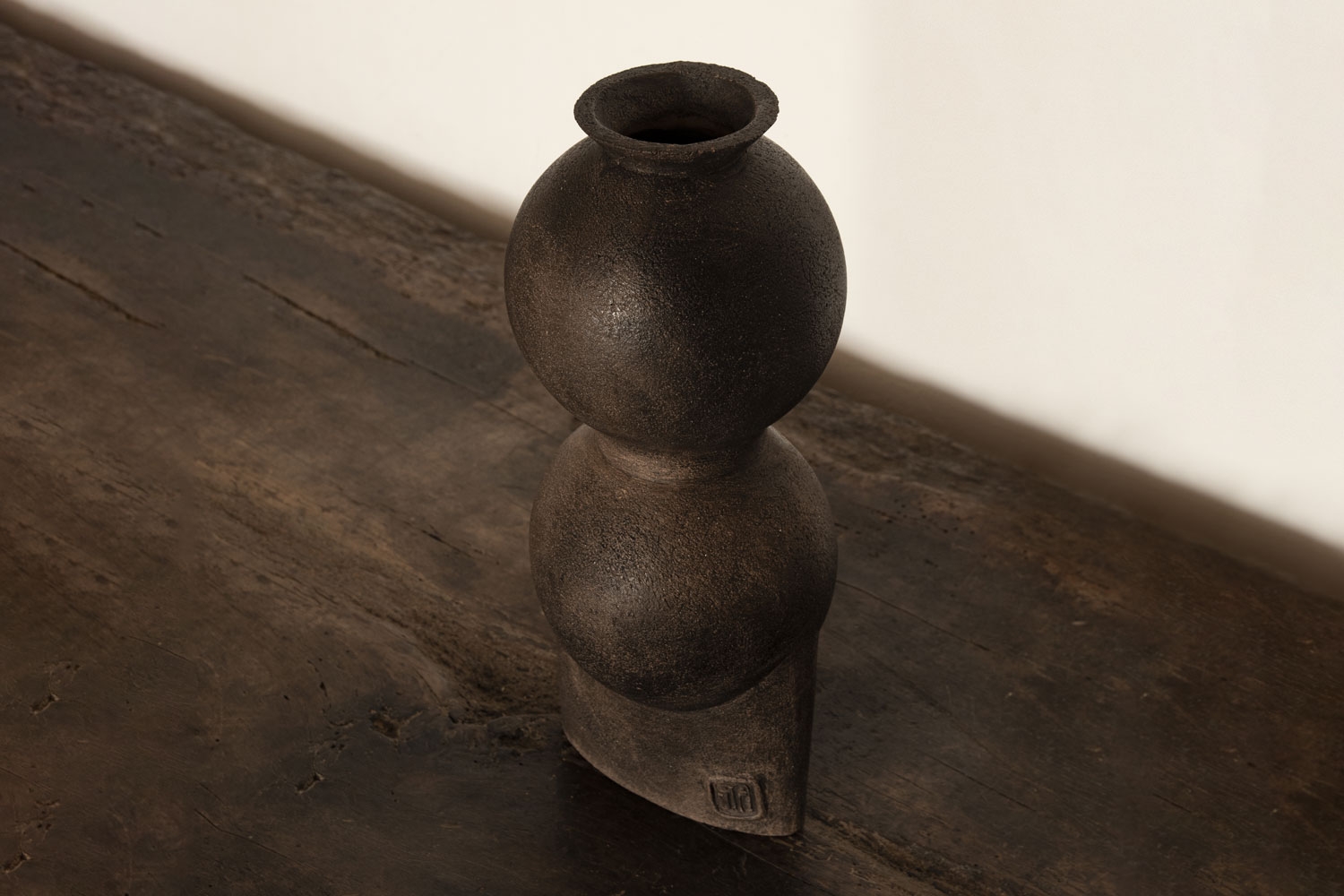
Immediacy in textured geometric sculptures
- Edoardo's architectural background allows him to handcraft ceramic pieces with structural precision
- He makes vases that are influenced by Japanese artistry
- His work has been exhibited at prestigious international events
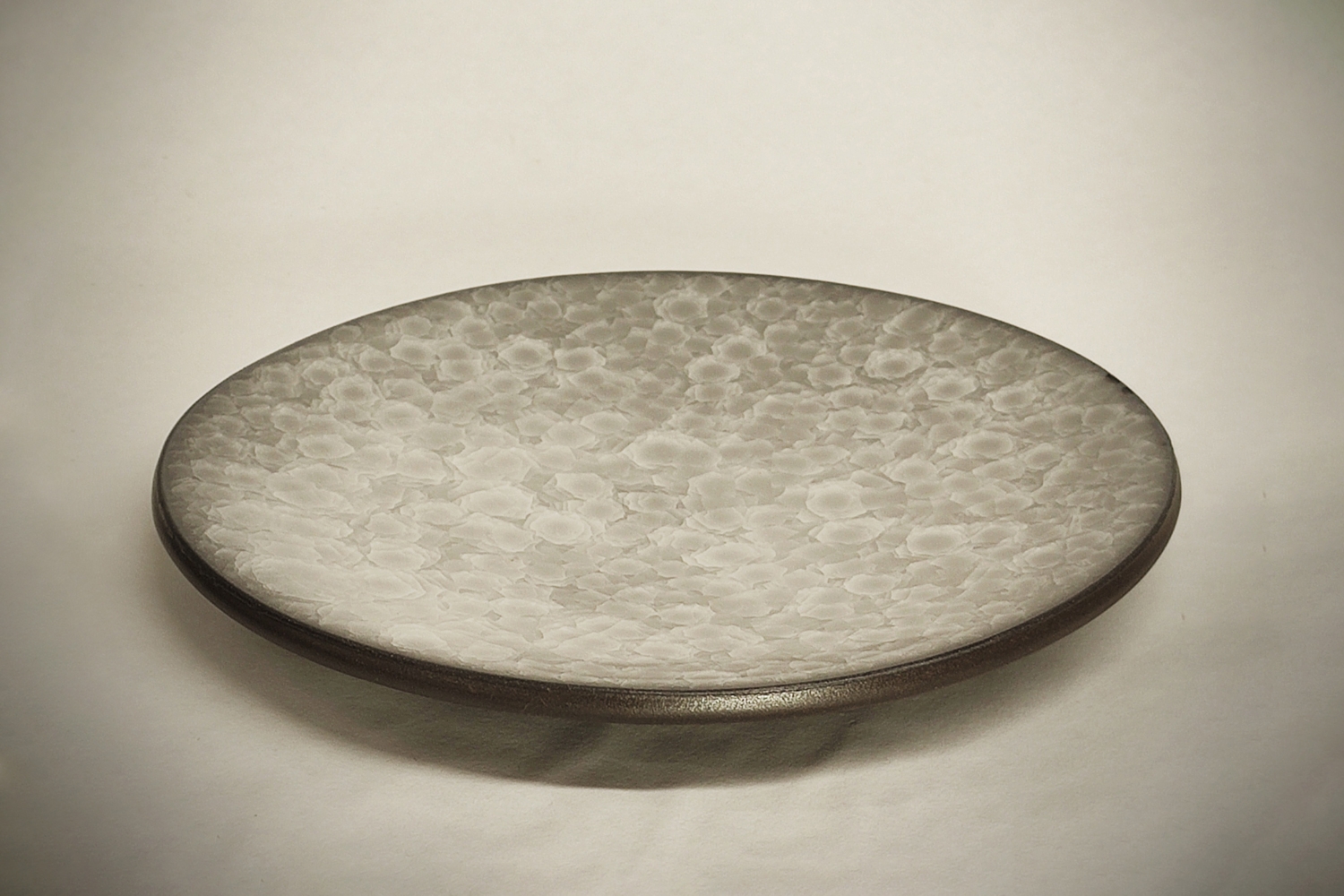
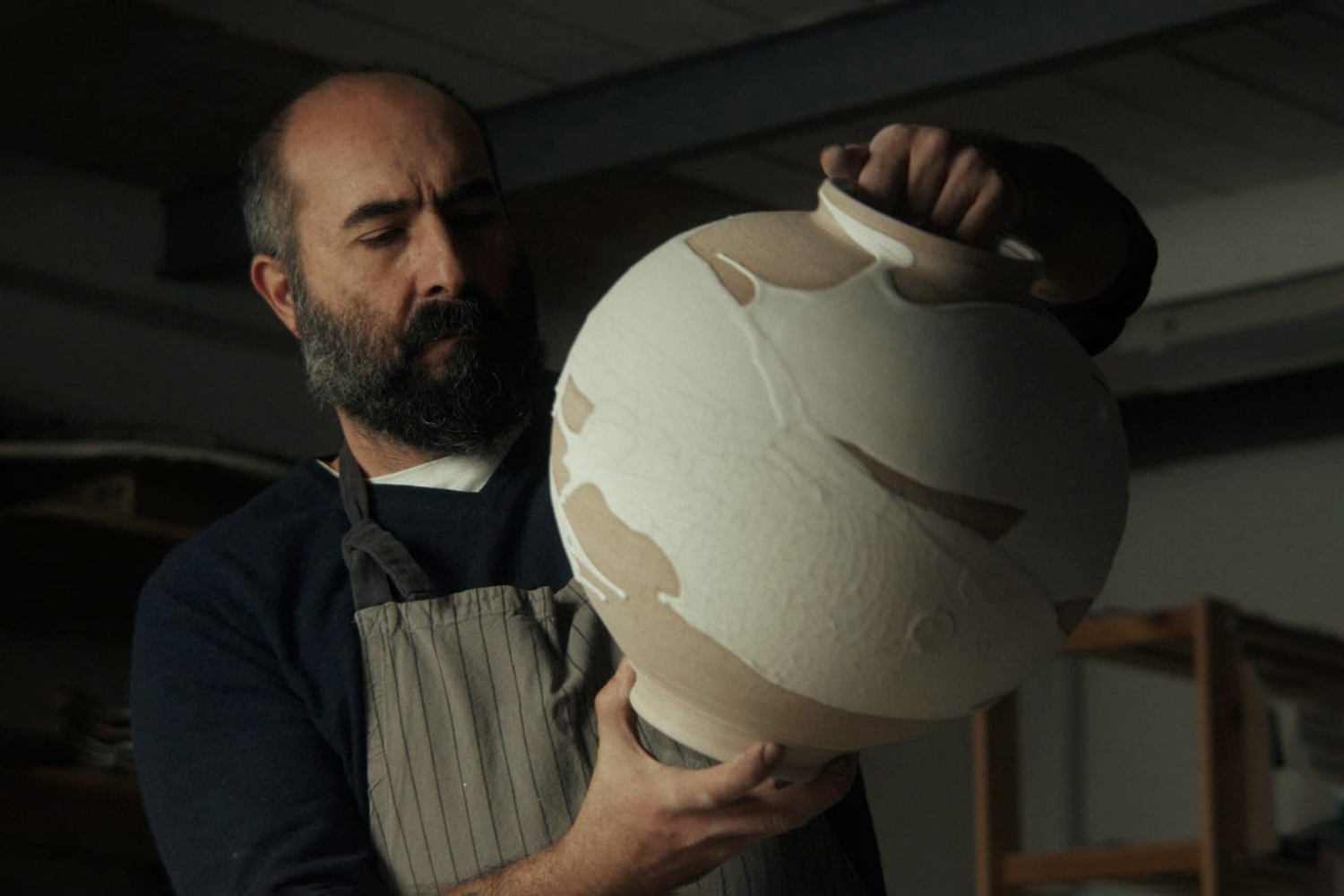
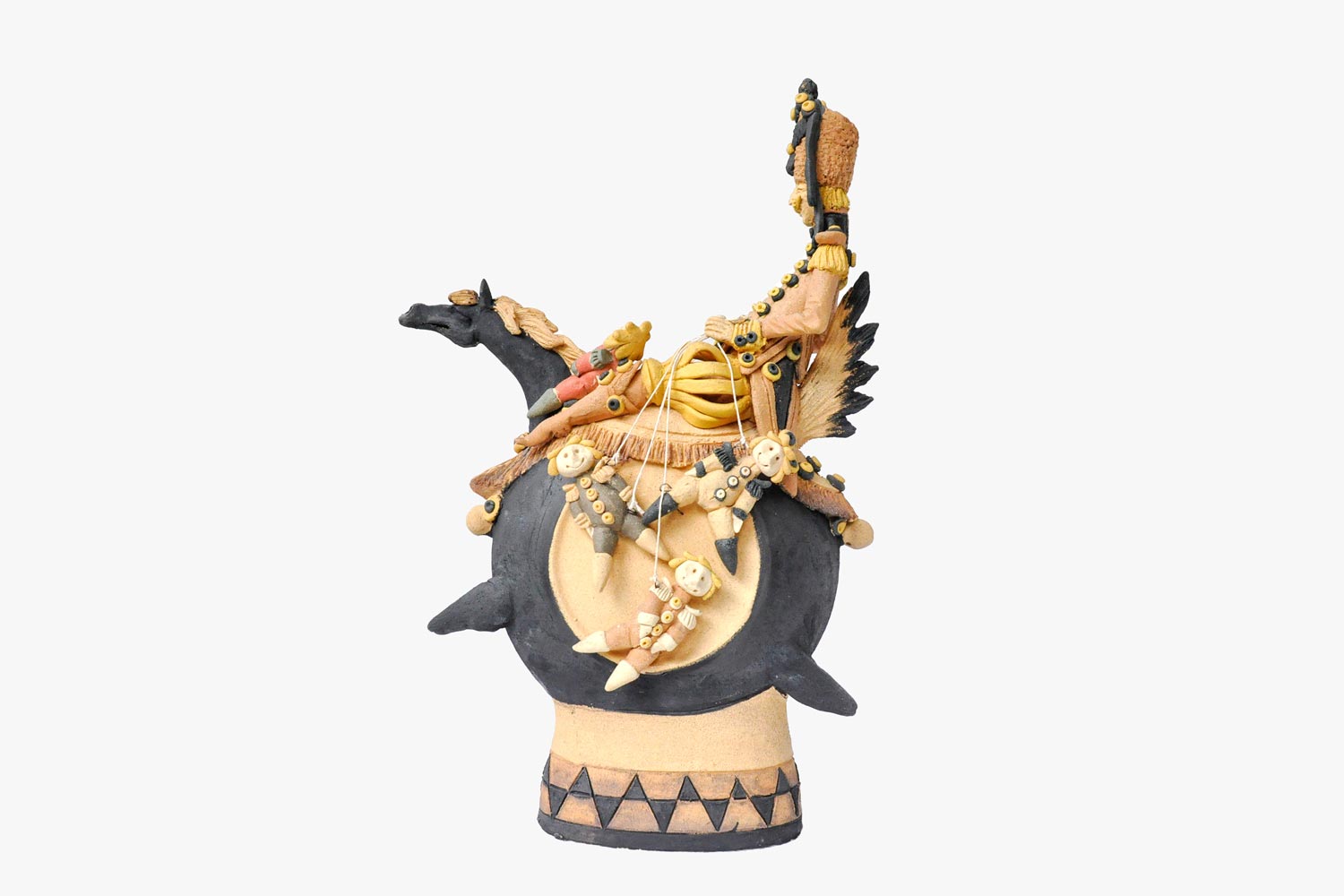
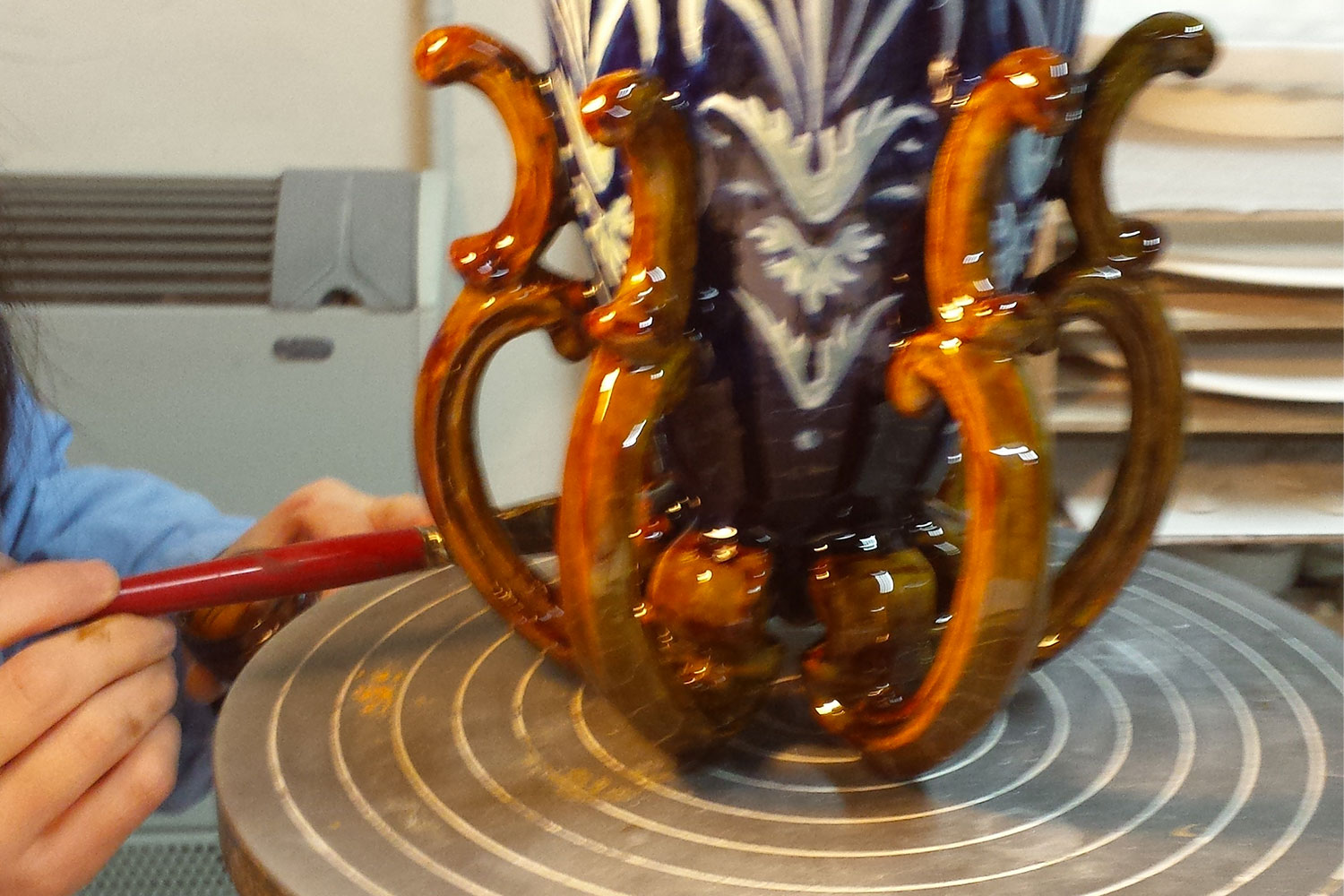
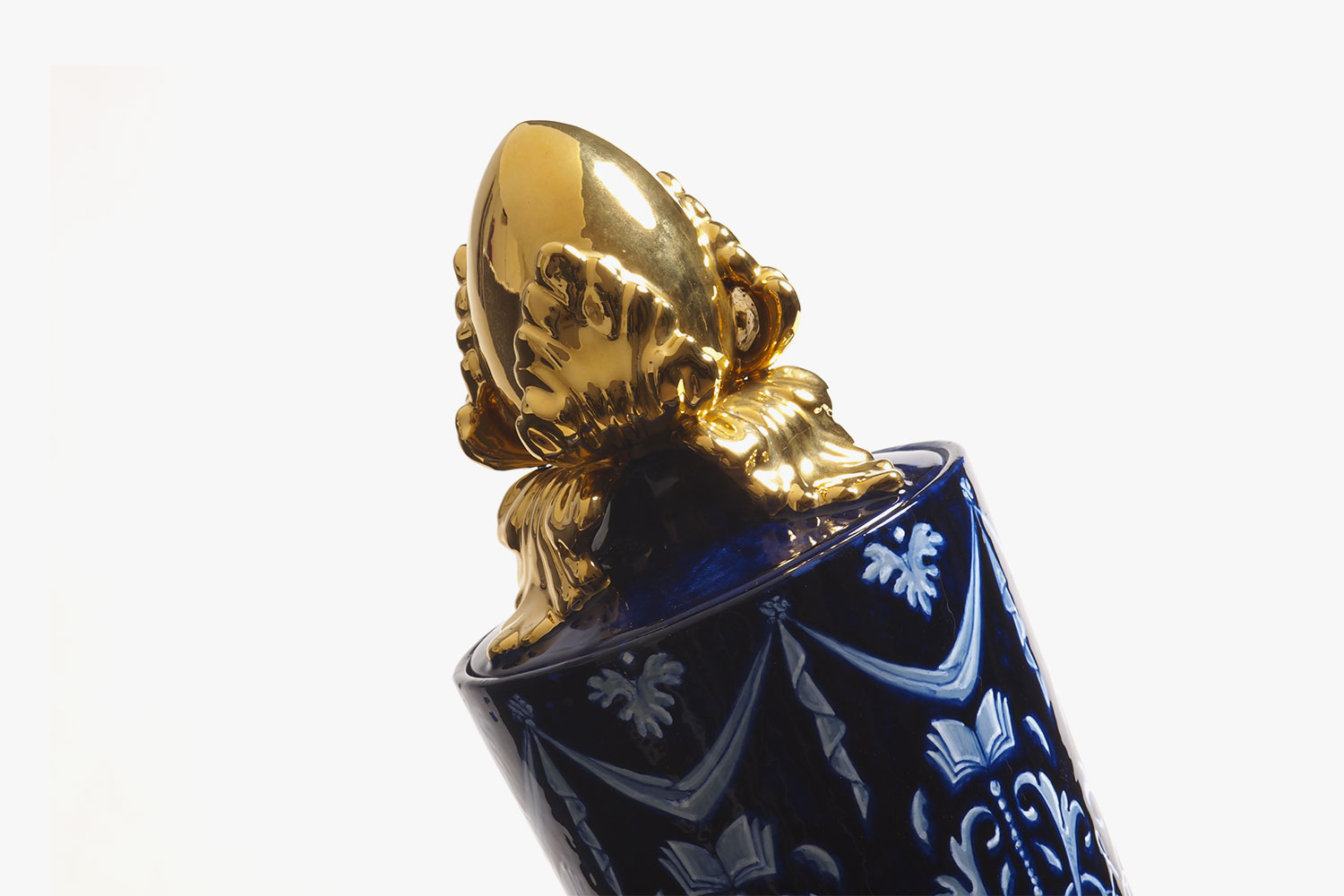
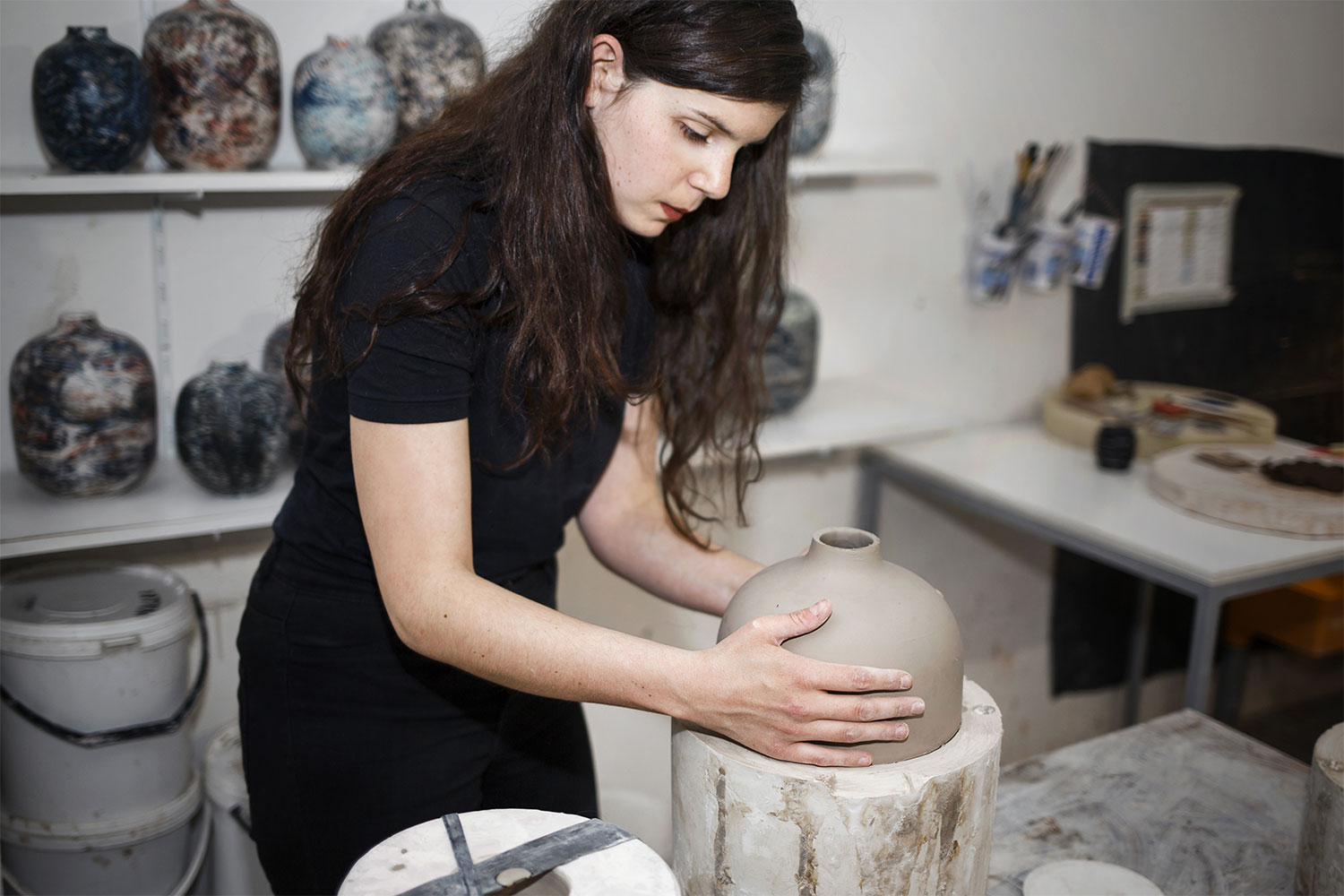
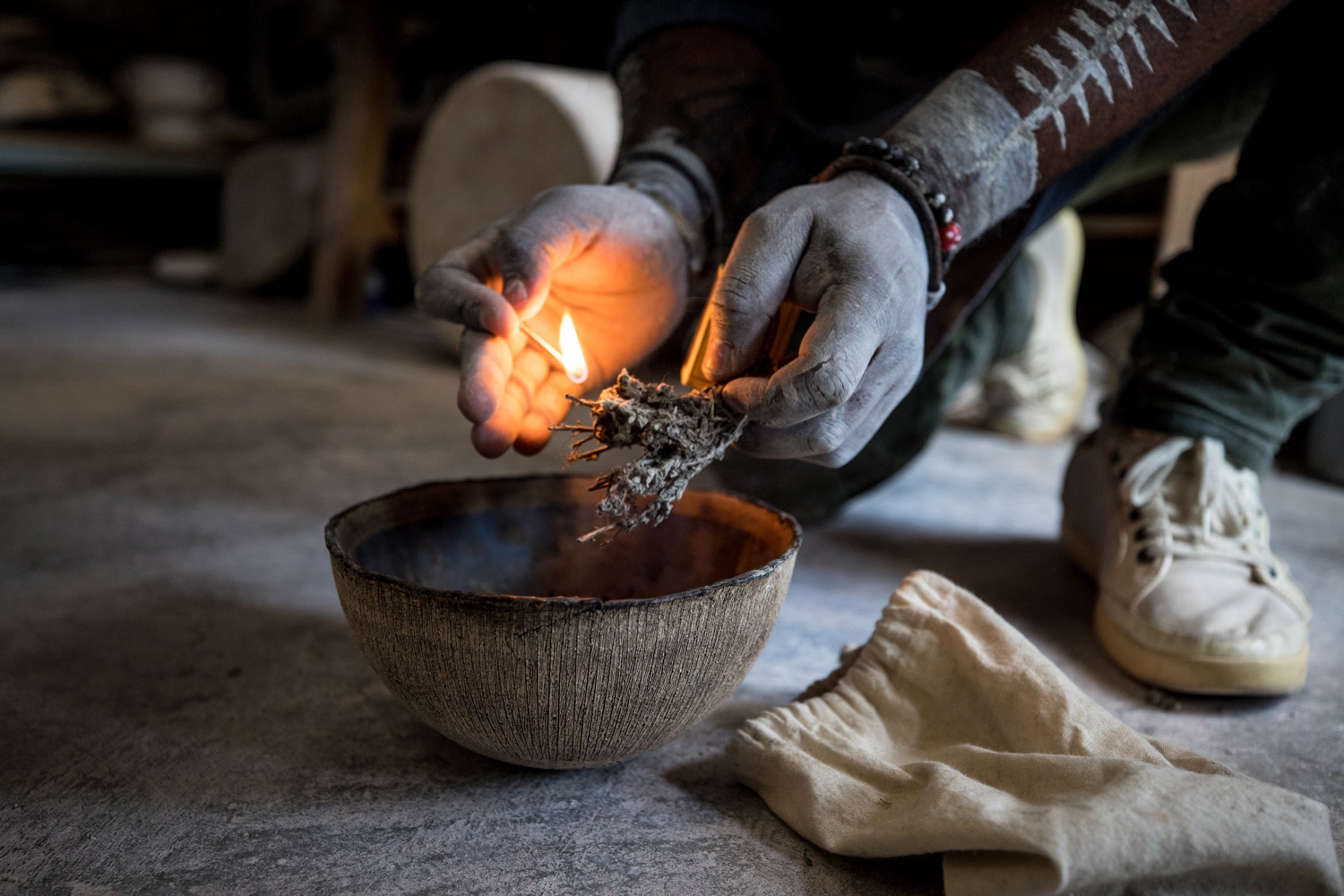
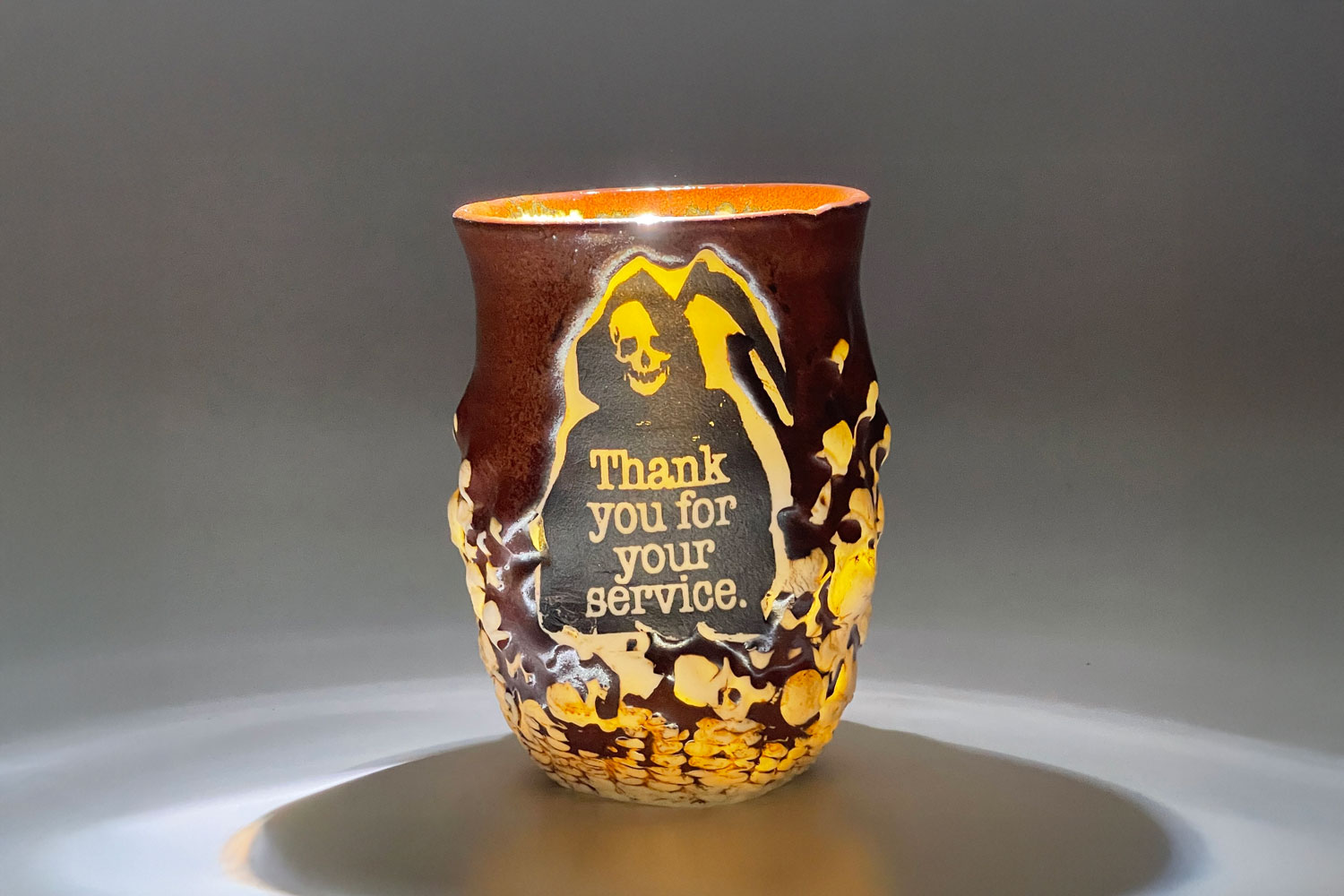
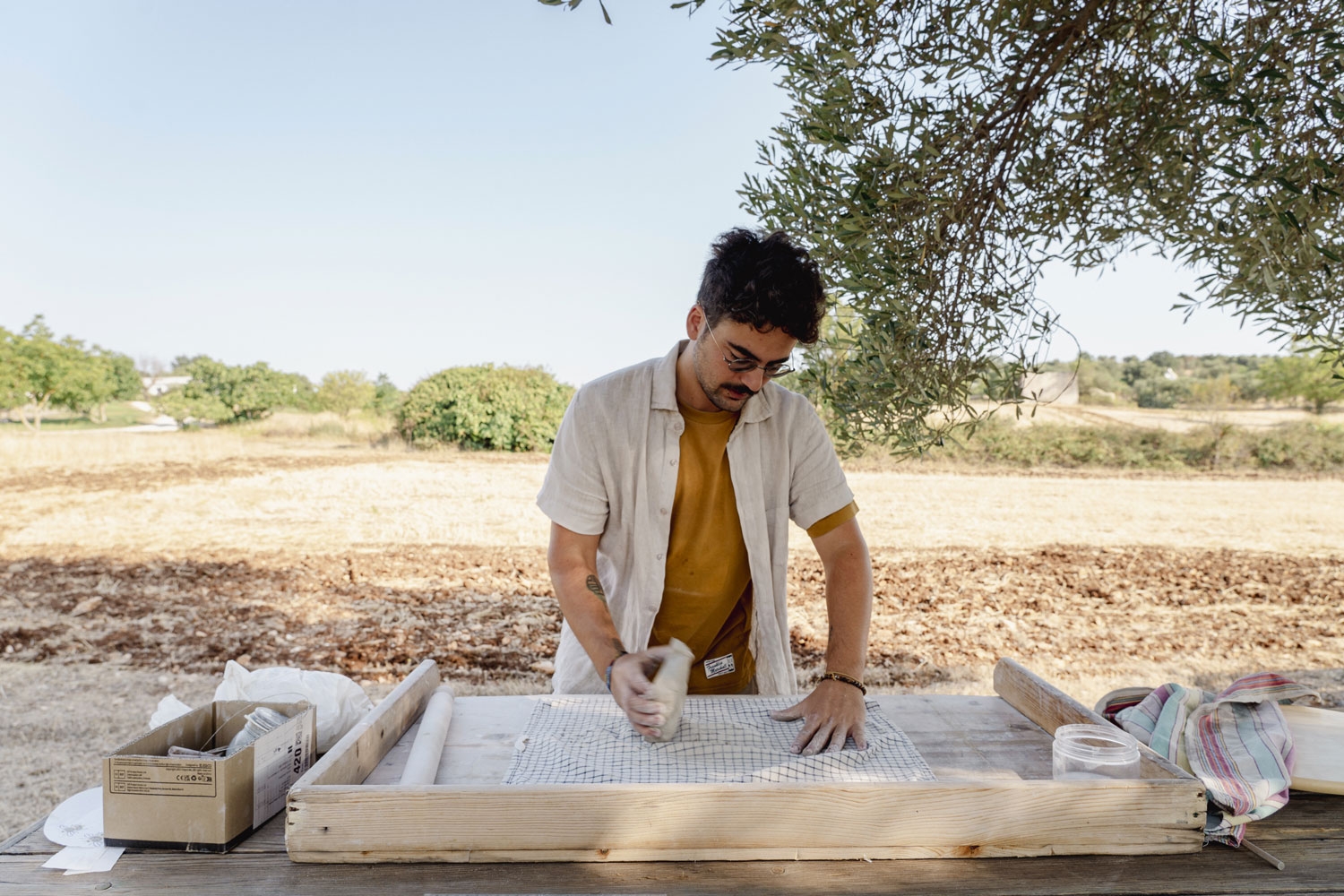
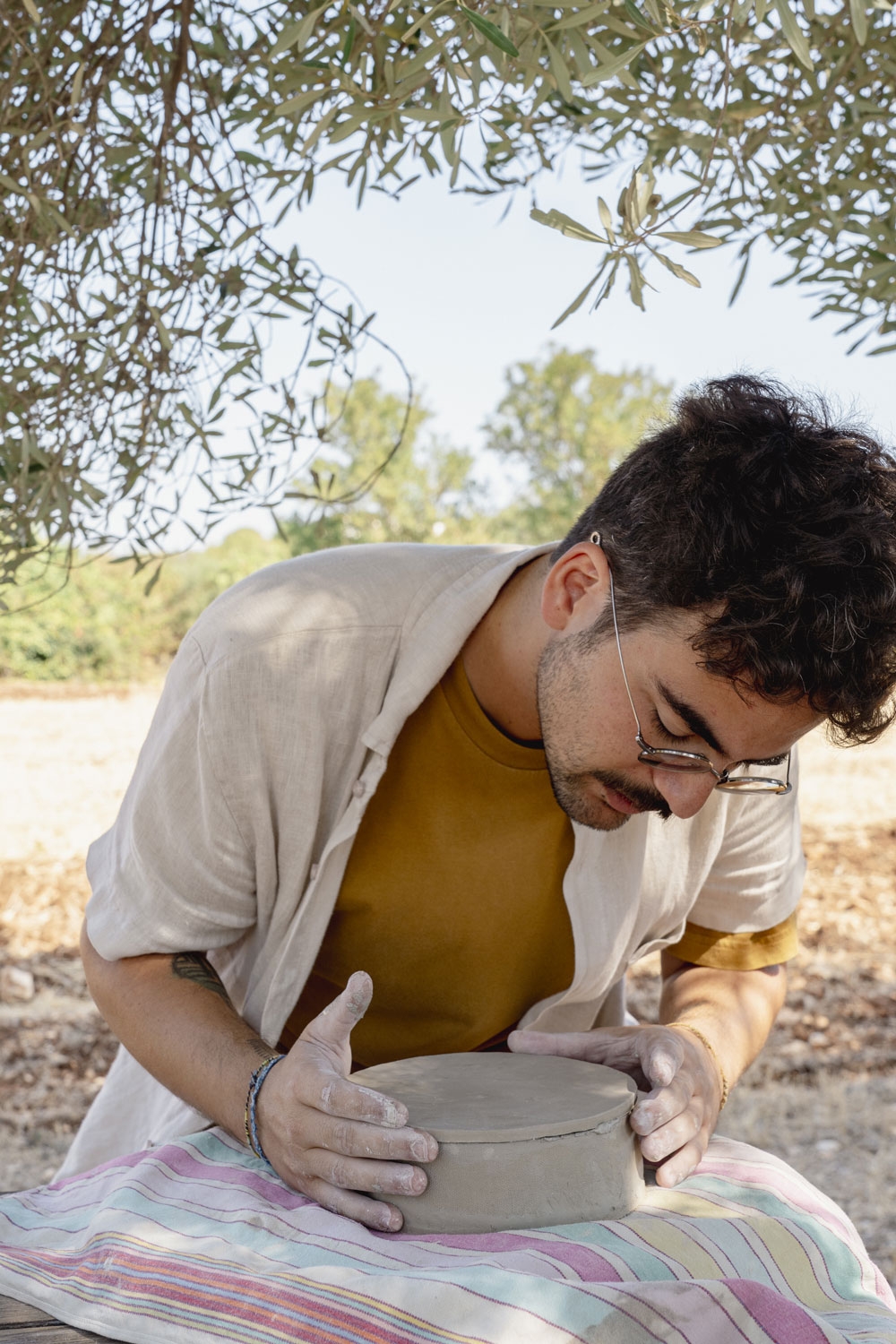
Edoardo Avellino is an architectural designer and ceramicist based in Puglia in Italy. His work bridges architecture and object design, merging structural precision with tactile, handcrafted forms. Influenced by his architectural background, Edoardo explores materiality, balance and geometry through ceramics that feel both sculptural and functional. His pieces often echo architectural gestures, such as volumes, voids and rhythm translated into clay. He has exhibited his work at major events including Paris Design Week, Salone del Mobile and Edit Napoli, gaining recognition for his distinctive, design-driven approach to ceramics. His work has also been shown at Cadogan Gallery in the Openhouse magazine exhibition, The Secret in Their Eyes.
INTERVIEW
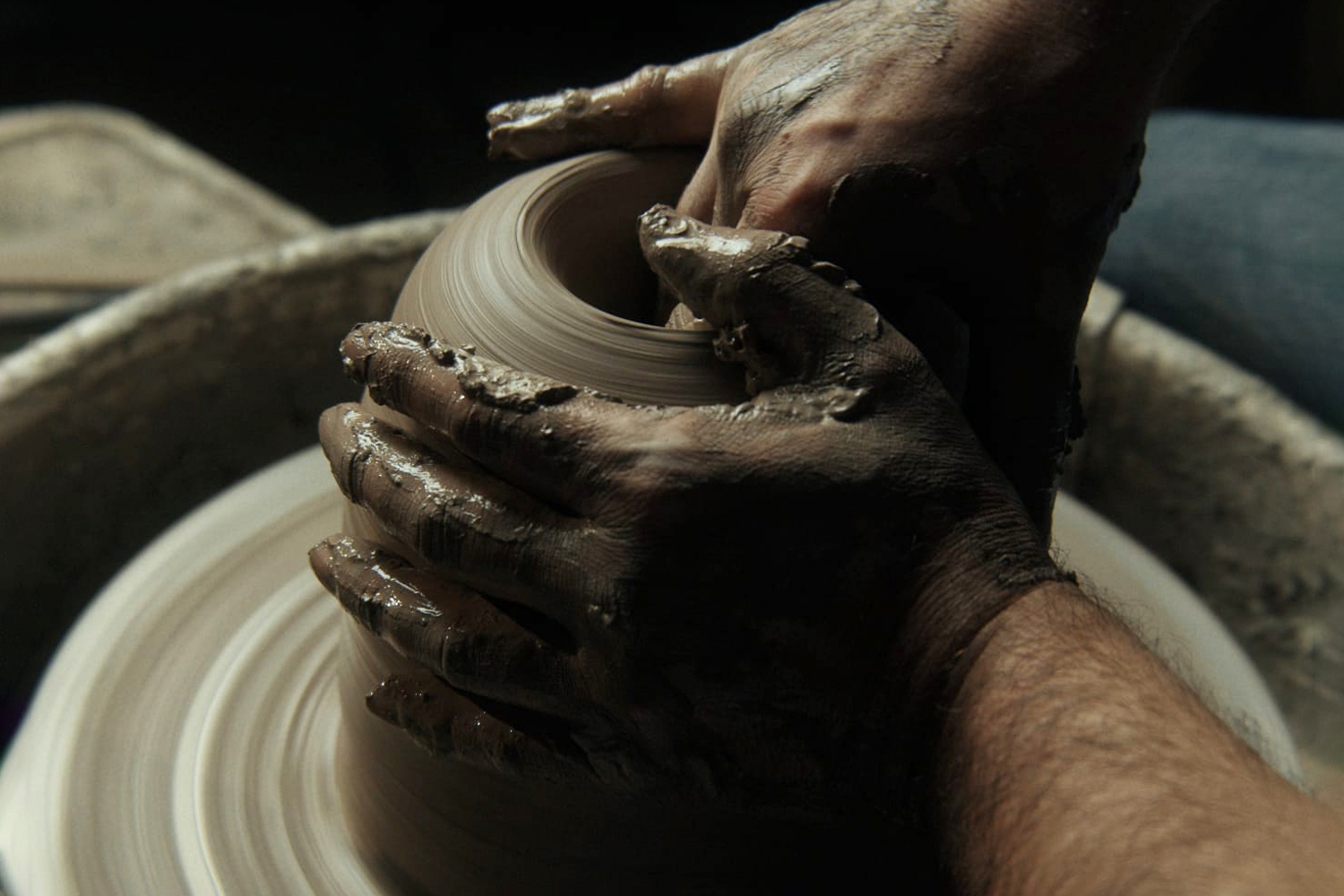
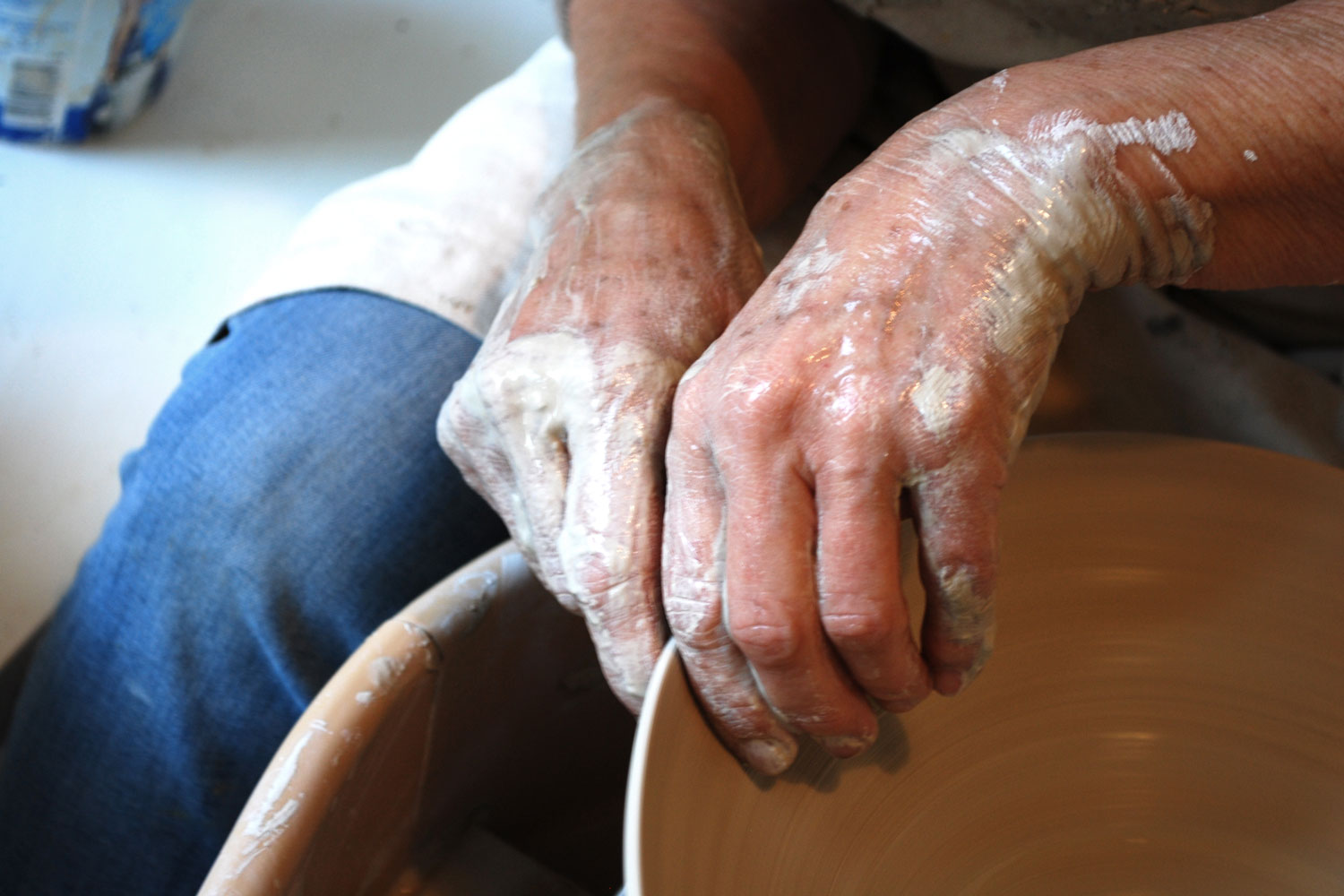
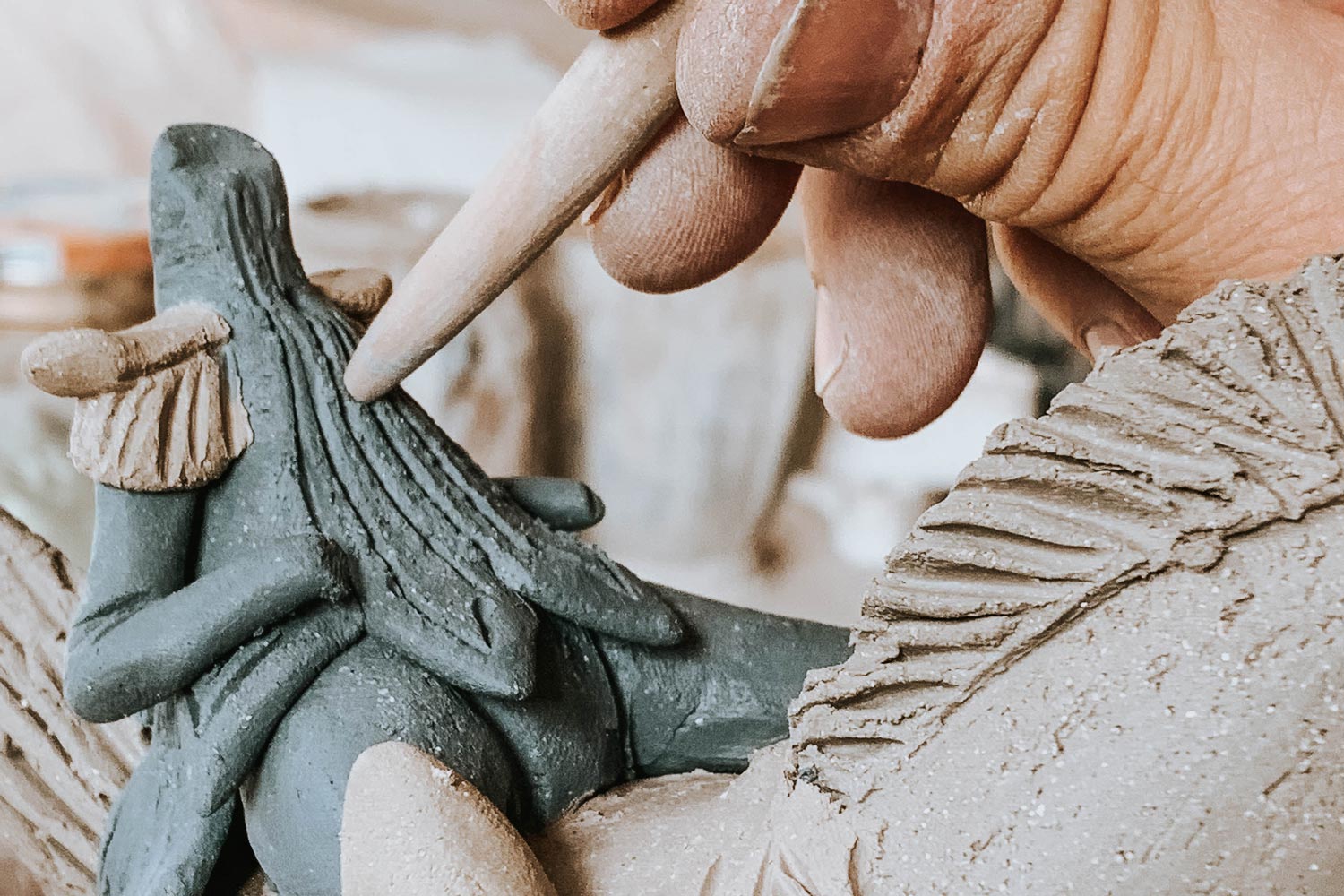
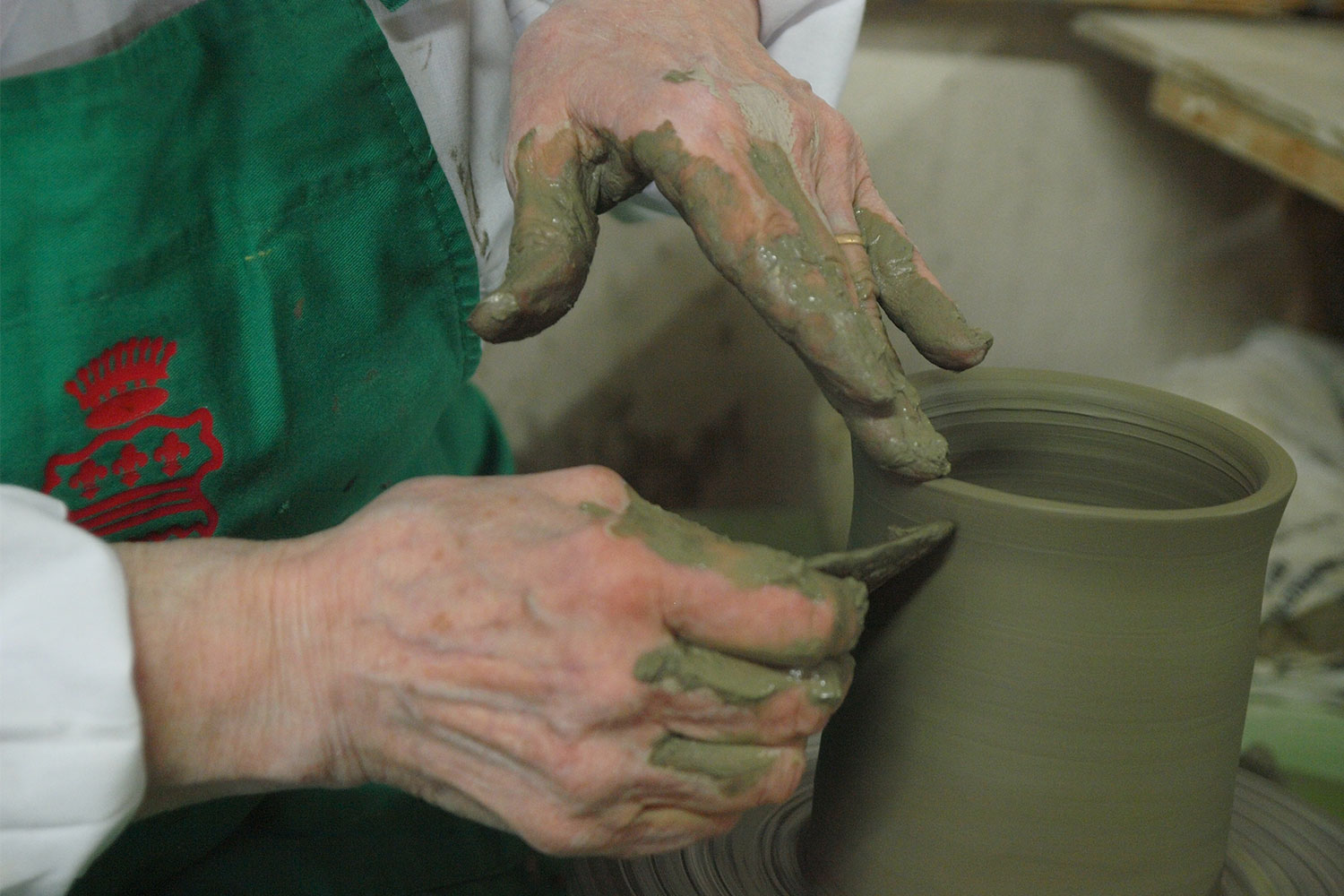
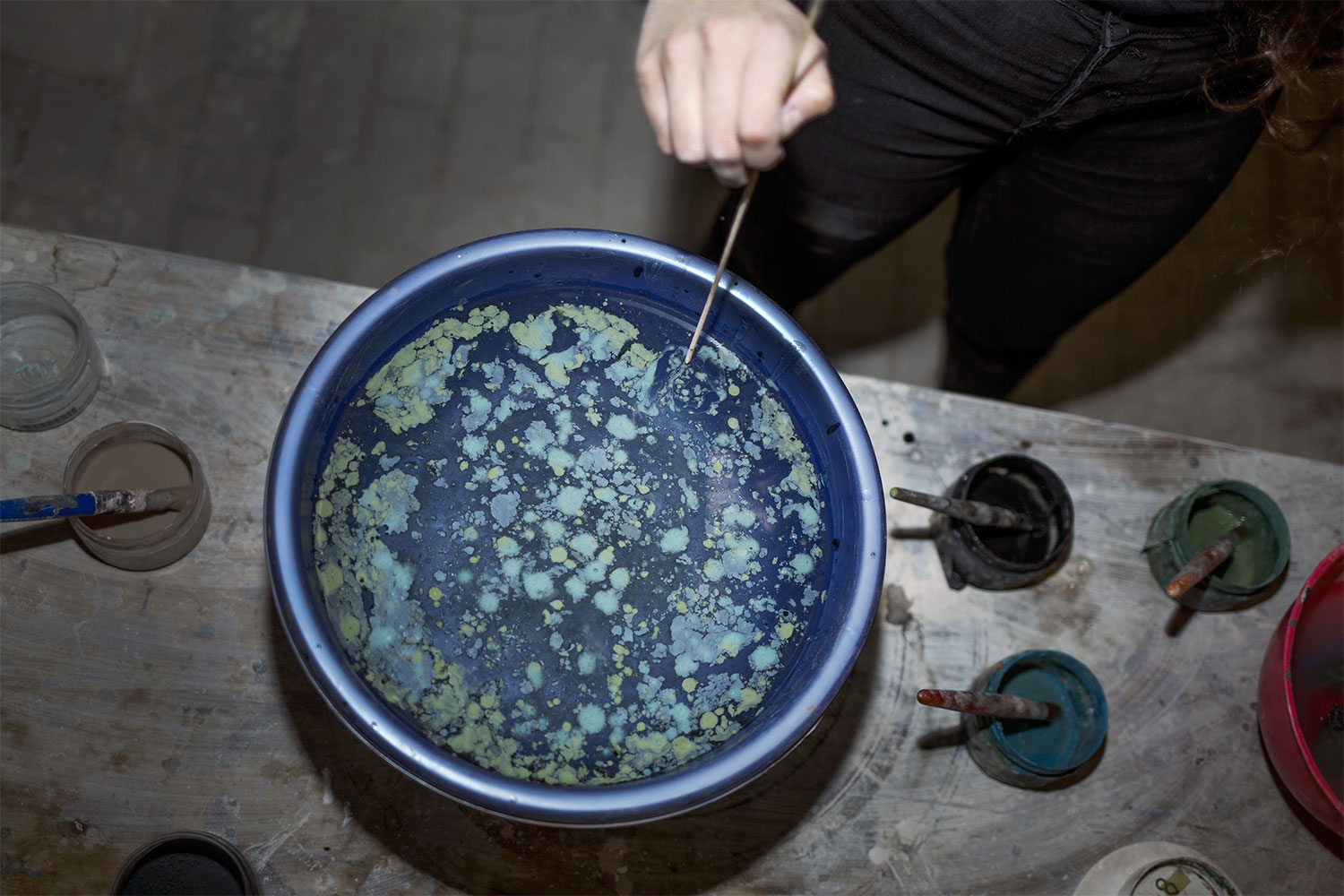
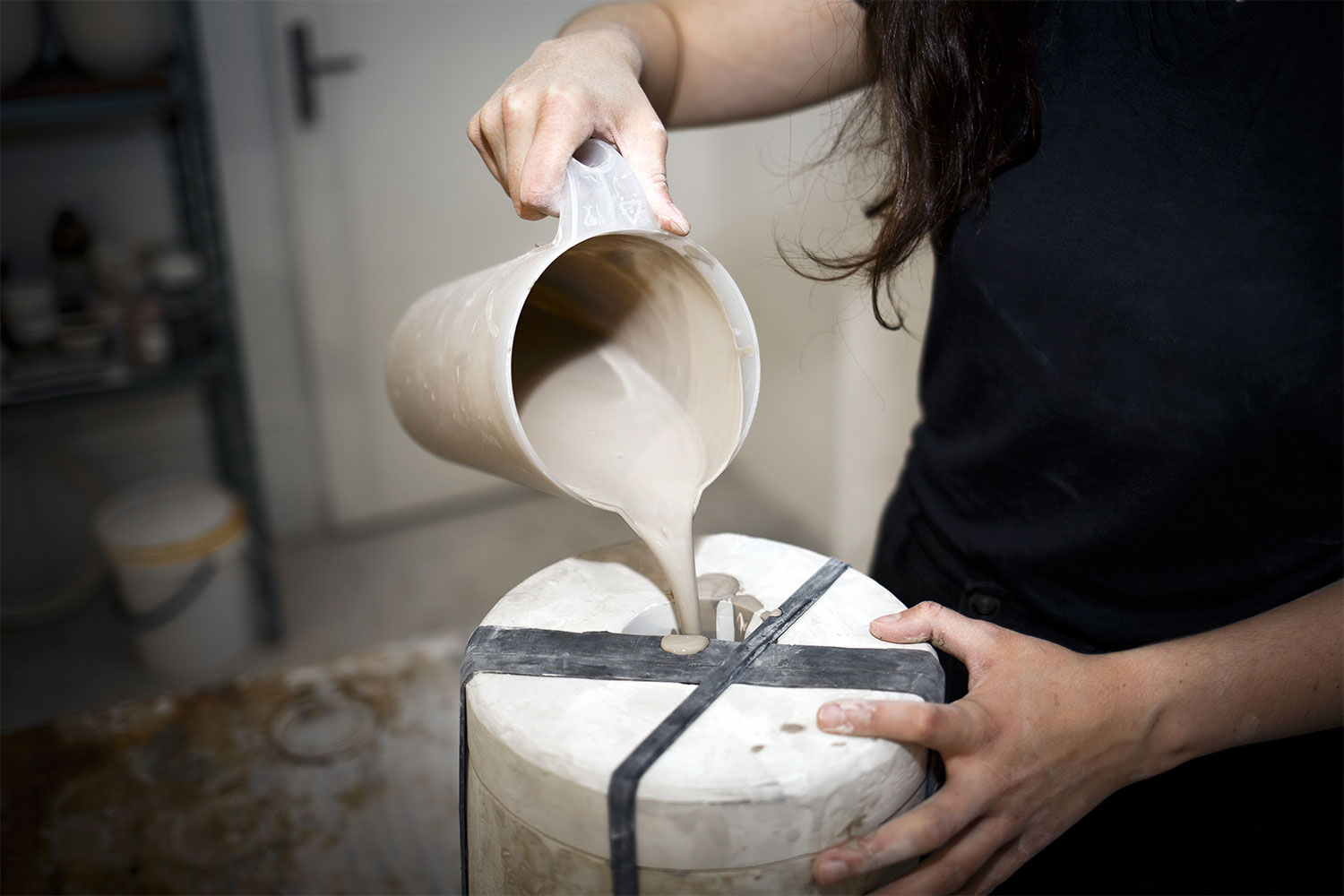
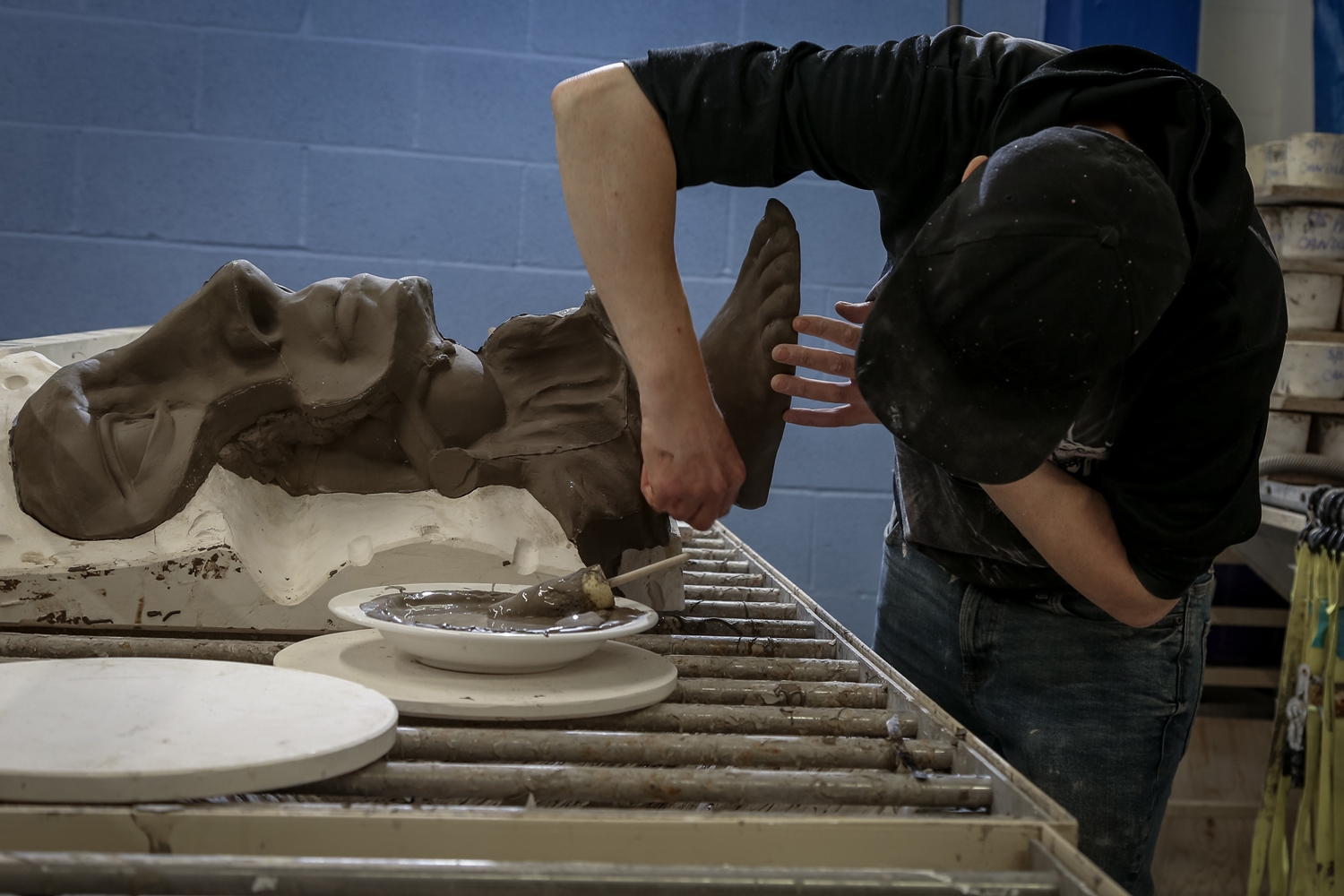
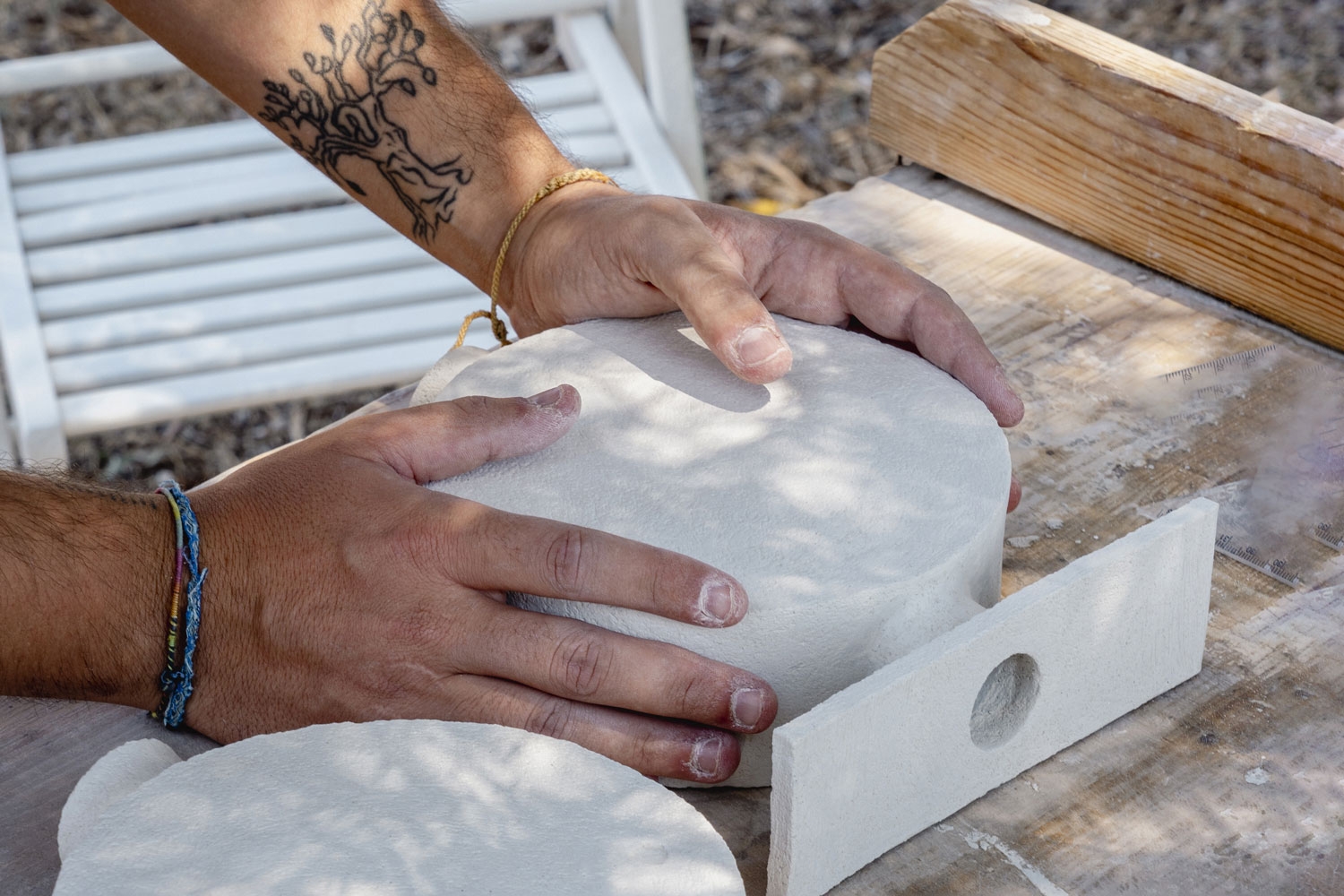
What drew me to ceramics was the direct and immediate connection I form with each piece I create. Unlike the rigid process of architecture that could sometimes be slow, ceramics allow gestures to be instantly imprinted in the clay, creating a personal, intimate experience that transforms raw material into meaningful form.
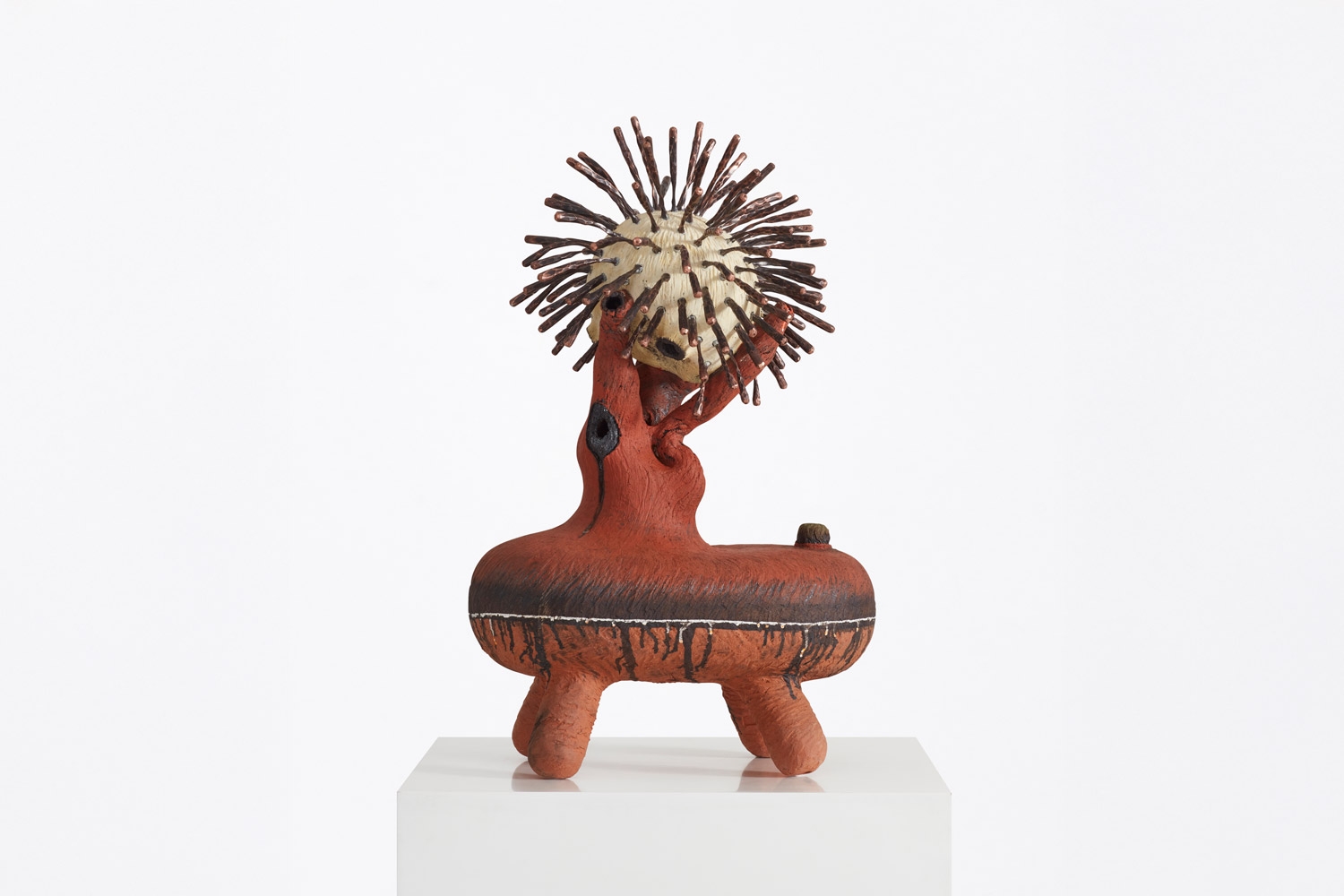
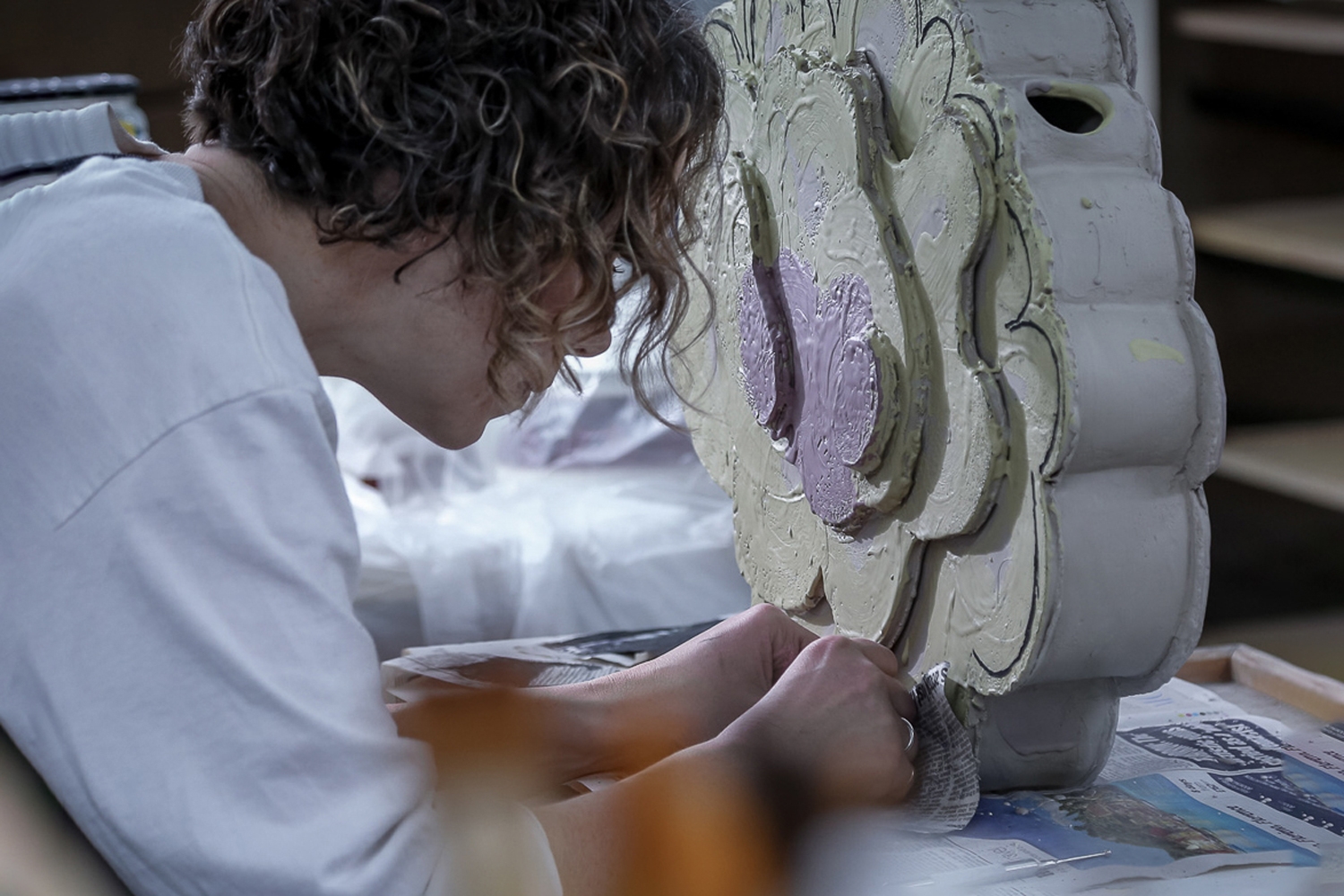
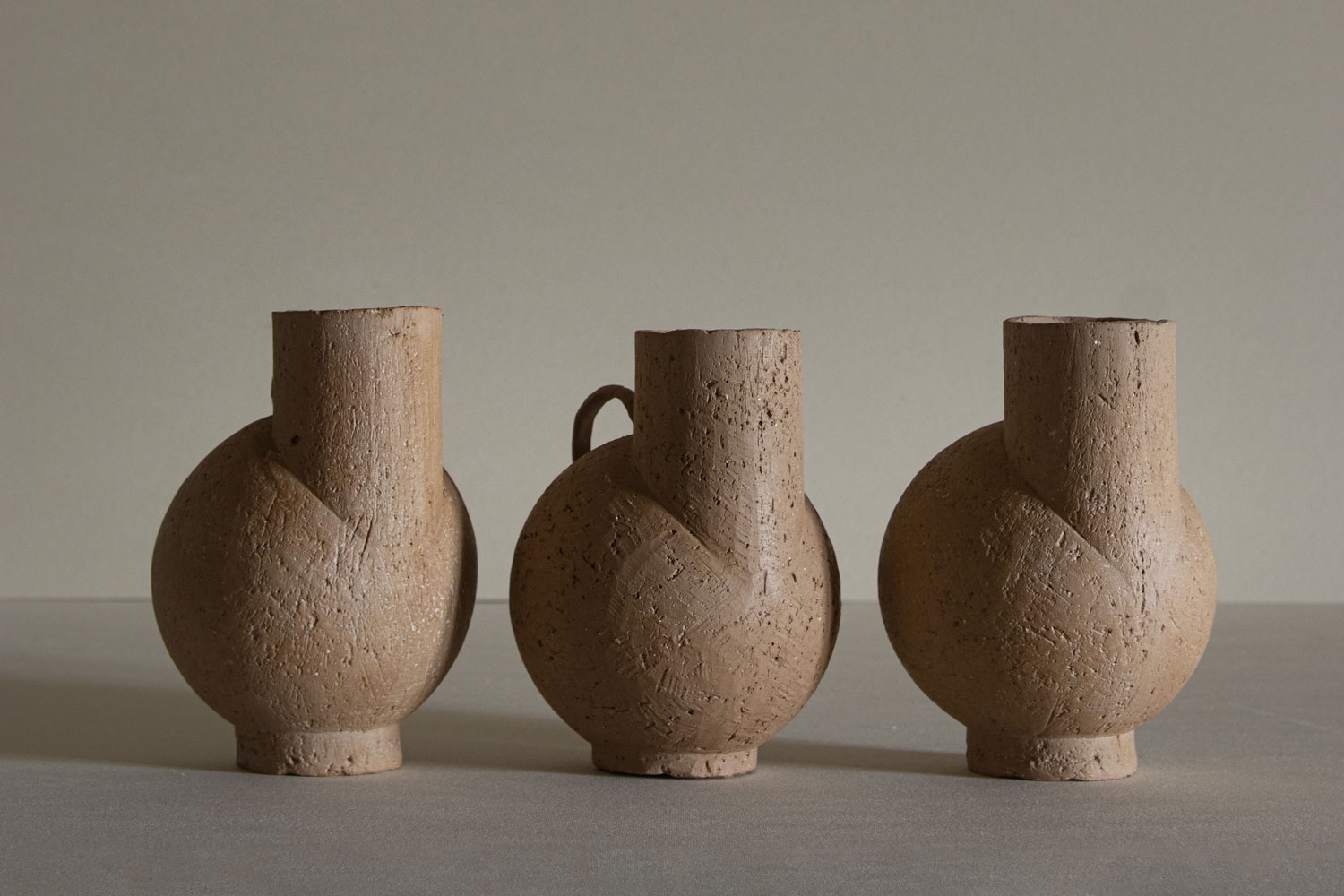
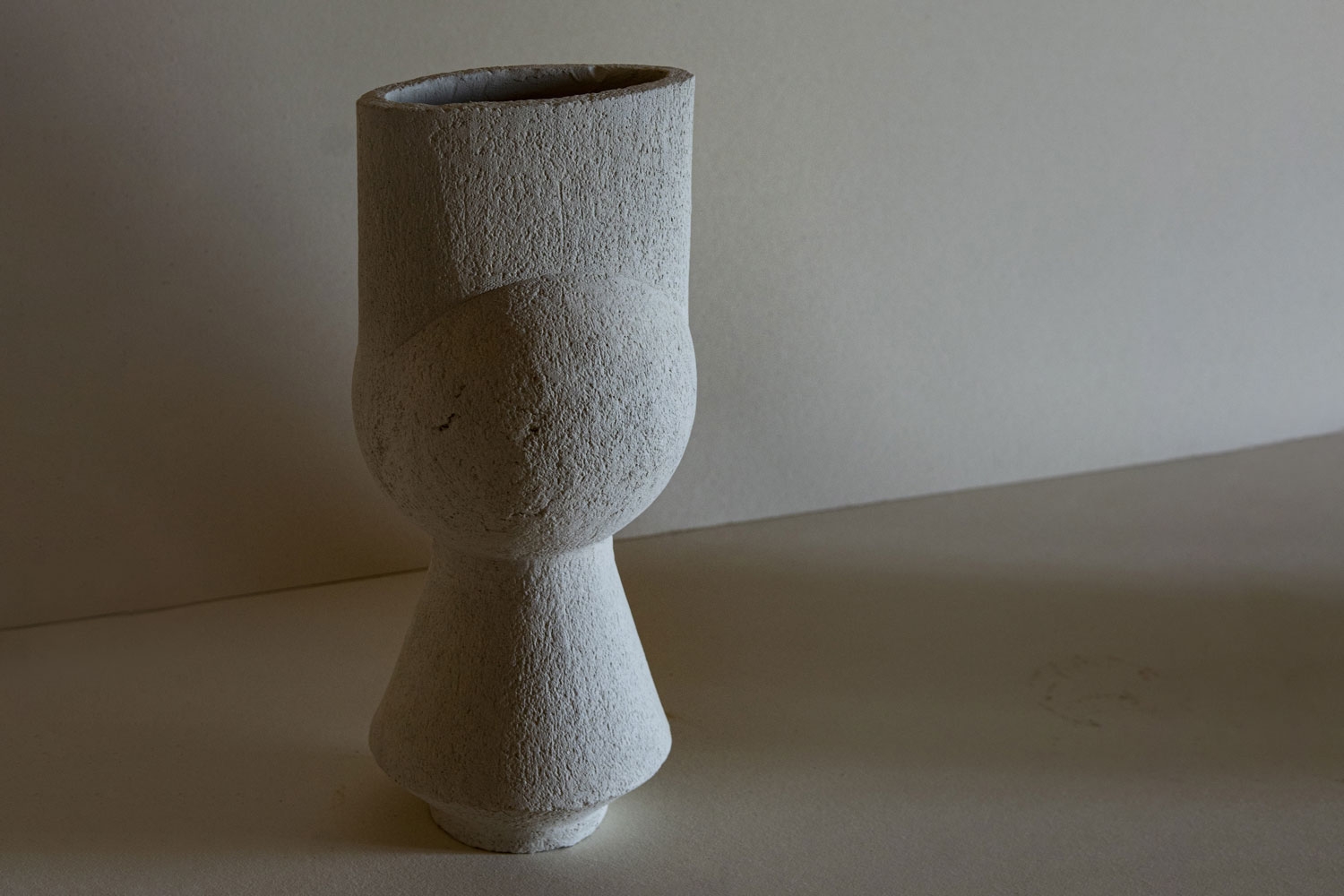
I always find myself relying on my architectural background in the search for simple geometries that interlock to form complex shapes. It also helps me to explore textured finishes that add depth and to find the balance between structure and spontaneity in each piece.
I reinterpret traditional crafts by bringing local materials and processes into a contemporary context – sometimes updating techniques, other times reshaping forms. I believe the dialogue between past and present leads to meaningful results.
I envision a multidisciplinary atelier where product design, art and architecture merge into a personal language. This fusion allows me to explore form, material and function while deepening the connection between craft and contemporary innovation.
Edoardo Avellino
Ceramicist
Cisternino, Italy
ADDRESS
Address upon request, Cisternino, Italy
AVAILABILITY
By appointment only
PHONE
+39 3345872473
LANGUAGES
Italian, English
Homo Faber Finds is a new service aiming to inspire admirers of craft to connect and collaborate with exceptional artisans.
We invite you to submit an enquiry here.