Dalia Grigonienė
Shoemaker
Kernave, Lithuania
A passion for medieval footwear
- Dalia's lifelong interest began with one stitch
- There is a lot of research behind each of her pairs of shoes
- She has been making historical footwear for almost two decades
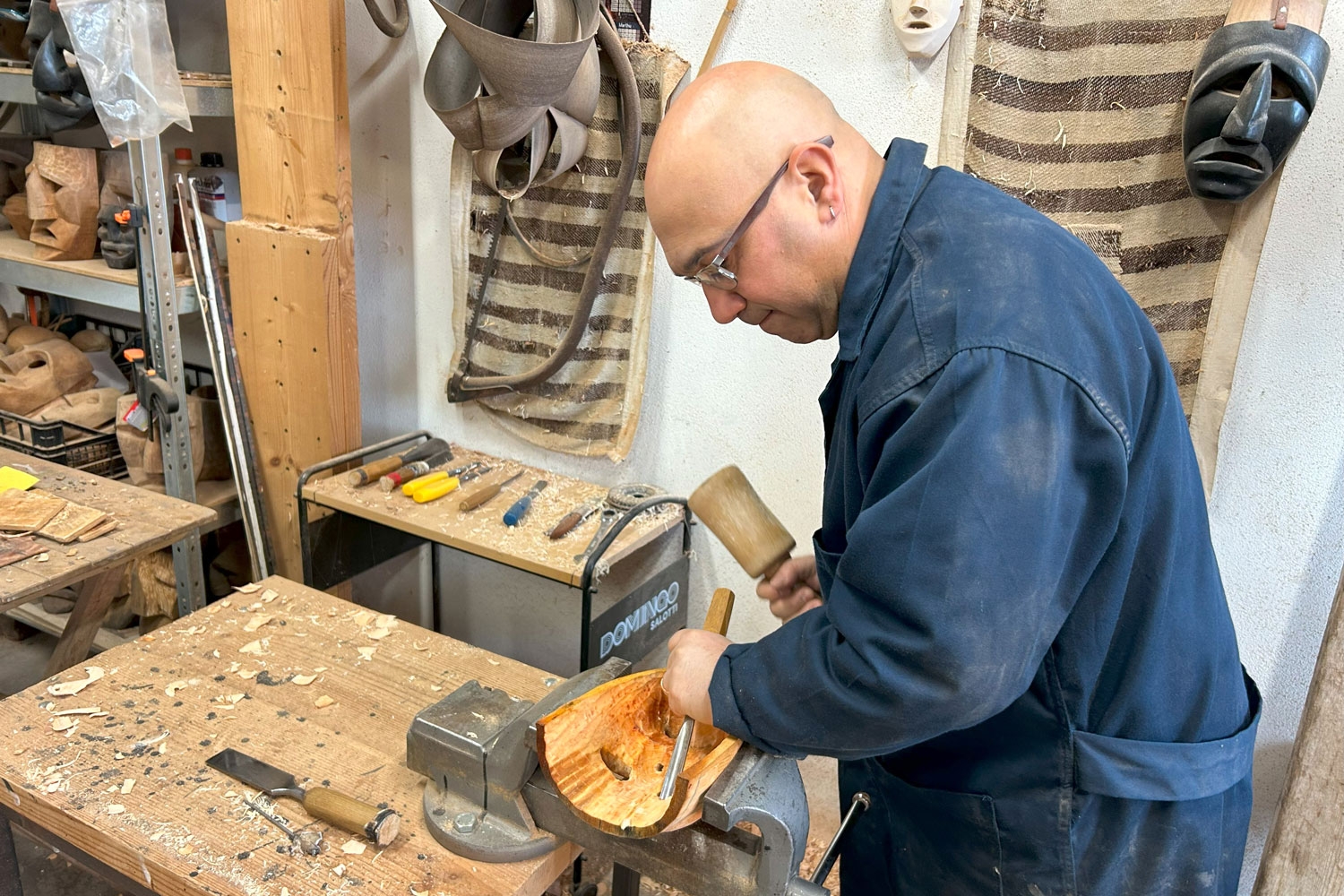
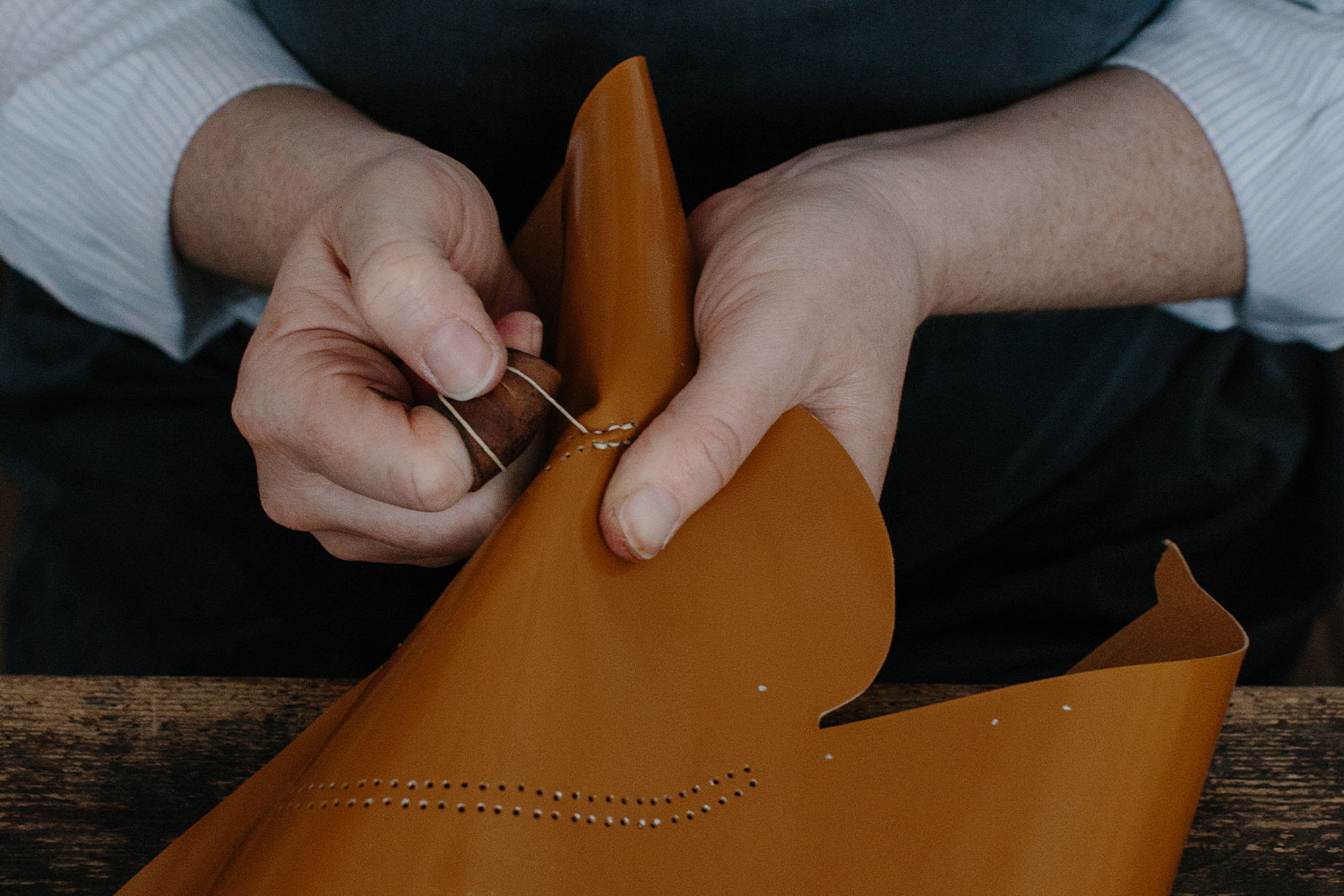
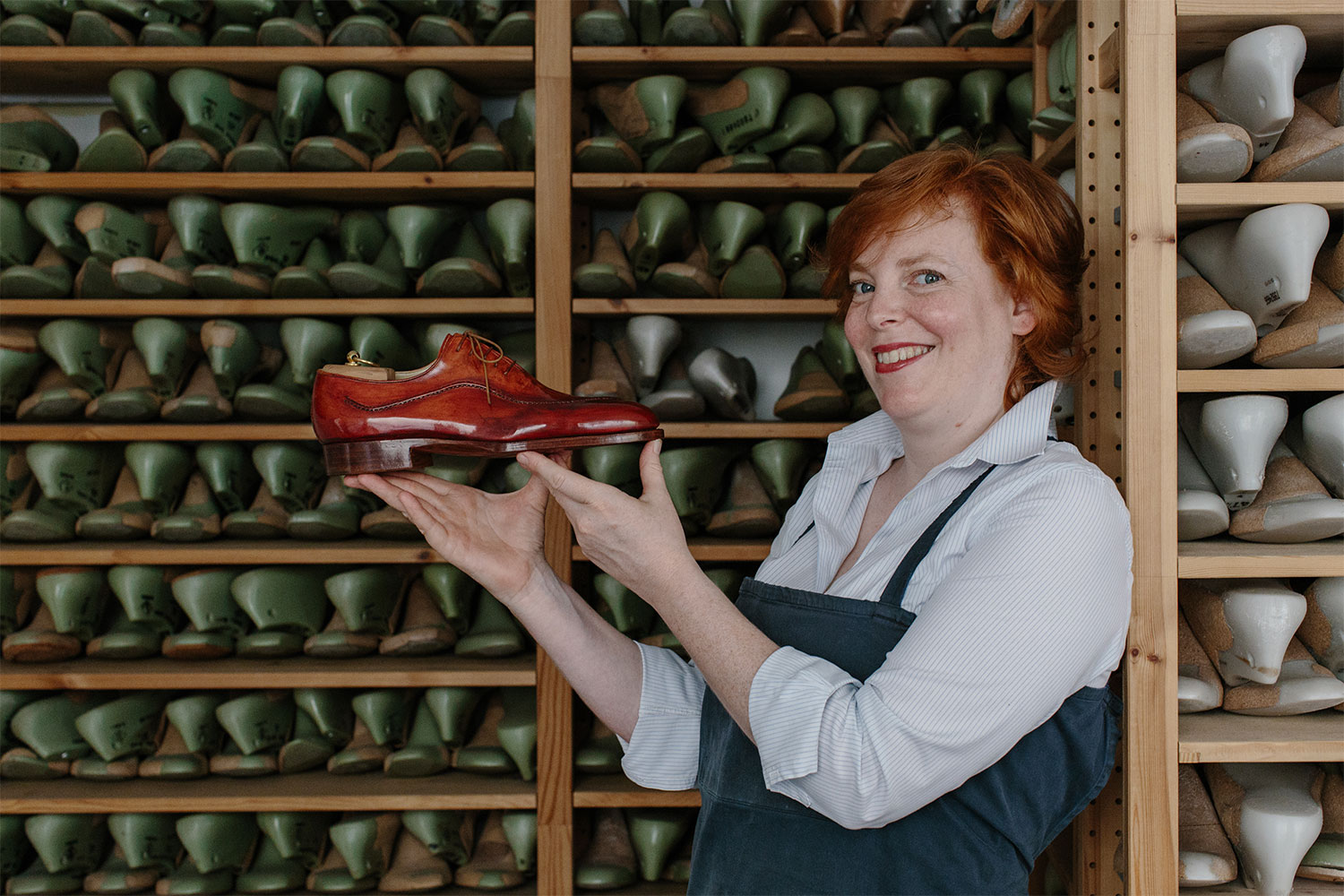
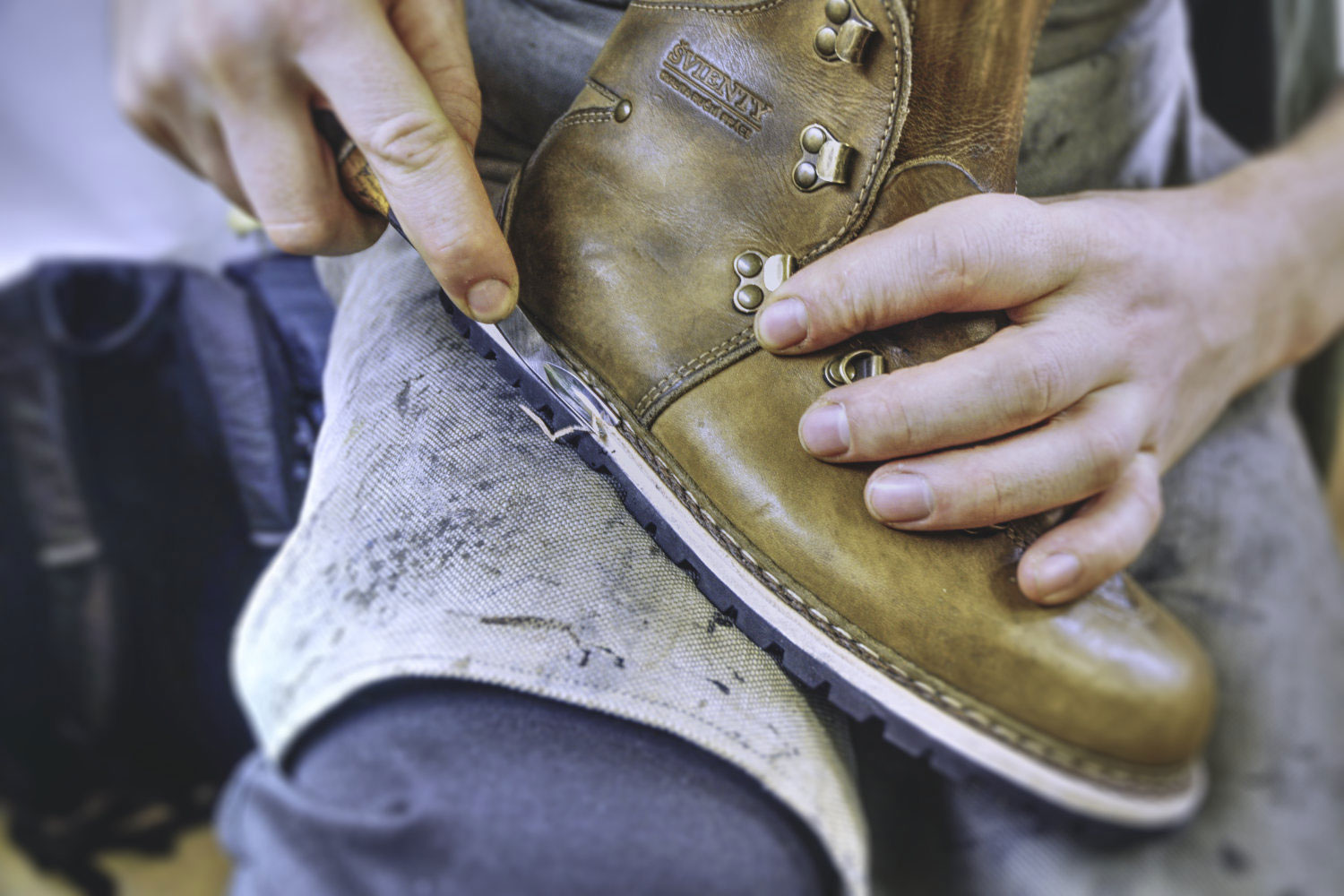
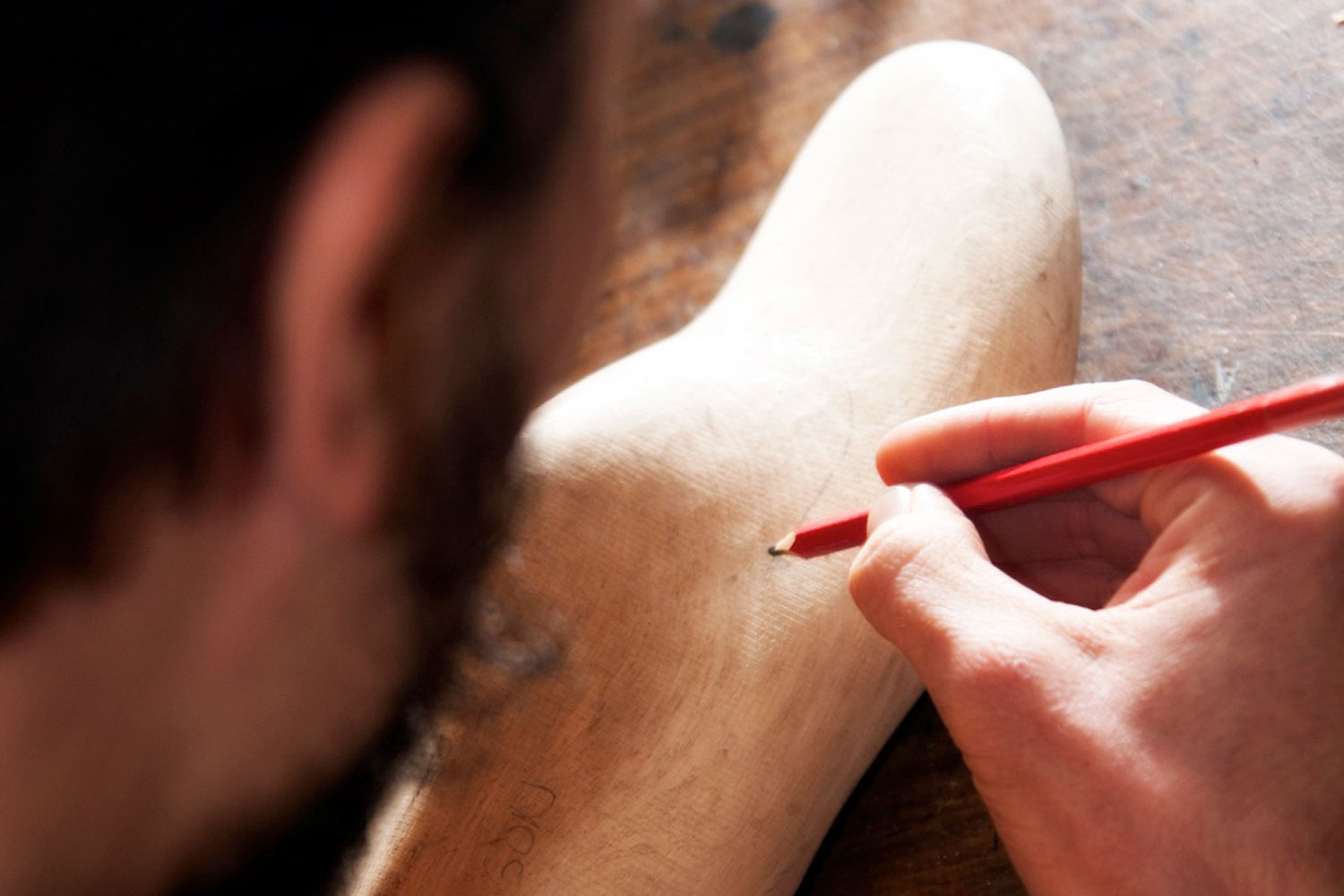
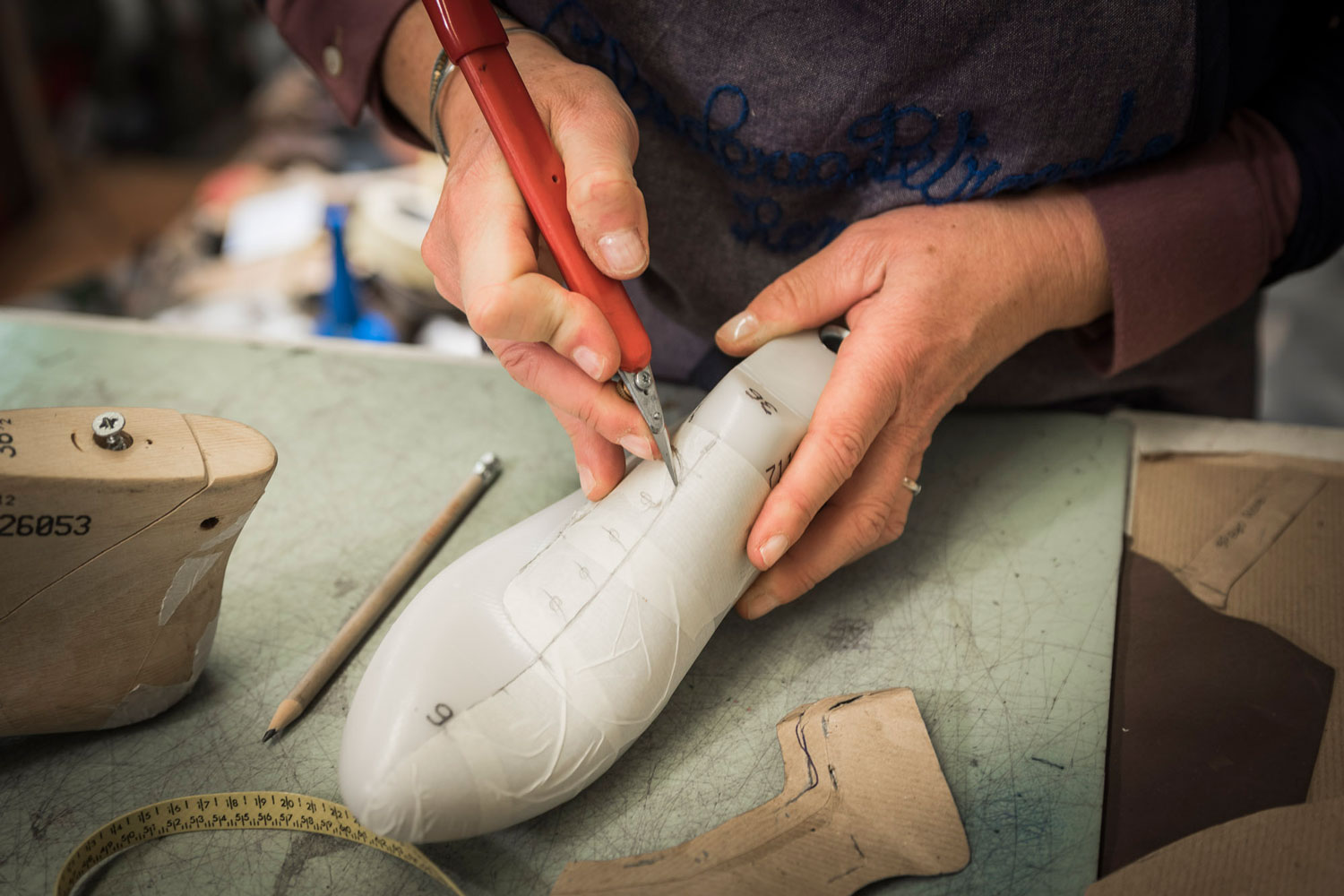
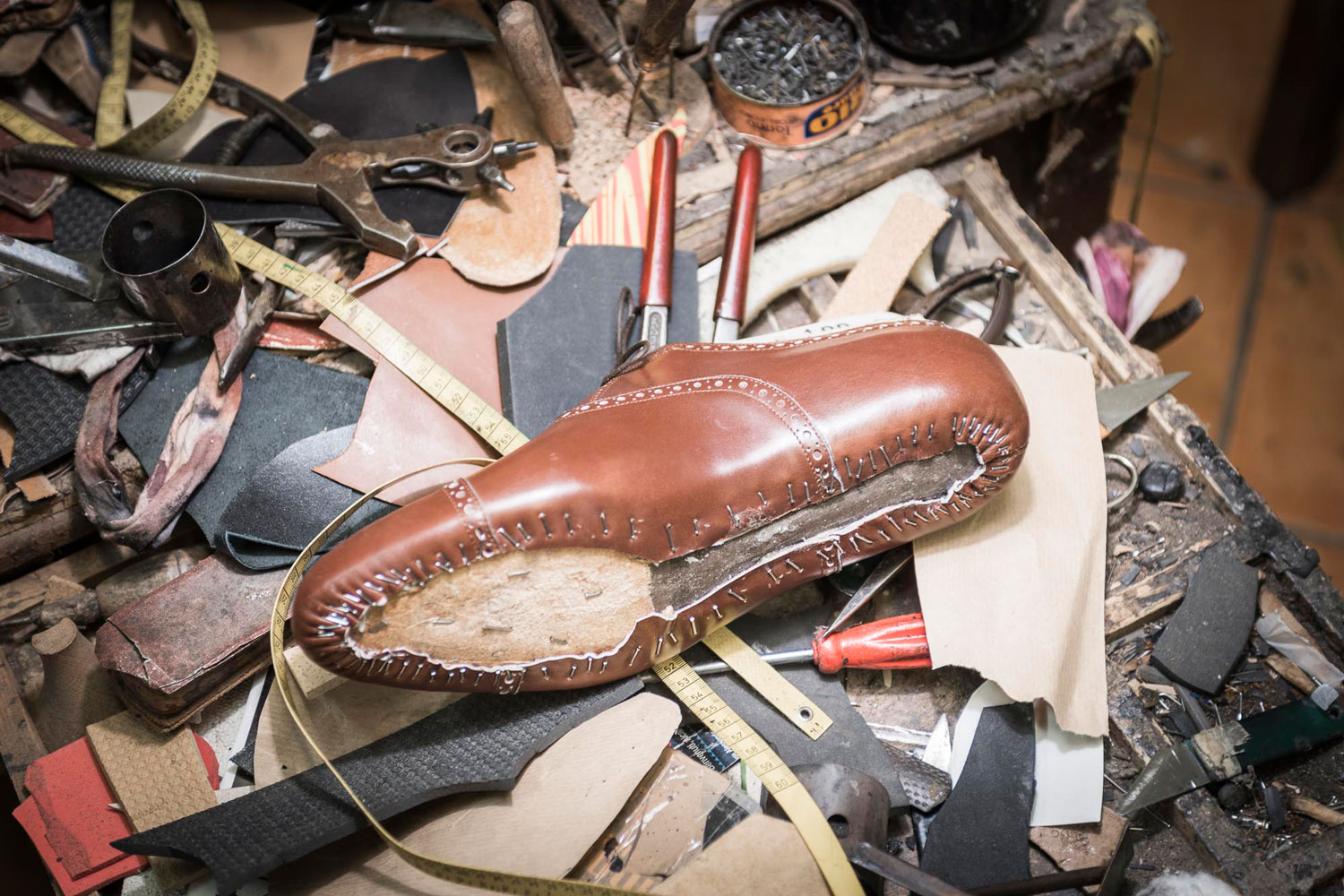
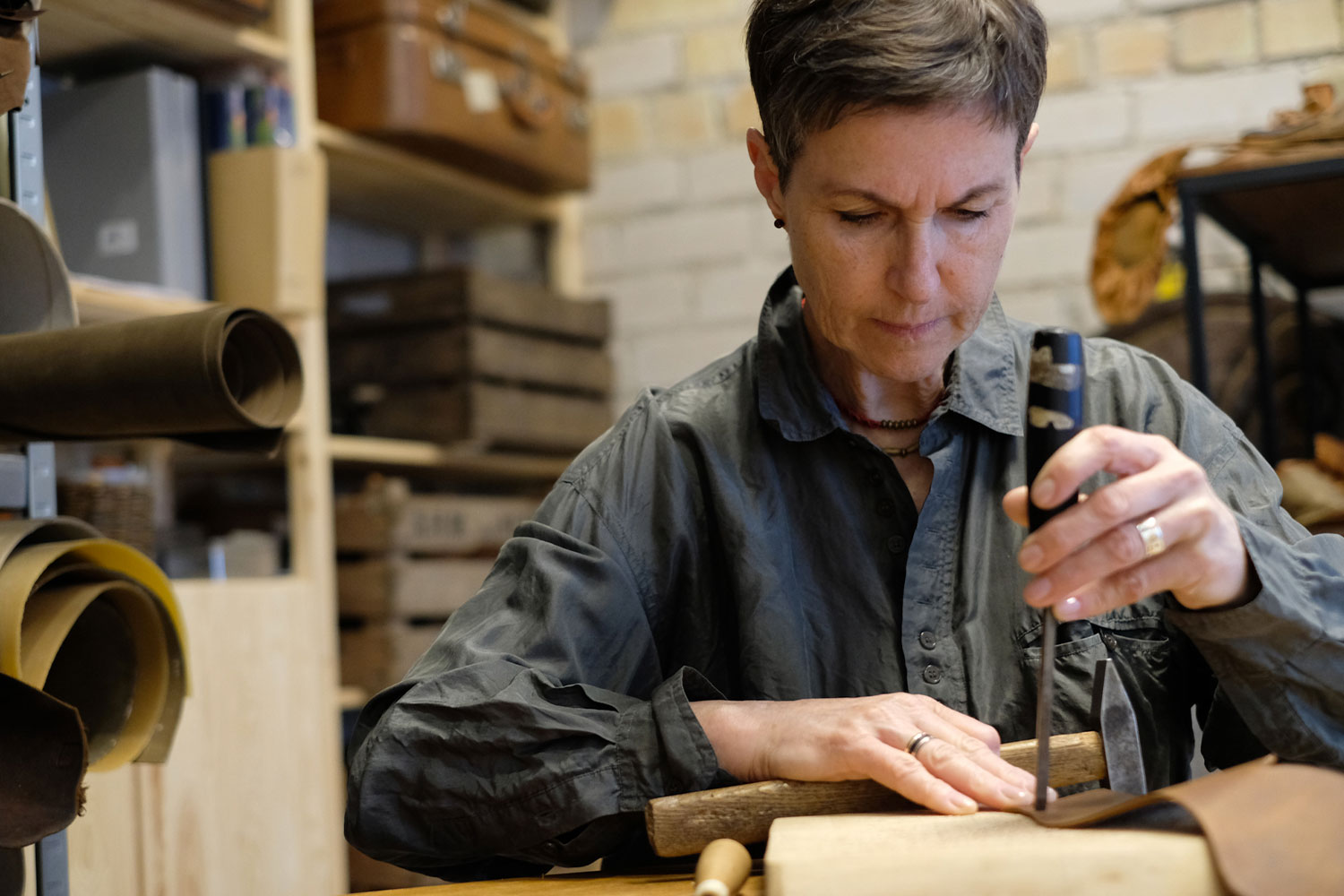
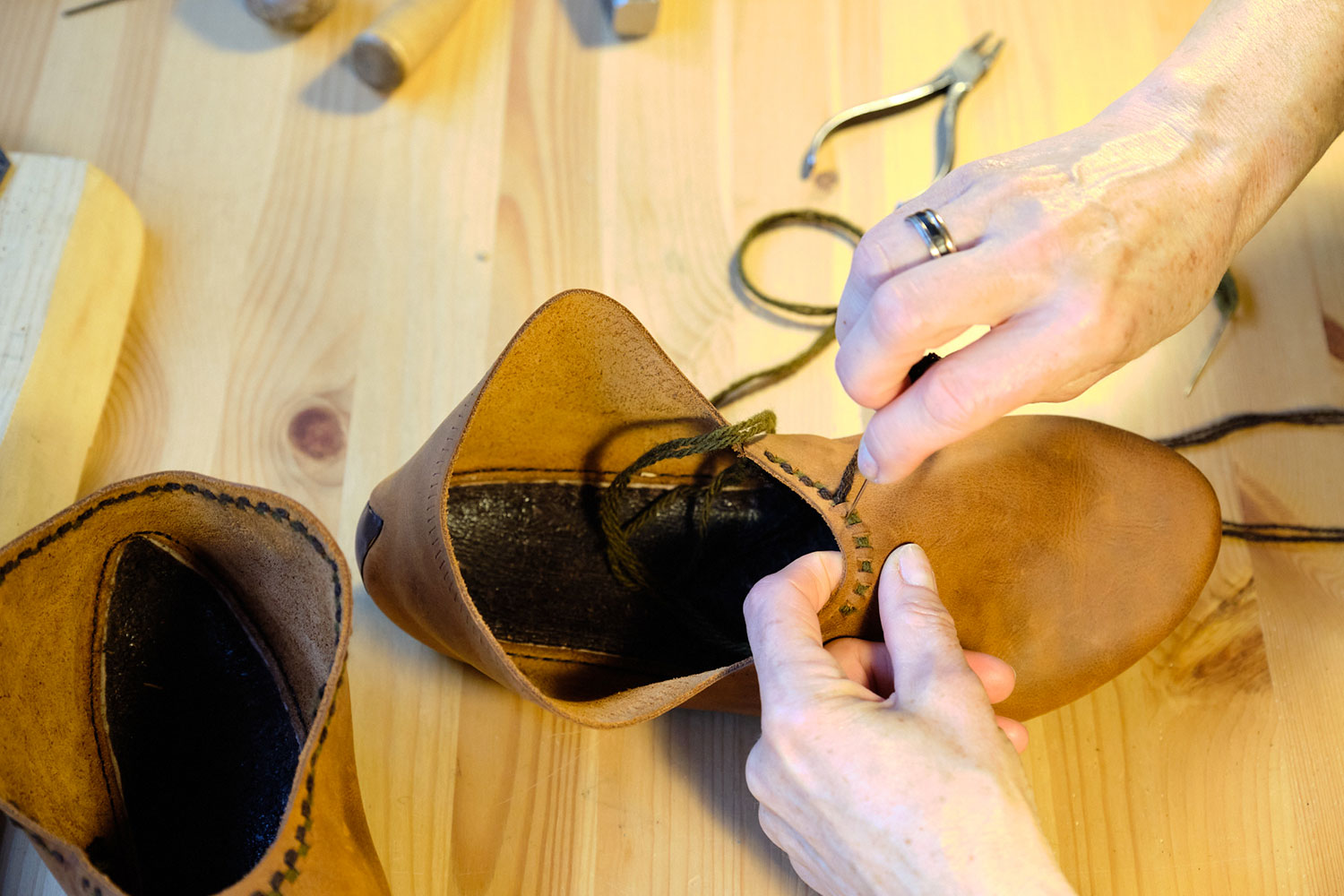
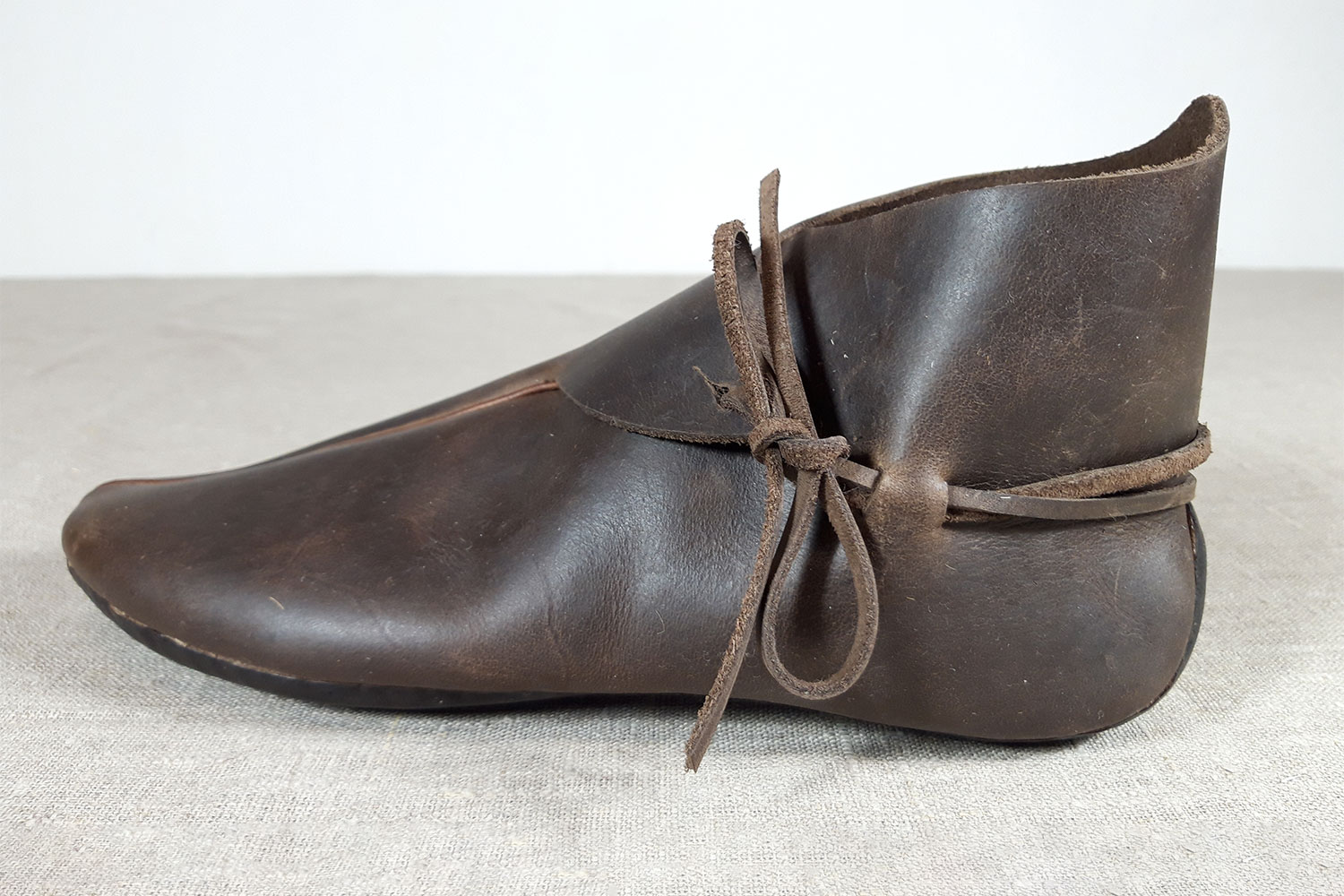
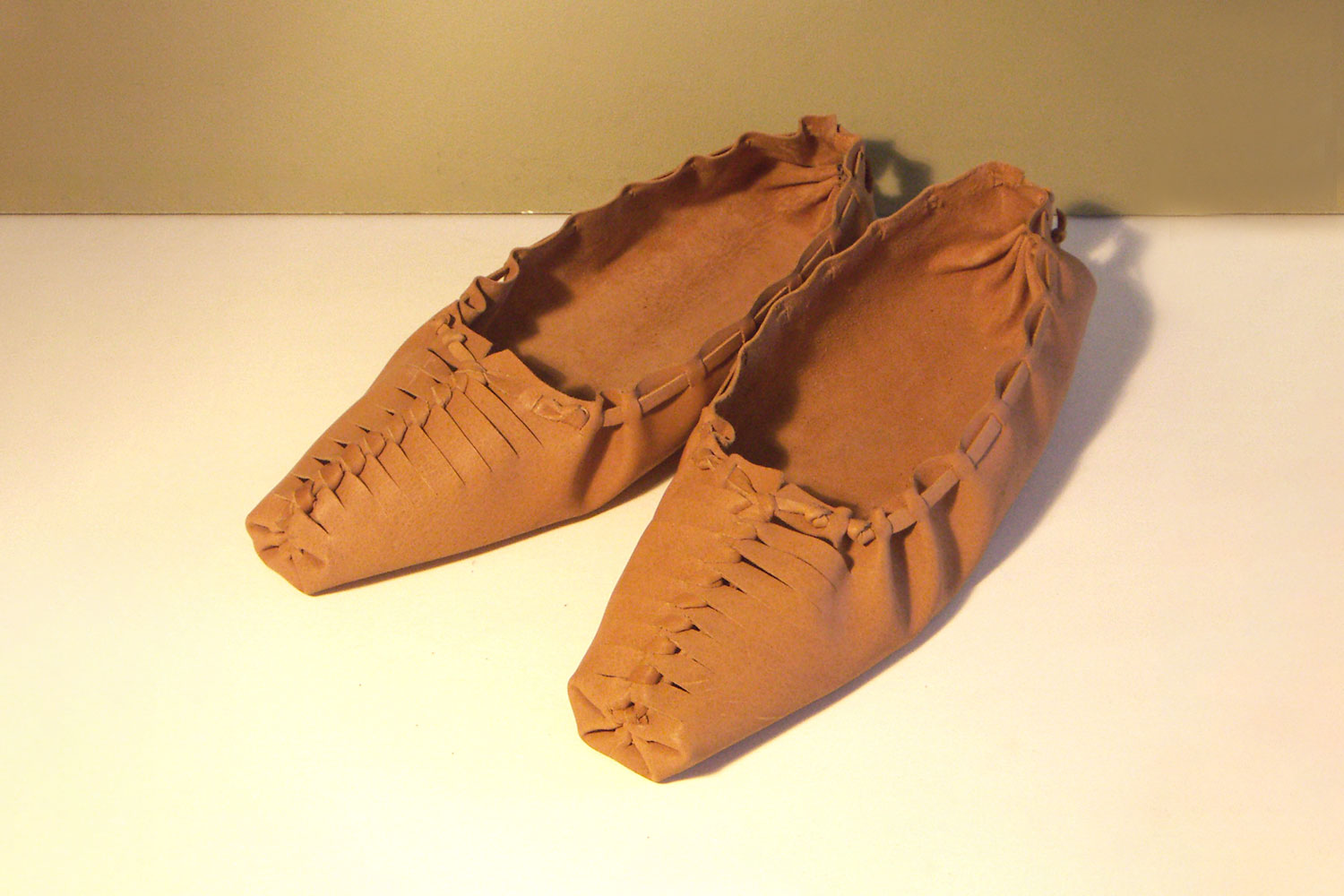
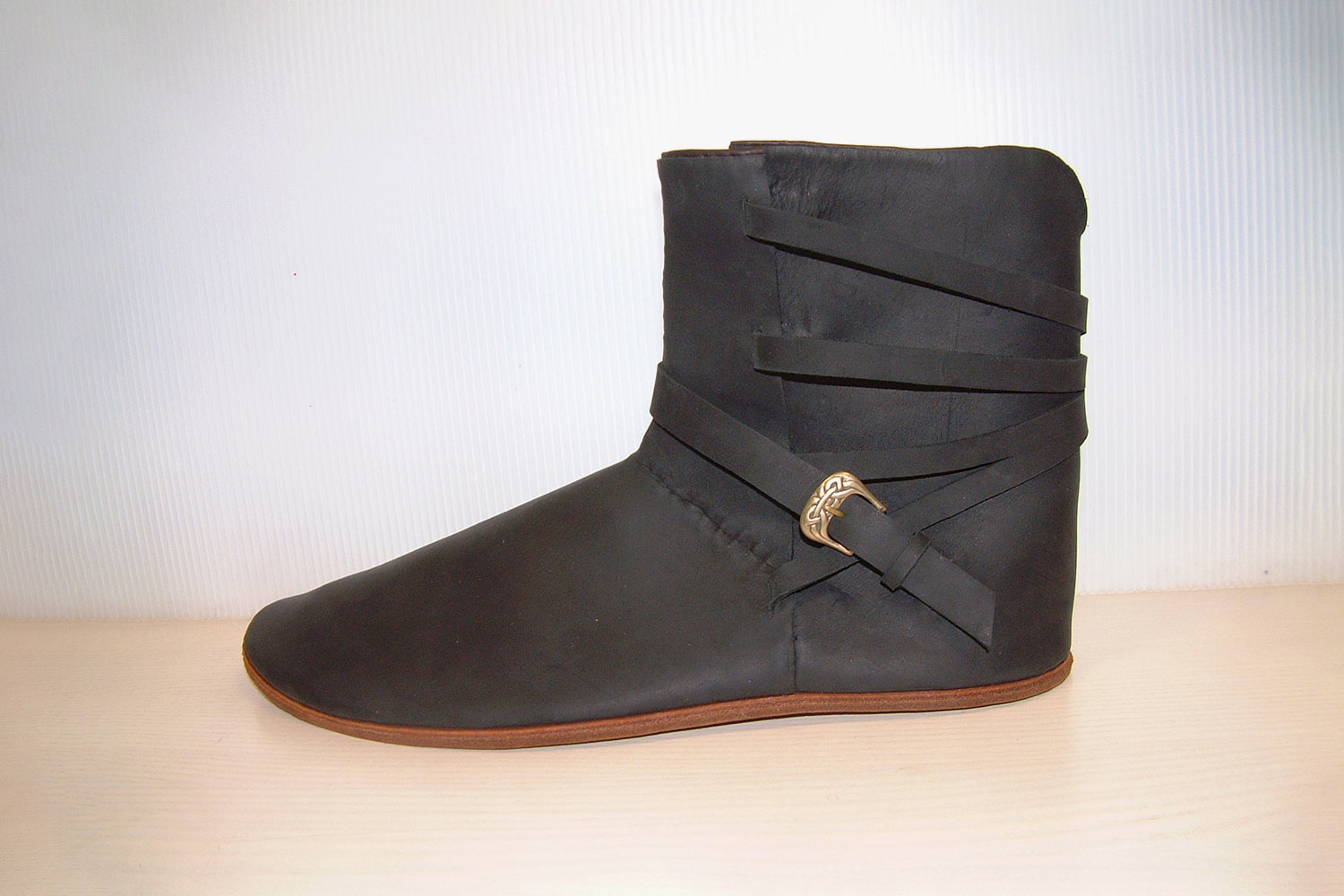
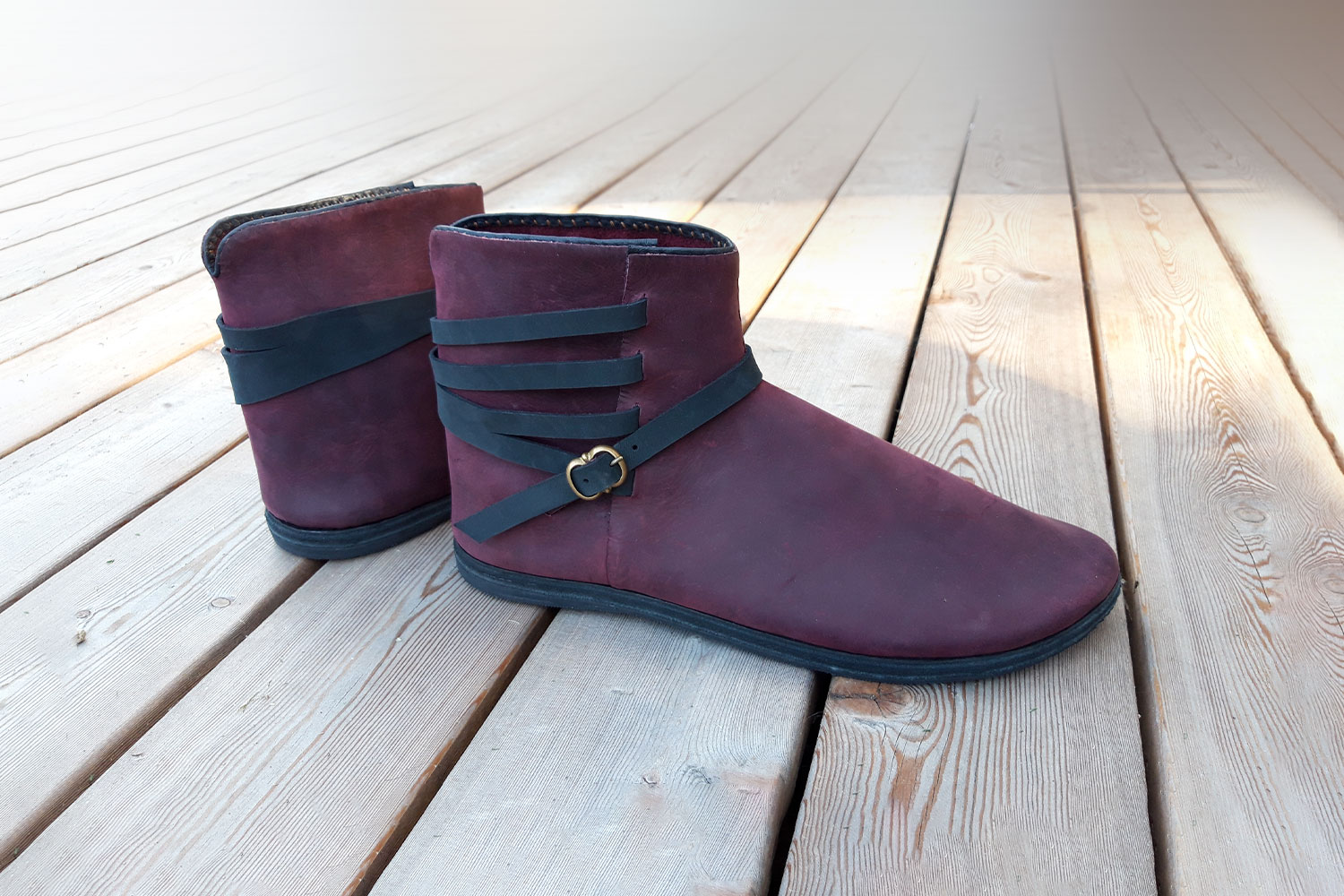
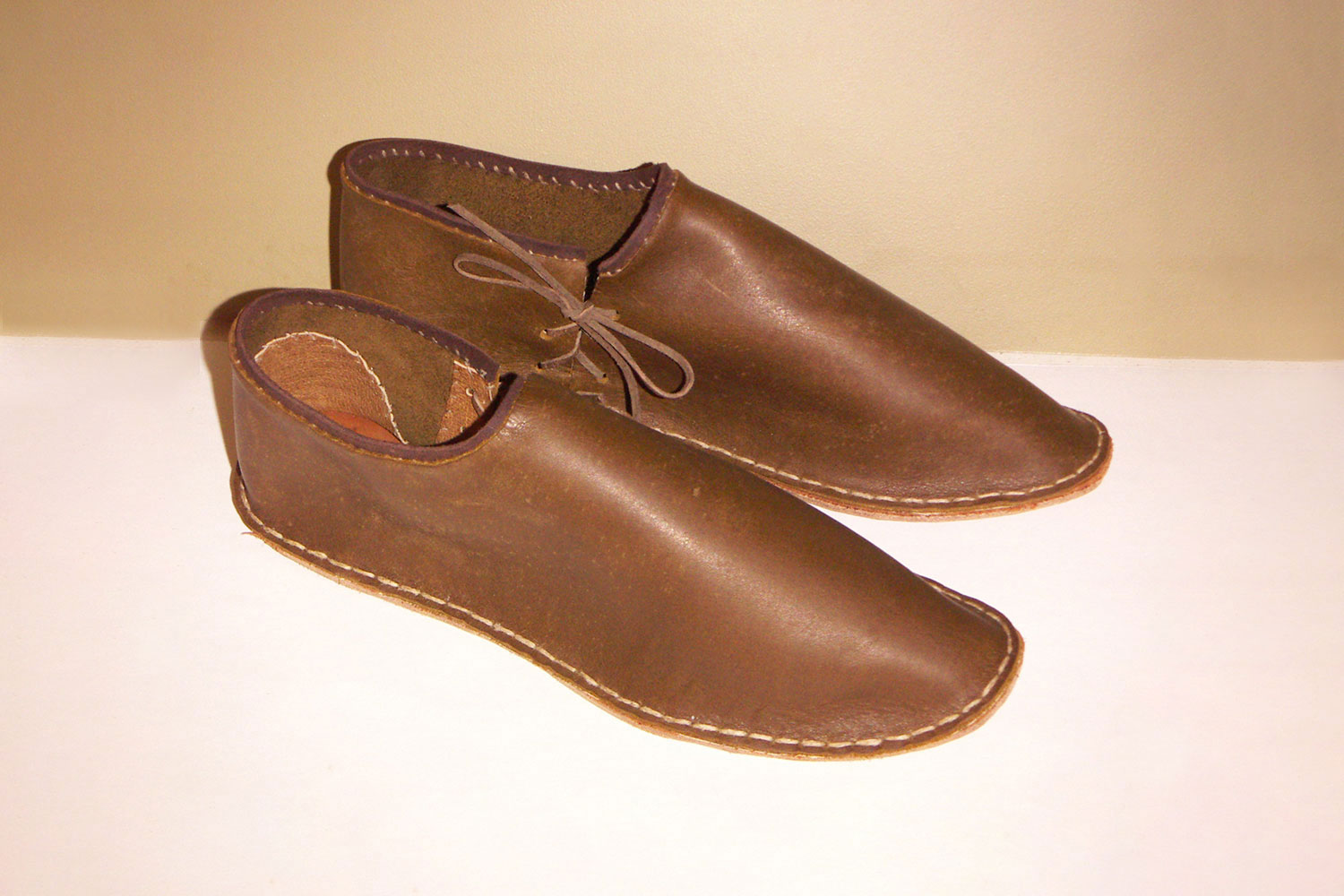
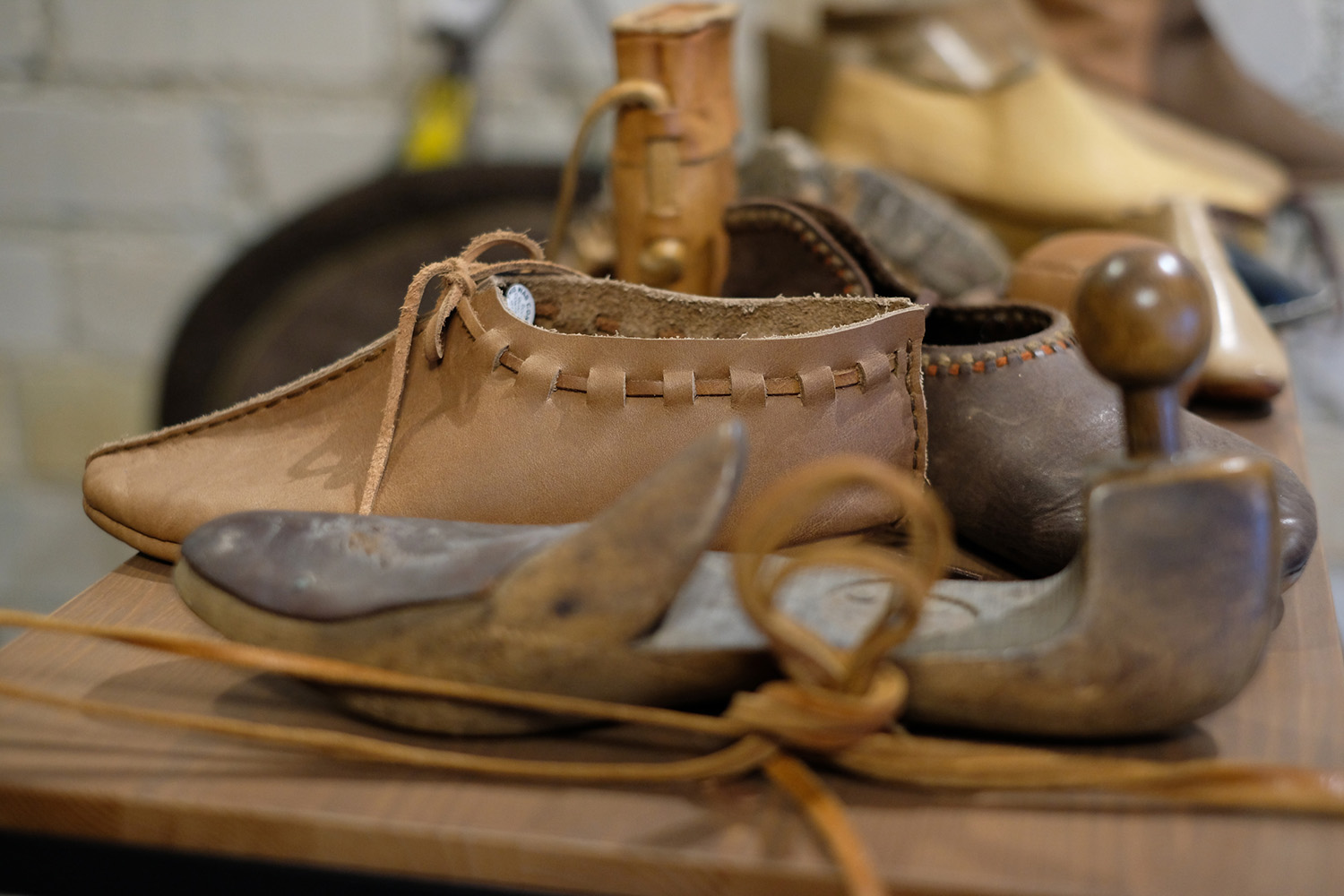
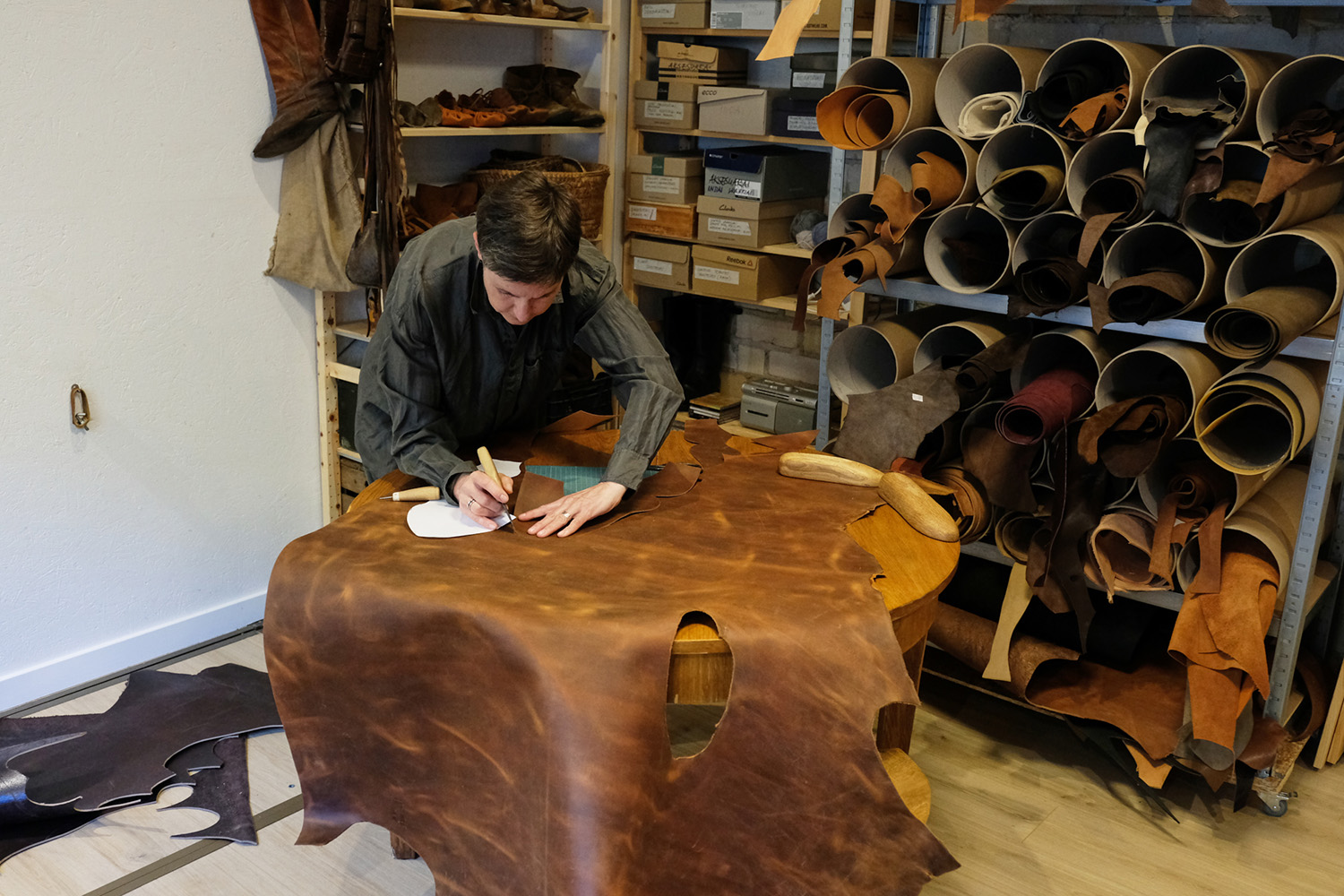
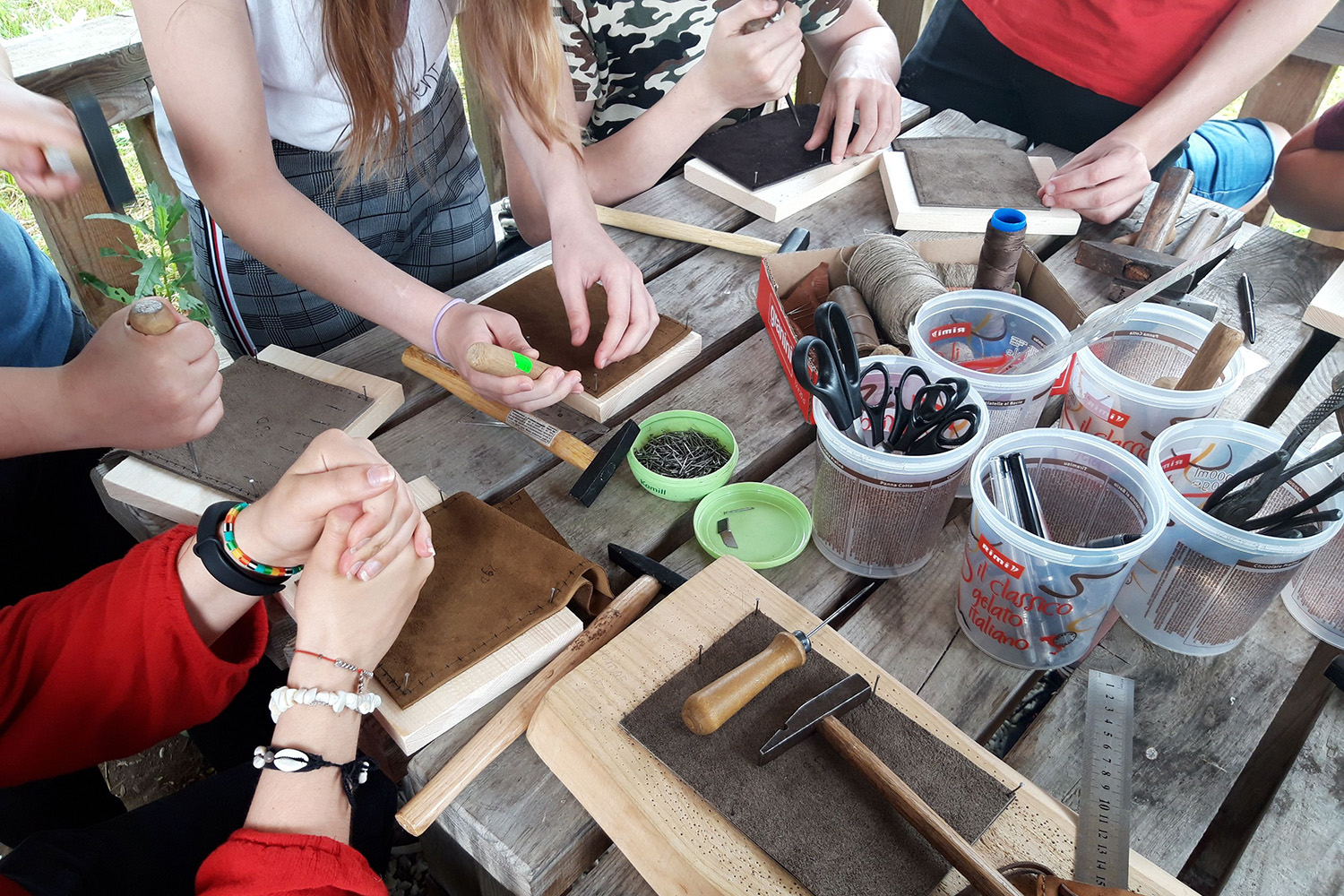
Dalia Grigonienė has been reconstructing historical footwear for two decades. An industrial designer by education, 20 years ago she moved from Vilnius to Kernavė, the old capital of Lithuania, a town of craftsmen and merchants. There, together with her colleagues, she began organising an international festival of experimental archaeology and reconstructing old crafts. It all started with spinning, but footwear quickly captivated her. Reconstruction of medieval footwear is a particularly challenging and meticulous task that requires a lot of time, research and craft knowledge. Dalia learnt all the steps of herself after a friend showed her how to make one single stitch. Now, in her cosy workshop, Dalia restores footwear found during archaeological excavations, reviving history and giving others a chance to come in touch with it. Her footwear is worn by private customers and members of music bands who admire antiquity, and museums order her pieces for educational programmes.
INTERVIEW
I reconstruct archaeological footwear of Lithuania and Europe – from the 16th century until the present day. Shoes are an important part of ancient human clothing that can tell many fascinating stories. By reconstructing them, I recreate part of the historical past.
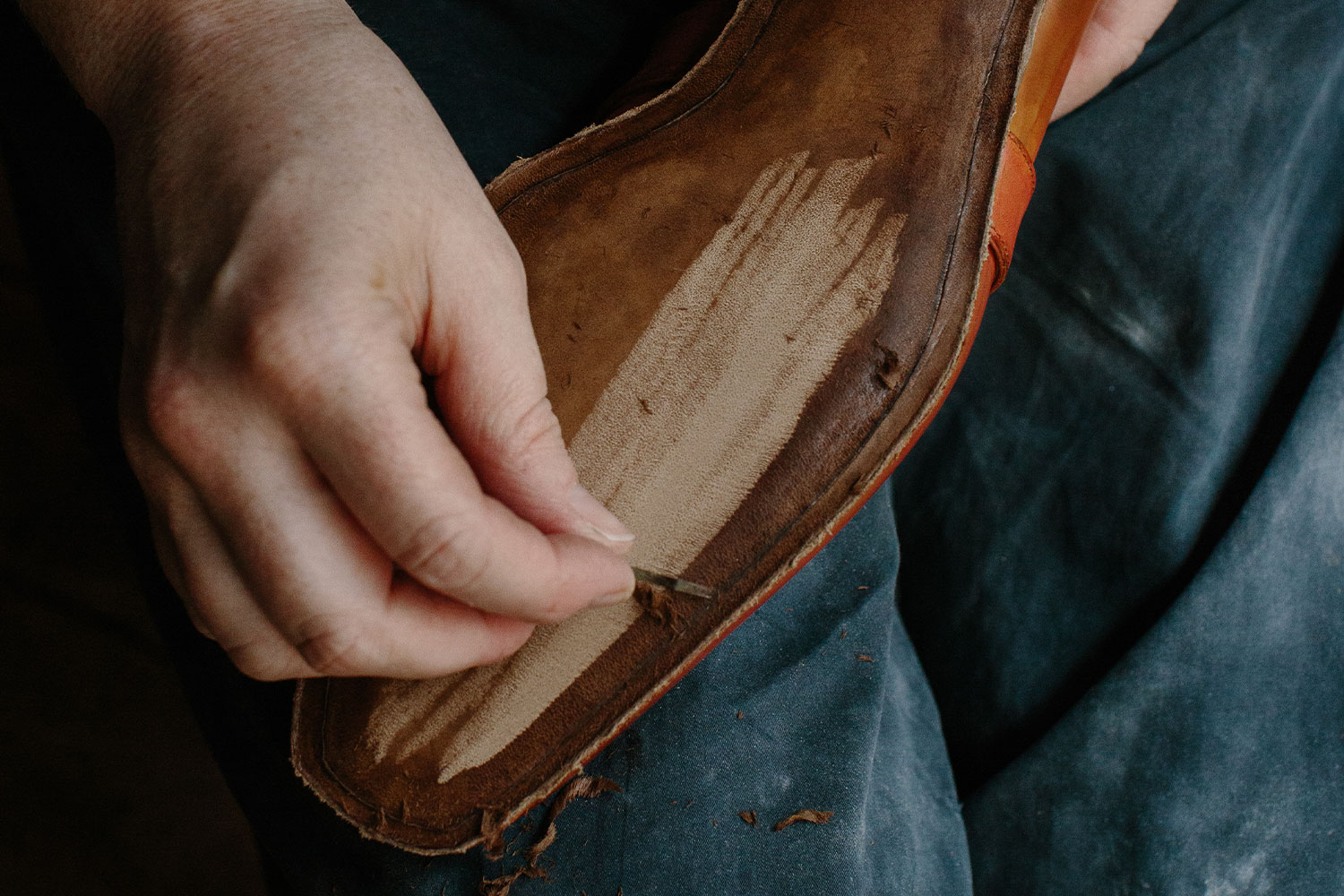
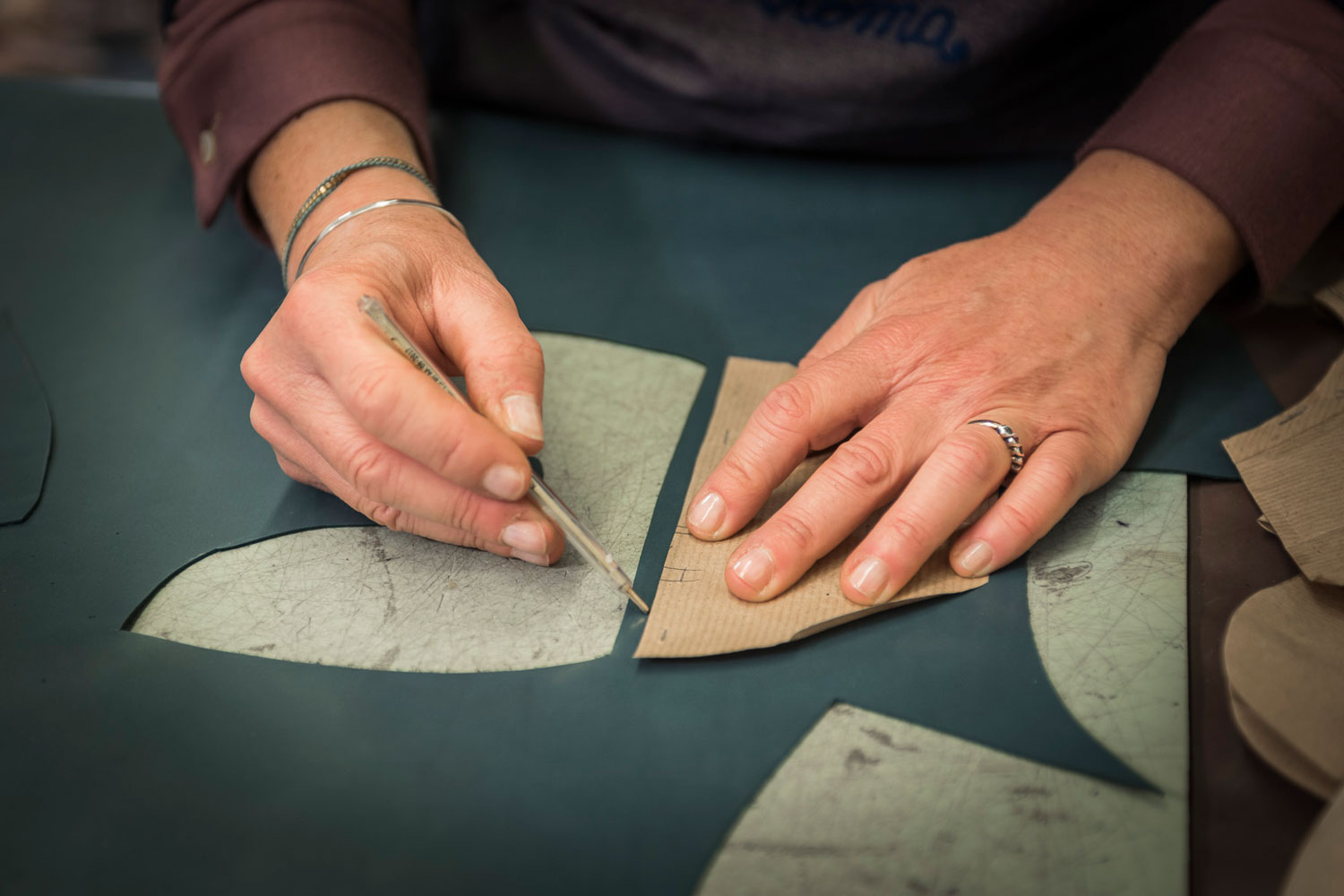
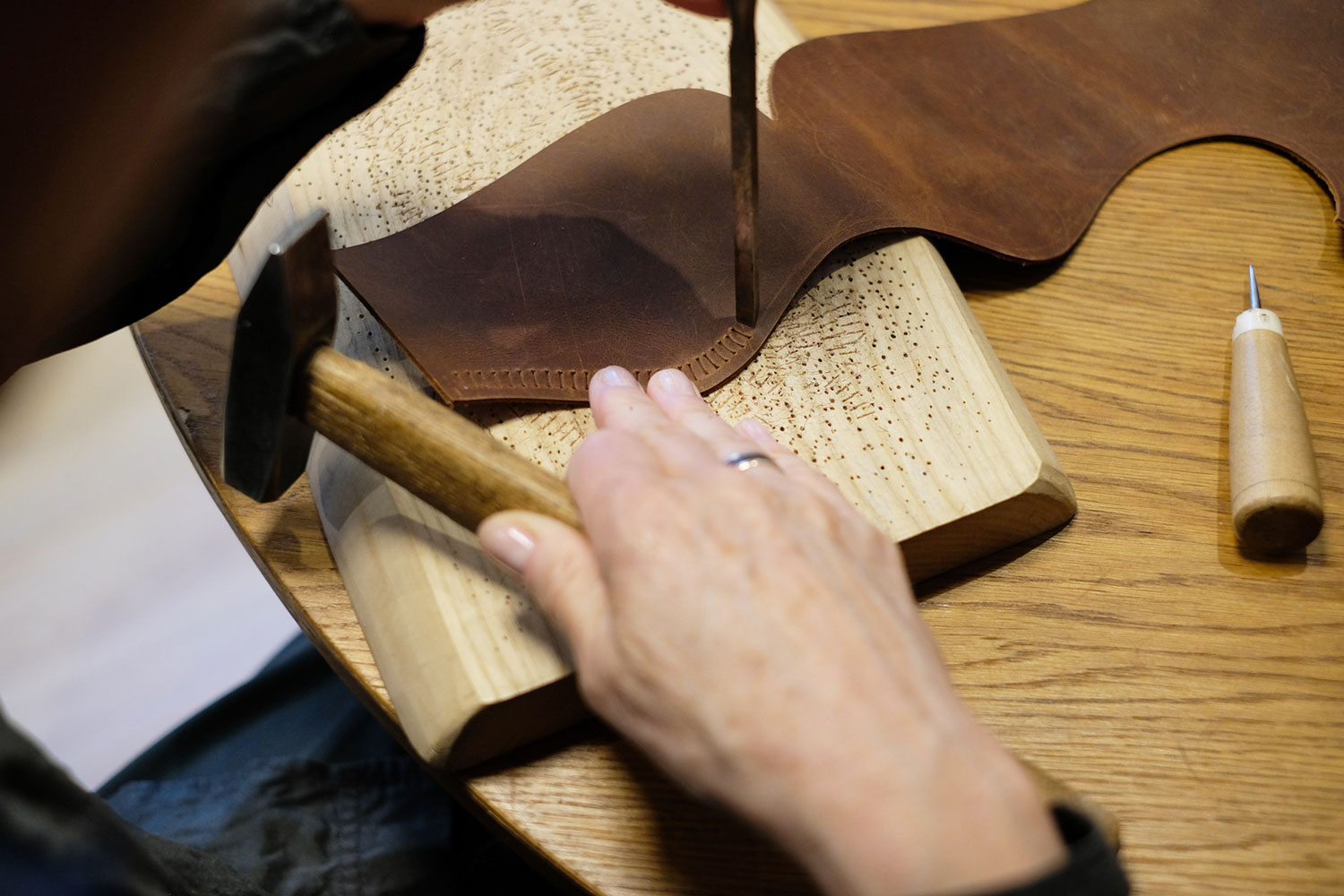
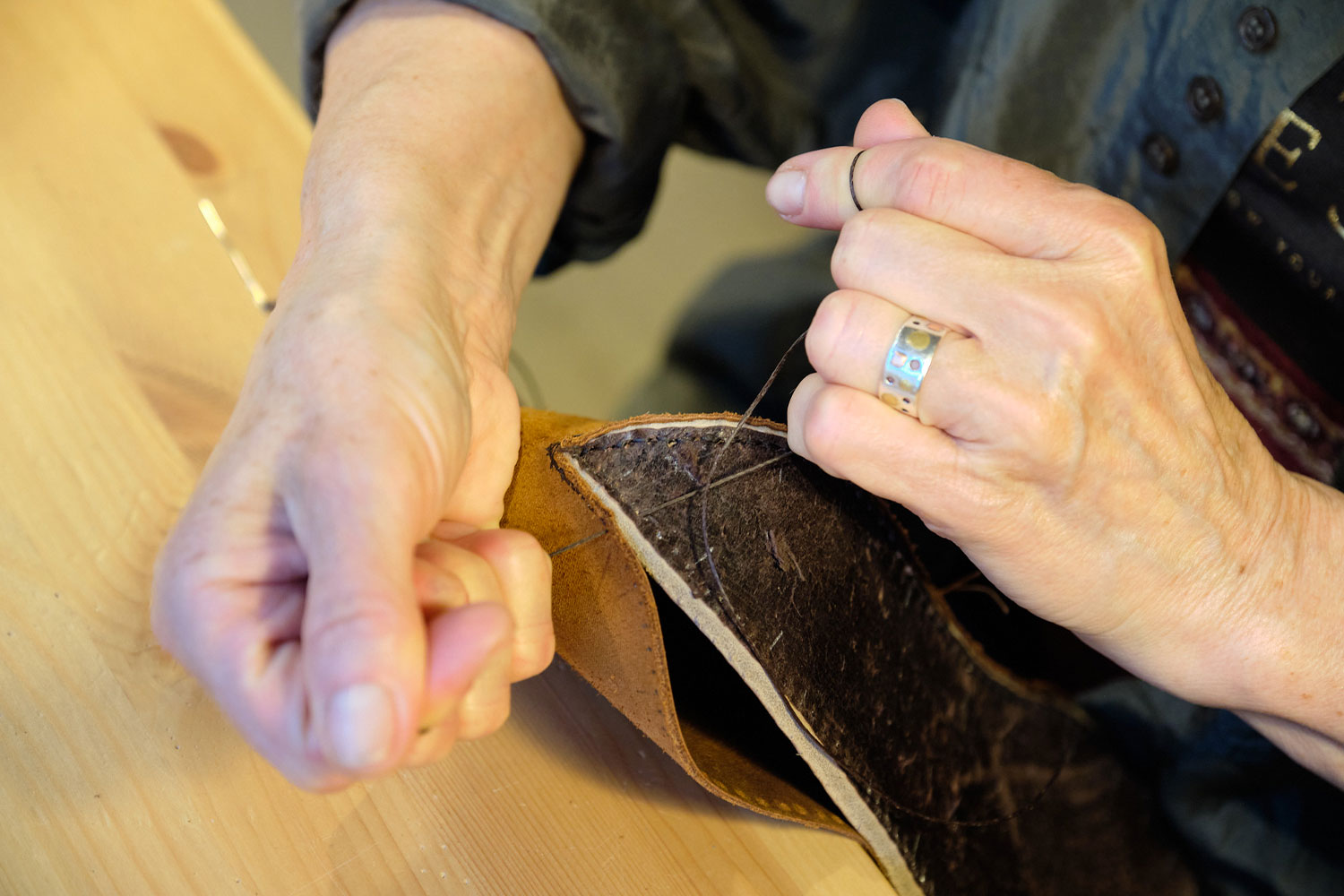
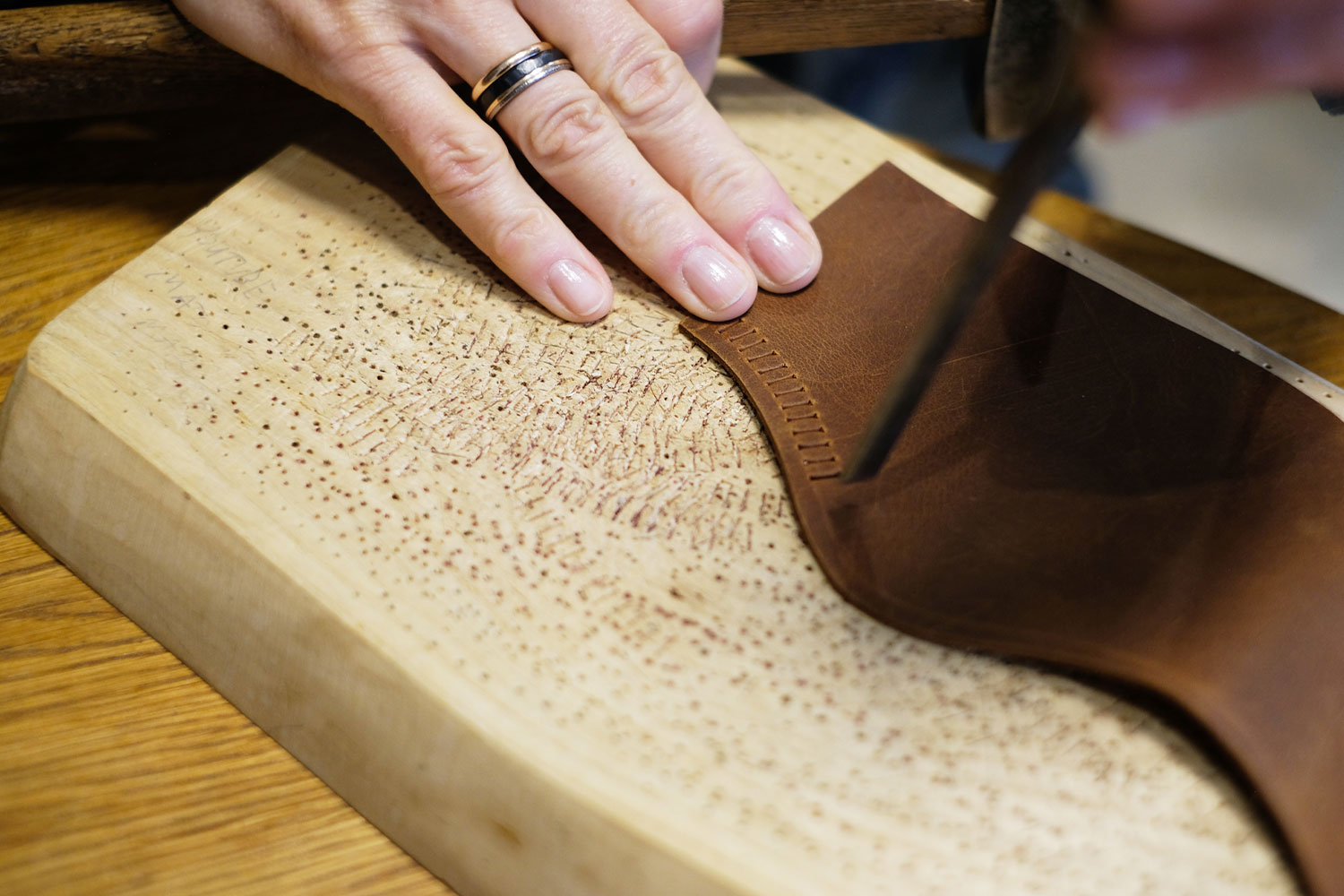
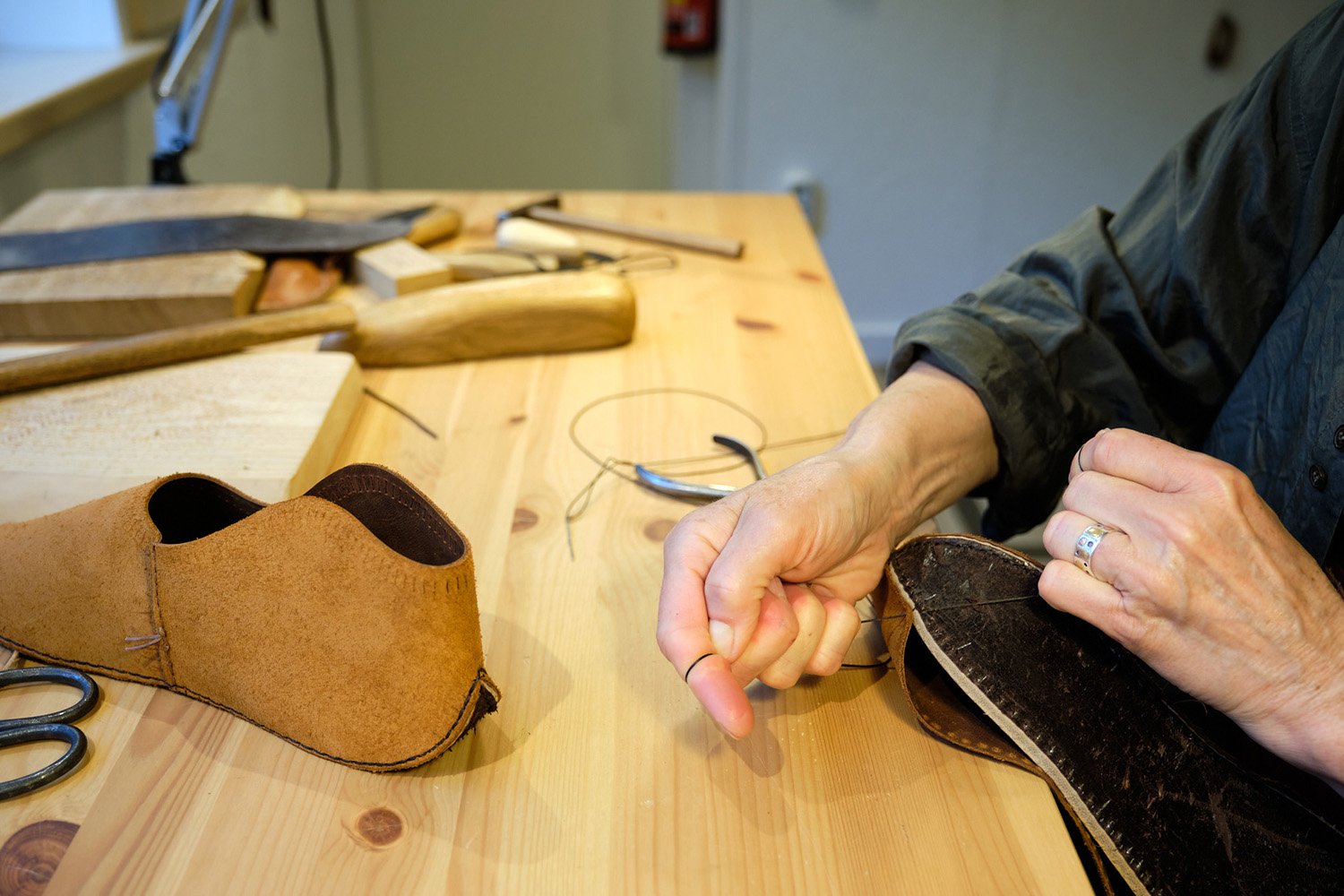
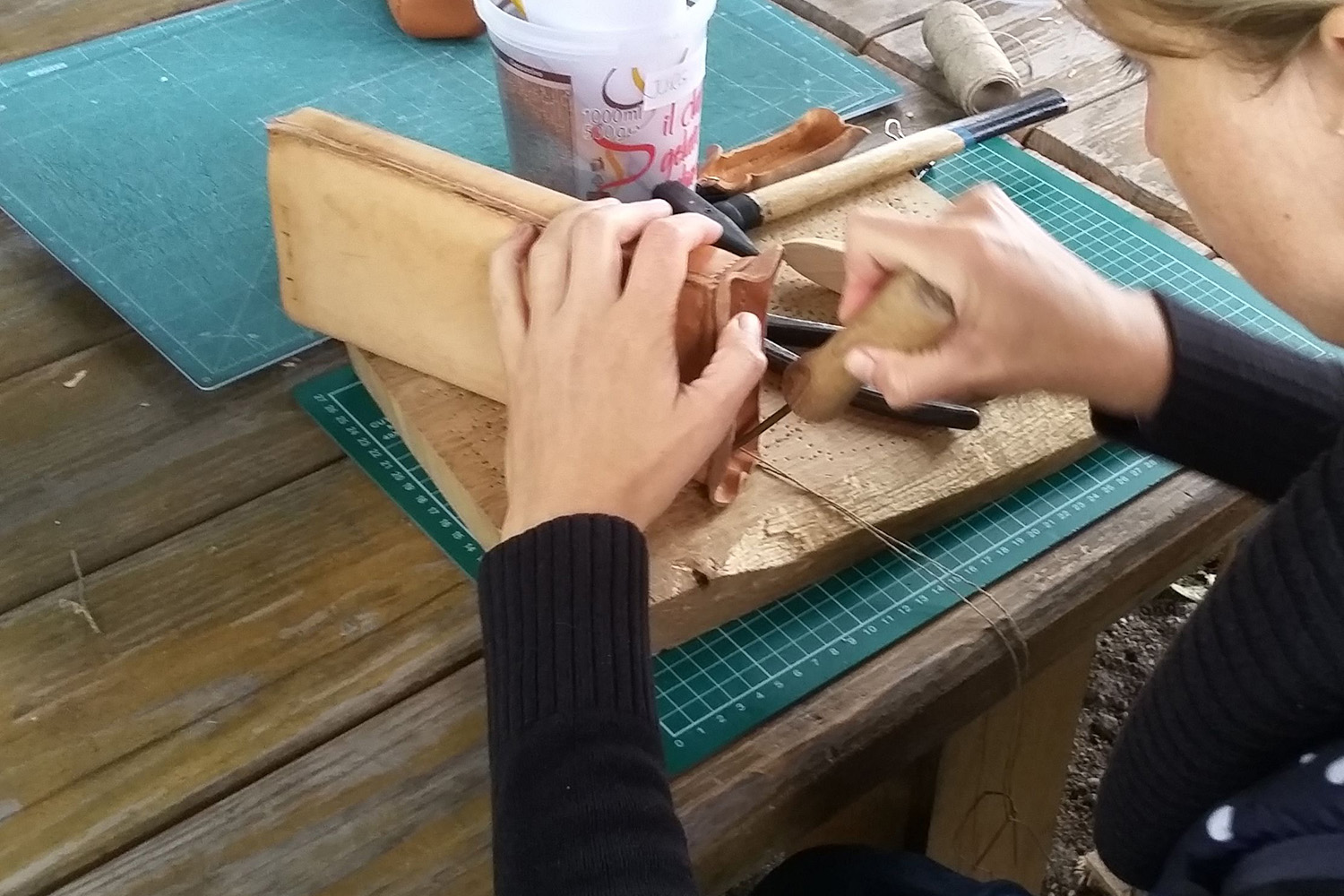
I try to follow all the ancient technologies as closely as possible, however I sometimes use more modern tools in my work, such as knives for cutting leather. If the footwear is intended for wearing, I use synthetic thread because it is much more durable. I make shoes from vegetable-tanned leather as well as modern chrome-tanned leather. When creating pieces for museums, I try to recreate everything exactly – from materials to tools, stitches and techniques.
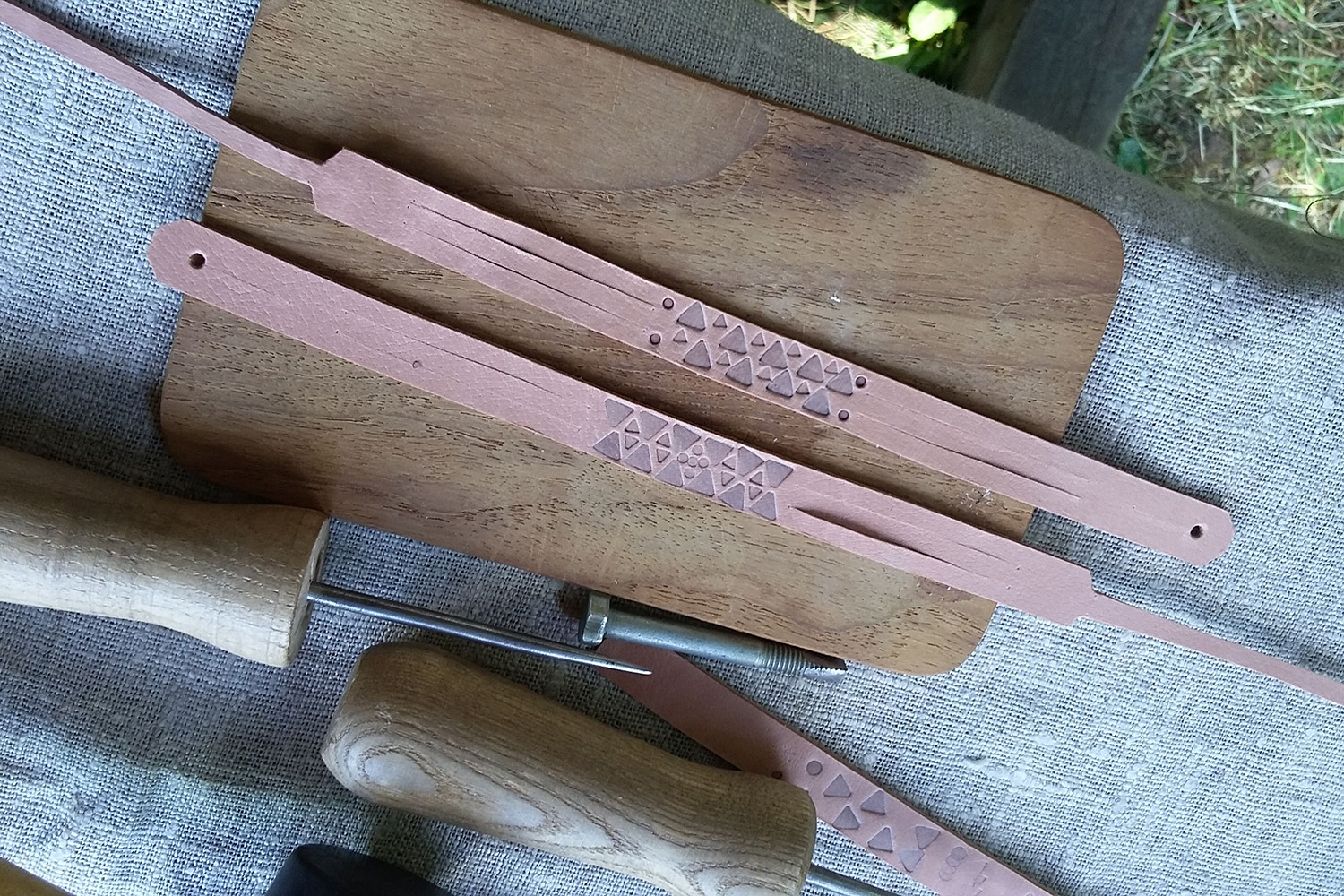
When reconstructing ancient footwear, everything is specific: I rely on my accumulated materials and knowledge, use medieval awls, chisels and wax, recreate ancient stitches – I do everything as they did in the Middle Ages.
What pleases me the most is the process itself, but also the result of producing a pair of beautiful footwear. The opportunity to touch originals and see what historical footwear looked like with my own eyes, then creating a pair. There is no routine in this craft – every pair is different, every model is different. It is a constant change.
2 EXPERIENCES
2 EXPERIENCES
Dalia Grigonienė
Shoemaker
Kernave, Lithuania
ADDRESS
Address upon request, Kernave, Lithuania
AVAILABILITY
By appointment only
PHONE
+370 68225898
LANGUAGES
Lithuanian, English, Russian
Homo Faber Finds is a new service aiming to inspire admirers of craft to connect and collaborate with exceptional artisans.
We invite you to submit an enquiry here.