Cristina Cordova
Ceramicist
Bakersville, NC, USA
Recommended by Craft in America
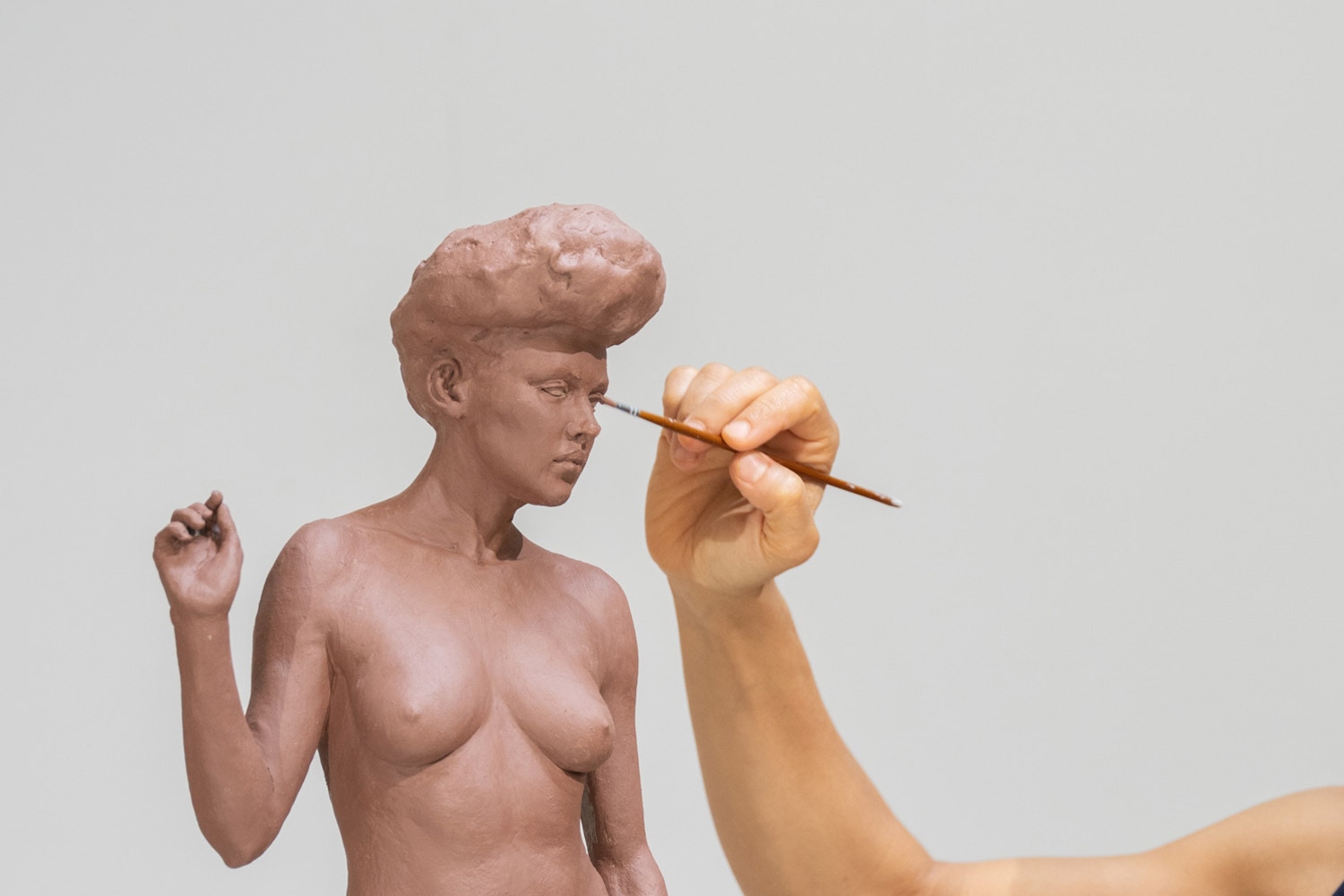
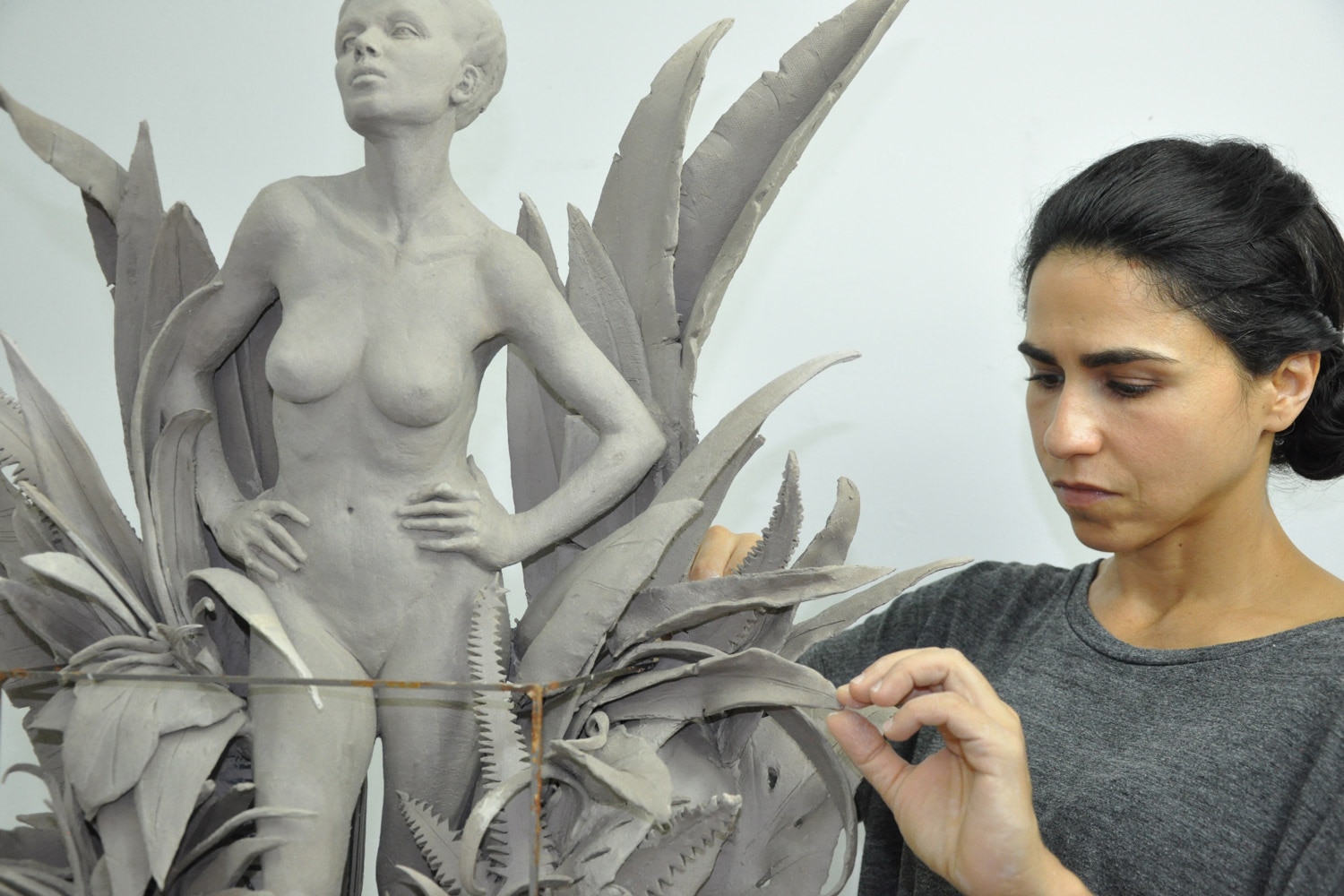
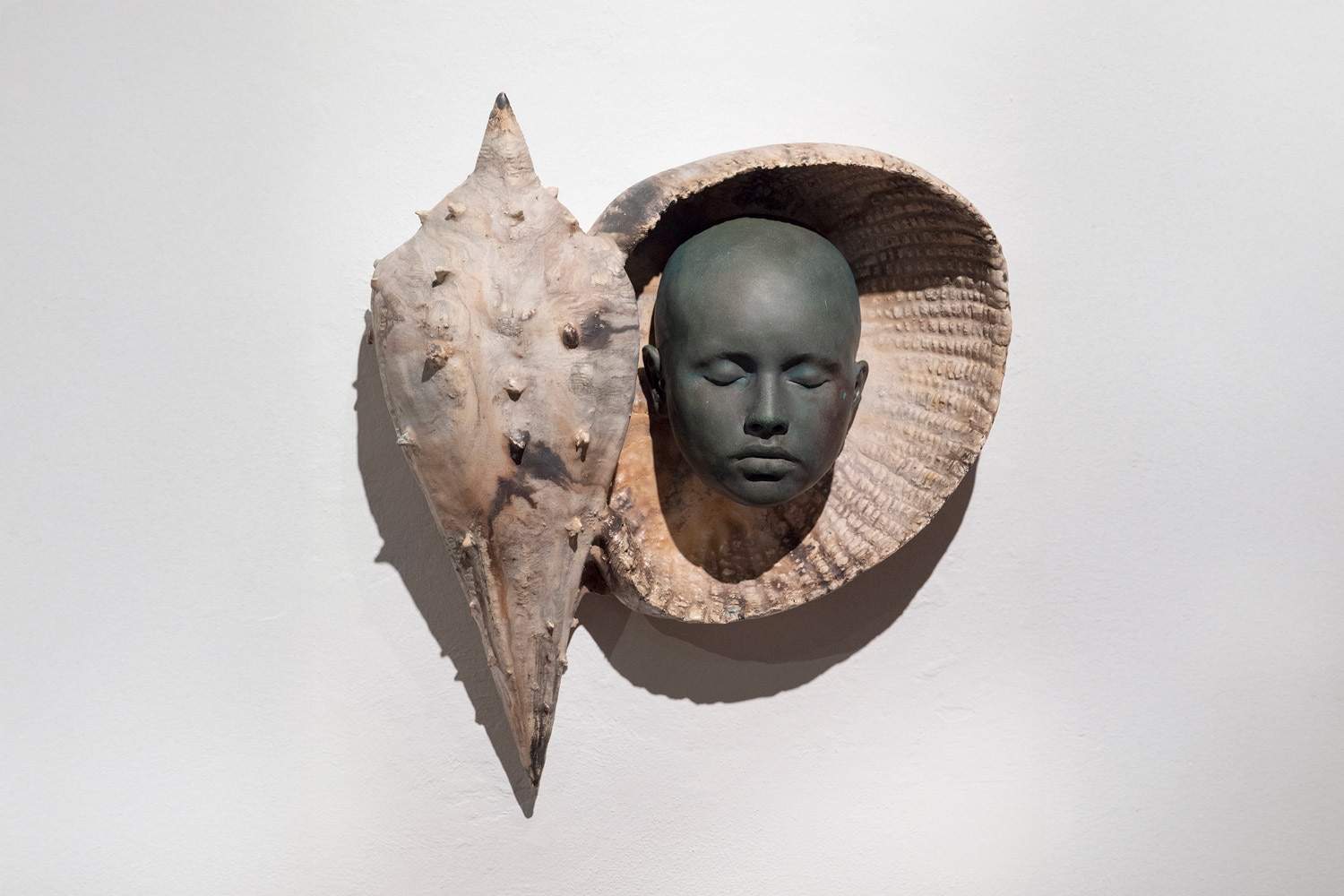
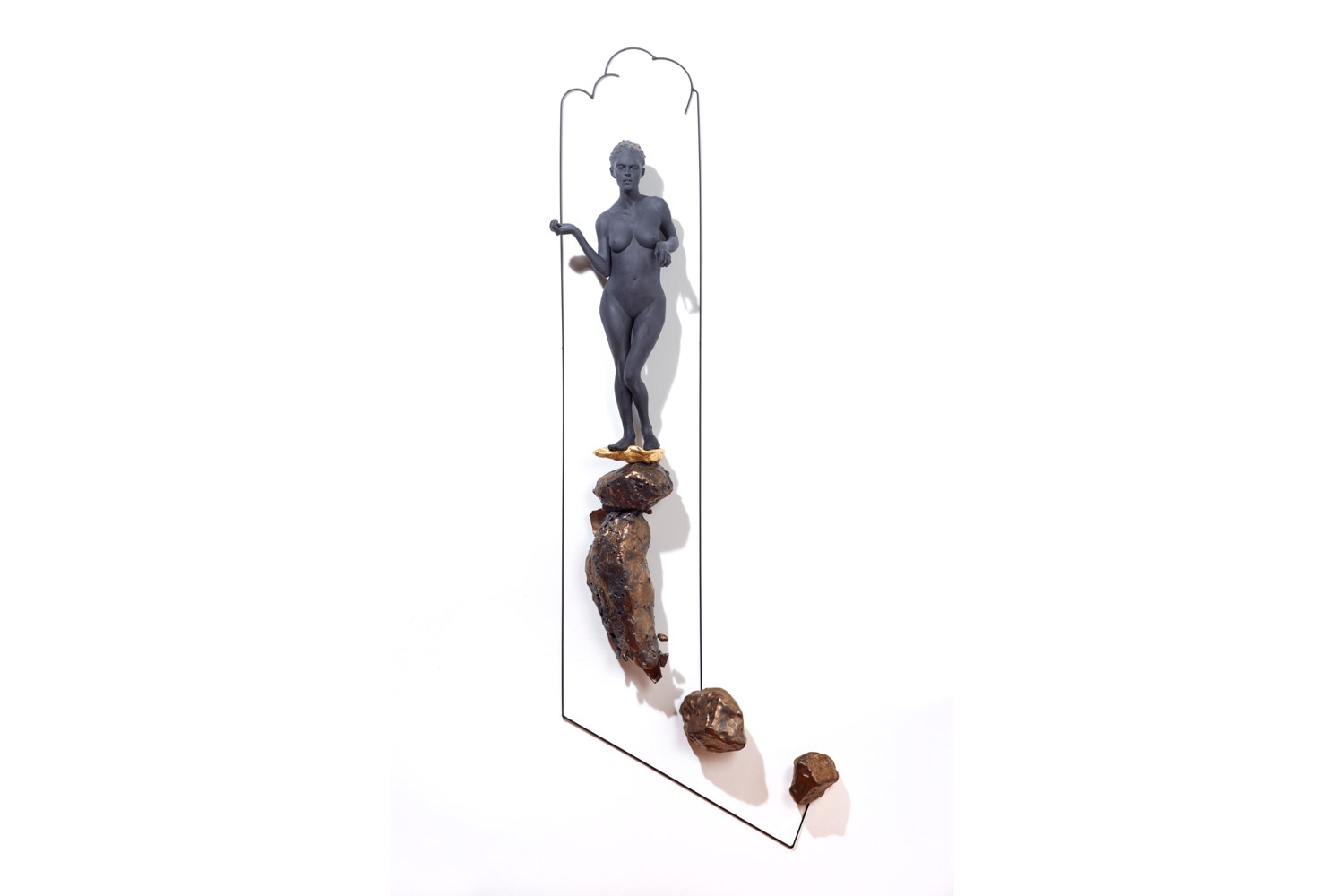
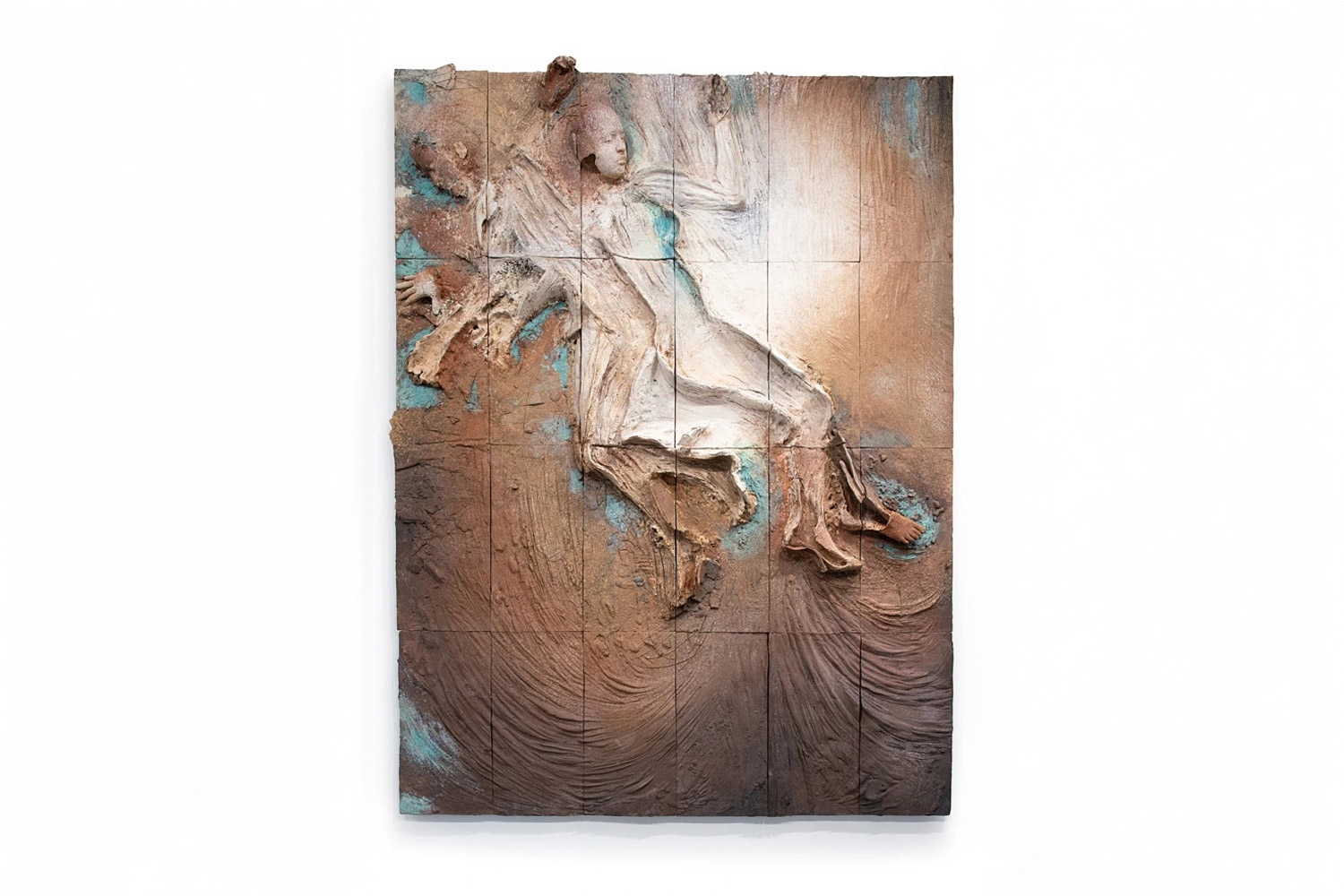
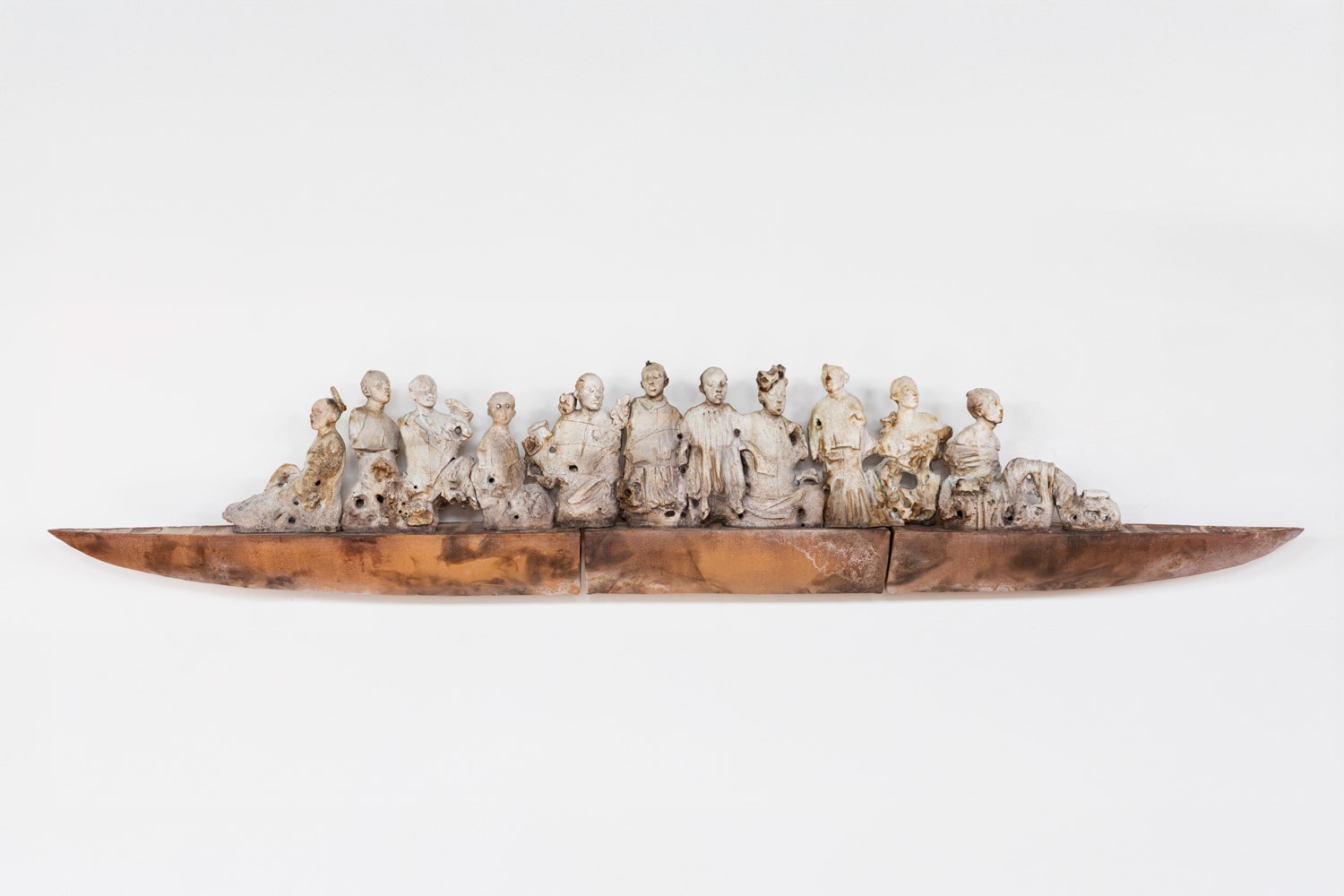
Caribbean bodies created in clay
- Cristina’s first encounter with her craft came early in her youth
- She studied traditional figure modelling at the Florence Academy of Art
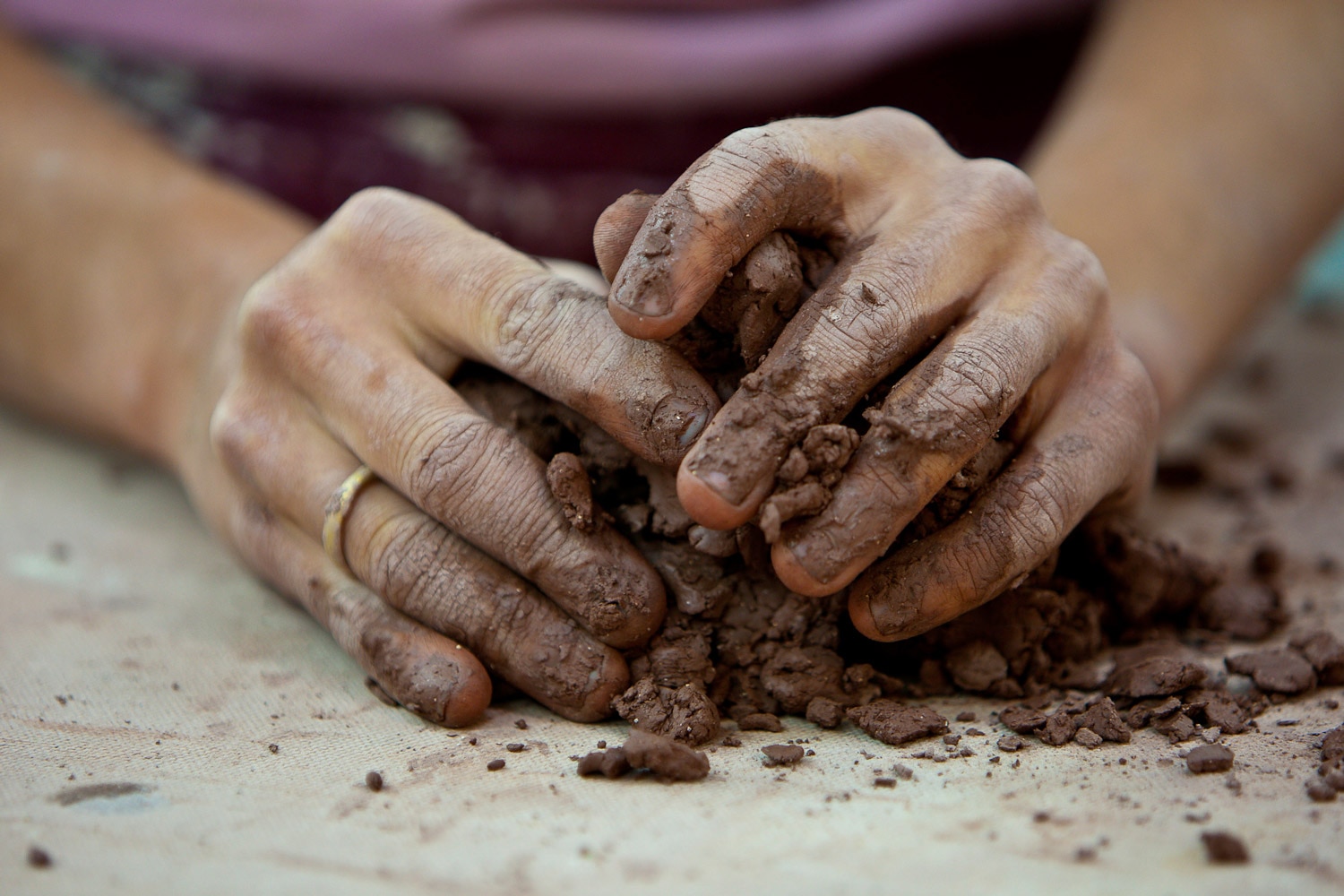
- Working with clay constantly reminds her of the human relationship with the earth
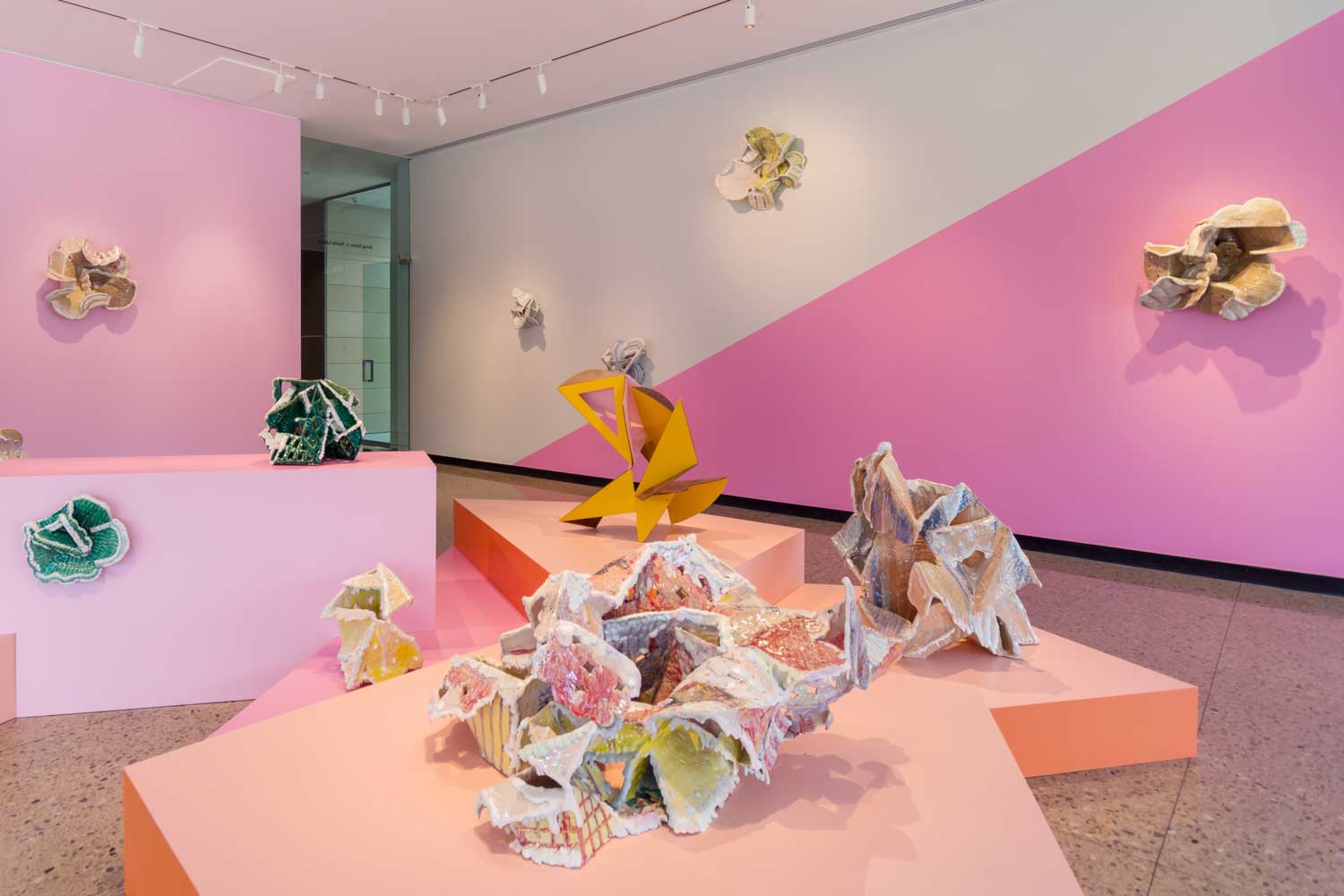
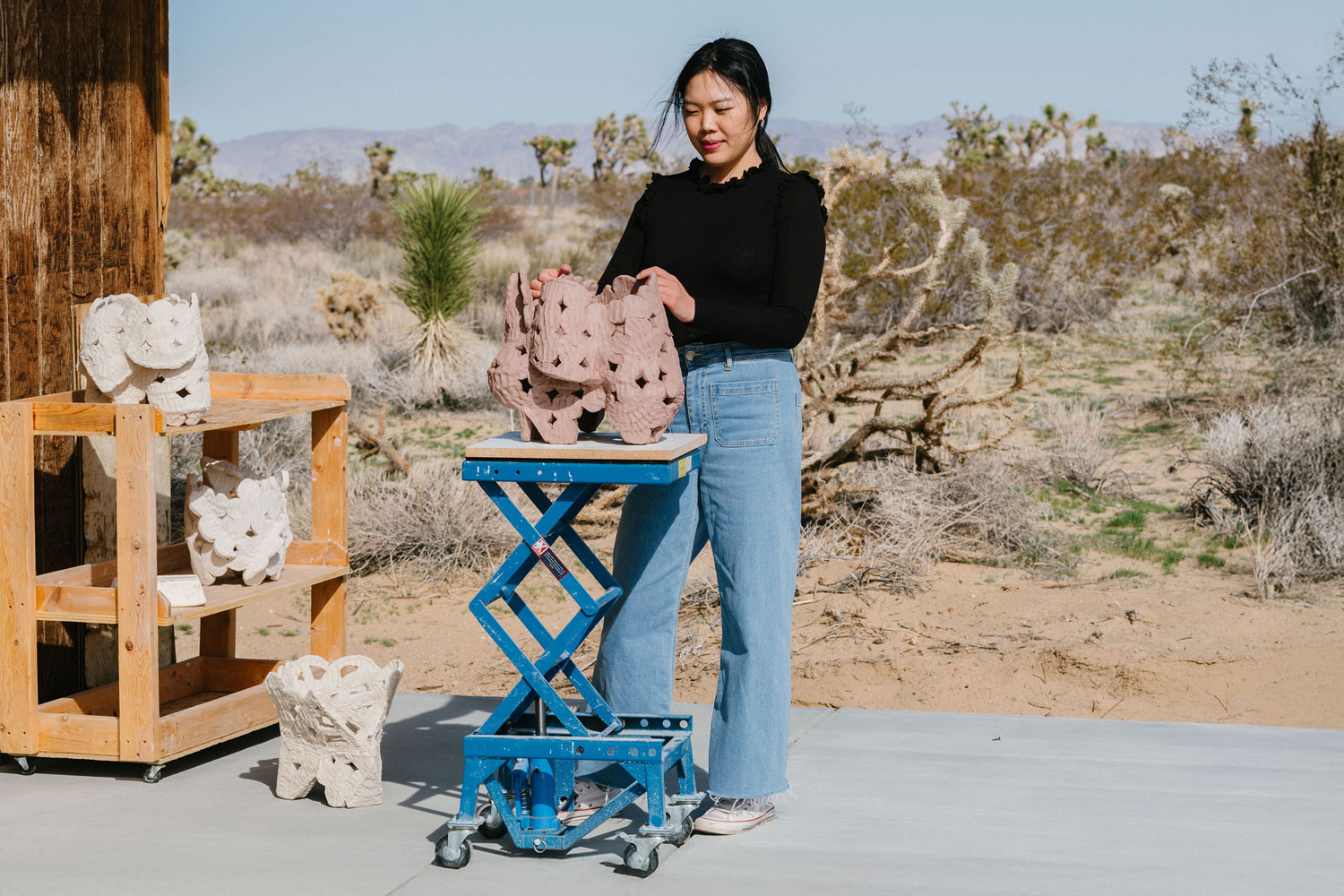
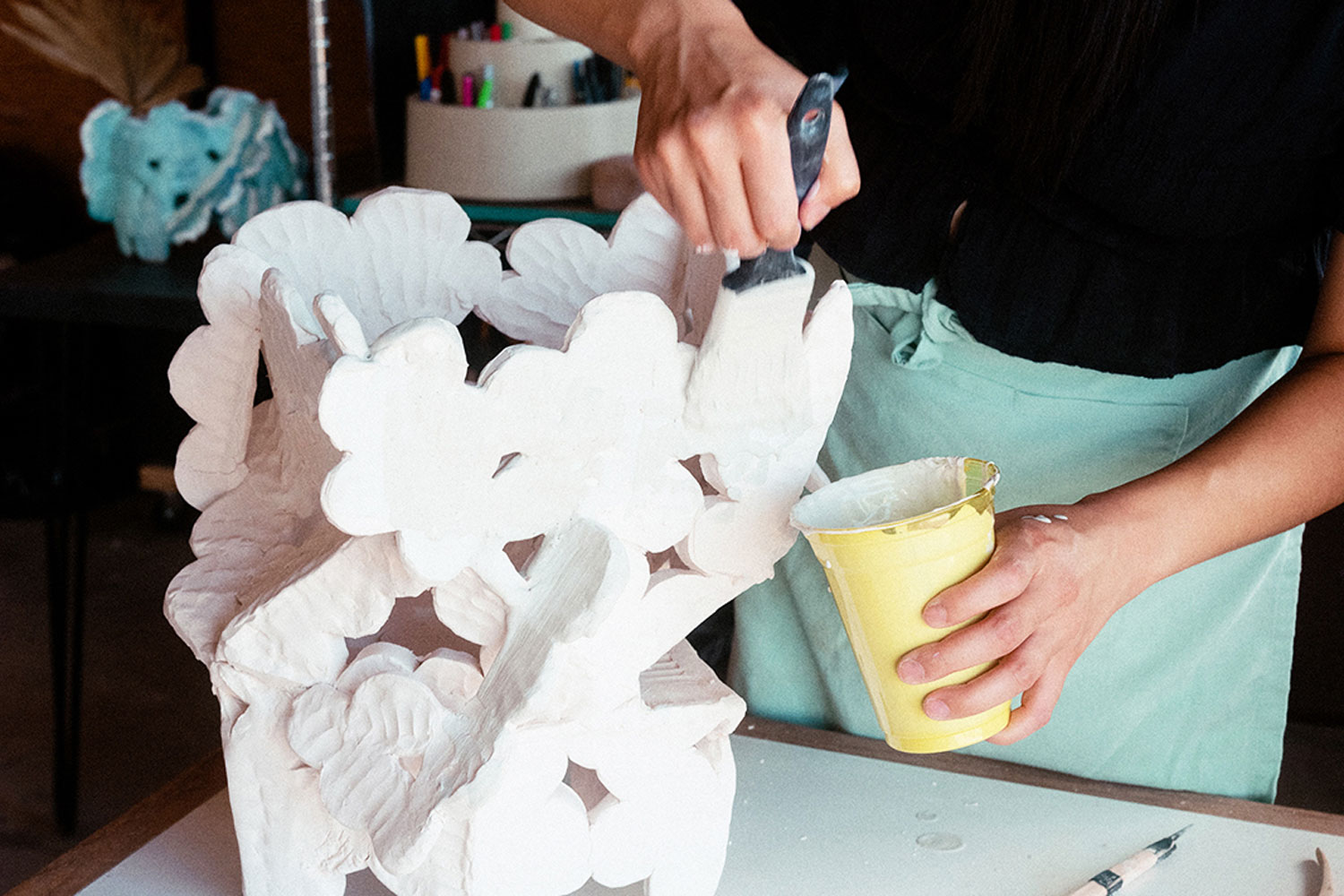
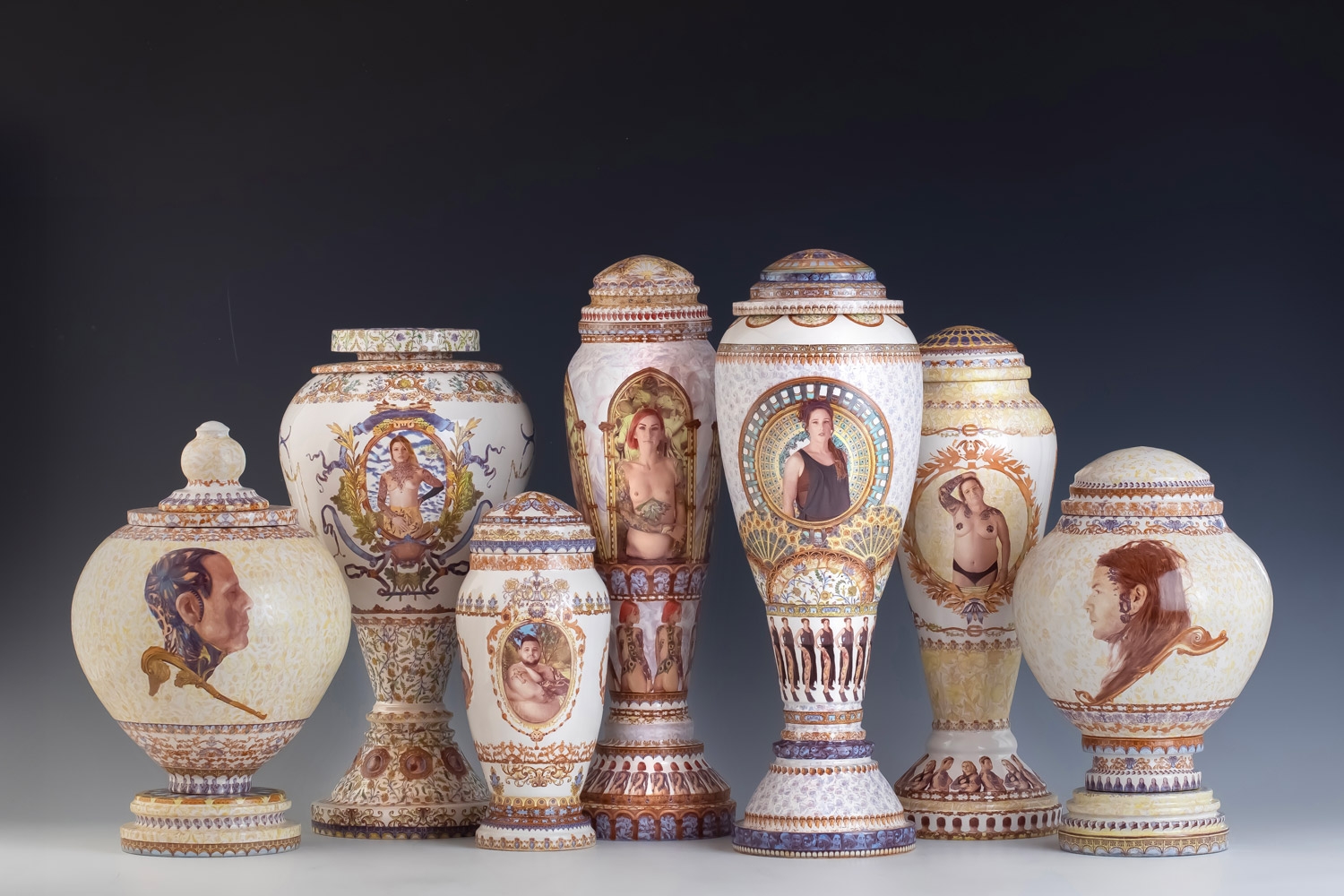
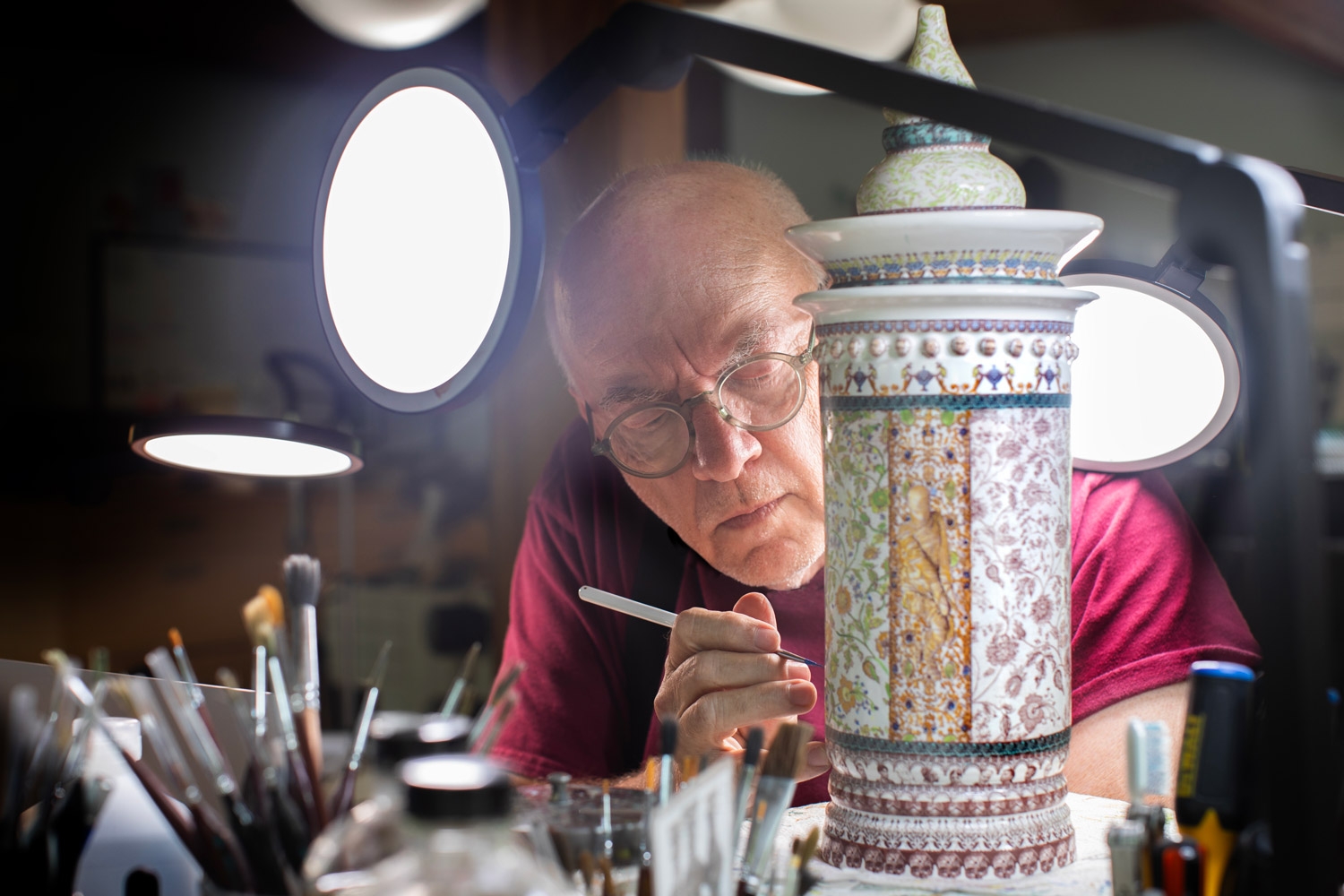
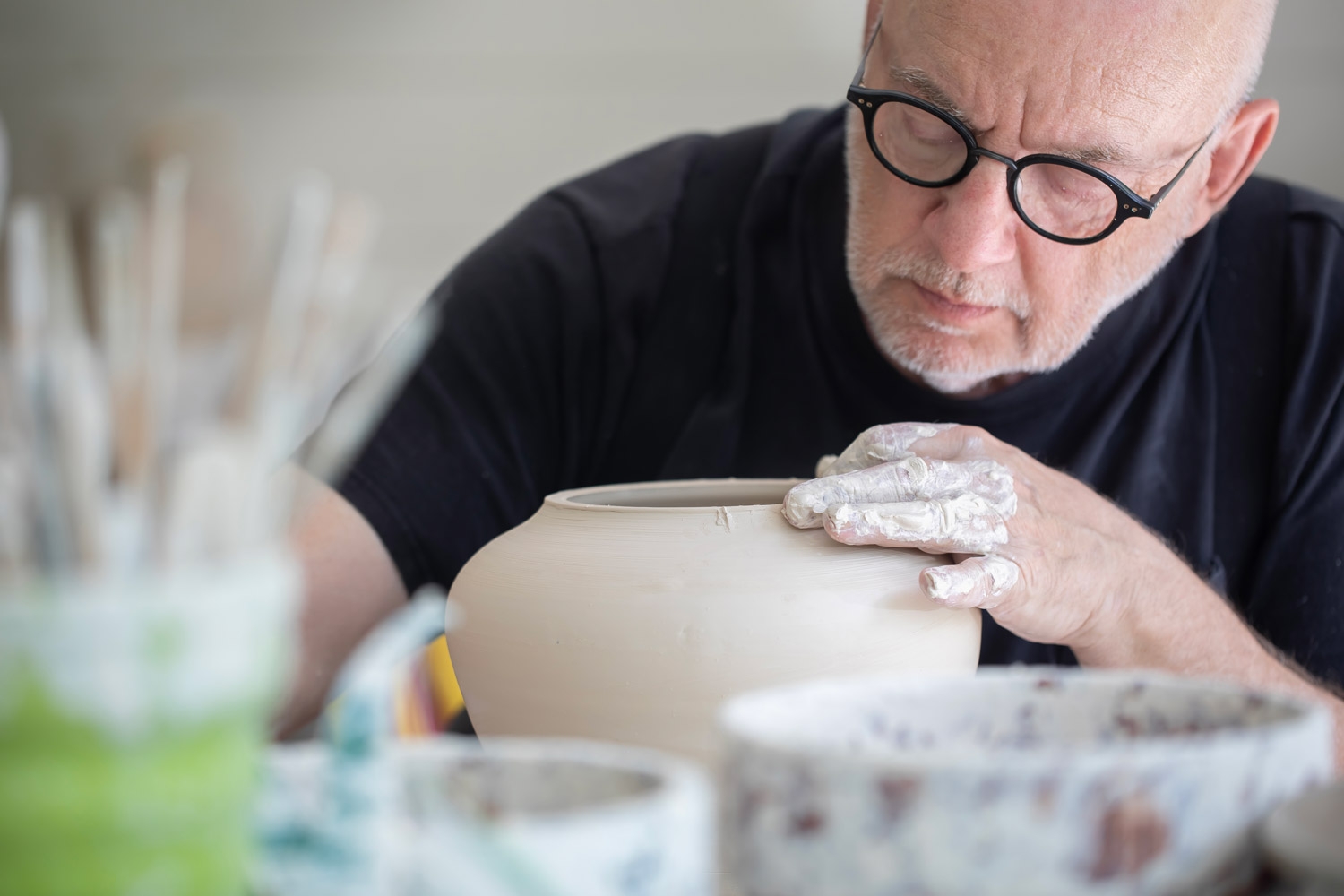
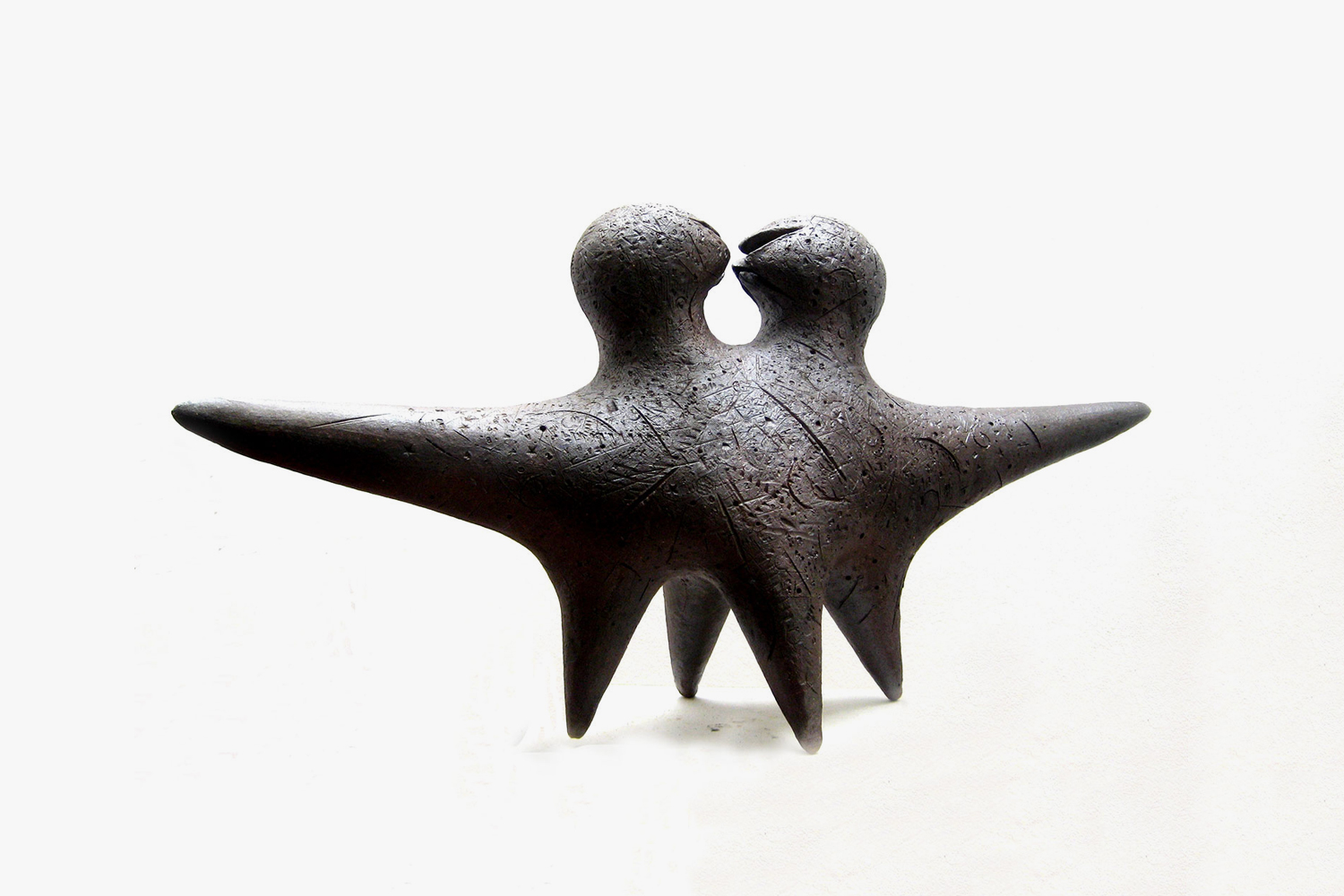
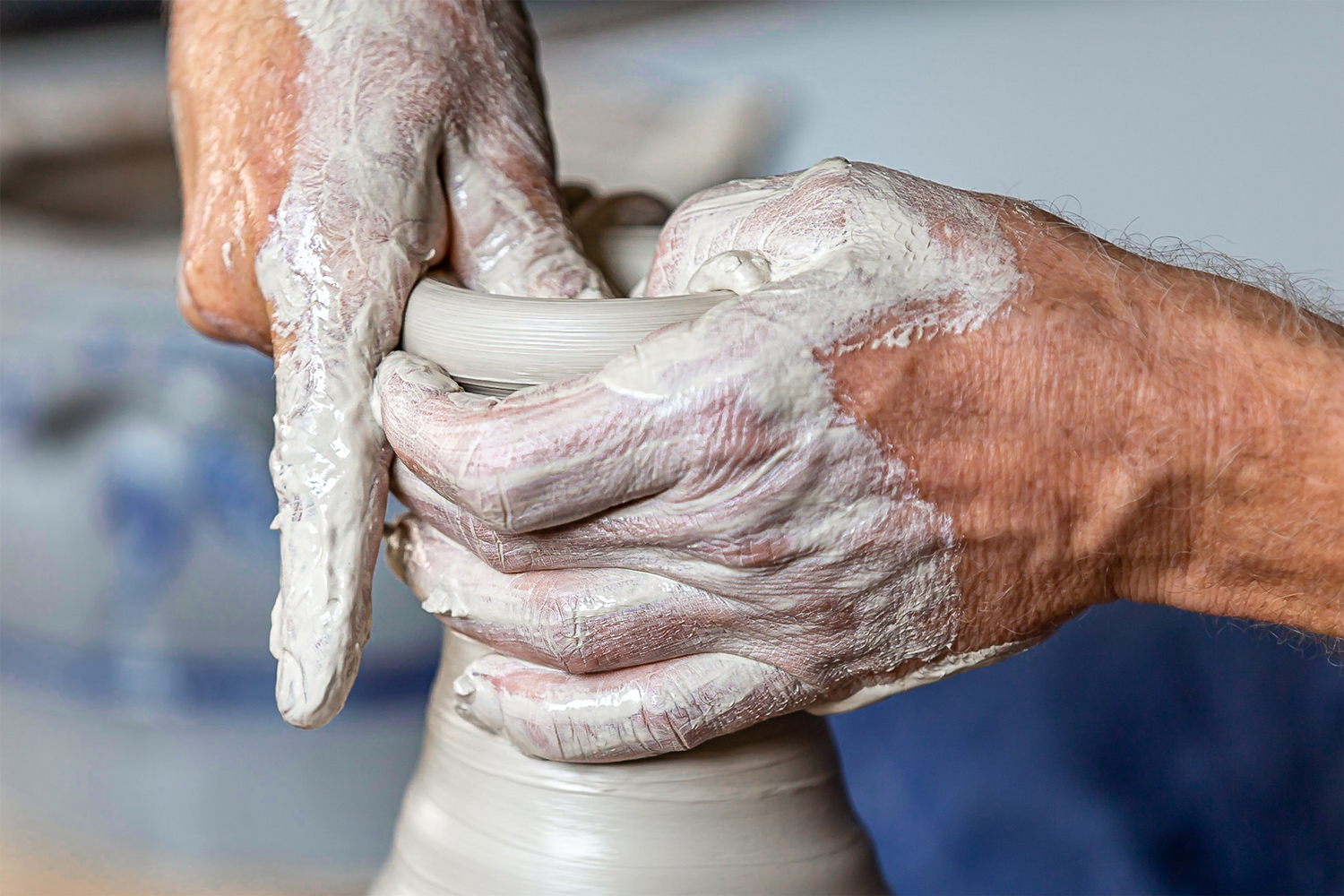
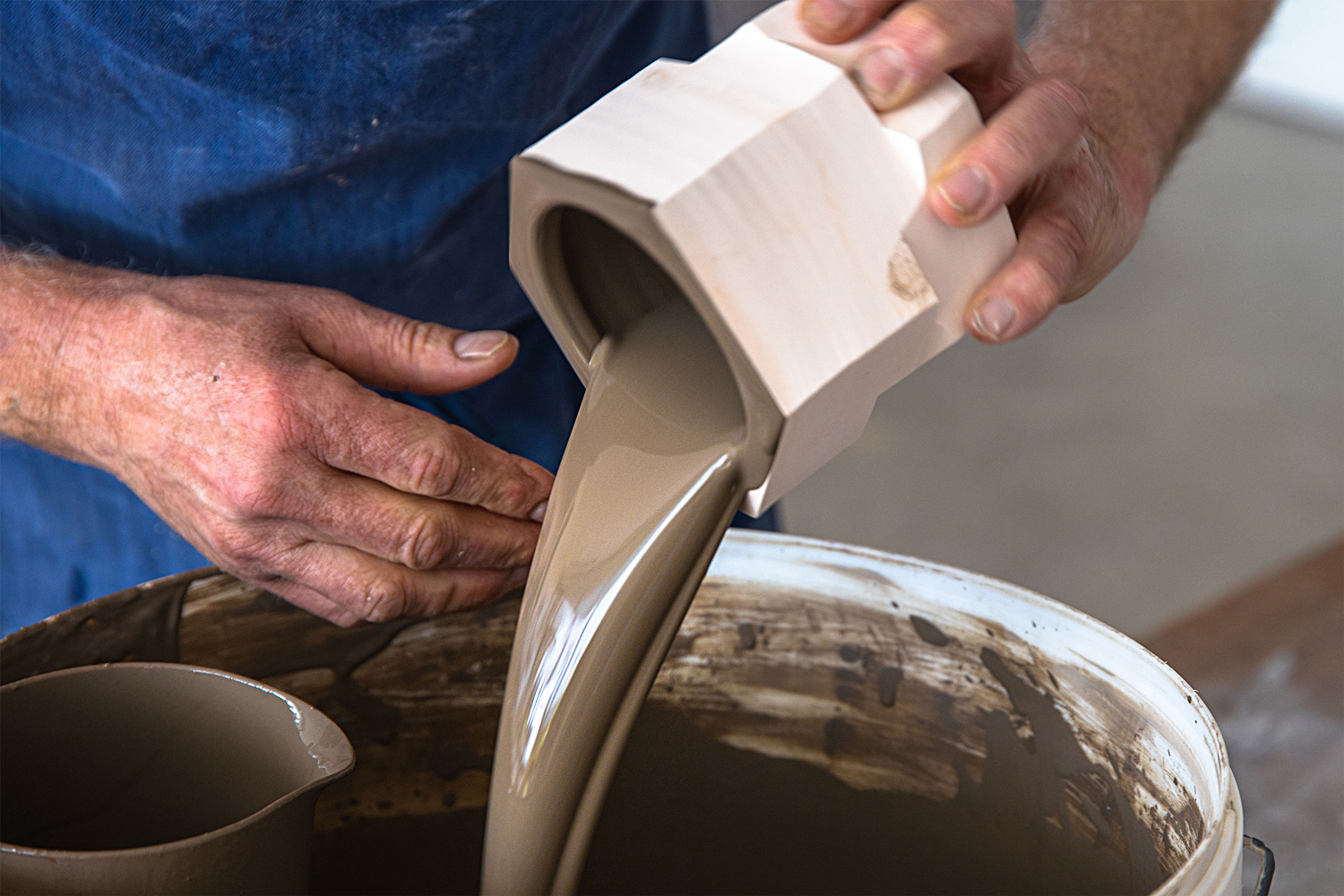
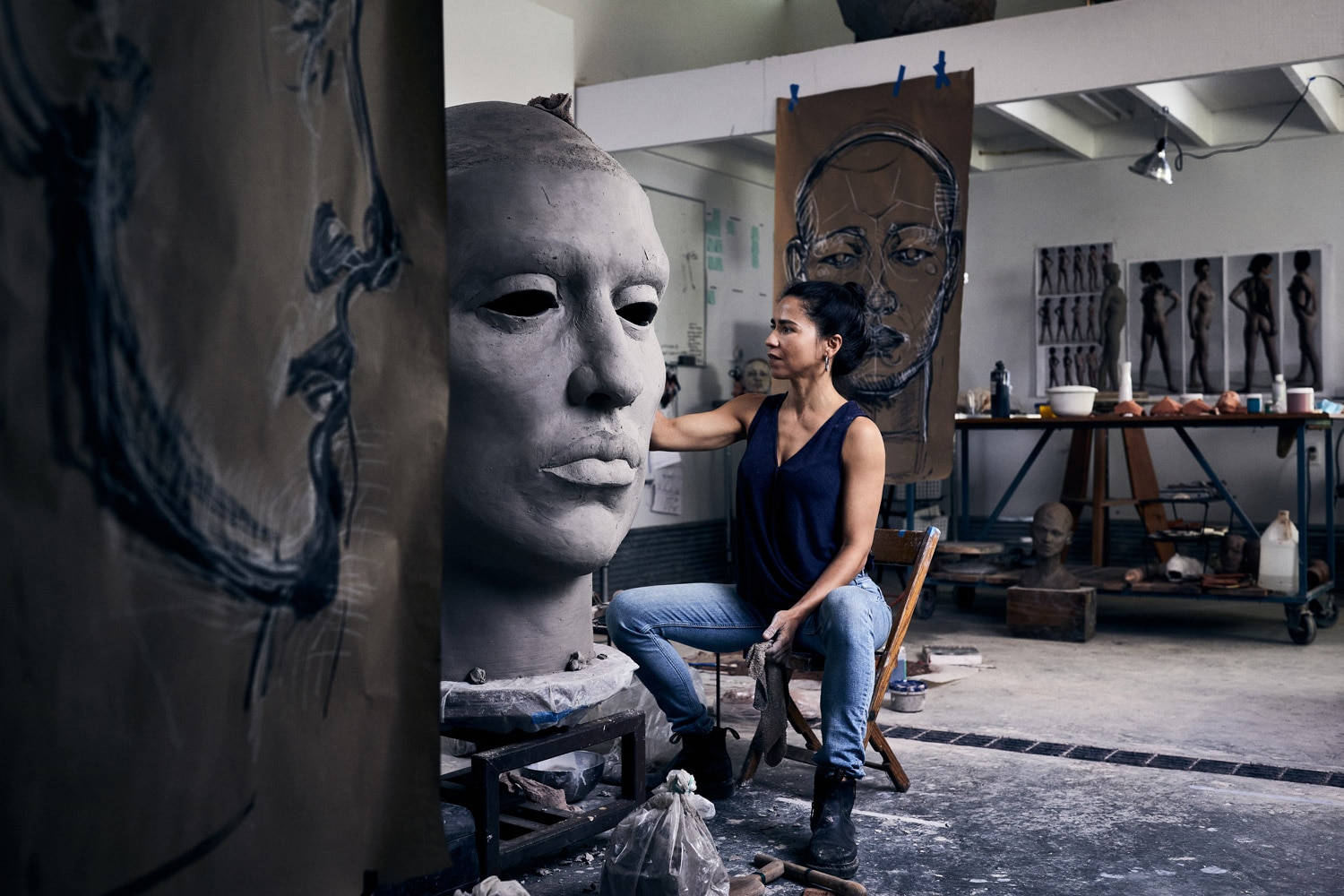
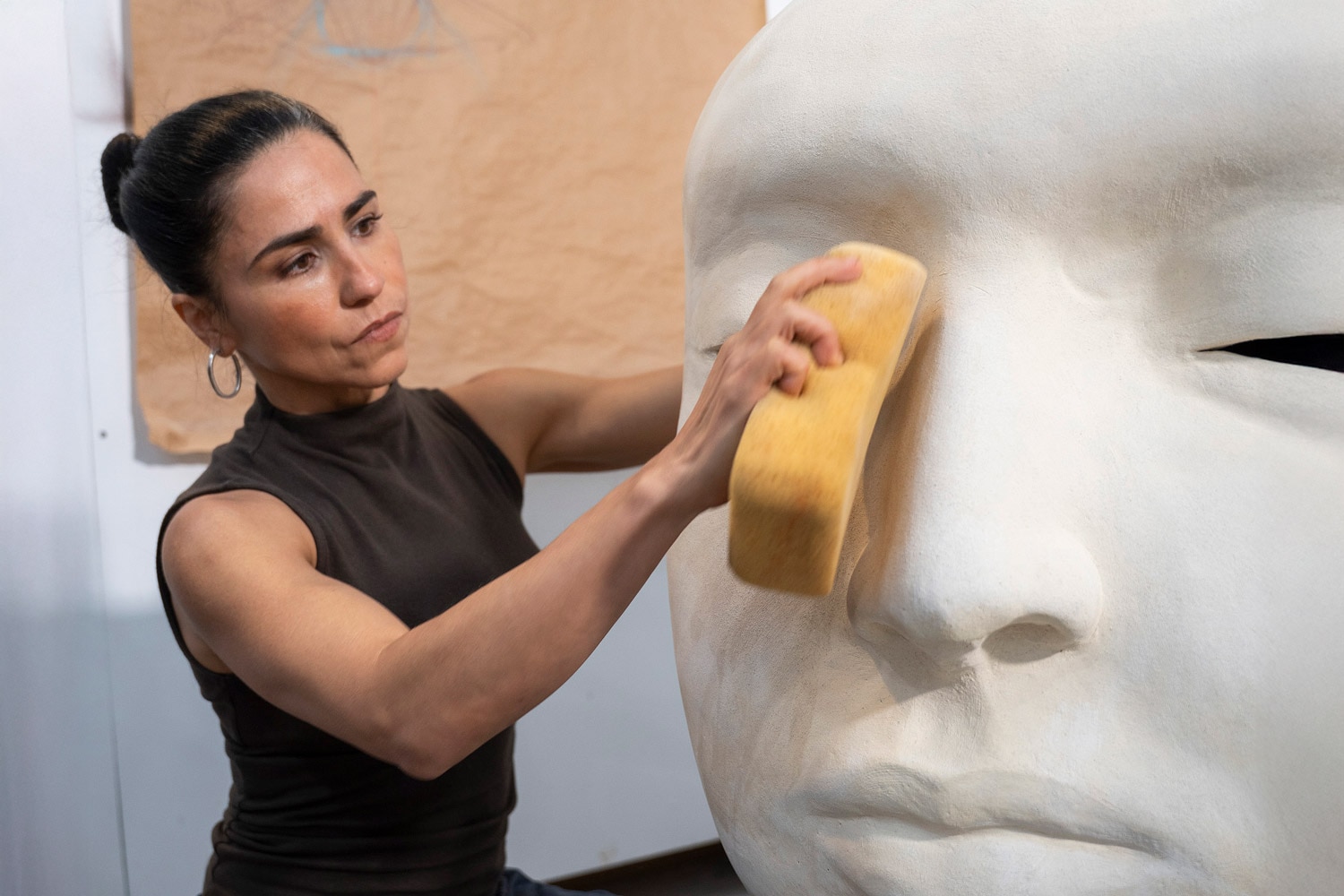
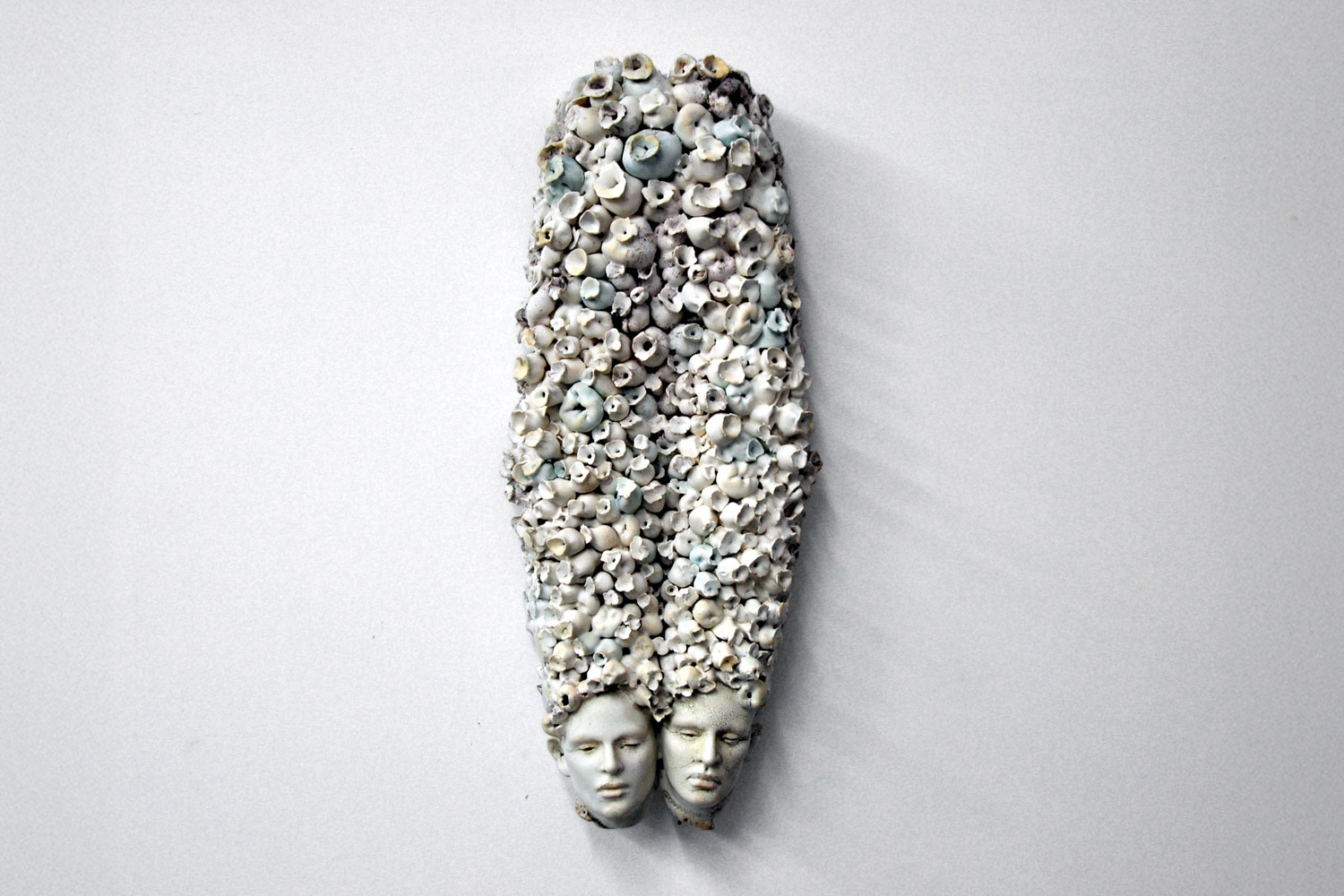
Cristina Cordova’s love of form and human figures, ceramic and otherwise, stems from her early years. “My focus has always been the human figure. I grew up as a dancer, so the language of gesture and movement was already very familiar to me,” she says. Cristina’s training in ceramics began in Puerto Rico, and continued after university while working with the Mexican artisan Antonia Tajen Hamilton and learning from Lorraine de Castro and Redo Del Olmo. “These experiences were formative in helping me deepen my technical understanding and commitment to the material,” she says. Cristina works with slab construction as well as solid construction, depending on the needs of the piece. She is deeply interested in surface development, experimenting with glazes and non-fired surfaces to expand the expressive possibilities of her work.

INTERVIEW
Working with clay constantly reminds me that meaningful things take time. Processes cannot always be rushed, and many stages of making require waiting, observing and responding rather than forcing an outcome. That rhythm cultivates patience in a very real way.
I have found that working with materials is about constantly solving problems. I think about how to construct a form so it will survive firing, how to translate an idea into structure, and how to adapt when a material behaves in an unexpected way. That problem solving mindset becomes a way of thinking about the world.
Making is often a dialogue between intention and discovery. The material speaks back, and learning to listen, to follow subtle instincts about form, gesture or surface, is part of developing a mature practice. I have learned to trust my intuition.
Much of my imagery is deeply grounded in the Caribbean, in particular in its landscapes, myths, rhythms and sensibilities. When the work returns to the Caribbean and is allowed to exist within that cultural and environmental context, something very powerful happens.
Cristina Cordova
Ceramicist
Bakersville, NC, USA
Recommended by Craft in America
ADDRESS
Address upon request, Bakersville, NC, USA
AVAILABILITY
By appointment only
LANGUAGES
Spanish, English
Homo Faber Finds is a new service aiming to inspire admirers of craft to connect and collaborate with exceptional artisans.
We invite you to submit an enquiry here.