Craig Thibodeau
CT Fine Furniture
Furniture maker
Altavista, VA, USA
Furniture with hidden secrets
- Craig creates bespoke furniture with puzzle mechanisms inside
- His practice centres on exacting mechanical fits, intentional sound and fine marquetry
- Designed with a client in mind, his pieces spark curiosity and childlike wonder
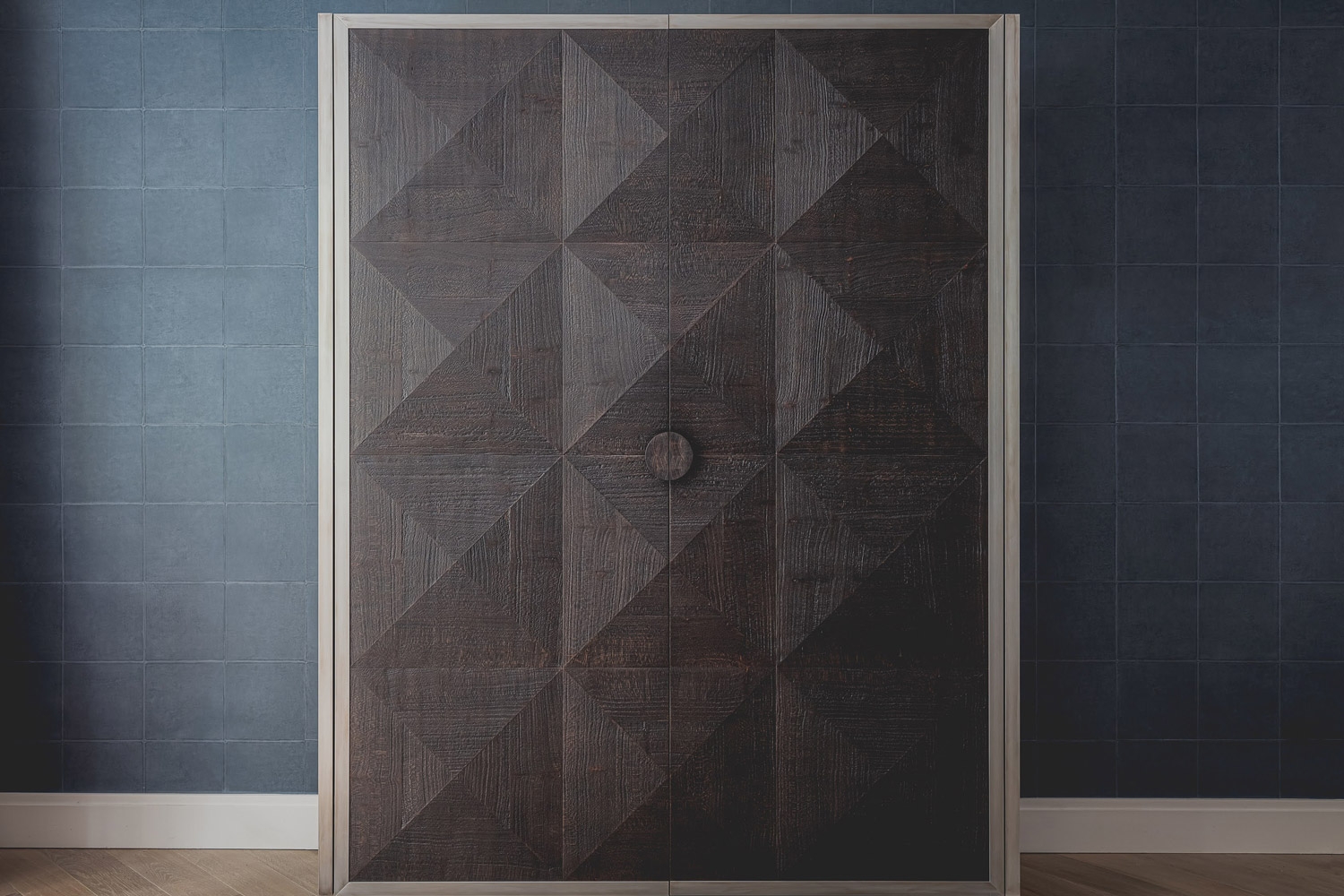
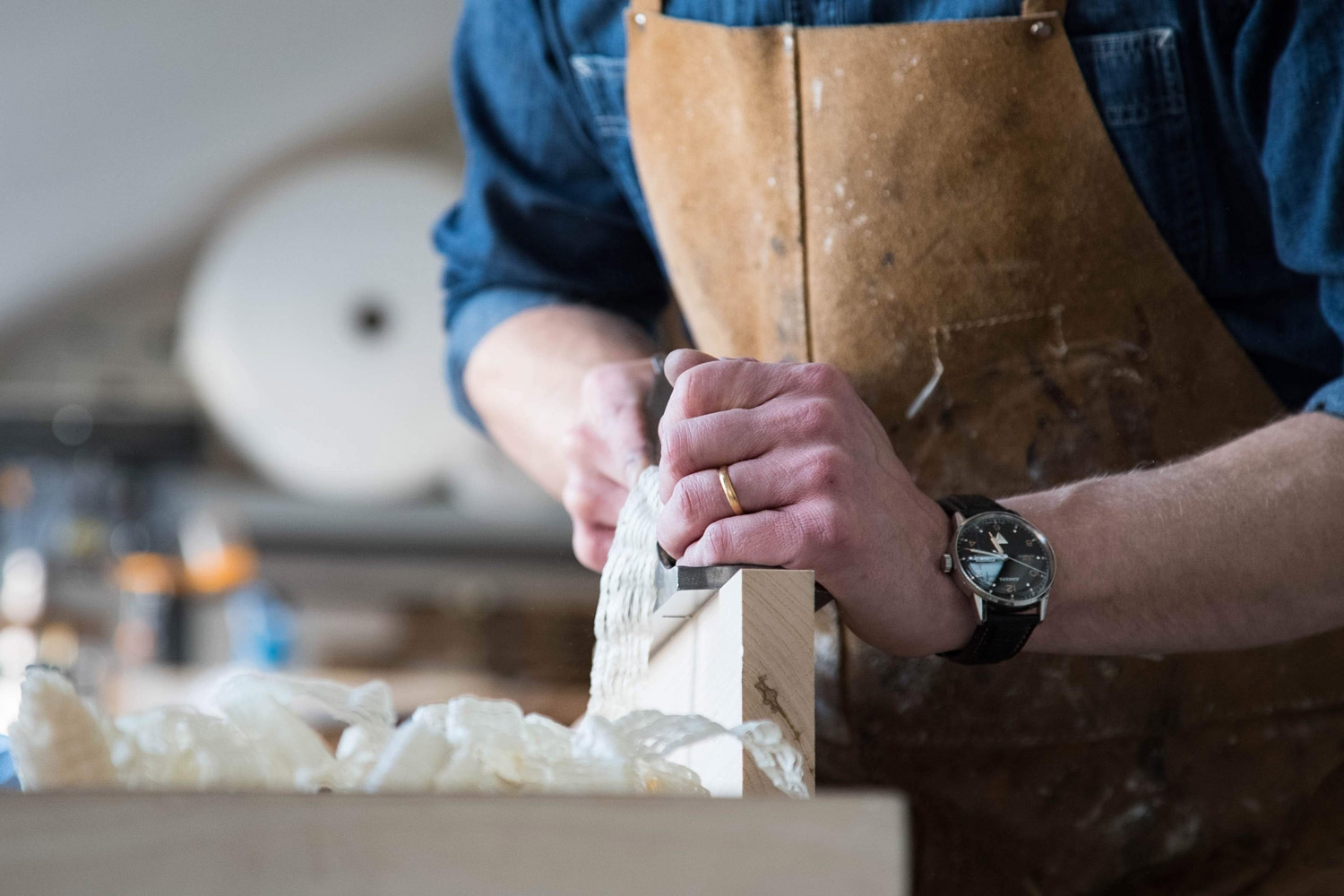
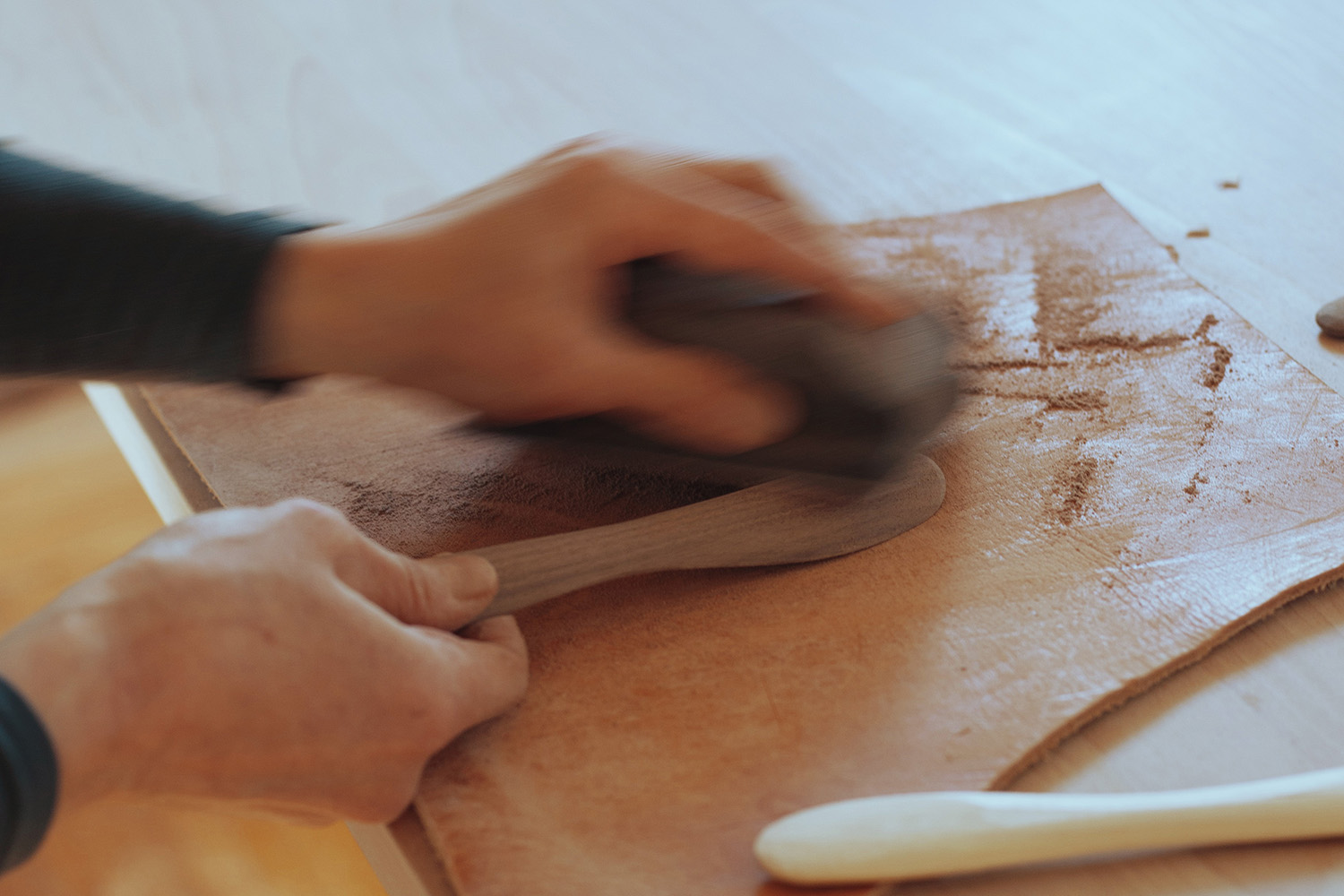
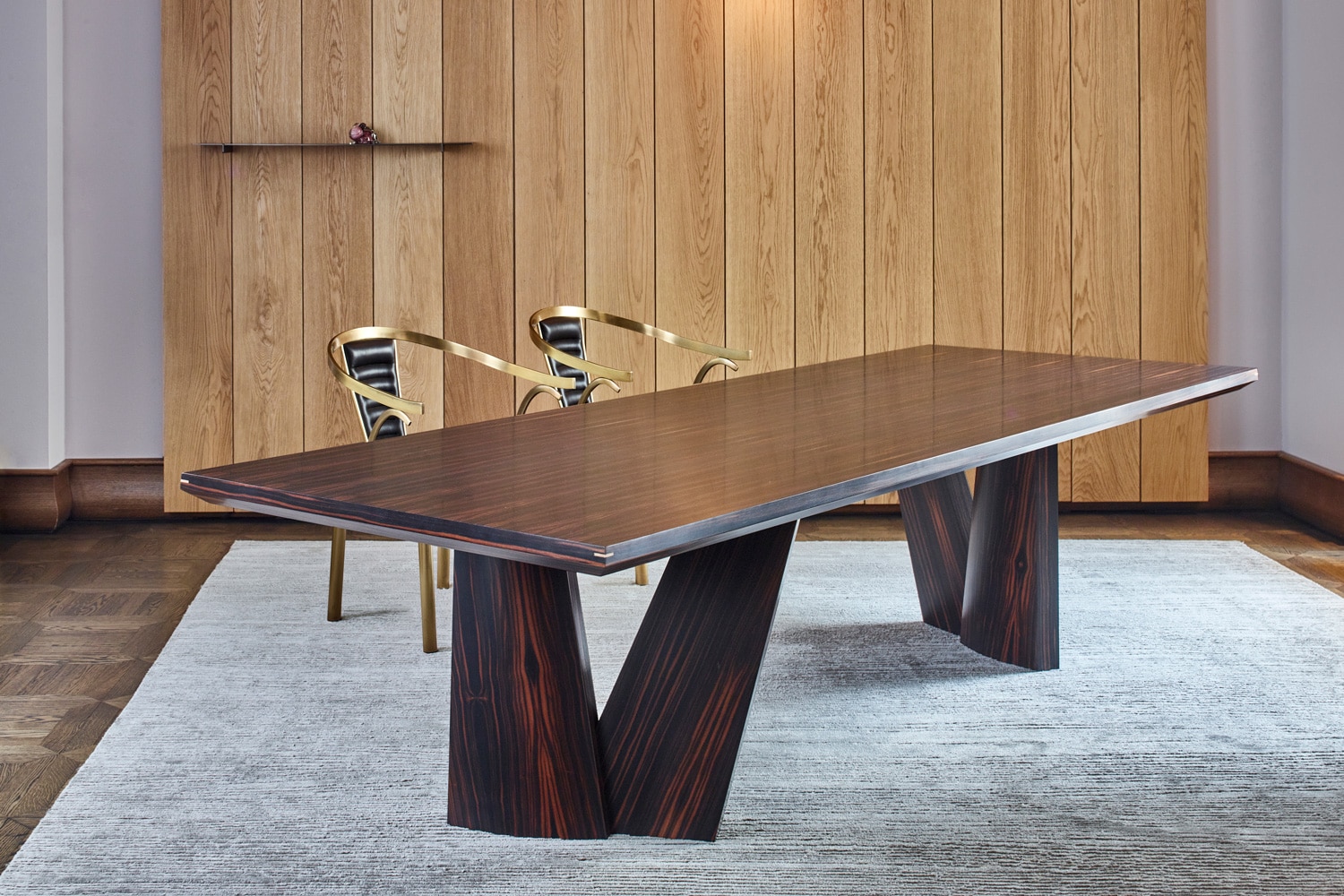
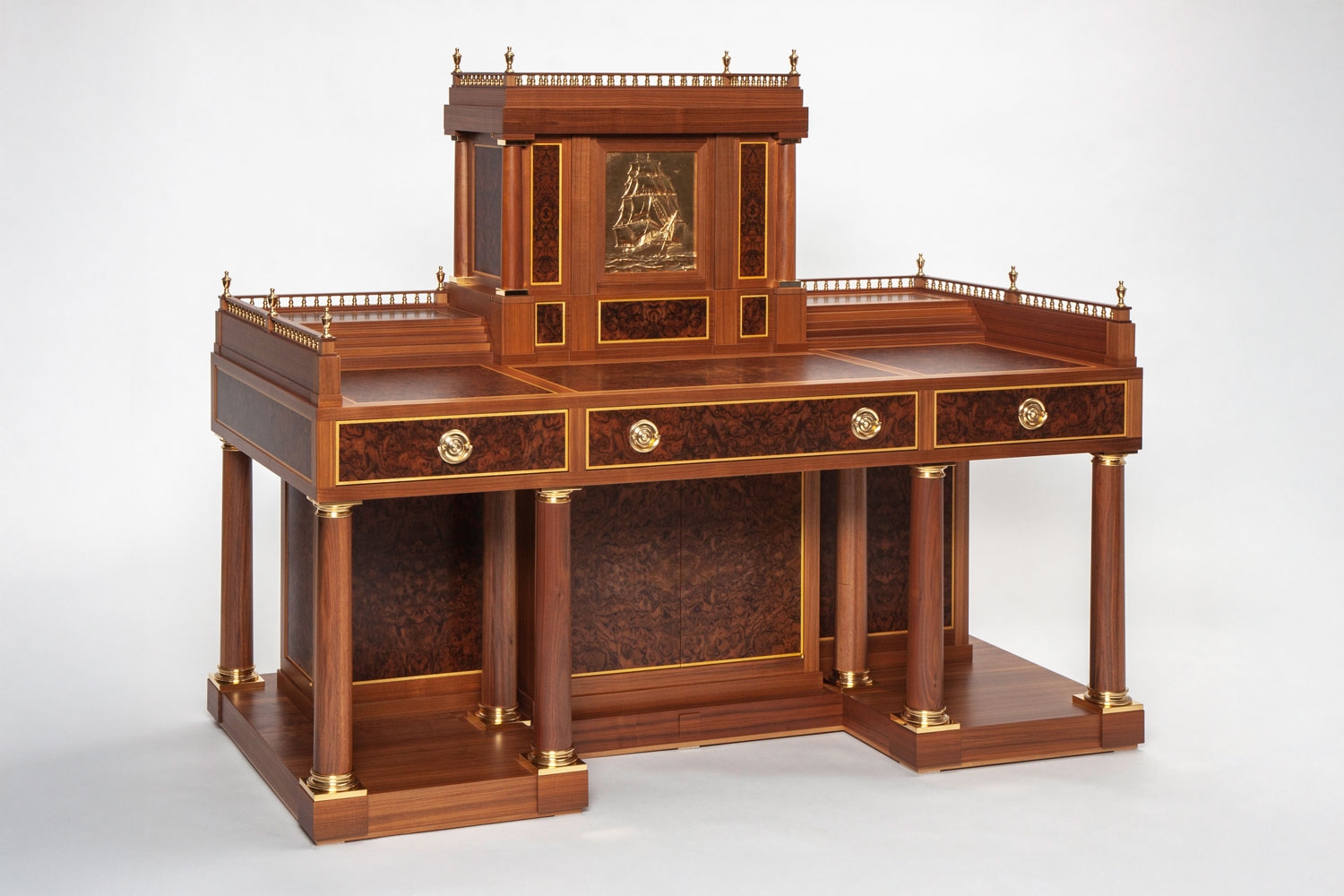
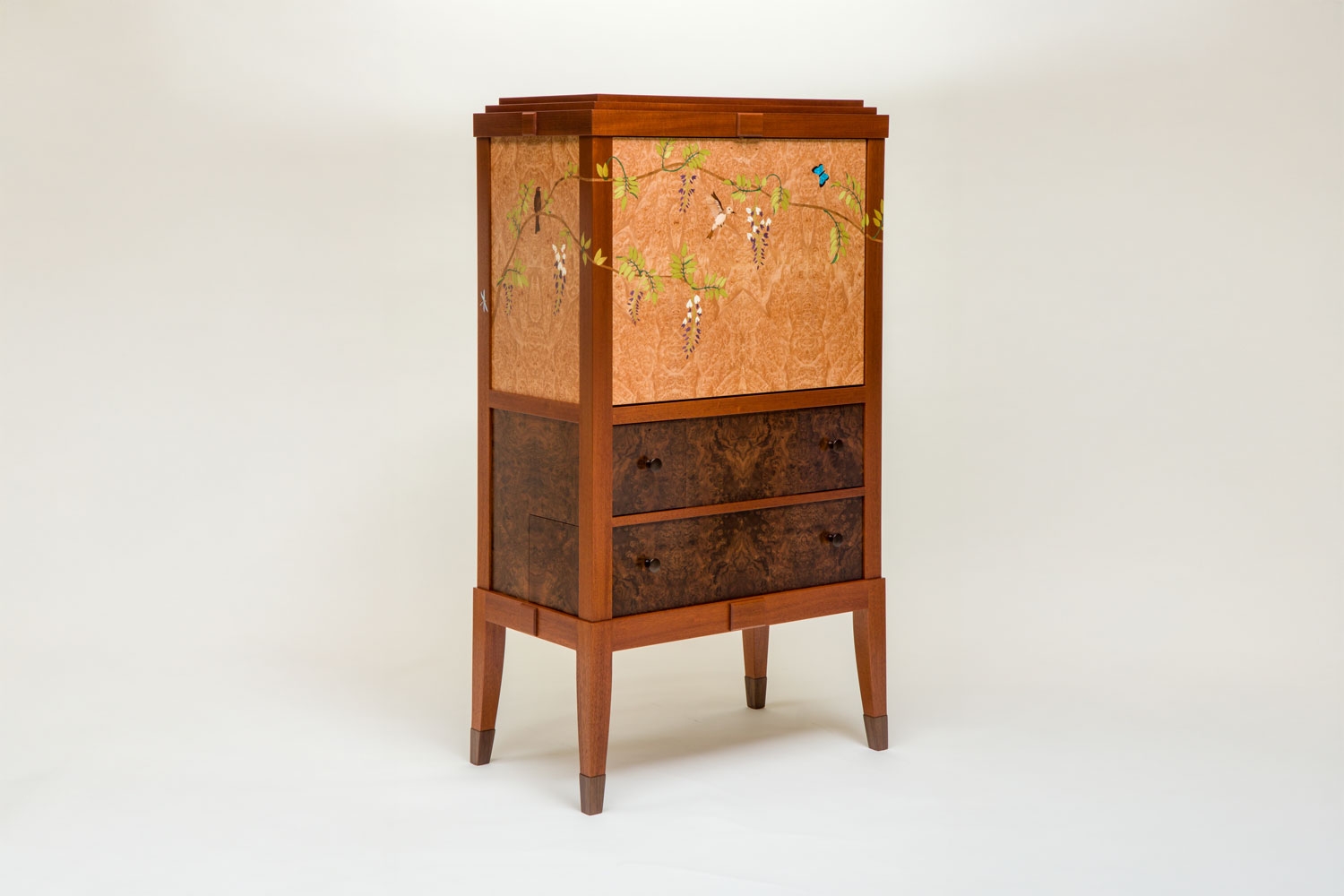
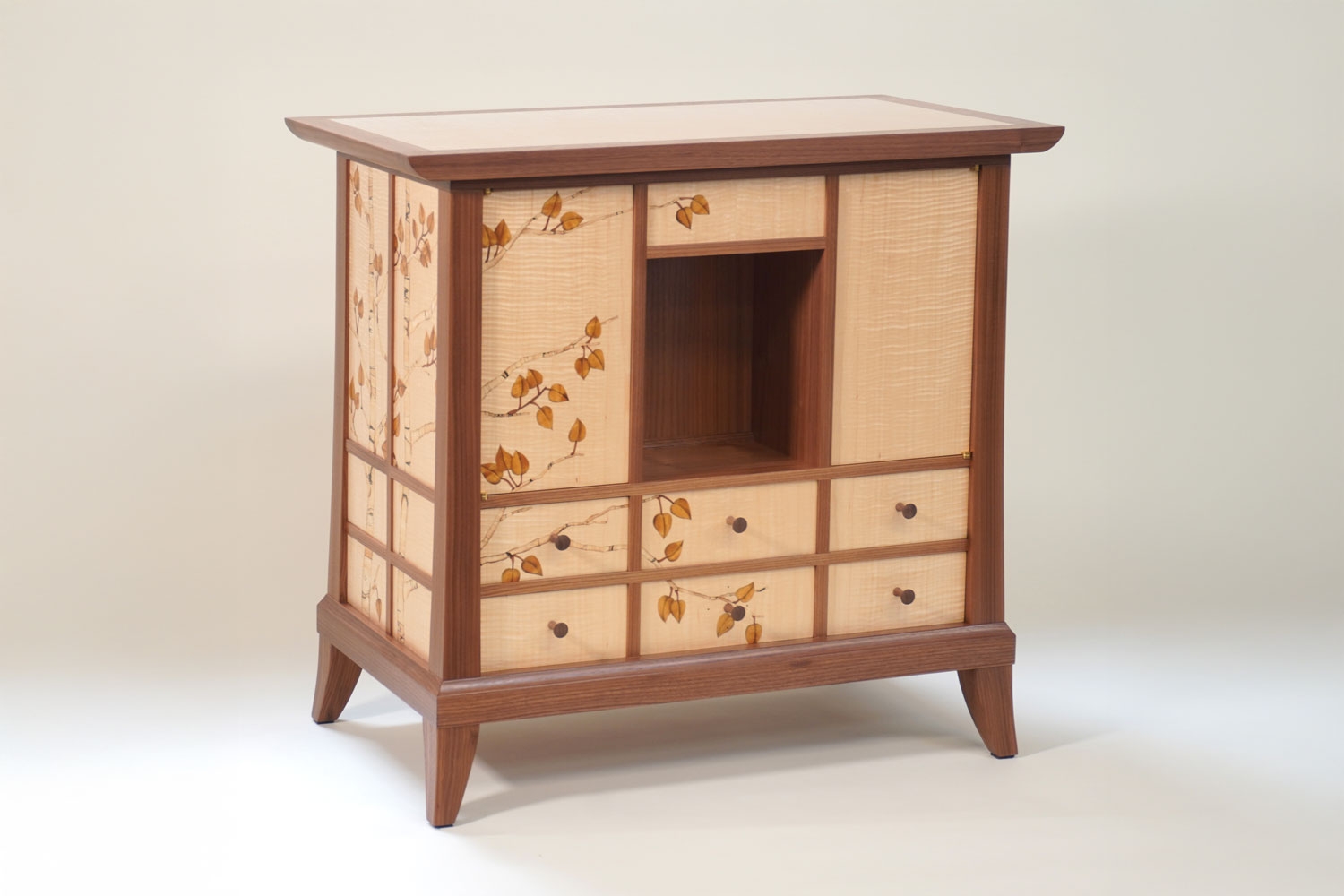
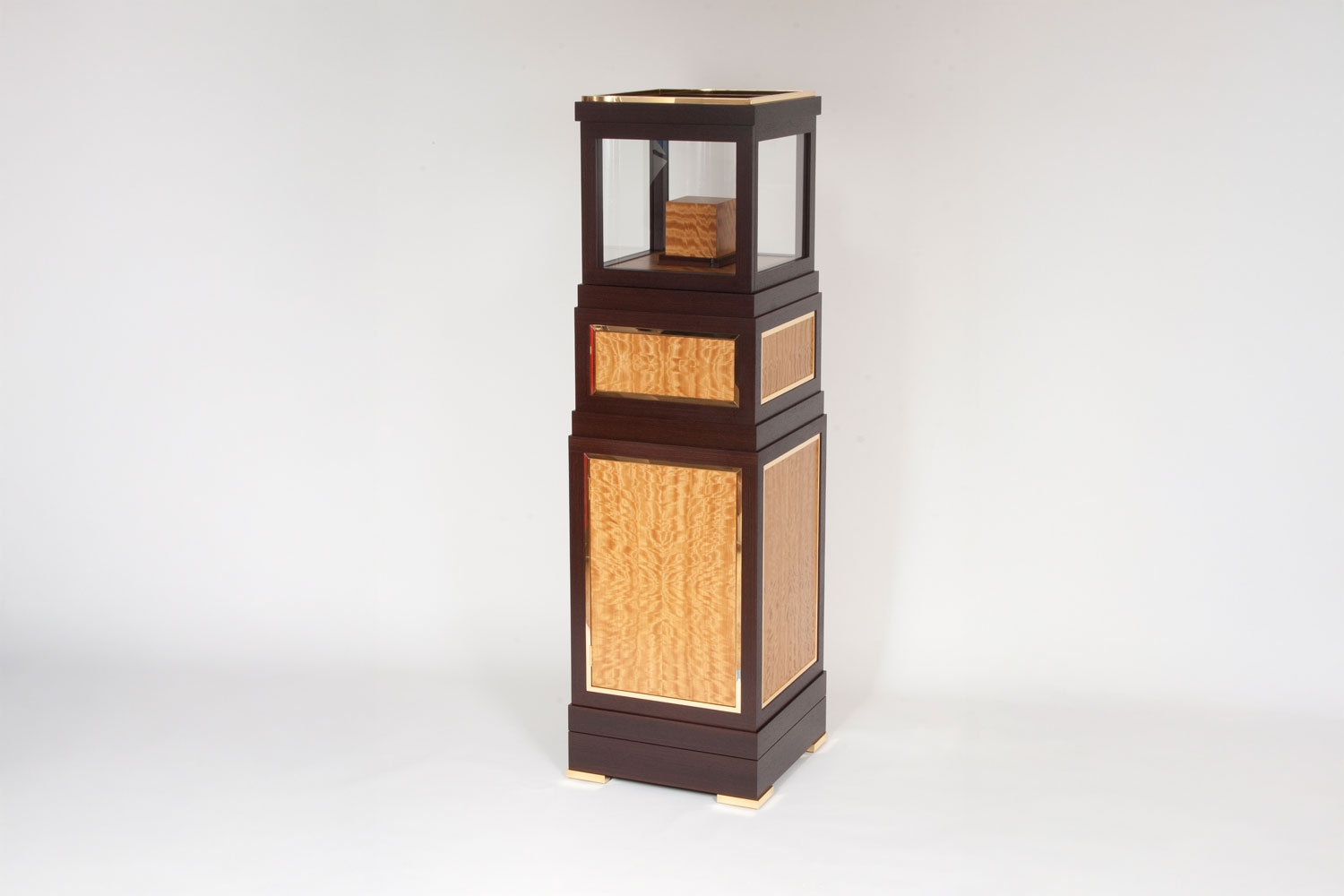
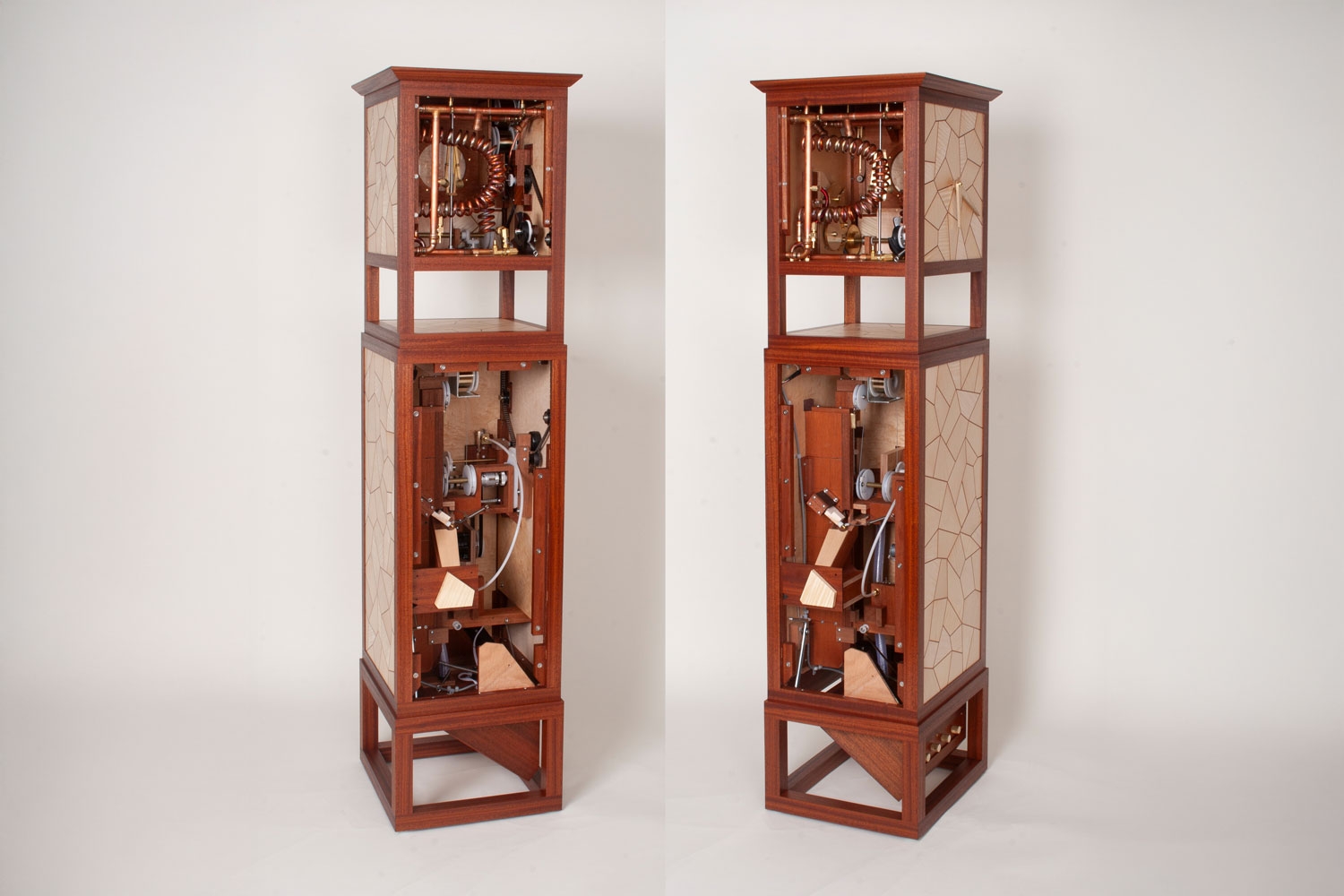
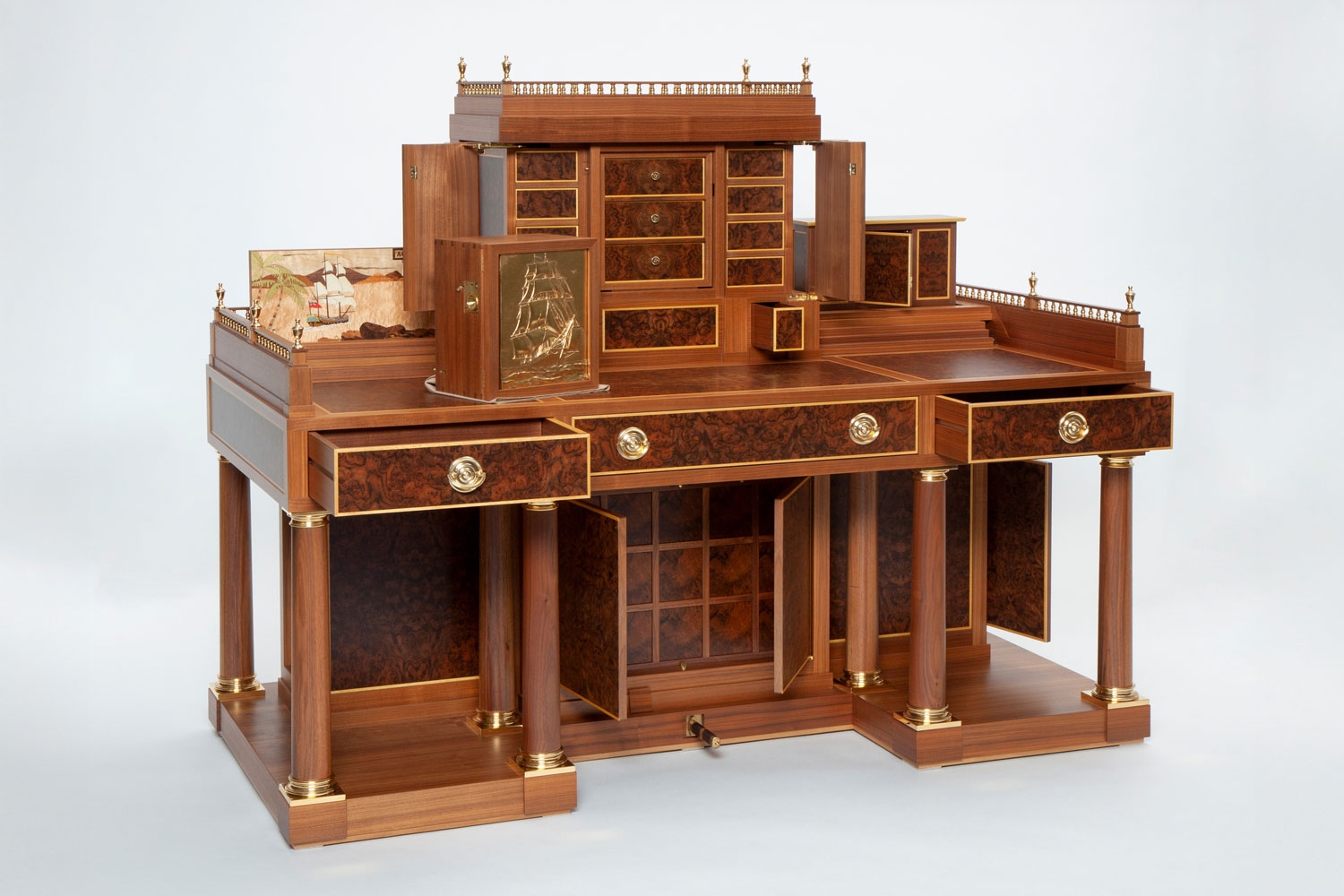
Craig Thibodeau makes furniture with secret drawers and interior hideaways that open through a carefully sequenced puzzle mechanism. A defining characteristic of his work is the sense of exploration it sparks in the viewer, who searches, by touch, for clues. Push buttons, magnetic keys and moveable parts release the locking systems in turn, revealing the secret spaces. “My work has a game-like nature that brings out the child in all of us,” Craig says. Aesthetic choices are made to heighten the experience of discovery, for example in marquetry patterns, which function as camouflage for the puzzle’s visual cues. Each piece takes between three and 12 months to design and build, with most of Craig’s time spent on perfecting the mechanisms.
Discover his work
INTERVIEW
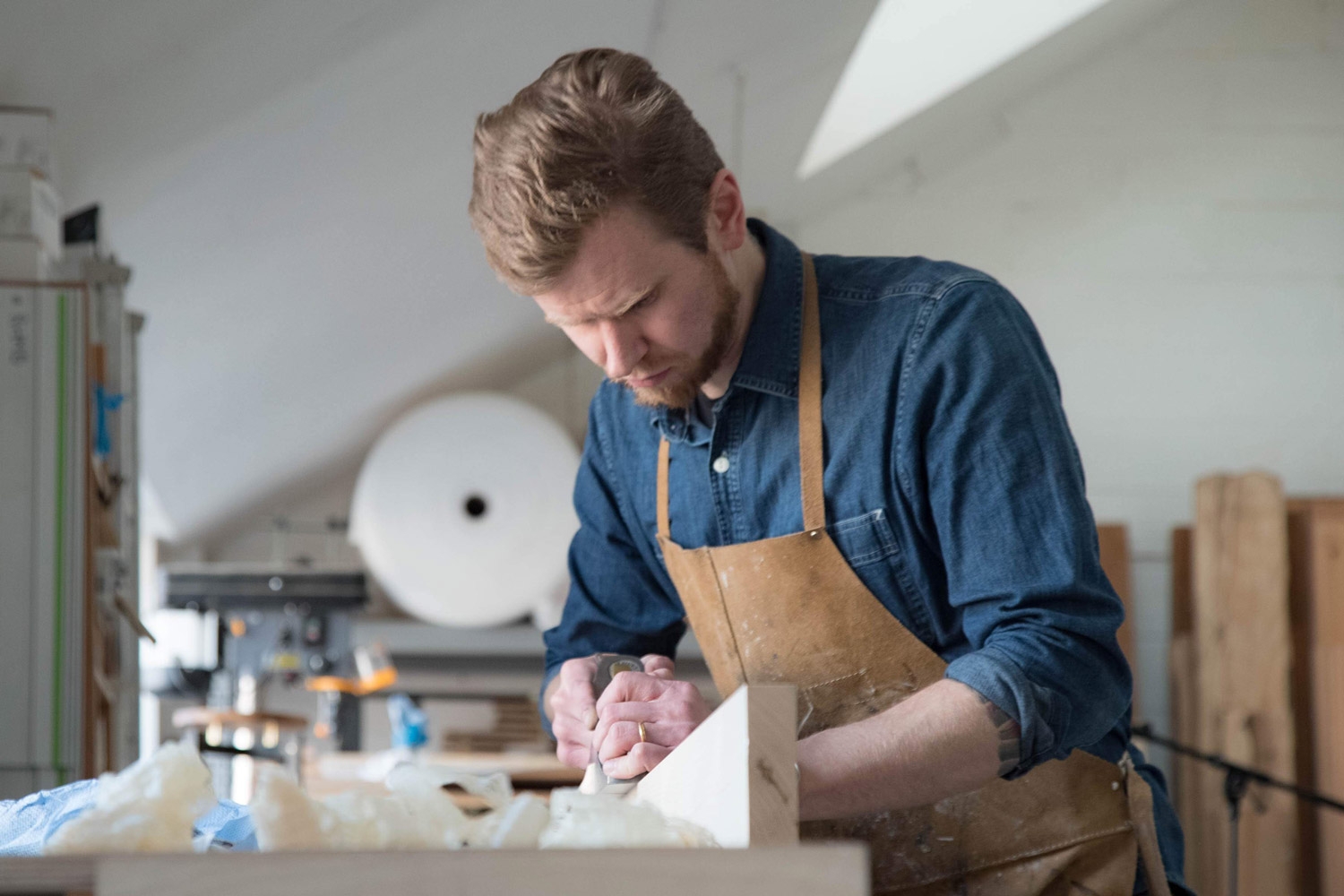
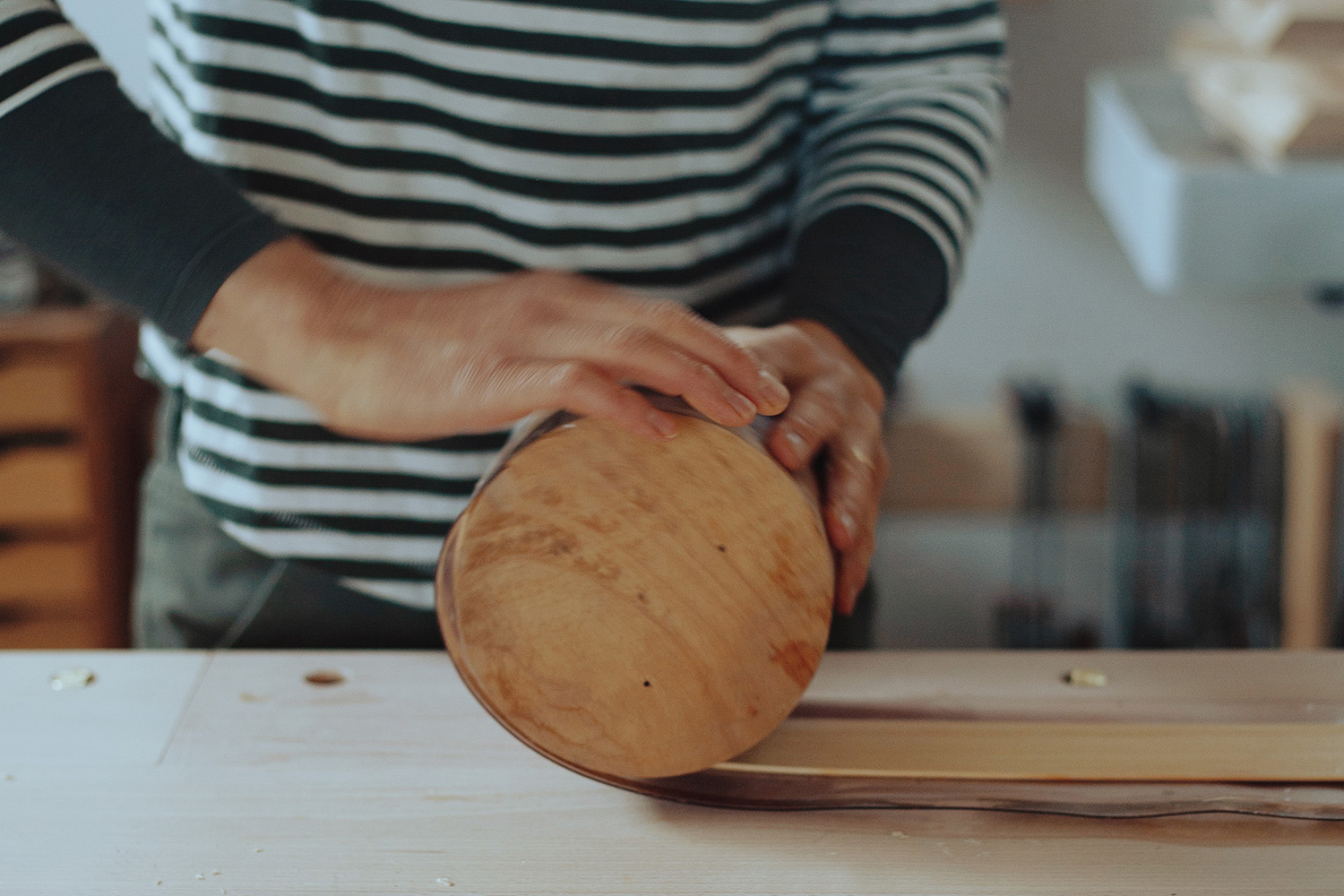
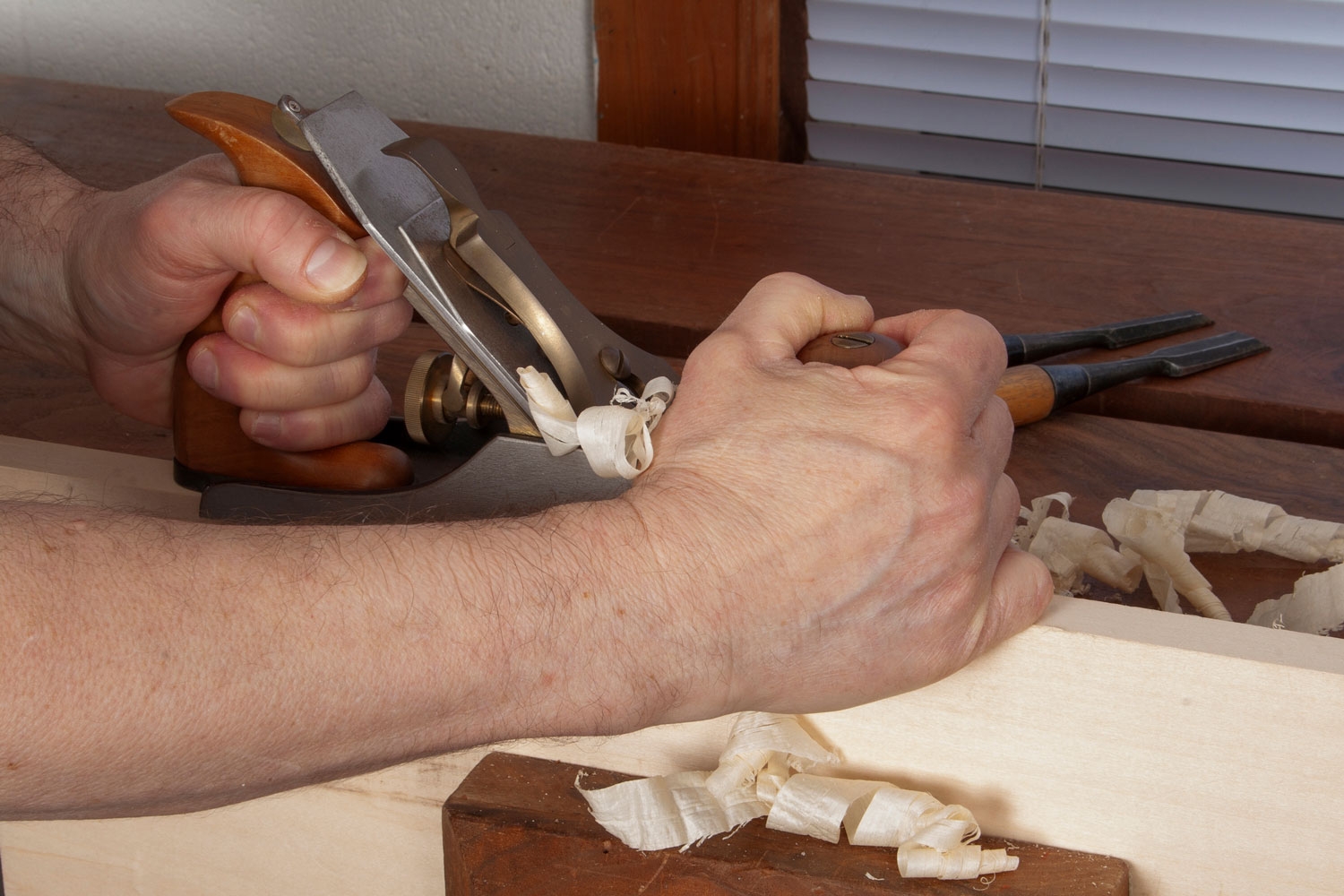
Puzzle designing and fine woodworking are two completely different skill sets. Puzzle design is more of a mental exercise, thinking through unique, creative and complex ways to challenge the solver with codes, ciphers and clues. Fine woodworking is more about employing mechanical skills to build complex wooden objects.
I sometimes wish I had those bursts of brilliance people talk about, but my work depends on strict planning. There is little room for detours if the mechanisms are going to function. Most pieces start with a client’s vague idea. I then add complexity so it is more engaging for them and more enjoyable for me to build.
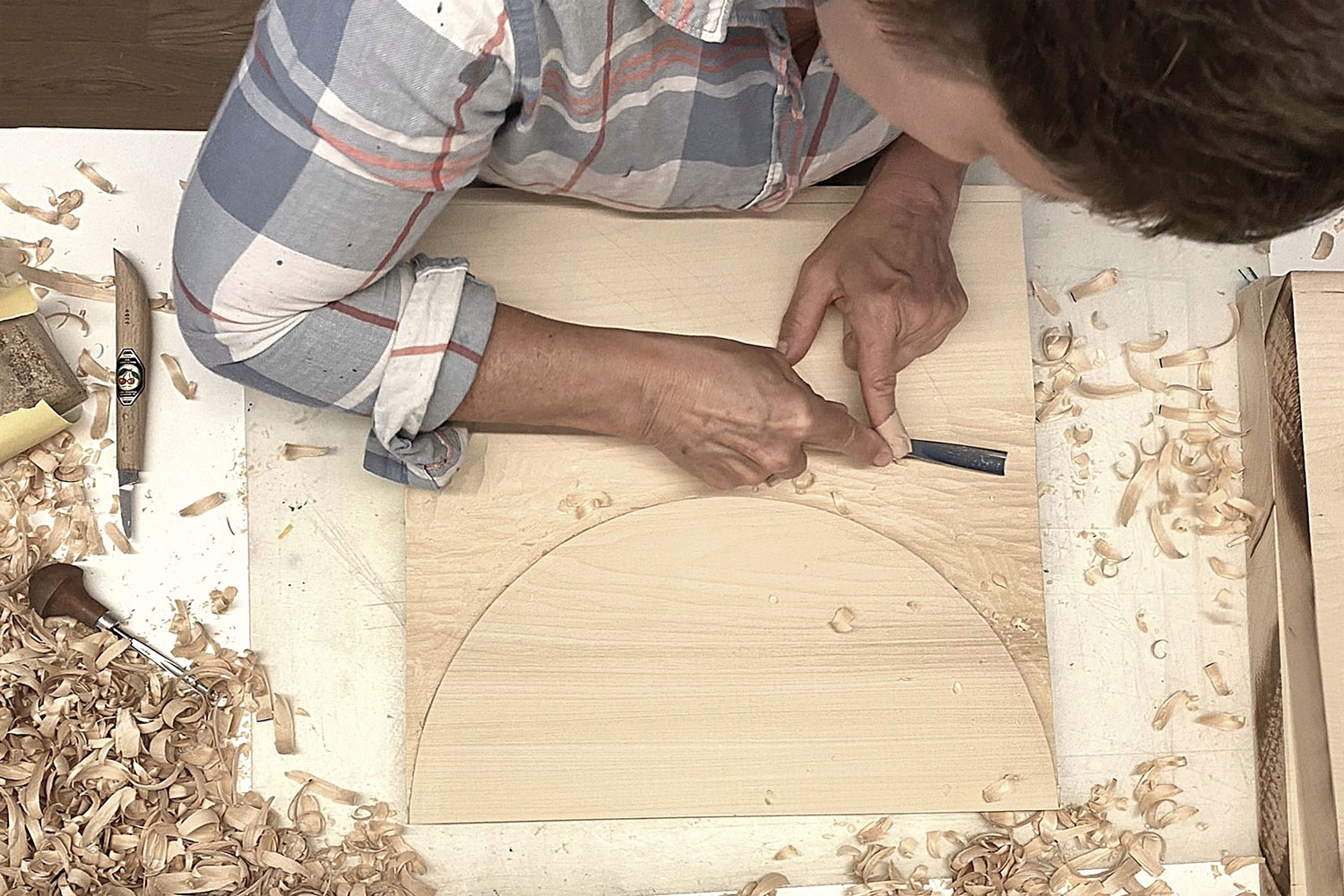
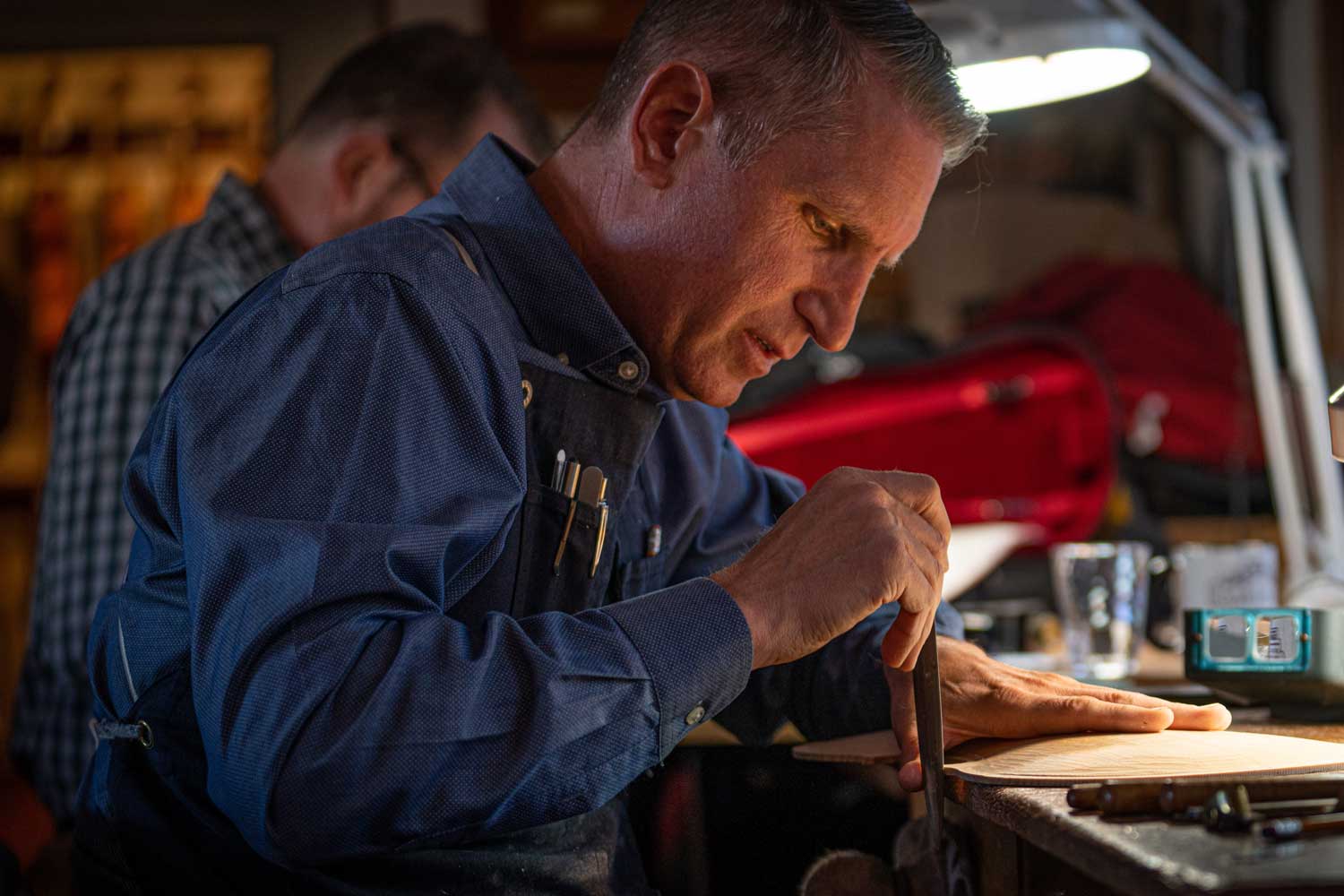
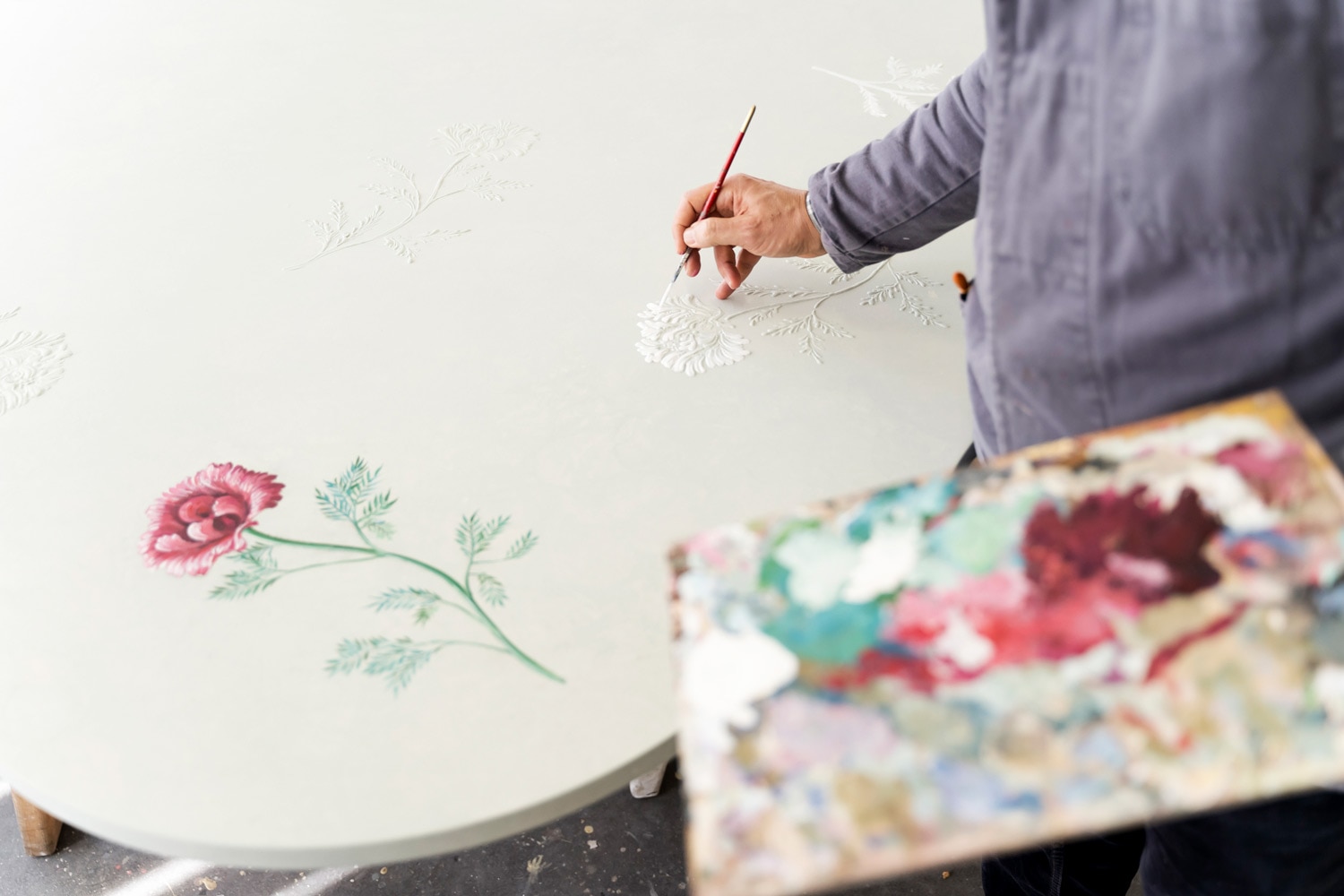
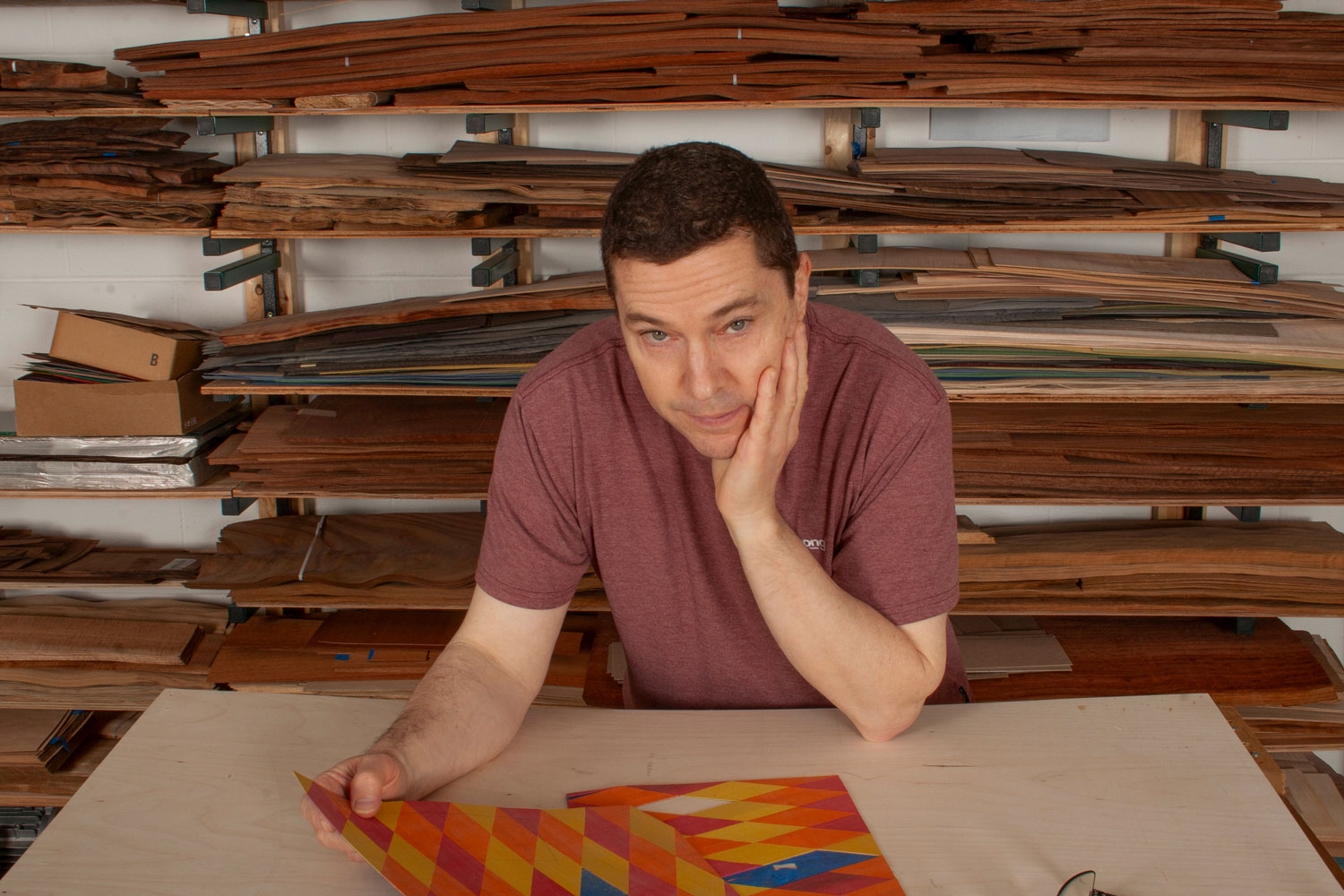
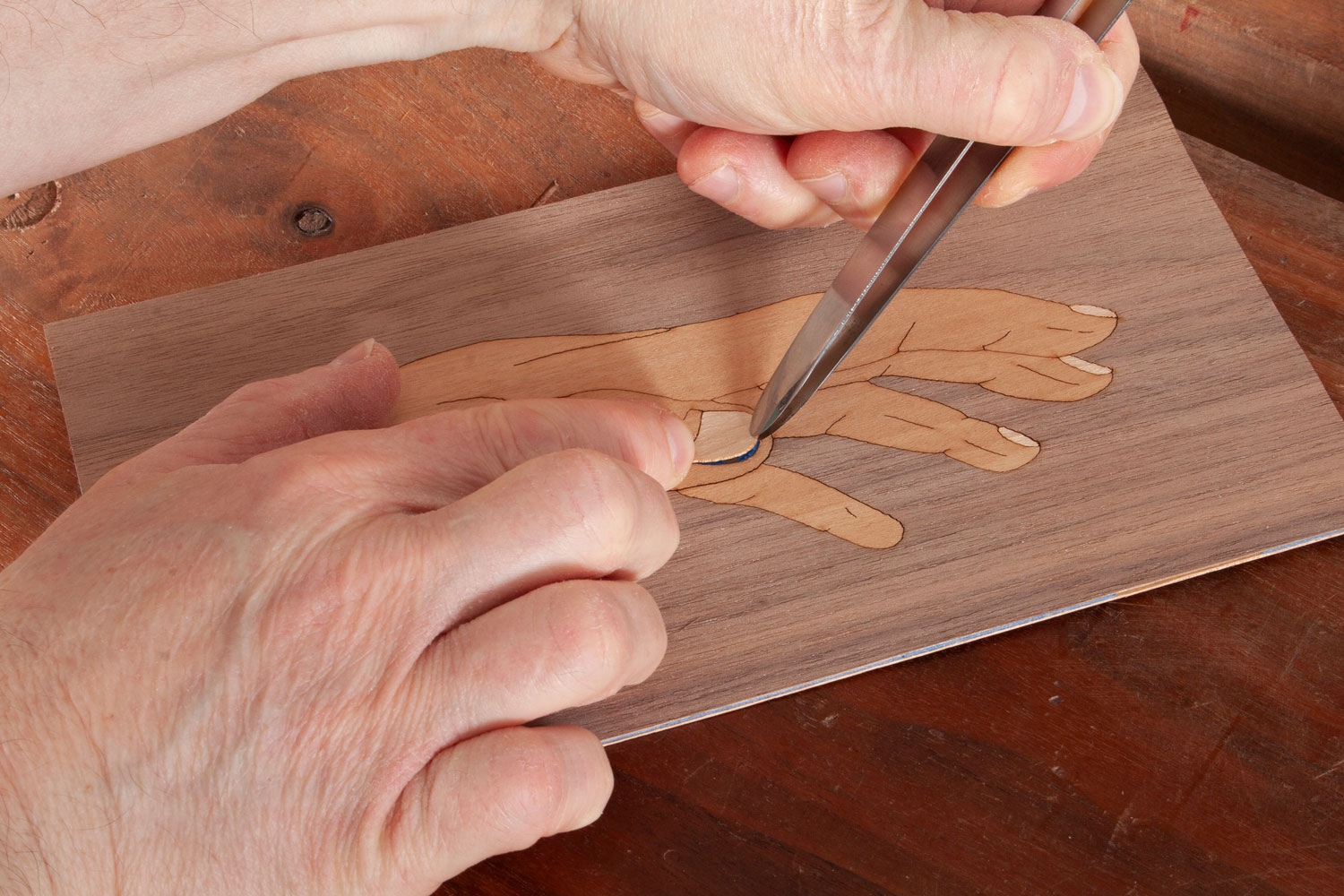
Sometimes the old ways are just better. The packet method of cutting marquetry has been around for a very long time. It is a very efficient and effective way to accurately cut marquetry imagery.
I rely on CAD, every build starts there. I begin with a rough lump of clay model, a solid form I cut away from or add to, just like actual clay. From that base, I create more detailed versions with moving parts and visual elements, refining each stage until I reach the final working model I use for drawings and measurements.
Craig Thibodeau
CT Fine Furniture
Furniture maker
Altavista, VA, USA
ADDRESS
Address upon request, Altavista, VA, USA
AVAILABILITY
By appointment only
PHONE
+1 6199814508
LANGUAGES
English
Homo Faber Finds is a new service aiming to inspire admirers of craft to connect and collaborate with exceptional artisans.
We invite you to submit an enquiry here.