Cova del Campo
Ceramicist
Gijón, Spain
The call of ceramics
- Cova brings her background in design into her ceramics
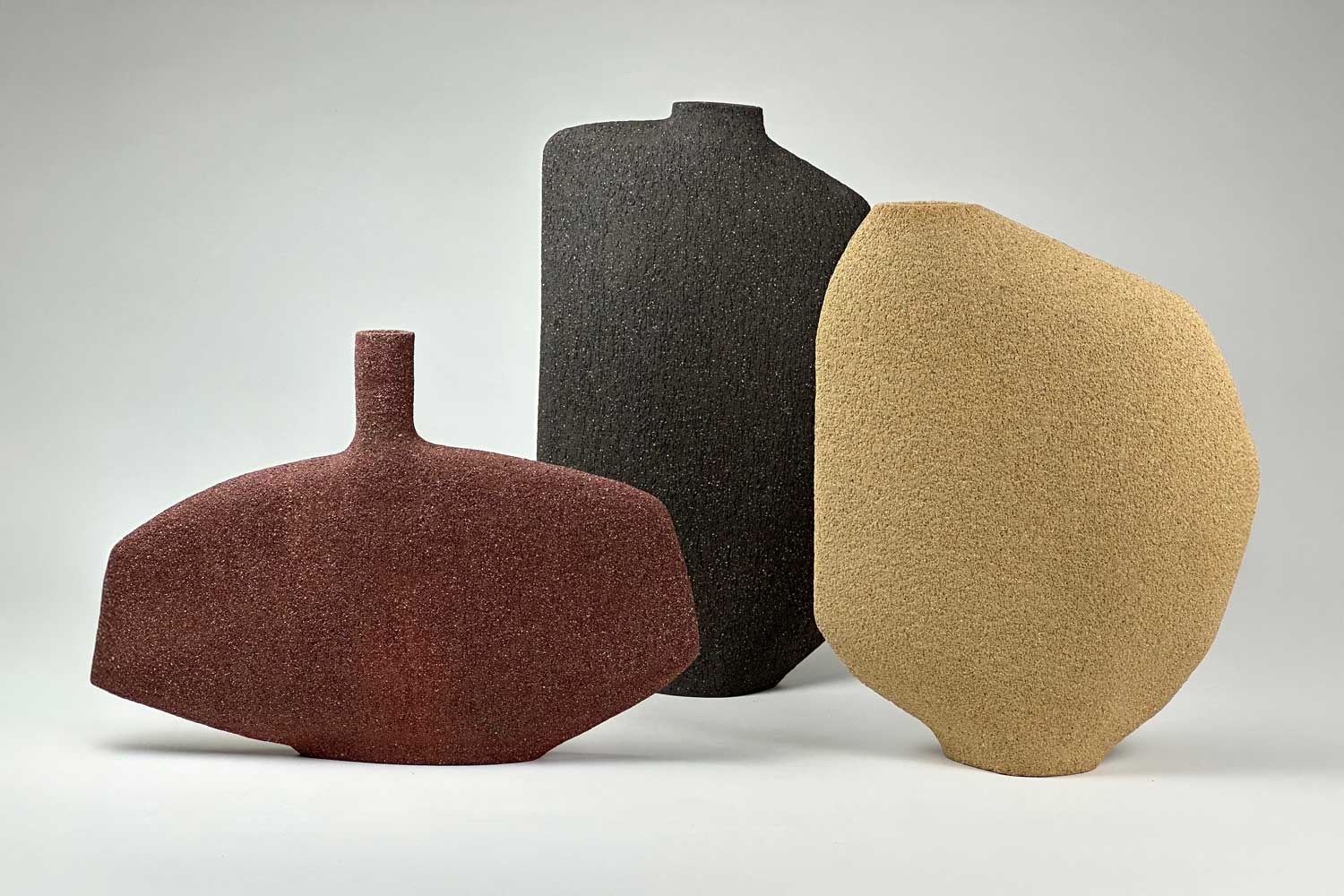
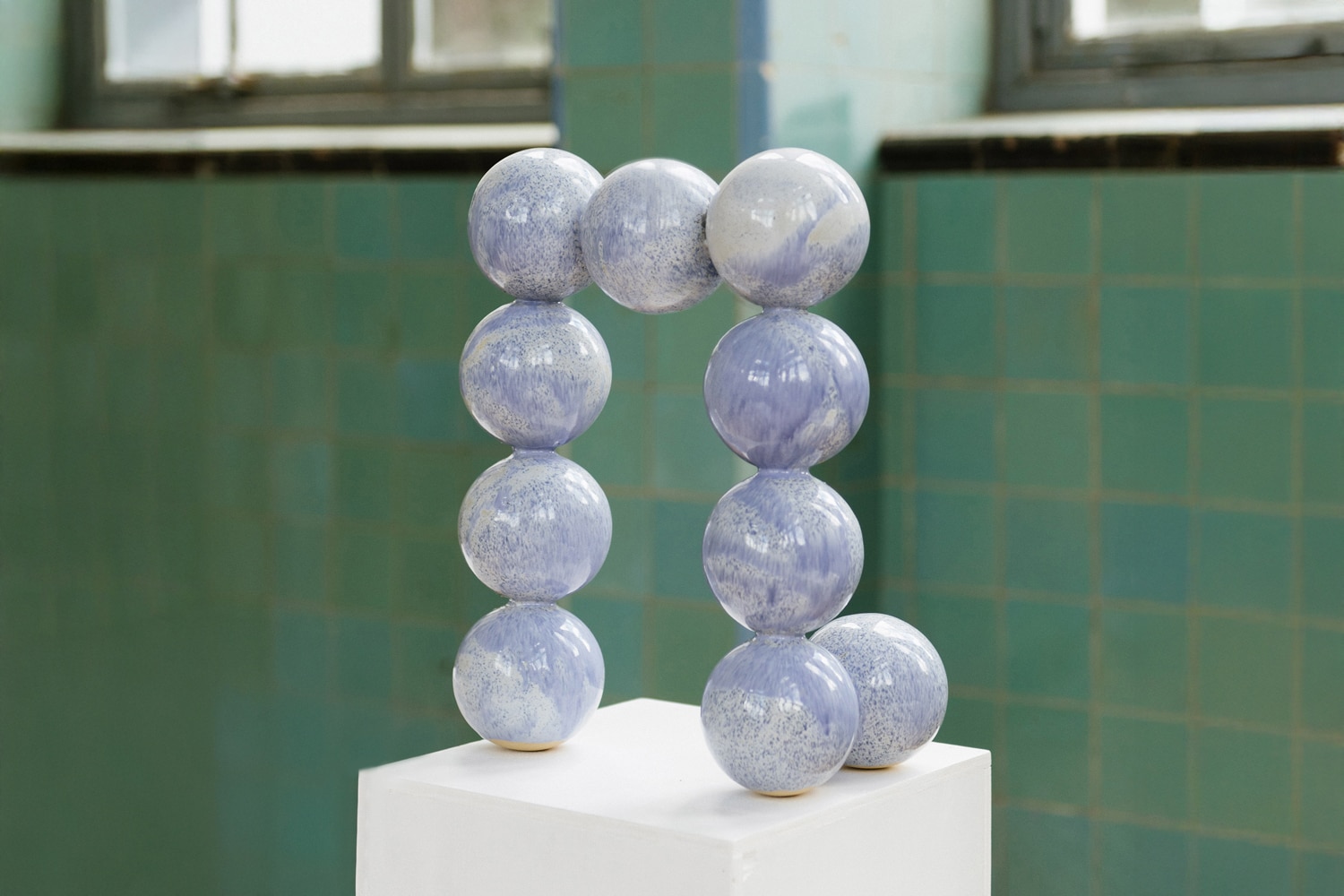
- Her pieces span functional ramen bowls and abstract pieces celebrating natural forms
- She finds inspiration in the industrial landscape of the Spanish region of Asturias
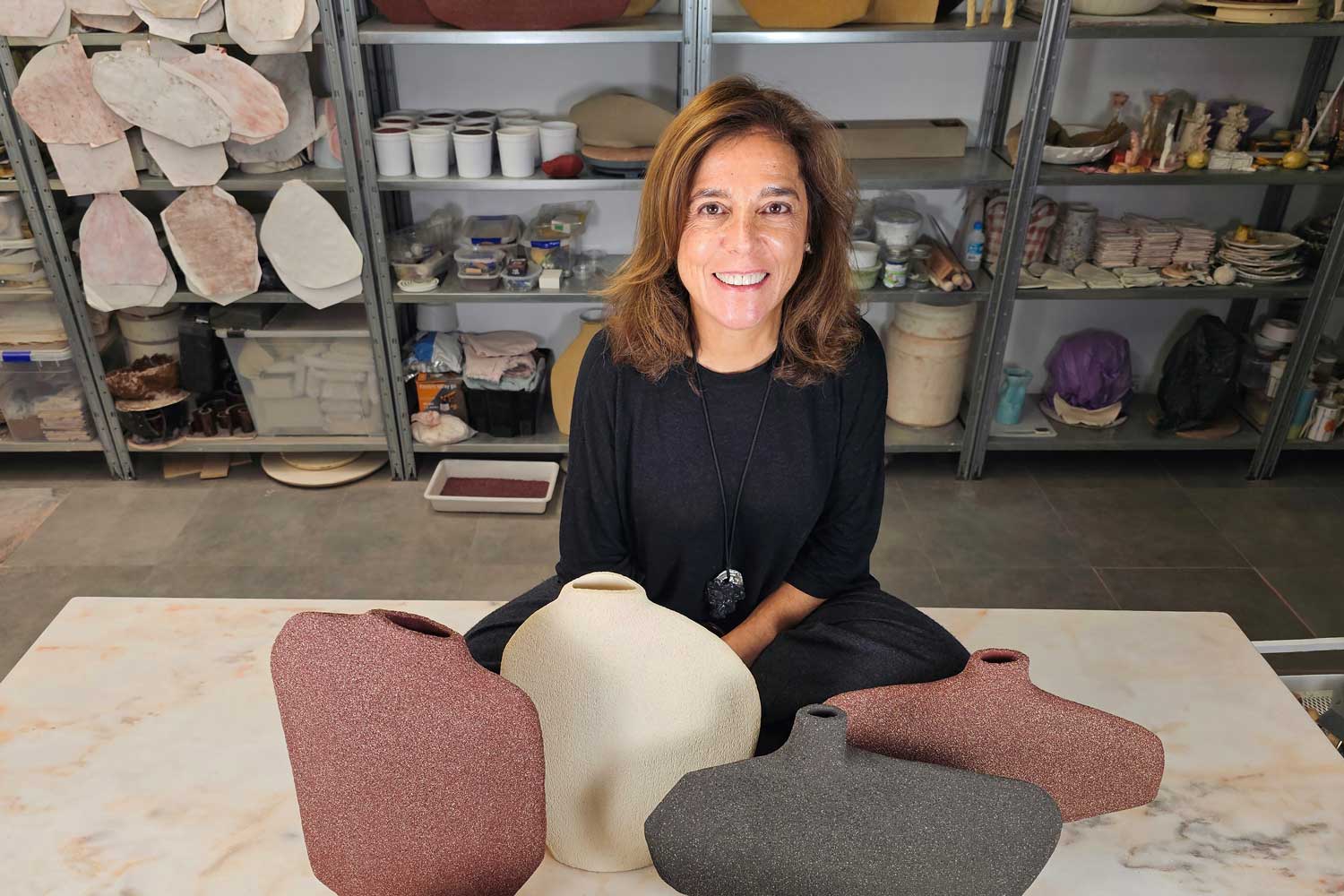
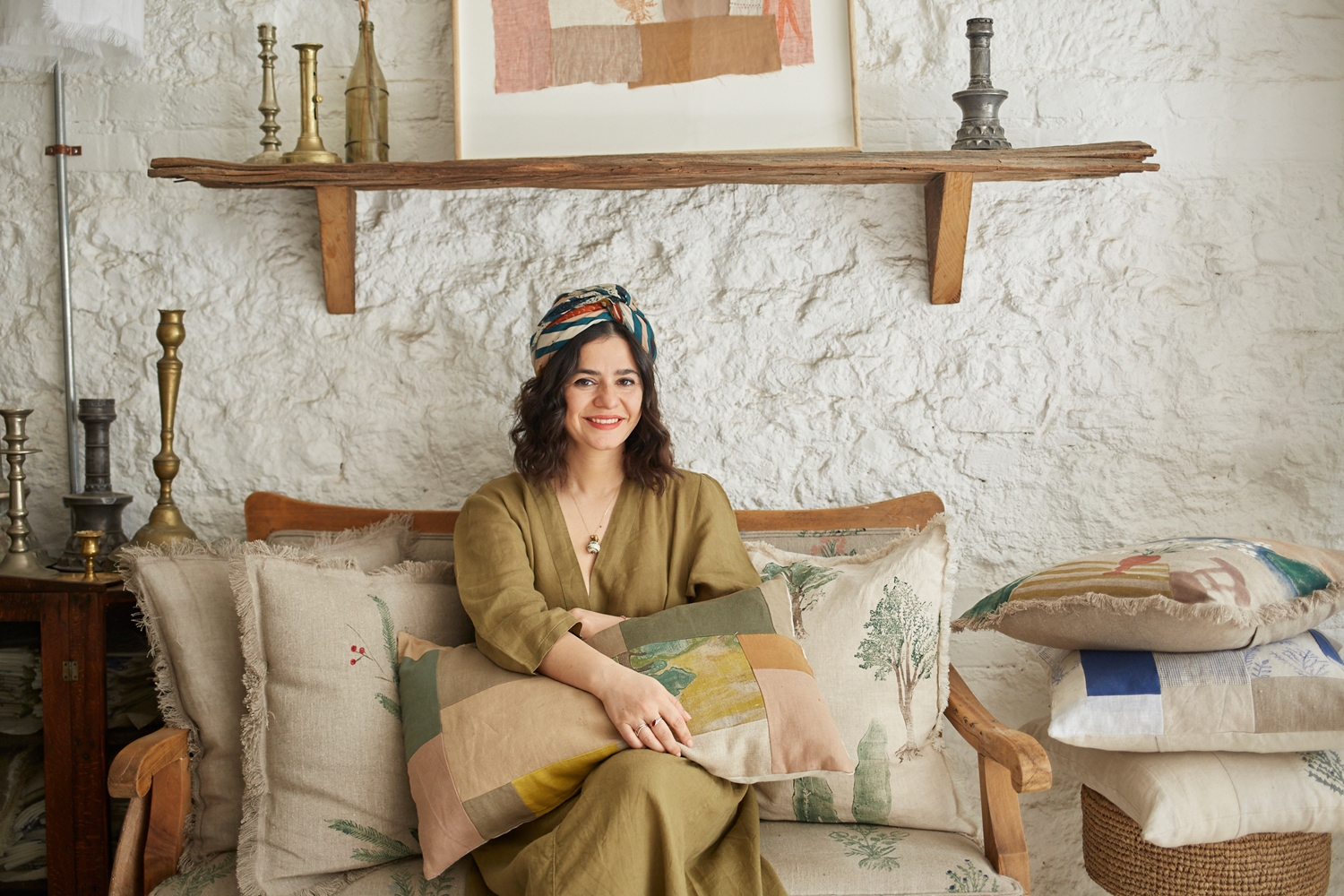
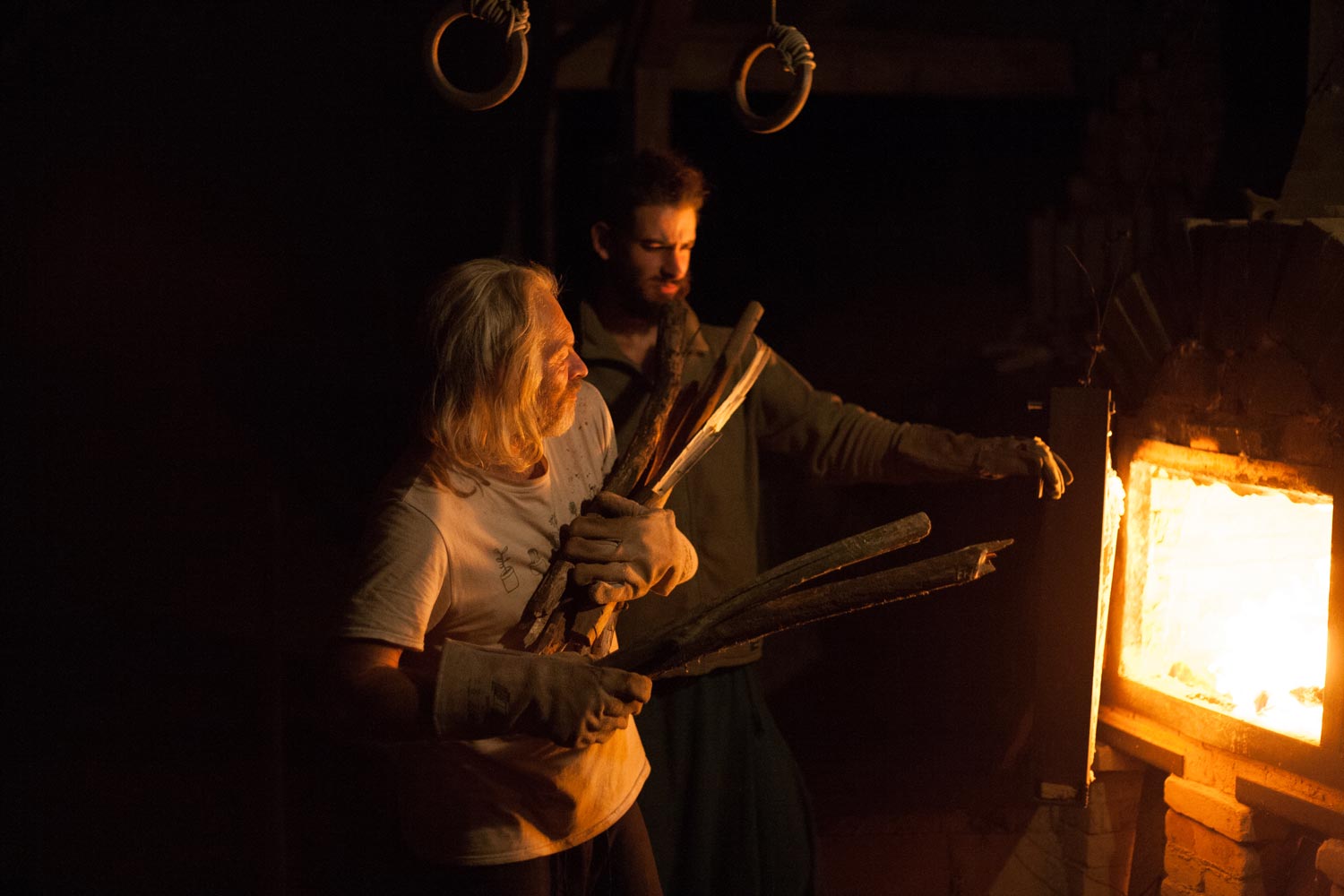
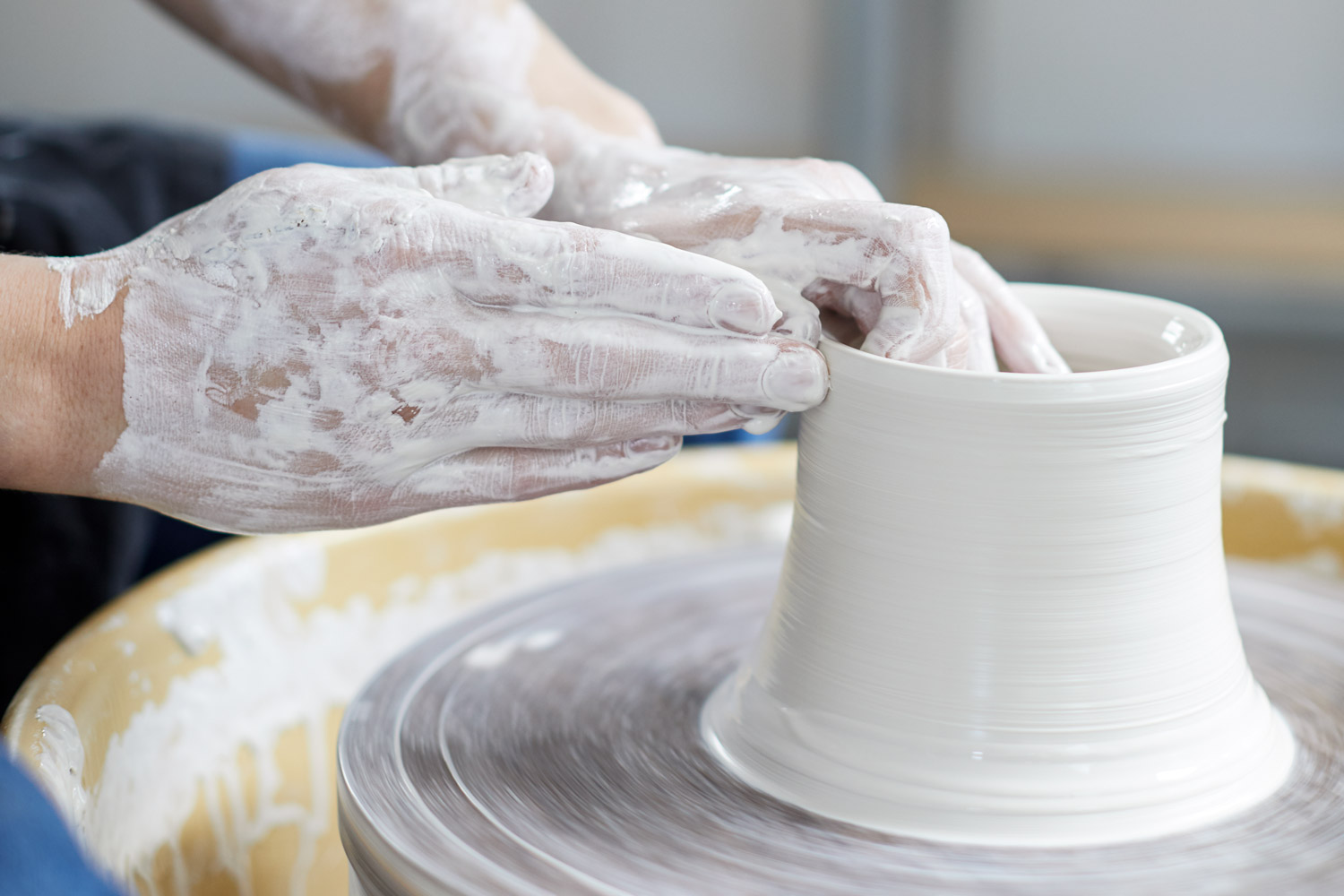
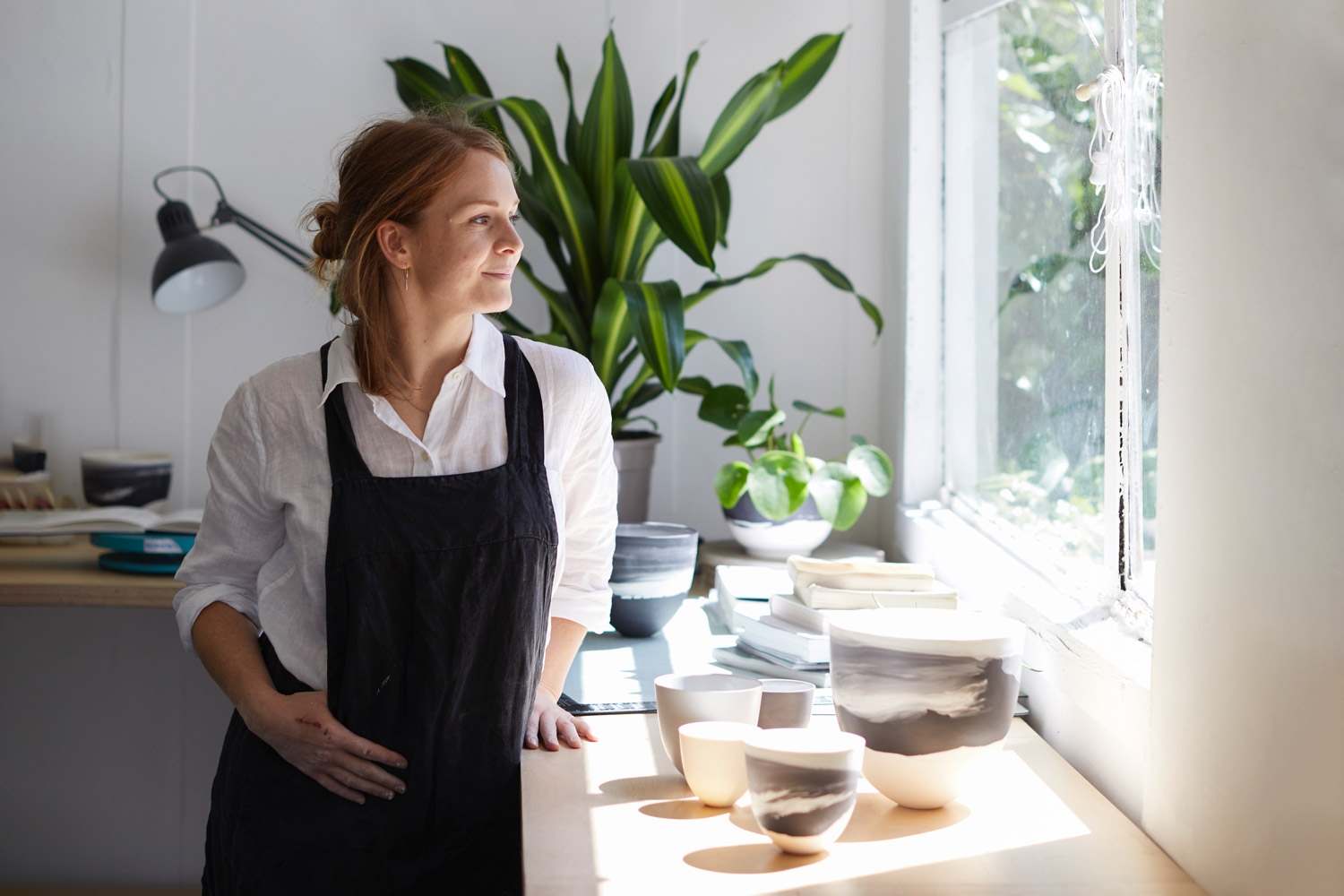
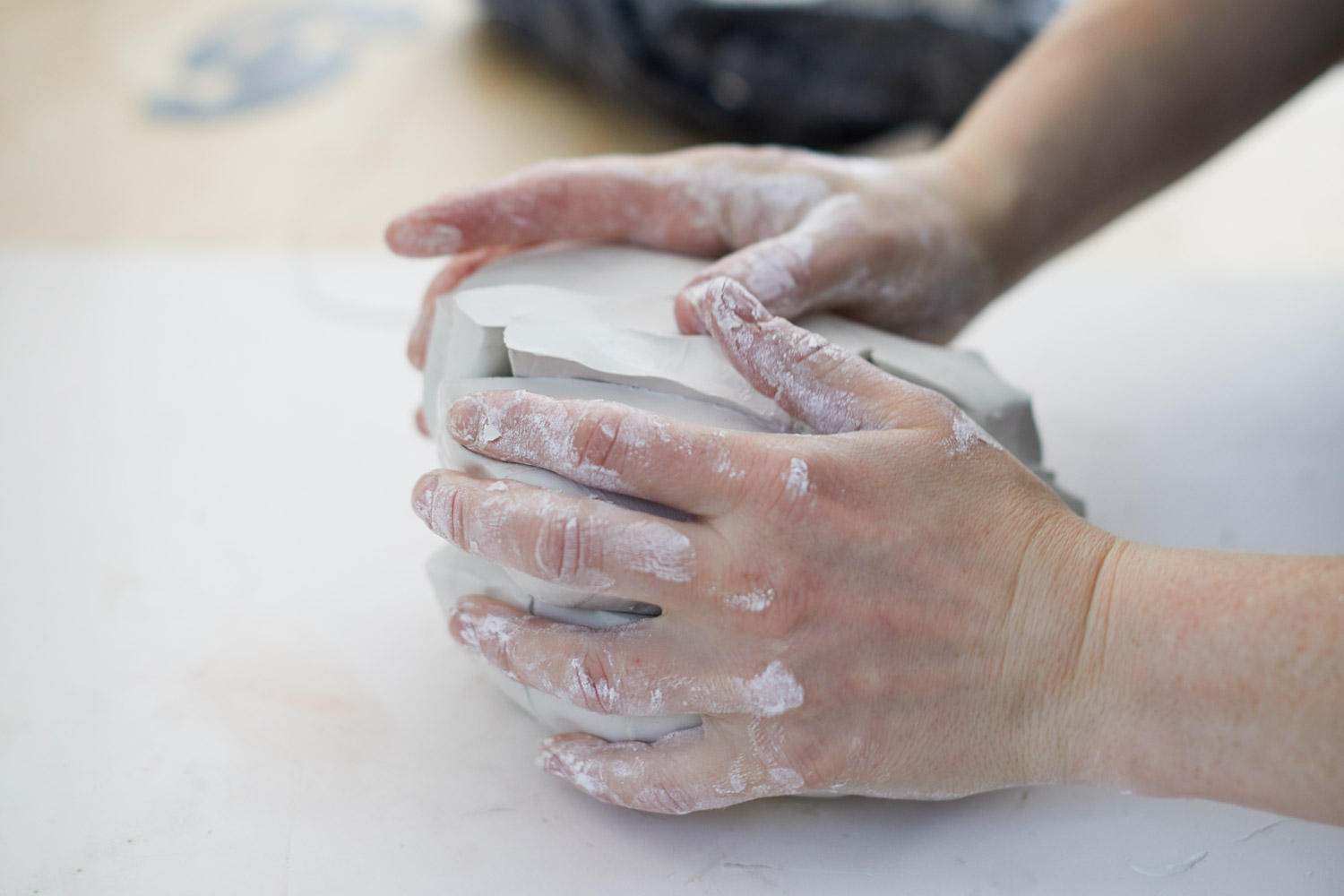
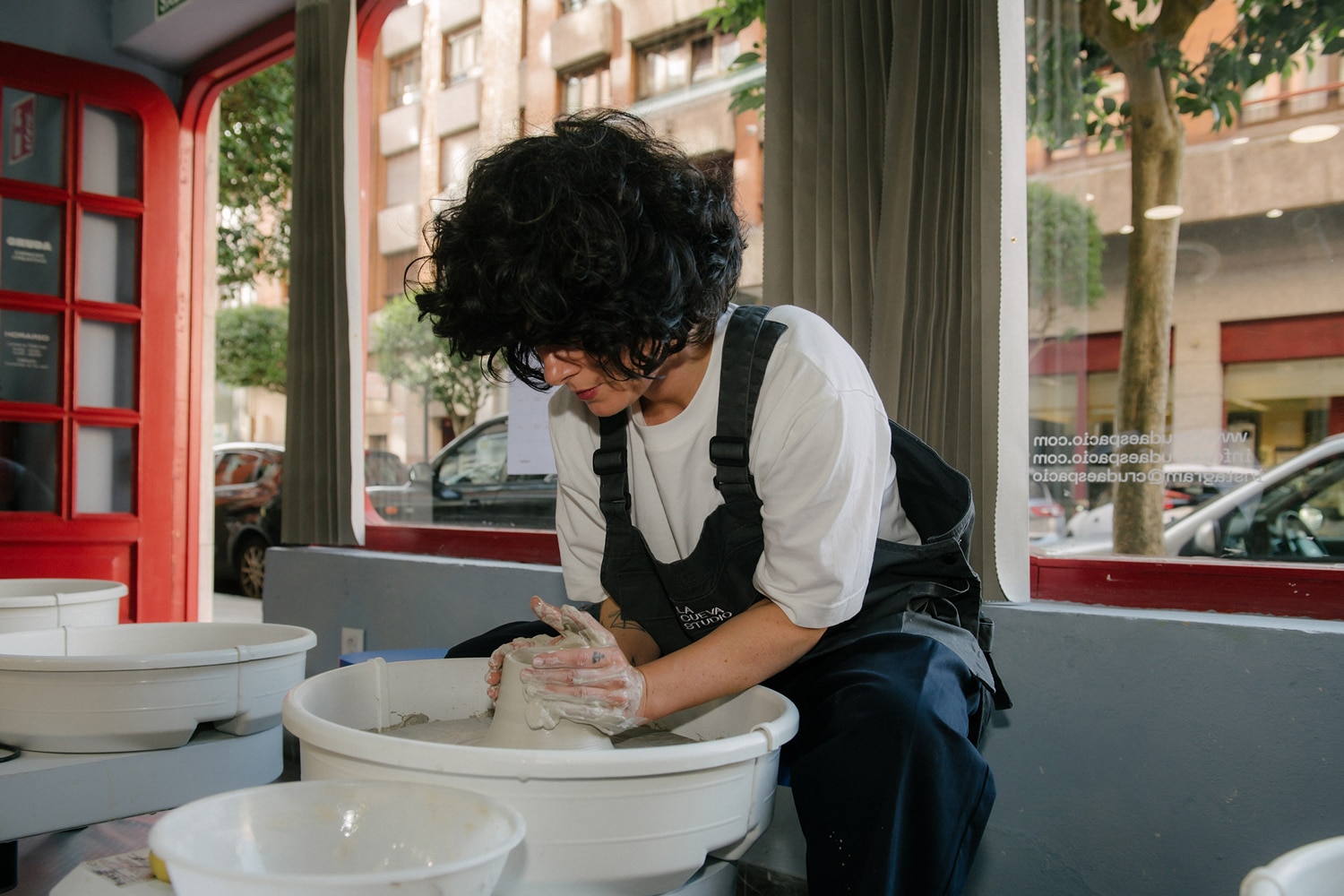
Working in advertising and design, Cova del Campo always felt an artistic restlessness to her life. “There was a turning point when I began to feel frustrated with my professional path and discovered in ceramics something that emerged very naturally, without being planned,” she says. Cova’s encounter with the material opened up new possibilities, both creative and personal, and led her to reconsider her life and priorities. She gained a degree in ceramics at the Royal College of Art in London and continued her training after founding her own studio, learning from master artisans including Japanese ceramic artist Shozo Michikawa. Cova’s practice continues to develop through artist residencies and solo work in the studio, as she pursues new approaches to ceramics that reflect her industrial environment in Asturias.
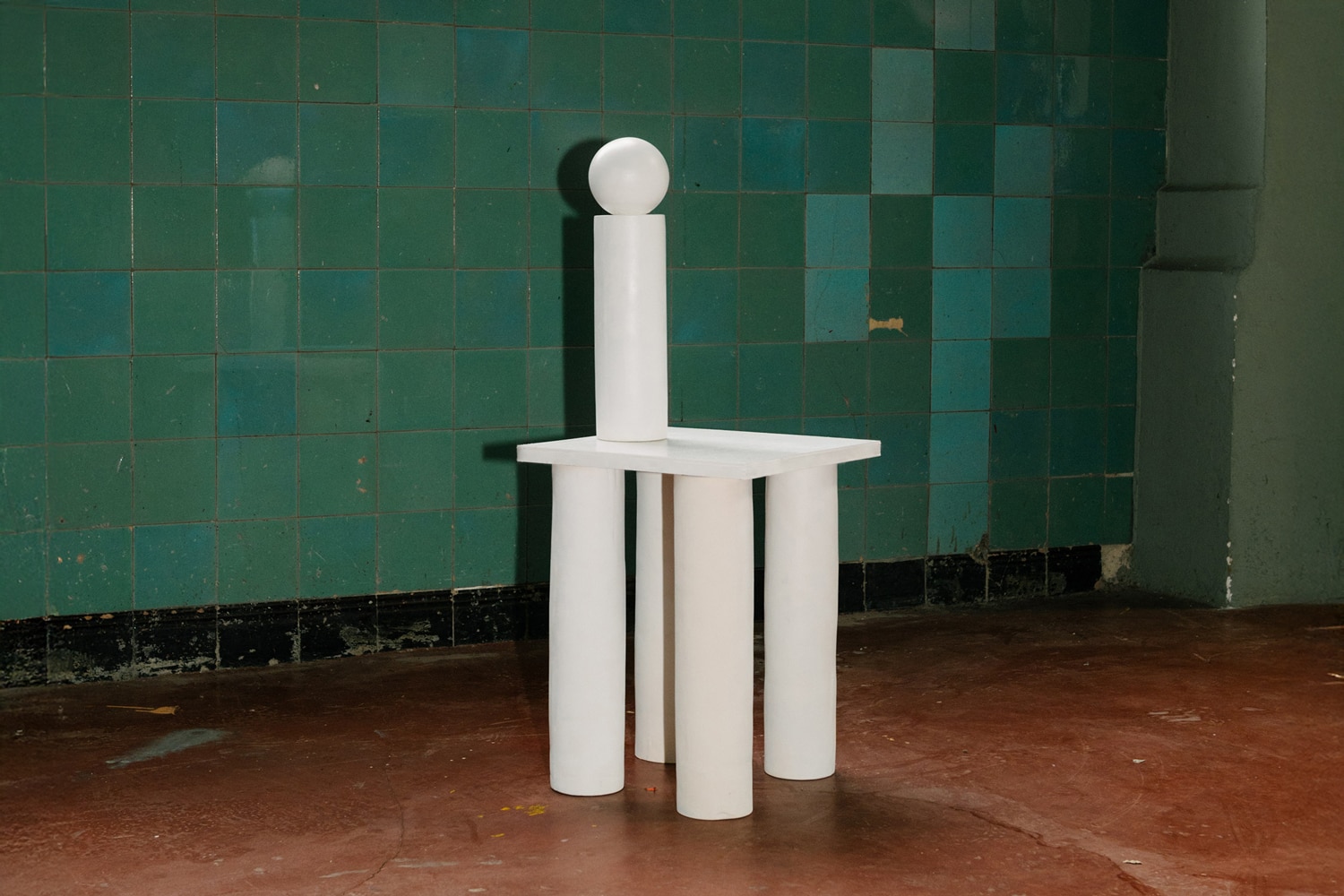
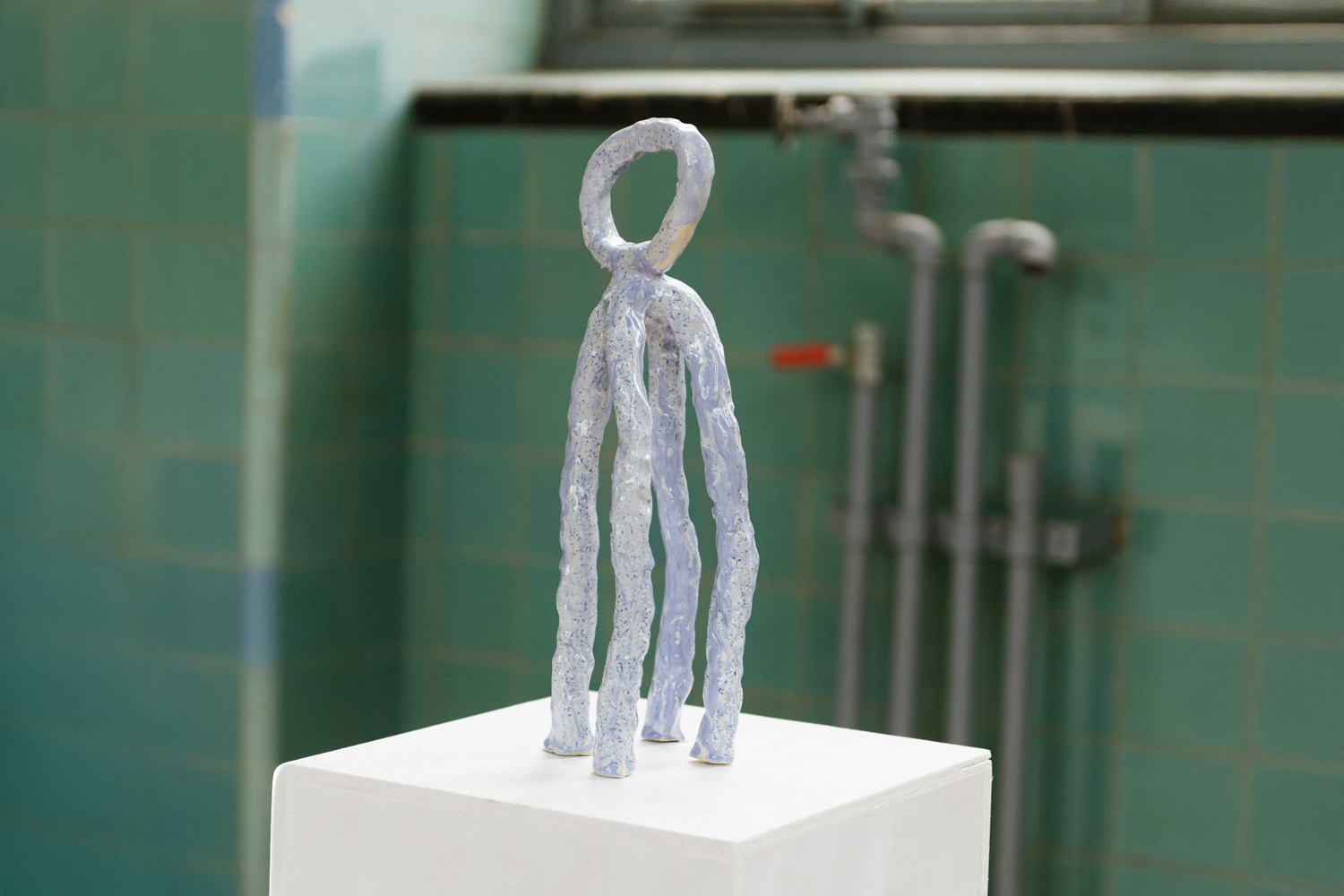
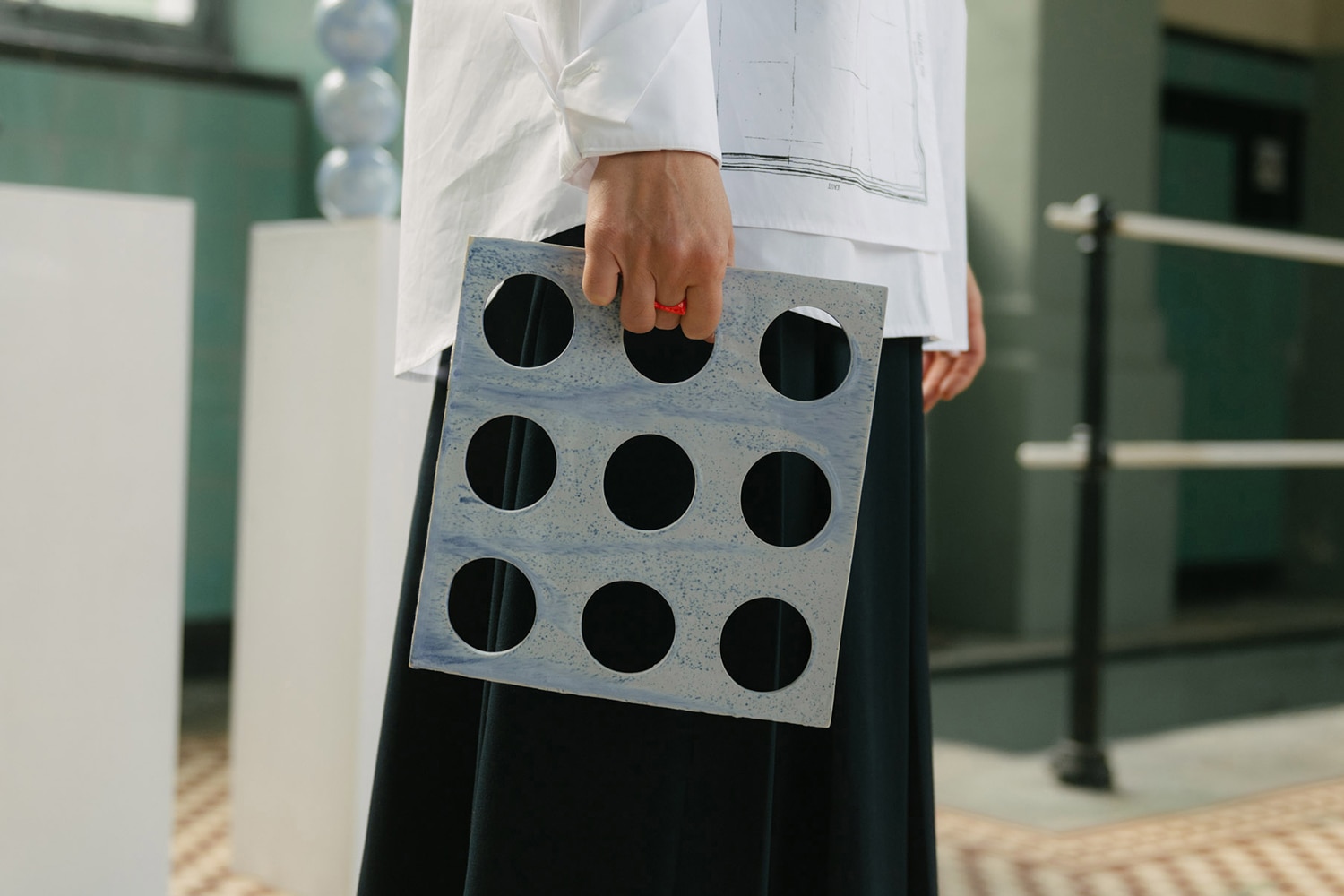
INTERVIEW
My desire to pursue a profession connected to a studio-based practice became increasingly clear. Ceramics appeared almost by chance, through a standalone course while I was still working in design. That first contact changed my direction and revealed a path that fully aligned with what I was seeking.
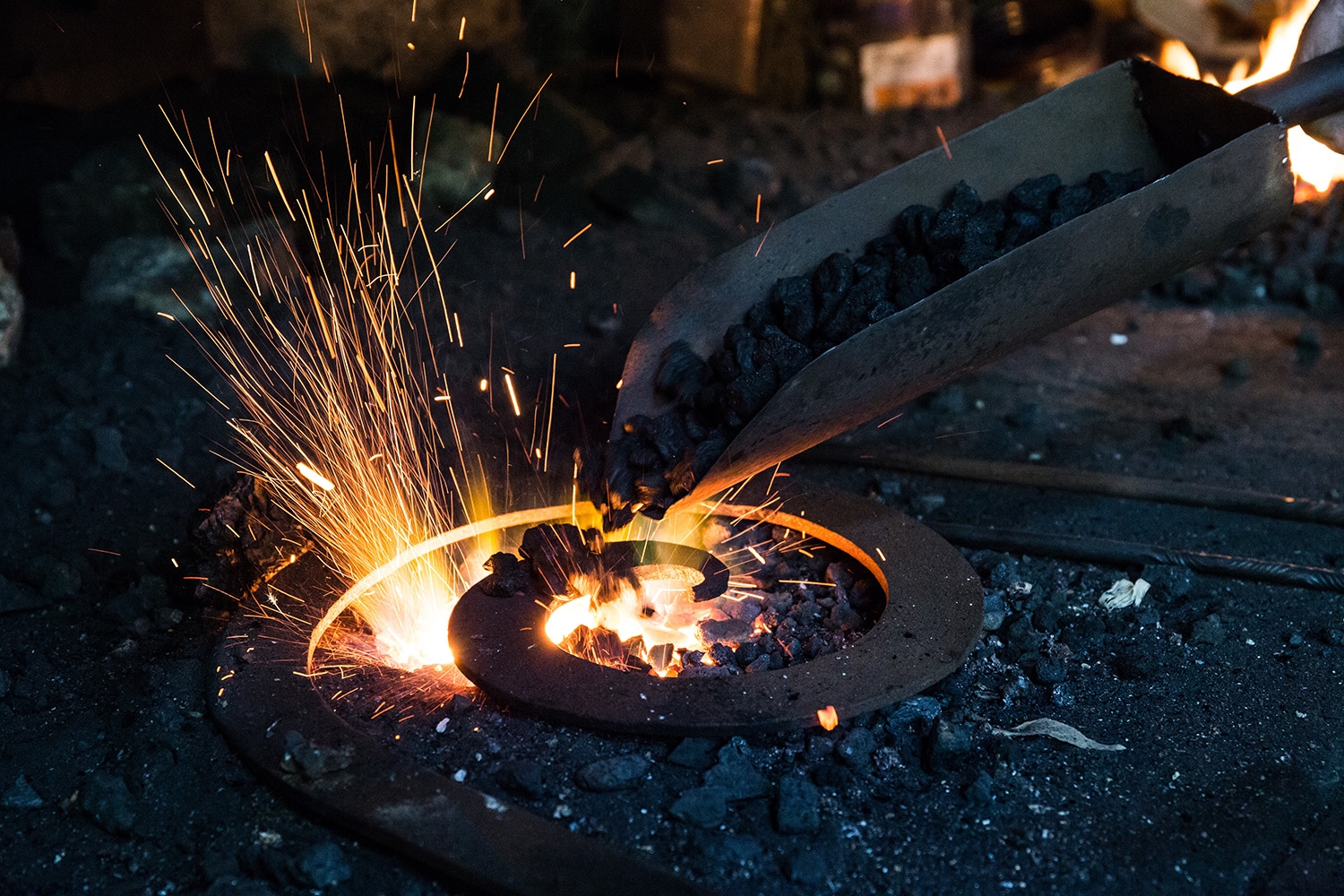
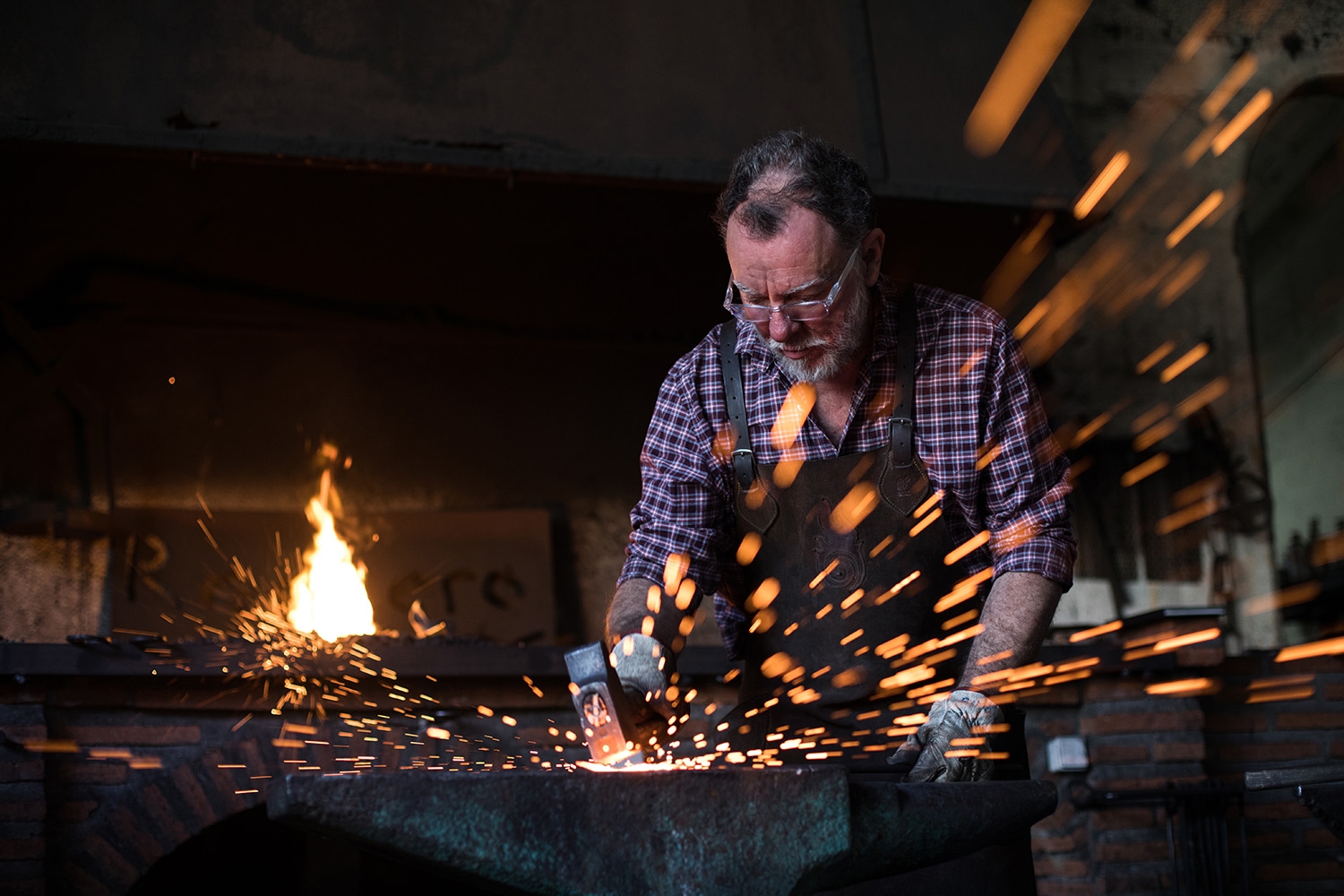
Since my return to Asturias, an environment that deeply inspires me, I have found a strong connection with its industrial character, architecture and construction elements, which have consistently been reflected in my work.
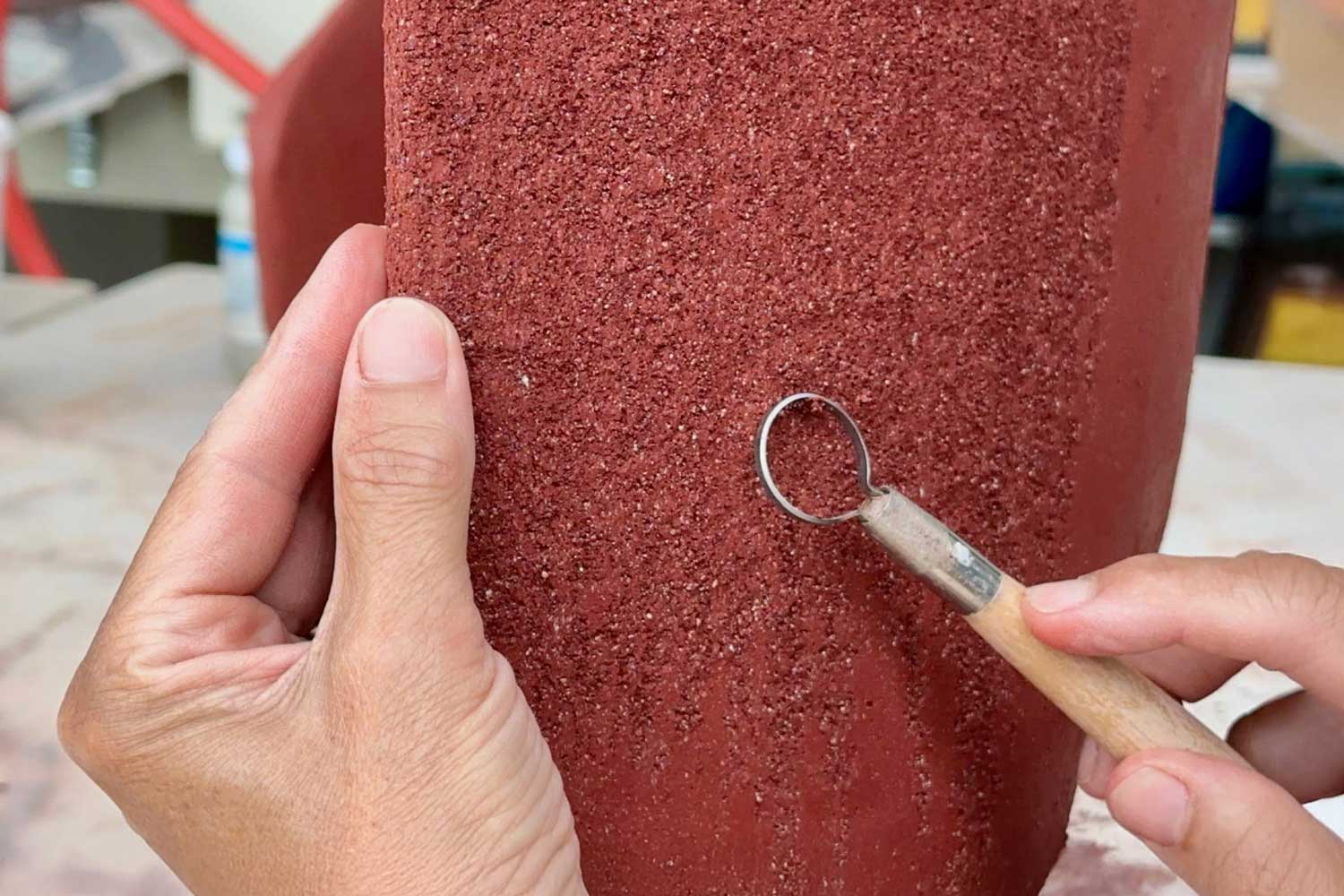
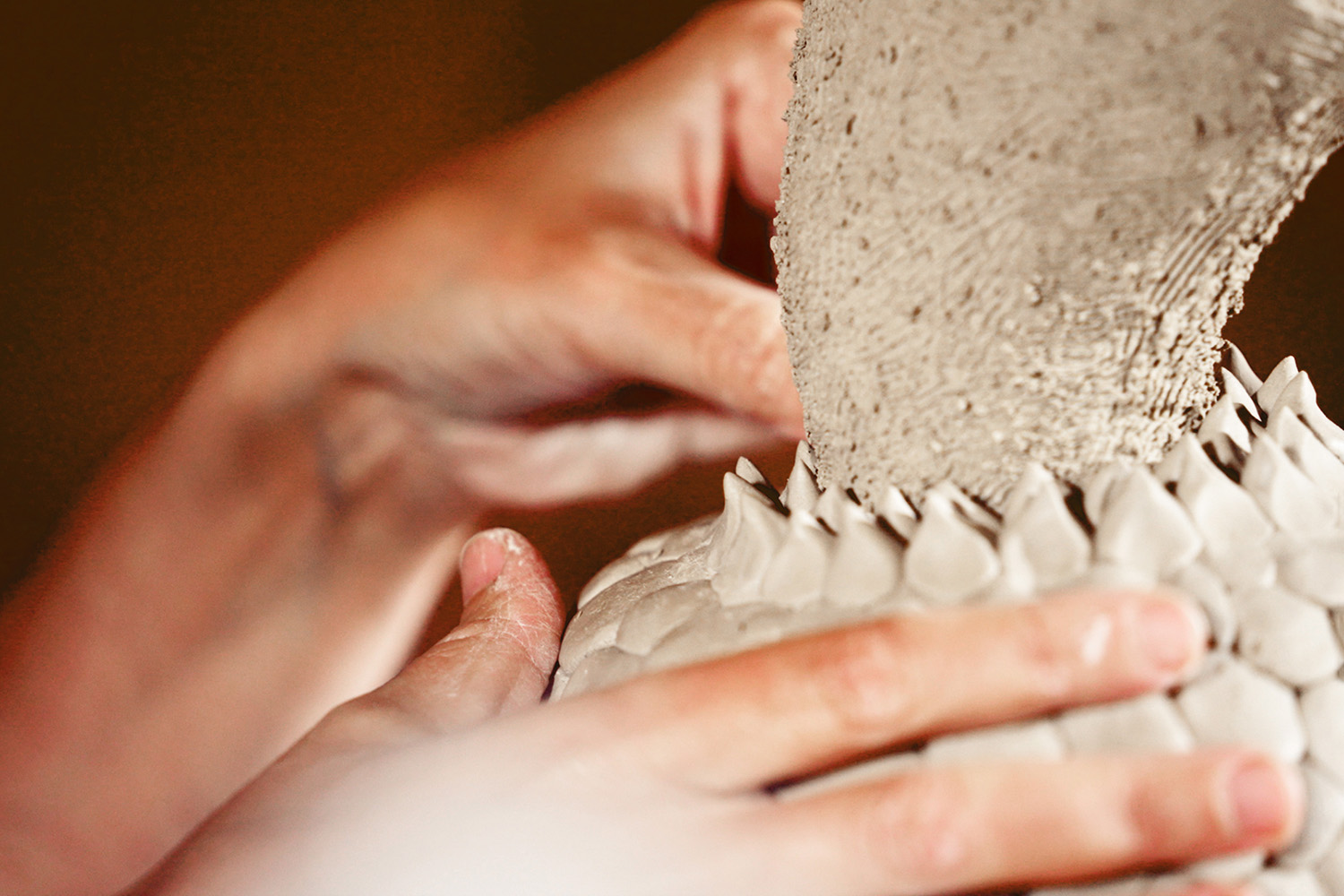
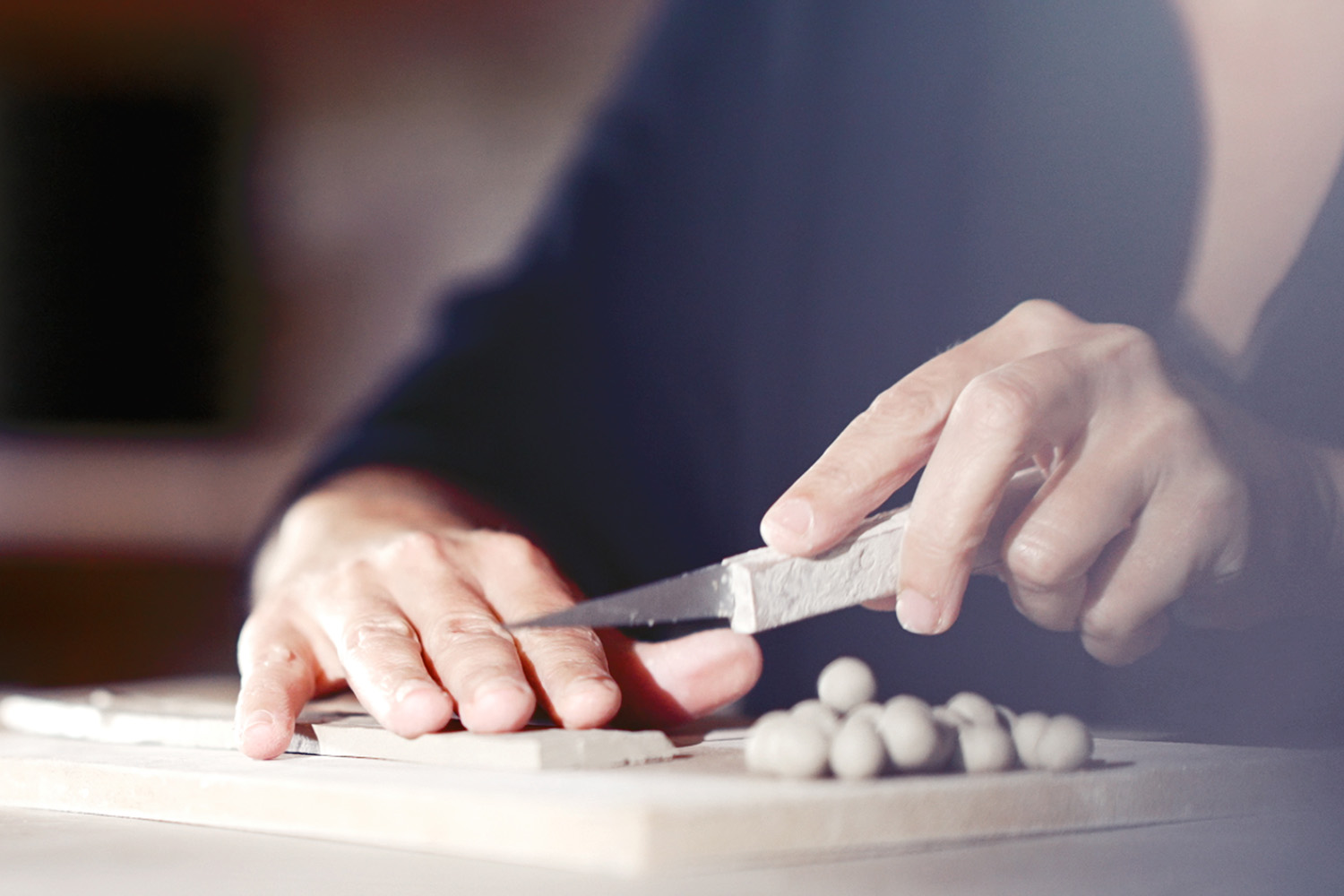
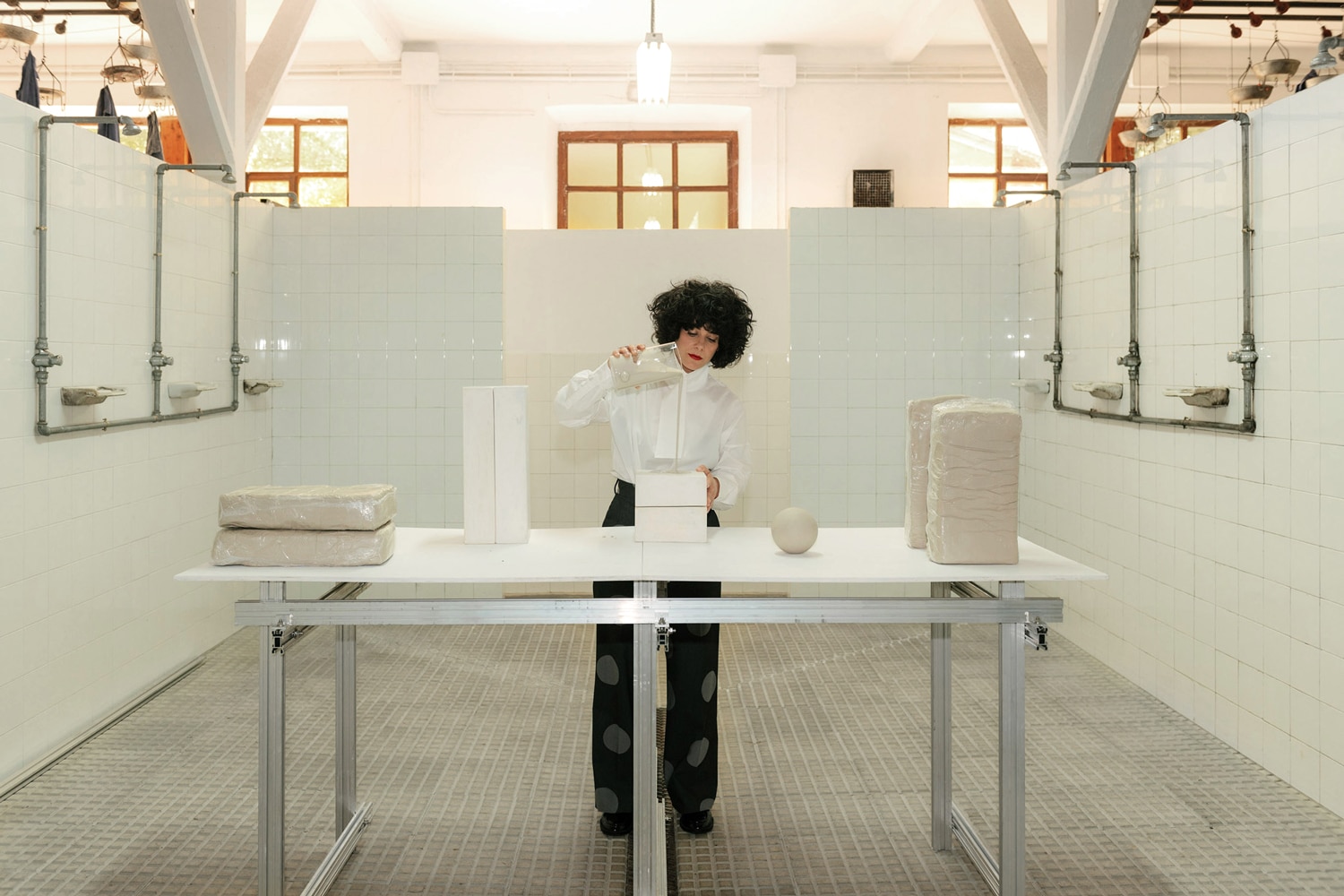
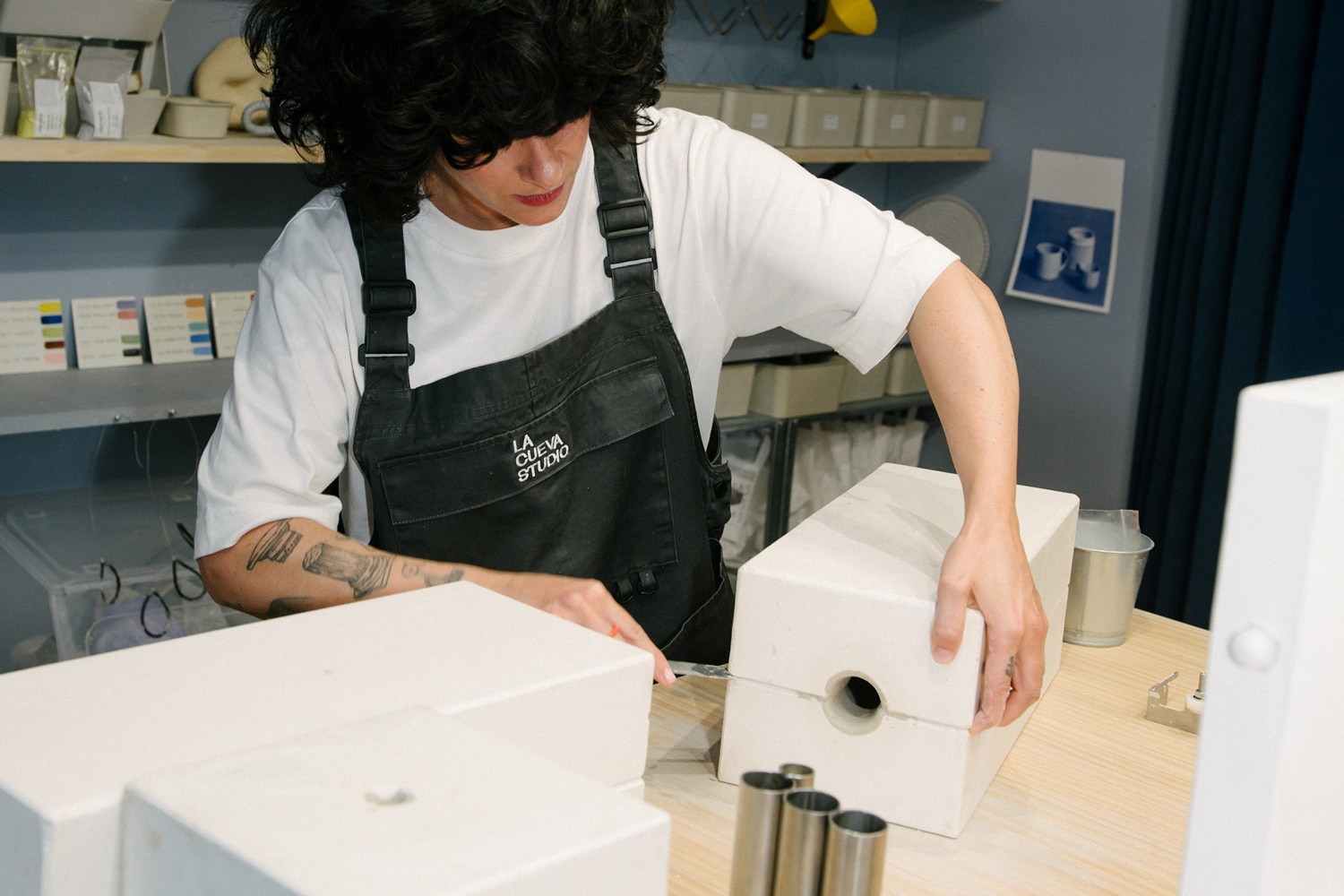
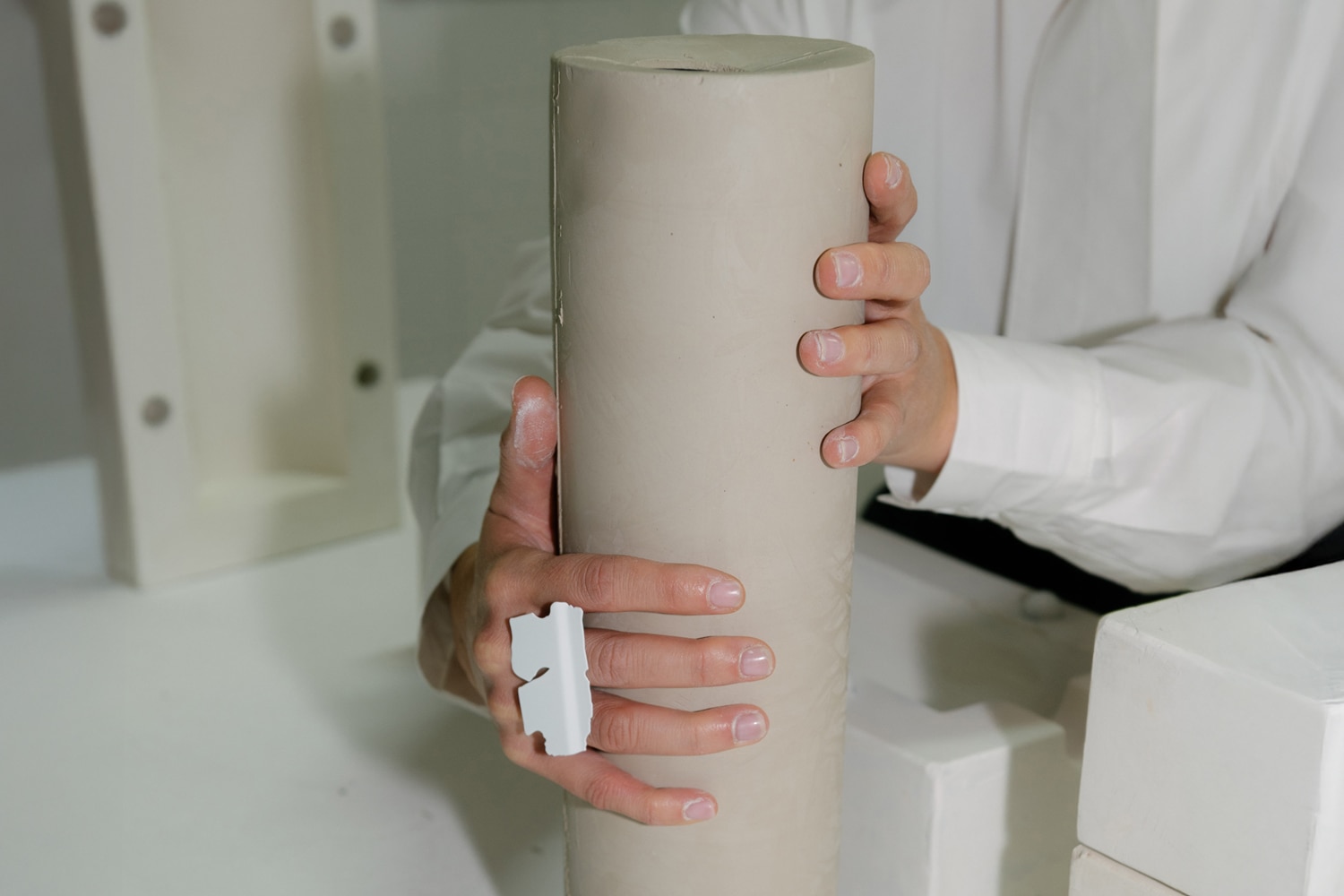
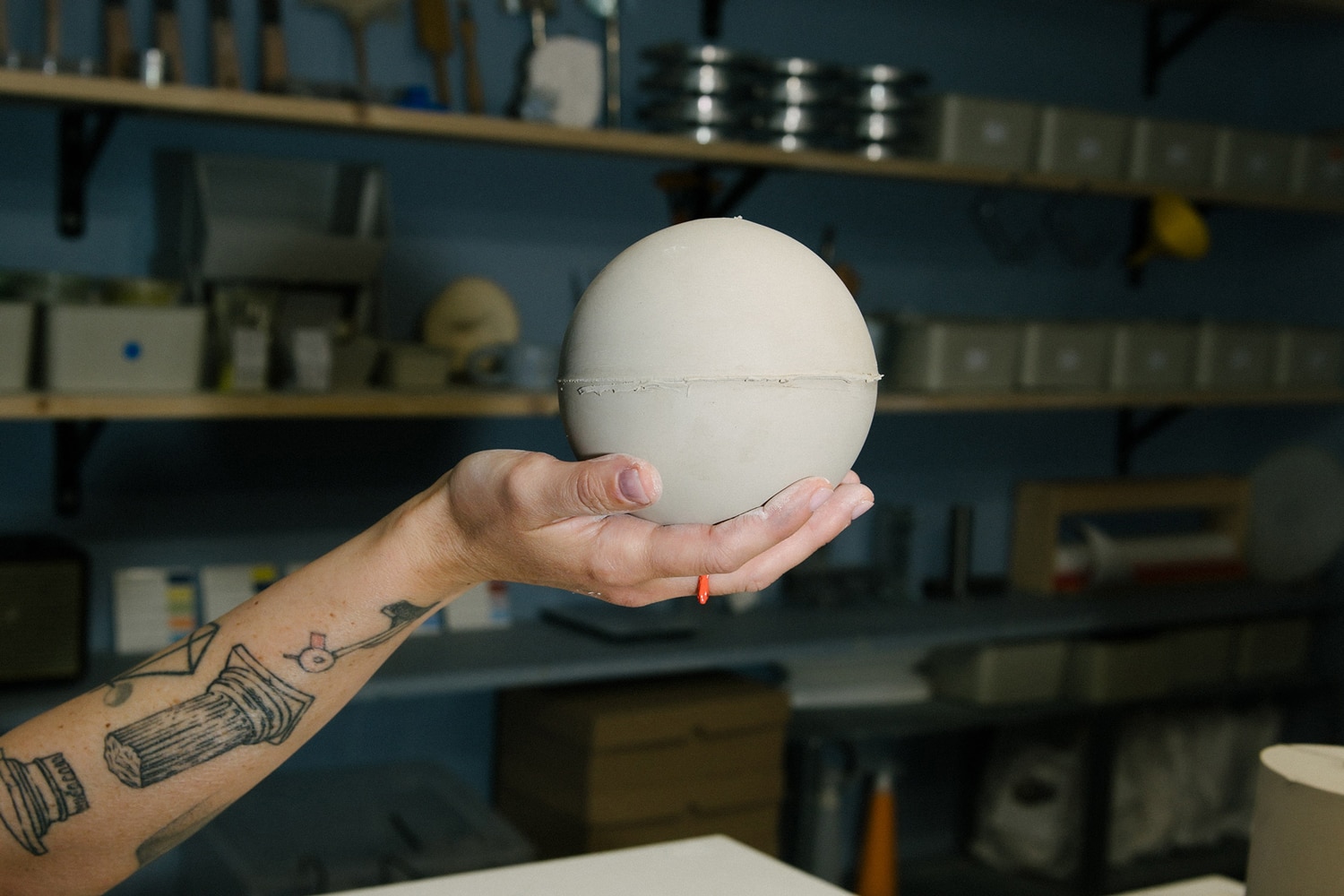
The core of my practice is based on the use of digital tools in the creation of pieces, particularly 3D printers and extrusion machinery. I also regularly work with moulds, both in their design and making, in order to develop pieces using slip-casting techniques.
It is a continuous act of translation, transforming what I observe into pieces that come to life through both digital and artisanal means. It is a hybrid process that is in constant evolution.
Cova del Campo
Ceramicist
Gijón, Spain
AVAILABILITY
Monday to Friday 10:00-14:00 / 16:00-18:00
LANGUAGES
Spanish, English
Homo Faber Finds is a new service aiming to inspire admirers of craft to connect and collaborate with exceptional artisans.
We invite you to submit an enquiry here.