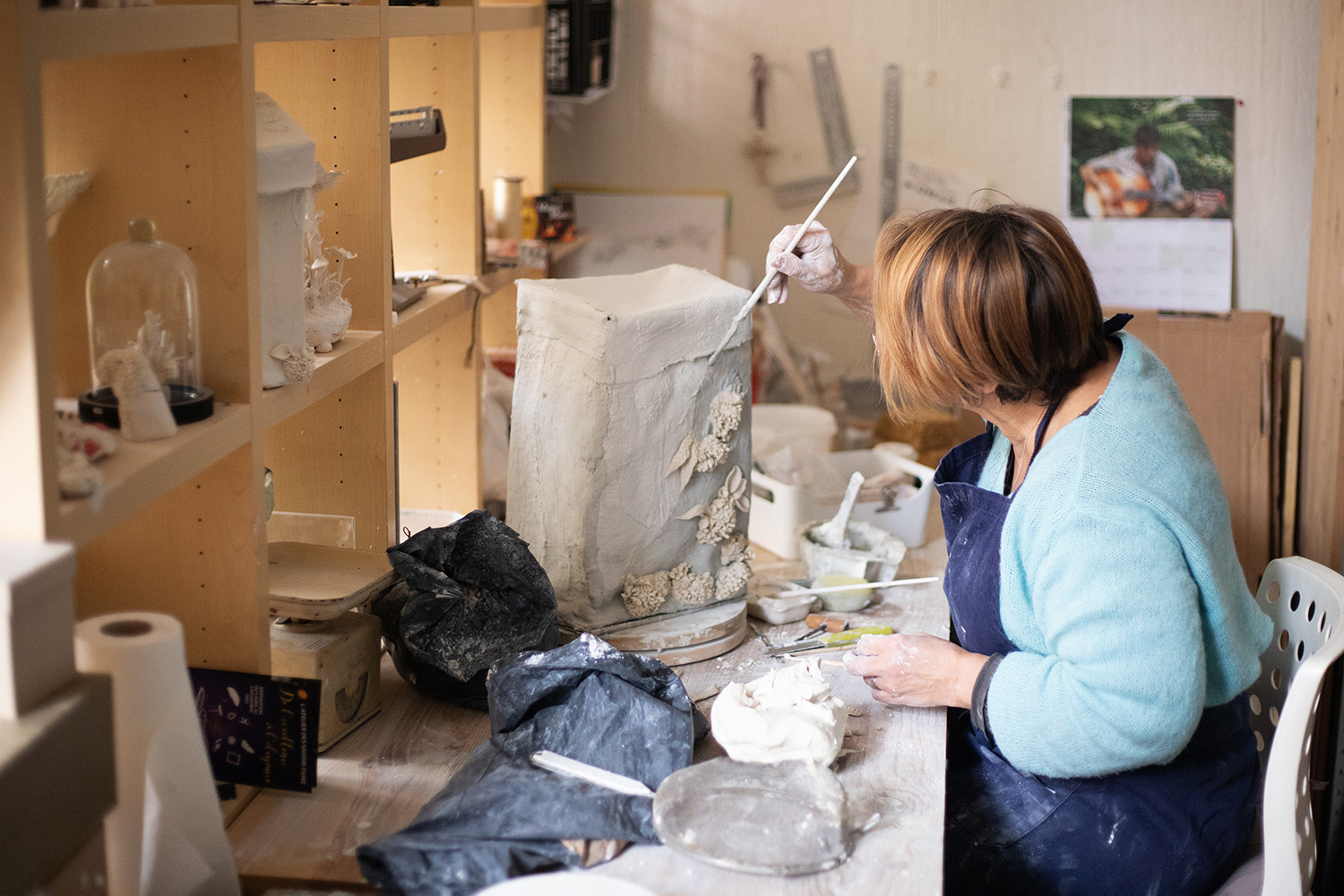
Florence Corbi
Porcelain maker
Sabran, France
A seabed of porcelain
- Florence's poetic sculptures rise from her imagination
- Ancient literature is one of her sources of inspiration
- She takes part in many national and international exhibitions
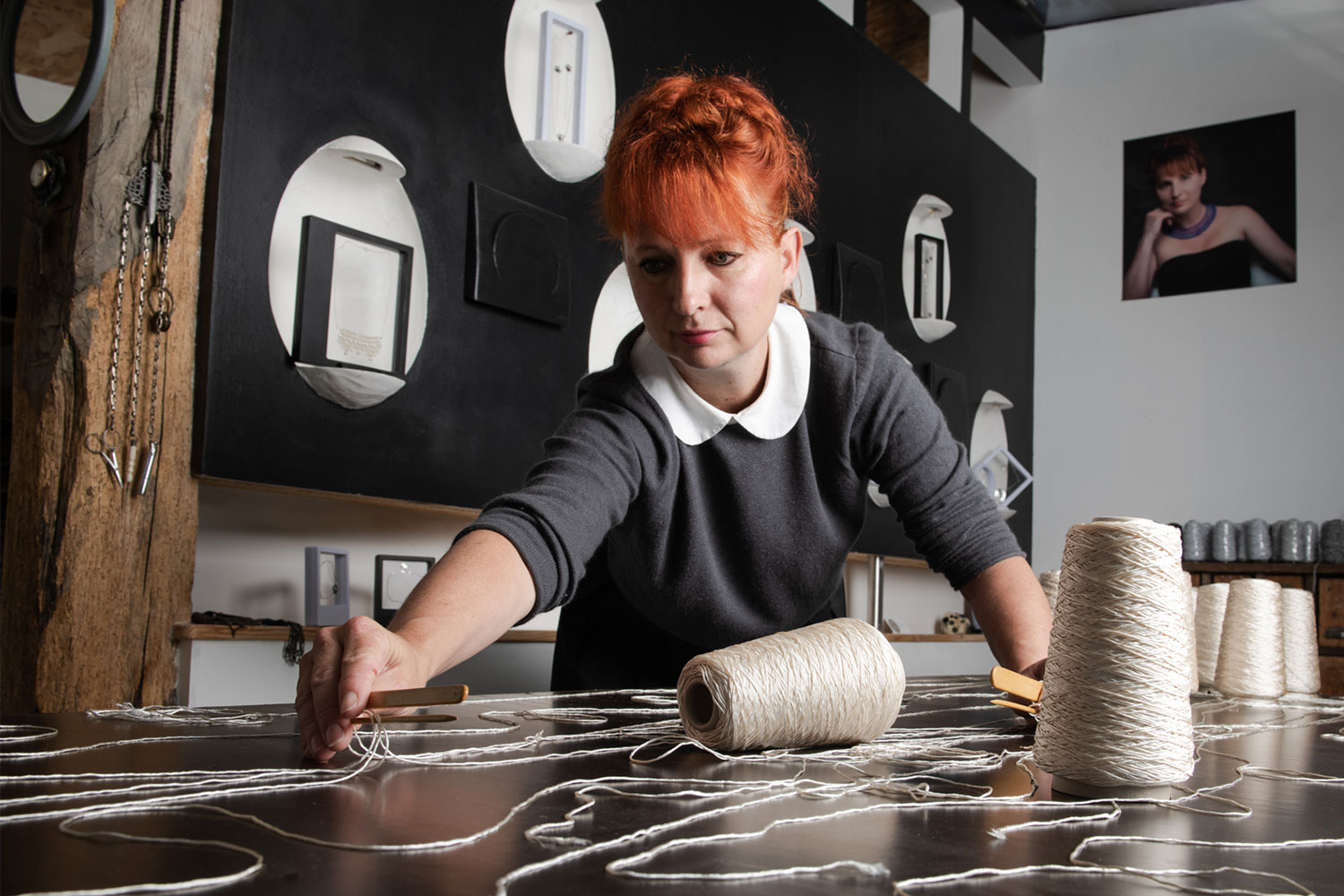
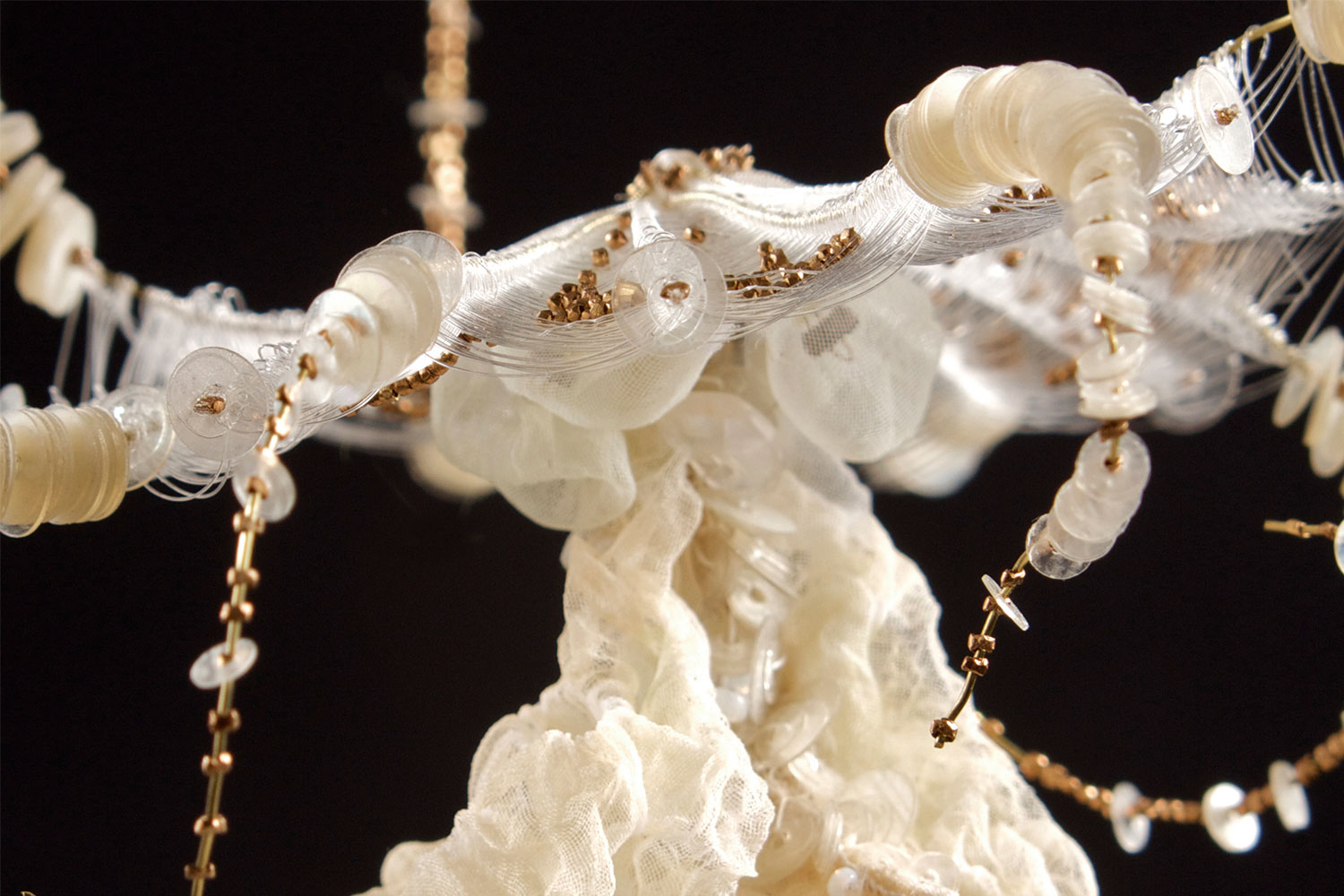
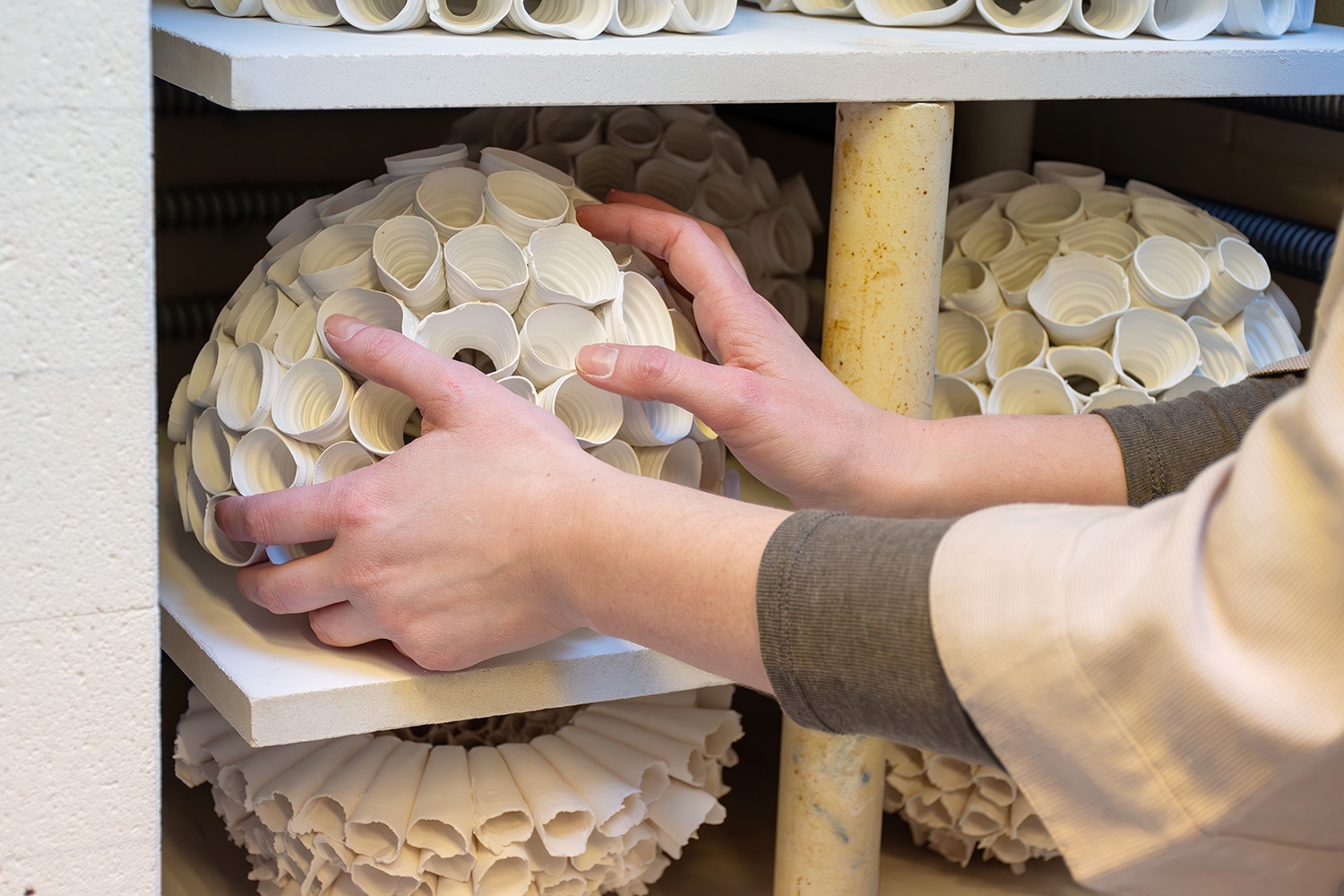
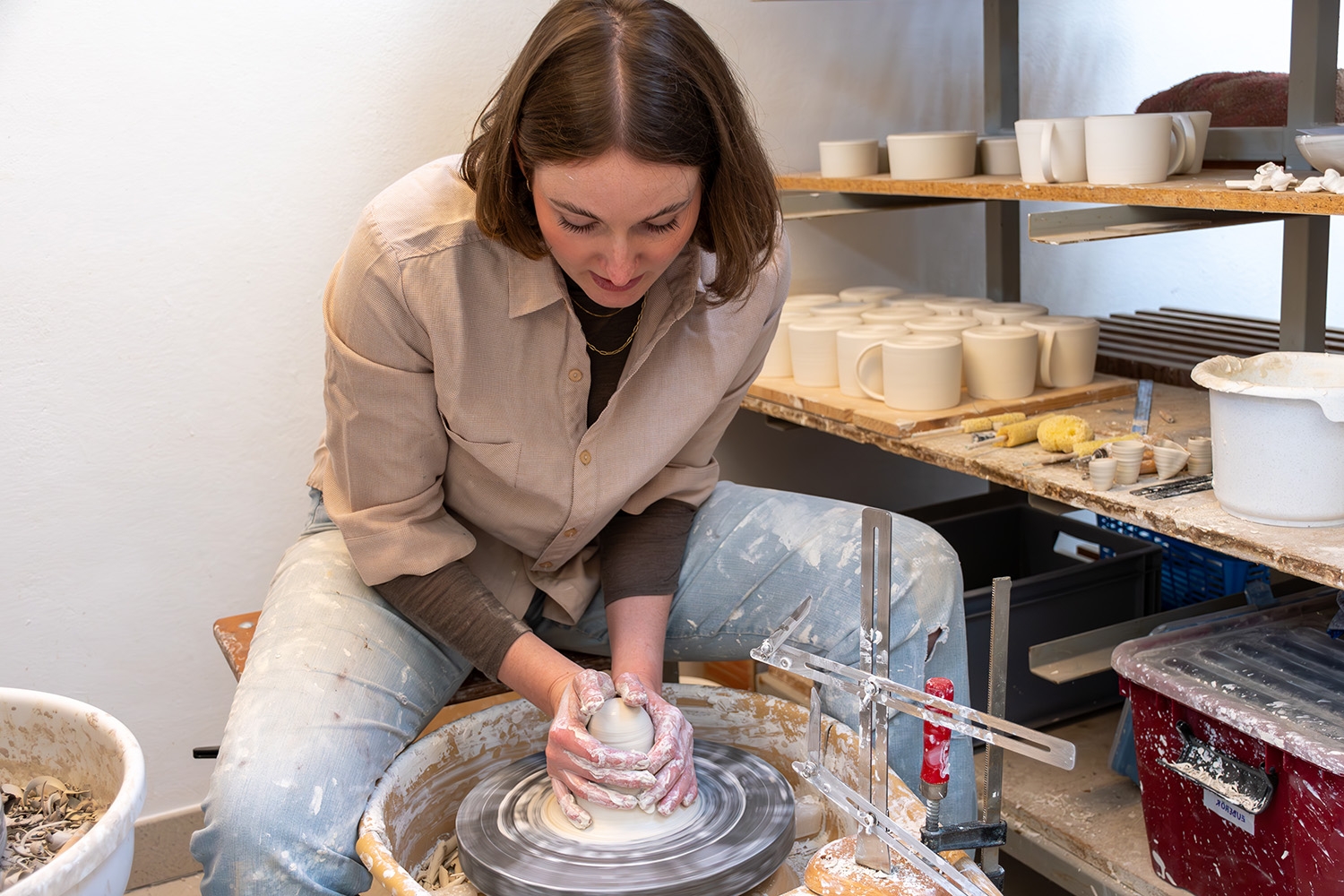
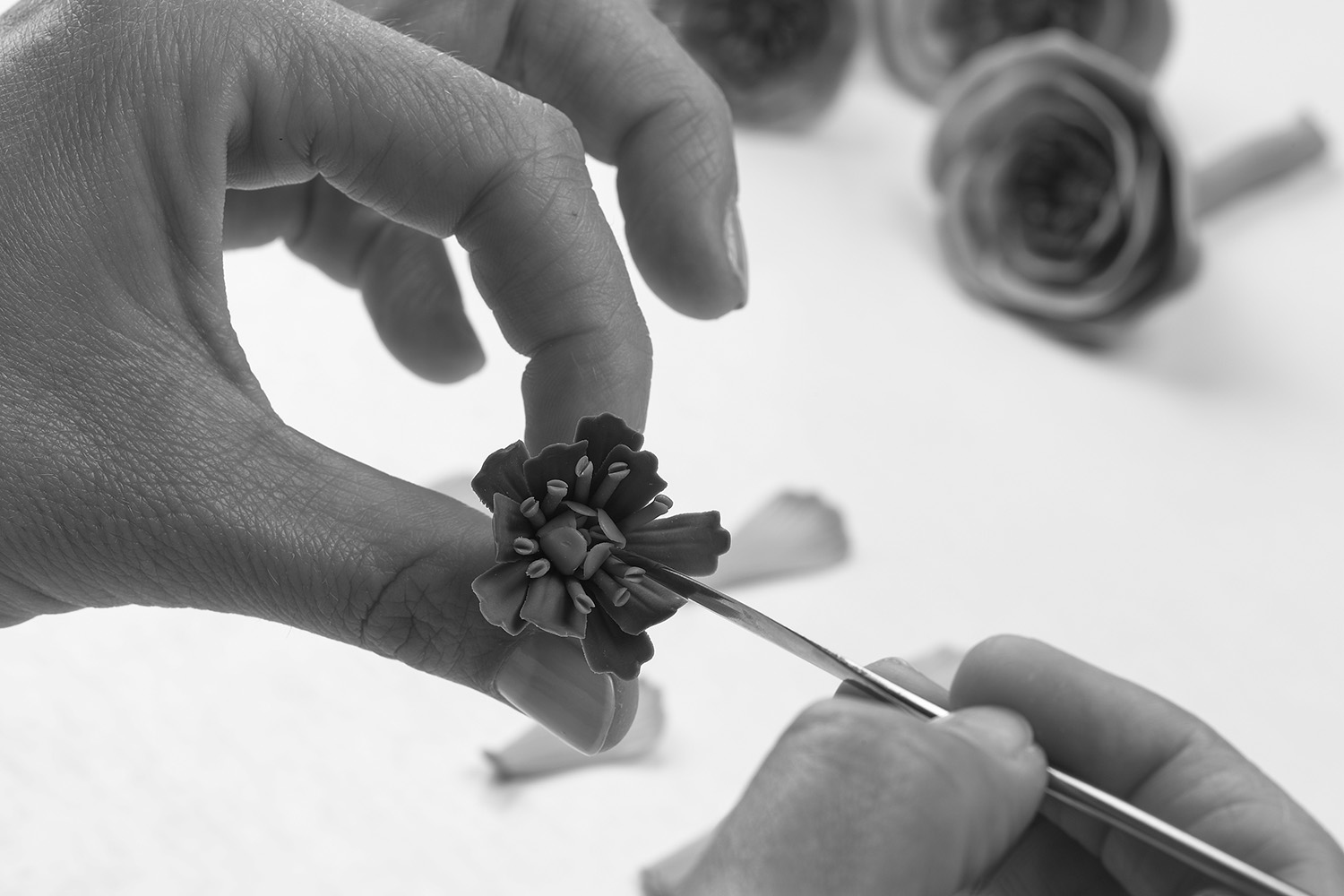
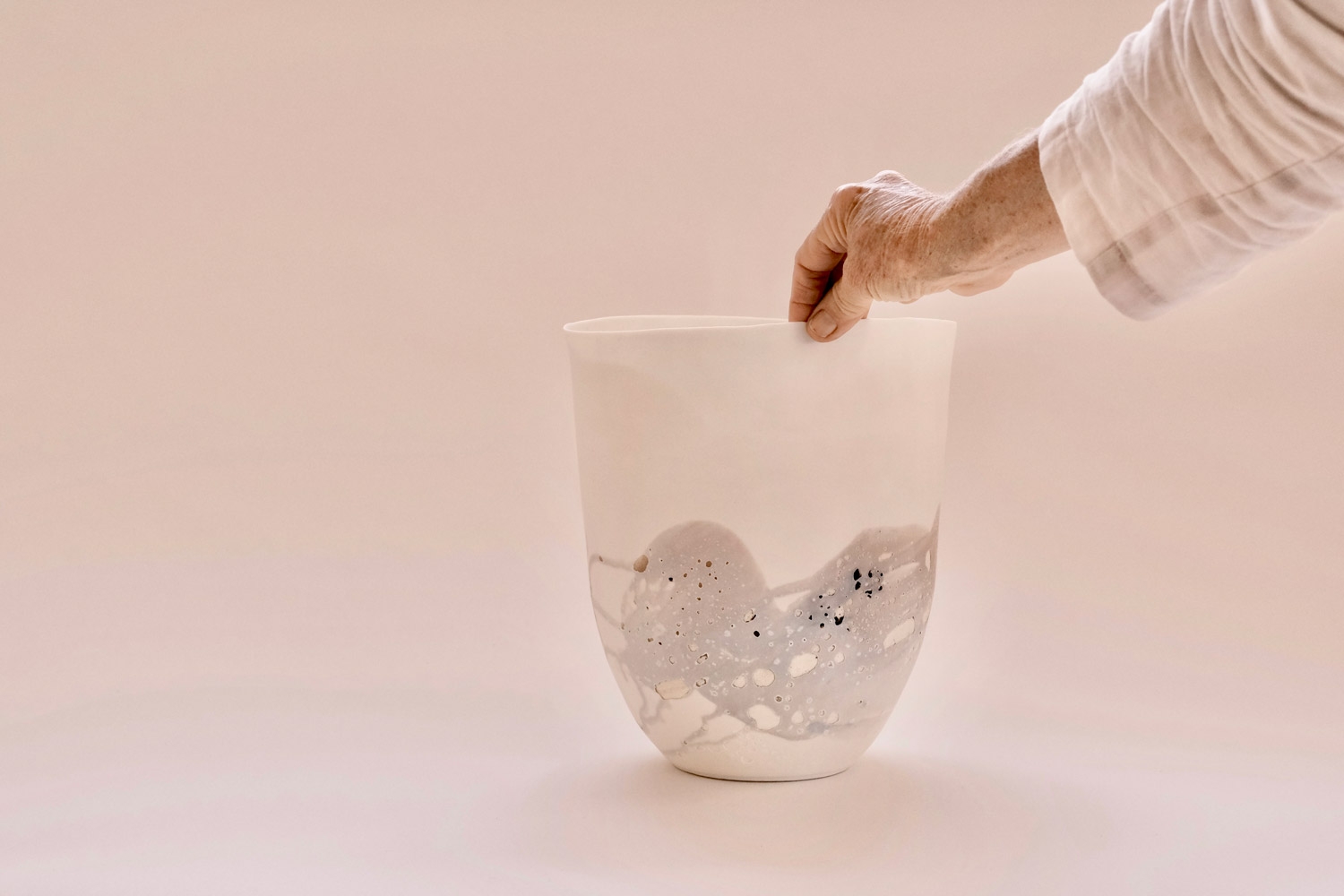
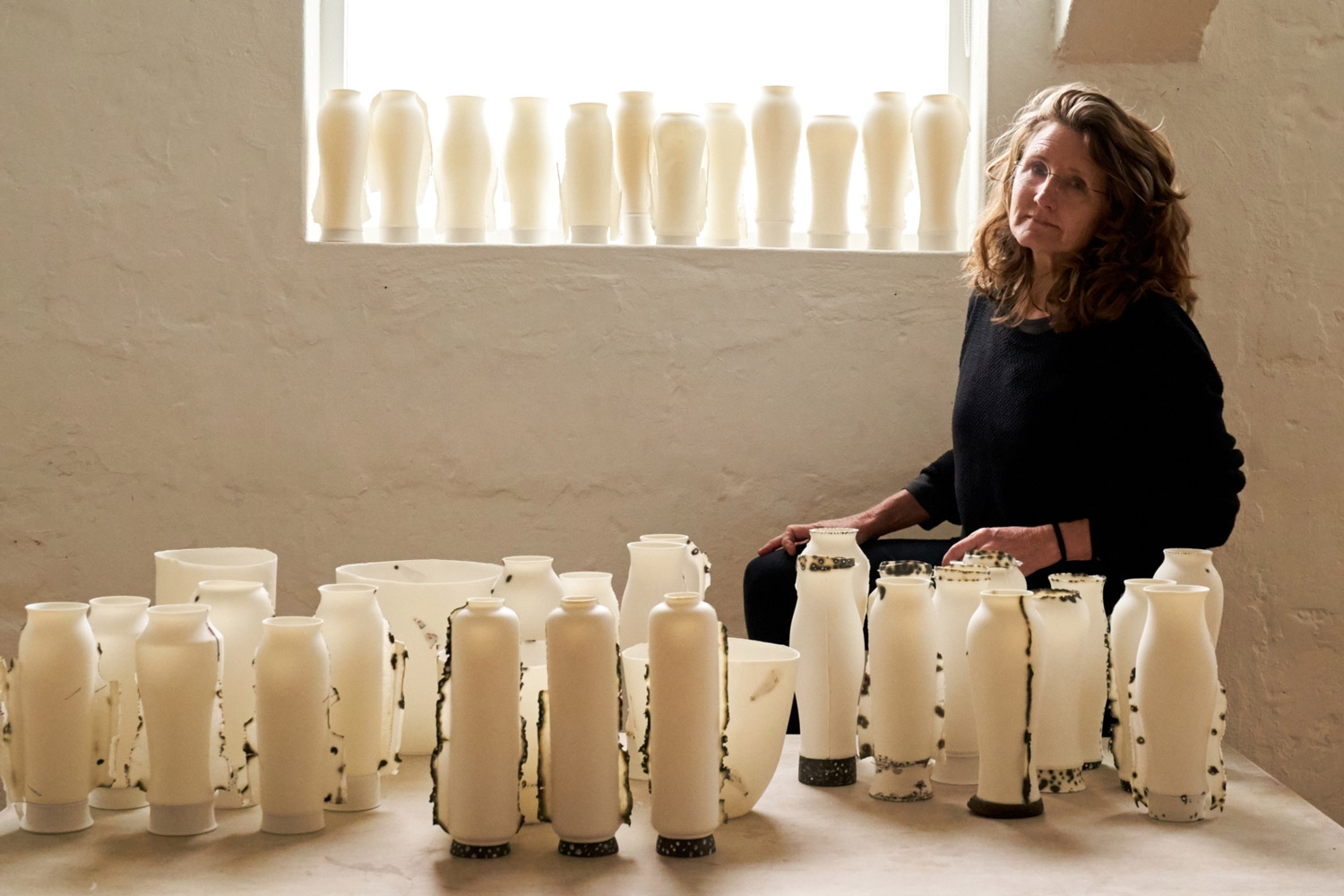
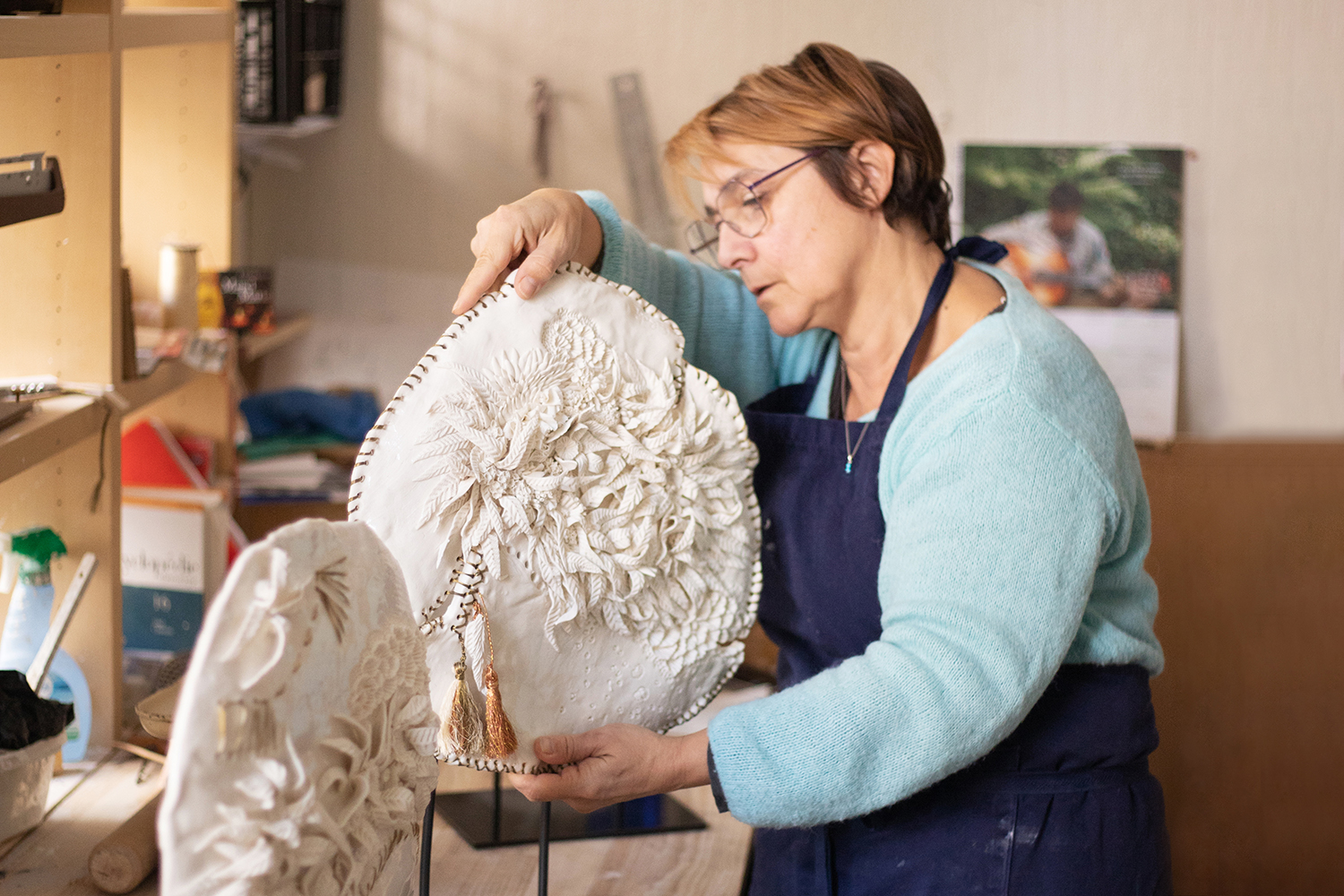
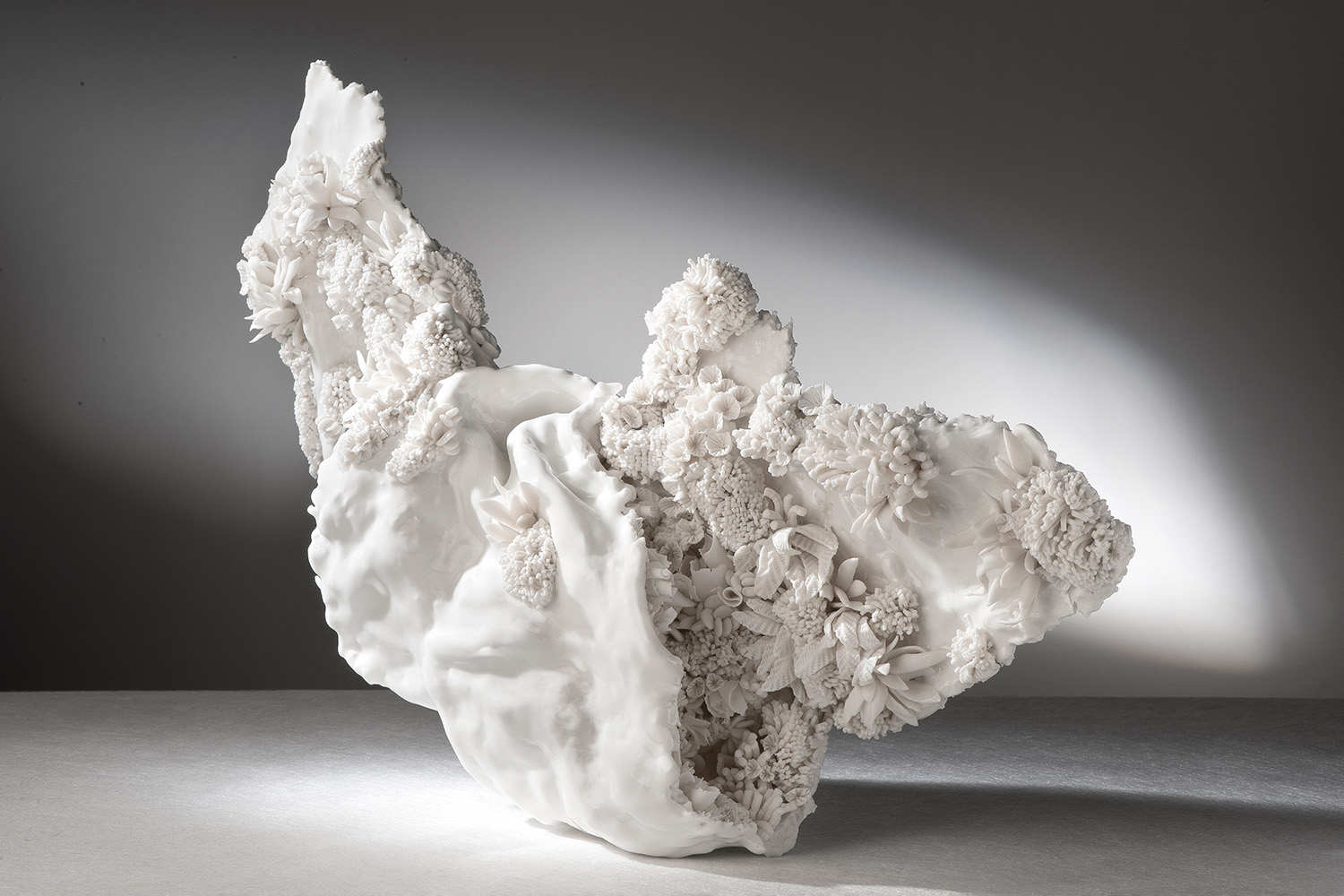
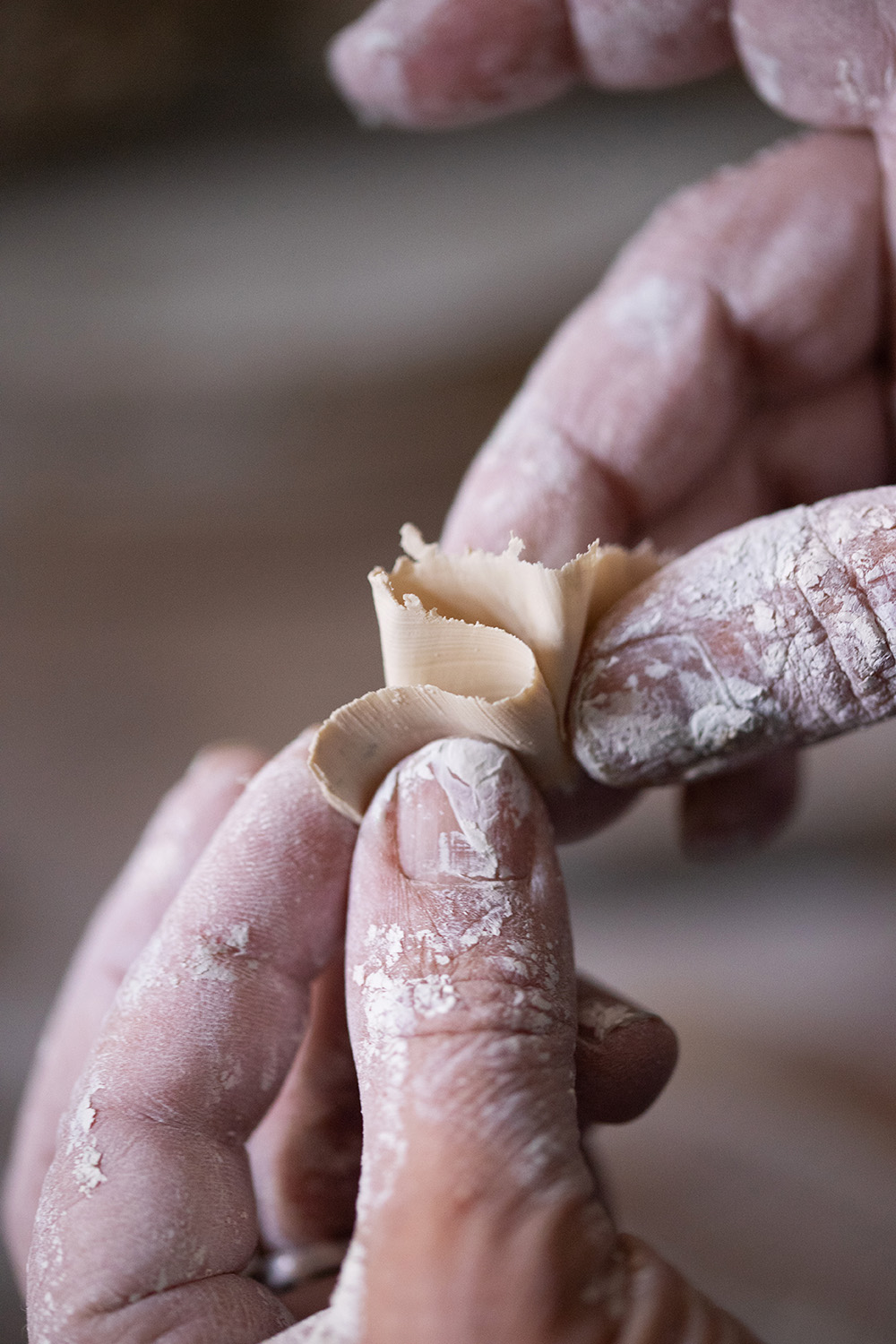
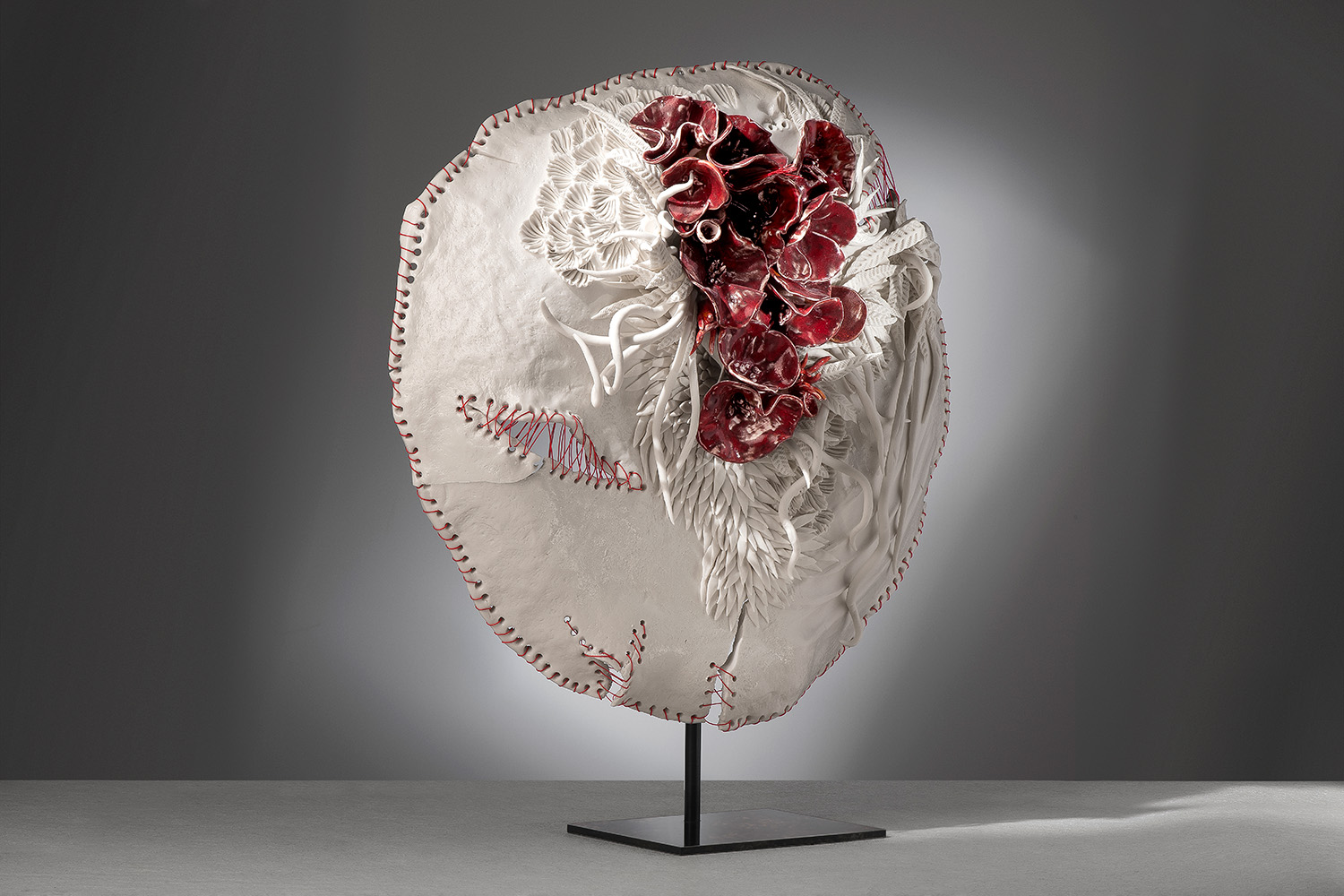
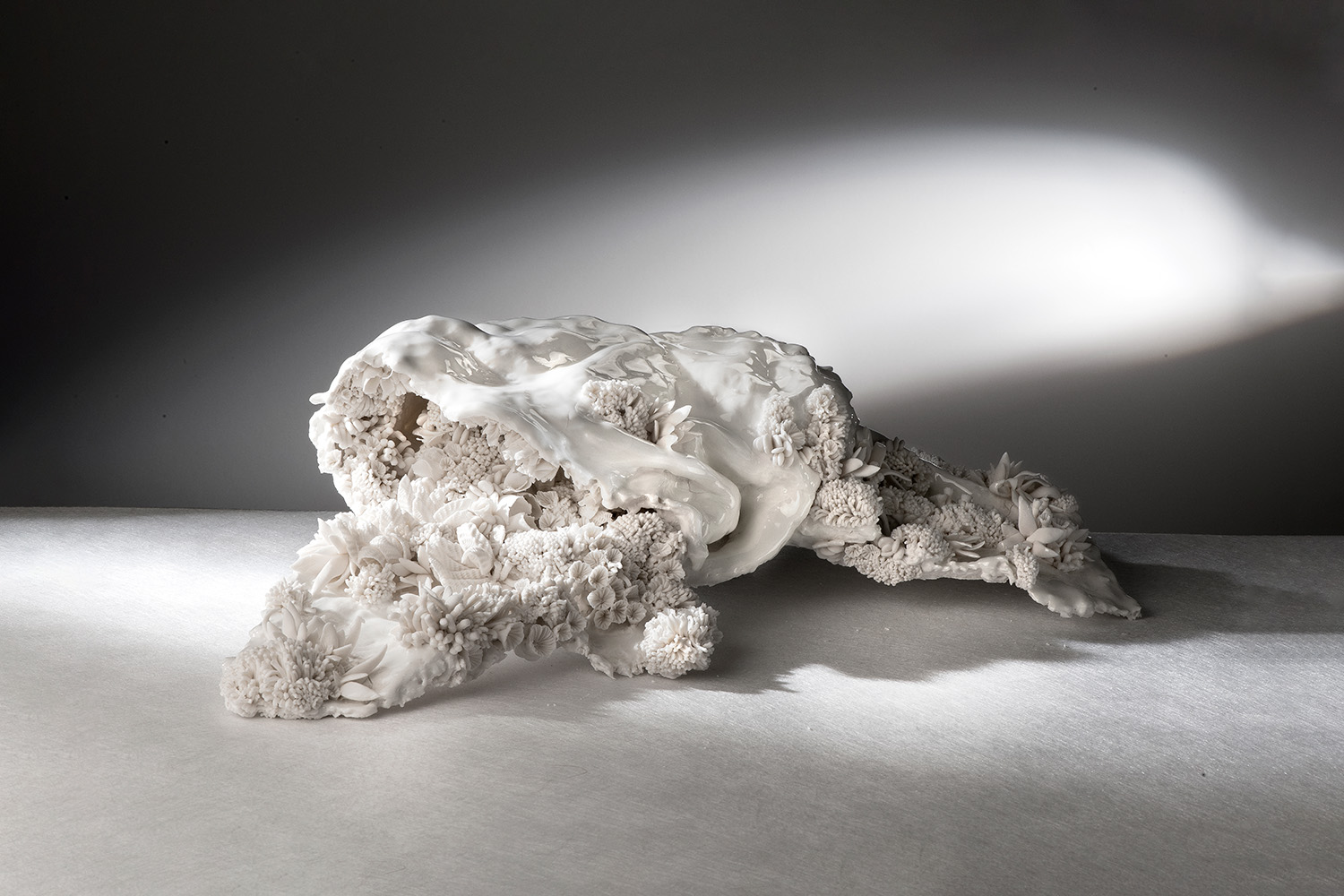
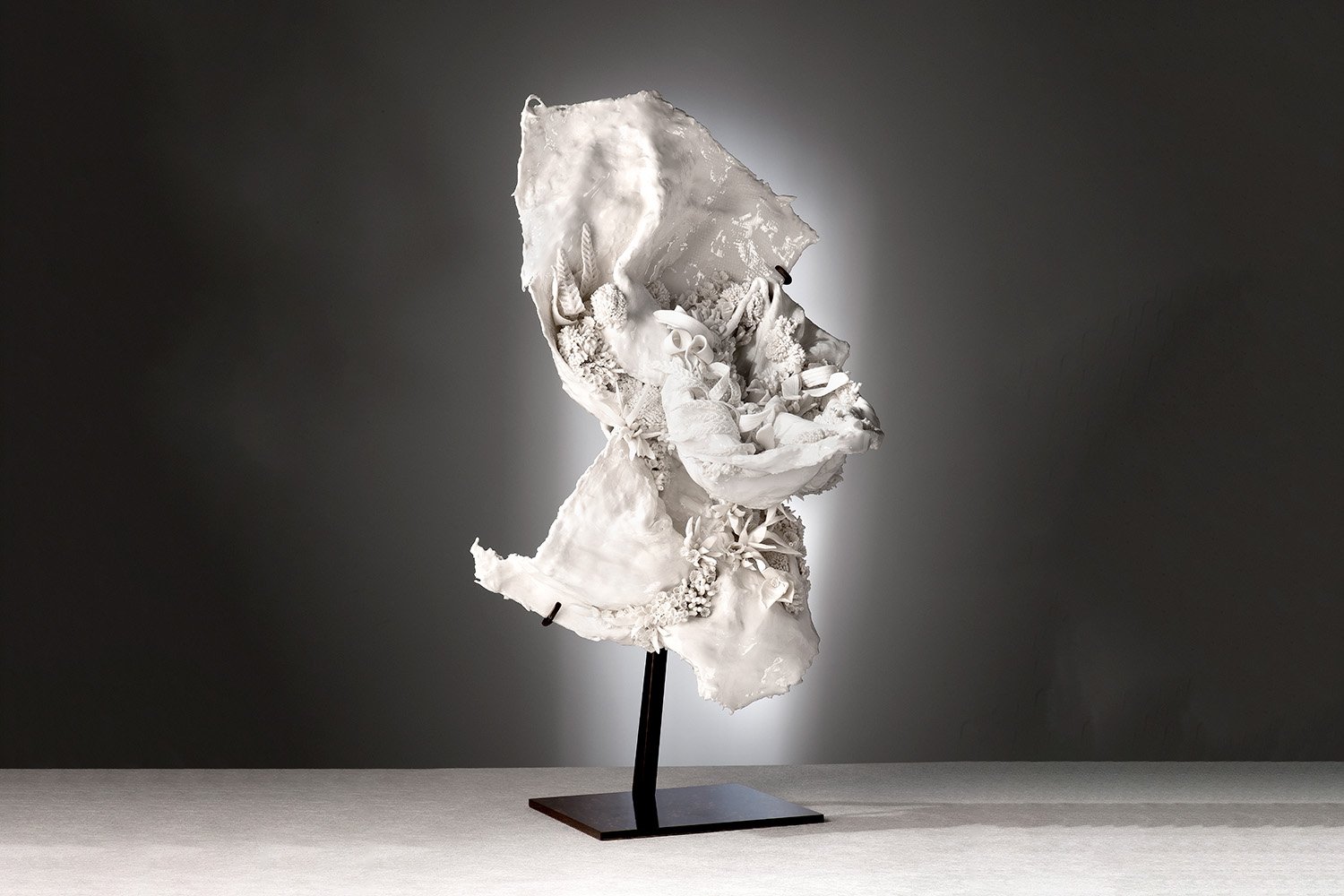
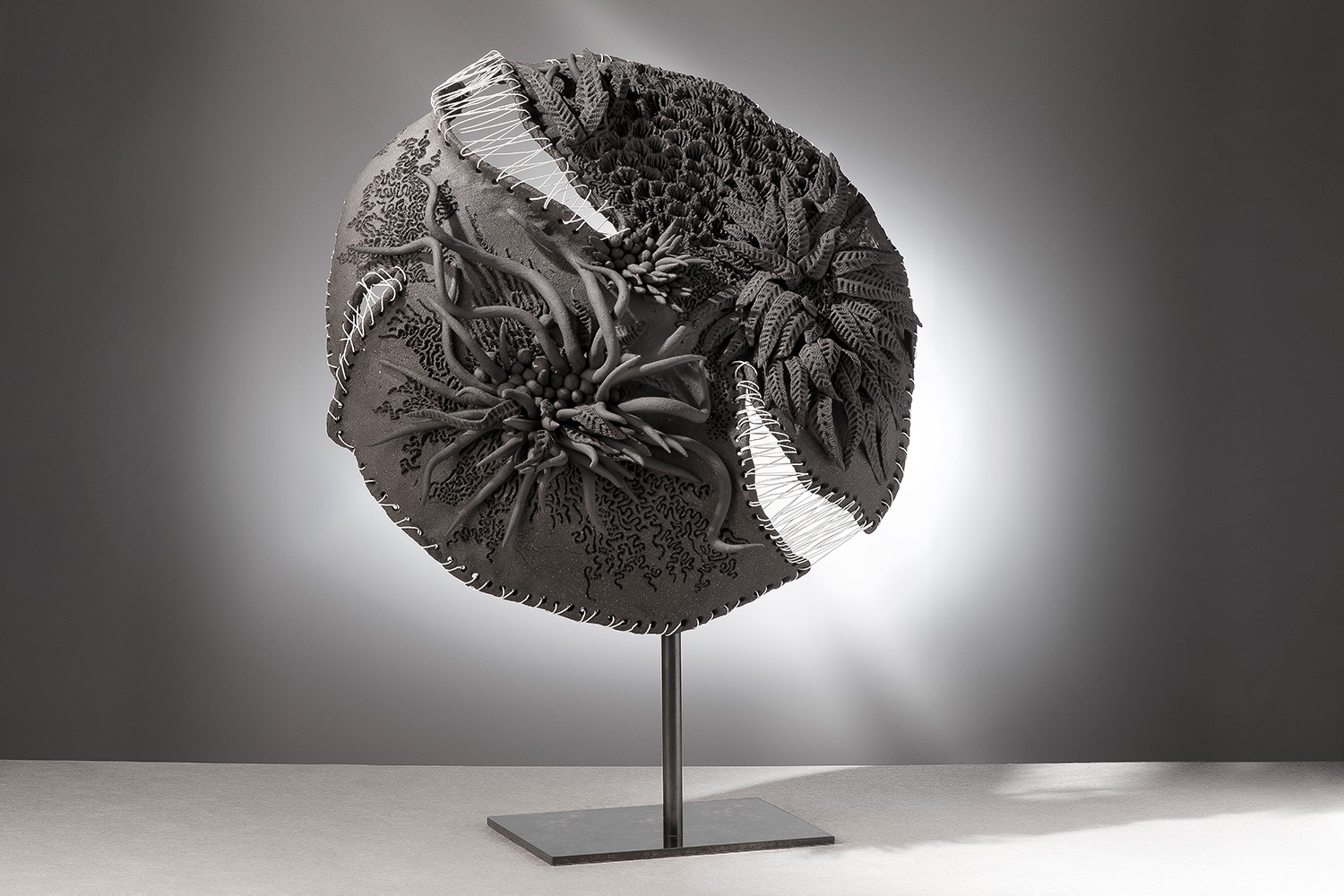
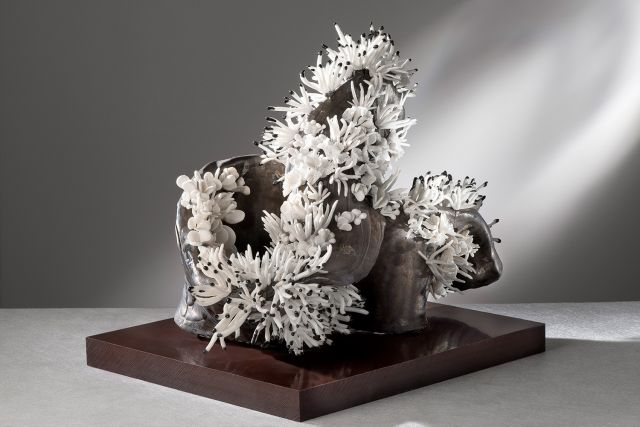
"I sculpt porcelain, I create, I give life to my imagination". With the help of a few basic tools and by mastering delicate gestures, Florence Corbi sculpts clay into porcelain pieces, which seem to stem from an otherworldly nature. Inspired by plants and the seabed, she lets her overflowing inspiration speak in each of her creations, revealing with finesse the sensitivity of her material. Florence works using the modelling technique, which she is constantly refining and experimenting with. The dominant bright white of her porcelain subtly interacts with touches of colours and the addition of other materials. It was in 2011, after a career in another field, that Florence discovered ceramics and became instantly fascinated. In 2013, she took part in her first solo exhibition.
INTERVIEW
It was when I touched the material in an introductory pottery class. It immediately became an obsession: within 15 days I had found a professional training course and by the following year I had set up my own workshop.
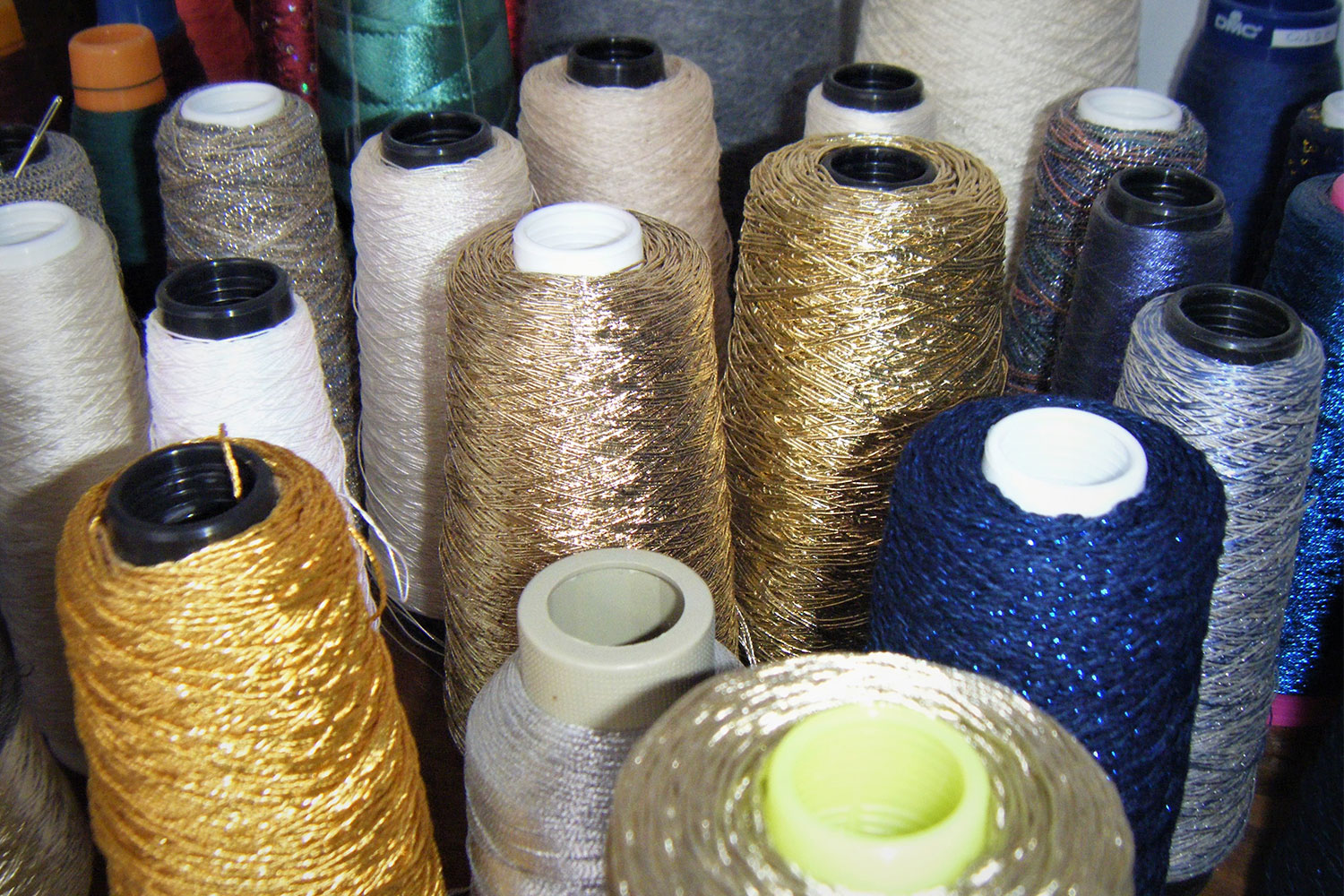
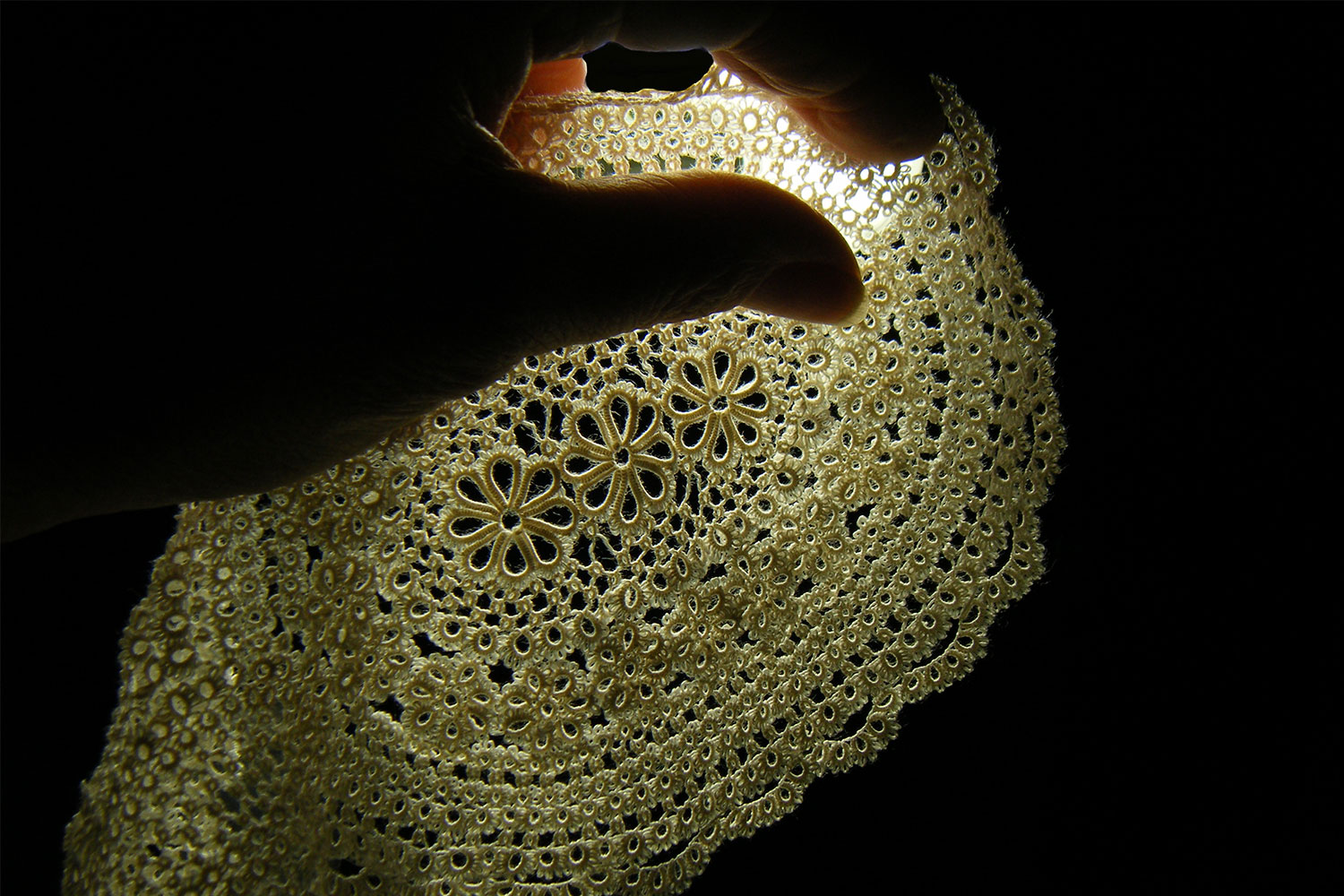
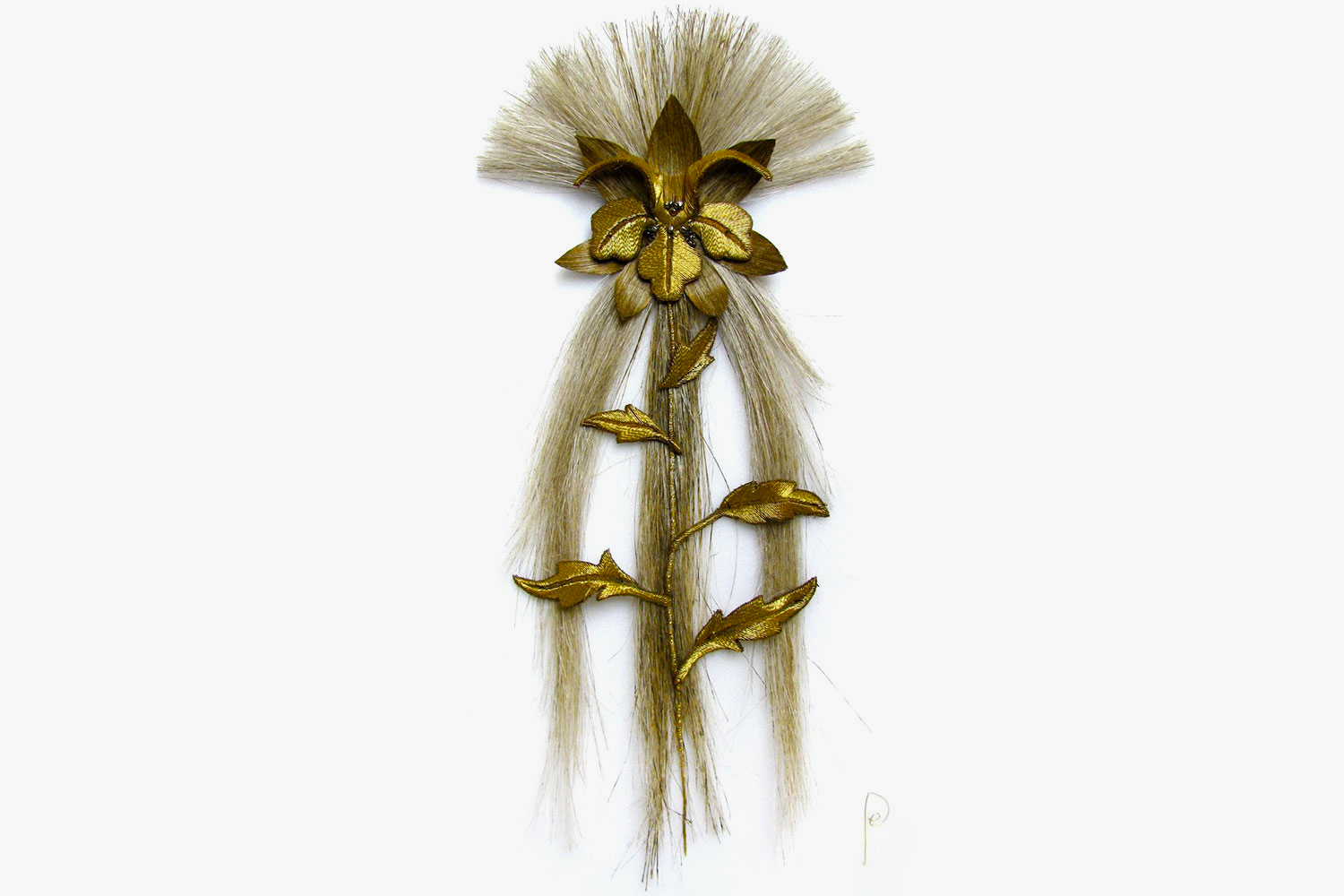
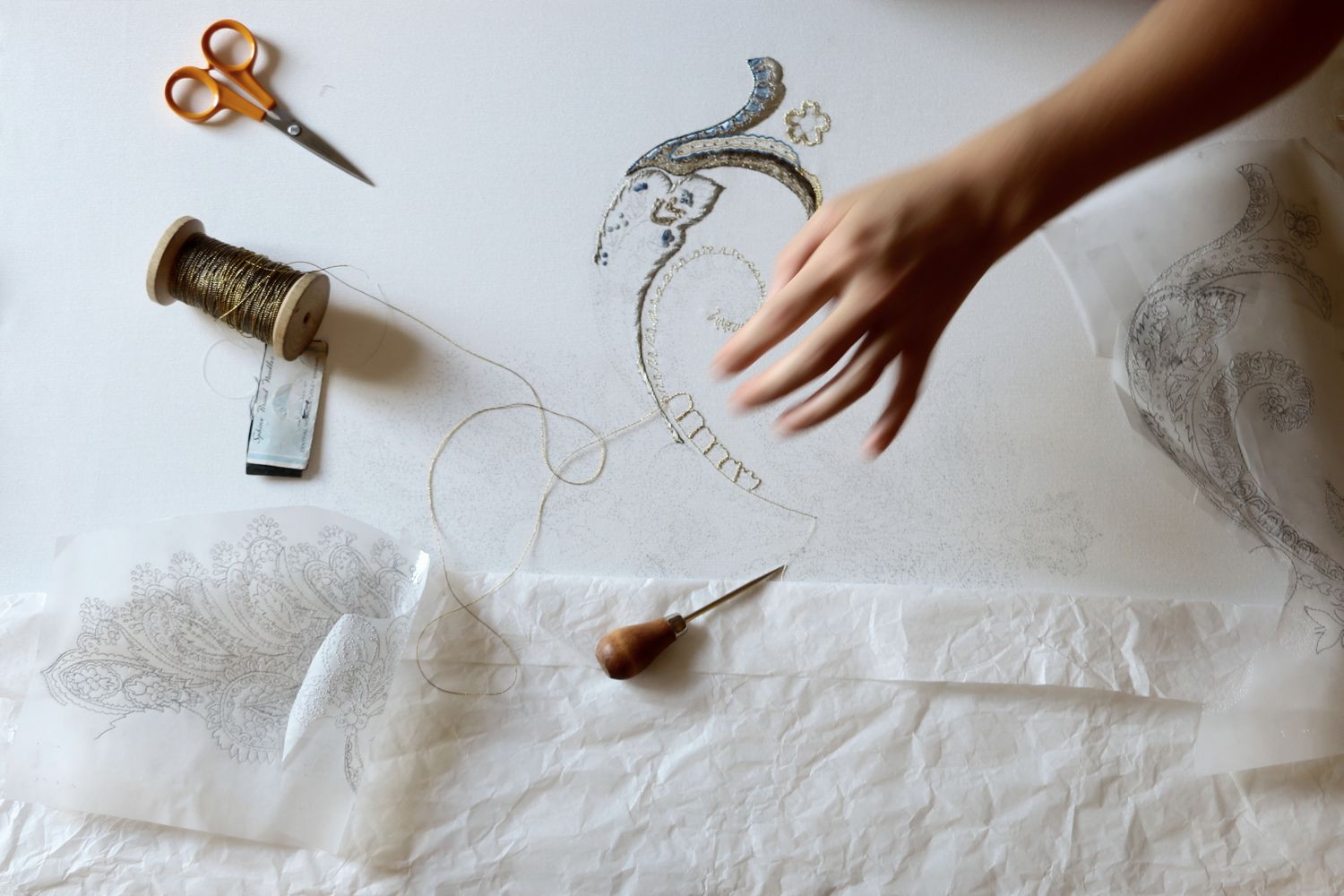
The tradition in my work lies in the material and the rediscovery of certain modelling gestures. The innovation is expressed through my use of 'external' materials such as fabrics or thread, that come into dialogue with clay, as creative acolytes.
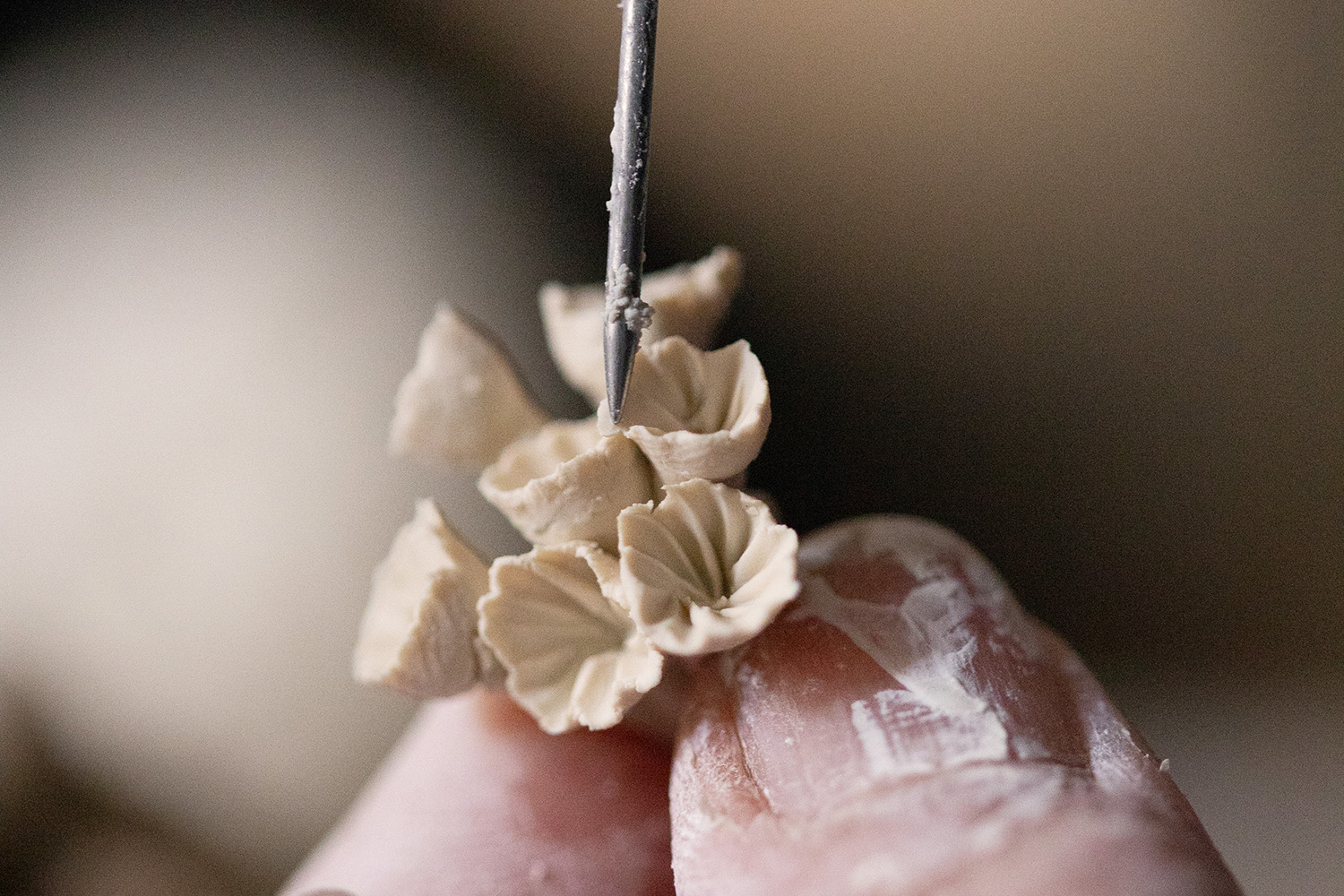
With porcelain, I work with an ancestral material that the Chinese developed centuries ago. I work with it in paste form and add to it a profusion of finely detailed sculptures that are in the tradition of French biscuit porcelain sculptures.
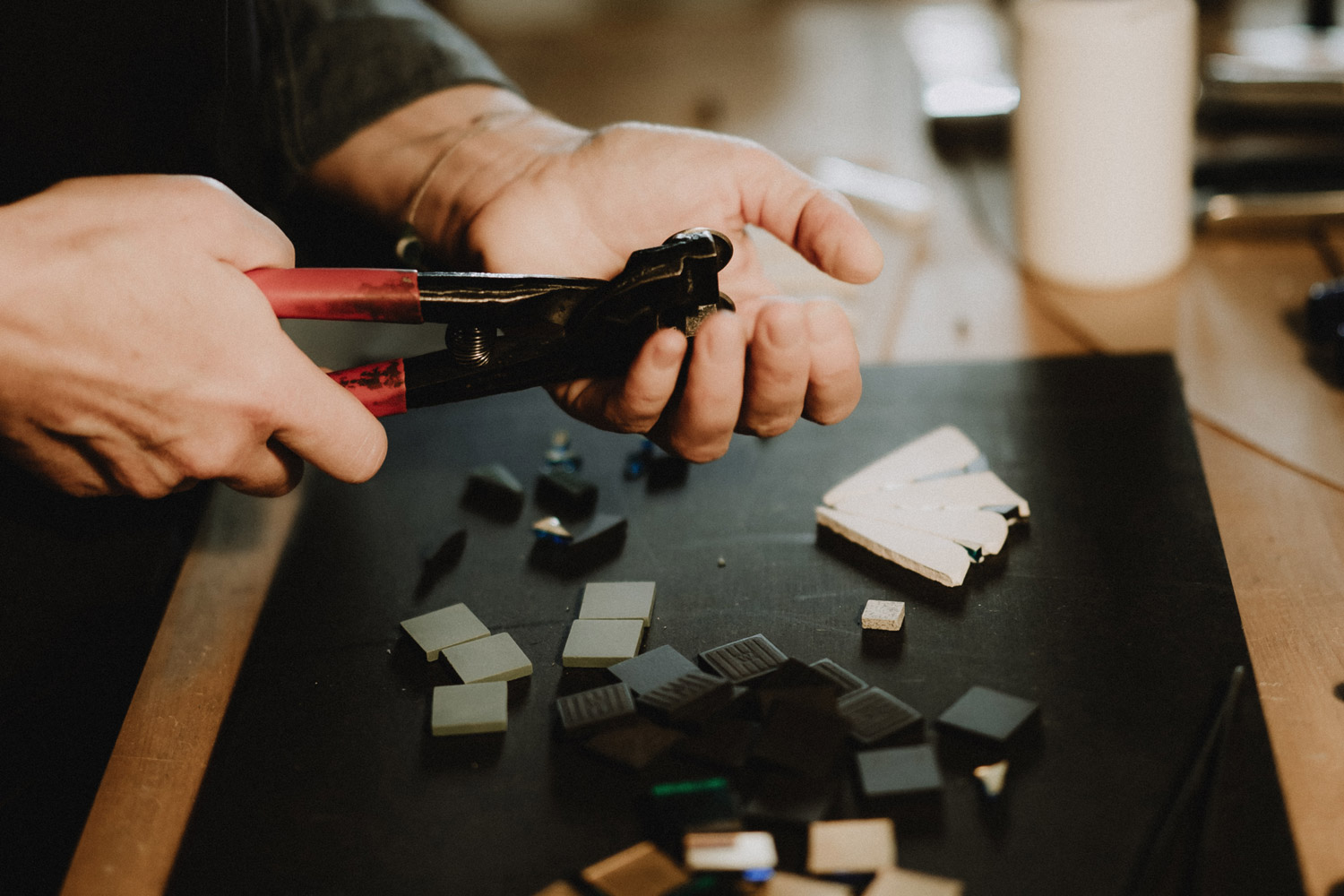
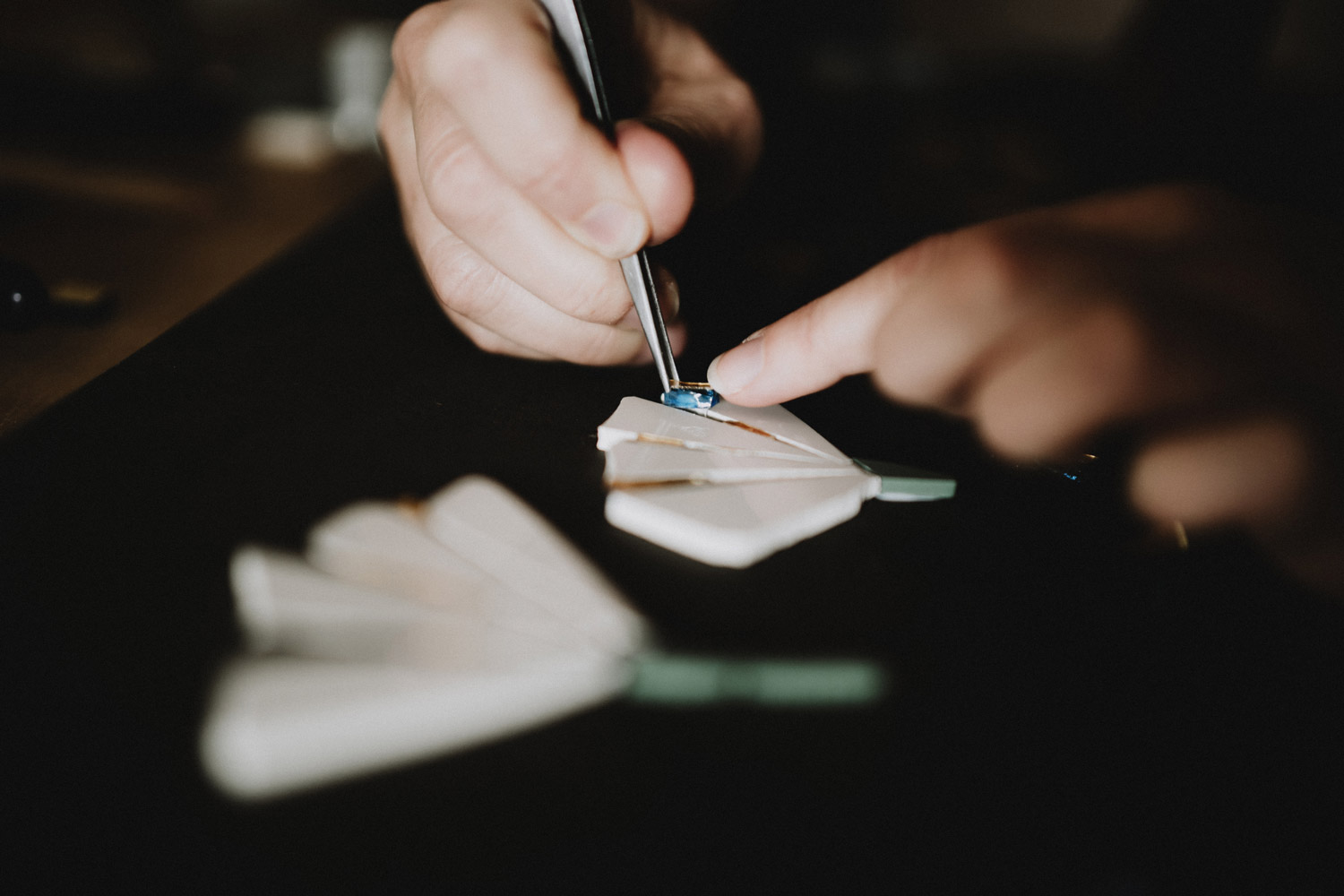
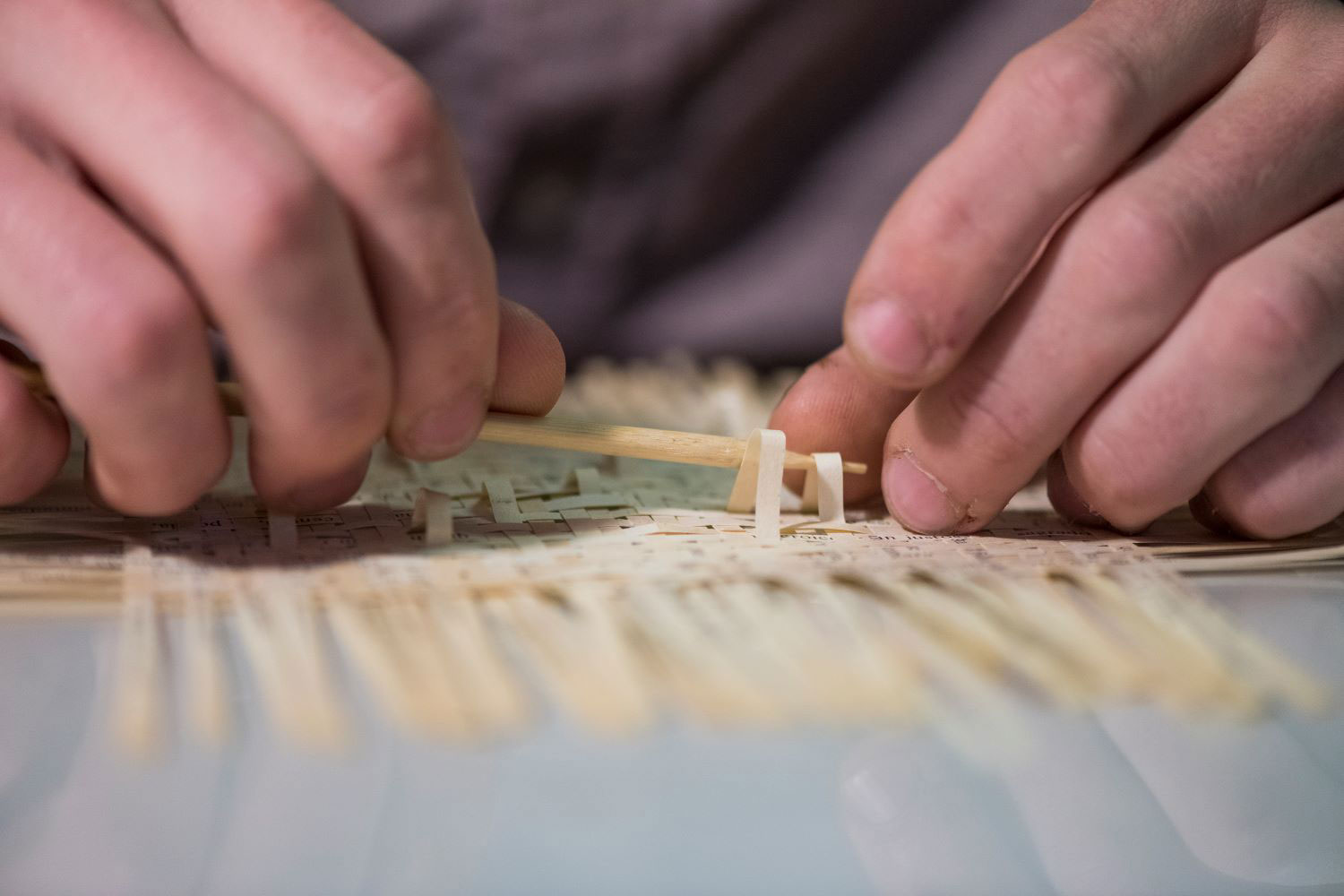
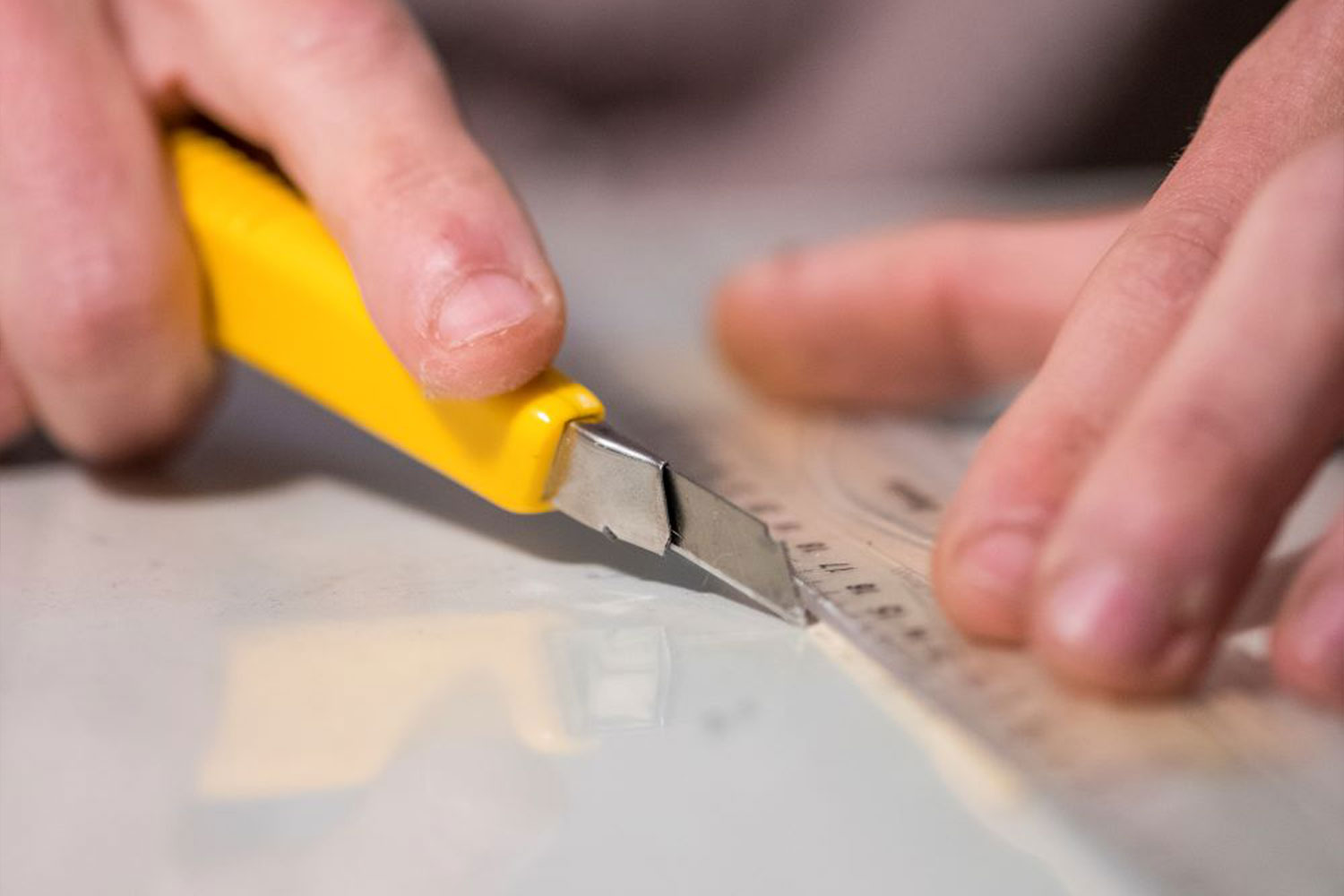
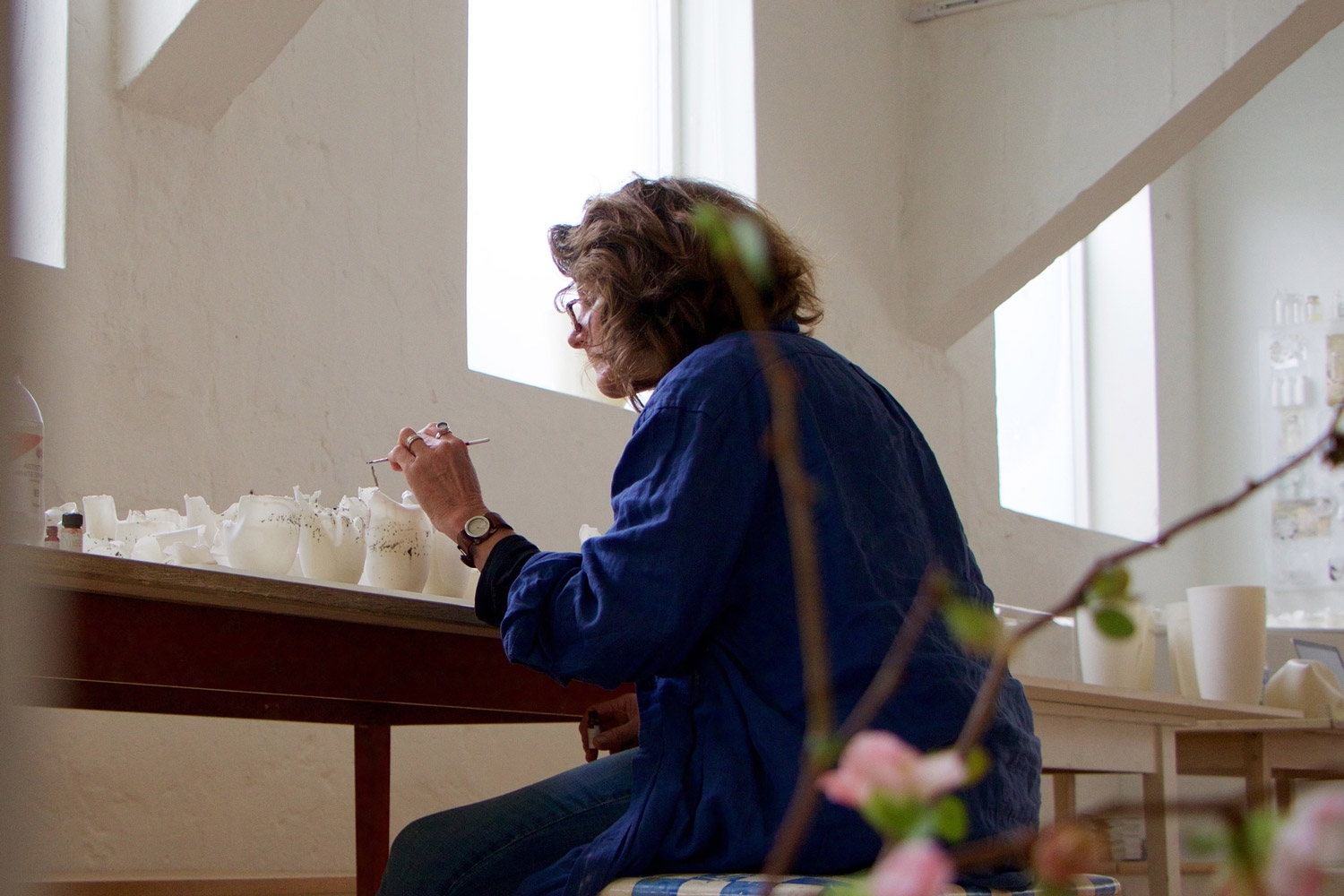
I have only very few tools (three or four) and they are very simple: a needle point, a modelling tool, the old blade that my master turner gave to his students and to which I am very attached, and finally, a kitchen knife.
Florence Corbi
Porcelain maker
Sabran, France
AVAILABILITY
By appointment only
PHONE
+33 620478243
LANGUAGES
French, English, Spanish
Homo Faber Finds is a new service aiming to inspire admirers of craft to connect and collaborate with exceptional artisans.
We invite you to submit an enquiry here.
DSC02402_©Meg-Lovell.jpg)
DSC01379_©Meg-Lovell.jpg)
DSC01458_©Meg-Lovell.jpg)