©All rights reserved
©All rights reserved
©All rights reserved
©All rights reserved
©All rights reserved
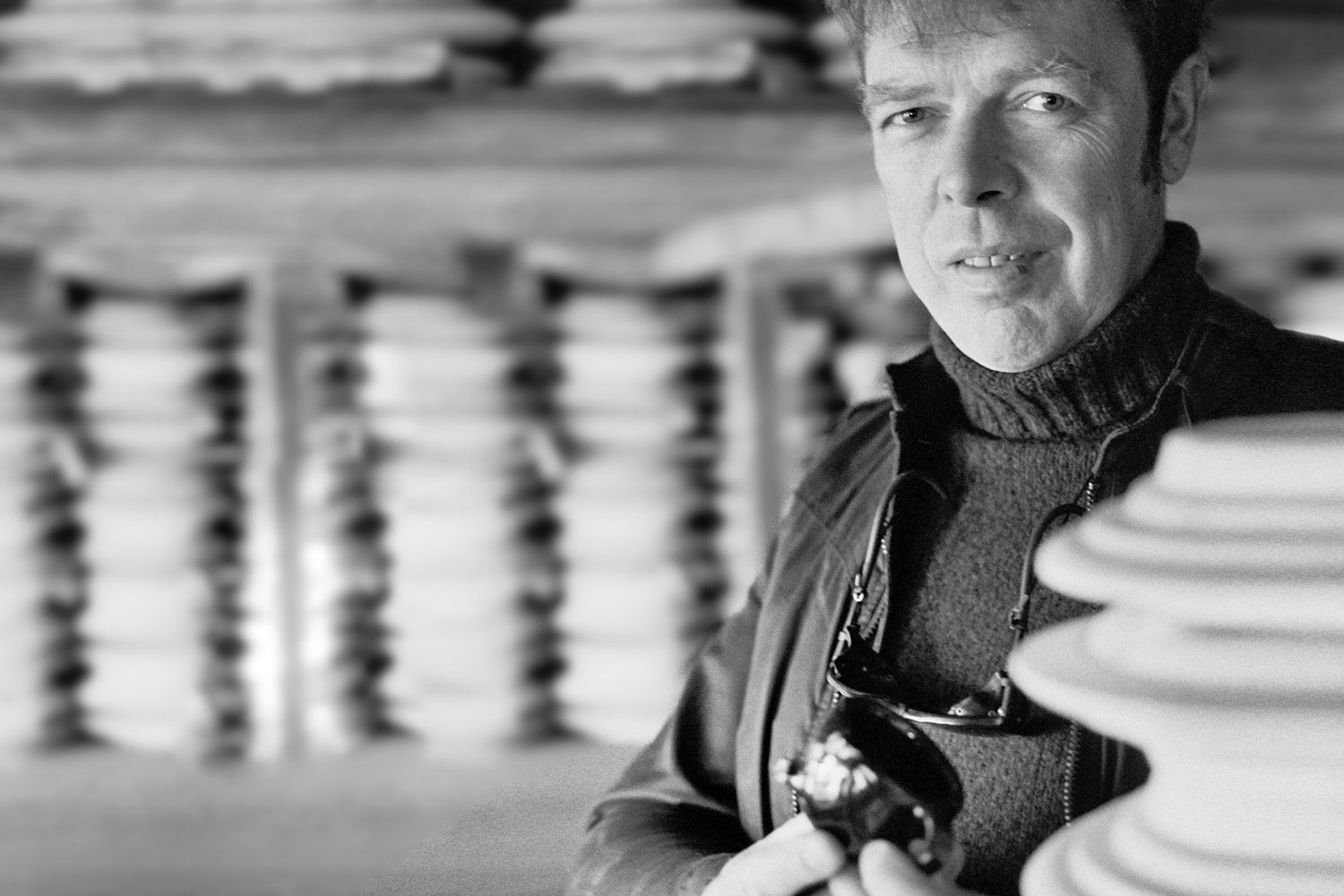
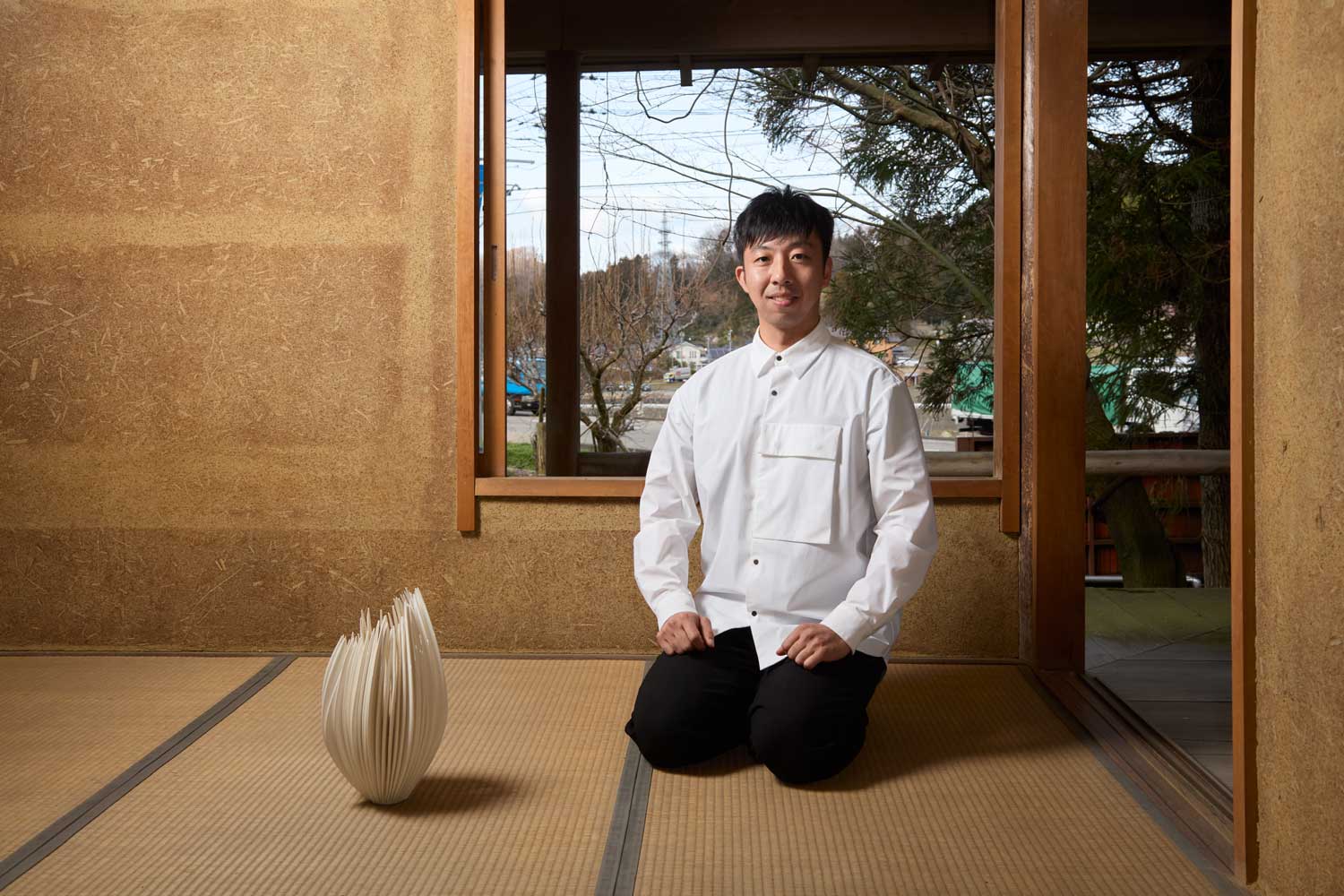
Juliette Clovis
Porcelain maker
Saint-Caprais-de-Bordeaux, France
©All rights reserved
©All rights reserved
©All rights reserved
©All rights reserved
©All rights reserved
©All rights reserved
©All rights reserved
©All rights reserved
©All rights reserved
©All rights reserved
Scales of contrast
- Juliette makes porcelain artworks that celebrate renewal and transformation
- She studied art history, law, sculpture and graphic design before turning to craft
- She has received support from the Institut Français de Chine, and been awarded in Faenza
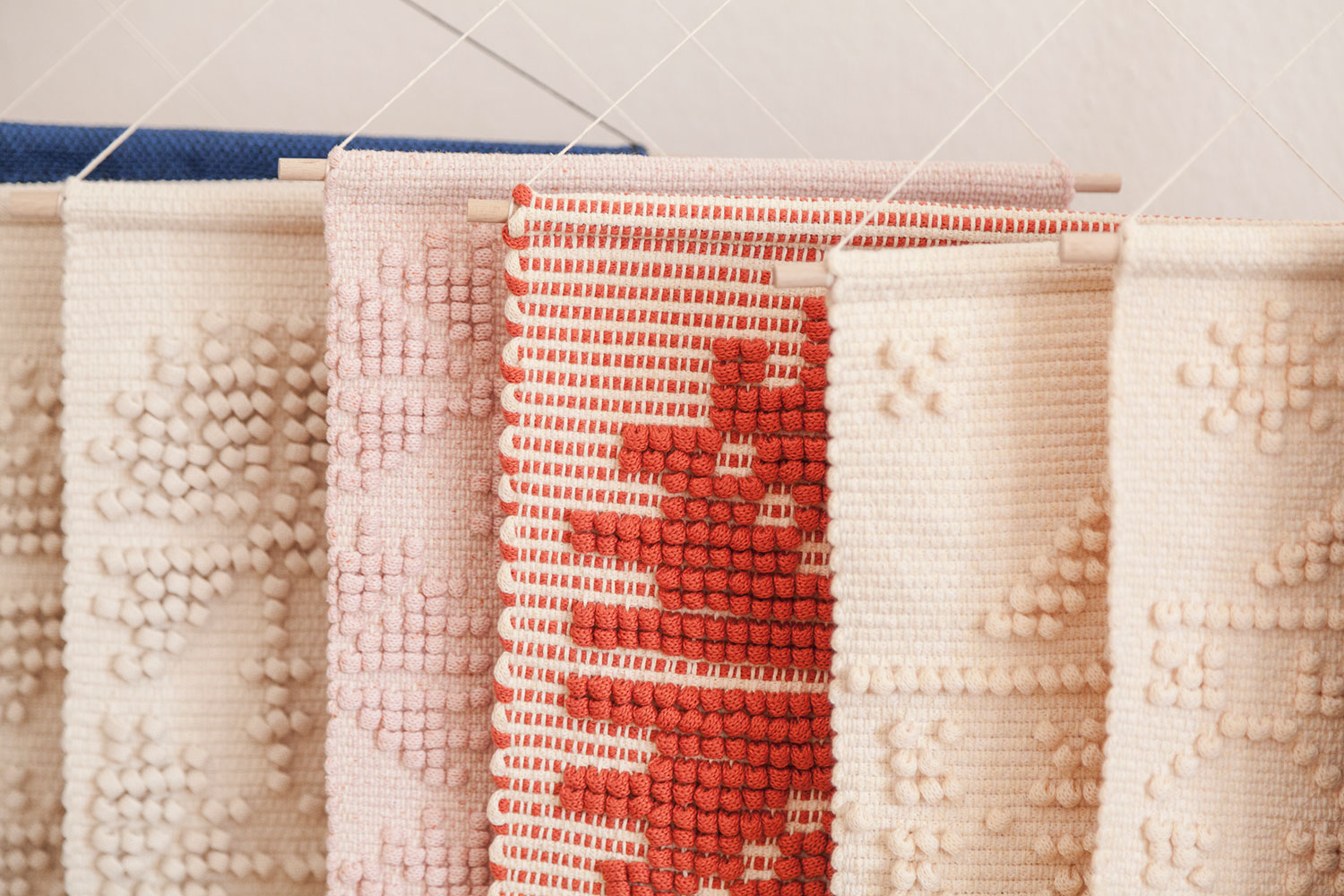
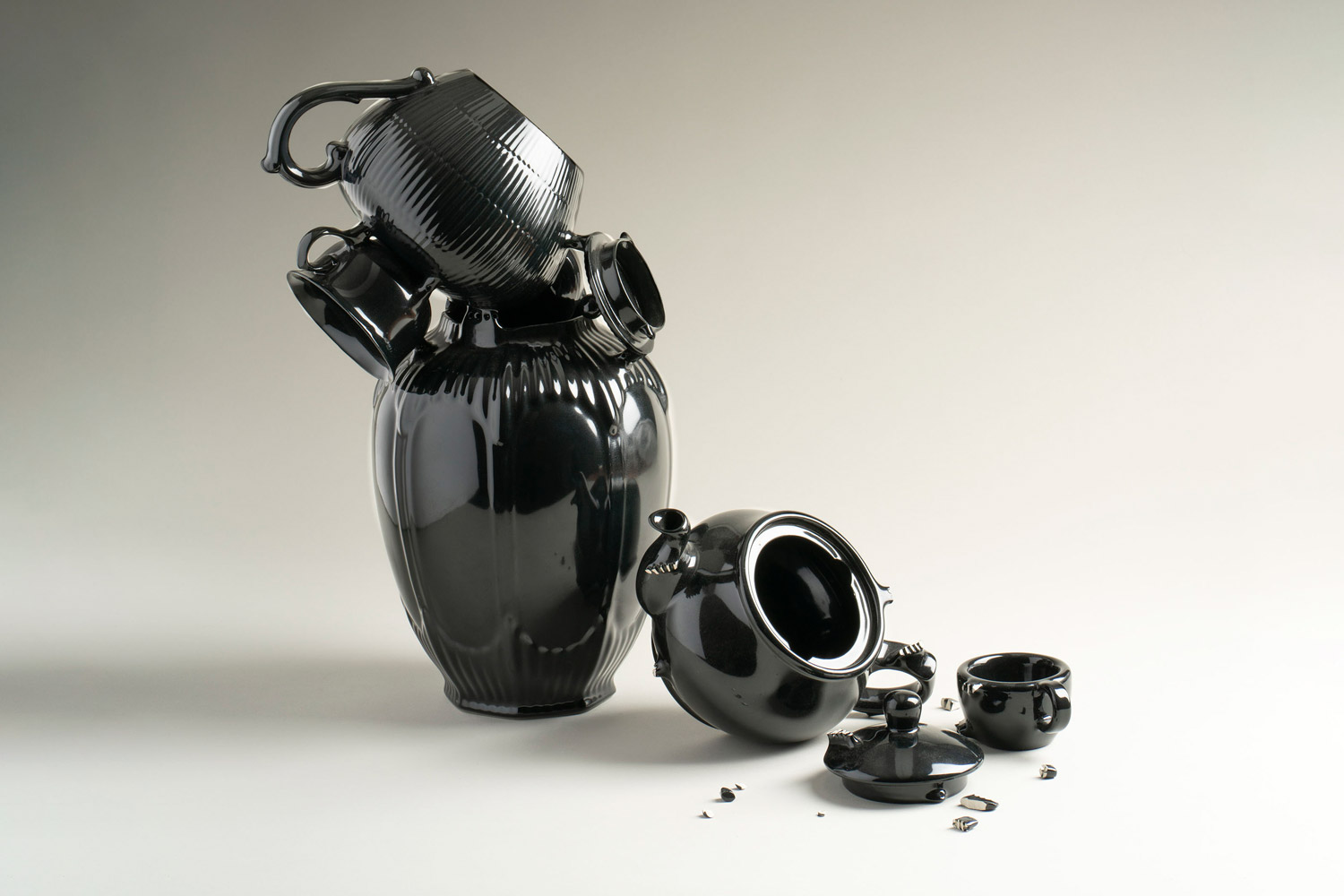
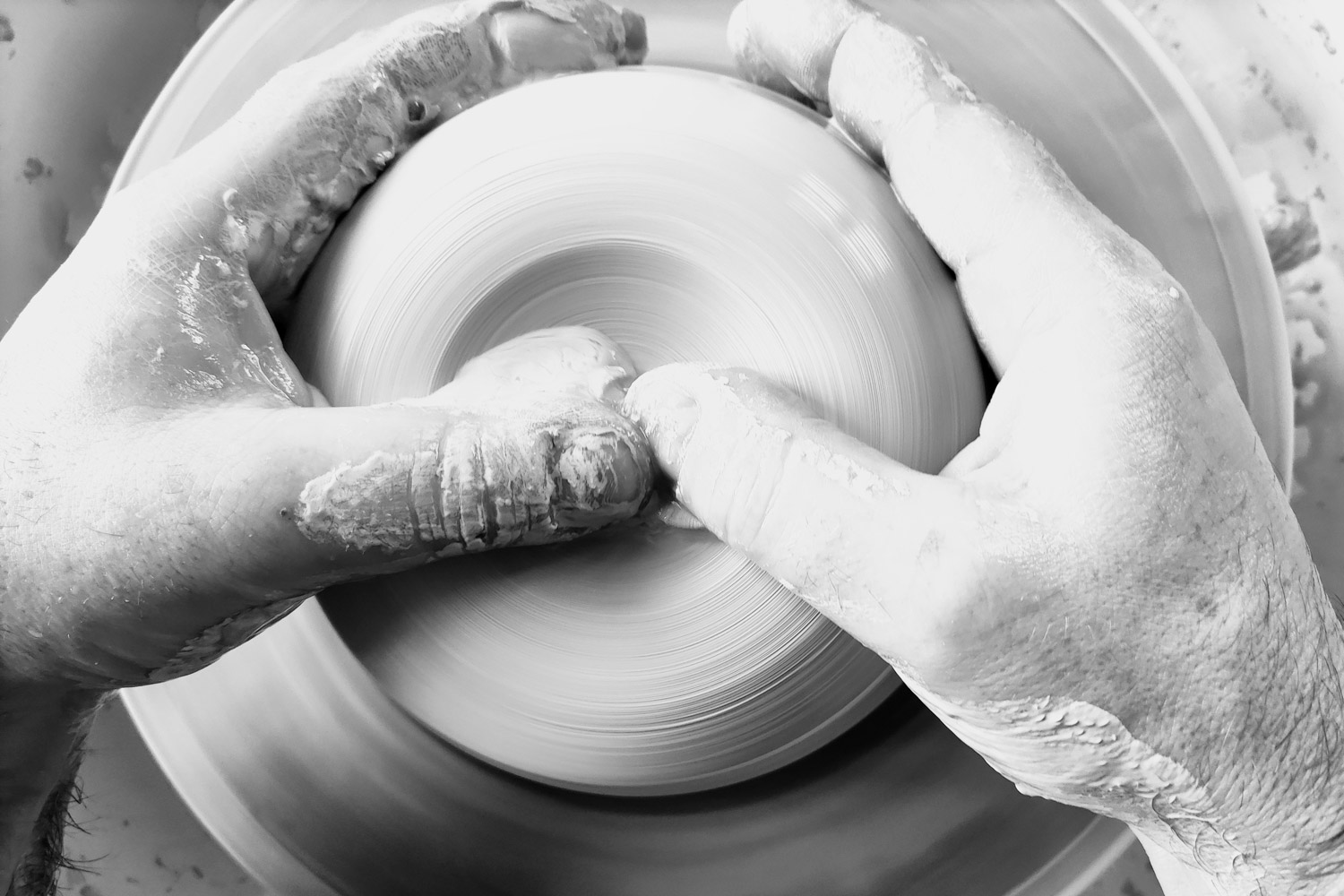
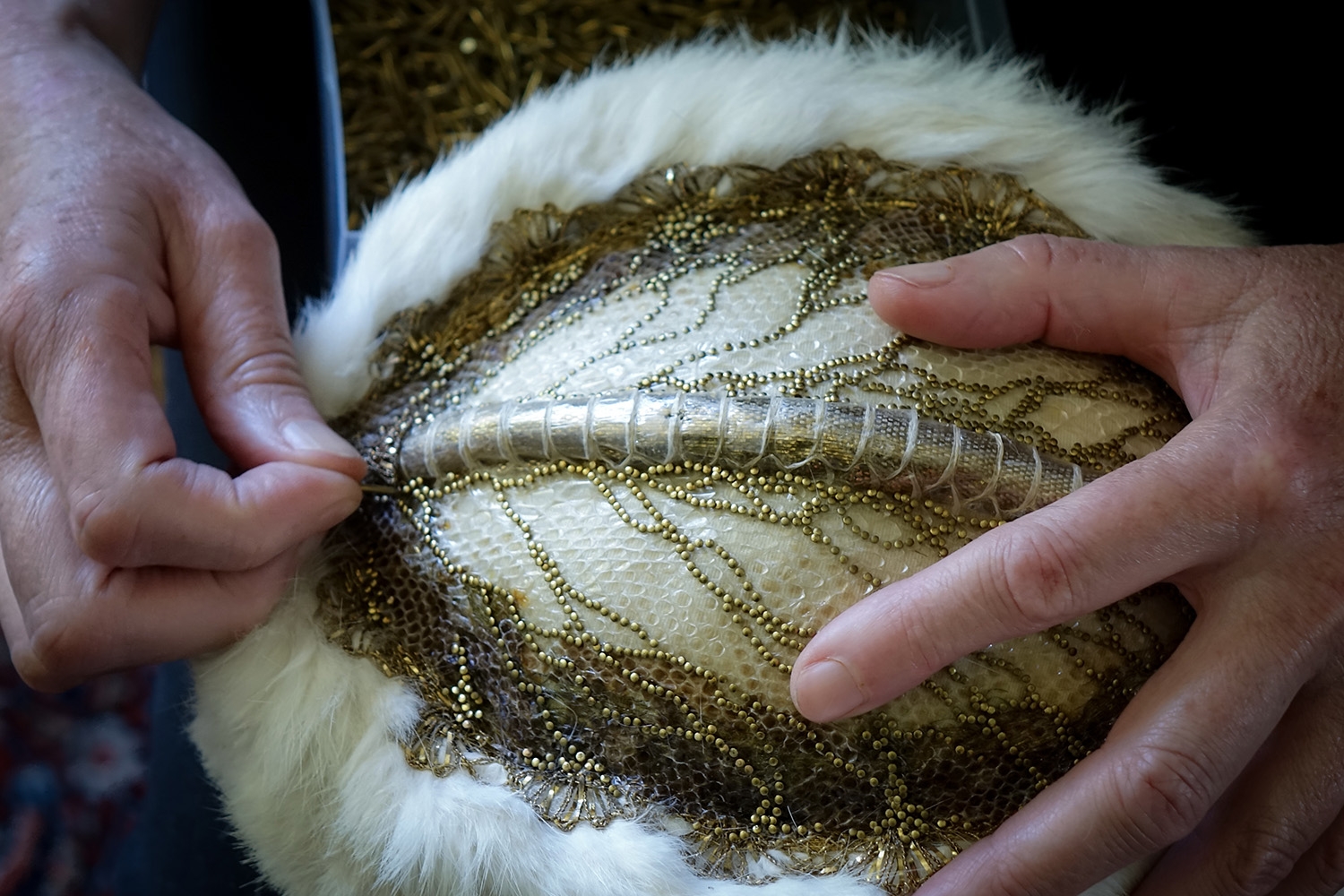
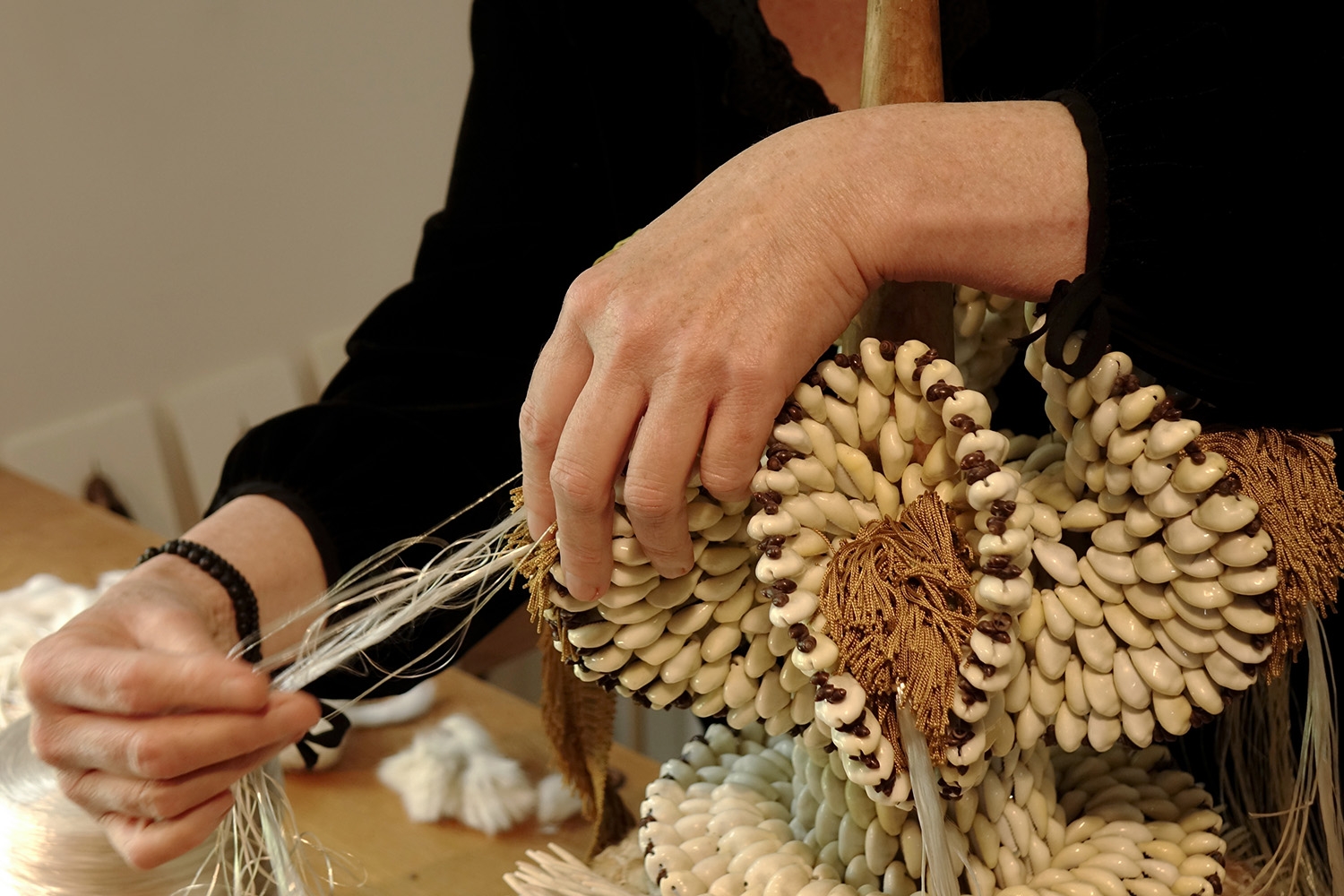
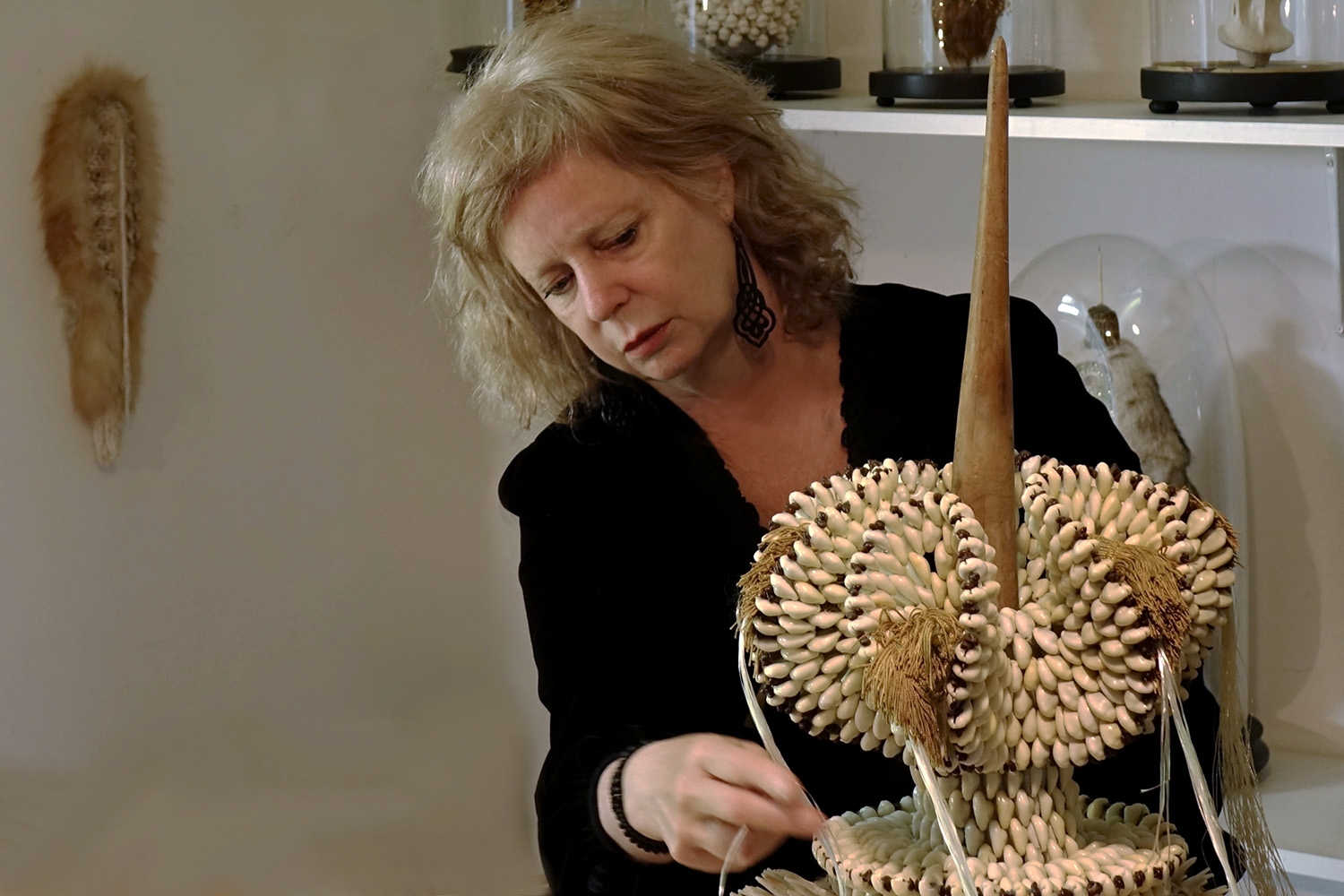
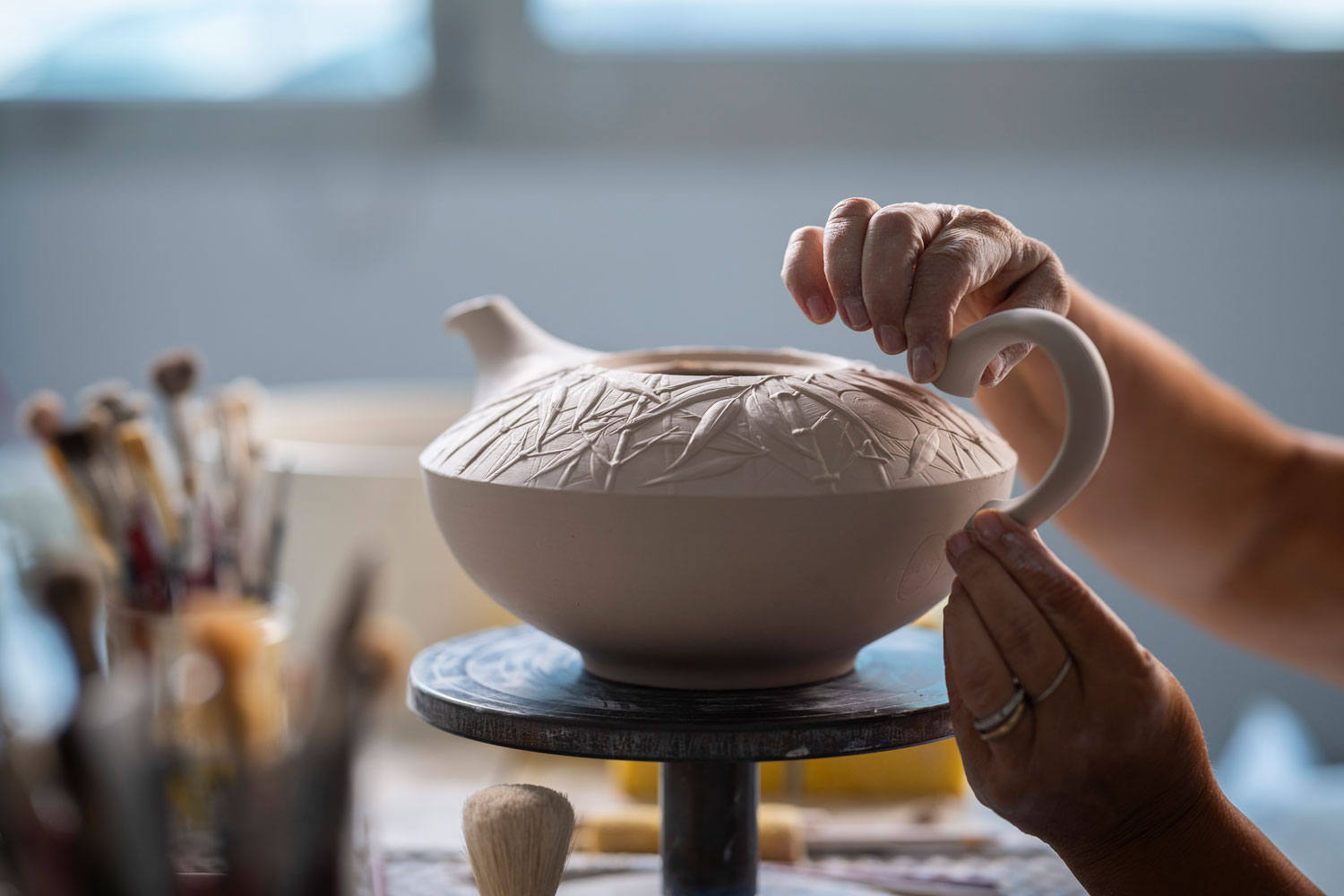
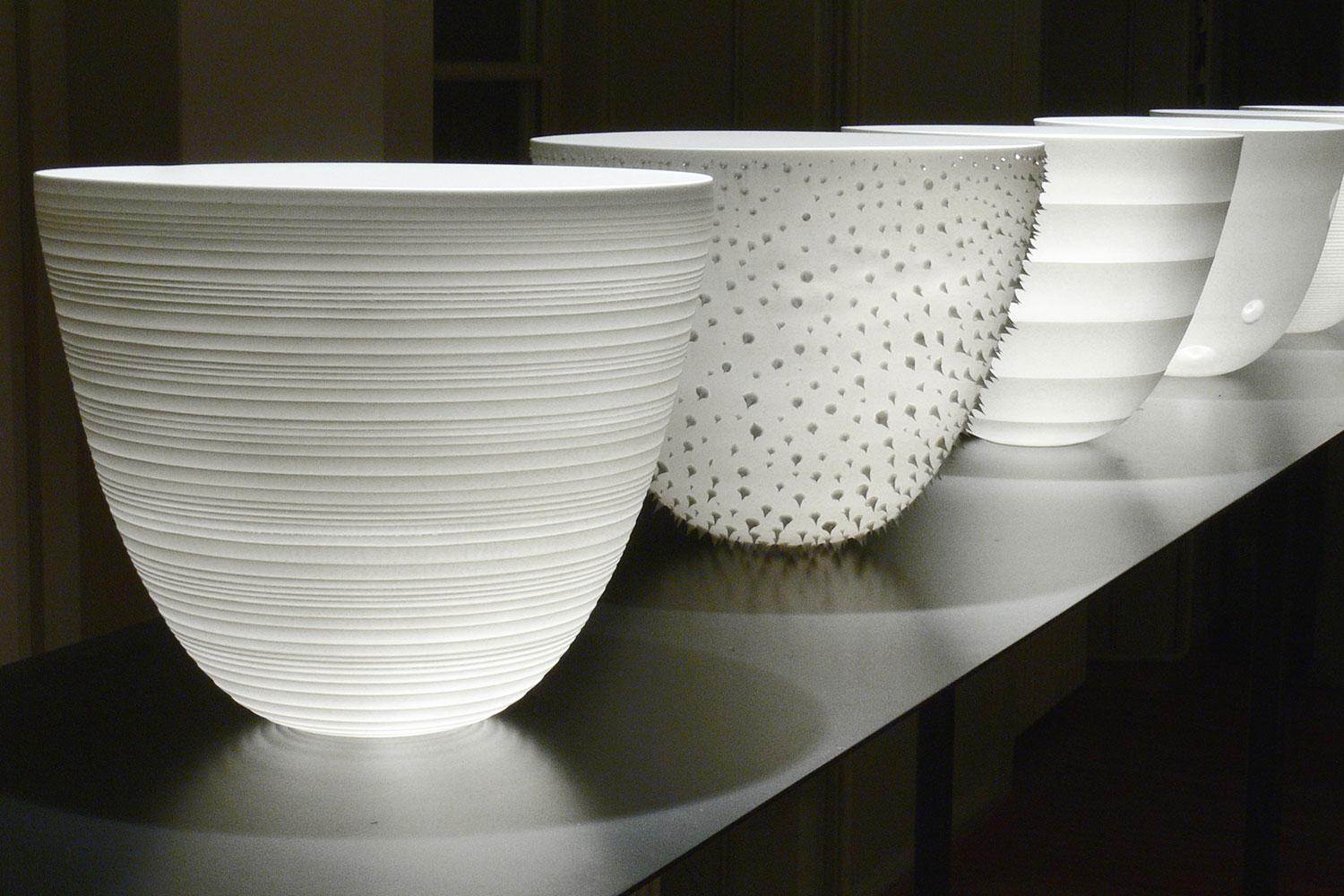
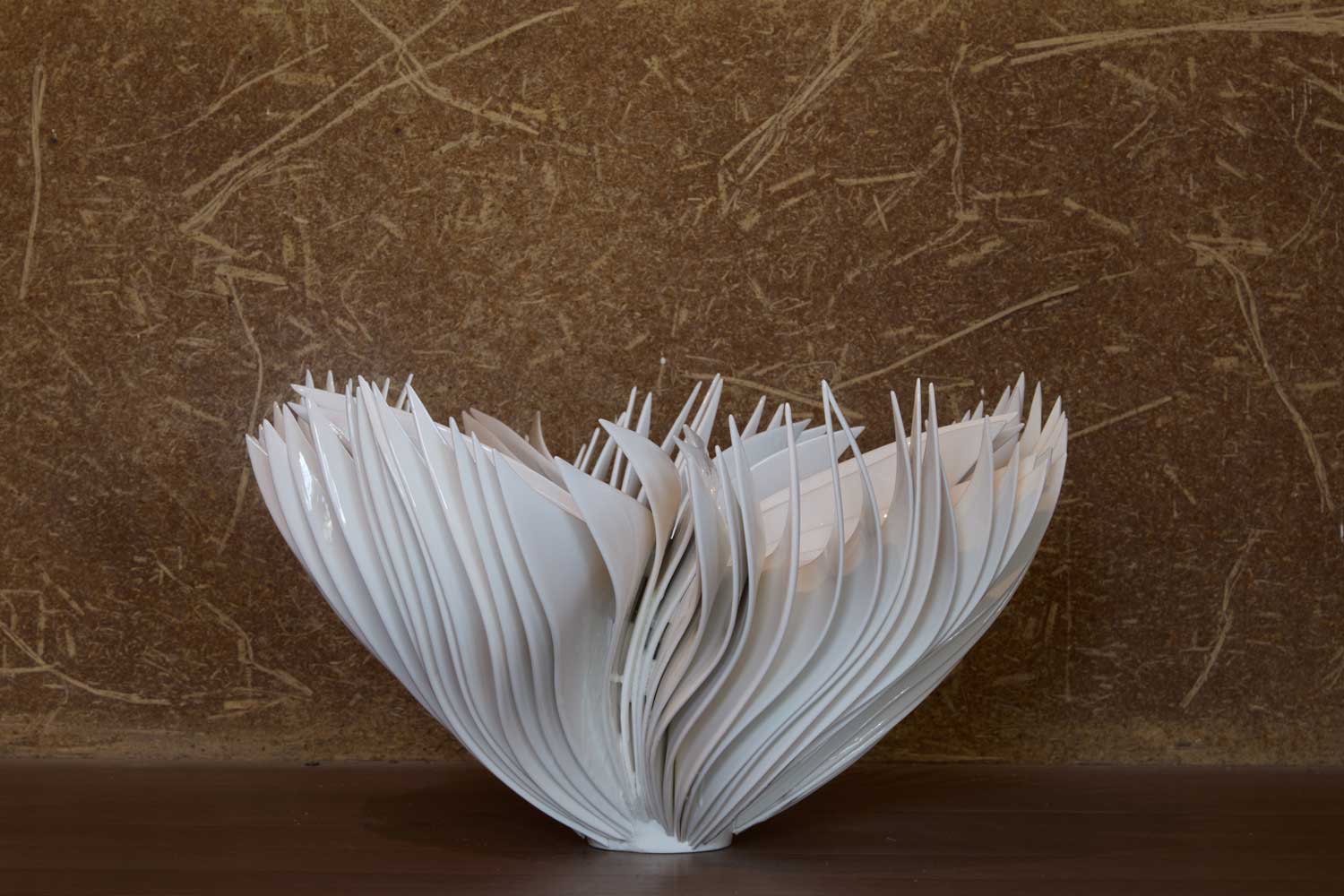
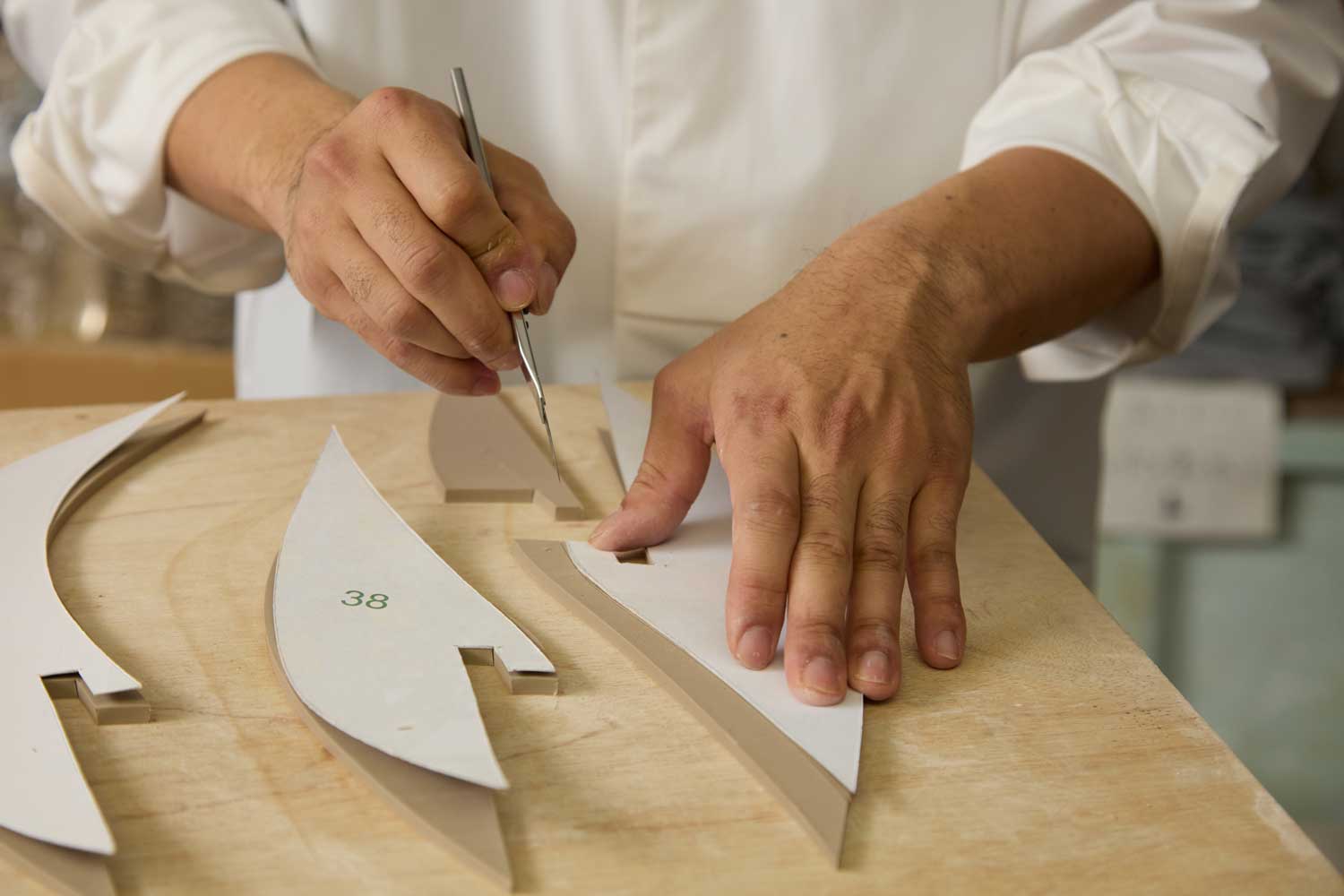
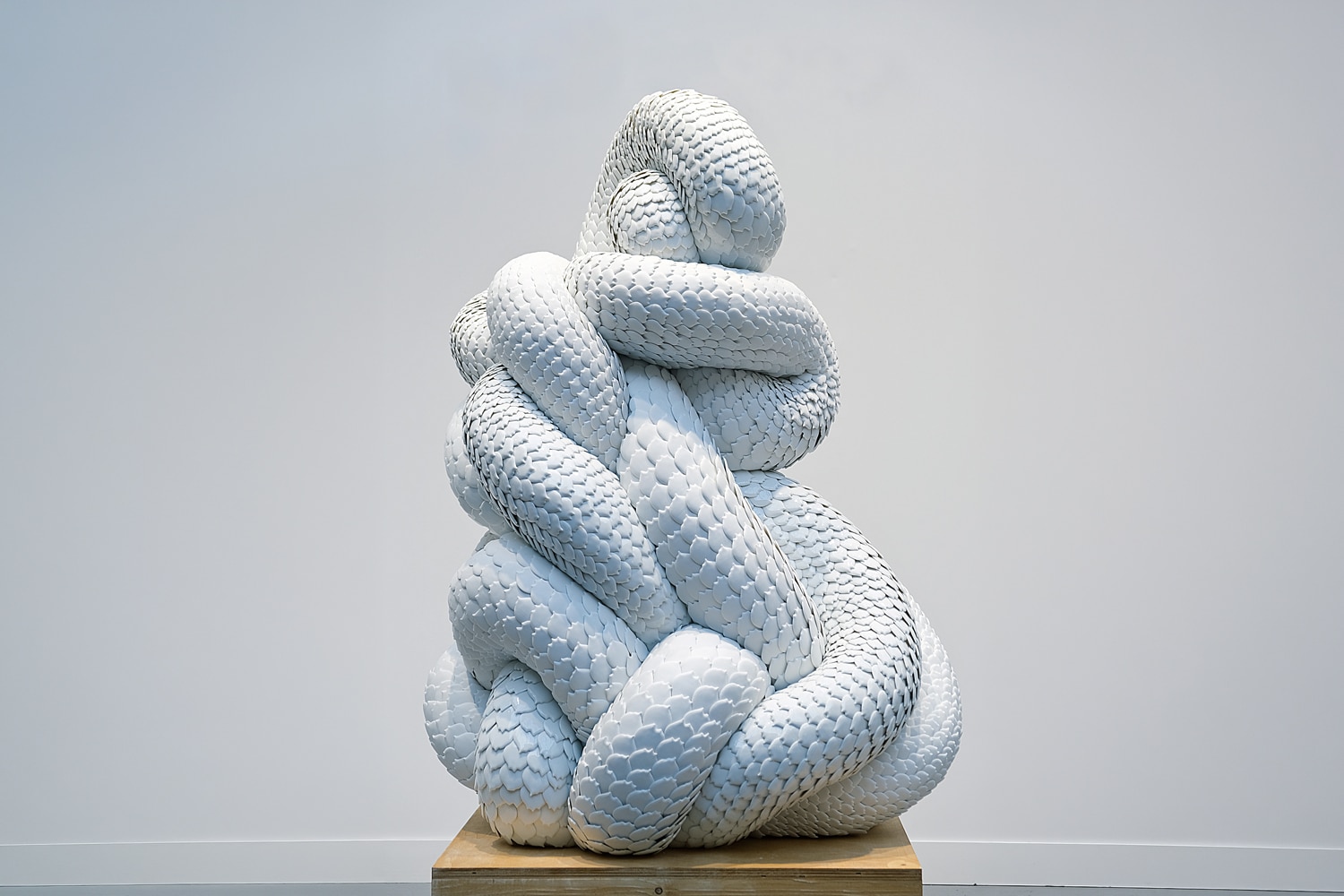
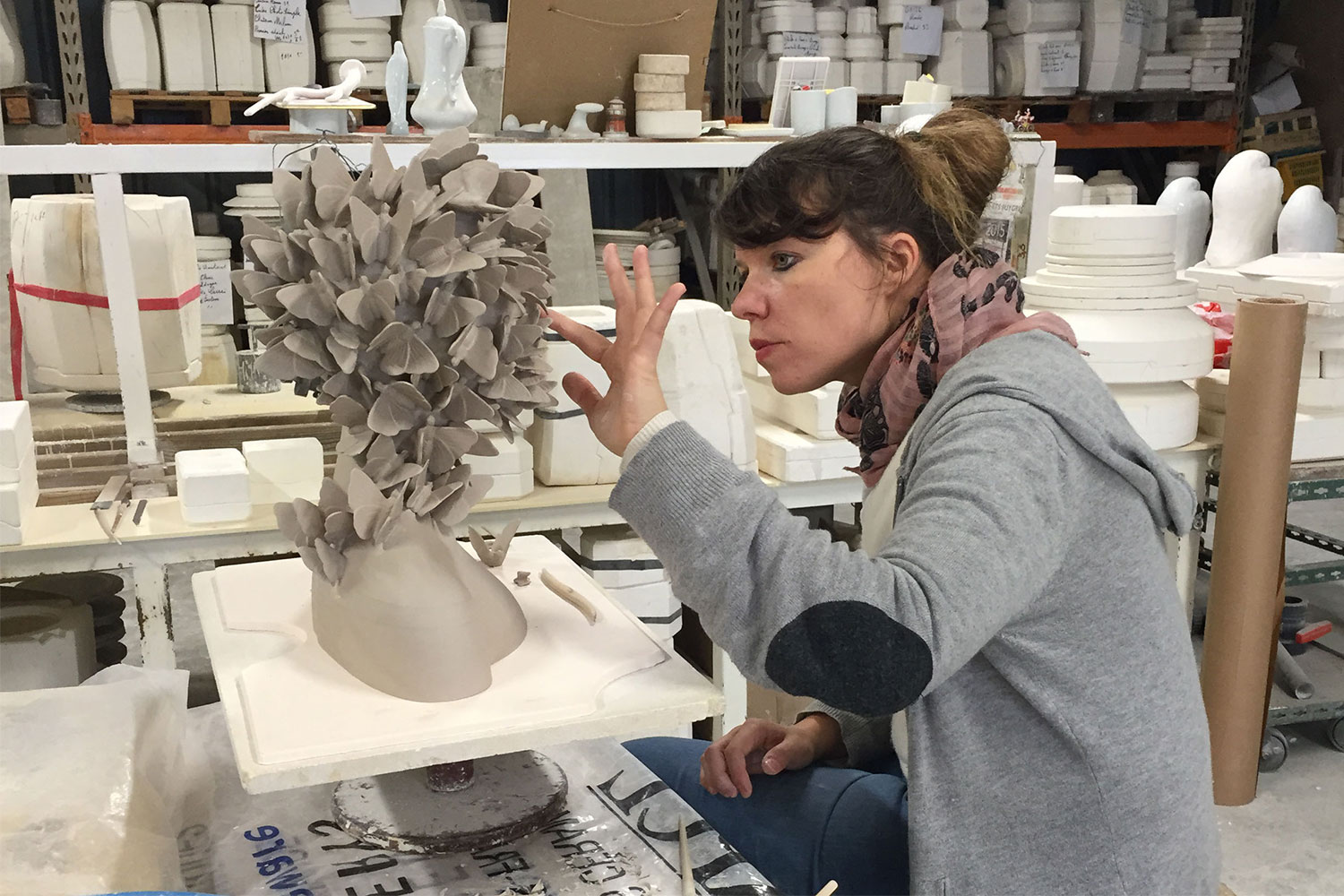
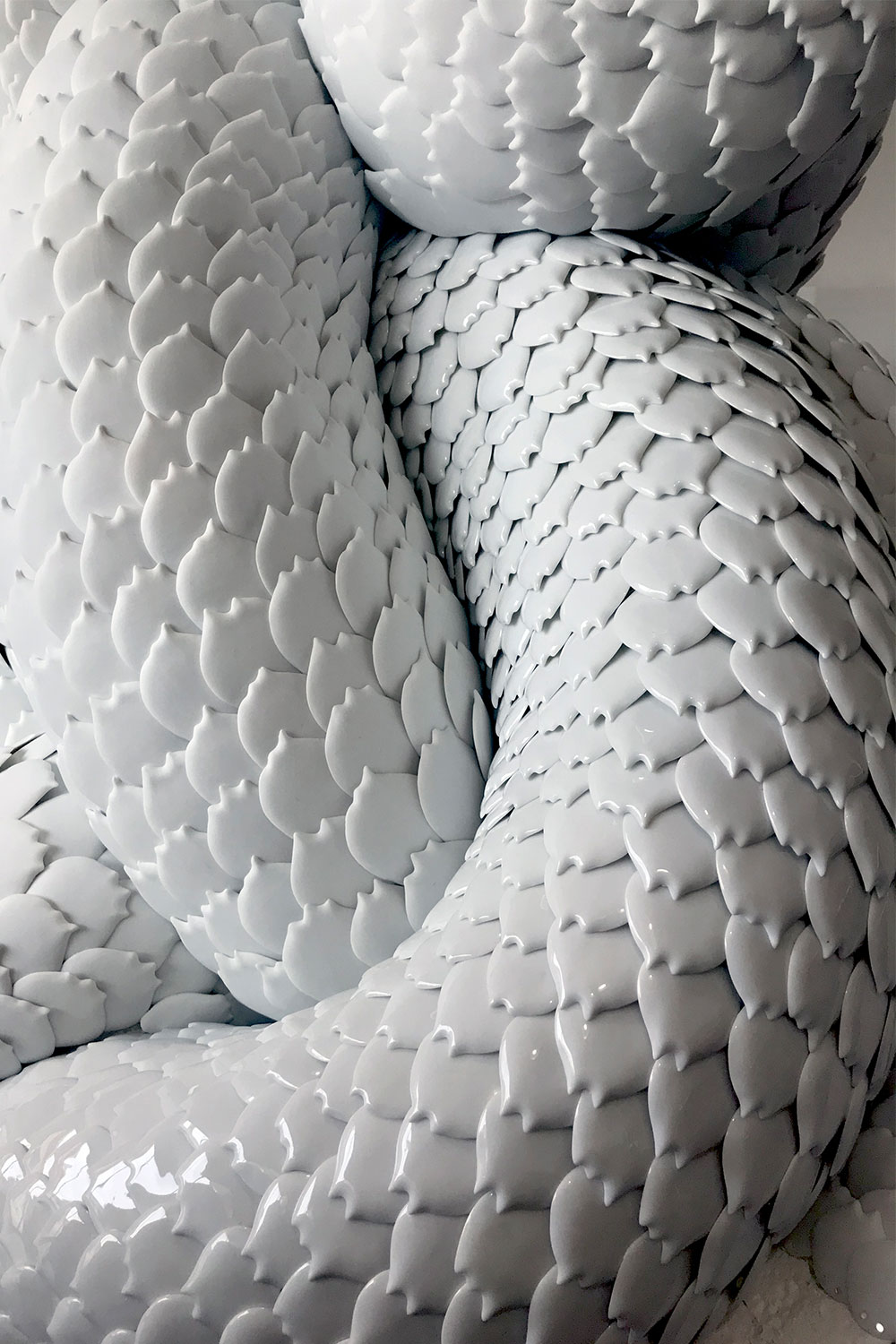
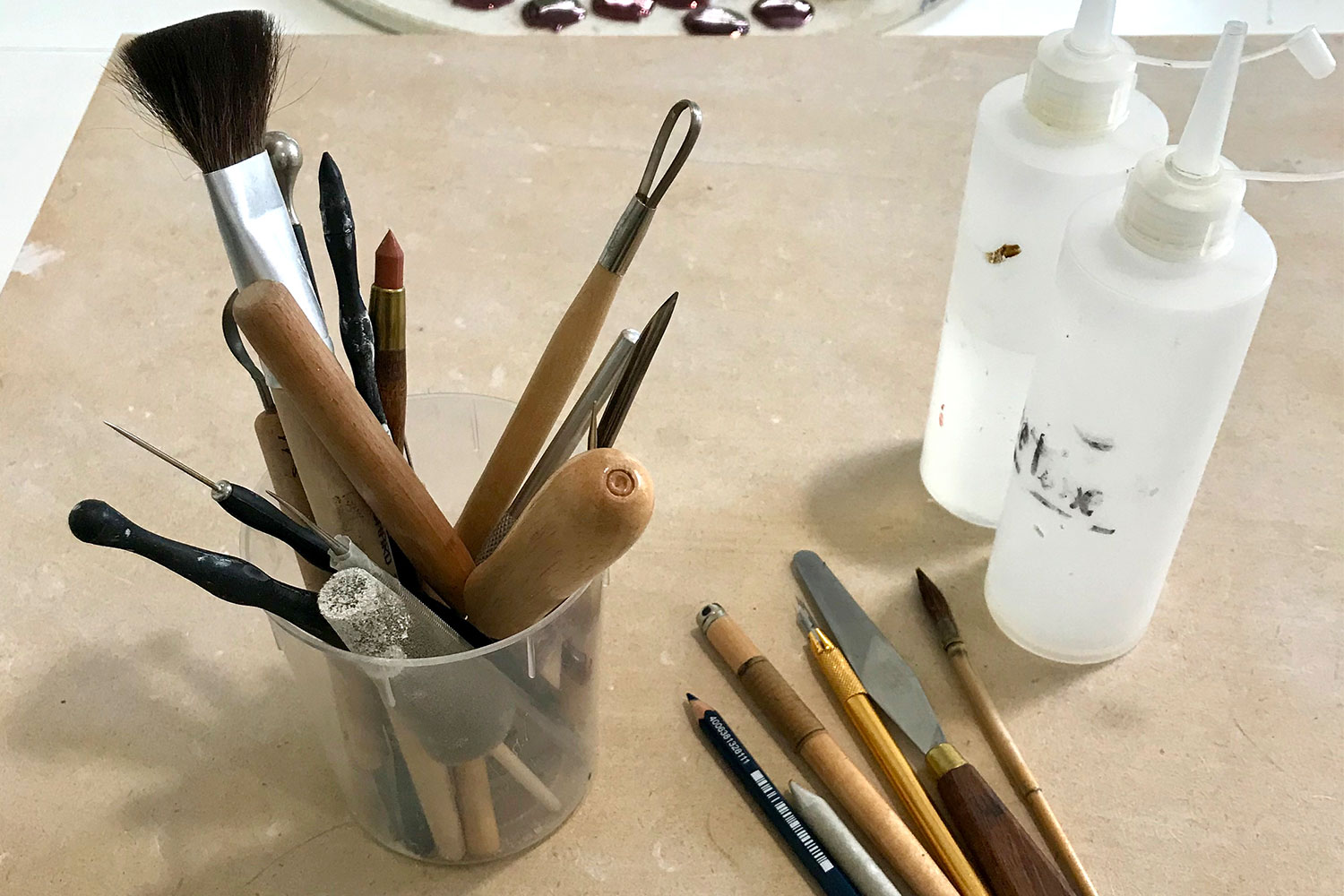
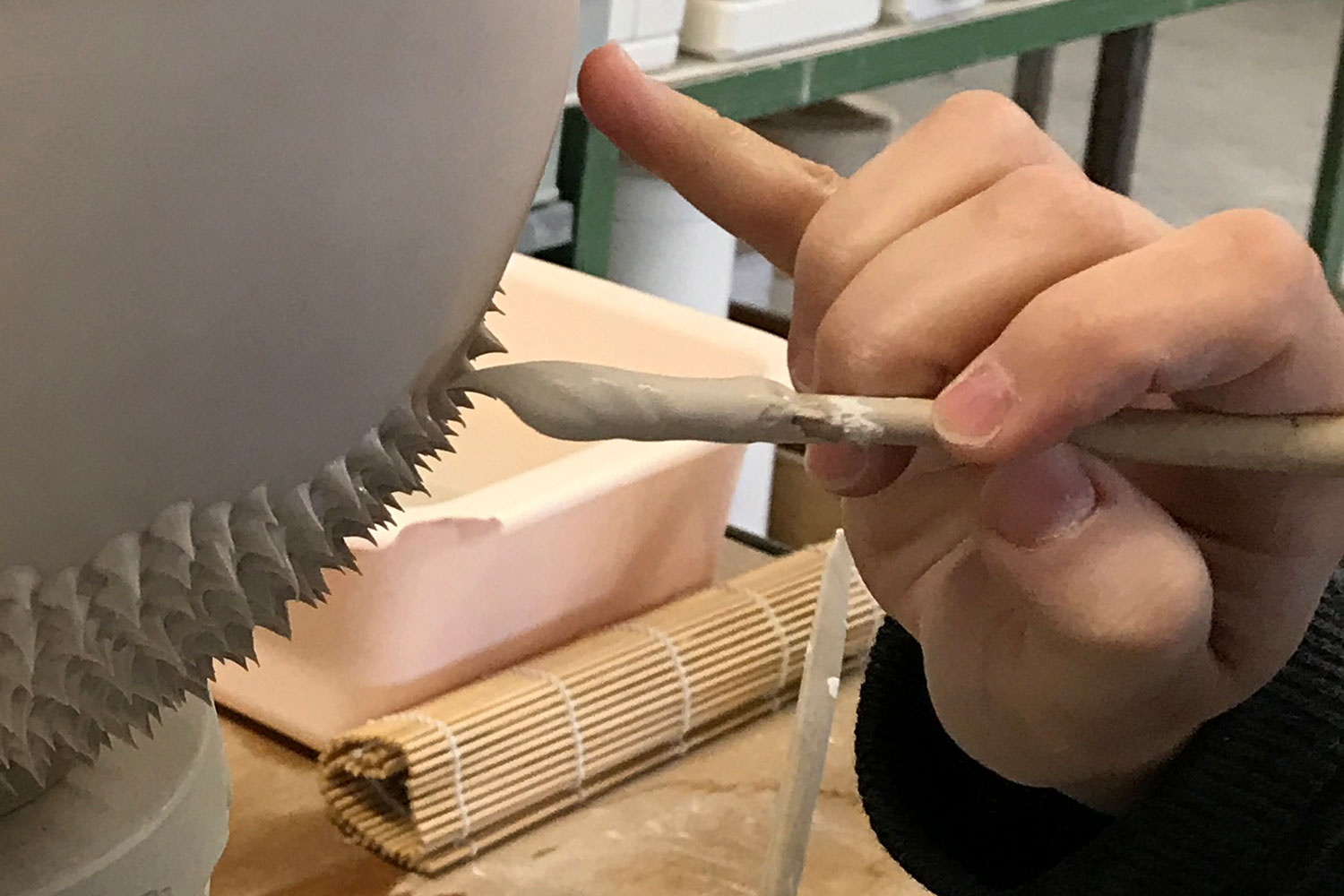
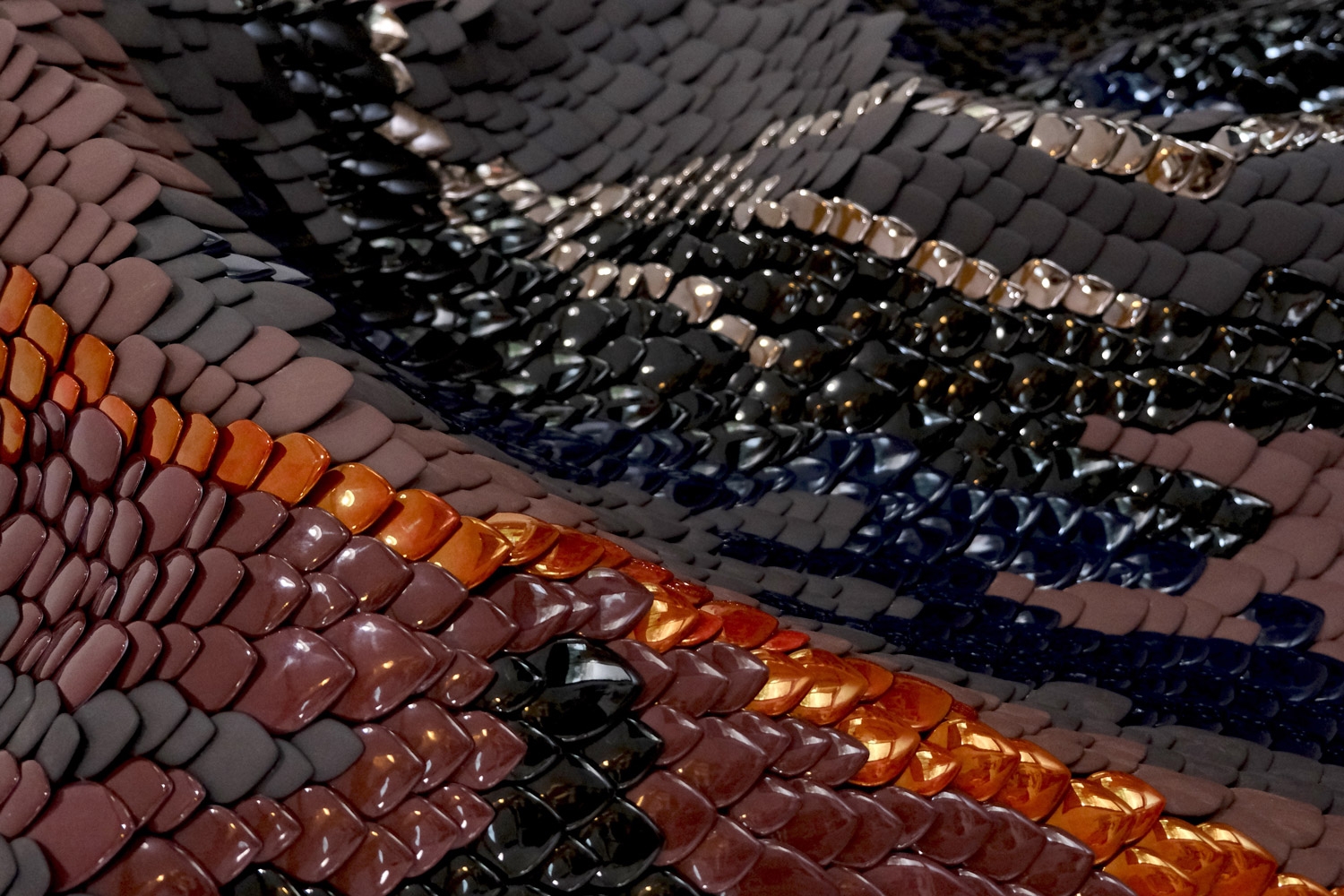
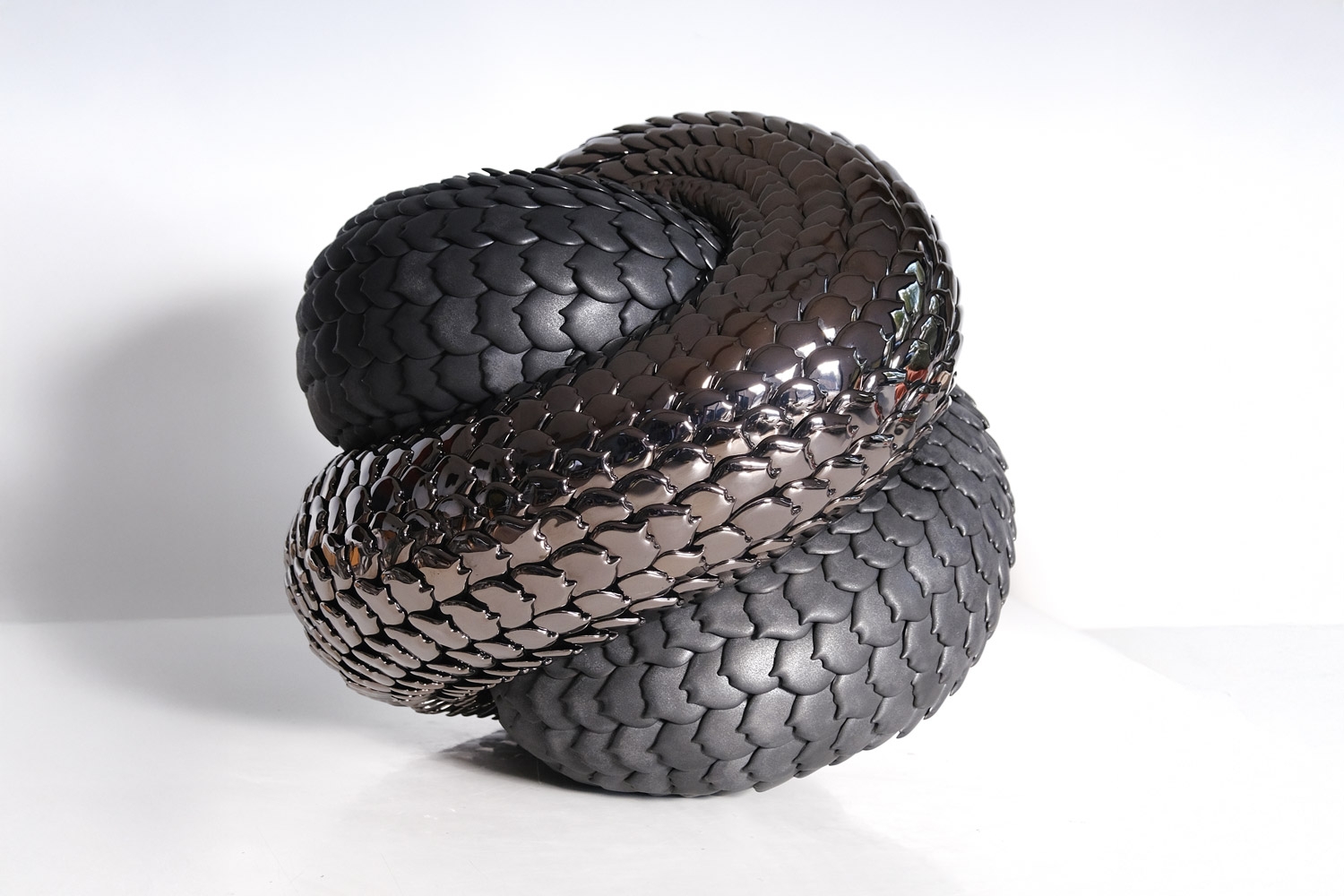
French artist Juliette Clovis discusses three main subjects in her work, all of which have in common opposition and duality: nature and human nature; life and death; tradition and modernity. Since 2015 she has been working with porcelain to create visually striking sculptures, and it was in 2019 that Juliette developed her signature hand shaped porcelain scales. This material allows her to marry her contemporary vision of art with traditional techniques and technology. "I belong to a movement of contemporary artists who borrow the gestures of craftsmanship, seek excellence, and add their artistic vision to create contemporary art," explains Juliette. In her more recent work, she has combined porcelain with textiles. In 2025, she received the Honorary Prize at the Biennale of Contemporary Ceramics in Faenza.
Juliette Clovis is an expert artisan: she began her career in 2004.
INTERVIEW
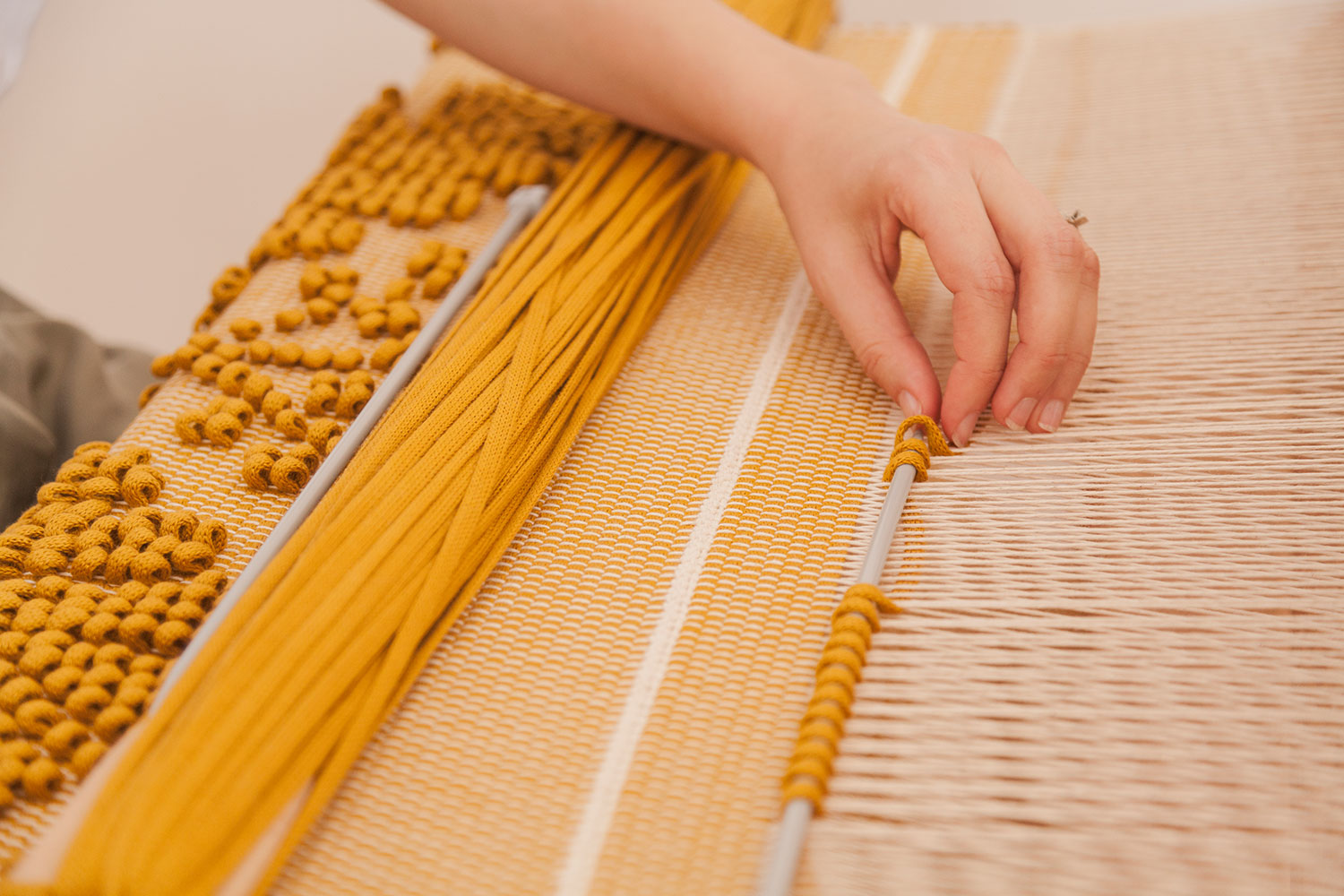
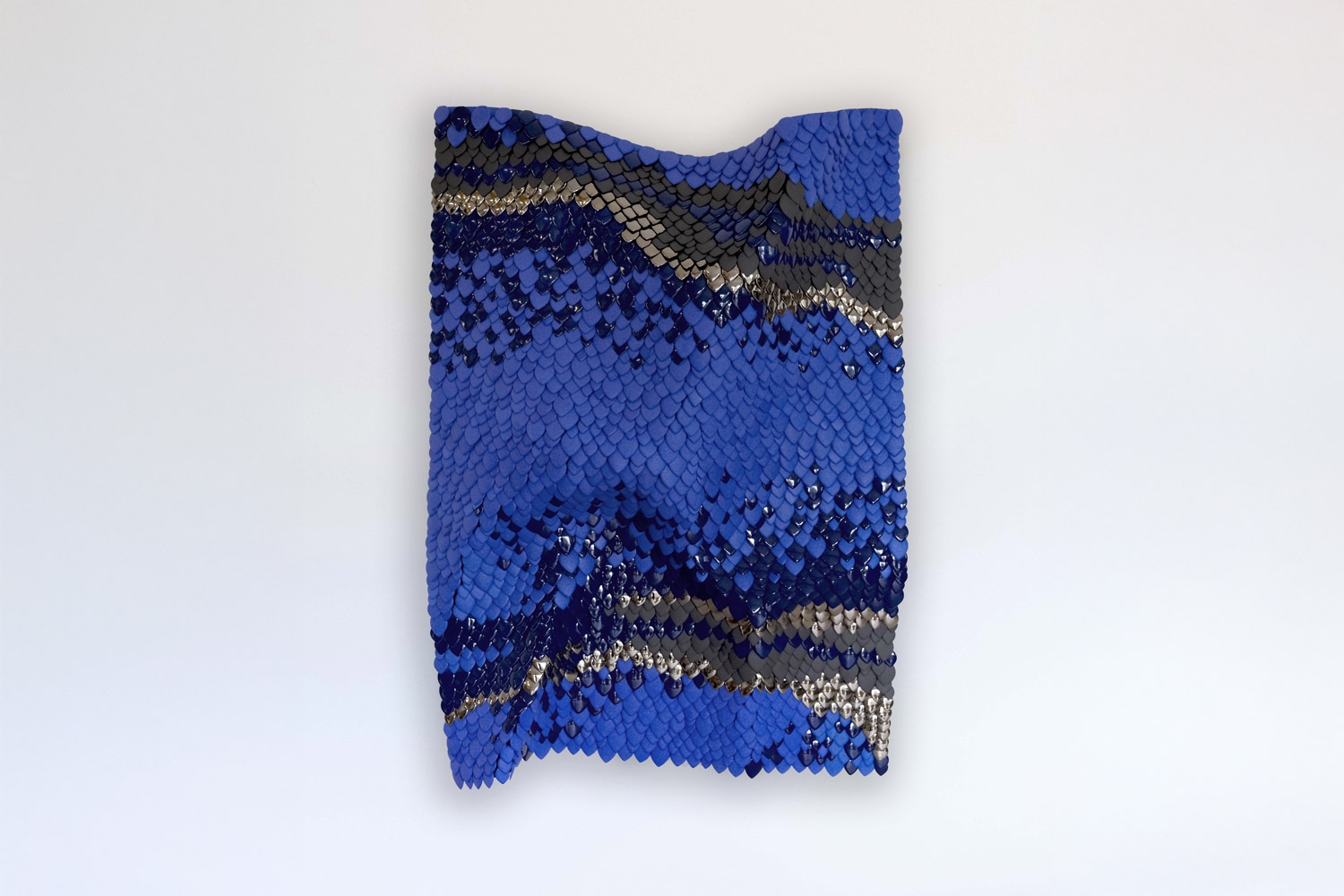
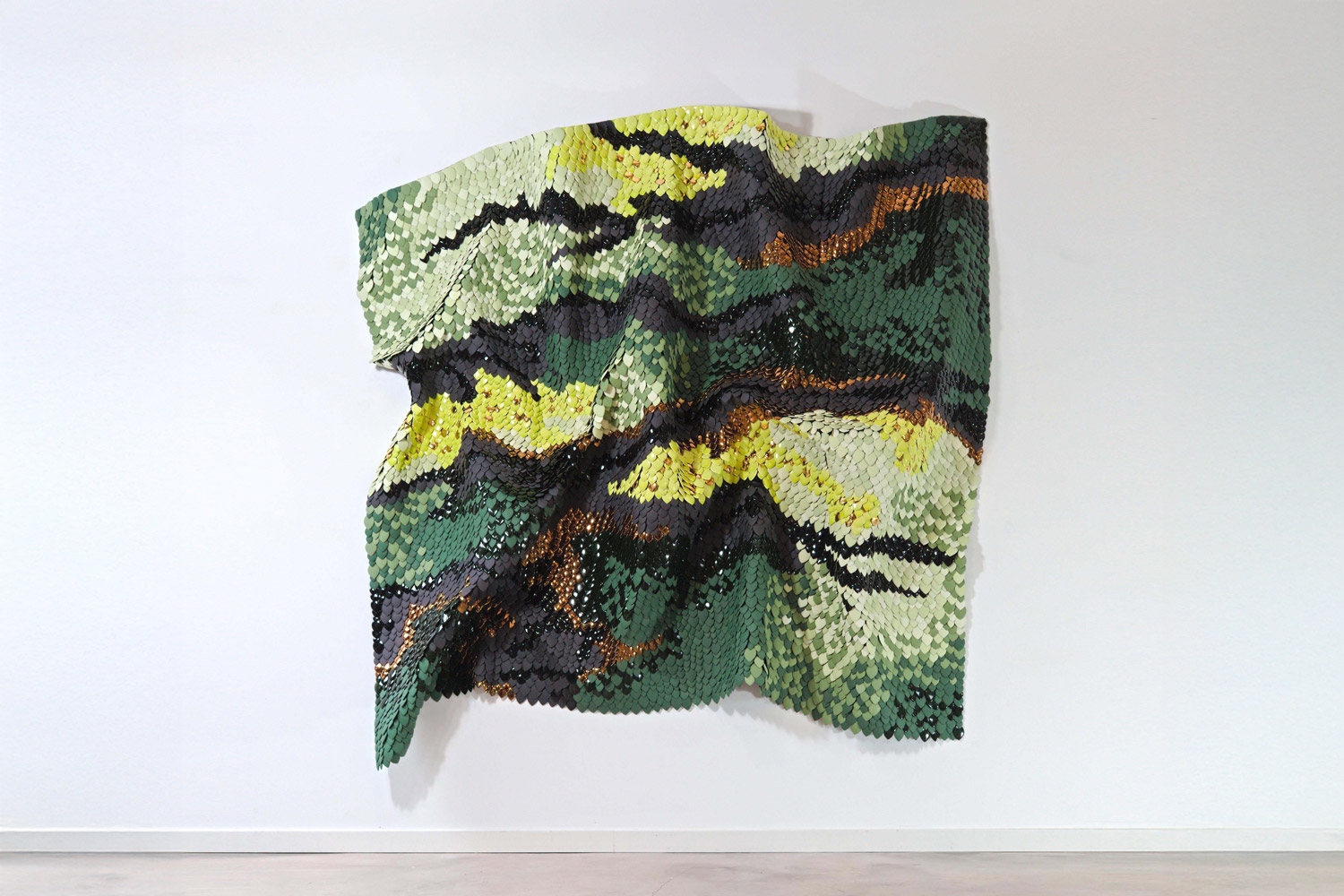
2019 marked a key step in the evolution of my technique, as I combined porcelain with another material for the first time. Then in 2024, I started to mount my works on large cotton canvases to create moving porcelain tapestries. This new body of work is a hybridisation of two seemingly incompatible worlds: the rigidity of ceramics and the fluidity of textiles, resulting in works that appear to float and flow.
Porcelain taught me to let go, to accept mistakes and imperfection. It is an extremely demanding material that can never be fully mastered. The beauty of this medium lies in the unexpected. Over the years, I have come to understand that true mastery is not about controlling everything, but about knowing how to dance with what you cannot control.
I use classical symbols such as snakes, butterflies, chrysanthemum, vanitas, eggs and so on. They represent both life and death, and the cycle of life. I like mixing references and playing with influences and codes, trying to create a harmonious world made of contrasts and differences.
Nature remains my primary source of inspiration, particularly in its many transformations. The changing colours of seasons, the morning and evening light, reptilian molting, tides, the erosion of rocks... I also draw heavily from the work of other artists and craftspeople, from Ancient Korean and Japanese paintings to impressionism and contemporary artists like Fabienne Verdier and Henrique Oliveira.
Juliette Clovis
Porcelain maker
Saint-Caprais-de-Bordeaux, France
ADDRESS
Address upon request, Saint-Caprais-de-Bordeaux, France
AVAILABILITY
By appointment only
LANGUAGES
French, English
HOMO FABER FINDS
Homo Faber Finds is a new service aiming to inspire admirers of craft to connect and collaborate with exceptional artisans.
We invite you to submit an enquiry here.