Cecilia Velásquez
D’Coralia
Embroiderer
Cartago, Colombia
A family heritage in open work embroidery
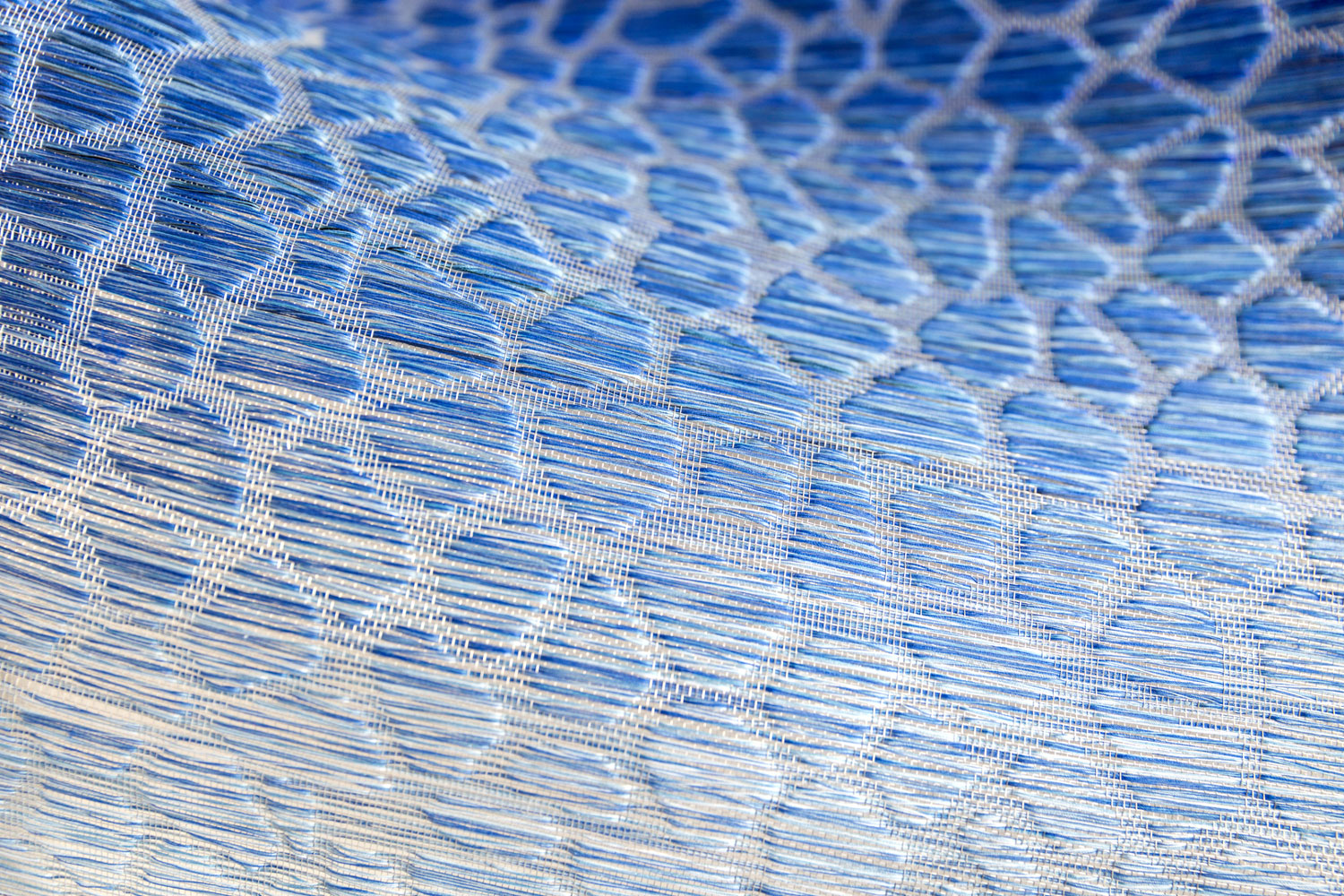
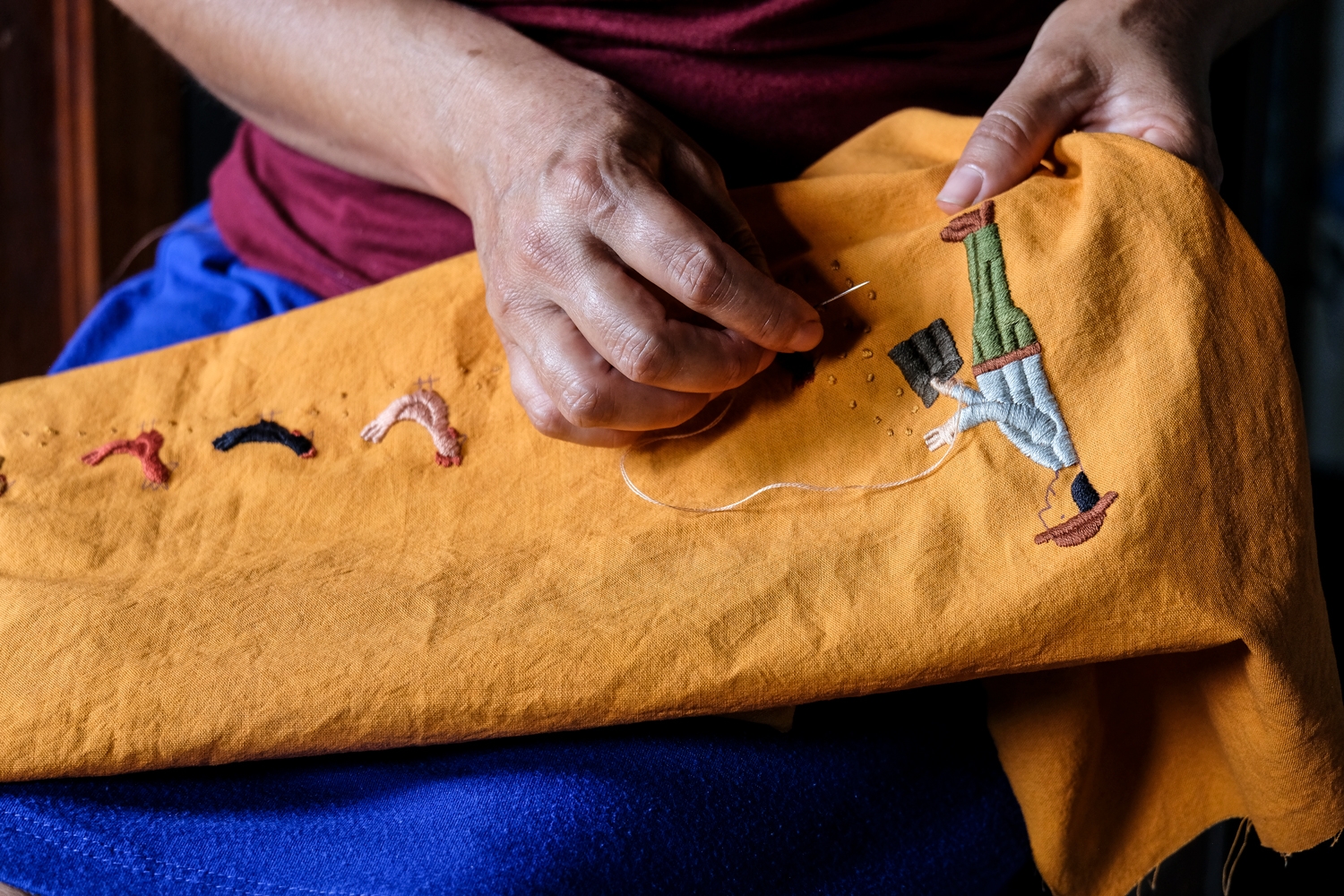
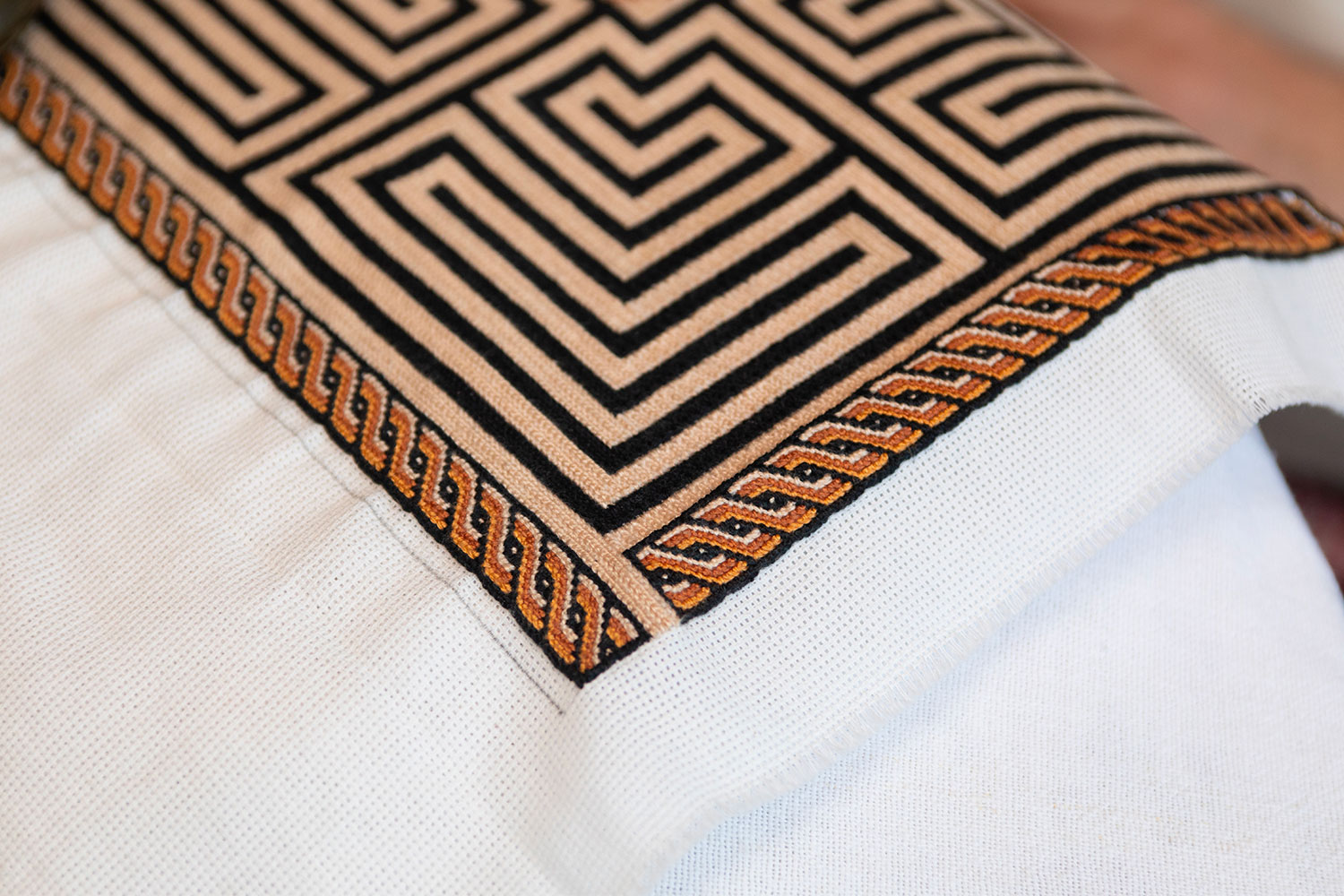
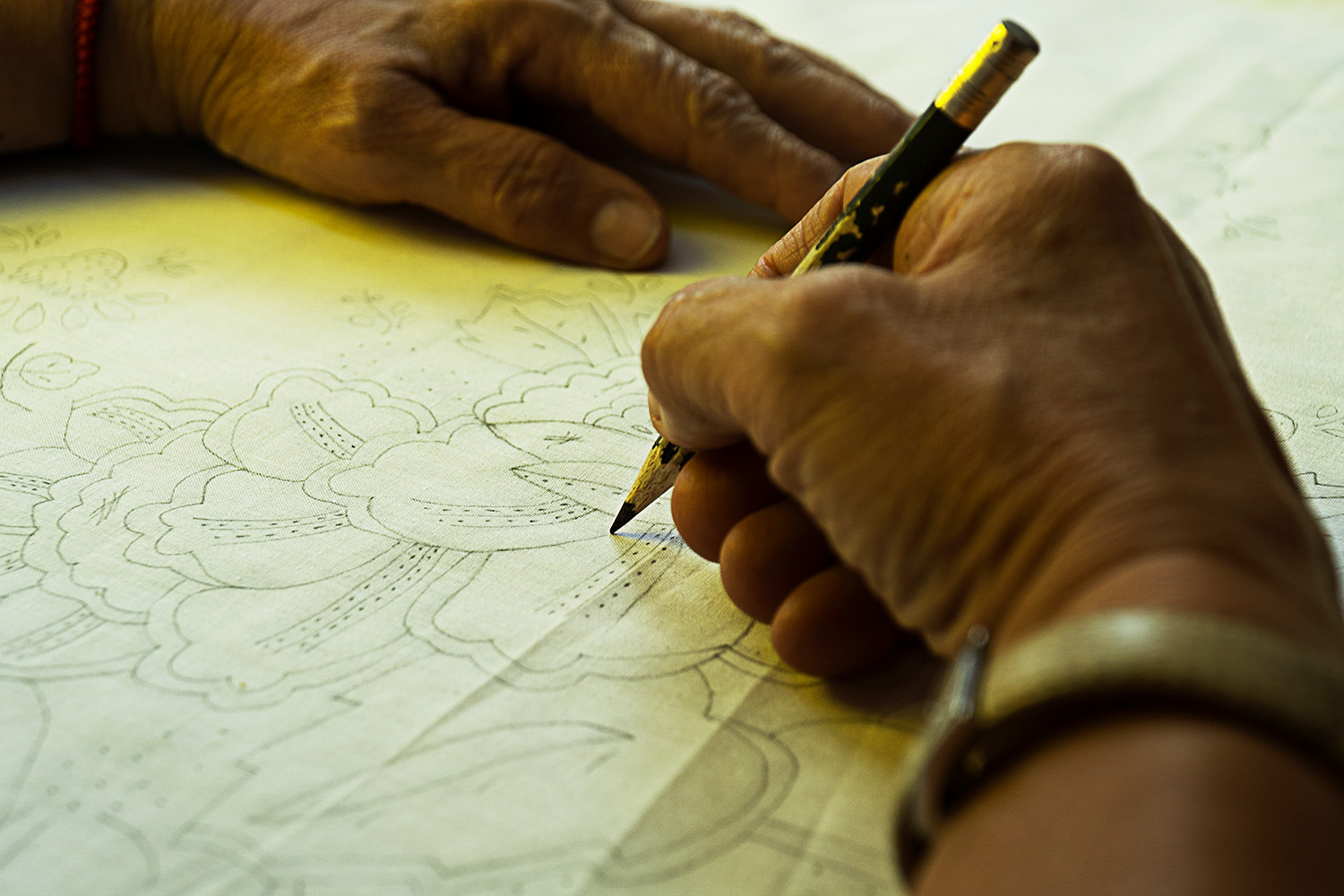
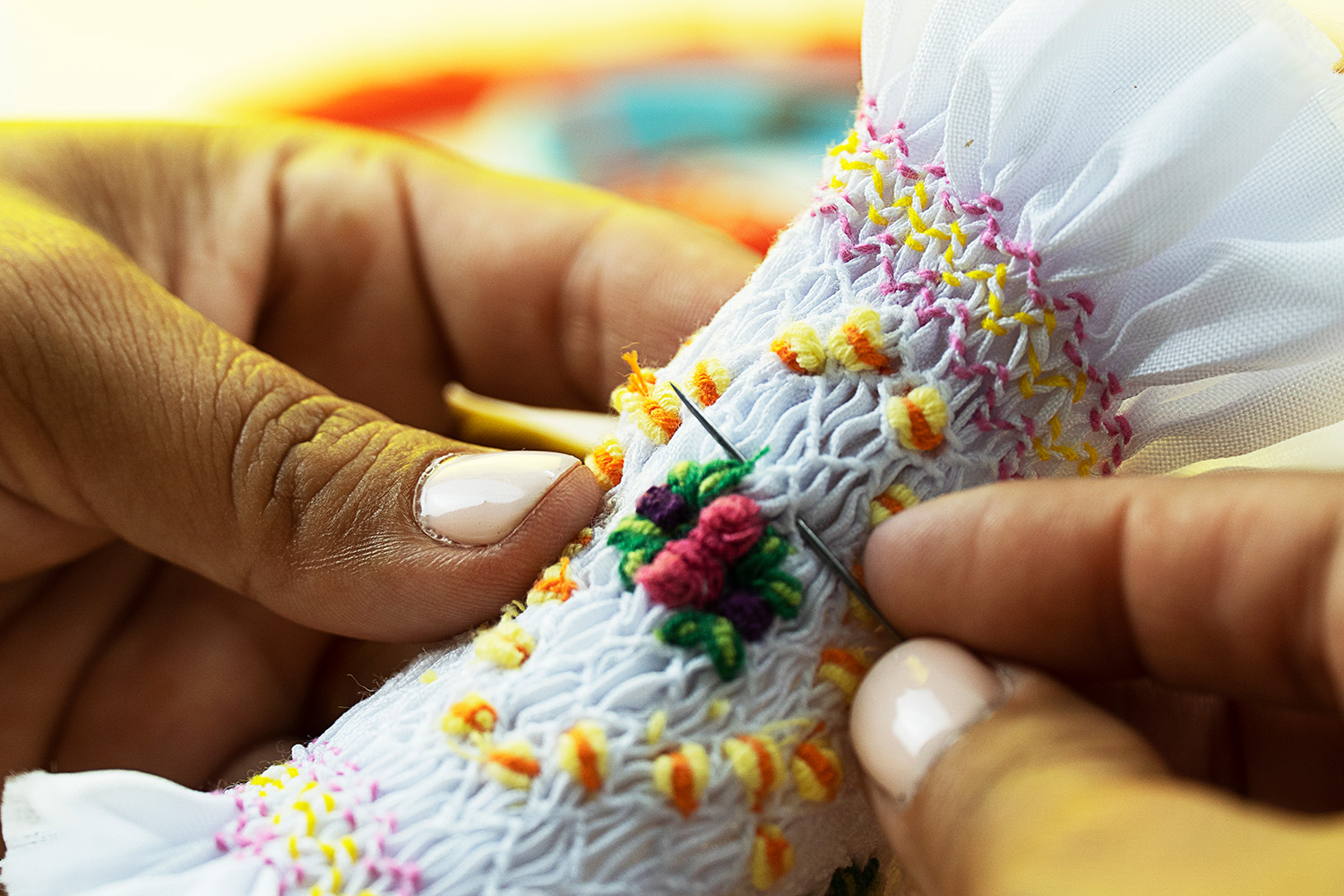
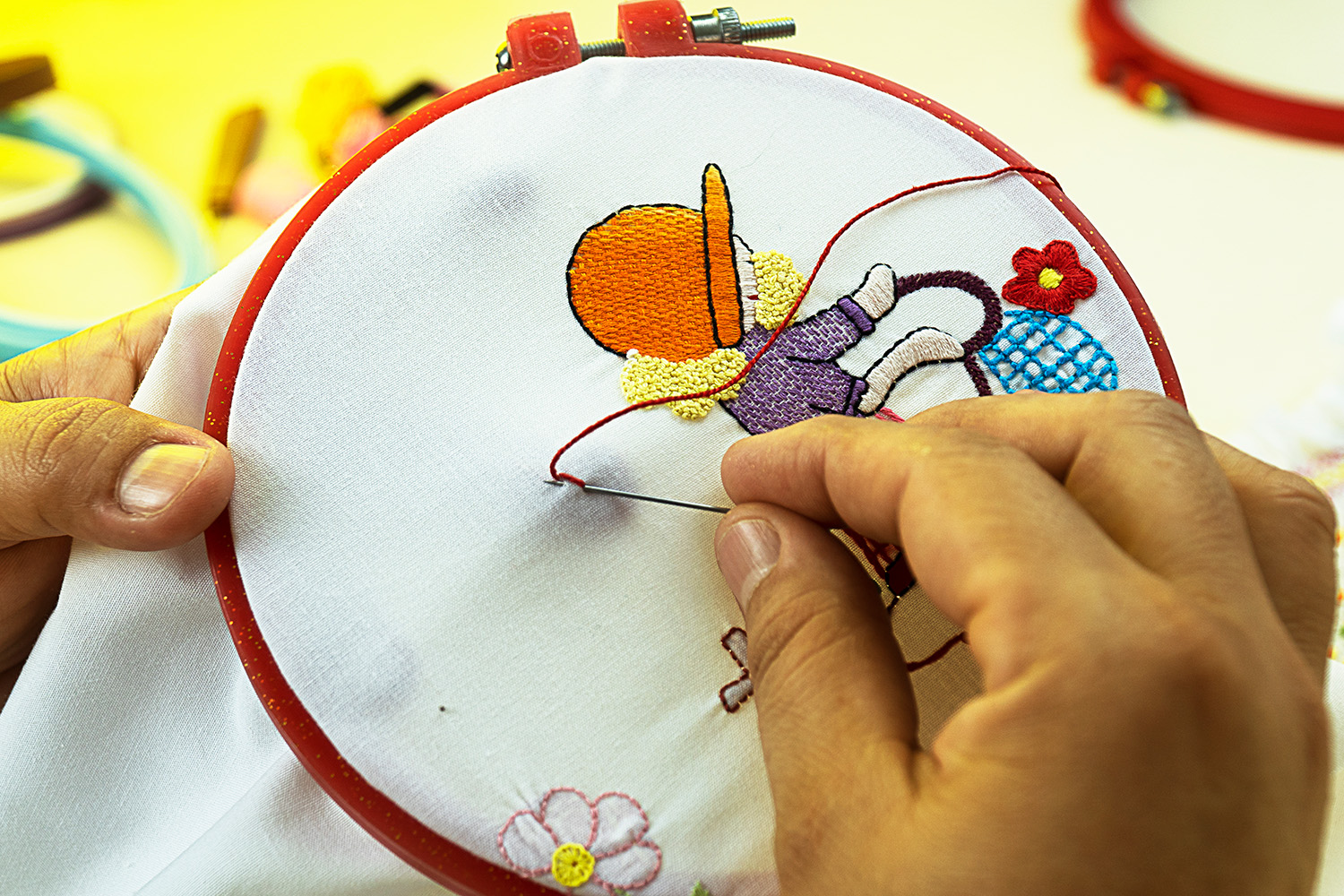
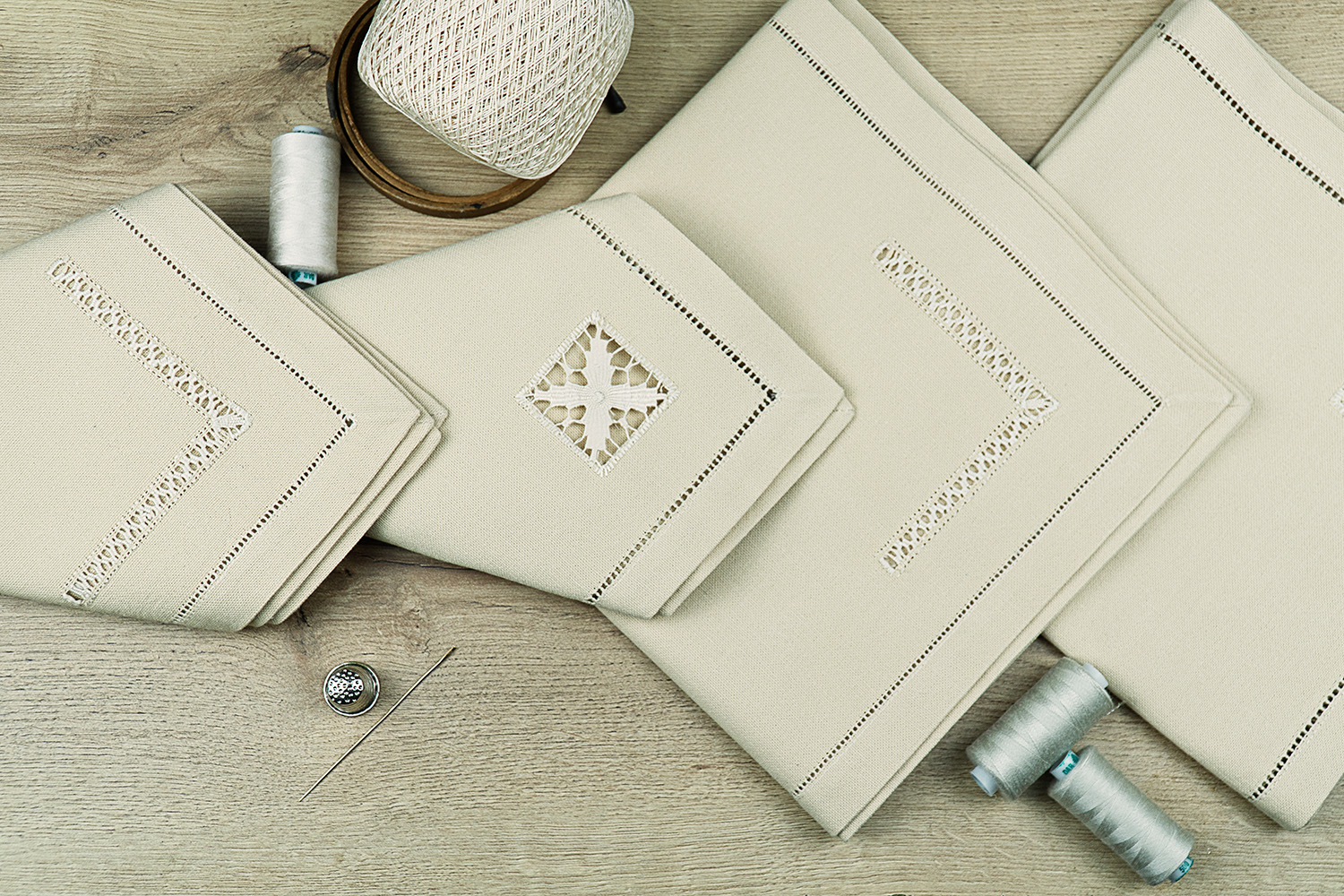
- Cecilia hand embroiders home linen open work in her workshop
- She taught needlework to Cartago’s prison inmates
- Cartago exemplifies Colombia’s long-standing embroidery tradition
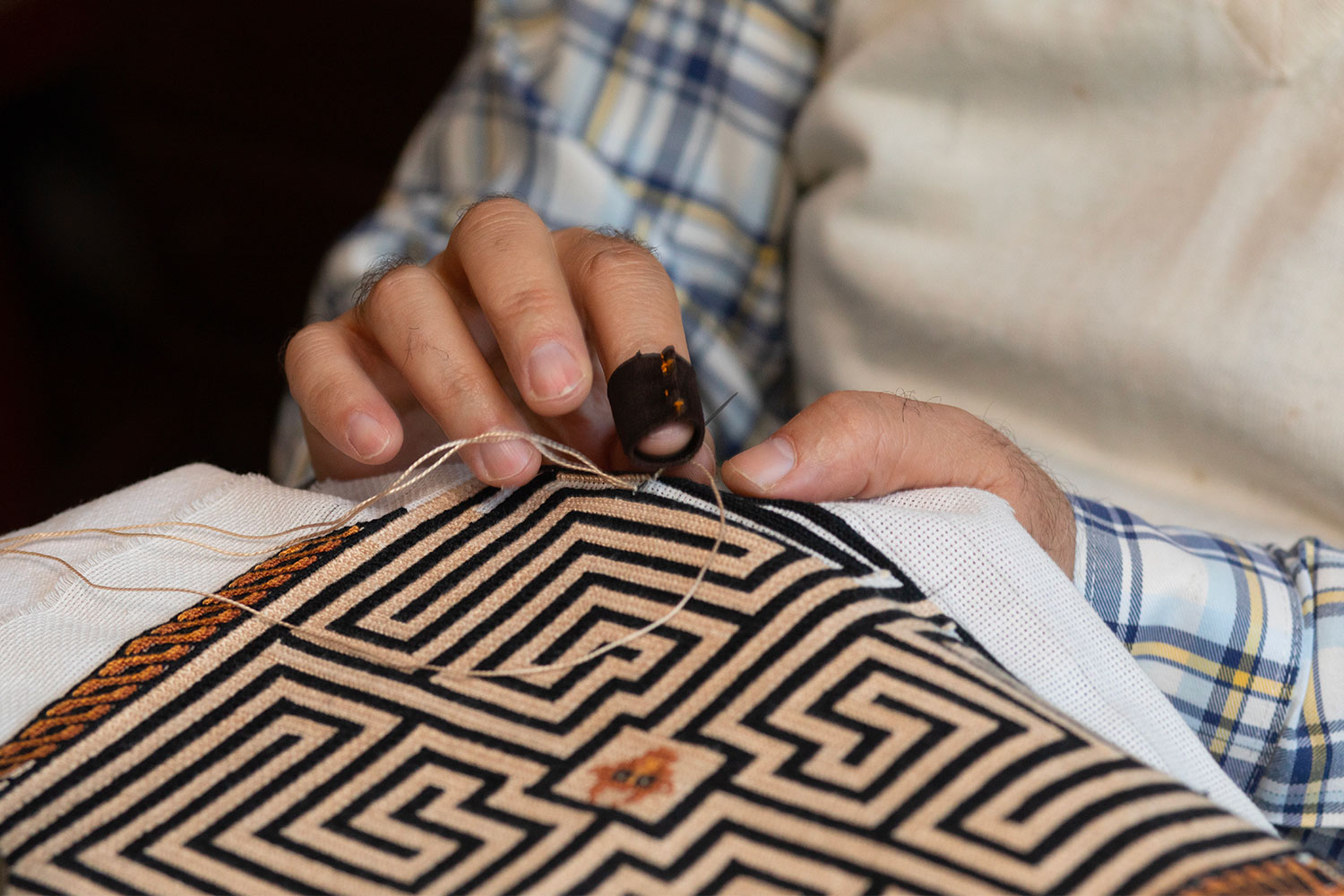
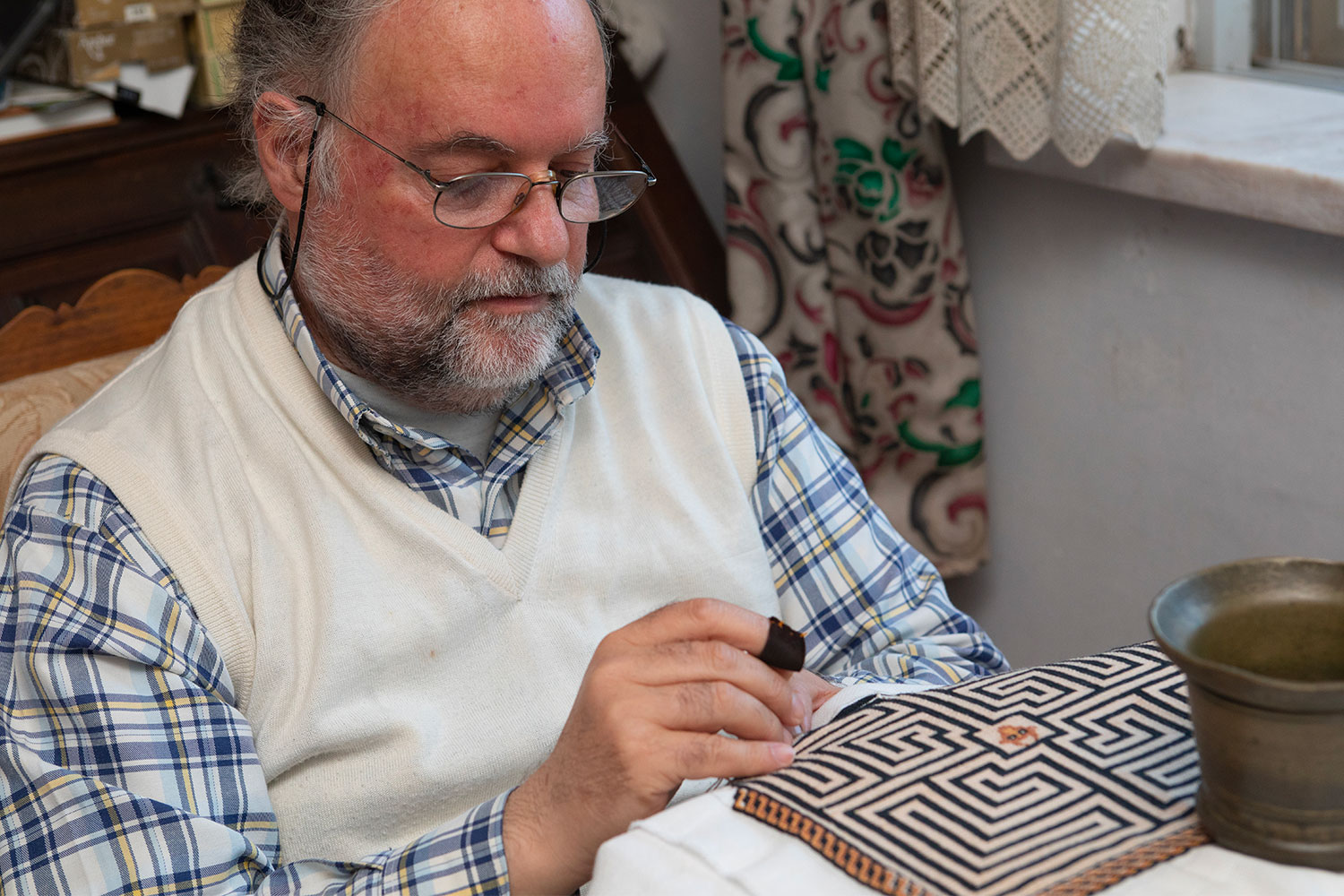
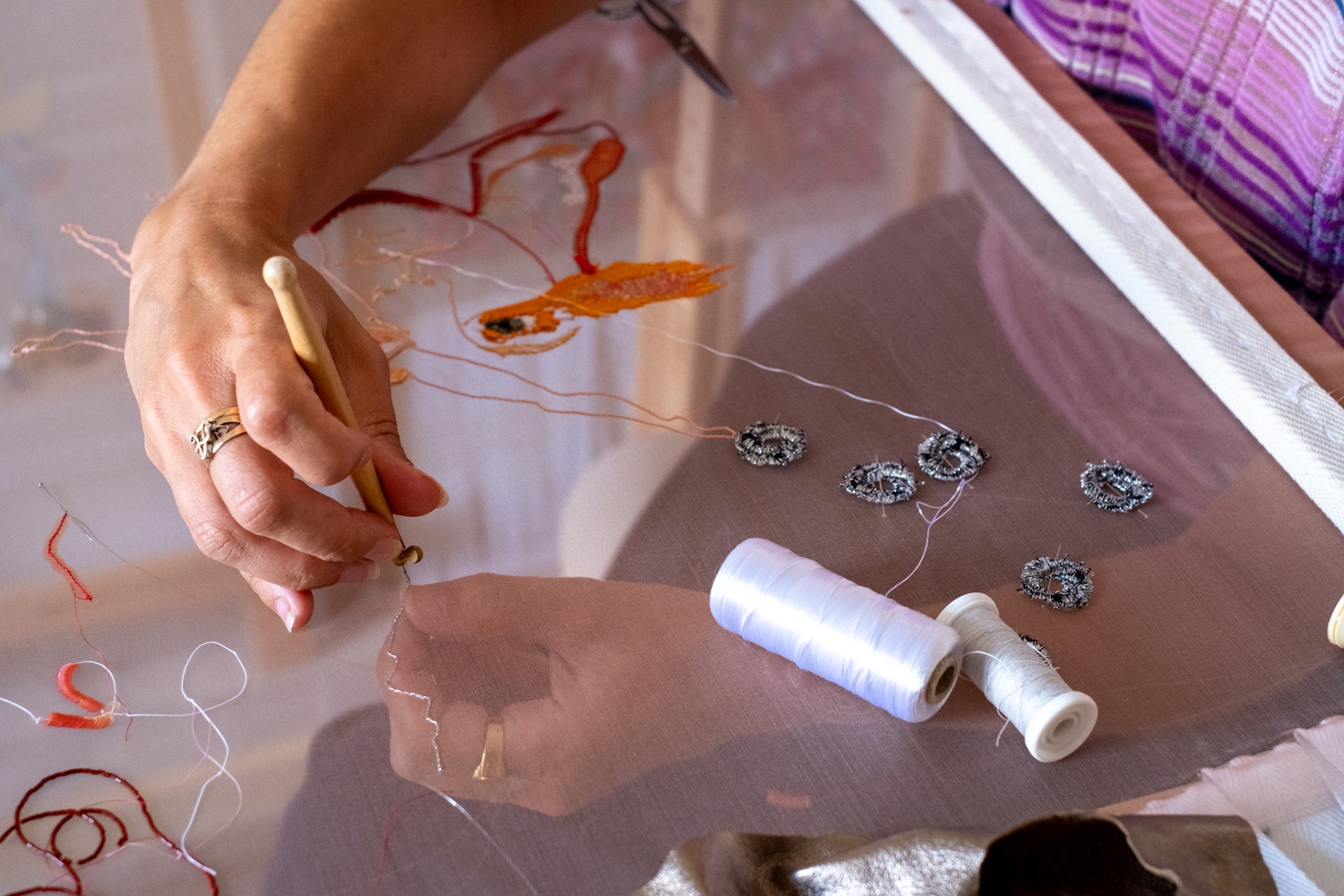
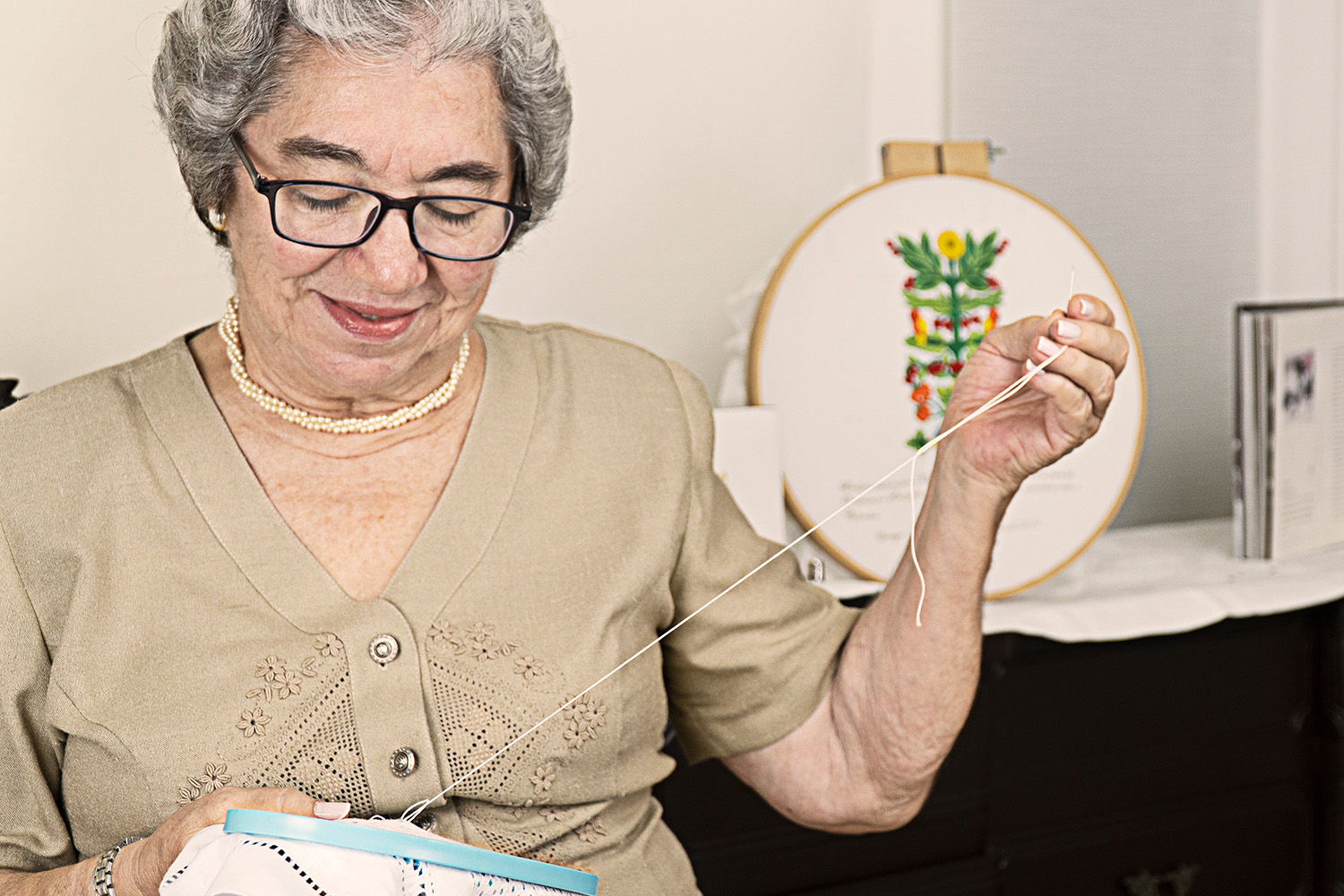
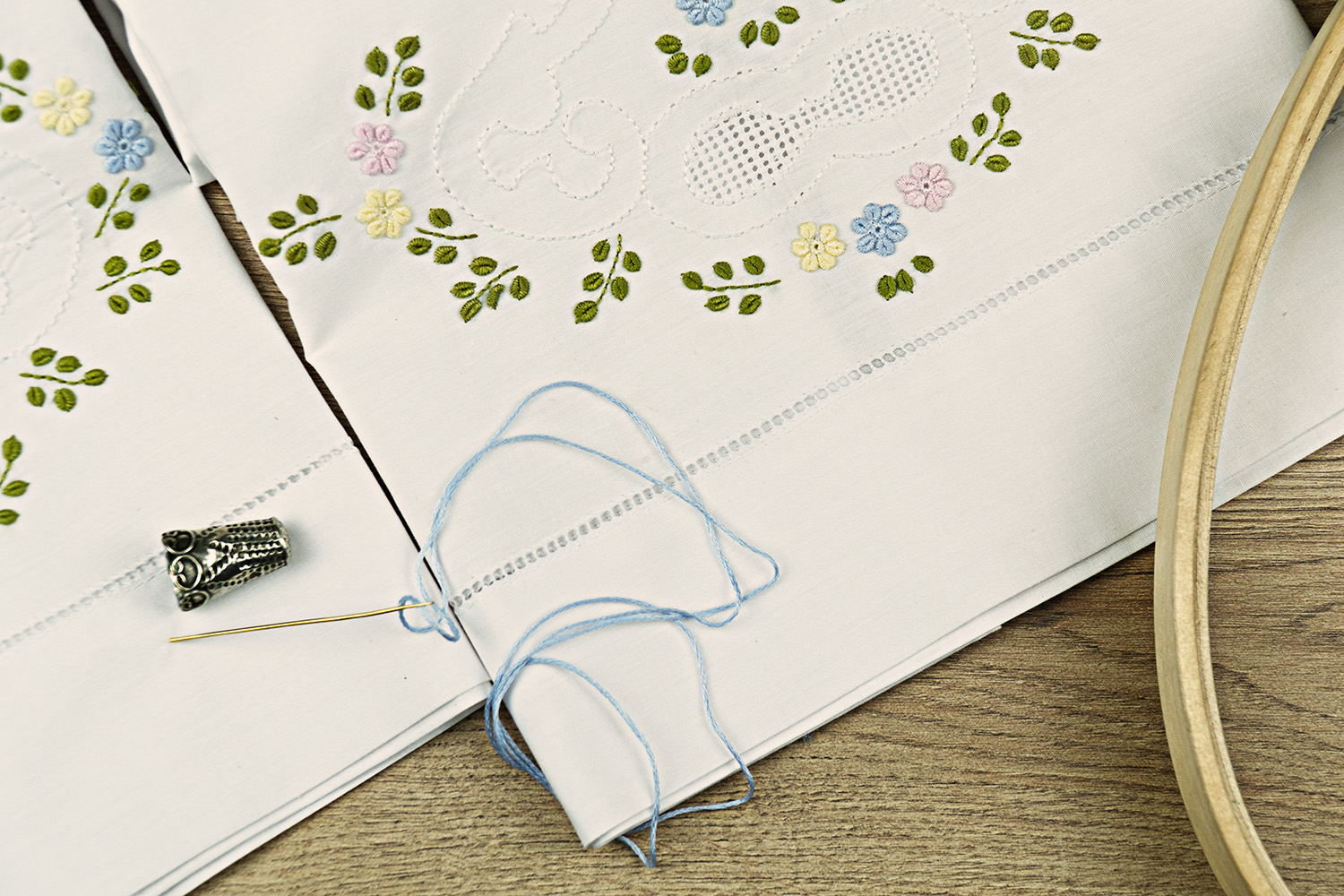
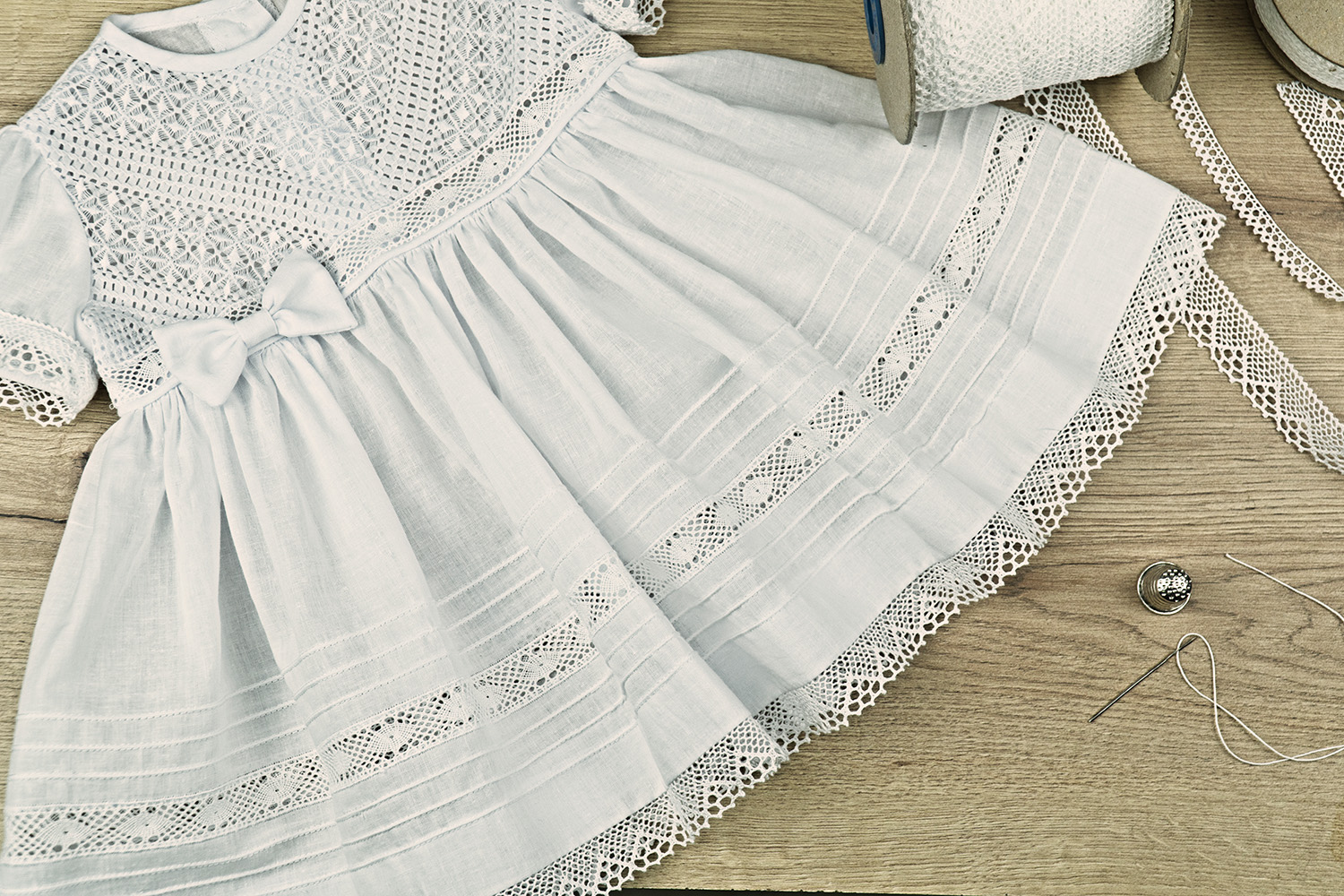
Cecilia Velásquez, one of Cartago’s most reputed embroiderers recalls her early experience with her craft through the dresses her grandmother and mother made for six sisters and herself. The geometrical patterns of her designs are a constant reminder of her masters. Franciscan nuns at school also relayed the art and technique, instilling strict precision to students like Cecilia. She learned from them the importance of a perfect finish. D’Coralia is the workshop that Cecilia opened in 1978, and today it enlists apprentices regularly to ensure the precious craft is preserved. Cartago’s embroidery tradition is threatened by mechanical production. Cecilia is convinced that institutional policy and protection are necessary to motivate transmission and safeguarding of this heritage.
Discover her work
INTERVIEW
It has been transmitted down through the generations since Colonial times. I learned from my grandmother and mother. Cartago’s economy revolves around embroidery, and we have a responsibility to preserve and transmit this know-how.
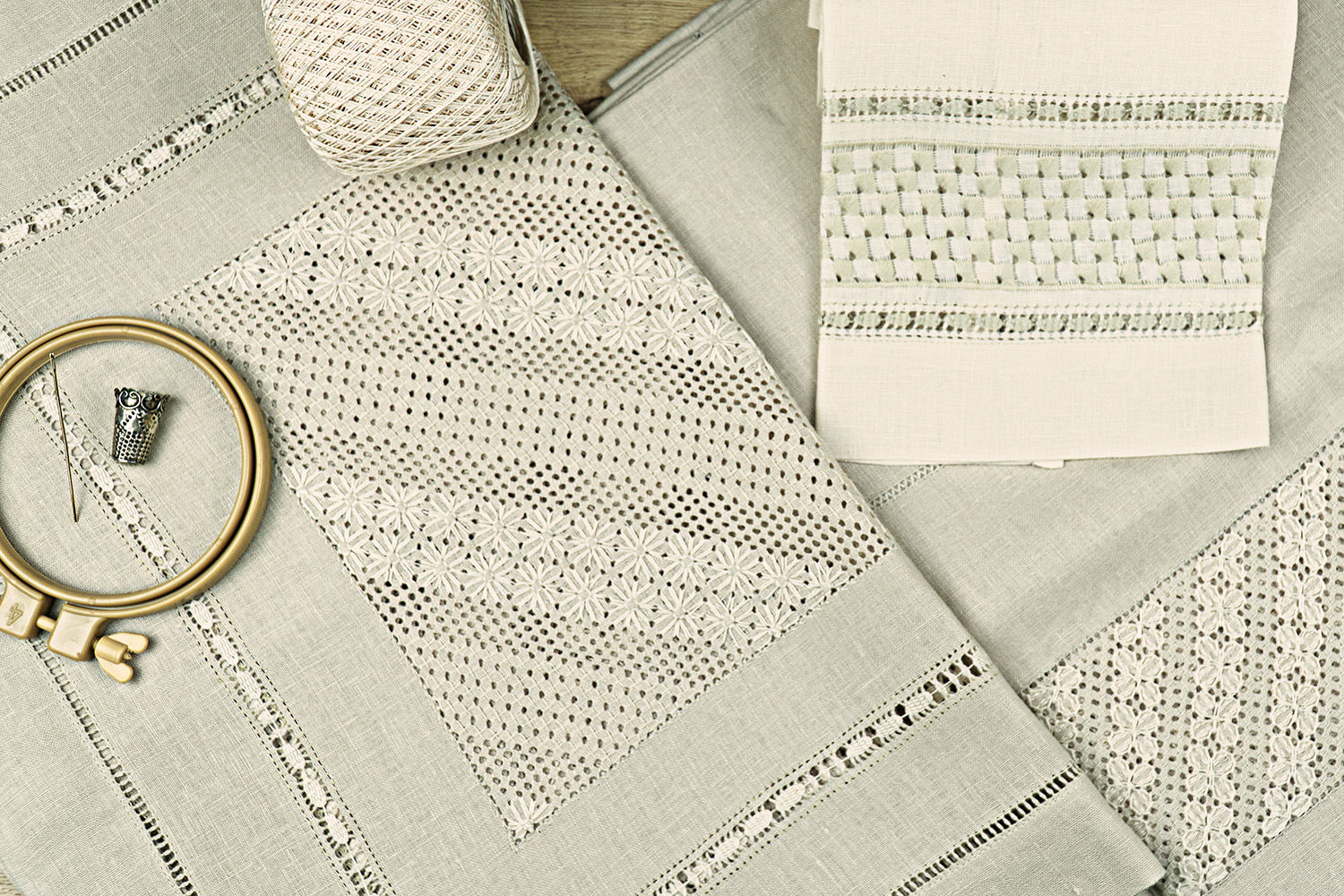
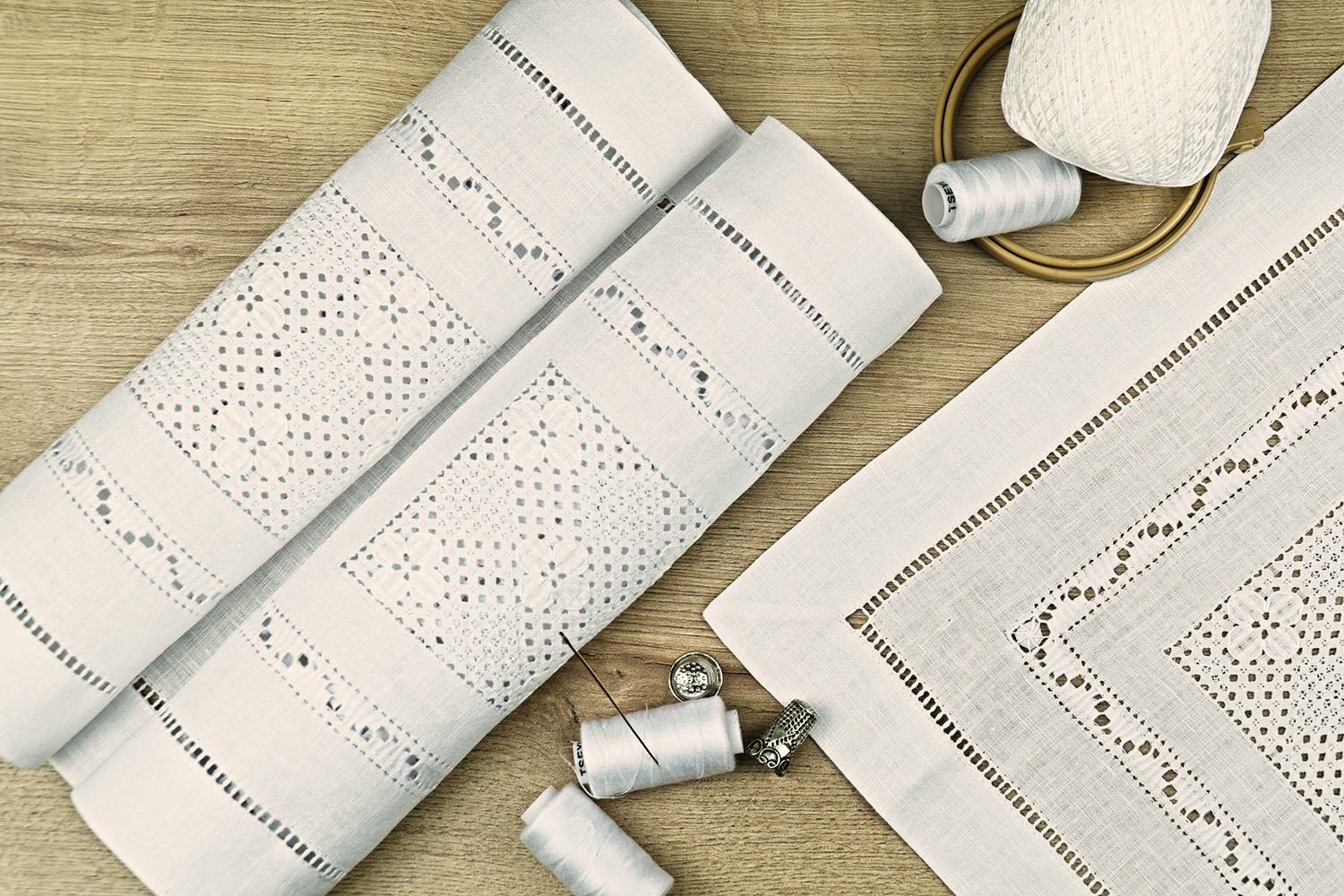
I initially opened my workshop and store in 1978, tailoring home linen and curtains, but included embroidery as a signature product in 1988, specialising in open work.
I consider any family embroidered cloth as a piece of patrimonial value. Restoring these to bring them new life is a source of joy and great satisfaction for me.
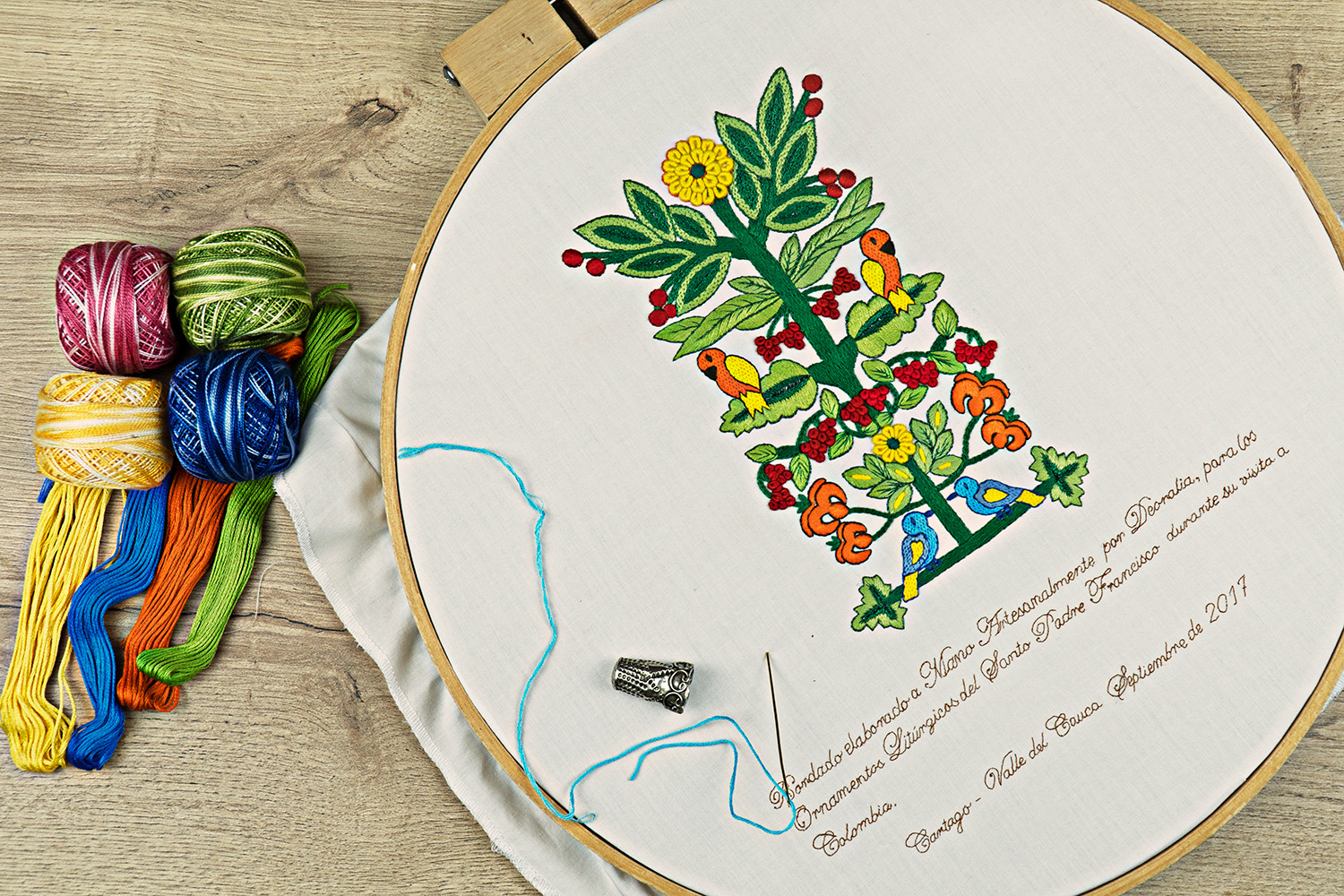
Artesanías de Colombia and renowned fashion designers commissioned me and another colleague to embroider a Tree of Life for Pope Francis’ visit to Colombia. This was a great honour.
Cecilia Velásquez
D’Coralia
Embroiderer
Cartago, Colombia
AVAILABILITY
Monday to Saturday 08:00-18:00
PHONE
+57 3146491870
LANGUAGES
Spanish
Homo Faber Finds is a new service aiming to inspire admirers of craft to connect and collaborate with exceptional artisans.
We invite you to submit an enquiry here.