
Caroline Andrin
Ceramicist
Brussels, Belgium
Recommended by Crafts Council Nederland
Crafting new from found objects
- Caroline questions our emotional relationship with objects
- Her research stems from observation
- She is convinced that contemporary ceramics has a bright future
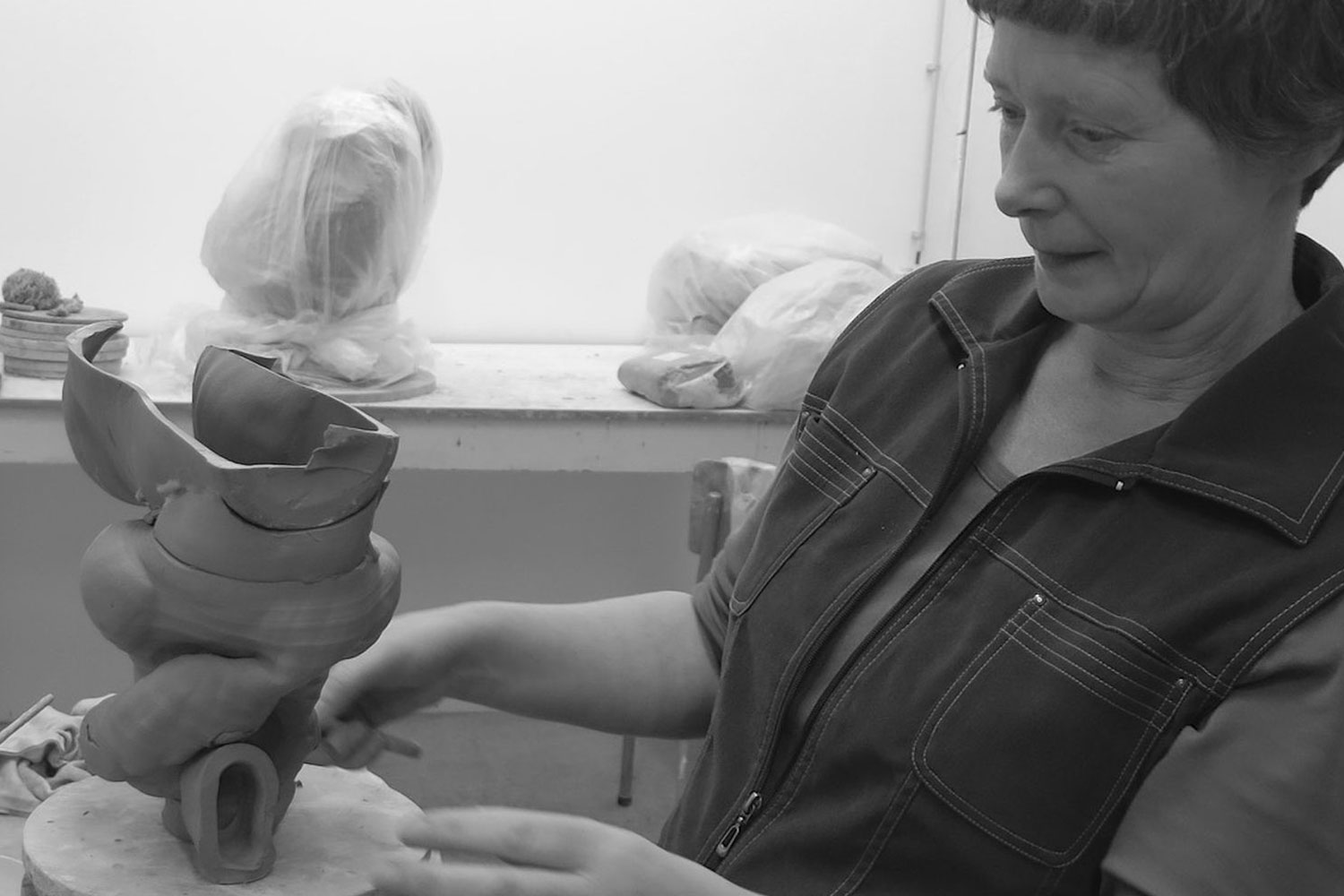
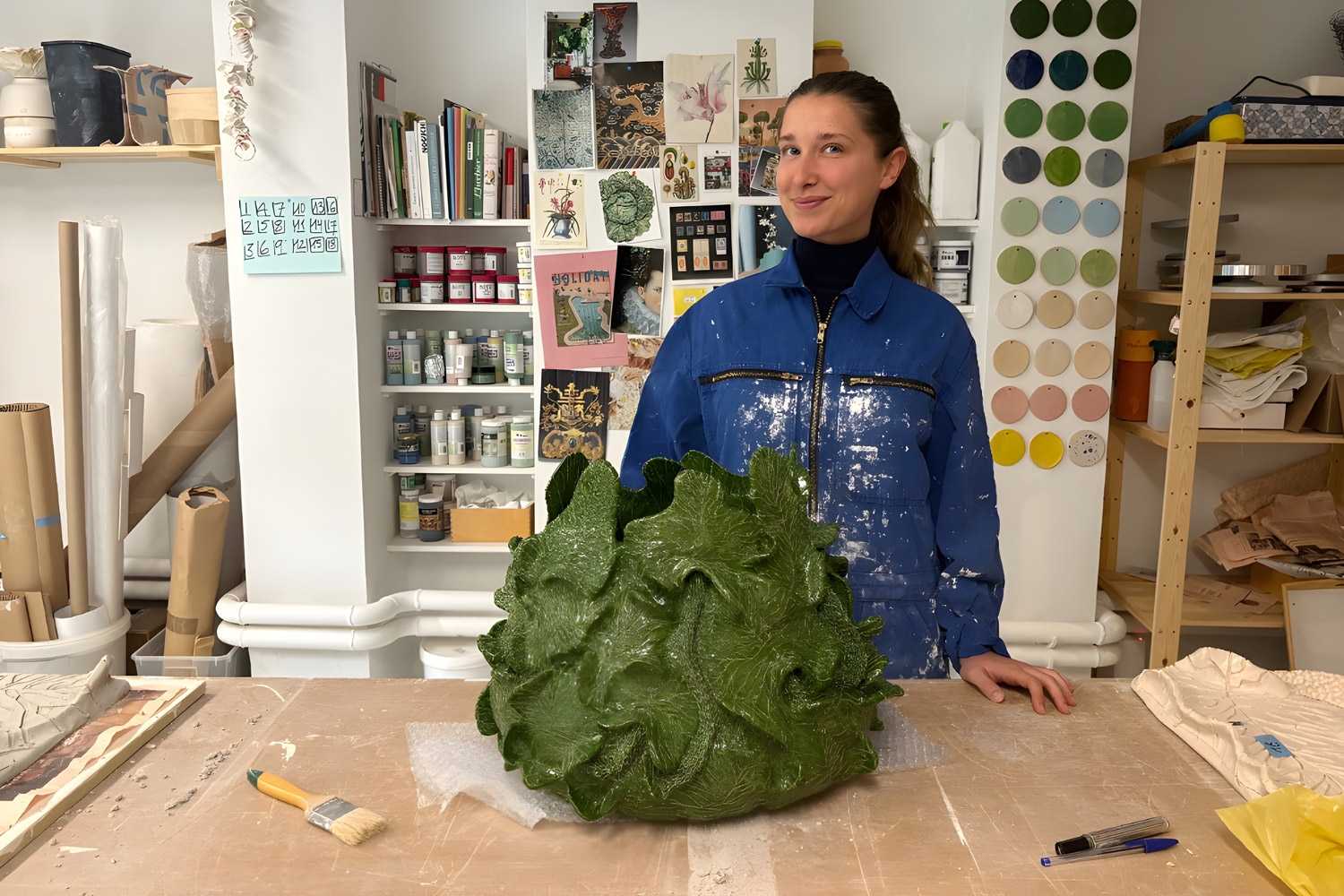
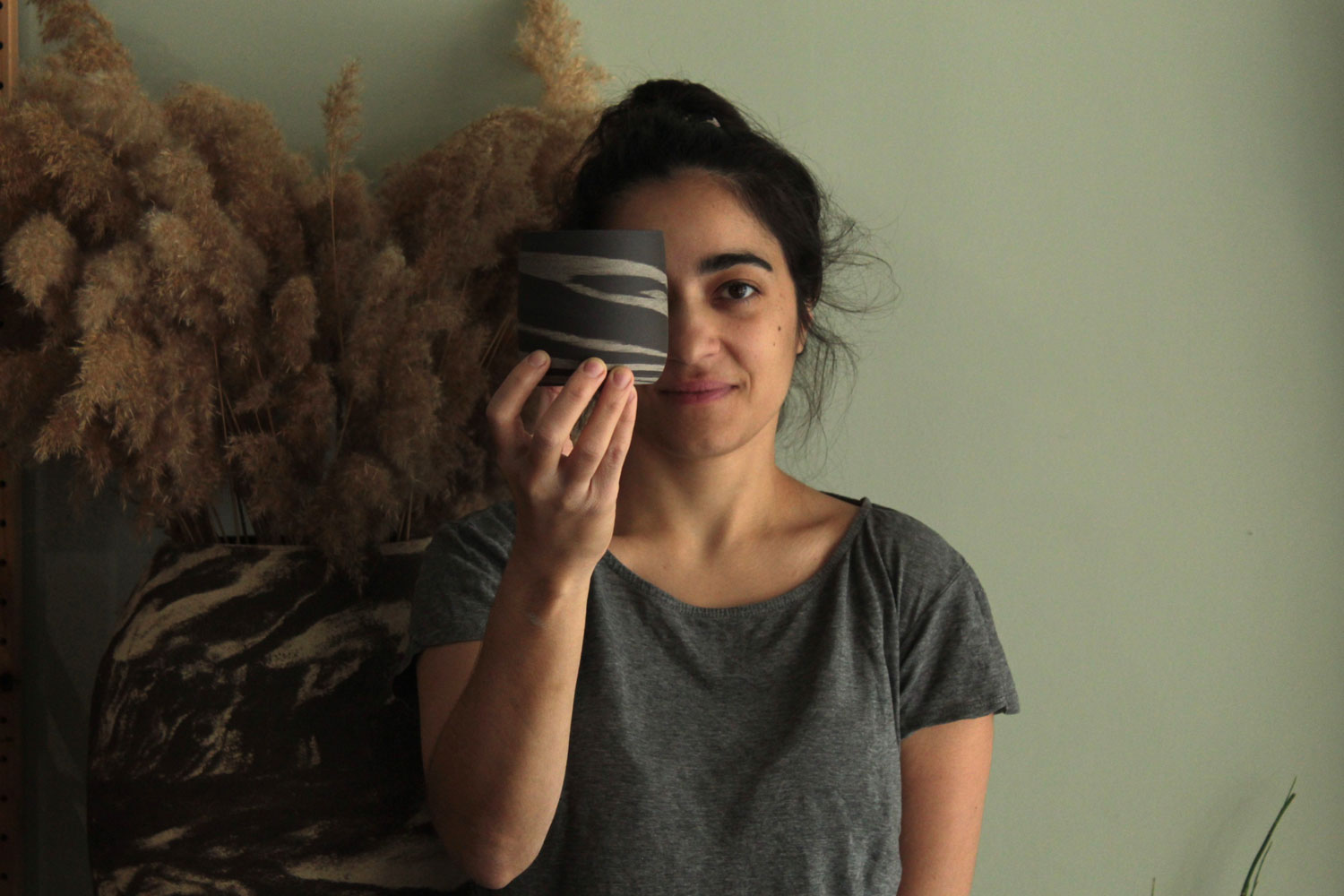
Caroline Andrin discovered ceramics during her studies at the Ecole Supérieure d’Arts Appliqués (ESAA) in Geneva. “I started a bit by chance,” she says. “I wanted to study sculpture at the Fine Arts Academy, but then I discovered the ceramic workshop run by Setsuko Nagasawa and Philippe Barde at the ESAA, and I haven't stopped working with ceramics since.” In 1998, during an artist residency at the Swiss Institute in Rome, her path crossed with Maarten Delbeke. Together they travelled to Oxford and Montreal, and finally landed in Brussels where, after a divorce, she stayed with their three children. She believes that these adventures and life experiences have greatly influenced her work. Since 2006, Caroline has been head of the ceramics department at the renowned visual arts school ENSAV La Cambre.
INTERVIEW
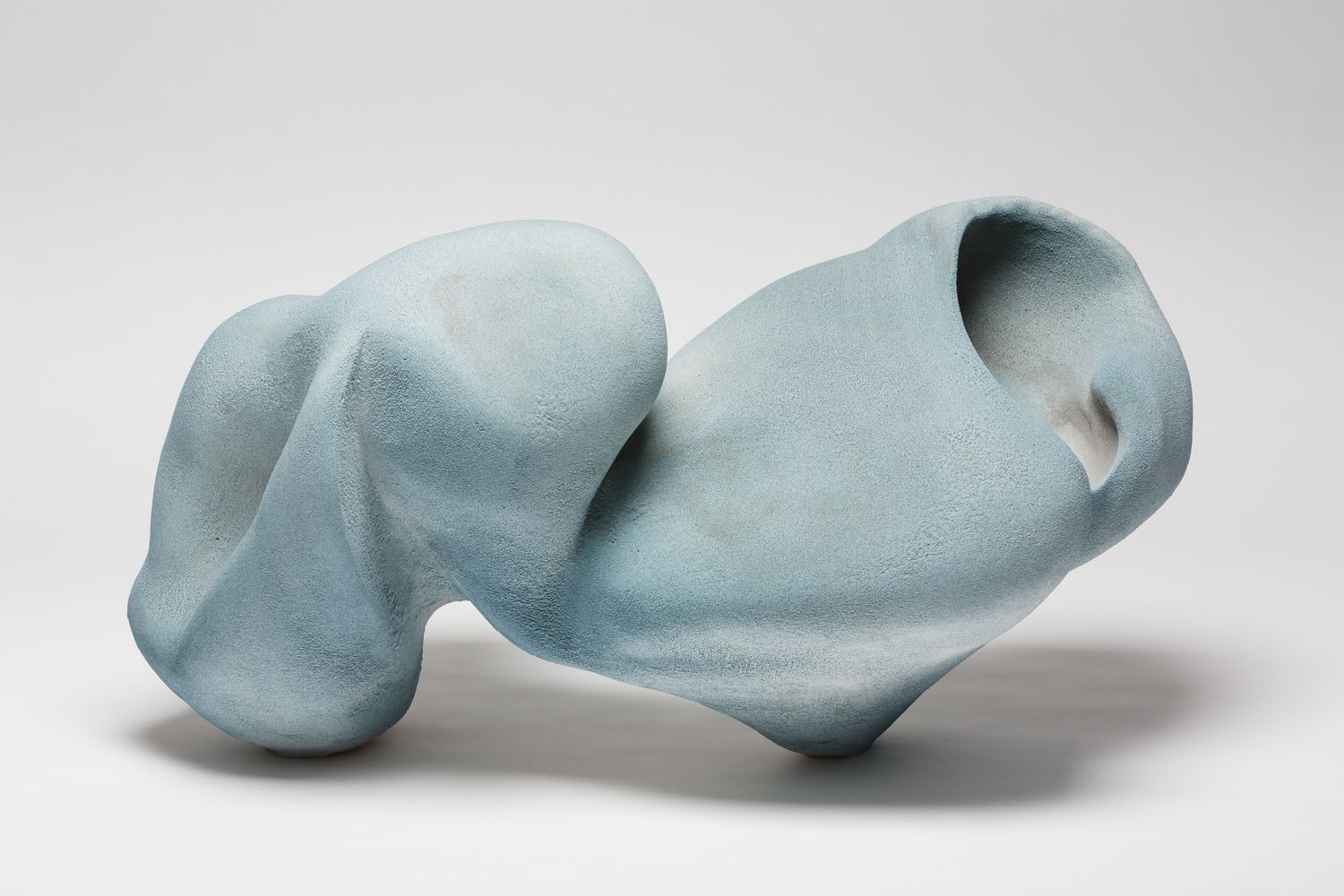
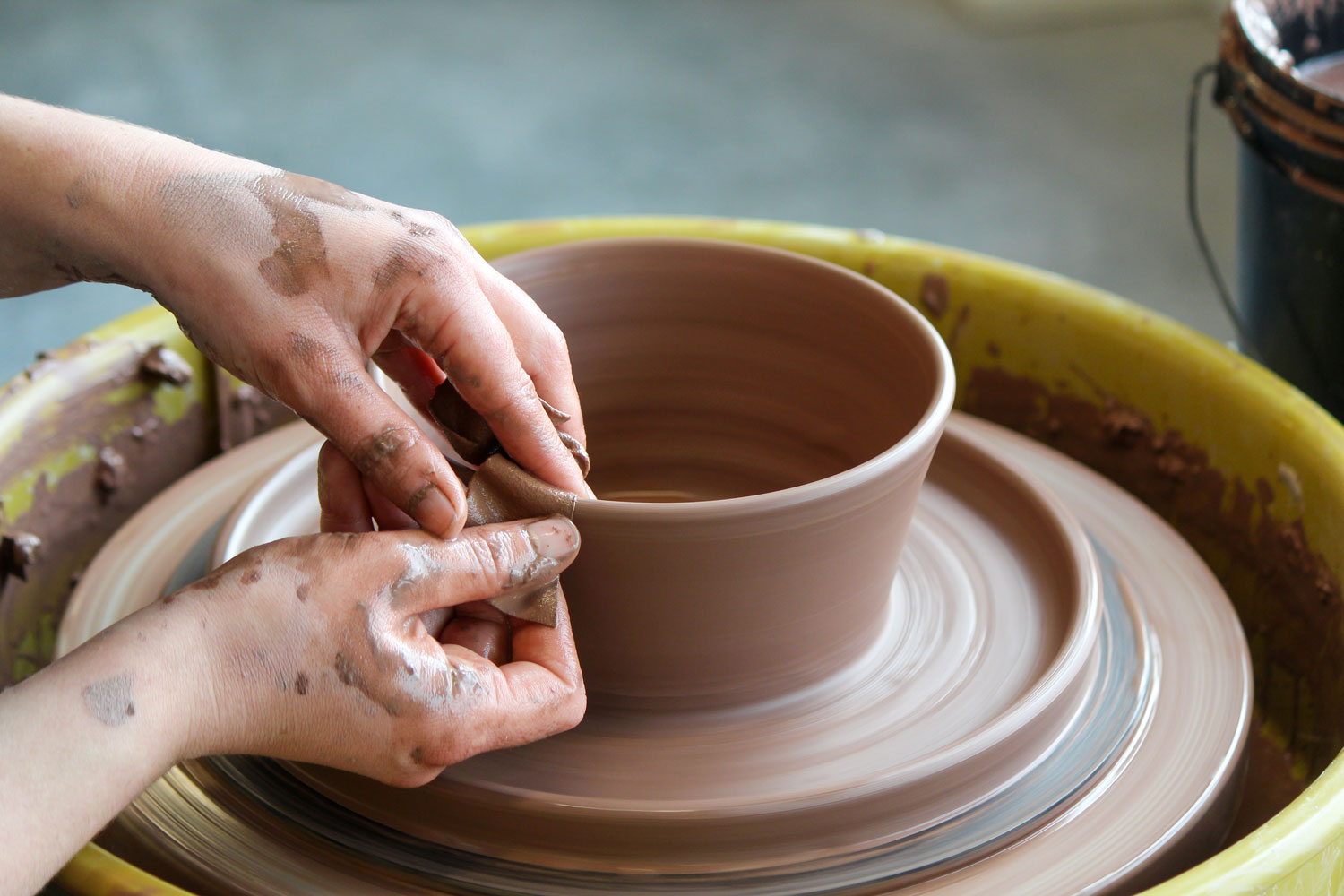
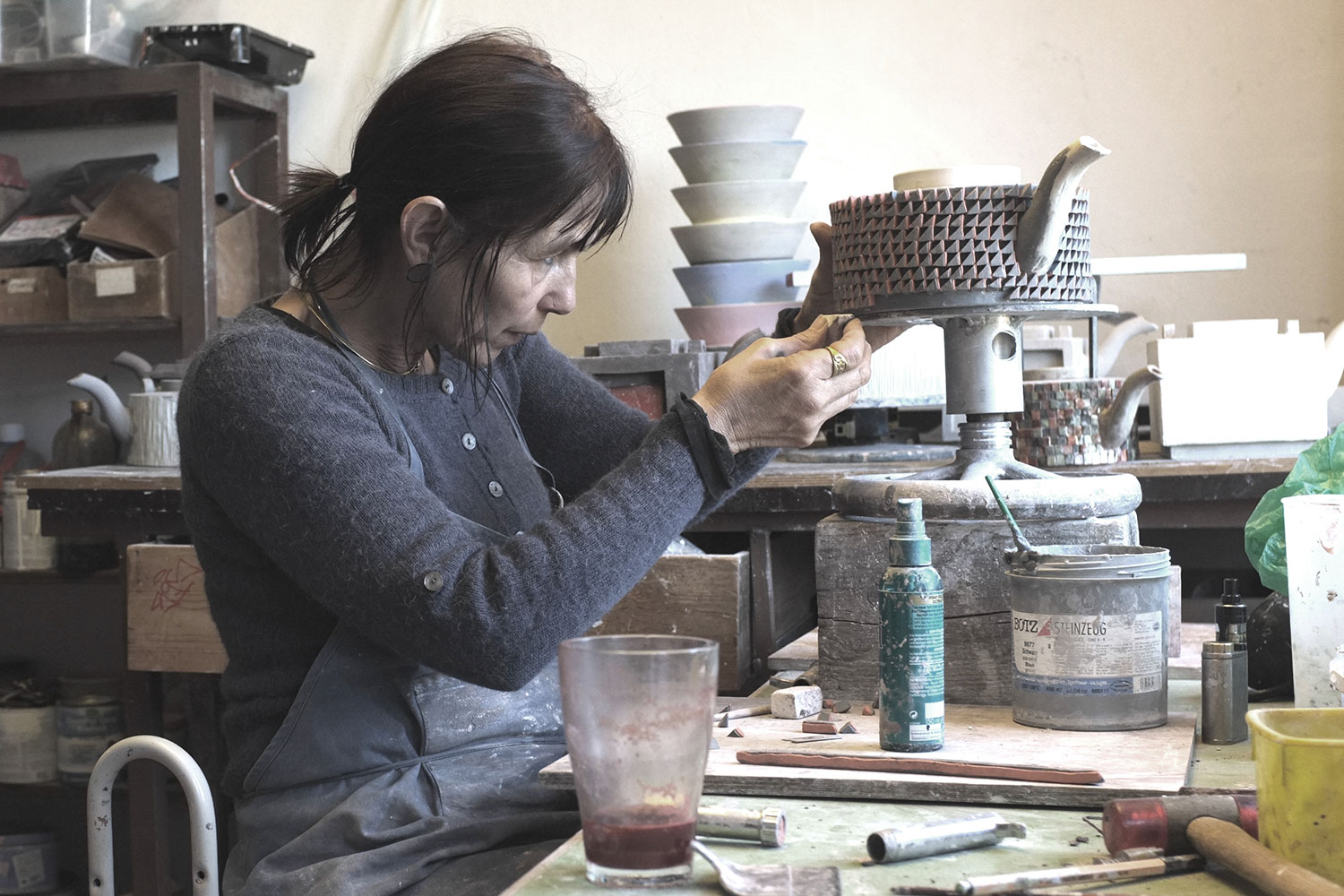
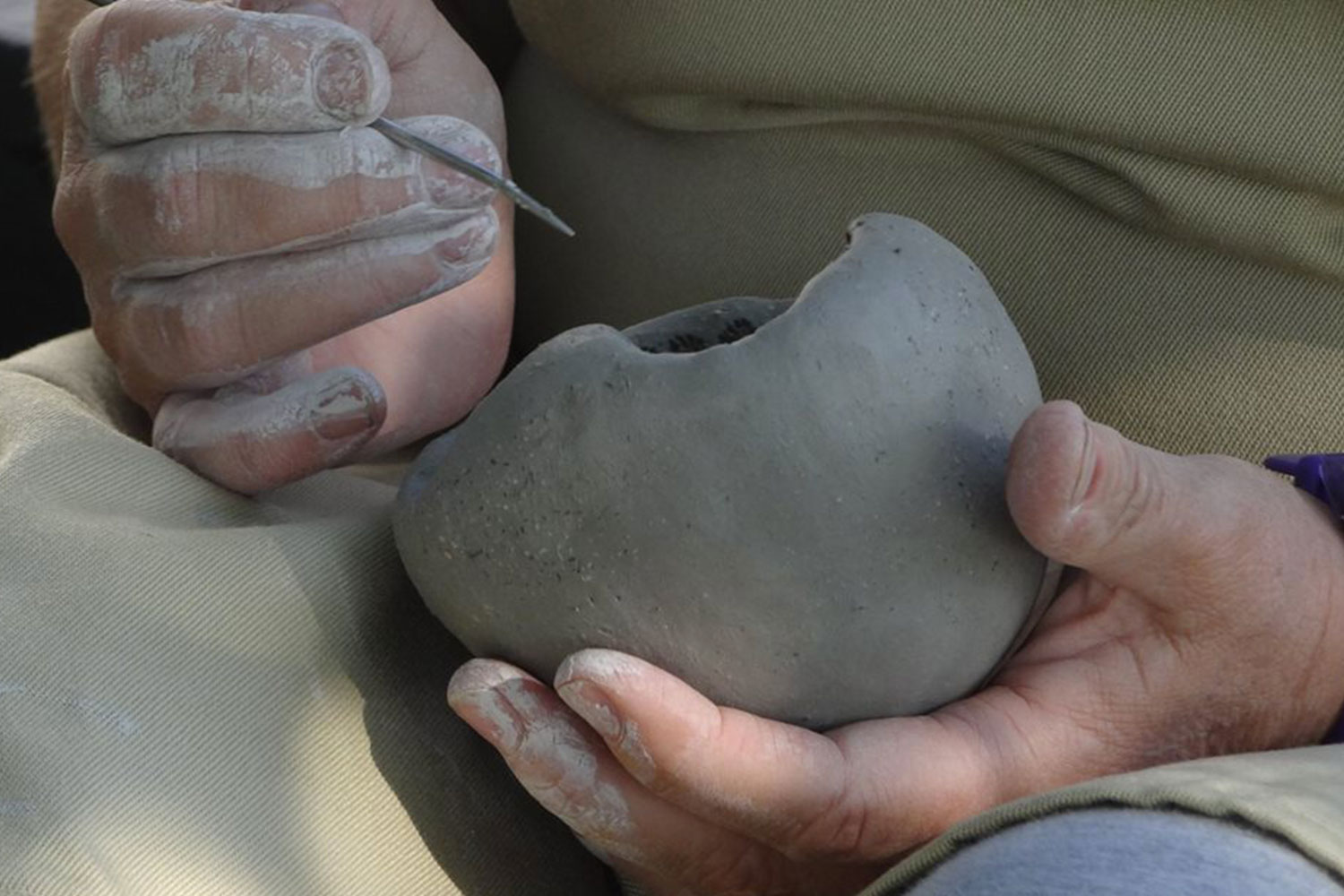
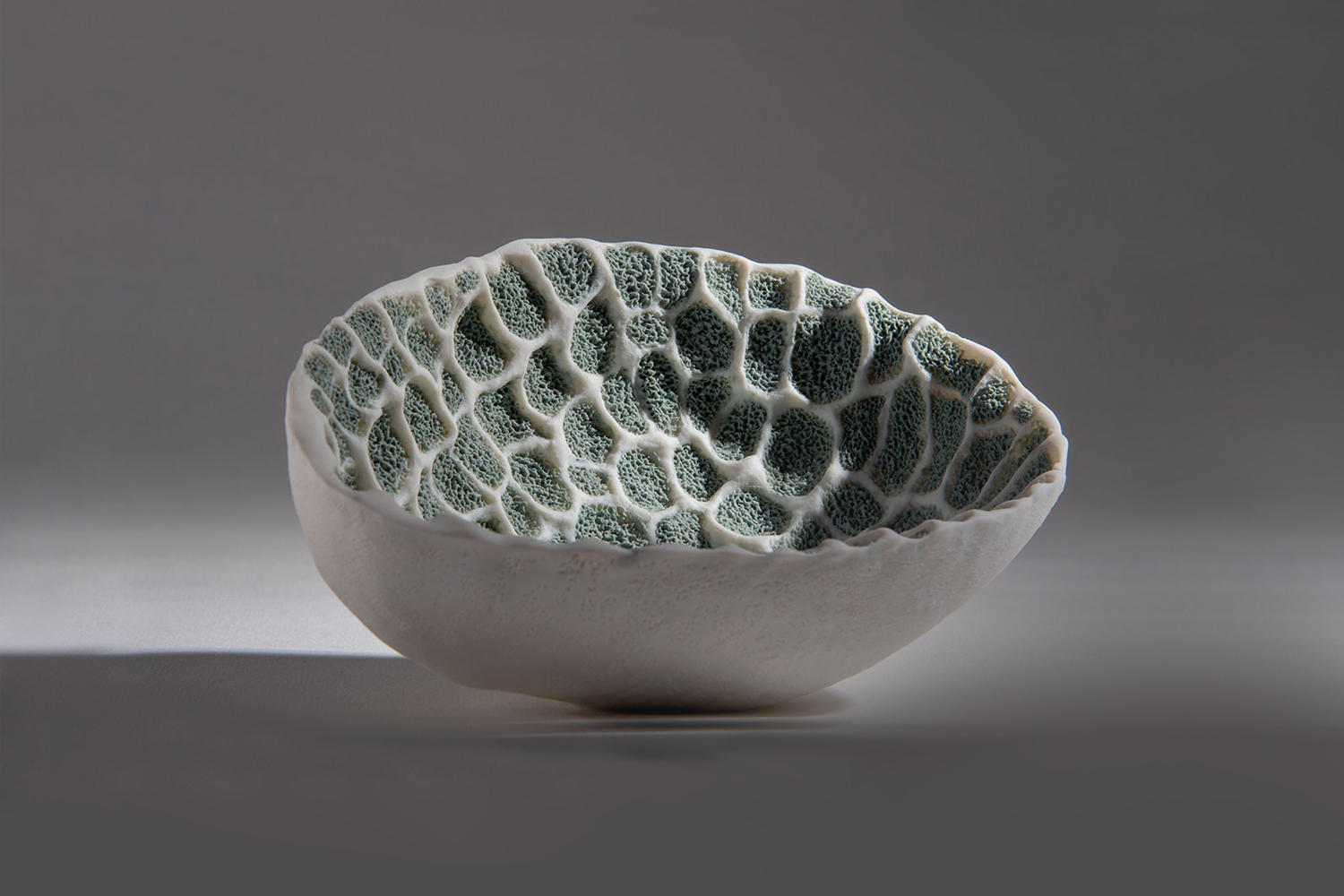
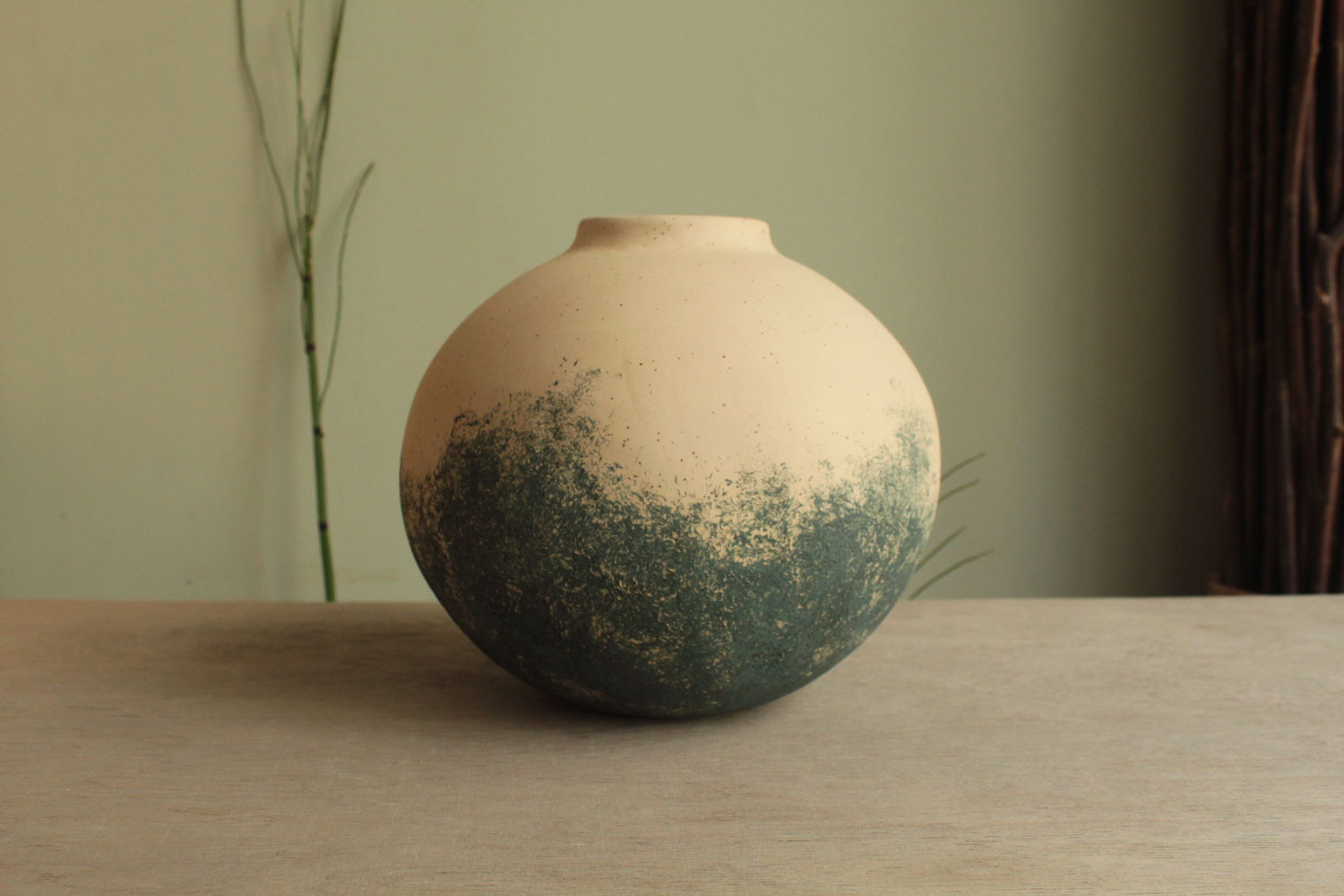
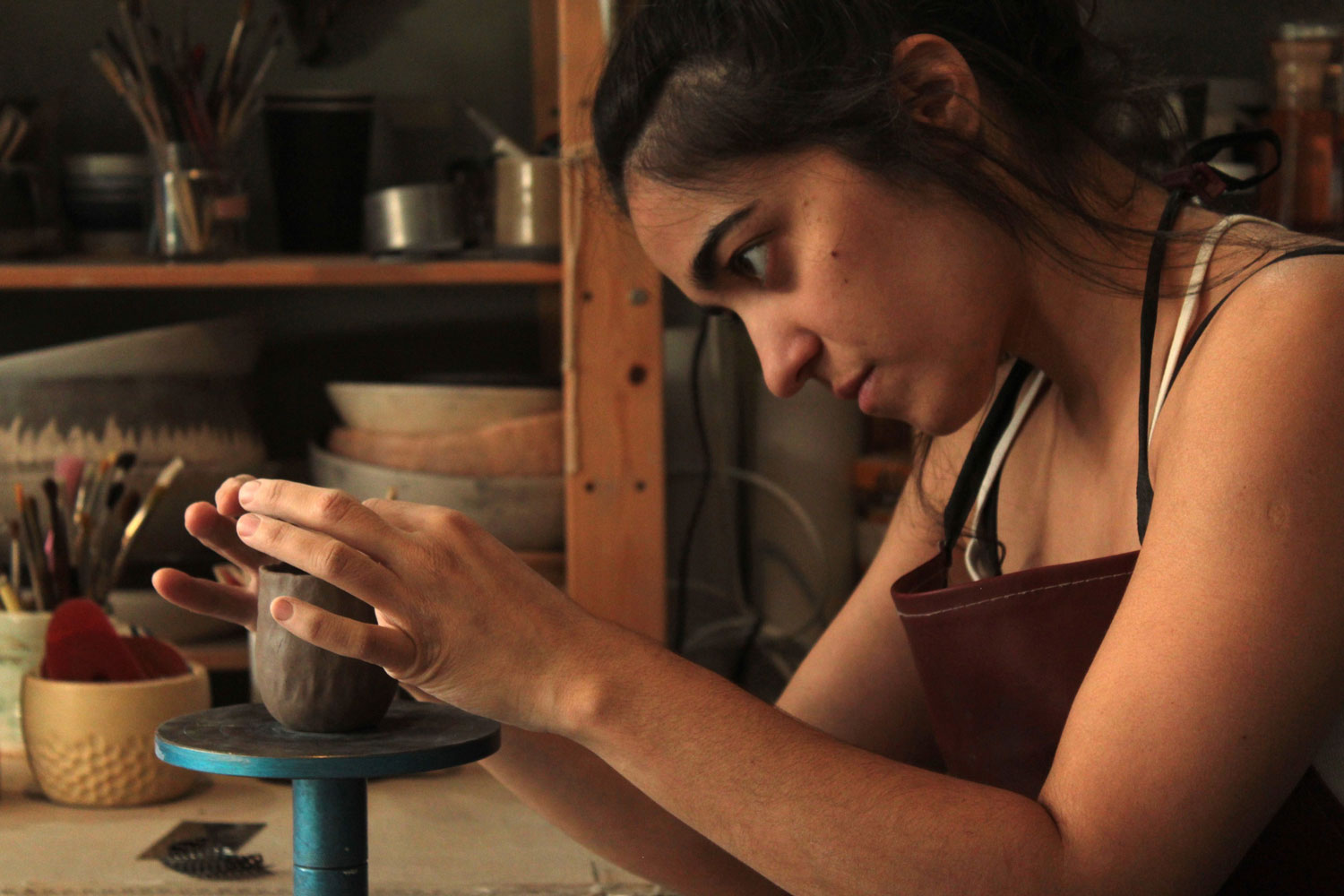
Ceramics allows me to work on volume and shapes through a process that combines technique and a specific material. I like to think with my hands. I am always looking for a match between an idea and the process implemented.
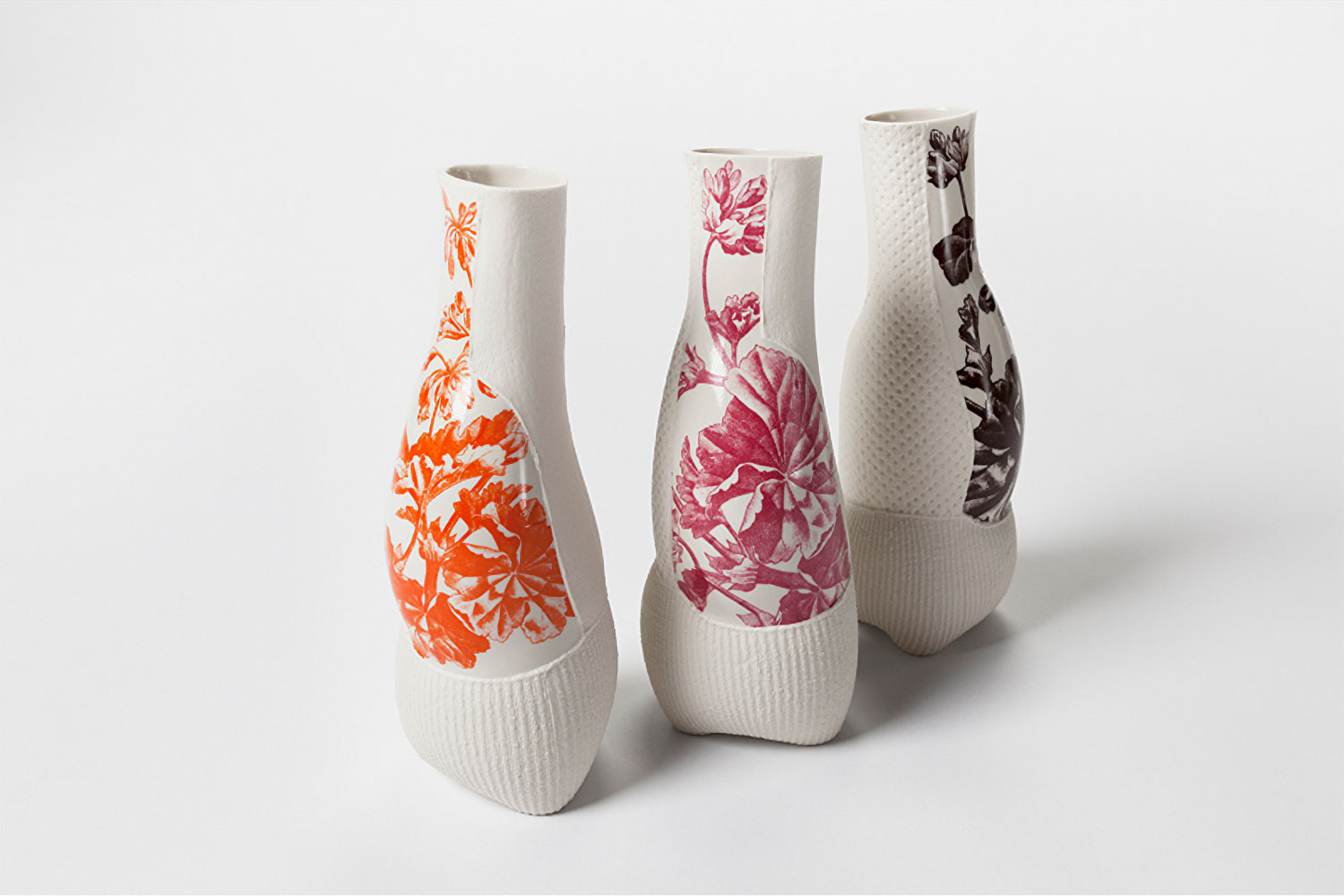
The first object I made after my studies was a porcelain vase cast in a cardboard mould. It was in 1995. This work was rewarded with a federal grant that allowed me to travel to Japan and buy my own kiln.
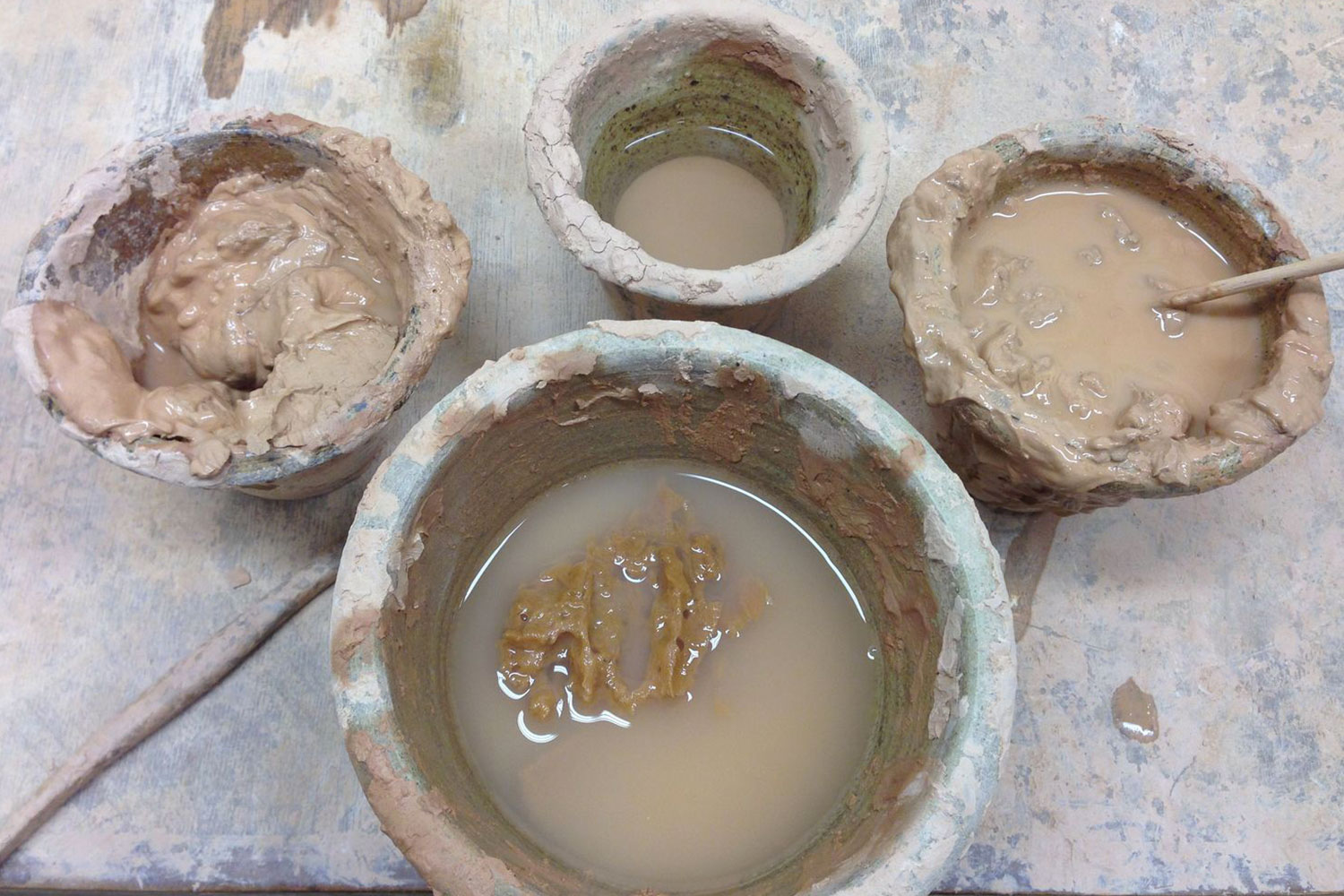
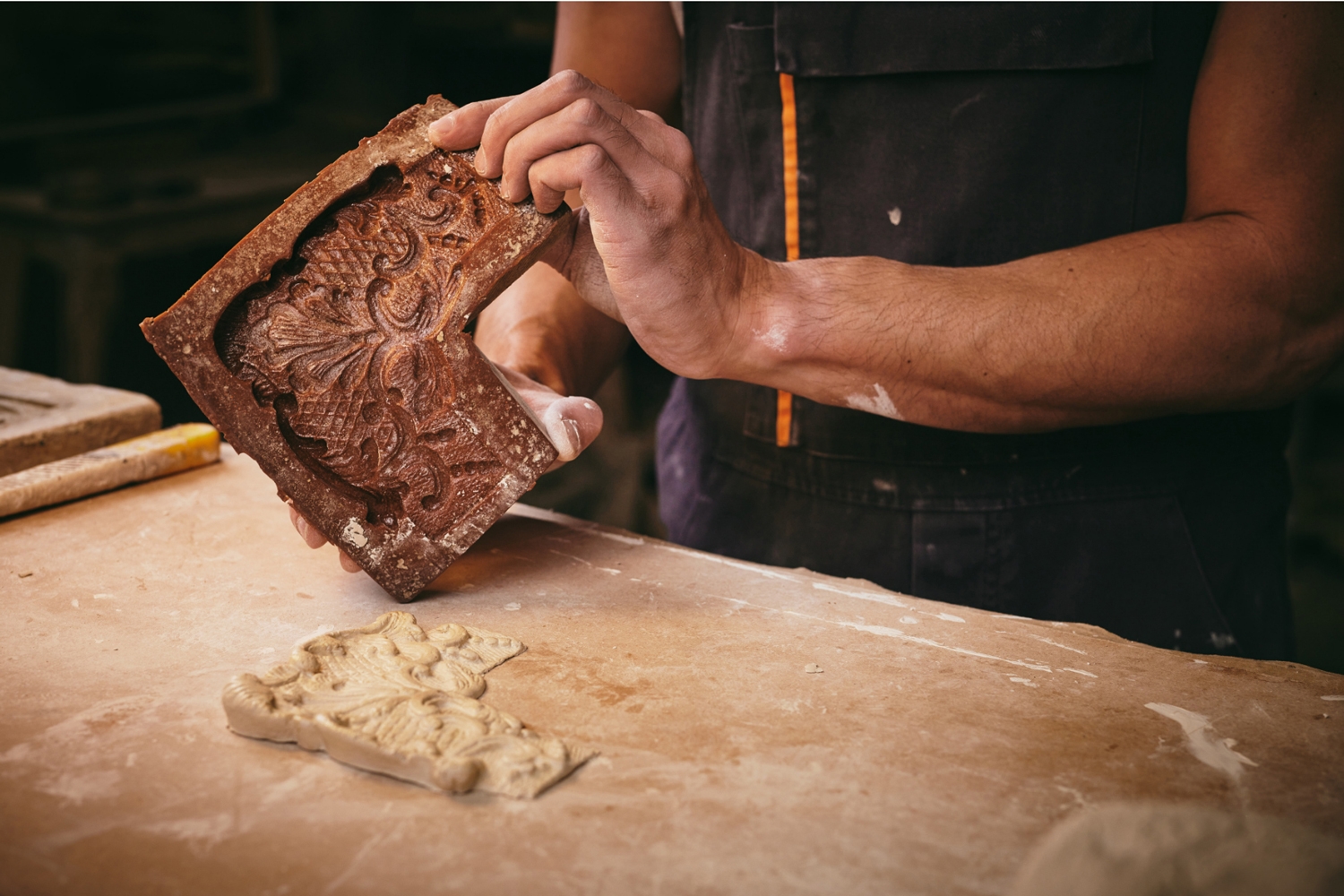
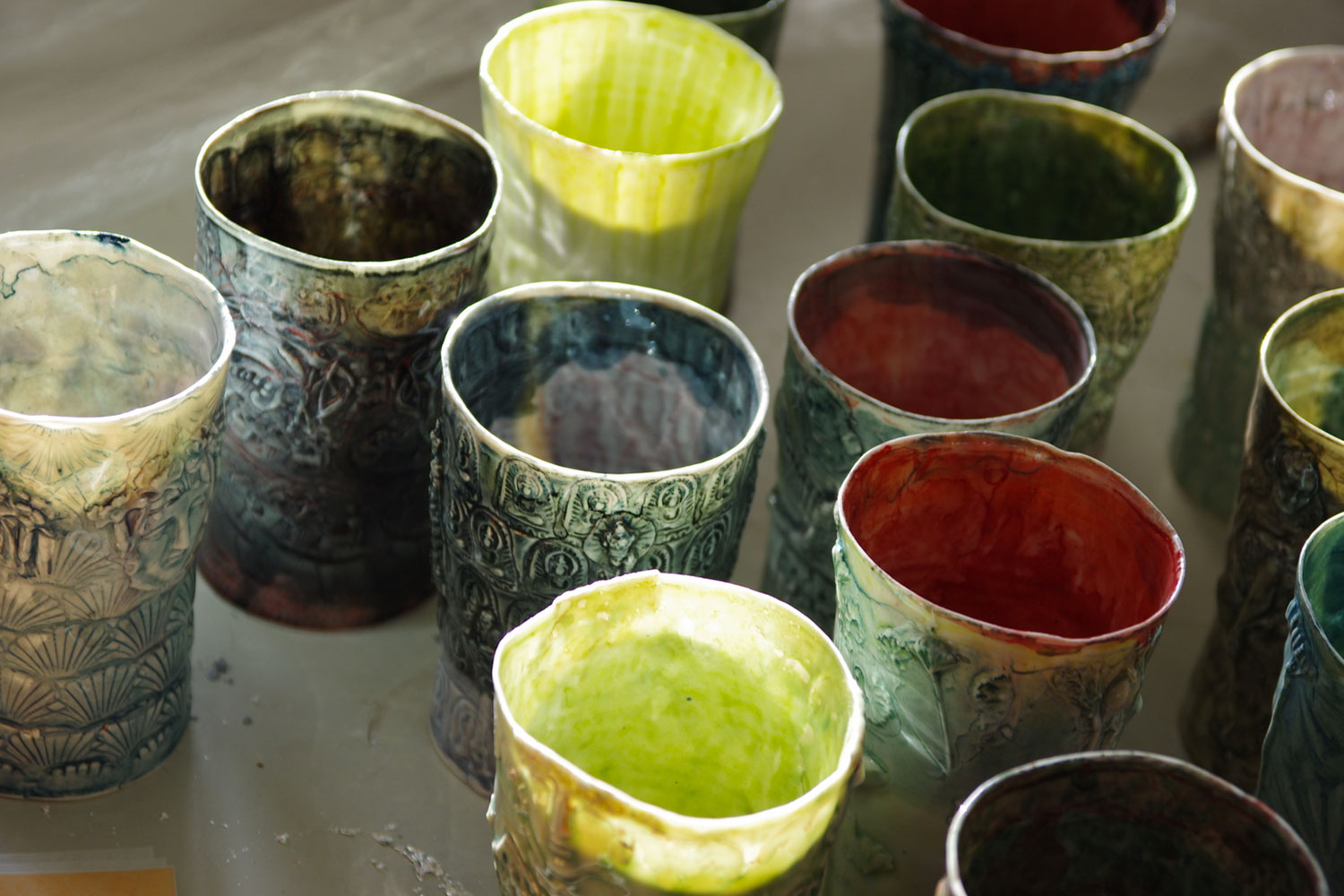
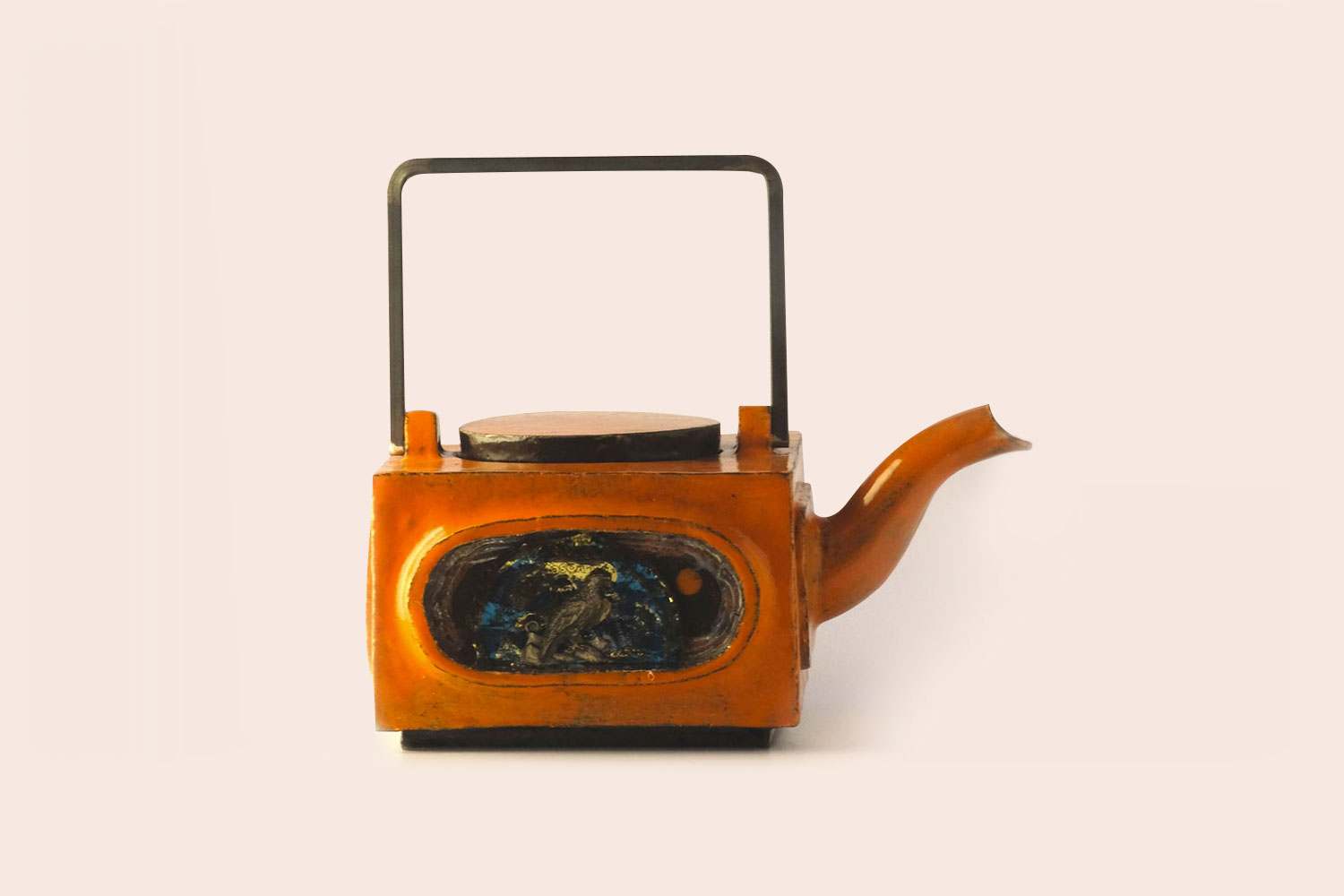
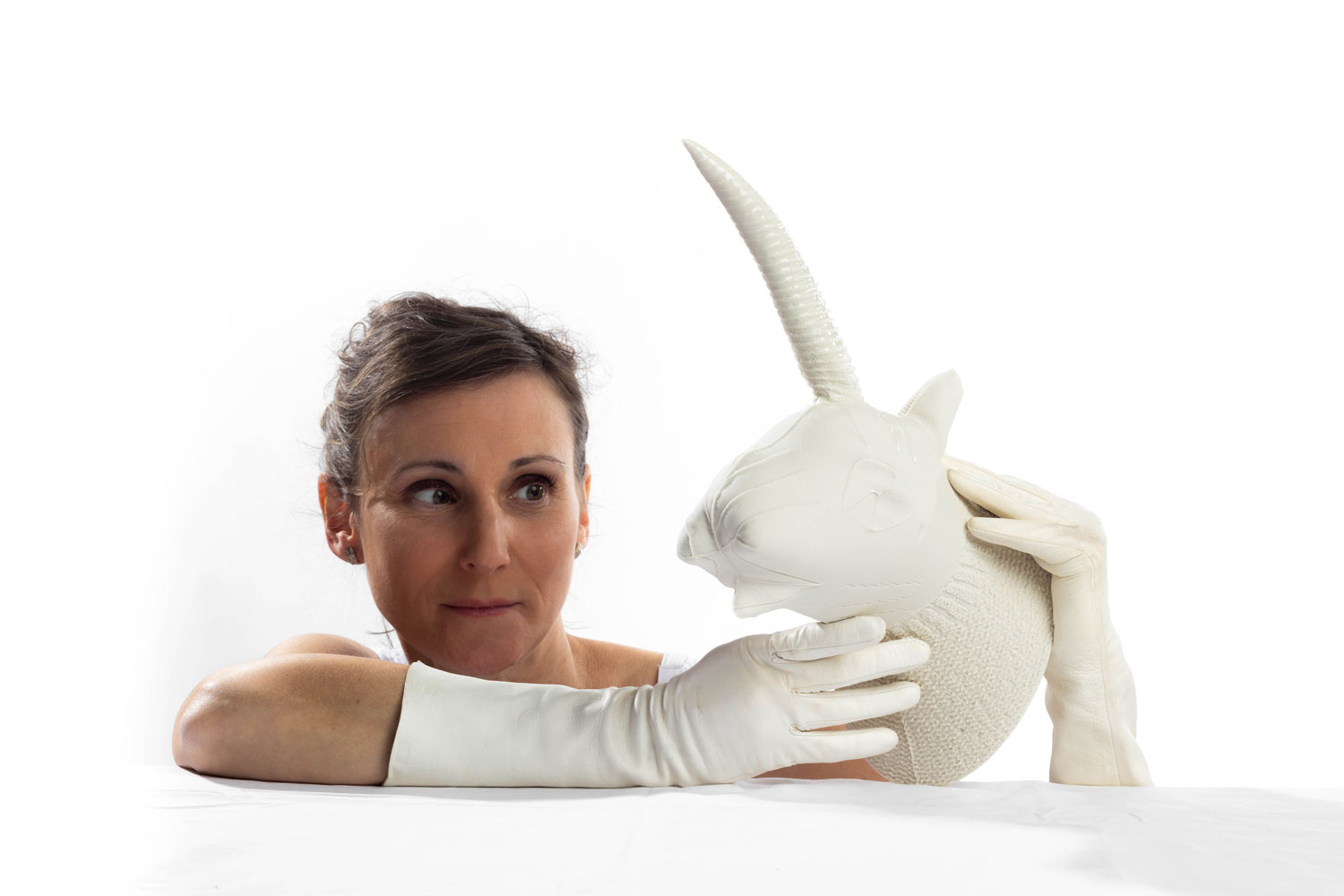
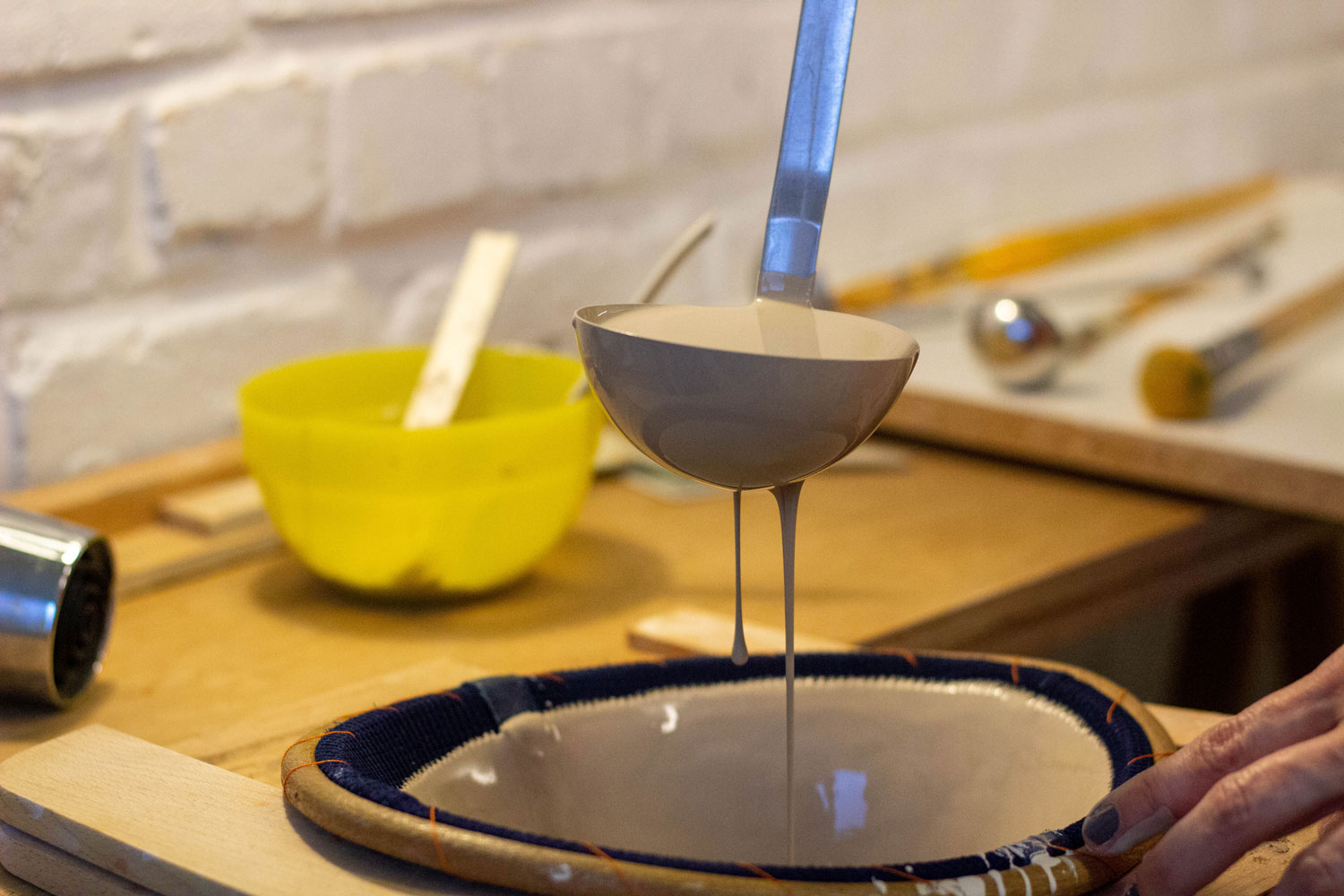
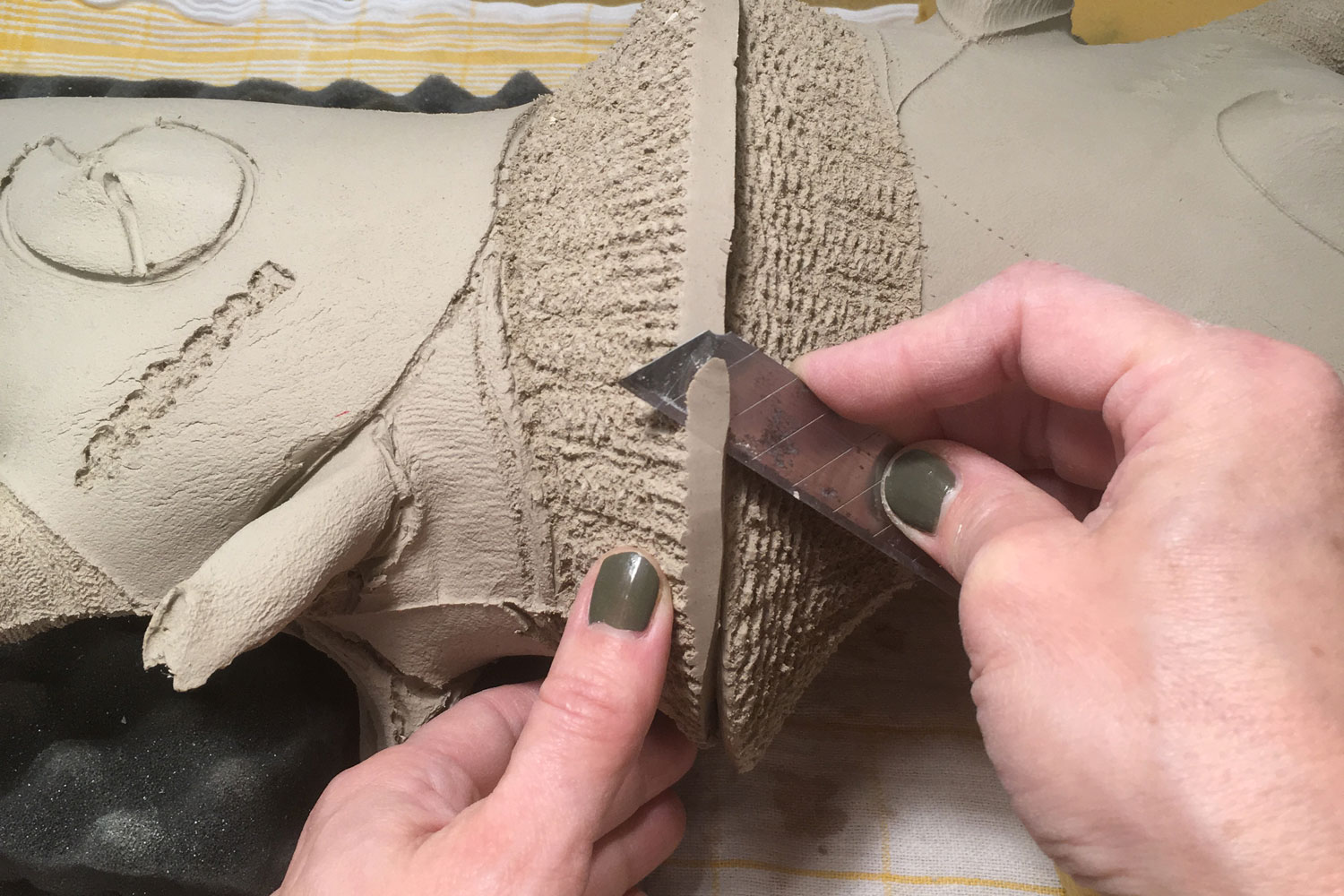
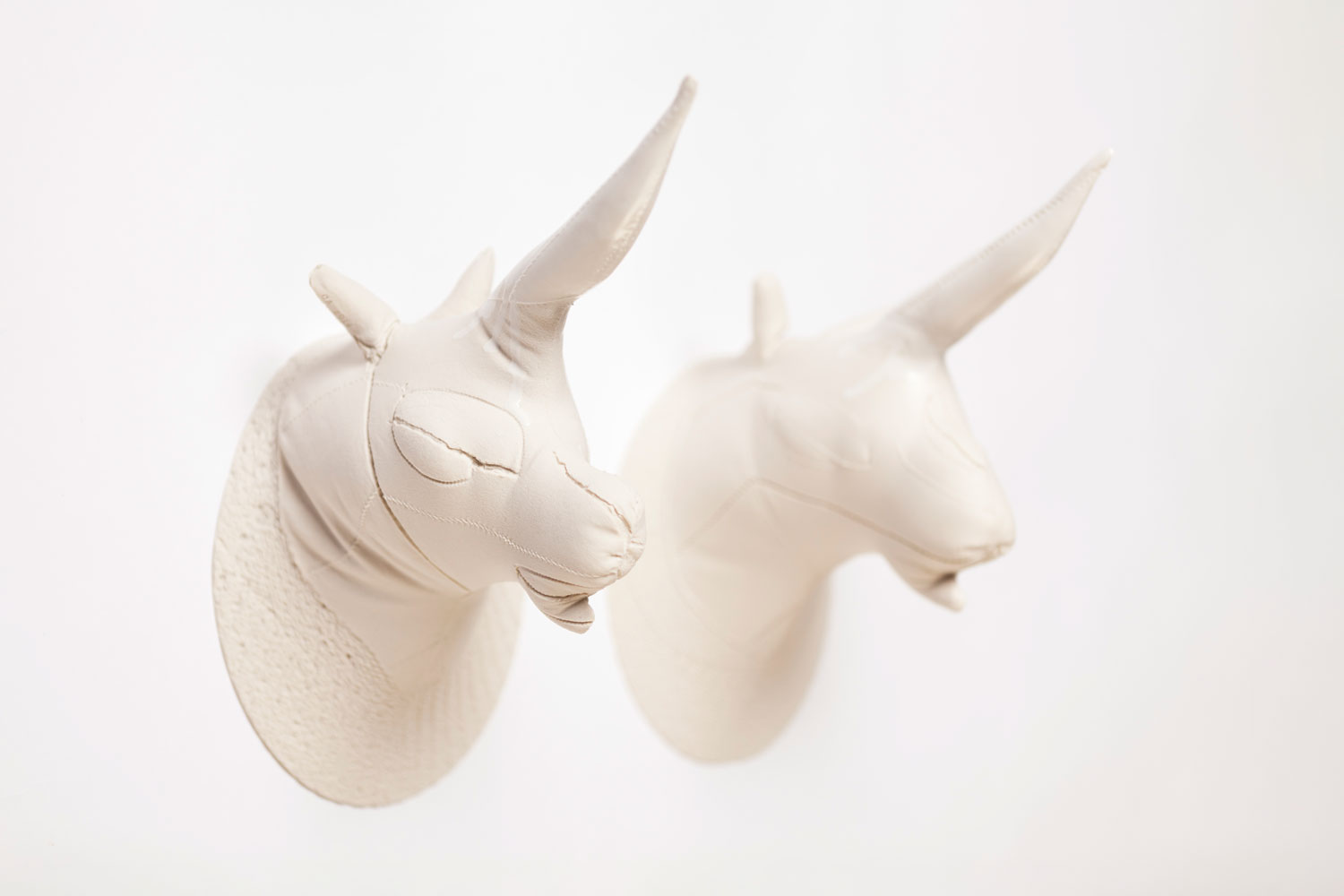
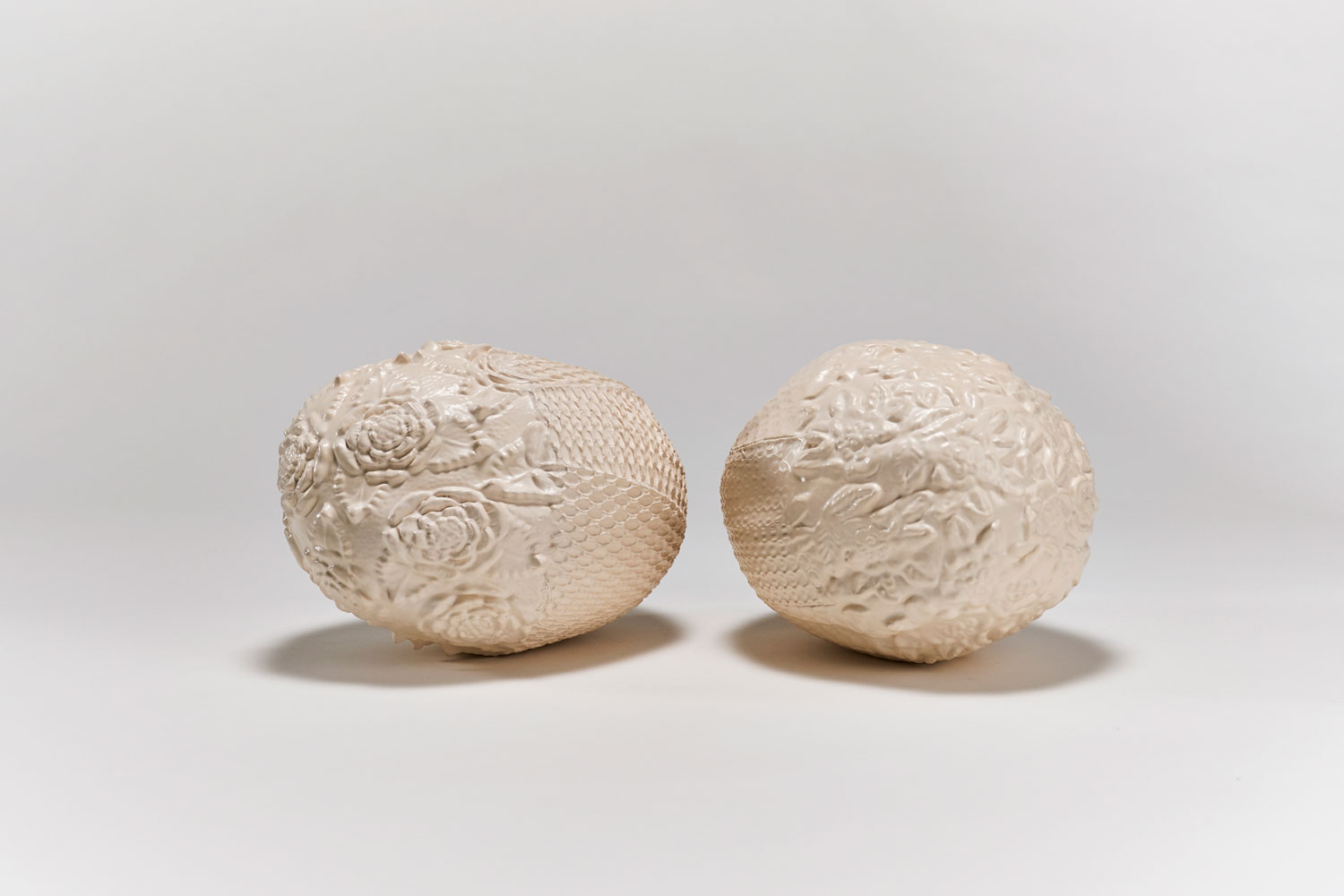
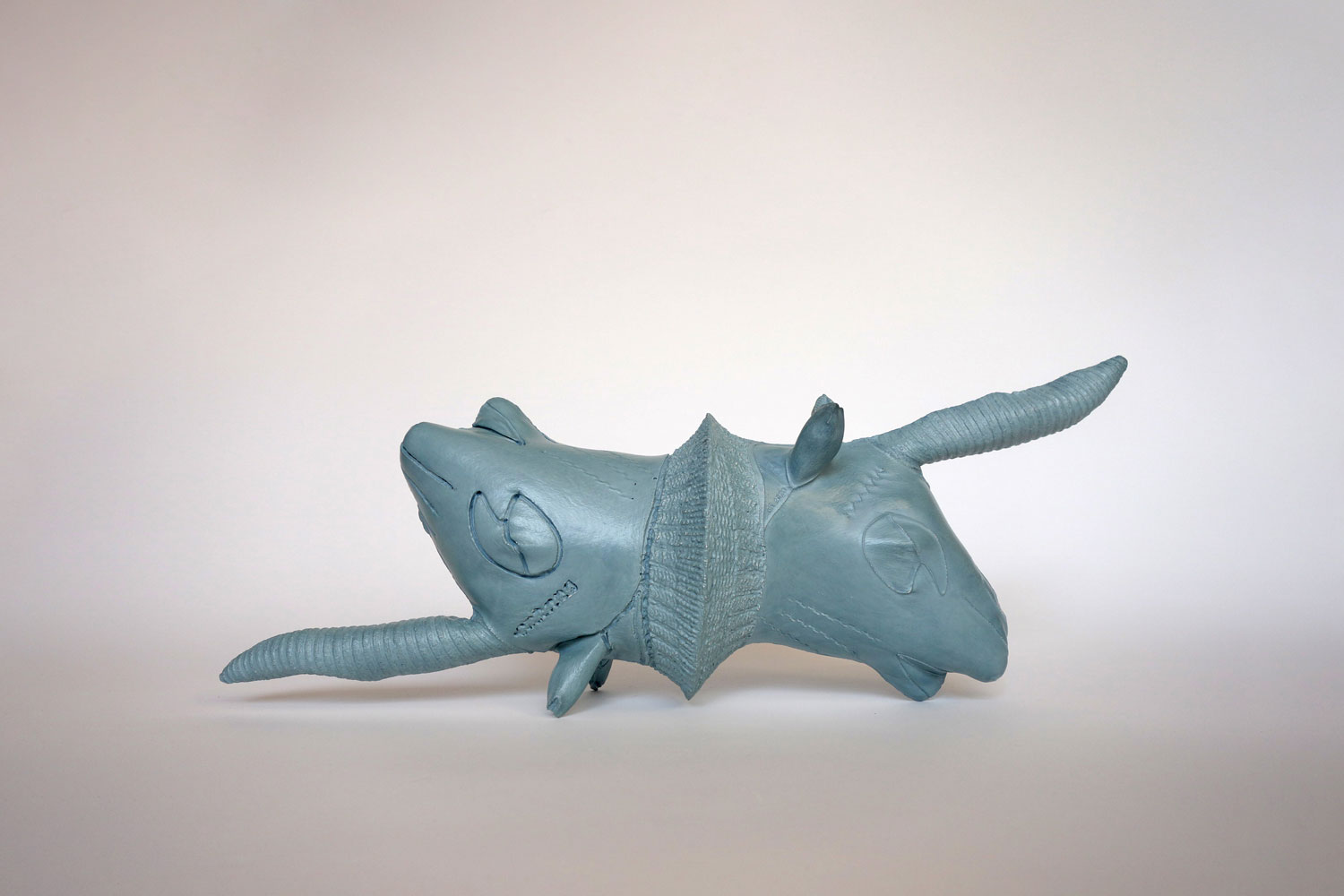
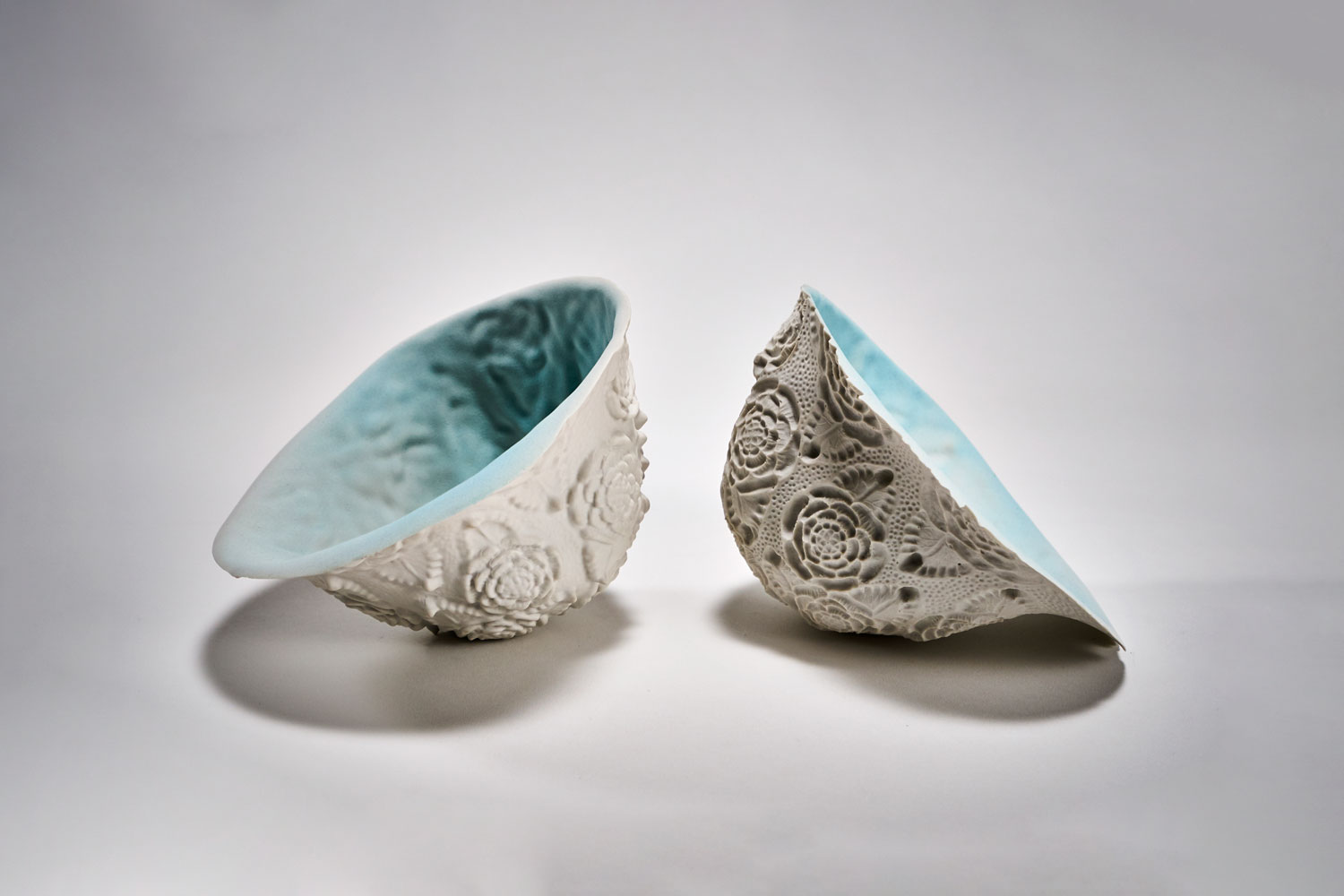
My work lies between art and design. It develops from one object to another, sometimes taking into consideration the function, sometimes a wider context, always with the idea that one form contains another. This research concerns the manufacturing process, and more particularly the casting of the slip.
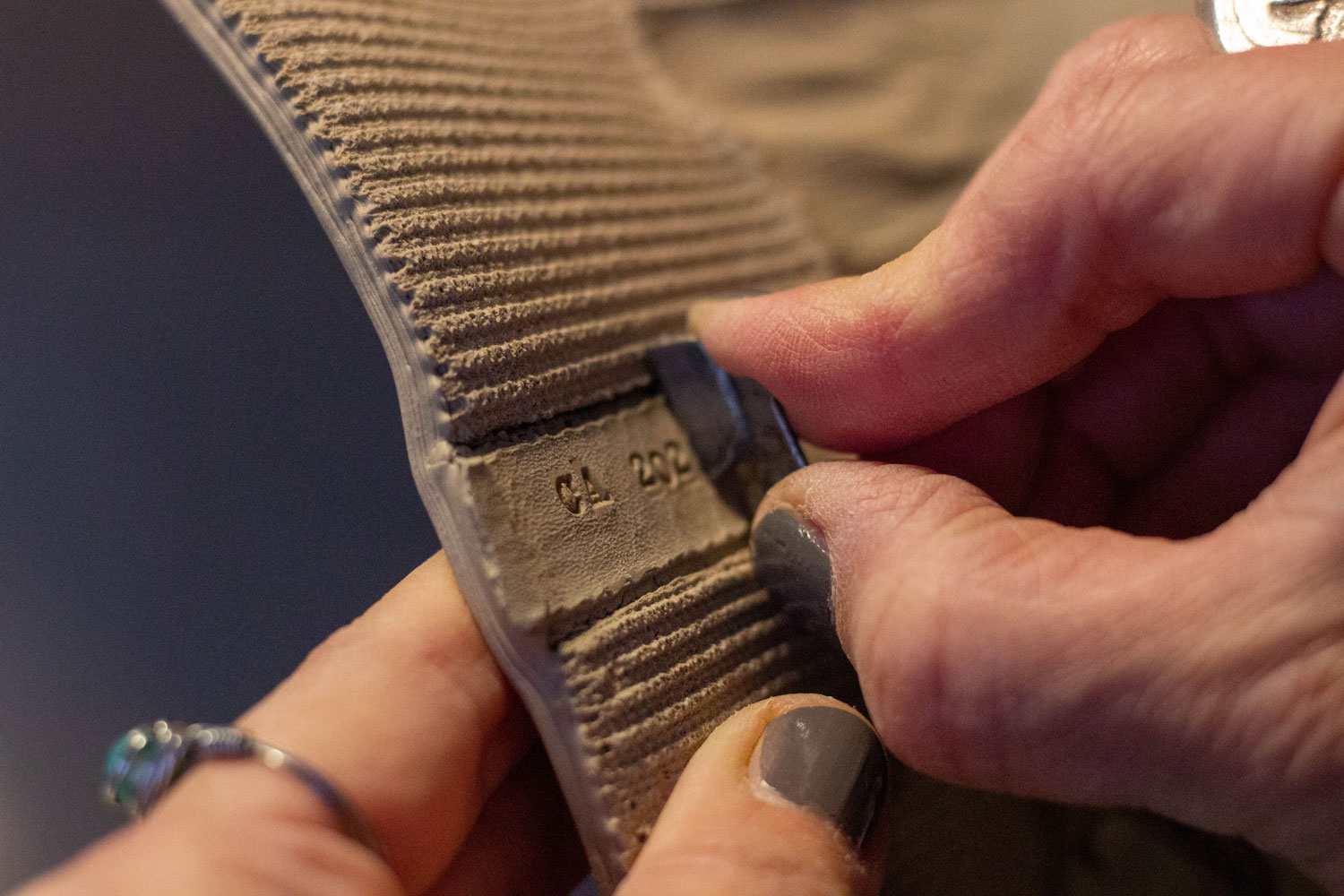
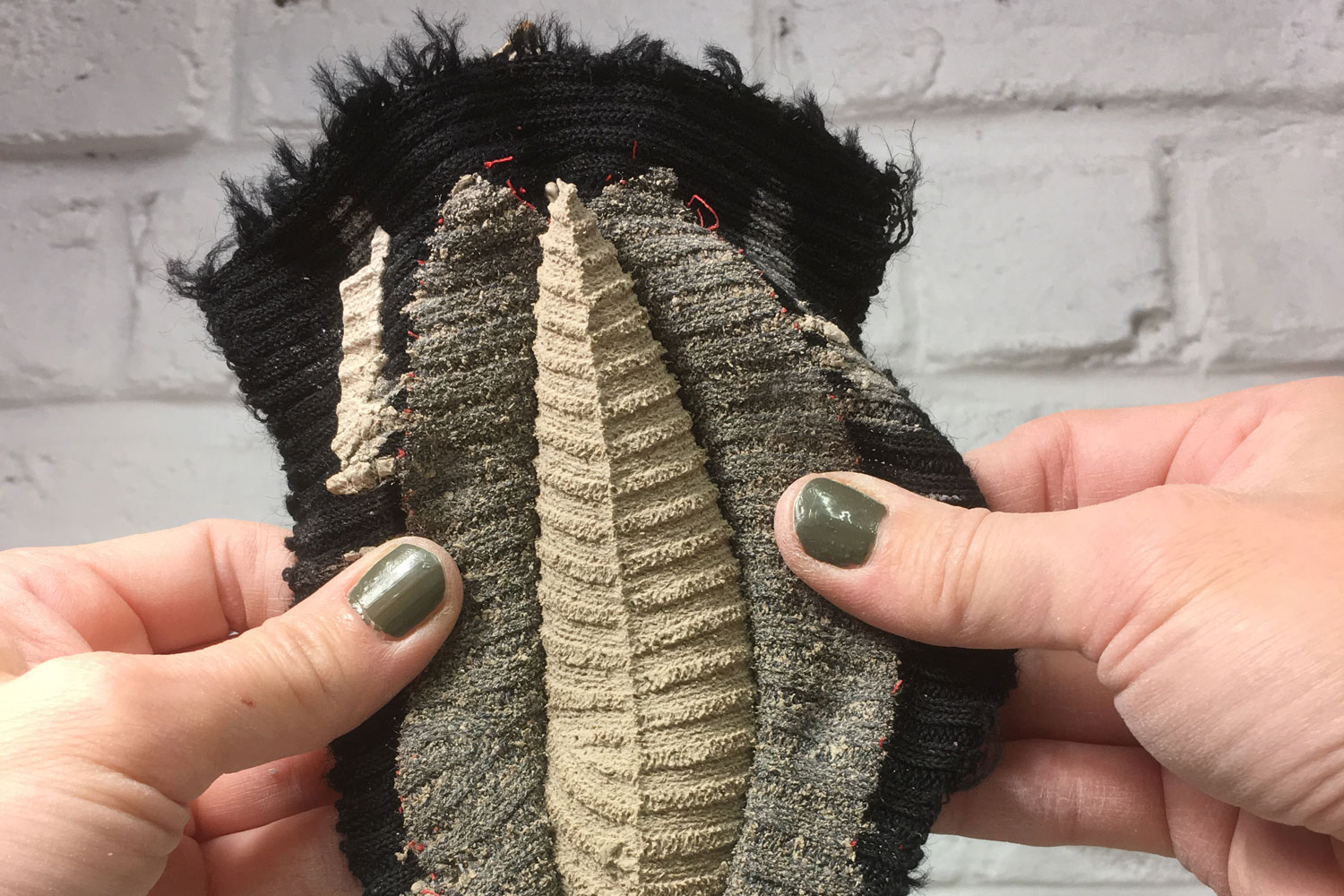
My desire was to obtain an object that could not be mass-produced. To do this, I started by making cardboard moulds with a rough structure. Then I started to use socks, gloves and hats. Each mould is only used once, since it is destroyed during the demoulding process.
Caroline Andrin
Ceramicist
Brussels, Belgium
Recommended by Crafts Council Nederland
ADDRESS
Address upon request, Brussels, Belgium
AVAILABILITY
By appointment only
PHONE
+32 479365063
LANGUAGES
French, English, Dutch, Italian
Homo Faber Finds is a new service aiming to inspire admirers of craft to connect and collaborate with exceptional artisans.
We invite you to submit an enquiry here.