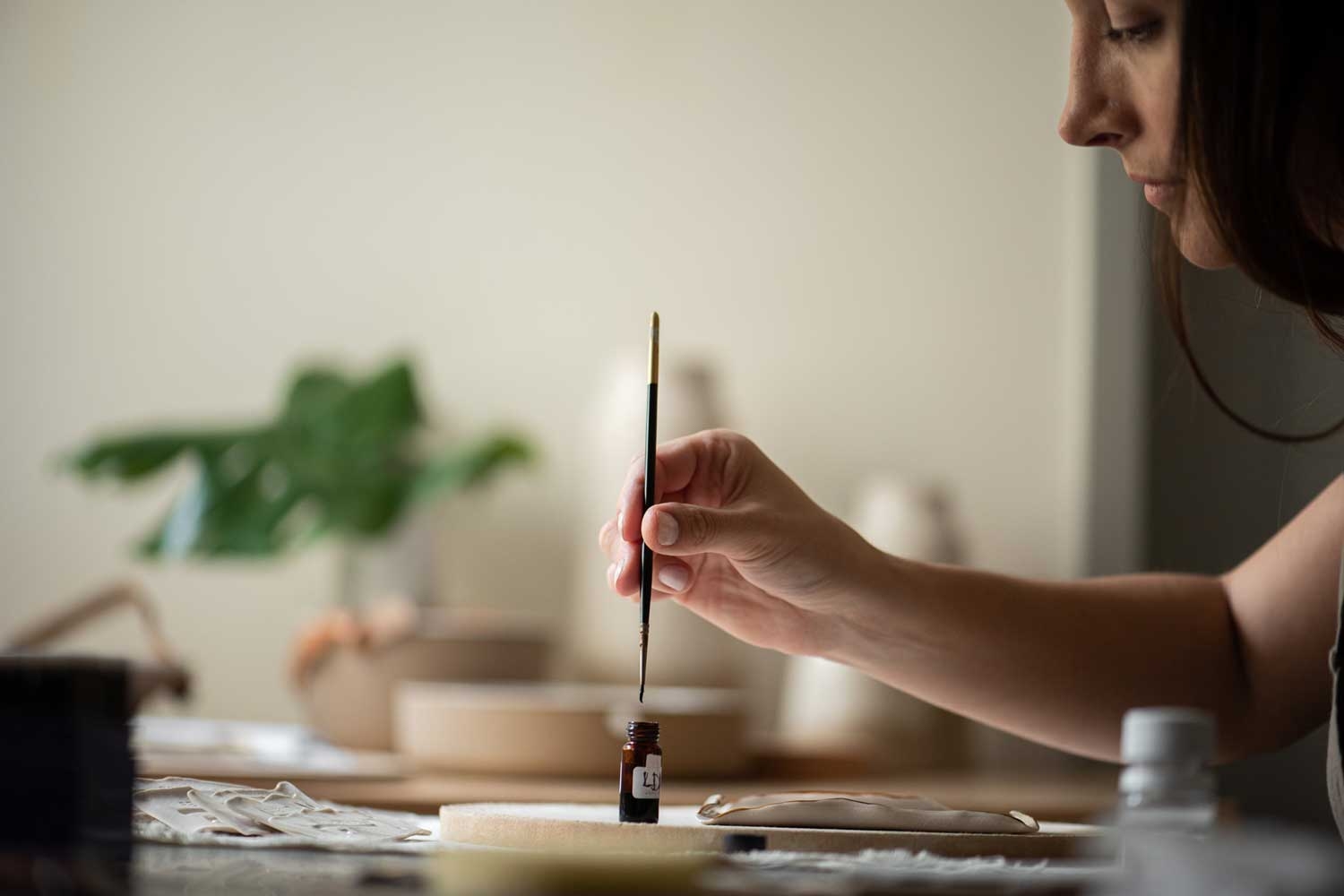
Carolina Peraca
Ceramicist
Porto Alegre, Brazil
Beauty in simplicity of form and functionality
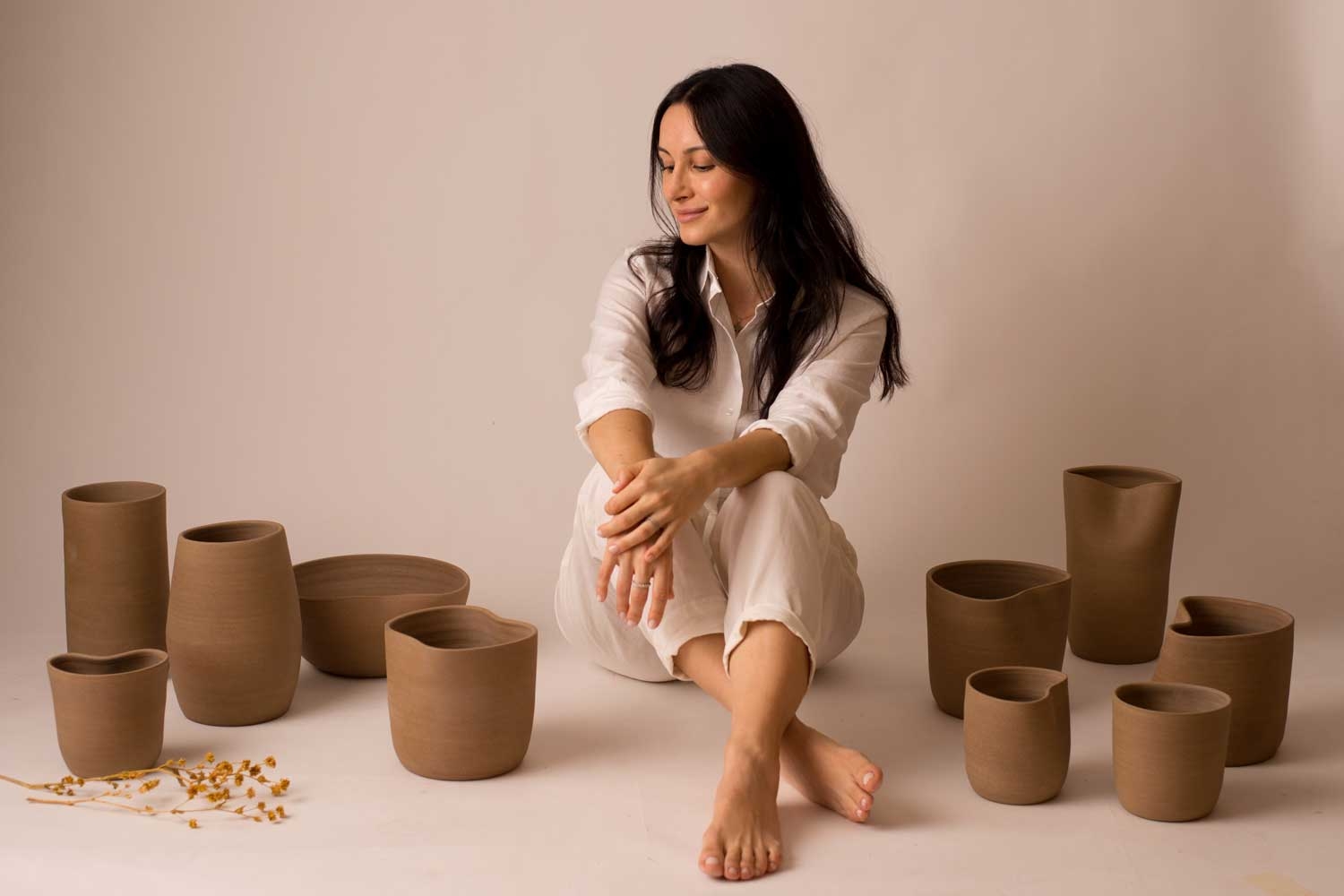
- Carolina makes ceramics with a minimalist aesthetic
- She opened her studio in Porto Alegre after moving back to Brazil from London
- In her work she aims to bring essential creations to the world, with minimal impact
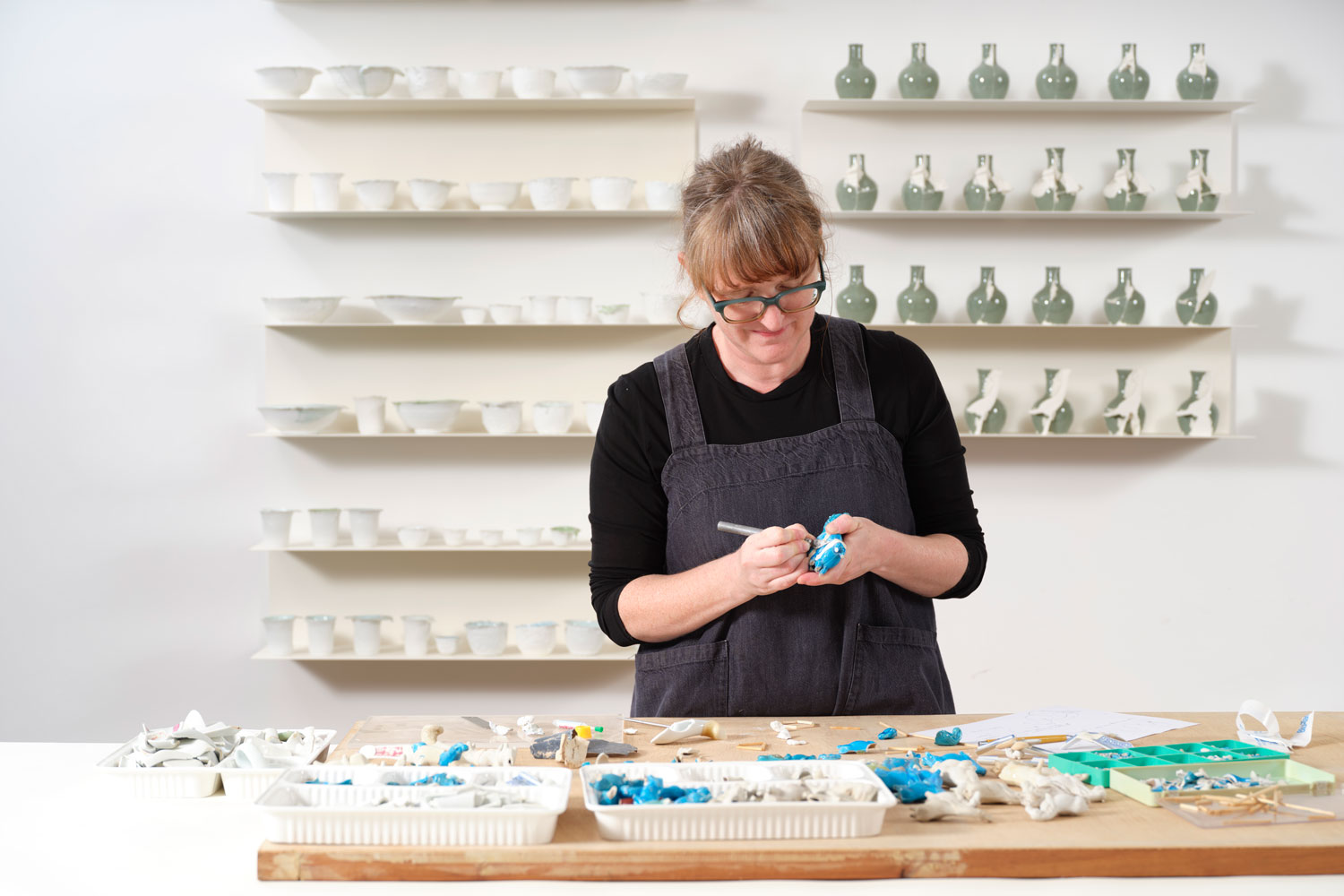
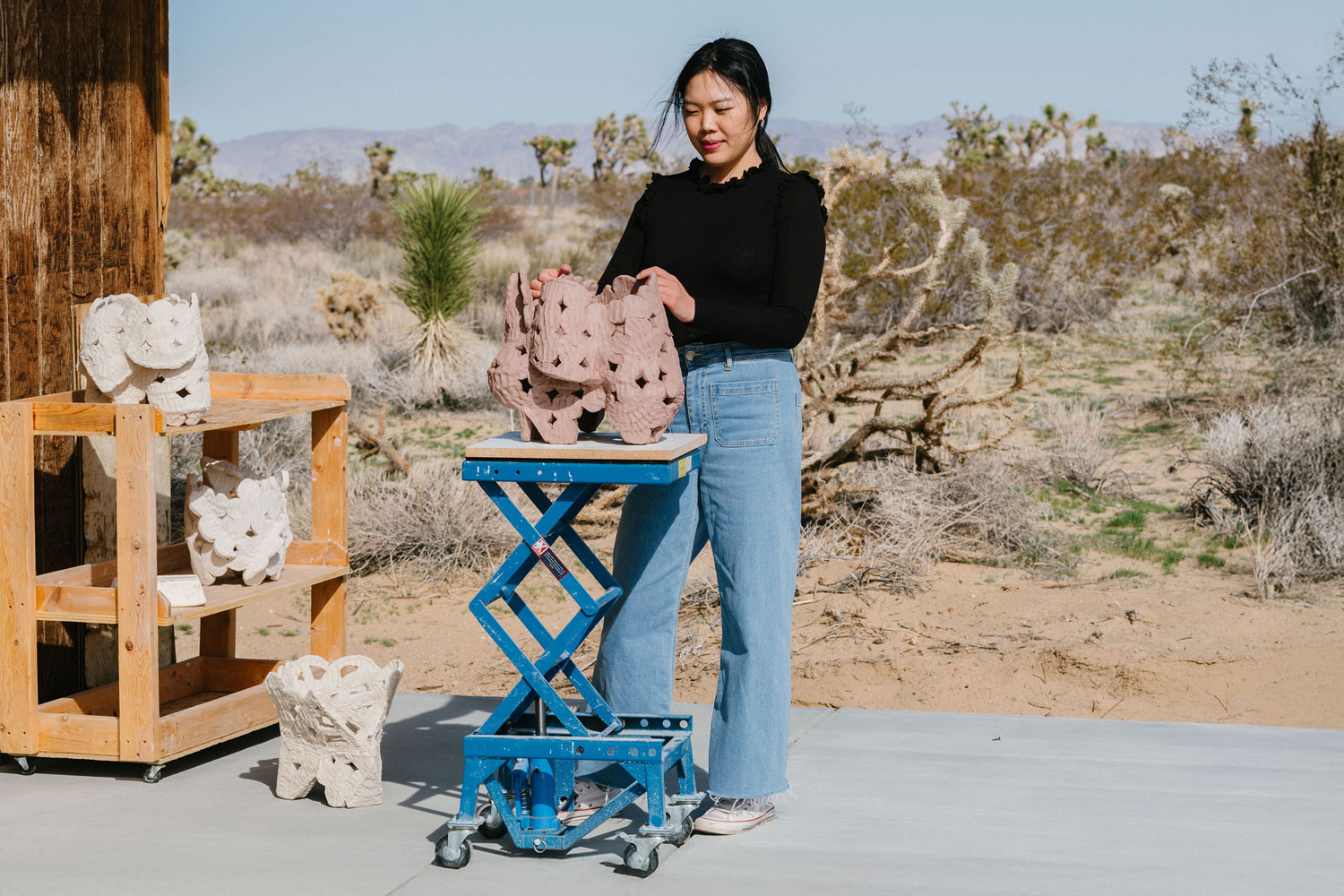
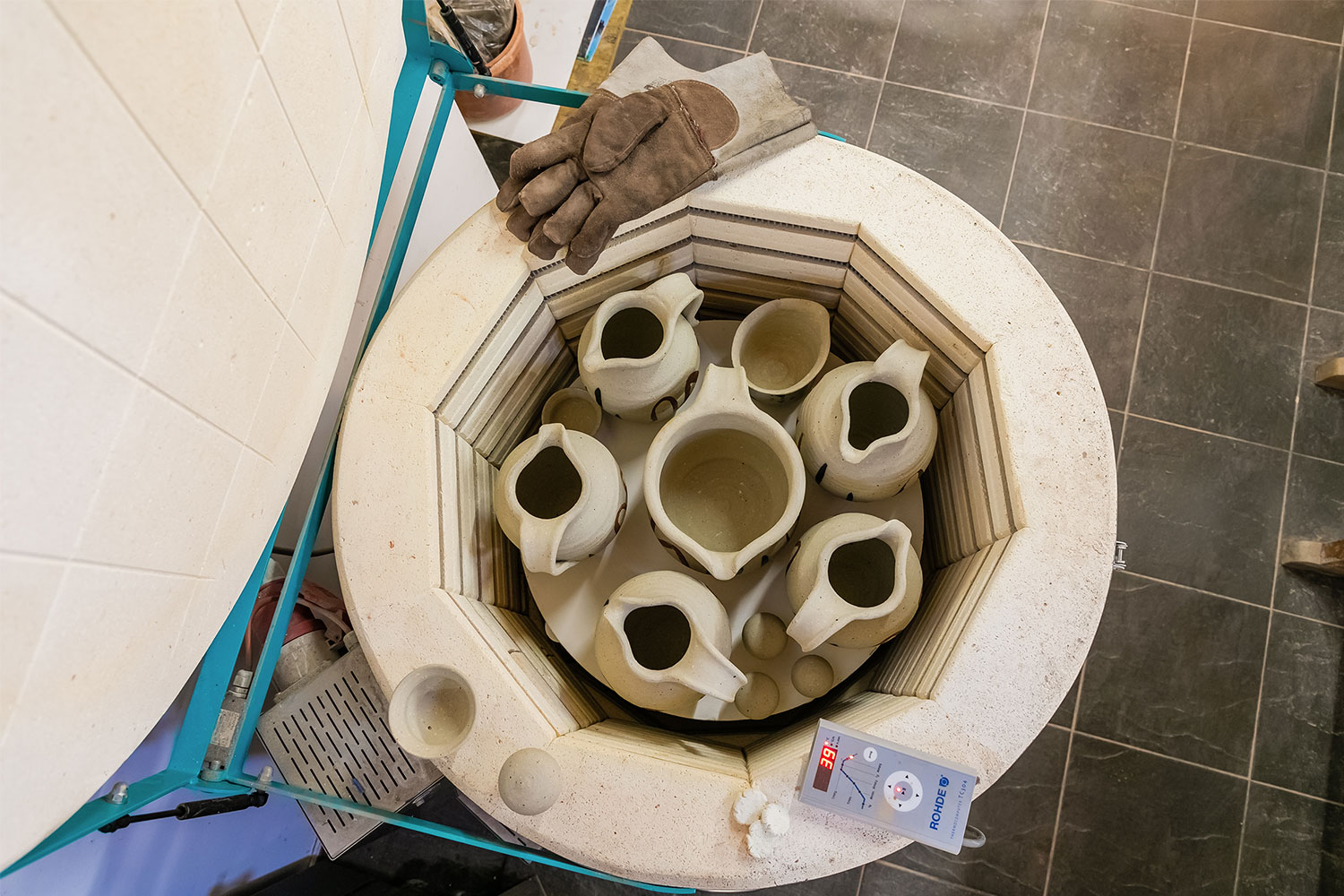
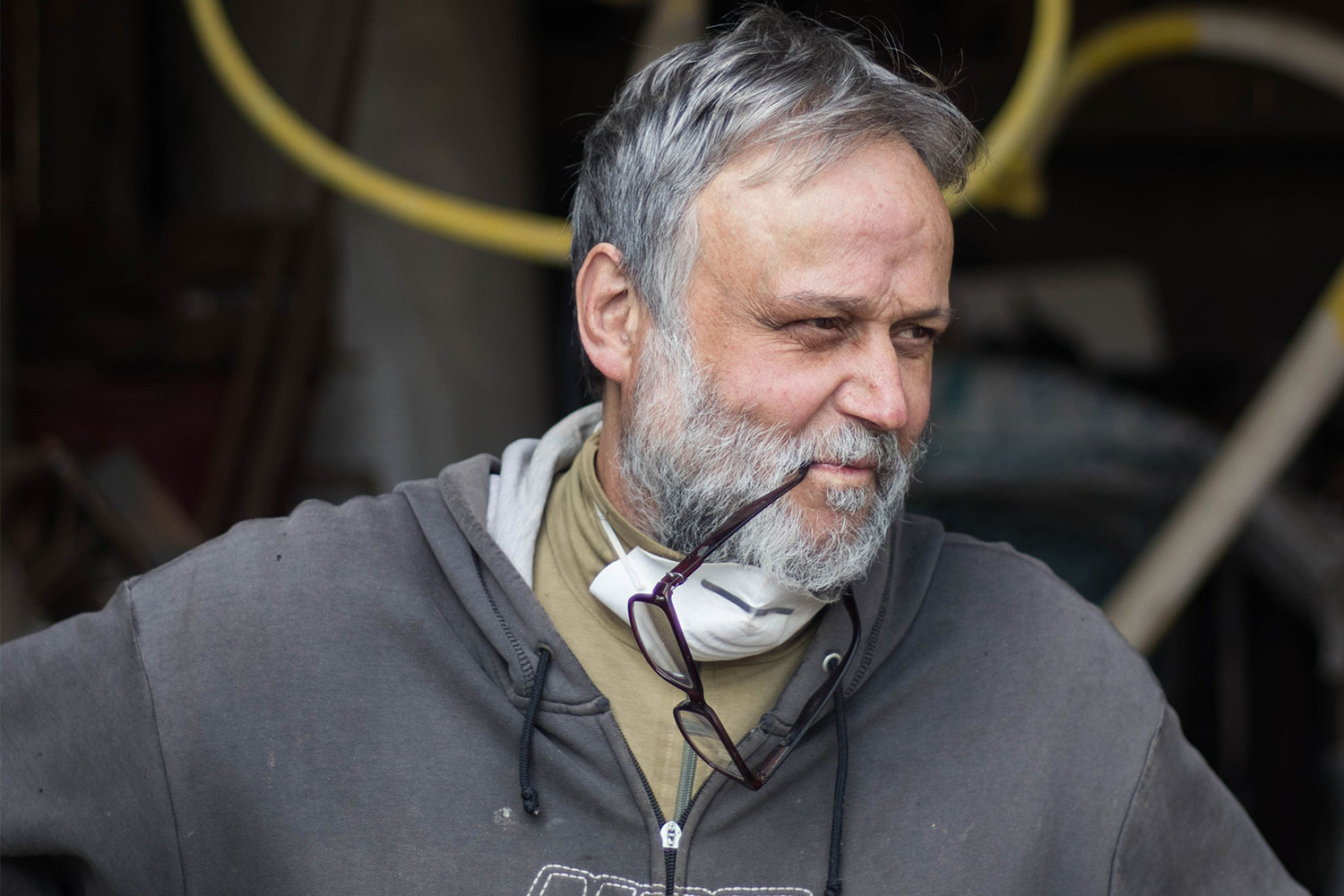
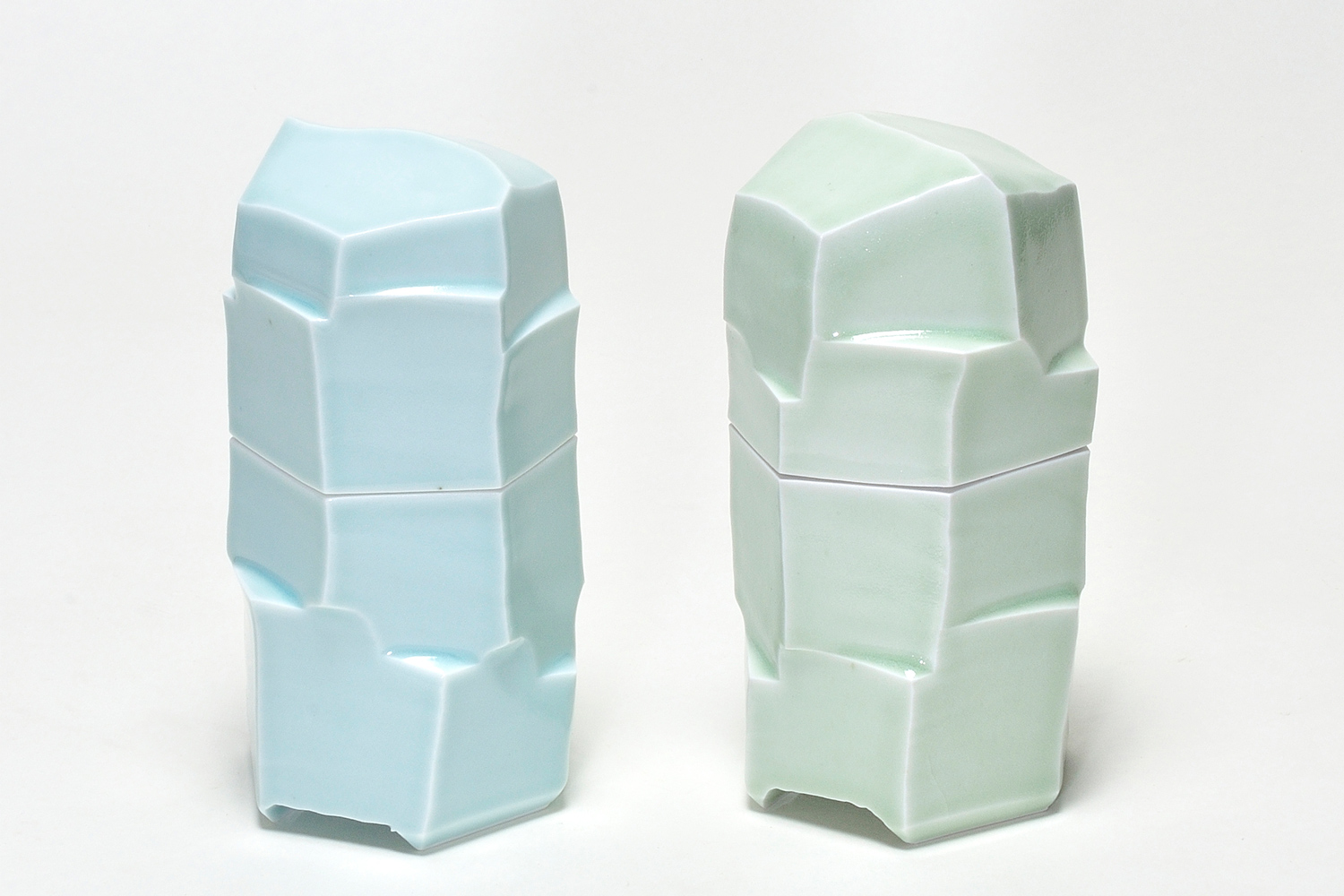
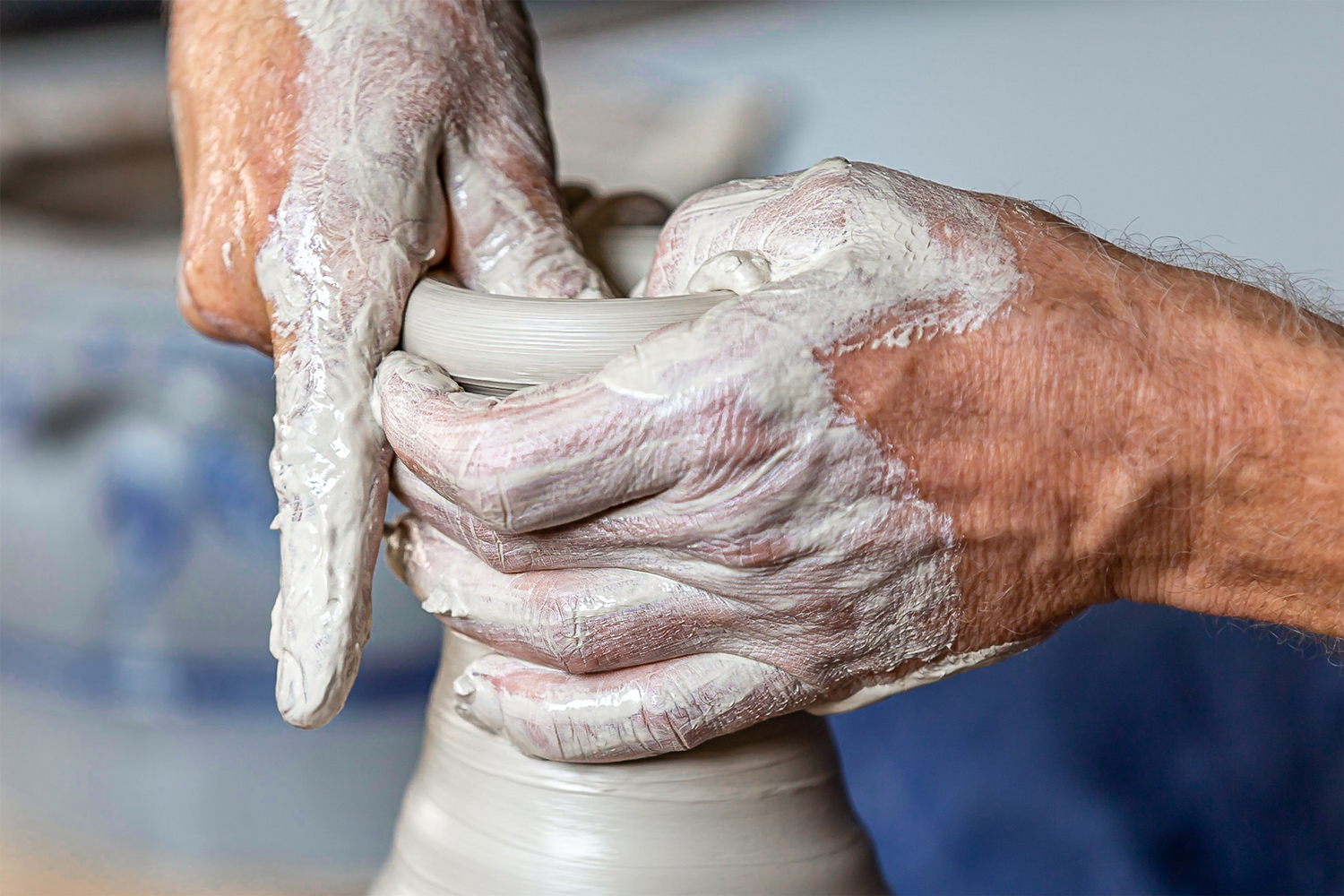
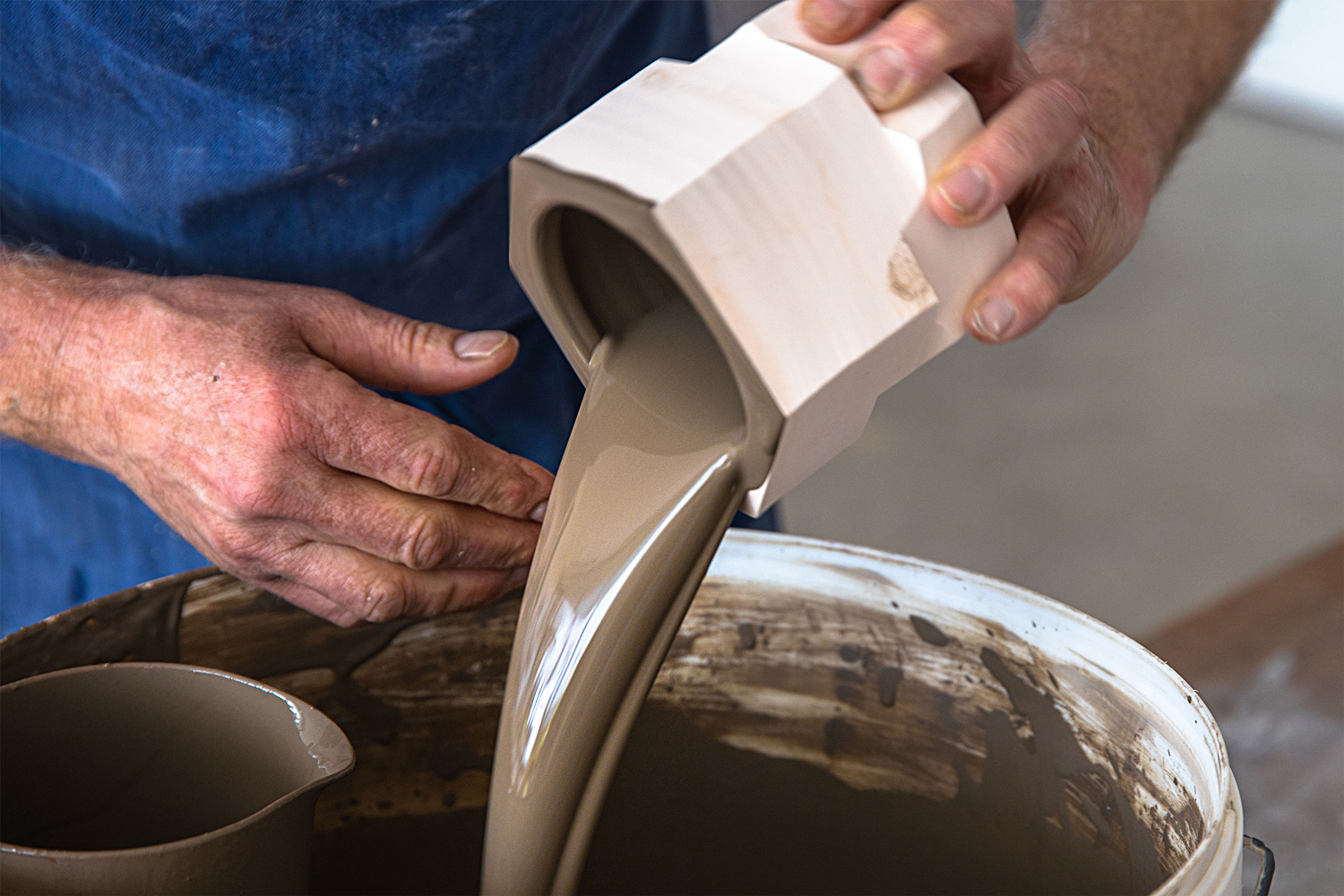
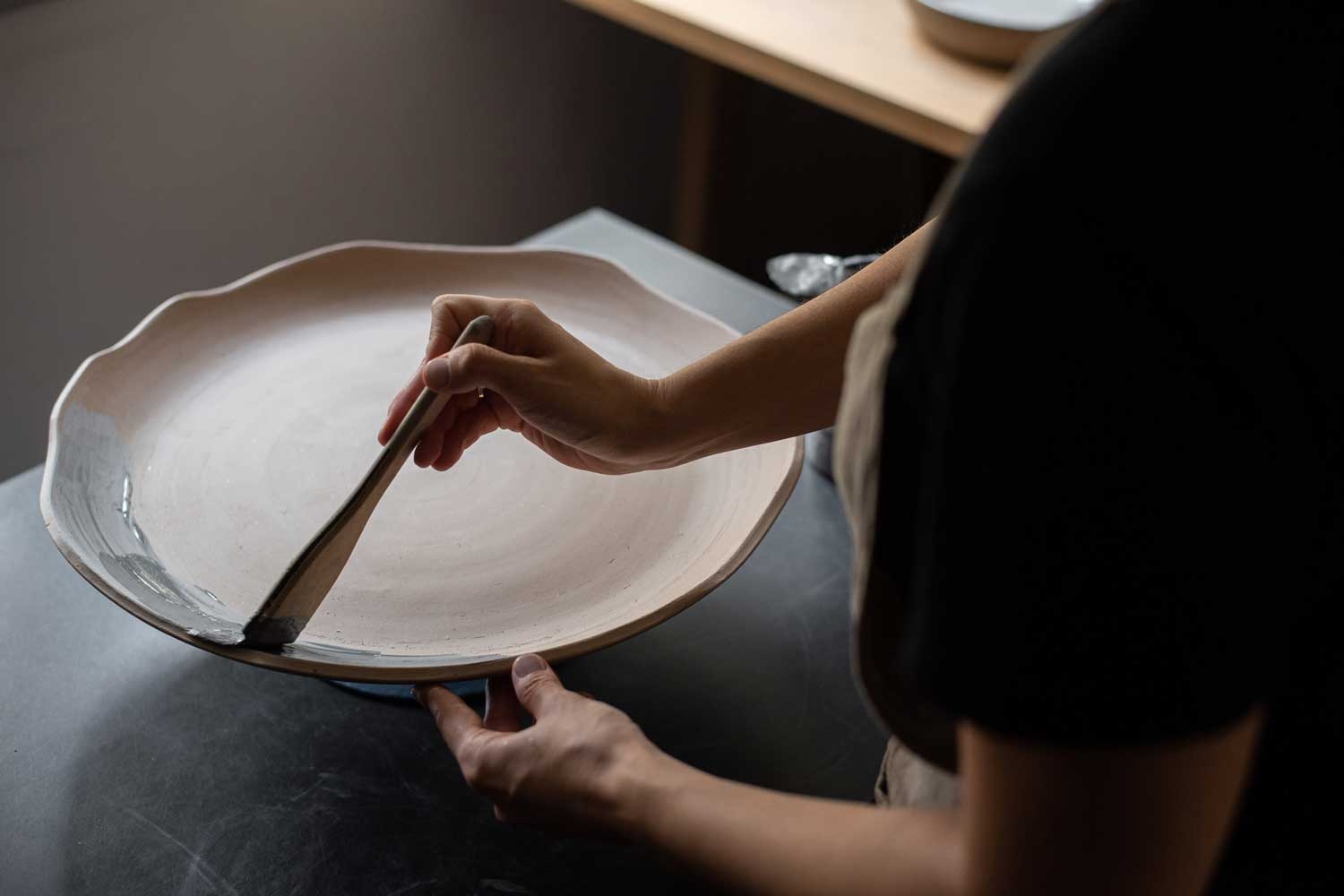
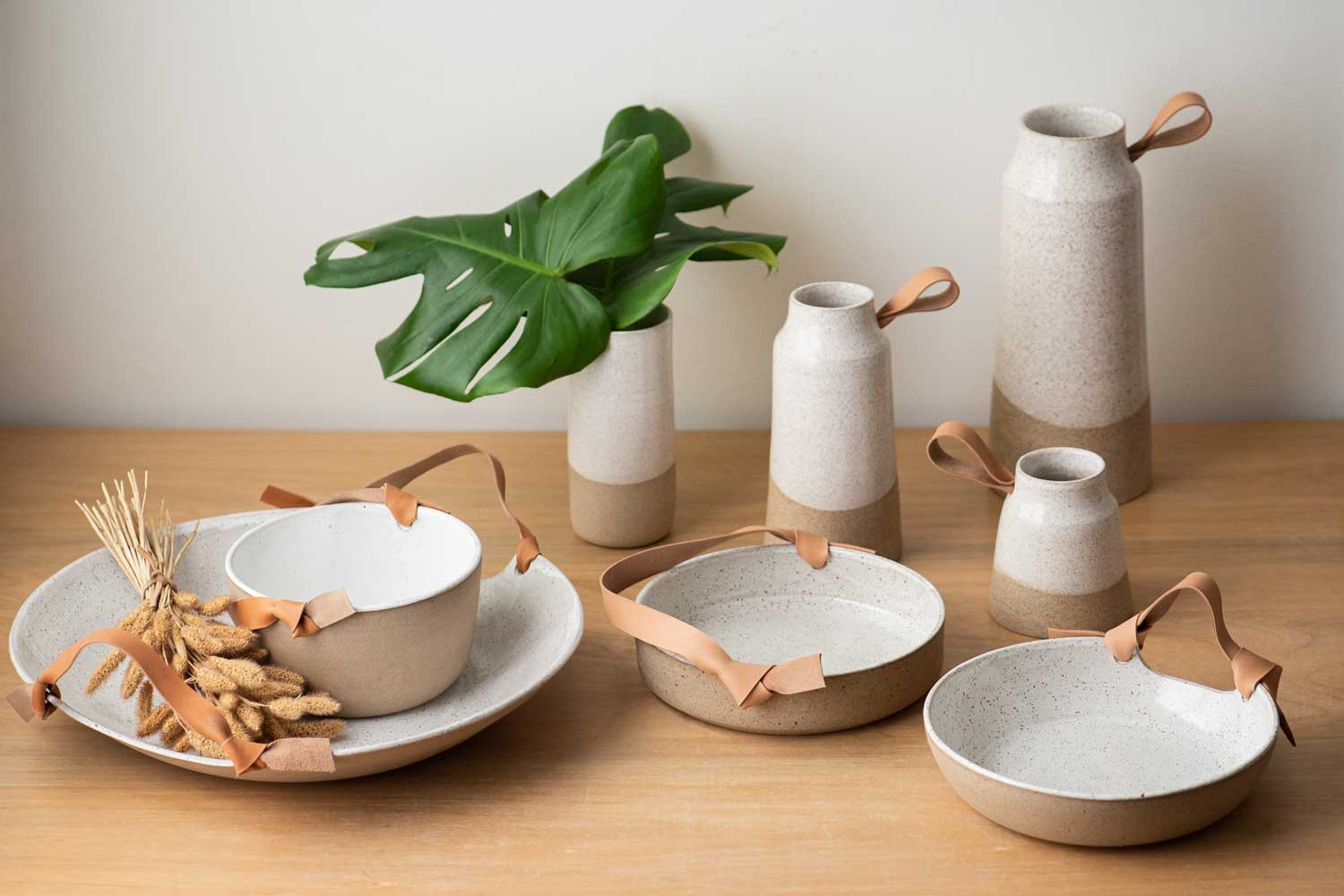
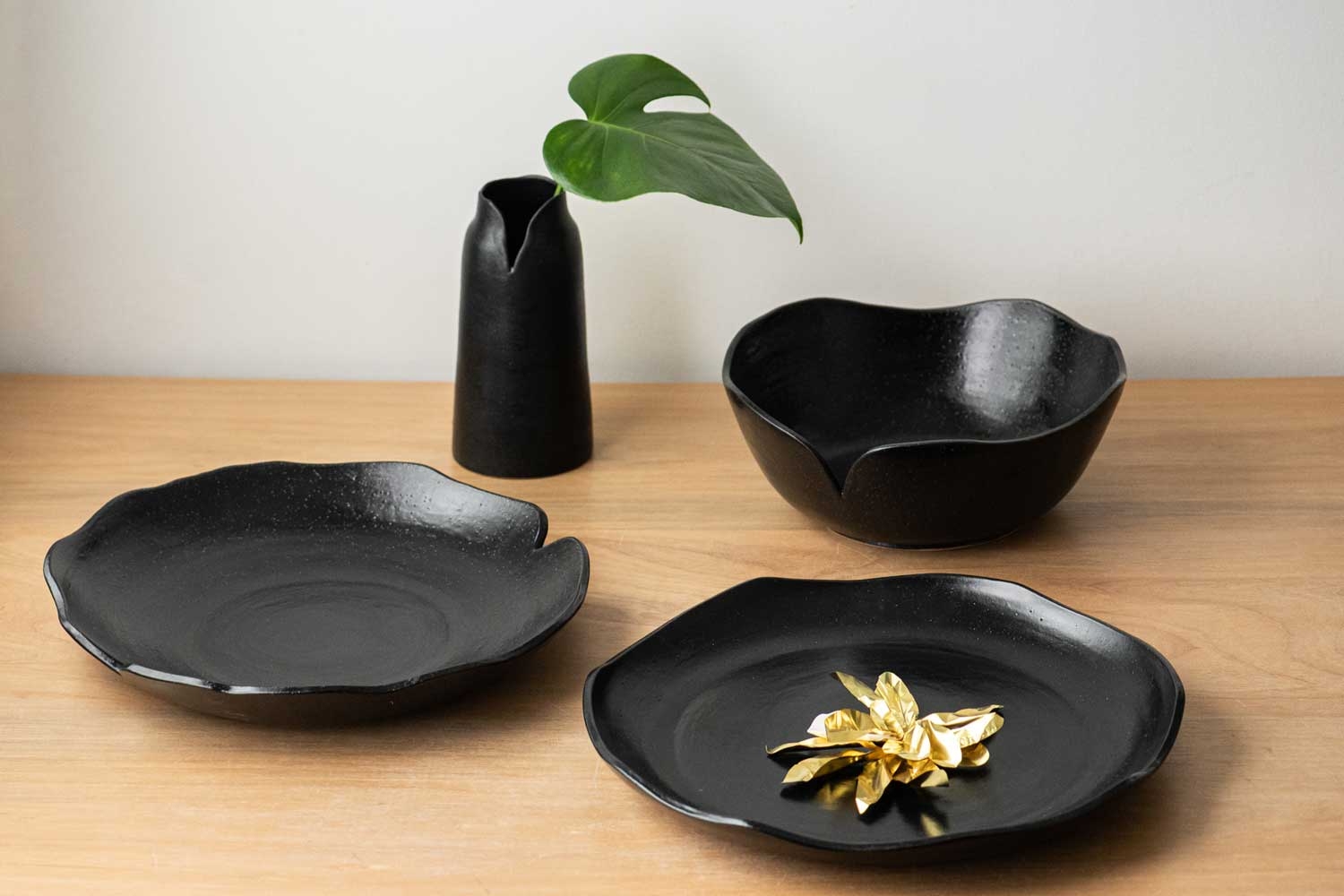
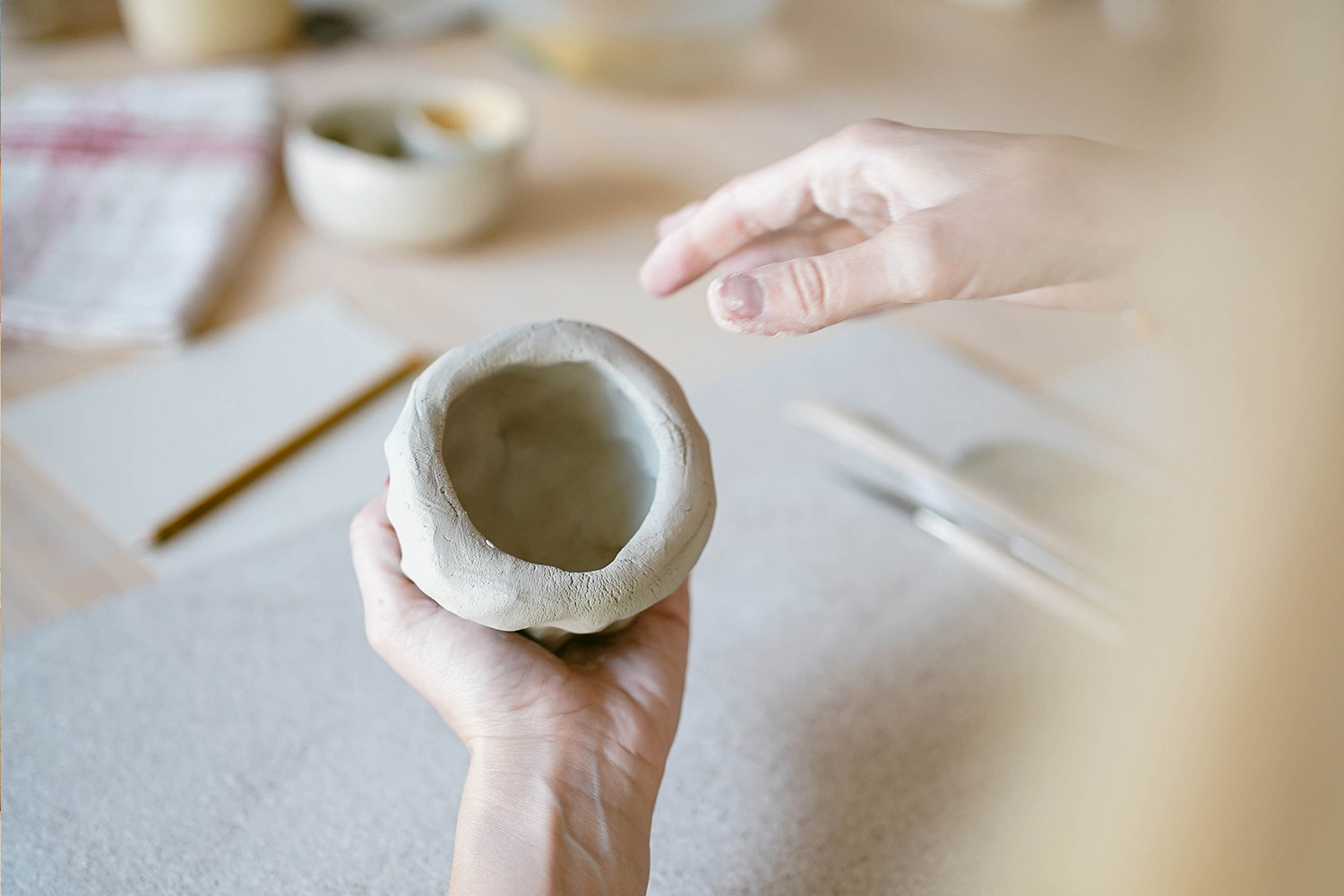
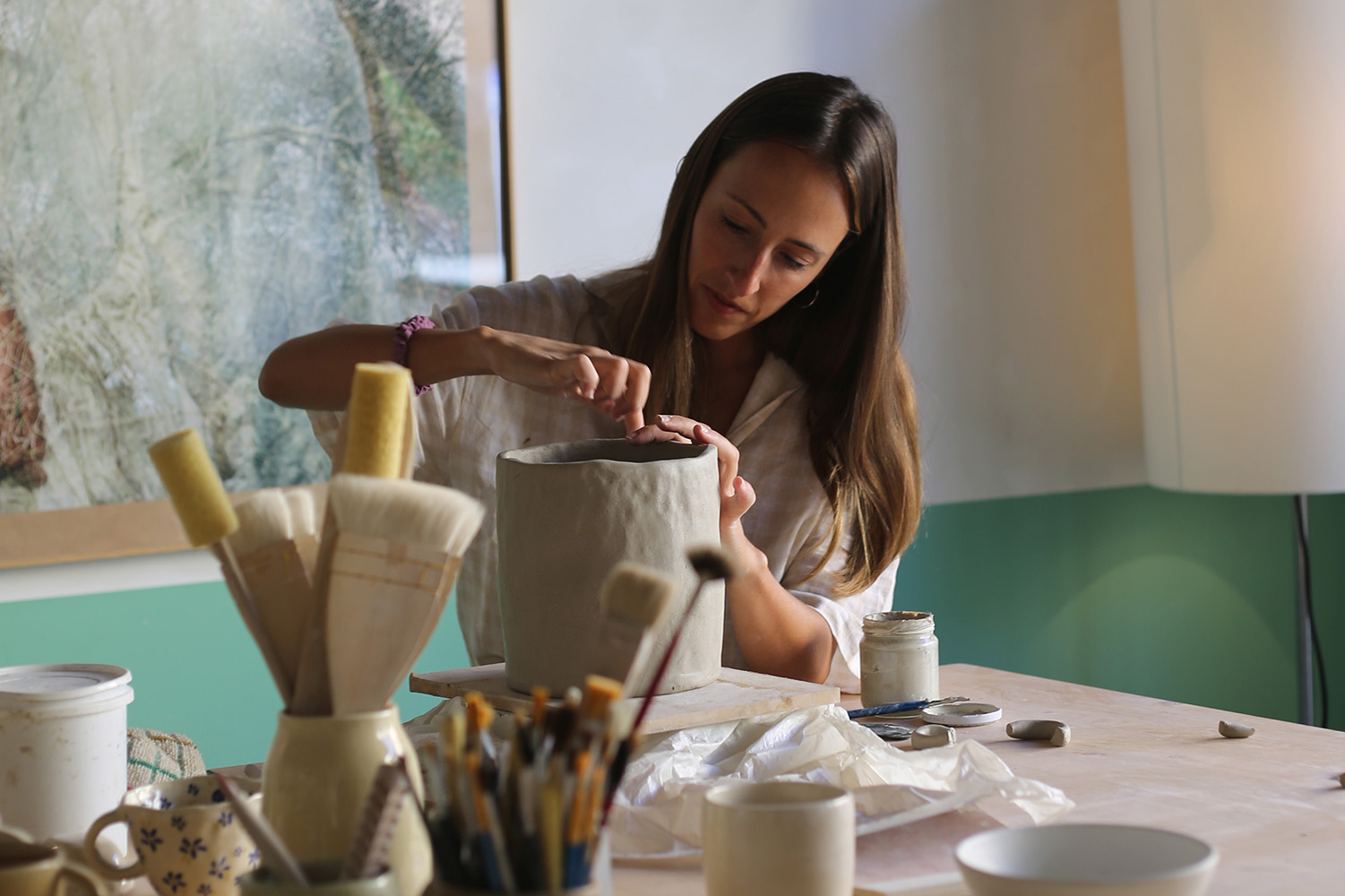
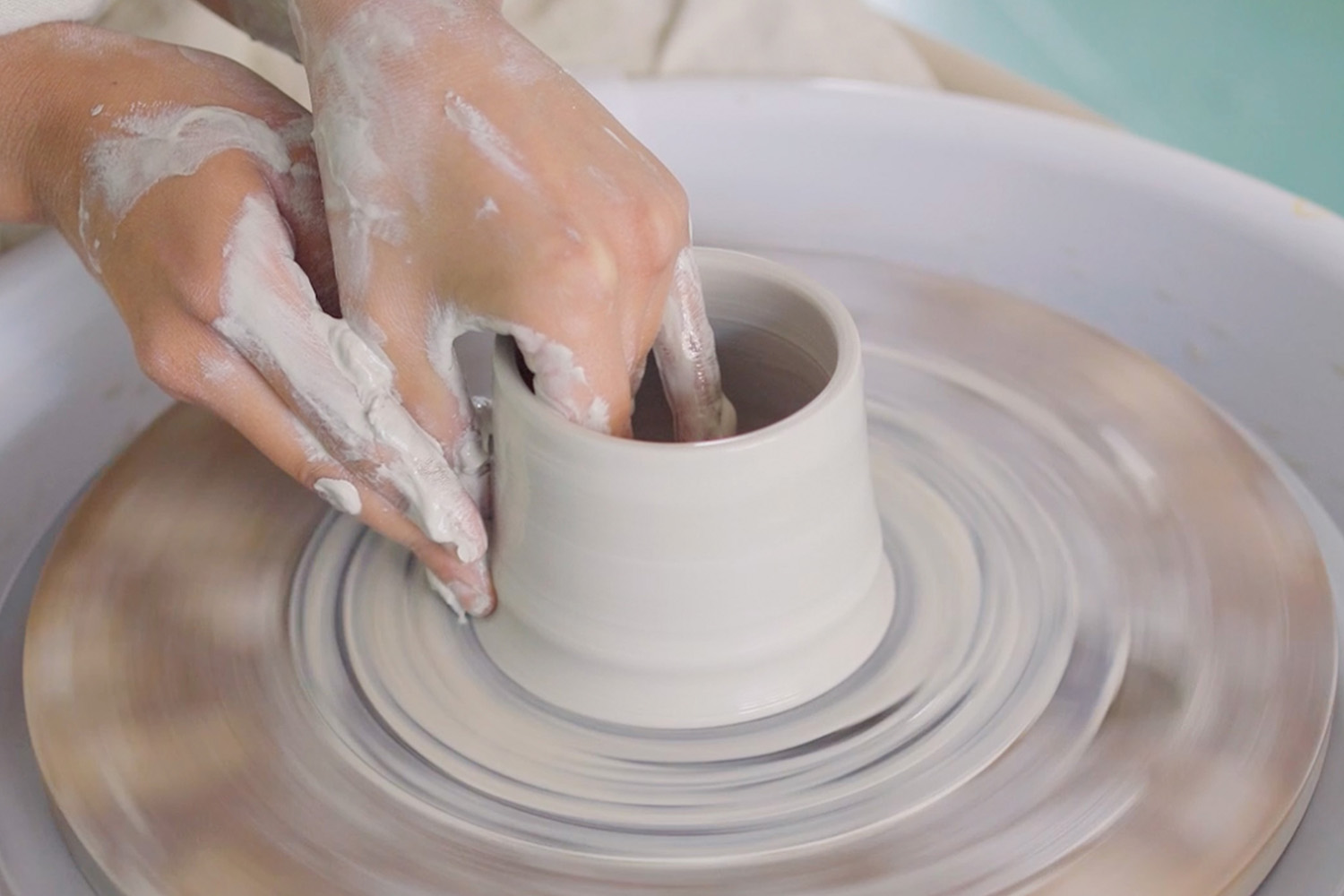
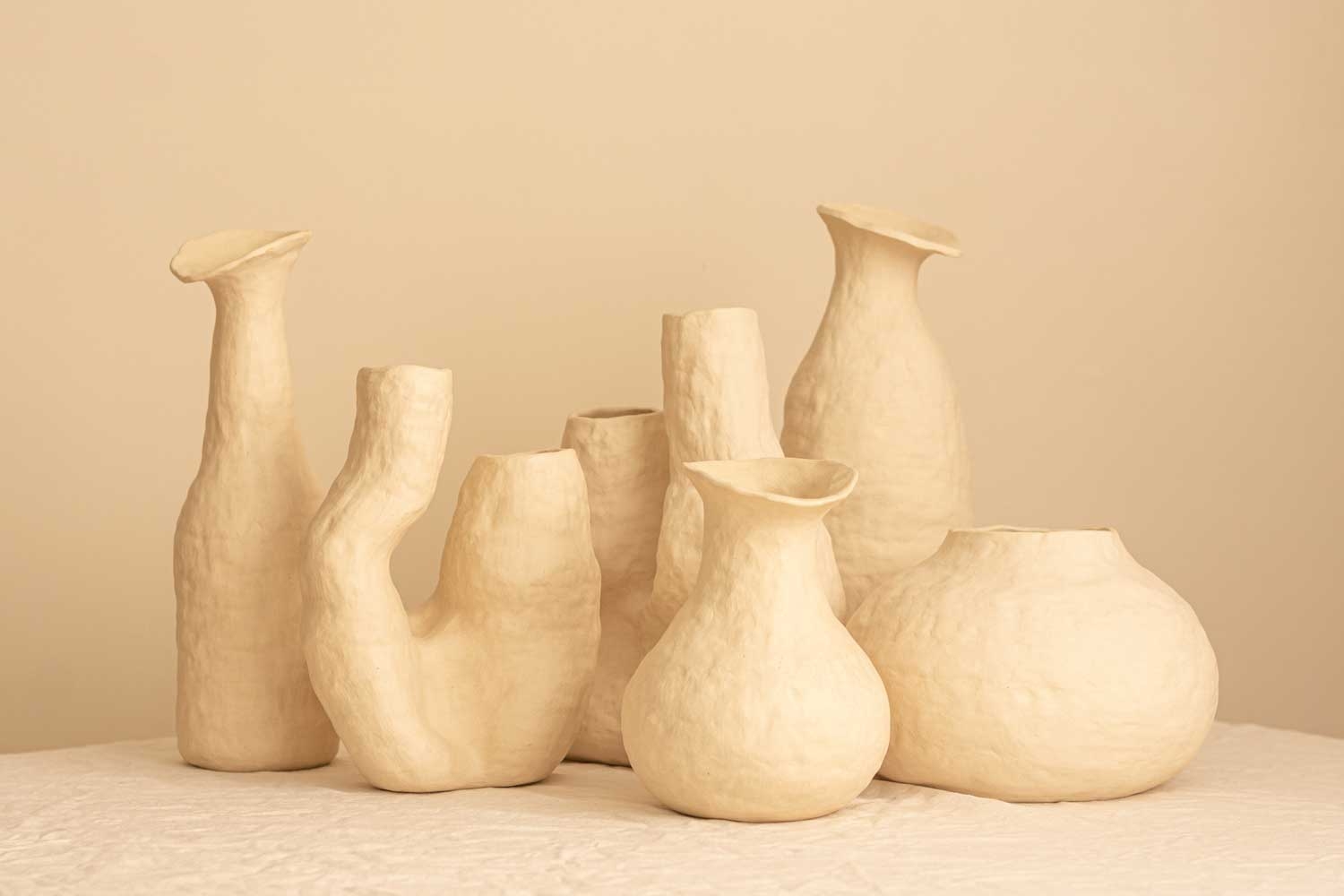
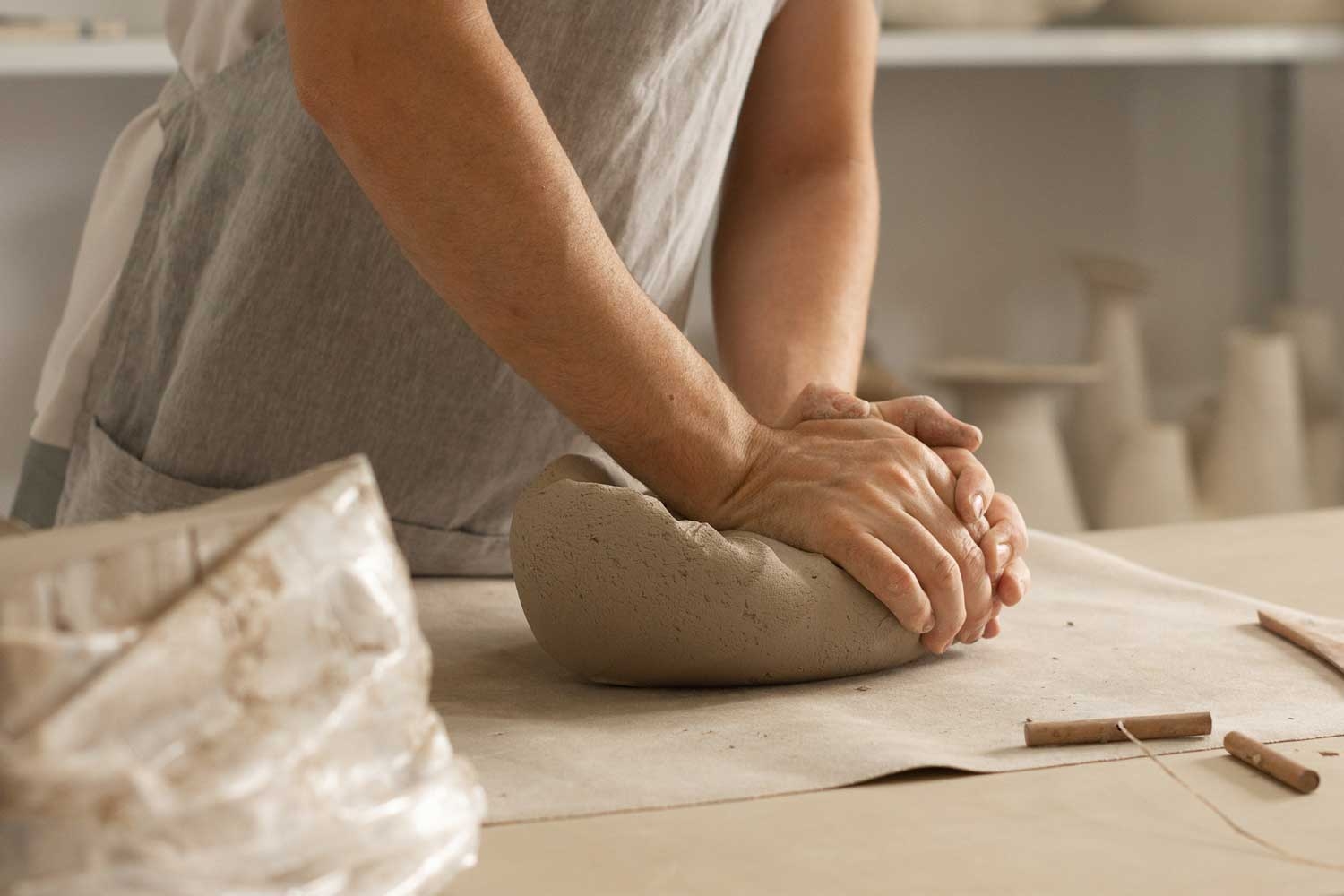
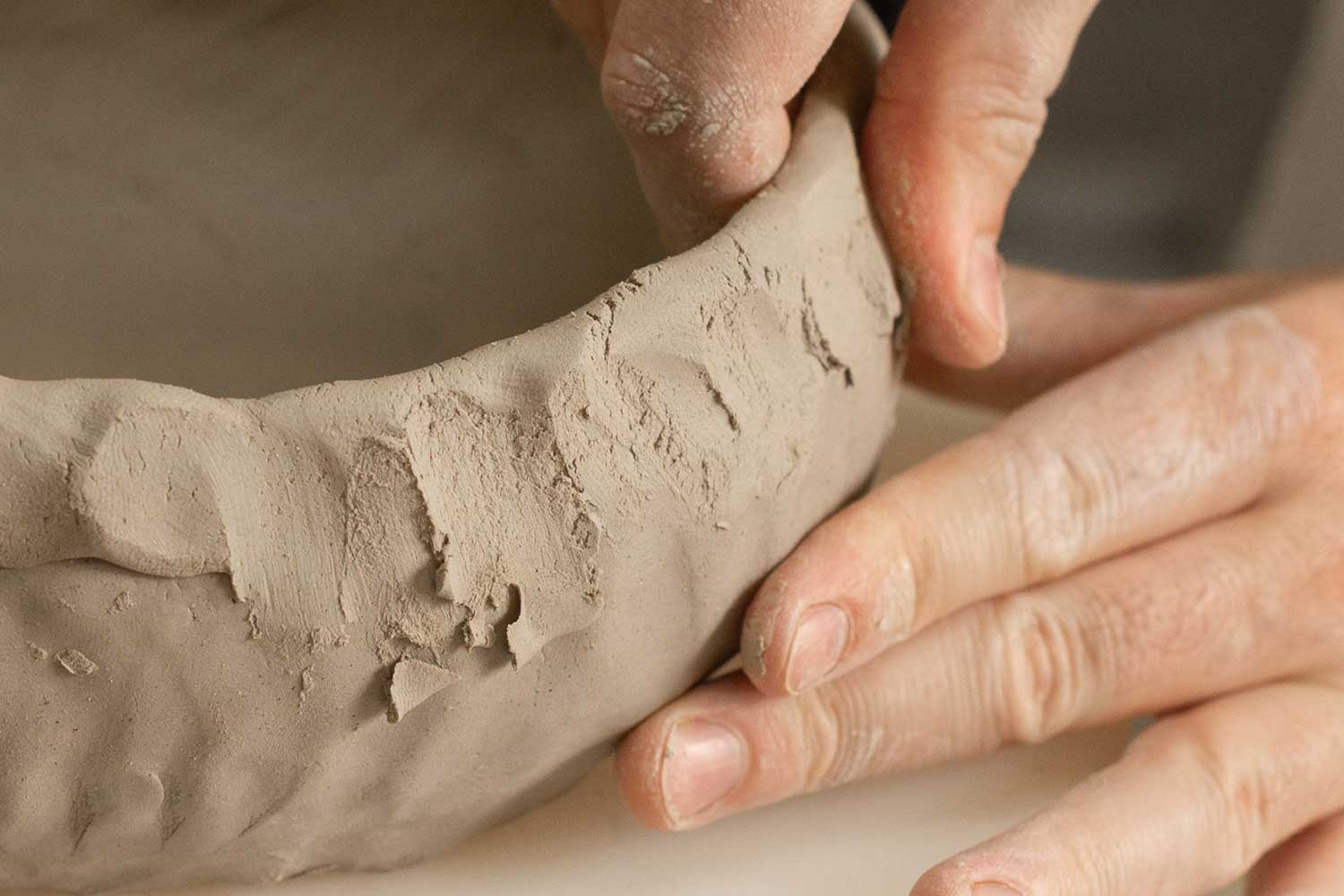
Carolina Peraca graduated in ceramic design at Central Saint Martins College of Art in London, in 2013. She fell in love with ceramics during her Foundation in Art and Design course. "During this period, I realised that ceramics was the best way to make my insights into tangible forms and objects," she says. Carolina returned to Brazil in 2014 and opened her studio in Porto Alegre, where she creates pieces using the wheel or moulds with local materials. Inspired by her travels, by the natural and angular shapes found in nature, Carolina creates objects that stand out with a refined aesthetic. Her approach to her craft is based on three pillars as a starting point: beauty, simplicity of form, and functionality.
INTERVIEW
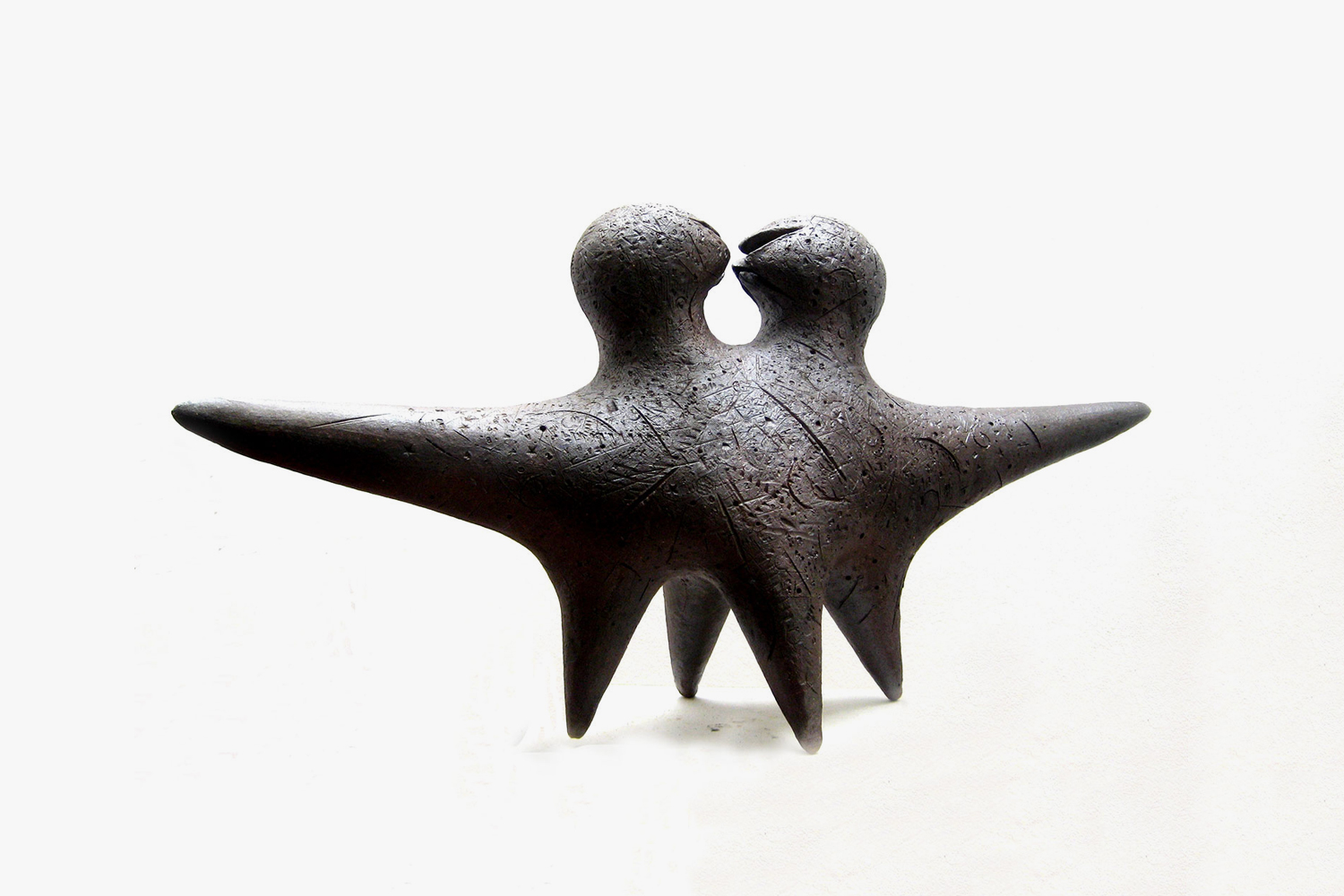
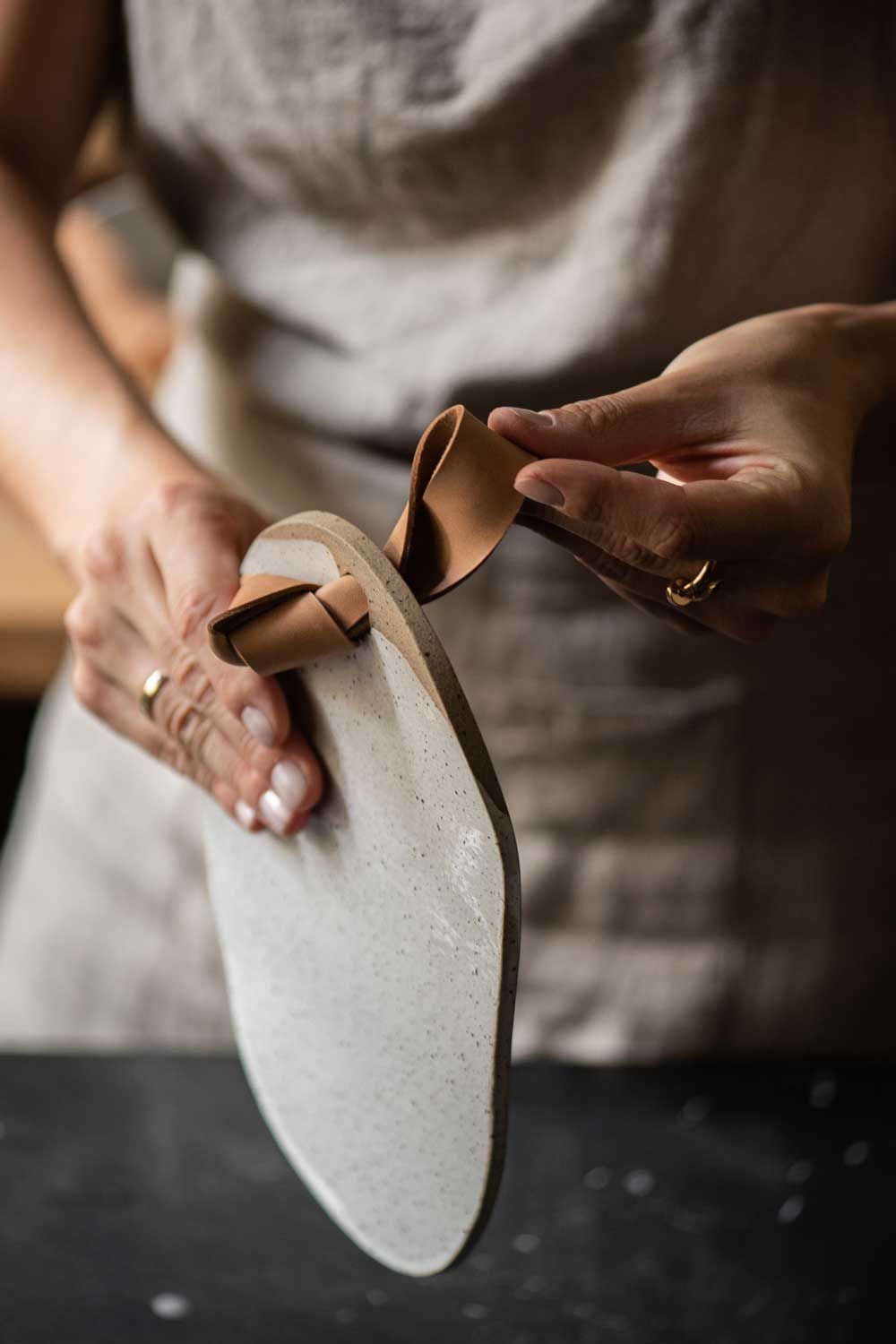
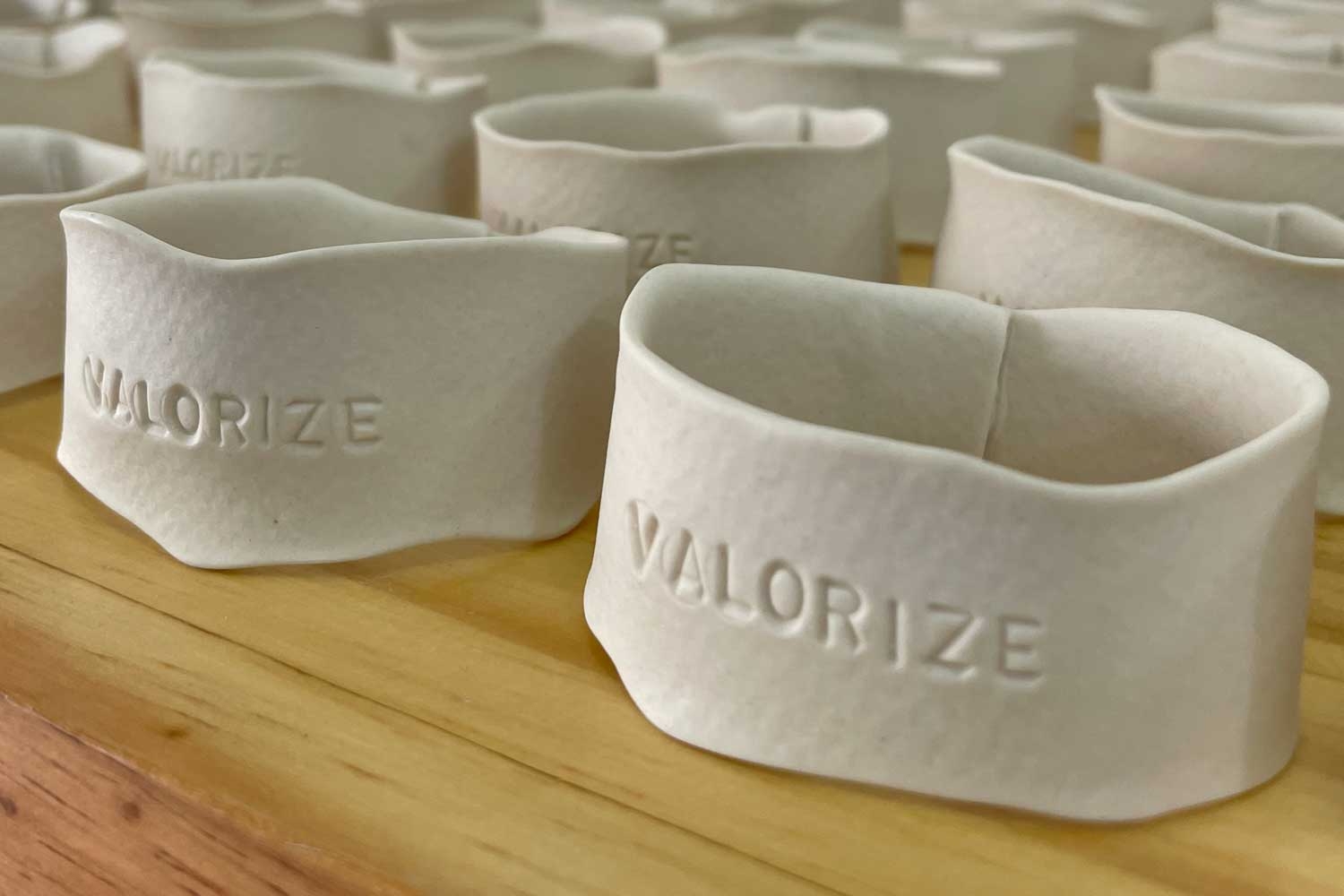
I want to express subtlety through attention to detail and beauty. Working with ceramics means producing unique pieces. I am interested in combining ceramics with different materials like leather and metal. I also love writing messages as decorative detail on my creations.
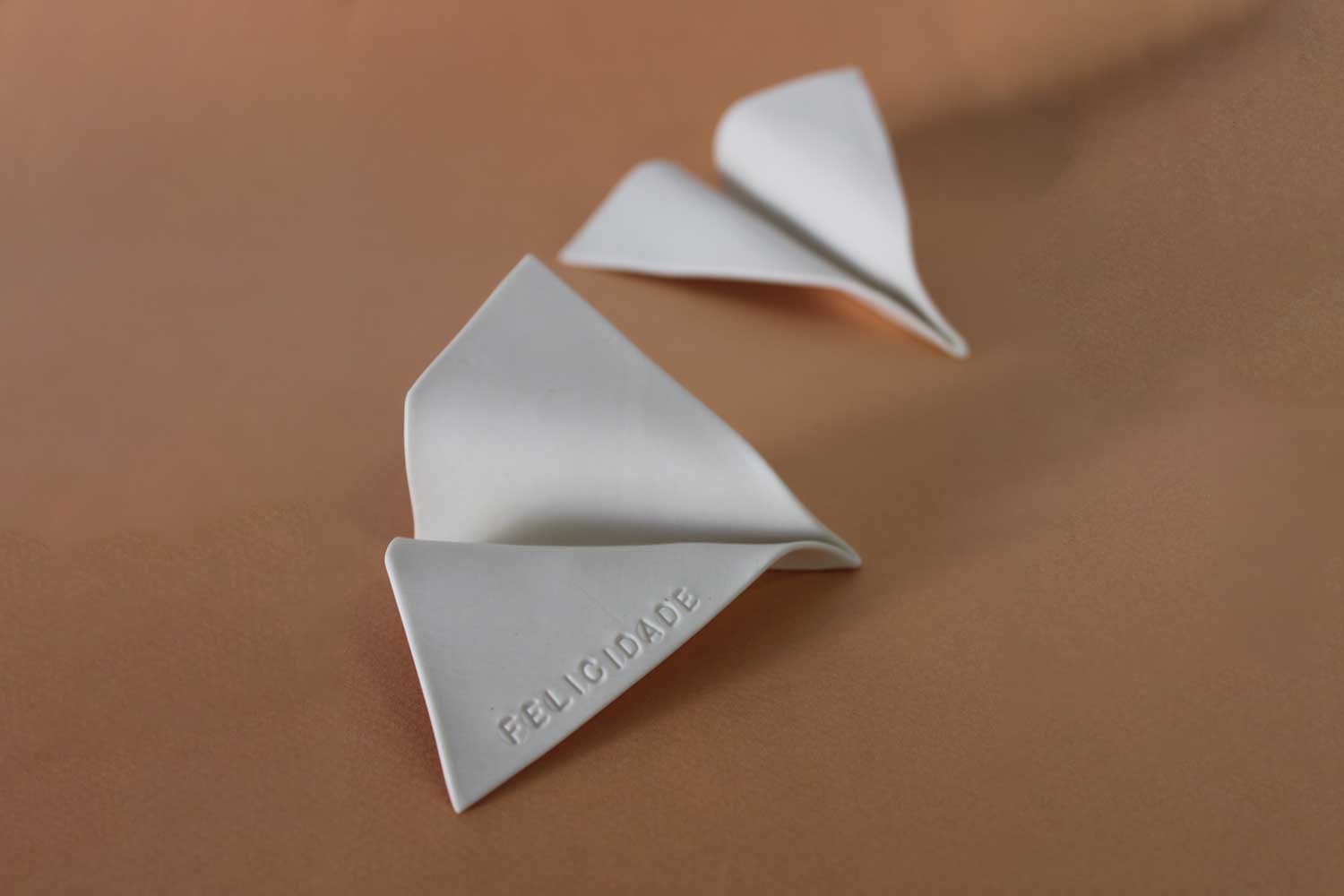
I work with a material that, if taken care of, resists time. One of my collections, Paper Edition, talks exactly about that. The paper texture is applied to porcelain, immortalising the message. I take great care in the use of materials in the studio.
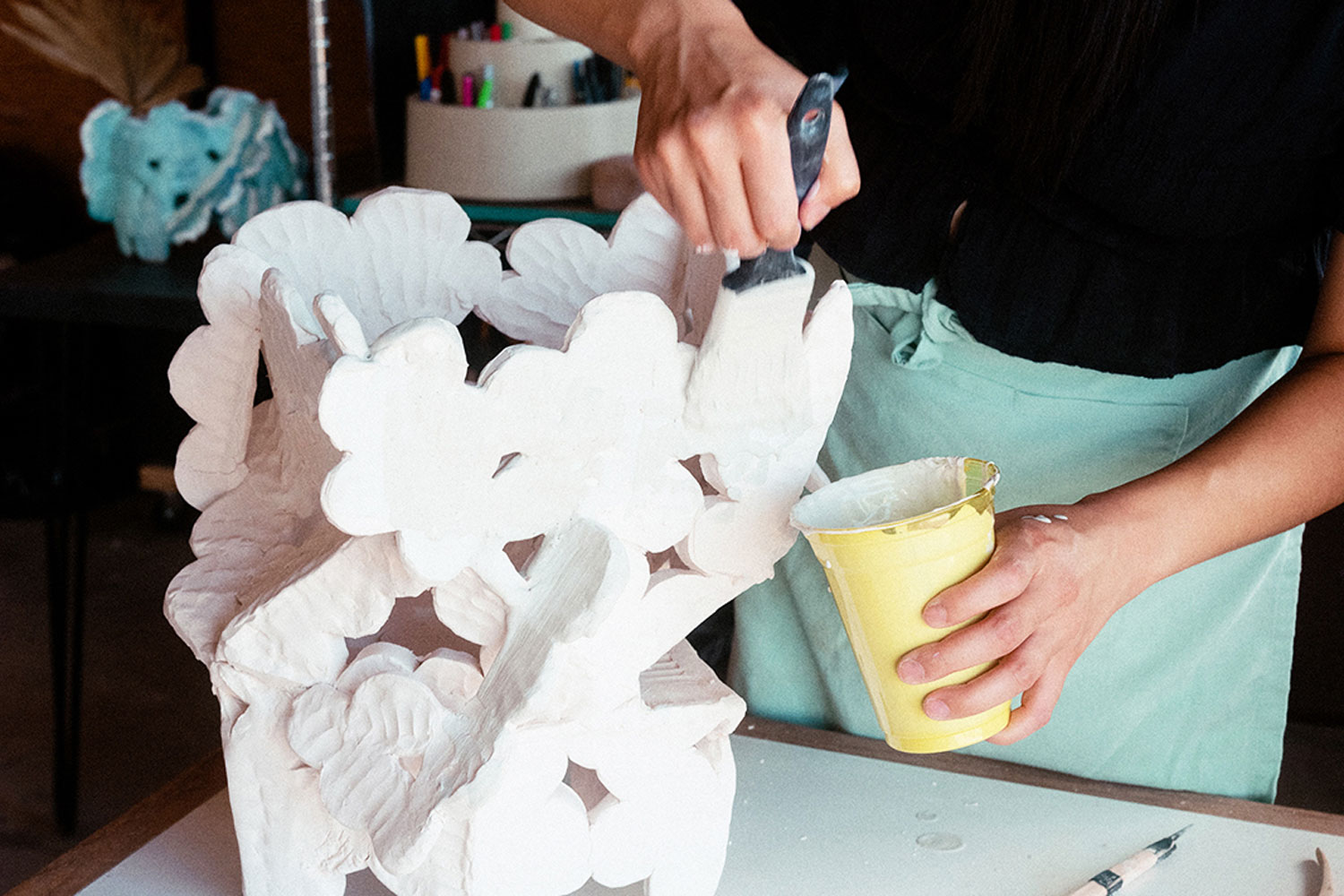
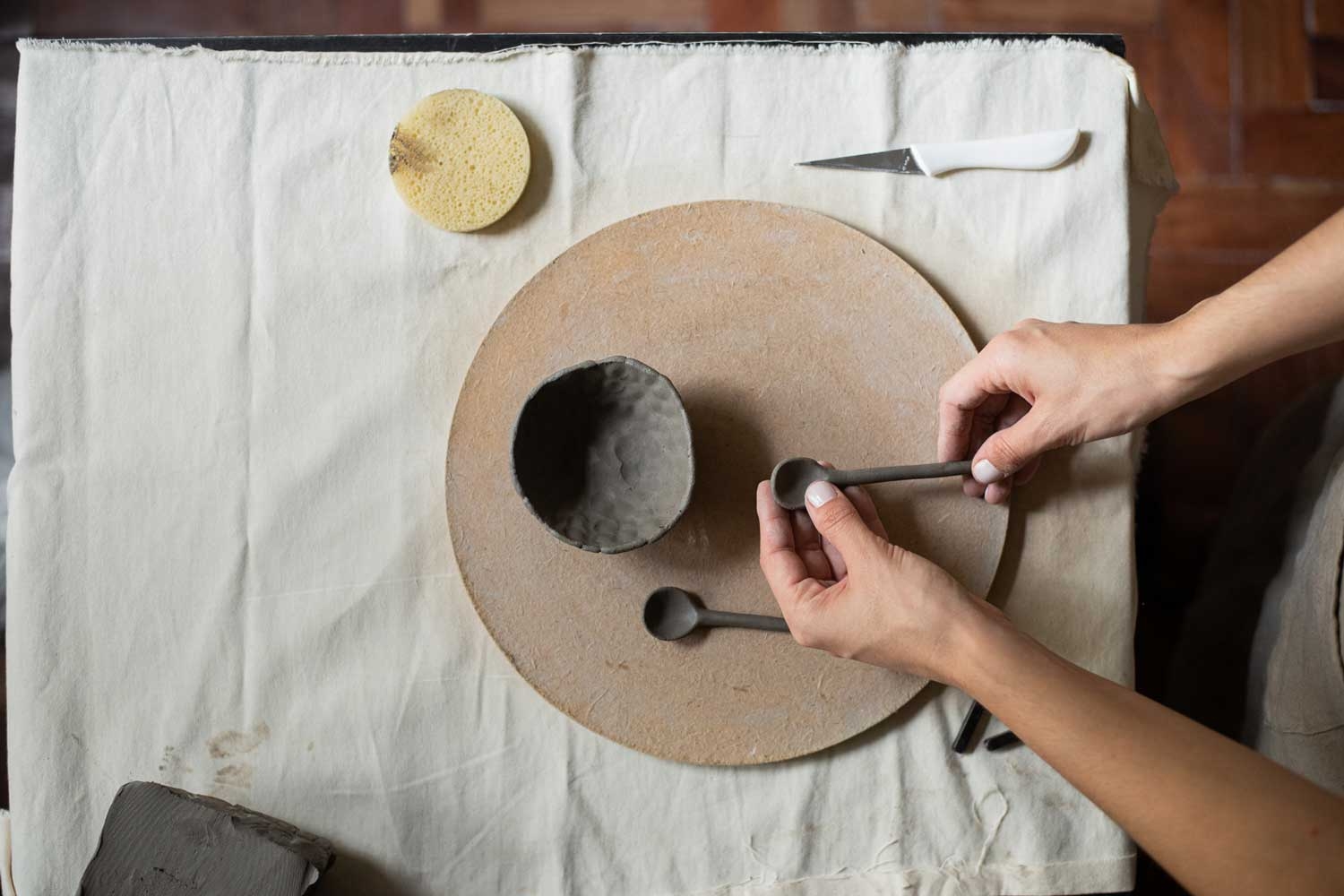
I experiment with materials and shapes by making small tests or even finished products. I am very visual. Starting from an idea in my mind, I make a quick drawing or sketch, then move to clay – my best medium to directly communicate with the material and receive its feedback.
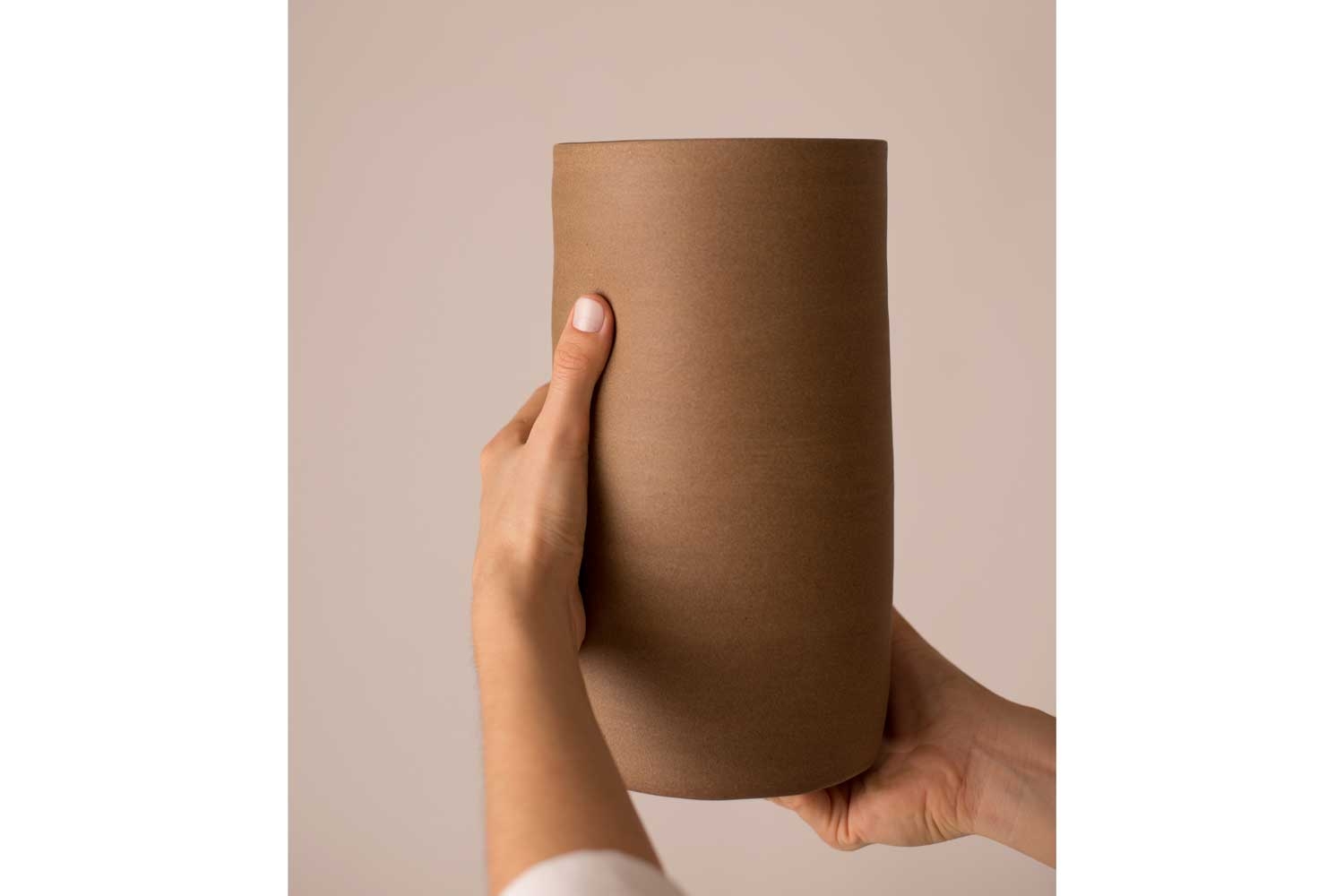
About 70% of my work is made from national clays. It is always ideal to work with what we have locally, as it has a lower impact on the environment. I work with a variety of materials sources nationally, such as metal and leather.
Carolina Peraca
Ceramicist
Porto Alegre, Brazil
ADDRESS
Address upon request, Porto Alegre, Brazil
AVAILABILITY
By appointment only
LANGUAGES
Portuguese, English, Italian
Homo Faber Finds is a new service aiming to inspire admirers of craft to connect and collaborate with exceptional artisans.
We invite you to submit an enquiry here.

IMG_5090.jpg)
IMG_5015.jpg)
IMG_4999.jpg)