Carlos-Vinicius-Pereira-foto-18.jpg)
Carlos-Vinicius-Pereira-foto-22.jpg)
Carlos-Vinicius-Pereira-foto-26.jpg)
Carlos-Vinicius-Pereira-foto-4.jpg)
Carlos-Vinicius-Pereira-foto-49.jpg)
Carlos-Vinicius-Pereirafoto-54.jpg)
Carlos Vinicius
Awô Bordados
Embroiderer
Salvador, Brazil
Preserving an Afro-Brazilian stitching legacy
- Carlos creates embroidery pieces using the endangered barafunda technique
- He is building a visual archive of his craft for future artisans
- His aim is to bring barafunda into contemporary installations and exhibitions
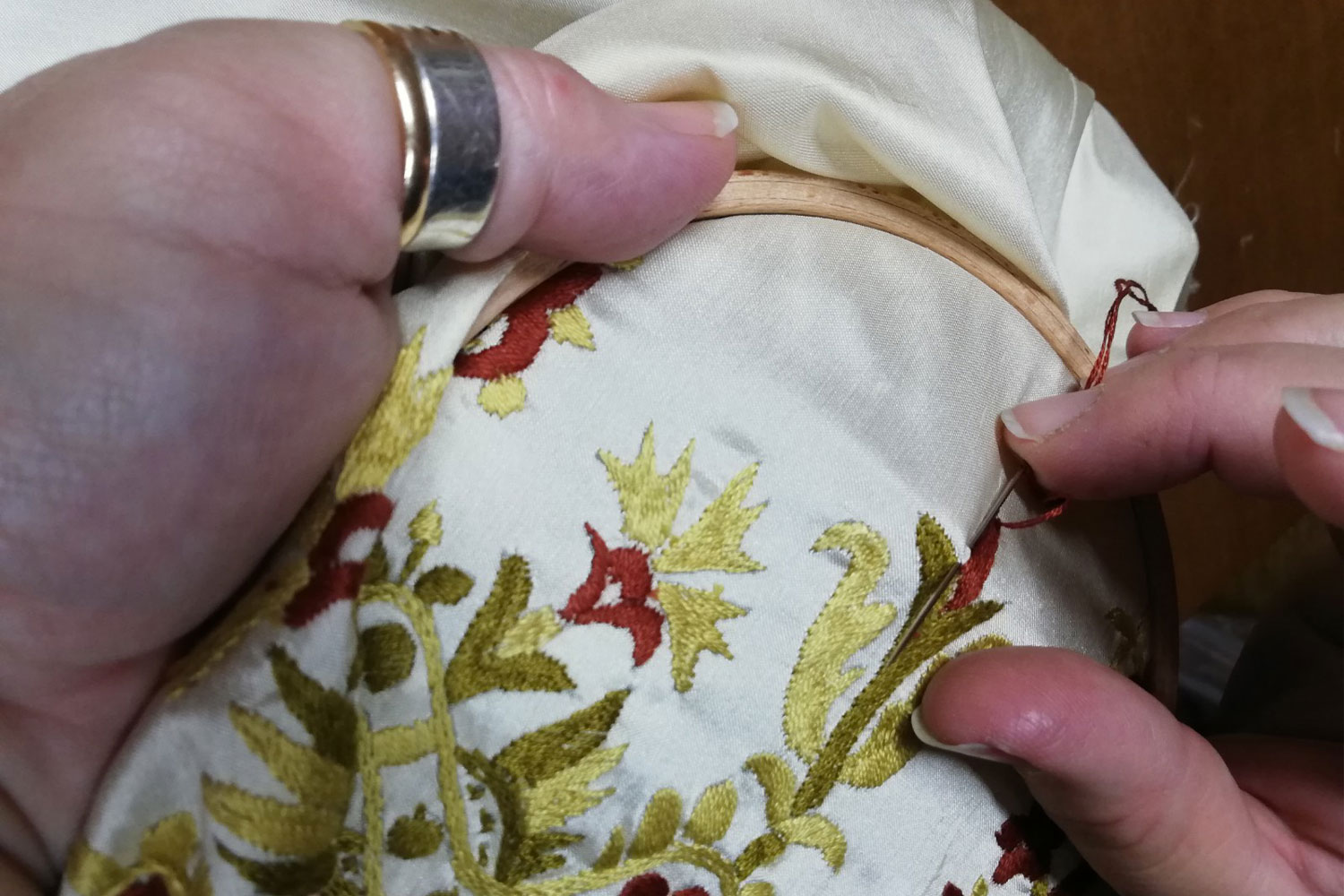
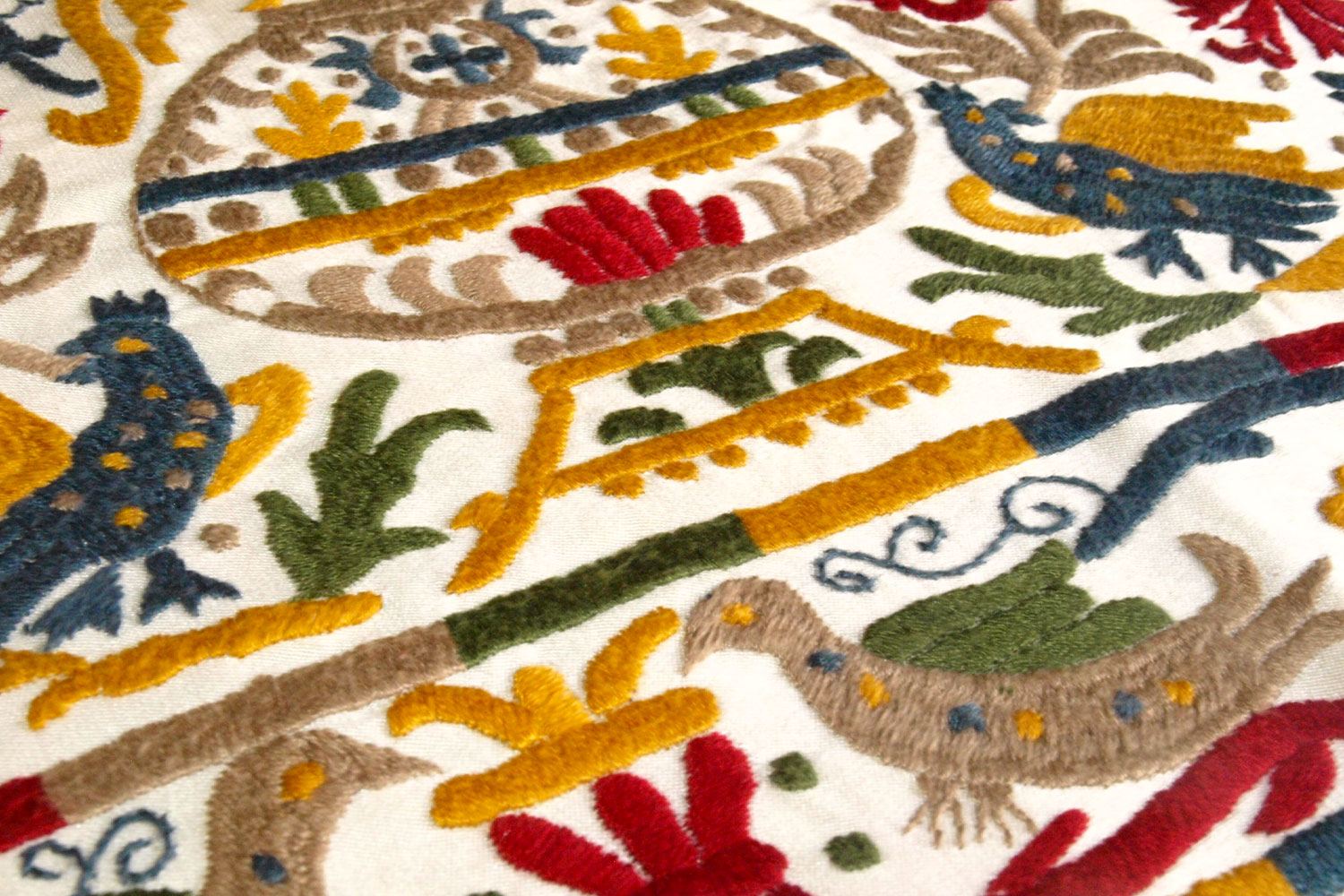
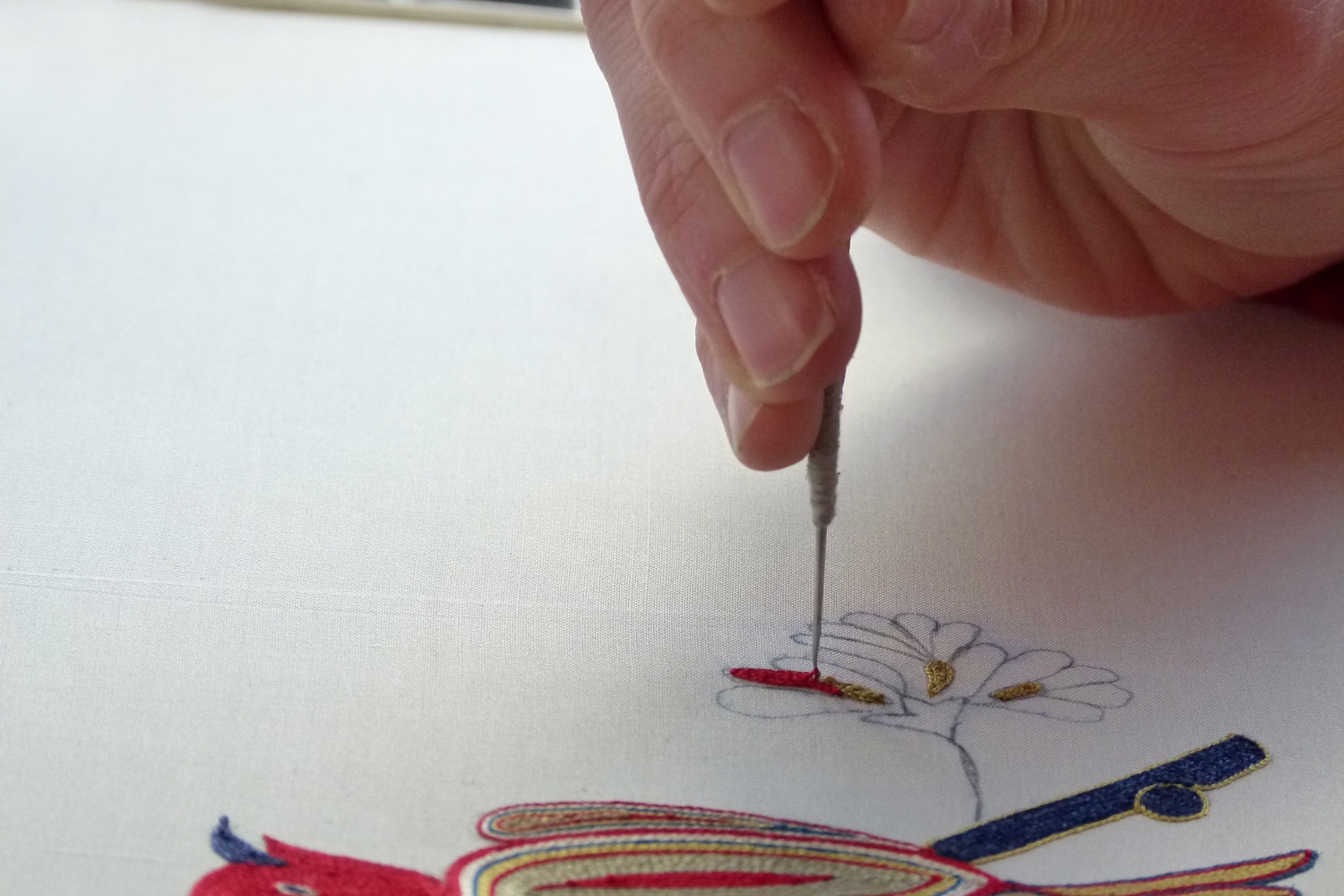
Through his craft, Carlos Vinicius is preserving the future of barafunda, an intricate and symbolic embroidery technique rooted in African lineage. Long practised in Candomblé communities, which are centres of Afro-Brazilian faith and culture, barafunda holds a vital place in ceremonial dress. Unlike freehand embroidery, it follows a set of over 30 distinct stitches. “It is a delicate technique that requires patience, precision and practice,” says Carlos. He combines different stitches to create distinctive, mosaic-like designs. Carlos shares this ancestral knowledge by teaching the technique to others. “What moves me is sharing. I want barafunda to stay alive in the hands of other Black artisans who see manual craft as a form of memory and affirmation,” he says.
Carlos-Vinicius-Pereira-foto-48.jpg)
Carlos-Vinicius-Pereira-foto-19.jpg)
Carlos-Vinicius-Pereira-foto-27.jpg)
Carlos-Vinicius-Pereira-foto-57.jpg)
INTERVIEW
The embroidery I create carries profound symbolism within spiritual space. Each piece is embroidered with meaning, axé, which is spiritual energy, and intention. When I embroider clothing for a deity, an orixá, I am not simply adorning it. I am reverently clothing the sacred.
I hope to explore barafunda in contemporary art, installations and exhibitions.
I capture my work in photos and videos. I always photograph each step of the creation process, from the initial sketches to completed embroidery. I plan to organise a more formal archive for future publications, booklets and exhibitions.
I had the honour of participating in a travelling exhibition Um Defeito de Cor, which translates to 'A Defect of Colour'. Three pieces of my ceremonial cloths called panos da costa were exhibited in three major cities.
Carlos Vinicius
Awô Bordados
Embroiderer
Salvador, Brazil
ADDRESS
Address upon request, Salvador, Brazil
AVAILABILITY
By appointment only
PHONE
+55 71993145100
LANGUAGES
Portuguese, Spanish
Homo Faber Finds is a new service aiming to inspire admirers of craft to connect and collaborate with exceptional artisans.
We invite you to submit an enquiry here.