Kyoko Sugiura
Embroiderer
Kyoto, Japan
The subtle language of embroidery
- Kyoko creates embroidery art using the Lunéville crochet technique
- Her works are inspired by Japanese art and Flemish paintings
- She works between France and Japan
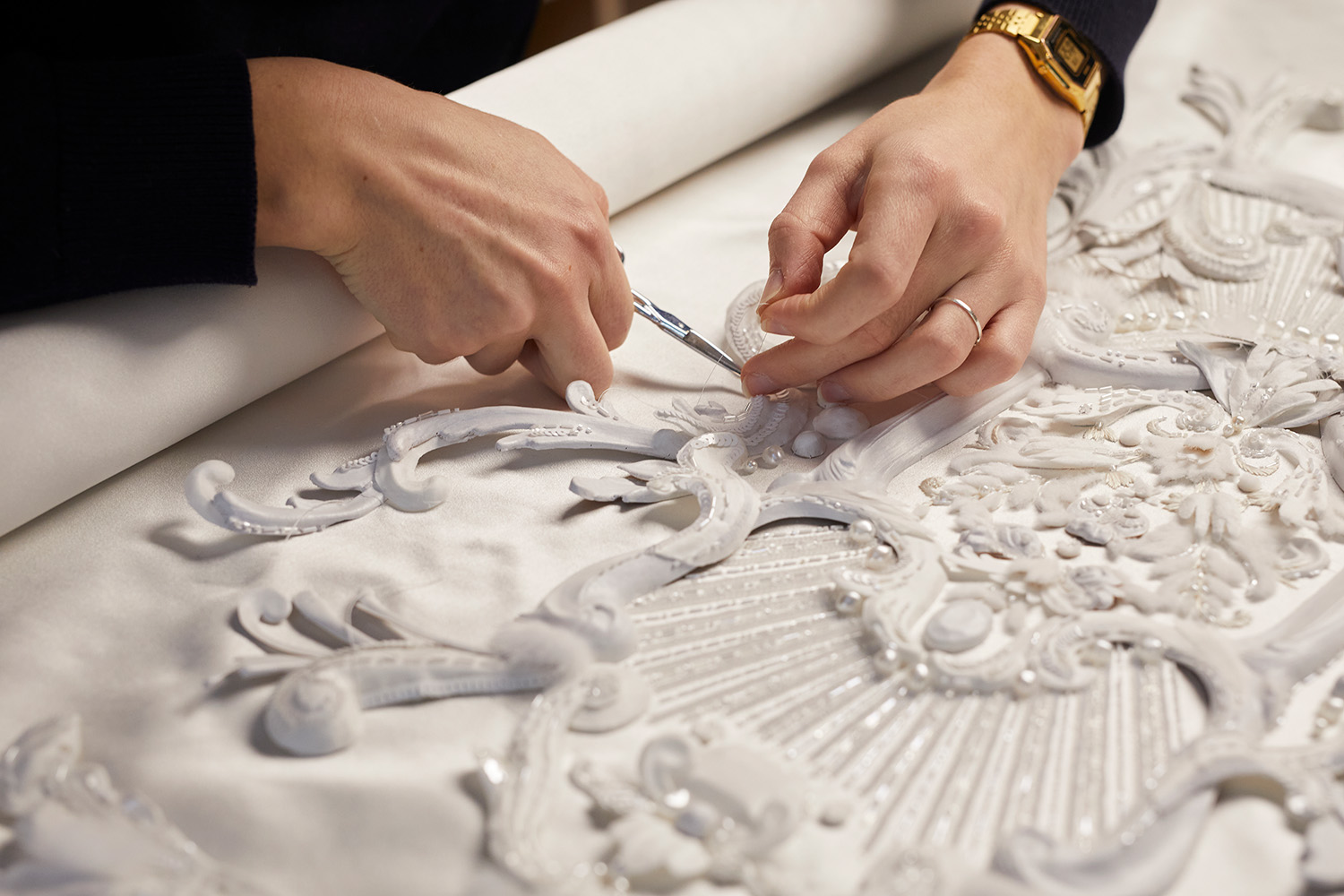
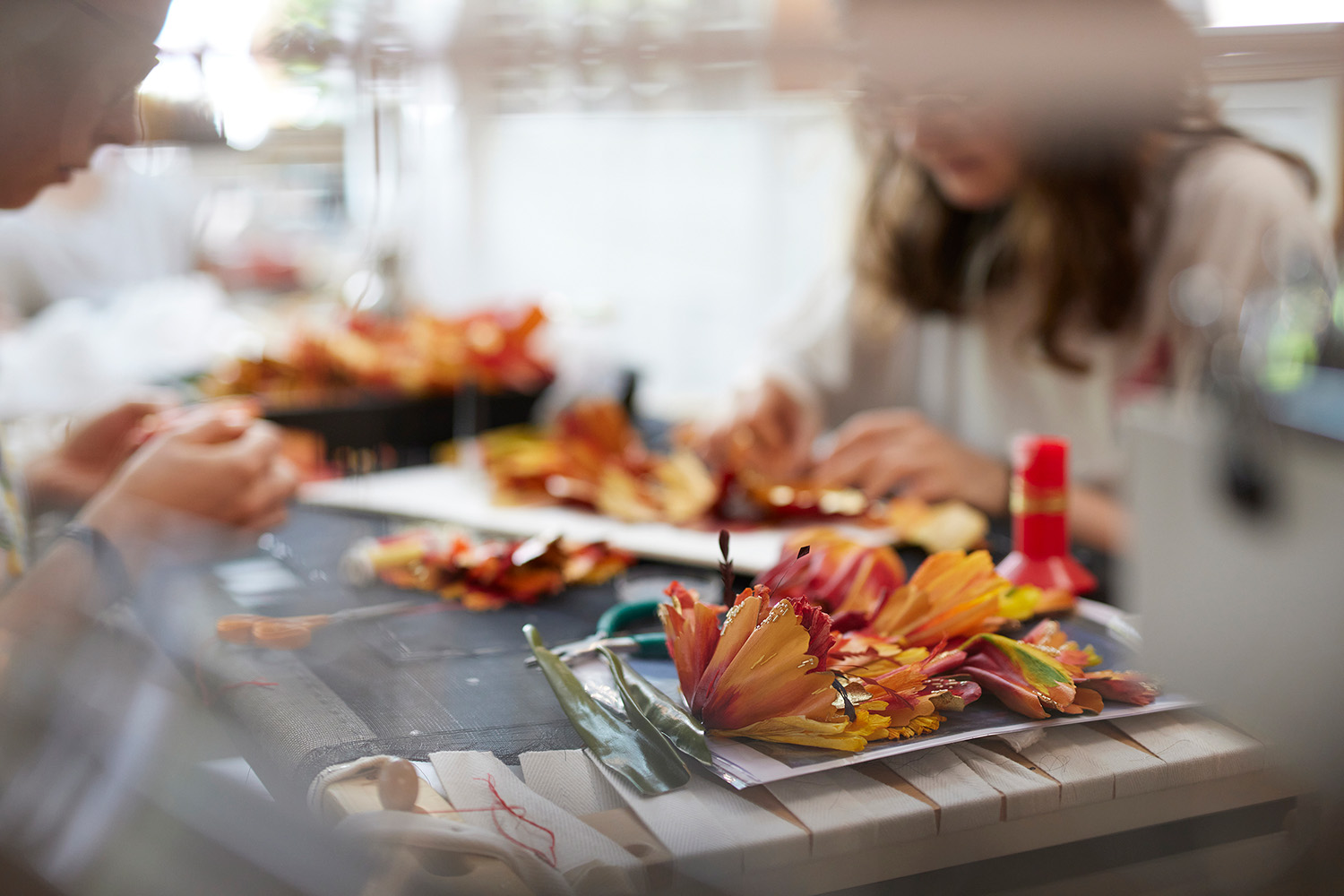
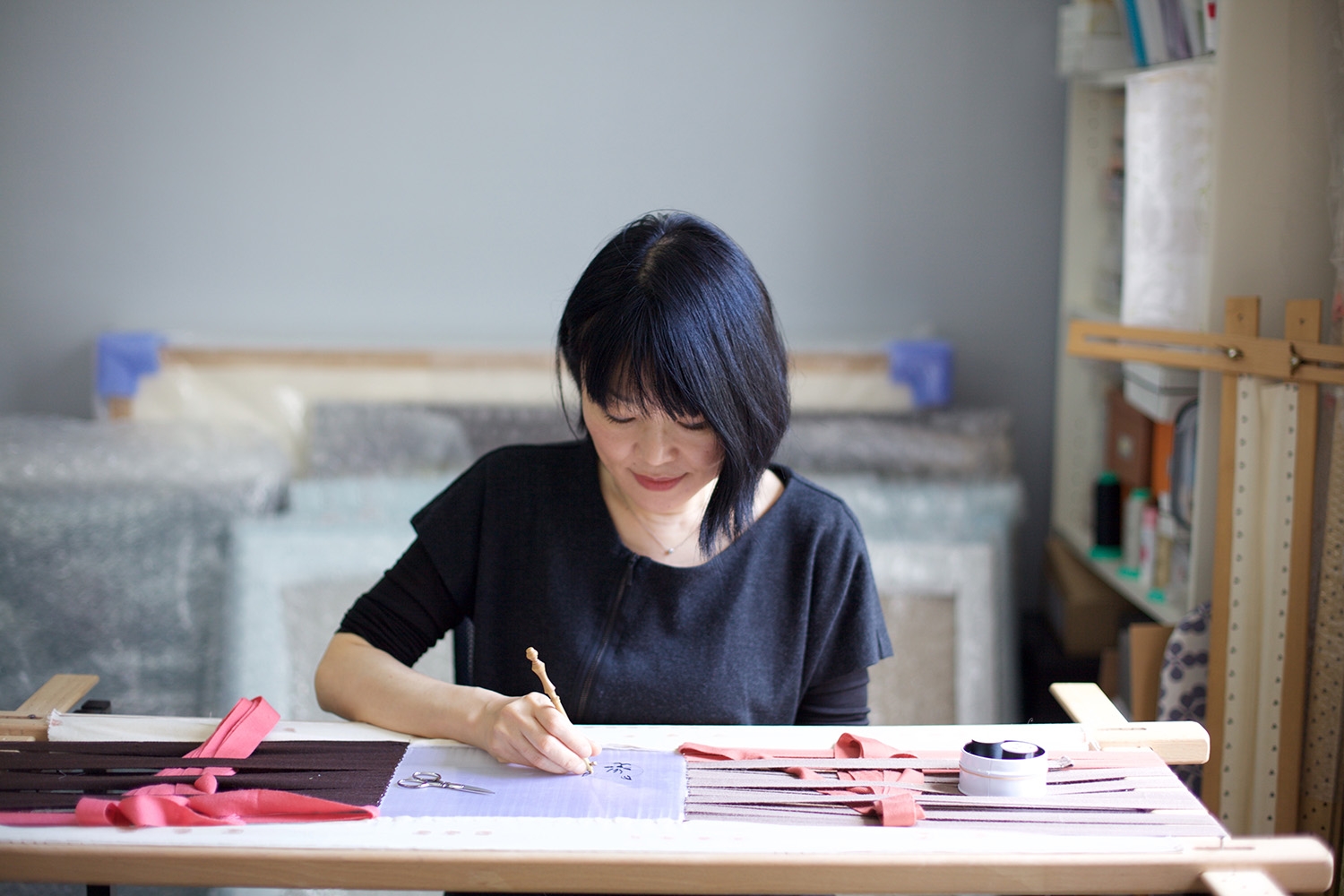
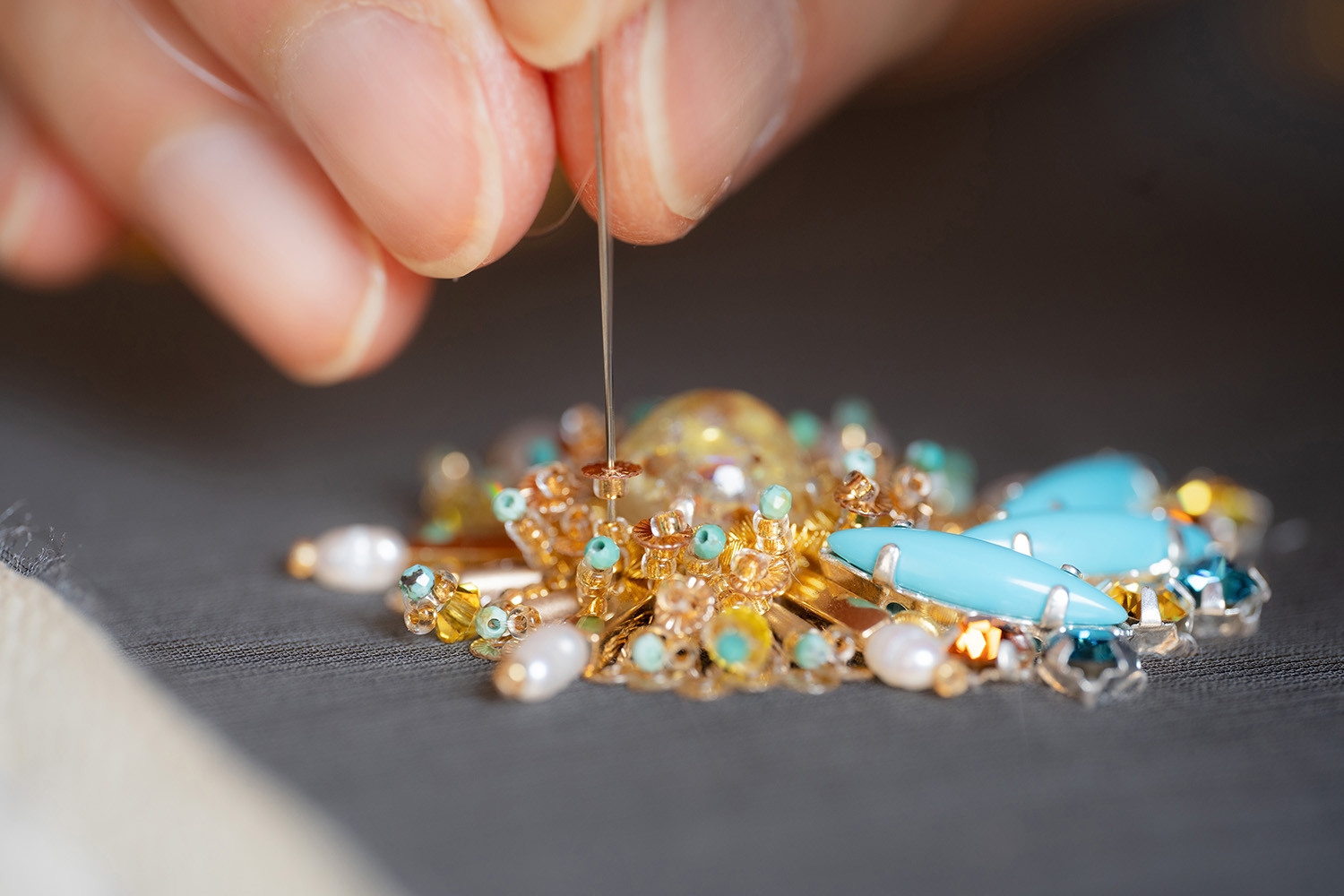
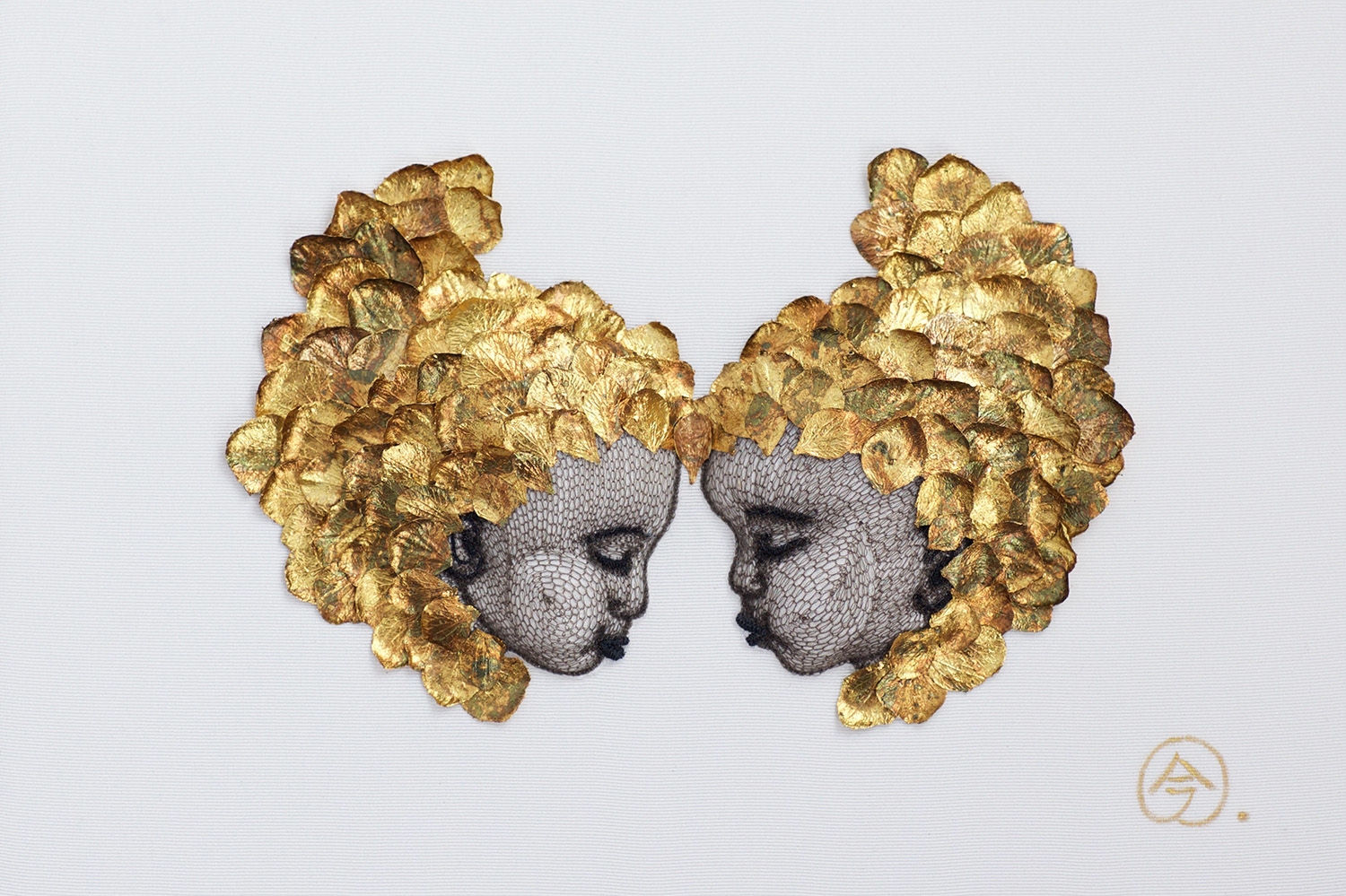
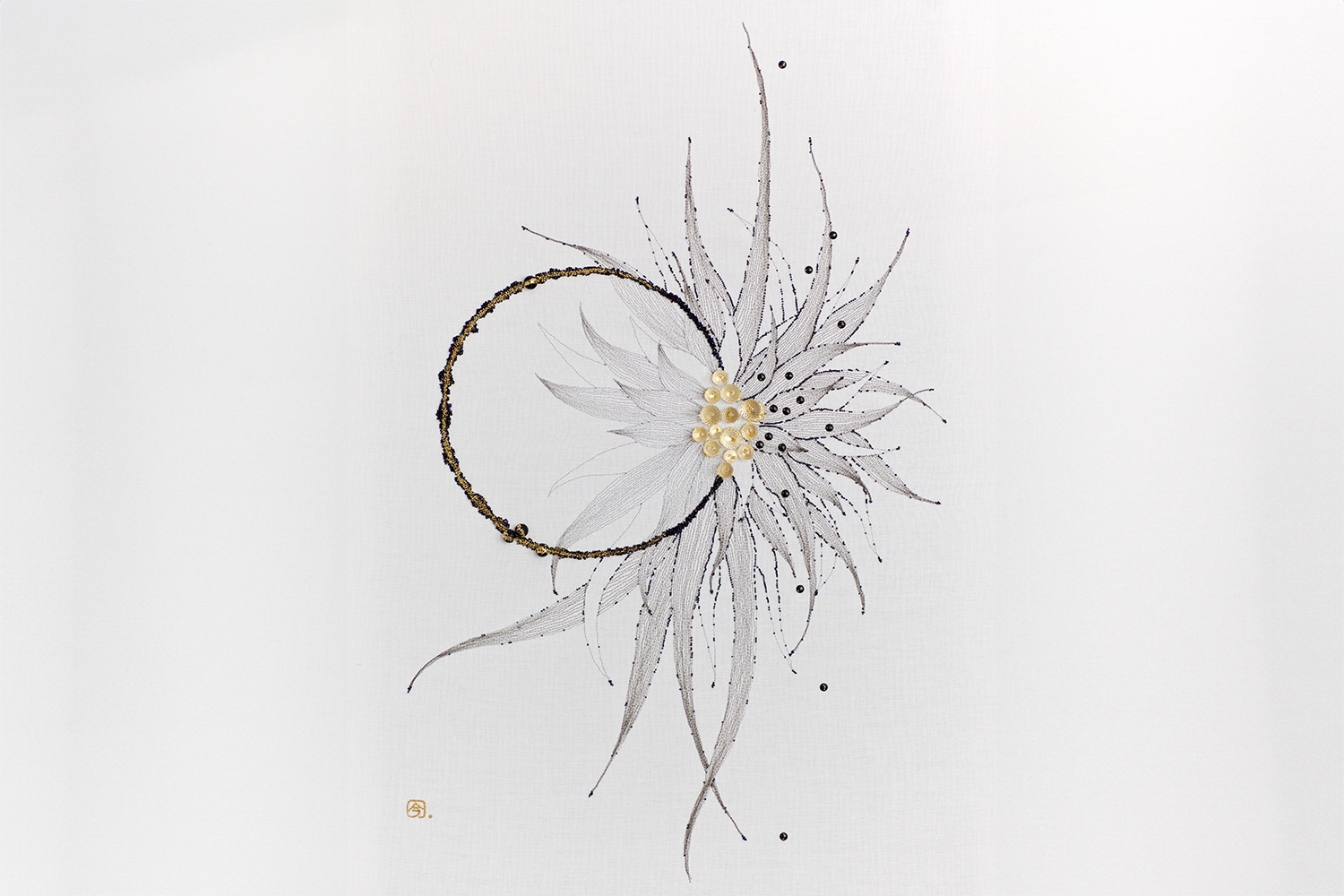
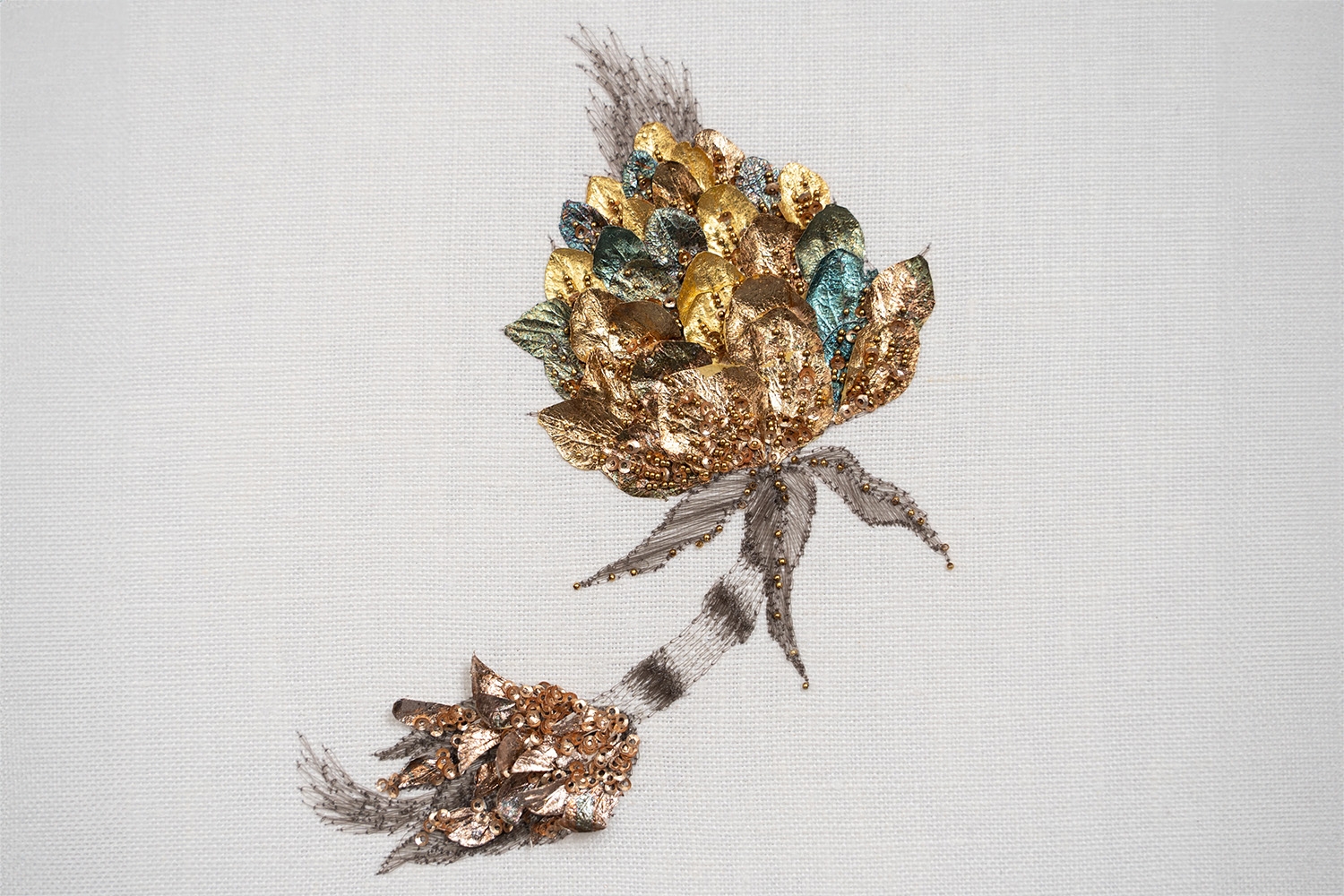
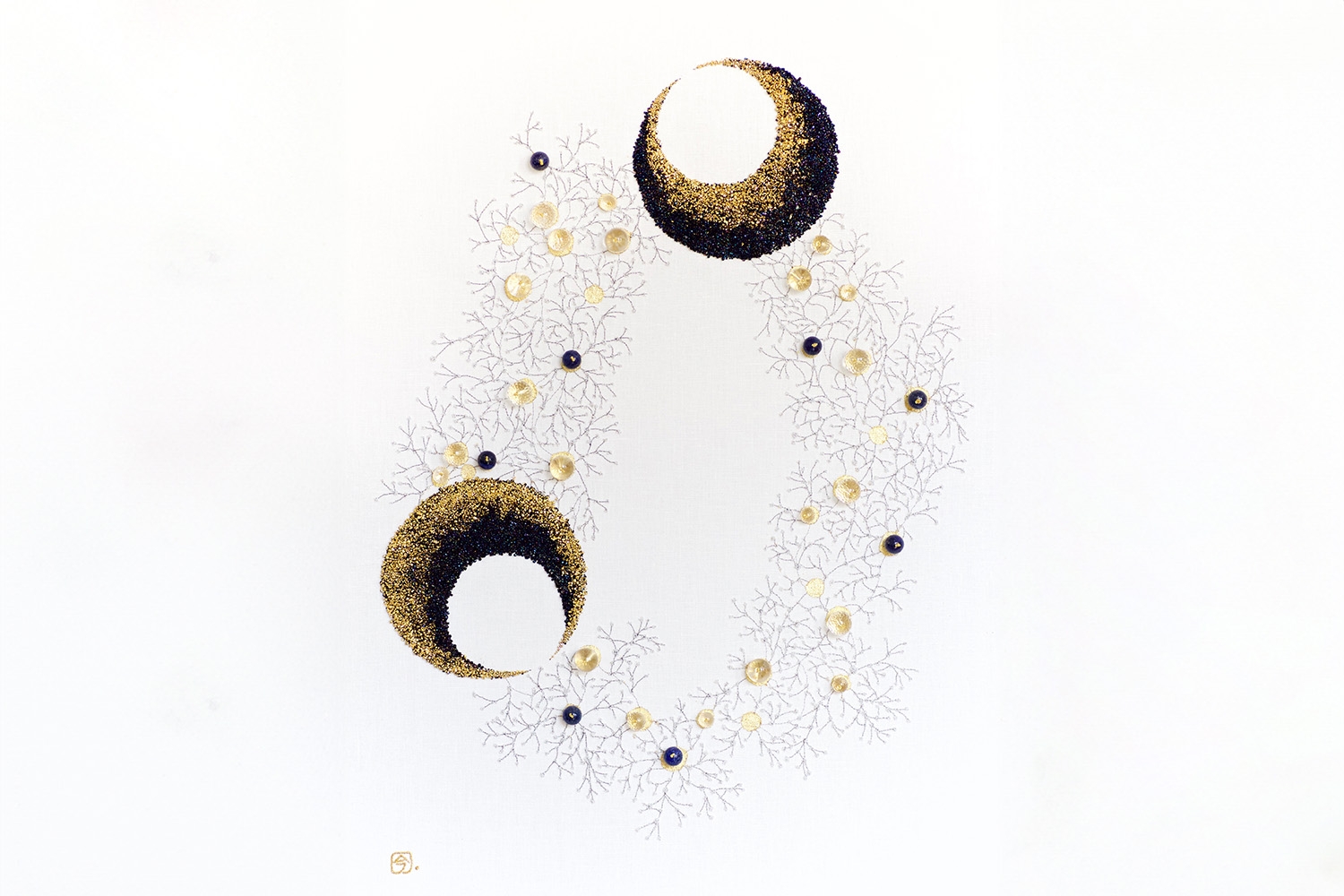
At the beginning of her career Kyoko Sugiura took a general course in Western embroidery run by a publishing house in Tokyo. Fascinated by embroidery, she decided to deepen her knowledge and went to study fashion design, pattern making and tailoring at Bunka Fashion College in Tokyo. After finishing her studies she opened her own studio in Tokyo in 2003, but still felt a desire to further improve her skills. That is why, in 2009, Kyoko moved to France where she could learn the Lunéville crochet technique for haute couture embroidery at the Beaux-Arts du Fil. She soon obtained her diploma in embroidery arts (Certificat d'aptitude professionnelle Arts de la broderie) and worked in an embroidery workshop in Paris. In 2012, Kyoko was able to open her own studio in Paris where she handcrafts transporting artworks that reflect on nature and the intangible elements of the universe.
Discover her work
INTERVIEW
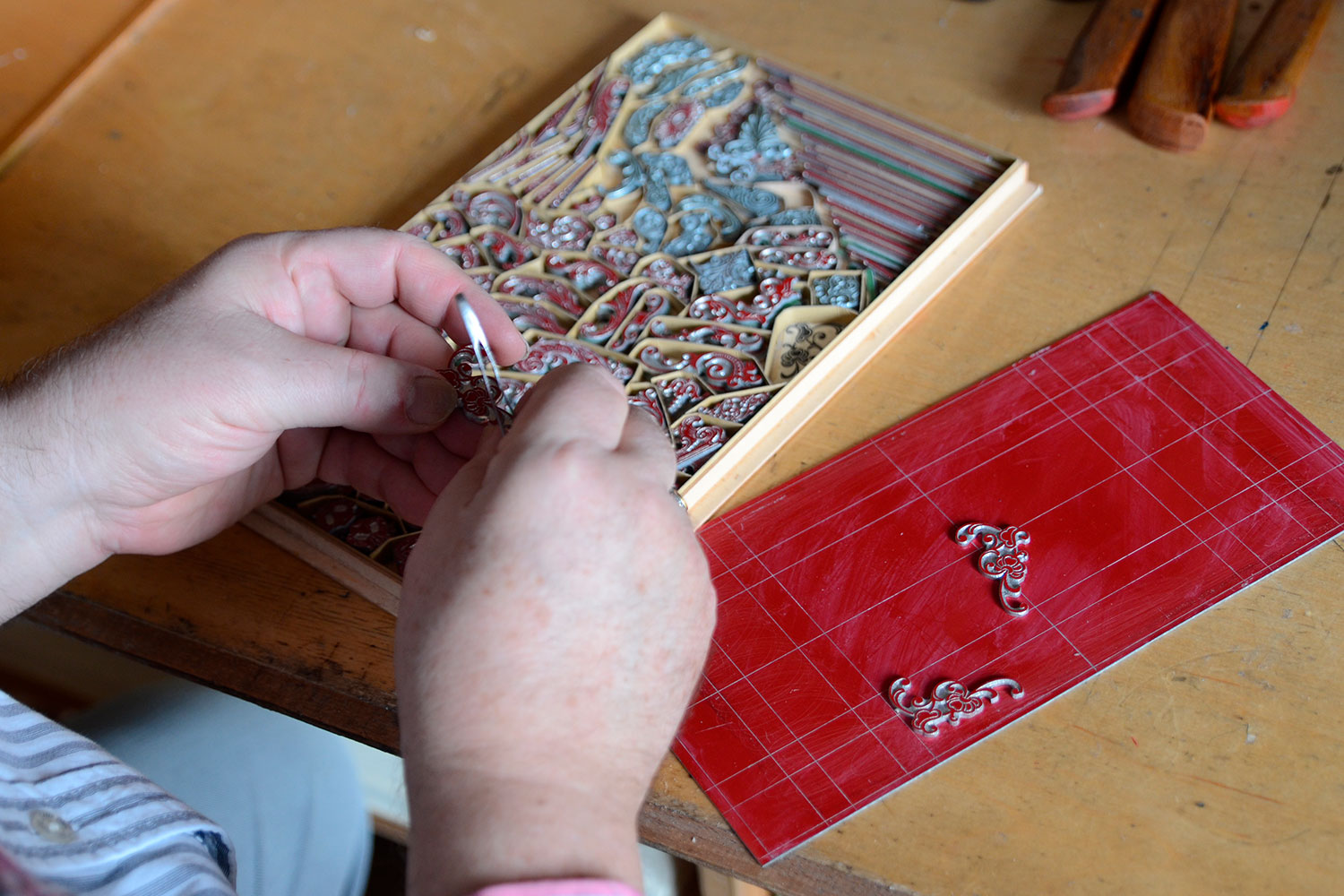
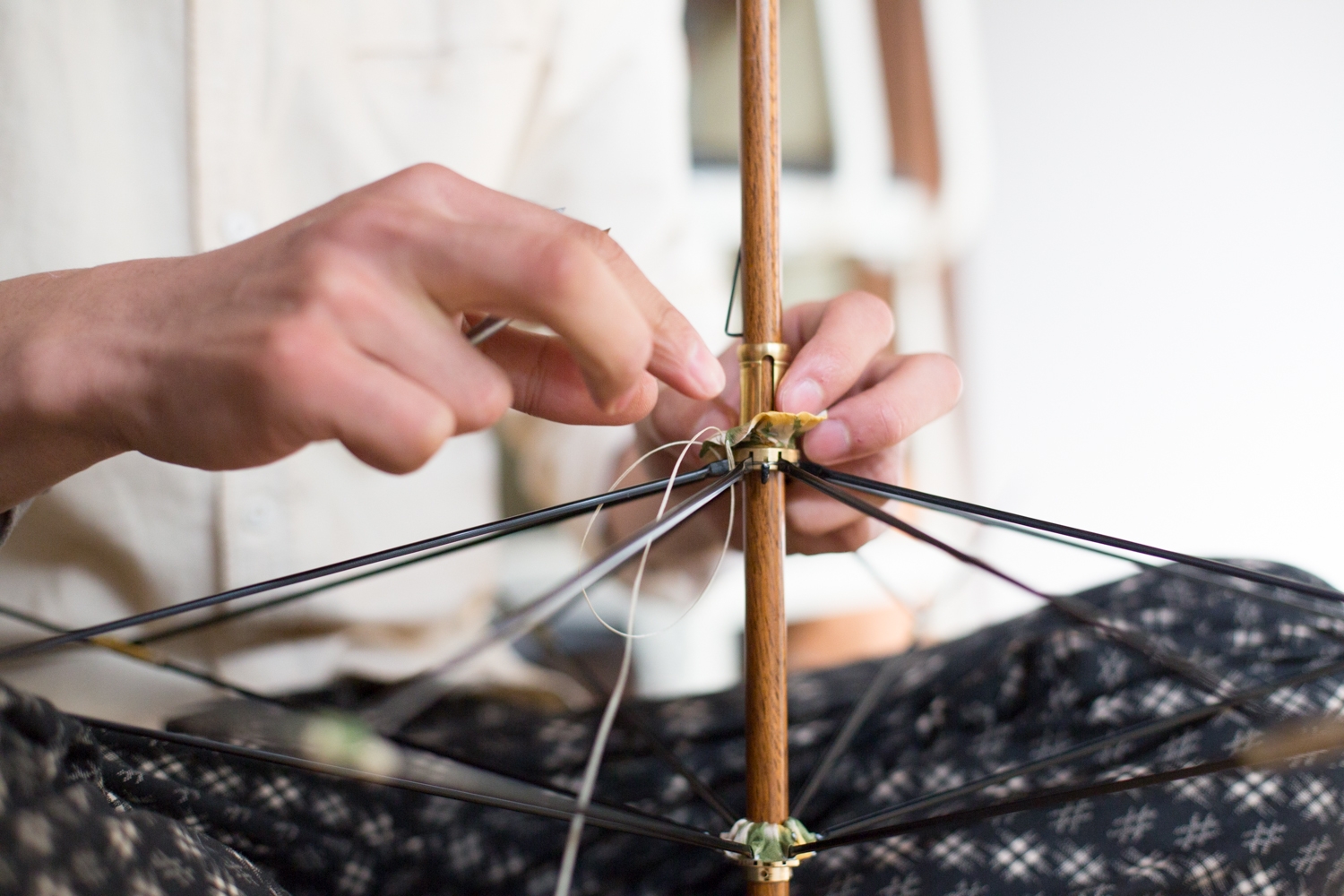
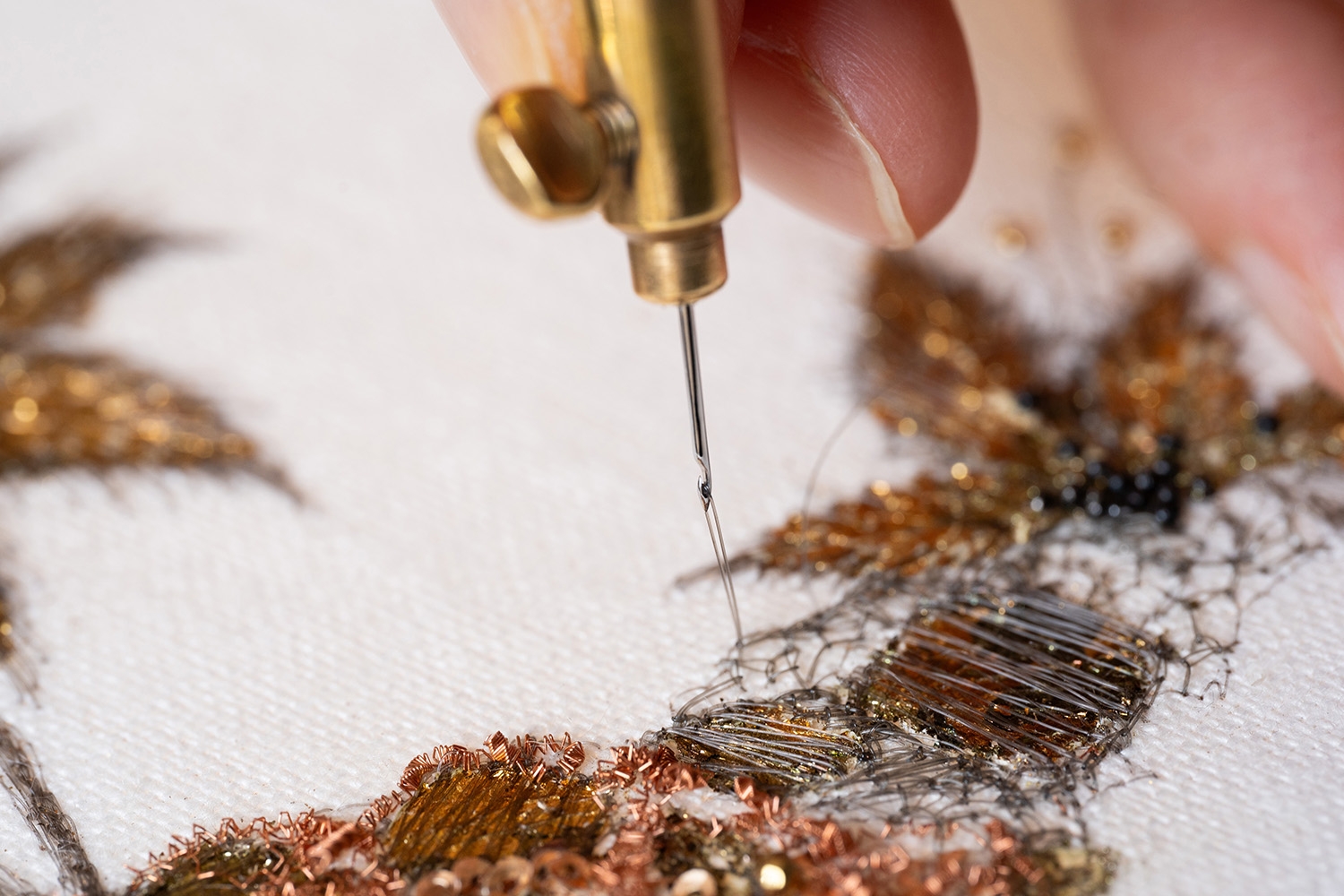
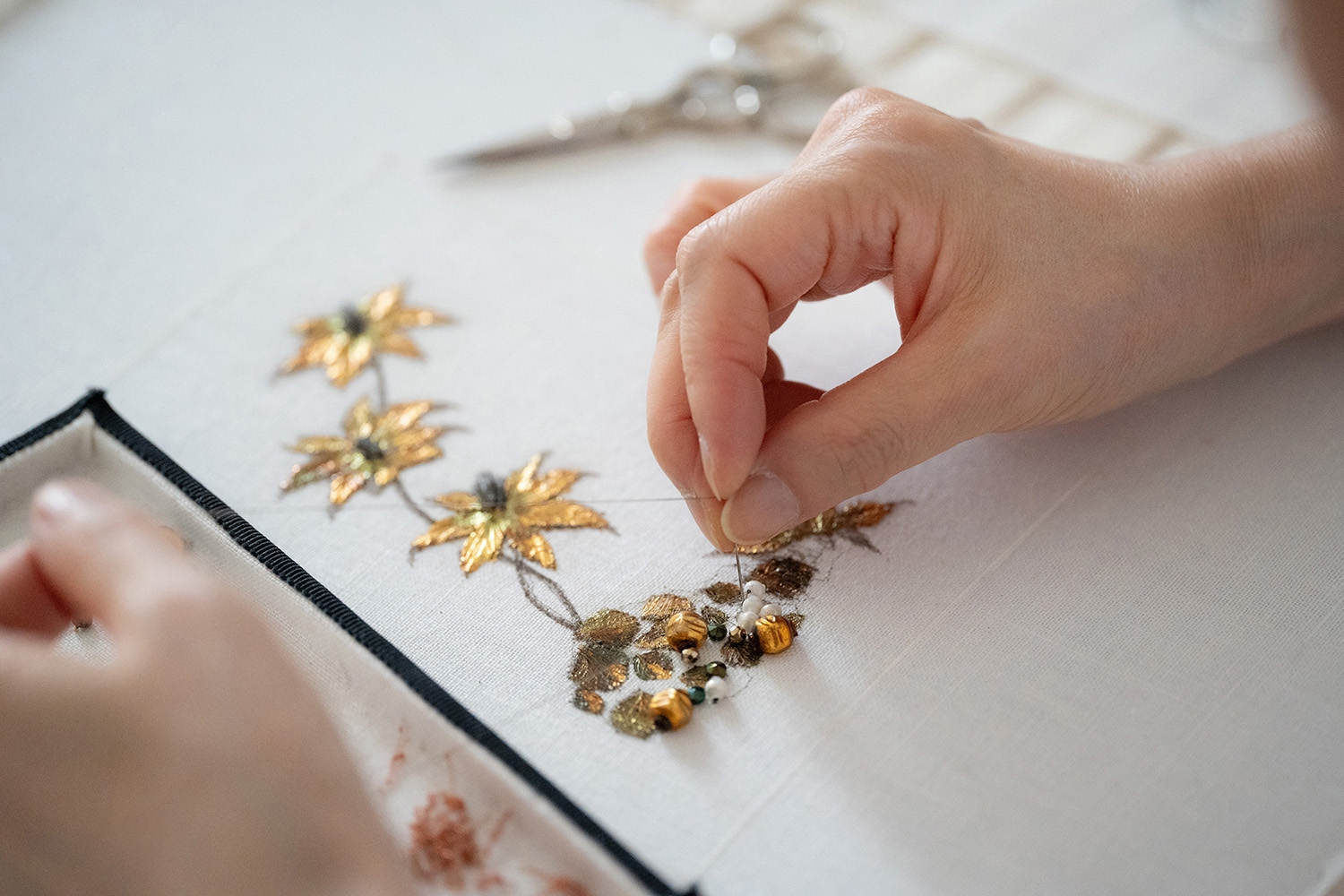
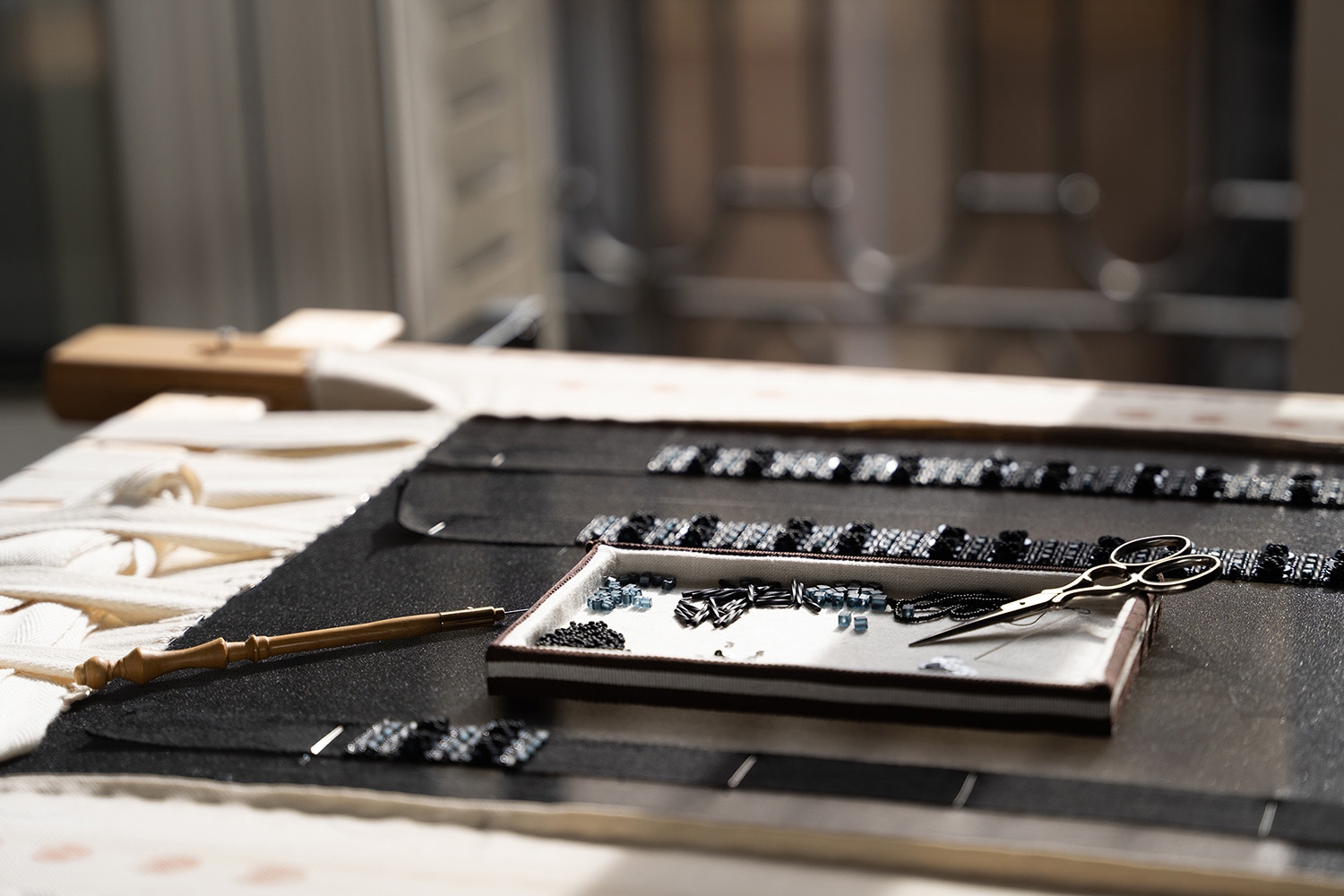
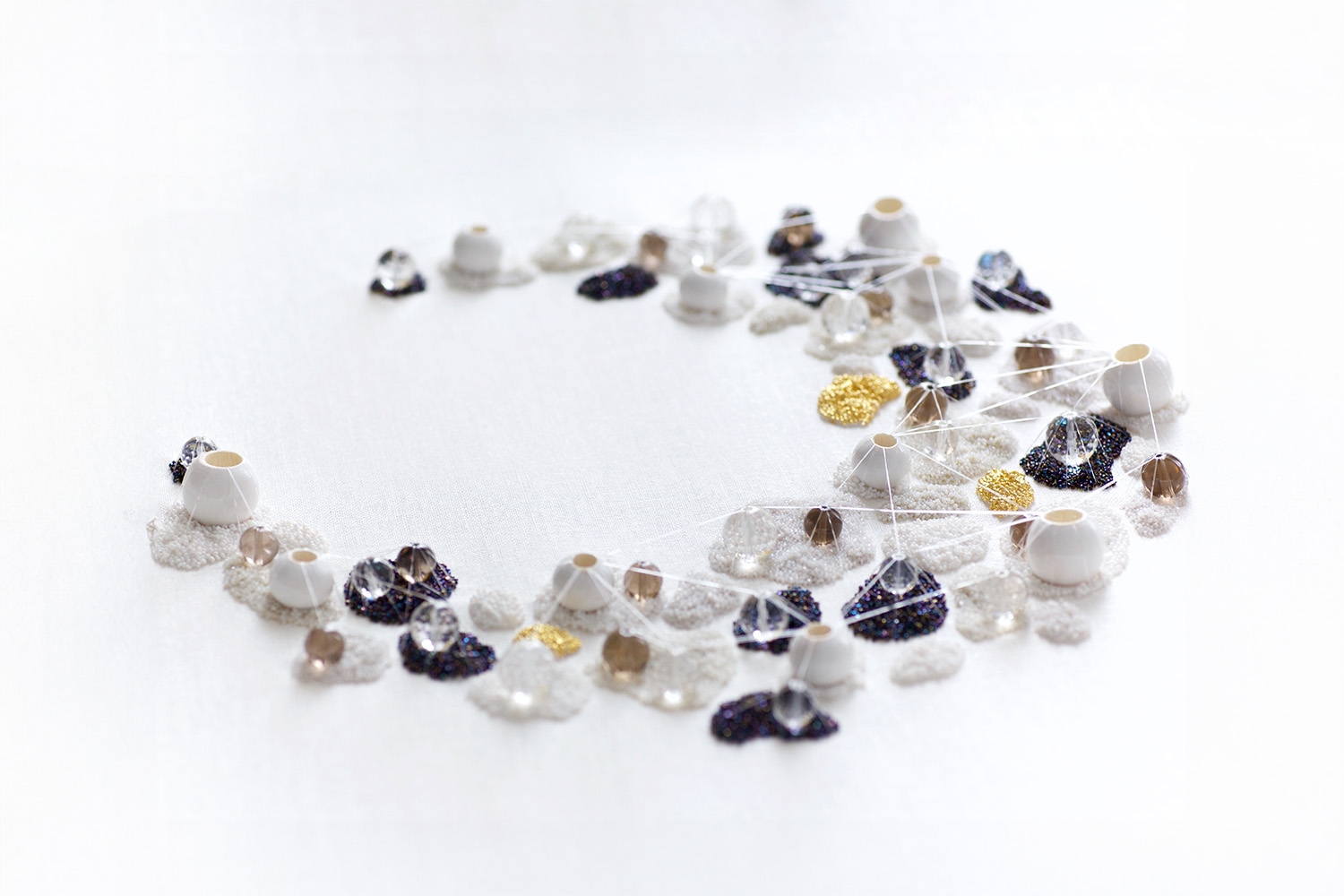
Lunéville crochet is an embroidery technique that originated in France. A special hook allows you to embroider beads and sequins more quickly and with greater precision than with a needle. The hook also has the particularity of being able to embroider even the smallest materials, as long as they are threaded. Using this technique and needlework, the possibilities of expression are endless.
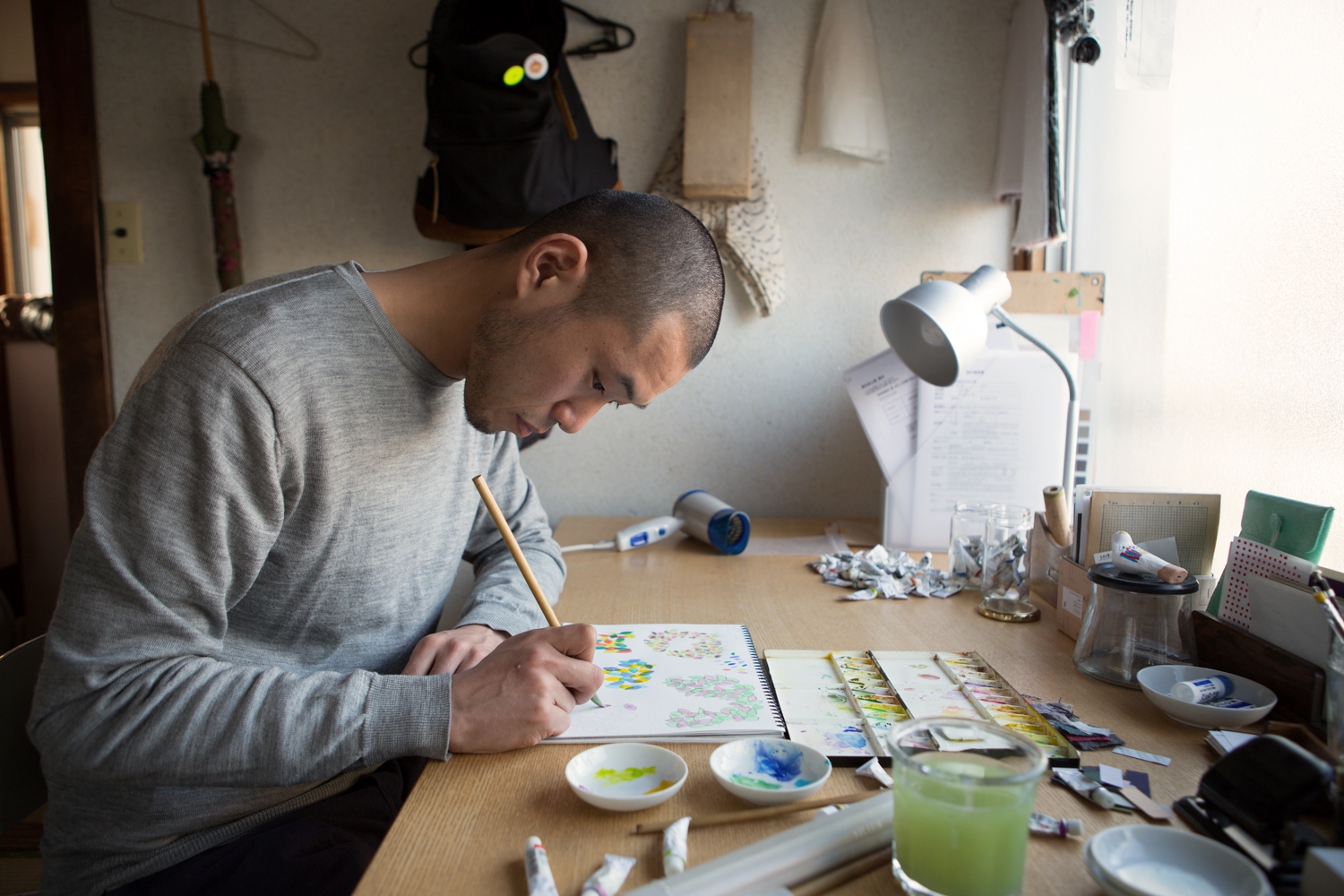
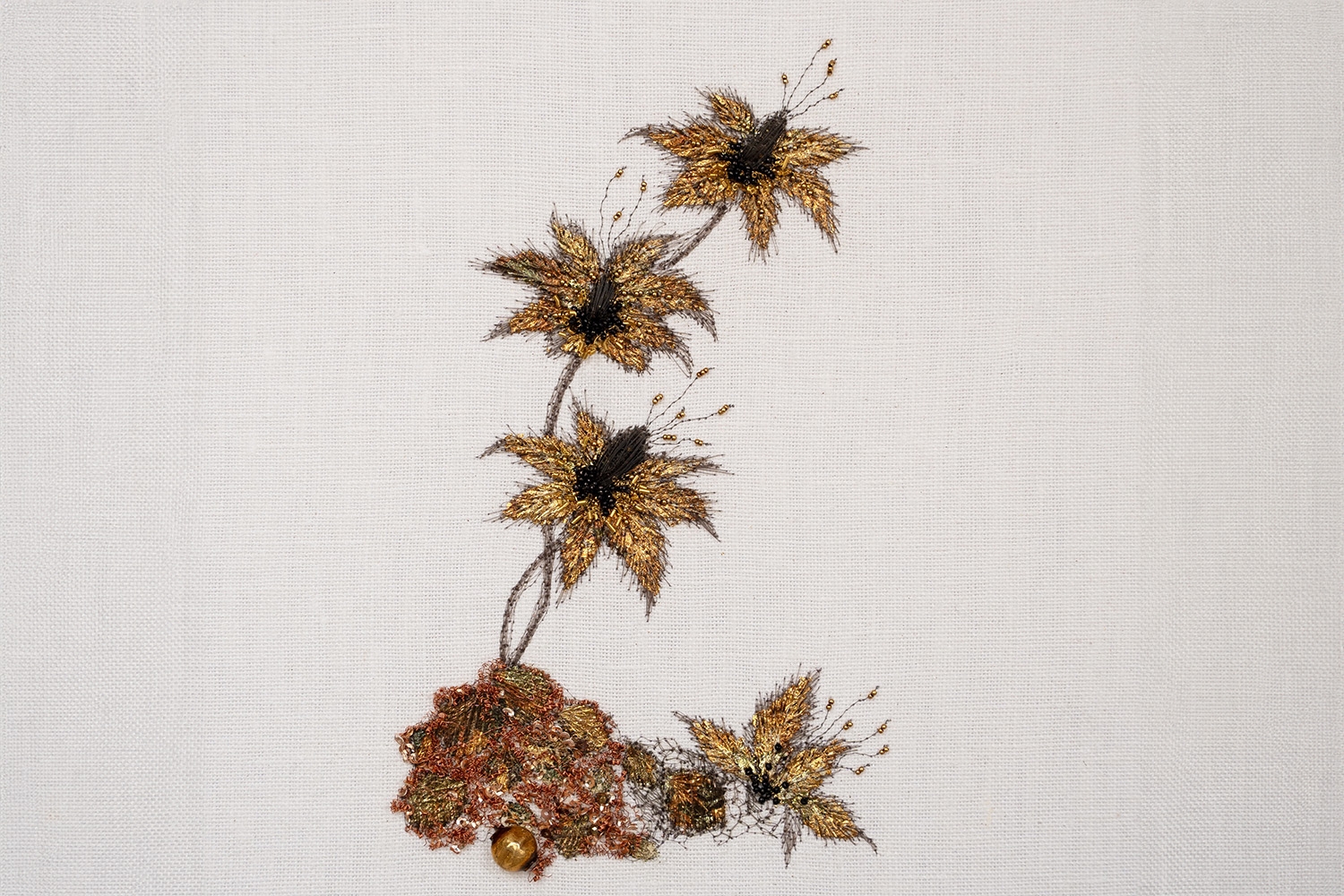
I am inspired by what breathes life into nature. As well as plants, minerals and living things that we can see and touch, I am also inspired by things that cannot be seen, but which exist around us, such as the wind, smells and the atmosphere. Dynamic representations of nature in early Japanese art and the naturalism of 15th-century Flemish miniature painting have also influenced my work.
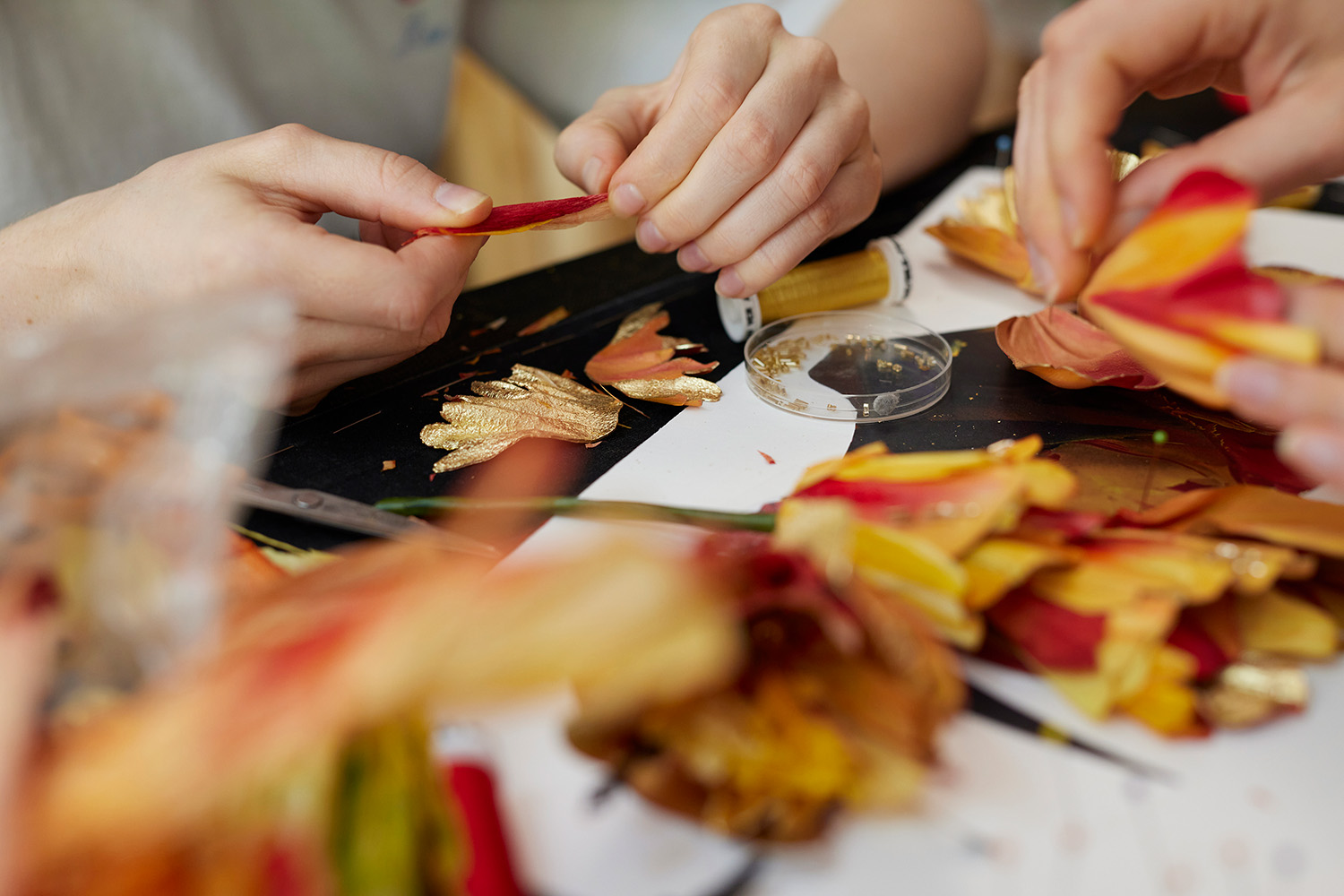
The solid techniques of traditional embroidery are the starting point for all my work. From there, I create works with my own designs using a variety of materials combined with other craft and art techniques. The aim is to create innovative textile artworks that incorporate a wide range of materials and techniques, taking a step away from what is generally associated with the word 'embroidery'.
I use all kinds of methods and materials to create something that has never been seen before. In order to give form to the image I want to create, I repeatedly experiment and make mistakes, sometimes creating new techniques in the process. One thing that people do not know is that it takes a long time to build these new techniques.
Kyoko Sugiura
Embroiderer
Kyoto, Japan
ADDRESS
Address upon request, Kyoto, Japan
AVAILABILITY
By appointment only
LANGUAGES
French, Japanese
Homo Faber Finds is a new service aiming to inspire admirers of craft to connect and collaborate with exceptional artisans.
We invite you to submit an enquiry here.