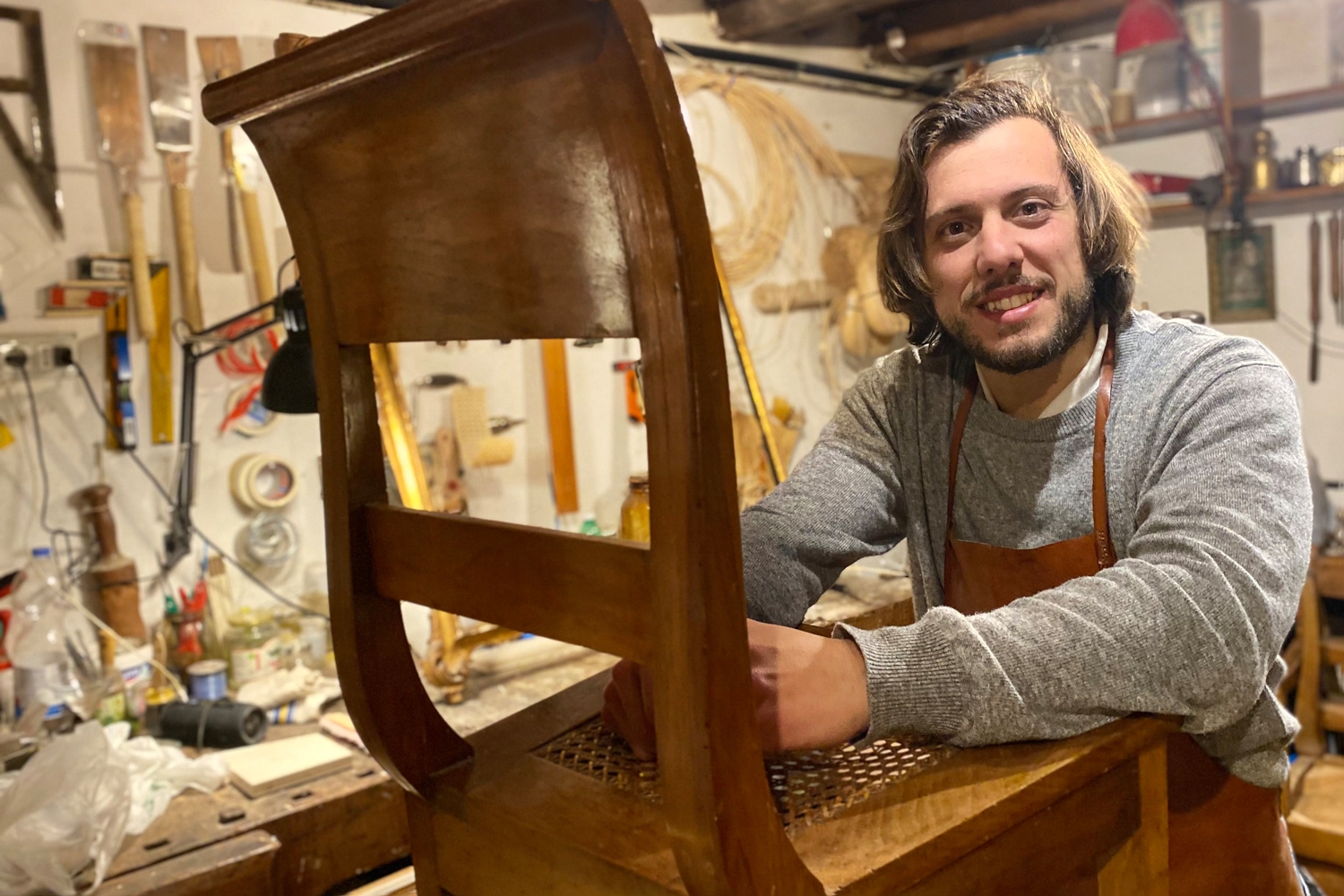
Carlos Peñuela Jordán
Restorer
Seville, Spain
Recommended by Ana Maria Abascal & Patricia Medina
Handing over the past
- Carlos opened his workshop in 2014 at the age of 27
- His vision is to restore works of art while preserving their authenticity
- He works closely with different religious fraternities in Seville
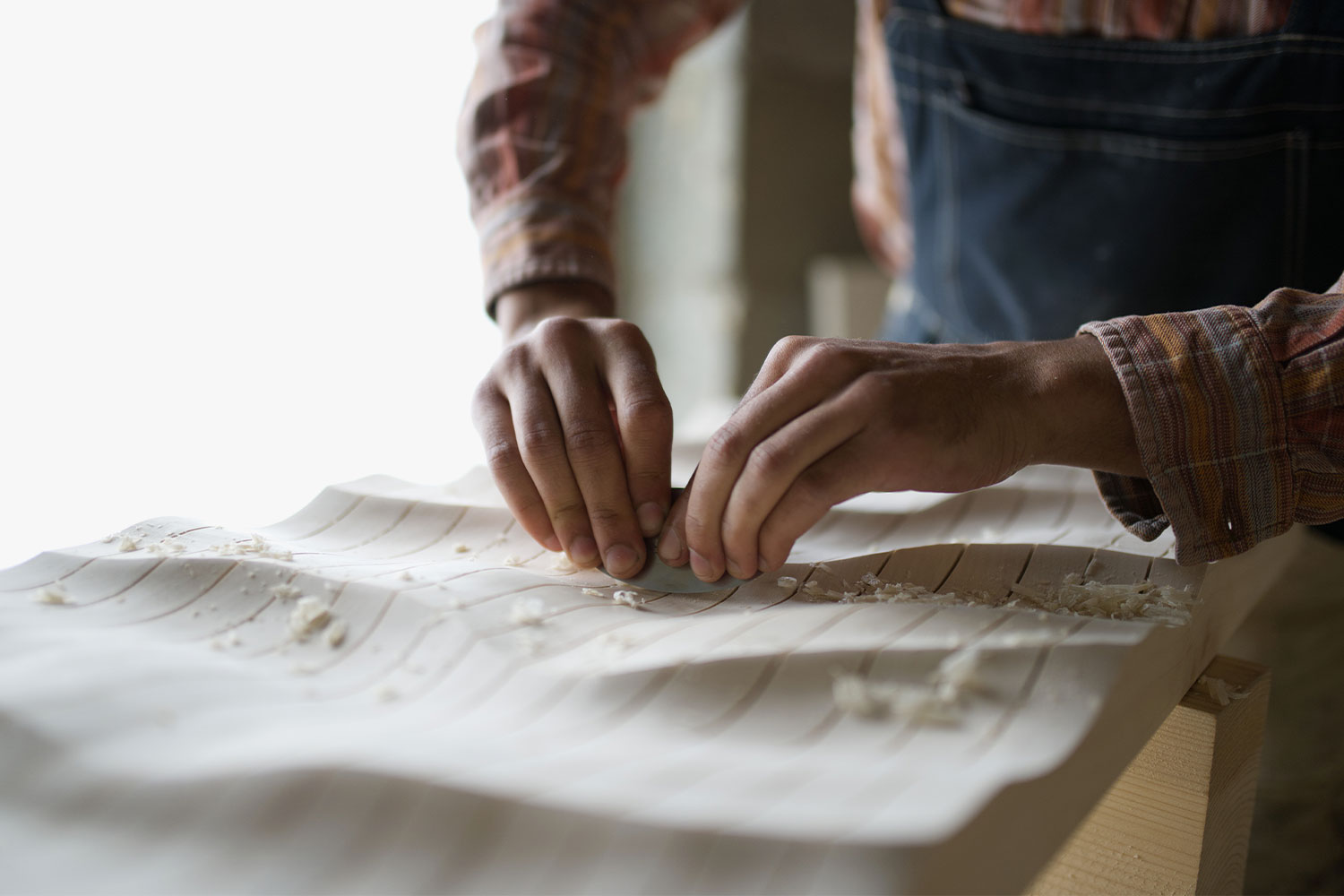
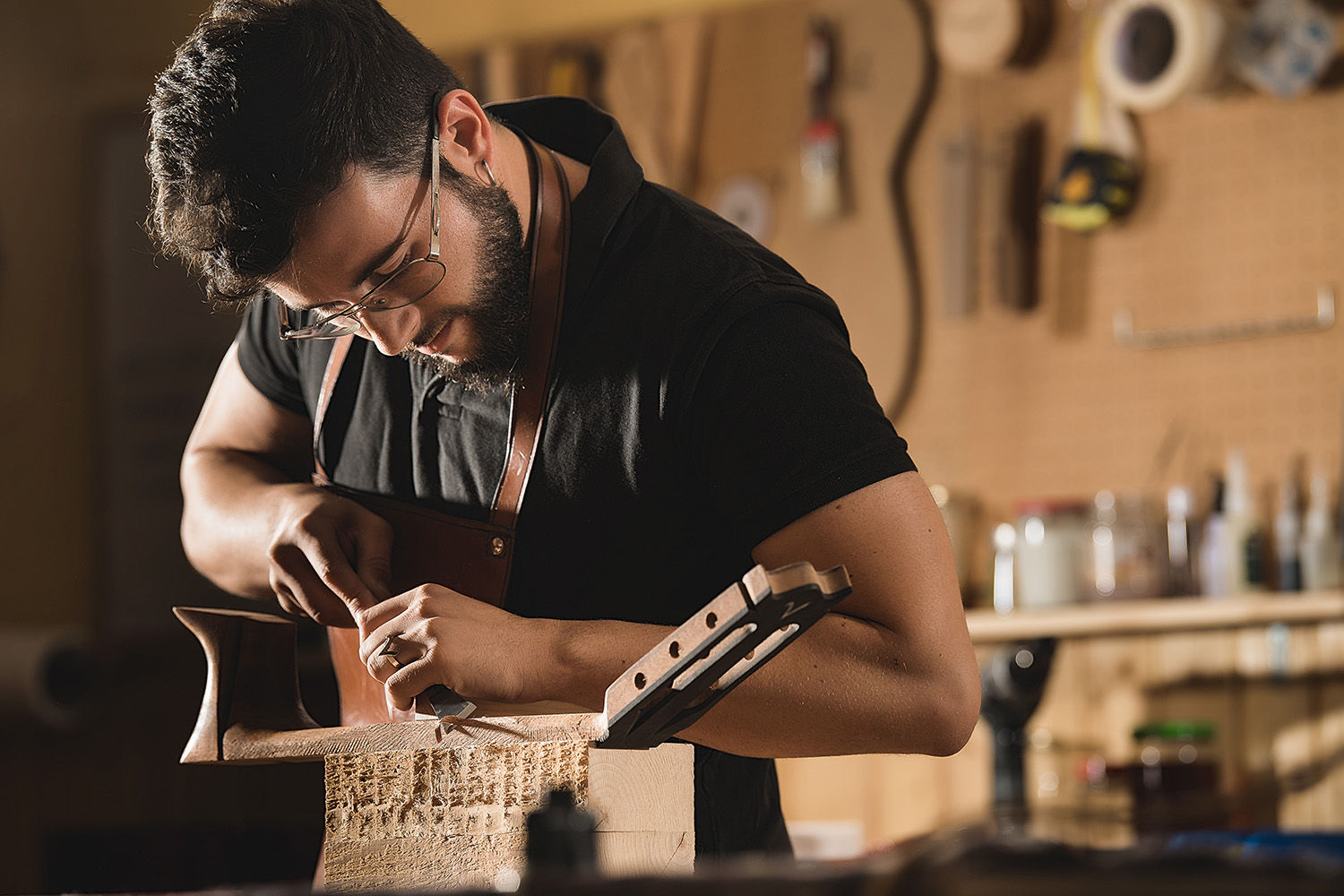
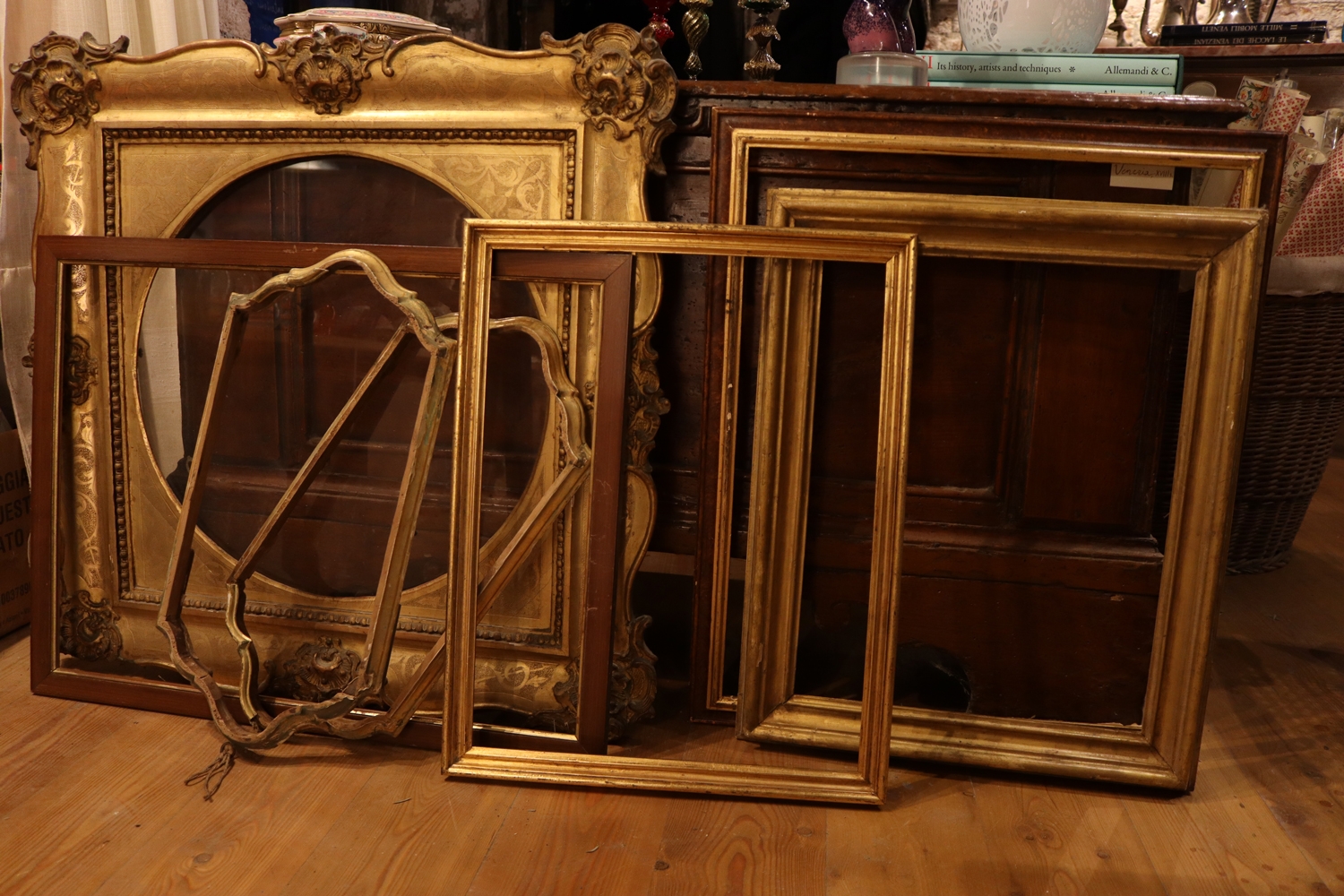
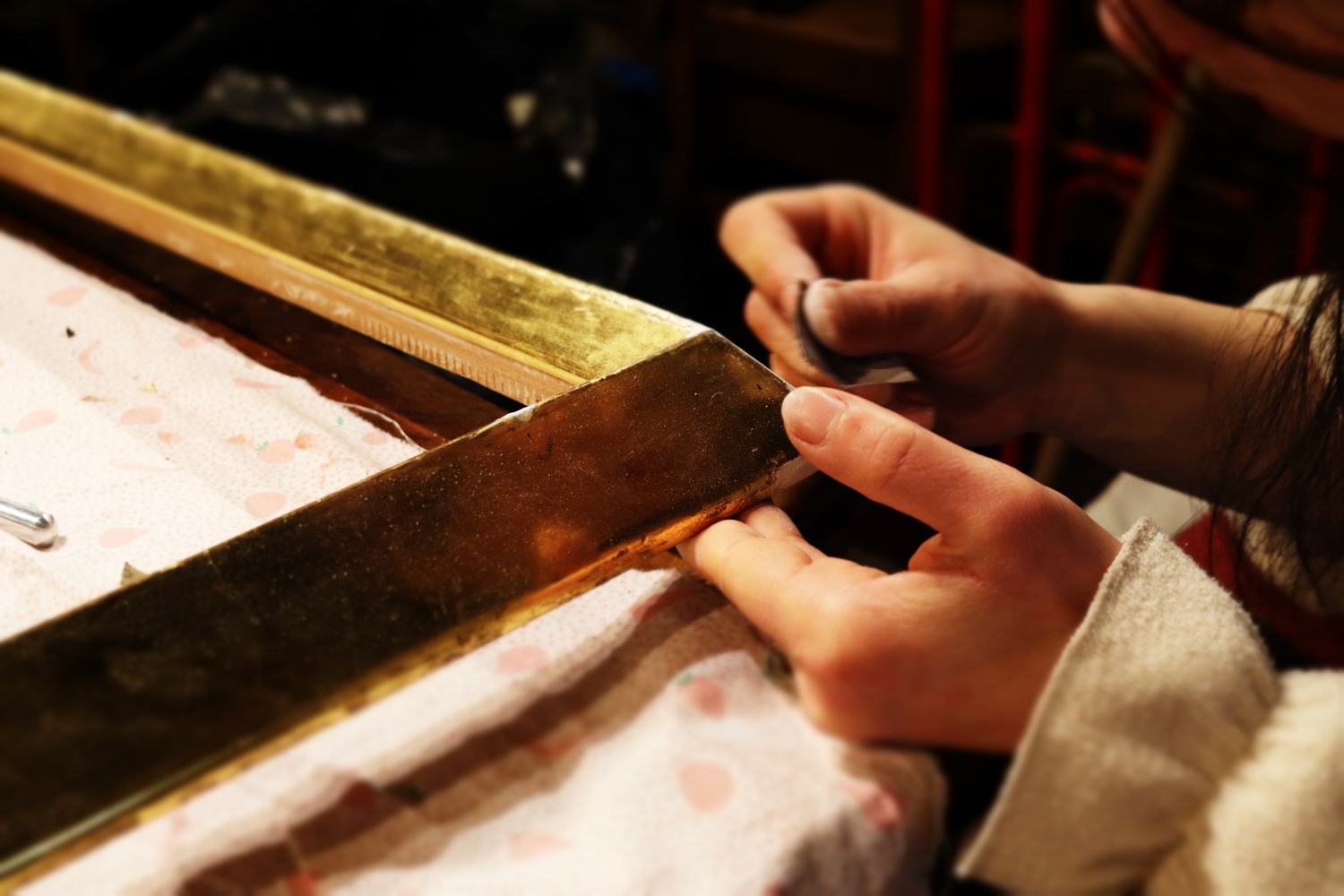
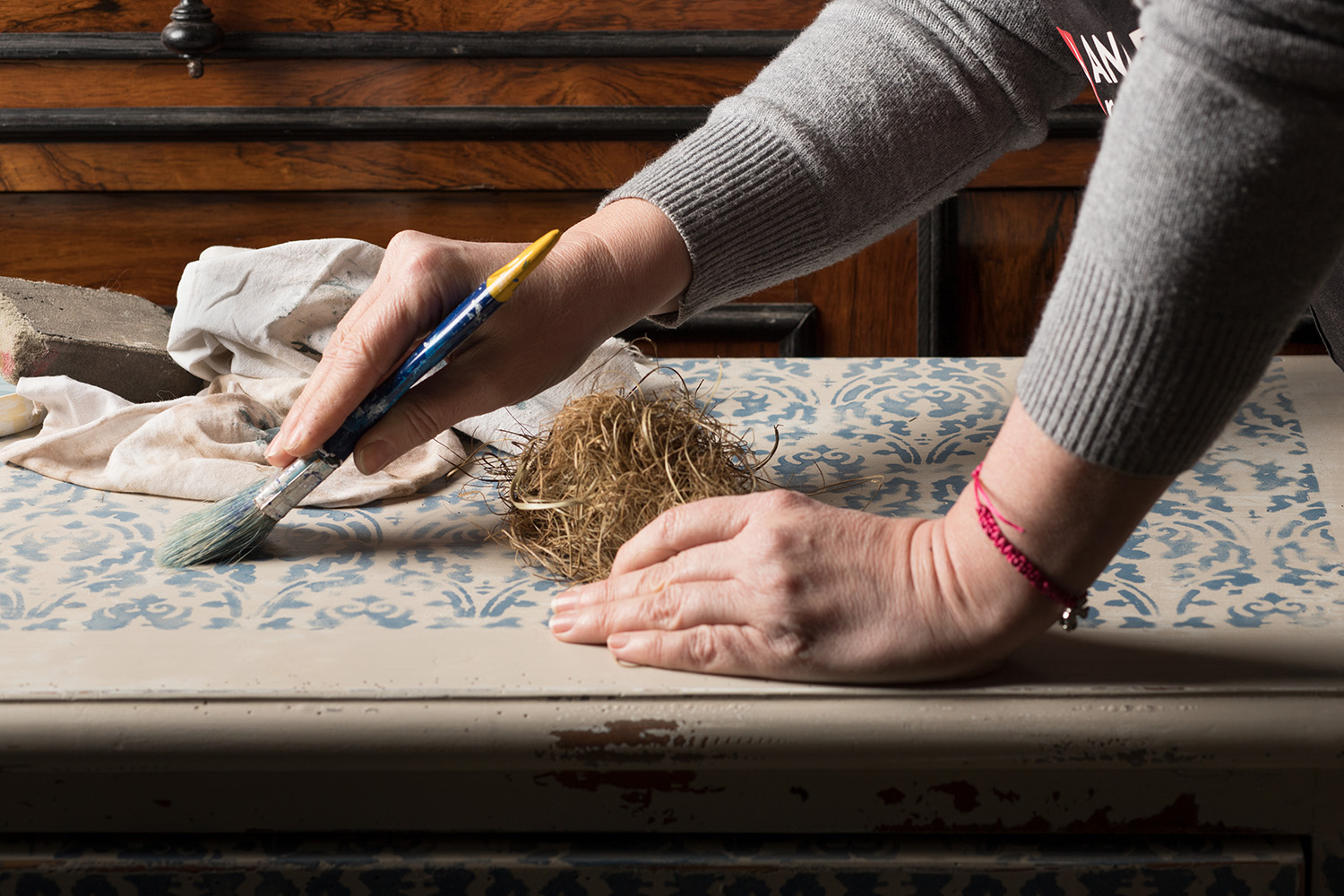
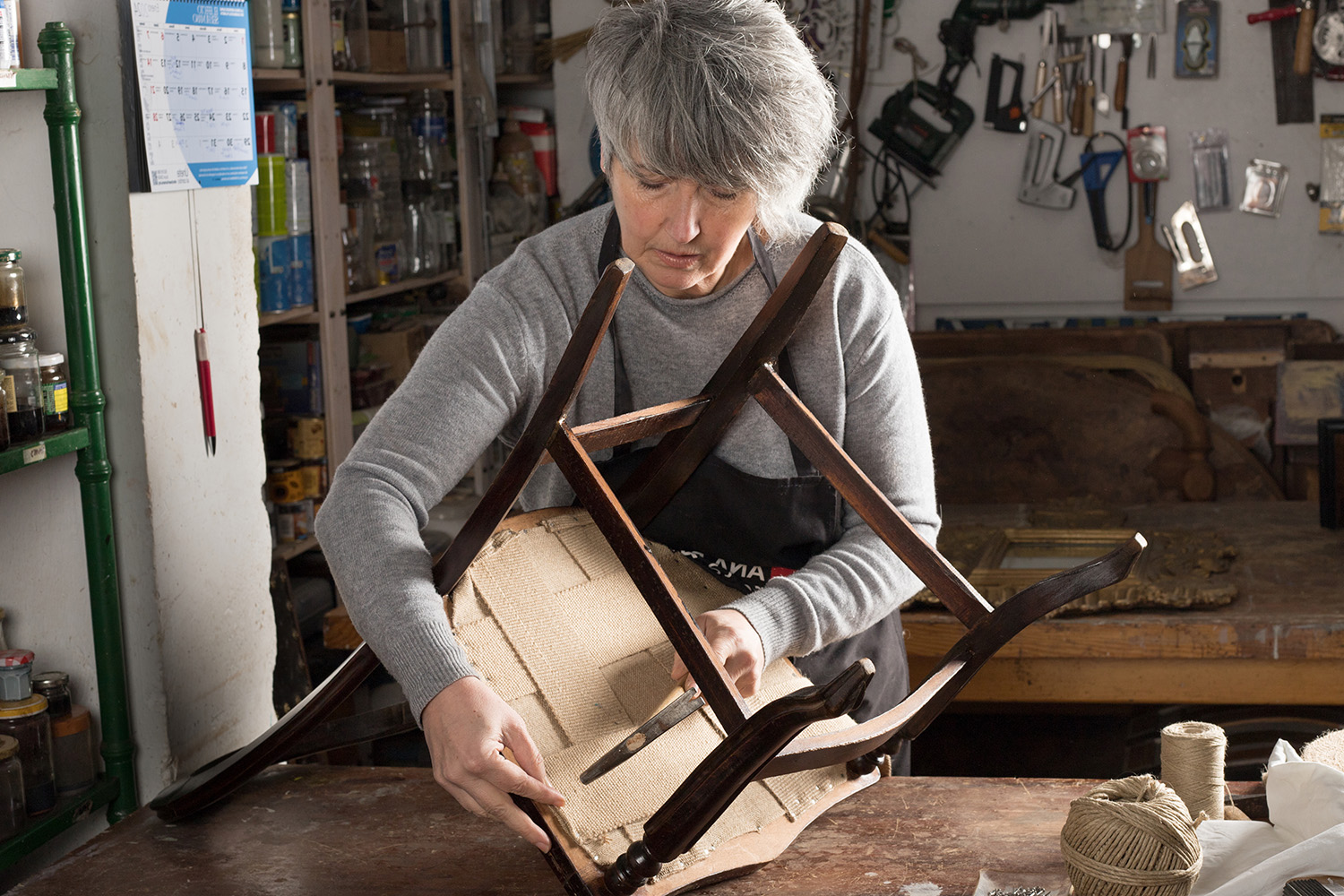
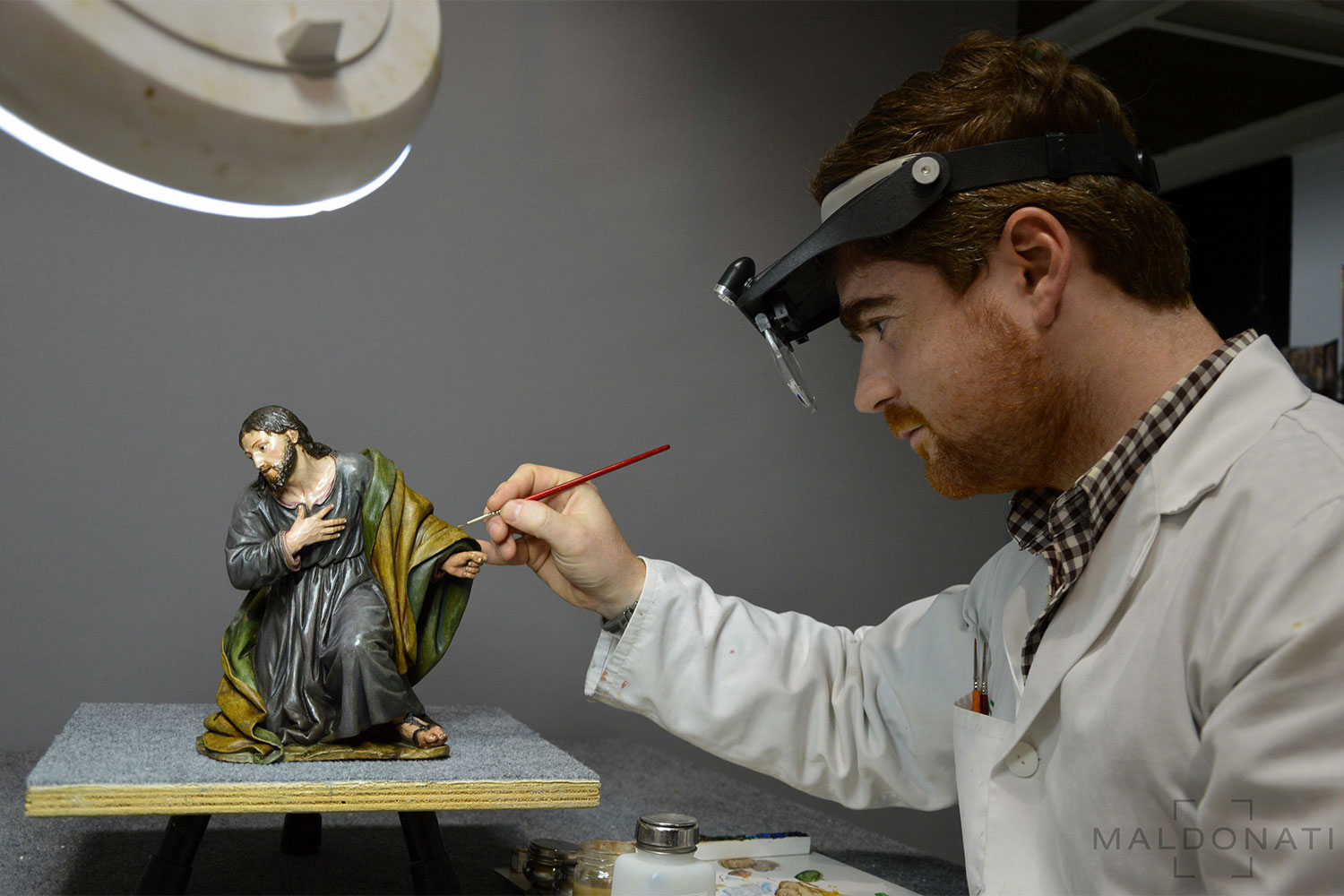
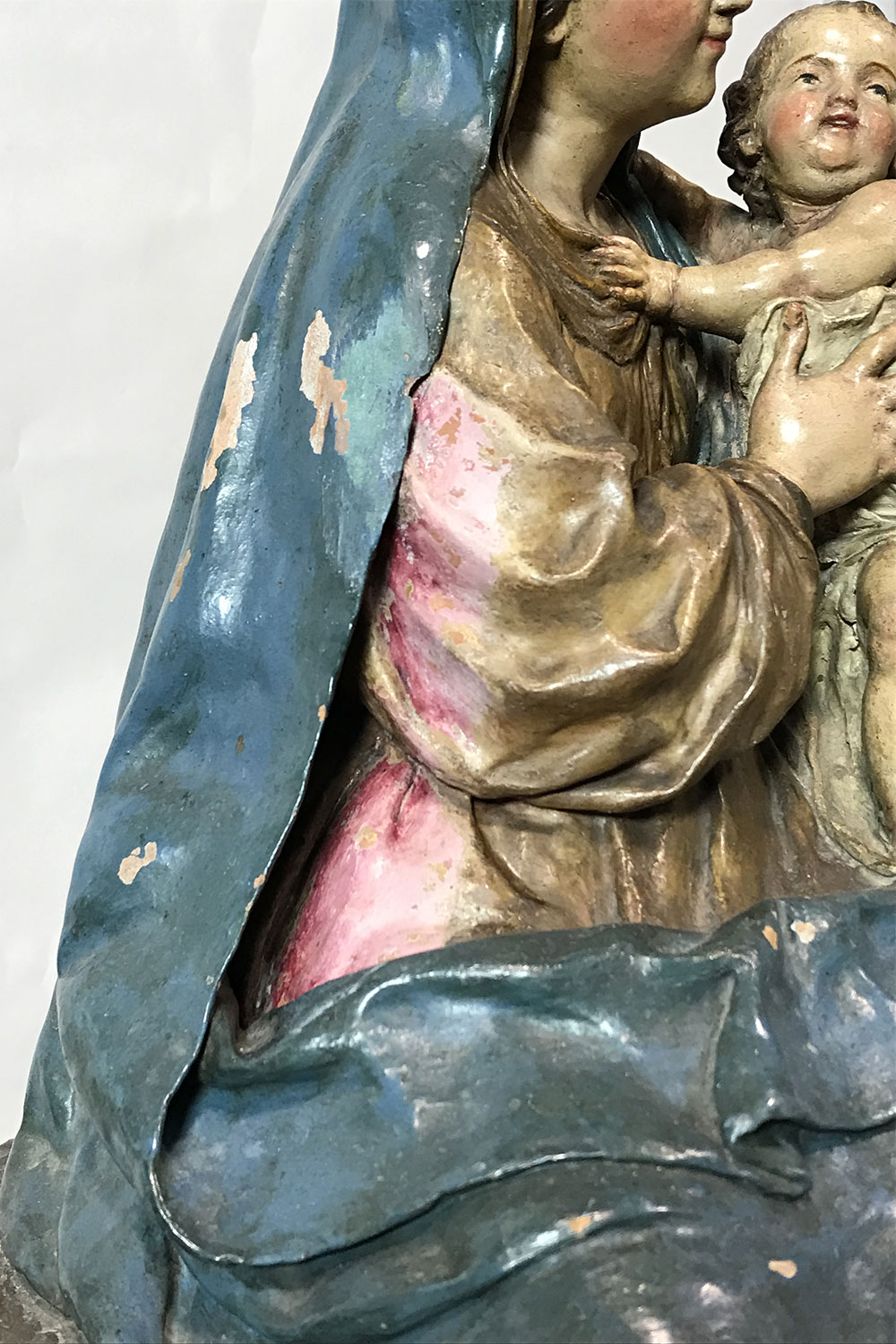
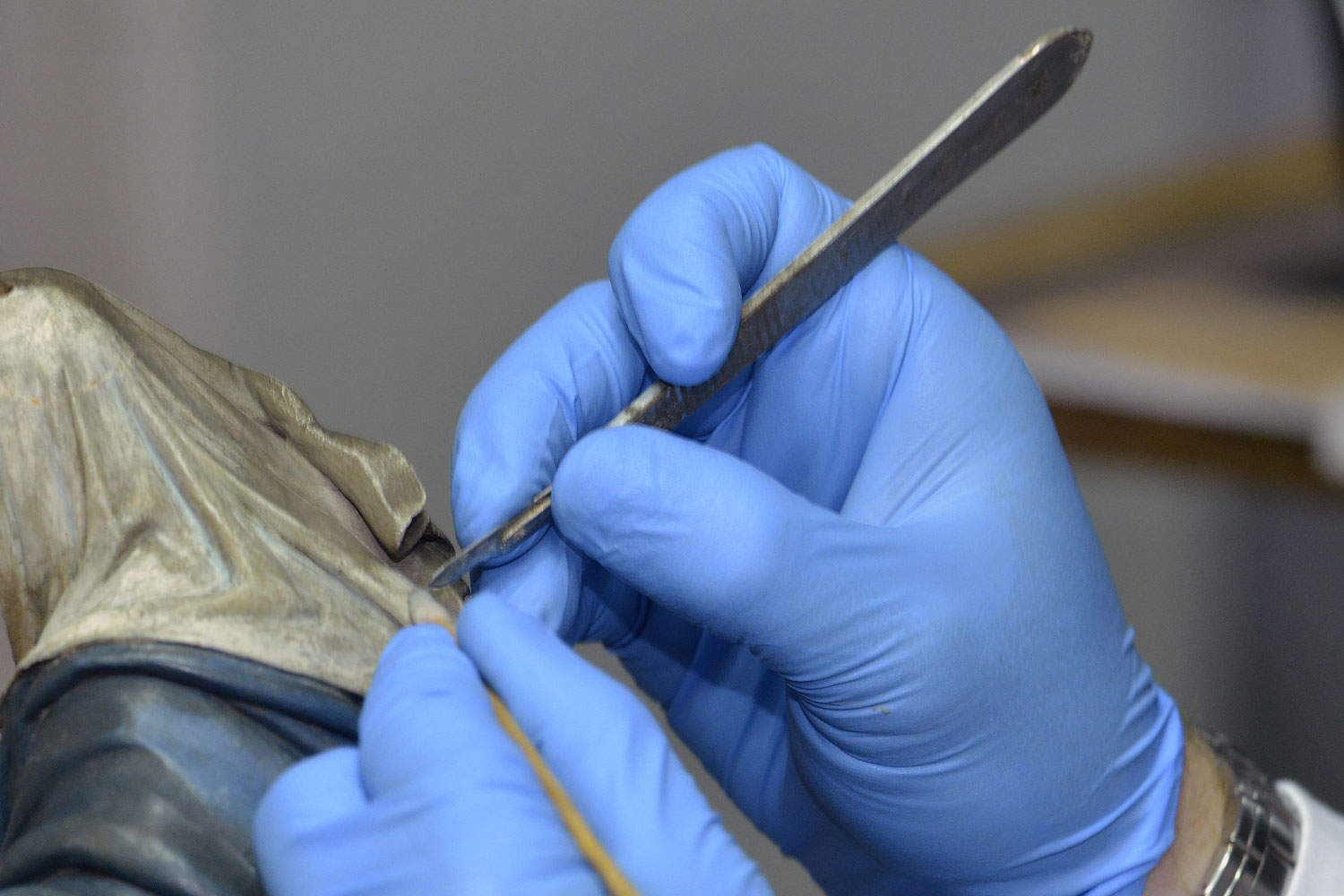
Carlos Peñuela Jordán is an easel painter and restorer working from his native Seville, a city imbued with a deep sense of religious devotion. Carlos restores and preserves items belonging to the immense cultural heritage of the city, including paintings (on canvas and wood), murals, wooden sculptures, ceramics, altarpieces, frames and furniture. Passionate about his work, he thinks in stages, from research to execution, always aiming to maintain and preserve the original features of the artwork. He applies traditional techniques while also adapting to technical innovations and using tested materials in order to improve those used in the past, thus relaying the baton of beauty to future generations.
INTERVIEW
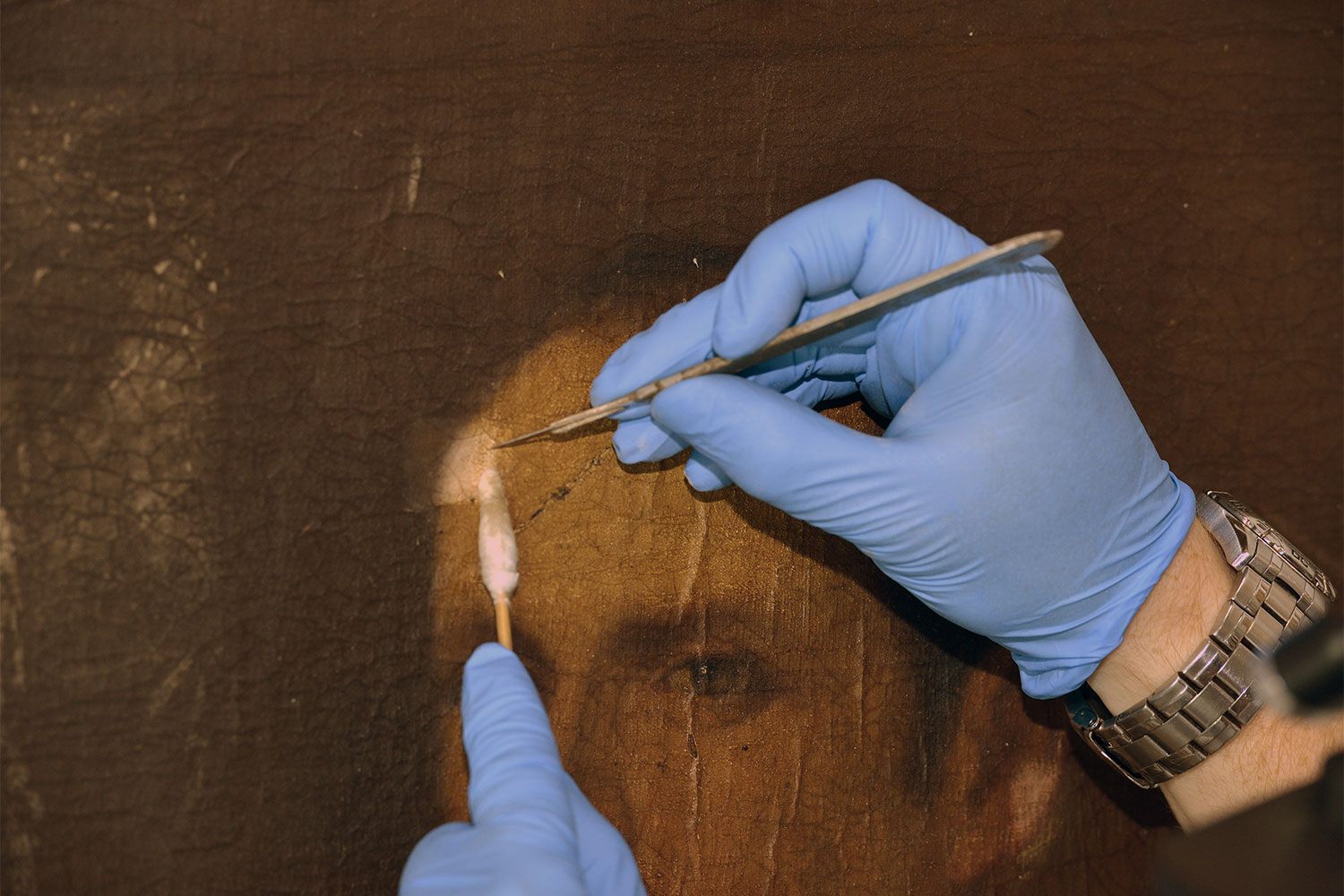
As a painter I am inspired by Spanish contemporary artists and use mixed techniques. Mastering these techniques goes hand in hand with the skill of the restorer in removing the overpainting, filling the cracks and repainting obliterated areas, always mindful of preserving the artwork's authenticity.
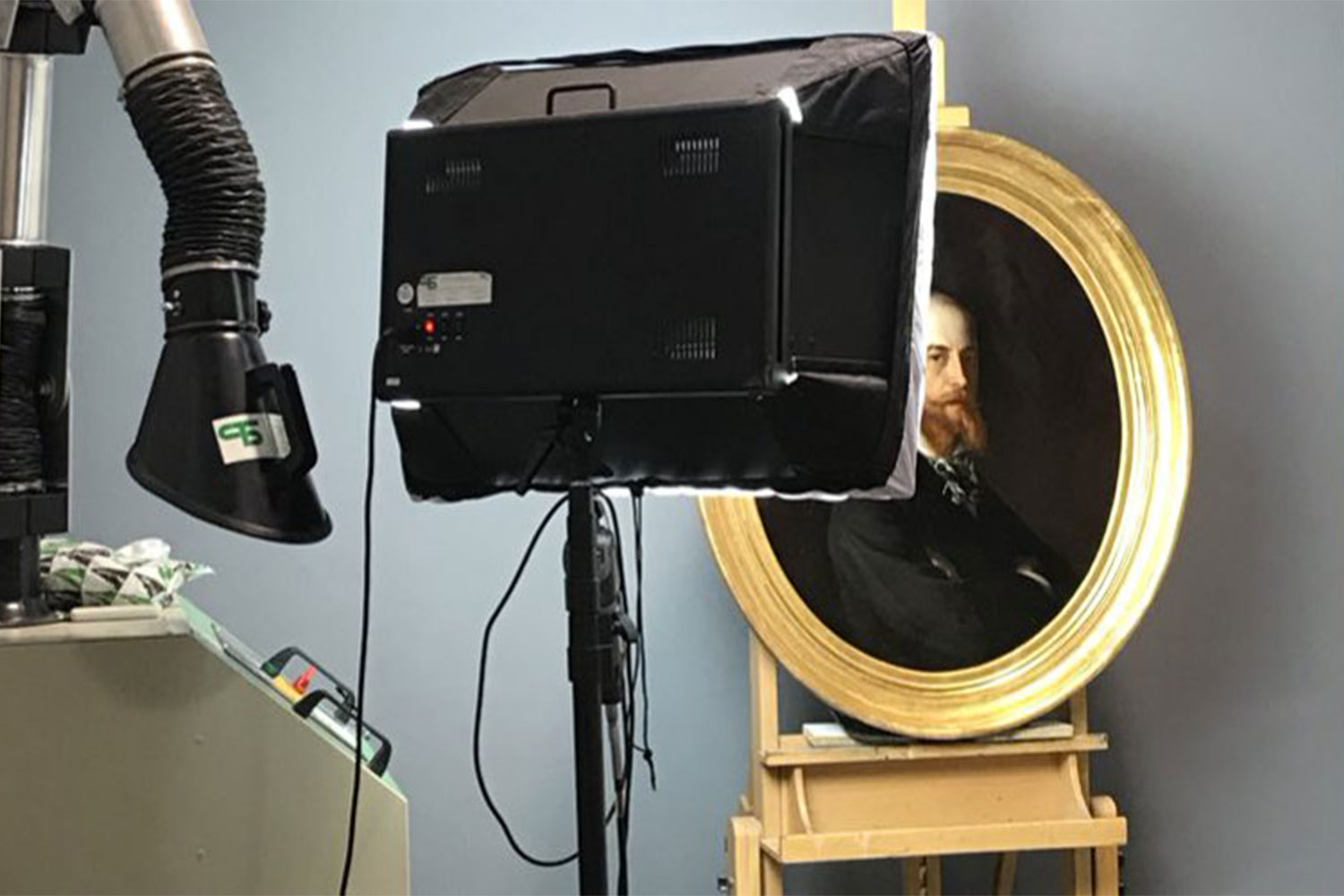
I am passionate about investigating and adapting old techniques of restoration as well as newer ones, such as infrared and X-ray. In the analysis of pigments, the aid of chemistry is seminal. I like to delve into the identity and history of the work of art I am dealing with.
In 2011 and 2012 I was doing an internship at the restoration workshops of Seville's Museo de Bellas Artes, the second most important picture gallery in Spain. It was then that I had the honour of participating in the maintenance and restoration of El Niño de la Espina by Francisco Zurbarán.
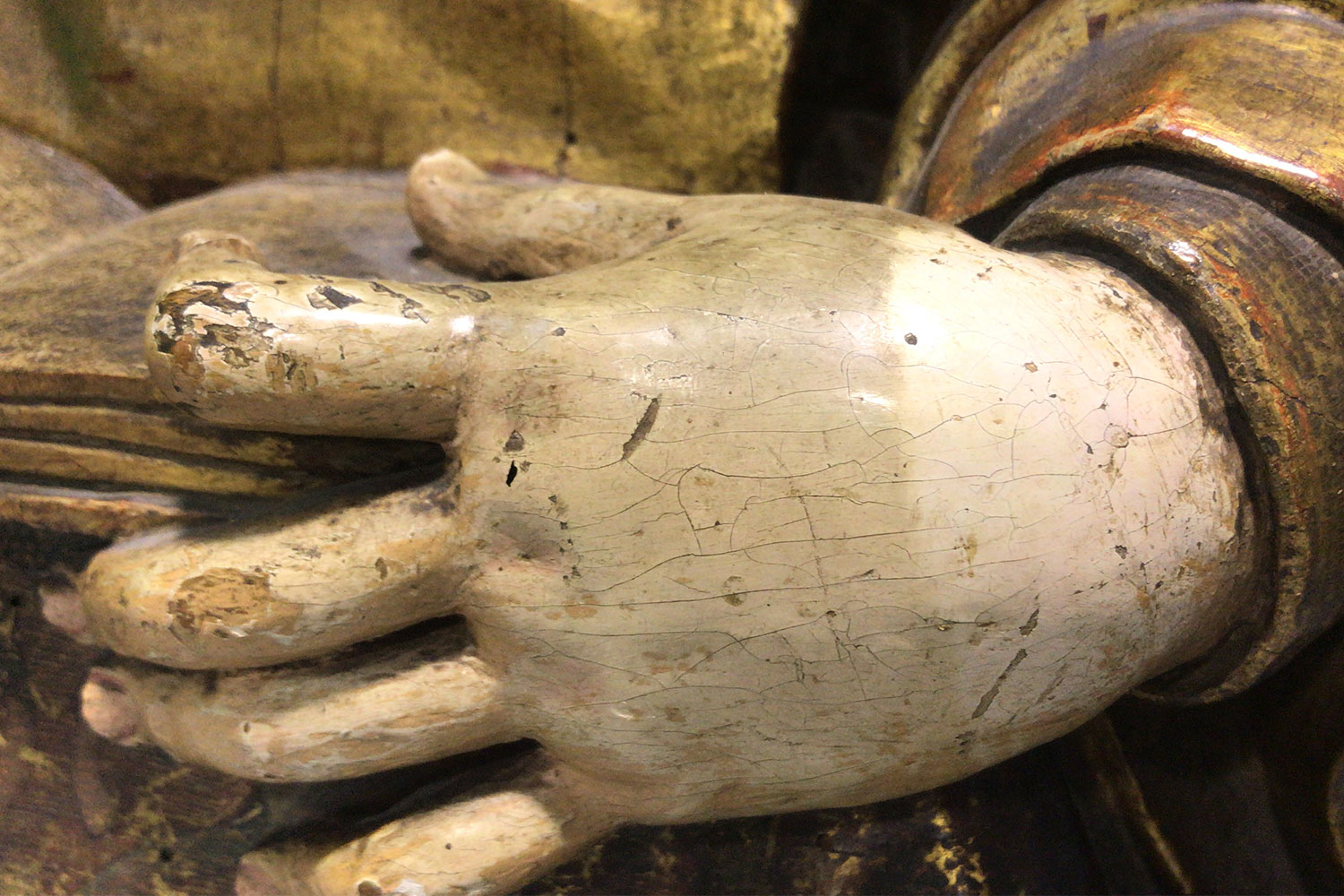
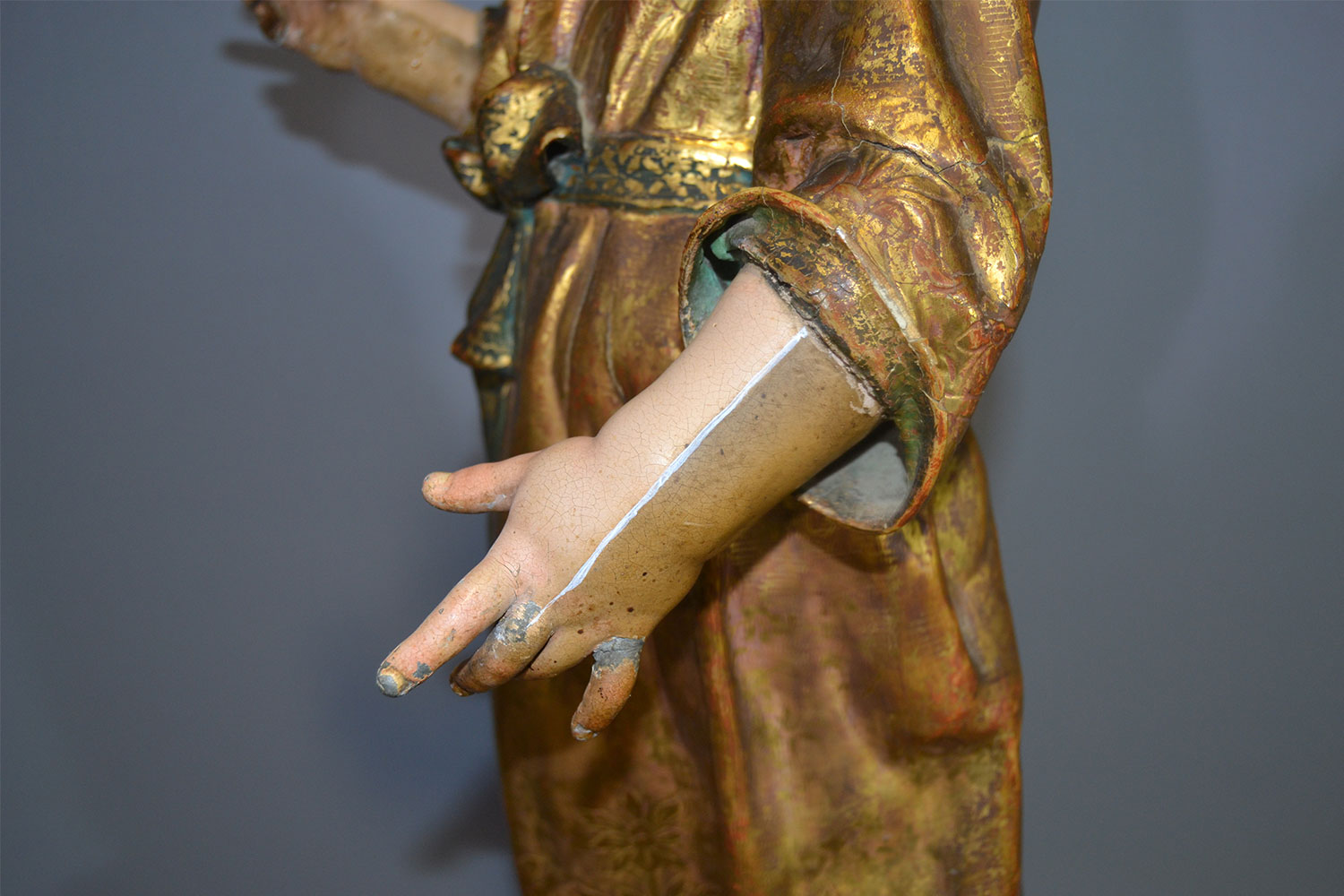
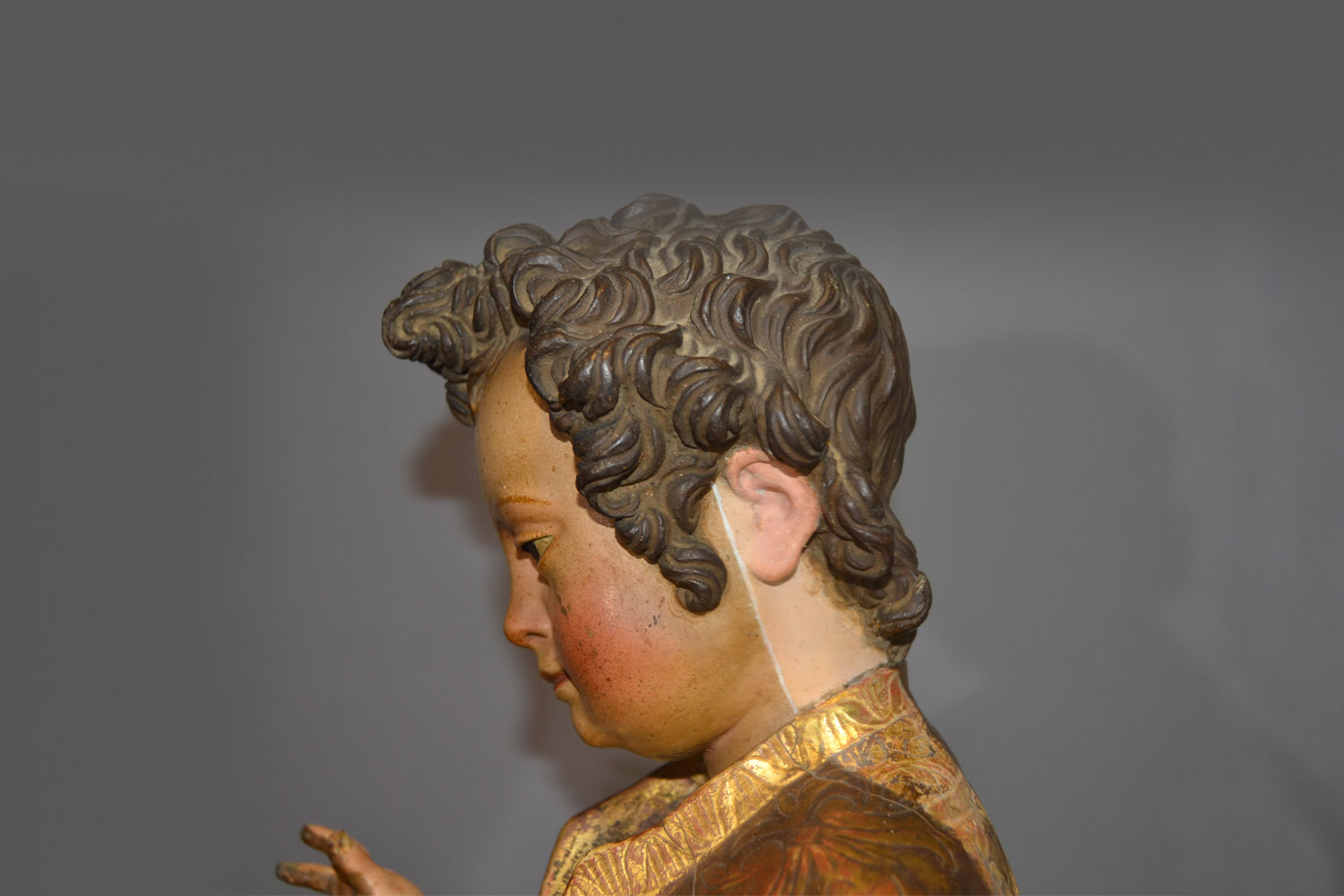
It was in 2010, the restoration of Niño Jesús de la Esperanza, a cedarwood sculpture of the 1960s based on the Niño Jesús del Sagrario of Seville cathedral. The restoration took three months to complete and included cleaning the overpainted layers and adding missing fingers on both hands.
1 EXPERIENCE
Azur Travel.jpg)
Carlos Peñuela Jordán
Restorer
Seville, Spain
Recommended by Ana Maria Abascal & Patricia Medina
AVAILABILITY
By appointment only
PHONE
+34 955514177
LANGUAGES
Spanish, English, Italian
Homo Faber Finds is a new service aiming to inspire admirers of craft to connect and collaborate with exceptional artisans.
We invite you to submit an enquiry here.