
Céline Bonnot-Diconne
2CRC - Centre de Conservation et de Restauration du Cuir
Restorer
Moirans, France
Recommended by The French Savoir-Faire Institute (INMA)
Preserving the past
- Céline restores historical and archaeological leather objects
- Every project in the 2CRC workshop is unique
- She used to be a Fellow at the French Academy in Rome
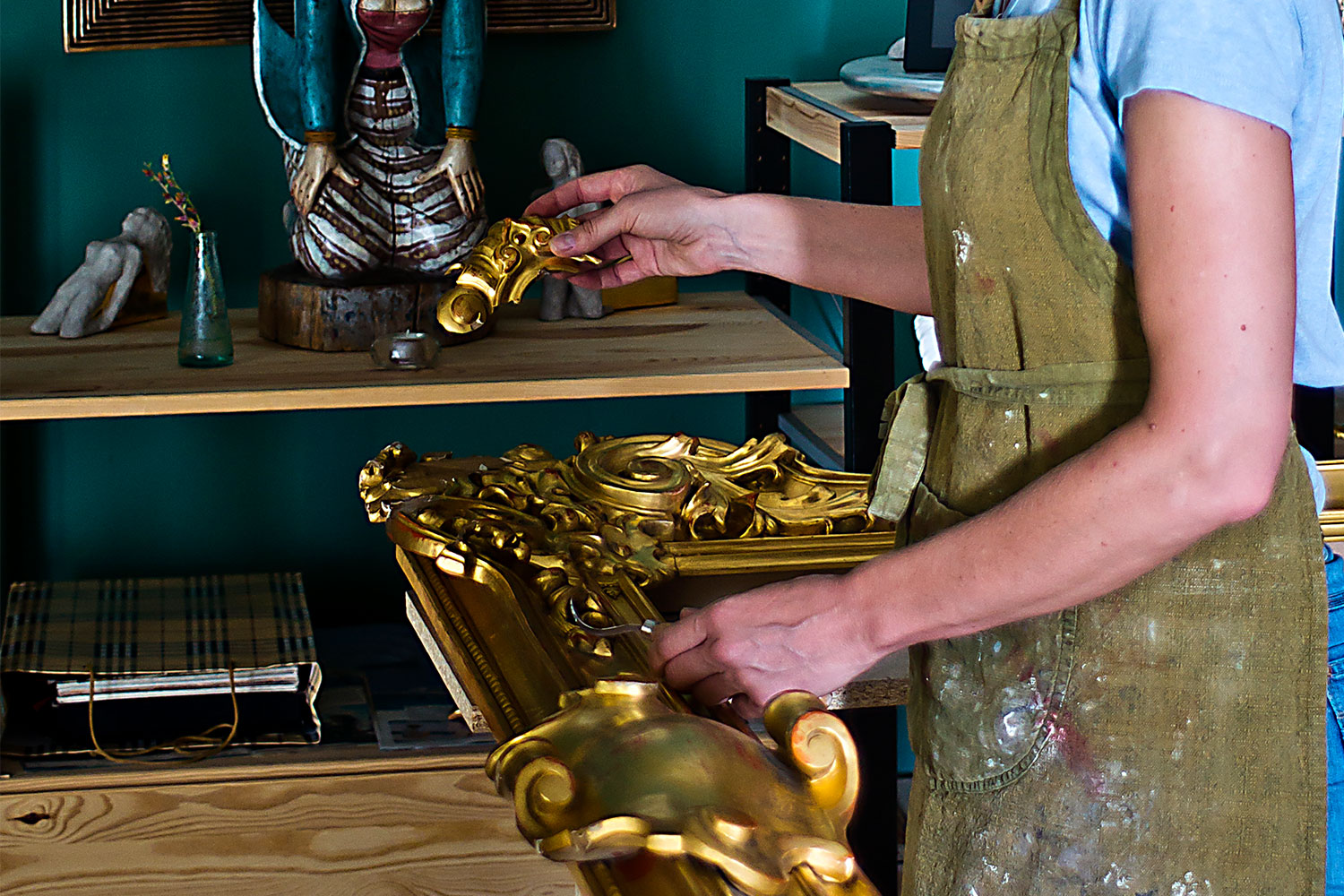
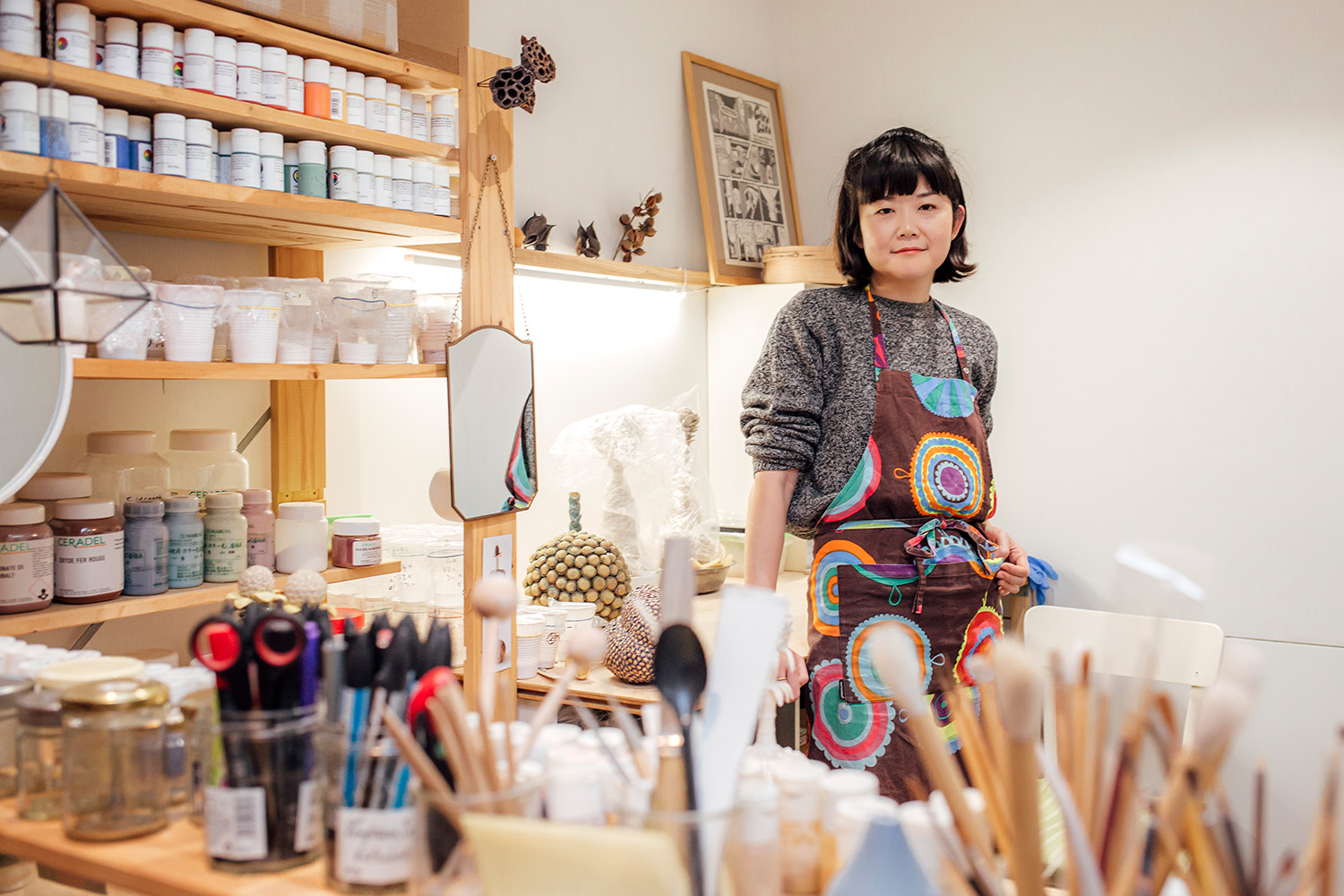
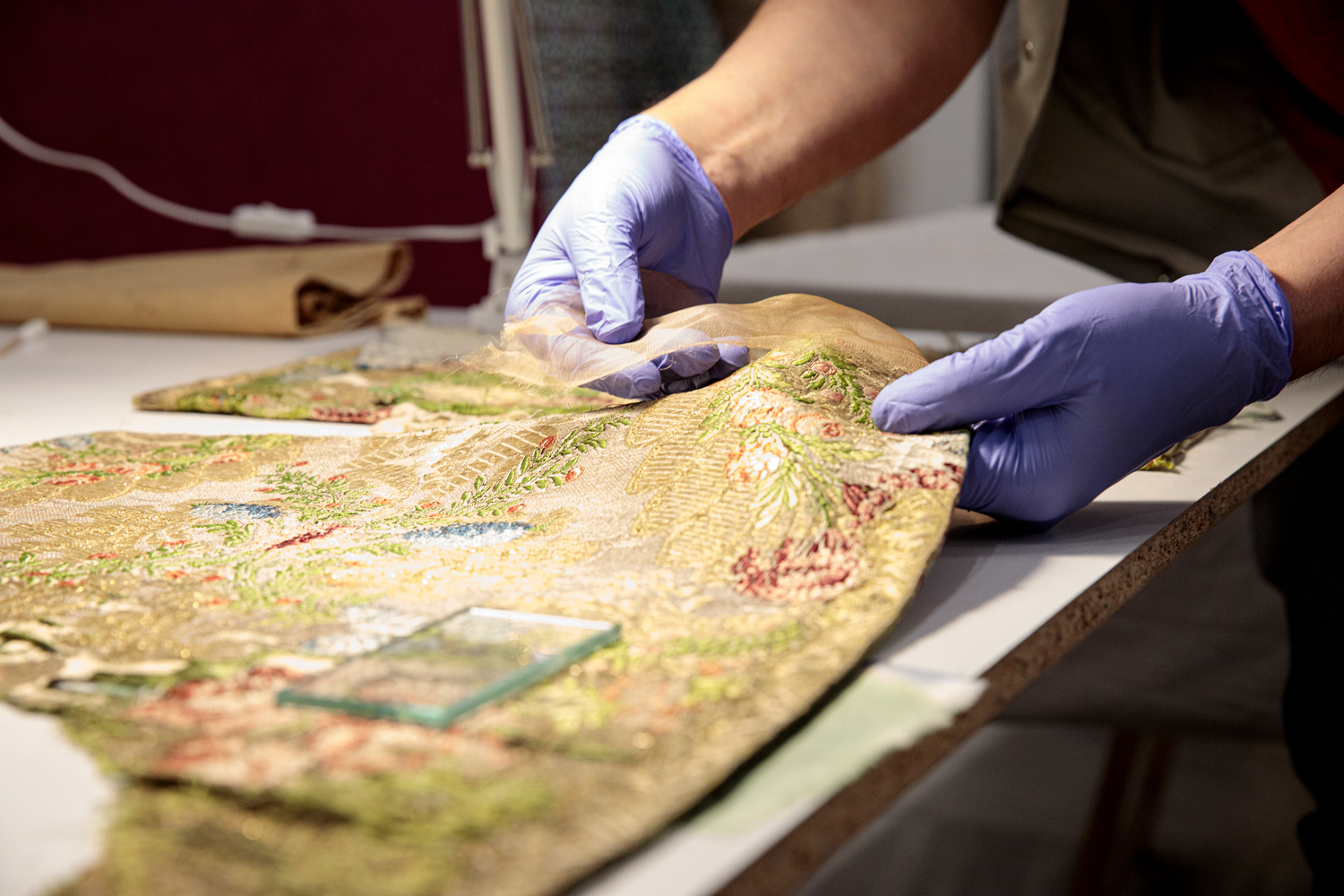
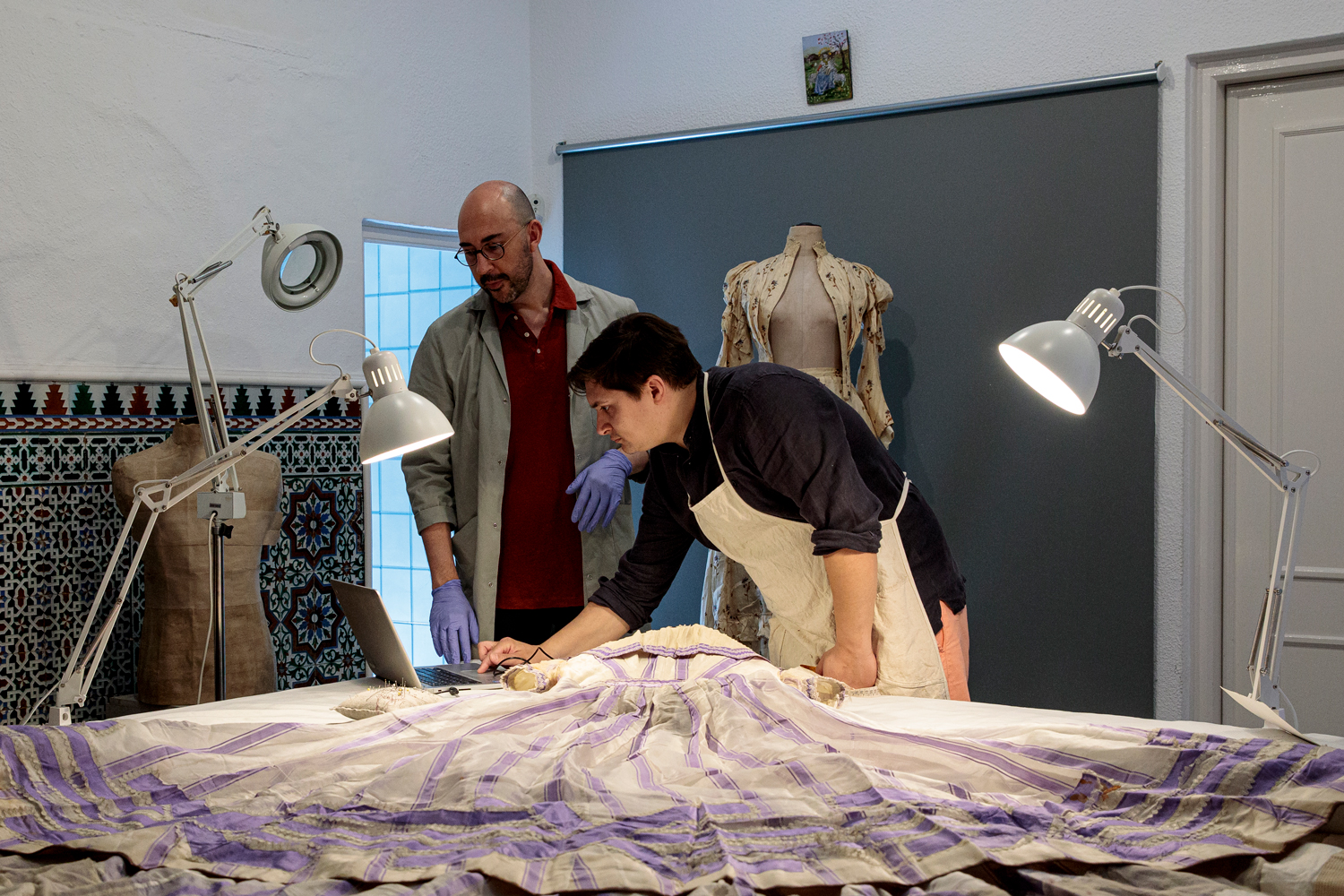
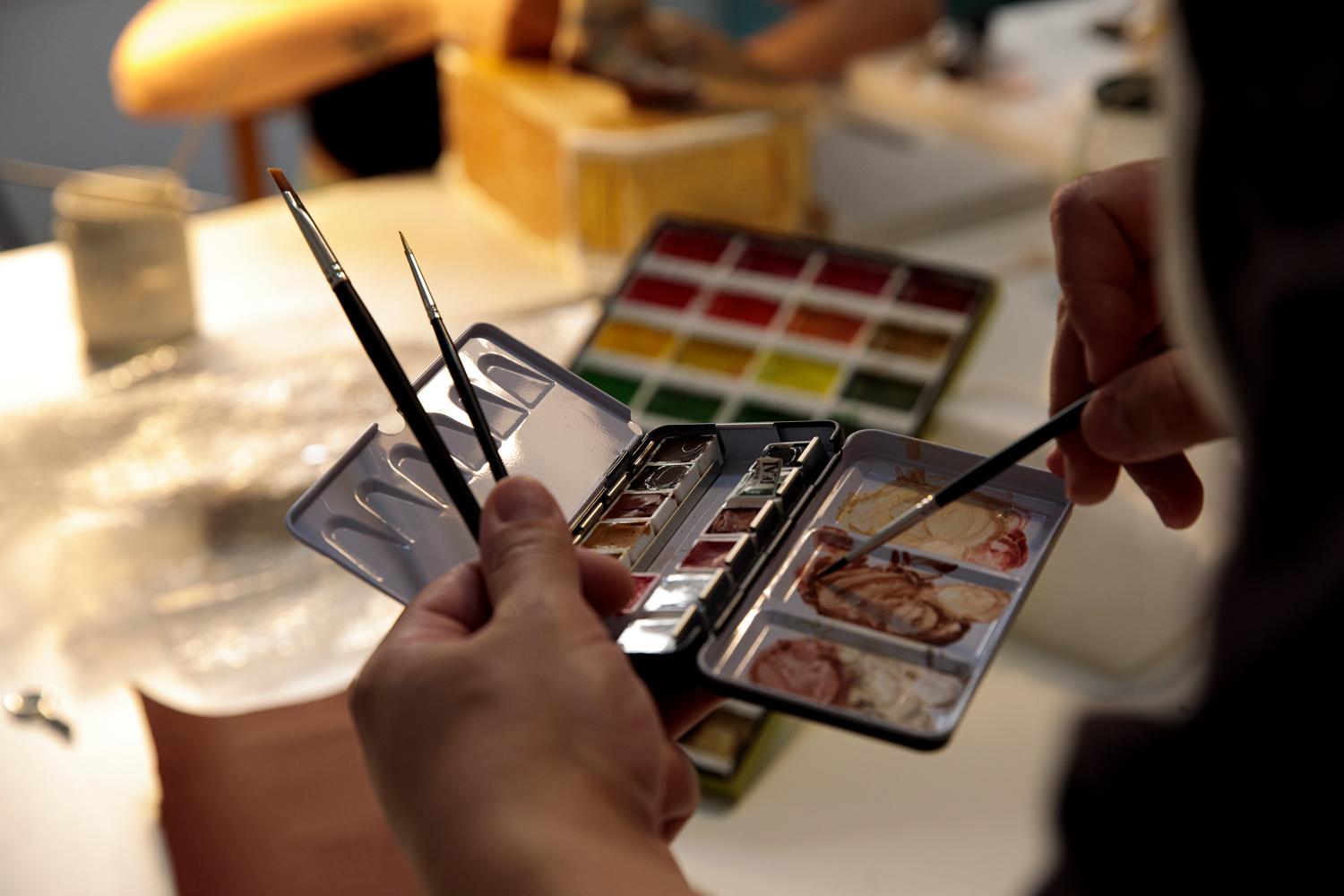
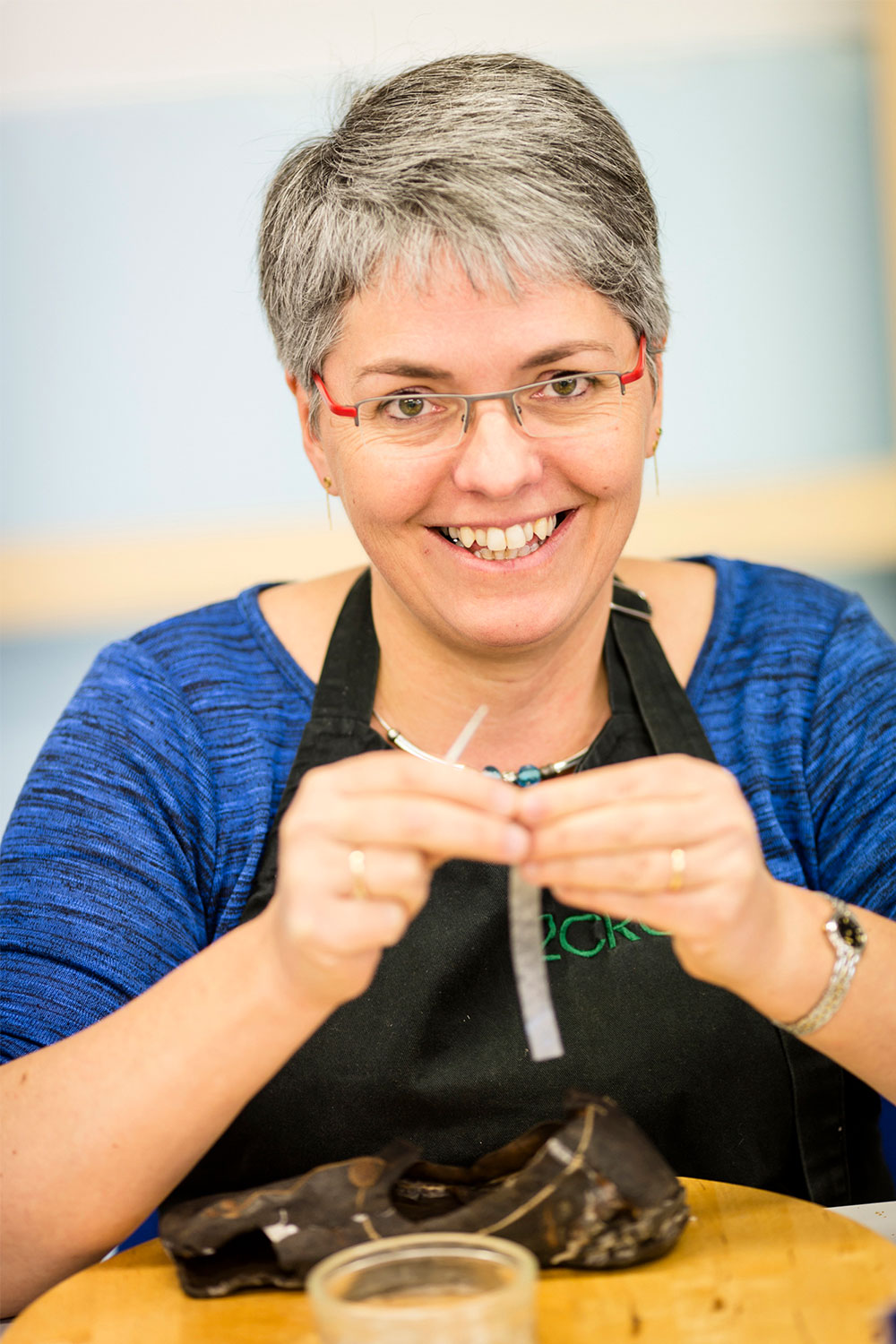
When selecting a specialisation for her master’s in conservation, Céline Bonnot-Diconne made a decision to connect it with her other academic passion – archaeology – and chose to work with leather. She is particularly interested in the personal effects, so often made from animal skins, of humans who lived long ago. “No one was interested in the little leather shoe,” she tells us, “but I thought it was fascinating.” Bonnot-Diconne’s Grenoble workshop restores and conserves historical objects and leather art for France’s many museums including gilt leather, archaeological and ethnographic leather, and upholstery. Each type of leather requires its own approach and specific skills.
INTERVIEW
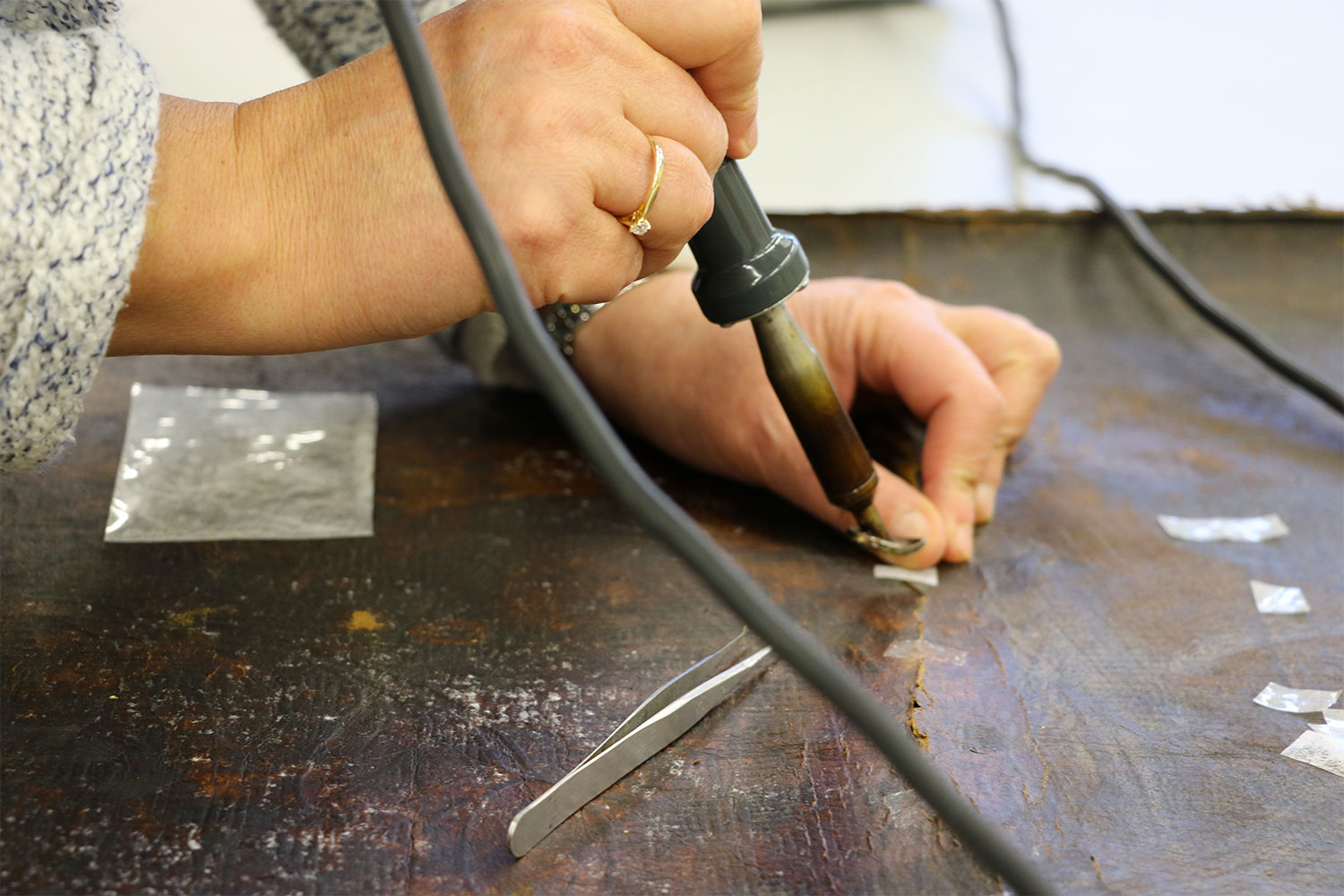
There’s no routine in our work or our workshop. Every object is different, every object comes with its own story – a wall decoration from a castle or a sandal that’s been buried for 800 years – and we have to adapt and discover each process.
I’m inspired by research. It’s vital that my work to restore an object does not reinterpret what it was meant to be used for and so I must research historical manufacturing techniques to understand how an object was created; it’s something I love.
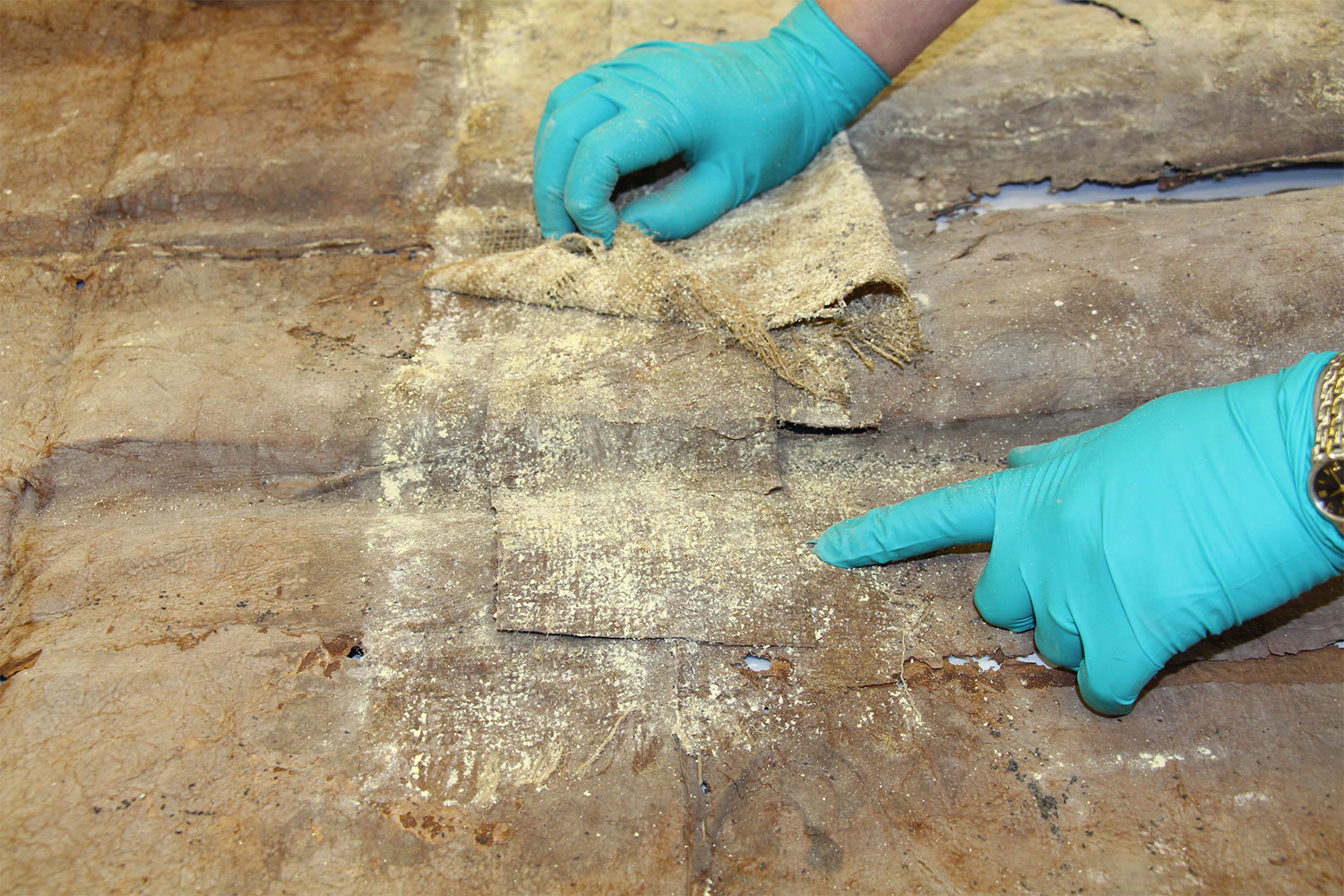
Our first step is always cleaning, which is time-consuming. Although I still often use cotton swabs and cloths, we can now sometimes use modern techniques to speed up and improve our process. I recently used a laser to clean a 17th century altar frontal.
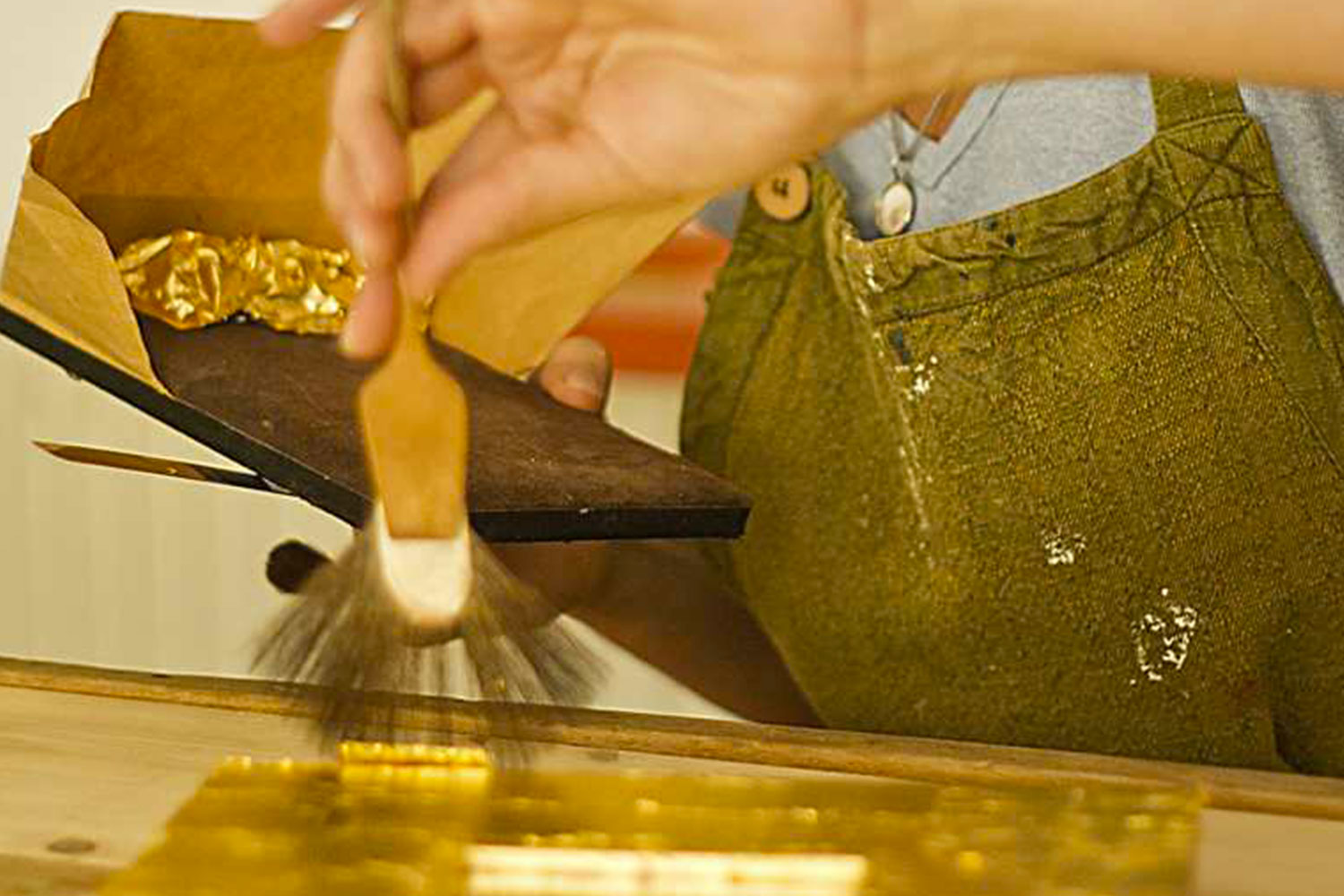
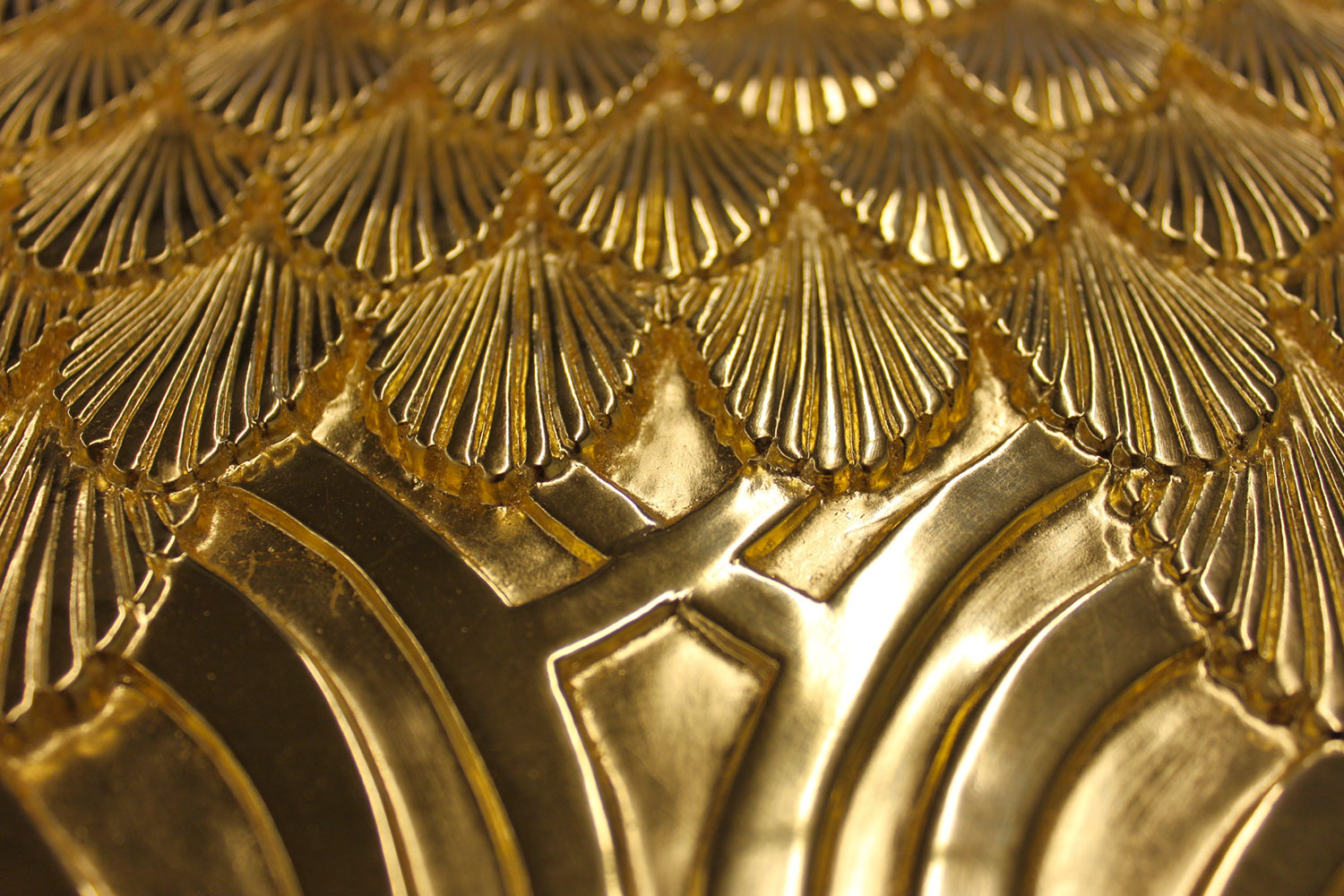
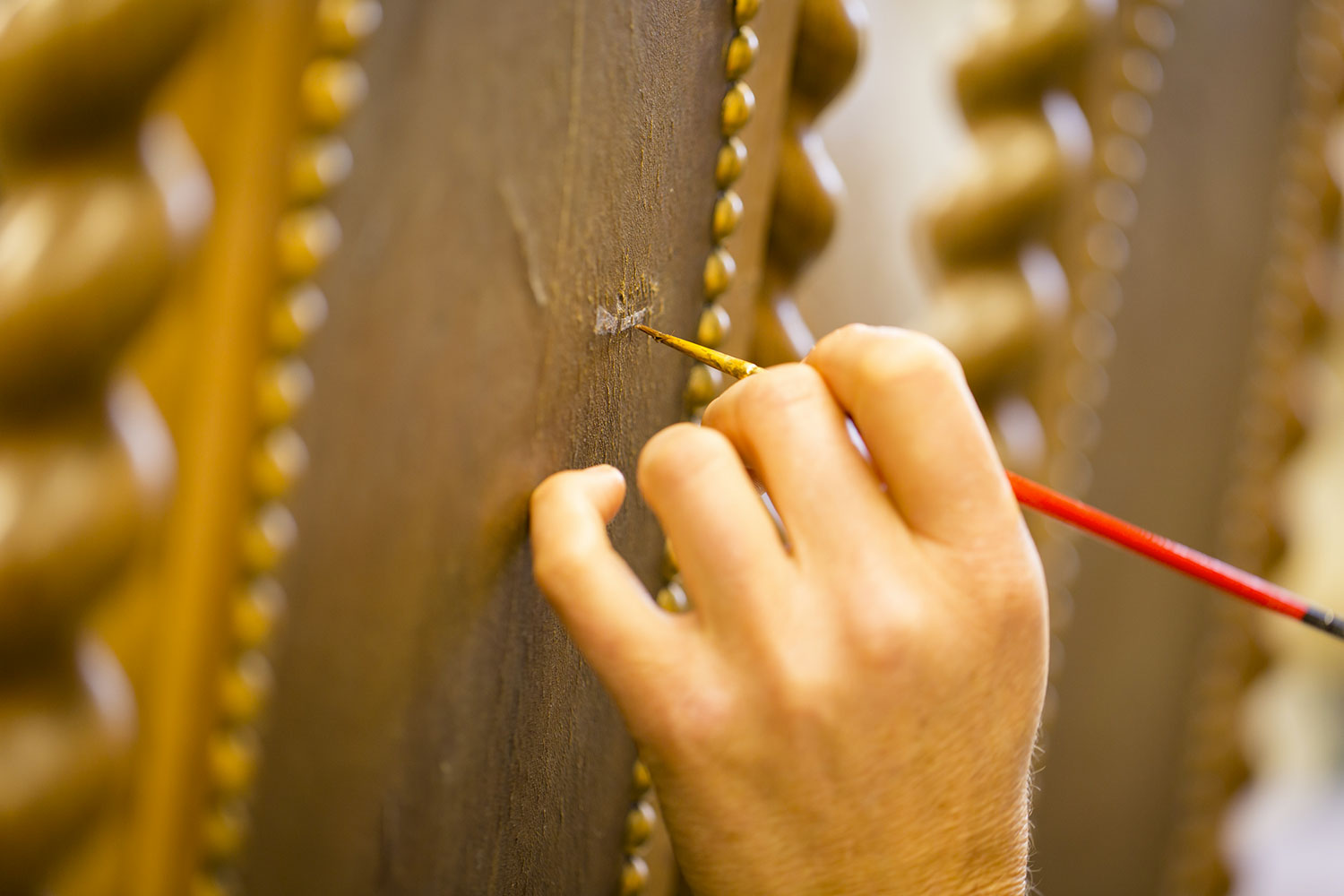
Before wallpapers were used for wall coverings, walls were covered in leather. These were real works of art – painted and gilded. France had a long tradition of decorative leathers, which we also restore at the workshop.
Céline Bonnot-Diconne
2CRC - Centre de Conservation et de Restauration du Cuir
Restorer
Moirans, France
Recommended by The French Savoir-Faire Institute (INMA)
AVAILABILITY
By appointment only
PHONE
+33 476661445
LANGUAGES
French, English
Homo Faber Finds is a new service aiming to inspire admirers of craft to connect and collaborate with exceptional artisans.
We invite you to submit an enquiry here.