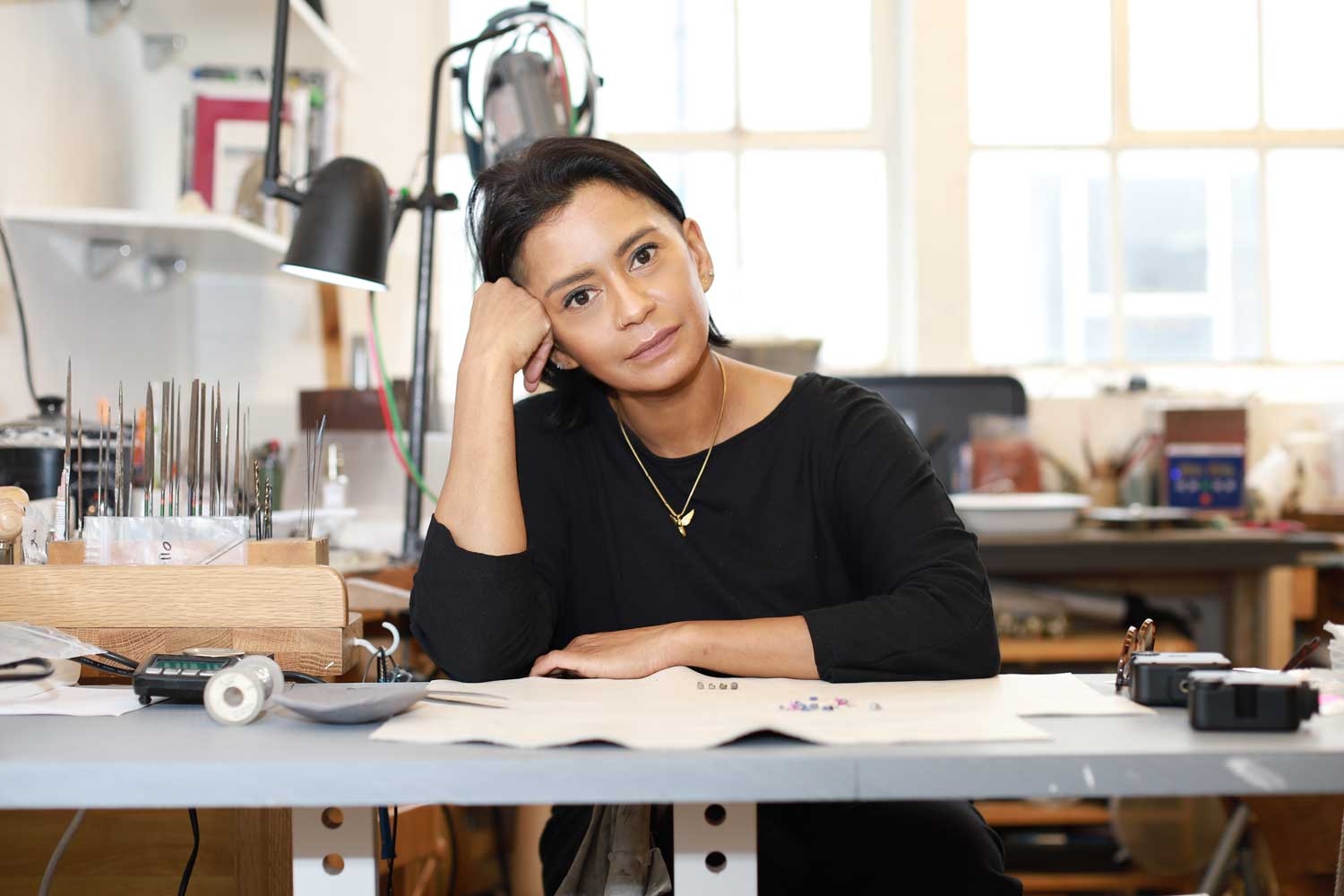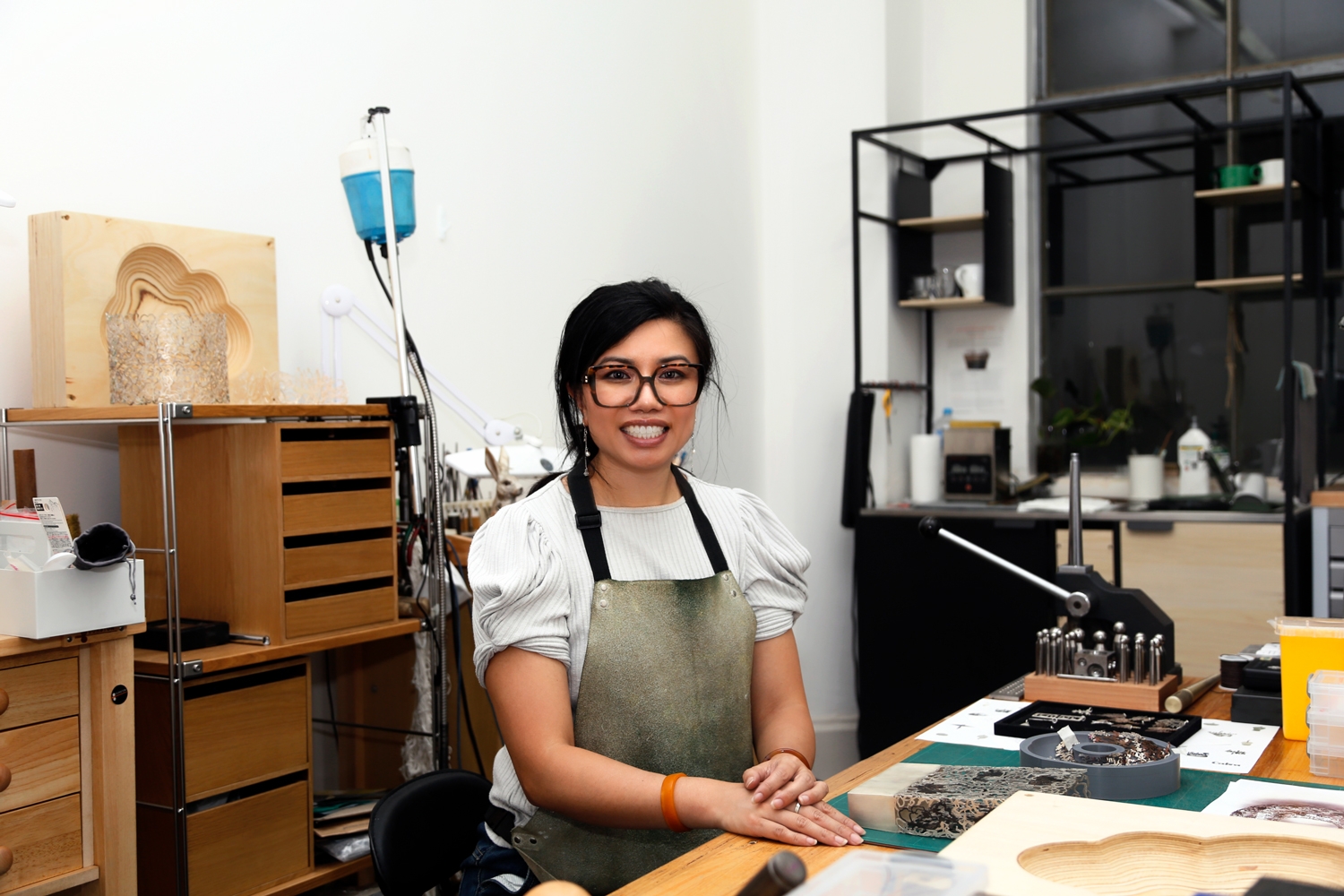
Bic Tieu
Jewellery maker
Sydney, Australia
Recommended by WCC Australia
When the peony explodes
- Bic's jewellery explores her Vietnamese-Chinese upbringing in Australia
- Her floral motifs are reminiscent of her parents' tropical garden
- She often works with lacquer, a technique she learned from a Japanese master
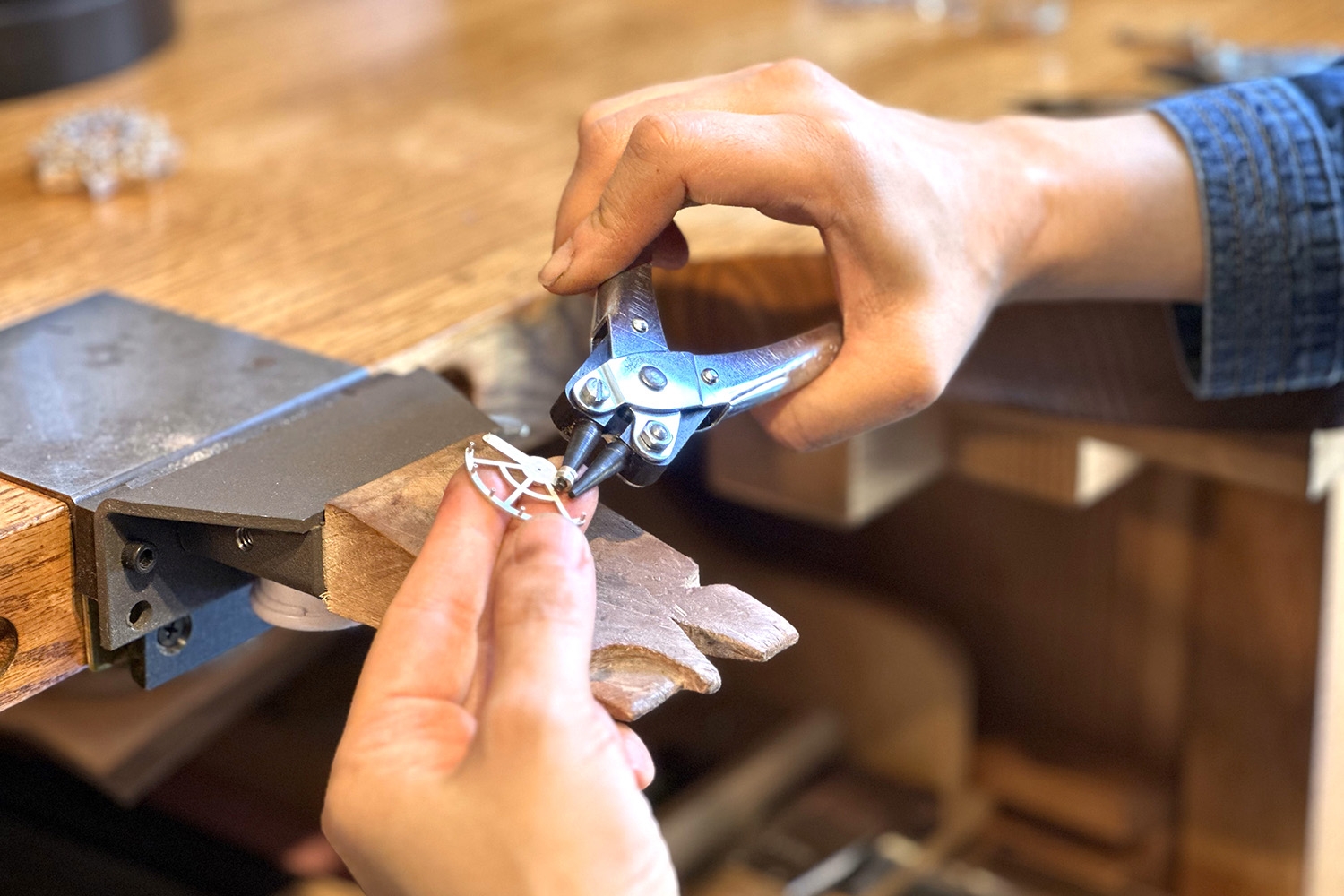
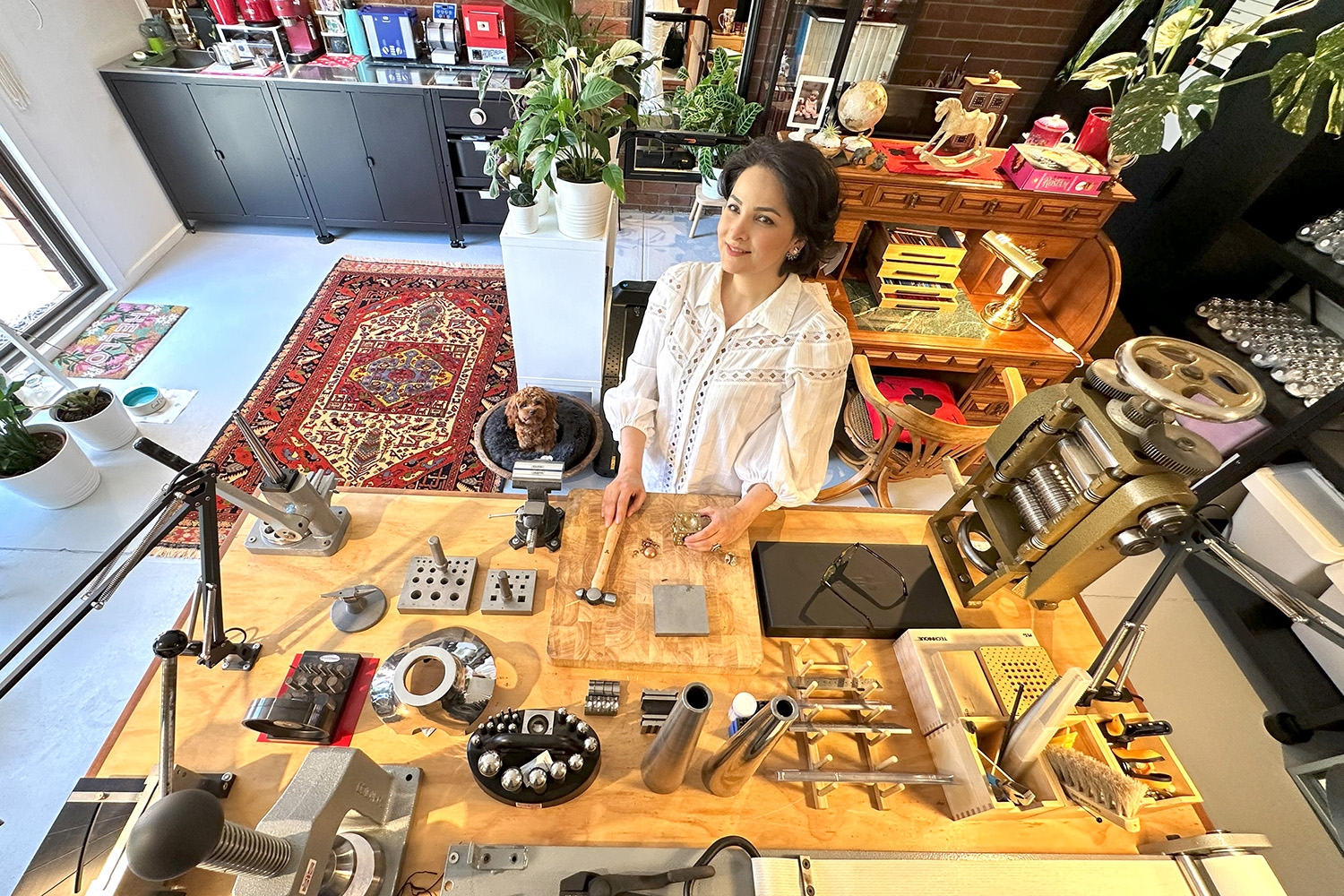
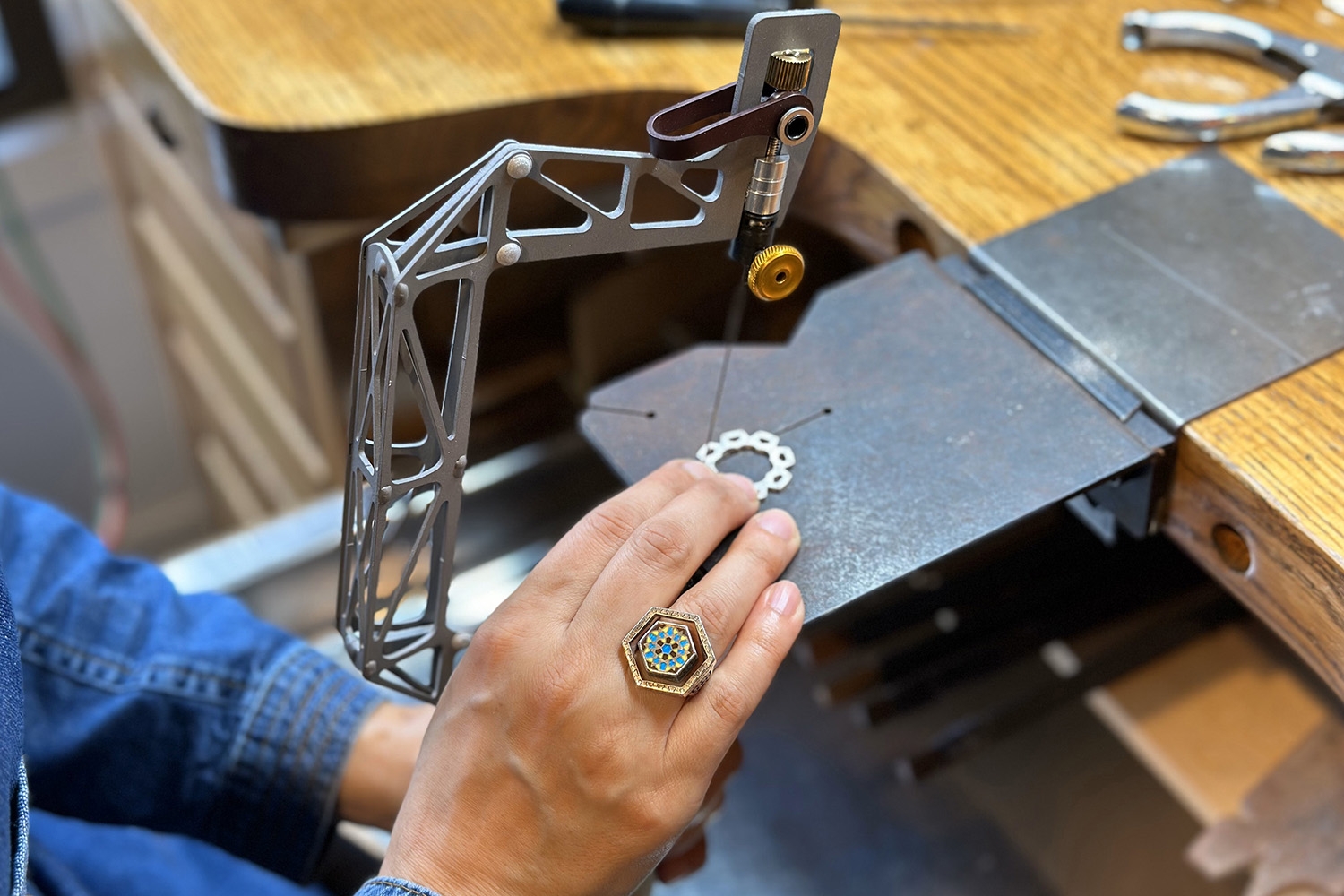
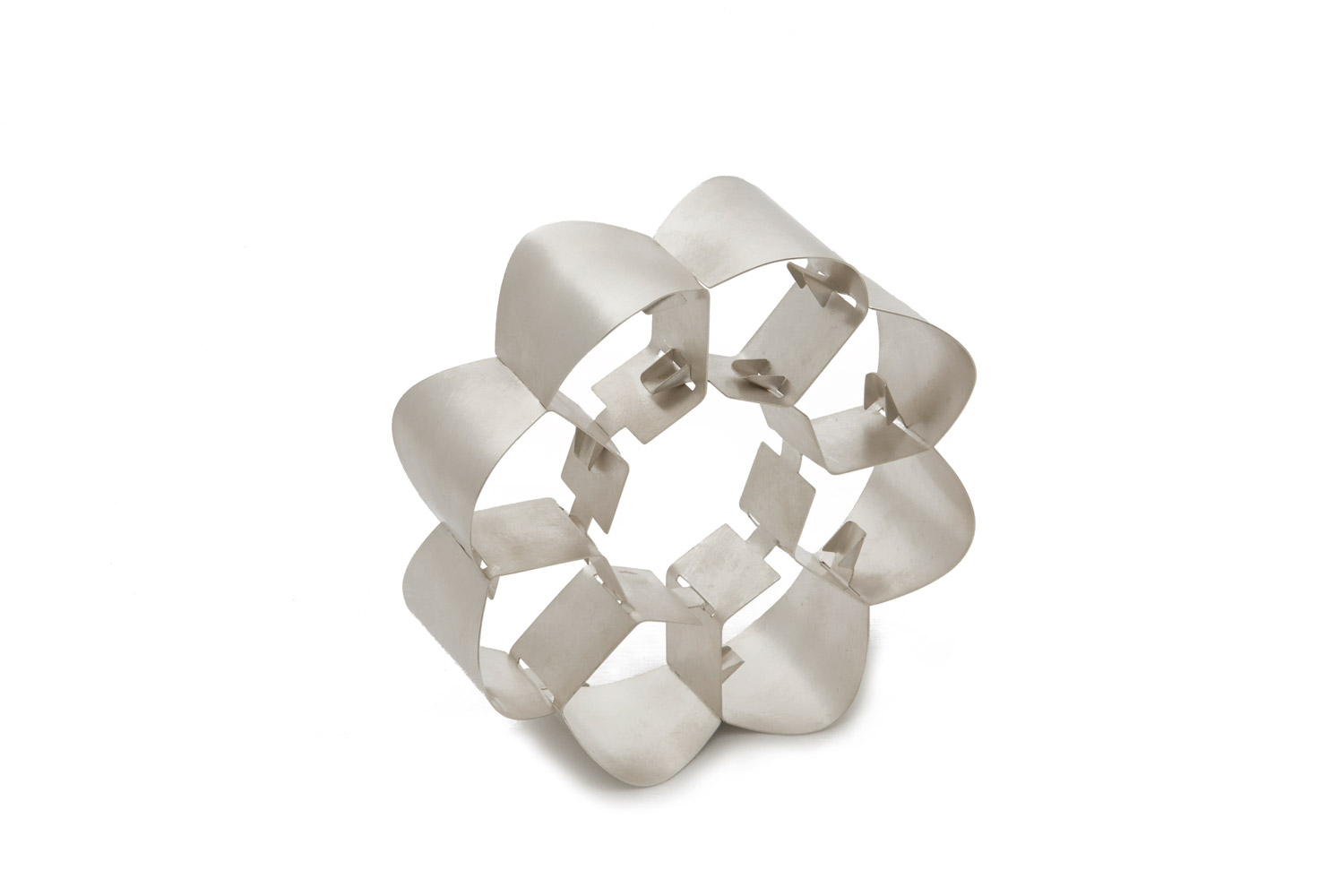
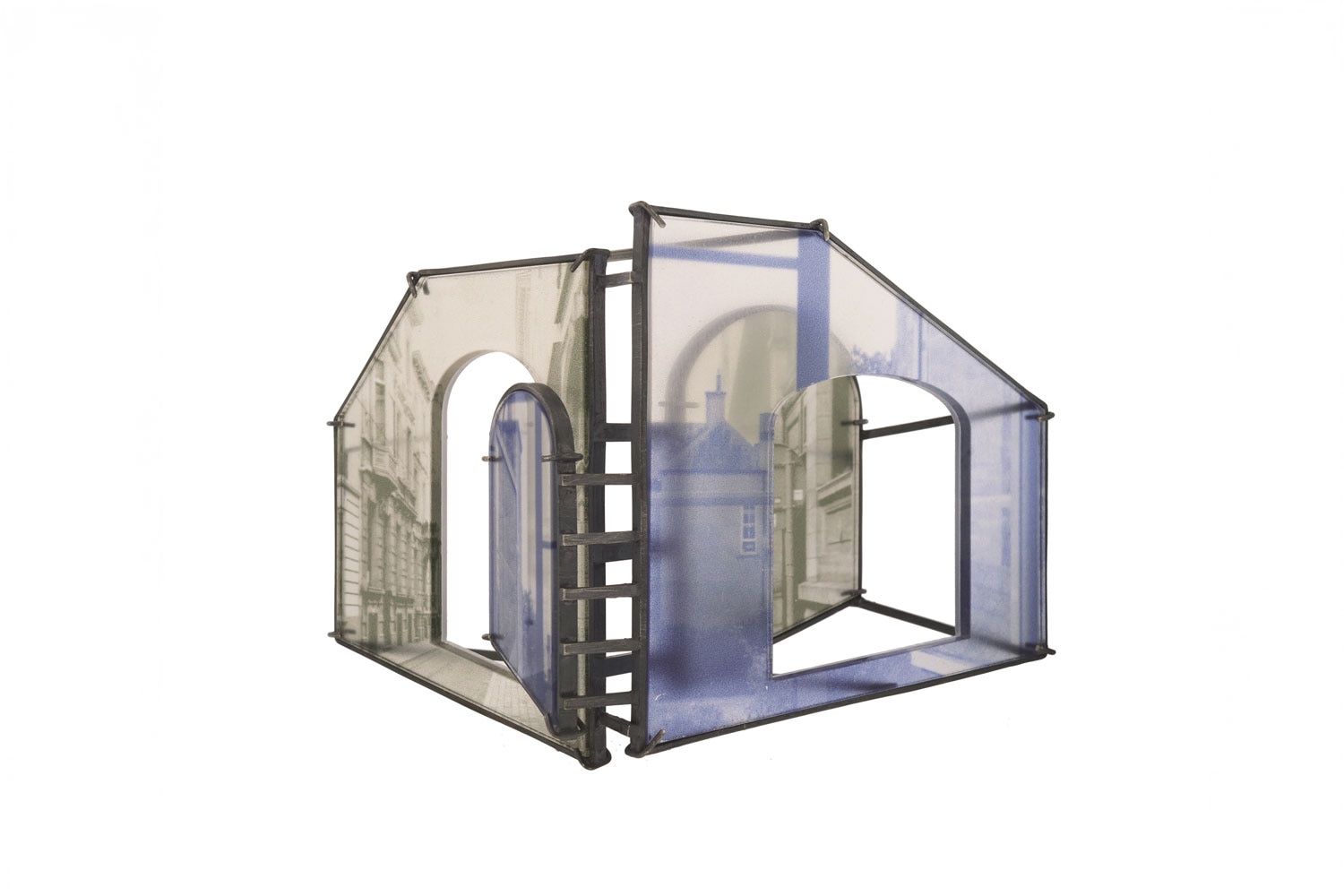
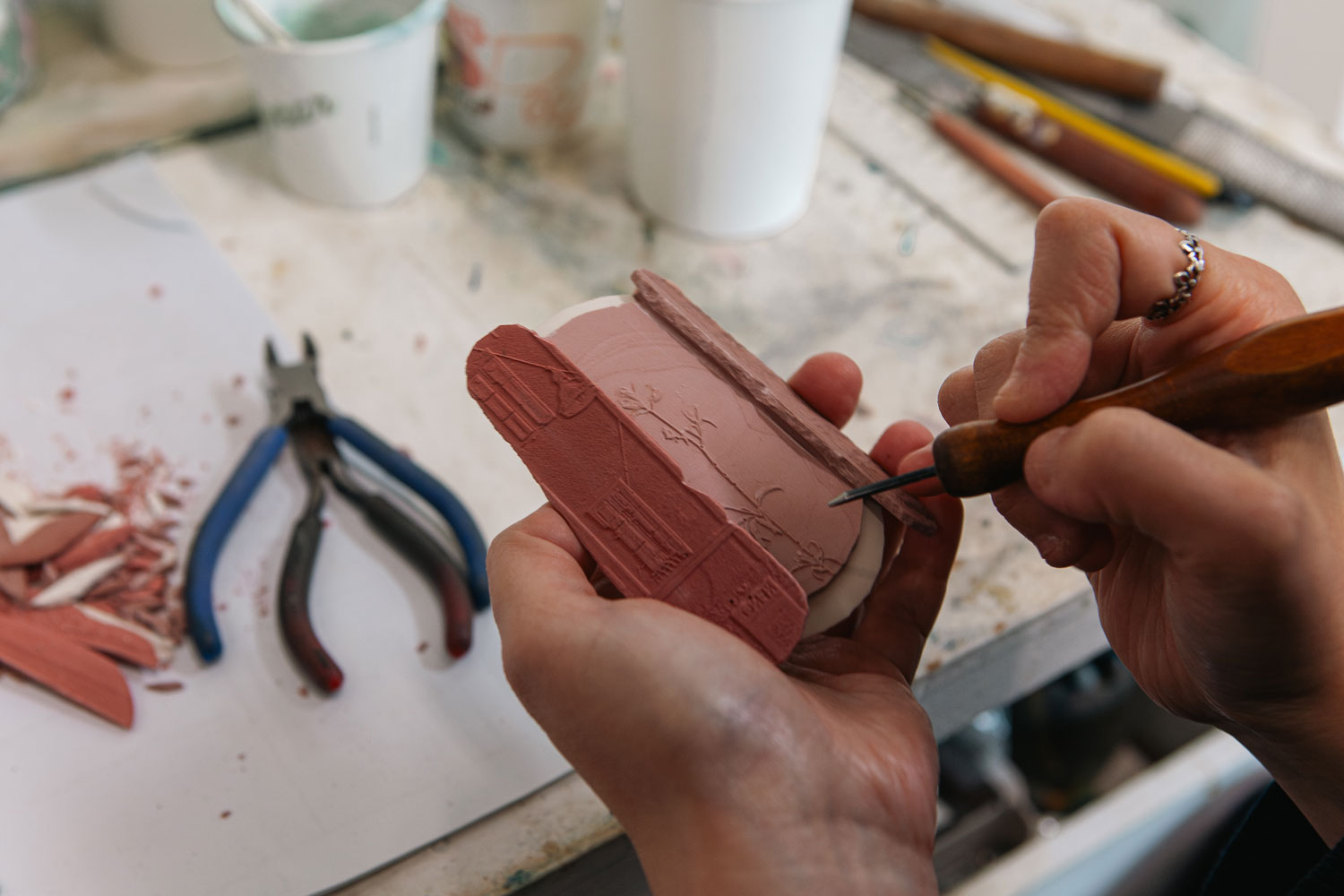
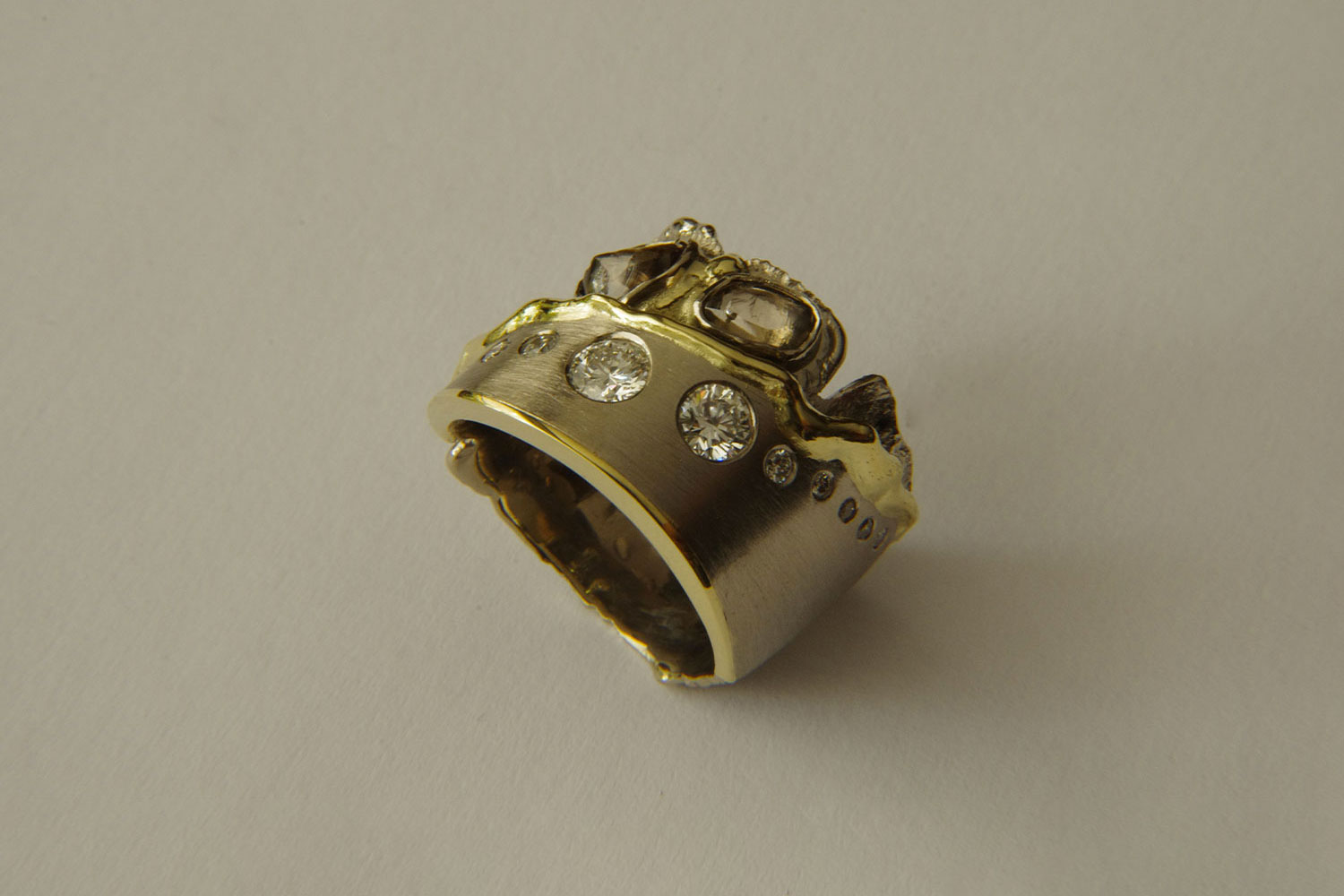
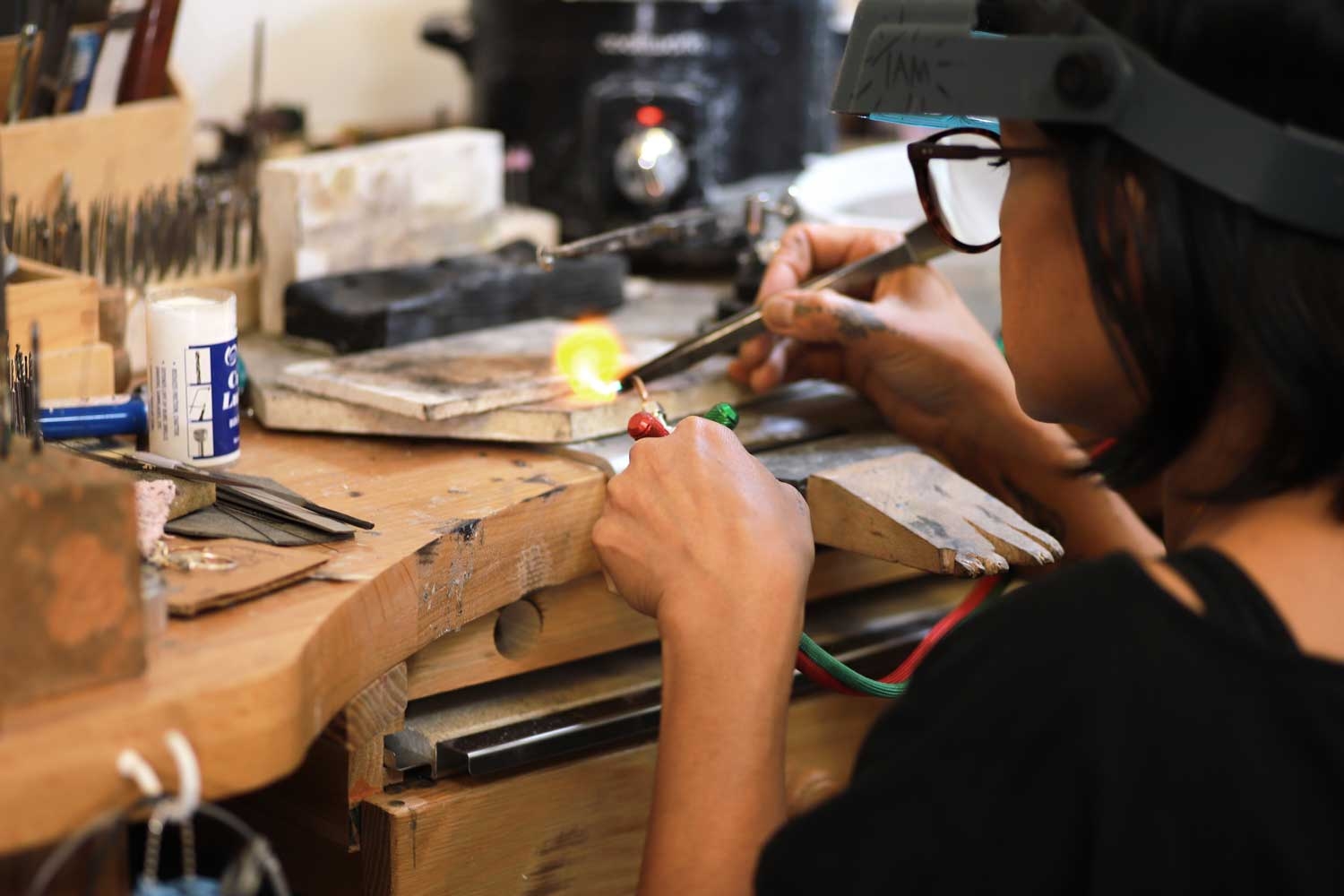
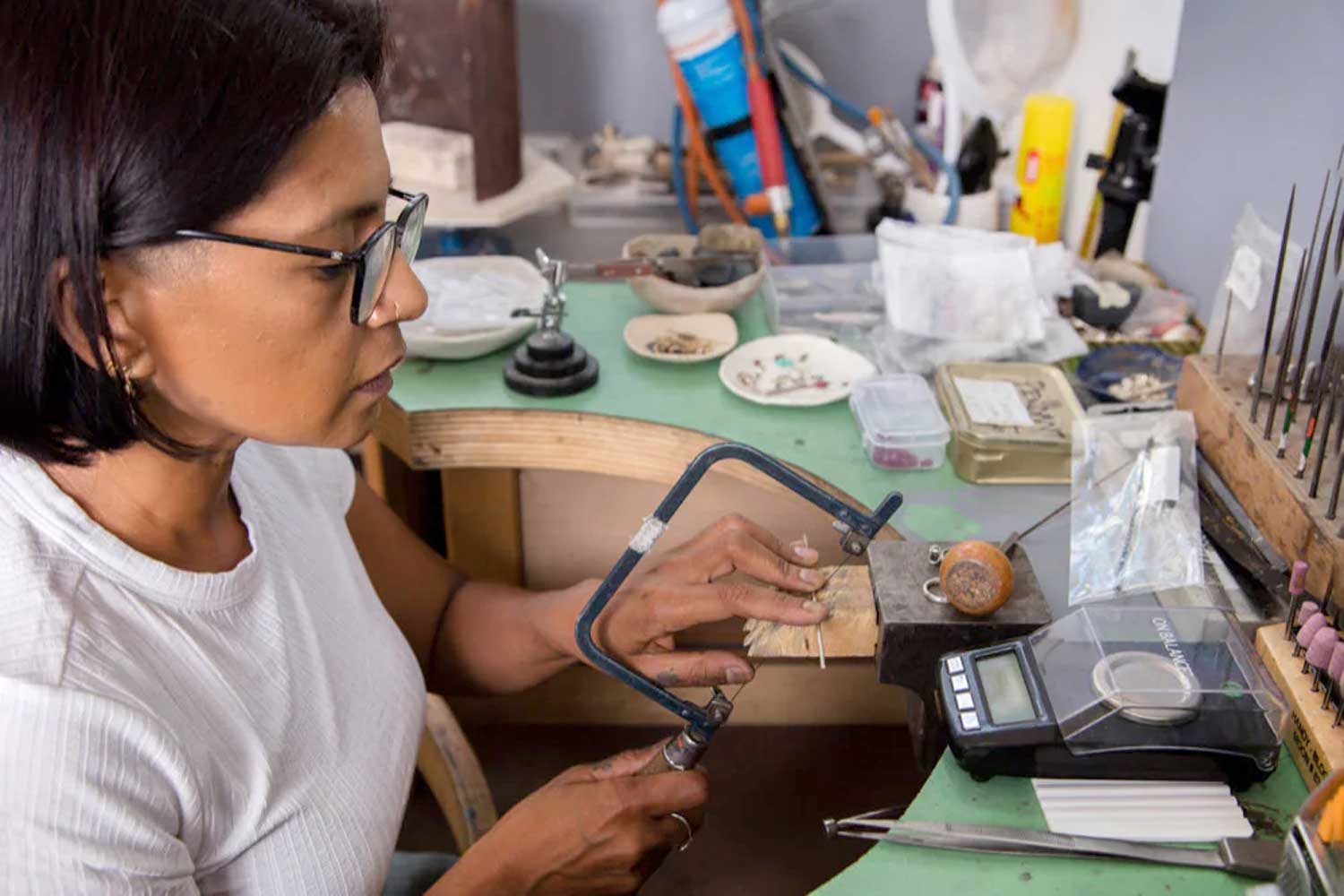
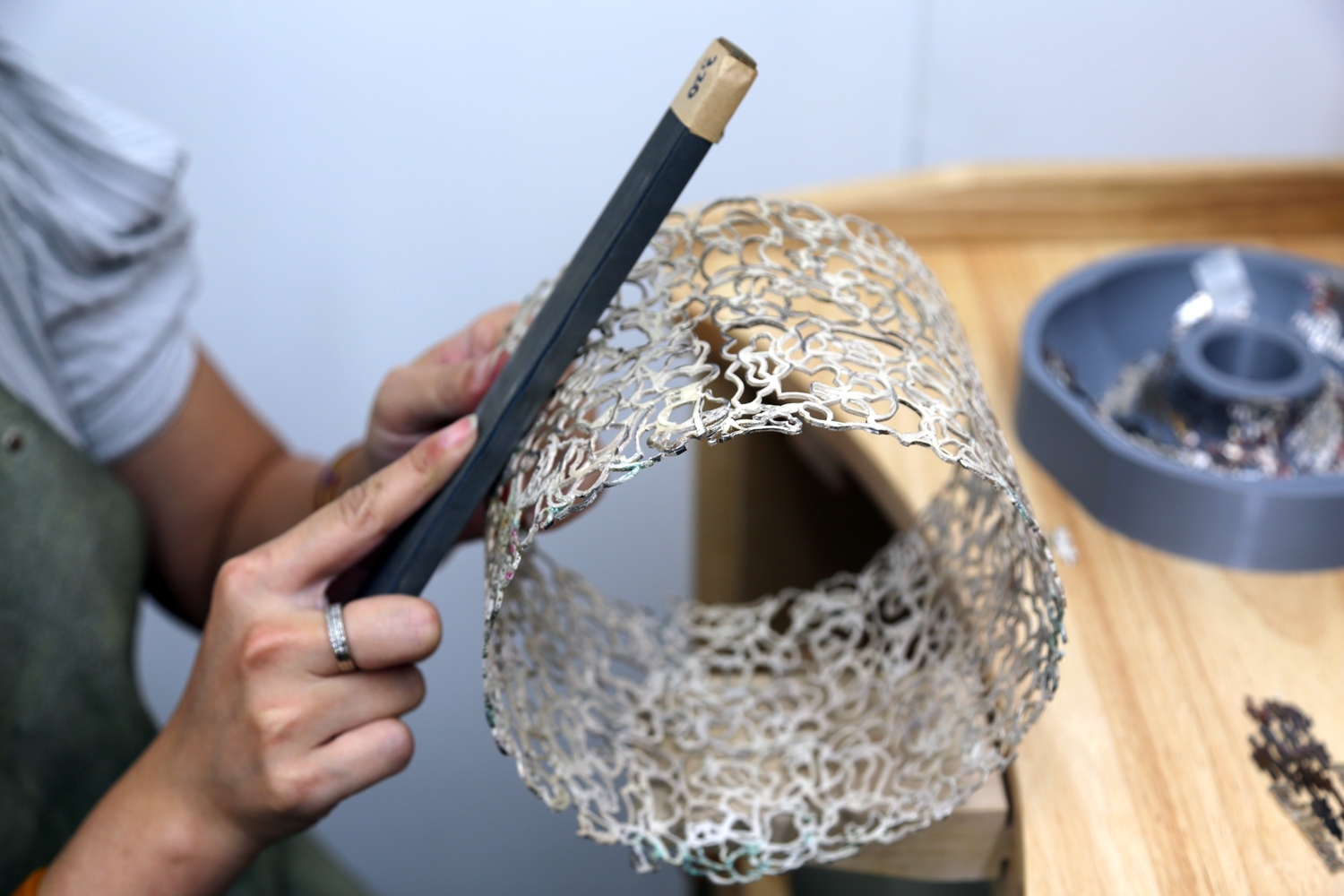
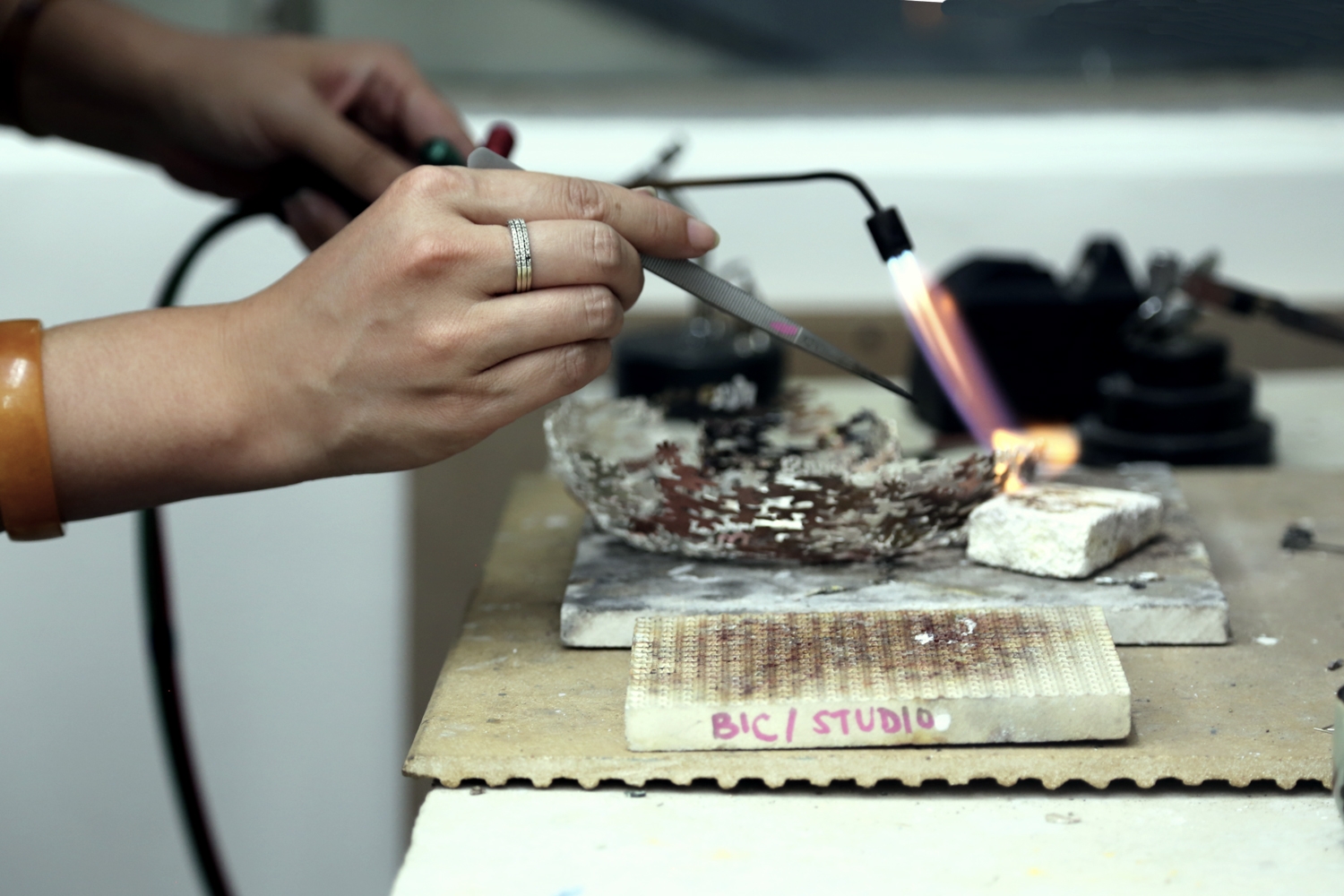
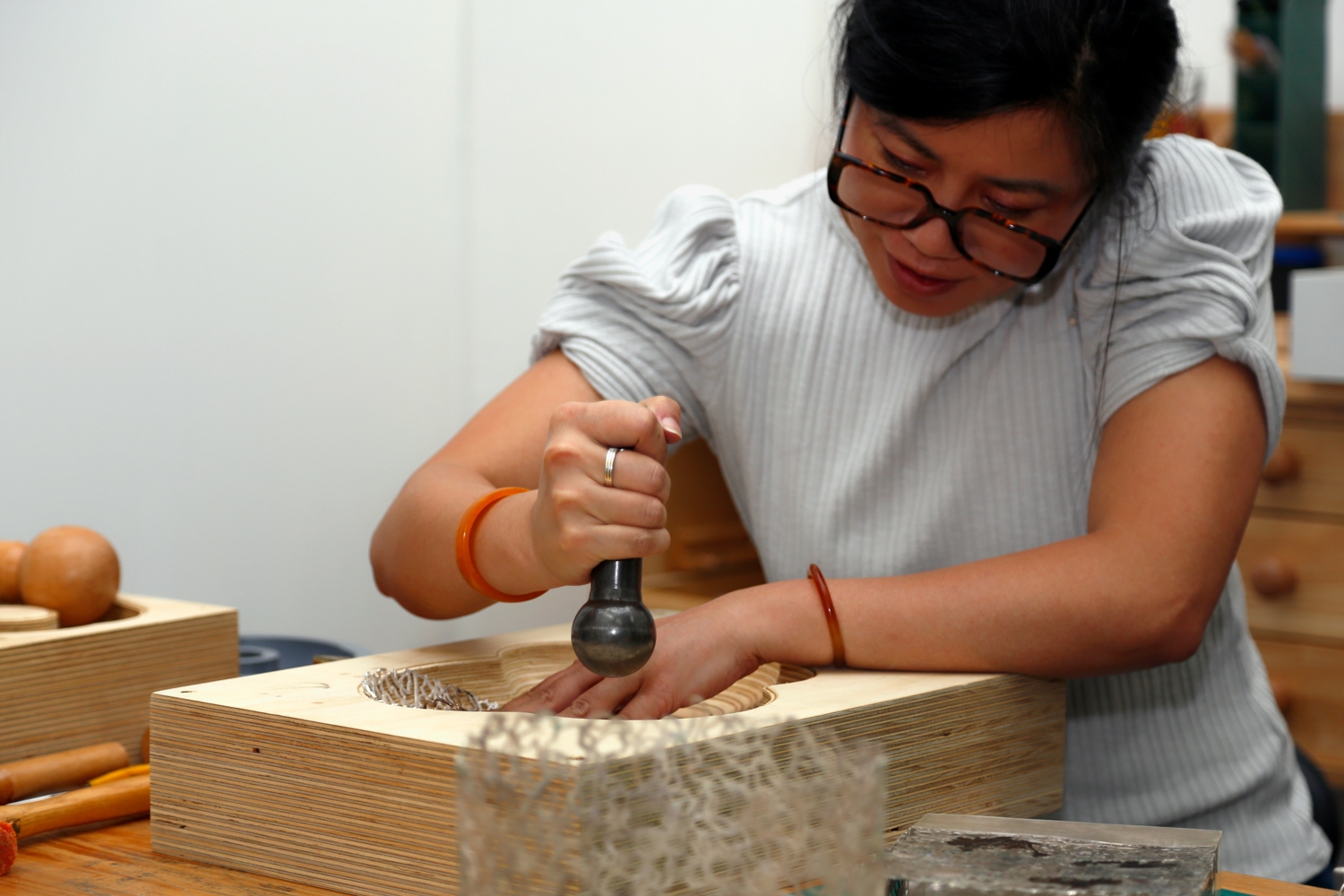
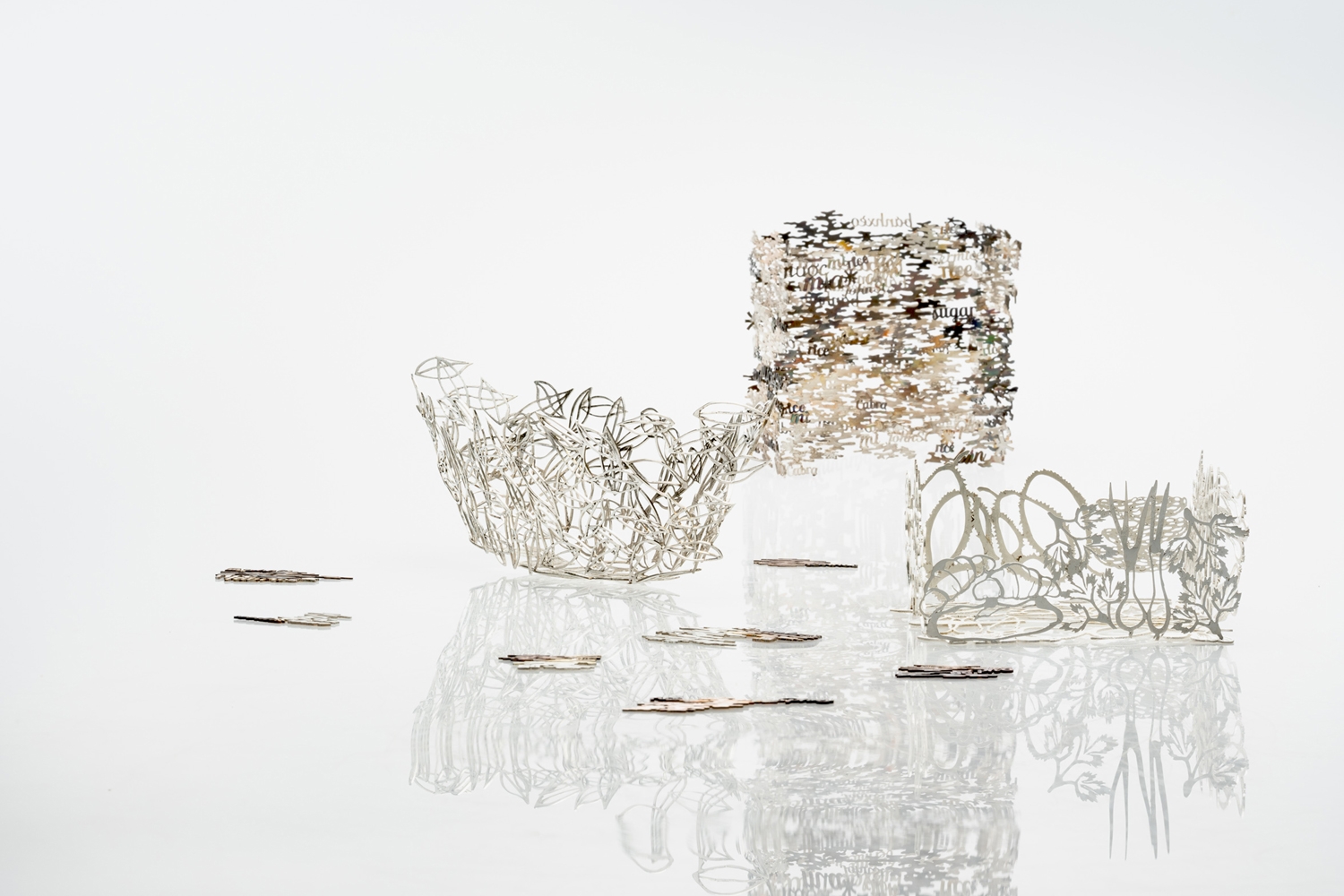
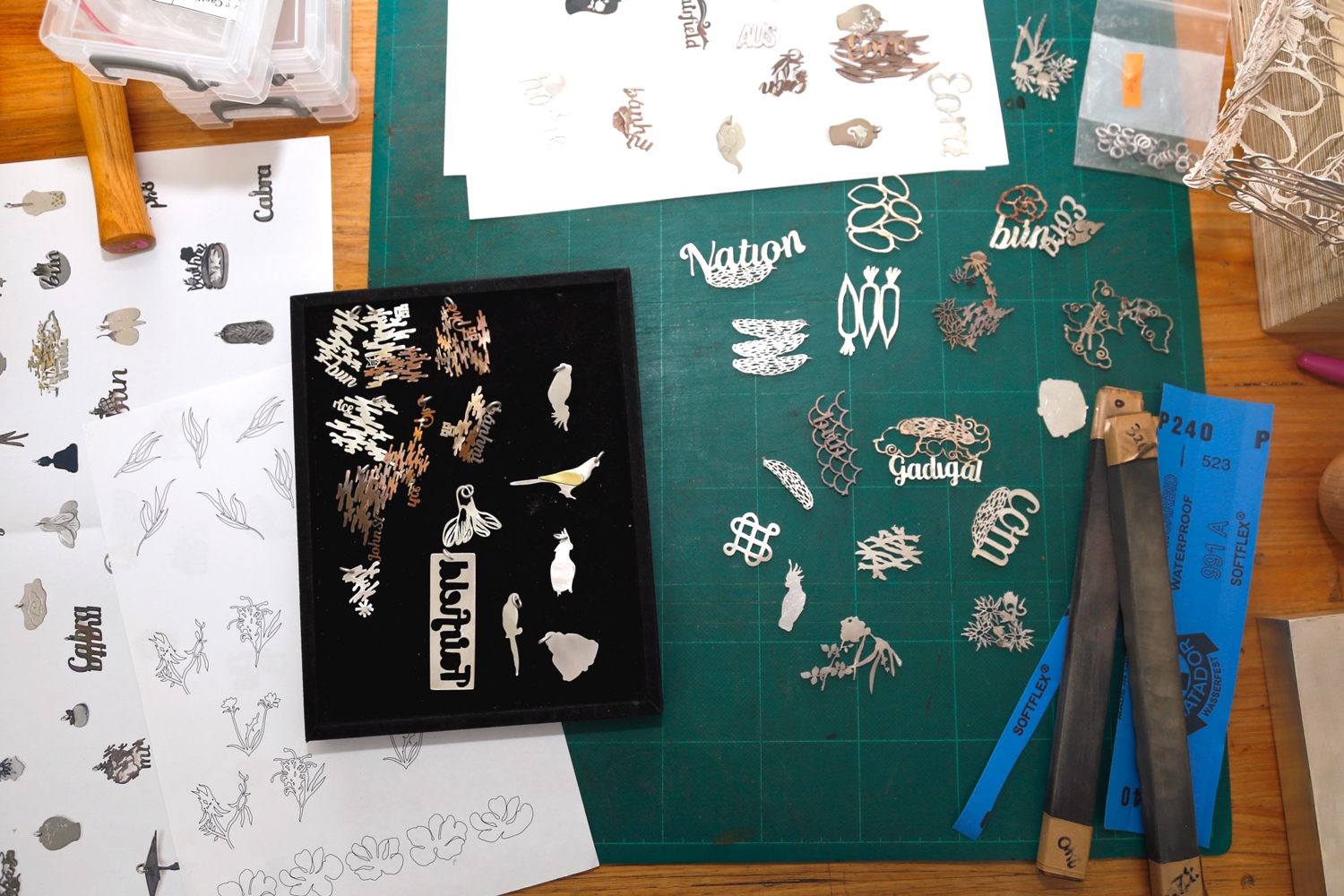
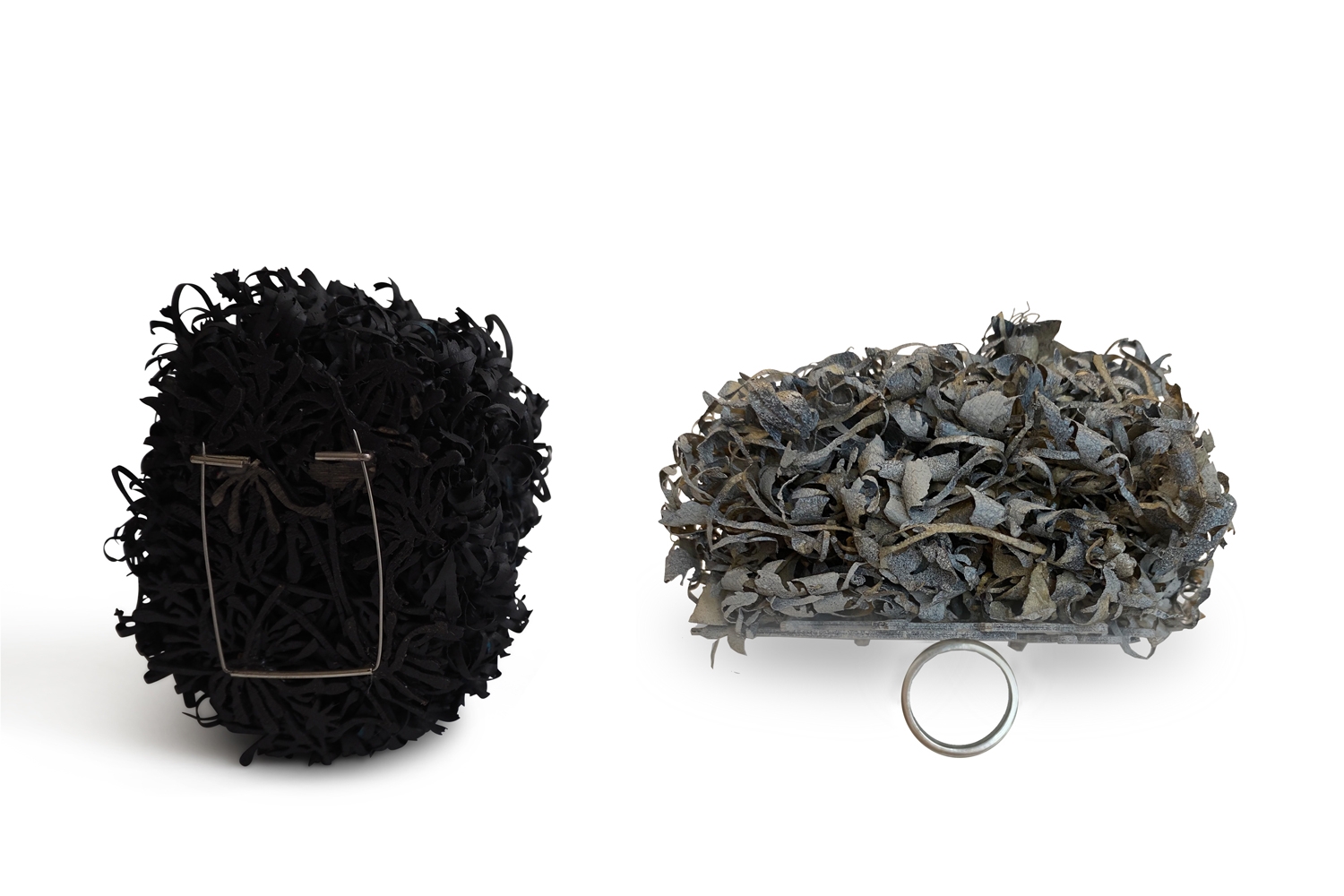
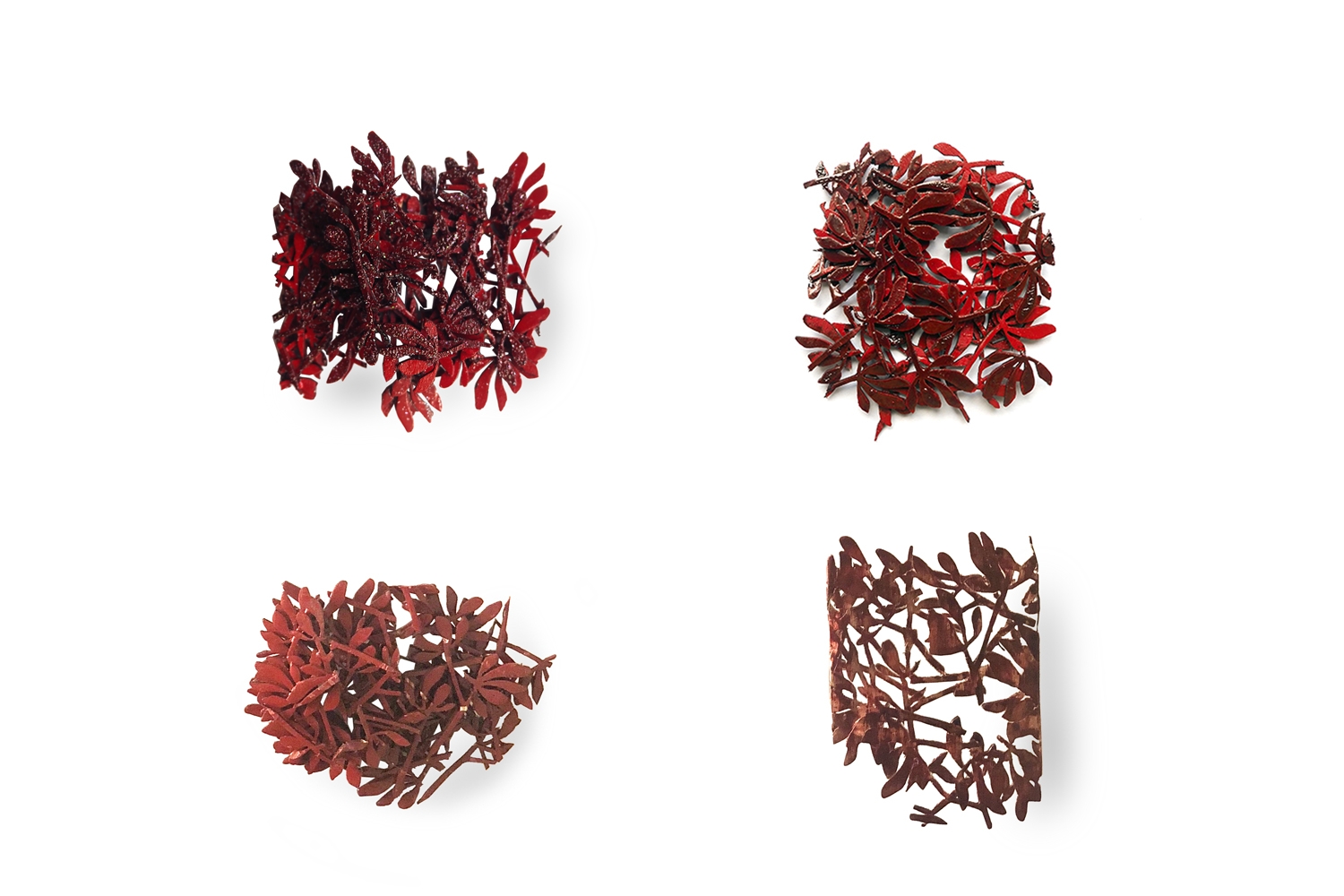
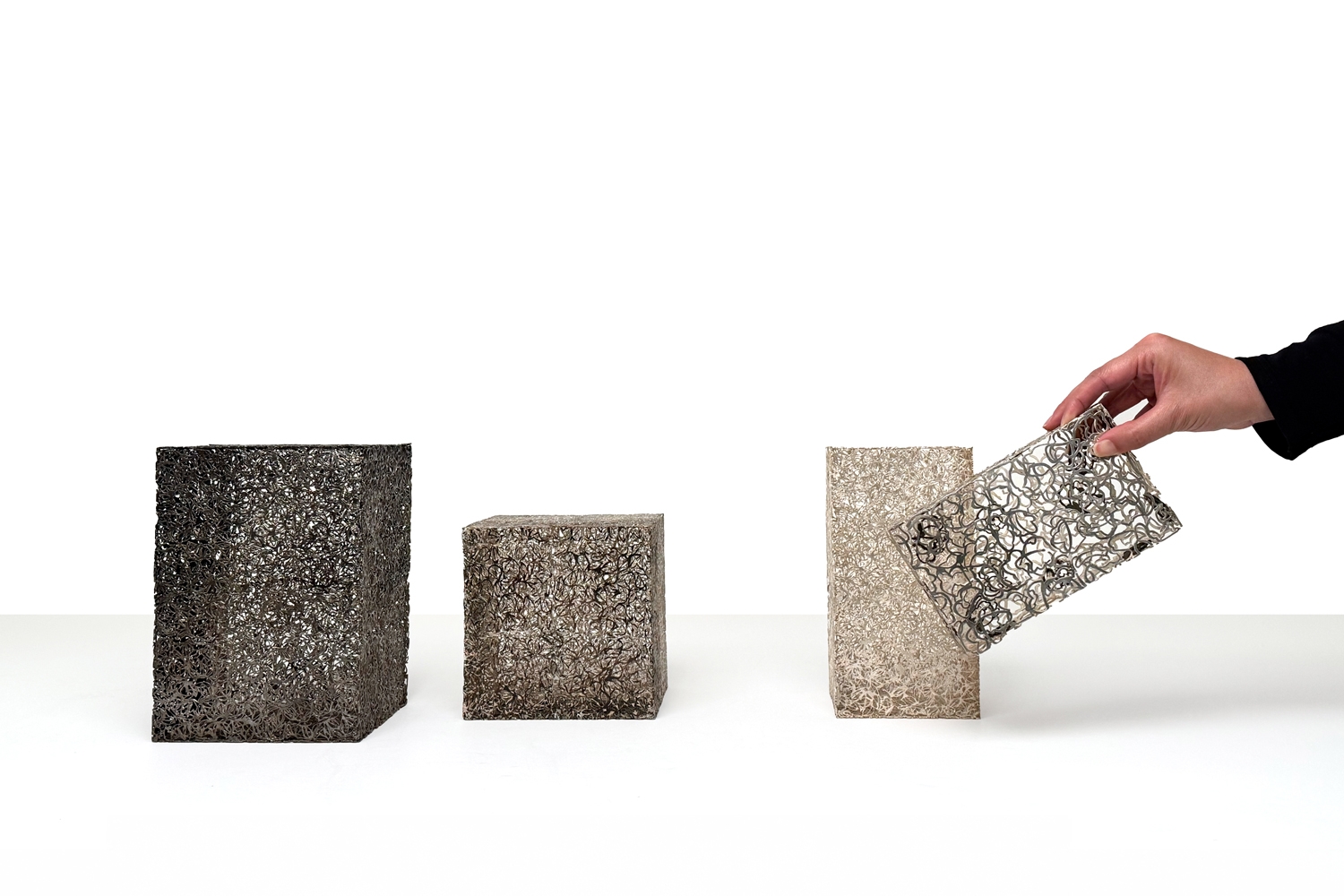
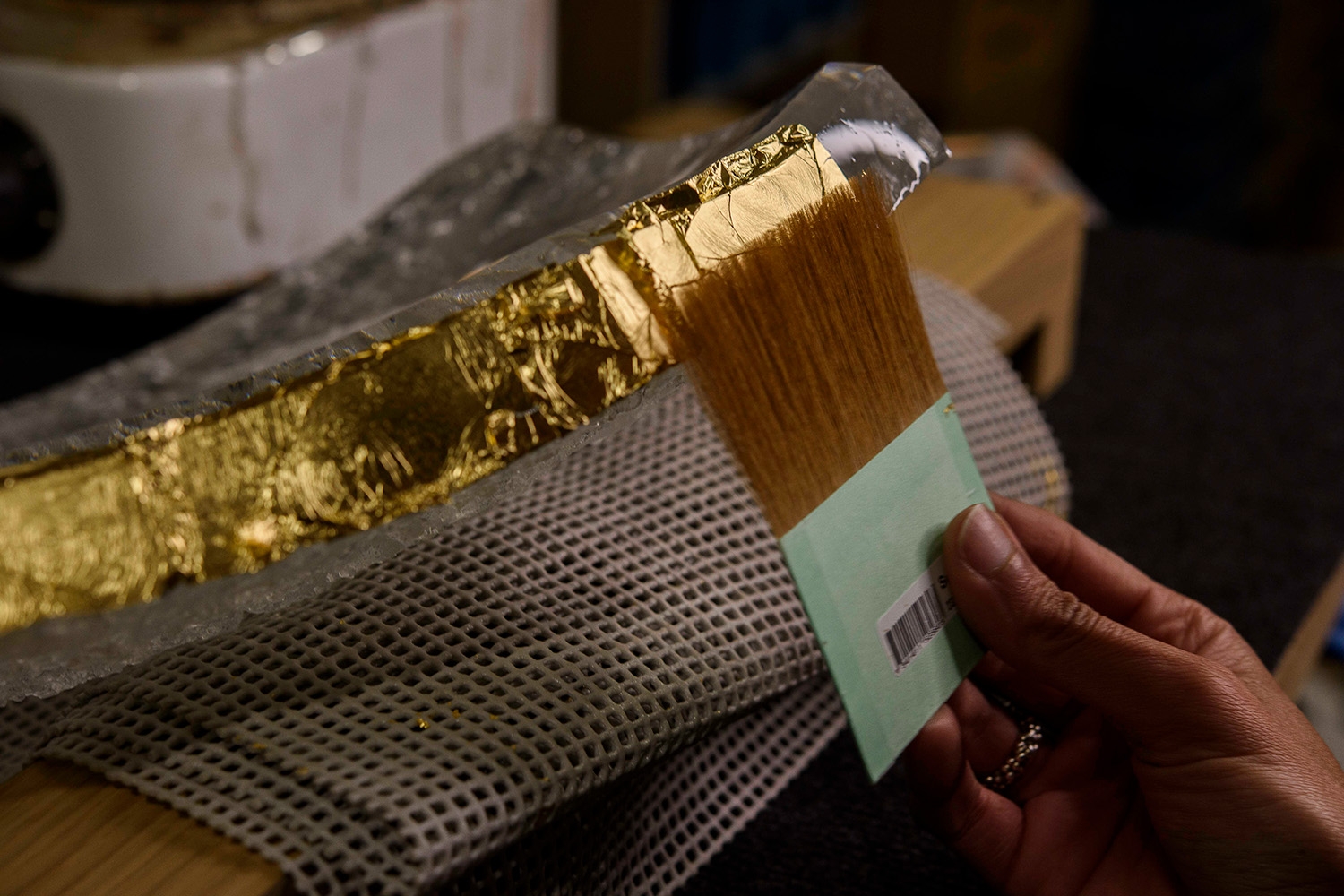
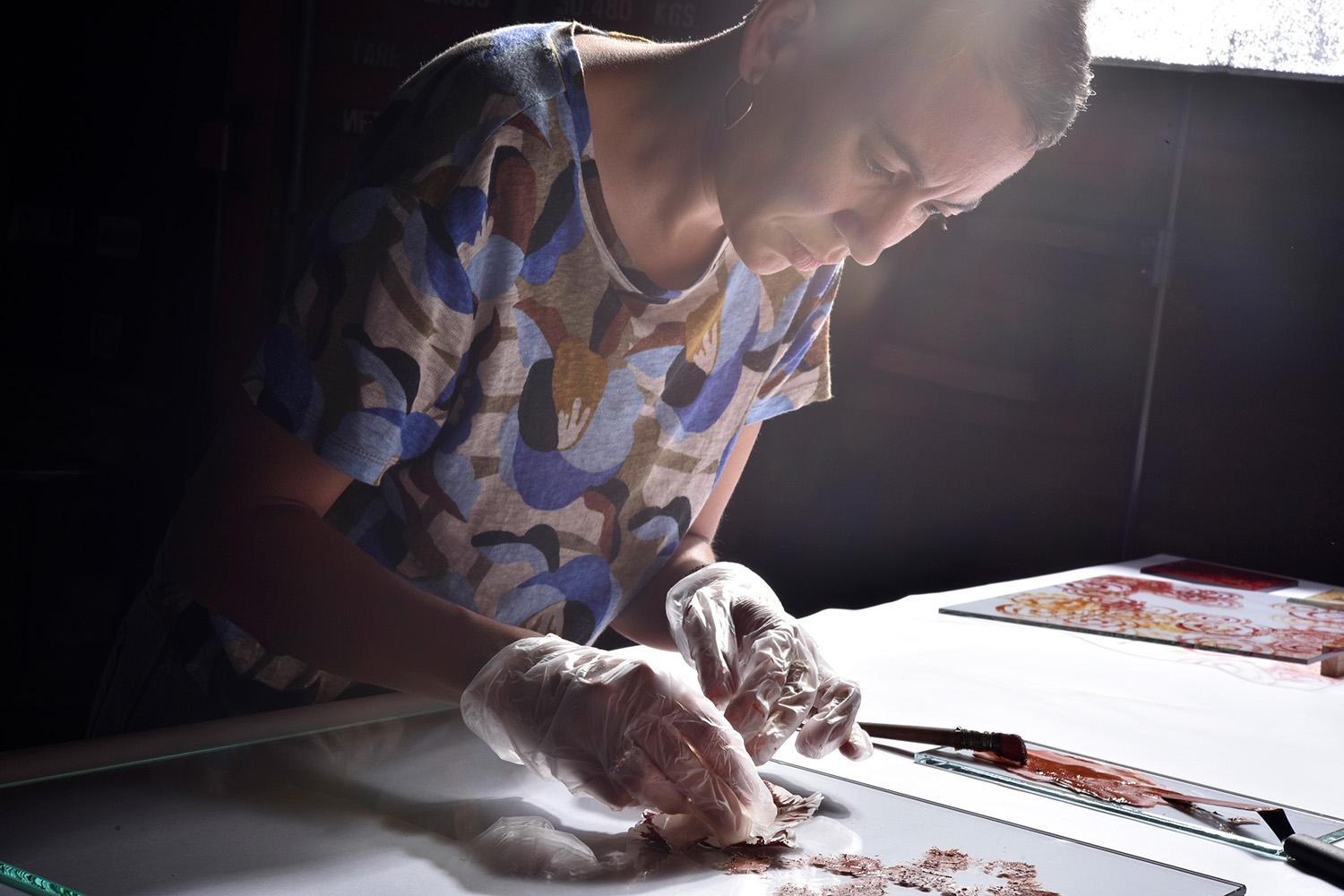
Bic Tieu describes her jewellery pieces as laced metalwork that entangles like roots, and leaf patterns that mimic the murmur of swallows. There are hidden layers to her practice too, such as the combustible plywood peonies that she uses as casts. "Each of my works, including my large-scale installations, speaks to the hybridity of my experience growing up with a Vietnamese-Chinese heritage in Australia. I also hint at this through my use of lacquer," Bic says. After studying with masters in Japan, she became recognised for her lacquer expertise, an interest that was sparked by a book a university mentor showed her. "The book ignited memories of my parents' lush, jungled garden and the lacquered screens from my childhood home," says Bic. Though allergic to the resin, Bic persists on working with it. For her, discomfort is a rite of passage – it is where beauty begins.
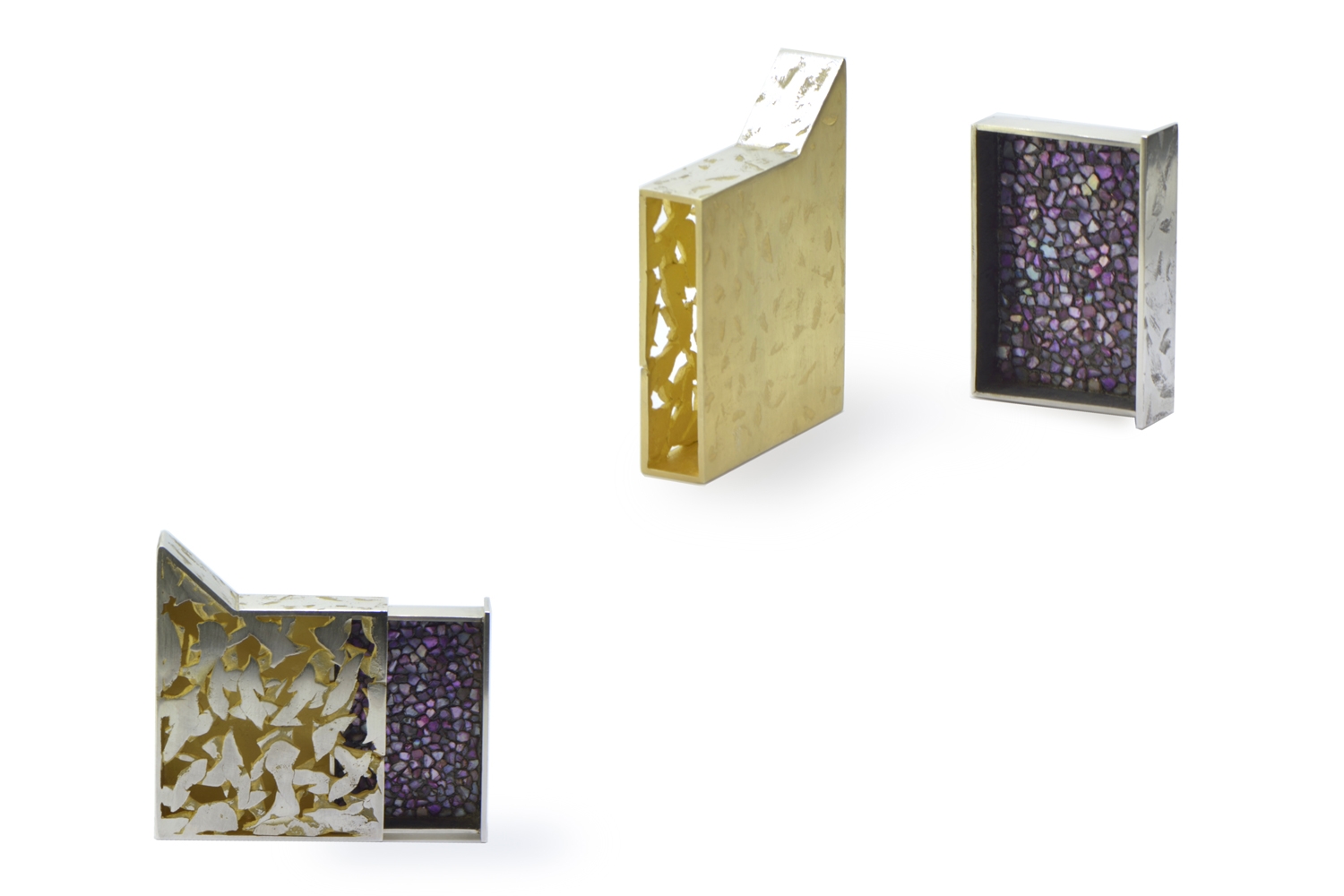
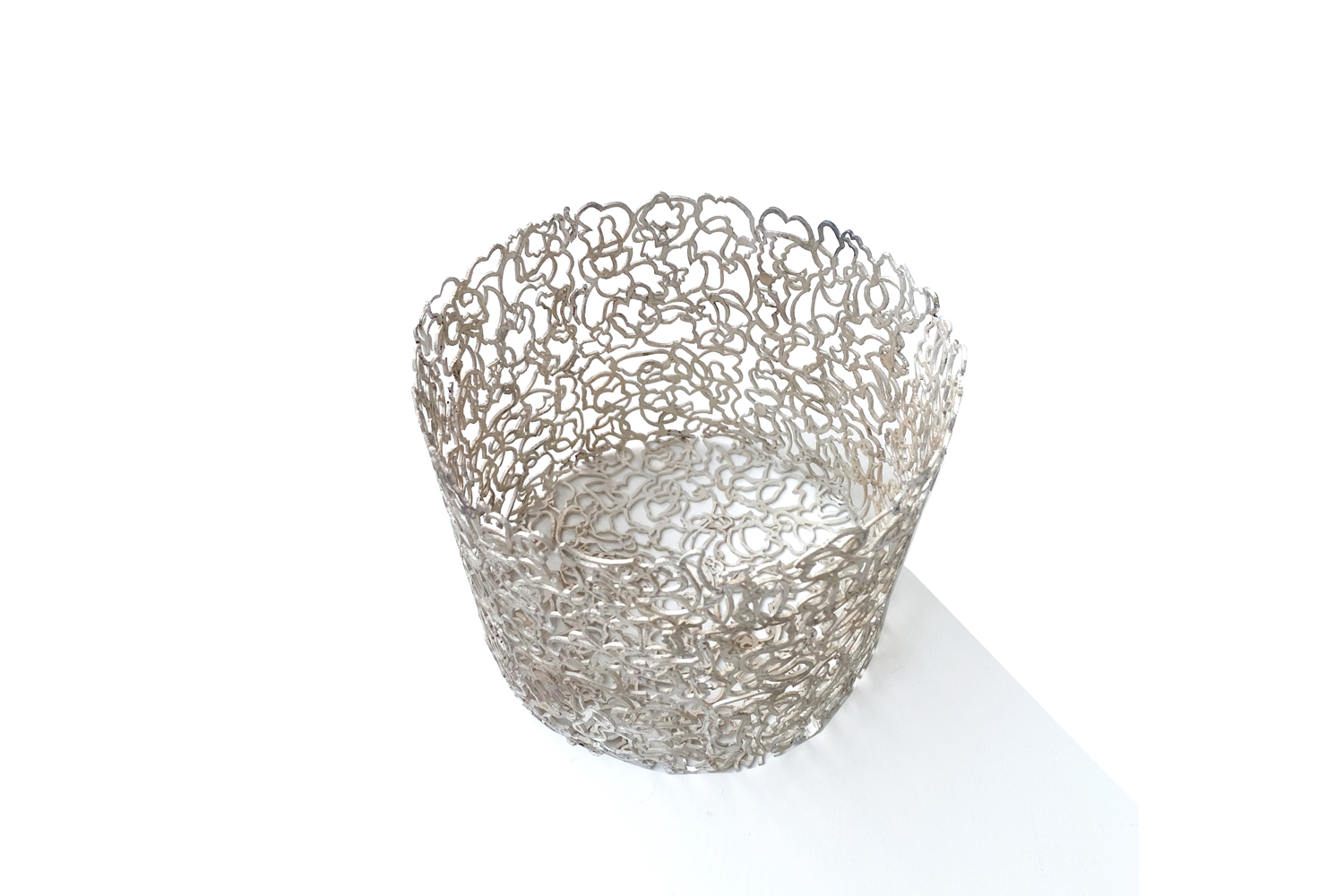
INTERVIEW
I use floral references in a lot of my work as a metaphor to my practice, identity and cultural hybridity, a way to articulate migration and movement. I love using floral motifs, because they are beautiful, natural and symbolic – they are a universal language.
Growing up, my parents bought lacquer from Vietnam, a material that has its own aesthetic. Back then, I did not give it any importance, it was just another object in the house. Later, when my university mentor showed me a book on East Asian lacquer, I naturally understood the language and value of this craft.
I thought I would look into Vietnamese lacquer because there were no studies on it in English at the time. I decided to contribute my time to share this craft. Another thing I wanted to do was to learn lacquer processes and apply them to contemporary jewellery, which is what happened later.
Some of my work references the Japanese Metabolism movement, particularly architect Kisho Kurokawa’s focus on grey. In Japan, I learned recipes from my metal teacher and achieved wonderful tones by mixing different alloys to get light and dark greys. I use grey for its hybridity – it is neither black nor white.
Bic Tieu
Jewellery maker
Sydney, Australia
Recommended by WCC Australia
ADDRESS
Address upon request, Sydney, Australia
AVAILABILITY
By appointment only
LANGUAGES
English
Homo Faber Finds is a new service aiming to inspire admirers of craft to connect and collaborate with exceptional artisans.
We invite you to submit an enquiry here.
Bottle Marsupial 2017 Tom Moore.jpg)
Studio Portrait Tom Moore.jpg)
Blowing Glass 4 Tom Moore.jpg)