Andrea Wippermann
Jewellery maker
Halle (Saale), Germany
Pocket-sized art jewellery
- Nature is the starting point for Andrea’s jewellery
- Her favourite materials are gold, silver and steel
- She masters enamelling, casting and forging techniques
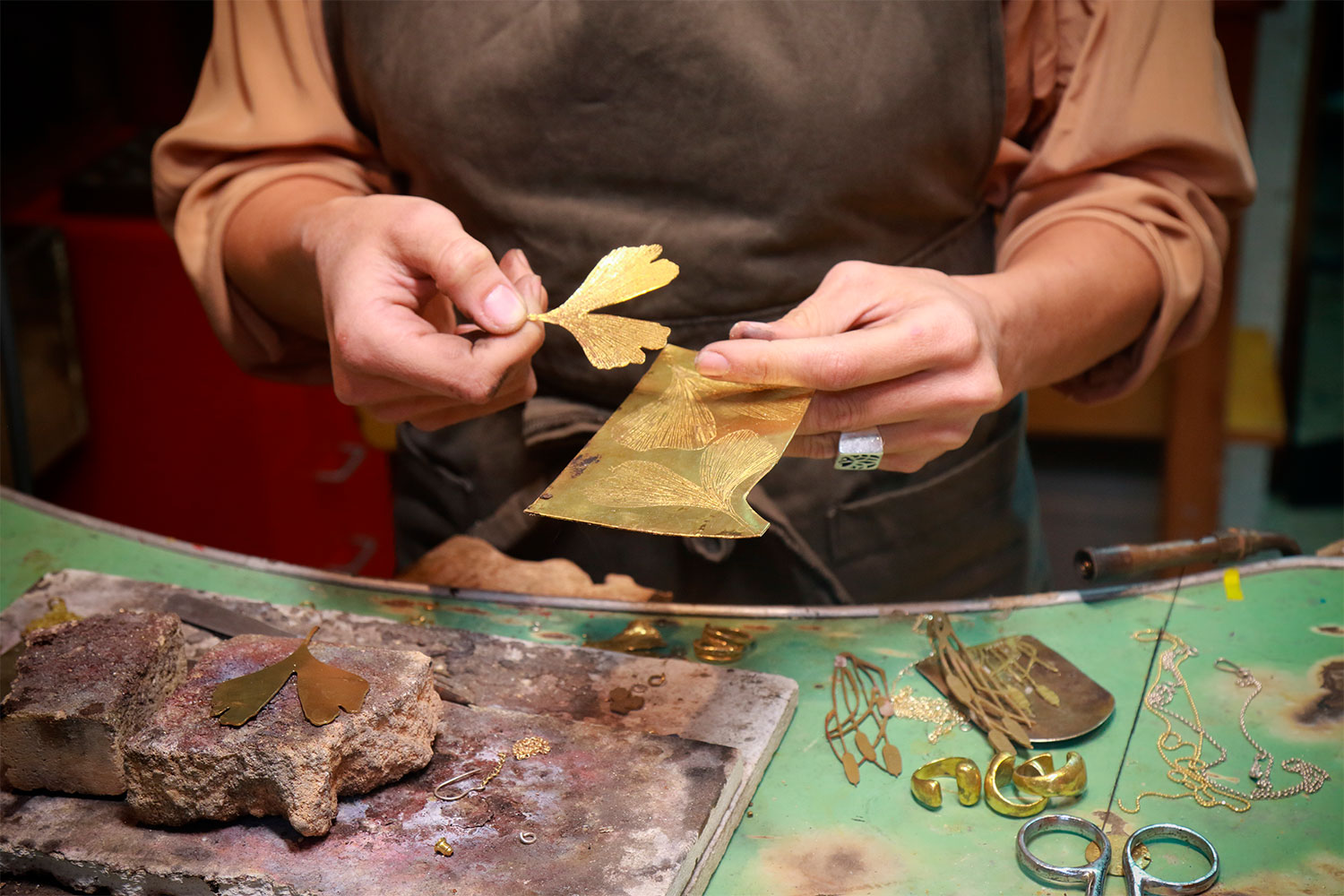
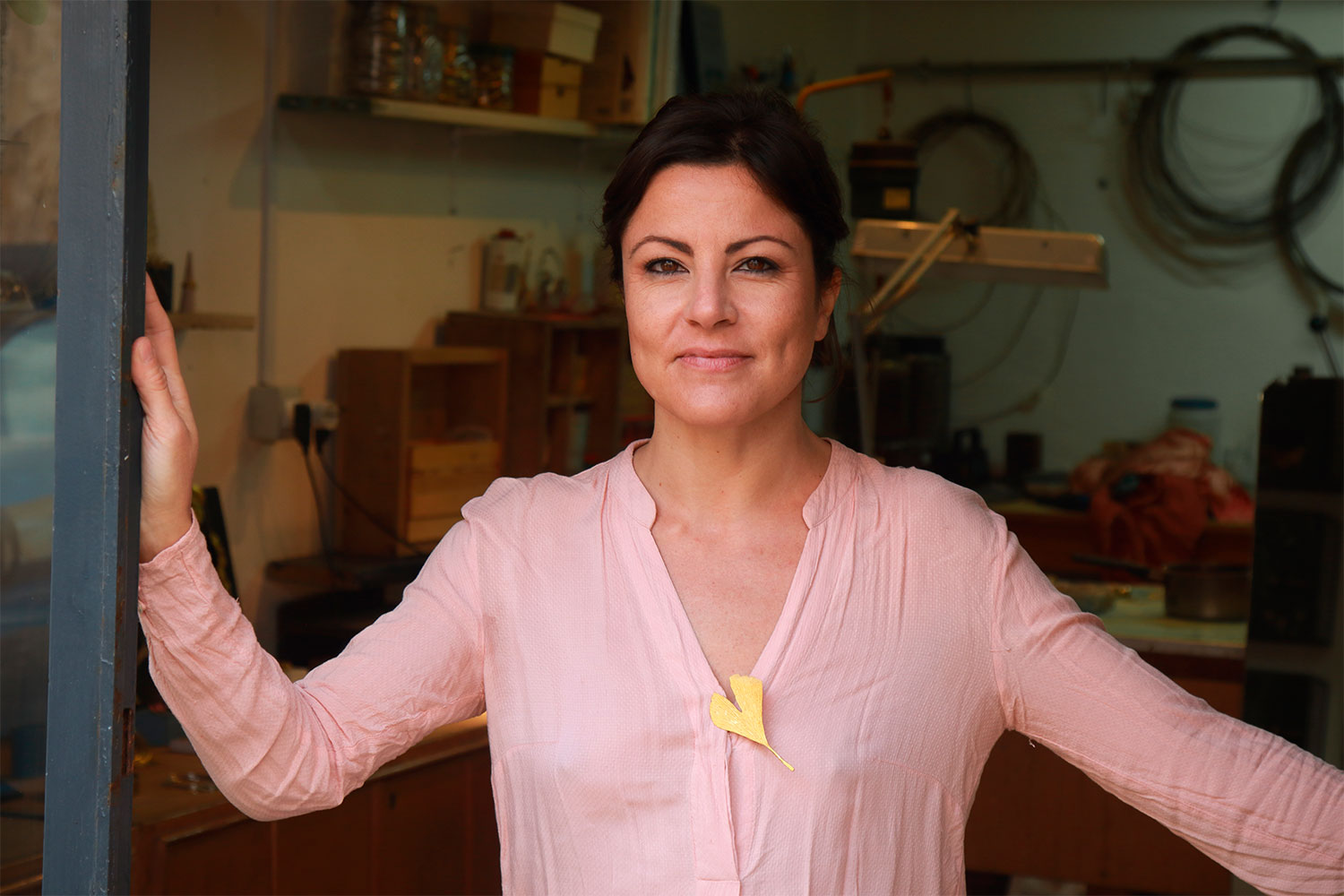
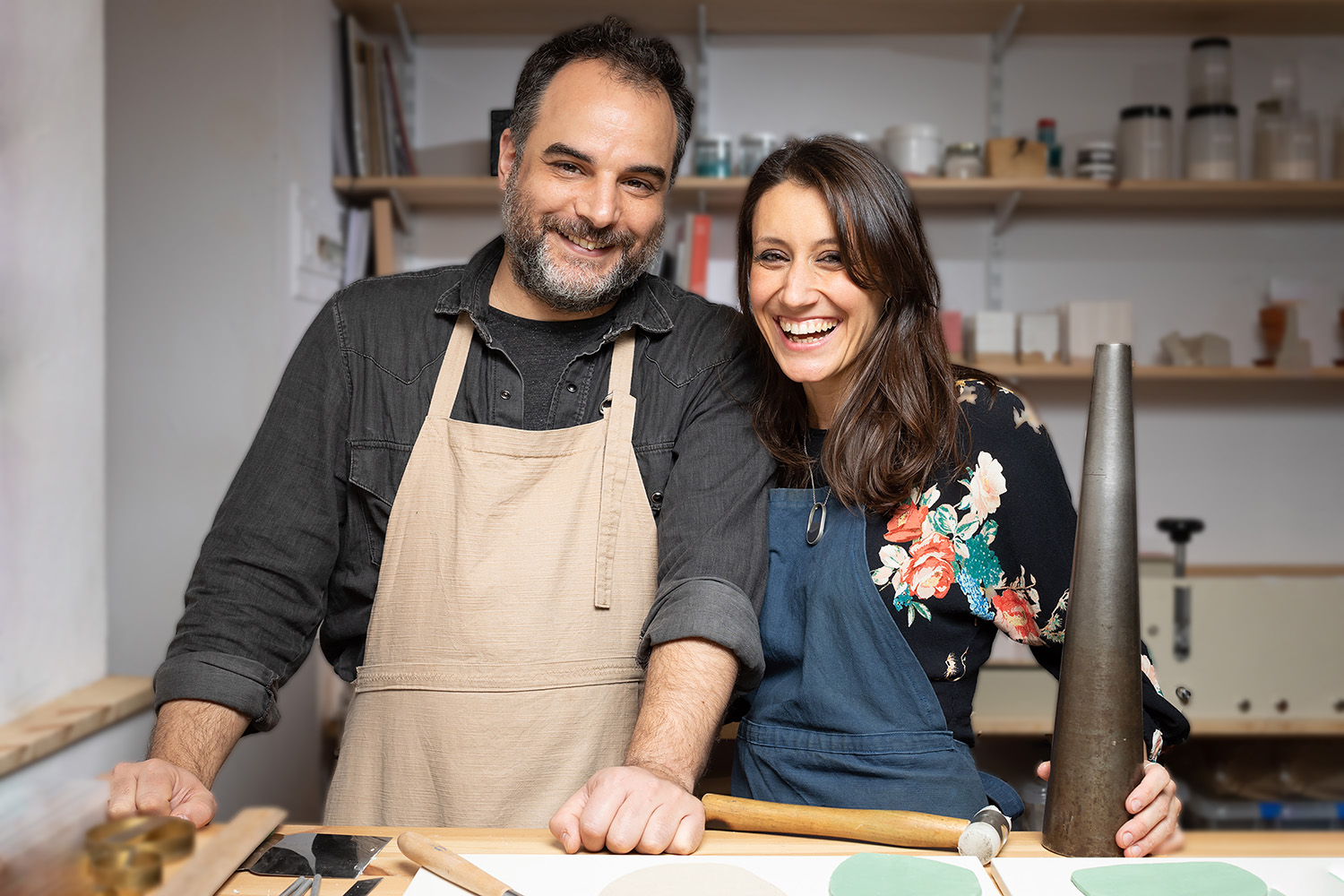
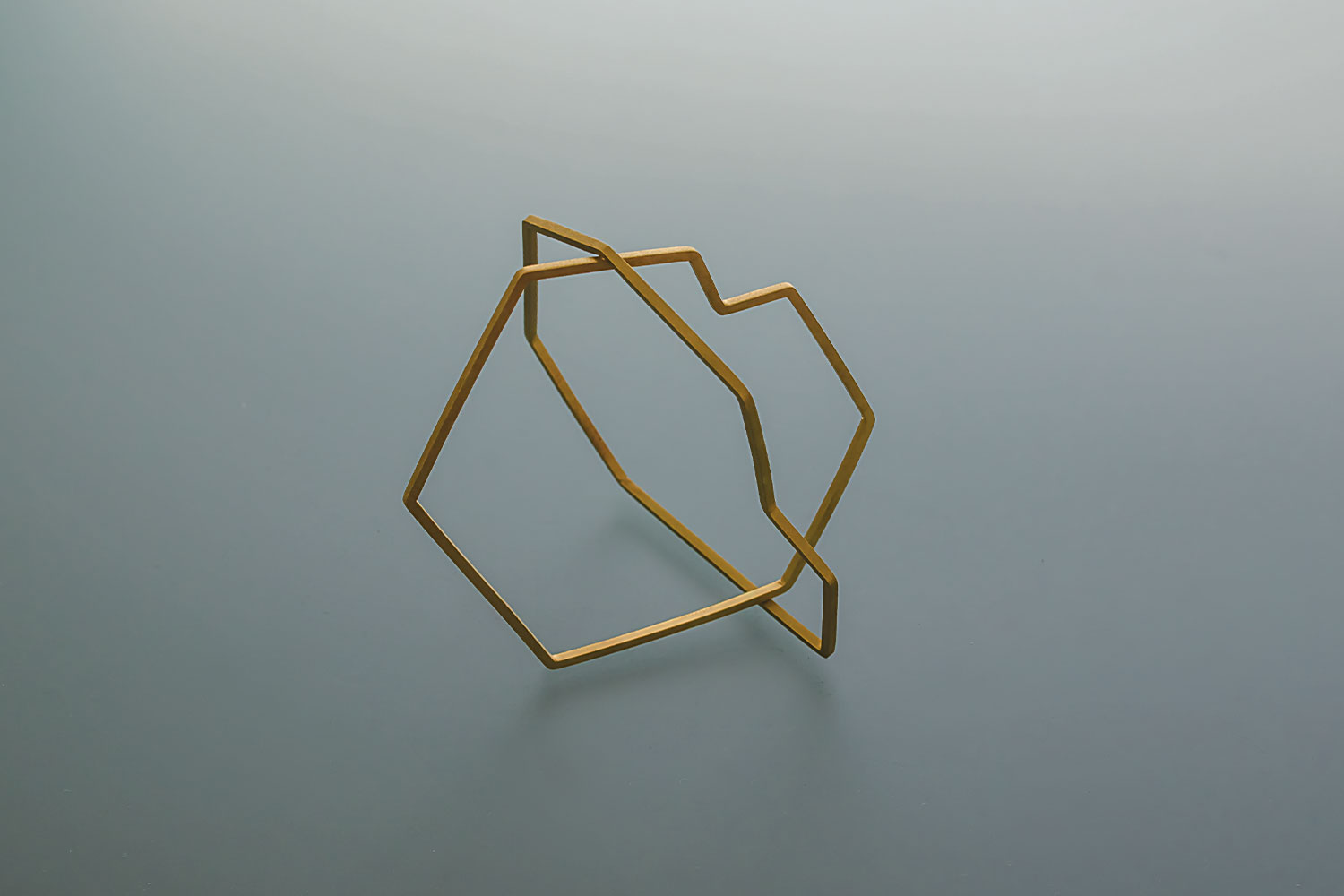
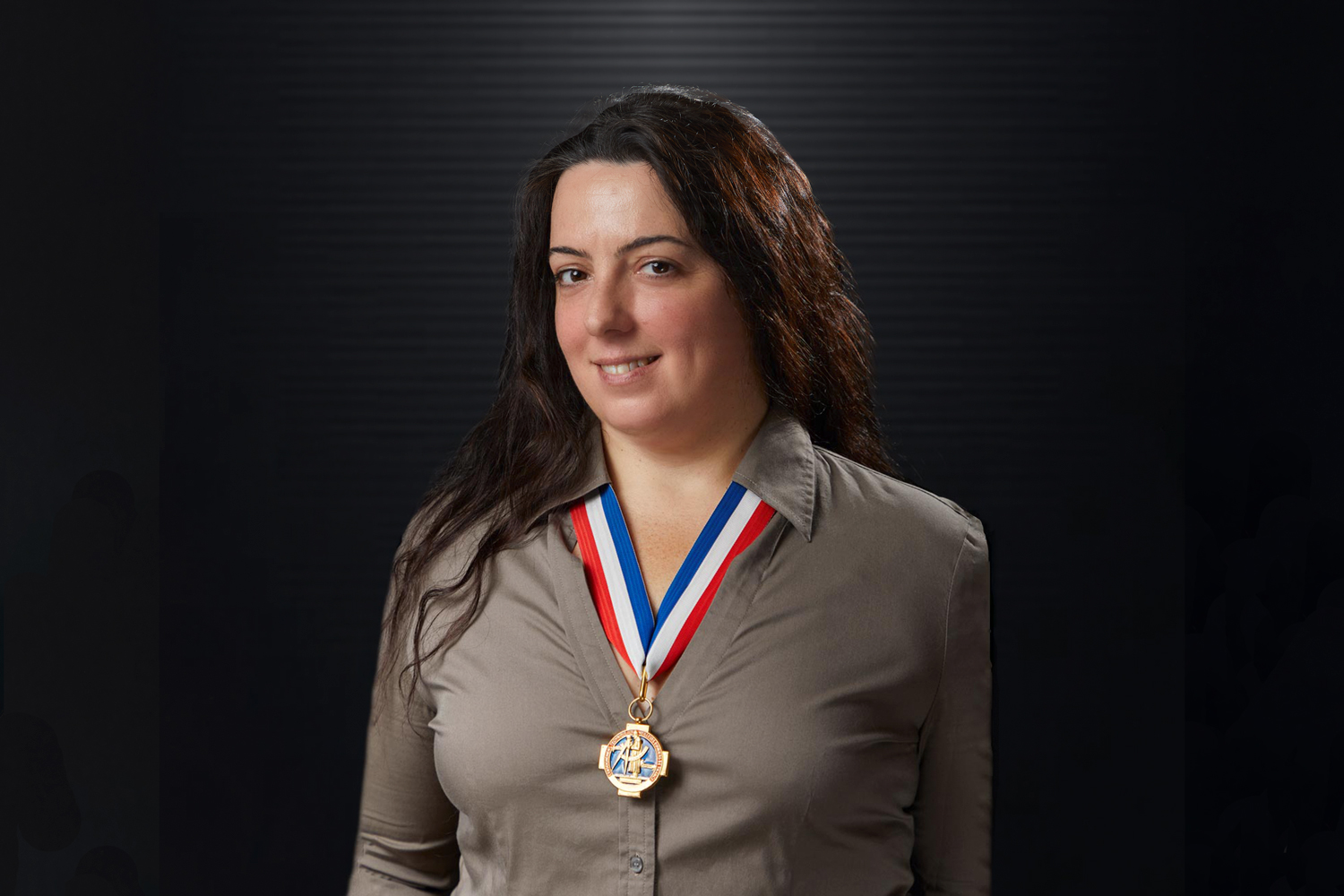
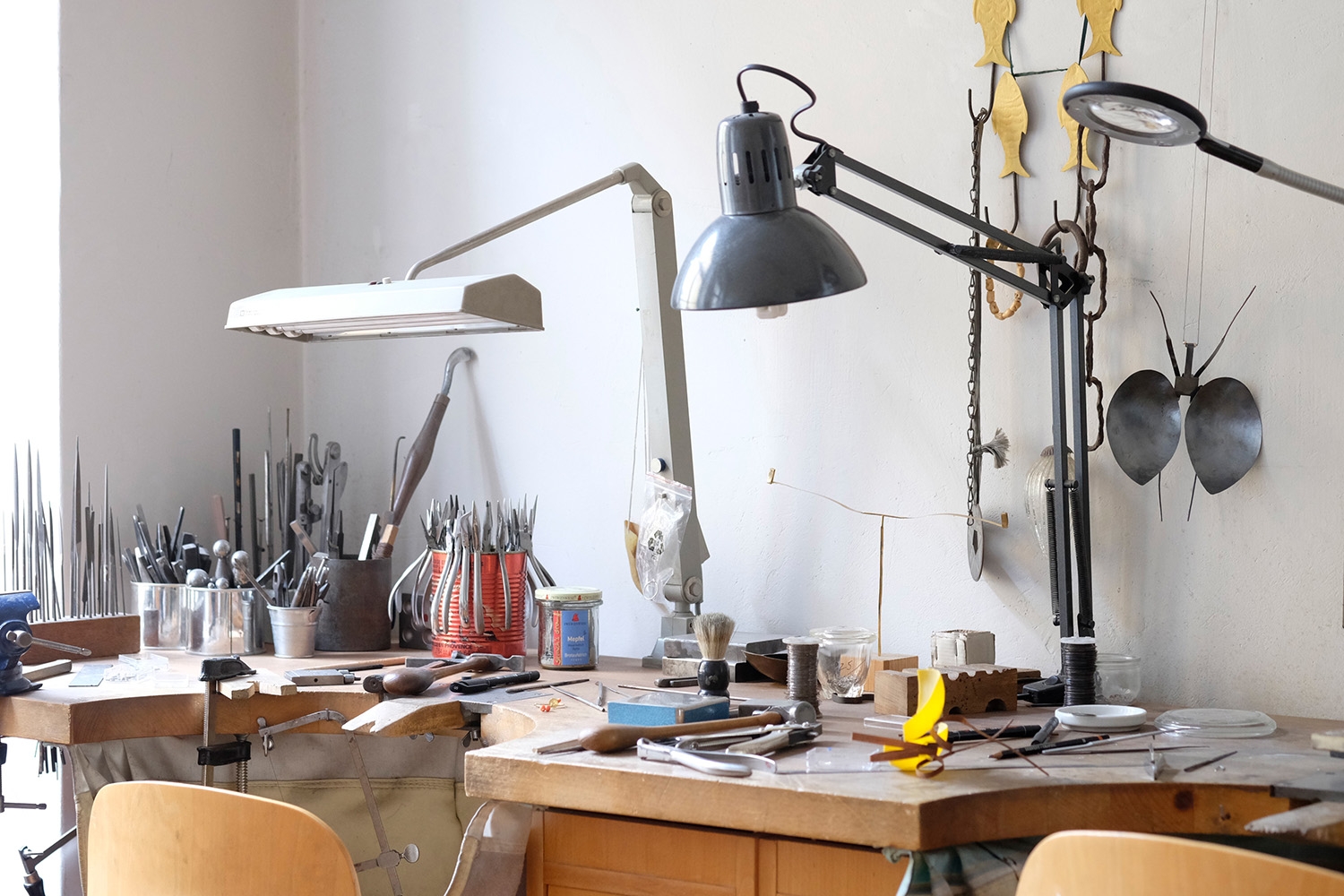
Andrea Wippermann’s journey to jewellery started slowly during her studies in sculpture, specialising in jewellery, at Burg Giebichenstein University of Art and Design in Halle, Germany. She had always wanted to study applied arts in a renowned art college in the GDR where study places were very limited. It was the great freedom and artistic potential of jewellery that drew her in and led her to create her first necklace. Fast forward to the year 2000, Andrea opened her own workshop which she shares with two other jewellery artists. She describes her studio as “beautiful and spacious with a door to a small front garden.” Besides the essence of nature, she counts her professor Dorothea Prühl and German painter Hans Kinder among her greatest inspirations. Andrea's pieces are observations of her surroundings, from which she translates “the hidden beauty into small, wearable works of art.”
Discover her work



INTERVIEW
It was a necklace in the second year of my studies, in the form of branches made of silver with amber beads as sea buckthorn fruits. It was published in the book Schmuck Burg Giebichenstein 1970 – 1992 Arnoldsche, page 96-97.
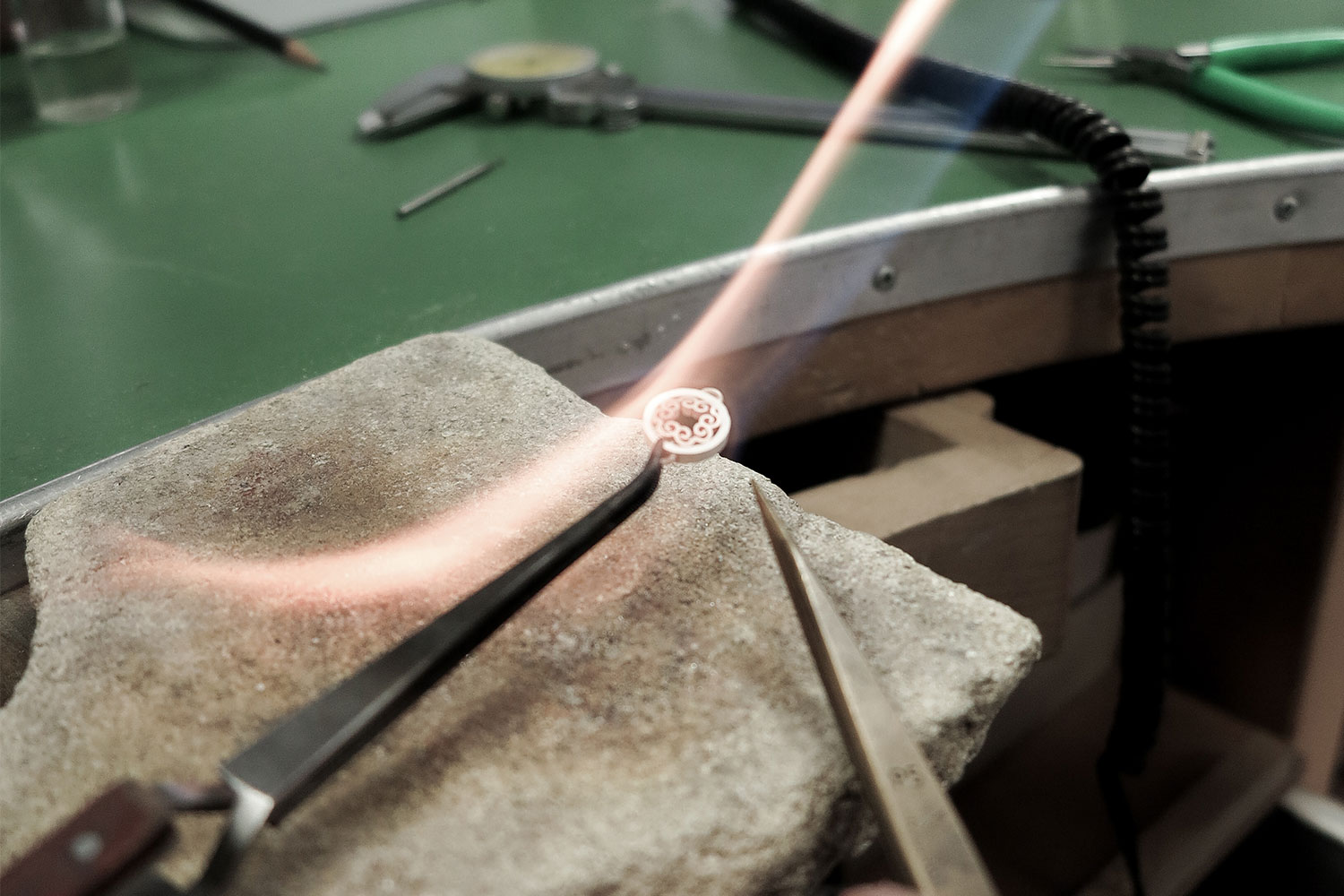
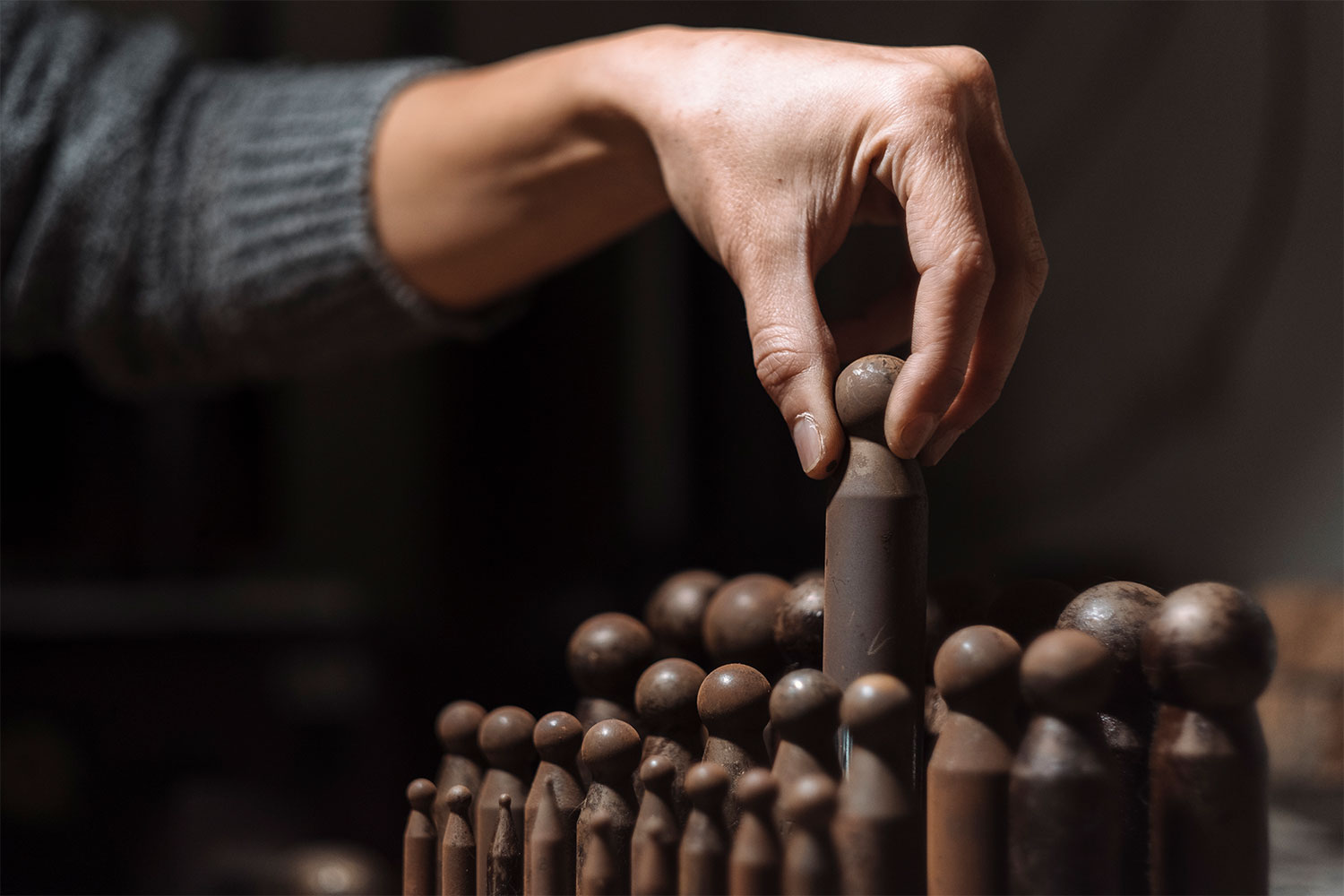
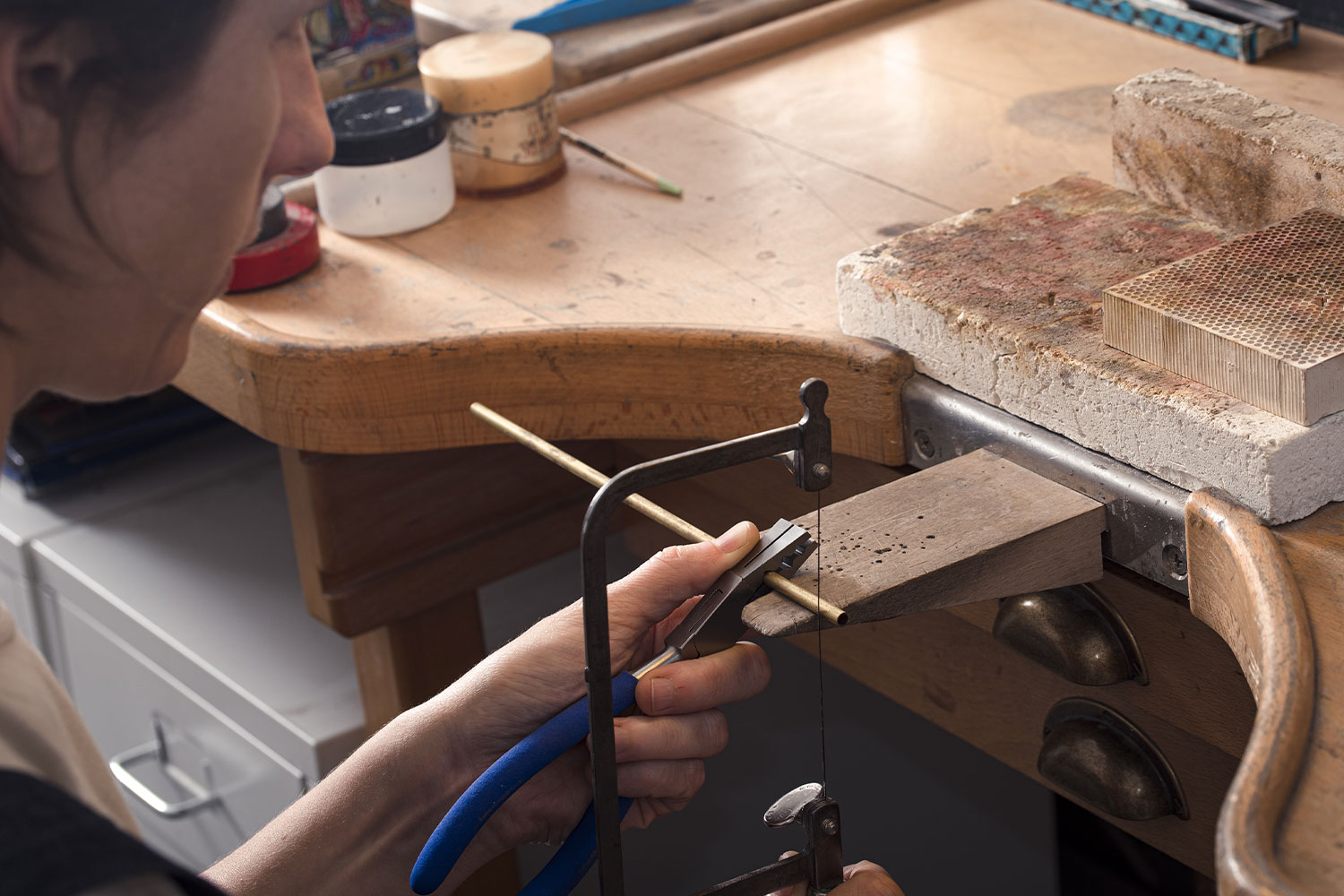
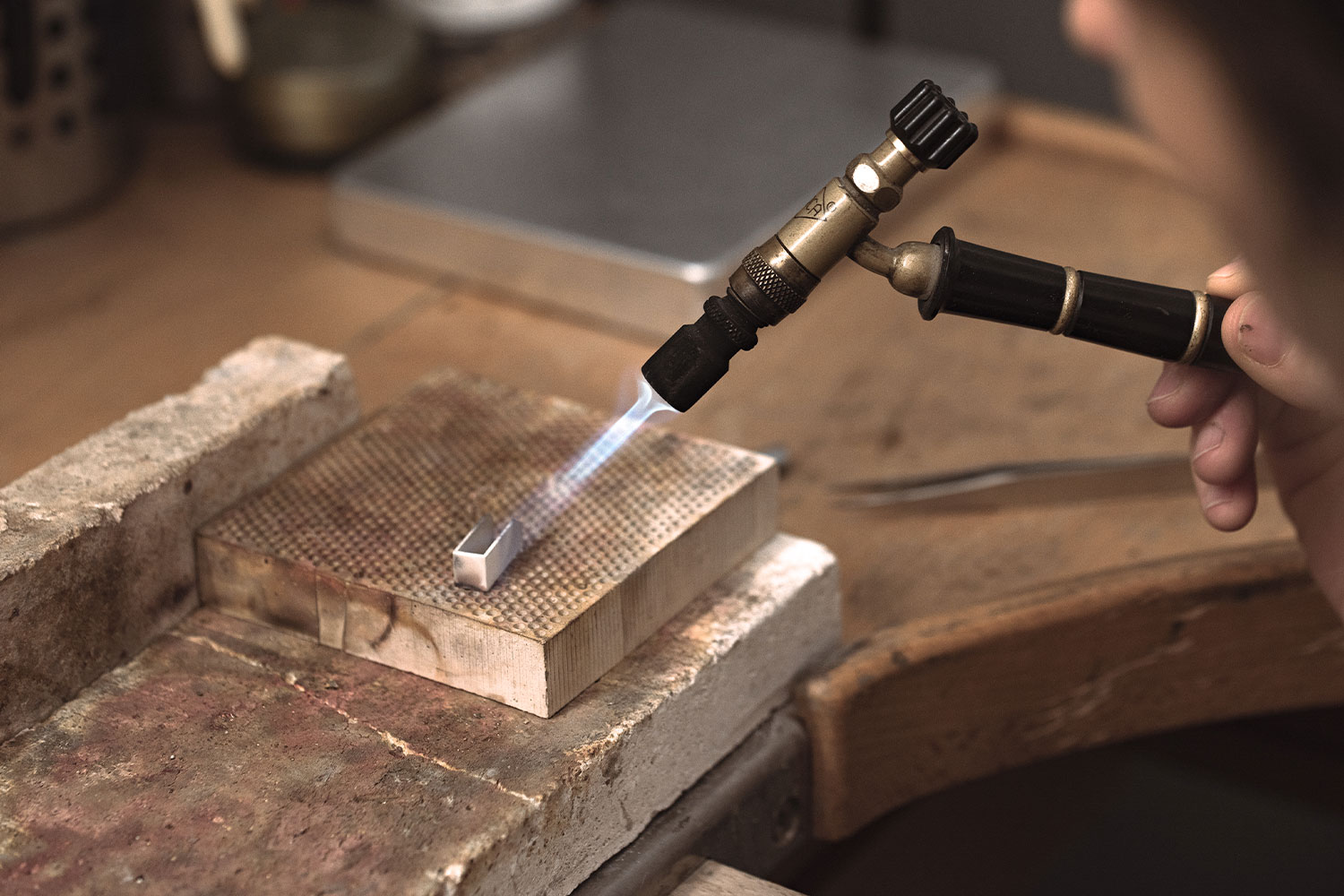
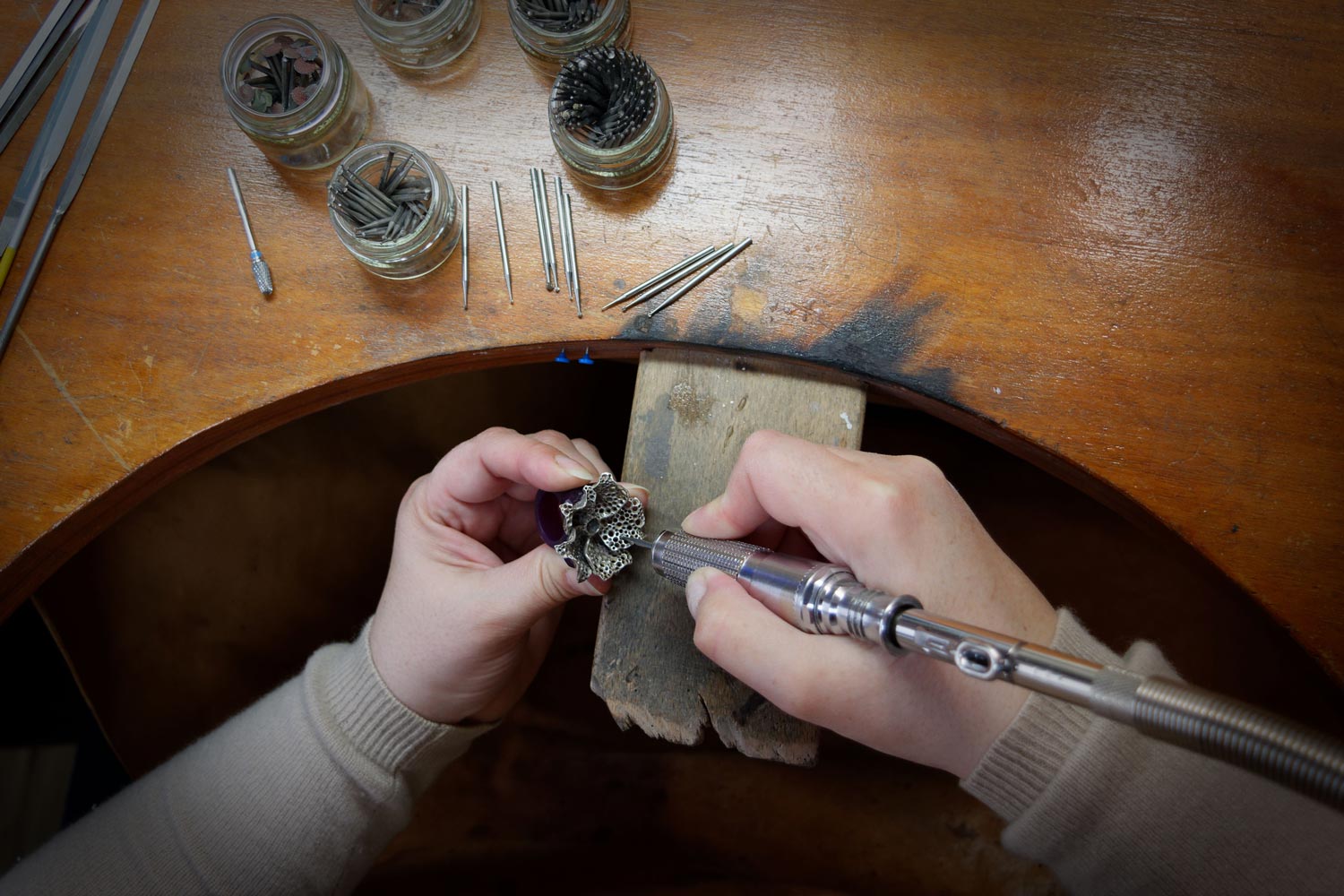
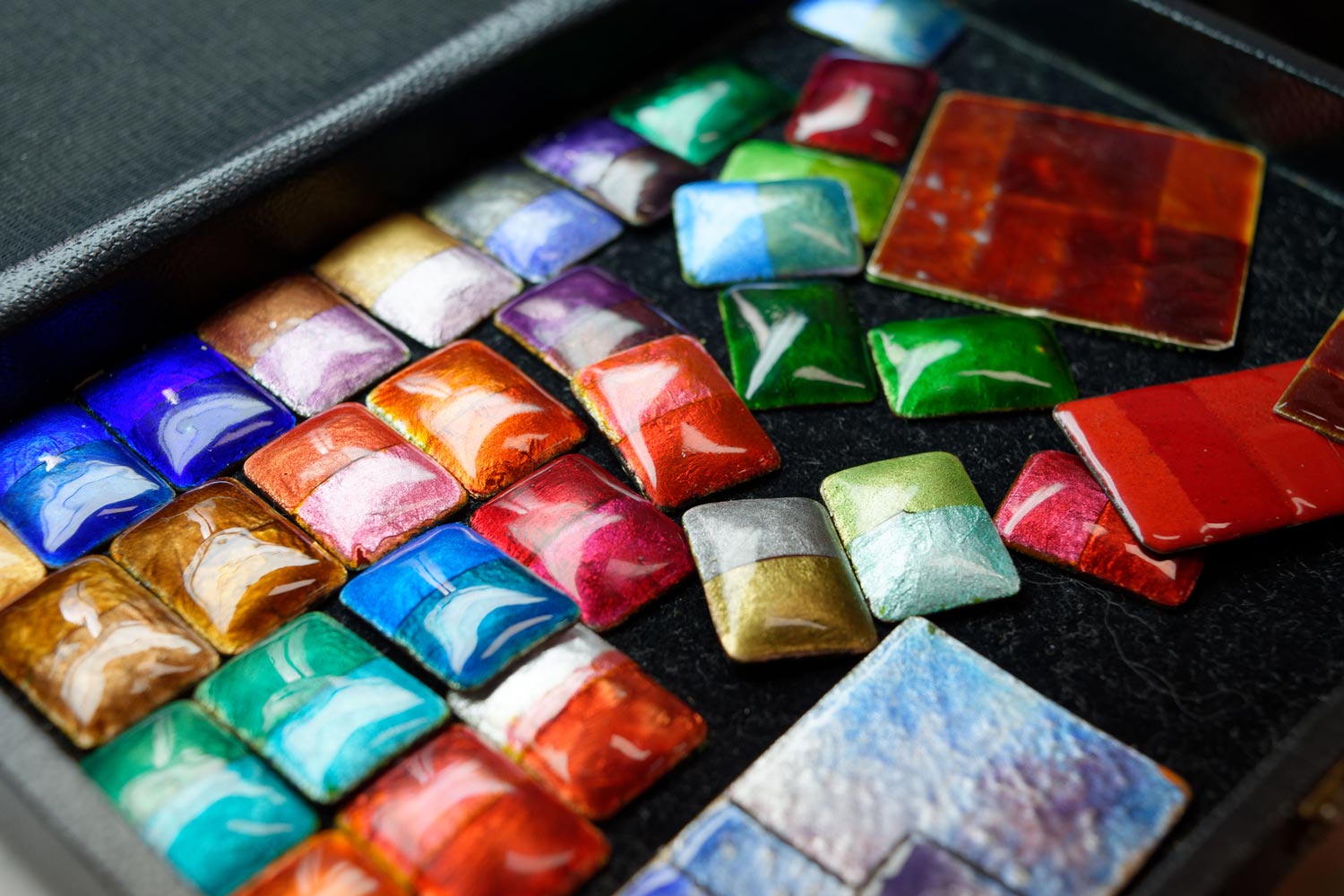
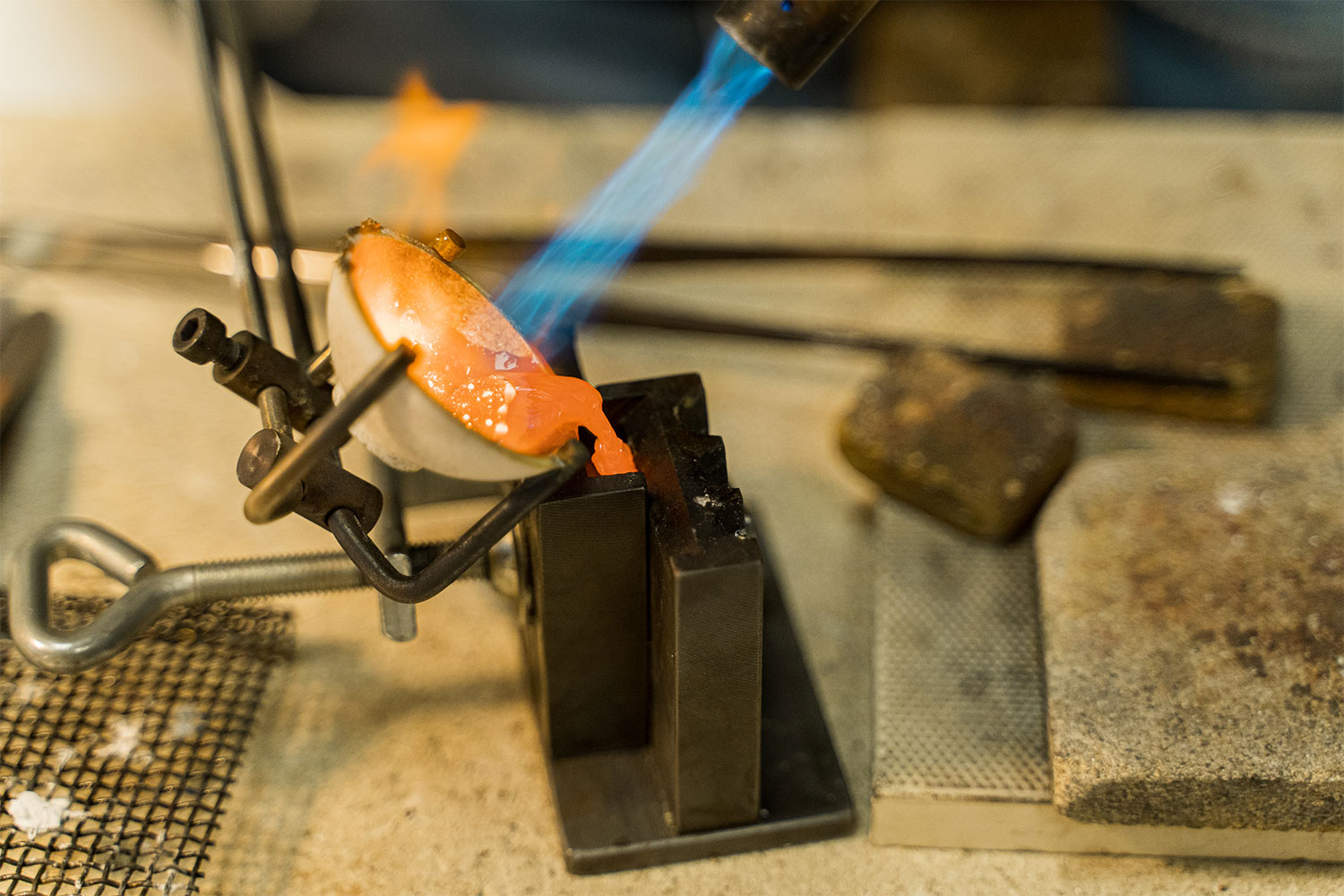
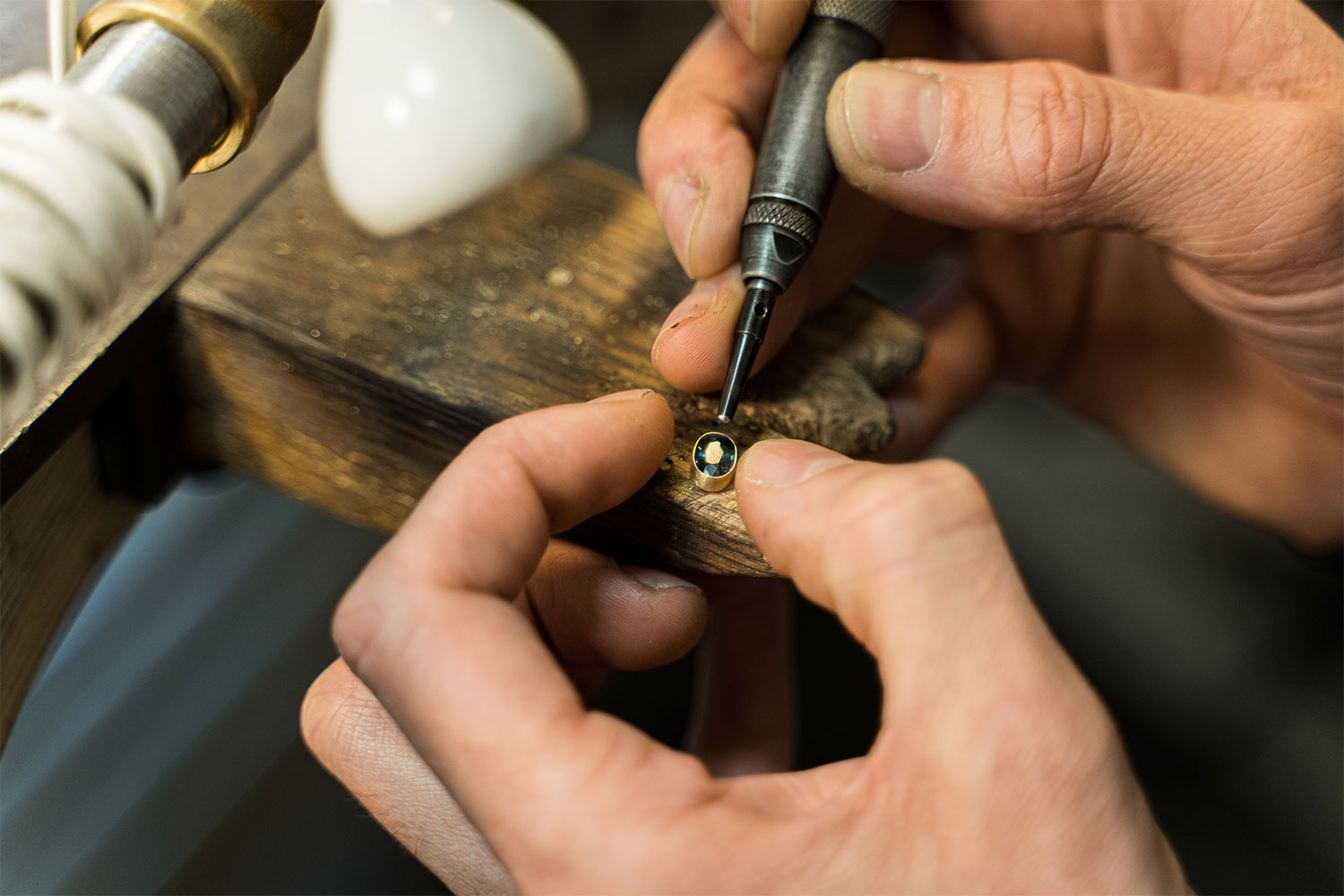
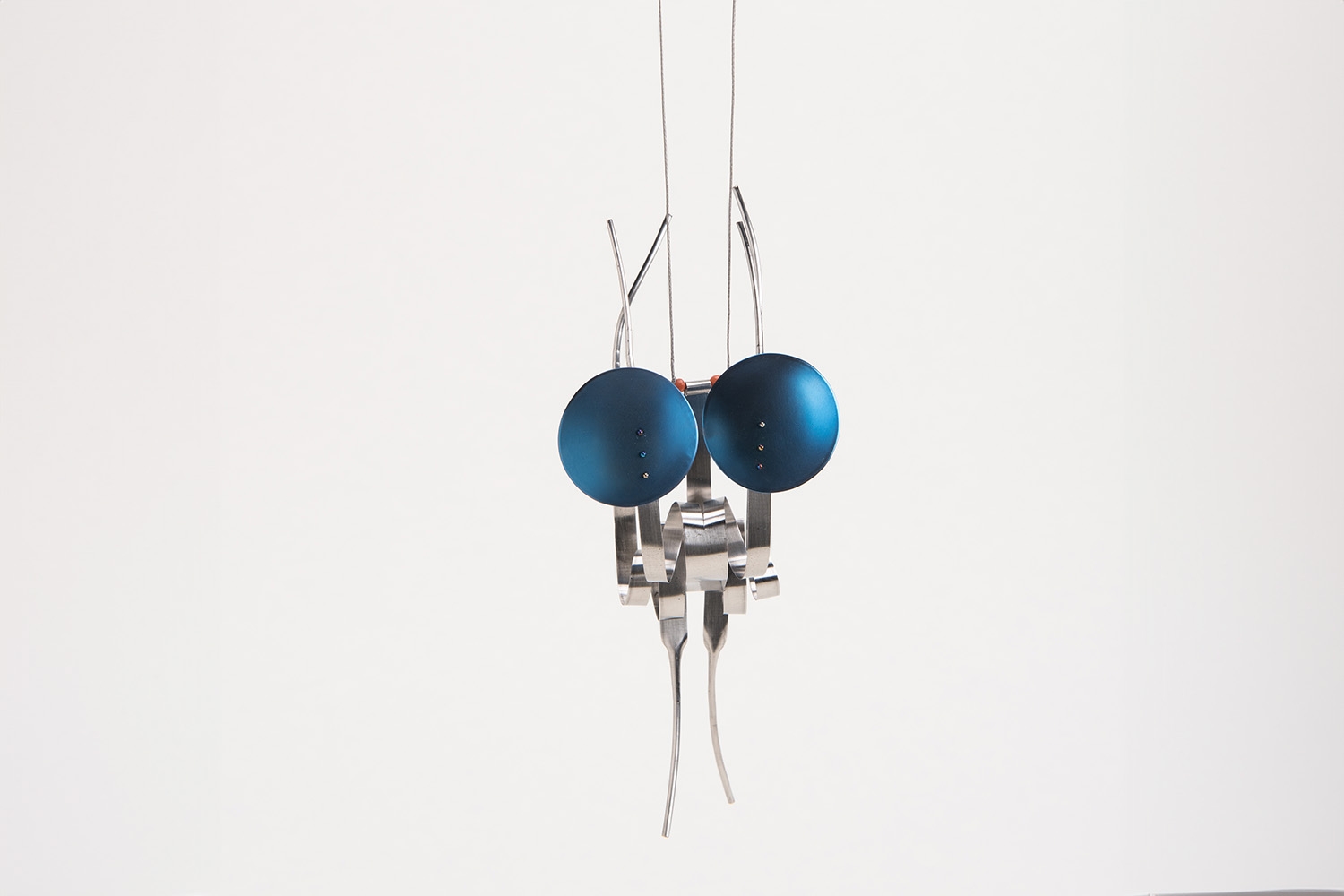
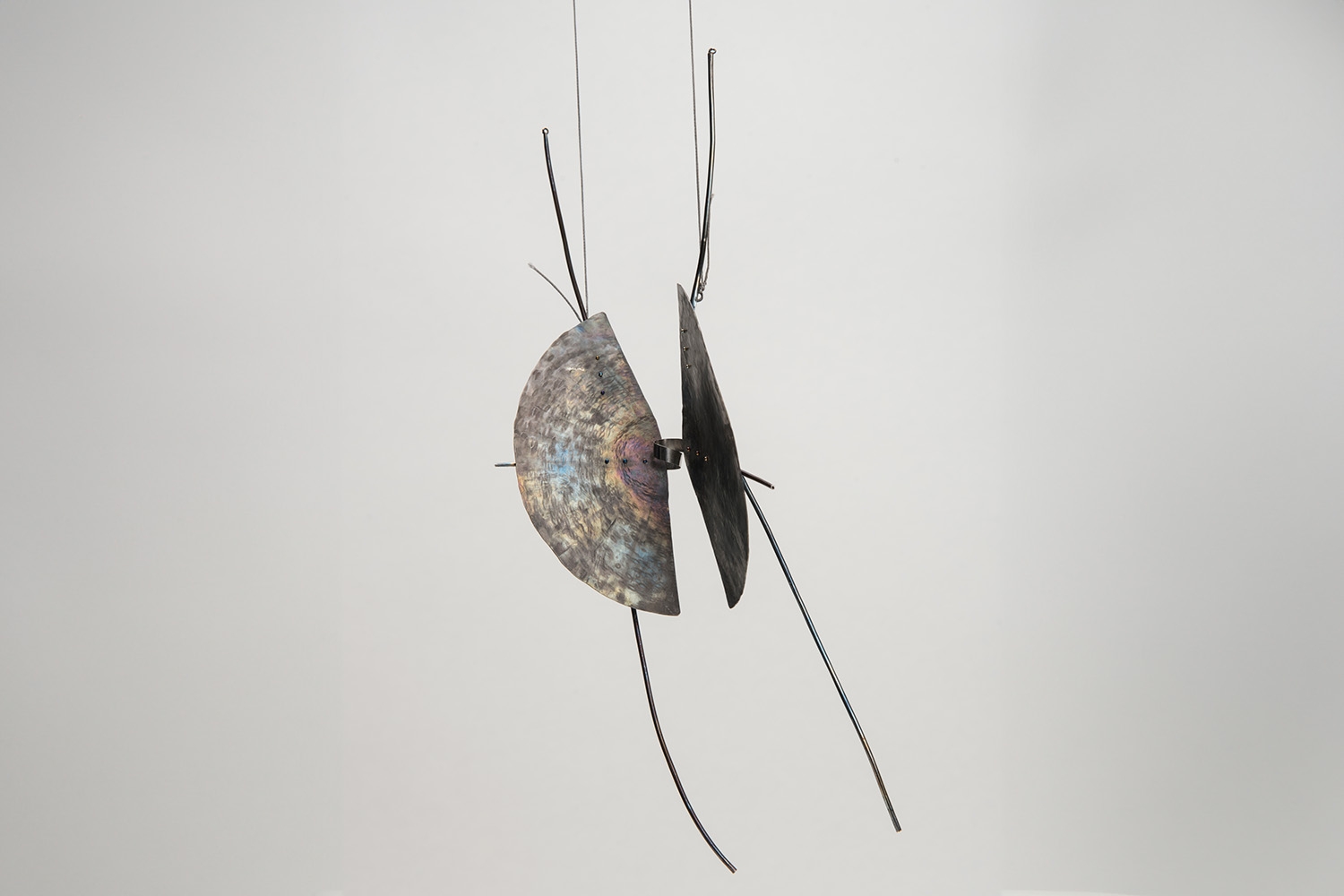
In addition to the usual goldsmithing techniques, I enjoy enamelling with industrial enamel on steel, lost mould casting in which hand centrifugal casting plays an important role, and I forge silver, gold and titanium into sculptural elements for brooches and necklaces.
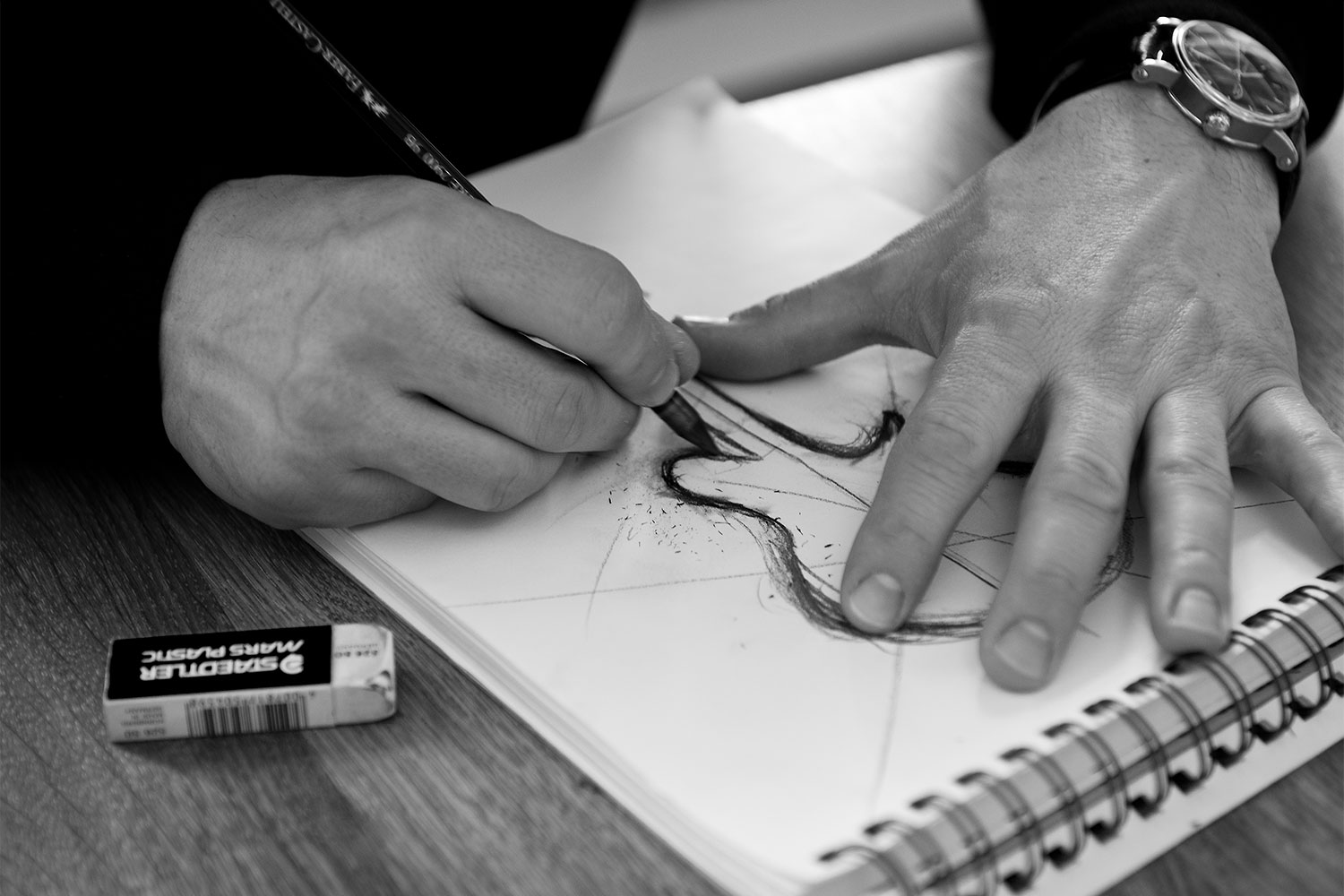
I have an idea, sometimes concrete, sometimes just an idea of how it could turn out. Then I experiment with materials such as metal, paper or colours and let myself drift, always curious to see where the search takes me. I try out a lot and discard a lot until the result meets my requirements for jewellery.
Yes, the work must be made for people, not for the display cabinet. To see my work being worn by people is exhilarating.
Andrea Wippermann
Jewellery maker
Halle (Saale), Germany
AVAILABILITY
By appointment only
LANGUAGES
German
Homo Faber Finds is a new service aiming to inspire admirers of craft to connect and collaborate with exceptional artisans.
We invite you to submit an enquiry here.