Alex O’Connor
Silversmith
Cornwall, United Kingdom
A Cornish treasure
- Alex is inspired by the beauty of the countryside around her
- She won the Contemporary British Silversmith Award in 2017
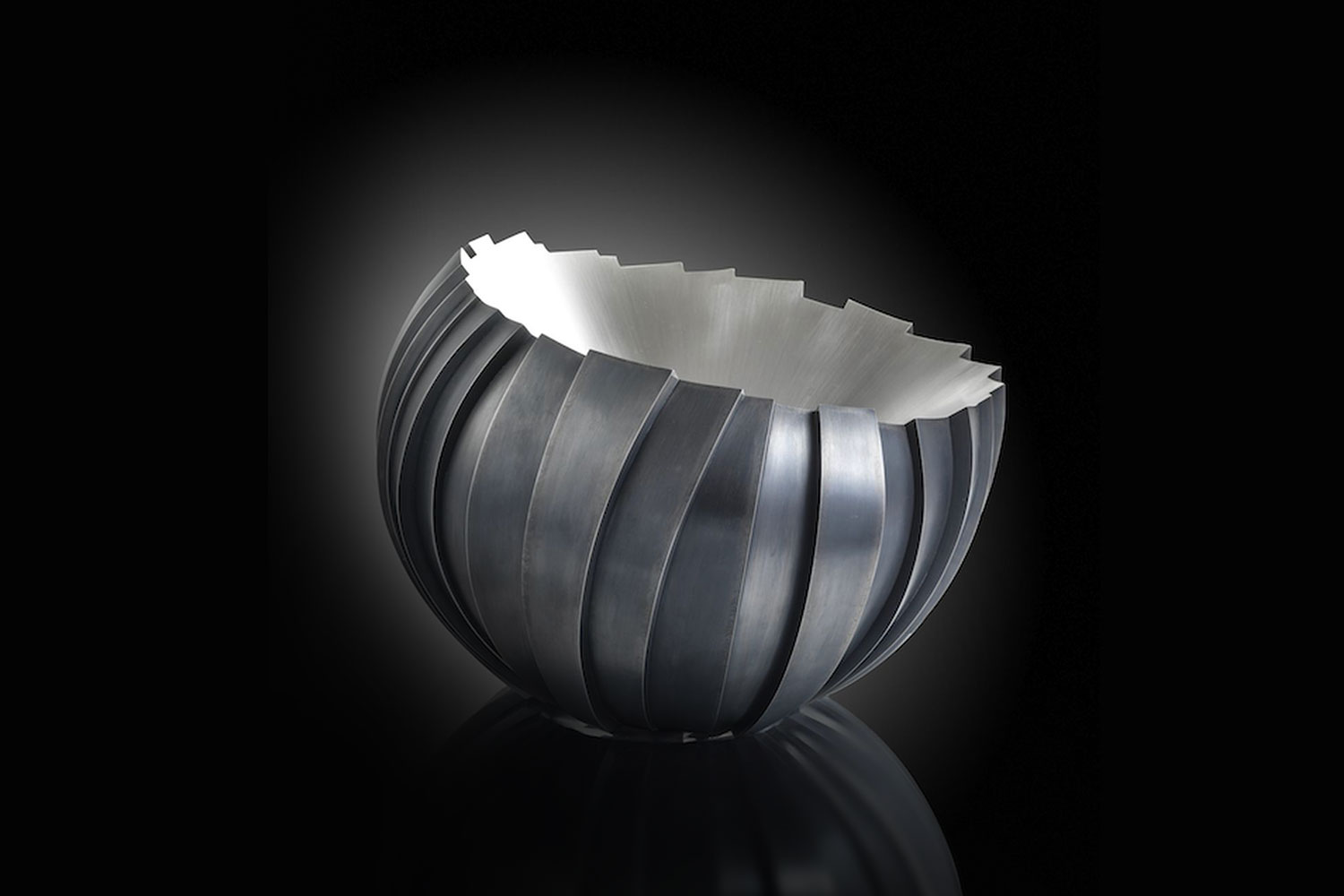
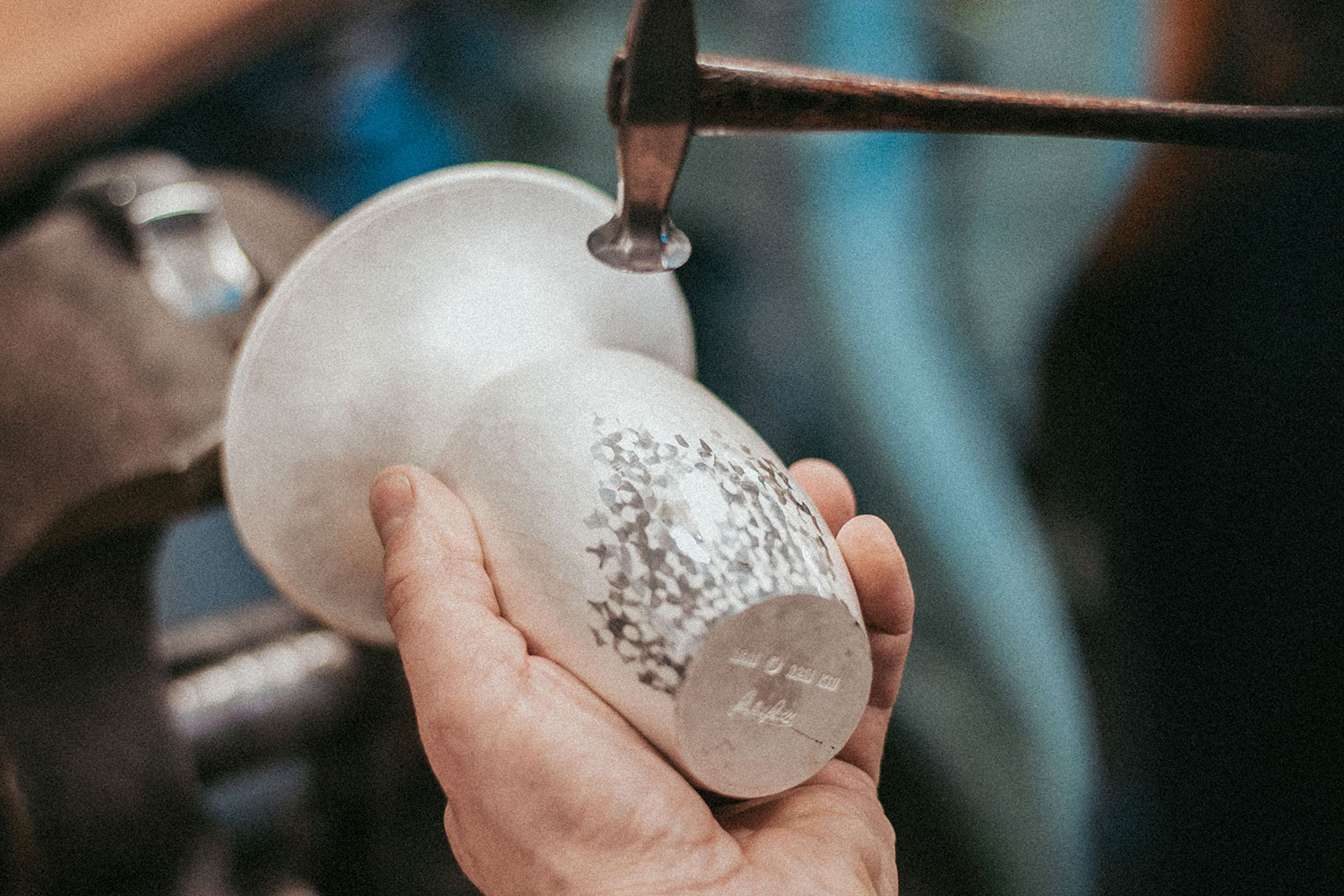
- Vessels are a consistent presence in her work
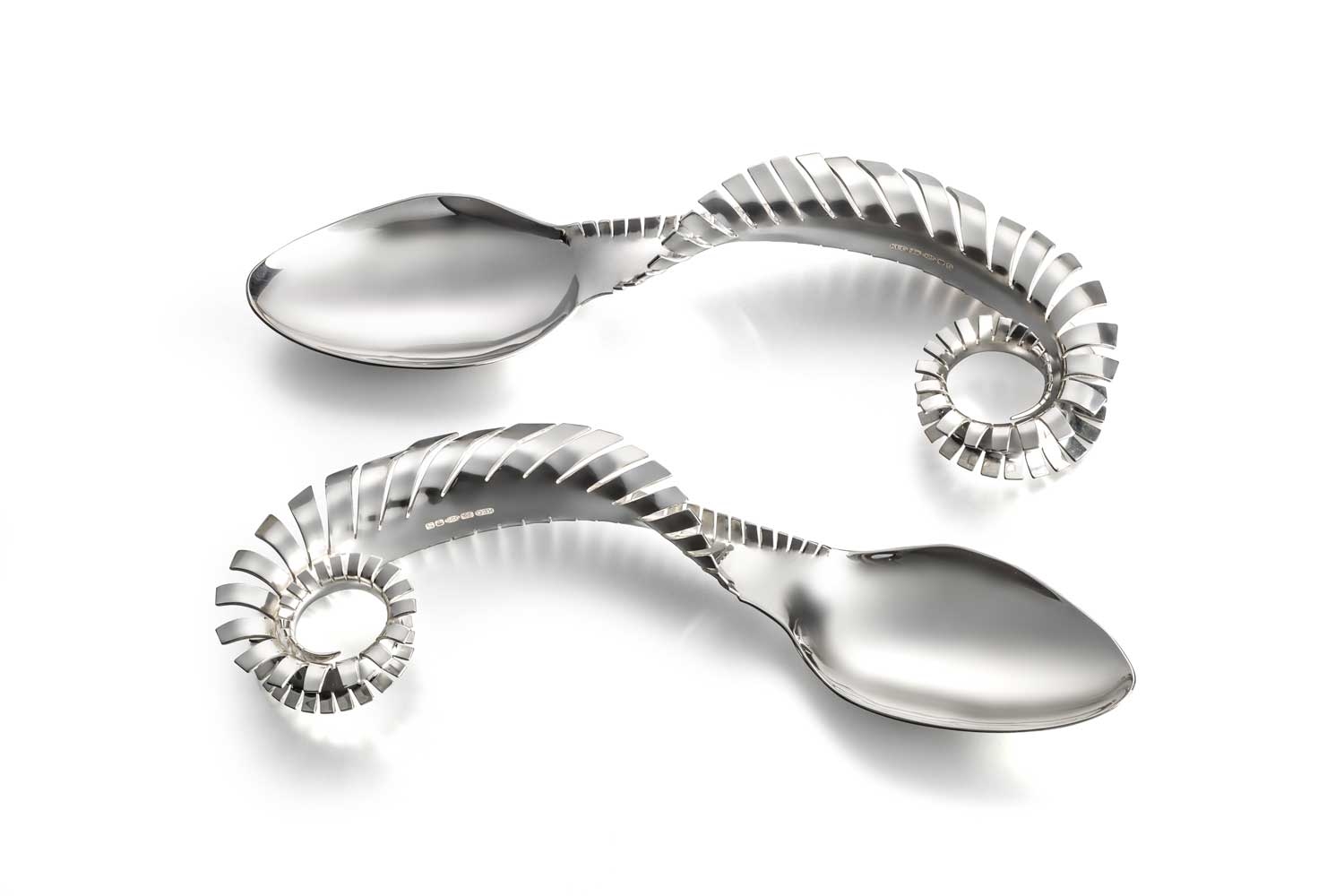
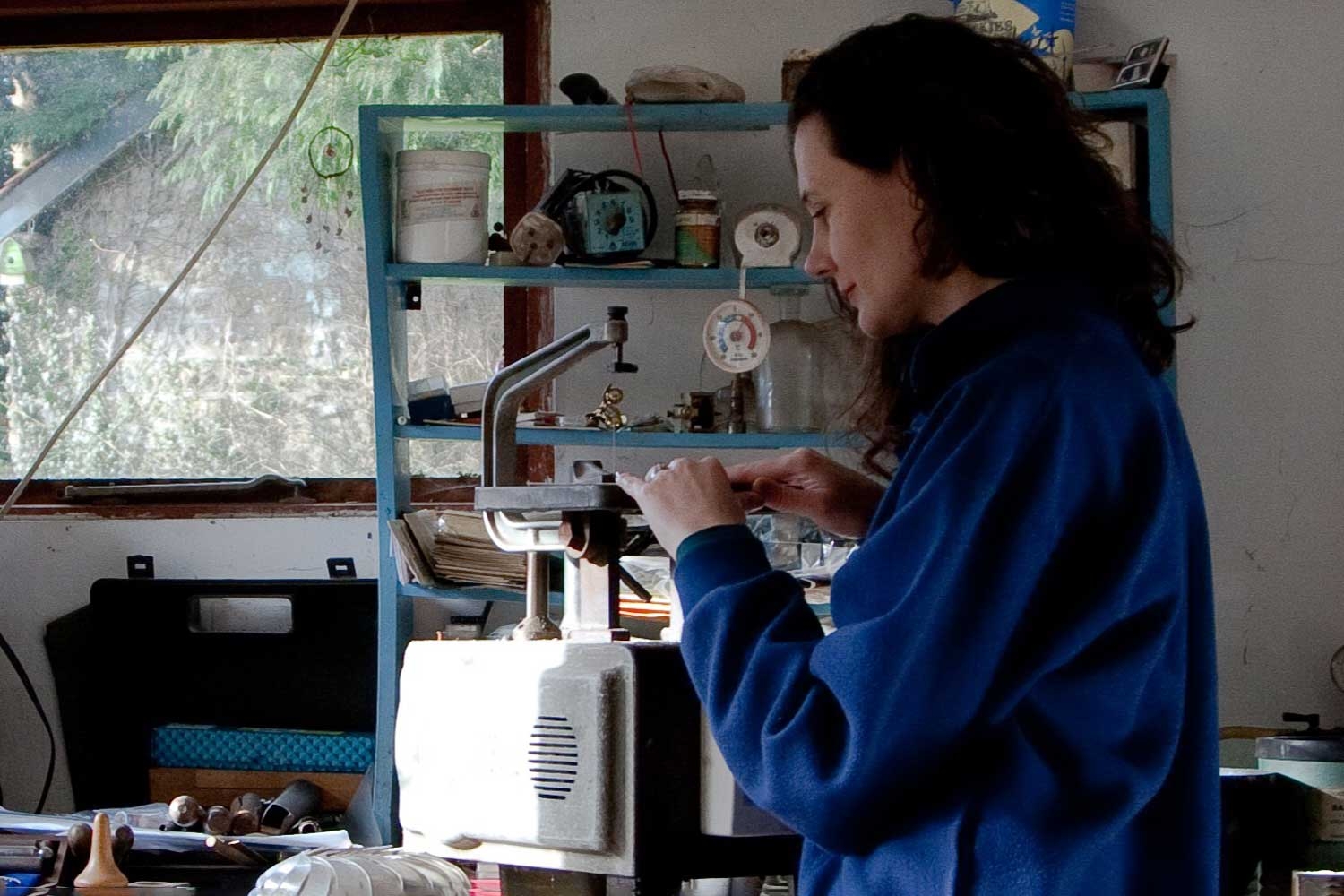
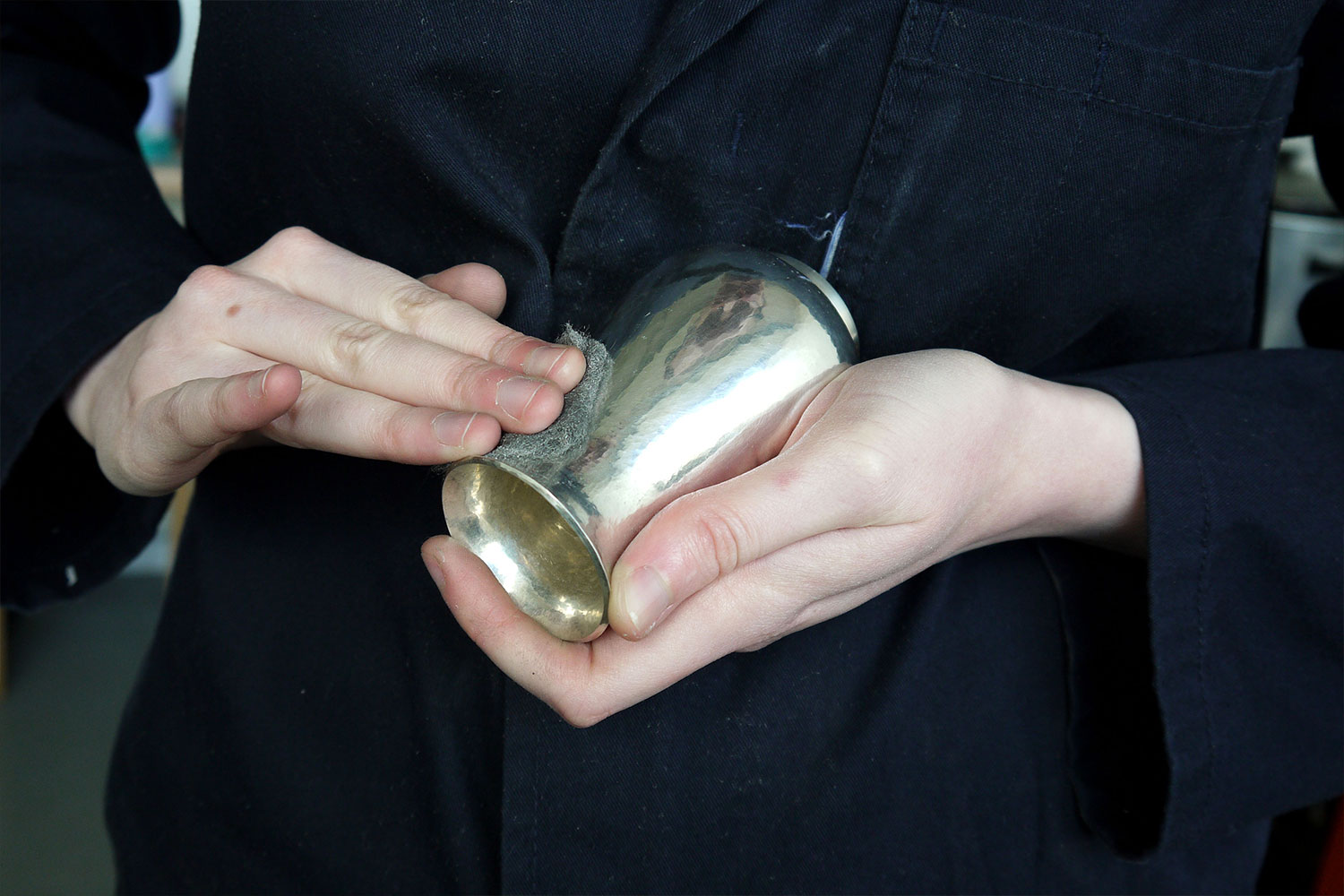
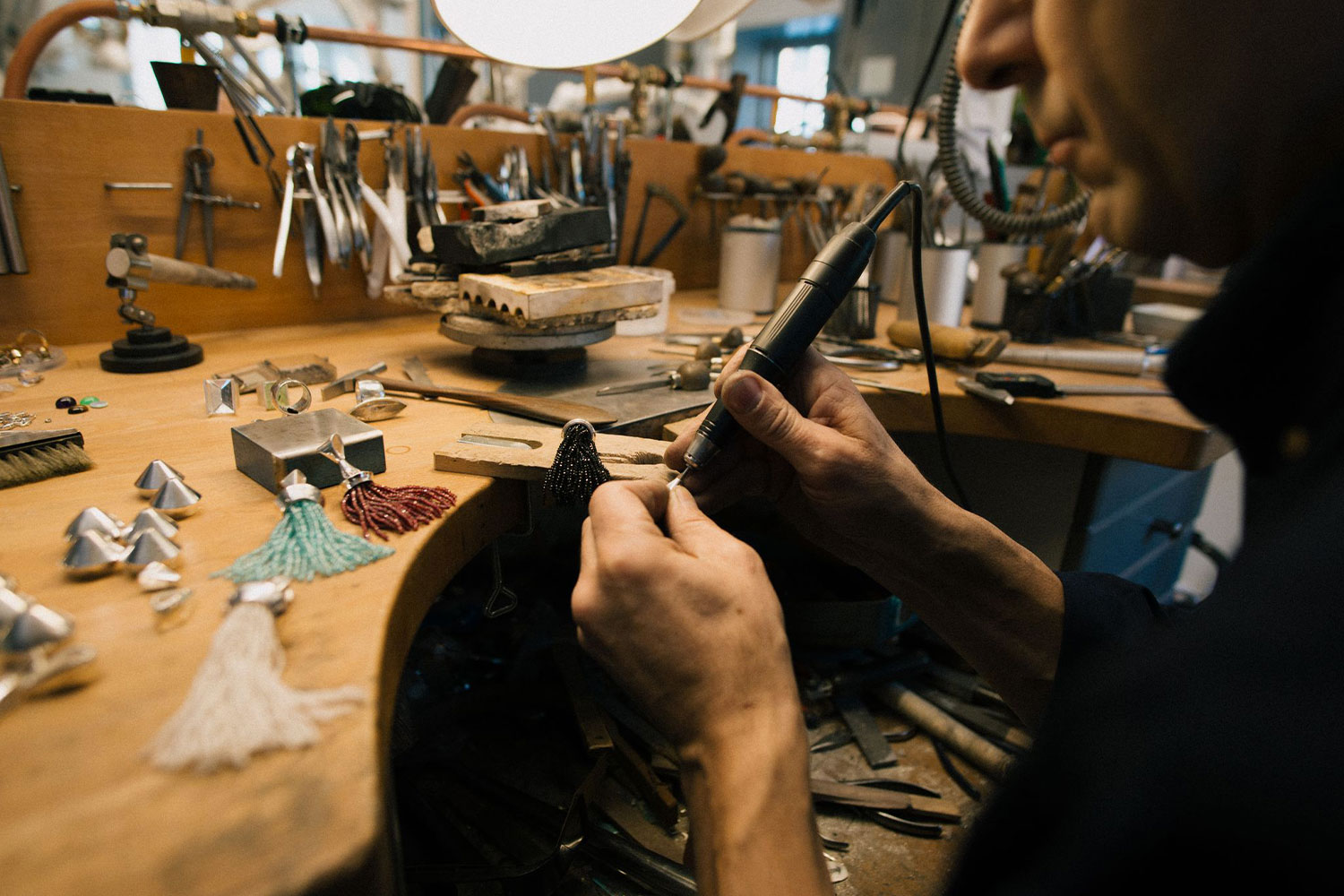
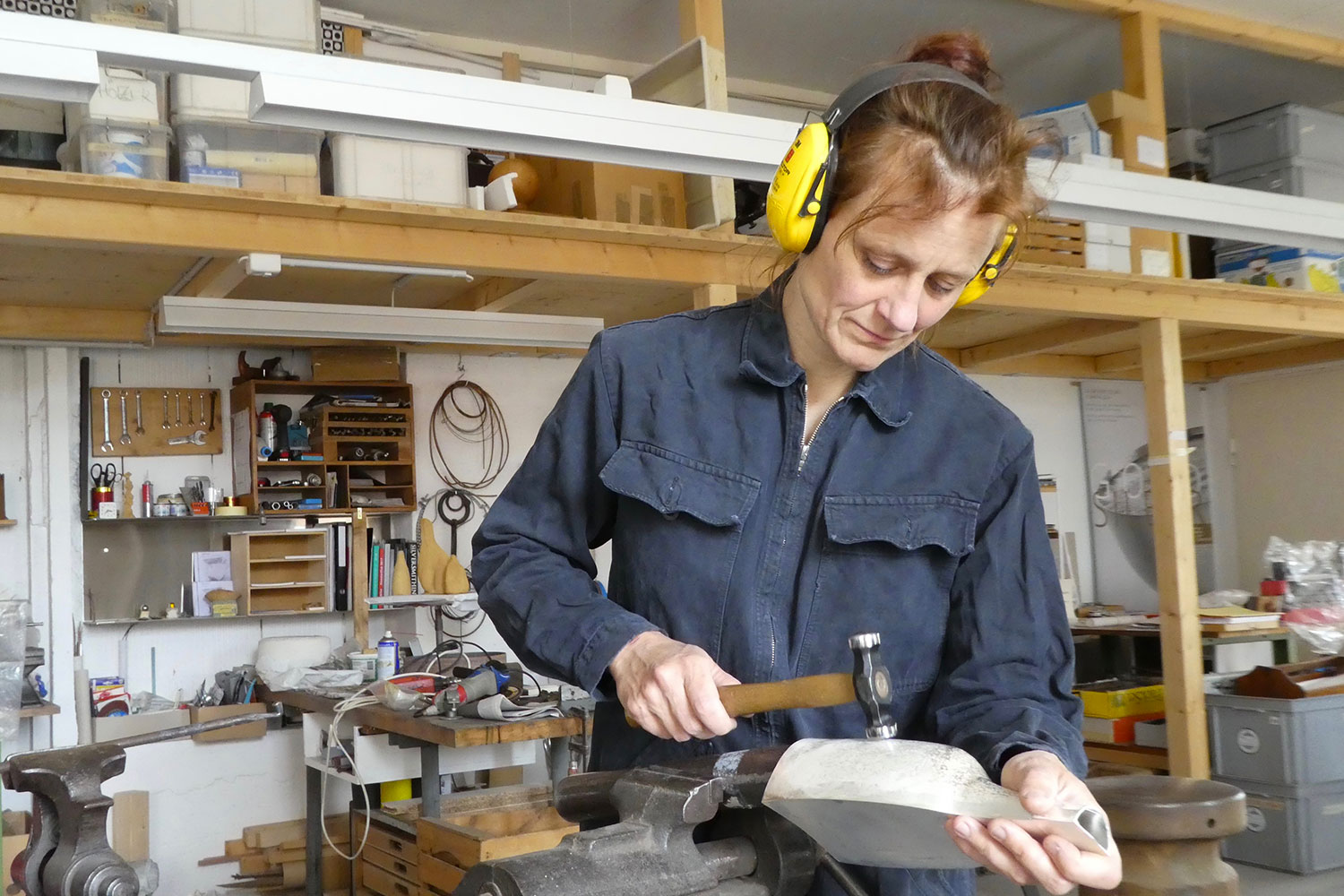
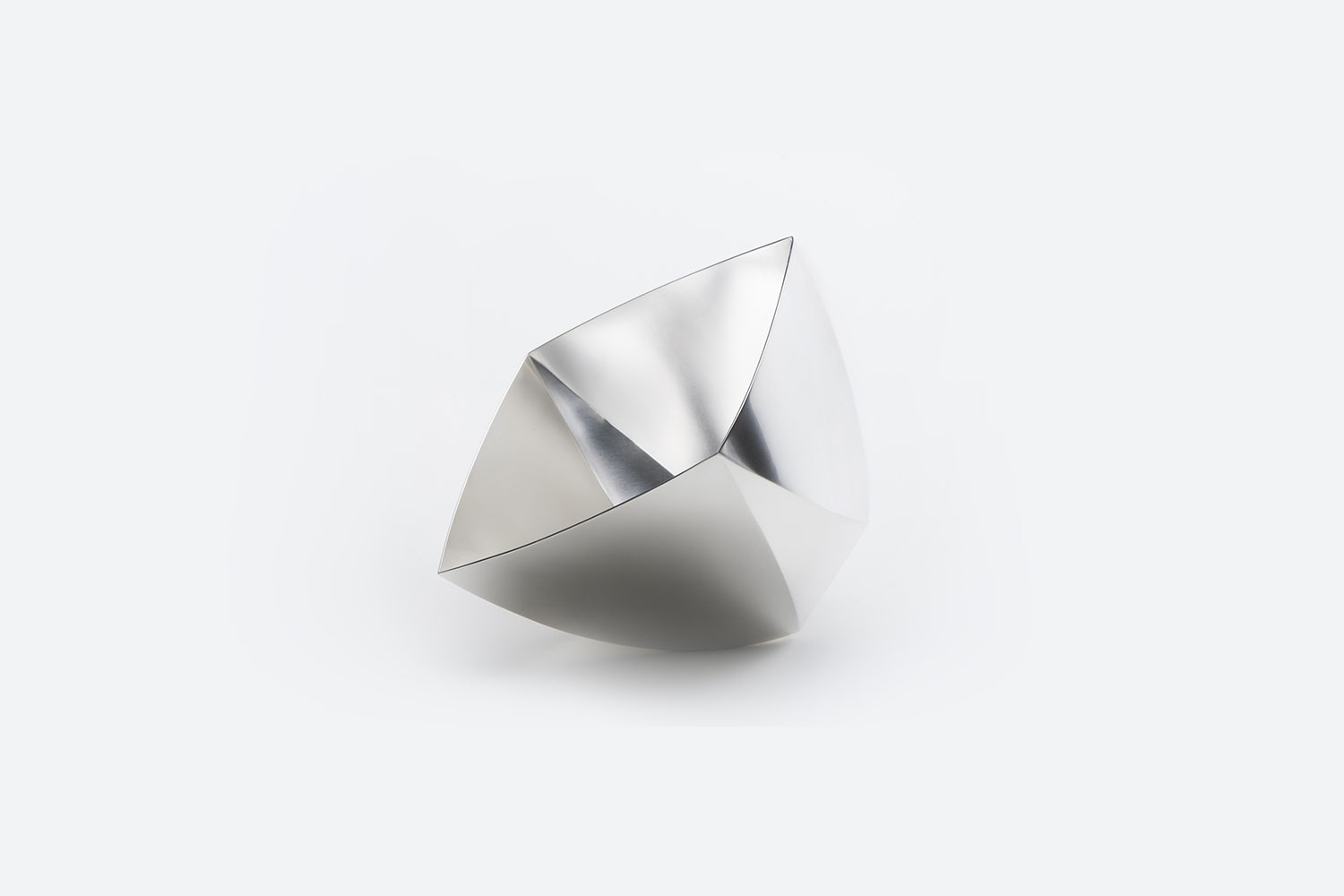
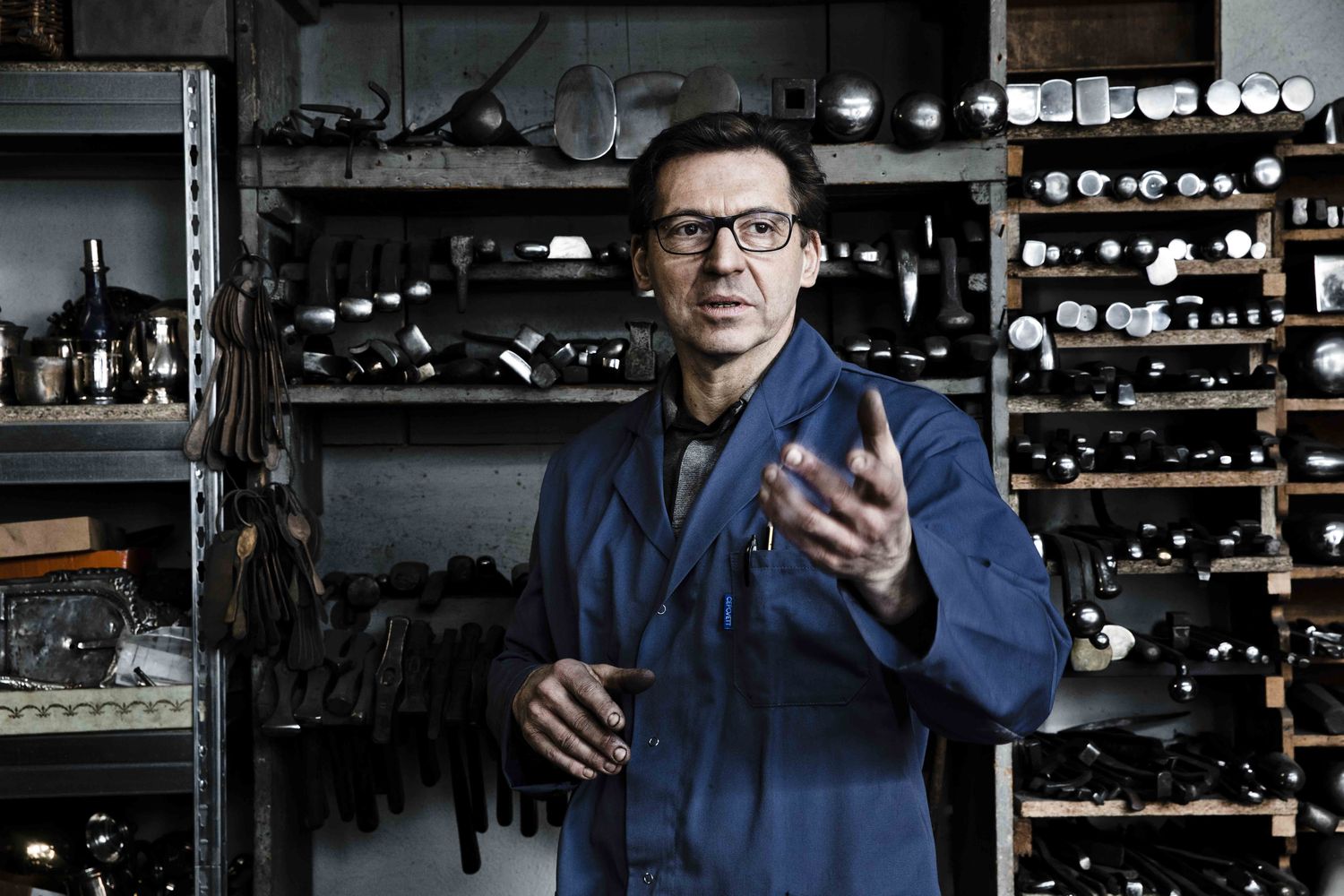
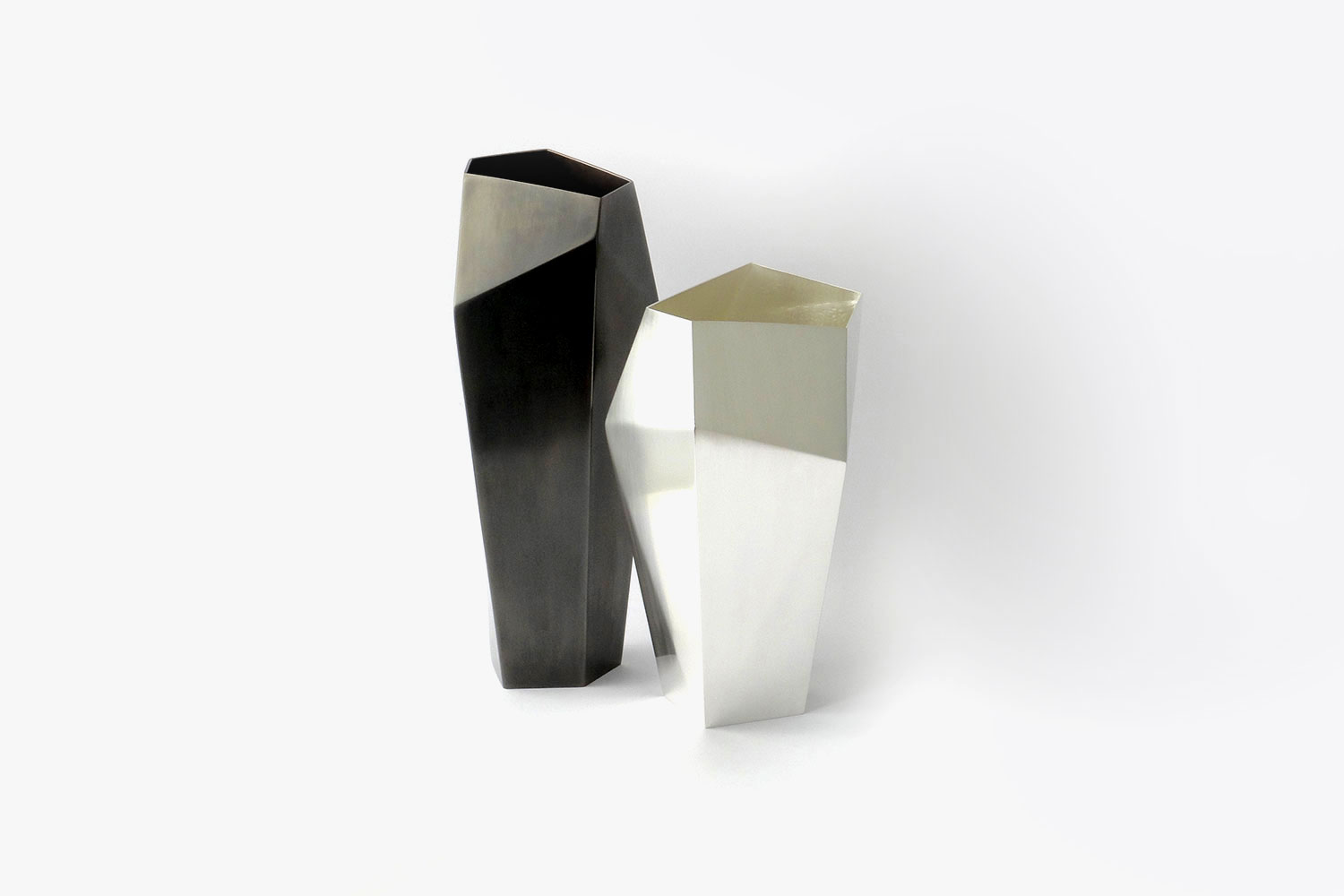
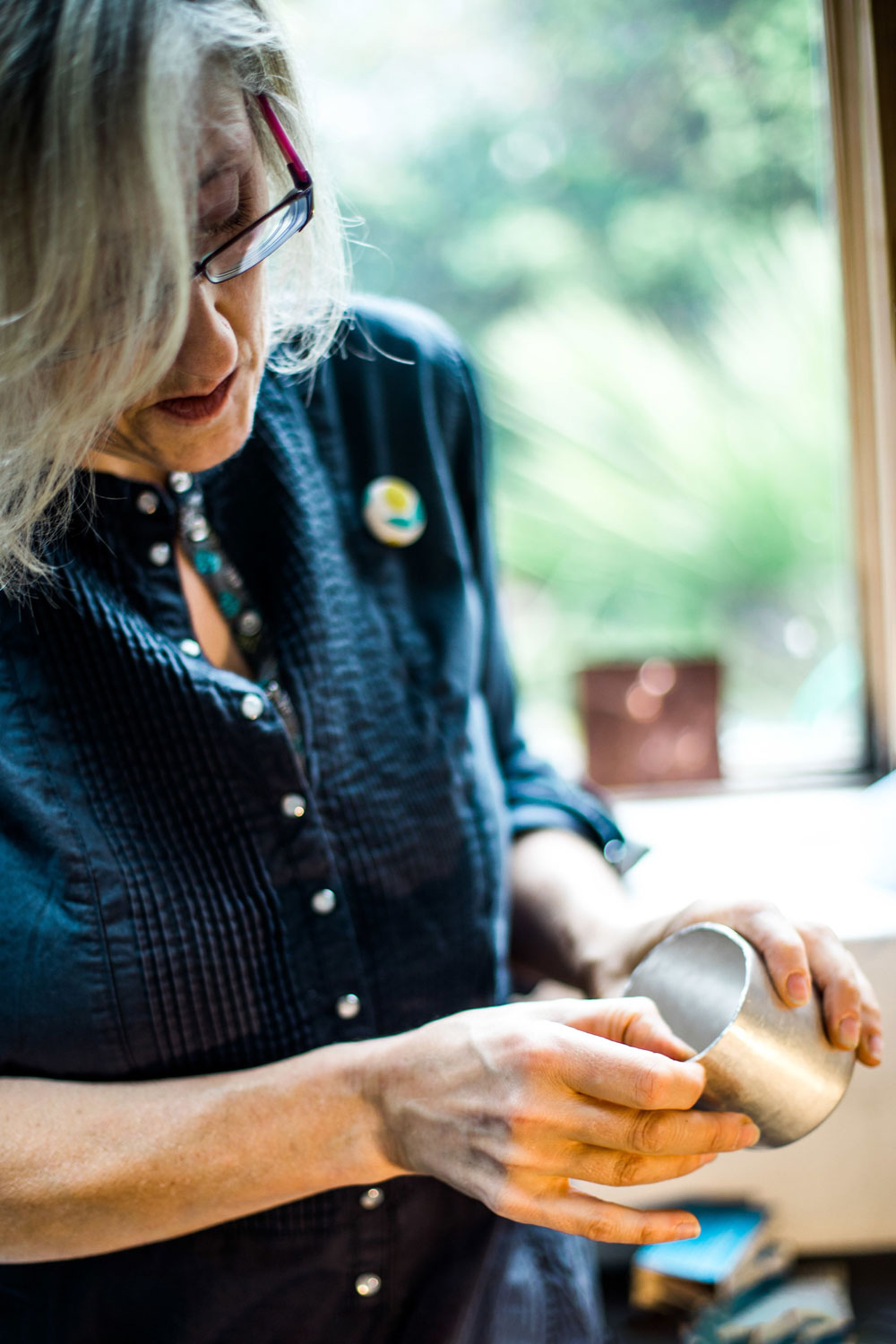
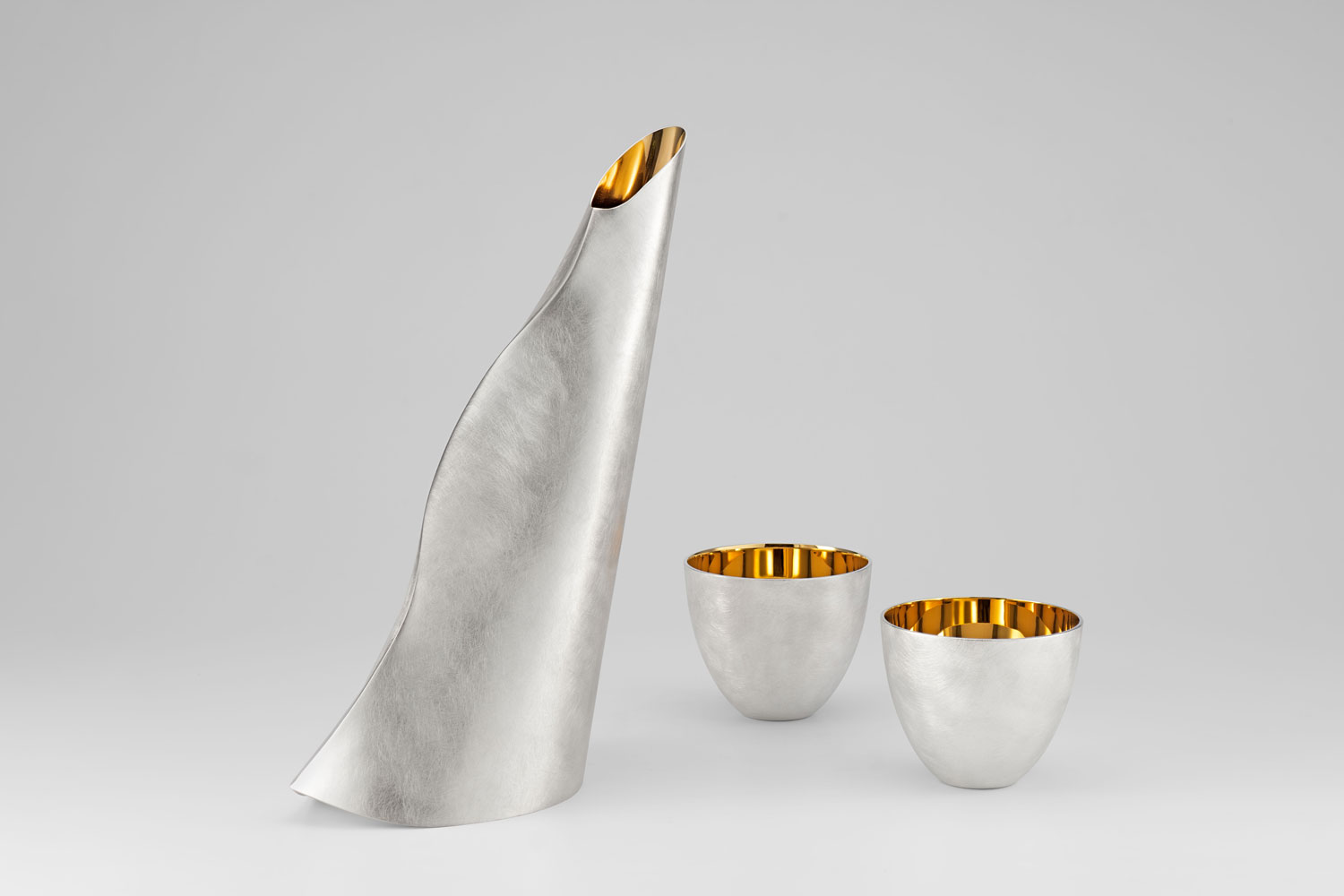
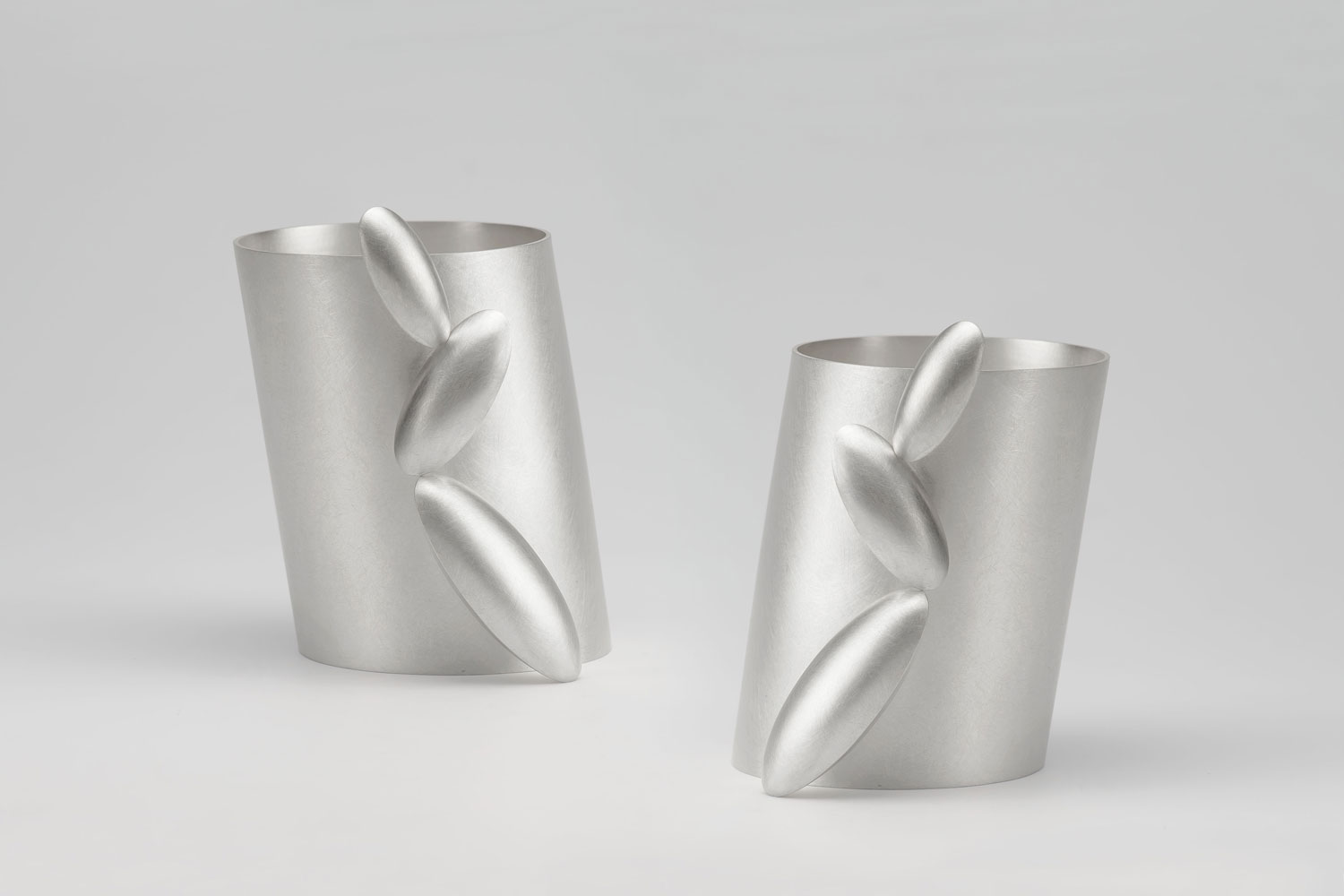
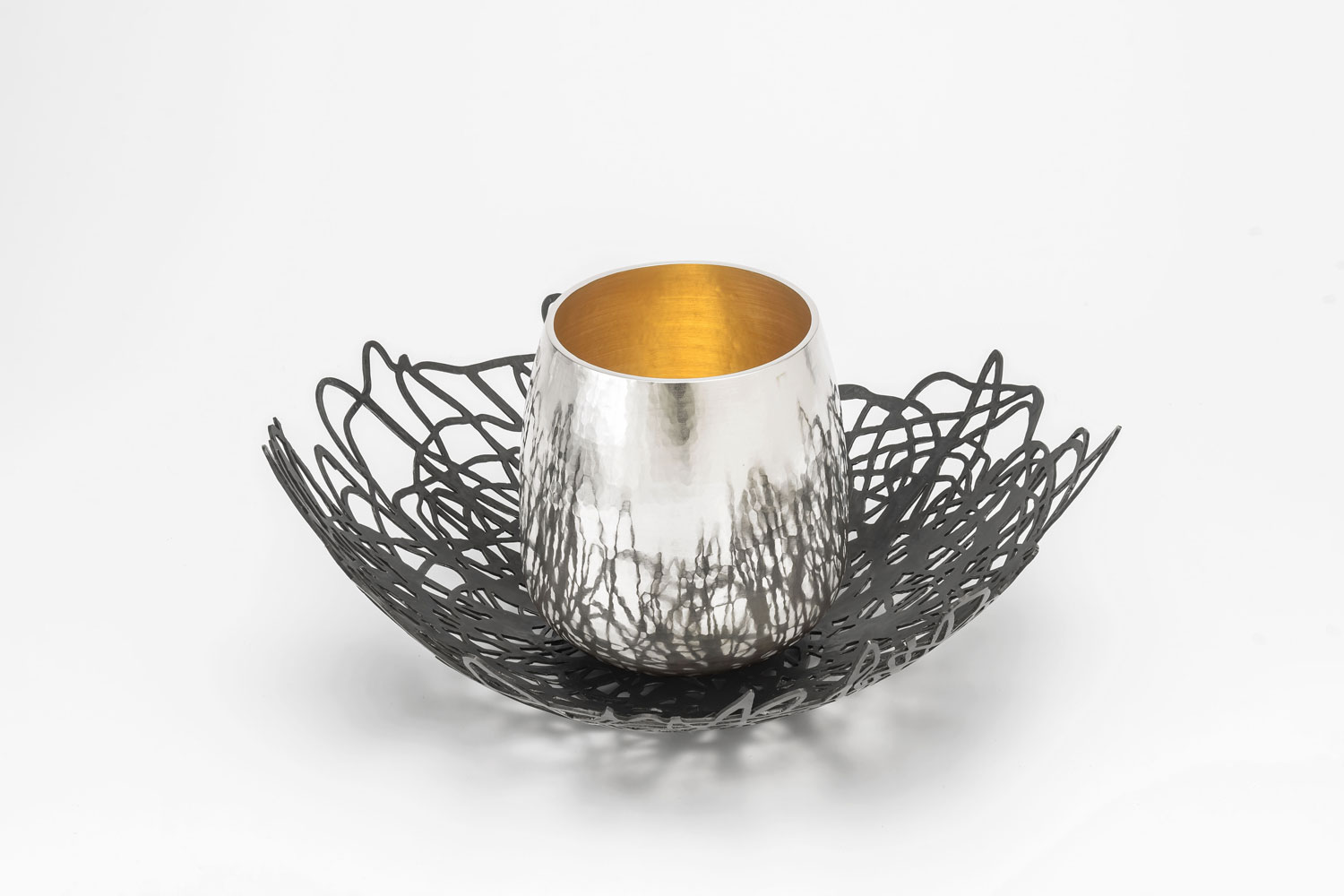
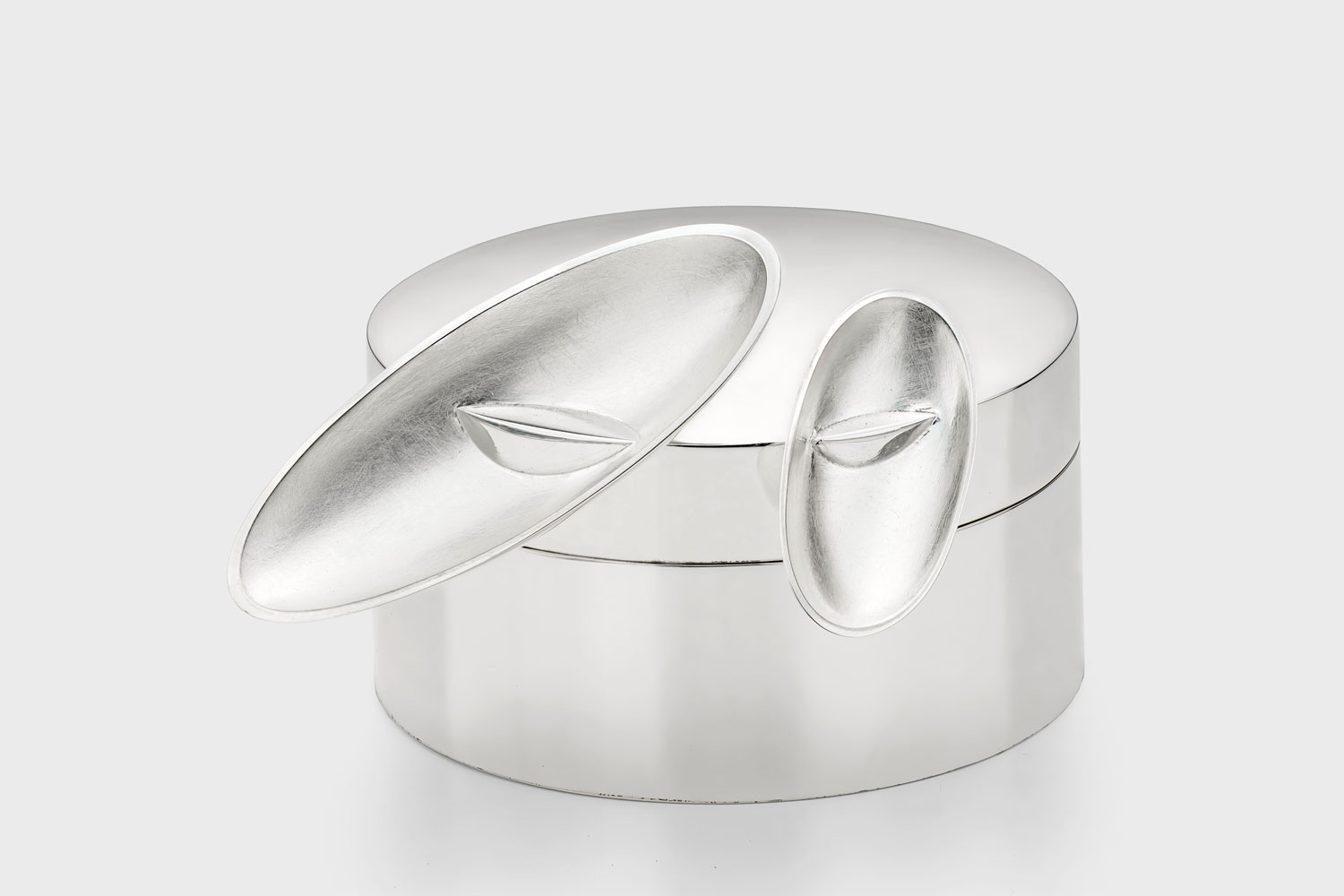
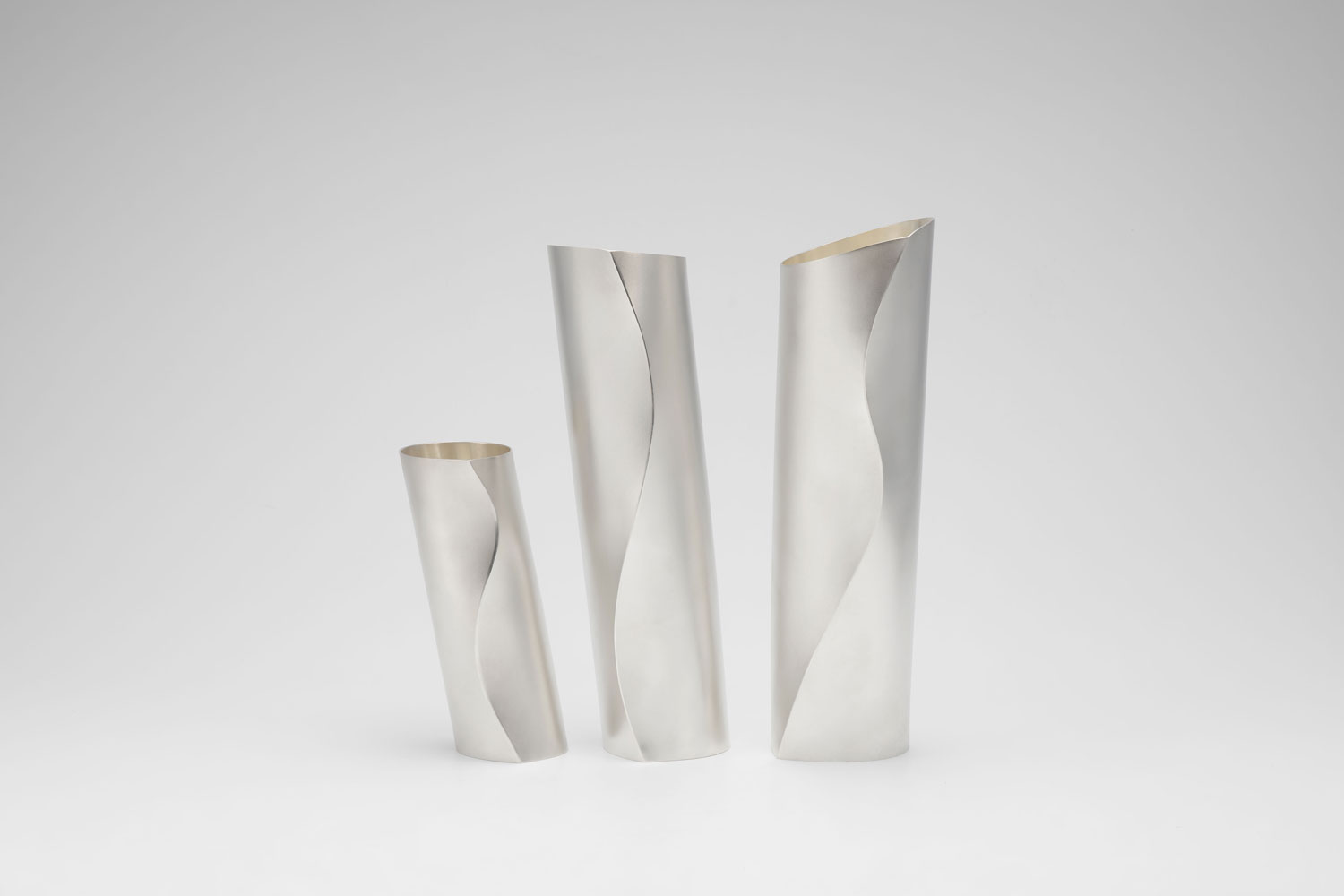
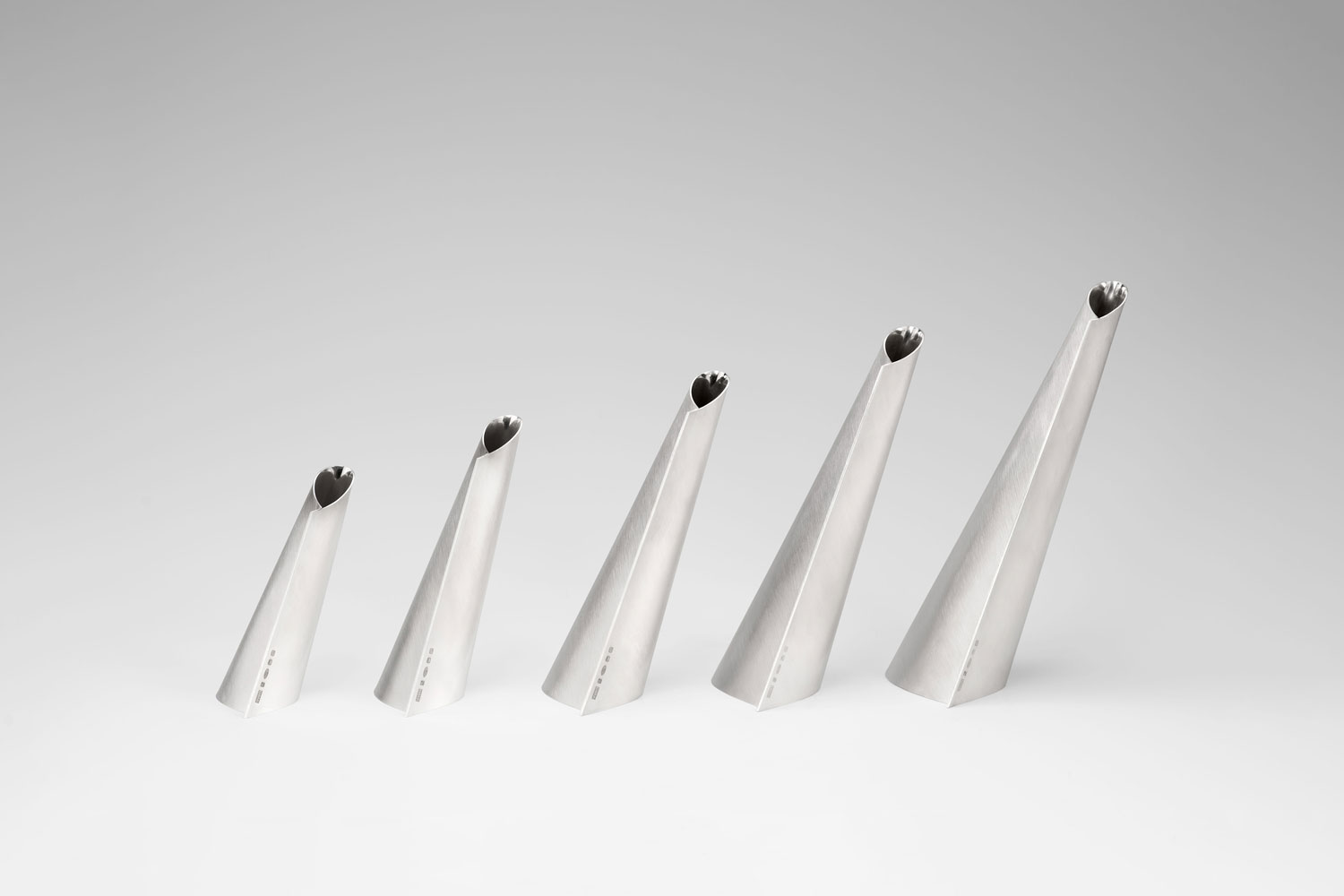
Alex O’Connor's creative process always begins with walking. Based in the west of Cornwall, she moves through the landscape, observing and gathering details, and this elemental location has a profound influence on her work. "The world is a beautiful place, filled with wonders, but it is also cacophonous, baffling, chaotic and overwhelming for me. I convert these sensations into silverware and wearable sculptures that are suffused with harmony, composure, poise and serenity." From a background in Fine Art, she was taught by master silversmith Andy Putland at the Goldsmith Company summer school. She went into silversmithing with masters like Rebecca DeQuin, Rauni Higson and Abigail Brown. Vessels are the focal point of her work “They are archetypal objects. Very powerful objects. Functional but also with a contemplative purpose.”
Discover her work
INTERVIEW
I live at the western edge of Cornwall and being present in this dynamic place informs every piece of work: the colour of the sky, the shape of the rocks, the length of the shadows, the transition in the weather. Everything is important as my sensations become sketches, drawings and models for pieces in silver.
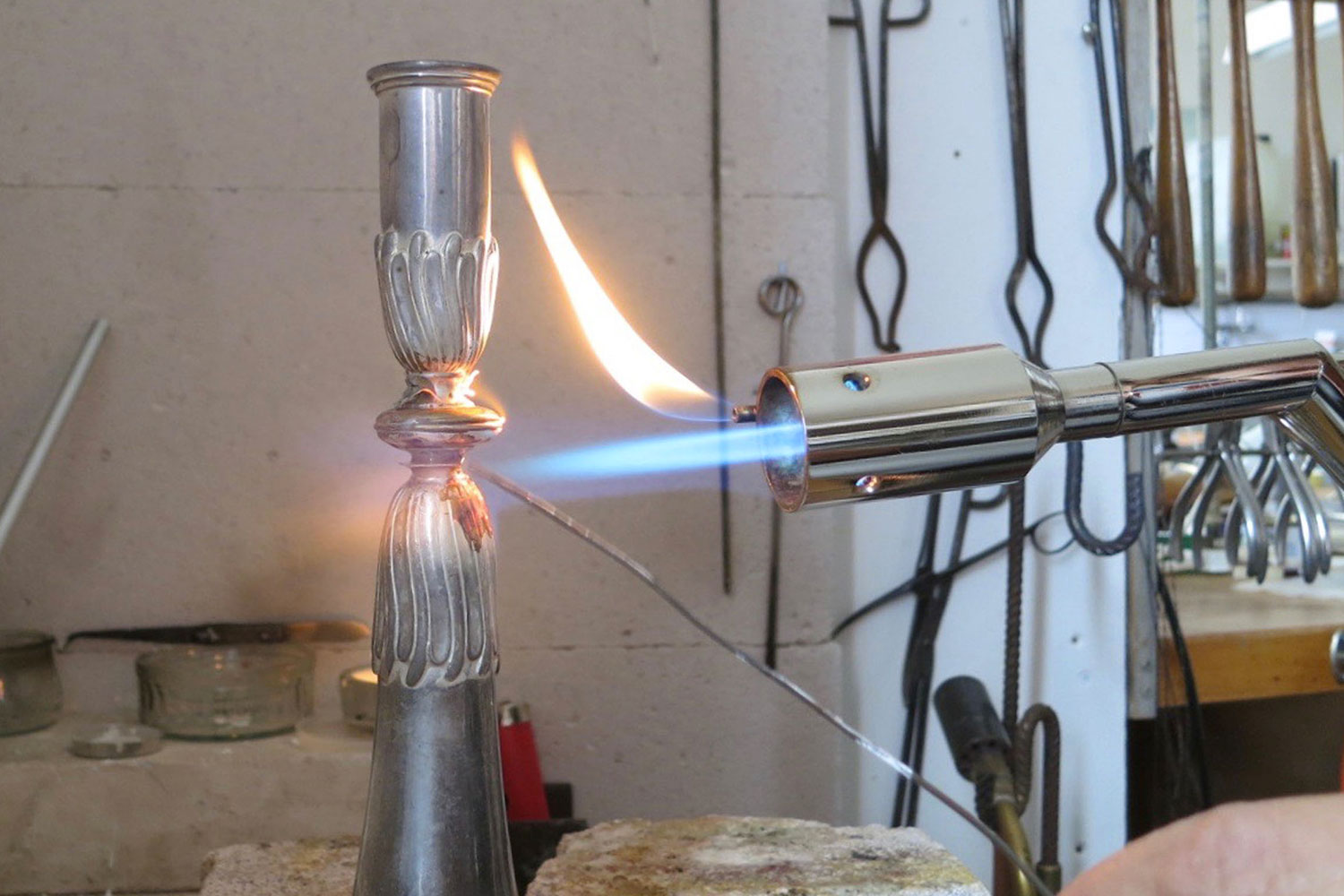
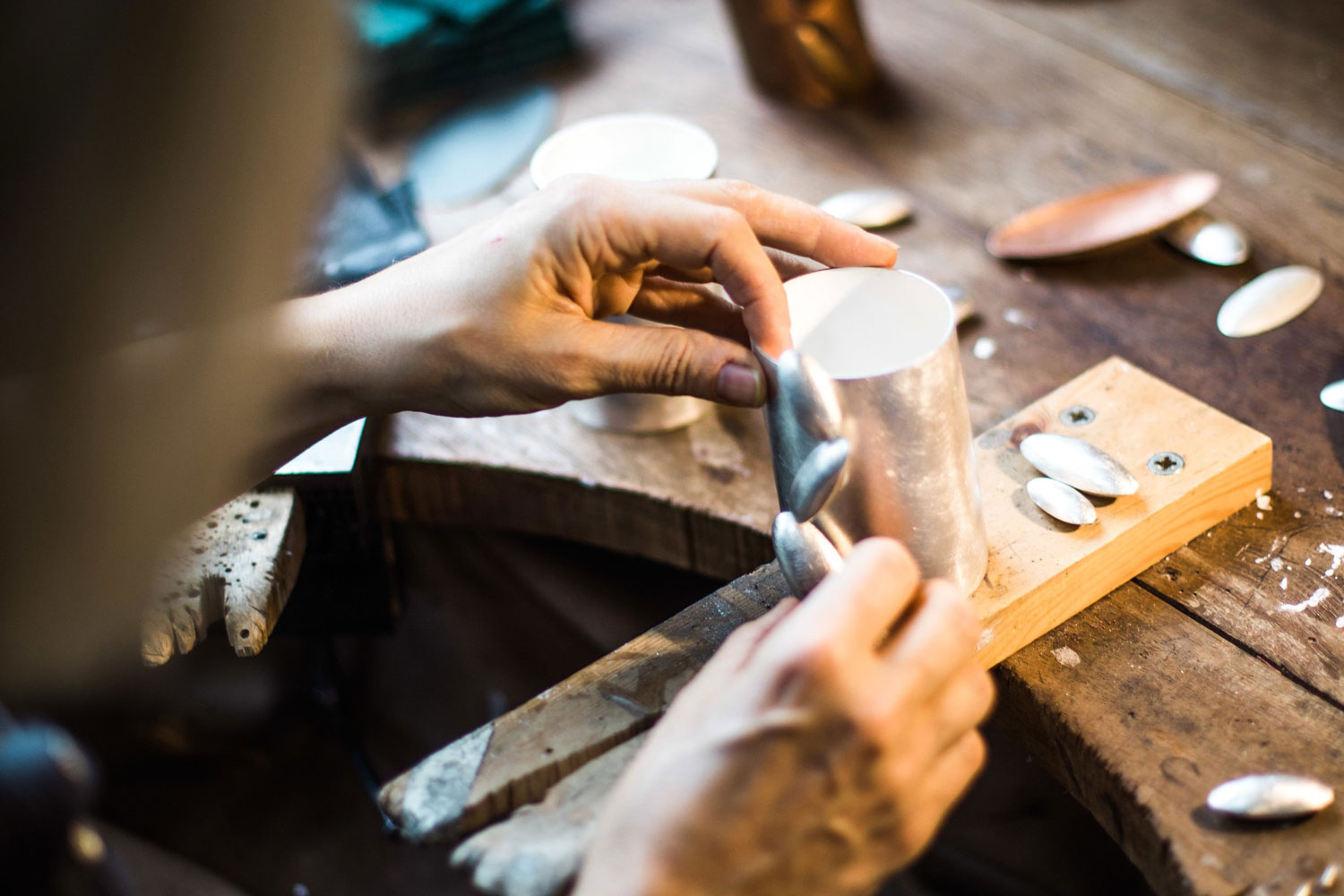
Silversmithing combines my love of form with the technical challenges of precious metal. I was working on sculptural jewellery in my first year at college but the forms kept growing in scale. I was also learning how to raise, score and fold and it was a lightbulb moment.
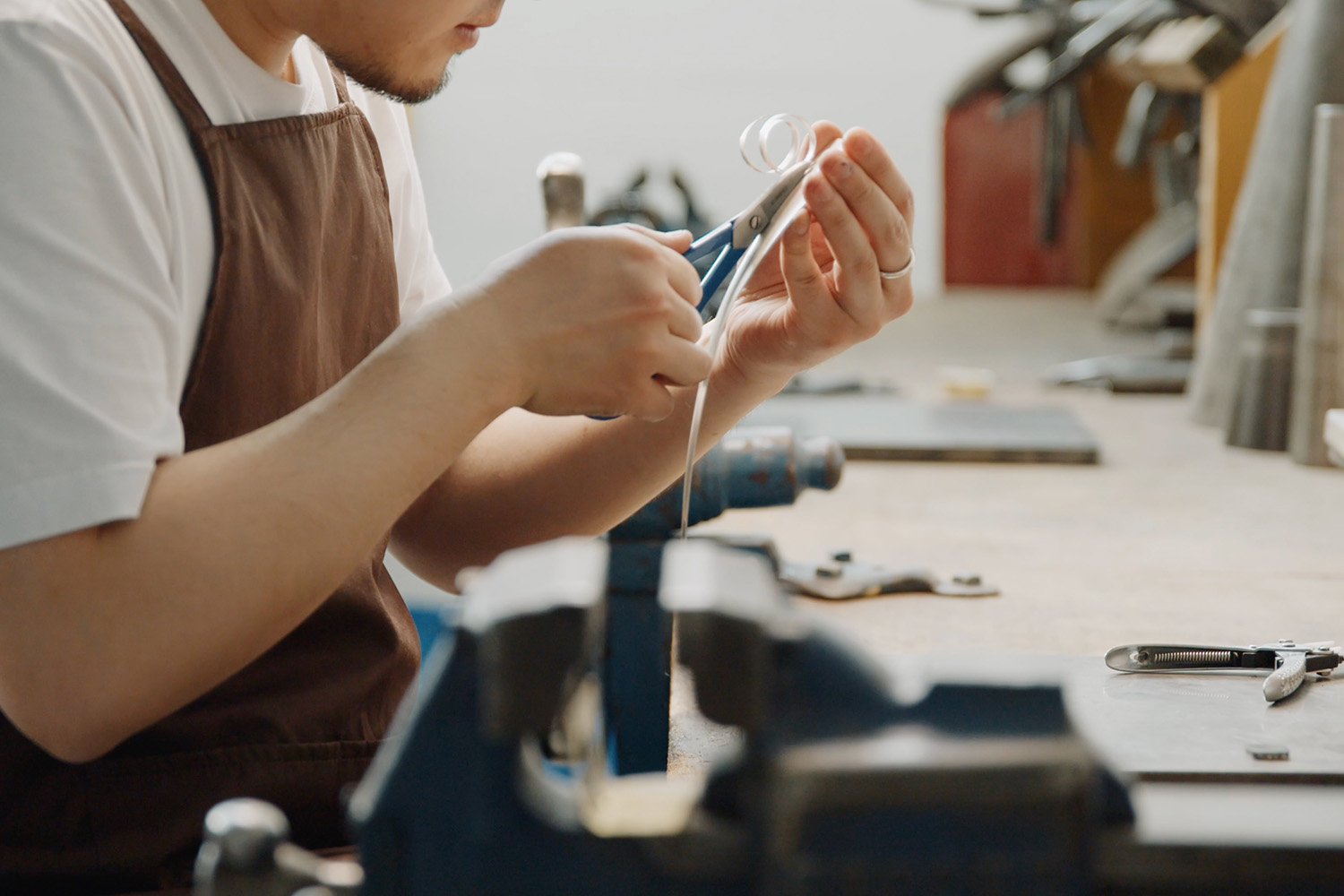
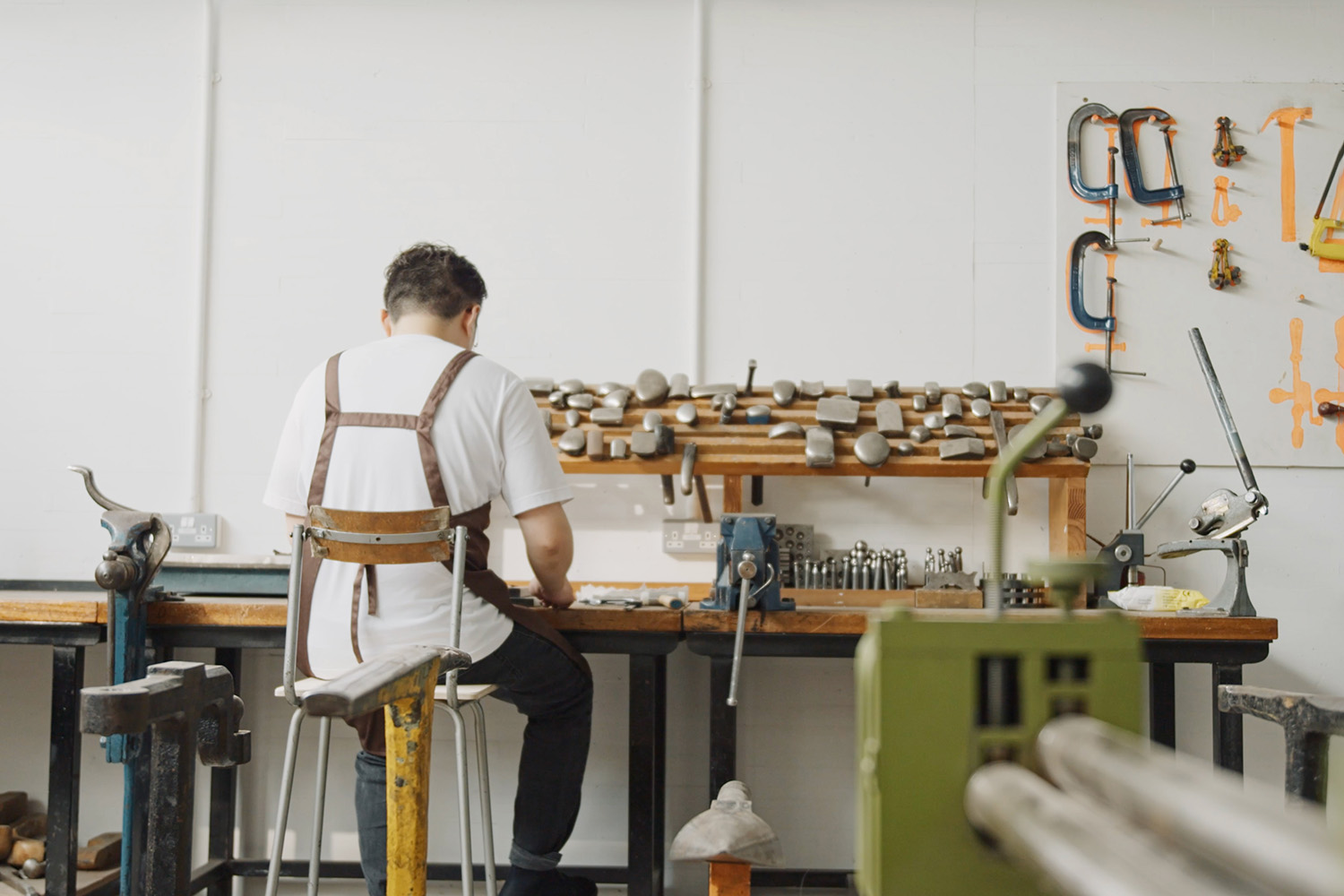
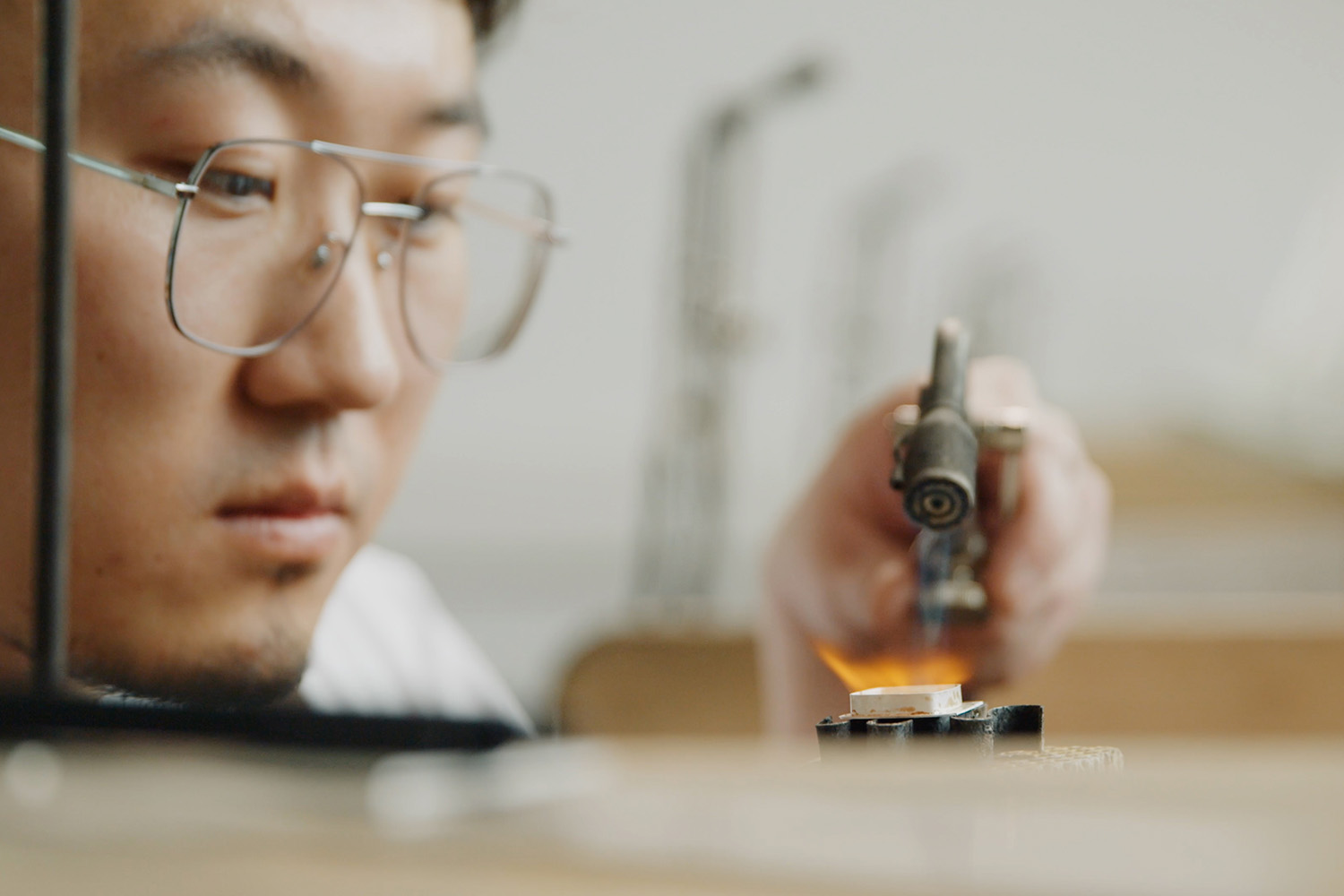
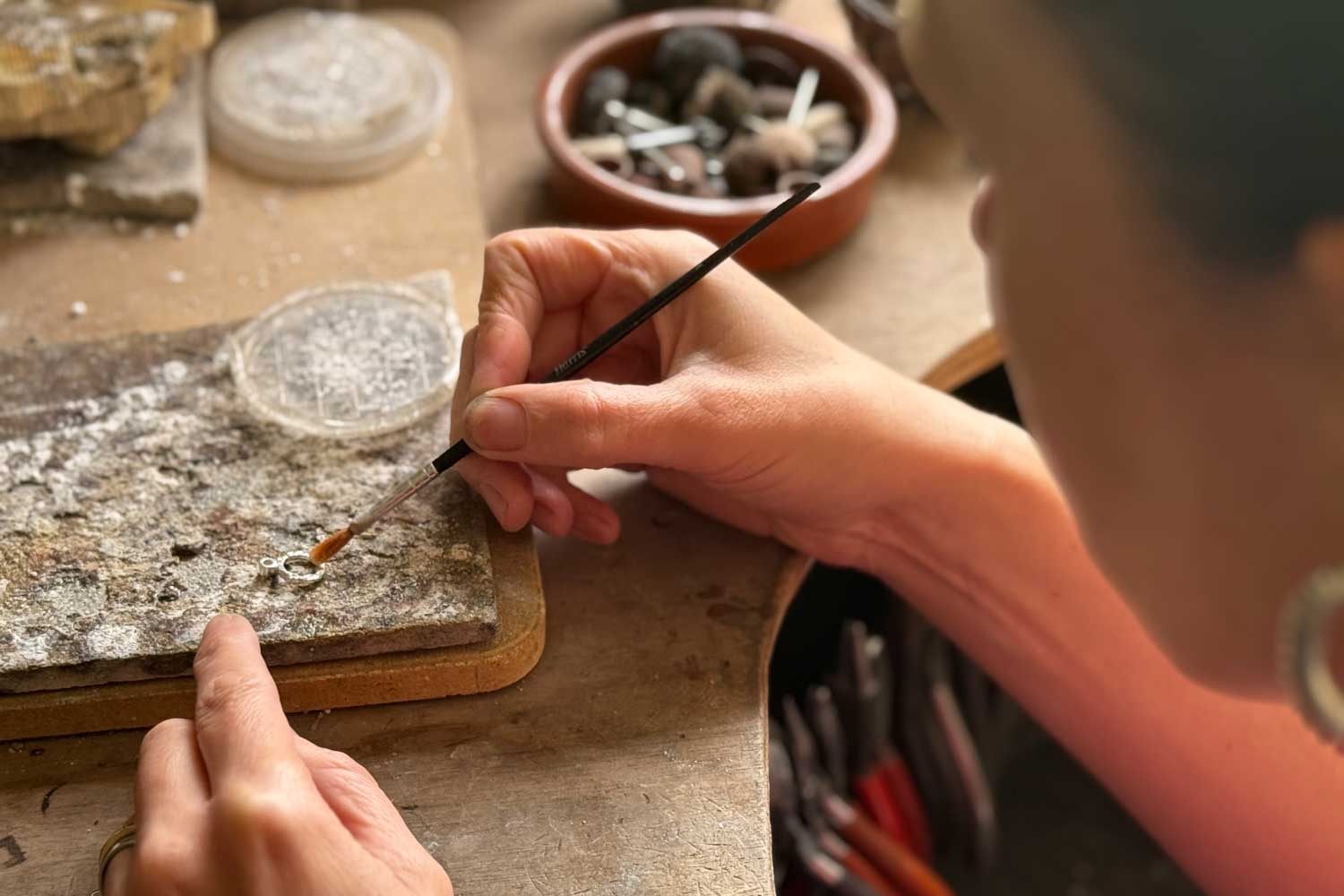
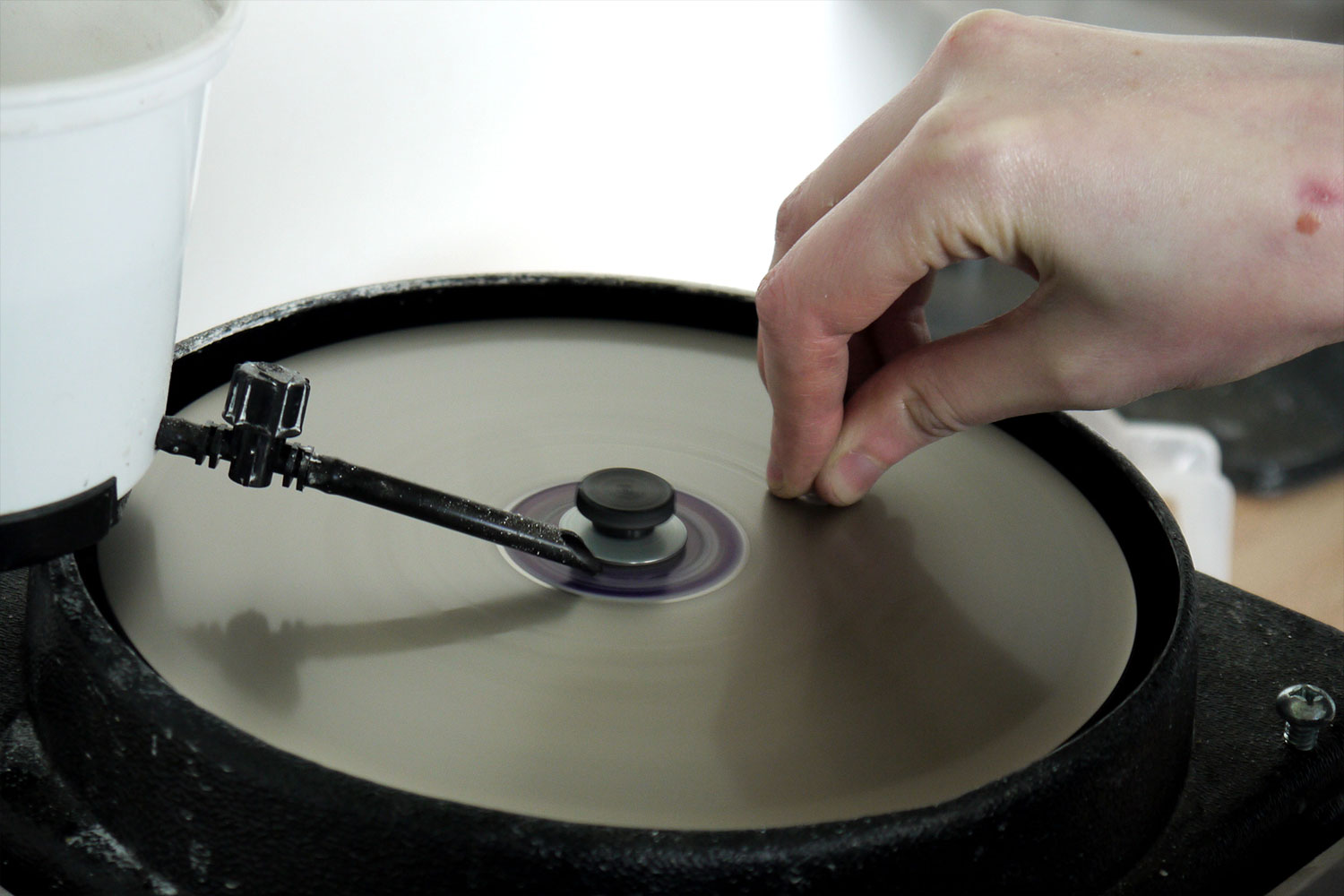
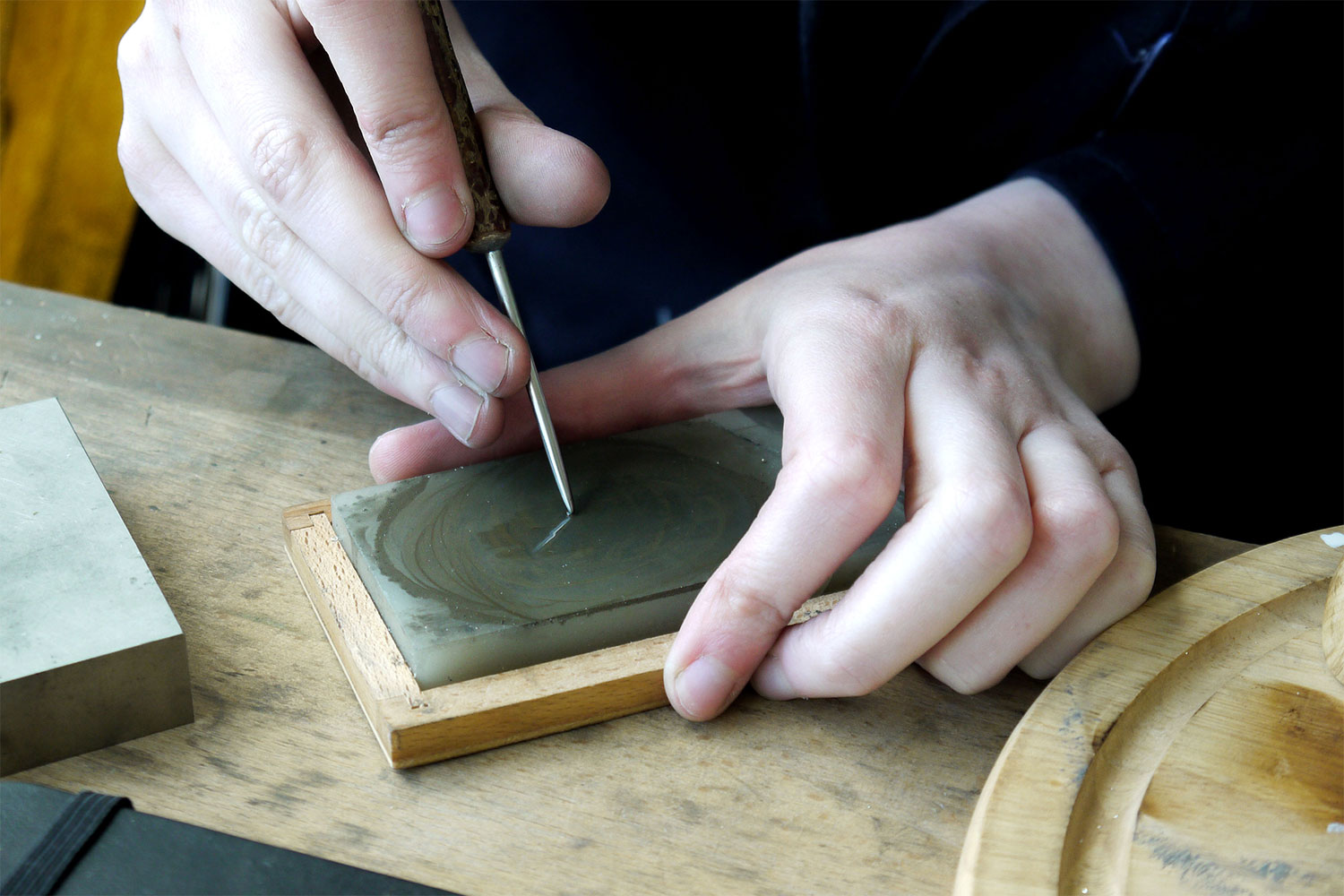
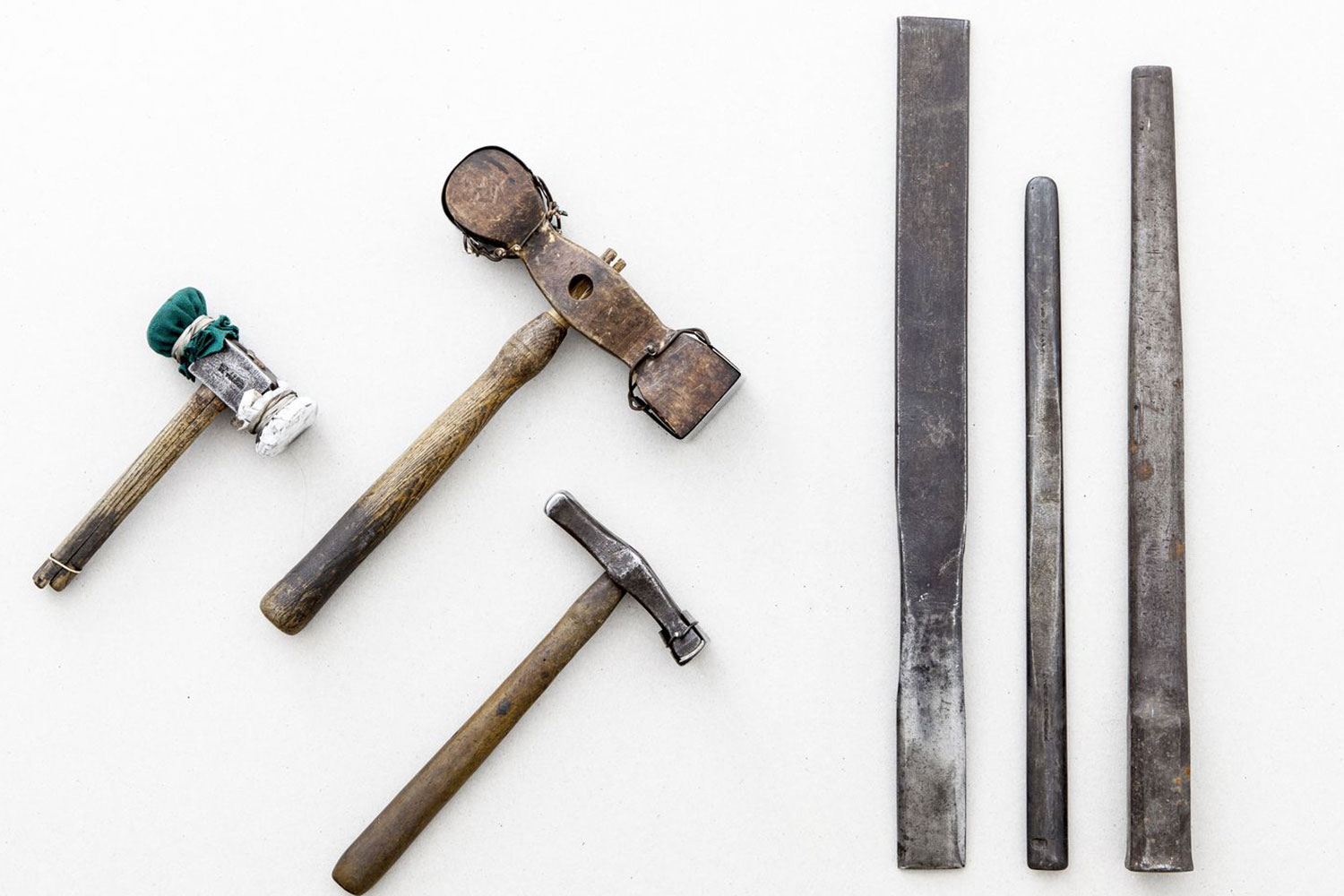
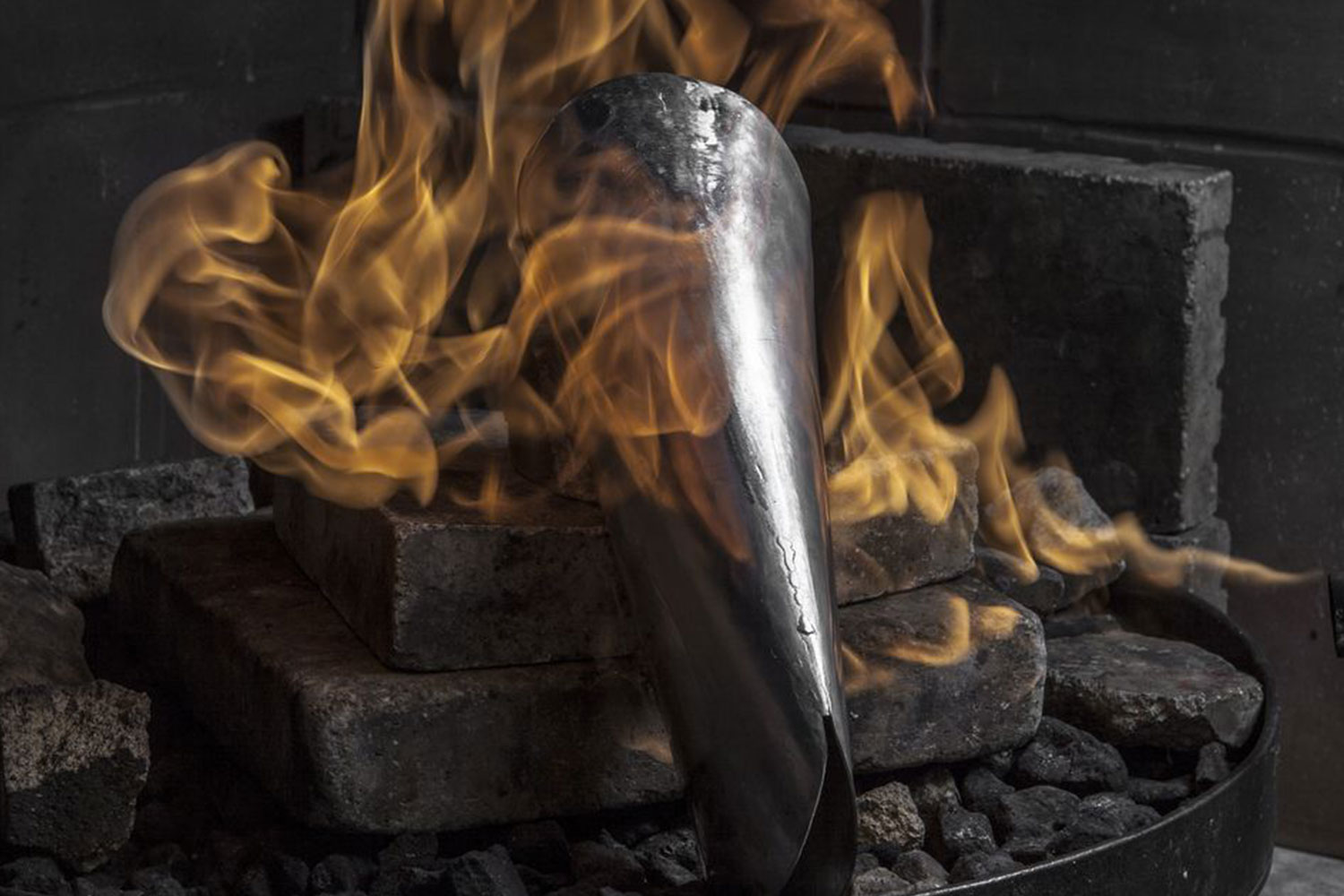
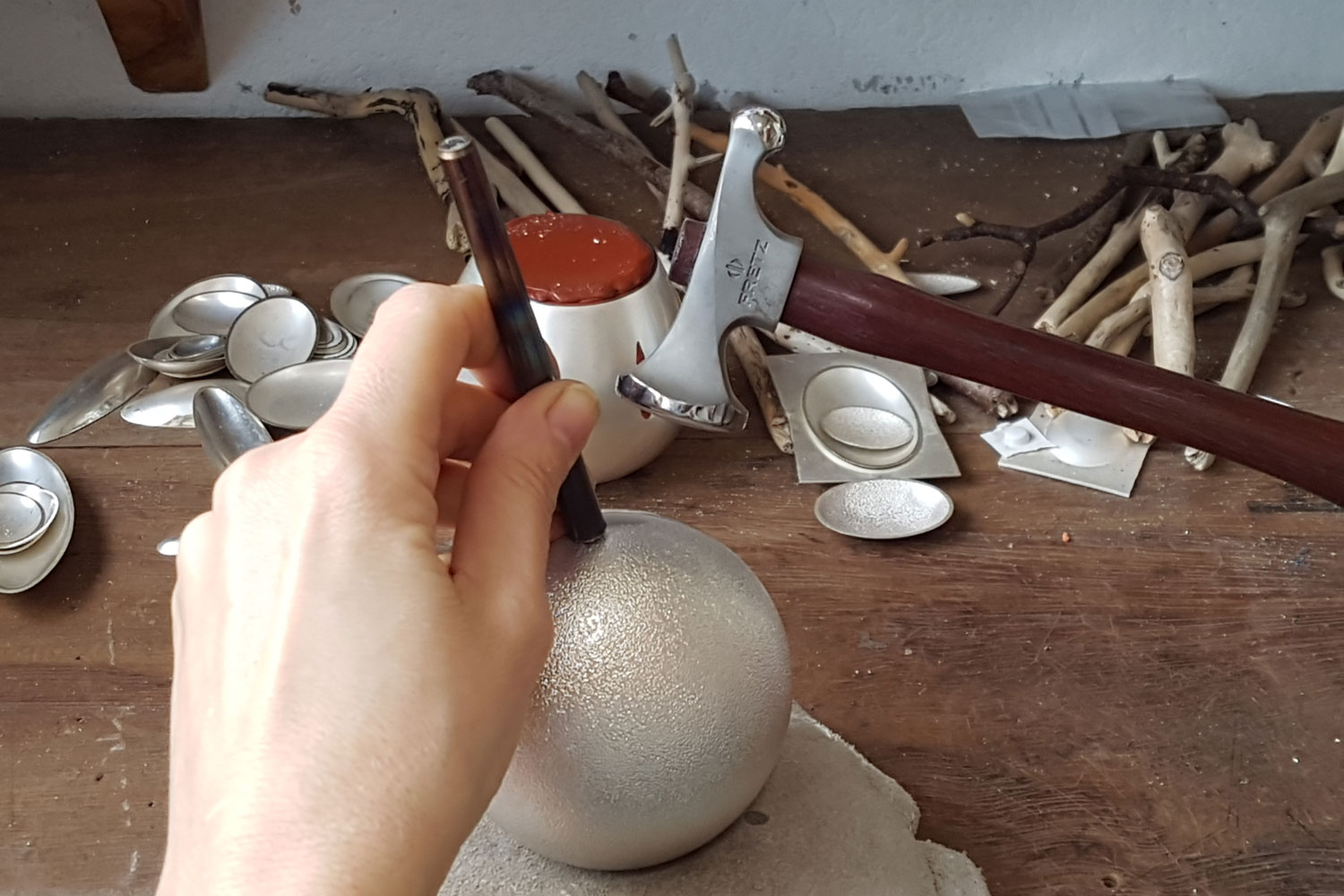
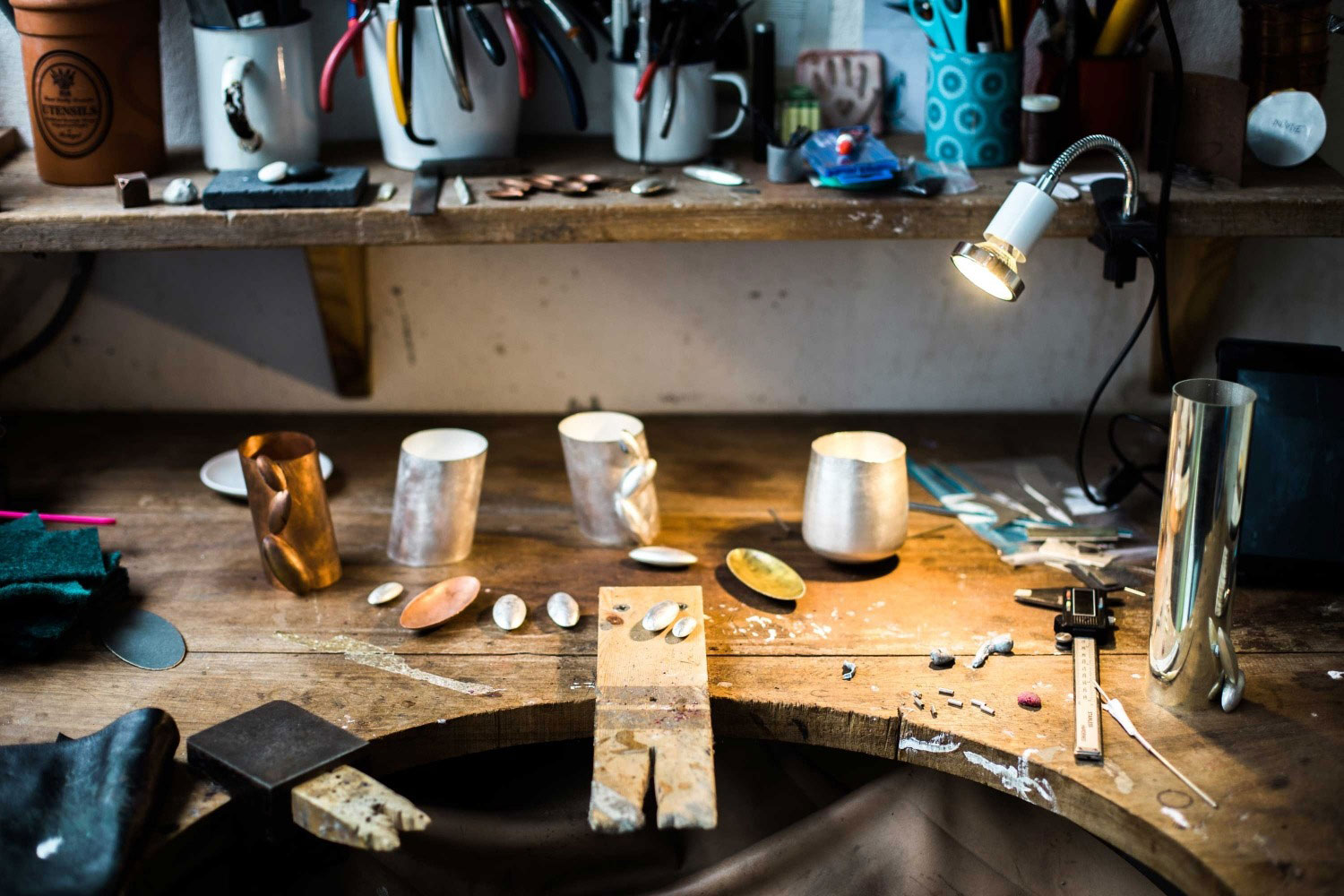
Raising, scoring and folding, forming and hammering are all traditional techniques but I use them to explore vessel forms and sculptural preoccupations. The metal surface is treated almost like a drawing, with many layers of fine lines being built to give an expressive, nuanced finish.
I gather sensations and translate them into objects suffused with harmony, composure, poise and serenity. Working in silver requires a certain level of humility and an awareness of your skills. It’s vital to be at the developing edge of your own practice.
Alex O’Connor
Silversmith
Cornwall, United Kingdom
ADDRESS
Address upon request, Cornwall, United Kingdom
AVAILABILITY
By appointment only
PHONE
+44 7772662392
LANGUAGES
English
Homo Faber Finds is a new service aiming to inspire admirers of craft to connect and collaborate with exceptional artisans.
We invite you to submit an enquiry here.