
A place in history
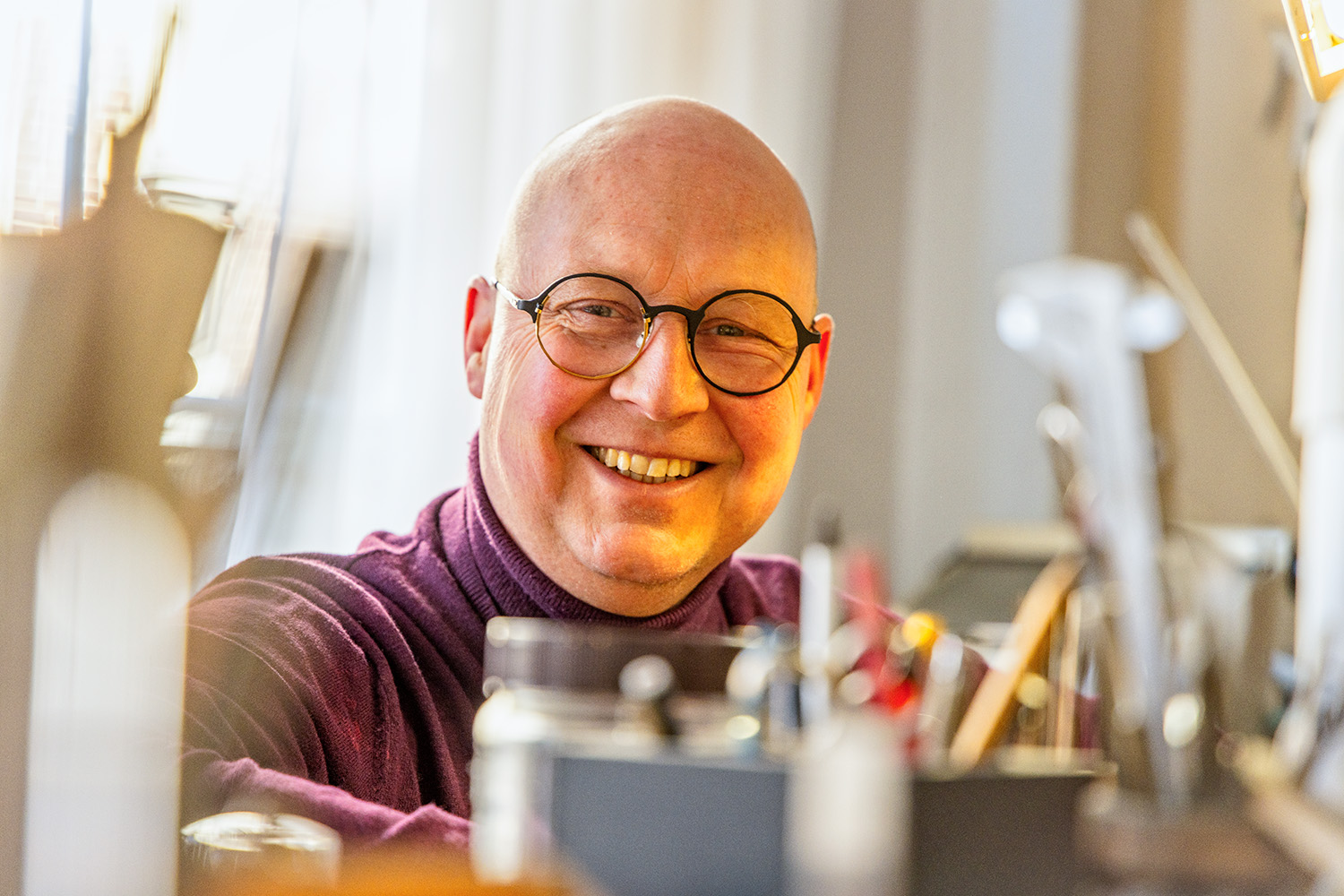
- Ivo is the fourth generation of goldsmiths in his family
- He has trained and worked in The Netherlands, Germany and the USA
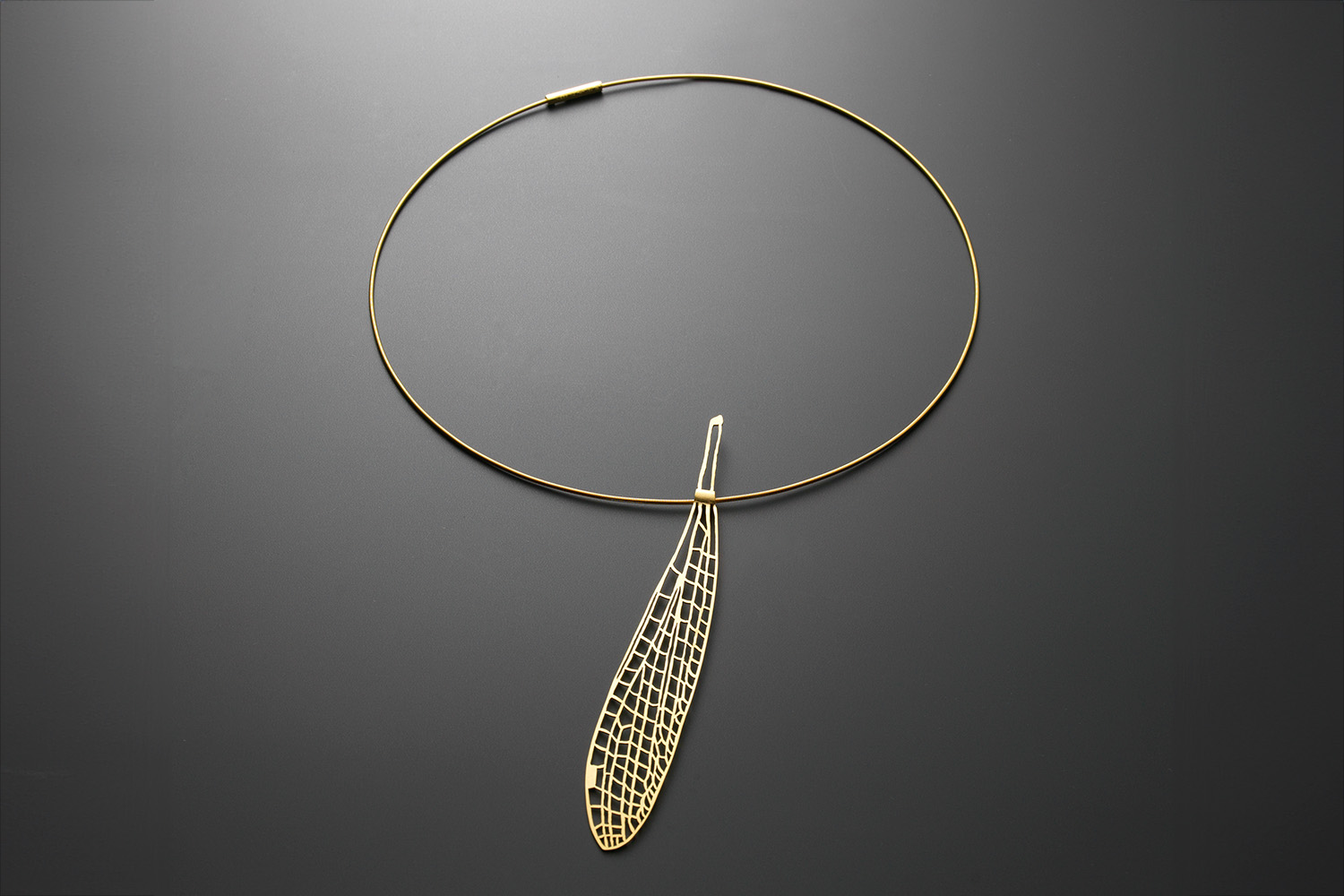
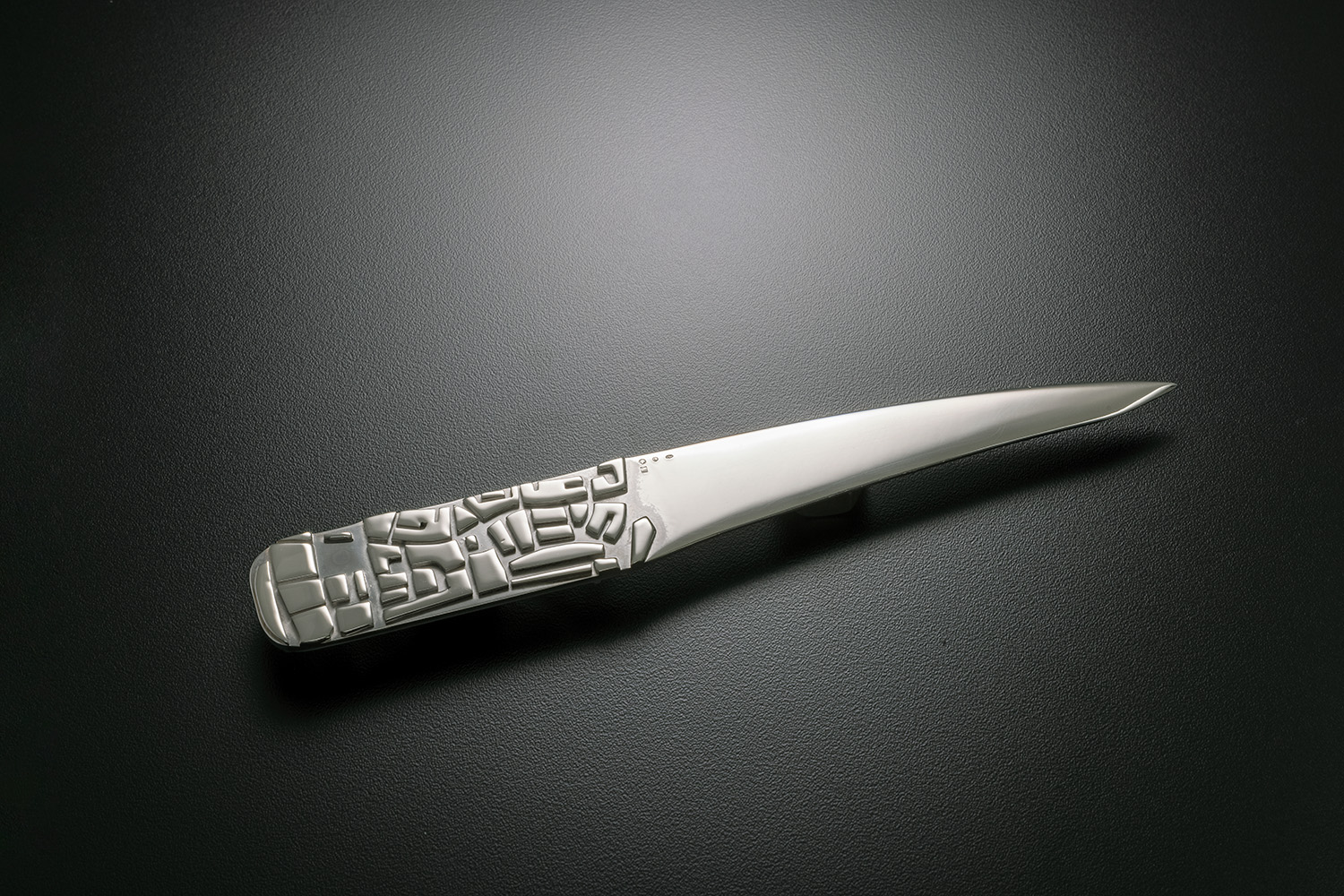
- Architecture is where he finds inspiration for his designs
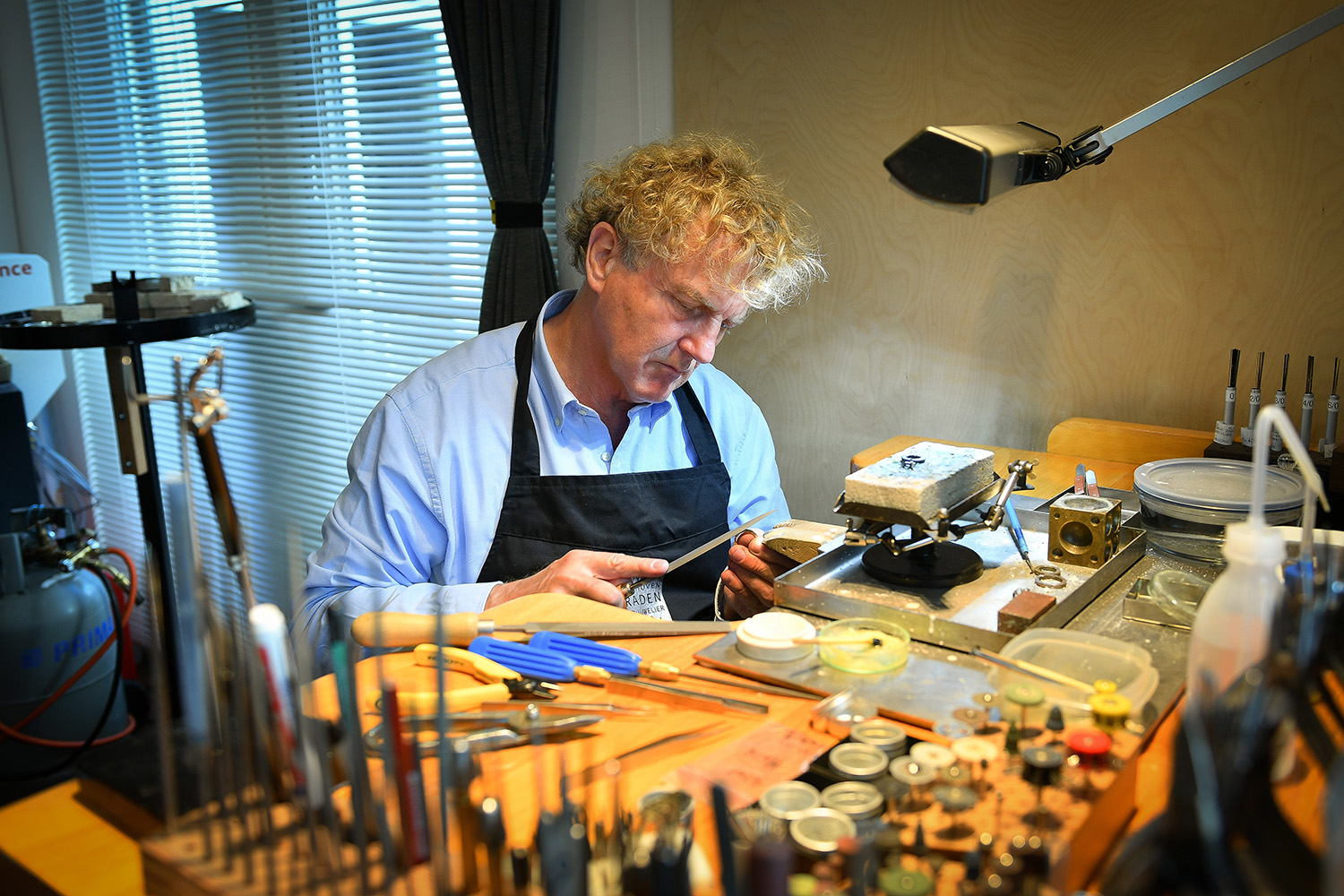
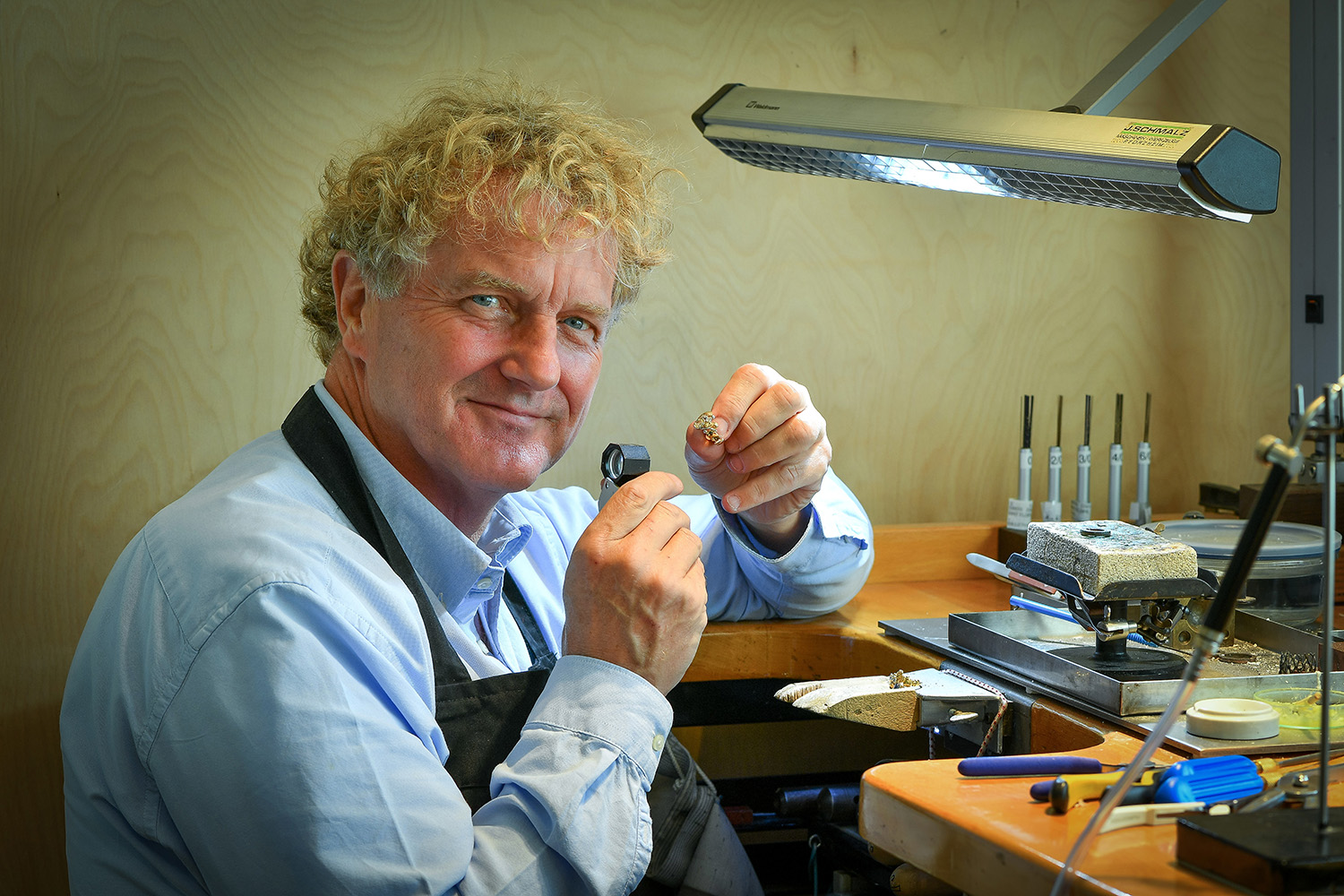
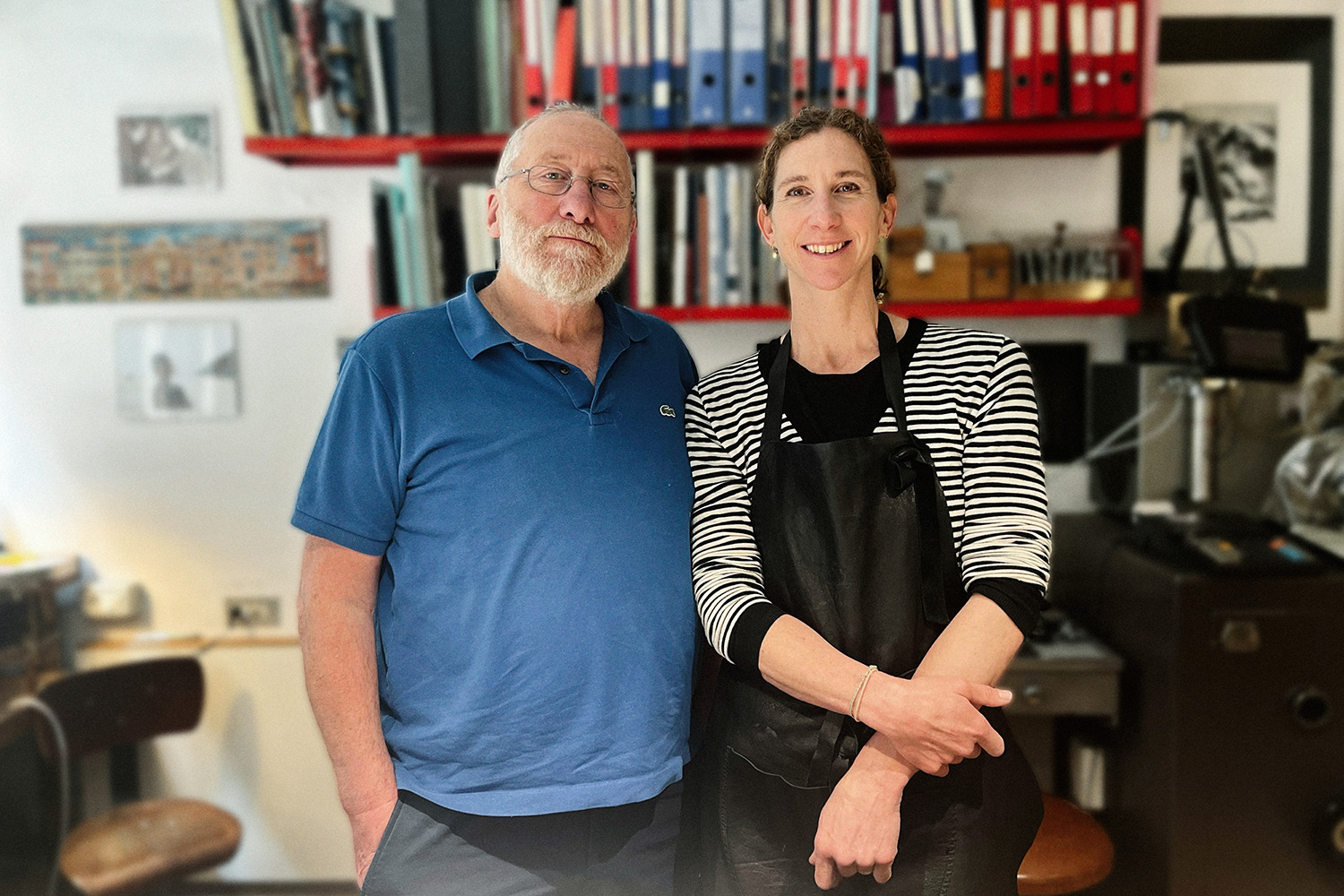
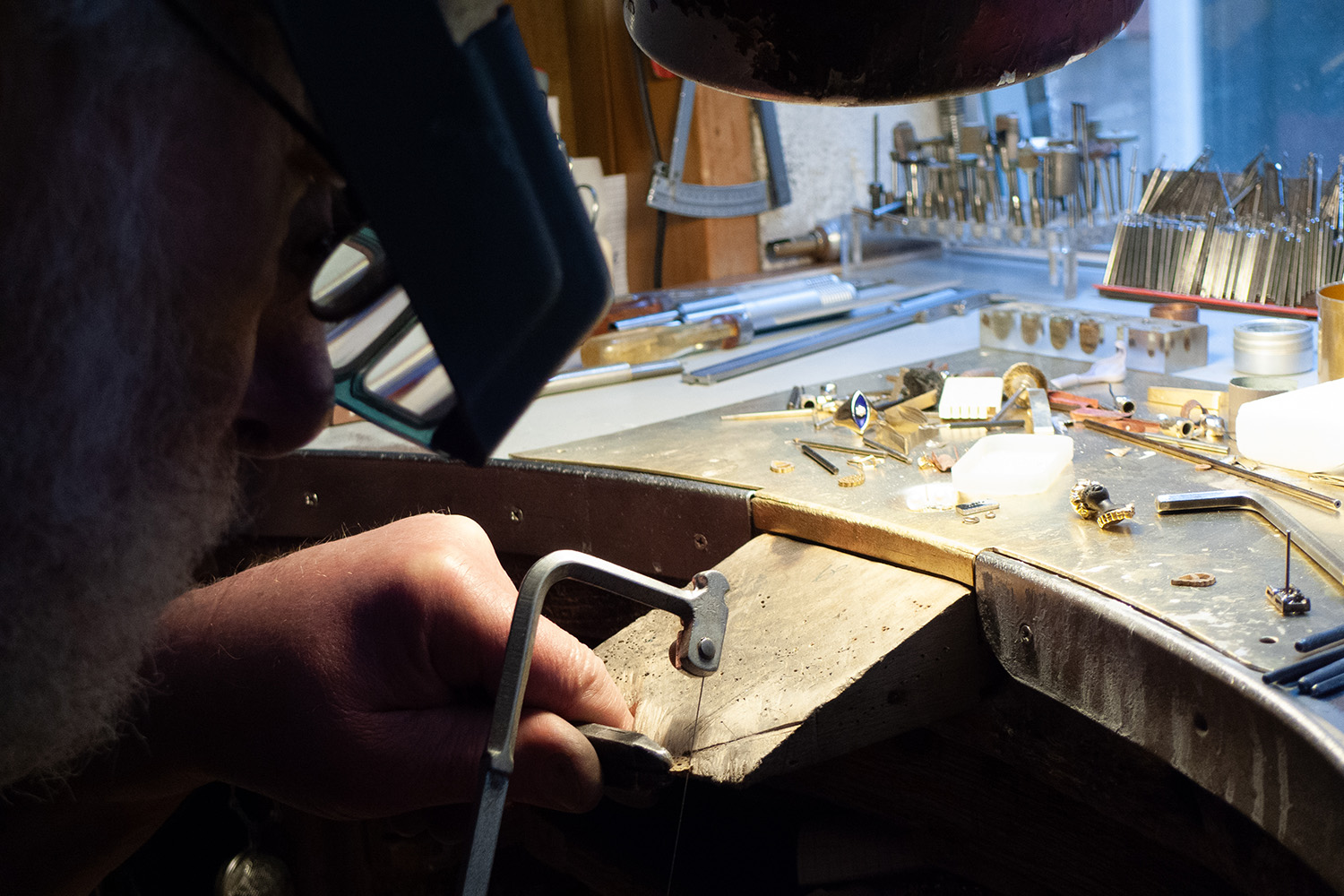
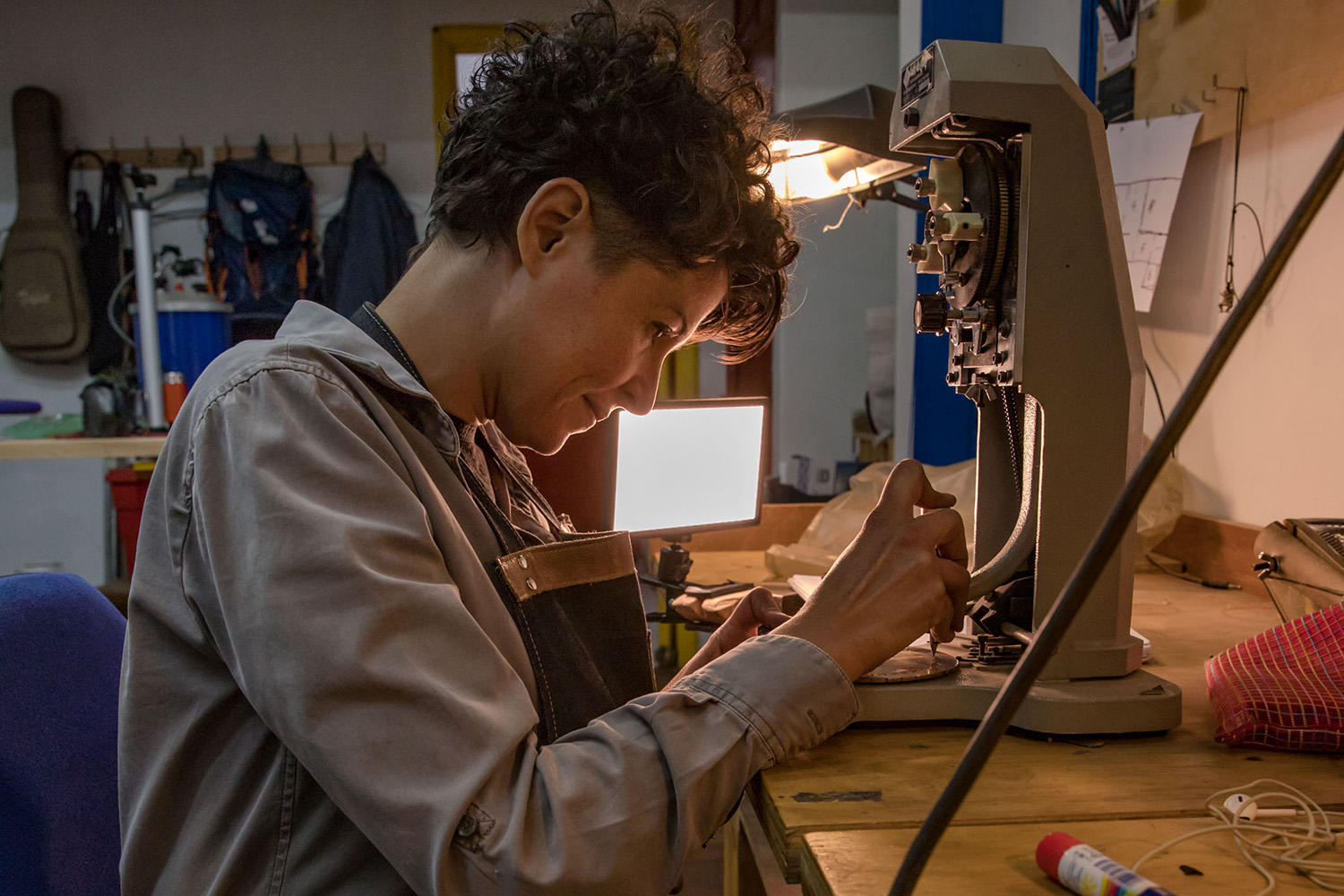
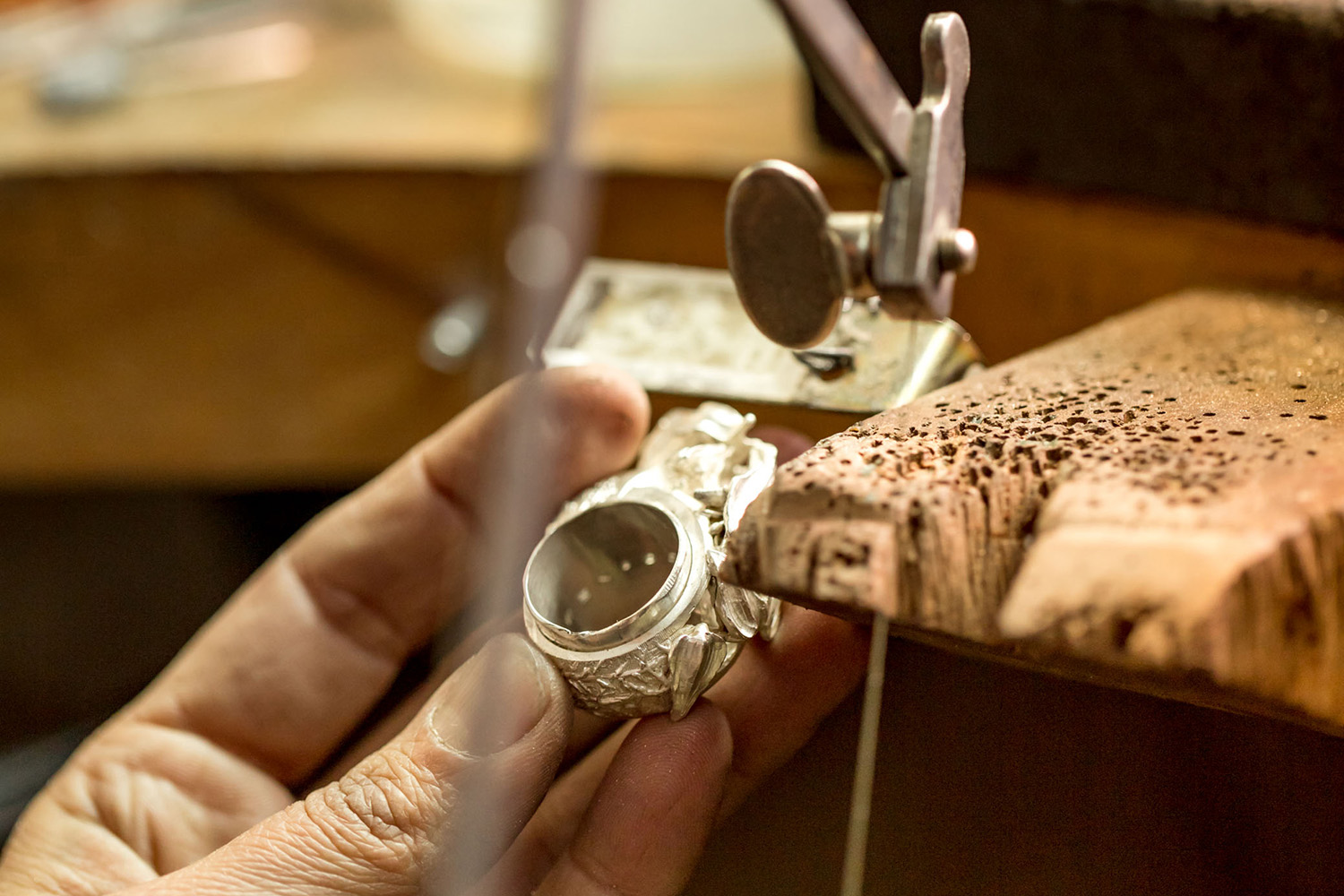
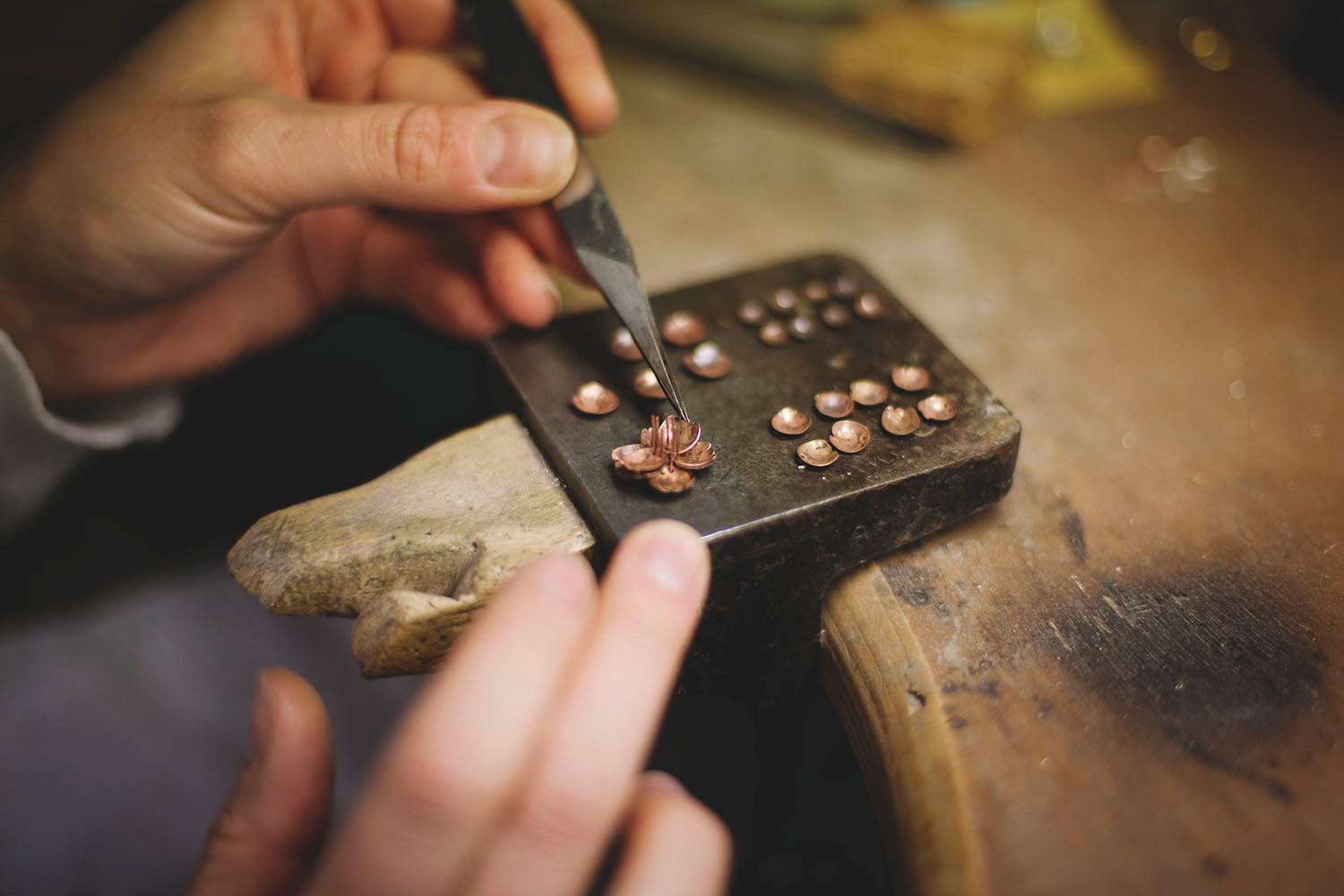
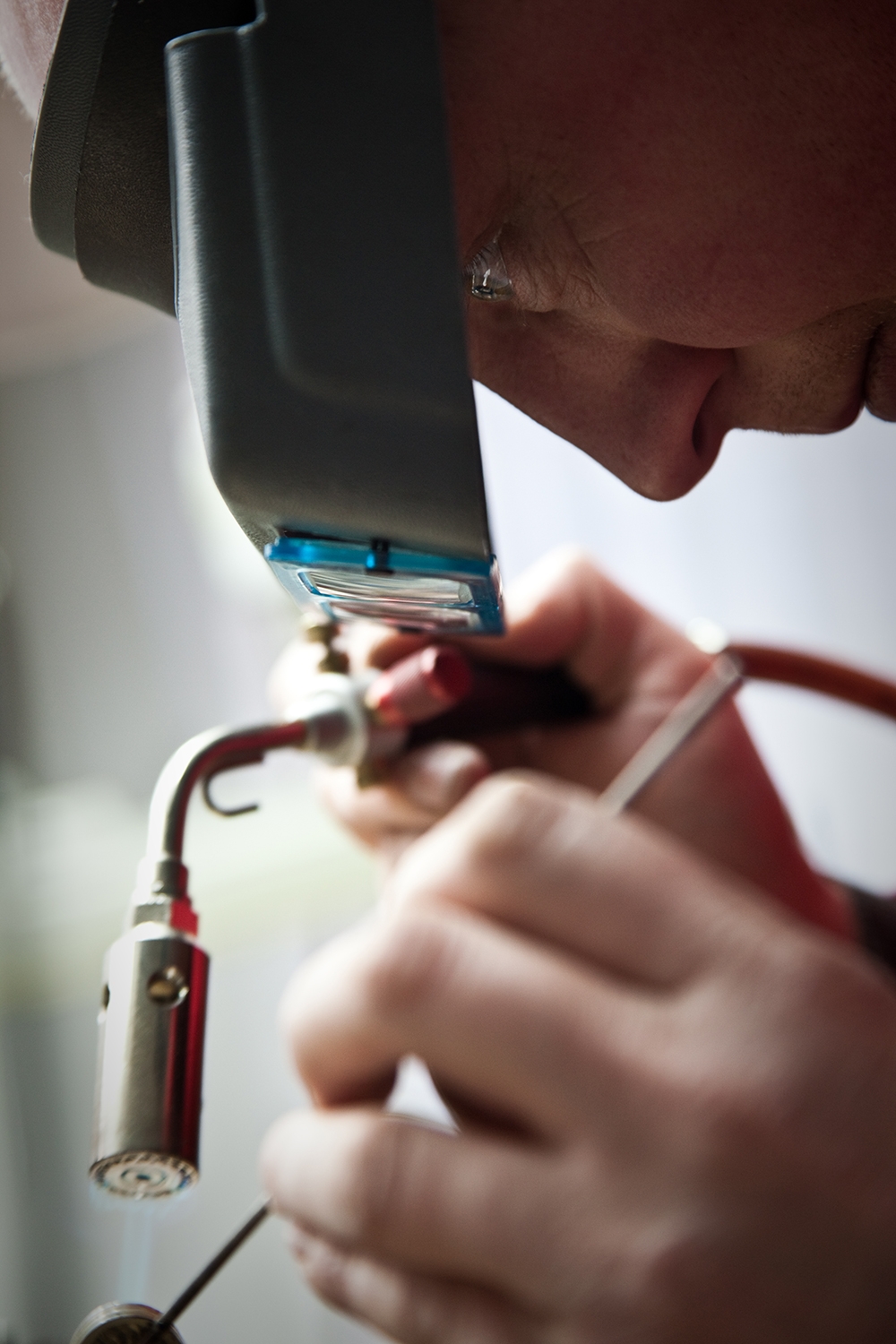
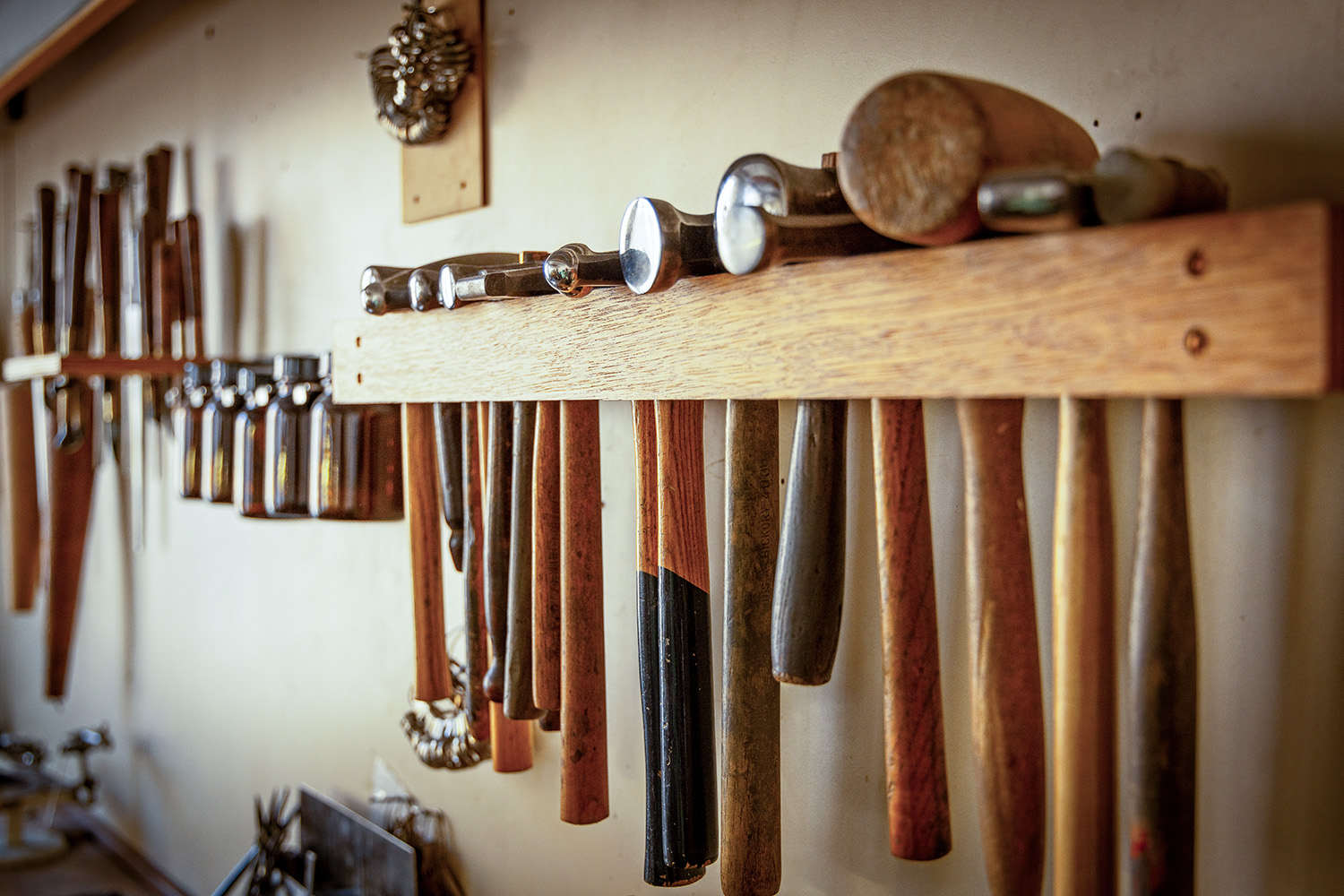
As a young boy of four years old, Ivo Nellissen would watch his grandfather work as an engraver in the family workshop. This is where the goldsmithing seed was planted. Ivo's father was a goldsmith before him too, instilling in him a love of making, so that by the age of seven, Ivo had made his first piece. It was a simple silver teaspoon for his mother. Ivo’s subsequent career was very much shaped by the teachings and mentoring of three masters: jewellery artist Winfried Krüger in Germany, architectural designer Frans Bevers in Amsterdam, and artist Joshua Neustein in New York. “I gained my artist’s wisdom in the broadest perspective, when I assisted him for a year,” he explains about working with the latter. After a period of freelancing in design, he went on to take over the family workshop in 2004. Next to his jewellery making, he passes on his skills to apprentices.



INTERVIEW
Something that is original. Something that surprises you, either as a viewer, user, or spectator, something that is well crafted and something that satisfies the needs of its purpose. No matter whether it is a utensil or art piece of any kind.
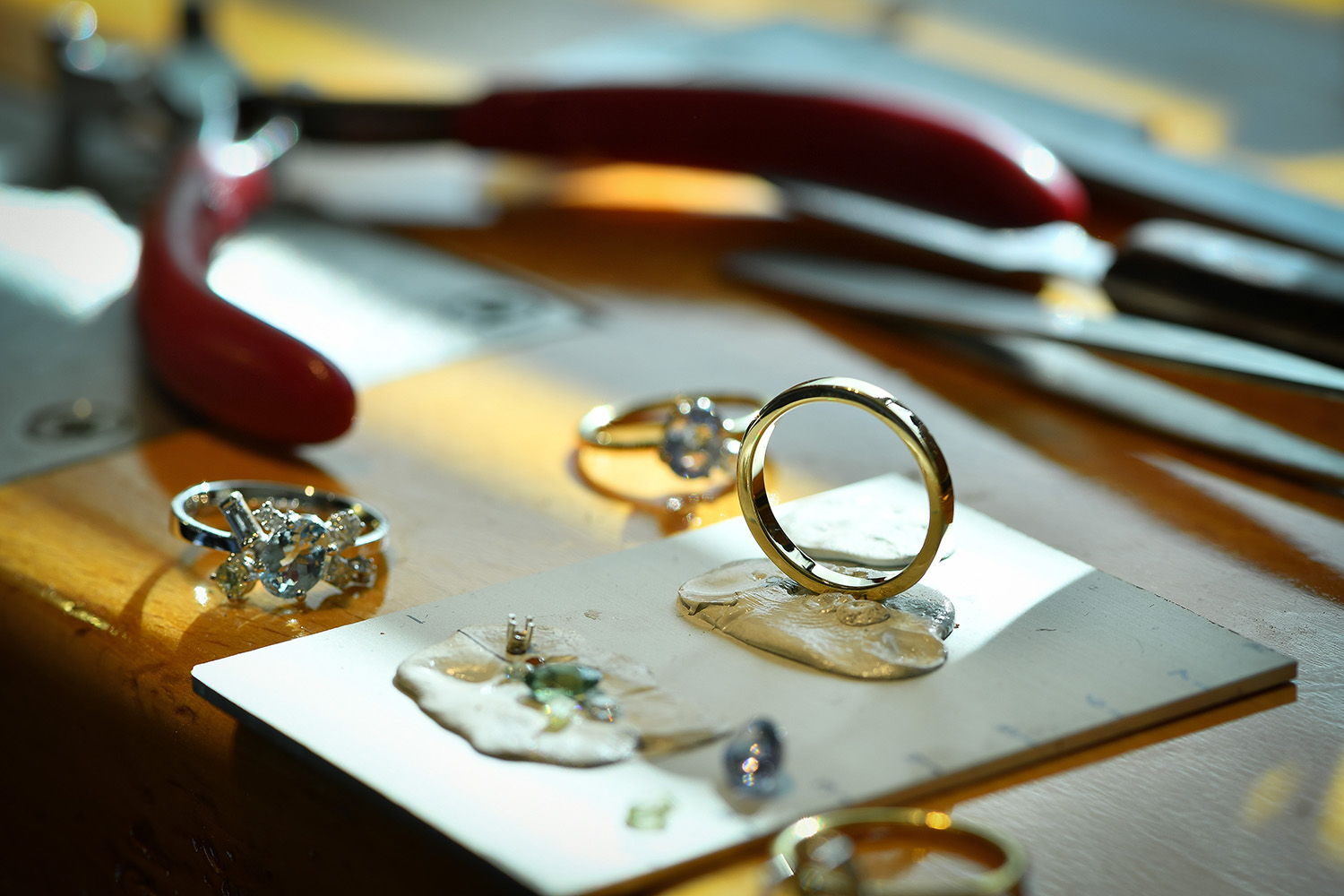
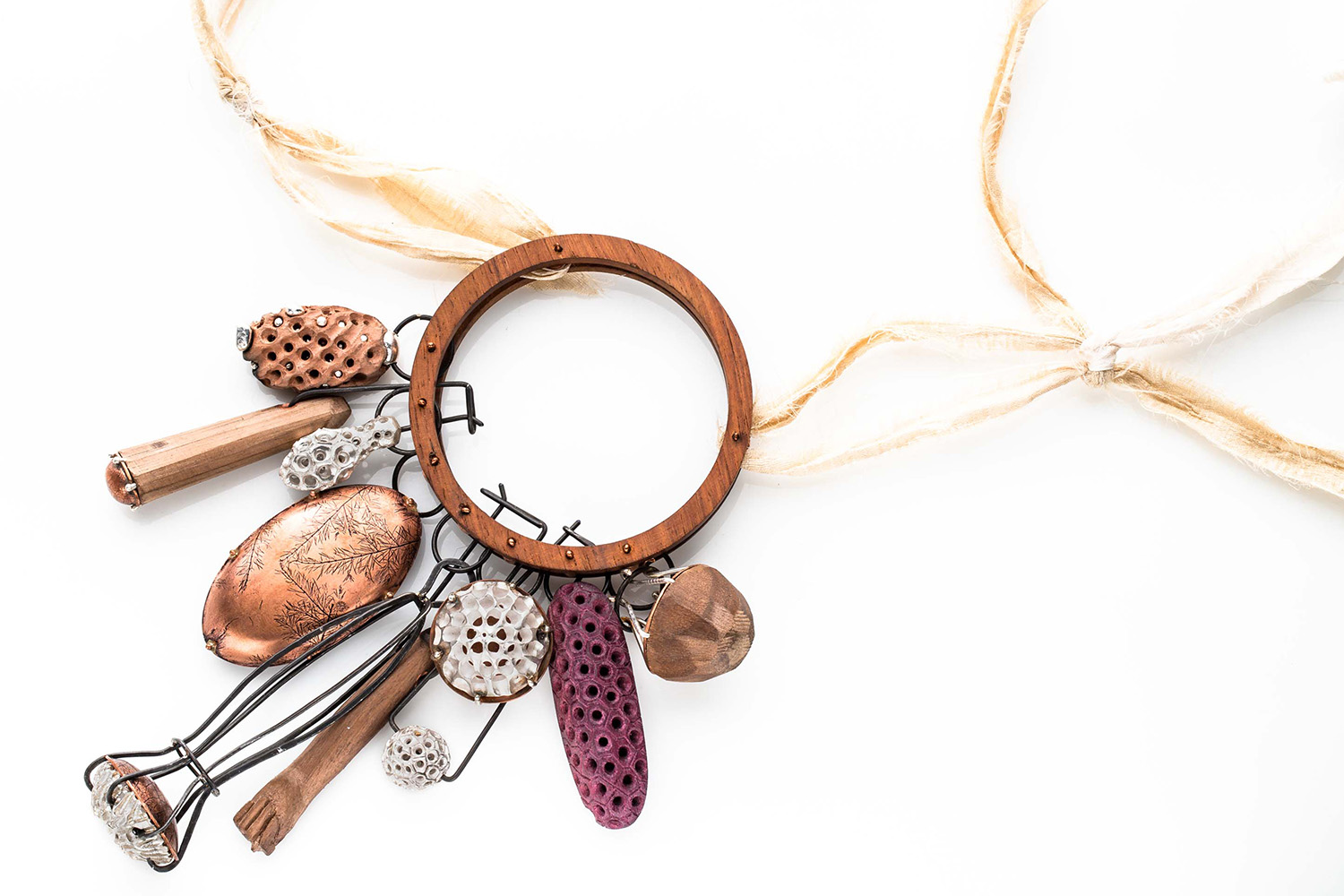
I always try to refer to a historic perspective or jewellery tradition. This is evident in the techniques or materials I use and in the specific character of my designs. Through its form and existence, the piece I make takes its place in the history and tradition of my profession.
Mainly architecture. Modern as well as classic. I enjoy the older structures and the degree of craftsmanship that was put in. On the other hand, I am impressed by the innovations in material and techniques used in contemporary architecture. Offices like Rick Joy, MVRDV and UN studio Architects impress me again and again.
Always involve design whilst learning the techniques of our craft. Be open to beauty and learn to recognise it, and focus on traditional techniques first, before embracing the latest innovations.