
Handcrafting the spirit of Venice
- Sergio makes traditional Venetian carnival masks
- In 2018 he received the Maestro d'Arte e Mestiere (MAM) prize
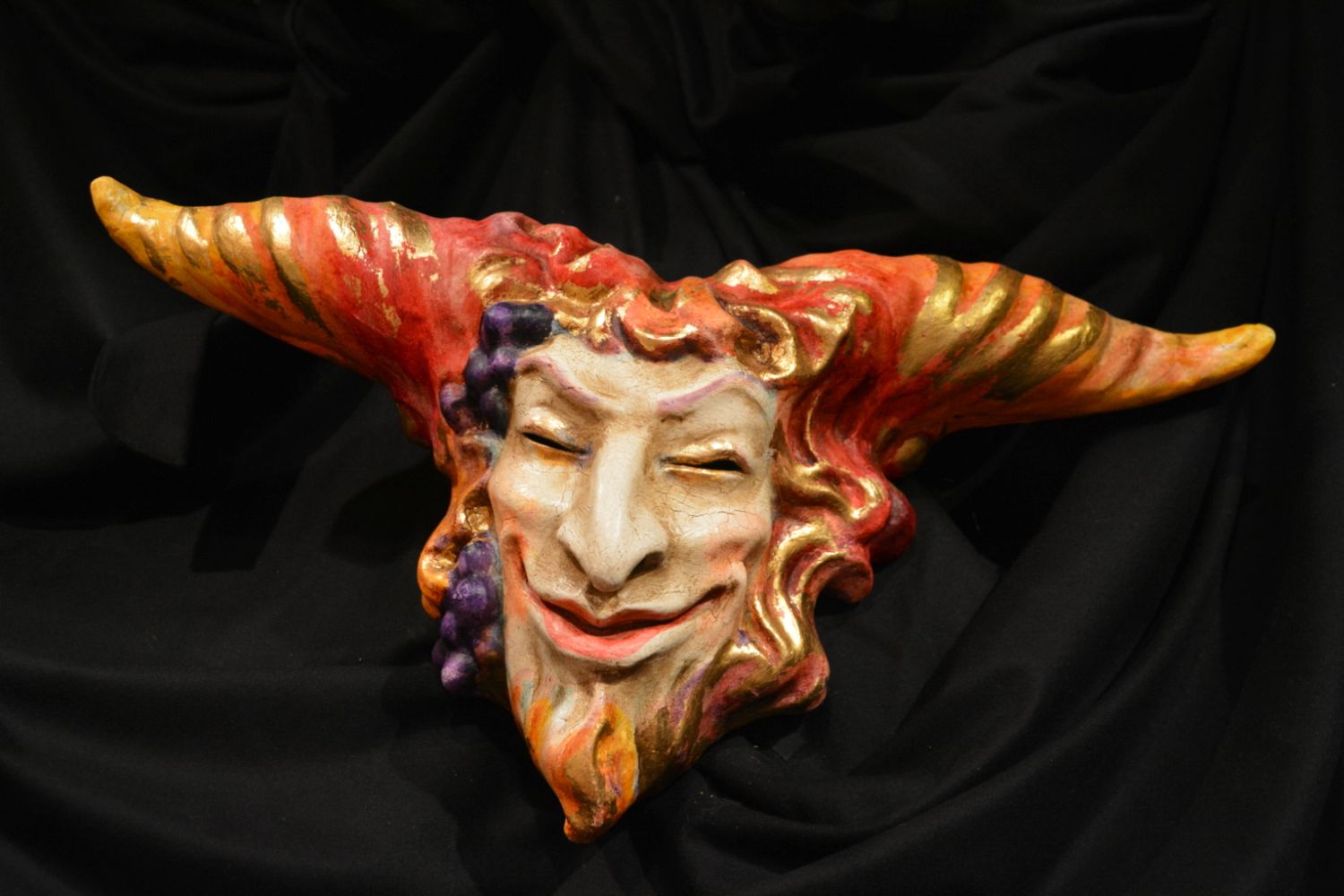
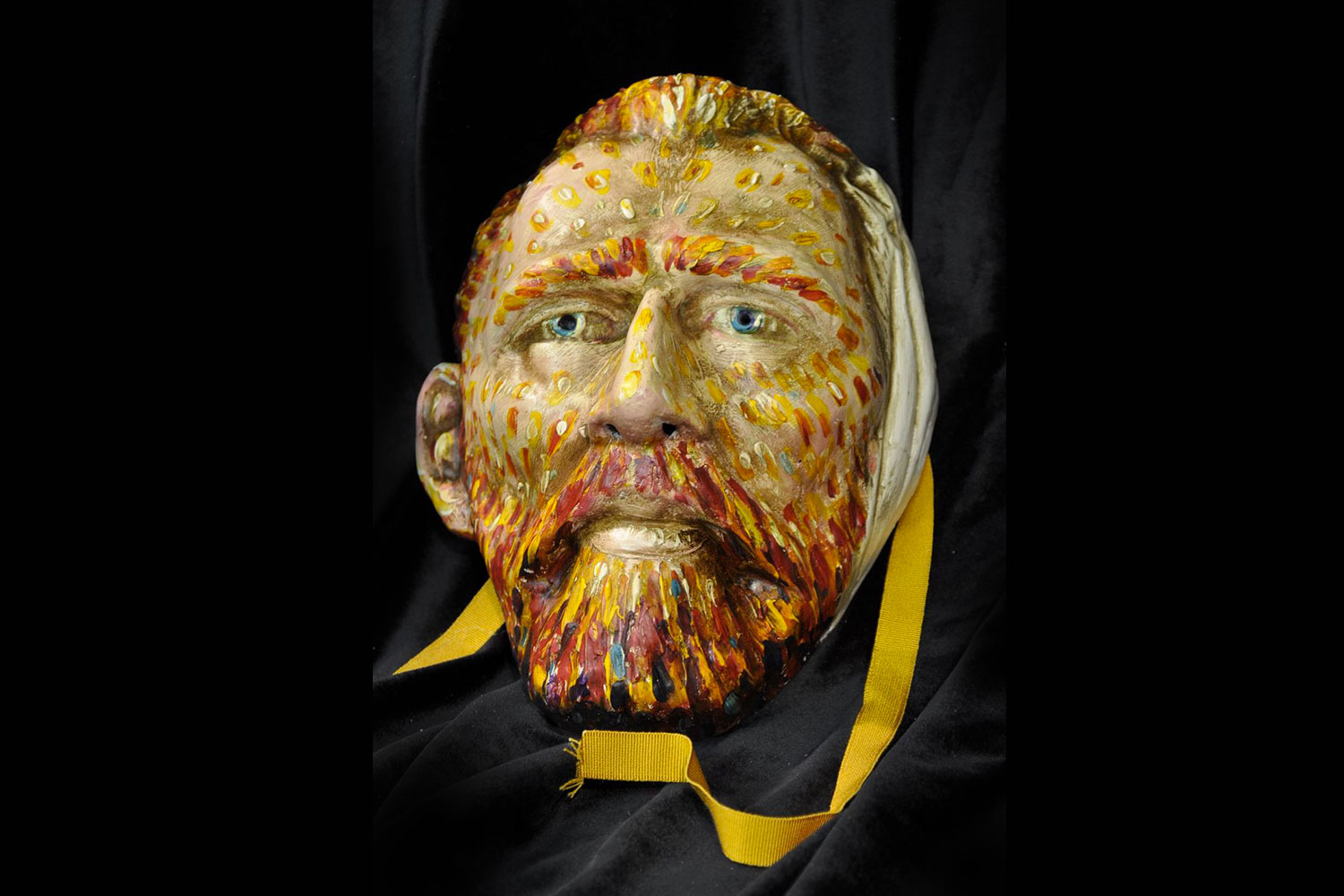
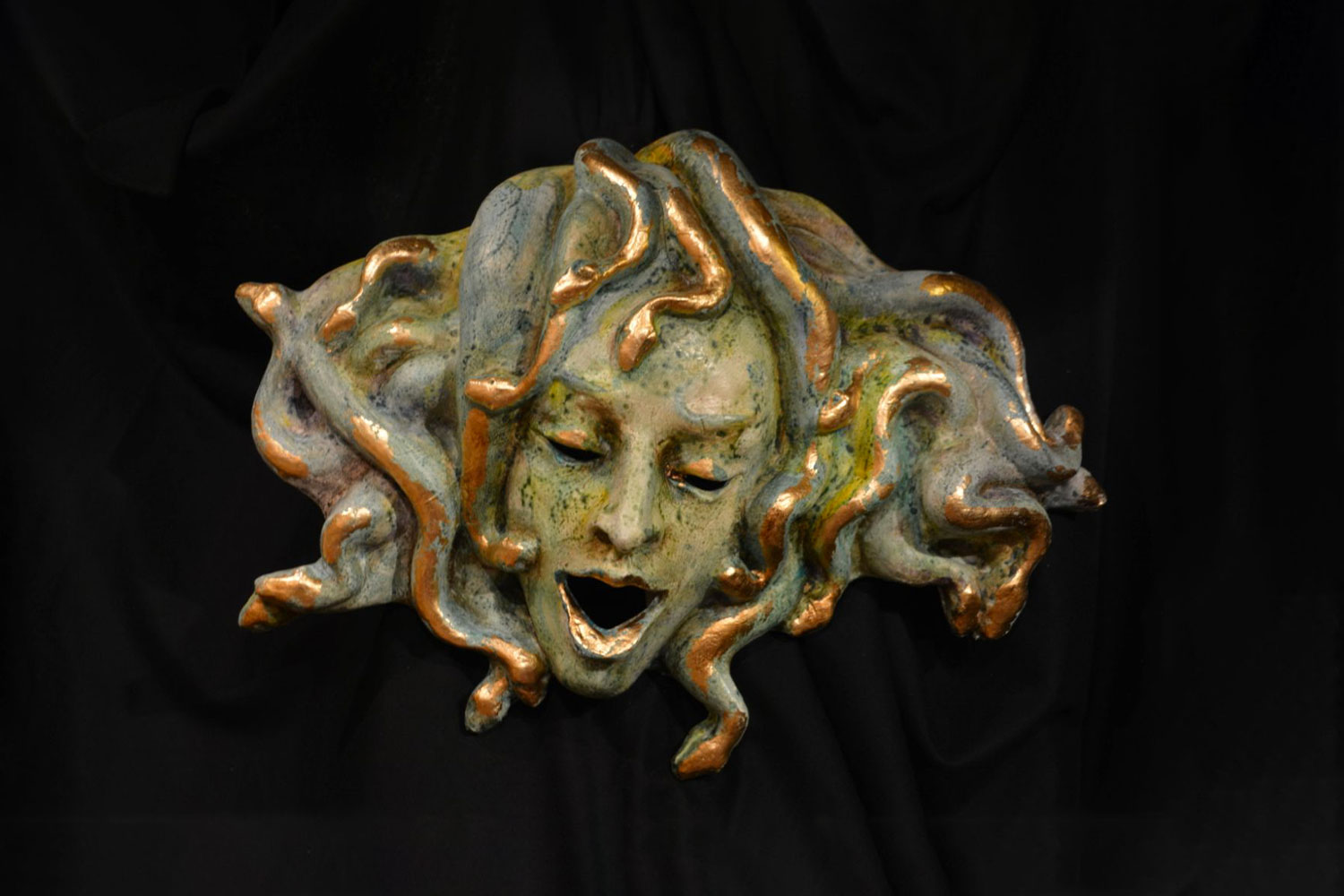
- The characters of the Italian Commedia dell’Arte inspire his masks
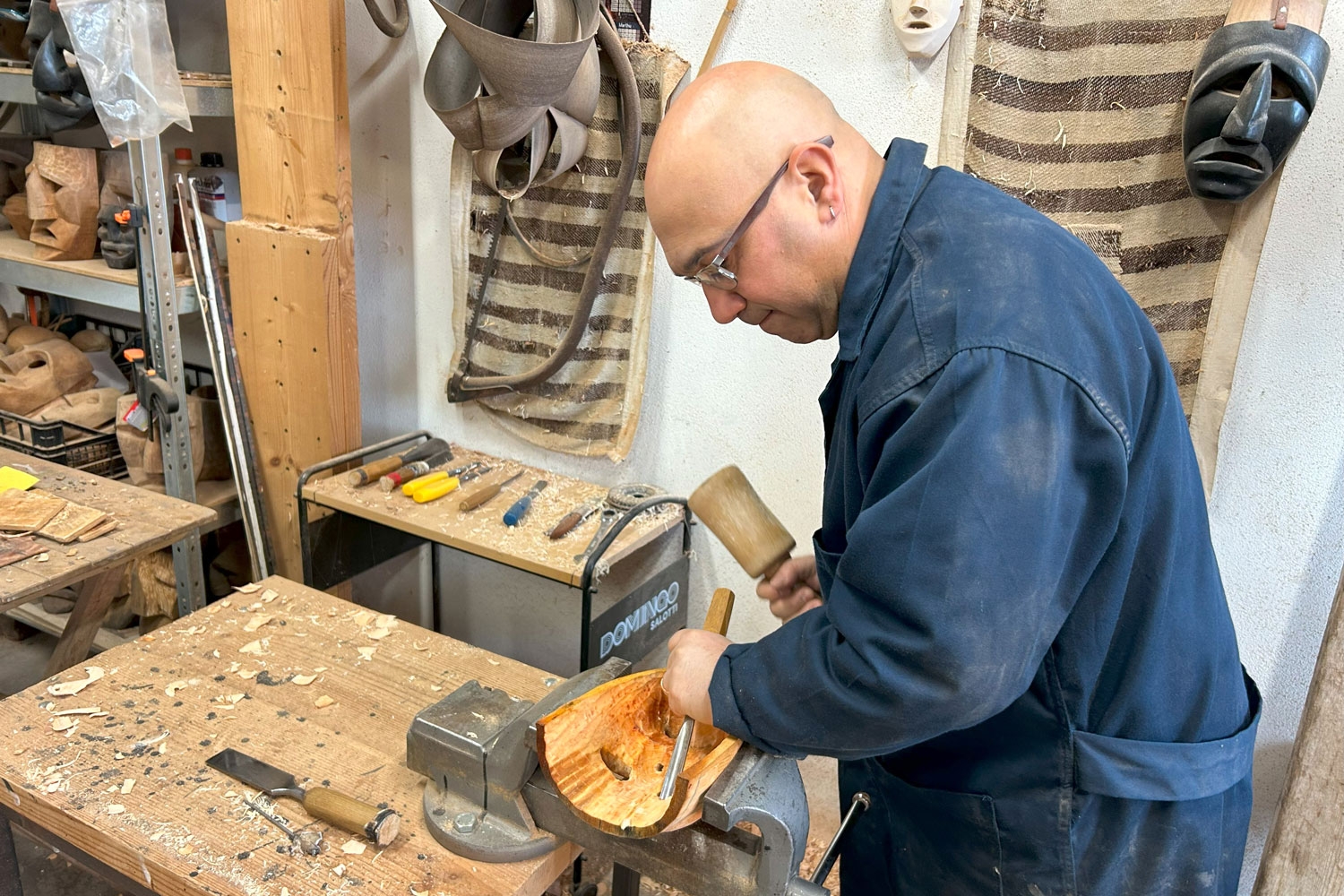
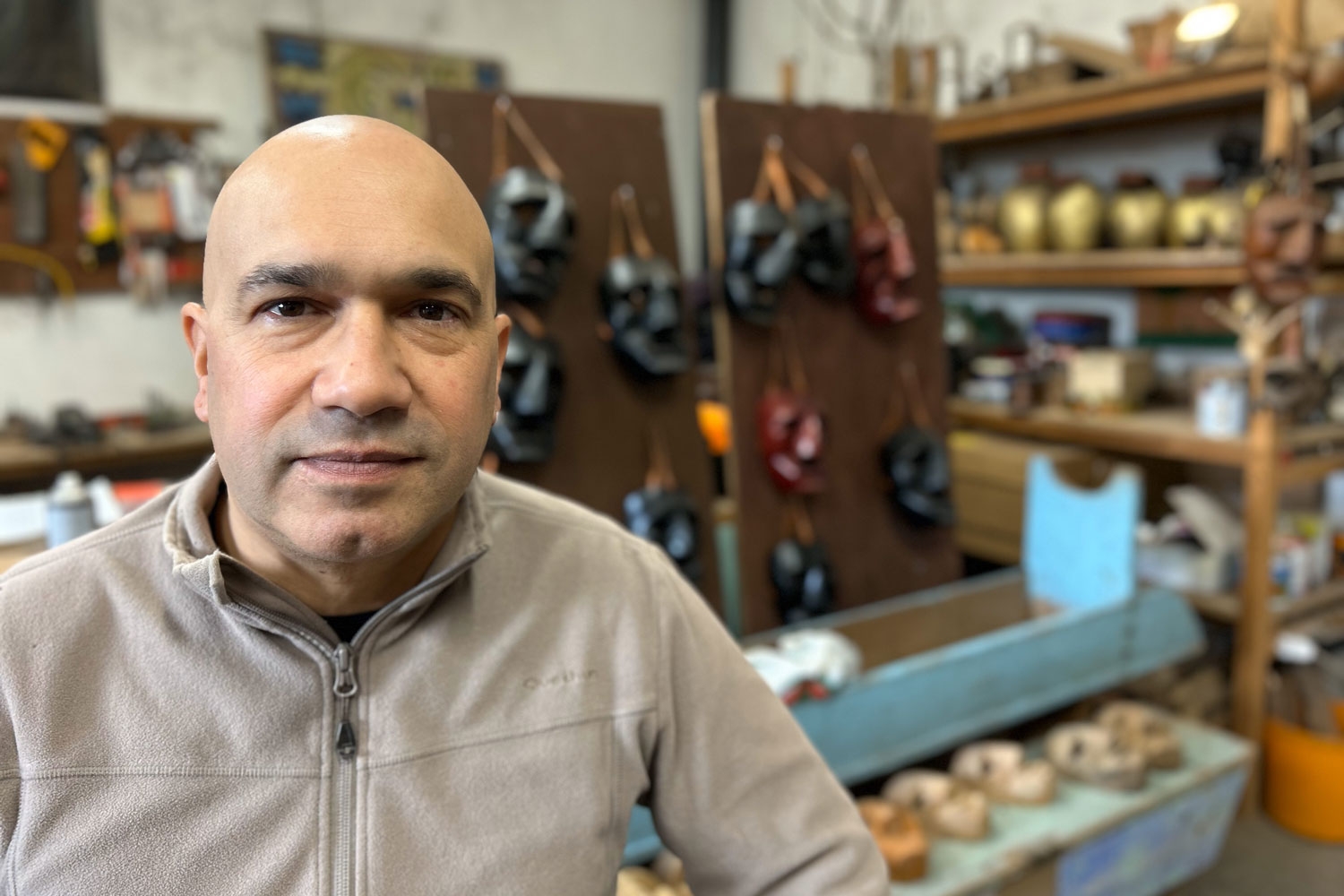
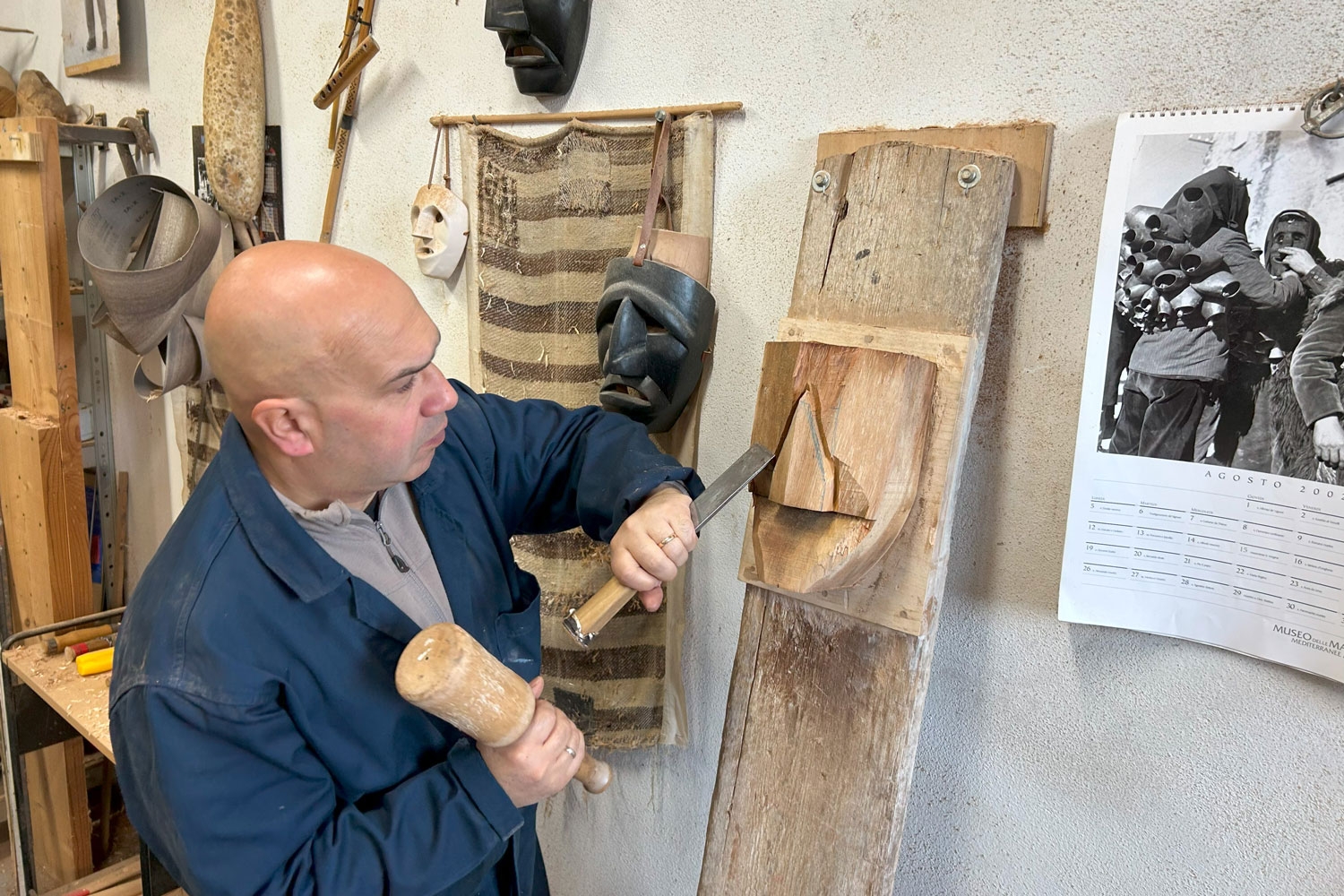
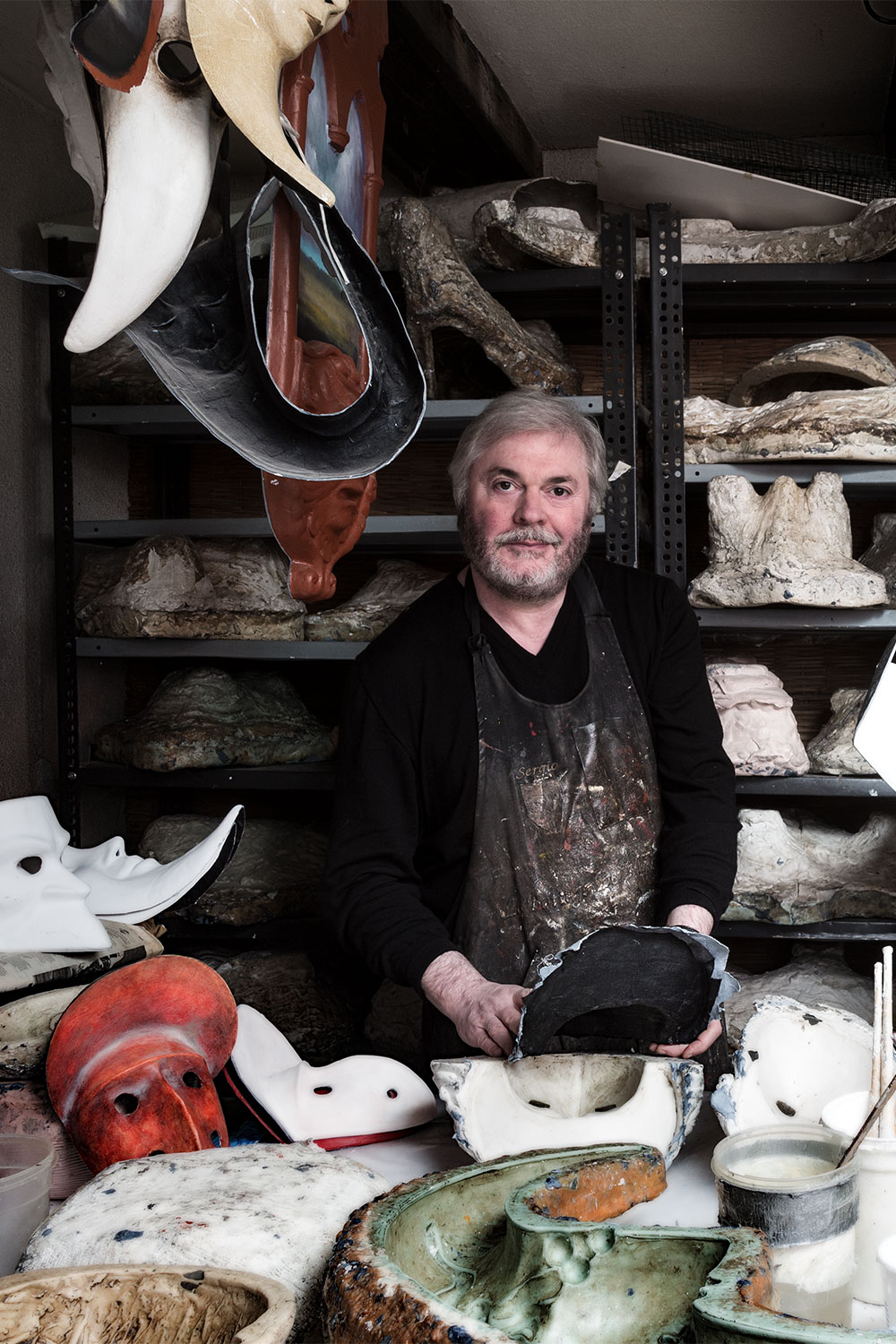
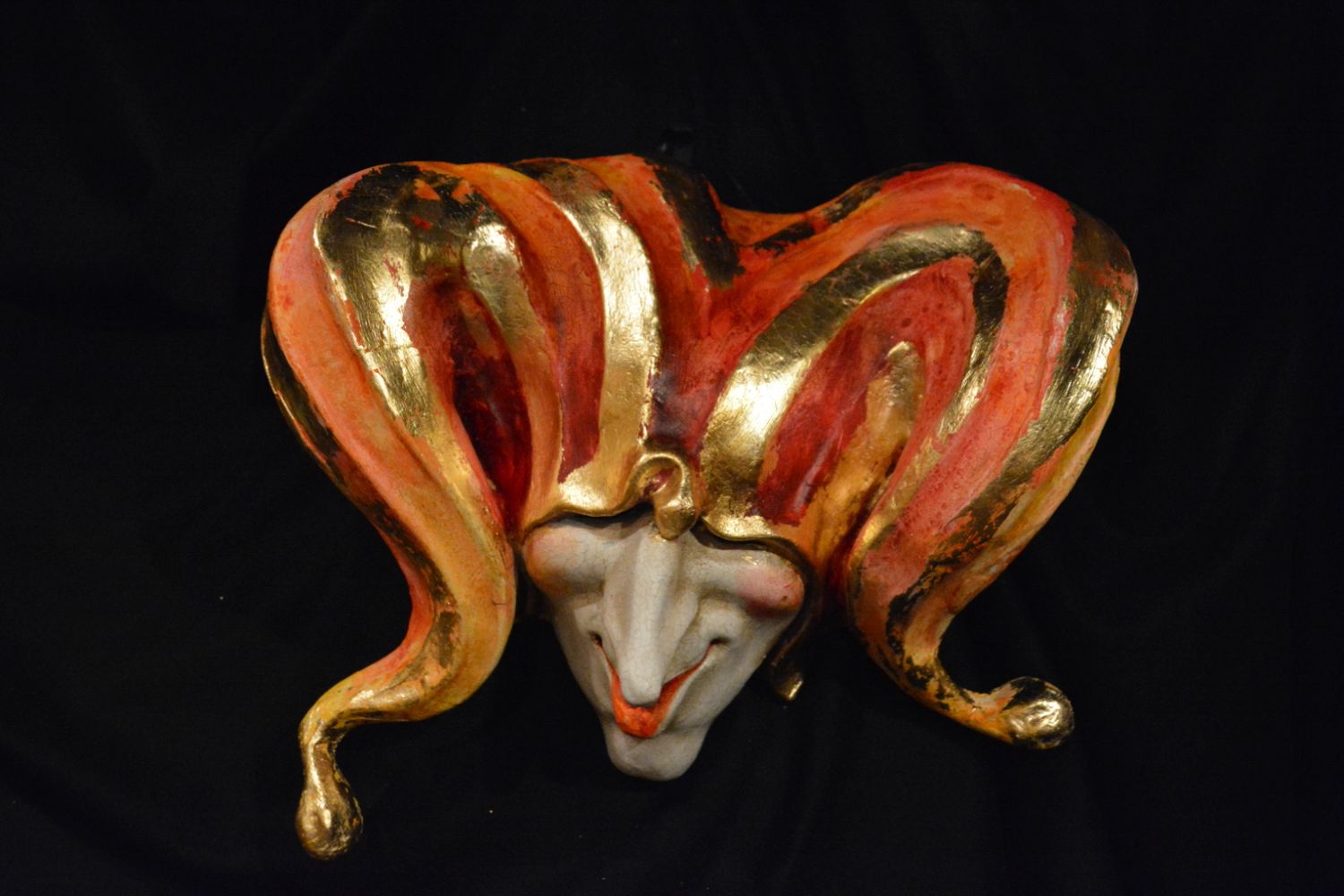
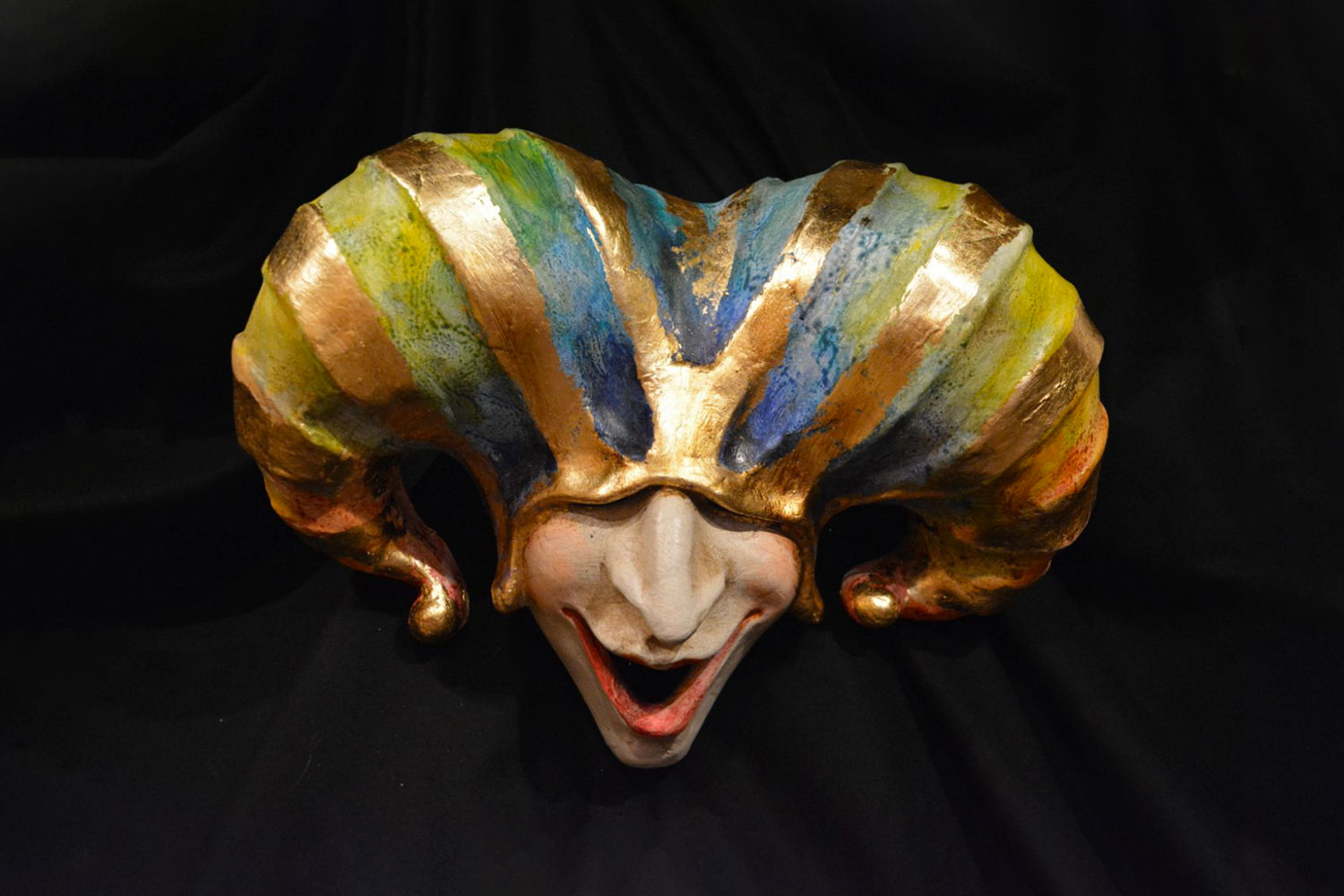
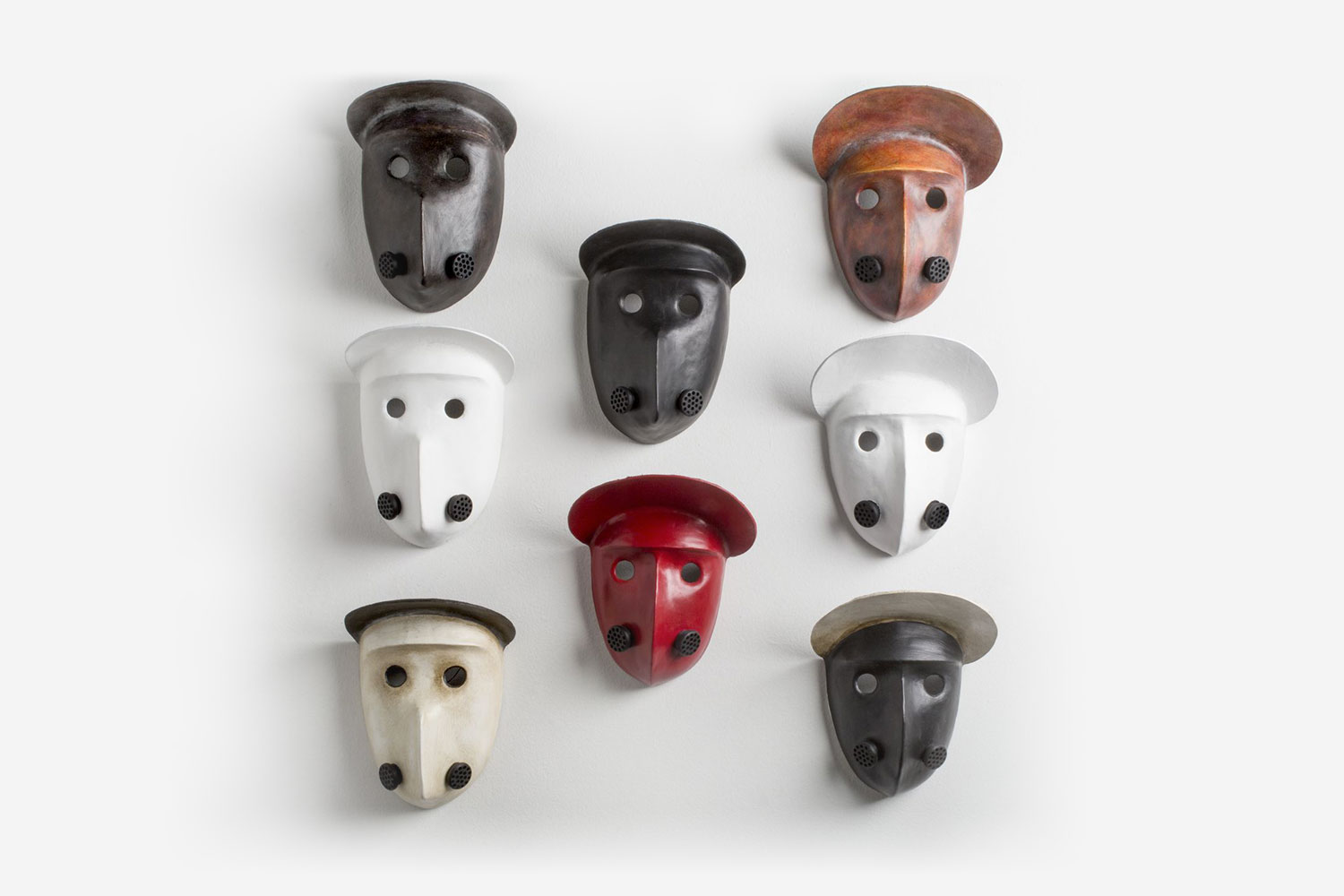
The city of Venice immediately brings to mind its famous carnival, with its 18th-century costumes and elaborate masks, behind which people conceal their identity. Besides dozens of shops selling mass-produced objects that have nothing to do with tradition, there are still a few workshops where masks are crafted by hand. Two of them are run by master Sergio Boldrin, aided by his brother Massimo. One is a tiny studio a stone’s throw away from the celebrated Rialto bridge. This crowded little space is at the same time a laboratory, shop and archive, dotted with photos of the famous people who have donned Boldrin’s masks, including Tom Cruise in the Kubrick movie Eyes Wide Shut.
INTERVIEW
Some of his closest associates came to my shop and bought 30 or so masks to take back to him. You can imagine how surprised I was when I saw that they were all used in that famous scene, which has since become part of cinematic history.
In 1979, theatre director Maurizio Scaparro, in agreement with the Venice Biennale, decided to revive the carnival tradition, which had been lost due to politics. At the same time, there was an exhibition about the Sartori family, renowned mask makers of Veneto. I was awestruck.
Of course. It was a bauta, the typical white mask worn by aristocrats in the 1400s, which made all faces the same. For a few years I dedicated myself to masks in my free time, but in 1984 I decided to quit my job to open my own workshop.
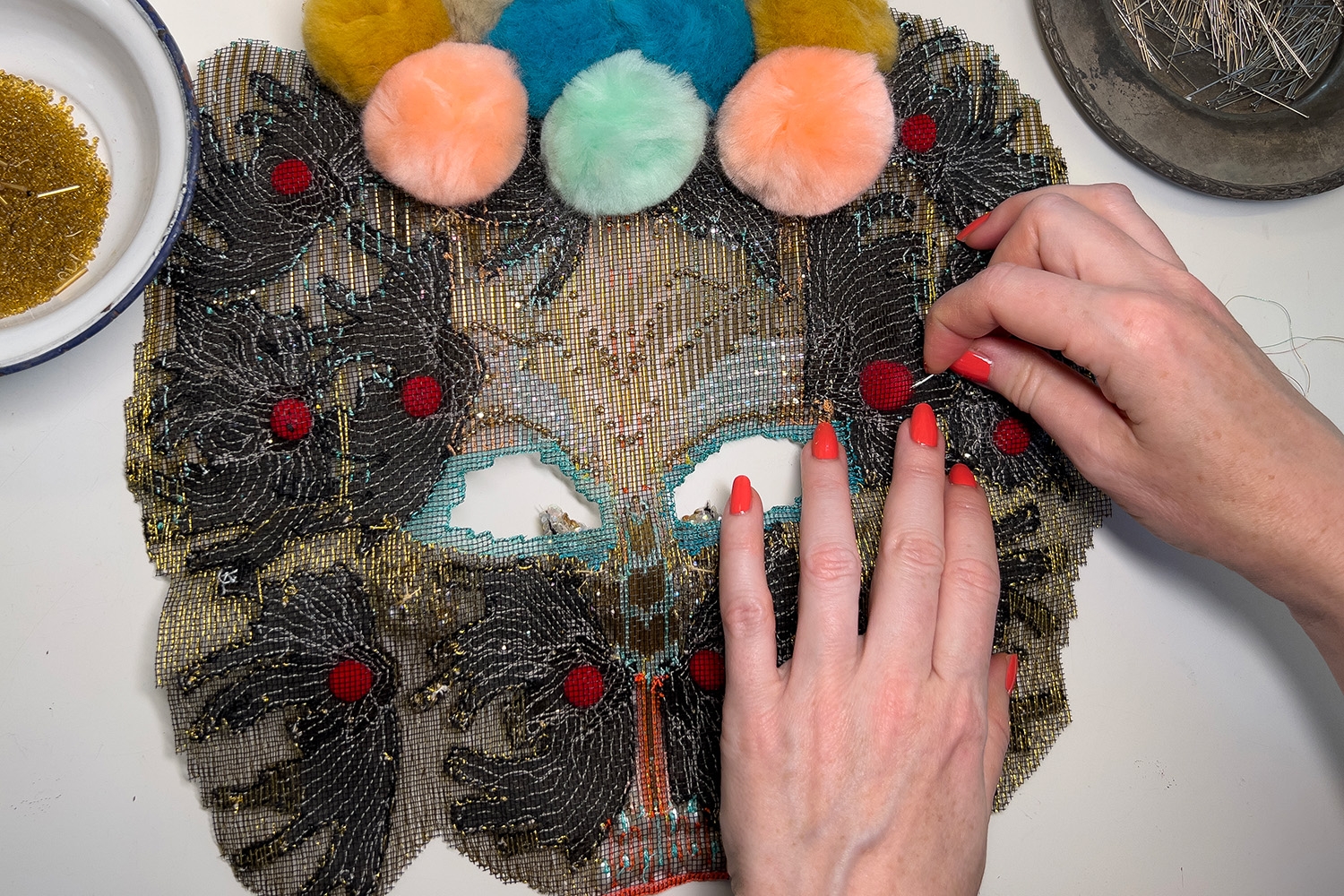
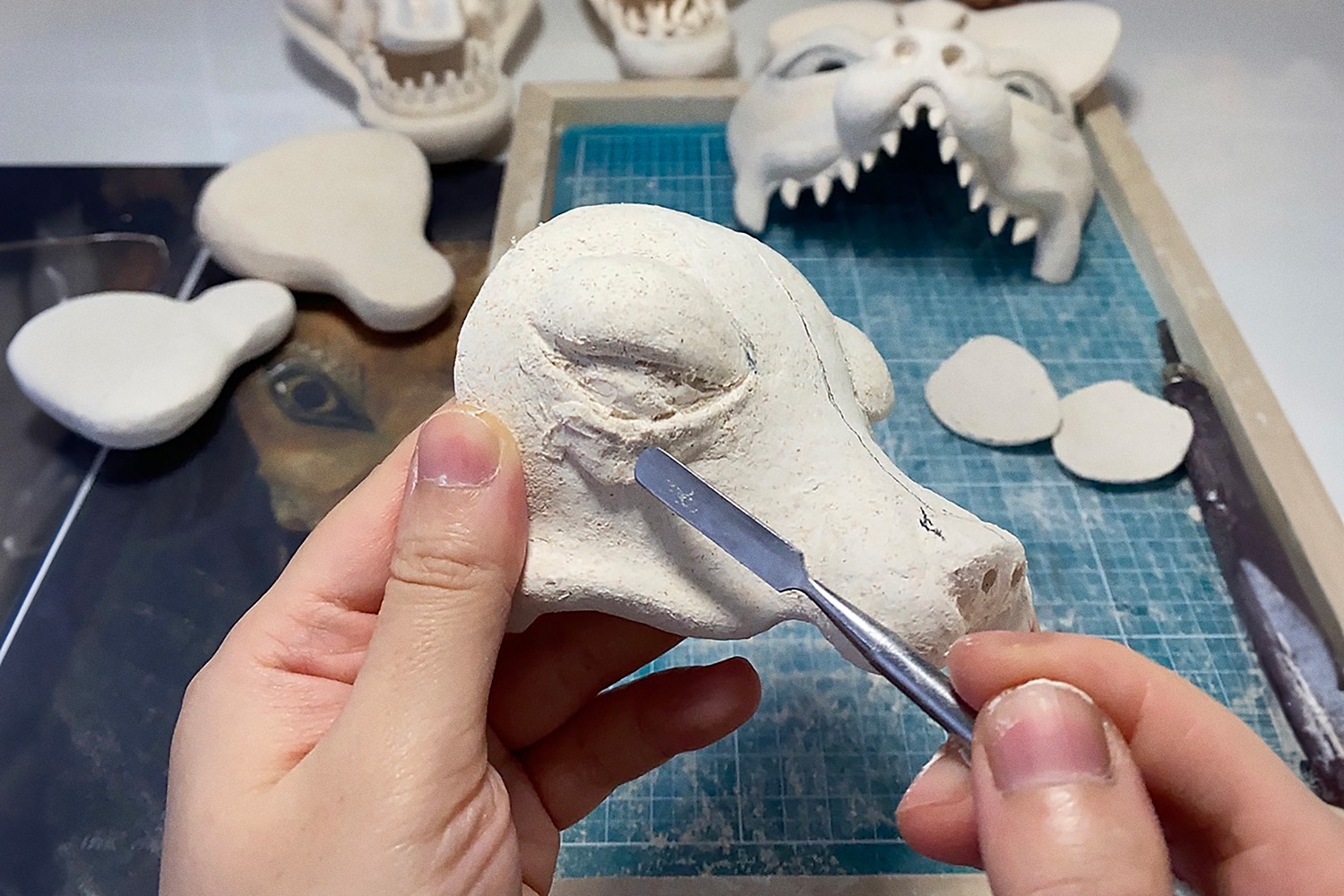
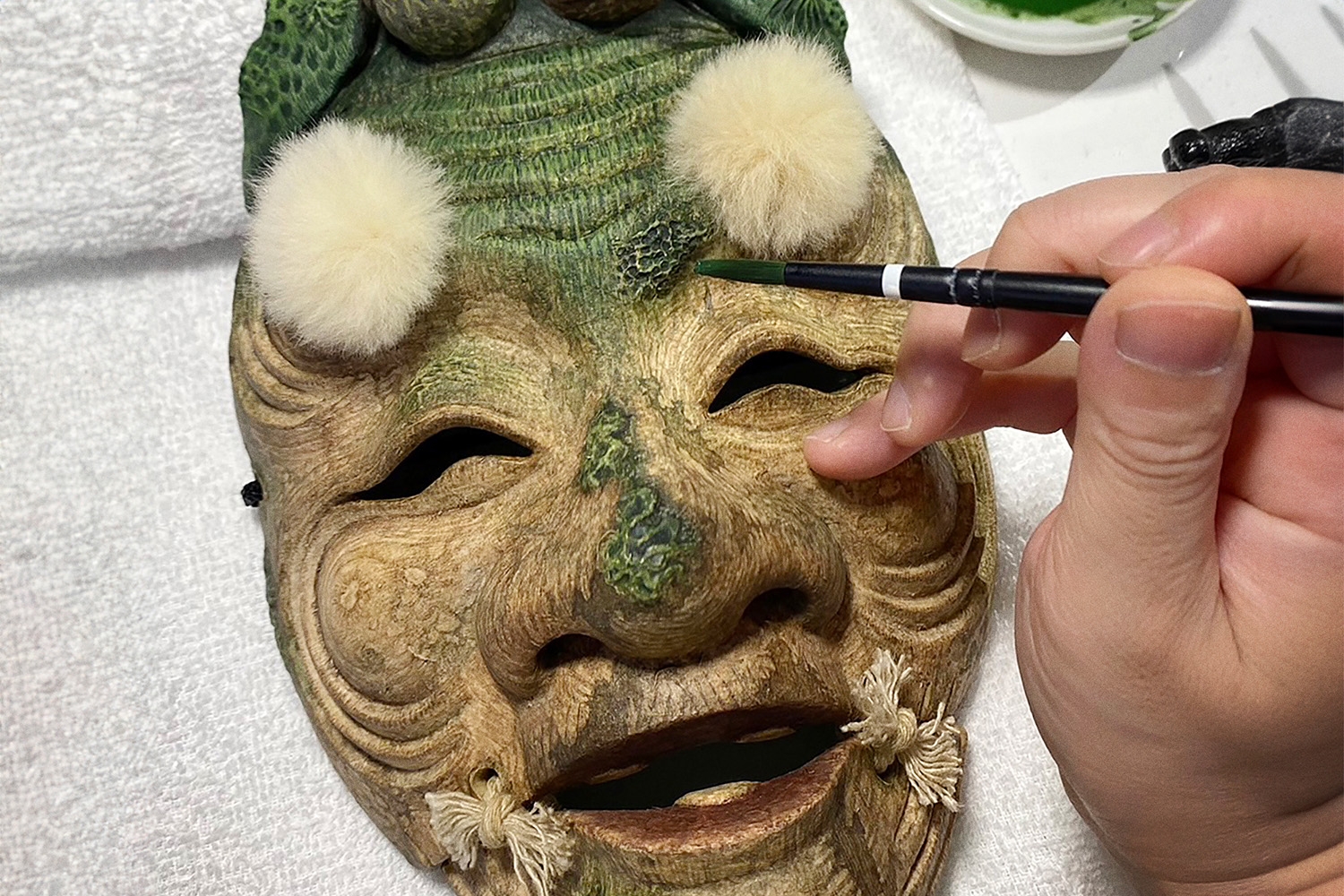
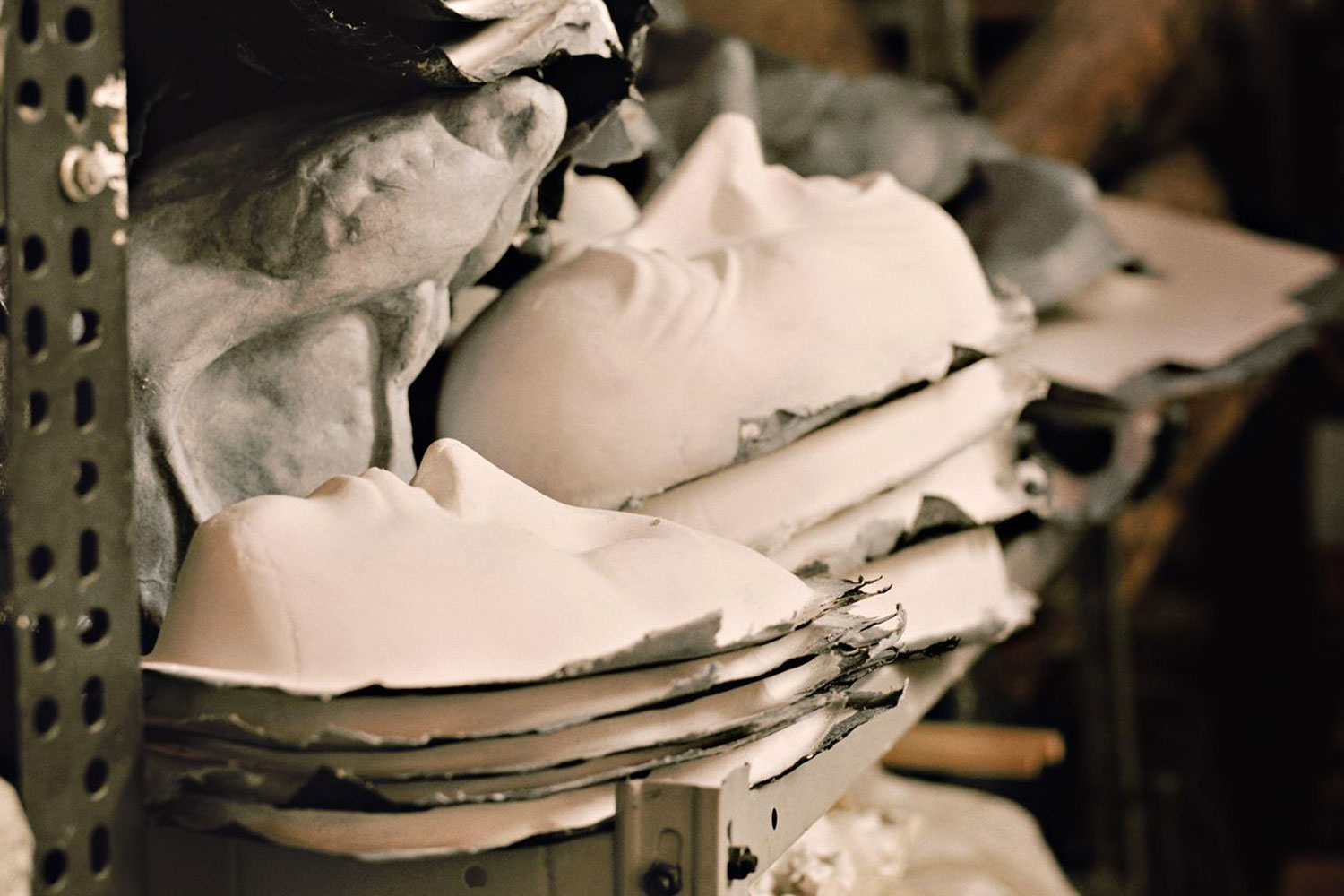
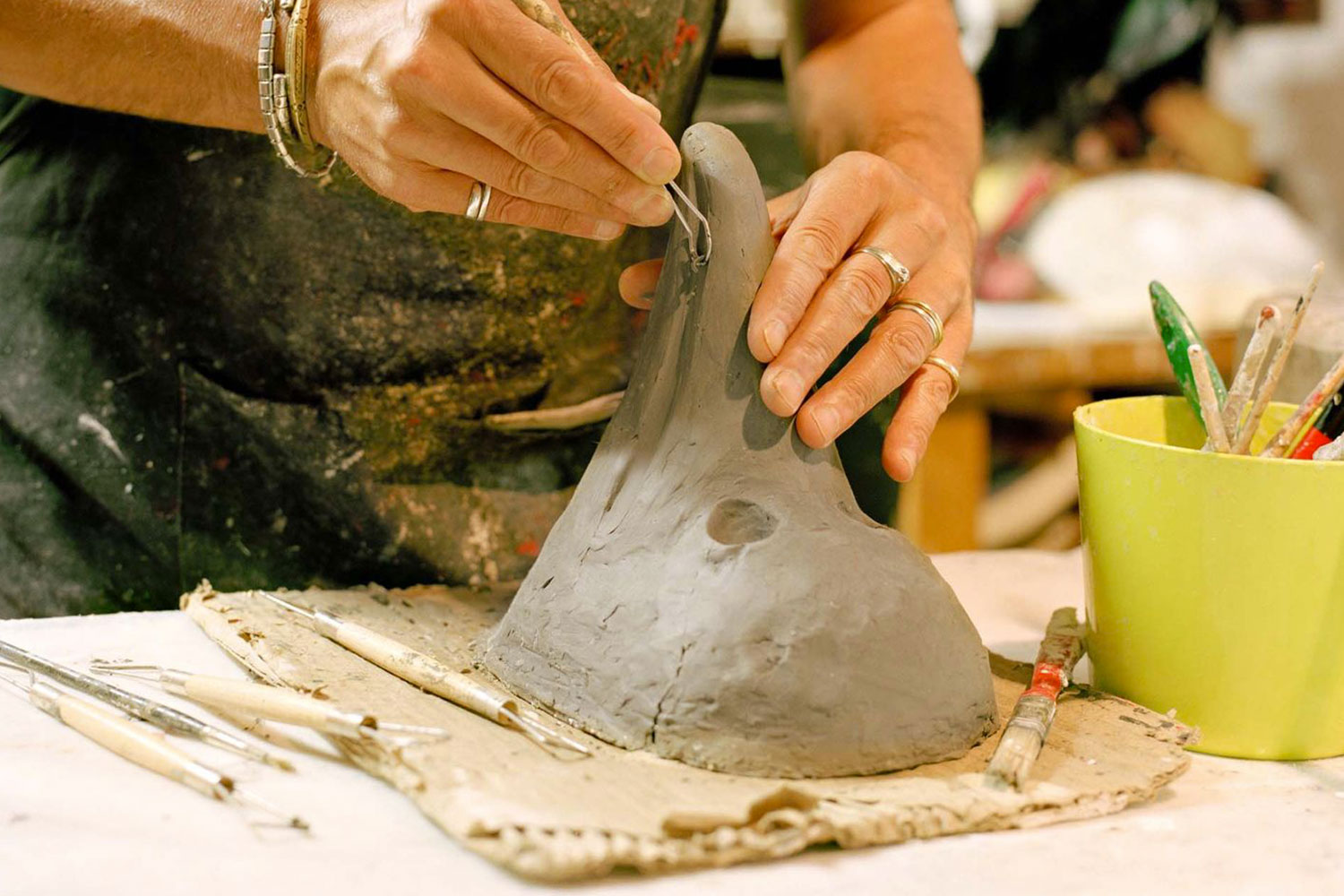
First you start with a drawing, then you create the mould in clay or plasticine. From this you obtain a negative made of plaster, scagliola or alabaster powder, in which you then model the paper with the glue. Once the mask is finished, you let it dry and finally you cut and paint it.