
Maxime Perrolle
Wood sculptor
Sèvres, France
Captivated by a living material
- Woodturning has a rich and varied 1,000 year-old history
- Maxime’s art is anchored in his respect for the environment
- Woodturning as a profession is relatively little known in France
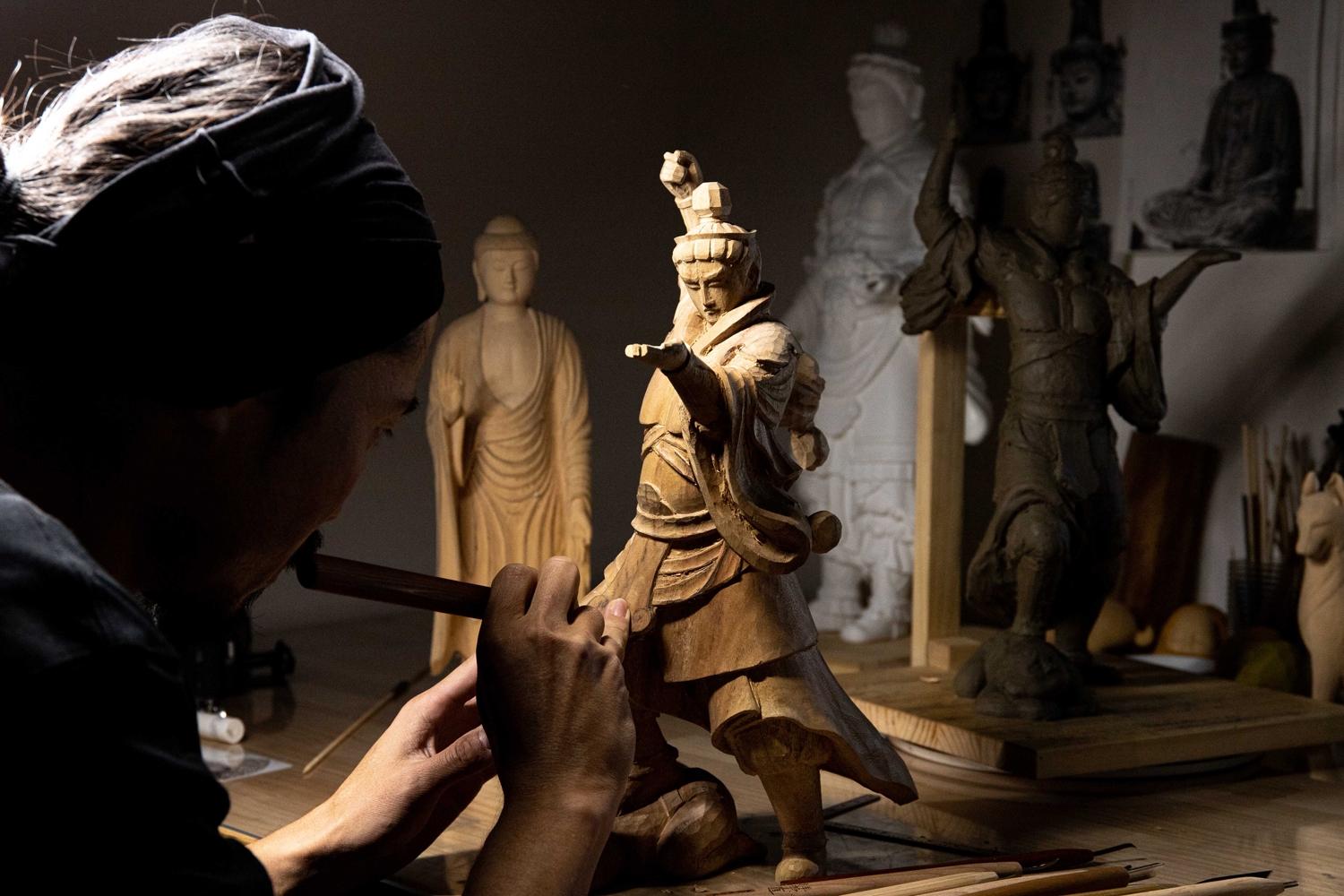
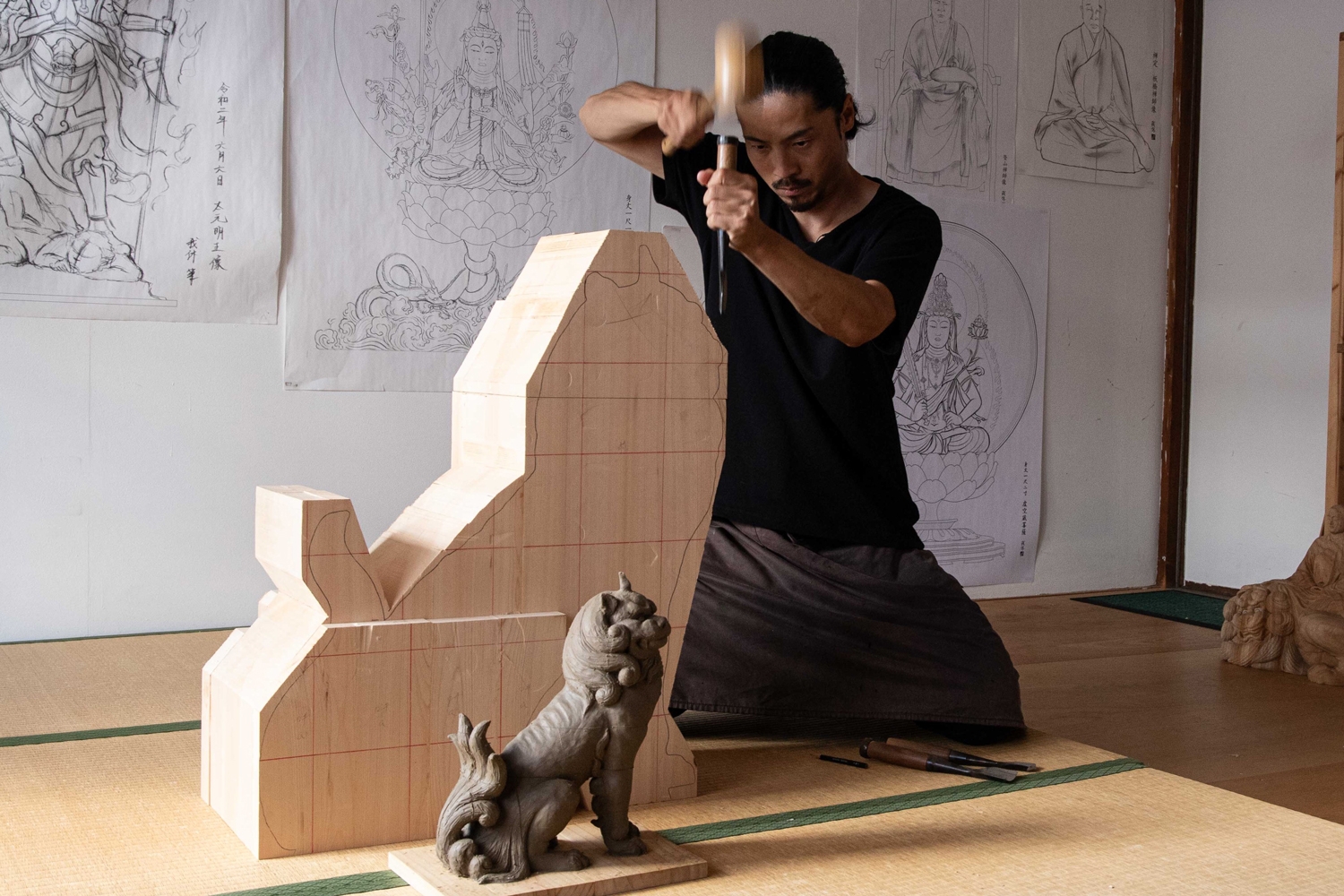
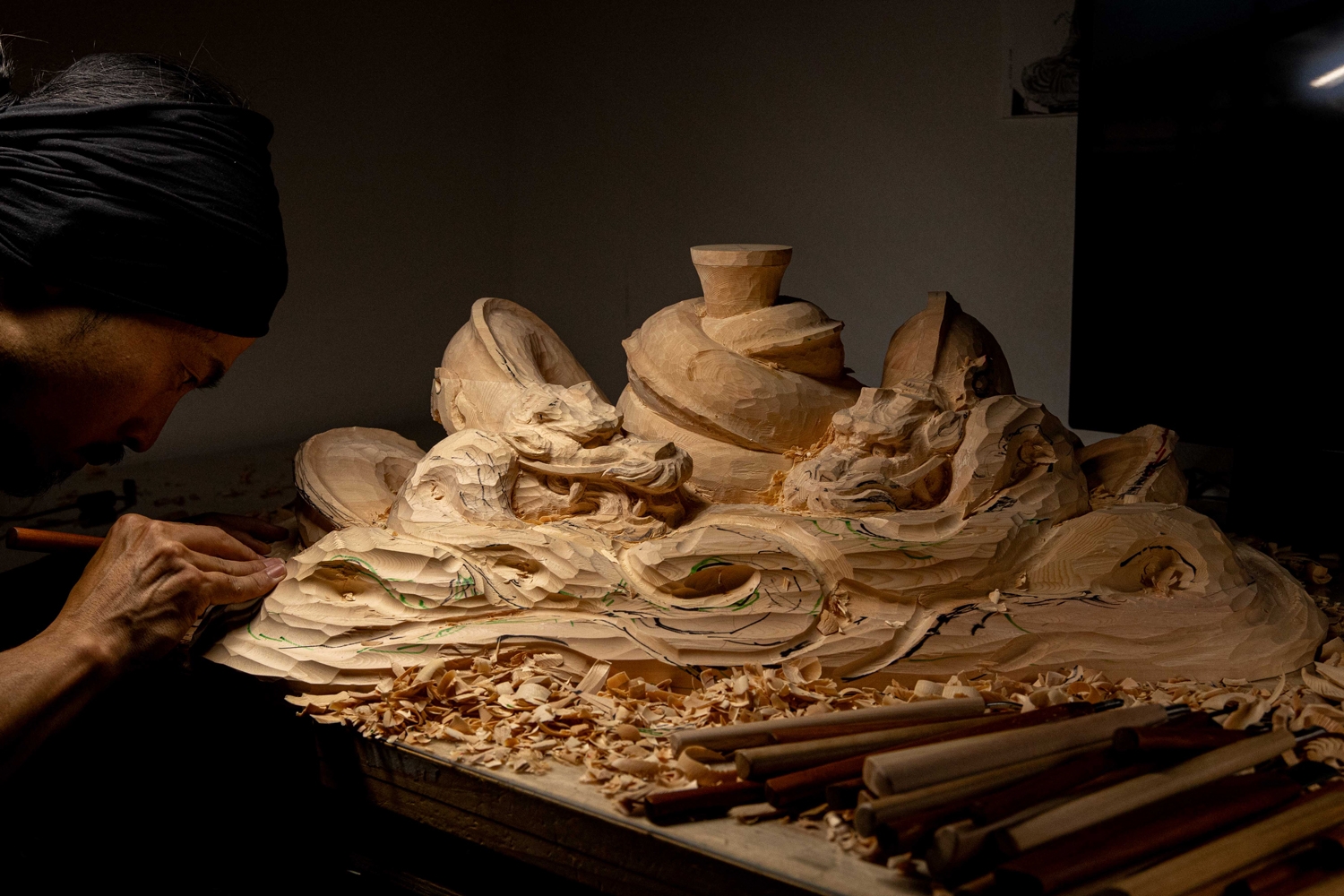
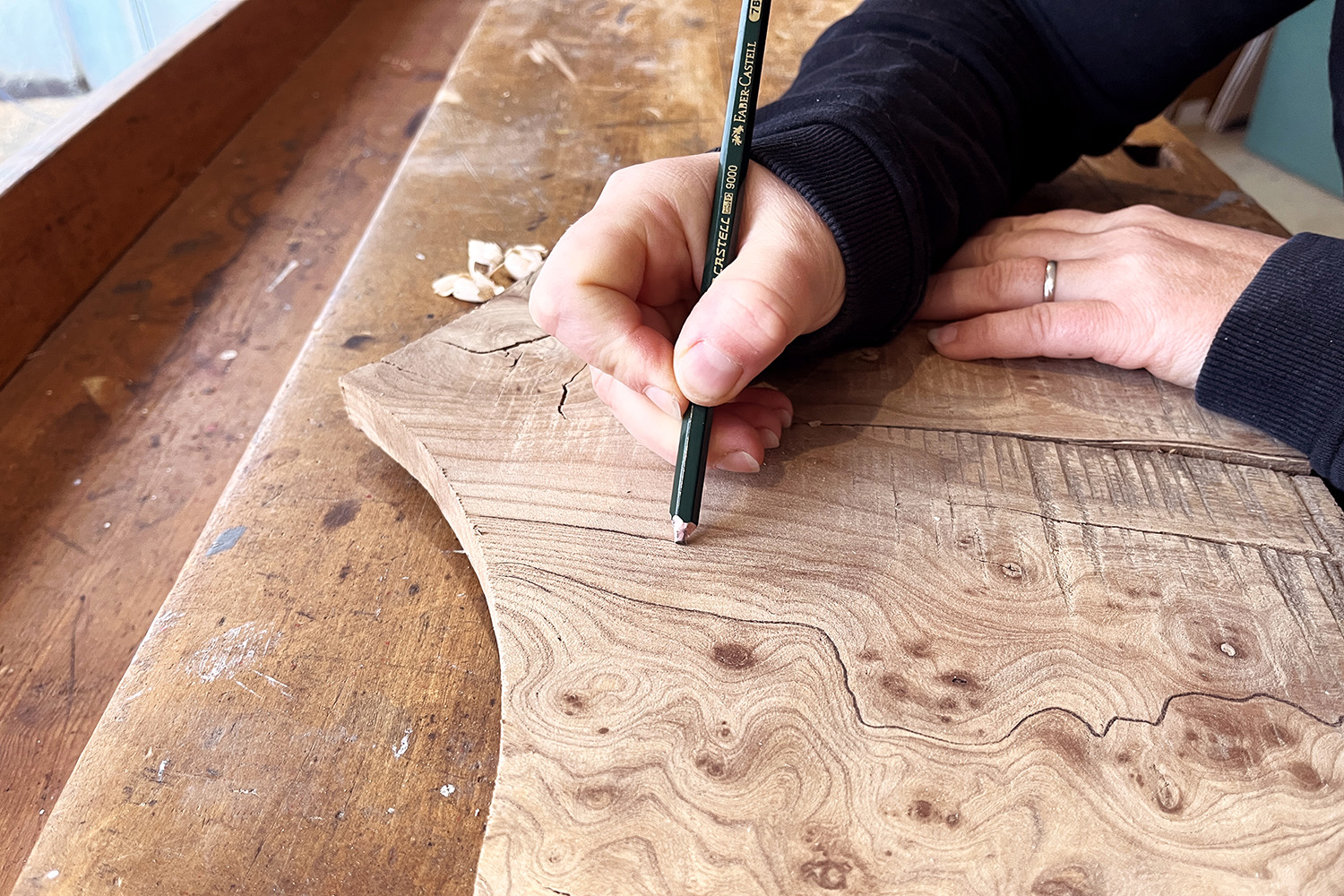
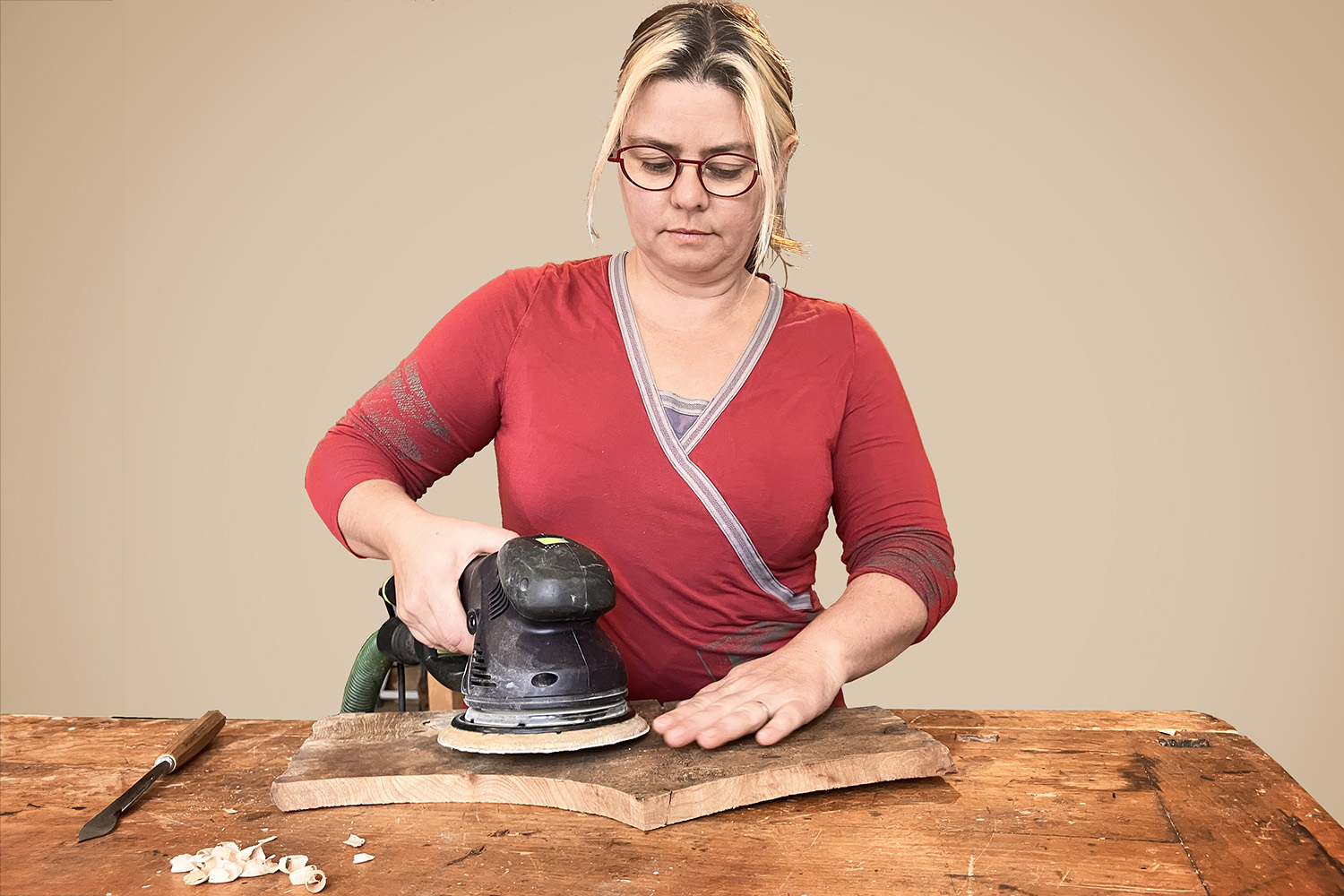
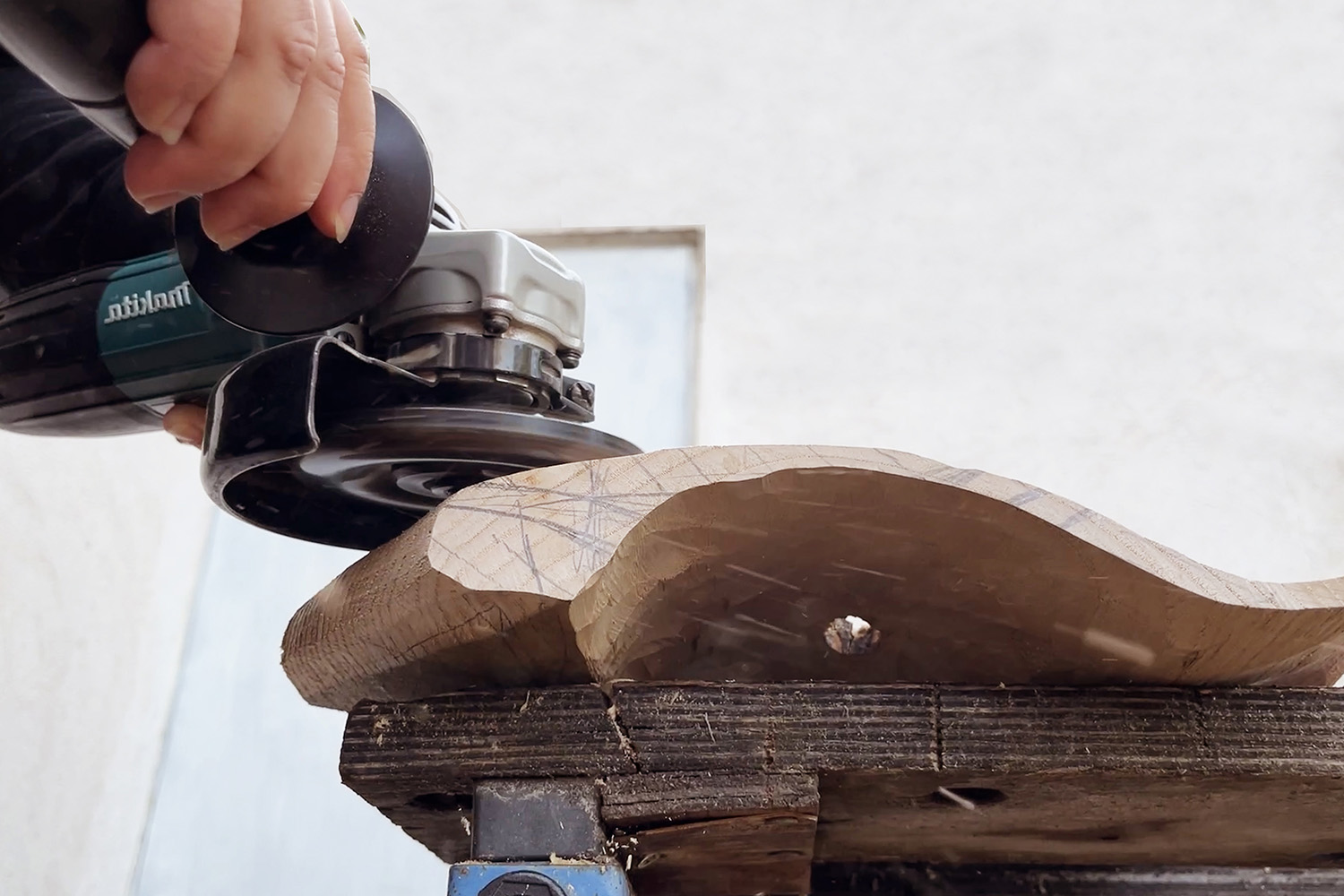
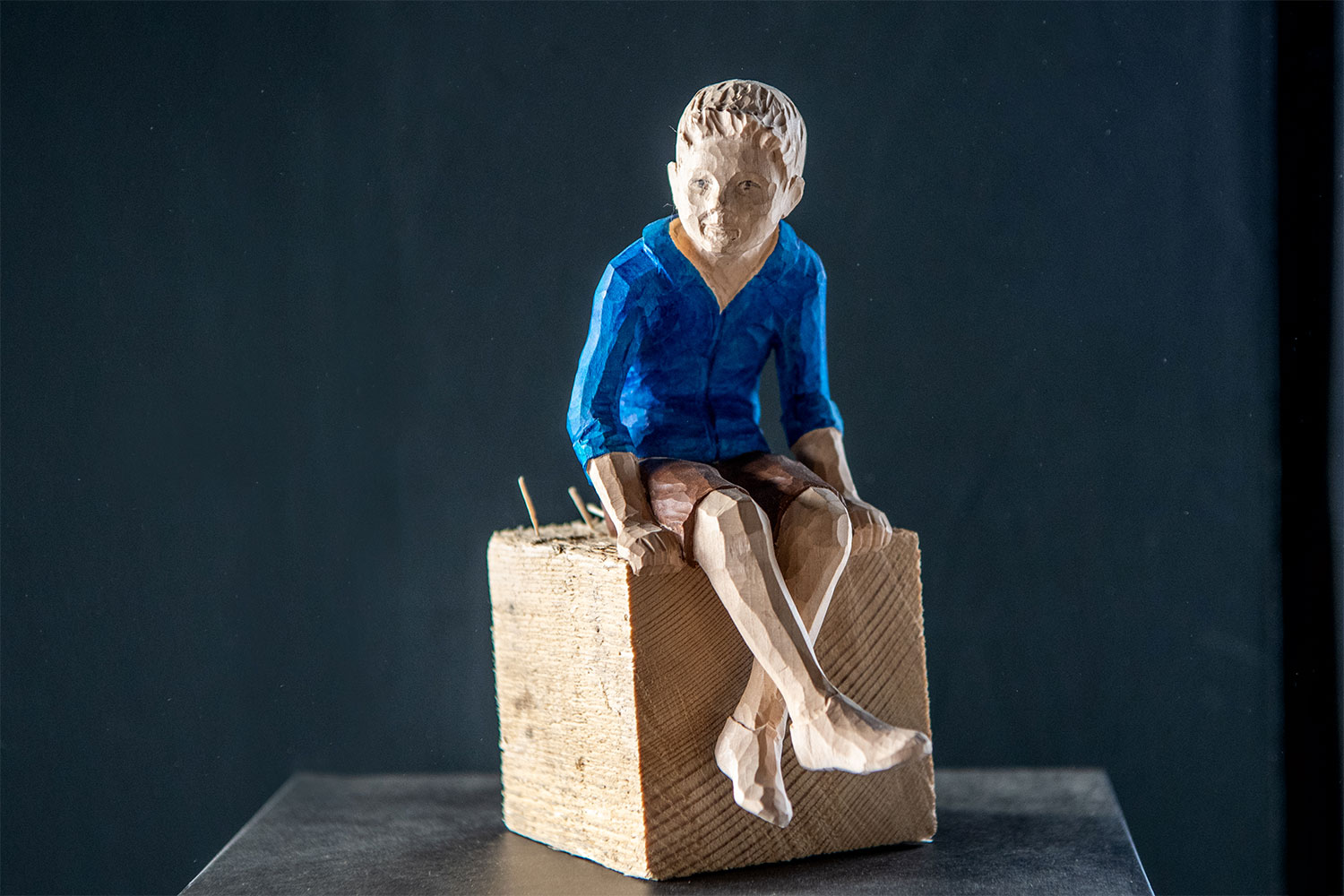
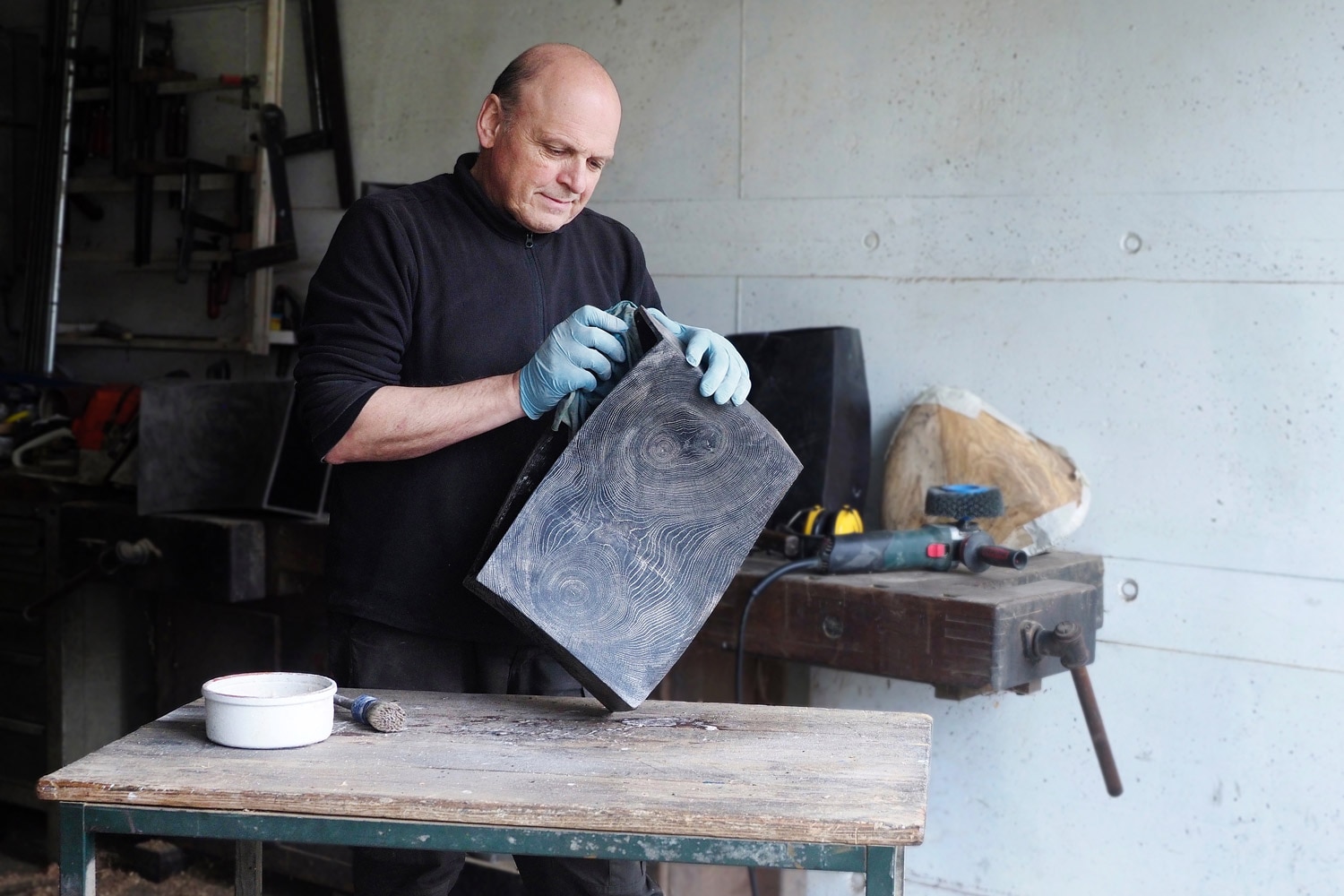
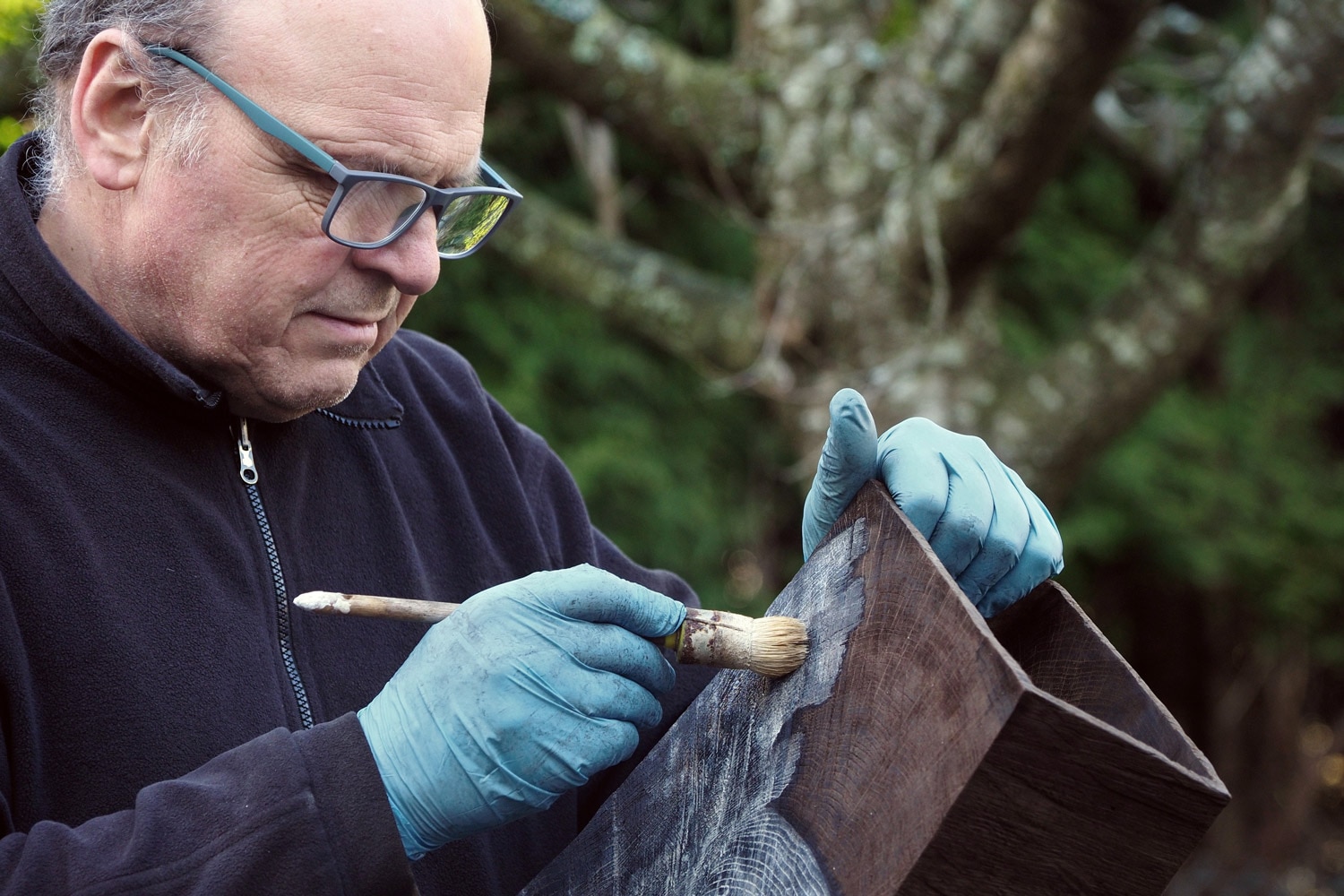
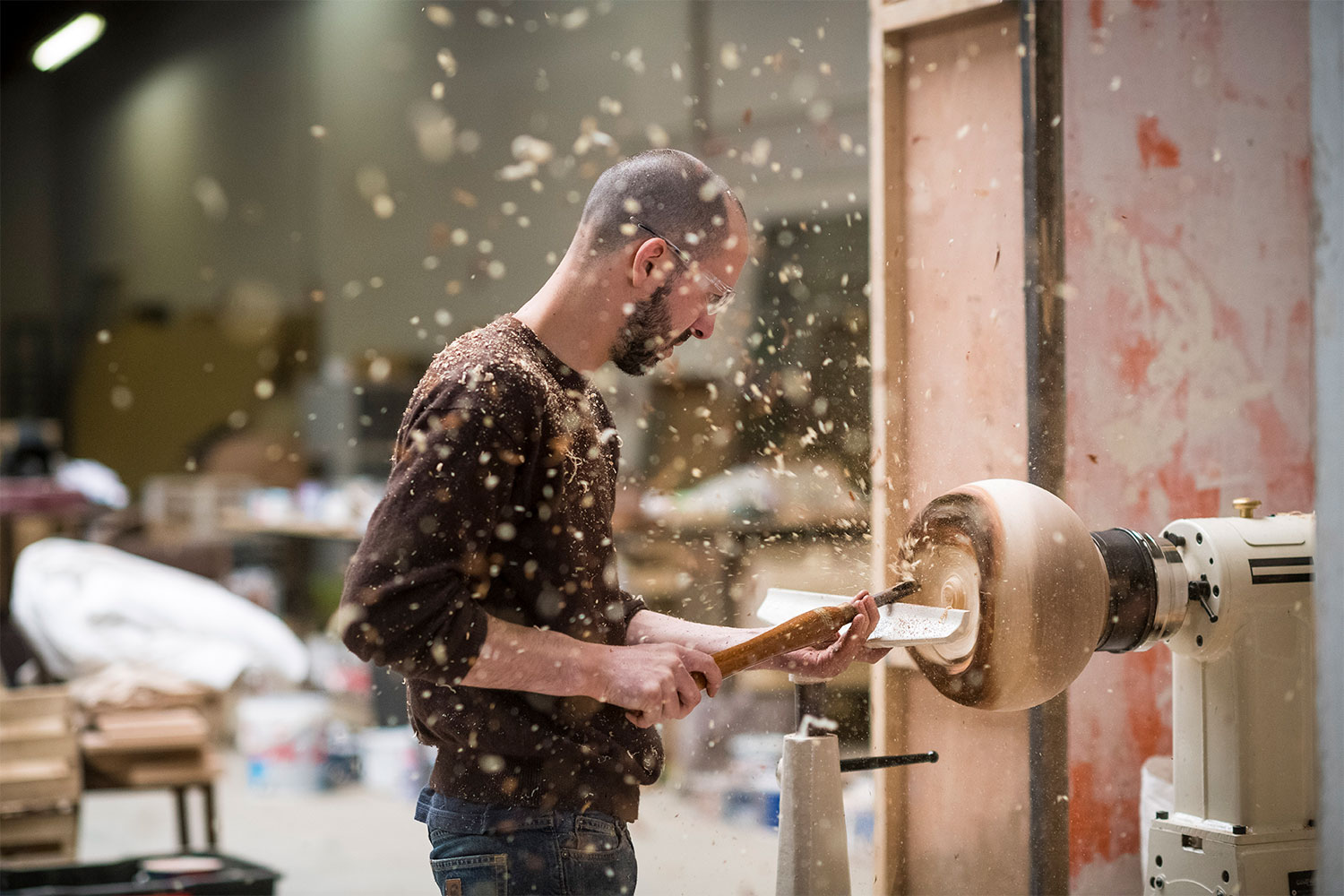
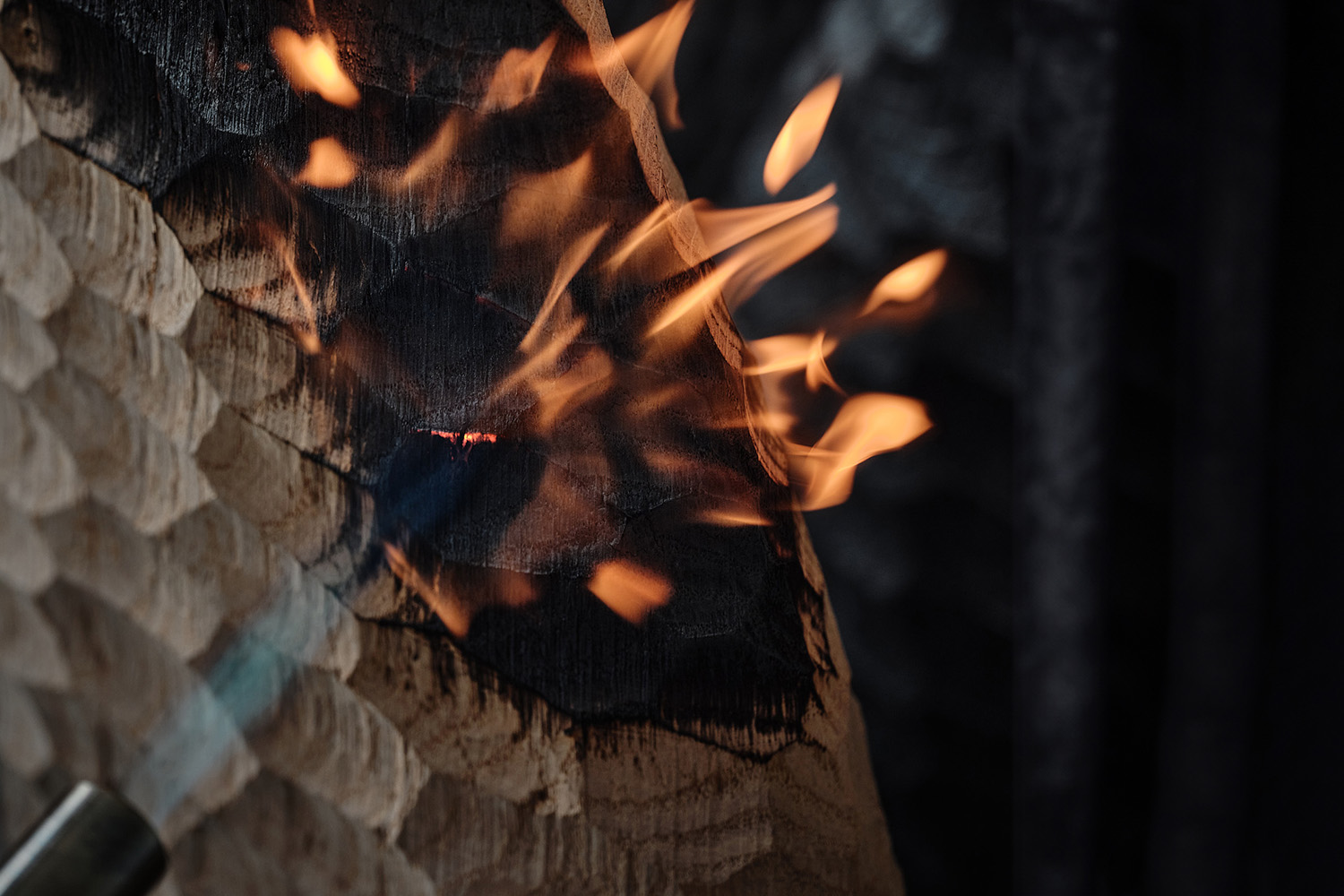
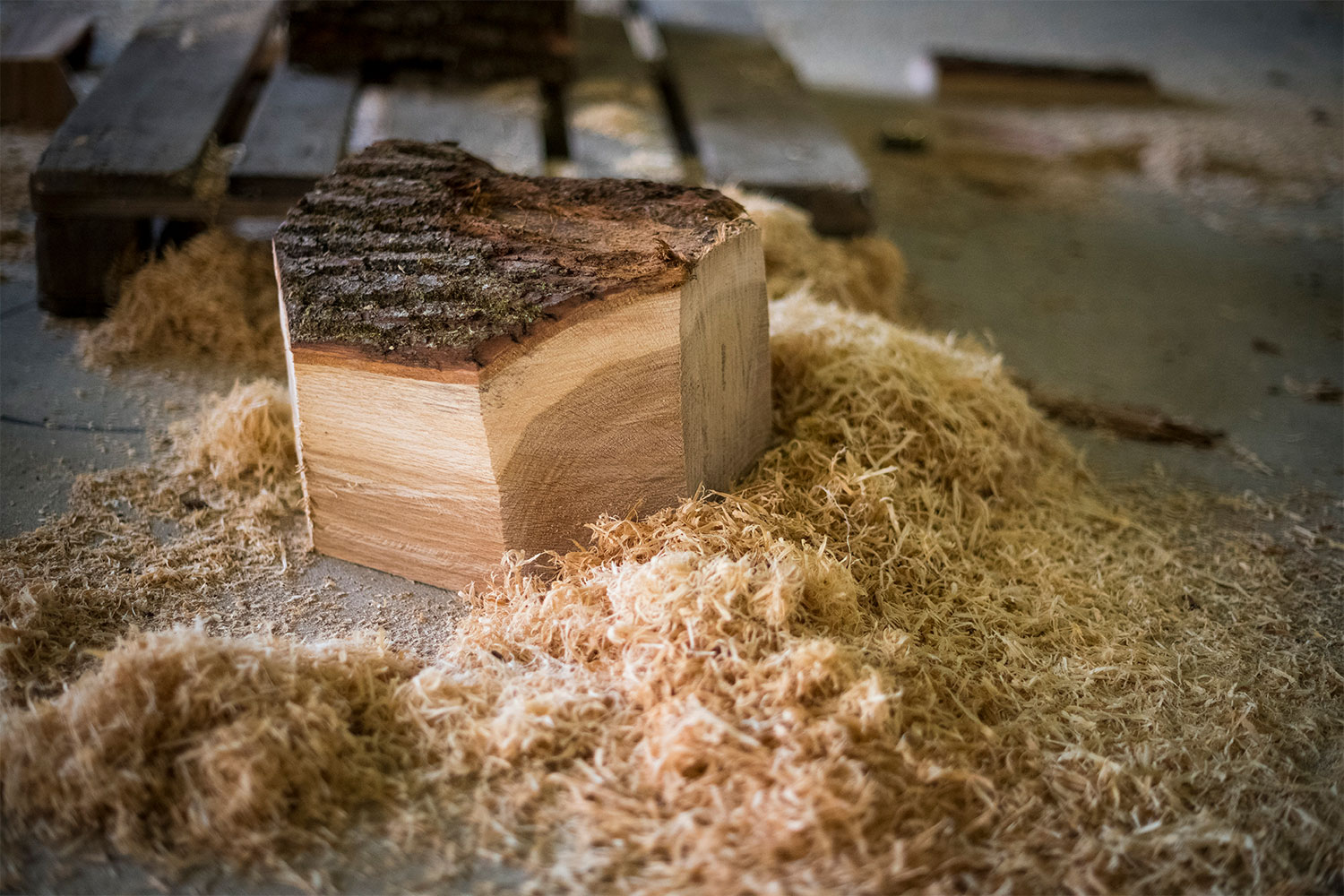
Following his training in carpentry and woodwork, Maxime Perrolle had a chance encounter with a woodturner and was immediately captivated. He began turning small pieces on his own, then sought formal training. After a year at France’s only woodturning school, the Ecole Escoulen, he founded his own workshop in 2016. “Traditional woodturning is strictly for furniture, but modern woodturning incorporates various artistic techniques to create unique works of art,” he says. Maxime only uses local materials, and his works convey a deep respect for his primary material: France’s native hard woods. “I work a lot in oak and ash, whose structure and texture are an excellent medium.”
INTERVIEW
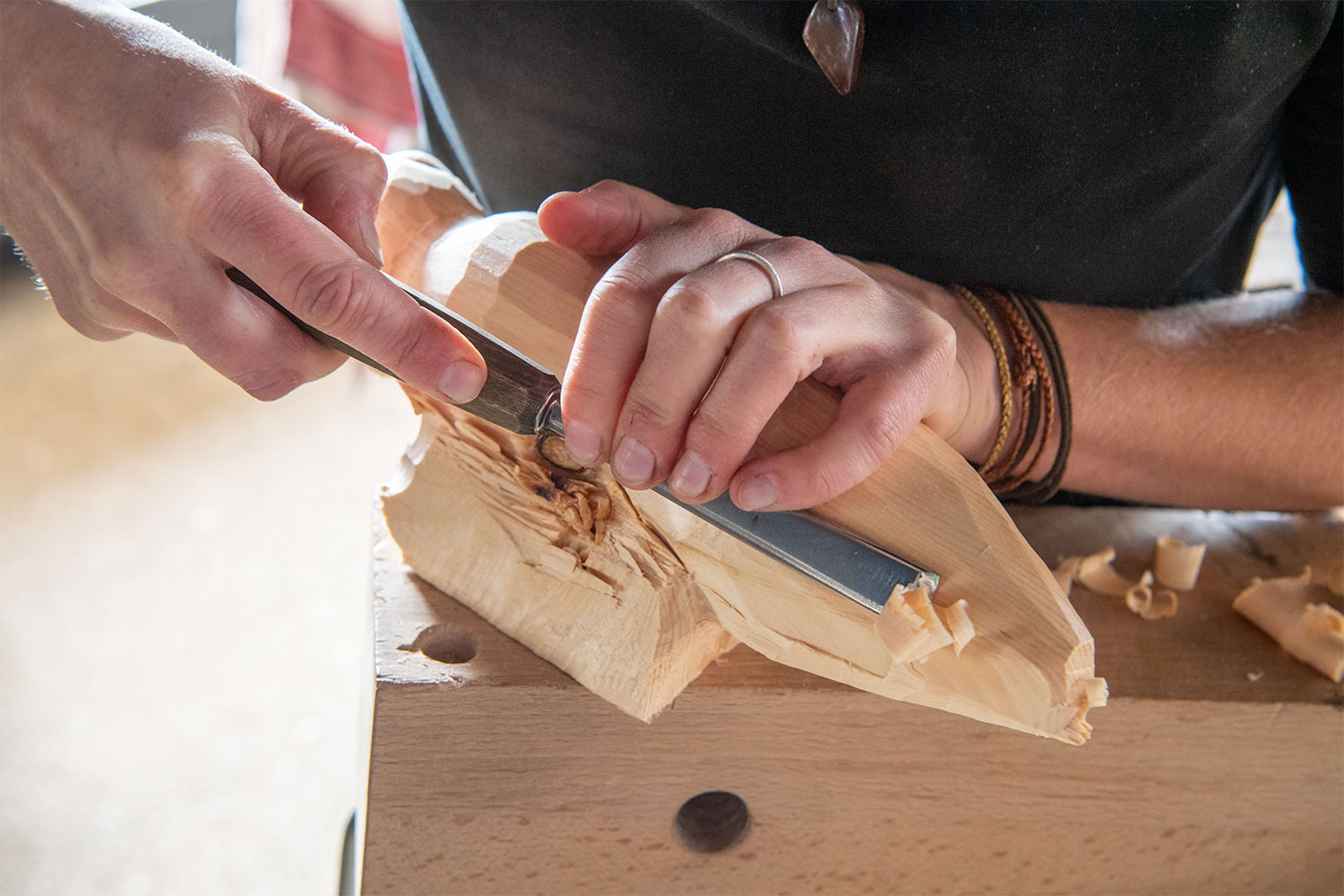
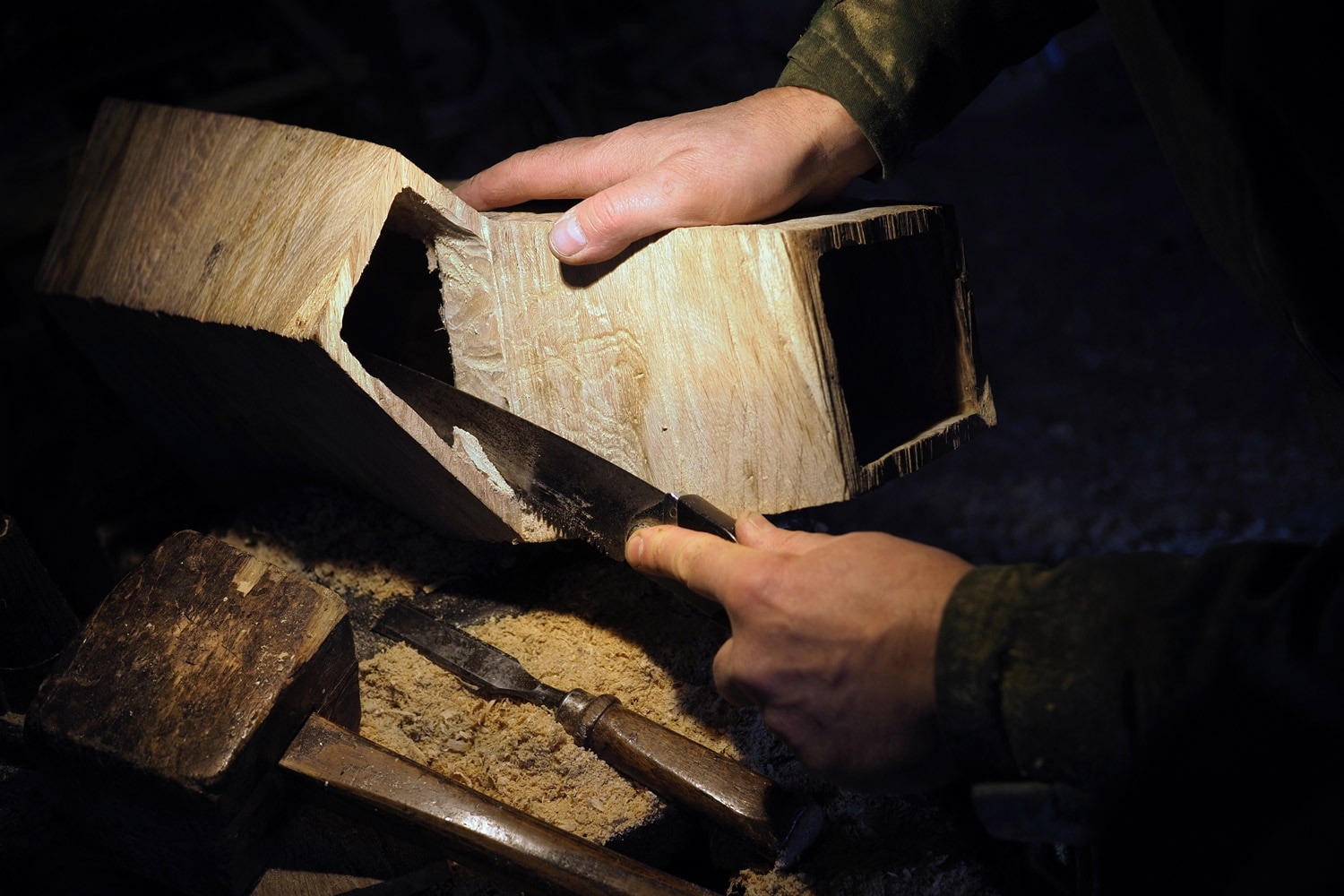
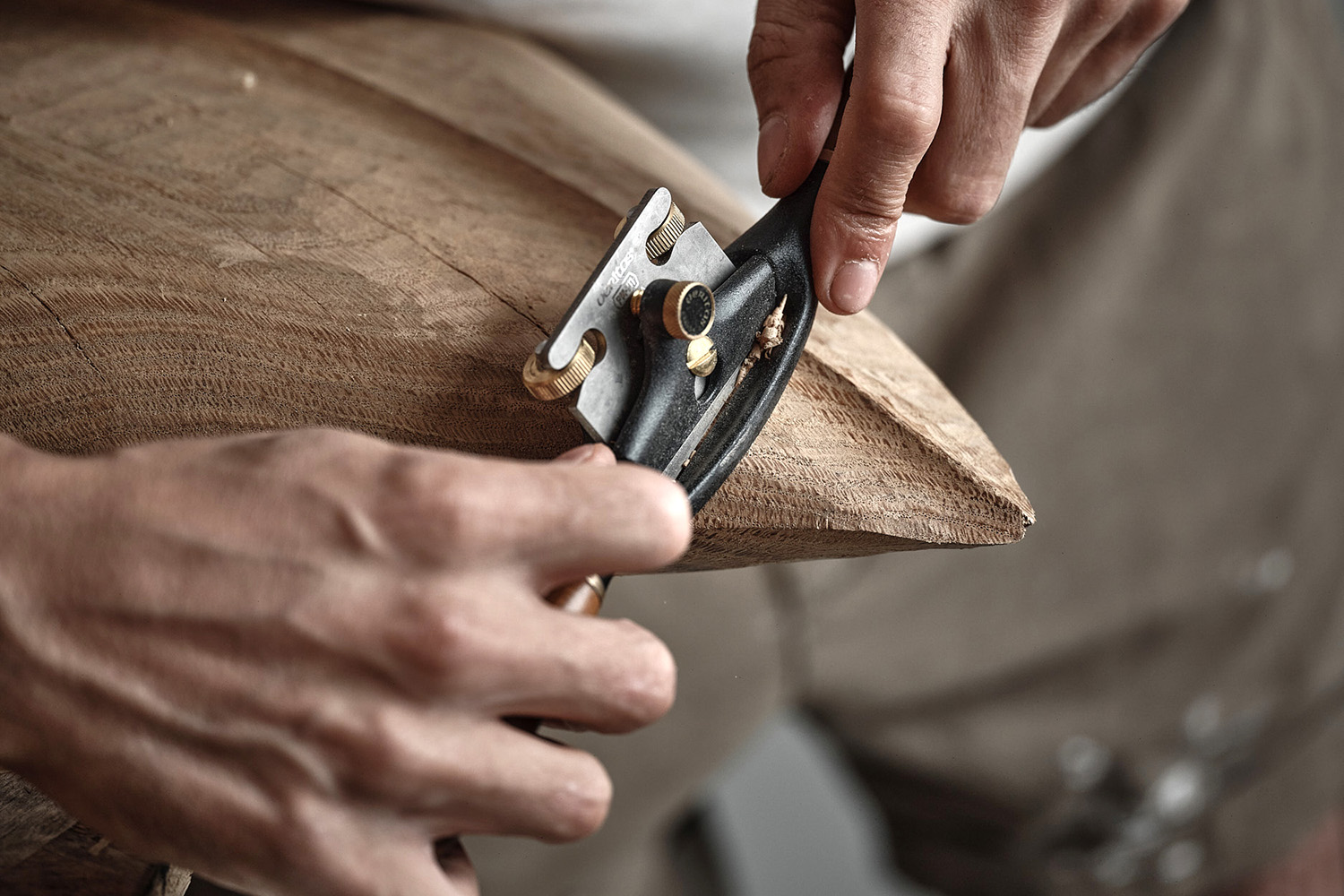
In comparison to woodworking for furniture, which mostly uses already cut planks of wood and has little contact with the material as a whole, I enjoy how woodturning involves working with the wood from its raw form all the way to a final object.
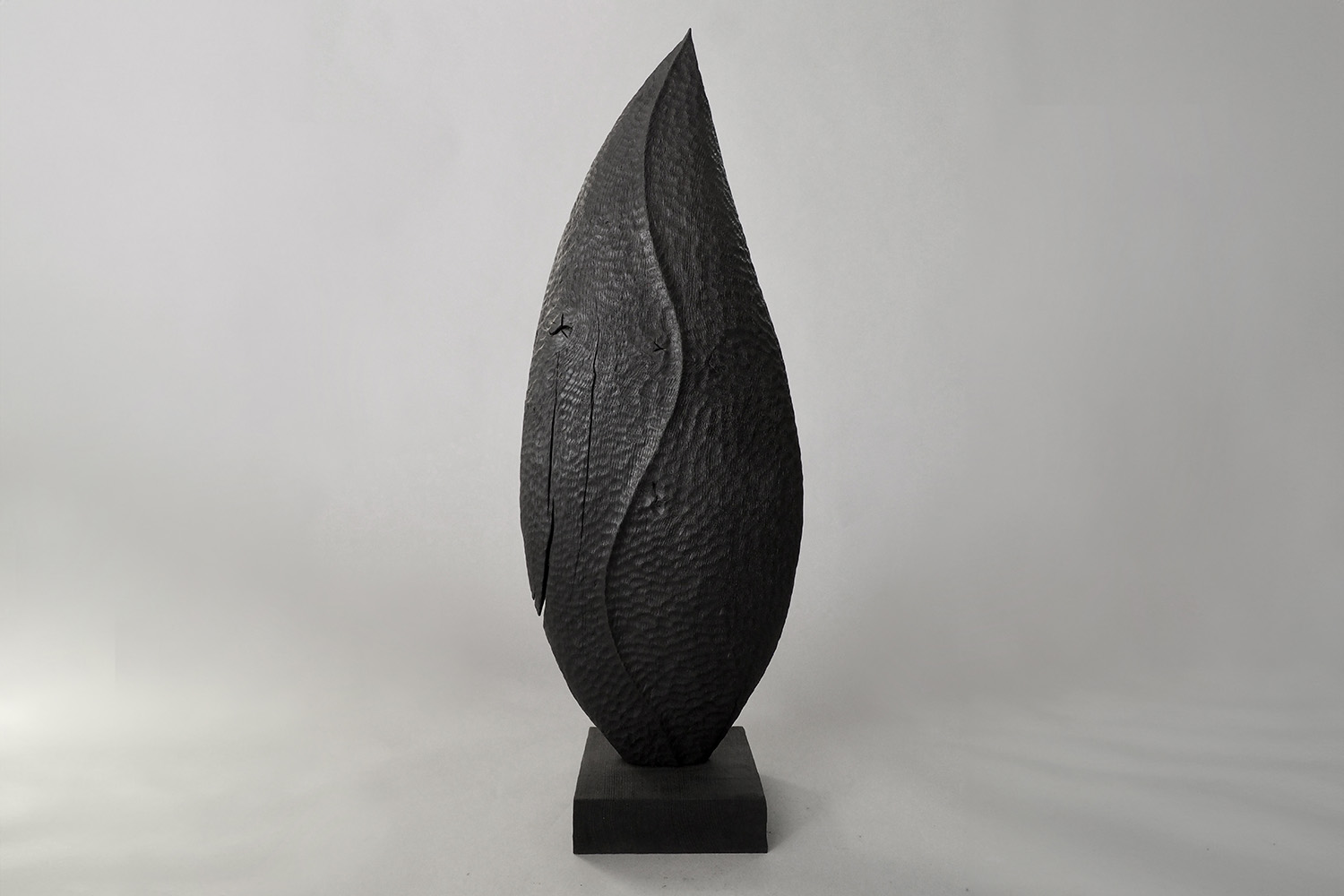
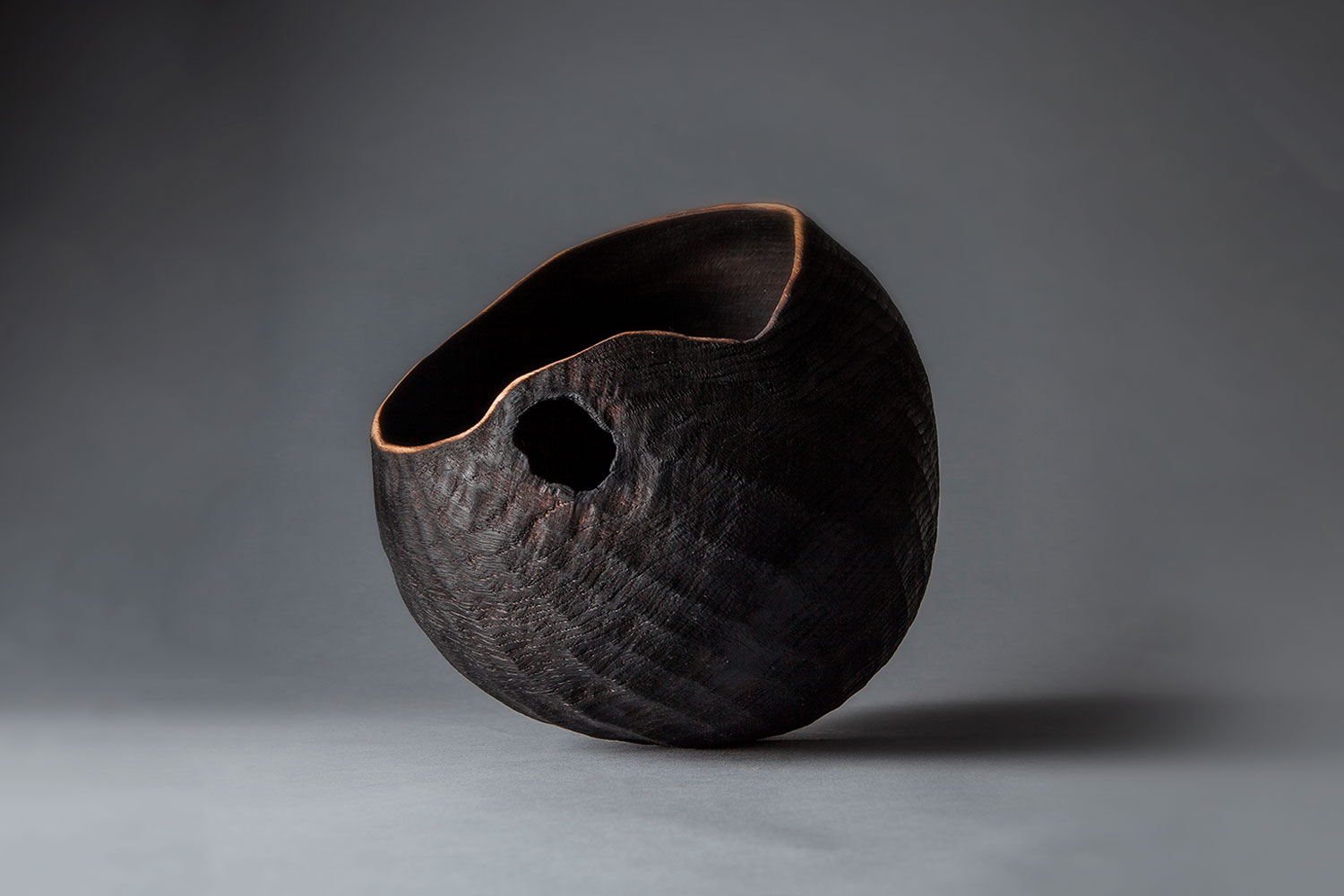
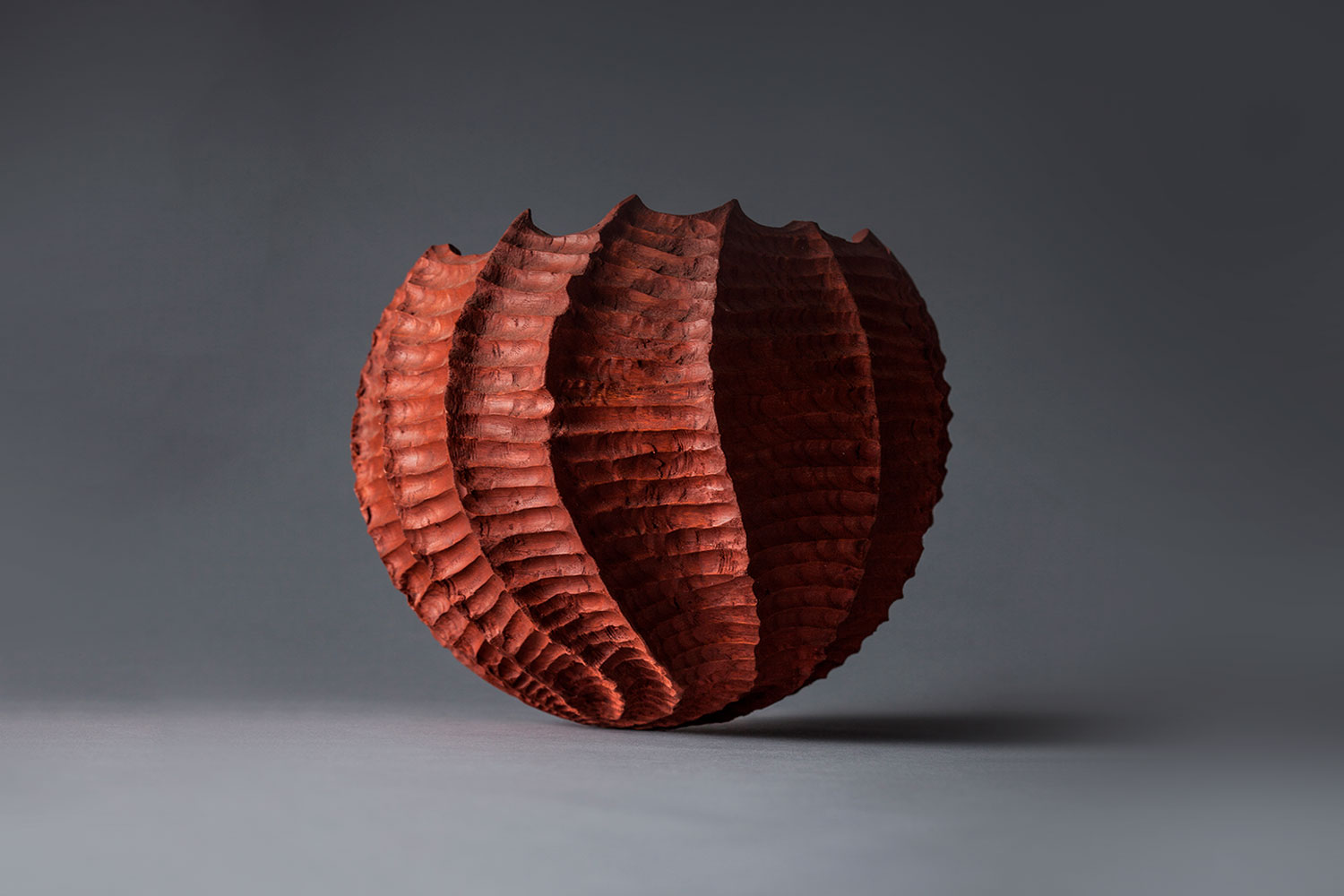
I’m very interested in the balance point of an object, and as I’m finishing a specific piece, I will place it on the smallest possible surface, which highlights its curves. This way each piece can find its balance point on its own.
I’m inspired by a range of themes and individuals – definitely by other woodturners, both traditional and contemporary, as well as by ceramics, Japanese arts and crafts, the idea of balance, and also by sculpture. I’m currently fascinated by minerals.
I work sometimes with green wood, which means that a piece will continue to transform itself, deform itself, after I’ve completed it. This means that I’m no longer the master of the piece, it will continue to 'work' itself once I’ve finished.
Maxime Perrolle
Wood sculptor
Sèvres, France
AVAILABILITY
By appointment only
PHONE
+33 624451569
LANGUAGES
French, English
Homo Faber Finds is a new service aiming to inspire admirers of craft to connect and collaborate with exceptional artisans.
We invite you to submit an enquiry here.

DSC02402_©Meg-Lovell.jpg)
DSC01379_©Meg-Lovell.jpg)
DSC01458_©Meg-Lovell.jpg)