©All rights reserved
©All rights reserved
©All rights reserved
©All rights reserved
©All rights reserved
©All rights reserved
Massimiliano Pelletti
Marble worker
Pietrasanta, Italy
©All rights reserved
©All rights reserved
©All rights reserved
©All rights reserved
©All rights reserved
©All rights reserved
©All rights reserved
©All rights reserved
©All rights reserved
©All rights reserved
©All rights reserved
©All rights reserved
Sculpting beyond marble
- Massimiliano's sculptures are inspired by archaeology, anthropology and geology
- He turns stone's flaws into sculptural characteristics
- He works with marble, a key material from his hometown, Pietrasanta
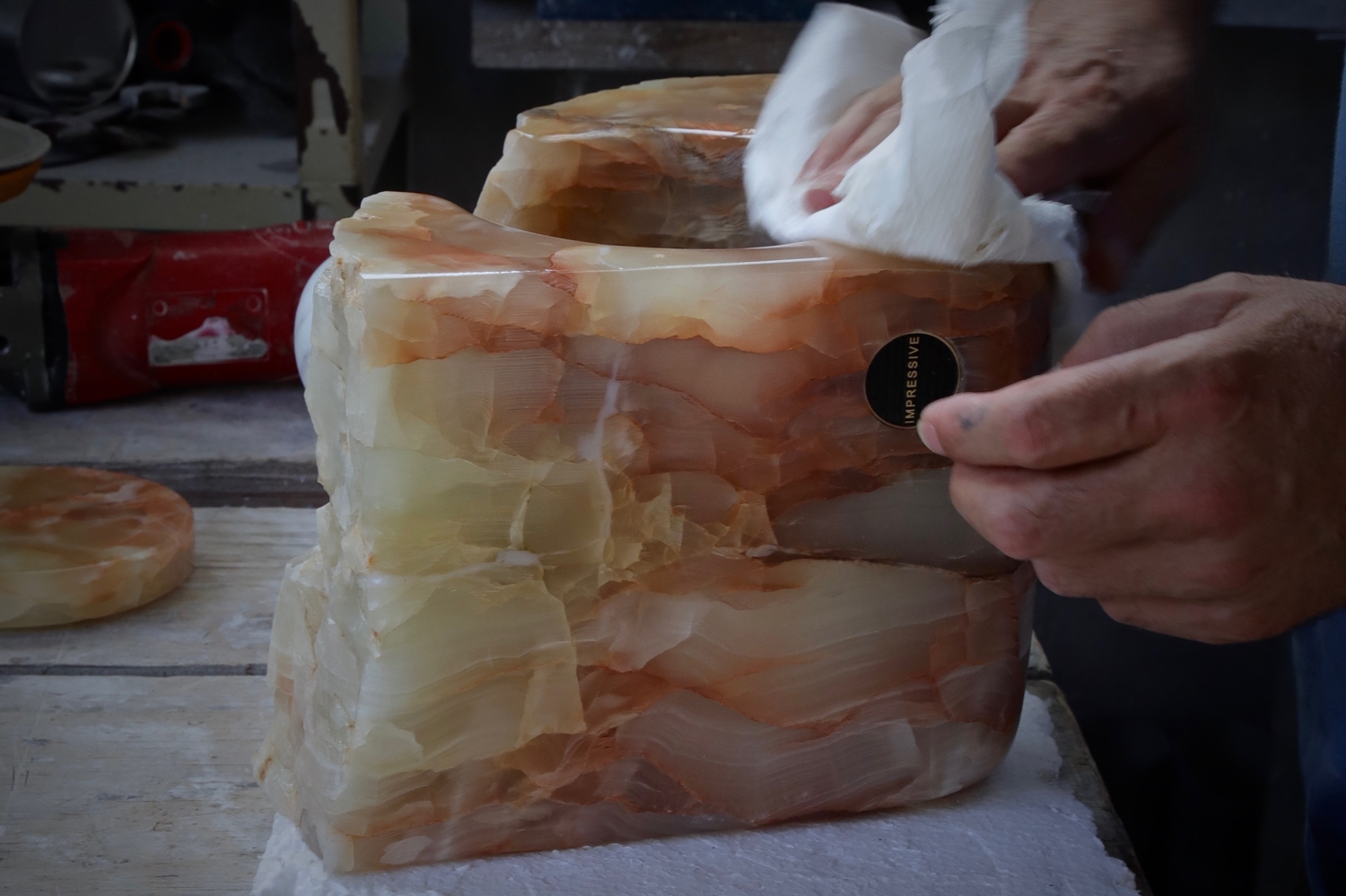
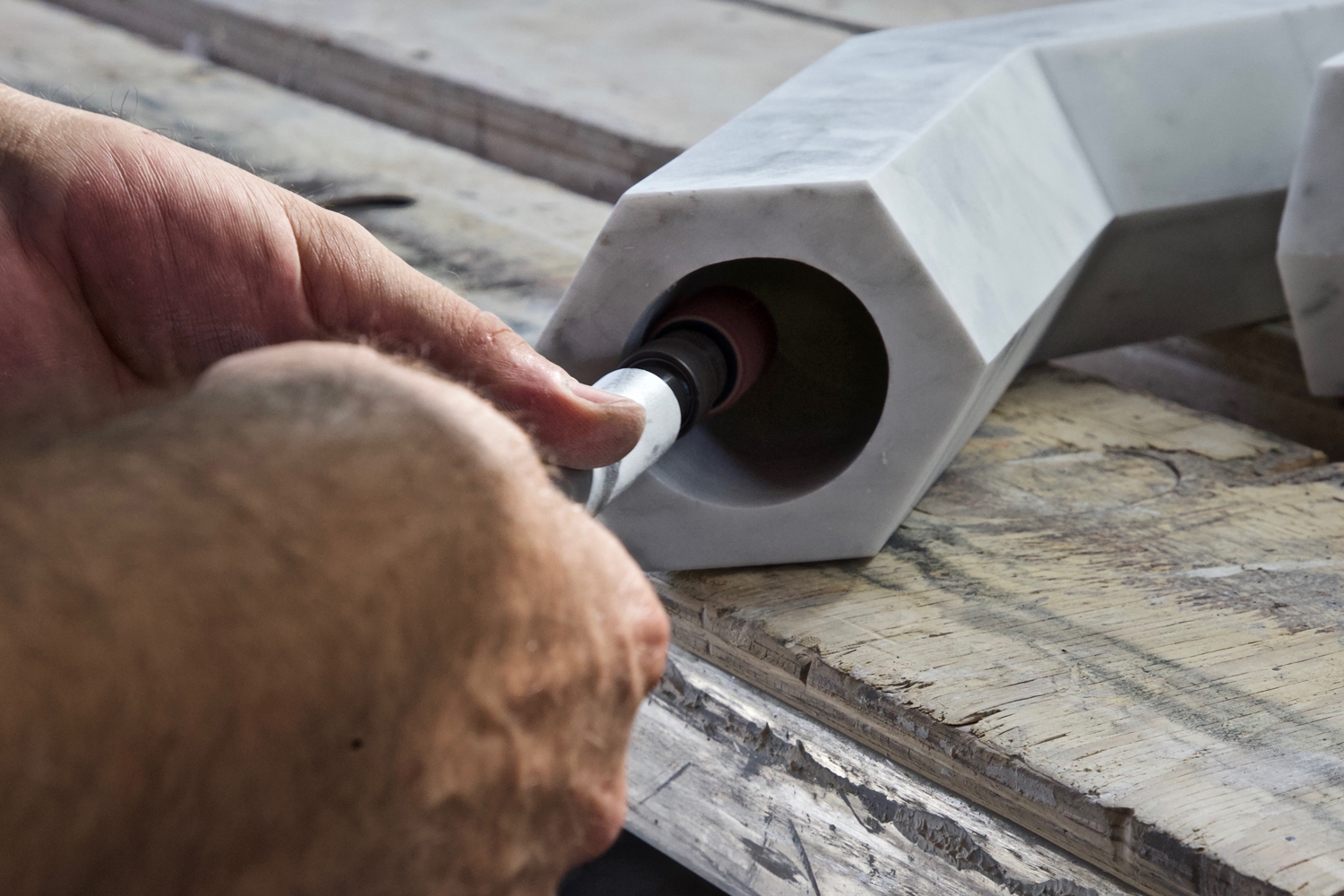
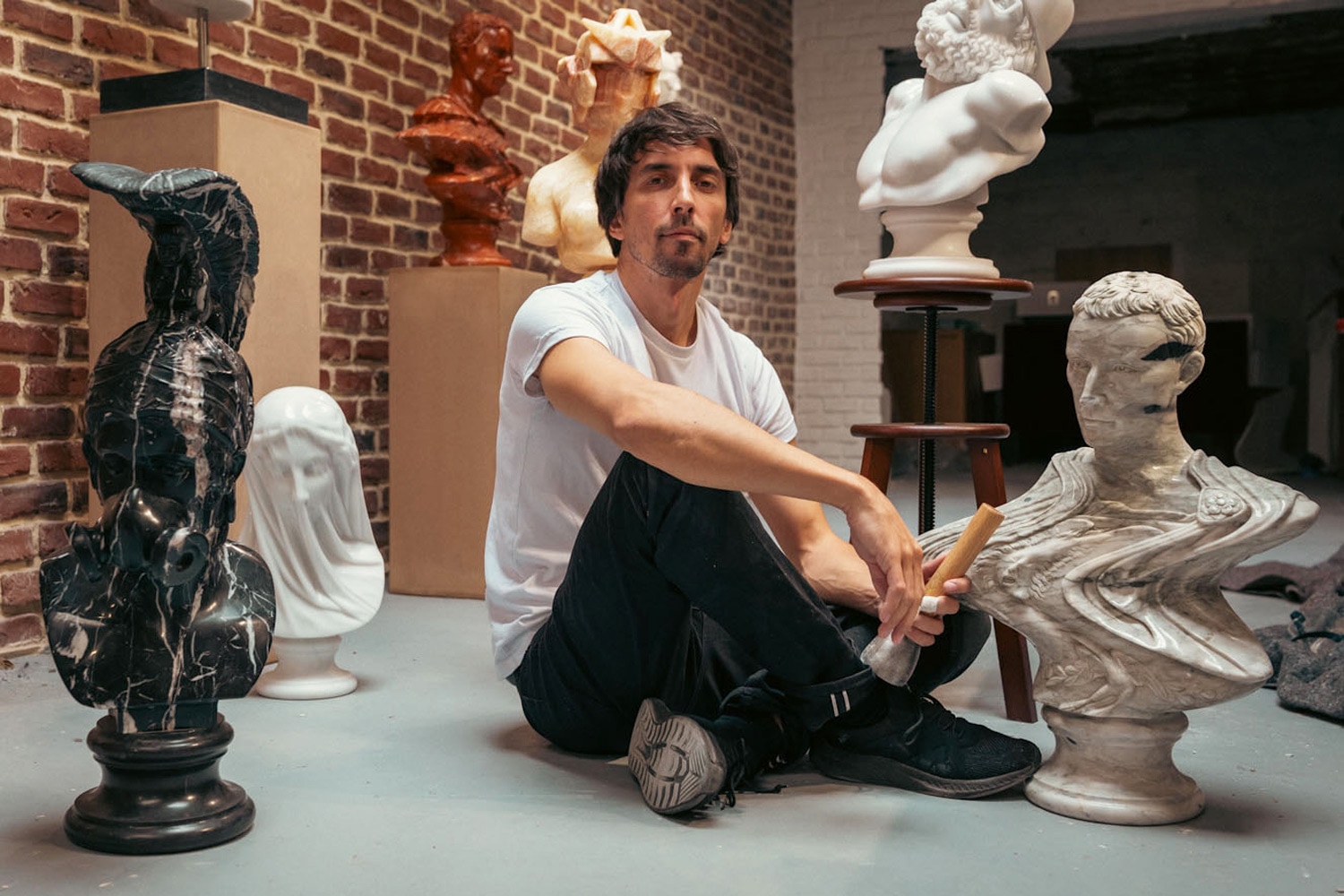
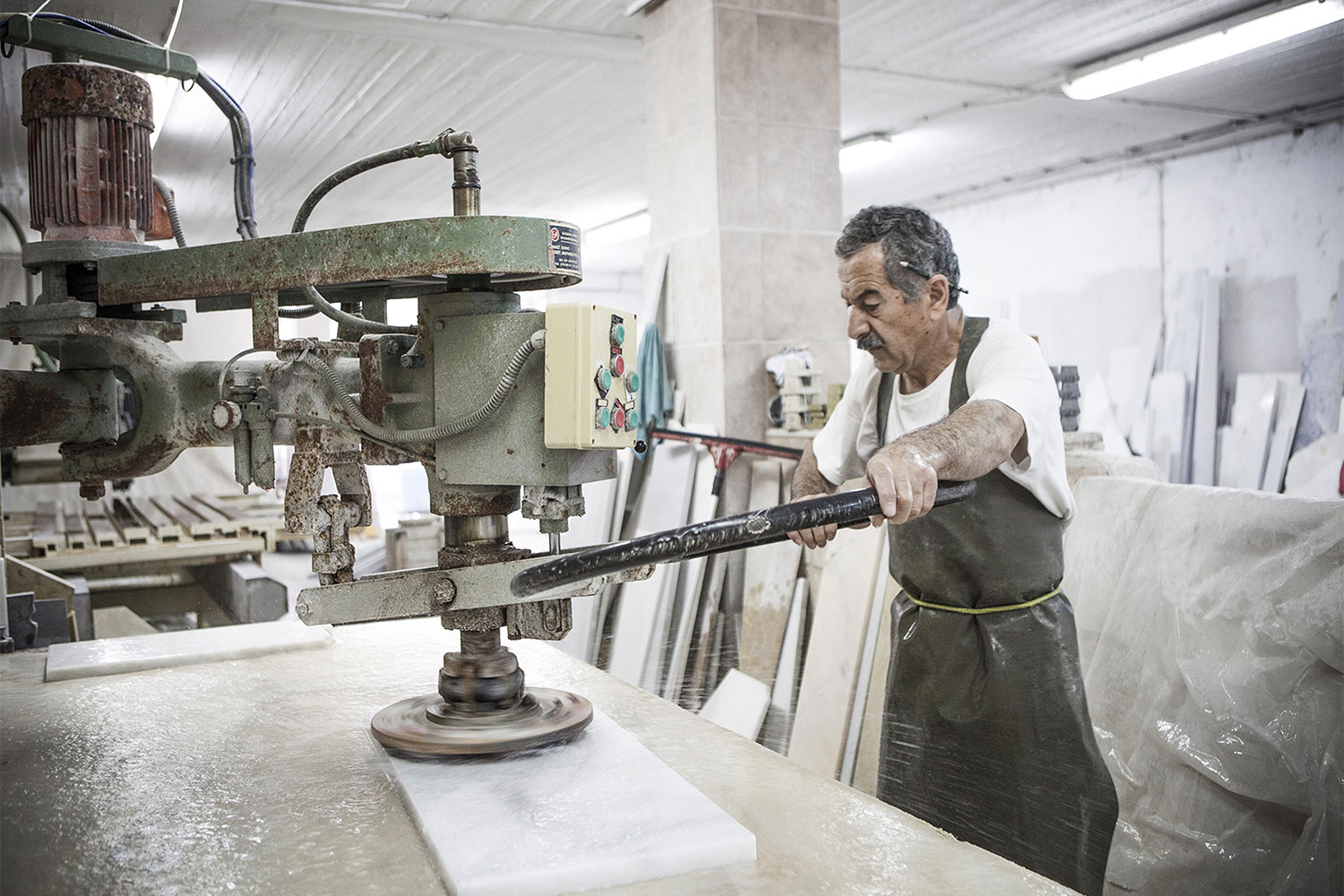
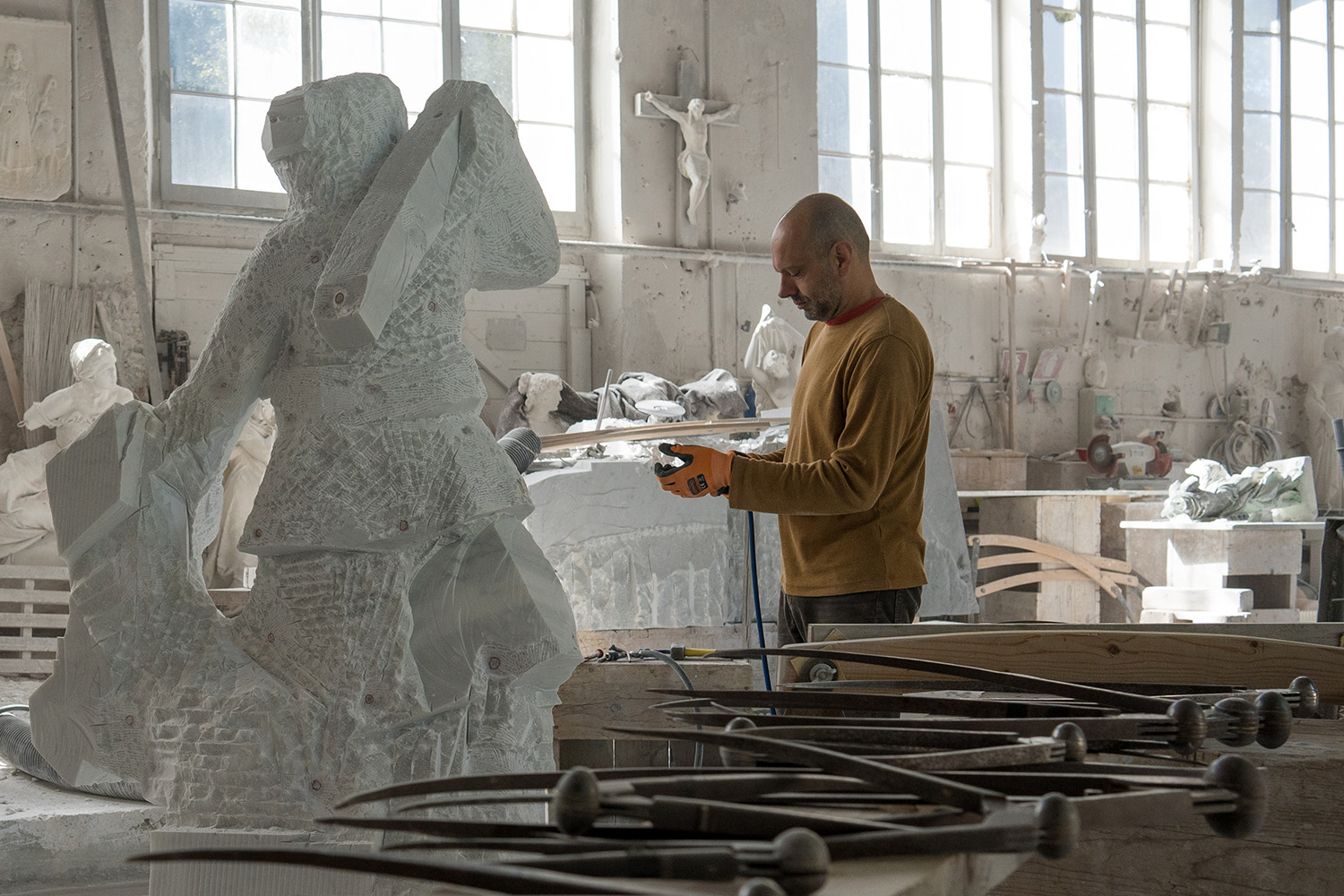
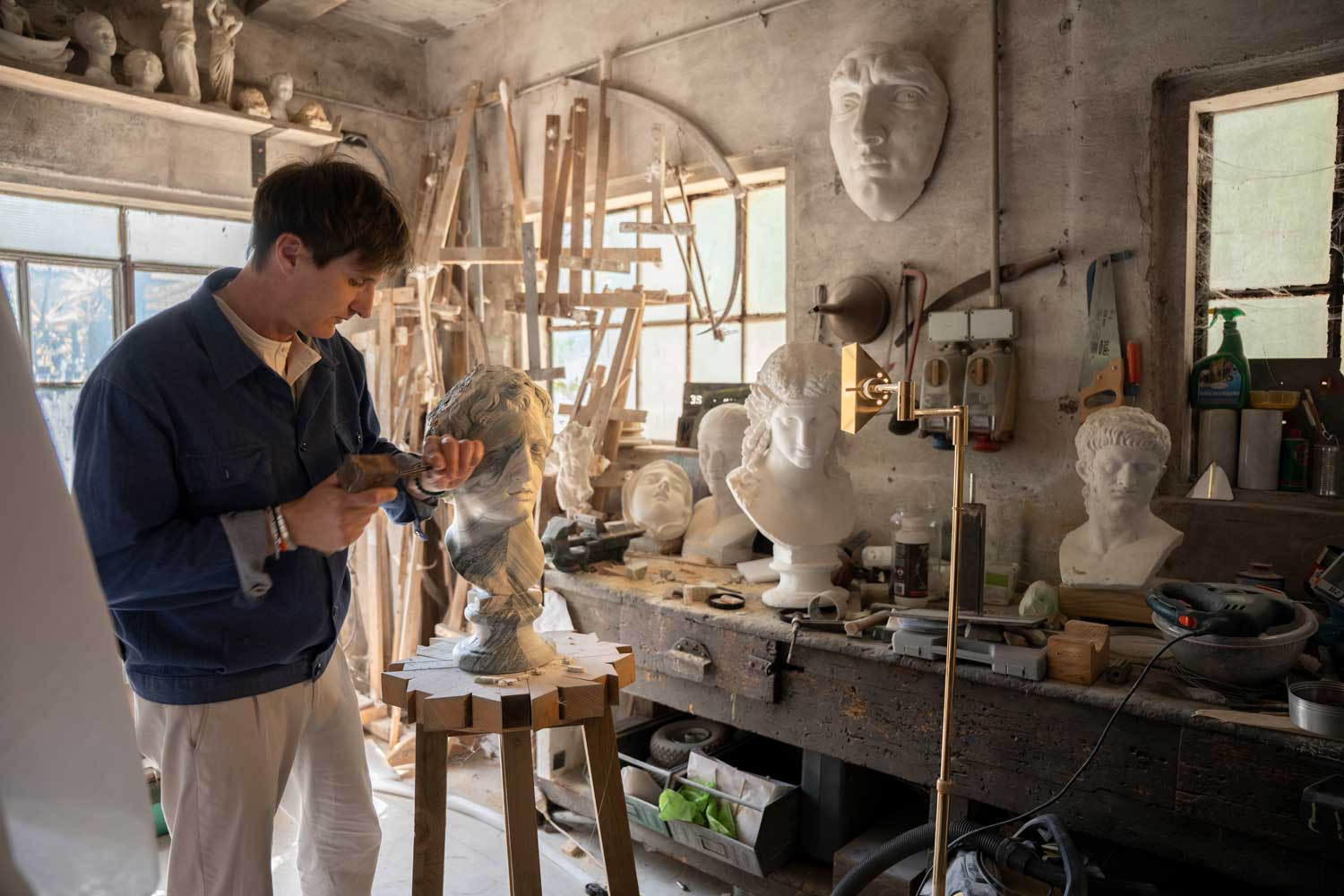
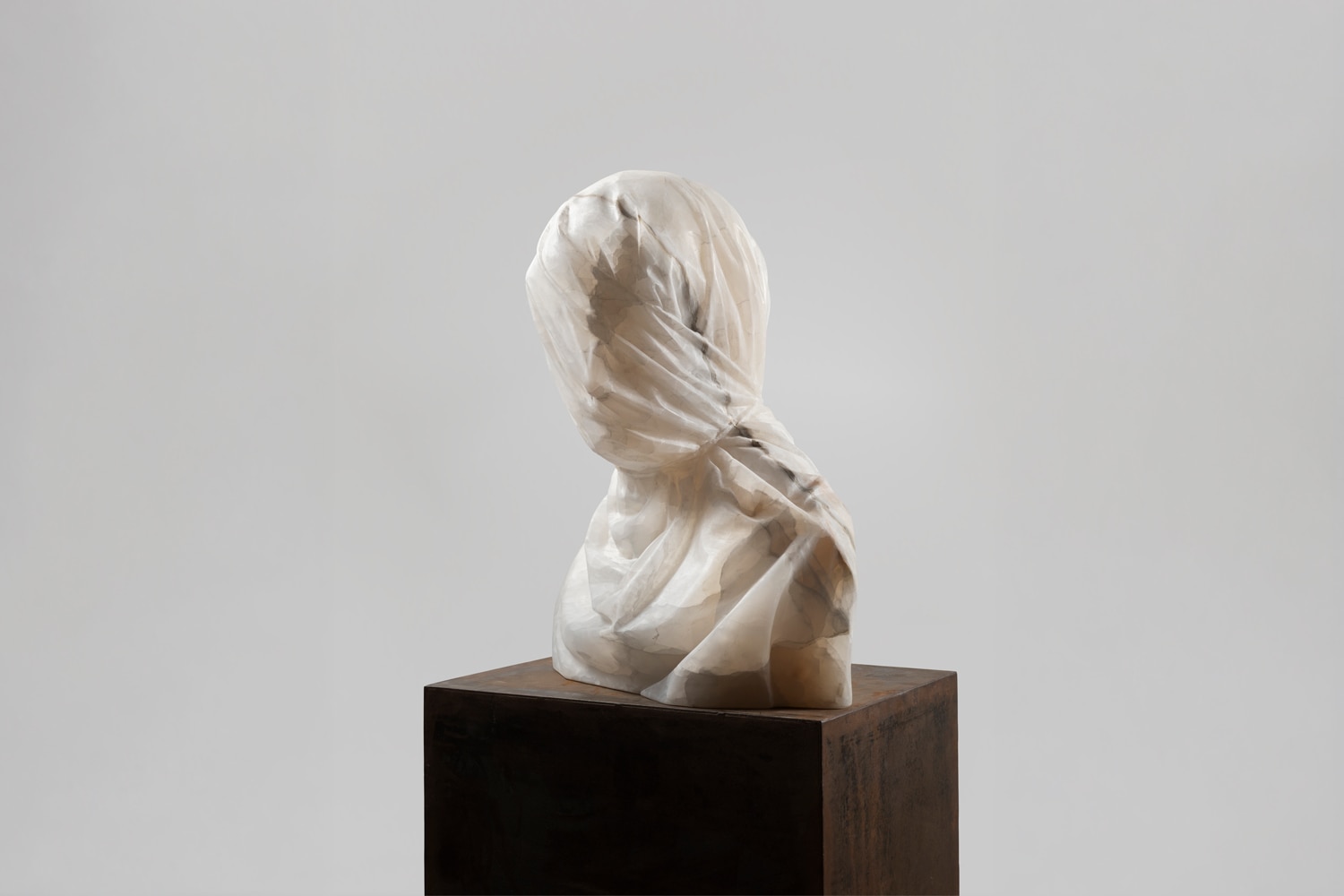
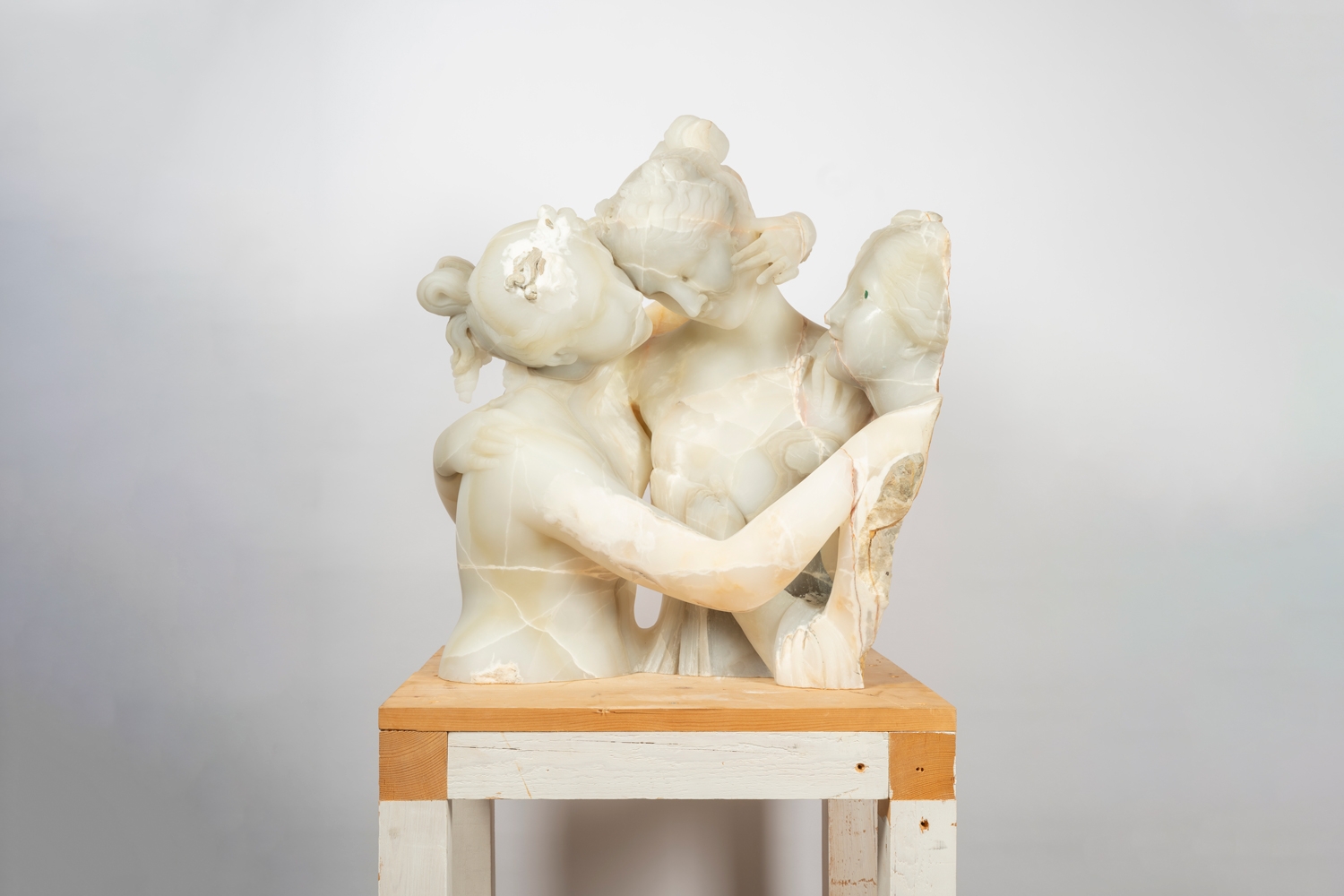
Massimiliano Pelletti learned the fundamentals of his craft in his grandfather's marble sculpting workshop in Pietrasanta, Tuscany. After studying at Stagio Stagi Art School, he later graduated from the University of Pisa with a degree in philosophy. "Marble was the first material I worked with," Massimiliano explains. "Over time, I expanded my palette to quartz, onyx, limestone and other stones rarely used in sculpture." His work, a fusion of sculptural elegance and the tactile quality of Earth's nature, has been showcased in Italy and abroad, including two solo exhibitions in London. Massimiliano has also collaborated with designers, brands and institutions such as Roberto Cavalli, Peninsula and the Museo Nazionale Romano on large-scale projects and site-specific installations.
Massimiliano Pelletti is an expert artisan: he began his career in 1995.
Discover his work
INTERVIEW
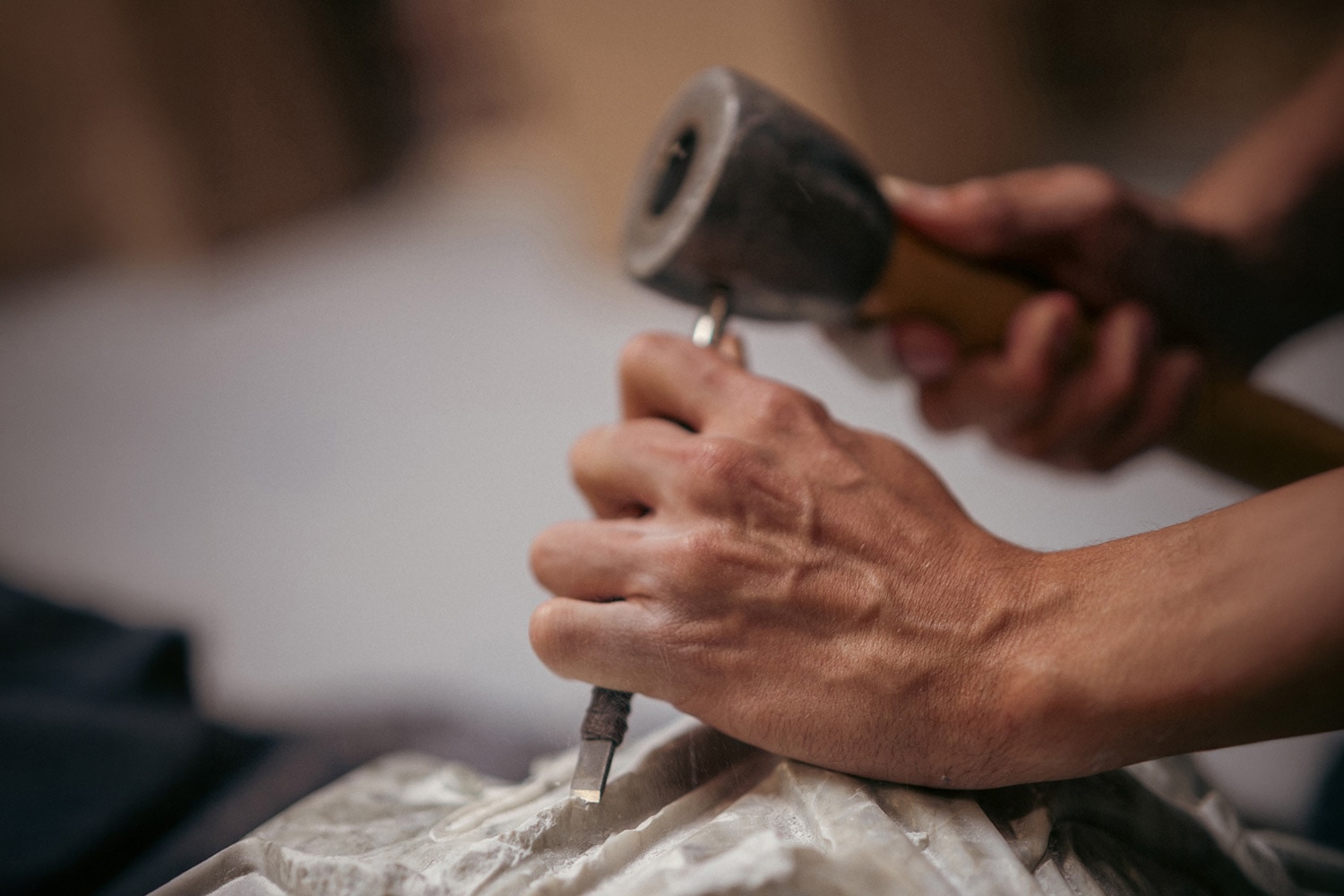
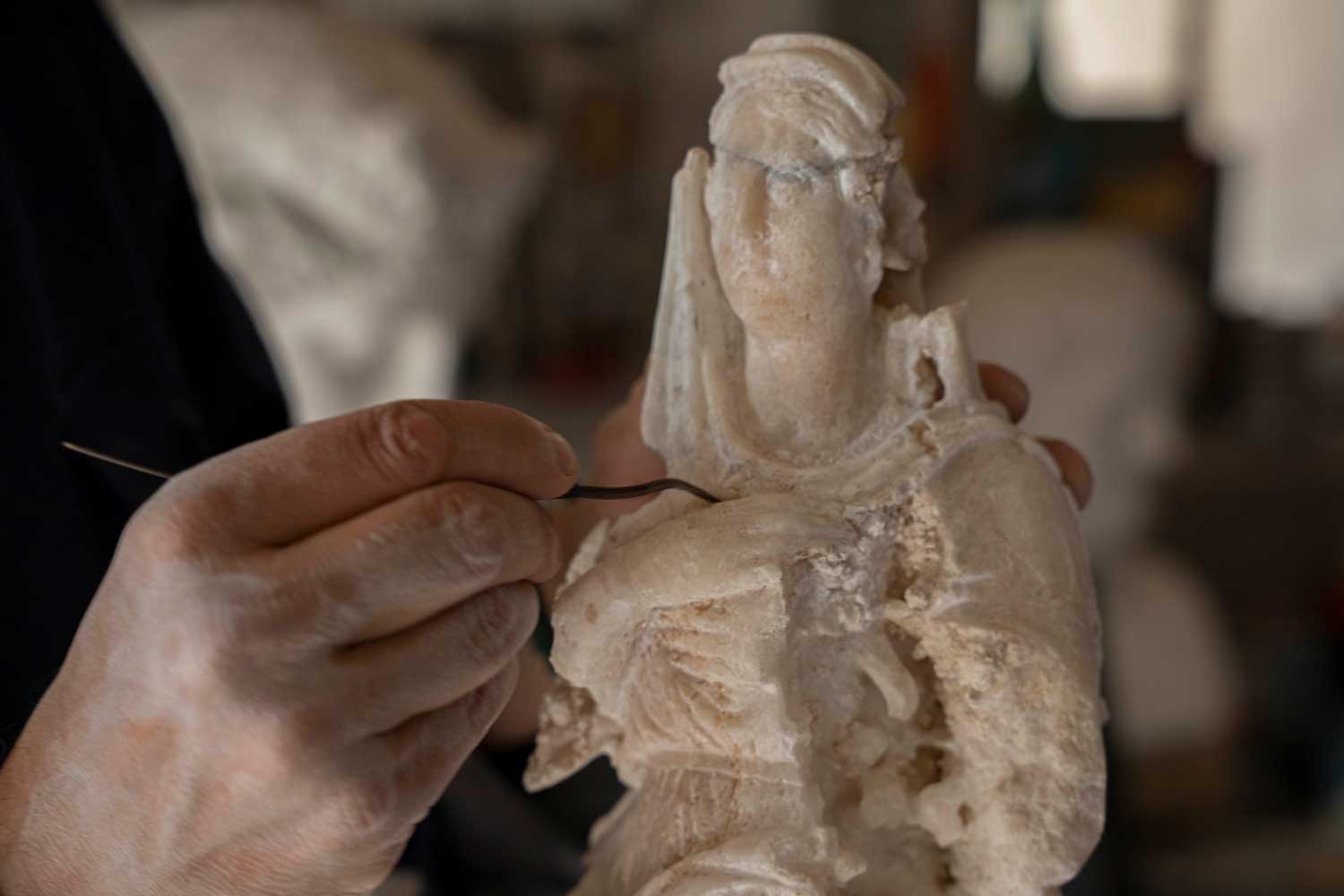
As a child, I used to visit my grandfather's marble sculpting workshop. He taught me the ancient art of sculpture, almost as a game. Later, I went on to formally develop my skills, broaden my thinking and find my personal artistic language.
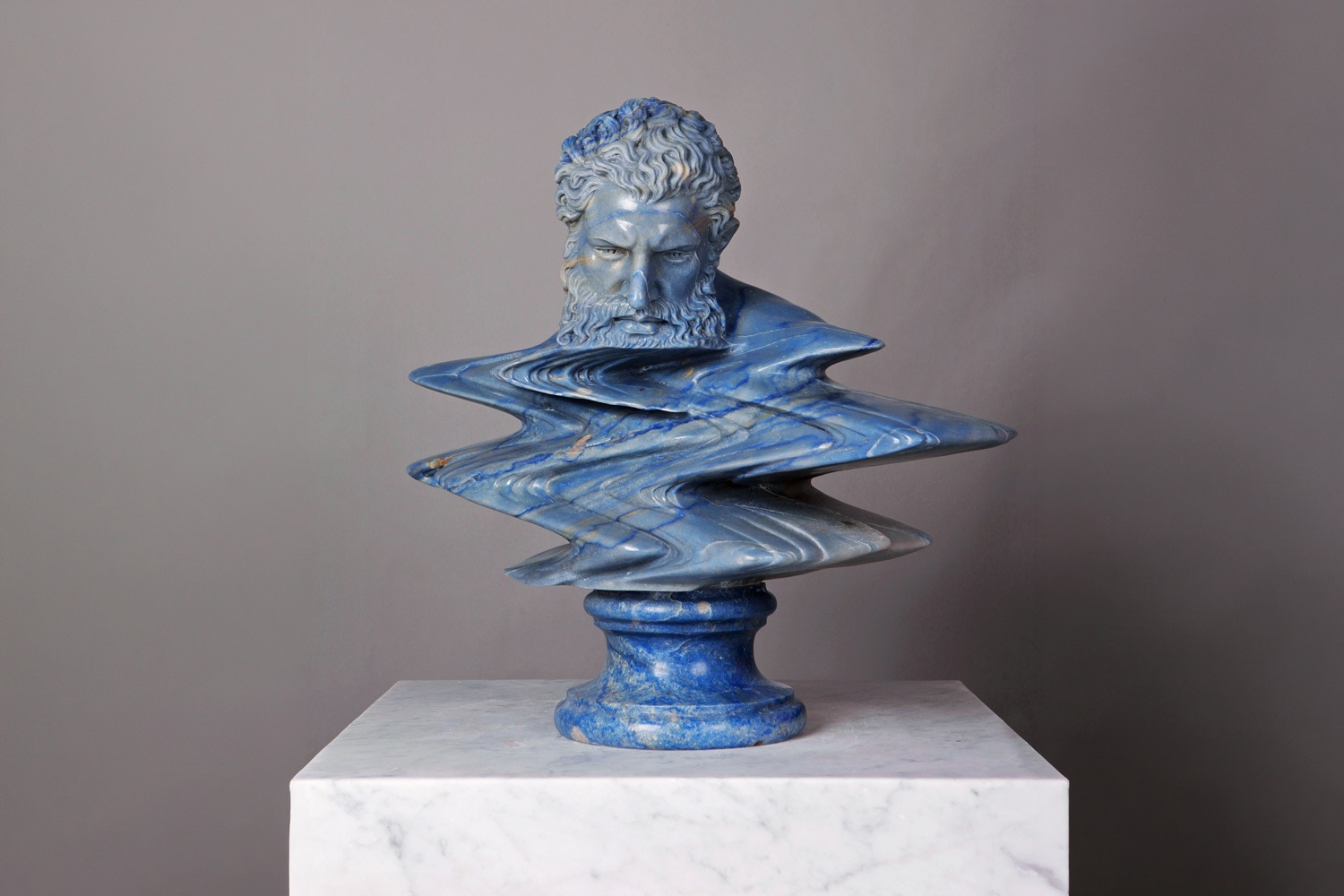
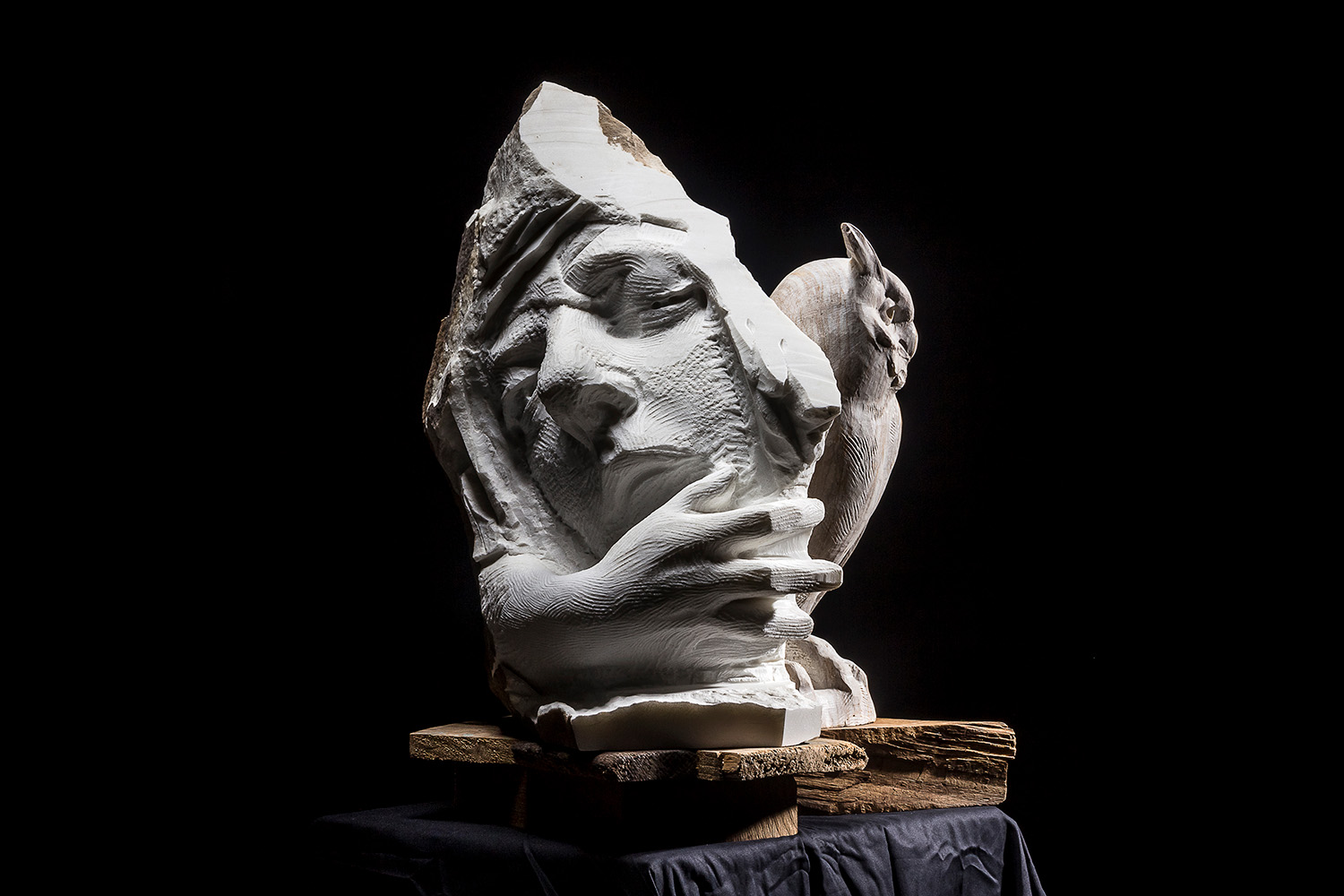
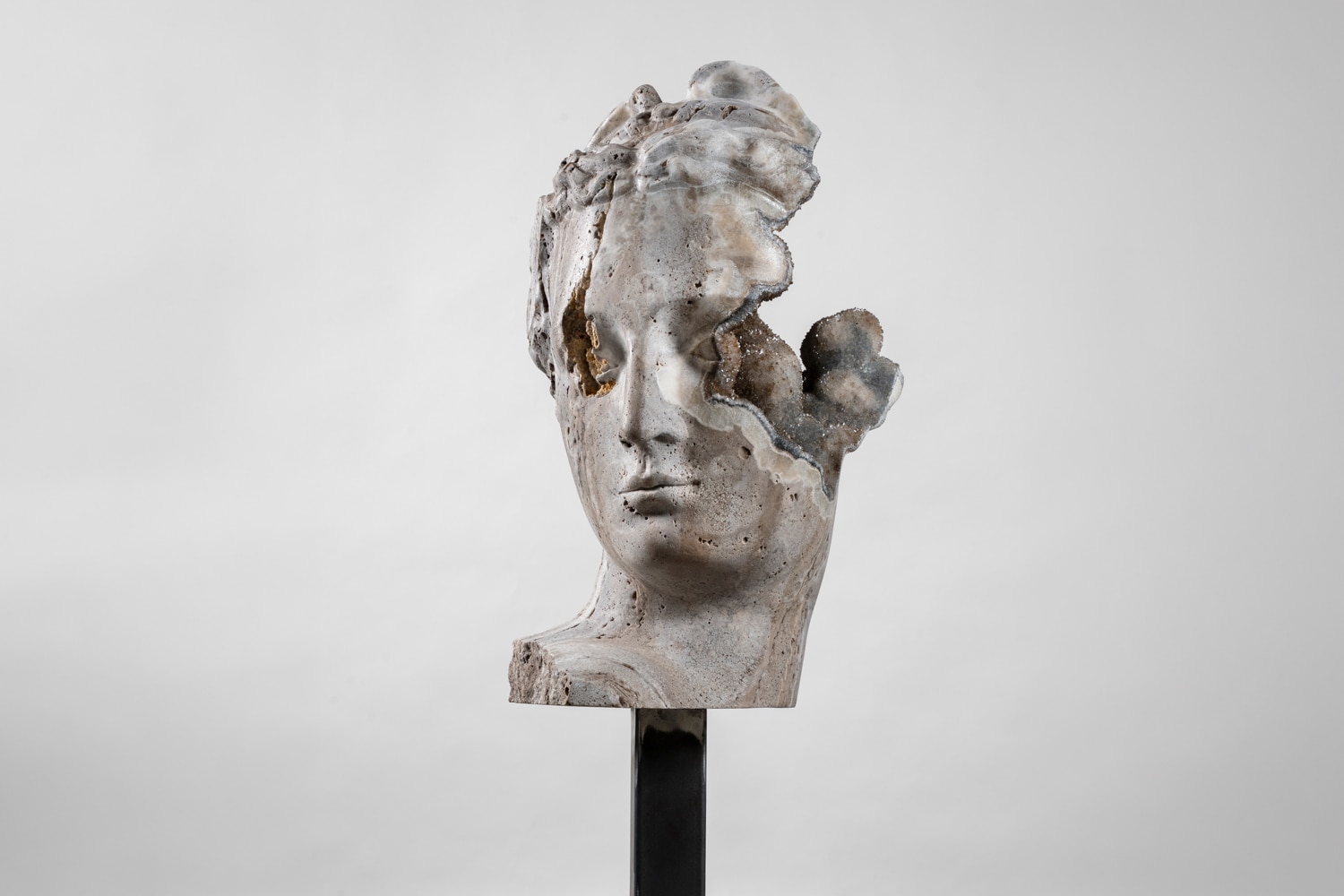
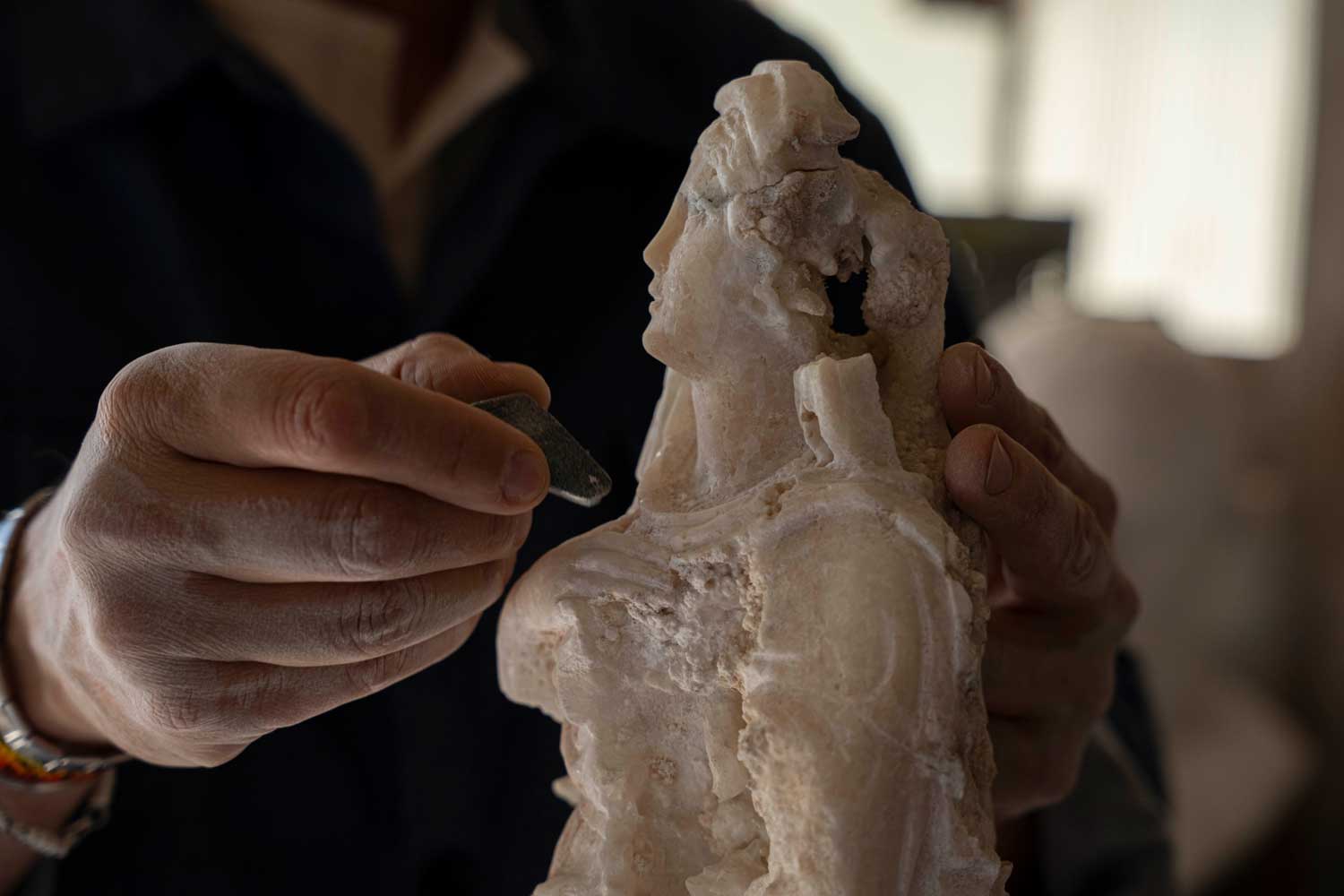
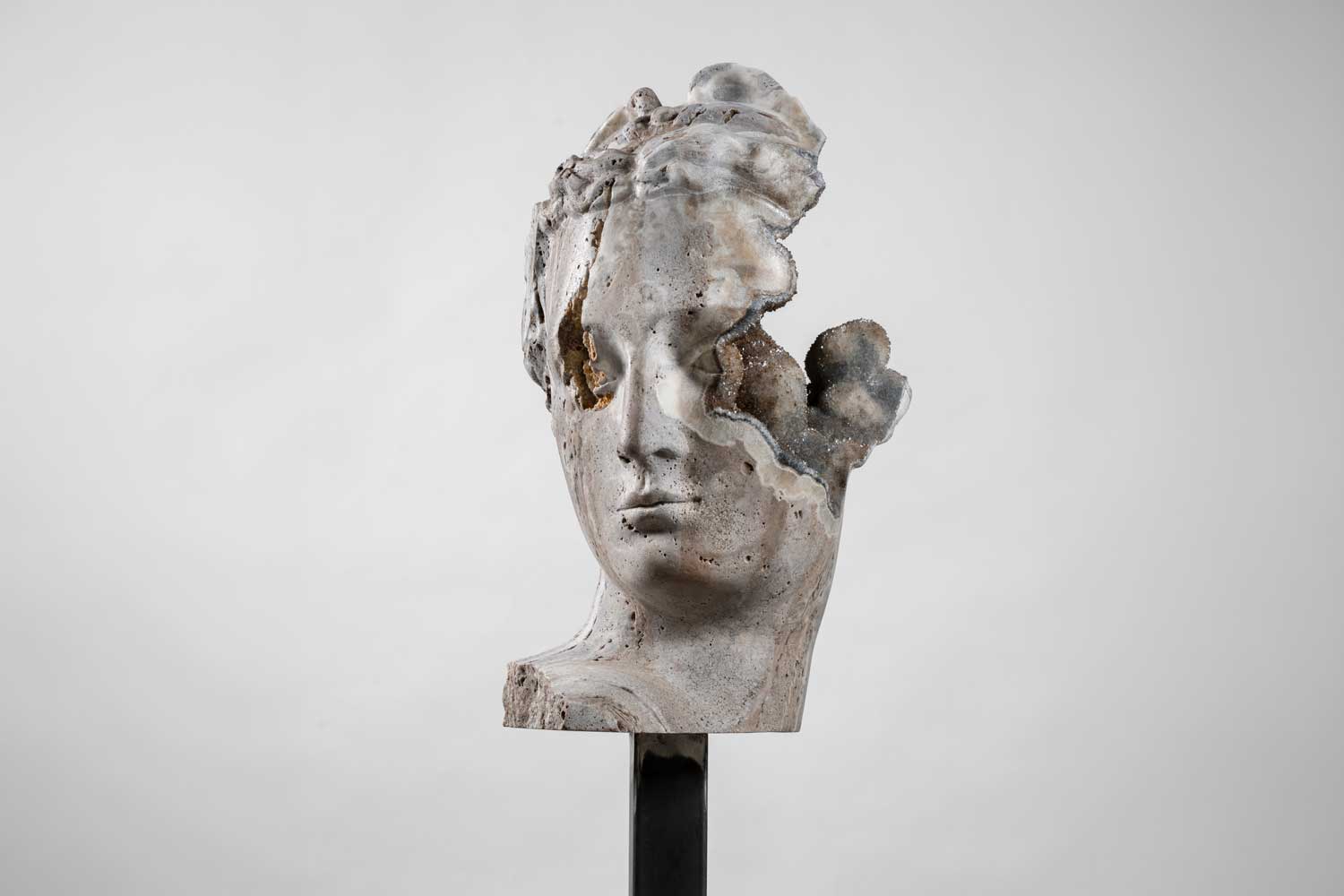
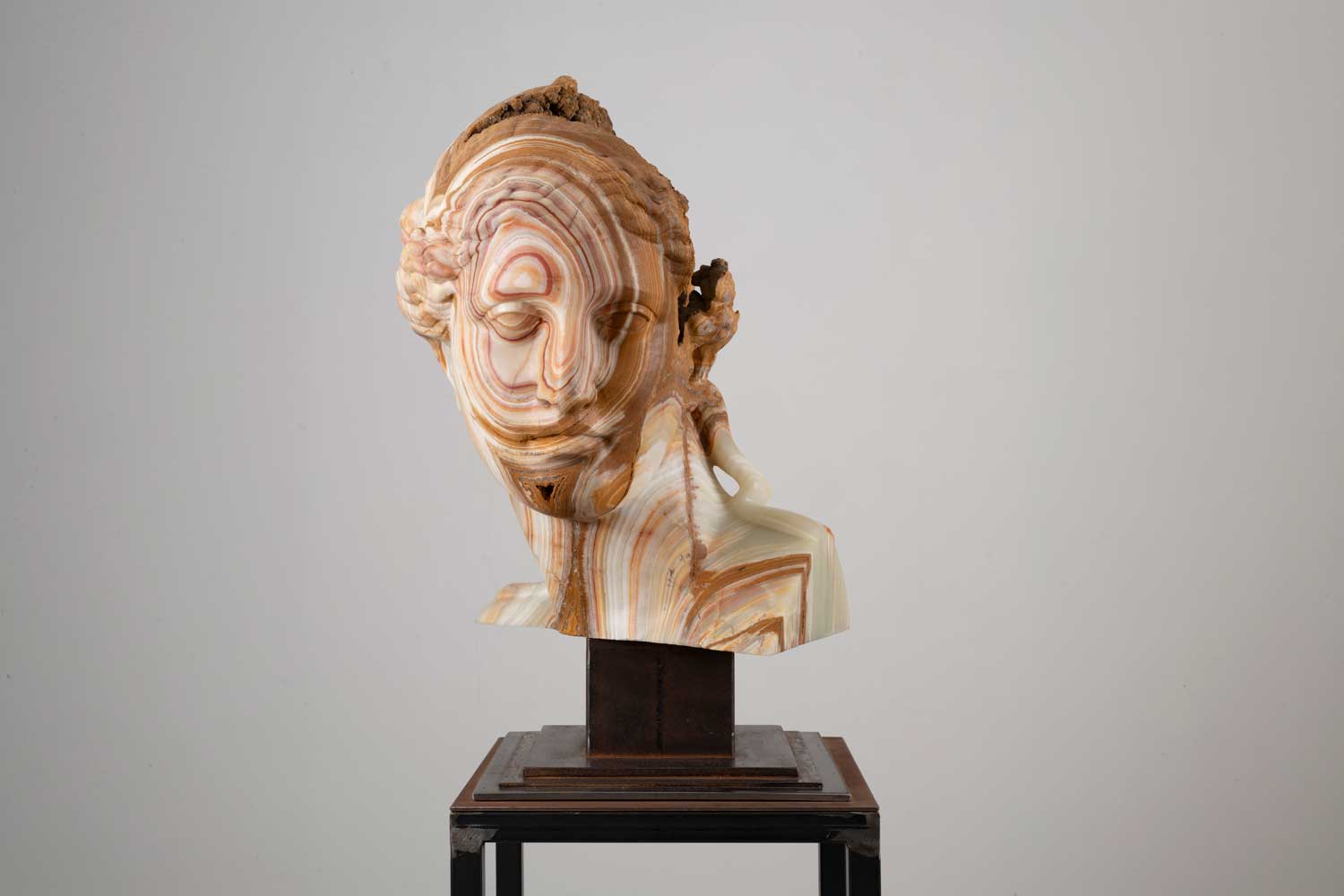
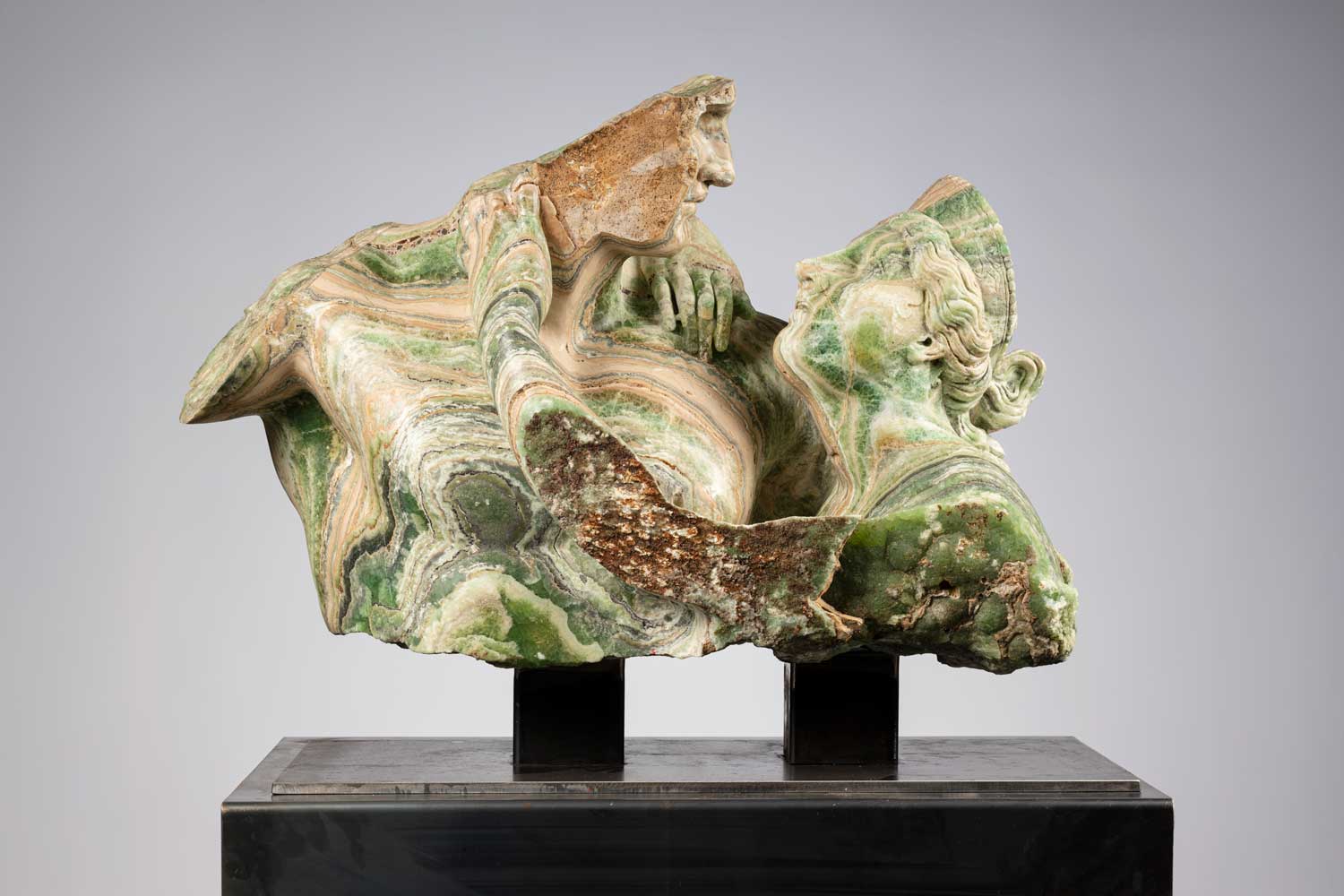
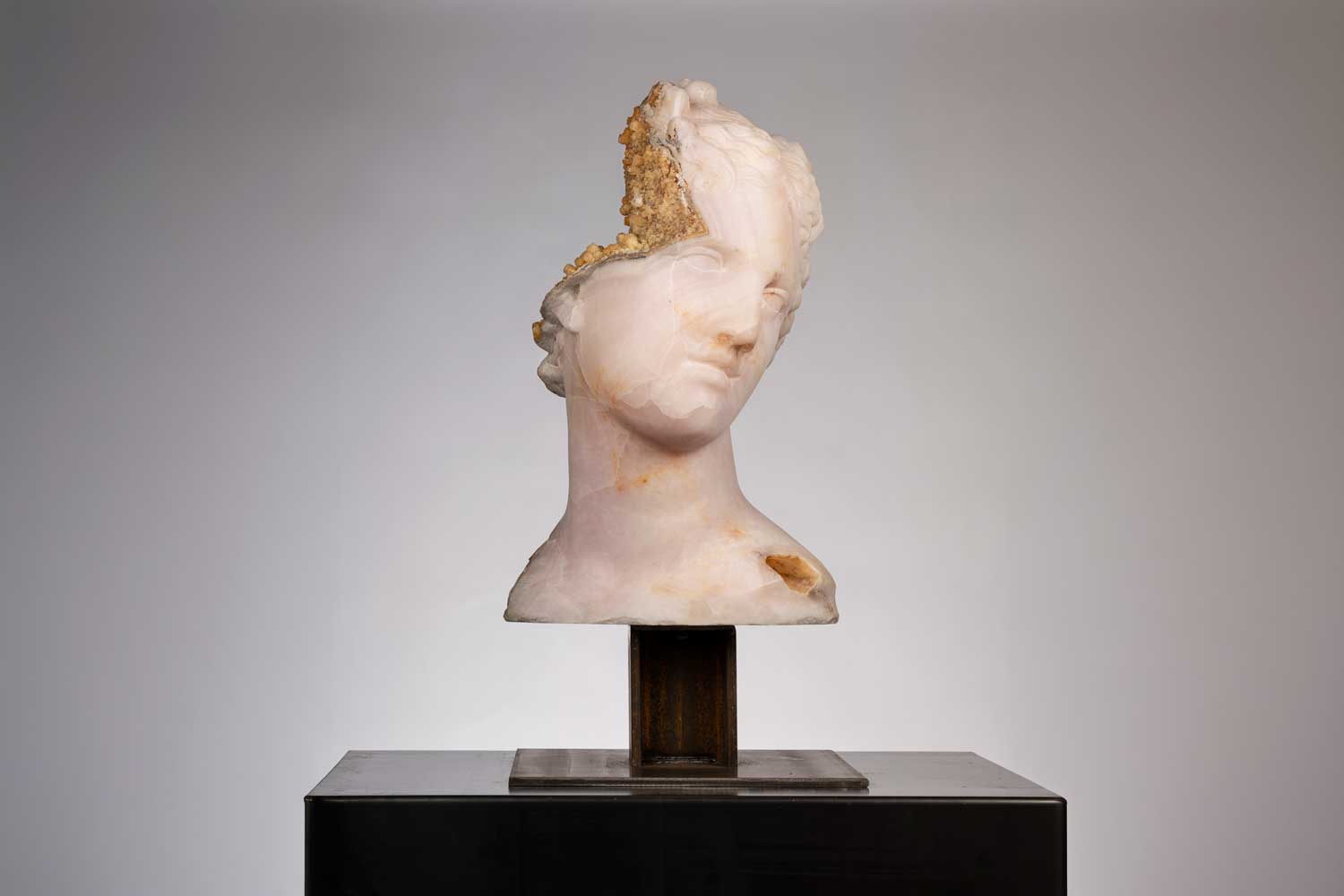
I am inspired by archaeology, anthropology and geology, which are subjects I am passionate about. In my work, the material suggests the subject that will emerge from within it. My sculptural process is always a compromise between what I want to create and what the material allows. I aim to transform flaws in the material into characteristics of the finished work.
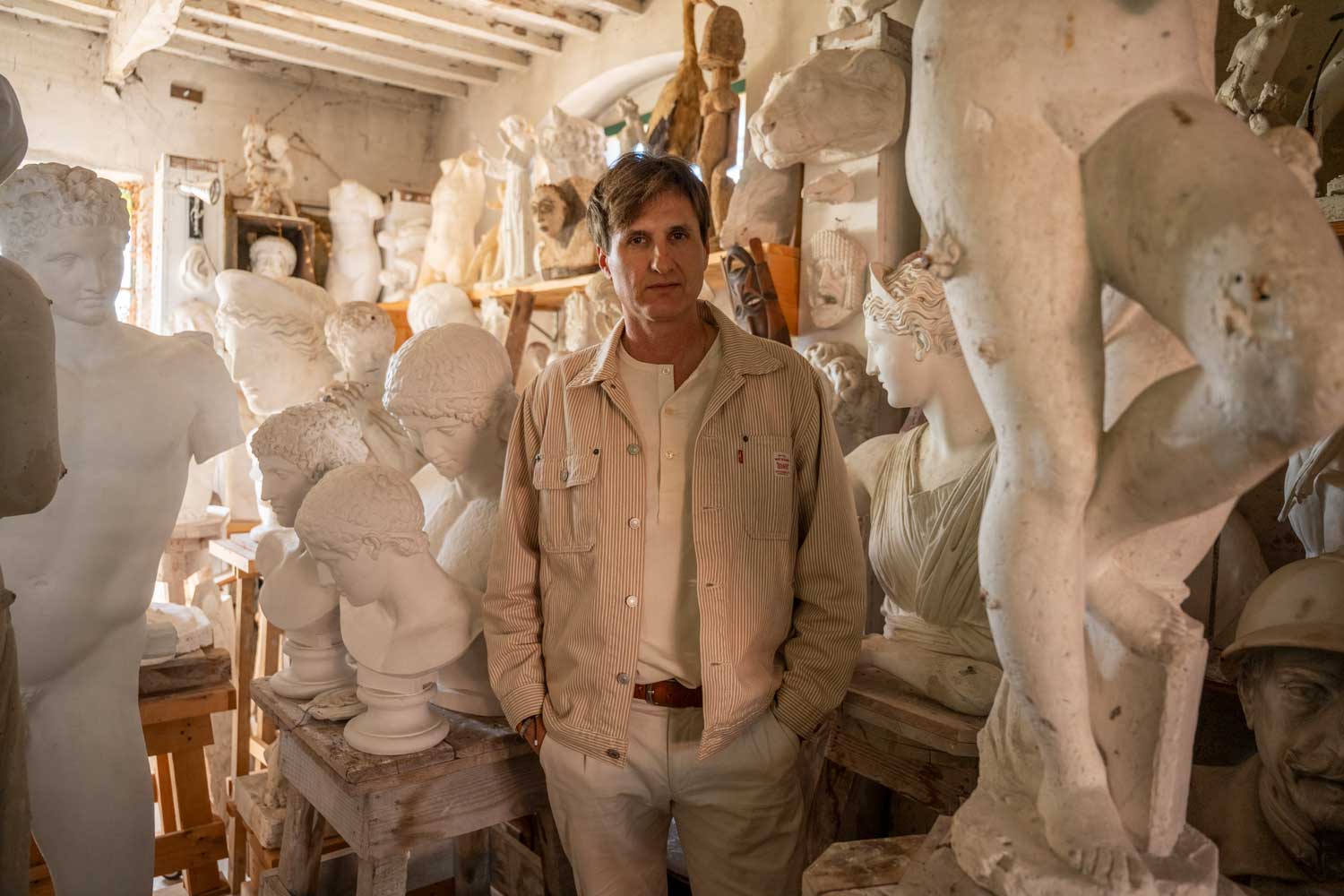
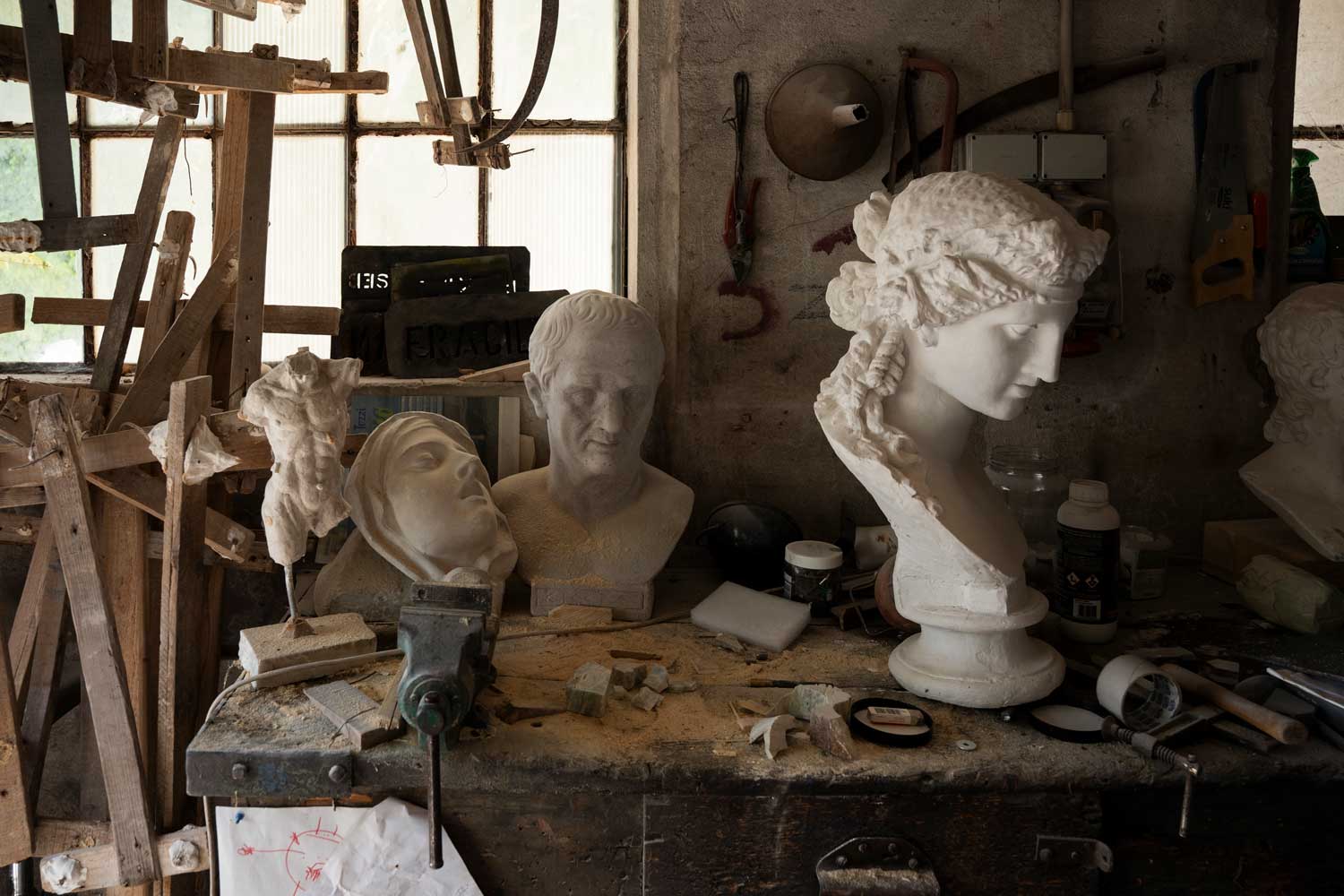
Classicism has always been a natural part of my life. In my grandpa's workshop, classical sculptures were reproduced in white marble. I also maintain a personal collection of over 200 plaster casts of Greco-Roman works, which I reference to reinterpret ancient forms through materials entirely new to the medium of sculpture.
I prefer to speak of contemporaneity rather than innovation. I am in full agreement with Gustav Mahler, who said, 'Tradition is keeping the flame alive, not worshipping the ashes.' Through my practice, I have developed a contemporary language rooted in marble, the defining material of my native Pietrasanta.
Massimiliano Pelletti
Marble worker
Pietrasanta, Italy
ADDRESS
Address upon request, Pietrasanta, Italy
AVAILABILITY
By appointment only
LANGUAGES
Italian, English
HOMO FABER FINDS
Homo Faber Finds is a new service aiming to inspire admirers of craft to connect and collaborate with exceptional artisans.
We invite you to submit an enquiry here.