Andreas Pfister
Furniture maker
Dießen am Ammersee, Germany
When hands and tools become one
- Andreas is passionate about bringing furniture into life using his hands
- His work reflects a deep love for wood, which he mills and dries himself
- In his process, he combines idealism, knowledge and intuition
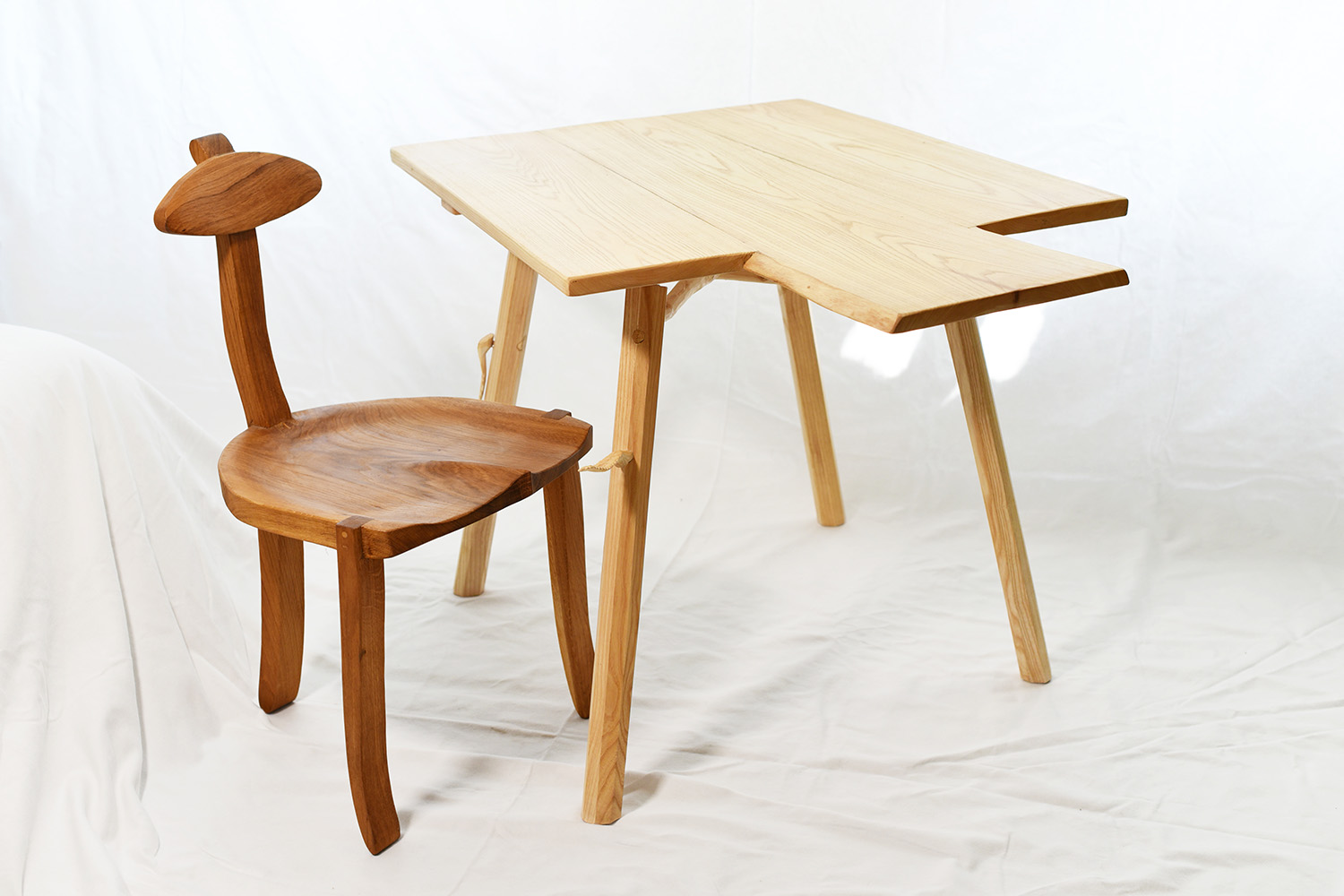
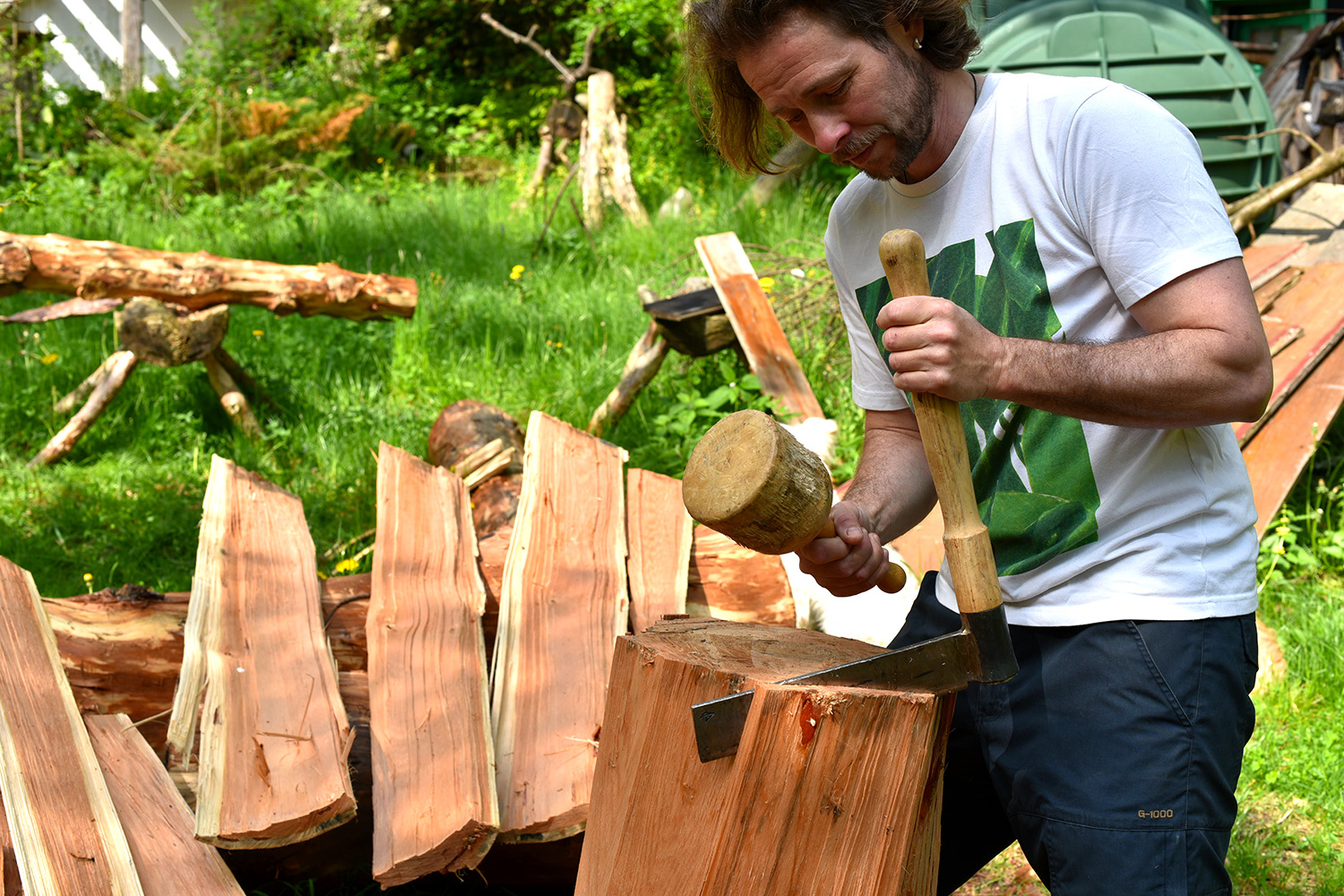
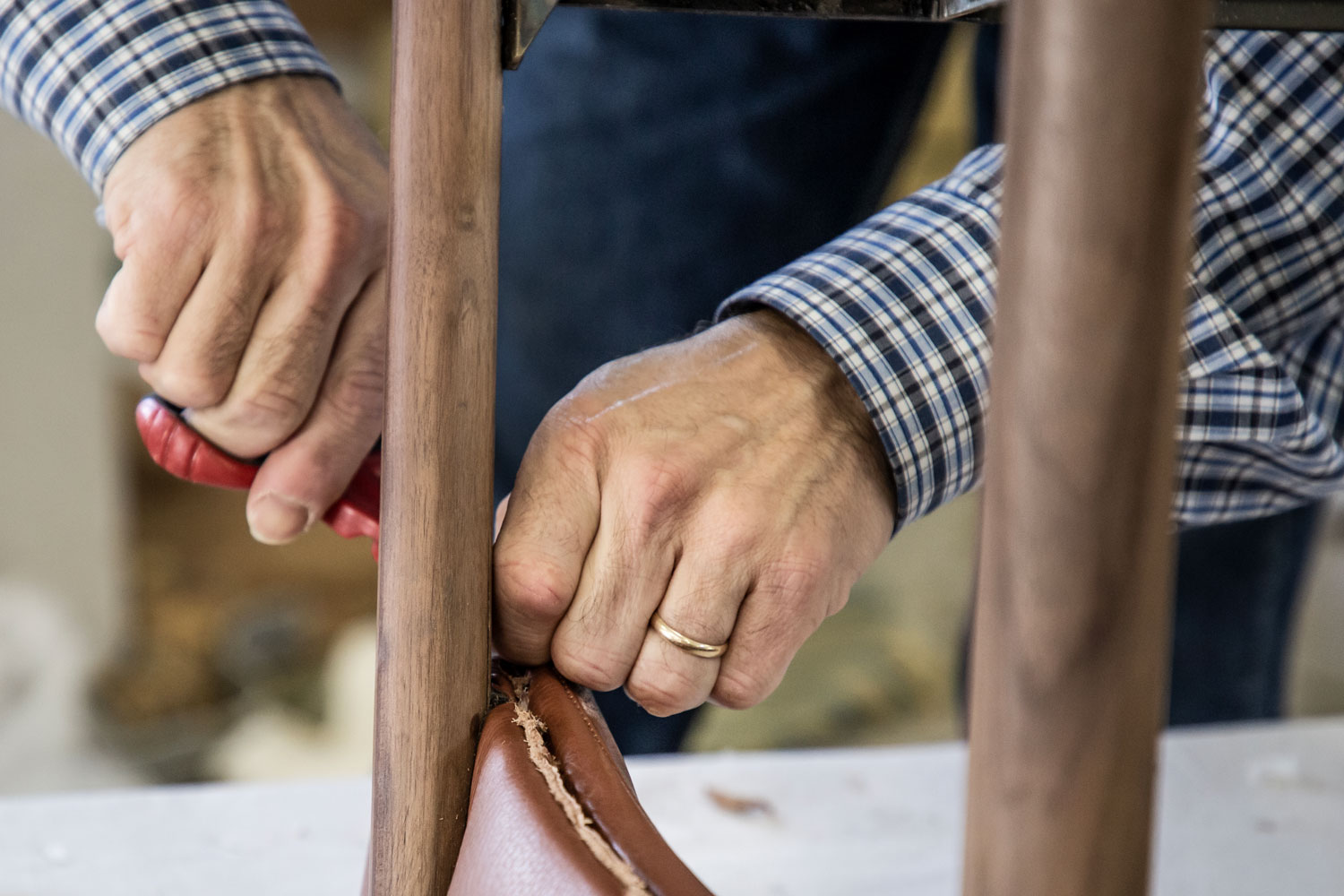
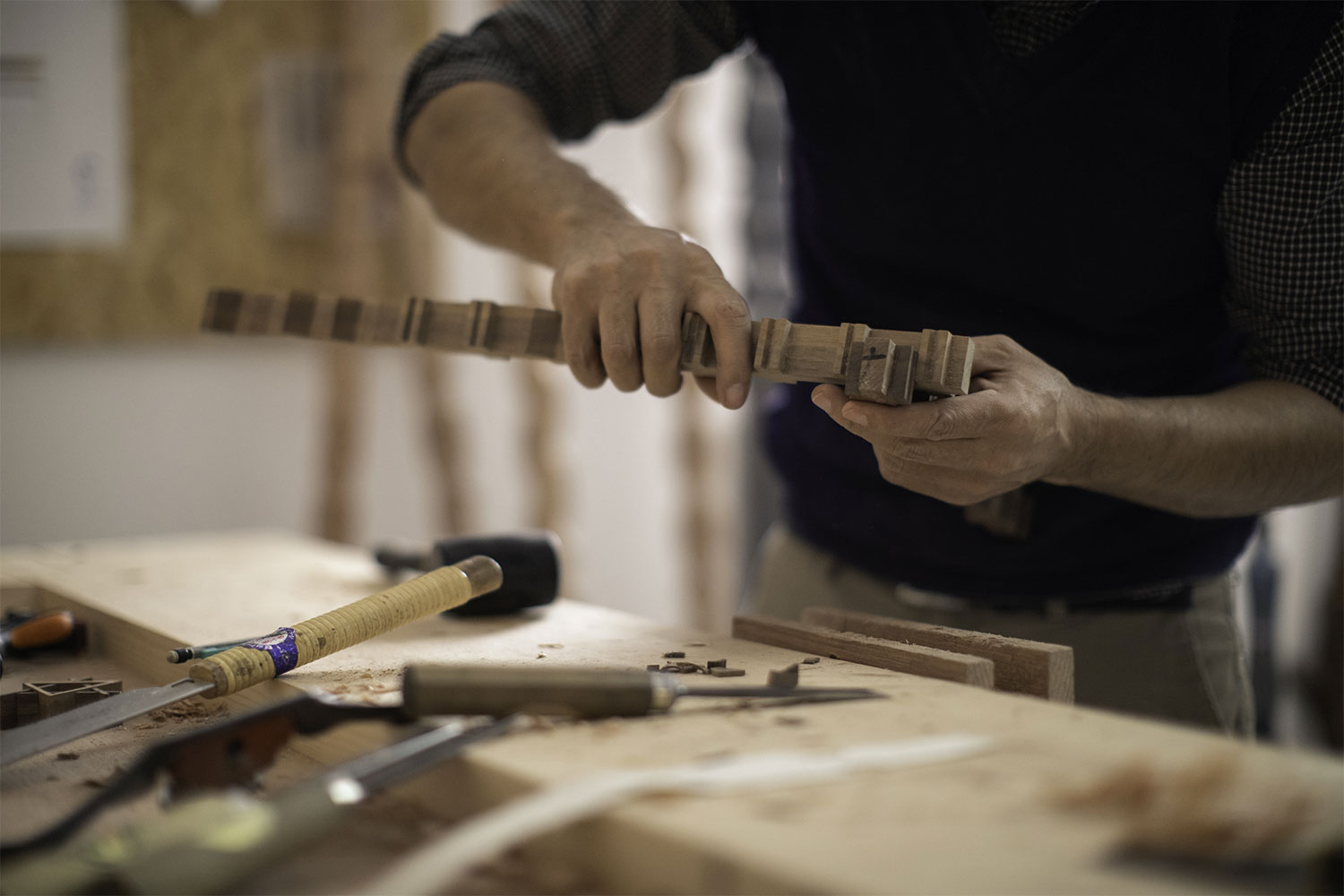
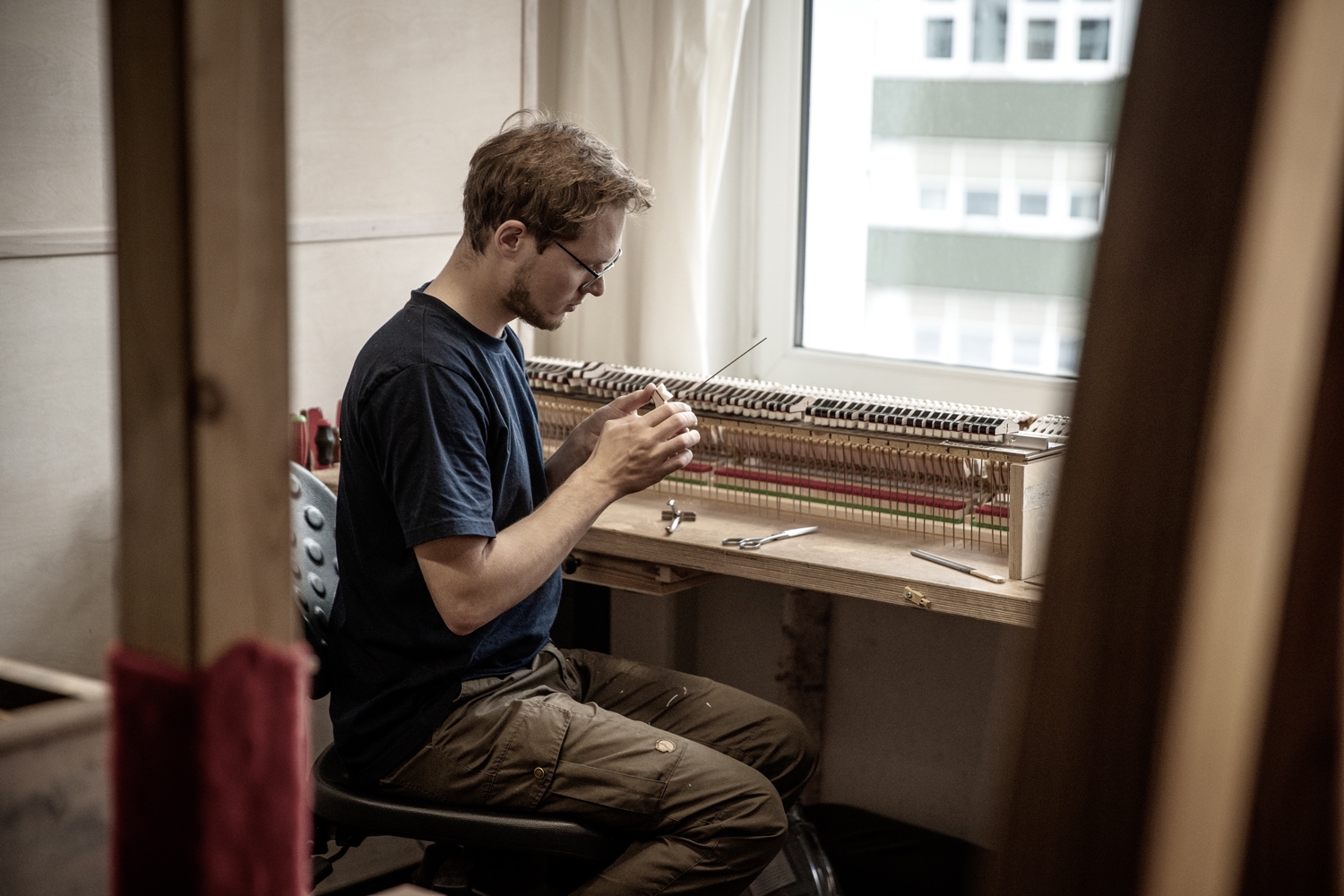
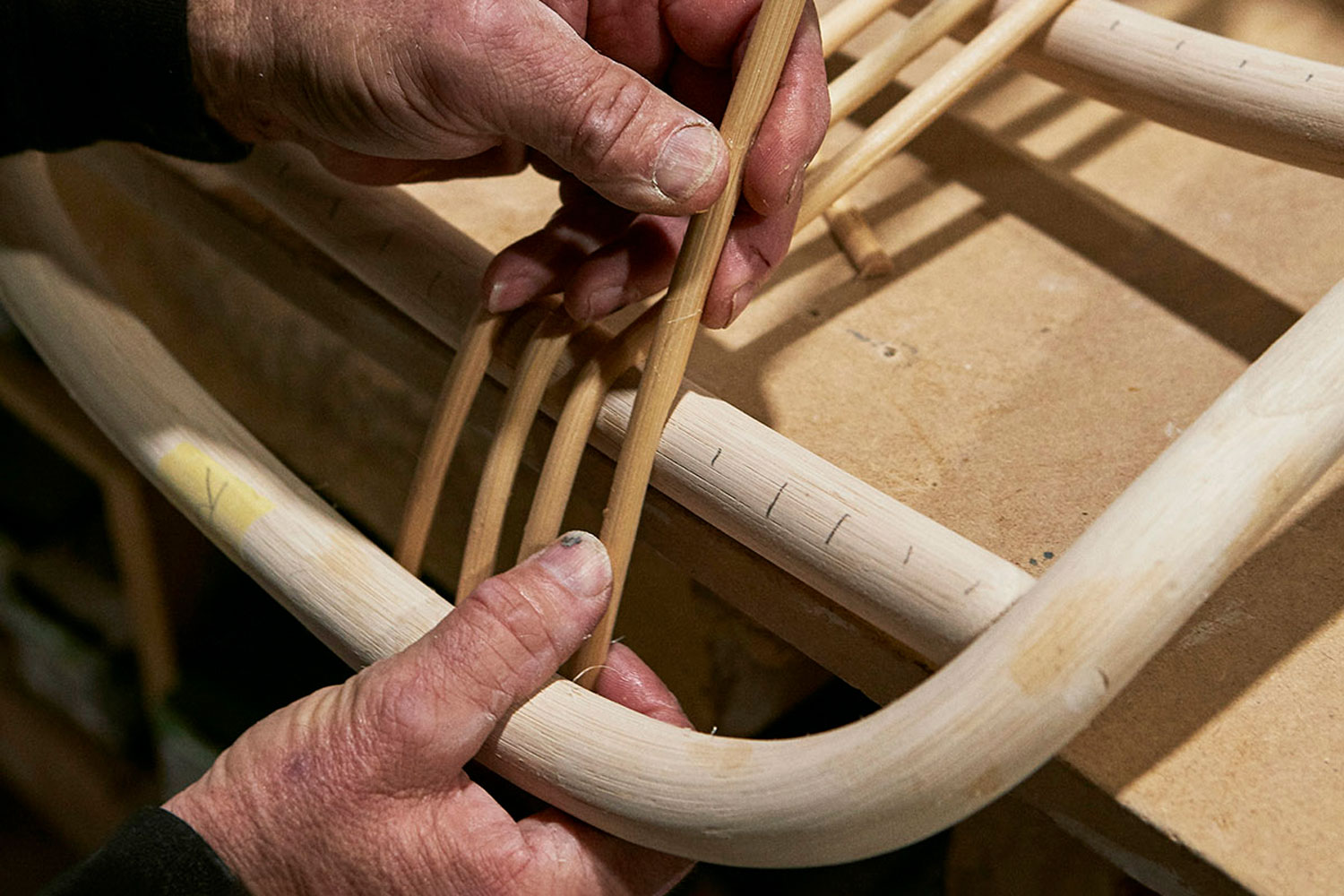
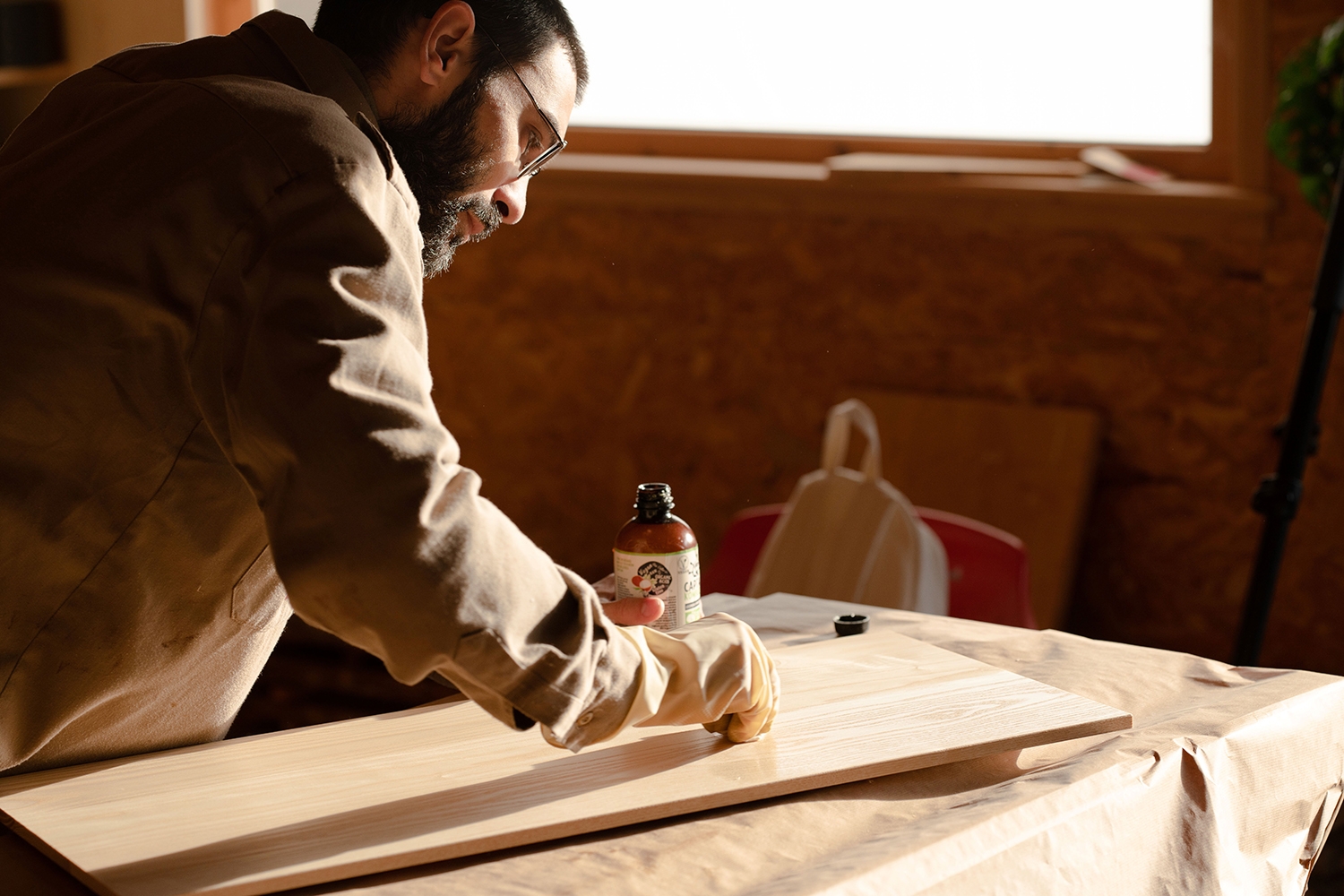
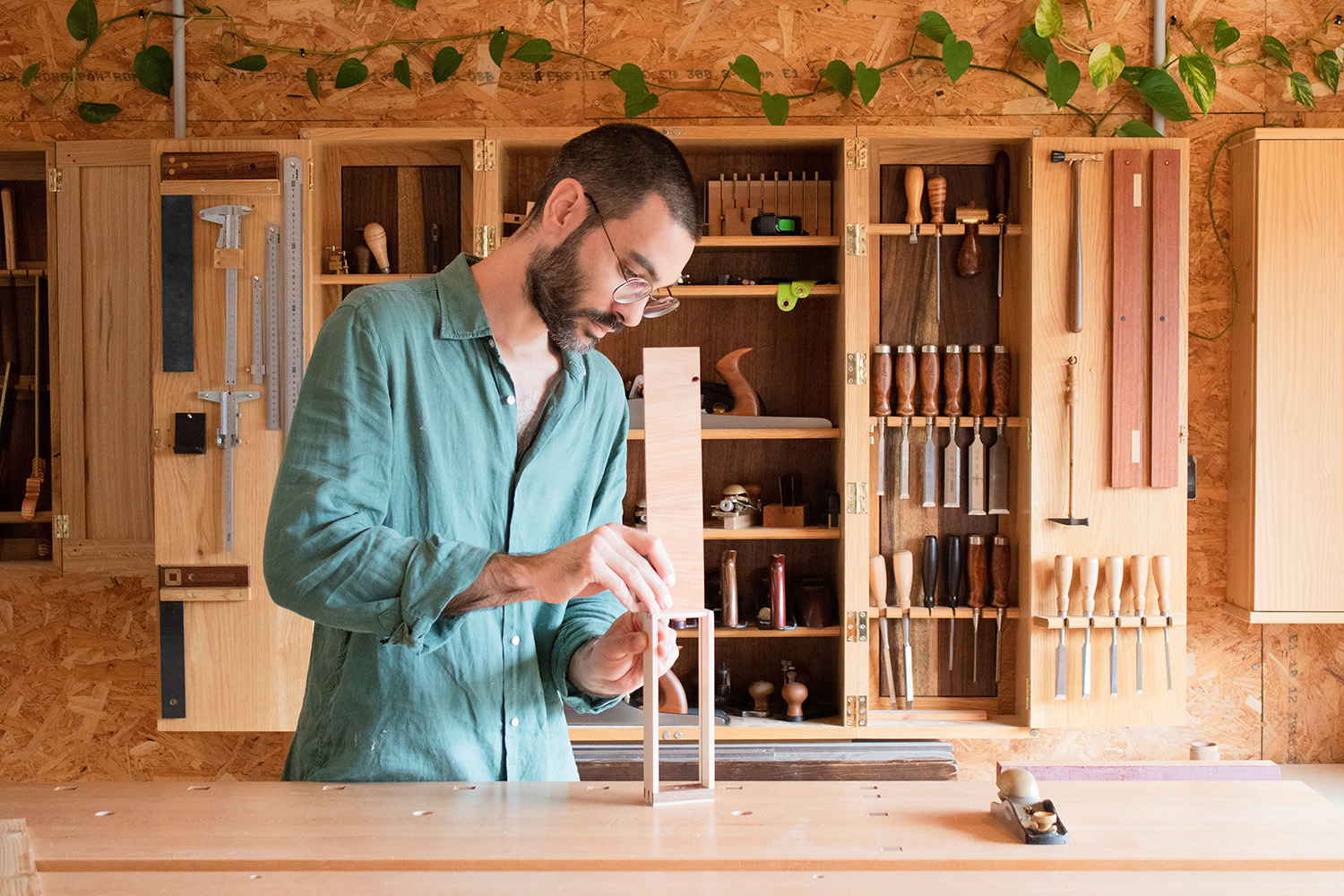
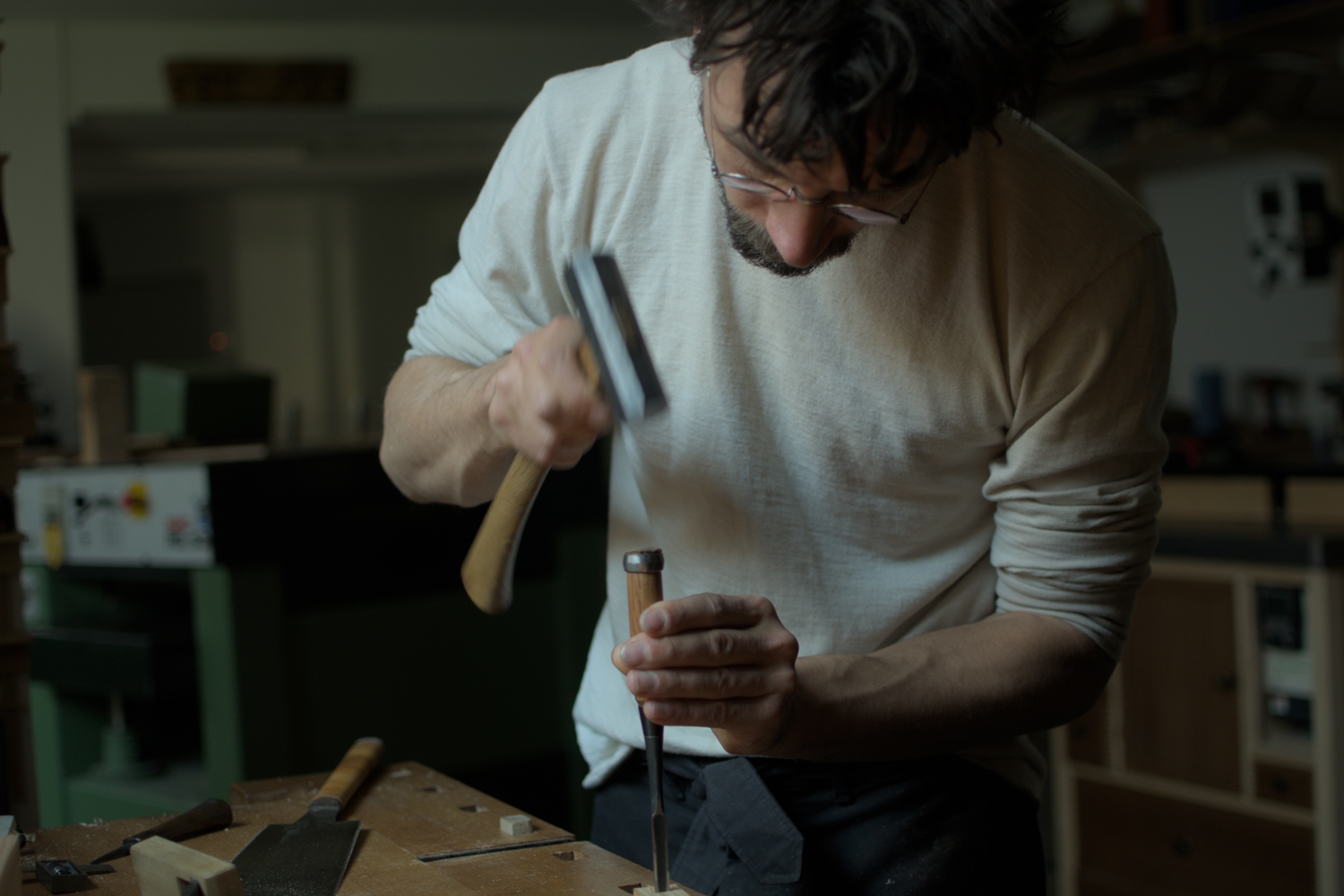
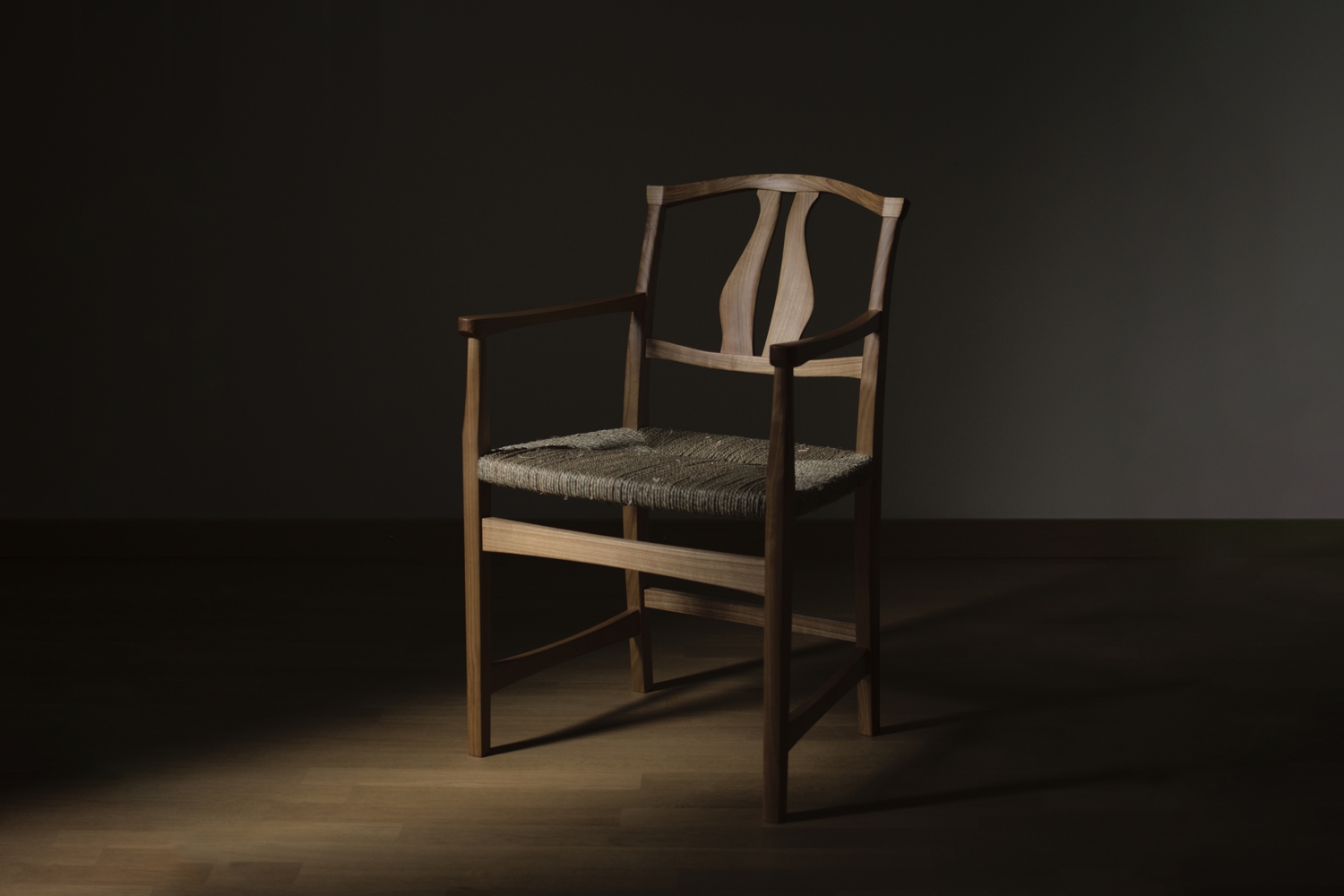
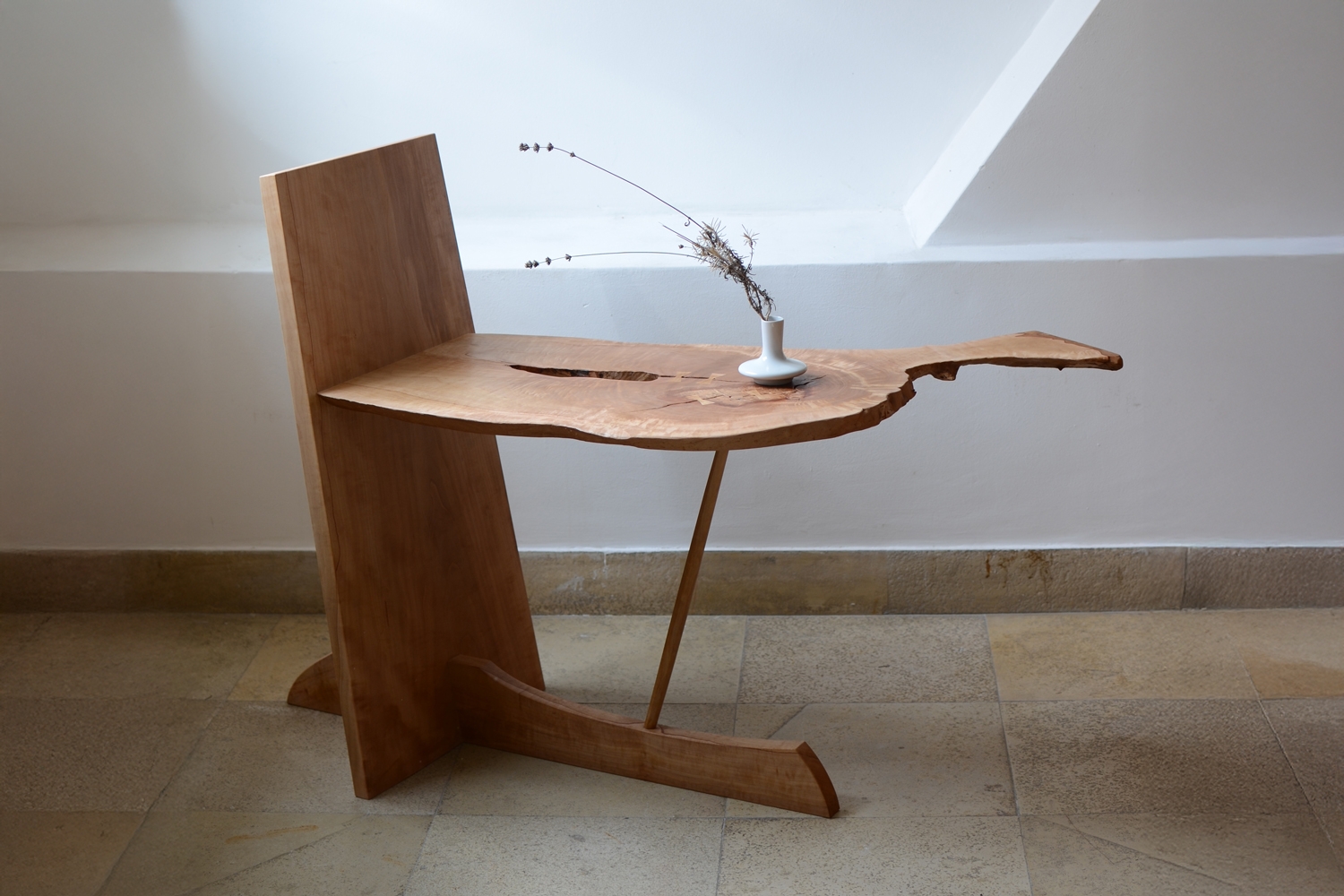
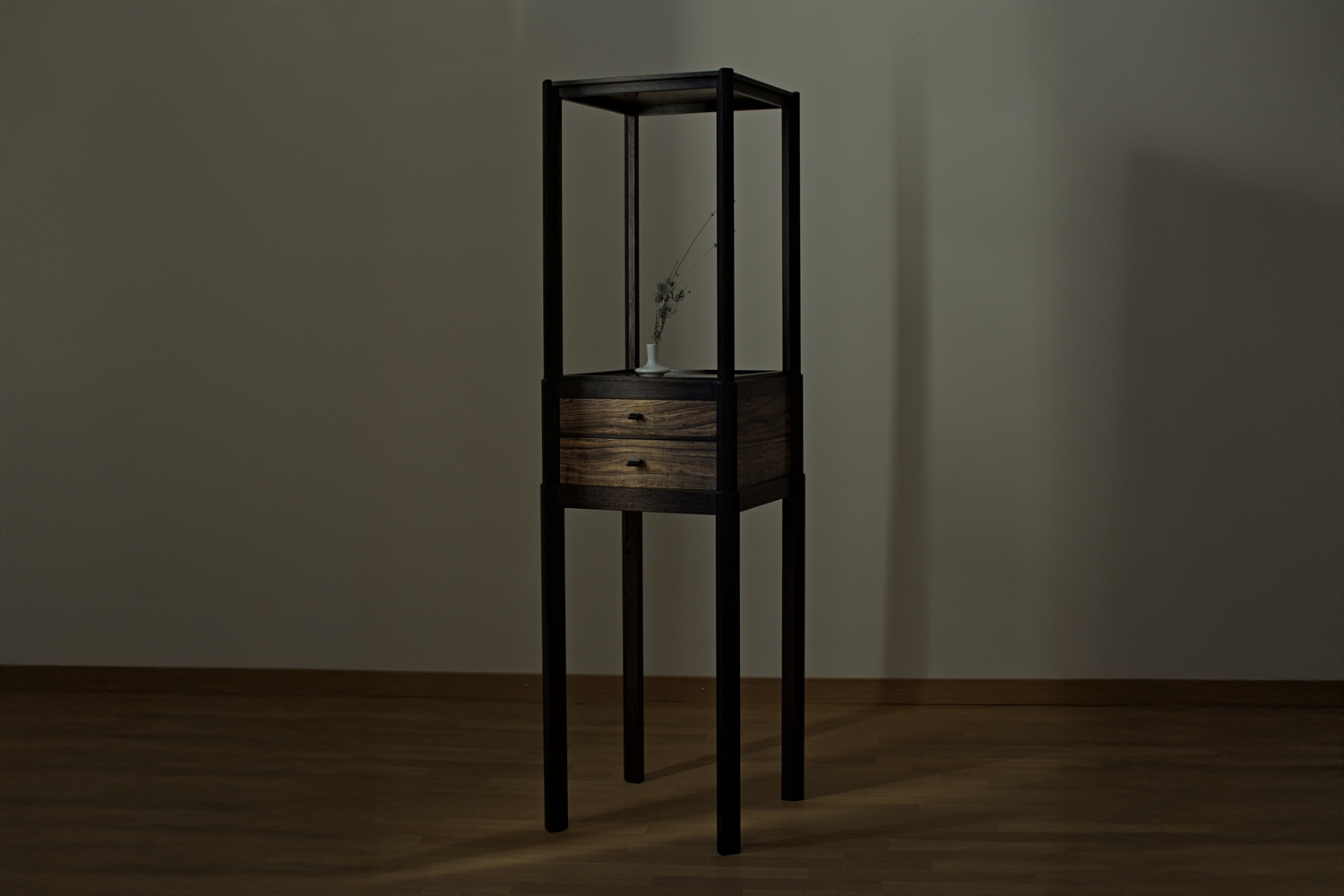
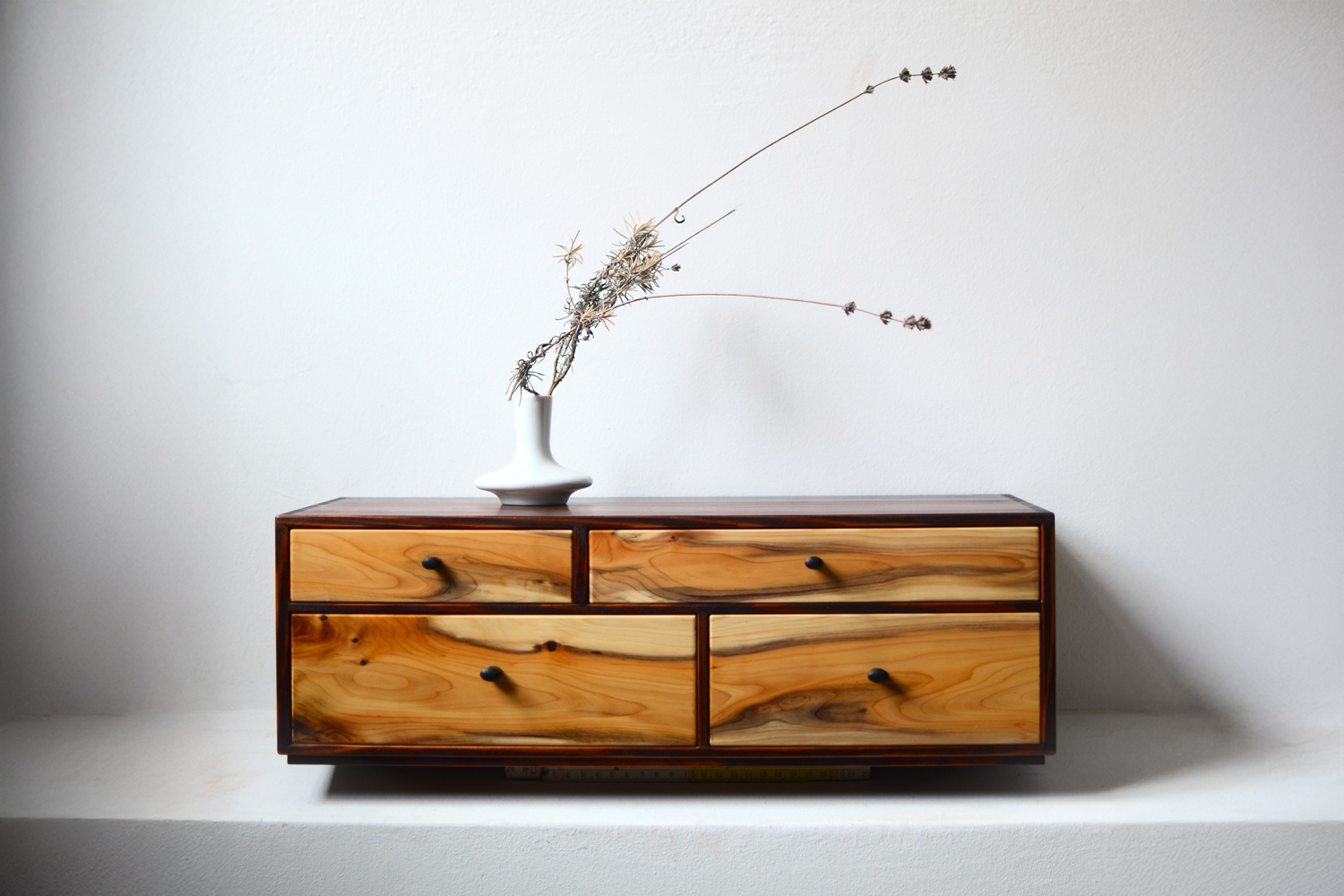
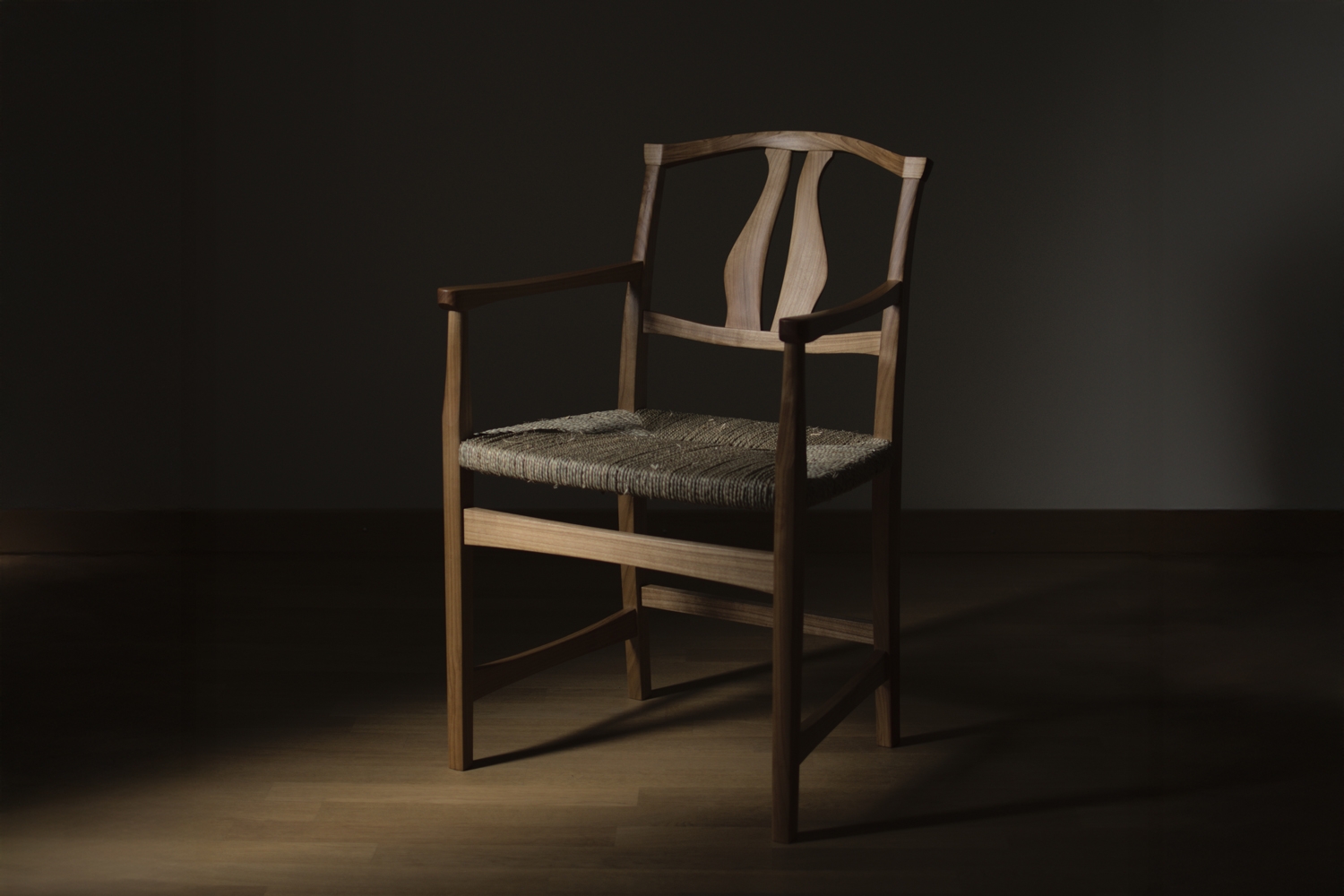
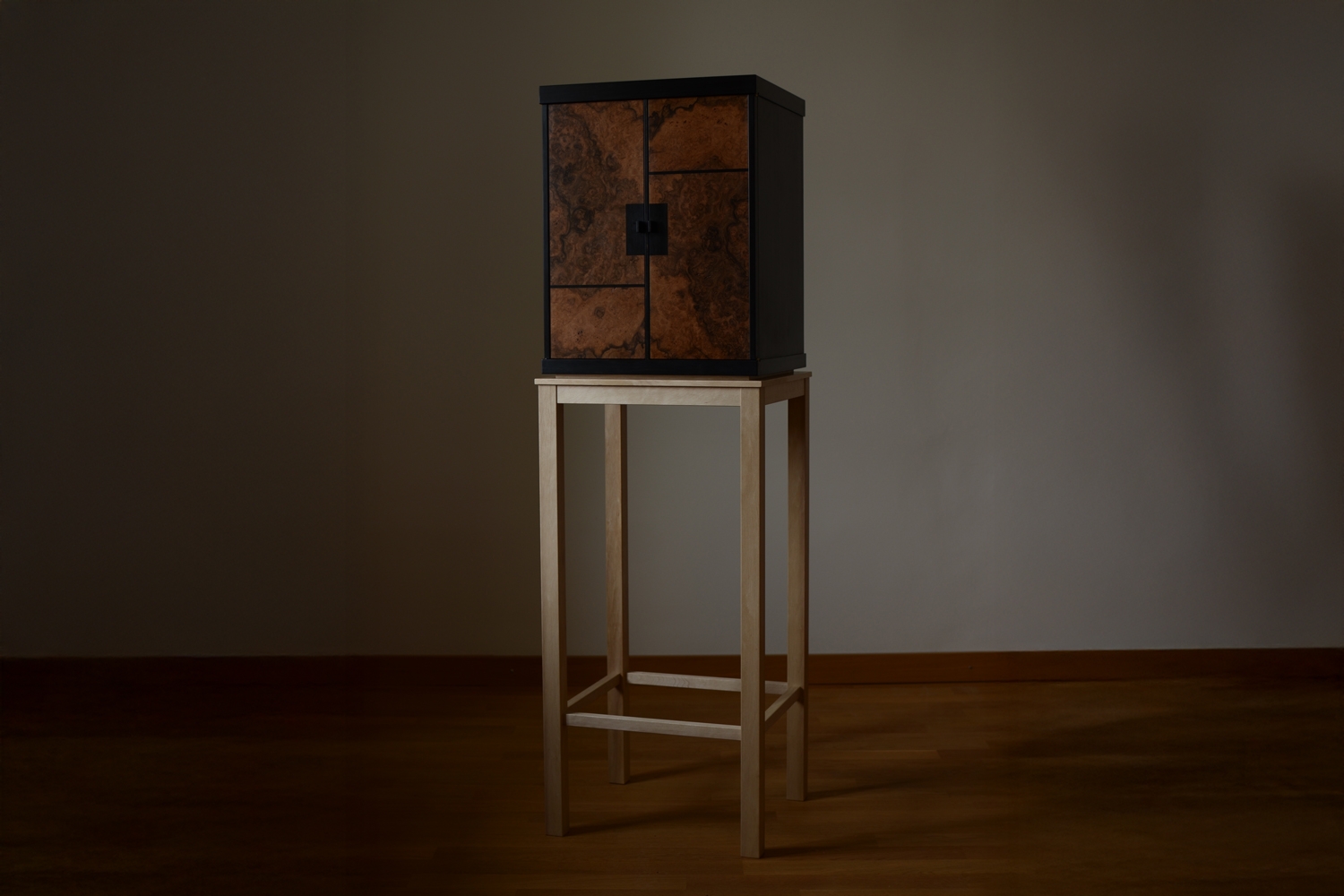
Andreas Pfister handcrafts furniture with domestic hardwoods, such as maple, oak, ash and various fruit woods, some of which he mills and dries himself. “Although I enjoyed my philosophy studies at the Munich School of Philosophy, I realised that I was more interested in bringing things into being using my hands,” Andreas says. He found what he had been looking for at the Inside Passage School of Fine Cabinetmaking (IPSFC) in British Columbia in Canada. "Craftsmanship was a way to unite mind and hand in my work," shares Andreas. “My objects are individual and bear my marks and fingerprints. I believe that a piece is successful when joy, clarity and calm are more present than doubt, struggle or pride. I consider my furniture a success when it offers quiet delight in unquiet and hurried times,” he explains.
INTERVIEW
During my studies, I began making furniture in an open workshop. I was filled with idealism and learned from the books of James Krenov, which I discovered thanks to a friend. Those books revealed that it was possible to unite head and hands in my work.
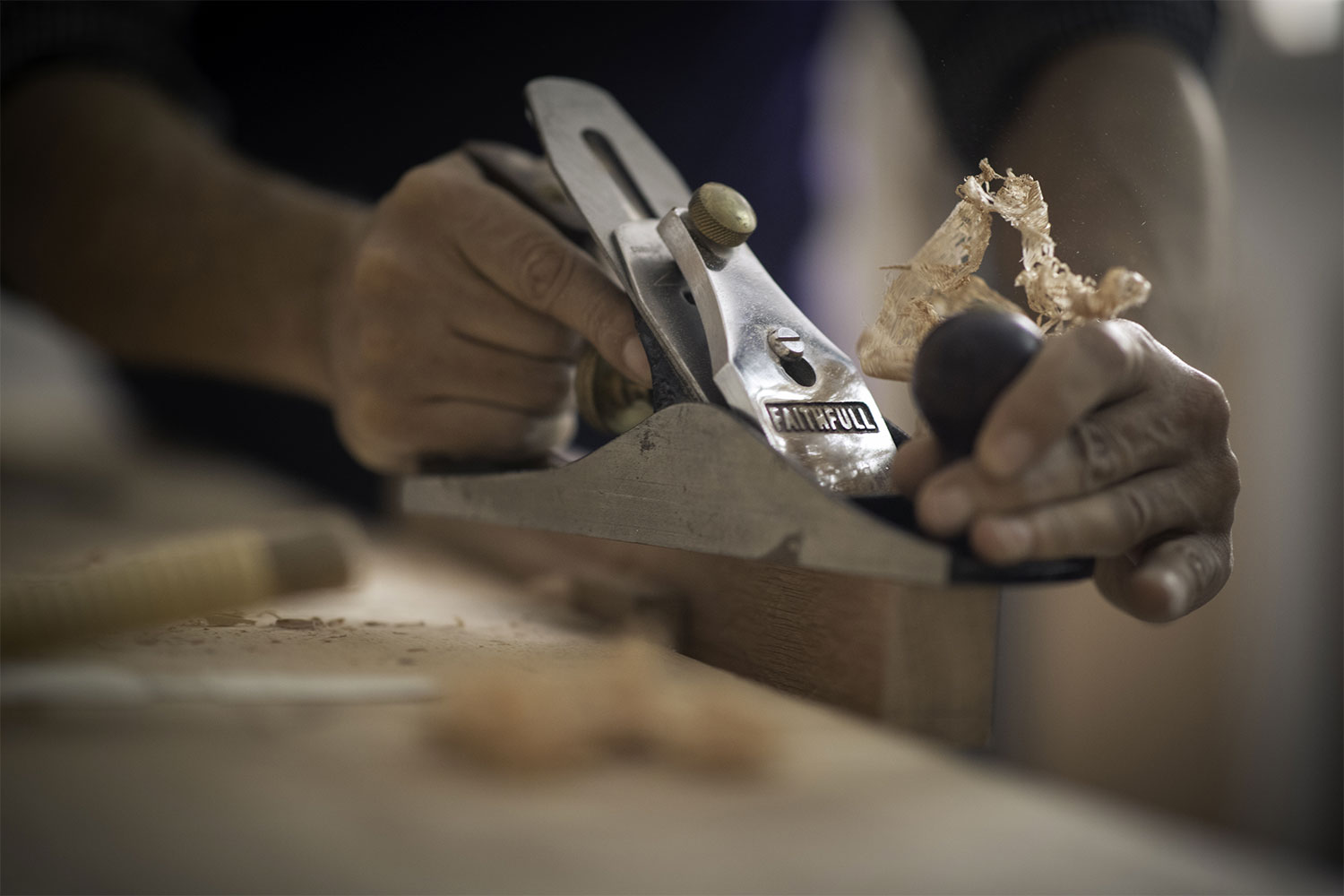
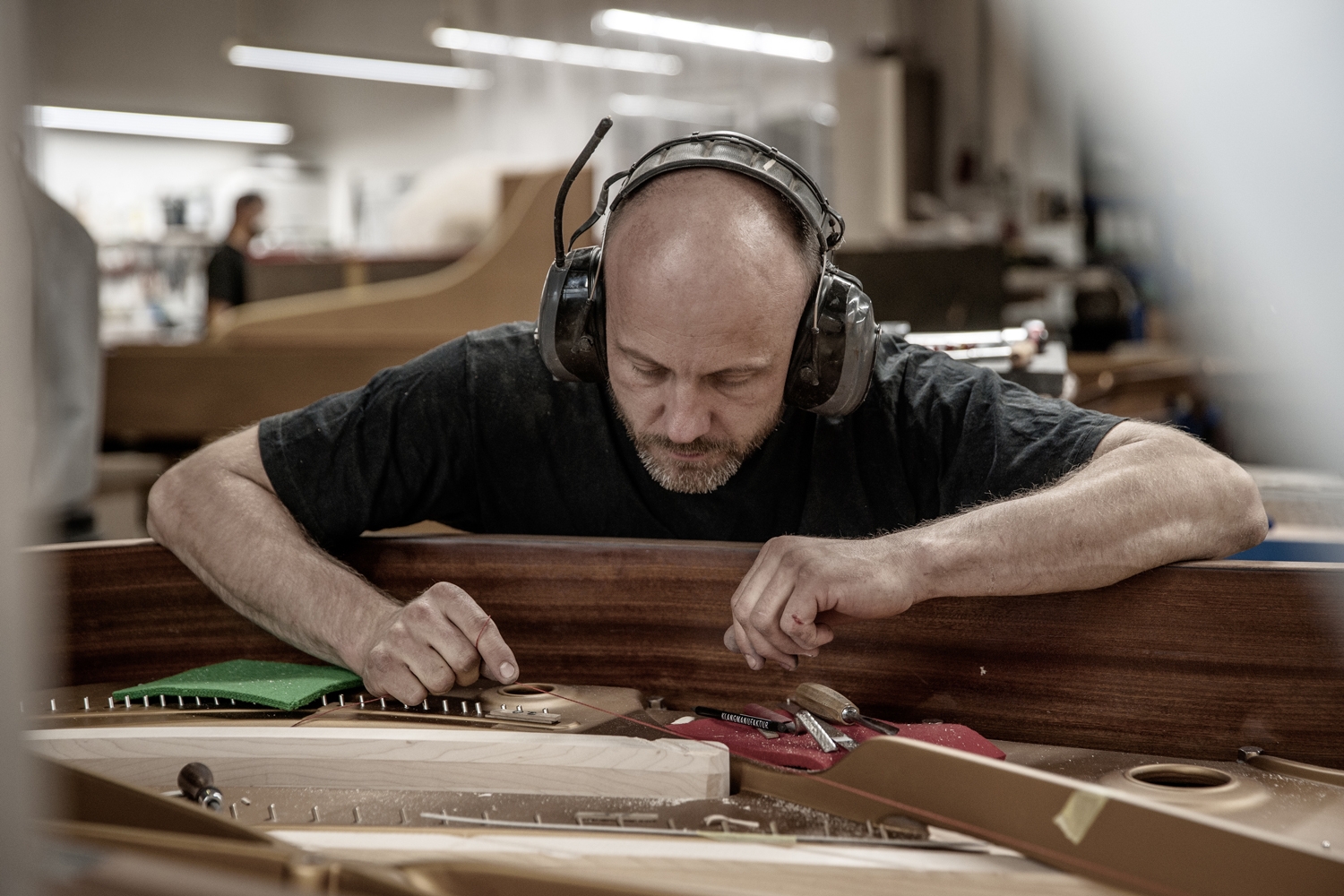
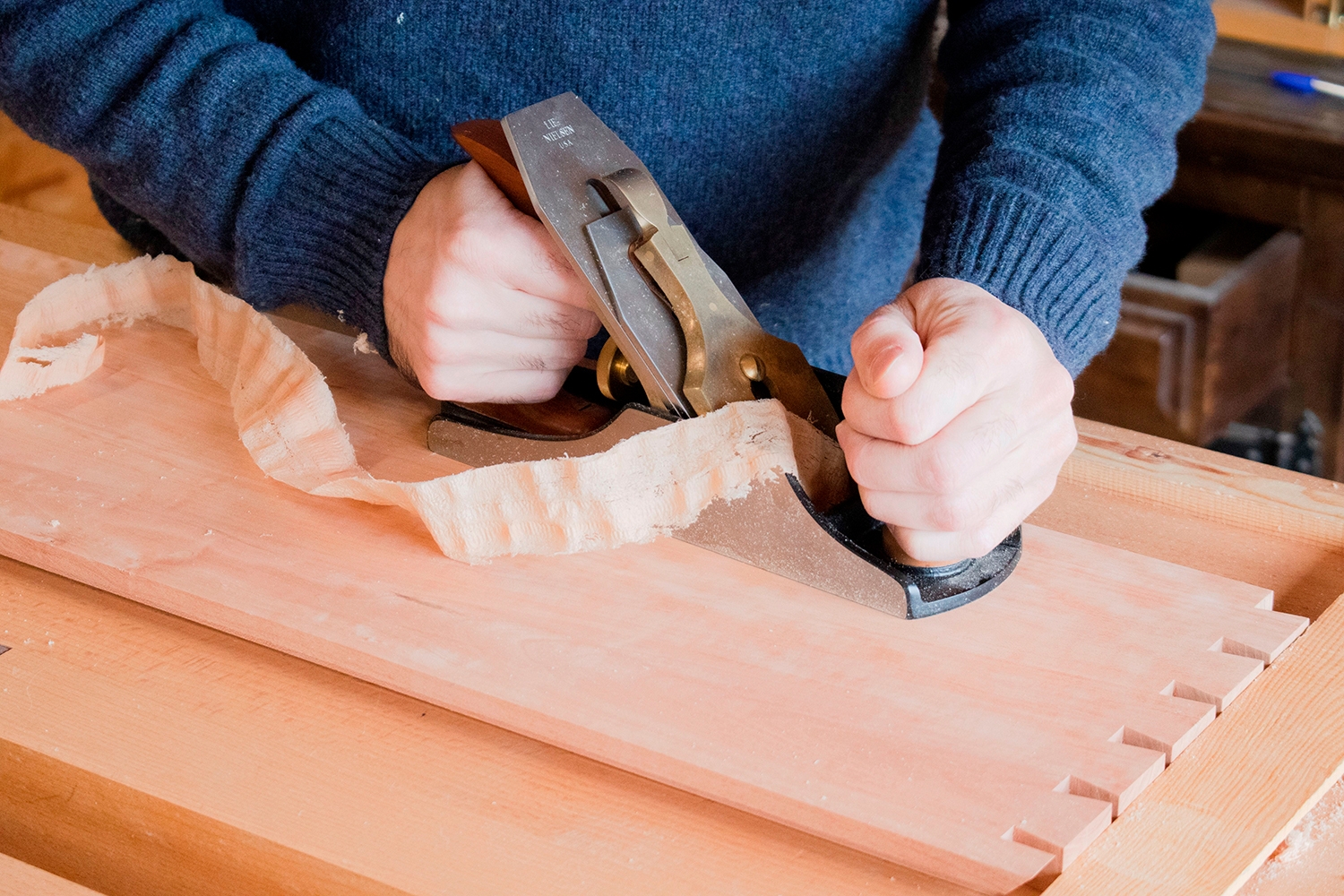
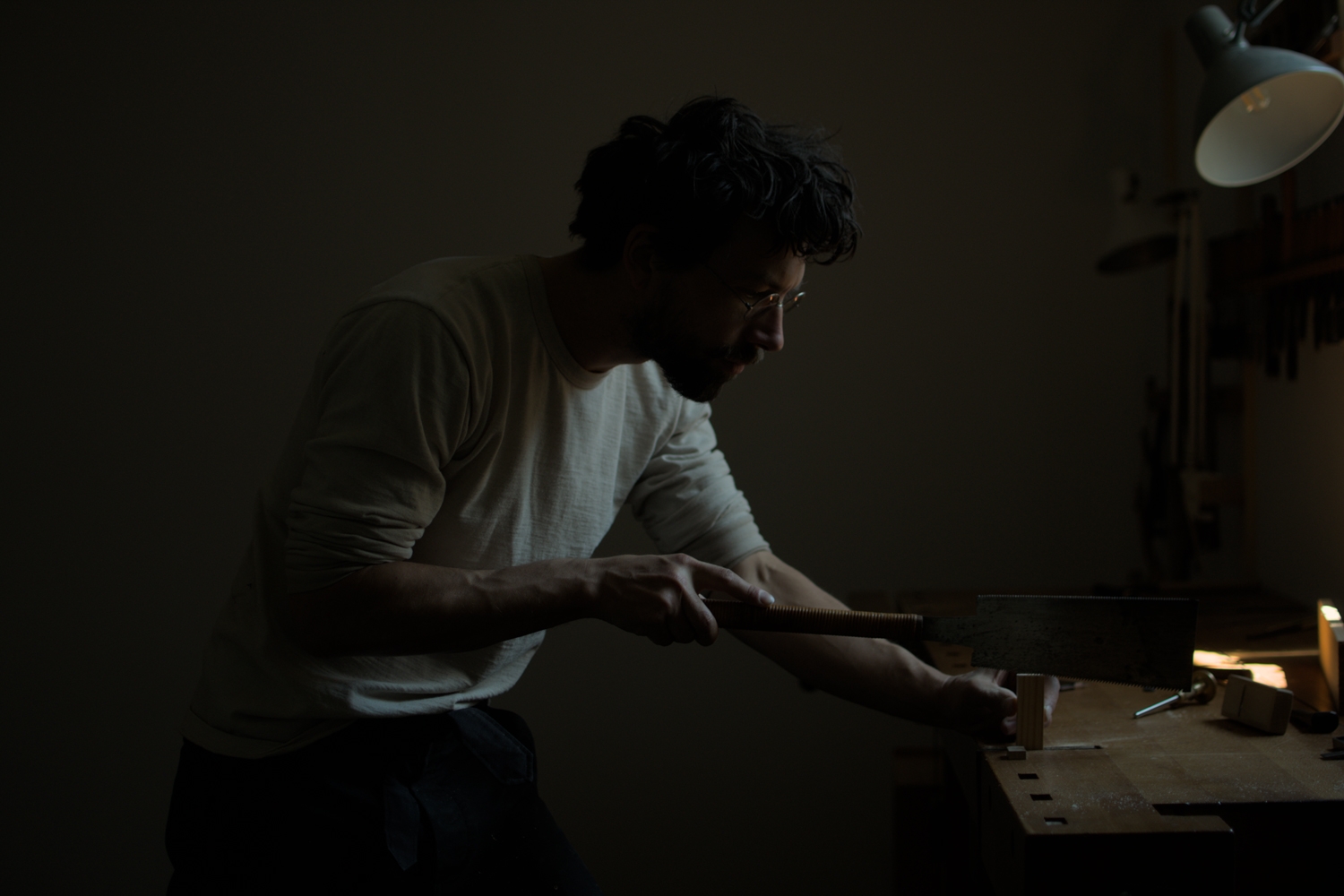
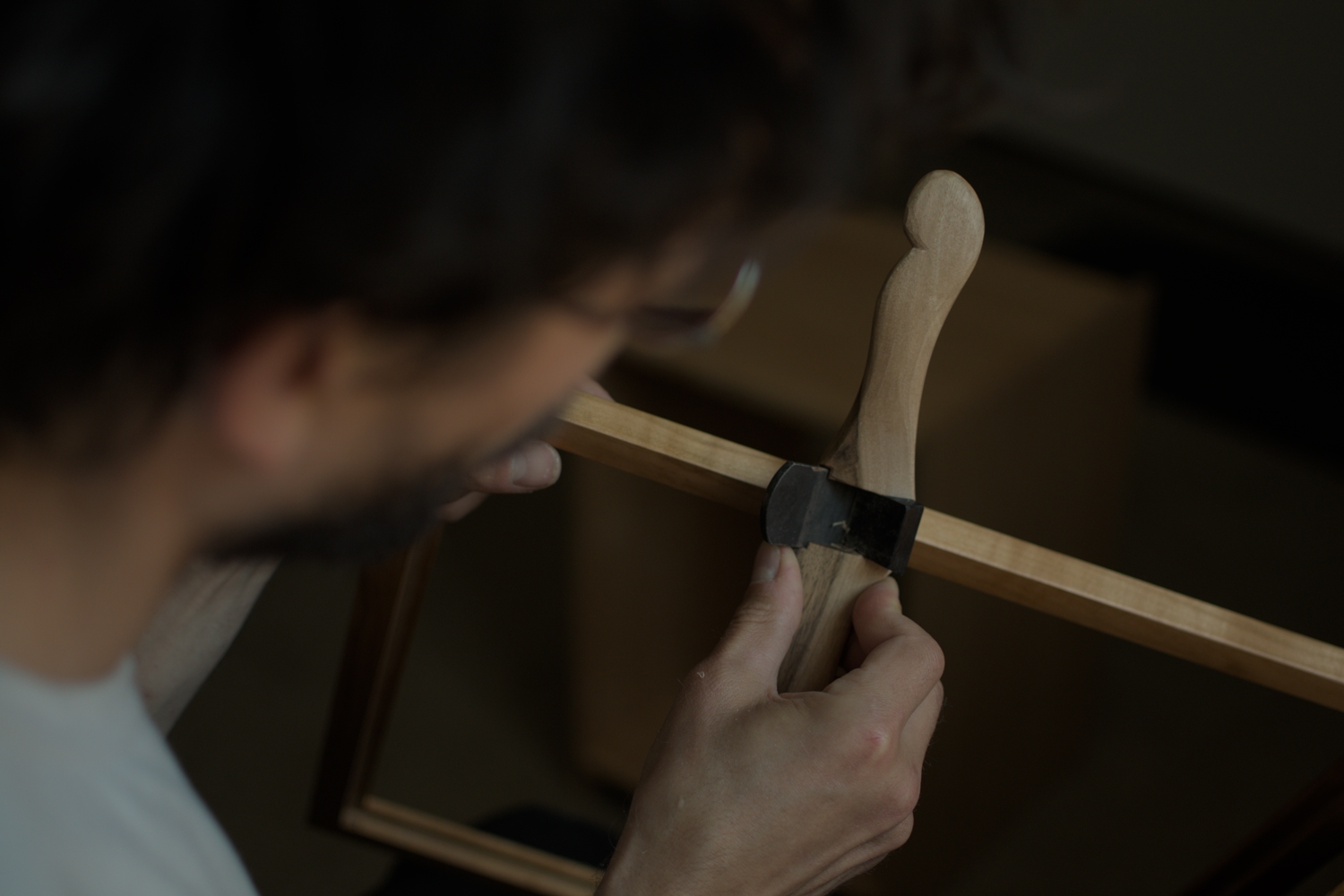
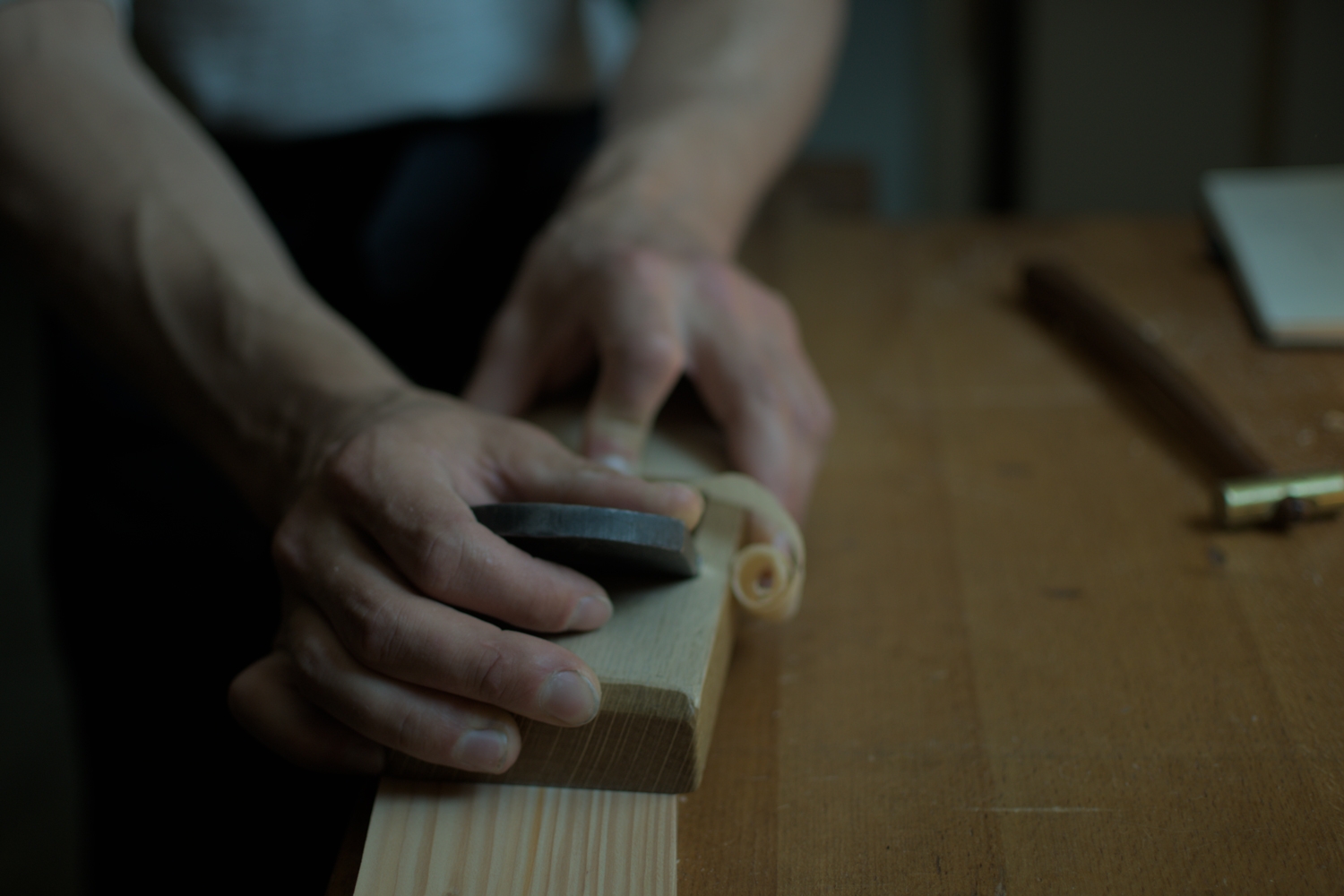
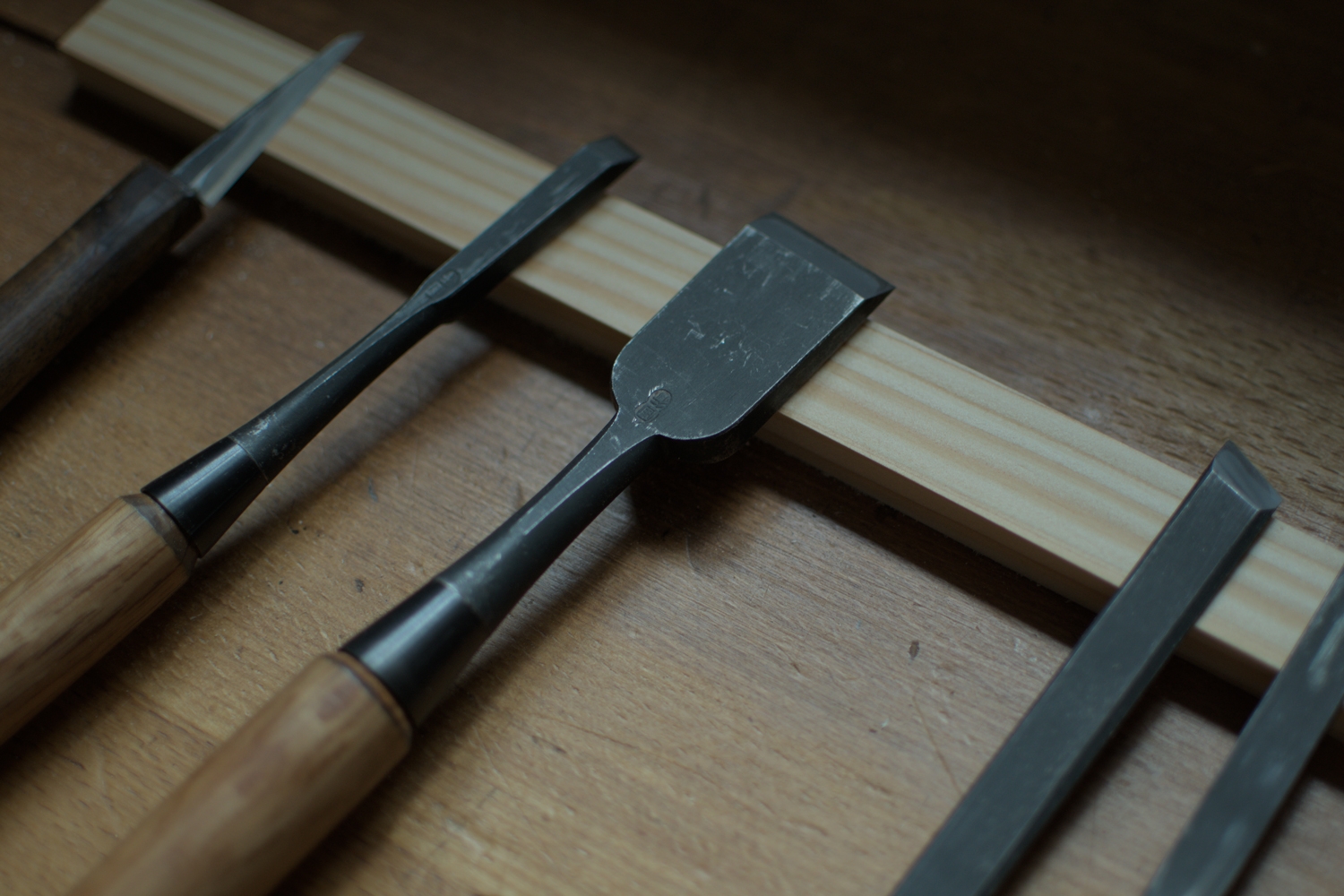
I am constantly learning. At the same time, I like following my intuition. I am able to interpret the subtle responses of the material I am working with. Furniture making is also an ever-closer collaboration between hand and tool, where tools become finely tuned sensors – extensions and amplifiers of the hands.
The key traits to have are humility, patience and a willingness to learn and be surprised. One should not have overly time-consuming hobbies, as spontaneity, attentiveness, active engagement and the ability not to overanalyse things are crucial.
The most important values in my work are integrity, knowledge and respect for the material. It is also important to be aware that each individual expression stands on the shoulders of artists before us.
Andreas Pfister
Furniture maker
Dießen am Ammersee, Germany
AVAILABILITY
By appointment only
PHONE
+49 15110596914
LANGUAGES
German, English
Homo Faber Finds is a new service aiming to inspire admirers of craft to connect and collaborate with exceptional artisans.
We invite you to submit an enquiry here.