Lithophany as a trademark
- Snježana creates flat and clean abstract shapes
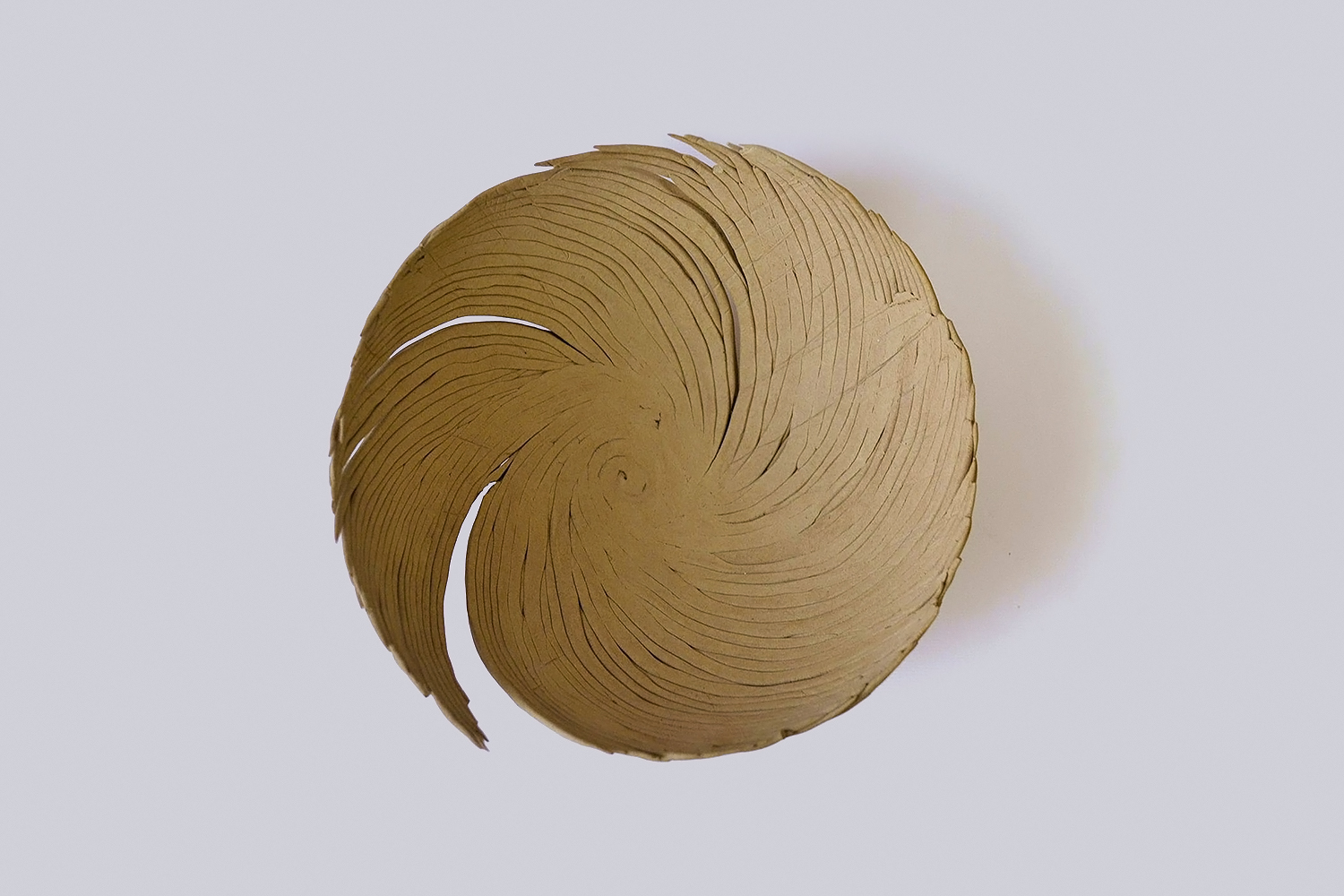
- She has an experimental approach to the lithophany technique
- She used to organise international exhibitions
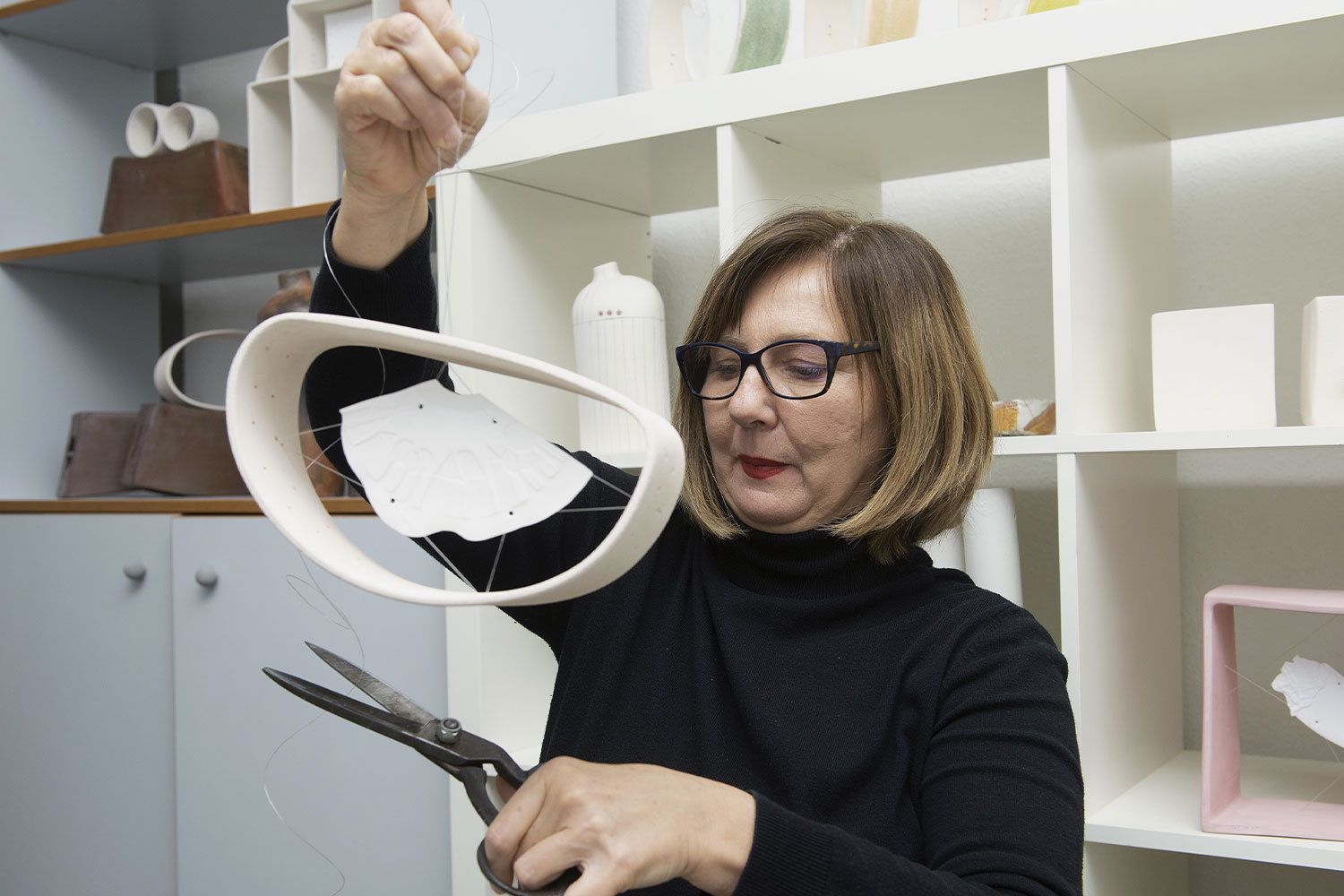
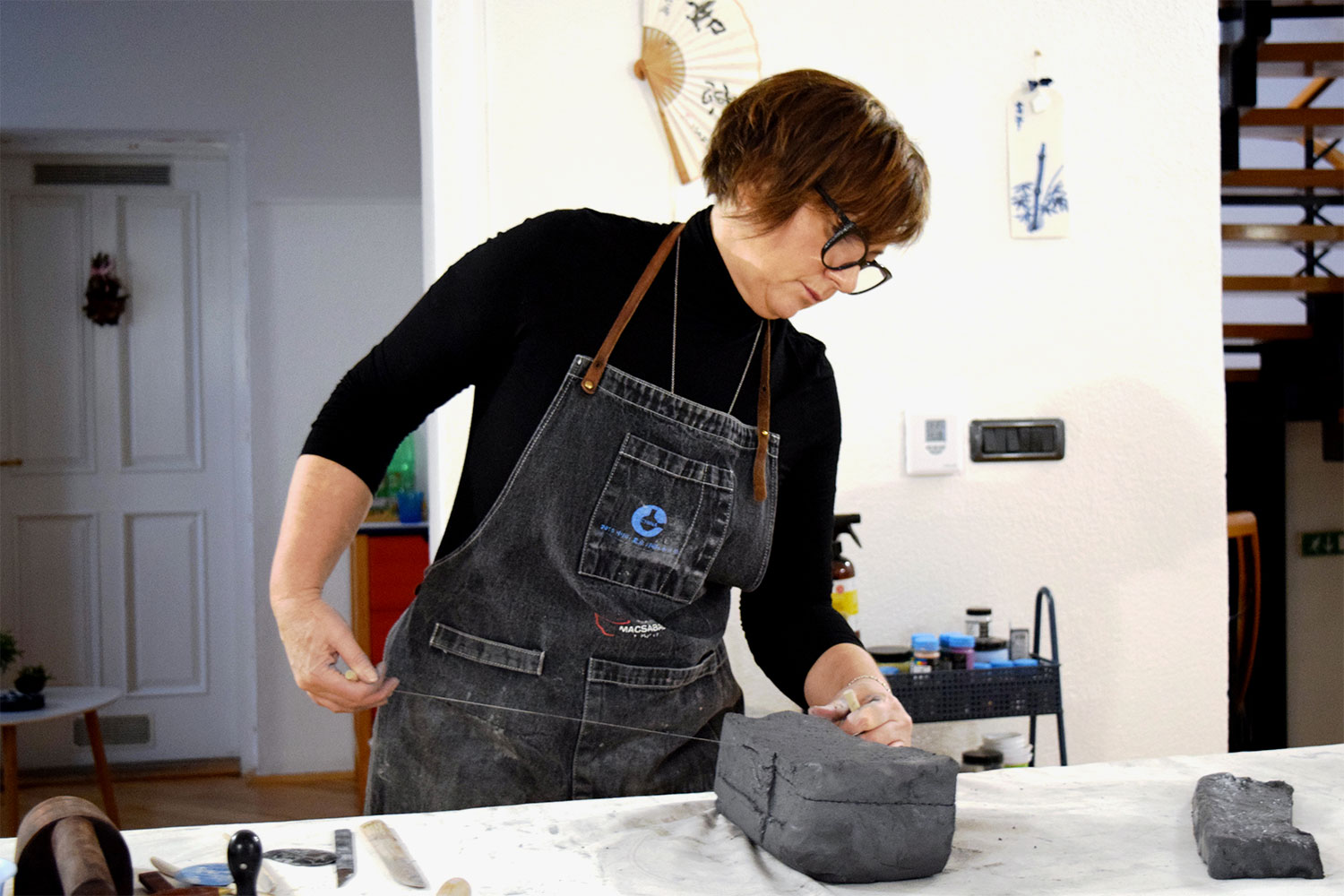
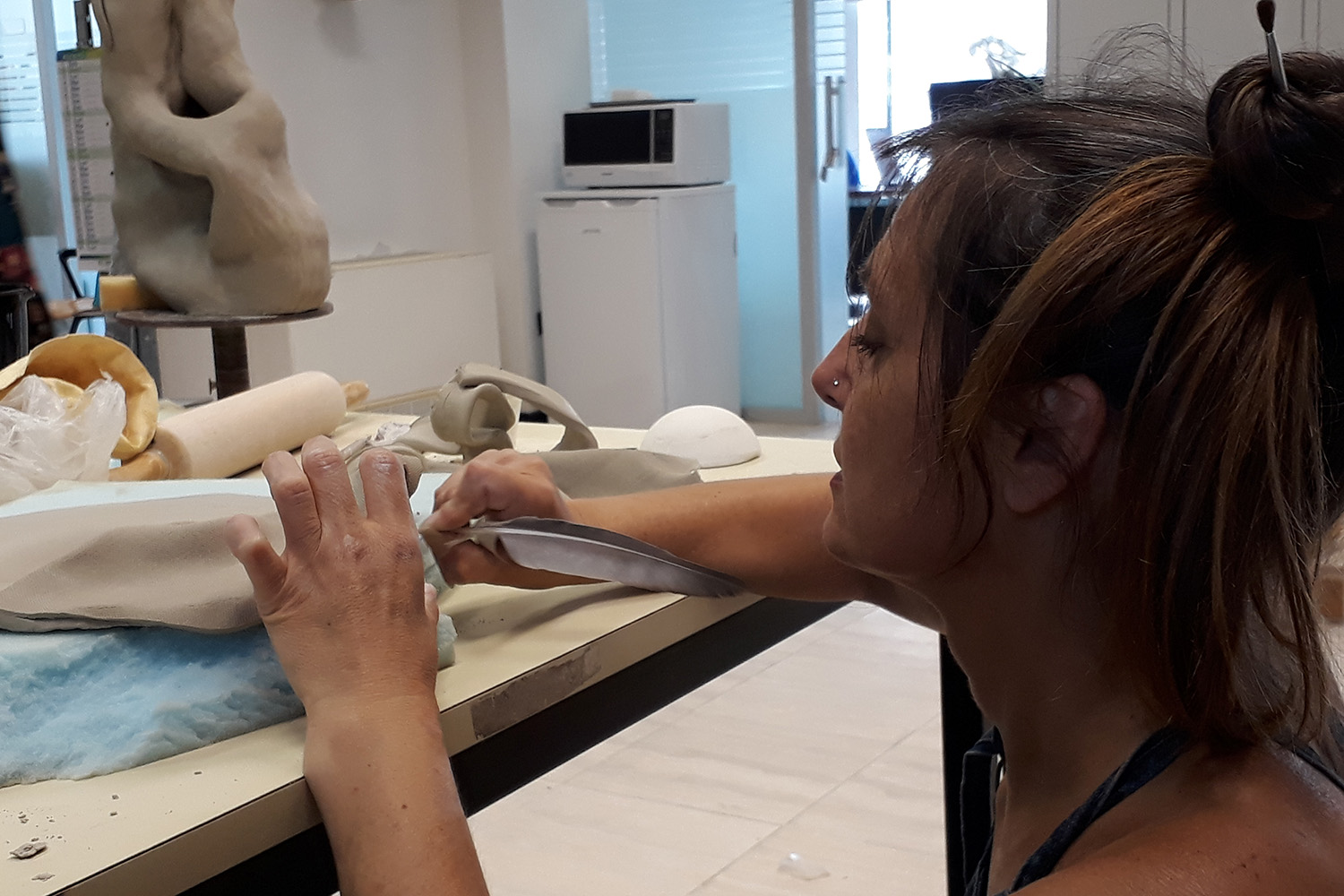
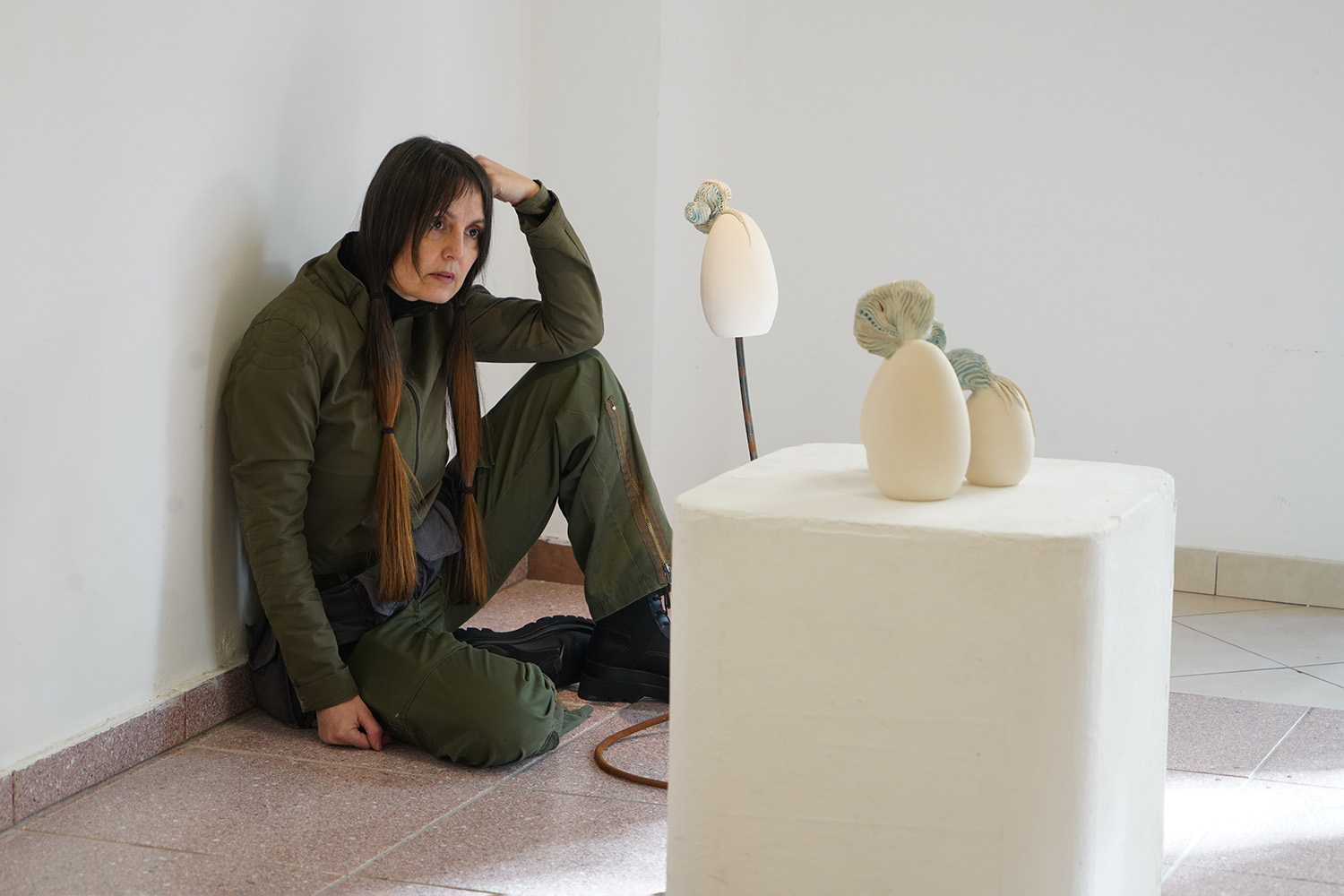
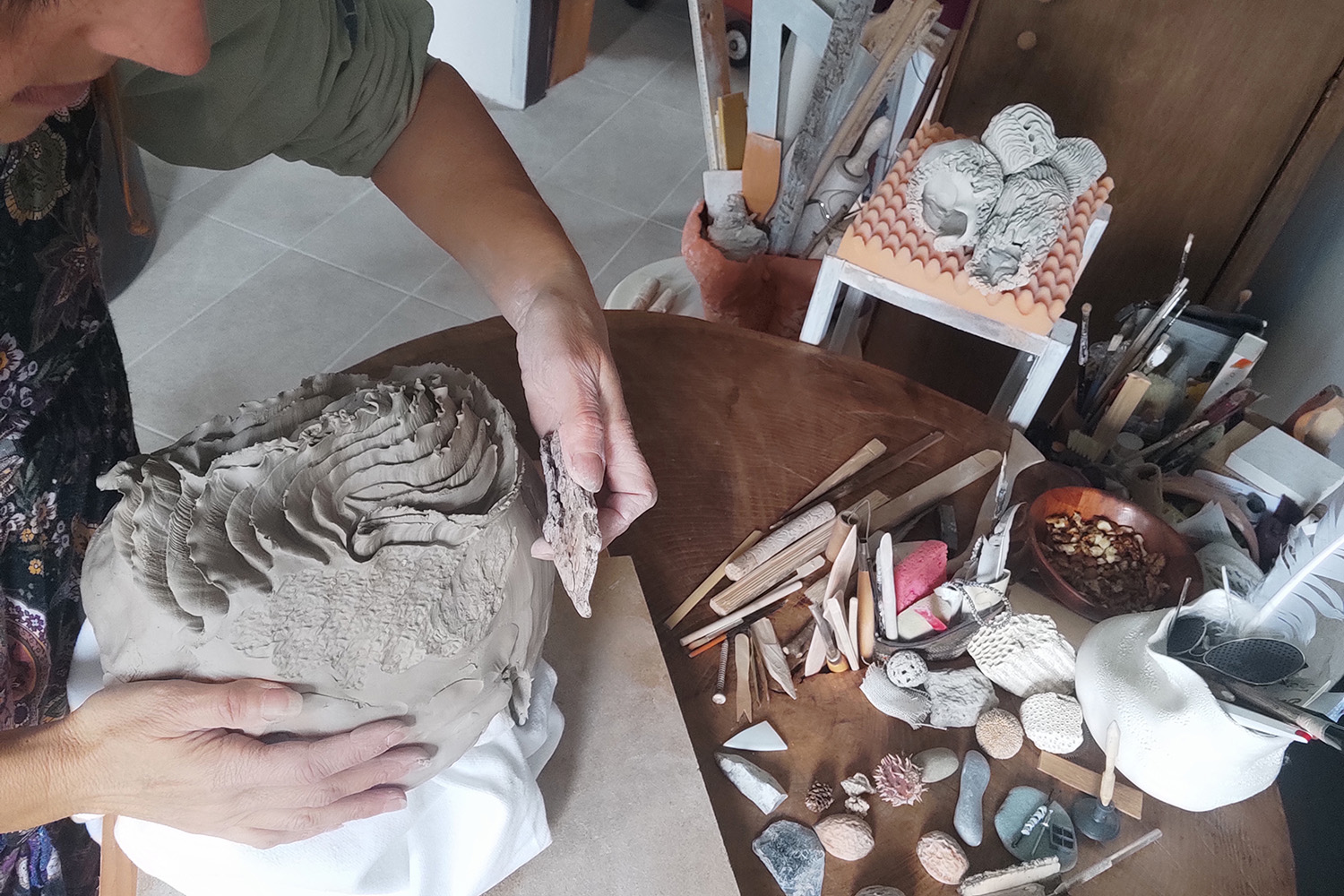
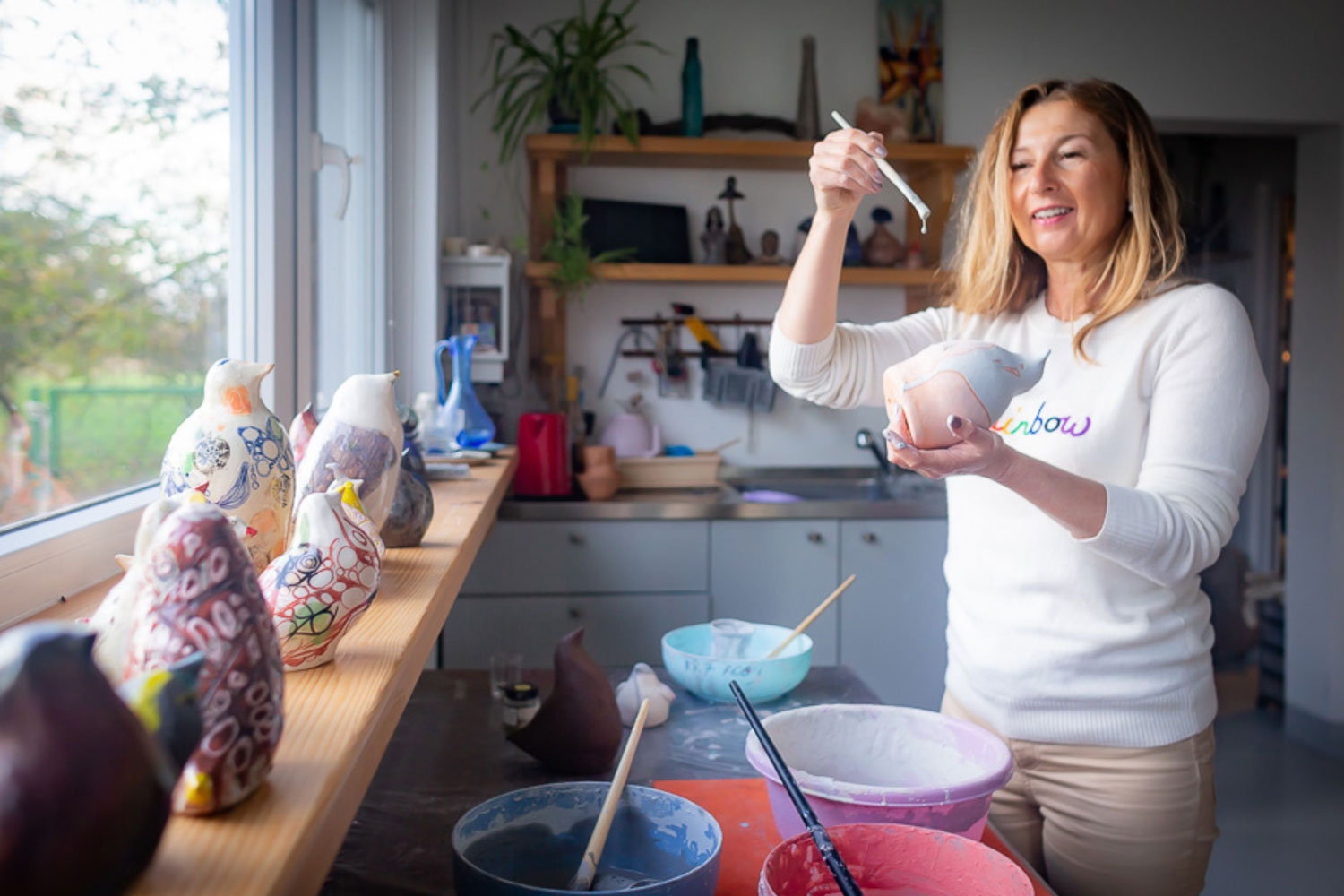
Snježana Pokos-Vujec's work is always an intense creative search for new forms and new themes. In her work, she uses different techniques and production technologies and is equally successful at making large and miniature, robust as well as fragile works. After many years in the field observing the ceramics world through the eyes of an international exhibition organiser within a ceramicist association, she gradually became interested in making herself. “After learning through observing I started to express myself artistically. I chose outstanding ceramic artists - masters of design and porcelain decoration as my teachers, so I quickly overcame the most demanding techniques, including lithophany, which has become my trademark”, says Snježana.
INTERVIEW
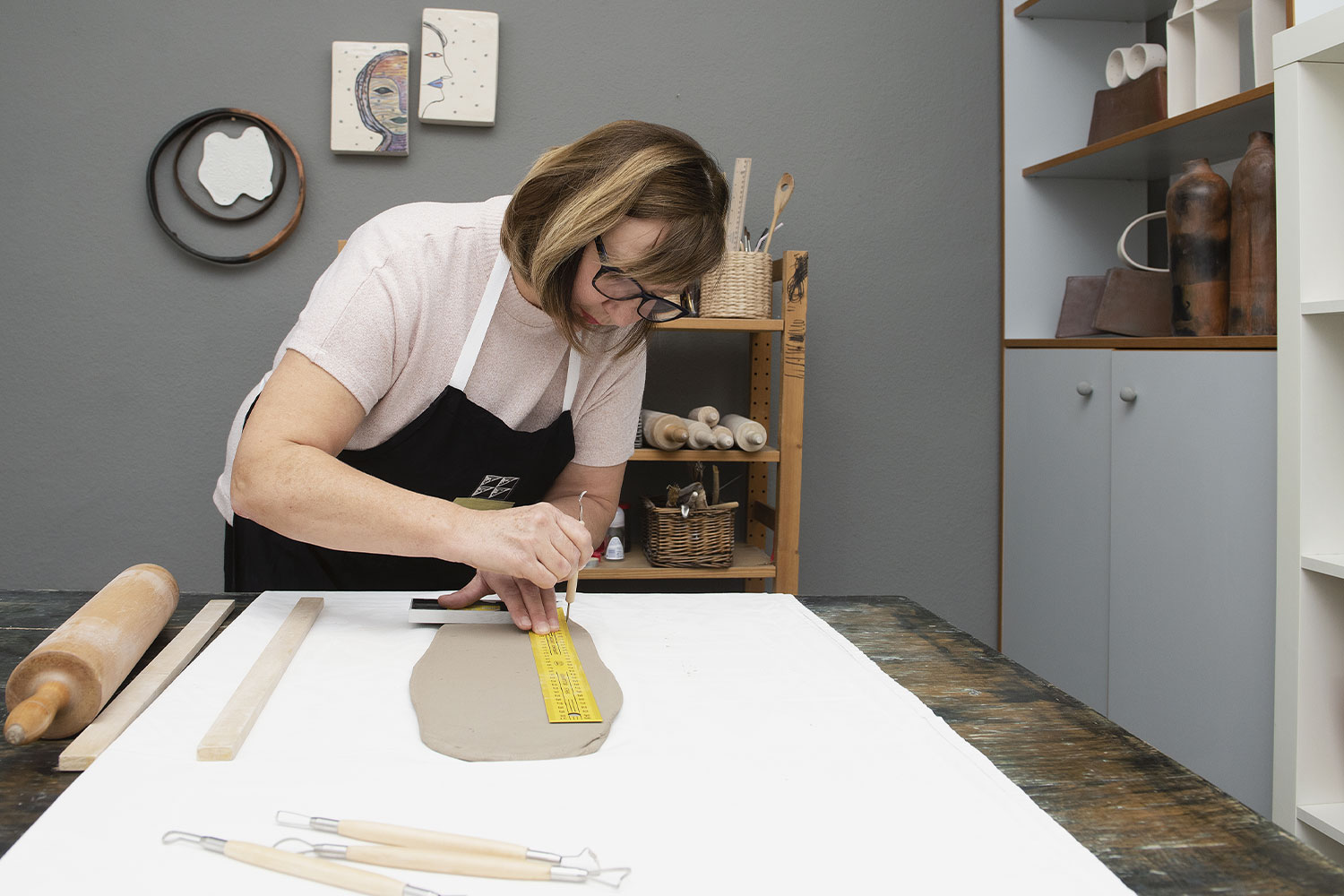
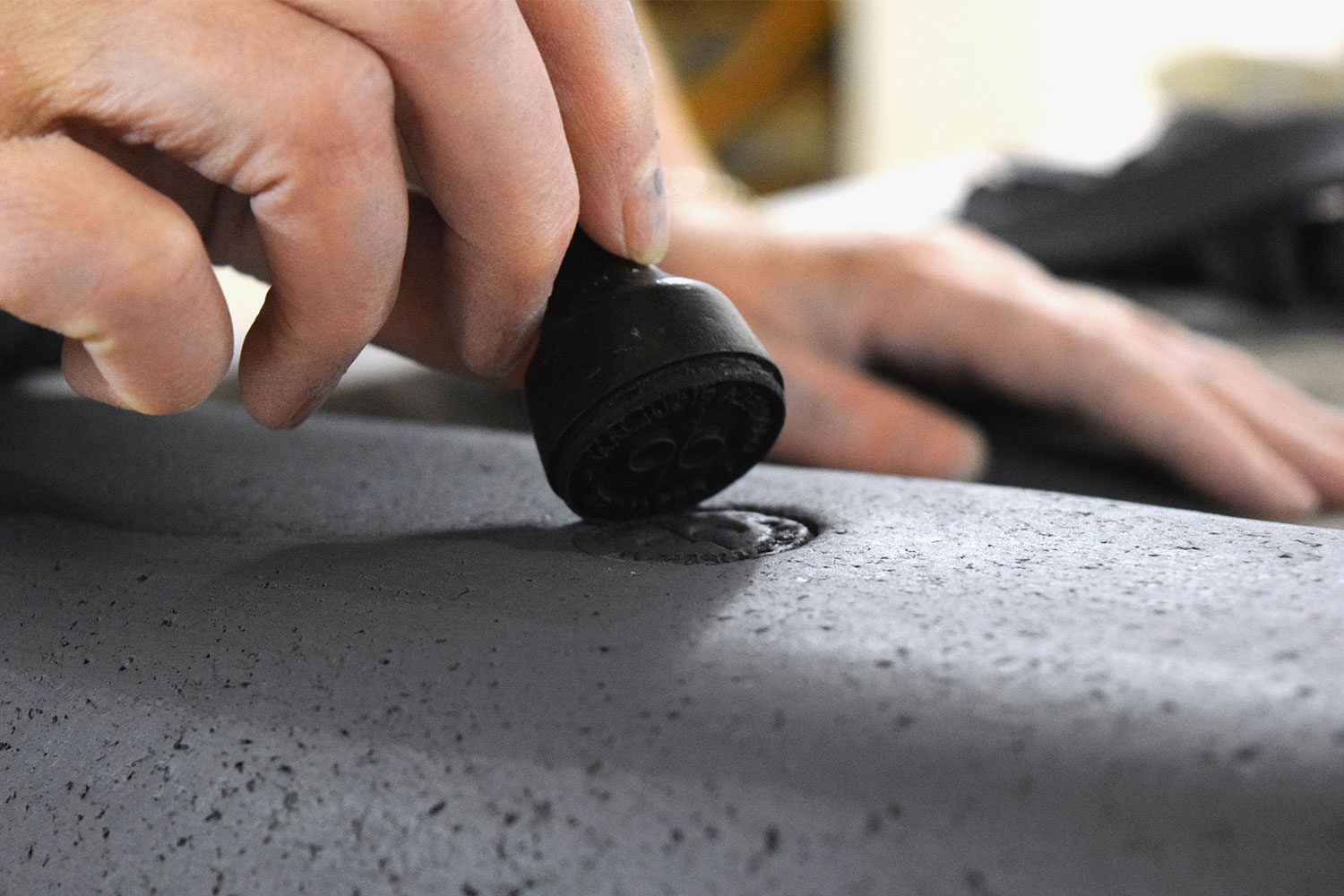
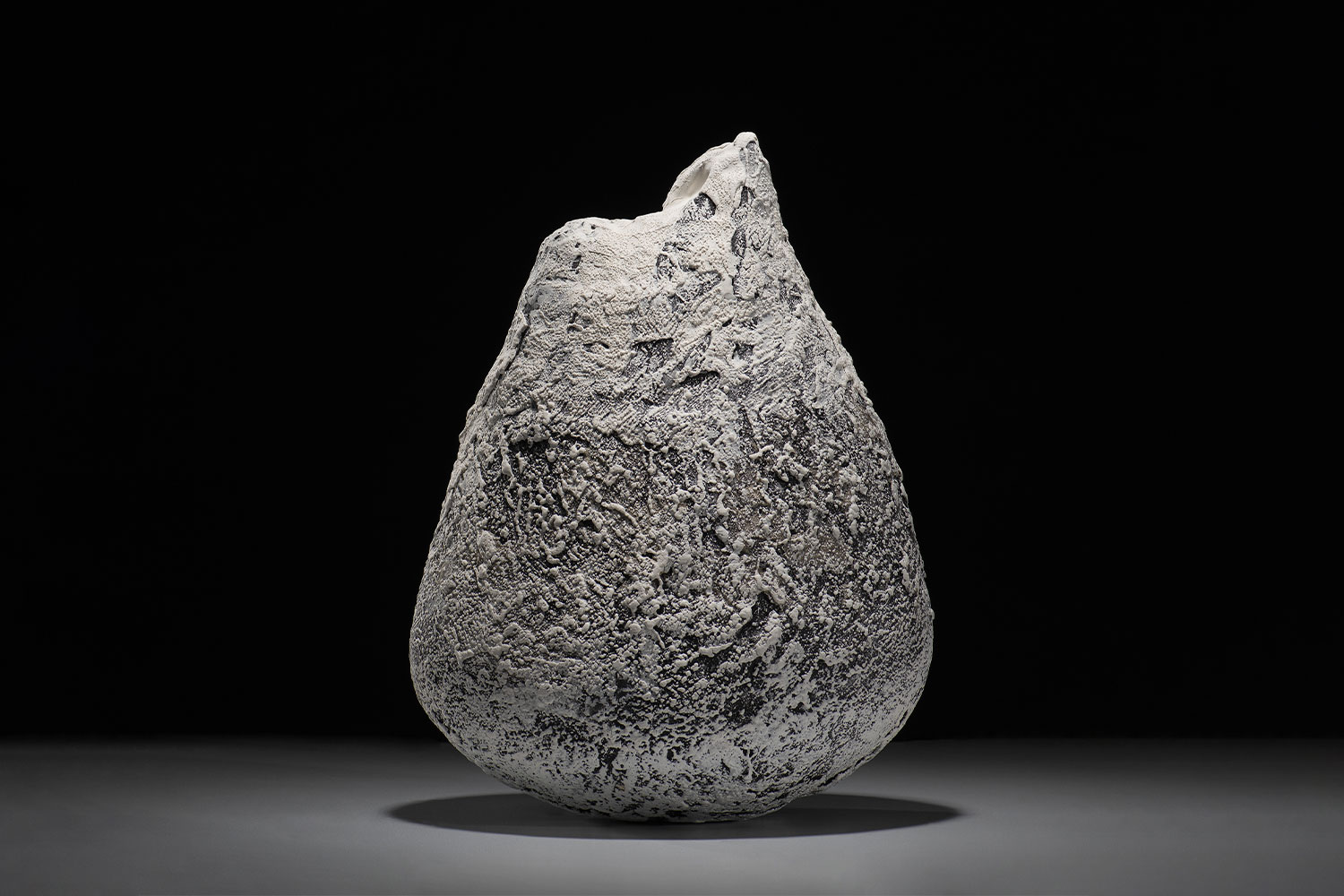
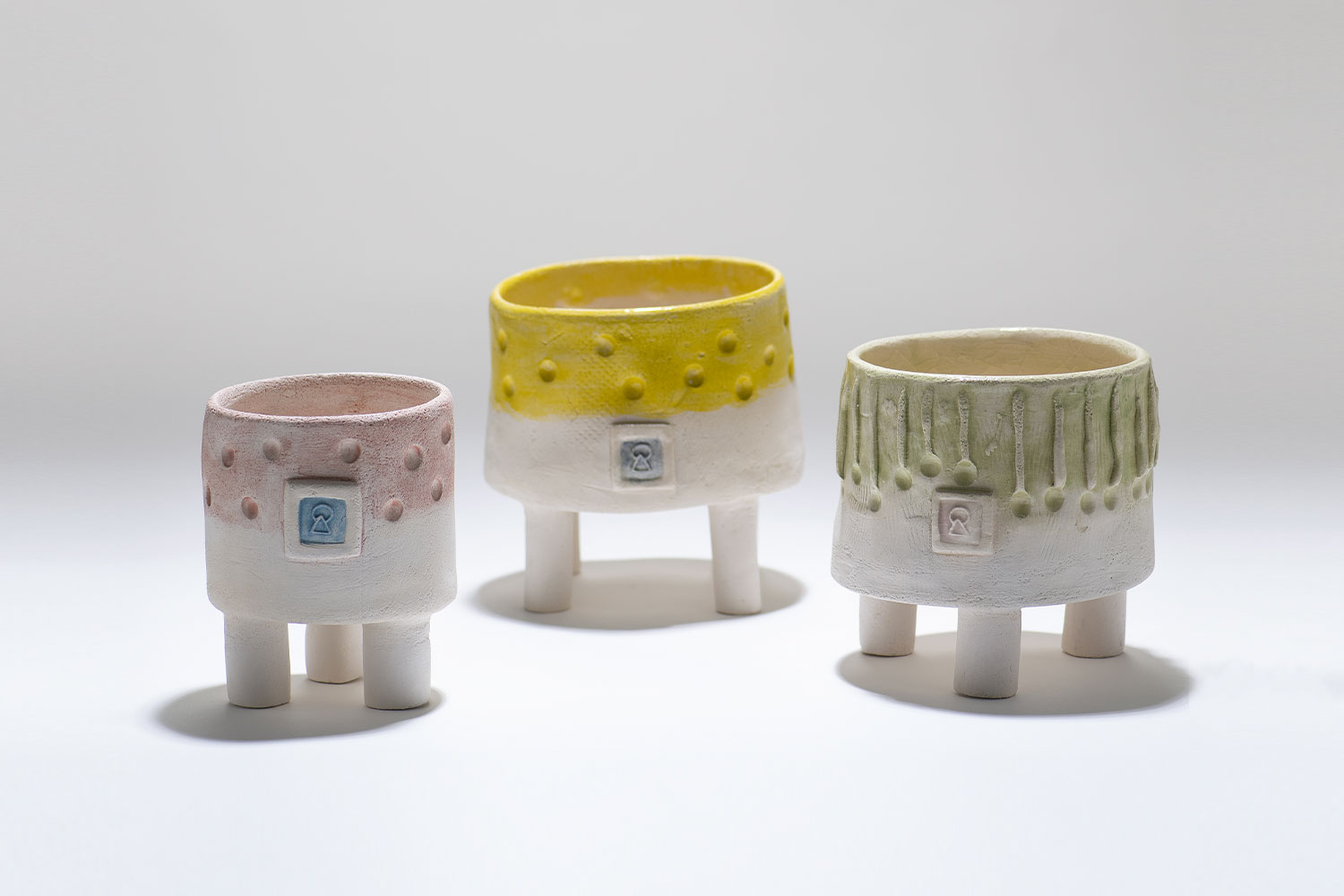
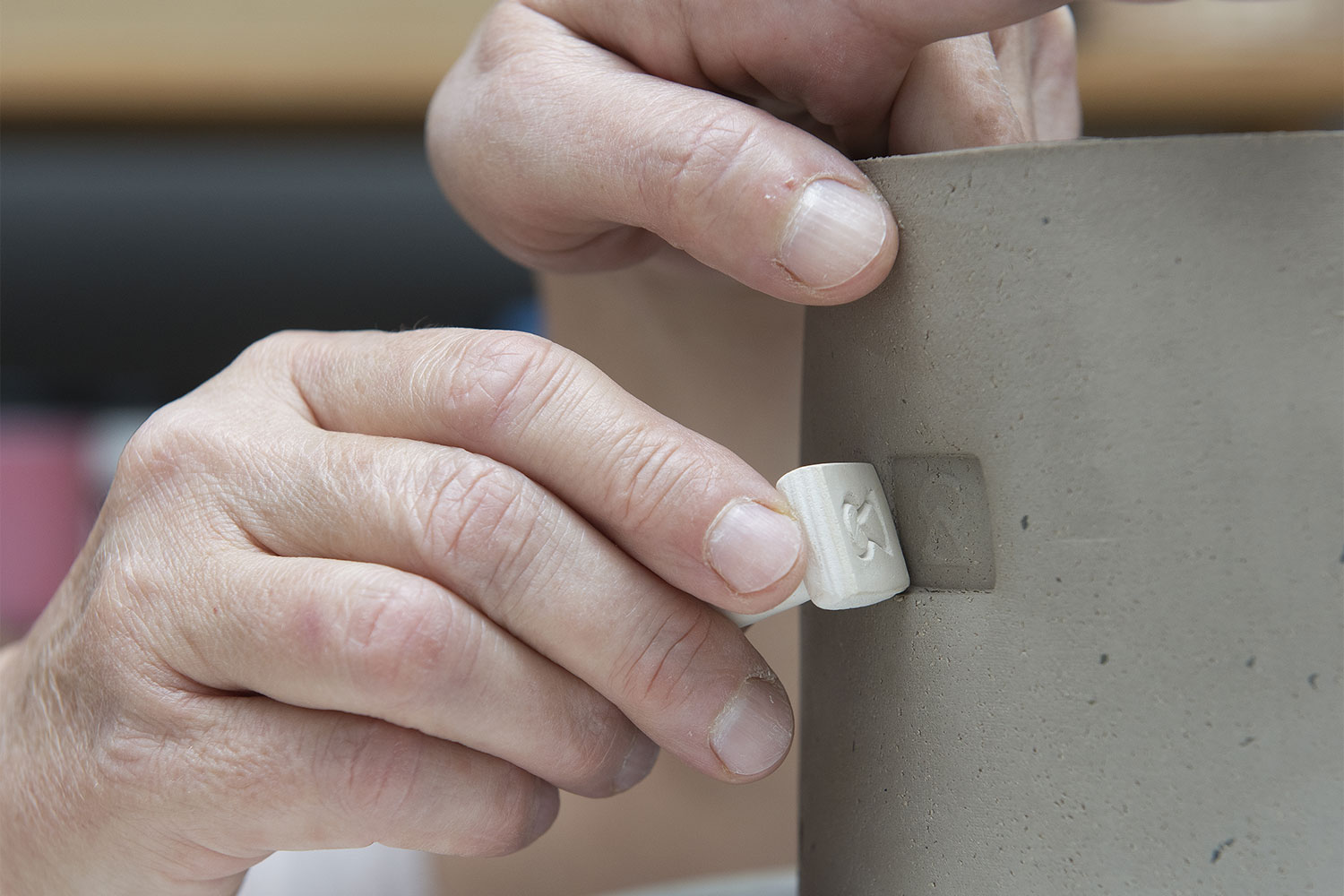
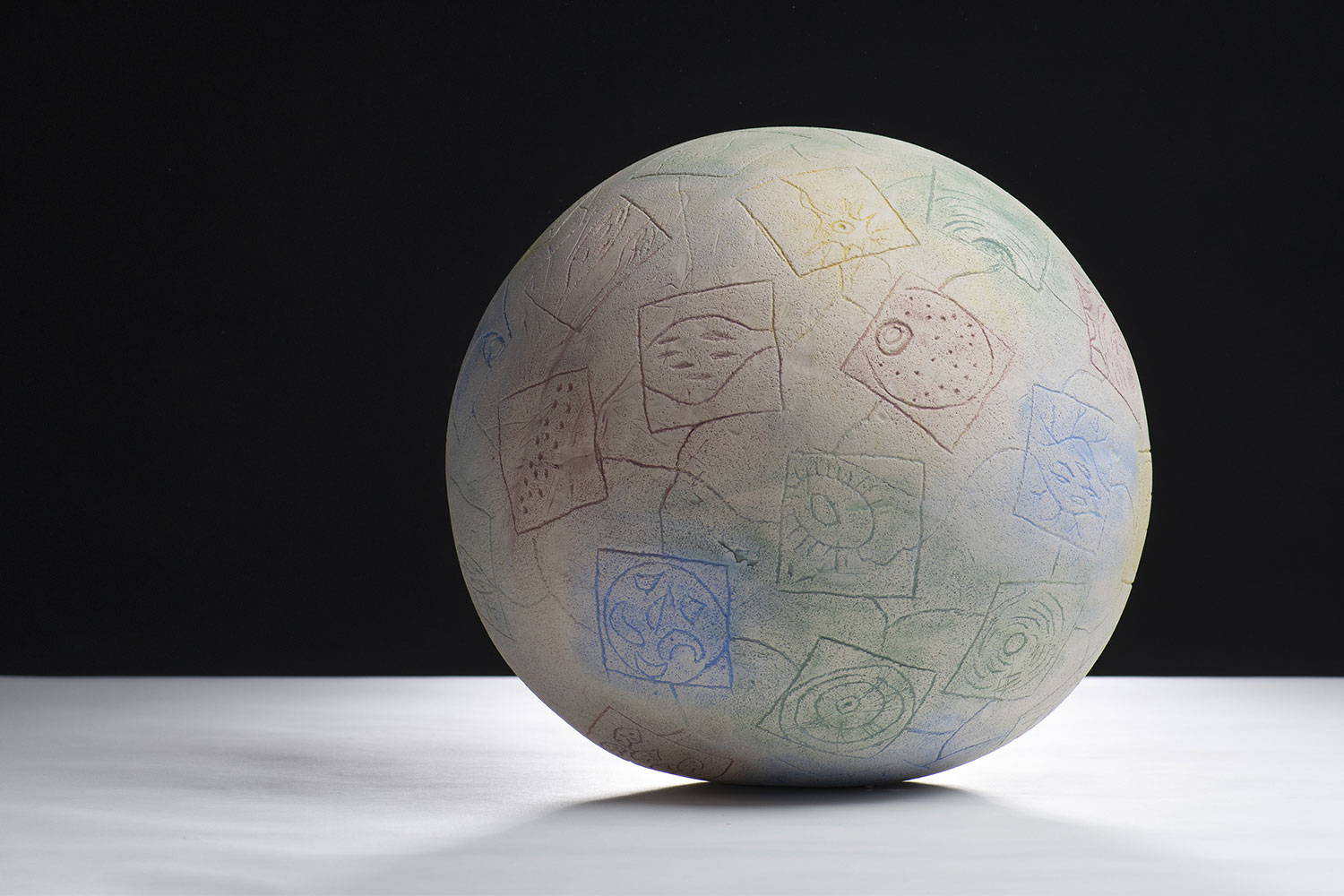
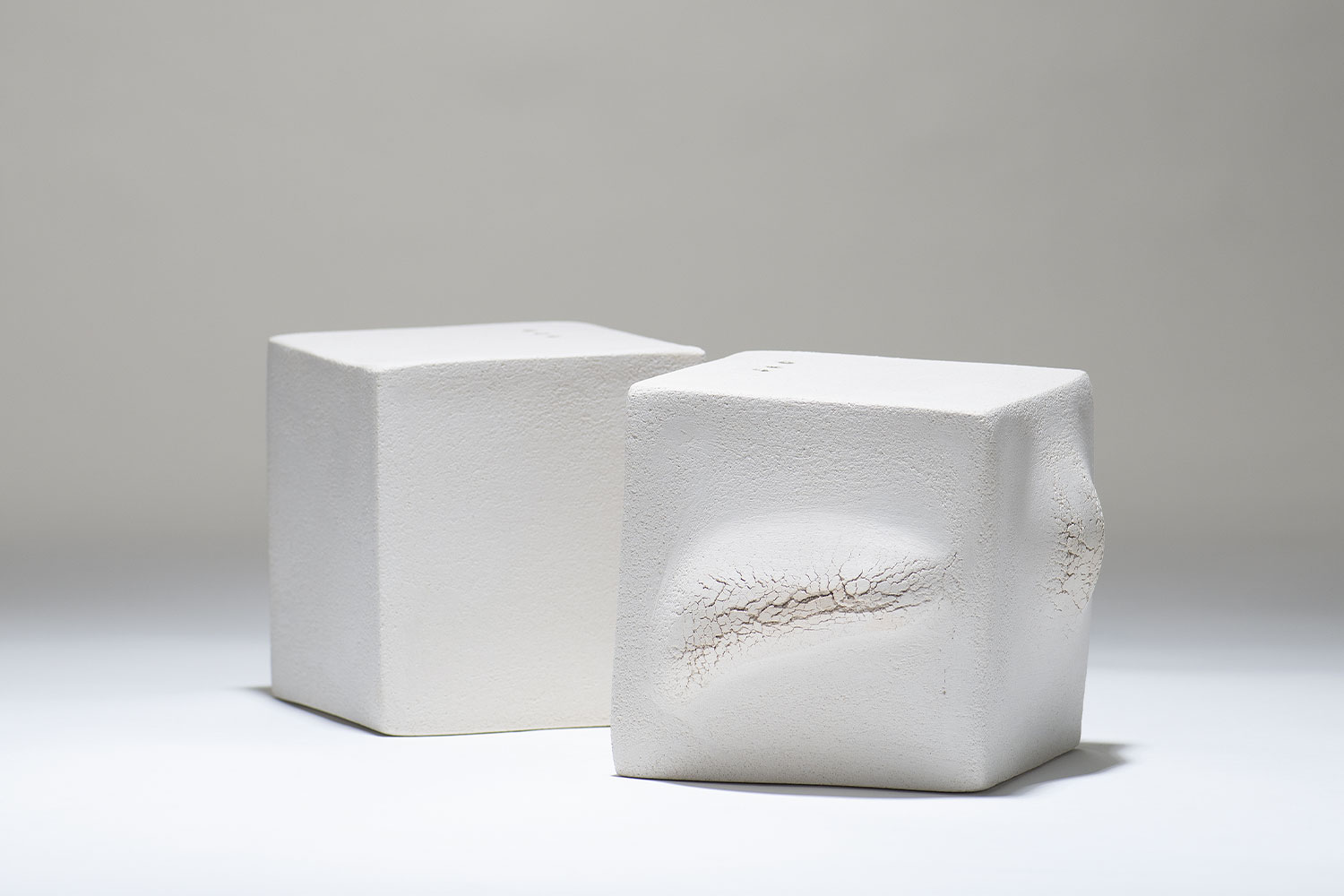
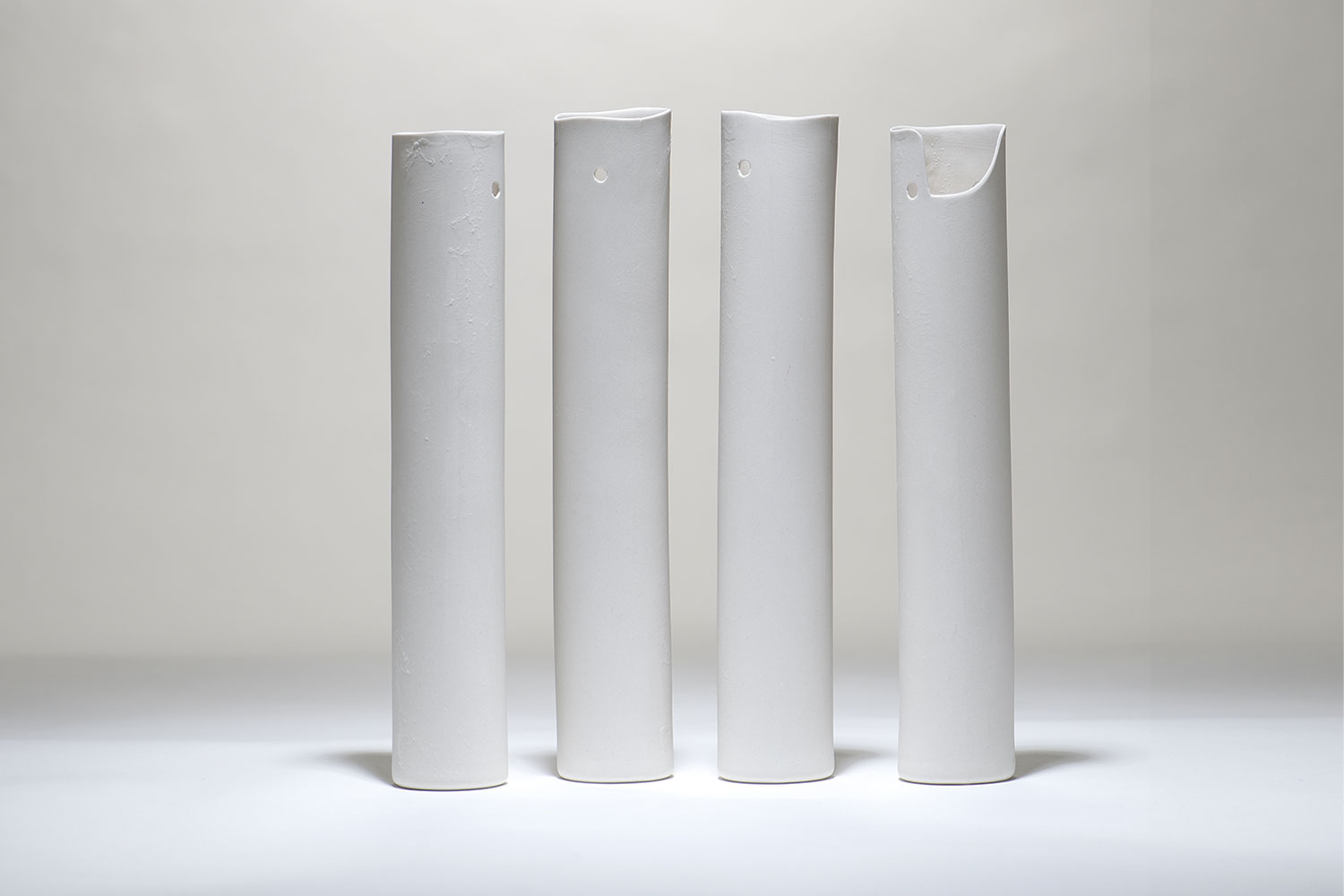
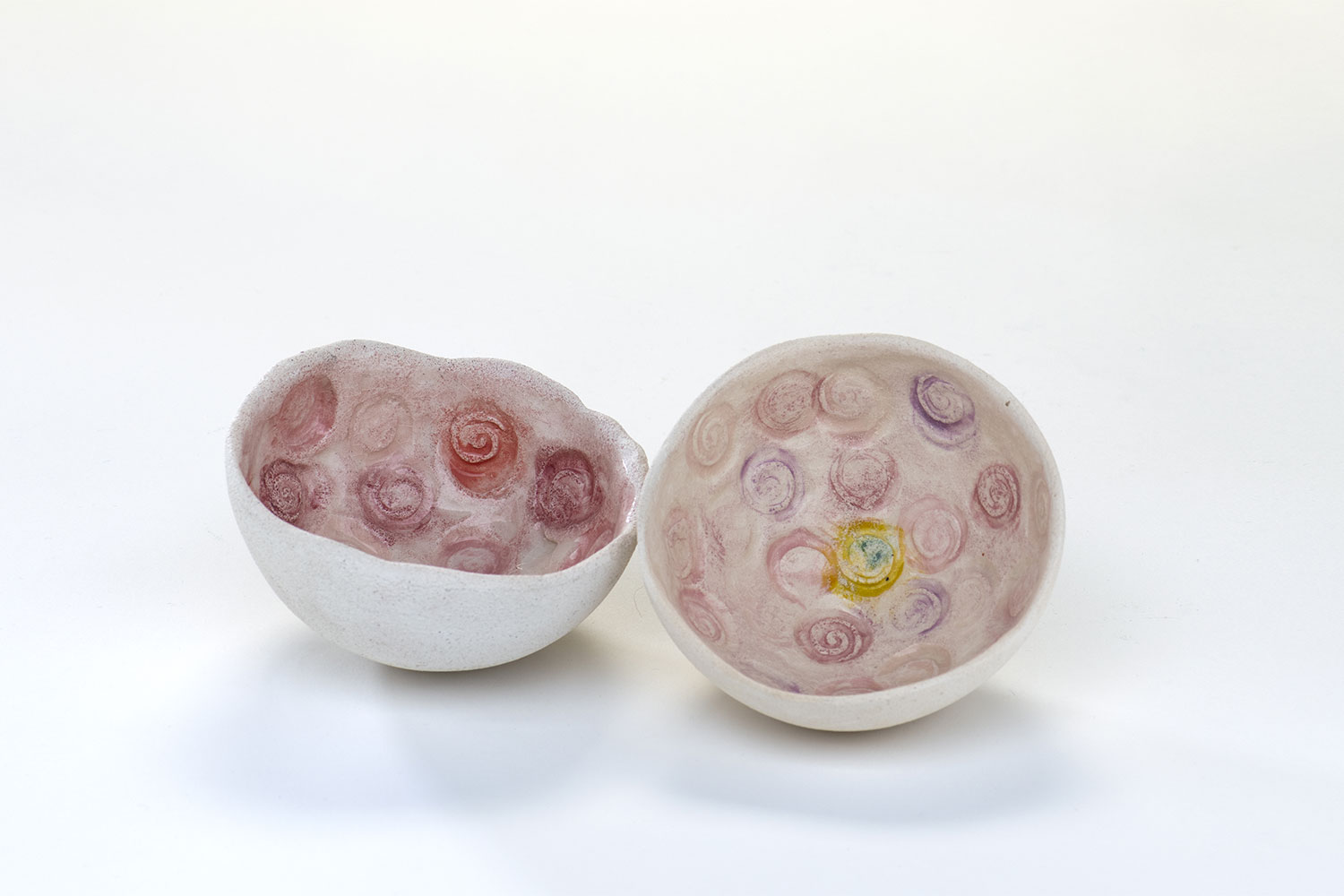
In my work I combine chamotte clay and porcelain. I love the contrast of the strong preserving character of clay with the delicateness of the porcelain. My shapes are clean and the surfaces are flat. On them, I write messages, draw pictures or insert different elements.
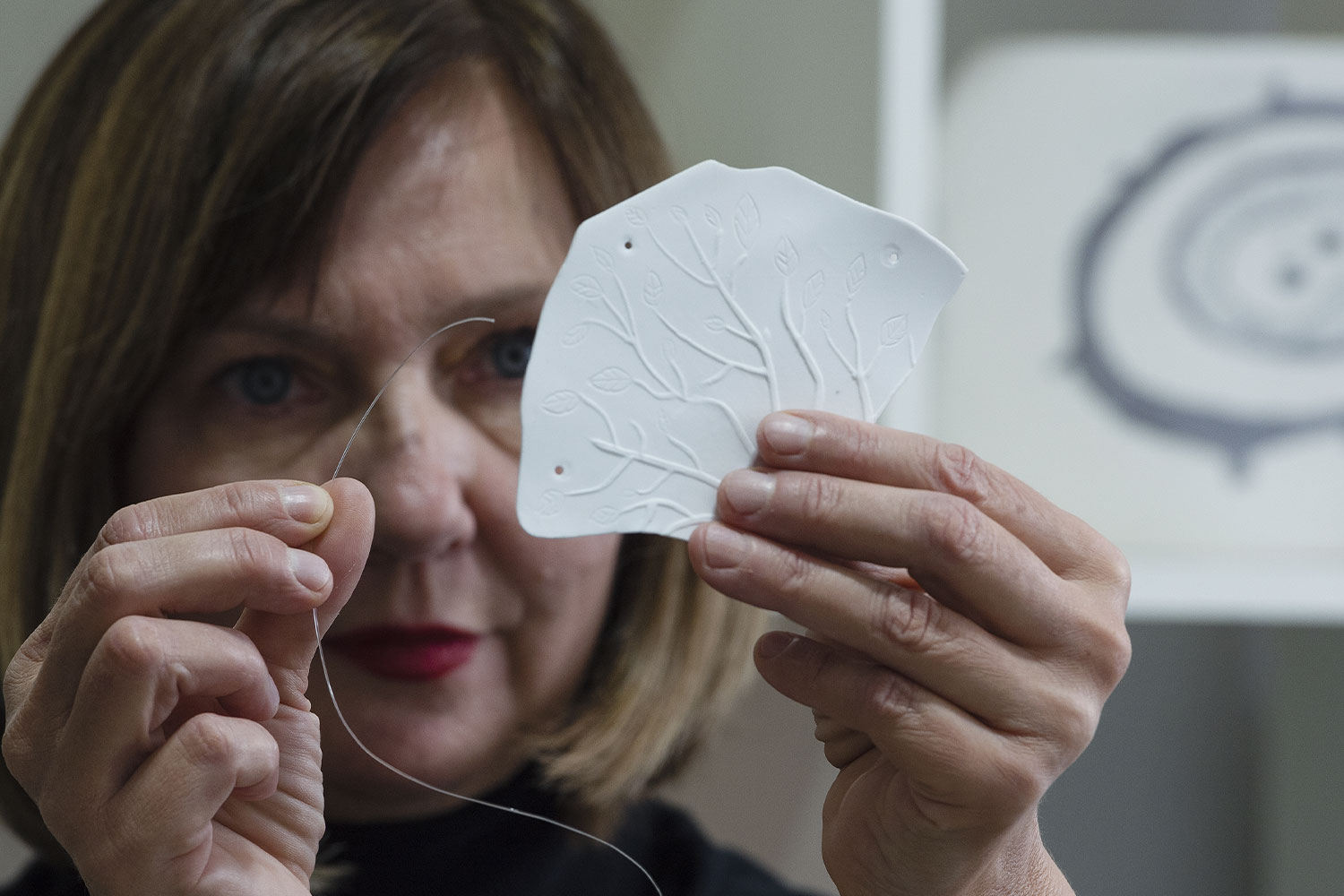
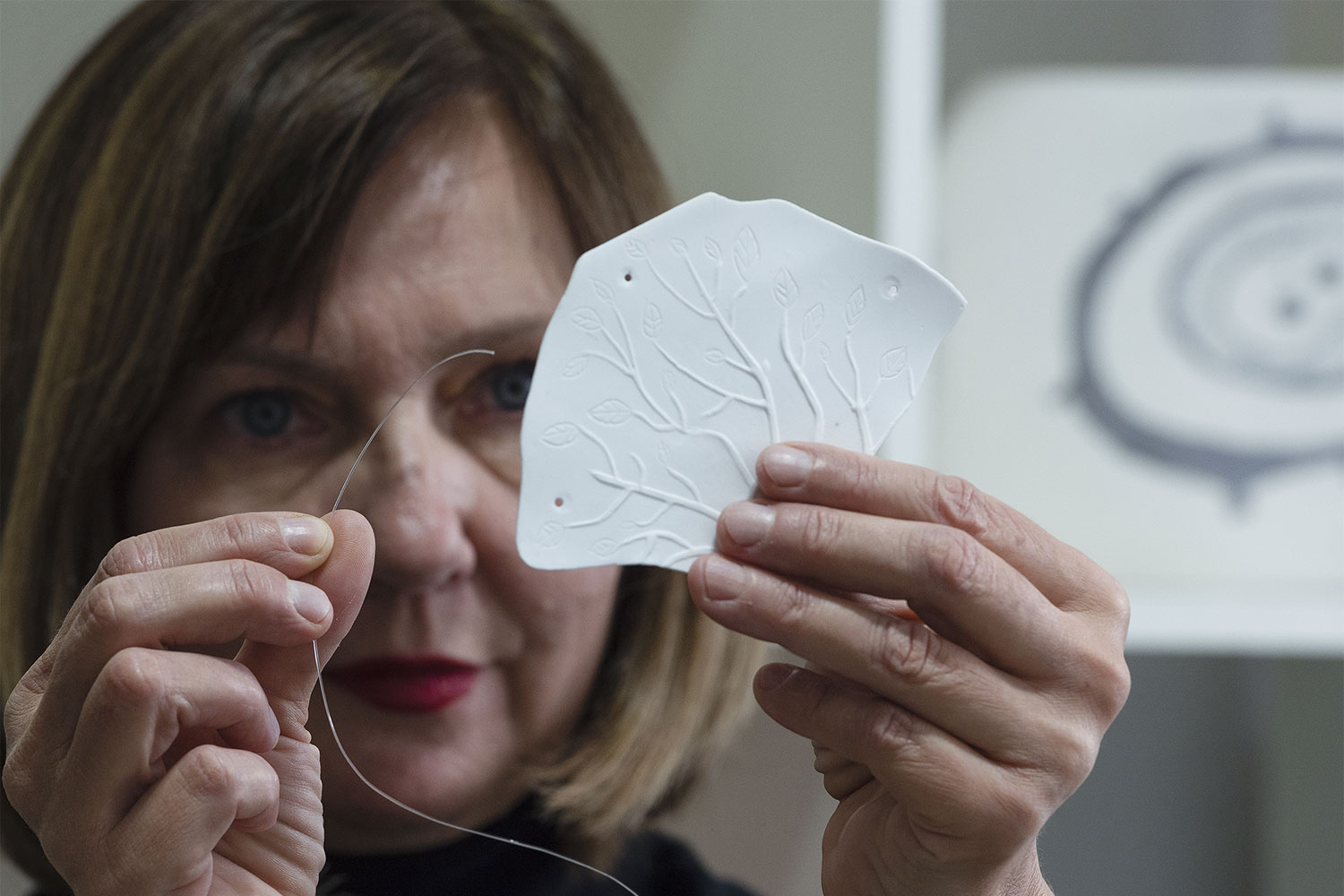
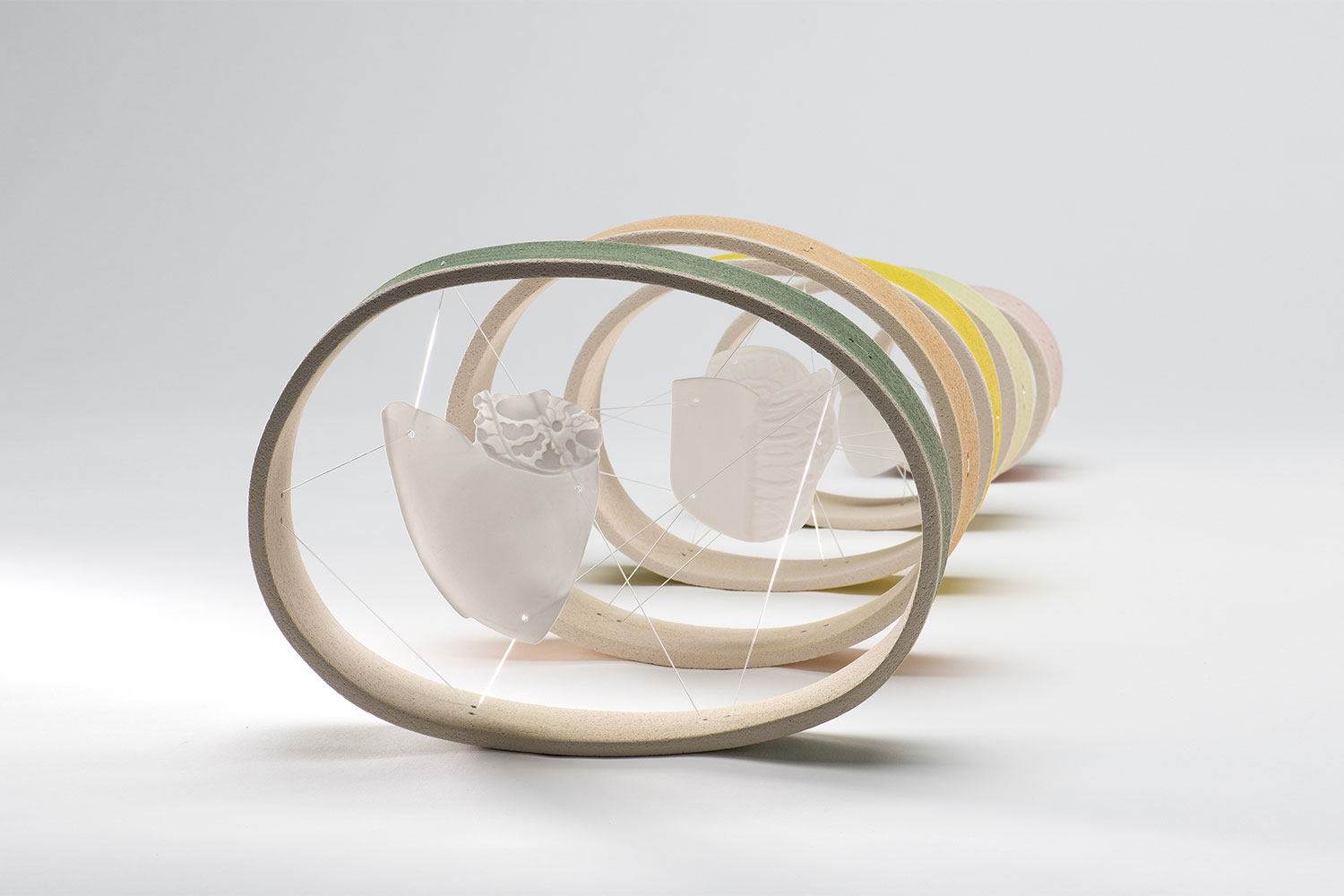
Lithophany is an image made from a thin panel of porcelain biscuit, executed in a shallow embossed relief. The motif displayed is only revealed through backlighting. History of European porcelain records the appearance of lithophany in the 19th century, during the Biedermeier style period.
I often imprint outlines of human organs. I find an unusual beauty in their structures, symmetry and organisation. The lithophanes incorporated in my work are created almost 2 centuries after the peak of its popularity.
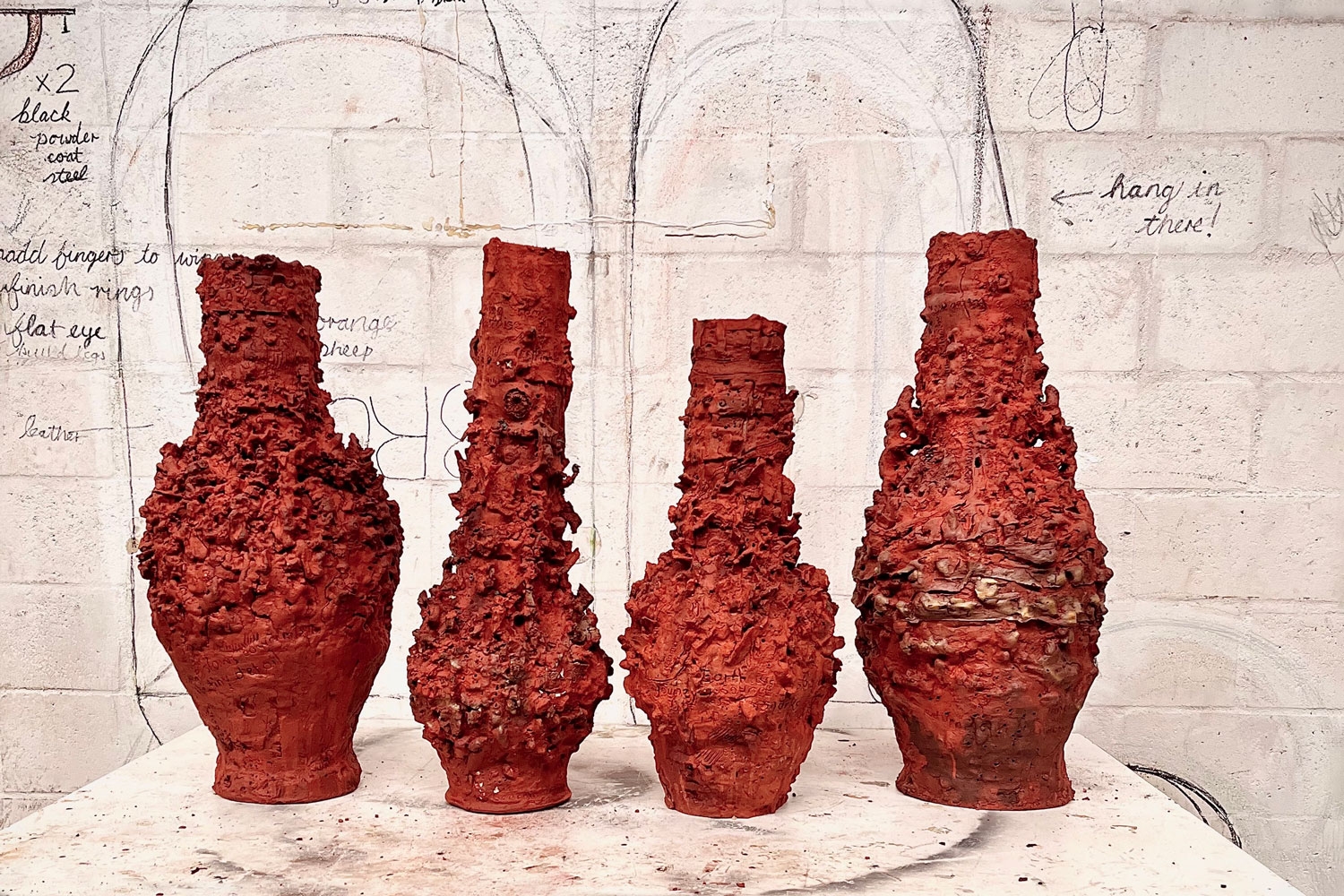
I build large format sculptures fired in a traditional manner. The initial interest for big scale work emerged during my residency in China and visiting the famous Terracotta Army in the mausoleum of the first Chinese emperor.
1 EXPERIENCE