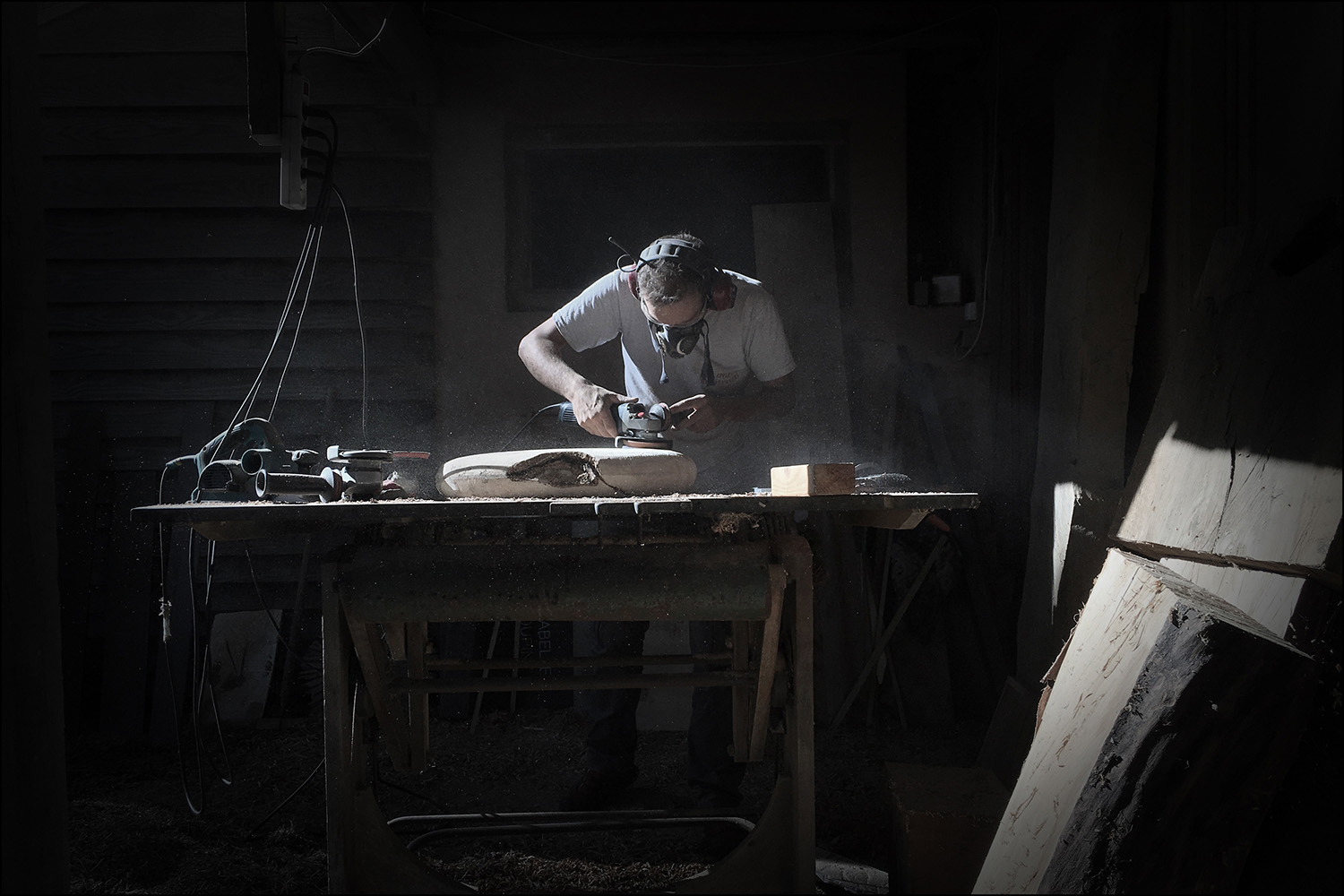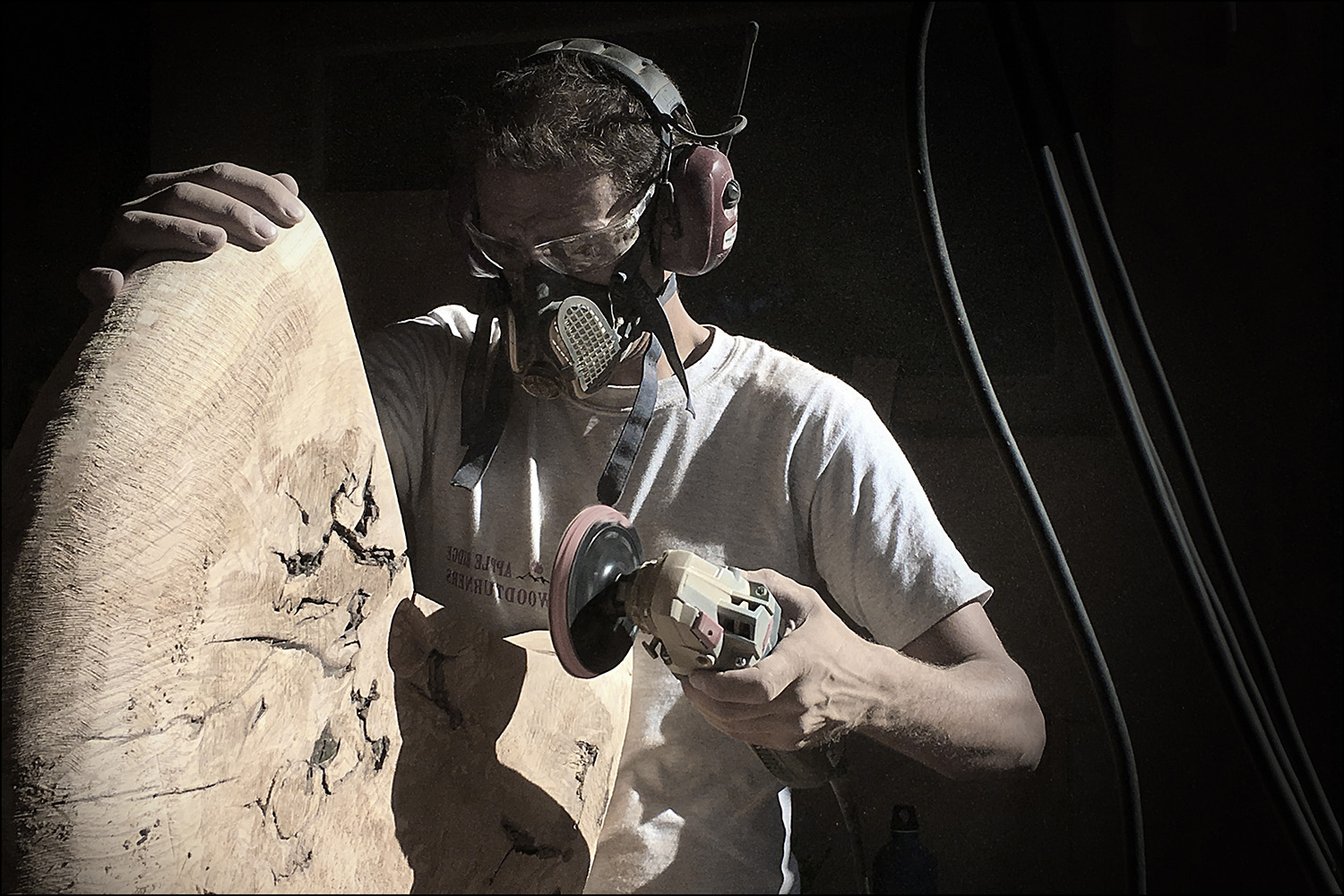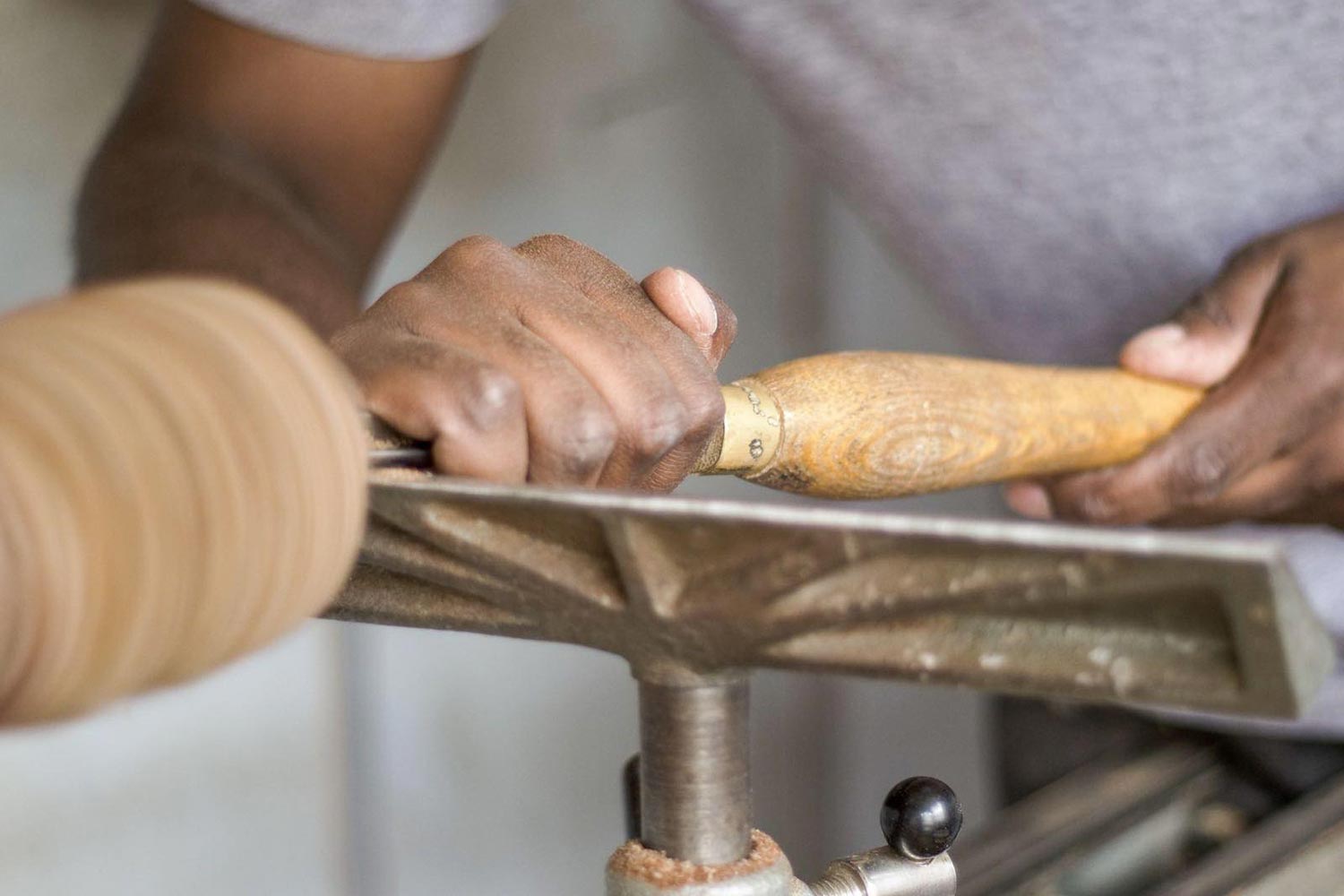
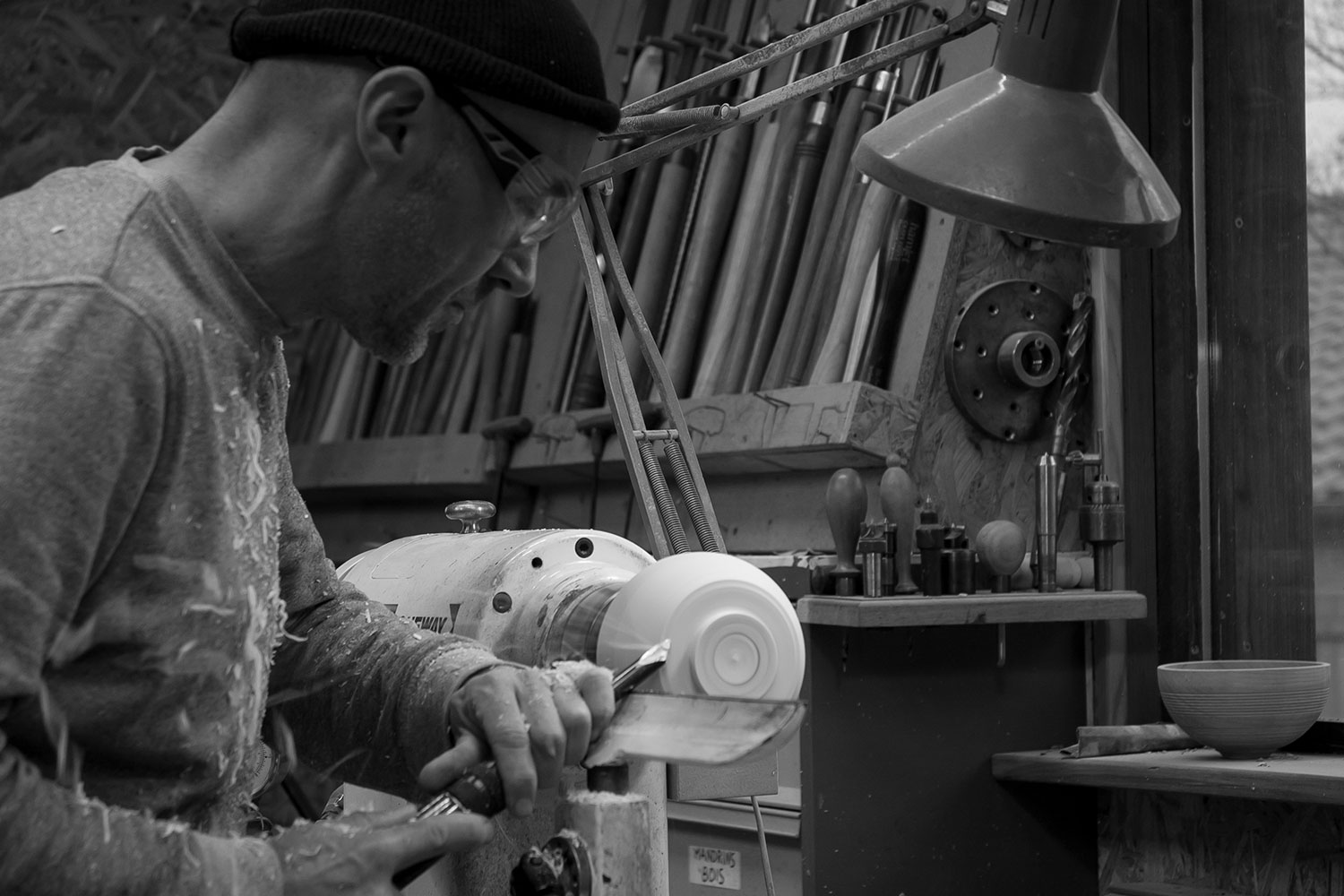

Pursuing his passion
- Yann divides his time between teaching and creating
- He finds that teaching helps him deepen his own craft
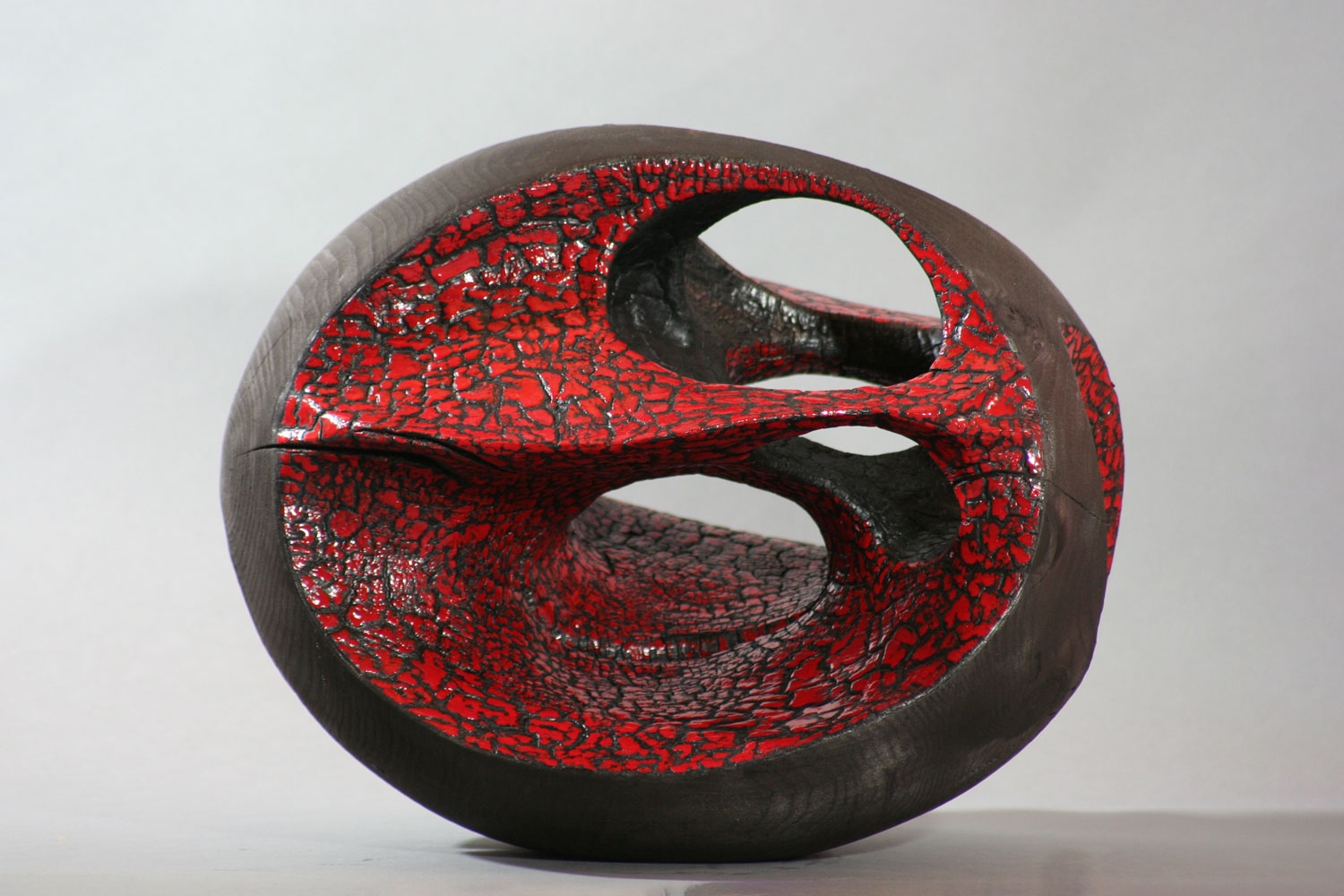
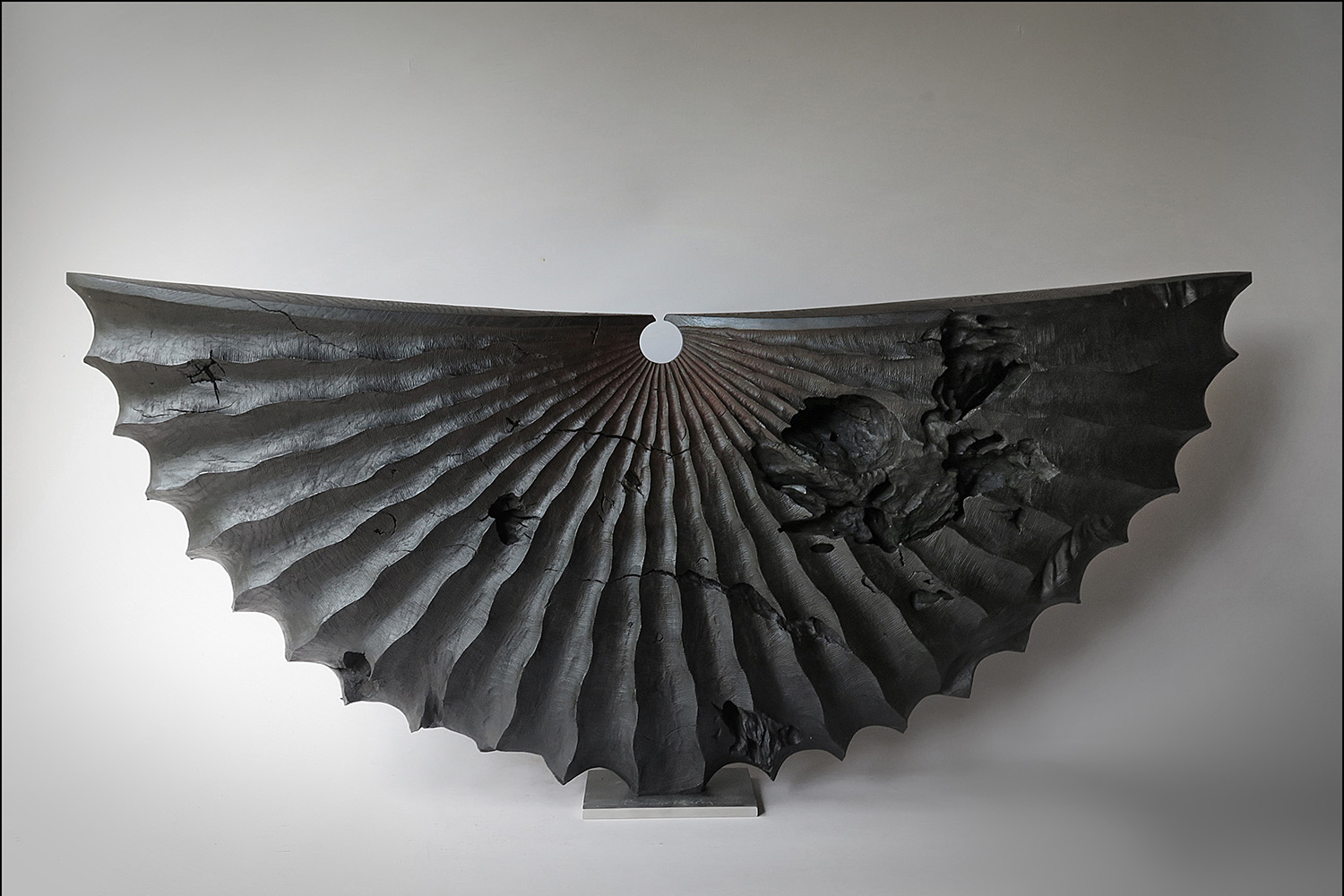
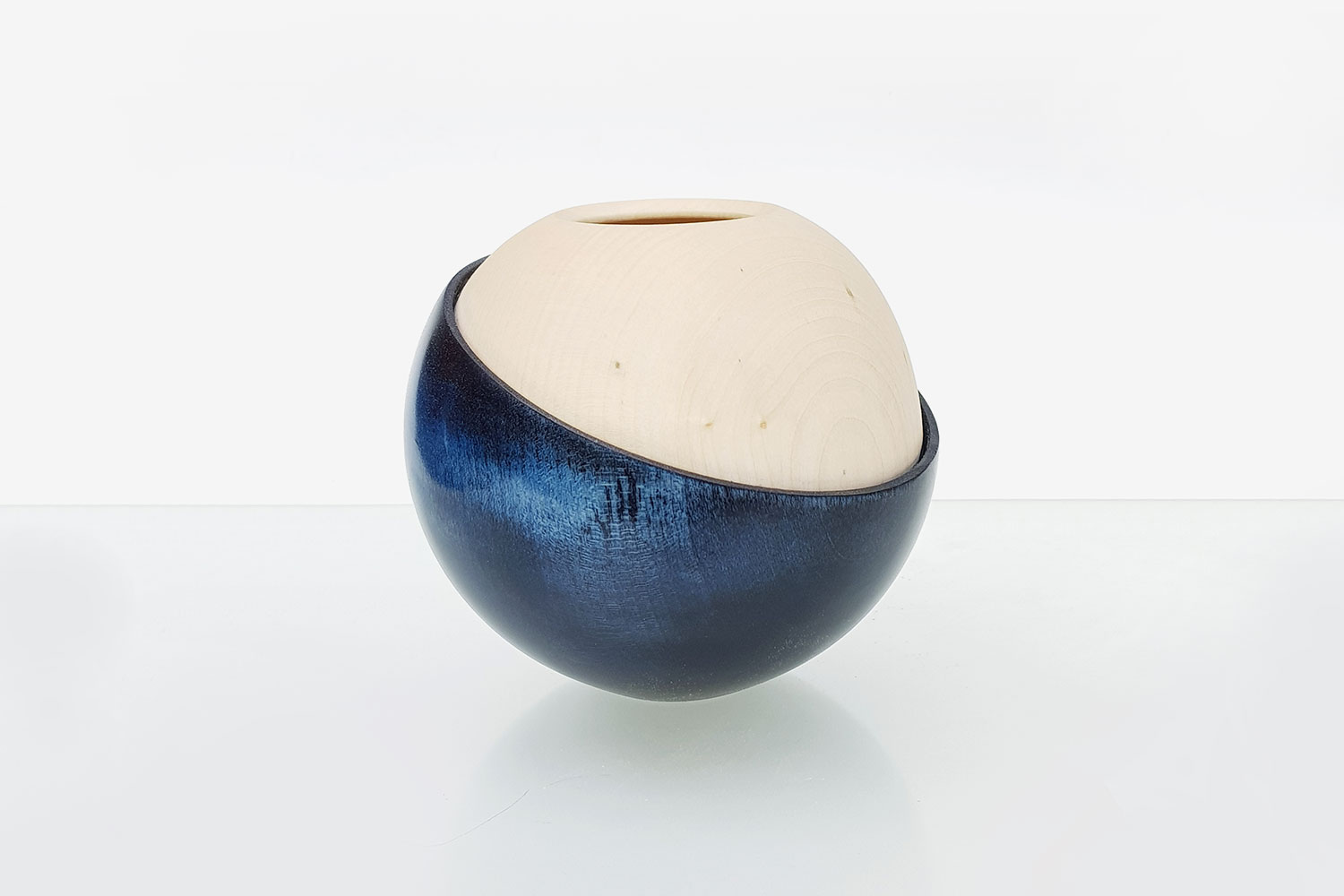
- His creative work is inspired by the curves of the human body
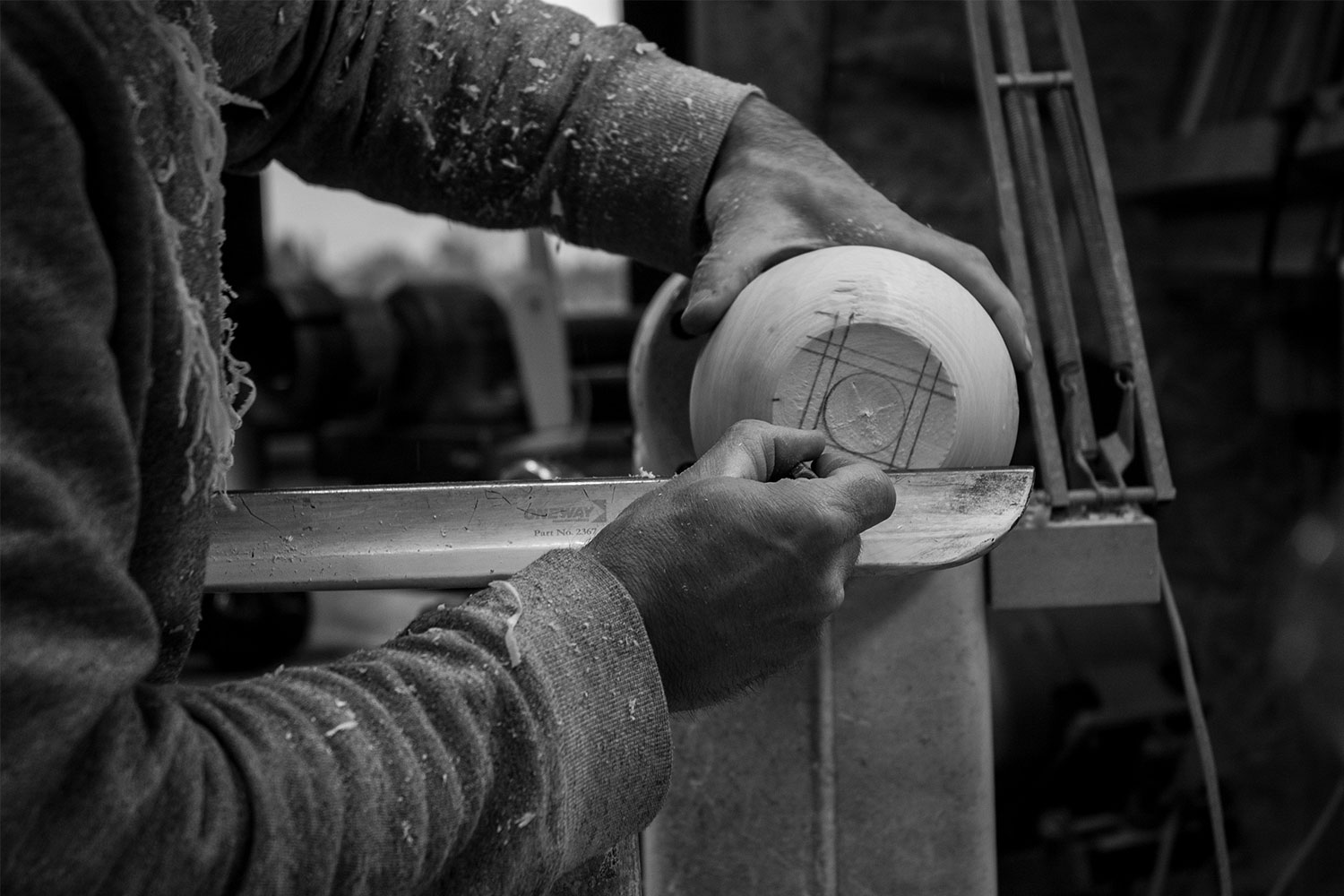
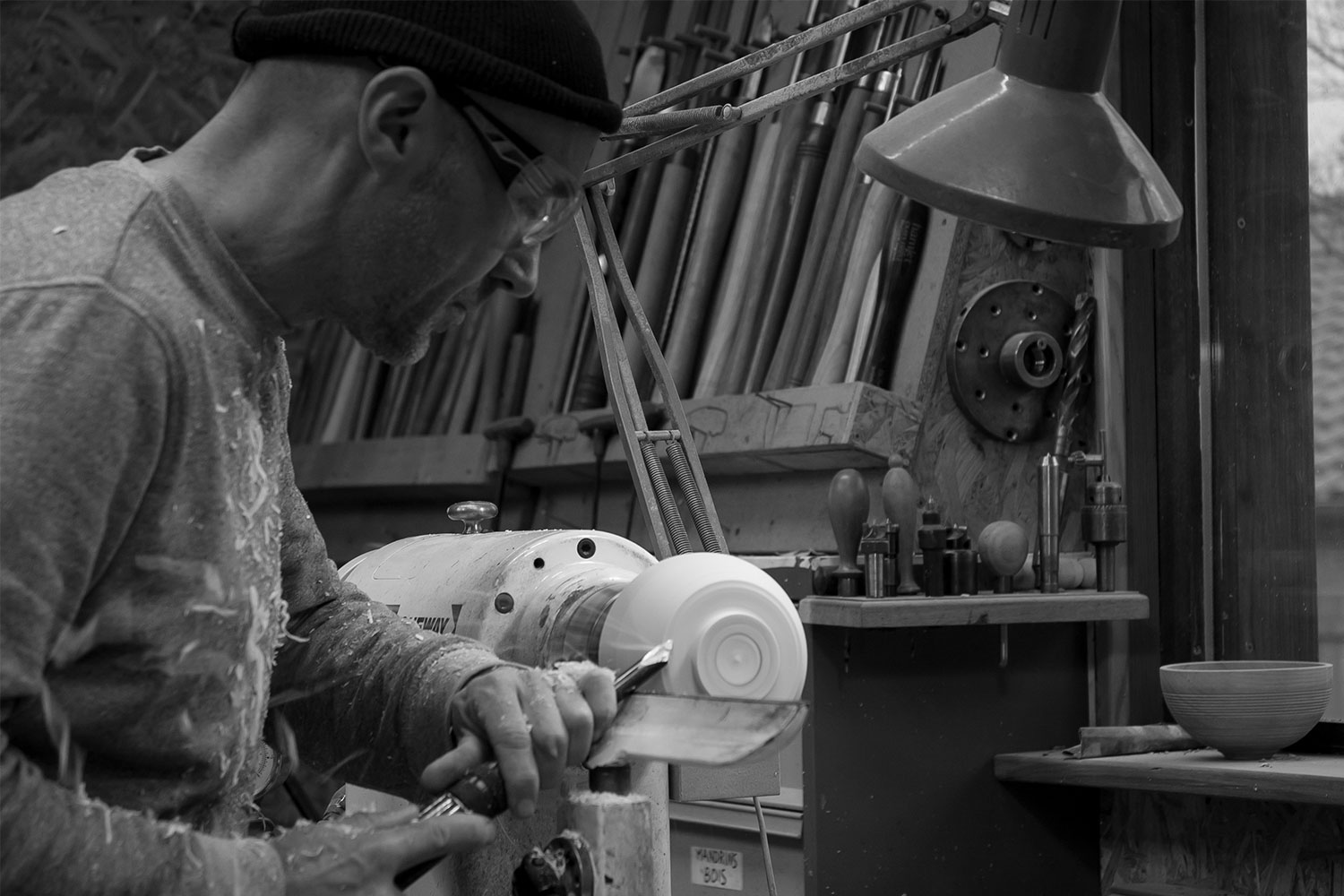
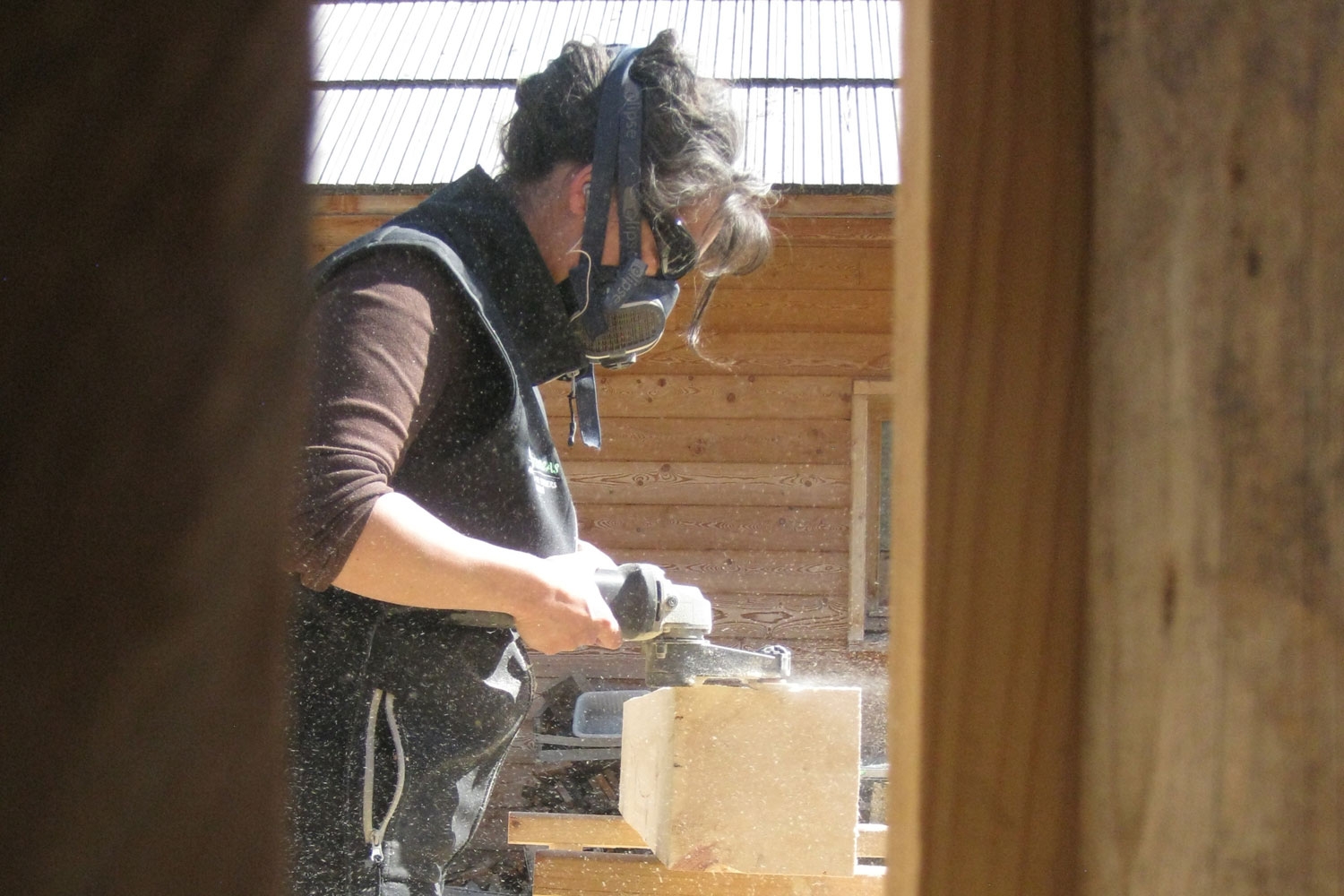
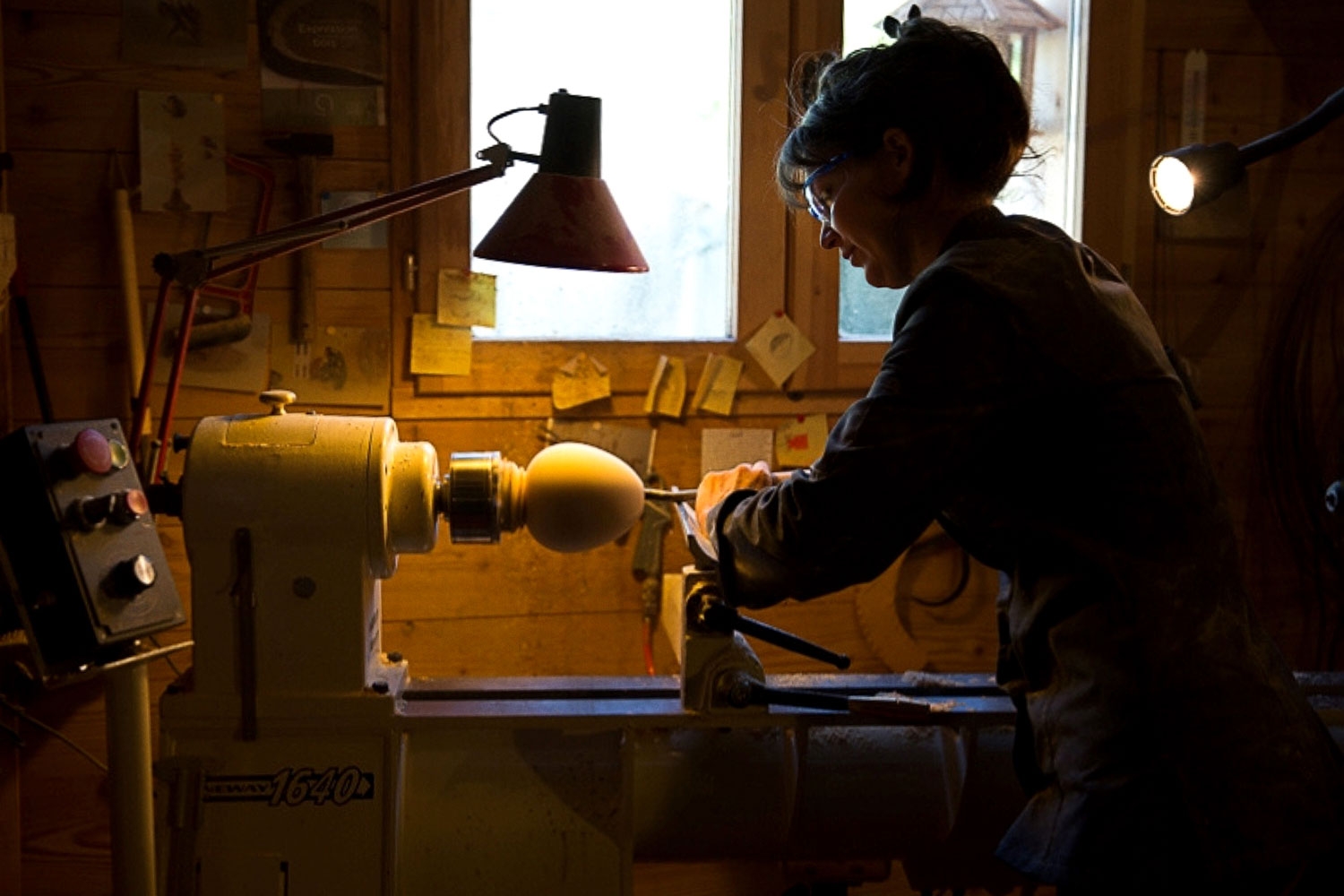
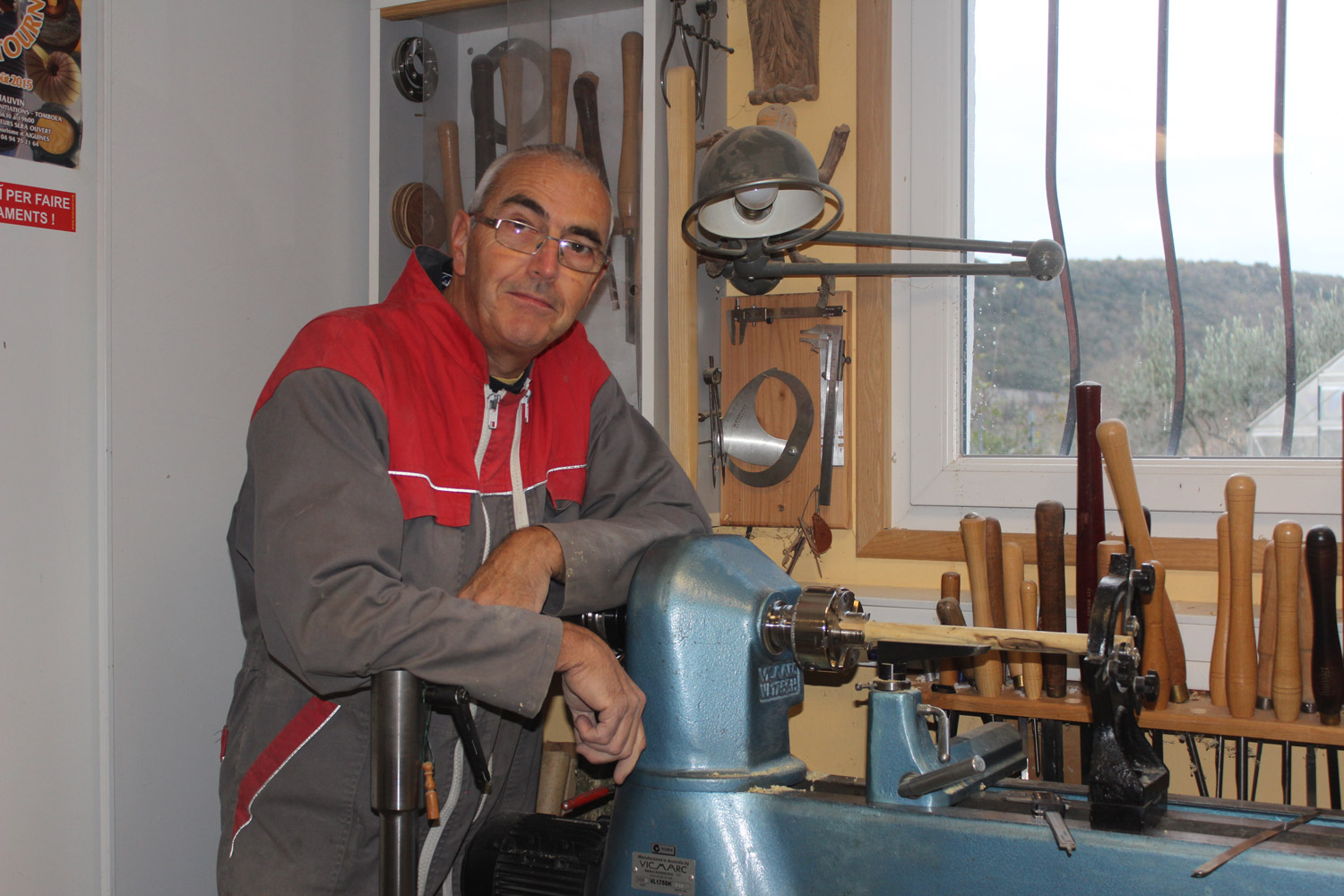
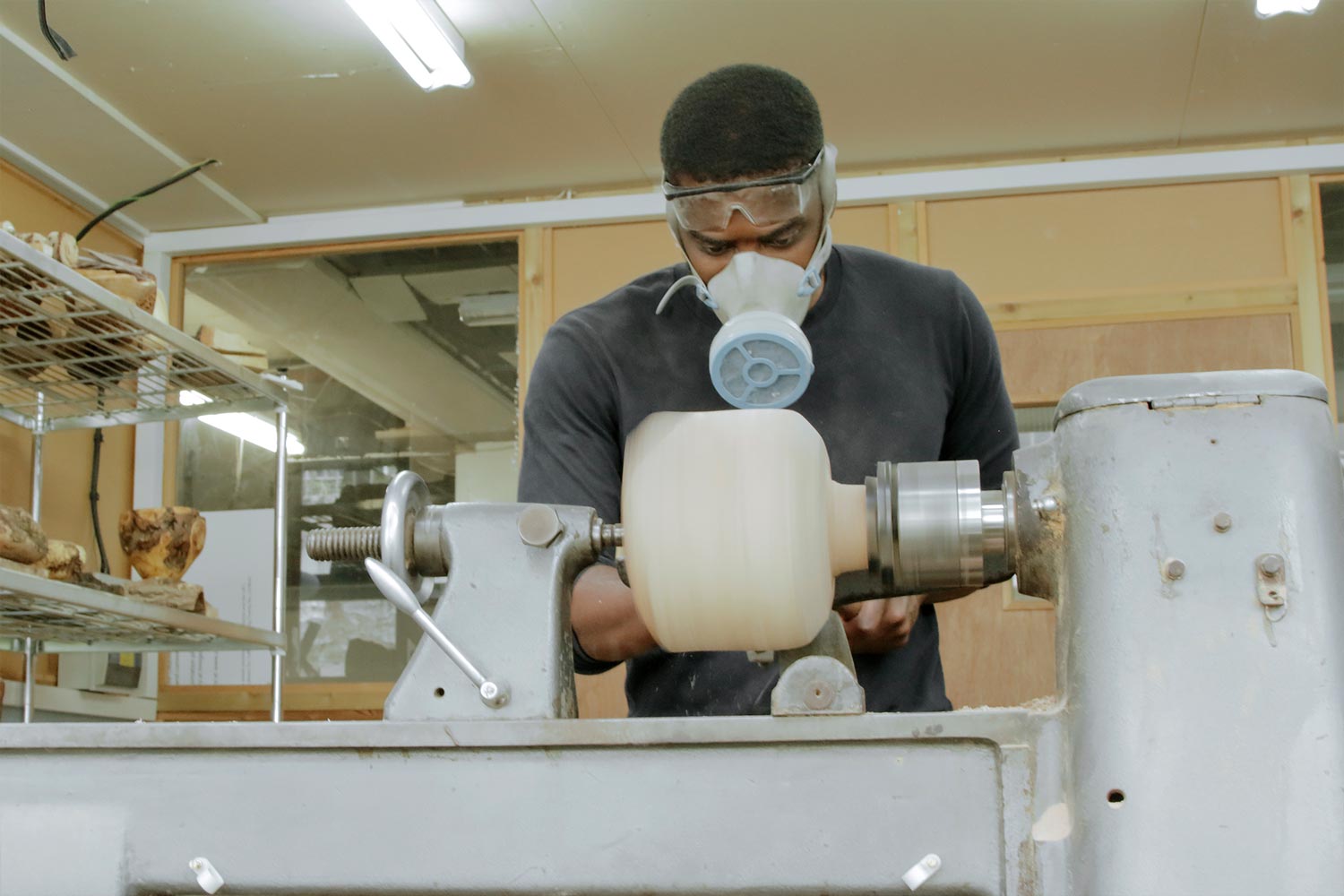
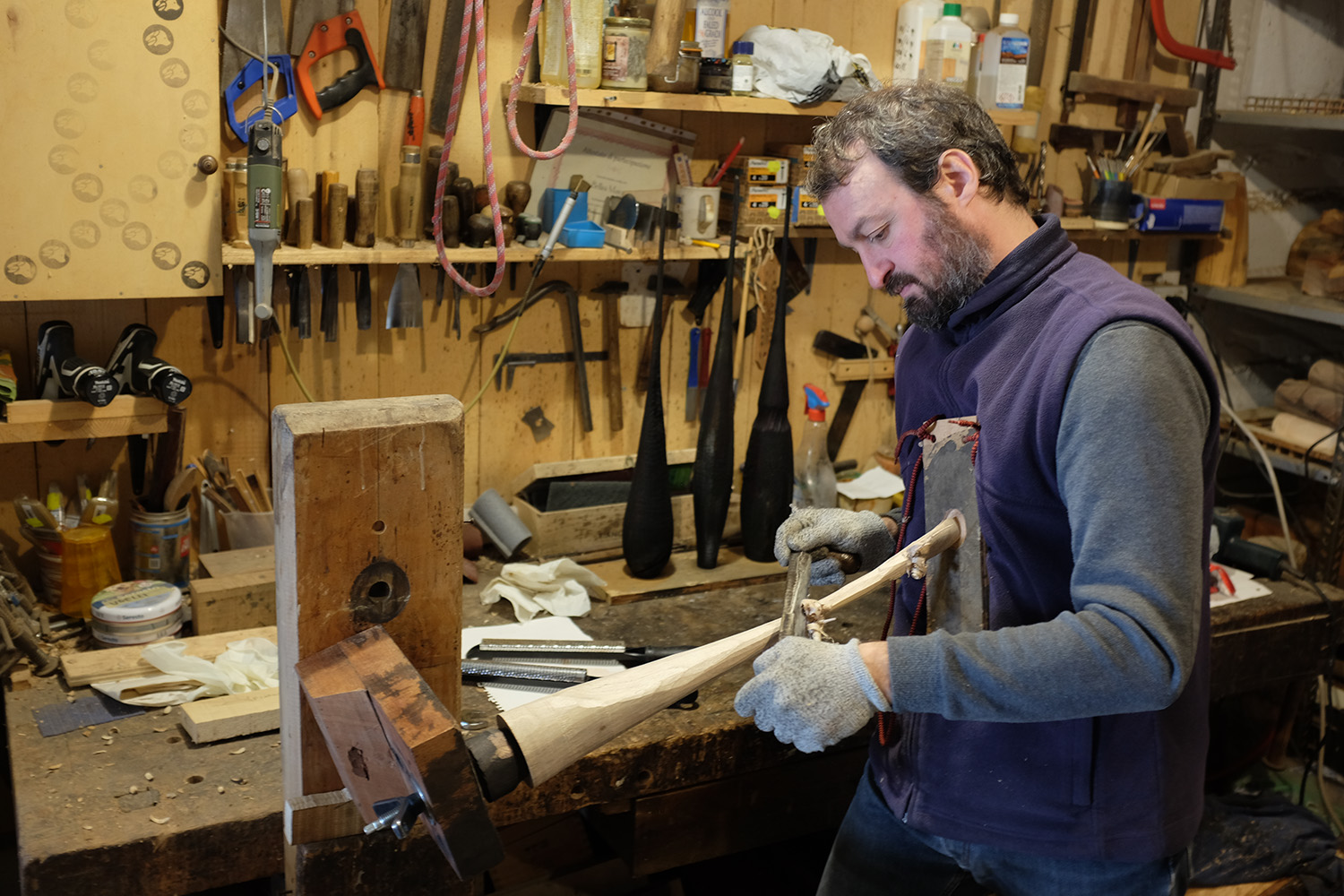
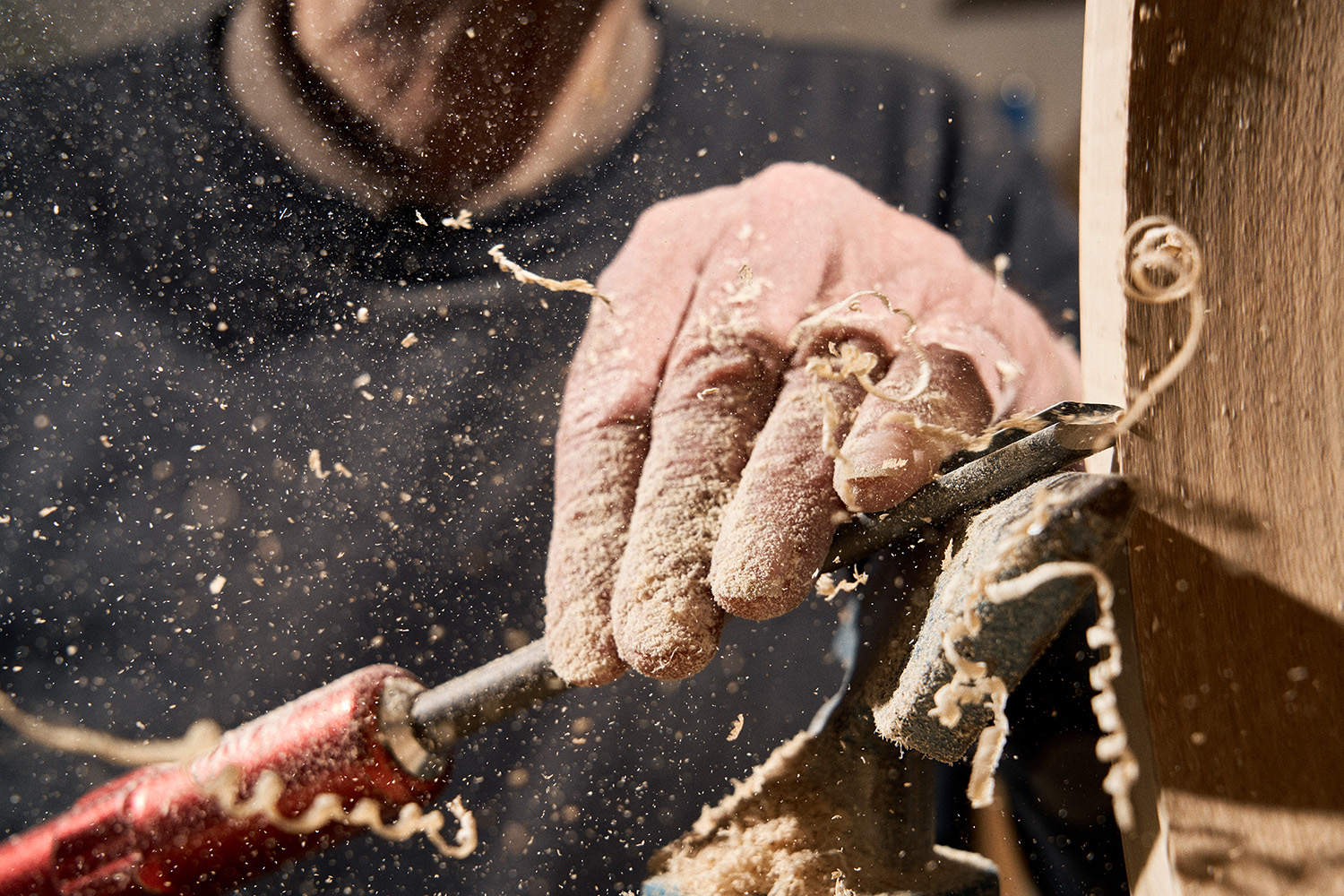
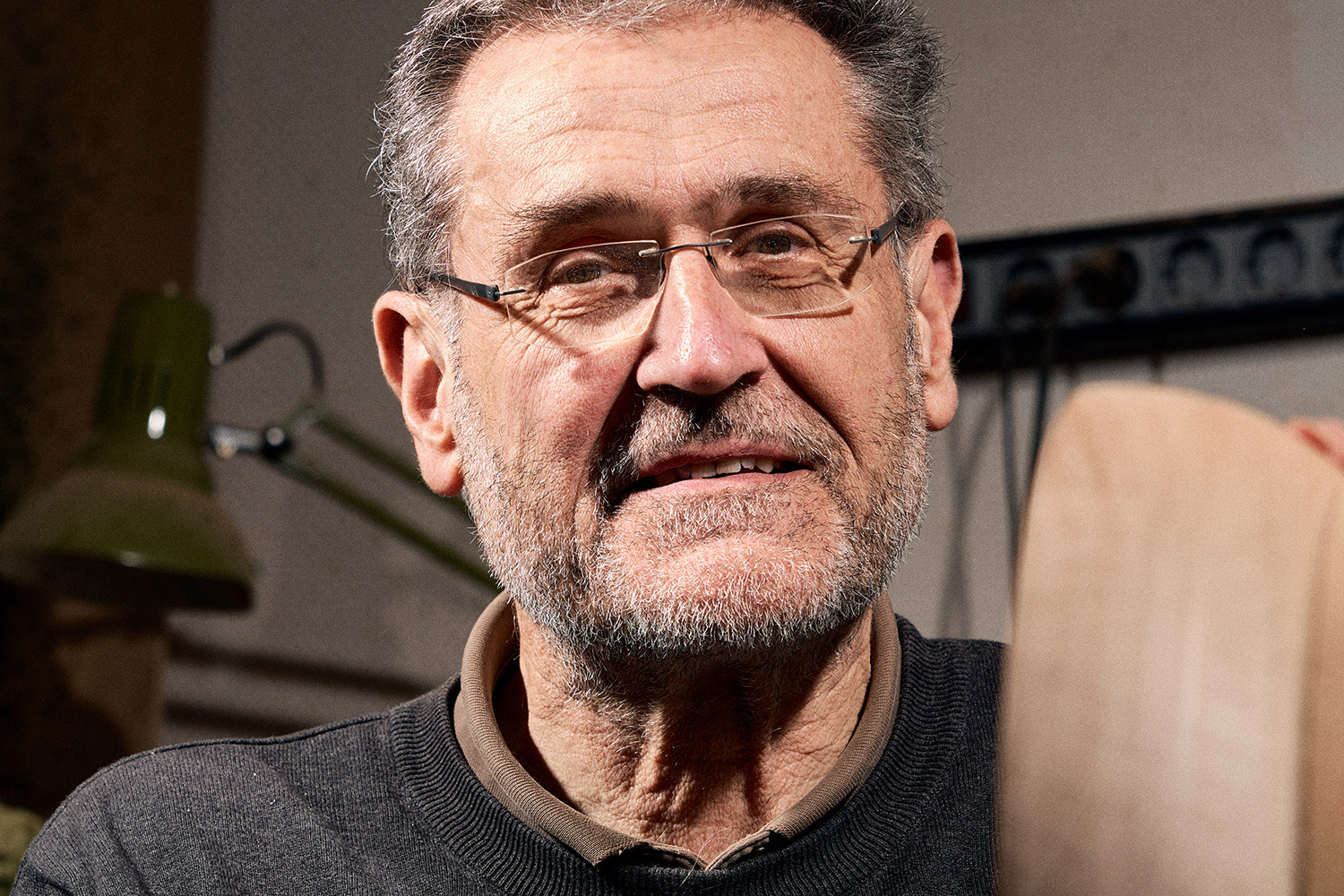
Already as a child, Yann Marot enjoyed the experience and atmosphere of his father’s workshop on the family farm. He was drawn to craftsmanship, but initially studied engineering. Degree in hand, he lasted about two weeks in that profession before setting off on a path towards his true passion: becoming a woodturning artisan. “The profession very nearly disappeared but has been redeveloping since the 1980s and 90s. Now there is a symbiosis between artistic turning and traditional woodturning for furniture,” he says. When asked if it’s necessary to learn both techniques, Yann, who is also a devoted teacher, says, “it’s better to have more than one arrow in your quiver”.
INTERVIEW
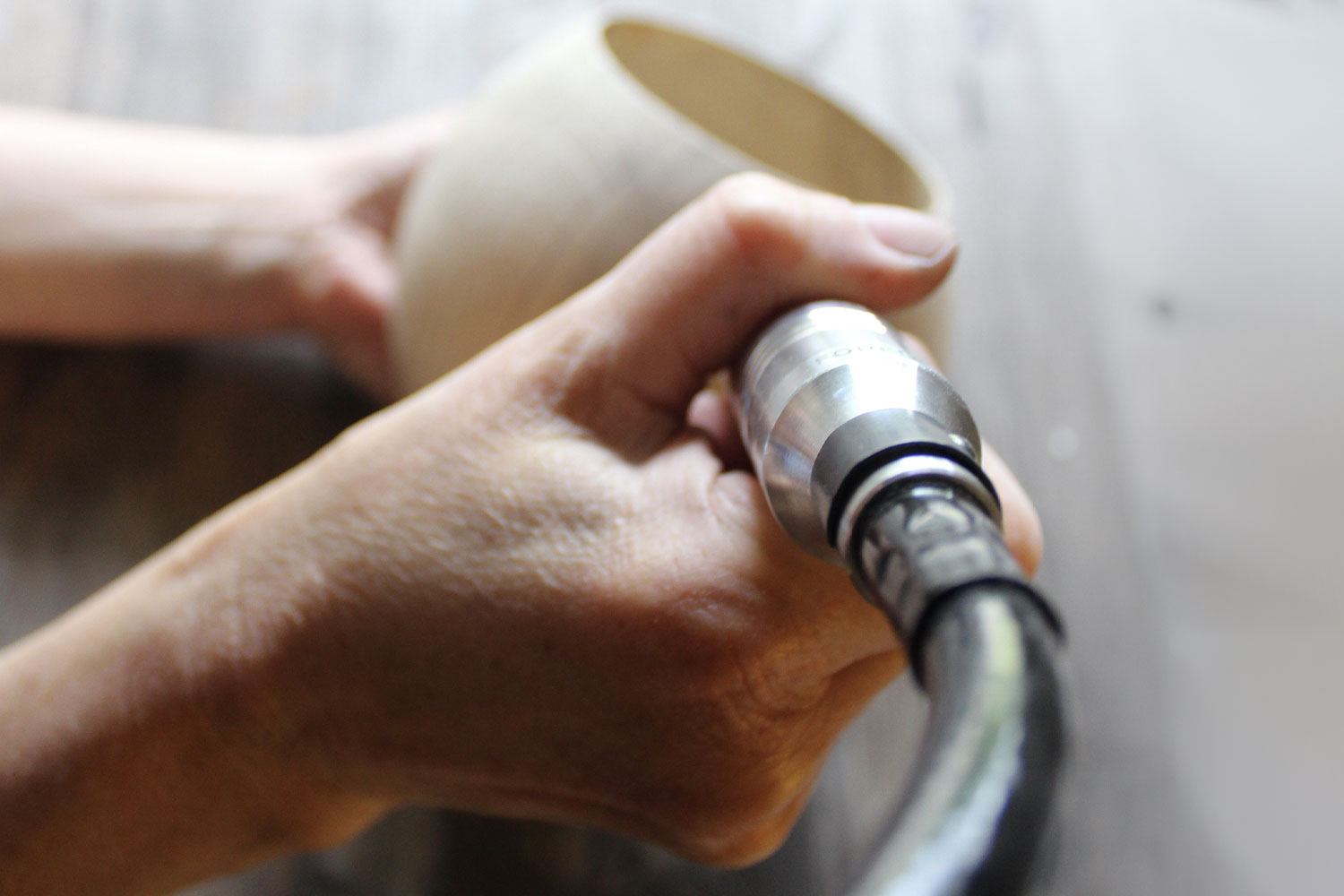
After leaving my first career, I spent three years training and was helped by numerous artisans. Through the AFTAB (French Woodturning Association) network, I created an improvised and itinerant apprenticeship with many different artisans.
While studying, I sculpted a piece of chestnut wood using rudimentary tools into something that resembled a pair of my own tennis shoes. Proud, I showed them to my teacher, but was told it was a “good start” and then given much advice on how to fix them.
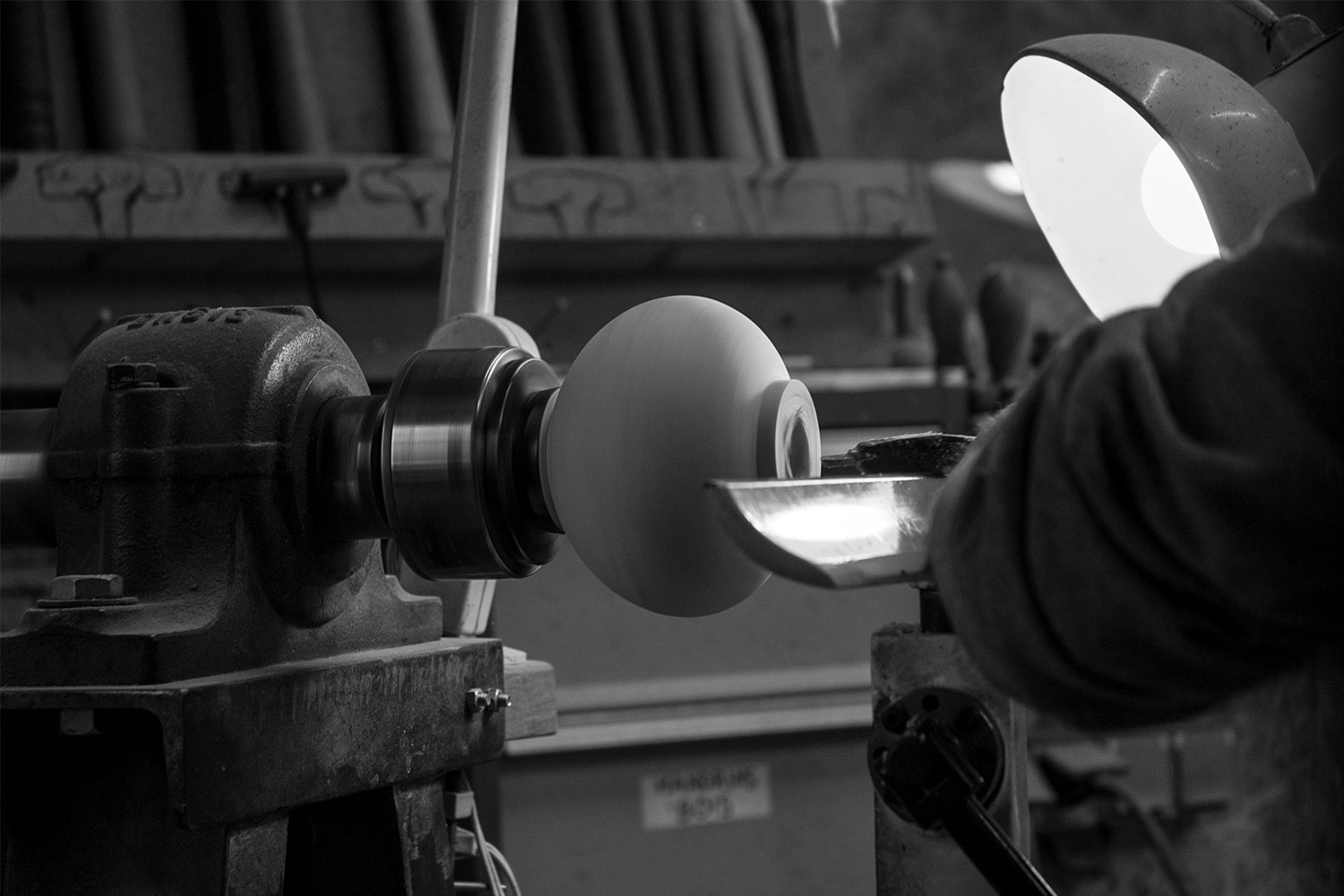
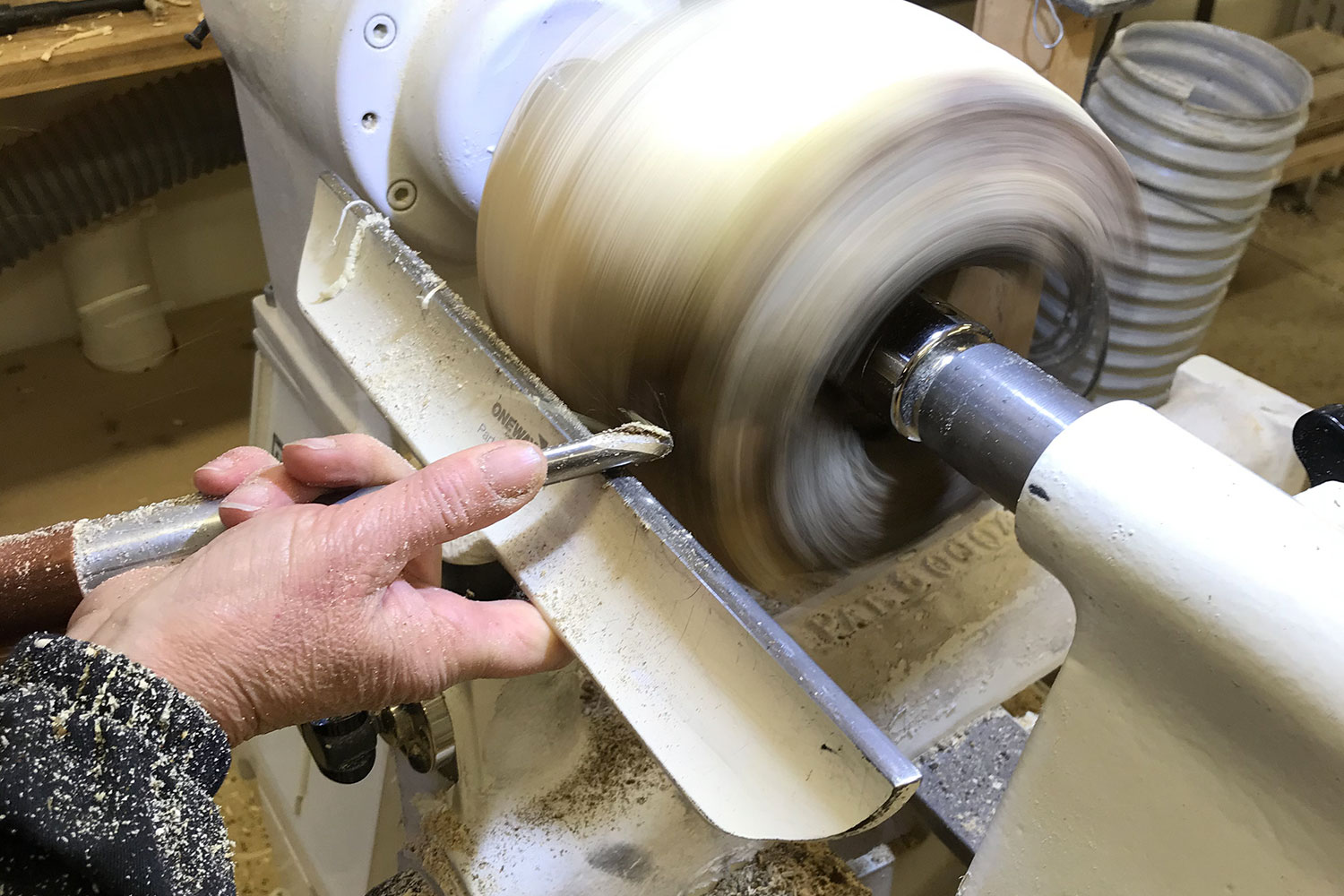
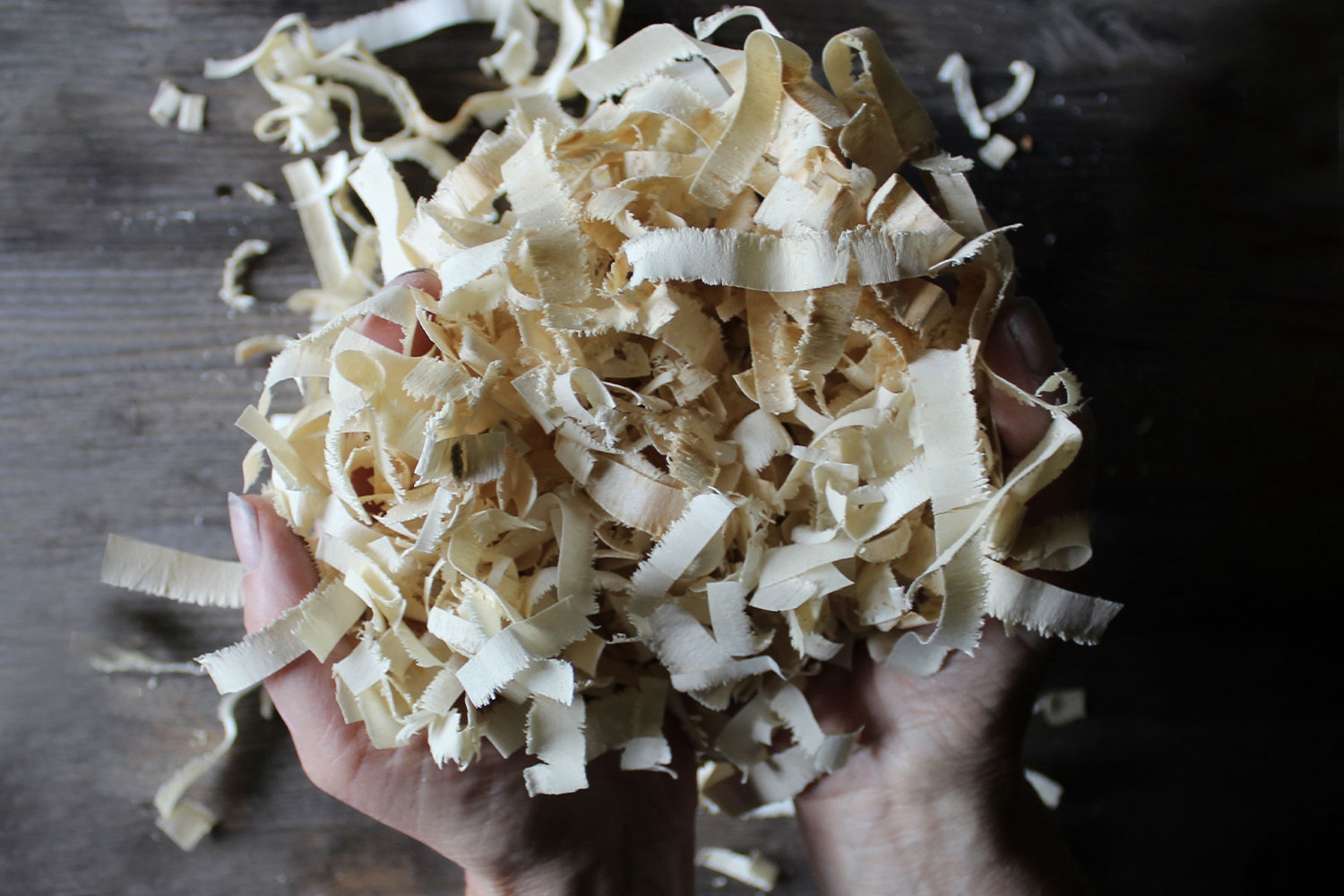
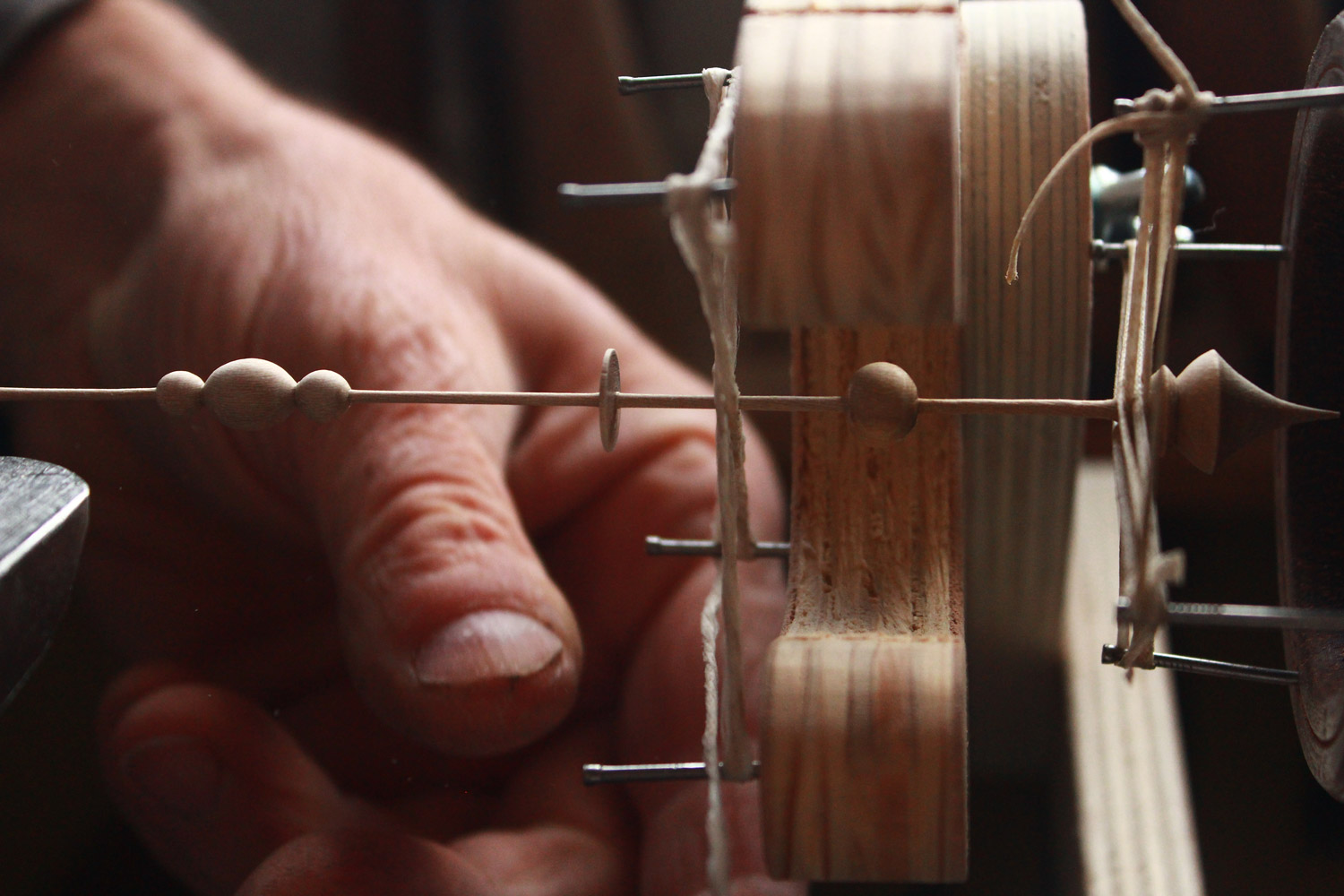
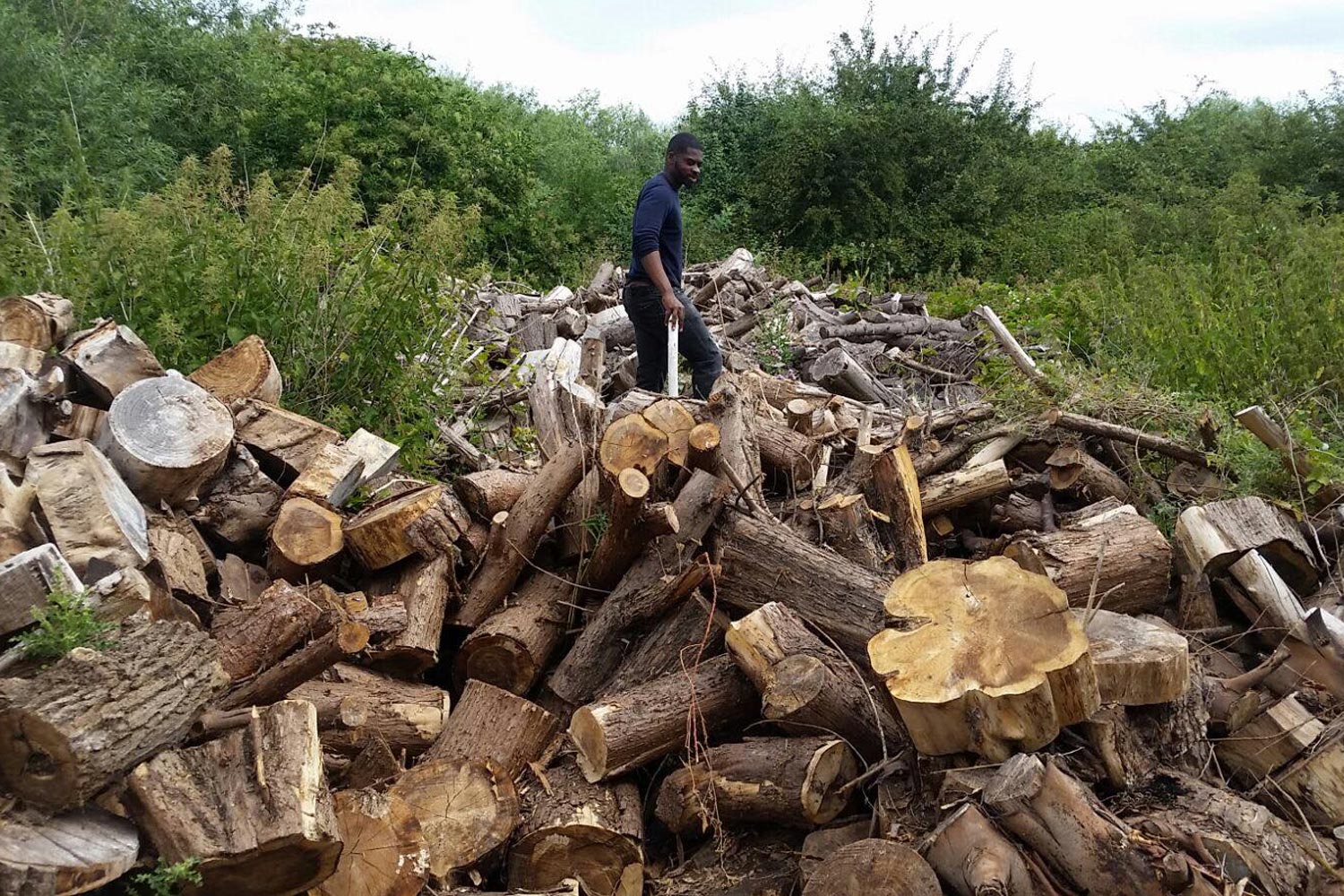
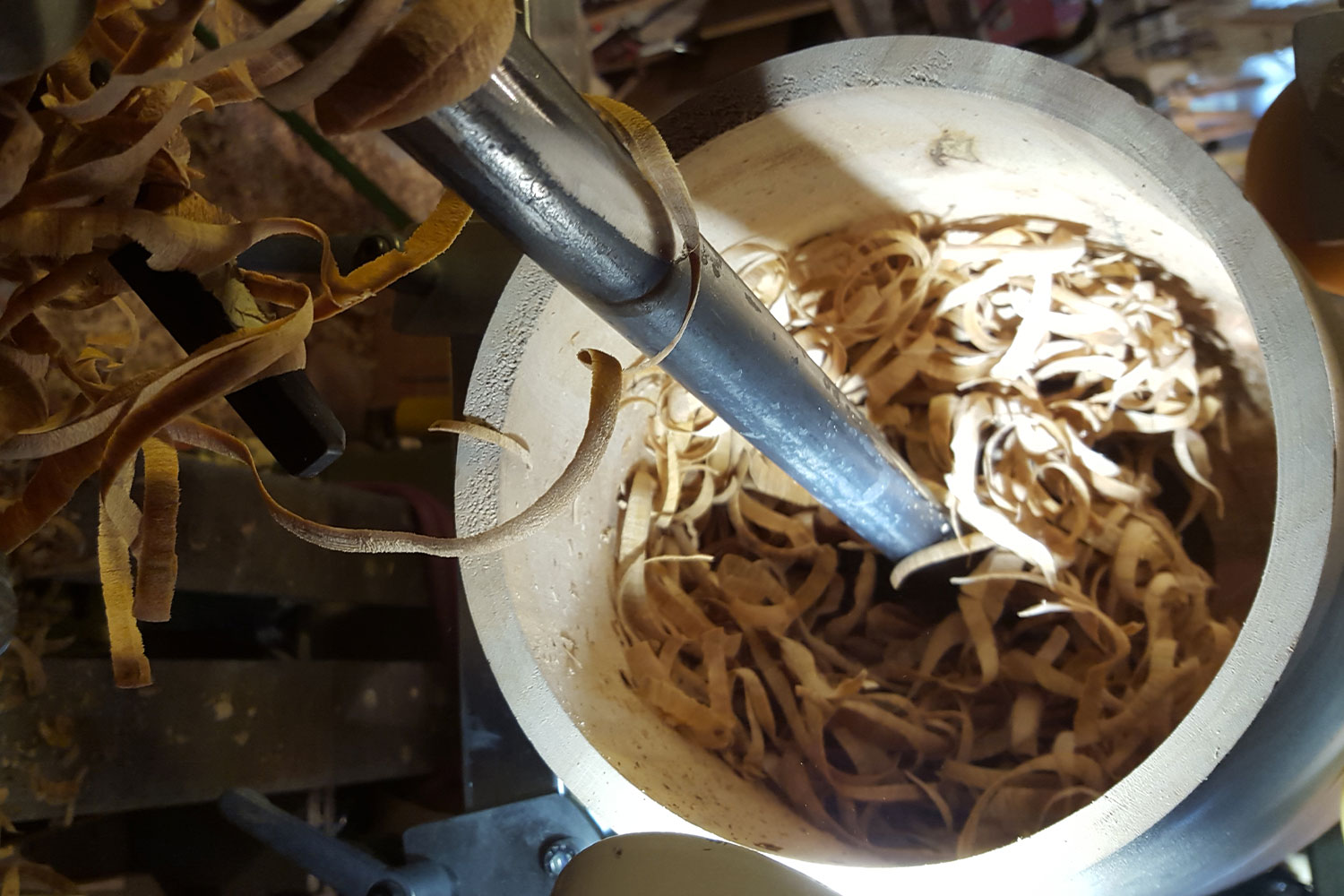
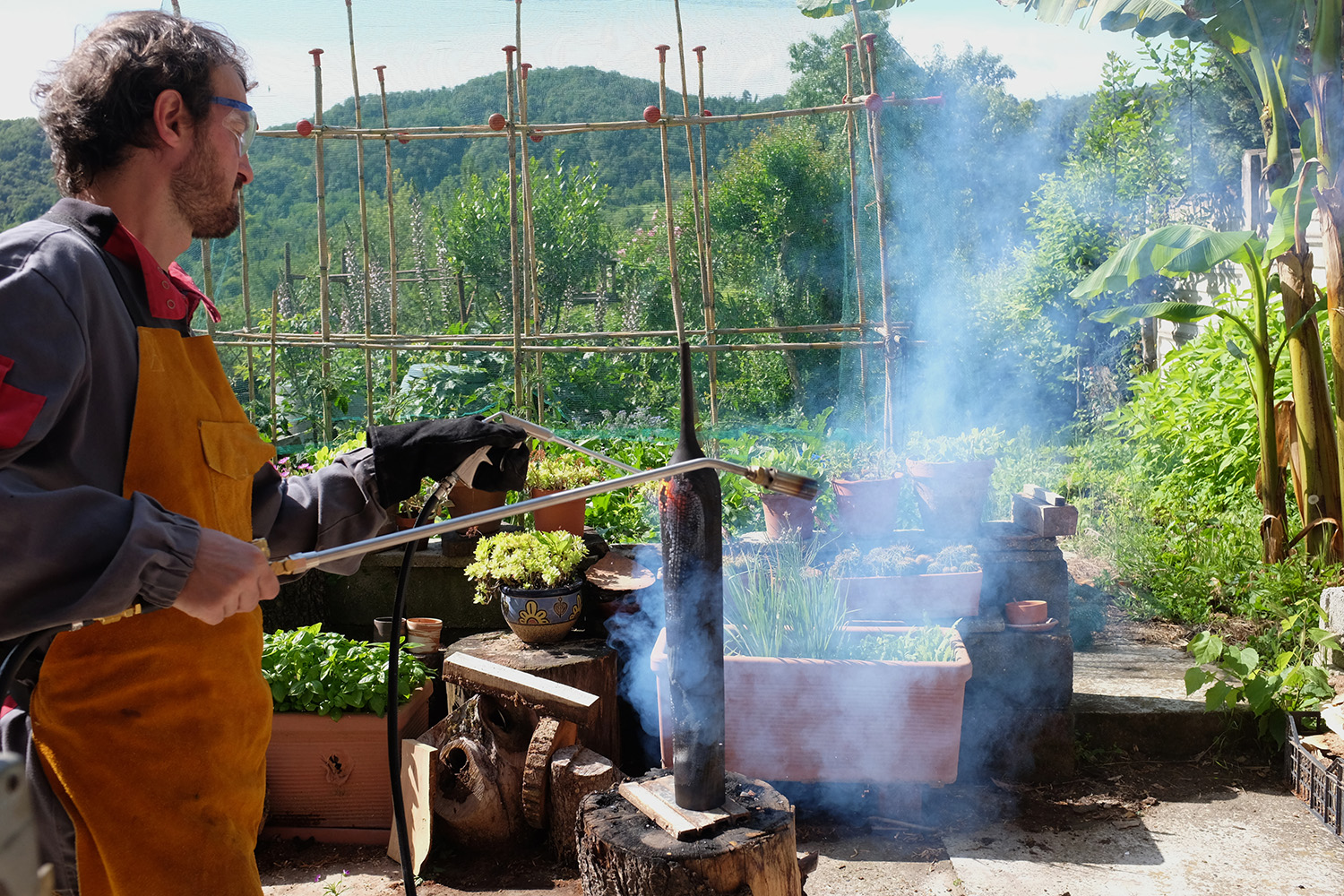
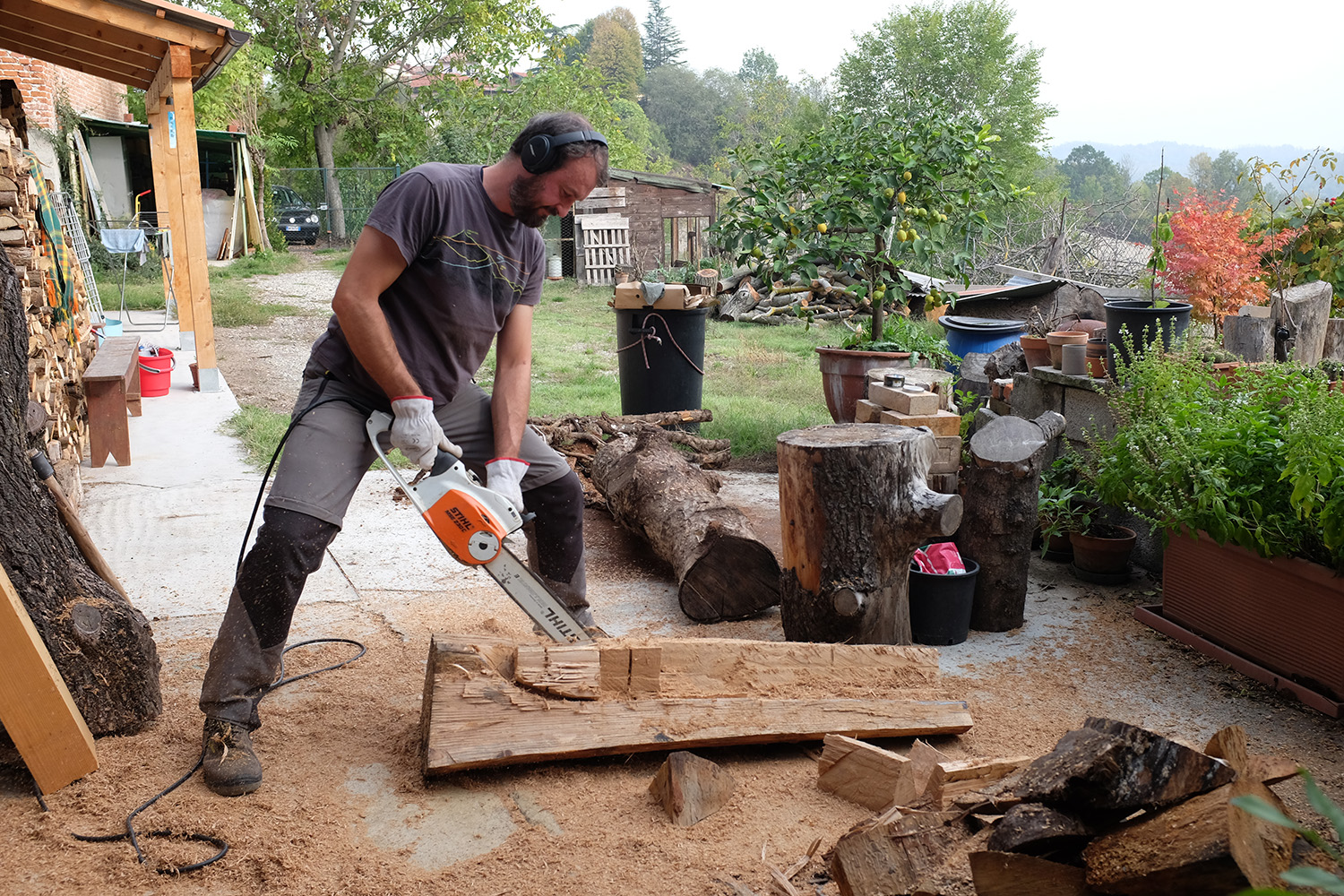
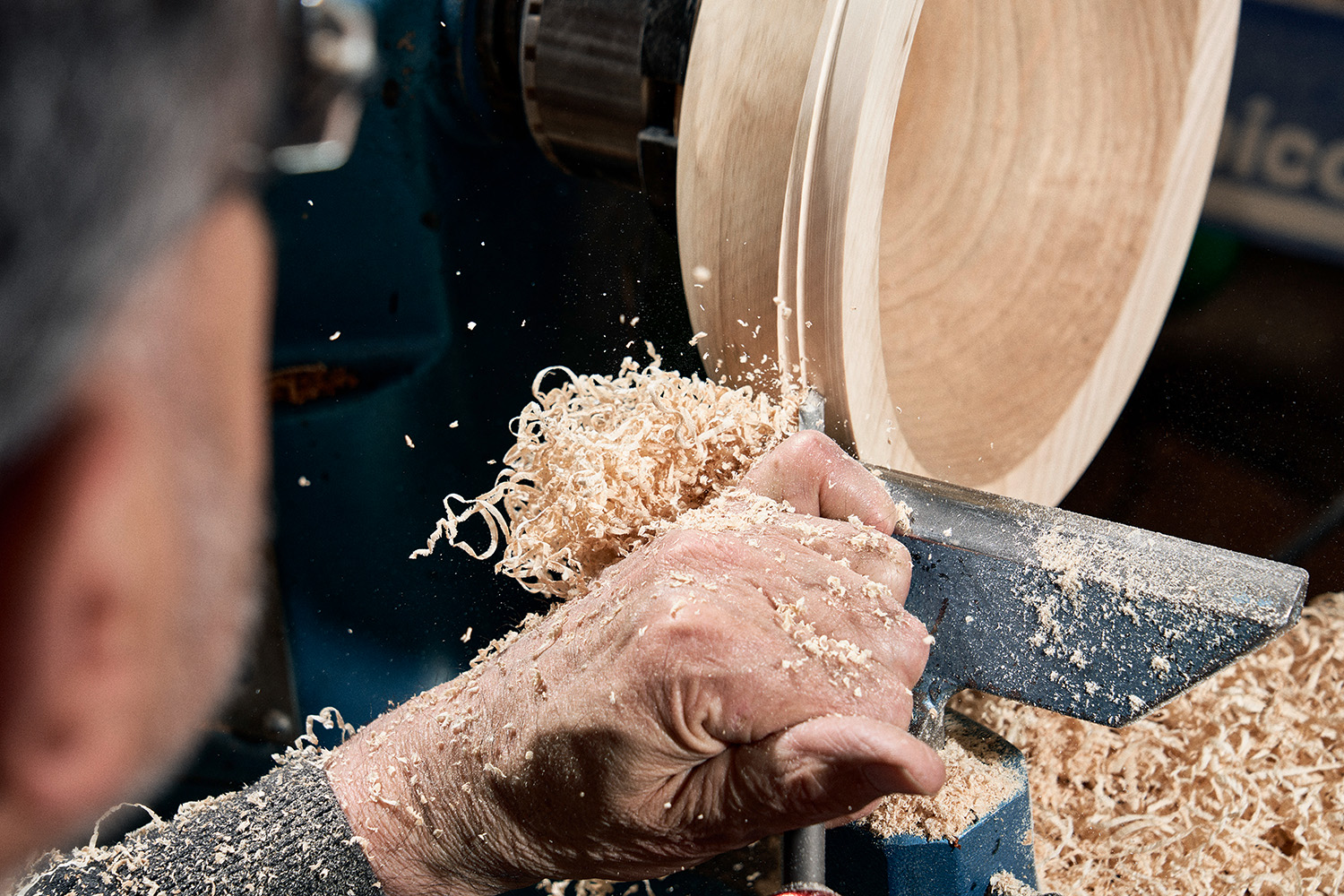
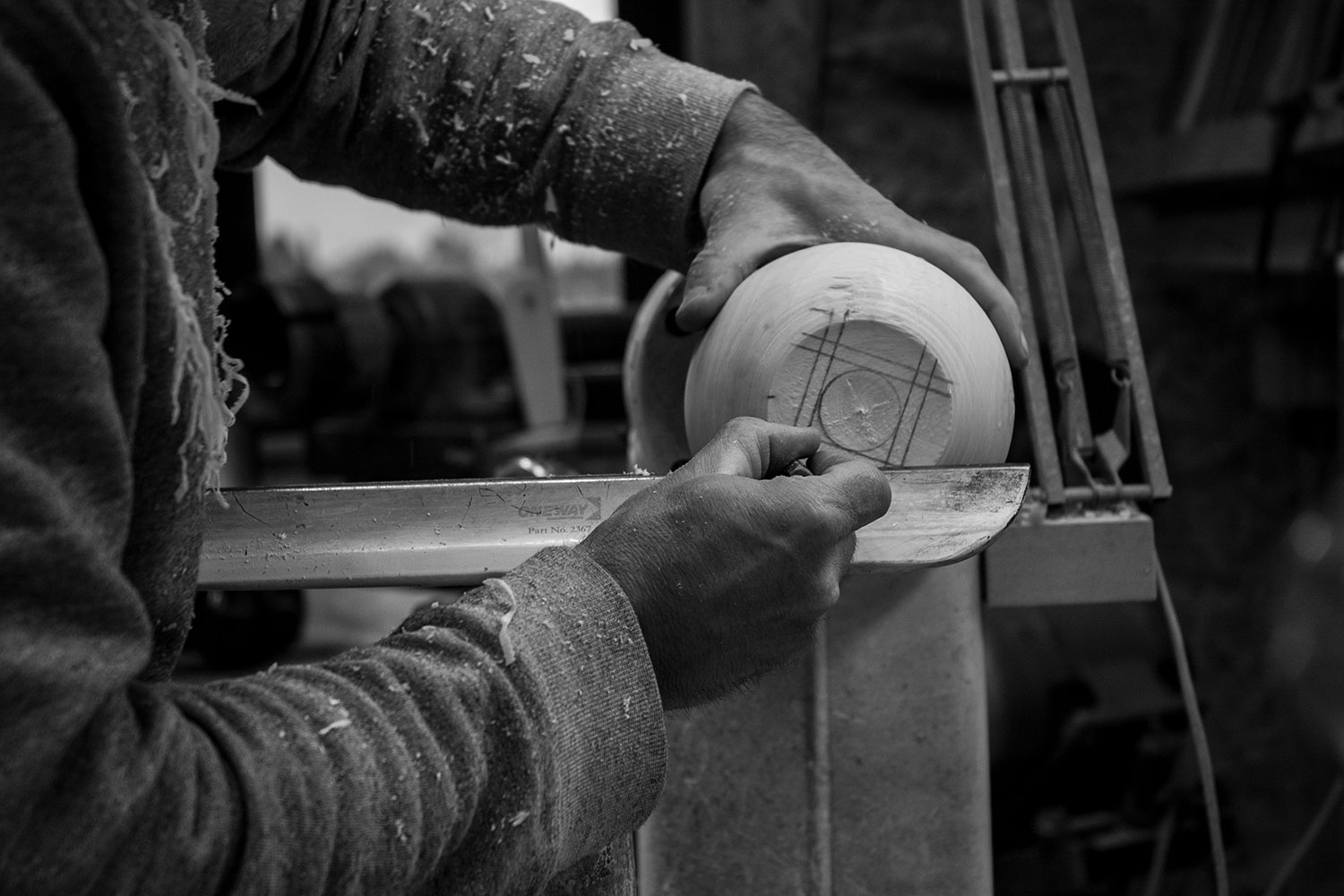
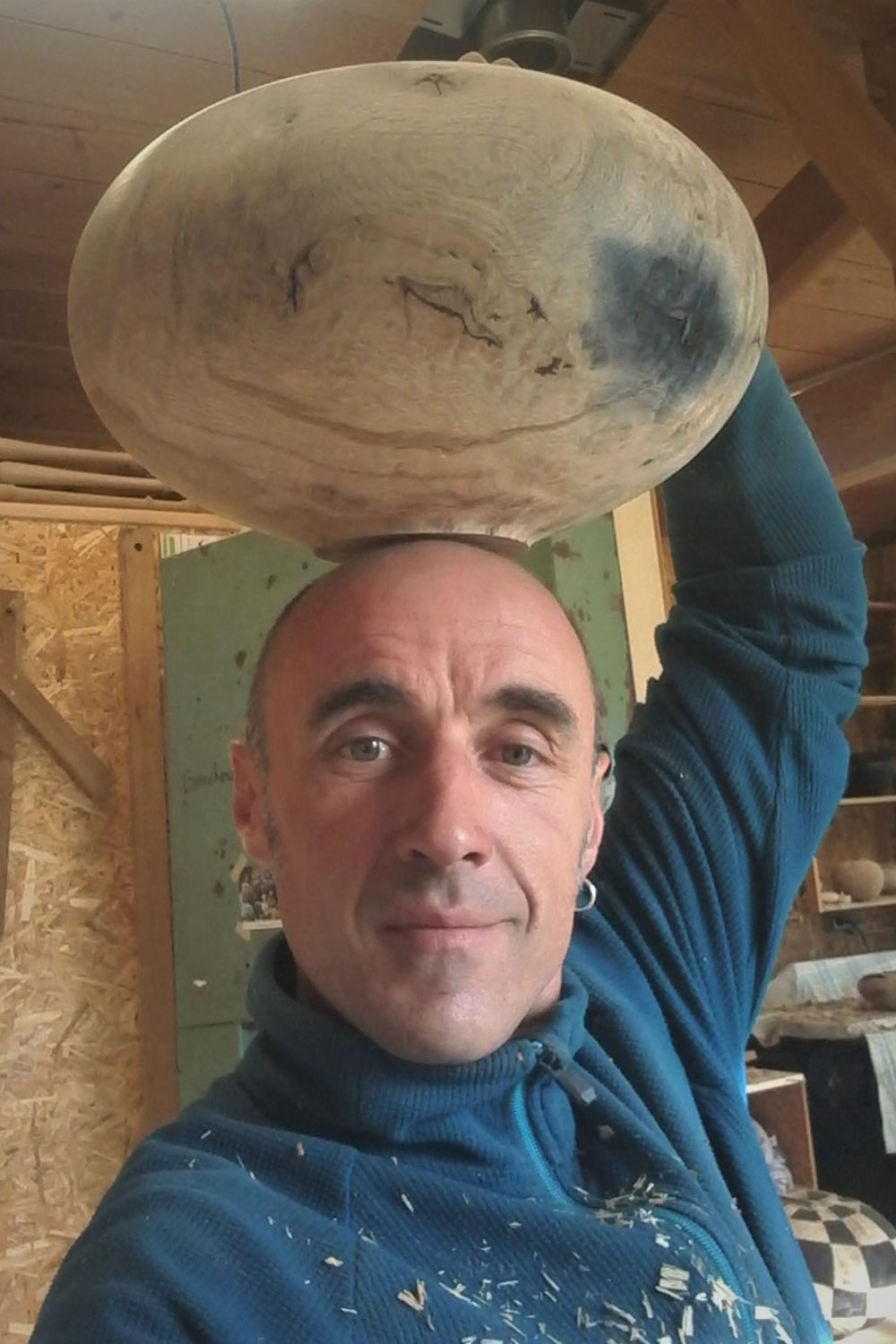
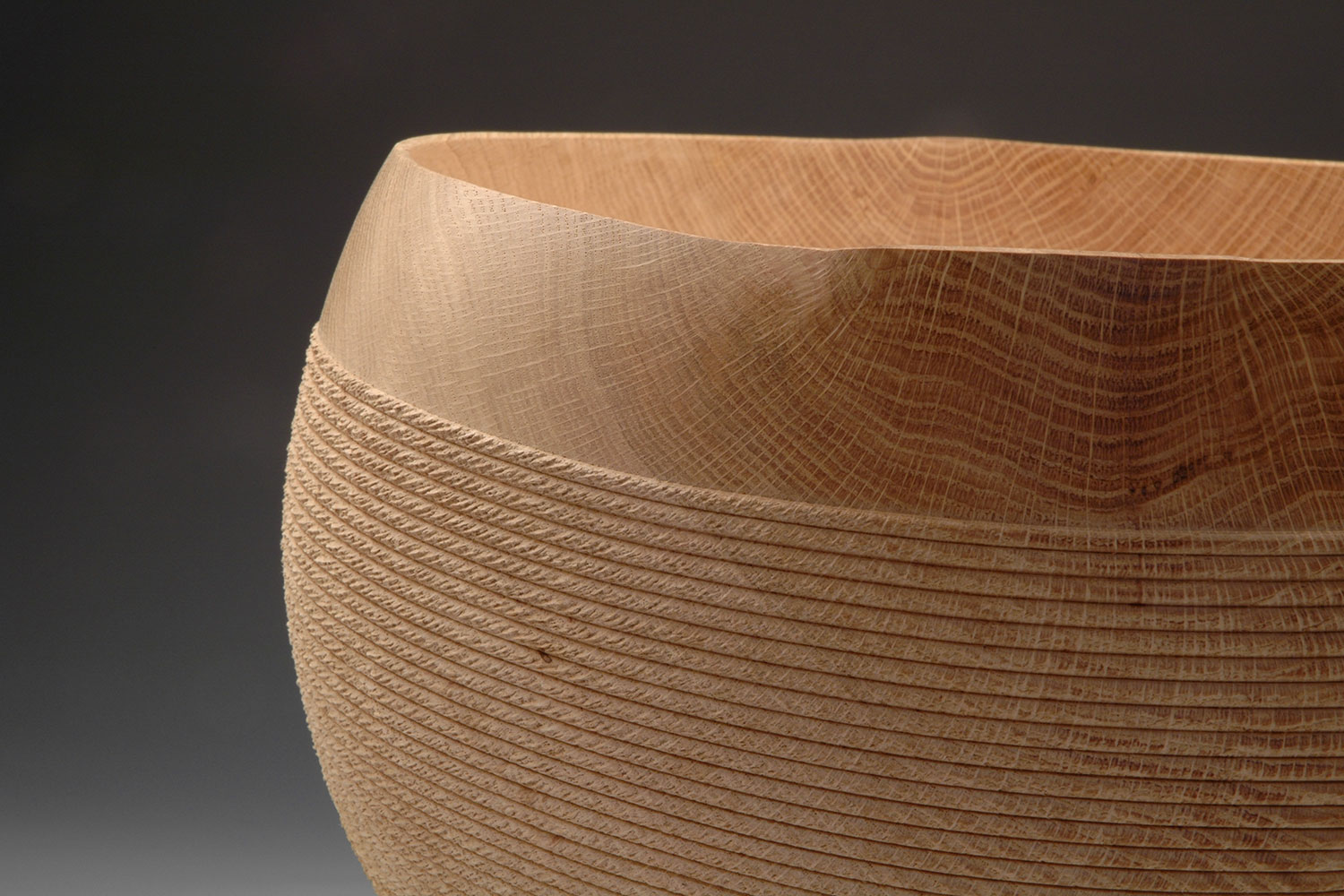
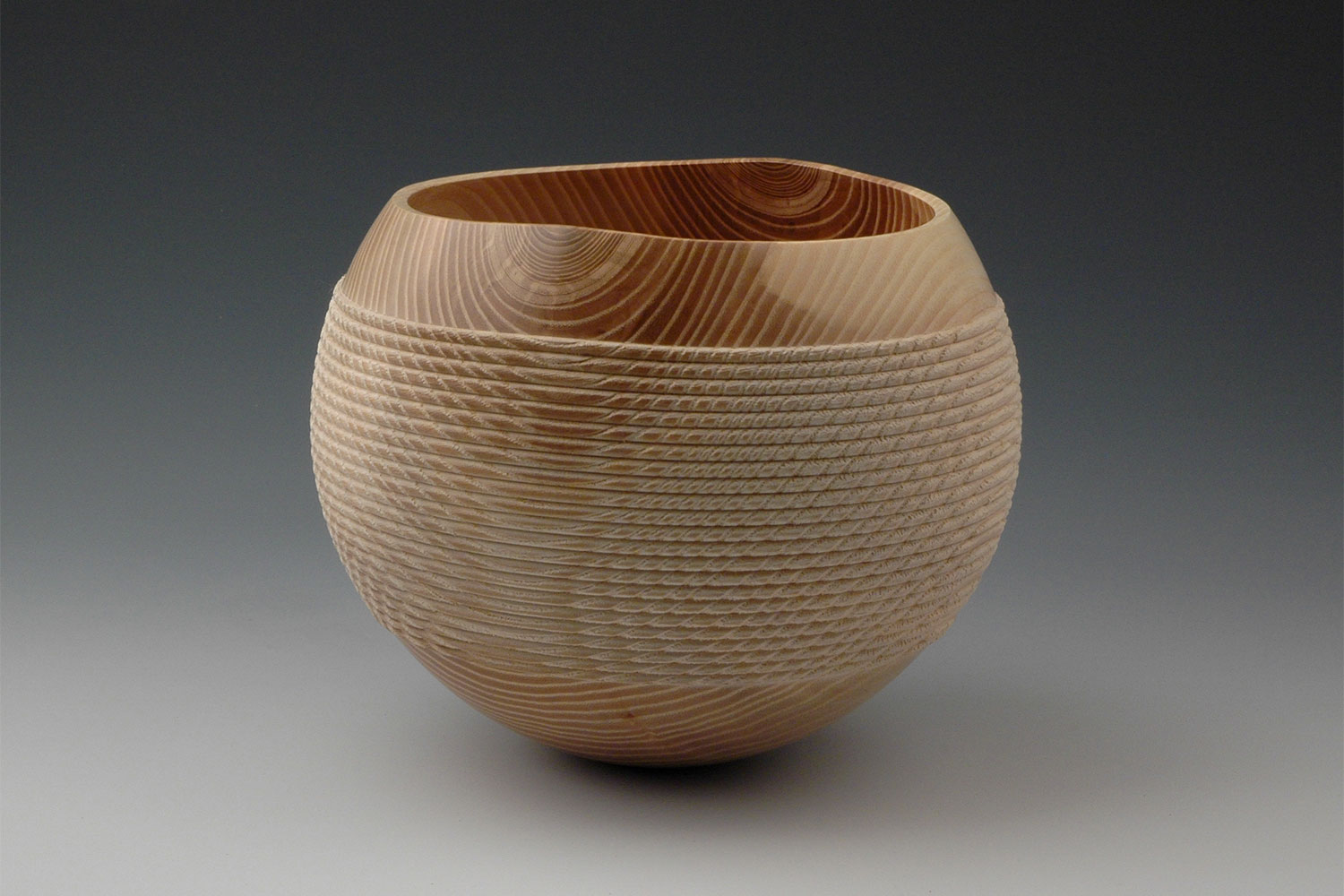
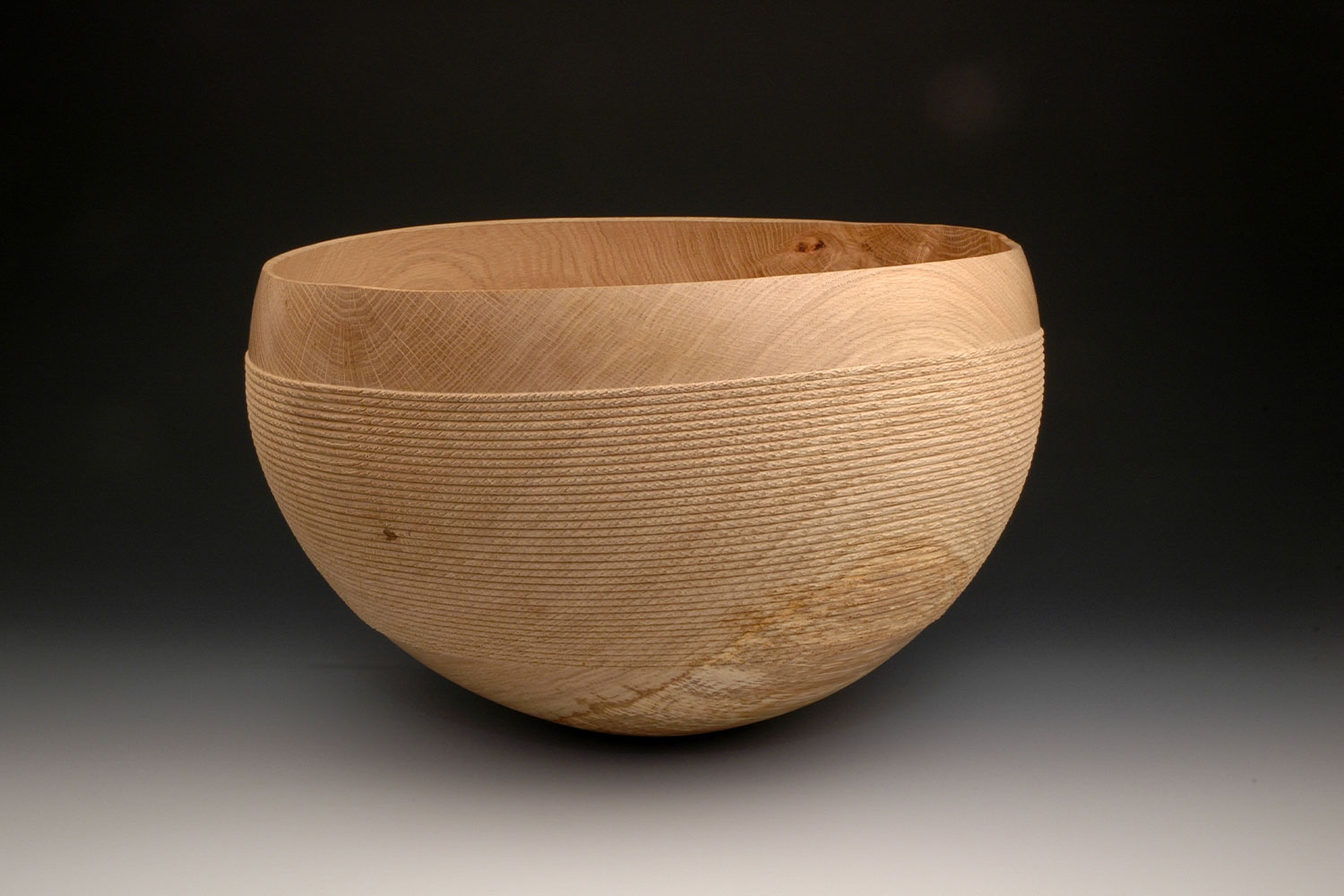
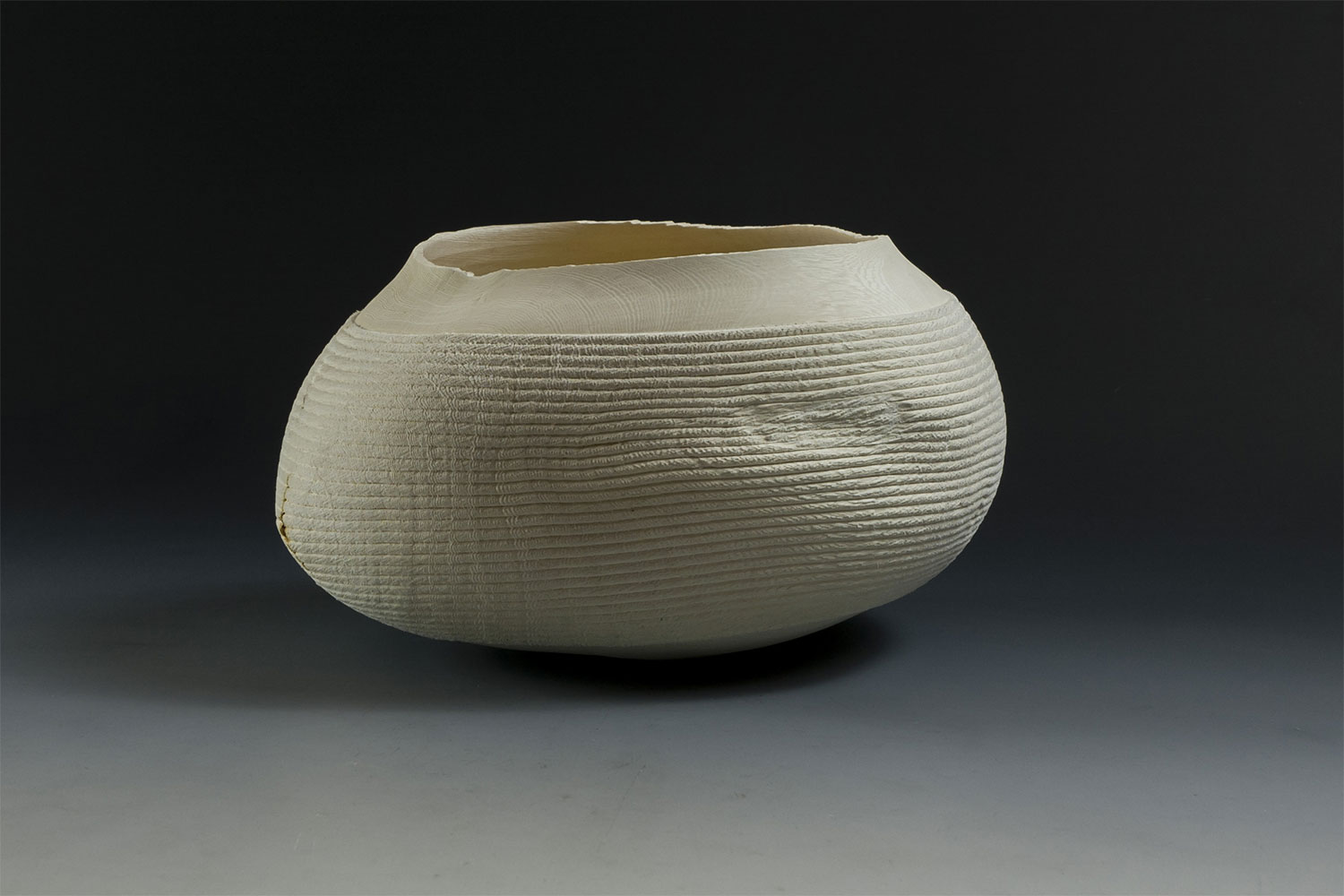
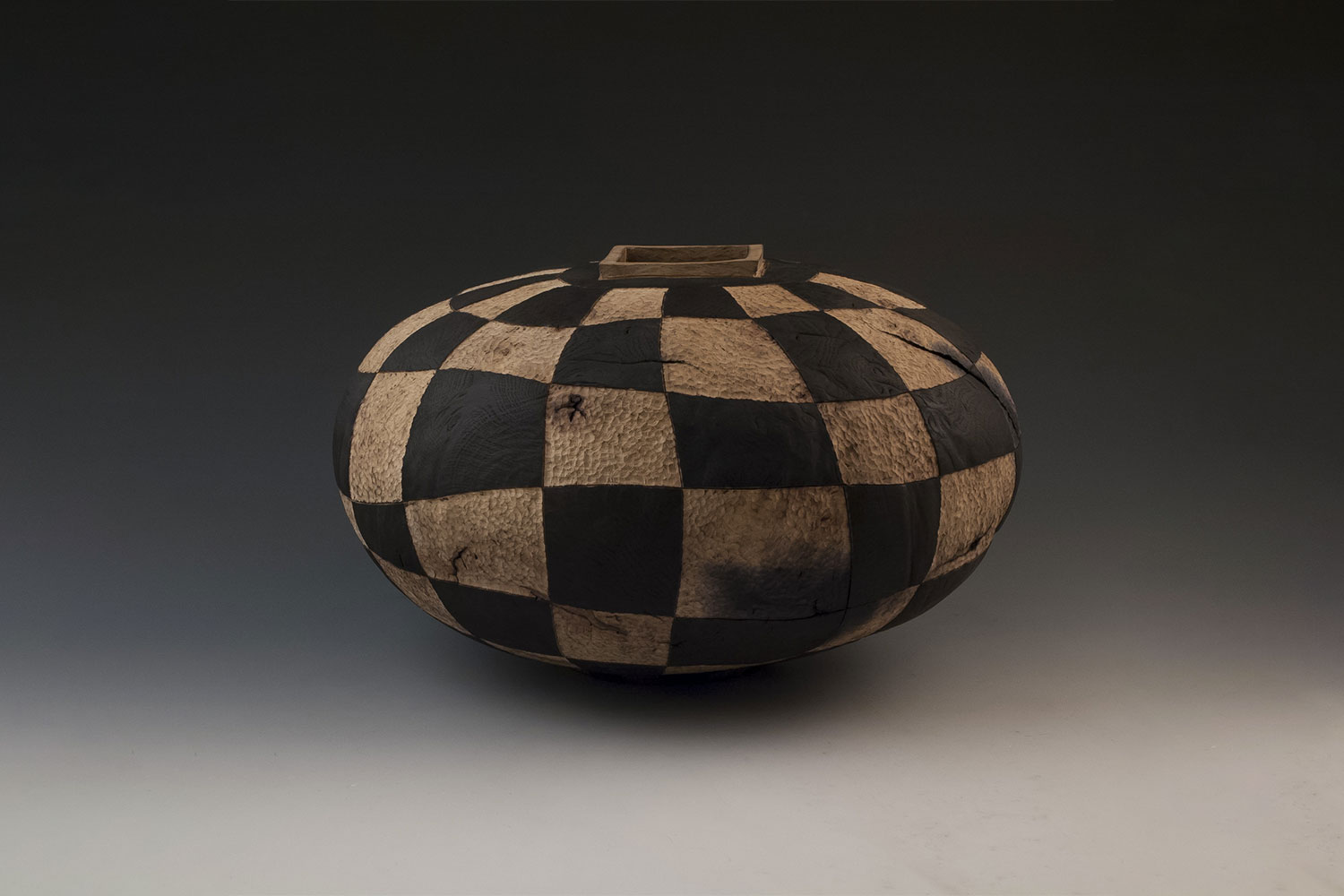
I work a lot with green wood, meaning the wood will deform as it dries. A piece may be round when I take it off the lathe but as it moves to ambient temperature it will transform. I love this second step, I love seeing how the wood will change.
I think woodturning is a symbol of this. Starting with a classical, traditional apprenticeship is vital and then once that’s done, there’s a need to go further, go beyond. Like with an instrument, a musician needs to learn his scales first to be able to experiment.
1 EXPERIENCE