Cosmo ceramics
- Lana studied ceramics at Namseoul University, Korea
- She is able to compose stones with powdered minerals
- She takes a mathematical approach to enamel making
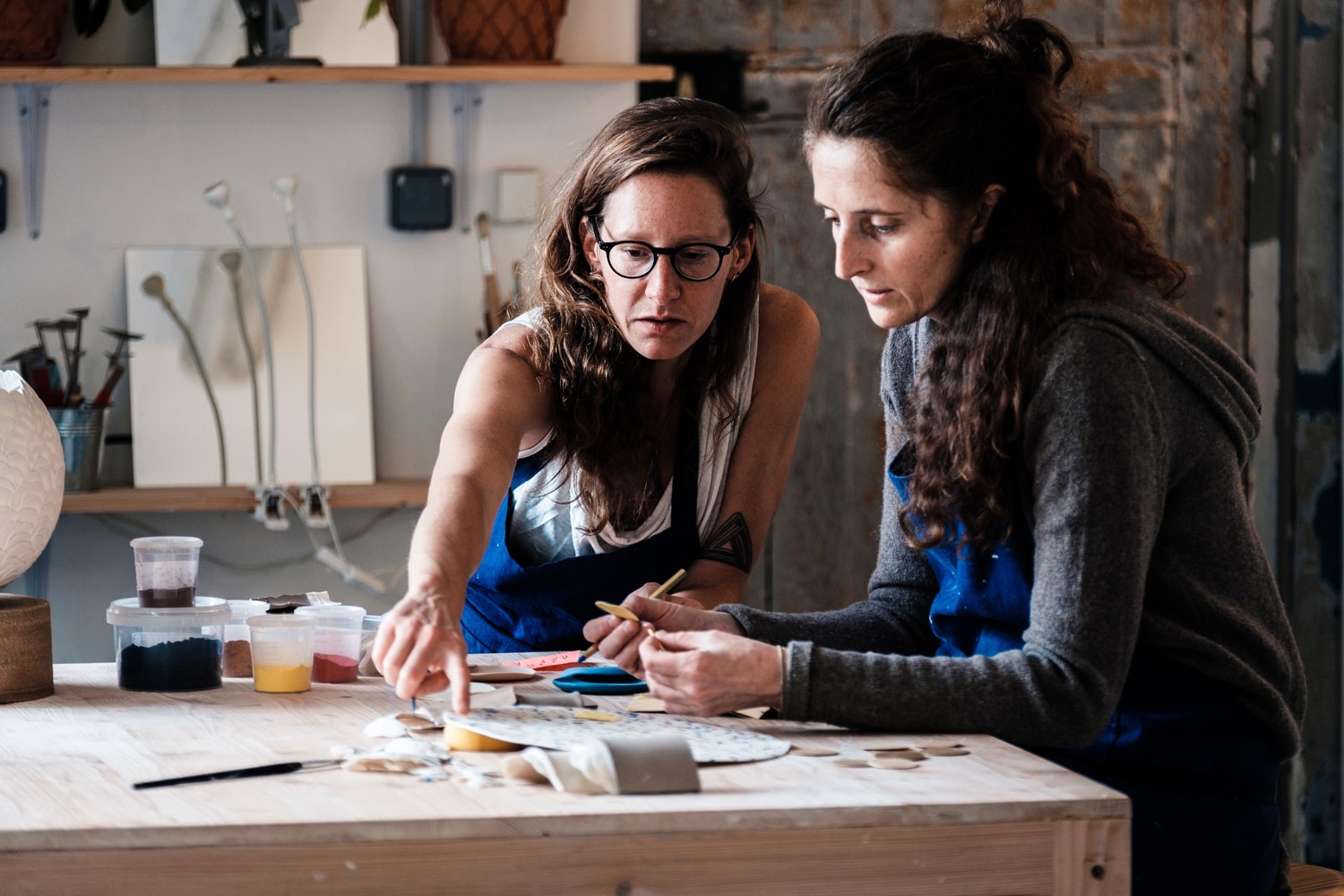
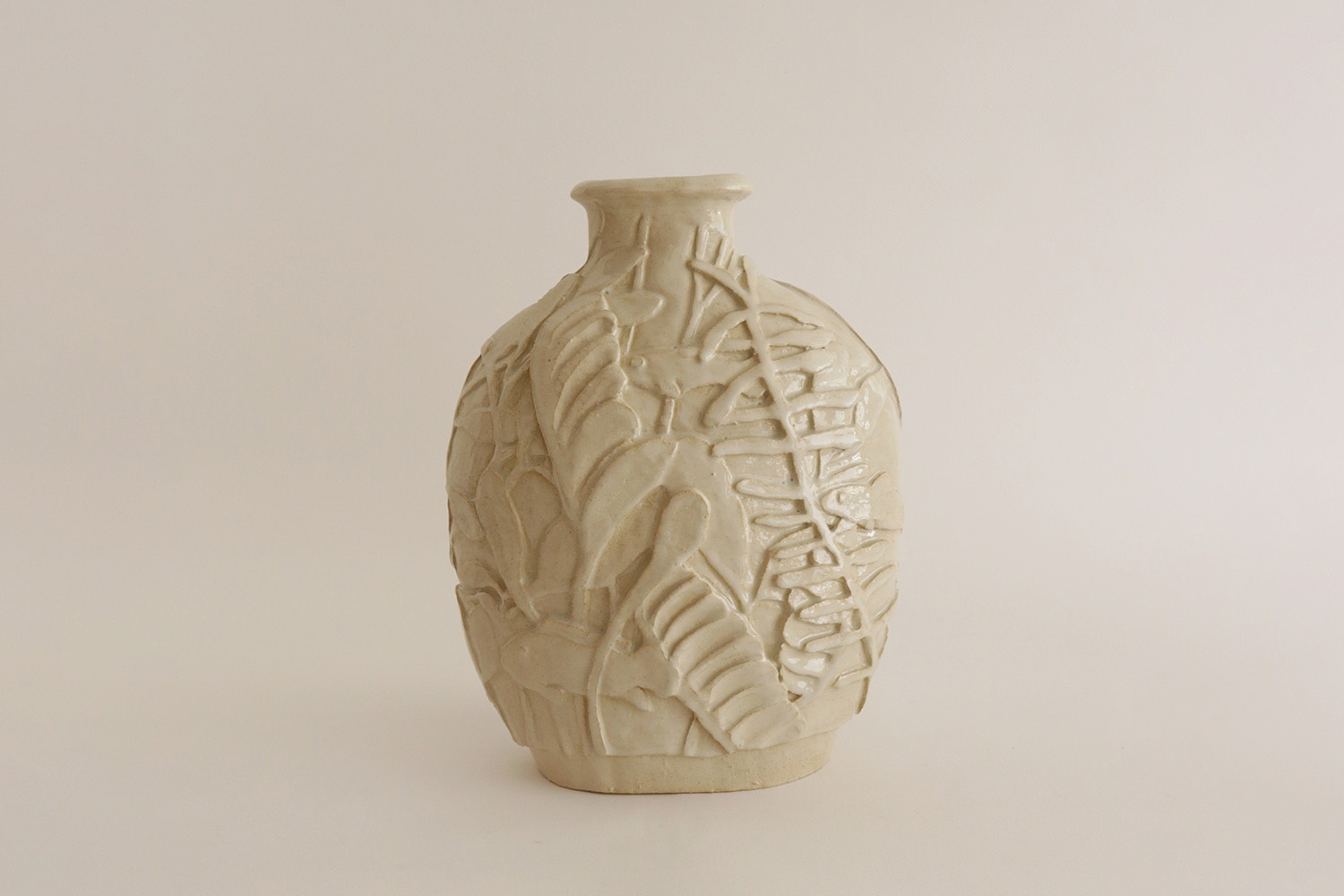
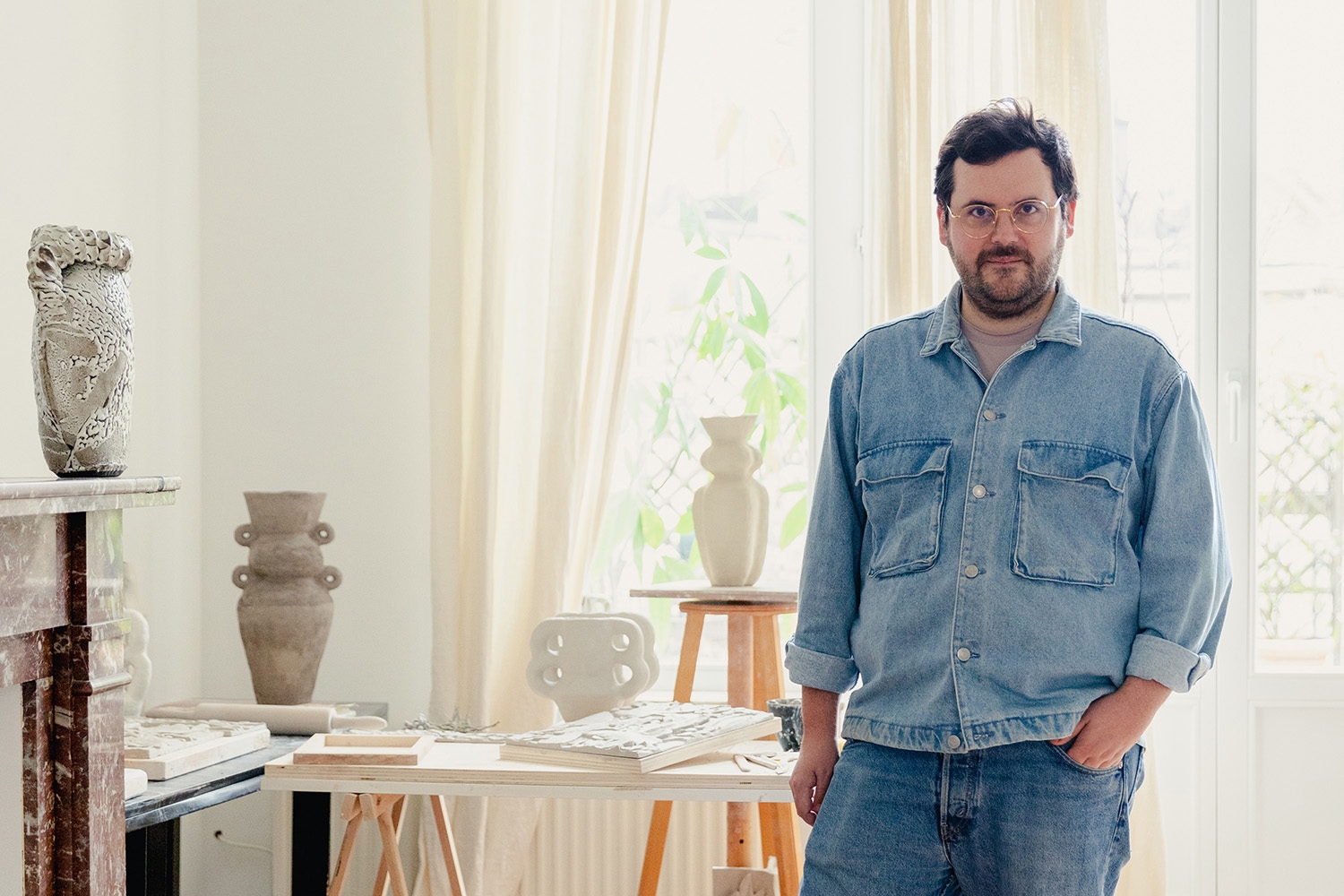
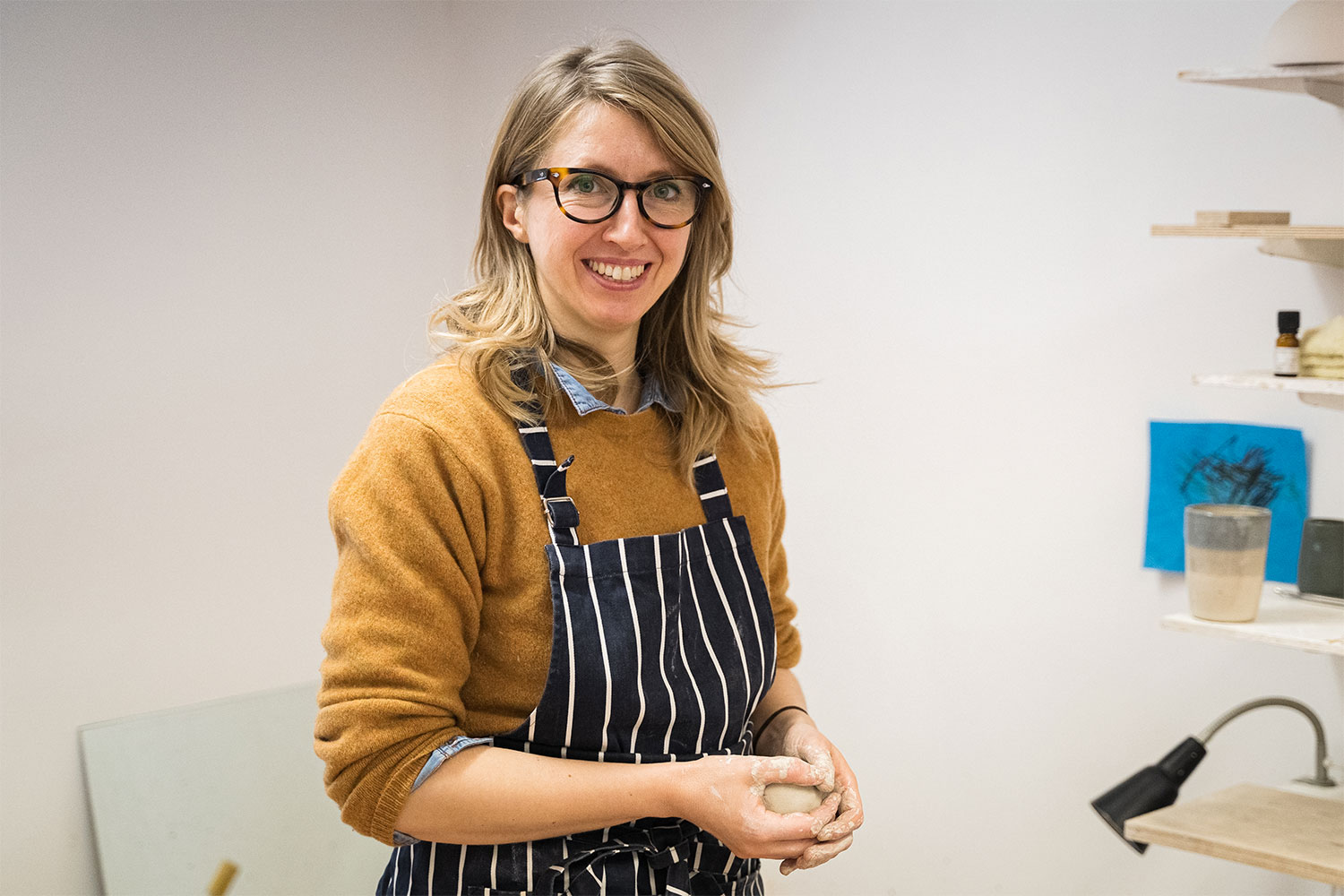
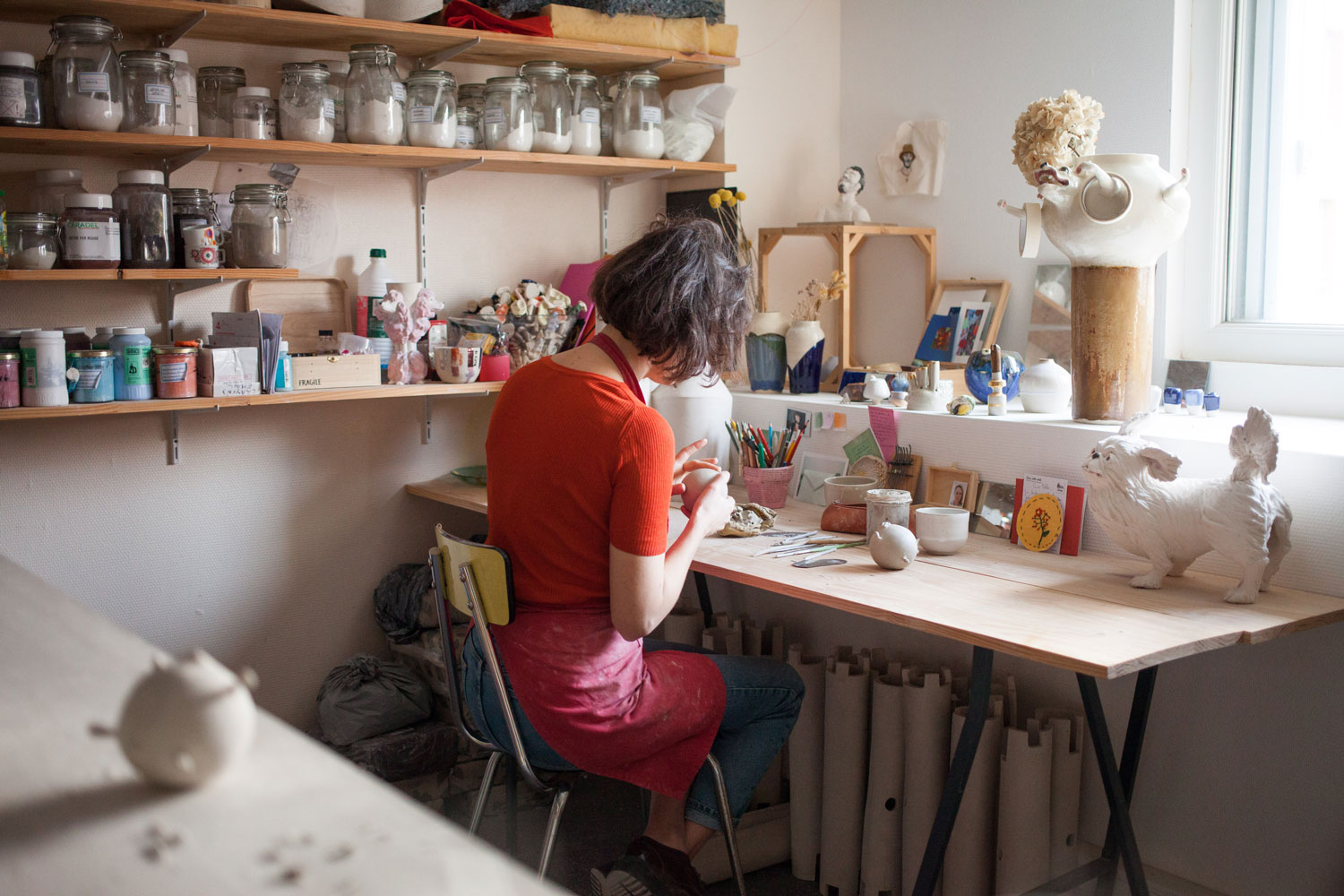
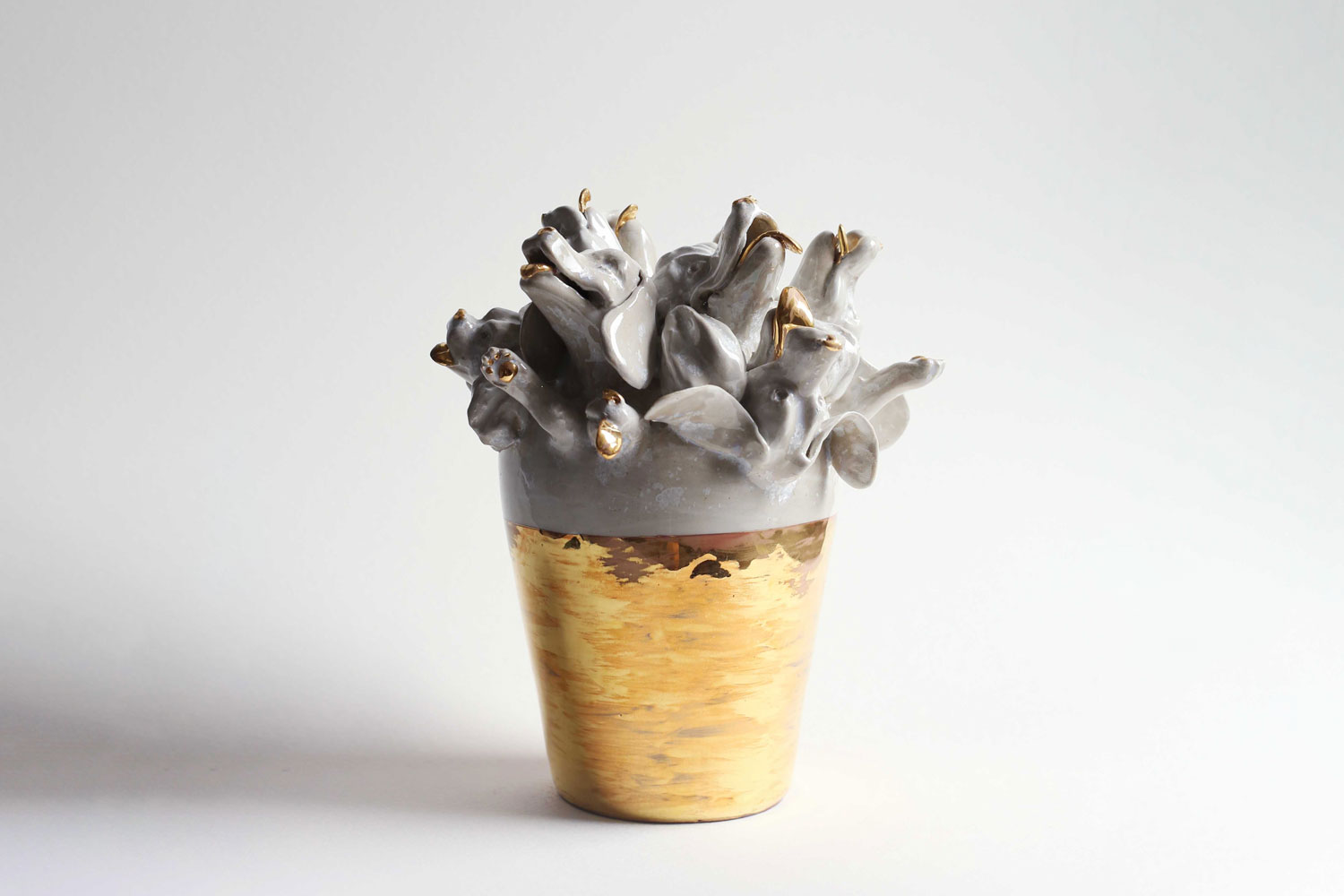
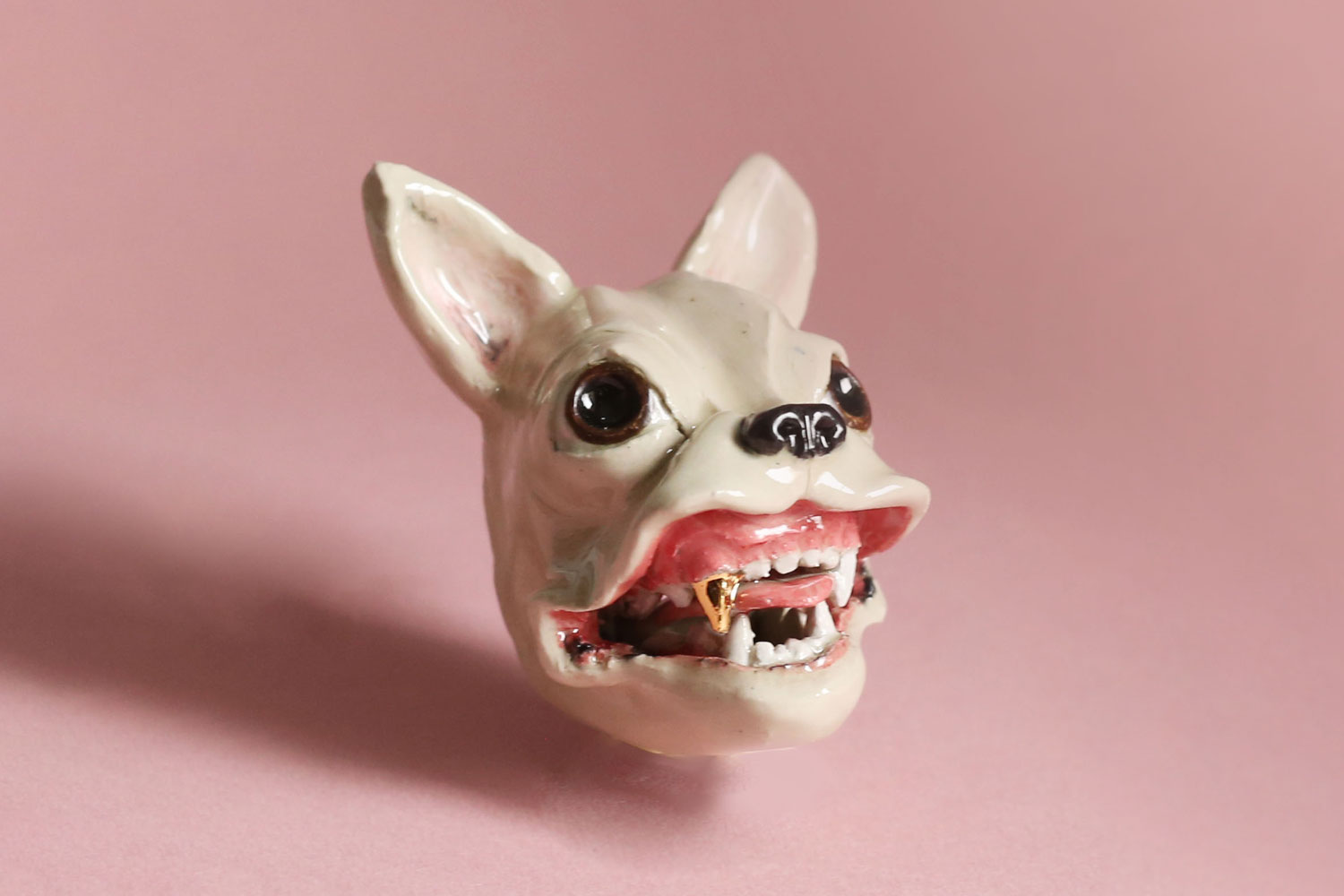
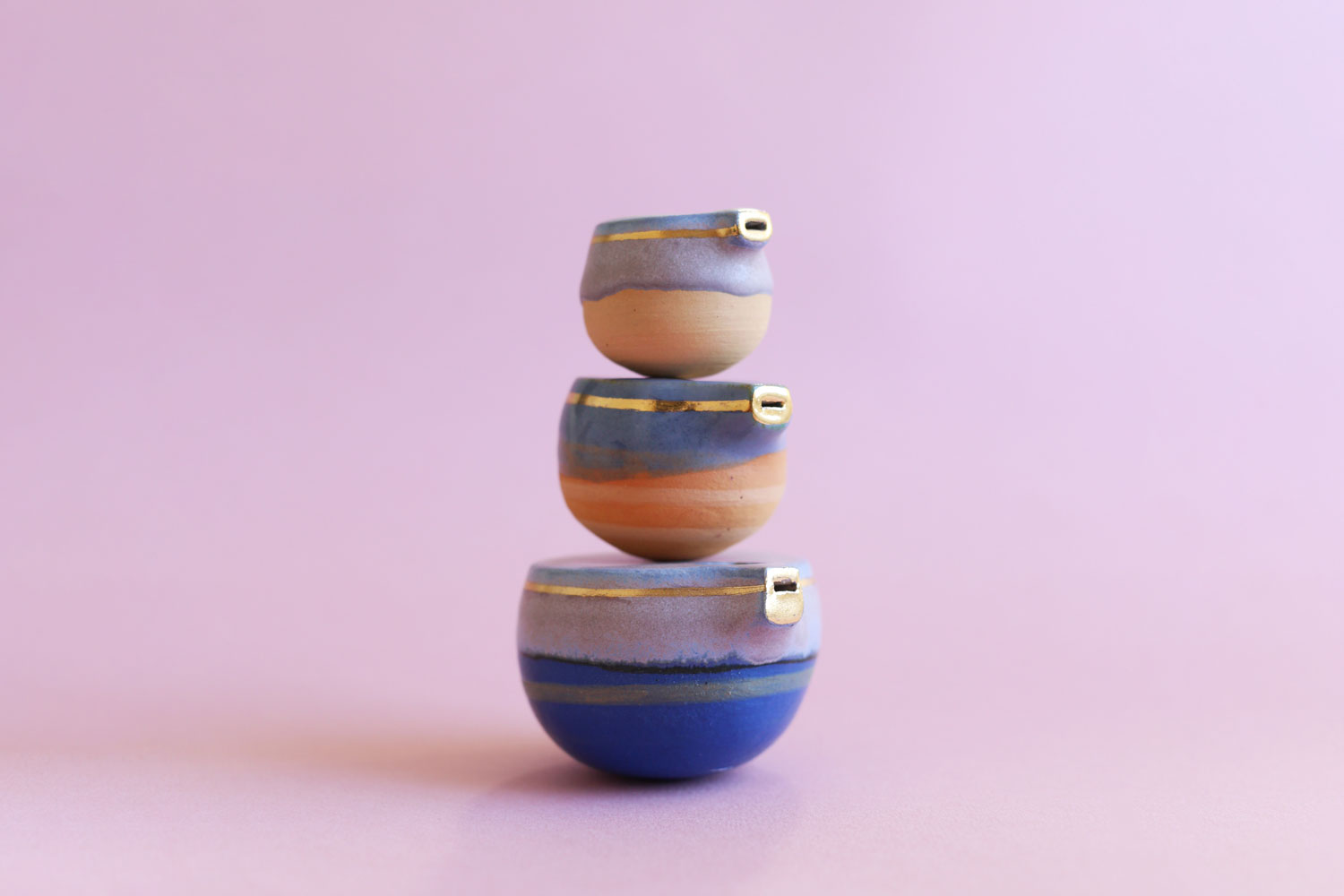
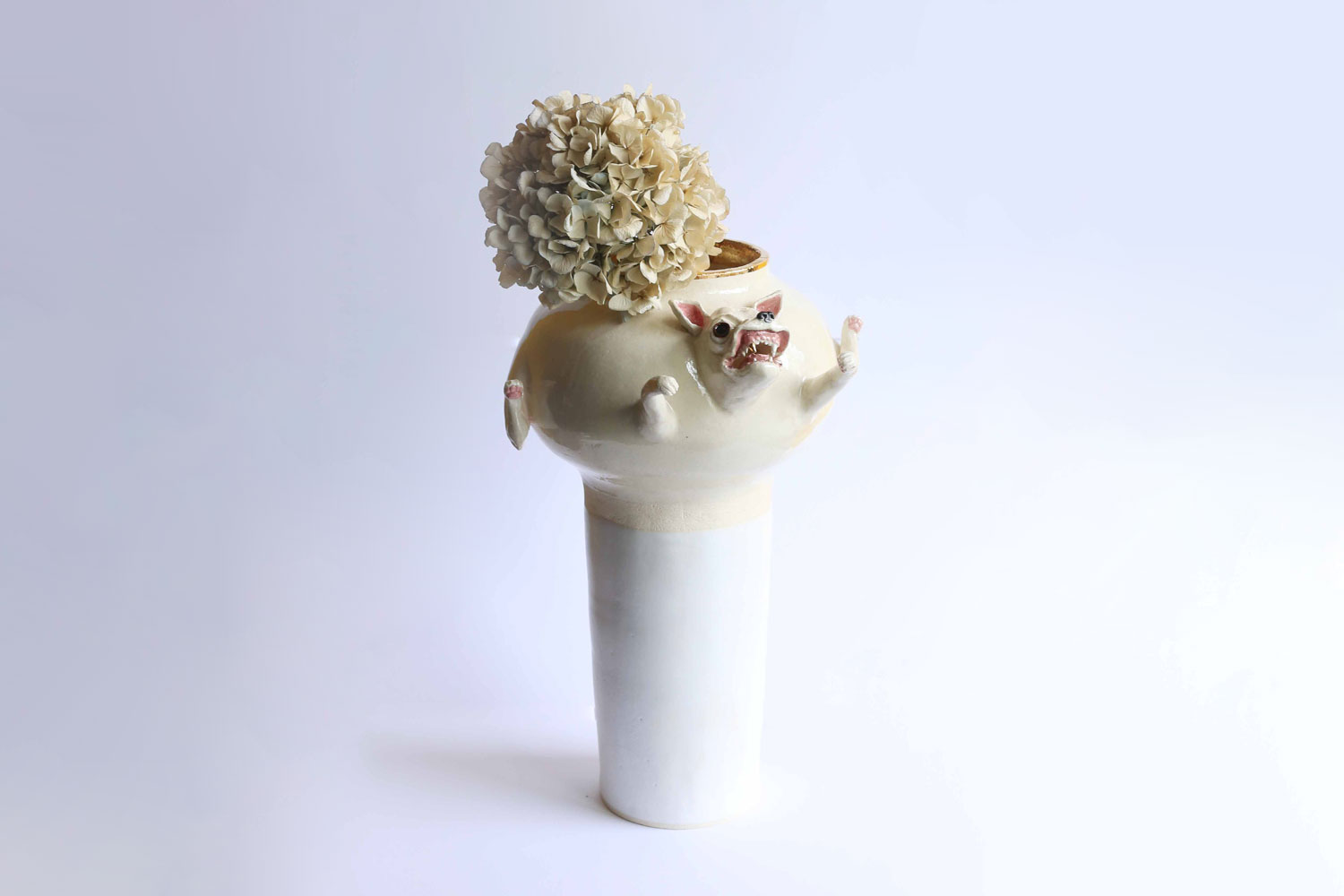
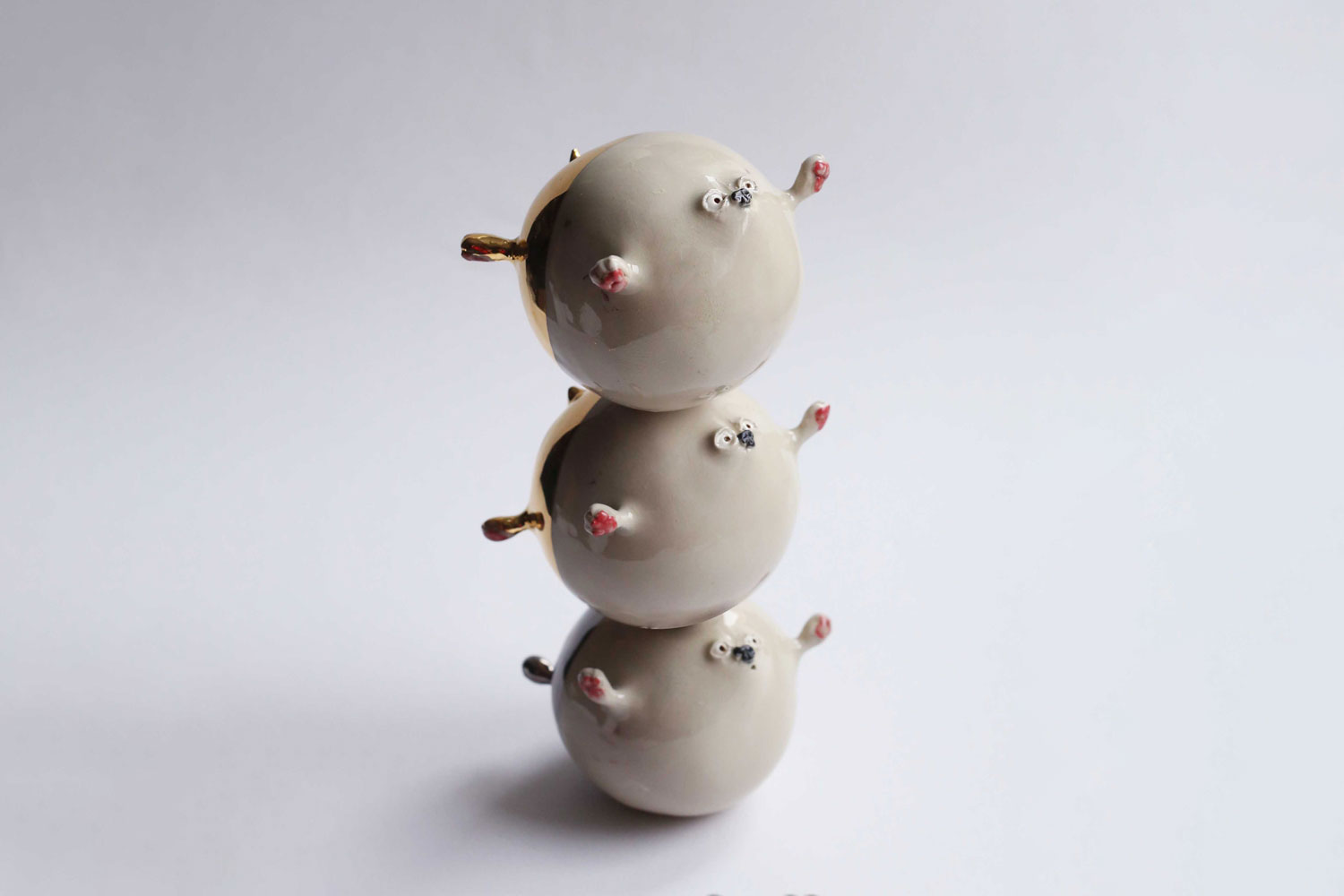
Lana Ruellan is a French ceramicist; the freedom of creating with one's hands and the endless possibilities ceramics offers, made her fall for this craft. “I have fun with codes, values to make people think, smile or dream.” After a background in product design, she pursued her studies in Art-Ceramics at Les Arts Décoratifs, in Strasbourg. Lana draws her inspiration from animals, as well as curious and ancient musical instruments. Her technical rigour allows her to break new ground, notably with sculpture and enamel techniques. Lastly, Lana pushed her research to a cosmic dimension. Following the chemical properties of powdered minerals, she is able to compose stones. A surprising project. Committed to share her passion, Lana also works as a ceramic teacher.
INTERVIEW
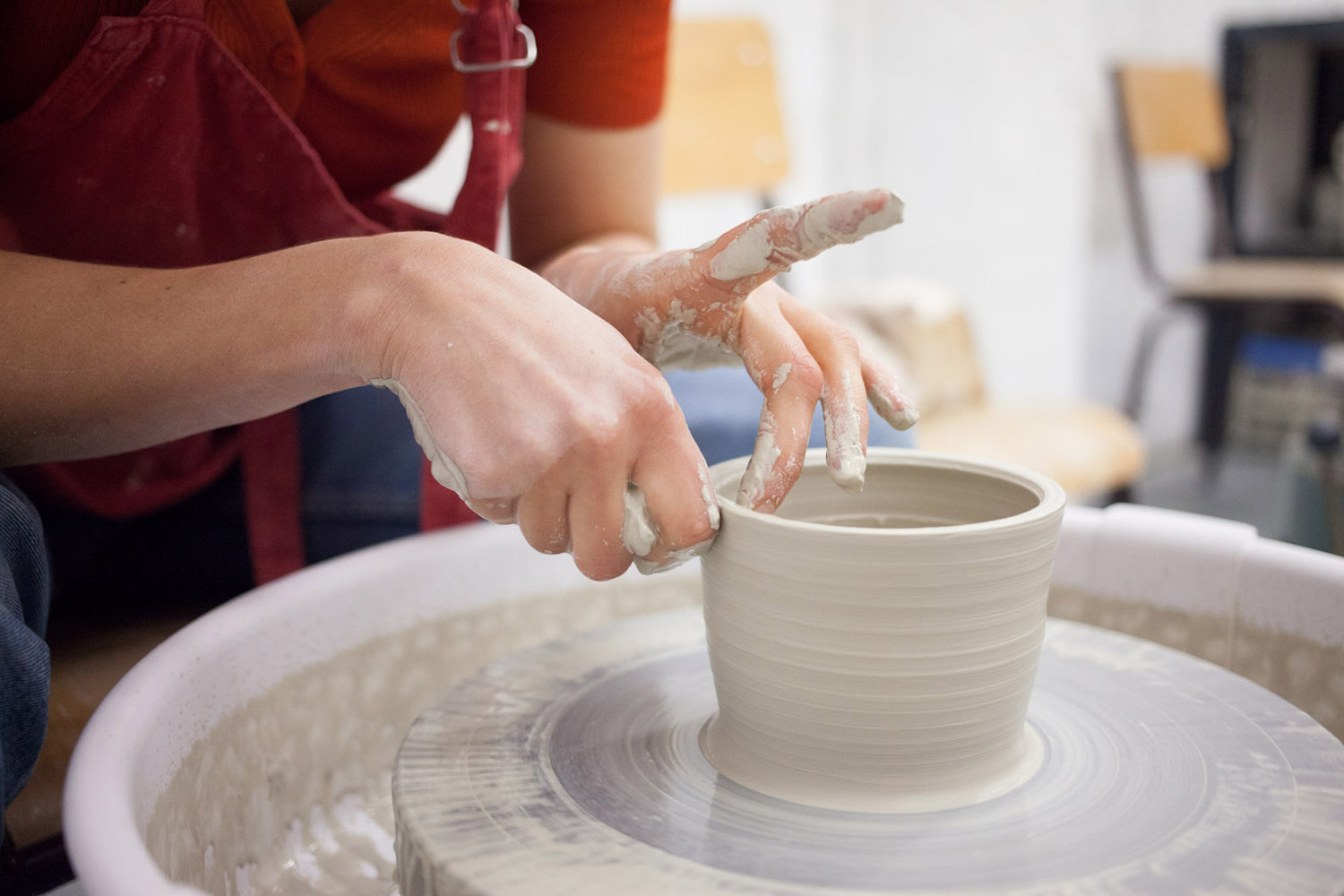
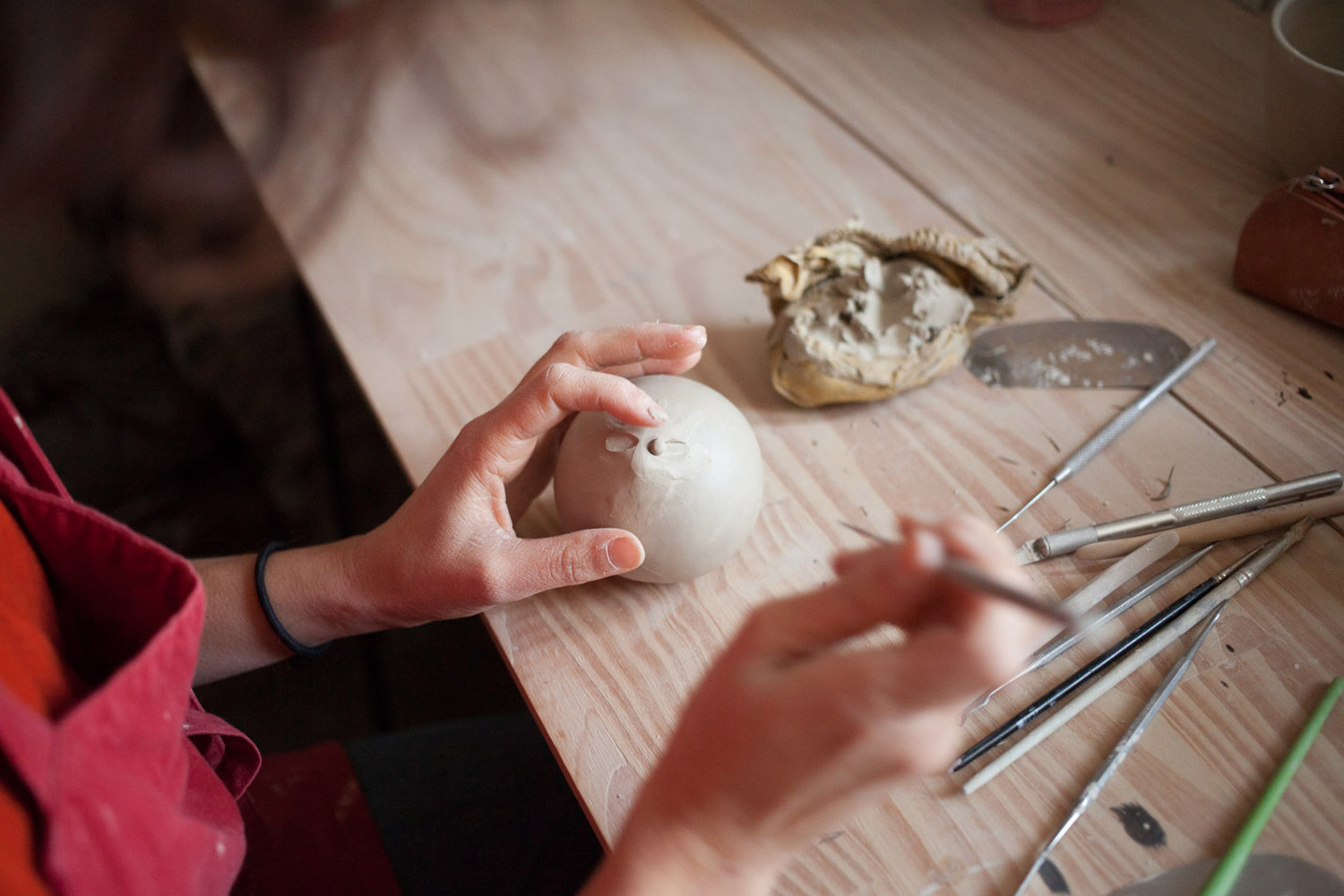
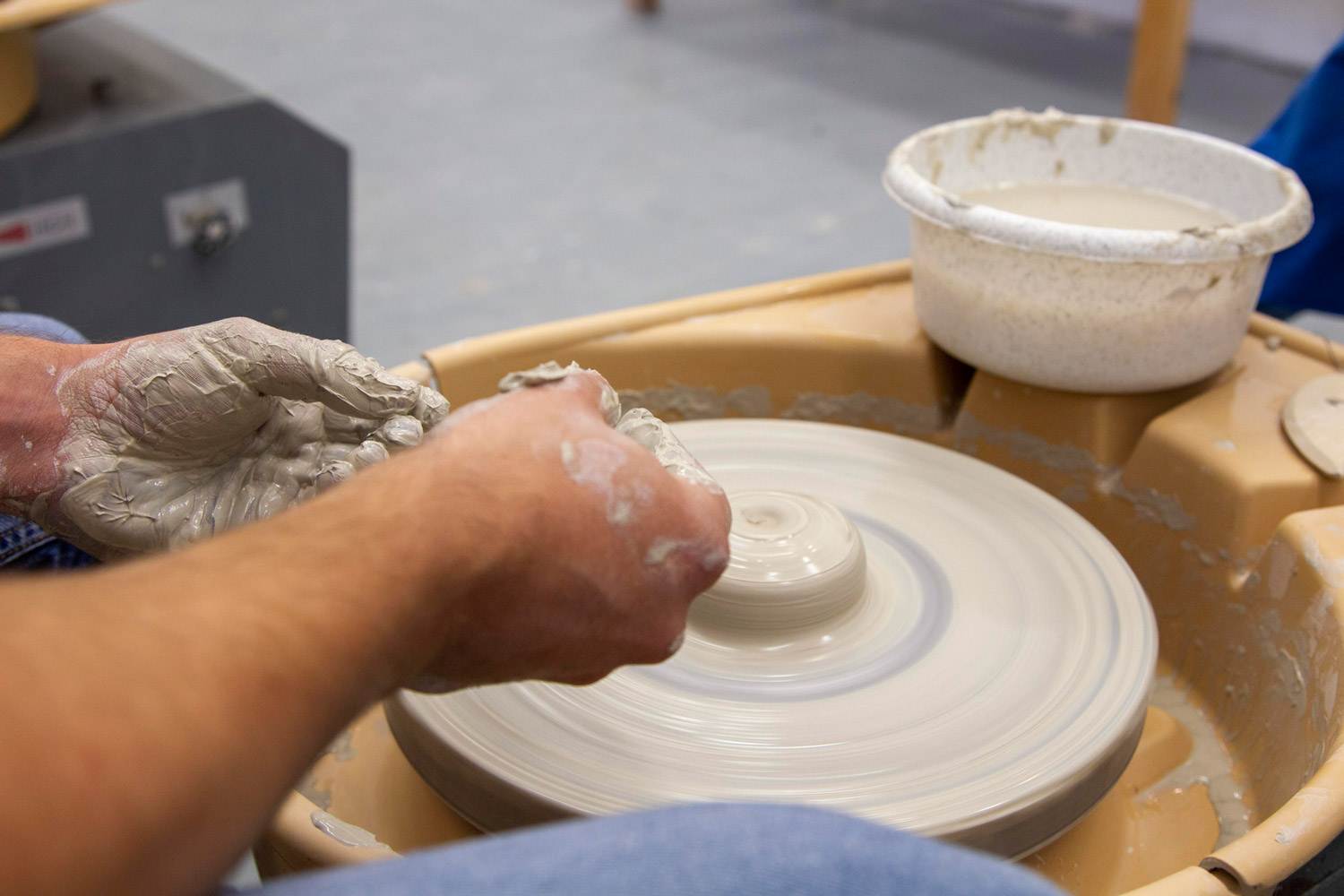
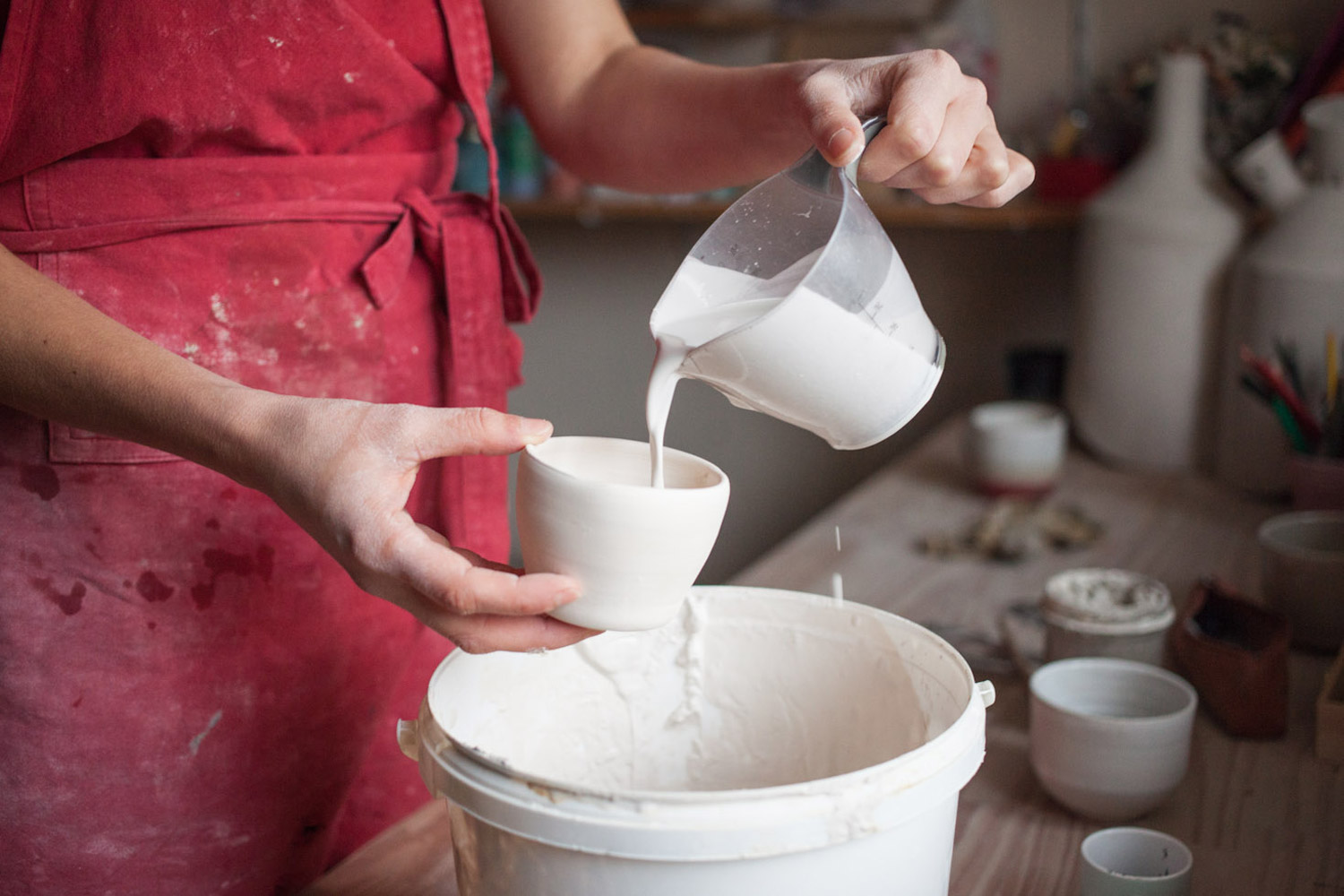
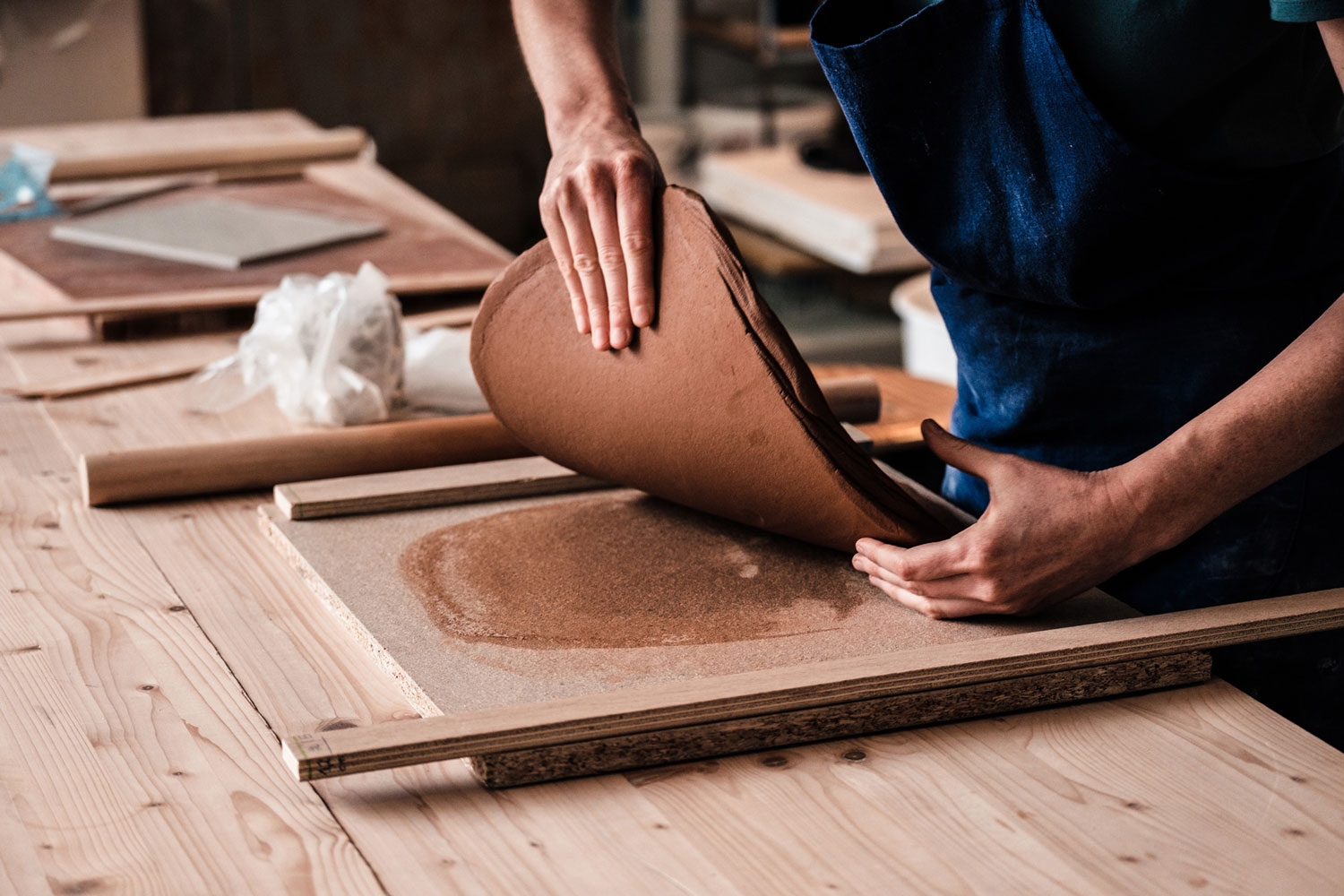
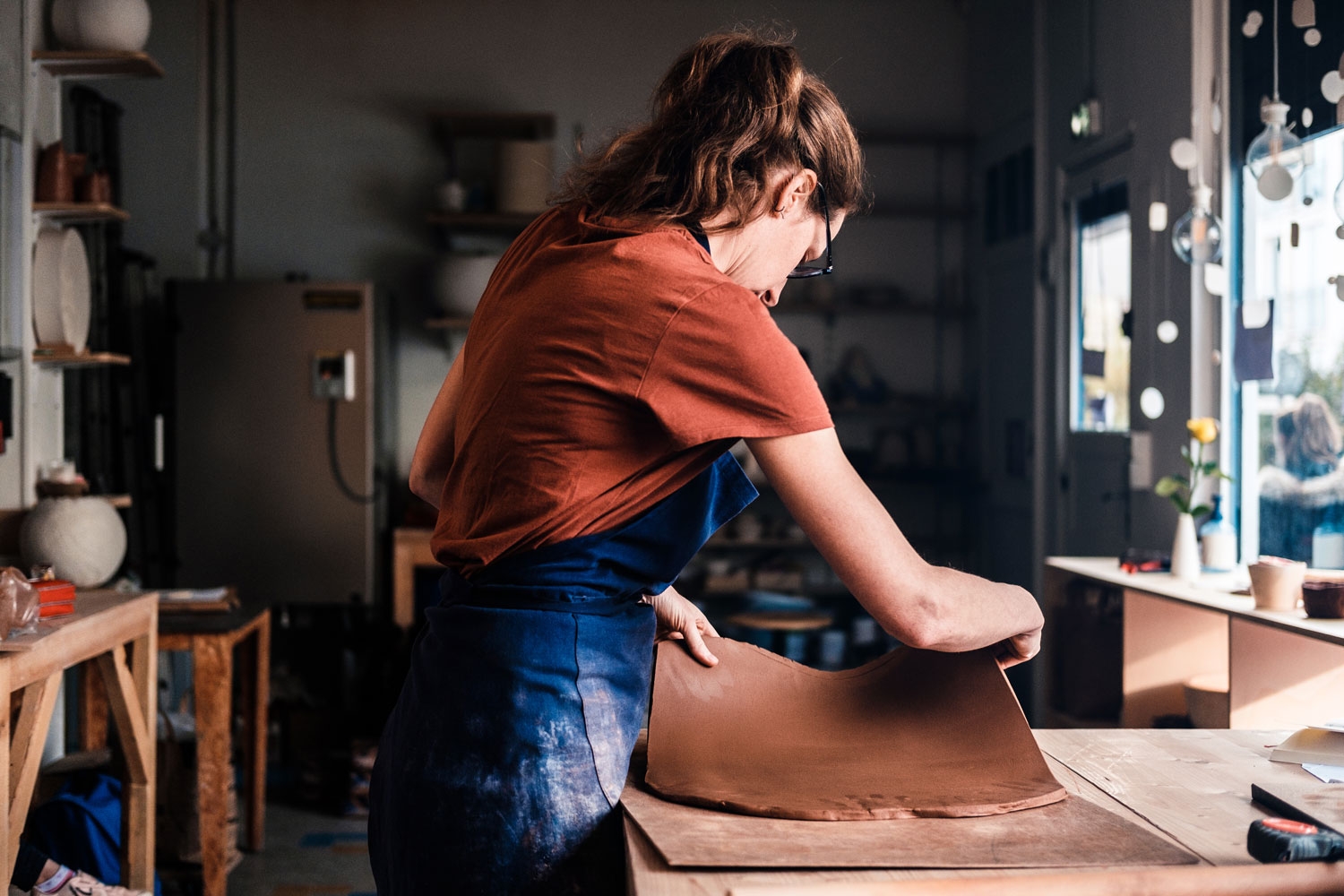
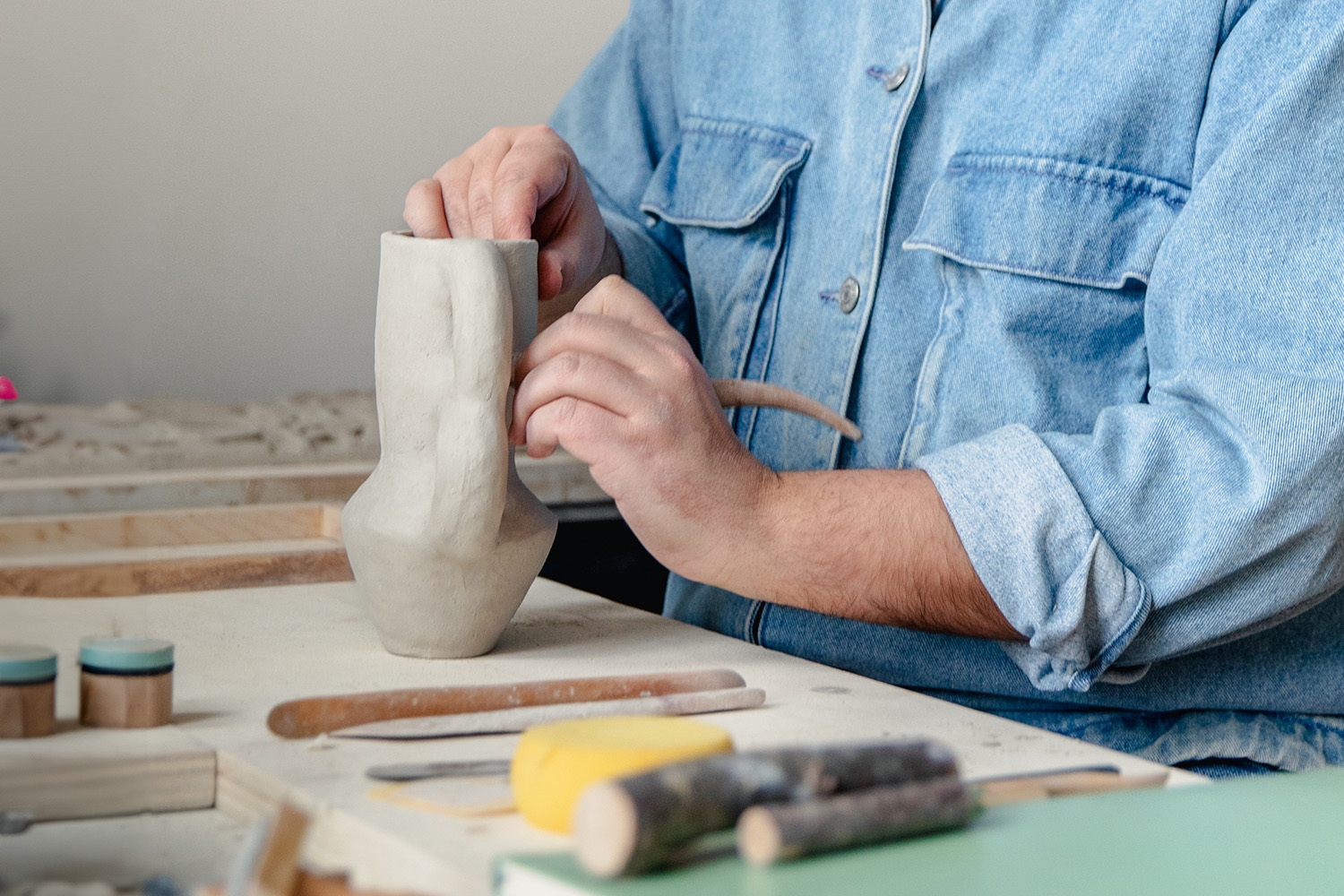
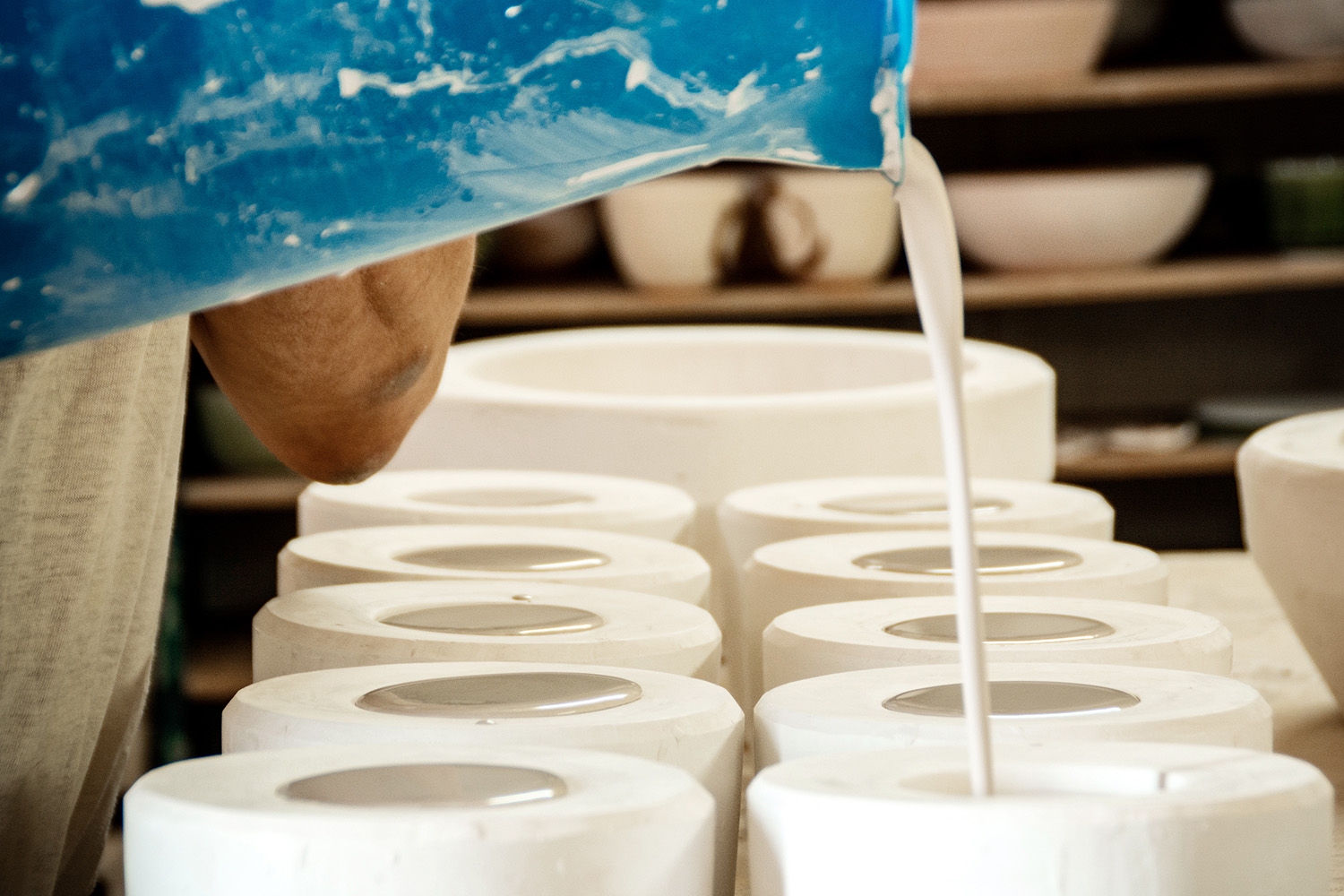
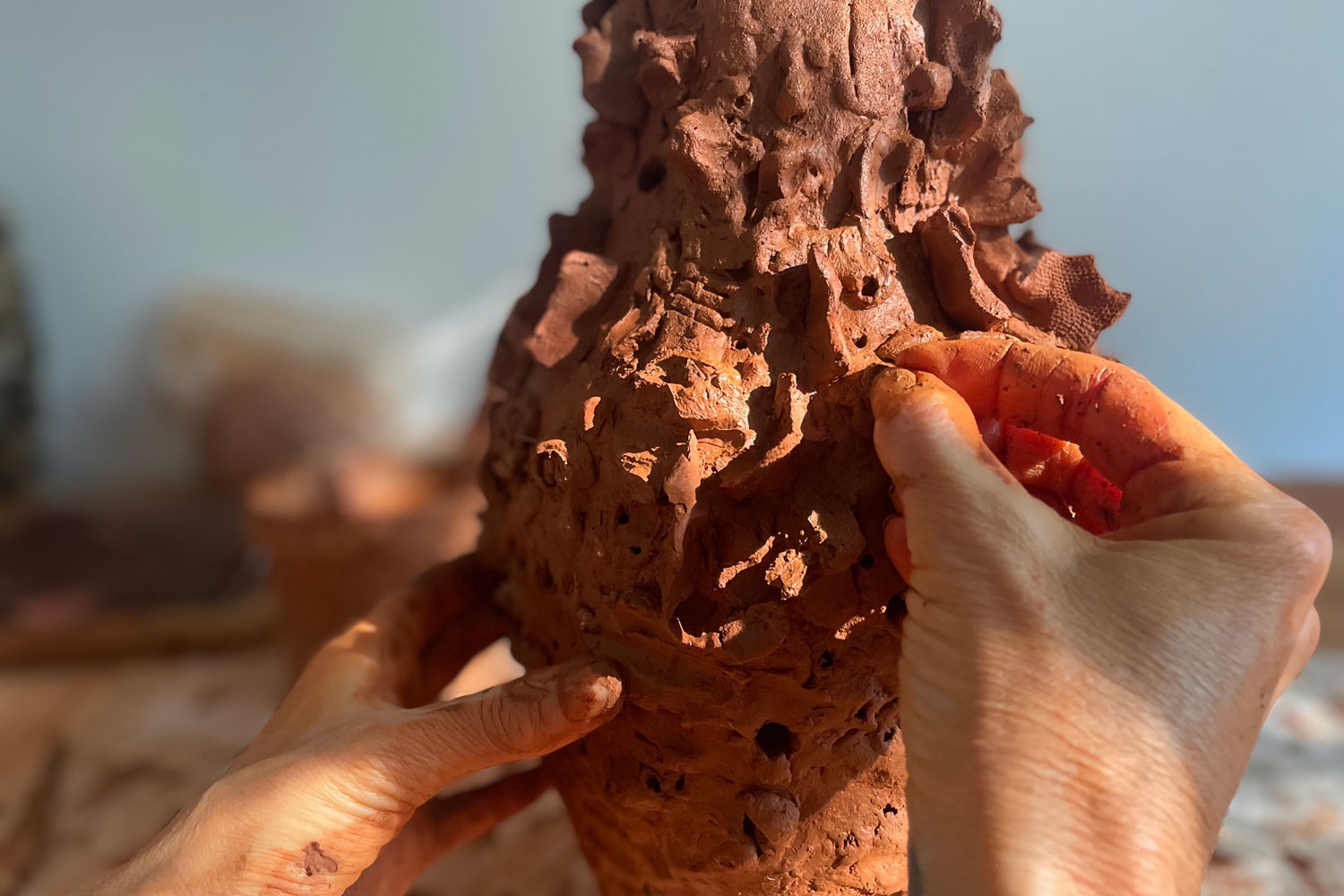
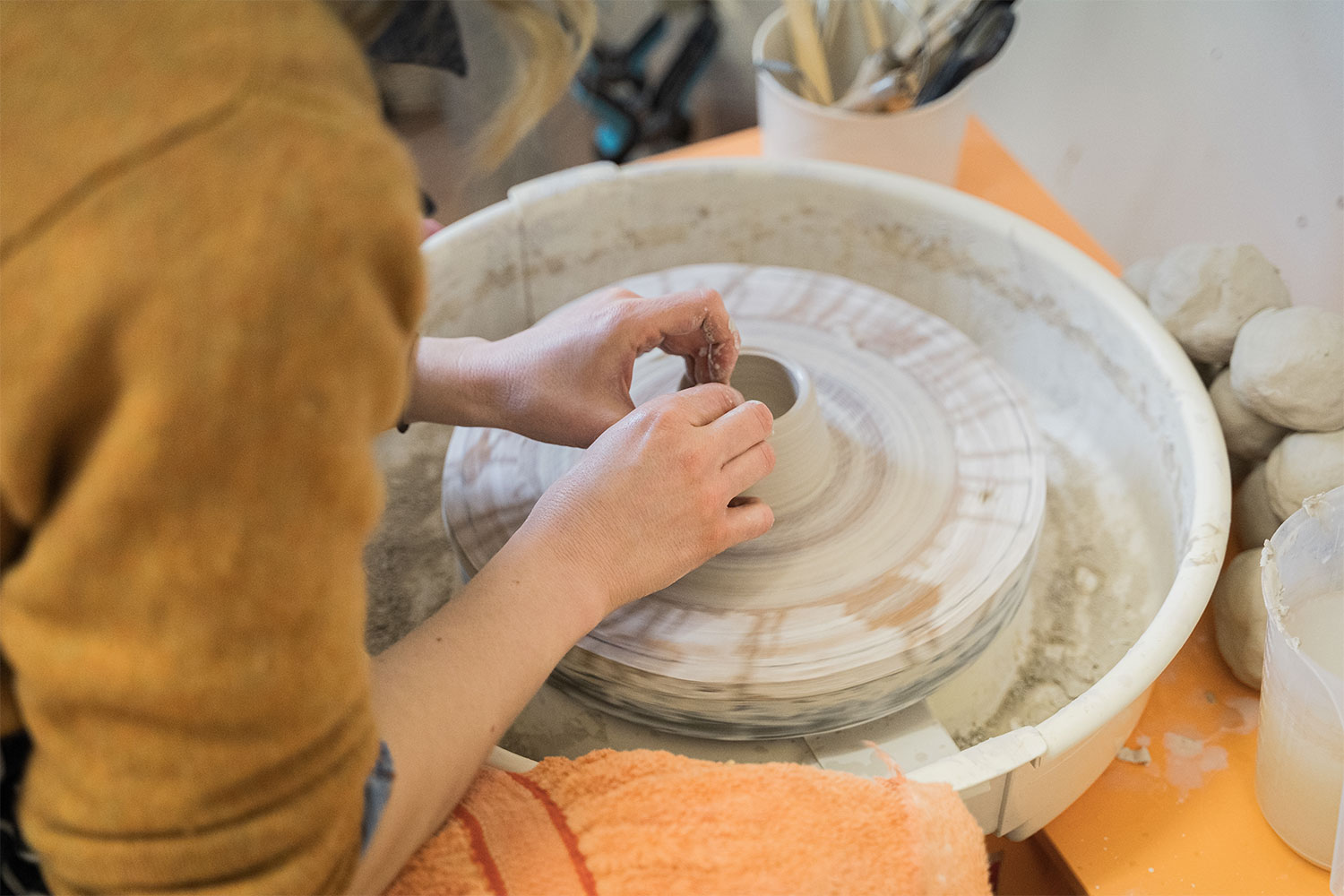
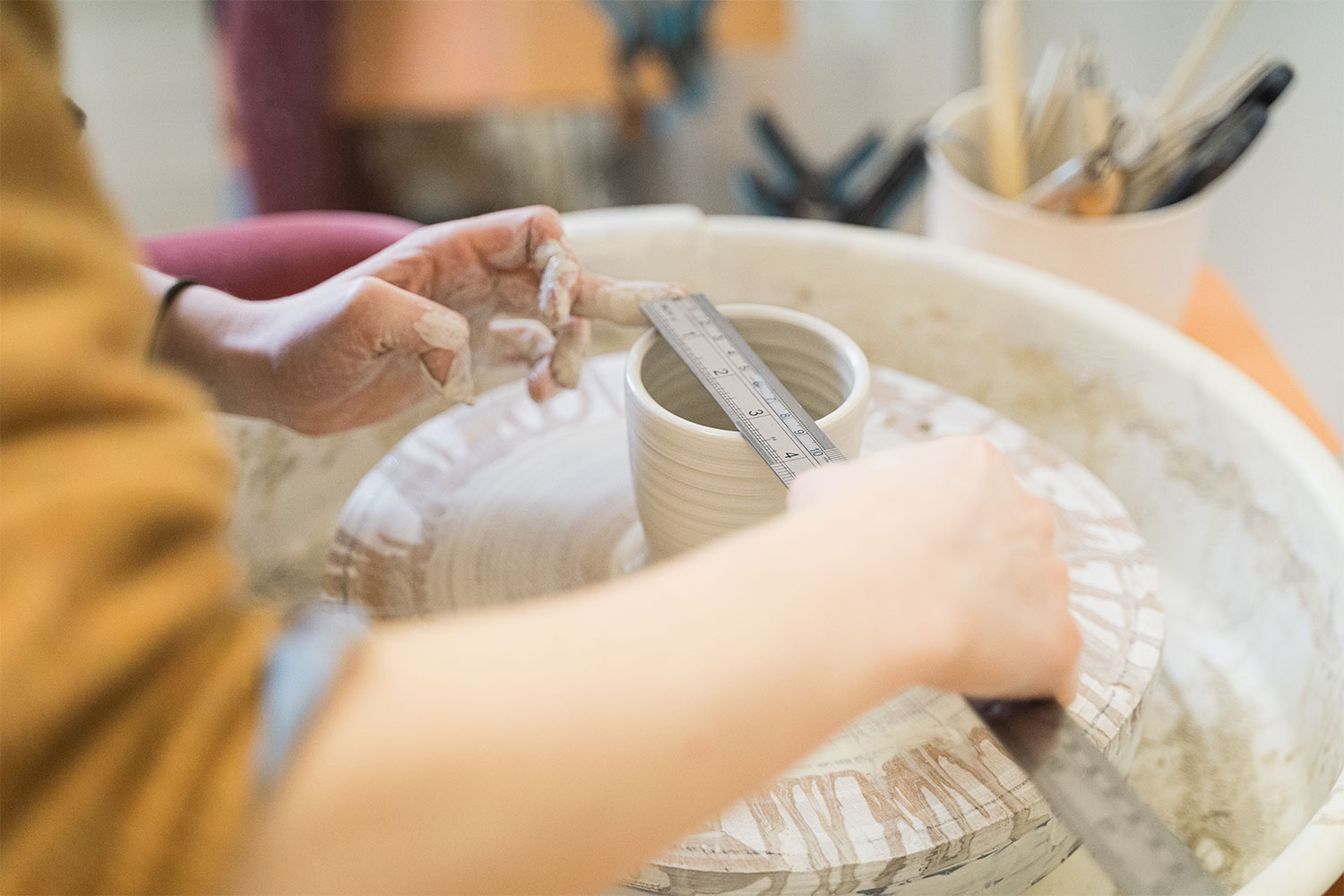
I learned all the techniques of ceramics during my eight years of studies: sculpture, modelling, turning, moulding, stamping, glazing, third firing. I use the one that best corresponds to the realization of the piece in progress.
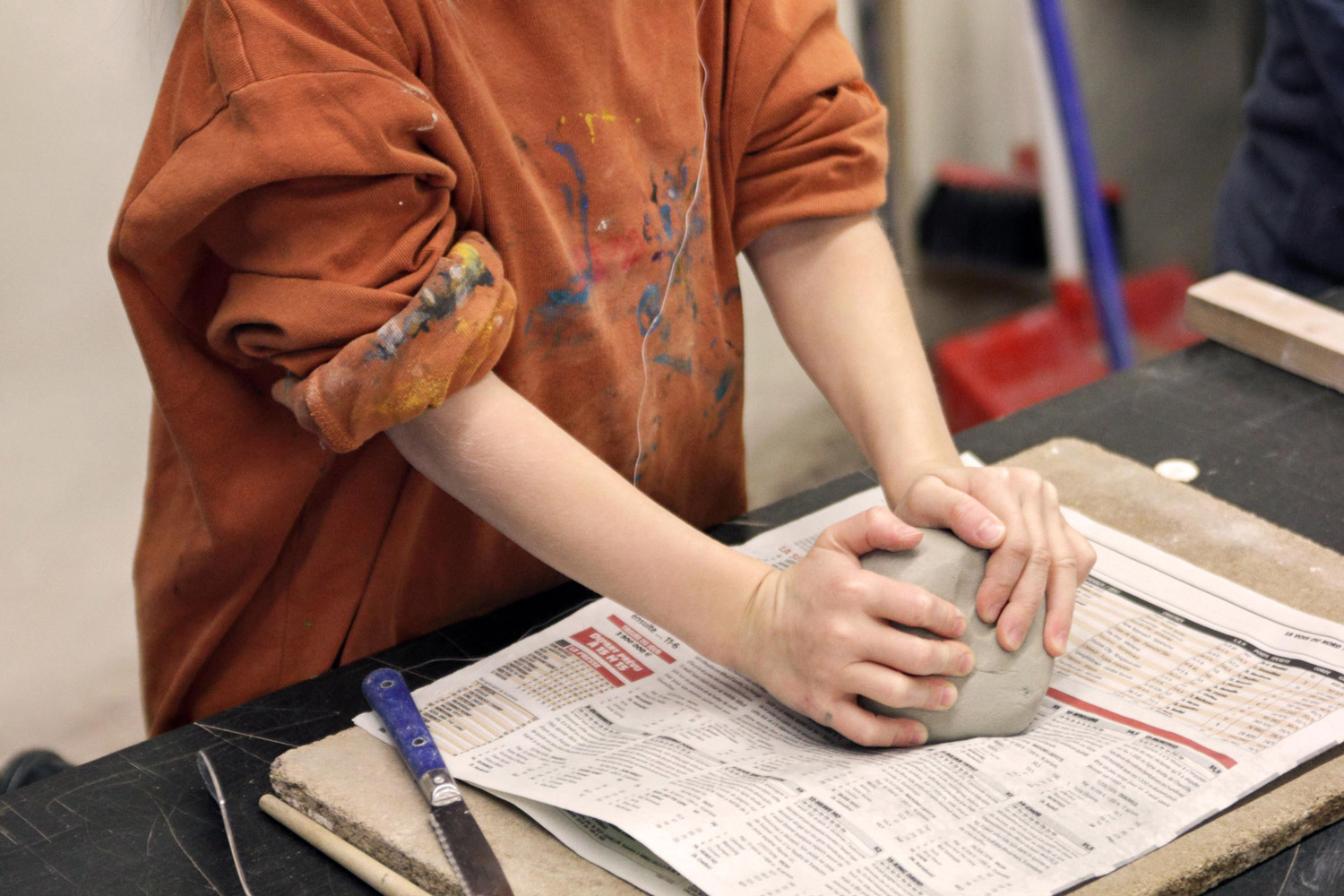
Northern France has no strong history linked to ceramics. I actively try to make it thrive and be recognised locally. I give courses, I organise visits. I work with local structures: museums, schools, galleries.
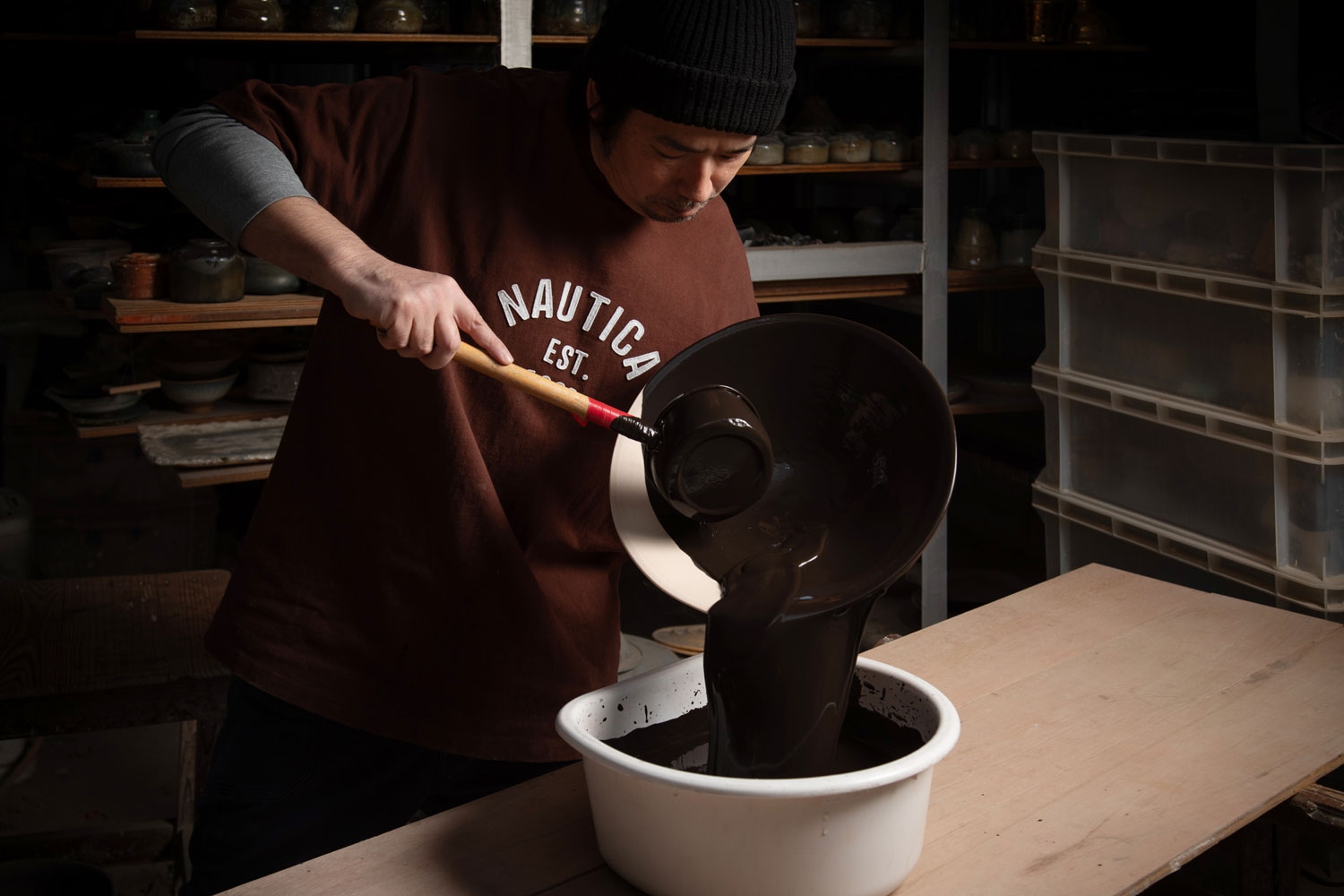
Ceramics requires a strict technical discipline. Learning traditional knowledge is essential for the success of a piece. But the material offers such vast possibilities that it is always possible to innovate. I try to apply it to glazes and decorations.
It is always raining micro-particles from elsewhere on our heads. Stardust collectors collect these crumbs from space. When a meteorite enters the atmosphere, it is pulverised into powder and light. The journey to the infinitely large begins in front of the microscope.
2 EXPERIENCES