Bringing new life to wood
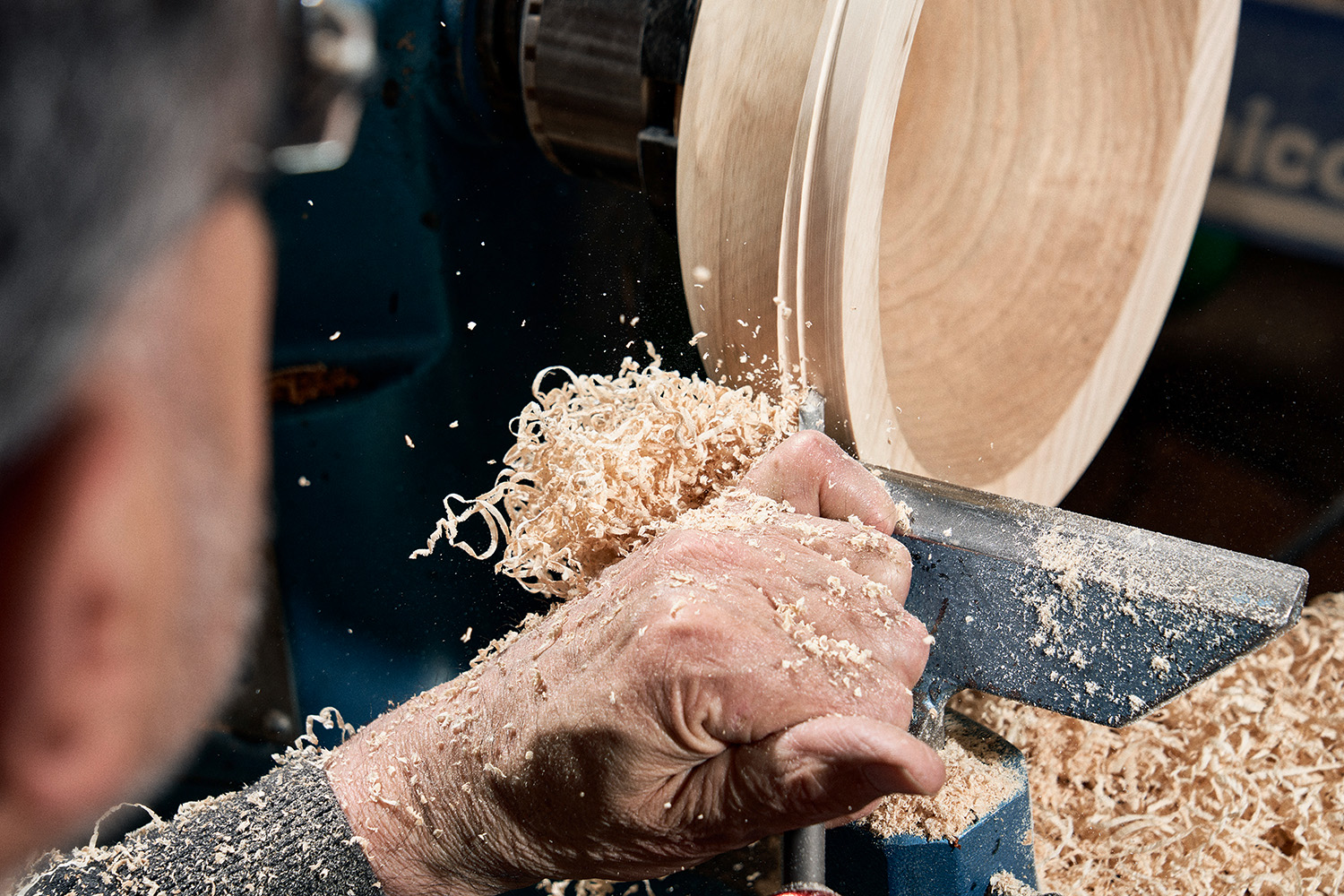
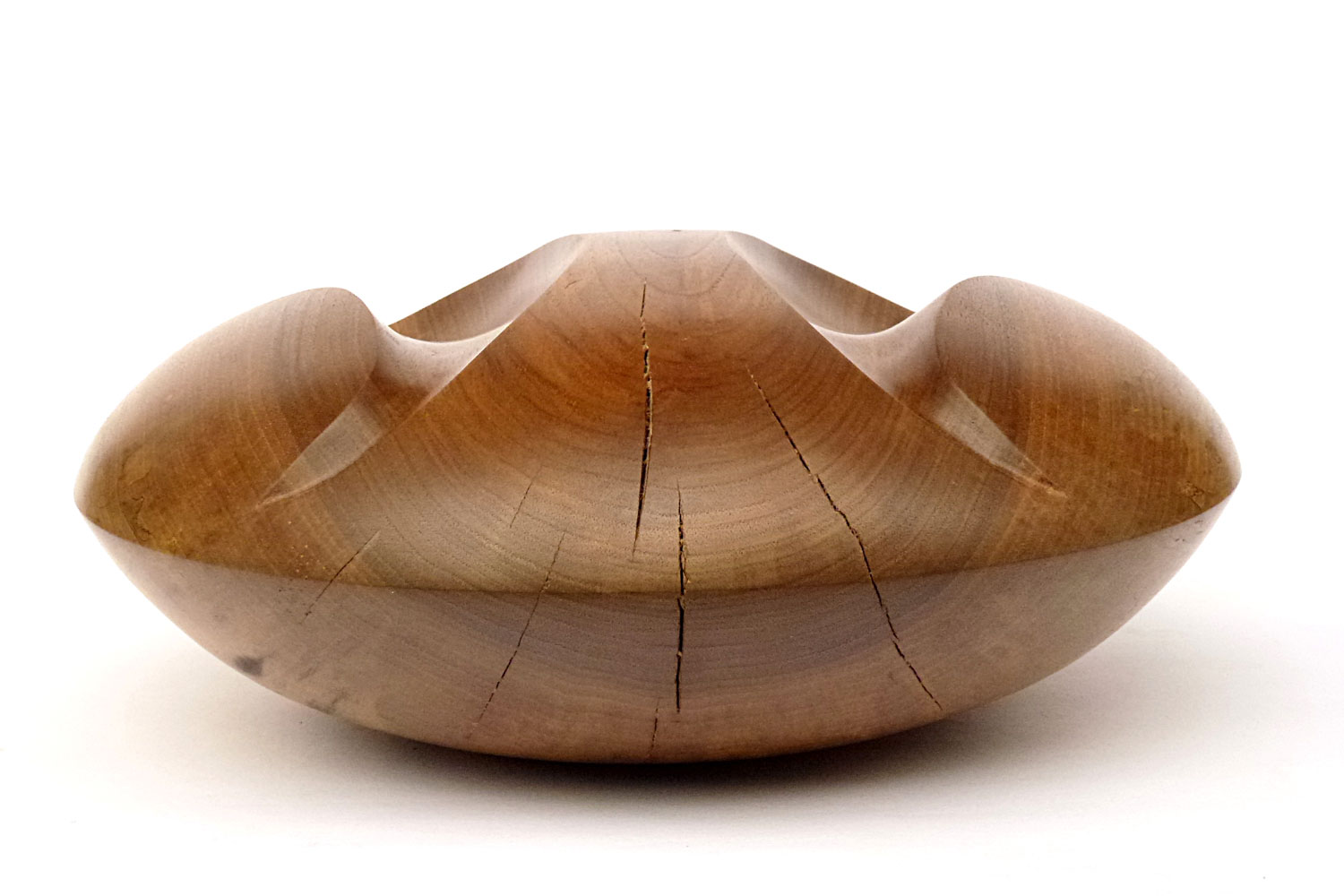
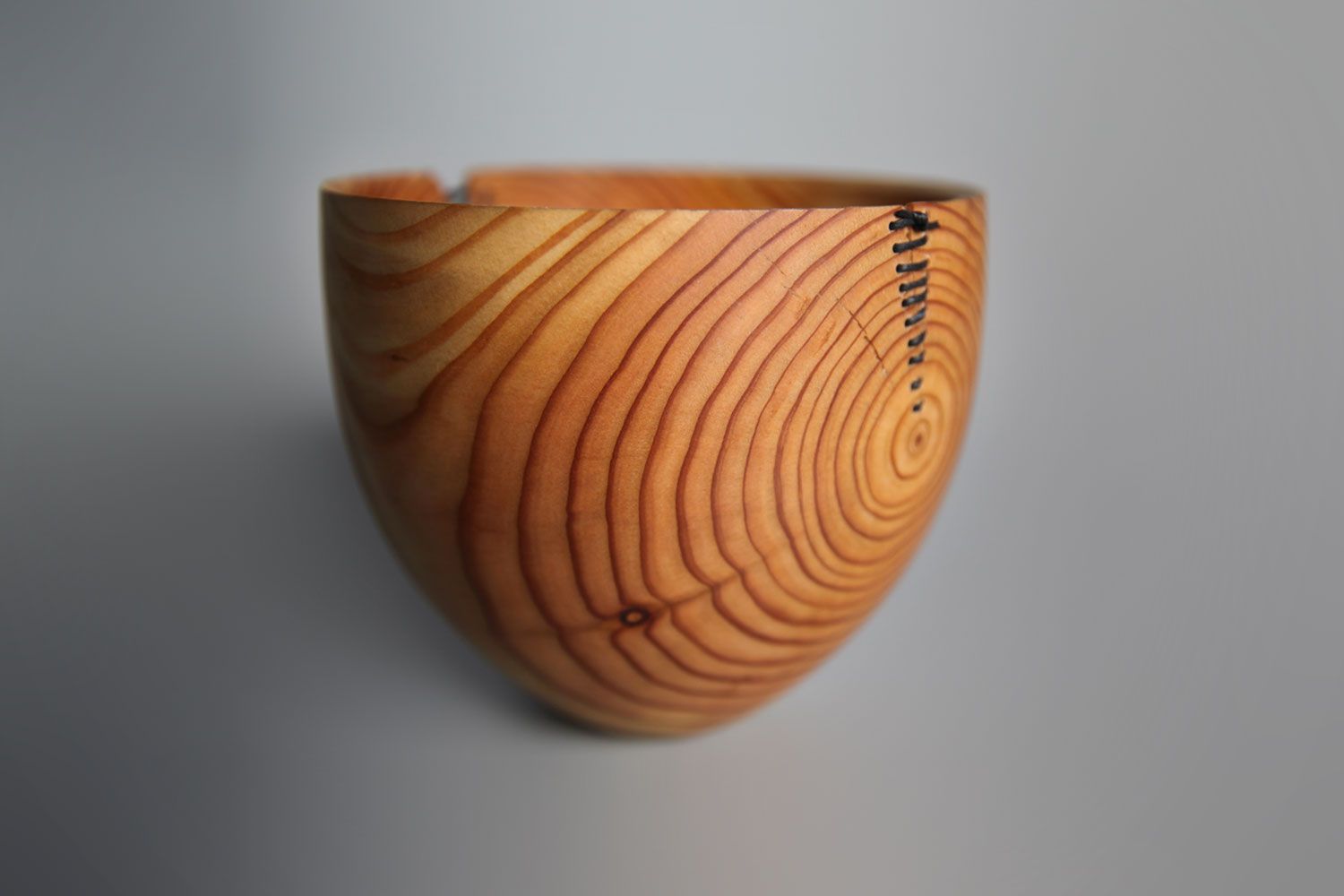
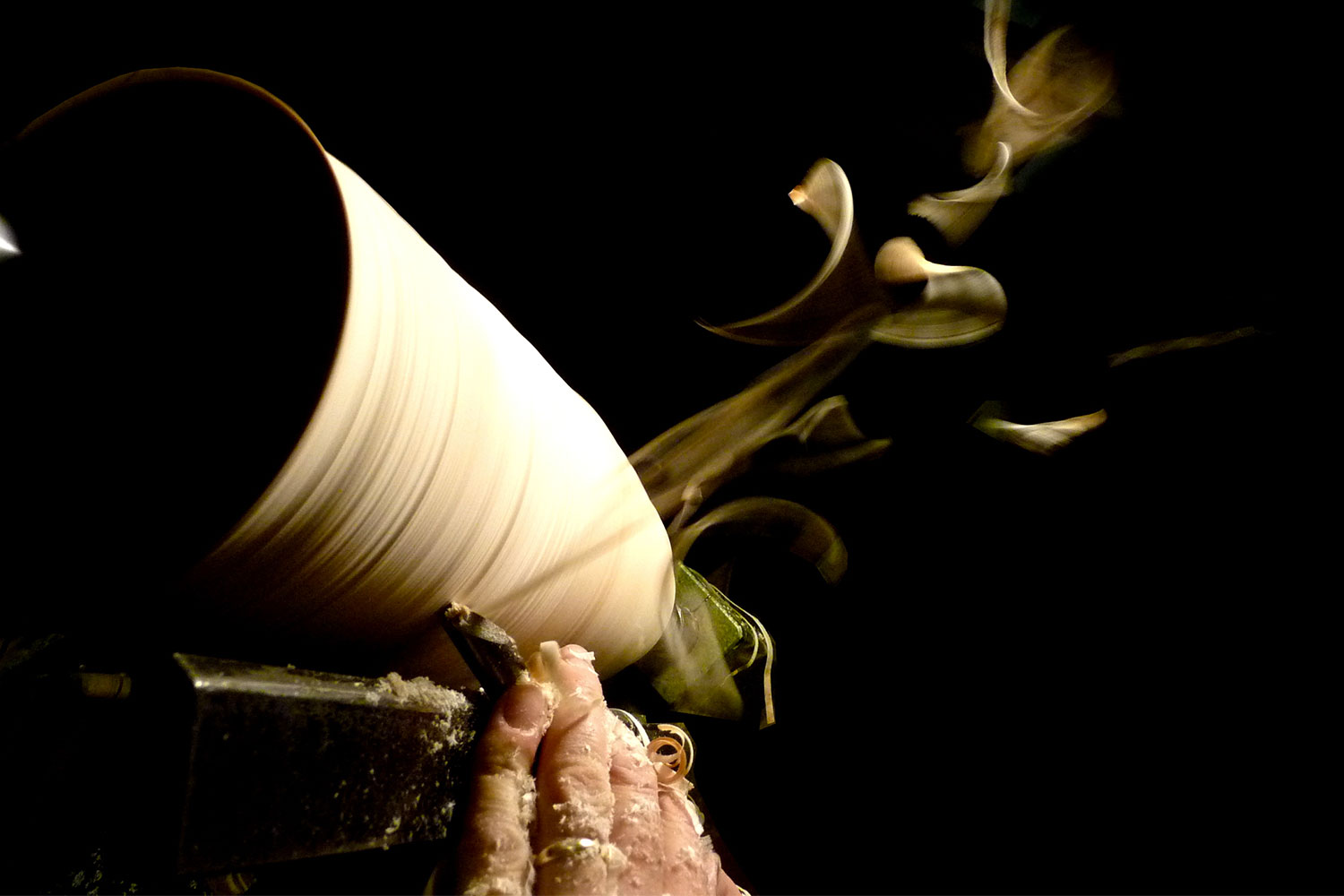
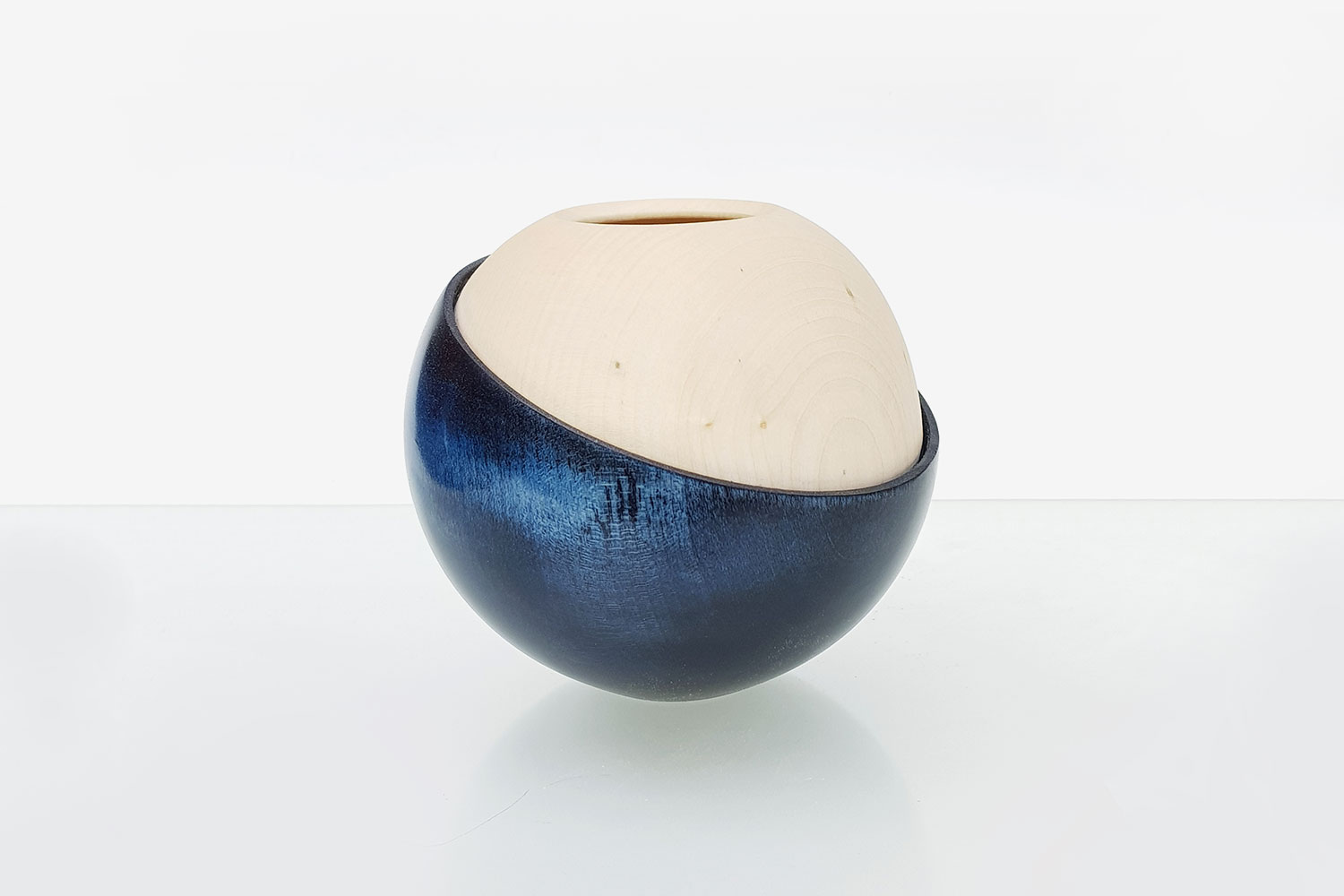
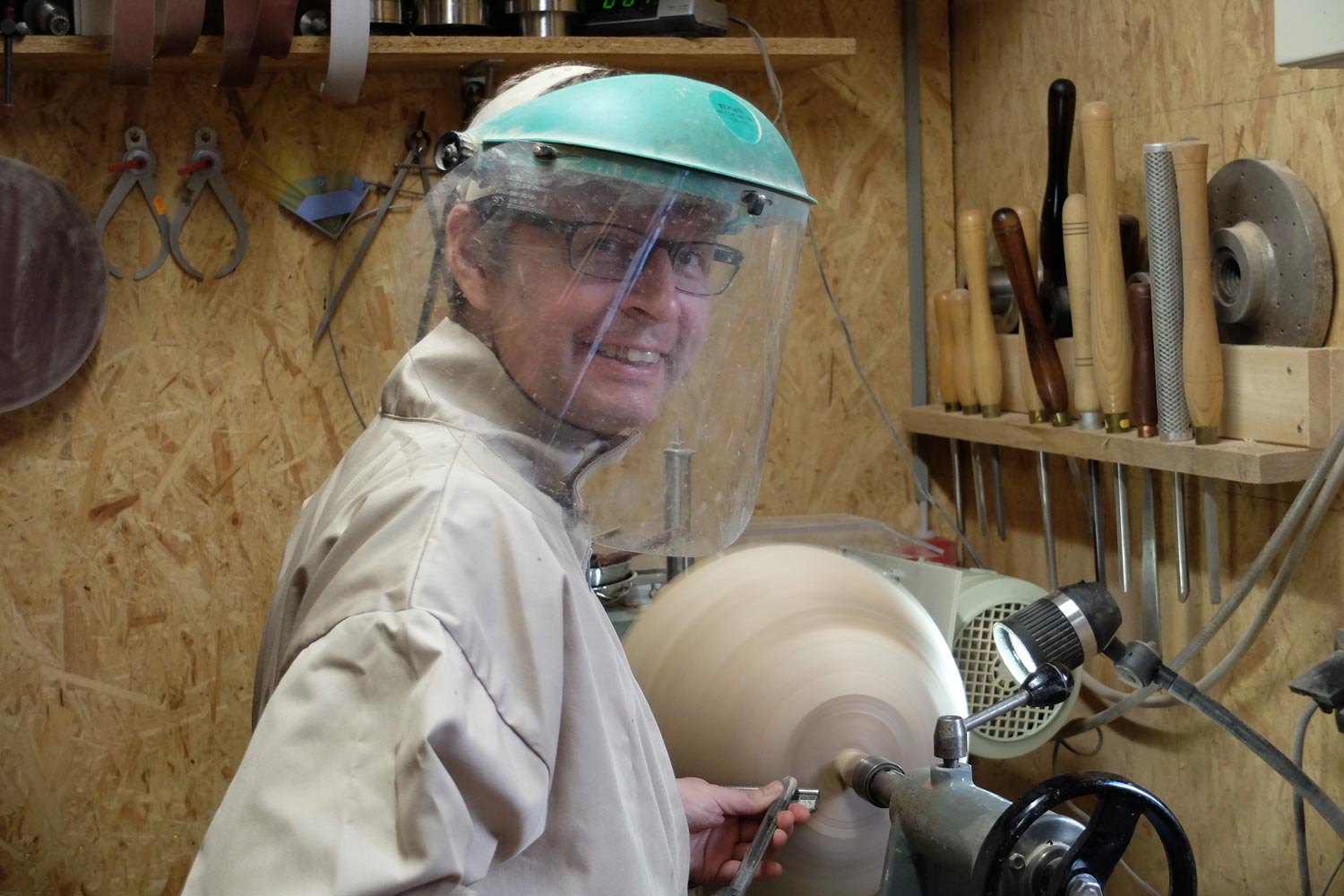
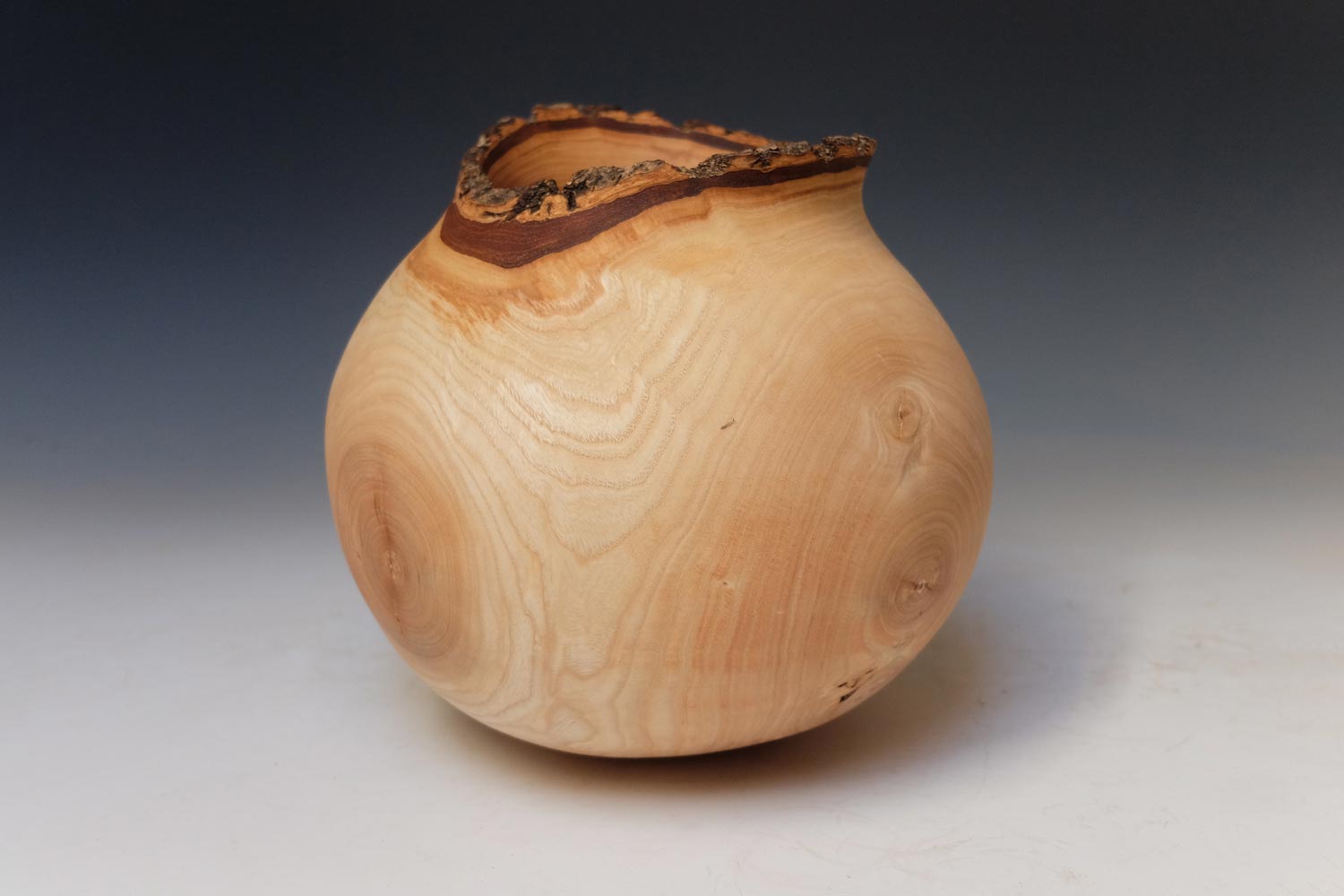
- Klaus specialises in turning vessels
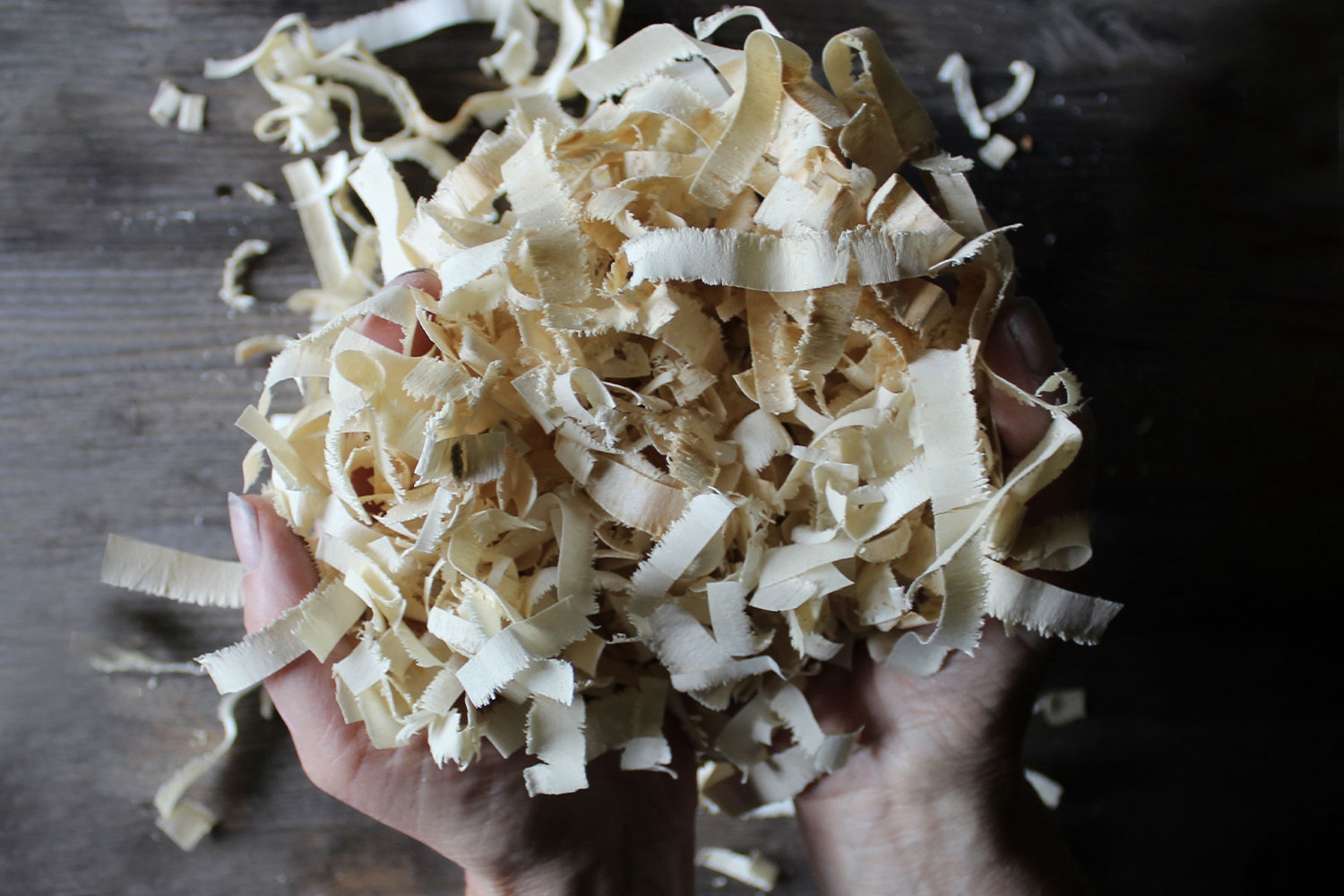
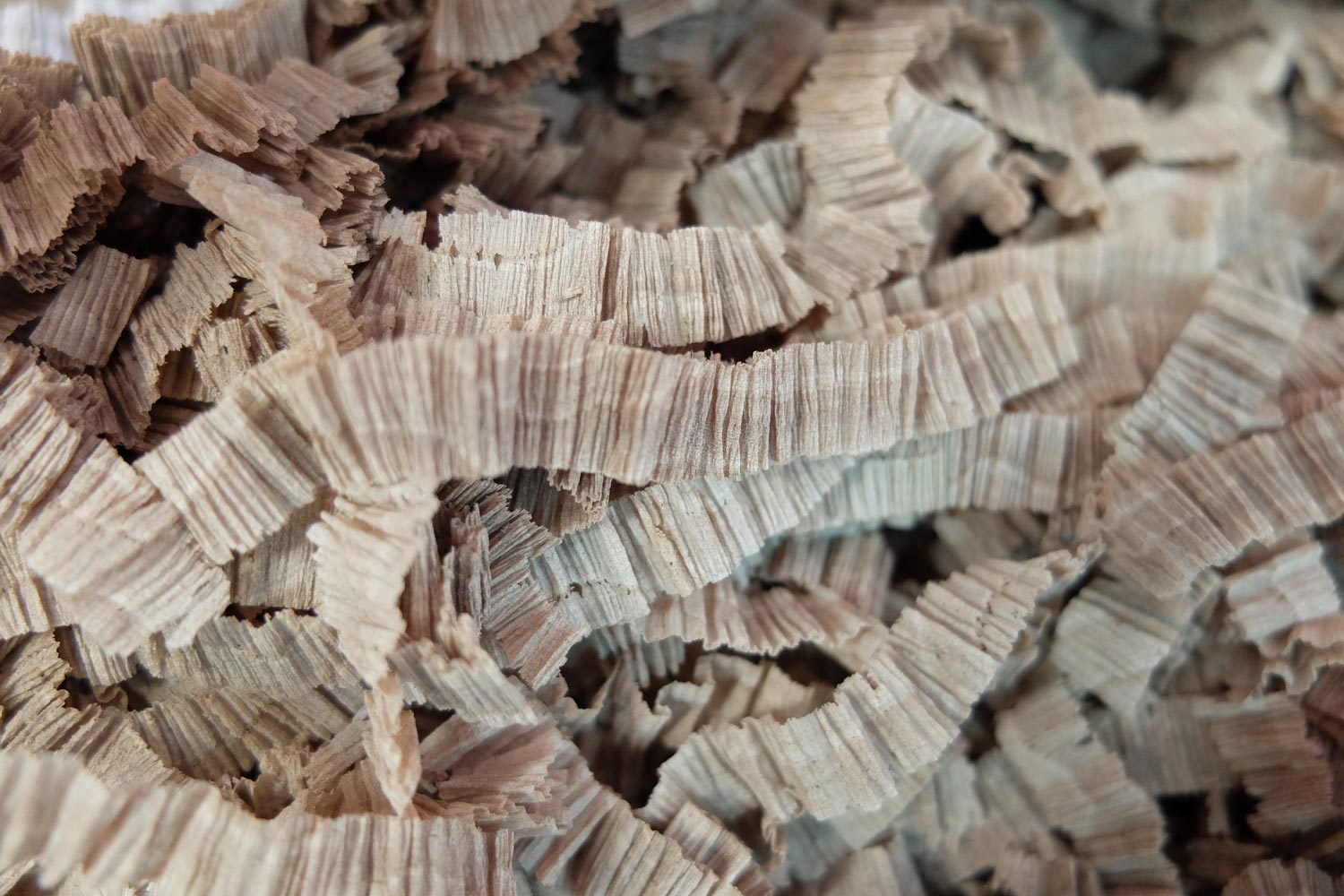
- Before selling his vessels, he stores them in wood shavings for months
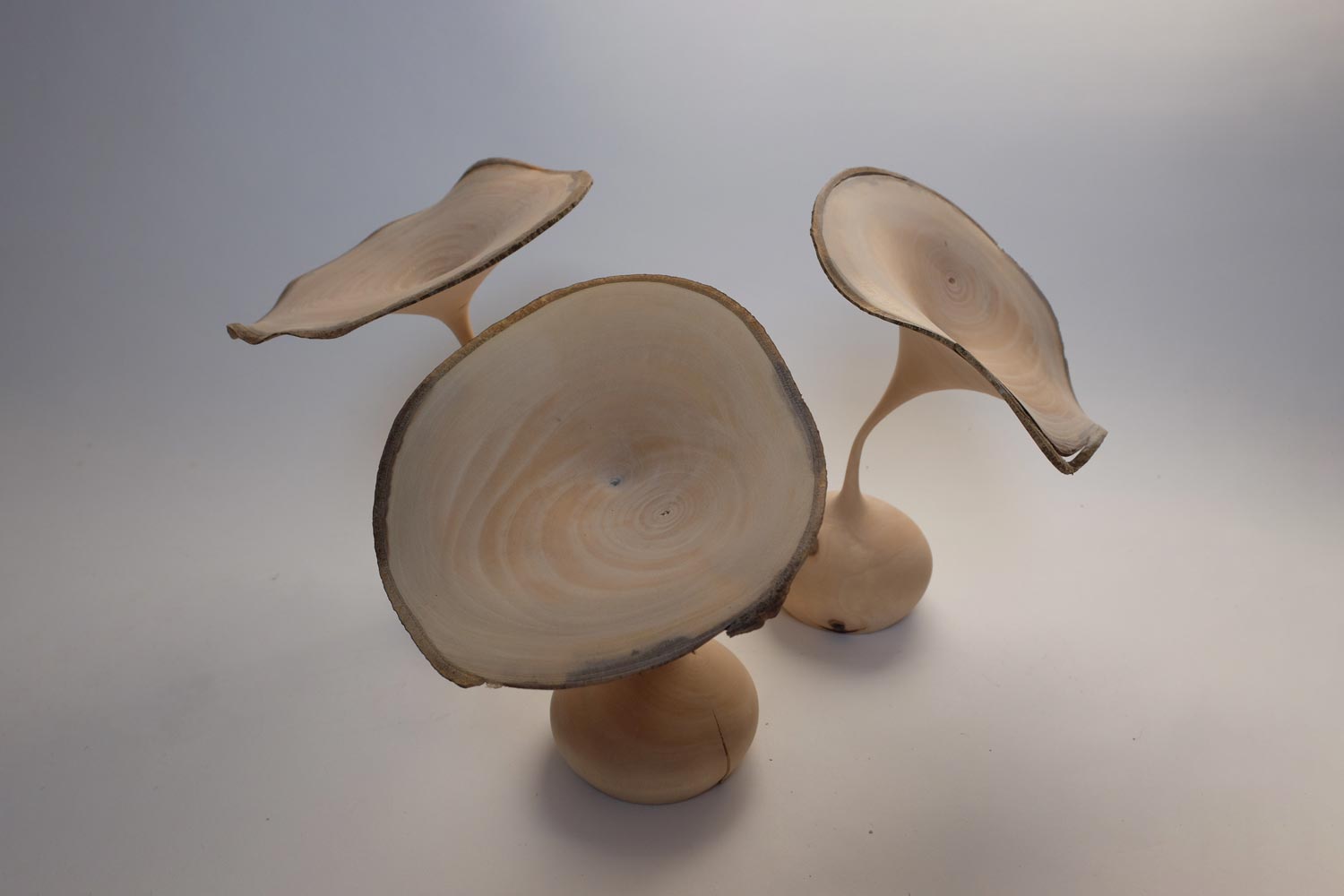
- He crafted 11 objects out of a very old copper beech
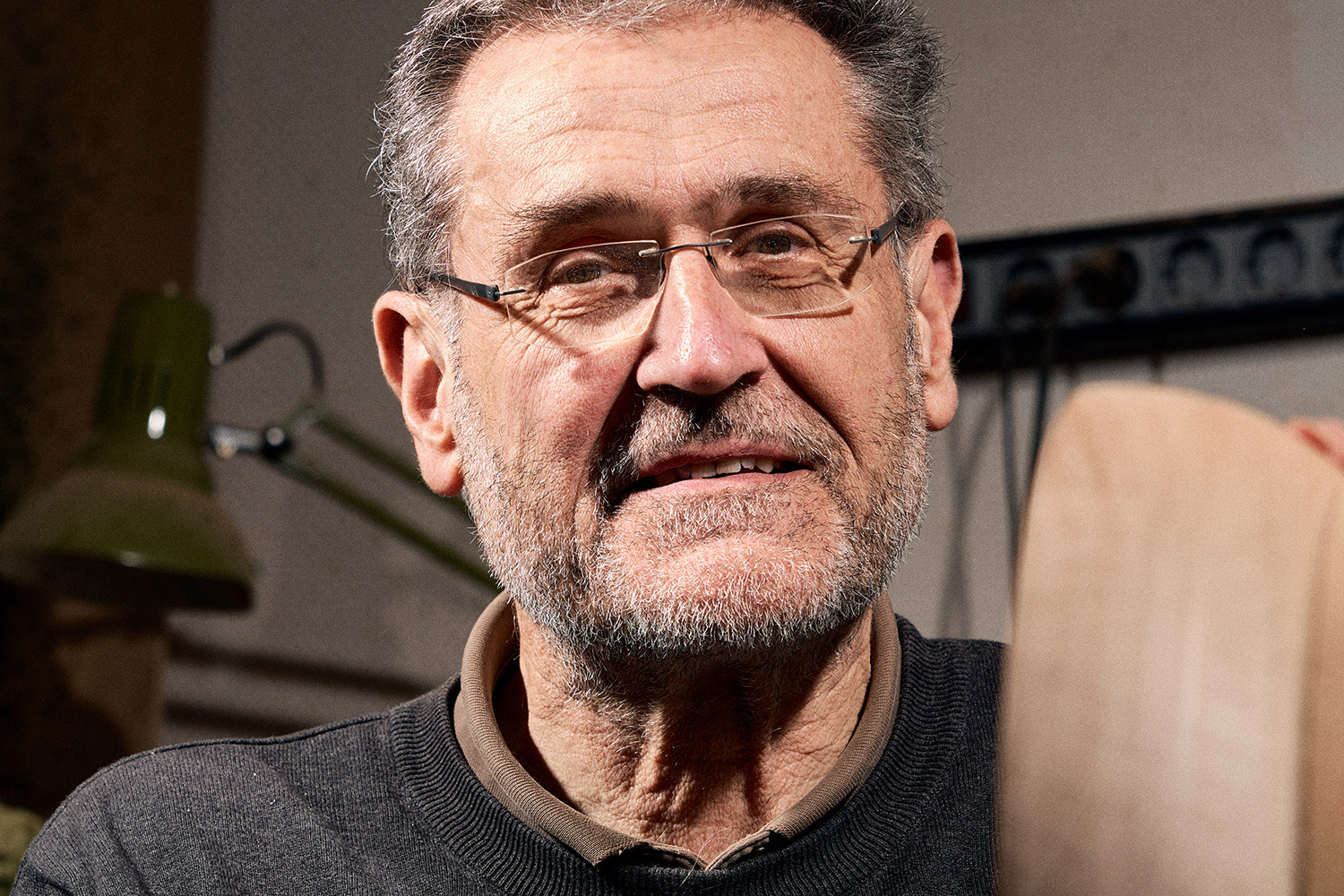
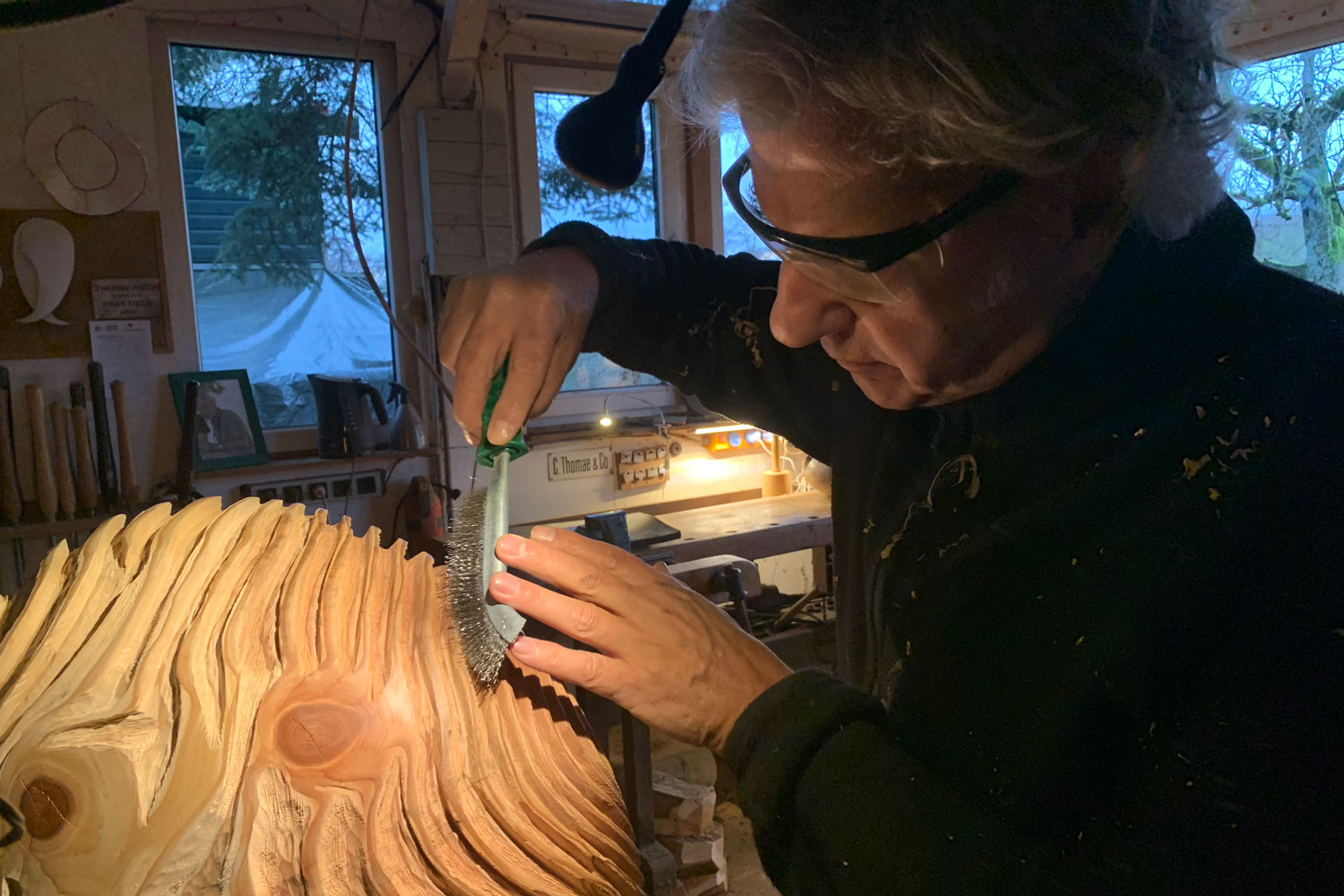
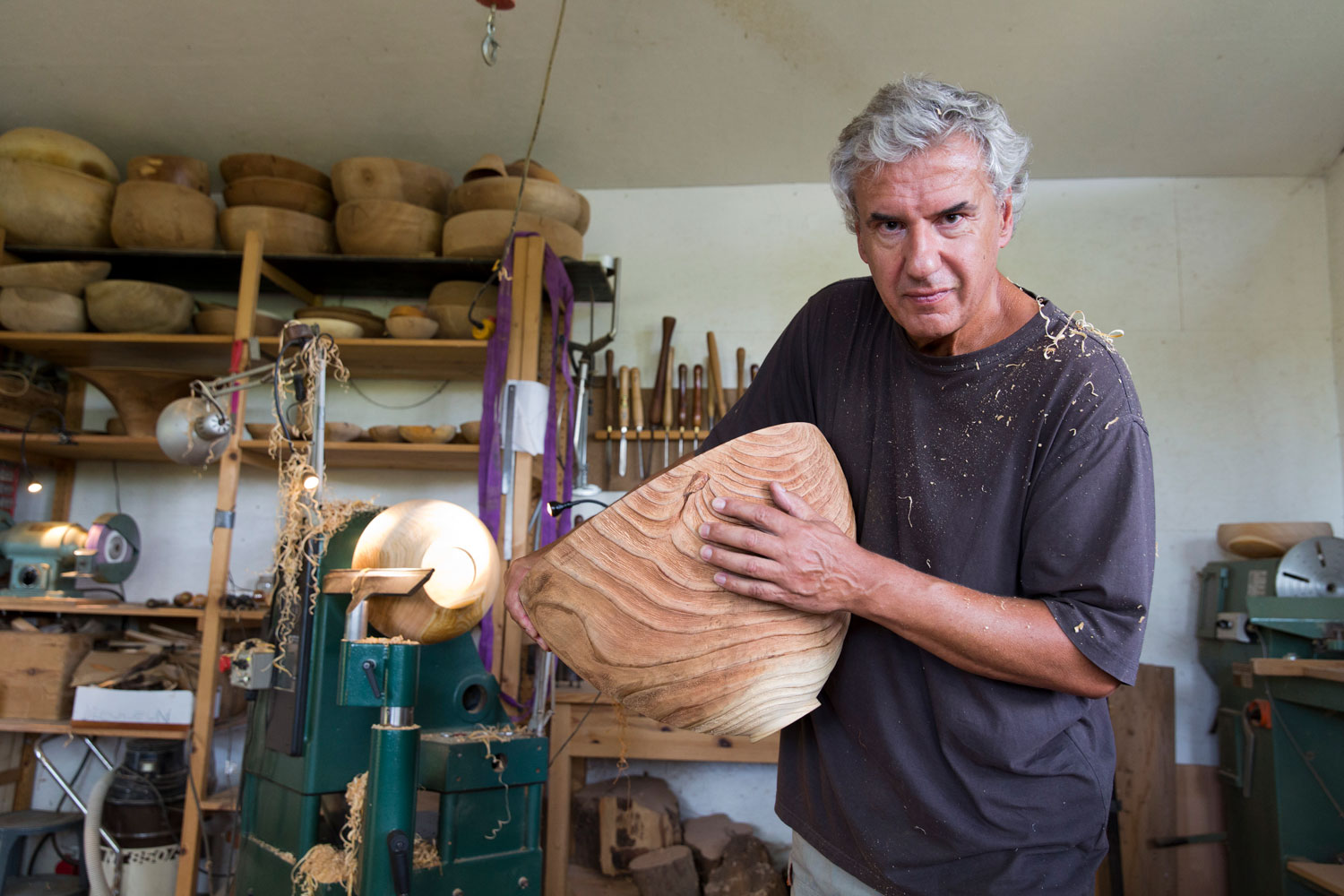
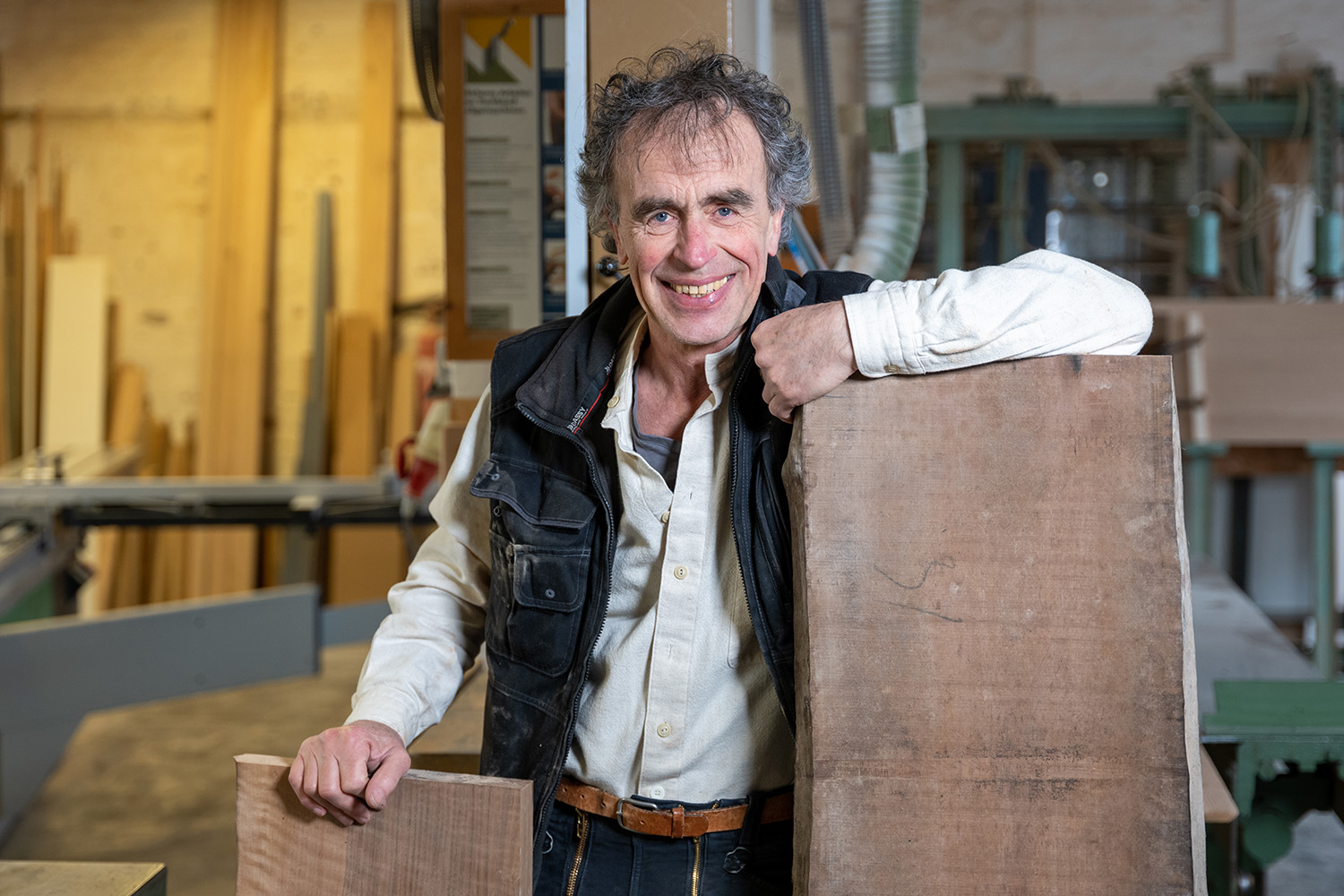
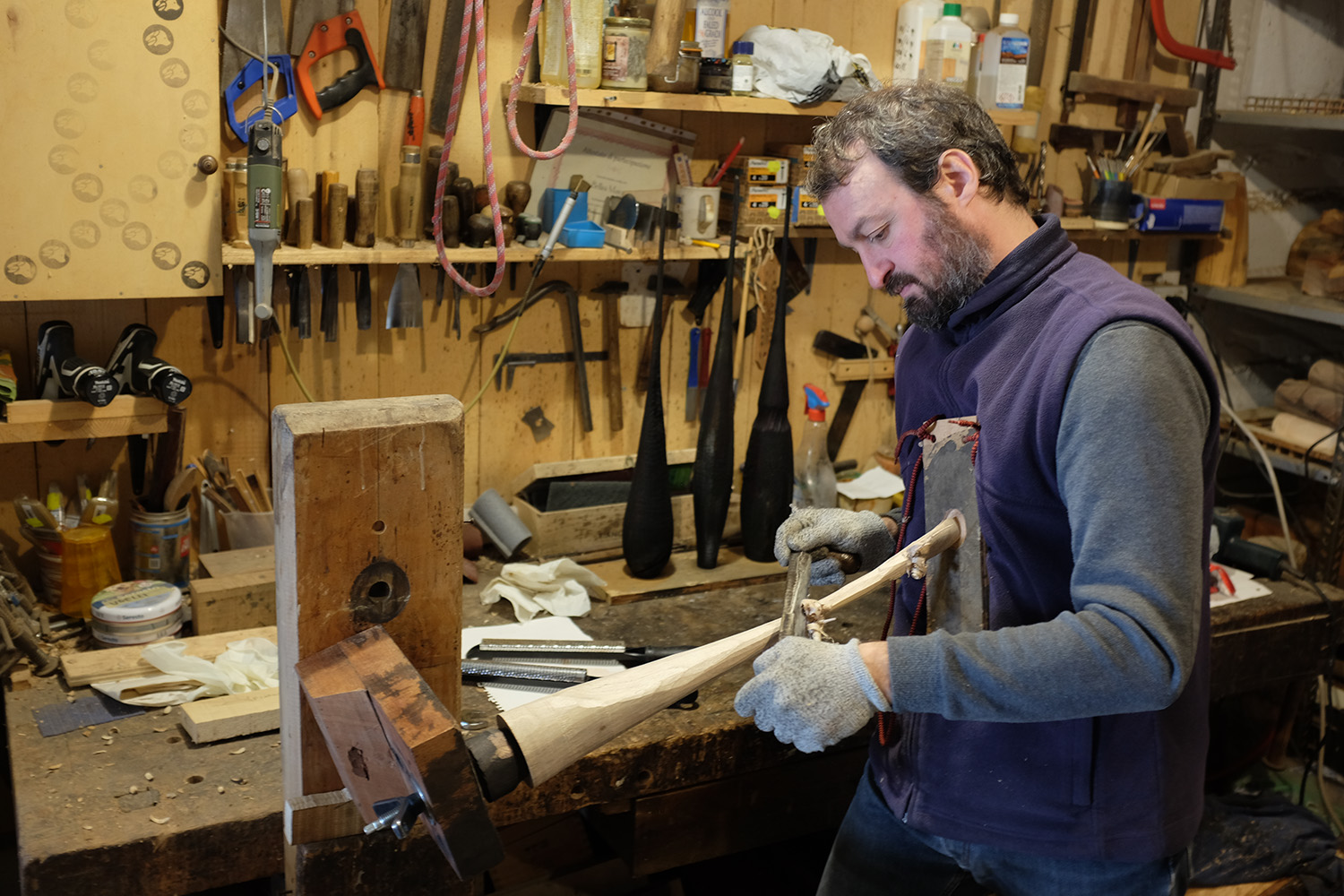
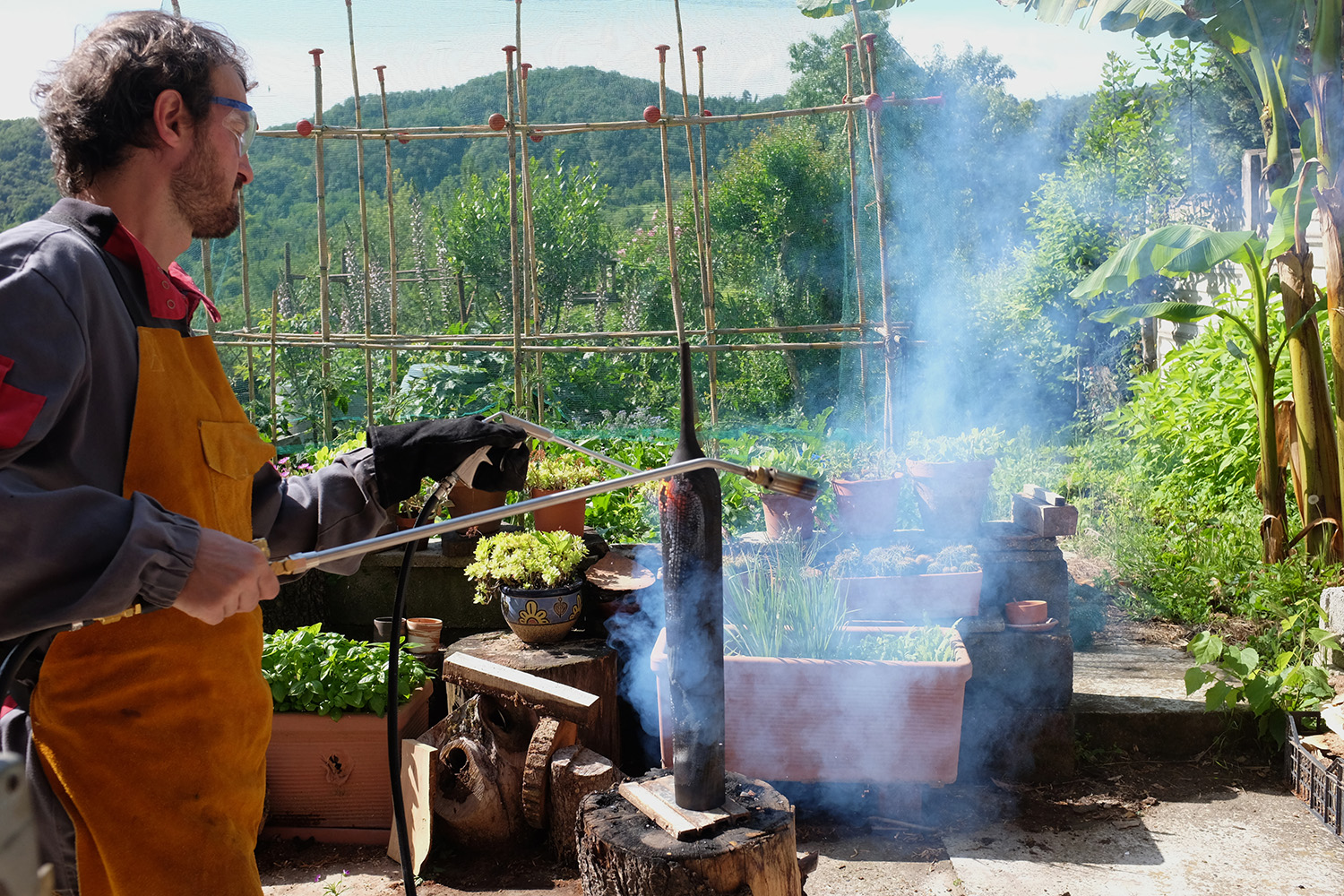
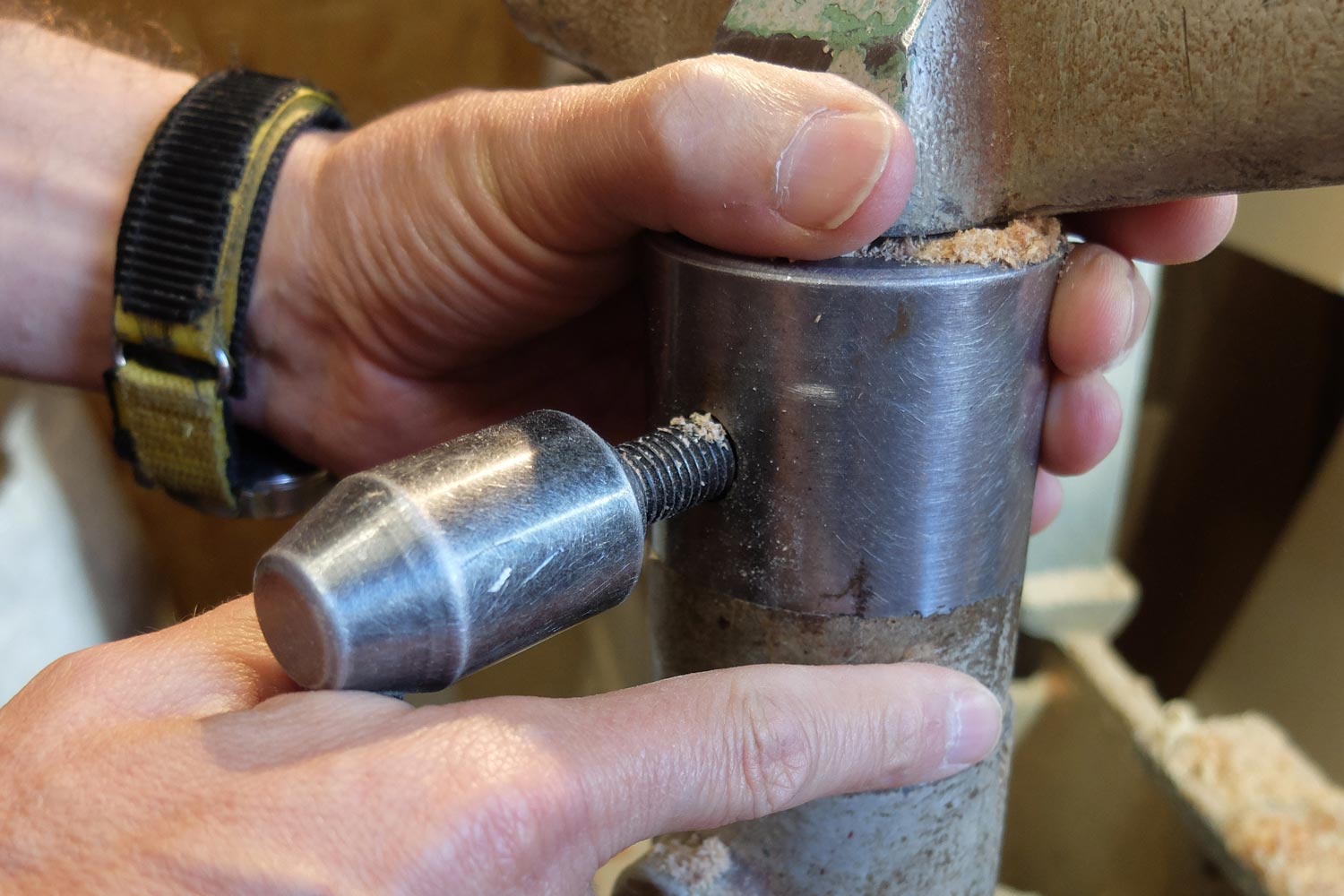
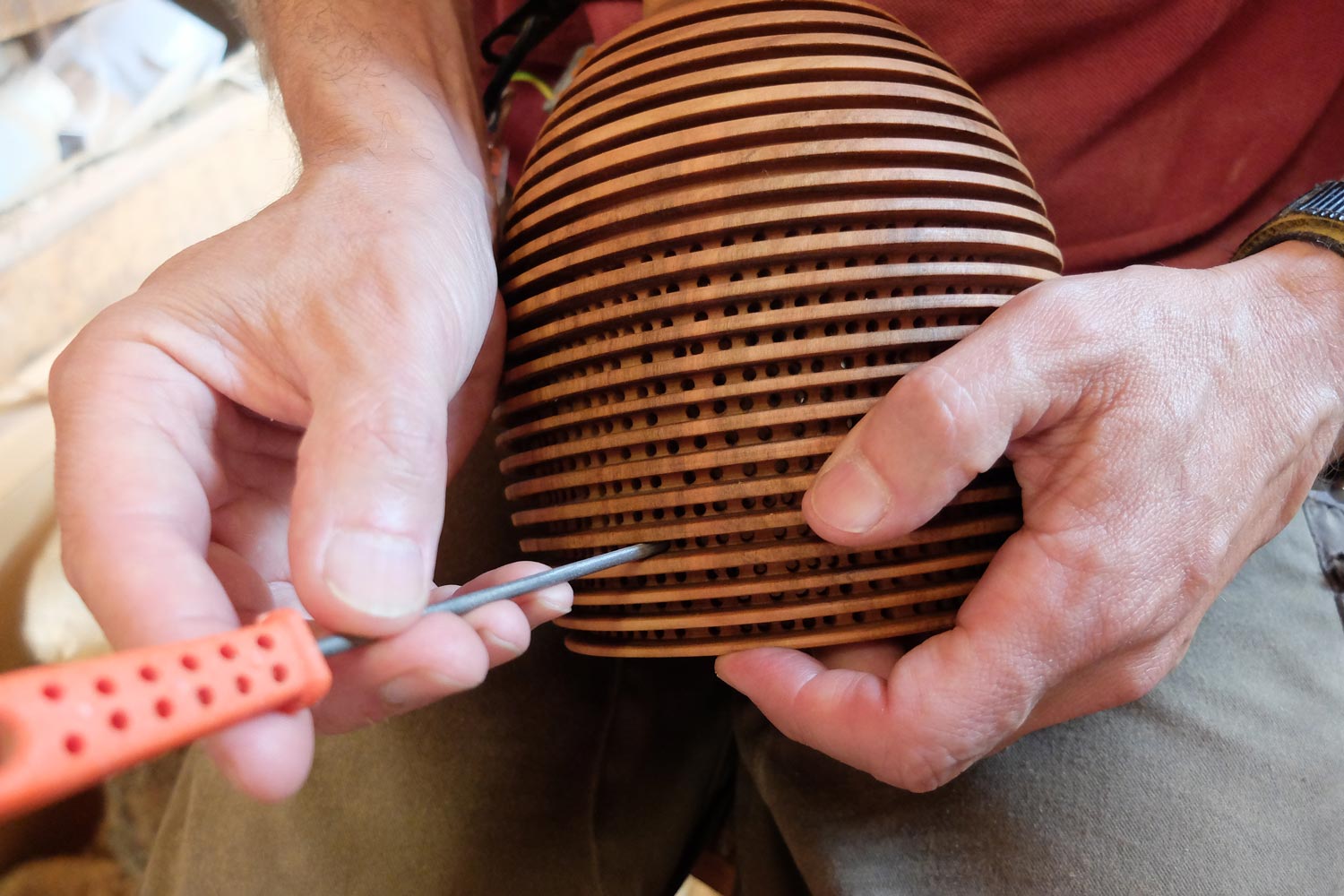
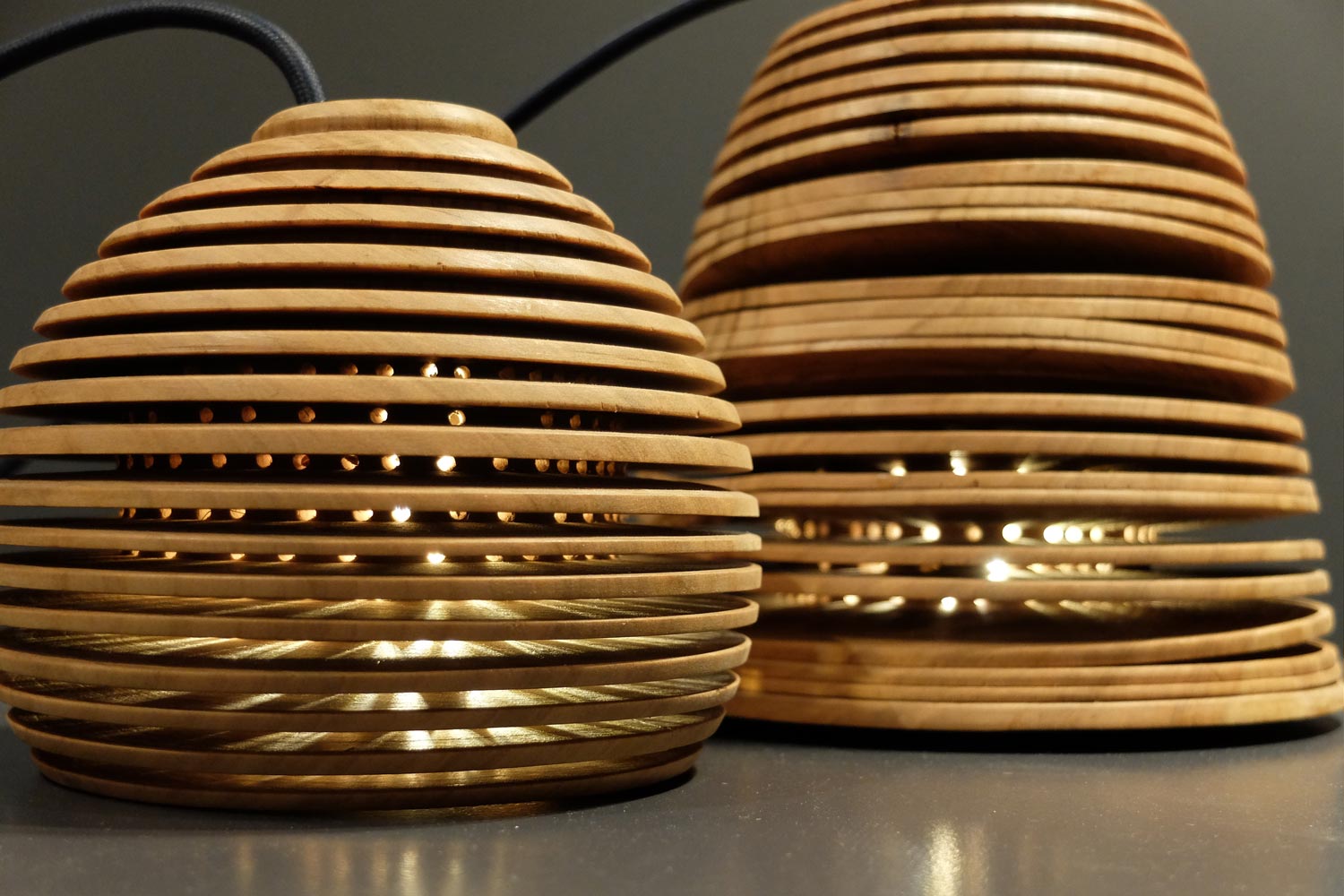
Klaus Kirchner worked for most of his professional career in the IT industry, but he always had a passion for wood. Additionally, he had an immense interest in electronics, which led him to become an electrical engineer at an early age. Wood was not introduced to him again until his mid 30s during a turning course. He bought his own lathe immediately, read everything there was to read on the subject and immediately attempted the most difficult techniques. Ernst Gamperl's work intrigued him, especially his hollowing technique. He attended special courses throughout Europe for a number of years before establishing his workshop in 2013. Today, he is able to combine his love of wood with his passion for electronics. His skills have enabled him to improve his antique lathe with a modern drive and to create beautiful wooden lamps.
Discover his work

INTERVIEW
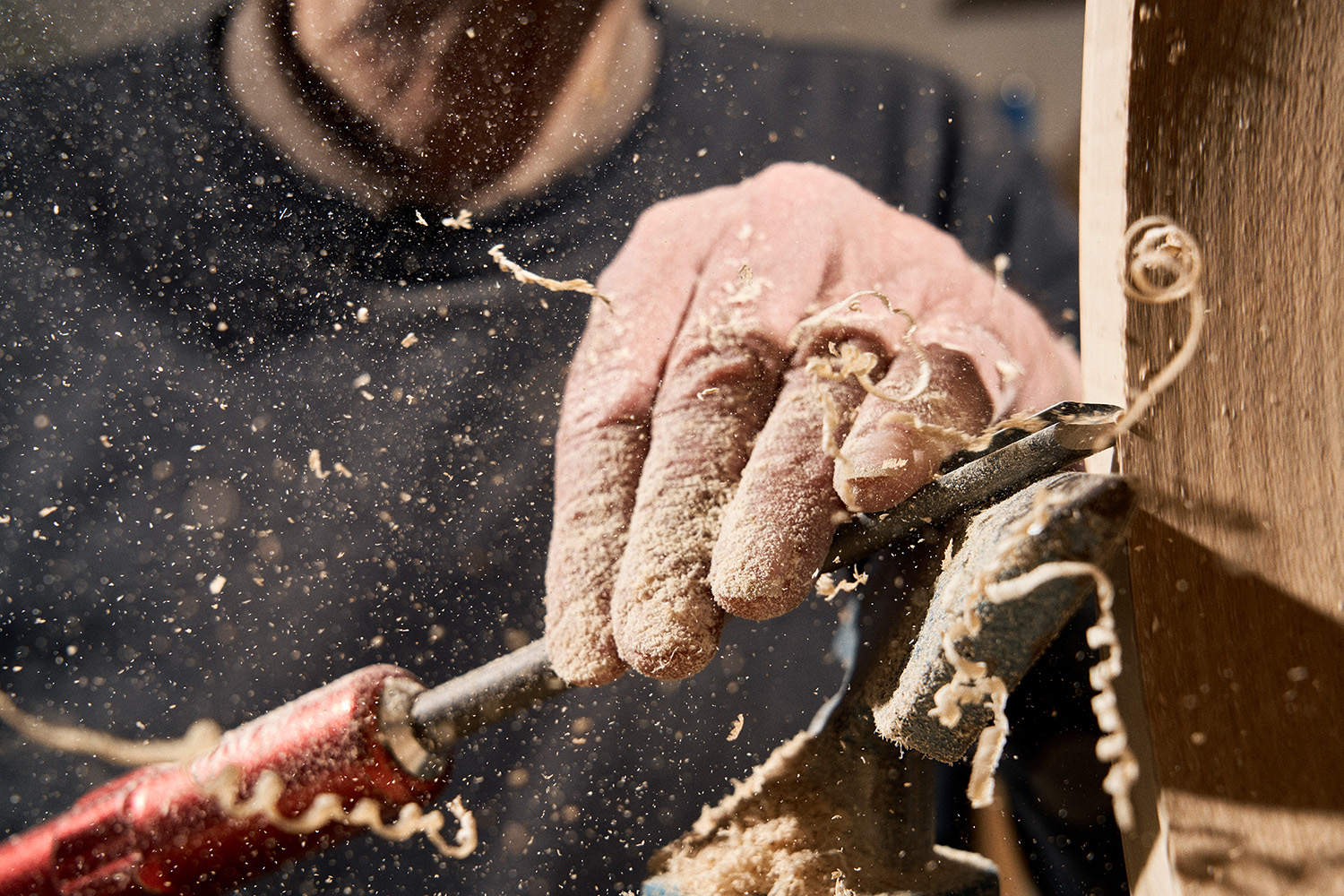
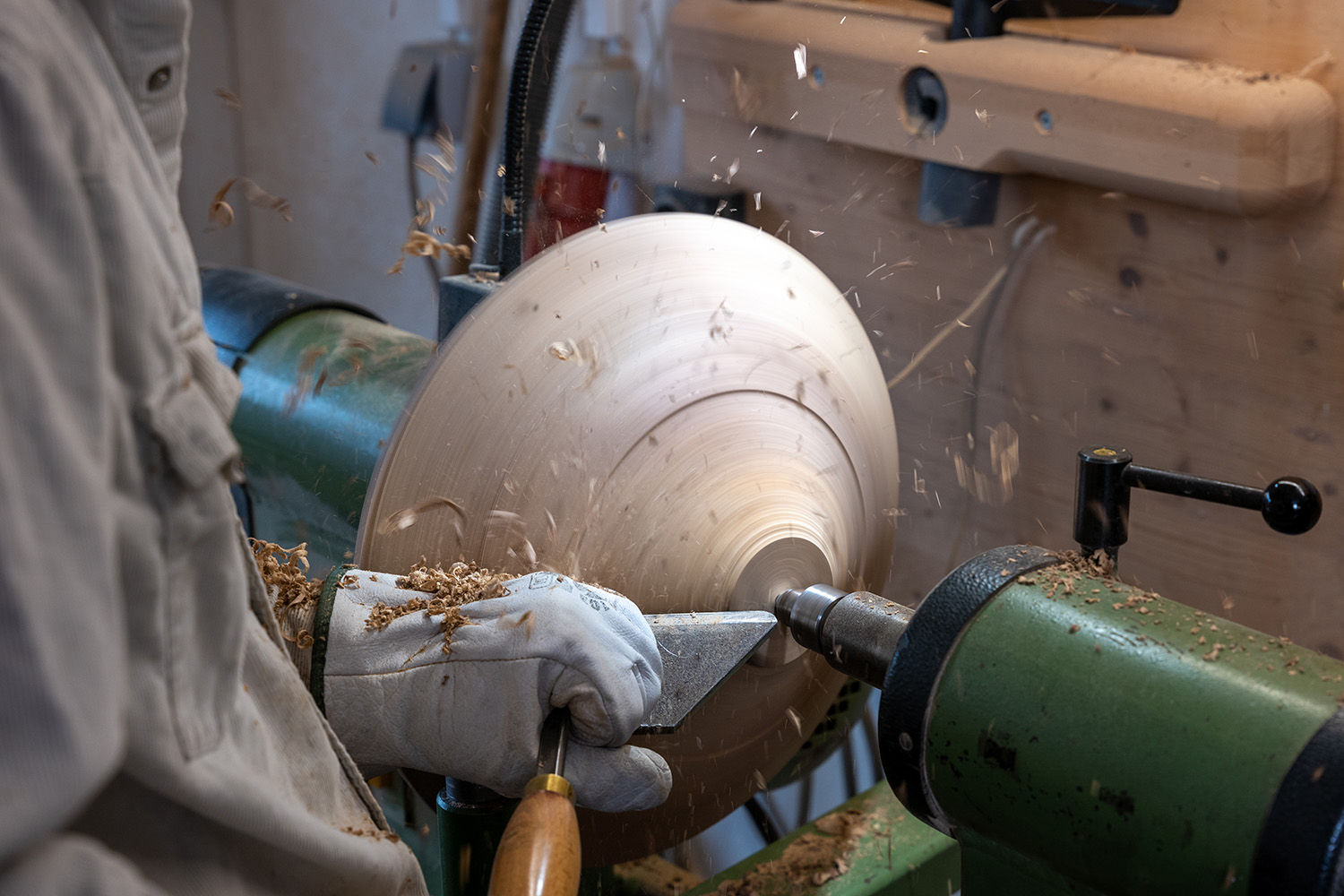
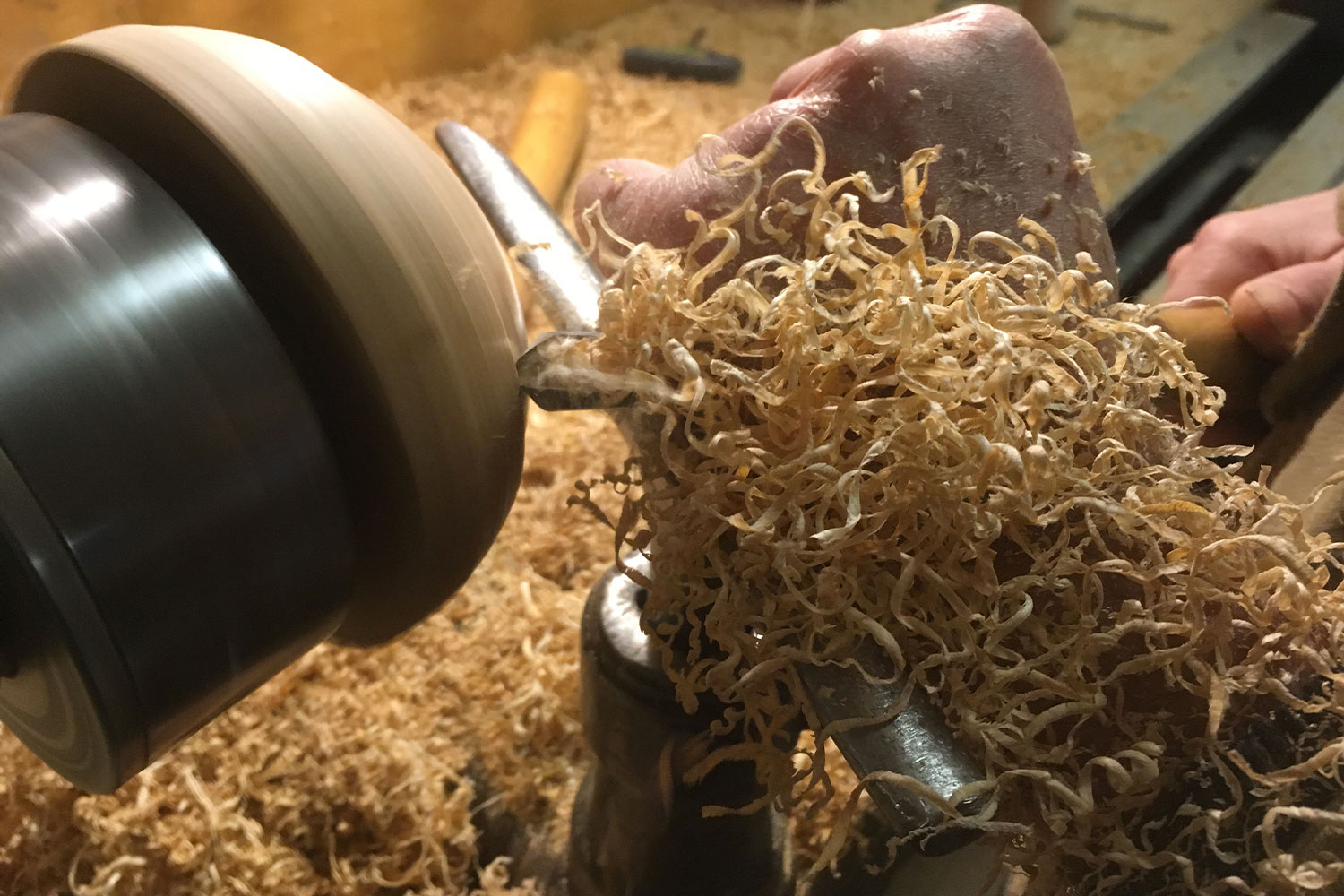
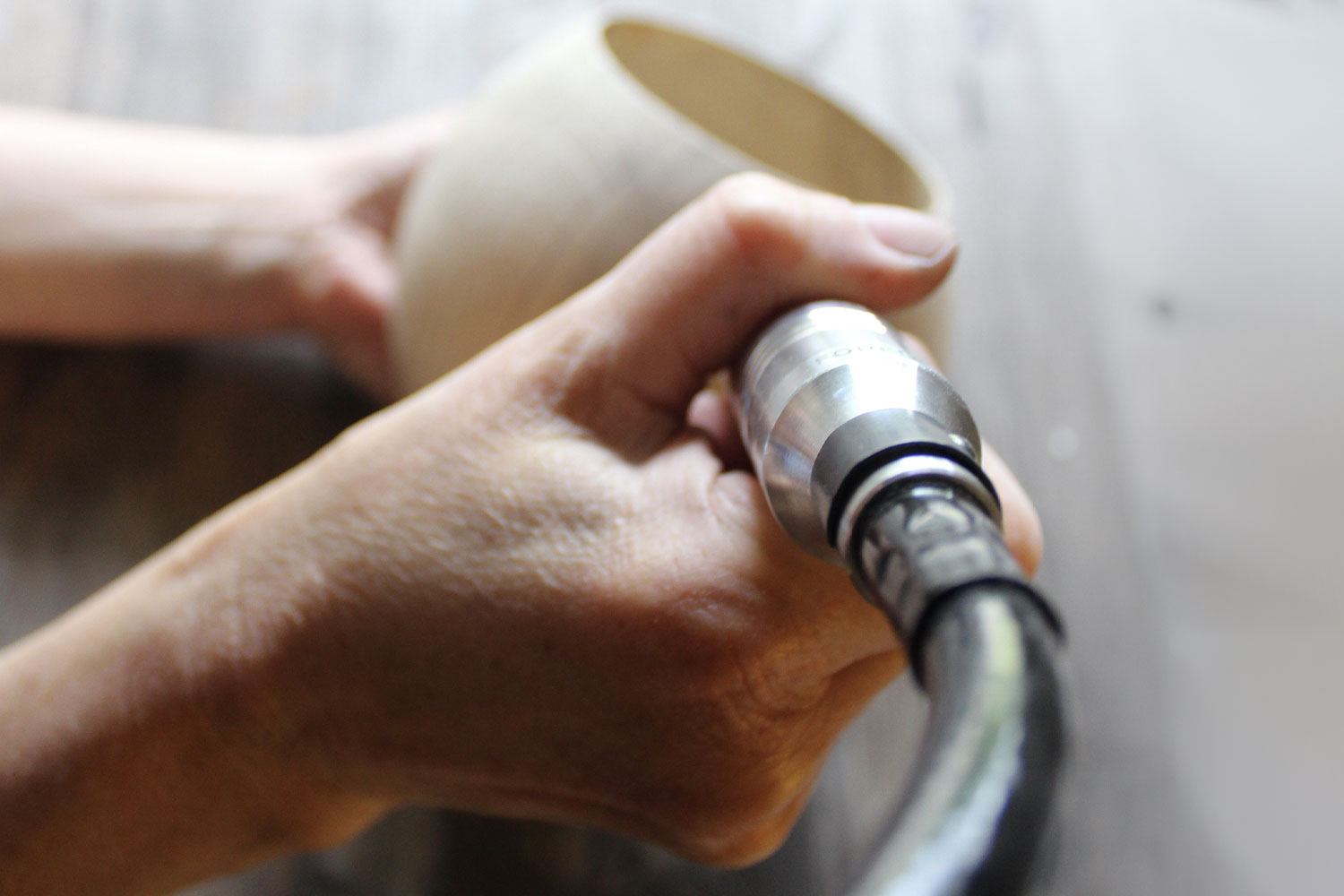
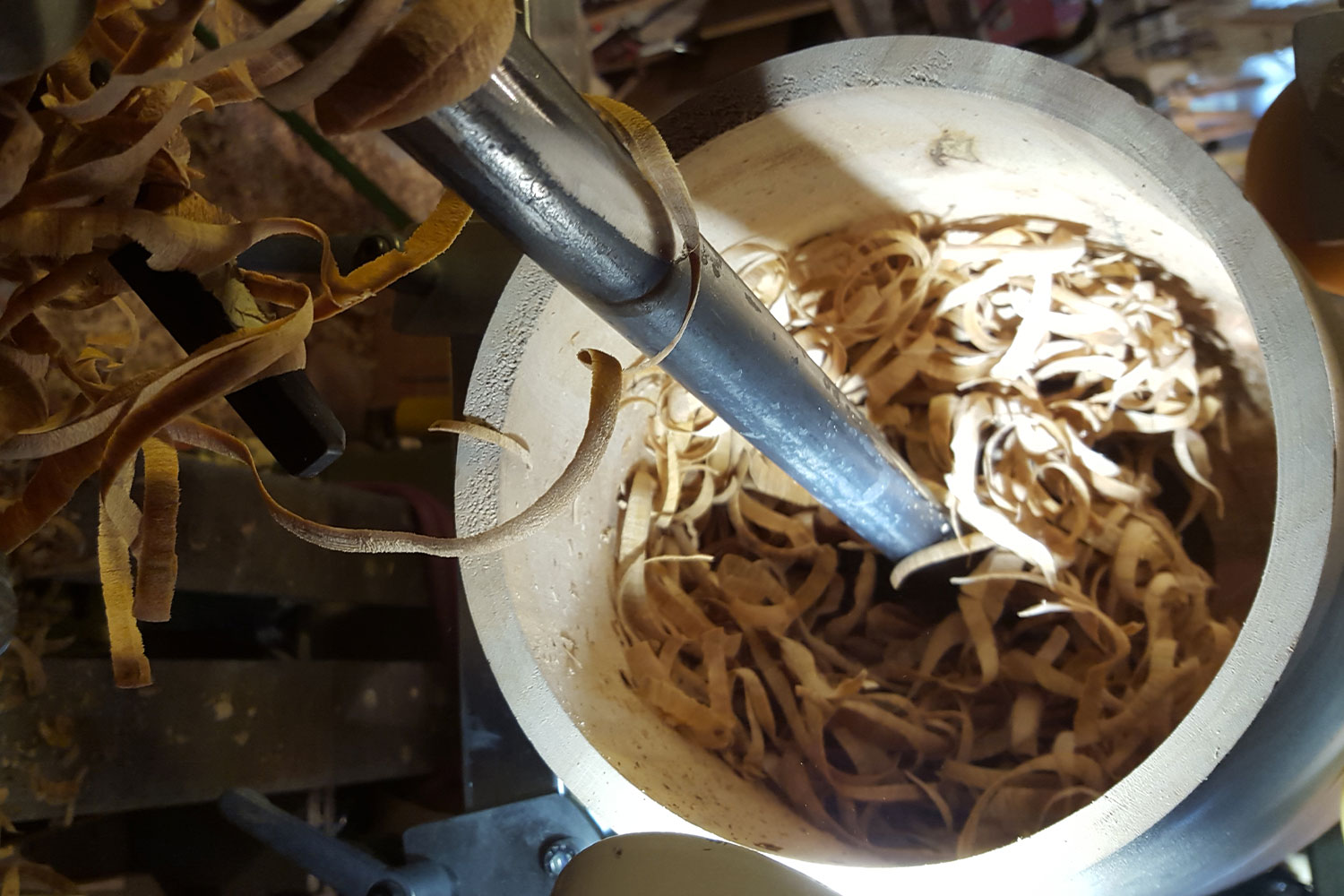
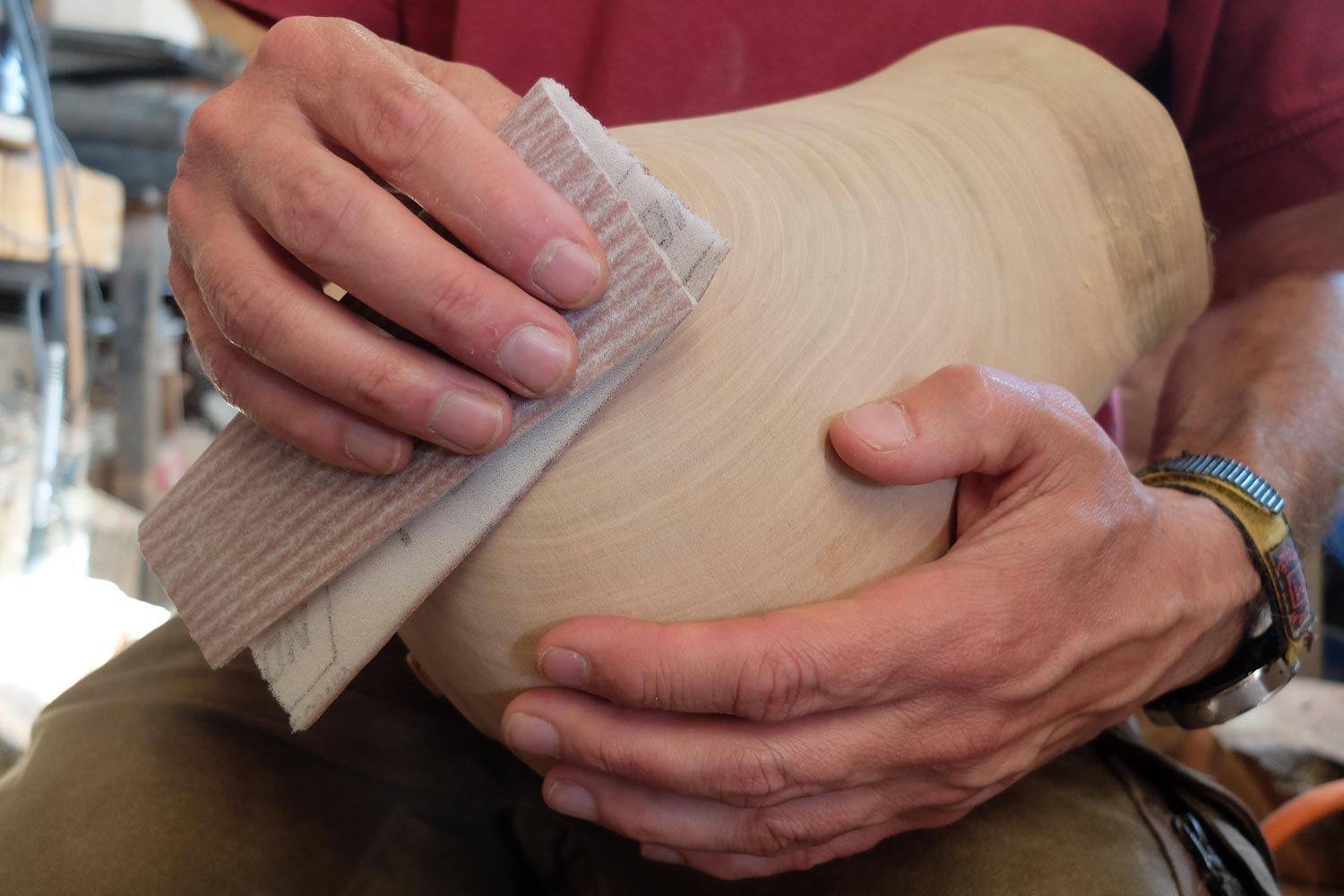
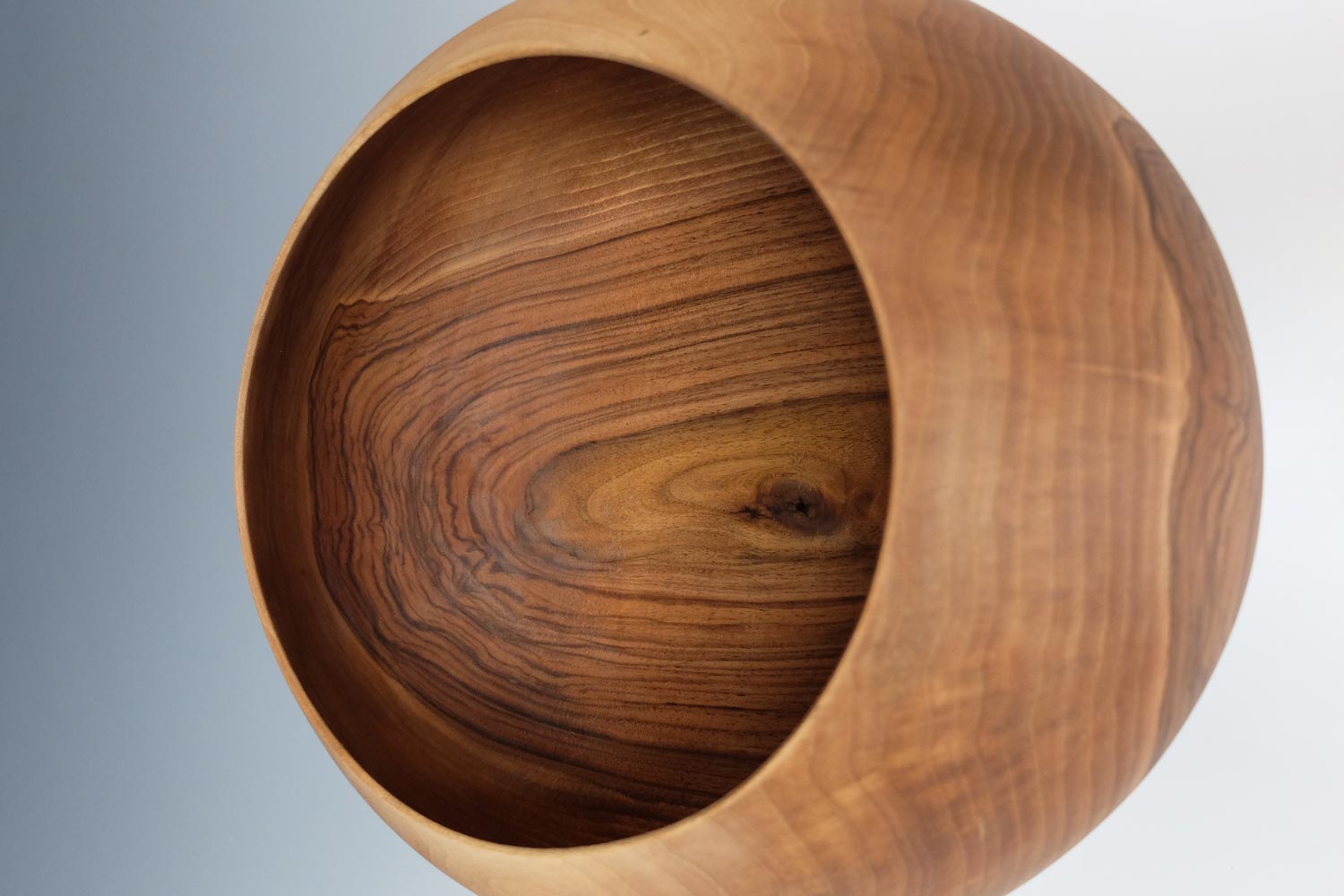
I gained a lot of experience turning cavities which allows me to turn wooden vessels. For this craft I use wet wood since dust is reduced. The difficulty lies in achieving an even wall thickness, as objects cannot dry evenly unless this is done.
A centimetre of wood usually dries in a year. That's why I try to make the walls of my objects as thin as possible.I store the vessels in boxes filled with wood shavings in my basement. Every now and then, I check how far the process has progressed and whether moisture damage exists.
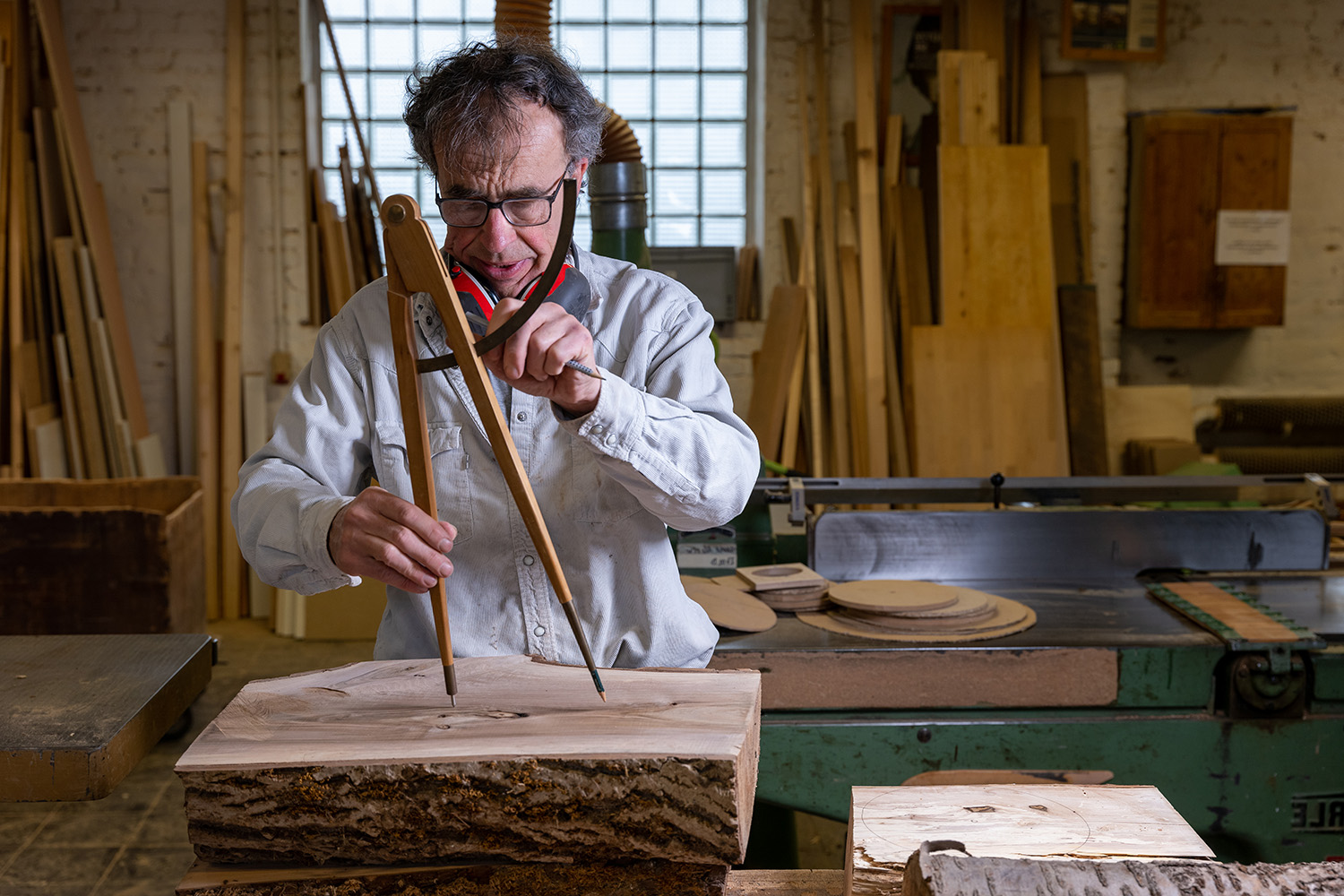
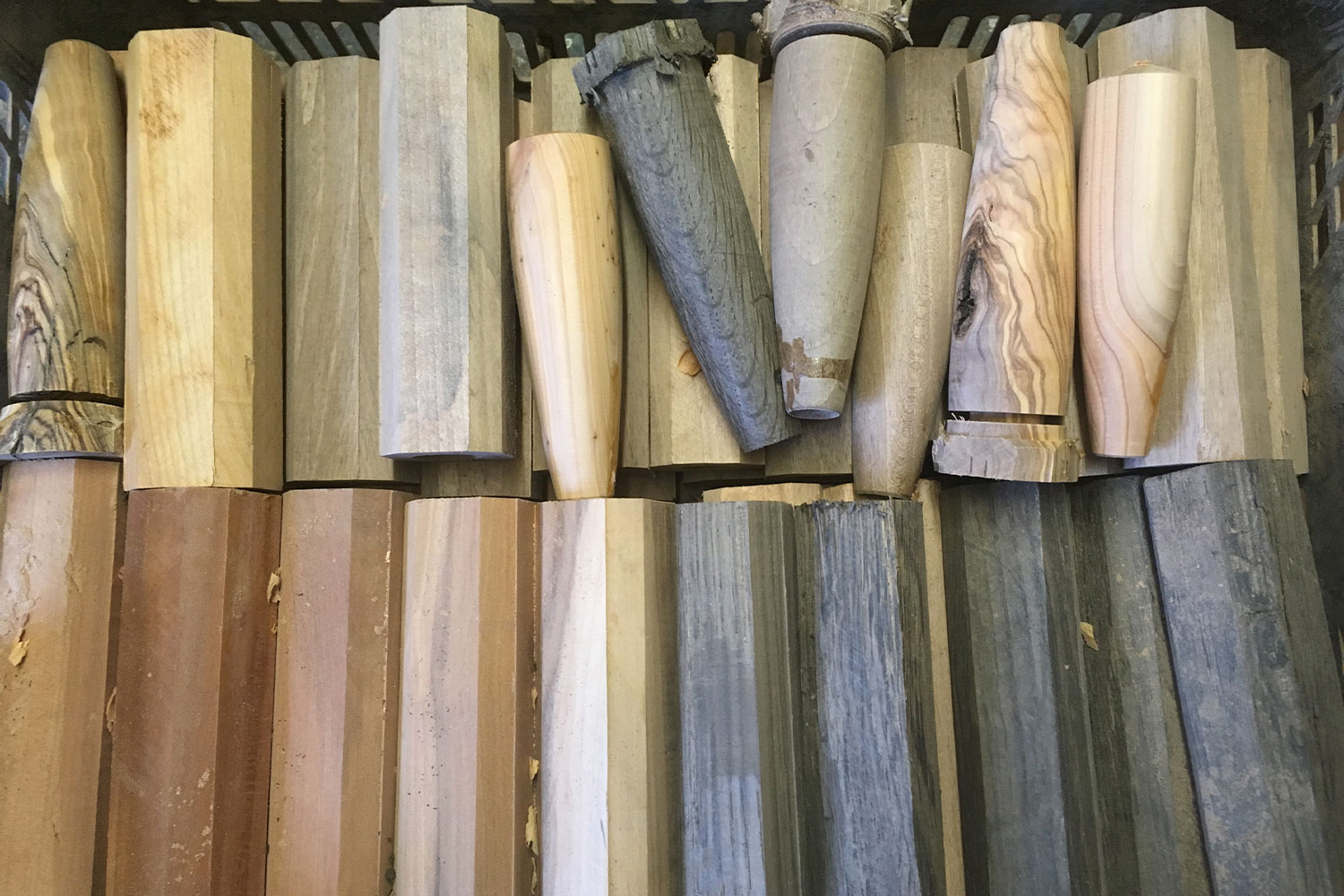
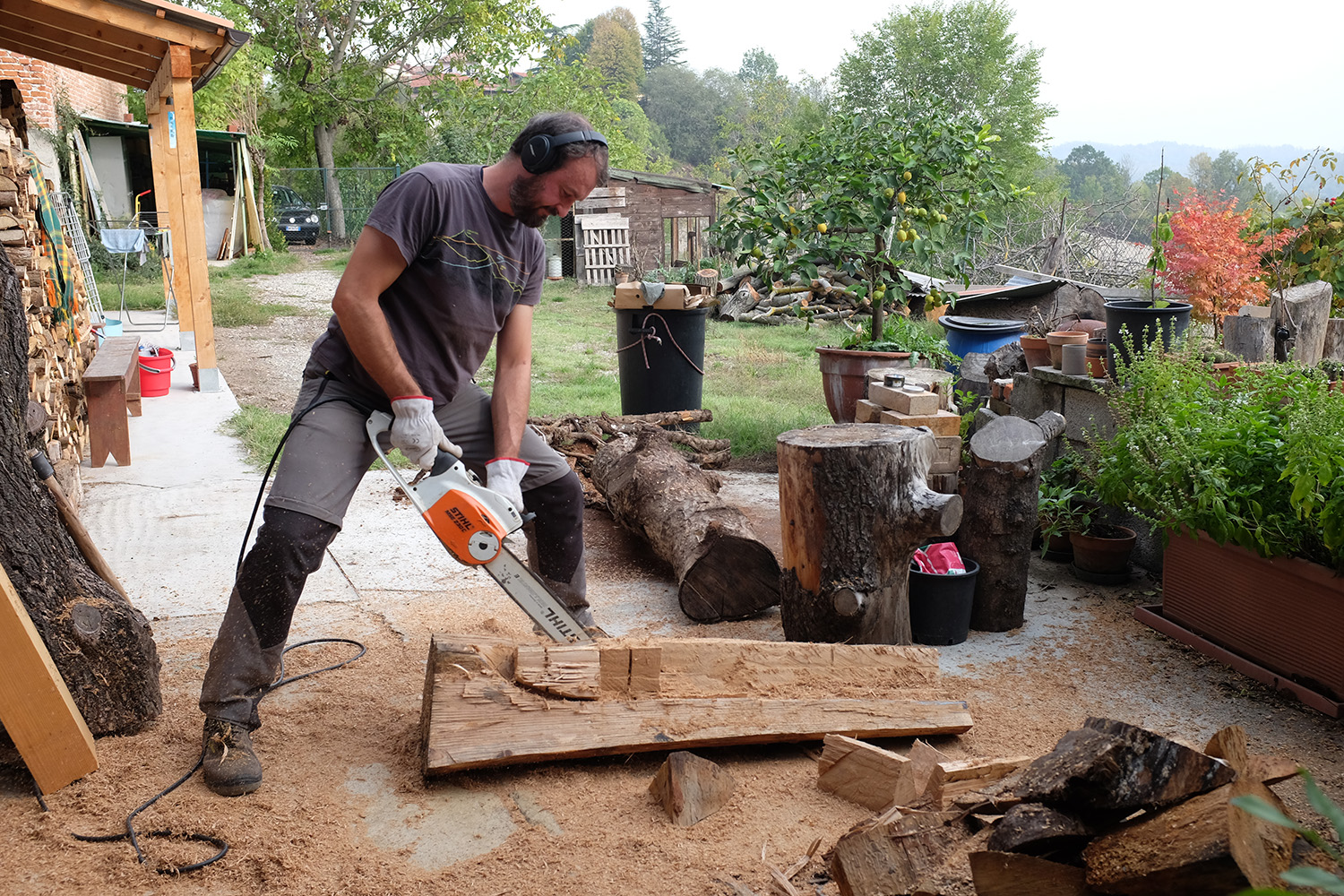
Almost all of my work is made from a single piece of wood. A large part of my work involves analysing the block of wood. Sometimes, I have a specific object in mind and then go in search of a suitable piece of wood. I then draw the shape in chalk to see how I can proceed.
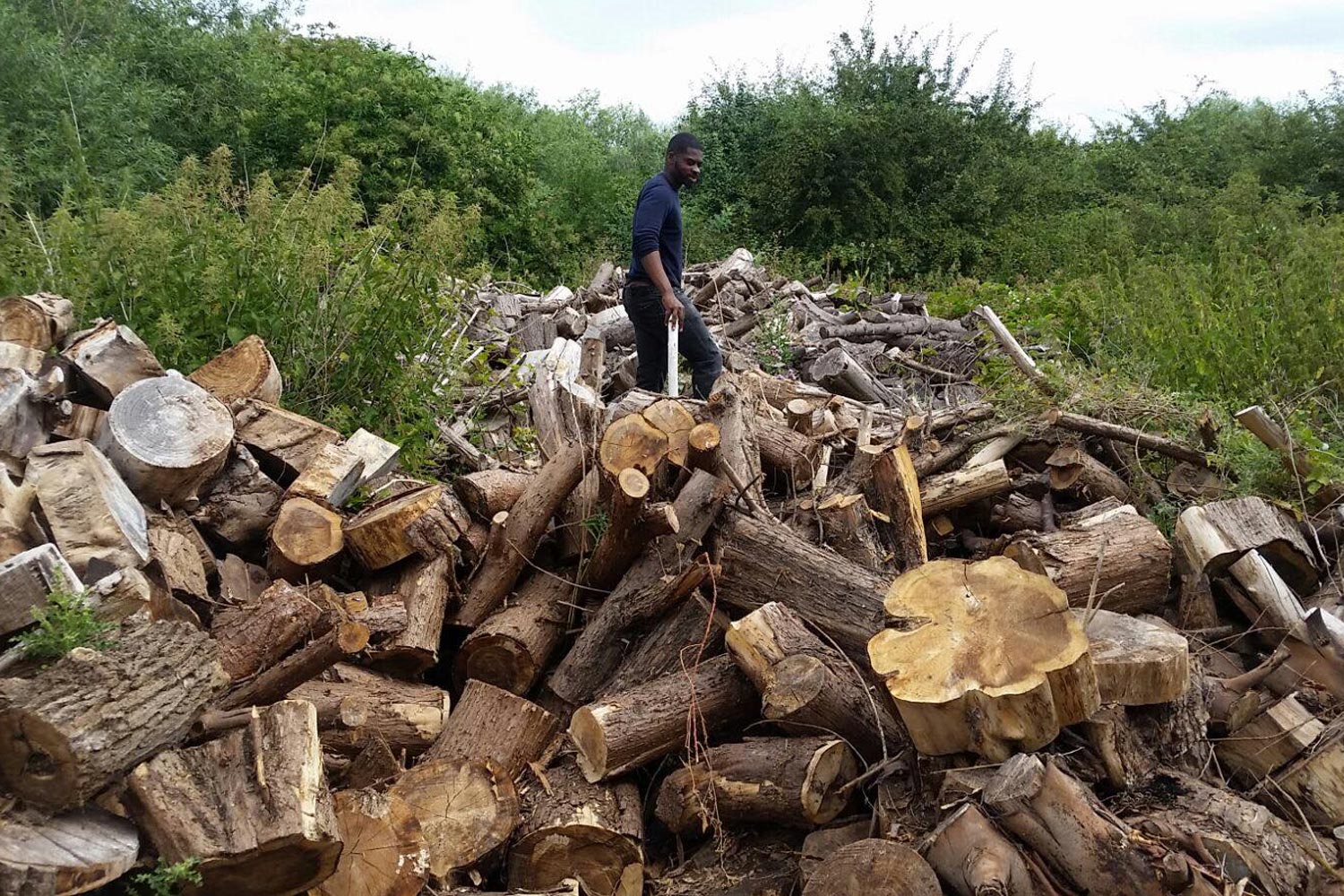
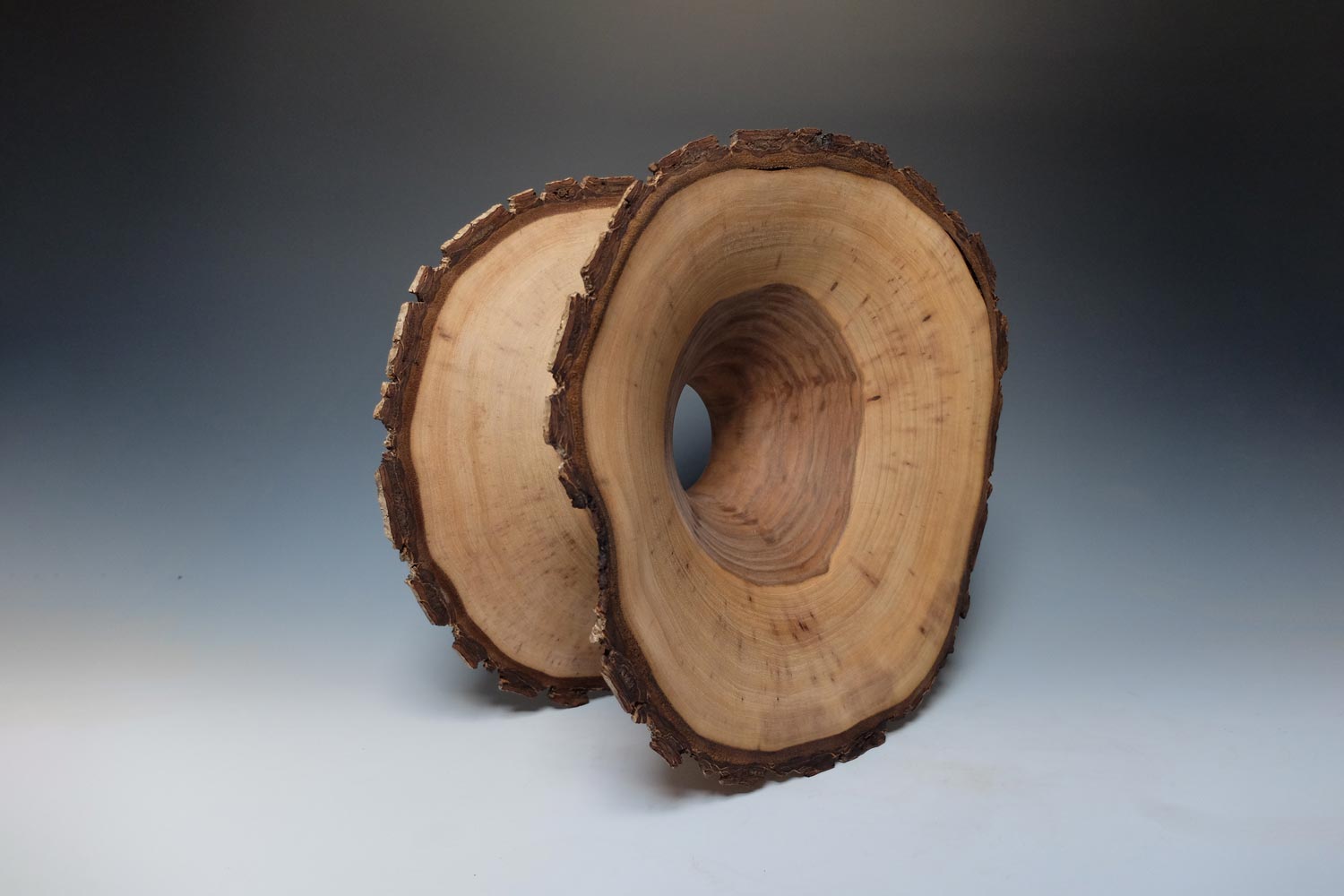
After a hurricane, I received a call that a copper beech had fallen in an old park nearby. It turned out to be a very beautiful tree and I was allowed to pick some pieces. I created a series of 11 objects from these and later exhibited them together with a painter.