A life in leather
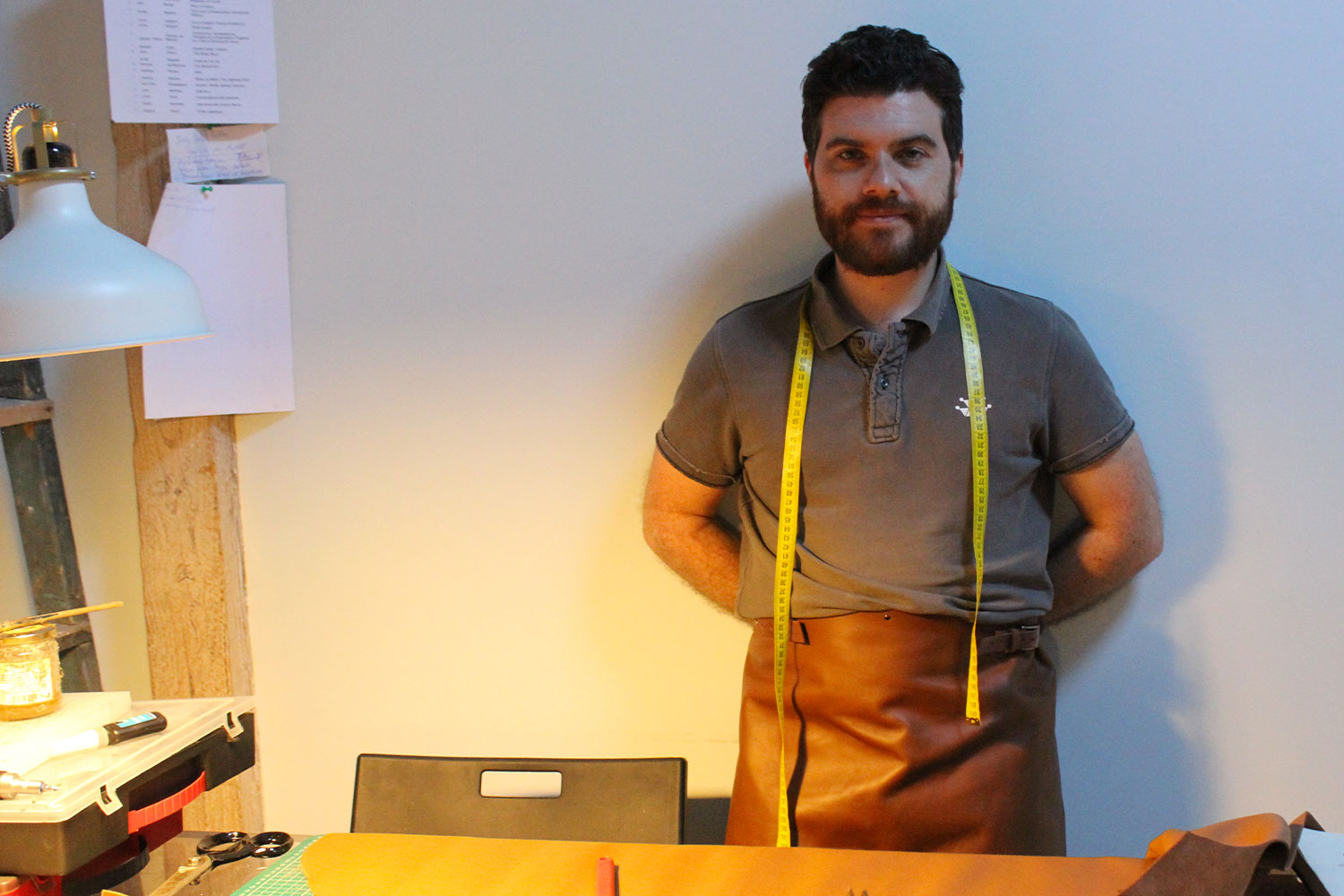
- José-Luis is a third generation leatherworker
- He approaches leather research like a detective or scientist
- He loves training students in his workshop and considers them family
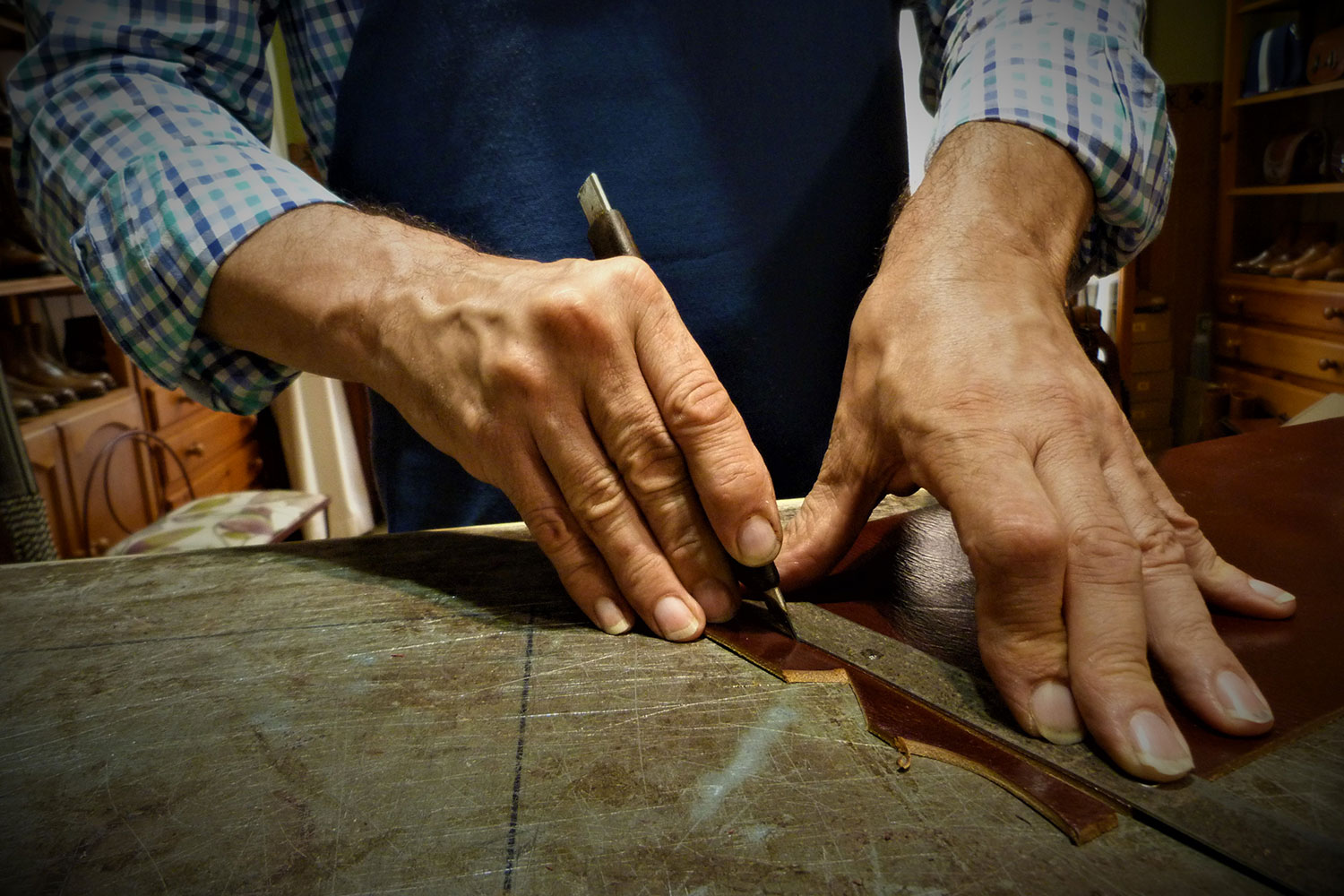
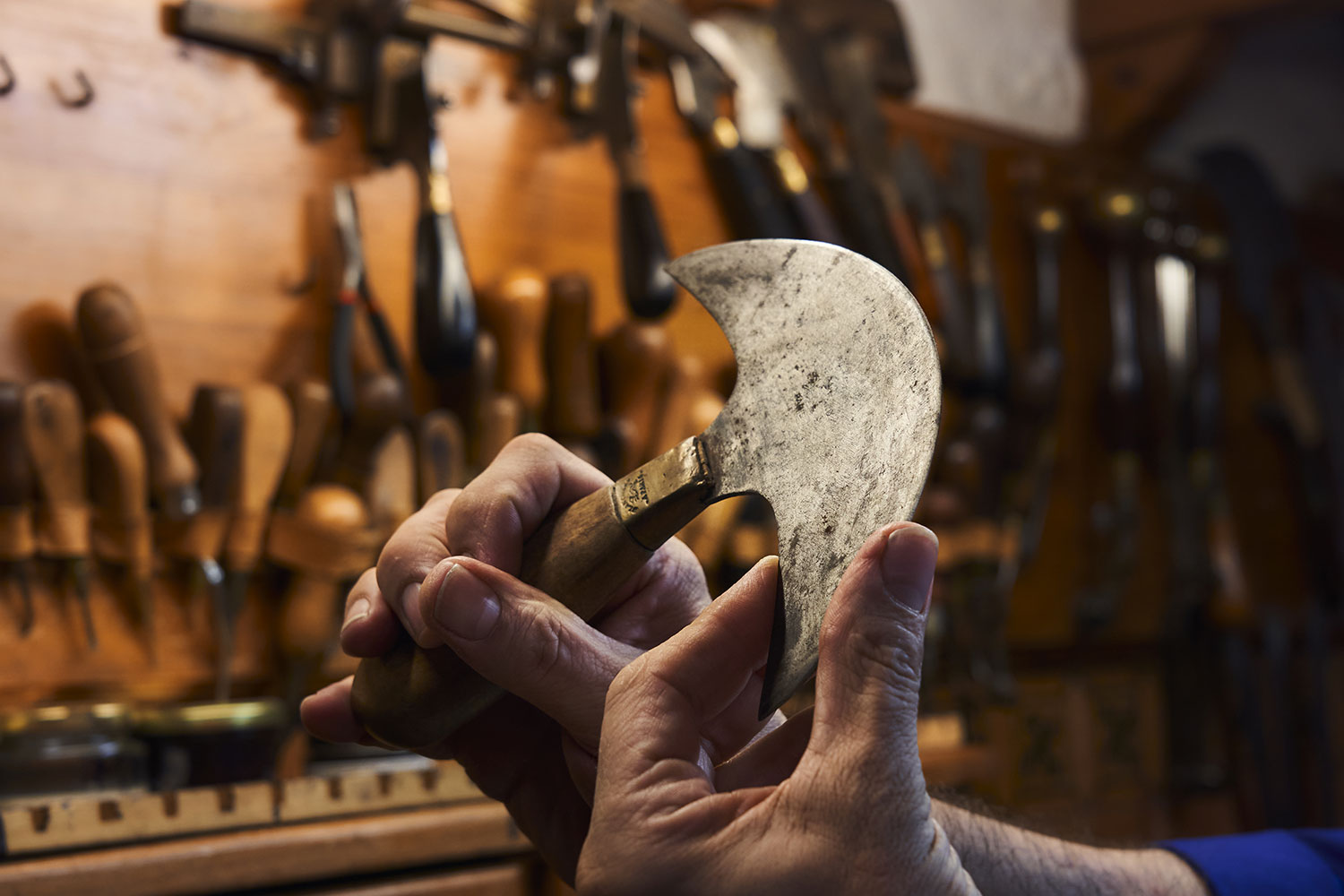
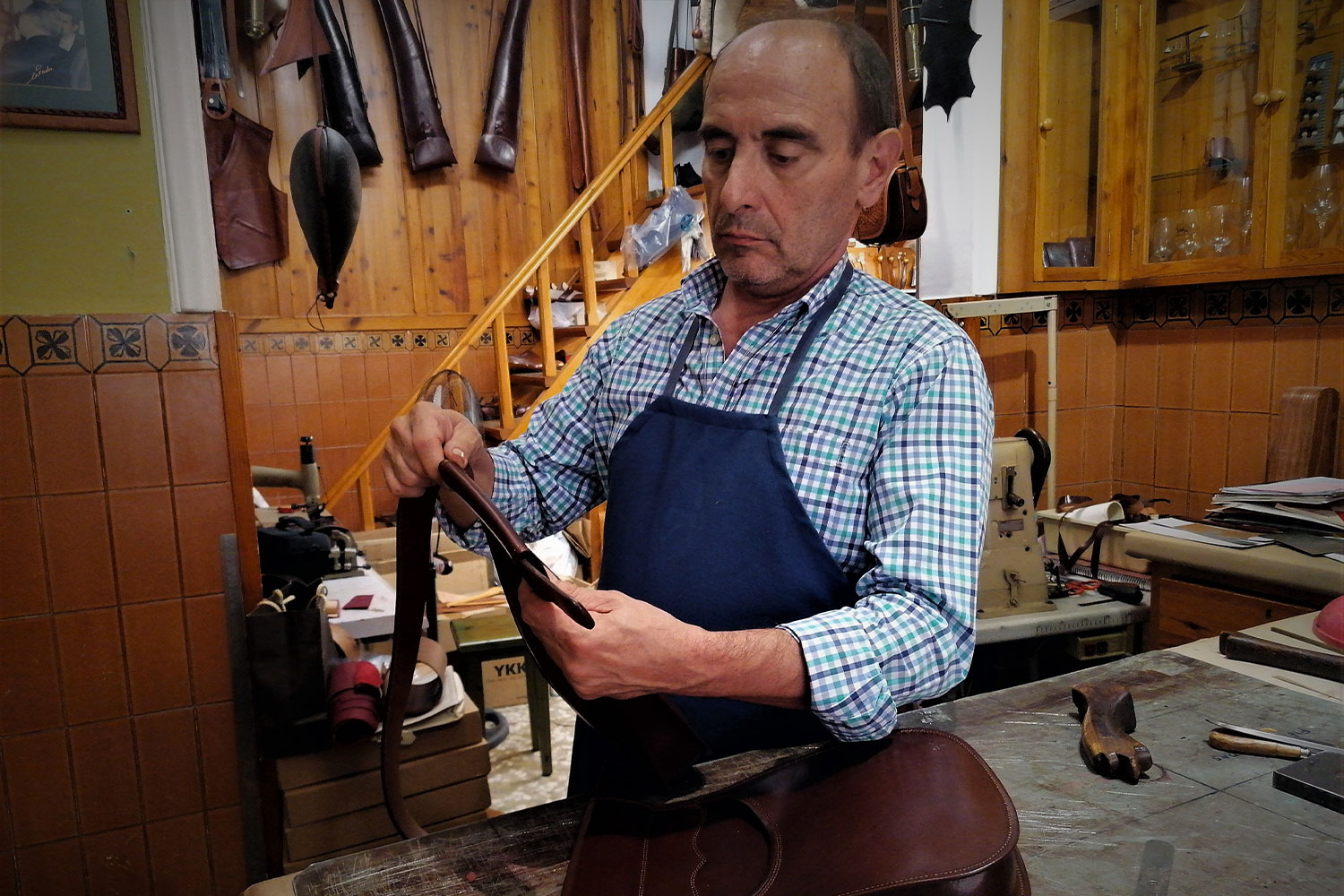
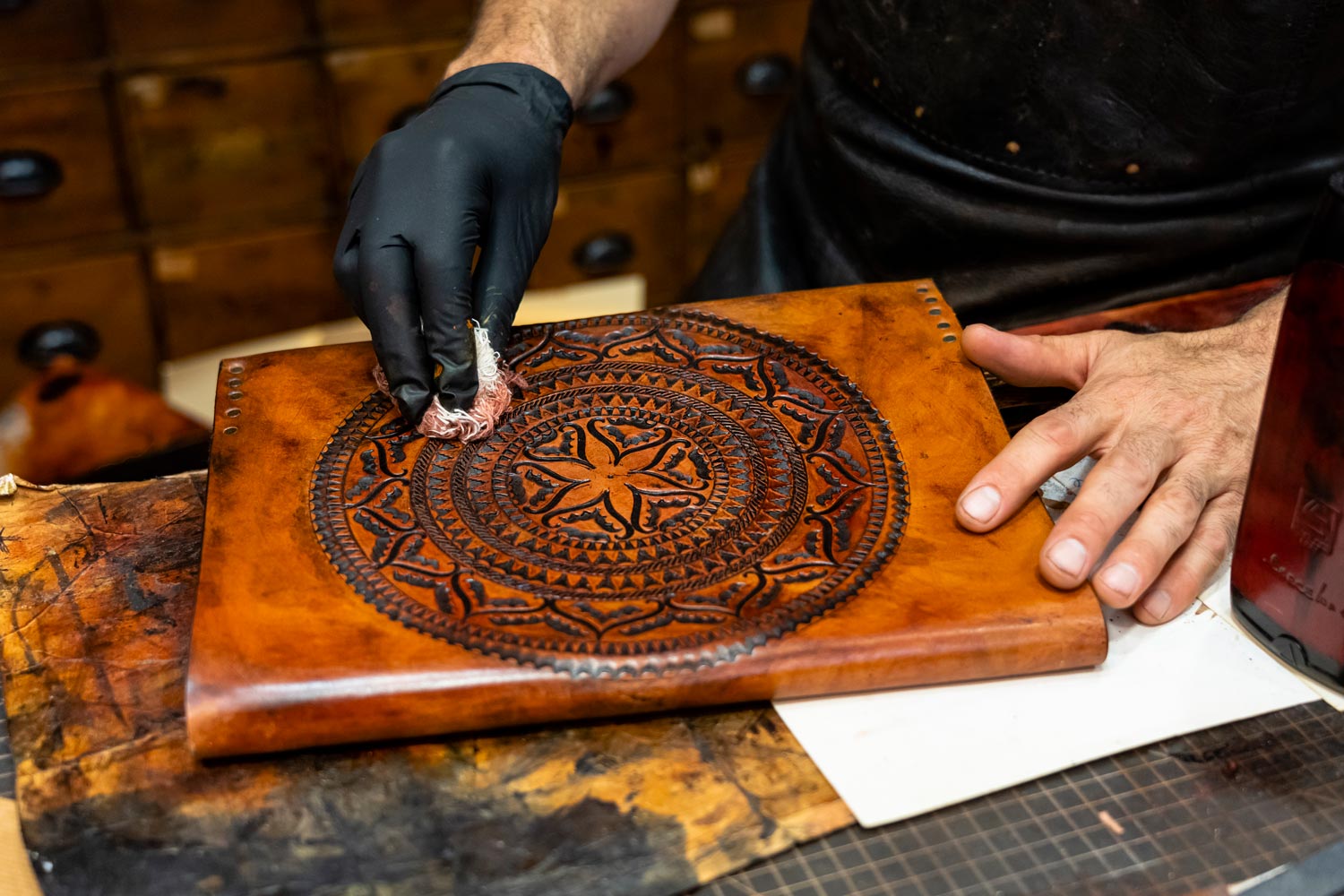
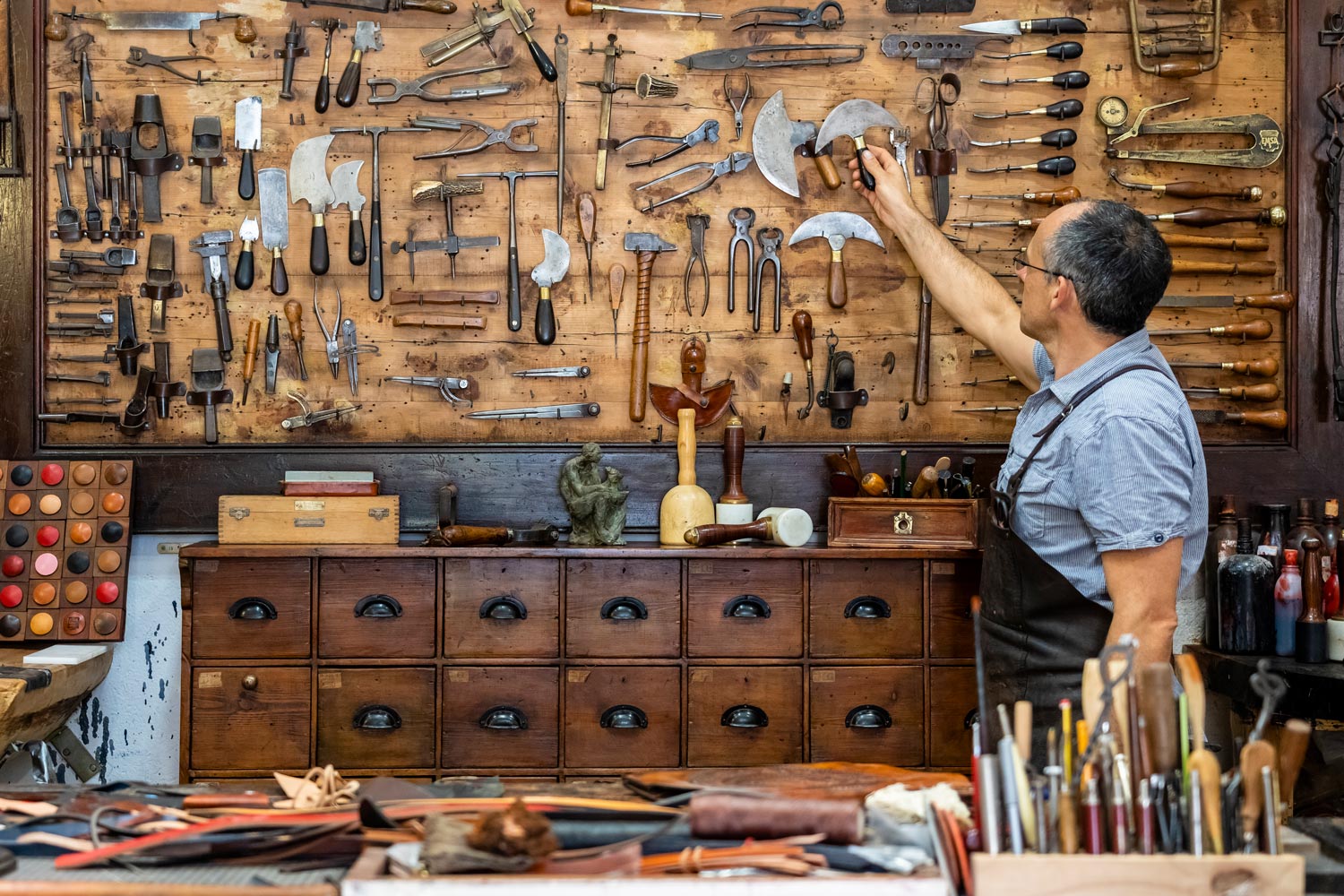
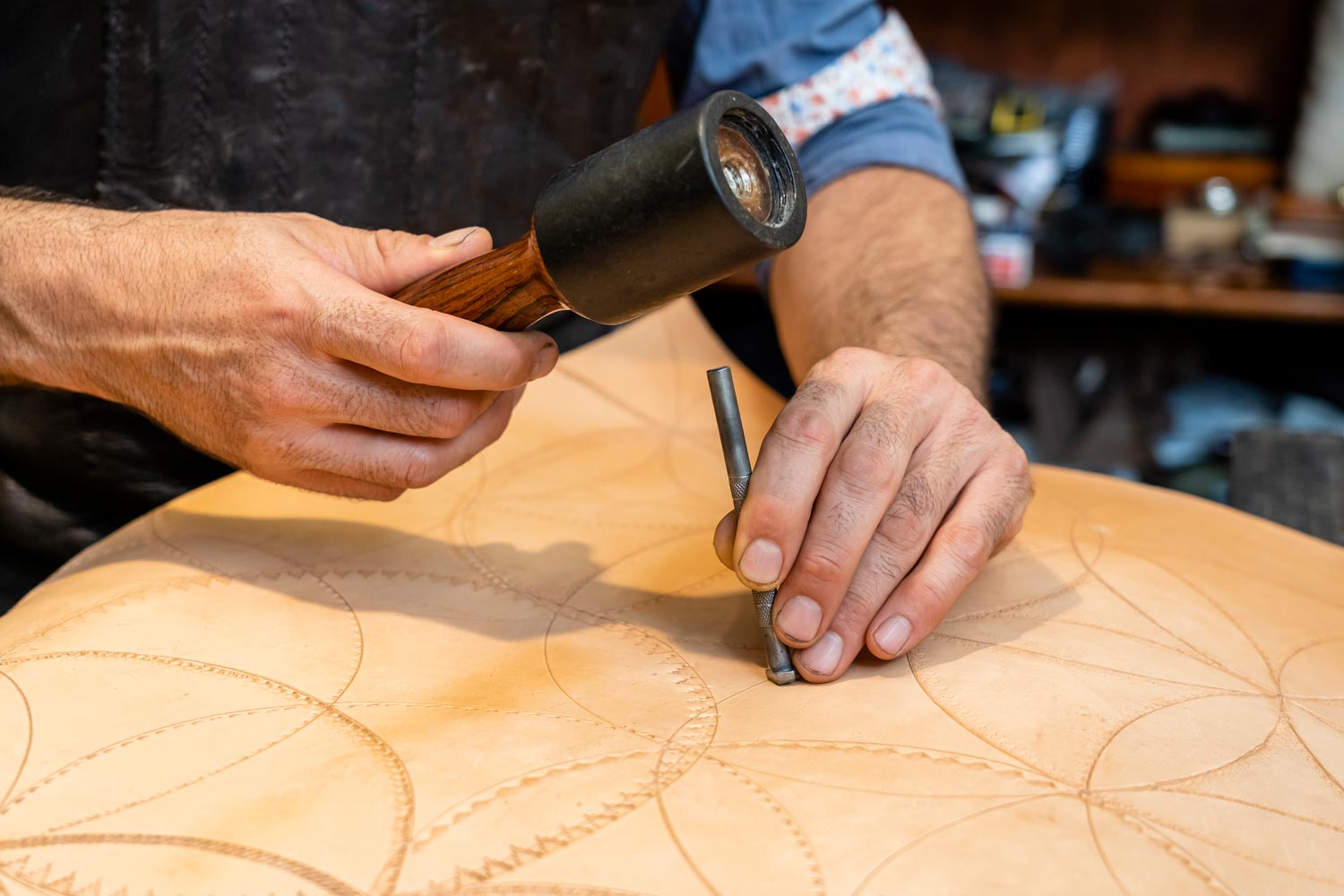
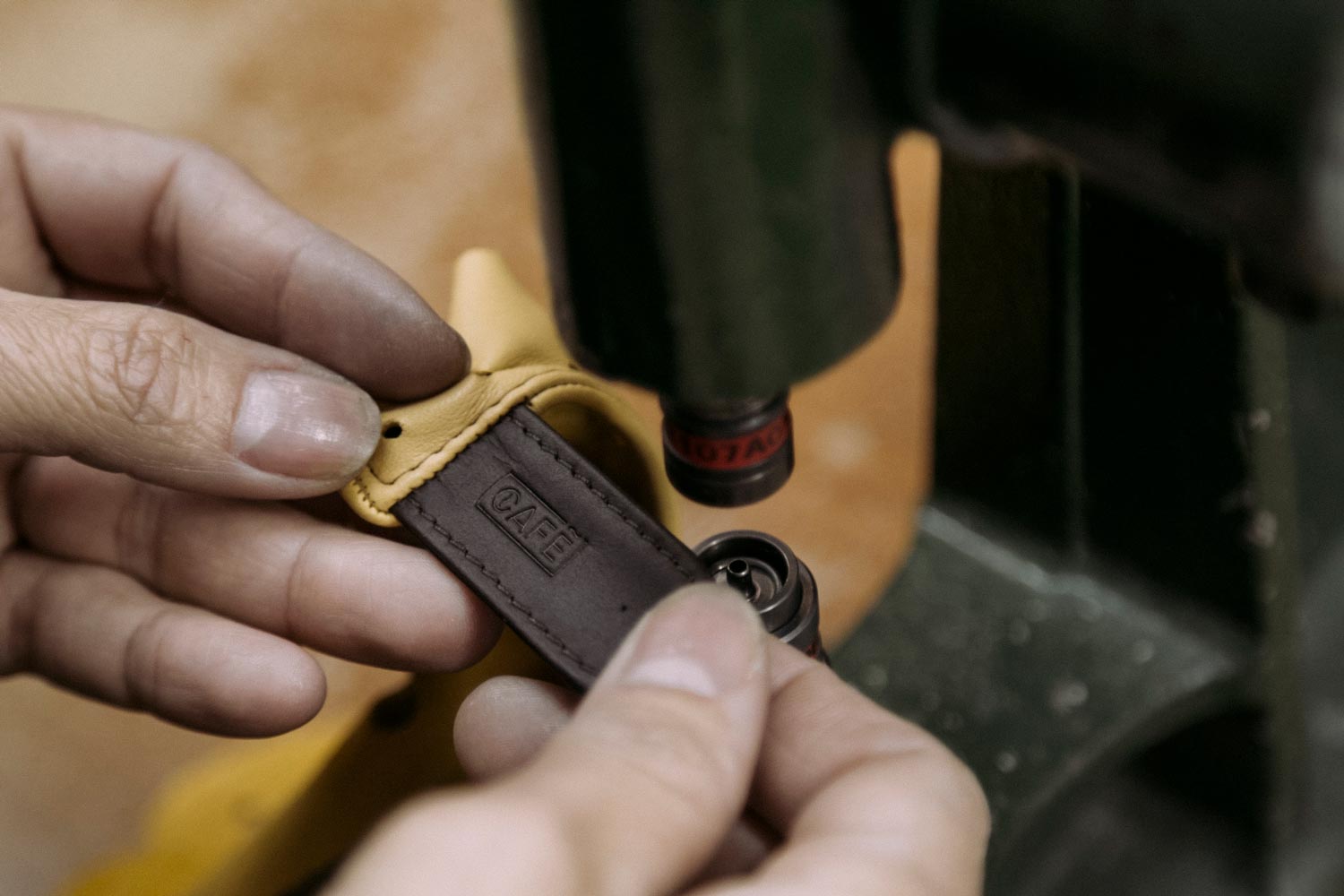
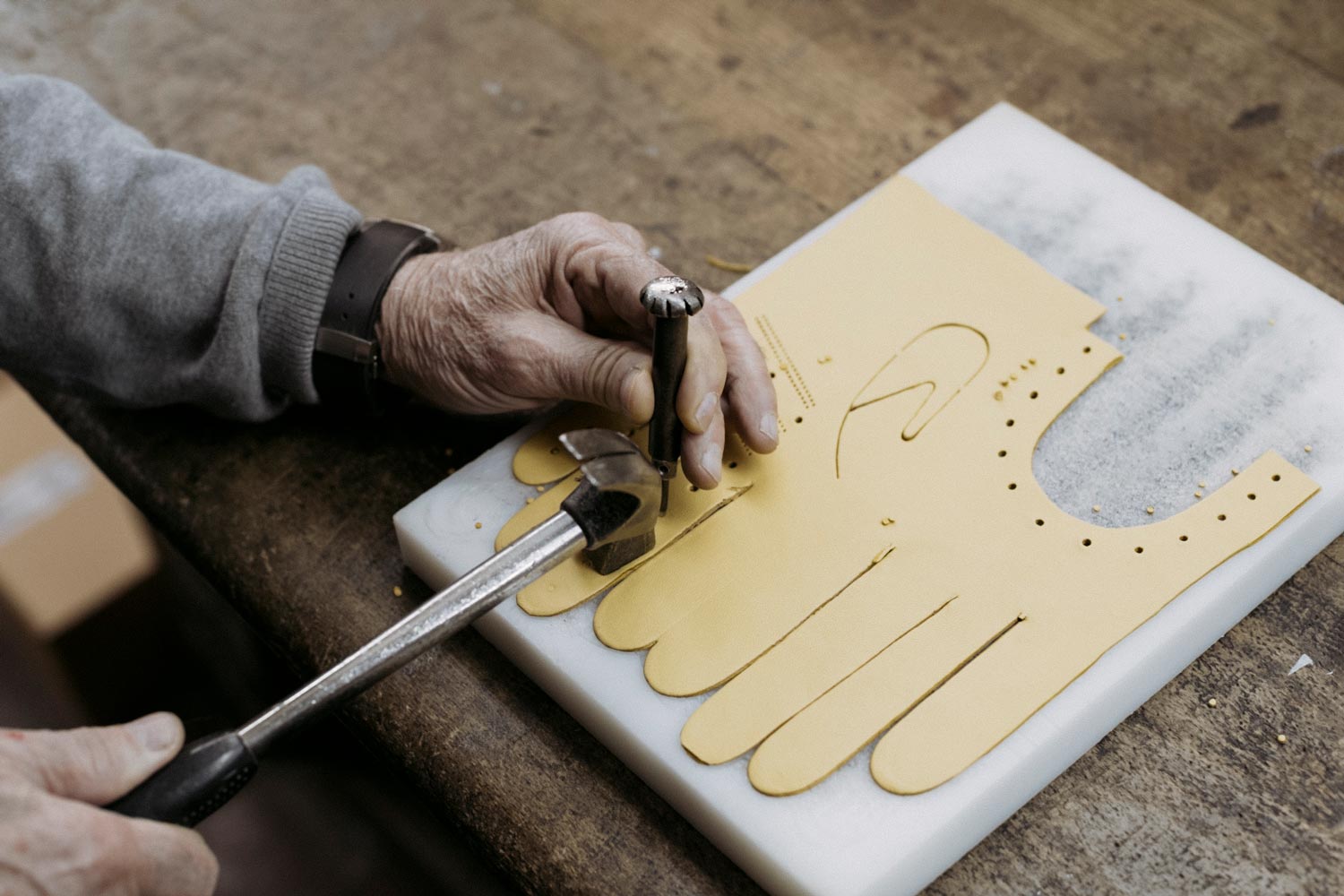
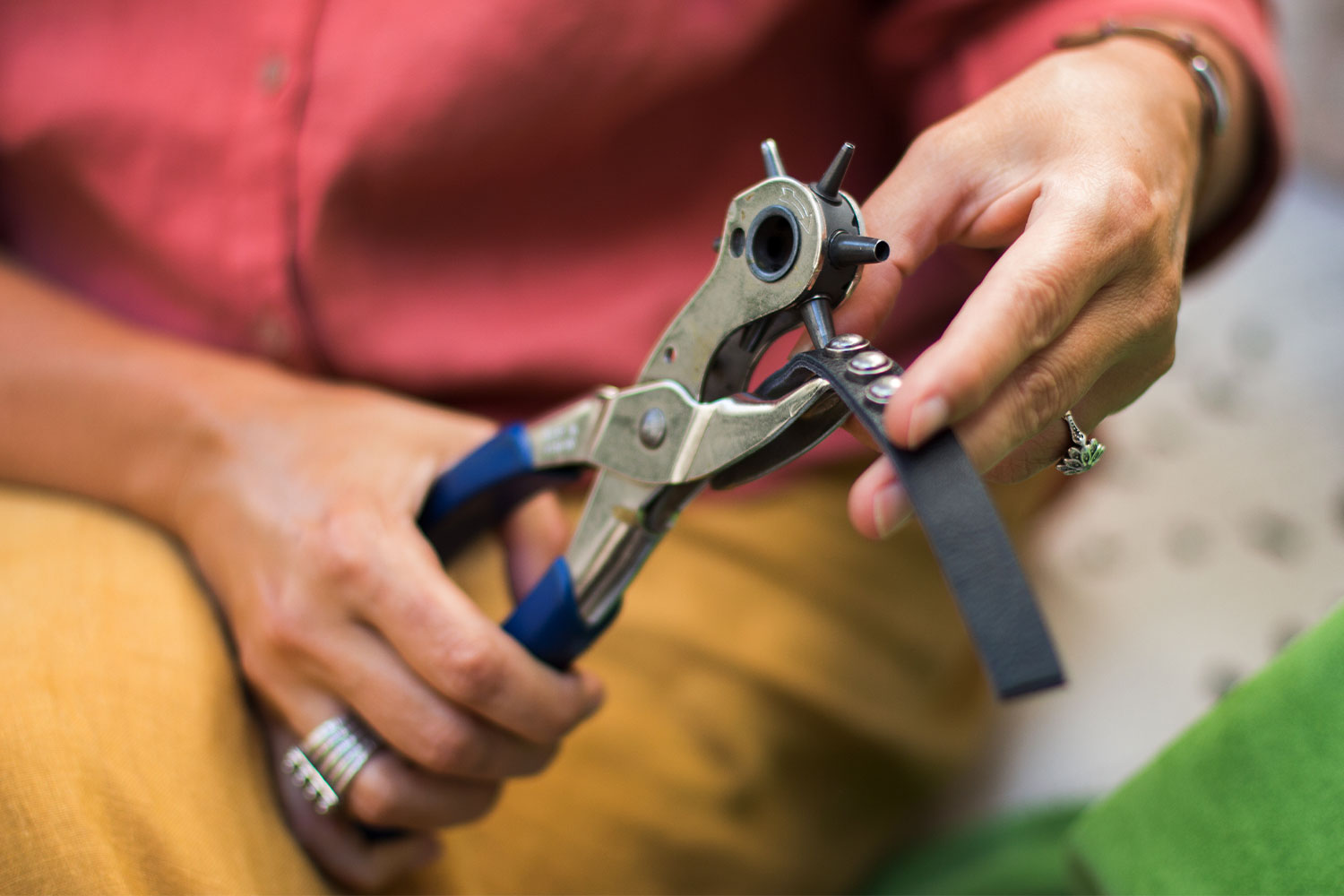
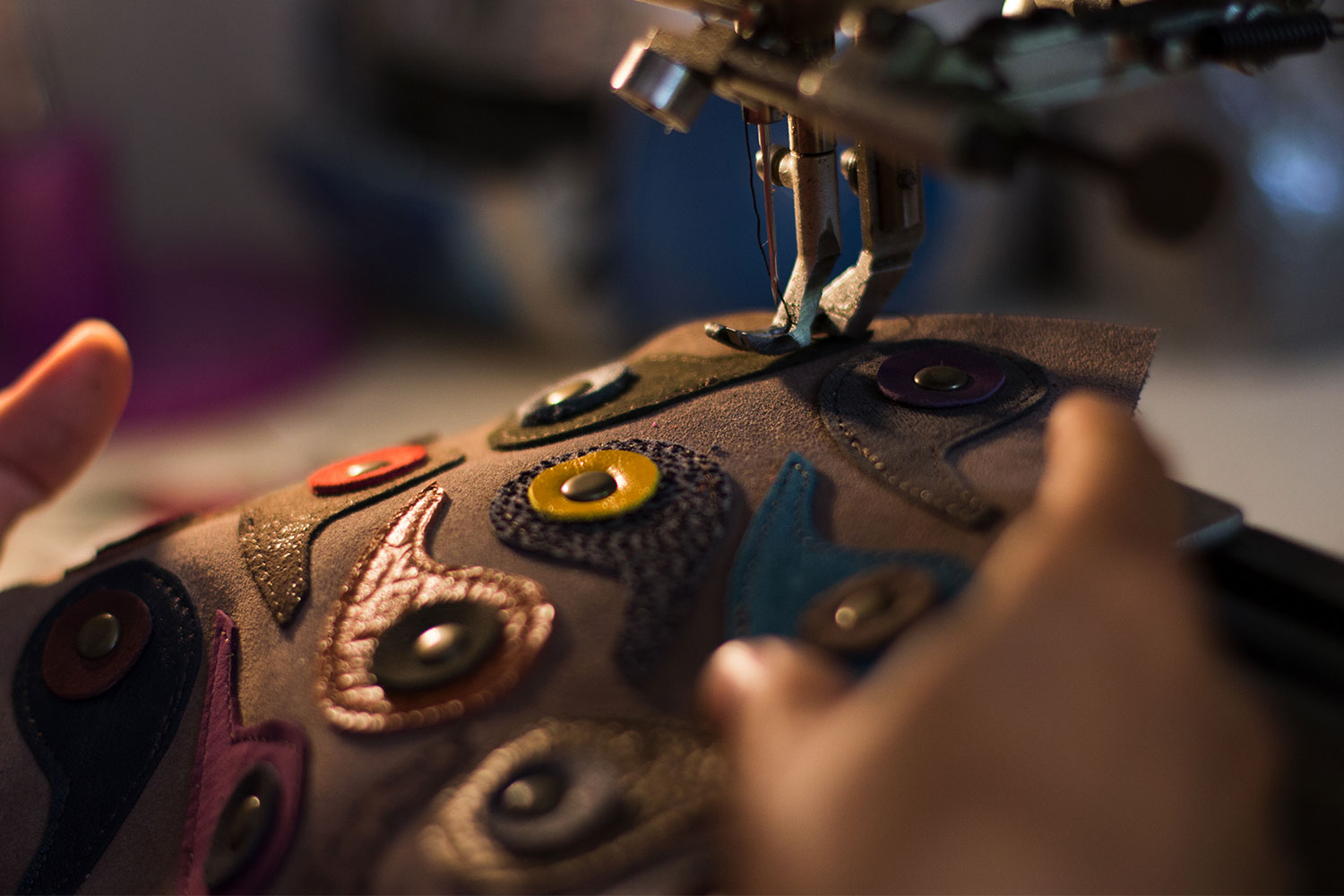
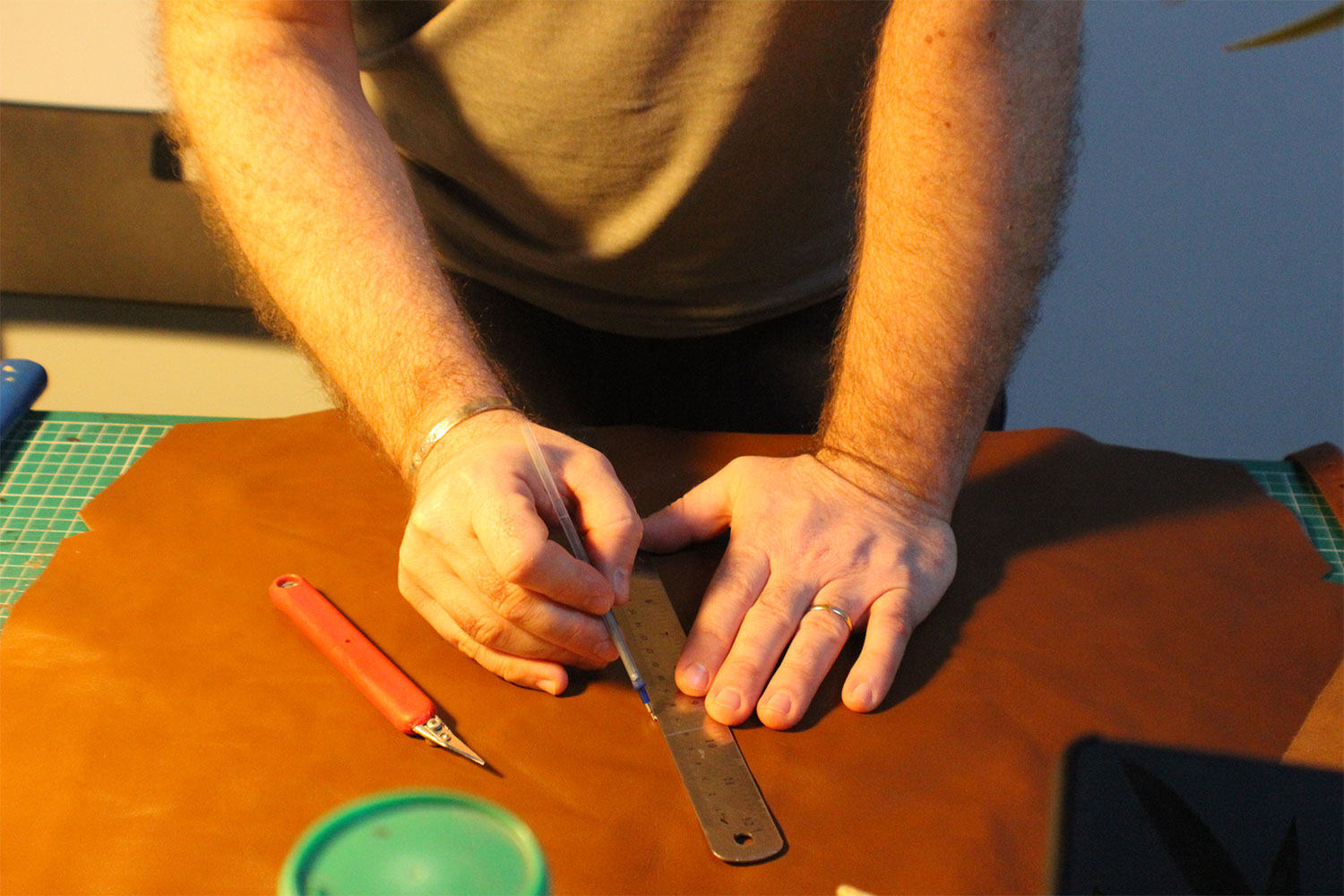
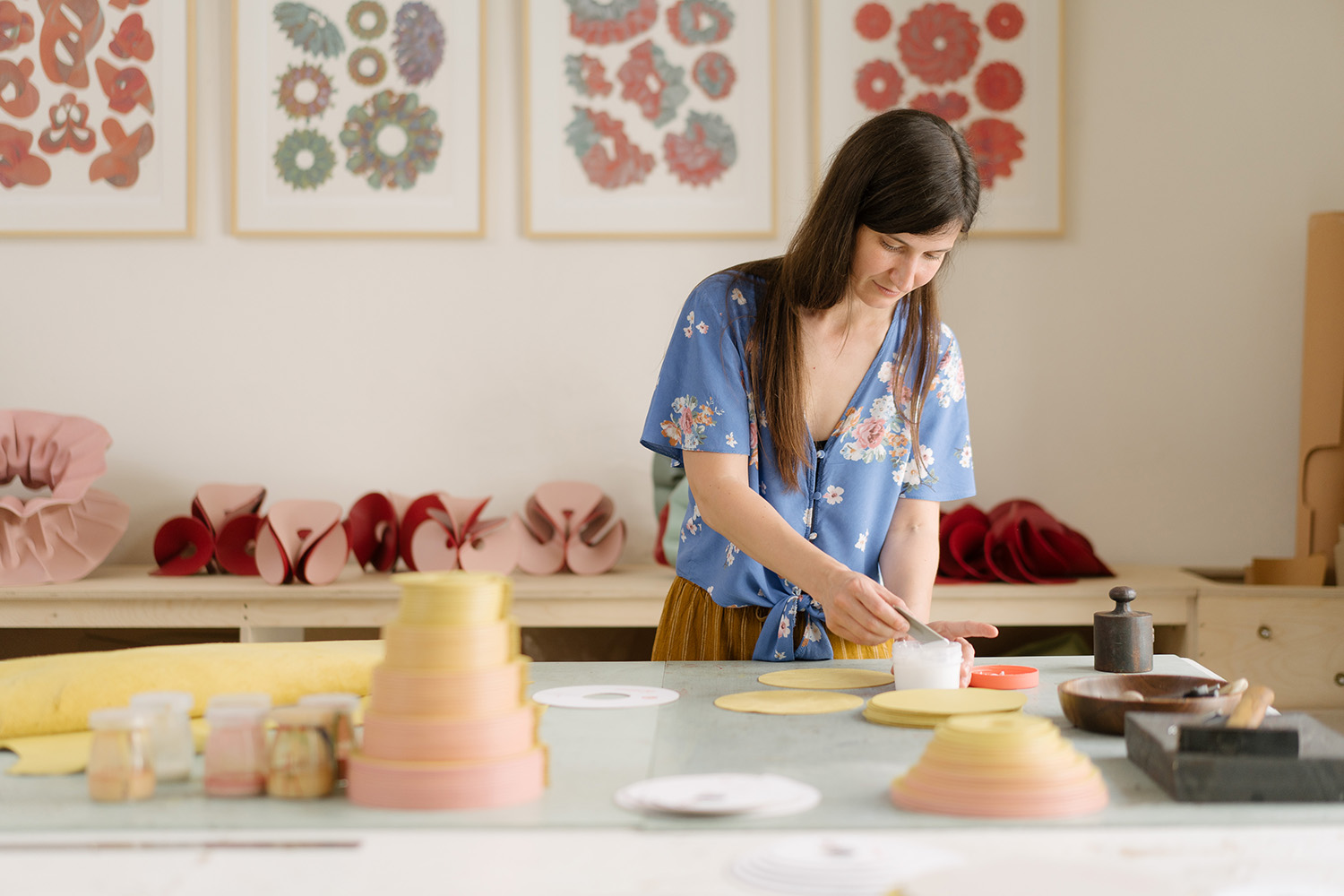
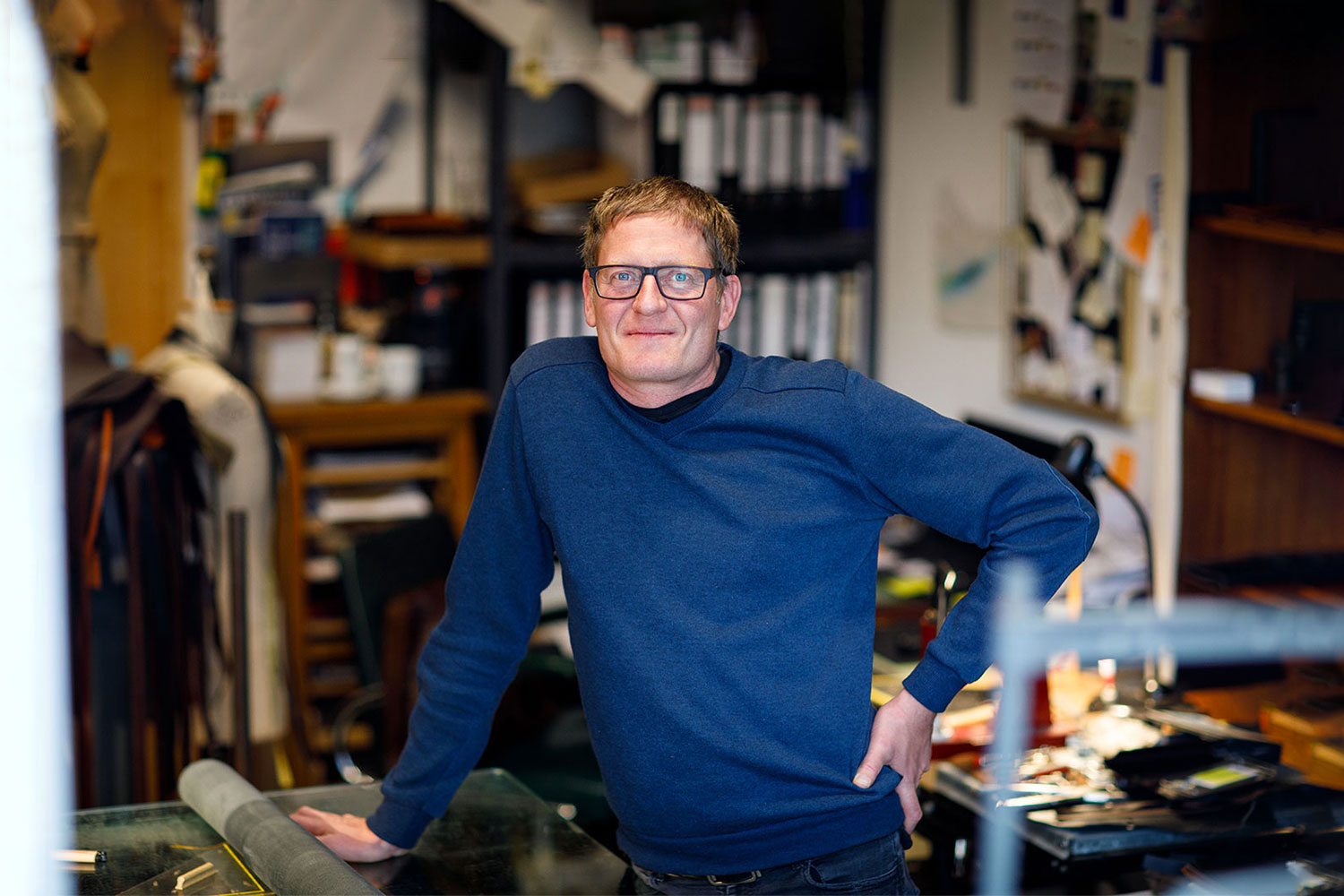
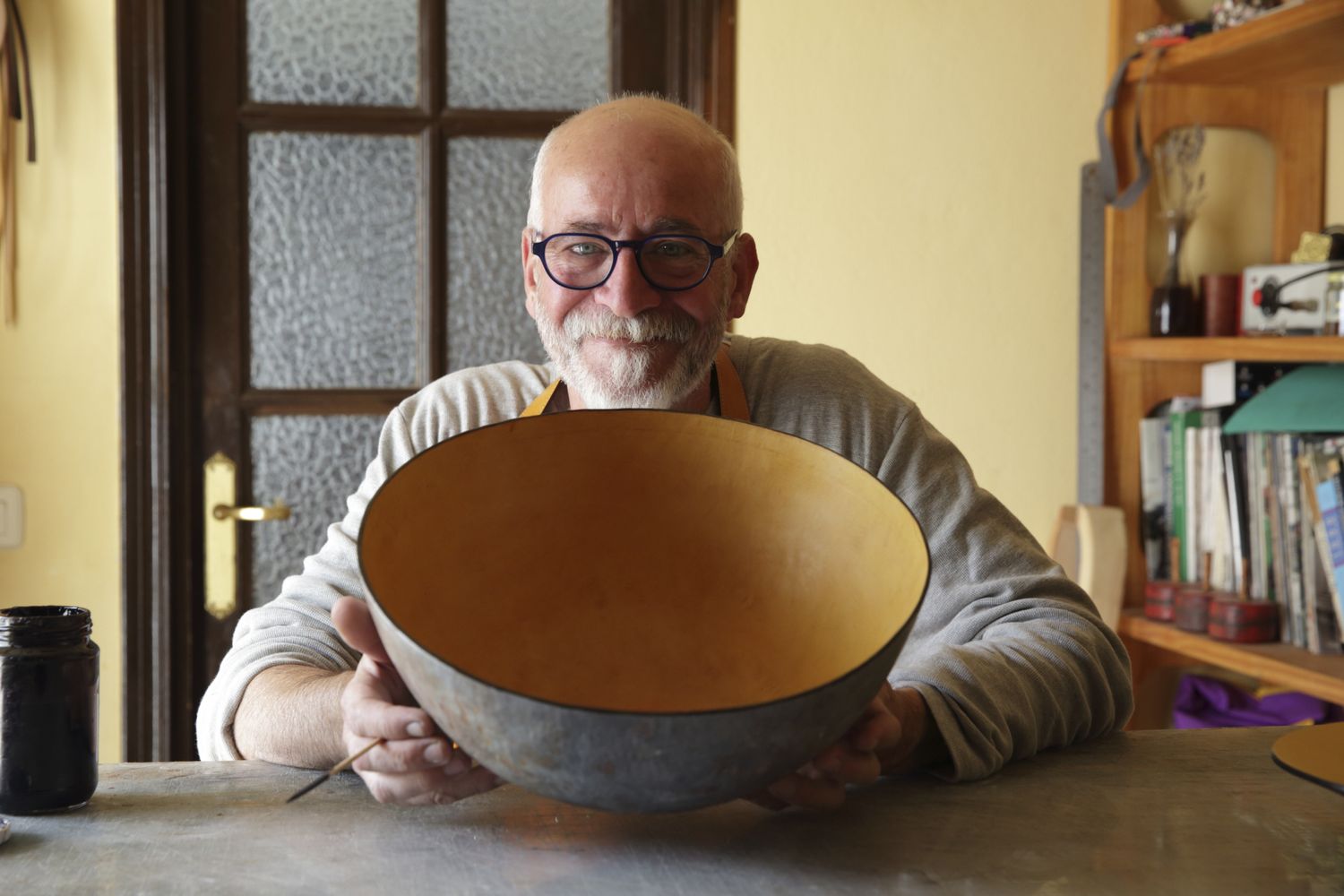
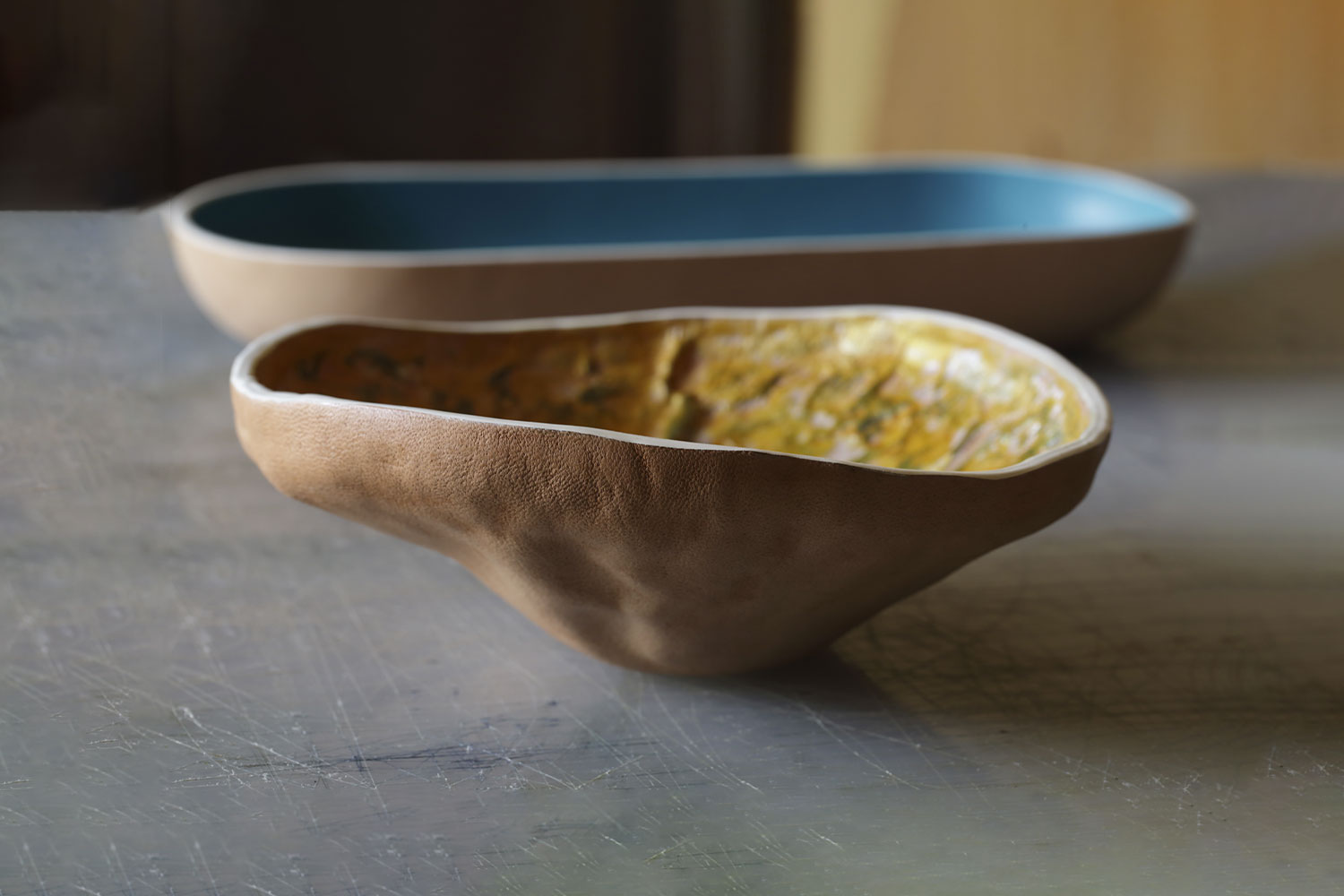
José-Luis Bazán is the son and grandson of leatherwork artisans, and therefore has long been immersed in the rich tradition of leatherwork developed over many centuries in Ubrique, Spain. In his studio, he draws on these leatherwork traditions and his own research to create innovative, contemporary leather objects for everyday use. He is particularly inspired by the nature that surrounds him. “Nature is so vast here, and there is a very special light that produces pastel colours that I love,” he says. As well as researching and creating his own works, passing on his knowledge to the next generation of leather artisans is very important to him.
INTERVIEW
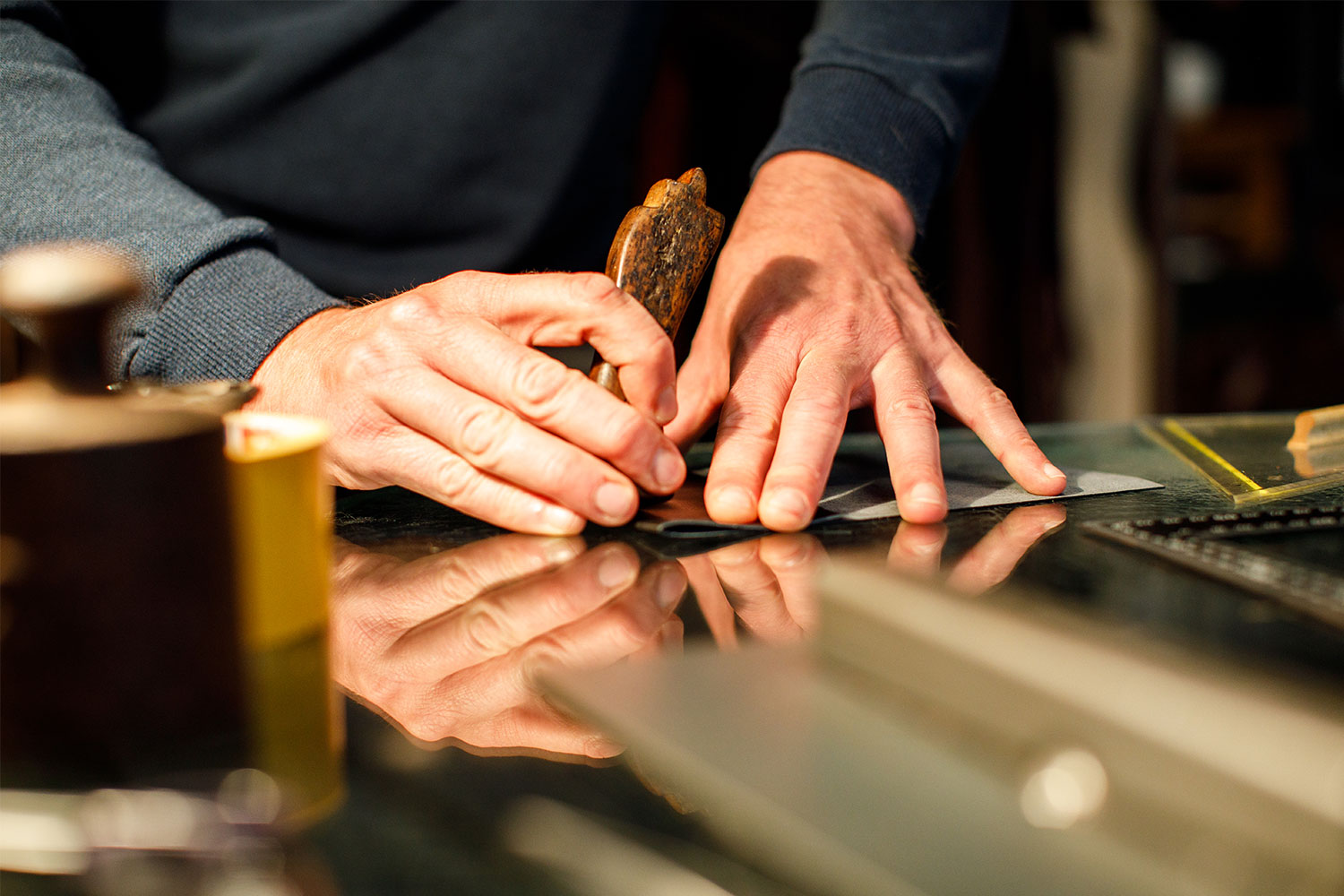
I am a third generation leather artisan. My first and principal teacher was my father. He was a maestro – the person who more or less controls what is made in the workshop. But he also dedicated himself in part to teaching, and being his son, I really benefited from this.
When I was 12 years old. I had to go to school until I was 14. However, I would leave school for the workshop between 12.30pm and 2pm, and then I would return after 5pm and stay until late in the evening. By the age of 18 I had my own studio.
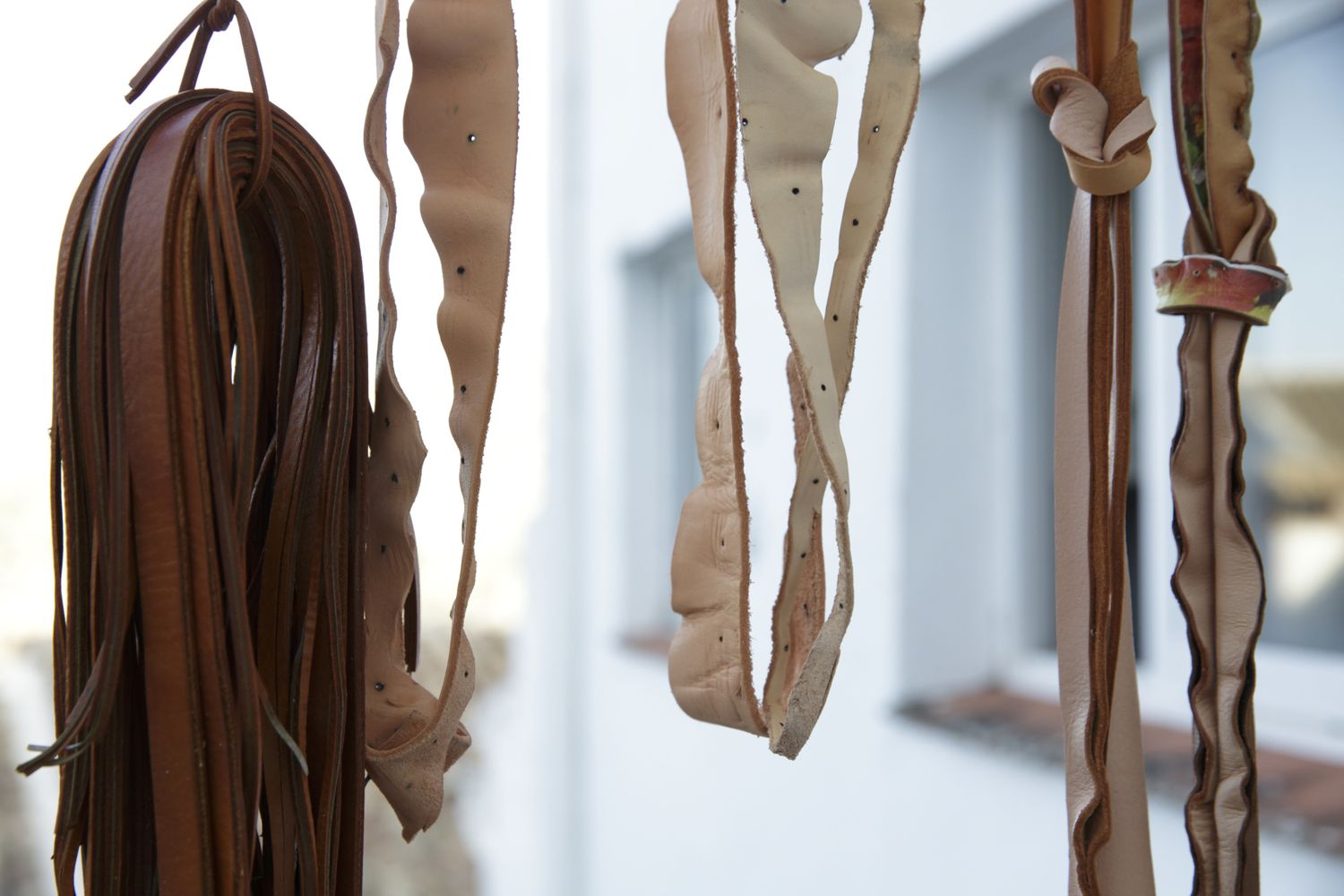
I do not like working with leather that comes from young animals, and the animal must have been respectfully treated in life. I try to instil this respect in my students. You cannot waste a single piece of leather because this belonged to an animal that had a life and we have to treat this animal with dignity.
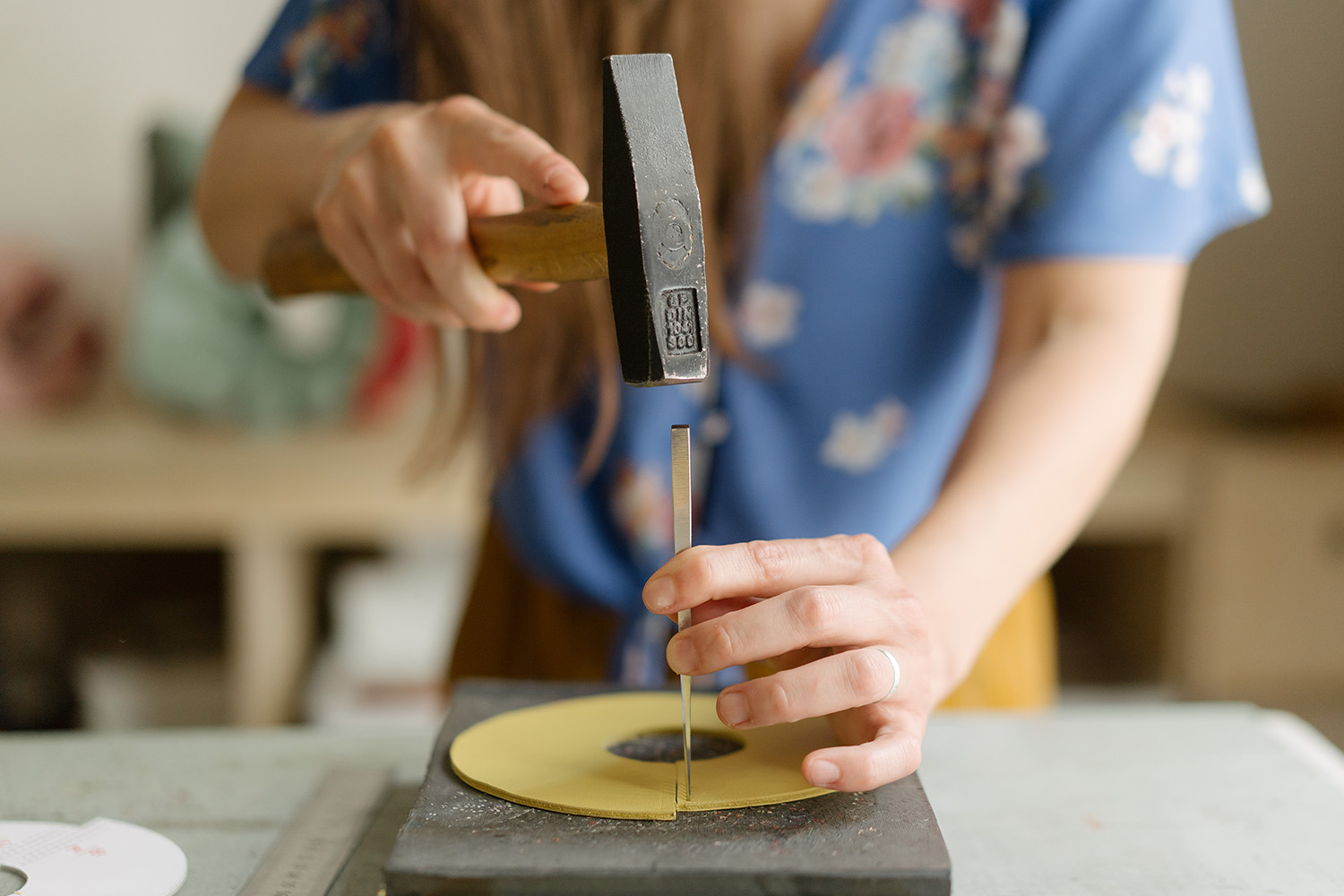
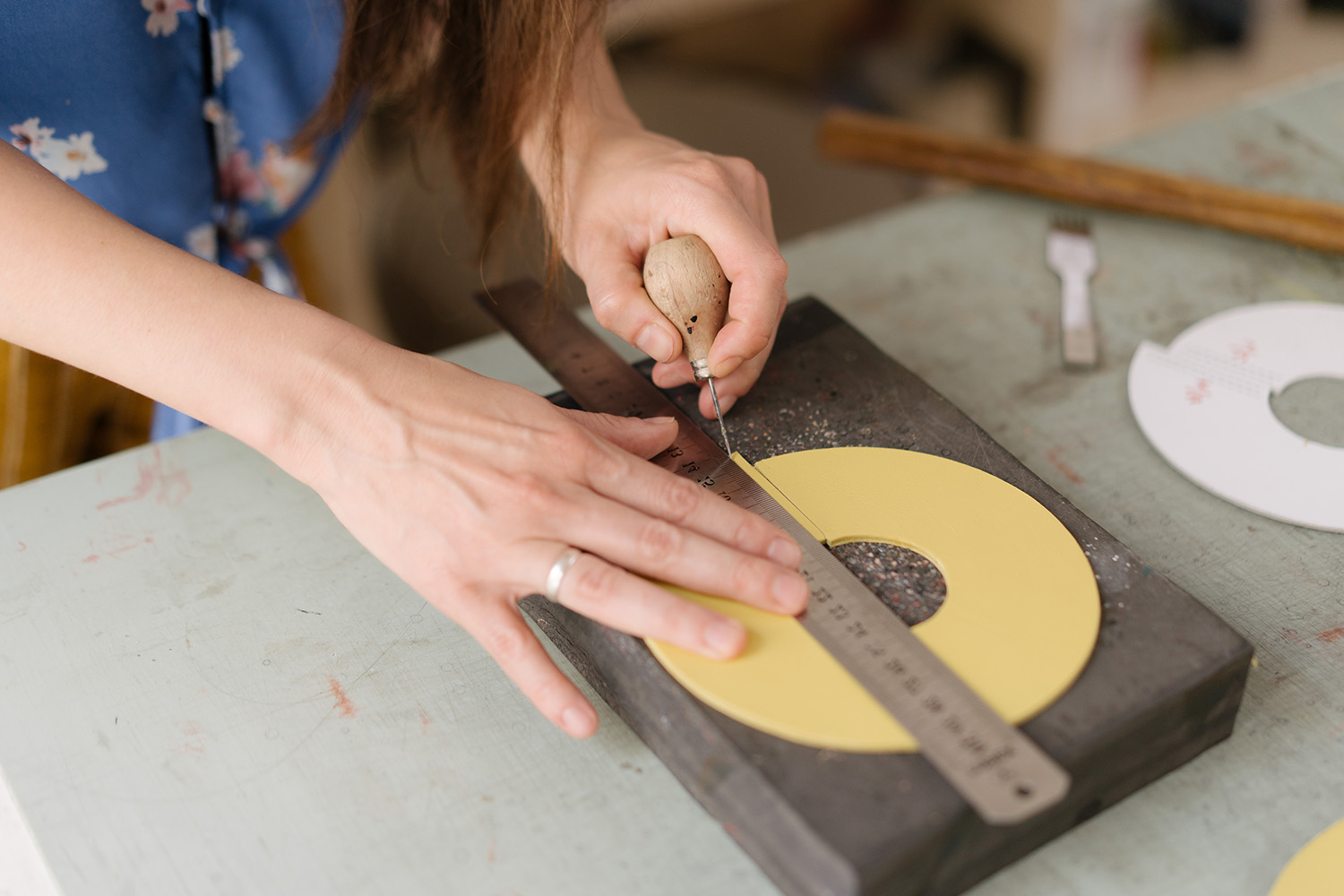
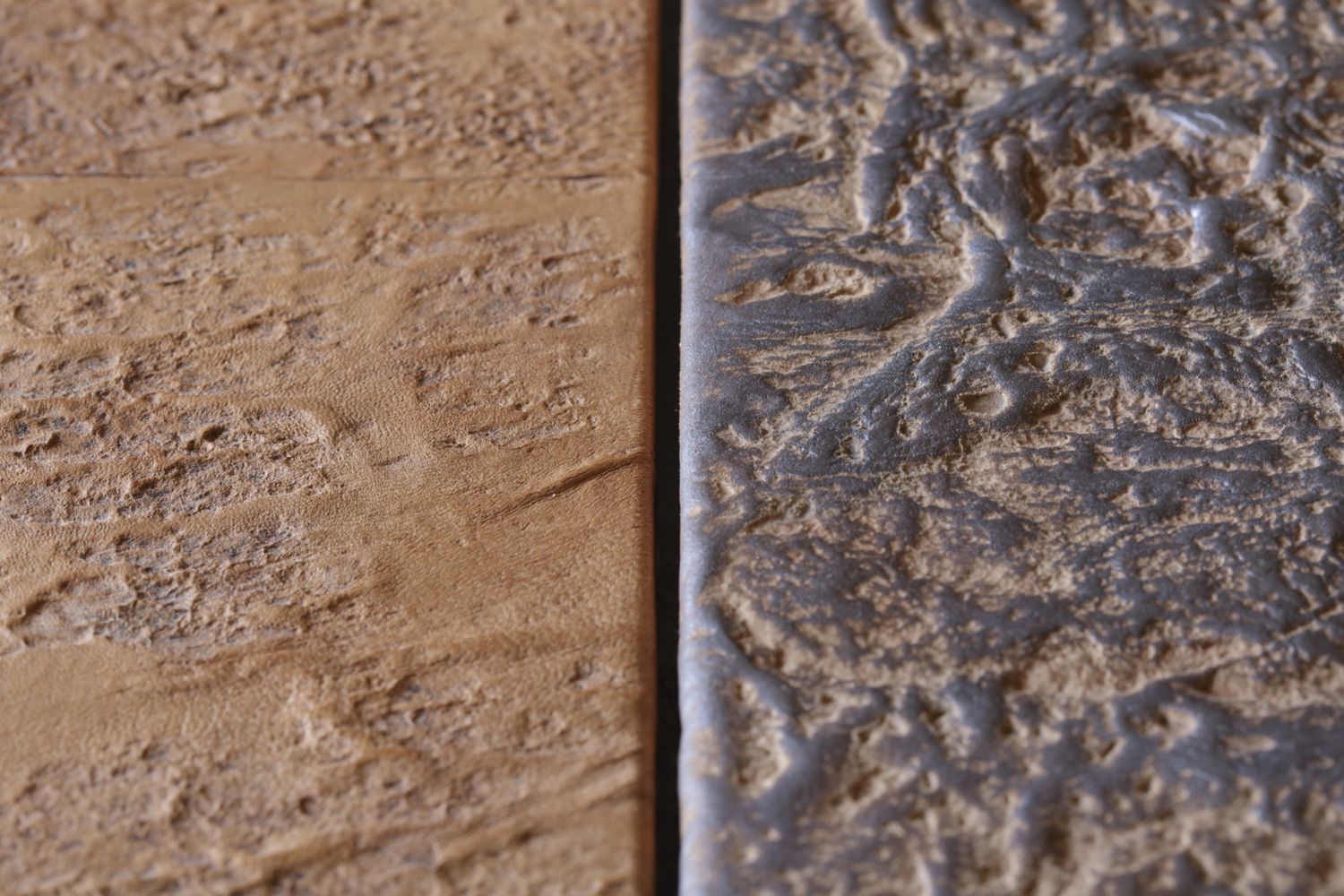
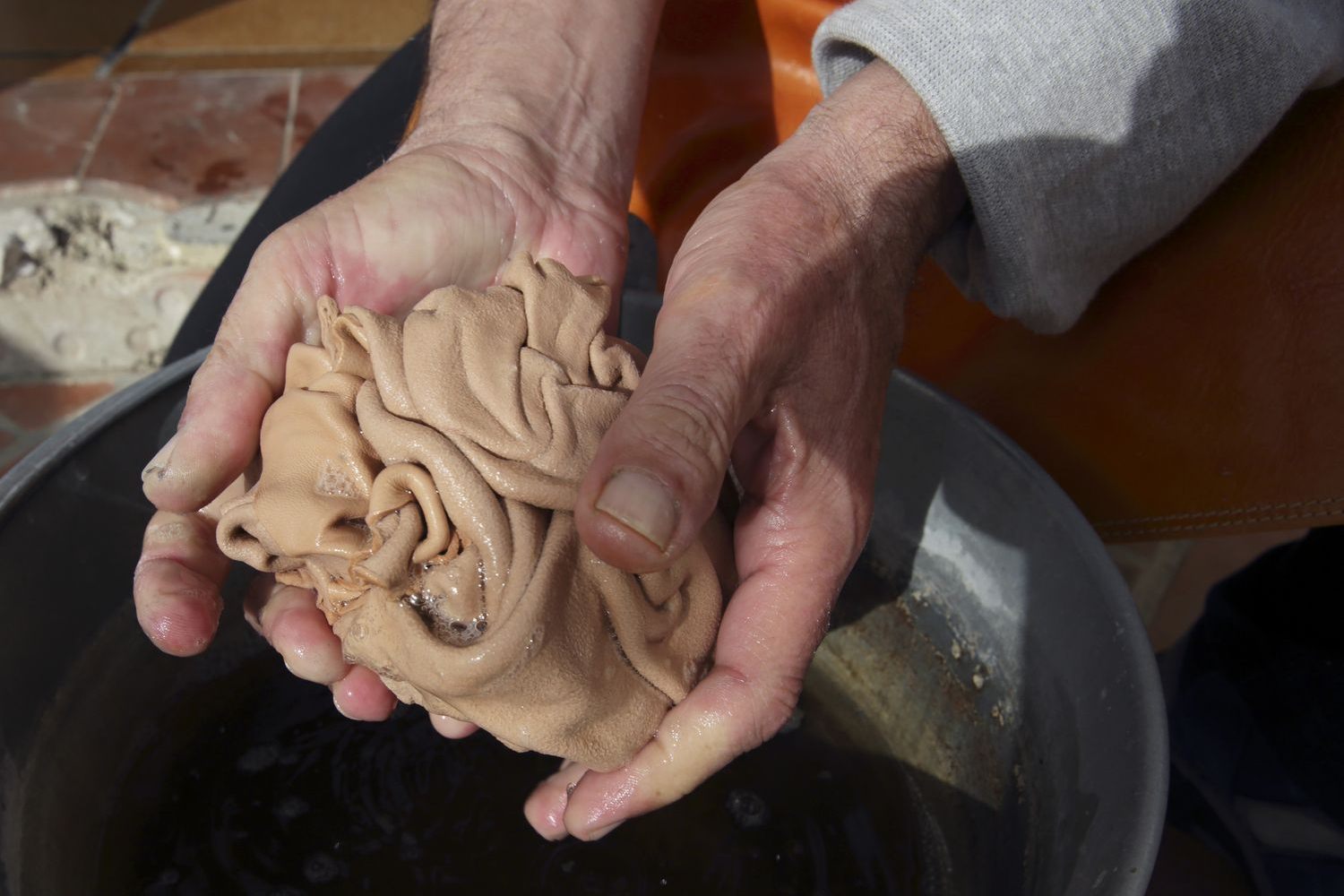
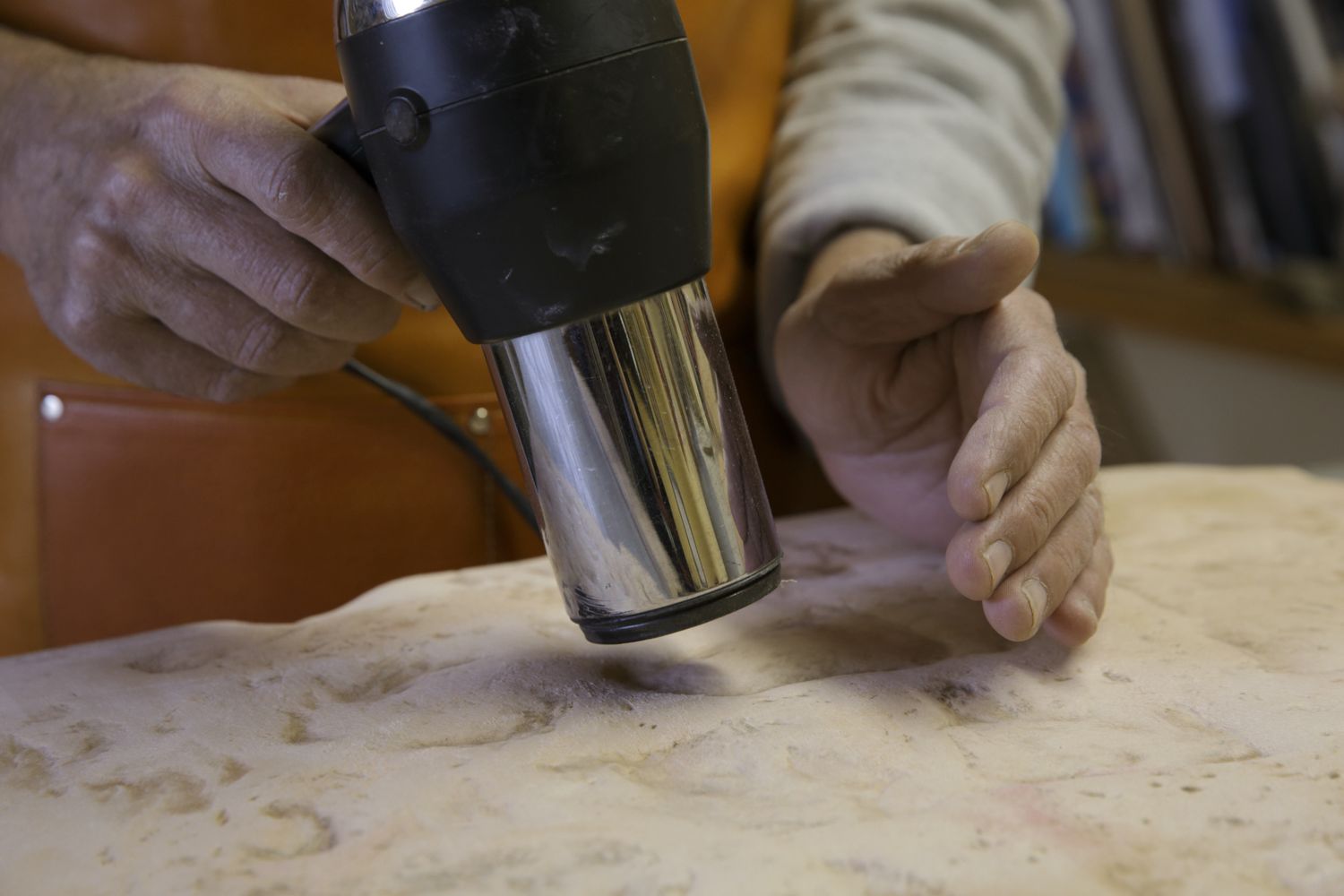
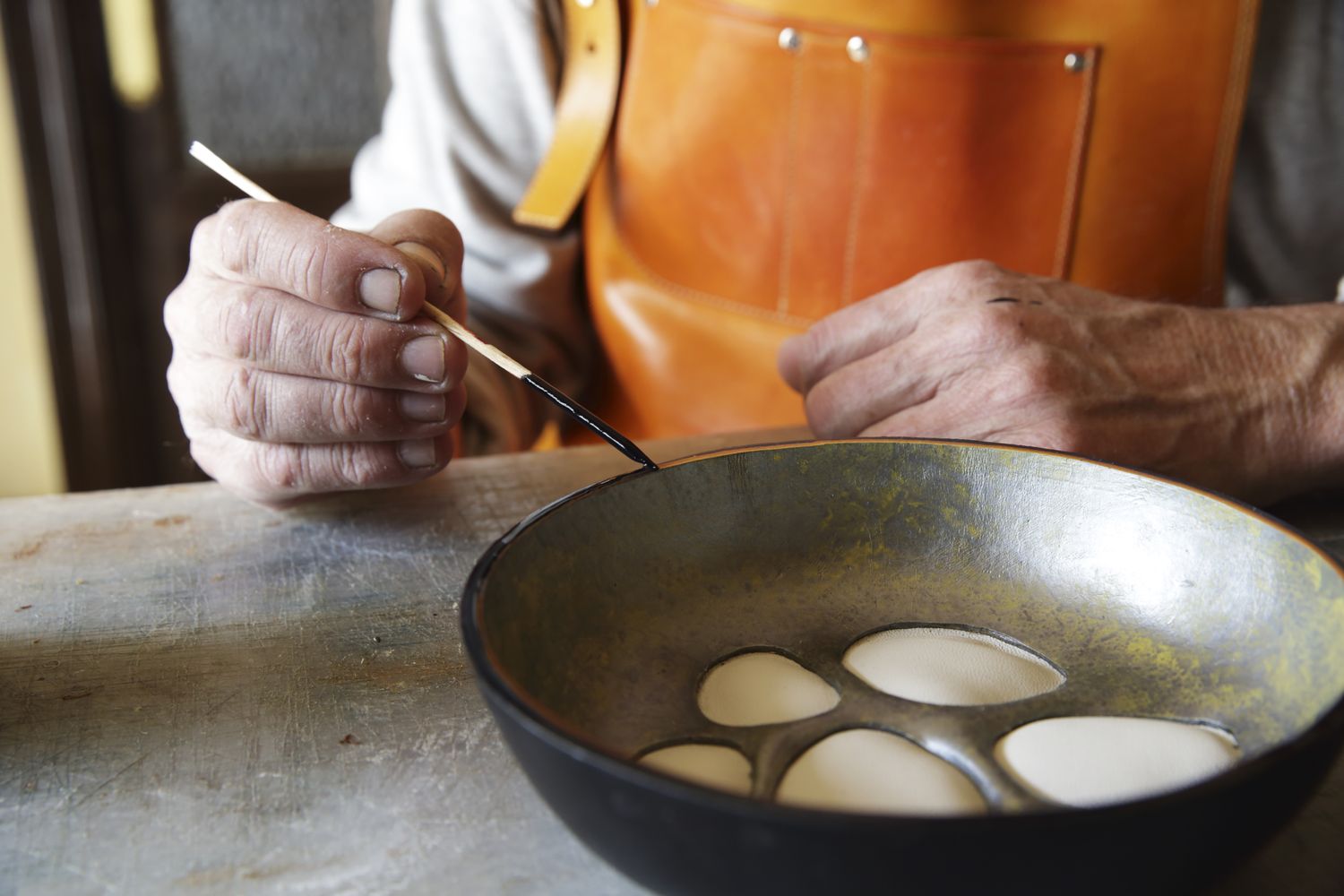
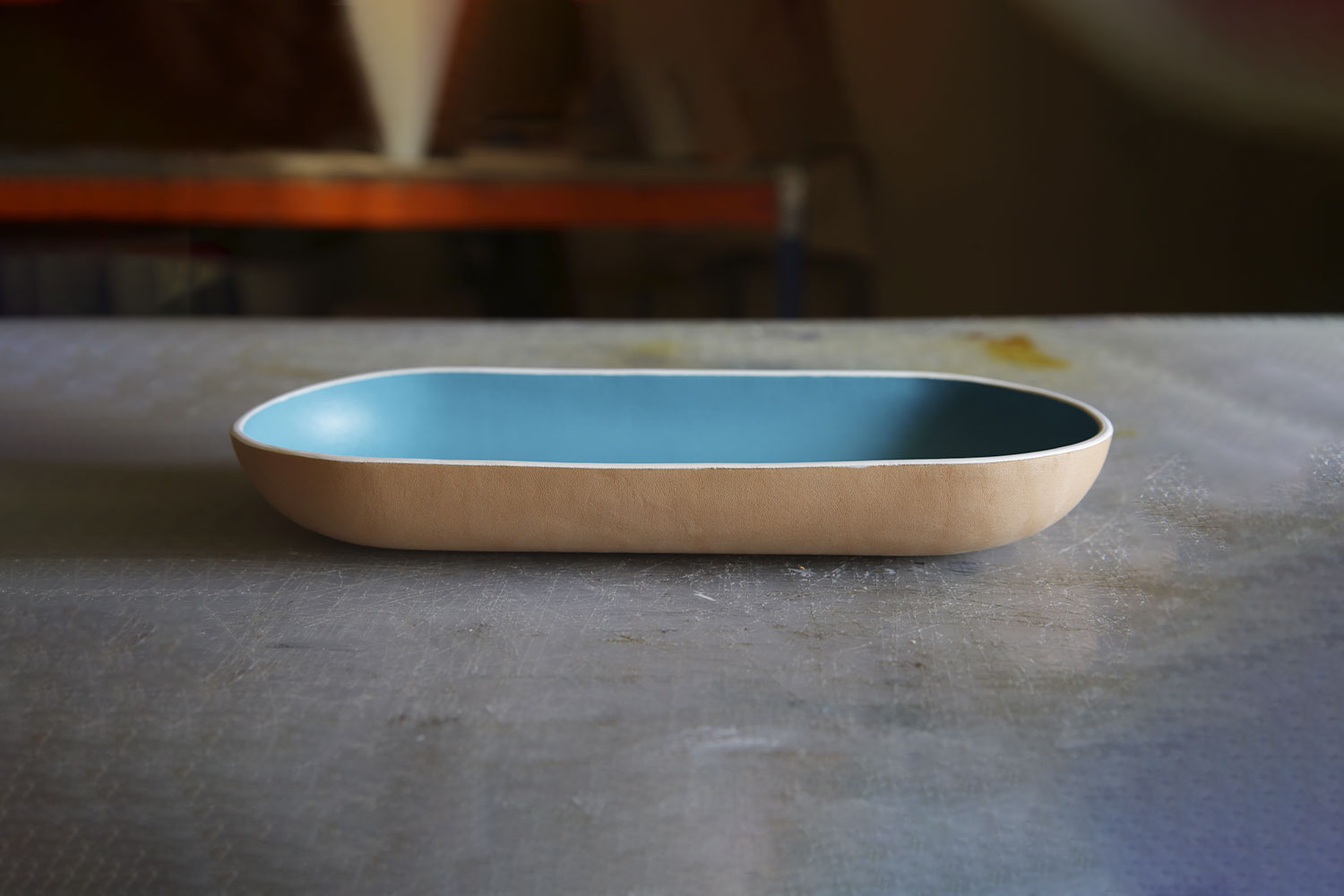
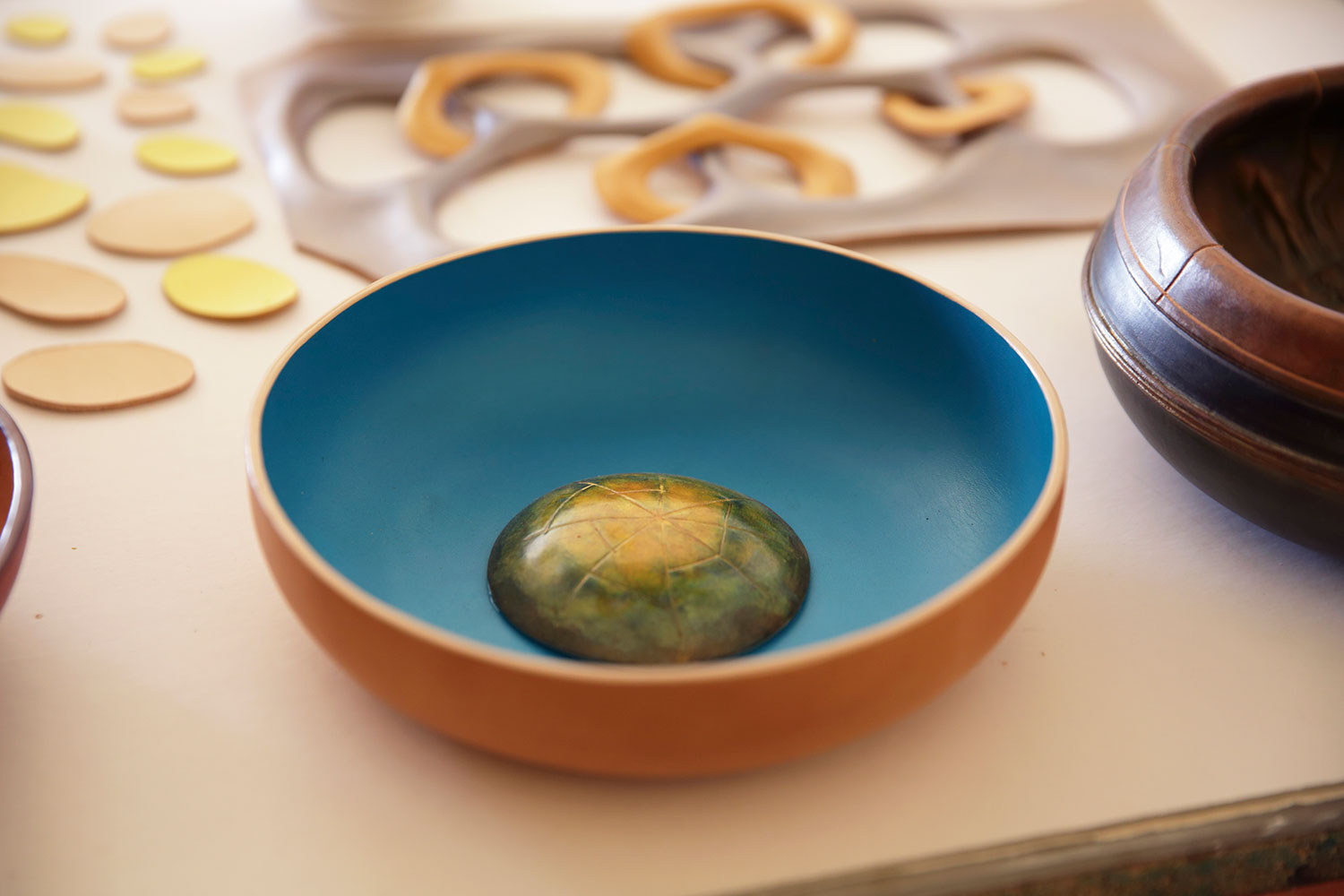
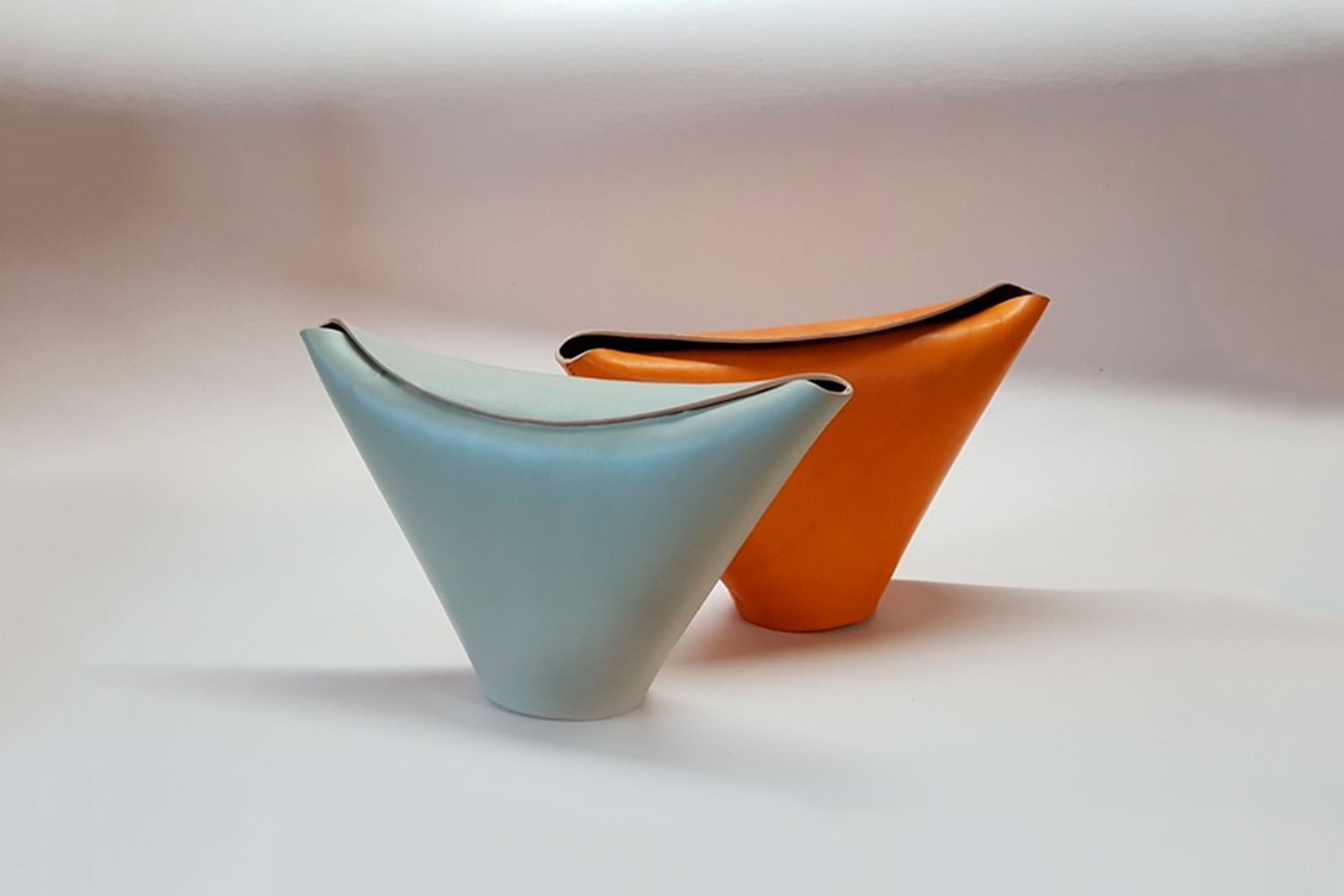
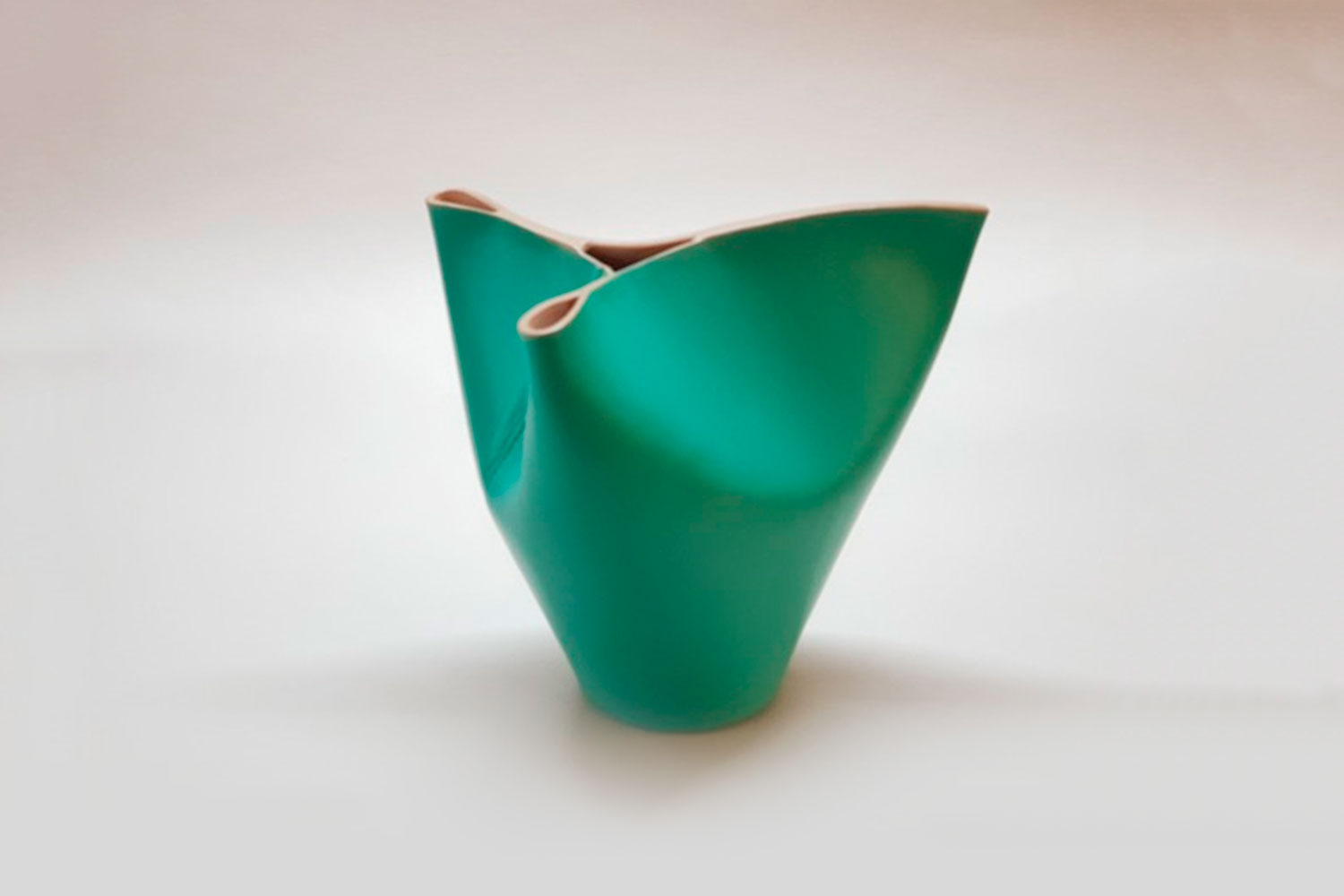
Ahormado, which is a technique that uses moulds and water to create different shapes. It was used in Ubrique to create items such as cigar boxes. It shares much with ceramics and when you see it from a distance, it can even look like ceramics – then you touch it and realise it’s leather.