Alana Marcus
Gem Bug
Lapidarist
Sapphire, Australia
The origins of the heirloom
- Alana hand-sources rough sapphires directly from her property
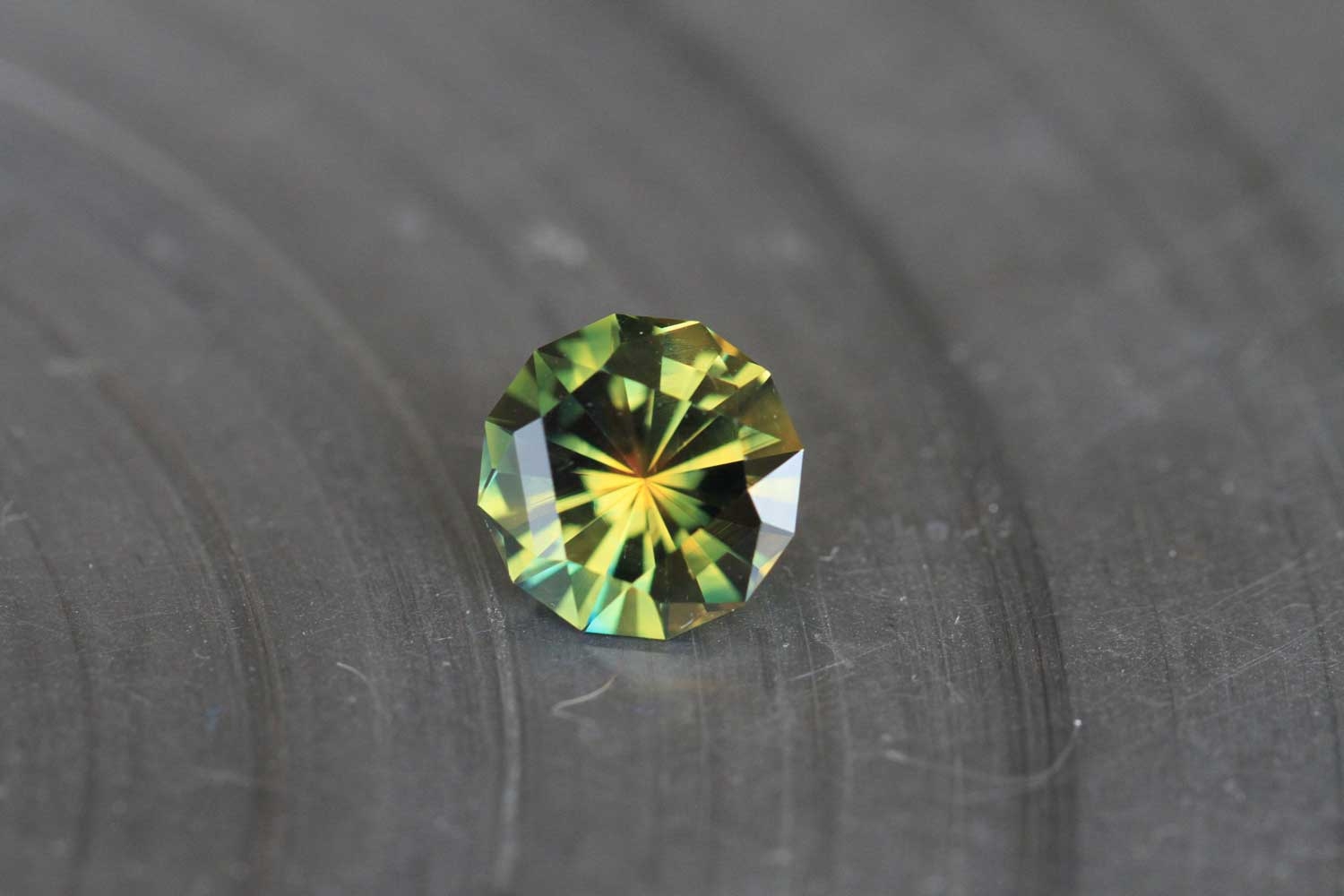
- She cuts them to enhance the natural composition of the stone
- The gems she prepares are used by jewellery makers
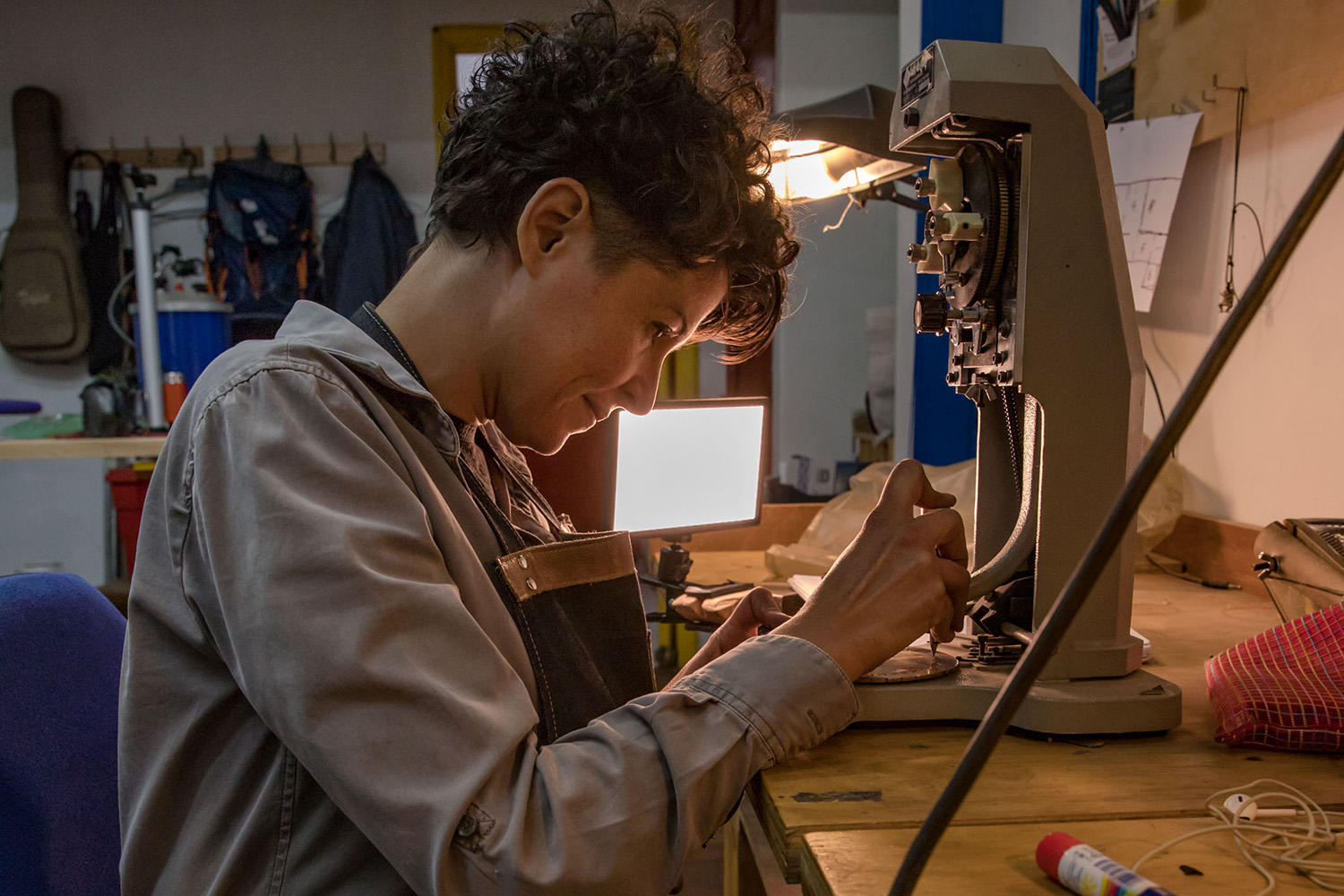
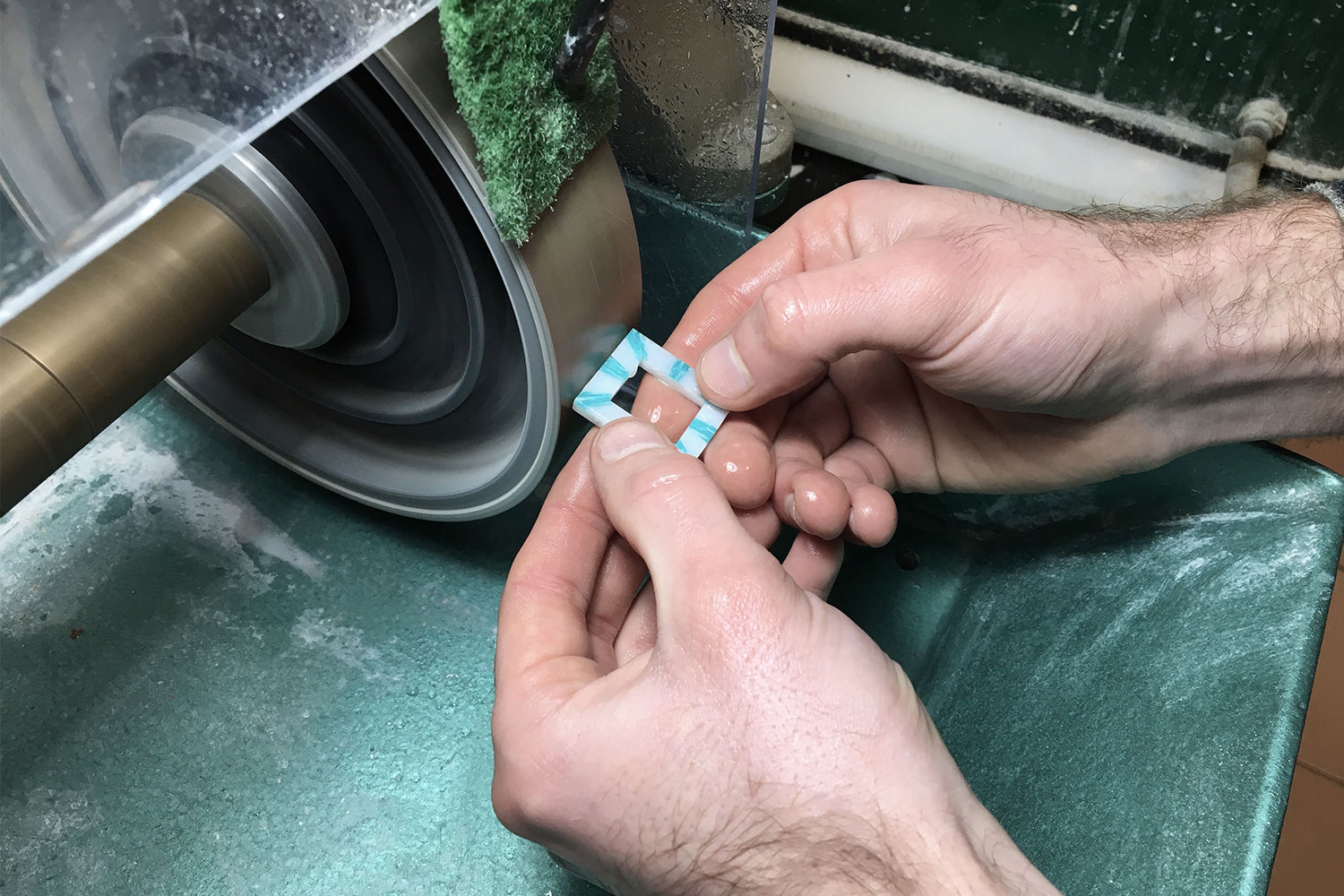
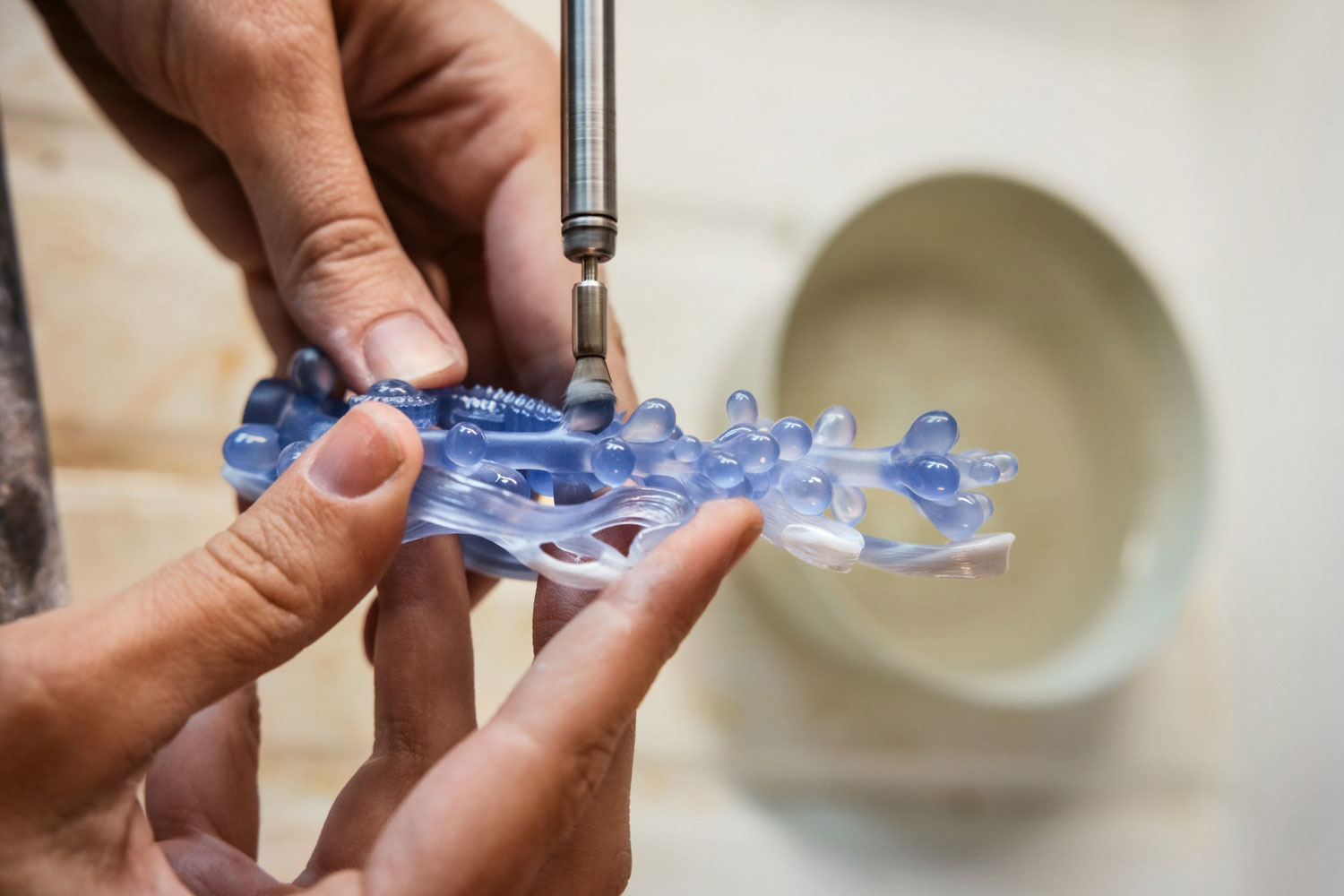
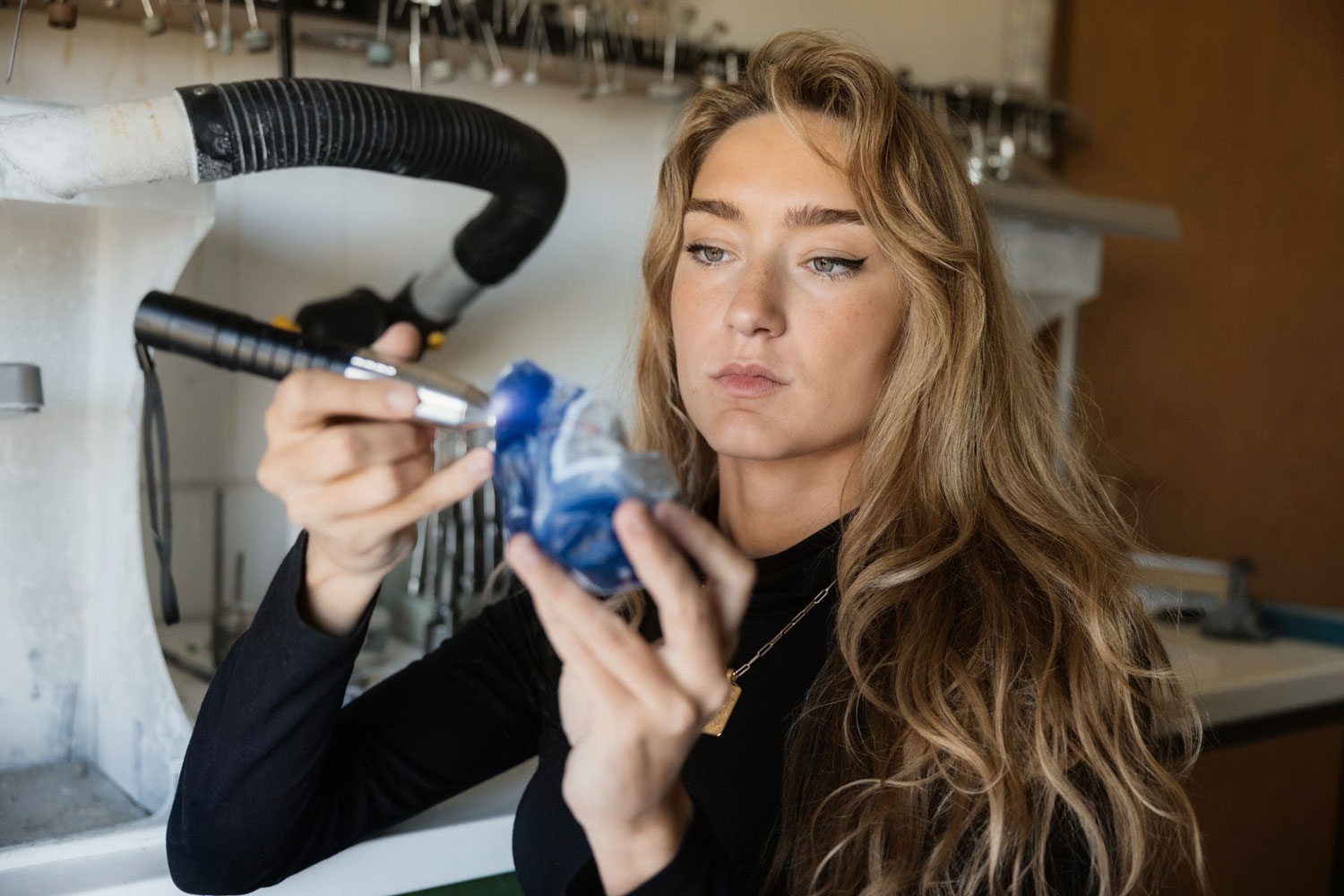
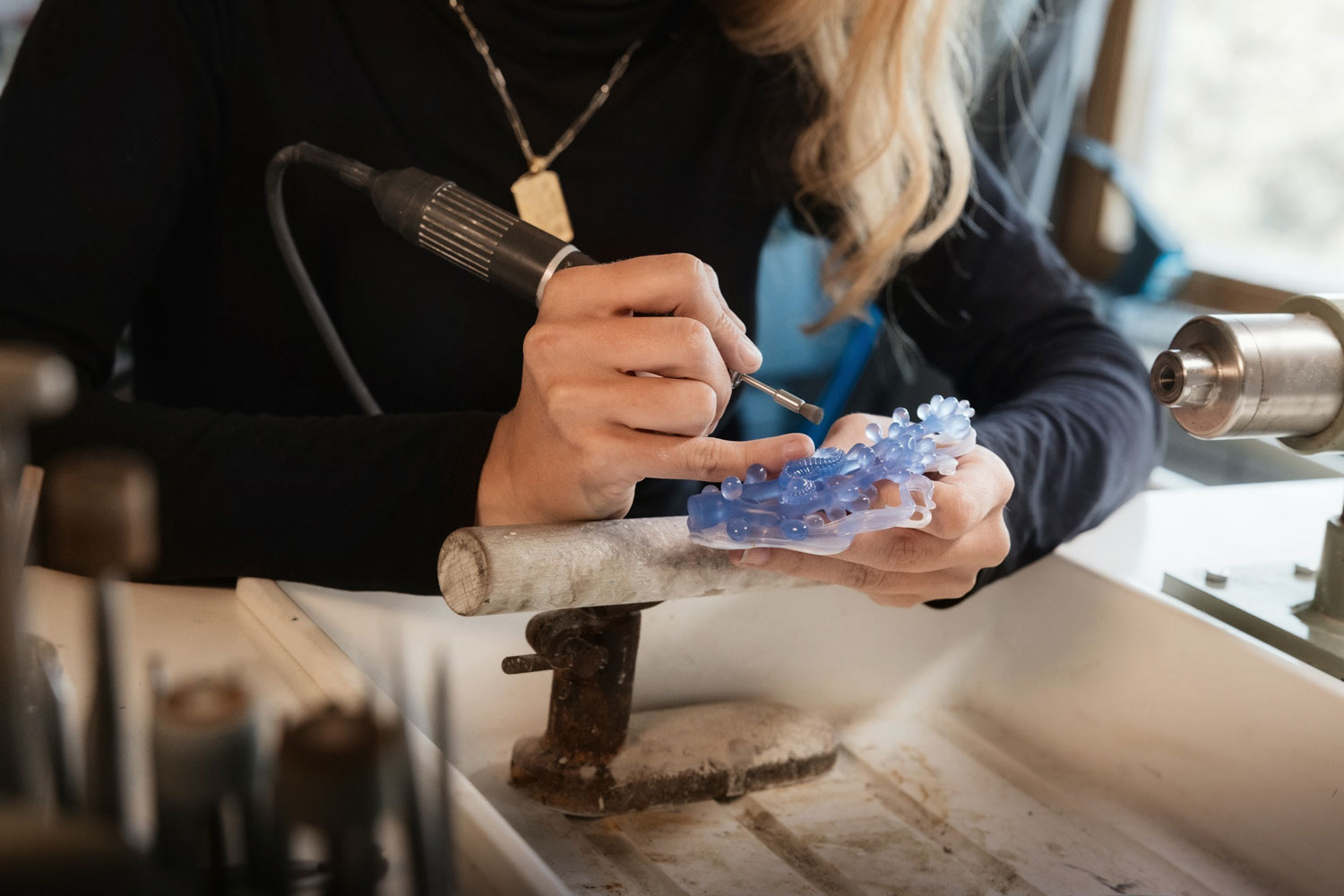
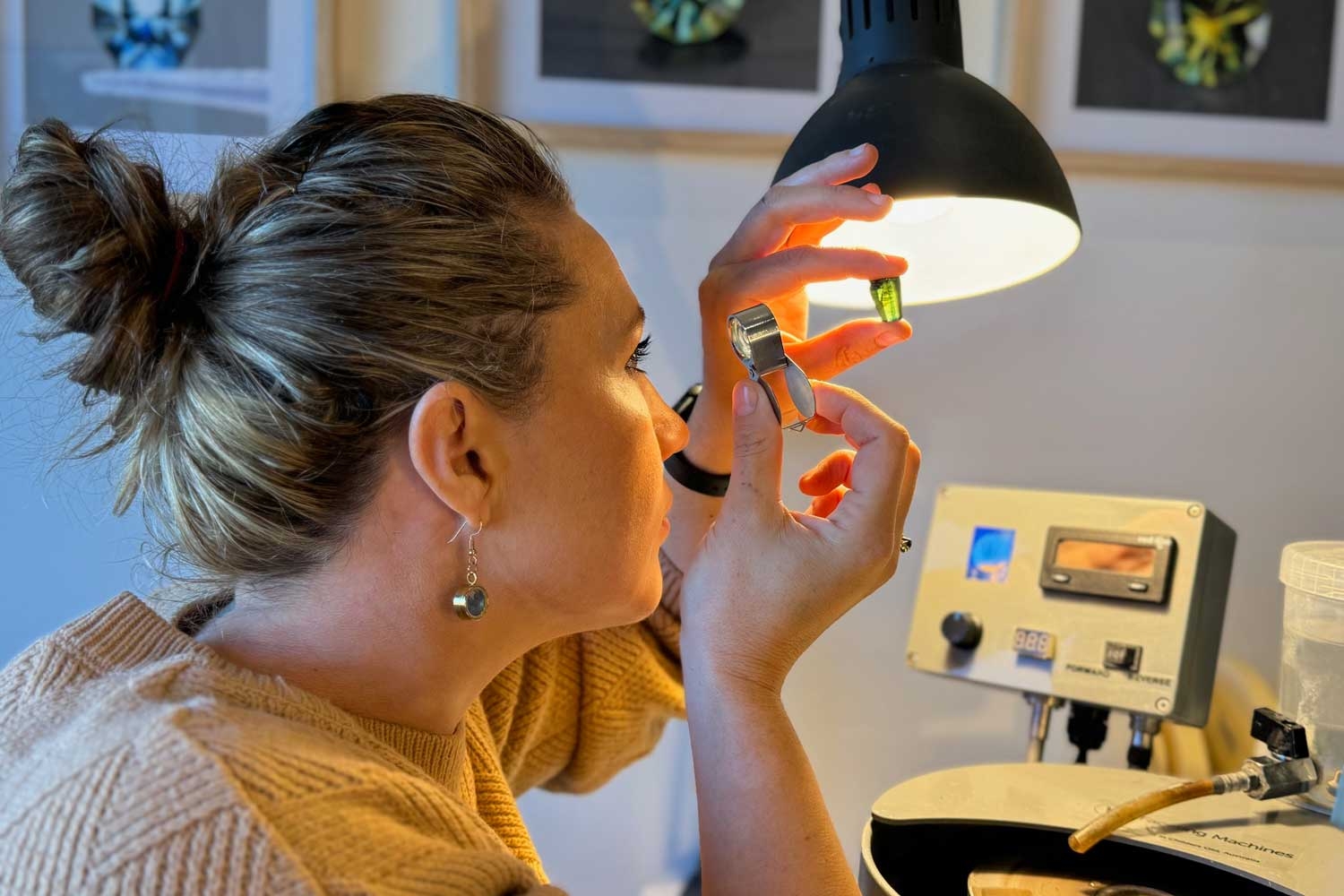
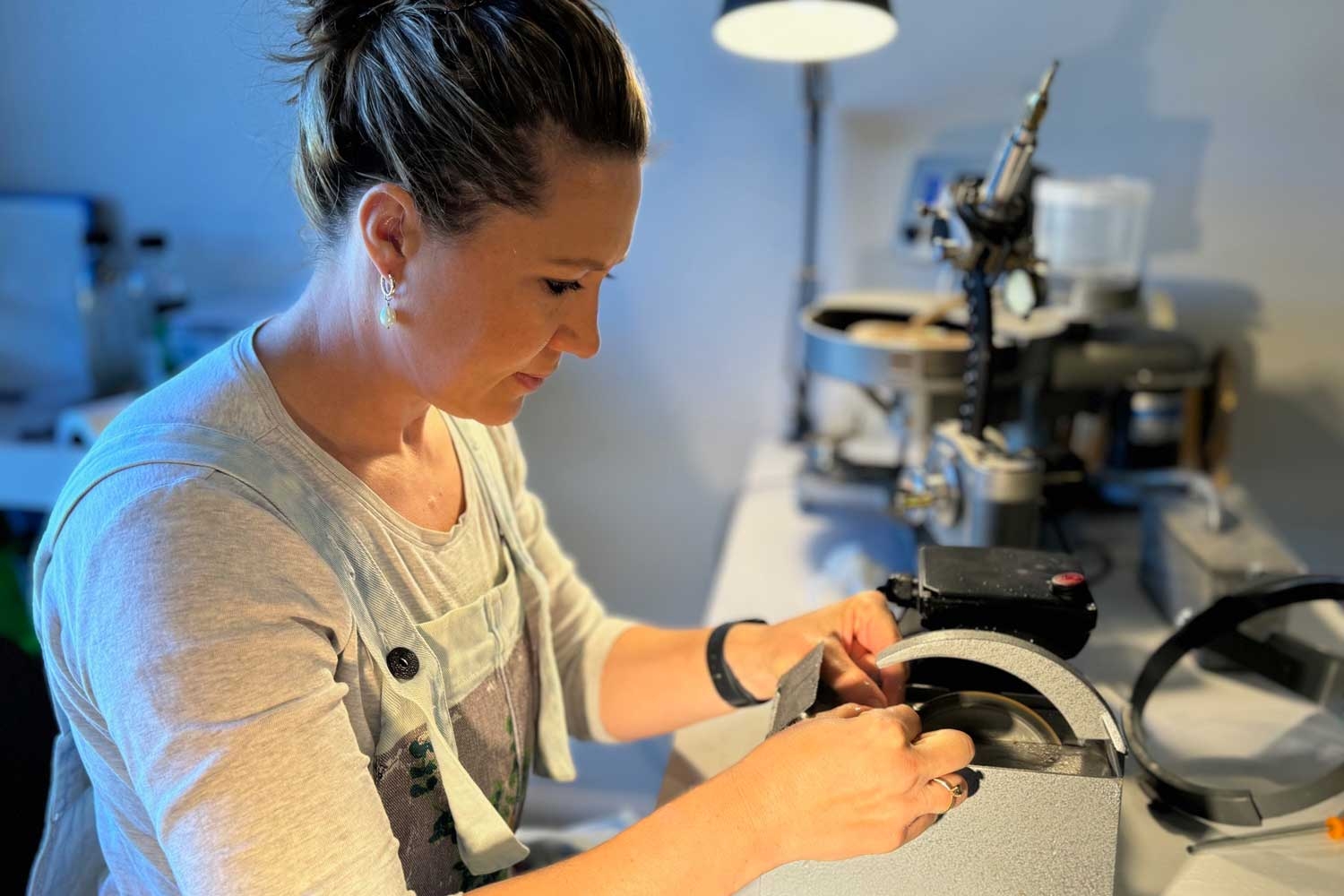
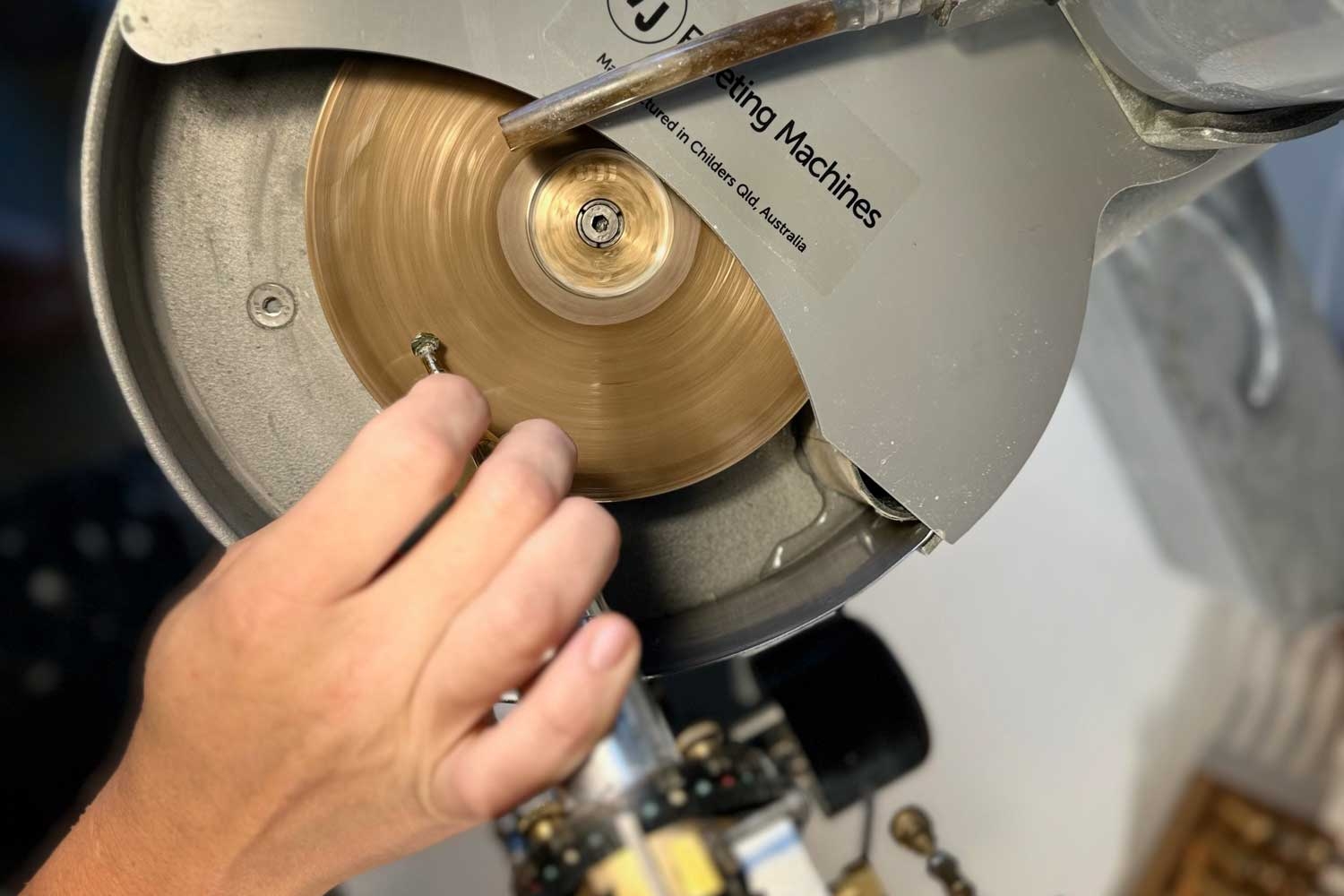
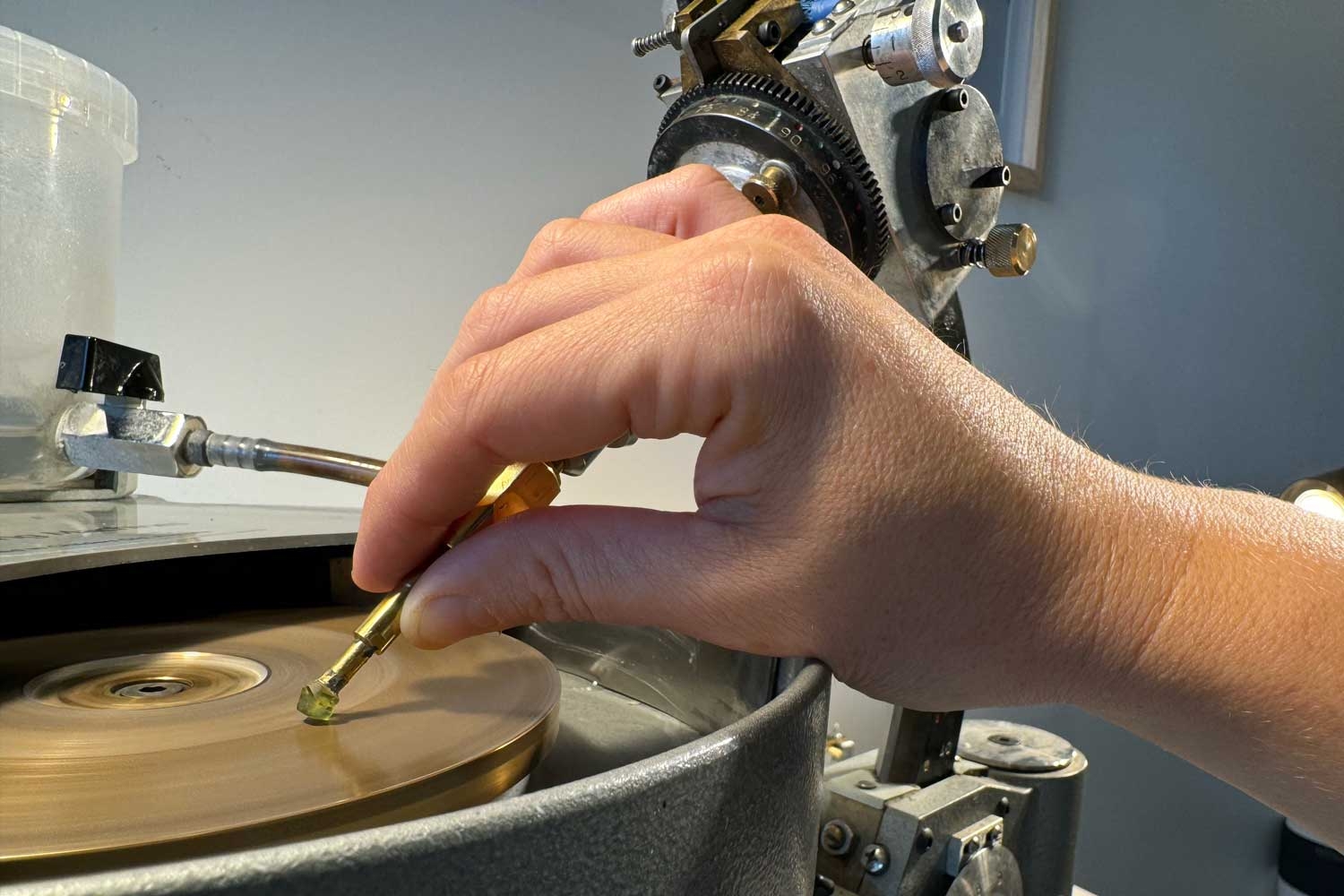
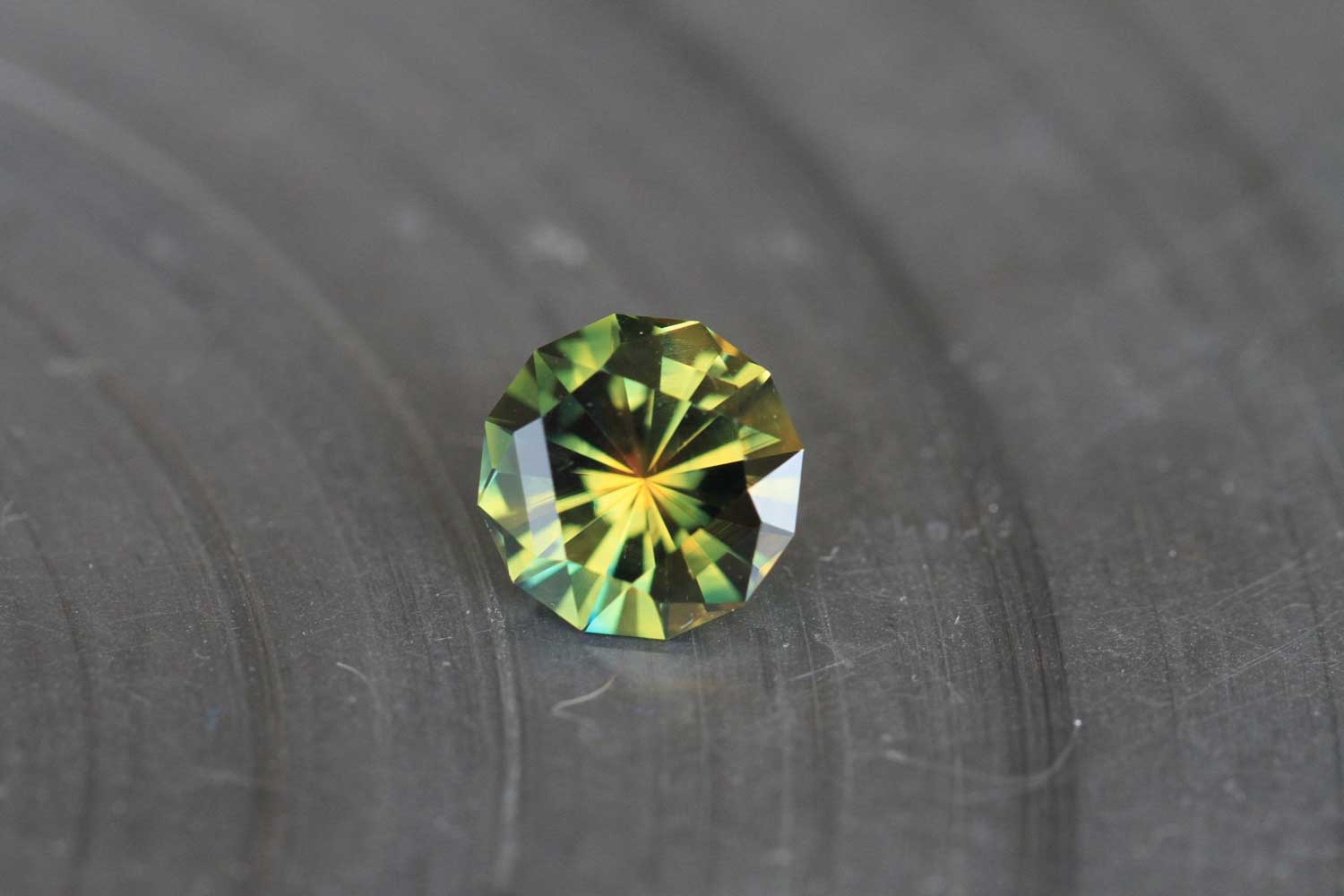
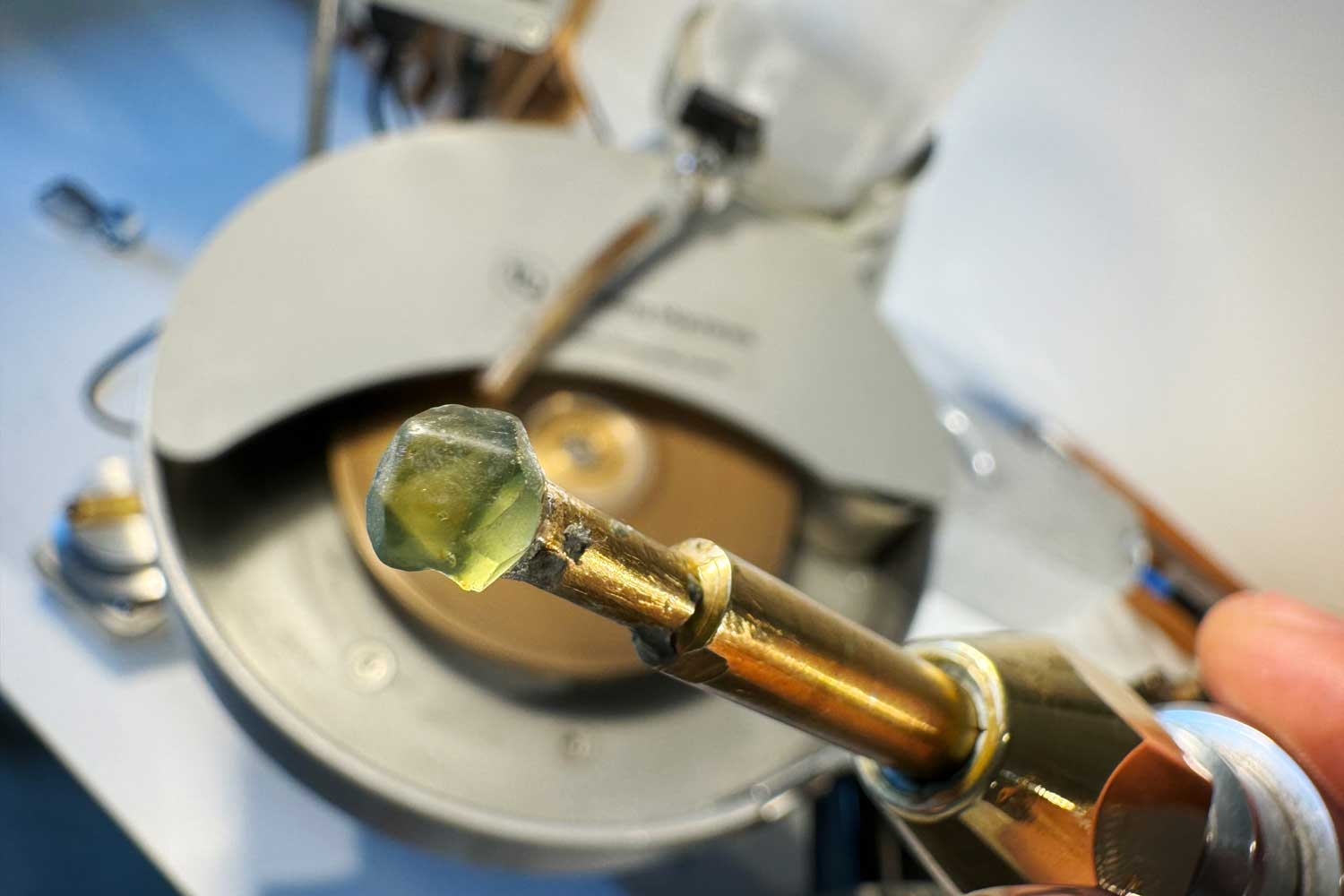
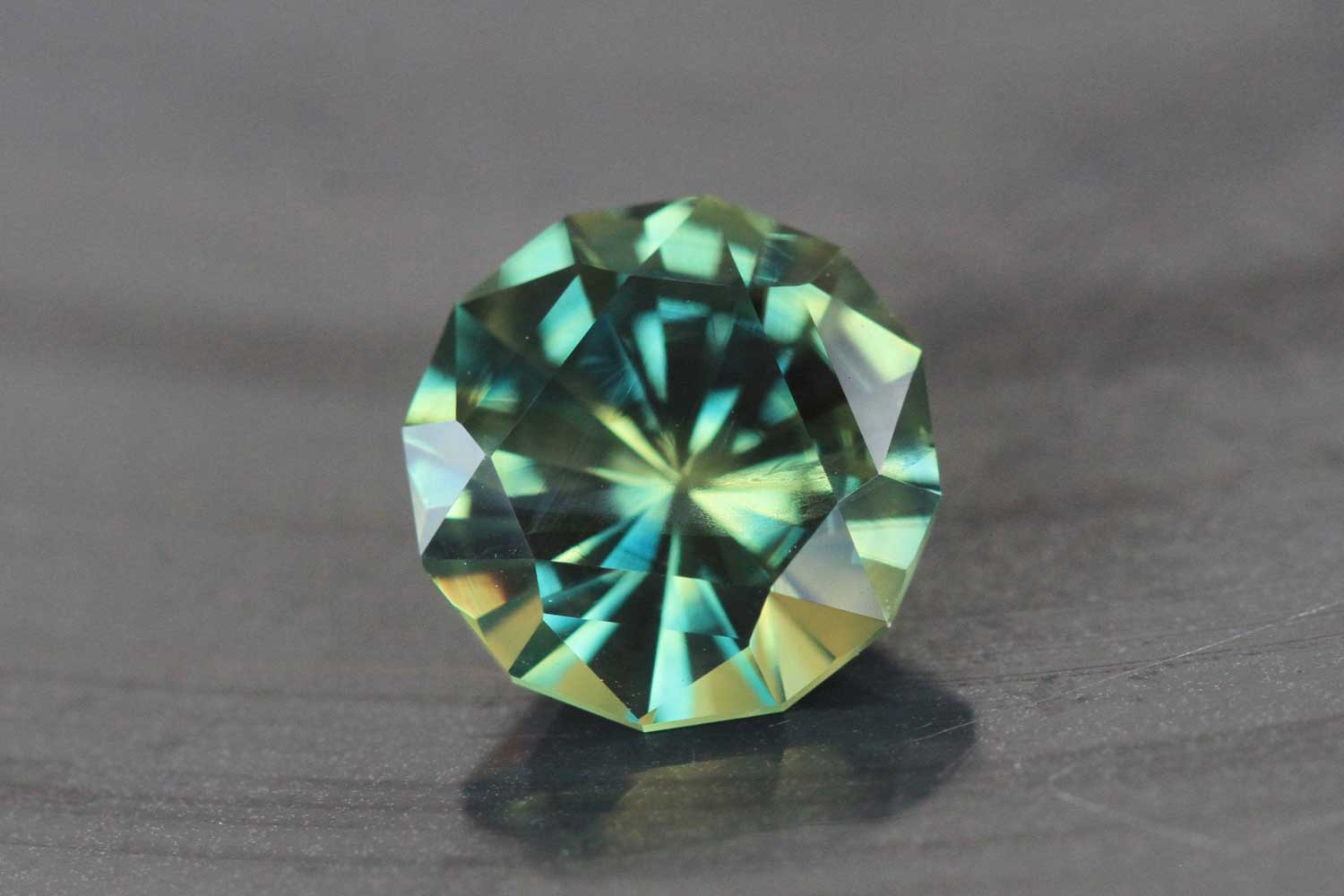
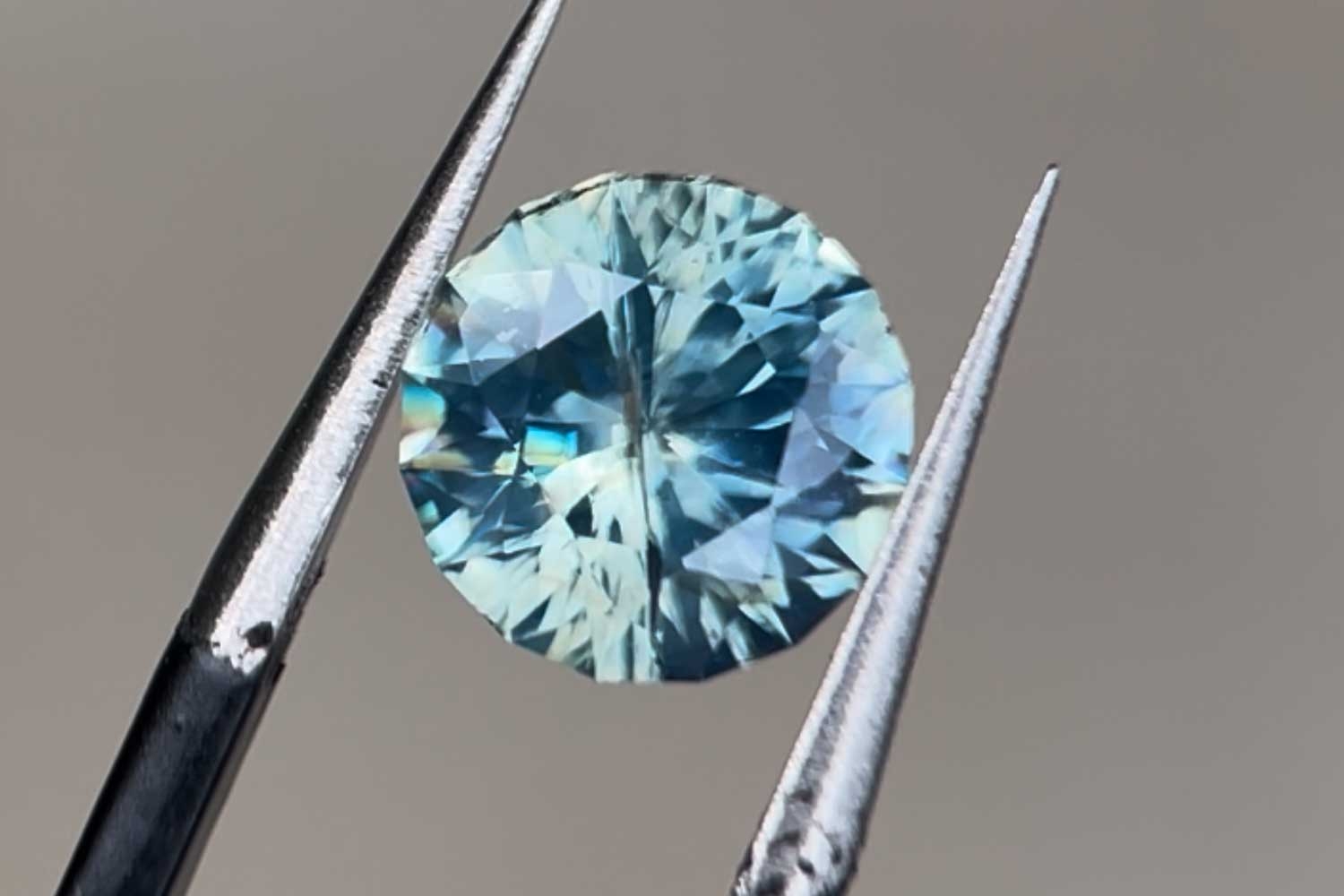
Alana Marcus is a lapidarist artisan who sources sapphires from her remote Australian property in Inverell, New South Wales, known as Sapphire City. She works with a VJ faceting machine. Alana's craft consists in gently enhancing the sapphires, reshaping them to find the best angles – those that will honour the natural hues and composition to increase vibrancy and light return. She is self-taught and works with local jewellers who purchase her custom-cut sapphires. As a member of the Australian Faceting Guild, Alana also passes on her learnings and techniques informally. "I have connected with clients who, like me, respect sapphires in their natural state," she says.


INTERVIEW
I met a master cutter on my first fossicking trip while travelling around Australia in a caravan. I was fascinated, and immediately knew I wanted to learn how to facet sapphires. I purchased my first machine and taught myself through books, videos, and discussions with other gem cutters.
A lot of trial and error! I connected with a few master cutters, asked questions and refined my techniques. Cutting sapphires is complex due to their dichroic nature, which means the colour can vary depending on the angle the stone is viewed from. I am still learning every time I facet a sapphire.
After assessing a piece of rough sapphire for its gem quality, I preform the sapphire to remove any cracks or inclusions. Then I re-assess the stone to determine the best shape or design for faceting. A lot of thought goes into measuring the rough and calculating the best shape.
Yes, starting a business that only works with natural sapphires that have not undergone any treatment. An incredibly high proportion of sapphires on the market have undergone some treatment, mostly heating, to alter their appearance.
Alana Marcus
Gem Bug
Lapidarist
Sapphire, Australia
ADDRESS
Address upon request, Sapphire, Australia
AVAILABILITY
By appointment only
PHONE
+61 413379744
LANGUAGES
English
Homo Faber Finds is a new service aiming to inspire admirers of craft to connect and collaborate with exceptional artisans.
We invite you to submit an enquiry here.