Inspired by her city
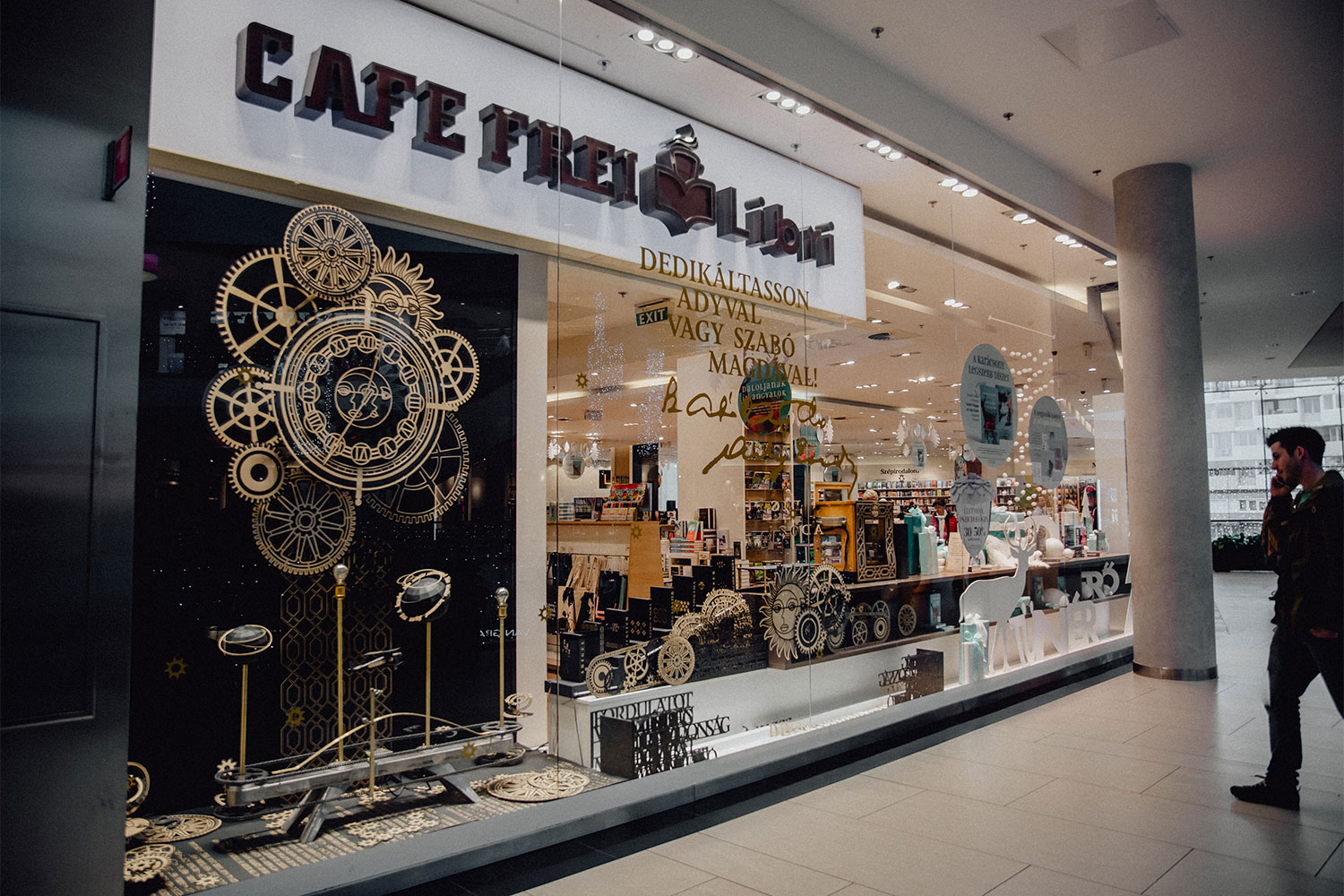
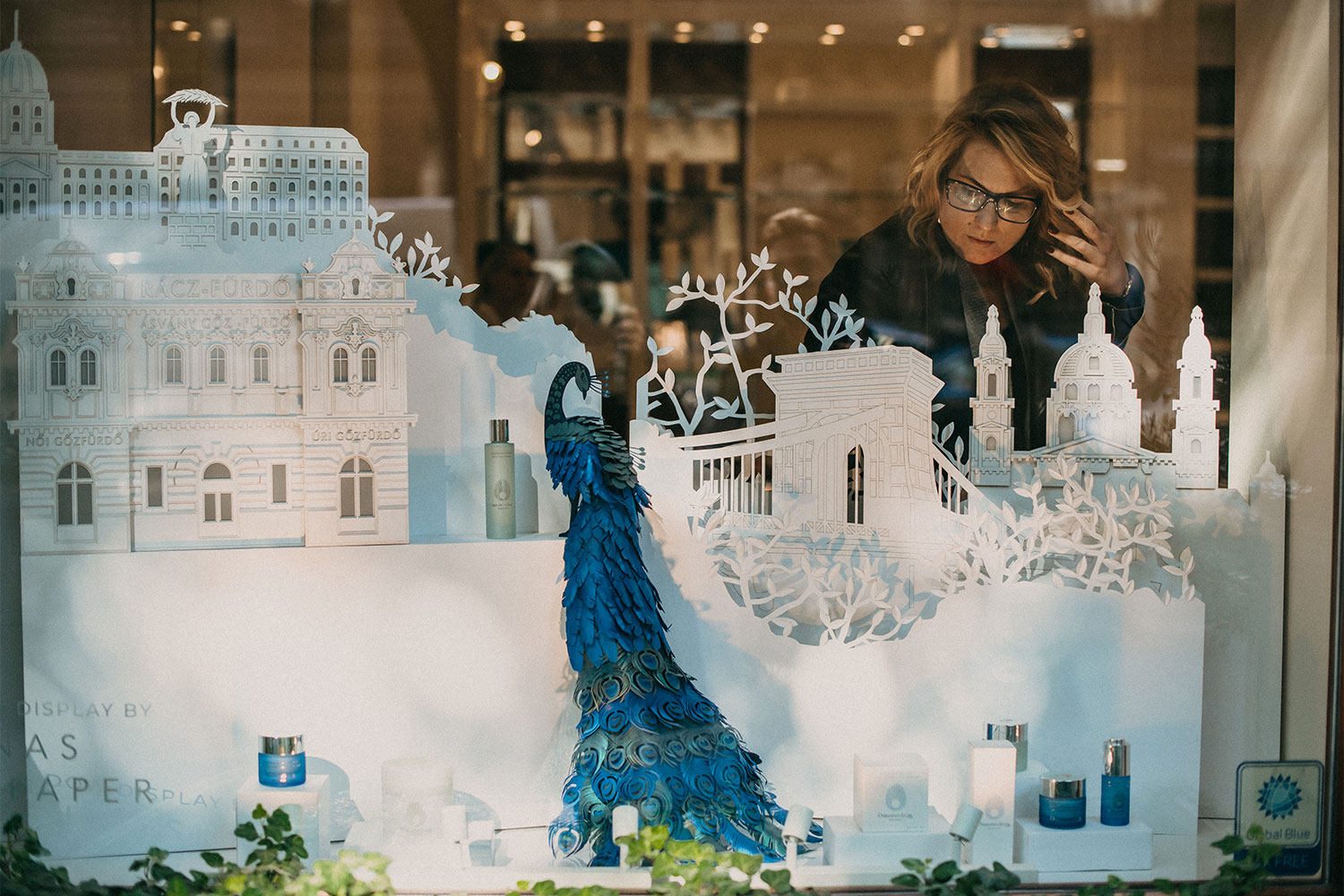
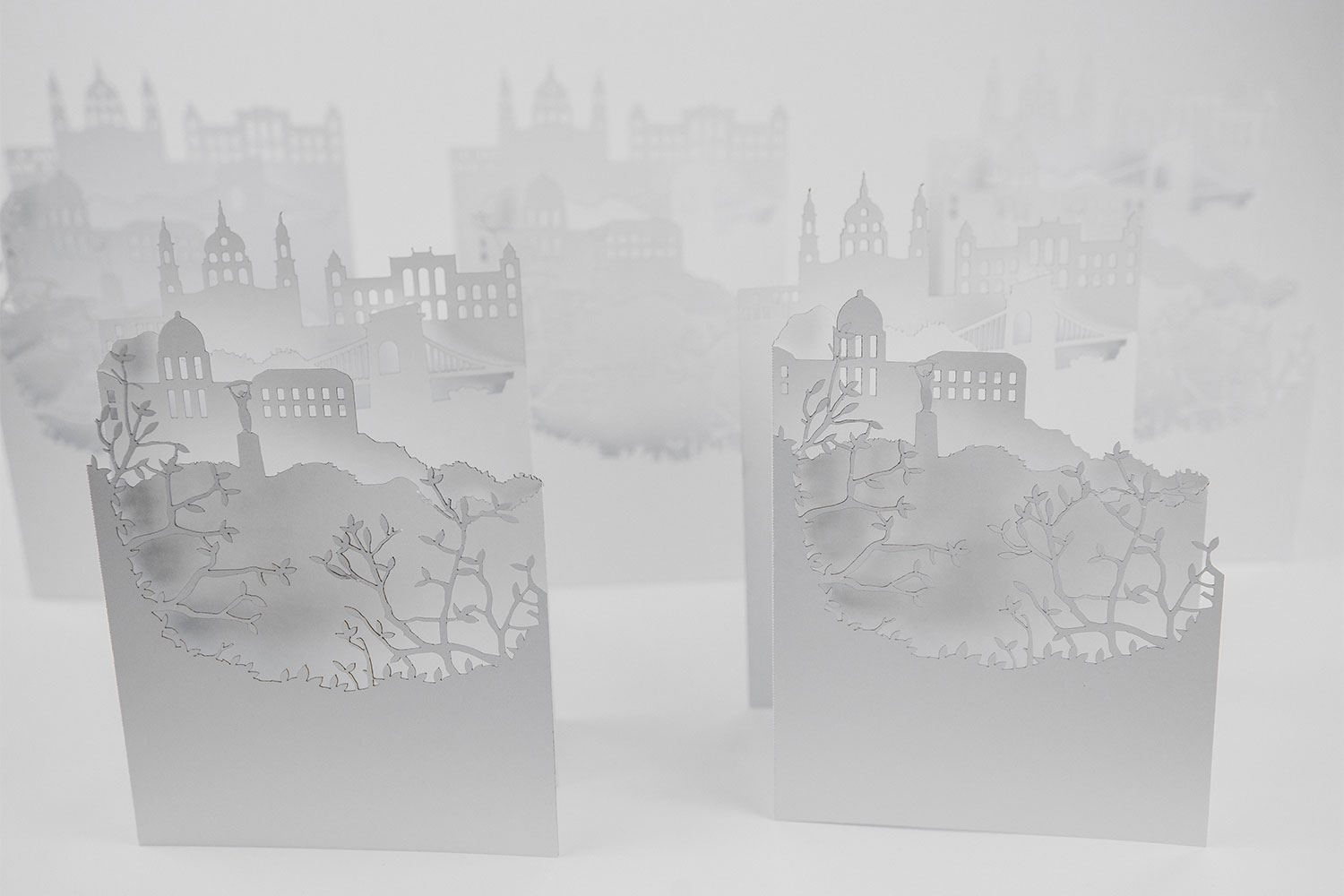
- Edina often includes Budapest’s landmarks in her designs
- Her studio, Edinas Paper, completed more than 300 projects in five years
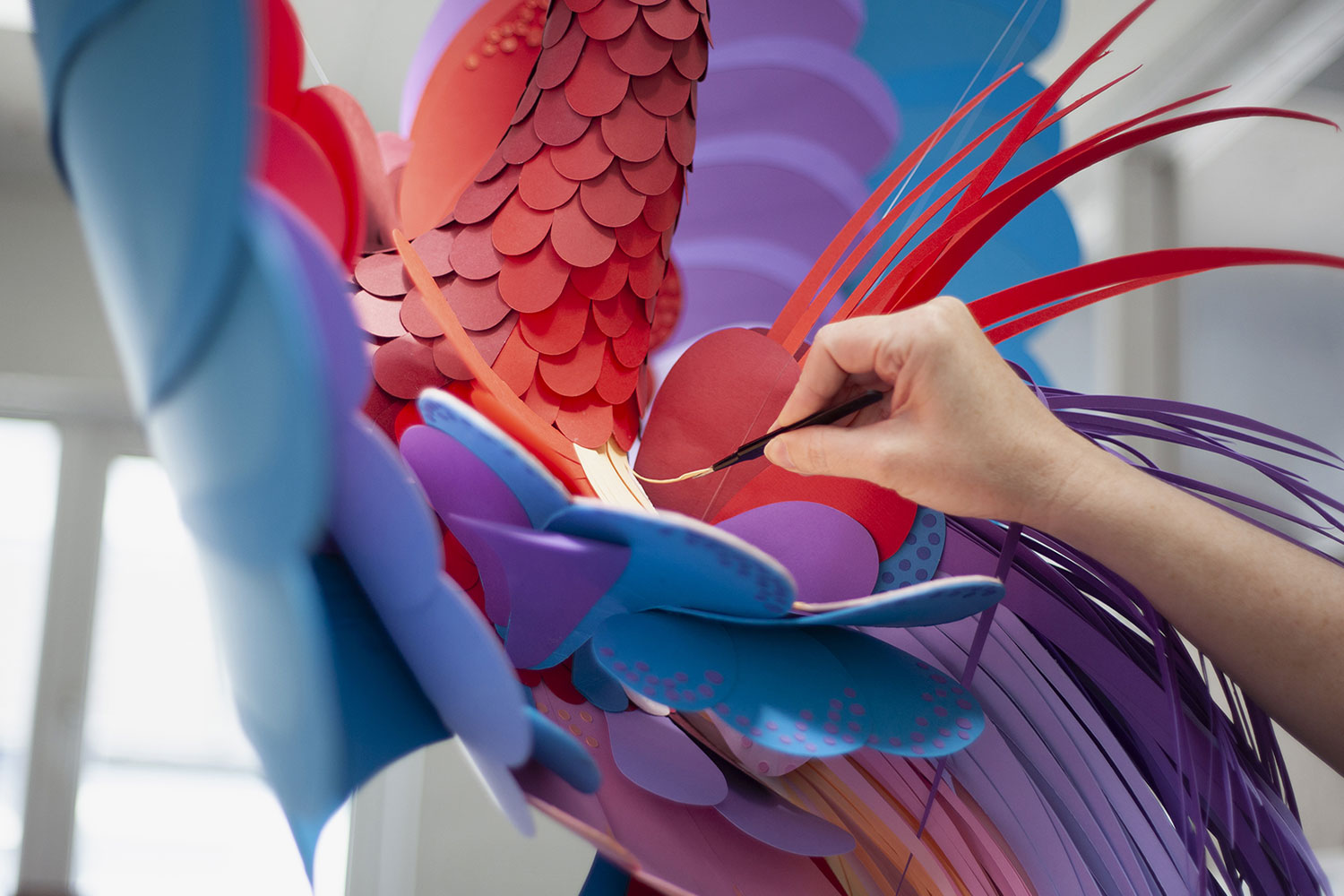
- Her main strength is making 2D sheets of paper into 3D sculptures
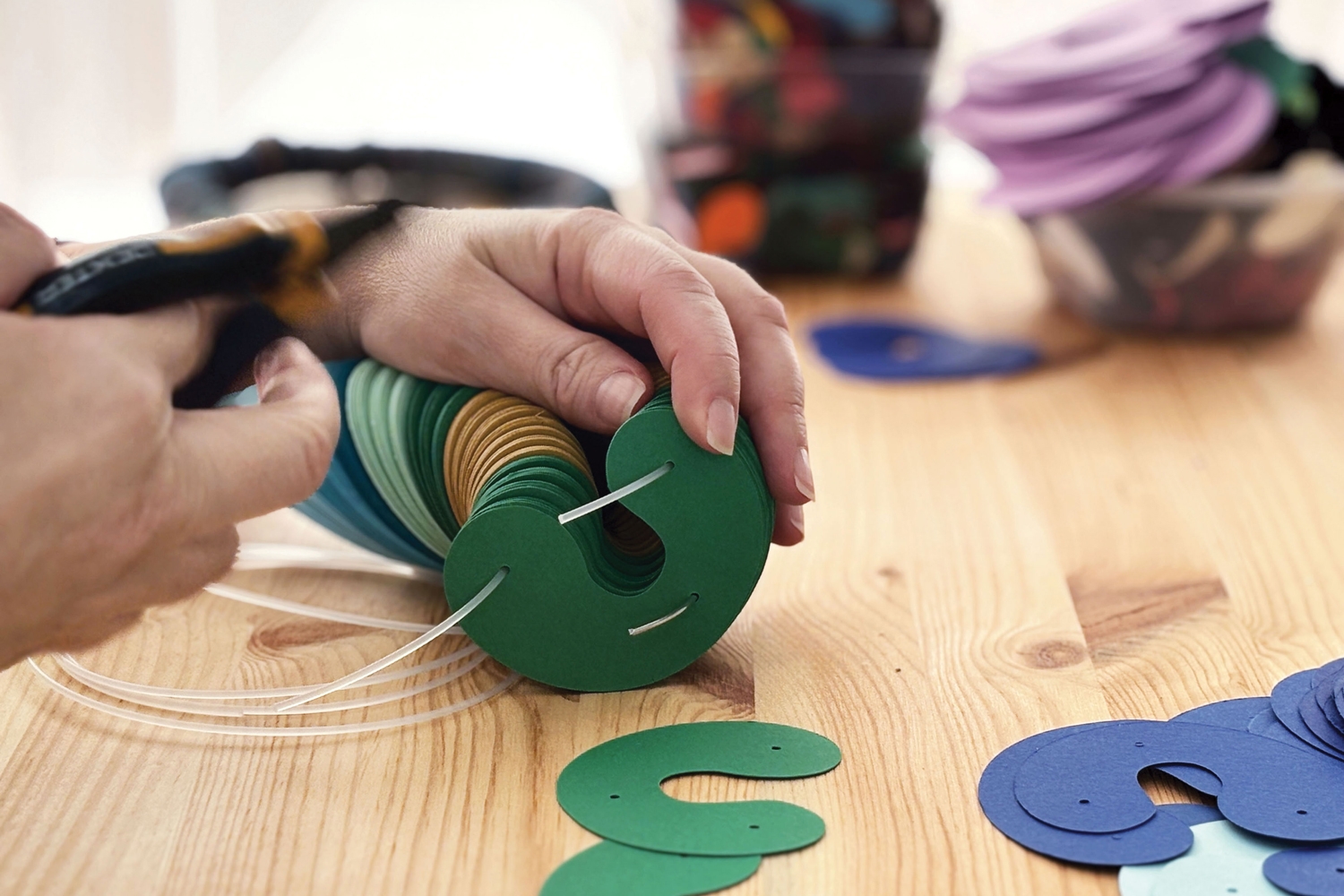
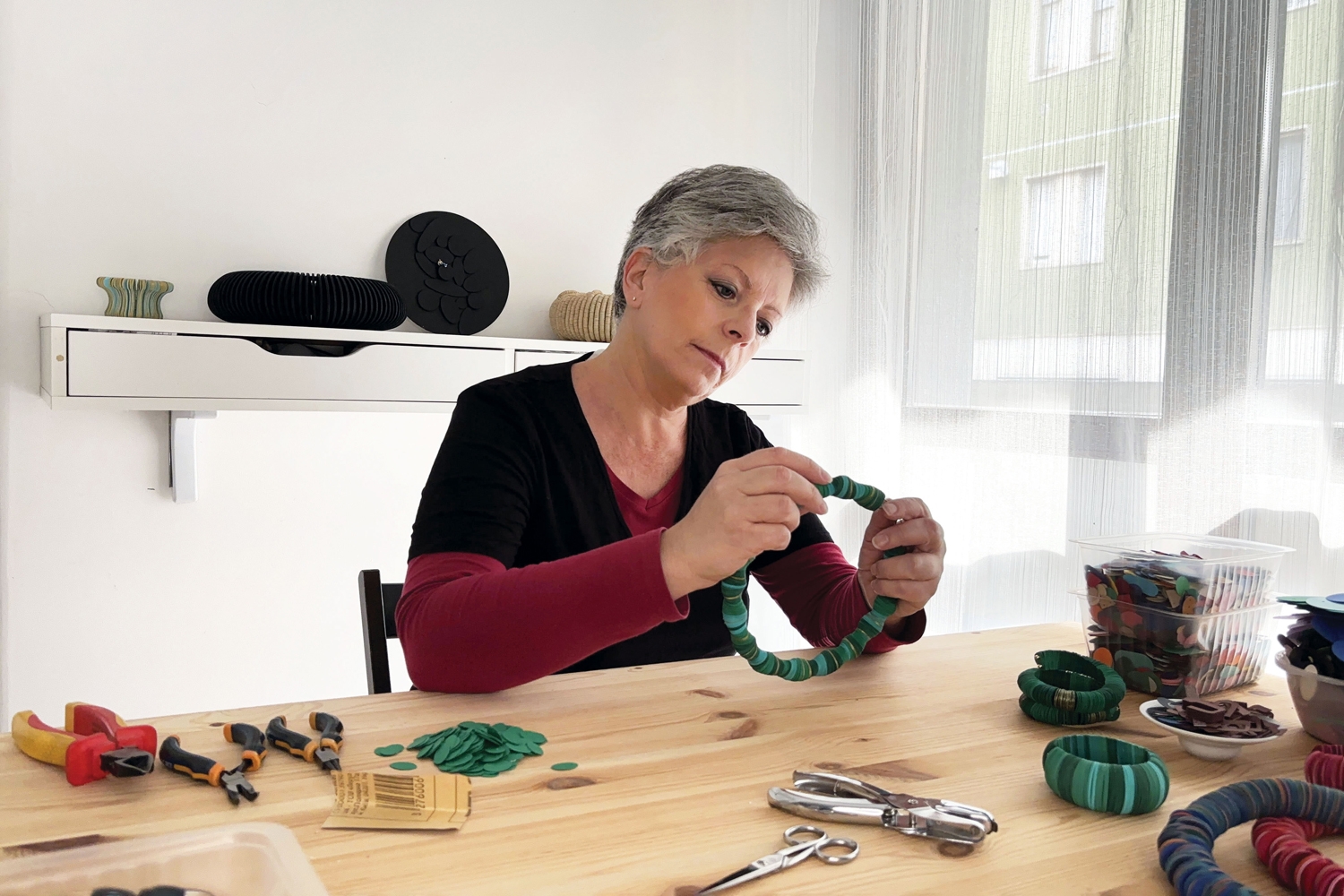
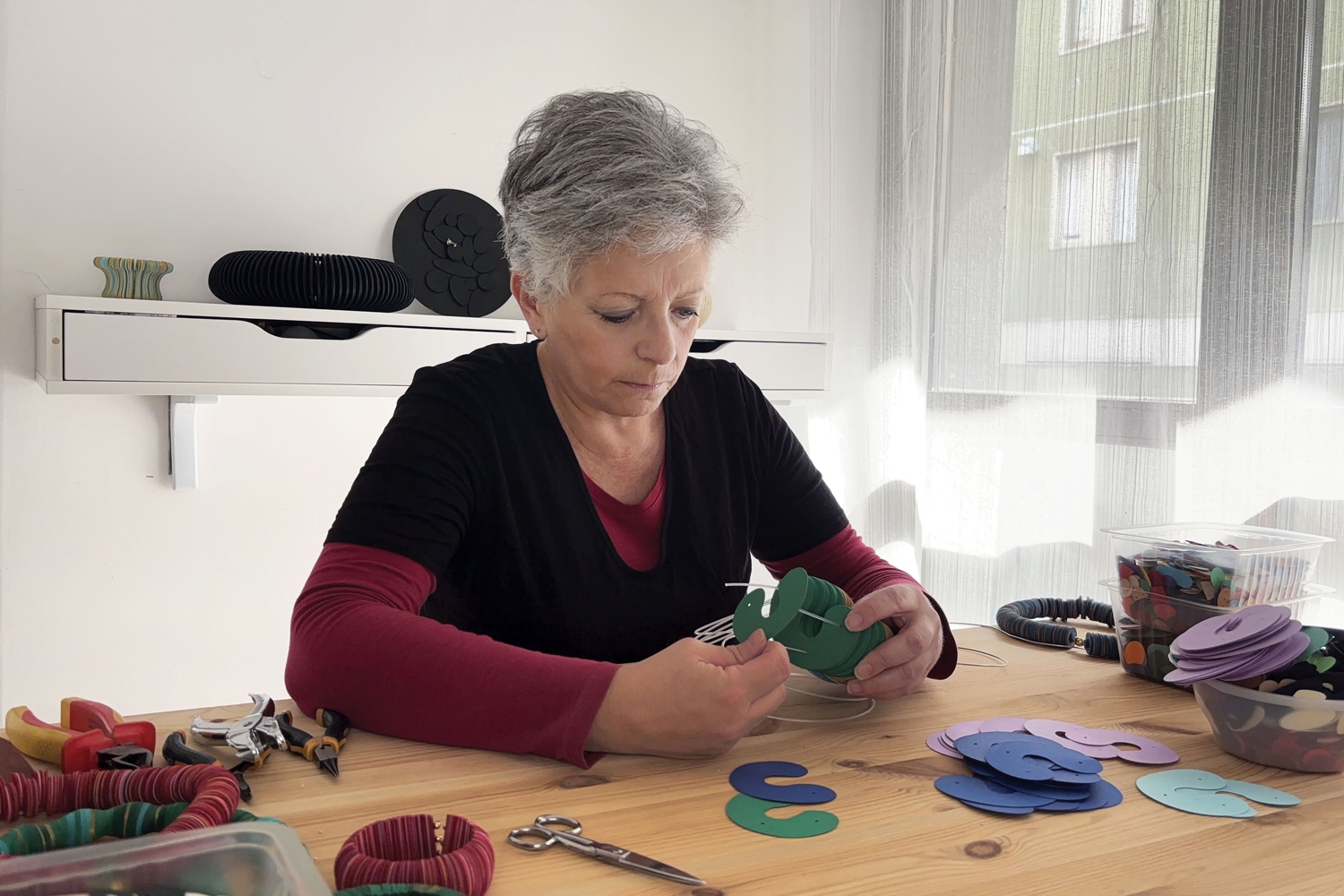
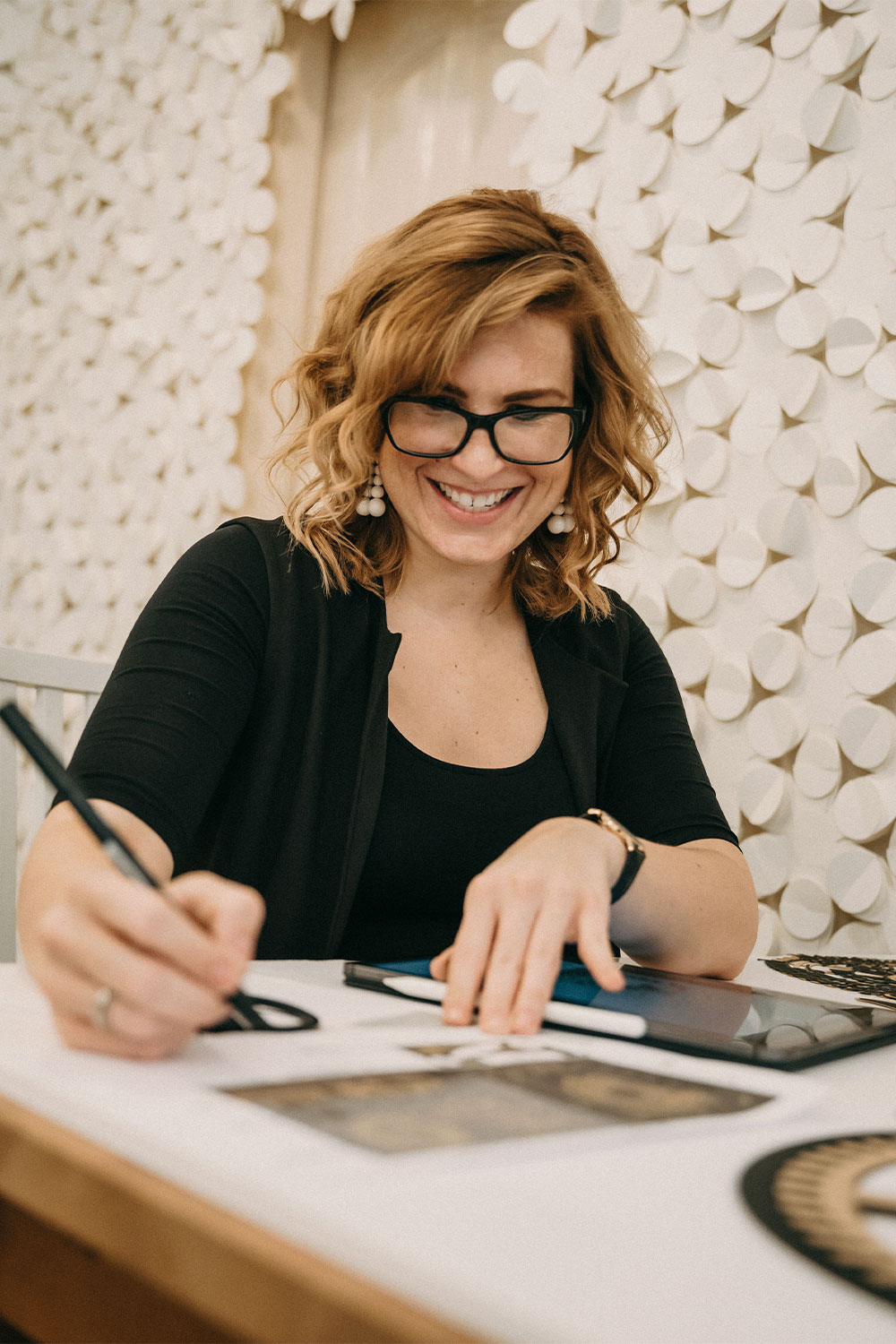
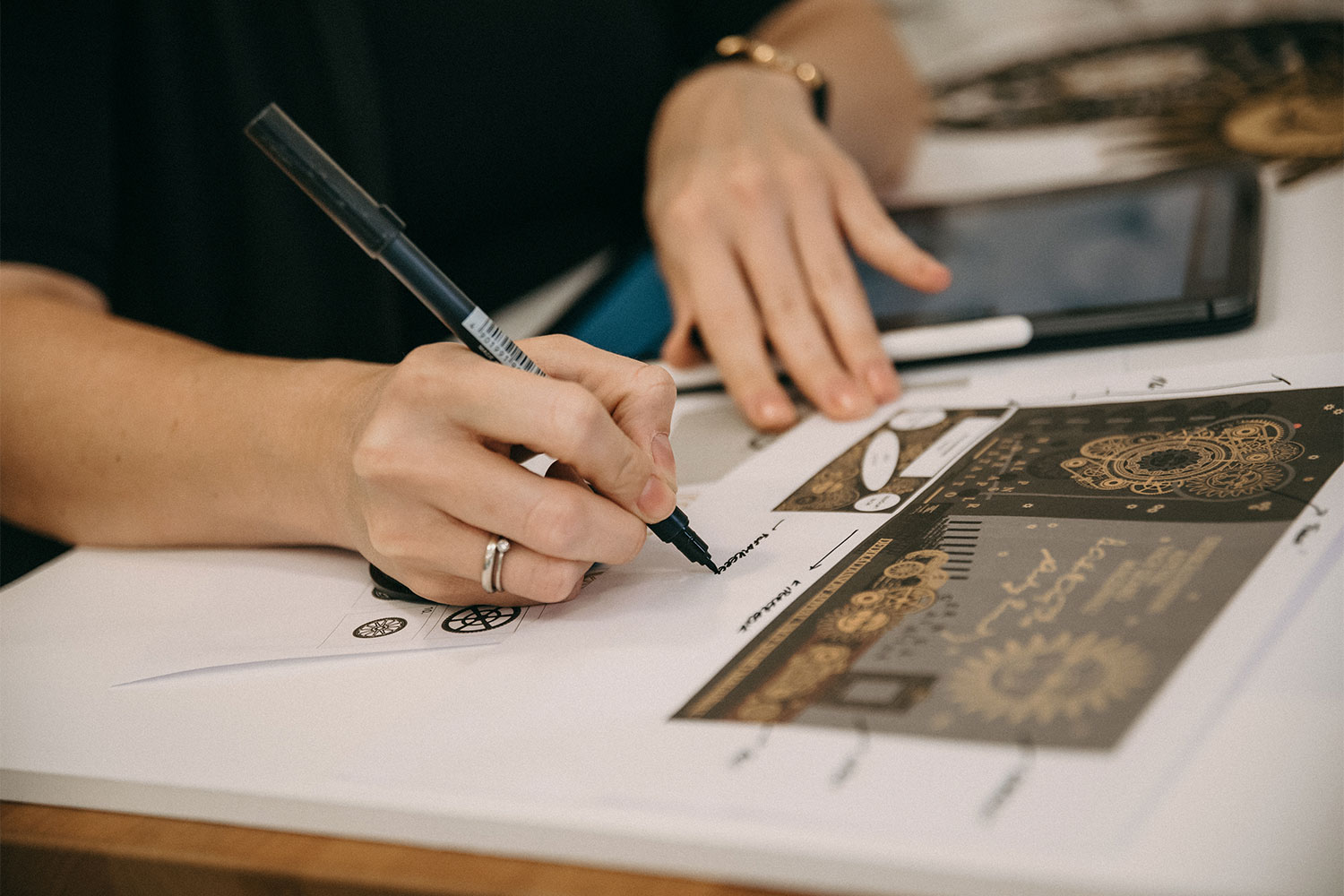
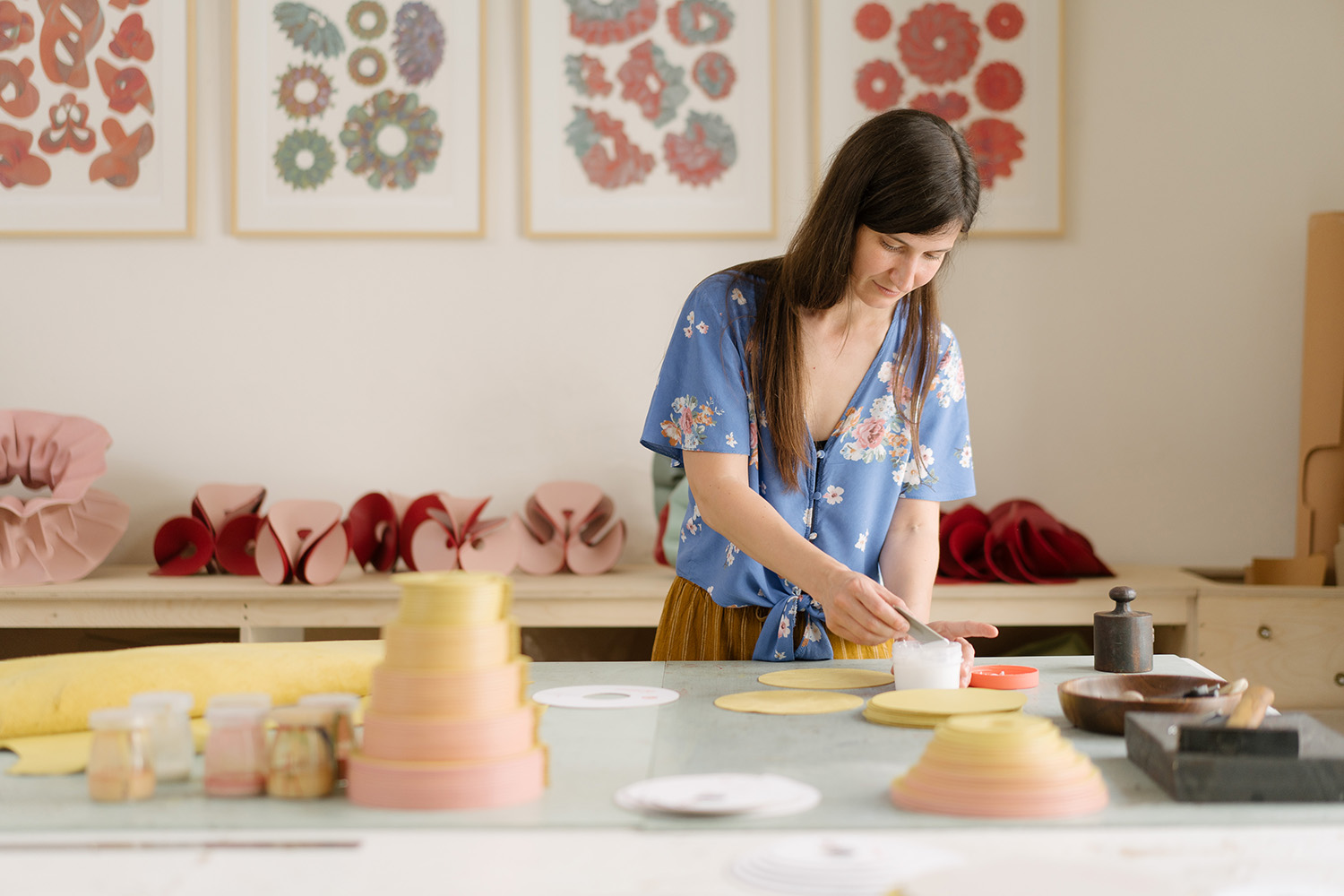
Edina Németh's preference for paper as a medium started at the Rietveld Academy in Amsterdam, where she studied interior design. “It was an unconscious choice. Somehow it never ceased to fascinate me how paper can be so delicate and strong at the same time,” she explains. After graduation, she moved back to Hungary during the recession in 2009, and her career shifted towards marketing as “there were no jobs in architecture at that time”. Her four-year experience collaborating with different agencies was a valuable learning curve. However, she soon felt the urge to create with her hands. In 2016, she opened her workshop, Edinas Paper, and since then she has collaborated with well known brands including Samsung, Coca-Cola, Unilever and many others.
Discover her work
INTERVIEW
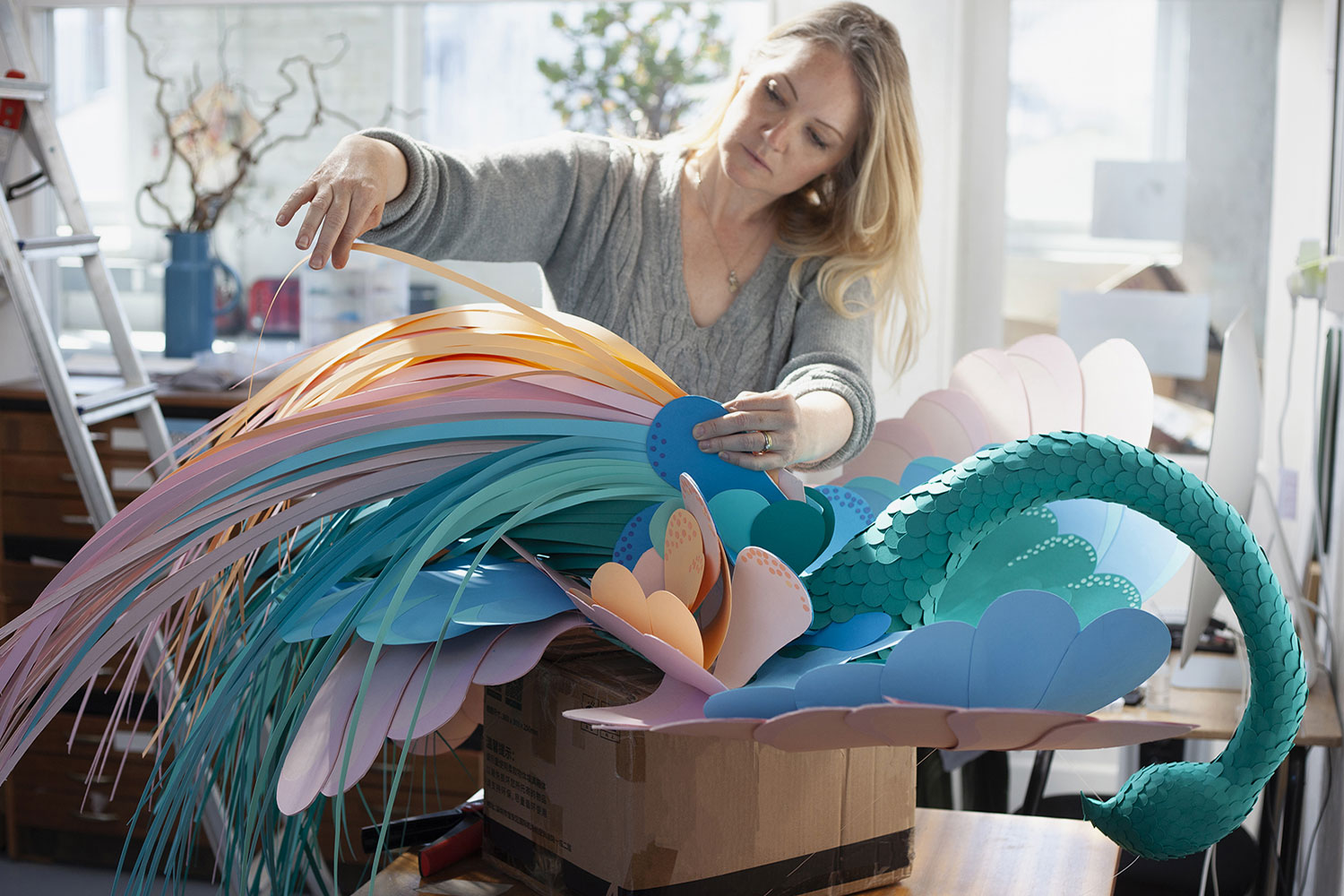
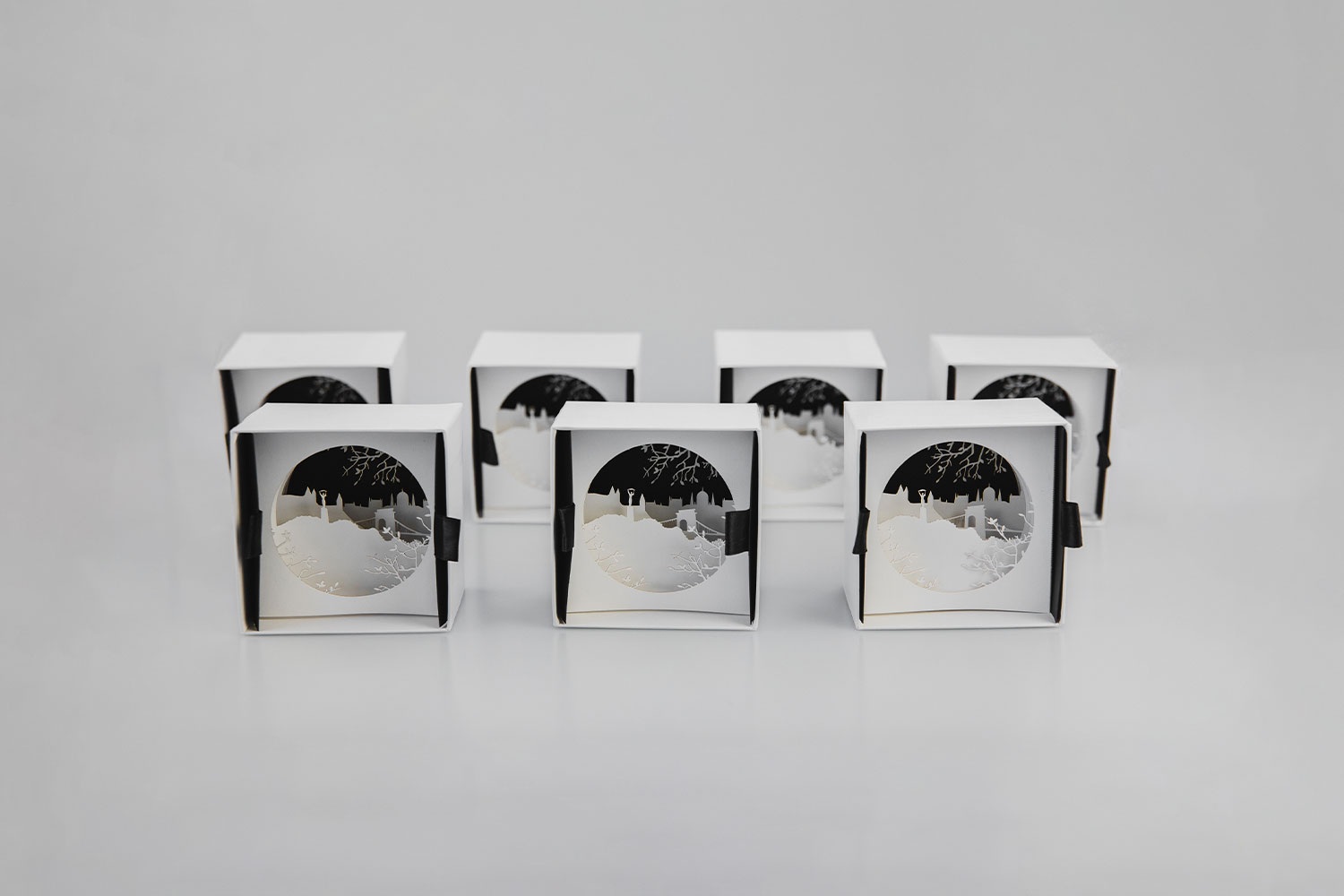
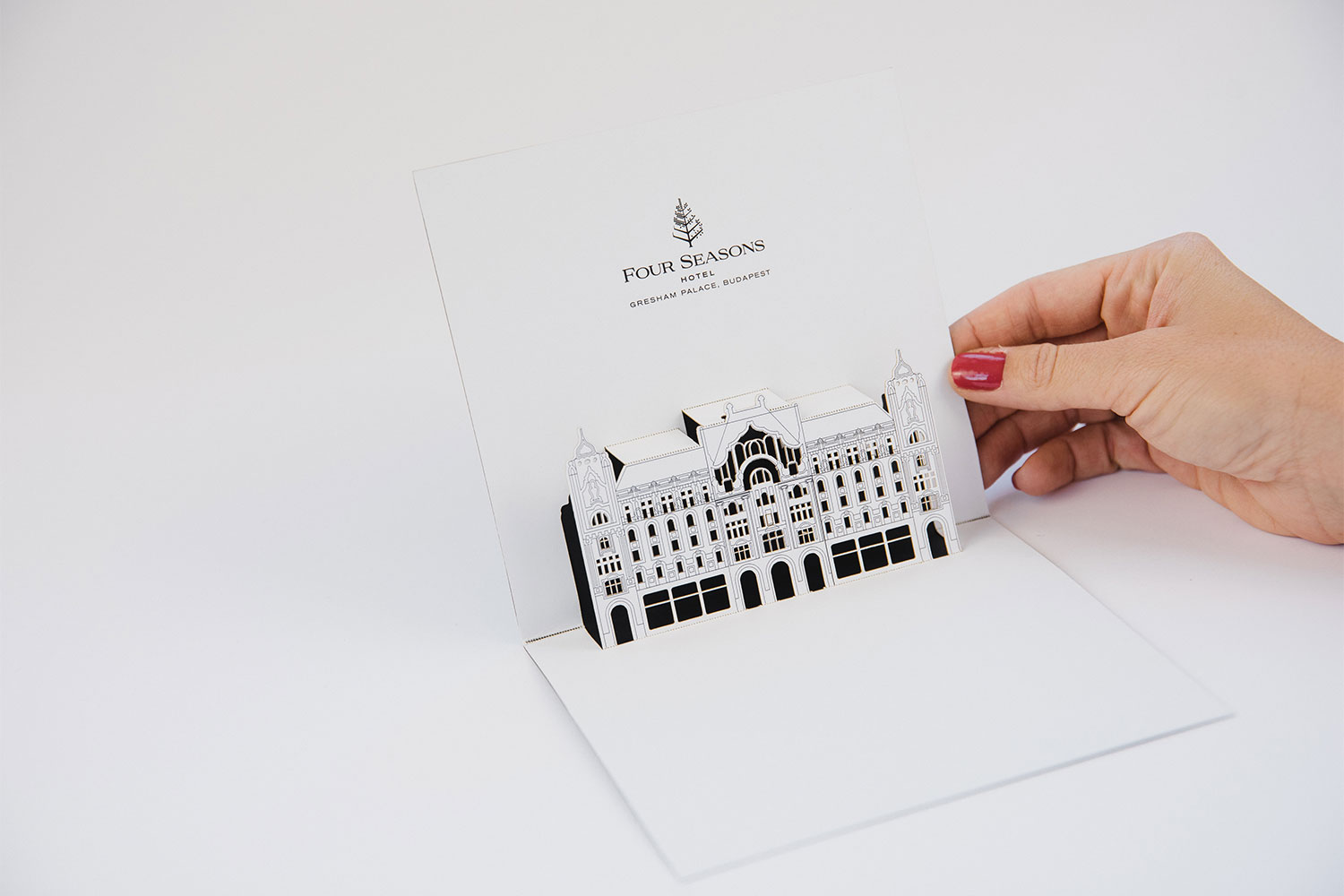
I create bespoke and unique paper installations for clients who are looking to extend their brand experience through cutting edge design. We are not only specialised in giant sculptures but can also translate our ideas into tiny exclusive stationery pieces, all made out of paper.
I believe in the importance and power of the design process. I love the refreshing energy of interdisciplinary solutions, which means I love to push my boundaries by cooperating with fashion designers on paper couture or designing packaging that intertwines ideas from a jewellery collection.
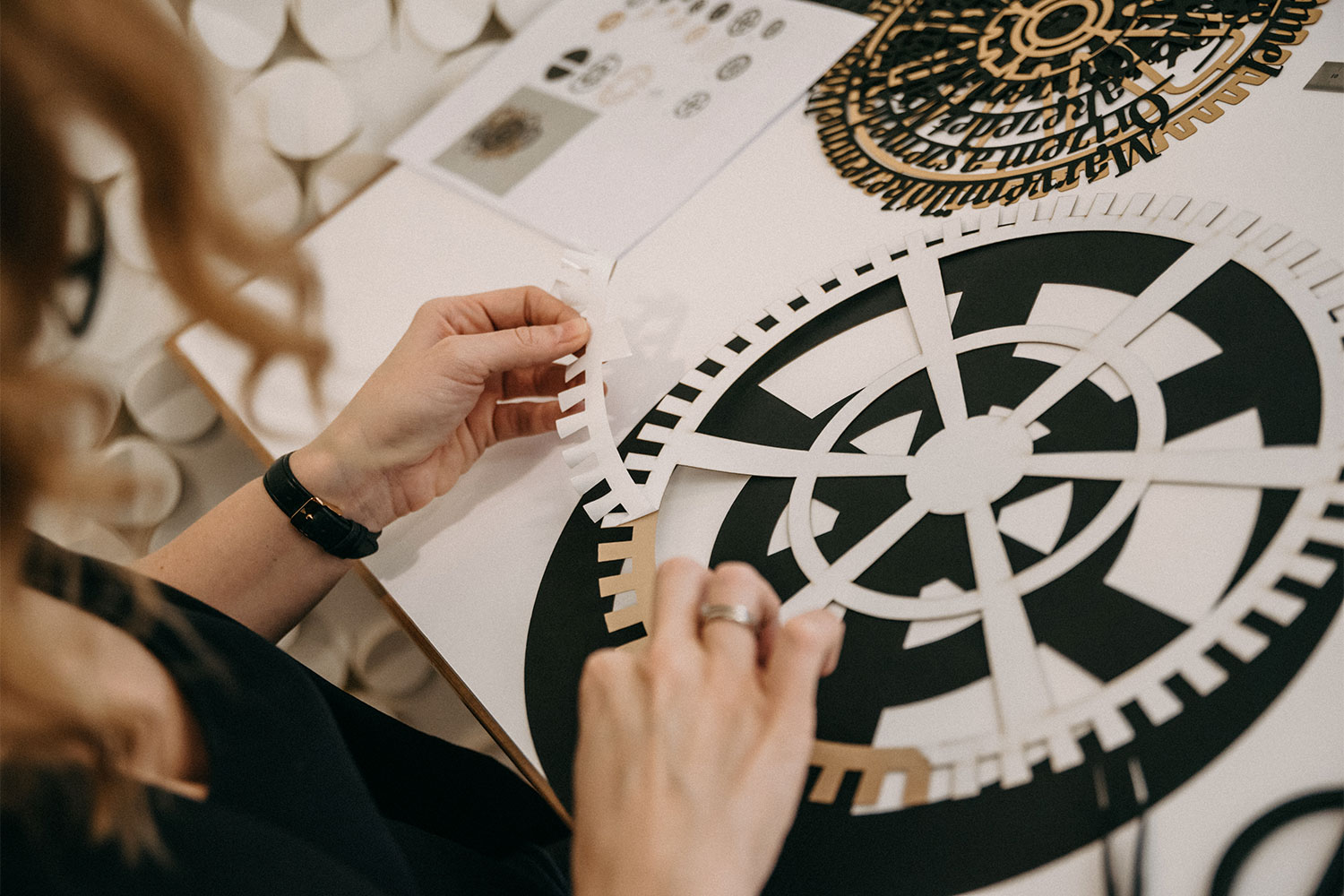
I love combining techniques, researching, getting a glimpse of new techniques and integrating them, even if they are not usually meant for working with paper, like stitching or pleating. This gives captivating results.
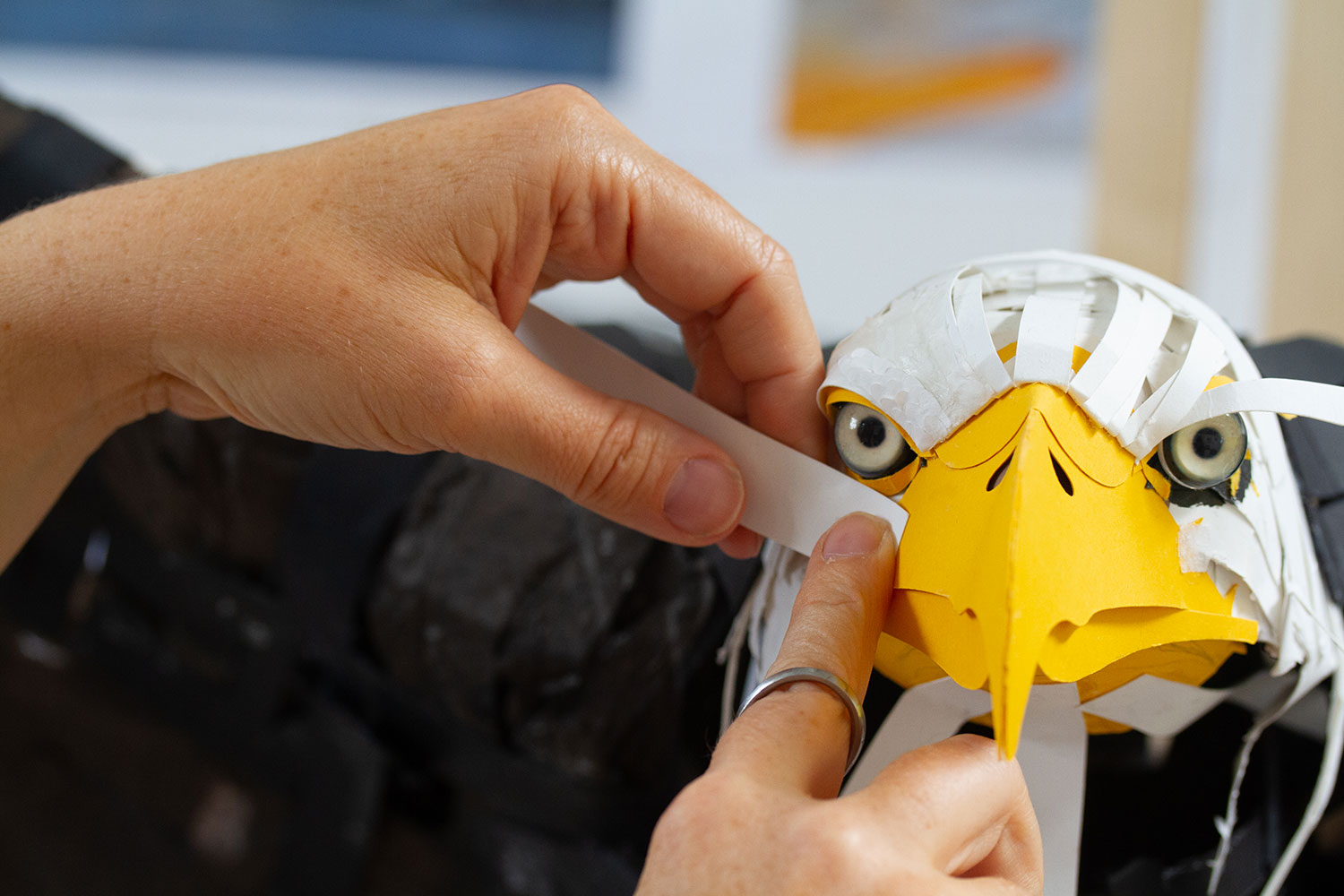
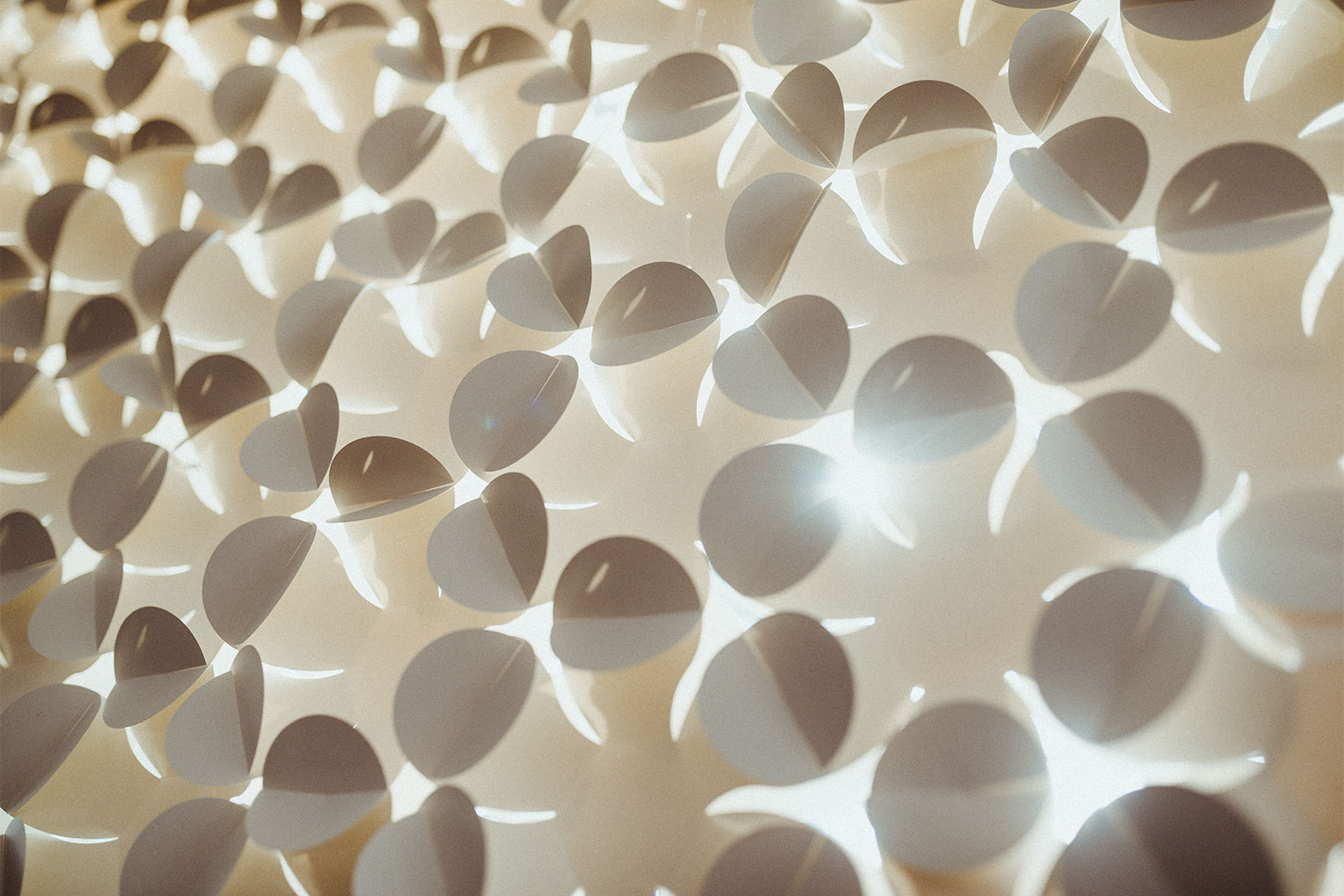
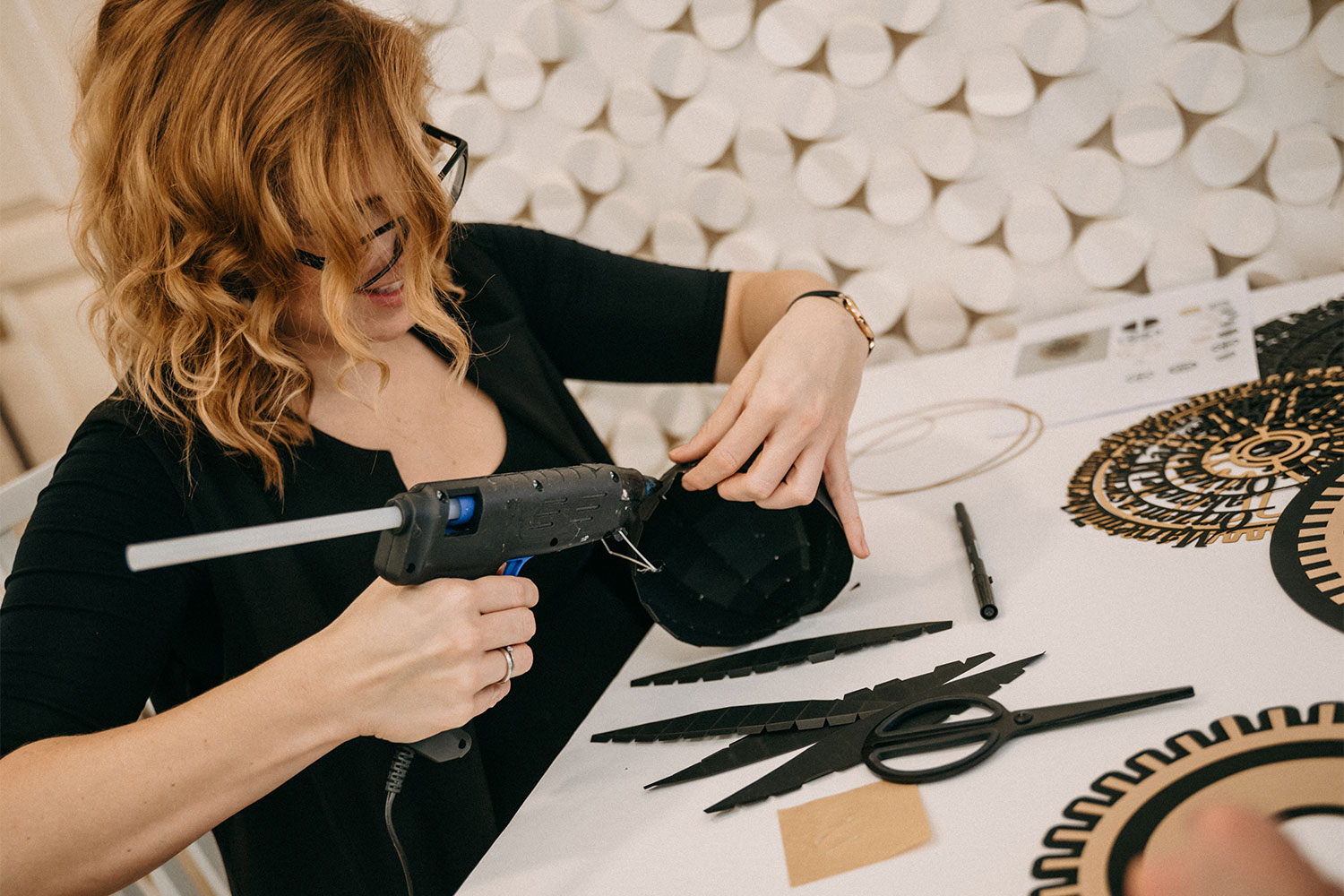
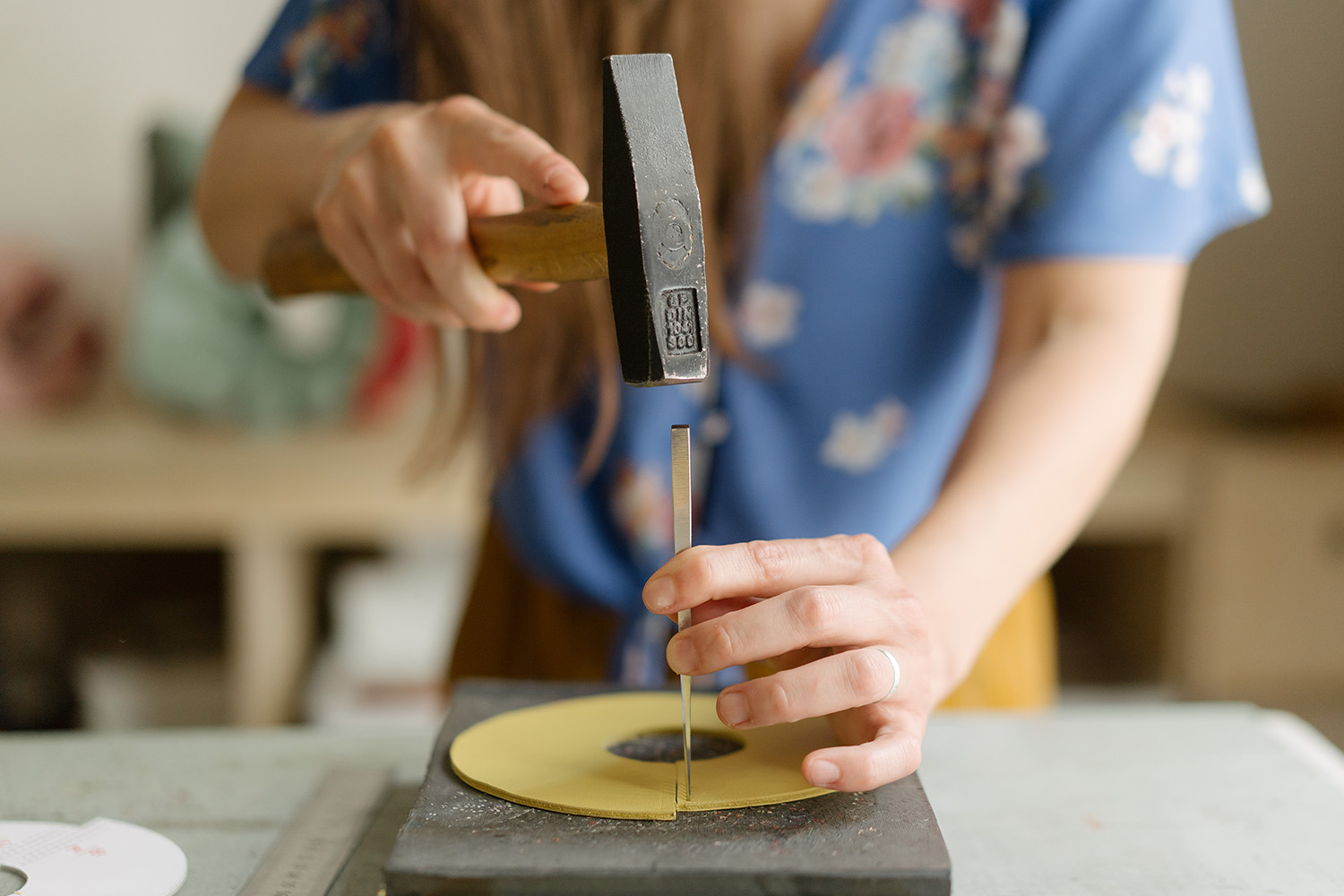
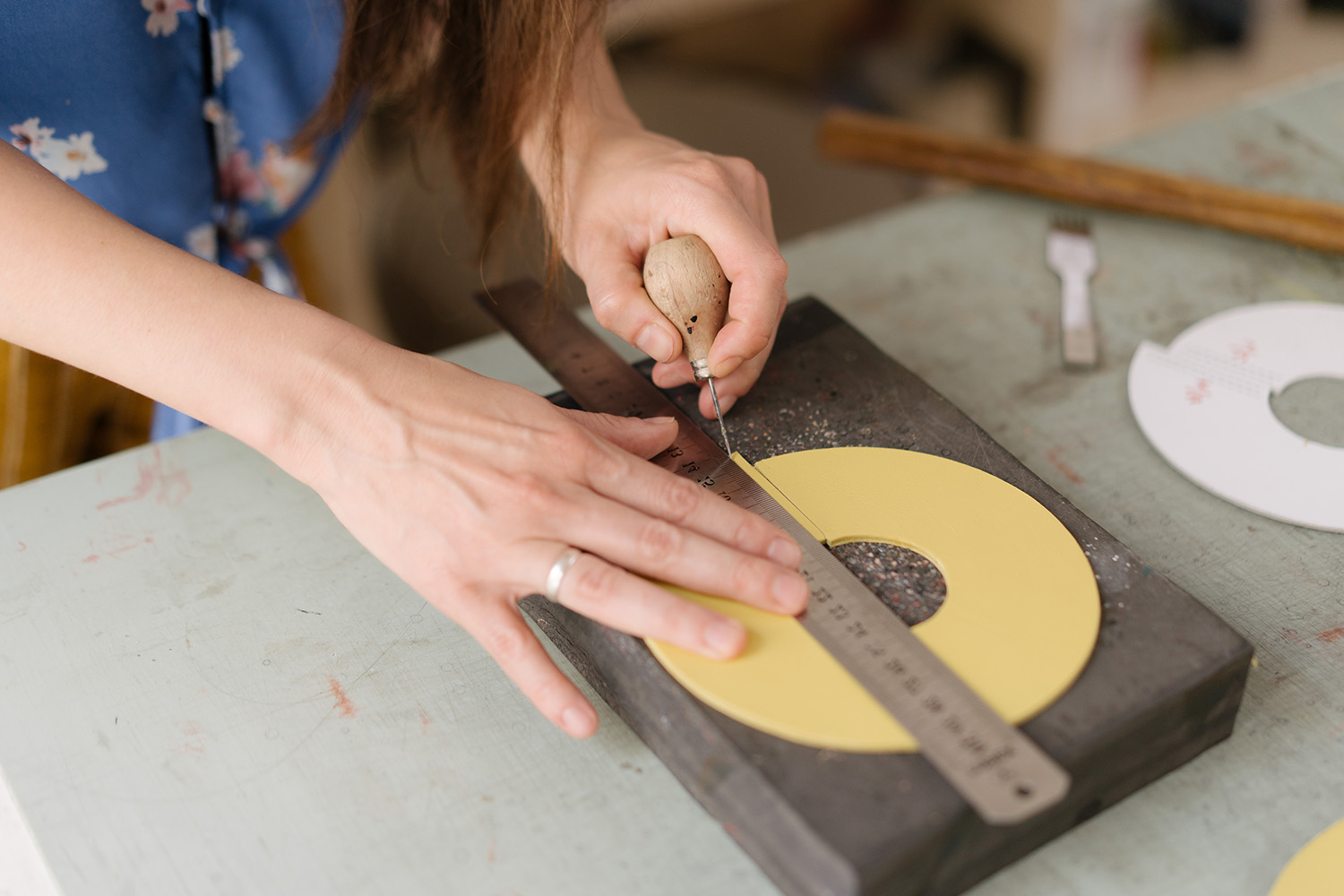
We often use laser cutting, which is quite advanced, however we implement production techniques that are more traditional, such as die cutting and metal foil embossing. Every element of our installations is hand sculpted and assembled, giving it a personal touch.
VICTOR-CADENE_CADRES_OEUVRES_0012-copy.jpg)
2023-06-VictorCadene-Bourron-20-copy.jpg)
EDITED_VC-Interieur22-copy.jpg)